Category: Uncategorized

  • 2026 Roof Replacement Cost in Detroit, MI: Complete Price Guide for Motor City Homeowners

    2026 Roof Replacement Cost in Detroit, MI: Complete Price Guide for Motor City Homeowners

    If you own a home in Detroit or the surrounding Metro area, your roof isn't just a structural component: it’s your primary defense against Michigan’s punishing weather cycles. From heavy lake-effect snow to summer hail storms, the demands on a Detroit roof are intense. As we move through 2026, many homeowners are facing the reality that their 20-to-30-year-old roofs have reached the end of their lifespan.

    In 2026, the average cost for a roof replacement in Detroit, MI is approximately $11,000 for a standard asphalt shingle installation. However, depending on your neighborhood, roof complexity, and material choice, projects typically range from $8,500 to $18,500.

    At Get My Roof Estimate Now, we leverage satellite imagery to provide instant, accurate pricing so you can skip the contractor sales pitch and get straight to the facts. This guide breaks down exactly what you’ll pay for a new roof in the Motor City this year.


    2026 Detroit Roofing Cost Benchmarks

    Before diving into the variables, here is the baseline data for a typical Detroit home (1,600 to 1,800 square feet):

    Factor Estimated Cost (2026)
    Total Average Project $8,500 – $18,500
    Cost Per Square Foot (Asphalt) $5.60 – $9.00
    Cost Per Square Foot (Metal) $12.00 – $18.00
    BSEED Permit Fee $150 – $800
    Ice/Water Shield (Code) $1.00 – $2.00 / sq ft
    EPA Lead-Safe Surcharge $400 – $1,200 (Pre-1978 homes)

    Note: In the roofing industry, we measure roofs in "squares." One square equals 100 square feet. A typical Detroit roof is 16–18 squares.


    Material Breakdown: Choosing the Right Protection

    Detroit's climate requires materials that can handle rapid freeze-thaw cycles and high winds. Your material choice is the single biggest factor in your final invoice.

    1. Architectural Shingles (Popular)

    Cost: $7.00 – $9.00 per sq ft
    Architectural (or dimensional) shingles are the gold standard for most Metro Detroit neighborhoods. They offer a layered, textured look and are rated for much higher wind speeds than traditional shingles. Most homeowners find these provide the best ROI for Detroit's climate.

    2. 3-Tab Asphalt Shingles (Budget)

    Cost: $5.00 – $7.00 per sq ft
    While the most affordable option, 3-tab shingles are becoming less common in Michigan. They have a shorter lifespan (15–20 years) and are more prone to wind lift during the severe storms we’ve seen recently.

    3. Standing Seam Metal (Premium)

    Cost: $12.00 – $18.00 per sq ft
    Metal roofing has surged in popularity in 2026, especially in suburbs like Dearborn and Royal Oak. While the upfront cost is higher, a metal roof can last 50+ years and sheds snow significantly better than asphalt, reducing the risk of ice dams. You can compare metal vs. shingles to see which fits your long-term goals.

    4. Designer / Impact-Rated Shingles (Protective)

    Cost: $10.00 – $12.00 per sq ft
    Given the increasing frequency of hail in Michigan, Class 4 impact-resistant shingles are a smart investment. Many insurance companies offer premium discounts for installing these, as they are specifically designed to withstand hail up to 2 inches in diameter.

    5. Slate Restoration (Historic)

    Cost: $40,000+
    For residents in Indian Village or Palmer Woods, slate is often the required material to maintain historic integrity. These projects require specialized craftsmen and significant structural reinforcement.

    Close-up of premium architectural asphalt shingles showing texture


    The "Detroit Factor": Local Variables That Affect Pricing

    Roofing in Detroit isn't the same as roofing in Florida or Texas. Several local factors drive costs here:

    1. Historic Housing Stock

    Detroit has some of the most beautiful historic neighborhoods in the country. If you live in Boston-Edison, Indian Village, or Palmer Woods, expect higher costs. These homes often feature:

    • Steep Pitches: Steeper roofs require more safety equipment and slower labor, increasing costs by 15–25%.
    • Multiple Layers: Older homes may have 2 or 3 layers of old shingles that must be removed, adding to disposal fees.
    • Decking Repairs: Homes built before 1939 often have spaced board decking that may need to be replaced with modern OSB or plywood to meet current codes.

    2. Harsh Winters and Ice Dams

    Michigan building code is very specific about "Ice and Water Shield." This is a waterproof membrane installed under the shingles.

    • Requirement: It must be installed at all eaves and valleys.
    • Code: It must extend from the roof edge to a point at least 24 inches inside the interior wall line.
    • Impact: Expect to pay $1 to $2 per square foot for this mandatory protection. It is non-negotiable for passing a Detroit BSEED inspection.

    3. Detroit BSEED Permits

    The City of Detroit’s Buildings, Safety Engineering, and Environmental Department (BSEED) requires a permit for any roofing job over $5,000.

    • The Formula: Typically $150 for the first $2,000 of job value, plus $20 for every additional $1,000.
    • Standard Project: For an $11,000 roof, your permit will cost roughly $330.

    Installation of ice and water shield on a Detroit roof eave


    Regional Price Variations

    While Detroit proper costs are about 10% below the national average, there is variation within the Metro area:

    • Higher Costs: Historic districts and affluent suburbs like Grosse Pointe or Birmingham often see higher bids due to stricter local ordinances and complex architecture.
    • Lower Costs: Areas like Brightmoor or parts of Dearborn with simpler ranch-style homes typically fall on the lower end of the $8,500–$18,500 range.

    Hidden Costs to Watch For in 2026

    When reviewing quotes for your Detroit MI roof replacement, ensure these items are clearly line-itemed:

    • EPA Lead-Safe Surcharge: If your home was built before 1978, contractors must follow specific lead-safe practices during the tear-off. This can add $400–$1,200 to the project.
    • Ventilation Upgrades: Michigan code requires specific attic ventilation ratios. If your current roof doesn't breathe properly, adding a ridge vent or soffit vents is a mandatory expense, usually $300–$900.
    • Plywood/Decking: Most contractors include 1–2 sheets of plywood in their base bid, but if your roof has significant rot from a leak, each additional sheet can cost $85–$110.

    Why Technology is Changing Detroit Roofing

    In the past, getting a Detroit roof replacement cost meant calling three contractors, waiting for them to show up with a ladder, and sitting through three 90-minute sales presentations.

    In 2026, that process is obsolete. Using advanced satellite imagery and AI, Get My Roof Estimate Now can measure your roof’s size, pitch, and complexity to within inches. We factor in Detroit’s current labor rates and material costs to give you a transparent, instant roof estimate in under 60 seconds.

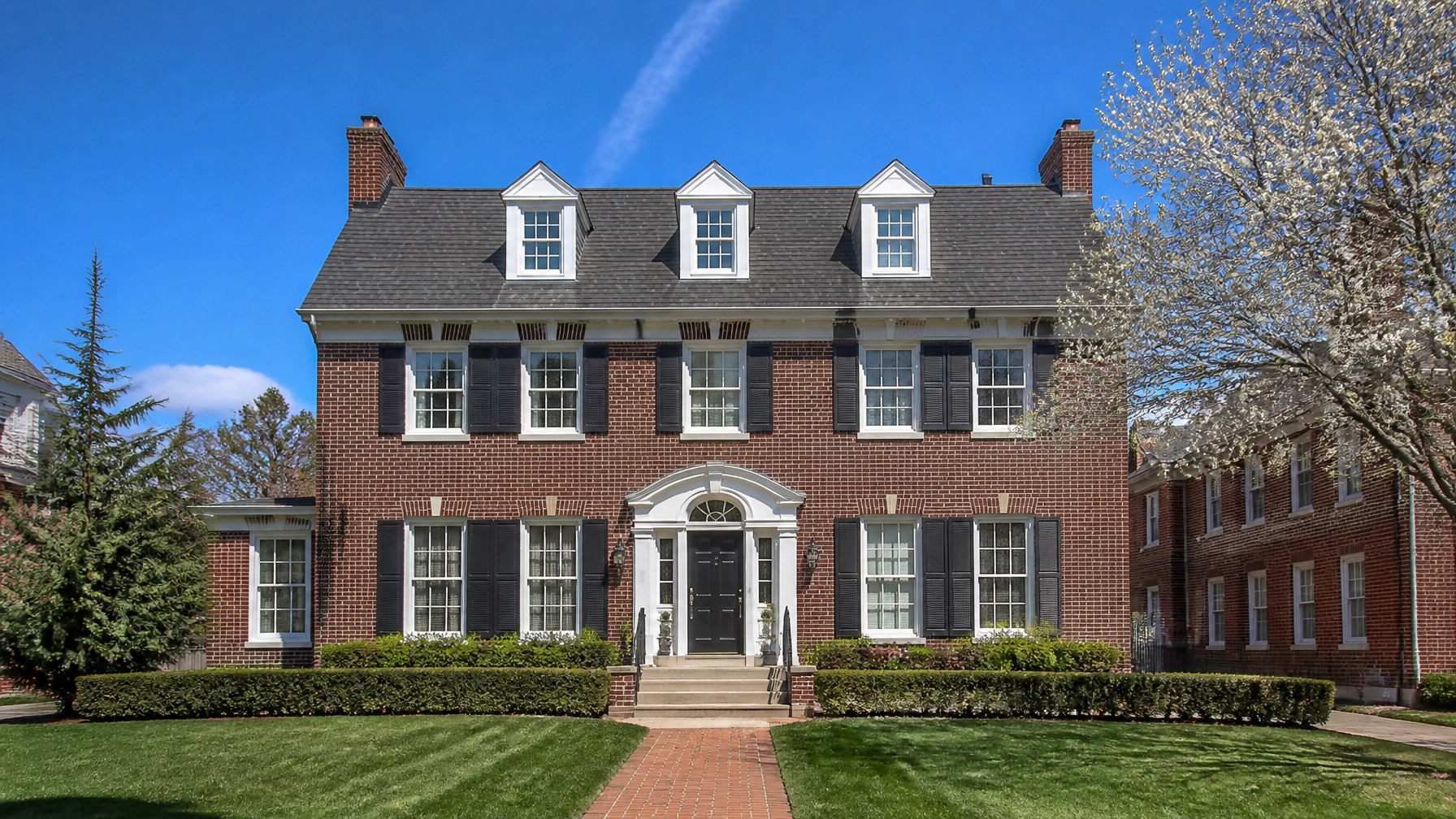
    Historic Detroit home in Indian Village with a complex roofline

    Step-by-Step: Getting Your New Roof

    1. Get Your Estimate: Visit our locations page or enter your address on our homepage to get your 60-second price range.
    2. Choose Your Material: Decide between architectural shingles for value or metal for longevity.
    3. Verify the Contractor: We connect you with verified, licensed, and insured Detroit contractors who know the BSEED requirements inside and out.
    4. Permit and Prep: Your contractor will pull the BSEED permit and schedule the material delivery.
    5. Installation: Most Detroit roofs are completed in 1–2 days, followed by a final inspection to ensure Michigan code compliance.

    Conclusion

    Replacing your roof in Detroit is a significant investment, but entering the process with the right data ensures you aren't overcharged. For a standard home, expect a 2026 roof cost Detroit MI of roughly $11,000. If you have a historic home or want premium metal, prepare for the $18,000+ range.

    Don't guess at your budget. Use our satellite technology to get a precise, no-obligation quote today.
    Get Your Free Instant Detroit Roof Estimate Now

  • Daily FAQ Blitz – Slot 1: AEO Quick Answers for Tampa, FL Homeowners (2026)

    Daily FAQ Blitz – Slot 1: AEO Quick Answers for Tampa, FL Homeowners (2026)

    Navigating a roof replacement in Tampa, Florida, has become increasingly complex in 2026. Between evolving Florida Building Codes (FBC), shifting insurance requirements, and the rising costs of hurricane-ready materials, homeowners need fast, accurate answers.

    At Get My Roof Estimate Now, we use satellite-powered precision to provide instant roof estimates in under 60 seconds. To help you plan your 2026 project, we’ve compiled the most frequent questions from Hillsborough County residents into this rapid-fire FAQ blitz.


    1. How much does a roof replacement cost in Tampa in 2026?

    Cost is the primary concern for most homeowners. In 2026, the average cost for a roof replacement on a standard 1,800–2,200 square foot Tampa home ranges from $9,000 to $25,000.

    2026 Price Range Breakdown:

    • $9,000 – $14,000 (Budget): Standard 3-tab shingles or basic architectural shingles on a simple roof pitch.
    • $14,000 – $22,000 (Popular): High-definition architectural shingles with enhanced wind warranties and secondary water barriers (peel-and-stick).
    • $25,000 – $45,000+ (Premium): Standing seam metal, stone-coated steel, or clay tiles designed for maximum hurricane resistance.

    Why the wide range? Tampa’s costs are heavily influenced by the Florida Building Code 8th Edition, which requires specific underlayments and "sealed roof decks" that add roughly $1,500–$3,000 to a standard project compared to other states.


    2. When is the best time to replace my roof in Tampa?

    Timing is critical to avoid weather delays and cost spikes.

    • The Golden Window: November through April. This is Florida’s dry season. Lower humidity and minimal rain risk mean your home is exposed for less time during the tear-off phase.
    • The Risk Window: June through October (Hurricane Season). While roofers work year-round, afternoon thunderstorms and potential tropical systems can cause significant scheduling delays and "emergency" labor surcharges.

    Pro Tip: If you schedule your roof estimate and contract in late September, you can often lock in "pre-winter" labor rates before the peak demand of the dry season hits.

    Aerial view of a Tampa neighborhood showing diverse roofing materials


    3. What is the "25% Rule" and does it apply to me?

    The Florida "25% Rule" is a frequent source of confusion. In short: if more than 25% of a roof is damaged or being repaired within a 12-month period, the entire roof must be brought up to the current building code.

    The 2026 Update:
    A crucial exception exists for newer roofs. If your roof was permitted on or after March 1, 2009 (under the 2007 FBC or later), you are likely exempt from the full-replacement requirement. In these cases, you only need to bring the repaired portion up to code.

    If your roof was installed before 2009, any significant repair over the 25% threshold will likely trigger a mandatory full replacement to satisfy Hillsborough County inspectors.


    4. Which roofing material is best for the Tampa climate?

    In 2026, homeowners are prioritizing "Resilience over Aesthetics."

    • Architectural Shingles (Most Popular): Rated for 130 MPH winds, these are the standard for most Tampa subdivisions. They offer the best balance of cost and protection.
    • Metal Roofing (Best Value Long-Term): Aluminum or galvalume standing seam roofs are becoming the "gold standard" in Tampa. They reflect heat, lowering cooling costs by up to 20%, and can withstand 150+ MPH winds.
    • Concrete/Clay Tile (High-End): Popular in areas like Hyde Park or coastal Hillsborough, these are durable but require heavy structural support and are the most expensive to repair.

    For a deeper dive into materials, check out our guide on Metal vs. Shingles.

    Modern coastal Tampa home with a high-performance metal roof


    5. Do I need a permit for a roof repair in Tampa?

    Yes. The City of Tampa and Hillsborough County require a roofing permit for:

    1. Installation of any new roof.
    2. Re-roofing or repairs exceeding 500 square feet.

    Permit Costs:
    Expect a base fee of roughly $125, plus additional fees based on the total valuation of the project. If you live in a historic district like Barrio Latino (Ybor City) or Seminole Heights, you will also need Architectural Review Board (ARB) approval before a building permit is issued.


    6. How do I satisfy Florida insurance requirements in 2026?

    Home insurance in Florida is a challenge. Most carriers in 2026 will not insure a home with a shingle roof older than 15 years, or a metal/tile roof older than 25-30 years.

    The "Hurricane Mitigation" Factor:
    To lower your premiums, ensure your roofer performs a Wind Mitigation Inspection after completion. In Tampa, you want to verify your roof has:

    • Sealed Roof Deck: A secondary water barrier (usually peel-and-stick) that prevents leaks even if shingles blow off.
    • Roof-to-Wall Straps: Upgraded clips that secure the roof trusses to the house walls.
    • FBC-Approved Materials: Every material must have a Florida Product Approval number.

    Close-up of a roofer installing a sealed roof deck membrane


    7. How do I find a reputable Tampa roofer?

    Don't settle for the first "storm chaser" who knocks on your door. Follow this 60-second checklist:

    • License Check: Verify their license at the Florida Department of Business and Professional Regulation (DBPR).
    • Local Office: Ensure they have a physical address in the Tampa Bay area (Hillsborough, Pinellas, or Pasco counties).
    • Insurance: Request a Certificate of Insurance (COI) showing both General Liability and Workers' Comp.
    • Data-First Estimating: Use a service like Get My Roof Estimate Now to get a neutral, satellite-verified price range before talking to sales reps. This prevents "price anchoring" and ensures you aren't overcharged.

    Ready for an Instant Tampa Roof Estimate?

    Stop waiting for contractors to show up for "ballpark" quotes. We use high-resolution satellite imagery to measure your roof's pitch, complexity, and square footage with 95% accuracy.

    Get your transparent, 60-second price range today.

    GET MY INSTANT TAMPA ESTIMATE


  • 2026 Roof Replacement Cost in Memphis, TN: Complete Price Guide for Bluff City Homeowners

    2026 Roof Replacement Cost in Memphis, TN: Complete Price Guide for Bluff City Homeowners

    Navigating a roof replacement in the Mid-South requires a balance of local market knowledge and climate-specific planning. As of 2026, the Memphis roofing market remains a unique pocket of the U.S. where homeowners benefit from costs approximately 10-12% below the national average. However, factors like high humidity, severe storm risk, and specific Shelby County building codes mean that the "cheapest" option rarely provides the best long-term value.

    For Memphis homeowners living in areas like Midtown, Germantown, or East Memphis, understanding the current price per square foot and material performance is essential for accurate budgeting. This guide breaks down exactly what you should expect to pay for a roof replacement in the Bluff City this year.

    2026 Memphis Roofing Price Breakdown by Material

    The largest variable in your total cost is the material you select. In Memphis, architectural asphalt shingles remain the standard due to their balance of cost and wind resistance, though metal roofing is seeing a surge in popularity for its durability against severe weather.

    Average Total Project Costs

    For a typical Memphis home (approximately 2,000 to 2,300 square feet of roof area), here are the projected total investment ranges:

    • Architectural Asphalt Shingles (Popular): $8,770 – $13,531
    • 3-Tab Asphalt Shingles (Budget): $6,825 – $10,810
    • Standing Seam Metal (Premium): $15,120 – $27,720
    • Synthetic Slate (Luxury): $17,010 – $31,680

    Price Per Square Foot (Installed)

    When comparing quotes from local contractors, use these benchmarks to ensure you are receiving fair market pricing for the Memphis area:

    Material Type Estimated Cost Per Sq. Ft. Primary Benefit
    Architectural Shingles $4.05 – $6.77 Best ROI and wind resistance.
    3-Tab Asphalt $3.15 – $4.95 Lowest upfront cost (Budget option).
    Standing Seam Metal $7.20 – $12.60 50+ year lifespan; energy efficient.
    Synthetic Slate $8.10 – $14.40 High-end aesthetic without the weight.
    Clay Tile $9.00 – $16.20 Fireproof; iconic Mediterranean look.

    Close-up of high-quality architectural shingles being installed on a Memphis home

    Local Factors Driving Memphis Roofing Costs

    Why does a roof in Memphis cost less than one in Nashville or Atlanta? Several regional factors play into the final estimate.

    1. The 10-12% Discount Factor

    Memphis consistently ranks as one of the most affordable major metro areas for home services. Lower labor rates and proximity to major distribution hubs along the Mississippi River help keep material transport costs down, allowing local contractors to offer pricing roughly 10-12% lower than the U.S. average.

    2. Climate Zone 3A Requirements

    Memphis is classified in Climate Zone 3A (Warm-Humid). With roughly 54 inches of annual rainfall and summer humidity levels averaging 75%, your roof must be designed to breathe.

    • Algae-Resistant Shingles: These are a non-negotiable standard in Memphis. Without them, the high humidity leads to unsightly black streaks (Gloeocapsa magma) within just a few years.
    • Ventilation: Proper ridge and soffit ventilation are critical to prevent attic heat buildup, which can cook shingles from the inside out during 90°F+ Memphis summers.

    3. Wind and Storm Risk

    Located in the Mid-South severe weather corridor, Memphis roofs face design wind speeds of 90-95 mph. Standard local practice now involves using a 4-nail pattern per shingle at minimum, though many premium installers use 6 nails for enhanced wind uplift resistance.

    4. Loess Clay Soil and Framing Stress

    Unique to the Memphis bluff region is "Loess" clay soil. This soil is prone to significant expansion and contraction, often leading to foundation shifts. These shifts can place stress on roof framing, occasionally causing rafters to bow or decking to pull away. During a replacement, it is vital to have a contractor inspect the structural integrity of the roof deck.

    Building Codes and Permits in Shelby County

    Compliance with local codes ensures your manufacturer warranty remains valid and your insurance stays intact. Memphis and unincorporated Shelby County currently operate under the 2021 International Residential Code (IRC) with specific local amendments.

    • Permit Fees: Expect to pay between $128 and $195 for roofing permits in Shelby County. Note that simple re-roofing may not always require a permit if the decking is not being repaired, but any structural work or deck overlay triggers the requirement.
    • The "1/4 Inch" Decking Rule: Local policy dictates that if the gaps in your existing wood decking exceed 1/4 inch, the deck must be repaired or overlaid with 3/8" wood structural panels.
    • Ice and Water Barrier: While the IRC generally requires ice barriers at the eaves in colder climates, Shelby County has a local amendment that removes this requirement due to our lack of sustained freezing cycles. However, a high-quality underlayment is still mandatory.
    • Drip Edge: A metal drip edge is required on all eaves and rakes to prevent water from wicking back into the fascia and decking.

    Modern ranch-style home in Germantown, TN with a matte black standing seam metal roof

    Choosing Your Material: Metal vs. Shingles in the Mid-South

    For many Memphis homeowners, the decision comes down to Metal vs. Shingles.

    Architectural Shingles are the "Goldilocks" choice for most. They are affordable, look great on traditional brick homes, and are easily repaired after hail events.

    Standing Seam Metal is the "Forever Roof" choice. While the initial cost is nearly double that of asphalt, it is virtually impervious to the high winds and heavy rains common in West Tennessee. In a climate where roofs usually last 18-22 years, a metal roof can easily reach 50 years with minimal maintenance.

    How to Get an Accurate Estimate Without the Hassle

    The traditional way to get a Memphis roof estimate involves calling three different contractors, waiting for them to show up, and sitting through three separate sales pitches. In 2026, technology has changed the game.

    At Get My Roof Estimate Now, we use high-resolution satellite imagery to measure your roof's square footage, pitch, and complexity with 95% accuracy. We combine this data with current Memphis labor and material rates to give you a transparent, instant price range.

    Visual representation of satellite roof measurement technology used for Memphis homes

    Why Use a Satellite Estimate First?

    1. Speed: Get your numbers in under 60 seconds.
    2. No Pressure: Budget for your project before talking to a single salesperson.
    3. Accuracy: Our technology measures within inches, ensuring your quote is based on your actual roof, not a "ballpark" guess.
    4. Local Context: Our algorithms factor in Shelby County permit costs and Tennessee's specific licensing requirements.

    Professional Tips for Memphis Homeowners

    • Verify the TN License: Tennessee law requires a licensed contractor for any home improvement project over $3,000. Never hire a "storm chaser" who cannot provide a valid Tennessee license number.
    • Check for Hail Ratings: If you live in an area prone to storms, ask about Class 3 or Class 4 Impact Resistant shingles. Many insurance providers offer premium discounts for these materials.
    • Don't Skip the Drip Edge: It's a small cost that prevents thousands of dollars in wood rot along your roof's perimeter.
    • Plan for Permits: While simple jobs are fast, if your decking needs an overlay, the permit processing in Shelby County can take 2 to 4 weeks. Factor this into your timeline.

    Get Your Instant Memphis Roof Estimate Today

    Don't guess what your new roof will cost. Whether you're in Collierville, Bartlett, or the heart of Memphis, you can get a precision roof estimate right now.

    Use our free satellite roof estimate tool at getmyroofestimatenow.com to get your instant Memphis roof replacement cost in under 60 seconds ( no contractor visit needed.)

  • 2026 Roof Replacement Cost in Atlanta, GA: Complete Price Guide for Georgia Homeowners

    2026 Roof Replacement Cost in Atlanta, GA: Complete Price Guide for Georgia Homeowners

    Planning a roof replacement in Atlanta for 2026 requires more than just a quick Google search. As the "City in a Forest" continues to grow, homeowners face a unique set of challenges: from a dense tree canopy that accelerates roof wear to a local construction market that is seeing costs climb faster than the national average.

    In 2026, Atlanta homeowners should prepare for roof replacement costs to rise between 4% and 8% due to increased material prices and specialized labor demands. Whether you’re in Buckhead, Decatur, or the surrounding suburbs, understanding the current market data is the first step toward a successful home investment. This guide provides a transparent, data-driven look at what you will likely pay for a new roof in Georgia this year.

    The 2026 Atlanta Outlook: Why Prices Are Rising

    While Atlanta’s roofing market remains competitive, several factors are pushing 2026 estimates higher. Global supply chain shifts have impacted the cost of asphalt and steel, and the high demand for skilled trades in the metro area has kept labor rates at a premium.

    For a standard 2,000-square-foot home in Atlanta, a full roof replacement with architectural shingles now typically ranges from $11,000 to $16,800. If you are considering high-end materials like metal or synthetic slate, those figures can easily double.

    The "Atlanta Factor": Climate and Environment

    Atlanta’s specific environmental conditions play a massive role in how much you’ll spend: and how often:

    • Heavy Humidity: Georgia's moisture levels lead to rapid algae and moss growth, often requiring higher-quality shingles with antimicrobial granules.
    • Tree Canopy: Atlanta has the highest percentage of tree canopy of any major U.S. city. While beautiful, falling limbs and debris buildup in valleys can lead to premature roof failure.
    • Hail Risk: 2026 has seen a continued trend of spring storm volatility, making impact-resistant materials a popular "insurance-saver" choice for local homeowners.

    2026 Price Breakdown by Roof Size

    Roofing is measured in "squares" (a 10' x 10' area, or 100 square feet). Below are the projected 2026 price ranges for the three most common home sizes in the Atlanta metro area.

    1,500 Sq. Ft. Roof (Small/Starter Home)

    • Architectural Shingles (Popular): $8,200 – $11,500
    • Metal Roofing (Premium): $14,000 – $21,000
    • Synthetic/Designer (Luxury): $19,500+

    2,000 Sq. Ft. Roof (Standard Suburban Home)

    • Architectural Shingles (Popular): $10,800 – $15,000
    • Metal Roofing (Premium): $18,800 – $29,000
    • Synthetic/Designer (Luxury): $26,000+

    2,500 Sq. Ft. Roof (Large Family Home)

    • Architectural Shingles (Popular): $13,500 – $18,750
    • Metal Roofing (Premium): $23,500 – $36,250
    • Synthetic/Designer (Luxury): $32,000+

    Close-up of high-quality architectural shingles

    Choosing Your Material: Budget vs. Performance

    In Atlanta, the material you choose is the single biggest variable in your final invoice. Here is how the 2026 market categorizes the most common options:

    1. Architectural Asphalt Shingles (The "Popular" Choice)

    Architectural shingles (also known as dimensional shingles) are the standard for 80% of Atlanta homes. They offer a layered, textured look and are designed to withstand winds up to 130 mph.

    • 2026 Cost: $4.50 – $7.50 per sq. ft. (installed)
    • Lifespan: 25–30 years
    • Best for: Most residential neighborhoods, providing the best balance of cost and durability.

    2. Standing Seam Metal (The "Premium" Choice)

    Metal roofing has surged in popularity across Georgia due to its incredible longevity and energy efficiency. It reflects the harsh Georgia sun, keeping cooling costs lower in the summer.

    • 2026 Cost: $9.00 – $15.00 per sq. ft. (installed)
    • Lifespan: 50+ years
    • Best for: Homeowners planning to stay in their home for decades or those wanting a modern farmhouse aesthetic.

    Contemporary Atlanta farmhouse with a matte black metal roof

    3. Impact-Resistant Shingles (The "Smart" Choice)

    Given the increasing frequency of hail in North Georgia, many homeowners are opting for Class 4 impact-resistant shingles.

    • 2026 Cost: 15–20% premium over standard architectural shingles.
    • Benefit: Often qualifies for significant discounts on annual homeowners insurance premiums in GA.

    Labor and Permit Requirements in Metro Atlanta

    You aren't just paying for shingles; you're paying for a skilled crew to safely remove your old roof and install the new one to code. In 2026, labor accounts for roughly 45% to 60% of your total project cost.

    Permit Costs

    In the City of Atlanta, a residential reroof permit typically costs between $150 and $325. In surrounding counties like Fulton, Gwinnett, or Cobb, these fees are similar, usually falling under $400. Never hire a contractor who asks you to pull the permit yourself; a reputable pro handles the paperwork to ensure the final inspection meets Georgia building codes.

    Labor Rates

    Atlanta’s labor market is tight. Expect to pay between $75 and $100 per hour per worker on a professional crew. While you might find "handyman" prices that are lower, they often lack the necessary worker’s compensation and general liability insurance required to protect you from lawsuits if an accident occurs on your property.

    Ranch-style Atlanta home under heavy tree coverage

    Factors That Can Drive Your Estimate Higher

    Two houses of the exact same square footage can have vastly different price tags based on these "complexity factors":

    • Roof Pitch (Steepness): A steep roof requires specialized safety equipment and takes longer to navigate. If your roof is "non-walkable," expect a 15–25% increase in labor costs.
    • Layers of Old Shingles: If your current roof has two or three layers of old shingles (common in older Atlanta homes), the "tear-off" fee will double or triple, as there is more weight and debris to haul away.
    • Decking Repair: You won't know the state of your wooden roof deck until the old shingles are off. In Atlanta’s humid climate, rot is common. Budget an extra $75 – $110 per sheet of plywood if repairs are needed.

    The Modern Way to Estimate: No Visits, No Hassle

    Historically, getting a roof estimate meant taking time off work to meet three different contractors, only to wait days for a quote. In 2026, technology has changed the game for Georgia homeowners.

    At GetMyRoofEstimateNow.com, we utilize advanced satellite imagery technology to measure your roof with 95% accuracy. By analyzing your home's size, pitch, and complexity from above, we can provide a transparent price range in under 60 seconds.

    Why use a satellite estimate?

    1. Instant Results: Get your 2026 pricing before you even finish your morning coffee.
    2. Zero Pressure: You get the data you need to budget without a salesperson sitting in your living room.
    3. Accuracy: Our measurements are accurate within inches, factoring in every valley and ridge of your Atlanta home.

    Satellite visualization of a roof for measurement

    Conclusion

    Replacing your roof in Atlanta is a major investment, but it’s one that protects your home’s structural integrity and increases its curb appeal. With 2026 costs rising, the best strategy is to be informed. Architectural shingles remain the most popular and cost-effective choice for Georgians, but metal roofing is a formidable contender for those looking for long-term value.

    Don't wait for a leak to start your research. Use our instant roof estimate tool today to see exactly what a new roof will cost for your specific address. Transparent, fast, and accurate: it’s the modern way to plan your home improvement.

  • Miami-Dade Contractor Vetting 2026: 5 Questions That Reveal Whether Your Roofer Knows HVHZ Code

    Miami-Dade Contractor Vetting 2026: 5 Questions That Reveal Whether Your Roofer Knows HVHZ Code

    Replacing a roof in Miami-Dade County in 2026 isn't just a home improvement project, it’s a high-stakes engineering feat. Because we sit in the heart of the High-Velocity Hurricane Zone (HVHZ), our building codes are among the strictest in the world. For homeowners, this means that hiring the "cheapest" guy is often the most expensive mistake you can make.

    In 2026, Miami-Dade roof replacement costs have stabilized, but the regulatory landscape has tightened. If your contractor doesn't understand the nuance of Notice of Acceptance (NOA) numbers or the specific 2026 deck re-nailing schedules, your project will fail inspection, delay your insurance renewal, and leave your home vulnerable to 180+ mph winds.

    Before you sign a contract, use these five vetting questions to separate true HVHZ professionals from out-of-state storm chasers.

    The Critical "25% Rule" in 2026

    Before diving into questions, you must understand the 25% Rule. Per the Florida Building Code (FBC-EB), if you are repairing or replacing more than 25% of your total roof area within any 12-month period, the entire roof must be brought up to the current 2026 HVHZ code.

    For homes built or last roofed before March 1, 2009, this almost always triggers a full replacement (Premium) rather than a simple patch job (Budget). If a contractor suggests a large repair without mentioning this rule, they are likely trying to bypass the permitting process, a major red flag for Miami-Dade homeowners.

    1. "Can you provide the Miami-Dade NOA numbers for every component in your bid?"

    In Miami-Dade, "standard" Florida Product Approval isn't enough. Every single component, from the shingles or tiles to the nails, adhesives, and underlayment, must have a current Notice of Acceptance (NOA).

    • Why it matters: An NOA is a document proving the product has passed TAS 201 (Large Missile Impact), TAS 202 (Uniform Static Air Pressure), and TAS 203 (Cyclic Wind Pressure Loading) tests.
    • The Pro Answer: "Yes, I will provide a 'Product Approval' package with the NOAs for the specific asphalt shingles, the self-adhered secondary water barrier, and even the tin caps used for fastening."
    • The Red Flag: "I use high-quality materials that meet Florida code." (Vague and non-compliant in HVHZ).

    2. "How do you handle the 3-stage HVHZ inspection process?"

    Miami-Dade requires a rigorous inspection sequence that is more intensive than in neighboring counties. A professional roofer will have a logistics plan for these three critical stops:

    1. The Deck/Tear-Off Inspection: Occurs after the old roof is removed. The inspector verifies the structural integrity of the wood and the re-nailing pattern.
    2. The Dry-In / Underlayment Inspection: Occurs after the secondary water barrier is applied but before the final covering.
    3. The Final Inspection: A comprehensive check of the finished product, including flashing, ventilation, and fastener spacing.

    Professional roofer installing 8d ring-shank nails on a Miami roof deck according to HVHZ spacing

    3. "What is your specific deck re-nailing schedule for a home of this age?"

    If your Miami home was built before 1994, your roof deck likely uses staples or 6d nails with wide spacing. Current HVHZ codes require an "enhanced" attachment schedule.

    • The Standard: Most 2026 Miami-Dade permits require 8d ring-shank nails spaced at 6 inches on center at the panel edges and 6 inches on center in the field (6"/6" pattern).
    • Expert Tip: Ask the contractor how many "squares" of deck they expect to replace. In Miami's humidity, it's common for 10-15% of the plywood to show rot or delamination upon tear-off.

    4. "Do you carry a Miami-Dade Certificate of Competency or a State CCC License?"

    Licensing in South Florida is tiered. To pull a roofing permit in Miami, the contractor must hold either a Florida State Certified Roofing Contractor (CCC) license or a Miami-Dade County Certificate of Competency.

    • Insurance Minimums: In 2026, you should look for a contractor carrying at least $300,000 in General Liability and full Workers' Compensation (not an exemption).
    • Verification: Never take their word for it. Check the Miami-Dade Contractor Search or the DBPR portal before paying a deposit.

    Roofer applying a self-adhered secondary water barrier, a mandatory HVHZ requirement for 2026

    5. "Will you be installing a full self-adhered secondary water barrier?"

    As of 2026, the HVHZ code mandates a secondary water barrier (SWR). This is a "peel-and-stick" membrane that covers the entire roof deck.

    • The Benefit: If your shingles or tiles are blown off during a hurricane, this membrane keeps the water out of your attic and living space.
    • Cost Factor: While this adds roughly $1.50–$3.00 per square foot to the Miami roof replacement prices, it is often the single most important factor in lowering your annual homeowners' insurance premiums.

    Miami Roof Replacement Cost 2026: What to Expect

    In the current 2026 market, Miami roof replacement cost is driven by labor and the specific NOA-approved materials required for HVHZ compliance. Below is a breakdown of current price ranges for a typical 2,500-square-foot Miami home.

    Material Type Price Range (Installed) Expected Lifespan HVHZ Performance
    Architectural Shingles (Budget) $12,500 – $18,000 15-20 Years Good (Requires 6 nails/shingle)
    Concrete/Clay Tile (Popular) $22,000 – $38,000 30-50 Years Excellent (Classic Miami look)
    Standing Seam Metal (Premium) $28,000 – $45,000 50+ Years Superior (Highest wind rating)
    Synthetic/Composite (Specialty) $25,000 – $40,000 40-50 Years High Impact Resistance

    Note: These prices include tear-off, permitting, disposal, and the mandatory 3-stage inspection fees.

    Completed modern metal roof in Miami, featuring sleek lines and maximum hurricane protection

    Planning Your 2026 Replacement

    Navigating HVHZ roofing in Miami doesn't have to be a multi-week headache. While traditional contractors might take 10 days just to get you a quote, technology has changed the game.

    At Get My Roof Estimate Now, we use precision satellite imagery to analyze your roof’s size, pitch, and complexity remotely. We can provide an accurate, instant roof estimate for your Miami-Dade property in under 60 seconds. Our data factors in the latest 2026 material costs and the strict local requirements unique to South Florida.

    Whether you are weighing the pros and cons of metal vs shingles or preparing for an upcoming insurance inspection, start with a baseline you can trust.

    Ready to see your 2026 roof cost? Get your instant Miami-Dade estimate here.

  • Daily Weather Blitz – Slot 7: Charleston, SC Heatwave & Home Durability Guide (July 16, 2026)

    Daily Weather Blitz – Slot 7: Charleston, SC Heatwave & Home Durability Guide (July 16, 2026)

    It is Thursday, July 16, 2026, and Charleston is currently trapped in a punishing summer pattern. While a foggy morning offered a brief reprieve, temperatures have surged to a high of 94°F, with the heat index peaking at a staggering 106°F. Combined with 0% precipitation and a severe drought persisting across the Lowcountry, your home's exterior: specifically your roof: is under extreme environmental stress.

    At Get My Roof Estimate Now, we see this weather pattern as more than just a discomfort; it is a catalyst for accelerated material degradation. In these conditions, traditional roofing systems can age 2–3 years in a single season.

    If you’re wondering how your roof is holding up under this UV index of 7, you don't need to wait for a contractor to climb a ladder. You can get a satellite-powered roof estimate in under 60 seconds, accurate to within inches, for free.


    The Invisible Toll of 106°F Heat Index

    When the heat index hits triple digits, your roof surface isn't just "hot": it can reach temperatures exceeding 150°F. For Charleston homeowners, this leads to three primary issues:

    1. Thermal Cycling (Mechanical Stress)

    As the sun beats down, roofing materials expand. When the temperature drops slightly at night, they contract. This constant "breathing" stresses the fasteners, flashing, and sealants. Over time, this leads to sealant fatigue, where the waterproof bonds around your chimney and vents simply crack and fail.

    2. Loss of Volatiles (Brittleness)

    Asphalt shingles contain essential oils that keep them flexible. Intense UV exposure and high heat "bake" these oils out. In a drought-stricken July like this one, your shingles can become brittle. Brittle shingles lose their protective granules, leaving the underlying fiberglass mat exposed to the sun.

    3. Attic Heat Gain (Efficiency Loss)

    Without proper ventilation, your attic acts like an oven. This heat transfers into your living space, forcing your HVAC system to work overtime. In Charleston’s current 106°F heat index, a poorly ventilated attic can reach 160°F or higher, significantly impacting your comfort and energy bills.


    Drought Hazards: More Than Just Dry Grass

    The severe drought currently impacting South Carolina introduces unique risks to home durability.

    • Foundation Soil Shrinkage: The expansive clay soils in parts of the Lowcountry shrink during prolonged dry spells. This can cause minor structural shifts that translate to the roofline, potentially opening small gaps in flashing.
    • Fire Vulnerability: Drought-dried debris in gutters and valleys becomes highly flammable. While rain is at 0%, a single spark or stray firework can ignite dry pine needles trapped on your roof.
    • Biological Dormancy: While the drought temporarily slows the growth of Gloeocapsa Magma (the bacteria that causes black streaks), the existing organisms are simply dormant. Once the humidity returns, they will continue to feed on the limestone filler in your shingles.

    Material Strategy: What Wins in the Lowcountry?

    Choosing the best roof for Charleston homes requires balancing upfront costs with long-term ROI. In this climate, "standard" isn't enough.

    Light-colored architectural shingles designed for cool-roof performance

    1. Architectural Asphalt Shingles (Budget / Popular)

    • Average Charleston Cost: $10,000 – $16,000
    • Lifespan: 15–20 years (in coastal heat)
    • Best For: Homeowners looking for immediate affordability and high curb appeal.
    • Tip: Always specify algae-resistant and cool-roof (reflective) granules to combat the Charleston humidity and sun.

    2. Standing Seam Metal (Premium / Durability)

    • Average Charleston Cost: $24,000 – $45,000
    • Lifespan: 50+ years
    • Best For: Long-term residents and those prioritizing energy efficiency.
    • ROI: Metal roofing is the gold standard for Charleston roofing ROI. It reflects up to 70% of solar radiation, potentially cutting cooling costs by 20% during heatwaves like the one we are experiencing today.

    Sleek standing seam metal roof on a coastal home in Charleston


    Maintenance Checklist for Coastal Heat

    To protect your Charleston SC home value, follow this high-heat maintenance protocol:

    1. Inspect Attic Ventilation: Ensure your ridge vents and soffit vents are clear. In 94°F weather, airflow is your roof’s best friend.
    2. Consider Solar Attic Fans: These fans pull hot air out of your attic using the very sun that is causing the problem. They operate for free and significantly reduce the load on your AC.
    3. Check Sealants: Look for "alligatoring" or cracking in the caulk around roof penetrations. If it looks dry, it will leak during the next Lowcountry thunderstorm.
    4. Clear Debris: Remove dry leaves and pine straw from valleys to mitigate fire risks during this drought.

    Solar-powered attic fan installed on a residential roof to reduce heat


    Data-Driven Budgeting: Charleston SC Roof Replacement Cost

    Understanding the market rate is essential for planning. Prices in Charleston are influenced by local labor rates and the logistics of coastal delivery.

    Material Type Cost Category Estimated Range (2,500 sq. ft. Roof)
    Architectural Shingles Budget $10,000 – $16,000
    Luxury Shingles Mid-Range $17,000 – $22,000
    Standing Seam Metal Premium $24,000 – $45,000
    Synthetic Slate/Tile Luxury $50,000+

    Note: Prices vary based on roof pitch and complexity. Use our instant estimator for a property-specific quote.


    Why Technology Trumps Tradition

    The old way of getting a roof estimate: calling three contractors, waiting for them to show up, and dealing with high-pressure sales pitches: is obsolete.

    By using advanced satellite imagery, we measure your roof's size, pitch, and complexity from space. This allows us to provide an accurate price range (low-middle-high) based on today's material costs in Charleston.

    Aerial view of a Charleston neighborhood showing the scale of residential roofing

    The 60-Second Process:

    1. Enter Your Address: We locate your home via high-resolution satellite.
    2. Our AI Calculates: We measure every "square" (100 sq. ft.) of your roof.
    3. Receive Your Estimate: Get a transparent breakdown of material options and local labor costs instantly.
    4. Connect with Pros: If you're ready, we connect you with verified, licensed, and insured Charleston contractors.

    Conclusion: Don't Let the Heat Win

    The 106°F heat index and severe drought currently affecting Charleston, SC, are more than just a weather report: they are a stress test for your home. Protecting your investment starts with accurate information.

    Whether you are looking for the best roof for Charleston homes or just trying to budget for the future, start with data. Avoid the wait and the hassle.

    Click here to get your instant, free roof estimate now.


  • Insurance Masterclass: How Memphis Homeowners Can Get Their Roof Replacement Covered in 2026

    Insurance Masterclass: How Memphis Homeowners Can Get Their Roof Replacement Covered in 2026

    Navigating a roof insurance claim in Memphis during 2026 requires more than just a ladder and a camera. As part of our Insurance Masterclass (Slot 43), we are pulling back the curtain on how Tennessee homeowners can maximize their coverage and avoid common pitfalls.

    Memphis sits in the heart of "Dixie Alley," an area notorious for high-velocity wind and damaging hail. When a storm hits, the difference between a $15,000 bill and a fully covered replacement often comes down to your knowledge of state law and your ability to leverage modern technology. At Get My Roof Estimate Now, we provide the data you need to approach your insurance company with confidence.

    1. RCV vs. ACV: Knowing Your Policy Type

    Before you file a claim, you must understand how your insurer calculates value. This is the single biggest factor in your out-of-pocket costs.

    • RCV (Replacement Cost Value) [Premium]: This is the gold standard. If your roof is damaged, the insurer pays what it actually costs to replace it today (minus your deductible).
    • ACV (Actual Cash Value) [Budget]: This policy type factors in depreciation. If your roof is 15 years old, the insurer will subtract its "used" value from your payout, often leaving you with a significant financial gap.

    In the current Memphis market, where a standard roof replacement costs between $7,000 and $18,500, an ACV policy can be a costly surprise. Always check your "Declarations Page" to confirm you have RCV coverage.

    2. The Tennessee "Matching" Rule (TCA §62-6-601)

    Tennessee homeowners have a powerful legal ally: the Tennessee Matching Law. Under Tenn. Comp. R. & Regs. 0780-01-05-.10(1)(b), insurers are required to provide a "reasonably uniform appearance."

    If a hail storm damages only one slope of your roof, but the original shingles are no longer manufactured, the insurer cannot simply "patch" it with shingles that don't match. If a match isn't possible, they may be legally obligated to replace the entire roof to maintain a uniform look.

    Furthermore, TCA §62-6-601 (Residential Roofing Services) protects you from predatory practices. By law, a roofing contractor:

    • Cannot pay or "waive" your deductible (this is insurance fraud).
    • Must allow you to cancel the contract within three business days if your insurance claim is denied.
    • Cannot represent you as a public adjuster unless they hold a specific license.

    Close-up of high-quality Class 4 impact-resistant shingles

    3. Memphis Market Data: Costs & Climate Risks

    Memphis experiences over 40 hail events annually. This "daily tech blitz" of weather monitoring is why local homeowners are increasingly moving toward Class 4 Impact-Resistant Shingles. While they carry a higher upfront cost, many insurers offer significant premium discounts for these "hail-proof" materials.

    Typical Memphis Roofing Costs (2026 Data)

    Tier Material Estimated Cost (2,000 sq ft)
    Budget 3-Tab Shingles $7,000 – $9,500
    Popular Architectural Shingles $11,500 – $14,000
    Premium Designer Shingles / Metal $18,500+

    Note: Prices are estimates based on local market data and vary by roof pitch and complexity.

    4. The 5-Step Insurance Claims Process

    If you suspect storm damage, follow this concise roadmap to ensure a successful claim:

    1. Instant Assessment: Use our satellite-powered estimation tool to get an accurate measurement of your roof's "squares" (100 sq ft areas).
    2. Document the Damage: Take photos from the ground. Look for "bruises" on shingles or granules in your gutters.
    3. File the Claim: Contact your insurance carrier immediately. Provide the satellite measurements to set a baseline for accuracy.
    4. The Adjuster Meeting: Have a licensed Memphis roofer present when the insurance adjuster arrives. They will ensure the adjuster sees every damaged ridge and valley.
    5. Review the Scope: Compare the insurance "Scope of Loss" to your satellite estimate. If the square footage is off, use your data to dispute the findings.

    Satellite technology visualization showing precise roof measurements

    5. The Satellite Tech Edge: Innovation in 2026

    The days of contractors walking your roof with a tape measure are over. We leverage the satellite tech edge to provide estimates that are 95% accurate within 60 seconds. This technology relies on the same infrastructure used in the New Orleans aerospace corridor.

    By utilizing satellite technology New Orleans and the surrounding regional hubs like Globalstar Covington, we can tap into high-resolution imagery that measures your roof down to the inch. This transparency prevents insurance companies from "shorting" the measurements on your claim: a common tactic that can cost you thousands in materials.

    6. Why Memphis Homeowners Trust Us

    We specialize in removing the friction from the roofing process. Whether you are in Germantown, Midtown, or Whitehaven, our platform connects you with verified, licensed, and insured local contractors who understand the nuances of Tennessee law.

    • Speed: Estimates in under 60 seconds.
    • Transparency: Low-middle-high price ranges provided upfront.
    • Accuracy: No more "guesstimates": just data-driven satellite measurements.

    Ranch-style Memphis home with a modern metal roof replacement

    Conclusion

    Getting your roof replaced by insurance in Memphis isn't about luck; it's about preparation. By understanding the Tennessee Matching Law, knowing your RCV vs. ACV status, and leveraging the satellite tech edge, you put yourself in the driver's seat.

    Don't wait for a leak to start. Get your free, 60-second satellite roof estimate now and find out exactly what your project should cost before you ever speak to an adjuster.

  • Insurance Masterclass: How Birmingham Homeowners Can Get Their Roof Replacement Covered in 2026

    Insurance Masterclass: How Birmingham Homeowners Can Get Their Roof Replacement Covered in 2026

    For homeowners in the Birmingham-Hoover metropolitan area, "Storm Season" isn't just a calendar entry: it's a high-stakes reality. In 2026, Alabama continues to see a rise in severe weather events, from the notorious "hail belt" frequency to the unpredictable tornadic winds that sweep through Jefferson and Shelby counties.

    If your roof was pummeled by 1-inch hail or lifted by 70 mph winds, you aren't just looking at a repair; you're looking at a complex insurance negotiation. Navigating the claims process in Alabama requires more than just calling an agent: it requires data, speed, and an understanding of specific state laws. This masterclass breaks down exactly how to get your roof replacement covered this year.

    The Birmingham Reality: Identifying "Insurance-Grade" Damage

    Insurance companies don’t pay for "old roofs"; they pay for "sudden and accidental loss." In Birmingham, this typically falls into three categories:

    • Hail Impact (Structural): Unlike cosmetic dings on a car, hail damage on a roof often manifests as "bruises." These are spots where the protective granules have been knocked off, exposing the asphalt mat to UV rays. Left unaddressed, these spots turn into leaks within 12–24 months.
    • Wind Lift (Functional): High winds in Central Alabama can break the adhesive seal of your shingles. If you see "creased" shingles or tabs that flap easily, the roof’s structural integrity is compromised.
    • Tornado/Debris (Catastrophic): This is obvious damage from fallen limbs or flying debris, common in areas like Fultondale or Center Point.

    Macro view of hail damage on an asphalt shingle

    The "1% Trap": Understanding Alabama Deductibles

    The most common shock for Birmingham homeowners in 2026 is the Wind/Hail Deductible. In Alabama, many policies have moved away from a flat $1,000 deductible to a percentage-based model for storm damage.

    • Standard Deductible (Budget): Usually a flat $500 or $1,000 for non-storm claims (like a fire).
    • Wind/Hail Deductible (Common): Often 1% to 2% of your home's total insured value.

    Example: If your home in Hoover is insured for $400,000 and you have a 2% Wind/Hail deductible, you are responsible for the first $8,000 of the roof replacement cost. Knowing this number before you file a claim is essential for budgeting.

    The 60-Second Edge: Using Satellite Technology Before the Adjuster

    Historically, homeowners had to wait days for a contractor to climb a ladder just to get a ballpark price. In 2026, that's an obsolete step. Using Get My Roof Estimate Now, you can generate a professional-grade estimate in under a minute using high-resolution satellite imagery.

    Why this matters for your insurance claim:

    1. Accuracy (95%+): Our satellite measurements are accurate to within inches. When the insurance adjuster arrives with their tape measure, you already have the "squares" (roofing units of measurement) documented.
    2. Price Benchmarking: We provide low-middle-high price ranges (typically $8,000–$25,000 for most Birmingham homes). If the insurance company offers you $10,000 for a roof that our data shows will cost $18,000, you have the immediate leverage to ask for a "supplement."
    3. No-Visit Safety: You get your numbers without high-pressure sales tactics in your living room.

    Satellite imagery measurement tool for accurate roofing estimates

    Step-by-Step: The 2026 Alabama Claim Process

    If you suspect storm damage, follow this timeline to ensure your claim isn't denied due to technicalities:

    1. Instant Estimate (Day 1): Visit our roof cost calculator to get your baseline replacement cost.
    2. Documentation (Day 1-2): Take photos of your yard (for hail stones) and any visible shingle damage from the ground. Look for "granule loss" in your gutters: it looks like heavy dark sand.
    3. File the Claim (Day 3): Call your carrier. In Alabama, most policies require "prompt notice," which usually means within 30–60 days of the storm event.
    4. The Adjuster Meeting (Day 7-14): This is the "make-or-break" moment. Having your satellite-powered estimate ready shows the adjuster that you are an informed homeowner who knows the scale and cost of the project.
    5. Review the Scope: Ensure the adjuster included Code Upgrades. Alabama building codes often require specific underlayments or flashing that your insurance must cover.

    Case Study: A Vestavia Hills Replacement

    Last month, a homeowner in Vestavia Hills noticed small dings on their mailbox after a spring hailstorm. They used our satellite estimate tool and found their 28-square roof would cost approximately $14,500 for high-quality architectural shingles.

    The insurance adjuster initially offered $9,200, citing "Actual Cash Value" (depreciated value). Because the homeowner had their replacement cost data and proof of an HO-3 Replacement Cost policy, they successfully pushed for a "supplement." The final payout covered the full $14,500 replacement (minus their 1% deductible), saving them over $5,000 in out-of-pocket costs.

    A roofing expert explaining a digital estimate to a Birmingham homeowner

    Crucial Deadlines & Alabama Law

    • The 1-Year Rule: Most Alabama policies give you exactly one year from the date of the storm to file a claim. If you wait until the roof starts leaking 18 months later, you will likely be paying the full $15,000+ yourself.
    • Statute of Limitations: Alabama provides a 6-year window for breach of contract. If your insurance company unfairly denies a valid claim, you have legal standing to dispute it long after the adjuster leaves.
    • Contractor Choice: You have the legal right to choose any licensed and insured contractor. Do not let an insurer force you to use a "preferred vendor" if you have a local Birmingham roofer you trust.

    Ready to Start?

    Don't wait for a leak to tell you there’s a problem. If a storm has hit your zip code in the last 12 months, you need to know your numbers.

    Get your instant, 60-second satellite roof estimate here.

    No credit card required. No contractor visit needed. Just the data you need to master your insurance claim and protect your Birmingham home.


  • Daily ROI Blitz #9: How a New Roof Boosts Home Value in Austin, TX (2026 Data)

    Daily ROI Blitz #9: How a New Roof Boosts Home Value in Austin, TX (2026 Data)

    The Austin real estate market in 2026 is a study in resilience. While the average home value sits at $511,264 (down approximately 5.7% year-over-year), the demand for "move-in ready" properties with updated infrastructure has never been higher. For Austin homeowners, the roof isn't just a shelter; it is a critical financial asset that dictates both insurance premiums and resale speed.

    With homes typically going pending in 36 days, a roof nearing the end of its life (15–20 years) is the number one reason deals stall during the inspection period. In this Daily ROI Blitz, we break down the 2026 costs, material lifespans, and the specific Return on Investment (ROI) you can expect in the Travis County metro area.

    The Austin Premium: 2026 Cost Breakdown

    Replacing a roof in Austin costs 8–12% more than the Texas state average. This is driven by high demand for skilled labor and the complexity of Austin’s architectural styles, which often feature steep pitches and limestone integrated flashings.

    For a standard 1,500–2,500 sq. ft. home, here is what you can expect to pay for an Austin TX roof replacement cost 2026:

    Material Type Price Range (Installed) Expected ROI Best For
    Architectural Shingles (Popular) $9,000 – $16,000 60–70% Standard resale prep
    Class 4 Impact-Resistant (Smart) $11,500 – $18,500 65–75% Lowering insurance costs
    Standing Seam Metal (Premium) $18,000 – $32,000 55–65% Energy efficiency & longevity

    Note: These figures reflect full tear-off and replacement. Complex rooflines or multi-story homes may trend toward the higher end.

    Hail Alley Realities: The Travis County Data

    Austin sits on the eastern edge of "Texas Hail Alley." In April 2026 alone, a single massive storm system compromised over 4,500 Travis County homes.

    Comparison of Class 4 impact-resistant shingles vs hail-damaged standard shingles

    Austin homeowners typically face 3–6 significant hail events annually. If you are dealing with an Austin hail damage roof, the decision to upgrade to a Class 4 (Impact-Resistant) shingle is no longer just a luxury: it’s a defensive financial strategy.

    The "Heat Factor"

    Beyond hail, the Central Texas sun is brutal on roofing adhesives. Last year, Austin recorded 45+ days above 100°F. This extreme thermal cycling degrades standard 3-tab shingles roughly 25% faster than the national average. When a buyer sees a new roof, they aren't just seeing shingles; they’re seeing a decade of avoided maintenance in a harsh climate.

    Calculating the ROI: Does a New Roof Pay Off?

    Data from Remodeling Magazine and local Travis County appraisals show that a new roof can add $15,000–$25,000 in immediate appraised value.

    • Direct Value Increase: For the average Austin home ($511k), a new roof provides a 60–70% ROI at the closing table.
    • Negotiation Power: A roof with 5 years of life remaining often triggers a "roof credit" demand from buyers, usually ranging from $10,000 to $15,000. Replacing it upfront eliminates this leverage for the buyer.
    • Speed to Sale: Homes with documented roof replacements in the last 24 months sell nearly 15% faster in the current Austin market.

    Modern Austin farmhouse with a black standing seam metal roof

    Fighting the 55% Insurance Hike

    Texas homeowners saw a staggering 55% increase in insurance premiums between 2019 and 2024. In 2026, many Austin insurers are now requiring a professional roof inspection before renewing policies.

    By choosing Class 4 impact-resistant shingles, Austin homeowners can unlock 15–35% annual insurance discounts. Over a 10-year period, these savings can pay for nearly 50% of the initial roof replacement cost.

    Why Austin Homeowners are Choosing Technology

    The traditional way to find Austin roofing contractors involves multiple site visits, 45-minute sales pitches, and weeks of waiting for quotes. Technology has changed that.

    Homeowner using the Get My Roof Estimate Now mobile interface

    At Get My Roof Estimate Now, we use satellite-powered measurements to provide pricing accurate to within inches.

    1. Enter your address: We pull high-resolution imagery of your specific roof.
    2. 60-Second Calculation: Our AI factors in pitch, complexity, and current Austin material rates.
    3. Transparent Pricing: Receive a full breakdown from Budget to Premium options instantly.

    Get Your Accurate Austin Estimate in 60 Seconds

    Stop guessing what your new roof ROI Austin Texas will be. Get the data you need to budget for your home's future without the hassle of a contractor visit.

    Get Your Free Satellite Roof Estimate Now


  • Stone-Coated Steel vs. Architectural Shingles: The 2026 Virginia Beach Hurricane Season Material Showdown

    Stone-Coated Steel vs. Architectural Shingles: The 2026 Virginia Beach Hurricane Season Material Showdown

    As we enter the 2026 hurricane season, homeowners in Virginia Beach and the broader Hampton Roads area are facing a more volatile climate than ever before. With sea levels rising and coastal storms gaining intensity, the choice of roofing material is no longer just an aesthetic decision, it is a critical structural investment.

    For many, the debate settles between two heavyweights: the reliable, industry-standard Architectural Shingles (Budget/Popular) and the high-performance Stone-Coated Steel (Premium/Resilient).

    At Get My Roof Estimate Now, we leverage satellite imagery to provide instant, accurate quotes, but choosing the right material requires understanding how these options handle the unique stressors of coastal Virginia: salt-air corrosion, 120+ mph wind gusts, and tropical humidity.


    The Financial Breakdown: 2026 Virginia Beach Price Points

    In 2026, the Virginia Beach roof replacement cost is influenced by material scarcity and increased labor demand during storm season. Below is a transparent look at what you can expect to pay for a standard 2,000-square-foot roof in the 757 area code.

    Factor Architectural Shingles (Popular) Stone-Coated Steel (Premium)
    Avg. Installed Cost (2,000 sq ft) $10,000 – $16,000 $24,000 – $40,000
    Cost per Square (100 sq ft) $500 – $800 $1,200 – $2,000
    Expected Lifespan 20 – 25 Years (Coastal) 40 – 50+ Years
    Wind Rating 110 – 130 MPH 120 – 140+ MPH
    Maintenance Low/Moderate Very Low

    These figures include full tear-off, underlayment, and standard labor. For homes directly on the oceanfront or near the Chesapeake Bay, additional costs for stainless steel fasteners and specialized flashing are mandatory to combat salt-air corrosion.


    Material Profile: Architectural Shingles (The Budget-Friendly Standard)

    Architectural shingles, also known as dimensional or laminate shingles, remain the most common choice for Hampton Roads roof replacement. Unlike the flat 3-tab shingles of the past, architectural shingles are made of multiple layers of asphalt and fiberglass, providing a thicker, textured look that mimics wood shakes or slate.

    Close-up of thick, high-quality architectural shingles

    Why Virginia Beach Homeowners Choose Shingles:

    • Upfront Affordability: They offer the lowest entry point for a full replacement while still meeting local building codes for wind resistance.
    • Ease of Repair: If a localized storm event damages a few tabs, individual shingles are easily replaced by any local contractor.
    • Aesthetic Versatility: Available in a wide array of colors that complement the Colonial and Ranch-style homes common in neighborhoods like Great Neck or Pungo.

    The Coastal Caveat: While the asphalt itself is waterproof, the organic granules can be stripped away by high-velocity wind and salt spray over time, leading to a shorter practical lifespan than in inland Virginia.


    Material Profile: Stone-Coated Steel (The Hurricane-Proof Premium)

    Stone-coated steel is the "best of both worlds" material. It combines the structural integrity of a metal roof with the traditional look of shingles, shakes, or tile. Each panel is made of high-grade steel, coated with an aluminum-zinc alloy, and finished with ceramic-coated stone granules.

    Close-up of the textured, interlocking surface of stone-coated steel roofing

    Why Stone-Coated Steel Wins in Coastal Virginia:

    • Interlocking Strength: Unlike shingles that rely on adhesive strips, stone-coated steel panels interlock and are mechanically fastened. This design makes them virtually immune to "shingle lift" during hurricane-force winds.
    • Impact Resistance: These systems typically carry a Class 4 Impact Rating, the highest available. This is crucial for protecting against wind-blown debris during a tropical storm.
    • Salt-Air Defense: The advanced multi-layered coatings are specifically designed to prevent the steel substrate from oxidizing (rusting) in the salty Hampton Roads air.

    The Hurricane Showdown: Performance Under Pressure

    When a Category 2 or 3 hurricane makes landfall near Cape Henry, your roof is your first line of defense. Here is how they compare in extreme conditions:

    Wind Uplift

    • Architectural Shingles: Rely on a "sealant strip" that activates with sun heat. If a hurricane hits before the shingles have properly sealed, or if the shingles are old and the adhesive has become brittle, they can peel off like paper.
    • Stone-Coated Steel: These systems are often "direct-to-deck" or "batten-mounted" with horizontal fastening. This means the wind actually pushes the panels down onto the roof rather than lifting them up.

    Water Penetration

    • Architectural Shingles: Heavy, wind-driven rain can be forced under the tabs of asphalt shingles, leading to leaks even if the shingle remains attached.
    • Stone-Coated Steel: The interlocking edges create a continuous weather-tight barrier, significantly reducing the risk of internal water damage during the prolonged rainfall common in Virginia's summer storms.

    Coastal Roofing Virginia: The Salt-Air Factor

    If you live within three miles of the Atlantic Ocean or the Bay, salt air is your roof's silent killer. Salt accelerates the corrosion of metal and the degradation of asphalt binders.

    1. Fasteners Matter: For any coastal roofing Virginia project, standard electro-galvanized nails are insufficient. We recommend stainless steel or hot-dipped galvanized fasteners. In 2026, failing to use these can void your manufacturer warranty in coastal zones.
    2. Flashing Upgrades: Aluminum or high-grade copper flashing is preferred over basic galvanized steel, which will rust through within 7-10 years in the Virginia Beach humidity.
    3. Maintenance: Stone-coated steel requires less frequent cleaning, as its surface is less hospitable to the algae (Gloeocapsa magma) that often causes black streaks on asphalt roofs in the South.

    New Roof ROI & Home Value: Is the Investment Worth It?

    One of the biggest questions we hear is about the Virginia Beach roofing ROI. Homeowners want to know if spending $30,000 on a metal system will actually pay off.

    Waterfront home in Hampton Roads featuring a premium metal roofing system

    ROI Analysis for 2026:

    • Architectural Shingles: Typically offer a 60-70% ROI. They are the "safe" bet for homeowners planning to sell within the next 3-5 years. A new shingle roof makes a home "move-in ready" and helps it pass inspection without issue.
    • Stone-Coated Steel: Offers a lower immediate ROI (often 50-60%) due to the high upfront cost, but its Home Value impact is found in the long-term. Appraisers in Virginia Beach are increasingly recognizing the value of "lifetime roofs." Furthermore, many homeowners see a 10-15% reduction in annual insurance premiums by switching to a Class 4 rated metal system.

    For a permanent residence in a high-risk zone like Sandbridge or Chic's Beach, the best roof for hurricane areas is undoubtedly stone-coated steel. The "ROI" isn't just in the resale price; it's in the avoided cost of two shingle replacements and the peace of mind during storm season.


    Decision Matrix: Which One Should You Choose?

    Choose Architectural Shingles if:

    • You are on a strict budget of under $20,000.
    • You plan to move or sell the property in under 10 years.
    • You prefer the traditional "thick" look of asphalt and live in a heavily wooded area where branch impact is a greater risk than 130 mph winds.

    Choose Stone-Coated Steel if:

    • This is your "forever home."
    • You want the highest possible protection against hurricane-force winds and salt-spray.
    • You want to maximize your home's curb appeal with a premium, slate-like aesthetic.
    • You want to leverage insurance discounts for impact-resistant materials.

    Get Your Instant Estimate Today

    Don't wait for the next named storm to realize your roof is failing. Whether you are leaning toward the cost-effective architectural shingle or the indestructible stone-coated steel, you need accurate data to plan your budget.

    Using our proprietary satellite technology, we can measure your roof and provide a detailed price range in under 60 seconds, no contractor visit required.

    Get My Instant Virginia Beach Roof Estimate Now


    Frequently Asked Questions

    Does stone-coated steel make more noise during rain?
    No. Because it is installed over a solid roof deck and often uses stone granules to dampen sound, it is as quiet as a traditional asphalt shingle roof.

    Can I install stone-coated steel over my existing shingles?
    In some Virginia Beach jurisdictions, "re-roofing" is allowed, but for coastal areas, we always recommend a full tear-off. This allows for the inspection of the decking and the installation of high-wind underlayment.

    How does the 2026 Virginia Beach roof replacement cost compare to nearby cities?
    Costs in Virginia Beach are roughly 5-8% higher than in inland cities like Richmond or Roanoke due to the requirement for coastal-grade materials and higher insurance/labor costs for coastal contractors.