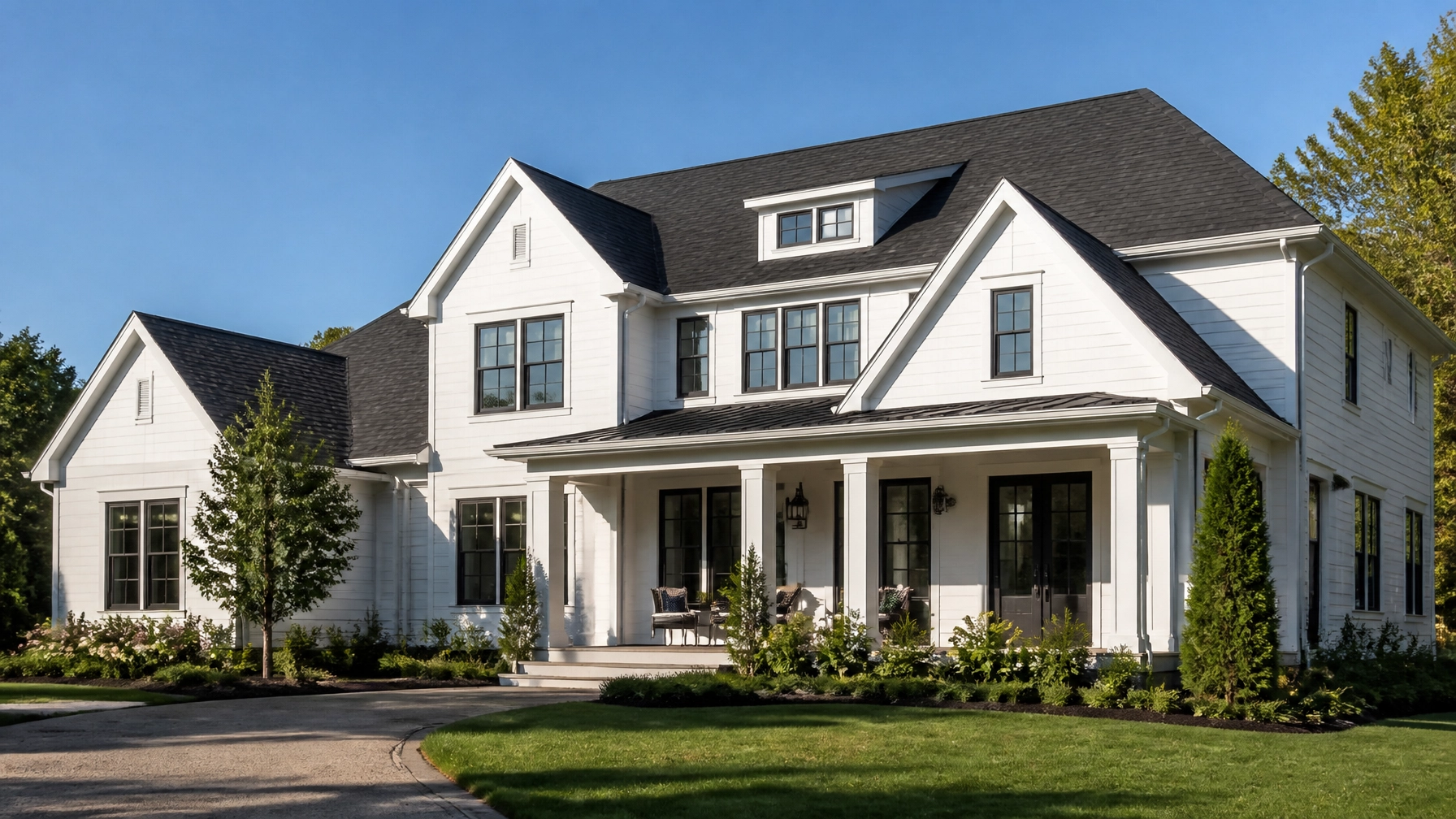
Category: Uncategorized

  • Nashville Contractor Vetting 2026: 5 Questions to Ask Before You Replace Your Roof

    Nashville Contractor Vetting 2026: 5 Questions to Ask Before You Replace Your Roof

    Replacing a roof in Nashville is no longer just a maintenance task: it is a significant financial investment. As we move through 2026, Tennessee roofing costs have stabilized at a higher baseline, with standard Nashville replacements now averaging between $20,000 and $30,000 for quality architectural shingles.

    In the "Music City," the combination of intense spring storm seasons and high market demand means homeowners cannot afford to hire the wrong contractor. While our instant satellite roof estimate tool can give you an accurate price in 60 seconds, the next step is vetting the human element.

    Before you sign a contract or hand over a deposit, ask these five critical questions to ensure your Nashville roofer is legitimate, insured, and capable of protecting your home.


    1. Do you hold a Tennessee State Contractor License for this project value?

    In Tennessee, licensing is tiered based on project cost. This is the most common area where "storm chasers" or unlicensed handymen fail the test.

    • The $25,000 Threshold: Any roofing project in Nashville with a total value (labor and materials) of $25,000 or more requires a valid Tennessee State Contractor’s License (typically with a BC-A or roofing specialty classification).
    • Davidson County Home Improvement License: For projects between $3,000 and $24,999, contractors in Nashville must hold a specific Home Improvement License.

    Why it matters: If a contractor takes on a $28,000 job but only holds a Home Improvement license, they are operating outside their legal limit. This can void your ability to seek recourse through the state board if the work is shoddy.

    Pro Tip: Don't take their word for it. Verify any license number directly on the Tennessee Department of Commerce & Insurance (TDCI) website.


    2. Can you provide current COIs for General Liability and Workers’ Comp?

    "We're fully insured" is a phrase every roofer uses, but few homeowners actually verify. In 2026, insurance premiums for roofing are at an all-time high, leading some smaller outfits to let their policies lapse.

    You need to see a Certificate of Insurance (COI) that includes:

    • General Liability (GL): To cover damage to your home (e.g., a heavy rainstorm occurs while the roof is off).
    • Workers’ Compensation: To protect you from liability if a crew member is injured on your property. In Tennessee, even small roofing companies are required to have this coverage.

    Red Flag: If a contractor asks you to sign a "waiver" regarding injuries or claims they are "exempt" from Workers' Comp, find another roofer immediately.

    Professional roofing crew installing architectural shingles on a residential Nashville roof.


    3. Which Manufacturer Certifications do you maintain?

    In the roofing industry, the best contractors are vetted by the people who make the materials. These certifications (e.g., GAF Master Elite, Owens Corning Platinum Preferred, or CertainTeed SELECT ShingleMaster) are not just badges; they are requirements for better warranties.

    • Standard Warranty (Budget): Usually covers material defects for 10–25 years but often excludes labor after the first year.
    • Enhanced System Warranty (Premium): Only available through certified contractors. These can cover the entire system (including labor and disposal) for 50 years.

    In Nashville's volatile climate, having a manufacturer-backed warranty is essential. If a roofer isn't certified, they cannot offer you the highest tier of protection from brands like GAF or Owens Corning.


    4. What is your physical office address in Middle Tennessee?

    Nashville is a magnet for out-of-state "storm chasers" who follow hail patterns across the Southeast. These companies often set up shop in a hotel for three months, collect insurance checks, and disappear before the first leak occurs.

    • Verification: Ask for a local physical office address: not a P.O. Box or a virtual suite.
    • The "Truck and a Ladder" Test: A reputable local company will have branded vehicles, a local phone number, and a history of working in neighborhoods like Belle Meade, East Nashville, or Green Hills.

    A local presence ensures that if there is a warranty issue in 2028, you know exactly where to go to get it fixed.


    5. What is your required payment schedule?

    Transparency in pricing is a hallmark of a professional contractor. In 2026, standard Nashville roofing contracts follow a predictable payment structure.

    • The Deposit (10–20%): Reasonable for scheduling and initial material orders.
    • The Red Flag (>50% Upfront): Never pay more than 50% of the total project cost before materials are delivered to your driveway.
    • Final Payment: This should only be released once the job is 100% complete, the site is cleaned of nails and debris, and a final inspection has been performed.

    For a detailed look at how materials impact these costs, see our guide on Metal vs. Shingles.

    Satellite imagery showing residential rooflines in a Nashville neighborhood, used for accurate digital measurements.


    Nashville Roofing Context: 2026 Market Data

    Understanding the local market helps you spot "too good to be true" quotes. Here is what we are seeing for Nashville, TN in 2026:

    2026 Estimated Replacement Costs (Nashville Metro)

    Material Type Estimated Cost (per Square*) Typical Total (2,500 Sq Ft Roof)
    Architectural Shingles (Popular) $650 – $950 $16,250 – $23,750
    Designer Shingles (Premium) $950 – $1,300 $23,750 – $32,500
    Standing Seam Metal (Luxury) $1,400 – $1,900 $35,000 – $47,500

    *A "Square" is a 100-square-foot area.

    Storm Season Patterns

    Nashville experiences its highest volume of roof-damaging hail and wind between April and June. If you are vetting contractors during this window, expect longer lead times (4–6 weeks). For the best pricing and availability, many Nashville homeowners are now scheduling replacements in the "Off-Peak" winter months (November–February), where labor rates can be 8–15% lower.


    Frequently Asked Questions (FAQ)

    How long does a typical roof replacement take in Nashville?

    Most residential roof replacements in Nashville are completed in 1 to 2 days. Larger, more complex homes or those requiring significant decking repair may take 3 days. Weather delays during the rainy spring season can extend this timeline.

    Does a new roof in Nashville require a permit?

    Yes. In Davidson County, a building permit is required for a full roof replacement. Reputable contractors will pull this permit for you (usually costing around $180) and include it in the contract.

    Will my insurance cover 2026 roofing costs?

    If your roof has documented wind or hail damage from a recent storm, insurance typically covers the cost minus your deductible. However, standard wear-and-tear on a 25-year-old roof is generally not covered.

    How do I know if my roof has storm damage?

    Look for "bruising" on shingles (dark spots where granules are missing), creased shingles from high winds, or dented gutters and downspouts. We recommend getting a free satellite measurement first to know exactly how much material your insurance should be paying for.


    Final Checklist Before You Sign

    Before you finalize your Nashville roofer vetting, ensure these items are in your hands:

    1. Written Estimate: Detailed list of materials, brand names, and labor.
    2. License Copy: Proof of TN State or Home Improvement license.
    3. Insurance Certificates: Sent directly from the agent to your email.
    4. Start/End Dates: Firm dates for material delivery and labor.
    5. Clean-up Guarantee: A written promise to use a magnetic sweep for nails.

    A beautiful ranch-style home in Nashville with a fresh, expertly installed dark grey shingle roof.

    Replacing your roof doesn't have to be a high-pressure experience. By asking the right questions and using modern technology like satellite-powered estimates, you can navigate the Nashville roofing market with confidence.

    Ready to see your Nashville roof's true size and cost? Get your instant estimate here and start the vetting process with data on your side.
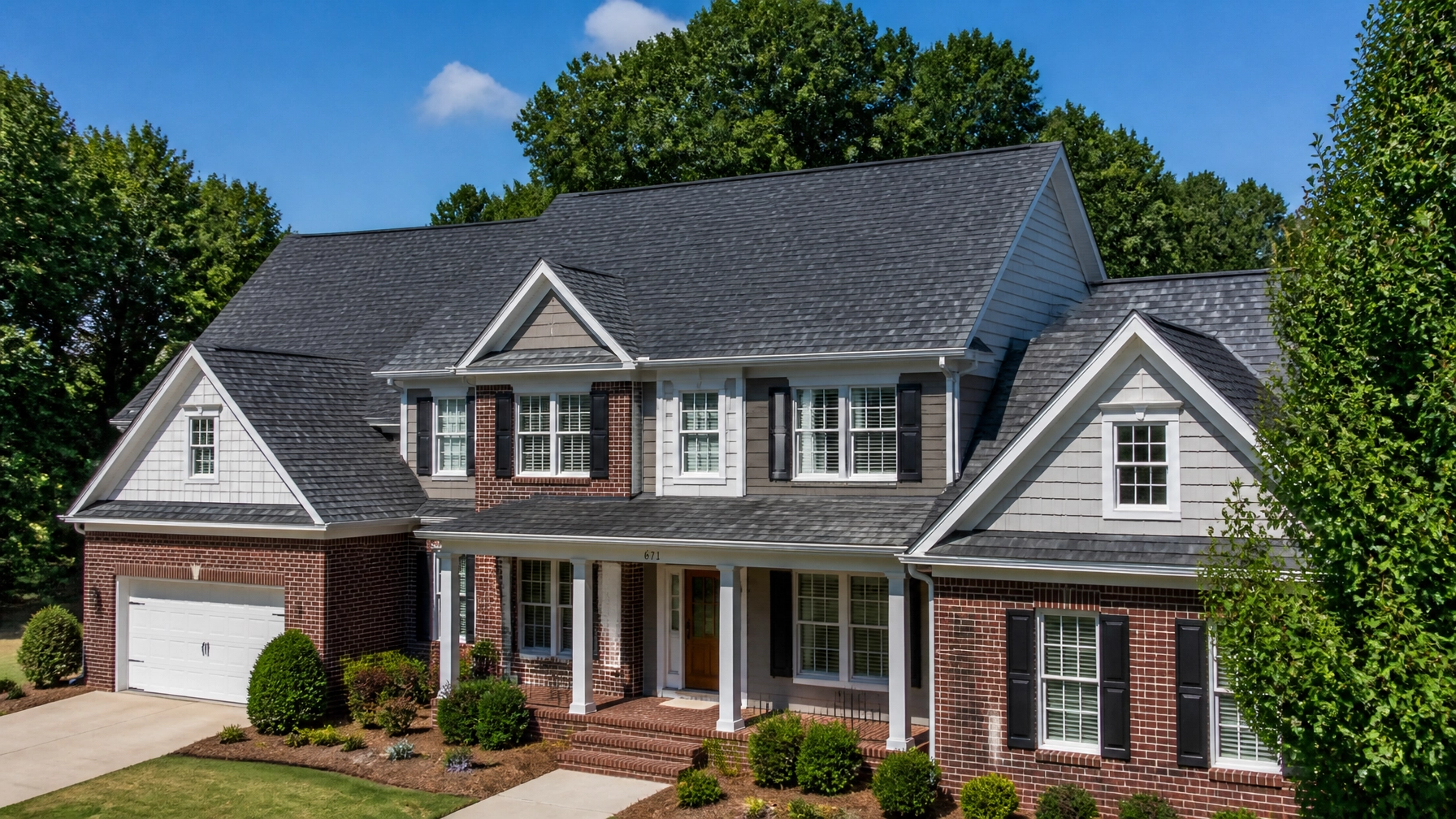
  • How to Spot a Storm Chaser in Atlanta: 5 Red Flags Every Homeowner Should Know

    How to Spot a Storm Chaser in Atlanta: 5 Red Flags Every Homeowner Should Know

    It is July 2026, and Atlanta has already seen its fair share of summer storm activity. From the heavy winds in Buckhead to the hail that rolled through Gwinnett and Cobb counties earlier this season, the aftermath of a Georgia storm always brings a specific type of visitor to your front door: the "storm chaser."

    While legitimate Atlanta roofing contractors are working around the clock to help homeowners recover, out-of-state operators flood the metro area looking for quick insurance payouts. These "storm chasers" often disappear as fast as they arrive, leaving homeowners with subpar workmanship, voided warranties, or even legal trouble.

    To protect your home and your investment, you need to lead with data and local knowledge. This guide breaks down the current 2026 roof replacement cost in Atlanta, GA and the five non-negotiable red flags that indicate you’re dealing with a predatory contractor.

    The Baseline: 2026 Roof Replacement Cost in Atlanta, GA

    Before you can spot a scam, you need to know what a real roof costs. Storm chasers often quote prices that are either suspiciously low to lure you in, or wildly inflated to maximize an insurance claim.

    In Atlanta, GA, the 2026 roof replacement cost for a typical single-family home (1,800–2,200 sq. ft.) currently averages between $10,000 and $18,000. If you are looking at specific materials, here are the current benchmarks for the Atlanta metro area:

    • Architectural Shingles (Popular): $3.50 – $6.25 per square foot installed ($11,000 – $16,500 total).
    • Metal Roofing (Premium): $9.00 – $14.00 per square foot installed ($22,000 – $32,000 total).
    • Budget 3-Tab Shingles: $2.75 – $4.00 per square foot installed (Rarely recommended for Atlanta’s wind patterns).

    If a contractor knocks on your door and quotes you $5,000 for a full replacement on a 2,500 sq. ft. home, they are likely cutting corners on materials, labor, or insurance: all of which will cost you more in the long run. You can use our roof cost calculator to get an instant, accurate baseline for your specific address before you speak to any salesperson.

    Close-up of high-quality architectural shingles showing texture and color


    5 Red Flags: How to Identify a Storm Chaser

    1. The "Free Roof" or "Deductible Waving" Pitch

    In Georgia, it is illegal for a contractor to offer to "pay," "waive," or "absorb" your insurance deductible. If a roofer tells you they can get you a new roof for "zero out of pocket" by inflating the invoice to cover your deductible, they are asking you to participate in insurance fraud.

    The Red Flag: Any mention of "eating the deductible" or "incentives" that precisely match your deductible amount. Legitimate contractors will provide a transparent estimate and expect you to pay your legally required deductible directly to them.

    2. Out-of-State Plates and Lack of Local Credentials

    Storm chasers follow the weather. They might have a Georgia phone number (easily spoofed), but their trucks often have out-of-state plates, or their business cards list a P.O. Box rather than a physical Atlanta address.

    The Red Flag: Ask for their Atlanta Occupational Tax Certificate. While Georgia does not require a trade-specific state license for roofing, any contractor working in the City of Atlanta or surrounding counties like Fulton, DeKalb, or Gwinnett must hold a local business license. If they can’t prove they have a local office and a history of working in the 404 or 770 area codes, walk away.

    3. High-Pressure "Contingency Agreements"

    A common tactic is to ask you to sign a "simple inspection form" that is actually a binding contingency agreement. This contract legally obligates you to use that contractor if your insurance company approves the claim, often before you’ve even seen a price or a scope of work.

    The Red Flag: Pressure to sign anything before your insurance adjuster has even visited the property. You should never sign a contract until you have a detailed, line-itemed estimate that matches the 2026 market rates for Atlanta.

    4. Unwillingness to Pull Permits

    In the City of Atlanta, most residential re-roofing projects require a building permit. Storm chasers often try to bypass this step to save time and avoid inspection.

    The Red Flag: The contractor tells you "permits aren't necessary for roofs" or asks you to pull the permit as the "owner-builder." This shifts the liability onto you. A reputable professional will handle all permitting and ensure the work meets 2026 Georgia residential building codes.

    5. Demanding Full Payment Upfront

    A standard, professional roofing contract in Atlanta typically requires a deposit (often 30-50%) once materials are delivered to your driveway, with the final balance due only after the work passes inspection.

    The Red Flag: A contractor asking for the full amount: or even just the full insurance check: before a single shingle has been delivered. Once a storm chaser has the money, they have zero incentive to finish the job or honor a warranty.

    A professional roofing crew working on a residential home in a leafy Atlanta suburb


    How to Protect Your Atlanta Home

    The best way to avoid a scam is to take control of the process before anyone knocks on your door. Instead of reacting to a salesperson, be proactive:

    1. Get a Neutral Estimate First: Use satellite-powered technology to get an instant roof estimate. This gives you an objective "Fair Market Price" based on your roof's actual measurements.
    2. Verify Insurance: Don't just look at a piece of paper. Call the insurance agent listed on their Certificate of Insurance (COI) to verify that their general liability and workers' comp policies are active.
    3. Check Local References: Ask for the addresses of three roofs they completed in your specific neighborhood (e.g., Sandy Springs, Marietta, or Decatur) within the last six months.
    4. Compare Materials: Ensure the estimate specifies the brand and line of shingle. There is a significant difference between basic 3-tab and architectural shingles vs. metal in terms of longevity and storm resistance.

    Roofing FAQ: Atlanta, Georgia 2026

    What is the average roof replacement cost in Atlanta, Georgia 2026?

    For a standard 2,000 sq. ft. home, expect to pay between $11,000 and $16,000 for high-quality architectural shingles. Larger homes with steep pitches or complex gables can range from $18,000 to $30,000+.

    Do I need a permit for a new roof in Atlanta?

    Yes. Within the City of Atlanta and most surrounding municipalities, a building permit is required for residential roof replacements. This ensures the work is inspected for safety and code compliance.

    How do I know if a roofer is licensed in Georgia?

    Georgia does not have a "Roofing License," but reputable contractors often hold a Residential-Basic Contractor License from the State Licensing Board. At a minimum, they must have a local business license (Occupational Tax Certificate) for the county where they are working.

    Should I let a roofer talk to my insurance adjuster?

    While it can be helpful to have a contractor present to point out damage, you should always be the primary point of contact with your insurance company. Never sign an "Assignment of Benefits" (AOB) that gives the roofer total control over your claim.

    A digital representation of a satellite roof measurement report on a tablet

    Final Thoughts for Atlanta Homeowners

    The convenience of a door-to-door salesperson can be tempting after a stressful storm, but your roof is your home's first line of defense. In 2026, technology has made it easier than ever to bypass the "middleman" and get the facts yourself.

    Don't guess on your Atlanta GA roof replacement cost. Get an accurate, satellite-verified estimate in under 60 seconds and go into your contractor interviews with the data you need to stay protected.

    Get Your Free Satellite Roof Estimate Now →

  • How Memphis Weather Puts Your Roof to the Test: Durability Tips for Homeowners

    How Memphis Weather Puts Your Roof to the Test: Durability Tips for Homeowners

    It’s mid-July 2026 in Memphis, and the heat index has already crossed the 105°F mark for the fifth time this week. While homeowners are retreating into the comfort of their air conditioning, their roofs are bearing the full brunt of the Mississippi Valley’s aggressive summer climate.

    In Memphis, Tennessee, a roof isn't just a structural necessity; it’s the primary shield against intense UV radiation, high humidity, and the violent "Pop-up" thunderstorms that define a Southern summer. Understanding how this unique weather cycle impacts roofing durability is essential for protecting your property's value and avoiding emergency expenses.

    The Memphis Climate Challenge: Why Roofs Age Faster Here

    Memphis is a "High-Stress" environment for standard roofing materials. While a shingle might be rated for 25 years in a milder climate, the reality in the Mid-South is often closer to 15-20 years. This accelerated aging is driven by three primary factors:

    1. Thermal Cycling and UV Degradation (The Summer Sizzle)

    With temperatures consistently in the 90s and 100s, asphalt shingles undergo "thermal shock." During the day, the roof surface can reach 150°F or higher. When a sudden afternoon thunderstorm rolls in, the temperature drops 30 degrees in minutes. This rapid expansion and contraction (Thermal Cycling) causes shingles to become brittle, lose their protective granules, and eventually crack.

    2. Humidity and Algae Growth (The "Black Streaks" Problem)

    Memphis’ high humidity levels create the perfect breeding ground for Gloeocapsa magma, a type of cyanobacteria that causes those unsightly black streaks on roofs. Beyond being an eyesore, this algae feeds on the limestone filler in many shingles, physically weakening the roof over time.

    3. Severe Storms and Wind-Driven Rain

    Memphis receives roughly 52 inches of rain per year. When combined with the high-velocity winds of a Tennessee thunderstorm, water can be forced upward under shingles and behind flashing. Without a robust underlayment system, this leads to rot in the roof decking that often goes unnoticed until a major leak occurs.

    Detailed view of high-quality architectural asphalt shingles

    Best Roof for Memphis Homes: Choosing for Durability

    When planning a Memphis TN roof replacement 2026, your choice of material is the single most important factor in long-term durability. We categorize local options into three main tiers based on performance and budget:

    • Architectural Asphalt Shingles (Popular / Best Value): Unlike basic 3-tab shingles, architectural (or laminated) shingles are thicker and heavier. They offer significantly better wind resistance and often come with algae-resistant coatings: essential for the Memphis climate.
    • Metal Roofing (Premium / Maximum Durability): For homeowners looking for a "forever roof," metal is the gold standard. It reflects solar heat (reducing attic temperatures) and is virtually immune to the rot and algae issues that plague asphalt.
    • Impact-Resistant (Class 4) Shingles (Storm-Ready): These are designed to withstand hail and flying debris. While they carry a modest premium, they can sometimes lead to lower insurance premiums in storm-prone areas like West Tennessee.

    The Financial Reality: Memphis Roof Replacement Cost 2026

    Budgeting for a new roof requires accurate, local data. As of mid-2026, the market for roofing in the Memphis metro area has stabilized, but labor and material costs remain a significant investment.

    Material Type Estimated Cost (2,000 – 2,500 sq ft home) Durability Rating
    Architectural Shingles $9,000 – $18,000 Good (18-25 years)
    Metal Roofing (Standing Seam) $18,000 – $35,000+ Excellent (40-60 years)
    Premium Synthetic / Tile $25,000 – $50,000+ Exceptional (50+ years)

    Note: Prices vary based on roof pitch, complexity, and specific labor rates in zip codes like 38104, 38111, or 38117.

    Memphis Roofing ROI and Home Value

    Investing in a new roof is one of the most reliable ways to boost your Memphis Tennessee home value. Current market data for 2026 shows an average Memphis roofing ROI of approximately 61%.

    For a mid-range project costing $15,000, you can expect an average increase in new roof home value Memphis TN of roughly $9,150. Beyond the raw numbers, a new roof significantly impacts roof resale value Memphis by:

    • Eliminating "Red Flags" during home inspections.
    • Shortening "Days on Market" by increasing curb appeal.
    • Reducing the likelihood of buyer-requested repair credits.

    Home with a new metal roof and a Sold sign representing high ROI

    Accuracy in Seconds: The Modern Way to Estimate

    The traditional method of getting a roof estimate: scheduling multiple contractors, waiting for callbacks, and having people climb on your roof: is outdated. At Get My Roof Estimate Now, we leverage advanced satellite imagery to provide homeowners with an accurate price range in under 60 seconds.

    Our technology measures your roof's size, pitch, and complexity to within inches, ensuring that the Memphis roof replacement cost we provide is grounded in data, not guesswork. This transparent approach allows you to budget effectively without the pressure of a high-stakes sales pitch in your living room.

    Get your instant Memphis roof estimate here.

    Digital interface showing satellite roof measurement technology

    Proactive Durability: Tips for Memphis Homeowners

    To maximize the lifespan of your roof in the Mid-South, follow these professional maintenance benchmarks:

    • Audit Your Ventilation (Critical): Ensure your attic isn't a "Heat Trap." Proper ridge vents and soffit intake allow hot air to escape, preventing shingles from "cooking" from the inside out.
    • Annual Gutter Cleaning (Budget): Clogged gutters lead to water backing up under the eaves. In Memphis' heavy rains, this is the #1 cause of fascia rot.
    • Tree Canopy Management (Practical): Overhanging branches drop debris that traps moisture and can physically scrape granules off your shingles during high winds. Keep limbs at least 6-10 feet away from the roofline.
    • Professional Inspection After Hail (Essential): If a storm brings hail larger than 1 inch (quarter-sized), schedule a professional check. Hail damage is often invisible from the ground but can lead to total roof failure within 2-3 years.

    Summary

    The Memphis climate is undeniably tough on roofs, but with the right materials and proactive maintenance, you can ensure your home stays protected for decades. Whether you are preparing to sell and want to maximize your roof resale value Memphis, or you’re simply planning for the future, start with accurate information.

    Don't wait for a leak to find out the condition of your roof. Use our Instant Roof Estimate tool today to get a data-driven look at your replacement costs and options in less than a minute.

  • Architectural Shingles vs. Metal Roofing: The 2026 San Antonio TX Material Showdown

    Architectural Shingles vs. Metal Roofing: The 2026 San Antonio TX Material Showdown

    San Antonio is officially in the "Hail Belt." For homeowners in neighborhoods like Stone Oak, Rogers Ranch, and Churchill Estates, a roof isn't just a design choice: it's a critical defensive shield. Between 100°F+ summer days that bake attics to a blistering 170°F and the 3–4 major hailstorms that roll through Bexar County every year, your material choice determines whether you’ll be filing an insurance claim in twenty-four months or twenty-four years.

    At Get My Roof Estimate Now, we use satellite technology to provide instant, accurate pricing for these specific materials. In this 2026 showdown, we compare the two heavyweights of the San Antonio market: Architectural Shingles and Standing Seam Metal.


    The San Antonio Climate Context: Why Material Matters

    San Antonio presents a unique set of challenges for any roofing system:

    • Hail Alley Reality: 3–5 significant hail events occur annually. Standard shingles often fail under 1-inch hail; Class 4 materials are required to survive.
    • Extreme Thermal Cycling: Roof surface temperatures routinely exceed 160°F. This causes "thermal shock," where materials expand and contract rapidly, leading to premature cracking in low-grade asphalt.
    • High UV Exposure: Constant South Texas sun breaks down the chemical bonds in roofing materials, leading to granule loss and brittleness.

    1. Architectural Shingles (The "Budget-Popular" Choice)

    Architectural shingles (also known as dimensional or laminate shingles) are the most common choice in San Antonio. Unlike old-fashioned 3-tab shingles, these are composed of two or more layers of asphalt laminated together for a thicker, textured appearance.

    A classic Churchill Estates ranch-style home with newly installed architectural shingles

    Performance in San Antonio

    • Lifespan: 18–25 years in the San Antonio heat (despite 30-50 year manufacturer warranties).
    • Hail Resistance: Available in UL 2218 Class 4 ratings. These shingles are engineered with SBS (Styrene-Butadiene-Styrene) rubberized polymers to resist cracking from 2-inch hail.
    • Wind Rating: Most premium architectural shingles are rated for 110–130 mph winds.

    Financials (2026 San Antonio Data)

    • Cost per Sq Ft: $5.75 – $8.00 (Installed)
    • Total for 2,000 Sq Ft Home: $11,500 – $16,000
    • Insurance Potential: Installing a Class 4 shingle can qualify you for a 20–35% discount on the wind/hail portion of your Texas homeowners' insurance.

    2. Standing Seam Metal (The "Premium-Lifetime" Choice)

    If you are planning on staying in your home for 10+ years, metal is the gold standard. In Rogers Ranch and Stone Oak, standing seam metal is increasingly popular for its sleek aesthetic and superior heat reflection.

    Precision standing seam metal roof detail showing high-end bronze finish

    Performance in San Antonio

    • Lifespan: 50–70 years. This is likely the last roof you will ever buy.
    • Energy Efficiency: Metal roofs reflect up to 70% of solar radiation. In San Antonio, this can translate to a 25% reduction in annual cooling costs.
    • Hail Resistance: Naturally high impact resistance. While massive hail may cause cosmetic "dimpling," a standing seam system rarely breaches or leaks, even in severe storms.

    Financials (2026 San Antonio Data)

    • Cost per Sq Ft: $10.00 – $16.00 (Installed)
    • Total for 2,000 Sq Ft Home: $20,000 – $32,000
    • Resale Value: Metal roofs offer one of the highest ROIs in the San Antonio real estate market, often recovering 85–95% of the cost at the time of sale.

    Side-by-Side: The 2,000 Sq Ft Comparison

    Based on a standard 20-square roof (2,000 sq ft) in San Antonio, TX.

    Feature Architectural Shingles (Class 4) Standing Seam Metal
    Typical Cost $11,500 – $16,000 $20,000 – $32,000
    Lifespan (Local) 18 – 25 Years 50+ Years
    Cooling Savings 10 – 15% 20 – 25%
    Hail Rating UL 2218 Class 4 UL 2218 Class 4
    Maintenance Low (Inspect after hail) Minimal
    Best For Short-term (5-10 years) Long-term (15+ years)

    Critical Installation Considerations

    Choosing the material is only half the battle. For a roof to survive San Antonio's spring winds and summer heat, the installation must include:

    1. Synthetic Underlayment: Forget felt paper. High-performance synthetic underlayment provides a secondary water barrier that won't rot or degrade under heat.
    2. Advanced Ventilation: To prevent attic temps from reaching 170°F, you need a balanced intake (soffit) and exhaust (ridge) vent system. This protects your AC units from overworking.
    3. Full Tear-Off: In 2026, we never recommend "roof-overs." A full tear-off allows for the inspection of the decking (plywood) to ensure the structure can handle high-velocity winds.

    Macro detail of Class 4 impact-resistant architectural shingles showing heavy granulation


    The Verdict: Which is Best for You?

    Choose Architectural Shingles if:

    • You plan to sell your home within the next 5–8 years.
    • You want the most affordable upfront cost while still getting a "Class 4" insurance discount.
    • You prefer a traditional aesthetic that matches most San Antonio HOAs.

    Choose Standing Seam Metal if:

    • This is your "forever home."
    • Your monthly CPS Energy bills are a major concern (max cooling efficiency).
    • You want the ultimate protection against the recurring hail threats in the San Antonio hail belt.

    Get Your San Antonio Estimate in 60 Seconds

    Don't wait for a contractor to spend three hours measuring your roof manually. We use high-resolution satellite imagery to calculate your roof's exact size, pitch, and complexity instantly.

    Get your free, accurate San Antonio roof estimate here.

    No credit card required. No high-pressure sales. Just the data you need to make an informed decision for your home.

  • Standing Seam Metal vs. Class 4 Impact-Resistant Shingles: The 2026 Charleston SC Hurricane Season Material Showdown

    Standing Seam Metal vs. Class 4 Impact-Resistant Shingles: The 2026 Charleston SC Hurricane Season Material Showdown

    For homeowners in Charleston, South Carolina, the roof above your head is more than just a structural necessity: it is your primary line of defense against one of the most volatile coastal climates in the United States. As we move through the 2026 hurricane season (running June 1st through November 30th), the "Material Showdown" series turns its focus to the Holy City.

    The humidity, salt-laden air, and the ever-present threat of Atlantic tropical systems demand a roof that does more than just look good. In this edition, we pit the premium durability of Standing Seam Metal against the high-performance economy of Class 4 Impact-Resistant Shingles.

    Which material is the best hurricane roof material for South Carolina? We break down the costs, technical specs, and 2026 local data to help you decide.

    The Charleston Climate Factor: Salt, Wind, and Water

    Before comparing materials, it is vital to understand the "Charleston Tax" on roofing longevity. Our coastal environment presents three unique challenges:

    1. Hurricane-Force Winds: Local building codes often require roofs to withstand 130–150 mph wind loads.
    2. Salt-Air Corrosion: Within 10 miles of the Atlantic, standard metal components can rust in under a decade.
    3. High UV Exposure: The intense South Carolina sun degrades standard asphalt shingles faster than in inland states.

    If you are planning a Charleston SC roof replacement, choosing a material that ignores these factors is a recipe for a premature (and expensive) failure.

    Contender 1: Standing Seam Metal (The Premium Choice)

    A close-up of a silver-grey standing seam metal roof, illustrating the sleek lines and lack of exposed fasteners.

    Standing seam metal is widely regarded as the gold standard for Charleston severe weather roofing. Unlike traditional corrugated metal, standing seam utilizes a series of interlocking panels joined by a raised seam that conceals the fasteners.

    Key Advantages:

    • Maximum Wind Resistance (140–180 mph): Because the fasteners are protected under the metal panels, wind has no "lip" to catch onto, significantly reducing the risk of blow-offs during a Category 3 or 4 hurricane.
    • Corrosion Protection (Salt Air): For Charleston homes, we recommend aluminum or Galvalume (a zinc-aluminum alloy). These materials are essentially impervious to the salt-air corrosion that destroys standard steel.
    • Lifespan (40–70 Years): A standing seam roof is often the last roof a homeowner will ever buy. It typically outlasts asphalt shingles by 3 to 1.
    • Energy Efficiency (Cooling): Metal reflects solar radiant heat, which can reduce cooling costs by up to 25% during those stifling 95-degree July afternoons.

    The Trade-off:

    • Higher Initial Cost: The complexity of the installation and the quality of the material make this the most expensive residential option.

    Contender 2: Class 4 Impact-Resistant Shingles (The High-Value Choice)

    Close-up of Class 4 impact-resistant shingles showing the thick, textured architectural detail designed for storm resilience.

    For homeowners who want strong storm protection without the premium price tag of metal, impact resistant shingles in Charleston, SC are the leading alternative. These are not your standard "3-tab" shingles; they are polymer-modified asphalt shingles engineered to pass the UL 2218 Class 4 impact test.

    Key Advantages:

    • Hail and Debris Protection: Class 4 shingles are designed to withstand 2-inch steel balls dropped from 20 feet without cracking. In a hurricane, this translates to better resistance against flying debris.
    • Improved Wind Ratings (130–160 mph): Premium Class 4 products are manufactured with reinforced seal stripes, allowing them to compete with some metal systems in wind resistance.
    • Insurance Discounts: Many South Carolina insurance providers offer premium discounts of 10% to 25% for homes with UL 2218 Class 4 rated roofs.
    • Affordability: This material provides a significant upgrade over standard shingles for only a 20–30% increase in material cost.

    The Trade-off:

    • Shorter Lifespan: Even high-end shingles will likely need replacement in 20–25 years due to the intense Charleston heat and salt exposure.

    2026 Price Comparison: Charleston, SC Market Data

    Cost is the primary driver for most Charleston SC roof replacement projects. Below are the estimated price ranges for a typical 2,000-square-foot home in the Charleston metro area for 2026.

    Material Category 2026 Estimated Cost (Installed) Expected Lifespan Best For
    Standard Shingles (Budget) $10,000 – $18,000 15–20 Years Short-term rental/Flip
    Class 4 Shingles (Popular) $13,000 – $22,000 20–30 Years Suburban families
    Standing Seam Metal (Premium) $24,000 – $38,000 40–70 Years Coastal/Forever homes

    Note: Prices vary based on roof pitch, complexity, and proximity to the coast (which may require specialized stainless steel fasteners).

    Standing Seam Metal vs. Class 4 Shingles: The Verdict

    If you live in a high-exposure area like Mt. Pleasant, James Island, or Sullivan’s Island, standing seam metal Charleston SC is the clear winner for long-term survival. The lack of exposed fasteners and the salt-resistance of aluminum panels make it the ultimate hurricane-season defense.

    However, if you are located further inland (e.g., Summerville or Goose Creek) and are looking for the best "bang for your buck," Class 4 impact-resistant shingles offer a formidable barrier against storm damage and high winds while keeping your initial investment manageable.

    A beautiful Charleston neighborhood showcasing a variety of well-maintained, storm-ready rooflines.

    How to Get an Accurate Quote in 60 Seconds

    The traditional way to get a roof estimate involves calling three contractors, waiting days for them to show up with a ladder, and dealing with high-pressure sales pitches. In 2026, that process is obsolete.

    At Get My Roof Estimate Now, we use advanced satellite imagery technology to provide you with a free, instant roof estimate in under a minute.

    Why homeowners choose our technology:

    • Satellite Precision: Our measurements are accurate to within inches (90-95% accuracy), factoring in your roof's unique size, pitch, and complexity.
    • Zero Hassle: No credit card required, and no contractor visits needed for your initial planning.
    • Transparent Ranges: We provide low, middle, and high-end pricing for materials including architectural shingles, Class 4 impact-resistant shingles, and standing seam metal.
    • Verified Local Pros: Once you have your estimate, we can connect you with licensed and insured Charleston contractors to execute the job.

    Whether you are preparing for the next big storm or simply planning for a future upgrade, don't guess on your budget. Use our satellite-powered estimator today and see exactly what a new, storm-resistant roof will cost for your Charleston home.

  • Daily Weather Blitz – Slot 1: Charleston, SC : Storm-Ready Roofing & Weather Trends (July 16, 2026)

    Daily Weather Blitz – Slot 1: Charleston, SC : Storm-Ready Roofing & Weather Trends (July 16, 2026)

    Welcome to the Daily Weather Blitz for Charleston, SC. As we hit the heart of July 2026, the Lowcountry is feeling the full weight of a coastal summer. At Get My Roof Estimate Now, we monitor these weather patterns not just for your comfort, but for the health of your home's most critical defense: your roof.

    Today, Thursday, July 16, Charleston is under a blistering sun. With a projected high of 94°F and a staggering heat index of 106°F, your roofing materials are currently expanding and baking under a UV index of 7.9. While today remains mostly sunny, we are keeping a close eye on a tropical disturbance in the northeast Gulf of Mexico. Although it currently has a low (0-20%) chance of development, it is expected to pull moisture into the region, enhancing storm chances as we head into early next week.

    In Charleston, your roof doesn’t just sit there: it fights. It fights the heat, the humidity, the salt air, and the looming threat of the Atlantic hurricane season. Here is everything you need to know about maintaining coastal roof resilience in our unique environment.

    1. The Lowcountry "Burn": How Heat and Salt Air Accelerate Wear

    Charleston homeowners face a "triple threat" that inland residents rarely encounter: intense UV radiation, high humidity, and corrosive salt air.

    UV Degradation (The Slow Bake)

    Today’s UV index of 7.9 is considered "High." When your shingles are hit by this level of radiation daily, the essential oils in the asphalt begin to evaporate. This process, known as "thermal shock," causes shingles to become brittle, crack, and lose their protective granules. Without these granules, the underlying asphalt is exposed directly to the sun, leading to a rapid decline in the roof's lifespan.

    Humidity and Biological Growth

    With humidity levels often hovering above 80%, Charleston is a breeding ground for Gloeocapsa Magma: the cyanobacteria responsible for those unsightly black streaks on your roof. Beyond aesthetics, these organisms trap moisture against the shingles, preventing them from drying out and leading to premature rot in the decking underneath.

    Salt Air Corrosion

    If you live in Mount Pleasant, West Ashley, or on the islands (James, Johns, Sullivan’s, or IOP), salt air is a constant factor. Salt is a natural corrosive that can eat through standard galvanized steel flashings and fasteners in a matter of years. For Charleston residents, we always recommend coastal-rated alloys like aluminum or high-grade stainless steel for all roofing hardware.

    A high-resolution close-up of a standing seam aluminum roof, ideal for resisting salt air corrosion in coastal environments.

    2. Charleston-Specific Storm Readiness: Hurricane Season Prep

    We are officially in the middle of hurricane season. In the Lowcountry, "standard" roofing often isn't enough to meet local building codes or provide the safety your family needs. Charleston SC storm roofing must be engineered for high-velocity wind zones.

    Wind-Rated Shingles (130-150 MPH)

    The International Building Code (IBC) requires roofs in our area to withstand wind speeds between 130 and 150 mph. When selecting materials, ensure they carry a Class H wind rating. This isn't just about the shingle itself; it's about the installation method. In Charleston, we utilize a "six-nail" fastening pattern: 50% more fasteners than inland projects: to ensure maximum uplift resistance.

    Secondary Water Barriers

    In the event that shingles are blown off during a storm, a secondary water barrier (such as a synthetic underlayment or a "peel-and-stick" membrane) acts as a final line of defense. This prevents water from entering your attic and causing thousands of dollars in interior damage.

    Proper Tie-Downs and Hurricane Straps

    If your home was built before the mid-1990s, your roof-to-wall connections may not be up to modern standards. During a roof replacement, it is the ideal time to have a contractor verify that your rafters are properly secured with hurricane straps. This small check can be the difference between losing a few shingles and losing your entire roof structure during a major event.

    3. 2026 Local Roof Replacement Cost Data (Charleston, SC)

    One of the most frequent questions we receive is about the Charleston SC roof replacement cost. Due to stricter coastal building codes and the current "coastal tax" on materials, prices in the Lowcountry are typically 10-20% higher than the South Carolina state average.

    For a standard 2,000 square foot home in the Charleston area, here are the current price benchmarks for 2026:

    Material Type Estimated Cost Range (Installed) Context
    Architectural Shingles $14,000 – $20,000 Popular / Storm-Rated
    Impact-Rated (Class 4) Shingles $17,000 – $24,000 Premium / Insurance Discounts
    Standing Seam Metal (Aluminum) $28,000 – $45,000 High-End / Salt-Resistant
    Stone-Coated Steel $22,000 – $35,000 Durable / Wind-Resistant

    Why is Charleston more expensive?

    • Enhanced Fastening: Extra labor and materials for 6-nail patterns and cemented starter strips.
    • Permitting Fees: Charleston County and city jurisdictions have rigorous inspection processes.
    • Logistics: Navigating narrow historic streets or island access adds to labor overhead.

    To get a precise figure for your specific roof pitch and complexity, you can use our instant satellite estimate tool.

    A modern ranch-style home in the Lowcountry with a new light-colored, heat-reflective shingle roof.

    4. Signs of Storm Damage Specific to Coastal SC

    If you suspect you have Charleston severe weather roofing issues after a recent thunderstorm or high-wind event, look for these specific coastal indicators:

    1. Granule Loss in Gutters: After a heavy downpour, check your downspouts. A surge of "sand" indicates your shingles are losing their UV protection.
    2. Lifted Shingle Tabs: Use a pair of binoculars to look at your roof's edge. If shingles look "puffy" or slightly lifted, the sealant bond has broken due to wind gusts.
    3. Rusted Flashing: If you see orange or brown streaks near your chimney or dormers, your coastal salt air has compromised the metal. This is a common entry point for water.
    4. Circular Bruises: While less common than in the Midwest, hail can still hit the Lowcountry. Look for dark, circular indentations where the granules have been knocked away.

    5. Instant Accuracy: The Get My Roof Estimate Now Advantage

    The traditional way of getting a roof quote is broken. You wait three days for a contractor to show up, another two days for a quote, and usually, that quote is a "ballpark" figure that changes once the work starts.

    In 2026, Charleston homeowners deserve better. Our technology uses high-resolution satellite imagery to measure your roof's size, pitch, and complexity to within inches.

    • No Contractor Visit: We don't need to step foot on your property to give you an accurate price.
    • 60-Second Results: Enter your address and get your low-middle-high price ranges instantly.
    • Transparent Pricing: We factor in the local Charleston "coastal requirements" so there are no surprises.

    Whether you are debating between metal vs shingles or just need to know if your budget is realistic for next year, we provide the data you need to make an informed decision.

    An interface showing high-tech satellite imagery and 3D modeling used to provide instant roof estimates.

    Final Thoughts for Charleston Homeowners

    As we brace for the 106°F heat index today and keep an eye on the Gulf's tropical activity, don't leave your home's safety to chance. A roof that survived last year’s season may have been weakened by the cumulative effects of UV and salt air.

    Be proactive. Understand your costs, check your shingles, and ensure your home is ready for whatever the 2026 storm season brings to the Lowcountry.

    Ready to see what a new, storm-ready roof will cost for your home?
    Get Your Free Satellite Roof Estimate in 60 Seconds →


  • Birmingham AL Contractor Vetting 2026: 5 Questions to Ask Before You Replace Your Roof

    Birmingham AL Contractor Vetting 2026: 5 Questions to Ask Before You Replace Your Roof

    Replacing a roof in Birmingham, Alabama, is a significant financial commitment. As we move through 2026, the local market has seen shifts in material costs, labor availability, and regulatory requirements that every homeowner must navigate. Whether you are in the historic hills of Mountain Brook, the sprawling suburbs of Hoover, or the quiet streets of Vestavia Hills, hiring the wrong contractor can turn a necessary home improvement into a multi-year headache.

    The Birmingham AL roof replacement cost in 2026 typically ranges between $21,632 and $29,267 for a standard 2,100-square-foot home. With over 82 active roofing contractors in the Birmingham metro area, the challenge isn't finding a roofer: it's vetting one that will actually deliver a 30-year solution.

    Before you sign any contracts or hand over a deposit, you need to ask these five critical questions to ensure your investment is protected.

    1. Are You Specifically Licensed by the Alabama Home Builders Licensure Board?

    In Alabama, roofing isn't just a "handyman" job. For any residential project exceeding $10,000: which covers virtually every Alabama roof replacement price quote for a full-size home: the contractor must hold a license from the Alabama Home Builders Licensure Board (ALBGC).

    Why does this matter for you? A state-licensed contractor has met specific financial and professional standards. It provides a layer of accountability that "storm chasers" simply don't have. When vetting, don't just take their word for it. Ask for their license number and verify it on the ALBGC website. If a contractor tries to bypass this by asking you to pull the permit yourself, or claims they "don't need it for roofing," walk away.

    Check for these license types:

    • Residential Roofer License: (Mandatory for projects over $10k)
    • Home Builders License: (Broad coverage for full construction)

    2. Can You Provide Current Proof of General Liability and Workers' Comp?

    Professional contractor showing architectural shingle samples to a homeowner in Hoover, AL

    Roofing is inherently dangerous work. In the Birmingham area, where steep-pitched roofs are common in neighborhoods like Homewood and Mountain Brook, insurance is non-negotiable.

    A reputable contractor must carry two types of insurance:

    1. General Liability: This protects your home and property. If a ladder falls and smashes your windows, or a sudden afternoon thunderstorm floods your house while the roof is off, this policy covers the damage.
    2. Workers’ Compensation: This is the most important for you. If a worker is injured on your property and the contractor doesn't have workers' comp, you could be held liable for their medical bills and lost wages.

    In 2026, standard Birmingham AL roof replacement protocols require contractors to provide a "Certificate of Insurance" (COI) sent directly from their insurance agent to you. This prevents the use of forged or expired documents.

    3. Which Manufacturer Certifications Do You Hold?

    Materials are only as good as their installation. Major manufacturers like GAF, Owens Corning, and CertainTeed offer "factory-certified" status to contractors who have a proven track record of quality and financial stability.

    Why Certifications Matter (The Warranty Gap):

    • Standard (Budget): A basic roofer can offer a 10-year workmanship warranty, but if they go out of business next year, that piece of paper is worthless.
    • Certified (Premium): A GAF Master Elite or Owens Corning Platinum Preferred contractor can offer "extended" or "lifetime" warranties that are backed by the manufacturer itself. If the contractor disappears, the manufacturer still honors the warranty.

    If you are looking at 2026 roof cost Birmingham AL averages, you'll find that certified contractors may charge 5-10% more, but the peace of mind of a 50-year non-prorated warranty is often worth the extra $1,500 on a $25,000 project.

    4. Does Your Quote Include the Jefferson County Permit and All Labor?

    Transparency is the hallmark of a professional. In 2026, labor rates in the Birmingham area average around $52 per hour. When you receive a quote, it should be an all-inclusive number, not a "base price" that grows later.

    Key breakdown items your estimate must include:

    • Permit Fees: In Jefferson County, a roofing permit typically costs roughly $145. Your contractor should be the one pulling this, not you.
    • Tear-off and Disposal: Does the price include removing the old shingles (one or two layers) and the cost of the dumpster?
    • Decking Replacement: Rotten wood (plywood/OSB) is often found after the shingles are removed. Your contract should specify a "per sheet" price (e.g., $85 – $110 per sheet) so there are no surprises mid-job.
    • Flashing and Ventilation: Ensure they are replacing chimney flashing and upgrading your ridge vents to meet 2026 building codes.

    Professional roofing crew installing a new roof with safety gear in Vestavia Hills, AL

    5. What is Your Physical Address and Payment Structure?

    This is where you spot the "Red Flags." The Birmingham market often sees a surge of out-of-state contractors after a major storm hits the Southeast.

    • Physical Address: Ensure they have a local office in the Birmingham metro area. A P.O. box or a "virtual office" is a sign they may not be here when you need a repair in three years.
    • The Deposit Rule: Never pay 100% upfront. In Alabama, a standard deposit is 10% to 20%. This covers the initial material delivery and locks you into the schedule. A contractor asking for 50% or more before a single shingle arrives is a major red flag.
    • The Written Contract: A handshake deal is not a contract. You need a signed document that lists the start date, the specific materials to be used (brand and color), the payment schedule, and the cleanup process (including a magnetic sweep for nails).

    Understanding the 2026 Birmingham Pricing Reality

    When researching Birmingham roof replacement cost 2026, it is important to remember that every roof is unique. While a 2,100 sq ft home might average $25,450, factors like roof pitch (the "steepness"), the number of valleys, and the material chosen will fluctuate that number.

    Material Type Price Category Estimated Cost (2,100 sq ft)
    Architectural Shingles Popular $21,000 – $24,000
    Impact-Resistant Shingles Premium $25,000 – $28,000
    Standing Seam Metal Luxury $35,000 – $45,000

    Skip the Contractor Carousel with Technology

    Historically, getting these answers meant scheduling four different contractors to come to your home, sit at your kitchen table for an hour, and give you a high-pressure sales pitch.

    At Get My Roof Estimate Now, we’ve changed the game for Birmingham homeowners. Using advanced satellite imagery technology, we can measure your roof's size, pitch, and complexity with 95% accuracy: all without anyone stepping foot on your property.

    The Get My Roof Estimate Now app showing a satellite-powered roof estimate for a Birmingham home

    In under 60 seconds, you can receive a transparent, data-driven estimate based on current 2026 Birmingham material and labor costs. We factor in the $52/hr labor rates and the $145 Jefferson County permit fees automatically, giving you a baseline to compare against any local quote.

    Final Thoughts for Birmingham Homeowners

    Don't let the stress of a roof replacement lead to a hasty decision. By asking these five questions, you filter out the 80% of contractors who aren't equipped to handle your project.

    If you are in Hoover, Vestavia Hills, or anywhere in the Greater Birmingham area, start your journey with facts, not sales pitches. Get your instant, free estimate today and go into your contractor meetings with the data you need to negotiate a fair price.

    Get Your Instant Birmingham Roof Estimate Now


  • 2026 Roof Replacement Cost in Miami, FL: Complete Price Guide for Homeowners

    2026 Roof Replacement Cost in Miami, FL: Complete Price Guide for Homeowners

    Replacing a roof in Miami is unlike anywhere else in the United States. Between the strict High Velocity Hurricane Zone (HVHZ) building codes and the rising costs of specialized labor, Miami homeowners face a unique set of challenges and pricing structures. As we move into 2026, market data indicates a continued upward trend in residential roofing expenses.

    Whether you are planning for a necessary replacement or preparing your home for sale, understanding the current market for roof replacement in Miami FL is essential for budgeting. This guide breaks down the actual costs, technical requirements, and local variables you need to know.

    The Miami Difference: Why HVHZ Roofing Costs More

    In Miami-Dade County, roofing isn't just about aesthetics; it's about structural survival. Miami is located within the High Velocity Hurricane Zone (HVHZ), which dictates the most stringent building codes in the nation.

    Miami-Dade NOA Requirements

    Every single component of your roof: from the shingles and underlayment to the specific nails and vents: must have a Miami-Dade Notice of Acceptance (NOA). This certification proves the material has passed TAS (Testing Application Standard) protocols, including large-missile impact resistance and extreme wind uplift testing.

    These "Miami-rated" materials typically carry a 15% to 25% price premium compared to standard materials used in Central or Northern Florida. When you factor in the additional inspections required by the county (deck, dry-in, and final), the "soft costs" of a Miami project are significantly higher than the national average.

    2026 Price Ranges by Material (2,000–2,200 sq. ft. Home)

    For a standard single-family home in Miami with approximately 2,000 to 2,200 square feet of living area (translating to roughly 24 to 28 "squares" of roofing material), here are the projected price ranges for 2026.

    Material Price Range (Total) Cost Per Sq. Ft. (Installed) Context
    Architectural Shingles $12,000 – $22,000 $6.00 – $9.00 Budget/Popular
    Concrete Tile $20,000 – $38,000 $10.00 – $18.00 Standard/Miami Classic
    Clay Tile $28,000 – $50,000 $14.00 – $24.00 Premium/High-End
    Standing Seam Metal $25,000 – $55,000 $12.00 – $22.00 Durable/Modern
    Flat (TPO/Mod-Bit) $10,000 – $22,000 $6.00 – $12.00 Essential (Low-Slope)

    Coastal ranch home in Miami with dark architectural shingles

    1. Architectural Shingles (Budget-Friendly)

    While shingles are the most affordable option, in Miami, they must be rated for winds exceeding 150-180 MPH. For a 2,200 sq. ft. home, expect to pay between $12,000 and $22,000. These systems are popular for their balance of cost and protection, though they typically have the shortest lifespan (15–20 years) in the intense South Florida sun.

    2. Concrete and Clay Tile (The Gold Standard)

    Tile is the signature look of Miami. It offers superior thermal mass and wind resistance. However, the weight of tile requires a structural inspection to ensure your home can handle the load. A concrete tile roof in 2026 averages $20,000 to $38,000, while imported or high-end clay tiles can easily exceed $50,000 for larger properties.

    3. Standing Seam Metal (Premium Longevity)

    Metal roofing is surging in popularity due to its extreme durability and energy efficiency. In 2026, HVHZ roofing Miami costs for metal are driven by material prices and the high skill level required for installation. Expect to invest $25,000 to $55,000. While the upfront cost is high, a metal roof can last 50+ years, potentially making it the last roof you ever buy.

    The 2026 Cost Hike: What is Driving Prices?

    In 2026, Miami homeowners should prepare for an estimated 4% to 8% increase in total project costs compared to the previous year. This hike is fueled by several factors:

    • Labor Shortage: Specialized roofing labor in South Florida remains in high demand. Licensed and insured crews who understand Miami-Dade codes command higher wages.
    • Material Volatility: Prices for petroleum-based products (shingles) and metal remain sensitive to global supply chain shifts.
    • Insurance Pressures: Florida’s property insurance market continues to reward homeowners who install newer, high-spec roofs. This increased demand for reroofing to lower insurance premiums keeps local contractor schedules full and prices firm.

    Local Context: Permits, Salt Air, and Seasonality

    Miami-Dade Permitting

    Navigating the permit office is often the most time-consuming part of a roof replacement in Miami FL. In 2026, permit fees for a standard residential reroof generally range from $500 to $1,500. This does not include the cost of the "Roofing Package" (the engineering documents and NOAs) that your contractor must submit for approval.

    Salt Air Considerations

    If your home is located in areas like Coconut Grove, Key Biscayne, or Miami Beach, salt air corrosion is a major factor. For metal roofs, this means choosing aluminum over galvanized steel, as aluminum will not rust. This material choice can add an additional 15–20% to the metal roofing quote.

    Seasonal Pricing Trends

    In Miami, the "dry season" (November through April) is the peak season for roofing. Demand is highest, and pricing is often less flexible. Conversely, trying to replace a roof during hurricane season (June through November) can lead to delays due to frequent afternoon thunderstorms and the inherent risk of having an open roof during a storm threat.

    Modern luxury home in Miami with silver standing seam metal roof

    Planning Ahead: Tips for Miami Homeowners

    If your roof is over 15 years old, you are officially in the "planning zone." Here is how to prepare:

    1. Check Your Insurance: Many Florida insurers will not renew policies for homes with shingle roofs older than 15 years or tile roofs older than 25 years. Replacing your roof early can prevent a policy cancellation.
    2. Verify the License: Ensure your contractor is specifically licensed in Miami-Dade or has a State of Florida Certified Roofing Contractor license. Check for recent violations on the Florida Department of Business and Professional Regulation website.
    3. Get Multiple Estimates: Don't settle for the first quote. However, be wary of "low-ball" offers that seem too good to be true: they often indicate a contractor who is cutting corners on HVHZ compliance.
    4. Use Technology to Your Advantage: Instead of waiting days for a contractor to visit your home just for a ballpark figure, use modern tools to get an instant baseline.

    Get an Accurate Estimate in 60 Seconds

    The traditional way of getting a roof estimate is outdated. You shouldn't have to stay home from work to meet three different contractors just to find out if a project fits your budget.

    At GetMyRoofEstimateNow.com, we use advanced satellite imagery to measure your Miami home with incredible accuracy. Our technology factors in your roof's specific size, pitch, and complexity to provide a transparent price range based on current 2026 Miami market data.

    Satellite measurement technology for Miami residential roof

    By entering your address, you can compare the costs of metal vs shingles or explore tile options instantly. It's free, requires no credit card, and gives you the data you need to negotiate with contractors from a position of strength.

    Summary of Miami Roof Replacement Cost 2026

    Investing in a new roof in Miami is a significant financial decision, but it's also the best way to protect your home's value and structural integrity. By understanding the HVHZ roofing Miami requirements and budgeting for the expected 2026 price increases, you can ensure a smooth, compliant, and cost-effective replacement process.

    Ready to see what a new roof will cost for your specific address? Get your instant estimate here.

  • AEO FAQs for Detroit Businesses: Your Guide to the Authorized Economic Operator Program in 2026

    AEO FAQs for Detroit Businesses: Your Guide to the Authorized Economic Operator Program in 2026

    Detroit has always been a city of movement. As the primary gateway for U.S.–Canada trade, Port 3801 handles billions of dollars in automotive components, industrial machinery, and consumer goods every year. In 2026, the stakes for Detroit businesses are higher than ever with the full operation of the Gordie Howe International Bridge, adding a massive new artery to our cross-border logistics network.

    For Detroit-based importers, exporters, and carriers, efficiency at the border isn't just a goal: it's a requirement for survival. This is where the Authorized Economic Operator (AEO) program, known in the United States as CTPAT (Customs Trade Partnership Against Terrorism), becomes a critical asset.

    Whether you are managing a logistics firm in the 48226 zip code or a manufacturing plant near the Ambassador Bridge, understanding how to navigate the "Trusted Trader" landscape is essential. Below are the most frequently asked questions about the AEO program in Detroit for 2026.

    1. What exactly is AEO and how does it relate to CTPAT in Detroit?

    In the global trade community, Authorized Economic Operator (AEO) is a status granted to businesses that have proven their supply chain security and compliance with customs regulations. It is a "trusted trader" designation recognized by the World Customs Organization.

    In the United States, the primary AEO program is CTPAT (Customs Trade Partnership Against Terrorism). Since its integration with the CTPAT Trade Compliance program in 2020, it has evolved into a comprehensive framework that covers both security (facility safety, cargo integrity) and trade compliance (valuation, classification). For a Detroit business, becoming CTPAT-certified means you are officially recognized by U.S. Customs and Border Protection (CBP) as a low-risk entity, allowing your shipments to move faster through our local ports of entry.

    2. What are the primary benefits for a Detroit business joining CTPAT?

    Membership in CTPAT offers tangible, data-driven advantages that directly impact your bottom line. In Detroit's high-pressure "just-in-time" automotive environment, even a two-hour delay can halt an assembly line.

    Key benefits for CTPAT members include:

    • Reduced Inspection Rates: CTPAT members are 4 to 6 times less likely to have their cargo flagged for examination.
    • Front-of-the-Line Processing: If an inspection is required, your shipment is moved to the head of the queue, minimizing downtime.
    • FAST Lane Access: Access to Free and Secure Trade (FAST) lanes at the Ambassador Bridge and the Gordie Howe International Bridge (Budget: zero additional lane fees for members).
    • Business Resumption Priority: In the event of a border closure or national emergency, CTPAT members receive priority processing to resume operations first.

    A modern ranch-style home in a Detroit suburb with a new, professional metal roof in a deep bronze finish.

    3. How does Detroit’s new Gordie Howe International Bridge affect AEO status?

    Opening in 2026, the Gordie Howe International Bridge is designed specifically for heavy commercial traffic. For CTPAT-certified businesses, the bridge includes state-of-the-art facilities for FAST lane processing.

    Unlike the older infrastructure at the Detroit-Windsor Tunnel, the Gordie Howe Bridge was built with the AEO framework in mind. It features dedicated inspection plazas for trusted traders, ensuring that the 90-95% accuracy of your customs filings results in near-instant clearance. If your logistics plan involves the 48122 or 48209 zip codes, CTPAT certification is the only way to fully leverage the speed of this new $4.5 billion infrastructure.

    4. Who is eligible to apply for the program in the Detroit region?

    Eligibility is broader than many local business owners realize. It isn't just for the "Big Three" automakers. The following entities in the Detroit area can apply for CTPAT:

    • U.S. Importers & Exporters: Any company moving goods across the border with a valid EIN or DUNS number.
    • Carriers: Trucking companies (the backbone of Detroit trade), rail, and sea carriers.
    • Third-Party Logistics (3PLs): Licensed customs brokers and freight forwarders.
    • Foreign Manufacturers: Specifically those in Canada (Ontario-based) who supply Detroit firms.

    To be eligible, you must maintain a staffed office in the U.S. and have a documented security program that meets CBP’s minimum security criteria.

    5. How do I navigate the application process?

    The application process is instructional and requires rigorous documentation. It is not a "set it and forget it" system.

    1. Submission: You submit a security profile via the CTPAT Portal.
    2. Tier I Status: Once CBP reviews and accepts your application, you gain Tier I status (initial benefits).
    3. Validation: A Supply Chain Security Specialist (SCSS) from the Detroit field office will conduct a site visit to verify your security practices.
    4. Tier II/III Status: Upon successful validation, you move to Tier II or III, unlocking full benefits like reduced exams and global recognition.

    Close-up photography of a professional shingle installation on a Detroit Tudor-style home, highlighting precision and quality.

    6. What is Mutual Recognition, and why does it matter for trade with Canada?

    Since Detroit's primary trade partner is Canada, Mutual Recognition Arrangements (MRAs) are vital. The U.S. CTPAT program has a mutual recognition agreement with Canada’s Partners in Protection (PIP) program.

    This means that if you are a certified CTPAT member in Detroit, Canadian Border Services Agency (CBSA) recognizes you as a low-risk trader when you export into Windsor or Toronto. It eliminates the need for separate audits by both countries, providing a seamless "trusted" status across North America. This is a "Premium" benefit that significantly reduces the administrative burden on your compliance team.

    7. How does supply chain efficiency relate to local business infrastructure?

    Just as the AEO program protects the integrity of international trade, protecting your local physical assets is equally important for Detroit business owners. A secure supply chain relies on secure facilities. Whether you are managing a warehouse in Highland Park or a home office in Royal Oak, the physical integrity of your building: starting with the roof: is your first line of defense against the elements.

    In Detroit, where heavy snow loads and high winds from the Great Lakes are common "pain points," a failing roof can lead to water damage that destroys inventory or office equipment. For homeowners who work in the logistics and automotive industries, maintaining a home with 90-95% accuracy in construction is as important as accuracy in customs manifests.

    If you’re planning ahead for 2026, don't let a leaky roof disrupt your business or your peace of mind. While you manage your CTPAT application, we can help you manage your facility's health. Use our instant roof estimate tool to get an accurate, satellite-powered pricing report for your Detroit property in under 60 seconds.

    A residential street in Detroit featuring well-maintained homes with new roofing, reflecting a high standard of home maintenance.

    Summary of CTPAT/AEO Benchmarks for 2026

    Feature Benefit Level Local Detroit Impact
    FAST Lanes Essential Available at Ambassador & Gordie Howe Bridges
    Reduced Exams High 4-6x less likely to be stopped at Port 3801
    Mutual Recognition Premium Seamless trade with Canada (PIP Program)
    Gordie Howe Access New (2026) Dedicated plazas for trusted traders

    As Detroit continues to reinvent itself as a global logistics powerhouse, the AEO/CTPAT program is no longer optional for those who want to remain competitive. By securing your "trusted trader" status and ensuring your physical assets are protected with a reliable roof, you’re setting your business up for a successful and efficient 2026.

    For an instant, free estimate on your Detroit home or commercial roof replacement, visit Get My Roof Estimate Now today( no contractor visit required.)

  • Insurance Masterclass: How Denver Homeowners Can Get Their Roof Replacement Covered in 2026

    Insurance Masterclass: How Denver Homeowners Can Get Their Roof Replacement Covered in 2026

    Denver is the unofficial hail capital of the United States. If you own a home on the Front Range, it isn't a matter of if you will deal with a hail claim, but when. As we move through 2026, the insurance landscape in Colorado has become increasingly complex, with rising premiums and stricter filing requirements.

    Navigating a Denver hail damage roof claim requires more than just calling an adjuster; it requires a strategic understanding of local building codes, state-specific insurance statutes, and the actual Denver roof replacement cost in 2026. This masterclass provides the data-driven roadmap you need to ensure your home is protected and your claim is maximized.

    The Reality of "Hail Alley" (2024-2026)

    The Denver metro area sits directly in "Hail Alley." Recent data from 2024 and 2025 shows an aggressive uptick in severe weather events. In May 2024 alone, a single storm caused nearly $2 billion in statewide damage, with baseball-sized hail (2.75") pummeling Aurora, Commerce City, and Denver proper.

    Statistically, Denver sees approximately 10.8 large-hail events (1.5" or larger) per year. By 2026, these repeated impacts have led insurance carriers to tighten their belts, making the Colorado roof insurance claims process more rigorous than ever before.

    2026 Denver Roof Replacement Cost Benchmarks

    Before filing a claim, you must understand the current market value of your roof. In 2026, labor shortages and material inflation have stabilized, but costs remain at historic highs for the Front Range.

    Factor Budget (3-Tab) Popular (Architectural) Premium (Impact Resistant)
    Cost Per Square $450 – $550 $600 – $850 $900 – $1,200+
    Total Project (Avg Home) $10,000 – $13,000 $14,000 – $18,000 $22,000 – $30,000+
    Lifespan 15-20 Years 25-30 Years 40-50 Years

    Note: A "square" is a 10×10 foot area (100 sq. ft.). Most Denver homes range between 20 and 30 squares.

    For an accurate, lightning-fast assessment of your specific home, you can use our instant roof estimate tool, which uses satellite imagery to calculate your roof's size and pitch in under 60 seconds.

    Close up of hail damage on a shingle roof showing granule loss and indentations

    Understanding Your Colorado Roof Insurance Deductible

    One of the most critical components of your policy is the Colorado roof insurance deductible. In 2026, many carriers have moved away from flat-rate deductibles (e.g., $1,000) to percentage-based deductibles for wind and hail.

    The 1% Wind/Hail Deductible

    It is now common for Denver policies to feature a 1% deductible. This is not 1% of the claim; it is 1% of your home's total insured value.

    • Example: If your home is insured for $600,000, a 1% deductible means you are responsible for the first $6,000 of the roof replacement cost.

    Understanding this number upfront prevents "sticker shock" when the insurance check arrives. Always verify if your policy is Replacement Cost Value (RCV) or Actual Cash Value (ACV). RCV covers the full cost to replace the roof (minus deductible), while ACV only pays the depreciated value based on the roof's age.

    The "Golden Rules" of Colorado Insurance Claims

    Colorado law has specific provisions that homeowners must follow to avoid claim denial. If you are pursuing a Denver CO roof replacement in 2026, keep these three timelines in mind:

    1. The 60-Day Prompt Notice Concept: While "prompt notice" is often subjective, most Colorado carriers operationally expect a claim to be filed within 60 days of the weather event. Waiting six months to file after a spring storm can give insurers a "late notice" defense to deny coverage.
    2. The 1-Year Suit Limitation: Many homeowners policies in Colorado contain a contractual "suit limitation" clause. This typically requires any legal action or formal dispute against the insurer to be initiated within one year of the date of loss. If you hit a stalemate with your adjuster, you must act before this clock runs out.
    3. Proof of Loss Deadlines: If your carrier requests a formal "Signed Proof of Loss," you generally have 60 days to return the notarized document. Failure to meet this deadline can result in a total claim forfeiture.

    Denver Building Codes: The 2009 IBC and Local Amendments

    Insurance companies are only required to pay for what is legally required to be installed. This is where "Ordinance or Law" coverage becomes vital.

    Denver operates under a modified version of the 2009 International Building Code (IBC) and the International Residential Code (IRC). Key Denver-specific amendments that impact your 2026 roof replacement include:

    • Ice Barrier Requirements: Due to the freeze-thaw cycles on the Front Range, Denver code requires an ice-and-water shield underlayment to be installed from the eave's edge to a point at least 24 inches inside the exterior wall line.
    • Drip Edge: Unlike some older codes, modern Denver amendments mandate the installation of a metal drip edge at eaves and rakes to prevent water from wicking into the fascia and decking.
    • Shingle Disposal: Denver strictly regulates the "tear-off" process. You generally cannot install a new roof over more than two existing layers, though most professional contractors (and insurance carriers) now insist on a full tear-off to inspect the structural decking.

    A Denver ranch home with a digital satellite measurement overlay

    Case Study: The Highlands Hail Recovery (2024-2026)

    The Homeowner: Sarah M., owner of a 1920s bungalow in the Highlands neighborhood.
    The Event: The historic May 31, 2024, hailstorm.
    The Challenge: Sarah’s roof was 12 years old. Her initial insurance adjustment offered only $8,500 (ACV), citing "normal wear and tear" for much of the damage.

    The Solution:

    1. Satellite Verification: Sarah used Get My Roof Estimate Now to get an independent measurement report. This proved her roof was 24 squares, not the 21 squares the adjuster estimated.
    2. Code Compliance: Her contractor pointed out that Denver’s amended 2009 IBC required a full deck inspection and specific flashing that the adjuster had omitted.
    3. The Result: By presenting the satellite data and local code requirements, Sarah’s claim was revised to $17,400 (RCV). After her 1% deductible ($5,500), the insurance company covered $11,900, allowing her to upgrade to Class 4 Impact Resistant shingles, which lowered her future premiums by 15%.

    Why Technology is Your Best Asset in 2026

    The traditional method of waiting 3-5 days for a contractor to climb a ladder is outdated and often inaccurate. In 2026, smart homeowners use technology to level the playing field with insurance companies.

    At Get My Roof Estimate Now, we provide:

    • Accuracy: Satellite-powered measurements accurate to within inches.
    • Transparency: A full breakdown of material costs (Architectural, Metal, or Coatings).
    • Speed: A comprehensive estimate in 60 seconds, allowing you to file your claim immediately.
    • Verified Network: We connect you with licensed and insured Denver contractors who specialize in insurance restoration.

    Whether you are comparing metal vs. shingles or simply trying to budget for the next storm season, having data on your side is the only way to navigate the Denver market.

    Conclusion

    Getting your roof replaced in Denver in 2026 doesn't have to be a battle. By understanding the Denver roof replacement cost 2026, staying ahead of the 1-year suit limitation, and utilizing satellite technology for accurate measurements, you can ensure your home remains the safest investment you own.

    Don't wait for the next "Hail Alley" special. Get your instant, free roof estimate now and take control of your home’s protection.

    A beautiful Denver home with a new light gray roof at sunset