Category: Uncategorized

  • Charlotte Roof Replacement Cost Explained in Under 3 Minutes

    Charlotte Roof Replacement Cost Explained in Under 3 Minutes

    If you are a homeowner in the Queen City, you know that the North Carolina sun and sudden summer storms can take a massive toll on your roof. When it’s time for a replacement, the first question is always: "How much is this going to cost me?"

    In Charlotte, the average cost for a professional roof replacement in 2026 ranges from $8,500 to $15,000 for a standard asphalt shingle roof. However, depending on your choice of materials and the complexity of your home’s architecture, those figures can reach $30,000 or more.

    At Get My Roof Estimate Now, we believe you shouldn't have to wait days for a contractor to show up just to get a ballpark figure. We use advanced satellite imagery to provide instant roof estimates in under 60 seconds, accurate to within inches.

    In this guide, we’ll break down the specific costs of roofing in Charlotte so you can plan your budget with confidence.


    Charlotte Roof Replacement: The Quick Cost Breakdown

    For those who want the numbers fast, here is the current 2026 pricing for residential roofing in the Charlotte metropolitan area, calculated by the "square" (a roofing term for a 100-square-foot area).

    Material Type Cost Per Square Foot (Installed) Typical Total (2,000 sq. ft. Roof) Category
    3-Tab Asphalt Shingles $3.50 – $5.50 $7,000 – $11,000 Budget
    Architectural Shingles $4.50 – $7.00 $9,000 – $14,000 Popular
    Metal (Steel/Aluminum) $8.00 – $18.00 $16,000 – $36,000 Premium
    Synthetic / Composite $5.00 – $12.00 $10,000 – $24,000 Specialty
    Slate or Tile $15.00 – $30.00+ $30,000 – $60,000+ Luxury

    Note: These ranges include labor, materials, and standard waste removal. They do not include structural repairs to the roof decking.


    What Actually Drives the Price in Charlotte?

    While material is the biggest factor, several other variables specific to Charlotte homes will impact your final quote.

    1. Total Roof Area (Measured in Squares)

    Most Charlotte homes range between 1,800 and 3,000 square feet. Because roofing is priced by the "square" (10' x 10' area), your home's footprint is the primary driver of cost. Our satellite-powered technology measures your roof from space, providing 90-95% accuracy without anyone ever stepping on your property.

    2. Pitch and Complexity

    Is your roof a simple ranch-style gable or a multi-story colonial with dormers, valleys, and a steep pitch?

    • Low Pitch: Easier to walk on, requires less safety equipment, and is generally cheaper.
    • High Pitch (Steep): Requires specialized harnesses and slower labor, increasing costs.
    • Complexity: Every chimney, skylight, and valley adds labor hours for flashing and custom cutting.

    Close-up of a professional roofing crew finishing an architectural shingle roof on a residential home.

    3. Number of Layers

    If your home has two layers of old shingles, the contractor must tear both off before installing the new roof. North Carolina building codes generally allow for a maximum of two layers, but we always recommend a full tear-off to inspect the decking beneath. Expect an additional $1.00 – $2.00 per square foot for double-layer removal and disposal fees.


    Choosing Your Material: Budget vs. Performance

    In North Carolina, your roof has to handle high humidity, intense UV rays, and the occasional hurricane-force wind.

    Architectural Shingles (The Charlotte Standard)

    Approximately 80% of residential roof replacements in Charlotte use Architectural (Dimensional) Shingles. They are thicker than traditional 3-tab shingles, offering better wind resistance (up to 130 mph) and a 30-year lifespan.

    • Why choose them? They provide the best balance of curb appeal and durability for the Piedmont climate.

    Metal Roofing (The Long-Term Investment)

    Metal roofing is surging in popularity in neighborhoods like Dilworth and Myers Park. While the upfront cost is nearly double that of shingles, a metal roof can last 50 to 70 years.

    • Why choose them? Exceptional durability against hail and severe storms, plus superior energy efficiency that helps lower Charlotte's high summer cooling bills.

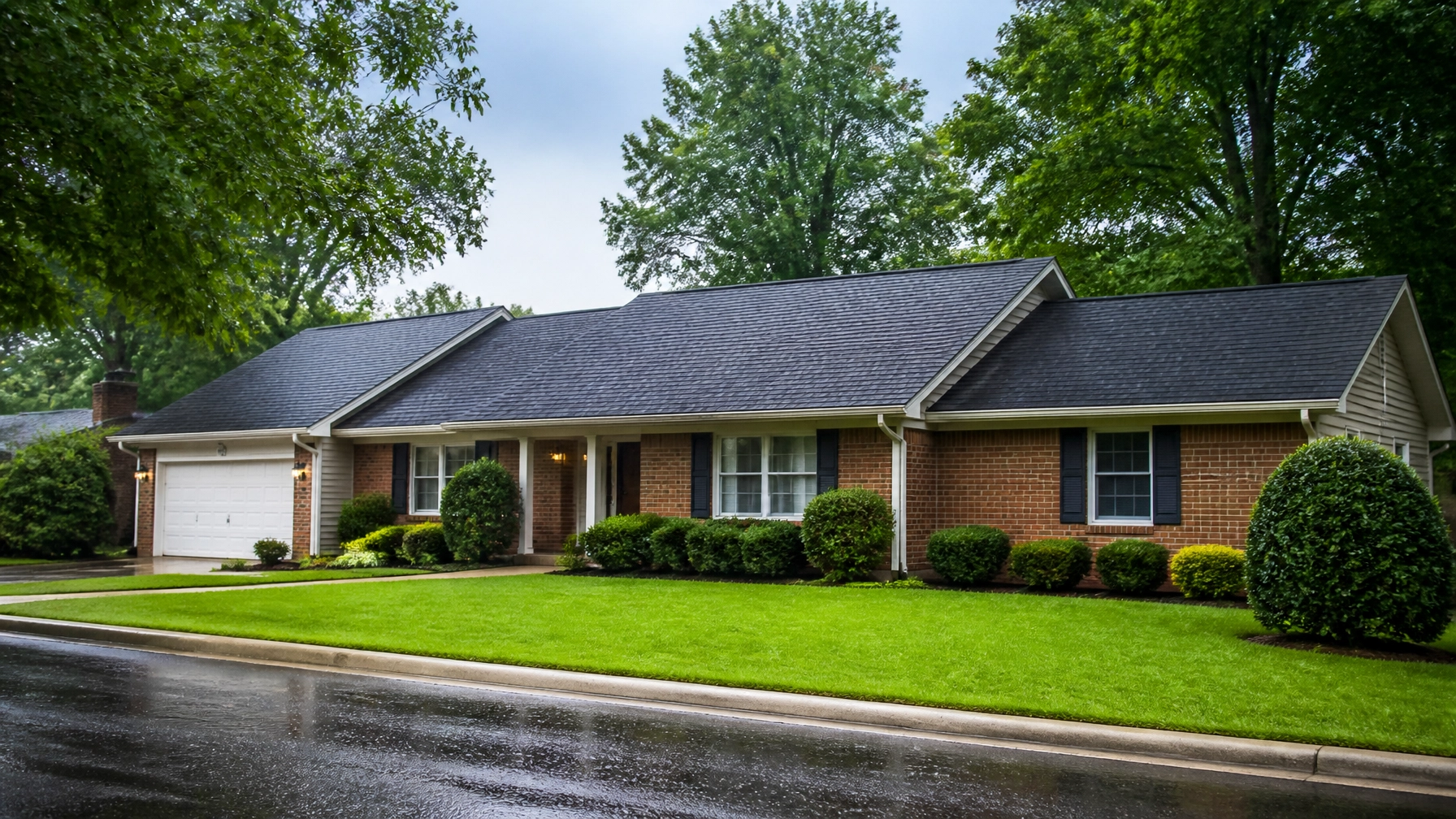
    A modern ranch-style home in a Charlotte suburb with a sleek matte black metal roof.


    Local Regulations: Charlotte & Mecklenburg County Permits

    One cost homeowners often overlook is the permitting process. In Charlotte (Mecklenburg County), a permit is typically required for any roof replacement that involves structural work or changing the grade of the material.

    • Permit Fees: Generally range from $150 to $400.
    • The Exemption: If you are doing a "like-for-like" replacement (same material) and the job value is under $40,000, some projects may be exempt, but most professional contractors will pull a permit to ensure a final inspection is performed for your protection.
    • Homeowners Association (HOA): If you live in a community like Ballantyne or Highland Creek, you must get HOA approval for your material and color choice before work begins. Failing to do so can result in heavy fines or the forced removal of your new roof.

    Why Use Satellite Technology for Your Estimate?

    The traditional way of getting a roof estimate is broken. You call three contractors, wait a week for them to show up, and then deal with high-pressure sales pitches in your kitchen.

    Get My Roof Estimate Now changes that. By leveraging high-resolution satellite imagery, we can:

    1. Measure your roof instantly: No more waiting for "the guy with the ladder."
    2. Provide transparent pricing: We factor in regional labor rates in Charlotte and current material costs.
    3. Eliminate Bias: Our data-driven approach gives you the "real" number before you even talk to a contractor.

    A top-down satellite view of a suburban neighborhood with digital measurement overlays representing advanced satellite roofing technology.


    Protecting Your Investment: Weather Considerations

    Charlotte sits in a region prone to severe thunderstorms and occasional tropical remnants. When budgeting for your roof, don't skimp on the Underlayment. We recommend high-quality synthetic underlayment or "peel-and-stick" ice and water shields in valleys, areas where Charlotte's heavy rains are most likely to cause leaks.

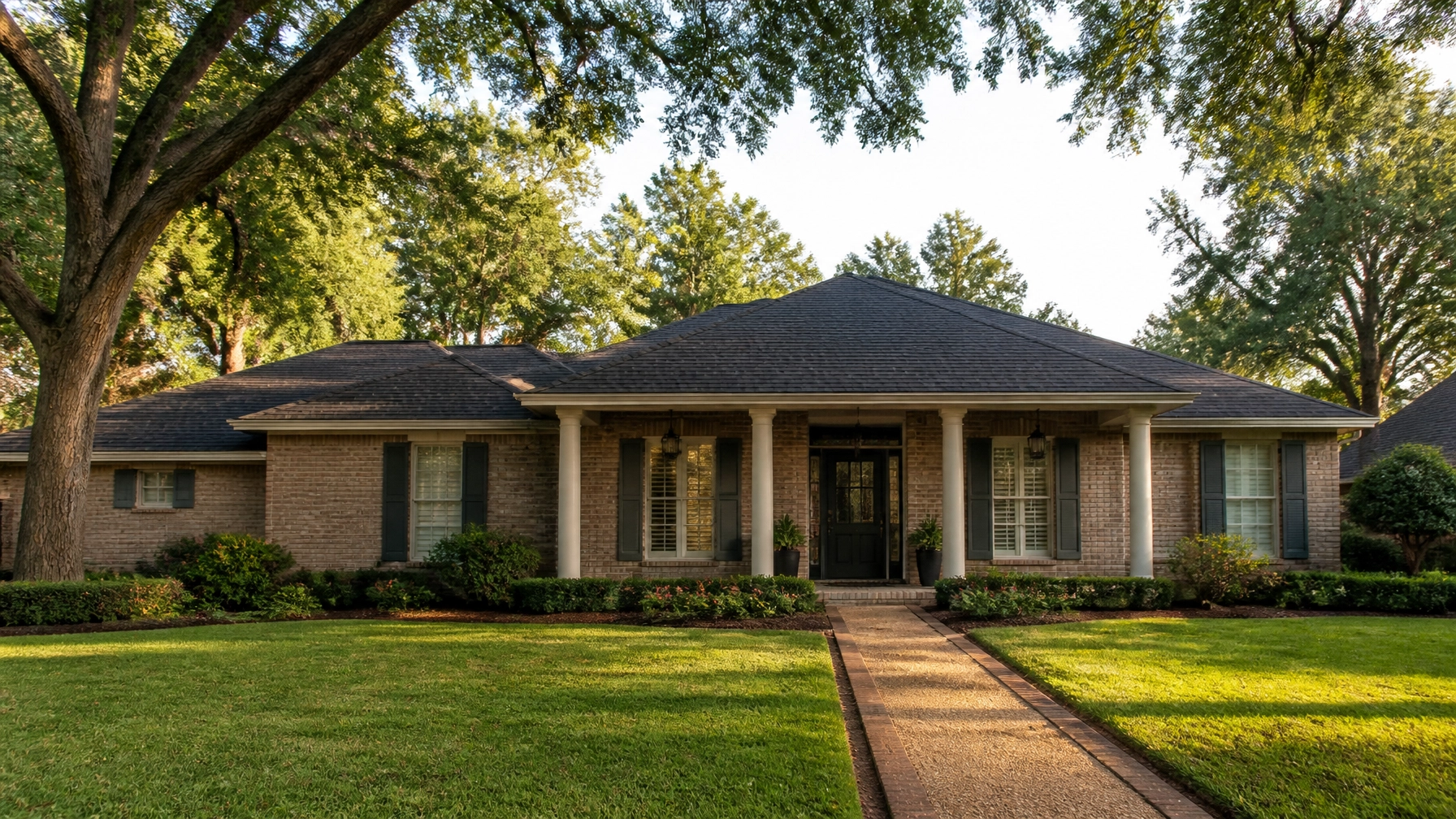
    A beautiful residential brick home in North Carolina under a dramatic sky, showing a durable new roof.


    Frequently Asked Questions (FAQ)

    How much does it cost to replace a 2,000 sq. ft. roof in Charlotte?

    For a standard 2,000 sq. ft. home in Charlotte, expect to pay between $9,000 and $14,000 for architectural shingles. If you opt for a standing seam metal roof, the cost will likely fall between $20,000 and $30,000.

    Does homeowners insurance cover roof replacement in North Carolina?

    If your roof was damaged by a specific event, like a hail storm or a fallen tree during a storm, your insurance may cover the replacement cost minus your deductible. However, insurance does not cover roofs that have reached the end of their natural lifespan due to age and wear.

    What is the cheapest month to replace a roof in Charlotte?

    Roofing demand in North Carolina peaks in the spring and fall. You may find more competitive labor pricing in January or February, as long as the weather stays above freezing for shingle adhesion.

    How long does a roof replacement take?

    For most single-family homes in Charlotte, a professional crew can complete a full tear-off and replacement in 1 to 2 days, assuming the weather cooperates.

    Is a permit required for a new roof in Charlotte, NC?

    Yes, Mecklenburg County generally requires a building permit for roof replacements to ensure the work meets current NC Residential Building Codes. Your contractor should handle the application and fee.


    Get Your Accurate Charlotte Roof Estimate in 60 Seconds

    Stop guessing about your home improvement budget. Use our free tool to get a precise, satellite-powered estimate right now. No credit card, no hassle, and no waiting.

    Get My Free Charlotte Roof Estimate Now

  • 5 Steps to Vet Your Charlotte Roofer: An Easy Guide for Avoiding Storm Scams

    5 Steps to Vet Your Charlotte Roofer: An Easy Guide for Avoiding Storm Scams

    Charlotte is a city that knows its way around a summer thunderstorm. Between the heavy humidity and the occasional late-season hurricane remnants, our roofs take a beating. But in the "Queen City," the real damage often happens after the storm clouds clear.

    When the hail hits neighborhoods from Ballantyne to Huntersville, it’s like a dinner bell for "storm chasers": out-of-state contractors who follow bad weather like a GPS. They show up uninvited, knock on your door, and offer a "free" inspection that miraculously always finds a total loss.

    Vetting a roofer in Charlotte isn’t just about finding someone who can swing a hammer; it’s about protecting your biggest investment from predatory tactics. At Get My Roof Estimate Now, we believe transparency is the best defense. Before you sign any "contingency agreement" or hand over an insurance check, follow these five essential steps to ensure you're working with a pro, not a con artist.

    Step 1: Confirm "Deep" Local Roots (Not Just a P.O. Box)

    Storm chasers are the ultimate nomads. They rent a white van, print some magnets, and grab a local burner phone number. Once the insurance checks are cashed and the shingles are nailed (poorly), they vanish to the next disaster zone.

    To vet a Charlotte roofer properly, you need to see more than a business card.

    • Check the physical address: Use Google Maps to verify they have a legitimate office or warehouse in the Charlotte metro area (Mecklenburg, Gaston, or Union counties). If their address is a UPS Store P.O. Box or a residential apartment in a city they aren't from, walk away.
    • Look at the plates: It sounds simple, but check the trucks. Are they sporting North Carolina tags? If you see a fleet of out-of-state plates in your cul-de-sac after a hail storm, that’s a major red flag (Out-of-State / High Risk).
    • Ask for local references: A reputable Charlotte roofer should be able to point to three roofs they replaced in your specific neighborhood within the last year.

    Close-up of high-quality architectural shingles showing slate gray and black tones

    Step 2: Navigate the North Carolina $40,000 Rule

    In North Carolina, the licensing laws are a bit unique. There isn't a standalone "Roofing License" issued by the state. Instead, roofing falls under the North Carolina Licensing Board for General Contractors.

    Here is the data-driven reality of NC law:

    • The Threshold: A North Carolina General Contractor (GC) license is legally required for any project where the total cost (labor + materials) is $40,000 or more.
    • The "Specialty" Catch: For jobs under $40,000, a roofer doesn't strictly need a state GC license, but they still need to be a registered business with proper local permits.

    Why this matters for you: Most standard roof replacements in Charlotte (Average / 2,000–3,000 sq ft) fall between $12,000 and $25,000. However, if you have a large estate or are opting for premium materials like metal or synthetic slate, you could easily cross that $40k mark. If your project is a big one, verify their GC license status on the NCGCLB website. If they are unlicensed for a $50,000 job, they are breaking the law.

    Step 3: Demand "Certificate of Insurance" Directly from the Agent

    Insurance is the safety net that protects you from a lawsuit. If a worker falls off your roof in Myers Park and the contractor doesn't have Workers' Comp, the medical bills could theoretically fall on your homeowner's policy.

    Don't just take a photocopied "proof of insurance" paper. Scammers often let their policies lapse right after printing the paper.

    1. General Liability: This covers damage to your home (e.g., a tree falls through your attic during the job).
    2. Workers’ Compensation: This covers the crew on the roof (Essential / High Priority).

    Pro Tip: Ask the contractor for the name of their insurance agent. Call that agent directly and ask for a "Certificate of Insurance" (COI) to be emailed to you with your name listed as the certificate holder. It takes five minutes and guarantees the policy is active.

    A professional Charlotte roofing truck with local branding parked on a residential street

    Step 4: Leverage Technology for Transparent Pricing

    One of the most common "storm scams" is price gouging. After a storm, demand spikes, and shady contractors will inflate their "ballpark" estimates because they know you're stressed.

    You should never have to guess what a fair price looks like. This is where Get My Roof Estimate Now changes the game. Instead of waiting three days for a salesman to come to your house and sit on your couch for two hours, you can use our Roof Cost Calculator.

    We use satellite imagery technology to measure your roof's exact square footage, pitch, and complexity (Accurate / 95%). Within 60 seconds, you get a transparent price range based on current Charlotte material costs:

    • Budget (3-Tab Shingles): Great for rentals or tight budgets.
    • Popular (Architectural Shingles): The Charlotte standard for durability and curb appeal.
    • Premium (Metal or Synthetic): High-end protection with a 50-year lifespan.

    By having this data in hand before you talk to a contractor, you can instantly spot if a "storm chaser" is trying to overcharge you by thousands of dollars.

    A homeowner in Charlotte using a tablet to view a satellite-powered roof estimate

    Step 5: Spot the "Deductible" and "Upfront" Red Flags

    If a roofer makes one of the following two claims, stop the conversation immediately:

    1. "We will cover your insurance deductible."
      In North Carolina, this is often considered insurance fraud. A contractor cannot legally "waive" or "rebate" your deductible. It is part of your contract with your insurance company. A roofer who is willing to cheat an insurance company is likely willing to cut corners on your roof (Illegal / Fraudulent).
    2. "I need 50% upfront to order materials today."
      While a small deposit (10–20%) is standard for scheduling, a reputable Charlotte roofer has established credit lines with local suppliers like ABC Supply or Beacon. They shouldn't need your cash to buy a single shingle. Never pay the full amount until the job is completed and you have signed off on the work.

    Conclusion: Take Control of Your Roof Replacement

    Vetting a roofer doesn't have to be a full-time job. By verifying their local address, checking the NC $40k rule, and demanding direct insurance verification, you've already eliminated 90% of the "storm chasers."

    Don't let a door-knocker dictate your budget. Get the facts first. Use our instant satellite estimate tool to find out exactly what your Charlotte roof should cost. It’s free, takes under a minute, and gives you the leverage you need to hire with confidence.


  • How to Calculate Your Houston Roof Replacement Cost in Under 60 Seconds

    How to Calculate Your Houston Roof Replacement Cost in Under 60 Seconds

    If you are a Houston homeowner in 2026, you know that the local climate is unforgiving. Between the blistering Gulf Coast humidity, the seasonal threat of tropical storms, and the intense UV exposure that cooks shingles for ten months of the year, your roof is your home’s first and most important line of defense.

    However, getting a straight answer on what a roof replacement actually costs in the Greater Houston area has historically been a headache. It usually involves three different contractors, a week of missed lunch hours, and a pile of handwritten quotes that don't quite compare apples to apples.

    At Get My Roof Estimate Now, we’ve eliminated the friction. Using advanced satellite imagery technology, we provide accurate, transparent pricing in under 60 seconds. No site visits. No sales pressure. Just the data you need to make an informed decision for your home.

    The State of Houston Roofing in 2026

    As of July 2026, roofing costs in Texas have seen a steady climb. We are currently tracking a 4% to 8% price increase compared to 2025 data. This hike is driven by a combination of rising specialized labor costs and the increased demand for "Category 4" impact-resistant materials that have become the standard for Houston insurance policies.

    To help you budget effectively, we have broken down the current 2026 benchmarks for a standard 2,000 to 2,500 square foot home in the Houston metro area.

    2026 Houston Price Benchmarks (Estimated)

    Material Category Average Total Cost (2026) Price Per Sq. Ft. (Installed)
    Architectural Shingles (Popular) $9,500 – $16,500 $4.50 – $6.50
    Standing Seam Metal (Premium) $16,000 – $32,000 $8.50 – $14.50
    Concrete/Clay Tile (High-End) $22,000 – $45,000 $11.00 – $20.00+

    Why Precision Matters: The Satellite Advantage

    The "ballpark estimate" is a relic of the past. Traditional contractors often pad their quotes by 10-15% because they haven't measured every facet and pitch of your roof before they arrive. They are guessing, and you are paying for their uncertainty.

    Our roof cost calculator uses high-resolution satellite imagery to measure your roof's "squares" (100 square foot sections) with 90-95% accuracy. We account for:

    • Total Square Footage: The actual surface area, not just the footprint of your home.
    • Roof Pitch: Steeper roofs require more safety equipment and slower labor, which impacts the final bid.
    • Complexity: We identify valleys, hips, ridges, and dormers that require extra flashing and specialized cutting.

    Close-up of premium architectural asphalt shingles installed on a residential roof

    Material Breakdown: Choosing the Right Protection for Houston

    Selecting the right material isn't just about aesthetics; it’s about durability in the Texas heat. In 2026, Houston homeowners are gravitating toward materials that offer long-term ROI and potential insurance discounts.

    1. Architectural Shingles (Popular/Reliable)

    This is the standard for most suburban homes in areas like Katy, Sugar Land, and The Woodlands. Unlike the flat "3-tab" shingles of the past, architectural shingles provide a dimensional look and are rated for much higher wind speeds.

    • 2026 Houston Cost: $9,500 – $16,500
    • Lifespan: 20–30 years
    • Benefit: Best balance of cost and performance.

    2. Standing Seam Metal (Premium/Permanent)

    Metal is the fastest-growing roofing segment in Houston for 2026. While the upfront investment is higher, the reflective properties of metal can reduce cooling costs in the summer: a major win for Texas electricity bills.

    • 2026 Houston Cost: $16,000 – $32,000
    • Lifespan: 50+ years
    • Benefit: Extreme weather resistance and superior energy efficiency.

    3. Synthetic and Specialty (Custom)

    For homes in historic districts or high-end coastal developments, synthetic slate or cedar-look shingles offer the prestige of natural materials without the maintenance or weight issues.

    • 2026 Houston Cost: $25,000+
    • Lifespan: 40–50 years
    • Benefit: High-end curb appeal with modern durability.

    Modern Houston home with a sleek charcoal standing seam metal roof

    Factors That Move the Needle on Your Houston Quote

    While material is the largest variable, several other factors influence where your home falls within our price ranges:

    • Number of Layers (Tear-Off): If your home has two layers of shingles (common in older Houston builds), the labor to strip and dispose of that extra weight will add $1,000 to $2,500 to the total.
    • Decking Condition: Houston humidity can rot plywood decking if the roof has been leaking. Our estimates provide a range, but the final cost may adjust if multiple sheets of plywood need replacement during the install.
    • Ventilation Upgrades: In 2026, we highly recommend upgrading to ridge vents. Proper attic ventilation is the only way to prevent your shingles from "baking" from the inside out in the July heat.
    • Waste Factor: Roofs with many valleys and peaks result in more shingle waste. A simple ranch-style roof has a lower waste factor than a complex Victorian-style roof.

    How to Get Your Estimate in Under 60 Seconds

    You don't need a ladder, and you don't need to wait for a call back. Here is how our system works for Houston residents:

    1. Enter Your Address: Head to our Texas roof estimate page.
    2. Confirm Your Roof: Our satellite AI identifies your property. You simply confirm the outline of your roof.
    3. Select Your Material: Toggle between Architectural Shingles (Budget-Friendly), Metal (Premium), or Tile (Luxury).
    4. Get Your Range: Receive a low, middle, and high-end estimate based on current 2026 Houston labor and material rates.
    5. Connect with Pros: If the price looks right, we connect you with vetted, licensed, and insured Houston contractors who are ready to honor the ballpark pricing.

    Aerial drone view of a Houston neighborhood with various rooflines and styles

    The Cost of Waiting

    In the roofing industry, price increases are rarely "one-off" events. With the 4-8% hike we've already seen this year, waiting until the next major storm season could mean paying even more. Material shortages and peak-season labor premiums can drive costs up by an additional $2,000+ if you're forced to replace your roof during a "rush" period.

    By getting your Houston roof estimate now, you can plan your budget, secure financing, and choose a contractor on your timeline: not the weather’s timeline.

    Final Thoughts for Houston Homeowners

    A roof replacement is likely the most significant investment you will make in your home this decade. Transparency is the only way to ensure you aren't overpaying. Our technology is designed to put the power back in your hands, giving you the same data-driven insights that professional adjusters and contractors use.

    Whether you are in Pearland, Spring, or Downtown Houston, 60 seconds is all it takes to see exactly what you should be paying for a new roof in 2026.

    Ready to start?
    Calculate your Houston roof replacement cost now.

  • 7 Mistakes Charlotte Homeowners Make Vetting Roofers (and How to Spot Storm Chasers)

    7 Mistakes Charlotte Homeowners Make Vetting Roofers (and How to Spot Storm Chasers)

    Charlotte is a "Queen City" for a reason, our tree-lined neighborhoods in areas like Myers Park, Dilworth, and Ballantyne are some of the most beautiful in the Southeast. However, Charlotte is also a prime target for "storm chasers." Following the heavy thunderstorms and occasional hail events that roll through Mecklenburg County, a wave of out-of-state contractors typically floods the area.

    Vetting a roofer isn't just about finding the lowest price; it’s about avoiding predatory scams that can leave you with a voided insurance claim, a leaking roof, or a legal headache. At Get My Roof Estimate Now, we believe transparency is the best defense. We provide instant, satellite-powered roof estimates so you have the data before you even talk to a contractor.

    If you’re a Charlotte homeowner, avoid these seven common mistakes during your vetting process.

    1. Falling for the "Free Roof" Inspection Pitch

    The most common mistake happens right at your front door. An unsolicited contractor knocks and claims they were "just in the neighborhood" and noticed storm damage on your roof. They offer a "free inspection."

    In many cases, these "inspectors" are known to intentionally damage shingles, creasing them or using tools to mimic hail impact, to ensure an insurance claim is filed. The North Carolina Department of Insurance (NCDOI) has recently conducted sting operations to catch this exact type of fraud.

    How to spot it: If you didn't call them, don't let them on your roof. A reputable local contractor rarely needs to knock on doors to find work. Use a roof cost calculator to get an objective baseline of your roof's condition and replacement cost first.

    2. Believing the "We’ll Pay Your Deductible" Scam

    This is a major red flag and, more importantly, it is illegal in North Carolina. A storm chaser might tell you they can "waive" or "absorb" your insurance deductible by inflating the estimate they send to your insurance company.

    The Risk: This is insurance fraud. If a contractor offers to cover your deductible, they are asking you to participate in a crime. Furthermore, if they are "saving" you $1,000 or $2,000 on the deductible, they are likely cutting corners on your materials or labor to make up that margin.

    Close-up of high-quality architectural asphalt shingles in a popular weathered wood color

    3. Hiring a Contractor Without a Local Charlotte Address

    Storm chasers earn their name because they follow the weather. They might have a North Carolina phone number (easily obtained via VoIP), but do they have a physical office in Charlotte, Pineville, or Huntersville?

    The "Tailgate Warranty": If a contractor’s "office" is the cab of their truck with out-of-state plates, your warranty is only good as long as you can see their tailgate. Once the storm season ends, they disappear. When your new roof starts leaking in six months, you’ll find their phone number disconnected and no physical location to visit for repairs.

    What to verify: Ask for a physical business address and check it on Google Maps. Ensure they have a long-standing reputation in the Charlotte Metro area.

    4. Skipping the NC Licensing Board Verification

    In North Carolina, any roofing project that exceeds $30,000 requires a formal North Carolina General Contractor (GC) license. Even for smaller jobs, hiring a licensed professional offers a layer of protection that "handymen" cannot provide.

    The Mistake: Taking the contractor’s word that they are "licensed and bonded."

    The Fix: Go to the North Carolina Licensing Board for General Contractors (NCLBGC) website and search for the company name. If they aren't listed, or if their license is inactive, walk away. A licensed contractor has met state standards for financial stability and competency.

    5. Paying a Large Deposit Upfront

    A common tactic for fraudulent roofers is the "Cash and Dash." They ask for a 50% deposit or the full insurance check upfront to "order materials." Once the check clears, they delay the project indefinitely or vanish.

    Standard Practice (Budget to Premium):

    • Initial Deposit: Typically 10% to 25% to get on the schedule.
    • Material Delivery: An additional payment may be due when the actual shingles and underlayment arrive at your driveway.
    • Final Payment: The balance should only be paid once the job is 100% complete and has passed a final inspection.

    Never pay the full amount before the first shingle is nailed down.

    Professional roofing crew working on a steep residential roof in Charlotte, NC

    6. Neglecting to Verify Insurance Certificates

    General Liability insurance and Workers’ Compensation are non-negotiable. If a roofer falls off your roof and the contractor doesn't have Workers' Comp, you could be held liable for their medical bills through your homeowners' insurance.

    The Mistake: Accepting a verbal "Yes, we're insured."

    The Fix: Ask for a COI (Certificate of Insurance) and call the insurance agent listed on the document to verify the policy is current. Make sure the policy specifically covers "Roofing," as some contractors carry cheaper policies that exclude high-risk height work.

    7. Signing an "Assignment of Benefits" (AOB) Too Early

    An Assignment of Benefits is a legal document that signs over your insurance claim rights to the contractor. This allows them to deal directly with the insurance company and collect the checks.

    While AOBs can sometimes simplify the process, many storm chasers use them to take control of the claim, inflate the costs, and then perform the cheapest possible repair (Budget) while pocketing the difference.

    The Warning: Never sign an AOB just to get a "free inspection." You should only sign a contract once you have vetted the company, reviewed their accurate estimate, and are ready to proceed with the work.

    Using Technology to Outsmart the Scammers

    The traditional roofing model, where a salesman spends two hours in your kitchen pressuring you to sign, is outdated and favors the contractor.

    At Get My Roof Estimate Now, we use advanced satellite imagery to measure your Charlotte home to within inches. Within 60 seconds, you receive a transparent breakdown of:

    • Square Footage: Exactly how much material your roof needs.
    • Pitch and Complexity: How steep your roof is (which affects labor cost).
    • Price Ranges: We provide low, middle, and high estimates based on material types (Architectural, Metal, Synthetic).

    Modern tablet displaying a 3D satellite imagery rendering of a residential roof with precise measurements

    By having this data upfront, you can spot a "lowball" bid that's too good to be true or a "storm chaser" bid that is wildly inflated. Knowledge is your best protection against the pitfalls of the roofing industry.

    Charlotte Roofing Benchmarks

    To help you categorize your options, here is what most Charlotte homeowners encounter:

    Factor Budget Option (3-Tab) Popular Choice (Architectural) Premium Option (Metal/Slate)
    Durability 15-20 Years 25-30 Years 50+ Years
    Wind Rating Up to 60 MPH Up to 130 MPH Up to 140+ MPH
    Curb Appeal Basic/Flat Textured/Dimensional High-End/Custom
    Relative Cost $ $$ $$$

    Ready to see what your roof replacement should actually cost?
    Don't wait for a door-knocker to tell you. Get your instant satellite estimate now and take control of your home improvement project.


    Frequently Asked Questions

    Q: Do I need a permit for a new roof in Charlotte?
    A: Yes. In Mecklenburg County, a building permit is generally required for any roof replacement that involves structural work or costs over a certain threshold. A reputable contractor will handle the permitting process for you.

    Q: How do I know if I have hail damage after a Charlotte storm?
    A: Hail damage often looks like small dimples or "bruises" on the shingles where the granules have been knocked off. However, don't trust a solicitor's photos. Use an independent inspector or a trusted local company.

    Q: Is a General Contractor's license required for roofing in NC?
    A: If the total cost of the project (labor + materials) is $30,000 or more, the contractor must have a North Carolina General Contractor’s license.

  • The Ultimate Guide to 2026 Houston Roof Replacement Cost: Everything You Need to Succeed

    The Ultimate Guide to 2026 Houston Roof Replacement Cost: Everything You Need to Succeed

    Replacing a roof in Houston is no longer the guessing game it used to be. In 2026, the intersection of rising material costs and advanced satellite technology means homeowners can: and should: know exactly what they are paying before a single contractor sets foot on their property.

    If you own a home in the Greater Houston area, from The Woodlands down to Sugar Land, you are likely facing a roof replacement every 15 to 20 years due to the relentless Texas sun and Gulf Coast humidity. This guide breaks down the current market rates, material variables, and local factors that dictate your final invoice.

    2026 Houston Roofing Cost Snapshot

    The average roof replacement in Houston currently ranges between $8,000 and $25,000. While that is a wide bracket, your specific cost is driven almost entirely by three factors: roof square footage, material choice, and architectural complexity.

    Estimated Cost Per Square Foot (Installed)

    Material Category Price Per Sq. Ft. Best For
    3-Tab Asphalt (Budget) $3.50 – $5.00 Rental properties or quick fixes
    Architectural Shingles (Popular) $4.00 – $7.50 Most Houston single-family homes
    Standing Seam Metal (Premium) $9.00 – $14.00 Maximum durability and energy efficiency
    Concrete/Clay Tile (Luxury) $12.00 – $25.00+ Mediterranean or Spanish-style estates
    TPO/Flat Roof (Specialty) $6.00 – $10.00 Modern homes with low-slope sections

    At Get My Roof Estimate Now, we use high-resolution satellite imagery to calculate these costs for your specific address in under 60 seconds. You can get your instant Houston roof estimate here without waiting for a site visit.

    Calculating Cost by Roof Size

    In the roofing industry, we measure in "squares." One square equals 100 square feet of roof surface area. Note that your roof's surface area is always larger than your home's interior square footage due to the pitch (slope) and overhangs.

    Side-by-side comparison of architectural asphalt shingles and a sleek black standing seam metal roof.

    2026 Houston Price Ranges by Home Size

    Roof Surface Area Approx. Squares Architectural Shingles Premium Metal
    1,500 Sq. Ft. 15 Squares $6,000 – $11,250 $13,500 – $21,000
    2,000 Sq. Ft. 20 Squares $8,000 – $15,000 $18,000 – $28,000
    2,500 Sq. Ft. 25 Squares $10,000 – $18,750 $22,500 – $35,000
    3,000 Sq. Ft. 30 Squares $12,000 – $22,500 $27,000 – $42,000

    The Houston Factor: Why Local Climate Matters

    Houston isn't just any market; it’s a high-stress environment for roofing materials. When planning your 2026 project, factor in these local variables:

    1. Humidity & Algae Resistance: Houston’s moisture levels promote "Gloeocapsa magma": the black streaks you see on older roofs. Ensure your 2026 estimate includes shingles with copper-infused granules (Algae Resistance) to maintain curb appeal.
    2. UV Degradation: With over 200 sunny days a year, radiant heat can "cook" shingles from the inside out. We recommend high-reflectivity shingles or metal roofing to lower attic temperatures and cooling costs.
    3. Wind & Hurricane Ratings: Harris County has strict building codes regarding wind uplift. Your estimate should include "Starter Shingles" on all eaves and rakes and a minimum of six nails per shingle to meet local 110-130 mph wind requirements.

    Beyond the Shingles: Hidden Cost Drivers

    When you receive a "ballpark" quote, it often ignores the technical realities of your specific structure. A professional Texas roof estimate must account for:

    • Tear-Off Labor: Removing one layer of old shingles is standard. If your home has two or more layers (common in older Houston Heights or Memorial neighborhoods), expect to pay an additional $50–$100 per square for labor and disposal fees.
    • Decking Replacement: If the wood underneath (OSB or Plywood) is rotted from a slow leak, it must be replaced. In 2026, expect to pay $85–$110 per 4×8 sheet of installed decking.
    • Roof Pitch: A "walkable" roof (low slope) is cheaper to install. If your roof is "steep" (7/12 pitch or higher), contractors charge a steep-charge premium because of the increased risk and slower pace of work.

    Satellite imagery interface showing precise digital measurements of a residential roof in Houston.

    How to Get an Accurate Estimate in 60 Seconds

    The traditional method of getting a roof quote: calling three contractors, waiting for them to show up, and sitting through three 90-minute sales pitches: is obsolete.

    Our satellite-powered technology analyzes your roof's dimensions, pitch, and complexity using the same data insurance adjusters use. Here is how to succeed:

    1. Enter Your Address: Visit our Roof Cost Calculator.
    2. Select Your Material: Choose between Budget, Popular, or Premium options.
    3. Receive Your Range: Get an instant, transparent price range based on current Houston labor and material market rates.
    4. Connect with Pros: If the price fits your budget, we connect you with verified, licensed, and insured Houston contractors who can honor that pricing.

    Vetting Your Houston Contractor

    In a market like Houston, where "storm chasers" often appear after a heavy hurricane season, vetting is non-negotiable. Ensure your contractor provides:

    • Proof of General Liability: Minimum $1 million coverage.
    • Texas-Specific Experience: They should be familiar with Texas Department of Insurance (TDI) requirements for windstorm certification (WPI-8) if you are in a designated catastrophe area.
    • Workmanship Warranty: A standard shingle manufacturer warranty covers the material, but you need a 5-to-10-year workmanship warranty from the contractor to cover installation errors.

    A professional Houston roofing crew installing new architectural shingles on a large ranch-style home.

    Conclusion

    A roof replacement is a significant financial investment, but it shouldn't be a source of stress. By leveraging satellite technology and understanding the 2026 Houston market rates, you can move forward with confidence. Whether you are looking for a budget-friendly asphalt solution or a lifetime metal system, the data is now at your fingertips.

    Ready to see your number? Get your instant, free Houston roof estimate now.

  • The Ultimate Guide to Getting Insurance to Pay for Your New Charleston Roof

    The Ultimate Guide to Getting Insurance to Pay for Your New Charleston Roof

    Living in Charleston, South Carolina, means enjoying coastal breezes and historic charm: but it also means your roof is constantly in the crosshairs of Mother Nature. Between the high-velocity winds of hurricane season and the sudden, violent hail storms that roll through the Lowcountry, roof damage isn't a matter of "if," but "when."

    For most Charleston homeowners, a new roof is a significant investment, typically ranging from $12,000 to $25,000 for a standard single-family home. The good news? If your roof has sustained storm damage, your insurance company should foot the bill. The bad news? The process is notoriously complex, and without the right strategy, you could end up paying thousands out of pocket for a claim that should have been fully covered.

    In this masterclass, we’ll break down the exact steps to successfully navigate a roof insurance claim in Charleston, ensuring you get the full replacement you're entitled to without the typical headache.

    1. The Charleston Insurance Landscape: What You Need to Know

    Charleston is a unique market. Because of our coastal location, many homeowners have "split" coverage. You likely have a standard homeowners policy, but for wind and hail, you might be covered by the South Carolina Wind and Hail Underwriting Association (SCWHUA).

    Before you even pick up the phone to file a claim, you need to verify two things:

    • RCV vs. ACV: A Replacement Cost Value (RCV) policy (Premium) pays to replace your roof at today's market prices. An Actual Cash Value (ACV) policy (Budget) only pays the depreciated value of your old roof, which could leave you with a massive bill.
    • The Deductible: In coastal SC, many policies have a separate wind/hail deductible that is a percentage of your home's value (e.g., 1% or 2%), rather than a flat $1,000 fee.

    2. Identify the Damage (Without the Ladder)

    You don't need to risk your neck climbing onto your roof to know you have a claim. Charleston storms leave clues that are easily spotted from the ground.

    Close-up of hail impact and wind-damaged shingles showing granular loss and creasing.

    Look for these "Red Flags":

    • Granule Loss: If your gutters are full of "sand" or pebbles after a storm, your shingles have lost their protective coating.
    • Missing or Lifted Shingles: Wind often catches the edges of shingles, breaking the seal or blowing them off entirely.
    • Interior Signs: Water spots on the ceiling or bubbling paint near the roofline are immediate indicators of a breach.

    Pro Tip: Use an instant satellite roof estimate to get a baseline measurement of your roof before you call the insurance company. Knowing your "squares" (the 10' x 10' area roofers use for pricing) gives you immediate leverage when discussing the scope with an adjuster.

    3. The Step-by-Step Claim Strategy

    Follow this sequence to maximize your chances of a full approval.

    Step 1: The Preliminary Professional Inspection

    Never file a claim without a professional roofer inspecting the property first. Why? Because a "denied" claim stays on your record. You want to be 100% sure there is "insurable damage" before involving the carrier. A local Charleston roofer will document the "date of loss" using weather data from the specific storm that hit your zip code.

    Step 2: Filing the Claim

    Call your insurance company’s claims line. Keep it simple: "I had a professional inspection, and they found significant wind/hail damage from the storm on [Date]." They will assign a claim number and an adjuster.

    Step 3: The Adjuster Meeting (The Most Critical Hour)

    When the insurance adjuster comes to your home, your roofing contractor must be there.

    A professional roofing contractor and an insurance adjuster reviewing roof damage together.

    Adjusters are human; they can miss things. Your contractor’s job is to "speak the language," pointing out code-required items like drip edges, flashing, and ridge vents that the adjuster might overlook. Having an expert on-site ensures the initial "Scope of Loss" (the list of what they’ll pay for) is as accurate as possible from day one.

    Step 4: The First Check and "Recoverable Depreciation"

    Insurance payouts usually come in two stages:

    1. The ACV Check: This is the "actual cash value" (the depreciated value of your old roof). It will look shockingly low. Don't panic. This is just the starting funds to get the project moving.
    2. The Supplementing Process: Your contractor will likely find "hidden" damage once the old shingles are torn off (like rotted decking). They will submit a "supplement" to the insurance company to cover these extra costs.
    3. The Final RCV Check: Once the roof is installed and a "Certificate of Completion" is sent to the carrier, they will release the remaining funds (the depreciation) to cover the full cost of the project.

    4. Understanding the Numbers: 2026 Charleston Pricing

    In the current market, roof costs in Charleston have stabilized but remain higher than the national average due to strict coastal building codes.

    Component Estimated Cost (2026) Policy Category
    Material (Arch. Shingles) $4.50 – $6.00 per sq. ft. Popular
    Labor & Disposal $2.50 – $3.50 per sq. ft. Standard
    Code Upgrades (Drip Edge) $500 – $1,500 Required
    Average Total Project $12,000 – $25,000 Full Replacement

    Note: These ranges factor in regional labor rates and the high-quality materials required to withstand Charleston's 130mph+ wind zones.

    5. Using Technology to Simplify the Process

    The old way of getting a roof estimate involved waiting 3-5 days for a contractor to show up with a ladder. Today, technology has made that process obsolete.

    A homeowner using a smartphone to get an instant satellite-powered roof estimate in under 60 seconds.

    At Get My Roof Estimate Now, we use high-resolution satellite imagery to measure your roof's pitch, complexity, and square footage with 95% accuracy. In under 60 seconds, you can have a transparent, line-item estimate that you can use to compare against what your insurance company is offering.

    Whether you are in Mt. Pleasant, Summerville, or Downtown Charleston, you can get your free instant estimate here.

    6. Final Checklist for Charleston Homeowners

    • Check your Policy: Is it RCV or ACV? What is your wind/hail deductible?
    • Get an Instant Estimate: Use our Roof Cost Calculator to know your numbers.
    • Documentation: Save photos of any leaks or fallen shingles immediately after a storm.
    • Hire Local: Ensure your contractor is licensed, insured, and familiar with the South Carolina Department of Insurance regulations.

    Navigating an insurance claim doesn't have to be a full-time job. By being proactive, using modern technology to verify measurements, and ensuring you have an expert advocate during the adjuster meeting, you can get a brand-new, high-quality roof for the cost of your deductible.

    Ready to see what your Charleston roof replacement should actually cost?
    Get your 60-second satellite estimate now.


  • Charlotte Roofing 101: A Beginner’s Guide to Mastering Replacement Costs

    Charlotte Roofing 101: A Beginner’s Guide to Mastering Replacement Costs

    Replacing a roof in Charlotte, North Carolina, is a significant financial decision that many homeowners approach with a mix of urgency and uncertainty. Whether you’re dealing with the aftermath of a Piedmont storm or your 20-year-old shingles have simply reached the end of their service life, understanding the numbers is the first step to a successful project.

    In the Queen City, a roof is more than just shelter; it’s a critical component of your home’s energy efficiency and resale value. However, the traditional process of getting an estimate: calling three contractors, waiting for site visits, and decoding conflicting quotes: is notoriously slow.

    At Get My Roof Estimate Now, we believe transparency shouldn’t take a week. This guide breaks down the real-world costs of roof replacement in Charlotte for 2026, providing the data-driven clarity you need to budget with confidence.


    The Bottom Line: What Does a Charlotte Roof Cost in 2026?

    For a standard 2,000-square-foot roof in Charlotte, most homeowners should expect to pay between $9,000 and $15,000 for a full replacement using architectural shingles. While that is the "sweet spot" for many residential projects, the broader range for the Charlotte metropolitan area typically spans from $8,000 to $25,000.

    If you are upgrading to premium materials like standing seam metal or synthetic slate, those figures can climb significantly higher.

    Charlotte Market Averages (2026 Data)

    • Average Project Cost: ~$12,500
    • Low-End (Simple Ranch/3-Tab): $8,000 – $10,000
    • Mid-Range (Standard Colonial/Architectural): $11,000 – $16,000
    • High-End (Luxury/Metal/Tile): $19,000 – $35,000+

    Material Breakdown: Categorizing Your Choices

    Material selection is the single largest variable in your final invoice. In Charlotte’s humid subtropical climate, homeowners often prioritize materials that can withstand high heat and occasional severe weather.

    Close-up comparison of architectural asphalt shingles and metal roofing materials

    1. Asphalt Shingles (Budget & Popular)

    Asphalt remains the gold standard for Charlotte roofing due to its balance of cost and performance.

    • 3-Tab Shingles (Budget): These are the most affordable but have the shortest lifespan. Expect to pay $8,200 – $12,100 for a standard roof.
    • Architectural Shingles (Popular): Also known as dimensional shingles, these offer better wind resistance and a thicker profile. The local range is $9,700 – $14,300.
    • Impact-Resistant Shingles (Premium Asphalt): Designed to withstand hail, these cost $11,100 – $16,400 but may lower your insurance premiums.

    2. Metal Roofing (Durable & Modern)

    Metal is surging in popularity across North Carolina for its longevity and energy efficiency.

    • Corrugated Panels (Mid-Range): Often used for simple structures or rural homes, costing $12,000 – $17,600.
    • Standing Seam Metal (Premium): The "forever roof" of the modern era. These roofs feature concealed fasteners and sleek lines, typically ranging from $19,000 to $27,900.

    3. Luxury Materials (High-End)

    For historic homes in neighborhoods like Myers Park or Dilworth, specialized materials are often required.

    • Synthetic Slate: Offers the aesthetic of stone without the extreme weight. Budget $17,000 – $25,100.
    • Natural Slate: The ultimate luxury option, though rare. Costs can soar to $42,000 – $60,000+.

    Explore more about specific roofing materials and how they impact your home's longevity.


    The "Hidden" Variables: Why Estimates Vary

    If two neighbors with the same square footage get different quotes, it’s usually due to three factors: complexity, pitch, and local logistics.

    Roof Complexity

    A simple "up and over" gable roof is significantly cheaper to replace than a roof with multiple dormers, valleys, and chimneys. Each transition requires custom flashing and more meticulous labor.

    Roof Pitch (Steepness)

    In Charlotte, many older homes have steep pitches. A roof is considered "steep" if it has a 6:12 pitch or higher. Steep roofs require specialized safety equipment and slower installation, which can increase labor costs by 15-30%.

    Tear-Off and Disposal

    Most quotes include the removal of the existing layer of shingles. In Charlotte, disposing of old materials generally costs $1,000 to $3,000 depending on the weight and number of layers being removed.

    Overhead satellite view of a roof with digital measurement overlays


    Charlotte Permits and Inspections: The Technicalities

    One advantage of working in the Charlotte market is the structured and relatively affordable permitting process. In 2026, the City of Charlotte building permit fees for roofing are calculated based on the project's total value:

    1. Base Fee: $59.70 (Covers the first $3,000 of work).
    2. Incremental Fee: $12.19 for every additional $1,000 of project value.

    For a typical $10,000 roof replacement, your permit fees will hover around $145.00. A reputable contractor will pull these permits for you and include the cost in your initial estimate. Never skip the permit process; it ensures your roof meets local building codes and protects your home's resale value.


    How to Get an Instant Charlotte Roof Estimate

    The old way of getting an estimate involves taking a half-day off work to meet a salesperson. At Get My Roof Estimate Now, we’ve eliminated that friction.

    Using advanced satellite imagery technology, we can measure your roof’s size, pitch, and complexity with 95% accuracy in under 60 seconds. Our system factors in regional labor rates in North Carolina and current material prices to give you a transparent price range instantly.

    Professional roofing crew installing shingles on a Charlotte ranch-style home


    AEO FAQ: Quick Answers for Charlotte Homeowners

    What is the average cost of a new roof in Charlotte, NC?

    In 2026, the average cost for a professional roof replacement in Charlotte is approximately $12,500. Most residential projects fall within the $9,000 to $15,000 range for asphalt shingles.

    How much more does a metal roof cost than shingles in Charlotte?

    Generally, a metal roof will cost 2 to 3 times more than a standard asphalt shingle roof. While architectural shingles might cost $10,000, a high-quality standing seam metal roof for the same home could range from $22,000 to $28,000.

    Do I need a permit for a roof replacement in Charlotte?

    Yes. The City of Charlotte requires a building permit for any structural work, including full roof replacements. Licensed contractors typically handle the application process, and fees are usually under $200 for standard residential projects.

    How long does a roof replacement take in the Charlotte area?

    For a standard 2,000-square-foot home, most professional crews can complete a full tear-off and replacement in 1 to 2 days, assuming the weather remains clear.

    Can I get a roof estimate without a contractor visiting my house?

    Yes. By using our online roof cost calculator, you can receive an accurate, satellite-powered estimate in less than a minute by simply entering your address.


    Conclusion: Take Control of Your Project

    A new roof is a protective shield for your largest asset. By understanding the local Charlotte market rates: ranging from $8,000 for budget options to $25,000+ for premium systems: you can approach contractors from a position of knowledge rather than guesswork.

    Don't wait days for a ballpark figure. Start your planning today by getting an instant, free estimate powered by satellite technology. Whether you're in Ballantyne, NoDa, or the University City area, we provide the data you need to make the right choice for your home.

  • 7 Mistakes You’re Making When Vetting Charlotte Roofers (and How to Fix Them)

    7 Mistakes You’re Making When Vetting Charlotte Roofers (and How to Fix Them)

    Charlotte is a "boom town" for more than just banking and real estate. In 2026, the Queen City remains a primary target for "storm chasers": out-of-state contractors who flood neighborhoods in Mecklenburg County immediately after a heavy thunderstorm or hail event. These contractors aren't just looking for work; they're looking for quick insurance payouts, often at the expense of your home’s structural integrity.

    If you are planning a roof replacement in Charlotte, you are likely looking at an investment between $8,500 and $15,000 for architectural shingles, or upwards of $30,000 for premium standing seam metal. With that much capital on the line, you can't afford to make these common vetting errors.

    Here are the 7 critical mistakes homeowners make when hiring Charlotte roofers: and the data-driven ways to fix them.


    1. Hiring a "Tailgate Professional" Without a Local Office

    The most common mistake after a storm in neighborhoods like Ballantyne or Huntersville is signing a contract with someone who knocked on your door. These "storm chasers" often operate out of a truck with out-of-state plates.

    The Risk: Once the roof leaks in six months, that contractor will be three states away. Your "lifetime warranty" is worthless if the company no longer exists in North Carolina.

    The Fix: Demand a physical Charlotte-area address. A local office indicates a commitment to the community and a physical location where you can hold them accountable. Use our instant roof estimate tool to get a baseline price before you ever talk to a door-to-door salesperson.

    2. Ignoring the $40,000 Licensing Rule

    In North Carolina, the licensing laws are specific and often misunderstood. While "roofing" itself doesn't have a dedicated state board, any project exceeding $40,000 requires a North Carolina General Contractor (GC) license.

    The Risk: Many large homes in areas like Myers Park or Lake Norman require roof replacements that easily cross the $40k threshold, especially with premium materials like slate or designer shingles. If your contractor isn't licensed for a job of that scale, you have zero recourse with the NC Licensing Board for General Contractors if things go south.

    The Fix: Always ask for a contractor’s NC license number and verify it on the NCLBGC website. If the quote is over $40,000 and they don't have a GC license, walk away.

    High-quality charcoal grey architectural shingles showing texture and dimension

    3. Falling for the "Free Roof" or "Waived Deductible" Trap

    If a roofer tells you they can "waive your deductible" or give you a "free roof" by over-billing your insurance company, they are asking you to participate in insurance fraud. In 2025 and early 2026, the NC Department of Insurance (NCDOI) increased stings on Charlotte-area contractors for these exact practices.

    The Risk: Misrepresenting damage or "eating" a deductible is a felony in North Carolina. You could face legal consequences alongside the contractor, and your insurance claim could be denied entirely.

    The Fix: Realize that a deductible is a legal obligation of your policy. Legitimate Charlotte roofers will provide a transparent estimate that reflects the actual cost of materials and labor. In 2026, expect to pay:

    • Architectural Shingles (Popular): $450 – $700 per square (100 sq. ft.)
    • Standing Seam Metal (Premium): $950 – $1,400 per square
    • 3-Tab Shingles (Budget): $350 – $550 per square

    4. Failing to Verify General Liability AND Workers' Comp

    Many homeowners ask "Are you insured?" and accept a simple "Yes." This is a $20,000 mistake.

    The Risk: General Liability covers damage to your home (e.g., a tree falls through your attic during the job). Workers' Compensation covers the roofers. If a worker falls off your roof and the contractor doesn't have Workers' Comp, you could be held liable for their medical bills and lost wages.

    The Fix: Do not just take their word for it. Request a Certificate of Insurance (COI) sent directly from their insurance agency to your email. This ensures the policy is active and hasn't been cancelled for non-payment.

    Professional roofing contractor showing a digital estimate to a Charlotte homeowner

    5. Trusting Manual "Hand Measurements" Over Satellite Data

    Traditional contractors still climb ladders with tape measures. While this seems "old school" and reliable, it is prone to human error: especially on complex Charlotte rooflines with multiple gables and steep pitches.

    The Risk: Manual measurements are often rounded up, leading to "material waste" charges that pad the contractor's pocket. Or worse, they under-measure, and you’re hit with a surprise "change order" halfway through the job.

    The Fix: Use modern technology to keep them honest. At Get My Roof Estimate Now, we use satellite imagery to provide measurements accurate to within inches (90-95% accuracy). Before you let a contractor on your roof, get your 60-second estimate to know exactly how many "squares" your roof actually is.

    6. Hiring Based on the Lowest Bid

    Charlotte's roofing market is competitive. You will likely receive quotes that vary by thousands of dollars. The mistake is choosing the lowest number without looking at the "why."

    The Risk: Low-ball bids are achieved in three ways:

    1. Using "B-grade" or "seconds" materials.
    2. Hiring undocumented or uninsured labor.
    3. Cutting corners on critical components like underlayment, ice and water shields, and ridge vents.

    The Fix: Compare "apples to apples." Ensure every quote includes the same brand of shingles (e.g., GAF, Owens Corning, or CertainTeed) and specifies the weight of the underlayment. A cheap roof in Charlotte’s humidity will lead to mold and rot within a decade.

    Satellite view of a Charlotte roof with digital measurement overlays

    7. Skipping the Attic Inspection

    A roofer who only looks at the outside of your house is only seeing half the story.

    The Risk: If your roof deck (the wood under the shingles) is rotting or if your ventilation is inadequate, putting new shingles on top is like putting a band-aid on a broken leg. The new roof will fail prematurely, and the manufacturer will likely void your warranty.

    The Fix: A professional vetting process should include the contractor entering your attic to check for light peeking through, water stains on rafters, and proper intake/exhaust ventilation. If they don't ask to see the attic, they aren't a pro: they're a salesman.


    Charlotte Roofing Cost Benchmark (2026)

    To help you budget accurately, here is the current pricing data for the Charlotte metro area:

    Material Type Cost Per Square (Installed) Average Lifespan
    Architectural Shingles $450 – $700 25-30 Years
    Standing Seam Metal $950 – $1,400 50+ Years
    Synthetic Slate/Shake $1,200 – $1,800 50 Years
    Corrugated Metal $600 – $900 30-40 Years

    Note: 1 "Square" = 100 Square Feet of roof surface.

    The Bottom Line

    Vetting a roofer in Charlotte doesn't have to be a full-time job. By avoiding these seven mistakes and leveraging technology to get an accurate, instant price range, you put the power back in your hands. Don't wait for a storm chaser to knock on your door: get your estimate today and know your numbers before you ever sign a contract.

  • The Ultimate Guide to Atlanta Roof Replacement Cost: Everything You Need to Succeed in 2026

    The Ultimate Guide to Atlanta Roof Replacement Cost: Everything You Need to Succeed in 2026

    If you own a home in the Atlanta metro area, you already know that our weather doesn't play games. Between the intense summer humidity, sudden spring thunderstorms, and the occasional winter ice, your roof is your first line of defense. As we move through 2026, many homeowners are finding that their 15-to-20-year-old roofs are reaching the end of their functional lifespan.

    The biggest hurdle? Knowing what a fair price looks like without spending three weeks chasing down contractor quotes. At Get My Roof Estimate Now, we’ve revolutionized this process. Using advanced satellite imagery, we provide accurate roof measurements and transparent pricing in under 60 seconds.

    Here is the definitive breakdown of what you can expect to pay for a roof replacement in Atlanta this year.


    The 2026 Atlanta Price Breakdown by Material

    Material choice is the single largest variable in your final invoice. In Atlanta, we primarily see two dominant players: architectural shingles and standing seam metal.

    Architectural Shingles (Popular / Versatile)

    Architectural shingles remain the "gold standard" for Atlanta neighborhoods like Buckhead, Marietta, and Decatur. They offer a layered, dimensional look and superior wind resistance compared to old-school three-tab shingles.

    • Average Cost: $4.25 – $6.50 per square foot.
    • Total Project Range: $8,500 – $16,000 for a typical 2,000 sq. ft. home.
    • Expectation: A high-quality installation that lasts 25–30 years under normal Georgia conditions.

    A detailed, close-up photo of high-quality architectural shingles in a weathered wood color, showing the texture and layering.

    Standing Seam Metal (Premium / Lifetime)

    For homeowners looking to invest in a "forever roof" or seeking a modern aesthetic for a farmhouse or contemporary build, standing seam metal is the premier choice. It handles Atlanta’s heat exceptionally well by reflecting solar radiation.

    • Average Cost: $9.50 – $14.00 per square foot.
    • Total Project Range: $19,500 – $35,000 for a 2,000 sq. ft. home.
    • Expectation: Minimal maintenance, extreme durability against hail, and a 50+ year lifespan.

    2026 Atlanta Cost Estimates by Roof Size

    Roofing is measured in "squares" (100 square feet). To give you a realistic baseline for budgeting, we have compiled the average 2026 costs based on common Atlanta home sizes.

    Roof Area (Sq. Ft.) Architectural Shingles (Mid-Range) Standing Seam Metal (Premium)
    1,500 sq. ft. $6,500 – $10,000 $15,000 – $22,000
    2,000 sq. ft. $8,500 – $13,000 $19,500 – $28,000
    2,500 sq. ft. $10,500 – $16,000 $24,000 – $35,000
    3,000+ sq. ft. $12,500 – $18,000+ $28,500 – $42,000+

    Note: These figures include full tear-off of one layer of old shingles, standard underlayment, and basic flashing.

    A sleek, modern matte black standing seam metal roof on a contemporary Atlanta home.


    Key Factors Influencing Your Atlanta Quote

    While size and material are the foundation of your price, several local variables can shift your quote toward the higher or lower end of the spectrum.

    1. Roof Pitch and Complexity (Labor Impact)

    A flat or low-slope roof is easier (and cheaper) to work on. If your home features steep gables, multiple valleys, or dormers: common in many North Atlanta "McMansions": expect labor costs to increase. Steep roofs require specialized safety equipment and more time to navigate.

    2. The "Atlanta Canopy" (Debris and Moisture)

    Atlanta is known as the "City in a Forest." While the trees are beautiful, they can lead to significant roof rot if leaves and pine needles sit in your gutters or valleys for years. If your contractor discovers damaged plywood (decking) during the tear-off, you may face additional charges for wood replacement, typically ranging from $75 to $125 per 4×8 sheet.

    3. Ventilation and Code Upgrades

    Proper ventilation is non-negotiable in the Georgia heat. If your attic isn't breathing, your new roof will "bake" from the inside out, voiding your warranty. Upgrading to a ridge vent system or adding solar-powered attic fans are common 2026 project add-ons that ensure longevity but add to the initial cost.


    Why Satellite Measurement is the 2026 Standard

    Gone are the days of waiting for a salesman to arrive with a ladder and a tape measure. In 2026, accuracy is driven by data.

    At Get My Roof Estimate Now, we use high-resolution satellite imagery to calculate your roof's dimensions down to the inch. This removes human error and ensures that the quote you see is the price you pay. By eliminating the "on-site inspection" as the first step, we save you hours of time and provide a roof cost calculator experience that is both transparent and pressure-free.

    A split-screen style image showing a top-down satellite view of a residential roof with digital measurement lines.


    Local Regulations: Permits and Inspections in the Metro Area

    Navigating city and county permits is part of the process. Whether you are in the City of Atlanta, Fulton County, or Gwinnett, most jurisdictions require a building permit for a full roof replacement.

    • Permit Fees: Usually range from $150 to $400 depending on the project value.
    • Inspections: A final inspection ensures the roof meets the current 2026 Georgia State Minimum Standard Building Code.
    • Contractor Vetting: Always ensure your contractor is licensed and insured in the state of Georgia. Using our platform connects you with verified, local professionals who handle the permitting paperwork for you.

    Next Steps for Atlanta Homeowners

    A roof replacement is a significant investment, typically ranging from $8,000 to $25,000 for most single-family homes in Georgia. Don't guess your budget: know it.

    If your roof is showing signs of age, such as curling shingles, grit in the gutters, or internal ceiling stains, now is the time to act. You can get a precise, satellite-powered estimate right now without talking to a single person.

    Ready to see your numbers?
    Visit Get My Roof Estimate Now and enter your address. Get your accurate, no-obligation estimate in 60 seconds or less.

    A professional roofing crew finishing the installation of a new roof on a classic Atlanta craftsman-style bungalow.

  • How to Get Insurance to Pay for Your Charlotte Roof Replacement (5 Simple Steps)

    How to Get Insurance to Pay for Your Charlotte Roof Replacement (5 Simple Steps)

    If you live in Charlotte, you know the routine: a sudden summer thunderstorm rolls through Mecklenburg County, bringing heavy wind and golf-ball-sized hail. By the time the sky clears, your roof has taken a beating. For many homeowners, the immediate concern isn't just the leak: it’s the $12,000 to $25,000 price tag for a new roof.

    At Get My Roof Estimate Now, we see it every day. Homeowners are often surprised to learn that their insurance provider is legally obligated to restore their property to its "pre-loss condition" after a storm. However, navigating the insurance maze requires more than just a phone call to your agent. It requires a strategy.

    In this Charlotte-specific masterclass, we’re breaking down the five essential steps to securing an insurance-funded roof replacement without the typical headaches.


    The Charlotte Reality: Why Your Roof is a Target

    Charlotte's climate is unique. We sit in a sweet spot for "convective storms" that generate high winds and damaging hail. According to local historical weather data, the Charlotte metropolitan area experiences several significant hail events annually, specifically impacting neighborhoods like Myers Park, Ballantyne, and University City.

    In North Carolina, roof replacement costs typically range from $8,000 to $20,000+ depending on the complexity and materials (e.g., Architectural Shingles vs. Metal). Because this is a major investment, insurance companies are rigorous in their inspection process.

    Follow these five steps to ensure you’re prepared to win your claim.


    Step 1: Documentation is Your Best Defense (The "Forensics" Phase)

    Close-up of hail-damaged shingles showing granule loss and circular bruising, a common sight after Charlotte storms.

    The moment a storm passes, your first job is to act as a forensic investigator. Insurance adjusters aren't just looking for damage; they are looking for evidence of a specific date of loss.

    • Exterior Visuals: Walk the perimeter of your home. Look for missing, creased, or "flapped" shingles (Wind Damage). Check for circular indentations or "bruising" on shingles (Hail Damage).
    • Collateral Damage: Look at your downspouts and gutters. High concentrations of granules (the "sand" on shingles) in your gutters are a primary indicator of hail impact. Also, check for dents in your metal mailbox, AC unit, or soft metal vents on the roof.
    • Interior Signs: Check your attic and ceilings for water stains or damp drywall. In Charlotte's humid climate, even a small leak can lead to mold issues in under 48 hours.

    Expert Tip: Take high-resolution photos and video of everything. Date-stamp them if possible. This "Before" documentation is vital if your claim is initially denied.


    Step 2: Audit Your Policy (RCV vs. ACV)

    Before filing a claim, you must understand what you actually bought. Pull your "Declarations Page": this is the one-page summary of your coverage. You need to identify two critical things:

    1. Replacement Cost Value (RCV) – The Popular Choice

    If you have RCV coverage, the insurer pays the full cost to replace your roof today, minus your deductible. They usually send a first check for the "depreciated" value and a second check once the work is completed to cover the remaining balance.

    2. Actual Cash Value (ACV) – The Budget Choice

    ACV coverage only pays what your roof is worth today after years of wear and tear. If your 20-year-old roof is destroyed, insurance may only pay 20% of the cost of a new one. This often leaves homeowners with a significant out-of-pocket gap.

    3. Your Deductible

    In Charlotte, deductibles usually range from $1,000 to $2,500. However, look closely for a "Wind/Hail Deductible." In North Carolina, some policies have a percentage-based deductible (e.g., 1% or 2% of the home's value) specifically for storm damage, which could be much higher than your standard $1,000 deductible.


    Step 3: Get an Independent Estimate (The Satellite Advantage)

    The Get My Roof Estimate Now technology uses satellite imagery to provide 95% accurate measurements in under 60 seconds.

    One of the biggest mistakes homeowners make is letting the insurance adjuster be the only person who calculates the cost of the roof. You need a baseline before they even step on your property.

    This is where Get My Roof Estimate Now changes the game. Using advanced satellite imagery, we can measure your roof’s size, pitch, and complexity with 90-95% accuracy.

    • The 60-Second Process: You enter your address.
    • The Result: We calculate the "squares" (100 sq. ft. sections) of your roof.
    • The Pricing: We provide a local Charlotte price range for:
      • Budget: Standard 3-tab shingles.
      • Popular: Architectural/Laminate shingles (The Charlotte standard).
      • Premium: Metal or synthetic slate.

    Having an instant, accurate estimate in your hand allows you to verify if the insurance adjuster's "scope of loss" is fair. If the insurance company says your roof is 25 squares but our satellite data proves it's 32 squares, you have the data-backed evidence to demand a supplement.


    Step 4: The Adjuster Meeting (Advocate for Your Asset)

    Once you file the claim, the insurance company will send an adjuster to inspect the damage. Do not let them walk the roof alone.

    Ideally, you want your chosen local contractor to meet the adjuster on the roof. Why? Because adjusters often miss "soft" damage or overlook code-required upgrades (like Drip Edge or ICE & Water Shield) that North Carolina building codes require.

    • Ask for a "Full Scope": The goal is a full replacement, not a "patch repair." In NC, if the damage is widespread enough, or if the shingles are too brittle to be repaired without breaking adjacent ones, the insurance company should cover the entire slope or the entire roof.
    • The Supplement Process: If the adjuster's initial estimate is low, don't panic. This is the starting point, not the final word. Your contractor can "supplement" the claim by sending photos and satellite measurements from Get My Roof Estimate Now to prove the actual costs.

    Step 5: Manage the Funds and Choose a Pro

    Once the claim is approved, the insurance company will typically issue a check made out to you and your mortgage company.

    • The First Check: This covers the "Actual Cash Value" minus your deductible.
    • The Replacement: Hire a licensed, insured Charlotte roofing contractor. Ensure they provide a workmanship warranty in addition to the manufacturer’s shingle warranty.
    • The Final Check: Once the roof is installed and a final invoice is sent to the insurance company, they release the "Recoverable Depreciation" (the withheld funds).

    Warning: Never sign over your entire insurance check to a contractor upfront. A reputable Charlotte roofer will usually only ask for a small deposit or the first insurance check once materials are delivered to your driveway.


    Conclusion: Take Control of Your Charlotte Roof Claim

    A completed high-end residential roof in a quiet Charlotte suburb, illustrating the value of a successful insurance claim.

    Getting insurance to pay for your roof replacement in Charlotte isn't about "gaming the system": it's about ensuring you get exactly what you've been paying premiums for. By documenting damage, understanding your policy, and using technology like satellite imagery to get an accurate price first, you level the playing field.

    Ready to see what your roof should cost before you call the insurance company?

    Get your instant, free roof estimate in under 60 seconds. No credit card, no contractor visits, just accurate data for your Charlotte home.

    👉 Get My Instant Charlotte Roof Estimate Now