Category: Uncategorized

  • Daily Weather Blitz – Slot 2: Macon, GA : August 23, 2026: Sunny 95°F Sunday, Isolated Storm Threat & What Middle Georgia’s Heat-Hail-Wind Combo Does to Your Roof

    Daily Weather Blitz – Slot 2: Macon, GA : August 23, 2026: Sunny 95°F Sunday, Isolated Storm Threat & What Middle Georgia’s Heat-Hail-Wind Combo Does to Your Roof

    Macon is headed for a hot, mostly sunny Sunday with a high near 95°F and heat index values as high as 98°F. The National Weather Service gives Macon only a 10% chance of showers or thunderstorms after 4 p.m., but its Hazardous Weather Outlook warns that isolated storms could produce damaging wind gusts across Central Georgia.

    That combination matters for homeowners. Long stretches of extreme heat weaken roofing materials through expansion, contraction, and ultraviolet exposure. Then a single thunderstorm can add wind, hail, falling branches, and heavy rain to an already stressed roof system.

    For Sunday, the immediate storm risk is limited. The broader lesson is more important: Middle Georgia roofs need to be inspected and maintained for heat, hail, and wind: not just rain.

    Macon weather snapshot: Sunday, August 23

    Period Forecast Roofing concern
    Sunday afternoon Sunny, near 95°F; heat index up to 98°F Heat and UV stress on shingles, sealants, and flashing
    After 4 p.m. 10% chance of showers or thunderstorms Isolated gusty winds, lightning, and brief heavy rain
    Sunday night Low near 70°F; slight storm chance early Rapid temperature change and wet-surface exposure
    Wind Calm, becoming northwest around 5 mph Light background wind, but stronger storm cells may gust sharply

    The NWS Peachtree City forecast for Macon is not calling for widespread severe weather today. However, the NWS Hazardous Weather Outlook identifies isolated thunderstorms as possible, with damaging wind gusts the main concern from any stronger cell.

    The week ahead brings more storm opportunities

    Sunday is the quietest part of the near-term pattern. Storm chances increase again during the week:

    • Monday: Mostly sunny, high near 93°F
    • Tuesday: 30% chance of storms after 2 p.m., high near 93°F
    • Wednesday: 30% chance of storms, high near 93°F
    • Thursday: Showers likely, 60% chance, high near 90°F
    • Friday: 50% chance of showers and thunderstorms, high near 91°F
    • Saturday: 30% chance of storms, high near 92°F

    This is a familiar late-summer setup: intense daytime heating, high humidity, and scattered storms that may not affect every neighborhood. A storm can miss one side of Macon and still produce damaging wind or hail a few miles away.

    Recent local evidence: Twiggs County storm damage

    On Friday, August 21, a severe thunderstorm moved through neighboring Twiggs County near Jeffersonville. Reports described:

    • Radar-indicated 60 mph wind gusts
    • Quarter-sized hail
    • Multiple trees blocking roads
    • A tree falling onto a house on Main Street
    • No reported injuries

    The WGXA report shows why a low daily storm probability does not eliminate roof risk. When a stronger storm forms, its impact is highly localized.

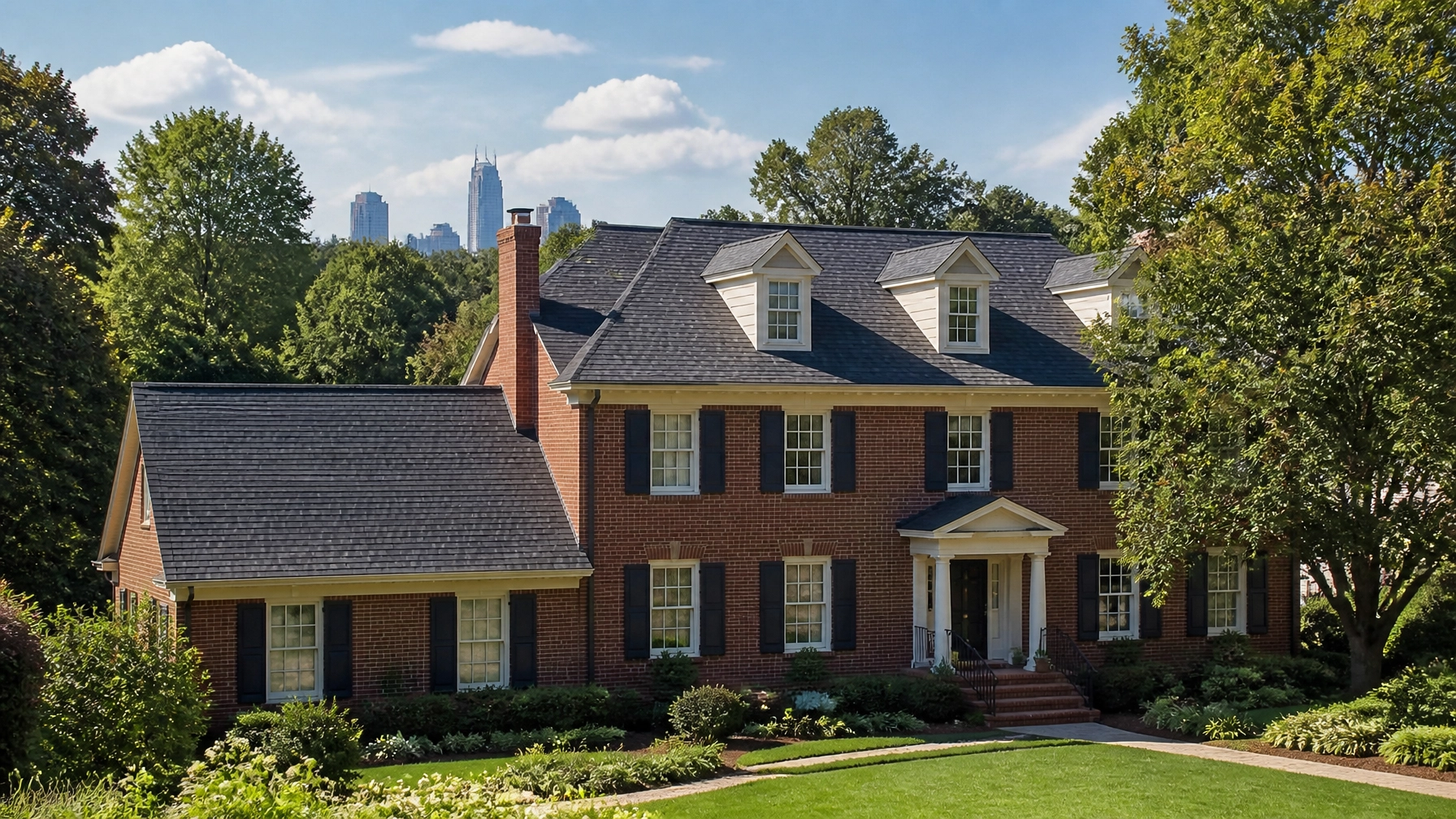
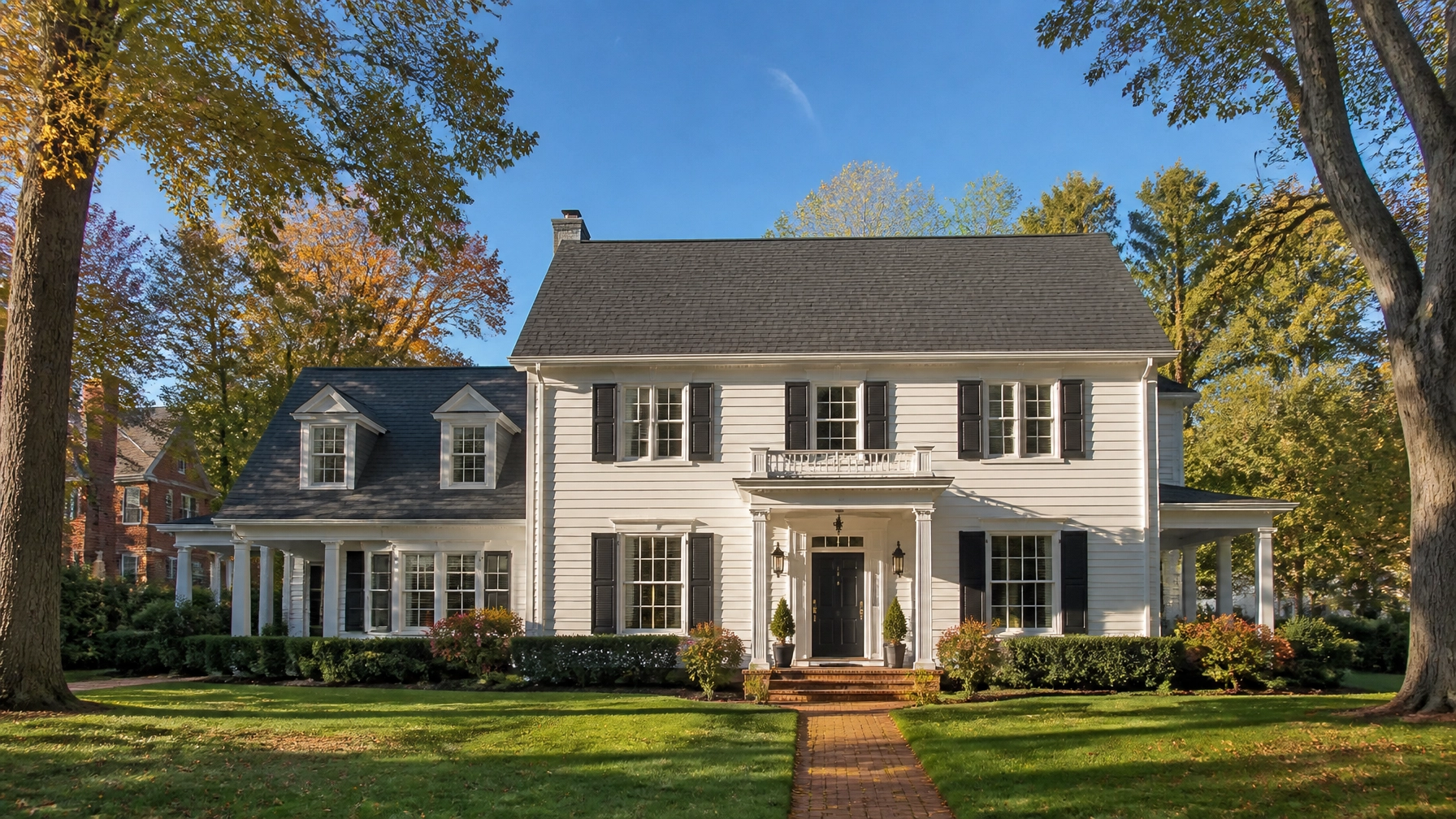
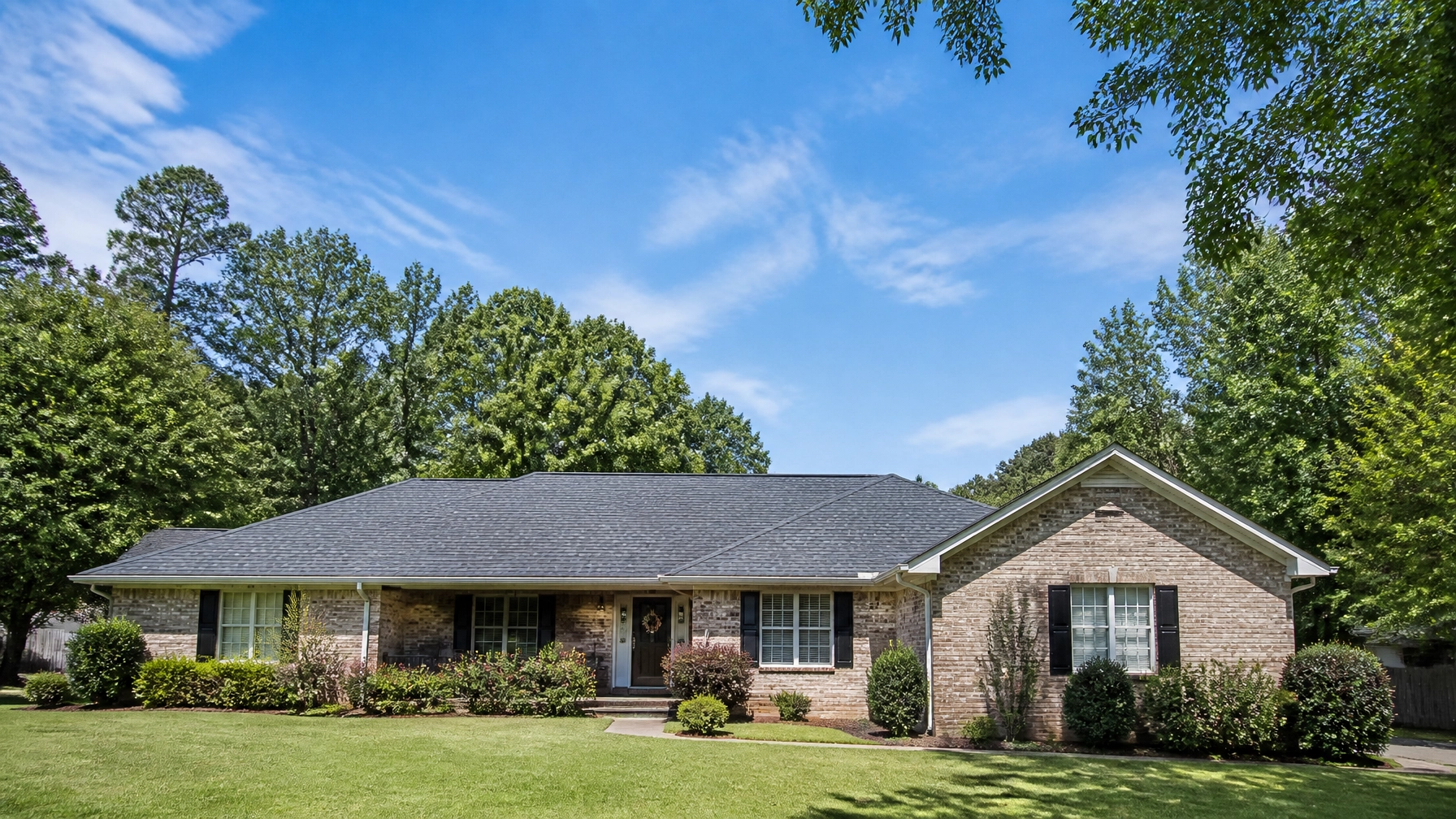
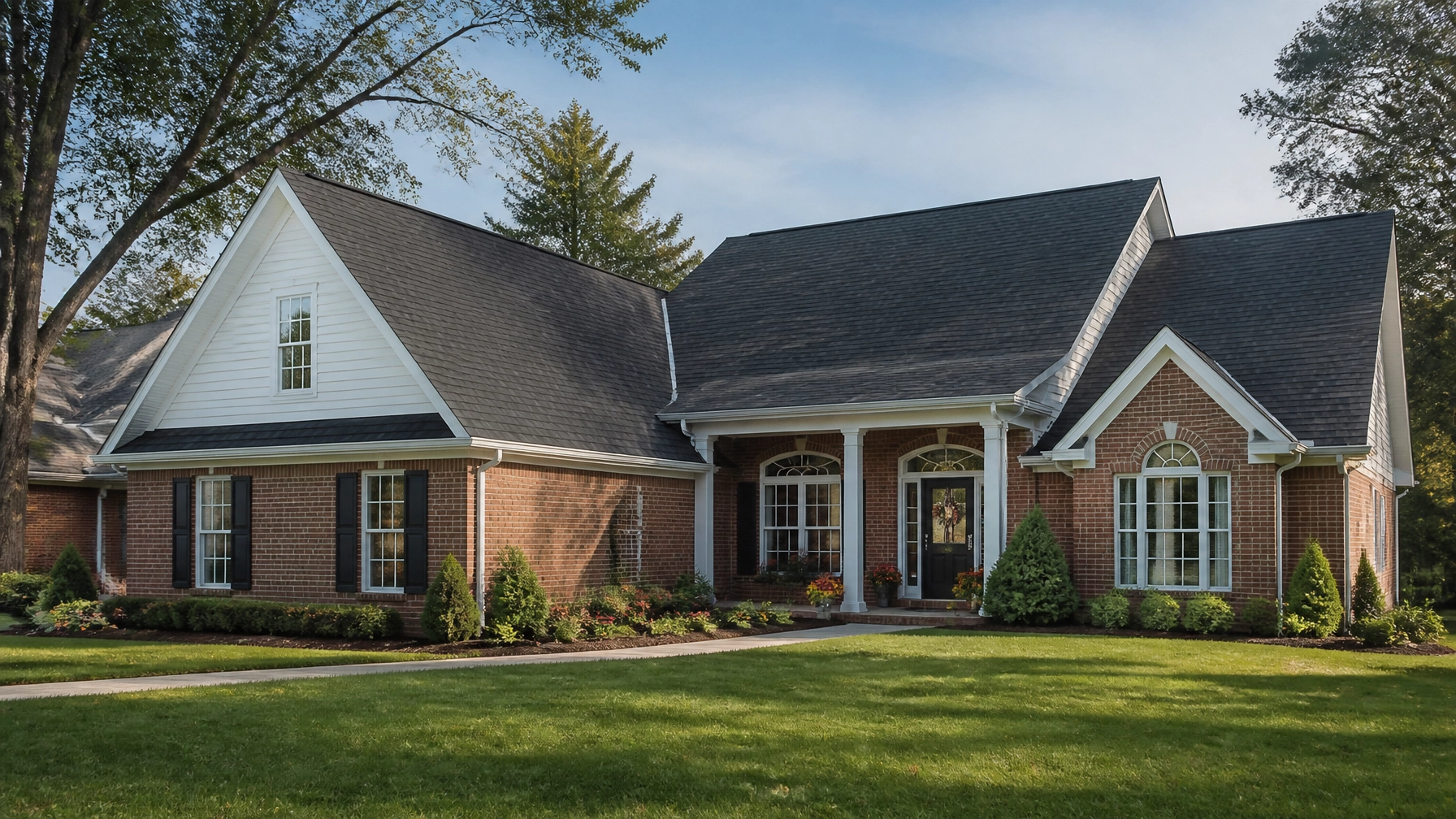
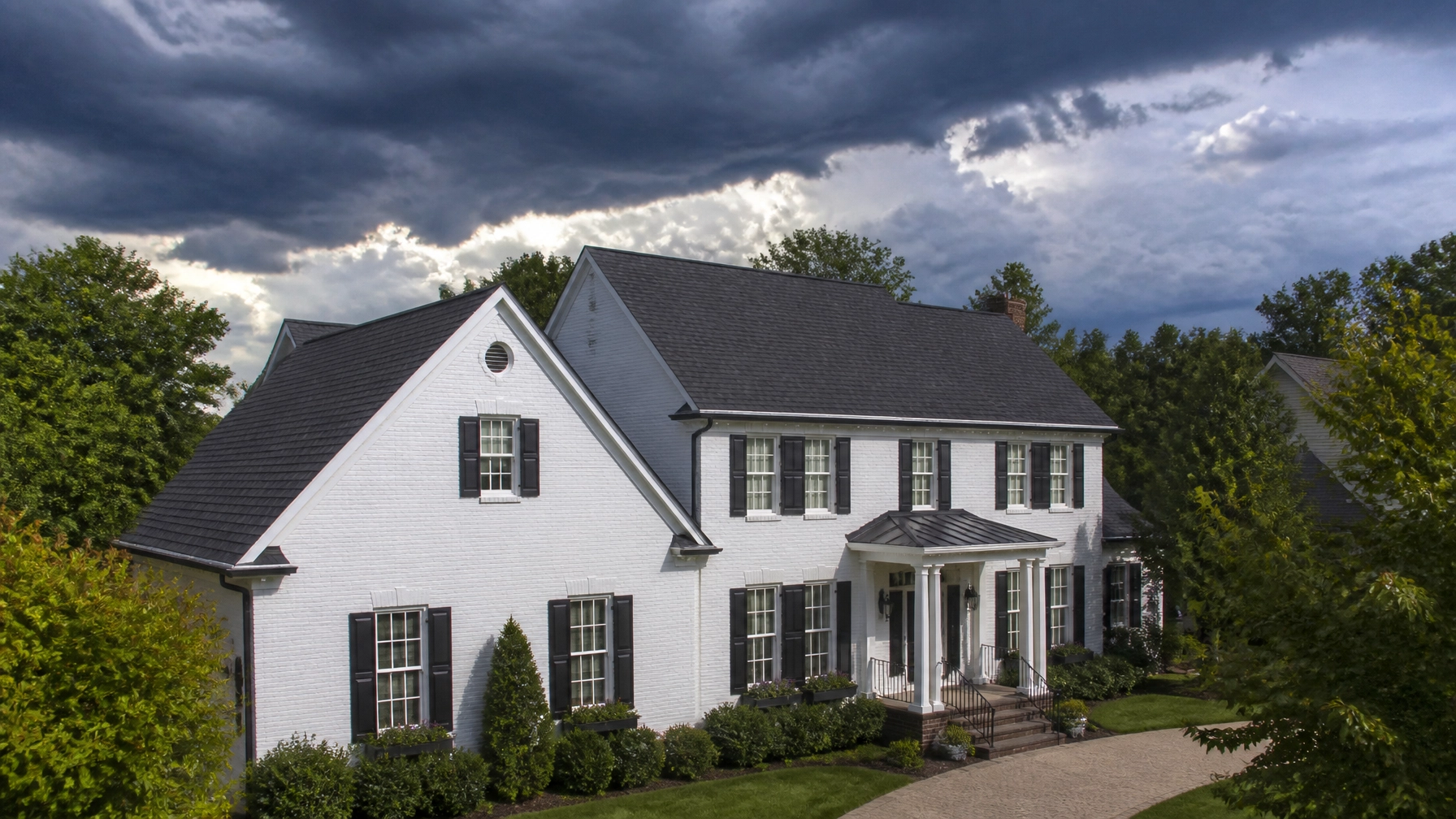
    Two-story Colonial home in Middle Georgia with a new architectural shingle roof and trimmed trees

    What extreme Georgia heat does to asphalt shingles

    Middle and South Georgia experienced multiple heat advisories during August 2026. Regional reports placed heat index values in the 109°F to 111°F range in parts of Georgia, including Middle Georgia communities during the most intense periods.

    The heat index measures how hot conditions feel to the human body. Your roof experiences a different form of stress: direct solar heating. Dark roofing surfaces can become much hotter than the surrounding air.

    Over time, repeated heat exposure can contribute to:

    • Faster granule loss
    • Drying and cracking of exposed asphalt
    • Loss of flexibility in sealant strips
    • Shrinkage or deterioration around flashing
    • Thermal cycling as the roof cools overnight
    • Higher attic temperatures and cooling demand

    Heat damage is gradual, which makes it easy to overlook. A roof may still appear intact from the street while its protective surface is losing durability.

    Ventilation is part of roof performance

    Balanced ridge-and-soffit ventilation helps release trapped attic heat and moisture. It does not make a roof immune to summer conditions, but it can reduce heat buildup and support longer-lasting roofing materials.

    During an inspection, confirm that:

    • Soffit intake vents are not blocked by insulation
    • Ridge vents are continuous where appropriate
    • Bathroom and kitchen exhaust vents terminate outdoors
    • Attic insulation is not covering designed airflow paths
    • Moisture or staining is not present around roof penetrations

    Bibb County has a documented wind and hail history

    According to the NOAA Storm Events Database data summarized through GeoStat, Bibb County has recorded 264 severe weather events since 1996, including:

    • 147 thunderstorm wind events
    • 72 hail events
    • 15 tornadoes

    The costliest reported events include the May 2008 tornado at approximately $5 million, a 2011 hail event near $2.3 million, and a 2019 hail event near $2 million.

    The numbers point to a practical priority for Macon homeowners: straight-line wind and hail are more frequent threats than tornadoes, but all three can damage roofing systems.

    Hail damage is often invisible from the ground

    Hail does not need to create a dramatic hole to reduce a roof’s service life. Look for these signs after a storm:

    • Circular bruises or soft spots on shingles
    • Missing granules in gutters or downspouts
    • Cracked, split, or lifted shingles
    • Dents in metal vents, flashing, and gutters
    • Damaged siding, screens, or outdoor equipment
    • Fresh debris on the roof or around the home

    Do not climb onto a wet or steep roof. Start with a ground-level inspection, then arrange a professional evaluation if you see suspicious damage.

    Modern Georgia home with Class 4 impact-resistant shingles, ridge vent, flashing, and clean roofline

    Storm-ready roofing details for Macon homes

    A durable roof is a system. Shingles are only one part of it.

    1. Use correct fastening

    Under Georgia’s 2024 residential code requirements, asphalt shingles must be tested and labeled under ASTM D7158. A minimum six-nail pattern applies for wind speeds over 120 mph or for Class H-rated shingles.

    Fasteners should be corrosion-resistant 12-gauge nails with 3/8-inch heads, installed in the manufacturer’s nailing zone with at least 3/4-inch penetration into the roof deck.

    The exact requirement depends on the product, roof design, and applicable code conditions. Installation quality matters as much as the shingle label.

    2. Consider impact-resistant shingles

    Class 4 shingles, tested under UL 2218, are designed to resist hail impact better than standard products. They are not hail-proof, but they can reduce the likelihood of bruising and premature failure.

    Some Georgia insurers offer wind-and-hail or impact-resistant roofing credits. Potential discounts may range from roughly 5% to 35%, depending on the carrier, policy, product, and documentation. Georgia’s statutory wind-mitigation discount rules can also involve broader FORTIFIED or approved mitigation standards: not roofing material alone. Ask your insurer what certification is required before choosing a product based on an expected discount.

    3. Strengthen vulnerable areas

    A storm-ready roof should include:

    • Sealed roof-deck protection
    • Ice-and-water underlayment at eaves, valleys, and penetrations
    • Reinforced flashing around chimneys and skylights
    • Proper flashing at roof-to-wall transitions
    • A continuous drip edge
    • Securely fastened ridge caps
    • Gutters that are clear and firmly attached

    4. Manage nearby trees

    Trim branches away from the roof before storm season. Remove dead limbs and inspect trees that lean toward the house. The Twiggs County storm shows how roof damage can come from a tree impact even when the roof covering itself was installed correctly.

    Macon roof replacement cost benchmarks for 2026

    Macon homeowners can generally expect a standard residential roof replacement to fall between $6,200 and $15,000, with many projects landing around $9,200 to $10,900. August may be a slower roofing season locally, and some pricing can run approximately 15% below the annual average, depending on contractor availability and project scope.

    Roofing choice Category Typical Macon benchmark
    3-tab or standard asphalt Budget $6,200–$9,000
    Architectural shingles on a typical 2,000 sq. ft. home Most Popular About $8,000–$15,000
    Designer shingles, Class 4 products, or premium systems Premium About $12,000–$20,000+
    Standing-seam or premium metal roofing Premium About $18,000–$35,000

    Architectural asphalt shingles are commonly benchmarked around $380–$540 per roofing square for an installed base scope. Complete project pricing can also be modeled around $8–$10 per square foot, depending on tear-off, ventilation, complexity, decking repairs, accessories, and local labor.

    For a second material perspective, compare metal roofing and asphalt shingles or review the roof cost calculator.

    Premium standing-seam metal roof on a modern central Georgia home after a summer storm

    Get a free Macon roof estimate before the next storm

    You do not need to schedule several contractor visits just to learn whether a replacement is financially realistic.

    With Get My Roof Estimate Now, you can enter your address and receive a free satellite-powered roof estimate in under 60 seconds. The tool measures your roof’s size, pitch, and complexity, then provides:

    • No-cost results with no credit card
    • Low, middle, and high price ranges
    • Material comparisons for shingles, metal, synthetic roofing, and coatings
    • Regional pricing adjustments
    • A roof measurement accurate to approximately 90%–95%
    • A path to verified, licensed, and insured local contractors

    Use the estimate to budget, compare materials, or decide whether a professional inspection makes sense after a storm.

    Sources

  • Daily FAQ Blitz – Slot 1: AEO FAQ Quick Answers for Austin, TX Homeowners (2026)

    Daily FAQ Blitz – Slot 1: AEO FAQ Quick Answers for Austin, TX Homeowners (2026)

    For Austin homeowners in 2026, a typical 2,000-square-foot roof replacement costs approximately $10,000–$18,500 with architectural asphalt shingles or $20,000–$36,000 with standing seam metal.

    That estimate uses the roof’s actual surface area. A roof is usually larger than the home’s floor area because pitch, overhangs, valleys, and multiple sections add square footage.

    Below is a focused FAQ covering Austin pricing, permits, hail, insurance, materials, contractor requirements, and resale value.


    1. How much does a roof replacement cost in Austin in 2026?

    For a typical Austin roof replacement, current planning ranges are:

    • Architectural asphalt shingles (Popular): approximately $5.00–$9.50 per square foot installed
    • Standing seam metal (Premium): approximately $10–$18 per square foot installed
    • 2,000-square-foot roof with architectural shingles: roughly $10,000–$18,500
    • 2,000-square-foot roof with standing seam metal: roughly $20,000–$36,000

    The final price depends on:

    • Actual roof surface area, measured in squares
    • Roof pitch and accessibility
    • Valleys, dormers, skylights, and other penetrations
    • Tear-off and disposal requirements
    • Damaged decking or framing
    • Flashing, ventilation, and code upgrades
    • Material availability and Austin-area labor rates

    A roof with 2,000 square feet of living space may have more than 2,000 square feet of roof surface. That difference can materially affect the estimate.

    For an initial benchmark, use the Austin roof cost calculator. For property-specific pricing, a satellite measurement is more useful than a floor-area guess.


    2. What roofing material is best for Austin home value?

    For most Austin homes, architectural asphalt shingles are the value standard.

    • Architectural shingles (Popular):

      • Strong balance of price, appearance, and durability
      • Commonly lasts around 25–30 years
      • Works well on ranch homes, brick homes, and traditional subdivisions
      • Broad color selection and easy future repairs
    • Class 4 impact-rated shingles (Storm-Resistant):

      • Designed to better resist hail impact
      • A practical choice after Austin-area hail events
      • May qualify for insurance credits, depending on the carrier and policy
      • Usually costs more than standard architectural shingles
    • Standing seam metal (Premium):

      • Often lasts 40–70 years with proper installation
      • Fits modern Texas Hill Country and contemporary architecture
      • Reflects solar heat and can reduce cooling demand
      • Costs substantially more upfront

    A premium material is not automatically the best resale investment. The right choice should match the home’s architecture, neighborhood expectations, maintenance goals, and budget.

    Compare metal roofing and shingles before requesting final bids.

    Austin ranch home with a new architectural asphalt shingle roof


    3. Do I need a permit to replace a roof in Austin?

    It depends on the property, material, and scope of work.

    In the City of Austin:

    • Replacing asphalt shingles with asphalt shingles is generally exempt from a building permit when the work is straightforward.
    • A permit may be required if:
      • The property is in the Wildland-Urban Interface (WUI)
      • 50% or more of the roof is being replaced
      • The project changes roofing materials, such as asphalt to metal or tile
      • A full tear-off includes significant decking repairs
      • More than 64 square feet of decking requires replacement
      • Structural changes are part of the project

    When required, permits are generally handled through the City of Austin’s Express Permits and Austin Build + Connect information.

    Contractors working in the city must be properly registered and should be able to explain who is pulling the permit.

    In unincorporated Travis County, residential reroofing generally does not require a county building permit. However, property-specific rules, utility districts, deed restrictions, fire requirements, or other jurisdictional rules may still apply.


    4. What are Austin’s WUI roofing requirements?

    Austin properties located in the Wildland-Urban Interface face additional fire-safety requirements.

    Key points for 2026 include:

    • A Class A fire-rated roof assembly is required in applicable WUI areas.
    • Class A applies to the roof system, not just the visible covering. The assembly may include the roof covering, underlayment, decking, and related components.
    • Wood shakes and wood shingles are prohibited in the WUI under Austin’s amended 2024 WUI code.
    • Projects submitted on or after July 10, 2025, follow the amended requirements.
    • The City of Austin follows the 2021 International Codes, with local amendments.

    Before selecting a product, confirm that the proposed material and complete assembly meet the applicable WUI standard. A product’s marketing label alone is not enough.

    Review the City’s Austin Wildland-Urban Interface Code guidance before signing a contract.


    5. Does Texas require a roofing license?

    Texas has no statewide roofing license.

    However:

    • The City of Austin requires applicable contractors to complete local registration requirements.
    • Contractors should provide proof of general liability insurance and workers’ compensation coverage, or clearly explain their coverage arrangement.
    • The Roofing Contractors Association of Texas offers voluntary RCAT Master Roofer Certification.
    • Homeowners should verify references, insurance, registration, written scope, warranty terms, and payment schedule.

    Ask every roofer:

    • Who is responsible for permits?
    • Are subcontractors insured?
    • What manufacturer certification do you hold?
    • What workmanship warranty is included?
    • Will the written estimate identify decking, flashing, ventilation, and disposal costs?

    A low bid without clear answers can become an expensive project later.


    6. Can one-inch hail damage an Austin roof?

    Yes. One-inch hail can damage asphalt shingles even when the roof looks acceptable from the ground.

    On April 30, 2026, a severe storm produced approximately 1-inch, quarter-sized hail in parts of Travis County, including areas near:

    • McKinney Falls State Park
    • Sunset Valley
    • South Austin and surrounding communities

    Hail can bruise the shingle mat beneath the surface. The damage may not create an immediate leak, but it can shorten the roof’s service life and allow future water intrusion.

    After a storm, look for:

    • Missing or displaced shingles
    • Exposed fiberglass mat
    • Dark impact marks
    • Damaged vents, flashing, gutters, or soft metals
    • Granules collecting in gutters or downspouts
    • Interior ceiling stains or attic moisture

    Do not climb onto the roof after a storm. Take ground-level photos and schedule an inspection with a qualified professional.


    7. How do Texas roof insurance claims work?

    Texas insurance rules create important deadlines and contractor restrictions.

    Generally:

    • Insurers must acknowledge a claim and begin investigating within 15 days after receiving notice and required information.
    • After receiving requested documentation, the insurer generally has 15 business days to accept or reject the claim in writing.
    • The insurer may extend the decision deadline by up to 45 additional days when permitted, but must provide written notice and an explanation.
    • Accepted claims are generally paid within 5 business days after acceptance.

    Many policies require roof claims to be filed within 12 months of the loss, but this is contractual. Check your policy rather than relying on a general deadline.

    Important Texas protections and restrictions:

    • Your contractor cannot waive, rebate, absorb, or “cover” your deductible.
    • Contracts over $1,000 must include the required deductible disclosure.
    • A roofer cannot act as your public adjuster or negotiate claim coverage and value on your behalf under Texas Insurance Code Chapter 4102.
    • A contractor may discuss construction details and provide an estimate, but claim negotiations belong to you, a licensed public adjuster, or an attorney.

    For consumer guidance, review the Texas Department of Insurance claim deadline information.

    Modern Texas Hill Country home with a new standing seam metal roof


    8. Should I repair or replace my Austin roof?

    Repair may make sense when:

    • Damage is localized
    • The roof is under approximately 15 years old
    • The decking remains sound
    • There are no recurring leaks
    • Matching replacement shingles are available

    Replacement is usually more practical when:

    • The roof is 20 years old or older
    • Leaks are recurring or widespread
    • Shingles are curling, brittle, or losing large amounts of granules
    • Hail or wind damage affects multiple roof sections
    • Repairs are approaching a substantial portion of replacement cost
    • The roof has multiple prior repair areas

    Austin’s heat, ultraviolet exposure, hail, and sudden storms can accelerate roof wear. Age alone does not determine the answer, but an older roof with several warning signs deserves a complete evaluation.


    9. How long does an Austin roof replacement take?

    Once materials and permits are ready, most straightforward asphalt shingle replacements take approximately:

    • 1–3 working days for standard homes
    • 3–6 days for larger, steeper, or more complex roofs
    • Longer when extensive decking repairs, weather delays, or material changes are involved

    The full project timeline also includes:

    • Selecting a contractor
    • Confirming measurements and materials
    • Reviewing the written contract
    • Ordering materials
    • Obtaining permits when required
    • Scheduling inspections
    • Completing final cleanup

    Satellite measurements can shorten the early planning stage by providing a roof-size and complexity benchmark before contractor visits.


    10. What is the ROI of a new roof in Austin?

    Texas roof replacement projects typically recoup approximately 68% of their cost at resale, based on 2026 Cost vs. Value benchmarks.

    For Austin, a practical regional planning range is approximately 60%–68%, with strong projects potentially performing better.

    A Texas benchmark of:

    • Average project cost: approximately $12,147
    • 68% cost recouped: approximately $8,260 in implied resale value

    Actual results vary with:

    • Roof material and installation quality
    • Neighborhood and buyer expectations
    • Existing roof condition
    • Curb appeal and color selection
    • Energy and maintenance benefits
    • Whether the roof is currently failing
    • Local market conditions at resale

    Architectural shingles often provide the most efficient cost-to-value balance. Metal can improve longevity and appeal, but its higher initial cost may not be recovered dollar-for-dollar.

    Quick-Reference Checklist for Austin Homeowners

    Before replacing your roof:

    • Confirm the actual roof surface area, not just the home’s floor area.
    • Budget $10,000–$18,500 for a typical 2,000-square-foot architectural shingle roof.
    • Budget $20,000–$36,000 for a comparable standing seam metal roof.
    • Check whether the property is inside Austin’s WUI.
    • Confirm whether a permit is required for your material and replacement percentage.
    • Ask for contractor registration and proof of insurance.
    • Never accept an offer to waive or cover your deductible.
    • Document hail damage before temporary repairs.
    • Review your policy’s claim deadline.
    • Compare written scopes, not just total prices.
    • Get an instant satellite-based estimate before scheduling multiple contractor visits.

    Get Your Free Austin Roof Estimate

    Get a fast, no-cost starting point for your project with Get My Roof Estimate Now.

    The satellite-powered tool measures your roof based on size, pitch, and complexity, then provides pricing ranges for different materials. Results arrive in about 60 seconds, with no credit card required.

    Use the estimate to budget, compare contractor proposals, and decide whether architectural shingles, Class 4 impact-rated shingles, or standing seam metal best fits your Austin home.

    Sources

    Categories

    • Austin TX
    • Travis County
    • Texas Roofing
    • Roof Replacement
    • AEO FAQ

    Tags

    Austin TX roof replacement, Austin roofing costs 2026, Travis County roofing permits, Texas roofing contractor registration, Austin hail damage, Austin WUI code, Texas roof insurance claims, roof replacement ROI, satellite roof estimate, AEO FAQ, architectural shingles, Austin storm chasers

  • Daily Tech Blitz – Slot 4: Charlotte’s Satellite Tech Edge Is Bringing Orbital Precision to Queen City Roofs

    Daily Tech Blitz – Slot 4: Charlotte’s Satellite Tech Edge Is Bringing Orbital Precision to Queen City Roofs

    Charlotte is building a serious position in the satellite and space-technology economy.

    Elliptiq is developing a patent-pending, highly elliptical orbital architecture for regional satellite communications. Satellogic maintains a Charlotte-area corporate base in Davidson. In Durham, Duke-connected startup Extellis has raised more than $7 million to develop synthetic aperture radar imaging that can operate through clouds and at night. JGA Space & Defense is expanding in Huntersville with a 60,000-square-foot facility for solid rocket motor hardware.

    Even Central Piedmont Community College students are contributing to the region’s space-tech momentum. Their cube satellite project reached approximately 53,000 feet during the 2026 North Carolina High-Altitude Balloon Competition.

    For Charlotte homeowners, this technology has a practical connection: faster, more precise roof planning.

    Charlotte’s Satellite Tech Ecosystem Is Expanding

    The Charlotte region is not limited to one type of space company. It is developing capabilities across communications, Earth observation, manufacturing, education, and aerospace hardware.

    Elliptiq: Regional Communications From Highly Elliptical Orbits

    Charlotte-based Elliptiq is working on a highly elliptical orbit, or HEO, satellite architecture. The company’s patent-pending approach is designed to support regional satellite communications with fewer satellites than some traditional constellation models.

    The larger takeaway is important: satellite communications are becoming more specialized and more useful for specific regional needs. That same shift toward targeted, efficient data is influencing commercial applications on the ground.

    Extellis: All-Weather Imaging From Durham

    Extellis, a Duke University spinout based in Durham, is developing synthetic aperture radar imaging technology. Unlike standard optical satellite cameras, SAR systems can collect useful imagery at night and through cloud cover.

    According to Spectrum News coverage, Extellis says its system could increase satellite image collection from hundreds of images per day to as many as 10,000.

    Its technology is aimed at applications such as:

    • Disaster response
    • Infrastructure monitoring
    • Agriculture
    • Energy management
    • Environmental observation

    This matters in North Carolina because cloud cover and severe weather can make traditional visual inspections slower or less reliable.

    Satellogic: Earth Observation in Davidson

    Satellogic lists Charlotte-area operations in Davidson. The company designs and operates Earth-observation satellites that provide geospatial data and analytics.

    Its presence reinforces Charlotte’s growing role as a location for companies that turn satellite data into commercial intelligence. That includes monitoring changes over time, analyzing land and infrastructure, and helping organizations make decisions without sending people to every location first.

    JGA Space & Defense: Manufacturing the Hardware

    Space technology also requires manufacturing capacity on the ground.

    JGA Space & Defense is expanding in Huntersville with approximately 60,000 square feet of new manufacturing space. The project is designed to increase production of solid rocket motor hardware, including insulators, nozzle assemblies, and precision-machined aerospace and defense components.

    The expansion represents more than $25 million in planned investment and is expected to create approximately 40 jobs, according to Mecklenburg County.

    Central Piedmont Takes Space-Tech Education Higher

    The region’s space-tech pipeline also includes hands-on education.

    In 2026, Central Piedmont students designed and launched a cube satellite payload to approximately 53,000 feet during the North Carolina High-Altitude Balloon Competition. The project included cameras, microcontrollers, tracking systems, and experiments involving cold welding and tensile strength.

    The Central Piedmont project report illustrates a broader point: space technology is no longer confined to government labs or major aerospace companies. It is becoming part of the region’s education, manufacturing, and commercial technology landscape.

    New architectural shingles on a Charlotte-area ranch home after a roofing project

    What Satellite Technology Means for Charlotte Roofs

    A satellite image of your home can provide more than a view from above. When processed correctly, it can help estimate the measurable characteristics that drive roof replacement cost.

    Those characteristics include:

    • Roof surface area
    • Number of roof planes
    • Roof pitch, or steepness
    • Valleys and ridges
    • Dormers and other structural details
    • Approximate roofing squares
    • Regional labor and material pricing

    A roofing square equals 100 square feet of roof area. Because roof area is different from the home’s interior square footage, a 2,000-square-foot house may have significantly more than 2,000 square feet of roofing.

    That distinction is one reason simple online averages often miss the mark.

    Charlotte Roof Replacement Cost in 2026

    For Charlotte homeowners, a realistic 2026 planning range is:

    Roof Type 2026 Charlotte Planning Range Category
    Standard asphalt shingles $7,500–$20,000 Budget to Popular
    Architectural shingles $9,000–$20,000 Popular
    Typical mid-size architectural roof Approximately $13,700 Common benchmark

    These figures are planning benchmarks, not final contractor bids. A larger or more complex roof can exceed the upper end, while a smaller, simple roof may fall below it.

    The final price depends on:

    • Roof size and number of squares
    • Pitch and access
    • Number of layers requiring tear-off
    • Material selection
    • Flashing, ventilation, and underlayment
    • Wood decking repairs
    • Local labor availability
    • Permit and disposal costs

    Charlotte’s 2026 market has also seen higher labor and material pricing than previous years. The company’s 2026 Charlotte roof replacement cost guide provides additional local context.

    The August 10, 13, and 14 Storm Window

    Charlotte homeowners also have a current reason to check their roofs.

    Storm activity affected the Charlotte region during the August 10, 13, and 14 period. August 10 brought severe thunderstorm warnings and reports of strong winds and possible small hail in the broader area. Additional storm chances continued during the week, while pea-sized hail was reported in Mecklenburg and Gaston counties on August 14.

    Not every storm produces visible damage from the ground. Hail can loosen shingle granules, damage flashing, crack ridge caps, or create bruising that is difficult to see without a closer inspection.

    After a storm, check for:

    • Granules collecting in gutters or downspouts
    • Exposed or loosened shingle edges
    • Cracked or missing shingles
    • Dented metal flashing or vents
    • Water stains in attics or upper-floor ceilings
    • New leaks around chimneys, skylights, or roof penetrations

    If you are in ZIP codes such as 28203, 28205, 28210, 28226, or 28270, satellite-based roof measurement can provide a fast starting point before scheduling multiple inspections.

    It does not replace an insurance adjuster or physical inspection when damage is suspected. It does help you understand the roof’s size, configuration, and potential replacement budget before discussing next steps.

    How Satellite Roof Measurement Works

    Get My Roof Estimate Now uses satellite imagery technology to create a property-specific roof estimate.

    The process is straightforward:

    1. Enter your Charlotte address.
    2. The platform analyzes the roof from satellite imagery.
    3. Roof size, pitch, and complexity are factored into the estimate.
    4. You receive low, middle, and high price ranges.
    5. You can connect with verified, licensed, and insured local contractors.

    Measurements are designed to reach approximately 90–95% accuracy, commonly accurate to within inches depending on imagery quality and property conditions.

    The estimate is free, and no credit card is required. Results are typically available in about 60 seconds.

    Modern Charlotte-area home with a new standing-seam metal roof

    Use Data Before You Schedule Contractor Visits

    A contractor still needs to inspect conditions that satellite imagery cannot fully confirm, including:

    • Soft or rotted decking
    • Hidden moisture
    • Attic ventilation
    • Interior leak paths
    • Code-related upgrades
    • Damage beneath existing roofing layers

    However, you do not need to begin with a week of appointments just to learn whether your roof might cost $10,000 or $20,000.

    A satellite roof measurement gives you a faster baseline. You can use it to:

    • Compare roofing materials
    • Set a replacement budget
    • Evaluate storm-related concerns
    • Plan before selling your home
    • Decide whether a contractor visit is timely
    • Compare estimates more effectively

    For a broad starting point, use the Roof Cost Calculator. It estimates cost based on roof size, material, pitch, region, and tear-off requirements.

    For a property-specific number, use the free Charlotte roof estimate tool.

    Charlotte’s Space-Tech Advantage Is Becoming Practical

    Charlotte’s satellite economy is producing communications systems, imaging platforms, aerospace hardware, and new technical talent. Homeowners may never work directly with a satellite company, but they can still benefit from the same shift toward faster, data-driven decisions.

    When your roof is aging, storm-exposed, or part of a home sale plan, the first question is often simple: What will replacement cost?

    Satellite roof measurement helps answer that question without an upfront contractor visit. In roughly 60 seconds, you can review a free estimate based on your roof’s actual dimensions, receive low-middle-high pricing, and decide what to do next.

    That is the practical edge of Charlotte’s satellite-tech momentum: better information, delivered faster, before a major home project becomes an emergency.

    Newly completed Craftsman bungalow roof replacement in an established Charlotte neighborhood

  • Daily Tech Blitz – Slot 3: Miami’s Satellite Tech Edge Is Helping the Magic City Weatherproof From Orbit

    Daily Tech Blitz – Slot 3: Miami’s Satellite Tech Edge Is Helping the Magic City Weatherproof From Orbit

    Miami’s latest satellite technology is doing more than tracking storms offshore. It is helping scientists measure hurricane intensity, monitor coastal flooding, and identify how changing environmental conditions affect local properties.

    For Miami-Dade homeowners, that technology has a practical connection: better hazard data supports better roof planning.

    In 2026, a Miami roof replacement typically costs approximately:

    • Architectural shingles (Popular): $750–$950 per square
    • Standing seam metal (Premium): $1,050–$1,900 per square
    • Typical 2,000–2,200-square-foot architectural shingle roof: $15,000–$22,000
    • Typical 2,000–2,200-square-foot standing seam metal roof: $34,000–$48,000

    One roofing square equals 100 square feet. Your final price depends on roof geometry, pitch, tear-off requirements, decking repairs, permits, and Miami-Dade’s High-Velocity Hurricane Zone standards.

    The important question is not simply whether Miami has advanced satellite technology. It is what that technology means for your roof.

    What Miami’s satellite tech edge means for your roof

    Miami is home to two major hurricane-information hubs: NOAA’s Atlantic Oceanographic and Meteorological Laboratory (AOML) and the National Hurricane Center (NHC).

    AOML’s 2026 Hurricane Field Program supports NOAA’s Advancing the Prediction of Hurricanes Experiment, or APHEX. The program combines aircraft, ocean instruments, uncrewed systems, and satellite validation to improve hurricane track, intensity, structure, and hazard forecasts.

    That work affects homeowners in three practical ways:

    1. More precise forecasts help clarify wind risk.
    2. Better coastal models improve flood planning.
    3. More detailed property data makes roof budgeting faster and more accurate.

    1. Hurricane forecasting is becoming more precise

    NOAA and Black Swift Technologies used small Black Swift S0 uncrewed aircraft to collect atmospheric data in and around tropical systems. According to the 2026 updates associated with this program, assimilating that data into NOAA’s Hurricane Analysis and Forecast System (HAFS) improved intensity forecast accuracy by approximately 10%.

    Intensity matters because wind speed drives much of the damage potential to roofing systems. A storm’s projected path may pass offshore, but a small increase in intensity can change the expected wind field, rainfall, and surge exposure across Miami-Dade.

    The 2026 hurricane research stack also includes:

    • NOAA’s APHEX field observations
    • Satellite wind validation through SARWIND
    • Machine-learning support through a NOAA partnership with Silurian AI
    • The updated ADT-HURSAT satellite intensity dataset released in May 2026

    These tools help forecasters compare current storms with historical satellite observations, detect changes in storm structure, and improve predictions of rapid intensification.

    For homeowners, the takeaway is straightforward: hurricane risk is being measured with more data, but your roof still needs physical protection. Forecasting cannot prevent damage from loose shingles, failed flashing, weak fasteners, or an aging underlayment.

    Miami ranch-style home with a new standing seam metal roof, tropical landscaping, and bright South Florida light

    Hurricane damage starts at the roof’s weak points

    A satellite image can show roof size, shape, slope, and visible geometry. It cannot confirm whether a concealed fastener is corroded or whether the roof deck has hidden water damage.

    That is why Miami-Dade roofing decisions require both technology and code-aware installation.

    Common hurricane-related roof failure points include:

    • Missing or improperly installed fasteners
    • Loose ridge caps
    • Exposed or deteriorated flashing
    • Failed pipe boots and vent seals
    • Wind-lifted shingles
    • Damaged tile attachment systems
    • Water intrusion after the roof covering is breached
    • Weak or improperly attached roof decking

    If your home has experienced a major storm, look for missing materials, ceiling stains, granules in gutters, lifted flashing, or damp attic insulation. Do not climb onto the roof after a hurricane. A licensed roofing professional should perform the physical inspection.

    2. Coastal flooding data is becoming more property-specific

    Miami’s risk is not limited to wind. Low elevation, storm surge, king tides, heavy rainfall, and gradual land movement can combine to create water problems.

    Satellite altimetry missions such as SWOT, Sentinel-6, and Jason-3 measure changes in sea-surface height. These observations can be assimilated into coastal hydrodynamic models such as ADCIRC, which simulates storm surge, tides, currents, and flooding.

    The 2026 coastal monitoring picture also includes the ALTICAP coastal sea-level anomaly product, which adds another layer of information for evaluating changing water levels near vulnerable shorelines.

    Researchers are also combining satellite radar interferometry, or InSAR, with ground-based GNSS measurements to monitor vertical land movement. Reports cited for parts of Miami-Dade show localized subsidence rates of approximately 1.7–5.8 millimeters per year. That rate is not uniform across the county, but it demonstrates why local elevation and drainage conditions matter.

    For roofing, coastal flooding data helps homeowners think beyond the roof covering itself. A replacement project may also need attention to:

    • Roof-to-wall connections
    • Flashing around parapets and penetrations
    • Drainage from low-slope roofs
    • Scuppers, gutters, and downspouts
    • Attic ventilation and moisture control
    • Water-resistant secondary roof protection

    A stronger roof does not eliminate flood risk. However, a properly designed roof reduces the chance that wind-driven rain turns a storm into a major interior damage event.

    3. Miami-Dade HVHZ standards change the roof specification

    Miami-Dade is part of Florida’s High-Velocity Hurricane Zone (HVHZ). Roofing systems must meet stricter requirements than those used in many other parts of the country.

    A compliant replacement commonly involves:

    • Miami-Dade Notice of Acceptance (NOA) or other required product approval
    • Enhanced roof-deck attachment
    • A sealed roof deck or approved secondary water barrier
    • Hurricane-rated flashing and accessories
    • Fastener spacing and installation matching the product approval
    • Required inspections and permit documentation

    The exact requirements depend on the roof covering, deck type, slope, and project scope. Use the Miami-Dade County hurricane mitigation guidance and Product Control NOA resources to verify current requirements.

    For asphalt shingles, HVHZ installation may require enhanced fastening, including six nails per shingle in applicable systems. For standing seam metal, concealed clips, screws, panel dimensions, and spacing must match the approved assembly.

    A secondary water barrier is especially important. If hurricane winds damage the outer roof covering, the barrier helps limit water intrusion through the roof deck.

    Miami home with a new terracotta barrel tile roof, hip roof design, palm trees, and realistic South Florida architectural details

    What does a Miami roof replacement cost in 2026?

    Roof pricing should be calculated from the actual roof surface, not just the home’s interior square footage.

    For a 2,000–2,200-square-foot roof:

    Roofing system Approximate 2026 price per square Typical project range
    Architectural shingles (Popular) $750–$950 $15,000–$22,000
    Standing seam metal (Premium) $1,050–$1,900 $34,000–$48,000

    The standing seam range can rise quickly when the project includes premium metal, complex hips and valleys, full tear-off, deck replacement, upgraded underlayment, custom flashing, and HVHZ-specific labor.

    A local roofing market analysis also identified 49,953 Miami-Dade homes with roofs averaging 21.4 years old. Of those, 20,729 homes scored 80 or higher on a near-term replacement-risk scale. Separately, RemodelTrends reported approximately 5,870 roofing projects in 2026, with an average project cost near $18,566.

    These figures show why homeowners should plan before a storm creates a rush for contractors. An older roof may not fail immediately, but it can become more difficult and expensive to replace after widespread hurricane damage.

    How satellite roof analysis helps Miami homeowners

    Satellite technology is useful before the contractor visit because it establishes a fast, property-specific baseline.

    Get My Roof Estimate Now uses satellite-powered measurements to:

    • Measure roof areas in squares
    • Analyze roof size, pitch, and complexity
    • Estimate material quantities
    • Compare shingles, metal, synthetic, and coating options
    • Account for regional pricing
    • Provide low, middle, and high price ranges
    • Return results in under 60 seconds

    The system is designed for approximately 90–95% measurement accuracy, but it is not a substitute for a final inspection. Hidden decking damage, structural concerns, code corrections, and storm-related deterioration must be confirmed by a qualified contractor.

    Start with the Miami roof estimate page, or review the roof cost calculator before comparing materials.

    Close-up of hurricane-resistant Miami-Dade roof construction with galvanized straps, enhanced fasteners, flashing, and a finished hip roof

    A practical 2026 planning checklist

    Before requesting roof replacement proposals, gather:

    • Approximate roof age
    • Insurance inspection or renewal requirements
    • Photos of visible storm damage
    • Current roof material
    • Known leaks or attic moisture
    • HOA or neighborhood appearance requirements
    • Preferred material and expected service life
    • Permit and HVHZ documentation questions

    Then compare at least two material scenarios. Architectural shingles generally offer the lower upfront cost and easier repairs. Standing seam metal costs more but can provide longer service life, strong wind performance, and improved solar reflectivity.

    You can also use the metal-versus-shingles comparison guide to evaluate lifespan and long-term value.

    Miami’s satellites, hurricane models, and AI systems cannot make a roof hurricane-proof. They can, however, make risk easier to understand. When you combine better hazard data with accurate roof measurements and HVHZ-compliant installation, you can replace guesswork with a clearer plan.

    Categories

    Home Services, Roofing Technology, Miami Roofing, Hurricane Preparedness

    Tags

    satellite tech, Miami roof replacement, HVHZ roofing, hurricane roof damage, new roof cost Miami 2026, Miami-Dade roofing, satellite roof estimate, hurricane-resistant roofing, Florida roof replacement

  • Daily Tech Blitz – Slot 7: Raleigh’s Satellite Tech Edge Is Bringing Orbital Precision to Oak City Roofs

    Daily Tech Blitz – Slot 7: Raleigh’s Satellite Tech Edge Is Bringing Orbital Precision to Oak City Roofs

    Raleigh’s satellite technology story is no longer limited to spacecraft, antennas, or broadband coverage maps.

    It is also changing how homeowners plan major property projects.

    A roof replacement in Raleigh typically costs $7,500–$20,000, with many homeowners paying about $12,500 for architectural shingles on a typical 2,000-square-foot home. The final number depends on roof size, pitch, design complexity, material selection, tear-off requirements, and local labor.

    Traditionally, getting even a ballpark price meant scheduling a contractor visit. Today, satellite-powered measurement can provide a property-specific estimate in about 60 seconds: without an appointment or credit card.

    That shift fits Raleigh perfectly: a city where satellite communications, advanced imaging, university research, and practical technology already intersect.

    Raleigh’s satellite ecosystem is bigger than most homeowners realize

    The Research Triangle has a deep connection to satellite technology.

    Several local organizations illustrate how Raleigh-Durham has become a center for communications and Earth-observation innovation:

    • Microspace Communications: A Raleigh-based enterprise satellite broadcasting and connectivity company.
    • Mackay Satellite Services: A Raleigh provider of satellite phones, satellite networking, airtime, VSAT, and high-performance LEO solutions.
    • Extellis: A Durham startup commercializing Duke University-developed synthetic-aperture radar technology.
    • North Carolina broadband programs: State initiatives using a mix of fiber, fixed wireless, cable, and low Earth orbit satellite service to reach difficult locations.

    These companies operate in different parts of the satellite industry. Together, they show how orbital technology is moving from a specialized field into everyday infrastructure and decision-making.

    A Raleigh ranch home with a new charcoal architectural shingle roof and mature oak landscaping

    Microspace: Raleigh has been delivering data by satellite for decades

    Founded in 1988, Microspace Communications provides satellite-based video, audio, and data distribution for businesses.

    Its applications include:

    • Digital signage
    • Corporate communications
    • Secure data networks
    • Critical messaging
    • Faith-based broadcasting
    • Enterprise content delivery

    Microspace operates a 24/7 Network Control Center in Raleigh and manages satellite services reaching locations across the globe. Its model demonstrates one of satellite technology’s biggest advantages: sending reliable information across large geographic areas without building a separate terrestrial connection to every endpoint.

    That same principle applies to roof measurement.

    Instead of sending a person to every property before a homeowner can understand potential costs, satellite imagery allows a digital platform to evaluate the property remotely. The result is faster access to useful information: especially when homeowners are comparing materials, planning a sale, or responding to storm damage.

    Mackay connects remote users, emergency teams, and complex networks

    Mackay Satellite Services brings another piece of Raleigh’s satellite expertise to the table.

    The company supports commercial, marine, land-based, and emergency communications. Its portfolio includes:

    • Iridium, Inmarsat, and Globalstar satellite phones
    • Portable and vehicle-based satellite terminals
    • VSAT systems
    • Ku-band and Ka-band connectivity
    • LEO networks, including Starlink and OneWeb-Eutelsat
    • Satellite airtime and managed network services
    • Emergency communications kits

    The technical lesson is straightforward: satellite systems are valuable when speed, coverage, resilience, or access matters.

    Roof measurement is a less dramatic application, but the underlying idea is similar. A homeowner should not need to wait several days for an appointment just to learn whether a replacement may cost $10,000, $15,000, or $20,000.

    Remote measurement reduces the first step to an address and a few clicks.

    Extellis is pushing satellite imaging beyond clear skies

    Durham’s Extellis represents the Research Triangle’s newer space technology wave.

    The Duke University spinout is developing patented metasurface antennas for synthetic-aperture radar, or SAR, satellites. Unlike standard optical imagery, SAR can operate through clouds and at night.

    That matters because reliable Earth observation cannot depend on perfect weather or daylight.

    In a July 2026 announcement about its Shell Ventures investment, Extellis explained that its satellites are being developed to capture thousands of images per day. The company’s co-founder and CEO, Michael Boyarsky, said:

    “There are unmet needs for consistent, high-volume satellite imagery.”

    Shell Ventures Managing Director Quennie Co added that consistent, actionable satellite data could support “more timely and informed decision-making” across industrial applications.

    Roof measurement does not require the same type of radar system used for industrial monitoring. However, the broader technology trend is important: satellite imagery is becoming more frequent, more scalable, and more useful for practical decisions on the ground.

    A modern Raleigh residence with a clean standing-seam metal roof and strong curb appeal

    North Carolina’s broadband gap makes satellite access even more relevant

    Satellite technology is also part of North Carolina’s broadband strategy.

    Rural high-speed access is commonly reported at approximately 89.9%, compared with about 98.9% in urban areas. The difference reflects the challenge of serving mountainous communities, coastal areas, long driveways, and low-density rural roads.

    North Carolina’s broadband office reported that approximately 344,000 homes and businesses were unserved or underserved based on December 2023 provider data.

    The state’s Statement on Internet Connectivity in North Carolina describes the scale of the challenge:

    “Approximately 344,000 homes and businesses across the state” did not have access to broadband or sufficient speeds for modern applications.

    The statement also outlined a recommended BEAD technology mix for the remaining locations:

    • 68%: Fiber
    • 0.6%: Coaxial cable
    • 1.4%: Fixed wireless
    • 30%: Low Earth orbit satellite, or approximately 28,000 locations

    Satellite is not replacing every fiber connection. Fiber remains the preferred solution for many dense and accessible areas. But LEO satellite can provide an important option where traditional infrastructure is expensive, slow to build, or physically difficult to deploy.

    The same access advantage is useful for digital roof estimates. A homeowner in Raleigh, Wake County, or a more remote North Carolina community can begin the process online without coordinating an in-person visit.

    How satellite-powered roof measurement works

    A satellite-based roof estimate uses imagery and property data to model the roof’s footprint and geometry.

    The system evaluates factors such as:

    • Roof length and width
    • Total roof area
    • Number of roof planes
    • Pitches and slopes
    • Hips, valleys, dormers, and other complexity
    • Estimated roofing squares
    • Regional labor and material pricing

    One roofing square equals 100 square feet of roof area. Accurate area calculations matter because material quantities, labor, underlayment, flashing, and tear-off costs are commonly built from that measurement.

    Get My Roof Estimate Now uses satellite imagery to provide a free, address-specific estimate in under a minute. The company’s measurement system is designed for approximately 90–95% accuracy, often within inches, giving homeowners a practical starting point before speaking with a contractor.

    The estimate also provides low, middle, and high pricing ranges instead of pretending every roof has one universal price.

    Raleigh roofing prices by material

    For a typical Raleigh home, material selection can create a major cost difference.

    Architectural shingles (Popular)

    • Typical Raleigh replacement range: part of the broader $7,500–$20,000 market range
    • Common lifespan: approximately 25–30 years
    • Strong balance of cost, appearance, and availability
    • Widely used across ranch, colonial, and traditional homes

    Metal roofing (Premium)

    • Longer expected service life, often 40–70 years
    • Reflective options can help reduce heat gain
    • Higher upfront cost and more specialized installation
    • Popular for modern homes and homeowners planning long-term ownership

    Designer shingles or specialty materials (Premium)

    • More distinctive appearance
    • Higher material and labor costs
    • May improve curb appeal for certain architectural styles
    • Requires careful evaluation of neighborhood and HOA requirements

    For broader benchmarks, the Get My Roof Estimate Now cost calculator lists national planning ranges of approximately $3–$7 per square foot for asphalt shingles and $8–$16 per square foot for metal roofing. Raleigh pricing can vary based on labor availability, roof complexity, permits, and current material costs.

    Aerial-style view of a newly replaced Raleigh roof showing multiple planes, hips, and valleys

    What satellite estimates can: and cannot: tell you

    Satellite measurement is highly useful for budgeting, but it is not a substitute for a final roof inspection.

    A remote estimate can help you understand:

    • Whether your project may fall near $8,000, $12,000, or $20,000
    • How roof size affects the budget
    • The cost difference between shingles and metal
    • Whether a contractor’s proposal appears reasonable
    • How much to set aside before scheduling work

    A contractor still needs to inspect conditions that imagery cannot fully confirm, including:

    • Rotten roof decking
    • Hidden leaks
    • Flashing failures
    • Attic ventilation
    • Underlayment condition
    • Chimney and skylight details
    • Code or permit requirements
    • Storm-related damage

    The best workflow is simple: use satellite measurement for fast planning, then obtain a detailed written proposal from a licensed and insured roofing professional.

    The bottom line for Oak City homeowners

    Raleigh’s satellite technology edge is not only about what happens in orbit. It is about bringing better information to people on the ground.

    From Microspace’s enterprise networks to Mackay’s resilient communications systems and Extellis’s next-generation imaging research, the Triangle is helping make satellite technology more practical and accessible.

    For homeowners, that can mean a faster answer to a costly question.

    Enter your Raleigh address into Get My Roof Estimate Now to receive a free, satellite-measured roof replacement estimate in about 60 seconds: with no contractor visit upfront, no credit card, and no hidden fees.

  • Daily Weather Blitz – Slot 1: Birmingham, AL : August 23, 2026: A Rare Dry Sunday Before 113°F Heat & Stormy Week Tests Magic City Roofs

    Daily Weather Blitz – Slot 1: Birmingham, AL : August 23, 2026: A Rare Dry Sunday Before 113°F Heat & Stormy Week Tests Magic City Roofs

    Birmingham homeowners get a short weather break today.

    Sunday, August 23, is hot, mostly sunny, and less humid: a rare dry pause after a stormy week. Temperatures should reach the low 90s, with morning lows in the upper 60s to low 70s. The chance of an isolated shower or thunderstorm is only 10% to 20%, with the best odds south of I-20.

    The calm will not last.

    The National Weather Service has issued an Extreme Heat Warning for Monday, August 24, with heat indices potentially reaching 113°F. An unsettled pattern returns Monday through Wednesday, bringing scattered afternoon thunderstorms, 20% to 40% rain chances, and a risk of isolated severe storms Monday afternoon and evening. Damaging wind is the primary concern.

    For Magic City roofs, this weather sequence matters. Heat, humidity, hail, wind, and repeated storm cycles can expose weak shingles, loose flashing, clogged gutters, and poorly ventilated attics quickly.

    Birmingham’s Sunday Forecast: A Useful Roof-Inspection Window

    Today’s dry conditions create a practical opportunity for homeowners to check their roofs before the next storm cycle.

    Sunday, August 23

    • Morning lows: Upper 60s to low 70s
    • Afternoon high: Low 90s
    • Sky: Mostly sunny
    • Humidity: Lower than recent days
    • Rain chance: Approximately 10% to 20%
    • Storm location: Isolated showers and storms more likely south of I-20
    • Roofing takeaway: Good conditions for a ground-level inspection and exterior maintenance

    Earlier this week, central Alabama experienced a Level 2 severe weather threat on August 20, including strong storms. Even when a roof does not visibly leak, wind and hail can cause granule loss, cracked seal strips, lifted shingles, and damaged vents.

    A roof can appear intact from the driveway while still having damage that worsens during the next heavy rain.

    Monday’s Heat and the Return of Storm Risk

    Monday’s forecast raises two separate concerns: extreme heat exposure and renewed thunderstorm activity.

    The forecast calls for heat indices up to 113°F, followed by scattered afternoon and evening storms. Highs should remain in the low to mid 90s, with storm chances generally between 20% and 40% through Wednesday.

    Some storms may remain ordinary summer thunderstorms. Others could produce:

    • Damaging straight-line winds
    • Hail
    • Heavy rainfall
    • Sudden power outages
    • Falling limbs
    • Isolated tornado development

    Birmingham sits within the broader Dixie Alley tornado region. Severe weather is not limited to one season, either. Hot, humid conditions can support strong storms whenever the right atmospheric ingredients come together.

    Do not climb onto your roof during extreme heat, lightning, or high winds. Use binoculars from the ground or schedule a professional inspection after conditions improve.

    Birmingham colonial-style home with a clean roof, intact gutters, and clearing storm clouds

    What Birmingham Weather Does to Roofing Systems

    Birmingham’s humid subtropical climate is demanding. Roof systems must handle high summer temperatures, moisture, ultraviolet exposure, thunderstorms, hail, and occasional tornado-force winds.

    The area averages approximately two hail events per year, although smaller hail reports can occur more frequently. The largest risk is not always one dramatic storm. Repeated moderate events can gradually weaken shingles until the next storm creates a leak.

    Watch for these common warning signs:

    • Missing, slipped, or lifted shingles
    • Dark spots where granules have worn away
    • Exposed fiberglass mat
    • Cracked or dented shingles after hail
    • Loose chimney, wall, or plumbing flashing
    • Sagging gutters or separated downspouts
    • Missing ridge-cap shingles
    • Water stains in the attic
    • Damp insulation or musty attic odors
    • Daylight visible through the roof deck

    Birmingham Roof Replacement Costs in 2026

    For a typical Birmingham home, an asphalt shingle replacement costs approximately $8,000 to $15,000 in 2026, or about $4.25 to $7.00 per square foot.

    The final price depends on the roof’s actual measured area: not just the home’s living-space square footage.

    Roofing contractors measure in squares. One roofing square equals 100 square feet of roof surface. A 2,000-square-foot home may have more than 2,000 square feet of roofing after accounting for pitch, overhangs, garages, porches, valleys, and other roof sections.

    Common Birmingham price tiers

    • Budget: Basic 3-tab or entry-level asphalt shingles, generally suited to cost-focused projects
    • Popular: Architectural shingles with dimensional appearance, stronger warranties, and better overall value
    • Premium: Designer shingles, metal roofing, or enhanced storm-resistance systems

    Class 4 impact-resistant shingles typically add $1,500 to $3,500 in materials compared with standard options. Depending on your insurer and policy, premium discounts may help recover that additional investment in approximately five to seven years.

    Discounts are not automatic. Ask your insurance agent:

    • Whether Class 4 shingles qualify for a premium reduction
    • Whether the roof must carry a specific UL 2218 rating
    • Whether FORTIFIED construction upgrades receive additional credits
    • Which inspection documents, invoices, or certification forms are required

    For a broader starting point, use the 2026 roof cost calculator. It provides general pricing by roof size, material, pitch, and region.

    Storm-Resilient Roofing Choices for Birmingham

    Wind-rated shingles (Popular)

    Select shingles designed for high-wind performance and have them installed according to the manufacturer’s fastening requirements. The shingle rating matters, but installation quality matters just as much.

    Ask contractors about:

    • Enhanced nailing patterns
    • Proper starter-strip installation
    • Sealed valleys
    • Reinforced roof edges
    • High-quality synthetic underlayment
    • Manufacturer-approved ventilation components

    Class 4 impact-resistant shingles (Premium resilience)

    Class 4 shingles are designed to better resist hail impact than standard shingles. They are not hailproof, but they can reduce the risk of cracking, punctures, and severe granule loss.

    For Birmingham homeowners who plan to stay in the property, Class 4 shingles may provide a useful combination of durability, insurance savings, and longer service life.

    Metal roofing (Premium longevity)

    Metal roofing generally costs about $8 to $16 per square foot installed and can last 40 to 70 years with proper installation. It also reflects more solar heat than standard dark asphalt shingles.

    Standing-seam metal is the premium choice. Metal shingles and stone-coated steel offer a more traditional appearance. Large hail can still dent some metal products, so ask about impact ratings and the manufacturer’s warranty.

    Compare the options with Metal Roofing vs. Asphalt Shingles.

    Modern Birmingham home with a durable standing-seam metal roof in a hot summer setting

    Do Not Overlook Attic Ventilation

    Birmingham heat and humidity make attic ventilation a major roof-life factor.

    An overheated or damp attic can accelerate shingle aging, damage roof decking, and contribute to condensation. A properly designed system usually balances intake ventilation at the soffits with exhaust ventilation at the ridge or upper roof.

    During an inspection, confirm that:

    • Soffit vents are not blocked by insulation
    • Baffles maintain airflow at the eaves
    • Ridge vents are continuous and unobstructed
    • Bathroom and kitchen exhaust vents terminate outside
    • Attic insulation is dry and evenly distributed
    • There are no signs of mold, condensation, or wood damage

    Ventilation cannot prevent hail or wind damage, but it helps the roof system tolerate Birmingham’s long, hot summer season.

    Pre-Storm Roof Checklist

    Complete these tasks before Monday’s heat and storms if conditions allow:

    • Inspect the roof from the ground
    • Photograph current roof and exterior conditions
    • Clear leaves and debris from gutters
    • Secure loose outdoor furniture and decorations
    • Trim dead or overhanging limbs
    • Check that downspouts discharge away from the foundation
    • Review your homeowners insurance policy and deductible
    • Save your contractor and insurance contact information
    • Avoid scheduling rooftop work during extreme heat or storms

    Safe roofing maintenance inspection focused on gutters, flashing, soffit intake, and ridge ventilation

    Post-Storm Inspection and Claims Guidance

    After a storm, wait until lightning, high winds, and fallen-power-line hazards have passed.

    Then inspect from the ground for:

    • Missing or displaced shingles
    • Hail dents on shingles, vents, gutters, and soft metals
    • Damaged flashing
    • Fallen branches
    • Interior ceiling stains
    • Attic moisture
    • Clogged or separated gutters

    Take clear photos and videos. Do not make permanent repairs before your insurer documents the damage unless necessary to prevent additional water intrusion.

    If the roof is actively leaking, arrange temporary emergency protection, such as a professionally installed tarp. Keep receipts for reasonable mitigation work. Contact your insurance carrier promptly, and be cautious of unsolicited storm-chasing contractors demanding immediate signatures or large deposits.

    Get a Free Birmingham Roof Estimate in 60 Seconds

    You do not need to wait for multiple contractor visits to understand your roof replacement budget.

    Get My Roof Estimate Now uses satellite imagery to measure your roof’s size, pitch, and complexity. You receive a free estimate in about 60 seconds, with pricing ranges for materials such as architectural shingles, metal roofing, synthetic products, and coatings.

    There is no credit card requirement and no upfront contractor visit. The estimate helps you compare options, plan for storm resilience, and decide whether it is time to contact a verified local roofing professional.

    Birmingham’s dry Sunday is brief. Use it to prepare before the heat and storms return.

    Weather and Roofing Sources

  • 2026 Roof Replacement Cost in Owensboro, KY: Complete Price Guide for River City Homeowners

    2026 Roof Replacement Cost in Owensboro, KY: Complete Price Guide for River City Homeowners

    For most Owensboro, Kentucky homeowners, a 2026 roof replacement costs about $8,000–$16,000 for a standard project. Architectural shingles typically cost $3.50–$7.00 per square foot, while standing seam metal roofing generally costs $9–$14 per square foot.

    For a typical 2,000-square-foot roof, that means:

    • Architectural shingles (Popular): approximately $11,000–$19,000
    • Class 4 impact-resistant shingles (Hail-focused): approximately $12,000–$21,000
    • Standing seam metal (Premium): approximately $18,000–$28,000

    Your final price depends on roof size, pitch, complexity, tear-off requirements, decking repairs, material selection, and whether the work must meet enhanced storm-resistance standards.

    Owensboro Roof Replacement Cost at a Glance

    Roofing option Installed price Typical 2,000 sq. ft. roof
    Architectural shingles (Popular) $3.50–$7.00/sq. ft. $11,000–$19,000
    Class 4 impact-resistant shingles (Hail-focused) About $5.00–$8.00/sq. ft. $12,000–$21,000
    Standing seam metal (Premium) $9.00–$14.00/sq. ft. $18,000–$28,000

    Most Owensboro projects land closer to $8,000–$16,000 when the roof is moderately pitched, accessible, and does not require major structural repairs.

    One important budgeting point: roof surface area is not the same as living area. A 2,000-square-foot home may have approximately 2,600–3,000 square feet of roof surface after accounting for pitch, overhangs, valleys, and attached sections.

    Roofing contractors measure roofs in squares, with one roofing square equal to 100 square feet.

    What Drives Roofing Costs in Owensboro?

    Roof size and slope

    A larger or steeper roof requires more materials, safety equipment, and labor. A steep roof also takes longer to tear off and install.

    Expect higher pricing if your home has:

    • A steep pitch
    • Multiple roof sections
    • Dormers or skylights
    • Numerous valleys
    • Chimneys or complex flashing
    • Limited driveway or yard access
    • Two or more existing shingle layers

    Tear-off and disposal

    Removing old shingles, felt, flashing, and underlayment adds labor and disposal costs. Some roofs can be re-covered, but a complete tear-off is usually preferred when the existing roof is damaged, uneven, or near the end of its service life.

    Your estimate should clearly state whether it includes:

    • Old roof removal
    • Dump fees
    • Magnetic nail cleanup
    • Replacement underlayment
    • Decking inspection
    • New flashing
    • Ventilation work
    • Gutters or soffit repairs

    Roof decking repairs

    Hail, moisture, and long-term leaks can damage the plywood or oriented strand board beneath the shingles. Decking replacement is usually charged separately because the amount cannot be confirmed until the roof covering is removed.

    Ask contractors to provide a per-sheet or per-square-foot price for decking repairs instead of using an unclear allowance.

    Why Owensboro Roofs Face Extra Storm Stress

    Owensboro has a humid subtropical climate with several conditions that shorten roof life:

    • Severe thunderstorms and hail
    • Tornado and high-wind risk
    • Freeze-thaw cycles
    • Heavy rain and humidity
    • Flood exposure near the Ohio River and Panther Creek
    • Algae and moisture growth on shaded roofs

    The highest severe-weather risk generally occurs from March through June. Hail and wind are the leading reasons Owensboro homeowners replace roofs before the end of the expected shingle lifespan.

    The March 15, 2025 hailstorm demonstrated the scale of that risk. The National Weather Service documented hail up to approximately two inches and wind speeds reaching around 70 mph across parts of the region. Local reporting indicated that roughly 87% of Owensboro’s city-owned structures were damaged, with city losses exceeding $30 million. Recovery and repairs continued into 2026.

    Read the National Weather Service storm summary and local coverage from the Owensboro Times.

    Close-up of hail damage and granule loss on architectural shingles

    Should Owensboro Homeowners Choose Class 4 Shingles?

    Class 4 impact-resistant shingles are a practical upgrade in a hail-prone market.

    They are designed to withstand larger impacts than standard shingles and may help reduce future damage. The upgrade can add roughly $1,000–$2,500 to a typical asphalt roofing project, depending on roof size and product line.

    Potential advantages include:

    • Better resistance to hail impacts
    • Longer service life after repeated storms
    • Stronger resale appeal
    • Possible Kentucky insurance discounts
    • Better alignment with FORTIFIED roof requirements

    Insurance discounts are not automatic. Ask your carrier whether it offers a credit for Class 4 impact-resistant shingles, and request the requirements in writing before choosing a product.

    FORTIFIED Homes and the Strengthen Kentucky Homes Program

    Kentucky’s Strengthen Kentucky Homes Program provides grants of up to $10,000 for eligible homeowners who upgrade their roofs to the IBHS FORTIFIED Roof standard.

    The program is based on KRS 304.13-342 and is designed to improve resistance to wind and hail.

    FORTIFIED work can include:

    • Stronger roof-edge construction
    • Wider or enhanced drip-edge details
    • A sealed roof deck
    • Ring-shank nails and improved attachment patterns
    • Approved impact-resistant shingles
    • Independent evaluation and documentation

    Important program rules apply:

    • The home must generally be an owner-occupied primary residence.
    • Condominiums and mobile homes are not eligible.
    • The home must be in good repair.
    • You must apply and receive approval before starting work.
    • Grant funds are paid directly to the contractor.
    • You are responsible for costs above the $10,000 grant.
    • Evaluation fees are the homeowner’s responsibility.

    Review the current requirements at the official Strengthen Kentucky Homes website before signing a contract.

    Standing Seam Metal Roofing Cost in Owensboro

    Professional installation of standing seam metal roofing on a Kentucky home

    Standing seam metal roofing typically costs $9–$14 per square foot in the Owensboro market. A 2,000-square-foot roof commonly costs $18,000–$28,000, depending on panel type, roof complexity, flashing, tear-off, and installation quality.

    Metal roofing costs more upfront but can last approximately 40–70 years, compared with roughly 25–30 years for quality architectural shingles.

    Metal roofing benefits

    • Long service life (Premium)
    • Excellent wind resistance
    • Low routine maintenance
    • Strong fire resistance
    • Potential energy savings
    • Recyclable material
    • Modern, clean rooflines

    Metal roofing considerations

    • Higher initial investment
    • Specialized installation
    • Potential for cosmetic denting from large hail
    • More difficult color matching during future repairs
    • Expansion and contraction must be handled correctly

    Compare the two materials in the metal roofing versus asphalt shingles guide.

    Owensboro Roofing Permits and Code Requirements

    Roof-covering-only replacement is generally exempt from a building permit when no structural work is involved. However, structural repairs, framing changes, roof-pitch changes, additions, and some full replacement scopes may require a permit through the Owensboro Metropolitan Planning Commission (OMPC).

    For permitted work, documentation may include:

    • OMPC Form 301
    • Roofing manufacturer data
    • Roof system specifications
    • Ice-and-water shield documentation
    • Drip-edge documentation
    • Structural or decking repair details

    Kentucky’s 2021 IRC-based building requirements generally call for ice-and-water protection at vulnerable eaves and valleys, along with properly installed drip edge.

    Because permit requirements depend on the exact scope, verify your project directly with OMPC. The Building & Electrical Division can be reached at 270-687-8665.

    If your home is near the Ohio River, Panther Creek, or another mapped flood area, also ask whether additional floodplain or development requirements apply.

    Roof Replacement ROI and Owensboro Home Value

    A new roof is both a protective investment and a visible selling feature. For Owensboro homeowners preparing to sell, roof condition can affect buyer confidence, inspection negotiations, and curb appeal.

    Owensboro’s median sold price is approximately $224,500, although values vary significantly by neighborhood and property type. Hillcrest homes often command substantially higher prices, while Old Owensboro properties may fall closer to the citywide range. Historic Downtown condos commonly fall in the $180,000–$250,000 range.

    Estimated cost recovery for a roof replacement is:

    • Asphalt shingles: approximately 60%–70%
    • Metal roofing: approximately 65%–75%

    A roof does not usually return its full installation cost immediately. Its value comes from several factors:

    • Avoiding a buyer-requested roof credit
    • Improving roof curb appeal and home value
    • Reducing inspection objections
    • Making the home easier to insure
    • Supporting a stronger asking price
    • Demonstrating that major maintenance is complete

    For many Owensboro sellers, a clean architectural shingle roof offers the best balance of cost and resale appeal. Metal may be the better investment if you plan to stay in the home for 10 or more years.

    Restored brick Owensboro-style home with a new gray architectural roof

    How to Budget for Your Owensboro Roof

    Before requesting bids, use this checklist:

    1. Measure the actual roof surface, not only the home’s living area.
    2. Request separate prices for architectural, Class 4, and metal options.
    3. Confirm whether tear-off and disposal are included.
    4. Ask how decking repairs will be priced.
    5. Verify ventilation, flashing, ice barrier, and drip-edge details.
    6. Ask whether the contractor has FORTIFIED experience.
    7. Confirm OMPC permit requirements for your exact scope.
    8. Review insurance requirements before starting an insurance claim.
    9. Compare at least two itemized proposals.
    10. Avoid signing work agreements before confirming Strengthen Kentucky Homes eligibility.

    The fastest way to establish a realistic starting budget is to use a property-specific measurement instead of a generic average.

    Get a free, instant satellite-powered roof estimate at getmyroofestimatenow.com. Enter your Owensboro address and receive pricing in about 60 seconds, with roof measurements accurate to within inches. No contractor visit is needed upfront, no credit card is required, and you can compare roofing materials before connecting with vetted local Owensboro-area contractors.

    Sources and Helpful Resources

  • Daily FAQ Blitz – Slot 3: AEO FAQ Quick Answers for Fort Myers, FL Homeowners (2026)

    Daily FAQ Blitz – Slot 3: AEO FAQ Quick Answers for Fort Myers, FL Homeowners (2026)

    Fort Myers homeowners deal with a demanding roofing environment. Gulf Coast storms bring wind and wind-driven rain. Hurricane season raises insurance concerns. Year-round heat, humidity, intense UV exposure, and salt air can shorten the life of roofing materials.

    If your roof is 15–30 years old, has storm damage, or needs to look its best before selling, the first question is usually cost. In 2026, a typical 1,500–2,500 square-foot roof in Fort Myers may cost approximately $9,000 to $45,000 or more, depending on material, roof complexity, tear-off requirements, hurricane upgrades, and coastal corrosion protection.

    Below are direct answers to common roof replacement questions Fort Myers homeowners ask.

    Fort Myers Roof Replacement Cost Snapshot for 2026

    Roofing contractors price roofs by squares. One roofing square equals 100 square feet of roof area. The roof area is often larger than the home’s interior floor area because of pitch, overhangs, and multiple roof sections.

    These are planning ranges: not formal bids:

    Material category Low planning range Middle planning range High planning range
    Basic asphalt (Budget) $9,000–$12,000 $12,000–$16,000 $16,000–$19,000
    Architectural shingles (Popular) $10,000–$14,000 $14,000–$18,000 $18,000–$22,000
    Synthetic/composite shingles (Premium) $13,000–$18,000 $18,000–$24,000 $24,000–$30,000
    Coastal metal roofing (Long-Term) $23,000–$30,000 $30,000–$38,000 $38,000–$45,000+

    The Get My Roof Estimate Now cost calculator provides broader material and regional benchmarks. A property-specific satellite estimate is more useful because it accounts for your actual roof size, pitch, and layout.

    Fort Myers Colonial-style home with a new dimensional shingle roof

    1. How much does a new roof cost in Fort Myers in 2026?

    For a 1,500–2,500 square-foot roof, most Fort Myers homeowners should plan for:

    • Basic asphalt shingles (Budget): Approximately $9,000–$19,000
    • Architectural shingles (Popular): Approximately $10,000–$22,000
    • Synthetic or composite shingles (Premium): Approximately $13,000–$30,000
    • Metal roofing (Long-Term): Approximately $23,000–$45,000 or more

    A simple ranch roof with easy access may fall near the low end. A roof with multiple valleys, steep sections, skylights, damaged decking, or a full tear-off can move toward the high end.

    Use these figures to set a budget, not to approve a contractor’s proposal without reviewing the scope.

    2. What roofing material works best in Fort Myers?

    There is no single best material for every home. The right choice depends on budget, expected ownership period, storm exposure, and coastal location.

    • Basic asphalt shingles (Budget): Lowest upfront cost and easy repairs, but shorter service life.
    • Architectural shingles (Popular): A strong balance of appearance, wind performance, cost, and availability.
    • Impact-resistant shingles (Storm-focused): Useful where hail and flying debris are concerns. Look for a qualifying Class 4 product when appropriate.
    • Synthetic shingles (Premium): Can provide a slate, shake, or designer appearance with lower weight than some natural materials.
    • Metal roofing (Long-Term): Higher initial cost, but typically offers a 40–70-year service life and strong wind performance.

    For homes close to the Gulf, bays, or exposed salt air, ask about marine-grade aluminum, a durable PVDF/Kynar 500 finish, and stainless steel fasteners. These specifications help reduce corrosion risk. Standard galvanized steel may not be the best choice in heavily exposed coastal locations.

    Read the company’s metal roofing guide and asphalt shingle guide before comparing proposals.

    3. Do Fort Myers homeowners need a permit for roof replacement?

    Yes. A roof replacement within the City of Fort Myers generally requires a Roofing Trade, or TRD, permit.

    The city’s roofing permit process may include:

    • A completed roofing trade permit application
    • Current contractor registration with the city
    • Florida Product Approval or Miami-Dade Notice of Acceptance documentation
    • Dry-in, nail-off, and final inspections
    • A roof inspection affidavit before final approval for applicable one- and two-family homes
    • A recorded Notice of Commencement for projects over $5,000

    Some homes valued at $300,000 or more may also require roof-to-wall connection improvements and a separate building permit. Requirements can vary based on the property and jurisdiction.

    Start with the City of Fort Myers permits and applications page. If the property is outside city limits in unincorporated Lee County, confirm the process with the county instead.

    4. How do I verify a Fort Myers roofing contractor’s license?

    Florida roofing contractors must meet state licensing requirements. A dedicated roofing contractor commonly holds a Certified Roofing Contractor license, identified by a license number beginning with CCC.

    Before signing a contract:

    1. Visit the official Florida DBPR license verification system.
    2. Search the contractor’s license number, personal name, or business name.
    3. Confirm the status is Current, Active.
    4. Check that the license classification covers roofing work.
    5. Verify insurance, references, written warranties, and city registration.

    A state license does not replace a written contract or proof of insurance. It is one important part of contractor screening.

    Modern Fort Myers home with a standing-seam aluminum metal roof

    5. Are impact-resistant shingles worth considering in Fort Myers?

    They can be, especially for homeowners concerned about hail, wind-driven debris, and insurance documentation.

    Many impact-resistant shingles carry a UL 2218 Class 4 rating. That rating indicates the product passed a standardized impact test. It does not mean the roof is damage-proof or that every insurer provides the same discount.

    Before choosing a Class 4 roof:

    • Ask your insurance agent which products qualify.
    • Request the manufacturer’s impact-rating documentation.
    • Confirm the product has required Florida approval.
    • Keep the permit, paid invoice, product information, and installation records.
    • Ask whether a wind-mitigation inspection is needed.

    Florida insurance discounts generally apply to the wind or hurricane portion of the policy, not automatically to the entire premium. The Florida Office of Insurance Regulation wind-mitigation resources explain the documentation process.

    6. Will homeowners insurance pay for my Fort Myers roof replacement?

    It depends on the cause of damage and your policy.

    A policy may cover sudden damage from a named storm, wind, or hail when the loss is covered and exceeds the applicable deductible. It may not cover ordinary aging, long-term deterioration, poor maintenance, or excluded damage.

    For a possible hurricane or hail claim:

    • Photograph the roof and interior damage before making permanent repairs.
    • Prevent additional water intrusion with reasonable temporary protection.
    • Save receipts for emergency mitigation.
    • Report the loss promptly to your insurer.
    • Ask about hurricane deductibles and roof-age provisions.
    • Avoid signing documents you do not understand, including broad assignments of benefits.
    • Keep copies of inspection reports, estimates, permits, and communications.

    Impact-resistant shingles may help reduce future damage and may qualify for a carrier-specific credit, but they do not guarantee claim approval.

    7. How long do roofs last in Fort Myers heat and humidity?

    Typical service-life ranges are:

    • Basic three-tab asphalt: 15–20 years
    • Architectural asphalt: 25–30 years
    • Premium or synthetic shingles: Approximately 25–50 years, depending on the product
    • Metal roofing: Approximately 40–70 years with proper installation and maintenance

    Fort Myers conditions can reduce performance when roofs have poor ventilation, trapped moisture, algae growth, storm damage, or neglected flashing. Trim branches away from the roof, keep gutters clear, and schedule inspections before and after hurricane season.

    8. Can I get an accurate Fort Myers roof estimate without a contractor visit?

    Yes. Satellite imagery can measure many residential roofs without an initial on-site appointment. The system evaluates roof dimensions, pitch, and complexity to produce a fast planning range.

    Get My Roof Estimate Now provides a free satellite-powered estimate in under 60 seconds. There is:

    • No credit card requirement
    • No upfront cost
    • No contractor visit needed to get started
    • Pricing for multiple roofing materials
    • Low-to-middle-to-high planning ranges
    • Access to verified, licensed, and insured local contractors

    The estimate is a practical starting point. A contractor will still need to confirm deck condition, flashing, ventilation, code details, and storm-related damage before final pricing.

    Plan Your Fort Myers Roof Replacement With Better Information

    Fort Myers roofing costs depend on more than square footage. Gulf Coast wind exposure, salt-air corrosion, Florida licensing, city permits, impact ratings, insurance requirements, roof pitch, and tear-off work can all affect the final number.

    Get answers to your roofing questions or request your free instant satellite estimate today. It takes less than 60 seconds, requires no credit card, and starts at getmyroofestimatenow.com.

  • 2026 Roof Replacement Cost in Baton Rouge, LA: Complete Price Guide for Red Stick Homeowners

    2026 Roof Replacement Cost in Baton Rouge, LA: Complete Price Guide for Red Stick Homeowners

    If you are budgeting a roof replacement in Baton Rouge, plan for approximately $10,000–$24,400 for architectural shingles on a typical 1,500–3,000 square-foot home in 2026.

    For standing seam metal, the expected investment is higher: approximately $15,000–$45,300 or more, depending on roof size, pitch, layout, metal type, and storm-resistance upgrades.

    These are planning ranges: not contractor bids. Your actual roof replacement cost in Baton Rouge depends on the roof’s measured surface area, not just your home’s interior square footage.

    Baton Rouge Roof Replacement Cost at a Glance

    Roofing option Typical 2026 installed cost per square Typical full-project range
    Architectural shingles (Popular) $450–$968 $10,000–$24,400
    Standing seam metal (Premium) $850–$1,600 $15,000–$45,300+
    3-tab shingles (Budget) Usually below architectural shingles Varies by roof size and availability
    Designer or impact-resistant shingles (Premium) Often above standard architectural shingles Varies by product and wind rating

    A roofing square equals 100 square feet of roof surface. A 2,000-square-foot home may have 22–27 roofing squares after accounting for pitch, overhangs, and roof geometry.

    For a broader starting point, use the 2026 roof cost calculator or request a property-specific estimate based on satellite measurements.

    Architectural Shingle Roof Cost in Baton Rouge

    Architectural shingles remain the most common choice for homeowners in the Red Stick because they balance cost, appearance, availability, and performance.

    In 2026, architectural shingles in Baton Rouge generally run about $450–$968 per roofing square installed. This range may include materials, labor, standard tear-off, disposal, underlayment, flashing, and contractor overhead.

    What a typical shingle project may cost

    • 1,500-square-foot home: Approximately $10,000–$15,000
    • 2,000-square-foot home: Approximately $12,000–$18,000
    • 2,500-square-foot home: Approximately $15,000–$21,000
    • 3,000-square-foot home: Approximately $18,000–$24,400

    A simple ranch-style roof usually costs less than a roof with several valleys, dormers, hips, skylights, or connected additions.

    Architectural shingles typically last 25–30 years when properly installed and maintained. In Baton Rouge’s humid climate, choose algae-resistant products and confirm that the shingles carry an appropriate high-wind rating.

    Learn more about asphalt shingle types, warranties, and 2026 pricing.

    New charcoal architectural shingle roof on a Louisiana brick ranch home

    Standing Seam Metal Roof Cost in Baton Rouge

    Standing seam metal roofing is a premium option with concealed fasteners, raised seams, and long-term weather resistance.

    The typical 2026 cost is approximately $850–$1,600 per square installed. Full projects commonly range from $15,000 to $45,300 or more.

    The upper end is more likely when the project includes:

    • A large or steep roof
    • Multiple roof planes and transitions
    • Premium aluminum, steel, or specialty finishes
    • Complex valleys, wall flashing, or chimney details
    • Full tear-off and disposal
    • Deck repairs
    • Upgraded high-wind fastening systems

    Standing seam metal can last 40–70 years with appropriate installation and maintenance. It also reflects more solar heat than many dark asphalt roofs, which can help reduce cooling demand during long Louisiana summers.

    Metal is not automatically the best choice for every homeowner. It costs significantly more upfront and requires an installer familiar with panel layout, expansion and contraction, fastener spacing, and wind-uplift requirements. Compare both options with this metal roofing versus asphalt shingles guide.

    Standing seam metal roof on a Louisiana-style colonial home

    What Drives Roof Replacement Cost in Baton Rouge?

    1. Roof size

    Roofers price by roofing squares. A larger roof requires more shingles or metal panels, underlayment, fasteners, flashing, labor, and disposal.

    Satellite measurements can be useful because the roof surface is often larger than the home’s listed living area.

    2. Pitch and accessibility

    A low-slope roof is generally faster and safer to work on than a steep roof. Steeper roofs require additional fall protection, staging, labor, and safety precautions.

    Limited driveway access, landscaping, fences, and tight lots can also affect labor and debris removal.

    3. Roof complexity

    Every valley, dormer, gable, skylight, chimney, and roof-to-wall transition adds cutting and flashing work.

    A simple hip or gable roof may stay near the lower end of the range. A highly segmented roof can move quickly toward the upper end, even when the home itself is modest in size.

    4. Tear-off and disposal

    Removing an existing roof adds labor and landfill or hauling costs. The price increases when:

    • Multiple roofing layers must be removed
    • Old materials are difficult to separate
    • Decking is damaged
    • The roof contains heavy materials
    • Access for a dumpster is limited

    5. Decking repairs

    Roof decking must provide a solid base for the new roof. Water intrusion, rot, poor ventilation, or long-term leaks can damage plywood or oriented strand board.

    Ask for a clear per-sheet or per-square-foot allowance for decking repairs before work begins. This makes change orders easier to evaluate.

    6. Regional labor and material pricing

    Baton Rouge labor costs are influenced by contractor availability, material supply, fuel, insurance, and seasonal demand. Prices may rise after major storms when roofing crews are handling emergency repairs across the region.

    Baton Rouge Roofing Permits and Contractor Licensing

    Residential roof replacements in East Baton Rouge Parish require permits. Applications are handled through the MGO Connect portal, and homeowners should confirm the current application process with the City-Parish Permits and Inspections Division.

    For 2026 budgeting purposes, allow approximately $130–$650 in Baton Rouge roofing permit fees, depending on project value, home size, permit classification, plan review, and applicable processing charges.

    Your contractor should identify:

    • Who will pull the permit
    • The permit fee included in the contract
    • Whether plan review or technology fees apply
    • Which inspections are required
    • Whether the final permit record will be provided to you

    Do not assume a permit is unnecessary because the roof replacement is like-for-like. Confirm the requirement before work starts.

    Louisiana also has a contractor licensing threshold that matters for most full roof replacements. Beginning in 2026, a residential roofing project valued at $7,500 or more requires a contractor with a Louisiana Residential Roofing or Residential Construction classification.

    The project value generally includes labor and materials. Verify the contractor’s license through the Louisiana State Licensing Board for Contractors, and ask for proof of general liability and workers’ compensation coverage.

    Wind Mitigation Roofing in Louisiana

    Baton Rouge is not on the immediate coast, but hurricane-force winds and wind-driven rain still affect the region. Louisiana roofing systems must be installed with storm performance in mind.

    A compliant high-wind installation may include:

    • Strict shingle nail placement and spacing
    • Six-nail patterns where required by the product and code
    • Ring-shank nails or other approved fasteners when specified
    • Properly secured starter strips and ridge caps
    • Enhanced flashing around walls, chimneys, and penetrations
    • High-quality synthetic underlayment
    • Sealed roof-deck details
    • Correct metal panel clips, screws, and edge fastening

    Do not compare quotes based only on shingle brand or color. Ask each contractor to specify the fastening pattern, underlayment, flashing materials, ventilation plan, and wind warranty.

    Storm-resilient new roof on a Baton Rouge-style Louisiana home

    FORTIFIED Roof Upgrades and Louisiana Incentives

    A FORTIFIED Roof retrofit can improve resistance to hurricane damage by addressing roof attachment, sealed roof decks, edge details, and water intrusion pathways.

    For eligible Louisiana homeowners, FORTIFIED upgrades may provide:

    • Insurance discounts on the wind or hurricane portion of the policy
    • Potential Louisiana state tax benefits
    • Access to certain grant programs
    • Better documentation of the home’s storm-resistance features

    The exact insurance savings depend on your carrier, policy, location, and certification level. The discount applies to the applicable wind-related portion of the premium: not necessarily the entire homeowners insurance bill.

    Louisiana may also offer a FORTIFIED Roof tax credit or construction-code retrofitting deduction for qualifying primary residences. Rules, eligibility, documentation, and interactions with grants can change. Keep your certificate, invoices, permit records, inspection documents, and contractor information, then confirm the benefit with your tax professional and insurer.

    Baton Rouge Roof Replacement Tips

    Before signing a contract:

    1. Measure the roof accurately. Interior square footage is only a starting point.
    2. Get at least three written proposals.
    3. Compare scope, not just totals. Look for tear-off, disposal, underlayment, flashing, ventilation, decking allowances, permits, and cleanup.
    4. Ask about wind-uplift installation.
    5. Verify the Louisiana contractor license for projects of $7,500 or more.
    6. Confirm who pulls the East Baton Rouge Parish permit.
    7. Request manufacturer and workmanship warranty details.
    8. Schedule early before peak hurricane-season demand.
    9. Inspect attic ventilation and decking before installation.
    10. Ask your insurer whether FORTIFIED certification could reduce your wind premium.

    Baton Rouge’s Mississippi River humidity, intense heat, heavy rain, and hurricane season make installation quality especially important. A roof that looks acceptable from the street can still have hidden deck damage, inadequate ventilation, or weak edge fastening.

    Get a Free Baton Rouge Roof Estimate in 60 Seconds

    You do not need to wait for multiple contractors to visit just to learn whether your roof replacement is likely to cost $12,000 or $25,000.

    Get My Roof Estimate Now uses satellite imagery to measure your roof and calculate pricing based on its size, pitch, and complexity. You can compare roofing materials and receive transparent low-middle-high price ranges in about 60 seconds.

    The estimate is:

    • Free
    • Instant
    • Based on your property
    • Available without a credit card
    • Completed without an upfront contractor visit

    Start with a free satellite-powered roof estimate for your Baton Rouge home, then use the information to budget confidently and connect with verified, licensed, and insured local contractors.

    Pricing and permit information is provided for planning purposes. Confirm final costs, permit requirements, contractor licensing, insurance incentives, and tax eligibility with the relevant local or state authority before beginning work.

  • Daily Weather Blitz – Slot 5: Lexington, KY : August 22, 2026: Saturday Storms, a September Cool-Down & What Bluegrass Weather Means for Your Roof’s Durability

    Daily Weather Blitz – Slot 5: Lexington, KY : August 22, 2026: Saturday Storms, a September Cool-Down & What Bluegrass Weather Means for Your Roof’s Durability

    A roughly 30-degree temperature swing is the headline for Lexington homeowners this weekend.

    Saturday begins comfortably, with passing clouds and afternoon temperatures climbing into the 80s. By early afternoon, showers may develop around 2 PM, and thunderstorm chances return by approximately 3 PM. Strong to severe storms are possible, particularly across eastern Kentucky between 5 PM and 8 PM, with damaging winds and large hail among the primary concerns.

    Then the cold front moves through.

    By Sunday morning, temperatures may fall into the upper 50s to low 60s. Afternoon highs may barely reach 80. Monday stays in the 70s, Tuesday only edges into the low 80s, and the pattern briefly feels more like September than late August.

    For a roof, that fast transition matters. Storm impact creates immediate damage. Rapid heating, cooling, and moisture changes can add stress to roofing materials that are already aging.

    Lexington’s Saturday Weather Timeline

    The National Weather Service Lexington forecast points to a changing day across the Bluegrass region:

    • Morning: Pleasant conditions with passing clouds.
    • Early afternoon: Highs rise into the 80s, with showers possible around 2 PM.
    • Mid-afternoon: Thunderstorm chances increase around 3 PM.
    • Late afternoon and evening: Stronger storms may develop and shift east.
    • 5–8 PM: Eastern Kentucky faces the greatest potential for damaging winds and large hail.
    • By midnight: The cold front clears the area, bringing drier and cooler air.

    Not every Lexington neighborhood will see severe weather. However, a storm does not need to be widespread to damage a roof. One concentrated hail core or a short burst of straight-line wind can loosen shingles, damage flashing, clog gutters, or expose underlayment.

    Why a Fast Temperature Drop Can Stress a Roof

    Roofing materials expand when heated and contract as they cool. One warm afternoon followed by a much colder night is not automatically destructive, but repeated temperature changes can reveal weak points.

    The main areas to watch include:

    Shingle sealing strips

    Asphalt shingles rely partly on factory-applied adhesive strips that bond under warm conditions. High winds can lift shingles that are already brittle, poorly sealed, or near the end of their service life.

    Flashing and roof penetrations

    Metal flashing around chimneys, vents, skylights, and wall transitions expands and contracts differently from asphalt shingles and wood decking. Movement, old sealant, or loose fasteners can create paths for water.

    Underlayment and roof decking

    Storm-driven rain can enter beneath a lifted shingle. If the underlayment is damaged or the decking has already absorbed moisture, a single storm may turn a minor weakness into an interior leak.

    Gutters and eaves

    Heavy rain tests gutter capacity and attachment points. Leaves, granules, and small branches can block water flow, forcing runoff behind the fascia or beneath the roof edge.

    This is why a roof that looks acceptable from the driveway can still need a closer inspection after Saturday’s storms.

    Close-up of storm-affected architectural shingles, flashing, and a residential gutter

    Hail and Wind: What to Check After the Storm

    If hail or strong wind reaches your property, inspect the roof from the ground first. Do not climb onto a wet roof or walk across shingles that may be damaged.

    Look for:

    • Missing, curled, cracked, or displaced shingles
    • Dark circular bruises or exposed fiberglass matting
    • Fresh granules collecting in gutters or downspouts
    • Bent or detached flashing
    • Damaged ridge caps
    • Loose vent covers
    • Fallen branches or broken tree limbs
    • Water stains on ceilings, walls, or around attic penetrations

    Hail damage is not always obvious immediately. Small impact marks may become more significant after additional rain, freezing temperatures, and repeated material movement.

    If you see possible damage, take photographs from safe locations and contact your insurer before making permanent repairs. A qualified roofing professional can document the condition and identify concealed damage.

    The September-Like Cool-Down Is a Roof Planning Signal

    Sunday morning’s upper-50s to low-60s temperatures will feel refreshing after Saturday’s storms. Monday’s 70s and Tuesday’s barely-80-degree temperatures provide a short break from summer heat.

    That short cool-down is useful for another reason: it is a reminder that Kentucky’s freeze-thaw season is approaching.

    Lexington roofs regularly deal with:

    • Summer thunderstorms and wind
    • Large temperature changes between day and night
    • Moisture entering small roof imperfections
    • Winter freezing and thawing
    • Snow, ice, and water accumulation around eaves
    • Spring storm cycles that follow winter wear

    Water expands when it freezes. If moisture reaches a crack, open seam, or vulnerable roof edge, repeated freezing and thawing can gradually enlarge the problem.

    For that reason, ice-and-water shields at roof eaves are required by code for Lexington roof work and are also valuable protection around valleys, chimneys, and other leak-prone areas. Ask your contractor to show where this membrane will be installed and how it will connect with the underlayment and flashing system.

    Class 4 Shingles Make Sense Before Winter

    If you are replacing an aging roof this year, consider Class 4 impact-resistant shingles (Premium durability).

    These shingles are designed to better resist hail impact than standard products. They are not hailproof, but they can reduce the likelihood of functional damage during severe storms.

    Potential advantages include:

    • Improved resistance to hail and impact
    • Stronger long-term performance in storm-prone conditions
    • Product options with 25- to 30-year expected service lives
    • Possible homeowners insurance savings
    • Better preparation for fall and winter weather

    Some Lexington-area homeowners may qualify for 5–15% insurance premium discounts, depending on the carrier, policy, shingle product, and documentation. Discounts are not automatic. Ask your insurance agent whether the product must carry a UL 2218 Class 4 rating, whether an inspection is required, and which forms your roofer must provide.

    Lexington ranch home with a new Class 4 impact-resistant roof, clean gutters, and visible attic ventilation

    Lexington Roof Replacement Costs in 2026

    For a typical 2,000–2,300 square-foot Lexington home, 2026 replacement planning ranges generally fall into these categories:

    Architectural asphalt shingles (Popular)

    • Estimated installed cost: $7,000–$18,000
    • Typical lifespan: approximately 25–30 years
    • Best fit: homeowners seeking a balanced upfront cost, appearance, repairability, and availability

    Class 4 impact-resistant asphalt shingles may cost more than standard architectural shingles. The additional material cost should be compared with potential insurance savings and the value of reducing hail-related repairs.

    Metal roofing (Premium)

    • Estimated installed cost: $14,000–$32,000
    • Typical lifespan: approximately 40–70 years
    • Best fit: homeowners prioritizing longevity, low maintenance, and long-term performance

    Standing-seam metal generally costs more than exposed-fastener or corrugated systems. Roof pitch, valleys, dormers, flashing details, tear-off requirements, and attic ventilation can all change the final number.

    Roof area is measured in squares, with one square equal to 100 square feet. The home’s living area is not always the same as the roof area. Pitch, overhangs, attached garages, and roof complexity can add measurable surface area.

    Use the 2026 Roof Cost Calculator for a general comparison of materials. For property-specific pricing, satellite measurements provide a more useful starting point than a living-area guess.

    What to Do This Weekend

    Use Saturday’s weather as a practical maintenance checkpoint.

    Before storms arrive

    • Secure loose outdoor items.
    • Clear leaves and debris from gutters.
    • Check visible flashing and roof penetrations.
    • Trim branches that overhang the roof.
    • Photograph the roof’s current condition for your records.
    • Arrange a pre-storm inspection if the roof is more than 15 years old.

    After the cold front passes

    • Check for missing or lifted shingles from the ground.
    • Look for hail marks on shingles, siding, vents, and gutters.
    • Inspect attic areas for damp insulation or new stains.
    • Confirm that downspouts are draining properly.
    • Schedule a professional inspection before filing or closing an insurance claim.

    Residential roof edge showing ice-and-water protection, drip edge, soffit intake, and attic ventilation

    Rain Returns Later Next Week

    The quiet weather does not last indefinitely. Rain chances return Wednesday evening, storms are possible Thursday, and lingering showers may continue Friday. Temperatures gradually increase again next weekend.

    That sequence: storm, cool-down, dry period, then another round of rain: is typical of a roof stress cycle. The best time to identify a vulnerability is before the next storm, not after water reaches the ceiling.

    Get a Lexington Roof Estimate in 60 Seconds

    You do not need to schedule multiple contractor visits just to understand your budget.

    Get My Roof Estimate Now uses satellite imagery to measure your roof’s size, pitch, and complexity. In about 60 seconds, you can receive a free estimate with low-to-high pricing for materials such as architectural shingles and metal roofing.

    There is no credit card requirement, no upfront cost, and no obligation. Once you understand the likely investment, you can plan an inspection, compare materials, and connect with verified local contractors when you are ready.

    For Lexington homeowners, Saturday’s storms and Sunday’s sharp cool-down are more than a forecast change. They are a timely reminder to check the roof before hail, wind, moisture, and winter freeze-thaw cycles expose the next weak point.