Category: Uncategorized

  • Austin Roof Replacement: 20 FAQs to Get You Started

    Replacing a roof in Austin is a different beast than in most other parts of the country. Between the blistering 100-degree summer streaks and the inevitable spring hail storms that roll off the Balcones Escarpment, your roof takes a beating. Whether you’re preparing your home for sale in Round Rock or dealing with "golf ball" sized dents in Cedar Park, you need facts, not a high-pressure sales pitch.

    At Get My Roof Estimate Now, we use satellite-powered technology to give you an accurate roof replacement cost estimate in under 60 seconds. No contractor visits, no waiting. To help you navigate the local market, we’ve compiled the 20 most frequent questions Austin homeowners are asking in 2026.


    The Money: Cost and Budgeting

    1. What is the average cost of a roof replacement in Austin in 2026?

    Currently, the average Austin homeowner spends between $12,000 and $20,000 for a full roof replacement using high-quality architectural shingles. For a standard 2,000-square-foot home, you can expect a "middle-of-the-road" quote to land around $13,000 to $15,000.

    2. What exactly is a "square" in roofing terms?

    Roofers measure in "squares." One square equals 100 square feet of roof surface. If your home has a 2,000-square-foot footprint, your roof surface area (including the pitch and overhangs) might actually be 25 to 30 squares. We factor this into our Texas roof estimates automatically using satellite imagery.

    3. How much does a metal roof cost compared to shingles?

    In Austin, metal is a "Premium" choice. A standing seam metal roof can cost $25,000 to $50,000 for a typical home. While the upfront cost is 2-3x higher than shingles, it can last 50+ years and handle Austin heat much better.

    4. Does the "pitch" of my roof change the price?

    Yes. A "Steep" pitch (common in Westlake or Tarrytown) requires more safety equipment and slower labor. Expect a 15–30% price increase for steep or complex roofs with many valleys and dormers.

    5. Are there hidden fees I should watch out for?

    The most common "surprise" is rotted decking (the wood under the shingles). Contractors usually charge $75–$100 per sheet of plywood if they find rot during the tear-off. Our estimates provide a transparent range to help you budget for these contingencies.

    Close-up of high-quality charcoal gray architectural shingles installed on a residential roof, showing the layered texture and professional flashing.


    The Austin Weather: Hail and Heat

    6. Will insurance cover my roof replacement after a hail storm?

    If an adjuster confirms "functional damage" from a covered storm, yes. However, most Texas policies now use a 2% wind/hail deductible. On a $500,000 home, that’s a $10,000 out-of-pocket cost before insurance pays a dime.

    7. What are Class 4 Impact-Resistant shingles?

    These are "Hail-Rated" shingles designed to withstand larger impacts. They cost about 20-30% more than standard shingles but are highly recommended in Central Texas.

    8. Can I get an insurance discount for a Class 4 roof?

    Usually, yes. Many Texas insurers offer a 15–25% discount on your annual premium if you install Class 4 shingles or a metal roof. Over 5-7 years, the roof practically pays for the upgrade itself.

    9. What is the best material for Austin’s heat?

    Metal is the "Premium" leader for heat reflection. If you want "Budget" or "Popular" options, look for "Cool Roof" shingles or light-colored architectural shingles that reflect more UV rays, keeping your attic cooler.

    10. Does a new roof improve my home’s resale value?

    In the Austin market, a new roof is a massive selling point. Estimates suggest you can recoup 60–70% of the cost in added home value, and it often makes the difference between a house sitting on the market or selling in the first weekend.

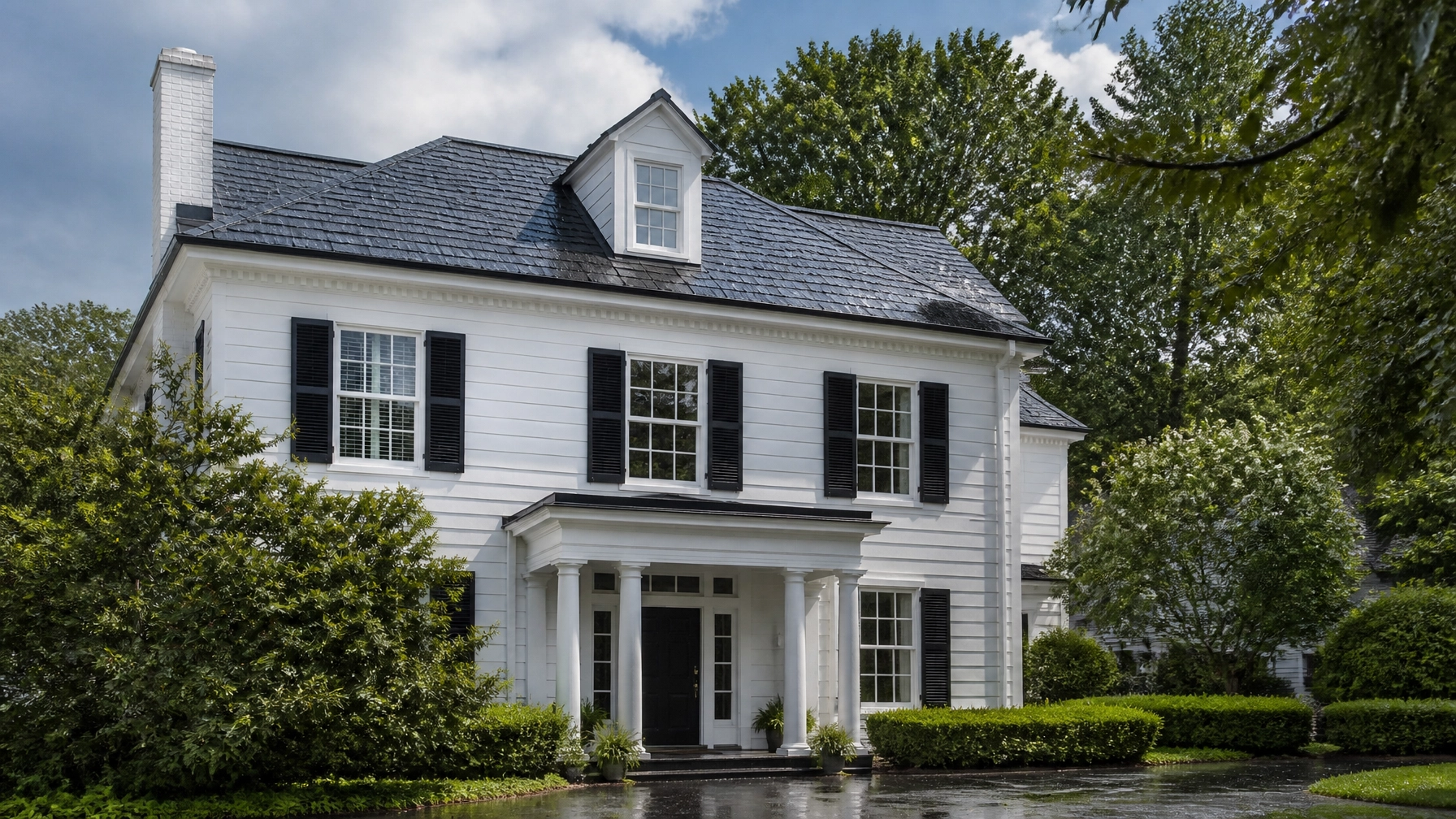
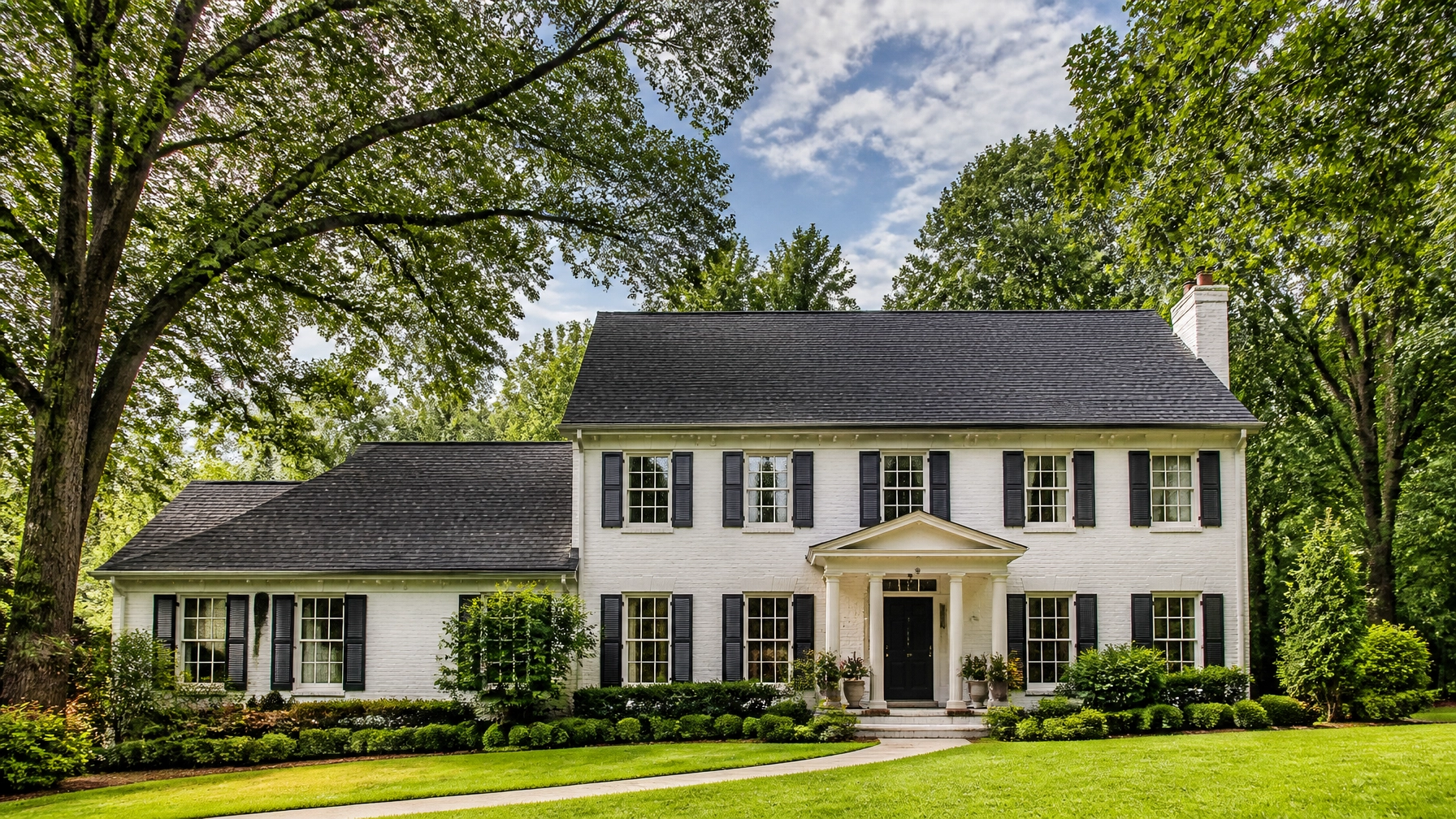
    A beautiful Austin suburban home with a light-colored metal roof that reflects the bright Texas sun, surrounded by oak trees.


    Materials and Technical Details

    11. What is "Architectural Shingle" vs. "3-Tab"?

    • 3-Tab (Budget): Flat, older style, rated for lower wind speeds. Rarely installed in Austin anymore.
    • Architectural (Popular): Layered, dimensional look, rated for 110-130 mph winds. This is the Austin standard.

    12. Do I need to replace my gutters at the same time?

    It’s not mandatory, but it’s the most efficient time to do it. Combining the two projects usually saves you $500–$1,000 in labor compared to doing them separately.

    13. What is synthetic underlayment?

    Old-school "felt paper" is out. "Modern" synthetic underlayment is a tear-resistant, waterproof barrier that provides much better protection during Austin’s sudden downpours. We include this in our standard material calculations.

    14. How important is ridge ventilation?

    Crucial. Austin attics can reach 150°F. A ridge vent (the "Premium" venting option) allows hot air to escape naturally, extending the life of your shingles and lowering your AC bill.

    15. Can I install a new roof over my old one?

    While Texas code often allows two layers, we strongly advise against it. You can’t inspect the decking for rot, it traps more heat, and it adds immense weight to your home’s structure.

    A split-screen image showing a satellite view of a residential home on the left and a 3D measurement model of the roof on the right, illustrating modern estimating technology.


    Logistics and Process

    16. How long does a roof replacement take?

    A typical Austin crew can finish a standard roof in 1 to 2 days. Large, complex projects or metal installations might take 3 to 5 days.

    17. Do I need a permit for a roof in Austin?

    Yes. The City of Austin and most surrounding municipalities (Pflugerville, Cedar Park, Hays County) require a building permit for a full replacement. A reputable contractor will handle this for you.

    18. How do I know if a contractor is "verified"?

    In Texas, there is no state-wide licensing for roofers. You must verify they have General Liability insurance, a local physical office (no "storm chasers"), and a solid rating with the BBB. We only connect homeowners to verified, local pros.

    19. How does the satellite estimate work?

    We use high-resolution aerial imagery to map your roof's exact perimeter, pitch, and facets. Our AI calculates the "squares" needed and applies current Austin labor and material rates. You get an accurate price without a salesperson sitting on your couch for two hours.

    20. When is the best time of year to replace a roof in Austin?

    Late fall (October/November) and early spring (February/March) are ideal. The weather is mild, allowing the shingle adhesive to seal properly without the crew suffering in 105-degree heat.

    A professional roofing crew working on a colonial-style home in Austin, meticulously laying down new underlayment and shingles with safety harnesses.


    Get Your Estimate in 60 Seconds

    Don't wait for a storm to force your hand. Whether you’re budgeting for a 2026 project or need an immediate replacement, transparency is just a few clicks away. Enter your address on our home page and get your free, no-obligation satellite estimate right now.

  • The Ultimate Guide to Contractor Vetting: Spotting Storm Chasers in Grand Rapids and Protecting Your Roof Replacement Cost

    The Ultimate Guide to Contractor Vetting: Spotting Storm Chasers in Grand Rapids and Protecting Your Roof Replacement Cost

    Grand Rapids is no stranger to volatile West Michigan weather. From lake-effect snow to high-velocity wind events and localized hailstorms, the roofs in Kent County take a beating. Unfortunately, where there is storm damage, there are "storm chasers."

    Storm chasers are out-of-state contractors who follow weather patterns, descending on neighborhoods in areas like Wyoming, Kentwood, and East Grand Rapids immediately after a major storm. They use high-pressure tactics to sign homeowners quickly, often delivering subpar work and disappearing before warranty issues arise.

    Protecting your home starts with a realistic understanding of costs and a rigorous vetting process. In this guide, we break down exactly how to spot a storm chaser, what a roof replacement in Grand Rapids should actually cost in 2026, and how to use modern technology to keep contractors honest.

    Anatomy of a Storm Chaser: How They Operate

    Storm chasers operate on a volume-based business model. They aren't looking to build a long-term reputation in Michigan; they are looking to maximize insurance payouts and move to the next storm zone.

    They typically use "canvassers" to knock on doors, offering "free inspections." While a free inspection sounds helpful, these canvassers are trained to find (or sometimes create) damage that justifies an insurance claim. Once the claim is filed, they pressure you into signing a "contingency agreement."

    The Danger: If you sign a contingency agreement, you may be legally bound to use that contractor for the replacement once the insurance check arrives: even if you later find out they have a poor reputation or lack the proper Michigan licensing.

    Professional roofing contractor using satellite technology for a roof estimate

    7 Red Flags of Storm Chasers in West Michigan

    If a contractor approaches you after a storm, look for these specific warning signs. If more than two of these are present, walk away.

    1. Out-of-State Plates or Lack of Local Office: Look at their trucks. If they have out-of-state license plates or the "local" address on their business card is a P.O. Box or a temporary co-working space, they are likely not a permanent Michigan business.
    2. Pressure to Sign "Right Now": A reputable Grand Rapids roofer will give you time to review an estimate. Storm chasers use artificial scarcity: "I'm only in this neighborhood until tomorrow," or "The insurance company won't pay if you don't sign this today."
    3. The "Deductible" Game: It is illegal in many jurisdictions (and highly unethical) for a contractor to offer to "cover your deductible." This is often accomplished through insurance fraud by inflating the invoice. Professional contractors expect you to pay your deductible as part of the legal insurance contract.
    4. No Mention of Permits: In the City of Grand Rapids, a residential roof permit is required for any full replacement. If a contractor says a permit "isn't necessary" or asks you to pull it, they are likely unlicensed or trying to avoid municipal inspections.
    5. Lack of Michigan Licensing: Michigan requires residential roofers to hold either a Residential Builder license or a Maintenance & Alteration (M&A) license with a roofing classification through LARA (Department of Licensing and Regulatory Affairs).
    6. Vague Materials List: They might promise "high-quality shingles" but won't specify the brand or type. A professional estimate should explicitly list the material (e.g., Owens Corning Duration, GAF Timberline) and the specific underlayment and ice/water shield being used.
    7. Unsolicited Door Knocking: While some local companies do door-to-door marketing, the vast majority of storm chasers rely exclusively on this method. If they didn't come by recommendation or a local search, proceed with extreme caution.

    The Grand Rapids Vetting Checklist

    Before you hand over an insurance check or sign a contract, put the contractor through this rigorous vetting process.

    1. Verify the License and Insurance

    Don't take their word for it. Ask for their Michigan license number and search the LARA database. Verify they carry both General Liability and Workers' Compensation insurance. In Michigan, if a roofer doesn't have Workers' Comp and an installer falls off your roof, you could be held liable for their medical expenses.

    2. Check for Local Longevity

    A company that has been in West Michigan for 10+ years is unlikely to disappear. Check their Google reviews and BBB rating, but look specifically for reviews from 2 or 3 years ago to ensure they aren't a "pop-up" shop.

    3. Demand a Detailed Scope of Work

    A legitimate quote should include:

    • Tear-off: (Removal of existing layers)
    • Decking Inspection: (Price per sheet for plywood replacement)
    • Ice and Water Shield: (Crucial for Michigan winters; required by code in many areas)
    • Drip Edge: (To prevent water from wicking back under the shingles)
    • Ventilation: (Ensuring your attic stays cool and dry)

    High-resolution close-up of architectural shingles being installed

    2026 Roof Replacement Costs in Grand Rapids, MI

    Knowing the local "market rate" is your best defense against both overcharging and "low-ball" bids that indicate a contractor plans to cut corners. Based on current 2026 data, here are the benchmarks for a typical single-family home in the Grand Rapids area.

    Average Project Ranges (Total Cost)

    • Small Roof (Under 1,500 sq. ft.): $9,000 – $11,500 (Budget)
    • Medium Roof (1,500 – 2,500 sq. ft.): $12,000 – $16,500 (Popular)
    • Large/Complex Roof (2,500+ sq. ft.): $17,000 – $25,000+ (Premium)

    Material Benchmarks (Per Square – 100 sq. ft.)

    • Standard 3-Tab Shingles: $3.75 – $4.50 per sq. ft. (Basic)
    • Architectural Shingles: $5.00 – $7.00 per sq. ft. (Recommended for Michigan)
    • Metal Roofing (Standing Seam): $12.00 – $18.00 per sq. ft. (High-End)

    Factors That Drive Costs Up

    • Steep Pitch: Roofs with a 7/12 pitch or higher require specialized safety equipment and more labor time.
    • Multiple Layers: If you have two layers of old shingles, the tear-off cost and disposal fees will increase by 50-100%.
    • Skylights and Chimneys: Each "penetration" requires specialized flashing work, adding $300-$600 per item.

    How Satellite Technology Levels the Playing Field

    Traditionally, homeowners had to wait days for a contractor to come out, climb the roof, and provide a handwritten quote. Storm chasers exploit this "information gap" by providing an immediate, high-pressure number.

    At Get My Roof Estimate Now, we use satellite imagery technology to provide an accurate, transparent estimate in under 60 seconds.

    Why this matters for vetting:

    • Objective Baseline: You get a 90-95% accurate price based on current Grand Rapids material and labor costs before a contractor even sets foot on your property.
    • Zero Pressure: You can research at your own pace without a salesperson sitting at your kitchen table.
    • Accurate Measurements: Our technology measures size, pitch, and complexity to within inches, ensuring the "squares" listed on a contractor's bid match reality.

    Diverse residential neighborhood in a Grand Rapids suburb

    Conclusion: Protecting Your Investment

    A new roof is one of the largest investments you’ll make in your Grand Rapids home. Don't let the stress of a storm lead you into a bad contract. By identifying the red flags of storm chasers and using accurate pricing data, you can make an informed decision that protects your home for decades.

    If you’ve recently experienced storm damage or are simply planning for a future replacement, don't wait for a door-knocker to tell you what your roof is worth.

    Get your instant, free roof estimate today and see the real numbers in 60 seconds.


  • 2026 Charlotte Roof Replacement Cost 101: A Beginner’s Guide to Mastering the 4-8% Price Hike

    2026 Charlotte Roof Replacement Cost 101: A Beginner’s Guide to Mastering the 4-8% Price Hike

    If you’re a homeowner in Charlotte, NC, looking at your roof and wondering if it’s time for a change, you’ve likely noticed that the world of home improvement has changed rapidly. As we move through 2026, the "standard" prices homeowners quoted back in 2023 or 2024 are effectively obsolete. Between supply chain adjustments and a localized labor crunch in the Queen City, we are seeing a projected 4-8% price hike in roofing costs this year alone.

    At Get My Roof Estimate Now, we believe transparency shouldn't be a luxury. You shouldn't have to wait three days for a contractor to show up just to tell you a number you could have known in 60 seconds. This guide breaks down exactly what a roof replacement costs in Charlotte in 2026, how to navigate the 4-8% increase, and why high-tech satellite estimates are the new gold standard for savvy homeowners.

    The Charlotte 2026 Benchmark: What’s the Real Price?

    For a typical 2,000-square-foot home in neighborhoods like Myers Park, Ballantyne, or NoDa, the baseline cost for an asphalt shingle roof has shifted. In previous years, you might have budgeted around $12,000. In 2026, that same project, factoring in the current 4-8% hike, now lands in the $10,100 to $15,500 range.

    Why the range? Roofing isn't just about square footage; it’s about complexity. A ranch-style home in Madison Park is significantly easier to roof than a multi-gabled colonial in Southview.

    2026 Price Breakdown by Roof Size (Installed)

    • Small (1,500 sq ft): $7,500 – $11,500 (Budget to Popular)
    • Average (2,000 sq ft): $10,100 – $15,500 (Standard)
    • Large (3,000 sq ft): $15,200 – $23,000 (Premium/Complex)

    If you want to skip the guesswork, you can get an instant roof estimate for your specific Charlotte address right now.

    Material Selection: Categorizing Your Options

    The 4-8% increase hasn't hit every material equally. While asphalt shingles remain the most popular choice due to their balance of cost and durability, alternative materials are gaining traction in Charlotte’s volatile storm environment.

    1. Asphalt Shingles (Popular & Reliable)

    Asphalt remains the go-to for roughly 80% of Charlotte roof replacements. In 2026, you should expect to pay between $4.32 and $11.88 per square foot installed.

    • 3-Tab Shingles (Budget): These are the most affordable but offer the least wind resistance, a risky move in North Carolina’s storm season.
    • Architectural Shingles (Standard): The local favorite. They provide superior aesthetics and a 30-year lifespan.

    High-detail shot of charcoal gray architectural shingles

    2. Metal Roofing (Premium & Permanent)

    Metal roofing has seen a surge in 2026 as Charlotte homeowners prioritize longevity. While the initial investment is higher, typically ranging from $15,600 to $32,400 for a full home, the 50-year lifespan often makes it more cost-effective in the long run.

    • Standing Seam (Premium): Sleek, no visible fasteners, and incredible weather resistance.
    • Corrugated Metal (Budget Metal): A more industrial look often used for sheds or modern-style additions.

    Modern Charlotte ranch house with a matte black metal roof

    The "Hidden" Costs: Labor and Permits in Mecklenburg County

    When you see a quote, it’s rarely just "shingles and nails." In Charlotte, labor and administrative fees make up a significant portion of your total investment.

    Labor: The 55% Factor

    In 2026, roofing labor in Charlotte accounts for approximately 55% of the total project cost. For a $13,000 roof, you are paying roughly $7,150 for the expertise, insurance, and safety equipment of the crew. Charlotte's growing demand for housing has created a competitive market for skilled trades, which is a primary driver of the 4-8% hike.

    Professional roofing crew working on a Charlotte residential roof

    Mecklenburg County Permits

    Every roof replacement in Charlotte requires a building permit. The city of Charlotte uses a value-based fee structure:

    • Base Fee: ~$59.70 for the first $3,000 of work.
    • Incremental Fee: ~$12.19 for every additional $1,000 of value.
    • Average Permit Cost: Most homeowners should budget $135–$300 for permit fees in 2026.

    Why the 4-8% Hike? Navigating the 2026 Market

    You might be wondering why prices are rising despite technology getting better. Several factors are unique to the 2026 Charlotte market:

    • Petroleum Costs: Asphalt shingles are a byproduct of oil. Fluctuations in global energy markets directly impact the "Budget" and "Popular" roofing categories.
    • Insurance Adjustments: Following several years of heavy storm activity in the Southeast, insurance companies have updated their requirements, often leading to more expensive "code upgrades" during replacement.
    • Sustainability Standards: New North Carolina building codes now emphasize higher energy efficiency, requiring better ventilation systems and underlayment materials than were standard five years ago.

    The 60-Second Solution: How to Beat the Quote Game

    The traditional way to get a roof estimate involves:

    1. Calling 3-5 contractors.
    2. Waiting for them to show up (and missing work to meet them).
    3. Listening to a 45-minute sales pitch.
    4. Waiting 48 hours for a PDF quote.

    Get My Roof Estimate Now has eliminated that friction. Using advanced satellite imagery, we measure your roof's size, pitch, and complexity to within inches. Our algorithm factors in the 2026 Charlotte labor rates and the 4-8% price adjustments to give you a transparent, accurate price range in under a minute.

    Homeowner getting an instant estimate on their phone

    Why Homeowners Trust Our Estimates:

    • Zero Pressure: No salesman in your living room.
    • High Accuracy: Our satellite measurements are 90-95% accurate.
    • Total Transparency: We show you the low, middle, and high ranges so you can budget for budget or premium materials.
    • Verified Local Pros: Once you have your estimate, we can connect you with licensed and insured Charlotte contractors who honor our pricing models.

    Conclusion: Don't Wait for the Next Hike

    In the roofing industry, the best time to replace a roof was yesterday; the second best time is today. With a 4-8% annual hike becoming the new norm, delaying your Charlotte roof replacement by 12 months could cost you an additional $800 to $1,200 for the exact same materials.

    Whether you're preparing for storm season or getting your home ready for sale, start with the data. Get your free, instant roof estimate today and master the 2026 market before prices climb again.


    Charlotte Roofing FAQs (2026 Edition)

    1. How long does a roof replacement take in Charlotte?
    Most residential roofs in Charlotte can be replaced in 1-2 days, though complex metal roofs may take 3-4 days.

    2. Does Charlotte have specific roofing codes?
    Yes, Charlotte follows the NC Residential Building Code, which includes specific requirements for ice and water shields in certain valleys and wind-resistance ratings for shingles.

    3. Can I overlay new shingles over my old ones?
    While technically allowed in some cases, most Charlotte experts (and our estimation tool) recommend a full tear-off to inspect the decking for rot, especially given the humidity in the Piedmont region.

    4. How do I know if my estimate is accurate?
    Our satellite technology measures the actual surface area and pitch. When a contractor visits, they will verify the "decking" (the wood under the shingles), which is the only variable satellite imagery can't see.

  • Are Door-to-Door Roofers Bad? How to Spot Houston Storm Chasers

    In Houston, the sound of a knock at the door following a heavy thunderstorm or a hail event is as common as a humidity spike in July. While some of these visitors are legitimate local contractors looking to help, many are "storm chasers": out-of-state entities that follow severe weather patterns to capitalize on insurance payouts.

    The question isn't just about whether door-to-door roofers are "bad," but whether they are providing the transparency and long-term security your home deserves. With the average roof replacement in Houston now ranging from $8,500 to $25,000+ in 2026, the stakes for your property and your wallet are exceptionally high.

    The Reality of the "Free Roof" Pitch

    Storm chasers rely on a high-volume, high-pressure sales model. They often target neighborhoods in the Energy Corridor, The Woodlands, or Pearland immediately after a weather event is flagged on their radar.

    The primary goal of a storm chaser is to get you to sign a "contingency agreement." This document essentially hands over the rights to your insurance claim before you’ve even seen a professional estimate. While not all door-to-door roofers are scammers, the unsolicited nature of their visit is the first major red flag.

    Red Flags: How to Spot a Houston Storm Chaser

    • Out-of-State Credentials: Check their vehicle's license plates. If they are knocking on doors in Harris County but driving a truck with plates from Oklahoma or Florida, they likely don't have a local physical office to honor a 10-year workmanship warranty.
    • The "Mystery" Damage: If a roofer claims they saw "significant hail damage" from the street: damage that you can't see with the naked eye: be skeptical.
    • High-Pressure Deadlines: "This offer is only good for today because our crews are already in the neighborhood." This is a classic tactic used to prevent you from doing independent research or getting a second opinion.
    • Lack of Local References: A legitimate Houston roofer should be able to point to a home they finished last month in your specific zip code (e.g., 77002, 77494, or 77070).

    Close-up, hyper-realistic photo of a composite shingle roof showing circular impact marks from a recent Houston hail storm, illustrating the type of damage storm chasers look for.

    The Texas Deductible Law (HB 2102): A Critical Warning

    One of the most common: and illegal: tactics used by storm chasers in Texas is the promise to "waive" or "eat" your insurance deductible.

    Under Texas Law (HB 2102), it is illegal for a contractor to pay, waive, or rebate a homeowner's insurance deductible.

    If a door-to-door roofer suggests they can "cover" your $2,000 or $5,000 deductible by inflating the invoice to the insurance company, they are asking you to participate in insurance fraud. Not only is this a massive red flag regarding their ethics, but it could also leave you legally vulnerable.

    A reputable contractor will always provide a transparent breakdown of costs and expect you to pay your legally required deductible.

    2026 Houston Roof Replacement Cost Benchmarks

    To help you vet the "ballpark" numbers a door-to-door roofer might throw at you, here is the current data for roof replacement costs in the Houston metro area. These figures represent fully installed costs, including tear-off, materials, and labor.

    Material Category Estimated Cost (Per Sq. Ft.) Typical Project Range (2,000 Sq. Ft. Home)
    Architectural Shingles (Popular) $5.50 – $8.00 $11,000 – $16,000
    Standing Seam Metal (Premium) $9.50 – $15.00 $19,000 – $30,000
    Synthetic/Composite Slate (Luxury) $16.00 – $28.00 $32,000 – $56,000
    Basic 3-Tab Shingles (Budget) $4.00 – $5.50 $8,000 – $11,000

    Note: These ranges vary based on roof pitch, complexity, and the number of stories.

    Visual representation of a modern satellite-powered roof measurement report showing precise dimensions and pitch analysis of a Texas residential property.

    Why Technology is Replacing the Door-Knocker

    The traditional way of getting a roof estimate: waiting for a salesman to arrive, climb your roof, and spend two hours in your kitchen: is outdated. It’s also where most of the "sales pressure" happens.

    At Get My Roof Estimate Now, we use advanced satellite imagery technology to provide accurate roof estimates in Texas without anyone ever setting foot on your property.

    The 60-Second Advantage:

    1. Instant Accuracy: Our satellite measurements are accurate to within inches, capturing the exact size, pitch, and complexity of your roof.
    2. Zero Pressure: You receive a transparent roof cost calculation in under a minute. No salesmen, no "limited time offers," and no credit card required.
    3. Local Vetting: We connect you with verified, licensed, and insured local Houston contractors who have already been screened for quality. You get the local expertise without the storm-chaser risk.

    Checklist: 5 Questions to Ask Any Roofer at Your Door

    If you do decide to speak with a door-to-door roofer, use this script to separate the professionals from the chasers:

    1. "Can you show me your local physical office address in Houston?" (A P.O. Box is not an office.)
    2. "Will you provide a certificate of insurance (General Liability and Workers’ Comp) naming me as a certificate holder?"
    3. "How do you handle the Texas HB 2102 deductible requirement?" (If they offer to waive it, end the conversation.)
    4. "Are your crews employees or sub-contractors from out of state?"
    5. "Can I get a detailed, written estimate before you contact my insurance company?"

    A professional local roofing crew wearing safety gear and branded uniforms installing high-quality asphalt shingles on a two-story Houston home.

    Conclusion: Take Control of Your Roof Replacement

    You don't have to settle for the first person who knocks on your door after a storm. Whether you’re in Sugar Land, Katy, or Downtown Houston, you have the right to transparent pricing and a stress-free experience.

    Instead of guessing if a door-to-door roofer is giving you a fair deal, use our technology to get the facts first. In 60 seconds, you can have a data-backed estimate that serves as your benchmark for every contractor conversation.

    Don't wait for a knock. Get your instant, free roof estimate now and see exactly what your project should cost.


  • Houston 2026 Roof Replacement Cost Explained in Under 3 Minutes

    Houston 2026 Roof Replacement Cost Explained in Under 3 Minutes

    If you own a home in the Greater Houston area, your roof is your first line of defense against Gulf Coast humidity, scorching summer heat, and the occasional hurricane-force wind. As of July 2026, the cost of residential roofing has stabilized after years of supply chain volatility, but local labor rates and specific material upgrades continue to drive total project prices.

    In this guide, we break down the exact costs for a Houston roof replacement in 2026, using data-driven benchmarks and local market insights. Whether you’re in Katy, The Woodlands, or Sugar Land, here is what you need to know before you sign a contract.

    The Bottom Line: Houston 2026 Pricing Benchmarks

    For a standard 2,000 to 2,500 square foot roof in Houston, most homeowners are seeing total replacement costs between $8,000 and $15,000 for high-quality asphalt shingles.

    If you are looking for a quick "ballpark" figure, the current installed cost per square foot ranges from $4.00 to $7.00 for standard materials. This includes both the removal of your old roof (tear-off) and the installation of new materials.

    The "Roofing Square" Explained

    In the industry, we measure roofs in "squares." One square is a 10-foot by 10-foot area (100 square feet).

    • Budget: $400 – $550 per square (3-Tab Shingles)
    • Popular: $500 – $800 per square (Architectural/Laminate Shingles)
    • Premium: $900 – $1,800+ per square (Metal, Tile, or Slate)

    Material Breakdown: Budget, Popular, and Premium Options

    The material you choose is the single largest variable in your final invoice. In Houston's climate, material durability isn't just about aesthetics; it’s about thermal resistance and impact ratings.

    1. Architectural Asphalt Shingles (Popular)

    This is the gold standard for Houston residential properties. They offer a layered, dimensional look and superior wind resistance compared to older 3-tab models.

    • Estimated Cost: $5.00 – $8.00 per sq. ft. (installed)
    • Best For: Most single-family homes, HOA compliance, and balanced ROI.
    • Houston Benefit: High UV resistance helps prevent shingle "curling" in the Texas sun.

    Close-up of high-quality architectural shingles showing multi-dimensional texture

    2. Standing Seam Metal Roofing (Premium)

    Metal has surged in popularity across Texas in 2026 due to its longevity and energy efficiency. While the upfront cost is higher, the "cool roof" properties can reduce Houston cooling costs by up to 25%.

    • Estimated Cost: $12.00 – $18.00 per sq. ft. (installed)
    • Best For: Modern architectural styles, coastal-exposed properties, and "forever homes."
    • Houston Benefit: Exceptional performance during high-wind events and tropical storms.

    Modern Houston ranch-style home with a sleek matte black standing seam metal roof

    3. Synthetic or Natural Slate (Luxury)

    For luxury estates in areas like River Oaks or Memorial, slate provides an unmatched aesthetic. Synthetic versions are increasingly popular in 2026 because they offer the look of stone without the extreme weight requirements.

    • Estimated Cost: $15.00 – $30.00+ per sq. ft. (installed)
    • Best For: High-value properties and specific architectural requirements.
    • Houston Benefit: Fireproof and virtually impervious to rot or mold in humid conditions.

    Why Your Neighbor’s Quote Was Different: The Complexity Factor

    If you and your neighbor both have 2,000-square-foot homes but your quotes differ by $3,000, it usually comes down to "complexity." Contractors factor in the risk and time associated with your specific roofline.

    • Pitch (Steepness): A "walkable" roof is cheaper to install. If your roof has a steep pitch (anything over a 6/12 slope), labor costs increase because installers require specialized safety equipment and move slower.
    • Vents and Penetrations: Every chimney, skylight, and pipe boot requires custom flashing. The more "holes" in your roof, the higher the labor cost.
    • Tear-Off Layers: If you have two layers of old shingles, the labor and disposal fees for the "tear-off" phase will double. In Houston, building codes typically limit you to two layers, but a clean deck is always recommended for the best warranty.
    • Waste Factor: A simple gable roof has a waste factor of about 5-10%. A complex roof with multiple hips, valleys, and dormers can have a waste factor of 15-20%, meaning you pay for more material that ends up being trimmed away.

    Complex Houston roofline with multiple gables and valleys requiring expert installation

    Local Houston Considerations for 2026

    When replacing a roof in Houston, you aren't just buying shingles; you are navigating local regulations and environmental challenges.

    1. Windstorm Insurance (TWIA)

    If you are in a designated catastrophe area (Tier 1 or Tier 2), your roof must meet specific wind-uplift requirements to remain eligible for windstorm insurance. This often requires specific nailing patterns and high-wind rated underlayment, which can add $0.50 to $1.00 per square foot to the total.

    2. Houston Permitting Costs

    Most residential roof replacements in the City of Houston require a building permit. While the contractor usually handles this, the fee (ranging from $80 to $1,200 depending on project value) is passed on to the homeowner. You can verify permit requirements at the Houston Permitting Center.

    3. Ventilation and Heat Management

    In 2026, Houston building standards emphasize attic ventilation. A poorly ventilated roof can reach 160°F in July, baking your shingles from the inside out and voiding your warranty. Expect to spend $500–$1,500 on ridge vents or solar-powered attic fans as part of a proper replacement.

    The "Get My Roof Estimate Now" Advantage

    Traditionally, getting a quote meant waiting three days for a contractor to show up, climb your roof with a tape measure, and give you a high-pressure sales pitch.

    At Get My Roof Estimate Now, we’ve eliminated the friction. Using advanced satellite imagery and AI-powered measurement tools, we calculate your roof’s size, pitch, and complexity to within inches.

    • Instant Accuracy: 90-95% accurate measurements in under 60 seconds.
    • Transparent Pricing: See the low, middle, and high-end ranges for your specific address.
    • No Pressure: Get the data you need to budget before you ever talk to a contractor.
    • Verified Network: We connect you with licensed and insured local Houston contractors who honor our pricing models.

    Ready to see what your 2026 Houston roof replacement will actually cost? Visit our Texas Roof Cost Calculator and enter your address for an instant, free estimate.

    2026 Houston Roof Cost Summary Table

    Material Type Cost Per Sq. Ft. (Installed) Total (2,500 sq. ft. Roof) Longevity (Years)
    3-Tab Shingles (Budget) $4.00 – $5.50 $10,000 – $13,750 15 – 20
    Architectural (Popular) $5.00 – $8.00 $12,500 – $20,000 25 – 30
    Metal (Premium) $12.00 – $18.00 $30,000 – $45,000 40 – 70
    Tile/Slate (Luxury) $15.00 – $30.00 $37,500 – $75,000+ 50 – 100

    Final Professional Tip

    Don't wait for a leak to start your research. In the Houston climate, a roof that is 20 years old is likely approaching the end of its functional life. Use our online tools to get ahead of the storm season and secure 2026 pricing before the next peak demand cycle.

  • 7 Mistakes You’re Making with Your Houston Insurance Claim (and How to Fix Them)

    Houston homeowners are no strangers to the chaos of hurricane season and sudden hail storms. When the skies clear and you're left with missing shingles or a leaking ceiling, your first instinct is to call your insurance company. However, the gap between filing a claim and actually getting a check that covers a full roof replacement is wide: and filled with expensive pitfalls.

    In Texas, the insurance landscape has changed significantly in recent years. From new laws regarding deductibles to strict documentation requirements, navigating a claim is more complex than it used to be. Most homeowners unknowingly make "rookie mistakes" that result in denied claims or thousands of dollars in out-of-pocket costs.

    At Get My Roof Estimate Now, we see it every day. We provide instant, satellite-powered roof estimates to help you understand your project’s true scope before you ever talk to an adjuster.

    Here are the 7 biggest mistakes Houstonians make with their roofing insurance claims and the professional strategies to fix them.


    1. Waiting Too Long to File (The "Prompt Notice" Trap)

    Houston’s weather is relentless. You might have a small leak after a storm in June and decide to wait until the end of hurricane season in November to deal with it. This is a massive mistake.

    Most Texas insurance policies require "prompt notice" of a claim. While some policies give you up to a year, many have much shorter windows: sometimes as little as 180 days from the date of the "loss event" (the storm). If you wait too long, the insurance company can argue that the damage worsened because of your neglect, not the storm itself.

    How to Fix It:
    As soon as a major storm passes, check your property. Even if you don't see shingles on the lawn, use a tool like our Texas roof estimate calculator to get a baseline for your roof's condition. If you suspect damage, file the claim immediately to preserve your rights.

    2. Falling for the "Free Deductible" Scam (HB 2102)

    For years, shady "storm chasers" would knock on Houston doors promising to "waive" or "absorb" the homeowner's deductible. They’d claim they could find a way to cover it through "advertising credits."

    This is now illegal in Texas. Under House Bill 2102 (codified in Insurance Code Chapter 707), it is a criminal offense for a contractor to pay, waive, or rebate a deductible. Furthermore, insurance companies can now legally demand proof (like a canceled check or credit card receipt) that you actually paid your deductible before they release the final "replacement cost" payment.

    A close-up, hyper-realistic photo of hail damage on dark grey architectural shingles, showing the loss of protective granules and the 'bruised' appearance of the asphalt mat.

    How to Fix It:
    Budget for your deductible as a fixed cost. If a roofer offers to cover it, they are likely cutting corners on materials or labor to make up the difference: or worse, they’re involving you in insurance fraud. Stick with verified, licensed contractors who follow the law.

    3. Letting the Roofer Act as Your Public Adjuster

    Many Houston homeowners think it’s helpful to have their roofer "negotiate" with the insurance company. While your roofer should definitely be present during the adjuster’s inspection to point out damage, they cannot legally negotiate the settlement or advocate for coverage in Texas.

    According to the Texas Department of Insurance (TDI), a contractor cannot act as a public adjuster on a claim they are also performing the repairs on. This is a conflict of interest.

    How to Fix It:
    Use your contractor for their technical expertise (measuring squares, identifying material types) and use a licensed Public Adjuster or an attorney if you need to argue about policy language or settlement amounts. Keep the roles separate to avoid claim delays.

    4. Making Permanent Repairs Before the Inspection

    When a tree limb goes through your roof in the Heights or Sugar Land, you want it fixed now. However, if you tear off the old shingles and install a brand-new section of roof before the insurance adjuster sees the damage, they may deny the claim. They need to see the "original" damage to verify it was caused by a covered peril.

    How to Fix It:
    You have a "duty to mitigate" damage, which means you must prevent further damage. This means you should do temporary repairs only: tarping the roof, covering broken windows, or cleaning up standing water. Keep receipts for all materials used in these temporary fixes; they are often reimbursable.

    A high-resolution satellite imagery concept showing a residential roof in Houston with precise digital measurements and outlines, demonstrating 90-95% accuracy in roof sizing.

    5. Misunderstanding ACV vs. RCV (The "Sticker Shock" Factor)

    This is where most Houstonians get frustrated. There are two main types of coverage:

    • Actual Cash Value (ACV): The insurer pays you what the roof is worth today, factoring in age and wear. If your 20-year-old roof is destroyed, they’ll only pay for a 20-year-old roof (which isn't much).
    • Replacement Cost Value (RCV): The insurer pays what it actually costs to buy a new roof today at current market prices.

    Many people think they have RCV but find out their policy has a "depreciation schedule" for roofs over a certain age.

    How to Fix It:
    Read your policy's "Declarations Page" before the storm hits. If you see "ACV only" for your roof, be prepared to cover 50% or more of the replacement cost yourself. You can get an instant pricing range on our site to see exactly what that out-of-pocket gap might look like.

    6. Ignoring the "Maintenance" Clause

    Insurance is for sudden and accidental damage (like a hurricane or hail). It is not a home maintenance plan. If an adjuster finds that your roof leaked because you had a foot of rotting leaves in your gutters or because the sealants around your vents were cracked for years, they will likely deny the claim.

    How to Fix It:
    Maintain a "paper trail" of roof maintenance. Save receipts from minor repairs, gutter cleanings, or inspections. If you can prove the roof was in good shape prior to the storm, the insurance company has a much harder time blaming "wear and tear."

    7. Accepting the First Check as the "Final" Offer

    Insurers often send an initial check quickly. This check is almost always lower than the actual cost of the job. They use "market average" software that doesn't always account for the high demand and rising material costs in the Houston area following a major storm.

    How to Fix It:
    Do not sign a "Full Release" of the claim immediately. Show the adjuster's itemized "Scope of Work" to a reputable roofer. If the roofer’s estimate is higher because of specific roof complexities (like a high pitch or multiple dormers), your roofer can submit a "Supplement" to the insurance company to request the additional funds.

    A professional roofing contractor in a branded polo shirt showing a homeowner a tablet with a detailed roof estimate and satellite images while standing in front of a colonial-style Houston home.


    How Get My Roof Estimate Now Simplifies the Houston Market

    Navigating insurance is stressful because you’re often flying blind regarding costs. Get My Roof Estimate Now eliminates the guesswork. Using advanced satellite imagery, we measure your roof to within inches, providing you with a transparent price range in under 60 seconds.

    • Accuracy (90-95%): We calculate the exact "squares" (100 sq ft units) of your roof.
    • Speed: No waiting for a contractor to show up with a ladder. Get your data now.
    • Comparison: We provide ranges for budget (3-tab), popular (architectural), and premium (metal/synthetic) options.
    • Verified Network: We connect you with licensed, local Houston contractors who understand Texas insurance laws and won't put your claim at risk.

    Don't let a simple mistake cost you thousands of dollars. Arm yourself with data before you file.

    Click here to get your instant Houston roof estimate now. No credit card required.


  • 7 Mistakes You’re Making with Florida Roof Insurance (and How to Fix Them)

    Navigating the property insurance market in Florida: especially in high-stakes areas like Tampa (33604) or Orlando (32801): has become a full-time job for homeowners. As of 2026, the intersection of rising premiums and stricter underwriting means your roof isn't just a shelter; it's your home’s most important financial asset.

    Whether you are dealing with a 15-year-old shingle roof or planning a new metal roof installation, a single mistake in how you handle your insurance could cost you tens of thousands of dollars or lead to a total non-renewal.

    Here are the 7 biggest mistakes Florida homeowners are making right now and the expert-backed steps to fix them.


    1. Ignoring the "15-Year Rule" Protections

    Many homeowners live in fear that once their asphalt shingle roof hits its 15th birthday, their insurance company will automatically drop them. While carriers used to do this, Florida law (SB 2-D) changed the game.

    The Mistake: Replacing a perfectly good roof prematurely because a carrier threatened non-renewal based solely on age.
    The Fix: If your roof is less than 15 years old, an insurer in Florida cannot refuse to renew your policy solely because of the roof’s age. If it is 15 years or older, they must allow you to get an inspection. If an authorized inspector (like a licensed roofer) certifies the roof has at least 5 years of useful life remaining, the insurer cannot drop you for age alone.

    2. Counting on a "Free" Hurricane Roof

    The "storm chaser" era where homeowners were promised a "free roof" via insurance claims is effectively over in Florida. Changes in legislation and policy language have shifted the financial burden back to the owner.

    Close-up of high-quality architectural asphalt shingles on a Florida home, showing the texture and layered durability. Realistic professional photography.

    The Mistake: Delaying necessary maintenance in hopes that the next hurricane will pay for a full replacement.
    The Fix: Check your policy for Actual Cash Value (ACV) vs. Replacement Cost Value (RCV). Many modern Florida policies for older roofs only pay the depreciated value (ACV). When you combine that with a 2% or 5% hurricane deductible, you might end up paying $10,000+ out of pocket anyway. It is often cheaper and safer to get an instant roof estimate and plan a proactive replacement.

    3. Misunderstanding the "25% Rule"

    There is a common myth that if 25% of your roof is damaged, the insurance company must replace the whole thing. This was mostly true under the old Florida Building Code, but it’s no longer a guarantee for modern homes.

    The Mistake: Filing a claim for minor damage assuming it will trigger a full roof replacement.
    The Fix: For homes built or roofs replaced after March 2009 (following the 2007 Florida Building Code), the 25% rule is much more restrictive. In many cases, insurers are now only required to pay for the repair of the damaged section. Don't risk a claim: and a subsequent rate hike: unless the damage is substantial.

    4. Skipping the Maintenance Paper Trail

    In 2026, insurance adjusters are looking for any reason to categorize damage as "wear and tear" or "neglect" rather than a "sudden loss."

    The Mistake: Not keeping photos or receipts of annual roof maintenance.
    The Fix: Treat your roof like your car. Keep a folder with photos of your roof taken every year, along with receipts for gutter cleaning or minor shingle repairs. If a storm hits, this "pre-loss" documentation proves the roof was in good condition, making it nearly impossible for the insurer to argue the damage was pre-existing.

    5. Being Reactive to Non-Renewal Notices

    If you wait until you receive a non-renewal notice in the mail, you have already lost your leverage. You will likely be forced into a "forced-placed" policy or the high-cost surplus market.

    Modern Florida ranch-style home with a sleek gray standing seam metal roof and palm trees in the landscape. High curb appeal, realistic photography.

    The Mistake: Waiting for the 90-day renewal window to check your roof's "insurability."
    The Fix: Six months before your policy expires, use a satellite-powered roof estimate tool to understand the current market cost for your specific address. If your roof is approaching the 15-20 year mark, start getting quotes now so you can replace it on your timeline, not the insurance company's.

    6. Hiring "Storm Chasers" Over Local Experts

    After a storm in cities like Jacksonville or Miami, out-of-state contractors flood the area. They often push "Assignment of Benefits" (AOB) contracts that sign your claim rights over to them.

    The Mistake: Signing an AOB or hiring a contractor without a physical office in Florida.
    The Fix: Only work with verified, licensed, and insured Florida contractors. Avoid AOBs whenever possible; they give the contractor control over the settlement, which can lead to legal battles that leave your roof unfinished for months.

    7. Forgetting the Wind Mitigation Discount

    Once you finally replace your roof, the work isn't done until you've updated your insurance profile.

    The Mistake: Replacing a roof and not notifying the insurance agent immediately.
    The Fix: A new roof in Florida: especially one with secondary water barriers or impact-rated shingles: can qualify you for massive "Wind Mitigation" discounts. In some cases, a new roof can lower your annual premium by 20% to 40%. Always pay for a fresh wind mitigation inspection (usually around $100-$150) the moment the final permit is closed.


    Current Roof Replacement Benchmarks in Florida (2026)

    To help you budget, here are the current price ranges for a typical 2,000 sq. ft. home in the Florida market:

    Material Type Estimated Cost Range (Installed) Average Lifespan (Florida)
    Architectural Shingles (Popular) $11,000 – $18,000 17 – 22 Years
    Standing Seam Metal (Premium) $24,000 – $38,000 40 – 60 Years
    Concrete Tile (High-End) $22,000 – $40,000 30 – 50 Years

    Homeowner using a tablet to view a 3D satellite measurement of their roof. The interface shows accurate dimensions and price estimates. Modern technology focus, realistic photography.

    Why Use Satellite Imagery for Your Estimate?

    Traditional estimates require you to stay home from work, wait for a contractor to climb your roof, and then wait days for a quote. At Get My Roof Estimate Now, we use advanced satellite imagery to measure your roof's size, pitch, and complexity to within inches.

    • Accuracy: 90-95% accurate measurements without a site visit.
    • Speed: Get your accurate price range in under 60 seconds.
    • Transparency: No hidden fees and no "high-pressure" sales tactics.

    Frequently Asked Questions (AEO Quick Answers)

    Does Florida insurance have to replace a 20-year-old roof?

    Not necessarily. While insurers must allow an inspection for roofs 15+ years old, they only have to renew the policy if the roof has at least 5 years of remaining useful life. If it’s failing, they can require replacement as a condition of coverage.

    What is the 25% roof rule in Florida 2026?

    The rule states that if more than 25% of a roof is damaged, it must be brought up to current building code. However, for most homes built after 2009, this no longer automatically mandates a full replacement for minor damage.

    Can I get homeowners insurance with a 20-year-old shingle roof in Florida?

    It is difficult but possible. You will likely need a "4-Point Inspection" or a "Roof Certification" showing at least 5 years of life remaining. Expect to pay higher premiums or accept an ACV (Actual Cash Value) policy.

    How much does a roof cost in Tampa, FL?

    For a standard single-family home (approx. 2,000 sq. ft.), an architectural shingle roof typically costs between $10,000 and $18,000. Metal and tile roofs range from $22,000 to $40,000+.


    Don't wait for your insurance carrier to send you a cancellation letter. Take control of your home's protection today. Get your instant, free roof estimate here and know exactly what you're looking at before you talk to your agent.

  • Your Quick-Start Guide to Vetting Nashville Roofers: Do This First

    Your Quick-Start Guide to Vetting Nashville Roofers: Do This First

    Nashville is no stranger to "roofing season." Between the unpredictable spring tornadoes and the summer hail storms that roll through Davidson County, Middle Tennessee homeowners are frequently in the market for roof replacements. Unfortunately, where there is storm damage, there are "storm chasers", out-of-state contractors who arrive in town after a weather event, collect insurance checks, and disappear before the warranty is ever needed.

    In 2026, the Nashville roofing market has become more complex. With updated licensing requirements and a surge in material costs, vetting your contractor is no longer a luxury, it’s a financial necessity. This guide breaks down exactly what you need to do first to protect your home and your wallet.

    1. Establish Your Price Baseline (The 60-Second Rule)

    Before you ever pick up the phone to call a contractor, you need to know what your roof should cost. The biggest mistake Nashville homeowners make is entering a negotiation without data. This is where storm chasers thrive; they either low-ball the estimate to get you to sign, only to "find" more damage later, or they inflate the price to maximize the insurance payout.

    At Get My Roof Estimate Now, we provide a satellite-powered roof cost calculator that eliminates this guesswork.

    • How it works: We use advanced satellite imagery to measure your roof's size, pitch, and complexity with 95% accuracy.
    • The Result: In under 60 seconds, you receive a transparent pricing range based on current Nashville labor and material costs.
    • The Advantage: You walk into every contractor meeting with a "Budget" (3-tab shingles), "Popular" (Architectural shingles), and "Premium" (Metal or Synthetic) price range already in hand.

    Do this first. Having an instant, accurate estimate means you can spot a predatory quote from a mile away.

    Close-up of charcoal gray architectural shingles, a popular choice for Nashville roofing.

    2. Verify the "Three-Tier" Tennessee License

    Tennessee has very specific rules regarding who can legally work on your roof. In Nashville (Davidson County), a "handyman" with a ladder is often not legally permitted to replace your entire roof. As of July 2026, the Tennessee Board for Licensing Contractors enforces strict thresholds based on the project's total value:

    The Under-$3,000 Rule (Minor Repairs)

    For small repairs, replacing a few shingles or fixing a localized leak, contractors do not technically require a state license. However, they should still possess a local Davidson County business license.

    The $3,000 to $25,000 Range (Residential Standard)

    Most standard Nashville roof replacements for 1,500–3,000 square foot homes fall into this bracket. In Davidson County, the contractor must hold a State Home Improvement License. If they cannot produce this document, they are operating illegally on your property.

    The $25,000+ Range (Premium & Large Homes)

    For larger residential projects or high-end materials like Metal Roofing or Synthetic Slate, the contract often exceeds $25,000. In this case, a contractor must hold a full State Contractor’s License with a BC-21 (Roofing) classification.

    Pro Tip: Always ask for their license number and verify it on the Tennessee Department of Commerce & Insurance (TDCI) website. If their license is from Kentucky, Alabama, or Florida, they are likely a storm chaser and may not be legally authorized to pull permits in Nashville.

    3. The Nashville "Metro" Check: Permits and Bonds

    Even if a roofer has a state license, they may not be legal in Nashville. The Metro Nashville Codes Department requires additional hoops for roofing contractors to pull building permits.

    • The Permit Bond: To pull a permit in Nashville, a roofer must carry a Permit Bond on the Metro-specific form. For jobs under $25,000, they need a $10,000 bond. For jobs over $25,000, they need a $40,000 bond.
    • Davidson County Business License: Out-of-state contractors (the classic storm chasers) are required to obtain a Davidson County business license if they are doing business here.

    If a contractor tells you that "permits aren't necessary for a simple reroof," walk away. In Nashville, a permit is your only guarantee that a city inspector will verify the work meets the 2026 International Residential Code (IRC) requirements.

    A Nashville ranch-style home featuring a modern black standing seam metal roof, a premium roofing material.

    4. Spotting the "Storm Chaser" Red Flags

    After a major hail event in neighborhoods like East Nashville or Green Hills, you will likely see a surge in door-to-door solicitation. While not all door-knockers are scammers, the high-pressure environment of post-storm recovery is the perfect cover for fly-by-night operations.

    Watch for these authoritative warning signs:

    1. Out-of-State Plates: If the truck in your driveway has plates from three states away, they are likely following the storm path. They won't be here in six months when your flashing starts leaking.
    2. The "Free Roof" Promise: Be wary of any contractor who claims they can "waive your insurance deductible." In Tennessee, this is considered insurance fraud. A reputable roofer will work with your insurance adjuster but will never offer to cover your legal financial responsibility as a policyholder.
    3. High-Pressure Signature: If they demand a signature on a "contingency agreement" just to inspect the roof, do not sign. These agreements often legally bind you to use them for the replacement before you’ve even seen a quote or verified their credentials.
    4. No Local Address: Ask for their physical office address in Middle Tennessee. A hotel room or a P.O. Box does not count as a local presence.

    5. Evaluate Material Options for the Nashville Climate

    When vetting a roofer, pay attention to their expertise in different roofing materials. Nashville’s humidity and temperature swings require specific ventilation and underlayment strategies.

    • Architectural Shingles (Popular): These are the gold standard for most Nashville homes. They offer a balance of durability and cost-effectiveness, handling typical TN winds up to 130 mph.
    • Metal Roofing (Premium): Increasingly popular in neighborhoods like Belle Meade and Forest Hills for its longevity (50+ years) and superior hail resistance.
    • Cool Roof Coatings (Budget/Efficiency): For flat-roofed modern homes or commercial-style residential properties, these can significantly lower summer cooling costs.

    A professional contractor should be able to explain the pros and cons of each, factoring in the specific "pitch" and "complexity" of your roof, data points you already have if you used our instant estimate tool.

    Professional roofing crew installing shingles on a residential home, focusing on safety and craftsmanship.

    Conclusion: Data Before Decisions

    Vetting a Nashville roofer doesn't have to be a weeks-long process. By establishing your price baseline first, you regain control of the conversation. Technology like satellite-powered measurements has leveled the playing field for homeowners, ensuring that transparency and accuracy are available in 60 seconds rather than 60 days.

    Before you invite a contractor to your home:

    1. Get your instant roof estimate here.
    2. Verify the TN State License (Home Improvement or BC-21).
    3. Confirm their Metro Nashville Permit Bond.
    4. Reject any "deductible waiving" offers.

    Protect your home with the same precision we use to measure it. Start your replacement journey with a clear, data-driven number, and let the professionals handle the rest.


    FAQ: Nashville Roofing in 2026

    How much does a new roof cost in Nashville?
    In 2026, most Nashville homeowners spend between $9,000 and $22,000 for a full replacement with architectural shingles. Prices vary based on the "Squares" (100 sq. ft. areas) and the complexity of the roofline.

    Do I need a permit for a roof replacement in Davidson County?
    Yes. Any full roof replacement requires a building permit from Metro Nashville Codes. This ensures the work is inspected and meets safety standards.

    What is the best roofing material for Tennessee weather?
    Architectural shingles are the most common choice due to their value. However, standing seam metal is the "Premium" choice for homeowners looking for maximum protection against hail and wind.

    Can a roofer pay my insurance deductible?
    No. In the state of Tennessee, it is illegal for a contractor to pay, waive, or rebate a homeowner's insurance deductible. Any roofer offering this is engaging in fraudulent practices.

  • The Ultimate Guide to 2026 Orlando Roof Replacement Cost: Everything You Need to Succeed

    The Ultimate Guide to 2026 Orlando Roof Replacement Cost: Everything You Need to Succeed

    If you are a homeowner in Orlando, Florida, in 2026, you already know that the local housing market is as intense as a July thunderstorm. Between the rising costs of living and the evolving landscape of Florida property insurance, maintaining your home’s most critical defense: the roof: has never been more important or more complex.

    Whether you are in a classic ranch in the 32804 zip code, a modern build in Lake Nona (32827), or a luxury estate in Winter Park (32789), understanding the true cost of a roof replacement is the first step toward protecting your investment. In 2026, a standard 2,000-square-foot roof replacement in Orlando typically ranges from $12,000 to $18,000 for architectural shingles, but prices can climb significantly higher for premium materials or complex designs.

    This guide provides a transparent, data-driven breakdown of what you can expect to pay this year, how to navigate local Orange County regulations, and how to use modern technology to skip the two-week wait for contractor quotes.

    2026 Orlando Roof Replacement: The Price Breakdown

    In the last four years, roofing costs in Central Florida have surged by approximately 23%. This increase is driven by a combination of global material shortages, local labor demand, and stricter Florida Building Code (FBC) requirements.

    To help you budget accurately, we have categorized the current market rates for a typical 2,000-square-foot residential roof (approximately 20–25 "squares" in roofing terminology).

    Cost by Material Category

    • Architectural Asphalt Shingles (Popular): $12,000 – $18,000
      • Installed Cost: $5.00 – $9.00 per square foot.
      • Why: This is the standard for most Orlando homes. They offer excellent wind resistance (up to 130 mph) and a 30-year lifespan.
    • Standing Seam Metal (Durable/Premium): $20,000 – $35,000
      • Installed Cost: $10.00 – $17.50 per square foot.
      • Why: Metal is increasingly popular in Florida due to its longevity (50+ years) and superior performance during high-wind events.
    • Concrete or Clay Tile (Classic Florida/Premium): $24,000 – $42,000
      • Installed Cost: $12.00 – $21.00 per square foot.
      • Why: Standard in many HOA-controlled communities across Orlando and Dr. Phillips. While expensive, they offer unmatched curb appeal and thermal insulation.
    • 3-Tab Asphalt Shingles (Budget): $8,000 – $14,000
      • Installed Cost: $4.00 – $7.00 per square foot.
      • Why: The most affordable entry point, though rarely recommended in Florida anymore due to lower wind ratings and shorter lifespans.

    Professional roofing crew installing architectural shingles in the Orlando sun

    Local Variables: Why Orlando Pricing is Unique

    You might see national averages suggesting a roof replacement costs around $9,500. In Orlando, that is rarely the reality. Several factors specific to our region push the "Orlando Premium" higher:

    1. The Florida Building Code (FBC)

    Orlando is not in the "High Velocity Hurricane Zone" (HVHZ) like Miami-Dade, but it still has some of the strictest building codes in the nation. To meet 2026 standards, your roof must feature:

    • Enhanced Nailing Patterns: More nails per shingle or tile to resist uplift.
    • Secondary Water Barriers: Special underlayment that prevents leaks even if shingles are blown off.
    • Impact Resistance: Many insurers now require Class 4 impact-rated materials to maintain coverage.

    2. Orange County Permitting

    A roof permit in Orlando or unincorporated Orange County typically costs between $300 and $800. A reputable contractor will handle this for you, but you should ensure it is listed as a line item in your quote. Without a finaled permit, your insurance company may refuse to acknowledge the new roof, and you could face issues when trying to sell your home.

    3. The "25% Rule"

    Florida law often requires that if more than 25% of a roof is damaged, the entire roof must be brought up to the current building code. This often turns what looks like a simple repair into a full replacement, particularly for older homes built before 2010.

    The Financial Advantage: Insurance & Wind Mitigation

    One of the biggest reasons Orlando homeowners are proactive about roof replacement in 2026 is property insurance. Most Florida insurers now use a 15-year rule for shingle roofs. If your roof is older than 15 years, you may face non-renewal or massive premium hikes.

    However, a new roof is also a major savings opportunity. By installing a code-compliant roof and obtaining a Wind Mitigation Inspection, many Orlando homeowners see a 30% reduction in the hurricane portion of their insurance premiums. In a city where the average annual premium is nearly $4,000, that’s an annual savings of $1,200: effectively paying for a significant portion of the roof over its lifetime.

    Mediterranean style home in Winter Park with a luxury clay tile roof

    Understanding the Components of Your Quote

    When you receive a roof estimate in Florida, it isn't just for the shingles. A transparent 2026 quote should be broken down as follows:

    • Materials (45%): Includes shingles/tiles, underlayment, flashing, vents, and nails.
    • Labor (40%): Orlando labor rates have stabilized in 2026 but remain high due to the specialized skills required for Florida-specific installations.
    • Disposal & Overhead (15%): Covers the cost of the dumpster, hauling away the old roof (tear-off), and the contractor’s operating costs.

    Potential "Surprise" Costs

    No estimate is 100% final until the old shingles are removed. In Orlando’s humid climate, "decking rot" is common. If the plywood underneath your shingles is soft or rotted, expect to pay $75–$120 per sheet for replacement. Most 2,000-square-foot homes require 2–5 sheets of decking repair during a standard replacement.

    Material Spotlight: Metal vs. Shingle in Central Florida

    In 2026, we are seeing a massive shift toward metal roofing in neighborhoods like College Park and Baldwin Park. While the upfront cost is nearly double that of shingles, the ROI is becoming clearer for long-term homeowners.

    Feature Architectural Shingle Standing Seam Metal
    Initial Cost $12,000 – $18,000 $20,000 – $35,000
    Lifespan 18 – 25 years 50+ years
    Wind Rating Up to 130 mph Up to 160+ mph
    Maintenance Low Very Low
    Insurance Benefit High Maximum

    Sleek modern home in Orlando with a standing seam metal roof

    How to Get an Accurate Estimate in 60 Seconds

    The traditional way to get a roof quote in Orlando is a headache. You call three contractors, wait a week for them to show up, and spend hours listening to sales pitches.

    At Get My Roof Estimate Now, we’ve eliminated that friction. Using high-resolution satellite imagery, we can measure your roof's size, pitch, and complexity with 95% accuracy.

    1. Enter your address: Whether you're in 32819 (Doctor Phillips) or 32801 (Downtown), our system locates your property.
    2. Instant Measurement: Our AI analyzes your roof's "squares" and waste factor.
    3. Real-Time Pricing: We apply current 2026 Orlando labor and material rates to give you a transparent price range in under a minute.
    4. No Pressure: Use your estimate to budget, talk to your insurance agent, or compare against other quotes.

    Ready to see what a new roof will cost for your specific home? Use our instant roof cost calculator today.

    Conclusion: Don't Wait for the Next Storm

    In Orlando, your roof isn't just an aesthetic choice: it is your primary defense against the Atlantic hurricane season and the intense Florida sun. With material prices projected to rise another 3-5% by the end of 2026, the best time to plan your replacement is now.

    By understanding the costs, leveraging the insurance benefits of a new roof, and using technology like Get My Roof Estimate Now, you can navigate this major home investment with total confidence.

  • How to Get Insurance to Pay for Your Charlotte Roof Replacement

    If you live in the Queen City, you know the drill. One minute it’s a beautiful Carolina blue sky, and the next, a massive cell rolls through Mecklenburg County dropping golf-ball-sized hail or whipping 60 mph winds across your shingles. In Charlotte, roof damage isn't a matter of "if," but "when."

    When that storm hits, you’re suddenly staring at a $15,000+ problem. But here’s the reality: if the damage was caused by an "Act of God": like wind or hail: your homeowners insurance is likely responsible for footed the bill. The challenge? Navigating the red tape to make sure they actually pay what they owe.

    At Get My Roof Estimate Now, we’ve seen thousands of homeowners struggle with this process. This guide is your "Insurance Masterclass," designed specifically for Charlotte residents to move from a damaged roof to a full replacement with zero stress and maximum transparency.


    The Charlotte Roof Replacement Market (2026 Data)

    Before we dive into the insurance process, you need to know what you’re actually asking for. Insurance companies use regional pricing databases (like Xactimate) to determine what they’ll pay. In Charlotte, roofing costs have stabilized, but they remain a significant investment.

    Typical Replacement Costs in Charlotte, NC

    Material Category Price Per Square (100 Sq. Ft.) Estimated Total (2,000 Sq. Ft. Roof) Category
    Architectural Shingles $450 – $700 $9,000 – $14,000 Popular
    3-Tab Shingles $350 – $550 $7,000 – $11,000 Budget
    Standing Seam Metal $900 – $1,800 $18,000 – $36,000 Premium
    Corrugated Metal $600 – $900 $12,000 – $18,000 Mid-Range

    Note: These figures include tear-off, disposal, and installation labor. Your specific roof estimate may vary based on pitch and complexity.


    Step 1: The Pre-Claim Inspection (Don’t Call the Insurer Yet)

    The biggest mistake Charlotte homeowners make is calling their insurance agent the second they see a shingle in the yard. Why? Because if you file a claim and an adjuster finds no damage, that "zero-pay" claim still stays on your record and can potentially raise your premiums.

    Instead, start with an objective measurement. Using satellite-powered technology, you can get an accurate assessment of your roof's size and complexity within 60 seconds. This gives you the data you need before a contractor even steps foot on your property.

    A close-up, high-detail photograph showing significant hail damage on charcoal asphalt shingles, highlighting circular bruising and loss of protective granules.

    What to Look For:

    • Hail Bruising: Soft spots on the shingles that feel like the bruise on an apple.
    • Wind Lift: Shingles that have been peeled back, breaking the sealant bond.
    • Granule Loss: Heavy deposits of "sand" in your gutters after a storm.

    Step 2: Understanding Your Policy (RCV vs. ACV)

    Not all insurance policies are created equal. In North Carolina, you typically have one of two types of coverage:

    1. Replacement Cost Value (RCV): This is the gold standard. If your 15-year-old roof is destroyed, the insurance company pays for a brand-new roof at today’s prices. They may hold back "depreciation" until the work is finished, but you eventually get the full amount (minus your deductible).
    2. Actual Cash Value (ACV): This is essentially a "garage sale" value. The insurer takes the price of a new roof and subtracts the age of your current one. If your roof is at the end of its life, you might only get 20-30% of the replacement cost.

    Pro Tip: Check your "Declarations Page" for your deductible. In Charlotte, many policies have a separate, higher deductible for wind and hail (often 1% or 2% of the home's total value) rather than a flat $1,000.


    Step 3: Filing the Claim and the Adjuster Meeting

    Once a professional has confirmed damage, it’s time to file. In North Carolina, you generally have up to three years from the date of the storm to file a property damage claim. However, "prompt notice" is always better for approval.

    When the insurance adjuster arrives, you want your contractor there too.

    A professional roofing contractor in a branded polo and an insurance adjuster in a high-visibility vest standing on a ranch-style home's lawn, pointing at the roof and discussing a damage report.

    Adjusters are human: they can miss things. Having a contractor who can point out specific damage to flashing, ridge vents, or soft decking ensures the "Scope of Work" is accurate from day one. At Get My Roof Estimate Now, our satellite reports are accurate to within inches, providing a "truth source" that's hard for adjusters to argue with.


    Step 4: Reviewing the "Scope of Work" and Supplements

    After the inspection, you’ll receive a document called the "Scope of Work" or "Estimate." This is where the real work begins. Often, the insurance company will "forget" to include necessary items like:

    • Ice and water shield (required by code in certain areas).
    • Drip edge replacement.
    • Proper attic ventilation.

    This is where supplements come in. Your contractor will submit photos and documentation to the insurer asking for these items to be added to the claim. Don’t settle for a "half-baked" estimate that leaves you paying out of pocket for code requirements.


    Step 5: Choosing a Charlotte Contractor

    Under North Carolina law, you have the legal right to choose any licensed contractor you want. You are not required to use the "preferred vendors" suggested by your insurance company.

    When choosing a local pro, look for:

    • NC General Contractor License: Essential for projects over $30,000.
    • Local Office: Avoid "storm chasers" who disappear after the check clears.
    • Transparency: They should be willing to work within the insurance company’s pricing (plus supplements) so your only out-of-pocket cost is your deductible.

    A top-down satellite imagery visualization of a residential roof in a Charlotte neighborhood, featuring digital overlays with measurement lines and square footage calculations.


    The Technology Advantage: 60-Second Estimates

    The old way of getting a roof estimate involved waiting 3 days for a salesman to show up, sit at your kitchen table for 2 hours, and give you a high-pressure quote.

    We’ve fixed that.

    By leveraging high-resolution satellite imagery, Get My Roof Estimate Now provides homeowners with a free, instant estimate based on the actual geometry of their home. This eliminates the guesswork and gives you a powerful tool when talking to your insurance company. You’ll know exactly how many "squares" (100 sq. ft. sections) your roof is before the adjuster even pulls out their ladder.


    Why Charlotte Claims Get Denied (And How to Avoid It)

    1. Wear and Tear vs. Storm Damage: Insurance covers sudden events, not 30 years of neglect. If your shingles are curling and brittle from age, they may deny the claim. Solution: Maintain your roof and keep records of repairs.
    2. Missing the Deadline: While NC law allows 3 years, waiting too long makes it harder to prove the damage happened during a specific storm. Solution: Get an instant estimate and inspection immediately after any major weather event.
    3. Inadequate Documentation: Photos from the ground usually aren't enough. Solution: Use a contractor who uses drones or high-reach photography to document every bruised shingle.

    Final Thoughts for Charlotte Homeowners

    Replacing your roof is likely the most expensive maintenance task you’ll ever face. Don't go into the process blind. Use technology to your advantage, understand your policy's fine print, and insist on a local contractor who knows the Charlotte building codes.

    Ready to see what your roof should actually cost? Skip the wait and the sales pitches. Get your instant, free satellite estimate in under 60 seconds and take control of your insurance claim today.

    A beautiful, modern Charlotte home featuring a mix of stone and siding with a brand-new matte black standing seam metal roof, showcasing high-end curb appeal.