Category: Uncategorized

  • Daily Tech Blitz – Slot 6: Wichita Falls’ Satellite Tech Edge Is Bringing North Texas Precision to Texoma Roofs

    Daily Tech Blitz – Slot 6: Wichita Falls’ Satellite Tech Edge Is Bringing North Texas Precision to Texoma Roofs

    On Wednesday, September 9, 2026, the U.S. Space Force announced Lake Kickapoo as the preferred location for the third and final site of the Deep Space Advanced Radar Capability (DARC) network.

    Lake Kickapoo sits about 30 miles southwest of Wichita Falls in Archer County. If approvals proceed, construction is expected to begin in 2027, civil construction should be complete in 2029, and operational acceptance is targeted for 2030. All three DARC sites are expected to be fully operational by December 2032.

    That puts North Texas at the center of a global deep-space security system designed to monitor geosynchronous orbit in all weather and even during daylight.

    It also creates a timely local connection for homeowners: Wichita Falls is already a region where people watch the sky closely. Severe thunderstorms, hail, high winds, and tornadoes are part of life in North Texas. When a storm passes, better information leads to better roof decisions.

    Wichita Falls Is Already a Technology-Minded Region

    DARC is not the only example of advanced data technology around Wichita Falls.

    At Sheppard Air Force Base, the Department of the Air Force GeoBase program supports infrastructure and geospatial data management. In April 2026, a major sanitary sewer evaluation used GPS validation and machine learning to correct gaps in the base’s infrastructure dataset.

    Nearby, the MSU Texas Remote Sensing and Modeling Lab studies satellite remote sensing, terrestrial LiDAR, drone imaging, hydrogeology, ecosystems, and climate systems. The lab, led by Dr. Kashif Mahmud, also participates in TexasView, the state’s remote-sensing program.

    The takeaway is simple: North Texas already has a strong connection to satellite imagery, mapping, modeling, and data-based decision-making.

    Those same concepts can help homeowners plan a roof replacement.

    Why Roof Planning Matters in Wichita Falls’ Hail Alley

    Wichita Falls sits within the broader North Texas “Hail Alley,” where severe storms can damage shingles, gutters, vents, flashing, siding, and outdoor equipment.

    The 2026 storm season has been especially active. Significant hail events were reported across Wichita County and surrounding communities in April, May, June, and July, including hail ranging from golf-ball size to much larger stones in nearby parts of North Texas.

    The region’s history also reinforces the point. The April 10, 1979 F5 tornado changed Wichita Falls forever. The city’s recovery helped establish its enduring identity as “The City That Faith Built.”

    Today, homeowners should treat storm inspection and roof planning as routine maintenance: not as a last-minute reaction.

    Common Wichita Falls roof problems include:

    • Granule loss from hail and intense ultraviolet exposure
    • Bruised or fractured shingles
    • Cracked, curled, or missing shingles
    • Wind damage along roof edges
    • Failed flashing around chimneys and walls
    • Algae streaks and moisture-related discoloration
    • Damage from pine, hackberry, and other tree debris
    • Freeze-thaw deterioration during winter weather

    A roof can look acceptable from the ground while still containing damage that shortens its remaining life.

    Wichita Falls Roof Replacement Cost Benchmarks for 2026

    For a typical 2,000-square-foot home, Wichita Falls homeowners should plan for an overall roof replacement range of approximately $8,500 to $24,000.

    The final price depends on the roof’s actual measured area, pitch, complexity, material, tear-off requirements, decking repairs, labor, and local pricing.

    Roofers measure in squares. One roofing square equals 100 square feet of roof surface. A home with 2,000 square feet of living space may have more than 2,000 square feet of roof area because of pitch and overhangs.

    Roofing material Typical installed price Approximate 2,000 sq. ft. total Best fit
    Architectural shingles (Popular) $4.50–$8.50/sq. ft. $9,000–$18,000 Most homeowners seeking value
    Class 4 impact-resistant shingles (Hail-focused) $6.50–$11/sq. ft. $13,000–$20,000+ Homes in frequent hail zones
    Metal panels (Durable) $7–$14/sq. ft. $14,000–$28,000 Long-term durability
    Standing-seam metal (Premium) $9–$21/sq. ft. $18,000–$35,000+ Long service life and modern appearance

    Most Wichita Falls homeowners choosing architectural shingles should expect a practical planning range of about $11,000 to $15,500, before unusual structural repairs.

    Class 4 impact-resistant shingles are worth comparing in Hail Alley. Some insurance carriers may offer premium discounts for qualifying products, but homeowners should confirm eligibility directly with their insurer.

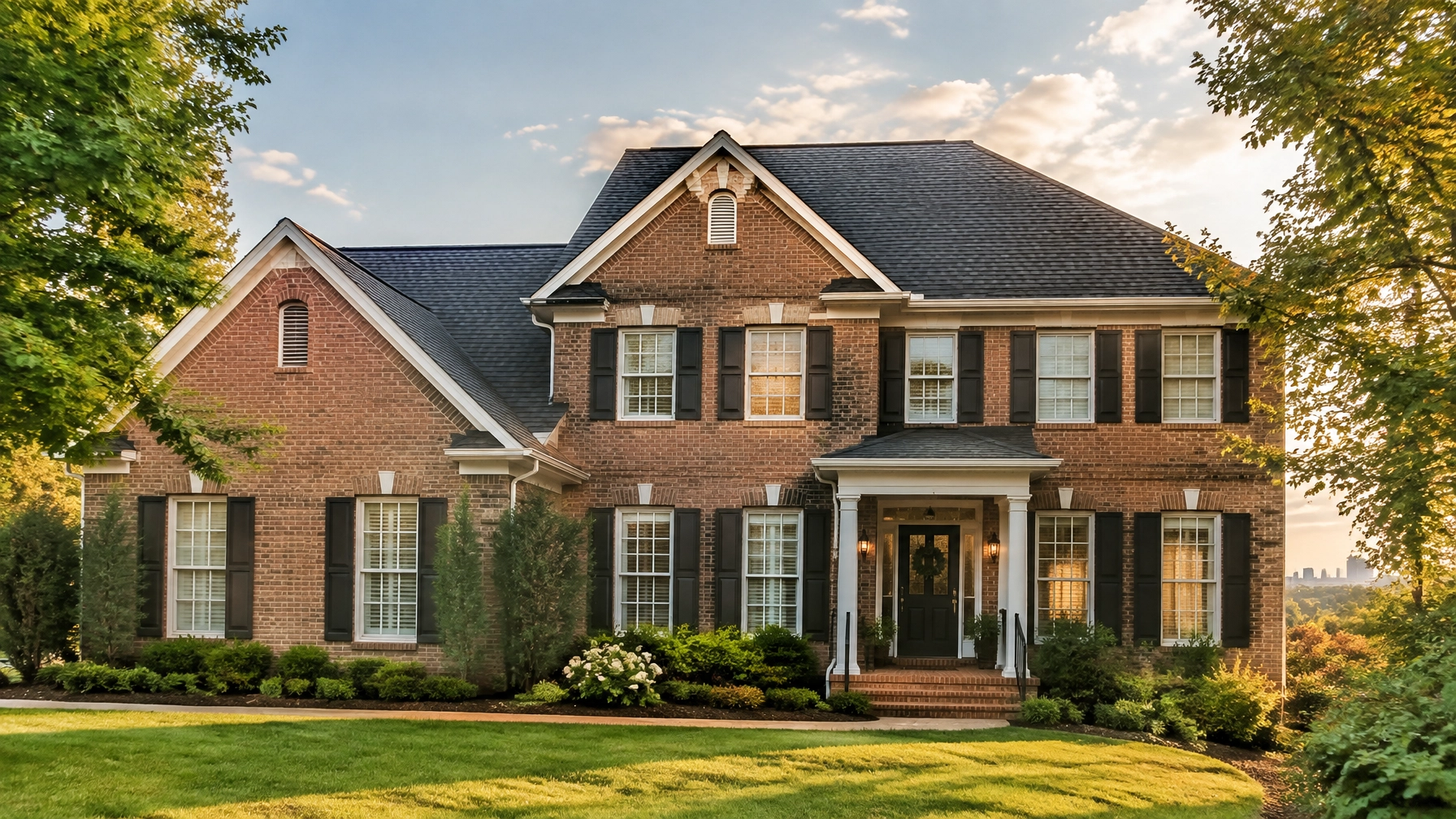
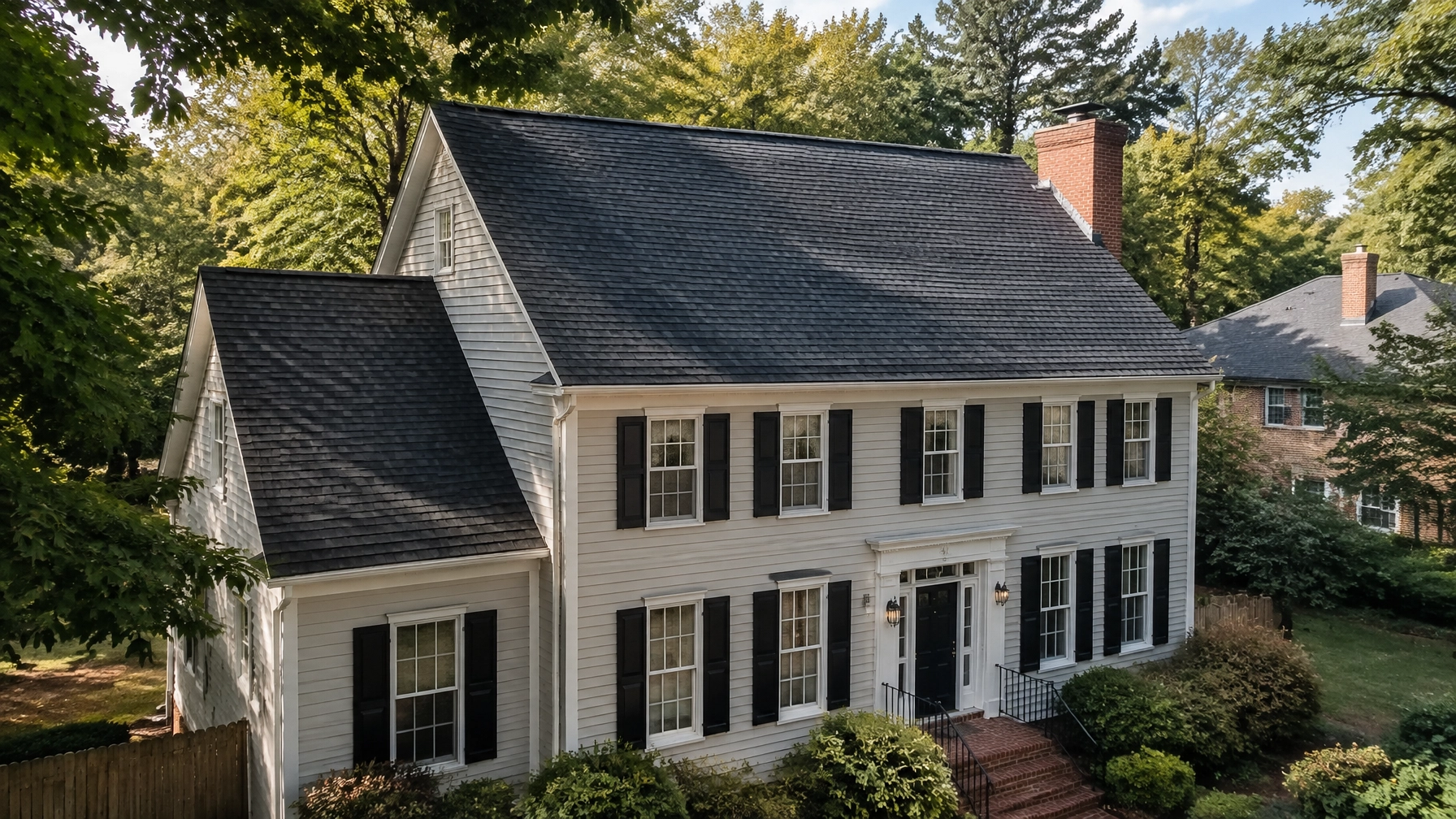
    Two-story Texas colonial home with a new impact-resistant architectural shingle roof

    How Satellite Roof Analysis Helps

    A traditional roof estimate often begins with scheduling a contractor visit. That visit is still important for confirming visible conditions, decking damage, ventilation, and installation details.

    However, homeowners do not always need to wait for an appointment to understand the likely project size and budget.

    Satellite-powered roof analysis can estimate:

    • Roof dimensions
    • Roof sections and layout
    • Approximate pitch
    • Roof complexity
    • Material quantities
    • Regional labor and material pricing
    • Low, middle, and high replacement ranges

    Get My Roof Estimate Now uses satellite imagery and automated analysis to provide a preliminary roof replacement estimate in under 60 seconds.

    The service is:

    • Free for homeowners
    • Available without a credit card
    • Typically 90%–95% accurate for roof measurements
    • Designed to show pricing for several material options
    • Built to connect homeowners with verified local contractors

    This is a planning tool, not a substitute for a final physical inspection. Satellite imagery cannot confirm every decking issue, hidden leak, ventilation problem, or storm bruise. It can, however, give you a fast and useful starting point before you compare contractor proposals.

    You can also use the roof cost calculator to compare material, pitch, roof size, region, and tear-off costs.

    Wichita Falls Permits: What Homeowners Should Know

    The City of Wichita Falls generally requires a permit for roof replacement and for roof repairs exceeding 500 square feet.

    A regular permit is also required if any roof decking is replaced, regardless of the repair area. Small patches under 500 square feet may qualify for an exemption when there is no tear-off and no decking replacement, but homeowners should confirm borderline cases with Building Inspections.

    Important points include:

    • Roof replacement requires permitting before work begins.
    • Any decking replacement triggers a regular permit.
    • Permit fees are based on project details and estimated value.
    • Typical residential permit costs may fall around $150–$500 depending on the scope.
    • Unpermitted work can result in penalties and may create insurance complications.
    • Applications are handled through the city’s Electronic Plan Review and building permit resources.

    The contractor should normally handle the permit, but the homeowner should verify that it was actually issued.

    How to Avoid Storm-Chaser Problems

    Texas does not have a statewide roofing contractor license. Wichita Falls relies on city registration, bonding, and permit controls.

    Before signing, ask for:

    • Current City of Wichita Falls contractor registration
    • Proof of the required city roofing bond
    • General liability insurance
    • Workers’ compensation coverage, or a written explanation if the contractor does not carry it
    • A detailed written scope of work
    • Material brand, type, and warranty information
    • Labor warranty terms
    • Permit responsibility and inspection details
    • Local references and recent project examples

    Be cautious after major hail events. Warning signs include:

    • Out-of-town crews with no verifiable local office
    • Pressure to sign immediately
    • Requests for large upfront payments
    • Offers to “cover your deductible”
    • Vague estimates with no material specifications
    • Contractors who discourage insurance inspections
    • Claims that a permit is unnecessary for full replacement

    A professional roofer should explain the process clearly and give you time to compare options.

    Modern Texas home with a new standing-seam metal roof and clean geometric rooflines

    A Practical Roof Decision Process

    Use this sequence after a Wichita Falls storm or when your roof approaches 15–30 years old:

    1. Document the event. Photograph visible damage from the ground and save the storm date.
    2. Check your attic and ceilings. Look for stains, damp insulation, daylight, or sagging.
    3. Get a fast planning estimate. Use satellite measurement to understand likely size and cost.
    4. Schedule a professional inspection. Confirm hail damage, flashing condition, ventilation, and decking.
    5. Compare at least three written proposals.
    6. Verify the contractor and permit.
    7. Review insurance coverage. Ask whether impact-resistant materials qualify for discounts.
    8. Do not sign under pressure.

    For homeowners planning to sell, replace an aging roof, or recover after hail, early pricing information can make the difference between a controlled project and an emergency expense.

    Frequently Asked Questions

    How much does a new roof cost in Wichita Falls?

    Most standard replacements fall roughly between $8,500 and $24,000, with architectural shingles commonly landing around $11,000–$15,500 for a typical home. Larger, steeper, more complex, or structurally damaged roofs cost more.

    Are Class 4 shingles worth considering in Wichita Falls?

    They can be. Class 4 impact-resistant shingles are designed to better withstand hail impacts and may qualify for insurance discounts. Confirm the product requirements and discount with your insurance carrier before choosing them.

    Can satellite imagery detect hail damage?

    No. Satellite imagery can measure the roof and help estimate replacement cost, but it cannot reliably confirm bruised shingles, hidden leaks, or damaged decking. A physical inspection is still necessary for a storm-damage claim.

    How accurate is an instant roof estimate?

    Get My Roof Estimate Now’s satellite-powered measurements are typically 90%–95% accurate, with results delivered in under 60 seconds. The final contractor quote may change after an on-site inspection.

    Do I need a permit for a small roof repair?

    Some minor patches under 500 square feet may be exempt if they do not involve tear-off or decking replacement. Requirements vary by scope, so confirm with Wichita Falls Building Inspections.

    What should I do after a hailstorm?

    Photograph the property, check for leaks, protect interior areas from water, contact your insurer promptly, and arrange a professional inspection. Avoid signing with the first contractor who arrives at your door.

    Precision Starts Before the Contractor Visit

    From Lake Kickapoo’s planned deep-space radar to GeoBase mapping at Sheppard Air Force Base, Wichita Falls is becoming increasingly connected to advanced location data and predictive technology.

    Homeowners can apply the same principle to roofing. Start with accurate measurements, understand the local cost range, compare impact-resistant materials, verify contractors, and confirm permit requirements.

    For a free, no-credit-card roof replacement estimate measured from satellite imagery, visit Get My Roof Estimate Now. You can get a property-specific starting point in under 60 seconds.
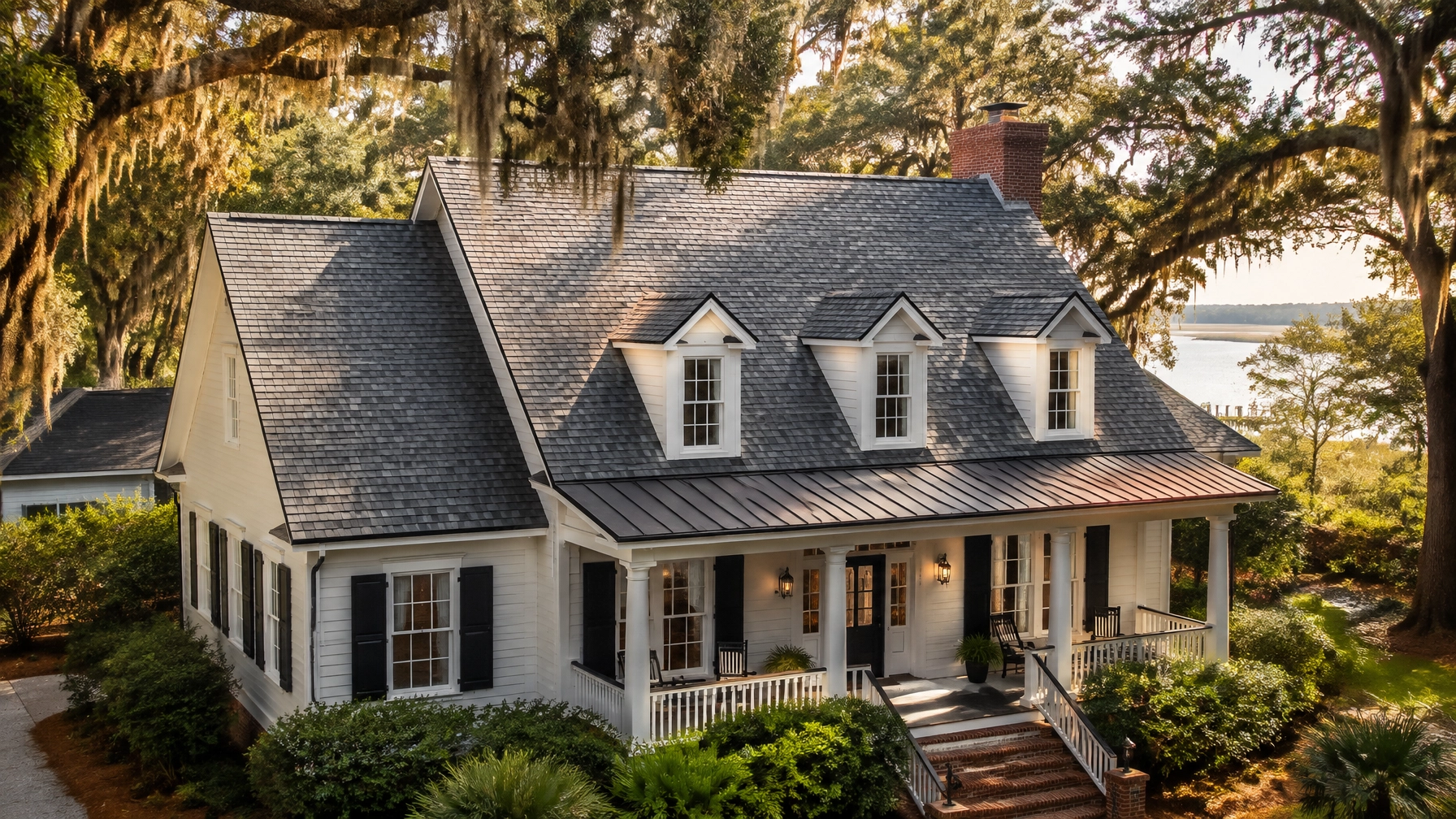
  • Daily Tech Blitz – Slot 5: Savannah’s Satellite Tech Edge Is Bringing Hostess City Precision to Coastal Georgia Roofs

    Daily Tech Blitz – Slot 5: Savannah’s Satellite Tech Edge Is Bringing Hostess City Precision to Coastal Georgia Roofs

    Savannah is becoming a proving ground for practical satellite technology.

    Gulfstream Aerospace is bringing low-Earth-orbit connectivity to business aircraft. The Port of Savannah is using automation, predictive analytics, and advanced imagery to manage one of the country’s busiest logistics hubs. UGA researchers are using Landsat data to map coastal marsh changes across decades.

    That same overhead precision now helps Savannah homeowners plan one of the largest investments they will make: a roof replacement.

    For homes in 31401, 31404, 31405, 31406, 31410, and 31419, a 2026 roof replacement typically falls into these ranges:

    • Architectural shingles (Popular): $9,200–$17,000 for an approximately 2,000-square-foot roof
    • Standing-seam metal (Premium): $18,000–$28,000 for a similar roof
    • Typical Savannah roof surface: 1,800–2,600 square feet
    • Potential resale recovery: approximately 60%–85% of replacement cost

    The first step is knowing your roof’s actual size, pitch, and complexity. That is where satellite-powered estimating makes the process faster.

    Savannah’s Satellite and Geospatial Technology Edge

    Savannah’s technology story is not limited to software companies. It is built into the city’s largest industries and research institutions.

    Gulfstream is adopting next-generation LEO connectivity

    Gulfstream Aerospace, headquartered in Savannah and one of coastal Georgia’s largest aerospace employers, received FAA supplemental type certification in July 2026 to install Gogo Galileo HDX on Gulfstream G650 and G650ER aircraft.

    The system uses Eutelsat OneWeb’s low-Earth-orbit network to deliver high-speed, low-latency connectivity. Gulfstream has also expanded its use of Starlink, completing its 100th Starlink installation by September 2025.

    The important takeaway is not only faster internet in the air. It is the growing ability to collect, transmit, and use high-quality data quickly, even in demanding environments.

    Read the Gogo announcement about Galileo HDX on Gulfstream aircraft.

    The Port of Savannah is combining imagery with AI

    At Garden City Terminal, commercial firms use satellite imagery, computer vision, vessel data, and sensors to monitor port congestion and container activity. Satellite radar can help count vessels at anchor and track berth occupancy, even when cloud cover limits traditional optical imagery.

    The Georgia Ports Authority is also investing heavily in predictive analytics and automation. Its 2026 expansion plans include AI-powered terminal operations and a multibillion-dollar effort to increase capacity.

    That is the same basic technology principle used in modern roof estimating: capture a property from above, interpret its geometry, and turn measurements into useful planning information.

    UGA is measuring coastal change from space

    The UGA Skidaway Institute of Oceanography and Georgia Coastal Ecosystems LTER program published annual fractional-cover maps of coastal marsh types from 1995 through 2024. The maps use Landsat imagery, machine-learning models, vegetation indices, and tidal data across thousands of acres.

    Other coastal research includes CubeSat ocean-color studies, NASA SWOT-related circulation work, and sea-level monitoring using Sentinel-6B data alongside Fort Pulaski tide-gauge records.

    These projects demonstrate why satellite imagery is valuable: it creates a consistent, measurable view of large and complex areas without requiring constant physical visits.

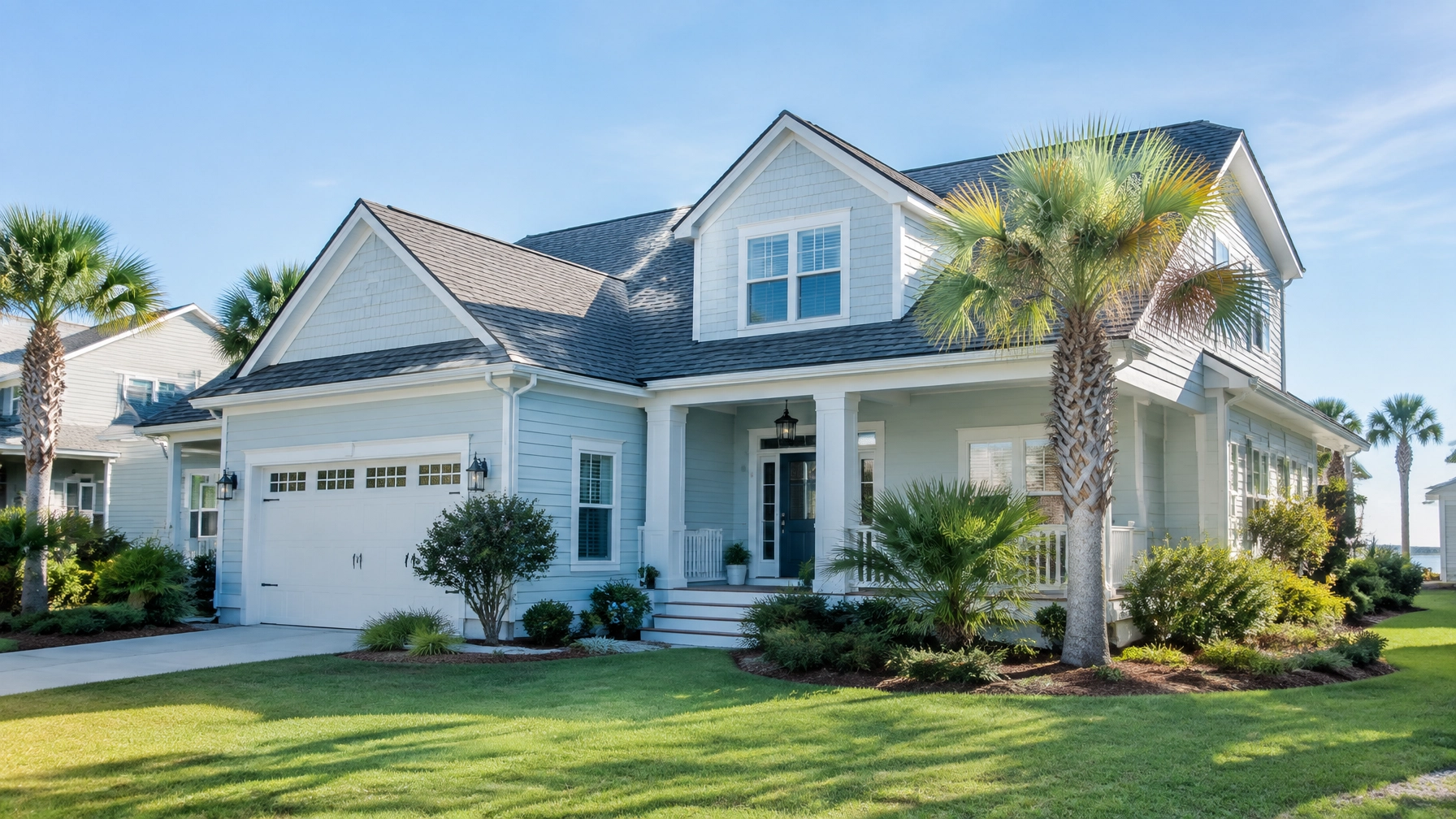
    Aerial view of a new standing-seam metal roof on a coastal Georgia home

    How Satellite-Powered Roof Estimating Works

    A roof estimate should begin with measurements, not guesswork.

    Our satellite-powered system analyzes overhead imagery to estimate:

    • Roof surface area
    • Roof sections and planes
    • Ridge and hip lines
    • Roof pitch
    • Valleys, dormers, and other complexity
    • Approximate material quantities
    • Local labor and material pricing

    The result is a property-specific estimate rather than a generic city average. Measurements are typically accurate to within inches, with approximately 90%–95% accuracy depending on image quality, roof visibility, and property conditions.

    In under 60 seconds, homeowners can receive low, middle, and high price ranges for materials such as:

    • Architectural shingles
    • Metal roofing
    • Synthetic roofing
    • Roof coatings

    Satellite estimating does not replace a final contractor inspection. It provides a fast, useful starting point for budgeting, comparing options, and deciding whether to move forward.

    Savannah Roof Replacement Costs in 2026

    The roof’s surface area, not the home’s interior square footage, determines most roofing costs. A 2,000-square-foot house may have a larger roof surface because of pitch, overhangs, attached garages, and multiple roof sections.

    Roofing system 2026 Savannah range for approximately 2,000 sq. ft. Best fit
    Architectural shingles (Popular) $9,200–$17,000 Balanced cost, appearance, and service life
    Impact-resistant shingles (Durability upgrade) Approximately $11,000–$19,000 Wind, hail, and insurance-conscious homeowners
    Standing-seam metal (Premium) $18,000–$28,000 Long service life and strong coastal durability
    Synthetic roofing (Premium alternative) Varies by product and complexity Specialty appearance or enhanced weather resistance

    These ranges can change with tear-off requirements, structural repairs, steep slopes, chimney flashing, skylights, ventilation, and contractor availability.

    For a broader starting point, use the 2026 roof cost calculator. For a more precise property estimate, enter your address for a free satellite-powered estimate.

    Coastal Georgia Climate: Choose for Durability

    Savannah’s humid subtropical climate is demanding. Your roof must handle:

    • High heat and ultraviolet exposure
    • Heavy rain and rapid runoff
    • Tropical storms and hurricane-force winds
    • Salt air near the coast
    • Algae and moss growth
    • Moisture-related deterioration
    • Wind-driven debris

    Architectural shingles are the most common choice because they offer a strong balance of cost and curb appeal. Impact-resistant shingles may be worth considering when wind or hail exposure is a concern.

    Standing-seam metal costs more upfront but can provide a longer service life and strong wind performance when properly installed. It can also improve buyer confidence when a home is located in a coastal market.

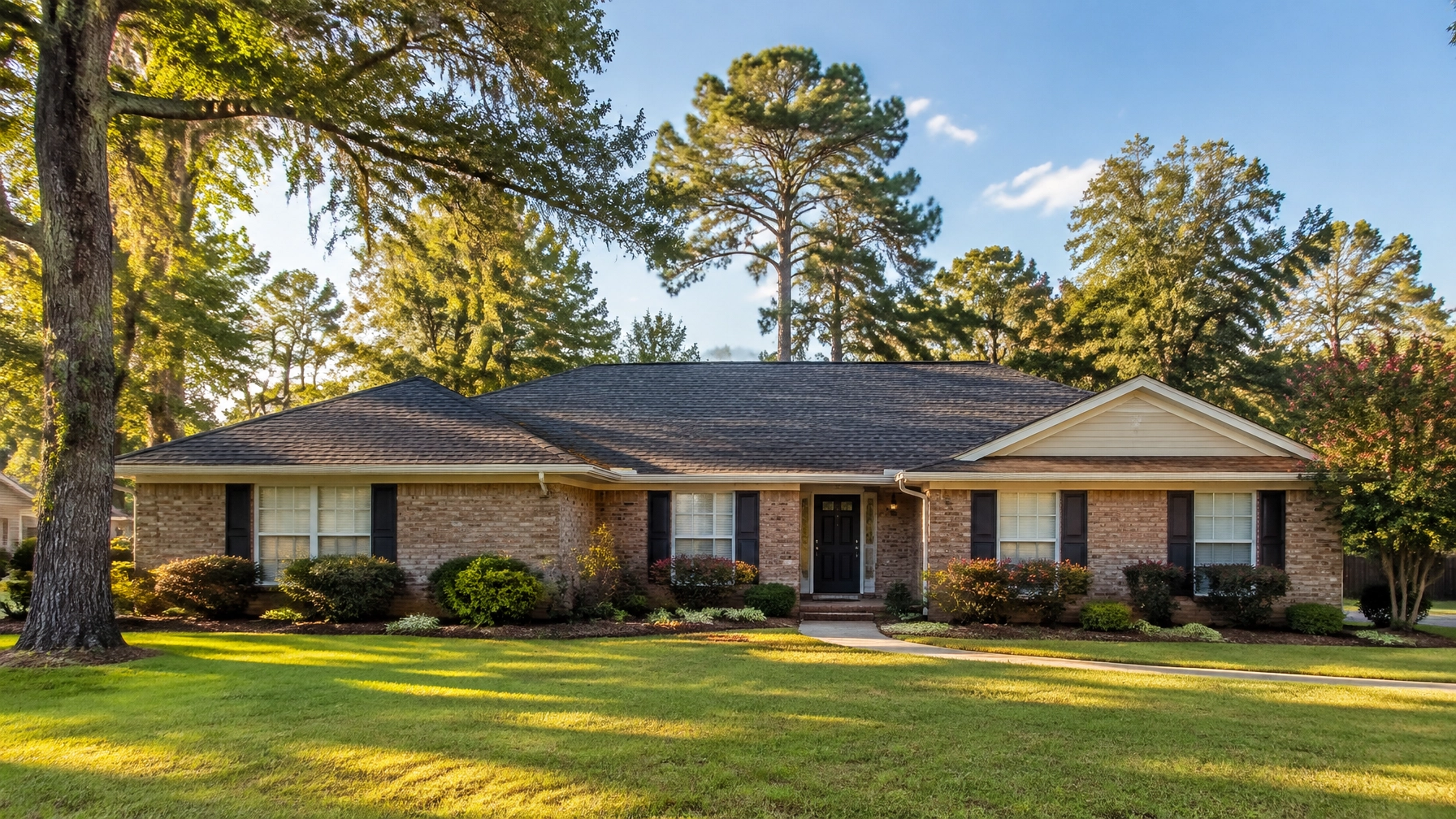
    Architectural shingle roof replacement on a Savannah ranch-style home

    Permits, Contractors, and Insurance

    A roof replacement requires a building permit in Chatham County and the City of Savannah. Permit fees commonly range from $75 to $500, depending on project value and local requirements.

    Review the Chatham County permit requirements before work begins.

    Georgia does not have a separate statewide roofing license category. However, contractors handling work over $2,500 generally must hold the appropriate state residential-basic or general contractor license. Ask for:

    • Current contractor license information
    • Local business credentials
    • General liability insurance
    • Workers’ compensation coverage
    • Written scope of work
    • Permit responsibility
    • Manufacturer warranty details

    Coastal Georgia homeowners should also review their insurance policy before replacing the roof. Named-storm deductibles commonly range from 1% to 5% of the insured home value.

    If a storm caused damage, document it immediately with photos and contact your insurer within 24–48 hours when possible. Policies and carriers may set notice windows ranging from approximately 72 hours to 14 days.

    New Roof ROI and Savannah Home Value

    Savannah’s median home price is approximately $336,000–$360,000, making the roof a visible and financially important part of the property.

    A replacement roof can influence value in three ways:

    1. Direct condition: Buyers are less likely to discount a home for an aging or damaged roof.
    2. Curb appeal: A clean roofline and new material can improve first impressions.
    3. Insurance confidence: A newer, code-compliant roof may reduce concerns about future claims, deductibles, or policy availability.

    A typical roof replacement recoups approximately 60%–85% of its cost at resale. For example, a $15,000 replacement could contribute roughly $9,000–$12,750 in recovered value, depending on the material, installation quality, local market, and timing of the sale.

    The best roof for home value is not always the most expensive roof. It is the system that matches the home’s architecture, neighborhood expectations, climate exposure, insurance situation, and expected holding period.

    That is why homeowners evaluating roof replacement resale value should compare both upfront price and long-term risk.

    Frequently Asked Questions

    How much does a new roof cost in Savannah in 2026?

    For an approximately 2,000-square-foot roof, architectural shingles generally cost $9,200–$17,000. Standing-seam metal commonly costs $18,000–$28,000. Complex roofs or structural repairs can increase the final price.

    Can satellite imagery measure my roof accurately?

    Satellite-powered estimating can measure roof dimensions, pitch, and complexity with approximately 90%–95% accuracy in suitable conditions. A contractor should still verify decking, flashing, ventilation, and storm damage before installation.

    Does a new roof increase home value?

    Usually, yes. A new roof can improve condition, curb appeal, buyer confidence, and insurability. Typical roof replacement ROI ranges from approximately 60%–85%.

    Is metal roofing better than architectural shingles for Savannah?

    Metal can offer longer service life and strong coastal durability, but it costs more. Architectural shingles remain the more budget-friendly and widely used option. The right choice depends on your budget, home design, insurance policy, and long-term plans.

    Do I need a permit for roof replacement in Chatham County?

    Yes. Re-roofing generally requires a building permit in Chatham County and the City of Savannah. Confirm the current requirements before signing a contract.

    Get Savannah Roof Pricing in 60 Seconds

    Savannah already uses satellite technology to connect aircraft, monitor port activity, and measure coastal change. Homeowners can use the same data-driven approach to plan a roof replacement.

    Skip the early scheduling delays. Enter your address and get a free, property-specific estimate based on your roof’s size, pitch, complexity, material, and local pricing.

    Get your free satellite-powered roof estimate now.

    No credit card. No contractor visit required upfront. Just a fast, transparent starting point for your next roof decision.

  • 2026 Roof Replacement Cost in Nashville, TN: Music City Pricing, Permit Rules & Hail-Ready Budget Tips

    2026 Roof Replacement Cost in Nashville, TN: Music City Pricing, Permit Rules & Hail-Ready Budget Tips

    For a typical 2,000–2,200 square-foot Nashville home, a full roof replacement in 2026 usually costs $9,500–$22,300, depending on roof size, pitch, material, tear-off requirements, decking condition, and contractor pricing.

    Most homeowners installing architectural shingles should plan on approximately $11,000–$16,000. Premium materials, steep roof sections, multiple valleys, dormers, or storm-related decking repairs can push the project higher.

    This guide explains 2026 Nashville roof replacement prices, Davidson County permit rules, Tennessee contractor licensing, hail risks, material increases, and how a new roof can affect resale value.

    2026 Nashville roof replacement cost at a glance

    Roofing contractors price roofs by the square, with one roofing square equal to 100 square feet of roof surface. Your home’s living area is not always the same as its roof area.

    Roofing material 2026 installed price Typical 2,000–2,200 sq. ft. home
    3-tab asphalt shingles (Budget) Approximately $3.50–$5.50 per sq. ft. About $8,000–$14,000
    Architectural shingles (Popular) $5.00–$7.50 per sq. ft. Approximately $9,500–$22,300
    Class 4 impact-resistant shingles (Premium) Usually 10%–20% above standard shingles Often $11,000–$19,000+
    Standing-seam metal (Premium) $9–$19 per sq. ft. Approximately $16,000–$42,000+

    These are planning ranges, not a contractor bid. A roof with 25 roofing squares may cost much less than a 25-square roof with steep slopes, difficult access, multiple penetrations, and extensive decking replacement.

    For a broader national comparison, see the Get My Roof Estimate Now roof cost calculator.

    Architectural shingles remain Nashville’s most common choice

    Architectural shingles are the standard choice for many homes in East Nashville, Donelson, Bellevue, Antioch, and surrounding Davidson County neighborhoods.

    They offer:

    • Better appearance than basic 3-tab shingles
    • Longer expected service life
    • More dimensional texture and curb appeal
    • Wide color options for ranch, colonial, and traditional homes
    • Strong availability among local roofing contractors

    The typical installed range is $5.00–$7.50 per square foot, including materials and labor. For a 2,000–2,200 square-foot home, the total project commonly falls between $9,500 and $22,300, although $11,000–$16,000 is a more common planning range for a straightforward replacement.

    3-tab shingles (Budget)

    Three-tab shingles can reduce your initial cost. They are generally less expensive and have a simpler appearance, but they typically provide less wind and impact resistance than modern architectural products.

    They may make sense for:

    • A limited investment property
    • A tight replacement budget
    • A simple, low-slope roof
    • A property that will be sold soon

    Before choosing them, compare the warranty, wind rating, expected service life, and resale impact against architectural shingles.

    Close-up of a Class 4 impact-resistant shingle roof

    Is a Class 4 impact-resistant roof worth the extra cost?

    A Class 4 impact-resistant shingle generally adds about 10%–20% to the roof price. These shingles are designed to better resist impact from hail and other debris.

    They can be worth considering in Nashville because Middle Tennessee experiences:

    • Hailstorms during spring and summer
    • Severe thunderstorm wind
    • Falling branches and storm debris
    • Repeated weather exposure over the roof’s life

    Class 4 shingles do not make a roof hailproof. They can still be damaged by large hail, installation problems, age, or severe wind. Ask your insurance carrier whether impact-resistant materials qualify for a premium discount before assuming the upgrade will pay for itself.

    Standing-seam metal roofing costs in Nashville

    Standing-seam metal is a premium option with concealed fasteners, clean lines, and a long service life. It is popular on modern homes and can also complement properties in Sylvan Park, Green Hills, Germantown, and newer sections of Nashville.

    Expect approximately $9–$19 per square foot installed, with typical totals of $16,000–$42,000 or more.

    The higher end usually reflects:

    • Complex roof geometry
    • Premium steel or aluminum
    • Extensive trim and flashing
    • Tear-off of existing roofing
    • Multiple roof planes
    • Chimneys, skylights, and dormers
    • Difficult access or structural repairs

    Metal roofing costs are under additional pressure in 2026 because of the 50% Section 232 tariffs on steel and aluminum. Get a written quote that identifies the metal type, gauge, finish, warranty, underlayment, and whether the price can change before installation.

    2026 material increases are affecting Nashville estimates

    Roofing material pricing is changing throughout the year. Asphalt shingle manufacturers including GAF, Owens Corning, and CertainTeed announced increases of approximately 4%–8% early in 2026, followed by another 6%–9% increase effective June 1.

    Metal roofing is also affected by steel and aluminum costs. These increases do not apply equally to every product or contractor, but they can change estimates between winter, spring, and summer.

    When comparing bids, ask:

    • How long is the price locked?
    • Are materials already ordered?
    • Is disposal included?
    • Is the permit included?
    • What happens if decking is damaged?
    • Are taxes, delivery, and flashing included?

    A low bid may exclude important work rather than represent a genuinely lower project cost.

    Nashville’s climate creates specific roofing concerns

    Davidson County has a humid subtropical climate. That means local roofs must handle heat, moisture, UV exposure, seasonal storms, and occasional winter freeze-thaw cycles.

    Common Nashville roofing issues include:

    • Heat and UV exposure: Accelerates granule loss and asphalt aging.
    • Algae growth: More visible on lighter shingles and damp roof sections.
    • Moss on shaded slopes: More common under heavy tree cover.
    • Freeze-thaw cycles: Can worsen small cracks, flashing problems, and damaged decking.
    • Hail and wind: Can bruise shingles, loosen flashing, and damage ridge caps.

    Homes in shaded areas of Green Hills, Bellevue, and older neighborhoods may need additional attention to ventilation, algae resistance, and moisture control.

    2026 Nashville hail and storm damage risks

    Several 2026 weather events are important when budgeting for a replacement or evaluating an insurance claim.

    A September 5, 2026 hail event produced a modeled regional hail swath with hail up to 2.8 inches and more than 12,000 properties potentially affected. Other reported hail dates include June 13, July 26, August 7, September 4, and September 6.

    A July 21, 2026 severe thunderstorm also brought wind gusts around 60 mph, with roof, siding, and tree damage reported across Middle Tennessee.

    After a storm:

    1. Photograph visible damage from the ground.
    2. Check ceilings and attic areas for signs of leaks.
    3. Avoid climbing onto the roof.
    4. Contact your insurance carrier if damage appears storm-related.
    5. Arrange an inspection before signing a permanent repair contract.

    Get more storm-related guidance through the roof storm damage services page.

    Davidson County roof permit rules

    For a full roof replacement in Nashville and Davidson County, plan on needing a building permit.

    Metro guidance generally requires a permit when:

    • More than 33% of the roof area is replaced
    • A new roofing layer is added
    • More than 64 square feet of roof decking is replaced
    • Rafters, joists, or other structural components require repair

    Small repairs covering less than 33% of the roof are generally treated as maintenance, provided there are no structural changes. However, a contractor should confirm the requirement for your exact scope.

    Start with the Metro Nashville residential building permit information. Applications may be submitted through the Metro Nashville ePermits portal, while homeowner questions can be directed to the Department of Codes & Building Safety or zoninghelpdesk@nashville.gov.

    Ask your contractor for:

    • Permit number
    • Written scope of work
    • Inspection schedule
    • Decking and structural repair allowances
    • Final inspection confirmation

    Tennessee roofing contractor licensing

    Tennessee generally requires a contractor’s license for projects valued at $25,000 or more. Relevant classifications may include BC-A, BC-B, BC-C, BC-21, or BC-12, depending on the work and contractor structure.

    For Davidson County projects from $3,000 to $24,999, a Tennessee home improvement license may apply. However, the home improvement license does not cover roofing, so confirm that the contractor has the correct roofing authority and classification.

    You can review state requirements through the Tennessee Home Improvement Licensing Board.

    Before hiring, verify:

    • Tennessee license status
    • General liability insurance
    • Workers’ compensation coverage
    • Manufacturer certifications
    • Written workmanship warranty
    • Recent local references

    Can a new roof increase Nashville home value?

    Davidson County’s median home price was approximately $532,500 in August 2026, while inventory rose to roughly 4.8–6.9 months of supply depending on the market segment and data source. That means buyers have more negotiating power than they did during the tightest periods of the market.

    A new roof can help a home compete in neighborhoods such as:

    • East Nashville
    • Green Hills
    • Germantown
    • The Gulch
    • Sylvan Park
    • Donelson
    • Bellevue
    • Antioch

    The financial return depends on the roof material, project quality, neighborhood, and buyer expectations. A new roof may not return every dollar spent, but it can reduce inspection objections, improve roof curb appeal home value, and make the home easier to market.

    For many sellers, the strongest benefit is avoiding a large buyer credit or price reduction. A documented replacement can also support roof replacement resale value and improve a property’s perceived condition.

    The best roof for home value is usually a durable, attractive material that fits the neighborhood and comes with transferable documentation. For many Nashville homes, that means quality architectural shingles. A premium metal roof can make sense when the home’s design and long-term ownership plans support the investment.

    Get a Nashville roof estimate before scheduling contractor visits

    You can get a useful starting budget before arranging multiple in-home appointments. Get My Roof Estimate Now uses satellite imagery to measure your roof and estimate pricing based on roof size, pitch, complexity, material, and regional costs.

    Enter your Nashville address and receive a free estimate in approximately 60 seconds: with no credit card required.

    Get your instant satellite-powered Nashville roof estimate. It is a practical first step for comparing architectural shingles, Class 4 products, and standing-seam metal while planning your 2026 roof replacement ROI.

    Sources and local resources

  • 2026 Roof Replacement Cost in Tuscaloosa, AL: Druid City Pricing, Permit Rules & Dixie Alley Storm Tips

    2026 Roof Replacement Cost in Tuscaloosa, AL: Druid City Pricing, Permit Rules & Dixie Alley Storm Tips

    For a typical 2,000-square-foot single-family home, the 2026 roof replacement cost in Tuscaloosa generally falls between $7,000 and $32,000 or more, depending on the roofing material, roof complexity, storm-resistance requirements, and tear-off work.

    Most homeowners in Druid City should plan for:

    • 3-tab asphalt shingles (Budget): $7,000–$11,000
    • Architectural shingles (Popular): $8,500–$18,500
    • Class 4 impact-resistant shingles: Approximately $1,000–$3,000 more than standard architectural shingles
    • Standing-seam metal (Premium): $15,000–$32,000 or more

    Tuscaloosa’s humid subtropical climate and Dixie Alley storm exposure make material selection especially important. Here is how local pricing, permits, hail resistance, and resale value affect your decision.

    Tuscaloosa Roof Replacement Cost by Material

    Roofing material Installed price per sq. ft. Approximate total for a 2,000 sq. ft. roof
    3-tab asphalt (Budget) $3.50–$5.50 $7,000–$11,000
    Architectural shingles (Popular) $4.50–$8.00 $8,500–$18,500
    Class 4 impact-resistant shingles 10%–20% above architectural $1,000–$3,000 additional
    Standing-seam metal (Premium) $7.50–$16.00 $15,000–$32,000+

    Most standard architectural shingle projects in Tuscaloosa land between $10,000 and $15,000. The upper end usually reflects steep slopes, multiple roof sections, dormers, difficult access, extensive flashing, premium underlayment, or replacement of damaged decking.

    Roofers measure roofing in squares, with one square equal to 100 square feet. A home described as “2,000 square feet” may have more than 2,000 square feet of actual roof surface if it has a complex shape or steep pitch.

    You can use the roof cost calculator for a general planning range, or obtain a property-specific estimate based on your roof’s actual dimensions.

    Why 2026 Pricing Is Higher

    Roofing material prices changed several times during 2026:

    • Asphalt shingles increased approximately 4%–8% early in the year.
    • GAF, Owens Corning, CertainTeed, and IKO announced another 6%–9% increase effective June 1, 2026.
    • Metal roofing increased approximately 10%–22%, influenced by the 50% Section 232 steel and aluminum tariffs implemented in April.

    For a project scheduled later in the year, include a 5%–15% contingency for material changes, hidden decking damage, disposal, permit costs, or weather delays.

    A detailed estimate should clearly separate:

    • Tear-off and disposal
    • Underlayment and ice-and-water protection
    • Drip edge, flashing, ridge caps, and ventilation
    • Shingles or metal panels
    • Labor
    • Permit and inspection costs
    • Decking replacement, if needed

    Is Class 4 Roofing Worth It in Tuscaloosa?

    Tuscaloosa sits in the heart of Dixie Alley. The April 27, 2011 EF4 tornado caused catastrophic damage in the Alberta neighborhood, and severe weather remains a recurring concern across West Alabama.

    Recent 2026 hail events included:

    • February 26: hail up to 2.75 inches
    • March 9: hail up to 2.75 inches
    • July 31: hail reports across Alabama
    • September 6–7: severe weather across the state

    Class 4 impact-resistant shingles typically cost 10%–20% more than standard architectural shingles. On a typical roof, that may mean an additional $1,000–$3,000.

    The upgrade can be practical if you are concerned about:

    • Hail damage
    • Wind-driven debris
    • Repeated insurance claims
    • Long-term ownership
    • Insurance premium discounts

    Alabama wind and hail deductibles commonly range from 1% to 5% of your dwelling coverage. Insurance credits for Class 4 materials vary by carrier, so ask your insurer for written confirmation before assuming you will receive a discount.

    Climate Issues Specific to Tuscaloosa Homes

    Tuscaloosa roofs must handle more than occasional storms. Local conditions can shorten roof life or increase maintenance needs.

    Watch for:

    • Summer heat and ultraviolet exposure: Can accelerate shingle aging.
    • Humidity: Encourages algae and moss on shaded slopes.
    • Thermal shock: Repeated heating and cooling stresses roofing materials.
    • Pine needles: Collect in valleys and gutters, trapping moisture.
    • Heavy rain: Tests flashing, valleys, pipe boots, and ventilation.
    • Hail and tornado activity: Can damage shingles even when the roof looks intact from the ground.

    Homes near Lake Tuscaloosa, North River, Forest Lake, and heavily wooded parts of Northport may need more frequent gutter cleaning and roof inspections.

    Two-story colonial home in West Alabama with a new standing-seam metal roof

    Tuscaloosa Roof Replacement Permits and Inspections

    Inside the City of Tuscaloosa, a full roof replacement requires a building permit. Minor repairs generally do not require the same permitting process, but your contractor should confirm the scope with the city.

    The City of Tuscaloosa Building & Inspections Division provides permit guidance and application information.

    What homeowners should know

    • Apply through the CityView online portal.
    • Contact Building & Inspections at (205) 248-5110.
    • Email questions to udmail@tuscaloosa.com.
    • Budget approximately $150–$650 for permit-related costs, depending on project valuation and requirements.
    • A deck inspection is required after tear-off and before new roofing materials are installed.
    • A final inspection is required after completion.
    • Homes in unincorporated Tuscaloosa County may fall under the county building department instead.

    Ask your roofer in writing:

    • Who will pull the permit?
    • Is the permit included in the quote?
    • Who schedules inspections?
    • Will damaged decking be documented before replacement?
    • Will you receive final inspection confirmation?

    For Alabama licensing, verify your contractor through the Alabama Home Builders Licensure Board. For projects at this price level, the contractor should have the proper HBLB license, liability insurance, workers’ compensation coverage, and current business information.

    Be cautious of out-of-state storm chasers who appear immediately after hail events. Request a local address, license information, proof of insurance, references, and a complete written contract.

    Roof Replacement ROI and Tuscaloosa Home Value

    A roof replacement is both a protection project and a resale decision. The right roof can improve buyer confidence, reduce inspection concerns, and strengthen curb appeal.

    Tuscaloosa home values vary widely by neighborhood:

    • Zillow’s typical home value is approximately $231,000.
    • Median sale prices are approximately $279,000–$284,000.
    • ZIP code 35406, including the Lake Tuscaloosa and North River area, is among the most expensive at approximately $443,000–$449,000.
    • ZIP codes 35404 and 35401 are more affordable, with approximate values near $162,000 and $175,000.

    Local areas such as Alberta, Forest Lake, Lakewood, The Downs, Huntington Place, Rock Quarry, Taylorville, Cottondale, Holt, and Northport can have different buyer expectations and price ceilings.

    New roof ROI and home value

    A realistic Tuscaloosa planning range is:

    • Asphalt roof replacement ROI: Approximately 60%–75% at resale
    • Metal roof replacement ROI: Up to approximately 80% in the right property and buyer market
    • Potential loss from a failing roof: Approximately $10,000–$20,000 through price reductions, repair credits, or buyer concessions

    These are not guaranteed appraisal increases. A roof’s contribution depends on its age, installation quality, material, neighborhood, and whether the existing roof is failing.

    The strongest roof replacement resale value usually comes from a properly installed architectural shingle roof that fits the neighborhood. A premium metal roof may deliver greater longevity and appeal to long-term buyers, but its higher installation cost is not always recovered dollar-for-dollar at resale.

    Best Roof for Home Value in Tuscaloosa

    For most homeowners, architectural shingles offer the best balance of:

    • Upfront cost
    • Curb appeal
    • Available colors and styles
    • Weather resistance
    • Buyer familiarity
    • Resale value

    Class 4 architectural shingles may be the best fit for homes where hail exposure and insurance savings are major concerns.

    Standing-seam metal can be the better choice when:

    • You plan to stay in the home for decades.
    • You want a 40- to 70-year roofing system.
    • You prefer lower long-term maintenance.
    • Your home’s design supports a premium metal appearance.
    • You value storm resistance more than short-term percentage ROI.

    Roofing crew safely installing architectural shingles on a residential roof in Alabama

    What to Do After Hail or Wind Damage

    After a major storm:

    1. Photograph visible damage from the ground.
    2. Check ceilings and attic areas for water stains.
    3. Use temporary protection to prevent additional water entry.
    4. Avoid permanent repairs before documentation is complete.
    5. Contact your insurance company promptly.
    6. Get a licensed contractor’s written estimate before filing or finalizing a claim.
    7. Compare the estimated repair cost with your wind or hail deductible.

    Do not assume every damaged roof needs immediate replacement. A professional inspection can distinguish cosmetic damage from functional damage and identify hidden issues under shingles, flashing, and vents.

    New Class 4 impact-resistant shingle roof on a Southern brick home after a storm

    Get a Tuscaloosa Roof Estimate in 60 Seconds

    Before scheduling multiple contractor visits, get a baseline price for your property. Get My Roof Estimate Now uses satellite imagery to measure roof size, pitch, and complexity: typically accurate within inches for most homes.

    The estimate is:

    • Free
    • Available without a credit card
    • Delivered in approximately 60 seconds
    • Based on low, middle, and high pricing ranges
    • Available for architectural shingles, impact-resistant shingles, metal, and other materials

    Start with an instant free satellite roof estimate. It gives you a practical budget before you speak with a contractor or file an insurance claim.

  • Daily FAQ Blitz – Slot 5: AEO FAQ Quick Answers for Asheville, NC Homeowners (2026)

    Daily FAQ Blitz – Slot 5: AEO FAQ Quick Answers for Asheville, NC Homeowners (2026)

    Asheville homeowners searching for roof replacement information may encounter the term AEO. In roofing, that term can create confusion. AEO means Authorized Economic Operator, a global trade-security designation, not a roofing license, contractor credential, or building permit.

    This 2026 FAQ covers AEO, Asheville permits, North Carolina roofing rules, mountain wind requirements, Helene recovery, insurance concerns, and current replacement costs for homes in Asheville ZIP codes 28801, 28803, 28804, 28805, and 28806, plus nearby areas such as Weaverville, Black Mountain, Arden, Swannanoa, Candler, and Fairview.

    What does AEO mean?

    AEO means Authorized Economic Operator. It is a customs-trade designation developed through the World Customs Organization’s SAFE Framework of Standards.

    An AEO is generally a company involved in the international supply chain that has demonstrated strong security, compliance, and customs procedures.

    Learn more through the World Customs Organization SAFE Framework.

    Is AEO a roofing license or credential?

    No. AEO is not a roofing license, contractor certification, or construction credential.

    A roofing contractor in Asheville should instead provide:

    • Appropriate North Carolina contractor licensing when required
    • General liability insurance
    • Workers’ compensation coverage when applicable
    • A written scope of work and itemized estimate
    • Proof of local permit handling
    • References or verifiable project history

    The U.S. equivalent of an AEO program is generally U.S. Customs and Border Protection’s CTPAT program. CTPAT relates to supply-chain security and customs compliance. It does not qualify a company to install a roof.

    See the official CBP CTPAT program.

    Asheville ranch home with a fresh architectural shingle roof

    Does North Carolina require a roofing license?

    North Carolina roofing work is performed under the North Carolina Licensing Board for General Contractors (NCLBGC) framework.

    For this 2026 homeowner guide, the key threshold is:

    Project condition What to know
    Under $30,000 A state general contractor license may not be required solely because of the project value, but permits, insurance, contracts, and local rules still apply.
    $30,000 or more A North Carolina general contractor license is required.
    Roofing classification Roofing may be performed under a Building Contractor or Specialty Contractor, Roofing, commonly called S-Roofing, classification.

    Ask for the contractor’s license number and verify it through the NCLBGC before signing.

    Does Asheville require a permit for roof replacement?

    Yes. A full roof tear-off and replacement generally requires a building permit in Asheville.

    A permit is also required for projects replacing more than 25% of the roof covering. Minor maintenance may be treated differently, so confirm your exact scope before work begins.

    Apply through Asheville Development Services residential permits, or call 828-259-5846.

    A reputable contractor should explain:

    • Who will pull the permit
    • What inspections are required
    • Whether structural decking repairs are included
    • Whether the quoted price includes permit fees
    • How the project will comply with the North Carolina Residential Code

    Do not assume that a project is permit-exempt simply because the contract is below a certain price. Roofing replacement rules can override general cost exemptions.

    Do Montford and Kenilworth homes need historic approval?

    Possibly, and homeowners should check before selecting materials.

    In designated historic areas, including Montford and Kenilworth, exterior changes to visible roof surfaces may require a Certificate of Appropriateness from Asheville’s Historic Resources Commission (HRC) before work starts.

    This can affect:

    • Switching from asphalt shingles to metal
    • Changing visible roofing color or profile
    • Altering rooflines
    • Replacing historically significant materials
    • Modifying dormers, porches, or other roof-related features

    A Certificate of Appropriateness is separate from a building permit. Contact Asheville Development Services at 828-259-5846 and review the city’s Certificate of Appropriateness information.

    What wind speed must Asheville roofs withstand?

    North Carolina’s mountain-region wind requirements depend on elevation.

    First-floor finish elevation Design wind speed
    Below 2,700 feet 115 mph
    2,700–2,999 feet 120 mph
    3,000–3,499 feet 130 mph
    3,500–4,499 feet 140 mph
    4,500 feet or higher 150 mph

    These requirements can affect shingle selection, fastening patterns, flashing, underlayment, and roof-to-wall connections. Mountain homes may also face steep slopes, strong gusts, heavy rain, ice, and difficult access.

    Your contractor should confirm the property’s elevation and applicable code requirements rather than applying a generic roof installation package.

    Modern Asheville-area home with a standing seam metal roof

    How much does a roof replacement cost in Asheville in 2026?

    For Asheville homeowners, architectural shingles typically cost about $4.50–$7.00 per square foot installed in 2026.

    A 2,000-square-foot home commonly has approximately 20–28 roofing squares, depending on pitch, overhangs, garages, dormers, and roof complexity. One roofing square equals 100 square feet.

    Material 2026 Asheville installed range Context
    Architectural shingles $4.50–$7.00 per sq. ft. Popular balance of price and durability
    Metal roofing $8–$16 per sq. ft. Premium longevity and performance
    Typical 2,000 sq. ft. home $11,500–$19,500 overall Varies by roof size and complexity

    The final price may increase for:

    • Steep pitches
    • Multiple roof sections and valleys
    • Chimneys, skylights, or dormers
    • Two-story access
    • Old roof tear-off and disposal
    • Rotten decking or structural repairs
    • Permit and inspection requirements
    • Material upgrades or historic-district review

    Use the roof cost calculator for a planning range, then obtain a contractor inspection for final scope.

    What should Asheville homeowners do after Helene damage?

    Hurricane Helene damaged 12,000+ homes in Buncombe County, according to the county’s official recovery reporting. Storm damage may not always be visible from the ground.

    After a storm:

    1. Photograph missing shingles, lifted flashing, fallen branches, water stains, and interior damage.
    2. Document the date and conditions of the storm.
    3. Prevent additional damage with reasonable temporary measures, such as tarping.
    4. Notify your insurance company promptly.
    5. Get a licensed contractor inspection and written estimate.
    6. Avoid signing a rushed agreement with a door-to-door storm contractor.

    Review Buncombe County’s Helene recovery housing information.

    Can a North Carolina roofer waive my insurance deductible?

    No. Do not accept a deductible waiver, rebate, or promise that you will pay nothing.

    North Carolina law, including G.S. 58-2-161, prohibits knowingly submitting false or misleading information connected to an insurance claim. A contractor who inflates an invoice or misrepresents the amount you paid may create serious insurance-fraud risk.

    You should pay your policy deductible as required. Ask the contractor to show every credit, allowance, and charge in writing.

    North Carolina’s S.L. 2024-11 also provides a five-business-day cancellation right for certain residential roofing contracts after an insurance claim is denied. For qualifying contracts entered on or after October 1, 2024, contractors cannot begin work or collect payment during that cancellation period.

    Keep the insurer’s written denial and review the contract carefully. For legal interpretation, consult the North Carolina General Statutes or a qualified attorney.

    Close view of architectural shingle installation with finished flashing and roof valley

    Which Asheville ZIP codes and nearby areas are covered?

    Local roof pricing can vary across:

    • Asheville: 28801, 28803, 28804, 28805, 28806
    • Weaverville: 28787
    • Black Mountain: 28711
    • Arden: 28704
    • Swannanoa: 28778
    • Candler: 28715
    • Fairview: 28730

    Labor availability, elevation, roof access, material logistics, and local permit jurisdiction can change the final price even within Buncombe County.

    What is the fastest way to get an Asheville roof estimate?

    Get a free, satellite-powered estimate from Get My Roof Estimate Now. Enter your address and receive a roof size, pitch, complexity, and low-middle-high replacement price range in about 60 seconds.

    The estimate is:

    • Free
    • No credit card required
    • Based on satellite imagery
    • Typically 90–95% accurate for roof measurements
    • Useful for comparing architectural shingles, metal, synthetic roofing, and coatings

    It is a planning estimate, not a substitute for an on-site inspection when storm damage, decking problems, or hidden leaks are involved.

    Asheville roofing FAQ recap

    Question Quick answer
    What is AEO? Authorized Economic Operator, a WCO trade-security designation.
    Is AEO a roofing credential? No. It is not a roofing license or contractor qualification.
    What is the U.S. equivalent? CBP’s CTPAT program.
    Is a full Asheville roof replacement permitted? Yes, generally through Asheville Development Services.
    What number handles permit questions? 828-259-5846.
    When is a North Carolina contractor license required? For projects of $30,000 or more under the stated 2026 rule.
    Which classifications cover roofing? Building Contractor or Specialty Contractor: Roofing (S-Roofing).
    What do Asheville roofs cost in 2026? Architectural shingles: about $4.50–$7.00 per square foot installed.
    What did Helene damage? More than 12,000 homes in Buncombe County.
    Can a roofer waive my deductible? No. Deductible waivers can create insurance-fraud concerns.
    How fast can I get a planning estimate? About 60 seconds using satellite imagery.

    Ready to plan your Asheville roof replacement? Get your free satellite estimate at getmyroofestimatenow.com: no credit card, no contractor visit upfront, and results in about 60 seconds.

  • 2026 Roof Replacement Cost in Charlotte, NC: Queen City Pricing, Permit Rules & Hail-Ready Budget Tips

    2026 Roof Replacement Cost in Charlotte, NC: Queen City Pricing, Permit Rules & Hail-Ready Budget Tips

    A 2,000-square-foot roof: about 20 roofing squares: costs approximately $8,500–$36,000 to replace in Charlotte in 2026, depending on the material, roof complexity, tear-off requirements, and structural repairs.

    For most homeowners, a realistic budget is:

    • 3-tab asphalt shingles (Budget): $8,500–$11,500
    • Architectural shingles (Popular): $10,500–$15,500
    • Class 4 impact-resistant shingles (Hail-ready): $12,500–$18,000
    • Standing-seam metal (Premium): $24,000–$36,000+

    Asphalt pricing is projected to rise 4%–8% in 2026 because of material, transportation, and labor costs. Metal roofing faces separate pressure from Section 232 steel and aluminum tariffs, which can increase panel and trim costs depending on the product’s origin and classification.

    For a property-specific number, use Get My Roof Estimate Now’s Charlotte roofing estimate tool. It measures your roof from satellite imagery and returns a free estimate in about 60 seconds.
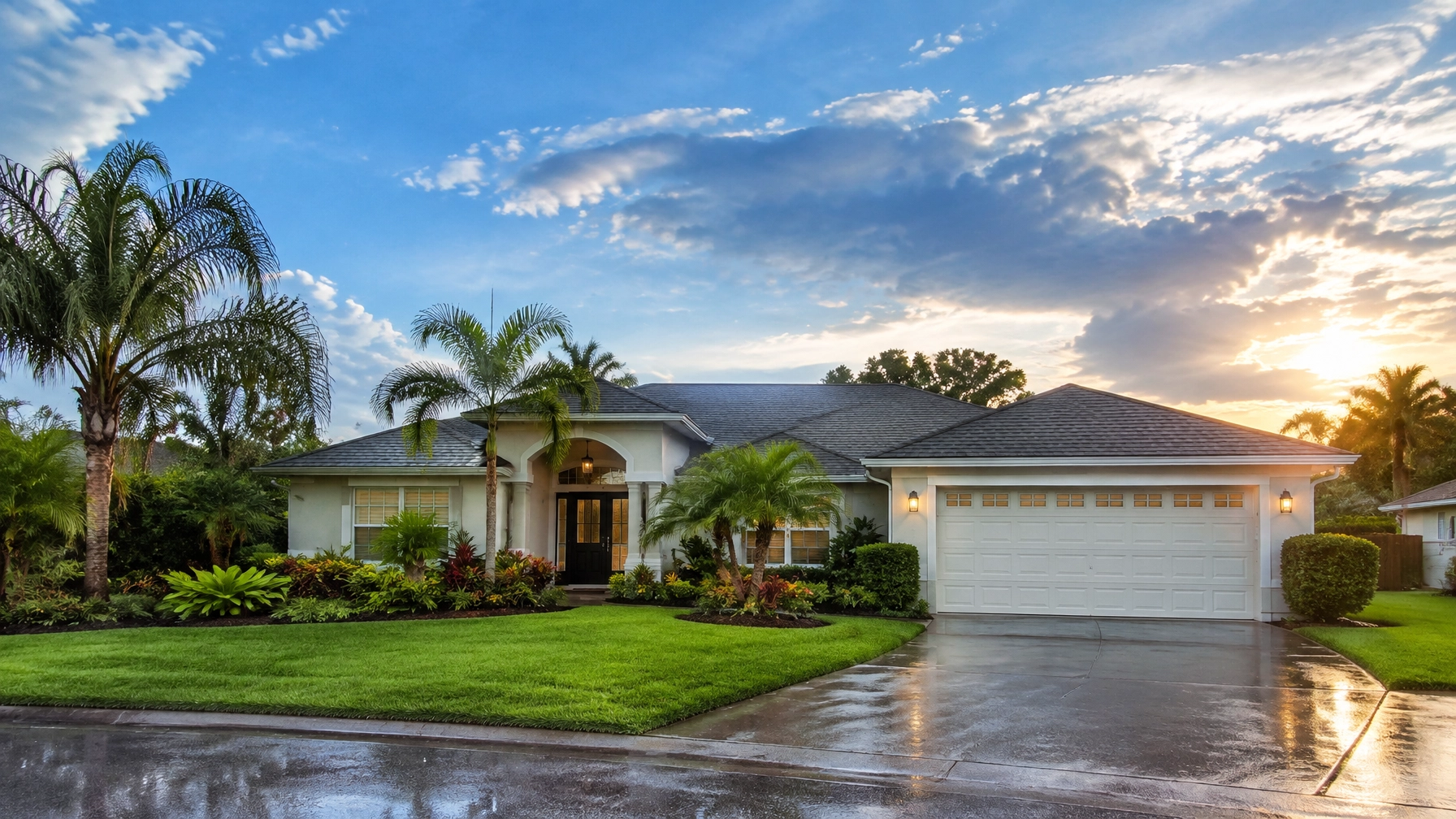
    2026 Charlotte Roof Replacement Cost by Material

    The table below assumes a typical 2,000-square-foot roof with tear-off, standard installation, underlayment, flashing, ventilation components, and normal job-site access.

    Roofing material 2026 installed cost per square Estimated total for 20 squares Best fit
    3-tab asphalt (Budget) $425–$575 $8,500–$11,500 Basic replacement with the lowest upfront cost
    Architectural asphalt (Popular) $525–$775 $10,500–$15,500 Most Charlotte homeowners
    Class 4 impact-resistant shingles (Hail-ready) $625–$900 $12,500–$18,000 Homes exposed to recurring hail
    Standing-seam metal (Premium) $1,200–$1,800 $24,000–$36,000+ Long service life and modern curb appeal

    These are planning ranges, not guaranteed bids. Roof pitch, valleys, dormers, skylights, chimney flashing, access, and damaged decking can move the final price substantially.

    A general roof cost calculator can provide a broad starting point. Satellite measurement is more useful because it accounts for your actual roof size and shape instead of relying only on living-area square footage.

    Why 2026 Prices Are Moving Higher

    Asphalt shingles: a projected 4%–8% increase

    Asphalt remains the most common roofing material in Charlotte, but homeowners should expect a 4%–8% cost increase in 2026 compared with recent pricing.

    The increase can affect:

    • Shingle manufacturing and delivery
    • Underlayment and flashing components
    • Labor and insurance costs
    • Storm-season demand
    • Tear-off and disposal charges

    Architectural shingles remain the practical middle ground. They provide better appearance and weather resistance than 3-tab shingles without the cost of metal.

    Metal roofing: Section 232 tariff pressure

    Standing-seam metal has a higher price range because it uses more expensive panels, specialized labor, trim, clips, and flashing. In 2026, Section 232 tariffs on covered steel and aluminum products add another pricing variable.

    The effect depends on:

    • Whether the panels use domestic or imported coil
    • Steel or aluminum composition
    • Panel thickness and gauge
    • Finish and coating
    • Manufacturer and supplier
    • Current inventory

    For a 2,000-square-foot roof, the tariff impact may not appear as a simple 50% increase to the final invoice. Labor and installation remain a major part of the project. However, imported or tariff-sensitive panels can increase the material portion and push a standing-seam quote toward the upper end of the range.

    Ask for the panel manufacturer, gauge, coating, and sourcing information in writing before comparing metal bids.

    Charlotte ranch home with new architectural shingles

    Charlotte’s Piedmont Climate Creates Specific Roofing Risks

    Charlotte’s humid subtropical Piedmont climate is hard on roofing systems. Summers bring intense heat, high humidity, and ultraviolet exposure. Spring through early fall brings frequent thunderstorms, damaging wind, and hail.

    Common local roof concerns include:

    • Piedmont heat and humidity: Accelerates shingle aging and stresses flashing.
    • Hail season: Hail can bruise asphalt shingles and dent metal panels.
    • Thunderstorm winds: Can lift shingles, damage ridge caps, and loosen flashing.
    • Pine and fungal growth: Nearby trees, shade, moisture, and falling needles encourage algae, moss, and fungal growth.
    • Heavy rain: Exposes weak valleys, pipe boots, chimney flashing, and inadequate ventilation.

    Charlotte-area storm activity in 2026 included reported or mapped events on June 26, July 28, August 6, August 13, and August 28. The June 26 event included hail reported or estimated near 1.75 inches in parts of the area. Localized storm intensity varies by neighborhood, so a roof in Steele Creek may experience different conditions from one near University City or Matthews.

    After a major storm, inspect from the ground for:

    • Missing or lifted shingles
    • Circular granule-loss marks
    • Cracked ridge caps
    • Dented vents, gutters, and flashing
    • Exposed underlayment
    • Ceiling stains or attic moisture

    Do not climb onto the roof yourself. A professional inspection can document damage safely.

    Mecklenburg County Permit Rules in 2026

    Mecklenburg County’s roof permit rules depend on the project scope, value, and whether the replacement is like-for-like.

    Generally, no permit is needed for a like-for-like replacement of roof covering under $40,000 when:

    • The home is a single-family residence
    • The new covering has the same general fire classification
    • There are no structural changes
    • The work does not add a new roof area
    • The project does not involve major decking, rafter, or truss replacement

    A permit is required when:

    • The project exceeds $40,000
    • Decking or sheathing replacement is substantial
    • Rafters, trusses, or other structural framing are replaced
    • The roof design or slope changes
    • A new roof area is added
    • The assembly or fire classification changes

    When a permit is required, applications are handled through the Accela Citizen Access portal. If your contractor discovers extensive rot or structural damage after tear-off, confirm whether the scope now requires a permit.

    Because permit interpretations can change, verify the exact scope with Mecklenburg County Code Enforcement before work begins.

    North Carolina Licensing and Insurance-Claim Rules

    For projects of $30,000 or more, confirm that the contractor holds the appropriate North Carolina Licensing Board for General Contractors license and roofing classification. You can verify credentials through the NCLBGC license search.

    Also ask for current:

    • General liability insurance
    • Workers’ compensation coverage
    • Written workmanship warranty
    • Manufacturer installation warranty
    • References for recent Charlotte projects

    If an insurance-funded residential roof contract is denied in whole or in part, North Carolina homeowners have a five-business-day right to cancel after receiving the denial. During that period, the contractor generally cannot begin work or collect payment, except for documented emergency services needed to prevent further damage.

    North Carolina also prohibits contractors from waiving, rebating, or “covering” your insurance deductible. Treat promises such as “you pay nothing” or “we will absorb your deductible” as serious warning signs.

    Insurance Tips: RCV, ACV, Deductibles, and Class 4 Discounts

    Before filing a hail claim, review your declarations page and roof endorsements.

    RCV versus ACV

    • Replacement Cost Value (RCV): Usually pays the current cost to replace with similar materials, subject to your deductible and policy limits.
    • Actual Cash Value (ACV): Deducts depreciation based on the roof’s age and condition.

    Some North Carolina policies settle roof surfacing losses on an ACV basis, even when other portions of the dwelling use replacement-cost coverage.

    Check your wind and hail deductible

    Your policy may include a separate percentage-based wind or hail deductible. A 1% deductible on $400,000 of dwelling coverage equals $4,000. A 2% deductible equals $8,000.

    Ask about Class 4 discounts

    Class 4 impact-resistant shingles are tested for improved resistance to hail impacts. Some insurers offer premium discounts for qualifying materials or broader mitigation measures, including FORTIFIED construction.

    A discount does not automatically change ACV coverage to RCV. Confirm both items separately with your insurance agent.

    Modern Charlotte home with premium standing-seam metal roof

    Which Roof Is Best for Charlotte Home Value?

    Charlotte’s 2026 median home value or sale-price benchmarks generally fall around $415,000–$440,000, depending on whether you are comparing the broader region, city-only sales, or a specific neighborhood.

    Roof replacement commonly returns about 60%–68% of its cost at resale. The return is strongest when the existing roof is visibly worn, near the end of its service life, or likely to trigger buyer negotiations.

    For most homes, the best value choice is:

    1. Architectural shingles for broad buyer appeal and manageable cost
    2. Class 4 shingles when hail exposure and insurance savings matter
    3. Standing-seam metal for premium homes, long-term ownership, and modern designs

    A premium roof does not always produce a premium resale return. Match the material to the home’s architecture, neighborhood, remaining ownership period, and insurance requirements.

    Practical Charlotte Roof Budgeting Tips

    • Measure the roof before comparing bids. Roof area is not the same as interior living area.
    • Build a 10%–15% contingency for damaged decking, flashing, or ventilation corrections.
    • Get tear-off and disposal costs listed separately.
    • Request shingle brand, product line, wind rating, and impact rating.
    • Ask whether the quote includes permits, inspections, ridge vents, pipe boots, and flashing.
    • Compare at least three written estimates.
    • Avoid choosing solely on the lowest price.
    • Confirm whether the contractor is licensed and insured for the project.
    • Review ACV, RCV, roof-age limits, and wind/hail deductibles before filing a claim.
    • Never accept a deductible-waiver offer.
    • Trim overhanging pine branches and improve attic ventilation before replacement.
    • Schedule early when possible; Charlotte roofers become busy after major hail events.

    Charlotte Piedmont home with hail-ready impact-resistant shingles

    Get a Free Charlotte Roof Estimate in 60 Seconds

    You do not need to wait for several contractor appointments to get a reliable planning number.

    Get My Roof Estimate Now uses satellite imagery to measure your roof and estimate replacement cost based on size, pitch, complexity, material, and regional pricing. Results are typically 90%–95% accurate, with measurements accurate to within inches.

    The estimate is free, requires no credit card, and takes about 60 seconds. Once you understand your likely budget, you can compare material options and connect with verified, licensed, and insured local roofing contractors.

    Pricing and regulatory information is provided for general planning and may change. Confirm permit, licensing, insurance, and contract requirements for your specific Charlotte property before beginning work.

  • Daily FAQ Blitz – Slot 8: AEO FAQ Quick Answers for Richmond, VA Homeowners (2026)

    Daily FAQ Blitz – Slot 8: AEO FAQ Quick Answers for Richmond, VA Homeowners (2026)

    Richmond homeowners often have questions about roof costs, permits, insurance, and resale value. These quick answers cover the City of Richmond, Henrico County, and Chesterfield County, including 2026 pricing and local historic-district considerations.

    1. What does AEO mean for Richmond roofing?

    AEO means Authorized Economic Operator, a customs and international-trade designation: not a roofing credential.

    When hiring a Richmond roofer, verify:

    • An active Virginia DPOR contractor license
    • The ROC roofing specialty
    • General liability and workers’ compensation insurance
    • A written scope of work and warranty
    • Local references from Richmond, Henrico, or Chesterfield projects

    You can verify license details through the Virginia DPOR License Lookup.

    2. How much does a new roof cost in Richmond in 2026?

    For a typical 2,000-square-foot home, expect $7,500–$14,500 installed. Material pricing commonly falls into these ranges:

    • 3-tab shingles (Budget): $3.25–$4.25 per square foot
    • Architectural shingles (Popular): $4.25–$6.25
    • Standing-seam metal (Premium): $8.75–$13.50
    • Synthetic slate: $8–$12
    • Natural slate (Historic/Premium): $15–$30

    Historic-district homes requiring natural slate can reach $20,000–$40,000 or more. Asphalt prices rose approximately 4%–8% early in 2026, with another increase on June 1. Steel and aluminum tariffs are also affecting metal-roof pricing.

    For a property-specific number, use the roof cost calculator.

    Fresh architectural shingle roof on a Richmond Virginia ranch home

    3. Does Richmond require a roofing permit?

    Yes. The City of Richmond generally requires a building permit through its Online Permit Portal, using application PDR02B. Typical fees are $100–$275.

    Henrico and Chesterfield use separate systems, with common permit costs around $75–$250.

    Homes in historic districts: including The Fan, Church Hill, Oregon Hill, and Jackson Ward: may also need a Certificate of Appropriateness from the Commission of Architectural Review. Plan for an additional 2–6 weeks when CAR review is required. Confirm requirements through Richmond’s permit forms page.

    Historic Richmond rowhouse with a period-appropriate slate roof

    4. What license does a Richmond roofer need?

    A Richmond roofer should hold a Virginia DPOR Class A, B, or C contractor license, depending on the contract value, with the ROC roofing specialty classification.

    Before signing, confirm the license is active and check its classification and disciplinary history through DPOR.

    5. How does roof age affect Virginia insurance?

    Virginia wind and hail deductibles commonly equal 1%–5% of dwelling coverage. Class 4 impact-resistant shingles may qualify for roughly 5%–28% premium discounts, depending on the insurer.

    Recent 2026 storms included wind and tree damage in Tuckahoe and Henrico’s West End on August 7, nearly 3-inch hail on August 14, widespread outages on August 16, and quarter-size hail with 60-mph gusts on August 20.

    Starting January 1, 2027, Virginia law restricts insurers from canceling or non-renewing owner-occupied policies solely because an asphalt roof is under 15 years old: or because an authorized inspection confirms at least five years of useful life. Review the Virginia Code update with your insurance agent.

    Modern Richmond home with a standing-seam metal roof

    6. What is the best roof for home value in Richmond?

    For most homes, architectural shingles (Popular) offer the best balance of cost, appearance, algae resistance, and storm performance. Class 4 shingles are worth considering in Richmond’s humid, storm-prone climate.

    Asphalt replacement typically recovers about 60%–70% at resale. Metal roofing may recover up to 80%. In The Fan, Museum District, and Church Hill, period-appropriate slate or synthetic slate can better protect historic appeal.

    For context, August 2026 median prices were approximately:

    • Richmond citywide: $392,500
    • The Fan: $565,000–$595,000
    • Museum District: $512,000–$535,000
    • Church Hill: $320,000–$438,000

    Get a Richmond Roof Estimate in 60 Seconds

    Get a free, satellite-powered estimate based on your roof’s size, pitch, complexity, material, and local pricing. No contractor visit or credit card is required.

    Get your Richmond roof estimate now.

  • Daily FAQ Blitz – Slot 1: AEO FAQ Quick Answers for Augusta, GA Homeowners (2026)

    Daily FAQ Blitz – Slot 1: AEO FAQ Quick Answers for Augusta, GA Homeowners (2026)

    For most Augusta, GA homeowners, a 2,000-square-foot home costs approximately $8,500–$13,000 to reroof with architectural asphalt shingles in 2026. Across materials and roof designs, full replacement pricing commonly falls between $4.50 and $18 per square foot, with many complete projects landing between $12,000 and $32,000.

    These ranges apply across Augusta-Richmond County and the CSRA, including ZIP codes 30901, 30904, 30906, 30907, and 30909. Your actual cost depends on roof size, pitch, complexity, tear-off requirements, material, labor, permits, and hidden decking damage.

    Augusta Roof Replacement: Quick Cost Table

    Roofing option Typical installed price Planning category
    3-tab asphalt shingles Lower end of market Budget
    Architectural shingles About $2.99–$10 per sq. ft. Popular
    Standing-seam metal About $6.99–$16 per sq. ft.; often $18,000–$28,000 total Premium
    Synthetic roofing or coatings Varies by system and substrate Premium

    Roofers price projects in squares. One roofing square equals 100 square feet. A home advertised as 2,000 square feet of living space may have more than 2,000 square feet of actual roof surface because of pitch, overhangs, garages, porches, and multiple roof sections.

    1. How much does a new roof cost in Augusta, GA, in 2026?

    A typical architectural shingle replacement for a 2,000-square-foot Augusta home costs approximately $8,500–$13,000.

    A broader project budget is:

    • $12,000–$18,000: Architectural shingles with moderate roof complexity
    • $18,000–$28,000: Standing-seam metal roofing (Premium)
    • $20,000–$32,000 or more: Larger, steep, complex, or premium-material roofs

    A final contractor quote may increase if the project includes multiple tear-off layers, rotted decking, chimney flashing, skylights, difficult access, or extensive ventilation work.

    For an additional planning benchmark, use the roof cost calculator, then compare it with an address-specific satellite estimate.

    2. What is the best roofing material for Augusta’s climate?

    For most homeowners, architectural asphalt shingles are the best value (Popular). Augusta has a humid subtropical climate with intense summer heat, humidity, heavy rain, algae growth, and occasional hail and wind.

    Typical service lives are:

    • 3-tab shingles: 12–18 years
    • Architectural shingles: 20–25+ years
    • Standing-seam metal: 40–70+ years

    Basic shingles can become brittle faster under repeated heat exposure. Shaded, humid roof sections may also develop dark algae streaks caused by Gloeocapsa magma.

    Choose architectural shingles if you want:

    • Lower upfront cost
    • Broad color and style selection
    • Strong resale appeal
    • A practical 20–25-year planning horizon

    Choose standing-seam metal (Premium) if you expect to remain in the home long term, want higher wind resistance, prefer energy-efficient reflectivity, and can justify the larger upfront investment.

    Standing-seam metal roof on a Southern Colonial home in Augusta, Georgia

    3. Do I need a permit to replace my roof in Augusta?

    Yes. Roof replacement in Augusta-Richmond County generally requires a building permit. Augusta-Richmond County operates as a consolidated city-county government.

    The permit process typically includes:

    • Application through the Augusta building permits department
    • Submission through the CityView portal
    • A residential roof/general repair permit fee listed at $125
    • Required inspections
    • A final inspection after completion

    The current Augusta fee schedule also lists valuation-based permit fees for certain repair and roofing classifications. Ask the city or your contractor which fee category applies.

    The roof system should also include required code details, including drip edge at all eaves and rakes. If the property is in a historic district, a Certificate of Appropriateness from Planning & Zoning may be required before exterior work begins.

    4. Does Georgia require a roofing contractor license?

    Georgia does not issue a separate state license labeled “roofing contractor.” However, residential construction work over $2,500 generally requires an appropriate license from the State Licensing Board for Residential and General Contractors.

    Look for one of these classifications:

    • Residential-Basic Contractor
    • Residential-Light Commercial Contractor
    • General Contractor

    Verify the contractor through the Georgia Secretary of State’s professional licensing information or the GOALS licensing portal.

    Also request:

    • General liability insurance
    • Workers’ compensation coverage
    • Recent local references
    • A written, itemized estimate
    • Permit responsibility in writing

    5. Will homeowners insurance pay for an Augusta roof replacement?

    Insurance may cover sudden damage from a covered event, such as wind, hail, or falling trees. It usually does not cover normal aging, algae, poor maintenance, or gradual deterioration.

    Review these policy details before filing:

    • Wind and hail deductible, often percentage-based
    • Actual cash value versus replacement cost coverage
    • Age-based roof schedules
    • Recoverable depreciation deadlines
    • Exclusions for cosmetic damage
    • Matching provisions, which depend on policy language

    Many insurers move older roofs: commonly around 15–20 years old: to actual cash value, reducing claim payments for depreciation. If your policy pays recoverable depreciation, you may need to complete the replacement within a deadline often ranging from 6–12 months.

    Georgia has no broad statutory roof-matching law. Whether an insurer must replace adjoining or visually matching materials depends mainly on your policy.

    6. Can a storm-damaged roof qualify for an insurance discount?

    As of January 1, 2026, Georgia law requires insurers to offer premium discounts or rate reductions for qualifying wind and hail mitigation measures under the state’s HB 279 framework, including FORTIFIED and other approved standards.

    Potential savings depend on the insurer and documentation. Some carriers may offer approximately 5%–30% off the wind/hail portion for approved measures, including certain Class 4 UL 2218 impact-resistant shingles. Do not assume the discount is automatic.

    Request:

    • Manufacturer impact-resistance documentation
    • Product invoice
    • Contractor completion certificate
    • FORTIFIED certification, if applicable
    • Written confirmation from your insurance carrier

    A certified FORTIFIED roof involves more than shingle selection. It may include enhanced fastening, sealed roof decking, stronger edge details, and verified installation procedures.

    7. How did recent storms affect Augusta roofing demand?

    Augusta’s storm exposure is not theoretical. Hurricane Helene affected the CSRA on September 27, 2024, with reported deaths across Richmond, Columbia, and McDuffie counties, hundreds of buildings destroyed, thousands with major damage, and severe urban tree-canopy loss.

    The region also experienced reported 2026 hail and severe-weather events around:

    • August 14
    • August 16
    • August 20
    • August 27

    A homeowner should not rely only on a storm date. Document the property-specific evidence:

    • Missing or lifted shingles
    • Granule loss
    • Dented vents, gutters, and flashing
    • Bruised shingles
    • Fallen limbs or debris
    • Interior water stains

    Do not climb onto the roof after a storm. Photograph damage from the ground and arrange a qualified inspection.

    New architectural shingle roof with clean edges on a Georgia suburban home

    8. Is a new roof a good resale investment in Augusta?

    A new roof is one of the more useful exterior upgrades when selling a home. It can:

    • Reduce inspection objections
    • Avoid buyer repair concessions
    • Improve curb appeal
    • Support smoother lender and insurance reviews
    • Give buyers confidence in the property

    Architectural shingles are usually the best choice for homeowners planning to sell within 5–7 years. They deliver strong visual improvement without the cost of a premium metal system.

    Metal roofing may provide better long-term value for owners planning to remain in the home for decades. The return depends on installation quality, roof condition, local buyer expectations, and the material’s remaining service life.

    9. Can I get an accurate roof estimate without a contractor visit?

    Yes. Start with the free satellite roof estimate.

    The process is simple:

    1. Enter your Augusta property address.
    2. Confirm the satellite view.
    3. Receive low, middle, and high replacement ranges.
    4. Compare material options.
    5. Connect with verified, licensed, and insured local contractors if needed.

    The system measures roof size, pitch, and complexity from satellite imagery with approximately 90%–95% accuracy, often within inches for roof dimensions. Results take about 60 seconds, require no credit card, and do not require an upfront contractor visit.

    The estimate is a planning tool, not a substitute for an in-person inspection when there is storm damage, suspected structural deterioration, or an active insurance claim.

    Oblique aerial view of a recently replaced residential roof in Augusta, Georgia

    10. What should Augusta homeowners do first?

    Use this short checklist:

    • Check the roof’s approximate age.
    • Look for missing shingles, granules, algae, sagging, or ceiling stains.
    • Review your insurance deductible and roof settlement terms.
    • Get an instant, address-specific estimate.
    • Confirm permit and inspection requirements.
    • Verify contractor licensing and insurance.
    • Compare at least two or three written proposals.
    • Keep material invoices and completion documents for insurance and resale records.

    For a fast starting point, enter your address at Get My Roof Estimate Now. You can see a free Augusta-area replacement range in approximately 60 seconds: without a credit card or an initial contractor visit.

    Categories: Augusta GA, Georgia Roof Replacement, Roofing Costs, Permits, Insurance, Storm Protection, AEO FAQ

    Tags: Augusta GA, Richmond County roofing, CSRA roof replacement, ZIP 30901, ZIP 30904, ZIP 30906, ZIP 30907, ZIP 30909, Georgia roofing costs, roof permits, hail damage, FORTIFIED roof, architectural shingles, metal roofing

  • Daily FAQ Blitz – Slot 2: AEO FAQ Quick Answers for Myrtle Beach, SC Homeowners (2026)

    Daily FAQ Blitz – Slot 2: AEO FAQ Quick Answers for Myrtle Beach, SC Homeowners (2026)

    Myrtle Beach and the Grand Strand, including North Myrtle Beach, Surfside Beach, Conway, Garden City, Little River, Carolina Forest, Socastee, Murrells Inlet, and Pawleys Island, have demanding roofing conditions.

    Salt air, intense UV exposure, humidity, tropical moisture, wind, and hail can shorten roof life and increase replacement costs. Local permits, high-wind installation standards, contractor licensing, and insurance deductibles also affect your project.

    Here are seven quick answers for Horry County homeowners planning a roof replacement in 2026.

    1. How much does a roof replacement cost in Myrtle Beach in 2026?

    A typical Myrtle Beach roof replacement costs $10,500–$16,500 for a 2,000–2,500 square-foot roof using architectural shingles.

    Typical material pricing includes:

    • Architectural shingles (Popular): $350–$668 per roofing square
    • Standing-seam metal (Premium): $1,000–$1,855 per square
    • Standing-seam metal roof total: commonly $20,000–$40,000 or more

    One roofing square equals 100 square feet of roof area. Your final price depends on more than house size. Roof pitch, valleys, dormers, flashing, access, tear-off layers, decking damage, permit requirements, and coastal wind specifications can all change the estimate.

    For a local benchmark, see our Myrtle Beach roof estimate page or use the roof cost calculator.

    Recently completed architectural shingle roof on a Myrtle Beach area ranch home

    2. Do I need a permit to replace my roof in Myrtle Beach?

    Yes. Horry County and the City of Myrtle Beach require a building permit for all roof replacements.

    Myrtle Beach and coastal Horry County are generally treated as Wind Zone III, with design requirements in the approximate 130–150 mph range. A compliant roof replacement may include:

    • A six-nail shingle pattern
    • Reinforced roof-to-wall connections
    • A self-adhering secondary water barrier
    • Wind-rated shingles, fasteners, and roof assemblies
    • Proper starter strips, flashing, and edge details

    Inspections commonly cover:

    1. Roof deck condition and repairs
    2. Underlayment or secondary water barrier
    3. Final roof installation

    The correct permitting office depends on the property location. Homes inside city limits should use the City of Myrtle Beach Construction Services Department. Properties in unincorporated Horry County should use Horry County Code Enforcement.

    Your roofing contractor should pull the permit and provide the permit number before work begins.

    3. What license should a Myrtle Beach roofing contractor have in South Carolina?

    For residential roofing work, look for a South Carolina LLR Residential Specialty Contractor registration through the Residential Builders Commission.

    The registration should include the Roofing or Roofer classification. This classification covers the installation, alteration, and repair of weather-resistant roofing surfaces, including flashing, valleys, and related roof accessories.

    For larger commercial work, projects over $5,000 may require a specialty contractor license through the Contractor’s Licensing Board.

    Before signing a contract:

    • Ask for the contractor’s South Carolina license number.
    • Confirm the business name matches the license record.
    • Check that the license is active.
    • Verify the roofing classification.
    • Request proof of general liability and workers’ compensation insurance.

    Use the official South Carolina LLR Residential Specialty Contractor page and LLR license verification portal.

    Premium standing-seam metal roof on a modern coastal South Carolina home

    4. How do hurricane, wind, hail, and roof age affect insurance?

    Myrtle Beach homeowners should check their policy before a storm occurs. South Carolina coastal policies commonly include a separate named-storm deductible of 2%–5% of dwelling coverage.

    For example, a home with $300,000 in dwelling coverage could have:

    • 2% named-storm deductible: $6,000
    • 5% named-storm deductible: $15,000

    Wind and hail events that are not tied to a named storm may use a standard flat deductible, often around $1,000–$5,000, depending on the policy.

    Also check whether your roof is covered under:

    • Replacement Cost Value (RCV): Pays the cost to replace the roof with similar materials, minus the deductible and subject to policy limits.
    • Actual Cash Value (ACV): Deducts depreciation for age and wear before payment.

    Once an asphalt roof reaches roughly 10–15 years old, insurers may limit coverage, apply an age-based schedule, or shift the roof toward ACV treatment. Review your declarations page and ask your insurance agent:

    • What deductible applies to named storms?
    • Is wind or hail coverage separate?
    • Is my roof covered at RCV or ACV?
    • Does the policy provide a mitigation credit for impact-resistant or FORTIFIED construction?

    The South Carolina Department of Insurance post-disaster claims guide provides additional claims guidance.

    5. How long does a roof last near Myrtle Beach?

    Coastal exposure can shorten asphalt roof life compared with inland areas. Salt air, UV radiation, humidity, heavy rain, and tropical weather all increase wear.

    Approximate Myrtle Beach-area service life:

    • 3-tab shingles: 12–18 years
    • Architectural shingles: 18–25 years
    • Impact-resistant shingles: 25–35 years
    • Standing-seam metal: 40–70 years or more

    Ventilation, installation quality, roof slope, tree cover, storm exposure, and maintenance also matter.

    Look for warning signs such as missing shingles, exposed fasteners, lifted flashing, granule loss, ceiling stains, sagging decking, or shingle pieces in gutters. A roof that is 15–20 years old deserves a closer evaluation, especially before hurricane season or listing your home for sale.

    Aerial-oblique view of a clean new shingle roof in a coastal suburban neighborhood

    6. Does a new roof improve resale value or insurance costs?

    A new roof can improve both marketability and long-term ownership costs.

    For a Myrtle Beach homeowner, a new roof may:

    • Add approximately $10,200 or more in resale value, depending on project scope and market conditions.
    • Help reduce buyer concerns about inspections, leaks, and near-term replacement.
    • Support insurance premium discounts of up to 15%–35%, depending on the insurer, roof material, age, and storm-resistance features.
    • Qualify for additional coastal mitigation consideration when built to IBHS FORTIFIED standards.

    Insurance savings are not automatic. Ask your carrier what documentation is required, such as a roof certificate, mitigation inspection, impact-resistance rating, or FORTIFIED designation.

    A new roof is not just a cosmetic upgrade. It can reduce storm exposure, improve buyer confidence, and make your home easier to insure.

    7. Can I get a Myrtle Beach roof estimate without a contractor visit?

    Yes. Get My Roof Estimate Now provides a free, instant estimate using satellite imagery.

    Enter your property address and receive results in approximately 60 seconds. The system uses satellite-powered measurements to evaluate roof size, pitch, and complexity with approximately 90%–95% accuracy, often within inches.

    You receive:

    • A free estimate with no credit card required
    • Low, middle, and high price ranges
    • Material options such as architectural shingles, metal, synthetic roofing, and coatings
    • Pricing adjusted for regional conditions
    • Roof measurements in squares
    • A connection to verified, licensed, and insured local contractors

    The estimate is a planning tool: not a final construction contract. A contractor will still need to confirm decking, flashing, ventilation, code requirements, and hidden damage before work begins.

    Get Your Myrtle Beach Roof Estimate in 60 Seconds

    Whether you live in Myrtle Beach, North Myrtle Beach, Surfside Beach, Conway, Carolina Forest, Socastee, Murrells Inlet, or elsewhere along the Grand Strand, start with accurate information.

    Get your free Myrtle Beach roof replacement estimate using satellite imagery. No appointment, no credit card, and no pressure: just a fast way to understand your likely 2026 roofing budget.

  • Daily Weather Blitz – Slot 2: Tampa, FL : September 12, 2026: Afternoon Storms With Isolated Flooding Risk, Low-90s Heat & What Florida’s Hurricane-Season Climate and 2026 Building Code Mean for Your Roof

    Daily Weather Blitz – Slot 2: Tampa, FL : September 12, 2026: Afternoon Storms With Isolated Flooding Risk, Low-90s Heat & What Florida’s Hurricane-Season Climate and 2026 Building Code Mean for Your Roof

    Tampa Bay homeowners should expect a hot, humid Saturday with scattered to numerous afternoon and evening thunderstorms. Heavy downpours may cause isolated flooding in low-lying neighborhoods and areas with poor drainage.

    The bigger roofing lesson is practical: even a quiet tropical outlook does not eliminate Florida’s year-round roof stress. Heat, humidity, wind-driven rain, salt air, algae, and sudden microbursts continue to test roofing systems across Tampa, St. Petersburg, Clearwater, Brandon, Riverview, and nearby communities.

    If your roof is approaching 15 to 20 years old, now is a good time to review its condition, understand 2026 code requirements, and plan replacement costs before the next major weather event.

    Tampa Weather Snapshot: Saturday, September 12, 2026

    The National Weather Service Tampa Bay office is forecasting a typical late-summer Florida pattern:

    Time period Expected conditions Roofing concern
    Saturday afternoon Scattered to numerous thunderstorms, high near 91°F Gusty winds, lightning, heavy rain
    Saturday evening Storms gradually weaken, but downpours remain possible Localized ponding and gutter overflow
    Overnight Mainly dry after storms diminish, lows in the mid-70s Roof surfaces remain hot and humid
    Sunday Drier but hotter Continued UV and thermal stress
    Early next week Highs approaching the mid-90s; heat index possibly 100–105°F Rapid expansion and contraction of roofing materials

    Isolated flooding is most likely where drainage is already limited. A roof does not need to leak during a hurricane for water damage to begin. One clogged gutter, damaged flashing detail, or lifted shingle can allow intense rainfall into the attic or wall system.

    Tropical outlook

    The 2026 Atlantic hurricane season has been unusually quiet so far, with strong El Niño-related wind shear limiting tropical development. No hurricanes have formed, and no significant tropical activity is expected in the next seven days.

    That is helpful: but not a reason to lower your guard. Late-season storms can still develop closer to the U.S. coast. Your roof should remain hurricane-ready through the end of the season.

    Why Tampa Weather Is Hard on Roofing

    Tampa roofs face several stresses at the same time:

    • Afternoon microbursts: Thunderstorms can produce sudden, localized gusts.
    • Wind-driven rain: Rain can enter behind poorly installed flashing, vents, and wall transitions.
    • Salt air: Coastal communities accelerate corrosion of exposed fasteners and metal connectors.
    • High humidity: Moisture supports algae, staining, wood decay, and attic condensation.
    • UV exposure: Strong sun gradually weakens asphalt binders and fades roof surfaces.
    • Thermal cycling: Roofing materials repeatedly expand during the day and contract overnight.
    • Heavy rainfall: Gutters and downspouts can overflow when undersized, clogged, or poorly directed.

    No roofing system is completely stormproof. However, a properly designed and installed system can significantly reduce wind and water intrusion risks.

    New architectural shingle roof on a Tampa-area home with clean flashing and strong curb appeal

    What the 2026 Florida Building Code Means for a Roof Replacement

    Florida’s 9th Edition Florida Building Code took effect on January 1, 2026. Homeowners planning a full reroof should discuss the following requirements with a licensed contractor and local building department.

    1. Sealed roof deck

    For full reroofing projects, the roof deck must use a statewide code-compliant secondary water barrier. A common approach is an FBC-approved self-adhering underlayment covering 100% of the roof deck.

    This layer is installed beneath the visible roof covering. If shingles or panels are damaged or lost, the sealed deck helps reduce water entry into the home.

    Ask your contractor:

    • Which self-adhering underlayment will be used?
    • Is it approved for the specific roof assembly?
    • How will laps, seams, hips, ridges, valleys, and penetrations be sealed?
    • Will the installation follow both manufacturer and code requirements?

    2. The 25% replacement threshold

    Florida’s 25% rule is frequently misunderstood. When repair or replacement work exceeds 25% of the total roof area within the applicable period, the work must meet current code requirements. Depending on the home and project, that may include:

    • A sealed roof deck or secondary water barrier
    • Current roof-covering and fastening requirements
    • Attic insulation or energy-code upgrades, potentially including R-20 requirements
    • Improved roof-to-wall connections
    • Updated flashing and edge details

    The threshold does not automatically mean every remaining section of every roof must be removed. The exact application depends on the roof’s age, prior code compliance, permit history, project scope, and local interpretation. Get the requirements in writing before signing a contract.

    3. Corrosion-resistant fasteners

    The 2026 code adds specific corrosion-resistance requirements for fasteners and connectors exposed to saltwater environments. This is especially relevant near Tampa Bay, the Gulf Coast, and other coastal areas.

    Your contractor should identify the appropriate nails, screws, clips, straps, and metal components for the home’s exposure conditions.

    My Safe Florida Home: Potential Help With Mitigation Costs

    The My Safe Florida Home program provides eligible Florida homeowners with hurricane-mitigation inspections and potential grants for approved improvements.

    Matching grants may provide $2 for every $1 contributed by the homeowner, with a state contribution of up to $10,000, subject to program rules and available funding. Eligible low-income homeowners may qualify for grants without the normal matching requirement.

    Roof-related improvements can include:

    • Upgrading the roof covering
    • Strengthening roof deck attachment
    • Improving roof-to-wall connections
    • Installing a secondary water barrier

    Eligibility is not automatic. Common requirements include an owner-occupied, homesteaded single-family home, an original construction permit dated before January 1, 2008, and an insured value of $700,000 or less. Start with the official program rather than a third-party application website.

    Storm-Ready Roofing Features to Discuss With a Contractor

    A Tampa roofing estimate should address the complete system: not just the visible shingles.

    Roof covering

    Choose shingles or panels with a wind rating appropriate for the home and local requirements. Impact-resistant shingles may also be worth considering if your area experiences frequent debris damage.

    Fastening

    Ask whether the installation includes:

    • Ring-shank or otherwise code-approved nails
    • Correct nail length and penetration
    • Enhanced perimeter fastening
    • Proper fastening around ridges, hips, valleys, and edges
    • Manufacturer-required fastening patterns

    Roof-to-wall connections

    Hurricane clips, straps, or wraps can strengthen the connection between the roof framing and exterior walls. A contractor should determine whether these improvements are accessible and appropriate for your home.

    Flashing and penetrations

    Flashing is a common failure point. Review the details around:

    • Chimneys
    • Skylights
    • Plumbing vents
    • Wall intersections
    • Valleys
    • Dormers
    • Roof-to-porch transitions

    Gutters and drainage

    A new roof cannot compensate for poor drainage. Clean and properly sized gutters should move water away from the roof edge and foundation. Downspouts may need extensions, splash blocks, or connection to an approved drainage system.

    Attic ventilation

    Balanced intake and exhaust ventilation helps manage heat and moisture. The 2026 code emphasizes that attic ventilation requires both intake and exhaust unless the assembly is designed as an approved unvented system.

    Modern Florida home with a standing-seam metal roof, gutters, and downspouts directing water away from the foundation

    Tampa Roof Replacement Planning Costs for 2026

    The most useful comparison is price per square. One roofing square equals 100 square feet of roof area.

    These are planning ranges, not quotes. Your final price will depend on measured roof size, pitch, complexity, tear-off, decking, permits, access, material grade, code upgrades, and contractor availability.

    Material Typical installed cost per square Common total project range for a mid-size Tampa roof
    Architectural shingles (Popular) $450–$750 $12,000–$20,000
    Standing-seam metal (Premium) $1,000–$1,600 $22,000–$38,000+

    For a complex roof with multiple valleys, steep sections, damaged decking, or extensive code upgrades, the total can exceed these ranges.

    Roof replacement ROI and home value

    A roof replacement can support more than weather protection. It may also improve:

    • Buyer confidence
    • Inspection results
    • Insurance documentation
    • Energy comfort
    • Roof curb appeal home value
    • Resale marketability

    The best roof for home value is not always the most expensive material. For many Tampa homes, a well-installed architectural shingle system offers the best balance of price, appearance, wind performance, and buyer familiarity. Standing-seam metal may provide stronger long-term durability and distinctive curb appeal, but its higher upfront cost should match your budget, ownership timeline, and neighborhood style.

    A clean, proportional roof with good ventilation, visible drainage improvements, and professional installation can contribute more to perceived value than an expensive material installed without attention to the rest of the system.

    Pre-Storm Roof Checklist

    Before the next round of storms:

    • Inspect the roof from the ground for missing, lifted, or curled shingles.
    • Clear leaves and debris from gutters.
    • Confirm downspouts discharge away from the foundation.
    • Look for algae streaks, exposed fasteners, or damaged flashing.
    • Trim branches that could strike the roof.
    • Secure patio furniture and loose outdoor items.
    • Photograph the roof and exterior for your records.
    • Save your contractor, insurer, and emergency repair contacts.
    • Never climb onto a wet roof before or during a storm.

    Roofing professional inspecting shingles, flashing, ridge ventilation, and gutters on a Tampa-area home

    Post-Storm Roof Checklist

    After the weather clears:

    1. Check the yard for roofing debris.
    2. Look from the ground for missing shingles, exposed underlayment, dents, or displaced flashing.
    3. Inspect ceilings and attic areas for new stains or damp insulation.
    4. Check gutters for granules, shingle pieces, or metal fragments.
    5. Photograph visible damage before making temporary repairs.
    6. Contact your insurance carrier if damage appears significant.
    7. Use only licensed, insured professionals for repairs.
    8. Avoid signing emergency contracts before understanding the scope and price.

    For potential insurance savings, ask your agent about a current wind-mitigation inspection using Florida’s official documentation. The Florida Office of Insurance Regulation wind-mitigation resources explain inspection forms, authorized inspectors, and available mitigation discounts. Credits generally apply to the wind or hurricane portion of the policy and vary by insurer.

    Get a Free Tampa Roof Estimate in Under 60 Seconds

    You do not need to wait for multiple contractor visits just to understand your roof replacement budget.

    Get My Roof Estimate Now uses satellite-powered measurements to estimate roof size, pitch, and complexity. You can receive a free estimate in under 60 seconds with no credit card required and no hidden fees.

    The estimate can include pricing ranges for materials such as architectural shingles and metal roofing. If you decide to move forward, the service can connect you with verified, licensed, and insured local contractors.

    For a second planning tool, try the roof cost calculator, or review the company’s Florida roofing estimate page.

    Use today’s weather as a reminder: not a reason to panic. A measured roof assessment, current code review, and clear written estimate can help you make a smarter Tampa roofing decision before the next storm arrives.