Category: Uncategorized

  • Richmond Roof Replacement Cost Explained in Under 3 Minutes

    Richmond Roof Replacement Cost Explained in Under 3 Minutes

    If you are a homeowner in Richmond, Virginia, looking for a roof replacement in 2026, you don't have time for vague estimates or high-pressure sales calls. You need a clear, data-driven understanding of what it costs to protect your home.

    The average cost for a roof replacement in Richmond currently ranges between $10,000 and $28,000, depending on your home's square footage and the materials you choose. For a standard 2,000-square-foot roof, most Richmond homeowners are seeing quotes average around $13,500 for high-quality architectural shingles.

    At Get My Roof Estimate Now, we use satellite-powered technology to provide these figures in under 60 seconds. Below is your three-minute guide to Richmond roofing costs, broken down by the factors that actually matter.

    The 30-Second Richmond Cost Summary (2026 Data)

    For those in a hurry, here are the current price benchmarks per square foot (installed) in the Richmond metro area:

    • Asphalt Shingles (Budget/Standard): $5.50 – $8.00 per sq. ft.
    • Architectural Shingles (Popular/Mid-Range): $6.50 – $9.50 per sq. ft.
    • Metal Roofing (Premium/Standing Seam): $9.00 – $18.00 per sq. ft.
    • Synthetic/Slate (Luxury): $18.00 – $30.00+ per sq. ft.

    Detailed Pricing by Roof Size in Richmond

    Roofers measure your project in "squares." One square equals 100 square feet of roof surface. In Richmond, the typical single-family home is between 1,500 and 3,000 square feet.

    Roof Size (Total Sq. Ft.) Squares Asphalt Shingles (Mid-Range) Metal Roofing (Mid-Range)
    1,500 sq. ft. 15 Squares $9,750 – $12,000 $18,000 – $24,000
    2,000 sq. ft. 20 Squares $13,000 – $16,000 $24,000 – $32,000
    2,500 sq. ft. 25 Squares $16,250 – $20,000 $30,000 – $40,000
    3,000 sq. ft. 30 Squares $19,500 – $24,000 $36,000 – $48,000

    Note: These prices include labor, materials, removal of one layer of old shingles, and standard disposal fees.

    A modern standing seam metal roof being installed on a Virginia ranch-style home, highlighting the precision and material quality.

    Factors Impacting Your Richmond Estimate

    While size is the primary driver of cost, local Richmond factors play a significant role in where your final quote lands within the ranges provided.

    1. Roof Pitch and Complexity (The "Hustle" Factor)

    Richmond is home to many historic Colonial and Victorian houses, particularly in areas like The Fan or Museum District. These homes often feature steep pitches (angles) and complex rooflines with multiple dormers, valleys, and hips.

    • Standard Pitch: Easier to walk on, lower labor cost.
    • Steep Pitch (8/12 or higher): Requires specialized safety equipment and more time, increasing labor costs by 15–25%.

    2. Material Selection (The "Longevity" Factor)

    • Architectural Shingles (Popular): The standard for 80% of Richmond homes. They offer a 30-to-50-year lifespan and excellent wind resistance against Virginia’s occasional severe thunderstorms.
    • Metal Roofing (Premium): Increasingly popular in Chesterfield and Henrico counties for its 50+ year lifespan and energy efficiency. While the upfront cost is nearly double that of shingles, the long-term ROI is higher.
    • Low-Slope Coatings (Specialty): Common on Richmond row houses with flat or near-flat sections. These are typically priced by the gallon or square foot for application rather than a full tear-off.

    3. Local Labor and Permitting

    Richmond city and surrounding counties (Henrico, Chesterfield, Hanover) have specific building codes regarding ice and water shields and ventilation. Professional contractors must factor in the cost of Virginia-compliant permits, which typically add a few hundred dollars to the project but ensure your roof meets safety standards.


    Why Satellite Estimates Beat Traditional On-Site Quotes

    In the past, getting a roof estimate in Richmond required calling three different contractors, waiting for them to show up, and sitting through three separate hour-long sales pitches.

    Get My Roof Estimate Now eliminates this friction. By utilizing advanced satellite imagery, we can measure your roof's square footage, pitch, and complexity with 95% accuracy without ever stepping foot on your property.

    • Speed: Get your instant Virginia roof estimate in 60 seconds.
    • Transparency: No hidden "contractor's intuition" fees. You see the same data the pros use.
    • Zero Pressure: You get the information you need to budget before you ever speak to a salesman.

    Aerial satellite-style view of a Richmond residential neighborhood showing the precision of modern roof measurement technology.

    2026 Richmond Roofing FAQ

    Is roof replacement more expensive in Richmond than in other VA cities?

    Richmond sits in the middle of the pack. It is generally 10–15% cheaper than Northern Virginia (Fairfax/Alexandria) but slightly more expensive than more rural areas of the state due to higher local labor demand and permit requirements.

    Does homeowners insurance cover roof replacement in Richmond?

    In Virginia, if your roof was damaged by a specific "peril": such as a hail storm or a fallen tree during a hurricane: insurance typically covers the cost minus your deductible. However, if your roof is simply 25 years old and leaking due to wear and tear, it is considered a maintenance expense.

    When is the best time of year to replace a roof in Richmond?

    Spring and Fall are the peak seasons. If you can schedule your replacement during the "shoulder" months of late winter (January/February), you may find contractors are more willing to negotiate on labor pricing to keep their crews busy.

    How do I know if I need a full replacement or just a repair?

    If your roof is over 20 years old and you see granules in your gutters, curling shingles, or consistent leaks in multiple spots, a replacement is likely necessary. Use our roof cost calculator to see if a replacement fits your current budget.

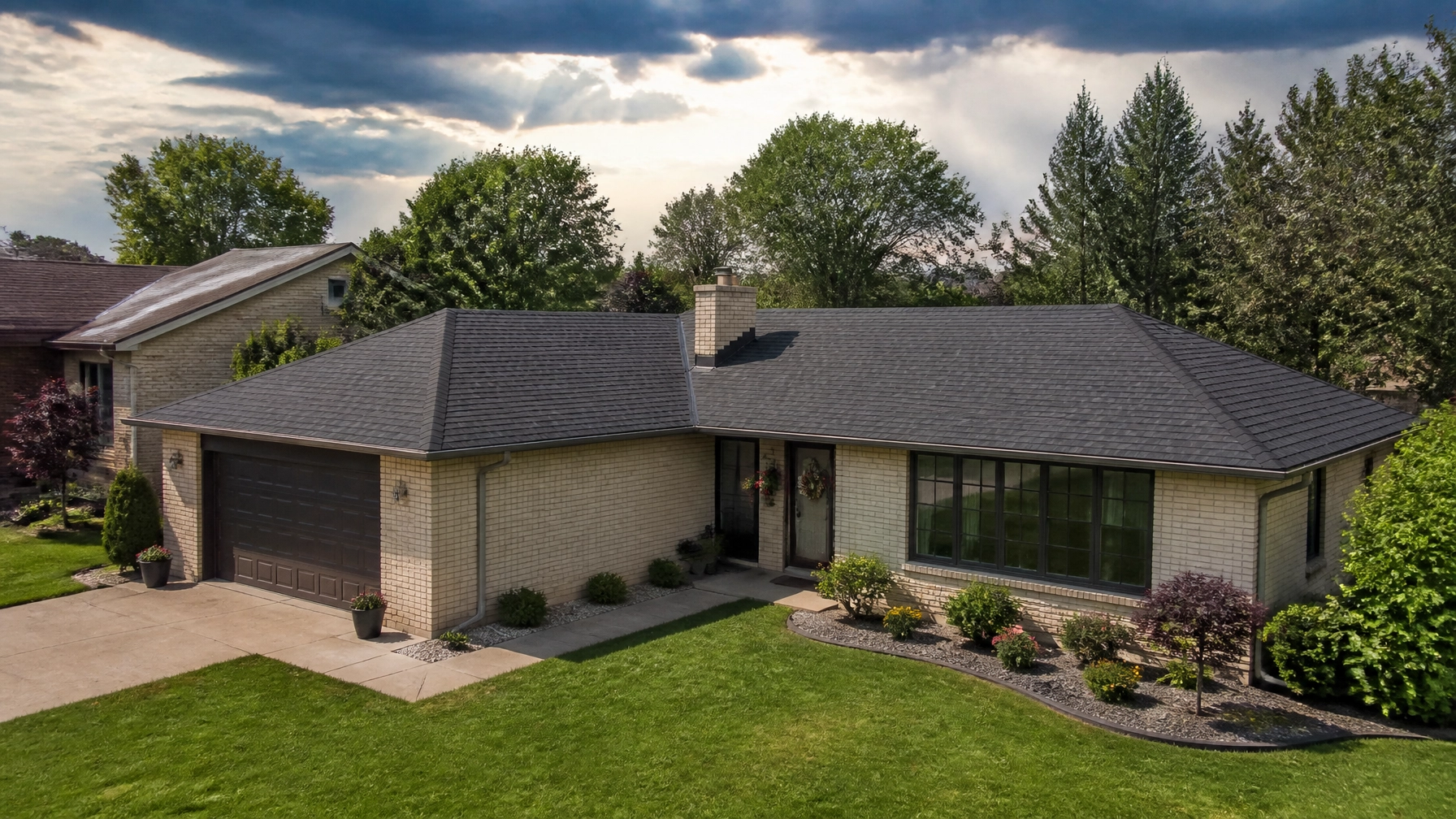
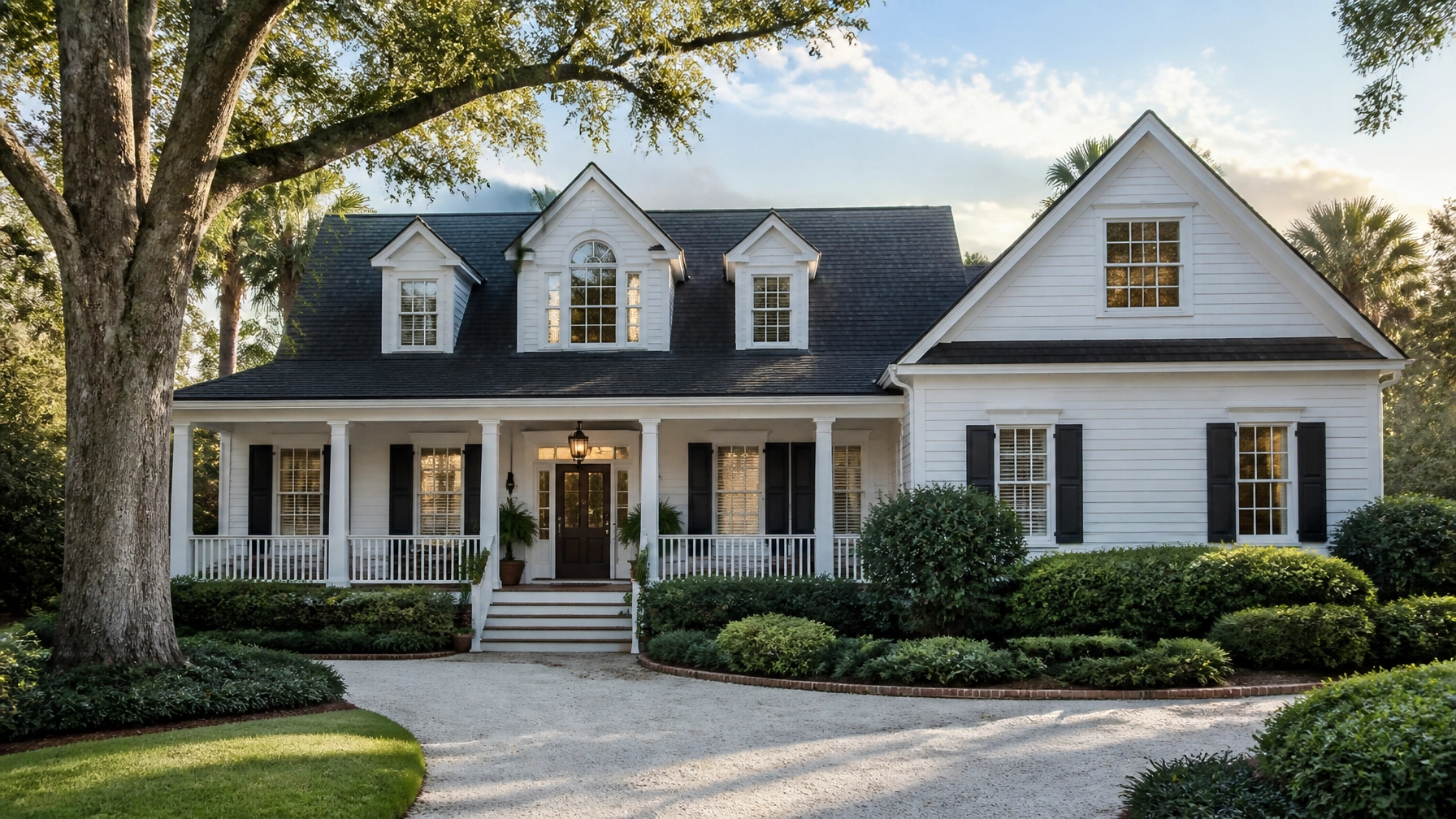
    A beautiful Craftsman-style home in Richmond with a newly installed high-definition shingle roof, glowing in the late afternoon sun.

    Take Control of Your Home Improvement Budget

    Replacing your roof is a significant investment, but it shouldn't be a mystery. By understanding the 2026 market rates in Richmond and utilizing modern measurement technology, you can enter the process with confidence.

    Don't wait for a leak to become a crisis. Know your numbers today.

    Get Your Free, Instant Roof Estimate Now


  • 7 Mistakes You’re Making When Vetting Mobile, AL Roofers (And How to Spot a Storm Chaser)

    7 Mistakes You’re Making When Vetting Mobile, AL Roofers (And How to Spot a Storm Chaser)

    Living on the Gulf Coast means your roof is the first line of defense against Alabama’s unpredictable weather. From the humidity of a Mobile summer to the high-wind threats of hurricane season, your home’s exterior takes a beating. In 2026, the roofing market in Mobile is more complex than ever, with costs for a standard roof replacement ranging between $8,000 and $15,000 for most single-family homes.

    Unfortunately, where there is high demand and insurance money, "storm chasers" follow. These are out-of-state contractors who descend on Mobile after a severe weather event, perform sub-par work, and vanish before the first leak appears.

    If you are planning a roof replacement, avoiding these seven common vetting mistakes is the only way to protect your investment and your home.

    1. Ignoring the Alabama Residential Roofer License (HBLB)

    Many homeowners assume that a "business license" is enough. In Mobile, it isn’t. Alabama law is very specific: any residential roofer performing a job exceeding $2,500 (which covers almost every roof replacement) must hold a Residential Roofer License from the Alabama Home Builders Licensure Board (HBLB).

    The Risk: (High) Hiring an unlicensed roofer means you have zero recourse with the state if the job is botched.
    The Fix: Ask for their HBLB license number upfront. If they claim they don’t need one because the job is "just a repair," but the quote is over $2,500, they are lying.

    2. Falling for the "Free Roof" Insurance Scam

    If a contractor knocks on your door in West Mobile or Midtown promising a "free roof" by "covering your deductible," walk away. In Alabama, it is insurance fraud for a contractor to pay, waive, or rebate a homeowner’s insurance deductible.

    The Risk: (Legal/Financial) You could be implicated in insurance fraud, and the contractor is likely cutting corners on materials to make up the cost of your deductible.
    The Fix: Use an instant roof cost estimator to get a baseline price. If the contractor's "deal" seems too good to be true, it’s a red flag.

    Professional roofing contractor inspecting a Mobile, AL home with a digital tablet

    3. Skipping the Satellite Measurement Phase

    In 2026, there is no reason for a roofer to spend two hours walking on your shingles with a tape measure just to give you a "ballpark" price. Manual measurements are prone to human error, often resulting in "surprise" change orders mid-project.

    The Risk: (Budget) Inaccurate measurements lead to material shortages or overages, both of which you end up paying for.
    The Fix: Prioritize companies that use satellite-powered technology. At Get My Roof Estimate Now, we provide measurements accurate to within inches using high-resolution imagery, delivering a transparent price in under 60 seconds.

    4. Not Verifying the $10,000 Surety Bond

    Alabama requires licensed residential roofers to maintain a $10,000 License/Permit surety bond. This bond is designed to protect you, the consumer, against financial loss resulting from the roofer's failure to comply with state regulations.

    The Risk: (Financial) If the roofer abandons the job or fails to pay for permits, you are left holding the bag.
    The Fix: Ensure the roofer’s bond is active and filed with the HBLB. A legitimate Mobile roofer will have no problem providing this documentation.

    5. Overlooking Mobile’s High-Wind Requirements

    Mobile falls within a high-wind zone. Roofs here must meet specific wind-uplift requirements, often requiring specialized underlayment and specific nailing patterns (6-nail vs. 4-nail).

    The Risk: (Durability) A storm chaser might install shingles using "standard" methods that aren't rated for Gulf Coast winds. Your roof might look great, but it will blow off during the next tropical storm.
    The Help: (Essential) Ask specifically about their "High Wind" installation package. If they don't mention fortified roofing standards or upgraded starter strips, they don't understand the Mobile climate.

    Close-up of high-wind architectural shingles being installed on a Mobile roof

    6. Paying More Than 10-25% Upfront

    A major red flag of a storm chaser is the "material deposit" trap. While it is common to pay a small percentage to get on the schedule, you should never pay for the entire project: or even half: before materials are delivered to your driveway.

    The Risk: (Fraud) The contractor takes your "deposit" and moves on to the next city, leaving you with a leaking roof and an empty bank account.
    The Fix: Stick to a milestone-based payment schedule. A reputable local company has the lines of credit necessary to secure materials without needing $5,000 from you on day one.

    7. Hiring on Price Alone Without a Benchmark

    It’s tempting to go with the lowest bidder, especially when 2026 roofing costs are rising. However, if Bid A is $10,000 and Bid B is $6,500, Bid B is leaving something out: likely the quality of the shingles, the insurance for their workers, or the removal of the old roof layers.

    The Risk: (Premium) You’ll end up paying for a second roof in five years when the "cheap" one fails.
    The Fix: Get a neutral, third-party estimate first. By using our online estimator, you get an objective price range based on current Mobile material and labor costs. This gives you the leverage to spot bids that are suspiciously low or predatory.


    How to Spot a Storm Chaser: The 60-Second Checklist

    Before you sign any contract in Mobile, run through this quick checklist to see if you're dealing with a professional or a predator:

    • License Plate Check: Are they driving a truck with Alabama plates, or is it from out-of-state?
    • Physical Address: Do they have a local office in Mobile, Baldwin County, or the surrounding area? A P.O. Box is not a local office.
    • High-Pressure Tactics: Are they pushing you to sign a "contingency agreement" before your insurance adjuster has even arrived?
    • Verification: Does their name appear on the HBLB list of licensed roofers?

    Comparison of traditional roof measuring versus satellite imagery technology

    The Better Way: Instant Transparency

    Vetting roofers doesn't have to be a full-time job. At Get My Roof Estimate Now, we’ve simplified the process for Mobile homeowners. By leveraging satellite technology, we eliminate the need for high-pressure sales visits and provide you with the data you need to make an informed decision.

    1. Enter your address: We locate your home via high-res satellite.
    2. Get your specs: We calculate your roof’s size, pitch, and complexity automatically.
    3. See your price: Within 60 seconds, you’ll receive a detailed price range for different materials (Architectural, Metal, Synthetic).
    4. Connect with Pros: If you’re ready, we connect you with verified, licensed, and insured Mobile contractors who have already been vetted for quality and reliability.

    Don't let a storm chaser take advantage of your home. Get the facts, get the price, and get your roof done right.

    Get Your Free Mobile, AL Roof Estimate Now →

  • 7 Mistakes You’re Making with Your Charlotte Roof Estimate (and How to Fix Them in 2026)

    7 Mistakes You’re Making with Your Charlotte Roof Estimate (and How to Fix Them in 2026)

    Getting a roof estimate in Charlotte used to be a three-day ordeal involving missed work, awkward small talk with contractors, and a week-long wait for a price that was probably written on the back of a napkin.

    It’s June 2026. If you’re still doing it that way, you’re not just wasting time: you’re likely overpaying by thousands. In a market like Charlotte, where labor costs have climbed and material tech has shifted toward specialized architectural shingles, a "ballpark" guess doesn't cut it anymore.

    At Get My Roof Estimate Now, we’ve analyzed thousands of North Carolina roof profiles using our satellite measurement technology. We see the same seven mistakes year after year. Here is how to navigate the 2026 Charlotte roofing market like a pro and get an instant, accurate estimate in under 60 seconds.


    1. The "Three-Day Wait" (Relying on Manual Inspections)

    The biggest mistake Charlotte homeowners make is thinking they need a contractor to climb their roof just to get a price. In 2026, manual measurements are often less accurate than satellite data.

    When a contractor pulls a tape measure, they deal with human error, steep pitches, and "eyeballing" the waste factor. Our satellite-powered system is accurate to within inches (90-95% accuracy) and factors in the exact pitch and complexity of your home.

    The Fix: Use technology first. Get your baseline pricing in 60 seconds using Get My Roof Estimate Now. This gives you the leverage to know if a contractor’s eventual quote is fair or inflated.

    2. The "Basement Bid" Trap (Choosing by Price Alone)

    We get it: a $15,000 roof is a major investment. It’s tempting to go with the guy who quotes $8,000 when everyone else is at $12,000. But in the Queen City, a "bottom-barrel" bid usually means someone is cutting corners on the stuff you can't see, like underlayment or ice and water shields.

    In Charlotte, 2026 planning ranges for a standard 2,000 sq. ft. home typically fall between $9,700 and $14,300. If your bid is significantly lower, you aren't getting a deal; you're getting a liability.

    Roofing contractors installing premium architectural shingles

    3. Ignoring the "Mecklenburg Mystery" (Local Codes & Permits)

    Charlotte building codes in Mecklenburg County are specific, especially regarding attic ventilation and shingle fastening. Many homeowners (and out-of-town "storm chasers") ignore the permit process to save a few hundred bucks.

    The Fix: Always verify that your estimate includes the cost of permits and local inspections. A roof installed without a permit can void your manufacturer warranty and create massive headaches when you try to sell your home in neighborhoods like Ballantyne or Plaza Midwood.

    4. Missing the "Airflow Elephant" (Ventilation)

    Charlotte is humid. If your estimate doesn't explicitly mention a ridge vent or an intake system, your new roof is going to cook from the inside out. Improper ventilation leads to shingle "blistering" and can shave 10 years off the life of your roof.

    Check for these in your quote:

    • Ridge Vents (Standard/Popular)
    • Soffit Vents (Essential for intake)
    • Solar Attic Fans (Premium/Efficient)

    5. The "Storm Chaser" Trap

    Charlotte gets its fair share of severe weather. Within 24 hours of a hail storm, "storm chasers" from out of state will be knocking on doors in Myers Park and South End. These companies often lack a local physical presence and disappear when warranty issues arise.

    The Fix: Stick to verified, licensed, and insured local contractors. Our platform connects you with local experts who have been vetted for the Charlotte market, ensuring your 50-year warranty actually means something in 2036.

    Modern ranch-style home with a sleek matte black metal roof

    6. Underestimating "Decking Disasters"

    Your estimate covers the shingles, but does it cover the wood underneath? Many homeowners are hit with a "surprise" $2,000 bill mid-project because their contractor found rotted plywood.

    The Fix: Look for a "per sheet" price for decking replacement in your contract. Transparency is key. A reputable Charlotte roofer will tell you exactly what a sheet of OSB or CDX plywood costs before they tear off your old roof.

    7. Choosing the Wrong Material for the NC Climate

    In 2026, basic 3-tab shingles are essentially obsolete for single-family homes in North Carolina. They don't handle the wind or the heat well enough.

    The Fix: Look at the "Middle" to "High" tiers.

    • Architectural Shingles (Popular): The gold standard for Charlotte homes. Great wind resistance and curb appeal.
    • Synthetic/Metal (Premium): If you plan on staying in your home for 30+ years, metal is becoming the savvy choice in 2026 due to its energy efficiency in the NC sun.

    2026 Charlotte Roof Replacement Cost Guide

    Prices based on Mecklenburg County labor rates and 2026 material averages.

    Component Category Estimated Cost (2,000 sq. ft. Roof)
    Basic Asphalt Budget $8,500 – $10,500
    Architectural Shingles Popular $11,000 – $15,500
    Standing Seam Metal Premium $22,000 – $32,000
    Labor & Disposal Fixed Variable 40% – 50% of Total
    Permits & Fees Required $150 – $400

    Why Accuracy Matters

    When we measure your roof using satellite imagery, we aren't just giving you a "guesstimate." We are calculating the exact number of "squares" (100 sq. ft. sections) required.

    A 2,500 sq. ft. home in Charlotte might have a 3,200 sq. ft. roof surface due to pitch and complexity. If your contractor misses that calculation, they’ll either hit you with a change order or run out of materials halfway through the job.

    Satellite interface showing precise roof measurements

    The 60-Second Solution

    Stop guessing and stop waiting. Whether you're in Huntersville, Gastonia, or downtown Charlotte, you can get the data you need to make an informed decision right now.

    1. Enter your address: We use high-res satellite imagery to find your home.
    2. Get your measurements: We calculate size, pitch, and facets instantly.
    3. View your price: See a low-middle-high range for different materials (Architectural, Metal, etc.).
    4. Connect with Pros: If you like the price, we'll connect you with the best-verified contractors in Charlotte.

    Ready to see your number? Calculate your Charlotte roof cost now.


    For more tips on maintaining your home in the Carolinas, check out our latest roofing blog posts.

  • The Ultimate Guide to Getting Insurance to Pay for Your New Roof in Charleston

    The Ultimate Guide to Getting Insurance to Pay for Your New Roof in Charleston

    Getting a new roof in Charleston isn't just about curb appeal; it’s about surviving hurricane season and the humid Lowcountry climate. But with costs often reaching the five-figure range, most homeowners naturally look to their insurance provider to foot the bill.

    If you’ve recently experienced a storm or suspect your roof is nearing its end, you need to know the "rules of engagement." Insurance companies aren’t in the business of giving away free roofs for old age: they pay for damage. This masterclass will walk you through exactly how to navigate the South Carolina insurance landscape, document your claim, and use modern technology like Get My Roof Estimate Now to ensure you aren't underpaid.

    The Charleston Reality: Why Your Roof Fails

    In Charleston, your roof faces three primary enemies: high-velocity winds (hurricanes), sudden hail bursts, and the slow creep of salt-air corrosion. Insurance is designed to cover the first two, which are considered "sudden and accidental" events.

    Common Covered Perils in South Carolina

    • Windstorms & Hurricanes: Sustained winds that lift or crease shingles.
    • Hail Damage: Impacts that knock granules off shingles, exposing the asphalt layer.
    • Fallen Objects: A pine tree or heavy branch hitting the roof during a storm.
    • Fire & Lightning: Less common, but fully covered.

    Note: Maintenance issues, such as moss growth or shingles simply being 25 years old, are almost never covered. Insurance covers accidents, not aging.

    Step 1: Identifying "Insured" Damage

    Before you pick up the phone to call your agent, you need to know what the adjuster is looking for. A "leak" doesn't automatically mean a new roof. The damage must be functional, not just cosmetic.

    A close-up, high-detail photo of asphalt shingles showing clear hail impact damage and wind-lifted edges.

    What to Look For (The Homeowner Checklist)

    1. Missing Shingles: Visible gaps where the wooden deck is exposed. (Urgent)
    2. Lifted or Creased Shingles: Shingles that have been blown upward and have a visible horizontal line where the fiberglass has cracked. (Wind Damage)
    3. Bruising: Small, dark circular spots on shingles where hail has knocked away the protective granules. (Hail Damage)
    4. Granule Loss in Gutters: If your gutters look like they are full of sand after a storm, your shingles have likely suffered "scouring." (Functional Damage)

    Step 2: The 60-Second "Pre-Claim" Estimate

    One of the biggest mistakes Charleston homeowners make is filing a claim without knowing the actual cost of their roof. If your deductible is $5,000 and the repair is only $3,500, filing a claim is a waste of time and can actually raise your premiums.

    Before calling your insurance company, use the Instant Roof Cost Calculator. Our satellite-powered technology measures your roof's size, pitch, and complexity in under a minute.

    • Accurate Data: We provide measurements accurate to within inches.
    • Transparency: You’ll get a low-middle-high price range so you know if the insurance adjuster’s offer is fair.
    • Speed: No need to wait for a contractor to drive to your house just to get a ballpark figure.

    Step 3: Understanding Your Policy (RCV vs. ACV)

    Not all insurance policies are created equal. In South Carolina, and specifically in coastal areas like Charleston, your policy likely falls into one of two categories:

    1. Replacement Cost Value (RCV) : Premium

    This is the gold standard. If your roof is damaged, the insurance company pays the full cost to replace it today, regardless of how old the roof was. They usually pay in two checks: the first for the "actual value" and the second after you prove the work is completed.

    2. Actual Cash Value (ACV) : Budget

    This policy only pays for what your roof was worth the day before the storm. If you have a 20-year-old roof with a 30-year lifespan, they will subtract 66% of the value for "depreciation." You’ll be left holding a much larger bill.

    The "Wind & Hail" Deductible

    In Charleston, many policies have a separate deductible for wind and hail. Instead of a flat $1,000, it might be 2% to 5% of your home's total insured value. If your home is insured for $400,000, a 2% deductible means you pay the first $8,000 out of pocket. Always check your "Declarations Page" before filing.

    Step 4: The Claims Process Masterclass

    Once you’ve confirmed damage and used our satellite estimate tool to get your pricing data, follow these steps:

    A professional roofing contractor inspecting a Charleston-style home while holding a tablet with satellite data.

    1. Document Everything

    Take photos of the roof (from the ground if it's too steep), any interior leaks, and any hail stones next to a ruler or a quarter for scale.

    2. File the Claim Promptly

    Most insurers require you to file within 365 days of the storm event. In Charleston, after a major hurricane, the "date of loss" is critical.

    3. The Adjuster Meeting

    The insurance company will send an adjuster. Crucial Tip: Have a trusted local contractor present during this meeting. They can point out damage the adjuster might miss and advocate for a "full replacement" rather than a "patch repair."

    4. Use the "Matching" Argument

    South Carolina does not have a strict "matching law" like some states, but many insurers will agree to replace the entire roof if the shingles are no longer manufactured. If they can't find a match for your 15-year-old shingle, they may be forced to replace the whole slope or the entire roof to maintain the home's value.

    Step 5: Choosing Your Material

    If your claim is approved, you have a choice to make. You aren't required to replace your roof with the exact same material. This is your chance to upgrade.

    • Architectural Shingles (Popular): Standard for most Charleston homes. They offer a 30-50 year lifespan and look much better than old "3-tab" shingles.
    • Metal Roofing (Premium): Highly recommended for coastal areas. Standing seam metal roofs can withstand winds up to 140mph and significantly lower your future insurance premiums.
    • Synthetic Slate (Luxury): Offers the look of historic Charleston slate without the massive weight and cost.

    You can compare these options and their impact on your project total on our Roofing Blog.

    A stunning modern ranch-style home in a Charleston suburb with a newly installed silver standing seam metal roof.

    Final Advice: Avoid the "Storm Chasers"

    After a big storm hits Mount Pleasant or West Ashley, you’ll see out-of-state trucks with ladders driving through every neighborhood. These are "storm chasers." While some are legitimate, many will take your insurance check and disappear, or perform sub-par work that won't pass Charleston’s strict building codes.

    Always work with verified, licensed, and insured local contractors. At Get My Roof Estimate Now, we connect you with vetted professionals who understand the specific requirements of the South Carolina coast.

    Summary of the Insurance Masterclass:

    • Identify: Look for wind lift or hail bruising.
    • Estimate: Use our 60-second tool to get your baseline cost.
    • Verify: Check your policy for RCV vs. ACV and your Wind/Hail deductible.
    • Advocate: Have a contractor present when the adjuster arrives.
    • Upgrade: Consider hurricane-rated materials for your new installation.

    Ready to see what your new roof should cost?
    Don't wait for an adjuster to tell you what they want to pay. Get the real data now.
    Get Your Free Satellite Roof Estimate in 60 Seconds


  • Charlotte Roof Replacement Cost Explained in Under 3 Minutes

    Charlotte Roof Replacement Cost Explained in Under 3 Minutes

    If you are a homeowner in the Queen City looking for a straight answer on roofing costs, you’ve come to the right place. In 2026, the average roof replacement cost in Charlotte, NC, ranges from $8,500 to $15,000 for asphalt shingles and $15,000 to $30,000+ for metal roofing.

    The final price tag depends heavily on your roof's "squares" (a roofing term for 100 square feet), the pitch of your gables, and the materials you select. This guide breaks down the data-driven benchmarks you need to budget accurately without the 4-hour sales pitch from a local contractor.

    The 60-Second Price Snapshot

    For those in a hurry, here is the current 2026 pricing logic for the Charlotte-Concord-Gastonia metro area:

    • Budget (3-Tab Shingle): $3.50 – $5.50 per sq. ft. installed.
    • Popular (Architectural Shingle): $4.00 – $7.00 per sq. ft. installed.
    • Premium (Standing Seam Metal): $11.00 – $18.00 per sq. ft. installed.

    Want an exact number for your specific address? Use our instant roof cost calculator to get a satellite-measured estimate in under 60 seconds.

    Cost by Roof Size (Charlotte 2026 Estimates)

    Roofing is measured in "squares," but most homeowners think in total square footage. Below is a breakdown of what you can expect to pay in North Carolina based on common home sizes.

    Roof Area (Sq. Ft.) Asphalt Shingle (Total) Metal Roof (Total)
    1,000 sq. ft. $5,500 – $8,000 $10,000 – $16,000
    1,500 sq. ft. $7,500 – $11,000 $14,000 – $22,000
    2,000 sq. ft. $9,500 – $14,000 $18,000 – $28,000
    2,500 sq. ft. $11,500 – $17,000 $22,000 – $34,000

    Note: These figures include tear-off of one existing layer, local labor, standard underlayment, and waste disposal.

    Modern black metal roof installation in North Carolina

    Material Breakdown: Choosing the Right Fit

    Your choice of material is the single largest variable in your total project cost. In Charlotte’s humid subtropical climate, durability and heat reflection are key.

    1. Architectural Shingles (The Standard)

    This is the most common choice for homes in neighborhoods like Myers Park or Ballantyne. Unlike flat 3-tab shingles, architectural (laminated) shingles offer a 3D look and better wind resistance (up to 130 mph).

    • Cost: Mid-range.
    • Lifespan: 22–28 years in NC weather.
    • Best for: High curb appeal on a reasonable budget.

    2. Metal Roofing (The Lifetime Investment)

    Metal is surging in popularity across the Carolinas due to its longevity and energy efficiency. While the upfront cost is nearly double that of shingles, it can last 50+ years.

    • Cost: Premium.
    • Lifespan: 40–70 years.
    • Best for: Homeowners planning to stay in their home for 15+ years or those looking for modern aesthetics.

    3. Synthetic and Specialty Materials (The Luxury Option)

    For high-end estates, synthetic slate or cedar shakes offer the look of natural materials without the maintenance.

    • Cost: High.
    • Price Range: $20,000 – $50,000+.

    Where Does Your Money Go? (Labor vs. Materials)

    In the Charlotte market, labor usually accounts for 40% to 50% of your total bill. Unlike buying a car, a roof is a custom-built product manufactured right on top of your house.

    • Materials (40-50%): Shingles, underlayment, ice and water shield, flashing, and ridge vents.
    • Labor (40-50%): The cost of the crew’s expertise, insurance (workers' comp is expensive in roofing), and the physical risk of the job.
    • Disposal & Overhead (10%): Dumpster fees and Charlotte/Mecklenburg County building permits.

    Drone view of a Charlotte neighborhood showing diverse rooflines

    Factors That "Move the Needle" on Price

    Not all 2,000 sq. ft. roofs are priced equally. If your quote comes back higher than the averages listed above, one of these factors is likely the culprit:

    1. Roof Pitch (Steepness): A "walkable" roof is cheaper. If the pitch is so steep that the crew needs harness systems and scaffolding (typical for Tudor or Victorian homes), labor costs will spike.
    2. Layers of Tear-off: If your home already has two layers of shingles, the contractor must charge more for the extra labor and higher disposal fees at the local landfill.
    3. Decking Damage: If the plywood under your shingles is rotted from a slow leak, expect to pay $75–$110 per sheet for replacement.
    4. Penetrations: Every chimney, skylight, and vent pipe requires custom flashing. The more "holes" in your roof, the higher the labor.

    The Charlotte Weather Factor

    Why do roofs in North Carolina often fail sooner than the national average?

    • High Humidity: Promotes algae growth (those black streaks you see on roofs).
    • Rapid Temp Swings: Charlotte winters are mild, but "yo-yo" temperatures cause shingles to expand and contract, eventually loosening the granules.
    • Storm Season: Hurricane remnants and severe spring thunderstorms can cause wind uplift or hail damage.

    If your roof is over 20 years old, it is likely nearing the end of its functional life. Waiting for a major leak often leads to internal structural damage, which can double the cost of the project.

    Contractor installing architectural shingles on a North Carolina home

    How to Get an Accurate Estimate Without the Hassle

    Traditional roofing estimates involve calling three contractors, waiting for them to show up (if they do), and sitting through a high-pressure sales pitch.

    At Get My Roof Estimate Now, we’ve disrupted that process. By using advanced satellite imagery, we can measure your roof's size, pitch, and complexity with 95% accuracy in seconds.

    1. Enter your address.
    2. Confirm your roof boundaries.
    3. Receive a transparent, tiered price range.

    No credit card required. No high-pressure calls. Just the data you need to make an informed decision for your home. Ready to see your number? Get your instant Charlotte roof estimate here.


    Frequently Asked Questions (Charlotte Roofing FAQ)

    What is the cheapest roof to put on a house in Charlotte?

    Basic 3-tab asphalt shingles are the most affordable option, typically costing between $3.50 and $5.00 per square foot. However, they have a shorter lifespan and lower wind resistance than architectural shingles.

    Do I need a permit for a roof replacement in Charlotte, NC?

    Yes. According to Mecklenburg County Code Enforcement, a building permit is required for any roof replacement that involves structural work or costs over a certain threshold. Most reputable local contractors will handle the permit process for you.

    How long does a typical roof replacement take?

    For an average 2,000 sq. ft. home in Charlotte, a professional crew can usually complete the tear-off and installation in 1 to 2 days, assuming the weather cooperates.

    Can I install a new roof over my old one to save money?

    While "layovers" are legal in some parts of North Carolina, we do not recommend them. A layover traps heat, shortens the life of the new shingles, and prevents the contractor from inspecting the decking for rot.

    Is a metal roof worth the extra cost in North Carolina?

    If you plan to live in your home for more than 15 years, yes. Metal roofs are highly energy-efficient and can reduce cooling costs during Charlotte's hot summers. They also qualify for many insurance discounts.

  • Looking for a Local Roofer in Mobile? Here Are 5 Things You Should Know to Avoid Scams

    Looking for a Local Roofer in Mobile? Here Are 5 Things You Should Know to Avoid Scams

    Living on the Gulf Coast means your roof is your first line of defense against everything from tropical humidity to hurricane-force winds. In Mobile, Alabama, roof maintenance isn't just a recommendation: it's a necessity for protecting your home’s value and your family’s safety.

    However, Mobile’s unique climate also attracts "storm chasers": unlicensed or out-of-state contractors who descend on neighborhoods after a severe weather event, promising quick fixes and "free" roofs. These scams often result in shoddy workmanship, voided warranties, or homeowners losing thousands of dollars in deposits.

    To ensure your investment is protected, here are five essential things you need to know before hiring a local roofer in the Port City.

    1. The $2,500 Rule: Verify the Alabama State License

    In Alabama, any residential roofing project that exceeds $2,500 (total cost of labor and materials) requires the contractor to hold a Residential Roofer’s License issued by the Alabama Home Builders Licensure Board (HBLB).

    Many "tailgater" contractors from out of state will try to bypass this by claiming they don't need a license for "simple repairs." Don’t fall for it. A licensed roofer in Mobile must post a $10,000 surety bond and prove they have a local business license.

    • Action Tip: Always ask to see their HBLB license number. You can verify a contractor's status directly on the HBLB website. If they can’t provide a state-issued license for a full roof replacement, walk away immediately.

    2. Beware the "Free Roof" and Deductible Scams

    One of the most common red flags in Mobile is a contractor offering to "waive" or "rebate" your insurance deductible. While it sounds like a great deal (Budget), it is actually illegal insurance fraud in the state of Alabama.

    Scammers use this tactic to lock you into a contract, then they often use substandard materials (Economy) to make up the cost difference, or they inflate the claim to your insurance provider. If a roofer tells you they can get you a new roof for "zero out-of-pocket," they are putting you at legal risk.

    • Action Tip: A legitimate contractor will never offer to cover your deductible. They will provide a transparent, itemized estimate that you can submit to your insurance company.

    Professional roofing contractor showing a digital estimate to a homeowner in Mobile

    3. Demand Technology-Driven Transparency (Instant Estimates)

    The traditional way of getting a roof estimate: scheduling three different contractors to climb on your roof and give you varying "ballpark" numbers: is outdated and prone to human error. Scammers often use these manual inspections to "find" (or create) damage that isn't there.

    Modern roofing technology has changed the game. At Get My Roof Estimate Now, we use high-resolution satellite imagery to measure your roof’s size, pitch, and complexity with 90-95% accuracy.

    • The Advantage: You can get an accurate, instant roof estimate in under 60 seconds without anyone stepping foot on your property. This gives you a "fair market baseline" so you can spot if a local contractor is trying to overcharge you.

    4. Check for Local Roots and "Fortified" Expertise

    Mobile is part of a specialized program called FORTIFIED Home™, which provides grants and insurance discounts for roofs built to withstand high winds. A storm chaser from the Midwest won't know the local building codes or the specific requirements for a Fortified roof in Mobile County.

    If a contractor doesn't have a physical office address in the Mobile or Baldwin County area (not just a P.O. Box), they are likely a "storm chaser." If they leave town after the job is done, your labor warranty is essentially worthless.

    • Action Tip: Ask about their experience with Fortified Roof standards. A local expert will be able to explain how the installation process differs to meet Gulf Coast wind speed requirements.

    Expert installation of architectural shingles on a Mobile home

    5. Get a Fixed Price Before the Work Starts

    A common scam involves the "sliding estimate." A contractor gives you a low initial bid to get the job, but once the old shingles are torn off, they suddenly find "unexpected rot" or "unforeseen issues" that double the price. While some deck replacement is common in older Mobile homes, these costs should be clearly outlined in your initial agreement.

    You should never sign a contract that doesn't have a clear, fixed price for the primary scope of work.

    Current 2026 Roofing Costs in Mobile, AL

    To help you budget, here are the current market benchmarks for roof replacement in the Mobile area:

    Material Type Price Per Square (100 sq. ft.) Total Est. (2,000 sq. ft. Roof)
    3-Tab Shingles (Budget) $350 – $450 $7,000 – $9,000
    Architectural Shingles (Popular) $400 – $550 $8,000 – $11,000
    Standing Seam Metal (Premium) $900 – $1,400 $18,000 – $28,000
    Stone-Coated Steel (Ultra) $1,100 – $1,600 $22,000 – $32,000

    Note: These ranges factor in current 2026 material costs and Mobile's regional labor rates.

    A modern ranch home in Mobile with a silver metal roof

    Why Mobile Homeowners Trust Our Process

    At Get My Roof Estimate Now, we’ve removed the friction and the "sales pressure" from the roofing process. We believe that transparency is the best defense against scams.

    1. Lightning Fast: Get your pricing in 60 seconds.
    2. Zero Pressure: No credit card required, no salesperson in your living room.
    3. Verified Pros: We connect you with local, licensed, and insured Mobile contractors who have been pre-vetted for quality.
    4. Satellite Accuracy: Our measurements are precise, ensuring your estimate is grounded in data, not guesswork.

    How it Works:

    • Step 1: Enter your Mobile address on our homepage.
    • Step 2: Our AI-powered satellite tech analyzes your roof.
    • Step 3: Receive an instant price range for different materials (Shingles, Metal, etc.).
    • Step 4: Choose to connect with a verified local pro when you are ready.

    Satellite view of a Mobile neighborhood with digital measurement overlay

    Final Thoughts: Don't Rush the Decision

    A roof replacement is a significant investment, typically ranging from $8,000 to $25,000 for most single-family homes in Mobile. Scammers rely on your urgency and fear after a storm. By using advanced technology to get an instant estimate first, you arm yourself with the information needed to negotiate with confidence and avoid being taken for a ride.

    Ready to see what a new roof should cost for your Mobile home? Get your free satellite roof estimate now!

  • 2026 Charlotte Roof Replacement Matters: Why Homeowners Are Facing an 8% Price Hike

    If you own a home in the Queen City, you’ve likely noticed the construction boom: and with it, a sharpening rise in service costs. As of June 2026, Charlotte homeowners are facing a significant 8% hike in roof replacement costs compared to early 2025. What was once a $10,000 project is now consistently crossing the $11,000 mark for the exact same materials and square footage.

    At Get My Roof Estimate Now, we track these market shifts in real-time. Using our proprietary satellite imagery technology, we’ve analyzed thousands of Charlotte roofs: from the historic bungalows in Dilworth to the sprawling estates in Weddington: to help homeowners understand exactly why their next home improvement project just got more expensive.

    The Data Behind the 8% Price Hike

    The current 8% increase isn’t just a random number; it’s a combination of local labor shortages and regional supply chain pressures specific to the Carolinas.

    1. Labor Scarcity in the Carolinas (Critical)

    Charlotte’s rapid expansion means roofing crews are in high demand. Labor now accounts for nearly 60% of the total project cost in the North Carolina market. With seasoned foremen commanding higher wages to keep up with the cost of living in Mecklenburg County, that 8% jump is primarily driven by the "manpower premium."

    2. Material Inflation (Logistics)

    While raw asphalt costs have stabilized, the logistics of transporting materials to the Southeast have seen a 5% uptick. When you factor in the 2026 North Carolina building code updates regarding underlayment and flashing, the "standard" roof install now requires more high-performance materials than it did two years ago.

    3. Insurance and Liability (Hidden)

    General liability insurance for roofing contractors in NC has risen sharply in 2026. This overhead is passed directly to the consumer, making transparent pricing more important than ever.

    Close-up detailed shot of high-quality architectural asphalt shingles in a weathered wood color. The texture of the granules and the dimensional layering of the shingles are clearly visible. Sunlight reflects off the surface, highlighting the durability and aesthetic appeal of the material. Real residential roofing project.

    2026 Charlotte Pricing Benchmarks

    To budget effectively, you need to categorize your options. Here is a breakdown of what Charlotte homeowners are paying right now for a standard 2,500-square-foot roof.

    Material Category Estimated Cost Range (2026) Best For
    3-Tab Shingles (Budget) $8,500 – $11,000 Rental properties or quick flips.
    Architectural Shingles (Popular) $10,800 – $16,200 Most single-family residential homes.
    Standing Seam Metal (Premium) $22,000 – $35,000 Long-term ownership and modern curb appeal.
    Synthetic/Designer (Luxury) $30,000+ High-end custom builds and HOA compliance.

    Note: These prices include the 8% market adjustment. For a pinpoint accurate quote for your specific address, use our 60-second roof cost calculator.

    Factors Unique to Charlotte Homes

    Every city has its quirks. In Charlotte, three specific factors can push your estimate to the higher end of the range:

    • Tree Canopy (Maintenance): Charlotte is known for its beautiful trees. However, if your roof is constantly covered in debris from mature oaks or maples, you may require specialized ice and water shielding or more robust flashing to prevent rot, adding about 5-10% to the labor cost.
    • Roof Pitch (Complexity): Many homes in neighborhoods like Myers Park feature steep gables. A high-pitch roof (anything over a 6/12 slope) requires more safety equipment and slower labor, which increases the "per square" installation rate.
    • Multiple Layers (Tear-off): If your home was built in the 1990s or early 2000s, you might have two layers of shingles. A double tear-off increases disposal fees at local Mecklenburg County landfills and adds significant labor hours.

    A professional roofing crew wearing safety harnesses working on a steep-pitched residential roof of a large brick home. They are installing new underlayment and architectural shingles. The setting is a suburban neighborhood with tall trees and green lawns. The image focuses on the safety and precision of the installation process.

    How Satellite Technology Saves You Money

    In the past, getting a roof estimate meant waiting 3-5 days for a contractor to drive to your home, climb a ladder, and manually measure your roof. This process is not only slow but inherently prone to human error.

    At Get My Roof Estimate Now, we’ve eliminated the middleman. Here is how we provide accurate 2026 pricing in under a minute:

    1. Enter Your Address: We use high-resolution satellite imagery to locate your property.
    2. Instant Measurement: Our AI calculates the total squares, the pitch, and the complexity of your rooflines with 95% accuracy.
    3. Local Market Adjustment: We automatically factor in the current 8% hike and Charlotte-specific labor rates.
    4. No Credit Card Required: You get a full breakdown of material options (Budget, Popular, Premium) without any upfront commitment.

    By knowing your price before talking to a contractor, you have the leverage to ensure you aren't being overcharged for the "Charlotte Premium."

    Steps to Minimize the Price Hike Impact

    While we can't change the market rates, there are three tactical ways to ensure you get the best value for your roof replacement in 2026:

    • Audit Your Attic Ventilation: A roof that "breathes" lasts 5-10 years longer. Ensure your estimate includes ridge vents or solar fans to protect your investment from the North Carolina humidity.
    • Schedule Off-Peak: If possible, aim for a late autumn or winter installation. Demand peaks in spring after storm season, often driving labor costs even higher than the standard 8% increase.
    • Verify Contractor Credentials: Only work with licensed and insured professionals. The 8% hike is a small price to pay compared to the cost of a failed inspection or a leak from an unverified "storm chaser."

    Top-down satellite-style visualization of a residential roof in Charlotte, NC. The image shows colored overlays and digital measurement lines highlighting different facets, valleys, and ridges of the roof. It represents advanced technology being used to calculate accurate square footage and pitch for a roof replacement estimate.

    Frequently Asked Questions (Charlotte 2026)

    Why is roofing more expensive in Charlotte than in neighboring cities?

    Charlotte’s strict municipal building codes and high demand for licensed contractors create a more competitive: and therefore more expensive: labor market. While smaller towns in Gaston or Union County may be slightly cheaper, the quality and warranty standards in Mecklenburg are generally higher.

    Is an 8% increase permanent?

    Roofing costs rarely go down. Historically, as labor and material costs rise, they set a new baseline for the industry. Waiting until 2027 may result in even higher costs as inflation continues to affect the construction sector.

    How do I know if I need a full replacement?

    If your roof is over 20 years old, has visible "bald spots" (granule loss), or you’ve noticed leaks in your attic after a typical Charlotte thunderstorm, it’s time for an assessment.

    Get Your Instant Estimate Today

    Don't let the 8% price hike catch you off guard. Get the data you need to budget, plan, and negotiate with confidence. Enter your Charlotte address into our online estimator and see your transparent, satellite-accurate price in less than 60 seconds.

  • 7 Mistakes You’re Making When Vetting Mobile Roofing Contractors (And How to Spot Storm Chasers)

    7 Mistakes You’re Making When Vetting Mobile Roofing Contractors (And How to Spot Storm Chasers)

    If you live in Mobile, Alabama, you know that storm season isn’t just a weather event, it’s an industry. Between the Gulf Coast humidity and the inevitable hurricane-force winds, your roof is the most vulnerable asset you own. But after a major storm rolls through the Port City, a different kind of threat arrives: the "storm chasers."

    These are mobile roofing contractors who follow the trail of storm damage across the Southeast, moving from Texas to Florida and up into Alabama. They are masters of the high-pressure sale, but they often leave homeowners with subpar work, voided warranties, and empty bank accounts.

    Vetting a contractor isn't just about reading a few Yelp reviews. It requires a clinical, data-driven approach. Here are the seven critical mistakes homeowners make when vetting mobile roofing contractors and how you can avoid becoming a target.

    1. Hiring the "First Responder" at Your Door

    The most common mistake is equate speed with reliability. After a hail storm or a high-wind event in neighborhoods like Spring Hill or Mid-Town, dozens of trucks will descend. If a contractor knocks on your door without an invitation, you are already at a disadvantage.

    Storm chasers rely on "unsolicited contact." They use a sense of urgency, claiming they "just finished a neighbor’s roof" or noticed "obvious damage" from the street, to get you to sign an inspection form.

    The Reality: Reputable Mobile contractors are usually booked weeks in advance. If they have time to go door-to-door, they likely don't have a steady stream of local referrals.

    2. Ignoring the "Out-of-State" Red Flags

    A "mobile" contractor often means they are literally mobile, as in, their business address is a moving target. Always check the license plates on the trucks and the area codes on their business cards.

    In Alabama, storm chasers often set up temporary "virtual offices" or P.O. boxes to appear local.

    • The Check: Ask for a physical office address in Mobile or Baldwin County. If they can’t point to a brick-and-mortar location that has existed for more than two years, they are likely fly-by-night operators who won't be around when your roof starts leaking next summer.

    Close-up of high-quality architectural shingles being installed with precision

    3. Falling for the "Deductible Waiver" Bait

    This is the most dangerous mistake because it can actually involve you in insurance fraud. If a contractor offers to "waive," "absorb," or "reimburse" your insurance deductible, walk away immediately.

    In many states, including Alabama, it is illegal for a contractor to pay a homeowner’s deductible. Even if it weren't illegal, it’s a massive red flag for quality.

    • The Logic: If a contractor is willing to "find" $1,000 or $2,000 to cover your deductible, they are making that money back somewhere else, usually by using cheaper materials, skipping the ice and water shield, or hiring unskilled labor.

    4. Skipping the Alabama General Contractor License Check

    Don't take a business card at face value. In Alabama, any roofing project over $10,000 (which is almost all of them in 2026) requires a license from the Alabama Home Builders Licensure Board or the State Licensing Board for General Contractors.

    • Mistake: Assuming "Licensed and Insured" means they are licensed for roofing in Alabama.
    • Action: Ask for their specific license number and verify it on the state portal. Ensure they carry both General Liability and Workers’ Compensation. If a "mobile" crew member falls off your roof and the contractor isn't properly insured, you, the homeowner, could be held liable.

    5. Signing a "Contingency Agreement" Before Getting an Estimate

    Storm chasers love the "Contingency Agreement." They tell you it's just "permission to talk to your insurance company." In reality, many of these documents are legally binding contracts that commit you to using that contractor if the insurance claim is approved.

    Never sign anything until you have a transparent, itemized estimate. You should always know the cost of the project independent of the insurance payout. Using an instant roof estimate tool allows you to establish a baseline price before any contractor ever steps foot on your property.

    An unmarked white work van representing the temporary nature of many storm-chasing contractors

    6. Not Demanding Satellite-Accurate Measurements

    In 2026, there is no reason for a contractor to "eyeball" your roof or use a tape measure and a ladder for a preliminary bid. Human error in manual measurements can lead to a 10-15% discrepancy in material costs.

    The Professional Approach: Expert contractors use satellite imagery technology to calculate the exact square footage, pitch, and complexity of your roof.

    • At Get My Roof Estimate Now, we provide satellite-powered measurements accurate to within inches.
    • If a contractor's bid seems suspiciously low, check their measurements. They might be underestimating the "squares" (100 sq. ft. sections) to get the job, only to hit you with "unforeseen material costs" later.

    7. Paying a Large Deposit Upfront

    A common "mobile" contractor scam is the disappearing act. They collect a 50% "material deposit" and then delay the project indefinitely or vanish entirely.

    Standard Industry Practice:

    • Small Deposit: A reputable company might ask for a small percentage (10-25%) to get you on the schedule.
    • Material Delivery: Payment for materials is typically due when the shingles are delivered to your driveway.
    • Final Payment: The balance should only be paid once the job is 100% complete, the site is cleaned of nails, and you have the final invoice and warranty documents in hand.

    2026 Pricing Data: What Should a Roof Cost in Mobile, AL?

    Transparency is the best defense against scams. Based on current material costs and Alabama labor rates, here is what you should expect to pay for a roof replacement in the Mobile area.

    Average Roof Replacement Costs (2026 Estimates)

    Material Type Price Per Square (Installed) Total (2,000 Sq. Ft. Roof) Category
    Architectural Shingles $450 – $650 $9,000 – $13,000 Popular/Reliable
    Metal (Exposed Fastener) $750 – $1,000 $15,000 – $20,000 Durable/Coastal
    Standing Seam Metal $1,100 – $1,500 $22,000 – $30,000 Premium/Long-term
    Synthetic/Slate $1,600+ $32,000+ Luxury/Custom

    Note: Prices factor in standard tear-off, disposal, and basic decking repair. Complex rooflines or steep pitches will increase these figures.

    A wide-angle shot of a residential neighborhood in Alabama showing ongoing roofing work

    The Mobile, AL Coastal Advantage: Building for the Storm

    If you are vetting a contractor in the Gulf Coast region, they must understand Fortified Roofing standards. Alabama has some of the best incentives in the country for "Fortified" roofs, which include:

    1. Enhanced Nailing: Using ring-shank nails in specific patterns.
    2. Sealed Roof Deck: Ensuring water doesn't get in even if shingles blow off.
    3. Drip Edge & Flashing: Critical for preventing rot in high-humidity climates.

    A storm chaser will often skip these "hidden" details to save on labor. A local expert will prioritize them to lower your insurance premiums.

    Final Verdict: Start With Data, Not a Door-Knocker

    The best way to avoid being scammed is to enter the negotiation with more information than the contractor. Don't wait for a knock on the door to start your research.

    At Get My Roof Estimate Now, we eliminate the guesswork. Our technology uses high-resolution satellite imagery to analyze your roof’s size, pitch, and complexity in under 60 seconds.

    • No contractor visits required upfront.
    • No credit card needed.
    • 90-95% accuracy compared to on-site measurements.

    Get your instant, free roof estimate here and take control of your home’s protection. Whether you’re in Mobile, West Mobile, or Saraland, know your numbers before you sign.

  • The Ultimate Guide to 2026 Nashville Roof Replacement Cost: Everything You Need to Succeed

    The Ultimate Guide to 2026 Nashville Roof Replacement Cost: Everything You Need to Succeed

    If you own a home in the Nashville metro area, you know that the real estate market isn't the only thing that’s been heating up. As we move through 2026, roofing costs in Middle Tennessee have reached new benchmarks driven by material inflation, a tightening labor market, and increased demand for storm-resilient materials.

    Whether you’re in a historic bungalow in East Nashville, a sprawling estate in Brentwood, or a growing family home in Murfreesboro, understanding the current cost landscape is the first step to a successful project. At Get My Roof Estimate Now, we specialize in providing instant, satellite-powered roof estimates so you can skip the wait and get the data you need in under 60 seconds.

    In this guide, we’re breaking down exactly what you can expect to pay for a roof replacement in Nashville in 2026, from basic shingles to premium standing seam metal.


    The Current State of Nashville Roofing Costs (2026 Data)

    In 2026, the average cost for a full roof replacement on a typical 2,000-square-foot home in Nashville ranges from $12,500 to $22,000 for asphalt shingles and $18,000 to $40,000+ for metal systems.

    Nashville remains one of the higher-cost regions in Tennessee due to strict local building codes and high demand for licensed, insured contractors. On average, prices in the Nashville-Davidson-Murfreesboro-Franklin metro area have seen a 4% to 6% increase over the last year, largely due to ongoing material surcharges and the rising cost of skilled labor.

    2026 Nashville Cost Breakdown by Material

    Material Type Estimated Cost (Per Square Foot) Typical 2,000 Sq. Ft. Total Best For
    Architectural Shingles (Popular) $6.25 – $11.00 $12,500 – $22,000 Reliability & Value
    Exposed-Fastener Metal (Budget) $8.00 – $13.50 $16,000 – $27,000 Durability & Style
    Standing Seam Metal (Premium) $12.00 – $21.00 $24,000 – $42,000 Lifetime Longevity
    Impact-Resistant (Class 4) $8.50 – $14.00 $17,000 – $28,000 Storm Protection

    Material Deep Dive: Choosing Your Protection

    Your choice of material is the single biggest factor affecting your final bill. In Nashville's humid subtropical climate, your roof needs to handle intense UV rays in the summer and frequent severe thunderstorms in the spring.

    1. Architectural Shingles (The Standard)

    Close-up of premium architectural shingles, highlighting the multi-dimensional layering and granule texture that provides superior weather resistance and curb appeal.

    As of 2026, architectural asphalt shingles (also known as dimensional shingles) remain the top choice for Nashville homeowners. They offer a perfect balance between cost and performance. Unlike old-fashioned 3-tab shingles, architectural shingles are thicker, heavier, and rated for higher wind speeds: critical for Middle Tennessee’s storm season.

    • Pros: Cost-effective, wide color variety, 25-50 year warranties.
    • Cons: Shorter lifespan than metal; susceptible to algae growth in shaded, humid areas.
    • Cost Expectation: Most 2,500 sq. ft. roofs in Nashville will fall between $15,500 and $27,500 for this material.

    2. Metal Roofing (The Tennessee Revolution)

    A modern Nashville ranch-style home featuring a black standing seam metal roof, offering a sleek aesthetic and maximum durability against local weather patterns.

    Metal roofing has surged in popularity across Nashville and surrounding suburbs like Franklin and Spring Hill. While the upfront investment is higher, the ROI is found in longevity (50+ years) and energy efficiency.

    • Standing Seam (Premium): Features hidden fasteners, which eliminates the primary leak point of traditional metal roofs. In 2026, a high-end standing seam install in Nashville often averages $15 to $20 per square foot.
    • Exposed-Fastener (Mid-Range): A more affordable metal option where the screws are visible. It provides the "metal look" at a price point closer to premium shingles.
    • Cost Expectation: For a 2,000 sq. ft. home, expect to pay between $14,500 and $32,000 depending on the specific metal gauge and panel style.

    The Variables: Why Your Neighbor Paid Less (or More)

    If you’ve compared notes with a neighbor and the prices don’t match, it’s usually due to these four technical variables:

    Roof Size (The "Squares")

    Roofers measure in "squares." One square equals 100 square feet of roof surface area. Note that your roof's square footage is always larger than your home's living square footage because of the pitch and overhangs. In 2026, Nashville roofing labor alone averages $250 to $450 per square.

    Pitch and Complexity

    A flat roof or a low-slope ranch is significantly easier (and safer) to work on than a steep, three-story Tudor. High-pitched roofs require specialized safety equipment and more labor hours. If your roof has multiple valleys, dormers, or chimneys, expect a complexity surcharge of 15% to 30%.

    Tear-Off and Decking Repairs

    If your current roof has two layers of shingles, the labor to remove them doubles. Furthermore, if the plywood "decking" underneath is rotten due to leaks, replacing those sheets can add $85 to $125 per sheet to your total.

    Waste Factor

    No roof is a perfect rectangle. Cutting shingles to fit valleys and hips creates waste. A standard Nashville roof has a waste factor of 10% to 15%, which must be factored into the material order.


    Why 2026 Is a Unique Year for Nashville Roofing

    The 2026 market is shaped by three specific trends that every homeowner should know:

    1. Climate Adaptation: Local insurers are increasingly offering premium discounts for homeowners who install Class 4 Impact-Resistant shingles or metal roofs. With the increase in hail frequency across Tennessee, these materials have moved from "luxury" to "necessity."
    2. Labor Scarcity: Nashville’s construction boom means skilled roofing crews are in high demand. Reputable, verified local contractors often have backlogs of 4–8 weeks.
    3. Technology-First Estimating: The days of waiting three days for a contractor to show up with a ladder are fading. Tools like our instant estimate tool use high-resolution satellite imagery to measure your home with 90-95% accuracy without anyone setting foot on your property.

    Aerial view of a complex residential roof in a Nashville neighborhood, showcasing the gables and valleys that professional satellite technology can accurately measure.


    How to Succeed with Your Roof Replacement

    To ensure you get the best value and a roof that lasts, follow this 2026 success checklist:

    • Get Your Benchmark Early: Use a free online calculator to establish a "ballpark" price before talking to sales reps. This prevents "sticker shock" and helps you spot overpriced bids.
    • Verify Credentials: Ensure any Nashville contractor you hire is licensed by the Tennessee Board for Licensing Contractors and carries active general liability and workers' compensation insurance.
    • Look for "Manufacturer Certified": Contractors who are GAF Master Elite or Owens Corning Platinum Preferred can offer extended workmanship warranties that standard roofers cannot.
    • Don't Ignore Ventilation: A new roof is only as good as the air flowing under it. Ensure your estimate includes ridge vents or solar attic fans to combat Nashville’s summer heat.

    Get Your Accurate Nashville Roof Estimate in 60 Seconds

    Ready to see what a new roof will actually cost for your specific address? Stop guessing and start planning with data.

    At Get My Roof Estimate Now, we’ve simplified the process. No credit cards, no sales pressure, and no waiting.

    1. Enter your address.
    2. Our satellite technology measures your roof's size and complexity.
    3. Receive a transparent price range for multiple material types instantly.

    Click here to get your instant Nashville roof estimate now.


  • The Ultimate Guide to Getting Your Roof Covered by Insurance: Everything You Need to Succeed in Alabama

    Navigating the insurance claim process in Alabama can feel like trying to outrun a Gulf Coast thunderstorm: fast-paced, unpredictable, and potentially messy. For homeowners in cities like Birmingham, Mobile, and Huntsville, the roof is the most critical line of defense against the state's aggressive weather patterns. Whether it’s a sudden tornado-spawned wind event or a summer hail storm, your roof takes the brunt of the impact.

    The good news? If you have storm damage, your insurance policy is designed to cover the replacement. The bad news? Insurance companies aren't always eager to hand over a $15,000 check without a fight. This guide is your masterclass in winning that battle, leveraging modern technology like satellite-powered estimates, and understanding Alabama-specific insurance nuances.

    The Reality of Alabama Roofing Claims

    In Alabama, insurance carriers often use a "wear and tear" defense to deny claims. They might argue your roof was simply at the end of its life (Standard) rather than damaged by a specific event (Covered). This is why documentation and speed are your best allies.

    Identifying the Damage (Spotting the "Evidence")

    Before you pick up the phone, you need to know what you’re looking at. In Birmingham, damage typically falls into two categories:

    • Wind Damage (Functional): Look for lifted, creased, or completely missing shingles. If the adhesive seal is broken, the roof is compromised.
    • Hail Damage (Impact): This looks like dark "bruises" on the shingles or areas where the protective granules have been knocked off, exposing the asphalt mat (Critical).

    Close-up photography showing the difference between functional hail damage on an asphalt shingle roof and standard wear-and-tear, used for insurance documentation in Alabama.

    Step 1: The 60-Second Strategy

    The biggest mistake Alabama homeowners make is calling their insurance agent without knowing the numbers. You need to know the replacement value of your roof before the adjuster arrives.

    At Get My Roof Estimate Now, we use advanced satellite imagery technology to measure your roof's size, pitch, and complexity to within inches. By entering your address, you get an accurate, instant roof estimate in under a minute.

    Why this matters for your claim:

    1. Transparency: You’ll know if the insurance company's initial offer is "low-balling" the material or labor costs.
    2. Accuracy: Our 90-95% accuracy rate gives you a data-backed benchmark for negotiation.
    3. Speed: You don’t have to wait days for a contractor to show up just to get a ballpark figure.

    Step 2: Understanding Your Policy (ACV vs. RCV)

    Not all Alabama policies are created equal. You must check your "Declarations Page" for these two acronyms:

    • RCV (Replacement Cost Value – Premium): This is what you want. The insurance company pays for the full cost of the new roof (minus your deductible). They usually pay in two checks: one up-front and one after the work is completed.
    • ACV (Actual Cash Value – Budget): This is common for roofs over 15-20 years old in Alabama. The insurer pays the depreciated value. If your 20-year-old roof is destroyed, they may only pay 20% of the replacement cost, leaving you to cover the rest.

    The Alabama Wind/Hail Deductible

    In many Alabama counties, especially those prone to high winds, you might have a separate Wind/Hail Deductible. This is often a percentage (e.g., 2% to 5%) of your home’s total insured value rather than a flat $1,000 fee. For a $300,000 home, a 2% deductible means you pay the first $6,000 out of pocket.

    Step 3: The Claim Masterclass Execution

    Once you’ve used our online calculator to get your baseline number, follow these steps:

    1. Document Everything: Take photos of your roof from the ground, any shingles in the yard, and water spots on your ceilings (Interior).
    2. File the Claim: Report the date of the storm. In Alabama, you typically have one year from the date of the loss to file, but sooner is always better.
    3. The Adjuster Meeting: This is the "make or break" moment. Have a trusted local contractor present during the inspection. They speak the same technical language as the adjuster and can point out "hidden" damage like flashing issues or ridge vent cracks.

    A professional roofing contractor and an insurance adjuster using a drone and satellite tablet to inspect a residential roof in a Birmingham neighborhood.

    The Alabama Advantage: The FORTIFIED™ Roof Program

    Alabama is a leader in roofing resilience. If you are replacing your roof through insurance, you should look into the Strengthen Alabama Homes (SAH) program.

    The SAH program, managed by the Alabama Department of Insurance, provides grants to help homeowners upgrade to a FORTIFIED™ Roof. This standard involves:

    • Enhanced Fastening: Extra nails and specific patterns to resist uplift.
    • Sealed Roof Deck: A secondary water barrier that keeps the attic dry even if shingles blow off.
    • Durable Edges: Stronger drip edges to prevent wind from peeling the roof back.

    Pro Tip: Even if you don't get a grant, installing a FORTIFIED™ roof during an insurance replacement can significantly lower your future insurance premiums in Alabama.

    Typical Costs in Birmingham, AL (Budgeting for the Gap)

    While insurance should cover the bulk, knowing the market rate is essential. In the Birmingham metro area, roofing projects typically range from $8,000 to $25,000 depending on materials:

    • Architectural Shingles (Popular): $4.00 – $6.50 per sq. ft.
    • Metal Roofing (Premium): $9.00 – $14.00 per sq. ft.
    • Synthetic Slate (Luxury): $12.00+ per sq. ft.

    If your insurer offers $10,000 but your satellite measurement shows your roof is 30 "squares" (3,000 sq. ft.), you’ll immediately know their estimate is insufficient for current Alabama labor and material rates.

    A beautiful suburban home in Alabama with a new charcoal-colored architectural shingle roof, highlighting the 95% accuracy of modern satellite measurement tools.

    How to Handle a Denied Claim

    If the Alabama Department of Insurance (ALDOI) guidelines aren't being met, or if your claim is denied despite clear damage, you have options:

    1. Request a Re-inspection: Ask for a different adjuster. Sometimes a second pair of eyes makes all the difference.
    2. Provide the Satellite Data: Show the insurer the detailed measurements from Get My Roof Estimate Now. Data is harder to argue with than a "visual guess."
    3. File a Complaint: If you feel the insurer is acting in bad faith, you can file a formal inquiry with the ALDOI Consumer Services Division.

    Summary Checklist for Alabama Homeowners

    • Get Your Estimate First: Use our satellite-powered tool to get your $8,000 – $25,000 range in 60 seconds.
    • Check Your Deductible: Know if you have a flat rate or a percentage-based Wind/Hail deductible.
    • Inspect (Safely): Look for storm damage from the ground or via high-res photos.
    • Hire Local: Use a licensed and insured Alabama contractor who understands the local building codes.
    • Upgrade: Ask about FORTIFIED™ standards to protect your investment and save on future premiums.

    Your roof is the most important component of your home's structure. Don't leave its replacement to chance or a low-ball insurance estimate. Use technology to get the facts, stay professional with your adjuster, and take advantage of Alabama’s specific mitigation programs to ensure your new roof is better than the one it replaces.

    Ready to see what your new roof should actually cost? Get your instant Alabama roof estimate here in 60 seconds.