Category: Uncategorized

  • Charlotte, NC Weather Blitz: Storm-Ready Roofing & Local Climate Trends for August 2026

    Charlotte, NC Weather Blitz: Storm-Ready Roofing & Local Climate Trends for August 2026

    August in Charlotte, North Carolina is a month of extreme climatic contrasts. As the peak of the summer heat collides with frequent atmospheric instability, Charlotte experiences its climatologically wettest month of the year. For homeowners across Mecklenburg County and surrounding areas, this means dealing with soaring temperatures, oppressive humidity, and aggressive late-afternoon thunderstorms that test every seam, shingle, and flashing detail on your roof.

    Whether your roof is approaching the 15-to-30-year replacement window, you have recently noticed storm wear after a heavy downpour, or you are preparing your property for the real estate market, understanding Charlotte’s local climate trends is essential. At Get My Roof Estimate Now, we leverage advanced satellite technology to provide homeowners with instant, accurate pricing without the hassle of a traditional contractor sales visit.

    Let’s examine Charlotte’s August 2026 weather patterns, what they mean for your roof, and how you can plan your next project efficiently using modern roof cost calculators.


    1. The August Climate Reality in Charlotte, NC

    August weather in the Queen City is defined by three primary forces: intense solar radiation, high humidity, and torrential convective storm activity.

    Temperature and Thermal Stress

    Daily highs routinely reach the upper 80s to around 90°F, with overnight lows hovering in the muggy upper 60s to low 70s. On sunny days, roof surface temperatures can soar significantly higher than ambient air. This continuous thermal expansion and contraction accelerates the aging of asphalt shingles, degrades rubberized sealants, and stresses ridge caps. Over years of exposure, this heat load makes roofs brittle and vulnerable to secondary wind damage.

    Peak Rainfall and Sudden Downpours

    Climatologically, August averages roughly 4.35 inches of precipitation in Charlotte, making it the wettest month of the year on record. Unlike steady, all-day autumn rains, August precipitation typically arrives as short, extremely intense thunderstorms driven by daytime heating and high moisture levels.

    These heavy downpours act as a brutal stress test for:

    • Waterproofing and Valleys: Where water converges and runs off in high volumes.
    • Flashing around Penetrations: Vulnerable seals around chimneys, plumbing vents, and skylights.
    • Gutter Capacity: Clogged or undersized gutters that cause water to back up under the bottom row of shingles.

    Tropical System Remnants

    As the Atlantic hurricane season reaches its peak in late summer, remnants of tropical storms and hurricanes occasionally track inland toward the Carolinas. Systems like past storms have demonstrated that even weakened tropical remnants can dump several inches of rain in a matter of hours alongside erratic wind gusts, testing the structural integrity of residential roofing systems across the region.


    2. Storm-Ready Roofing Features for North Carolina Homes

    Durable architectural shingles and weather-resistant flashing

    Given Charlotte’s heavy thunderstorm frequency and high heat index, standard builder-grade materials often fall short over a 15-to-25-year lifespan. Upgrading to storm-resilient materials is one of the smartest investments a local homeowner can make.

    Material Selection for Maximum Resilience

    • Architectural Shingles (Popular): Laminated fiberglass-asphalt shingles offer multi-layer protection, excellent wind resistance ratings (often up to 110–130 mph with proper installation), and a textured aesthetic that boosts curb appeal.
    • Metal Roofing (Premium): Standing seam metal roofs shed heavy downpours effortlessly, resist high wind uplift, and reflect solar heat, lowering cooling bills during grueling southern summers.
    • Synthetic / Impact-Resistant Shingles (High-End): Designed to withstand hail and severe wind, class-4 impact-resistant materials can also qualify homeowners for insurance discounts.

    Essential Underlayment and Ventilation

    Beyond the outer layer, a truly storm-ready roof relies on robust underlayment and ventilation:

    1. Synthetic Underlayment: Replaces traditional felt paper with a tear-resistant, waterproof barrier that protects the wooden deck if high winds manage to lift a shingle.
    2. Ice and Water Shield: Installed in vulnerable valleys and eaves to prevent wind-driven rain from backing up under shingles.
    3. Balanced Attic Ventilation: Intake vents at the soffit combined with ridge exhaust vents expel trapped attic heat and moisture, preventing premature shingle decay from below.

    3. Cost Benchmarks & Budgeting for Charlotte Roof Replacements

    Replacing a roof is a significant financial investment, but having clear, transparent data removes the guesswork. For a standard single-family home in the Charlotte area: typically ranging between 1,500 and 3,000 square feet: replacement costs generally fall between $8,000 and $25,000, depending on size, pitch, accessibility, and material choice.

    Here is how different material tiers break down for local homeowners:

    Tier Material Option Estimated Cost Range (1,500–3,000 sq ft) Key Benefit
    Budget Standard 3-Tab Asphalt Shingles $7,000 – $12,000 Cost-effective upfront, suitable for tight budgets or preparing a home for sale.
    Popular Architectural Dimensional Shingles $10,000 – $18,000 Excellent wind resistance, dimensional look, 30+ year lifespan.
    Premium Standing Seam Metal / Synthetic Slate $18,000 – $35,000+ Maximum durability, superior storm performance, exceptional longevity.

    Navigating these numbers shouldn't require scheduling multiple in-home sales consultations where contractors pressure you into signing immediate contracts.


    4. Skip the Wait: Instant Satellite Roof Estimates in 60 Seconds

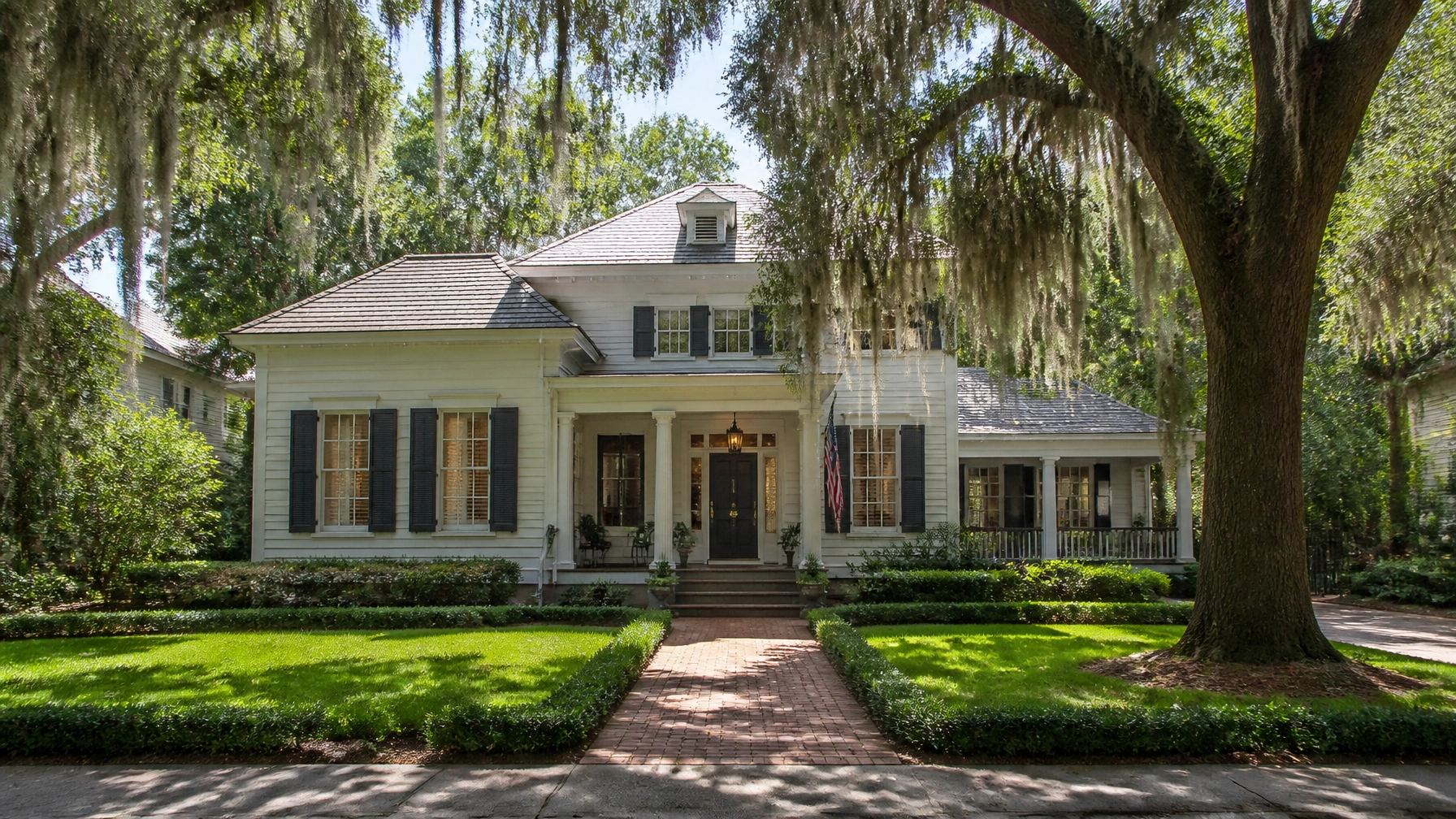
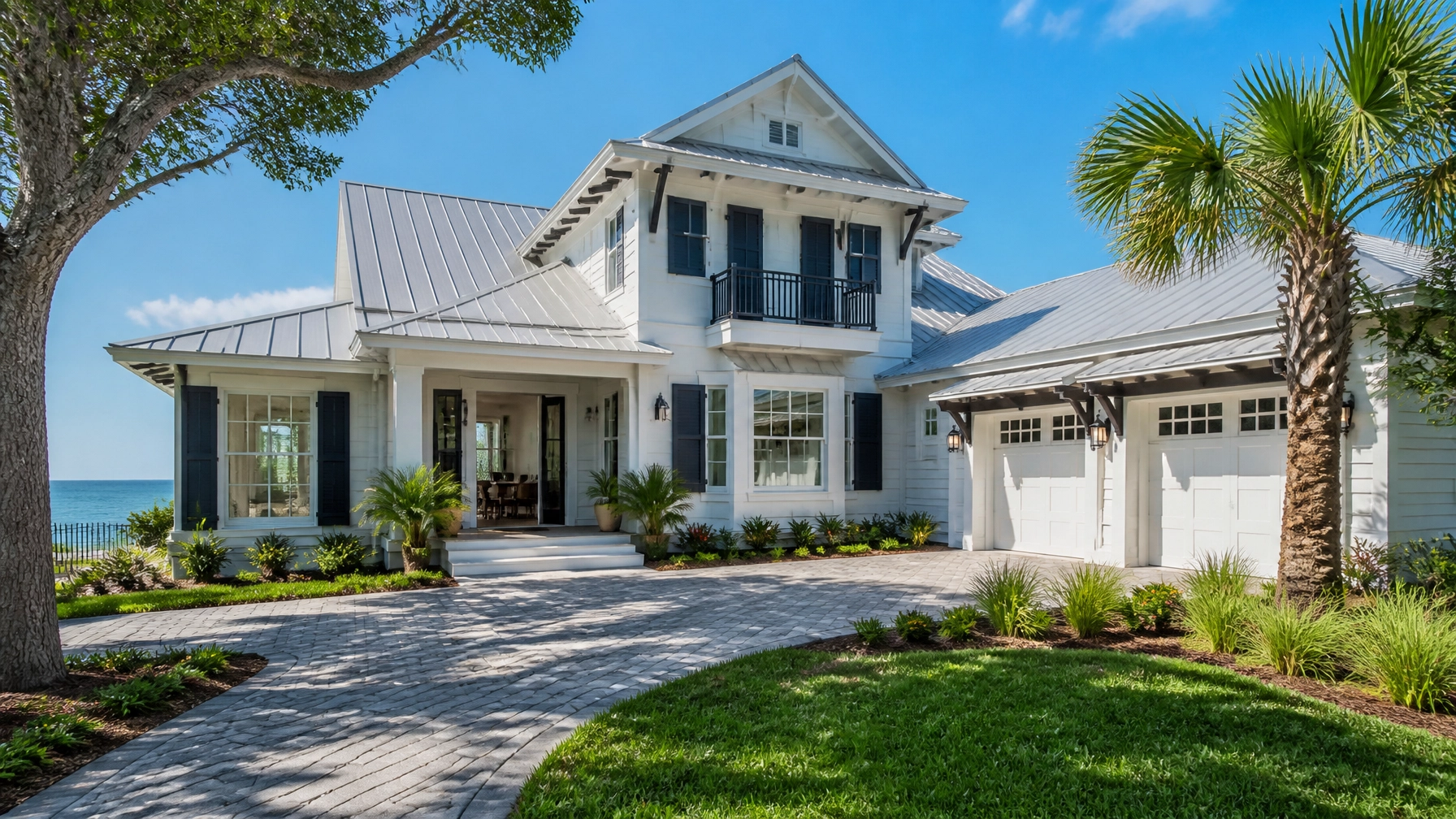
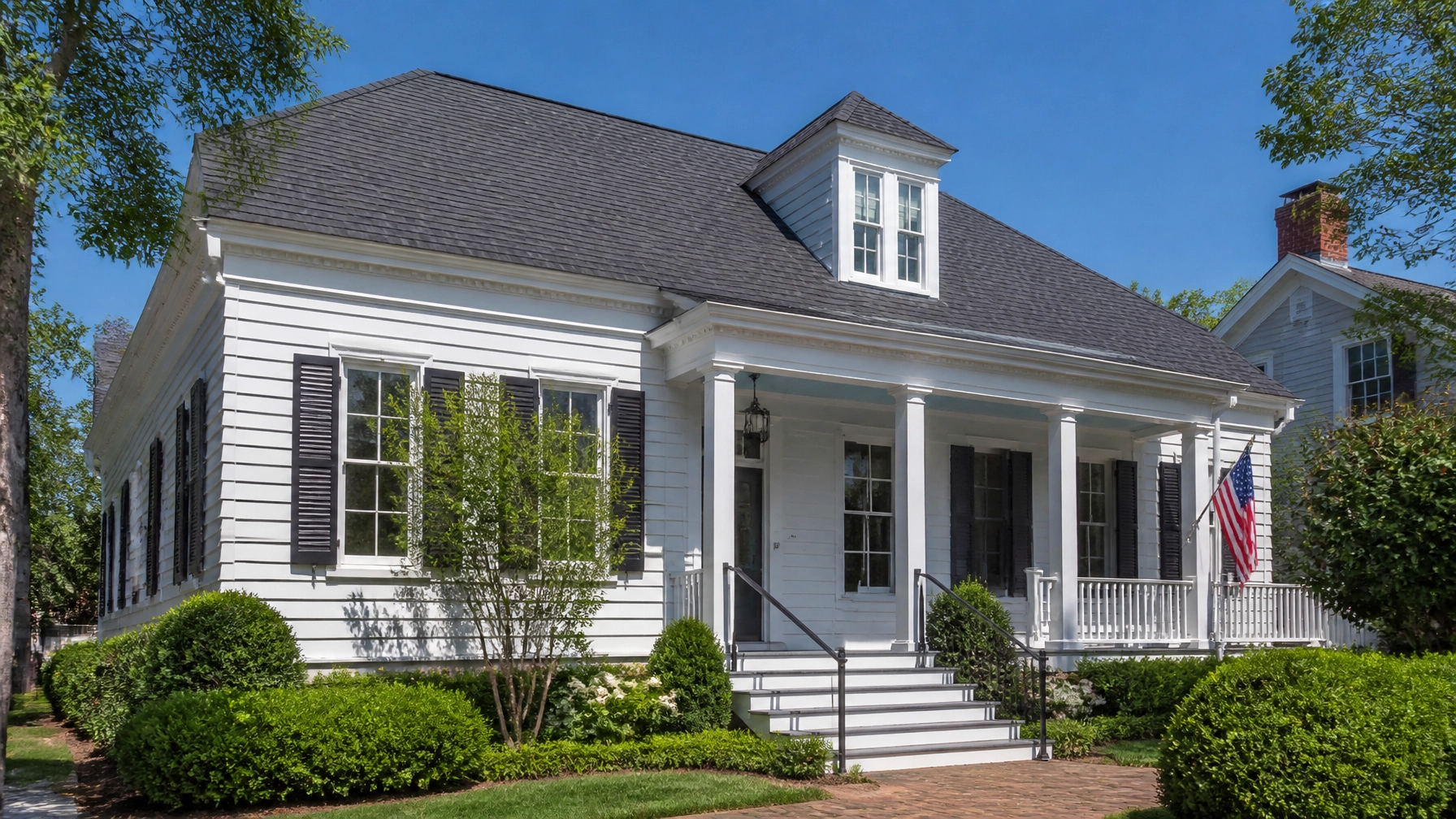
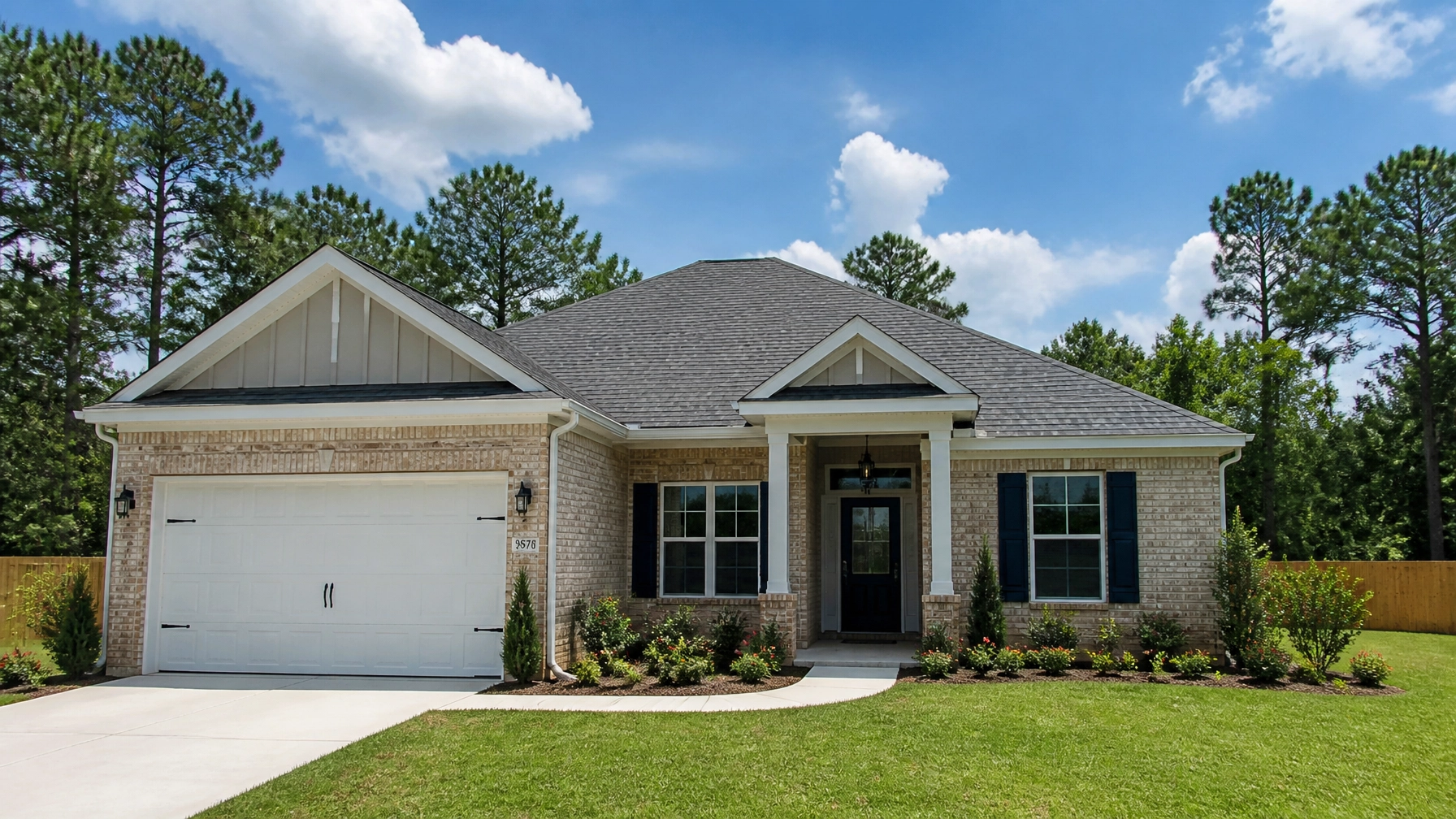
    Well-maintained suburban home in North Carolina

    Traditionally, getting a roof replacement estimate meant calling a contractor, waiting days for an appointment, taking time off work, and enduring a high-pressure sales pitch at your kitchen table.

    At Get My Roof Estimate Now, we have modernized the entire process. By harnessing high-resolution satellite imagery technology, our platform measures your roof down to the exact square foot, pitch, and complexity in under 60 seconds.

    How Our Technology Works:

    1. Enter Your Address: Input your Charlotte, NC property details securely on our platform.
    2. Satellite Measurement: Our advanced algorithms analyze your roof’s surface area, slope gradients, and roof facets with 90-95% accuracy.
    3. Transparent Pricing: Receive an instant, comprehensive cost breakdown featuring low, middle, and high price tiers based on current regional material and labor costs.
    4. Connect with Verified Pros: When you are ready to move forward, we connect you directly with pre-screened, licensed, and insured local contractors who meet our strict quality standards.

    No credit card required. No upfront costs. No salesman knocking on your door before you even know your ballpark budget.


    5. Practical Steps to Protect Your Charlotte Roof This August

    Advanced satellite roof measurement technology concept

    If you are planning maintenance or evaluating whether your roof can weather the rest of the 2026 storm season, keep these practical steps in mind:

    • Perform Ground-Level Inspections: Use binoculars after heavy storms to check for missing shingles, exposed underlayment, or granules accumulating in your gutters.
    • Inspect Your Attic: Following a severe thunderstorm, check your attic space for damp insulation, water staining, or musty odors that signal hidden leaks.
    • Clear Gutters and Downspouts: Ensure rainwater flows freely away from your foundation. Backed-up gutters often force water back beneath the roofline during intense August downpours.
    • Know Your Roof’s Age: If your roof is past the 15-year mark, begin planning and budgeting now rather than waiting for an emergency leak during a tropical downpour.

    Conclusion

    Charlotte’s August weather demands respect. Between high ambient temperatures and aggressive summer thunderstorms, your roof acts as your home's primary line of defense. By understanding local climate trends, investing in storm-ready materials, and leveraging modern technology to plan your budget, you can protect your property without the traditional remodeling stress.

    Ready to find out what your roof replacement will cost? Skip the hassle, avoid the contractor sales visits, and get your instant free roof estimate in under 60 seconds today.

  • 2026 Roof Replacement Cost in Norfolk, VA: Complete Price Guide for Hampton Roads Homeowners

    2026 Roof Replacement Cost in Norfolk, VA: Complete Price Guide for Hampton Roads Homeowners

    Planning a roof replacement in Norfolk or the wider Hampton Roads area requires navigating a unique mix of coastal weather challenges, local building codes, and fluctuating material expenses. Whether you own a historic property in Ghent, a mid-century home in Larchmont, or a coastal residence near Ocean View, understanding current pricing benchmarks is essential for a stress-free project.

    In this comprehensive 2026 guide, we break down exact cost expectations, material options, local labor realities, and how extreme summer conditions impact roof installations across Tidewater Virginia.


    1. Quick Cost Overview: What to Expect in 2026

    For a standard 2,000-square-foot residential roof in Norfolk, VA, total replacement costs generally range between $8,000 and $25,000, depending heavily on material selection, roof pitch, and structural complexity.

    Because Norfolk sits right on the Atlantic coast, standard building requirements mandate higher wind ratings and durable materials to withstand tropical storms and nor'easters. Consequently, local pricing reflects both premium material grades and specialized coastal installation techniques.

    Instead of waiting days for multiple contractors to visit your property, homeowners can use Get My Roof Estimate Now to get an instant, satellite-powered roof estimate in under 60 seconds: completely free and with zero contractor hassle.


    2. 2026 Norfolk Roof Replacement Cost by Material

    Material choice is the single biggest driver of your total project quote. Here is how current pricing breaks down for a typical 2,000 sq. ft. roof in the Hampton Roads market:

    Asphalt Shingles

    • 3-Tab Shingles (Budget): $8,000 – $12,500. While economical, standard 3-tab shingles have a shorter lifespan (15–20 years) and lower wind resistance, making them less ideal for exposed waterfront properties in Ocean View.
    • Architectural Shingles (Popular): $10,500 – $16,500. This is the gold standard for most Hampton Roads single-family homes. Multi-layered architectural shingles offer superior wind uplift resistance (often up to 110–130 mph) and a 30-to-50-year manufacturer warranty.

    Close-up of premium architectural shingles and metal roofing

    Metal Roofing Systems

    • Standing Seam Metal (Premium): $18,500 – $29,000. Standing seam metal roofs are exceptional for Norfolk’s coastal environment. They shed heavy rain instantly, resist salt air corrosion when properly coated, and easily withstand hurricane-force winds with a 50+ year lifespan.

    Luxury & Specialty Options

    • Synthetic Slate & Shake (Luxury): $22,000 – $38,000+. Replicating the high-end look of natural slate or cedar shake without the excessive weight or maintenance, synthetic materials provide unmatched durability and curb appeal for high-end properties in historic neighborhoods like Ghent.

    3. Norfolk Roof Replacement Cost Comparison (2,000 Sq. Ft. Home)

    Material Type Category Low-End Cost Mid-Range Cost High-End Cost Lifespan
    3-Tab Asphalt (Budget) $8,000 $10,000 $12,500 15–20 Years
    Architectural Shingle (Popular) $10,500 $13,500 $16,500 30–50 Years
    Standing Seam Metal (Premium) $18,500 $23,000 $29,000 50+ Years
    Synthetic Slate (Luxury) $22,000 $29,000 $38,000+ 50+ Years

    Note: Figures include material, standard tear-off of one existing layer, underlayment, flashing, disposal, and professional Hampton Roads labor.


    4. Key Cost Factors Specific to Hampton Roads

    Navigating Norfolk VA roofing projects involves several localized variables that influence your final estimate:

    Coastal Climate & Weather Hazards

    Norfolk’s proximity to the Chesapeake Bay and Atlantic Ocean means high humidity, severe salt-air exposure, and frequent tropical storm threats. Roofs here require corrosion-resistant fasteners, high-performance synthetic underlayments, and robust ice-and-water shields in valleys and eaves to prevent wind-driven rain intrusion.

    The Impact of August Heat on Roofing Projects

    Peak summer temperatures in Hampton Roads regularly push heat indexes well past 95°F. August heat presents unique challenges for roofing crews:

    • Material Handling: Asphalt shingles become extremely pliable and scuff easily if walked on during peak afternoon heat. Professional contractors often adjust schedules to start at dawn.
    • Adhesive Sealing: Shingle self-seal strips activate faster in high heat, but improper staging can damage bundles before installation. Experienced local installers manage thermal expansion to ensure proper sealing without blistering.

    Charming historic colonial home in the Ghent neighborhood of Norfolk VA

    Local Permitting and Labor Rates

    • Permits: City of Norfolk building permits typically range from $75 to $250 depending on project valuation. Your contractor will usually pull this as part of the service.
    • Labor Rates: Skilled labor in the Hampton Roads metro area averages competitively compared to Northern Virginia, but high demand following storm seasons can cause localized labor tightening.

    5. Neighborhood Spotlight: Norfolk Architecture & Roofing Needs

    Ghent

    Known for its stunning early 20th-century Queen Anne, Colonial Revival, and Victorian homes, Ghent properties often feature steep pitches, complex rooflines, and historic architectural details. Replacing these roofs requires skilled craftsmanship to preserve historical aesthetic standards while upgrading to modern wind-resistant underlayments.

    Larchmont

    Characterized by charming brick Tudors and traditional suburban residences nestled near the Hague and Lafayette River, Larchmont homes typically feature 1,800 to 2,800 square feet of roof area. Architectural shingles or premium slate-look tiles are popular choices here to maintain neighborhood harmony.

    Ocean View

    Positioned directly along the Chesapeake Bay waterfront, Ocean View homes face severe wind loads and corrosive salt spray. Homeowners here prioritize standing seam metal or high-wind-rated architectural shingles paired with upgraded corrosion-resistant flashing to prevent storm damage.

    Professional roofing contractors inspecting a residential roof with satellite tablet


    6. Streamline Your Project with Instant Satellite Estimates

    Getting accurate pricing shouldn't require waiting weeks for sales reps or dealing with high-pressure door-to-door contractors.

    At Get My Roof Estimate Now, we leverage advanced satellite imagery technology to measure your Norfolk home's roof to within inches. Within 60 seconds, you receive a transparent, data-driven cost breakdown: including material options and local labor benchmarks: completely free and with no credit card required.

    Ready to plan your Hampton Roads roof replacement? Get your instant Norfolk roof estimate today and connect with verified, licensed, and insured local roofing professionals.


  • Daily FAQ Blitz – Slot 5: AEO FAQ Quick Answers for Savannah, GA Homeowners (2026)

    Daily FAQ Blitz – Slot 5: AEO FAQ Quick Answers for Savannah, GA Homeowners (2026)

    Navigating a roof replacement in Savannah, Georgia requires understanding more than just shingle colors and contractor bids. As a major coastal hub, Savannah’s local construction market is deeply tied to international shipping logistics, global supply chains, and strict regional building standards. Whether you are dealing with summer humidity, coastal storm resilience, or historic district guidelines in Chatham County, getting your project right starts with clarity.

    In this edition of our Daily FAQ Blitz, we answer the most pressing questions Savannah homeowners are asking in 2026 about AEO (Authorized Economic Operator) trade security, building supply availability, local roofing costs, and how cutting-edge satellite technology from Get My Roof Estimate Now makes planning your roof replacement effortless.


    1. What is AEO and how does it relate to roofing materials available in Savannah?

    AEO (Authorized Economic Operator) is an internationally recognized standard for supply chain security and trade compliance, functioning alongside the United States' CTPAT (Customs Trade Partnership Against Terrorism) program.

    For Savannah homeowners, AEO matters because a significant portion of raw building supplies: such as specialized asphalt shingle granules, aluminum and steel for metal roofing, synthetic polymers for synthetic slate, and specialized waterproofing underlayments: are imported through global trade networks. When foreign manufacturers and shipping partners maintain active AEO/CTPAT compliance, their cargo undergoes streamlined customs processing. This directly ensures a steady, reliable flow of high-grade roofing materials into local Savannah distribution yards, preventing unexpected material shortages and project bottlenecks.


    2. How do AEO and CTPAT keep the Port of Savannah's building supply chain moving?

    Port of Savannah container terminal

    The Port of Savannah is one of the busiest and most efficient container gateways in North America. However, high cargo volume also means that security and customs bottlenecks can occur without standardized protocols.

    AEO and CTPAT frameworks enforce rigorous supply chain security measures: including ISO 17712 high-security seal tracking, comprehensive container inspections, and verified business-partner audits from origin factory to U.S. port. Because certified importers and carriers are classified as lower-risk, they receive priority processing and fewer unexpected holds by U.S. Customs and Border Protection. For Savannah contractors and homeowners, this means building materials arrive on schedule without the disruptive port delays that plague non-compliant supply chains.


    3. How does supply chain security affect roof replacement costs in Savannah for 2026?

    Supply chain efficiency is directly tied to market stability and pricing. When global shipping is secure, predictable, and expedited through AEO/CTPAT mutual recognition agreements, freight and warehousing expenses stabilize.

    In 2026, streamlined ports and optimized logistics help curb unexpected inflation on imported metal coils, specialized underlayments, and premium shingle components. When material flow remains smooth at the Port of Savannah, local suppliers avoid panic-buying and emergency freight surcharges: savings that are ultimately passed down to homeowners planning roof replacements in Chatham County.


    4. What are typical roof replacement costs in Savannah (2,000 sq ft home)?

    Contractor inspecting standing seam metal roof

    Understanding realistic price benchmarks is essential before hiring a contractor. For an average single-family home with a 2,000 square foot roof in Savannah, GA, 2026 pricing varies depending on the material selected:

    • 3-Tab Asphalt Shingles (Budget): $6,500 – $12,000 : Standard, economical option offering dependable weather protection.
    • Architectural Shingles (Popular): $9,000 – $16,000 (Average: $11,000 – $15,000) : Thicker, dimensional shingles providing enhanced wind resistance against coastal storms and superior curb appeal.
    • Standing Seam Metal (Premium): $18,000 – $30,000+ : Exceptional durability, highly resistant to high winds and heavy Savannah rainfall, with a lifespan exceeding 40+ years.
    • Synthetic Slate (Luxury): $17,000 – $25,000+ : High-end aesthetic replicating natural slate without the heavy structural weight, ideal for historic preservation aesthetics.

    Note: Prices factor in local Chatham County labor rates, disposal fees, and regional building codes designed for high wind and heavy humidity.


    5. How does satellite technology from Get My Roof Estimate Now help Savannah homeowners skip delays?

    Traditionally, getting a roof replacement estimate meant waiting days: or even weeks: for a contractor to schedule an in-person home visit, climb onto your roof with tape measures, and pitch high-pressure sales packages.

    Get My Roof Estimate Now eliminates this friction entirely. By utilizing advanced high-resolution satellite imagery technology, our platform analyzes your home's exact address in seconds. You receive an instant, transparent breakdown of your roof's square footage, pitch, complexity, and material cost options without ever having to wait for a doorstep appointment.


    6. How accurate are satellite roof measurements (90-95% accuracy, within inches)?

    Homeowners are often skeptical of remote measurements, but modern satellite roof estimation technology is remarkably precise.

    Our satellite imaging systems achieve 90-95% accuracy, measuring roof dimensions to within inches. By calculating slope gradients, facet angles, and total surface area digitally, the software accounts for complex hip, gable, and valley structures instantly. This precision gives you reliable numbers to build your home improvement budget around before any contractor ever sets foot on your property.


    7. How are local Savannah contractors vetted?

    Getting an instant cost estimate is only the first step. When you are ready to move forward, you need trustworthy professionals who understand local building conditions: such as Savannah's high humidity, heavy summer downpours, and hurricane wind requirements under Chatham County building codes.

    Get My Roof Estimate Now connects homeowners exclusively with verified, licensed, and insured local contractors. Every partner in our network is thoroughly vetted for quality craftsmanship, licensing compliance, and positive local customer track records, ensuring your installation meets all municipal inspection standards.


    8. What are the next steps for Savannah homeowners?

    Modern home with synthetic slate roof

    Planning your roof replacement in Savannah doesn't have to be stressful or time-consuming. Follow these simple steps to get started today:

    1. Get Your Instant Estimate: Head over to our Roof Cost Calculator and enter your Savannah address. In under 60 seconds, view transparent low-middle-high pricing for architectural shingles, metal, and more.
    2. Review Your Budget Options: Compare material types based on your home's needs, whether you are prepping for the storm season or getting ready to sell.
    3. Connect with Vetted Pros: Request zero-obligation introductions to top-rated, licensed local Savannah contractors who can verify measurements and schedule your installation.

    Ready to see your pricing? Get Your Free Instant Roof Estimate Now and take control of your roofing project in under a minute.


  • Architectural Shingles vs. Metal vs. Synthetic Roofing: The 2026 Pensacola FL Coastline Material Showdown

    Architectural Shingles vs. Metal vs. Synthetic Roofing: The 2026 Pensacola FL Coastline Material Showdown

    Choosing a roof for a home along the Pensacola, FL coastline is unlike almost anywhere else in the country. Escambia County homeowners face a punishing combination of high-velocity hurricane winds, driving tropical rains, intense UV exposure, and corrosive coastal salt air. Under the Florida Building Code (FBC) 8th Edition, material selection dictates not only your upfront investment and aesthetic curb appeal, but also your long-term insurance premiums via wind mitigation inspection credits.

    Whether your roof is reaching the end of its 20-to-30-year lifespan, you have sustained recent storm wear, or you are preparing to sell, comparing materials requires hard data. To help you evaluate your options before speaking with a contractor, here is an objective, data-driven breakdown of the three primary roofing materials in Pensacola for 2026: Architectural Shingles (Budget/Popular), Synthetic Roofing (Mid-High/Premium), and Metal Roofing (Premium/Maximum Durability).


    1. Upfront Cost & Investment Benchmarks (2026 Pensacola Data)

    When evaluating roof replacement costs for a standard single-family home with a 2,000-square-foot gabled roof, local pricing reflects material quality, installation complexity, and strict Florida code requirements.

    • Architectural Asphalt Shingles (Budget): $9,000 – $17,000 installed ($4.50 – $8.00 per sq. ft.). This remains the baseline choice for homeowners seeking lower initial outlay while meeting code minimums.
    • Synthetic / Composite Shingles (Popular / Mid-Range): $14,000 – $28,000 installed ($7.00 – $14.00 per sq. ft.). Mimicking slate or cedar shake, these polymer systems offer high-end aesthetics with superior impact resistance.
    • Metal Roofing (Premium): $18,000 – $41,000+ installed ($7.50 – $17.50+ per sq. ft., depending on whether you choose exposed-fastener panels or interlocking standing seam).

    Tip: You don't have to guess at your exact property's requirements. Use our instant roof cost calculator to get precise, satellite-powered estimates for your specific Pensacola address in under 60 seconds.


    2. Wind Ratings and Hurricane Resilience

    Pensacola sits directly in the path of Gulf storms. Under FBC 8th Edition guidelines, your roof must be engineered to withstand specific wind speed thresholds depending on your exact coastal proximity.

    Suburban home in Pensacola Florida featuring architectural asphalt shingles

    Architectural Shingles (110 – 130 mph)

    • Performance: Modern dimensional shingles are rated for 110 mph out of the box, and up to 130 mph when installed with specialized high-wind nailing patterns, reinforced starter strips, and code-approved underlayment.
    • Vulnerability: While they meet minimum building codes for most inland Pensacola neighborhoods, severe Category 3+ hurricanes can lift tabs or tear edges if the sealant strips degrade over time under intense UV exposure.

    Synthetic / Composite Shingles (110 – 150 mph)

    • Performance: Engineered polymer systems are built to withstand high-velocity winds and Class 4 impact ratings (resisting hail and flying debris). Premium brands feature interlocking designs that lock individual tiles into a unified grid.
    • Vulnerability: Achieving maximum wind ratings requires strict adherence to manufacturer specifications regarding deck fastening and proprietary underlayments.

    Metal Roofing (140 – 180+ mph)

    • Performance: Standing-seam metal systems represent the gold standard for hurricane-prone coastlines. Panels are mechanically locked or clipped together, eliminating exposed fasteners and providing superior uplift resistance that routinely exceeds Category 5 wind speeds (157+ mph).
    • Vulnerability: Practically impervious to wind-driven uplift when installed correctly over solid decking, though cheap exposed-fastener panels can suffer washer degradation over decades in coastal environments.

    3. Coastal Salt Air and Lifespan in Escambia County

    Pensacola’s marine environment introduces a silent enemy: salt spray and high humidity.

    • Architectural Asphalt Shingles: Expect a functional lifespan of 20 to 25 years in Florida. Granules erode faster under intense UV rays, and algae/mold streaking is common without periodic maintenance.
    • Synthetic Composite Shingles: Rated for 30 to 50 years. These engineered polymers do not rot, rust, or support algae growth, retaining their color and structural integrity against salt air corrosion.
    • Metal Roofing: Quality standing-seam metal (such as aluminum or heavy-gauge galvalume with Kynar 500 coatings) delivers a lifespan of 40 to 70+ years. Aluminum is especially favored in waterfront Pensacola ZIP codes because it resists saltwater corrosion far better than standard steel.

    Florida home featuring premium synthetic composite slate roofing tiles


    4. Insurance Impacts & Wind Mitigation Credits

    In Florida, your choice of roofing material directly impacts your homeowners insurance premiums through a Wind Mitigation Inspection.

    To maximize your discounts:

    1. Roof-to-Wall Connections: Ensure your framing uses clips or hurricane straps.
    2. Deck Attachment: 8d ring-shank nails spaced at 6-inch intervals qualify for maximum credits.
    3. Water Barrier: High-tier synthetic underlayment or secondary water resistance (SWR) tape applied directly over roof deck joints yields significant annual savings.
    4. Material Rating: Metal roofs and high-wind-rated synthetic systems often secure the highest discounts due to their superior uplift resistance and Class 4 impact ratings.

    Summary Comparison Matrix

    Feature Architectural Shingles (Budget) Synthetic Composite (Popular) Standing-Seam Metal (Premium)
    Installed Cost (~2,000 sq. ft.) $9,000 – $17,000 $14,000 – $28,000 $26,000 – $41,000
    Wind Rating 110 – 130 mph 110 – 150 mph 140 – 180+ mph
    Lifespan in FL 20 – 25 years 30 – 50 years 40 – 70+ years
    Salt Air Resistance Moderate High Maximum (Aluminum recommended)
    Best For Budget-conscious homeowners Aesthetic upgrade + high durability Ultimate hurricane resilience & longevity

    Plan Your Pensacola Roof Replacement Today

    Navigating a roof replacement in Pensacola doesn't require endless contractor phone calls and high-pressure sales visits. At Get My Roof Estimate Now, our satellite-powered measurement technology delivers accurate pricing within 60 seconds: with 90-95% precision, zero cost, and no credit card required.

    Compare your material options, review precise low-middle-high price ranges for your exact address, and connect directly with verified, licensed, and insured local roofing contractors when you're ready to start.

    Modern coastal residence in Escambia County Florida with sleek metal roof

  • Daily Weather Blitz – Slot 6: Charleston, SC : August 7, 2026: 103°F Heat Index, Salt Air & How the Lowcountry Climate Tests Your Roof

    Daily Weather Blitz – Slot 6: Charleston, SC : August 7, 2026: 103°F Heat Index, Salt Air & How the Lowcountry Climate Tests Your Roof

    Welcome to Slot 6 of our daily weather blitz series. Today, August 7, 2026, Charleston, California-bound weather patterns are giving way to pure Lowcountry heat: mostly sunny skies, an actual high near 90°F, a scorching 103°F heat index, high humidity, and a 30% chance of isolated afternoon thunderstorms.

    While locals head indoors for sweet tea and air conditioning, your roof is out on the front lines taking the full brunt of one of the harshest microclimates in the United States.

    If you own a single-family home in the Charleston area, understanding how intense UV radiation, heavy humidity, airborne salt, and hurricane-season wind gusts impact your roofing system is critical. Whether your roof is showing its age or you are preparing ahead for storm season, knowing your replacement costs and material options is essential. Homeowners looking to bypass traditional contractor scheduling hassles can use our Roof Cost Calculator to get instant, free roof replacement estimates powered by satellite imagery in under 60 seconds.


    The Lowcountry Climate Test: What Charleston’s Environment Does to Your Roof

    Charleston roofs do not age like roofs in inland states. The combination of coastal geography and subtropical weather creates a multi-pronged assault on residential roofing systems:

    • Salt-Air Corrosion (High Priority): Airborne sodium chloride particles generated by the Atlantic and local tidal creeks settle on your roof daily. Without marine-grade fasteners and flashing, standard metal components begin oxidizing in months, leading to premature structural failure.
    • Thermal Shock & 103°F Heat Index: With surface temperatures on dark shingles regularly exceeding 150°F under a 103°F heat index, expansion and contraction cycles are extreme. This thermal stress causes asphalt matrices to crack and shingle granules to shed prematurely.
    • Intense Humidity & Algae Growth: High moisture levels create an ideal breeding ground for Gloeocapsa magma (dark roof algae), which feasts on limestone filler in shingles and retains heat.
    • Tropical Storm & Hurricane Winds: Lowcountry homes must withstand sudden uplift pressures during severe squalls and tropical systems, making proper nailing patterns and wind ratings non-negotiable.

    Because of these factors, standard asphalt shingle lifespans can drop from 30 years down to 15–20 years near the coast unless specified and installed correctly.


    Material Face-Off: Architectural Shingles vs. Standing Seam Metal

    When evaluating Charleston SC roof replacement cost, homeowners typically weigh two primary paths: architectural asphalt shingles and standing seam metal.

    Modern coastal home featuring a standing seam metal roof

    1. Architectural Shingles (Popular / Mid-Range)

    • Average Cost Range (1,800 sq. ft. roof): $11,000 – $20,000 installed.
    • Expected Lifespan in Coastal SC: 18 – 25 years (when coastal-rated).
    • The Lowcountry Verdict: Architectural shingles remain the most popular choice for budget-conscious homeowners. However, standard builder-grade shingles will fail quickly in Charleston. You must specify coastal-rated architectural shingles featuring high-wind endorsements (130+ mph) and algae-resistant granules. Furthermore, standard galvanized nails will rust within 2 to 3 years in salt air; upgrading to hot-dipped galvanized or stainless steel fasteners is mandatory.

    2. Standing Seam Metal (Premium / Long-Term Coastal Champion)

    • Average Cost Range (1,800 sq. ft. roof): $22,000 – $42,000+ installed (depending on steel Galvalume vs. marine-grade aluminum).
    • Expected Lifespan in Coastal SC: 40 – 50+ years.
    • The Lowcountry Verdict: For homes located directly on the waterfront or within tidal marsh zones, standing seam aluminum is the gold standard. Aluminum does not rust in salt air. For near-coastal neighborhoods, high-grade Galvalume with Kynar 500 coatings offers exceptional wind resistance (often rated for 150+ mph winds) and superior solar reflectance, helping lower your August cooling bills.

    Coastal Vulnerability Zones in Charleston: Where Do You Live?

    Not all Charleston neighborhoods face the exact same level of environmental stress. Roofing durability is heavily dictated by your proximity to salt water:

    • Waterfront & Tidal Marsh (Within ¼ Mile): Extreme salt exposure. Here, standing seam aluminum with concealed fasteners and stainless steel clips is the optimal investment. Asphalt shingles here will experience rapid granule depletion and fastener corrosion.
    • Near-Coastal Suburbs (1 to 5 Miles Inland): Moderate to high salt exposure. High-performance architectural shingles with enhanced wind/algae warranties or Galvalume metal systems perform exceptionally well when installed with corrosion-resistant flashing.
    • Inland Charleston & Summerville: Lower salt impact, but still subject to intense UV rays, severe humidity, and heavy summer thunderstorms. Coastal-rated architectural shingles provide fantastic value and durability here.

    Close-up of architectural asphalt shingles under bright sunlight


    Essential Wind Mitigation & Corrosion-Resistant Installation Tips

    Regardless of whether you select architectural shingles or standing seam metal, Charleston's tropical storm risk means installation details matter more than raw material alone. Consider these professional benchmarks:

    1. Upgrade Your Fasteners: Insist on stainless steel or heavy-duty polymer-coated screws and nails. Saving a few hundred dollars on standard fasteners will cost you thousands when rusted nails let your roof deck lift during a windstorm.
    2. Peel-and-Stick Underlayment: Standard felt paper is outdated for coastal zones. Full-coverage self-adhering (ice and water shield style) underlayment acts as a secondary waterproof barrier if wind-driven rain breaches your outer layer.
    3. Drip Edge & Flashing Integrity: Ensure your contractor uses heavy-gauge aluminum or painted Galvalume drip edges tied securely into your gutter system to prevent salt-induced edge rot.
    4. Schedule Regular Inspections: Have your roof evaluated every 1–2 years: and immediately following named tropical storms: to catch loose flashing, sealant cracking, and granule wear early.

    Get Your Instant Charleston Roof Estimate in 60 Seconds

    Planning a roof replacement in Charleston doesn't have to involve waiting weeks for an in-home sales pitch. At Get My Roof Estimate Now, we leverage advanced satellite imagery technology to measure your roof's exact square footage, pitch, and complexity to within inches: delivering accurate, transparent low-middle-high price ranges in under a minute with zero cost and no credit card required.

    Professional roofing contractor inspecting a residential roof

    Whether you are comparing architectural shingles vs metal roofing or need precise local budgeting data, visit our Homepage or explore our Blog for more expert guides. When you are ready, head over to our Roof Cost Calculator to enter your Charleston address and discover your custom estimate instantly.


  • Pensacola FL Roof Guide: Weather Risks, BuildingCodes & 2026 Cost Outlook

    Pensacola FL Roof Guide: Weather Risks, BuildingCodes & 2026 Cost Outlook

    Credit: Photo generated for Get My Roof Estimate Now illustrating modern Florida residential roofing.

    As August 7, 2026 brings typical Panhandle heat: with daily highs hovering between 88°F and 94°F alongside scattered afternoon thunderstorms: Pensacola homeowners are once again reminded of the relentless environment their roofs endure. For a coastal city of roughly 53,634 residents in Escambia County, weathering the elements is a year-round commitment. With a median home build year of 1974, a significant portion of Pensacola residential roofs are now over 50 years old, pushing aging materials past their operational limits.

    Whether you are recovering from the early-season impacts of Tropical Storm Arthur in June 2026, mindful of the lingering structural lessons from Hurricane Sally (2020), or simply preparing for the 28% climatological probability of a named storm making landfall in the region this season, securing your home starts overhead. This comprehensive guide breaks down current local building codes, 2026 replacement costs, and essential wind mitigation strategies for Pensacola FL roof replacement.


    1. Pensacola's Climate & Weather Realities in 2026

    The Florida Panhandle is one of the most weather-vulnerable regions in the United States. Escambia County sits firmly in Florida’s wind-borne debris coastal zone, facing intense ultraviolet radiation, high humidity, torrential downpours, and severe tropical weather systems.

    • Summer Thermal Stress: Sustained surface temperatures in August cook asphalt shingles, accelerating granule loss and drying out sealants.
    • Tropical Weather Legacy: Five years after Hurricane Sally battered Pensacola with historic inland flooding and destructive wind gusts, local building standards reflect hard-earned lessons. More recently, Tropical Storm Arthur’s June 2026 sweep tested roof flashings and envelope seals across the Panhandle.
    • 2026 Hurricane Outlook: Meteorologists continue to track an active tropical season, underscoring why proactive roof reinforcement is critical for minimizing catastrophic water intrusion.

    To evaluate your roof's readiness without waiting for a contractor sales pitch, you can instantly analyze your property dimensions using our Free Roof Cost Calculator.


    2. Escambia County Building Codes & Wind Standards

    Navigating code compliance is mandatory for any legitimate Florida Panhandle roofing project. Under the Florida Building Code (FBC) enforced in 2026, Pensacola structures must meet rigorous standards designed to withstand extreme atmospheric forces.

    Professional roofing installation in progress showing high-wind shingles and peel-and-stick underlayment
    Credit: Photo generated for Get My Roof Estimate Now showcasing proper multi-layer installation techniques.

    Wind Design Speeds (Category III Standards)

    Pensacola building codes mandate design wind speeds reaching approximately 160 to 170 mph (ultimate design wind speed under ASCE 7 standards). This high-velocity requirement dictates every component of a roof replacement:

    • Enhanced Fastening: Shingle installations in wind-borne debris regions require a minimum of six nails per shingle rather than the standard four-nail pattern used inland.
    • Product Approvals: All materials: from underlayment to ridge caps: must carry active Florida Product Approval numbers or Miami-Dade Notices of Acceptance (NOA).

    Mandatory Secondary Water Barriers

    One of the most critical code updates for full reroofs in high-wind zones is the mandatory installation of a secondary water barrier. When old roof coverings are stripped down to the wood deck, homeowners must install a self-adhered polymer-modified sheet (peel-and-stick underlayment) across the entire roof deck, or apply approved tape over all roof deck joints. This ensures that even if shingles are torn off during a severe storm, your home remains watertight.


    3. 2026 Roof Replacement Costs in Pensacola

    Budgeting for a new roof requires balancing upfront material investments with long-term durability and insurance savings. For a typical single-family home in Pensacola with 20 to 25 squares (2,000 to 2,500 square feet), 2026 pricing generally falls into the following ranges:

    Material Option Quality / Tier Estimated Total Cost (Installed) Key Advantage
    Architectural Shingles (Standard / Popular) $9,000 – $13,000 Cost-effective, high-wind rated, clean aesthetic.
    Class 4 Impact Shingles (Enhanced / Durable) $11,000 – $15,500 Superior hail/wind resistance, unlocks steep insurance discounts.
    Standing-Seam Metal (Premium / Lifetime) $16,000 – $28,000 50+ year lifespan, exceptional wind uplift resistance.

    Note: Permitting and local inspection fees in Escambia County typically add $200 to $400 to the total project cost. For a precise estimate tailored to your exact square footage and roof pitch, visit Get My Roof Estimate Now.


    4. Mastering Wind Mitigation in Pensacola

    In Florida, a roof is not just a weather shield: it is a financial asset. Proper wind mitigation Pensacola inspections can dramatically lower your annual property insurance premiums by 30% to 40%.

    Modern Florida coastal home equipped with a durable standing-seam metal roof
    Credit: Photo generated for Get My Roof Estimate Now highlighting metal roofing resilience.

    The Revised OIR-B1-1802 Form (April 2026 Update)

    Insurance companies across Florida now strictly enforce the revised OIR-B1-1802 wind mitigation form (Rev. 04/26). Certified inspectors evaluate six key categories to calculate your discounts:

    1. Roof Geometry: Hip roofs (sloped on all four sides) receive the highest credits because they deflect wind more efficiently than gable roofs.
    2. Roof Deck Attachment: Verifying whether plywood or OSB decking is fastened with 8d ring-shank nails spaced at 6-inch intervals.
    3. Roof-to-Wall Connections: Inspecting whether trusses are secured with toe-nails, clips, single wraps, or double wraps. State rules cap mandated retrofits at 15% of the total reroof cost.
    4. Secondary Water Resistance (SWR): Confirming the presence of a peel-and-stick underlayment membrane.
    5. Opening Protection: Checking impact-rated windows, doors, and shutters.

    Practical Inspection Tips

    • Schedule Promptly: Hire a licensed home inspector or structural engineer immediately following your roof replacement. A wind mitigation inspection typically costs $75 to $150 but pays for itself within the first year of discounted premiums.
    • Retain Documentation: Keep copies of contractor invoices, product approval spec sheets, and building permit sign-offs to substantiate every claim on the 1802 form.

    5. Planning Your Project: Step-by-Step

    Macro photograph of a reinforced hurricane strap roof-to-wall connection during a professional inspection
    Credit: Photo generated for Get My Roof Estimate Now depicting critical structural tie-downs.

    Given the age of many Pensacola homes built during the 1970s boom, proactive planning prevents emergency tarping after severe storms. Follow these steps to streamline your replacement:

    1. Get an Instant Estimate: Use digital satellite measurement tools to understand your precise roof dimensions and material options in under 60 seconds without scheduling an intrusive sales visit.
    2. Consult Escambia County Building Services: Verify whether your project triggers full code compliance under current local amendments.
    3. Request Itemized Contractor Bids: Ensure local licensed contractors explicitly quote six-nail fastening patterns, enhanced edge metal, and secondary water barriers.
    4. Leverage State Grants: Investigate programs like My Safe Florida Home to check eligibility for matching grants that offset wind-mitigation upgrades.

    Conclusion & Next Steps

    Roofing in Pensacola requires a proactive mindset, robust materials, and strict adherence to Florida's high-wind building codes. By combining durable architectural shingles or metal systems with modern wind mitigation techniques, you protect your family, secure substantial insurance savings, and future-proof your home against tropical weather.

    What experiences have you had with Pensacola weather and roof maintenance? Are you planning an upgrade this year? Leave a comment below or share this guide with fellow Panhandle homeowners!

  • Daily Weather Blitz – Slot 7: Tallahassee, FL

    Daily Weather Blitz – Slot 7: Tallahassee, FL

    Welcome to our daily weather and roof durability briefing for August 7, 2026. For homeowners across Tallahassee, FL, understanding how local weather patterns interact with residential roofing is critical for maintaining property value, ensuring structural safety, and managing long-term maintenance budgets.

    In this regional update, we break down today’s forecast in Leon County, review the active storm season we've experienced so far in 2026, analyze up-to-date pricing data, compare top-performing Panhandle materials, and explain how the newly updated Florida wind mitigation inspection standards can slash your insurance premiums.


    Today’s Weather Forecast in Tallahassee, FL (August 7, 2026)

    If you have exterior home projects or roofing inspections scheduled today, here is what you need to know about current meteorological conditions in the Florida Capital:

    • Atmospheric Conditions: Expect a typical North Florida mix of sun and clouds throughout the morning and early afternoon.
    • Temperatures: Highs will peak in the low-to-mid 90s, accompanied by high humidity that pushes heat indices even higher. Tonight's low will settle comfortably in the mid 70s.
    • Precipitation Risk: There is a 30% to 40% chance of pop-up afternoon thunderstorms driven by daytime solar heating and sea-breeze convergence from the Gulf and Atlantic.

    While these scattered summer showers are standard for August, heavy downpours and lightning can test vulnerable flashings, aging sealants, and compromised shingle edges. If your roof is past its prime, these daily thermal cycles and rain events accelerate wear and tear.


    Summer 2026 Climate Review: Severe Weather and Hurricane Season

    Tallahassee and the broader Florida Panhandle have faced an exceptionally demanding weather calendar this year. Reviewing these events helps contextualize why proactive roof resilience is non-negotiable in Leon County:

    1. Spring Severe Weather & Tornado Warnings: Back in May, intense supercells swept through North Florida, triggering multiple tornado warnings, high wind gusts, and localized structural damage across the region.
    2. Summer Storm Activity (June & July): July brought intense squall lines characterized by straight-line winds, torrential rainfall, severe lightning, and widespread downed trees that knocked out power for thousands of local residents.
    3. Atlantic Hurricane Season: Running officially from June 1 through November 30, the current hurricane season remains active, requiring every homeowner to ensure their roof system can withstand severe tropical winds and driving rain.

    Close-up architectural shot of a sleek standing-seam metal roof on a Florida Panhandle home, showing metallic texture, durability against high winds, bright daylight


    Tallahassee FL Roof Replacement Cost 2026

    Budgeting for a major home improvement requires clear, data-driven figures. In Tallahassee, current market conditions place the average Tallahassee FL roof replacement cost 2026 between $4 and $11 per square foot, depending primarily on material selection, roof pitch, complexity, and structural repairs.

    For a standard single-family home (approx. 1,800 to 2,200 square feet of living space yielding roughly 20 to 25 roof squares), typical project costs generally range from $5,900 to $12,250 for standard architectural asphalt shingle installations. Premium metal systems or complex multi-facet roofs will sit at the higher end of the spectrum.

    Cost Breakdown Factors:

    • Material Quality: Standard architectural shingles vs. heavy-duty standing-seam metal.
    • Tear-Off & Disposal: Removing old, weathered layers of multi-layer asphalt.
    • Decking Inspection & Repair: Replacing rotted or water-damaged plywood decking common in humid Florida climates.
    • Code Compliance: Upgrades required by local building codes, such as enhanced nailing patterns and secondary water barriers.

    To get an instant baseline for your specific address without waiting for a contractor visit, try our Roof Cost Calculator.


    Florida Panhandle Roofing Materials Comparison: Shingles vs. Metal

    Choosing the right material is the single most important decision a Panhandle homeowner can make. When conducting a Florida Panhandle roofing materials comparison, two primary options dominate residential installations:

    1. Architectural Asphalt Shingles (Popular)

    • Wind Rating: Up to 110 mph (and up to 130 mph with high-wind installation accessories and proper starter strips).
    • Expected Lifespan: 25 to 30 years with proper attic ventilation and maintenance.
    • Cost Efficiency: Highly economical upfront investment with broad aesthetic variety.

    2. Standing-Seam Metal Roofing (Premium)

    • Wind Rating: Engineered to withstand sustained winds of 160 to 180 mph, making it exceptionally resilient against tropical storms and hurricanes.
    • Expected Lifespan: 40 to 70 years, often outlasting multiple generations of shingle roofs.
    • Energy Efficiency: Reflects solar radiant heat, significantly reducing summer cooling loads in Florida’s intense climate.

    When evaluating architectural shingles vs metal roofing Tallahassee, homeowners balancing upfront budget constraints against long-term storm durability often find that metal provides unmatched peace of mind in hurricane-prone zones.

    Professional roofing contractor installing high-grade architectural shingles on a residential roof in Florida, clear summer day, safety gear, high quality realism


    Florida Wind Mitigation Inspection Tallahassee & Insurance Savings

    Installing a strong roof is only half the battle; proving its resilience to your insurance carrier is how you maximize financial return. In Florida, undergoing a Florida wind mitigation inspection Tallahassee is one of the smartest financial moves a homeowner can make.

    Key Inspection Updates for 2026:

    • Form OIR-B1-1802 (Rev. 04/26): Florida insurance inspectors now utilize this newly updated form to document critical wind-resistant construction features.
    • Validity Period: A certified wind mitigation inspection is valid for 5 years.
    • Key Features Inspected:
      • Roof-to-wall attachments (clips, single wraps, double wraps).
      • Roof deck attachment type (nail size and spacing).
      • Secondary water barrier (peel-and-stick underlayment).
      • Roof geometry (hip roofs receive higher credits than gable roofs).
      • Opening protection (impact windows, hurricane shutters).

    Securing favorable ratings on your OIR-B1-1802 inspection report can unlock substantial annual insurance premium discounts: often paying for the inspection fee many times over.


    Instant Estimates with Get My Roof Estimate Now Tallahassee

    Traditional roofing estimates involve waiting days or weeks for a sales representative to schedule an in-person home visit. Get My Roof Estimate Now Tallahassee leverages advanced satellite imagery technology to measure your roof down to the inch with 90–95% accuracy.

    By entering your address on our platform, you receive a comprehensive cost breakdown within 60 seconds: completely free and with zero credit card required. We connect local homeowners with verified, licensed, and insured roofing contractors across Florida who understand local building codes and hurricane mitigation requirements.

    Roofing contractor conducting a professional roof inspection and wind mitigation check on a Florida home, sunny weather, clipboard and measuring tools


    Conclusion

    As afternoon thunderstorms roll across Tallahassee this August, ensuring your home is protected by a sturdy, weather-tight roof is essential. Whether you are replacing aging architectural shingles or upgrading to a high-wind standing-seam metal system, having precise data puts you in control.

    Plan ahead, schedule your wind mitigation inspection after project completion, and visit our Roof Cost Calculator today to get your instant, satellite-powered estimate in under 60 seconds. For more helpful roofing insights, explore our Blog.

  • Daily ROI Blitz #157: How a New Roof Boosts Home Value in Jacksonville, FL (2026 Data)

    Daily ROI Blitz #157: How a New Roof Boosts Home Value in Jacksonville, FL (2026 Data)

    For Jacksonville homeowners, property values hinge on curb appeal, structural resilience, and efficient operating costs. With the local median home value hovering around $354,000 and an average market velocity of 58 to 60 days on market, every exterior detail matters to discerning buyers and strict insurance underwriters.

    When preparing a property for sale or investing in long-term equity, a roof replacement stands out as one of the most substantial capital improvements you can make. Yet, many homeowners hesitate due to the perceived friction of contractor scheduling, surprise invoices, and complex pricing structures.

    Using the latest 2026 data, this edition of the Daily ROI Blitz examines exactly how much a new roof costs in Jacksonville, FL, the direct financial return you can expect, and how advanced satellite technology allows you to evaluate your roof's economics in under 60 seconds without a single home visit.


    1. The 2026 Jacksonville Housing Market Snapshot

    Real estate velocity in Duval County and surrounding Northeast Florida submarkets remains steady, but buyers are increasingly cautious. Homes sit on the market for an average of 58 to 60 days, giving buyers significant leverage during home inspections.

    Furthermore, high cooling demands driven by humid North Florida summers mean energy efficiency is top-of-mind. Properties with aging, compromised, or weather-beaten roofs face immediate friction:

    • Buyer Hesitation: Buyers factor potential repair or replacement costs into their initial offers.
    • Underwriting Hurdles: Local insurance carriers scrutinize roof age aggressively, frequently refusing policies or demanding steep premium hikes for roofs older than 15 years.
    • Inspection Deductions: An aging roof is the #1 catalyst for renegotiations during the inspection window.

    Investing in a high-performance roof eliminates these friction points before your property ever lists, accelerating your sale timeline and preserving your equity.


    2. Jacksonville Roof Replacement Costs: What to Expect in 2026

    Transparency starts with accurate pricing benchmarks. In Jacksonville, total project costs vary based on square footage, pitch, and material selection. For a standard single-family home, prices typically span from $5,200 to $11,800, depending on the chosen tier:

    • Architectural Shingles (Popular): Typically $4.50 to $9.00 per square foot, with many full replacements landing around $8,300 to $8,800. This remains the go-to option for Jacksonville homeowners who want strong wind resistance, clean curb appeal, and predictable resale value.
    • Metal Roofing (Premium): Typically $9.00 to $16.00 per square foot, with many full replacements ranging from $12,000 to $22,000+. Standing seam and corrugated metal systems perform well in coastal wind zones and can help reduce cooling loads.
    • Tile & Specialty Coatings (Luxury): Ranging from $18,000 to $30,000+, concrete or clay tiles match Mediterranean and Spanish revival aesthetics common across Florida, offering multi-decade lifespans at a higher initial capital outlay.

    Per-square-foot pricing matters because it gives homeowners a faster way to benchmark quotes against roof size. If you are comparing pricing research across the state, including topics like Florida wind mitigation inspection Tallahassee, keep in mind that labor, code requirements, and roof complexity can shift final numbers even when material categories look similar.

    Close-up of premium architectural roof shingles under bright sunlight


    3. Quantifying the ROI: Resale Value vs. Cost Deductions

    When evaluating capital improvements, savvy homeowners look beyond gross resale boost. A roof replacement in Jacksonville delivers return on investment through two distinct financial mechanisms:

    Direct Resale Value Recovery (~68%)

    National and regional remodeling valuation studies consistently indicate that homeowners recoup approximately 68% of their asphalt shingle roof replacement costs directly in increased home appraisal value. On a standard $8,500 shingle installation, nearly $5,800 is instantly added to your home's equity.

    Avoiding Inspection and Appraisal Deductions ($8,000 – $20,000)

    The hidden financial superpower of a new roof lies in what it prevents. When a home inspector flags an end-of-life roof, buyers routinely demand severe concessions:

    • Direct Price Reductions: Buyers request $8,000 to $20,000 off the list price to cover future contractor work.
    • Escrow Holdbacks: Lenders may halt financing until a certified roofing contractor signs off on repairs.

    By completing the replacement proactively, you insulate your asking price from steep buyer deductions, effectively capturing 100% of the avoided discount. For more details on budgeting, explore our Roof Cost Calculator.


    4. Florida Wind Mitigation Inspection Discounts for Jacksonville Homeowners

    For Jacksonville homeowners, a new roof can improve more than resale value. It can also unlock meaningful insurance savings through a Florida wind mitigation inspection. In many cases, homeowners save $900+ per year after documenting qualifying roof features and submitting the proper paperwork to their carrier.

    Here are the key benchmarks to know:

    • Average annual savings: Often $900+ per year, depending on carrier, roof shape, attachment methods, underlayment, and opening protection.
    • Typical inspection cost: Usually $75 to $150.
    • Required form: Form OIR-B1-1802.
    • Validity period: Wind mitigation reports are typically valid for 5 years.

    For sellers, this matters because buyers increasingly care about ongoing ownership costs, not just purchase price. A recently replaced roof with documented wind-mitigation features can strengthen your insurance profile and make the property easier to underwrite.

    Suburban American home with a newly installed roof and clean gutters under a clear blue sky in Jacksonville


    5. Climate Resilience and Cooling Efficiency in North Florida

    Jacksonville’s subtropical climate puts relentless pressure on residential roofing systems. High UV radiation, heavy summer downpours, and tropical storm threats require materials built for maximum performance.

    Florida's 2026 hurricane season is expected to be active, which puts even more attention on roof condition, fastening strength, and storm-readiness. In a market where 24% of Jacksonville listings had price reductions recently, a new roof becomes a more important differentiator. Buyers want homes that are move-in ready, insurable, and less likely to trigger immediate capital expenses.

    Modern roofing systems incorporate advanced underlayments, enhanced ridge ventilation, and reflective granule technology. In a city where air conditioning units run nearly year-round, upgrading your roof reduces thermal attic transfer, lowering monthly electricity bills and contributing to long-term operational ROI.


    6. Skip the Sales Pitch: Instant Satellite Estimates in 60 Seconds

    Traditionally, obtaining a reliable roof replacement estimate required booking multiple in-home consultations, clearing your schedule, and enduring high-pressure sales presentations from competing contractors.

    Get My Roof Estimate Now has transformed this outdated process. Using high-resolution satellite imagery technology, our platform measures your roof's exact square footage, pitch, and complexity to within inches (achieving 90-95% measurement accuracy).

    Within 60 seconds, homeowners receive an instant, transparent breakdown featuring:

    • Low, middle, and high price ranges tailored to Jacksonville's regional labor and material rates.
    • Material cost projections for architectural shingles, metal, and synthetic alternatives.
    • Zero cost and zero credit card required: completely friction-free.

    When you are ready to move forward, our system connects you directly with verified, licensed, and insured local roofing professionals in the Jacksonville area.

    Homeowner holding a tablet displaying a high-resolution satellite roof measurement and cost estimate map interface


    6. Actionable Steps for Jacksonville Homeowners

    Whether you are preparing to list your property or securing your family's asset for the next 20 years, follow this step-by-step roadmap:

    1. Check Your Roof’s Age: If your roof is approaching the 15-to-20-year mark, or if you've noticed granule loss and curling shingles, it's time to evaluate replacement options.
    2. Get an Instant Estimate: Visit Get My Roof Estimate Now and enter your Jacksonville address to generate your precise satellite measurement and cost breakdown in under a minute.
    3. Review Insurance Impact: Consult your insurance agent to see what premium discounts apply for new, wind-mitigation-compliant roof installations in Duval County.
    4. Connect with Vetted Pros: Review matched local contractors through our network to get professional quotes without the typical sales hassle.

    Visit our Blog for more regional market updates, cost guides, and homeowner tips designed to maximize your property's ROI.


  • Daily Weather Blitz – Slot 3: Mobile, AL : August 7, 2026: Calm Today, Storms Return This Weekend & Coastal Roof Durability Tips

    Daily Weather Blitz – Slot 3: Mobile, AL : August 7, 2026: Calm Today, Storms Return This Weekend & Coastal Roof Durability Tips

    Welcome to today's Daily Weather Blitz for Mobile, Alabama, updated for August 7, 2026. If you are stepping outside this morning, you are likely enjoying a brief window of serene coastal weather. At 9:00 AM CDT, temperatures sit at a comfortable 79°F under clear blue skies, though high humidity (77%) pushes the heat index up to an already muggy 88°F. Winds are calm, blowing lightly from the east at just 1 mph with a 0% chance of rain for the daytime hours.

    However, do not let today's tranquility fool you. The classic Gulf Coast summer pattern is shifting. As we head into the weekend, hot and humid conditions will fuel a return of afternoon thunderstorm activity, putting coastal roofs to the test.

    At Get My Roof Estimate Now, we monitor regional weather patterns closely to help homeowners understand how local climates impact residential roofing. Whether you are planning a replacement or assessing storm readiness, understanding your roof’s vulnerability to heat, humidity, and wind is essential for protecting your investment.


    Today’s Calm vs. The Weekend Storm Threat

    Today's forecast calls for a high of 88°F and a low of 74°F with zero rain expected. It is an ideal day for outdoor activities, property inspections, or light maintenance.

    That calm will break as the weekend arrives:

    • Saturday & Sunday Highs: Temperatures will push toward the 90°F mark, with peak afternoon heat indices soaring between 101°F and 107°F. While no official heat advisory is in place, the atmosphere will be primed for energy.
    • Weekend Thunderstorms: Expect a 40% to 50% chance of scattered afternoon and evening thunderstorms on both Saturday and Sunday.
    • Localized Impact: While no organized tropical system or widespread severe weather is threatening Mobile this weekend, typical Gulf Coast summer storms can pack a punch with torrential downpours and sudden 40–60 mph wind gusts.

    Close-up of durable roofing materials and flashing

    For homeowners, these sudden downpours and localized wind bursts highlight why roof durability matters so much in Mobile County. If your roof is past its prime, these standard summer convective storms can quickly exploit weakened sealants, loose shingles, or degraded flashing.


    How Coastal Alabama Heat and Humidity Affect Roofing Materials

    Mobile’s subtropical climate is notoriously demanding on residential structures. Constant exposure to high ambient temperatures, intense ultraviolet (UV) radiation, and extreme humidity creates a harsh microclimate for roofing systems.

    1. Thermal Expansion and Contraction Cycles

    In August, surface temperatures on a typical residential roof can easily exceed 150°F under direct sunlight, even when ambient air temperatures are in the low 90s. As the sun sets and afternoon storms roll in with heavy rain, temperatures drop rapidly.

    • This rapid thermal cycling causes roofing materials: such as asphalt shingles, underlayment, and metal flashings: to expand and contract continuously.
    • Over years, this constant mechanical stress leads to granule loss in shingles, cracking in sealants, and popped roofing nails that compromise your home's watertight barrier.

    2. High Humidity and Moisture Retention

    High humidity means that morning dew and afternoon moisture take longer to evaporate. Shingles and decking retain moisture, which accelerates the degradation of organic felt underlayment and promotes mold, algae, and mildew growth: particularly on the north-facing slopes of roofs or shaded properties.


    Salt-Air Corrosion on Metal Components in Mobile

    Proximity to Mobile Bay and the Gulf of Mexico introduces another invisible enemy: salt-air corrosion. While metal roofing systems (such as standing seam steel or aluminum) and metal accessories (valleys, drip edges, fasteners, and flashing) offer exceptional wind resistance, they require careful material selection in coastal zones.

    • Galvanic and Salt Corrosion: Airborne salt particles settle on roofs and interact with moisture. When standard steel fasteners or low-grade galvanized components are exposed to salt spray and high humidity, they rust rapidly.
    • Fastener Failure: Once nails, screws, or clips corrode, their holding power drops significantly. During a strong summer gust or a tropical squall, unsecured metal panels or loose flashing can tear away, leaving the decking exposed to driving rain.
    • Best Practice: Homeowners in Mobile choosing metal roofing or upgrading accessories should insist on marine-grade aluminum, stainless steel fasteners, or high-end Galvalume coatings with heavy protective resin layers.

    To get an accurate breakdown of material choices and replacement costs tailored to your home's precise dimensions, use our Roof Cost Calculator to generate instant pricing in under 60 seconds.

    Residential street in Mobile Alabama with well-maintained roofs


    Gulf Coast Storm Prep and Roof Maintenance Tips

    Because Mobile experiences everything from standard summer squalls to occasional tropical systems, proactive maintenance is your best defense. Follow these actionable benchmarks to keep your roof storm-ready:

    1. Inspect Your Flashing and Sealants Annually

    Flashing around chimneys, vent pipes, and roof valleys is the number one point of failure during heavy downpours. Ensure metal flashing is firmly secured and sealants are pliable, not cracked or brittle.

    2. Verify Attic Ventilation

    Proper intake (soffit vents) and exhaust (ridge vents) keep attic temperatures manageable. In a hot climate like Mobile, poor ventilation traps extreme heat in the attic, "cooking" shingles from the underside and shortening their overall lifespan by years.

    3. Check Shingle Integrity Post-Storm

    After any severe summer thunderstorm or tropical event, inspect your yard for asphalt shingle granules or broken tabs. Look from the ground for lifted, curled, or missing shingles. Catching minor wind damage early prevents expensive interior water remediation down the road.

    4. Trim Overhanging Tree Limbs

    High summer winds easily snap dead or weak branches. Keep trees trimmed at least 6–8 feet away from your roofline to prevent puncture damage and reduce debris accumulation in your gutters.


    Why Timing Your Roof Replacement Matters

    Replacing a roof in coastal Alabama is a major financial decision, typically ranging from $8,000 to $22,000 depending on your home's square footage, pitch, and material selection (such as architectural shingles vs. standing seam metal). Waiting until an active leak causes structural rot or ceiling damage multiplies repair costs.

    Traditionally, homeowners had to schedule multiple in-home contractor consultations, endure high-pressure sales pitches, and wait weeks just to receive a ballpark price. Today, technology has streamlined the process entirely.

    Homeowner reviewing an instant satellite roof estimate


    Plan Ahead with Instant, Satellite-Powered Estimates

    At Get My Roof Estimate Now, we eliminate the hassle of traditional contracting. By leveraging advanced satellite imagery, our technology measures your roof's exact square footage, pitch, and architectural complexity to within inches: achieving 90-95% accuracy instantly.

    • Lightning-Fast Results: Enter your address and receive a detailed cost breakdown in under 60 seconds.
    • Zero Cost & No Credit Card: Our tool is 100% free with no obligation and zero spam.
    • Transparent Pricing: View clear low, middle, and high-tier estimates for various replacement options (architectural shingles, metal, synthetic, and coatings).
    • Verified Local Contractors: When you are ready to move forward, we connect you with vetted, licensed, and insured local roofing professionals who understand coastal building codes and high-wind fastening requirements.

    Visit our Blog for more regional weather blitz updates, material guides, and budgeting tips. Don't wait for the next heavy weekend downpour to find out if your roof is holding up: get your free roof estimate today and take control of your home's protection.

  • Daily Weather Blitz: Chesapeake, VA – Storm-Ready Roofing & August Weather Trends

    Daily Weather Blitz: Chesapeake, VA – Storm-Ready Roofing & August Weather Trends

    August in Chesapeake, Virginia brings some of the most demanding weather conditions of the entire year to the Hampton Roads region. With extreme heat indices soaring near 100°F, high relative humidity, and a recurring daily risk of severe afternoon thunderstorms, local residential roofing systems face relentless stress. For homeowners across Chesapeake, maintaining a storm-ready roof is not just about curb appeal: it is a critical defense against sudden downpours, high wind gusts, and premature material degradation.

    Whether your home is located in Greenbrier, Deep Creek, Western Branch, or Hickory, understanding how August weather impacts your roof is essential. Knowing your material options, local cost benchmarks, and leveraging modern technology like Get My Roof Estimate Now allows you to plan replacements efficiently without the friction of traditional contractor visits.


    Chesapeake’s August Weather & Direct Roof Stress

    August is statistically one of the wettest and most humid months in coastal Virginia, averaging over 4 to 6 inches of monthly rainfall alongside dew points hovering around 70°F. This creates a specific cocktail of environmental pressures on residential roofs:

    • Thermal Shock: Intense midday sun pushes shingle surface temperatures past 150°F. When a sudden afternoon convective storm drops torrential rain, temperatures plummet rapidly, causing rapid expansion and contraction of roofing materials.
    • High Moisture & Humidity: Persistent humidity traps moisture in attic spaces if ventilation is compromised, accelerating plywood deck deterioration and mold growth from underneath.
    • Localized Wind Uplift: While average summer winds remain calm, severe pop-up thunderstorms routinely generate microbursts and gusty winds that test the integrity of shingle seals along eaves and ridges.

    Roofing professional inspecting a residential roof with a clipboard during summer

    Proactive homeowners evaluate their roof's age and resilience before tropical storm systems and late-summer weather fronts put structural integrity to the ultimate test.


    Material Showdown: Architectural Shingles vs. Metal Roofing

    Choosing the right replacement material is the single most important decision for long-term durability in coastal Virginia. Here is how the top two choices compare for Chesapeake properties:

    1. Architectural Shingles (Popular)

    Architectural asphalt shingles are the most widely specified roofing material across the Hampton Roads market. Modern multi-layer fiberglass designs provide exceptional aesthetic depth and robust wind resistance.

    • Expected Lifespan: 25 to 30 years when properly installed with high-grade underlayment.
    • Wind Resistance: Typically rated for 110 to 130 mph winds when installed with six nails per shingle and reinforced starter strips.
    • Cost Efficiency: Offers the best balance of initial affordability and reliable performance, making it the top choice for standard 1,500 to 2,500 sq. ft. homes.

    Close-up of durable architectural shingles on a clean suburban home roof

    2. Metal Roofing (Premium)

    Standing seam metal roofs are experiencing a surge in popularity among homeowners looking for maximum storm protection and energy efficiency in high-heat climates.

    • Expected Lifespan: 40 to 50+ years with virtually zero cracking or granule loss.
    • Wind Resistance: Engineered to withstand winds up to 150 mph+, locking panels securely against uplift.
    • Energy Efficiency: Highly reflective metal finishes bounce solar radiation away, significantly reducing attic heat gain and cooling bills during scorching August heat waves.

    Chesapeake Roof Replacement Cost Benchmarks (2026 Data)

    Transparency is essential when budgeting for home improvements. In Chesapeake, VA, total roof replacement costs generally range between $8,000 and $22,000, heavily dependent on total square footage, roof pitch, complexity, and selected materials.

    Here is a breakdown of average regional pricing benchmarks for standard single-family homes:

    • Budget Tier (3-Tab Asphalt Shingles): $6,500 – $9,500 (Best for rental properties or immediate resale prep on smaller homes).
    • Popular Tier (Architectural Dimensional Shingles): $9,000 – $15,500 (The gold standard for residential durability and warranty coverage).
    • Premium Tier (Standing Seam Metal / Synthetic Slate): $18,000 – $32,000+ (Maximum longevity and severe weather defense).

    Rather than waiting weeks for an in-person sales pitch, homeowners across the Commonwealth can explore regional pricing details directly through the Virginia Roof Estimates Portal.

    Sleek modern metal roof on a single-family home during a sunny afternoon


    How to Get Your Instant Roof Estimate in Under 60 Seconds

    Traditional roofing estimates required scheduling an in-home sales appointment, taking off work, and waiting days for a contractor to measure your property with a tape measure and ladder. Modern technology has completely transformed this process.

    By utilizing high-resolution satellite imagery technology, platforms like Get My Roof Estimate Now measure your roof's exact dimensions: accurate to within inches: without stepping foot on your property.

    The 3-Step Process:

    1. Enter Your Address: Input your Chesapeake property address into the secure online tool at getmyroofestimatenow.com.
    2. Satellite Analysis: Advanced algorithms analyze your roof’s exact square footage, pitch, valleys, and facets in under 60 seconds.
    3. Instant Transparent Pricing: Receive low, middle, and high cost ranges tailored to material choices (shingles, metal, coatings) with zero hidden fees and no credit card required.

    Once you have your precise data in hand, you can seamlessly connect with verified, licensed, and insured local contractors who respect your time and budget.


    Storm-Ready Roofing Checklist for Chesapeake Homeowners

    To keep your home protected during peak storm seasons, execute these practical steps:

    • Inspect Flashing and Sealants: Check around chimneys, plumbing boots, and skylights where thermal expansion frequently cracks caulking.
    • Clear Gutters and Downspouts: Ensure heavy August downpours drain away from your foundation immediately, preventing water backup under roof eaves.
    • Verify Attic Ventilation: Proper intake and exhaust vents prevent extreme attic heat buildup that bakes shingles from the inside out.
    • Secure Loose Shingles: Address any curling or missing tabs immediately before high winds turn minor damage into a major leak.

    Conclusion

    Chesapeake’s August weather demands vigilance, but protecting your home does not have to be a complicated or stressful ordeal. By understanding local climate stressors, comparing high-performance materials like architectural shingles and metal, and utilizing cutting-edge satellite measurement technology, you can take total control of your roofing project.

    Ready to find out exactly what your roof replacement will cost? Visit Get My Roof Estimate Now today to get your free, instant estimate in under 60 seconds( no contractor visit required.)