Category: Uncategorized

  • 7 Mistakes You’re Making with Houston Roofing Contractors (And How to Spot a Storm Chaser)

    7 Mistakes You’re Making with Houston Roofing Contractors (And How to Spot a Storm Chaser)

    In Houston, a roof isn’t just about curb appeal; it’s your primary defense against 95°F humidity, sudden tropical downpours, and the occasional hurricane. When your roof reaches the end of its 15- to 25-year lifespan, or a massive hailstorm rolls through Harris County, the pressure to find a contractor is intense.

    Unfortunately, this pressure often leads to costly errors. Whether you're in Sugar Land, Katy, or The Heights, the roofing market is flooded with both high-quality professionals and opportunistic "storm chasers."

    Here are the seven most common mistakes Houston homeowners make when hiring a roofing contractor and the technical data you need to avoid them.

    1. Falling for the "Free Roof" (Waived Deductible) Scam

    This is the most common: and dangerous: mistake in Texas. A contractor may offer to "cover" or "waive" your insurance deductible to win the job.

    The Reality: In Texas, this is illegal. Under Texas Law (HB 2102), it is a criminal offense for a roofing contractor to pay, waive, or rebate a policyholder’s deductible. If a contractor offers this, they are asking you to participate in insurance fraud. Furthermore, any contractor willing to break state law to get your business is likely to cut corners on your installation to recoup that "waived" cost.

    2. Hiring Out-of-State "Storm Chasers"

    After a significant weather event, "storm chasers" flood the Houston area. These are companies that travel from state to state following storm paths.

    How to Spot Them:

    • Out-of-state plates: Check the trucks. If they aren’t from Texas, proceed with extreme caution.
    • Door-to-door solicitation: Reputable local contractors are usually busy enough with referrals; they rarely need to knock on doors.
    • No local address: If their business card lists a P.O. Box or a temporary office space, they will likely be gone long before your warranty issues arise.

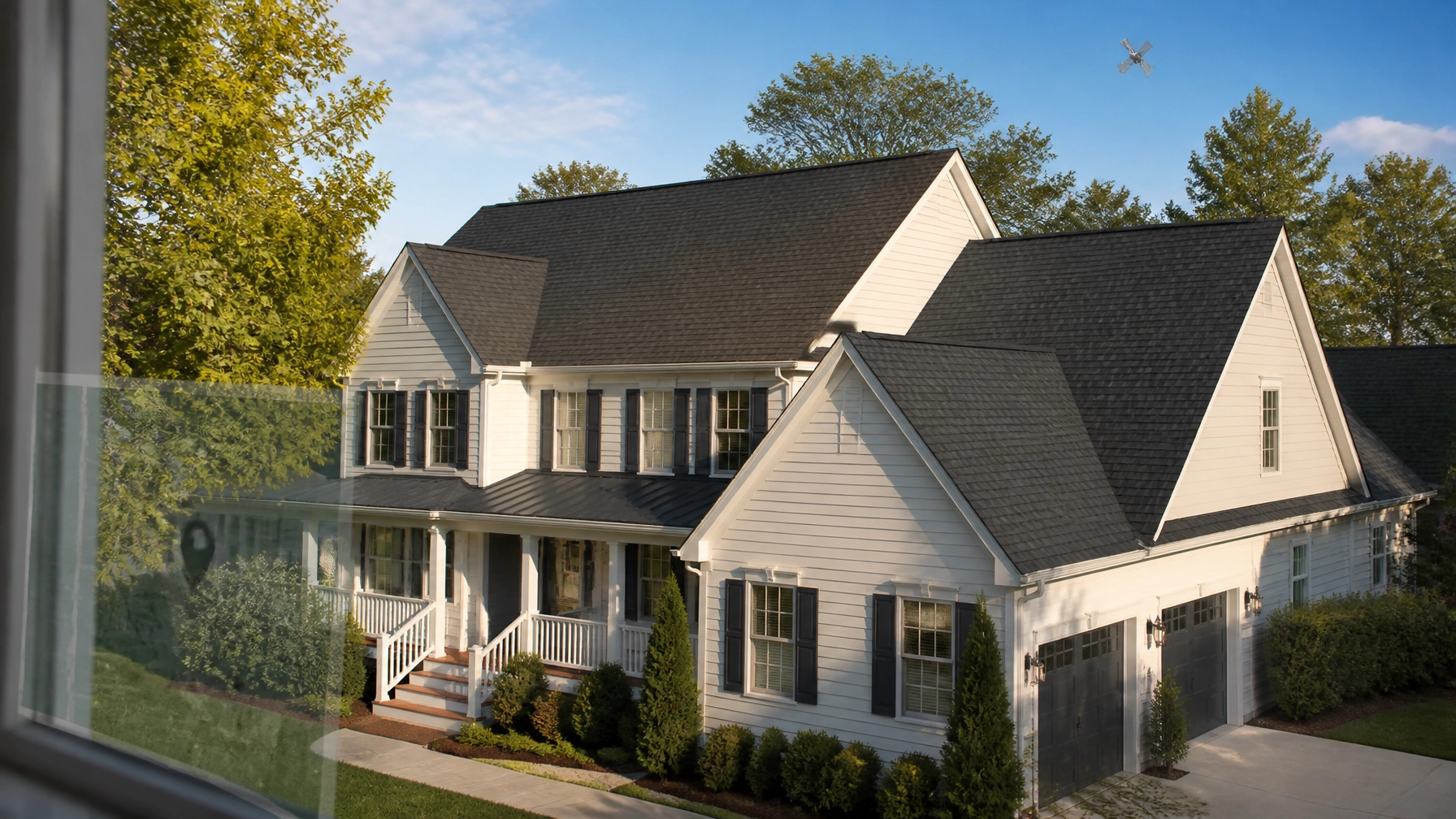
    Close-up photograph of high-quality architectural asphalt shingles on a residential roof.

    3. Signing a "Contingency Agreement" Before an Estimate

    A common tactic involves a contractor asking you to sign a "simple form" that allows them to talk to your insurance company.

    The Risk: Many of these forms are legally binding contingency agreements. By signing, you may be committing to use that contractor for the full amount of the insurance settlement before you’ve even seen a formal price quote. Always get an instant roof estimate first so you know the baseline cost (Budget, Popular, or Premium) before engaging with insurance paperwork.

    4. Paying 100% of the Cost Upfront

    No reputable Houston roofing company requires full payment before they drop materials in your driveway.

    Standard Practice:

    • Deposit: Typically 1/3 or 1/2 of the total project cost to cover materials.
    • Final Payment: Due only after the job is complete, the site is cleaned (magnetic sweep for nails), and you’ve signed off on the work.
    • Red Flag: If a contractor demands the full check upfront because they "need to buy materials," it’s a sign of financial instability or a potential disappearance.

    5. Ignoring Houston-Specific Material Requirements

    Houston’s climate is brutal. A mistake many make is choosing the cheapest material without considering the "Texas Tax": the cost of premature failure due to heat.

    Factor Impact on Houston Roofs Recommended Solution
    Humidity Promotes algae and mold growth. Algae-resistant shingles (copper-lined granules).
    UV Exposure Rapidly degrades standard asphalt binders. Reflective "Cool Roof" shingles or Metal.
    Wind High risk during Hurricane season. Shingles with 130 mph+ wind ratings.

    For many Houstonians, Metal Roofing is becoming the "Premium" standard because it reflects solar heat, potentially lowering cooling bills by 10-25%.

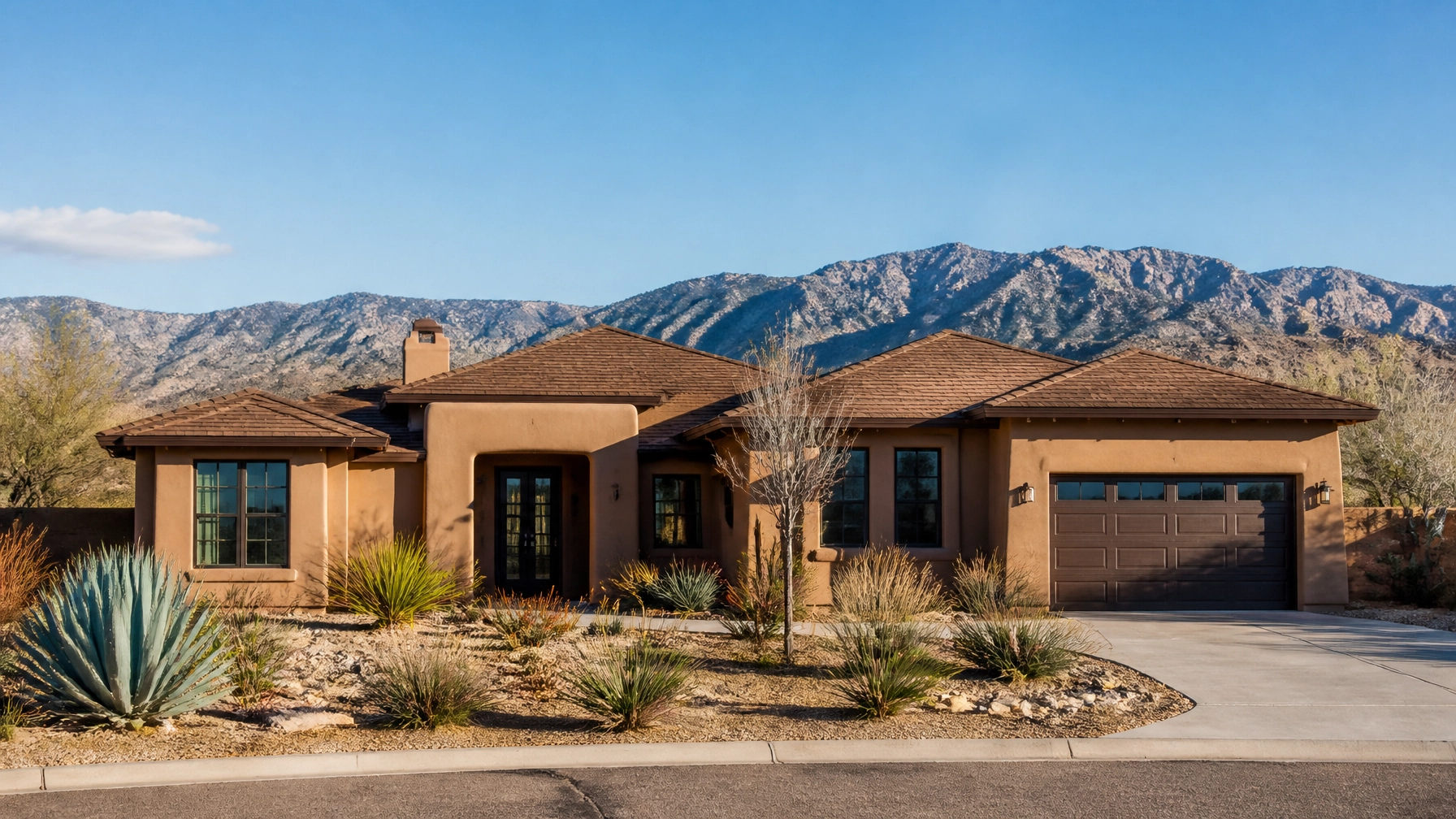
    Modern Texas home with a sleek charcoal grey standing seam metal roof.

    6. Not Verifying Insurance and Local Registration

    Texas does not have a statewide roofing license, which makes vetting even more critical.

    Must-Haves:

    • General Liability Insurance: Protects your property if a tree branch falls or a leak occurs during construction.
    • Workers’ Compensation: Ensures you aren't liable if a crew member is injured on your property.
    • City Registration: Most municipalities (like the City of Houston or Pearland) require contractors to register and pull permits. If they skip the permit, they are skipping the city inspection that protects you.

    7. Relying on "Eyeball" Estimates

    Many traditional contractors walk the perimeter of your house and give you a "ballpark" figure. This leads to "change orders" halfway through the job when they realize the roof is steeper or larger than they thought.

    The Solution: Use technology. Our satellite-powered measurement system provides 90-95% accuracy without anyone stepping on your shingles. In 60 seconds, you can receive a data-driven range for your specific address:

    • Budget ($8,500 – $11,000): 3-tab shingles for standard homes.
    • Most Popular ($12,000 – $16,000): Architectural shingles with high wind resistance.
    • Premium ($20,000 – $35,000+): Standing seam metal or designer tiles.

    Homeowner in Houston holding a modern smartphone showing a satellite imagery map of their roof with a clear price estimate.

    Conclusion: Take Control of the Process

    Replacing a roof is one of the most significant investments you'll make in your Houston home. Don't let high-pressure sales tactics or storm-chaser gimmicks cloud your judgment.

    By starting with a transparent, satellite-accurate estimate, you ground the conversation in reality. You’ll know exactly how many "squares" your roof is and what the market rate is for materials and labor in your specific zip code.

    Don't wait for a leak. Get your free Houston roof estimate in 60 seconds today.


  • The Ultimate Guide to Atlanta Roof Replacement Cost: Everything You Need to Succeed in 2026

    The Ultimate Guide to Atlanta Roof Replacement Cost: Everything You Need to Succeed in 2026

    For Atlanta homeowners, 2026 marks a turning point in home maintenance. As we move further into the decade, the combination of regional labor shortages and a projected 4–8% hike in material costs has changed the math on roof replacements. If you are sitting under a 20-year-old roof in Buckhead, Marietta, or Decatur, waiting another year could cost you thousands in inflation alone.

    In Atlanta, a roof isn't just about curb appeal: it’s a critical defense against humid subtropical heat, heavy spring downpours, and the occasional North Georgia hail storm. This guide breaks down the cold, hard numbers for 2026 to help you plan with 95% accuracy.

    The 2026 Atlanta Cost Snapshot

    In 2026, the average cost for a full roof replacement in the Atlanta metro area ranges from $8,500 to $22,000. For premium materials or oversized estates, these figures can easily climb toward $30,000+.

    Component Estimated Cost (2026) Notes
    Basic 3-Tab Shingle $3.75 – $5.25 / sq. ft. (Budget) Best for short-term fixes.
    Architectural Shingle $4.75 – $6.75 / sq. ft. (Popular) The gold standard for GA homes.
    Standing Seam Metal $11.00 – $15.50 / sq. ft. (Premium) High ROI and energy efficiency.
    Labor Share 45% – 60% of total Higher in metro Atlanta than rural GA.
    Permits & Disposal $1,200 – $3,500 Includes Fulton/DeKalb fees and debris.

    Decoding the Materials: What’s Best for Your Zip Code?

    Choosing the right material is a balance of upfront cost and long-term durability. In the Atlanta market, three categories dominate the landscape:

    1. Asphalt Shingles (The Standard Choice)

    Asphalt remains the most common choice due to its versatility and lower price point.

    • 3-Tab Shingles (Budget): These are the most affordable option. While they meet building codes, they are thinner and more susceptible to wind damage during Atlanta’s storm season (March–August).
    • Architectural Shingles (Popular): Also known as dimensional shingles, these are the preferred choice for 80% of our Atlanta clients. They offer superior wind resistance (up to 130 mph) and a layered look that mimics wood shakes.

    Hyper-realistic close-up photography showing a comparison between basic 3-tab asphalt shingles on the left and thick, textured architectural shingles on the right.

    2. Metal Roofing (The Performance Choice)

    Metal Roofing (Premium): With Atlanta’s summer highs frequently hitting 90°F+, metal roofs are gaining massive popularity. A standing seam metal roof reflects solar radiant heat, which can reduce cooling costs by up to 25%. While the initial investment is 2-3x higher than shingles, a metal roof in Georgia can last 50+ years, often outlasting the homeowner's tenure.

    A hyper-realistic photograph of a modern Atlanta home with a sleek, dark bronze standing seam metal roof. The architecture is contemporary with large windows and brick accents.

    The "Atlanta Factor": Local Variables That Influence Price

    Your neighbor’s roof quote might be $12,000, while yours is $18,000. Why? Several local factors dictate the final invoice:

    • Roof Complexity: Atlanta’s historic homes in neighborhoods like Inman Park or Grant Park often feature steep pitches (8/12 or higher) and multiple dormers. Steep roofs require specialized safety equipment and more man-hours, increasing labor costs by 20–40%.
    • Tree Canopy: Atlanta is famously the "City in a Forest." While beautiful, heavy tree cover leads to more organic debris and potential rot. If a contractor discovers rotted decking (the wood layer under the shingles) during the tear-off, expect to pay $75–$110 per sheet of plywood replaced.
    • Permitting and Waste: Fulton and DeKalb counties have specific requirements for debris disposal. A reputable contractor will include the cost of a dumpster and local permits: usually between $175 and $500: directly in your roof cost estimate.

    Why "Ballpark" Estimates Are a Risk in 2026

    In the past, homeowners had to wait days for a contractor to show up with a ladder and a tape measure. These "eyeball" estimates were often inaccurate, leading to "change orders" that inflated the price mid-project.

    In 2026, technology has eliminated this friction. At Get My Roof Estimate Now, we use high-resolution satellite imagery to measure your roof with precision down to the inch. We analyze the exact square footage, pitch, and number of valleys without ever stepping foot on your property.

    A high-tech visualization of a residential roof in Atlanta being measured by satellite imagery, showing glowing blue digital wireframe lines and measurement labels.

    The 60-Second Advantage

    By using our roof cost calculator, you get:

    1. Instant Transparency: No high-pressure sales meetings in your living room.
    2. Accurate Data: Measurements that are 90-95% accurate to the actual build.
    3. Vetted Connections: We connect you with licensed, insured Atlanta contractors who are ready to honor the satellite-generated pricing.

    Budgeting for Success: Your 2026 Checklist

    If you are planning a replacement this year, follow these three steps to ensure you don't overpay:

    1. Get Your Baseline: Use a free roof estimate tool to establish a "fair market" price based on your specific roof geometry.
    2. Time Your Project: If possible, schedule your replacement for late winter (January–February). Demand is lower, and some Atlanta contractors offer 5–10% off-season discounts to keep their crews busy.
    3. Check the Warranty: Ensure your quote includes both a Manufacturer Warranty (covering the shingles) and a Workmanship Warranty (covering the installation). In 2026, a 10-year workmanship warranty is the industry standard for quality GA pros.

    Conclusion

    Replacing a roof in Atlanta is a significant investment, but it shouldn't be a mystery. By understanding the 2026 material hikes and leveraging satellite technology, you can move forward with confidence. Whether you’re looking for a budget-friendly 3-tab shingle or a premium metal system to combat the Georgia heat, the data is now at your fingertips.

    Ready to see your number? Get your instant Atlanta roof estimate in 60 seconds. No credit card, no hassle, just accurate pricing.

    Get Your Free Estimate Now


  • The Ultimate Guide to Vetting Lafayette Contractors: Everything You Need to Spot a Scam

    Lafayette homeowners are no strangers to the volatile weather of the Gulf Coast. From the seasonal threat of hurricanes to the sudden, heavy thunderstorms that roll through Acadiana, your roof is your first line of defense. Unfortunately, where there is storm damage, there are "storm chasers": unscrupulous contractors who descend on neighborhoods like Broadmoor or River Ranch after a weather event, looking to exploit stressed homeowners.

    Vetting a contractor in Lafayette isn't just about finding someone who can swing a hammer; it’s about navigating complex Louisiana state laws and spotting sophisticated scams before you sign a contract. This guide provides the data-driven framework you need to protect your home and your wallet.

    The New Reality of Louisiana Roofing Laws

    As of 2025 and 2026, Louisiana has significantly tightened the screws on the roofing industry. If you haven't hired a roofer in a few years, the rules have changed. Understanding these legal benchmarks is your first step in vetting.

    The $7,500 Threshold (Licensing)

    In Louisiana, any residential roofing project valued at $7,500 or more requires the contractor to hold a specific license from the Louisiana State Licensing Board for Contractors (LSLBC).

    • Residential Roofing License (New): Effective January 2026, contractors must pass a specific trade exam for residential roofing.
    • Exemptions: Contractors holding a "Residential Construction" or "Building Construction" license are also authorized to perform this work.

    The Scam: A contractor claims they don't need a license because they are "just doing a repair," even if the quote is $10,000. If they aren't in the LSLBC database, they are operating illegally.

    Mandatory Permits and Inspections

    Under Act 239, all roof construction and reroofing projects in Louisiana: regardless of the price: now require a permit and inspections.

    • The Red Flag: If a contractor tells you a permit isn’t necessary for a simple reroof in Lafayette, they are lying.
    • The Risk: Without a permit and a subsequent inspection, you have no proof the roof meets the Louisiana State Uniform Construction Code. This can haunt you during a future home sale or insurance claim.

    4 Red Flags: How to Spot a "Storm Chaser" in Lafayette

    Storm chasers are high-pressure sales outfits that follow hail and wind maps. They aren't local, and they often disappear once the check clears. Look for these four specific warning signs.

    1. The "Free Roof" or Deductible Scam

    This is the most common scam in the South. A contractor offers to "waive," "eat," or "rebate" your insurance deductible.

    • The Reality: This is insurance fraud. Your deductible is a legal obligation between you and your insurer.
    • The Tactic: The contractor often inflates the invoice sent to the insurance company to cover the cost of your deductible. If the insurance company finds out, you could be held liable for fraud.

    2. The Door-to-Door Pressure Play

    Reliable Lafayette roofing companies are usually busy enough that they don't need to knock on doors randomly.

    • The Red Flag: A salesman who claims they "just finished a roof down the street" and noticed "obvious damage" from the ground. They will push for an immediate "free inspection" to get you to sign a contingency agreement.
    • The Vetting Rule: Never sign a document just to get an inspection. A contingency agreement often locks you into using that contractor if your insurance claim is approved.

    A hyper-realistic aerial satellite view of a residential neighborhood in Lafayette, LA, highlighting various roof shapes and sizes, representing advanced roofing measurement technology.

    3. Out-of-State Plates and Non-Local Numbers

    Check the trucks and the business cards. Storm chasers often use temporary magnetic signs on their vehicles.

    • Lafayette Context: Look for a 337 area code and a physical office address in the Lafayette/Acadiana area. A PO Box or a hotel address is a major warning sign.
    • Why it Matters: If your roof leaks six months from now, a contractor based in Texas or Florida won't come back to fix it under warranty.

    4. Large Upfront Deposits

    While a small deposit for materials is standard (typically 10-33%), a contractor asking for 50% or more upfront before a single shingle arrives is a flight risk.

    • The Scam: They take your insurance "first check" (the ACV payment) and simply never return to start the work.

    The Step-by-Step Vetting Checklist

    Before you hand over a dime, run every Lafayette contractor through this rigorous checklist.

    Step Action Why it Matters
    1. LSLBC Search Search the LSLBC database by name. Confirms they are legally allowed to work in LA.
    2. Insurance Verification Demand a Certificate of Insurance (COI) sent directly from their agent. Protects you if a worker falls or your property is damaged.
    3. Permit Confirmation Ask who will pull the permit (it should be them). Ensures the work is inspected by Lafayette Parish/City officials.
    4. Local References Ask for three Lafayette addresses they roofed in the last 12 months. Verifies they have a history in the community.
    5. Material Specs Ensure the contract lists specific brands (e.g., GAF, Owens Corning). Prevents "bait and switch" with lower-quality materials.

    Utilizing Technology to Level the Playing Field

    The biggest advantage a scammer has is information asymmetry. They know how much a roof costs; you don't. They claim your roof is 30 "squares" (3,000 sq. ft.); you have no way to verify that without climbing a ladder.

    At Get My Roof Estimate Now, we use satellite imagery technology to provide Lafayette homeowners with an objective, third-party benchmark. By entering your address into our Roof Cost Calculator, you receive an estimate accurate to within 90-95% of the actual size and cost: all in under 60 seconds.

    How this stops scams:

    • Accurate Sizing: If our satellite measurement shows your roof is 22 squares and a contractor quotes you for 30, you know they are padding the bid.
    • Price Transparency: We provide low-middle-high ranges based on current Lafayette material and labor costs. If a "storm chaser" quotes you $25,000 for a project our data shows should cost $14,000, you have the evidence to walk away.

    A professional roofing crew wearing safety harnesses working on a steep residential roof in a sunny, tree-lined neighborhood, hyper-realistic photography.

    Understanding Lafayette Roofing Costs (2026 Benchmarks)

    To vet a quote effectively, you need to know the baseline. For a typical 2,000-square-foot home in Lafayette, here is what you should expect to pay for a full replacement:

    • Architectural Shingles (Popular): $9,500 – $14,000. These are the standard for most Lafayette neighborhoods due to their wind resistance (up to 130 mph).
    • Metal Roofing (Premium): $18,000 – $32,000. Standing seam metal is increasingly popular in South Louisiana for its longevity and hurricane durability.
    • Synthetic/Slate (Luxury): $35,000+. Often seen in high-end developments or historic districts.

    Note: These prices factor in regional labor rates and current Louisiana disposal fees.

    Final Thoughts: Trust, But Verify

    Lafayette is a community built on handshakes and local trust, but the roofing industry attracts outsiders who don't share those values. Protecting your home starts with a refusal to be rushed.

    If a contractor is pressuring you, walk away. If they won't provide a license number, walk away. And if you want to know exactly what your roof should cost before you ever speak to a salesman, start with an instant satellite estimate.

    Knowledge is your best defense against a scam. Take 60 seconds to get the data you need to vet your Lafayette contractor like a pro.

    Close-up detail of high-quality architectural roofing shingles in a charcoal grey color, showing texture and depth, hyper-realistic photography.

  • 2026 Mobile Roof Pricing Explained in Under 3 Minutes

    2026 Mobile Roof Pricing Explained in Under 3 Minutes

    For homeowners in Mobile, Alabama, the question of roof replacement cost is often urgent. Between the high humidity of the Gulf Coast and the looming threat of hurricane season, your roof is more than just an aesthetic choice, it’s your primary line of defense.

    In 2026, a standard roof replacement in Mobile typically ranges from $6,000 to $28,000, with most homeowners landing in the $10,500 to $16,000 bracket. This guide breaks down the data, material costs, and local variables specific to the Port City so you can budget accurately without the guesswork.

    The 2026 Mobile Pricing Snapshot

    If you are looking for a quick baseline, the average cost per square foot in Alabama currently sits between $3.20 and $7.50 for asphalt systems. However, your total investment depends heavily on material choice and the complexity of your roofline.

    Material Type Cost Per Sq. Ft. (Installed) Avg. Total (2,000 Sq. Ft. Roof)
    3-Tab Asphalt (Budget) $3.00 – $4.50 $6,000 – $9,000
    Architectural Shingles (Popular) $4.50 – $7.50 $9,000 – $15,000
    Metal Roofing (Premium) $9.00 – $14.00 $18,000 – $28,000
    Tile or Synthetic (High-End) $10.00 – $20.00 $20,000 – $40,000+

    Why Your Mobile Location Matters

    Mobile is unique. Unlike landlocked cities in Alabama, roofs here face extreme salt spray, high-velocity winds, and intense UV exposure. In 2026, roofing technology has advanced to meet these needs, but it impacts the "bottom line" in three specific ways:

    1. Wind Mitigation Standards: Mobile falls within designated wind zones. Local building codes often require specific nailing patterns or high-wind-rated shingles (up to 130 mph), which can slightly increase labor and material costs compared to inland cities like Birmingham.
    2. Humidity and Algae: "Gloeocapsa magma", the blue-green algae that causes black streaks, thrives in our humid climate. Most 2026 estimates now include algae-resistant shingles as a standard, not an upgrade.
    3. Insurance Requirements: Many Alabama homeowners are now prioritizing FORTIFIED Home™ standards to lower their insurance premiums. While this can add 5-10% to your upfront cost, the long-term savings and peace of mind during storm season are significant.

    Satellite imagery measurement of a residential roof in Mobile Alabama

    How We Calculate Your Estimate in 60 Seconds

    The traditional way of getting a roof estimate, scheduling three contractors to climb on your house, is becoming a thing of the past. At Get My Roof Estimate Now, we use advanced satellite imagery to measure your roof with 95% accuracy.

    By entering your address into our Roof Cost Calculator, our system analyzes:

    • Total Square Footage: Measured in "squares" (100 sq. ft. sections).
    • Roof Pitch: Steeper roofs require more safety equipment and labor.
    • Complexity: The number of valleys, dormers, and chimneys.
    • Regional Labor Rates: Real-time data from Mobile-area contractors.

    This technology allows you to skip the sales pitch and move directly to the budgeting phase.

    Deep Dive: Material Costs for 2026

    1. Architectural Shingles (The Standard Choice)

    In 2026, architectural (or dimensional) shingles remain the top choice for Mobile homeowners. They offer a balance of durability and cost-effectiveness.

    • Budget Range: $9,000 – $15,000 for a typical home.
    • Why: They provide a multi-layered look and better wind resistance than 3-tab shingles.
    • Mobile Factor: Look for "Cool Roof" shingles that reflect sunlight to keep your AC bills lower during the sweltering July heat.

    2. Metal Roofing (The Performance Choice)

    Metal is rapidly gaining market share in Alabama due to its longevity.

    • Budget Range: $18,000 – $28,000.
    • Why: A well-installed standing seam metal roof can last 50+ years.
    • Mobile Factor: Metal is highly resistant to wind uplift, making it a favorite for homes near Mobile Bay or the Dog River.

    Close-up of a silver-gray standing seam metal roof installation

    3. Designer and Synthetic Shingles (The Luxury Choice)

    For historic homes in the De Tonti Square or Oakleigh districts, synthetic slate or cedar shakes offer a high-end look without the weight and maintenance of natural materials.

    • Budget Range: $20,000+.
    • Why: Unmatched curb appeal and premium warranty protection.

    The Components of a Professional Estimate

    When you receive a quote through our platform, it isn't just a single number. We break it down into the core logistical factors that drive the price:

    • Tear-Off and Disposal: Removing your old roof usually costs around $100 to $150 per square. If you have multiple layers of old shingles, this price can increase.
    • Underlayment: In Mobile, we recommend synthetic underlayment over traditional felt. It creates a secondary water barrier that is crucial when those afternoon thunderstorms hit.
    • Flashing and Ventilation: Replacing rusted flashing around chimneys and ensuring proper attic ventilation (ridge vents or solar fans) accounts for roughly 10-15% of the total project cost.
    • Permits: In Mobile County, permit fees vary but are a necessary line item for any licensed and insured contractor.

    Professional roofing crew installing shingles on a suburban Mobile home

    How to Save Money on Your 2026 Replacement

    While a new roof is a major investment, there are ways to manage the cost without cutting corners on quality:

    1. Off-Season Scheduling: While roofing happens year-round in Alabama, scheduling your replacement in the "shoulder seasons" (late fall or early spring) can sometimes lead to lower labor rates as demand dips slightly.
    2. Insurance Claims: If your roof was damaged in a recent storm, your homeowner's insurance may cover a significant portion of the cost. Always have a professional assessment done before filing.
    3. Use Technology: By using our instant estimate tool, you can compare different material costs immediately. Seeing the price difference between architectural shingles and metal in real-time helps you make an informed decision without pressure.

    Ready for Your Mobile Roof Estimate?

    Transparency is our priority. We believe every homeowner in Mobile deserves to know exactly what they are paying for before they invite a contractor to their doorstep.

    Whether you’re in Saraland, West Mobile, or downtown, you can get an accurate, satellite-powered estimate right now. No credit card, no waiting, and no hassle.

    Click here to get your 60-second roof estimate for Mobile, AL.


  • The Ultimate Guide to Getting Insurance to Pay for Your New Roof in Mobile, AL

    Living in Mobile, AL, means enjoying the beauty of the Gulf Coast, but it also means dealing with some of the most volatile weather in the United States. Between hurricane season and severe afternoon thunderstorms, your roof takes a beating that homeowners in the Midwest simply don't experience.

    When storm damage strikes, the difference between a $15,000 out-of-pocket expense and a fully covered insurance replacement often comes down to how you handle the first 48 hours. This guide is a masterclass in navigating the Alabama insurance landscape to ensure you receive the full value of your policy.

    The High Stakes of Gulf Coast Homeownership

    In Mobile, a roof isn't just a cosmetic feature; it’s a structural shield. The high humidity, salt air, and extreme wind speeds (often exceeding 100 MPH during tropical events) mean that even minor shingle damage can quickly escalate into structural rot.

    According to current 2026 cost data, a full roof replacement for a standard 2,000-square-foot home in the Southeast averages between $9,000 and $22,000. If you aren't prepared to navigate a claim, you could be left footing that bill alone.

    Step 1: Identifying "Covered Perils" (Wind vs. Wear)

    Insurance companies do not pay for "old age." They pay for "sudden and accidental" damage caused by specific events, known as covered perils.

    • Wind Damage (Covered): In Alabama, this includes shingles that have been lifted, creased, or torn away by high winds.
    • Hail Damage (Covered): Direct impacts that bruise the shingle matting or cause significant granule loss.
    • Wear and Tear (Excluded): Curling, balding, or organic growth (moss) that occurs over 20 years of neglect.

    The Alabama 25% Rule: In many cases, if more than 25% of your roof is damaged by a covered storm event, Alabama insurance guidelines often lean toward a full replacement rather than a patch. This is because "matching" materials of like kind and quality is required to maintain the home’s value and structural integrity.

    Detailed photography of a residential roof in Alabama showing storm-damaged architectural shingles with creased tabs and missing sections after a severe wind storm, hyper-realistic.

    Step 2: The Critical Difference Between ACV and RCV

    Before you file a claim, you must check your "Declarations Page" for these two acronyms. They determine exactly how much cash you will actually see in your bank account.

    1. Replacement Cost Value (RCV – Premium): The insurance company pays for the current cost of a new roof. They may hold back "depreciation" until the work is finished, but they eventually cover the full bill (minus your deductible).
    2. Actual Cash Value (ACV – Budget): The insurer only pays what your roof is worth today. If your 20-year-old roof is destroyed, they will subtract 20 years of "use" from the payout. In Mobile, many older policies are being converted to ACV to save the insurer money: don't let this catch you by surprise.

    Step 3: Mitigation – The Homeowner’s Legal Duty in Alabama

    Alabama insurance law requires homeowners to take "reasonable steps" to prevent further damage after a storm. This is called mitigation.

    • Tarping: If you have a hole or missing shingles, you must have it tarped immediately.
    • Documentation: Take photos before the tarp goes on.
    • Reimbursement: Save the receipts from the emergency repair. Most carriers will reimburse these costs as part of the claim. Failure to mitigate can actually result in a claim denial for any subsequent water damage that occurs inside the home.

    Step 4: The 60-Second Benchmark – Using Satellite Data to Secure Your Claim

    The biggest conflict in any insurance claim is the "Scope of Work." The insurance adjuster might say your roof is 22 squares (2,200 sq. ft.), while a contractor says it’s 25 squares. Who is right?

    In the past, you had to wait for a contractor to climb your roof with a tape measure. Today, savvy Mobile homeowners use GetMyRoofEstimateNow.com to get a satellite-powered measurement report before the adjuster even arrives.

    Our technology uses high-resolution imagery to calculate:

    • Exact Square Footage (95%+ accuracy)
    • Roof Pitch and Complexity
    • Current Local Material Pricing (2026 updates)

    Having an objective, tech-backed estimate (typically generated in under 60 seconds) gives you the data needed to challenge an adjuster’s "lowball" measurements.

    High-resolution satellite view of a residential neighborhood in Mobile, AL, with a graphic overlay showing precise roof measurements, pitch calculations, and area highlights for a claim.

    Step 5: Navigating the Adjuster Meeting

    When the insurance adjuster visits your home, they are looking for reasons to minimize the payout. Here is how to handle the meeting professionally:

    • Be Present: Don't just leave a key. Be there to point out interior leaks or specific areas of concern.
    • The "No-Negotiation" Rule: Under Alabama law, a roofing contractor cannot legally negotiate your claim or act as your public adjuster. They can, however, provide a technical estimate and explain the damage to the adjuster.
    • Highlight Code Requirements: Mobile has specific building codes regarding "drip edges" and "ice and water shields" (though rarely needed for ice here, they are vital for wind-driven rain). Ensure the adjuster includes "Ordinance and Law" coverage if your policy provides it.

    The Local Advantage: Why Mobile Roofs Cost More

    Expect to pay a premium for labor and materials that meet the High-Velocity Hurricane Zone (HVHZ) standards often required in coastal Alabama.

    Material Type Estimated Cost (per sq. ft.) Expected Lifespan
    Architectural Shingles (Popular) $4.50 – $6.50 25 – 30 Years
    Standing Seam Metal (Premium) $10.00 – $14.00 50 – 70 Years
    Synthetic/Slate (Designer) $8.00 – $16.00 50+ Years

    Data based on 2026 regional averages for the Gulf Coast.

    If your insurance claim is approved, consider upgrading to a metal roof. While the insurer may only pay for the "like kind" shingle replacement, you can often pay the difference to upgrade to a system that offers better wind resistance and lower insurance premiums in the future.

    A modern Gulf Coast home in Mobile, Alabama, featuring a high-quality standing seam metal roof designed for maximum wind resistance, with palm trees and a clear blue sky.

    Summary: Your 60-Second Action Plan

    1. Verify Coverage: Confirm you have an RCV policy.
    2. Mitigate: Tarp the roof to prevent interior damage.
    3. Get Data: Use our Instant Roof Cost Calculator to get a satellite measurement of your home.
    4. File Promptly: Most Alabama policies require notice within 30-60 days of the storm.
    5. Connect with Pros: Use your Get My Roof Estimate report to interview verified local contractors who specialize in insurance claims.

    Don't let the insurance company dictate the value of your home’s most important asset. Start with accurate data and a professional plan.


  • Charlotte Roof Replacement Cost Explained in Under 3 Minutes

    Charlotte Roof Replacement Cost Explained in Under 3 Minutes

    If you are a homeowner in the Queen City, you already know that the Charlotte weather: ranging from humid subtropical summers to the occasional ice storm: puts a massive strain on your roof. When it comes time for a replacement, you don’t want to wait days for a contractor to "swing by" just to get a ballpark figure. You need data now.

    In 2026, the average roof replacement in Charlotte, NC typically costs between $8,500 and $16,000. For a standard 2,000-square-foot roof using mid-range materials, most Charlotte homeowners land right around the $11,500 mark.

    At Get My Roof Estimate Now, we leverage advanced satellite imagery to calculate your roof’s size, pitch, and complexity with 90-95% accuracy. This allows us to provide an instant, transparent price range in under 60 seconds without a single home visit.
    Quick Cost Breakdown by Material Tiers

    To help you categorize your choices, we’ve broken down Charlotte roofing costs into three primary tiers based on local 2026 market data.

    • Budget Tier ($6,000 – $8,500): Standard 3-tab asphalt shingles. Best for homeowners looking for the most affordable entry point or preparing a home for a quick sale.
    • Popular Tier ($9,000 – $14,000): Architectural (Dimensional) shingles. These are the "Goldilocks" of roofing in neighborhoods like Dilworth and Elizabeth, offering a 30-year lifespan and better wind resistance.
    • Premium Tier ($18,000 – $35,000+): Metal roofing, synthetic slate, or designer shingles. These materials provide maximum durability and curb appeal for high-value properties in areas like Myers Park.

    Close-up of premium architectural asphalt shingles being installed on a North Carolina roof.

    Charlotte Roofing Costs per Square Foot

    In the roofing industry, we measure roofs in "squares." One square equals 100 square feet. Understanding the "cost per square" is the fastest way to compare quotes.

    Material Type Cost per Square (Installed) Total for 2,000 sq. ft. Roof
    3-Tab Asphalt (Budget) $350 – $450 $7,000 – $9,000
    Architectural Shingles (Popular) $450 – $700 $9,000 – $14,000
    Standing Seam Metal (Premium) $1,000 – $1,800 $20,000 – $36,000
    Synthetic Slate/Tile (Designer) $1,200 – $2,200 $24,000 – $44,000

    Note: These figures include labor, tear-off, and disposal, which are significant factors in the Charlotte labor market.

    Why Charlotte Costs Differ From the National Average

    Charlotte's roofing market is influenced by specific regional factors that can shift your final price.

    1. Humidity & Algae Growth: Due to our humid subtropical climate, we strongly recommend shingles with copper granules (algae resistance) to prevent those unsightly black streaks common in South End.
    2. Storm Frequency: Charlotte experiences 40+ hail events annually. This often leads to "storm-driven" demand, which can temporarily inflate labor costs.
    3. Local Permitting: Mecklenburg County requires specific building permits for roof replacements. A reputable Charlotte roofing company will handle these fees and inspections for you, typically adding $150–$300 to the project.

    Modern ranch-style home in Charlotte featuring a sleek silver-grey metal roof.

    AEO FAQ: Quick Answers for Charlotte Homeowners

    How much does it cost to replace a roof on a 2,500 sq. ft. house in Charlotte?

    For a 2,500-square-foot roof in Charlotte, expect to pay between $11,250 and $17,500 for architectural shingles. If you choose metal, that range jumps to $25,000 to $45,000. The complexity (steepness and number of valleys) will determine where you land in that range.

    Does homeowners insurance cover roof replacement in North Carolina?

    If your roof was damaged by a specific event like a hailstorm or high winds (common in Charlotte during the spring), insurance typically covers the replacement cost minus your deductible. However, insurance will not cover a roof that has reached the end of its natural life (15–20 years).

    How long does a typical roof replacement take in Charlotte?

    Most residential projects in areas like Matthews or Huntersville take 1 to 2 days. Large, complex roofs or those requiring significant structural repair may take up to 3 or 4 days.

    What is the best month to replace a roof in Charlotte?

    Spring (March–May) and Fall (September–November) are the ideal windows. Summer heat can make shingles too soft to walk on, and winter ice storms can cause delays. Booking in the "shoulder seasons" often provides the best balance of speed and quality.

    Is a metal roof worth it in Charlotte?

    Yes, for long-term homeowners. While a metal roof (Premium) costs 2–3x more than asphalt, it lasts 50+ years and reflects UV rays, which can lower your Duke Energy cooling bills by 10–25% during our brutal July heatwaves.

    Aerial satellite view of a Charlotte neighborhood showing residential roof shapes for measurement.

    How Our Satellite Technology Saves You Money

    Traditional estimates are slow and prone to human error. A contractor might "eyeball" the measurements or use a tape measure on a steep pitch, leading to over-ordering materials or surprise change orders.

    By using our Roof Cost Calculator, you get:

    • Precision Measurements: We measure down to the inch using satellite data.
    • No Pressure: Get your price without a salesperson sitting at your kitchen table for two hours.
    • Verified Contractors: We connect you with licensed, insured pros who honor our data-driven pricing.

    Final Benchmark: The "Queen City" 2026 Pricing Summary

    If you are budgeting for a project this year, use these benchmarks for a standard 20-square (2,000 sq. ft.) roof:

    • Materials (Architectural Shingles): $4,000 – $5,500
    • Labor (Charlotte Average): $4,500 – $6,500
    • Waste/Disposal/Permits: $1,000 – $2,000
    • Total Estimated Investment: $9,500 – $14,000

    Don't guess on the single most important protection for your home. Use our Free Roof Estimate tool now to get your specific Charlotte address measured and priced in under a minute.

  • The Ultimate Guide to Vetting Miami Contractors: Everything You Need to Spot a Storm Chaser

    Miami is one of the most demanding roofing markets in the world. Between the punishing UV rays, salt air corrosion, and the ever-present threat of Atlantic hurricanes, your roof isn't just a covering: it’s a specialized structural shield. Because of this, Miami-Dade County maintains some of the strictest building codes in the United States.

    Unfortunately, where there is high demand and high insurance payouts, "storm chasers" follow. These are out-of-state contractors who descend on South Florida after a major weather event, sign dozens of contracts, perform subpar work, and vanish before the first leak appears.

    In this guide, we’ll show you exactly how to vet Miami contractors like a pro, identify the red flags of a storm chaser, and use modern technology to ensure you’re paying a fair market price.

    The Anatomy of a Storm Chaser: 5 Red Flags

    Storm chasers are masters of high-pressure sales. They often appear at your door within 48 hours of a wind or hail event. Here is what to look for:

    1. Out-of-State Plates and Phone Numbers

    If a contractor's truck has Georgia or Texas plates and their business card features a non-305 or 786 area code, proceed with extreme caution. Storm chasers travel in "crews" that move from state to state. They lack a permanent physical office in Miami, making it impossible to hold them accountable for warranty issues six months down the line.

    2. The "Free Roof" or "Deductible Waiver" Pitch

    This is the most common scam in Florida. A contractor tells you they can "waive your deductible" or give you a "free roof" by over-billing your insurance company. This is insurance fraud. In Florida, it is illegal for a contractor to pay, waive, or rebate any part of a property insurance deductible. If they are willing to cheat the insurance company, they are willing to cheat you.

    3. High-Pressure "Today Only" Pricing

    "I have a crew in the neighborhood right now, and if you sign today, I can give you 20% off." This is a classic tactic designed to stop you from doing your homework. A reputable Miami roofer will provide a detailed written estimate and give you time to review it.

    4. Lack of Miami-Dade NOA Knowledge

    In Miami, every roofing component: from the shingles to the nails: must have a "Notice of Acceptance" (NOA) from Miami-Dade County. If a contractor can't explain how they will meet High-Velocity Hurricane Zone (HVHZ) requirements, they aren't local experts.

    5. Demanding Large Upfront Deposits

    While a small deposit (10–15%) is standard to get on the schedule, a contractor asking for 50% or more upfront is a major red flag. They may use your money to finish a job in the last city they visited, or simply disappear.

    A professional Miami roofing crew installing hurricane-rated architectural shingles with precision, showing the proper use of underlayment and starter strips.

    The Miami-Dade HVHZ Standard: Why Local Matters

    Miami is part of the High-Velocity Hurricane Zone (HVHZ). This means roofs here must be engineered to withstand wind speeds of 150+ mph. Hiring a contractor who typically works in the Midwest or even North Florida is risky because they may not be familiar with the specific fastening patterns and underlayment requirements unique to South Florida.

    When vetting a contractor, ask these three technical questions:

    • "Are you using 6-nail patterns for shingles as required by Miami-Dade code?" (Standard is often 4 nails elsewhere).
    • "Can you provide the NOA numbers for the materials you’re using?"
    • "Will you be pulling the permit yourself, or are you asking me to do it?" (Never pull the permit yourself; it makes you liable for their mistakes).

    Real Data: What Should a Miami Roof Actually Cost?

    Transparency is the best defense against being overcharged. At Get My Roof Estimate Now, we use satellite technology to provide homeowners with accurate price ranges before they ever talk to a salesman.

    Based on current 2026 data for the Miami area, here are the typical price ranges for a standard 2,000 sq. ft. roof:

    Tier Material Type Estimated Cost (Miami, FL)
    Budget 3-Tab Shingles (Basic) $10,000 – $14,000
    Popular Architectural Shingles (Hurricane-Rated) $15,000 – $19,000
    Premium Concrete Tile or Designer Metal $24,000 – $28,000+

    Note: These ranges factor in the higher cost of Miami-Dade compliant materials and labor.

    A homeowner using a smartphone to view a satellite-powered roof estimate, showcasing the 60-second process of getting accurate roofing data.

    How Technology Levels the Playing Field

    The traditional way to get a roof estimate involved waiting three days for a contractor to show up, climb your roof, and give you a handwritten quote that might change later. This "wait and see" approach gives storm chasers the upper hand.

    By using satellite-powered measurement tools, you can:

    1. Get an "Unbiased Benchmark": Know the square footage and complexity of your roof (pitch, valleys, peaks) with 95% accuracy before a contractor arrives.
    2. Verify Material Costs: Our tool factors in the regional price differences for Miami, so you know if a contractor's "storm price" is actually a $5,000 markup.
    3. Skip the Pressure: You get the data in 60 seconds without having a salesman sitting at your kitchen table.

    The Miami Contractor Vetting Checklist

    Before you sign any contract in South Florida, run through this list:

    • Verify the License: Visit the Florida Department of Business and Professional Regulation (DBPR) and search by the contractor's name or license number.
    • Check General Liability & Workers' Comp: Ask for a certificate of insurance (COI) sent directly from their insurance agent to you.
    • Physical Office Location: Google the address. Is it a real office in Miami-Dade or Broward, or is it a UPS Store or a vacant lot?
    • Read Recent Reviews: Look for local reviews from the last 6 months. Be wary of a company with 1,000 reviews but none in the Miami area.
    • Get Your Own Estimate First: Use our Florida Roof Estimate tool to establish your budget benchmark.

    A modern Miami ranch home featuring a light-colored standing seam metal roof, designed for maximum energy efficiency and hurricane resistance.

    Final Thoughts: Protecting Your Investment

    Your roof is the most important component of your home’s defense system. In Miami, a poorly installed roof isn't just a nuisance; it’s a liability that could lead to catastrophic failure during a tropical storm.

    Don't let the urgency of a post-storm environment cloud your judgment. By leveraging technology to get an instant, accurate estimate and following a strict vetting process, you can ensure that your home is protected by a legitimate, local professional: not a transient storm chaser.

    Ready to see what your new roof should cost?
    Get your instant Miami roof estimate in 60 seconds here.


  • The Ultimate Guide to Houston Roof Replacement Cost in 2026: Everything You Need to Succeed

    The Ultimate Guide to Houston Roof Replacement Cost in 2026: Everything You Need to Succeed

    For Houston homeowners, a roof isn’t just a structural necessity: it’s the primary defense against punishing humidity, intense UV exposure, and the annual threat of Gulf Coast hurricanes. As we navigate through 2026, the cost of materials and labor in the Greater Houston area has shifted, making it more critical than ever to enter the replacement process with hard data.

    If your roof is between 15 and 30 years old or has recently weathered a major Texas storm, you are likely facing a replacement. This guide provides the transparent, data-driven pricing benchmarks you need to budget effectively and avoid the traditional hassle of high-pressure contractor visits.

    2026 Houston Roof Replacement: The Quick Answer

    In 2026, the average roof replacement in Houston typically ranges from $8,500 to $22,000. While individual project costs vary based on specific home variables, most Houstonians find their sweet spot around $14,000 for a standard 2,000-square-foot roof using high-quality architectural shingles.

    Here is a quick look at the price tiers currently dominating the Houston market:

    • Budget Tier ($8,500 – $11,000): Basic 3-tab asphalt shingles on a simple ranch-style home.
    • Popular Tier ($12,000 – $18,000): High-performance architectural shingles (Impact-Resistant) with upgraded underlayment.
    • Premium Tier ($22,000 – $45,000+): Standing-seam metal roofing, synthetic slate, or clay tiles.

    To get a precise number for your specific address in under 60 seconds, you can use our Roof Cost Calculator.


    Breaking Down Costs by Roof Size (The "Square" System)

    In the roofing industry, we measure roofs in "squares." One square equals 100 square feet of roof surface area. It is important to remember that your roof's surface area is always larger than your home's living square footage due to overhangs and pitch.

    For a typical Houston home, here is how the 2026 pricing breaks down by size:

    Roof Size (Surface Area) Architectural Shingles (Popular) Metal Roofing (Premium)
    1,500 sq. ft. (15 Squares) $7,500 – $10,500 $15,000 – $24,000
    2,000 sq. ft. (20 Squares) $10,000 – $14,000 $20,000 – $32,000
    2,500 sq. ft. (25 Squares) $12,500 – $17,500 $25,000 – $40,000
    3,000 sq. ft. (30 Squares) $15,000 – $21,000 $30,000 – $48,000

    Close-up of high-quality architectural shingles on a Houston home


    Material Selection: Choosing the Right Shield for Texas

    Your material choice is the single largest variable in your final invoice. In Houston's humid subtropical climate, material performance isn't just about aesthetics; it's about longevity and energy efficiency.

    1. Asphalt Shingles (Budget to Popular)

    Asphalt remains the most common choice for Houstonians. However, the standard has shifted toward architectural shingles due to their superior wind resistance.

    • 3-Tab Shingles (Budget): Entry-level cost, but often lack the wind ratings required for hurricane-prone areas.
    • Architectural Shingles (Popular): Often rated for 130 mph winds. These provide a textured, dimensional look and are the standard for Texas roof estimates.

    2. Metal Roofing (Premium)

    Metal is surging in popularity across Harris County. While the upfront cost is nearly double that of shingles, the ROI is significant.

    • Reflectivity: Metal reflects solar heat, which can reduce Houston cooling bills by up to 25%.
    • Durability: Lasts 40–70 years and is highly resistant to hail and wind.

    3. Synthetic and Tile (High-End)

    For homeowners in neighborhoods like River Oaks or The Woodlands, synthetic slate or traditional clay tiles are popular for their "forever roof" status and Mediterranean aesthetic.

    Contemporary Houston home with a matte black metal roof


    Factors That Drive Houston Estimates Upward

    While size and material are the foundation of your quote, several secondary factors can impact the bottom line.

    Roof Complexity and Pitch

    A flat or low-slope roof is significantly easier and safer to work on than a steep-pitched roof with multiple gables and valleys.

    • Complexity (Valleys, Dormers, Skylights): Each additional angle requires more flashing and detail work, increasing labor hours.
    • Pitch (Steepness): Very steep roofs require specialized safety equipment and slower movement, adding to the labor cost.

    Tear-Off and Decking

    If your home has two layers of old shingles (common in older Houston properties), the labor for "tear-off" doubles. Furthermore, Houston's humidity often leads to "decking" issues. If the wooden boards (OSB or plywood) beneath your shingles are rotted, they must be replaced at roughly $85–$115 per sheet.

    Local Permits and Regulations

    Building permits are a requirement in the City of Houston and surrounding municipalities like Katy, Sugar Land, and Pearland. Permit fees are typically calculated based on the project's value and can add several hundred dollars to the project.

    Aerial view of a complex roofline with multiple gables


    The Houston Climate Factor: Why 2026 is Different

    Roofing in Houston requires a specific technical approach. Our intense UV exposure and 50+ inches of annual rainfall mean that standard "off-the-shelf" solutions from other states often fail here prematurely.

    1. Attic Ventilation: In Houston, your roof is only as good as your ventilation. Without proper airflow, attic temperatures can reach 150°F, essentially "cooking" your shingles from the inside out and voiding warranties.
    2. Impact Resistance: Many Texas insurers now offer significant premium discounts (up to 30%) for homeowners who install Class 4 Impact-Resistant shingles. This is a smart financial move given the state's history with severe hail.
    3. Algae Resistance: Houston's humidity causes "Gloeocapsa Magma": those ugly black streaks on roofs. Modern shingles for the Houston market now come with copper-infused granules to prevent this growth for 10–25 years.

    How Technology is Simplifying the Houston Roofing Experience

    Traditionally, getting a roof estimate meant taking time off work to meet three different contractors, sitting through 90-minute sales pitches, and waiting days for a written quote.

    At Get My Roof Estimate Now, we’ve eliminated that friction. Using advanced satellite imagery technology, we can measure your roof with 90-95% accuracy without ever stepping foot on your property.

    Why Homeowners Are Switching to Digital Estimates:

    • Speed: Get your full report in under 60 seconds.
    • Transparency: See the low-middle-high price ranges immediately so you can budget with confidence.
    • No Pressure: No credit card required and no pushy sales calls.
    • Accuracy: Our technology factors in the exact size, pitch, and complexity of your roof from high-resolution satellite data.

    4 Signs You Need a New Roof in Houston Right Now

    If you aren't sure if it's time for a full replacement, look for these "red flags" specific to our region:

    1. Granule Loss: If you see piles of sand-like material at the bottom of your downspouts after a Houston downpour, your shingles are losing their protective coating.
    2. Curling or Clawing: High heat causes shingles to dry out and curl upward at the edges.
    3. Interior Leaks: If you see brown spots on your ceiling after a storm, the underlayment has failed.
    4. Age: If your roof was installed before 2008, it likely lacks the modern wind-resistance technology needed for today's Gulf Coast storms.

    Conclusion: Take Control of Your Home Investment

    A roof replacement is a significant investment, but in a market like Houston, it's also a major contributor to your home's resale value and safety. By understanding the 2026 pricing landscape: from the $8,500 budget options to the $22,000+ premium systems: you can make a decision that protects both your family and your finances.

    Don't wait for the next hurricane season to find out your roof is failing. Use our free satellite-powered tool to get your instant, transparent estimate today.


  • The Ultimate Guide to Getting Insurance to Pay for Your New Roof in Mobile, Alabama

    The Ultimate Guide to Getting Insurance to Pay for Your New Roof in Mobile, Alabama

    If you live in Mobile, Alabama, you know that the weather is a double-edged sword. Between the beautiful coastal breeze and the looming threat of the Atlantic hurricane season, your home’s first line of defense: the roof: takes a beating. Whether it’s a sudden hail storm or a tropical wind event, roof damage in the Port City isn't a matter of if, but when.

    Replacing a roof is one of the most significant investments a homeowner can make. In Mobile, a standard roof replacement typically ranges from $7,000 to $15,000 for asphalt shingles, while premium materials like metal can exceed $25,000. The good news? Your homeowners' insurance policy may cover the entire cost (minus your deductible) if the damage is storm-related.

    This guide is your masterclass in navigating the Alabama insurance claim process. We’ll break down the costs, the technical requirements, and the step-by-step actions needed to get your new roof approved.


    The Reality of Roofing Costs in Mobile, AL (2024–2025)

    Before you pick up the phone to call your insurance agent, you need to know what you’re up against. Roofing costs in the Gulf Coast region are influenced by material availability, local labor rates, and specific coastal building codes.

    Price Breakdown by Category

    • Budget (3-Tab Shingles): $5,500 – $8,500
    • Popular (Architectural Shingles): $10,000 – $16,000
    • Premium (Standing Seam Metal): $18,000 – $30,000+

    In Mobile, professional installers typically charge between $3.20 and $6.50 per square foot. For a standard 2,000-square-foot home, you are looking at a baseline of roughly $11,600 for a full tear-off and replacement.

    Knowing these numbers is critical because insurance adjusters use software like Xactimate to calculate "fair market value." If your contractor’s quote is significantly higher without a technical reason, your claim might be underfunded. You can get an instant, data-driven baseline by using our Roof Cost Calculator.


    Step 1: Identifying "Qualifying" Damage

    Insurance companies do not pay for roofs that have simply reached the end of their lifespan. They pay for "sudden and accidental" physical loss. In Mobile, this usually falls into two categories: Wind and Hail.

    Wind Damage (Hurricanes & Tropical Storms)

    Mobile is no stranger to high-wind events. Wind damage occurs when shingles are lifted, creased, or blown off entirely. When a shingle is lifted, the seal is broken, allowing water to penetrate the underlayment. Even if the shingle "lays back down," the damage is done.

    Hail Damage

    Hail doesn’t have to be the size of golf balls to cause a problem. Small, high-velocity hail can knock the protective granules off your shingles. This exposes the asphalt matting to the harsh Alabama sun, leading to rapid deterioration and leaks.

    Close-up of wind-damaged asphalt shingles with visible creases and missing tabs.


    Step 2: The 5-Step Insurance Claim Masterclass

    Filing a claim can feel like a full-time job. Following this structured process ensures you don't miss critical deadlines or technical requirements.

    1. Document Everything Immediately

    After a storm, take photos of your property from the ground. Look for:

    • Shingles in the yard.
    • Dents in gutters or downspouts (a major indicator of hail).
    • Water spots on interior ceilings.
    • Damage to fences or outdoor furniture.

    2. Get a Professional Satellite Estimate

    Before you even talk to an adjuster, you need to know your roof’s exact dimensions. Most homeowners overestimate or underestimate their roof size, leading to friction during the claim. At Get My Roof Estimate Now, we use satellite imagery technology to provide measurements accurate to within inches.

    Knowing your "squares" (100-square-foot sections) allows you to speak the same language as the insurance company. You can receive your free estimate in 60 seconds right from your phone.

    3. File the Claim

    Contact your insurance provider’s claims department. Be prepared to provide the date of the storm. In Alabama, many policies have a one-year limit to file a claim after the date of loss. Don't wait.

    4. The Adjuster Meeting

    The insurance company will send an adjuster to inspect the damage. It is highly recommended to have a trusted contractor present during this meeting. A contractor can point out subtle damage: like "bruised" shingles: that an adjuster might overlook.

    5. Review the "Scope of Loss"

    Once the claim is approved, you will receive a document called the "Scope of Loss." This is a line-item breakdown of what the insurance is willing to pay for. It should include:

    • Tear-off and disposal fees.
    • Underlayment and drip edge.
    • Ice and water shield (critical for valleys).
    • Pipe boots and ridge vents.

    Step 3: Understanding Your Alabama Policy Nuances

    Not all insurance policies are created equal. In Mobile and Baldwin counties, there are specific clauses you must understand to avoid out-of-pocket surprises.

    Hurricane Deductibles

    Most coastal Alabama policies have a separate Hurricane or Named Storm Deductible. While your standard deductible might be $1,000, your hurricane deductible is often a percentage of your home’s value (typically 2% to 5%). If your home is insured for $300,000, a 2% deductible means you pay $6,000 out of pocket before insurance covers a dime.

    ACV vs. RCV (Crucial Context)

    • ACV (Actual Cash Value): The insurance company pays for the value of the roof minus depreciation. If your 20-year-old roof is damaged, they may only pay a fraction of the replacement cost.
    • RCV (Replacement Cost Value): This is the gold standard. The insurance company pays the full cost to replace the roof at today’s prices. They usually hold back a portion of the funds (Recoverable Depreciation) until the work is completed and invoiced.

    A modern coastal home in Mobile, AL with a high-durability metal roof.


    Step 4: Avoiding Common Claim Denials

    Insurance companies are businesses, and their goal is to minimize payouts. Here is how to keep your claim on track:

    • Avoid "Wear and Tear" Excuses: If an adjuster claims the damage is just "age-related," you need a contractor to provide photographic evidence of specific storm impact marks.
    • Ordinance or Law Coverage: Ensure your policy includes this. It pays for upgrades required by modern Mobile building codes (like specific nailing patterns or synthetic underlayment) that didn't exist when your home was built.
    • Don't Sign an AOB: Avoid signing an "Assignment of Benefits" (AOB) form. This gives the contractor the right to collect your insurance money directly and can lead to legal headaches. Keep control of your claim.

    Why Satellite Technology Changes the Game

    The old way of getting a roof estimate involved waiting three days for a contractor to show up with a ladder, only to receive a hand-written "ballpark" price. In a post-storm environment in Mobile, you don't have time for that.

    By using Get My Roof Estimate Now, you leverage advanced satellite imagery that measures your roof’s pitch, complexity, and square footage with 90-95% accuracy. This data-driven approach gives you leverage. When you show an insurance adjuster a professionally generated measurement report, it removes the guesswork and forces them to deal with facts.

    Screenshot of a satellite-powered roof measurement report showing 3D dimensions and pitch analysis.


    Finding a Verified Contractor in Mobile

    Once your claim is funded, the final step is execution. You need a contractor who is:

    1. Licensed and Insured: Alabama requires a specific license for residential roofing.
    2. Local: Avoid "storm chasers" from out of state who won't be here to honor a warranty in five years.
    3. Experienced with Insurance: They should know how to file "supplements" if they find hidden rot or damage once the shingles are removed.

    We connect homeowners with a network of verified, local Mobile contractors who understand the unique challenges of Gulf Coast roofing.


    Summary: Your Path to a Free Roof

    Getting insurance to pay for your new roof in Mobile isn't about luck; it's about documentation and technology.

    1. Inspect for storm damage.
    2. Get your satellite estimate to confirm your roof size and projected cost.
    3. File the claim and meet the adjuster with a professional report in hand.
    4. Review your policy to understand your deductible responsibility.
    5. Hire local to ensure your warranty remains valid.

    Don't leave your home's safety to chance. Start your process today by getting your accurate, satellite-powered estimate in under 60 seconds.

    Close-up of premium architectural shingles being installed on a roof in Mobile, AL.


  • How to Get an Accurate Charlotte Roof Estimate in 60 Seconds (Without a Contractor Visit)

    How to Get an Accurate Charlotte Roof Estimate in 60 Seconds (Without a Contractor Visit)

    For decades, the process of getting a roof estimate in Charlotte has been a logistical nightmare. You call three different contractors, wait days for them to show up, spend an hour listening to a sales pitch on your front porch, and then wait another three days for a PDF to hit your inbox.

    In a city as fast-growing as Charlotte: where the housing market moves at light speed: this "old school" approach simply doesn't work anymore.

    At Get My Roof Estimate Now, we’ve flipped the script. By leveraging high-resolution satellite imagery and advanced AI algorithms, we provide homeowners in Mecklenburg County and the surrounding Piedmont region with instant, accurate roof replacement estimates in under a minute. No ladders, no high-pressure sales, and no wasted afternoons.

    The State of Roofing in Charlotte (2024-2026)

    Charlotte’s humid subtropical climate is notoriously tough on residential roofing. From the intense UV rays in July to the sudden hail-producing thunderstorms in late spring, your roof is under constant assault. Because of this, most Charlotte roofs have a realistic lifespan of 20 to 25 years before performance begins to degrade.

    According to local market data, a full roof replacement in the Charlotte metro area typically ranges from $6,000 to $22,000. However, your specific price is dictated by three primary variables: total square footage, the complexity (pitch) of your roofline, and the materials you choose.

    Typical Charlotte Pricing Tiers:

    • Budget ($6,000 – $8,500): Standard 3-tab asphalt shingles on a simple, low-slope ranch or bungalow.
    • Popular ($9,000 – $14,000): Architectural/Dimensional shingles on a standard two-story suburban home (approx. 2,000–2,500 sq. ft.).
    • Premium ($22,000+): Standing-seam metal, natural slate, or designer shingles on larger estates or complex rooflines.

    How Satellite-Powered Estimates Work

    The traditional method of measuring a roof involves a contractor climbing onto your shingles with a tape measure. Not only is this dangerous, but it is also prone to human error. A 2-inch mistake on a single "square" (a 100-square-foot area) might not seem like much, but when multiplied across a 30-square roof, it leads to significant pricing discrepancies.

    Comparison of 3-tab shingles, architectural shingles, and metal roofing materials

    Our technology utilizes sub-centimeter satellite imagery to "see" your roof from multiple angles. Here is how we get you a price in 60 seconds:

    1. Geographic Targeting: You enter your address. Our system pulls the latest aerial data specifically for your Charlotte-area property (from Uptown to Ballantyne and beyond).
    2. 3D Modeling: The AI identifies the edges, ridges, valleys, and pitch of your roof. It accounts for obstacles like chimneys, skylights, and dormers.
    3. Local Cost Factoring: We integrate current Charlotte labor rates and material costs. We don't give you a national average; we give you a price based on what it costs to hire a licensed, insured crew in Charlotte, NC.

    Breaking Down Materials: Choosing the Right Shield for the Queen City

    Charlotte homeowners have distinct preferences when it comes to aesthetics and performance. Here’s a breakdown of the materials our calculator factors in:

    1. Architectural Shingles (The Most Popular Choice)

    Also known as "dimensional" or "laminated" shingles, these are the standard for 80% of Charlotte roof replacements. They offer a layered, textured look that mimics wood shakes and provides superior wind resistance compared to traditional 3-tab options.

    • Best for: Most suburban homes in neighborhoods like Myers Park, Dilworth, and Steele Creek.
    • Longevity: 25–30 years.

    2. Metal Roofing (The Premium Longevity Option)

    While the upfront cost is higher, metal is gaining massive popularity in the Carolinas due to its energy efficiency. It reflects solar radiant heat, which can reduce cooling costs during Charlotte's sweltering summers by up to 25%.

    • Best for: Homeowners planning to stay in their home for 20+ years or those looking for a "modern farmhouse" aesthetic.
    • Longevity: 40–70 years.

    3. Impact-Resistant Shingles (The Storm Specialist)

    With Charlotte seeing its fair share of spring hail, many homeowners are opting for Class 4 impact-resistant shingles. These can often lead to discounts on your homeowner's insurance premiums.

    • Best for: Homes with little tree cover that are exposed to high winds and hail.

    Digital tablet showing satellite roof measurements and AI-driven cost calculations

    Local Regulations and the Charlotte Permitting Process

    You can't just slap a new roof on your house without following local laws. In Mecklenburg County, roofing work is regulated under the North Carolina Building Code.

    Do you need a permit?
    Generally, if you are performing a "like-for-like" replacement (e.g., swapping old asphalt shingles for new ones) on a single-family home without changing the structure, a building permit may not be required for minor repairs. However, for full replacements, Charlotte-Mecklenburg Code Enforcement often requires contractors to verify that the decking (the wood under the shingles) meets current safety standards.

    When you use our tool, we only connect you with verified, licensed local contractors who handle all the "red tape." They pull the necessary permits and ensure your roof passes a final inspection, protecting your home's resale value.

    Why 60 Seconds Matters

    We live in an era of instant gratification. You can order groceries, book a flight, and buy a car in minutes. Why should a roof estimate take a week?

    1. Budgeting Speed: If you’re in the middle of a real estate transaction in Charlotte, you need to know if that 20-year-old roof is going to cost you $8,000 or $18,000 today, not next Wednesday.
    2. No Sales Pressure: Traditional estimates are often designed to get you to sign a contract on the spot. Our tool gives you the data first, allowing you to research and decide at your own pace.
    3. Transparency: By using the same satellite data that insurance adjusters use, we eliminate the "mystery" of how a quote was calculated.

    Modern North Carolina farmhouse with a premium black metal roof at dusk

    AEO FAQ: Quick Answers for Charlotte Homeowners

    How much does a roof replacement cost in Charlotte, NC?

    An average 2,000 sq. ft. home in Charlotte typically costs between $8,500 and $13,500 for architectural shingles. Higher-end materials like metal or slate will push this range to $20,000 – $45,000.

    Is a 60-second satellite estimate accurate?

    Yes. Our technology is accurate to within 90-95% of a physical measurement. It factors in roof pitch, waste factors, and local Charlotte labor rates to provide a realistic "ballpark" that usually matches the final contract price within a few hundred dollars.

    What is the best time of year to replace a roof in Charlotte?

    Spring and Fall are the peak seasons due to mild temperatures which allow the shingle adhesive to set properly. However, many Charlotte homeowners choose winter to avoid the summer thunderstorm season and potentially secure "off-season" scheduling.

    Will my insurance pay for my new roof?

    If your roof was damaged by wind or hail: common occurrences in North Carolina: your homeowner's insurance may cover the full cost of replacement (minus your deductible). Most policies require you to file a claim within 1-2 years of the storm event.

    Take the Next Step

    Don't spend your weekend waiting for a contractor to show up. Use our Free Roof Estimate Tool right now. Enter your address, confirm your roof's shape, and get a transparent, data-backed price range in 60 seconds.

    Whether you are in a bungalow in Cherry, a traditional home in Ballantyne, or a historic property in Fourth Ward, we provide the technology to make your home improvement journey seamless.