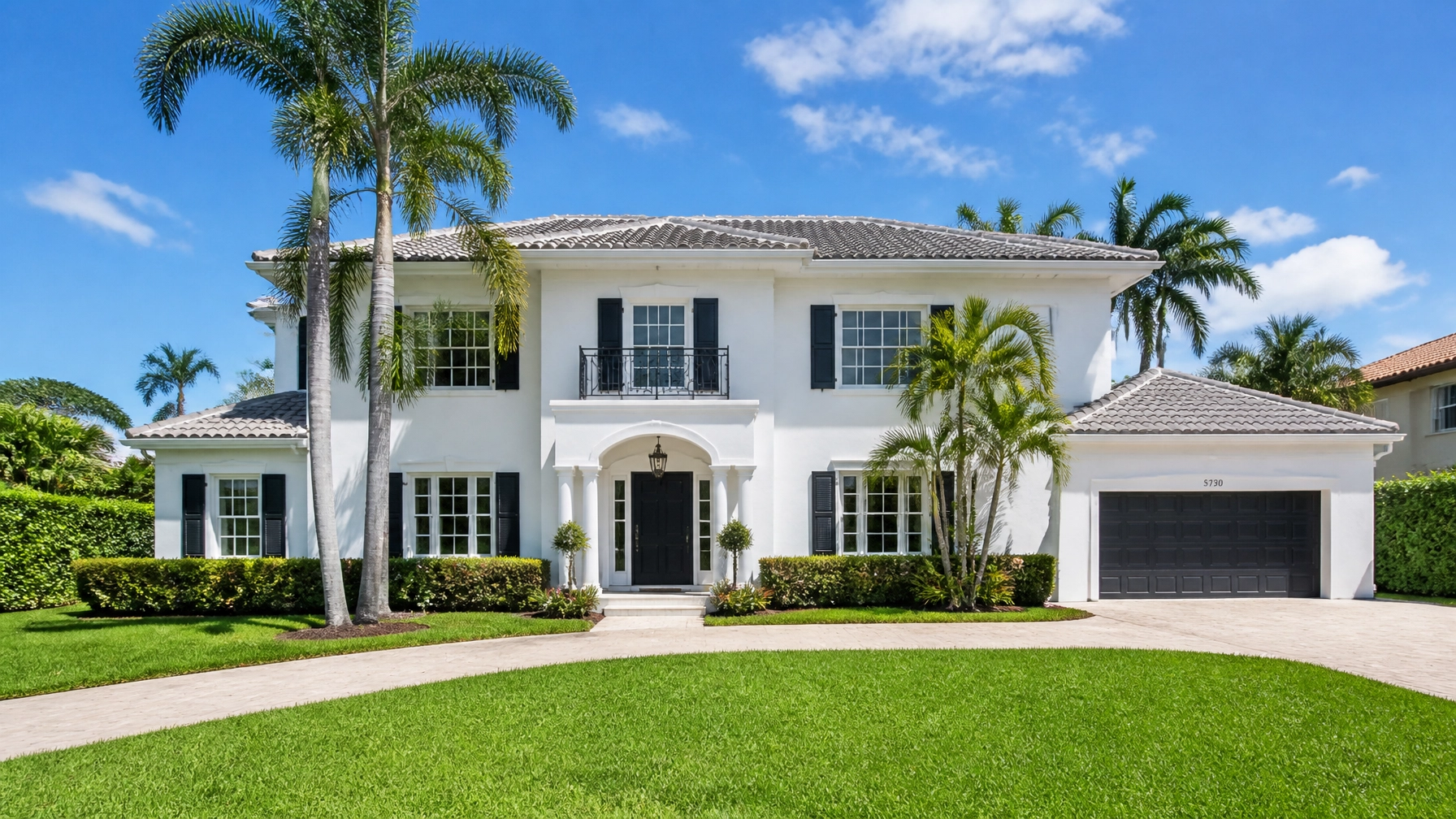
In the high-stakes Miami real estate market, your roof is more than just a structural necessity, it is a financial asset. As we navigate the 2026 housing landscape, where Miami home values average between $579,000 and $652,000, the condition of your roof can be the deciding factor in a successful sale or a massive insurance headache.
For South Florida homeowners, "Return on Investment" (ROI) isn’t just a buzzword used by contractors; it’s a measurable metric that factors into property appraisals, insurance premiums, and long-term maintenance costs. While the national average for roof replacement ROI typically hovers between 60% and 75%, Miami’s unique climate and regulatory environment push those numbers significantly higher.
This guide breaks down exactly how a new roof impacts your home value in Miami-Dade County, the specific costs you can expect in 2026, and how to maximize your ROI through insurance credits and energy efficiency.
1. The Miami Market Context: Why Roofing is the #1 ROI Driver
In most of the United States, a new roof is considered "maintenance." In Miami, it’s a "security feature." Due to the city's status as a High-Velocity Hurricane Zone (HVHZ), the standards for roofing are the most stringent in the country.
When a potential buyer looks at a home in Coral Gables, Pinecrest, or Miami Beach, the first question they ask isn't about the kitchen, it's about the roof. A roof approaching the 20-year mark is often uninsurable in today's market, making it impossible for buyers to secure a mortgage. By replacing your roof before listing, you aren't just improving the home; you're making the property "financeable."
Key 2026 Miami Data Points:
- Average Home Value: $579K – $652K
- Replacement Cost Range: $14,000 – $40,000 (Average project: ~$22,750)
- National ROI: 60-75%
- Miami Adjusted ROI: 85%+ (When factoring in insurance savings and resale velocity)
2. Breaking Down Roof Replacement Costs in Miami-Dade
Pricing in Miami is influenced by the High-Velocity Hurricane Zone (HVHZ) building codes. These codes require specific underlayment, nail patterns, and "Notice of Acceptance" (NOA) approved materials. This adds roughly 15-30% to the cost compared to other Florida cities like Orlando.
Cost by Material Type (2,000 sq. ft. Home):
- Architectural Asphalt Shingles (Budget): $10,000 – $26,000. These are the most common but have the shortest lifespan (12–15 years) in the Florida sun.
- Concrete Tile (Popular): $24,000 – $50,000. The signature South Florida look. Concrete tiles offer excellent wind resistance and a 25–35 year lifespan.
- Standing-Seam Metal (Premium): $20,000 – $40,000+. Often cited as the best long-term value due to extreme durability and insurance benefits.
- Clay Tile (High-End): $32,000 – $70,000+. Maximum curb appeal for luxury properties.

3. The "Hidden" ROI: Insurance Savings
In Miami, the real ROI of a new roof is found in your annual insurance premium. Most Florida insurers now provide significant "wind mitigation" credits for roofs that meet current 2026 building codes.
Annual Insurance Premium Impact:
- Typical Miami Home Premium: $4,500 – $8,500/year (Estimated)
- Wind Mitigation Savings: $900 – $2,500/year
- The Math: Over 10 years, a new roof can pay for $15,000 to $25,000 of its own cost through insurance savings alone.
Pro Tip: Always request a Wind Mitigation Report from your contractor immediately after the final inspection. This document is the "golden ticket" that you submit to your insurance agent to trigger these discounts.
4. Material Breakdown: Choosing for ROI
Not all roofs are created equal when it comes to resale value. In Miami, your choice of material signals your home's quality to future buyers.
Architectural Shingles (Budget)
While shingles offer the lowest upfront cost, they are often viewed as a "temporary" solution by savvy Miami buyers.
- Pros: Lowest initial investment, fast installation.
- Cons: Higher heat absorption, shorter lifespan, lower insurance discounts.
Concrete and Clay Tile (Popular / Aesthetic)
This is the standard for Miami's Mediterranean and Spanish-style architecture.
- Pros: High resale demand, excellent curb appeal, very durable against wind.
- Cons: Heavy (requires reinforced roof decks), prone to cracking if walked on.
Metal Roofing (Premium / Performance)
In 2026, metal roofing is the fastest-growing segment in the South Florida market.
- Pros: Highest insurance discounts (up to 35%), 40+ year lifespan, reflects UV rays to lower cooling bills by ~10%.
- Cons: Higher upfront cost, can be noisy during tropical downpours if not properly insulated.

5. Timing Your Replacement for Maximum Savings
In Miami, the roofing season is dictated by the weather.
- The "Off-Season" (November – March): This is the best time to replace your roof. Humidity is lower, the risk of daily afternoon thunderstorms is minimal, and many contractors offer competitive "winter" pricing to keep their crews busy.
- Hurricane Season (June – October): Prices tend to spike, and lead times increase. If a major storm hits the region, labor and material costs can jump 20% overnight due to demand.
If your roof is older than 15 years, don't wait for a leak. Proactive replacement allows you to shop around for the best bids rather than being forced into an emergency contract during a rainy July.
6. Local Tips for Miami Homeowners
- Verify the Contractor: Ensure they are licensed and insured in the state of Florida and have specific experience with Miami-Dade HVHZ permits. Check our zip code directory to find verified local data for your specific neighborhood.
- Get Three Bids: Never accept the first quote. Use an instant roof cost calculator to establish a baseline before talking to sales reps.
- Ask for the NOA: Ensure the specific roofing system being installed has a "Notice of Acceptance" from Miami-Dade County. Without this, the permit won't close, and your insurance won't give you a discount.
- Secondary Water Resistance (SWR): Ensure your contractor includes SWR in the bid. This is a self-adhering layer that protects your home even if the shingles or tiles blow off, and it’s a major driver for insurance credits.

Summary: Is the Investment Worth It?
If you own a home in Miami with a roof older than 15 years, the answer is a resounding yes. Between the boost in home value (estimated at 6-8% of the property value), the annual insurance savings of up to $2,500, and the elimination of "insurability risk" for future buyers, a new roof is the smartest capital improvement you can make in 2026.
Ready to see exactly what a new roof will cost for your specific address? Don't wait for a contractor to show up in three days. Get your accurate, satellite-powered estimate right now.
Get Your Instant Roof Estimate in 60 Seconds →
Leave a Reply