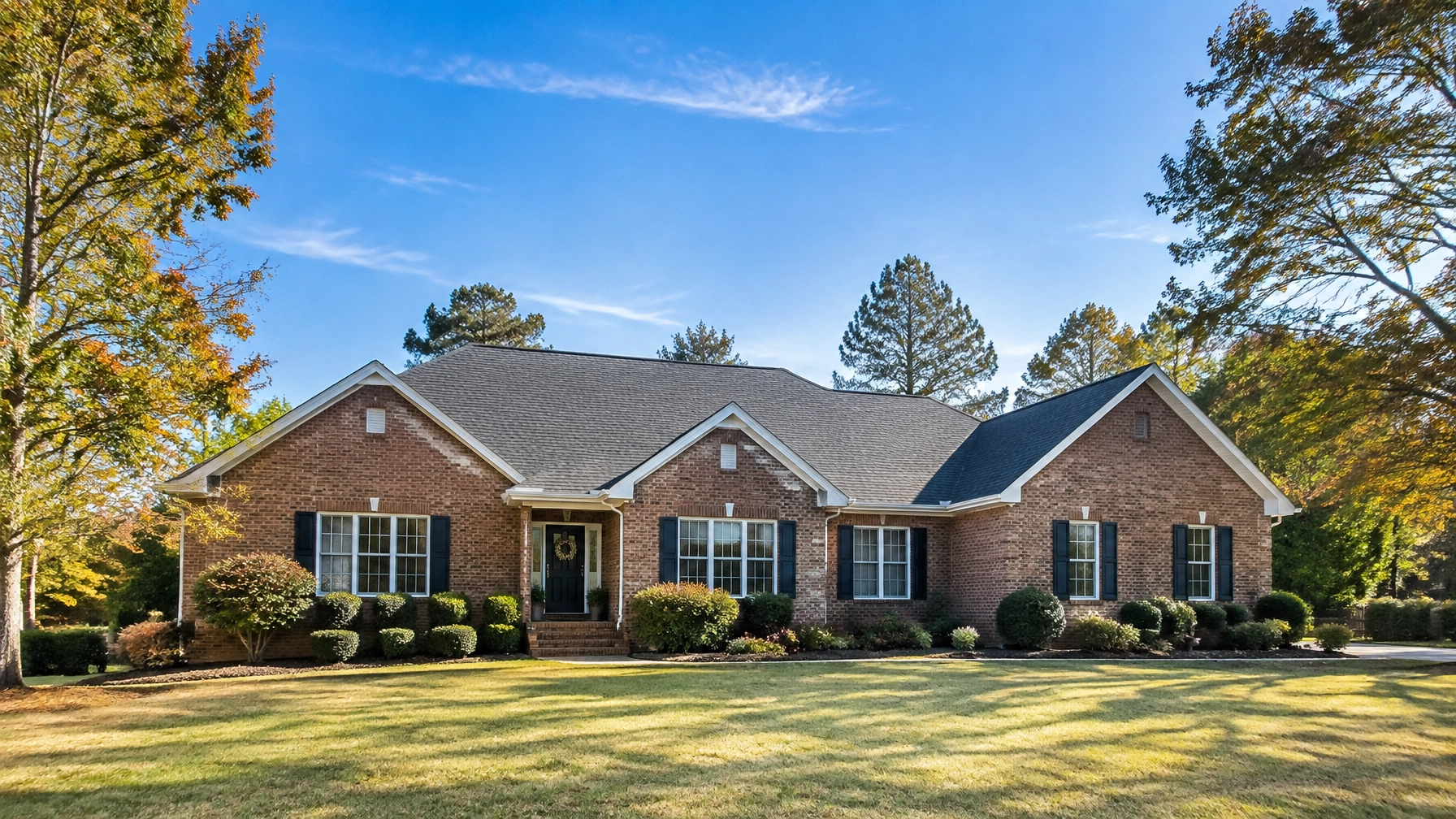
Raleigh is getting a valuable roofing window this week.
Tuesday, September 15, 2026, arrives behind a cold front with mostly sunny skies, lower humidity, and a high near 83°F. Overnight temperatures should fall to approximately 61°F. The rest of the week looks mostly dry and seasonable, with temperatures returning to the low 90s Thursday through the weekend and only spotty shower chances by the weekend.
For Raleigh homeowners, this combination matters. A dry post-front stretch is one of the best times to inspect, repair, or replace a roof before late-summer and early-fall severe weather creates another round of wind and rain threats.
Raleigh’s Roof Threat Is Usually Wind: Not Hail
Wake County’s recent storm history shows why roof inspections should focus on more than visible hail marks.
From 2021 through 2025, Wake County recorded:
- 206 roofing-relevant severe weather events
- 168 wind-related events
- 35 hail events
- Two tornado events
- Hail generally measuring 1 to 1.75 inches
- Two confirmed EF1 tornadoes between 2020 and 2025
The pattern is clear: thunderstorm wind is Raleigh’s most frequent severe-weather threat to roofs.
Straight-line winds, microbursts, and gusts from fast-moving storms can lift shingle edges, loosen flashing, damage ridge caps, and send tree limbs onto roof surfaces. Hail can bruise shingles and strip granules, but Wake County’s event count shows that wind deserves primary attention.
The National Weather Service defines severe thunderstorm wind as wind reaching at least 58 mph or wind that causes damage. A roof does not need to experience tornado-force conditions to suffer damage. Repeated exposure to strong gusts can weaken older shingles over time.
Why This Week’s Weather Is a Roofing Opportunity
Tuesday’s cooler, drier air creates better working conditions than Raleigh’s typical hot and humid summer pattern.
The forecast window is useful for three reasons:
-
Dry surfaces make roof inspections more reliable.
Moisture can hide lifted shingles, deteriorated sealant, and damaged flashing. -
Moderate temperatures improve installation conditions.
Roofing materials and sealants perform best when installers can work safely and manufacturers’ bonding requirements are easier to meet. -
There is less immediate rain risk.
Repairs and replacements are easier to schedule when crews are not working around daily thunderstorms.
The Triangle’s severe-weather season is not finished. Raleigh sees its strongest severe-weather activity in late spring and early summer, but late summer and early fall bring a secondary risk period. Hot temperatures, lingering moisture, passing cold fronts, and tropical remnants can all produce damaging wind.
That makes this dry stretch a practical time to act: not because every roof needs replacement, but because problems are easier and less expensive to address before the next storm.

What to Check After a Raleigh Storm
A roof can look normal from the ground while still having wind or hail damage. After a storm, look for these warning signs.
Exterior roof warning signs
- Shingles that appear lifted, curled, creased, or out of alignment
- Missing shingles or exposed underlayment
- Dark bruises or circular impact marks from hail
- Excessive granules in gutters or at downspout outlets
- Damaged ridge caps or loose vent covers
- Bent or separated metal flashing around chimneys, skylights, and walls
- New stains on ceilings or in attic spaces
- Tree limbs rubbing against the roof or gutters
Do not climb onto a wet or steep roof. Use binoculars from the ground or schedule a professional inspection. Wind damage is often concentrated at roof edges, rakes, eaves, valleys, and ridge lines because those areas experience higher uplift forces.
Build for Raleigh’s 80–100 MPH Gust Potential
Shingle performance depends on both the product and the installation.
A Class 4 impact-resistant shingle is designed to resist hail impact. It is not automatically a high-wind shingle. Wind performance is rated separately, and the roof must be installed according to the product manufacturer’s specifications.
For stronger wind resilience, discuss these details with your roofer:
- Correct nail placement: Nails should be placed in the manufacturer’s designated nailing zone.
- Proper nail depth: Fasteners must penetrate the roof deck adequately without being over-driven.
- High-wind nailing patterns: Some products require six nails per shingle to achieve their higher wind rating.
- Sealed edges and penetrations: Rakes, eaves, valleys, vents, and flashing need careful sealing.
- Secure ridge caps: Ridge caps are especially vulnerable to wind uplift.
- Sound roof decking: Shingles cannot perform properly over soft, rotten, or improperly fastened decking.
A roof rated for 110 or 130 mph still depends on correct installation. Under-driven nails, misplaced fasteners, weak sealant bonds, and damaged decking can reduce real-world performance during an 80–100 mph wind event.
Roofing Materials for Raleigh Homes
Raleigh homeowners have several practical material options. The best choice depends on budget, roof design, expected service life, and storm priorities.
Architectural shingles (Popular)
Architectural shingles typically provide a balance of cost, appearance, and durability. Standard products may cost approximately $3–$7 per square foot installed, depending on the roof and local labor conditions.
Consider a wind-rated or Class 4 architectural product when:
- Your roof is exposed to open wind
- The existing roof has repeated storm damage
- You want improved hail resistance
- You plan to remain in the home for many years
Metal roofing (Premium)
Metal roofing generally costs more: approximately $8–$16 per square foot installed: but offers long service life, low maintenance, and strong wind performance when properly attached.
Standing-seam metal is especially well suited to modern homes and clean rooflines. Metal shingles can provide a more traditional appearance for Colonial or ranch-style homes.

Basic asphalt shingles (Budget)
Three-tab asphalt shingles remain an entry-level option. They can be appropriate for a tight budget or a short-term ownership plan, but they generally provide less dimensional appeal and a shorter expected life than architectural products.
Review the product’s wind rating, warranty requirements, and installation specifications before choosing strictly by price. A lower upfront cost may not be the lowest long-term cost if the roof requires frequent repairs.
You can compare roofing materials and typical lifespans in the Get My Roof Estimate Now roofing materials guide.
Do Not Forget Gutters, Valleys, and Flashing
Roof durability depends on the entire water-management system.
Before fall storms, make sure:
- Gutters are clear of leaves and roof granules
- Downspouts discharge water away from the foundation
- Valley metal or membrane is intact
- Flashing is sealed around chimneys, walls, and penetrations
- Drip edges are secure
- Attic ventilation is functioning
- No branches are touching the roof
Blocked gutters can cause water to back up beneath shingles and damage fascia, soffits, and roof decking. In Raleigh’s humid climate, keeping water moving away from the roof system is a basic but important maintenance step.

How Much Could a Raleigh Roof Replacement Cost?
The national 2026 range for a complete roof replacement is approximately $9,000–$22,000, with actual pricing determined by roof size, pitch, complexity, material, tear-off requirements, and local labor.
The most important cost variables include:
- Roof area, measured in squares
- Number of valleys, dormers, and penetrations
- Roof pitch and accessibility
- Existing layers requiring removal
- Material selection
- Decking repairs
- Raleigh-area labor and permit requirements
The Get My Roof Estimate Now roof cost calculator can provide a general planning range. For a property-specific number, the company’s satellite-powered roof estimate tool measures your actual roof and calculates pricing based on its size, pitch, and complexity.
Get a Roof Estimate Before the Next Storm Window Closes
Raleigh’s post-front weather offers homeowners a practical opportunity: inspect the roof now, identify wind-related weaknesses, and plan repairs or replacement before another severe-weather period arrives.
With Get My Roof Estimate Now, homeowners can enter their address and receive a free, satellite-powered estimate in under 60 seconds: without waiting for a contractor visit upfront and without providing a credit card.
The estimate can help you compare:
- Architectural shingles
- Impact-resistant shingles
- Metal roofing
- Other available roofing materials
- Low, middle, and high replacement price ranges
Use the dry week to replace guesswork with information. A fast estimate does not replace an on-site inspection, but it gives you an accurate starting point for budgeting, planning, and speaking with verified local roofing contractors.
Raleigh Storm-Ready Roof Checklist
Before the next major storm, confirm that your roof has:
- Wind-rated shingles installed with the correct nailing pattern
- Secure flashing around valleys, chimneys, and roof penetrations
- Properly sealed eaves, rakes, and ridge caps
- Clean gutters and downspouts
- No visible lifted shingles or missing granules
- No overhanging branches contacting the roof
- A current replacement-cost estimate
- A plan for professional inspection after severe weather
The forecast may be calm this week. Raleigh’s storm history says preparation should not wait.
Leave a Reply