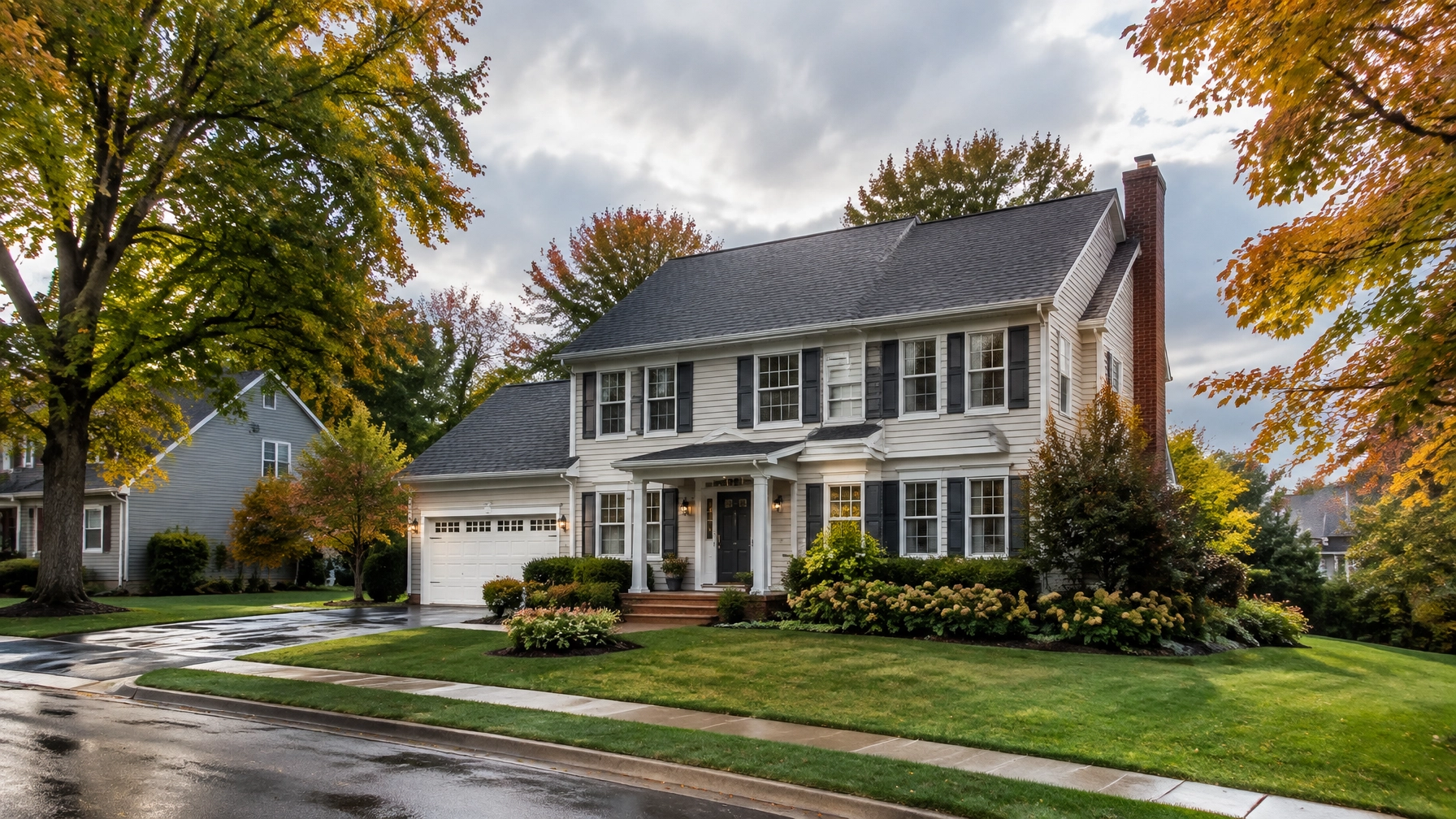
Grand Rapids homeowners are getting a preview of fall weather this week: but the bigger roofing story is year-round durability.
On Sunday, September 13, 2026, expect partly to mostly cloudy skies, a high near 72–74°F, and possible afternoon showers, mainly south of I-96. Northwest winds may gust above 20 mph. Monday, September 14, turns cooler, with mostly cloudy to partly sunny conditions, highs in the upper 60s to low 70s, and overnight lows in the upper 40s.
That mild forecast is temporary. Grand Rapids averages approximately 77.6 inches of snow annually, including about 22.6 inches in January. The city also receives roughly 39.4 inches of total precipitation across 149 days each year. Lake-effect snow, ice dams, hail, and repeated freeze-thaw cycles all place additional stress on roofing systems.
The practical takeaway: a roof that looks acceptable in September may still have hidden weaknesses before winter arrives.
Current Grand Rapids forecast: September 13–14
Sunday, September 13
- Sky: Partly to mostly cloudy
- High: Approximately 72–74°F
- Rain: Possible afternoon showers, mainly south of I-96
- Wind: Northwest, with gusts above 20 mph
- Roofing impact: Damp surfaces and gusty winds can make inspections and exterior work less safe
Monday, September 14
- Sky: Mostly cloudy to partly sunny
- High: Upper 60s to low 70s
- Overnight low: Upper 40s
- Rain: Mainly dry, with only a limited chance of a late or isolated shower
- Roofing impact: Cooler temperatures are comfortable for inspections, but sealants and roofing adhesives may perform more slowly than they do in warmer weather
For daily updates, homeowners can monitor the National Weather Service Grand Rapids forecast.
What Grand Rapids weather does to roofs
1. Freeze-thaw cycles create movement
Grand Rapids routinely experiences repeated shifts above and below freezing. Water enters small cracks around flashing, vents, shingles, and masonry. When that water freezes, it expands. The expansion can loosen materials and enlarge existing gaps.
When temperatures rise again, the water drains deeper into the roofing assembly. This cycle may contribute to:
- Cracked or lifted shingles
- Deteriorated flashing
- Leaks around chimneys and vent pipes
- Soft or rotted roof decking
- Premature failure of sealants
The damage is not always visible from the ground. A roof inspection before winter can identify lifted tabs, exposed fasteners, and weak flashing before snow covers the problem.
2. Ice dams threaten eaves and ceilings
Snow melts on warmer sections of the roof and refreezes near colder eaves. The resulting ice dam can block drainage and force water beneath shingles.
Proper attic insulation and ventilation help keep roof temperatures more consistent. However, the roofing system also needs an effective ice barrier. Michigan code requires ice-and-water protection extending at least 24 inches inside the exterior wall line at the eaves in areas subject to ice dams.
Common warning signs include:
- Icicles forming repeatedly along one roof edge
- Water stains near exterior walls or ceilings
- Damp attic insulation
- Peeling paint near upper-floor windows
- Drip marks or ice buildup around gutters
3. Lake-effect snow adds weight and wind exposure
Grand Rapids sits within the Lake Michigan snow belt. Lake-effect systems can deliver heavy, localized snowfall, often with changing wind direction and uneven accumulation.
A typical roof is designed for local snow loads when properly built and maintained. Problems become more likely when snow combines with:
- Weak or deteriorated decking
- Structural alterations
- Poor drainage
- Heavy ice buildup
- Multiple layers of old roofing
- Blocked valleys or gutters
Homeowners should not climb onto a snow-covered roof. If you notice sagging rooflines, cracked ceilings, or unusual door and window sticking after a major storm, arrange a professional evaluation.

4. Hail and damaging winds can shorten roof life
Grand Rapids’ primary severe-weather season runs from June through September. Hail and damaging wind events often develop during the late afternoon and evening, with the 8–11 PM period included in the common risk window.
Storms with wind gusts of 60 mph or more can:
- Lift shingles
- Tear off ridge caps
- Loosen flashing
- Damage vents and skylights
- Drive rain beneath compromised materials
Hail around one inch or larger can bruise asphalt shingles, dent metal components, and damage gutters. Review the National Weather Service Southwest Michigan severe-weather climatology for regional storm patterns.
After a severe storm, photograph visible damage from the ground and schedule an inspection. Avoid making permanent repairs before documenting the condition for your insurer, unless immediate emergency work is required to prevent further damage.
2026 Grand Rapids roof replacement costs
For a typical Grand Rapids home, architectural shingles currently cost approximately $550–$900 per roofing square. One roofing square covers 100 square feet.
A 2,000-square-foot project commonly falls within these ranges:
- Budget: Approximately $9,000–$11,000 for a simple roof with easy access and limited tear-off
- Popular: Approximately $11,000–$18,000 for architectural shingles, standard complexity, removal, installation, and typical local labor
- Premium: Approximately $18,000–$22,000 or more for complex rooflines, upgraded materials, extensive flashing, or structural repairs
Complex homes with dormers, steep slopes, multiple valleys, difficult access, or decking damage can exceed $22,000.
Your final price depends on:
- Measured roof size and number of squares
- Roof pitch and accessibility
- Valleys, dormers, skylights, and penetrations
- Existing layers requiring tear-off
- Decking or ventilation repairs
- Material selection
- Permit and inspection requirements
- Local labor availability
Use the Roof Cost Calculator for a general planning range, or request a property-specific satellite estimate through Get My Roof Estimate Now.
Architectural shingles or metal roofing?
Architectural shingles (Popular): These remain the most common choice for Grand Rapids homes. They offer strong curb appeal, broad color selection, and a lower initial cost than most metal systems.
Standing-seam metal (Premium): Metal roofing sheds snow efficiently and can provide long service life when correctly installed. It generally costs more upfront and requires careful attention to flashing, fasteners, and expansion details.
The best choice depends on your roof design, budget, neighborhood appearance, and long-term plans.

Roof replacement and curb appeal
A new roof can improve more than weather protection. The roof often makes up a large portion of a home’s visible exterior, especially on Colonial and ranch-style properties.
Potential benefits include:
- Cleaner, more consistent curb appeal
- Better coordination with siding, brick, and trim
- Improved buyer confidence when selling
- Reduced concerns about near-term maintenance
- Fewer visible stains, curling shingles, and mismatched repairs
Roof replacement is not automatically a guaranteed dollar-for-dollar return. However, a worn roof can become a negotiation issue during a home sale. Replacing it before listing may help prevent inspection delays and reduce buyer demands.
Grand Rapids roof maintenance checklist
Complete these tasks before the first sustained snow:
- Inspect shingles for curling, cracking, blistering, or missing sections
- Check flashing around chimneys, skylights, and plumbing vents
- Clean gutters and confirm downspouts discharge away from the foundation
- Look for granules collecting in gutters or at downspout outlets
- Check attic insulation and ventilation
- Examine ceilings and upper walls for water stains
- Trim branches that could scrape or fall onto the roof
- Photograph the roof condition for your records
- Schedule repairs before temperatures and weather limit access
Never pressure-wash asphalt shingles or walk on a steep, wet, icy, or snow-covered roof.
Permit guidance for Grand Rapids homeowners
The City of Grand Rapids requires a building permit for residential re-roofing. Applications go through the Grand Rapids Development Center.
Important considerations include:
- Submit the required re-roofing application and project valuation
- Provide a roof sketch or plan showing the scope of work
- Follow Michigan Residential Code requirements for ice barriers
- Schedule required inspections
- Confirm who is responsible for pulling the permit
Many addresses associated with “Grand Rapids” are outside the city limits, including properties in Kentwood, Wyoming, East Grand Rapids, and other Kent County communities. Those properties may follow separate permit procedures.
If your home is in a designated historic district, such as Heritage Hill, you may also need a Certificate of Appropriateness before changing roofing materials, colors, or visible exterior features. Confirm requirements with the appropriate local office before work begins.
Quick answers
How long does a roof replacement take?
Many average homes can be completed in one to three days. Complex rooflines, bad weather, decking repairs, or permit delays can extend the schedule.
Should I replace a roof before winter?
If the roof is over 20 years old, has recurring leaks, or shows widespread shingle damage, planning replacement before heavy snow is often more practical than waiting for an emergency.
Can satellite imagery estimate my actual roof?
Yes. Get My Roof Estimate Now uses satellite imagery to estimate roof size, pitch, and complexity. Results are typically available in about 60 seconds, at no cost and with no credit card required.
What should I do after hail damage?
Document the condition, protect active leaks temporarily, contact your insurer promptly, and arrange a professional inspection. Do not assume damage is limited to the shingles.

Get a Grand Rapids roof estimate in 60 seconds
Grand Rapids roofs face demanding conditions: lake-effect snow, ice dams, wind, hail, and months of freeze-thaw movement. Accurate planning starts with knowing the roof’s actual size and complexity.
Get a free satellite-powered roof replacement estimate from Get My Roof Estimate Now. Enter your address and receive transparent low-to-middle-to-high pricing in about 60 seconds: then connect with verified local roofing professionals when you are ready to take the next step.
Leave a Reply