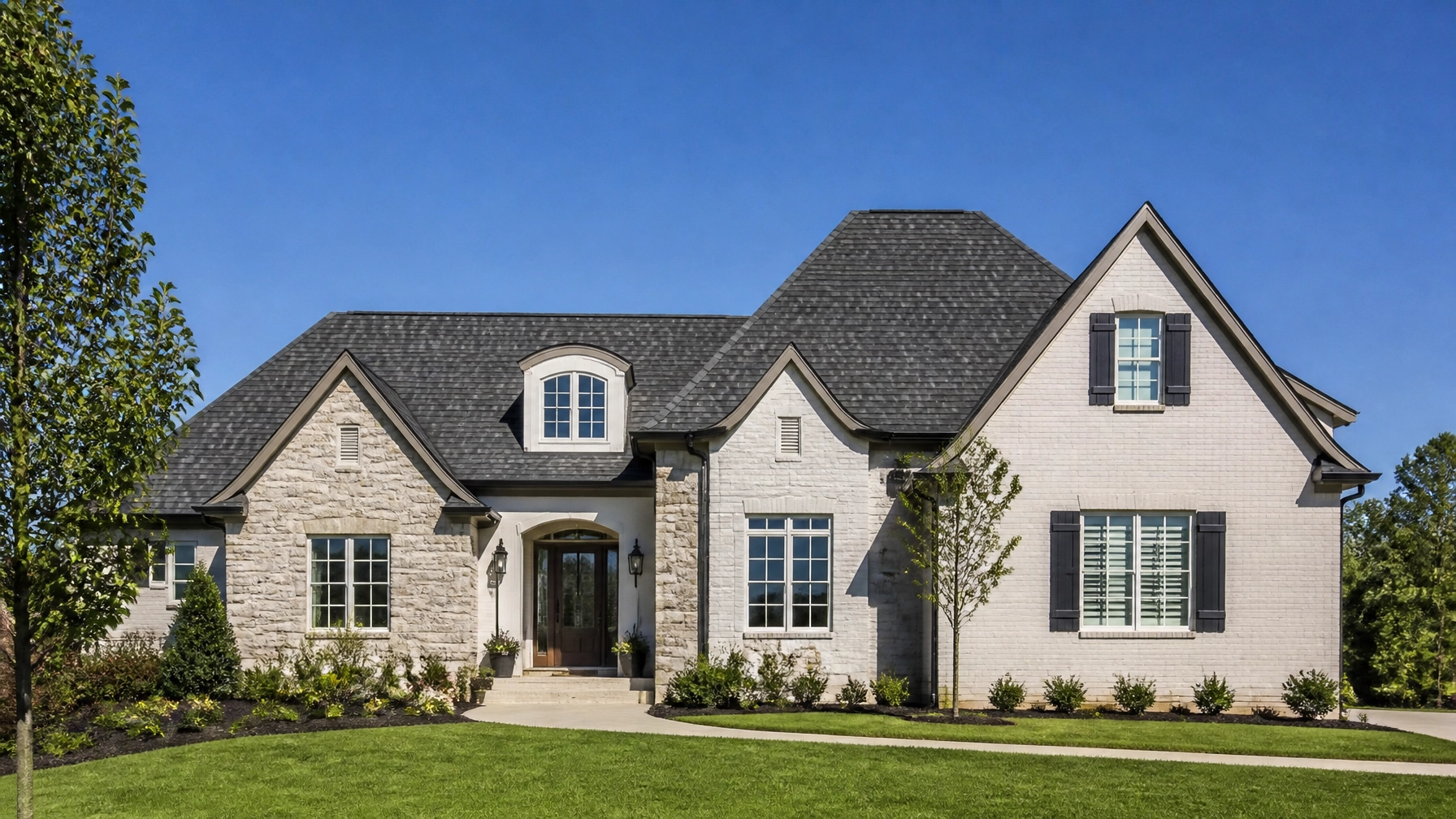
Navigating a roof replacement claim through homeowners insurance can feel like deciphering a foreign language. For homeowners across Cincinnati neighborhoods: from Hyde Park and Mount Lookout to West Chester, Mason, Clifton, and Over-the-Rhine: securing full coverage for storm or wind damage requires precision, timing, and an exact understanding of Ohio insurance regulations.
Whether your roof has weathered severe seasonal storms or reached the 15-to-30-year mark, knowing how to leverage state laws, understand your policy, and arm yourself with accurate data before calling your insurer makes the difference between a fully covered project and thousands of dollars out of pocket.
1. Ohio Insurance Deadlines & Claim Timelines (2026 Update)
Ohio regulations establish strict boundaries for how insurance companies must handle property claims, protecting homeowners from endless delays. Under ORC 3901.21 and OAC 3901-1-54, insurers face legally binding turnaround times once a claim is filed:
- Claim Acknowledgment: Insurers must acknowledge your roof damage claim within 10 to 15 business days of receiving notice.
- Investigation Window: Carriers must commence their investigation within 21 days of notice.
- Acceptance or Denial: Once you submit a formal proof of loss, the insurer has 21 business days to accept or deny the claim in writing.
- Payout Speed: Accepted claims must be paid out within 10 business days of reaching a final settlement agreement.
The 1-Year Suit Limitation Clause
While Ohio’s general statute of limitations for breach of written contract is 6 years, most standard homeowners policies contain a contractual suit-limitation clause requiring any legal action against the insurer to be filed within 1 year from the date of loss. Missing this window forfeits your right to dispute a denied claim in court.
2. ACV vs. RCV: Understanding Your Payout

When filing a claim in Cincinnati, your payout structure depends heavily on your policy type and the age of your roof:
- Replacement Cost Value (RCV): Covers the full cost of replacing your roof with materials of like kind and quality, without deduction for depreciation.
- Actual Cash Value (ACV): Many Ohio insurers now automatically apply ACV to roofs over 10 to 15 years old. ACV subtracts depreciation based on age and wear, meaning you receive a significantly lower upfront check.
Under updated guidelines effective March 2026, Fannie Mae and Freddie Mac accommodate ACV roof coverage on single-family properties, making it vital to check your policy's endorsement. If your insurer pays ACV, the remaining balance is held as recoverable depreciation. You only receive these withheld funds after completing the repairs and submitting final invoices: typically within 180 days to 2 years depending on your policy terms.
3. The Ohio Roof Matching Law
One of the most powerful tools for Cincinnati homeowners is OAC 3901-1-54(I)(1)(b), commonly known as the matching law.
If a severe storm damages only the rear slope of your roof in Mason or West Chester, but the exact shingle color and profile have been discontinued by the manufacturer, the insurer cannot force you to patch it with mismatched materials. The regulation mandates that insurers must replace enough material to achieve a reasonably comparable appearance.
Strong evidence for a full replacement under this law includes:
- Discontinued shingle lines or color variations.
- Significant weathering and granule loss on undamaged slopes.
- Visible texture or profile inconsistencies that degrade overall curb appeal.
4. Cincinnati Local Permits & 2026 Replacement Costs

Before initiating construction in Cincinnati, proper municipal compliance is required.
Permit Requirements
- Permit Mandate: Full roof replacements require a permit through the city or county building department. Minor repairs or overlays not exceeding two layers of material generally do not require permits.
- Fees & Surcharges: Permit fees are valuation-based, typically ranging from $75 to $1,000. Additionally, mandatory surcharges apply, including a 5% planning surcharge and a 1% state surcharge for 1-3 family dwellings.
2026 Cincinnati Pricing Benchmarks
Knowing local pricing prevents lowball insurance offers:
- Asphalt Shingles (Standard/Popular): $3.50 to $6.75 per sq. ft. Total project cost ranges from $8,000 to $18,000 for a typical 2,500 sq. ft. Cincinnati home.
- Metal Roofing (Premium): $10.00 to $15.00 per sq. ft.
- Deck Repairs: Rot or structural damage typically adds 10% to 15% to total baseline costs.
5. Leverage Satellite Technology Before Filing
Before calling an insurance adjuster or scheduling contractor walk-throughs, knowledge is your greatest leverage. Insurance adjusters sometimes underestimate square footage, roof pitch, or valley complexity.
Using advanced satellite imagery technology, homeowners can get an instant, highly accurate breakdown of their roof’s exact dimensions: accurate to within inches: without waiting days for a contractor visit. To check your precise measurements and get transparent pricing before filing a claim, visit Get My Roof Estimate Now or use our instant Roof Cost Calculator.
6. Storm Chaser Warning & Legal Compliance
Severe weather in the Midwest frequently attracts out-of-state "storm chasers" knocking on doors in neighborhoods like Clifton, Hyde Park, and Mount Lookout. Keep these critical legal facts in mind:
- Deductible Waiving is Illegal: Under Ohio law (ORC 2913.47 and 3999.21), contractors offering to "absorb" or "waive" your insurance deductible are committing insurance fraud. You are legally required to pay your deductible.
- Assignment of Benefits (AOB): Exercise extreme caution before signing any AOB paperwork that signs over your insurance claim rights to a third-party contractor.
- Right to Choose: Ohio law guarantees your right to hire any licensed, insured local contractor of your choice.
7. Step-by-Step Checklist for Cincinnati Homeowners

Follow this proven checklist to maximize your insurance claim success in 2026:
- Inspect and Document: Take clear photos and videos of immediate storm damage, fallen branches, and interior leaks.
- Get an Independent Measurement: Visit Get My Roof Estimate Now to verify your roof's exact square footage and material requirements in under 60 seconds.
- Review Your Policy: Check your deductible, RCV/ACV endorsements, and the 1-year suit limitation clause.
- File Promptly: Report the claim to your insurer immediately following the storm event to satisfy prompt notice requirements.
- Meet the Adjuster: Have your independent satellite estimate ready when the insurance adjuster inspects your property.
- Hire a Verified Local Pro: Partner with a licensed Cincinnati contractor who complies with Ohio matching laws and permit requirements.
Frequently Asked Questions
Can my insurance company drop me after filing a roof claim in Ohio?
In Ohio, insurance companies cannot cancel your policy mid-term solely because you filed a legitimate weather-related claim. However, they may choose not to renew your policy at its annual expiration date if your home has multiple recent claims or an aging roof.
How long do I have to complete my roof replacement after insurance approves the claim?
Most Ohio policies require repairs to be completed within 180 days to 1 year from the date of loss in order to collect recoverable depreciation. Always check your specific policy's Loss Settlement provisions.
Do I have to use the contractor recommended by my insurance company?
No. Ohio law gives you the absolute right to choose any licensed, insured local roofing contractor you prefer. You are never obligated to use network contractors assigned by the insurer.
Leave a Reply