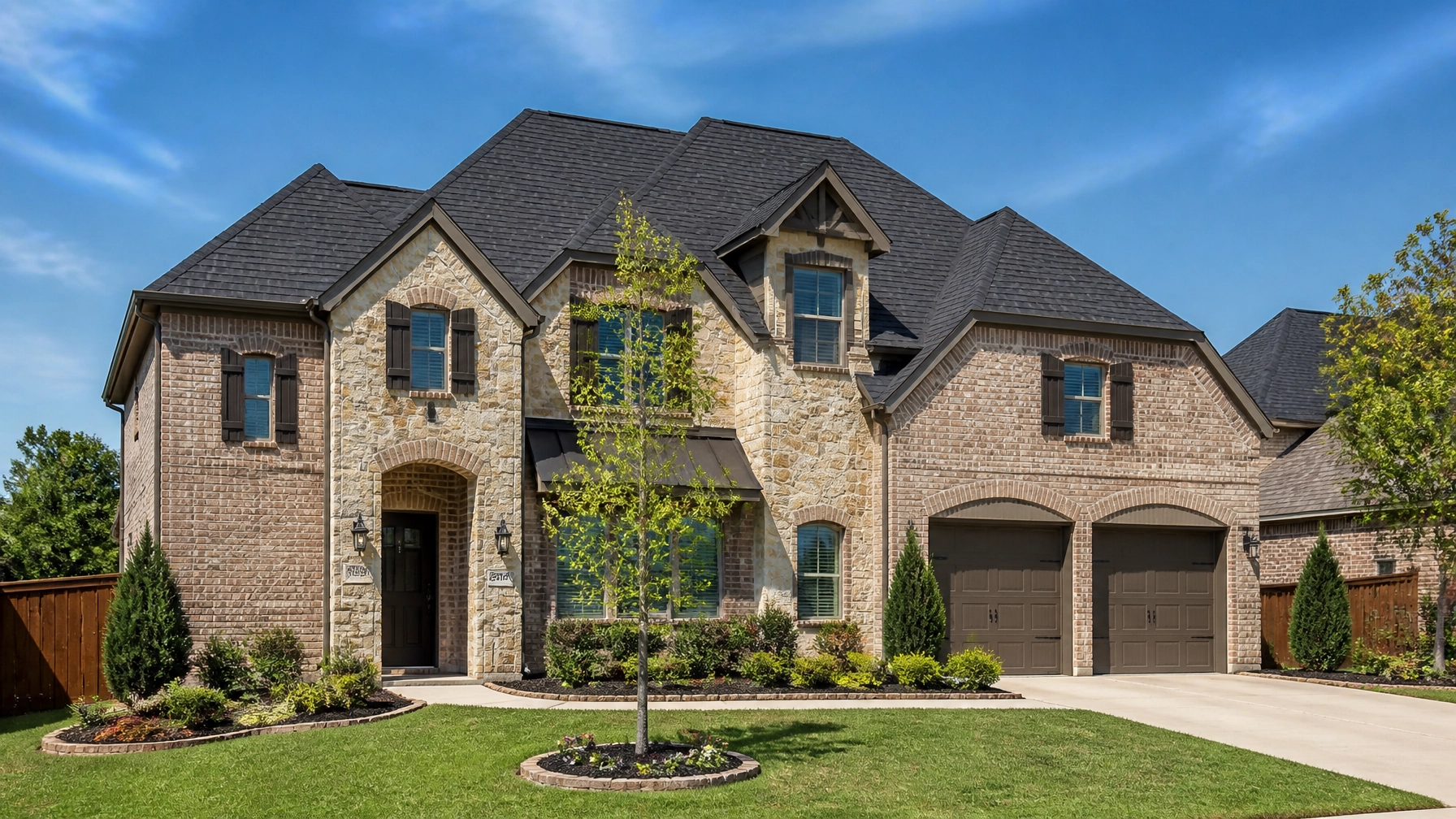
Fort Worth isn’t just the "City of Cowboys and Culture": in the roofing industry, it’s known as the heart of the "Hail Belt." For homeowners in Tarrant County, a major hailstorm isn't a matter of if, but when. As we navigate 2026, the frequency of severe weather events has made insurance literacy a survival skill for North Texas residents.
Replacing a roof is one of the single largest investments you’ll make in your home. While your insurance policy is designed to protect you from catastrophic weather, the process of getting a claim approved can be a complex, high-stakes hurdle.
This masterclass breaks down exactly what Fort Worth homeowners need to know to navigate the 2026 insurance landscape, from understanding strict Texas laws to maximizing your payout for a high-performance roof.
The Dollars and Cents: Fort Worth Roofing Costs in 2026
Before you pick up the phone to call your adjuster, you need a benchmark of what a professional roof replacement actually costs in today's market. Labor and material costs in the Dallas-Fort Worth metroplex have stabilized, but they remain higher than historical averages.
Based on current 2026 data for Fort Worth, TX, here are the expected price ranges for a standard 2,000 to 2,500-square-foot single-family home:
- Architectural Shingles (Popular): $10,500 – $16,500
- Impact-Resistant Shingles (Premium/Value): $13,000 – $19,000
- Stone-Coated Steel or Metal (Lifetime): $22,000 – $38,000
On a per-square basis (a 10' x 10' area), professional installation in Fort Worth currently averages $425 to $575 per square for high-quality architectural shingles.
If you want to know exactly what your specific roof should cost before talking to a contractor, you can use our Roof Cost Calculator to get a baseline based on your home's unique dimensions.

Policy Power: Understanding RCV vs. ACV
Not all insurance policies are created equal. In Fort Worth, the difference between these two acronyms can mean a $10,000 difference in your out-of-pocket costs.
1. Replacement Cost Value (RCV) – The Gold Standard
If you have an RCV policy, the insurance company pays the cost to replace your roof with a brand-new one of similar quality at today’s prices. You are only responsible for your deductible.
2. Actual Cash Value (ACV) – The Budget Option
With an ACV policy, the insurer "depreciates" your roof based on its age. If you have a 15-year-old roof with a 30-year lifespan, they may only pay 50% of the replacement cost. In 2026, many insurers in Texas are pushing homeowners toward ACV policies or adding "Roof Surface Payment Schedules" to lower their risk.
Pro Tip: Always check your "Declarations Page" for these terms. If you are on an ACV schedule, expect to pay significantly more out of pocket for a full replacement.
Texas Insurance Laws Every Homeowner Must Know
Texas has some of the most specific insurance regulations in the country. To protect yourself, you must understand these three key pieces of legislation:
HB 2102: The "No Free Roof" Law
Since 2019, it has been illegal in Texas for a roofing contractor to "waive," "absorb," or "rebate" your insurance deductible. In the past, "storm chasers" would offer to cover the deductible to get the job. Under HB 2102, this is a Class A misdemeanor.
- The Reality: You must pay your full deductible. Your insurance company has the right to request proof of payment (like a canceled check or credit card receipt) before they release the final "depreciation" check to you.
The Texas Prompt Payment of Claims Act
Texas law is on your side when it comes to speed. Under the Texas Department of Insurance guidelines:
- 15 Days: The insurer must acknowledge your claim and start an investigation within 15 days of filing.
- 15 Days: Once they have all the info, they have 15 business days to accept or reject your claim.
- 5 Days: Once accepted, they must pay the claim within 5 business days.
The One-Year Filing Rule
While Texas law generally allows for longer statutes of limitations, most modern insurance policies in the Fort Worth area now include a one-year deadline from the date of the storm to file a claim. If you wait 13 months after a hail event to report the damage, your claim will likely be denied.
The 8-Step Claim Playbook for Fort Worth
If a storm rolls through your neighborhood, don't panic. Follow this professional sequence to ensure your claim is handled accurately:
- Immediate Inspection: Do not wait for a leak. After a storm with 1-inch hail or larger, get an inspection. Use our instant satellite estimate tool to see if your roof's size matches what the insurance company eventually claims.
- Document the Date: Note the exact date of the storm. Insurance companies use weather tracking software to verify hail size and wind speeds at your specific address.
- File the Claim: Call your insurance company’s claims hotline or use their mobile app.
- The Adjuster Meeting: An adjuster will visit your home. It is often helpful to have a professional roofing consultant present to ensure the adjuster doesn't overlook "soft metal" damage (vents, gutters, AC fins) which proves hail impact.
- Review the Scope of Work: The adjuster will send an "Estimate of Loss." Check this against a local quote to ensure they didn't miss square footage or local building code requirements.
- Receive the First Check (ACV): You will typically receive a check for the "Actual Cash Value" (the total cost minus your deductible and depreciation).
- The Build: Your contractor replaces the roof.
- Final Invoice & Depreciation: Once the work is done, your contractor sends a final invoice to the insurance company. The insurer then releases the "Recoverable Depreciation" (the remaining funds), provided you have paid your deductible.

The "Class 4" Advantage: ROI & Insurance Discounts
If you are replacing your roof in 2026, it is financially irresponsible not to consider Class 4 Impact-Resistant (IR) shingles.
Fort Worth building codes are strict, but insurance incentives are where the real value lies. Most major Texas insurers (State Farm, Allstate, Farmers, USAA) offer substantial premium discounts for homes with UL 2218 Class 4 rated roofs.
- The Discount: 15% to 35% off your annual homeowners insurance premium.
- The Payback: While Class 4 shingles cost roughly $50–$100 more per square (Budget: $1,200 – $2,500 total upgrade cost), the insurance savings often pay for the upgrade within 3 to 5 years.
- The Benefit: These shingles are designed to withstand 2-inch hailstones without cracking the asphalt mat, meaning you might avoid a full replacement during the next minor storm.

Avoiding the "Storm Chaser" Trap in Cowtown
After a major hail event in Fort Worth, you will likely see "door knockers" with out-of-state license plates. While some may be legitimate, many are "storm chasers" who disappear once the check is cashed.
Local Tips for Fort Worth Homeowners:
- Check the Permit: In Fort Worth, a roofing permit is required for most replacements. Ask the contractor for the permit number before they start.
- Verify the Address: Ensure the contractor has a physical office in North Texas, not just a PO Box or a temporary hotel room.
- Check for Insurance: Demand a Certificate of Insurance (COI) that includes both General Liability and Workers' Compensation.
- No "Total" Cash Upfront: A reputable contractor may ask for a deposit to order materials (usually the amount of your first insurance check), but never pay the full amount before the job is completed and inspected.
Conclusion: Take Control of Your Home's Protection
Navigating a roof replacement in 2026 doesn't have to be a source of stress. By understanding the Texas legal landscape, knowing the local Fort Worth pricing benchmarks, and opting for impact-resistant materials, you can turn a storm-related headache into a valuable home upgrade.
Don't wait for the next "Tarrant County Special" hailstorm to find out what your roof is worth. Get ahead of the curve and know your numbers.
Ready to see what your roof replacement should cost?
Get an instant, satellite-powered estimate for your Fort Worth home in under 60 seconds. No contractor visit, no credit card, and 95% accuracy.
Leave a Reply