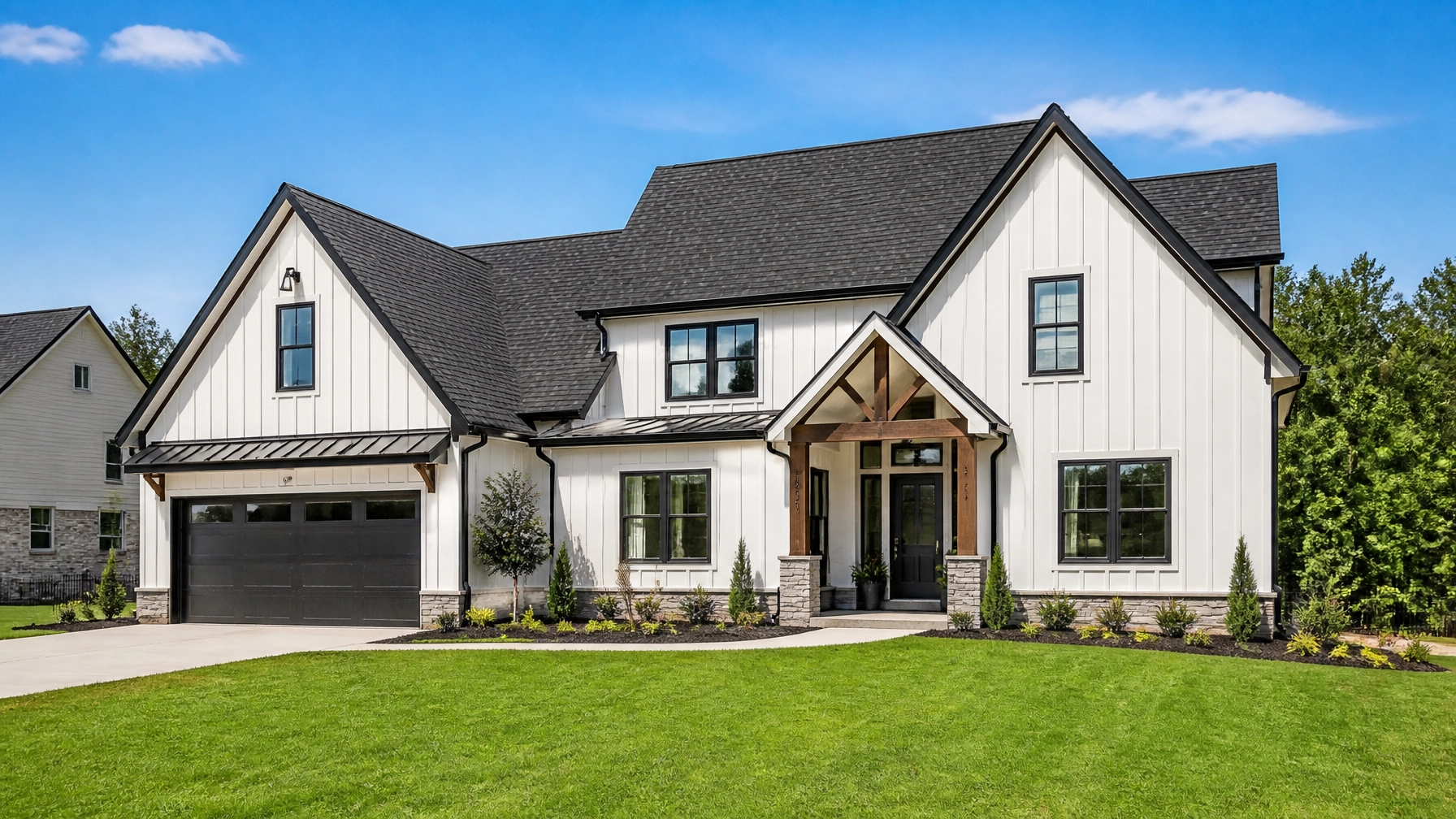
Blog

  • Roof Replacement FAQ: Quick Answers for Greenville, SC Homeowners (2026)

    Roof Replacement FAQ: Quick Answers for Greenville, SC Homeowners (2026)

    Planning a roof replacement in the Upstate can feel overwhelming. From navigating local climate challenges to understanding contractor licensing and material choices, Greenville, SC homeowners face several important decisions. Whether you are dealing with storm damage from sudden summer thunderstorms or your aging roof has simply reached the end of its 20-to-25-year lifespan, having clear, data-driven facts is your first line of defense against inflated bids and unnecessary delays.

    At Get My Roof Estimate Now, we believe transparency starts with accurate data. Below, we answer the most pressing questions Greenville homeowners ask about roof replacements in 2026, combining local cost benchmarks with modern satellite measurement technology.


    1. How much does a roof replacement cost in Greenville, SC?

    For a standard residential home in Greenville, a full roof replacement typically ranges from $8,000 to $17,000, with most average-sized homes clustering between $11,000 and $13,000. Per square foot, installed prices generally run between $4.00 and $6.00 for standard materials.

    Your final investment depends heavily on three core factors:

    • Roof Size & Squares: Measured in "squares" (100 square feet), a typical Greenville home has 20 to 28 squares.
    • Pitch & Complexity: Steeper slopes, multiple valleys, dormers, and complex flashing increase labor and material requirements.
    • Material Selection: Choosing between basic shingles and premium roofing alters the final quote.

    To get an exact figure tailored to your home in under 60 seconds without waiting for a contractor visit, use our instant Roof Cost Calculator.


    2. What are the best roofing materials for Greenville’s climate?

    Greenville experiences high summer humidity, heavy downpours, occasional severe thunderstorms, and freezing winter snaps. Selecting the right material ensures long-term durability and curb appeal:

    • Architectural Asphalt Shingles (Popular): Offering an excellent balance of cost and durability, architectural shingles (e.g., GAF, Owens Corning) handle Upstate weather effectively and last 25 to 30 years. Costs range from $8,000 to $14,000 for an average home.
    • Standing-Seam Metal Roofing (Premium): Highly resistant to high winds and hail, metal roofs reflect solar heat and can last 50+ years. Pricing starts around $11,000 to $25,000+.
    • Designer Shingles (Luxury): Mimicking slate or cedar shake while providing Class-A fire ratings, these high-end options range from $15,000 to $25,000+.

    Close-up of high-end architectural roof shingles on a residential home


    3. How does satellite roof measurement work: and is it accurate?

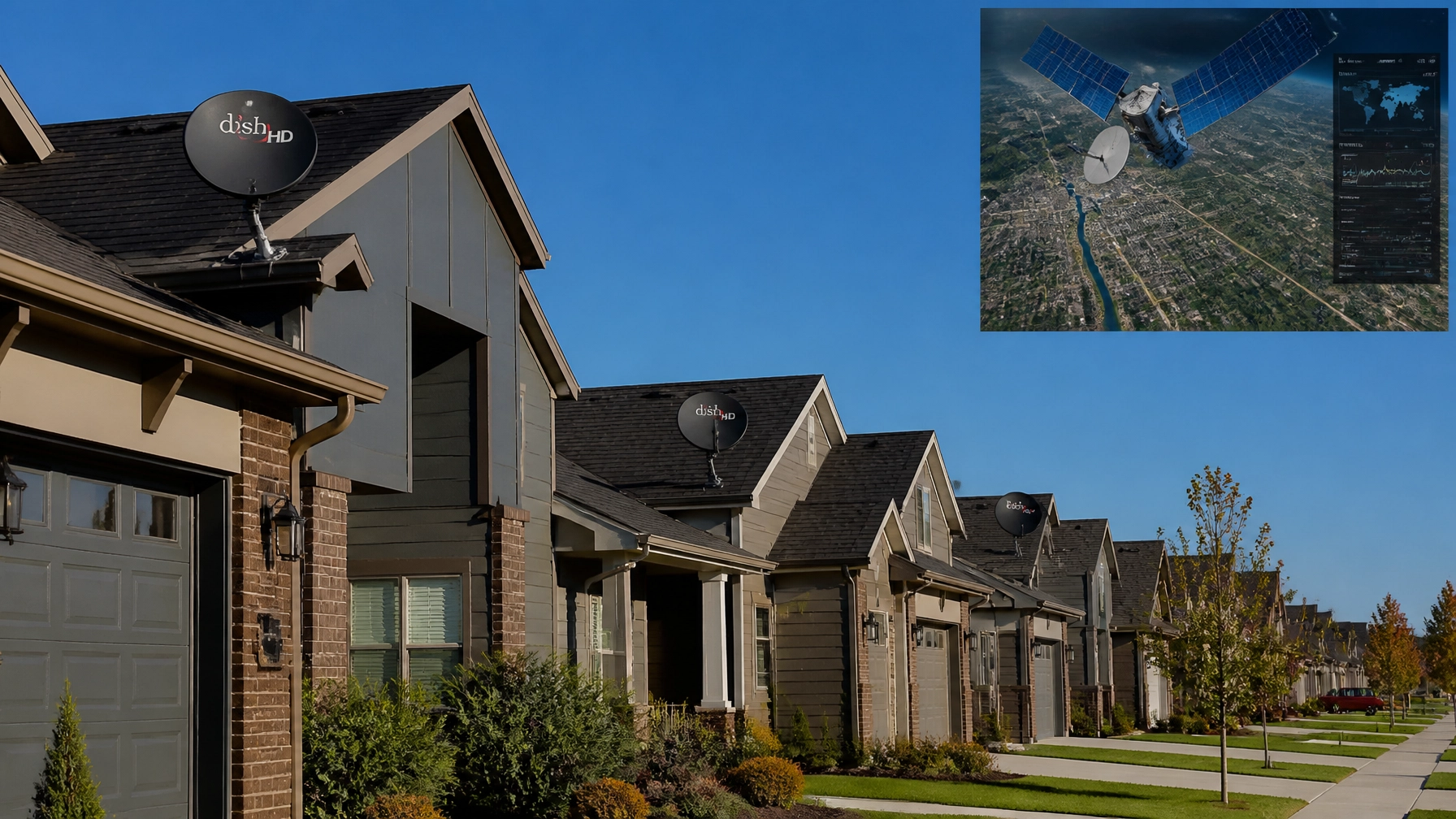
    Traditional roofing estimates require a contractor to climb your ladder, manually tape your roof, and calculate pitches by hand: often taking days to schedule. Modern technology has revolutionized this process.

    Satellite roof measurement utilizes high-resolution orbital imagery combined with advanced aerial algorithms to measure your exact roof dimensions, slope pitches, and facet areas to within inches.

    • Speed: You receive your breakdown in under 60 seconds.
    • Accuracy: Satellite technology delivers 90-95% measurement accuracy, matching or exceeding manual roof takes.
    • Zero Friction: No sales pitches, no credit card required, and no strangers walking on your property before you are ready.

    4. Do I need a permit for roof replacement in Greenville County?

    Yes. Both Greenville County and the City of Greenville generally require a building permit for a full residential roof replacement.

    • Permit Cost: Fees typically range from $100 to $300, depending on the total valuation of the project.
    • Who Pulls It: Your licensed roofing contractor should always pull the permit on your behalf and schedule the necessary municipal inspections.
    • Pro Tip: Always verify that your itemized contractor estimate includes permit fees so you aren't surprised by hidden charges on your final invoice.

    Professional roofing contractor inspecting a roof with satellite imagery software on tablet


    5. What contractor licensing requirements apply in South Carolina?

    South Carolina law mandates that any residential construction or repair project exceeding $5,000 in total cost must be performed by a licensed professional.

    When vetting Greenville roofing contractors, insist on seeing:

    1. State Licensing: A valid South Carolina Residential Builder license or Specialty Roofing endorsement.
    2. General Liability Insurance: Protects your property from accidental damage during tear-off and installation.
    3. Workers' Compensation: Ensures you are not held liable if a crew member is injured on your property.
    4. Manufacturer Certifications: Certifications like GAF Master Elite or Owens Corning Preferred indicate rigorous training and unlock enhanced manufacturer warranties.

    6. How long does a typical roof replacement take?

    For a standard single-family home in the Upstate (1,500 to 2,500 square feet), the actual physical installation of a new asphalt shingle roof takes 1 to 2 days under favorable weather conditions.

    The overall timeline from start to finish looks like this:

    • Day 1 (Preparation & Tear-Off): Stripping old shingles down to the plywood decking, inspecting for rotted wood, and laying new underlayment and ice/water shield.
    • Day 2 (Installation & Cleanup): Installing starter strips, new architectural shingles, flashing, ridge vents, and conducting a thorough magnetic sweep for stray nails.
    • Permit & Inspection: Final municipal sign-off typically occurs within a week following project completion.

    Beautiful craftsman style home in Greenville SC with a newly installed roof


    7. How can I prepare my home for a roof replacement?

    Preparing your property ensures a smooth project and protects your belongings from vibrations and falling debris:

    • Clear the Perimeter: Move patio furniture, potted plants, and vehicles away from the driveway and exterior walls to give the dumpster and crew clear access.
    • Secure Interior Items: Vibration from hammering can knock pictures off interior walls or delicate items off shelves. Take down fragile wall hangings in upstairs rooms.
    • Protect the Attic: Cover stored items in your attic with old bedsheets or drop cloths to catch any stray granule dust or minor debris falling through decking gaps during tear-off.
    • Talk to Neighbors: Give your neighbors a heads-up about potential noise and driveway blockage on installation day.

    Plan Your Greenville Roof Replacement Today

    Navigating a Greenville SC roof replacement doesn't have to be a guessing game. By leveraging data-driven cost ranges, verified local contractors, and instant satellite technology, you can plan your budget with complete confidence.

    Ready to see what your project will cost? Enter your address at Get My Roof Estimate Now and get your instant, free estimate in 60 seconds or less.
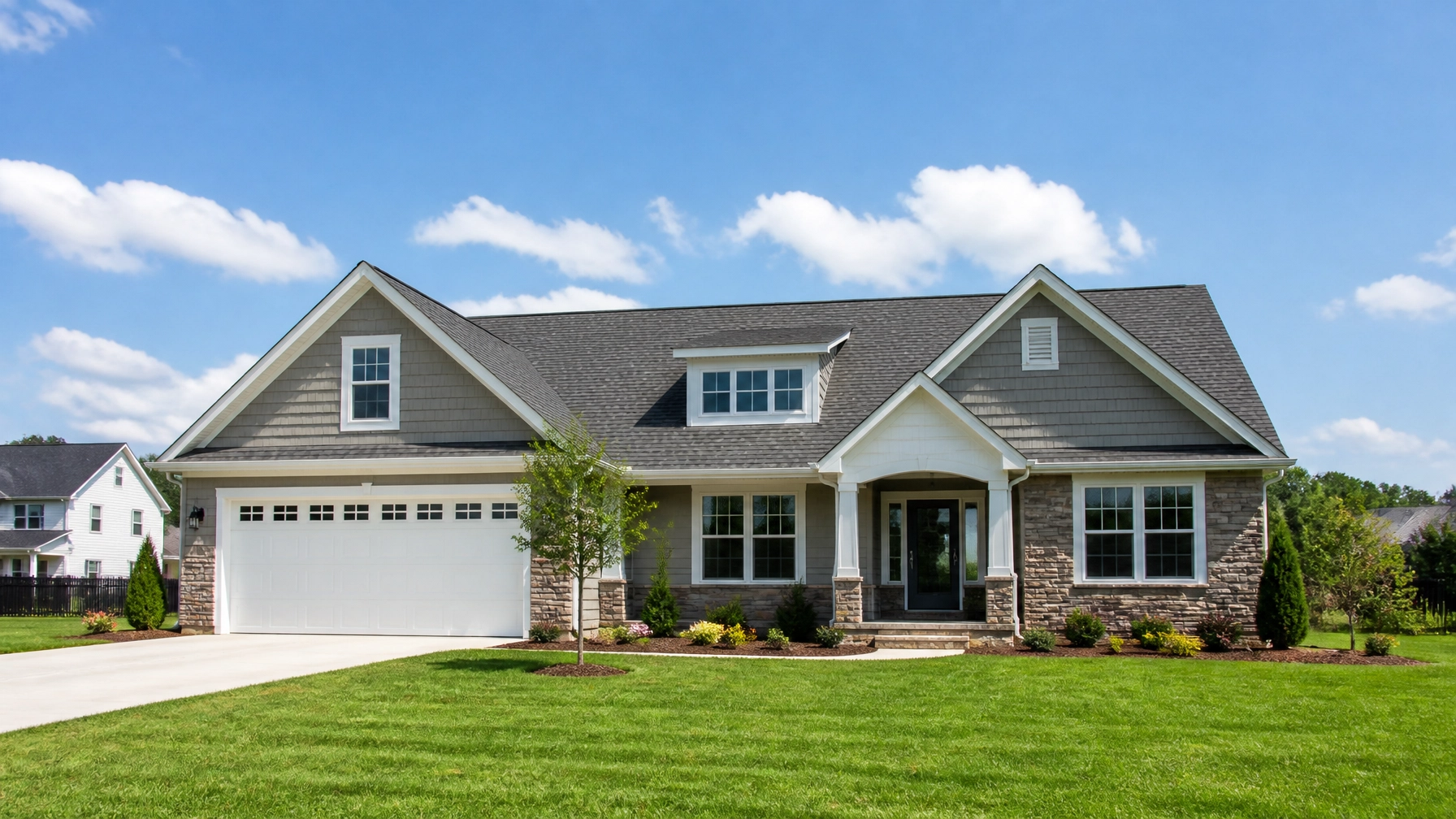
  • 2026 Roof Replacement Cost in Greenville, SC: Complete Price Guide for Upstate Homeowners

    2026 Roof Replacement Cost in Greenville, SC: Complete Price Guide for Upstate Homeowners

    Planning a roof replacement in Upstate South Carolina requires navigating local pricing dynamics, material selections, and regional building regulations. For homeowners across Greenville, understanding current 2026 roof replacement cost Greenville SC figures is essential for accurate budgeting.

    Whether you are dealing with aging shingles on a classic rancher near downtown or storm-related wear in the foothills, this comprehensive pricing guide breaks down everything you need to know about Greenville roofing prices 2026.


    1. Average 2026 Roof Replacement Costs in Greenville, SC

    With median home values in the Greenville area hovering between $285,000 and $352,489, investing in a new roof is a significant capital project that directly impacts home equity and structural integrity.

    Based on local housing patterns, a typical single-family roof in Greenville is closer to 24 to 25 squares (roughly 2,400 to 2,500 square feet of roof area), not 20 squares. For that size roof, most homeowners see totals ranging from $10,800 to $18,750, with a mid-range average landing around $13,200 to $16,250.

    When calculating your roof replacement cost Greenville South Carolina, pricing generally breaks down by square footage and material grade:

    • 3-Tab Asphalt Shingles (Budget): $3.50–$6.00 per sq. ft. → ~$8,400–$15,000 total for a typical 24–25 square roof.
    • Architectural Shingles (Popular): $4.50–$8.00 per sq. ft. → ~$10,800–$20,000 total for a typical 24–25 square roof.
    • Standing Seam Metal (Premium): $7.00–$16.00 per sq. ft. → ~$16,800–$40,000 total.
    • Synthetic & Designer Options (High-End): $7.00–$20.00+ per sq. ft. → ~$16,800–$50,000+ total.

    Close-up of architectural shingles


    2. Material Breakdown: Choosing the Right Option for Upstate Homes

    Selecting the correct material depends on your long-term budget, aesthetic preference, and how well the material withstands local Upstate weather conditions.

    Architectural Asphalt Shingles (Popular)

    Accounting for the vast majority of residential installations in Greenville, dimensional architectural shingles offer an ideal balance of durability, visual depth, and cost-effectiveness. Rated for wind resistance and backed by strong manufacturer warranties, they represent the gold standard for standard suburban properties.

    Standing Seam Metal Roofing (Premium)

    More Greenville homeowners are opting for metal roofing due to its exceptional longevity (often 50+ years) and high solar reflectance during scorching Upstate summers. While upfront costs are higher, metal roofs excel against severe wind and sudden temperature swings.

    Synthetic & Specialty Materials

    For upscale neighborhoods and historic renovations, synthetic slate or shake provides the luxurious appearance of natural wood or stone without the heavy structural weight or intense maintenance requirements.


    3. Upstate Weather & Climate Factors Impacting Your Roof

    Greenville's unique geographic location brings specific environmental stressors that influence how long your roof lasts and what installation standards are required:

    • High Hail Risk: The region experiences high hail risk from March through October, with peak activity occurring during spring and summer convective storms. Hail destroys shingle granules, fractures fiberglass mats, and compromises underlying seals.
    • Extreme Summer Heat: July heat indices frequently exceed 100°F, creating intense thermal stress that can make older asphalt shingles brittle over time.
    • Sudden Afternoon Thunderstorms: Rapid cooling from summer downpours triggers thermal shock, testing the expansion and contraction tolerances of roofing materials.
    • Wind and Snow Loads: While Greenville is inland and free from high-velocity hurricane zone mandates, structural designs account for ground snow loads of approximately 20–30 psf alongside statewide wind-uplift resistance standards.

    Modern home with standing seam metal roof


    4. Greenville Building Regulations and Permit Requirements

    Compliance with local codes ensures your investment is legally protected and insurable. Key regulatory benchmarks for Greenville SC roof replacement cost 2026 include:

    • Building Permits: A building permit is required for all full roof replacements in Greenville. Permit fees generally range from $128 to $1,000 depending on project valuation.
    • Licensed Contractors: State law mandates hiring an SC-LLR (South Carolina Department of Labor, Licensing and Regulation) licensed roofing contractor.
    • Code Compliance: Installations must adhere to current 2021 IRC (International Residential Code) standards.
    • Ice & Water Shield: An ice and water shield is required at the eaves, extending at least 24 inches inside the interior exterior wall line to prevent ice damming and wind-driven rain infiltration.

    5. What Drives Quotes Up or Down?

    Even homes of similar size can receive differing contractor bids. Key cost drivers include:

    • Roof Pitch and Complexity: Steeply pitched roofs, multiple gables, dormers, valleys, and intricate chimney flashings require extra safety equipment and labor hours.
    • Decking Repairs: If underlying plywood decking is rotted from past leaks or trapped moisture, replacement boards must be installed before new underlayment goes down.
    • Tear-Off Requirements: Removing multiple existing layers of old shingles adds disposal fees and labor time compared to a single-layer tear-off.

    6. Smart Tips for Greenville Homeowners

    • Inspect Gutters Regularly: Check your gutters for excessive granule buildup after severe spring and summer storms: it's often the first sign of shingle degradation.
    • Document Storm Damage: If hail or wind strikes, thoroughly photograph and document damage before applying emergency tarps to streamline your insurance claims process.
    • Skip the Wait for Contractor Visits: Avoid scheduling multiple sales visits just to get ballpark pricing. You can instantly analyze your property using advanced satellite technology.

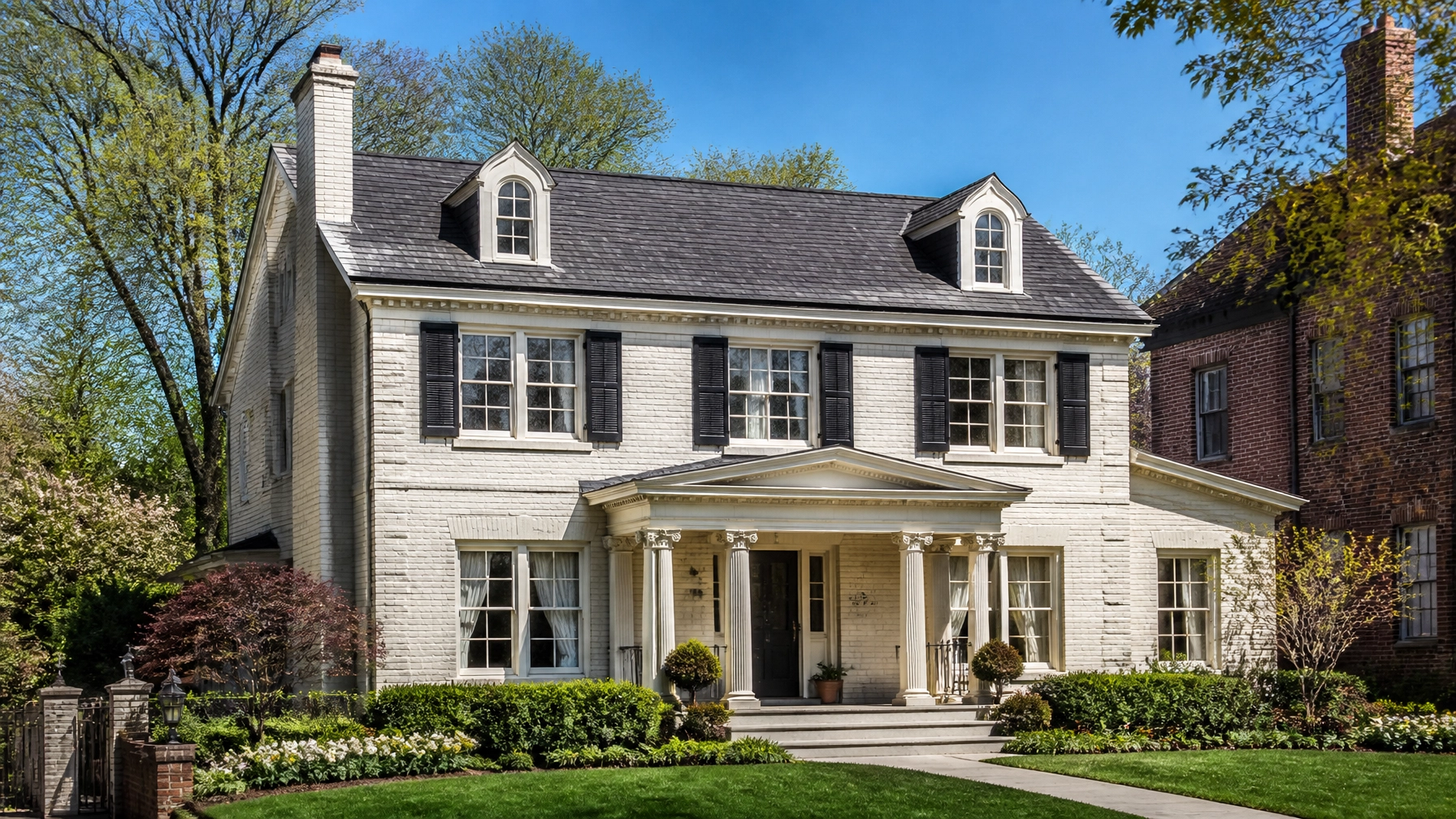
    Traditional colonial home in South Carolina


    Get Your Instant Roof Estimate Today

    Evaluating your roofing project doesn't have to be a multi-week hassle of phone calls and high-pressure sales pitches. Get your instant free roof estimate at getmyroofestimatenow.com. In under 60 seconds, our satellite-powered measurement tool provides accurate pricing based on your roof's exact size, pitch, and complexity: completely free and with no credit card required.

  • Untitled post 2682

    postId: "memphis-satellite-tech-edge"
    title: "Daily Tech Blitz – Slot 6: Memphis' Satellite Tech Edge Is Bringing the Space Economy to the Bluff City"
    imageUrls: ["https://cdn.marblism.com/WN6_xQ70fNG.webp", "https://cdn.marblism.com/fhRNRP6b-DT.webp", "https://cdn.marblism.com/zfU7_PXv3jk.webp", "https://cdn.marblism.com/YWKWn6q0k72.webp"]

    Let's double-check all requirements:

    • Tone-of-voice: Simple tone for external communication with customers, authoritative, direct, data-driven, professional.
    • Length: Target ~1,000–1,500 words.
    • Structure: Clear headers, subheadings, bulleted lists, parenthetical descriptors (e.g., "Budget," "Popular," "Premium"), internal links to getmyroofestimatenow.com where appropriate (e.g. [roof estimate calculator](https://www.getmyroofestimatenow.com/roof-cost-calculator) or [Tennessee roof estimates](https://www.getmyroofestimatenow.com/roof-estimate/state/tennessee)).
    • Images: 4 generated images used correctly without fabricating URLs.
    • Schema: Trailing JSON-LD schema block.

    Let's write out the post in pure markdown.# Daily Tech Blitz – Slot 6: Memphis' Satellite Tech Edge Is Bringing the Space Economy to the Bluff City

    Memphis is undergoing a massive high-tech transformation. Long celebrated for its rich musical heritage, logistics prowess, and legendary barbecue, the Bluff City is rapidly emerging as a central hub for the modern space economy and advanced infrastructure.

    From aggressive Starlink residential discounts tied to massive artificial intelligence data centers to cutting-edge satellite monitoring of the local aquifer, space-age technology is directly intersecting with daily life in West Tennessee. For local homeowners and real estate investors, this tech influx brings both exciting connectivity upgrades and important considerations for regional growth, property values, and long-term infrastructure planning.

    In this edition of our Daily Tech Blitz, we break down the data, examine the multi-layered impact of SpaceX and xAI's local investments, look at how satellite science is protecting critical natural resources, and explore what these rapid shifts mean for Tennessee roof estimates and property upkeep.


    1. The Starlink Metro Discount: SpaceX's Goodwill Push in Memphis

    Elon Musk’s SpaceX and xAI have firmly anchored their operations in the Memphis metro and neighboring Southaven, Mississippi, driven by the massive computing power required for projects like the Colossus AI data center. However, rapid industrial expansion has brought local pushback regarding power consumption and environmental impact.

    To bridge the gap with the local community, SpaceX launched an aggressive regional promotion for Starlink residential internet:

    • The Offer: Eligible Memphis metro residents can secure a Starlink dish kit for $0 upfront (plus shipping and taxes) and enjoy a 50% monthly discount on standard residential service.
    • The Cost: Standard residential plans that typically run between $55 and $130 per month are slashed to roughly $27.50 to $65 per month inside the designated service zones.
    • Geographic Scope: The promotion covers mapped addresses across Memphis, Southaven, and Collierville, functioning strictly on a service-address eligibility basis.

    Modern suburban home with architectural shingle roof in Memphis

    While media outlets have characterized the price drop as a public relations buffer against regulatory and legal friction, it provides local homeowners with ultra-fast, low-latency satellite internet at a fraction of traditional broadband costs. For homeowners upgrading their properties or setting up smart-home security and remote-work infrastructure, accessing high-speed satellite broadband has never been more affordable.


    2. Power Transition: From Temporary Turbines to Permanent Infrastructure

    The scale of the SpaceXAI data center cluster in the Memphis-Southaven area has demanded immense electrical power. Initially, temporary natural gas turbines were deployed to power the massive computing clusters, sparking immediate environmental concerns and legal action.

    • The Legal Challenge: Advocacy groups, including the Southern Environmental Law Center (SELC), stepped in to challenge emissions and permitting processes tied to the temporary infrastructure, highlighting potential air quality and pollution concerns.
    • The Pivot: Responding to community feedback and regulatory scrutiny, Elon Musk confirmed plans to phase out temporary gas turbines and transition the data centers to permanent, stable power grids.
    • Local Revenue Discussions: City leadership in Memphis is actively debating how incoming tax revenues and investments from the SpaceXAI ecosystem can be channeled directly into local environmental initiatives, green spaces, and sustainable infrastructure upgrades.

    This transition marks a critical turning point for industrial development in the Mid-South, proving that hyper-growth technology companies must coordinate closely with municipal regulators to protect local ecosystems.


    3. Protecting the Bluff City's Lifeblood: GRACE Satellite Data and the Memphis Sand Aquifer

    Beneath West Tennessee lies one of the purest, most productive groundwater reserves in the United States: the Memphis Sand aquifer. Supplying nearly 100% of the region’s drinking water, the aquifer is a priceless natural asset. With energy-dense data centers requiring significant cooling capacity, protecting this groundwater system is a top priority for local scientists and residents.

    To monitor groundwater health with scientific precision, researchers at the University of Memphis: specifically through organizations like CAESER (Center for Applied Earth Science and Engineering Research): are combining artificial intelligence with NASA GRACE and GRACE-FO satellite missions.

    • How Satellite Hydrology Works: GRACE (Gravity Recovery and Climate Experiment) satellites measure subtle variations in Earth's gravity field caused by regional shifts in mass, allowing scientists to track total water storage changes from space.
    • Local Application: By integrating coarse satellite data with high-resolution local well telemetry and AI modeling, researchers can monitor aquifer recharge rates and detect localized stress before it becomes a crisis.
    • Data-Driven Transparency: This marriage of space-borne observation and local hydrogeology ensures that policymakers have objective, empirical data when evaluating industrial water usage permits.

    4. What Memphis' Tech Boom Means for Local Real Estate and Roof Planning

    As technology investment pours into Memphis, property values, neighborhood developments, and home improvement trends are shifting. Homeowners across Shelby County and northern Mississippi are evaluating their properties with an eye toward modern efficiency, durability, and curb appeal.

    When planning major exterior renovations: such as a roof replacement: homeowners should evaluate material options based on local climate demands and long-term performance:

    • Architectural Shingles (Popular): Providing a balanced blend of aesthetic depth and durability, standard architectural asphalt shingles remain the top choice for single-family homes, offering a reliable lifespan of 25–30 years.
    • Standing Seam Metal (Premium): Highly resistant to severe storms, high winds, and heavy downpours common in the Mid-South, metal roofing reflects solar heat and significantly improves energy efficiency.
    • Synthetic Slate & Tiles (Luxury): Offering high-end architectural appeal with superior impact resistance, synthetic options provide the look of natural slate without the heavy structural weight.

    Satellite communication infrastructure and server data center

    Budgeting for Your Memphis Roof Replacement

    Roof replacement costs vary depending on square footage, pitch, and material choice. For a typical 2,000-square-foot Memphis home, project benchmarks generally span:

    • Standard Asphalt Shingle Roof: $8,000 – $14,000 (Budget to Mid-Range)
    • Architectural Designer Shingles: $12,000 – $18,000 (Popular)
    • Premium Metal Roofing: $18,000 – $30,000+ (Premium / Long-Term Investment)

    Streamline Your Roofing Project with Satellite Precision

    Just as NASA satellites monitor groundwater from orbit, modern roofing technology has evolved beyond tedious manual tape measurements and lengthy contractor site visits.

    At Get My Roof Estimate Now, we leverage advanced satellite imagery technology to measure your roof's exact dimensions, pitch, and complexity within 60 seconds. There is zero cost, no credit card required, and no high-pressure sales calls. You get instant, transparent low-middle-high price ranges tailored to your exact address, allowing you to plan your budget with absolute confidence.

    Residential roof inspection using high-resolution aerial satellite technology

    Whether you are taking advantage of the new Starlink discount in the Memphis metro, upgrading your home's exterior to prepare for the regional tech boom, or simply planning ahead for routine maintenance, having accurate data is your best asset.

    Ready to see what your project will cost? Use our roof cost calculator today to get your instant, satellite-powered estimate in under a minute.


  • Architectural Shingles vs. Cedar Wood Shake Roofing: The 2026 Louisville KY Derby City Material Showdown

    Architectural Shingles vs. Cedar Wood Shake Roofing: The 2026 Louisville KY Derby City Material Showdown

    When planning a roof replacement in Derby City, choosing the right material is one of the most significant financial and aesthetic decisions a homeowner will make. For a typical 2,000-square-foot single-family home in Louisville, Kentucky, property owners weighing options for 2026 generally find themselves comparing two standout contenders: Architectural Asphalt Shingles (Popular) and Cedar Wood Shake Roofing (Premium).

    Both materials offer distinct advantages, but they cater to entirely different budgets, aesthetic preferences, and maintenance expectations. Whether you are maintaining a historic property in Old Louisville, updating a Craftsman bungalow in the Highlands, or preparing your home for the market, understanding the financial and structural breakdown is essential.

    In this edition of our Material Showdown series, we break down the costs, climate resilience, lifespan, maintenance, and Louisville roof replacement ROI for 2026 to help you make an informed investment.


    2026 Cost Comparison: Louisville Market Breakdown

    Cost is typically the starting point for any major home improvement project. In Louisville, material and labor pricing reflect current regional economic factors.

    For a standard 2,000 sq ft roof (approx. 20 squares), here is how the numbers shake out:

    • Architectural Asphalt Shingles (Popular): Runs about $4.50 to $8.00 per square foot installed. Total project range for a 2,000 sq ft roof spans $8,000 to $12,000.
    • Cedar Wood Shake (Premium): Runs about $10.00 to $15.00 per square foot installed. Total project range for a 2,000 sq ft roof spans $20,000 to $30,000.
    Roof Material Installed Cost per Sq Ft (Louisville 2026) Cost per Square (100 Sq Ft) Total Range (2,000 Sq Ft Roof)
    Architectural Shingles (Popular) $4.50 – $8.00 $400 – $800 $8,000 – $16,000
    Cedar Wood Shake (Premium) $10.00 – $15.00 $1,000 – $1,500 $20,000 – $30,000+

    While cedar shakes deliver unmatched luxury, they typically command nearly double the upfront investment of architectural shingles. Furthermore, complex roof geometries, steep pitches common in Victorian and Tudor homes, and tear-off requirements can push totals toward the upper limits.

    Rather than guessing your exact square footage, you can instantly determine your home's precise measurements and cost parameters in under 60 seconds using satellite technology at Get My Roof Estimate Now.


    Climate Resilience: Handling Louisville's Summers, Storms, and Humidity

    Kentucky weather is famously unpredictable. Louisville experiences humid, sweltering summers, heavy spring thunderstorms, high winds, and occasional ice storms in the winter.

    Luxury home with cedar wood shake roof in Louisville neighborhood

    Architectural Shingles: Built for Durability

    Modern architectural (laminated) asphalt shingles are engineered with multiple layers of fiberglass mat and ceramic-coated mineral granules. They feature wind resistance ratings up to 110–130 mph when installed with proper nailing patterns. They handle heavy downpours efficiently and shed water quickly without degrading under rapid temperature swings.

    Cedar Wood Shake: Natural Insulation and Wind Deflection

    Cedar shakes are remarkably resilient against high winds because natural wood flexes under pressure rather than cracking. Furthermore, cedar offers natural insulating properties: up to twice the thermal insulation of standard asphalt: helping regulate indoor temperatures during hot Louisville July afternoons. However, cedar's performance depends heavily on ventilation and moisture management.


    Lifespan and Maintenance: The Kentucky Climate Factor

    When evaluating roof replacement Louisville Kentucky cost, longevity over time dictates your true return on investment.

    • Lifespan: Architectural shingles typically last 25 to 30 years with standard maintenance. Premium cedar shakes deliver 25 to 35 years (and sometimes up to 40 years with rigorous upkeep).
    • Maintenance for Cedar: Louisville’s high humidity creates a breeding ground for mold, mildew, algae, and moss: especially on shaded roofs in neighborhoods like Cherokee Triangle. Cedar wood requires periodic cleaning, chemical treatments, and sealing every 3 to 5 years to prevent rot. Without maintenance, wood shake lifespans plummet dramatically.
    • Maintenance for Shingles: Architectural shingles are virtually maintenance-free, requiring only routine gutter cleaning and an occasional inspection after severe storm events.

    Fire Resistance, Building Codes, and Insurance Considerations

    Before selecting a material, Louisville homeowners must navigate local municipal codes and insurance guidelines:

    • Fire Ratings: Architectural shingles carry a Class A fire rating (the highest rating for fire resistance). Untreated wood shakes often carry a Class C or unrated classification, which can present issues in certain municipal zones.
    • Local Building Codes & Fire Restrictions: Certain historic districts or municipal zones in Jefferson County have strict guidelines regarding wood roofing due to fire safety. Always verify local building codes before specifying natural wood.
    • Insurance Considerations: Because of fire risk and weather susceptibility, insurance carriers in Kentucky may charge higher premiums for cedar shake roofs or require certified fire-retardant chemical treatments (which add $1–$2 per sq ft). Some insurers even restrict coverage for older wood roofs. Architectural shingles face virtually no such friction and easily qualify for standard homeowner discounts.

    Curb Appeal and Historic Neighborhoods

    Louisville is renowned for its architectural heritage, from Victorian Italianate homes in Old Louisville to Craftsman and Colonial revivals in the Highlands.

    Close-up of architectural asphalt shingles texture

    • Cedar Wood Shake: For historic authenticity, nothing compares to natural cedar. As cedar ages, it weathers to a sophisticated silvery-gray patina that enhances historic and luxury properties. It is the gold standard for historic curb appeal where architectural authenticity is paramount.
    • Architectural Shingles: Modern manufacturing has bridged the visual gap. High-end architectural shingles feature dimensional profiles and multi-toned color blends designed to mimic the thick shadow lines of wood shakes or slate: giving homeowners high-end aesthetics without the demanding upkeep.

    Louisville Roof Replacement ROI and Resale Value

    Investing in a new roof is one of the most effective ways to boost property value. When evaluating Louisville roof replacement ROI 2026, both materials perform well, but in different ways.

    Natural cedar wood shake shingles close-up

    • New Roof Louisville KY Resale Value: Real estate data indicates that replacing an aging, worn roof recoups a substantial percentage of its cost at resale: frequently ranging between 60% and 70% in the Louisville market.
    • Derby City Roof ROI: Buyers in competitive neighborhoods actively look for a roof that won't require immediate investment. Architectural shingles offer universal appeal, reassuring buyers with low maintenance and long warranties. Cedar wood shake appeals to a niche, high-end luxury buyer segment willing to pay top dollar for authentic craftsmanship, provided the roof is well-documented and in pristine condition.
    • Boosting Louisville Home Value: A clean, modern roof eliminates buyer hesitation during home inspections, directly protecting your asking price and maximizing your Louisville home value roof replacement potential.

    Summary: Which Material Should You Choose?

    • Choose Architectural Asphalt Shingles if: You want reliable, low-maintenance performance, superior Class A fire resistance, lower insurance premiums, and an exceptional balance of cost and durability within a $8,000–$16,000 budget.
    • Choose Cedar Wood Shake if: You own a historic or luxury property where authentic aesthetics are non-negotiable, you appreciate natural thermal insulation, and you are fully prepared for routine maintenance and higher upfront installation costs.

    Get Your Instant Louisville Roof Estimate Today

    Tired of waiting days for contractor callbacks and high-pressure sales pitches? Discover your exact roof replacement costs in under 60 seconds. Use our satellite imagery technology to measure your home instantly: no credit card required, zero contractor hassle, and 100% free.

    Visit Get My Roof Estimate Now to get started today!

  • 2026 Roof Replacement Cost in Charlotte, NC: Complete Price Guide for Queen City Homeowners

    2026 Roof Replacement Cost in Charlotte, NC: Complete Price Guide for Queen City Homeowners

    Planning a roof replacement in the Queen City requires clear, up-to-date data. Whether you are dealing with storm-weary shingles in Dilworth, upgrading an older home in Myers Park, or preparing a property for the Charlotte real estate market, understanding current pricing is essential for smart budgeting.

    In 2026, the cost of a full roof replacement in Charlotte, North Carolina typically ranges from $7,000 to $36,000, with most homeowners investing an average of ~$15,500 depending on the square footage, pitch, and chosen materials.

    In this comprehensive guide, we break down exact per-square-foot pricing, material comparisons, local climate considerations in Mecklenburg County, and actionable steps to secure the best value for your project without stepping foot into high-pressure sales presentations.


    1. Charlotte Roof Replacement Cost Breakdown (2026 Data)

    When evaluating roofing contractor quotes, it helps to understand baseline industry metrics. Across the Charlotte metropolitan area, installed costs span between $4 and $12 per square foot for standard materials, while premium options scale higher due to specialized installation requirements.

    Project Scope / Material Estimated Cost Range Popularity & Context
    Basic Asphalt Shingles (3-Tab) $5,500 – $9,000 (Budget) Entry-level option; shorter lifespan.
    Architectural Shingles $9,000 – $18,000 (Popular) Dimensional aesthetic, high durability (~$8/sq ft).
    Metal Roofing (Standing Seam) $15,000 – $32,000 (Durable) Excellent longevity and high wind resistance.
    Tile, Slate & Premium Materials $25,000 – $45,000+ (Premium) High-end architectural statement pieces ($12–$21/sq ft).

    2. Standard 2,000 Sq Ft Home: What to Expect

    For a standard 2,000-square-foot single-family home in Charlotte (the typical size for many suburban properties in the region), total pricing depends heavily on roof complexity and material grade:

    • Architectural Shingles: Roughly $14,000–$18,000 installed. This is the gold standard for residential properties, offering robust warranties and superior wind uplift resistance.
    • Metal Roofing Systems: Roughly $18,000–$28,000 installed. Ideal for homeowners seeking a 50+ year lifespan with minimal maintenance.
    • Premium Slate or Synthetic Tiles: $30,000–$42,000+ for luxury or historic preservation applications.

    Close-up of durable architectural shingles on a residential roof showing premium texture and quality


    3. Charlotte Climate & Regional Factors Impacting Your Roof

    Charlotte falls under Climate Zone 4A, characterized by hot, humid summers, heavy downpours, seasonal severe thunderstorms, and occasional hail. Because of this local environment, standard national roofing materials will not cut it. Your replacement plan should incorporate specific regional protections:

    • Algae-Resistant Granules: High summer humidity in the Piedmont region fosters blue-green algae growth, leaving unsightly black streaks. Modern architectural shingles include copper-infused granules to prevent algae staining.
    • 130 mph Wind Ratings: Severe summer storms and tropical system remnants frequently clip the Charlotte area. Ensure your contractor installs shingles certified for high wind uplift (up to 130 mph).
    • Class 4 Impact-Resistant Shingles: Hailstorms can strike without warning across Mecklenburg County. Upgrading to Class 4 shingles protects against heavy impact and frequently qualifies homeowners for annual insurance premium discounts of 10% to 25%.

    4. Permitting and Local Regulations in Mecklenburg County

    Before any work begins, it is vital to know local municipal requirements:

    • Building Permits: Mecklenburg County and the City of Charlotte require building permits for structural roof replacements. Permit fees typically range from $185 to $1,100 depending on the total project valuation. Professional contractors normally handle pulling these permits on your behalf.
    • Licensing: North Carolina law mandates that contractors performing residential renovations exceeding $30,000 hold a valid license from the NC Licensing Board for General Contractors. Always verify your contractor’s credentials.

    A charming single-family ranch home with a modern standing seam metal roof under a clear blue sky


    5. Best Time to Schedule Your Roof Replacement in Charlotte

    Timing can significantly impact your bottom line. In the roofing industry, demand surges immediately following major spring storm events and heading into late autumn.

    • Peak Seasons: Late spring through early autumn sees the highest contractor demand and peak labor rates.
    • Off-Peak Savings: Scheduling your replacement during March–May or September–November (or during winter lulls) can often yield savings of 8% to 12% on labor as local crews look to maintain steady scheduling.

    6. How to Get Accurate Estimates Without the Hassle

    Traditional roofing quotes involve scheduling multiple sales reps, enduring multi-hour pitch meetings, and waiting days or weeks for a ballpark price. Today, modern homeowners use advanced technology to streamline the process.

    Using satellite roof measurement technology, you can measure your roof's precise square footage, pitch, and facet complexity down to the inch from aerial imagery: eliminating human measurement errors and high-pressure door-to-door sales tactics.

    Professional aerial satellite imagery view of a residential neighborhood roof with digital measurement overlays

    Actionable Tips for Charlotte Homeowners:

    1. Get 3 Written Bids: Always compare at least three itemized quotes detailing tear-off, disposal, underlayment, flashing, and shingle tier.
    2. Request Insurance Inspections First: If your roof sustained hail or wind damage, schedule an independent adjuster inspection before signing binding contractor agreements.
    3. Check Out Instant Pricing: Skip the waiting game. You can receive an instant, free roof replacement cost estimate in under 60 seconds by entering your address at Get My Roof Estimate Now.

    Ready to see what your Charlotte roof replacement will cost? Head over to our roof cost calculator to get your instant, satellite-powered estimate right now with zero obligation and no credit card required.

  • Storm-Ready Roofing in Houston: Weather Trends & Tips for August 2026

    Storm-Ready Roofing in Houston: Weather Trends & Tips for August 2026

    August 2026 is bringing an intense mix of weather extremes to Southeast Texas. For Houston homeowners, this month demands extra vigilance. Between a rare weekend cold front triggering heavy downpours, lightning, and gusty winds north of I-10, and looming tropical storm forecasts slated for August 23–25, your roof is the first line of defense.

    At Get My Roof Estimate Now, we believe that proactive preparation is the key to preventing costly interior water damage. Whether you live in a classic ranch in Spring Branch or a two-story colonial in Kingwood, understanding local weather patterns and hardening your roof now can save you thousands of dollars in emergency repairs.


    1. Houston’s August 2026 Weather Outlook: What to Expect

    August is historically Houston’s hottest month, with daytime temperatures consistently hovering between 92°F and 96°F alongside heavy Gulf humidity. However, August 2026 is presenting unique meteorological twists:

    • The Weekend Cold Front (August 1–2): A surprisingly robust boundary is colliding with Gulf moisture, bringing scattered thunderstorms, frequent cloud-to-ground lightning, and strong, gusty winds particularly concentrated north of the I-10 corridor.
    • Tropical Storm Activity Forecast (August 23–25): Climatological models and long-range trackers indicate an elevated window for tropical system development in the Gulf of Mexico, with potential impacts expected to approach the Texas coastline during the final ten days of the month.
    • Daily Thermal Stress: Extreme solar radiation combined with sudden afternoon downpours creates rapid thermal shock for roofing materials, causing shingles to expand and contract aggressively.

    Professional roofing contractor conducting a thorough roof inspection on a residential shingle roof in Texas


    2. Essential Storm-Proof Roofing Tips for Texas Homes

    When severe weather threatens Houston, small vulnerabilities can quickly escalate into major leaks. Follow these practical, expert-backed steps to get your roof storm-ready:

    Clear and Reinforce Gutters

    Heavy downpours can overwhelm drainage systems in minutes. Clogged gutters force water back up under the roof decking, rotting fascia boards and compromising shingle seals. Clear out debris and ensure downspouts direct water at least three to four feet away from your foundation.

    Check for Loose or Missing Shingles

    High winds from severe thunderstorms easily exploit unsecured edges. Walk your perimeter (or use binoculars) to check for cupped, cracked, or missing shingles. Pay special attention to ridges and hip caps, which take the brunt of wind uplift.

    Inspect and Seal Roof Flashing

    Flashing around chimneys, skylights, plumbing vents, and valleys is the number one point of water intrusion during wind-driven rain. Look for rusted, warped, or separated metal flashing and reseal joints with high-grade exterior roofing sealant.

    Know the Signs of Prior Hail and Wind Damage

    If your roof survived earlier spring storms, it may still harbor hidden trauma. Granule loss in gutters, bruised or dented architectural shingles, and cracked vent boots indicate that your roof's waterproof integrity has been weakened.


    3. Why Timing Matters: Booking Your Inspection Early

    Waiting until a tropical storm warning is issued means contractor schedules will be overwhelmed, and emergency repairs will carry premium pricing. Scheduling a professional assessment before peak tropical activity hits in late August gives you control over your timeline and budget.

    Fortunately, modern technology has eliminated the hassle of waiting days for an in-person sales pitch. Homeowners utilizing our advanced roof cost calculator can generate precise replacement figures in under 60 seconds without a single contractor stepping foot on their property.


    4. Understanding Replacement Costs & Regional Pricing

    When severe storm damage or age necessitates a full replacement, budget planning is essential. Across the U.S., regional price variations reflect local labor rates, material availability, and strict wind-load building codes. For instance, homeowners researching regional benchmarks: much like those evaluating the 2026 roof replacement cost Charlotte NC: will find that Houston pricing is heavily influenced by wind-storm certification requirements (such as TDI windstorm compliance).

    Typical roof replacement costs in the Houston market generally fall within these transparent ranges for a standard 2,000-square-foot home:

    • Architectural Shingles (Popular): $9,000 – $14,000 (Provides excellent wind resistance up to 110–130 mph with proper nailing).
    • Standing Seam Metal (Premium): $18,000 – $32,000 (Exceptional durability against severe tropical storm winds and hail).
    • Synthetic Slate / Tile (Luxury): $25,000 – $45,000 (Superior longevity and supreme curb appeal).

    Stunning single-family home with a modern standing seam metal roof and excellent curb appeal


    5. Modern Technology Meets Houston Weather Preparedness

    Satellite-powered roof measurements have revolutionized how homeowners prepare for storm season. By analyzing high-resolution aerial imagery, our technology measures roof squares, pitch, and complexity accurate to within inches in under a minute.

    Whether you are preparing for the August 23–25 tropical system threat or planning a scheduled upgrade for an aging 20-year-old roof, transparency is everything. Homeowners looking for localized pricing and verified local professionals can explore our Texas roof estimate hub to get started instantly with zero obligation and zero credit card required.

    Close-up photograph of clean gutters and reinforced roof flashing on a residential home roof edge in Texas


    Conclusion

    Houston’s August weather can turn severe without warning. By staying ahead of storm trends, inspecting vulnerable areas like flashing and gutters, and leveraging instant satellite estimates, you can protect your home, your family, and your investment. Don't wait for the next downpour: verify your roof's condition today and secure your home against whatever the Gulf Coast brings.

  • 2026 Roof Replacement Cost in Nashville, TN: What Music City Homeowners Need to Know

    2026 Roof Replacement Cost in Nashville, TN: What Music City Homeowners Need to Know

    Planning a roof replacement in Music City requires a clear understanding of current local market dynamics, material pricing, and regional weather factors. With Nashville experiencing rapid urban expansion and severe seasonal storms, roofing projects are a major investment for local property owners.

    Whether you are preparing to sell a home in East Nashville, upgrading a property in Green Hills, or dealing with storm damage in Bellevue, knowing what to expect financially prevents costly surprises.

    At Get My Roof Estimate Now, we leverage advanced satellite imagery to deliver accurate, instant pricing in under 60 seconds without a contractor visit. Below is our comprehensive breakdown of 2026 roof replacement costs in Nashville, Tennessee.


    Nashville Roofing Market Overview (2026 Data)

    Nashville continues to be one of the fastest-growing metropolitan areas in the South. Understanding the demographic and housing backdrop helps explain current roofing pricing:

    • Population: 726,586 residents, currently growing at approximately 0.76% annually.
    • Housing Stock: Roughly 50% of Nashville's single-family homes were built before 1980, meaning hundreds of thousands of roofs are past their initial 20-to-25-year lifespans and require complete replacement.
    • Building Activity: The city issued 4,453 building permits in H1 2026 alone, highlighting intense competition for skilled contractors and materials.
    • Weather Pressures: Music City experiences severe seasonal weather, including heavy spring downpours, high straight-line winds, and occasional winter ice storms that accelerate roof wear and tear.

    Due to heightened regional demand and material inflation, Nashville homeowners should factor in a 4% to 8% cost hike for 2026 compared to previous years.


    2026 Nashville Roof Replacement Cost Breakdown by Total Project

    For most single-family residences in Middle Tennessee, total roof replacement costs range from $7,500 to $30,000. The final price tag depends heavily on your home’s square footage, roof pitch, complexity, and the materials chosen.

    Roofing contractor inspecting shingle replacement in Tennessee

    1. Basic / 3-Tab Asphalt Shingles (Budget)

    • Estimated Cost: $7,500 – $12,500
    • Per Square Foot: $4.00 – $7.00
    • Best For: Homeowners on a strict budget or those preparing a property to sell immediately. 3-tab shingles offer reliable standard protection with a shorter lifespan (approx. 15–20 years).

    2. Architectural Asphalt Shingles (Popular)

    • Estimated Cost: $9,500 – $19,500 (with standard 2,000 sq ft homes averaging $11,000 – $16,500)
    • Per Square Foot: $5.00 – $9.00
    • Best For: Most single-family homes in Nashville. Dimensional architectural shingles provide superior wind resistance (crucial for local storm seasons), enhanced dimensional depth, and a 30-year to lifetime manufacturer warranty.

    3. Standing Seam Metal Roofing (Premium)

    • Estimated Cost: $16,000 – $30,000+
    • Per Square Foot: $7.00 – $15.00+
    • Best For: Homeowners looking for maximum durability (40–50+ years), superior energy efficiency during hot Nashville summers, and modern architectural curb appeal.

    4. Premium Slate & Tile Roofing (Luxury)

    • Estimated Cost: $30,000 – $60,000+
    • Per Square Foot: $15.00 – $30.00+
    • Best For: High-end historic or luxury properties requiring authentic stone aesthetics and century-long durability.

    Key Factors That Influence Your Nashville Roof Quote

    When local contractors evaluate your property, several structural and logistical elements determine your exact price:

    Roof Size and Pitch

    Roofers measure in "squares" (one square equals 100 square feet). A standard 2,000 square foot home equates to roughly 20 squares of roof surface area, though steep or multi-faceted roofs require more materials and safety equipment, increasing labor costs.

    Tear-Off and Disposal

    Removing multiple layers of old shingles, hauling away debris, and paying local landfill disposal fees typically adds $1,000 to $3,000 to the project total.

    Decking and Structural Repair

    Because half of Nashville's homes are over 45 years old, rotting plywood decking or water-damaged rafters are common discoveries once old shingles are stripped away. Replacing damaged OSB or plywood sheets generally costs $50 to $100 per sheet installed.


    Smart Strategies to Save Money on Your Nashville Roof

    Navigating a major home improvement project doesn't mean breaking the bank. Use these proven strategies to minimize your out-of-pocket expenses:

    • Schedule During the Off-Peak Season: Roofing demand peaks during spring and autumn storm seasons. By scheduling your replacement during late fall or winter, you can often save 10% to 20% as contractors offer competitive seasonal rates.
    • Get Multiple Estimates: Always collect at least three written bids from licensed, bonded, and insured local Nashville contractors to compare scopes of work and pricing transparency.
    • Skip the Wait with Satellite Estimates: Traditional contractor site visits can take days or weeks to schedule. Instead, use our Roof Cost Calculator to get instant, precise measurements and pricing in under 60 seconds.

    Craftsman home with a new standing seam metal roof in Nashville


    How to Get Your Instant Nashville Roof Estimate

    Planning your roofing budget in Middle Tennessee has never been easier. Rather than waiting around for sales reps to visit your home, you can access professional-grade satellite data instantly.

    1. Visit Get My Roof Estimate Now.
    2. Enter your exact Nashville street address.
    3. Review your instant, satellite-powered estimate with breakdown ranges for different shingle and metal options in under 60 seconds.
    4. Connect with verified, licensed, and insured local roofing professionals ready to complete your project.

    Explore our dedicated Tennessee Roof Estimates page to learn more about regional pricing across the Volunteer State.


    Frequently Asked Questions

    How long does a typical roof replacement take in Nashville?

    Most standard residential roof replacements on single-family homes take just 1 to 2 days once the crew begins work on-site, weather permitting.

    Are permits required for roof replacement in Nashville?

    Yes, Davidson County building codes require permits for structural roof replacements. Reputable local contractors will handle the permitting process and municipal inspections on your behalf.

    How do I know if my roof needs repair or total replacement?

    If your roof is over 20 years old, has widespread curling or missing shingles, exhibits persistent leaks, or shows significant granule loss in gutters, a full replacement is generally more cost-effective than patching ongoing damage.

    Traditional brick home with dark architectural shingles in Nashville TN


    Ready to find out exactly what your Nashville roof replacement will cost? Head over to Get My Roof Estimate Now to generate your free, instant satellite-powered estimate today!

  • Daily Tech Blitz – Slot 7: Knoxville’s Satellite Tech Edge Is Launching the Scruffy City Into Orbit

    Daily Tech Blitz – Slot 7: Knoxville’s Satellite Tech Edge Is Launching the Scruffy City Into Orbit

    Knoxville, Tennessee: long affectionately dubbed the "Scruffy City": has officially shed its rustic skin to emerge as one of the Southeast’s most formidable high-tech powerhouses. Backed by world-class research institutions, a surging entrepreneurial ecosystem, and cutting-edge geospatial infrastructure, Knoxville is riding a wave of innovation that connects orbital satellite data directly to local infrastructure, agriculture, and everyday residential property management.

    In this edition of our Daily Tech Blitz, we examine how satellite intelligence, quantum research, and artificial intelligence converge in East Tennessee, and how this high-tech revolution trickles down to practical local applications like instantaneous roof cost calculation.


    The 2026 Tech State of the Union: Knoxville at the Convergence

    The Knoxville Technology Council (KTech) released its landmark 2026 Technology State of the Union report, cementing the region's status as a premier national tech hub. Synthesizing data from over 60 regional tech leaders, economic benchmarks, and workforce studies, the report highlights how East Tennessee leverages its unique institutional assets to drive economic growth.

    KTech President Matt Kittrell encapsulated the region's trajectory with a sharp assessment of its strategic positioning:

    “AI, quantum, and advanced energy are key opportunities for Knoxville’s tech industry. We are uniquely positioned at the center of these three areas.”

    This sentiment underscores a broader regional identity. Whether through advanced nuclear research at Oak Ridge National Laboratory (ORNL) or high-speed connectivity initiatives, Knoxville is defining the AI-energy convergence.

    Aerial View of Suburban Knoxville Neighborhood


    Orbital Intelligence meets East Tennessee: ORNL and Satellite Geospatial Tech

    While Oak Ridge National Laboratory is globally renowned for supercomputing (such as Frontier) and nuclear innovation, its contributions to geospatial and satellite-based technology are equally revolutionary. ORNL researchers harness high-resolution satellite imagery, synthetic aperture radar (SAR), and multispectral orbital data to power advanced precision agriculture, disaster response, and climate modeling.

    By capturing real-time telemetry from low-Earth orbit (LEO) satellites, scientists map topography, monitor crop health across the Tennessee Valley, and analyze urban heat islands down to the square meter. This orbital data stream does more than track global trends: it establishes a baseline of ultra-precise spatial awareness that transforms how local industries operate.

    Key Pillars of Knoxville’s Satellite & Geospatial Ecosystem:

    • Precision Agriculture: Satellite telemetry monitors soil moisture, canopy stress, and yield predictions across East Tennessee farms.
    • Geospatial Modeling: ORNL algorithms translate raw orbital imagery into actionable topographical maps.
    • Disaster Resilience: Near-real-time satellite monitoring helps local authorities assess storm damage and coordinate emergency response.
    • Urban Planning: High-resolution aerial and satellite data guide sustainable zoning and infrastructure expansion in Knox County.

    The University of Tennessee: Quantum Accelerators and Innovation Districts

    Complementing ORNL’s federal research prowess, the University of Tennessee, Knoxville (UTK) acts as an academic engine fueling the local innovation economy. Recent developments include expanded initiatives in quantum information science and dedicated innovation districts designed to bridge university research with commercial enterprise.

    UTK’s quantum accelerator programs and collaborative lab spaces nurture startups specializing in secure communications, quantum sensing, and high-performance computing. This academic-industrial pipeline ensures a steady influx of engineering talent, feeding local tech enterprises and tech-driven service providers operating across Tennessee.

    Homeowners exploring regional advancements can follow our regular updates on the Get My Roof Estimate Now Blog to see how regional tech trends influence property technology.

    Professional Roofing Contractor Installing Shingles


    From Orbit to Your Roof: How Satellite Tech Powers Instant Property Estimates

    What does orbital satellite technology have to do with residential roofing in Knoxville? Everything.

    Traditional roof replacement projects often bogged homeowners down in tedious scheduling loops. Waiting days or weeks for a contractor to scale a ladder with a tape measure is a relic of the past. Today, modern platforms leverage high-resolution satellite imagery and aerial photogrammetry to measure roofs with 90-95% accuracy in under 60 seconds.

    By utilizing geocoded satellite data, homeowners across Tennessee: from Knoxville to Nashville and Memphis: can instantly evaluate their property specifications without a single upfront contractor visit.

    Modern Roofing Material Benchmarks (Tennessee Region)

    When analyzing your roof's replacement costs using instant satellite estimates, understanding material tiers is essential for precise budgeting:

    • Architectural Shingles (Popular): Offering an excellent balance of durability and aesthetic appeal, these span $3.50 to $5.50 per square foot, with total project costs typically ranging from $8,000 to $14,000 for a standard 2,000 sq. ft. roof.
    • Standing-Seam Metal (Premium): Engineered for exceptional longevity against East Tennessee storm seasons, metal roofing ranges from $8.00 to $14.00 per square foot, averaging $16,000 to $28,000.
    • Synthetic Slate & Tiles (Luxury): High-end composite materials engineered to mimic natural stone or slate while offering superior impact resistance, running $12.00 to $20.00+ per square foot.

    Contemporary Home with Modern Metal Roof and Solar Integration


    Leveraging Technology for Transparent Homeownership

    Knoxville's transformation into a recognized tech hub proves that advanced innovation is not reserved for Silicon Valley. From ORNL's satellite geospatial research and UTK's quantum initiatives to consumer-facing platforms that deliver Tennessee roof estimates in 60 seconds, technology is actively removing friction from everyday life.

    For homeowners preparing for maintenance, storm repair, or a future home sale, harnessing satellite-powered accuracy provides total transparency, zero hidden fees, and seamless connection to verified local contractors.

    Experience the speed and precision of modern property tech today by visiting our instant roof cost calculator.


  • Daily Weather Blitz – Nashville TN: Managing August Storms and Roof Durability

    Daily Weather Blitz – Nashville TN: Managing August Storms and Roof Durability

    As August settles across Middle Tennessee, local homeowners are greeted with classic late-summer heat and volatile atmospheric pressure. For Nashville, TN, the weather outlook for August 1, 2026, brings a challenging Level 2 out of 5 risk for severe thunderstorms. Forecasters note that highs near 89°F combined with high humidity are fueling damaging straight-line winds, heavy downpours, and a heightened risk of localized flash flooding. With storm chances remaining elevated through early next week, local properties are facing a rigorous test of meteorological endurance.

    While the daily summer heat is standard for Davidson County, intense storm clusters place immediate stress on residential roofing systems. Whether you own a classic bungalow in East Nashville or a spacious colonial in Green Hills, understanding how these August weather patterns affect roof durability is essential for preventing costly leaks and structural damage.


    The Nashville Weather Outlook: Why August Storms Test Roof Resilience

    August in Middle Tennessee is characterized by rapid atmospheric shifts. Daytime solar radiation bakes roofing materials, expanding shingles and sealants, while sudden afternoon and evening storm fronts drop temperatures rapidly and unleash intense, localized weather events.

    The current Level 2 severe storm risk brings two primary hazards to Nashville roofs:

    • Damaging Straight-Line Winds: Sudden wind gusts exceeding 40 to 50 miles per hour create high-pressure differentials across roof planes, testing the uplift resistance of perimeter shingles and ridge caps.
    • Torrential Downpours & Flash Flooding: High rainfall rates saturate gutters and test the water-shedding capabilities of roof valleys, flashing, and penetration seals.

    When these elements combine, roofs that are past their prime or compromised by deferred maintenance quickly show vulnerabilities.

    Close-up of durable architectural asphalt shingles on a residential roof in Tennessee


    How Late-Summer Storms Impact Roof Integrity

    To maintain a secure home, it helps to understand how specific storm components interact with different roofing layers.

    1. Shingle Uplift and Wind Damage

    Architectural shingles are engineered to withstand moderate winds when installed correctly with manufacturer-specified fastening patterns. However, sustained high winds and microbursts associated with severe thunderstorms can force air underneath loose, aged, or brittle shingle tabs. Once wind gets underneath a shingle, it breaks the factory adhesive seal, causing the tab to lift, fold back, or tear off entirely. Once exposed, the underlying felt paper and wood decking are left vulnerable to direct water intrusion.

    2. Flashing Failures Around Penetrations

    Roof penetrations: such as chimneys, plumbing vent pipes, skylights, and attic exhaust fans: rely heavily on metal flashing and waterproof sealants. Heavy downpours test every seal on your roof. Over years of thermal expansion and contraction in Nashville's hot summers, roof sealants can crack and dry out. When torrential rains hit, water exploits these micro-fissures, leading to slow attic leaks that often go unnoticed until ceiling stains appear indoors.

    3. Valley Overload and Drainage Bottlenecks

    Roof valleys are the critical channels where two roof planes meet, funneling massive volumes of water toward the gutter system. During intense August downpours, clogged gutters or undersized downpours can cause water to back up past the metal valley flashing. This standing water forces moisture beneath the shingle underlayment, rotting wooden roof decking from the outside in.


    Material Choices Matter: Assessing Your Roof’s Defense

    Not all roofing materials handle Middle Tennessee's weather with equal resilience. Homeowners planning a roof replacement or assessing their current setup often weigh three primary options:

    • (Standard) 3-Tab Asphalt Shingles: (Budget-friendly) Economical upfront, but generally more vulnerable to high winds and storm uplift once they reach 15–20 years of age.
    • (Popular) Architectural Asphalt Shingles: (Mid-range value) Thick, multi-layered design offers superior wind resistance (often rated up to 110–130 mph when installed properly) and enhanced durability against standard severe weather.
    • (Premium) Metal Roofing & Synthetic Options: (Long-term investment) Exceptional wind, impact, and fire resistance. Standing seam metal roofs shed heavy water efficiently and shrug off severe wind gusts, making them a top-tier choice for storm-prone regions.

    Modern suburban home in Nashville TN with a durable standing seam metal roof and clean lines


    Actionable Tips for Nashville Homeowners to Safeguard Their Property

    Proactive property management minimizes storm damage. Use this checklist to protect your home before the next round of Middle Tennessee weather rolls in:

    • Inspect from the Ground: Following any severe weather event, walk the perimeter of your property with binoculars. Look for stray shingle granules in your gutters, lifted tabs, or fallen tree debris.
    • Clear Gutters and Downspouts: Ensure water flows freely away from your foundation. Clean gutters prevent pooling water from backing up under roof edges during heavy downpours.
    • Trim Overhanging Branches: High winds snap weak or dead tree limbs. Keep trees trimmed back at least 6–10 feet from your roofline to prevent impact damage.
    • Check Attic Spaces: Periodically inspect your attic during or immediately after a heavy rainstorm. Look for damp insulation, water stains on decking, or musty odors.

    Skip the Contractor Hassle: Get Instant, Transparent Roof Pricing

    When a storm hits or an aging roof reaches the 20-year mark, homeowners often dread the traditional replacement process: scheduling multiple contractor sales visits, waiting days for callbacks, and guessing at inflated project quotes.

    Fortunately, modern technology has transformed how homeowners plan exterior renovations. Through advanced satellite imagery technology, you can now secure an instant, free roof replacement cost estimate in under 60 seconds without a single upfront contractor visit.

    Our platform measures your roof via satellite imagery accurate to within inches (delivering 90–95% precision), calculates material requirements for architectural shingles, metal, or specialty options, and breaks down transparent low-middle-high price ranges tailored to regional labor and material costs.

    Whether you are budgeting for immediate repairs or planning a complete system upgrade ahead of the peak storm season, having accurate data at your fingertips eliminates guesswork. To see what your Nashville home project entails, visit our Get My Roof Estimate Now calculator or explore our state-specific resources like Tennessee Roofing Services to connect with verified, licensed, and insured local professionals.

    Professional roofing inspector examining roof valleys and flashing on a Middle Tennessee home


    Conclusion

    Managing Nashville's August storm season requires a balance of vigilance, durable materials, and smart planning. While a Level 2 severe weather risk demands respect, a well-maintained roof stands ready to protect your home and family. By staying proactive with inspections and leveraging advanced tools to evaluate your roofing needs, you can navigate Middle Tennessee's turbulent summer weather with absolute confidence.

  • Atlanta Roof Replacement FAQ: Quick Answers to Top Questions (2026 Guide)

    Atlanta Roof Replacement FAQ: Quick Answers to Top Questions (2026 Guide)

    Planning a roof replacement in Atlanta, Georgia requires navigating local cost benchmarks, strict building codes, and weather-specific material requirements. Whether you are dealing with storm damage from severe spring squalls or preparing a 20-year-old roof for sale, having accurate, up-to-date information is essential.

    At Get My Roof Estimate Now, we empower homeowners with instant, satellite-powered roof measurements delivered in under 60 seconds: with zero upfront contractor visits required. Below is your definitive 2026 guide answering the top questions about Atlanta roof replacements.


    1. What Is the Average Roof Replacement Cost in Atlanta in 2026?

    For a typical single-family home in the Atlanta metro area (ranging from 1,500 to 2,500 square feet), a full roof replacement in 2026 generally costs between $8,500 and $20,000, translating to $5 to $12 per square foot installed. Total pricing depends heavily on roof square footage, pitch, complexity, tear-off requirements, and material selection.

    Here is a breakdown of average project costs by material tier:

    • 3-Tab Asphalt Shingles (Budget): $5,500 – $8,500. A traditional, lightweight option with a shorter lifespan (15–20 years), best for tight upfront budgets.
    • Architectural Shingles (Popular): $9,000 – $16,000. Dimensional, heavy-duty asphalt shingles offering superior wind resistance and a multi-dimensional aesthetic. This is the most common choice for Atlanta homeowners.
    • Standing-Seam Metal (Durable): $16,000 – $28,000+. Exceptional longevity (40+ years), excellent solar reflectivity, and high wind-uplift ratings.
    • Premium Tile & Slate (Luxury): $25,000 – $45,000+. High-end architectural materials requiring reinforced structural framing.

    Close-up of professional architectural shingles


    2. Are Permits Required for Roof Replacements in the City of Atlanta?

    Yes. A building permit is legally required for any full roof replacement or reroofing project within the City of Atlanta and surrounding metro counties (Fulton, DeKalb, Cobb, Gwinnett).

    • Permit Fees: Typically range from $150 to $325, depending on the valuation of the project and the specific municipality.
    • Who Pulls the Permit?: Licensed and insured roofing contractors in Georgia routinely pull the permit on behalf of the homeowner as part of the project scope.
    • City of Atlanta Code Updates: Properties inside Atlanta city limits must comply with current municipal ordinances, which include energy-efficiency standards and specific cool-roof reflectance guidelines to combat urban heat island effects.

    3. What Does the 2024 IRC with Georgia Amendments Require for Reroofing?

    Roof installations in Georgia are governed by the International Residential Code (IRC) with Georgia State Amendments. Key compliance standards enforced by local building inspectors include:

    • Maximum Layers: Building codes strictly limit residential roofs to a maximum of two layers of asphalt shingles. If your home already has two layers, a complete tear-off to the wood deck is mandatory.
    • Roof Deck Inspection & Repair: Upon removing old shingles, contractors must inspect the plywood or OSB decking. Rot, sag, or water-damaged sheathing must be replaced to meet structural fastening codes.
    • Underlayment Standards: Modern high-performance synthetic underlayment must be installed beneath all primary roof coverings to provide secondary water resistance.
    • Flashing & Ventilation: Step flashing, valley flashing, and pipe boots must be replaced. Proper attic ventilation (such as continuous ridge vents combined with functional soffit vents) must be maintained to satisfy thermal and moisture regulations.

    4. What Are the Best Roofing Materials for Atlanta’s Climate?

    Atlanta experiences hot, humid summers, severe thunderstorms, high winds, and occasional hail. Choosing the right material ensures long-term protection and lower maintenance costs:

    • Class 4 Impact-Resistant Architectural Shingles (Top Recommendation): Engineered to withstand high-velocity wind zones and certified to resist severe hail impacts (UL 2218 Class 4). Many Georgia homeowner insurance carriers offer annual policy discounts for Class 4 roofs.
    • Standing-Seam Metal Roofs (Premium Durability): Highly effective in shedding torrential downpours and resisting gale-force winds. Metal reflects solar radiation, significantly reducing summer attic cooling loads in the humid South.

    Modern suburban home with standing-seam metal roof


    5. How Do I Know When My Atlanta Roof Needs Replacement?

    Most asphalt shingle roofs in Georgia last between 20 and 25 years. Warning signs that indicate immediate replacement is necessary include:

    • Granule Loss: Excessive granules accumulating in gutters or downspouts, exposing the dark asphalt mat underneath.
    • Curling, Cracking, or Missing Shingles: Thermal shock and UV degradation cause shingles to brittle and cup at the edges.
    • Interior Leaks & Water Stains: Brown water rings on ceilings or damp insulation in the attic space after heavy rains.
    • Sagging Roofline: Indicates structural weakening of rafters or rotting roof decking.

    6. How Do Storm and Hail Damage Insurance Claims Work in Georgia?

    If severe weather impacts your neighborhood, navigating an insurance claim requires a methodical approach:

    1. Professional Inspection: Have a licensed Georgia roofer conduct a comprehensive ground-and-roof inspection to document hail strikes on soft metals, vents, and shingle bruising.
    2. File the Claim: Contact your insurance carrier to open a claim. Note your policy's wind/hail deductible (often a percentage of your home's insured value, such as 1% to 2%).
    3. Adjuster Meeting: Ensure your roofing contractor is present when the insurance adjuster inspects your property to advocate for a complete, code-compliant scope of work.
    4. Approval & Replacement: Once the insurance estimate is settled, your contractor executes the replacement according to Georgia building codes.

    7. How Can I Get an Instant Roof Replacement Estimate in Atlanta Without Waiting?

    Traditional roofing estimates require scheduling a salesperson, waiting days for an appointment, and sitting through a high-pressure sales pitch.

    At Get My Roof Estimate Now, we use advanced satellite imagery technology accurate to within inches to measure your roof's exact pitch, square footage, and facet complexity. By visiting our platform and entering your home address, you receive a transparent, data-backed cost estimate in under 60 seconds: completely free and with zero credit card required.

    Satellite roof measurement technology


    Plan Your Atlanta Roof Replacement Today

    Equipping yourself with accurate cost data, permit knowledge, and reliable material choices takes the stress out of home improvement. Skip the hassle of multiple contractor visits and get started instantly with our satellite measurement tool.

    Get Your Free Instant Roof Estimate Now to view precise pricing ranges for your Atlanta home in under a minute.