Blog

  • Insurance Masterclass: How Charleston SC Homeowners Can Get Their Roof Replacement Covered in 2026

    Insurance Masterclass: How Charleston SC Homeowners Can Get Their Roof Replacement Covered in 2026

    Navigating a property insurance claim in the Lowcountry requires precision, data, and an understanding of South Carolina insurance statutes. Following severe weather events hitting the region: including high-wind incidents on July 5, July 12, and July 29 near the College of Charleston Tennis Center, alongside half-inch hail on July 10 and 50–60 mph thunderstorm gusts all month: Charleston homeowners are increasingly examining their roof condition and insurance policies.

    Whether your roof is showing its age or has sustained recent storm damage, understanding how to maximize your insurance payout and streamline your replacement project is critical. In this masterclass, we break down the legal frameworks, carrier depreciation rules, pricing benchmarks, and modern tools like satellite technology Charleston SC that ensure your project is properly budgeted and executed.


    Charleston Roofing Costs & Financial Benchmarks (2026)

    Before filing an insurance claim or budgeting out-of-pocket expenses for your deductible, understanding current market pricing in Charleston is essential. Total project costs generally span $9,500 to $30,000, depending on square footage, pitch, and material selection:

    • Architectural Shingles (Popular): $4.00 – $8.65 per square foot ($350 – $668 per square). Standard asphalt shingles offer reliable wind resistance and strong aesthetic appeal for historic and suburban homes alike.
    • Standing-Seam Metal (Premium): $7.55 – $15.10 per square foot ($700 – $1,200 per square). Ideal for coastal environments prone to severe tropical storms and high winds.
    • Synthetic & Designer Materials (Luxury): $12.00 – $22.00+ per square foot. Mimics slate or cedar shake with enhanced fire and wind ratings.

    Before speaking with adjusters, getting an accurate baseline measurement is vital. Utilizing advanced Charleston SC satellite imagery allows you to verify your exact roof square footage instantly without needing an upfront contractor visit. To check pricing for your specific address in under 60 seconds, use our Instant Roof Cost Calculator.

    Close-up of high-end architectural roof shingles


    Decoding South Carolina Insurance Rules & Payouts

    Insurance carriers operating in Charleston adhere to specific state regulations that dictate how claims are evaluated, processed, and paid. Knowing these rules protects you from under-settled claims.

    1. Replacement Cost Value (RCV) vs. Actual Cash Value (ACV)

    While South Carolina does not enforce a statutory "15-year roof rule" forcing automatic policy cancellations, the vast majority of insurance carriers voluntarily shift from RCV to ACV policies once a roof reaches 10 to 15 years of age.

    • The ACV Reality: By age 15, an ACV payout typically drops to roughly 45% to 55% of the full replacement cost due to depreciation.
    • Labor Depreciation: Under South Carolina case law (Butler v. Travelers), insurers are legally permitted to depreciate both materials and labor when calculating ACV payouts, making policy endorsements or roof replacements before year 15 highly advantageous.

    2. The 90-Day Insurer Payment Deadline

    Under SC Code 38-59-40, insurance companies are legally required to pay settled claims within 90 days of receiving satisfactory proof of loss. Failure to comply without reasonable justification opens the carrier to significant legal liability and potential attorney fee awards.

    3. Claim Deadlines and Statutes of Limitations

    • Contractual Timelines: Most South Carolina policies mandate a 2-year contractual floor from the date of loss to file or settle a claim: check your specific declarations page.
    • Legal Action: Under SC Code 15-3-530, you have a strict 3-year statute of limitations to file a lawsuit against an insurer for breach of contract.

    Coastal Deductibles and Matching Laws

    Living in Charleston brings unique coastal insurance stipulations that every homeowner must factor into their replacement budget:

    • Percentage-Based Named-Storm Deductibles: Standard windstorm and hail deductibles apply to normal thunderstorms, but coastal policies frequently enforce separate percentage deductibles (e.g., 2% to 5% of your home's insured value) for named tropical storms and hurricanes. On a $400,000 home, a 3% windstorm deductible equals $12,000 out-of-pocket before insurance kicks in.
    • The Matching Dilemma: South Carolina does not have a statutory state matching law. Whether discontinued shingle colors or damaged slope transitions require a full roof replacement to maintain aesthetic uniformity depends entirely on the specific language written into your policy endorsement.
    • FORTIFIED Roof Discounts: Many insurers operating in coastal SC offer premium discounts for homeowners who upgrade to IBHS FORTIFIED Home standards (enhanced roof deck attachment, sealed roof decks, and locked-down eaves).

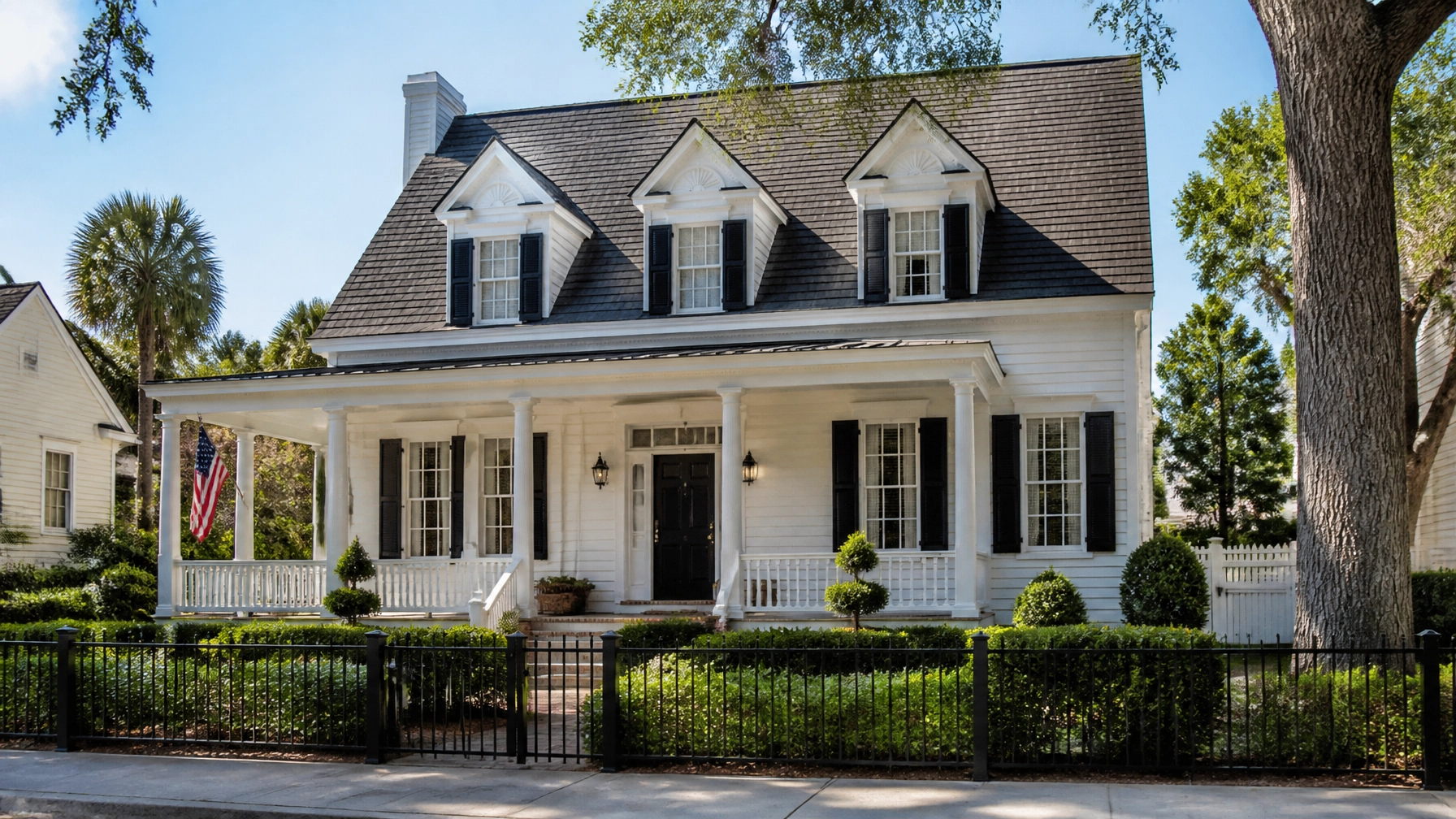
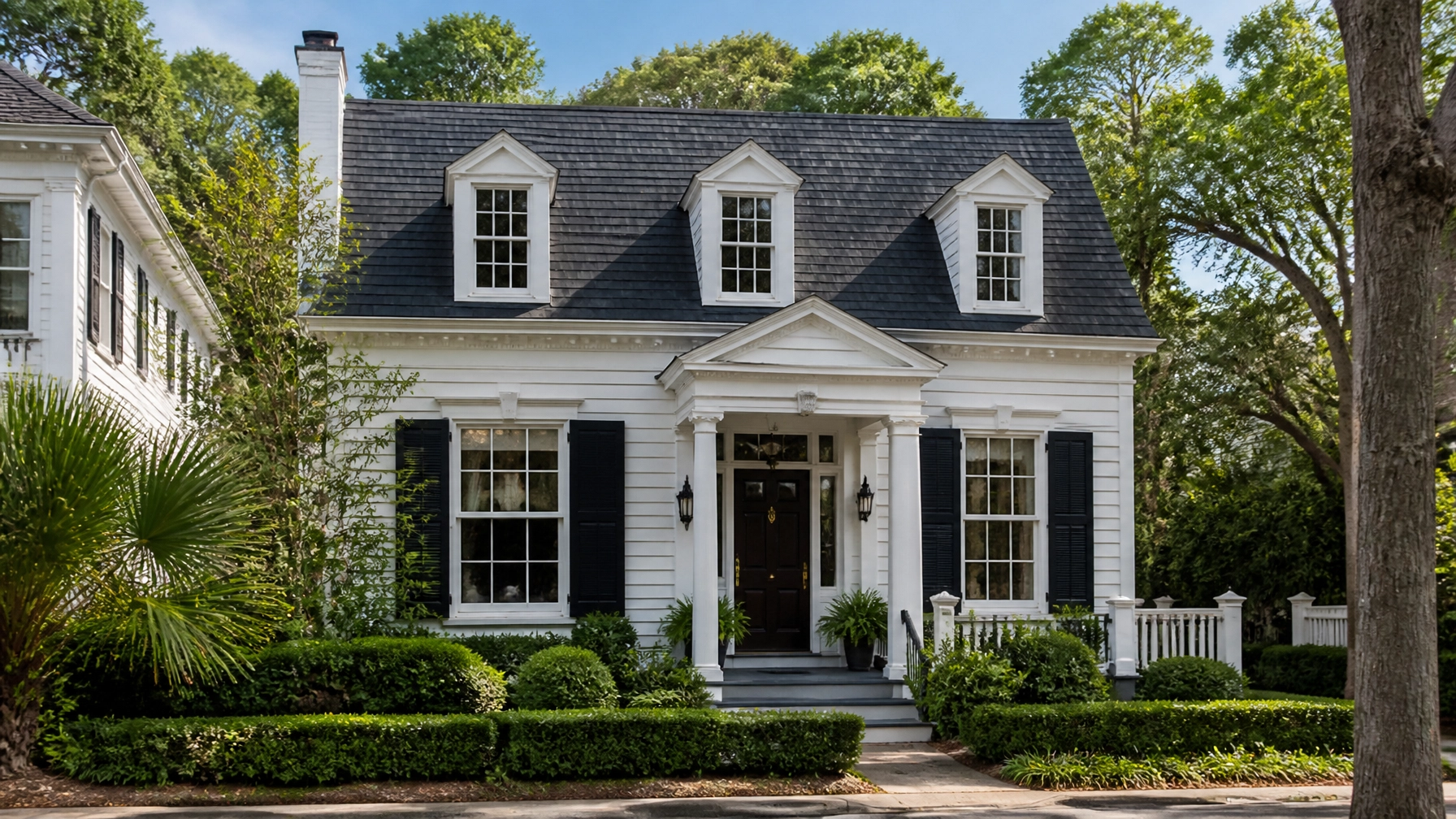
    Charleston colonial home with a metal roof


    Avoiding Contractor Fraud & Licensing Pitfalls

    When filing an insurance claim, selecting the right contractor is just as important as negotiating with your adjuster. Protect yourself by adhering to South Carolina compliance standards:

    • The Deductible Waiver Ban (HB 4817): In South Carolina, it is strictly illegal for a contractor to offer to "waive" or "absorb" your insurance deductible (e.g., by offering a rebate or artificially inflating the initial bid). Under House Bill 4817, this constitutes insurance fraud, classified as a misdemeanor punishable by up to 1 year in jail and a $500 fine.
    • Contractor Licensing: Ensure your contractor holds a valid Residential Specialty Contractor license with the South Carolina Residential Builders Commission (requiring 1 year of experience and a $5k surety bond). For commercial or large residential projects exceeding $10,000, a General Contractor license is required.
    • Right to Choose: You maintain the absolute legal right to choose your own contractor in South Carolina. Adjusters cannot force you into preferred vendor networks.

    Step-by-Step: Leveraging Satellite Measurement & Filing Your Claim

    Modern technology makes gathering pre-claim data faster and more precise than ever. Before filing paperwork or scheduling inspections, leverage digital tools to arm yourself with independent data.

    [ Enter Address ] ➔ [ Satellite Roof Measurement Charleston ] ➔ [ Instant Price Range ] ➔ [ Verified Contractor Connection ]
    
    1. Run an Instant Digital Audit: Use satellite roof measurement Charleston technology to map your exact roof dimensions, pitch angles, and facet count in seconds. Having independent square footage measurements prevents under-calculated insurance line items.
    2. Document Storm Damage Immediately: Take high-resolution photos of missing shingles, granule loss in gutters, dented flashing, and collateral damage to AC units or siding following severe weather events.
    3. Request an Adjuster Inspection: File your claim citing specific storm dates (such as the recent July wind and hail events). Accompany the insurance adjuster on the roof with your independent satellite estimate report.
    4. Utilize the Appraisal Clause: If your insurer’s valuation is significantly lower than local Charleston contractor bids, invoke your policy’s appraisal clause to resolve pricing disputes objectively.
    5. Permit Approvals: Remember that Charleston requires a permit for full reroofs. Quick-permit types are eligible for same-day over-the-counter approval via the Residential Alterations/Additions application, while homes located in historic preservation districts require Board of Architectural Review (BAR) approval.

    Homeowner reviewing digital roof estimate on tablet


    Conclusion: Take Control of Your Roof Replacement

    Navigating an insurance claim in Charleston doesn't have to be overwhelming. By understanding RCV vs. ACV depreciation, respecting SC statutory timelines, avoiding illegal deductible waivers, and verifying your measurements with advanced satellite technology Charleston SC, you ensure your investment is fully protected.

    Stop guessing your replacement costs or waiting weeks for a traditional inspection. Get precise pricing and data in under 60 seconds with our Instant Roof Cost Calculator and connect with vetted, licensed Charleston contractors today.
  • New Roof ROI in Charlotte NC: How Much Value Does a Roof Replacement Add in 2026?

    New Roof ROI in Charlotte NC: How Much Value Does a Roof Replacement Add in 2026?

    If you are planning to sell your Queen City home or simply budgeting for essential home improvements, understanding the financial impact of a roof upgrade is critical. In the booming real estate market of Charlotte, NC, big-ticket maintenance items can make or break a transaction.

    When evaluating a roof replacement Charlotte NC project in 2026, homeowners want exact numbers: What is the average return on investment (ROI)? How much value does a new roof actually add? And how do local market conditions influence your bottom line?

    In this comprehensive guide, we break down current Charlotte roofing prices 2026, material-specific ROI breakdowns, insurance implications, and smart pre-sale strategies.


    1. Charlotte NC Roof Replacement Cost in 2026

    Before calculating your return, you need to understand the baseline investment. For an average single-family home in the Charlotte metro area with a 2,000-square-foot roof, current pricing generally ranges from $8,000 to $20,000, depending on material choices, roof pitch, and structural complexity.

    Cost Breakdown by Material (2026 Benchmarks)

    • (Popular) Architectural Asphalt Shingles: $9,700 – $16,500 : The gold standard for suburban homes, offering superior wind resistance and aesthetic depth.
    • (Durable) Class 4 Impact-Resistant Shingles: $13,000 – $19,500 : Upgraded shingles designed to withstand severe southern hail and storms, often qualifying for steep insurance discounts.
    • (Premium) Standing-Seam Metal Roofing: $18,000 – $32,000+ : Long-lasting modern protection with exceptional longevity and energy efficiency.

    For instant, tailored pricing without waiting weeks for a contractor visit, you can use our Get My Roof Estimate Now tool to analyze your exact roof via satellite imagery in under 60 seconds.


    2. New Roof ROI in Charlotte NC: The Financial Return

    Modern ranch home in North Carolina with a newly installed architectural shingle roof

    What can Charlotte homeowners expect to recoup when selling? Data-driven remodeling studies and local appraisal trends indicate a strong financial return across the board.

    Typical ROI and Added Home Value

    • Average Financial ROI: 60% to 70% of the total project cost recouped directly at closing.
    • Average Added Home Value: $12,000 to $15,000 added to the appraised market value for standard asphalt shingle replacements.

    While a 60-70% direct cost recovery is standard, the effective ROI in Charlotte is often much higher if your current roof is 20+ years old, leaking, or showing visible wear. When a roof is near the end of its lifespan, home inspectors flag it immediately. Buyers frequently demand credits or price reductions of $15,000 to $25,000: often overestimating the actual replacement cost: to cover the perceived risk.

    By replacing the roof proactively, you eliminate buyer hesitation, protect your asking price, and capture maximum market value.


    3. Material-Specific ROI Breakdown

    Not all roofing materials yield the same financial return. Matching your investment to your neighborhood’s price point is key to maximizing profitability.

    • (Popular) Architectural Asphalt Shingles (60% – 70% ROI): The most cost-effective choice for mid-tier suburban homes in neighborhoods across Ballantyne, Myers Park, and University City. They align perfectly with buyer expectations.
    • (Durable) Class 4 Impact-Resistant Shingles (65% – 75% ROI): Increasingly popular in Mecklenburg and surrounding counties due to severe seasonal storms. Homebuyers and insurance underwriters place high value on hail-resistant ratings.
    • (Premium) Standing-Seam Metal Roofing (75% – 85% ROI): Delivers stellar returns on modern architectural homes and higher-end properties, appealing to buyers looking for zero-maintenance longevity (50+ year lifespans).

    4. How a New Roof Speeds Up Charlotte Home Sales

    Professional roofing contractor installing architectural shingles in Charlotte NC

    Time is money in real estate. In Charlotte's active housing market, days on market dictate your holding costs and negotiating leverage.

    Homes listed with a brand-new roof typically sell 10 to 15 days faster than comparable properties with aging roofs. Here is why:

    • Move-In Ready Appeal: Modern buyers: especially out-of-state relocants moving to Charlotte: want zero immediate maintenance projects.
    • Transferable Warranties: Marketing a new roof with a transferable manufacturer warranty gives buyers absolute peace of mind.
    • Clean Home Inspections: Eliminating roof red flags prevents deals from falling apart during the due diligence period.

    5. FHA/VA Loan Requirements & Charlotte Market Context

    Charlotte’s housing market features a high volume of first-time and suburban buyers, with roughly 30% to 40% utilizing FHA or VA financing.

    If you plan to sell to FHA or VA buyers, your roof condition is heavily scrutinized:

    • Roof Certification Rule: FHA and VA loans require the roof to have a remaining life of at least 2 to 5 years.
    • No Active Leaks or Curling: If a home inspector spots missing shingles, multiple shingle layers, or failing flashing, lenders will mandate a full certification or complete replacement before clearing the loan to close.

    Having a certified new roof opens your home to the widest possible pool of qualified buyers from day one.


    6. Insurance Implications: RCV vs. ACV Coverage

    Insurance is another critical financial factor for Charlotte homeowners. Insurers across North Carolina are tightening underwriting guidelines regarding roof age:

    • Replacement Cost Value (RCV): Typically available for roofs under 10–15 years old. If a storm hits, your insurer pays to replace the roof with new materials of like kind and quality.
    • Actual Cash Value (ACV): Frequently imposed on roofs older than 15–20 years. ACV policies factor in depreciation, meaning payouts for storm damage will be heavily discounted, leaving you to pay thousands out-of-pocket.

    Replacing an aging roof before it becomes uninsurable protects you from sudden policy drops and ensures full coverage protection.


    7. Homeowner Decision Guide: Pre-Sale Certification vs. Full Replacement

    Colonial-style home with a premium new roof and pristine curb appeal in Charlotte

    How do you decide whether to repair, certify, or completely replace your roof before selling? Use this quick checklist:

    1. Roof Age Under 10 Years: Minor repairs and a professional roof certification are usually sufficient. Full replacement is unnecessary.
    2. Roof Age 10–15 Years: Conduct a professional inspection. If storm damage is present, file an insurance claim; otherwise, address localized flashing and missing shingle repairs.
    3. Roof Age 18+ Years (or Active Leaks/Granite Loss): Invest in a full roof replacement. Trying to sell an aging roof in Charlotte usually results in steep buyer concessions that exceed the cost of a new installation.

    Summary and Next Steps

    A roof replacement in Charlotte, NC is more than a maintenance expense: it is a strategic investment that protects your equity, reduces days on market, and returns 60% to 85% of its cost at resale.

    Ready to see how much your specific Charlotte roof will cost? Skip the hassle of scheduling multiple sales pitches and get instant, satellite-measured pricing in under 60 seconds.

    Visit Get My Roof Estimate Now today to generate your free, no-obligation roof estimate!


  • Daily Weather Blitz: Storm-Ready Roofing & Weather Trends in Charleston, SC

    Daily Weather Blitz: Storm-Ready Roofing & Weather Trends in Charleston, SC

    As we kick off Saturday, August 1, 2026, homeowners across Charleston, South Carolina, are waking up to quintessential Lowcountry summer weather. Daytime highs are sitting comfortably in the upper 80s, paired with high humidity and daily convective showers rolling in from a slow-moving frontal boundary. Looking ahead at Sunday and Monday, meteorologists are tracking a 90% chance of persistent rain and breezy conditions across the peninsula and surrounding coastal communities. While tropical disturbances remain absent for the moment, regional forecasters are actively monitoring the Atlantic basin as peak hurricane season approaches.

    For Charleston homeowners, these weather patterns serve as an immediate reminder that roof integrity is your home's first line of defense. Between heavy downpours, high humidity, and gusty thunderstorm winds, standard roofing materials can quickly be pushed to their limits.

    Whether you are planning ahead, repairing storm damage, or preparing to sell your property, understanding local weather trends and fortifying your roofing system is vital. Using advanced satellite technology, you can get an instant roof replacement cost estimate in under 60 seconds without waiting for a contractor visit. Let’s break down current weather trends, essential storm-ready upgrades, and cost benchmarks for Charleston roofs.


    Current Charleston Weather & Its Impact on Your Roof

    August in the Lowcountry brings a relentless mix of intense solar radiation, tropical moisture, and frequent storm systems.

    • Current Conditions (August 1, 2026): Highs in the upper 80s°F with high humidity and scattered afternoon thunderstorms.
    • Weekend Forecast: Sunday and Monday bring a 90% rain chance, saturated soils, and breezy gusts that stress roof edges and flashings.
    • Seasonal Outlook: Daily showers occur on roughly 12 to 15 days this month, testing flashings, valleys, and drainage systems repeatedly.

    When moisture is trapped by high humidity and driven by thunderstorm winds, minor vulnerabilities in your roof can quickly escalate into costly interior leaks. Furthermore, continuous UV exposure breaks down standard asphalt sealants over time.


    Upgrading to the IBHS FORTIFIED Standard

    Modern standing-seam metal roof with sleek dark panels and precise flashing details

    In a coastal flood- and wind-prone market like Charleston, standard building codes are often just a baseline. To truly protect your home against severe Lowcountry weather, industry experts recommend building or retrofitting to the IBHS FORTIFIED Roof™ standard.

    Achieving a FORTIFIED designation requires specific structural enhancements that dramatically reduce the risk of roof loss during severe wind events:

    1. Sealed Roof Deck (Popular): Applying a tape or self-adhering membrane across all roof deck seams prevents wind-driven rain from pouring into your attic even if shingles are blown off.
    2. Ring-Shank Nails (Essential): Traditional smooth nails can back out under high suction forces. Ring-shank nails provide superior holding power, gripping the wood decking tightly.
    3. Reinforced Drip Edges (Critical): Metal drip edges installed over the underlayment and properly secured keep wind from catching the eaves and peeling the roof back layer by layer.
    4. Hurricane Straps / Roof-to-Wall Ties: Ensuring your roof structure is securely tied to the walls prevents entire roof sections from lifting off during severe squalls.

    Material Choices for Charleston Homes: Cost & Durability

    When replacing a roof in Charleston (typically ranging between 1,500 and 3,000 square feet), material selection dictates both your upfront investment and your long-term resilience against salt-air corrosion and high winds.

    1. Architectural Asphalt Shingles (Budget-Friendly / Popular)

    • Average Cost: $8,000 – $14,000 installed.
    • Wind Rating: Standard architectural shingles withstand up to 110–130 mph winds when installed with proper six-nail fastening patterns.
    • Why it fits Charleston: Modern options feature algae-resistant granules (crucial for humid southern climates) and Class 4 impact resistance against wind-borne debris.

    2. Standing-Seam Metal Roofing (Premium / Highly Durable)

    • Average Cost: $18,000 – $30,000+ installed.
    • Wind Rating: Rated for 140+ mph winds; exceptional uplift resistance.
    • Why it fits Charleston: Metal naturally sheds heavy downpours, reflects solar heat to lower cooling bills, and stands up remarkably well to coastal humidity when paired with the right fasteners.

    3. Impact-Resistant Synthetic Shingles (High-End / Specialized)

    • Average Cost: $16,000 – $25,000 installed.
    • Wind & Impact Rating: UL 2218 Class 4 impact rating (withstands simulated hailstones and heavy branch impacts).
    • Why it fits Charleston: Mimics the look of slate or wood shake without the structural weight or vulnerability to moisture rot.

    Protecting Against Salt-Air Corrosion & Flashing Failures

    Charleston’s coastal environment introduces an invisible enemy: salt air. Salt mist accelerates the oxidation of standard steel nails, flashing, and vents, leading to premature fastener failure and leaks.

    • Upgrade Fasteners: Always insist on stainless steel or hot-dipped galvanized fasteners rather than standard electro-galvanized nails, which rust quickly in coastal zip codes.
    • Inspect Roof Valleys and Flashing: Valleys collect high volumes of water during daily August thunderstorms. Ensure step flashing and chimney counter-flashing are sealed properly and free of rust.
    • Ventilation Check: High humidity trapped in unvented attics can rot plywood decking from the inside out. Ensure ridge vents and soffit vents are unblocked and operating efficiently.

    Financial Relief: Utilizing the SC Safe Home Grant

    Retrofitting your roof to withstand severe storms is a smart investment, and South Carolina homeowners have access to financial assistance programs to help offset upgrade costs.

    The SC Safe Home program, administered by the South Des Department of Insurance, provides grant funding to coastal homeowners for retrofitting roofs to make them more resistant to hurricane and high-wind damage.

    • Grant Amount: Qualifying homeowners may receive up to $7,500 in grant funds.
    • Eligible Improvements: Upgrades such as installing a sealed roof deck, impact-resistant roofing materials, ring-shank nails, and hurricane straps.
    • Insurance Discounts: Completing these retrofits often qualifies you for significant annual windstorm insurance premium discounts.

    To learn more about local options and see what your project might cost, try our fast roof cost calculator to get a transparent price range in under a minute.


    Professional Roofer inspecting a residential roof system in the South

    Professional roofer inspecting architectural shingles and reinforced drip edge in bright daylight


    Summary Action Plan for Charleston Homeowners

    1. Assess Your Roof's Age: If your roof is between 15 and 30 years old, schedule an inspection before peak hurricane season intensifies.
    2. Check for Vulnerabilities: Look for missing granules, curling shingle edges, or rusted flashing after heavy afternoon downpours.
    3. Explore Upgrades: Consider IBHS FORTIFIED standards, impact-resistant materials, and stainless steel fasteners.
    4. Check Grant Eligibility: Research the SC Safe Home grant program to see if you qualify for up to $7,500 in retrofitting assistance.
    5. Get an Instant Estimate: Use our Get My Roof Estimate Now platform to measure your roof via satellite and receive accurate, no-obligation pricing within 60 seconds.

  • Daily Tech Blitz – Slot 5: How Charleston SC Is Becoming a Satellite Tech Powerhouse

    Daily Tech Blitz – Slot 5: How Charleston SC Is Becoming a Satellite Tech Powerhouse

    Charleston, South Carolina is rapidly evolving far beyond its historic charm and cobblestone streets into a burgeoning hub for aerospace, geospatial intelligence, and satellite technology. From orbital space missions led by local university talent to advanced earth-observation tools transforming everyday property management, the Holy City is staking its claim on the space-age economy.

    For residents, investors, and tech enthusiasts alike, understanding this local transformation reveals how cutting-edge innovation trickles down from the thermosphere straight to practical, Earth-bound applications, including how homeowners get instant, precise data on their properties.


    1. College of Charleston Pioneers Orbital Space Exploration

    The catalyst for Charleston’s rising prominence in aerospace engineering reached new heights on July 7, 2026, when the Chilean CubeSat SUCHAI-4 successfully launched into low Earth orbit aboard SpaceX’s Falcon 9 Transporter-17 mission from Vandenberg Space Force Base.

    Aboard this satellite is a sophisticated three-unit (3U) ultraviolet imaging camera designed to function as a compact space telescope. The payload was engineered and built by College of Charleston astrophysics graduates Gael Gonzalez and Eva Godwin, marking the institution's first-ever contribution to an orbital small-satellite mission.

    The Two-Part Space Mission Breakdown

    • Phase 1 (April 2026): Gonzalez and Godwin contributed hardware, including a liquid-lens optical camera and a UV camera, to an International Space Station (ISS) resupply mission via NASA Kennedy Space Center, designed to monitor biological specimens and young star activity.
    • Phase 2 (July 7, 2026): The deployment of the 3U UV camera on the SUCHAI-4 sun-synchronous polar orbit (~590 km altitude) to observe radiation outbursts from active star systems like AT Microscopy.

    This historic milestone demonstrates that Charleston is no longer just a consumer of technology; it is a producer of space-faring hardware, fostering world-class engineering talent right out of local undergraduate laboratories.


    2. The Expansion of Charleston’s Tech Ecosystem

    Modern high-tech research laboratory in Charleston South Carolina with engineers working on satellite hardware and electronic equipment

    As university programs like the College of Charleston's astrophysics initiative produce elite STEM graduates, the local infrastructure is scaling to match. Innovation hubs across the Lowcountry, anchored by facilities like the Charleston Tech Center, are drawing high-tech startups, geospatial analysis firms, and engineering enterprises.

    Key Drivers of Charleston’s Tech Boom

    • Talent Pipeline: Close collaboration between local universities and private sector aerospace firms.
    • Geospatial Innovation: Increased adoption of satellite imagery, harmonic PolSAR technology, and subsurface imaging for environmental and infrastructure monitoring.
    • Venture Influx: Growing venture capital interest in Southeast tech corridors that offer a lower cost of living combined with top-tier technical talent.

    This ecosystem creates a fertile ground where advanced satellite data processing doesn't stay locked in orbit; it flows directly into commercial applications that improve everyday efficiency.


    3. From Low Earth Orbit to Your Roof: Satellite Tech on the Ground

    While astrophysics researchers use orbital cameras to study distant stellar radiation, commercial satellite technology has revolutionized industries closer to home. Chief among them is the residential home services sector, specifically how homeowners evaluate property improvements.

    In a coastal market like Charleston, where homes face rigorous humidity, salt air, and storm exposure, keeping tabs on roof integrity is essential. Traditionally, assessing a roof required scheduling an in-person contractor visit, climbing ladders, and waiting days or weeks for physical measurements. Today, satellite roof measurement Charleston innovations have completely eliminated that friction.

    Why Satellite Roof Measurement is Transforming Charleston Real Estate

    • Millimeter-Level Precision: High-resolution orbital imaging captures roof angles, slopes, valleys, and total square footage down to the inch.
    • Zero Friction: Homeowners no longer need to clear their schedules for sales pitches or intrusive roof inspections just to get a baseline quote.
    • Instant Pricing: Platforms like Get My Roof Estimate Now process satellite imagery data in under 60 seconds.

    High-resolution satellite view of suburban residential homes from space with digital measurement overlays


    4. How Homeowners Use Satellite Technology for Smart Budgeting

    For homeowners in Charleston and surrounding coastal counties, planning a roof replacement is a significant financial decision. Projects typically range from $8,000 to $25,000 depending on material choices (such as architectural shingles, metal, or synthetic coatings) and roof complexity.

    Using advanced geospatial technology streamlines this budgeting process. Instead of guessing or relying on outdated blueprints, homeowners can leverage Get My Roof Estimate Now to instantly access transparent, data-driven cost breakdowns.

    Practical Benefits for Charleston Homeowners

    1. Speed: Receive accurate pricing within 60 seconds of entering your address.
    2. Transparency: Access clear low-middle-high price ranges with zero hidden fees and no credit card required.
    3. Vetted Connections: Seamlessly connect with verified, licensed, and insured local roofing contractors when you are ready to move forward.

    Whether you are preparing to sell a home, recovering from seasonal storm damage, or replacing a 20-year-old roof, satellite-powered estimates provide the objective data you need before any contractor steps foot on your property.


    Conclusion

    Charleston’s ascent as a satellite tech powerhouse is more than a series of academic headlines; it is a cultural and economic shift. From Gael Gonzalez and Eva Godwin launching ultraviolet cameras into orbit aboard SUCHAI-4 to commercial platforms harnessing orbital imaging for everyday property care, satellite technology is shaping the future of the Lowcountry.

    By embracing these advancements, Charleston homeowners can bypass outdated, high-pressure contractor visits and make informed, confident decisions about their most valuable assets.

    Ready to see satellite technology work for your home? Visit Get My Roof Estimate Now to get your instant, free roof replacement cost estimate in under 60 seconds.

  • Daily FAQ Blitz – Slot 7: AEO FAQ Quick Answers for Charlotte, NC

    Daily FAQ Blitz – Slot 7: AEO FAQ Quick Answers for Charlotte, NC

    Meta Description: Discover everything Charlotte homeowners and roofing contractors need to know about AEO (Answer Engine Optimization). Get quick, expert answers on how AI search engines like ChatGPT and Google AI Overviews are transforming local roofing searches in Charlotte, NC.


    Welcome to our daily FAQ blitz for August 2026! If you own a home in Charlotte, North Carolina: whether you are dealing with aging shingles, summer severe storm damage, or preparing to list your property in neighborhoods from Myers Park to Ballantyne: finding a trustworthy contractor has changed dramatically.

    Gone are the days when homeowners relied solely on endless pages of traditional blue links and generic directories. Today, AI-driven search engines like ChatGPT, Google AI Overviews, Perplexity, and Microsoft Copilot are answering questions instantly. When local residents ask, "Who is the best roofing company in Charlotte NC?" or "How much does a roof replacement cost in Mecklenburg County?", these AI engines deliver direct, single-source recommendations.

    This shift brings us to AEO (Answer Engine Optimization). Whether you are a local Charlotte roofing contractor looking to capture high-intent leads or a homeowner wanting to understand how AI finds the most reliable local professionals, understanding AEO is essential. Below are expert answers to the 7 most frequently asked questions about AEO in the Charlotte roofing market.


    1. What Exactly is AEO (Answer Engine Optimization)?

    (Category: Core Definition)

    Answer Engine Optimization (AEO) is the practice of optimizing digital content and business data so that AI-powered search tools can easily extract your information and recommend your brand as the definitive answer to a user's question.

    • Traditional SEO: Focuses on ranking a web page on page one of Google so users can click links, browse options, and compare multiple sites.
    • AEO: Focuses on being the featured answer or direct recommendation provided by AI assistants (like ChatGPT or Google AI Overviews) without requiring the user to scroll through pages of results.

    For Charlotte roofing contractors, AEO means structuring business data, reviews, and website content so AI algorithms trust your company as the authoritative local expert for roof replacements, leak repairs, and storm restoration.


    2. How Does AEO Differ from Traditional Local SEO?

    (Category: Strategy Comparison)

    While AEO builds upon the foundation of traditional local SEO, its core mechanics and goals are different:

    • Format: Traditional SEO targets keywords (e.g., "roof repair Charlotte NC"). AEO targets natural language questions and conversational queries (e.g., "How fast can a roofer fix an emergency leak in Charlotte after a summer storm?").
    • Output: Traditional SEO earns clicks and traffic to your homepage. AEO earns brand mentions, direct citations, and top recommendations directly inside the AI chat interface or summary box.
    • Trust Signals: AEO leans heavily on structured data (schema markup), entity verification (Better Business Bureau, local chamber listings), and sentiment analysis from real customer reviews rather than just keyword density or backlink counts.

    Charlotte homeowner using a smartphone to research roof estimates via AI


    3. Why Are AI Search Engines Changing How Charlotte Homeowners Find Roofers?

    (Category: Consumer Behavior)

    Charlotte is one of the fastest-growing metro areas in the Southeast, boasting diverse housing styles: from historic bungalows in Dilworth to modern builds in South End and sprawling family homes in Lake Norman. When homeowners face sudden roofing emergencies or budget for a 20-to-30-year roof replacement, they value speed and clarity above all else.

    AI search engines provide immediate convenience by:

    • Eliminating the friction of comparing dozens of competing contractor websites.
    • Synthesizing pricing, licensing, warranty info, and customer sentiment into a single, cohesive paragraph.
    • Providing instant ballpark figures using advanced tools like our Charlotte roof estimate calculator, which leverages satellite imagery for precision measurements within 60 seconds.

    Homeowners no longer want to dig through promotional marketing fluff; they want direct, verifiable facts delivered instantly.


    4. How Do Roofing Contractors Get Recommended by AI Search Engines in Charlotte?

    (Category: Contractor Strategy)

    To become the primary recommendation for AI search engines in the Queen City, roofing contractors must implement a multi-layered AEO strategy:

    1. Implement Structured Data (Schema Markup): Use LocalBusiness, RoofingContractor, and FAQPage schema so AI crawlers can instantly parse your physical address in Charlotte, service areas, operating hours, and verified pricing.
    2. Build Conversational Q&A Content: Structure service pages around specific local questions, such as navigating Mecklenburg County building permits, dealing with hail damage insurance claims, or comparing architectural shingles versus metal roofs.
    3. Maintain NAP Consistency: Ensure your business Name, Address, and Phone number are 100% identical across your Google Business Profile, website, Yelp, Facebook, and local directories.
    4. Demonstrate E-E-A-T: Showcase real experience, expertise, authority, and trust through team bios, manufacturer certifications (e.g., GAF, Owens Corning), and detailed case studies from local neighborhoods.

    5. Why Do Charlotte Homeowners Benefit When Their Local Roofer Uses AEO?

    (Category: Homeowner Benefits)

    When local roofing contractors adopt modern AEO and transparency-driven technology, homeowners reap immediate rewards:

    • Instant, Reliable Answers: Homeowners get accurate, straightforward information on material costs, warranties, and project timelines without enduring high-pressure sales calls or endless scheduling loops.
    • Vetted Professionals: AI engines cross-reference licensing, insurance, and authentic local reviews, ensuring homeowners only connect with reputable, licensed contractors in the Charlotte area.
    • Frictionless Budgeting: By combining AEO insights with instant satellite-powered tools like Get My Roof Estimate Now, homeowners can accurately estimate project costs ranging from $8,000 to $25,000 before ever booking an in-person contractor visit.

    Professional roofing contractor inspecting a Charlotte roof with satellite data on a tablet


    6. What Role Do Reviews and Sentiment Play in AEO for Roofing?

    (Category: Authority & Trust)

    AI search engines do not just count how many reviews a roofing company has; they analyze review sentiment and context.

    When ChatGPT or Perplexity formulates a recommendation for a Charlotte roofing contractor, they look for qualitative details in customer reviews. Positive mentions of specific services: such as "seamless roof replacement in Ballantyne" or "fast emergency tarping after the hailstorm": give AI algorithms the confidence to cite your business by name.

    Encouraging satisfied customers to leave detailed, descriptive reviews highlighting specific problems solved and response times is one of the most powerful AEO levers a contractor can pull.


    7. How Can Charlotte Residents Use AI and Instant Estimators for Their Roofs?

    (Category: Practical Action)

    Homeowners planning a roof replacement do not need to guess or wait days for a door-to-door salesman. You can leverage modern technology right now:

    • Ask AI Specific Questions: Query ChatGPT or Google AI Overviews with localized prompts like: "What is the average cost of architectural shingle roof replacement in Charlotte, NC?" or "Do I need a permit for roof repairs in Mecklenburg County?"
    • Get Instant Measurements: Visit our Charlotte roof estimate page to input your address. Within 60 seconds, satellite imagery accurate to within inches will measure your roof in squares, calculate material options (shingles, metal, synthetic), and provide transparent low-middle-high price ranges with zero hassle and no credit card required.

    Stunning suburban craftsman home in Charlotte NC with a modern metal roof


    Summary Table: Traditional SEO vs. AEO for Charlotte Roofing

    Feature Traditional Local SEO Answer Engine Optimization (AEO)
    Primary Goal Rank on page one of search engine results. Be cited as the direct answer in AI summaries.
    Content Style Keyword-focused pages and blog posts. Conversational Q&A formats and structured data.
    Trust Signals Backlinks, directory citations, keyword density. Entity verification, schema markup, and review sentiment.
    User Experience Clicking links to compare multiple websites. Receiving instant, synthesized answers and recommendations.

    By embracing AEO, Charlotte roofing contractors stay ahead of the digital curve while empowering local homeowners with the transparent, fast, and accurate data they deserve.


  • 2026 Roof Replacement Cost in Charlotte, NC: What Homeowners Need to Know

    2026 Roof Replacement Cost in Charlotte, NC: What Homeowners Need to Know

    If your Charlotte home was built during the rapid suburban expansions of the late 1990s or early 2000s, your roof is likely reaching the 15-to-30-year mark. With the Queen City experiencing severe seasonal storms, heavy downpours, and high winds, keeping an eye on your roof’s integrity is more critical than ever.

    In 2026, a full roof replacement in Charlotte, NC typically ranges from $7,000 to $36,000, with the average homeowner investing around $15,500 for a standard 2,000-square-foot single-family home.

    Whether you are dealing with storm damage, persistent leaks, or simply preparing to put your property on the market, understanding the local cost breakdown, material options, and regional pricing factors will help you budget accurately and avoid unexpected expenses.


    Quick Cost Overview for Charlotte Roofs (2026)

    Before diving into the variables, here is a snapshot of what you can expect to pay based on home size and material tier in the Charlotte metro area:

    Home Size / Roof Area Standard Asphalt Shingles (Popular) Premium Architectural Shingles Standing Seam Metal (Durable)
    1,500 sq. ft. (~1,800 sq. ft. roof) $6,500 – $10,500 $9,000 – $14,000 $14,000 – $24,000
    2,000 sq. ft. (~2,400 sq. ft. roof) $8,500 – $13,500 $11,500 – $18,000 $18,000 – $30,000
    2,500 sq. ft. (~3,000 sq. ft. roof) $11,000 – $16,500 $14,000 – $22,000 $23,000 – $38,000

    Note: Total project costs scale directly with square footage, roof pitch, and structural complexity.


    Material Breakdown: Choosing the Right Roofing Option

    Your choice of material is the single biggest factor influencing your total quote. Charlotte homeowners generally choose from three primary tiers:

    1. Asphalt Shingles (Budget & Popular)

    Asphalt shingles remain the most popular choice across Mecklenburg, Union, and Cabarrus counties due to their balance of affordability and curb appeal.

    • 3-Tab Shingles (Budget): Costing roughly $3.50 to $5.00 per square foot installed, these offer a uniform look with a shorter lifespan (15–20 years). Ideal for tight budgets or preparing a home for a quick sale.
    • Architectural Shingles (Popular): Priced around $4.50 to $7.00 per square foot, these laminated shingles are thicker, heavier, and feature multidimensional shadow lines. They withstand high winds much better and routinely last 25–30 years.
    • Impact-Resistant Shingles (Premium): Ranging from $6.00 to $9.00 per square foot, these Class 4 impact-resistant shingles are engineered to endure heavy hail and flying debris, often qualifying homeowners for insurance discounts.

    Close-up of new architectural shingle roof

    2. Metal Roofing (Durable & Modern)

    Metal roofing has surged in popularity across modern and transitional Charlotte neighborhoods due to its exceptional longevity and energy efficiency.

    • Corrugated / Exposed Fastener Metal: Generally ranges from $7.00 to $11.00 per square foot.
    • Standing Seam Metal (Premium): Ranges from $11.00 to $18.00+ per square foot. Standing seam systems conceal fasteners beneath interlocking panels, eliminating leak pathways and delivering a sleek, modern architectural aesthetic that lasts 40–50+ years.

    3. Synthetic & Specialty Materials (Luxury)

    For historic neighborhoods like Dilworth, Myers Park, or Eastover, homeowners often opt for high-end synthetic slate, wood shakes, or clay tiles. These luxury materials range from $15.00 to $25.00+ per square foot, requiring specialized installation expertise and robust structural framing.


    Key Factors Driving Roof Replacement Costs in Charlotte

    Every roof is unique. When local contractors inspect your property, they evaluate several variables that influence the final estimate:

    • Roof Pitch and Steepness: Steeper roofs require specialized safety scaffolding, harnesses, and extra labor time, which increases installation costs.
    • Architectural Complexity: Multiple gables, valleys, dormers, skylights, and complex chimney flashings require precise cutting and flashing work.
    • Tear-Off and Disposal: Removing old, multi-layer shingles and hauling debris to local disposal sites typically adds $1,000 to $2,500 depending on volume and landfill fees.
    • Decking Repairs: Hidden water intrusion often causes wood rot in the underlying plywood decking. Replacing compromised OSB or plywood sheets adds roughly $50 to $100 per sheet.

    Professional roof inspection in North Carolina


    Regional Considerations for Charlotte Homeowners

    Living in the Piedmont region of North Carolina presents specific environmental and regulatory challenges that impact roofing projects:

    Climate and Storm Exposure

    Charlotte experiences intense summer thunderstorms, sudden hail, and high wind gusts from passing tropical systems. Installing wind-rated architectural shingles or standing seam metal provides crucial protection against storm damage and moisture penetration.

    Permitting and Local Regulations

    In Charlotte and surrounding Mecklenburg County, building permits are legally required for full roof replacements. Permit and municipal inspection fees generally range between $180 and $650, which reputable contractors typically include in their project proposals. Ensuring your contractor pulls the correct permits protects your home value and validates manufacturer warranties.

    Labor Seasonality and Timing

    Roofing demand in the Carolinas peaks during late spring through early autumn. Scheduling your project during late winter or early spring can sometimes secure more flexible contractor availability and faster turnaround times.


    How to Get an Instant, Accurate Estimate Without the Hassle

    Traditionally, getting a roof replacement estimate meant clearing your schedule, waiting days for a contractor callback, and sitting through high-pressure sales pitches.

    Fortunately, modern technology has changed the game. You no longer need to guess your roof’s measurements or wait around for a physical inspection just to get a ballpark price.

    Using advanced satellite imagery technology, homeowners can now get hyper-accurate roof measurements (accurate to within inches) and instant pricing breakdowns in under 60 seconds.

    If you want to plan your budget without any sales pressure or credit card requirements, visit Get My Roof Estimate Now to receive your free, instant satellite roof estimate today.

    Suburban home with sleek metal roof replacement


    Summary: Planning Your Investment

    Replacing your roof is one of the most substantial home improvement investments you will make, protecting your equity and structural integrity for decades to come. By understanding current 2026 pricing benchmarks: ranging from $8,500 for standard asphalt to $25,000+ for premium systems: you can approach your project with complete confidence.

    Start your journey today by checking your address online to see instant, transparent pricing tailored specifically to your Charlotte home.

  • Daily Tech Blitz – Slot 4: Richmond’s Satellite Tech Edge Is Putting the River City in the Space Economy

    Daily Tech Blitz – Slot 4: Richmond’s Satellite Tech Edge Is Putting the River City in the Space Economy

    When most people think of the space economy, images of thunderous rocket launches from Florida or California come to mind. But right here in the Commonwealth of Virginia, a massive aerospace and satellite revolution is quietly unfolding, and Richmond is sitting right at the center of this technological transformation.

    While the River City may not have launchpads lining the James River, Richmond's satellite tech edge is fueling a diverse ecosystem of advanced manufacturing, high-capacity data infrastructure, and everyday consumer applications. From cutting-edge aerospace components to everyday practical tools like an instant roof estimate Richmond homeowners rely on, satellite technology is reshaping how we live, work, and maintain our properties.


    Virginia’s Powerhouse Aerospace and Satellite Ecosystem

    Virginia is home to more than 150 space-related companies and institutions, establishing itself as a premier national hub for the commercial space industry. Key anchors across the state drive this momentum:

    • Wallops Flight Facility: Located on the Eastern Shore, NASA's premier orbital launch site routinely sends rockets and scientific payloads into orbit.
    • Umbra: The synthetic-aperture radar (SAR) Earth-observation leader expanded its footprint in Northern Virginia with a notable $6.75 million investment, boosting high-resolution imaging capabilities.
    • Scout Space: Headquartered in Fairfax, Scout Space committed over $1 million to expand its manufacturing and operational capacity, creating dozens of specialized engineering and technical jobs.
    • Iridium Communications: A global satellite communications giant anchored in the state, managing a constellation that provides pole-to-pole voice and data coverage.
    • Psionic (Hampton Roads): Collaborating directly with NASA, Psionic is pioneering advanced Navigation Doppler Lidar systems designed for precision landing on lunar and Martian missions.

    This statewide web of innovation creates a strong ripple effect down into the Richmond metropolitan area, where specialized talent, advanced manufacturing, and robust digital infrastructure converge.


    Richmond’s Local Footprint in the Space and Satellite Supply Chain

    Richmond's contribution to the space economy goes far beyond passive consumption. The region plays an active role in precision engineering and orbital infrastructure:

    Precision Manufacturing and Components

    Advanced manufacturing in the Richmond region extends directly into the aerospace supply chain. Local firms such as RivCut utilize state-of-the-art CNC machinery to produce high-tolerance satellite components and specialized hardware used in orbital tracking and spacecraft assemblies.

    Specialized Satellite Operations

    Companies like On-Track Satellite, LLC operate directly out of Richmond, providing specialized tracking, telemetry, and communications services that keep ground stations synchronized with low-Earth-orbit (LEO) constellations.

    A modern single-family home in Richmond Virginia with a pristine new roof viewed via satellite

    Data Centers and James River Precision Agriculture

    The region's robust data center corridors (including major QTS and digital infrastructure facilities) process terabytes of Earth-observation imagery, AI workloads, and satellite data streams daily. Furthermore, farmers and agronomists along the James River leverage satellite technology Richmond VA analytics, utilizing multispectral imaging from space to monitor crop health, optimize irrigation, and maximize yields across Virginia's agricultural heartland.


    From Orbit to Your Roof: Satellite Tech for Richmond Homeowners

    While aerospace engineers use orbital imaging to map distant planets or navigate spacecraft, local homeowners are experiencing the benefits of satellite technology much closer to home, specifically on top of their houses.

    For decades, getting a roof replacement estimate meant waiting days or weeks for a contractor to schedule an on-site visit, climb a ladder, and manually measure square footage by hand. Today, satellite technology Richmond VA residents depend on has revolutionized property assessment.

    By harnessing high-resolution aerial imagery and proprietary geospatial algorithms, homeowners can now generate an instant roof estimate Richmond properties require in under 60 seconds.

    Why Satellite Roof Measurements Transform Home Maintenance:

    1. Zero Wait Time: No need to rearrange your schedule or wait around for a contractor's sales pitch.
    2. Unmatched Accuracy: Satellite measurements calculate roof area, pitch, valleys, and facets to within inches (achieving 90-95% precision).
    3. Complete Transparency: Homeowners receive clear pricing breakdowns across multiple material options, whether you are looking at durable architectural shingles, modern metal roofing, or eco-friendly synthetic alternatives.
    4. No High-Pressure Sales: Gather precise budgeting data privately before ever speaking to a contractor.

    Precision agriculture fields along the James River viewed from above with satellite measurement data overlays


    How Our Instant Estimating Technology Works

    At Get My Roof Estimate Now, we leverage the same advanced orbital and aerial imaging principles driving Virginia's space economy to simplify home improvement.

    When you enter your property address into our platform, our system instantly scans your roof from above, mapping every angle and facet. Within 60 seconds, you receive a comprehensive report featuring:

    • Total roof surface area measured in squares.
    • Material cost breakdowns for architectural shingles, metal, and tile.
    • Low, middle, and high price ranges reflecting current Virginia labor and supply benchmarks.
    • Direct connection to licensed, vetted, and insured local roofing contractors in the Richmond area.

    Whether your roof is reaching the 15-to-30-year mark, you’ve recently weathered a mid-Atlantic storm, or you are preparing your home for the Richmond real estate market, leveraging satellite tech ensures you start your project with complete pricing confidence.

    High-tech advanced manufacturing workshop in Virginia producing precision aerospace and satellite components


    Looking Ahead: The Future of the River City's Tech Edge

    As Virginia continues to cement its status as a premier aerospace and satellite leader, Richmond's role will only expand. From advanced CNC manufacturing and heavy data processing to consumer-facing applications that save homeowners time and money, the space economy is no longer out of reach.

    Ready to see what satellite technology can do for your property? Skip the scheduling hassle and get your free, accurate pricing today by visiting our Virginia Roof Estimate Guide or trying our Roof Cost Calculator to plan your next home upgrade in under 60 seconds.

  • Insurance Masterclass – Slot 49: How Charleston SC Homeowners Can Get Their Roof Replacement Covered in 2026

    Insurance Masterclass – Slot 49: How Charleston SC Homeowners Can Get Their Roof Replacement Covered in 2026

    Navigating a roof insurance claim in the Lowcountry is vastly different from filing in inland states. For Charleston, SC homeowners, high winds, tropical storm activity, and strict coastal building codes create a unique environment where insurance policies, deductibles, and adjuster negotiations demand careful navigation.

    If your roof is 15 to 30 years old or has weathered recent storms, understanding how to secure full coverage for a coastal roof replacement South Carolina project can save you thousands of dollars out of pocket. Furthermore, pairing accurate Charleston-specific cost data with cutting-edge technology ensures you never accept a lowball settlement from your insurance carrier.


    1. South Carolina Insurance Filing Deadlines & Claim Timeframes

    When property damage strikes in Charleston, acting quickly is your primary legal and contractual obligation.

    • The Prompt Notice Requirement: Most insurance policies in South Carolina stipulate that you must report damage "promptly" or "as soon as practicable." While many standard policies technically allow up to one year from the date of loss to file a formal claim, waiting months severely weakens your case.
    • The 30-Day Recommendation: Insurance adjusters and consumer advocates strongly recommend filing your claim within 30 days of discovering storm or wind damage. Delaying notification gives carriers an opening to argue that secondary damage (such as water intrusion or mold) occurred due to homeowner neglect rather than the storm itself.
    • Weather Verification: Insurers cross-reference your claim date with National Weather Service storm reports for Charleston County. Documenting the exact date of severe weather immediately after it passes establishes a clear, undeniable timeline.

    2. Coastal-Specific Insurance Rules: Hurricane & Named-Storm Deductibles

    One of the biggest financial surprises for Charleston homeowners is how deductibles are structured during hurricane season.

    Unlike standard inland policies that feature a flat all-perils deductible (e.g., $1,000 or $2,500), coastal South Carolina property insurance almost always includes a separate percentage-based wind/hurricane or named-storm deductible.

    Professional roofing contractor inspecting a Charleston home roof with digital measurements

    • How Percentage Deductibles Work: Instead of a flat fee, your hurricane deductible is calculated as 2% to 5% of your home's total dwelling coverage limit (Coverage A).
      • Example: If your Charleston home is insured for $450,000 and you carry a 3% named-storm deductible, your out-of-pocket responsibility before insurance kicks in is $13,500.
    • Triggering Events: This higher percentage deductible applies exclusively when the National Weather Service officially names a tropical storm or hurricane affecting your area. Damage from ordinary thunderstorms typically falls under your standard flat deductible.

    3. RCV vs. ACV: Understanding Your Policy Settlement Type

    Your policy’s reimbursement structure dictates whether you receive enough funds to cover a modern, code-compliant roof replacement.

    • Replacement Cost Value (RCV): RCV policies pay the full current cost to replace your roof with materials of similar kind and quality, minus your deductible. Payment is usually dispersed in two stages: an initial Actual Cash Value payout, followed by the "recoverable depreciation" check once your licensed contractor finishes the work and submits the final invoice.
    • Actual Cash Value (ACV): ACV policies factor in the age and depreciation of your current roof. If your roof is 18 years old, an ACV payout might only cover 40% to 50% of the replacement cost, leaving you to cover the massive remaining gap.
    • The 2026 Policy Shift: In recent months, several South Carolina property insurers have quietly updated underwriting guidelines, automatically shifting aging roofs (typically 15+ years old) from RCV to ACV coverage. Review your policy’s declarations page immediately to confirm your exact status.

    4. Charleston Roofing Costs in 2026: Material Breakdown

    Planning your budget requires realistic pricing. In the Charleston metro area, material choices, historic district preservation guidelines, and coastal fastening requirements directly influence total project expenses.

    Roofing Material Estimated Cost per Sq. Ft. Total Cost (2,000 Sq. Ft. Roof) Insurance Implication
    Architectural Shingles (Popular) $3.50 – $5.50 $8,000 – $11,000 Standard approval baseline; widely accepted by carriers.
    Standing Seam Metal (Premium) $8.00 – $14.00 $16,000 – $28,000 Excellent wind resistance; qualifies for higher windstorm insurance discounts.
    Synthetic Slate / Shingles (High-End) $10.00 – $18.00 $20,000 – $36,000 Mimics historic Charleston aesthetics with modern impact ratings.
    Natural Slate (Luxury) $20.00 – $35.00 $40,000 – $70,000+ Requires specialized engineering review and scheduled valuation updates.

    Maximizing your roof replacement ROI starts by choosing materials that not only withstand Lowcountry humidity and salt air but also qualify you for maximum wind mitigation insurance credits.


    5. Local Building Codes and How They Affect Your Claim

    Charleston sits firmly within a coastal wind-borne debris region, where municipal and state building codes enforce stringent structural mandates.

    Close-up of durable metal and architectural shingle roofing materials on a coastal home

    • The South Carolina Building Code & IRC: Residential roofing must adhere to state-amended International Residential Code (IRC) standards designed for wind speeds reaching 130–150 mph.
    • Mandatory Code Upgrades: When a covered storm damages your roof, your insurance policy's "Ordinance or Law" coverage is designed to pay for mandatory code-required upgrades: such as secondary water barriers (peel-and-stick underlayment), upgraded ring-shank nails, and reinforced drip edges.
    • The "25% Rule" and "50% Rule": If storm damage impacts more than approximately 25% of your total roof surface, or if local code prevents matching discontinued shingle dyes and profiles, municipal inspectors will require a full tear-off and replacement rather than a patchwork repair. Insurance carriers are legally obligated to cover the full scope when these thresholds are met.

    6. Common Claim Denial Pitfalls in Charleston

    Insurers frequently deny or underpay Charleston roofing claims due to specific recurring pitfalls. Avoid these common traps:

    1. Wear and Tear Exclusions: Adjusters often label storm-induced wind creases or granule loss as "normal weathering and aging." Having an independent professional inspection counters this narrative with hard evidence.
    2. The Deductible Waiver Trap: Under South Carolina Code §40-59-25, it is strictly illegal for a contractor to offer to "absorb," waive, or rebate your insurance deductible. Unscrupulous operators who promise a "free roof" by covering your deductible are committing insurance fraud. Always verify that your contractor provides transparent, legal billing.
    3. Failing to Document Interior Water Intrusion: Insurance claims require proof that wind-driven rain penetrated the building envelope. Always photograph soaked insulation, ceiling stains, and damaged drywall immediately.

    7. How Satellite-Powered Estimates Help You Fight Lowball Offers

    Insurance adjusters often write initial estimates that leave out crucial line items: such as steep roof charges, local debris disposal fees, or mandatory coastal code requirements. When you receive a lowball settlement offer, you need immediate, accurate data to push back.

    Modern technology makes this effortless. Instead of waiting days for a traditional contractor to visit your property, homeowners can use advanced satellite imagery to instantly analyze square footage, pitch, and facet complexity.

    Before signing off on any insurance payout, use our free Charleston, SC Roof Estimate Tool to generate an independent, data-backed replacement cost valuation in under 60 seconds. With 90-95% satellite accuracy and zero hidden fees, you gain the precise pricing benchmarks required to challenge adjuster discrepancies, secure your rightful payout, and connect with trusted local roofing professionals.

    Stunning modern coastal home in Charleston, South Carolina featuring high wind-resistant roofing


    Secure Your Charleston Roof Replacement Today

    Filing an insurance claim in Charleston doesn't have to be an uphill battle. By understanding your policy's named-storm deductibles, leveraging South Carolina building code requirements, and utilizing instant satellite measurements to verify your true project costs, you can take total control of your roof replacement process.

    Ready to see what your project should cost? Visit our South Carolina Roof Estimation Hub to get your free, instant estimate in under a minute( no contractor visit required.)

  • 2026 Roof Replacement Cost in Norfolk, VA: Complete Price Guide for Tidewater Homeowners

    2026 Roof Replacement Cost in Norfolk, VA: Complete Price Guide for Tidewater Homeowners

    Planning a roof replacement in the Tidewater region requires balancing aesthetic curb appeal with the rigorous demands of coastal weather. For homeowners across Norfolk, VA, understanding current market pricing is the first step toward a successful home investment.

    For a typical 2,000-square-foot Norfolk home in 2026, total roof replacement costs generally range from $8,000 to $27,000+, depending heavily on material selection, roof pitch, and structural complexity. Because Norfolk operates within a high-wind coastal zone, local building codes and material requirements differ significantly from inland Virginia markets.

    In this comprehensive guide, we break down exact 2026 price tiers, the unique architectural and environmental factors influencing Norfolk roofs, and practical budgeting strategies to help you navigate your project with absolute confidence.


    2026 Norfolk Roof Replacement Cost Breakdown by Material

    Choosing the right material is the single biggest financial factor in your roof replacement project. Here is how pricing shakes out for a standard 2,000-square-foot home in Norfolk across the most popular roofing categories:

    Roofing Material Typical Total Cost (Norfolk, 2026) Estimated Cost per Sq. Ft. Best Suited For
    Three-Tab Asphalt Shingles (Budget) $8,000 – $12,500 $4.00 – $6.00 Rental properties, strict short-term budgets
    Architectural Shingles (Popular) $10,000 – $16,500 $5.00 – $8.50 Standard single-family homes, maximum value
    Standing Seam Metal (Premium) $15,500 – $27,000+ $10.00 – $18.00+ Coastal wind resistance, modern aesthetic
    Synthetic Slate & Shake (Luxury) $20,000 – $35,000+ $12.00 – $22.00+ Historic districts (Ghent, Larchmont), high-end durability

    1. Three-Tab Asphalt Shingles (Budget)

    While three-tab shingles represent the lowest entry cost for homeowners, their flat profile offers lower wind resistance compared to dimensional alternatives. In Norfolk’s coastal climate, many contractors recommend upgrading to architectural shingles for better longevity against Atlantic storms.

    2. Architectural Asphalt Shingles (Popular)

    Dimensional or architectural shingles are the gold standard for most single-family residences in the Hampton Roads area. Offering a multi-layered look and superior wind uplift ratings, most Norfolk homeowners find their ideal balance of price and performance here, typically paying between $10,000 and $16,500.

    3. Standing Seam Metal Roofing (Premium)

    Metal roofing has surged in popularity across coastal Virginia due to its exceptional durability against hurricane-force winds and driving rain. While the upfront investment is higher ($15,500 to $27,000+), a properly installed metal roof can easily last 50 years with minimal maintenance.

    4. Synthetic Slate and Shake (Luxury)

    For homeowners seeking upscale aesthetics without the crushing weight or exorbitant cost of genuine natural slate, synthetic products provide a stunning alternative. These premium materials excel in historic neighborhoods where architectural consistency is legally or culturally required.


    Unique Norfolk Pricing Factors: Why Location Matters

    No two roof replacements are identical, and Norfolk’s distinct geography and housing stock introduce several unique variables that influence contractor quotes.

    Historic craftsman home in Ghent neighborhood of Norfolk with steep pitch roof

    Coastal Salt Air and Corrosion

    Proximity to the Elizabeth River, the Chesapeake Bay, and the Atlantic Ocean means airborne salt moisture is a constant reality. Homeowners must invest in corrosion-resistant fasteners, aluminum or treated metal flashings, and high-grade underlayments. Neglecting these coastal specifics can lead to premature fastener failure and flashing degradation within a decade.

    Hurricane Wind Codes and Fastener Requirements

    Norfolk sits squarely in a high-wind velocity zone governed by Virginia building codes. Local building standards mandate stricter installation protocols: such as six-nail shingle patterns instead of standard four-nail applications, enhanced edge metal, and reinforced roof-deck attachments. These code-mandated upgrades add roughly 5% to 10% to labor and material totals compared to inland cities like Richmond or Roanoke.

    Historic Housing Stock and Steep Pitches

    Norfolk boasts incredible architectural diversity, from mid-century ranch homes in Wards Corner to stunning historic properties in Ghent, Larchmont, and Ocean View.

    • Steep Pitches & Complex Rooflines: Many older homes feature steep gables, multiple dormers, and intricate valleys. Steeper roofs require specialized scaffolding, harness tie-offs, and slower labor pacing, adding 10% to 25% to labor expenses.
    • Historic District Guidelines: Homes in designated historic preservation areas may require specific material approvals (such as dimensional shingle profiles or matching slate colors), which can limit budget options.

    Local Market Dynamics and Storm Season Demand

    The Norfolk-Virginia Beach-Newport News metro area features a robust economy driven by naval installations, shipyard work, and a steady influx of military relocations. This creates a vibrant mix of owner-occupied homes and rental properties.

    Furthermore, peak storm season (late summer and autumn hurricane threats) triggers seasonal spikes in contractor demand. Booking your replacement during late winter or early spring often yields faster turnaround times and more competitive contractor scheduling.


    What Else Is Included in Your Quote?

    When reviewing contractor proposals in Norfolk, ensure you understand how auxiliary line items affect your bottom line:

    • Full Tear-Off and Disposal ($1,000 – $3,000): Stripping away old, multi-layer shingles and hauling debris to local disposal facilities.
    • Decking Repairs ($50 to $100 per sheet): Replacing water-damaged or rotting plywood roof decking, a common issue in humid Tidewater microclimates.
    • Permits and Inspections ($200 – $400): City of Norfolk building permits ensure your installation complies with local building codes and wind resistance mandates.
    • Flashing and Ventilation ($500 – $1,500): Upgrading ridge vents, pipe boots, and chimney flashing to prevent leaks during heavy nor'easters.

    Modern suburban home in Hampton Roads Virginia with standing seam metal roof


    Practical Budgeting Tips for Norfolk Homeowners

    Navigating a major home improvement project doesn't have to be stressful. Follow these strategic steps to protect your finances:

    1. Get Instant, Data-Driven Estimates First: Avoid the friction of scheduling three separate in-home sales pitches just to get a baseline price. You can use our Get My Roof Estimate Now roof cost calculator to instantly evaluate your property's size and material costs using high-resolution satellite imagery: no contractor visit required.
    2. Plan for a 10% Contingency: Always set aside an extra $1,000 to $2,000 for unforeseen decking rot or structural surprises once old shingles are peeled back.
    3. Verify Licensing and Insurance: Ensure any local Norfolk contractor is fully licensed through the Virginia Department of Professional and Occupational Regulation (DPOR) and carries active general liability and worker's compensation insurance.
    4. Compare Manufacturer Warranties: Look for certified contractor credentials (such as GAF Master Elite or CertainTeed Credentialed) that allow them to offer 50-year non-prorated system warranties covering both materials and workmanship.

    Conclusion: Take the Next Step Today

    Replacing your roof in Norfolk is one of the most impactful investments you can make in your home's safety, energy efficiency, and resale value. By understanding local wind codes, material price tiers, and regional weather challenges, you are well-positioned to make an informed choice.

    Ready to see exact numbers for your specific Norfolk address? Skip the wait and get your free, accurate estimate in under 60 seconds with our Virginia roofing estimate tool.

    Classic brick ranch home in Norfolk VA with roofing professionals installing shingles


  • Daily FAQ Blitz – Slot 3: Roof Replacement FAQs for Fort Worth, TX Homeowners (2026)

    Daily FAQ Blitz – Slot 3: Roof Replacement FAQs for Fort Worth, TX Homeowners (2026)

    Navigating a major home improvement project can feel overwhelming, especially when it involves your home’s first line of defense against North Texas hail, searing summer heat, and sudden seasonal storms. If you are a homeowner in Cowtown looking into a Fort Worth roof replacement, you likely have questions about pricing, materials, insurance claims, and timelines.

    To help you plan with confidence, we’ve put together this comprehensive guide addressing the most frequent roof replacement FAQs for 2026. Whether you are dealing with storm damage or an aging roof that has reached the end of its 20-to-30-year lifespan, understanding current costs and industry standards will save you time, money, and stress.

    For an instant, data-driven estimate tailored specifically to your home without waiting around for a contractor visit, you can use our free roof cost calculator at Get My Roof Estimate Now.


    1. What is the typical 2026 roof replacement cost in Fort Worth, TX?

    For a standard single-family home with architectural asphalt shingles, most Fort Worth homeowners pay between $9,000 and $17,000 in 2026. Across the broader Dallas-Fort Worth (DFW) metropolitan area, typical projects range from $8,000 to $25,000+, depending heavily on roof size, pitch, complexity, and material upgrades.

    • Smaller homes (1,200 to 1,500 sq. ft.): Generally range from $6,000 to $10,000.
    • Average single-family homes (1,800 to 2,400 sq. ft.): Commonly cluster between $9,500 and $16,500.
    • Larger or complex homes (3,000+ sq. ft.): Frequently range from $18,000 to $25,000+, particularly when steep pitches or premium materials are involved.

    When comparing your options, remember that Fort Worth pricing runs about 3% to 7% above the broader Texas roofing cost average due to regional labor dynamics and material demand.

    Close-up of architectural shingles and metal flashing


    2. How do roof size and materials affect my total investment?

    Material selection is one of the most powerful levers you have to control your budget. Here is how popular roofing materials break down for a typical 2,000-square-foot Fort Worth home in 2026:

    • 3-Tab Asphalt Shingles (Budget): Roughly $8,000 – $13,000. These are the most economical option with a shorter lifespan (15–20 years) and lower wind resistance.
    • Architectural Asphalt Shingles (Popular): Commonly $9,000 – $18,000. Dimensional shingles offer superior durability, enhanced wind performance, and a robust 25–30 year lifespan in North Texas.
    • Impact-Resistant (Class 3/4) Shingles (Value & Protection): Typically $9,500 – $17,000. Engineered specifically to withstand severe North Texas hail, these shingles carry a higher upfront cost but often qualify for homeowner insurance premium discounts.
    • Standing Seam Metal (Premium): Often $17,000 – $29,000+. Metal roofing delivers exceptional longevity (30–50+ years) and modern architectural appeal.
    • Tile Roofing (Luxury): Roughly $20,000 – $36,000+. Extremely durable and fire-resistant, though it requires robust roof framing to support the added weight.

    Roofers generally price jobs by the square (100 square feet). In Fort Worth, installed asphalt shingle costs average $4 to $8 per square foot (or $400 to $600 per square), including complete tear-off of old layers and professional disposal.


    3. Does homeowners insurance cover roof replacement in Fort Worth?

    Because North Texas experiences frequent severe hail and wind storms, a significant percentage of full roof replacements in Fort Worth are insurance-funded claims.

    • How it works: If a verified storm has damaged your roof's shingles, flashing, or decking, your insurance policy may cover the cost of replacement minus your deductible.
    • ACV vs. RCV: Your payout depends on whether your policy covers Replacement Cost Value (RCV) or Actual Cash Value (ACV), which factors in the age of your existing roof.
    • Deductible responsibility: Homeowners are legally required to pay their deductible out of pocket.

    If you suspect storm damage, getting an independent professional inspection before filing a claim helps you understand whether the damage justifies going through your insurance provider.

    Professional contractor reviewing roof measurements on a tablet


    4. How long does a typical roof replacement take?

    Most residential roof replacements in Fort Worth are remarkably efficient, typically taking 1 to 3 days from start to finish once work begins:

    1. Day 1 (Tear-off & Decking Inspection): Crews remove all old shingle layers down to the wooden decking, inspect for rot or structural damage, and replace compromised plywood boards.
    2. Day 1–2 (Underlayment & Weatherproofing): High-performance synthetic underlayment and ice-and-water shield are installed along vulnerable valleys and eaves.
    3. Day 2–3 (Shingle Installation & Cleanup): New shingles, ridge caps, and ventilation components are installed, followed by a thorough magnet sweep of your yard to clear stray nails.

    While the physical installation is fast, scheduling your project can take anywhere from a few days to a couple of weeks depending on contractor backlogs and material availability. To bypass the traditional waiting game for contractor scheduling, you can instantly evaluate your roof's specifications through our roof estimate portal.


    5. How can I get an accurate roof replacement quote without a high-pressure sales visit?

    Traditionally, getting a roof quote meant clearing your schedule for a two-hour sales presentation from a door-to-door contractor. Today, advanced property technology has transformed how homeowners research pricing.

    By leveraging satellite imagery technology, platforms like Get My Roof Estimate Now analyze your exact roof size, pitch, and structural complexity from above. Within 60 seconds, you receive a transparent, low-middle-high price range for your Fort Worth home without anyone stepping foot on your property or asking for a credit card.

    Tips for Comparing Contractor Bids:

    • Demand a detailed line-item scope: Ensure bids explicitly cover tear-off, decking replacement fees, underlayment grade, flashing replacement, and ventilation upgrades.
    • Verify credentials: Always confirm that your contractor is fully licensed, insured, and locally verified in Texas.
    • Check warranties: Look for strong workmanship warranties (typically 5 to 10 years) to back up manufacturer shingle warranties.

    Stylish modern home with a pristine impact-resistant roof in Fort Worth


    Plan Your Fort Worth Roof Replacement Today

    Replacing your roof is one of the most important investments you will make in your home's safety, energy efficiency, and market value. Armed with clear data on 2026 pricing, material options, and local market factors, you are ready to take the next step.

    Stop guessing at contractor prices and avoid unnecessary sales pitches. Head over to Get My Roof Estimate Now to get your instant, free, satellite-powered roof replacement estimate in under 60 seconds!