Blog

  • Architectural Shingles vs. Standing Seam Metal Roofing: The 2026 Atlanta GA Material Showdown

    Architectural Shingles vs. Standing Seam Metal Roofing: The 2026 Atlanta GA Material Showdown

    Atlanta homeowners are facing a new reality in 2026. Between the updated Georgia building codes that went into effect on February 1st and a summer season marked by aggressive hail and flash flooding, the choice between architectural shingles and standing seam metal roofing has never been more critical.

    If your roof is 15 to 20 years old, or if you were among those in Dacula or the wider metro area hit by the quarter-size hail on July 4th, you aren't just looking for "curb appeal." You need a roofing system that survives 115 mph wind gusts and qualifies for mandatory insurance discounts.

    At Get My Roof Estimate Now, we use satellite-powered technology to provide instant, accurate pricing. In this guide, we break down the data, the costs, and the local regulations to help you decide which material wins the 2026 Atlanta showdown.


    The 2026 Atlanta Context: New Codes and Volatile Weather

    Before comparing materials, it is essential to understand the legal and environmental landscape in Georgia this year.

    1. 2024 IRC/IBC Georgia Amendments

    As of February 1, 2026, Atlanta enforces the 2024 International Residential Code (IRC) with specific Georgia Amendments. For homeowners, the most important takeaway is the 115 mph ultimate design wind speed zone designation.

    Your roof is no longer just "shingles on a deck." To meet code:

    • Asphalt Shingles: Must meet ASTM D7158 (Class G or higher) or ASTM D3161 (Class F or higher).
    • Fastening: A minimum of 4 nails per shingle is required, but in enhanced wind zones, 6 nails are now the standard for compliance.
    • Resiliency: New disaster-resilient construction appendices (Options A, B, and C) offer paths to even higher durability ratings, often required by certain local municipalities in the metro area.

    2. Recent Storm Events

    Summer 2026 has been unforgiving. Following the July 4th hail events, the Atlanta metro saw a second wave of hail on July 16-17. Just last week, on July 24, 2026, flash flooding caused ground stops at Hartsfield-Jackson (ATL) and road collapses in nearby Hall County.

    In Georgia, homeowners typically have a 1-year window to file insurance claims for storm damage. If your roof was impacted by this summer’s hail, the clock is already ticking.


    Architectural Shingles: The Versatile Budget Leader

    High-quality charcoal grey architectural asphalt shingles showing dimensional texture

    Architectural shingles (also known as dimensional or laminate shingles) remain the most popular choice for Atlanta residences due to their balance of cost and performance.

    Pricing Breakdown (Atlanta 2026)

    • Installed Cost: $8.00 – $10.00 per square foot.
    • Low-End/Budget Range: $3.50 – $8.00 per square foot.
    • Typical Total Project (2,000 sq ft roof): $9,500 – $18,500.
    • Note: In roofing, "one square" equals 100 square feet.

    Performance in the Atlanta Climate

    The humid subtropical climate of North Georgia presents a specific biological challenge: Gloeocapsa magma. These are the black algae streaks often seen on older roofs.

    For 2026 installations, we recommend:

    • Algae-Resistant (AR) Shingles: These utilize copper or zinc granules to prevent growth.
    • Thermal Shock Resistance: Shingles in Atlanta must withstand rapid temperature swings (95°F afternoons followed by sudden thunderstorm cooling).
    • Ventilation: Proper ridge strips are vital to prevent the "attic bake" effect that can curl shingles prematurely.

    Verdict (Budget/Popular): Best for homeowners looking for a reliable, code-compliant roof with a lower upfront investment and a 20-30 year lifespan.


    Standing Seam Metal: The Premium Performance Choice

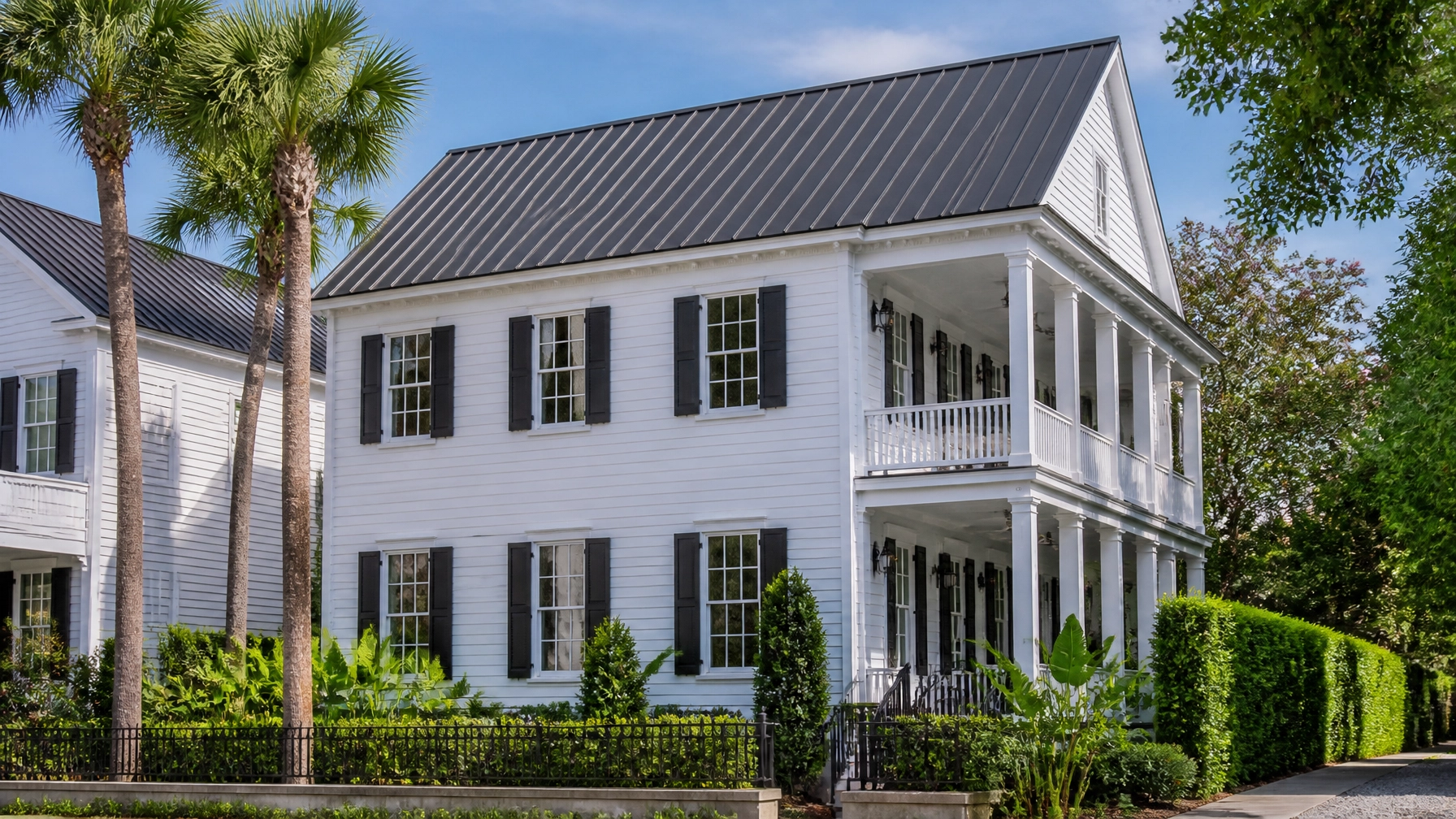
    Matte black standing seam metal roof on a modern residential home

    If you are planning to stay in your home for 30+ years, or if you want the highest level of protection against the 2026 storm cycle, standing seam metal is the gold standard. Unlike "exposed fastener" metal roofs, standing seam uses hidden clips, allowing the metal to expand and contract without stressing the fasteners.

    Pricing Breakdown (Atlanta 2026)

    • Installed Cost: $13.00 – $16.00 per square foot.
    • Material Range: $9.00 – $16.00 per square foot depending on gauge (thickness).
    • Typical Total Project (2,000 sq ft roof): $15,500 – $34,000.

    Why Metal Wins in 2026

    1. Wind Resistance: Metal panels are inherently more aerodynamic and securely fastened than individual shingles, easily exceeding the 115 mph wind requirements.
    2. Hail Performance: While large hail (like the July 4th event) can dent metal, it rarely breaches the surface, preventing the leaks that occur when shingles lose their granules.
    3. Cooling Efficiency: In the sweltering Atlanta July heat, "Cool Roof" rated metal can reflect up to 70% of solar radiation, significantly lowering HVAC costs.

    Verdict (Premium/Lifetime): Best for homeowners prioritizing long-term ROI, energy efficiency, and maximum storm resilience.


    The "Georgia Code §33-32-11" Factor: Insurance Discounts

    One of the most overlooked benefits of a 2026 roof replacement in Georgia is the mandatory insurance discount. Under Georgia Code §33-32-11, insurance companies are required to provide premium discounts for homeowners who install Class 4 impact-resistant roofing materials.

    • Potential Savings: 5% to 35% off the wind-and-hail portion of your premium.
    • Requirements: You must provide a manufacturer’s certification, a dated invoice, and photos of the installation.
    • Strategy: Most standing seam metal roofs and certain high-end architectural shingles qualify for this "Impact Resistant" rating.

    Dealing with the Atlanta Environment

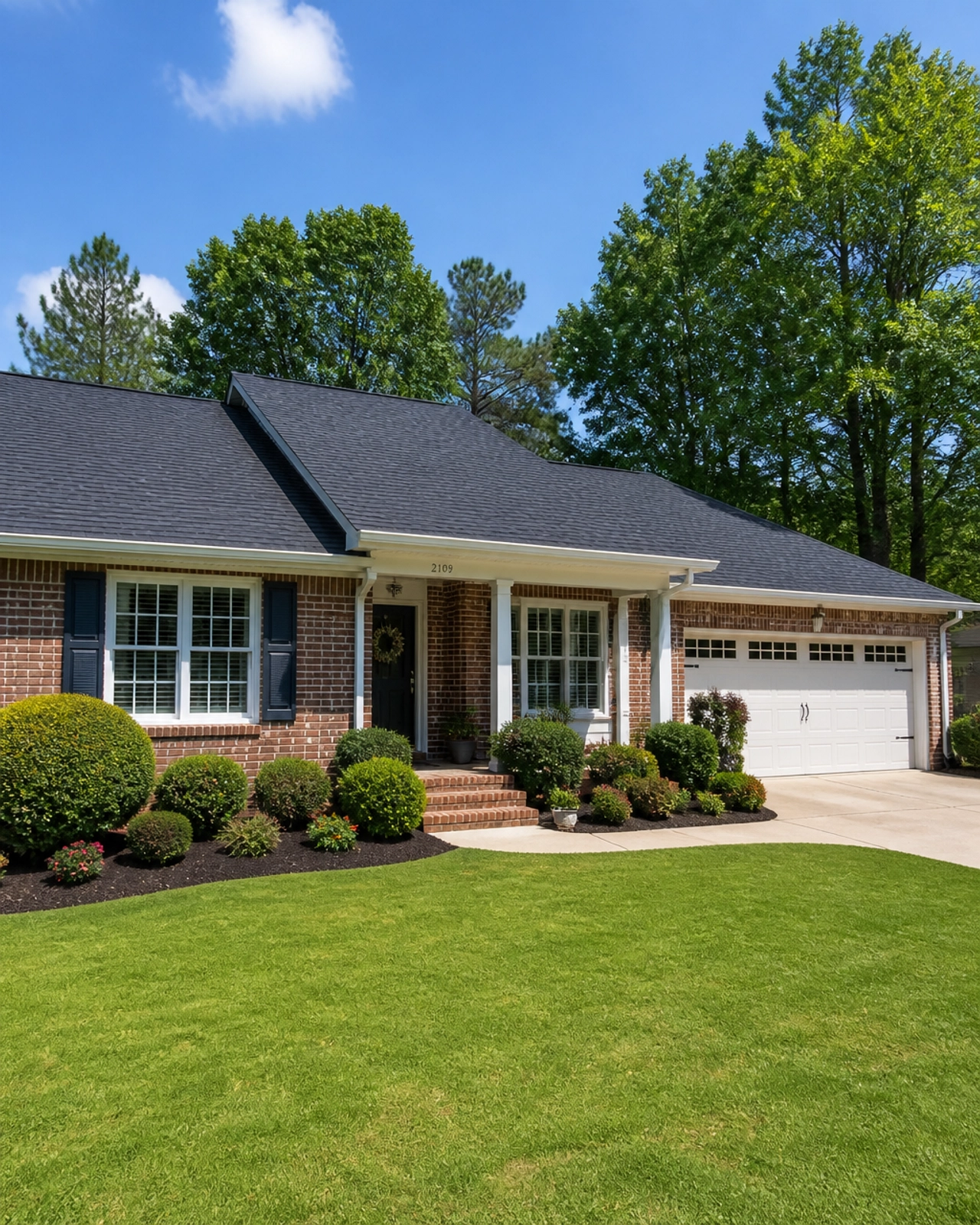
    Atlanta ranch home surrounded by dense trees, illustrating the need for algae resistance

    Whether you choose shingles or metal, your roof in Atlanta has to fight the environment.

    • Tree Canopy: Atlanta’s "City in a Forest" status means heavy debris. Metal roofs shed pine needles and leaves more easily than shingles, which can trap organic matter and lead to rot.
    • The Algae Battle: If you choose shingles, ensure they have a high copper content in the granules. For metal, the factory-applied Kynar 500 or Hylar 5000 finishes are naturally resistant to biological growth.
    • The 60-Second Solution: Don't guess your roof's size or pitch. You can get an instant roof estimate using our satellite technology. We factor in your specific Atlanta zip code and roof complexity to give you a real price in under a minute.

    Comparison Summary: At a Glance

    Factor Architectural Shingles Standing Seam Metal
    Category Budget / Popular Premium / Performance
    Avg. Atlanta Cost $8–$10 / sq ft $13–$16 / sq ft
    Lifespan 20–30 Years 50+ Years
    Wind Rating Meets 115 mph (Class G/F) Exceeds 115 mph
    Hail Resistance Moderate (Class 3-4 avail.) High (Class 4 standard)
    Maintenance Moderate (Algae cleaning) Low
    ROI Immediate / Resale Long-term / Energy Savings

    Take Action: Get Your Estimate Today

    The storm season of 2026 has already proven that waiting is a liability. If your roof was affected by the July hail or if you are simply ready to upgrade to meet the new Georgia building codes, transparency is your best tool.

    Stop waiting for contractors to call you back for a "ballpark" figure. Use our Satellite Roof Estimator to receive a detailed breakdown of costs for both architectural shingles and metal roofing in under 60 seconds.

    Get My Free Instant Estimate Now

  • Architectural Shingles vs. Standing Seam Metal Roofing: The 2026 San Antonio TX Material Showdown

    Architectural Shingles vs. Standing Seam Metal Roofing: The 2026 San Antonio TX Material Showdown

    San Antonio homeowners face a unique set of meteorological challenges. From the blistering July UV rays that bake the Texas Hill Country to the sudden, destructive hail storms that define "Hail Alley," choosing a roofing material isn't just about curb appeal: it’s a high-stakes financial decision.

    As we move through 2026, the local market has shifted. Labor costs and material availability have stabilized, but the performance gap between entry-level and premium materials has never been wider. Whether you are maintaining a historic home in Alamo Heights or a new build in Stone Oak, the choice between Architectural Shingles and Standing Seam Metal will dictate your home’s energy efficiency and its ability to withstand the next San Antonio supercell.

    At Get My Roof Estimate Now, we utilize advanced satellite imagery to provide instant roof estimates accurate to within inches. Today, we’re breaking down the data, the costs, and the long-term ROI for the two most popular roofing choices in the Alamo City.


    The Contenders: A High-Level Overview

    Before diving into the local San Antonio roofing cost 2026 data, it is essential to understand the fundamental differences between these two systems.

    1. Architectural Shingles (Budget to Popular)

    Also known as dimensional or laminate shingles, these are the current standard for residential San Antonio roof replacement. Unlike the flat 3-tab shingles of the past, architectural shingles are composed of multiple layers of asphalt and fiberglass, creating a textured, "shake-like" appearance that adds depth to your roofline.

    2. Standing Seam Metal (Premium to Ultimate)

    This is the gold standard for durability and thermal performance. A standing seam system features vertical metal panels joined by raised seams that "stand" above the level of the roofing surface. This design hides fasteners and allows the metal to expand and contract freely during San Antonio’s extreme temperature swings (often 40 degrees in a single day).


    2026 Cost Comparison: The San Antonio Market

    Transparency is our priority. Below are the projected cost ranges for a typical 2,000-square-foot home in the San Antonio metro area. These figures include removal of the old roof, high-quality underlayment, and professional installation.

    Feature Architectural Shingles (Standard) Architectural Shingles (Class 4) Standing Seam Metal
    Price Range $9,500 – $16,000 $15,500 – $22,000 $22,500 – $40,000+
    Cost Category Budget / Popular Performance Premium / Lifetime
    Avg. Cost / Sq Ft $5.75 – $8.00 $7.50 – $10.00 $11.00 – $18.00
    Expected Lifespan 20–25 Years 25–30 Years 50–70+ Years

    Note: Complex rooflines, steep pitches, and multiple stories will push these estimates toward the higher end of the range.

    Close-up of high-quality architectural shingles in Weathered Wood color on a San Antonio residence


    Performance in the San Antonio Climate

    Heat Reflection (The Summer Factor)

    San Antonio sees an average of 220 sunny days per year. Standard asphalt shingles are essentially thermal sponges: they absorb solar radiation and transfer that heat directly into your attic. This forces your AC unit to work overtime, increasing your monthly CPS Energy bills.

    • Shingles (Standard): Dark colors can reach temperatures of 160°F+. To mitigate this, we recommend "Cool Roof" color palettes like light tans and greys.
    • Standing Seam Metal: Metal naturally reflects a higher percentage of solar energy. When treated with "cool" infrared-reflective pigments, a metal roof can reduce cooling costs by 15–25% during a San Antonio summer.

    Hail Resistance (The "Hail Alley" Factor)

    San Antonio is a prime target for significant hail events. In this arena, the two materials behave very differently.

    • Architectural Shingles: Standard shingles are prone to "bruising" and granule loss when hit by 1-inch or larger hail. Once the asphalt layer is exposed, the UV rays accelerate degradation, leading to leaks within 12–24 months.
    • Standing Seam Metal: While large hail can cause cosmetic denting, it rarely compromises the structural integrity of the metal. For homeowners seeking the ultimate protection, metal is the "forever" solution for hail-prone neighborhoods.

    The "Middle Ground": Class 4 Impact-Resistant Shingles

    For many San Antonio homeowners, the jump from a $12,000 shingle roof to a $30,000 metal roof is a significant financial hurdle. This is where Class 4 Impact-Resistant (IR) Shingles (Performance) come into play.

    These shingles are manufactured with a rubberized polymer (SBS) that allows the shingle to "bounce back" from hail impact.

    • Insurance Advantage: In Texas, most major insurance providers offer a 20% to 35% discount on your annual homeowner’s premium if you install a Class 4 IR roof.
    • New Roof ROI San Antonio: Between the insurance savings and the extended lifespan, a Class 4 shingle roof often pays for the price difference over standard shingles in as little as 5 to 7 years.

    Installation of a premium standing seam metal roof showing the clean vertical seams


    Which Material Fits Your San Antonio Neighborhood?

    The "right" choice often depends on your home's architectural style and your long-term plans.

    For Historic & Traditional Homes (Alamo Heights, Monte Vista, King William)

    • Architectural Shingles: These are the preferred choice for maintaining the traditional aesthetic of historic brick and stone homes. Their thick profile mimics the look of wood shakes or slate, which complements classic San Antonio architecture.
    • Metal: While standing seam can look striking on a modern farmhouse, it may require approval from local historic boards in specific districts.

    For New Construction & Modern Builds (Stone Oak, La Cantera, Boerne)

    • Standing Seam Metal: The sleek, minimalist lines of metal roofing are increasingly popular in newer developments. It pairs perfectly with the limestone exteriors and contemporary designs found in North San Antonio.
    • Architectural Shingles: High-end architectural shingles in "Weathered Wood" or "Charcoal" remain a popular, high-value choice for production homes where budget management is a priority.

    ROI and Resale Value in 2026

    When considering a San Antonio roof replacement, you must look at the "Total Cost of Ownership."

    1. Resale Value: A standing seam metal roof is a major selling point. In the 2026 San Antonio market, homeowners typically recoup 85–95% of a metal roof's cost in increased home value.
    2. Longevity: If you plan on staying in your home for 30+ years, metal is actually the cheaper option. You would likely need to replace an asphalt roof twice in the time it takes for a metal roof to reach middle age.
    3. Peace of Mind: After a major storm, the homeowners with metal or Class 4 shingles are often the only ones on the block who don't have to file a claim and deal with the headache of a full replacement.

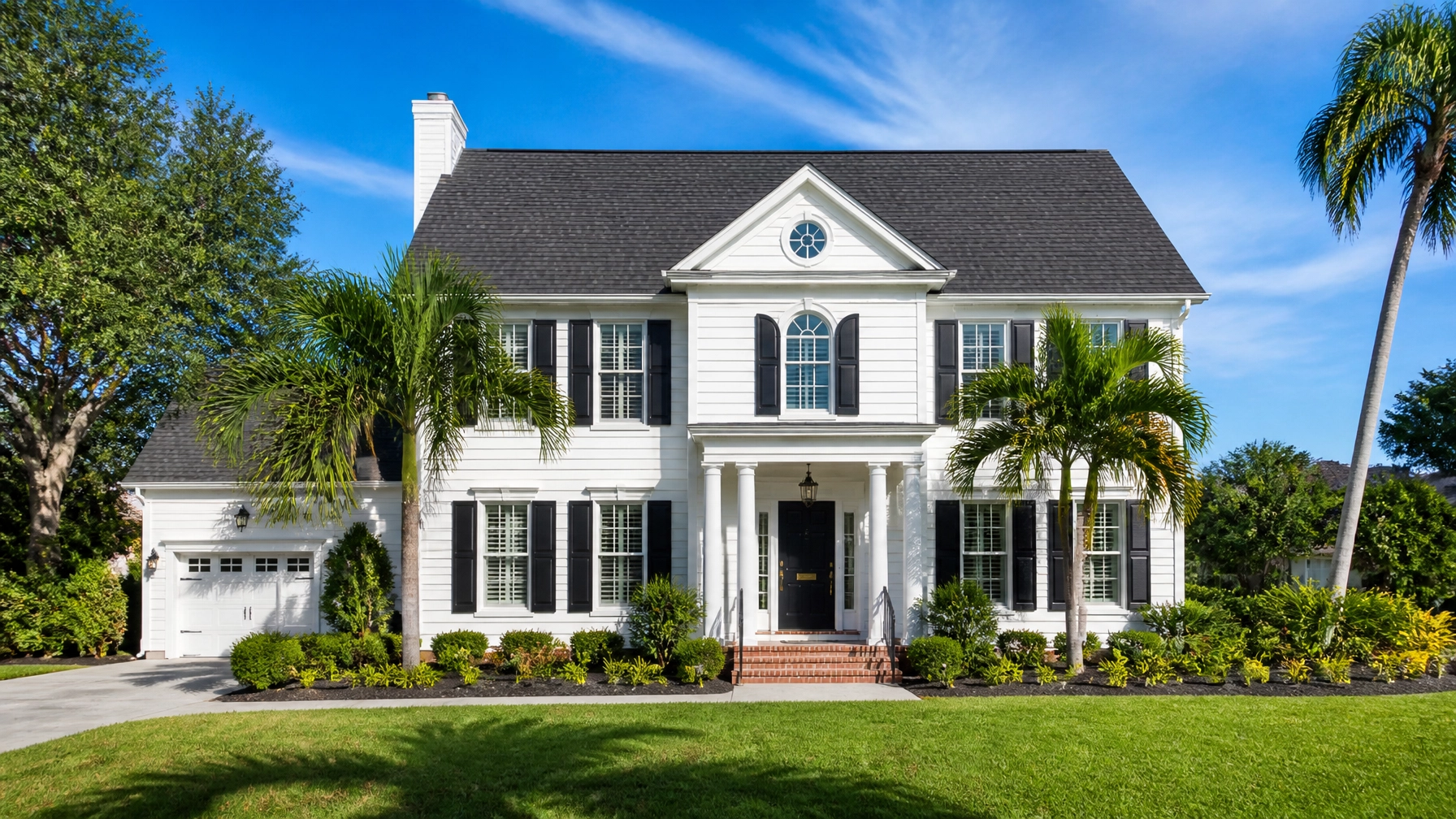
    Colonial-style home in a San Antonio neighborhood with a new architectural shingle roof and mature oak trees


    The Verdict: Which Should You Choose?

    Choose Architectural Shingles if:

    • You want the lowest upfront cost.
    • You plan to sell the home within the next 5–10 years.
    • Your HOA or historic district has strict material requirements.
    • Pro Tip: Always upgrade to Class 4 shingles in San Antonio to secure insurance discounts.

    Choose Standing Seam Metal if:

    • This is your "forever home" (15+ years).
    • You want the highest possible energy efficiency.
    • You want maximum protection against San Antonio’s hail storms.
    • You prefer a modern, high-end aesthetic.

    Get Your San Antonio Roof Estimate in 60 Seconds

    The days of waiting a week for a contractor to show up with a ladder are over. At Get My Roof Estimate Now, we use precision satellite technology to measure your roof's square footage, pitch, and complexity instantly.

    Ready to see how much your 2026 project will cost?
    Get your free, instant roof estimate here.

    No credit card required. No home visit needed. Just accurate, transparent pricing so you can plan your next home improvement with confidence.

  • Daily Tech Blitz – Slot 4: Grand Rapids’ Satellite Tech Edge Is Launching Michigan Into the Space Economy

    Daily Tech Blitz – Slot 4: Grand Rapids’ Satellite Tech Edge Is Launching Michigan Into the Space Economy

    Grand Rapids has long been known as a hub for manufacturing and healthcare. But as of July 2026, the city is rapidly carving out a new identity: the heart of Michigan’s burgeoning space economy. While many still associate the "Space Race" with Florida or Texas, the engineering talent and satellite innovation currently exploding in West Michigan are proving that the next frontier is being built right here in our backyard.

    For Grand Rapids homeowners, this isn't just about rockets and astronauts. The same satellite technology powering NASA missions is now providing the backbone for everyday services: most notably, how we maintain and value our homes. From precision weather tracking to the instant roof estimates we provide at Get My Roof Estimate Now, the "Space Economy" is delivering tangible, high-tech benefits to Michigan neighborhoods.

    The Engineering Powerhouses of Grand Rapids

    The shift toward satellite technology isn't a fluke; it's driven by local firms that have spent years quietly supporting the world’s most ambitious space programs.

    Array of Engineers

    Located right in the heart of Grand Rapids, Array of Engineers is a standout example. Founded by engineers with deep NASA roots, the firm specializes in the embedded software and firmware that keep satellites functioning in the harsh environment of space. They are a critical partner in NASA’s OSAM-1 (On-orbit Servicing, Assembly, and Manufacturing) mission. This mission involves a satellite equipped with robotic arms designed to refuel and repair other satellites while in orbit. The code that controls those robotic movements? Much of it was tested and validated right here in Grand Rapids.

    DornerWorks

    Another local titan, DornerWorks, has developed space-qualified Ethernet switch technology. This might sound technical, but it’s the vital infrastructure that allows astronauts and satellite systems to communicate reliably. When you consider that this level of networking expertise exists in West Michigan, it’s no wonder the state is becoming a magnet for aerospace investment.

    A sleek CubeSat in orbit above the Michigan peninsula

    Innovation Beyond City Limits: Holland and Detroit

    The tech ripple effect extends beyond the Grand Rapids city limits. Just a short drive away in Holland, sci_Zone is revolutionizing how satellites talk to each other. Their LinkStar satellite radio systems use the Globalstar network to provide near-global coverage for small satellites (CubeSats) and UAVs. This technology ensures that data can reach the ground in as little as 200 milliseconds: speed that is essential for real-time monitoring and high-accuracy imaging.

    Meanwhile, on the other side of the state, General Orbit is tackling one of the most difficult challenges in space: navigation. They are developing software-defined magnetometers that allow satellites to navigate without relying on GPS. By using the Earth's natural magnetic field, these sensors provide a "GPS-independent" way to position objects with incredible accuracy. This is particularly important in 2026, as the orbit becomes more crowded and the need for resilient, unjammable navigation grows.

    Michigan’s Space Innovation Hub Initiative

    All of this local activity is being funneled into a broader vision: the Michigan Space Innovation Hub initiative. The state is making a concentrated push to transition from an automotive-dominant economy to a multi-sector powerhouse where aerospace plays a leading role.

    Key pillars of this initiative include:

    • Economic Diversification: Moving beyond traditional manufacturing to high-margin engineering and software services.
    • Talent Retention: Keeping engineering graduates from Michigan State, U-M, and GVSU in-state to work on cutting-edge space projects.
    • Infrastructure Investment: Developing localized hubs where startups like General Orbit and established firms like Array of Engineers can collaborate.

    How Satellite Innovation Benefits Your Home

    At Get My Roof Estimate Now, we sit at the intersection of this satellite revolution and your front door. The innovation coming out of companies like sci_Zone and General Orbit means that the satellite imagery we use to measure your roof is more accessible, more frequent, and more accurate than ever before.

    Professional roofing installation on a Michigan home

    When you enter your address into our roof cost calculator, we leverage high-resolution satellite data to calculate your roof's size, pitch, and complexity. Because of the precision of these modern sensors, our measurements are accurate to within inches (90-95% accuracy).

    Why Satellite Precision Matters in Michigan

    For a homeowner in Grand Rapids, "close enough" isn't good enough when it comes to a roof replacement. Michigan's unique climate: specifically our heavy snow loads and freeze-thaw cycles: requires specific material calculations.

    • Accurate Pitch Measurements: We factor in the steepness of your roof to ensure the correct amount of ice and water shield is included in your estimate.
    • Material Optimization: Whether you're looking at (Popular) architectural shingles or a (Premium) metal roof, our satellite tech ensures you aren't overpaying for excess materials or being surprised by "hidden fees" due to miscalculations.
    • Regional Pricing: We sync our data with current labor and material costs in the 616 area code and surrounding West Michigan zip codes.

    The New Standard: Transparency in 60 Seconds

    The traditional way of getting a roof estimate: scheduling three different contractors to visit your home, wait for them to climb your roof, and then waiting days for a quote: is becoming obsolete. Thanks to the satellite tech edge in Grand Rapids, we’ve streamlined the process into three simple steps:

    1. Enter Your Address: We pull the latest satellite data for your specific property.
    2. 60-Second Calculation: Our algorithms process the roof's geometry, square footage, and local Michigan pricing.
    3. Instant Results: You receive a transparent price range (Budget, Popular, Premium) without ever needing to provide a credit card or wait for a phone call.

    A Grand Rapids contractor showing a satellite-powered estimate on a tablet

    Local Spotlight: Grand Rapids Roofing Benchmarks (2026)

    In today’s market, transparency is your best tool. Based on recent data for Grand Rapids and the surrounding Kent County area, here are the benchmarks for a standard 2,500-square-foot roof replacement:

    • Budget (3-Tab Shingles): $8,500 – $11,000. Practical and functional, but shorter lifespan.
    • Popular (Architectural Shingles): $12,000 – $16,500. The standard for Michigan homes, offering better wind resistance and aesthetics.
    • Premium (Metal or Synthetic): $22,000 – $35,000+. High durability and excellent performance in heavy snow areas.

    By providing these ranges instantly, we empower you to budget effectively. If you're ready to move forward, we connect you with verified, licensed, and insured local contractors in West Michigan who are ready to honor these transparent estimates.

    Conclusion: A High-Tech Future for West Michigan

    The "Daily Tech Blitz" isn't just a headline; it’s a reflection of the rapid change happening in our city. From the engineers at Array of Engineers assisting NASA to the homeowners in Heritage Hill or Ada using satellite tech to plan their next home improvement, Grand Rapids is leading the way.

    As Michigan continues to launch itself into the space economy, we at Get My Roof Estimate Now remain committed to bringing that same level of innovation, accuracy, and speed to your home. You don't need a telescope to see the future of home services: you just need a satellite and 60 seconds.
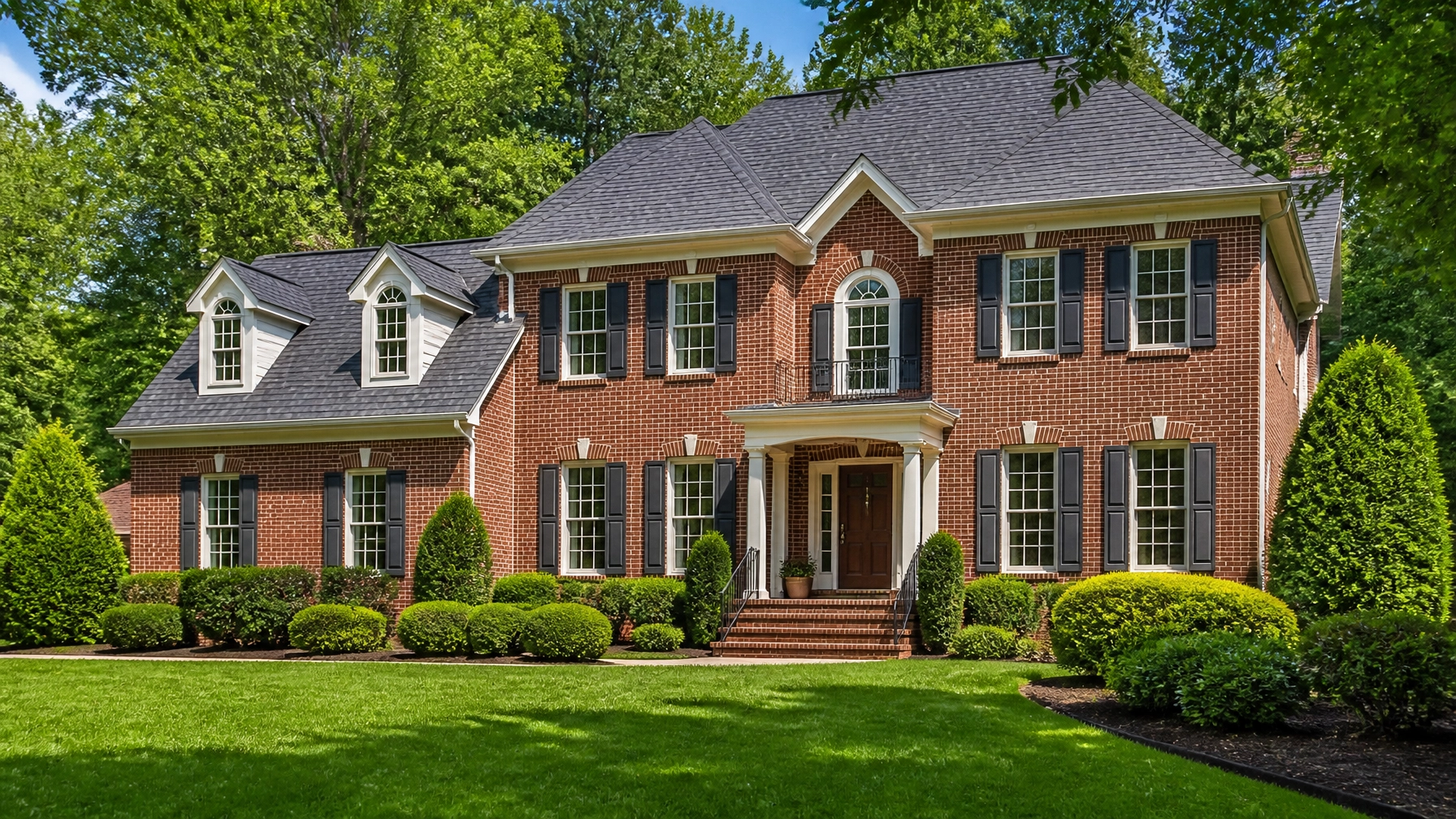
    A beautiful Grand Rapids colonial home with a brand new roof


    Planning a roof replacement in Grand Rapids? Skip the wait and get your instant, satellite-powered estimate today. Accurate pricing, no hidden fees, and zero hassle.

  • Daily FAQ Blitz – Slot 8: Your Top Huntsville AL Roof Replacement Questions Answered (2026)

    Daily FAQ Blitz – Slot 8: Your Top Huntsville AL Roof Replacement Questions Answered (2026)

    Navigating a roof replacement in Huntsville, Alabama, can feel like rocket science: even in the "Rocket City." Between unpredictable Tennessee Valley storms and the rising costs of materials, homeowners need straight answers.

    Whether you are in Madison, Hampton Cove, or Jones Valley, understanding the local landscape is key to a successful project. Below are the most frequent questions we receive from North Alabama homeowners preparing for a roof upgrade in 2026.

    What is the average 2026 roof replacement cost in Huntsville, AL?

    For a standard single-family home (2,000–2,200 sq. ft.), the 2026 roof replacement cost in Huntsville, AL, typically ranges from $11,000 to $15,000 for high-quality architectural shingles.

    Project totals fluctuate based on variables like:

    • Roof Complexity (Pitch): Steeper roofs require more safety equipment and labor.
    • Tear-off Layers: Removing multiple layers of old shingles adds roughly $80–$120 per square in disposal fees.
    • Material Selection: While asphalt remains the "Popular" choice, metal roofing can push the new roof cost Huntsville AL homeowners face into the $20,000+ range.

    Expect Huntsville AL roofing prices 2026 benchmarks to hover around $340 to $450 per square (100 sq. ft.) for standard professional installations.

    Do I need a Huntsville AL building permit for a roof replacement?

    Yes. The City of Huntsville and Madison County require a Huntsville AL building permit for roof replacements. This ensures the work meets local building codes, especially regarding wind resistance and ventilation: critical factors in "Dixie Alley."

    Typically, your roofing contractor in Huntsville, AL, will pull this permit for you. Fees generally range from $75 to $200, and this is often itemized in your initial quote.

    High-tech satellite imagery used for precise Huntsville roof measurements

    How accurate are satellite-powered roof estimates?

    Our satellite-powered technology provides measurements accurate to within 90-95%. By using high-resolution aerial imagery, we calculate your roof’s size, pitch, and waste factor (usually 12-17%) in under 60 seconds. This allows you to bypass the traditional "wait-and-see" approach of scheduling multiple onsite visits just to get a ballpark figure.

    How long does a typical roof replacement take in North Alabama?

    Most residential roof replacements in Huntsville are completed in 1 to 3 days. Factors like Alabama's sudden afternoon thunderstorms or high humidity can occasionally shift the timeline. We recommend scheduling work in the spring or fall when temperatures are moderate, allowing the shingle adhesive to seal perfectly without the stress of extreme summer heat.

    Close-up of premium architectural asphalt shingles showing weather-resistant texture

    How do I choose the right roofing contractor in Huntsville, AL?

    Don't settle for the first quote you receive. When vetting a roofing contractor Huntsville AL homeowners should:

    1. Verify Alabama Licensing: Ensure they are licensed by the Alabama Home Builders Licensure Board (required for jobs over $10,000).
    2. Check Insurance: Confirm they carry both General Liability and Workers’ Comp.
    3. Local Expertise: Choose someone familiar with the severe weather demands of the Tennessee Valley, including wind-rated nailing patterns.

    Get Your Estimate in 60 Seconds

    Ready to see how your budget stacks up against current Huntsville AL roofing prices 2026? Use our Instant Roof Cost Calculator to get a transparent, data-driven estimate based on your exact address: no credit card or contractor visit required.

    Professional roofing contractor inspecting a finished roof on a Huntsville home

    Categories: Roofing Costs, Homeowner FAQ, Alabama Local Guides
    Tags: Huntsville Roofing, Roof Replacement Alabama, 2026 Roofing Trends, Rocket City Home Improvement

  • 2026 Roof Replacement Cost in Orlando, FL: Answers to Your Top Questions

    2026 Roof Replacement Cost in Orlando, FL: Answers to Your Top Questions

    Orlando, Florida: known globally as "The City Beautiful": is a vibrant hub of sun-drenched neighborhoods, from the historic charm of Thornton Park to the sprawling modern estates of Lake Nona. However, for homeowners in Central Florida, the local climate presents a unique set of challenges. Between the intense UV radiation that bakes roofing materials year-round and the seasonal threat of tropical storms and hurricanes, your roof is your home’s first line of defense.

    If you are planning a roof replacement Orlando Florida project in 2026, you are likely facing a market influenced by evolving building codes and shifting material costs. This guide provides direct, data-driven answers to the most common questions Orlando homeowners are asking right now, helping you budget accurately and choose the right roofing contractor Orlando FL.

    What is the average 2026 roof replacement cost in Orlando?

    For 2026, the new roof cost Orlando FL generally ranges from $4.50 to $19.50 per square foot for the total project. This inclusive price covers the removal of the old roof (tear-off), new underlayment, installation of the selected material, and all necessary disposal fees.

    The specific "per square foot" price varies significantly based on the material category:

    • Budget (Asphalt Shingles): $4.50 – $6.50 per sq. ft.
    • Popular (Architectural Shingles): $5.00 – $10.00 per sq. ft.
    • Premium (Metal): $7.00 – $18.50 per sq. ft.
    • Luxury (Tile): $9.00 – $21.00 per sq. ft.

    For a typical 2,000-square-foot home (approximately 20 "squares" in roofing terms), most Orlando homeowners should expect to pay between $12,000 and $18,000 for a high-quality architectural shingle installation.

    How much do different roofing materials cost in Orlando?

    The material you choose is the single biggest factor in your overall budget. In Orlando's humid, storm-prone environment, durability and heat resistance are paramount.

    Architectural Asphalt Shingles (The Standard Choice)

    Architectural shingles (also called dimensional shingles) remain the most popular choice for Orlando FL roofing prices 2026. They offer an excellent balance of cost-efficiency and wind resistance.

    • Cost: $5.00 – $10.00 per sq. ft.
    • Total Project Average: $9,000 – $20,000 for a standard single-family home.
    • Benefit: Modern architectural shingles are rated for winds up to 130 mph, crucial for Florida hurricane seasons.

    Close-up of high-quality architectural asphalt shingles

    Metal Roofing (The Performance Choice)

    Metal is rapidly gaining popularity in Central Florida due to its incredible lifespan and energy efficiency (it reflects solar heat better than shingles).

    • Cost: $7.00 – $18.50 per sq. ft.
    • Total Project Average: $18,000 – $35,000+.
    • Note: Standing seam metal is the "Premium" option with concealed fasteners, while corrugated panels represent a more "Budget" metal option.

    Tile Roofing (The Coastal/Luxury Choice)

    Common in Mediterranean-style homes throughout Winter Park and Windermere, tile is the most durable: and the most expensive: option.

    • Cost: $9.00 – $21.00 per sq. ft.
    • Total Project Average: $24,000 – $45,000+.
    • Consideration: Tile is heavy. Your home must be structurally capable of supporting the weight.

    What is the total cost for a 30-square roof in Orlando?

    Roofers measure in "squares" (one square = 100 square feet). A 3,000-square-foot roof surface is referred to as a 30-square roof. In 2026, the estimated costs for a 30-square roof in Orlando are:

    • Architectural Shingles: $13,500 – $21,000.
    • Standard Metal: $21,000 – $36,000.
    • Concrete/Clay Tile: $27,000 – $55,000.

    How long does a roof replacement take in Orlando?

    Efficiency is key when dealing with Florida's unpredictable afternoon thunderstorms. A professional roofing contractor Orlando FL will typically provide the following timelines:

    • Asphalt Shingles: 1 – 3 days.
    • Metal Roofing: 3 – 10 days.
    • Tile Roofing: 7 – 14 days.

    These timelines exclude the permitting process, which is a mandatory step in Orange County.

    What are the permit requirements and Florida’s "25% Rule"?

    Every roof replacement in Orlando requires a permit. This ensures the work meets the strict Florida Building Code, particularly regarding "Hurricane Straps" and secondary water barriers.

    • Permit Fees: Typically $150 – $400 for a residential project.
    • Processing Time: It usually takes 5 – 12 business days for local municipalities to approve a permit application.

    The 25% Rule

    One of the most important Florida regulations is the 25% Rule. According to the Florida Building Code, if more than 25% of a roof or roof section is damaged within a 12-month period, the entire roof must be brought up to the current building code. This often necessitates a full roof replacement rather than a simple repair, especially on older roofs that don't meet today's high-wind standards.

    Modern Florida ranch-style home with a sleek silver-grey metal roof

    Does insurance cover my roof replacement in Orlando?

    This is a point of frequent confusion for homeowners.

    • Storm Damage: If your roof is damaged by a named storm (hurricane) or a significant hail event, your homeowner's insurance typically covers the cost of replacement, minus your deductible.
    • Age-Related Wear: Insurance does not cover a roof that has simply reached the end of its natural life (usually 15–20 years for shingles in Florida).
    • The "Insurance Problem": In 2026, many Florida insurers require roofs to be less than 15 years old (for shingles) to maintain or renew a policy. If your roof is approaching this age, you may be forced to replace it to stay insured.

    When is the best time to replace a roof in Orlando?

    While roofing happens year-round in Florida, timing can affect your 2026 roof replacement cost Orlando.

    • Peak Season: Summer months are busy and prone to rain delays.
    • Hurricane Season (June–Nov): Costs and demand can spike immediately following major storms.
    • The "Sweet Spot": Many homeowners find that late winter and early spring (January–April) offer the most stable weather and better contractor availability.

    How can I get an accurate estimate without the hassle?

    The traditional way to get a quote involves scheduling multiple contractors to come to your home, climb on your roof, and take hours of your time.

    At Get My Roof Estimate Now, we’ve modernized the process. Using advanced satellite imagery, we can provide an instant, free roof replacement estimate in under 60 seconds. Our technology measures your roof's size, pitch, and complexity with 90-95% accuracy, giving you a transparent price range (Budget, Popular, Premium) before you ever speak to a contractor.

    Actionable Takeaways for Orlando Homeowners:

    1. Check Your Policy: Know your deductible and the age of your roof relative to your insurer's requirements.
    2. Verify Licensing: Ensure any roofing contractor Orlando FL you hire is licensed and insured in the state of Florida.
    3. Plan for Permits: Budget an extra two weeks for the permitting process before you expect shingles to hit the roof.
    4. Use Technology: Don't guess your roof size. Use our roof cost calculator to get a data-backed starting point for your budget.

    Mediterranean-style Orlando home with a new terracotta clay tile roof

    Replacing a roof is a significant investment, especially in the Orlando market. By understanding the 2026 price trends and the unique regulatory landscape of Florida, you can make an informed decision that protects your home and your wallet.

    Ready to see what a new roof will cost for your specific address? Get your instant estimate here in just 60 seconds.

  • 2026 Roof Replacement Cost in Charleston, SC: Complete Price Guide for Lowcountry Homeowners

    2026 Roof Replacement Cost in Charleston, SC: Complete Price Guide for Lowcountry Homeowners

    Replacing a roof in Charleston, South Carolina, is significantly different than in most other parts of the country. Between the strict hurricane building codes, the influence of the Board of Architectural Review (BAR) in historic districts, and the brutal reality of coastal salt air, Lowcountry homeowners face a unique set of challenges.

    As we move into 2026, labor and material costs have stabilized but remain at a premium due to the specialized installation requirements of the coastal zone. For a typical single-family home in the Charleston area (approximately 2,000–2,500 square feet), expect a total investment between $9,700 and $30,000.

    This guide breaks down exactly where those dollars go, what materials are best for our climate, and how to navigate the specific local regulations that impact your bottom line.

    2026 Price Breakdown: By the Square Foot

    In the roofing industry, we measure by the "square" (a 10' x 10' area, or 100 square feet). In Charleston, your pricing is largely dictated by the wind resistance rating of the material and the complexity of your roofline.

    Material Type Cost Per Sq. Ft. (Installed) Typical Total (2,000 Sq. Ft. Home) Tier
    Architectural Shingles $4.85 – $8.65 $9,700 – $17,300 [Popular]
    Standing Seam Metal $7.55 – $16.00 $15,100 – $32,000 [Premium]
    Exposed Fastener Metal $6.00 – $9.50 $12,000 – $19,000 [Value Metal]
    Synthetic Slate/Tile $12.00 – $22.00 $24,000 – $44,000+ [Luxury]

    Note: These ranges include the removal of one layer of old roofing, standard underlayment, and all necessary permits for the Charleston area.

    Material Deep Dive: What Works for the Lowcountry?

    1. Architectural Shingles (The Standard)

    Architectural shingles (also called dimensional or laminate shingles) remain the most common choice for homeowners in neighborhoods like West Ashley, James Island, and Mount Pleasant. In 2026, the baseline for these shingles is a 130 mph wind rating.

    • Pros: Cost-effective, wide range of colors, relatively fast installation.
    • Cons: Shorter lifespan in high-heat coastal environments (typically 18–22 years versus the advertised 30+).
    • 2026 Budget Tip: Always opt for algae-resistant granules. Charleston’s humidity leads to "Gloeocapsa magma" (those black streaks), and the premium for algae resistance is negligible compared to the cost of early roof cleaning.

    Traditional Lowcountry-style ranch home with a new architectural shingle roof

    2. Standing Seam Metal (The Coastal Champion)

    If you are planning to stay in your home for the next 40+ years, standing seam metal is the gold standard. Unlike exposed fastener "tin" roofs, standing seam hides the screws under the metal panels. This is critical in Charleston because salt air can corrode exposed screws, leading to leaks over time.

    • Pros: Exceptional hurricane performance, reflects solar heat (lowering AC bills), and high curb appeal.
    • Cons: Significant upfront investment.
    • 2026 Budget Tip: Check with your insurance provider. Many South Carolina insurers offer substantial premium discounts for homes with Class 4 impact-rated metal roofs and secondary water barriers.

    The "Charleston Factors": Why Our Roofs Cost More

    You may notice that quotes in Charleston are often 10–15% higher than in Columbia or Greenville. This isn't "coastal tax"; it's the cost of engineering for our environment.

    The Hurricane Code (High-Wind Zones)

    The South Carolina Residential Building Code classifies much of Charleston as a High-Wind Zone. This mandates specific installation techniques:

    • Six-Nail Pattern: While inland roofs might use four nails per shingle, Charleston code requires six. This increases labor time and material consumption.
    • Enhanced Underlayment: Synthetic underlayment is now the standard over old-fashioned felt paper to provide a secondary layer of protection if shingles are blown off during a storm.
    • Starter Strips: Roofers must use specific starter shingles and, in some municipalities, additional cement to prevent edge lift during 100+ mph gusts.

    The BAR and Historic Mandates

    If you live in the downtown historic district or certain areas of Sullivan’s Island, your roof isn't just yours: it belongs to history. The Charleston Board of Architectural Review (BAR) often mandates specific materials, such as:

    • True Standing Seam Copper or Aluminum: Often required to match the historic "V-crimp" look.
    • Natural Slate: If the original house had it, you might be required to replace it in kind, which can push costs well above the $30,000 mark.

    Close-up of high-quality architectural shingle installation with clean ridge caps

    Factors That Influence Your Specific Estimate

    Every roof is a fingerprint. No two estimates will be identical because of these variables:

    1. Pitch (Steepness): A steep roof (like many historic Charleston single houses) requires "steep pay" for laborers and specialized safety equipment. This can add 15–30% to labor costs.
    2. Access: If your home is on a tight downtown alley where a debris trailer can't easily fit, the manual labor involved in carrying shingles and removing debris will increase the price.
    3. Complexity: Dormers, chimneys, and intersecting rooflines (valleys) require more flashing and detailed hand-cutting, which drives up both material waste and labor hours.

    Budgeting Strategy for 2026

    If your roof is 15–20 years old, it’s time to stop wondering and start planning. Here is our recommended approach for 2026:

    • Get a Baseline Early: Don't wait for a leak. Use technology to get a ballpark figure so you can start a dedicated "Roof Fund."
    • Avoid the "Storm Chaser" Trap: After a hurricane or major tropical storm, out-of-state contractors flood the Lowcountry. Stick with verified, licensed, and insured local contractors who understand Charleston’s specific wind codes.
    • Audit Your Attic: Before the roofers arrive, ensure your attic ventilation is adequate. A new roof on a poorly ventilated attic will "cook" the shingles from the inside out, voiding your warranty and shortening the roof's life.

    Modern coastal home with a sleek, standing seam aluminum roof

    Skip the Wait: Get Your Charleston Estimate in 60 Seconds

    The traditional way to get a roof estimate: calling three contractors, waiting for them to show up, and sitting through an hour-long sales pitch: is a relic of the past.

    At Get My Roof Estimate Now, we use advanced satellite imagery to measure your Charleston home's roof with 95% accuracy. By analyzing the size, pitch, and complexity from above, we provide you with a transparent, no-obligation price range in under a minute.

    Whether you're budgeting for a future replacement or need to know the cost for an insurance claim, you can get started right now.

    Click here to get your instant, free roof estimate.

    Conclusion

    A new roof in Charleston is an investment in your home’s survival. While the $9,700–$30,000 price tag is significant, the peace of mind knowing your home is protected against the next hurricane season is invaluable. By choosing the right materials for the coastal climate and following local building codes, you ensure your Lowcountry home remains a safe haven for decades to come.

    Street view of historic downtown Charleston showing diverse rooflines and palmetto trees

  • 2026 Roof Replacement Cost in Lafayette, LA: Complete Price Guide for Acadiana Homeowners

    2026 Roof Replacement Cost in Lafayette, LA: Complete Price Guide for Acadiana Homeowners

    For homeowners in the Acadiana region, 2026 marks a pivotal shift in the roofing industry. If you are planning a roof replacement in Louisiana, the landscape has changed significantly due to new state-wide mandates and updated local building codes. In Lafayette, the days of choosing the cheapest possible shingle are over, replaced by a focus on long-term resilience and storm protection.

    Currently, a total project cost for a standard Lafayette home typically ranges between $8,000 and $25,000. However, several factors: including a major new law effective August 1, 2026: will dictate exactly where your project falls on that spectrum.

    This guide breaks down the data-driven costs, the new legal requirements, and how Lafayette residents can leverage state grants to offset the investment in a more durable home.

    The August 1st Mandate: Why Your Roof Just Got Stronger

    The most critical update for 2026 is a change in Louisiana law. Effective August 1, 2026, all new or replacement residential roofs in Louisiana are required to meet or exceed IBHS FORTIFIED standards.

    This is a game-changer for Lafayette roofing prices in 2026. A FORTIFIED roof is designed specifically to strengthen a home against severe weather, featuring enhanced deck attachment (using ring-shank nails), a sealed roof deck to prevent water intrusion, and reinforced edges. While this raises the baseline quality of every roof in Lafayette, it also impacts the initial quote you receive from a roofing contractor in Lafayette, LA.

    2026 Material Costs per Square Foot in Lafayette

    In the roofing industry, we measure roofs in "squares" (100 square feet). In Lafayette, the materials you choose are no longer just about aesthetics; they are about meeting the rigorous climate demands of the Gulf Coast.

    • Architectural Shingles (Budget-Friendly/Standard): $4.70 – $7.30 per sq. ft.
      Note: Standard 3-tab shingles are generally no longer permitted for full replacements within Lafayette city limits.
    • Class 4 Impact-Resistant Shingles (Popular/Code Minimum): $6.30 – $9.50 per sq. ft.
      Lafayette building codes now prioritize these for their ability to withstand hail and debris.
    • Metal Roofing (Premium/Durable): $10.40 – $16.20 per sq. ft.
      Standing seam metal is increasingly popular in Acadiana for its 50+ year lifespan and superior wind resistance.
    • Tile or Synthetic Tile (Luxury): $11.60 – $16.40 per sq. ft.
      Often seen on Mediterranean or high-end custom homes in areas like River Ranch.

    A close-up, high-detailed photo of high-quality Class 4 impact-resistant asphalt shingles being installed on a roof. The texture of the shingles is clearly visible, showing the granules and thick architectural layering. A roofer's gloved hand is visible in the corner, highlighting the professional installation process. Sunny day lighting, sharp focus on the material quality.

    Understanding the Lafayette "Class 4" Requirement

    Beyond the statewide FORTIFIED mandate, the City of Lafayette has specific local code requirements. To address the risk of storm damage, the city requires Class 4 Impact-Resistant Shingles for any full roof replacement.

    This means that even if you choose asphalt, you must select high-performance shingles. While this adds a marginal cost upfront (approximately 15–25% more than basic shingles), it significantly reduces the likelihood of needing another replacement after the next major hail storm or hurricane.

    2026 Roof Replacement Cost Estimates by Home Size

    Below is a breakdown of estimated total project costs for Lafayette homes in 2026. These figures include labor, materials, permits, and the necessary upgrades to meet the new FORTIFIED standards.

    Roof Size (Sq. Ft.) Architectural Shingles Class 4 Impact-Resistant Metal Roofing (Standing Seam)
    1,500 sq. ft. $8,500 – $11,500 $10,500 – $14,000 $16,500 – $24,500
    2,000 sq. ft. $11,200 – $15,000 $13,800 – $19,000 $22,000 – $32,000
    2,500 sq. ft. $13,800 – $18,500 $17,200 – $23,500 $27,500 – $40,000
    3,000 sq. ft. $16,500 – $22,000 $20,500 – $28,000 $33,000 – $48,000

    Disclaimer: These are estimates based on standard roof complexity. Steep pitches, multiple dormers, or chimney flashing can increase these totals.

    The LFHP Grant: Getting $10,000 Back

    The good news for Lafayette homeowners is the Louisiana Fortify Homes Program (LFHP). Because the state is mandating stronger roofs, they are also providing financial assistance to help homeowners get there.

    The LFHP offers grants of up to $10,000 to homeowners who upgrade their primary residence to the IBHS FORTIFIED standard.

    • Status: It is a grant, not a loan: you do not pay it back.
    • Selection: Homeowners must register during open lottery windows (often announced by the Louisiana Department of Insurance).
    • Impact: For a typical $18,000 roof replacement, an LFHP grant can bring your net out-of-pocket cost down to $8,000: making a high-performance roof more affordable than a standard one.

    A beautiful, modern single-family home in Louisiana with a sleek, standing seam metal roof in a matte bronze finish. The house has a mix of wood and stone siding, looking very contemporary and durable. The roof is the main focus, showcasing its clean lines and high-end aesthetic. Lush green landscaping and a blue sky in the background. Hyper-realistic photography.

    Hiring a Licensed Contractor: LSLBC Requirements

    In Louisiana, any home improvement project over $7,500 requires a licensed contractor. For a Lafayette LA new roof cost of this magnitude, you must ensure your contractor is registered with the Louisiana State Licensing Board for Contractors (LSLBC).

    Specifically, as of 2026, your roofer should hold a Residential Roofing or Residential Construction license. Working with an unlicensed "storm chaser" not only risks poor workmanship but can also disqualify you from the LFHP grant and potentially void your homeowners insurance coverage. Always ask for their license number and verify it on the LSLBC website before signing any contracts.

    Climate Factors: Why Lafayette is Unique

    Lafayette sits in a high-risk climate zone characterized by extreme humidity and significant wind loads from the Gulf of Mexico. These environmental factors dictate why roofing costs in Lafayette may differ from more inland areas:

    1. Humidity Management: High-quality underlayment and proper attic ventilation are non-negotiable in Acadiana to prevent mold and wood rot.
    2. Wind Resistance: With the new FORTIFIED standards, roofs are now rated for 130+ mph winds, which requires specialized fasteners and installation techniques.
    3. Insurance Discounts: Investing in a FORTIFIED roof in Lafayette can lead to insurance premium discounts of 20% to 50%. In the current Louisiana insurance market, this is often the only way to keep premiums manageable.

    A luxury home in Lafayette, Louisiana, featuring a Mediterranean-inspired clay tile roof. The tiles are a rich terracotta orange-red, perfectly installed with clean ridges and valleys. The home has light-colored stucco walls and elegant landscaping. Bright, warm afternoon sunlight creates soft shadows on the roof texture. High-end residential photography.

    Get an Accurate Quote in Under 60 Seconds

    The traditional way of getting a roof estimate involved waiting days for a contractor to show up, climb a ladder, and provide a handwritten quote. Technology has changed that.

    At Get My Roof Estimate Now, we use advanced satellite imagery to measure your roof's exact dimensions, pitch, and complexity. We can provide you with an accurate 2026 roof replacement cost for your Lafayette home in less than a minute. Our technology is accurate to within inches, allowing you to budget for your project with confidence and skip the initial sales pressure.

    Ready to see your 2026 Lafayette roof cost?

    Don't guess on your biggest home investment. Get a transparent, data-backed estimate based on current 2026 Lafayette labor and material rates.

    Get Your Free Satellite Roof Estimate Now


  • Daily ROI Blitz #82: How a New Roof Boosts Home Value in Charlotte, NC (2026 Data)

    Daily ROI Blitz #82: How a New Roof Boosts Home Value in Charlotte, NC (2026 Data)

    In the current July 2026 real estate market, Charlotte, North Carolina (The Queen City) remains a competitive hub for homeowners. With a median home price holding steady between $435,000 and $441,000, the "move-in ready" factor has become the primary driver for high-value sales. As buyers face mortgage rates in the 6% range, they are increasingly selective, prioritizing properties that don't require immediate, large-scale capital expenditures.

    For Charlotte homeowners, a roof replacement is no longer just a maintenance task: it is a strategic financial play. Whether you are looking to protect your equity following the recent severe hail and wind storms this July or planning a high-speed exit from the market, understanding the specific ROI metrics for the 704 area code is essential.

    The Numbers: ROI and Property Valuation

    In North Carolina, a roof is viewed by appraisers and buyers as a "hard asset" protector. Our 2026 market data indicates that a professional roof replacement in Charlotte typically recovers 60% to 80% of its cost at the point of resale.

    On a $440,000 home (the current local median), a roof that is at its end-of-life (15-25 years old) acts as a massive "price anchor." Buyers frequently demand "repair credits" that exceed the actual cost of a roof, or worse, walk away during the due diligence period. By proactively replacing the roof, you transform a potential liability into a premium feature (Premium Upgrade).

    • Median Charlotte Home Value: $435K – $441K
    • Average ROI for Roof Replacement: 60-80%
    • Value Protection: Prevents "inspection fatigue" and aggressive price haggling.

    Speed to Sale: The 15-Day Advantage

    In a normalizing market where inventory has risen to 3.5 months of supply, "Days on Market" (DOM) is a critical metric. Data from July 2026 shows that Charlotte homes with documented, new roof replacements sell 10 to 15 days faster than those with aging systems.

    A new roof removes the number one hurdle for buyer financing. Many lenders and insurance carriers are now refusing to underwrite policies for homes with roofs older than 20 years, especially in storm-prone regions like the Carolinas. A new roof ensures a frictionless closing, allowing you to move to your next property without the stress of a stalled sale.

    Detailed close-up of high-quality architectural shingles

    Breaking Down the Costs: The Charlotte Roof Profile

    Every neighborhood in Charlotte: from the historic bungalows of Plaza Midwood to the sprawling estates in Ballantyne: has unique architectural requirements. However, the technical metrics for a "standard" Charlotte home remain consistent.

    • Typical Roof Size: 22 to 28 squares (based on a 2,000 sq. ft. footprint).
    • Cost Per Square Foot: $4 to $12 (factoring in material choice and complexity).
    • Total Project Range: $8,000 [Budget/Shingle] to $25,000 [Premium/Metal/Synthetic].

    Note on Licensing: In North Carolina, any roofing project exceeding $30,000 requires a contractor with a NC General Contractor’s License. For high-complexity roofs or premium metal installs, always verify credentials to ensure your warranty remains valid and your investment is protected.

    Material Choice: What Charlotte Buyers Want

    The aesthetic of the Queen City is shifting. While Architectural Shingles (Popular) remain the standard for ROI, we are seeing a significant uptick in Standing Seam Metal (Premium) and Synthetic Slate (Luxury) in areas like Myers Park and SouthPark.

    1. Architectural Shingles [Popular]: Best balance of cost and ROI (60-80%). Offers the multi-dimensional look buyers love.
    2. Standing Seam Metal [Durable]: High upfront cost ($10-$12/sq ft) but offers lifetime protection and superior performance during July storm seasons.
    3. Cool Roofing Coatings [Efficiency]: Increasingly popular for mid-century modern homes in Charlotte to combat the humid subtropical heat.

    Modern ranch-style home in Charlotte with a sleek metal roof

    July 2026 Weather Alert: The Cost of Waiting

    July in Charlotte has historically been a month of sudden, severe weather. The storms of 2026 have already brought significant hail to Mecklenburg County. If your roof has sustained even minor impact damage, its structural integrity is compromised.

    Waiting for a leak to appear before replacing your roof is a high-risk strategy. Interior water damage to drywall and insulation can double your repair costs and significantly lower your home's valuation. Using satellite-powered technology, homeowners can now identify their roof's exact dimensions and get a transparent price range before the next storm front moves in.

    The Smart Way to Estimate: Satellite Precision

    The days of waiting three days for a contractor to show up with a ladder are over. At Get My Roof Estimate Now, we leverage high-resolution satellite imagery to provide measurements accurate to within inches (90-95% accuracy).

    Our system calculates:

    • Total Square Footage: No more guessing about "squares."
    • Pitch and Complexity: Factors in the steepness and valleys of your specific roofline.
    • Local Material Costs: Real-time pricing based on Charlotte's current supply chain.

    In under 60 seconds, you receive a comprehensive roof cost estimate that allows you to budget with confidence. Whether you are prepping for a sale or just protecting your family, data is your best tool.

    Homeowner using the Get My Roof Estimate Now tool on a smartphone

    Conclusion: Act While the Market is Steady

    Charlotte’s real estate market in July 2026 is balanced, but discerning. To capture the maximum equity from your home, your exterior must be flawless. A new roof is not just a shield against the rain; it is a signal to buyers that your property has been meticulously maintained.

    Don't let an old roof shave $20,000 off your asking price or add 20 days to your listing.

    Ready to see what a new roof will cost for your Charlotte home?
    Get your instant, free satellite roof estimate here in 60 seconds.


    Meta Description: Discover how a new roof boosts home value in Charlotte, NC with 2026 data. Learn about 60-80% ROI, faster sales (10-15 days), and July 2026 storm impact.

  • 2026 Roof Replacement Cost in Tampa, FL: Complete Price Guide for Tampa Bay Homeowners

    2026 Roof Replacement Cost in Tampa, FL: Complete Price Guide for Tampa Bay Homeowners

    For Tampa homeowners, a roof replacement is more than just a home improvement project; it is a critical investment in hurricane resilience. In 2026, the Tampa Bay roofing market remains shaped by strict building codes, fluctuating material costs, and a high demand for skilled labor.

    If you are planning a replacement this year, understanding the local price landscape is essential for accurate budgeting. At Get My Roof Estimate Now, we leverage satellite imagery to give you an instant roof estimate in under 60 seconds, but this guide provides the deep dive you need into the factors driving those numbers.

    2026 Tampa Roof Replacement Cost Estimates

    The total cost of a roof replacement in the Tampa-St. Petersburg-Clearwater area typically ranges from $8,000 to $25,000 for standard single-family homes. Your specific price depends heavily on the square footage, roof complexity, and the material you choose.

    Cost by Material (Estimated for 2,000 Sq Ft Roof)

    Material Type Cost per Sq Ft Typical Total Range
    Asphalt Shingles (Popular) $3.50 – $7.50 $7,000 – $15,000
    Metal Roofing (Premium) $6.00 – $18.00 $12,000 – $36,000
    Tile Roofing (Concrete/Clay) $8.00 – $21.00 $16,000 – $42,000

    Note: These figures reflect full tear-offs, permit fees, and disposal costs common in 2026.

    A suburban home in the Tampa Bay area with a new architectural asphalt shingle roof.

    Local Factors Influencing Your Tampa Estimate

    In Florida, you aren't just paying for shingles; you are paying for compliance. The Florida Building Code (FBC) 8th Edition dictates several requirements that impact your final quote.

    • Wind Speed Requirements: Roofs in Tampa must be engineered to withstand wind speeds of 140-150 mph. This requires specific high-wind installation techniques, such as a 6-nail pattern for shingles rather than the standard four.
    • The 25% Rule: If more than 25% of your roof is damaged or needs repair within a 12-month period, the entire roof must be brought up to the current 2026 Florida Building Code.
    • Secondary Water Barrier (SWR): Most insurance carriers now require a "peel-and-stick" self-adhering membrane at eaves and valleys. While it adds cost, it can significantly lower your annual insurance premiums.
    • Deck Attachment: Code now requires enhanced deck attachment using 8d ring-shank nails in a 6/6/6 pattern to prevent uplift during a hurricane.
    • Coastal Premium: If your home is within 3 miles of the coast, you will likely need stainless steel or other corrosion-resistant fasteners, which adds to the material cost.

    A professional roofing crew installing a secondary water barrier on a plywood roof deck.

    Material Options for the Tampa Climate

    Choosing the right material involves balancing your budget with long-term durability in the Florida sun and salt air.

    1. Architectural Shingles (Budget): The most common choice. Modern architectural shingles are rated for high winds and provide a multidimensional look at an affordable price point.
    2. Standing Seam Metal (Premium): Highly recommended for hurricane resistance. Metal roofs reflect heat, potentially lowering your cooling costs during Tampa’s humid summers.
    3. Concrete or Clay Tile (Classic): Provides the iconic Mediterranean look common in neighborhoods like Davis Islands or Snell Isle. These are heavy and may require a structural inspection before installation.
    4. Synthetic Roofing (High-Performance): Lightweight and impact-resistant, synthetic slate or shake is a growing trend for homeowners who want a premium look without the weight of traditional tile.

    A modern Florida ranch-style home with a sleek charcoal gray standing seam metal roof.

    Reputable Roofing Contractors in Tampa

    When searching for a Tampa FL roofing contractor, prioritize those with local history and proper credentials. Verified companies in the area include:

    • Rainier Roofing LLC: GAF Master Elite status.
    • iDEAL Home Solutions: BBB A+ rated and triple licensed.
    • Tampa Premium Roofing: GAF Master Elite with $2M liability coverage.
    • All-Bay Roofing: Fortified certified for maximum hurricane protection.
    • Additional local favorites: Rain Right Roofing, Scotti Family Roofing, and ADL Roofing.

    How to Save Money on Your Tampa Roof Replacement

    1. Off-Season Scheduling: Aim for late fall or winter (November–February). Demand is lower, and you may secure more competitive labor rates.
    2. My Safe Florida Home Grant: Check eligibility for state grants up to $10,000 for "hardening" your home against storms.
    3. Wind Mitigation Credits: After the job is done, ensure your contractor provides the OIR-B1-1802 Wind Mitigation Form. Submitting this to your insurance company can lead to 10-25% premium discounts.
    4. Get Multiple Quotes: Never settle for the first number. Compare at least three itemized bids to ensure market-rate pricing.

    Get Your Free Tampa Roof Estimate Today

    Don't wait for a leak to start your research. If your roof is between 15 and 30 years old, it’s time to plan. Use our satellite-powered technology at GetMyRoofEstimateNow.com to see exactly what a Florida roofing contractor will likely charge for your specific home.

    No site visits. No sales pressure. Just accurate pricing in under 60 seconds.

  • How Grand Rapids Is Becoming a Surprising Satellite Tech Hub

    How Grand Rapids Is Becoming a Surprising Satellite Tech Hub

    When people think of the "Space Coast," their minds immediately go to Florida or Texas. However, as of 2026, a new contender has emerged in the Midwest. Grand Rapids, Michigan: traditionally known for furniture manufacturing and medical research: has rapidly pivoted into a critical hub for satellite technology and aerospace engineering.

    While the city still prides itself on its "Furniture City" roots, the local economy is now being powered by the same advanced tech that allows us at Get My Roof Estimate Now to calculate your roof replacement cost with pinpoint accuracy using satellite imagery.

    Here is how Grand Rapids is carving out its place in the final frontier.

    Calvin University: Fueling the Next Generation of Space Engineers

    The heartbeat of this transformation started in the classrooms of Calvin University. In early 2026, the university officially launched its CubeSat program, a bold initiative funded by a generous gift from Michael and Wendi VanWoerkom.

    This program isn't just theoretical. Students at Calvin are tasked with the end-to-end process of designing, building, and eventually launching real satellites. These miniaturized "CubeSats" serve as the perfect testing ground for new sensors and communication arrays. With their first major launch targeted for August 2028, Calvin University is ensuring that the future workforce of the Michigan space economy is trained right here in Grand Rapids.

    Engineering students at Calvin University in a high-tech lab setting, working meticulously on a 10cm CubeSat satellite.

    General Orbit: Solving the GPS Problem

    While students are building the hardware, local startups are solving some of the most complex navigation problems in the industry. General Orbit, a hard-tech startup with a footprint in Grand Rapids, is developing technology that could change how everything from satellites to maritime vessels move across the globe.

    Their primary focus is on GPS-independent navigation. Standard GPS signals can be jammed or blocked, especially in high-interference environments. General Orbit uses software-defined magnetometers and advanced machine learning to filter out electromagnetic noise. This allows for precise positioning based on the Earth's magnetic field: providing a reliable fail-safe for drones, satellites, and ships.

    By leveraging the regional talent pool in Grand Rapids satellite technology, companies like General Orbit are proving that high-stakes aerospace innovation doesn't need a Silicon Valley zip code.

    A macro photograph of an aerospace-grade magnetometer circuit board, highlighting the intricate engineering required for GPS-independent navigation.

    DornerWorks: Engineering for the Moon and Beyond

    If you need proof that Grand Rapids is ready for the big leagues, look no further than DornerWorks. This engineering firm is a cornerstone of the regional tech scene, but their work is currently orbiting Earth: and heading toward the Moon.

    DornerWorks has been instrumental in developing radiation-hardened Ethernet switch technology for NASA’s Artemis Orion spacecraft. In the harsh environment of deep space, standard electronics fail due to solar radiation. The technology developed by DornerWorks ensures that the critical communications backbone of the Artemis mission remains intact.

    Furthermore, the company recently secured a U.S. Space Force SBIR contract. They are working on secure satellite software utilizing the seL4 microkernel: a "mathematically proven" secure operating system. This focus on cybersecurity in space is a critical component of the modern Michigan satellite innovation landscape.

    A radiation-hardened Ethernet switch designed by DornerWorks for NASA's Artemis program, showcasing ruggedized aerospace engineering.

    The Broader Impact: Why Michigan? Why Now?

    The rise of Grand Rapids as a tech hub isn't an accident. It’s part of a concerted effort by the Michigan Aerospace Manufacturers Association (MAMA) to position the state as a leader in the "New Space" era.

    Initiatives like the SECAM project (Space-Enabled Community Air Mobility) are working to create 5G space-terrestrial mesh networks. These networks will eventually provide seamless connectivity for autonomous vehicles and smart city infrastructure. Michigan’s existing manufacturing infrastructure makes it the perfect place to build the components that these networks require.

    From Deep Space to Your Rooftop

    You might wonder how radiation-hardened switches and CubeSats relate to your home. The answer is precision. The same satellite tech and data-filtering algorithms being perfected in Grand Rapids are what make modern convenience possible.

    At Get My Roof Estimate Now, we utilize high-resolution satellite imagery to provide homeowners with an instant roof estimate in under 60 seconds. Our technology factors in:

    • Roof Size (Squares): Accurate to within inches.
    • Pitch & Complexity: We detect facets and slopes that a ground-level view might miss.
    • Material Variables: Instant pricing for architectural shingles, metal, and synthetic options.

    Just as NASA relies on accurate data to land on the moon, you can rely on our satellite-powered platform to budget for your next home improvement project without the hassle of a high-pressure sales visit.

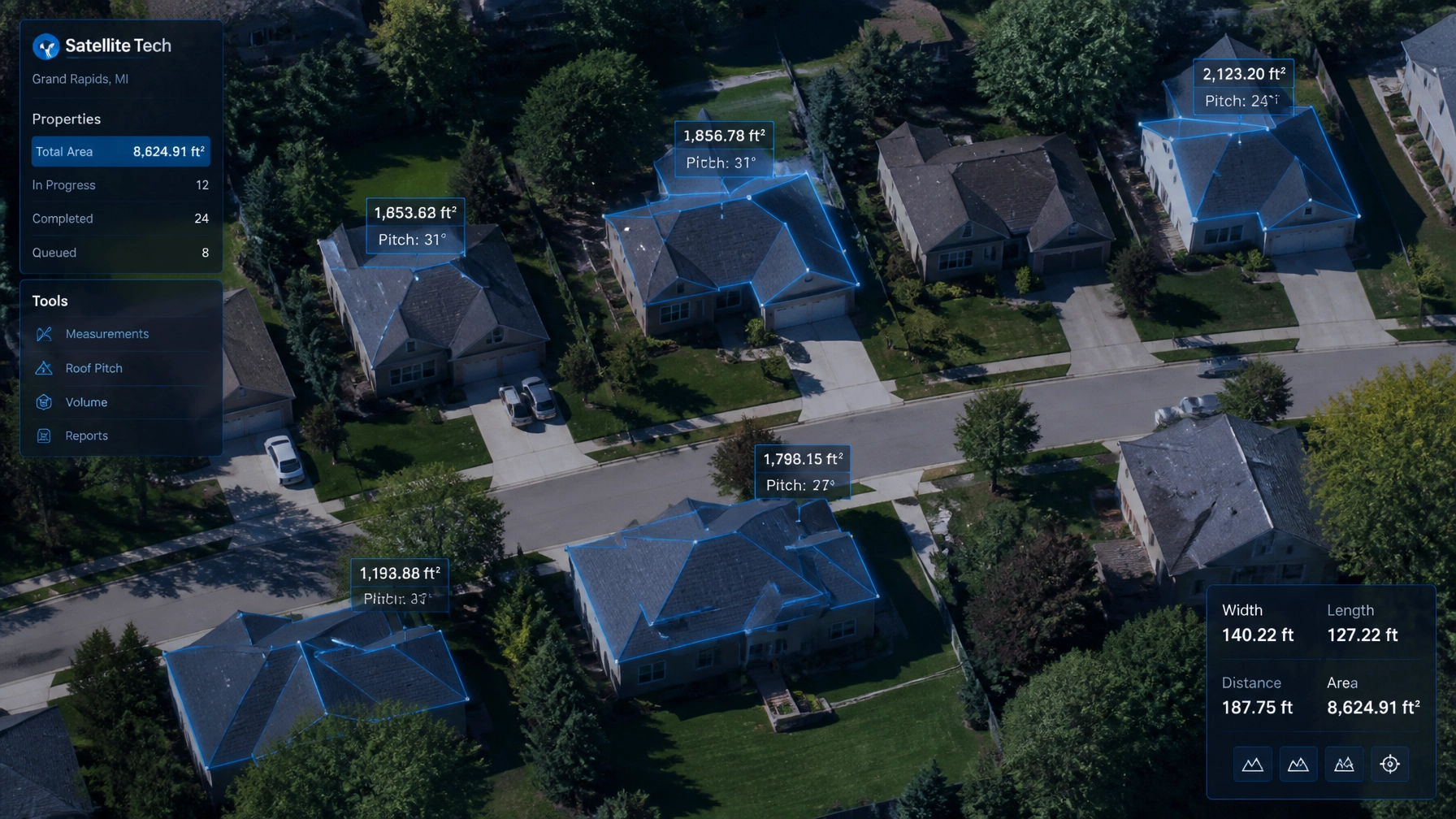
    A satellite view of a Grand Rapids residential neighborhood with digital measurement overlays and an instant roof estimate price tag.

    Grand Rapids is no longer just a stop on the way to the lake: it is a launchpad for the future of aerospace. Whether it’s Calvin University students building satellites or DornerWorks helping NASA return to the Moon, the "Furniture City" is officially looking up.

    For more insights into how technology is changing the way we maintain our homes, visit our blog.