Blog

  • Daily Tech Blitz – Slot 5: Dallas’ Satellite Tech Edge Is Bringing Big D Precision to North Texas Roofs

    Daily Tech Blitz – Slot 5: Dallas’ Satellite Tech Edge Is Bringing Big D Precision to North Texas Roofs

    Texas has always looked upward.

    From aerospace manufacturing in North Texas to launch planning in West Texas, the state is building a larger space economy. Dallas–Fort Worth is becoming an important part of that network through satellite manufacturing, advanced components, data infrastructure, and technology investment.

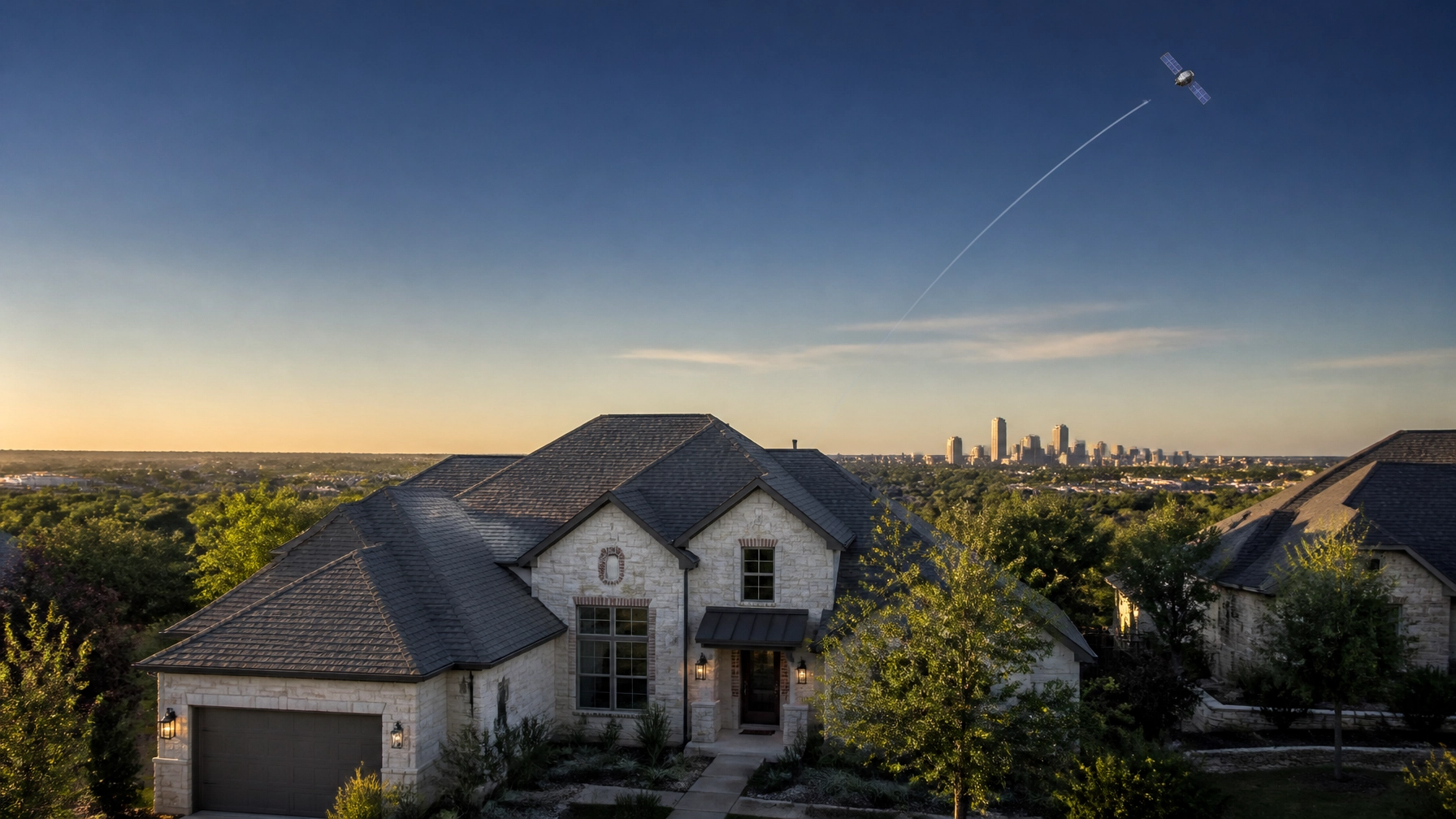
    That same satellite technology is now helping homeowners make faster roofing decisions.

    For a typical Dallas-area roof replacement in 2026, a practical planning range is approximately $9,000–$22,000. A simple asphalt-shingle roof may fall near the lower end. A large, steep, complex, or premium-material roof can move toward the upper end or higher.

    The challenge is knowing where your home fits within that range.

    Satellite-powered roof measurement provides an instant starting point based on your actual roof size, pitch, and complexity: without waiting days for multiple contractor visits.

    Dallas Is Building a Satellite Economy

    Dallas–Fort Worth is more than a business and logistics center. It is also home to a growing aerospace and technology cluster.

    According to the Dallas Regional Chamber’s 2026 innovation overview, the DFW region includes more than 900 aerospace-related companies and a broad network of advanced manufacturers, technology firms, defense contractors, and data specialists.

    Several recent developments show why North Texas is gaining attention.

    E-Space Is Bringing Satellite Manufacturing to Arlington

    Satellite communications company E-Space is developing a large manufacturing and headquarters campus at Arlington Municipal Airport.

    The project is expected to include approximately 480,000 square feet of manufacturing, office, and hangar space and create up to 2,000 jobs. The facility is planned to support the production of low-Earth-orbit communications satellites.

    That matters for Dallas because satellite technology is not only about launches. The larger ecosystem includes:

    • Satellite manufacturing
    • Electronics and components
    • Communications systems
    • Data processing
    • Testing and logistics
    • Ground equipment and network infrastructure

    This type of activity gives North Texas a growing connection to the systems that collect, process, and deliver information from above.

    Texas A&M Forest Service Is Testing FireSat Data

    Texas is also applying satellite data to emergency response.

    The Texas A&M Forest Service is participating in the Earth Fire Alliance FireSat Early Adopter Program. FireSat is designed to provide specialized satellite data for detecting and monitoring wildfires.

    The goal is earlier awareness, better risk modeling, and faster decision-making. Texas A&M Forest Service officials say the technology may help agencies spot fires sooner and improve preparedness across Texas.

    The lesson for homeowners is straightforward: satellite imagery is becoming a practical decision tool. It can help agencies monitor changing conditions over large areas. It can also help a homeowner understand the physical characteristics of a roof without starting with a time-consuming site visit.

    Texas Regulators Are Adding Satellite Ground-Motion Monitoring

    On September 3, 2026, World Oil reported that the Railroad Commission of Texas would gain access to satellite-based ground-motion data across the Permian Basin.

    The system combines interferometric synthetic aperture radar, or InSAR, with injection, pressure, infrastructure, and regulatory data. The purpose is to help regulators compare surface movement with underground injection activity.

    This is a different use case from roof measurement, but the underlying principle is similar: satellite systems can identify patterns and physical details across large areas, then convert that information into more informed action.

    For Dallas homeowners, the technology is now being applied at a much more practical level: getting a property-specific roof replacement estimate in about 60 seconds.

    Why Dallas Roof Planning Cannot Wait

    North Texas roofs face several overlapping stresses. A roof can appear acceptable from the driveway while already carrying damage or approaching the end of its useful life.

    Hail Exposure

    The Dallas–Fort Worth metroplex is widely recognized by storm and insurance risk analyses as one of the most hail-prone major metropolitan areas in the country.

    The most active hail season is generally spring, especially April through June. However, severe thunderstorms and hail can still occur in early fall. October also brings a secondary increase in severe-weather activity in some years.

    Hail can cause:

    • Bruising beneath shingle surfaces
    • Cracked or missing shingles
    • Damaged vents and flashing
    • Granule loss
    • Leaks that appear weeks or months later

    Heat and UV Stress

    Early September in Dallas can still bring temperatures in the upper 80s and low 90s. Repeated exposure to heat and ultraviolet radiation accelerates aging in shingles, sealants, underlayment, and flashing.

    Daily expansion and nighttime contraction also place stress on roofing materials and fasteners.

    Severe Thunderstorms and Wind

    The National Weather Service Dallas/Fort Worth office tracks a climate defined by thunderstorms, heavy rain, damaging winds, and occasional tornado activity.

    Even when hail is not present, wind can lift shingles or expose weak edges. Heavy rain then tests every flashing detail, valley, pipe boot, and roof-to-wall connection.

    September is a useful planning month because it falls between the primary spring storm season and the typical fall increase in severe weather. Addressing known problems now can reduce the chance of emergency work later.

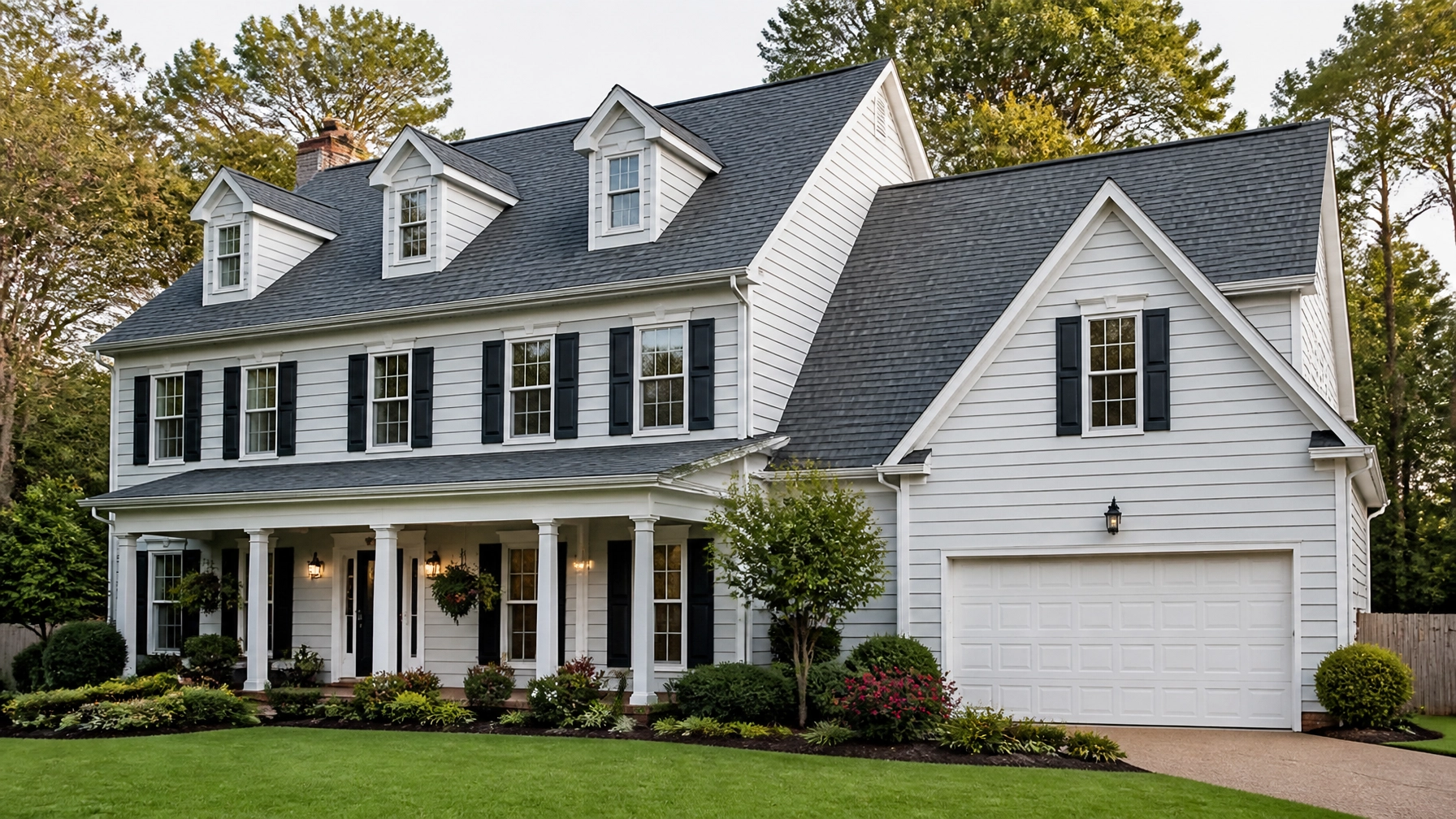
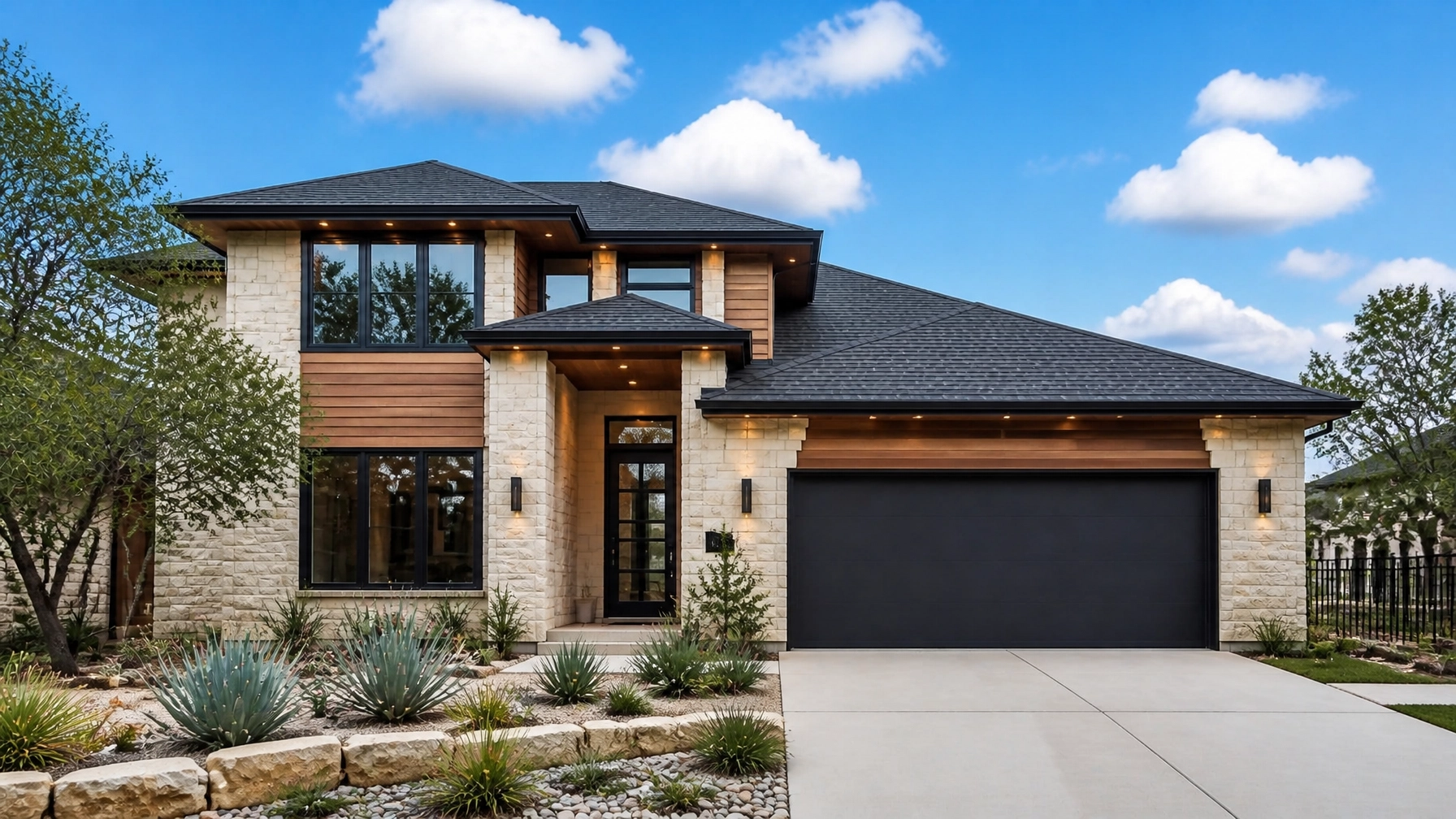
    New impact-resistant architectural shingle roof on a Dallas-area ranch home

    Dallas Roof Replacement Costs: Low, Middle, and High

    The final price depends on roof area, pitch, material, complexity, tear-off requirements, local labor, and the condition of the decking.

    For a typical Dallas-area home, use these 2026 planning categories:

    • Budget: $9,000–$12,000
      A simpler roof using basic or entry-level asphalt shingles.

    • Popular: $12,000–$18,000
      Architectural shingles on a typical 2,000- to 2,500-square-foot roof.

    • Premium: $18,000–$22,000+
      Larger or more complex roofs, upgraded impact resistance, metal roofing, or additional structural and ventilation work.

    Metal, tile, synthetic, and specialty roofing systems may exceed these ranges.

    Your estimate should account for:

    • Roof squares, with one square equal to 100 square feet
    • Roof pitch and accessibility
    • Valleys, dormers, skylights, and penetrations
    • Old roof removal
    • Underlayment and ice or water protection where applicable
    • Flashing and pipe boots
    • Ventilation
    • Damaged decking
    • Disposal and permit requirements
    • Dallas-area labor and material pricing

    The Best Roof for Home Value Is the Right Roof for the Property

    A replacement roof can influence more than immediate protection. It can affect buyer confidence, listing photos, inspection results, and negotiation pressure.

    Homeowners researching new roof ROI home value should separate two ideas:

    1. Direct resale recovery: The portion of the project cost reflected in the eventual sale price.
    2. Risk reduction: The value of avoiding leaks, inspection objections, emergency repairs, and buyer-requested credits.

    A new roof may support roof replacement resale value when the existing roof is visibly worn, near the end of its service life, or likely to become an inspection issue.

    It can also improve roof curb appeal home value. The roof is one of the largest visible surfaces on a home, especially from the street and in listing photographs.

    The best roof for home value is not always the most expensive material. For many Dallas homes, quality architectural shingles provide a strong balance of:

    • Appearance
    • Cost
    • Availability
    • Storm performance
    • Warranty coverage
    • Neighborhood compatibility

    A Class 4 impact-resistant shingle or metal system may make sense for some homeowners, especially when long-term ownership and storm exposure are priorities. Compare the added cost with the expected service life, insurance options, and resale plans.

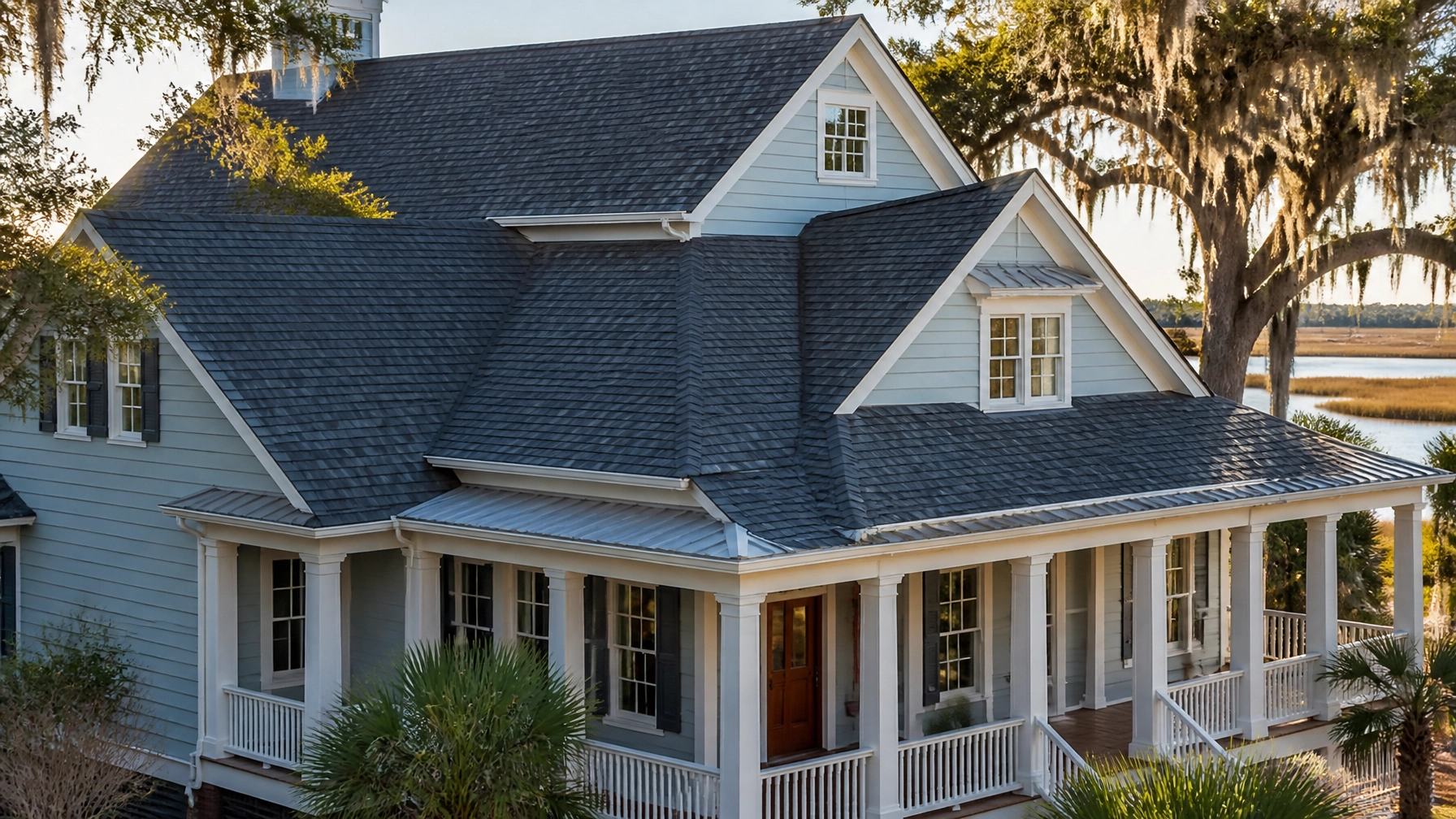
    Dallas-area brick colonial home with a new dark standing-seam metal roof

    How a Satellite Roof Estimate Works

    A satellite roof estimate is designed to give you a fast, property-specific planning number.

    1. Enter your address

    Start with your Dallas-area property address. No contractor visit is needed upfront.

    2. The system analyzes the roof

    Satellite imagery is used to identify the roof footprint and measure key characteristics, including:

    • Roof area
    • Roof planes
    • Pitch
    • Valleys
    • Complexity
    • Likely material requirements

    The roof is measured in squares, which helps translate the roof’s actual size into material and labor calculations.

    3. Local costs are applied

    The estimate considers regional pricing differences and material categories such as:

    • Architectural shingles (Popular)
    • Metal roofing (Premium)
    • Synthetic roofing
    • Roof coatings and other options

    4. You receive a low-middle-high range

    Instead of presenting one misleading number, the estimate provides a practical range. This helps you budget before requesting detailed contractor proposals.

    Satellite estimates are highly useful for planning, but they are not a substitute for a final contractor inspection. Hidden decking damage, attic ventilation problems, structural repairs, and installation conditions may change the final proposal.

    Aerial satellite-style roof measurement view of a North Texas home with subtle measurement lines

    Get a Dallas Roof Estimate in 60 Seconds

    Technology should make the first step easier: not more complicated.

    Use the Dallas roof estimate tool to receive a free, property-specific estimate based on satellite imagery.

    You can also compare general material and size scenarios with the roof cost calculator.

    There is:

    • No cost
    • No credit card requirement
    • No contractor visit needed upfront
    • No hidden fees
    • No pressure to proceed

    For a broader overview, visit Get My Roof Estimate Now.

    Final Takeaway

    Dallas is becoming a center for satellite manufacturing, advanced data, and space-related infrastructure. That technology is also changing how homeowners plan major property projects.

    With North Texas heat, hail exposure, high winds, and severe thunderstorms, waiting until a leak appears is rarely the best strategy.

    Use satellite measurement to establish a fast, accurate starting point. Then compare materials, review the roof’s condition, and get detailed proposals from qualified local contractors.

    A stronger roof replacement ROI begins with better information; and in Dallas, that information can arrive from above in under 60 seconds.

    Sources

  • Daily ROI Blitz – Slot 3: Lansing, MI New Roof ROI : What a Replacement Adds to Your Home Value in 2026

    Daily ROI Blitz – Slot 3: Lansing, MI New Roof ROI : What a Replacement Adds to Your Home Value in 2026

    A new roof in Lansing can cost roughly $9,500–$20,000 for a typical 2,000-square-foot architectural shingle roof in 2026. Regional Cost vs. Value-style benchmarks suggest homeowners may recover approximately 69%–75% of an asphalt roof replacement cost at resale in the East North Central region, which includes Michigan.

    That makes a new roof one of the more practical exterior improvements: but the return is not only the final sale price. A replacement can also reduce buyer concessions, prevent inspection delays, improve curb appeal, and help a home qualify for insurance and mortgage underwriting.

    Lansing’s 2026 Housing Market Makes Presentation Matter

    Lansing remains one of Michigan’s more affordable housing markets, but prices are still moving upward.

    According to Redfin’s Lansing housing data, the city’s median sale price was approximately $149,910–$150,000 in mid-2026, with broader three-month data showing roughly 5.1%–5.2% year-over-year growth. Homes are typically taking about 33–39 days to sell.

    Inventory varies by source and reporting window, but market snapshots show several hundred active listings: roughly 550–720 in broader views. That creates a competitive environment where clean, well-maintained homes attract attention while visibly worn roofs stand out immediately.

    Greater Lansing values vary considerably:

    • Lansing proper: Often mid-$100,000s to low-$200,000s
    • East Lansing: Single-family medians near $330,000, with Glencairn neighborhoods near $395,000
    • Okemos: Approximately $387,000 in many market snapshots
    • Haslett: Roughly $267,000–$335,000, depending on ZIP code
    • DeWitt: Around $385,000

    The correct roof investment depends on the home’s price point. A quality architectural shingle roof is usually the strongest value choice for typical Lansing resale. Standing-seam metal can make sense for higher-end homes or owners planning to stay for decades.

    Lansing Michigan ranch home with a new architectural shingle roof

    2026 Lansing Roof Replacement Costs

    Roofers price roofing by the square. One roofing square equals 100 square feet of roof area.

    For Lansing planning purposes:

    Roof system Typical 2026 planning range Best fit
    3-tab asphalt shingles Budget option Lowest upfront cost
    Architectural shingles $4.75–$10.00 per sq. ft. Most Lansing resale situations
    Architectural roof, 2,000 sq. ft. $9,500–$20,000 Typical single-family replacement
    Standing-seam metal $24,000–$45,000 Premium homes and long-term ownership

    Your final cost depends on more than roof size. Major cost drivers include:

    • Roof pitch and safety requirements
    • Tear-off and disposal of old roofing
    • Damaged or rotted decking
    • Valleys, dormers, skylights, and chimneys
    • Flashing and penetrations
    • Ice-and-water protection
    • Attic ventilation upgrades
    • Permit and inspection requirements

    For a quick baseline, note that many local replacement projects fall around $7,000–$19,000, with architectural shingle projects commonly near $12,000. The low-middle-high ranges are available through the free instant estimate tool linked later in the article.

    Worked 2026 Roof Replacement ROI Examples

    National asphalt roofing benchmarks commonly show approximately 57%–68% cost recovery. East North Central regional figures are stronger, reaching approximately 69%–75%. Metal roofing often produces a lower resale percentage: approximately 48%–65%: because its upfront cost is much higher.

    Project Project cost Planning ROI benchmark Estimated value recovered
    Architectural shingles $13,000 69% East North Central $8,970
    Architectural shingles $16,000 75% East North Central $12,000
    Standing-seam metal $30,000 60% planning figure $18,000

    These are benchmarks, not guarantees. The actual result depends on neighborhood pricing, roof condition, installation quality, buyer demand, and whether the roof solves a major objection.

    The central point is simple: architectural shingles usually deliver the better percentage ROI, while metal delivers more long-term durability.

    New Roof ROI Includes More Than Added Sale Price

    A worn roof can cost you value even when a buyer does not ask for a full replacement.

    1. Fewer buyer concessions

    A buyer who sees an aging roof may request a repair credit or price reduction. In Lansing, concessions can reasonably reach $6,000–$15,000 or more, especially when the roof is near the end of its service life.

    A documented replacement can preserve more of your asking price and reduce negotiation pressure.

    2. Fewer inspection objections

    Inspectors look for:

    • Curling, cracked, or missing shingles
    • Exposed fasteners
    • Damaged flashing
    • Granule loss
    • Sagging roof areas
    • Moisture stains in the attic
    • Poor ventilation
    • Evidence of ice-dam leakage

    A new roof does not guarantee a clean inspection, but it removes one of the largest exterior concerns.

    3. Fewer FHA and VA complications

    Older or visibly damaged roofs can trigger repair requirements during FHA or VA transactions. If the roof has limited remaining life or active damage, the buyer may need repairs before closing.

    Replacing before listing can help keep financing on schedule.

    4. Better insurance positioning

    Some Michigan insurers are cautious about older shingle roofs. A newer, documented roof may make underwriting easier, particularly when it includes impact-resistant materials and modern water-shedding details.

    Class 4 impact-resistant shingles may qualify for insurance discounts of roughly 7%–35%, depending on the carrier, policy, and documentation. The discount typically applies to part of the premium: not necessarily the entire policy. Ask your insurer for written confirmation.

    Also review your wind and hail deductible. Many Michigan policies carry a separate deductible of 1% or more of dwelling coverage, and a new roof does not automatically eliminate it.

    Michigan SB 1130, introduced during the 2025–2026 legislative session, would require insurers to offer a FORTIFIED roof endorsement on policies issued or renewed after December 31, 2027. It is pending legislation, not current law.

    Premium standing-seam metal roof on a modern Michigan home

    Lansing’s Freeze-Thaw Climate Changes the ROI Calculation

    Lansing roofs face repeated freeze-thaw stress. Local roofing sources commonly report approximately 90–120 freeze-thaw days per year, with multiple temperature swings during the winter season.

    Ice dams form when attic heat melts snow on the upper roof. The water runs toward colder eaves, refreezes, and backs up beneath shingles.

    For Lansing homes, a new roof should include:

    • Ice-and-water shield at vulnerable eaves and valleys
    • Balanced attic intake and exhaust ventilation
    • Proper ridge venting
    • Correct flashing installation
    • Adequate insulation to reduce attic heat loss

    In this environment, architectural shingles commonly provide approximately 18–26 years of practical service, while standing-seam metal can last approximately 40–70 years when properly installed and maintained.

    A roof replacement with strong documentation, proper ventilation, and ice-dam protection is a genuine selling point after a harsh Michigan winter.

    2026 Lansing Storm Damage: Inspect Before You List

    The Lansing area experienced notable severe weather on March 6, 2026, including approximately 1-inch, quarter-size hail reports and severe thunderstorm warnings. Hail and high-wind events were also reported during 2025, including July 24 and May 15.

    Review HailTrace storm mapping and local National Weather Service records when evaluating recent exposure.

    After a storm, check for:

    • Loose granules in gutters and downspouts
    • Dents in vents, flashing, and metal edging
    • Bruised or soft shingle areas
    • Missing or lifted shingles
    • Damaged gutters and siding
    • Attic moisture or ceiling stains

    Have questionable damage documented before making a replacement decision. Storm damage and normal aging are treated differently by insurance policies.

    Lansing Permit Requirements in 2026

    The City of Lansing requires a building permit for a full tear-off and re-roof. The city’s 2026 building permit fee schedule lists:

    • Tear off and re-roof, single-family residential: $130
    • Plan review may apply based on project valuation
    • Online applications may involve an additional application fee

    Minor repairs involving less than approximately 25% of the roof area may qualify as maintenance, but homeowners should confirm the classification before work begins.

    Use the City of Lansing permits page or contact the Lansing permit and plan review office. Keep the final permit and inspection records for your buyer.

    How to Maximize Roof Replacement Resale Value

    Use this checklist before selecting materials:

    1. Choose a neutral color that complements siding, brick, and trim.
    2. Match the roof style to the neighborhood and home price point.
    3. Favor architectural shingles for most Lansing resale projects.
    4. Consider Class 4 shingles after confirming the insurance savings.
    5. Prioritize ice-and-water protection and balanced ventilation.
    6. Replace an 18-plus-year-old roof before listing if it has storm exposure or visible wear.
    7. Keep invoices, permits, product details, warranty paperwork, and completion photos.
    8. Request low-middle-high estimates before approving the work.

    A dark gray, weathered wood, or brown architectural shingle usually offers broad buyer appeal. Metal can be appropriate for a higher-end East Lansing, Okemos, or DeWitt property, but its premium should fit the home’s architecture and surrounding market.

    Cold-climate Michigan roof with clean eaves and balanced ridge ventilation

    FAQ: Lansing Roof Replacement ROI in 2026

    Does a new roof increase home value in Lansing?

    Yes. A new roof can increase resale value directly and indirectly by improving curb appeal, reducing inspection concerns, limiting buyer credits, and helping with insurance and mortgage underwriting. East North Central asphalt roofing benchmarks suggest approximately 69%–75% cost recovery, although results vary by property.

    What is the average roof replacement ROI in 2026?

    National asphalt roof replacement benchmarks generally range from 57%–68%, while East North Central regional figures reach approximately 69%–75%. Metal roofing commonly recovers about 48%–65% of its higher installation cost.

    Is metal the best roof for home value?

    Usually not for short-term resale. Architectural shingles typically provide a stronger percentage return. Metal may be the better long-term ownership choice because it can last 40–70 years and offers premium durability.

    Do I need a Lansing permit for a roof replacement?

    Yes. The City of Lansing requires a permit for a full tear-off and re-roof. Confirm whether a smaller repair qualifies as maintenance before work starts.

    Can a new roof lower Michigan insurance premiums?

    Possibly. Class 4 impact-resistant shingles may qualify for a carrier-specific discount, often around 7%–35% on an eligible portion of the policy. Request written confirmation from your insurer, and remember that a premium discount usually does not reduce your separate wind or hail deductible.

    Get Your Lansing Roof ROI Estimate in 60 Seconds

    Before you list your home: or commit to a major roofing project: get a property-specific starting point.

    Get My Roof Estimate Now uses satellite imagery to measure your roof and provide an instant estimate in about 60 seconds. The service is free, requires no credit card, shows low-middle-high pricing ranges, and can connect you with verified local contractors.

    You can also use the 2026 roof cost calculator to compare materials, roof sizes, pitches, and tear-off costs.
  • Daily Weather Blitz – Slot 2: Greensboro, NC : September 3, 2026: A Heat Wave Peak With Near-105°F Heat Indices, a Weekend Severe Storm Threat & What a Piedmont Triad September Scorcher Does to Your Roof

    Daily Weather Blitz – Slot 2: Greensboro, NC : September 3, 2026: A Heat Wave Peak With Near-105°F Heat Indices, a Weekend Severe Storm Threat & What a Piedmont Triad September Scorcher Does to Your Roof

    Greensboro is facing the peak of a dangerous September heat wave today. Highs are expected to reach the low-to-upper 90s, with humidity pushing heat-index readings close to 105°F. Thursday should remain mostly dry, but scattered thunderstorms may develop after 2 p.m., with about a 40% chance of rain.

    The weather pattern becomes more concerning Friday into Saturday. Scattered storms could produce damaging wind gusts, heavy downpours, lightning, and isolated hail before temperatures ease for the Labor Day weekend.

    For Piedmont Triad homeowners, this combination matters. Extreme heat stresses aging roofing materials, while the storms that follow can expose weak shingles, loose flashing, blocked gutters, and poor attic ventilation.

    Here is what Greensboro homeowners should know and what to check before the next storm.

    Greensboro Weather Snapshot: September 3 Through Labor Day

    The latest reports from WXII12, WBTV, and the National Weather Service Raleigh office point to this general pattern:

    • Thursday, September 3: Highs around 93–99°F with heat indices near 100–105°F.
    • Thursday afternoon: Mostly dry overall, but scattered storms may develop after 2 p.m.
    • Friday: Another hot, humid day with a growing chance of strong thunderstorms.
    • Saturday: The last day of extreme heat, followed by a higher storm threat late afternoon into evening.
    • Storm hazards: Damaging winds, heavy rain, frequent lightning, and hail in the strongest cells.
    • Sunday and Labor Day: Cooler temperatures near the mid-80s with lower humidity, although spotty storms may remain possible.

    Stay off the roof during extreme heat or thunderstorms. If you hear thunder, move indoors. Roof inspections can wait until conditions are safe.

    How Extreme Heat Damages a Greensboro Roof

    A roof does not need to leak to be deteriorating. Repeated summer heat can weaken the entire roofing system over time.

    1. UV exposure breaks down shingles

    Ultraviolet radiation gradually dries asphalt and reduces flexibility. Older shingles may begin to:

    • Curl at the edges
    • Crack around fasteners
    • Lose their protective surface granules
    • Become brittle and easier to lift in wind

    Granules protect the asphalt layer from sunlight. When they wash into gutters or collect near downspouts, it can indicate accelerated wear.

    2. Thermal cycling creates movement

    A roof can become significantly hotter than the outdoor air during direct sunlight. It then cools quickly after sunset, cloud cover, or a thunderstorm.

    This repeated expansion and contraction: known as thermal cycling: puts stress on:

    • Shingle seals
    • Flashing joints
    • Pipe boots
    • Ridge caps
    • Underlayment seams
    • Roof-deck connections

    A roof that looks acceptable from the ground may still have weak seals or aging components.

    3. Poor ventilation traps attic heat

    A hot attic can keep the underside of the roof deck warm long after the sun goes down. Excess heat and moisture can contribute to premature shingle aging, wood deterioration, and higher air-conditioning demand.

    A balanced ventilation system typically combines:

    • Soffit vents for intake
    • Ridge or other high exhaust vents
    • Clear airflow channels through the insulation
    • Proper net-free ventilation area for the attic

    Adding an exhaust vent without adequate intake can create an imbalanced system. Ask a roofing professional to calculate the required ventilation rather than guessing.

    Real Greensboro-area ranch home with architectural shingles, flashing, gutters, and clean rooflines

    What Makes a Roof Storm-Ready in the Piedmont Triad?

    A storm-ready roof is more than a set of new shingles. The installation details determine how well the roof handles wind-driven rain and sudden gusts.

    Impact-resistant shingles (Class 3 or Class 4)

    Class 3 and Class 4 impact-resistant shingles are designed to withstand more severe impact testing than standard products. Class 4 is the highest common impact-resistance classification.

    These shingles may be worth considering if your home has experienced hail or if you want an added layer of protection. They are not hailproof, and impact resistance does not replace proper wind ratings or installation.

    Before choosing them, ask:

    • Does the product also meet the required wind rating?
    • Is it compatible with the manufacturer’s full roofing system?
    • Does your insurance company offer a qualifying discount?
    • Is the upgrade appropriate for your roof’s age and condition?

    Wind-rated nailing

    Even high-quality shingles can fail when they are installed incorrectly. Your contractor should follow the manufacturer’s approved nailing pattern and local code requirements.

    Important details include:

    • Correct nail placement
    • Adequate nails per shingle
    • Proper starter strips at eaves and rakes
    • Secure ridge-cap installation
    • Reinforced perimeter areas where wind uplift begins

    Ask for the shingle manufacturer’s installation instructions and confirm that the crew will follow them.

    Sealed deck and underlayment

    Shingles are the visible layer, but underlayment is the secondary water barrier underneath. A storm-ready assembly should include appropriate protection at:

    • Eaves
    • Valleys
    • Roof penetrations
    • Rakes and edges
    • Areas around chimneys and walls

    For a replacement, ask whether the contractor will inspect the roof deck, replace soft or damaged wood, and install new underlayment rather than covering problems.

    Flashing inspections

    Flashing is installed around chimneys, sidewalls, skylights, vents, and roof transitions. These locations are common leak points after wind and heavy rain.

    Look for:

    • Rusted metal
    • Gaps or lifted sections
    • Cracked sealant
    • Damaged pipe boots
    • Water stains in the attic
    • Loose flashing after a storm

    Flashing that is removed during a replacement should generally be replaced or properly reinstalled according to current requirements. Do not assume old flashing is still reliable.

    Gutters and downspouts

    Heavy rain can overwhelm gutters that are clogged with leaves, shingle granules, or branches. Before the storm threat increases:

    • Clear leaves and debris
    • Confirm downspouts are open
    • Check that water discharges away from the foundation
    • Tighten loose gutter sections
    • Look for overflow stains below the eaves
    • Trim branches that touch or overhang the roof

    Modern Greensboro residential roofing project with architectural shingles, metal accents, and storm clouds after summer rain

    Greensboro Roof Replacement Costs in 2026

    In Greensboro, most homeowners pay approximately $10,500–$17,500 for an architectural shingle replacement in 2026. A common installed range is about $400–$650 per roofing square.

    One roofing square equals 100 square feet of roof surface.

    A “2,000-square-foot home” does not always have a 2,000-square-foot roof. Roof pitch, overhangs, valleys, dormers, and waste can bring the measured roof area closer to 20–24 squares.

    Tier Best for Typical 2026 range for a 2,000 sq. ft. home
    Budget Basic asphalt shingles and simpler roof shapes $8,500–$11,500
    Most Popular Architectural shingles with full tear-off and standard upgrades $10,500–$17,500
    Premium Designer or Class 3/4 impact-resistant shingles, enhanced flashing and ventilation $14,500–$22,000+

    Your final price depends on the actual roof measurement, pitch, complexity, tear-off requirements, deck repairs, ventilation, permits, and local labor availability.

    For a quick planning number, use the Get My Roof Estimate Now roof cost calculator. For a property-specific measurement, the satellite estimate is more useful than relying on the home’s interior square footage.

    Greensboro Pre-Storm Roof Checklist

    Complete these tasks only from the ground unless a qualified professional performs the inspection:

    • Check for missing, cracked, or visibly lifted shingles.
    • Look for loose metal around vents and chimneys.
    • Clear gutters and downspouts.
    • Remove branches resting on the roof.
    • Check the attic for stains, damp insulation, or daylight.
    • Confirm soffit and ridge vents are not blocked.
    • Photograph existing roof conditions for your records.
    • Secure patio furniture and outdoor objects that could become airborne.

    Do not climb onto a hot, wet, or steep roof. A professional inspection is safer and more complete.

    Post-Storm Roof Checklist

    After the weather clears, inspect from the ground and inside the attic. Contact a licensed contractor if you notice:

    • Missing shingles or exposed underlayment
    • New ceiling or wall stains
    • Granules scattered around the home
    • Bent or detached flashing
    • Damaged gutters or downspouts
    • Fallen branches or punctures
    • Water entering the attic
    • A sagging section of roof

    Take clear photographs, prevent additional interior water damage if possible, and contact your insurance carrier promptly if you believe the roof sustained storm damage. Avoid signing contracts with anyone pressuring you to decide immediately after a storm.

    Oblique satellite-style view of a Greensboro ranch home showing roof planes, valleys, ventilation layout, and clean gutters

    Get a Free Greensboro Roof Estimate in 60 Seconds

    If your roof is 15–30 years old, showing granule loss, or has taken repeated storm exposure, now is a practical time to understand your replacement budget.

    Get My Roof Estimate Now uses satellite imagery to measure your roof’s size, pitch, and complexity. You receive a free low-to-high replacement range in about 60 seconds: with no credit card and no contractor visit required upfront.

    The estimate is typically 90–95% accurate for planning and can help you compare architectural shingles, metal, synthetic roofing, and other options before speaking with a verified local contractor.

    A heat wave followed by severe storms is a reminder that roofing problems rarely improve on their own. Start with accurate information, then schedule an in-person inspection when conditions are safe.

    Sources

    Frequently Asked Questions

    Can extreme heat damage an asphalt shingle roof?

    Yes. Long periods of heat and UV exposure can accelerate granule loss, drying, cracking, curling, and seal failure, especially on older shingles or roofs with poor attic ventilation.

    Are Class 4 shingles worth considering in Greensboro?

    They may be worth considering for homeowners concerned about hail and severe storms. Ask about the product’s wind rating, installation requirements, warranty, and possible insurance discount before upgrading.

    How much does a new roof cost in Greensboro in 2026?

    Most architectural shingle replacements cost approximately $10,500–$17,500. Installed pricing commonly falls near $400–$650 per roofing square, but roof size, pitch, complexity, tear-off, and repairs affect the final total.

    How accurate is an instant satellite roof estimate?

    Get My Roof Estimate Now’s satellite-powered measurements are generally 90–95% accurate for planning. An in-person contractor inspection is still recommended before finalizing a replacement contract because satellites cannot see concealed deck damage or every flashing condition.

  • Daily ROI Blitz – Slot 5: San Antonio, TX New Roof ROI : How a Replacement Adds Value in a Hail-Prone Market in 2026

    Daily ROI Blitz – Slot 5: San Antonio, TX New Roof ROI : How a Replacement Adds Value in a Hail-Prone Market in 2026

    For San Antonio homeowners, a new roof is both a protection upgrade and a resale decision. In 2026, a typical 2,000-square-foot architectural shingle replacement costs approximately $12,000–$19,000. Class 4 impact-resistant shingles cost more, while standing-seam metal commonly runs $18,500–$45,000 or more.

    National Cost vs. Value data provides a useful benchmark: asphalt roofing projects recaptured approximately 68% of their cost in the 2025 report. Metal roofing generally recaptured about 48%–55%. These are benchmarks, not guarantees, but they help homeowners estimate potential new roof ROI and home value.

    In San Antonio’s hail-prone market, the return also includes fewer inspection concerns, stronger curb appeal, possible insurance benefits, and reduced risk of emergency repairs.

    San Antonio Housing Market Context for 2026

    San Antonio remains one of the more affordable major metro areas in Texas. That affordability continues to attract families, first-time buyers, military households, and homeowners relocating from more expensive markets.

    Current 2026 housing benchmarks vary by source and methodology:

    San Antonio 2026 benchmark Working figure Why it matters
    Zillow typical home value Approximately $249,700 Useful planning anchor for overall home value
    Redfin and Resideline sold-price range Approximately $266,000–$272,000 Reflects recent sales activity using different reporting methods
    Typical architectural roof $12,000–$19,000 Common replacement range for a 2,000-square-foot home
    Standing-seam metal roof $18,500–$45,000+ Premium option with higher initial cost
    Market condition Competitive but more balanced Increased inventory gives buyers more choice

    Pricing varies considerably between neighborhoods. Alamo Heights, Stone Oak, Helotes, Alamo Ranch, and The Dominion typically command different price points from the citywide average because of location, lot size, schools, amenities, and housing quality.

    For local reference, homeowners may see roof and resale expectations vary across:

    • 78209: Alamo Heights and nearby central neighborhoods
    • 78258: Stone Oak
    • 78230: Northwest San Antonio
    • 78249 and 78254: Northwest and Alamo Ranch-area markets
    • 78255: Helotes-area properties and the northwestern Hill Country corridor

    A new roof should be evaluated against nearby comparable homes, not just the citywide median.

    San Antonio Roof Replacement Costs in 2026

    For a typical 2,000-square-foot roof, practical planning ranges are:

    • Architectural shingles (Popular): $12,000–$19,000
    • Class 4 impact-resistant shingles (Storm-resistant): approximately $13,000–$22,000
    • Standing-seam metal (Premium): $18,500–$45,000+

    The final price depends on the roof’s actual surface area: not the home’s interior square footage. Roofing contractors measure in squares, with one square equal to 100 square feet of roofing.

    Your quote may also change based on:

    • Roof pitch and worker access
    • Valleys, dormers, skylights, and roof penetrations
    • Number of existing layers
    • Tear-off and disposal
    • Damaged decking
    • Underlayment and ventilation
    • Flashing and pipe boots
    • Material brand and warranty
    • Permit and inspection requirements
    • Local labor availability

    Use the roof cost calculator for a general planning range, or get a property-specific free roof replacement estimate based on satellite measurements.

    New dimensional architectural shingle roof on a Texas-style Stone Oak home with stucco, limestone, and live oak landscaping

    How Much ROI Can a New Roof Provide?

    Roof replacement ROI has two parts: direct resale recovery and indirect market value.

    Direct cost recovery

    Suppose a San Antonio homeowner pays $15,000 for an architectural shingle replacement.

    Using the national 68% Cost vs. Value benchmark:

    • Project cost: $15,000
    • Estimated direct value recaptured: $10,200
    • Benchmark amount not directly recaptured: $4,800

    That does not mean the remaining $4,800 disappears. The homeowner receives years of weather protection and may avoid repair expenses while living in the property.

    A new roof can also reduce the risk of:

    • Buyer-requested repair credits
    • Price reductions during negotiations
    • Delayed closings
    • Failed inspections
    • Interior water damage
    • Mold and moisture problems
    • Emergency repair bills

    Metal roof ROI

    Standing-seam metal can deliver exceptional durability, but its higher upfront cost may produce a lower percentage return at resale.

    For example:

    • Metal roof cost: $30,000
    • 48% benchmark recovery: $14,400
    • 55% benchmark recovery: $16,500

    Metal may still make financial sense for homeowners planning to stay for decades, especially when durability, hail performance, energy efficiency, and reduced maintenance are priorities.

    The best roof for home value is usually the material that fits the neighborhood, property, climate, and expected ownership period: not automatically the most expensive option.

    Why Hail Changes the ROI Calculation

    San Antonio and Bexar County face recurring severe weather. Recent-decade data indicates approximately 4.4 severe hail days per year, with the primary risk period occurring from March through May.

    Notable recent events include:

    • April 2024: Golf-ball-size hail was reported around Leon Valley and Inspiration Hills.
    • March 31, 2025: Hail approaching 1.5 inches was reported near SeaWorld, Leon Valley, and Lackland.
    • May 24, 2026: Hail-producing storms again highlighted the need for spring roof inspections in the San Antonio area.

    Hail damage is not always obvious from the ground. Impacts may loosen granules, fracture shingle mats, damage flashing, or create future leak points.

    That is why Class 4 impact-resistant shingles are receiving more attention from San Antonio homeowners. They generally cost more than standard architectural shingles, but they may:

    • Improve impact resistance
    • Reduce the frequency of storm-related repairs
    • Support insurance savings with qualifying carriers
    • Make the home more attractive to risk-conscious buyers
    • Provide stronger documentation for future resale

    Insurance discounts are policy-specific. Confirm eligibility, required documentation, and savings directly with your insurance carrier before using a discount in your ROI calculation.

    Roof Curb Appeal and Neighborhood Expectations

    A roof is one of the largest visible surfaces on a home. That makes roof curb appeal and home value closely connected, particularly in well-maintained neighborhoods.

    Alamo Heights : 78209

    Alamo Heights includes established homes with mature landscaping and strong architectural identity. Dimensional shingles in charcoal, weathered wood, or blended brown can update the home without overwhelming its original character.

    Stone Oak : 78258

    Stone Oak has newer suburban homes, larger rooflines, and strong buyer expectations. A clean architectural shingle roof can help the property compete with nearby listings. Class 4 shingles may be worth considering because of the area’s exposure to spring hail.

    Northwest San Antonio : 78230

    In 78230, roof condition can influence buyer confidence, especially when homes have aging shingles or visible storm wear. A replacement can improve listing photos and reduce questions during inspection.

    Alamo Ranch area : 78249 and 78254

    Homeowners near the Alamo Ranch corridor often compete with newer construction. A roof that looks worn next to recently built homes may create a negative first impression. Neutral colors and a complete roofing system — not just upgraded shingles — usually provide the broadest buyer appeal.

    Helotes area : 78255

    Helotes-area properties often feature larger lots, mature trees, and Hill Country-style exteriors. Standing-seam metal can complement certain upscale or modern homes, while architectural shingles may offer a stronger percentage ROI for typical resale projects.

    New standing-seam metal roof on an upscale San Antonio-area home near Helotes with limestone, stucco, and Hill Country landscaping

    San Antonio Re-Roof Permits and Inspections

    The City of San Antonio requires a residential re-roof permit through BuildSA and Development Services.

    For a standard replacement, homeowners should plan for:

    • A residential re-roof permit
    • A registered roofing contractor
    • Permit and processing costs commonly in the $150–$300 range
    • Required inspections
    • A final inspection after installation

    Fees can vary according to project valuation, scope, and processing requirements. Confirm the current amount inside BuildSA before work begins.

    An engineer’s assessment may be required when:

    • Changing the roof pitch
    • Changing to a substantially different roofing material
    • Making structural framing changes
    • Installing a heavier material such as tile

    A pitch change may also require full plan review. The final inspection confirms that the completed work matches the approved scope and applicable code requirements.

    Do not assume a contractor has handled the permit correctly. Ask for:

    • Registration information
    • Proof of insurance
    • Permit number
    • Written scope of work
    • Inspection schedule
    • Final inspection confirmation

    How to Maximize Your Roof Replacement ROI

    1. Measure before collecting quotes. Satellite-based measurements can provide roof size, pitch, and complexity data in under 60 seconds. Get a reliable baseline before comparing contractor proposals.

    2. Choose materials that fit the neighborhood. A premium metal roof may be appropriate for a high-end property, but architectural shingles often provide stronger percentage ROI on a typical suburban home.

    3. Consider Class 4 shingles in hail-exposed areas. Compare the additional cost with potential insurance savings and your expected ownership period.

    4. Improve the full roofing system. Ask about underlayment, ventilation, flashing, pipe boots, and decking: not only the visible shingles.

    5. Use broad-appeal colors. Charcoal, weathered wood, slate gray, and balanced brown blends typically complement Texas stucco, limestone, brick, and siding.

    6. Keep every project record. Save the invoice, warranty, material details, permit, final inspection, and installation photos.

    7. Replace before listing when the roof is a clear concern. If the roof is 15–20 years old, visibly worn, or likely to be flagged by an inspector, replacing it may prevent larger buyer concessions later.

    San Antonio homeowner reviewing a satellite roof measurement and replacement estimate on a tablet outside a home with a new roof

    Frequently Asked Questions

    Does a new roof increase home value in San Antonio?

    It can. A new roof may improve resale value, buyer confidence, inspection results, and curb appeal. National data suggests approximately 68% direct cost recovery for asphalt roofing, but actual results depend on roof condition, neighborhood, material, and market timing.

    Is a Class 4 roof worth it in San Antonio?

    It may be, particularly for homeowners in hail-exposed areas. Class 4 shingles usually cost more but can provide stronger impact resistance and may qualify for insurance savings. Confirm requirements with your carrier.

    What is the average roof replacement cost in San Antonio?

    For a typical 2,000-square-foot home, architectural shingles commonly cost $12,000–$19,000 in 2026. Standing-seam metal may cost $18,500–$45,000 or more.

    Should I replace my roof before selling?

    Consider replacing it when the roof is visibly deteriorated, near the end of its service life, or likely to create inspection negotiations. If the roof is still performing well, a professional inspection and local real estate advice may be more cost-effective.

    How quickly can I get a San Antonio roof estimate?

    Get an instant, free estimate using satellite imagery in under 60 seconds. The estimate is based on your roof’s size, pitch, and complexity, with transparent low-middle-high pricing and no credit card required.

    Final San Antonio Roof ROI Summary

    • Budget $12,000–$19,000 for a typical architectural shingle replacement.
    • Class 4 impact-resistant shingles may cost approximately $13,000–$22,000.
    • Standing-seam metal commonly costs $18,500–$45,000+.
    • National asphalt roofing benchmarks suggest approximately 68% direct cost recovery.
    • Metal roofing benchmarks generally fall around 48%–55%.
    • Bexar County averages approximately 4.4 severe hail days per year in recent-decade data.
    • San Antonio re-roofing generally requires a BuildSA permit, registered contractor, and final inspection.
    • An engineer’s assessment may be needed for pitch or significant material changes.
    • Get your address-specific estimate online in 60 seconds before scheduling contractor visits.

    Start with a free satellite roof estimate, or compare general pricing with the roof cost calculator.

    Sources

  • Daily Weather Blitz – Slot 6: Tampa, FL : September 3, 2026: Sea-Breeze Storms, Heavy Rain & What Tampa Bay’s Heat, Humidity, and Rainy-Season Soakers Do to Your Roof

    Daily Weather Blitz – Slot 6: Tampa, FL : September 3, 2026: Sea-Breeze Storms, Heavy Rain & What Tampa Bay’s Heat, Humidity, and Rainy-Season Soakers Do to Your Roof

    Tampa homeowners in the 33601 area and across Hillsborough County should prepare for a classic rainy-season roof test today, September 3, 2026.

    The morning should begin mostly dry with low clouds. Temperatures will climb into the upper 80s to around 91°F, while humidity pushes the heat index near 96–100°F. By around midday, sea-breeze thunderstorms should begin forming near the Gulf Coast and then move inland through the afternoon and evening.

    The rain chance is approximately 60%–70%. Storms may bring:

    • Frequent lightning
    • Torrential downpours
    • Brief gusty winds
    • Wind-driven rain
    • Ponding and localized flash flooding in urban or poor-drainage areas
    • Heavy rainfall totals along portions of the I-4 corridor

    Forecast guidance indicates that 5–6 inches of rain could accumulate along the I-4 corridor over the next five days, although totals will vary sharply from neighborhood to neighborhood.

    The National Weather Service Tampa Bay office describes a pattern of numerous to widespread storms, deep tropical moisture, and a marginal excessive-rainfall risk focused mainly on urban areas. You can monitor updates through the NWS Tampa Bay forecast office.

    No Direct Hurricane Threat: But Peak Hurricane Season Continues

    There is no direct hurricane threat to Tampa today. However, September is within the heart of Atlantic hurricane season, and tropical moisture is feeding across Florida.

    That matters for your roof even when a named storm is hundreds of miles away. Saturated ground, clogged drainage systems, repeated thunderstorm gusts, and days of high humidity can expose weak points that remain hidden during dry weather.

    A roof does not need to experience hurricane-force winds to develop problems. Aging shingles, loose flashing, cracked pipe boots, blocked gutters, and deteriorated sealants can all allow water into the roof assembly.

    How Tampa’s Heat and Humidity Wear Down Roofing

    Tampa roofs face a demanding combination of ultraviolet exposure, high temperatures, moisture, and rapid weather changes.

    1. UV and heat stress

    Roof surfaces can become significantly hotter than the outdoor air temperature. Repeated exposure to intense Florida sun gradually dries asphalt binders, fades surface granules, and contributes to curling or brittleness as shingles age.

    The cycle is more important than one hot afternoon:

    • The roof heats intensely during the day.
    • Thunderstorms rapidly cool the surface.
    • Moisture remains in shaded areas.
    • The process repeats through the rainy season.

    This thermal cycling can shorten the useful life of an older roof, especially one already showing granule loss or exposed fiberglass mat.

    2. Algae growth

    Tampa’s humidity and shaded roof areas create favorable conditions for dark staining caused by Gloeocapsa magma, commonly called roof algae.

    Algae staining is usually cosmetic rather than a code violation. However, heavy biological growth can make the roof look older than it is and reduce curb appeal when you are preparing to sell.

    If you replace your roof, consider algae-resistant architectural shingles with protective granules. If you clean an existing roof, follow the manufacturer’s recommendations. Do not pressure-wash asphalt shingles. High pressure can strip away protective granules and cause premature damage.

    Close view of Tampa roofing shingles, ridge vent, and flashing after rain

    Why Heavy Rain Overloads Gutters and Flashing

    A Tampa roof may shed thousands of gallons of water during a series of tropical downpours. That water must move efficiently from the roof surface into gutters, downspouts, and approved discharge areas.

    Problems develop when:

    • Gutters are packed with leaves or palm debris.
    • Downspouts are undersized or disconnected.
    • Water backs up beneath the first course of shingles.
    • Valleys direct concentrated flow toward weak flashing.
    • Chimney, wall, skylight, or pipe flashing has failed.
    • Fascia boards have started to rot.

    Wind-driven rain creates another risk. Strong storm gusts can push water beneath shingle edges and around poorly sealed penetrations. A roof can appear intact from the ground while water enters around flashing details.

    After today’s storms, check your attic for new stains, damp insulation, musty odors, or visible daylight. Do not climb onto a wet roof.

    2026 Tampa Roof Replacement Cost Table

    The following planning ranges assume a typical Tampa home with approximately 2,000 square feet of living area and a measured roof area of roughly 20–25 roofing squares. One roofing square equals 100 square feet of roof surface.

    Roofing option Category Typical 2026 Tampa range Planning notes
    3-tab asphalt shingles Budget $9,000–$13,500 Lower upfront cost; shorter design life and less dimensional appeal
    Architectural shingles Popular $13,000–$22,000 Common choice for Tampa homes; stronger appearance and wind-rated product options
    Class 4 impact-resistant shingles Premium protection $14,000–$24,000 May improve impact resistance and could support insurance savings, depending on policy
    Corrugated or exposed-fastener metal Mid-range metal $18,000–$30,000 Cost varies with panel type, fasteners, corrosion resistance, and roof complexity
    Standing-seam metal Premium $24,000–$40,000+ Long service life, clean roofline, and higher installation cost

    These figures are planning ranges, not guaranteed bids. Your final price can change because of:

    • Roof pitch and complexity
    • Multiple valleys, dormers, and penetrations
    • Tear-off and disposal
    • Permit and inspection fees
    • Damaged or rotten decking
    • Ventilation upgrades
    • Flashing replacement
    • Local labor availability
    • Material selection and manufacturer requirements

    Our roof cost calculator provides general material and size ranges. For a property-specific measurement, use the free satellite-powered roof estimate tool.

    Tampa Code, Wind Mitigation, and Insurance Credits

    Tampa is not located in Florida’s High-Velocity Hurricane Zone, so HVHZ standards that apply in Miami-Dade and Broward counties do not apply here.

    That does not mean Tampa roofs are exempt from serious wind-resistance requirements. Roof replacements must comply with the applicable Florida Building Code, local permitting requirements, and approved roofing-system specifications.

    The City of Tampa roofing permit page provides the official starting point for applications, fees, and inspections.

    For many reroofing projects, pay close attention to:

    • Roof-deck attachment
    • Secondary water barrier
    • Underlayment installation
    • Roof-to-wall connections
    • Wind-rated shingles or metal panels
    • Proper flashing at walls and penetrations
    • Ridge, soffit, or other approved ventilation

    A separate wind-mitigation inspection is not the same as a city building inspection. The insurance inspection documents features such as roof shape, roof covering, deck attachment, secondary water resistance, roof-to-wall connections, and opening protection.

    Depending on your home and insurer, documented mitigation features may reduce premiums by approximately $300–$900 per year. Savings are not guaranteed and vary by carrier, policy, roof age, inspection form, and the specific mitigation features present.

    Attic Ventilation Is Essential in Tampa

    A ridge vent is only effective when the attic also has adequate intake ventilation, usually through soffit or eave vents.

    Balanced ventilation helps:

    • Release trapped heat
    • Reduce attic humidity
    • Protect roof decking
    • Improve shingle performance
    • Reduce strain on the air-conditioning system
    • Limit condensation and mold risk

    When replacing a roof, ask the contractor to calculate the required net-free ventilation area and explain how intake and exhaust vents will work together. Adding exhaust vents without sufficient intake can create airflow problems rather than solving them.

    Flashing deserves the same level of attention. A new roof with old, cracked, or poorly integrated flashing is still vulnerable to leaks.

    Tampa colonial-style home with a new standing-seam metal roof and tropical landscaping

    Labor Day Weekend Outlook

    Rain chances are expected to remain elevated through the holiday weekend, with approximately 70%–80% chances on Friday and Saturday. Storms will remain scattered rather than continuous, but any one cell could produce intense rain, frequent lightning, gusty winds, and localized flooding.

    Plan outdoor maintenance for a dry window, and never inspect the roof while lightning is nearby.

    Tampa Homeowner Roof Checklist

    Before the next round of storms:

    1. Clean gutters and downspouts before rainy-season rainfall peaks.
    2. Trim palms and oaks away from the roof and gutters.
    3. Look for excessive granule buildup near downspout outlets.
    4. Check ceilings and attic insulation for fresh water stains.
    5. Inspect visible flashing from the ground.
    6. Photograph suspected storm damage from a safe location.
    7. Avoid pressure-washing shingles.
    8. Do not patch over a leak without identifying the water-entry point.
    9. Keep copies of permits, inspection records, invoices, and roof-product documentation.
    10. If your roof is 15–30 years old, get a replacement budget before an emergency develops.

    Does a New Roof Improve Home Value?

    A new roof can improve more than weather protection. It can strengthen first impressions, reduce buyer concerns, and make a property easier to market.

    That is why homeowners often search for new roof ROI home value, roof replacement resale value, and roof curb appeal home value before starting a project.

    National remodeling benchmarks commonly show asphalt shingle replacement recovering a meaningful share of its cost at resale, often around 60%–70%, although actual results vary by neighborhood, material, roof condition, and market timing. The best roof for home value is usually one that matches the property, meets local requirements, improves curb appeal, and does not over-improve the surrounding neighborhood.

    A roof replacement ROI is also measured in avoided damage, fewer emergency repairs, easier insurance conversations, and buyer confidence.

    Get a Tampa Roof Estimate in 60 Seconds

    Tampa weather can change from a dry morning to a lightning-filled downpour within hours. Knowing your roof’s size and replacement range gives you a practical advantage before storm damage, insurance deadlines, or a home sale forces a rushed decision.

    Get a free, instant roof replacement estimate at getmyroofestimatenow.com. Enter your address and receive satellite-powered measurements and transparent low, middle, and high pricing options in about 60 seconds: with no credit card and no contractor visit required upfront.

  • Daily FAQ Blitz – Slot 1: AEO FAQ Quick Answers for Murfreesboro, TN Homeowners (2026)

    Daily FAQ Blitz – Slot 1: AEO FAQ Quick Answers for Murfreesboro, TN Homeowners (2026)

    If you own a home in Murfreesboro, Rutherford County, or nearby Middle Tennessee, this FAQ covers the roof questions that matter most in 2026, cost, permits, storm damage, lifespan, contractor licensing, and repair versus replacement.

    For a fast starting point, use Get My Roof Estimate Now. Enter your address and receive a free, satellite-measured roof replacement estimate in about 60 seconds. No credit card is required.

    How much does a roof replacement cost in Murfreesboro in 2026?

    For a typical 2,000-square-foot roof, budget approximately:

    • Architectural shingles (Popular): $10,300–$18,000
    • Standing-seam metal (Premium): $22,000–$46,000

    These are planning ranges, not fixed bids. Your final price depends on:

    • Roof size and pitch
    • Hips, valleys, dormers, and other complexity
    • Tear-off and disposal
    • Damaged roof decking or sheathing
    • Ventilation and flashing work
    • Material quality
    • Current labor and material prices in Rutherford County

    A simple architectural shingle roof may land near the low end. A steep, complex roof with multiple layers and sheathing repairs can move toward or above the high end.

    For a broader comparison, see the Roof Cost Calculator.

    What is a roofing square?

    A roofing square equals 100 square feet of roof surface.

    That means:

    • 1,000 square feet = 10 roofing squares
    • 2,000 square feet = 20 roofing squares
    • 2,500 square feet = 25 roofing squares

    Roofers measure the actual sloped roof surface, not simply the home’s interior floor area. A 2,000-square-foot house may have more than 2,000 square feet of roof because of pitch, overhangs, and multiple roof sections.

    Contractors also add material for waste, starter strips, ridge caps, valleys, and cut pieces. A satellite estimate helps identify the roof’s size, pitch, and complexity before an in-person inspection.

    Murfreesboro ranch home with a new architectural shingle roof

    Do I need a permit to replace my roof in Murfreesboro?

    It depends on the scope of work and whether the property is inside Murfreesboro city limits.

    A simple re-shingle project over sound sheathing may not require a building permit. However, roof replacement involving sheathing, rafters, support beams, or other structural components generally requires one.

    Inside the City of Murfreesboro:

    • Use the Addition & Remodel Application when the work involves an existing home and structural or exterior remodeling.
    • Applications may be submitted through the city’s process or in person at Murfreesboro City Hall, 111 W. Vine St.
    • Allow approximately two weeks for processing.
    • Call 615-893-3750 to confirm the requirement for your specific roof.
    • Ask whether inspections are required before covering repaired decking or structural work.

    Review the City of Murfreesboro Residential Permits page before work begins.

    If the property is outside the city limits, in areas such as parts of Lascassas, Walter Hill, Christiana, or other unincorporated Rutherford County locations, county rules apply. The Rutherford County Building Code FAQ states that re-roofing is exempt only when it does not require replacing or repairing roof sheathing, rafters, or support beams. When in doubt, call Rutherford County Building Codes at 615-898-7734.

    Does Tennessee require a roofing contractor license?

    Yes, licensing depends partly on the project value and location.

    For a Murfreesboro or Rutherford County roofing project:

    • $25,000 or more: The contractor generally needs a Tennessee contractor license through the TN Board for Licensing Contractors.
    • $3,000–$24,999: Residential home improvement work in Rutherford County generally requires a Tennessee Home Improvement license.
    • Under $3,000: A state contractor or home improvement license may not be required, but local permit and code rules can still apply.

    Before signing, verify the roofer at verify.tn.gov/search. Check:

    • Active license status
    • Correct license type
    • Roofing or appropriate building classification
    • Monetary limit high enough for your project
    • Business name matching the contract

    Also request current certificates for general liability and workers’ compensation insurance.

    What storm events should Murfreesboro homeowners review in 2026?

    Middle Tennessee roofs faced several severe-weather dates in 2026. Homeowners should review their roof and insurance records after events involving hail or high winds, including:

    • March 15: Hail and severe storms
    • April 16: High winds reported near 65 mph
    • April 28: Severe storms
    • May 20: Storm reports across the region
    • June 9: Storms with gusts near 70 mph and small hail

    The National Weather Service Nashville office is a useful source for weather information and storm documentation. Keep dated photos, contractor inspection notes, repair invoices, and any official storm reports.

    Do not assume every old roof problem is storm damage. Hail and wind claims generally require evidence that a sudden covered event caused the damage.

    Modern Murfreesboro-area home with a standing-seam metal roof

    What is a Tennessee wind or hail insurance deductible?

    Many Tennessee homeowners policies use a percentage-based wind or hail deductible, commonly 1% or 2% of the dwelling coverage limit.

    Example:

    • $300,000 dwelling coverage × 1% = $3,000 deductible
    • $300,000 dwelling coverage × 2% = $6,000 deductible

    The deductible is based on the dwelling limit, not the roof replacement price. Check your declarations page and ask your insurance agent whether your roof is covered at:

    • Replacement cost (RC): More closely reflects the cost to replace with similar materials, subject to policy terms.
    • Actual cash value (ACV): Deducts depreciation, which can significantly reduce payment on an older roof.

    Roofs older than 10–15 years may receive different treatment depending on the insurer and policy. Some carriers also offer an estimated 10%–28% premium discount for qualifying Class 4 impact-resistant roofing. Confirm the exact discount, documentation, and deductible rules with your agent.

    How long does a roof last in Middle Tennessee?

    Typical service lives are:

    • 3-tab asphalt shingles (Budget): 15–20 years
    • Architectural shingles (Popular): 20–30 years
    • Standing-seam metal (Premium): 40–70 years

    Heat, hail, wind, moisture, ventilation, installation quality, and maintenance all affect lifespan. Middle Tennessee weather can be hard on older shingles because roofs experience hot summers, freeze-thaw cycles, heavy rain, and severe thunderstorms.

    Warning signs include:

    • Curling, cracked, or missing shingles
    • Granules collecting in gutters
    • Repeated leaks
    • Sagging roof sections
    • Daylight visible in the attic
    • Brown ceiling or wall stains
    • A roof approaching or exceeding its expected age

    Should I repair or replace my roof?

    Repair may make sense when:

    • Damage is limited to a small area
    • The roof is under approximately 15 years old
    • Most shingles remain in good condition
    • The roof deck is sound
    • The repair cost is well below half the replacement cost

    Replacement is usually more practical when:

    • Damage is widespread
    • The roof is over 20 years old
    • Leaks keep returning
    • Multiple layers are present
    • Sheathing is deteriorated
    • Repairs would approach half the cost of a new roof
    • You are preparing to sell the home

    A professional inspection is still necessary. A satellite estimate can provide a strong budget baseline, but it cannot identify every issue beneath the shingles.

    Do local neighborhoods and ZIP codes affect roof pricing?

    Yes. Labor availability, access, material delivery, and local demand can affect pricing across Murfreesboro and nearby communities.

    This FAQ applies to homeowners in:

    • Downtown Murfreesboro
    • Blackman
    • Siegel
    • North Murfreesboro
    • Lascassas
    • Walter Hill
    • Oakland
    • Christiana
    • Smyrna and nearby Rutherford County areas

    Common ZIP codes include 37128, 37129, 37130, 37131, 37132, and 37133. A roof in a newer Blackman subdivision may have different access and roof complexity than an older home near downtown or in rural areas outside the city.

    What is the fastest way to get a Murfreesboro roof estimate?

    Use the free satellite roof estimate tool:

    1. Enter your property address.
    2. Confirm the correct home.
    3. Let the system measure roof size, pitch, and complexity.
    4. Review low, middle, and high replacement ranges for different materials.

    Results typically arrive in under 60 seconds. Measurements are satellite-powered and generally accurate within inches, with estimated accuracy around 90%–95% for most properties.

    Use the result to plan your budget, compare contractor proposals, and decide whether an inspection is worthwhile. It is free, requires no credit card, and does not obligate you to hire a contractor.

    Quick Murfreesboro roofing checklist

    Before starting a project:

    • Get a satellite-based budget estimate.
    • Confirm whether the property is in city limits.
    • Ask if sheathing or structural repairs are expected.
    • Verify permit requirements with the correct office.
    • Check the contractor at the Tennessee license portal.
    • Request liability and workers’ compensation certificates.
    • Review your wind/hail deductible and RC or ACV coverage.
    • Get an itemized written proposal.
    • Compare at least two or three qualified contractors.

    Categories: Murfreesboro, Rutherford County, Tennessee Roofing, Roof Replacement, AEO FAQ

    Tags: Murfreesboro roof replacement, 37128 roofing, 37129 roofing, 37130 roofing, Middle Tennessee roofing, Rutherford County roofing permits, Tennessee contractor license, roof replacement cost 2026, AEO FAQ

  • Daily Tech Blitz – Slot 4: Charleston’s Satellite Tech Edge Is Bringing Holy City Precision to Lowcountry Roofs

    Daily Tech Blitz – Slot 4: Charleston’s Satellite Tech Edge Is Bringing Holy City Precision to Lowcountry Roofs

    In Charleston, a full roof replacement in 2026 commonly falls within these planning ranges:

    • Budget: 3-tab asphalt shingles: $6,500–$9,500
    • Popular: architectural asphalt shingles: $9,000–$15,000
    • Premium: impact-resistant or designer shingles: $13,000–$22,000+
    • Premium: standing-seam metal: $17,000–$34,000+

    These figures assume a typical Charleston-area roof of approximately 1,800–2,200 square feet. Coastal code requirements, roof complexity, material selection, and local labor can move the final price higher. Properties closer to the coast may also carry a 10%–20% premium compared with inland projects.

    Charleston homeowners now have a faster way to understand those numbers. Satellite measurement technology can provide a property-specific low-middle-high estimate before scheduling contractor visits, helping homeowners evaluate new roof ROI home value, storm protection, and resale potential with better information.

    Charleston’s Satellite Industry Is Growing

    The Lowcountry is becoming a serious hub for satellite, imaging, and data-analysis technology.

    On July 7, 2026, a SpaceX Transporter-17 rideshare launched a CubeSat carrying payloads co-built by College of Charleston undergraduate students and Pensievision, a Charleston-based deep-tech company developing liquid-lens 3D imaging.

    It was the College of Charleston’s first contribution to a space-based mission placed into orbit. An earlier, identical ultraviolet imaging system was tested on the International Space Station after launching on April 11, 2026. The CubeSat mission will observe nearby star systems for radiation outbursts. The University of Chile is the principal investigator institute, while the College of Charleston leads one payload and serves as co-investigator on the other.

    Read the College of Charleston mission announcement.

    Charleston also welcomed Anubis Labs in 2026. The physics-based satellite analysis company established its headquarters at the Charleston Tech Center, citing the city’s technology ecosystem and the presence of the Navy’s PEO Digital at NIWC Atlantic. Its work applies satellite radar analysis to subsurface mapping, groundwater, energy, mining, and infrastructure.

    Learn more through Anubis Labs and the Charleston headquarters announcement.

    The broader point is clear: Charleston is not just using satellite data to study distant systems or coastal environments. The same data-driven mindset is making everyday home planning faster and more precise.

    Single-story Charleston-area ranch home with a new charcoal architectural shingle roof

    NOAA Satellites Help Charleston Track Storm Risk

    Charleston’s coastal exposure makes storm awareness essential.

    The National Weather Service Charleston office monitors regional conditions using GOES satellite imagery, radar, and local observations. NOAA’s GOES image viewer for Charleston provides current satellite products, including GeoColor, infrared, lightning, and cloud imagery.

    A recent local event showed why homeowners should not ignore even short-lived storms. On August 1, 2026, an EF0 waterspout moved ashore at Folly Beach. The National Weather Service estimated peak winds near 55 mph along a path measuring approximately 0.05 miles. Damage was minimal, and no injuries were reported, but the event demonstrated how quickly coastal weather can move from water to land.

    NOAA’s National Centers for Coastal Ocean Science also uses satellite-based sensors, aerial vehicles, and in-water sampling to monitor Charleston coastal water quality. Its Land to Sea project studies how flooding, heavy rainfall, development, and sea-level rise affect Charleston Harbor.

    That same principle applies to roofing: better overhead information helps homeowners identify conditions, compare options, and plan before a storm creates an emergency.

    What Satellite Roof Technology Changes

    Traditional roof planning often begins with multiple calls and several contractor appointments. That process can take days or weeks before a homeowner receives a useful price range.

    Satellite roof measurement changes the first step.

    Get My Roof Estimate Now uses satellite imagery to evaluate:

    • Roof footprint and total area
    • Roof sections and geometry
    • Pitch or steepness
    • Valleys, dormers, and other complexity
    • Estimated material quantities
    • Regional pricing
    • Low, middle, and high project scenarios

    The system is designed for approximately 90%–95% accuracy and delivers an estimate in about 60 seconds. It is free, requires no credit card, and does not require an initial contractor visit.

    The estimate is a planning tool, not a final construction contract. An in-person inspection is still important for checking decking, flashing, ventilation, structural damage, and hidden moisture. But satellite measurements give you a credible starting point before you invite contractors to compete for the work.

    Charleston Roof Replacement Costs by Material

    For a typical 1,800–2,200-square-foot Charleston roof, these 2026 ranges are useful budgeting benchmarks:

    • 3-tab shingles (Budget): $6,500–$9,500
    • Architectural shingles (Popular): $9,000–$15,000
    • Impact-resistant or designer shingles (Premium): $13,000–$22,000+
    • Standing-seam metal (Premium): $17,000–$34,000+

    Your actual price depends on:

    • Roof squares, with one square equal to 100 square feet
    • Pitch and accessibility
    • Number of roof planes and penetrations
    • Tear-off and disposal requirements
    • Underlayment and ventilation
    • Flashing and pipe boots
    • Damaged decking
    • Permit and inspection costs
    • Coastal wind and corrosion requirements

    Use the company’s roof cost calculator for general material comparisons, or use the satellite tool for pricing tied to your address.

    Coastal Code and Salt-Air Requirements

    Charleston roofing is not the same as roofing in an inland market.

    Many coastal areas use design wind speeds in the 130–150 mph range. Your exact requirement depends on the property’s location, exposure, and local code. Charleston-area homeowners should discuss the following with a licensed contractor:

    • High-wind shingles: Look for products tested to ASTM D3161 or ASTM D7158, with the appropriate manufacturer wind rating.
    • Enhanced fastening: A six-nail installation pattern may be required in high-wind zones instead of the standard four-nail pattern.
    • Secondary water protection: Self-adhered membrane at eaves, valleys, and penetrations can help limit wind-driven rain intrusion.
    • Corrosion-resistant hardware: Stainless steel or hot-dip galvanized fasteners and suitable flashing are important in salt-air environments.
    • Permit compliance: Permits are required for reroofing in the City of Charleston, Charleston County, North Charleston, Mount Pleasant, and Summerville. Confirm the current requirements before work begins.

    A lower-priced roof that does not meet coastal requirements is not a true value. The best roof for home value is one that is properly permitted, correctly installed, wind-rated, and documented.

    The Best Roof for Home Value: Architectural Shingles or Metal?

    Architectural shingles (Popular)

    Architectural shingles are often the strongest balance of price, appearance, and resale appeal.

    They provide a dimensional look that works well on Charleston ranch homes, colonials, brick houses, and Lowcountry cottages. They also cost substantially less than metal, making them practical for homeowners who may sell within the next several years.

    Choose a coastal-rated architectural shingle with:

    • A documented high-wind rating
    • Proper six-nail installation where required
    • A color that complements siding, brick, and trim
    • A transferable manufacturer warranty, if available

    Standing-seam metal (Premium)

    Standing-seam metal roofing has a higher initial cost but can provide a longer service life, strong wind performance, and a modern architectural profile.

    It may be a better long-term investment for homeowners who plan to remain in the property for decades. Metal can also improve energy performance when paired with the correct roof assembly and ventilation.

    However, metal does not automatically produce a higher short-term resale return. Buyers may appreciate its durability, but the upfront premium may not be recovered dollar-for-dollar at resale.

    Two-story Lowcountry colonial home with a new standing-seam metal roof

    How a New Roof Affects Charleston Resale Value

    A roof can influence sale price in three ways.

    1. Direct resale recovery

    National remodeling data commonly places asphalt roof replacement recovery near two-thirds of project cost. The 2025 Cost vs. Value report cited a national average recovery of approximately 68% for a midrange asphalt shingle replacement. Local results vary by neighborhood, project quality, market conditions, and roof material.

    2. Lower buyer negotiation pressure

    An aging roof can lead buyers to request credits, reduce offers, or require repairs before closing. A new roof with permits, invoices, wind ratings, and warranty paperwork reduces uncertainty.

    That directly supports roof replacement resale value, even if the full installation cost is not added to the sale price.

    3. Better roof curb appeal home value

    The roof is one of the largest visible surfaces on a house. New dimensional shingles or a clean metal roof can improve listing photos, first impressions, and the overall presentation of the property.

    For Charleston homes, color and proportion matter. A roof that suits the historic character, porch design, siding, and landscaping can strengthen curb appeal without looking overbuilt.

    Modern Lowcountry coastal residence with a new light-gray standing-seam metal roof

    Post-Storm Charleston Roof Checklist

    After a hurricane, tropical storm, waterspout, or high-wind event:

    1. Check the attic for damp insulation, daylight, or water stains.
    2. Look from the ground for missing, lifted, cracked, or displaced shingles.
    3. Inspect flashing around chimneys, vents, skylights, and walls.
    4. Check gutters and downspouts for granules or roof debris.
    5. Photograph damage before temporary repairs.
    6. Contact your insurer and review the hurricane or named-storm deductible.
    7. Avoid climbing onto the roof after a storm.
    8. Request a written inspection from a licensed and insured contractor.

    Do not assume a roof is undamaged because there is no interior leak. Wind can weaken fasteners and flashing before water enters the home.

    Charleston’s Faster Path to Roof Planning

    You do not need to schedule three contractor visits just to understand whether a roof replacement fits your budget.

    Start with a free, address-specific estimate from Get My Roof Estimate Now. In approximately 60 seconds, satellite imagery can provide low-middle-high pricing based on your roof’s measurements, pitch, complexity, material quantities, and regional costs.

    Then use the estimate to:

    • Set a realistic budget
    • Compare asphalt and metal systems
    • Prepare for contractor discussions
    • Evaluate roof replacement ROI
    • Plan before hurricane-season urgency arrives
    • Document the project’s potential resale benefits

    Charleston Roof FAQ

    Does a new roof increase home value in Charleston?

    It can. A new roof may improve buyer confidence, curb appeal, inspection results, and negotiating position. The actual increase depends on the home, neighborhood, material, and remaining life of the old roof.

    What is the best roof for home value?

    For most Charleston homeowners, high-wind-rated architectural shingles offer the best balance of upfront cost and resale appeal. Standing-seam metal may provide stronger lifetime value for long-term owners.

    Is satellite pricing a final quote?

    No. It is a fast planning estimate. Hidden decking damage, flashing repairs, ventilation issues, and permit requirements can change the final contractor price.

    How accurate is the satellite estimate?

    Get My Roof Estimate Now targets approximately 90%–95% accuracy for roof measurements and provides pricing in about 60 seconds. A final inspection remains necessary before installation.

    Can I get a Charleston roof estimate without a credit card?

    Yes. The estimate is free, and no credit card is required.

    Sources

  • Daily ROI Blitz – Slot 4: Charleston, SC New Roof ROI : What a Replacement Adds to Your Home Value in 2026

    Daily ROI Blitz – Slot 4: Charleston, SC New Roof ROI : What a Replacement Adds to Your Home Value in 2026

    For Charleston homeowners, a new roof is rarely a dollar-for-dollar investment. In 2026, a roof replacement typically returns about 60%–68% of its project cost in resale value.

    That is only part of the financial picture.

    The larger benefit may be avoiding an $8,000–$20,000 appraisal reduction or buyer concession when a home reaches the market with an aging, storm-damaged, or visibly worn roof.

    In Charleston’s coastal housing market, roof condition affects value, buyer confidence, insurance eligibility, and negotiating power. Here is what homeowners should know before replacing a roof in the Lowcountry.

    Charleston Home Values in 2026: Why Roof Condition Matters

    Charleston home prices remain high compared with much of South Carolina. Depending on the source and measurement period, 2026 citywide figures range from approximately $615,000 to $679,000:

    • Redfin: approximately $639,000 median sale price
    • Resideline: approximately $615,000 median closed price
    • Realtor.com: approximately $680,000 median listing price
    • Zillow: approximately $596,000 typical home value

    These figures represent different metrics, time periods, and property areas. They should be treated as market benchmarks: not an appraisal for a specific property.

    Values vary sharply by neighborhood:

    • Mount Pleasant: approximately $828,500
    • James Island: approximately $730,000
    • West Ashley: approximately $545,000
    • Daniel Island: approximately $2.51 million

    Historic downtown properties in areas such as the French Quarter, South of Broad, and Harleston Village can command an additional premium when their exterior materials and architectural details are properly maintained.

    At every price level, buyers notice the roof. A clean, newer roof supports the impression that the home has been maintained. An older roof can create immediate questions about leaks, insurance, maintenance, and future expenses.

    Charleston SC Roof Replacement Cost in 2026

    Charleston roof prices generally run 10%–20% above interior South Carolina markets. Coastal wind requirements, specialized fastening, storm-resistant materials, labor demand, and permitting all contribute to the premium.

    For a typical Charleston home, current planning ranges include:

    Architectural Asphalt Shingles (Popular)

    • $350–$700 per square
    • Approximately $3.50–$7.00 per square foot
    • Typical total project: $9,700–$20,200

    A “square” equals 100 square feet of roofing. Your actual project may cost more if the roof has multiple slopes, valleys, dormers, skylights, chimneys, or difficult access.

    Standing-Seam Metal (Premium)

    • $900–$1,800 per square
    • Approximately $9.00–$18.00 per square foot
    • Typical total project: $15,100–$34,000 or more

    Standing-seam metal can offer a long service life and strong wind performance. However, the higher upfront cost does not always produce a higher resale return percentage than architectural shingles.

    For a general starting point, use the Get My Roof Estimate Now roof cost calculator. For a property-specific number, a satellite measurement is more useful than a generic square-foot average.

    West Ashley Charleston home with a new architectural asphalt shingle roof

    How Much New Roof ROI Can You Expect?

    A 60%–68% roof replacement ROI means the roof may recover approximately:

    • $6,000–$6,800 on a $10,000 project
    • $7,200–$8,160 on a $12,000 project
    • $12,000–$13,600 on a $20,000 project
    • $18,000–$23,800 on a $30,000–$35,000 project

    These are resale-value estimates, not guaranteed profits. The final result depends on the home’s location, roof material, installation quality, buyer demand, and the condition of the rest of the property.

    The best roof for home value is usually the one that fits the home and neighborhood:

    • Architectural shingles are often the strongest value choice for West Ashley, James Island, Johns Island, and many Mount Pleasant properties.
    • Standing-seam metal may make more sense for coastal exposure, long-term ownership, or homes with a compatible architectural style.
    • Premium materials may be necessary in Charleston historic districts, where preservation rules can limit the available options.

    The roof curb appeal home value connection is also practical. A new roof improves the largest visible surface on many homes. It can make older siding, landscaping, shutters, and entry features look better without changing them.

    The Bigger ROI: Avoiding Buyer Discounts

    A roof that is near the end of its service life can create a larger financial problem than the replacement cost itself.

    A buyer may request:

    • A price reduction after the inspection
    • A seller-paid roofing allowance
    • Escrow funds for a future replacement
    • Repairs before closing
    • Proof of insurability
    • A replacement-cost estimate from a licensed roofer

    In Charleston, a visibly aging roof may support an $8,000–$20,000 concession request, especially if the roof is more than 15–20 years old or shows storm damage.

    Replacing the roof before listing can reduce those objections. It also gives the seller better documentation:

    • Permit records
    • Manufacturer warranty
    • Contractor workmanship warranty
    • Material specifications
    • Wind-resistance documentation
    • Before-and-after photographs

    The National Association of REALTORS® reported that new roofing received a perfect 10 out of 10 Joy Score in its 2025 Remodeling Impact Report. NAR also identified new roofing as one of the projects REALTORS® commonly recommend before selling.

    That does not mean every roof produces a 100% financial return. It does mean homeowners tend to appreciate the result: and buyers recognize the value of a major exterior system that has already been replaced.

    Charleston’s Coastal Storm Risk Changes the Calculation

    The Lowcountry roof risk is recurring, not theoretical.

    On August 22, 2026, storms in the Charleston region brought severe rain, flash flooding, and wind conditions reported around 64 mph. Flooding affected roads and low-lying areas in and around downtown Charleston, West Ashley, Mount Pleasant, James Island, and Johns Island.

    Hurricanes and coastal thunderstorms can cause:

    • Lifted or missing shingles
    • Damaged flashing
    • Wind-driven rain intrusion
    • Tree and branch impact
    • Exposed underlayment
    • Gutter and edge-metal damage

    Homeowners should also review insurance details before work begins. Coastal South Carolina policies may include percentage-based wind, hail, or named-storm deductibles: often 1%–5% of dwelling coverage.

    For example, a home insured for $600,000 with a 2% named-storm deductible could carry a $12,000 deductible.

    Check whether your policy uses:

    • Replacement Cost Value (RCV): generally pays the cost to replace covered damage, subject to policy terms
    • Actual Cash Value (ACV): subtracts depreciation from the roof’s payout

    Do not assume a storm-damaged roof will be fully covered. Confirm the deductible, exclusions, roof-age restrictions, and documentation requirements with your insurance professional.

    Mount Pleasant home with premium standing-seam metal roofing

    FORTIFIED Roof Options and South Carolina Incentives

    A qualifying FORTIFIED Roof follows enhanced standards developed by the Insurance Institute for Business & Home Safety. These standards address roof attachment, sealed roof decks, edges, and other details that improve wind resistance.

    In South Carolina, homeowners may find several potential financial benefits:

    • Approximately 17 insurers have offered FORTIFIED discounts
    • Discounts may range from 10%–50% of the wind portion of a premium, depending on the insurer
    • The SC Safe Home program may offer up to $7,500 for a non-matching grant or $6,000 for a matching grant for qualifying retrofits
    • South Carolina offers a fortification tax credit of up to $1,000, generally based on 25% of eligible costs

    Grant windows open periodically. Availability, eligibility, and funding can change. Most importantly, homeowners should secure approval before work begins. A completed roof may not qualify retroactively.

    Ask your insurer, contractor, and the South Carolina Department of Insurance about:

    • Current grant availability
    • Required inspections
    • FORTIFIED evaluator documentation
    • Approved materials
    • The exact premium credit
    • Whether the discount applies only to wind coverage

    Historic Charleston Roof Replacement Rules

    Historic homes require additional planning.

    Properties in City of Charleston historic districts may need approval from the Board of Architectural Review (BAR) before receiving a permit through the Charleston Permit Center.

    In general:

    • Replacement materials may need to match the original material in kind
    • Visible historic metal, slate, tile, or wood roofs may need compatible replacements
    • Modern architectural asphalt shingles are generally not appropriate for visible historic structures
    • Snap-lock metal may receive case-by-case review based on its appearance and seam profile
    • Mechanically seamed standing-seam metal is often a safer preservation choice
    • A Certificate of Appropriateness may be required before permitting

    Do not order materials before confirming the property’s historic status. A roof approved for West Ashley may not be acceptable in South of Broad or the French Quarter.

    Historic Charleston residence with a compatible standing-seam metal roof

    A Practical Charleston Roof ROI Checklist

    Before replacing your roof, take these steps:

    1. Measure the actual roof. Size, pitch, and complexity affect the estimate.
    2. Check the roof age. A roof approaching 20 years may become a buyer concern.
    3. Review your insurance policy. Confirm deductibles and RCV versus ACV coverage.
    4. Compare at least three written proposals.
    5. Ask about high-wind installation requirements.
    6. Consider FORTIFIED documentation if insurance savings or grants may apply.
    7. Confirm BAR requirements for historic downtown properties.
    8. Save all permits, warranties, photos, and material records.
    9. Get a roof estimate before listing if you plan to sell within the next two years.

    Get Your Charleston Roof Replacement Estimate in 60 Seconds

    You do not need to schedule several contractor visits just to learn whether your roof replacement fits your budget.

    Get a free instant roof estimate from Get My Roof Estimate Now. Enter your Charleston-area address and receive satellite-powered measurements based on your roof’s size, pitch, and complexity.

    There is:

    • No contractor visit required upfront
    • No credit card
    • No cost
    • No obligation
    • Low-middle-high pricing for multiple materials
    • Results in approximately 60 seconds

    The estimate is typically 90%–95% accurate for roof dimensions and gives you a practical starting point before speaking with a verified local licensed and insured contractor.

    For Charleston homeowners, understanding your new roof ROI home value impact starts with knowing the real replacement cost. Get your property-specific number first: then decide whether repair, replacement, storm mitigation, or listing preparation makes the most financial sense.

  • Daily Weather Blitz – Slot 5: New Orleans, LA : September 3, 2026: A 92°F Impact Day With 105°F Heat Indices, a Gulf Moisture Wave & What Crescent City Heat, Humidity, and Tropical Rain Do to Your Roof

    Daily Weather Blitz – Slot 5: New Orleans, LA : September 3, 2026: A 92°F Impact Day With 105°F Heat Indices, a Gulf Moisture Wave & What Crescent City Heat, Humidity, and Tropical Rain Do to Your Roof

    New Orleans is facing a WDSU First Warning Weather Impact Day on Thursday, September 3, 2026. Forecast highs are near 92°F, with heat indices reaching approximately 99–105°F. The morning should remain partly cloudy, but scattered afternoon thunderstorms may bring isolated heavy downpours and localized street flooding.

    A weak tropical wave crossing the northern Gulf is increasing rain coverage. Tropical development is not expected, but the added moisture matters for homeowners. Repeated cycles of intense heat, high humidity, torrential rain, and tropical-season wind can shorten roof life and expose small weaknesses before they become expensive leaks.

    Friday brings a stronger Gulf moisture push, with rain chances rising to approximately 70–80%. The heaviest rain may arrive before 8 a.m. offshore and move inland, creating possible commute disruptions. Highs should fall into the mid-80s to around 90°F. From Saturday through Labor Day Monday, daily rain chances remain near 40–60%, although no complete washout is expected. Overnight lows should stay near 77°F.

    For official updates, monitor the National Weather Service New Orleans/Baton Rouge office and WDSU’s New Orleans forecast.

    Today’s New Orleans weather outlook

    The main weather risks for September 3 are:

    • High temperature: Approximately 87–92°F, with the most likely high near 92°F
    • Heat index: Approximately 99–105°F
    • Morning: Partly cloudy with limited storm coverage
    • Afternoon: Scattered thunderstorms and isolated heavy downpours
    • Flooding concern: Localized street flooding where storms repeatedly pass
    • Tropical feature: A weak Gulf wave increasing available moisture
    • Tropical development: Not expected at this time

    The weather may vary significantly from one neighborhood to another. One part of New Orleans can remain dry while another receives several inches of rain in a short period. That uneven rainfall is one reason a roof can appear fine from the street while concealed flashing, valleys, or attic areas are already experiencing moisture problems.

    Why Gulf South weather is hard on roofs

    New Orleans roofs operate in a demanding environment. The roof surface and supporting components must handle:

    • Subtropical heat and persistent humidity
    • Relentless ultraviolet exposure
    • Salt-laden Gulf air
    • Torrential rain and rapid runoff
    • Hurricane-season wind
    • Occasional hail and wind-driven debris
    • Warm, damp attic conditions

    These stresses do not act independently. Heat can make asphalt shingles more brittle. Humidity can keep roofing materials damp for longer periods. UV exposure can degrade sealants and protective coatings. Heavy rain then finds the weakest detail.

    That combination makes routine maintenance and early planning especially important before hurricane season reaches its peak.

    Close view of clean architectural shingles, flashing, and gutters on a New Orleans home after rain

    How heat and humidity affect asphalt shingles

    Architectural asphalt shingles remain a popular choice in New Orleans because they offer a practical balance of appearance, cost, and performance. However, Gulf conditions can accelerate visible aging.

    1. Curling and brittleness

    Repeated heating and cooling causes asphalt shingles to expand and contract. High attic temperatures can intensify the process, especially when soffit or ridge ventilation is blocked.

    Warning signs include:

    • Raised or curling shingle edges
    • Cracked or brittle tabs
    • Blistering
    • Exposed underlayment
    • Shingles that no longer lie flat

    Curling does not always mean immediate replacement, but it reduces wind resistance and gives storm-driven rain more opportunities to enter.

    2. Granule loss

    The small ceramic granules on asphalt shingles protect the asphalt coating from UV radiation. Heavy rain, foot traffic, hail, age, and thermal stress can loosen them.

    Check your gutters and downspouts for excessive granule accumulation. A small amount is normal on a newer roof, but significant buildup can indicate accelerated surface wear.

    3. Algae, staining, and mildew

    Warm, humid conditions encourage dark algae streaks, moss-like growth, and mildew on shaded roof slopes. These problems are often more noticeable beneath trees or on north-facing sections.

    Algae stains are primarily cosmetic, but persistent biological growth can retain moisture and make inspection more difficult. Avoid pressure-washing shingles. A qualified roofing professional can recommend a cleaning method that will not strip away protective granules.

    Metal roofs need coastal-grade specifications

    Metal roofing can perform very well in southern Louisiana, particularly when the system is correctly specified for the property’s exposure.

    A standing-seam metal roof may provide a longer service life than asphalt shingles, but “metal roof” is not one uniform category. Material, coating, fasteners, panel design, and installation quality all matter.

    Near saltwater or areas with significant Gulf exposure, homeowners should discuss:

    • Aluminum or high-quality coated steel
    • Marine-appropriate PVDF or equivalent finishes
    • Stainless steel fasteners where required
    • Corrosion-resistant flashing and trim
    • Proper treatment of cut edges and penetrations
    • Concealed-fastener standing-seam designs

    Lower-grade galvanized metal, exposed fasteners, and poor-quality coatings can corrode more quickly in salty, humid air. Fastener heads, panel edges, gutters, and flashing are often the first components to show deterioration.

    A metal roof still requires ventilation. Reflective coatings can reduce heat absorption, but trapped attic heat and moisture can damage the roof deck and framing below.

    Modern Gulf South home in New Orleans with a reflective standing-seam metal roof

    Roof decking and ventilation: the hidden durability issue

    Many roofing problems begin below the visible roof surface.

    When attic ventilation is inadequate, heat and moisture can accumulate beneath the roof deck. In New Orleans, that may contribute to:

    • Condensation on the underside of the decking
    • Mold and mildew
    • Swollen or rotted wood
    • Premature shingle aging
    • Higher cooling demand
    • Musty attic odors
    • Sagging roof areas over time

    A balanced system typically uses clear soffit intake vents and properly sized exhaust ventilation, often through ridge vents or another approved design. Insulation should not block soffit airflow.

    During a professional inspection, ask the roofer to evaluate both the roof covering and the attic ventilation system. Replacing shingles without correcting a persistent moisture problem may only provide a temporary improvement.

    Flashing, sealants, and gutters face every storm

    Roofing materials often receive the most attention, but the details around the roof are just as important.

    Flashing and sealants

    Flashing protects roof-to-wall transitions, chimneys, skylights, vents, valleys, and other penetrations. UV exposure can dry and degrade exposed sealants. Wind-driven rain can then enter through small gaps.

    Before the next major storm, have a roofer inspect:

    • Pipe boots
    • Chimney flashing
    • Wall flashing
    • Valley metal
    • Skylight edges
    • Vent penetrations
    • Ridge and hip caps

    Gutters and downspouts

    A tropical downpour can overwhelm a clogged or undersized gutter system. Leaves, granules, and roof debris may block water flow, sending runoff behind the gutter and onto fascia, siding, or the foundation.

    Practical steps include:

    • Clear gutters before and during storm season
    • Confirm that downspouts discharge away from the foundation
    • Replace corroded or loose gutter sections
    • Check for sagging and standing water
    • Use corrosion-resistant materials in salt-air areas
    • Trim branches that overhang the roof

    New Orleans colonial-style home with a functional gutter system during a tropical downpour

    What New Orleans homeowners should do this week

    The current forecast is a useful reminder to inspect your roof before storm conditions become more frequent.

    Quick exterior checklist

    From the ground, look for:

    • Missing, cracked, or curling shingles
    • Dark streaks or widespread organic growth
    • Exposed underlayment
    • Sagging rooflines
    • Loose gutters or downspouts
    • Rust on flashing or fasteners
    • Tree limbs touching the roof
    • Shingle granules collecting below downspouts

    Do not climb onto the roof during heat, lightning, or wet conditions. A professional inspection is safer and more thorough.

    After a heavy storm

    If a storm passes through:

    1. Photograph visible damage from the ground.
    2. Check ceilings and attic areas for new water stains.
    3. Look for granules, shingle fragments, or metal pieces in gutters.
    4. Keep away from downed power lines and unstable trees.
    5. Contact a licensed, insured roofing professional if damage is suspected.
    6. Report storm damage to your insurance carrier according to your policy.

    Do not assume a roof is undamaged simply because there is no ceiling stain. Water can travel along decking, insulation, and framing before appearing indoors.

    Know your New Orleans roof replacement cost before you need it

    A typical New Orleans roof replacement currently falls in the range of approximately $9,000–$25,000, with many homeowners paying around $15,000 for architectural shingles on a typical 2,000-square-foot roof. Your actual price depends on:

    • Roof size, measured in squares
    • Pitch and accessibility
    • Valleys, dormers, and other complexity
    • Material selection
    • Tear-off requirements
    • Decking repairs
    • Ventilation improvements
    • Local labor and permit costs

    For a broader planning benchmark, the roof cost calculator shows how material, pitch, tear-off, and regional factors influence a project.

    You can also get a property-specific New Orleans roof estimate using satellite imagery. The tool measures your roof’s size, pitch, and complexity, then provides an instant estimate in about 60 seconds. It is free, requires no credit card, and does not require a contractor visit upfront.

    That estimate is not a substitute for a final onsite inspection. It is a fast way to understand your likely budget, compare roofing materials, and plan before hurricane-season demand increases.

    Bottom line

    September 3’s 92°F heat, heat indices near 105°F, scattered storms, and incoming Gulf moisture are typical of the conditions New Orleans roofs must withstand every summer.

    The most important protection is not one specific roofing material. It is a complete, properly installed system:

    • Wind-rated roofing
    • Sound flashing
    • Adequate attic ventilation
    • Corrosion-resistant metal components
    • Clear gutters and downspouts
    • Regular inspections
    • Early planning before severe weather arrives

    If your roof is 15–30 years old, showing granule loss, or has already experienced storm damage, start with an instant satellite roof measurement. Knowing your likely replacement cost now gives you more choices and less pressure when the next major weather event arrives.

  • 2026 Roof Replacement Cost in San Antonio, TX: Alamo City Pricing, Permit Rules & Storm-Ready Tips

    2026 Roof Replacement Cost in San Antonio, TX: Alamo City Pricing, Permit Rules & Storm-Ready Tips

    A typical 2,000-square-foot roof replacement in San Antonio costs about $11,500–$16,000 in 2026 for architectural shingles. The broader planning range is $8,500–$22,000, depending on roof pitch, complexity, tear-off requirements, decking repairs, ventilation, and material choice.

    San Antonio homeowners are also dealing with higher material costs. Asphalt shingles saw two manufacturer increases in 2026, approximately 4%–8% early in the year and another 6%–9% beginning June 1. Metal roofing prices are up roughly 10%–22%, influenced in part by Section 232 steel and aluminum tariffs that took effect in April.

    Plan for an additional 5%–15% contingency above your working budget.

    Important: Roofing is priced by the actual roof surface, not the home’s interior square footage. One roofing square equals 100 square feet.

    2026 San Antonio roof replacement prices

    The following estimates assume approximately 2,000 square feet of roof area and standard access. Your roof may measure more or less than the home’s living area.

    Roofing material Installed price per sq. ft. Typical 2,000 sq. ft. project Best fit
    3-tab asphalt shingles (Budget) $3.50–$5.50 $7,000–$11,000 Lowest initial cost
    Architectural shingles (Popular) $5.75–$8.00 $11,500–$16,000 Best overall balance
    Class 4 impact-resistant shingles Standard price plus $3,000–$5,000 $14,500–$21,000 Hail-prone homes
    Exposed-fastener or R-panel metal $7.00–$12.00 $14,000–$24,000 Durable value upgrade
    Standing-seam metal (Premium) $10.00–$16.00 $20,000–$32,000 Long-term ownership
    Synthetic slate (Premium) $8.00–$16.00 $16,000–$32,000 Historic or upscale appearance

    Standing-seam metal can reach $45,000 or more when the roof is complex, premium-gauge metal is selected, or structural and flashing work is extensive.

    These prices include typical installation but may not include major structural repairs, chimney reconstruction, solar removal, extensive ventilation upgrades, or historic review requirements.

    Why Class 4 shingles deserve attention in San Antonio

    San Antonio sits in the South Central Texas hail and wind corridor. A Class 4 impact-resistant shingle uses a more durable construction designed to better resist impact damage than standard architectural shingles.

    The upgrade generally adds $3,000–$5,000 to a typical 2,000-square-foot replacement. However, some homeowners may qualify for insurance premium discounts of approximately 20%–35% when the product and installation are properly documented.

    Before choosing Class 4 shingles:

    • Ask your insurer for the exact discount in writing.
    • Confirm the product has the required impact-resistance rating.
    • Keep the manufacturer certification, invoice, and final inspection records.
    • Compare the annual savings with the upfront upgrade cost.

    Class 4 shingles do not make a roof indestructible. They can still be damaged by severe hail, wind-driven debris, improper installation, or age.

    San Antonio’s heat and storm exposure

    San Antonio’s hot, semi-arid climate creates a different set of roofing problems than coastal Texas. Roof surfaces and attic spaces can experience extreme heat, with attic temperatures exceeding 150°F under poor ventilation.

    The major stressors include:

    • Intense ultraviolet exposure that dries and weakens asphalt.
    • Repeated thermal expansion and contraction.
    • Heat-related loss of shingle flexibility.
    • Fiberglass mat fracture from hail impact.
    • Wind uplift around eaves, rakes, valleys, and roof penetrations.
    • Moisture intrusion after sudden thunderstorms.

    Spring, especially March through May, is San Antonio’s most active severe-weather period. August 2026 added a recent reminder. On August 28, 2026, a damaging straight-line wind and downburst event produced measured winds of approximately 50–65 mph, with localized pockets near 75 mph. More than 104,000 CPS Energy customers lost power, while trees, fences, utilities, and roofs were damaged across parts of the city, including the West Side.

    Local storm reports and August 2026 hail maps are useful when documenting possible damage. Review coverage from KSAT’s storm assessment and keep photographs, dates, and contractor inspection notes with your insurance records.

    Single-story San Antonio ranch home with a new slate-gray impact-resistant shingle roof and mature oak trees

    San Antonio roof permits: what homeowners should know

    Within the City of San Antonio, the Development Services Department (DSD) generally requires a building permit for residential roof replacement and significant repairs.

    The city’s residential permit information identifies re-roofing as a permitted activity. Minor patches of approximately 100 square feet or less may qualify as ordinary maintenance, but confirm the exemption with DSD before work begins.

    Permit process

    Most standard re-roof projects can be submitted through the city’s BuildSA permitting system.

    For a standard re-roof with no pitch change:

    • Review is commonly completed in 1–3 business days.
    • Fees generally range from approximately $65–$510, depending on project scope and valuation.
    • The contractor typically submits or manages the permit.
    • A final DSD inspection is required after the work is complete.

    A roof replacement involving a pitch change, structural modifications, significant decking work, or other alterations may require a full plan review. Check the city’s DSD fee and resource information for current charges.

    Historic districts and enclave cities

    Homes in designated historic areas may need review by the Office of Historic Preservation, particularly when the roof material, color, profile, or visible details change.

    Also note that Alamo Heights and Terrell Hills are separate municipalities. They do not use San Antonio DSD for every permitting decision and may have their own permit, contractor registration, and historic-review requirements.

    Contractor requirements in Texas

    Texas does not have a statewide roofing license. That makes local verification especially important.

    For work within San Antonio, confirm that the contractor:

    • Is registered with DSD when registration is required.
    • Carries current general liability insurance.
    • Provides workers’ compensation coverage or explains the alternative arrangement.
    • Pulls the required permit.
    • Provides a detailed written scope of work.
    • Uses manufacturer-approved installation methods.
    • Has verifiable local references.

    Manufacturer certifications such as GAF Master Elite, Owens Corning Preferred or Platinum, or similar credentials can provide additional assurance. Certification is not a substitute for insurance, registration, or a written contract.

    Best roofing materials for San Antonio homes

    Architectural shingles are usually the strongest value for typical San Antonio homeowners. They offer broad color selection, familiar installation, reasonable service life, and good compatibility with local home styles.

    Class 4 shingles are a logical upgrade when:

    • Your neighborhood has recurring hail exposure.
    • Your insurer provides a meaningful discount.
    • You plan to stay in the home long enough to recover the premium.
    • You want improved impact resistance without the appearance of metal.

    Standing-seam metal makes more sense for long-term ownership. It costs more upfront but can last 40–70 years, reflects solar heat, and provides strong wind performance when properly fastened. Exposed-fastener metal is less expensive, but exposed screws and washers require more maintenance over time.

    Synthetic slate is a premium choice for homes in areas such as Monte Vista, King William, Olmos Park, or other neighborhoods where appearance matters. It can provide a high-end slate look without the weight and maintenance demands of natural slate.

    Two-story San Antonio-area Colonial home with a new matte gray standing-seam metal roof

    Roof replacement ROI and San Antonio home value

    A new roof does not usually return every dollar at resale, but it can protect equity and reduce buyer objections.

    National benchmarks commonly place asphalt shingle replacement recovery at approximately 60%–70% of project cost. Metal roofing may recover roughly 75%–80% in favorable situations, although its higher initial price can reduce the immediate percentage return.

    The practical benefit is broader than the resale calculation:

    • Buyers are less likely to request roof credits.
    • Inspection problems are reduced.
    • Insurance discussions are easier with a recent roof.
    • A clean roof improves first impressions and exterior presentation.
    • Matching materials can strengthen roof curb appeal and home value.
    • A new roof can help a listing compete in neighborhoods with newer construction.

    In San Antonio, local market context varies. Approximate median home values include Alamo Heights near $550,000 and Stone Oak near $475,000, while Terrell Hills, Olmos Park, Tobin Hill, Monte Vista, King William, Beacon Hill, Helotes, Boerne, and New Braunfels commuter areas have different buyer expectations and architectural styles.

    For sellers, the best roof for home value is usually the material that matches nearby homes, meets local requirements, and removes obvious maintenance risk, not necessarily the most expensive option.

    San Antonio bungalow in a historic neighborhood with a new synthetic slate-style roof and detailed chimney flashing

    How to budget accurately before calling contractors

    Start with a property-specific measurement instead of guessing from your home’s square footage. Get My Roof Estimate Now uses satellite imagery to estimate roof size, pitch, and complexity in about 60 seconds.

    You can then compare:

    • 3-tab versus architectural shingles.
    • Standard versus Class 4 shingles.
    • Exposed-fastener versus standing-seam metal.
    • Tear-off and disposal costs.
    • Decking and flashing allowances.
    • Ventilation improvements.
    • Low, middle, and high project ranges.

    The estimate is free, requires no credit card, and is designed to give you a realistic starting point before contractor visits. For additional planning, use the roof cost calculator.

    Final recommendation for San Antonio homeowners

    For most 2,000-square-foot San Antonio roofs, budget $11,500–$16,000 for architectural shingles and keep a 5%–15% contingency available. Consider Class 4 shingles when hail exposure and insurance savings justify the $3,000–$5,000 upgrade. Choose standing-seam metal when you prioritize decades of service, energy performance, and long-term ownership.

    Check permits before work starts, verify your contractor’s insurance and DSD status, and schedule a final inspection. Then get an address-specific estimate so your budget is based on your actual roof: not a national average.

    Frequently asked questions

    How much does a new roof cost in San Antonio in 2026?

    A typical 2,000-square-foot roof costs approximately $11,500–$16,000 with architectural shingles. The broader range across materials and project conditions is about $8,500–$45,000 or more.

    Does San Antonio require a permit for roof replacement?

    Yes. The City of San Antonio generally requires a permit for residential re-roofing and significant repairs. Minor patches of approximately 100 square feet or less may qualify as ordinary maintenance, but homeowners should confirm with DSD.

    Are Class 4 shingles worth the extra cost?

    They can be. Class 4 shingles typically add $3,000–$5,000 and may qualify for 20%–35% insurance discounts, depending on your insurer and policy.

    What is the best roof for home value in San Antonio?

    Architectural shingles are usually the best balance of cost, appearance, and resale appeal. Class 4 shingles may offer additional storm value, while metal can be a strong long-term choice in higher-value homes.

    How much value does a new roof add to a home?

    A roof replacement may recover approximately 60%–70% of its cost in direct resale value for asphalt shingles. It can also reduce buyer credits, improve curb appeal, and prevent inspection-related delays.

    How fast can I get a roof estimate?

    Get My Roof Estimate Now provides a free, satellite-powered estimate in approximately 60 seconds, with no credit card required.