Blog

  • 2026 Roof Replacement Cost in Mobile, AL: Gulf Coast Pricing, Storm Standards & a Practical Budget Plan

    2026 Roof Replacement Cost in Mobile, AL: Gulf Coast Pricing, Storm Standards & a Practical Budget Plan

    Replacing a roof in Mobile, Alabama, typically costs $9,500 to $32,000 or more in 2026 for a roof with approximately 2,000 square feet of surface area. Most homeowners choosing architectural asphalt shingles should plan on $12,000 to $20,000. Standing-seam metal commonly falls between $20,000 and $32,000.

    These are planning ranges, not contractor quotes. The final price depends on your roof’s measured surface area, pitch, shape, existing layers, decking condition, ventilation, flashing, gutters, material selection, labor, and current Gulf Coast construction demand.

    2026 Mobile, AL roof replacement prices

    The following ranges assume a typical single-family home, approximately 2,000 square feet of roof surface, full removal of one existing roof layer, standard access, underlayment, flashing, cleanup, and code-compliant installation.

    Roofing material Installed 2026 range Approx. cost per roof sq. ft. Best fit
    3-tab asphalt shingles (Budget) $9,500–$14,500 $4.75–$7.25 Lowest upfront cost
    Architectural asphalt shingles (Popular) $12,000–$20,000 $6.00–$10.00 Value, appearance, and broad availability
    Class 4 impact-resistant shingles (Enhanced) $14,000–$23,000 $7.00–$11.50 Added impact resistance and upgraded performance
    Exposed-fastener metal (Value Metal) $15,000–$24,000 $7.50–$12.00 Durable metal roofing at a lower entry price
    Standing-seam metal (Premium) $20,000–$32,000 $10.00–$16.00 Long service life and a clean premium appearance

    Complex roofs, steep slopes, multiple tear-off layers, extensive wood replacement, premium coatings, difficult access, or higher-end metal systems can push the total above these ranges.

    For comparison, the Get My Roof Estimate Now roof cost calculator shows how size, material, pitch, tear-off, and location affect a preliminary budget.

    First, confirm your actual roof size

    A “2,000-square-foot home” does not necessarily have a 2,000-square-foot roof. Roofers price the roof surface, not the heated living area.

    Roofing is measured in squares:

    • 1 roofing square = 100 square feet
    • A 2,000-square-foot roof equals approximately 20 squares
    • Waste, valleys, hips, ridges, and cuts increase the amount of material needed

    A two-story home with a simple footprint may have a smaller roof surface than a sprawling ranch with several additions. Satellite measurement can provide a useful starting point before you schedule inspections.

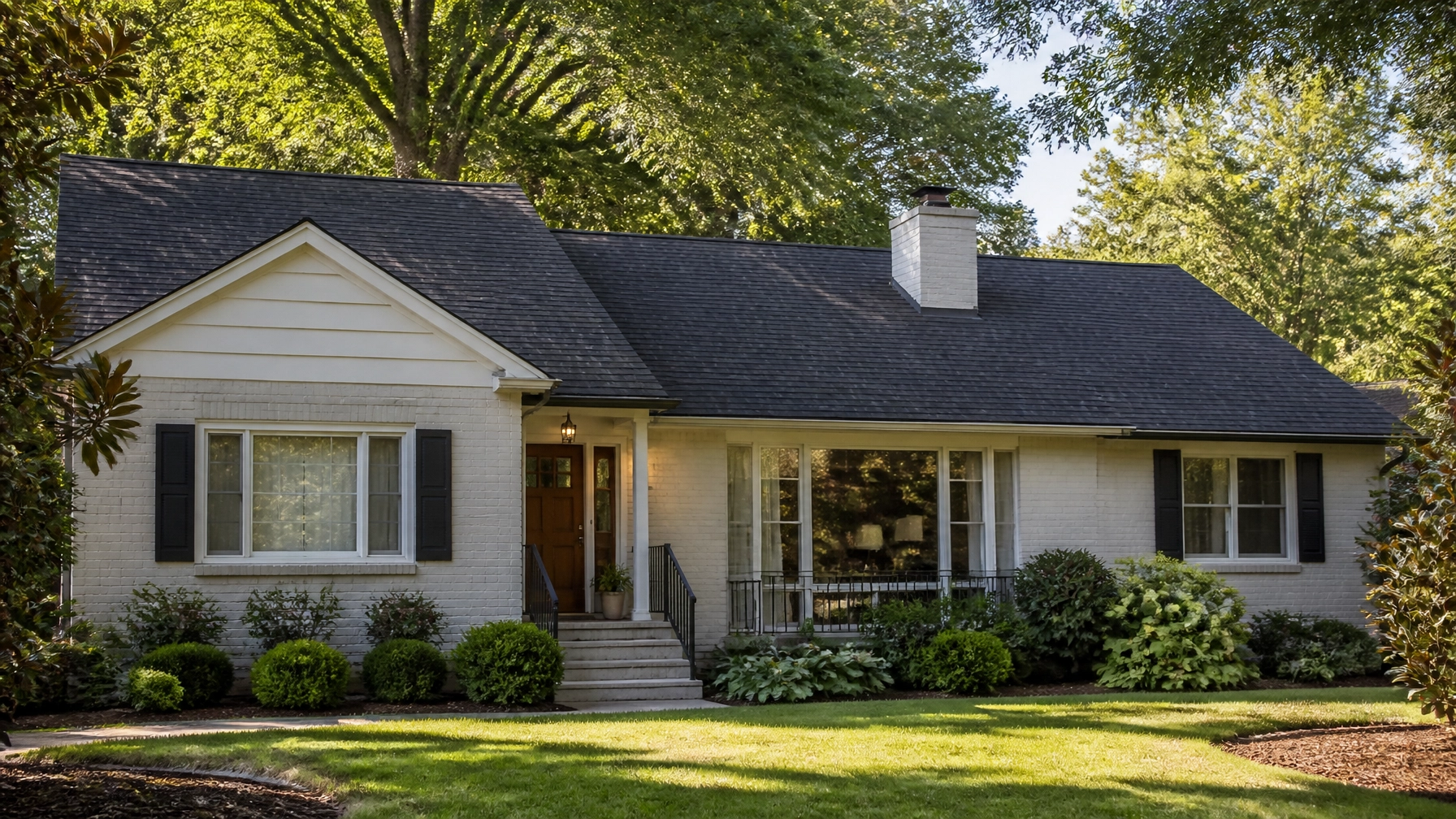
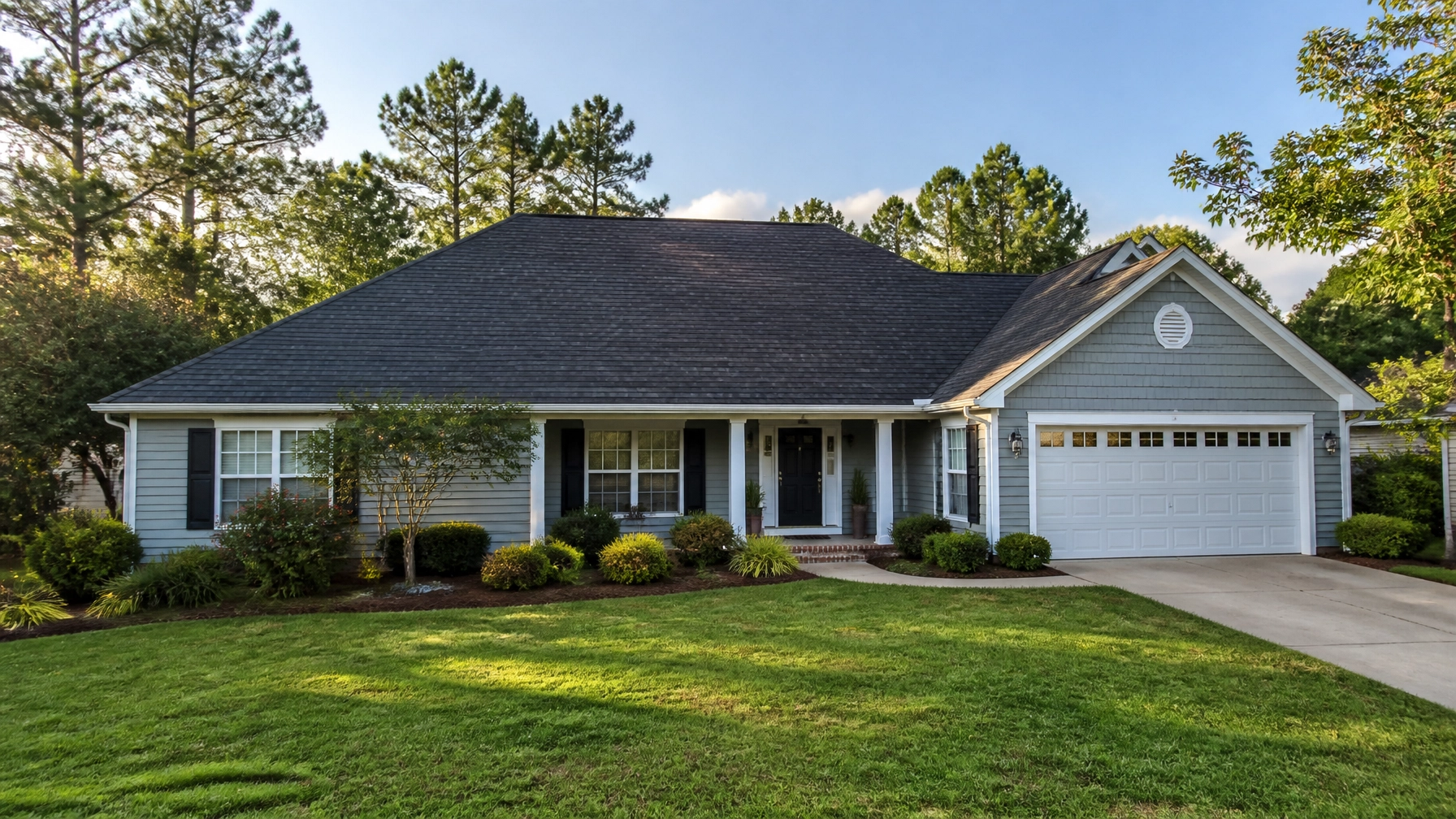
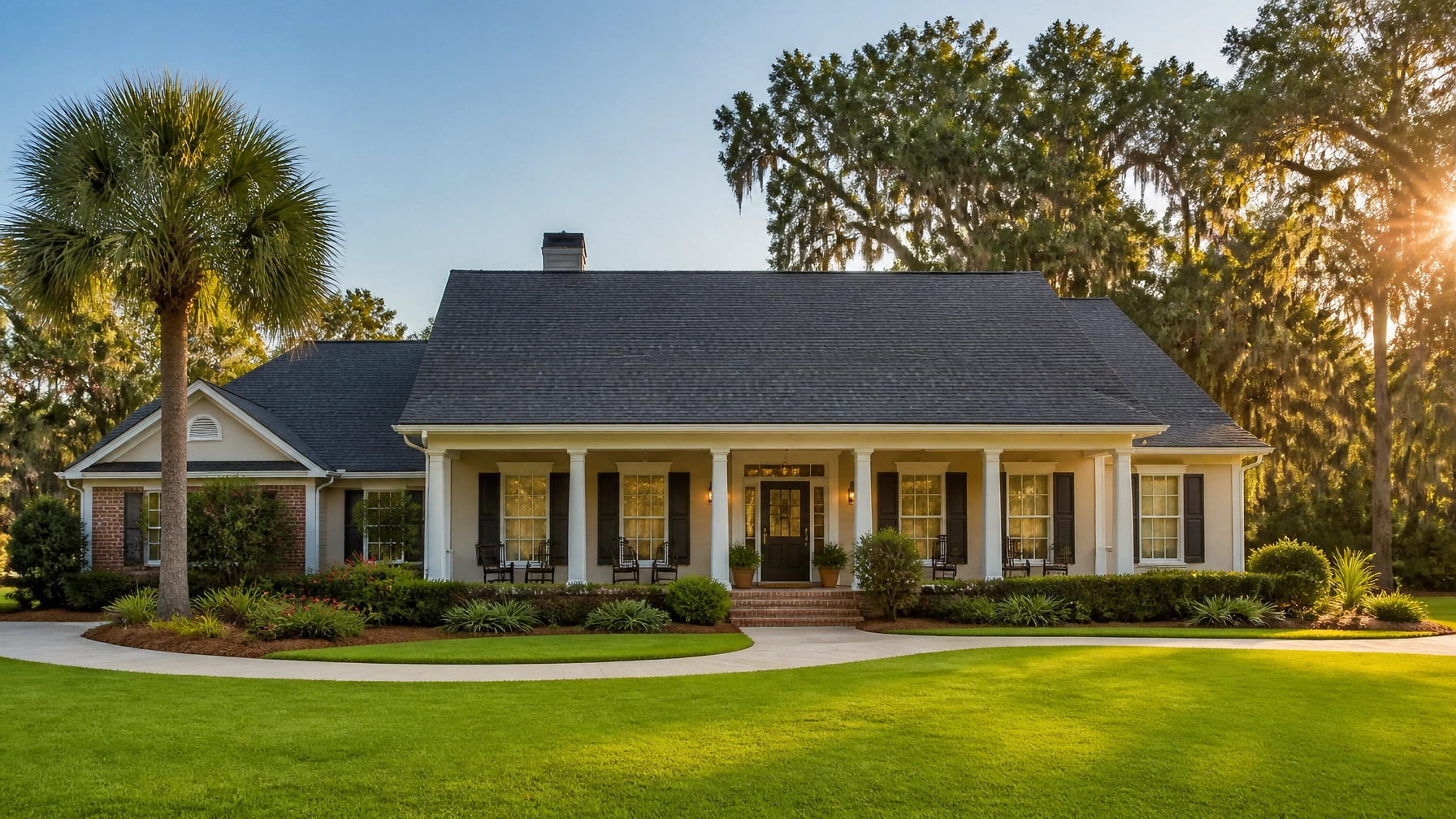
    Mobile Alabama home with a newly installed dimensional architectural shingle roof

    What changes the final roof replacement price?

    Roof pitch

    Steeper roofs require additional labor, safety equipment, staging, and installation time. A medium-slope roof is usually less expensive than an 8:12 or 10:12 roof.

    Low-slope areas can also add cost because asphalt shingles may not be appropriate on sections below the manufacturer’s minimum slope. Those areas may require a membrane system or another compatible roofing assembly.

    Roof complexity

    A basic gable roof is generally more economical than a roof with:

    • Multiple valleys
    • Dormers
    • Skylights
    • Chimneys
    • Several ridgelines
    • Wall intersections
    • Numerous plumbing and HVAC penetrations

    Every transition needs properly installed flashing. In Mobile, that detail matters because wind-driven rain can find small weaknesses quickly.

    Tear-off and disposal

    Removing old shingles, felt, flashing, and fasteners adds labor and disposal costs. If the roof has two or more existing layers, the tear-off may take longer and reveal additional damage.

    Ask whether the estimate includes:

    • All existing roof layers
    • Hauling and disposal
    • Magnetic nail cleanup
    • Replacement of damaged underlayment
    • Permit and inspection coordination

    Decking damage

    Humidity and recurring leaks can damage roof decking. Rotted or weakened plywood and OSB must be replaced before the new roof is installed.

    A written estimate should state the assumed decking replacement cost, such as a price per sheet, rather than leaving the allowance unclear.

    Ventilation and flashing

    A complete roof system may include ridge vents, intake vents, pipe boots, valley metal, step flashing, chimney flashing, drip edge, and wall flashing. These components are easy to overlook in a low bid but important for moisture control and warranty compliance.

    Gutters and downspouts may be priced separately. If your gutters are damaged, poorly sloped, or undersized, replacing them during the roofing project may be practical.

    Why Mobile’s Gulf Coast location matters

    Mobile roofs operate in a demanding environment. Your contractor should account for local conditions rather than using an inland Alabama installation approach.

    Humidity, algae, and mildew

    High humidity can encourage algae and mildew growth, especially on shaded roof slopes. Architectural shingles with algae-resistant features may cost more than basic 3-tab shingles but can maintain a cleaner appearance longer.

    Proper attic ventilation also helps manage heat and moisture. Ventilation will not fix every moisture problem, but poor airflow can contribute to premature roof aging.

    Intense sun and heat

    Strong sunlight accelerates weathering. Dark roofing materials can also increase heat absorption, although attic insulation and ventilation are major parts of the home’s overall thermal performance.

    Ask for the specific product’s wind, algae, and warranty ratings: not just a generic statement that the material is “lifetime.”

    Tropical storms, hurricanes, and wind-driven rain

    Mobile-area roofing must be installed for the applicable local wind and water-intrusion requirements. The correct system may involve upgraded fasteners, edge securement, underlayment, flashing, and a manufacturer-approved high-wind installation pattern.

    Some homeowners also investigate FORTIFIED construction or impact-resistant roofing. These improvements may affect insurance eligibility or discounts, but requirements vary by insurer and policy. Confirm details with your insurance company before paying for an upgrade.

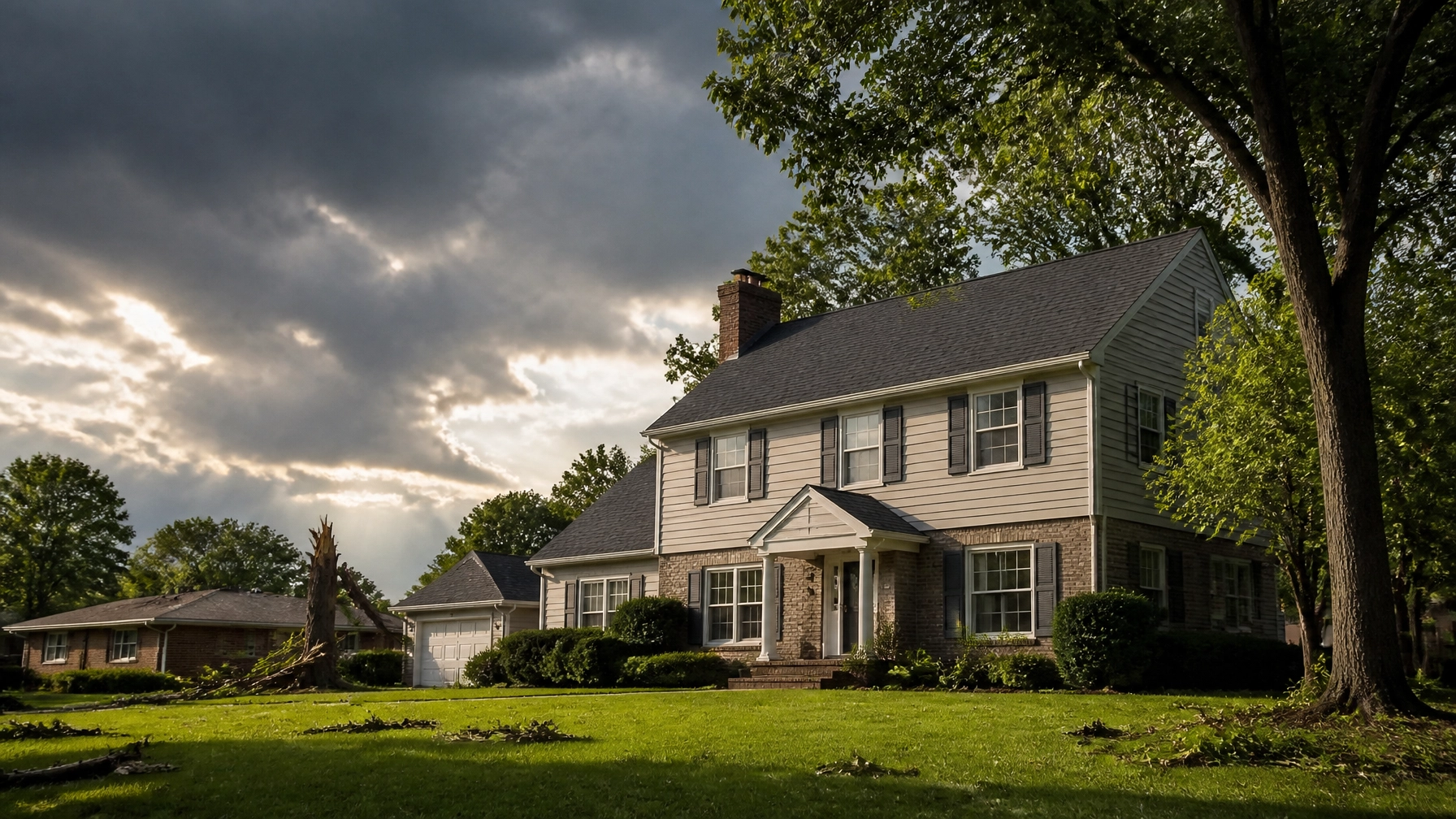
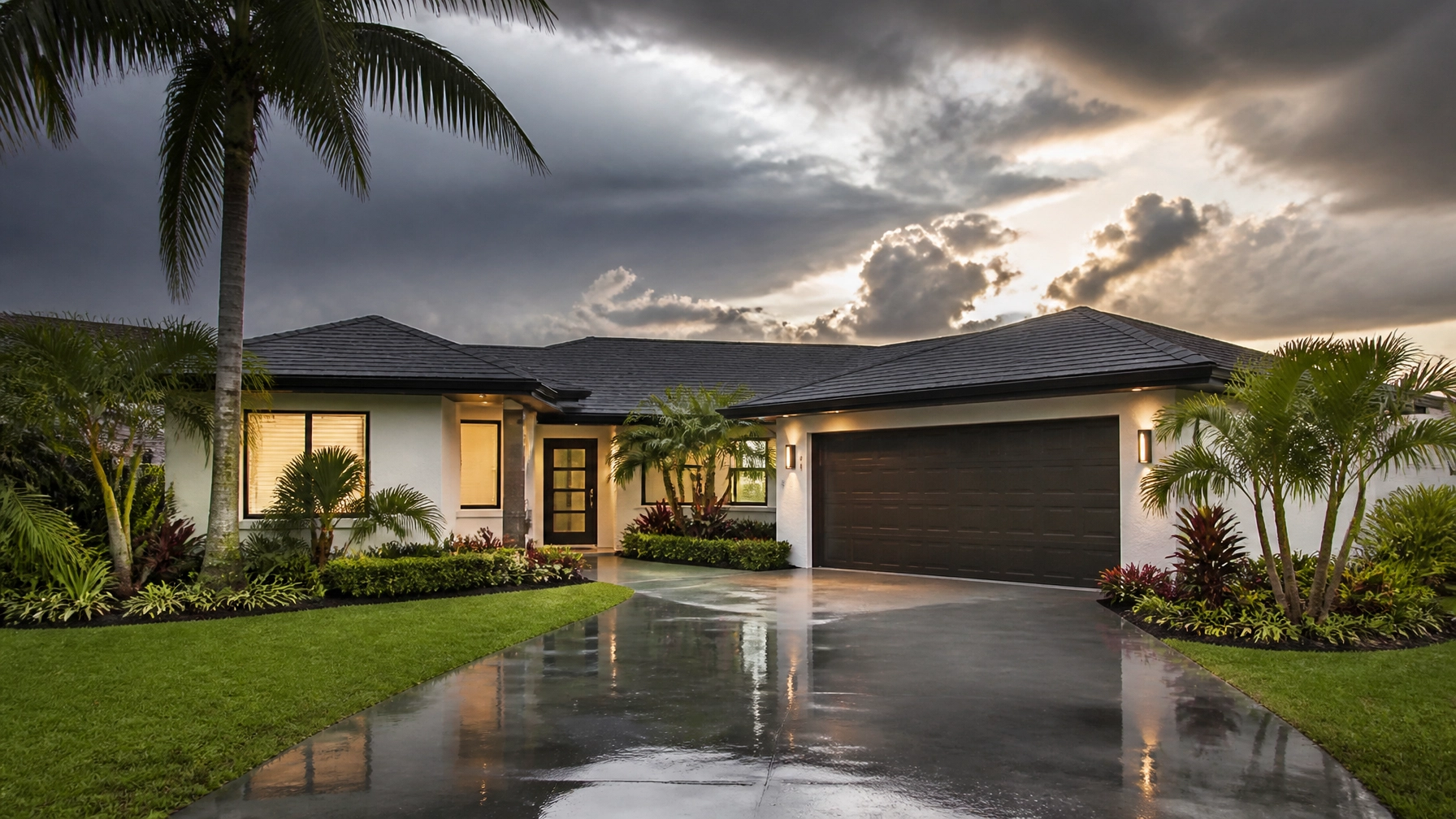
    Mobile Alabama residential home with Class 4 impact-resistant asphalt shingles

    Choosing among the five main materials

    3-tab asphalt shingles (Budget)

    3-tab shingles usually offer the lowest initial price. They can make sense for a rental property, short-term ownership plan, or tightly controlled budget.

    However, availability, wind ratings, appearance, and warranty options may be more limited than with architectural shingles. Confirm that the selected product is approved for the conditions and installation requirements at your Mobile property.

    Architectural asphalt shingles (Popular)

    Architectural shingles are the most common value choice for Mobile homeowners. They provide more dimensional appearance and generally more design options than 3-tab shingles.

    For many standard homes, a realistic planning budget is $14,000 to $18,000, with simple roofs near the lower end and steep or complex roofs moving toward $20,000 or more.

    Class 4 impact-resistant shingles (Enhanced)

    Class 4 shingles are designed to offer greater resistance to certain impacts than standard products. They are not damage-proof, and an impact rating does not guarantee protection from hurricane-force wind or falling trees.

    They are worth comparing when storm exposure, insurance requirements, and long-term durability are priorities. Budget approximately $14,000 to $23,000 for a typical 2,000-square-foot roof.

    Exposed-fastener metal (Value Metal)

    Exposed-fastener panels can provide a metal-roof appearance at a lower price than standing seam. Fasteners remain visible and include seals that may eventually require maintenance.

    Installation quality is especially important around panel laps, penetrations, eaves, rakes, and exposed edges. A reasonable planning range is $15,000 to $24,000.

    Standing-seam metal (Premium)

    Standing-seam metal uses concealed clips or fasteners and creates a clean, modern roofline. It usually costs more because of the material, custom fabrication, trim details, and specialized labor.

    For Mobile, plan on approximately $20,000 to $32,000 for a typical roof. Complex designs or premium gauge and coating selections may exceed that range.

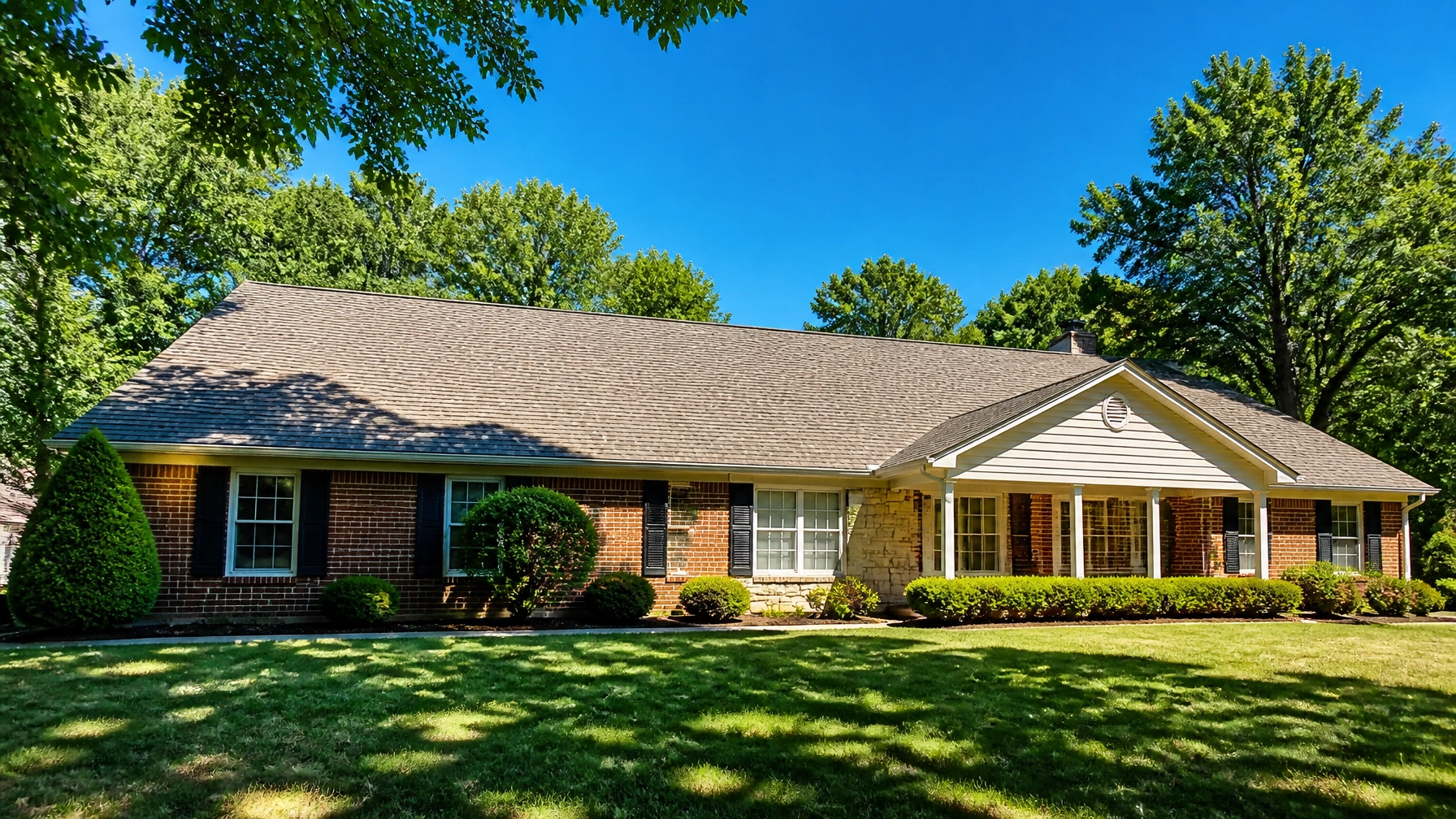
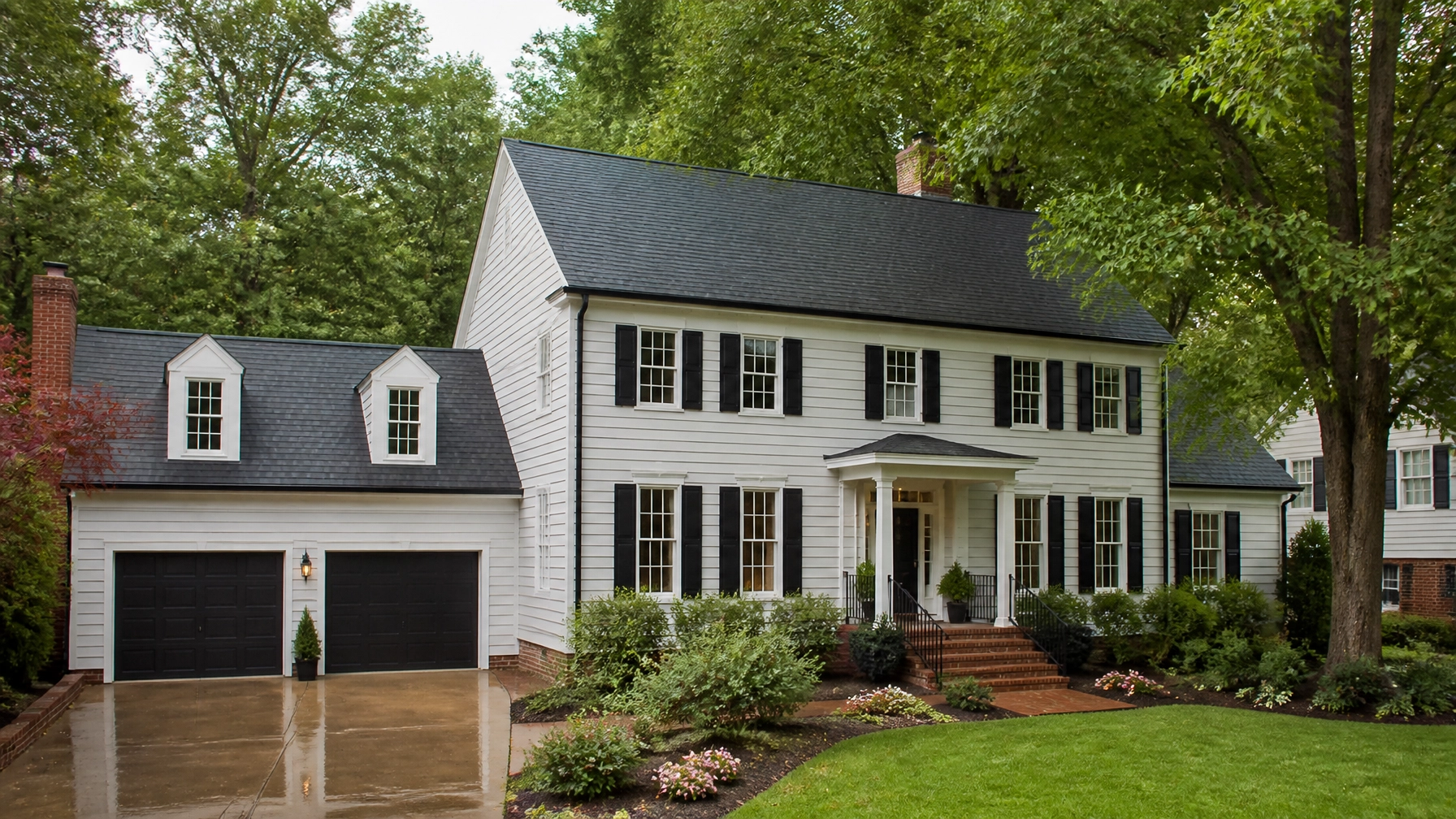
    Modern Gulf Coast home in Mobile Alabama with a new standing-seam metal roof

    A practical Mobile roofing budget plan

    Use this process before requesting final bids:

    1. Measure the roof surface. Confirm the number of squares rather than relying on the home’s living area.
    2. Select two or three materials. Compare architectural shingles, Class 4 shingles, and metal instead of requesting only one price.
    3. Request an itemized proposal. It should list tear-off, underlayment, flashing, ventilation, decking, permits, labor, disposal, and warranty coverage.
    4. Add a 10%–15% contingency. Use it for concealed decking damage, added tear-off layers, price changes, and other necessary work.
    5. Compare the installation system. A low price is not useful if it excludes required flashing, ventilation, high-wind fastening, or cleanup.
    6. Ask how long the price is valid. In 2026, material availability, freight, labor demand, and storm-related scheduling can change quickly.

    For example, a $16,000 architectural shingle proposal should be budgeted closer to $17,600–$18,400 after a 10%–15% contingency.

    Permits and Mobile contractor considerations

    If your home is inside the City of Mobile, confirm current requirements with the City of Mobile Build Mobile permitting office. The City’s residential re-roofing application states that residential re-roofs must meet the Coastal Construction Code supplement. It also calls for construction-stage photos and requires those photos to include the permit card or an identifier showing the address and permit number.

    If the property is outside Mobile city limits, requirements may instead be handled by Mobile County Inspection Services. Jurisdiction matters, so verify the correct office before work begins. Do not assume a permit fee or process is unchanged; confirm the current schedule directly.

    Before signing, verify the contractor through the Alabama Home Builders Licensure Board license search. The Board advises consumers to call 1-800-304-0853 if a contractor does not appear in the online search.

    Also request current certificates for:

    • General liability insurance
    • Workers’ compensation coverage
    • Applicable manufacturer certifications
    • Written workmanship warranty
    • References from recent Mobile-area projects

    Insurance and storm-damage guidance

    If you suspect storm damage, photograph the roof and interior stains from the ground or other safe locations. Save repair invoices, inspection reports, prior permits, and documentation showing the roof’s installation date.

    Do not sign an assignment of insurance benefits or authorize major work under pressure. A contractor can help document damage, but your insurer determines coverage under your policy. Ask your insurance company about:

    • Roof-age documentation
    • Wind or hail deductibles
    • Replacement-cost versus actual-cash-value coverage
    • Class 4 or FORTIFIED discounts
    • Claim deadlines and required inspections

    A satellite estimate is useful for planning, but it cannot confirm hidden decking damage, lifted shingles, failed flashing, or interior moisture.

    Get a preliminary Mobile roof estimate in 60 seconds

    Get My Roof Estimate Now uses satellite imagery to estimate roof size, pitch, complexity, and material pricing. Enter your address to receive a free preliminary estimate in about 60 seconds, with no credit card required.

    The estimate can help you compare materials, set a realistic budget, and prepare better questions for licensed contractors. It does not replace an in-person inspection before construction begins.

    Get your free Mobile roof estimate

    Frequently asked questions

    How much does a new roof cost in Mobile, AL, in 2026?

    For a typical 2,000-square-foot roof surface, expect approximately $9,500–$32,000, depending on material and project conditions. Architectural shingles commonly cost $12,000–$20,000, while standing-seam metal commonly costs $20,000–$32,000.

    What is the least expensive roofing material in Mobile?

    3-tab asphalt shingles are usually the lowest-cost option, with a typical planning range of $9,500–$14,500 for 2,000 square feet. Local wind requirements, product availability, and roof complexity can change the price.

    Are Class 4 shingles worth considering in Mobile?

    They may be worth comparing when storm exposure, durability, or insurance requirements are important. Ask your insurer whether a qualifying Class 4 product affects your premium, and confirm the contractor installs it according to the manufacturer’s high-wind instructions.

    Does a roof replacement require a permit in Mobile?

    A full residential re-roof inside the City of Mobile generally requires a re-roofing permit. Properties outside the city may fall under Mobile County requirements. Confirm the current process with the appropriate permitting office.

    Can satellite imagery detect roof damage?

    Satellite imagery can measure roof geometry and provide a useful preliminary estimate, but it cannot reliably identify hidden decking rot, concealed leaks, loose flashing, or all storm damage. Schedule an in-person inspection before approving the final scope.

    How much contingency should I add to my roof budget?

    Set aside 10%–15% above the initial estimate. This reserve can help cover damaged decking, extra tear-off, flashing repairs, ventilation work, or 2026 material and labor changes.

    How do I find a licensed roofer in Alabama?

    Search the contractor through the Alabama Home Builders Licensure Board. Confirm the license is current and appropriate for residential roofing, then verify insurance before signing a contract.

    How soon can I get a Mobile roof estimate?

    You can receive a free satellite-based preliminary estimate in approximately 60 seconds through Get My Roof Estimate Now. Use it as a planning benchmark, then compare it with detailed in-person proposals.
  • 2026 Roof Replacement Cost in Chattanooga, TN: Scenic City Pricing, Permit Rules & Storm-Ready Tips

    2026 Roof Replacement Cost in Chattanooga, TN: Scenic City Pricing, Permit Rules & Storm-Ready Tips

    A full roof replacement in Chattanooga typically costs $9,000–$18,500 for a 2,000-square-foot roofing project in 2026. Most homeowners land between $11,000 and $15,500 when choosing standard architectural shingles.

    Material selection, roof pitch, valleys, tear-off requirements, storm upgrades, and local labor rates can move the final price higher. Standing seam metal, for example, commonly costs $18,000–$38,000 or more for a similar-size project.

    Chattanooga homeowners also need to account for severe weather, City permit requirements, and 2026 material price increases. This guide breaks down the numbers and the decisions that matter most.

    Chattanooga Roof Replacement Costs at a Glance

    Roofing prices are calculated using the actual roof surface area, not simply the home’s interior square footage. Roofers measure this area in squares, with one square equal to 100 square feet.

    The figures below provide a localized 2026 benchmark:

    Roofing material Installed cost per sq. ft. Approx. cost for 2,000 sq. ft.
    3-tab asphalt shingles (Budget) $3.50–$5.00 $7,000–$10,000
    Architectural shingles (Popular) $4.50–$6.50 $9,000–$13,000
    Heavy-laminate architectural shingles (Premium) $5.50–$8.50 $11,000–$17,000
    Class 4 impact-resistant shingles 10%–20% premium over architectural Varies by product
    Standing seam metal (Premium) $9–$21 $18,000–$38,000+

    For a typical Chattanooga home, expect a complete architectural shingle replacement to fall within $9,000–$18,500, depending on roof complexity and the condition of the underlying decking.

    Use the Get My Roof Estimate Now roof cost calculator for a general planning range, or use the company’s satellite-powered estimate tool for property-specific measurements.

    What Chattanooga Homeowners Commonly Pay

    A simple ranch roof with easy access and limited tear-off will generally be closer to the low end. A steep Colonial, multi-level home, or house with dormers and multiple roof sections will cost more.

    Standard Architectural Shingles (Popular)

    Standard architectural shingles are the most common choice in Chattanooga because they balance appearance, availability, durability, and cost.

    Typical installed price:

    • $4.50–$6.50 per square foot
    • $9,000–$13,000 for approximately 2,000 square feet
    • Generally rated for 25–30 years, depending on product and installation

    Heavy-Laminate Shingles (Premium)

    Heavy-laminate shingles offer a thicker profile, stronger visual definition, and upgraded wind or impact ratings.

    Typical installed price:

    • $5.50–$8.50 per square foot
    • $11,000–$17,000 for approximately 2,000 square feet
    • Often selected for higher-end homes or homeowners planning to stay long term

    3-Tab Shingles (Budget)

    3-tab shingles have the lowest initial price but usually provide less visual depth and a shorter service life than architectural products.

    Typical installed price:

    • $3.50–$5.00 per square foot
    • Approximately $7,000–$10,000 for 2,000 square feet
    • Best suited to tight budgets, rental properties, or short-term ownership plans

    Standing Seam Metal (Premium)

    Standing seam metal roofing has a significantly higher upfront price but can provide 40–70 years of service when properly installed and maintained.

    Typical installed price:

    • $9–$21 per square foot
    • Approximately $18,000–$38,000 or more for 2,000 square feet
    • Strong choice for long-term ownership, modern homes, and homeowners prioritizing durability

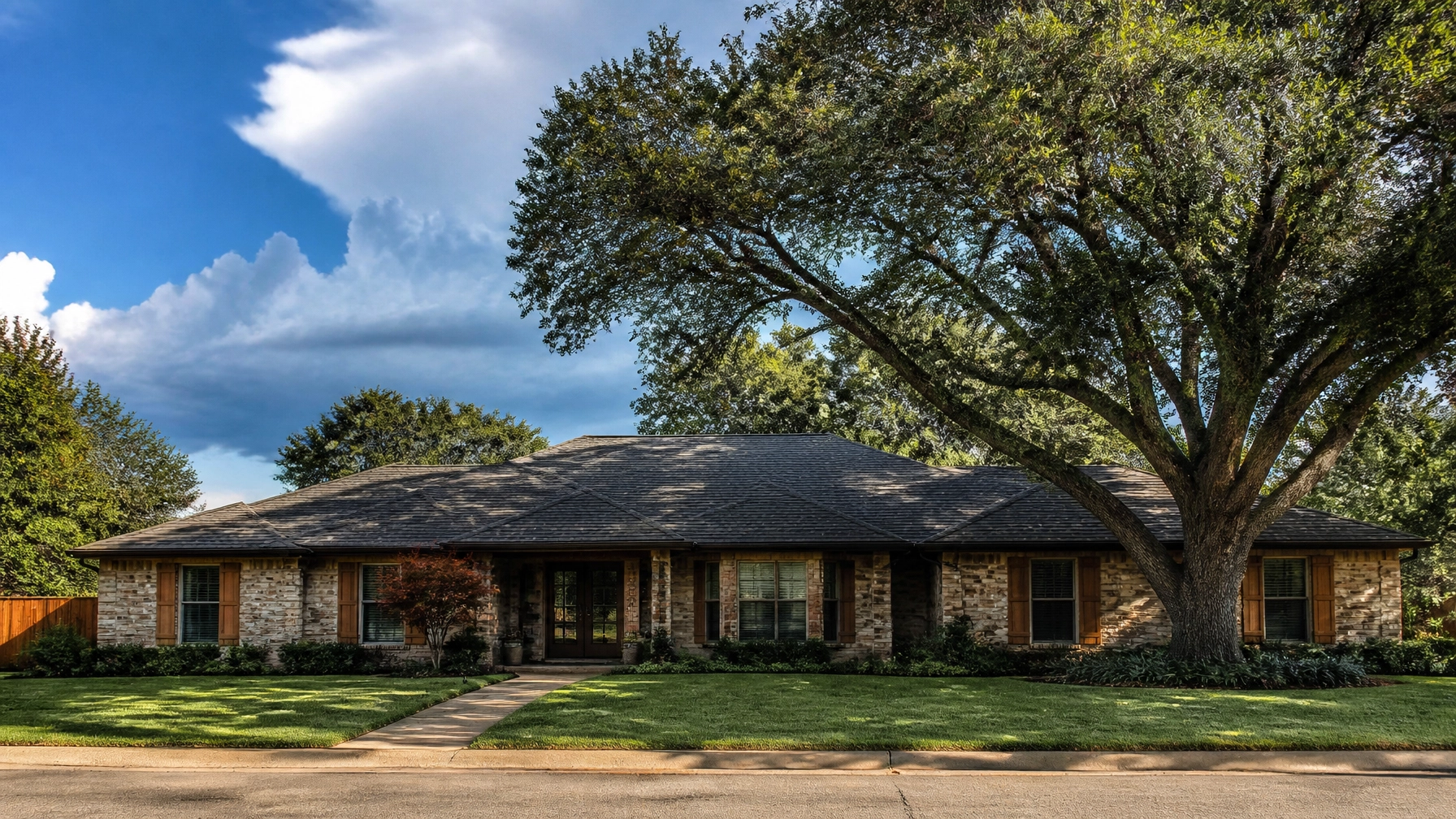
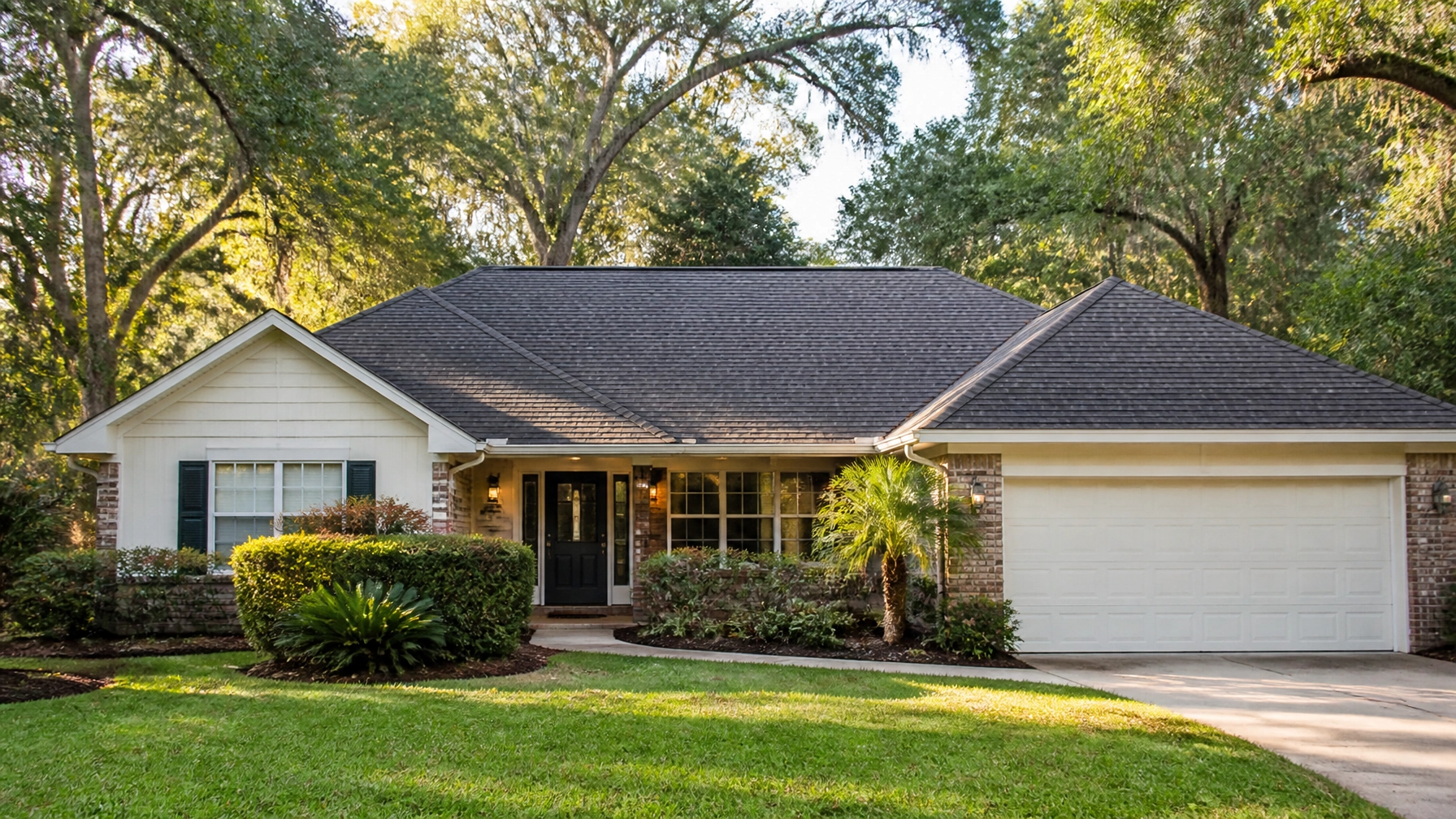
    New dimensional shingle roof on a brick ranch home in a Chattanooga-style neighborhood

    Why Roof Prices Are Rising in 2026

    Material pricing is an important part of this year’s estimate. Asphalt shingle manufacturers implemented price increases of approximately 4%–8% early in 2026, followed by additional increases of roughly 6%–9% effective June 1, 2026.

    Metal roofing has also been affected by steel and aluminum tariffs. These increases can impact:

    • Shingle bundles and starter strips
    • Metal panels and flashing
    • Ridge vents and synthetic underlayment
    • Fasteners, drip edge, and other accessories
    • Delivery and supplier charges

    A written quote should identify the material brand, product line, color, waste factor, and how long the quoted price is valid. This protects you from unexpected changes if the project is scheduled several weeks after the estimate.

    Chattanooga’s Storm Risk Matters

    Chattanooga sits within the broader Dixie Alley severe-weather zone, where spring and early summer can bring damaging hail, straight-line winds, tornadoes, and heavy rainfall.

    Recent 2026 weather events reinforce the need for storm-ready roofing:

    • A July 3 storm brought hail up to 1 inch, damaging winds, power outages, and structural damage along Rossville Boulevard.
    • Hail activity was also recorded in the region around June 22 and August 7.
    • An August 21 storm produced winds reported near 59 mph.
    • Local hail and storm tracking can be reviewed through resources such as HailMate’s Chattanooga hail map and local reporting from NewsChannel 9.

    Lookout Mountain, ridgelines, and changing elevations can create localized wind patterns. A roof that performs well in a sheltered neighborhood may experience different exposure on a ridge or open slope.

    When comparing roofing materials, ask about:

    • Wind warranty ratings
    • Impact resistance
    • Class 4 shingle options
    • Proper flashing at walls and chimneys
    • Ridge and soffit ventilation
    • Manufacturer installation requirements
    • Whether upgraded materials could affect insurance coverage

    Class 4 impact-resistant shingles generally cost 10%–20% more than standard architectural shingles. They may be worth considering for homes with repeated hail exposure, although insurance discounts and eligibility vary by carrier.

    Modern Chattanooga-area home with a standing seam metal roof after a summer storm

    Chattanooga Roof Replacement Permit Rules

    If your home is inside the City of Chattanooga, a residential building permit is required for a full roof replacement.

    Applications can be submitted through the City of Chattanooga OpenGov portal or in person at:

    Land Development Office
    1250 Market Street, Suite 1000
    Chattanooga, TN

    The City’s Residential Modification Permit information covers re-roofing work on existing single-family homes.

    Typical Inspection Sequence

    Most full replacements involve two inspection stages:

    1. Deck and dry-in inspection

      • The roof may be inspected after tear-off.
      • The inspector can review decking, underlayment, flashing, and required membrane details before they are covered.
    2. Final inspection

      • The completed roof, flashing, ridge caps, vents, and visible finishes are reviewed.
      • The permit is closed after the work passes final inspection.

    Ask your contractor whether ice-and-water shield is required at the eaves, valleys, or other locations for your specific project. The requirement can depend on the adopted code, project details, and manufacturer instructions. The City’s residential building permit guidance is a useful starting point.

    Historic District Properties

    Properties in a Chattanooga historic district may require review before the building permit is issued. Contact Chattanooga Historic Zoning or the Chattanooga-Hamilton County Regional Planning Agency for guidance.

    Historic review may require:

    • Current photos of the home
    • Proposed roofing material and color
    • Information about visible roof features
    • Photos of neighboring properties
    • A Certificate of Appropriateness before permit approval

    Contractor Licensing

    For Tennessee roofing work valued at $25,000 or more, the contractor generally needs the appropriate Tennessee state license. Smaller projects may still require local contractor registration.

    Before signing, verify:

    • State licensing where applicable
    • General liability insurance
    • Workers’ compensation coverage
    • Local registration
    • References from Chattanooga-area projects

    For homes outside Chattanooga city limits, confirm whether Hamilton County or another municipality handles the permit. The Hamilton County Building Inspection Department provides information for applicable county jurisdictions.

    Chattanooga Climate Factors That Affect Roof Life

    Chattanooga’s humid subtropical climate creates several roofing concerns:

    • Heavy rain: Tests flashing, valleys, and ventilation.
    • Hail and wind: Can bruise shingles, remove granules, and loosen ridge caps.
    • High UV exposure: Gradually weakens asphalt surfaces.
    • Freeze-thaw cycles: Can worsen small cracks and flashing gaps.
    • Algae and moss: Common on shaded, damp slopes.
    • Localized ridge winds: Can increase exposure on elevated properties.

    A proper replacement should include more than new shingles. The estimate should address underlayment, drip edge, flashing, ventilation, pipe boots, ridge caps, and disposal of the old roof.

    Classic Southern Colonial home with a storm-ready impact-resistant roof in Chattanooga

    Practical Tips for a 2026 Roof Replacement

    Get a Baseline Before Contractor Visits

    An instant estimate gives you a reasonable budget range before scheduling multiple appointments. Compare the measured roof size and material pricing against every contractor proposal.

    Request an Itemized Quote

    Look for separate line items for:

    • Tear-off and disposal
    • Decking replacement allowance
    • Underlayment
    • Ice-and-water protection
    • Flashing
    • Ventilation
    • Permits and inspections
    • Labor and cleanup
    • Manufacturer and workmanship warranties

    Do Not Automatically Choose the Lowest Bid

    A quote far below the Chattanooga market may exclude decking, ventilation, flashing, disposal, or permit costs. Compare the scope: not just the total.

    Plan Around Storm Season

    Spring and early summer are Chattanooga’s most active hail periods. If your roof is 15–30 years old, get pricing before severe weather arrives. Planning ahead gives you more contractor choices and reduces the chance of making a rushed decision after a storm.

    Consider Your Home’s Value

    2026 Chattanooga housing figures vary by source, but current benchmarks place:

    • Median listing price near $399,900
    • Average home value around $322,000
    • Median sold prices approximately $340,000–$351,000

    A sound roof supports resale readiness and helps remove a major concern for buyers. The best investment is not necessarily the most expensive material; it is a properly installed roof with a clear scope, appropriate storm resistance, and documentation.

    Get Your Chattanooga Roof Estimate in 60 Seconds

    A Chattanooga roof replacement usually falls between $9,000 and $18,500 for architectural shingles, while standing seam metal can reach $18,000–$38,000 or more. Your exact price depends on the roof’s measured area, pitch, complexity, material, tear-off requirements, and storm-related upgrades.

    Get My Roof Estimate Now provides a free, satellite-powered estimate in about 60 seconds. The service measures your roof’s size, pitch, and complexity, shows low-middle-high pricing for different materials, requires no credit card, and can connect you with verified local contractors.

    Start with a clear number before you schedule the first inspection.

  • 2026 Roof Replacement Cost in Raleigh, NC: City of Oaks Pricing, Permit Rules & Storm-Ready Tips

    2026 Roof Replacement Cost in Raleigh, NC: City of Oaks Pricing, Permit Rules & Storm-Ready Tips

    Planning a roof replacement in Raleigh in 2026? For a typical 2,000-square-foot roof, expect to budget approximately:

    • 3-tab asphalt shingles (Budget): $6,000–$10,000
    • Architectural shingles (Popular): $9,000–$17,000
    • Class 4 impact-resistant shingles (Storm-ready): approximately 10%–20% more than standard architectural shingles
    • Standing-seam metal (Premium): $16,000–$32,000+, depending on design and installation details

    Raleigh pricing reflects more than roof size. Labor, steep pitches, multiple rooflines, tear-off requirements, decking repairs, material costs, permits, and storm-related demand all affect the final number.

    You can use the Get My Roof Estimate Now roof cost calculator for a general range or receive a satellite-measured estimate for your Raleigh property in about 60 seconds.

    Raleigh Roof Replacement Cost Table for 2026

    The example below assumes a roof area of approximately 2,000 square feet, or 20 roofing squares. One roofing square equals 100 square feet.

    Roofing material Installed price per sq. ft. Estimated cost for 2,000 sq. ft. Best fit
    3-tab asphalt shingles Approximately $3–$5 $6,000–$10,000 Budget replacement
    Architectural asphalt shingles $4.00–$8.50 $9,000–$17,000 typical Most Raleigh homes
    Class 4 impact-resistant shingles About 10%–20% above architectural Roughly $10,000–$20,000 Hail and wind protection
    Standing-seam metal $10–$18 $16,000–$32,000+ Long service life and premium appearance

    These are planning ranges, not guaranteed bids. A satellite estimate can measure roof size, pitch, and complexity, but an in-person inspection may still identify hidden decking damage, flashing problems, or ventilation issues.

    Two-story Raleigh Colonial home with a new dimensional architectural shingle roof

    2026 Material Price Increases to Watch

    Roofing material costs have continued to move upward in 2026.

    Asphalt manufacturers announced two notable increases:

    • 4%–8% in early 2026
    • Another 6%–9% beginning June 1, 2026

    Metal roofing has also faced increases of approximately 10%–22%, driven in part by Section 232 tariffs affecting steel and aluminum.

    These increases do not always appear as a direct percentage on your final invoice. Contractors may have purchased materials at different times, carried inventory, or adjusted labor and supplier charges. Ask each roofer how long the quoted price is valid.

    What Drives Roof Replacement Costs in Raleigh?

    1. Roofing material (Budget, Popular, or Premium)

    Architectural shingles remain the most common choice in Raleigh because they offer a practical balance of appearance, service life, and price.

    • 3-tab shingles: Lowest upfront cost, but shorter expected life and less dimensional appeal
    • Architectural shingles: Better curb appeal, stronger wind ratings, and a broader range of colors
    • Class 4 shingles: Impact-resistant construction that may be useful in hail-prone areas and could support insurance discussions
    • Standing-seam metal: High durability and a long service life, but higher installation and detailing costs

    2. Roof size and measured area

    Homeowners often estimate cost using the home’s floor area. That can be misleading. A 2,000-square-foot home may have a roof area larger than 2,000 square feet because of overhangs, garages, porches, dormers, and multiple roof sections.

    Roofers measure in squares. Satellite-based measurement helps establish the actual roof footprint before you begin collecting contractor bids.

    3. Pitch and complexity

    A simple ranch roof usually costs less than a steep Colonial or a home with several intersecting sections.

    Cost increases are common when a roof includes:

    • Steep slopes
    • Valleys and hips
    • Dormers
    • Skylights
    • Chimneys
    • Multiple stories
    • Limited access for workers or materials
    • Complex flashing around walls and penetrations

    4. Tear-off and disposal

    Removing one or more existing roof layers adds labor, disposal, and dumpster costs. A tear-off also lets the contractor inspect the roof deck rather than covering possible problems.

    Some Raleigh homes may have two layers of old shingles. Your written estimate should state:

    • Number of layers being removed
    • Disposal method
    • Whether synthetic underlayment is included
    • Price per sheet for replacement decking
    • Whether flashing and ventilation will be replaced

    5. Decking and structural repairs

    Soft, rotten, or water-damaged decking can add to the project total. Damaged rafters or trusses cost more and may change the permit requirements.

    Do not accept a vague “wood repair as needed” line item without a unit price. A clear estimate should identify the cost per sheet of plywood or OSB and explain how additional work will be approved.

    Raleigh Climate: Build for Heat, Humidity, and Storms

    Raleigh has a humid subtropical climate. Roofing systems must handle:

    • Summer heat and ultraviolet exposure
    • High humidity
    • Algae and moss growth
    • Heavy thunderstorms
    • Hail
    • Straight-line winds
    • Falling branches during severe weather

    The August 20–21, 2026 storms brought straight-line winds exceeding 60 mph, downed trees across Wake County, power outages, and a lightning-related house fire in Willow Spring. Hail and wind events reported around August 22–23 added another reminder that storm readiness matters.

    For Raleigh homeowners, storm-ready details include:

    • High-wind-rated shingles
    • Proper starter strips and ridge caps
    • Correct nail placement
    • Ice and water protection in valleys and vulnerable edges
    • Durable pipe boots and flashing
    • Adequate ridge and soffit ventilation
    • Properly secured metal components

    New Class 4 impact-resistant shingle roof on a Raleigh-area home after stormy weather

    Raleigh Roof Replacement Permits and Contractor Rules

    Permit requirements can depend on project scope, cost, and property location.

    When a permit may not be required

    North Carolina law generally exempts a qualifying non-structural re-roof under $40,000 from the building permit requirement when the work does not alter the roof structure.

    This typically describes removing and replacing roofing materials without changing:

    • Rafters or trusses
    • Roof pitch
    • Roof configuration
    • Load-bearing elements

    However, the City of Raleigh lists roofing under residential alteration and repair work and directs applicants to use the city’s Permit and Development Portal. Because city guidance and state exemptions can depend on the exact scope, confirm your project with Raleigh Planning and Development before work begins.

    When a permit is likely required

    Plan to obtain a permit when:

    • Structural decking, rafters, or trusses require repair
    • The roof design or pitch is being changed
    • The project exceeds the applicable cost exemption
    • The home is in a historic district or is a designated landmark
    • Additional electrical, mechanical, or structural work is included

    Oakwood and Boylan Heights contain historic properties where design approvals may apply. Ask about a Certificate of Appropriateness before scheduling work.

    North Carolina contractor licensing

    North Carolina does not have a separate statewide roofing license. However, a general contractor license is required for qualifying projects above the state’s licensing threshold.

    Some homeowner guidance uses $30,000 as a licensing checkpoint, while the North Carolina Licensing Board for General Contractors currently identifies projects valued at $40,000 or more as requiring a licensed general contractor. Confirm the current threshold and verify the contractor’s license directly through the Board before signing.

    Raleigh Market Conditions and Resale Value

    Market snapshots for July 2026 place Raleigh and Wake County median home prices in roughly the $425,000–$440,000 range, depending on the data source, geography, and calculation method. Higher-demand areas include:

    • North Hills
    • Five Points
    • Oakwood
    • Boylan Heights
    • Cary
    • Wake Forest
    • Holly Springs

    A roof that looks worn can be a major concern in these competitive markets. Buyers may request a credit, reduce an offer, or avoid the property entirely if the roof is near the end of its service life.

    Insurance companies are also paying closer attention to roof age, condition, and storm damage. A replacement may not create a dollar-for-dollar increase in home value, but it can reduce objections during inspection and improve buyer confidence.

    New roof ROI and home value

    The best roof for home value is usually the roof that matches the neighborhood, home architecture, and buyer expectations.

    For many Raleigh properties, that means:

    • Architectural shingles for broad market appeal
    • Class 4 shingles where impact resistance is a priority
    • Standing-seam metal for modern homes or long-term ownership plans

    Roof replacement ROI depends on material, installation quality, age of the old roof, local demand, and the buyer’s expectations. A new roof can contribute to roof replacement resale value by making the home easier to finance, insure, inspect, and market.

    Roof curb appeal also influences home value. Clean rooflines, consistent color, new flashing, and professionally installed shingles can improve the first impression before a buyer ever enters the house.

    Modern Raleigh-area home with a matte black standing-seam metal roof

    How to Compare Raleigh Roofing Estimates

    Request itemized estimates from at least two or three contractors. Compare:

    • Measured roof area in squares
    • Material brand, grade, and color
    • Tear-off and disposal
    • Decking replacement pricing
    • Flashing and ventilation scope
    • Warranty terms
    • Estimated start date
    • Payment schedule
    • Permit responsibility
    • Proof of liability and workers’ compensation insurance

    Avoid contractors who demand full payment upfront, pressure you to sign immediately, or refuse to provide licensing and insurance documentation.

    Frequently Asked Questions

    How much does a new roof cost in Raleigh in 2026?

    Most 2,000-square-foot Raleigh roofs cost approximately $9,000–$17,000 with architectural shingles. Premium metal systems can cost $16,000–$32,000 or more.

    Are Class 4 shingles worth the extra cost?

    They can be worthwhile for homeowners concerned about hail and severe weather. They generally cost about 10%–20% more than standard architectural shingles. Ask your insurance provider whether impact-resistant materials affect your policy.

    Does Raleigh require a permit for roof replacement?

    A non-structural re-roof under $40,000 may be exempt under North Carolina law. Structural work, major decking repairs, design changes, or higher-cost projects generally require permitting. Confirm your scope with the City of Raleigh.

    Can I get a roof estimate without a contractor visit?

    Yes. Get My Roof Estimate Now uses satellite imagery to estimate roof size, pitch, complexity, and local replacement pricing. Results are free, require no credit card, and typically arrive in under 60 seconds.

    Get Your Raleigh Roof Estimate in 60 Seconds

    A roof replacement is easier to plan when you know the likely cost before scheduling contractor visits. Enter your Raleigh address into the instant satellite roof estimate tool. You receive a free low-to-high price range, material options, and an estimate based on your actual roof: not a generic square-foot average.

    No credit card. No upfront contractor visit. No obligation. Just a faster way to plan your 2026 roof replacement.

  • Daily Weather Blitz – Slot 3: Detroit, MI : September 3, 2026: Post-Storm Cleanup, a 94°F Rebound & What Metro Detroit’s Hail, Heat, and Wind Events Do to Your Roof’s Durability

    Daily Weather Blitz – Slot 3: Detroit, MI : September 3, 2026: Post-Storm Cleanup, a 94°F Rebound & What Metro Detroit’s Hail, Heat, and Wind Events Do to Your Roof’s Durability

    Published September 3, 2026 | Detroit, Michigan | Wayne County ZIP codes 48201–48288

    Metro Detroit is cleaning up after a powerful late-summer storm event that brought damaging winds up to 70 mph, hail as large as 2 inches in northern areas, downed trees, and widespread power outages. More than 90,000 customers lost power during the event, and trees fell onto homes in communities including Madison Heights.

    Now, Thursday is bringing a sharp rebound. Morning skies are overcast near 79°F, but temperatures are expected to climb toward 94°F in the afternoon. Thunderstorms remain possible, and some could become severe. Heat indices may again reach the lower 100s, following Wednesday’s Heat Advisory.

    For Detroit homeowners, the weather change matters. A roof that endured wind and hail overnight will now face intense heat, rapid drying, and another chance of storms. Here is what to check, how to handle a possible Michigan insurance claim, and what Metro Detroit’s climate does to roof durability over time.

    Detroit’s September 3 Weather: What Homeowners Should Watch

    The late September 2 storm line created several roof-damaging conditions at once:

    • Straight-line winds reaching approximately 70 mph
    • Hail up to 2 inches in parts of northern Metro Detroit
    • Heavy rain and temporary flooding
    • Fallen trees and large branches
    • Downed power lines
    • More than 90,000 reported power outages
    • Additional thunderstorm potential Thursday into Friday

    Thursday’s heat creates a second concern. Asphalt shingles absorb substantial solar energy when temperatures approach the mid-90s. After a wet storm, that heat can accelerate drying and expose weak areas around flashing, vents, valleys, and previously loosened shingles.

    Residual showers and storms may continue into Friday. After that, the outlook improves. Saturday through Monday should bring a quieter Labor Day weekend with highs near 80°F, lower humidity, and generally favorable conditions for inspections and temporary repairs.

    For official warnings and updates, monitor the National Weather Service Detroit/Pontiac office and local utility outage information.

    First Priority: Stay Safe During Cleanup

    Do not begin roof cleanup until the area is safe.

    Follow these precautions:

    • Stay away from downed power lines, even if they appear inactive.
    • Assume any wire touching a tree, fence, gutter, or roof is energized.
    • Do not walk beneath damaged trees or large hanging branches.
    • Avoid climbing onto a wet or damaged roof.
    • Keep children and pets away from roofing debris and unstable trees.
    • Call emergency services for immediate hazards.
    • Use a licensed tree professional for branches resting on the home.
    • If water is entering the home, place containers under leaks and move belongings away from wet areas.

    A roof inspection can wait. Electrical and structural hazards cannot.

    Post-Storm Roof Inspection Checklist

    Once conditions are safe, inspect from the ground, from windows, or with a professional. Do not assume the roof is undamaged simply because shingles are still visible.

    1. Look for wind-lifted or missing shingles

    Check roof edges, ridges, hips, and exposed slopes for:

    • Missing shingles
    • Shingles that appear raised or shifted
    • Creased tabs
    • Exposed underlayment
    • Loose ridge caps
    • Roofing debris in the yard

    Wind damage is not always dramatic. A shingle can lift enough to break its seal without immediately falling off.

    2. Check for hail bruising

    Hail impact can leave dark, soft, or circular marks in the shingle surface. Look for areas where the granule coating appears disturbed or missing.

    Hail bruising may be difficult to see from the ground. Avoid pressing on shingles yourself or using a ladder near damaged areas. A professional can identify impact damage without creating additional problems.

    Close-up of hail bruising and granule loss on architectural asphalt shingles

    3. Inspect gutters and downspouts

    Gutters often reveal roof damage before the roof does. Look for:

    • Dents or dimples from hail
    • Granules collecting in the gutter
    • Bent sections
    • Loose hangers
    • Separated downspouts
    • Blockages caused by leaves and branches

    A small amount of granule loss may be normal after installation, but a sudden buildup after a hailstorm deserves attention.

    4. Examine flashing and roof penetrations

    Flashing protects the areas where water is most likely to enter. Check, if visible, around:

    • Chimneys
    • Plumbing vents
    • Skylights
    • Valleys
    • Wall intersections
    • Dormers
    • Roof-to-gutter edges

    Wind can loosen flashing, while hail can dent or crack metal components. These areas often cause leaks during the next heavy rain rather than during the original storm.

    5. Check indoors and in the attic

    Inspect ceilings, upper-floor walls, and attic spaces for:

    • Brown or yellow water stains
    • Damp insulation
    • Dripping water
    • Musty odors
    • Mold growth
    • Daylight visible through the roof deck
    • New cracks or bubbling paint

    A roof may look acceptable from the street while allowing water into the attic.

    How to Document Damage Before Cleanup

    Take photos and video before removing branches, repairing shingles, or disposing of debris, provided it is safe to do so.

    Use a simple documentation system:

    1. Photograph each side of the home from a distance.
    2. Take close-ups of damaged shingles, flashing, gutters, siding, windows, and vents.
    3. Photograph fallen trees and branches before removal.
    4. Include a ruler or coin beside hailstones when possible.
    5. Capture interior stains, wet materials, and damaged belongings.
    6. Keep the phone’s date and time settings enabled.
    7. Write down when the storm occurred and when damage was discovered.
    8. Save receipts for tarps, emergency repairs, tree removal, and water mitigation.

    A ground-level inspection by a qualified roofing professional can add useful documentation. The inspector should provide written findings and photographs rather than simply recommending a full replacement.

    Roofing professional conducting a safe ground-level inspection of a Metro Detroit home after a storm

    Michigan Roof Insurance Claim Guidance

    If you find storm damage, notify your insurance company promptly. Michigan’s Department of Insurance and Financial Services recommends reporting losses quickly, taking reasonable steps to prevent further damage, and cooperating with the insurer’s requests for documentation. Review the Michigan DIFS homeowner insurance claim guidance for policy-specific information.

    Before filing, check these key terms in your declarations page:

    ACV versus RCV

    • Actual Cash Value (ACV): The insurer pays the replacement cost minus depreciation and your deductible.
    • Replacement Cost Value (RCV): The policy may pay the cost to replace the roof with similar materials, subject to the deductible and policy conditions.

    With RCV coverage, the insurer may initially issue an ACV payment and hold back recoverable depreciation until the roof work is completed and documented.

    Wind and hail deductibles

    Some Michigan policies use a separate wind or hail deductible. It may be a percentage of the home’s Coverage A limit rather than a flat dollar amount.

    For example, a 1% deductible on a home insured for $300,000 would equal $3,000. Confirm the amount before making decisions about a smaller repair.

    Do not sign an assignment of benefits or a storm-repair contract under pressure. Compare the documented damage, your deductible, and the policy’s coverage terms first.

    What Detroit’s Climate Does to Roof Durability

    The September storm is only one part of the durability equation. Metro Detroit roofs face repeated seasonal stress.

    Freeze-thaw cycles

    Water enters tiny cracks and gaps, freezes, expands, and then contracts as temperatures rise. Repeated cycles can loosen flashing, split sealants, and damage roof edges.

    Thermal cycling

    A Detroit roof may experience lows in the 60s followed by afternoon temperatures near 90°F or higher. Asphalt expands and contracts with these changes, gradually stressing shingle seals and roof penetrations.

    UV exposure and granule loss

    Summer sunlight dries asphalt binders and makes shingles more brittle. Once granules begin to disappear, the roof loses part of its protection against ultraviolet exposure and weather.

    Ice dams

    In winter, heat escaping into a poorly insulated attic can melt snow on the roof. Water may refreeze at the eaves, back up beneath shingles, and reach the decking or interior walls.

    Good attic insulation, air sealing, and soffit-to-ridge ventilation help reduce this risk.

    Algae and moisture

    Humid summers and shaded roof slopes can encourage algae staining. Algae-resistant architectural shingles and trimmed tree branches can improve appearance and reduce moisture retention.

    2026 Detroit Roof Replacement Costs

    For Detroit homeowners planning after the storm, current replacement pricing typically falls within these ranges:

    Roofing option Detroit 2026 planning range
    3-tab shingles (Budget) $9,500–$14,000
    Architectural shingles (Popular) $12,000–$18,000
    Architectural shingles per square $450–$650
    Impact-resistant shingles (Premium) $15,000–$22,000

    One roofing square equals 100 square feet of roof area. Final pricing depends on the measured roof size, pitch, complexity, tear-off requirements, ventilation, flashing, local labor, and hidden decking damage.

    Impact-resistant shingles may be worth comparing after a hail event, particularly for homeowners who plan to stay in the property long term. However, confirm whether your insurer offers any discount and whether the product meets the policy’s requirements.

    For a broader planning tool, use the roof cost calculator. For Detroit-specific pricing, review the Detroit roof estimate page.

    Get a Free Detroit Roof Estimate in 60 Seconds

    The best next step is information, not pressure. Get a free satellite-based roof estimate from Get My Roof Estimate Now.

    Enter your Detroit address and receive pricing based on your roof’s estimated:

    • Size
    • Pitch
    • Complexity
    • Material options
    • Local market conditions

    The estimate is free, requires no credit card, and typically takes less than 60 seconds. It can help you compare a repair decision with a full replacement plan before scheduling contractor visits.

    After a severe storm, document first, stay safe, and verify the condition of your roof before the next round of rain arrives.

    Categories: Weather, Durability, Detroit, Roof Maintenance, Storm Damage

    Tags: Detroit roof damage, Metro Detroit hail, Michigan roof inspection, wind damage, roof durability, roof insurance claim, freeze-thaw roof damage, 2026 roof costs, Wayne County roofing, roof replacement estimate

  • Daily Weather Blitz – Slot 1: Louisville, KY : September 3, 2026: A 99°F Heat Dome Peak With 105°F Heat Indices & What a Derby City Late-Summer Scorcher Does to Your Roof

    Daily Weather Blitz – Slot 1: Louisville, KY : September 3, 2026: A 99°F Heat Dome Peak With 105°F Heat Indices & What a Derby City Late-Summer Scorcher Does to Your Roof

    Louisville is reaching the peak of its hottest stretch of 2026 today. Thursday, September 3, brings sunny skies, an actual high near 99–100°F, and heat index values approaching 105°F. With overnight temperatures staying in the upper 70s: and near 80°F in urban neighborhoods: your roof and attic may not get a meaningful break from the heat.

    The National Weather Service Louisville forecast has a Heat Advisory in effect through 8 PM Friday, September 4. That makes today a poor time for homeowners to climb onto a roof or perform strenuous outdoor inspections. Use ground-level checks now, then schedule a professional inspection when conditions are safer.

    Louisville’s September 3 heat snapshot

    This is not typical early-September weather for the Derby City.

    • Thursday high: Near 99–100°F
    • Thursday heat index: Approaching 105°F
    • Thursday night low: Upper 70s; urban areas may stay close to 80°F
    • Normal average high: About 87°F
    • Temperature above normal: Roughly 12°F
    • Early-September record high: 103°F, set in 1953
    • Heat Advisory: Through 8 PM Friday, September 4

    Local reporting from WAVE 3 describes Thursday as the peak of the heat wave. The Courier Journal also reported forecast highs near 99°F and heat index values reaching 105°F.

    The driver is a strong area of high pressure: a heat dome or ridge: that is suppressing cloud cover and holding hot air over the Ohio Valley. Louisville’s urban heat island adds another factor. Pavement, buildings, and dense neighborhoods absorb heat during the day and release it slowly overnight.

    That same heat-retention effect affects attic spaces.

    What a 99°F day does to an asphalt shingle roof

    Roof surface temperatures can rise well above the measured air temperature under direct September sunshine. The result is repeated expansion and contraction across shingles, flashing, roof decking, and sealant joints.

    One hot day will not automatically ruin a healthy roof. However, intense heat and ultraviolet exposure can accelerate weaknesses that are already present: especially on shingles near the end of their service life.

    Watch for these heat-related warning signs:

    • Blistering: Small raised areas on the shingle surface
    • Curling: Edges or corners lifting upward
    • Granule loss: Mineral coating wearing away and collecting in gutters
    • Fading or uneven color: A sign of prolonged UV exposure
    • Cracking: Brittle shingles may split as materials expand and contract
    • Loose tabs: Heat can expose weak adhesive seals or existing wind damage

    A roof that is already brittle or poorly sealed may be more vulnerable when Louisville’s next strong storm arrives.

    Louisville Colonial-style home with a newly installed dark architectural shingle roof, chimney, valleys, and clean rooflines

    Why this heat matters before fall storm season

    Louisville and the surrounding Ohio Valley experience a wide range of weather stresses:

    • Summer heat and high humidity
    • Hail-producing thunderstorms
    • Strong straight-line winds and derechos
    • Heavy rainfall
    • Freeze-thaw cycles
    • Winter ice and snow

    The transition from late-summer heat into fall severe weather can be hard on an aging roof. A shingle weakened by UV exposure, granule loss, or thermal movement may not perform as well when exposed to hail or high winds.

    This does not mean every roof needs immediate replacement. It does mean early September is a practical time to identify problems before they become leaks.

    Louisville forecast: what homeowners should expect next

    The heat does not end immediately.

    Friday, September 4 (Hot)

    Friday brings another mid-to-upper 90s day, with the NWS forecasting a high near 98°F and heat index values as high as approximately 103°F. The chance of showers or thunderstorms is limited but present, around 20–30%.

    The Heat Advisory remains in effect through Friday evening. Avoid roof work during the afternoon and monitor updated alerts before scheduling any inspection.

    Saturday, September 5 (Storm chance)

    Saturday offers the best storm opportunity of the stretch, although the chance remains limited: approximately 20–30%. A backdoor cold front may push into the Ohio Valley, bringing isolated showers or thunderstorms and a high near 93–95°F.

    Storms may be scattered, but isolated does not mean harmless. A single cell can produce gusty winds, lightning, heavy rain, or hail.

    Labor Day weekend relief

    Behind the front, temperatures should ease into the upper 80s and low 90s. Sunday and Labor Day are expected to be closer to seasonal conditions, with more comfortable highs near 90°F.

    That cooler window is better for a professional roof inspection, gutter cleaning, attic ventilation evaluation, or contractor consultation.

    Five roof checks to make safely from the ground

    Do not walk on your roof during a heat advisory. Shingles can become soft, roof surfaces can be dangerously hot, and a steep or wet roof creates a serious fall hazard.

    Instead, use binoculars or inspect from the yard.

    1. Check the shingles

    Look for:

    • Missing or lifted shingles
    • Curled edges
    • Dark blistered areas
    • Cracks or exposed underlayment
    • Uneven sections along the roofline

    Do not assume a few missing granules are an emergency. Look for patterns and significant accumulation.

    2. Inspect your gutters

    Granules in gutters can indicate shingle wear. A small amount may be normal, particularly after recent roofing work. Heavy or increasing buildup is more concerning, especially when paired with curling, bald spots, or discoloration.

    3. Review flashing areas

    Pay close attention to visible flashing around:

    • Chimneys
    • Plumbing vents
    • Skylights
    • Valleys
    • Wall intersections
    • Roof edges

    These transition points are common locations for water intrusion.

    4. Look for ventilation problems

    A balanced attic ventilation system uses intake vents: usually soffit vents: and exhaust vents, such as ridge vents, to move hot air out of the attic.

    A roofing professional can check whether:

    • Soffit vents are blocked
    • Ridge vents are properly installed
    • Insulation is covering intake paths
    • Exhaust ventilation is oversized or poorly balanced
    • Attic temperatures and moisture levels are unusually high

    Proper ventilation does not make a roof immune to heat. It can reduce trapped attic heat and moisture, helping the roof system perform more consistently.

    Louisville-area home with a clean standing-seam metal roof, visible ridge line, soffits, and mature Ohio Valley landscaping

    5. Check for interior clues

    From inside your home, inspect the attic and upper-floor ceilings for:

    • Brown or yellow ceiling stains
    • Damp insulation
    • Musty odors
    • Daylight visible through roof boards
    • Sagging decking
    • Higher-than-usual cooling costs

    Do not enter an attic during the hottest part of the day if it is dangerously hot. A visual check from the access point may be safer until temperatures fall.

    Should Louisville homeowners consider impact-resistant shingles?

    If your roof is approaching replacement age, it may be worth comparing Class 4 impact-resistant shingles before the next severe-weather season. These products are designed to provide greater resistance to impact than standard shingles, although no roofing material is completely hailproof.

    When comparing options, ask contractors about:

    • Shingle impact rating
    • Wind rating
    • Algae resistance
    • Manufacturer warranty requirements
    • Installation requirements
    • Possible insurance discounts
    • Color and reflectivity choices

    Metal roofing is another option for homeowners planning to stay in their property long term. It typically costs more upfront than architectural shingles but can provide a long service life and strong weather performance when properly installed.

    Get a roof replacement budget before the next storm

    A pre-fall inspection is useful, but homeowners should also know what replacement could cost before an emergency occurs.

    Most U.S. roof replacements fall broadly between $8,000 and $25,000, depending on roof size, pitch, material, tear-off requirements, access, and local labor costs. Louisville-specific pricing can vary from national averages.

    You can use the roof cost calculator for a general planning range. For a property-specific estimate, Get My Roof Estimate Now uses satellite imagery to measure your roof’s size, pitch, and complexity.

    In about 60 seconds, you can receive:

    • A satellite-based roof measurement
    • Low, middle, and high replacement price ranges
    • Material comparisons for shingles, metal, synthetic roofing, and coatings
    • Louisville-area pricing factors
    • No contractor visit required upfront
    • No credit card required
    • No cost and no obligation

    Louisville suburban home with architectural shingles, visible gutters and roof vent, photographed as part of a safe pre-fall roof check

    Bottom line for September 3

    Louisville’s 99°F heat dome peak is a health hazard and a useful reminder to evaluate your roof before the weather pattern changes.

    Today:

    • Avoid climbing onto the roof
    • Check visible shingles and gutters from the ground
    • Look for attic ventilation concerns
    • Watch for ceiling stains or musty odors
    • Plan a professional inspection after the heat breaks
    • Compare replacement costs before fall storms arrive

    The Labor Day weekend forecast should bring some relief, but Ohio Valley weather can shift quickly. If your roof is 15–30 years old, showing granule loss, or has sustained previous storm damage, getting an instant replacement estimate now can help you make a calm, informed decision later.

    Sources

  • Daily Tech Blitz – Slot 6: Fort Worth’s Satellite Tech Edge Is Bringing Cowtown Precision to North Texas Roofs

    Daily Tech Blitz – Slot 6: Fort Worth’s Satellite Tech Edge Is Bringing Cowtown Precision to North Texas Roofs

    Fort Worth homeowners know that roof damage does not always wait for a convenient appointment.

    On August 26, 2026, pop-up severe thunderstorms moved across North Texas with reported 60 mph wind gusts and hail ranging from about 1 to 1.5 inches. Areas including Keller, Haslet, Watauga, North Richland Hills, Roanoke, Justin, and Southlake saw warnings and storm impacts. North Richland Hills reported roughly 2,000 outages, while downed lines, gas leaks, and airport disruptions added to the regional response.

    For homeowners in ZIP codes such as 76102, 76107, 76109, 76116, 76132, 76133, 76137, and 76244, the practical question is simple:

    Does the roof need a repair, or is it time to plan for replacement?

    Satellite technology can provide a fast, accurate starting point. Instead of waiting several days for multiple contractors to visit, Fort Worth homeowners can receive a property-specific roof estimate in about 60 seconds.

    Why Fort Worth’s roof decisions require local data

    Fort Worth’s most common homes are single-story ranch-style properties built on slabs. Many have roof areas between 1,600 and 2,800 square feet, although the actual roof surface can be larger than the home’s conditioned floor area.

    Local roofs must handle a demanding combination of:

    • Spring and fall hail
    • Severe thunderstorms and high wind
    • Occasional tornadoes
    • Intense ultraviolet exposure
    • Radiant heat and summer temperatures
    • Heat indexes that can remain in the upper 90s and 100s into early September
    • Neighborhood-specific preferences for shingles, metal, clay, or concrete tile

    Hail remains the leading roof-claim driver in Tarrant County. A roof can look acceptable from the street while still having bruised shingles, damaged flashing, or weakened seals.

    That makes measurement and inspection two different: but equally important: steps. Satellite imagery can measure the roof’s size, pitch, and layout. A qualified roofer still needs to inspect storm damage at ground level and, when appropriate, from the roof surface.

    From weather satellites to roof measurements

    The same broader technology ecosystem that helps forecasters track North Texas storms is making property-level planning easier for homeowners.

    NOAA’s GOES constellation supports severe-weather monitoring across the United States. GOES-19 serves as the primary GOES-East satellite, while GOES-18 covers the West. During a temporary GOES-19 outage in late August 2026, forecasters used available GOES-18 data and other observation systems to maintain situational awareness. NOAA also identifies GOES-16 as a backup resource.

    The next generation, GeoXO, is expected to improve severe-storm detection with upgraded imaging and lightning-mapping capabilities. Initial launches are planned for approximately 2032, with data expected to support forecasting through the middle of the century. Learn more through NOAA’s GOES operational status page.

    North Texas is also becoming a center for space and data innovation:

    • The University of Texas at Arlington launched its Center for Space and Data Science in January 2026.
    • UTA is involved in satellite and AI-related mapping work for Texas, including flood and precipitation analysis.
    • E-Space is establishing a North American headquarters and manufacturing operation in nearby Arlington.

    The connection to roofing is practical. Modern satellite systems can capture a property’s geometry without requiring an initial ladder visit.

    How a satellite roof estimate works

    A satellite-powered roof estimate typically follows three steps:

    1. Enter the property address.
      The system locates the correct home and available aerial imagery.

    2. Analyze roof geometry.
      Software evaluates roof sections, approximate pitch, edges, valleys, and complexity. The roof is measured in squares, with one square equal to 100 square feet.

    3. Apply local pricing.
      Material, labor, regional pricing, and project complexity are used to create low, middle, and high replacement ranges.

    At Get My Roof Estimate Now, measurements are designed to be accurate within inches and typically reach 90%–95% accuracy for standard residential properties. The result is not a final construction contract. It is a fast, transparent planning estimate that helps you understand whether a proposed contractor price is reasonable.

    You can start a free satellite roof estimate or compare general inputs with the 2026 roof cost calculator.

    Fort Worth roof replacement costs in 2026

    The following benchmarks reflect common Fort Worth and North Texas replacement ranges. Your final price will depend on roof size, pitch, tear-off requirements, deck repairs, ventilation, flashing, permits, and material availability.

    Tier Roofing option Installed benchmark Typical Fort Worth context
    Budget Standard asphalt shingles About $4–$7 per sq. ft. Roughly $7,000–$16,000 for a 1,600–2,800 sq. ft. roof
    Popular Architectural shingles About $5–$10 per sq. ft. Approximately $9,000–$20,000 for a typical 2,000 sq. ft. roof
    Premium Class 4 impact-resistant shingles Often $6–$11 per sq. ft. Commonly $11,000–$23,000, depending on tear-off and complexity
    Premium Standing-seam metal About $10–$16+ per sq. ft. Approximately $20,000–$32,000+ for a 2,000 sq. ft. roof

    Clay and concrete tile are also used in some Fort Worth neighborhoods. They can perform well in heat and sunlight but may require structural review because of their weight. Tile replacement costs vary widely based on the existing system, underlayment, and whether the roof structure can support the material.

    For a more detailed national cost breakdown, review the roof replacement pricing guide.

    New impact-resistant architectural shingle roof on a brick Fort Worth ranch home

    New roof ROI and Fort Worth home value

    A roof replacement is not only a weather-protection project. It can also affect buyer confidence, insurance planning, and the first impression your home makes from the street.

    In the Dallas-Fort Worth market, exterior improvements: including roofing: consistently rank among the more valuable renovation categories. A commonly cited resale recovery range for a roof replacement is approximately 60%–70% of the project cost, although actual results depend on market timing, workmanship, material choice, and the condition of the rest of the property.

    What supports roof replacement ROI?

    • Curb appeal: A clean, proportionate roof can improve the home’s exterior appearance immediately.
    • Inspection confidence: Buyers are less likely to request a large roof credit when the roof is newer and properly documented.
    • Reduced maintenance concerns: A replacement removes recurring leak and patchwork issues.
    • Insurance considerations: Qualifying Class 4 impact-resistant shingles may be eligible for insurance savings with some carriers. Discounts vary, so confirm requirements directly with your insurer.
    • Longer useful life: A documented installation with transferable manufacturer and workmanship warranties can strengthen the resale package.

    For many Fort Worth homeowners, the best roof for home value is not automatically the most expensive option. Architectural shingles are often the market baseline because they offer familiar styling and broad buyer appeal. Class 4 shingles may provide a stronger balance of resale value, hail resistance, and potential insurance benefits. Standing-seam metal can be a compelling premium choice for long-term ownership, but its higher cost may not be fully recovered in every neighborhood.

    The strongest roof replacement resale value usually comes from selecting a durable material that fits the home, the neighborhood, and local weather: not from overbuilding beyond buyer expectations.

    Ground-level hail and wind damage checklist

    After a storm, avoid climbing onto the roof. Look for these safer indicators from the ground and inside the home:

    • Missing, shifted, or lifted shingles
    • Exposed underlayment or dark roof patches
    • Dented metal vents, gutters, downspouts, or flashing
    • Granules collecting around downspouts
    • Cracked siding, window screens, fences, or exterior fixtures
    • Fresh ceiling stains or damp attic insulation
    • Daylight visible through roof boards
    • New attic moisture or musty odors
    • Tree limbs resting on the roof
    • Water entering around skylights, chimneys, or vents

    Photograph visible damage, record the storm date, and contact your insurance carrier promptly if you suspect a claim. Do not let an unknown contractor remove materials or begin repairs before you understand the documentation requirements.

    Fort Worth-area ranch home after a hailstorm, shown from a safe ground-level inspection perspective

    FAQ: Fort Worth satellite roof estimates

    How accurate is a satellite roof measurement?

    Satellite measurements are typically 90%–95% accurate for standard homes and can calculate roof dimensions within inches. Complex rooflines, tree cover, additions, and detached structures may require additional verification by a contractor.

    Can satellite imagery detect hail damage?

    No. Satellite imagery is excellent for measuring roof size, pitch, and complexity, but it cannot replace a close visual inspection for bruised shingles, small punctures, or flashing damage.

    What is the fastest way to estimate a Fort Worth roof replacement?

    Enter your property address into a satellite-based estimator. You can receive a low-middle-high price range for multiple materials in about 60 seconds, with no credit card required.

    Are Class 4 shingles worth considering in Fort Worth?

    They can be. Class 4 shingles are designed for improved impact resistance and may qualify for insurance discounts with some carriers. Compare the upgrade cost, your insurer’s requirements, and how long you expect to own the home.

    What is the best roof for home value in North Texas?

    For many homes, architectural shingles provide the strongest balance of cost, appearance, and buyer familiarity. Class 4 shingles may be a better fit for hail exposure, while metal can make sense for long-term ownership and premium design goals.

    Does a new roof increase home value?

    A new roof can improve curb appeal, reduce inspection objections, and support new roof ROI home value. It does not guarantee a dollar-for-dollar return, but it can help protect resale value and reduce buyer concerns.

    Get Fort Worth pricing before the next storm

    North Texas weather can change quickly. Waiting for several contractor appointments is no longer necessary to get a reliable planning number.

    Use satellite technology to measure your roof, compare material options, and understand the likely replacement range before requesting in-person bids. It is free, takes about 60 seconds, and gives you a clearer basis for decisions about repair, replacement, insurance, and resale.

    Get your free Fort Worth roof estimate now.

  • Daily ROI Blitz – Slot 6: Jacksonville, NC New Roof ROI ,  What a Replacement Adds to Your Home Value in 2026

    Daily ROI Blitz – Slot 6: Jacksonville, NC New Roof ROI , What a Replacement Adds to Your Home Value in 2026

    A roof replacement in Jacksonville, North Carolina, typically costs $8,000–$25,000 in 2026, depending on roof size, pitch, materials, decking, ventilation, and storm-related repairs. For a typical 2,000-square-foot home, architectural shingles generally run $9,600–$16,400 installed, with many homeowners landing near $11,000–$14,000.

    The resale return is not dollar-for-dollar. However, a clean, properly installed roof can protect your asking price, improve curb appeal, reduce buyer objections, and make the sale process easier, especially in a military-heavy, storm-exposed market.

    Jacksonville’s 2026 housing numbers at a glance

    Local housing data varies by source and geographic boundary. City figures, ZIP-code figures, and broader Onslow County numbers do not measure exactly the same inventory.

    Current 2026 benchmarks include:

    • Jacksonville median sold price: approximately $250,000, based on August 2026 data from Resideline
    • Jacksonville median listing price: approximately $317,500–$320,000, according to current market listings
    • Onslow County median home value: approximately $294,000
    • Onslow County median list price: approximately $350,000
    • Typical market time: about 55 days
    • Homes near Camp Lejeune gates: often moving in approximately 30–45 days when priced correctly and maintained
    • Older or dated homes: can remain listed for 90–150 days or longer

    This creates a balanced market. Buyers have choices, and visible deferred maintenance gives them leverage.

    A worn roof can lead to a lower offer, repair credits, inspection negotiations, or a stalled VA or FHA transaction. A new roof does not guarantee a specific dollar increase, but it can help a home compete more effectively against similar properties.

    What is the roof replacement ROI in Jacksonville?

    The most widely used benchmark comes from the 2025 Zonda Cost vs. Value Report. It estimates that a mid-range asphalt roofing replacement recoups approximately 68% of its cost nationally at resale.

    For example:

    Project cost Approximate resale value recouped at 68%
    $10,000 asphalt roof $6,800
    $12,000 asphalt roof $8,160
    $14,000 asphalt roof $9,520
    $16,000 asphalt roof $10,880

    This is a national benchmark, not a guaranteed Jacksonville appraisal adjustment. Your actual roof replacement resale value depends on the home’s location, condition, comparable sales, roof quality, and buyer demand.

    In Jacksonville and Onslow County, the practical return can be stronger than the resale calculation alone suggests. A new roof may also provide:

    • Fewer inspection findings
    • Less risk of buyer repair concessions
    • A smoother appraisal review
    • Better confidence for VA and FHA buyers
    • Reduced concern about immediate storm damage
    • Improved insurance conversations
    • Better photography and first impressions when listing

    In other words, roof replacement ROI includes both value added and costs avoided.

    Why the Camp Lejeune market makes roof condition important

    Jacksonville’s housing market is strongly influenced by Camp Lejeune, military transfers, VA financing, and regular PCS rotations.

    Many buyers need a home that can pass inspection and appraisal without delays. They may be working with a strict move timeline. A roof with only a few years of remaining life can create uncertainty for buyers, lenders, and insurers.

    A newer roof helps remove that uncertainty.

    This matters particularly in areas such as:

    • Piney Green, ZIP 28546
    • Midway Park, ZIP 28544
    • Northwoods
    • Bear Creek
    • Jacksonville, ZIP 28540
    • Hubert, ZIP 28539
    • Richlands, ZIP 28574
    • Sneads Ferry, ZIP 28560

    Approximate local price corridors include:

    • Piney Green: $235,000–$295,000
    • Midway Park: approximately $255,000
    • Hubert: approximately $284,000
    • Richlands: approximately $279,000
    • Sneads Ferry: approximately $310,000

    These numbers are broad planning benchmarks. Street-level values can change significantly based on lot size, renovations, proximity to the base, flood exposure, school assignments, and coastal access.

    Jacksonville NC colonial home with a new dimensional asphalt shingle roof

    2026 Jacksonville roof replacement costs

    Your roof is measured in roofing squares. One square equals 100 square feet of roof surface. A 2,000-square-foot home may have more than 2,000 square feet of actual roof area once pitch, overhangs, garages, and attached structures are included.

    Typical 2026 installed pricing in the Jacksonville area:

    Architectural asphalt shingles (Popular)

    • Approximately $4.50–$6.50 per square foot installed
    • Typical 2,000-square-foot home: $9,600–$16,400
    • Common project total: $11,000–$14,000
    • Best fit for: budget control, broad buyer appeal, and conventional resale

    Standing-seam metal roofing (Premium)

    • Approximately $18,000–$38,000 for many homes
    • Higher material and labor costs
    • Long service life and strong wind performance when properly specified
    • Best fit for: homeowners planning to stay longer, coastal exposure, and durability-focused upgrades

    Synthetic roofing and coatings (Specialty)

    • Pricing varies by product and installation method
    • May be useful for specific design, durability, or low-slope applications
    • Resale recognition is less consistent than standard architectural shingles

    For resale alone, architectural shingles often provide the best balance between cost and buyer familiarity. Metal roofing can be the better long-term ownership choice, but its higher upfront cost may produce a lower immediate percentage return.

    That distinction is important when evaluating the best roof for home value. The best material is usually the one that fits the neighborhood, performs well in the local climate, and does not over-improve the property compared with nearby homes.

    Jacksonville’s climate: what buyers notice

    Coastal Carolina roofing systems face several recurring challenges:

    • High humidity
    • Algae and moss growth
    • Pine needles and storm debris
    • Heavy summer rain
    • Salt air near Sneads Ferry and Topsail-area communities
    • High-wind events
    • Hurricane season from June 1 through November 30

    Recent 2026 weather events also reinforce why buyers pay attention to roof condition. Storm activity reported in the region included the August 11 severe weather event with hail and damaging winds, the August 15 storm, and the August 21 severe thunderstorm event involving strong winds and hail concerns. WCTI’s eastern North Carolina storm coverage documents the type of weather that can affect roofs, siding, fences, and trees across the area.

    North Carolina wind-borne debris and high-wind requirements can involve design pressures in the approximate 115–150 mph range, depending on the site and building requirements. Proper installation details may include:

    • Six-nail shingle patterns where required
    • Correct starter strips and ridge caps
    • Proper drip edge and flashing
    • Adequate ventilation
    • Wind-rated products
    • Impact-resistant, Class 4 shingles where appropriate

    A Class 4 shingle may provide added hail resistance, although it does not make a roof stormproof. Always confirm product ratings, code requirements, and insurance eligibility with your contractor and insurer.

    Modern coastal Carolina home near Sneads Ferry with a new standing-seam metal roof

    Does a new roof improve curb appeal and home value?

    Yes: but the effect is usually indirect and visual.

    Roofing can represent a large portion of the home’s visible exterior. Stained, curled, mismatched, or visibly patched shingles can make the entire property appear older. A new roof creates a cleaner roofline and improves listing photos, drive-by impressions, and buyer confidence.

    The relationship between roof curb appeal and home value is strongest when:

    • The current roof is visibly worn
    • The roof color is outdated or mismatched
    • The home is being prepared for sale
    • Competing homes have newer roofs
    • The roof has visible algae, moss, or storm damage
    • The replacement corrects poor flashing or ventilation

    Choose a market-appropriate color and material. A standard architectural shingle roof that looks consistent with nearby homes often produces better resale results than an expensive, highly customized system buyers may not value.

    Jacksonville permits and contractor requirements

    Roof replacement requirements depend on whether the home is inside Jacksonville city limits or in unincorporated Onslow County.

    For projects inside the city, start with the City of Jacksonville Permitting, Planning & Zoning office. For county properties, review Onslow County’s building permit guidance.

    Planning benchmarks for a standard replacement include:

    • Permit review may take approximately 10–14 business days
    • Skipping a required permit can result in doubled fees and future sale complications
    • Structural repairs, decking replacement, and major scope changes may trigger additional requirements
    • A North Carolina contractor license should be verified for qualifying projects
    • The NCLBGC S (Roofing) classification is relevant for roofing work
    • Confirm the contractor’s license, insurance, references, and warranty in writing

    Do not rely only on a low bid. Ask for a line-item scope that identifies tear-off, underlayment, flashing, ventilation, decking allowances, cleanup, permit handling, and warranty coverage.

    Jacksonville NC ranch home with impact-resistant architectural shingles after storm cleanup

    Quick answers for Jacksonville homeowners

    Is a new roof a good investment before selling?

    Usually, if the existing roof is near the end of its useful life or likely to become an inspection issue. The goal is not always to maximize the appraised value. It may be to protect the sale price and avoid concessions.

    What is the expected roof replacement ROI?

    A reasonable planning benchmark for mid-range asphalt shingles is approximately 68% cost recouped, based on the 2025 national Zonda data. Jacksonville’s military and storm-sensitive buyer pool may increase the practical benefit, but local resale results vary.

    Is metal roofing the best roof for home value?

    Not automatically. Metal can offer excellent durability and storm performance, but its higher upfront cost may reduce immediate resale ROI. It is often most valuable for long-term ownership or homes where metal roofing fits the local architectural style.

    Should I replace a roof after hail or wind damage?

    Document the damage with photos and have a qualified roofing professional inspect it. Do not assume every storm-damaged roof needs full replacement, and be cautious of unsolicited storm-chasing contractors.

    Get a Jacksonville roof estimate in 60 seconds

    Before scheduling contractor visits, get a fast budget range for your property.

    Get My Roof Estimate Now uses satellite imagery to estimate roof size, pitch, and complexity. In about 60 seconds, you can receive a free low-middle-high replacement range for materials such as architectural shingles, metal, synthetic roofing, and coatings.

    There is:

    • No cost
    • No credit card required
    • No contractor visit needed upfront
    • No hidden fees
    • No pressure to move forward

    The estimate is designed to help Jacksonville and Onslow County homeowners budget, compare options, and plan their next step before connecting with verified, licensed, and insured local contractors.

  • Daily Weather Blitz – Slot 8: Miami, FL : September 2, 2026: A Stormy, 106°F-Feels-Like Wednesday, a Wet Labor Day Setup & What South Florida Heat, Downpours, and HVHZ Codes Do to Your Roof

    Daily Weather Blitz – Slot 8: Miami, FL : September 2, 2026: A Stormy, 106°F-Feels-Like Wednesday, a Wet Labor Day Setup & What South Florida Heat, Downpours, and HVHZ Codes Do to Your Roof

    Image credit: Get My Roof Estimate Now.

    Miami is heading into a hot, humid, stormy Wednesday. Actual temperatures will reach roughly 88–91°F, but humidity may push the heat index to approximately 100–106°F. After 2 p.m., scattered to numerous showers and thunderstorms are expected across Miami-Dade County, including ZIP codes 33101 through 33190.

    The bigger concern is not simply today’s rain. South Florida is entering an unsettled stretch through the Labor Day holiday weekend. Repeated downpours, tropical moisture, lightning, gusty winds, and poor drainage can expose small roof weaknesses quickly.

    For Miami homeowners, this is a useful reminder: roof durability depends on both material quality and compliance with the High Velocity Hurricane Zone (HVHZ) requirements.

    Miami Weather Today: Wednesday, September 2, 2026

    Forecast at a glance

    • High temperature: Approximately 88–91°F
    • Feels-like temperature: Around 100–106°F because of high humidity
    • Rain chance: About 50% or higher after 2 p.m.
    • Storm timing: Scattered to numerous afternoon and evening showers and thunderstorms
    • Main hazards: Frequent lightning, heavy downpours, gusty winds, and localized flooding
    • Flooding risk: South Florida is under a Marginal Risk, Level 1 of 4, for excessive rainfall from the Weather Prediction Center
    • Beach and marine conditions: Low rip-current risk on Atlantic beaches; no current alerts for Atlantic or Keys boaters
    • Overnight: Humid, cloudy, with additional showers or storms possible

    The National Weather Service Miami forecast office points to an upper-level low and deep tropical moisture as the main drivers. Sea-breeze boundaries will help trigger storms during the afternoon.

    CBS News Miami is also warning of strong storms, heavy rain, lightning, gusty winds, and localized flooding. Conditions may vary sharply by neighborhood: one part of Miami can receive a brief downpour while another stays mostly dry.

    A Wet Setup Through Labor Day Weekend

    The unsettled pattern is expected to continue through Monday, September 7.

    Remnants of Dolly, now a tropical wave, are expected to move across Florida Thursday into Friday. A fall front may then trap moisture over the state. Forecast guidance calls for widespread rainfall totals of approximately 2–4 inches, with isolated higher amounts possible. Flash flooding could occur in areas where storms repeatedly track over the same streets or neighborhoods.

    Highs should remain near or slightly below average, generally in the upper 80s to low 90s. Tropical Depression Edouard is dissipating over southeast Texas and is not expected to directly affect Miami. The National Hurricane Center is monitoring no other Atlantic development areas over the next seven days.

    September remains the statistical peak of Atlantic hurricane season, with the climatological peak near September 10. Even though the 2026 season has been quiet and suppressed by El Niño so far, Miami homeowners should continue normal storm preparation.

    What Extreme South Florida Heat Does to Your Roof

    Intense UV exposure (Long-term durability risk)

    Miami roofs receive strong sunlight throughout the year. Repeated ultraviolet exposure can:

    • Dry and embrittle asphalt shingle surfaces
    • Accelerate granule loss
    • Fade roof color
    • Break down exposed seal strips
    • Increase thermal movement in flashing and roof accessories

    A roof can look acceptable from the ground while losing protective granules in valleys, along ridges, or near roof edges. Granules found in gutters are an early warning sign, especially on a roof more than 15 years old.

    Good attic ventilation also matters. Heat and moisture trapped below the roof deck can shorten shingle life and raise cooling demand. A contractor should evaluate soffit intake, ridge or box vents, and the overall ventilation balance.

    What Heavy Rain and Flooding Do to Your Roof

    Drainage and flashing (Immediate storm risk)

    Miami averages roughly 9 or more inches of rain in September. A single storm can deliver a large portion of that rainfall in a short period.

    Heavy downpours test:

    • Valleys and roof-to-wall transitions
    • Pipe boots and plumbing penetrations
    • Skylights and vents
    • Chimney or parapet flashing
    • Drip edges and gutters
    • Low-slope roof sections
    • Garage and porch connections

    Water does not always enter directly above an interior stain. It can travel along decking, framing, insulation, or wiring before appearing inside the home.

    Close-up of impact-resistant architectural shingles and a properly finished roof edge

    Impact-resistant shingles and roof-edge detailing can improve durability when installed as part of an approved Miami-Dade assembly. Image credit: Get My Roof Estimate Now.

    Lightning, Wind, Salt, and Humidity: Miami’s Full Roof Stress Test

    Frequent lightning and gusty storms

    South Florida leads the nation in cloud-to-ground lightning activity. Lightning can damage electrical systems, attic equipment, and rooftop components. Strong thunderstorms also create sudden gusts that test shingle adhesion, fasteners, flashing, and edge-metal attachment.

    Salt air corrosion

    Homes near Biscayne Bay, the Atlantic coast, and exposed waterways face additional salt-air stress. Salt can corrode:

    • Fasteners
    • Metal flashing
    • Gutter components
    • Drip edges
    • HVAC and rooftop accessories

    Stainless steel or properly protected galvanized components may offer better resistance, but every product must still be compatible with the approved roof assembly.

    Humidity, algae, and mold

    Persistent humidity encourages black algae streaking and can contribute to mold growth where moisture remains trapped. Algae staining is primarily cosmetic, but it can indicate prolonged moisture exposure. Avoid aggressive pressure washing, which can remove protective granules and damage shingles.

    Miami-Dade HVHZ Roofing Code: What Homeowners Should Know

    Miami-Dade is within Florida’s High Velocity Hurricane Zone. Re-roofing work must comply with the Florida Building Code 8th Edition (2023) and applicable Miami-Dade requirements.

    Key requirements include:

    • Roofing materials and components must have current Miami-Dade Notice of Acceptance (NOA) product approvals.
    • A self-adhered secondary water barrier, commonly a peel-and-stick membrane, is required across the roof deck in the applicable re-roofing assembly.
    • Mechanically fastened synthetic underlayment or felt cannot substitute for the required primary secondary water-barrier method where the code and approved assembly call for self-adhered protection.
    • Asphalt shingles generally require a six-nail fastening pattern using approved 12-gauge hot-dipped galvanized or stainless steel nails.
    • Ring-shank nails are required for deck attachment where specified by the approved assembly.
    • Perimeters and corners may require enhanced fastening schedules.
    • Permits are required for re-roofs and for many repairs, including repairs over approximately 100 square feet.
    • If work affects more than 25% of the roof area, the entire roof or applicable roof section may need to be brought up to current code.
    • Deck, dry-in, and final inspections are part of the process.

    Review Miami-Dade’s 2023 Florida Building Code roofing changes and confirm project-specific requirements with the local building department and your licensed contractor.

    2026 Miami Roof Replacement Cost Planning

    A roofing square equals 100 square feet of roof area. It is not the same as the home’s interior square footage.

    Roofing option Typical 2026 planning range Context
    Architectural asphalt shingles $550–$950 per square or $5.50–$9.50 per sq. ft. Popular option; must use HVHZ-approved products and fastening
    Typical Miami single-family roof $11,000–$26,000+ Varies by roof size, pitch, tear-off, decking, access, and code upgrades
    Premium metal roofing $12–$22 per sq. ft. Premium durability and longer service life; product approval is essential

    For additional local benchmarks, see our Miami roofing estimate guide. The actual cost depends on measured roof area, complexity, material selection, labor, permits, damaged decking, and HVHZ compliance.

    Practical Roof Resilience Checklist for This Wet Pattern

    Before and after storms:

    • Clear leaves and debris from gutters and downspouts.
    • Make sure downspouts discharge away from the foundation.
    • Trim branches that contact or overhang the roof.
    • Check the ground for missing shingles, fallen debris, or visible flashing damage.
    • Look for granules, algae, lifted shingles, and damaged pipe boots.
    • Do not climb onto a wet roof.
    • Take timestamped photos after any tropical event or severe storm.
    • Review your insurance policy, including wind and hail deductibles.
    • Ask contractors for license, insurance, permit, and NOA documentation.
    • Consider impact-resistant or Class 4 shingles, or approved metal roofing, if appropriate for your budget and home. Confirm any wind-mitigation insurance credit with your carrier.

    Clean gutter, downspout, drip edge, and flashing detail on a South Florida residential roof after rain

    Image credit: Get My Roof Estimate Now.

    Can a New Roof Improve Home Value and ROI?

    Roof replacement resale value depends on the roof’s age, appearance, material, documentation, and local buyer expectations. In Florida, a code-compliant roof with wind-mitigation features can be a meaningful selling point.

    A new roof may help with:

    • Curb appeal and first impressions
    • Buyer confidence during inspection
    • Insurance eligibility and potential premium savings
    • Reduced concern about near-term replacement costs
    • Resale negotiations
    • Long-term maintenance planning

    The best roof for home value is usually the one that fits the neighborhood, performs well in the local climate, and has clear permit and warranty records. In Miami, HVHZ compliance is not an optional upgrade: it is part of protecting the investment.

    Properly ventilated South Florida roof and attic detail with clean ridge and soffit components

    Image credit: Get My Roof Estimate Now.

    Get a Free Miami Roof Estimate in 60 Seconds

    Storm preparation starts with knowing what your roof may cost to replace. Get My Roof Estimate Now uses satellite imagery to measure roof size, pitch, and complexity, often within inches, and provides a free low-to-middle-to-high price range in about 60 seconds.

    There is no credit card and no contractor visit required upfront. Start with a free Miami satellite roof estimate and use the information to budget, compare materials, and plan your next step.

    Bottom Line for Miami Homeowners

    Miami’s September 2 forecast combines high humidity, heat-index values near 106°F, afternoon thunderstorms, lightning, heavy rain, and localized flooding. The unsettled pattern may continue through Labor Day, with tropical moisture increasing the chance of repeated downpours.

    A strong Miami roof is more than shingles. It is an approved system with proper fastening, sealed-deck protection, flashing, ventilation, drainage, permits, and inspections.

    Have you seen leaks, granule loss, algae, or gutter problems after recent South Florida storms? Share your experience in the comments and pass this forecast along to another Miami-Dade homeowner who is planning ahead.

  • Daily FAQ Blitz – Slot 5: AEO FAQ Quick Answers for Charlotte, NC Homeowners (2026)

    Daily FAQ Blitz – Slot 5: AEO FAQ Quick Answers for Charlotte, NC Homeowners (2026)

    If you are searching for “AEO” information while planning a roof replacement, start here: AEO means Authorized Economic Operator. It is an international customs and trade designation for companies involved in secure, compliant supply chains. It is not a roofing credential, contractor license, or building-code certification.

    The questions below cover the roofing topics Charlotte homeowners ask most often in 2026, including permits, historic districts, contractor licensing, costs, storm damage, and fast roof pricing.

    What does AEO mean?

    AEO means Authorized Economic Operator. The World Customs Organization uses the term for businesses approved by a national customs administration as meeting customs-compliance and supply-chain security standards.

    AEO status may apply to:

    • Importers and exporters
    • Manufacturers
    • Customs brokers
    • Freight carriers
    • Warehouses and distributors
    • Ports and logistics operators

    For roofing work in Charlotte, an AEO designation has no direct legal or technical meaning. The credentials that matter are contractor experience, insurance, licensing requirements, permits, and code compliance.

    Learn more from the World Customs Organization’s AEO resources.

    Do I need a permit to replace my roof in Mecklenburg County?

    Generally, a residential roof replacement requires a permit when the project cost exceeds $15,000, involves structural work, or changes the roof configuration.

    A simple like-for-like asphalt shingle replacement under $15,000 generally does not require a building permit. However, confirm the scope with Mecklenburg County before work begins because permit requirements can depend on the exact materials, structural condition, and associated work.

    A permit is more likely to be required when the project includes:

    • Roof decking or sheathing replacement
    • Rafter, truss, or other structural repairs
    • A change in roof pitch, shape, or configuration
    • A material change that affects the roof system or fire rating
    • New electrical, mechanical, or plumbing work

    Start with Mecklenburg County Code Enforcement for current requirements.

    How do I apply for a Charlotte-area roofing permit?

    Permit applications are handled through the Mecklenburg County Accela Citizen Access (ACA) portal.

    The general process is:

    1. Confirm whether your project requires a permit.
    2. Create or access your ACA account.
    3. Submit the project address, scope of work, and estimated value.
    4. Upload documents if requested.
    5. Pay the applicable fee.
    6. Schedule required inspections through the county’s process.

    Typical residential roofing permit fees are often around $62–$91, although the exact amount can change based on project value, review requirements, technology charges, and additional trade permits.

    Do not rely only on a contractor’s verbal estimate of permit requirements. Ask for the permit number or written confirmation when a permit applies.

    Does a Charlotte historic district require extra roof approval?

    Yes, exterior roof work in many Charlotte historic districts requires review by the Historic District Commission.

    This applies to neighborhoods including:

    • Dilworth
    • Fourth Ward
    • Hermitage Court
    • Plaza-Midwood
    • Wesley Heights
    • Wilmore

    A Certificate of Appropriateness (COA) may be required before replacing a roof, especially when the project changes the visible material, color, profile, or roof configuration.

    An in-kind replacement using the same or substantially similar material, color, and profile may qualify for expedited administrative approval or normal maintenance treatment. Even then, contact Historic District Commission staff before scheduling work.

    Use the City of Charlotte Certificate of Appropriateness guidance to verify your property’s requirements.

    Historic-district style Charlotte bungalow with an in-kind replacement roof

    Is a North Carolina roofing license required?

    North Carolina does not issue a separate roofing license for ordinary residential roofing work below the general contractor threshold.

    A North Carolina general contractor license is required when the total project cost is $40,000 or more, under North Carolina General Statutes Chapter 87.

    For projects below $40,000:

    • A state general contractor license is generally not required under the cost threshold.
    • Local permits may still apply.
    • The contractor should still be properly insured and experienced.
    • You should request a written contract and references.

    For projects at or above $40,000, verify the contractor through the North Carolina Licensing Board for General Contractors.

    What does a roof replacement cost in Charlotte in 2026?

    Charlotte roof replacement prices depend on roof size, pitch, complexity, tear-off requirements, decking condition, access, and material selection.

    Typical 2026 planning ranges include:

    Roofing option Approximate installed cost Typical 2,000-square-foot home
    Architectural shingles (Popular) $4.50–$9.50 per sq. ft. $9,000–$18,000
    Metal roofing (Premium) $8–$22 per sq. ft. Approximately $19,000–$33,000

    Roofers price roofing in squares, with one square equal to 100 square feet of roof surface. A 2,000-square-foot house does not always have a 2,000-square-foot roof. Pitch, overhangs, valleys, dormers, and attached sections can increase the measured area.

    For a general comparison, use the Get My Roof Estimate Now roof cost calculator.

    Charlotte-area ranch home with a new architectural shingle roof

    Which roofing materials work well in Charlotte?

    Architectural asphalt shingles remain the most common choice because they offer a balance of cost, appearance, and service life.

    Metal roofing is a higher-cost option that may provide:

    • Longer service life
    • Strong wind performance when properly installed
    • Reduced maintenance
    • A modern appearance
    • Better reflectivity in some applications

    Impact-resistant shingles may also be worth comparing in Charlotte’s active severe-weather environment. The right selection depends on your budget, home style, roof structure, insurance policy, and long-term plans.

    Does Charlotte’s climate require an ice barrier?

    Charlotte follows the North Carolina Residential Code, based on the 2018 edition. Ice-barrier requirements that apply in colder climates generally do not apply to Charlotte’s typical climate.

    However, many qualified contractors still install ice-and-water shield in vulnerable areas, including:

    • Eaves
    • Valleys
    • Wall intersections
    • Roof penetrations
    • Around chimneys and skylights

    This added protection can help manage wind-driven rain and localized water intrusion. Ask your contractor where the membrane will be installed and whether it is included in the written estimate.

    Is Charlotte at risk for hail and wind damage?

    Yes. Charlotte and the surrounding region experience severe thunderstorms, strong wind, heavy rain, and hail.

    A documented storm on June 25, 2025 produced quarter-sized hail near the Charlotte metro area, including reports south of Charlotte near the Weddington area. On August 21, 2026, severe thunderstorm warnings included quarter-sized hail potential, although wind damage was the primary concern in many locations.

    After a storm, check your roof from the ground for:

    • Missing or lifted shingles
    • Circular granule-loss marks
    • Dented vents, flashing, or gutters
    • Broken skylights
    • Fallen tree limbs
    • Ceiling stains or attic moisture

    Do not climb onto the roof. Photograph visible damage and arrange a professional inspection.

    Does North Carolina have a roof-matching law?

    No. North Carolina does not have a statutory roof-matching law.

    Whether an insurer pays to replace undamaged sections so the roof matches depends on the specific policy language, endorsements, depreciation rules, deductible, and claim facts.

    Before approving repairs, ask your insurance company:

    • What damage is covered?
    • Does the policy include matching coverage?
    • Is cosmetic or color variation excluded?
    • What deductible applies?
    • What documentation is required?

    A contractor should not promise coverage or waive your deductible.

    Standing-seam metal roof on a modern Charlotte-area home

    Can I get a Charlotte roof estimate without a contractor visit?

    Yes. Get My Roof Estimate Now uses satellite imagery to estimate your roof in about 60 seconds.

    The system measures the roof’s size and evaluates factors such as:

    • Roof pitch
    • Roof complexity
    • Roof planes and sections
    • Material options
    • Regional Charlotte pricing

    You receive a free, no-obligation estimate without entering a credit card. The result provides a practical low-to-high planning range before you schedule contractor visits.

    Start with the Charlotte, NC roof estimate page, then compare the estimate with written proposals from verified, licensed, and insured local contractors.

    Charlotte roofing FAQ: quick-answer recap

    Question Quick answer
    What is AEO? Authorized Economic Operator, an international customs and trade designation: not a roofing credential.
    Is a permit required over $15,000? Generally yes for residential roof replacement in Mecklenburg County.
    What else triggers a permit? Structural work, decking or rafters, or a change in roof configuration.
    Where do I apply? Through Mecklenburg County Accela Citizen Access (ACA).
    What are typical permit fees? Approximately $62–$91, subject to scope and county review.
    Do historic districts need approval? Often yes; a Certificate of Appropriateness may be required.
    Is a state roofing license required below $40,000? No separate roofing license is generally required below the NC general contractor threshold.
    When is a general contractor license required? When the total project cost is $40,000 or more.
    What does architectural shingle roofing cost? About $4.50–$9.50 per square foot, or $9,000–$18,000 for a typical 2,000-square-foot home.
    What does metal roofing cost? About $8–$22 per square foot, with many typical projects around $19,000–$33,000.
    Can I estimate my roof online? Yes. Get a free satellite-based estimate in about 60 seconds.

    Get a Charlotte roof estimate in about 60 seconds

    Before calling multiple contractors, get a property-specific starting point. Enter your Charlotte address into Get My Roof Estimate Now. The estimate is free, requires no credit card, and helps you understand likely costs before discussing materials, permits, storm damage, or contractor proposals.

  • Daily FAQ Blitz – Slot 2: AEO FAQ Quick Answers for Tallahassee, FL Homeowners (2026)

    Daily FAQ Blitz – Slot 2: AEO FAQ Quick Answers for Tallahassee, FL Homeowners (2026)

    Tallahassee homeowners deal with intense summer heat, high humidity, heavy rain, thunderstorms, and occasional hurricane-force winds. Those conditions make roof age, installation quality, ventilation, and wind resistance especially important across Tallahassee and nearby Leon County.

    Below are quick, practical answers to the questions homeowners ask most often in 2026.

    Tallahassee Roof Replacement: 2026 Quick Facts

    • Common roof replacement range: About $7,500–$20,000 for many average local homes
    • Architectural shingles: Commonly $10,000–$18,000 for a typical 2,000-square-foot roof
    • Standing-seam metal: Often $20,000–$35,000 or more
    • Roofing permit: Required for a full replacement
    • Typical architectural shingle lifespan: Approximately 18–25 years in Tallahassee
    • Free estimate: Available online in about 60 seconds using satellite-powered measurements

    Your actual price depends on roof size, pitch, roof shape, material, tear-off requirements, decking condition, access, and code-related upgrades.

    Frequently Asked Questions for Tallahassee Homeowners

    1. How much does a roof replacement cost in Tallahassee in 2026?

    Quick answer: Most Tallahassee roof replacements cost about $7,500–$20,000, while premium metal systems commonly cost $20,000–$35,000 or more.

    A practical 2026 breakdown looks like this:

    • Budget: $7,500–$11,000 for basic three-tab shingles or a smaller, simple roof
    • Popular: $10,000–$18,000 for architectural shingles
    • Premium: $16,000–$25,000 or more for designer or impact-rated shingles
    • Metal: Approximately $20,000–$35,000 for many standing-seam installations

    These figures are for general planning. Roofing contractors price by roof surface area, not simply by the home’s living area. A 2,000-square-foot house may have 2,200–2,800 square feet of actual roof surface after pitch and overhangs are included.

    Costs can increase when the roof has:

    • Multiple valleys, dormers, or roof sections
    • A steep pitch or difficult access
    • More than one existing roofing layer
    • Rotted decking or damaged fascia
    • Upgraded underlayment or wind-resistant materials
    • Additional fastening or hurricane-mitigation work

    For a faster property-specific range, use the Tallahassee roof estimate page or the roof cost calculator.

    Colonial-style Tallahassee home with a new dark architectural shingle roof

    2. Do I need a permit to replace my roof in Tallahassee or Leon County?

    Quick answer: Yes. A full roof replacement requires a roofing or reroof permit.

    The permitting office depends on your property’s location:

    • Inside Tallahassee city limits: Contact the City of Tallahassee Growth Management Department.
    • Outside the city in unincorporated Leon County: Use Leon County’s Department of Development Support & Environmental Management.

    The City of Tallahassee’s roofing permit guidance states that a roofing permit is required for roofing repairs or installation exceeding 100 square feet. A full replacement will exceed that threshold.

    Leon County also lists “re-roof” and “roof re-cover” as permit categories. Applications and inspections are handled through the county’s Building Plans Review and Inspection department.

    A typical reroof process may include:

    • Permit application and scope of work
    • Review of roofing product approvals
    • Roof deck or nail-off inspection
    • Dry-in or underlayment inspection
    • Final inspection

    Ask your contractor who will apply for the permit and confirm that the permit is properly closed after the work is complete.

    3. What wind and hurricane requirements apply to a Tallahassee roof replacement?

    Quick answer: Roof replacements must comply with current Florida Building Code requirements and applicable wind-mitigation rules.

    Tallahassee is not in Florida’s High-Velocity Hurricane Zone, but local roofs still need to withstand severe thunderstorms, tropical systems, wind uplift, and driving rain.

    During a permitted roof replacement, the project may involve:

    • Correct roof-deck fastening
    • A compliant secondary water barrier
    • Florida-approved roofing products
    • Wind-rated shingles, metal panels, or underlayment
    • Roof-to-wall connection improvements in certain situations

    Florida Statute §553.844 includes roof-replacement mitigation requirements. Roof-to-wall upgrades may apply when a property is within the applicable wind-borne debris region and meets specific value thresholds.

    Because requirements can depend on the home’s construction date, location, value, prior improvements, and permit date, ask the building department and contractor to identify exactly which code provisions apply. Do not assume that a material’s “hurricane rated” marketing claim replaces permit or installation requirements.

    Modern Tallahassee-area home with a clean, charcoal standing-seam metal roof

    4. Does my Tallahassee roofing contractor need a Florida license?

    Quick answer: Yes. Roofing work in Florida must be performed by a properly licensed roofing contractor or by a qualified contractor working under the required license.

    Florida recognizes two primary license categories:

    • Certified roofing contractor: Authorized to work statewide
    • Registered roofing contractor: Authorized within the local jurisdiction connected to the registration

    Before signing, verify the contractor through Florida’s DBPR Construction Industry resources. Check that the license is active and matches the business performing the work.

    Also request:

    • General liability insurance documentation
    • Workers’ compensation coverage or a valid exemption, where applicable
    • A written scope of work
    • Permit responsibility in writing
    • Material and workmanship warranty details
    • References from recent local projects

    A contractor who refuses to provide license or insurance information is a significant warning sign. Avoid choosing solely on the lowest price.

    5. Will homeowners insurance pay for a new roof in Tallahassee?

    Quick answer: Insurance may cover sudden storm damage, but it usually does not cover normal aging, poor maintenance, or gradual deterioration.

    Coverage depends on your policy, deductible, roof age, exclusions, and the cause of damage. Wind, hail, falling trees, and other covered events may qualify for a claim. A roof that has simply reached the end of its service life generally does not.

    After a storm:

    1. Photograph visible damage from the ground.
    2. Prevent additional water entry if it is safe to do so.
    3. Contact your insurance company promptly.
    4. Ask about the claim process and deductible.
    5. Keep inspection reports, invoices, permits, and receipts.
    6. Do not authorize major work before understanding your policy requirements, unless emergency protection is necessary.

    Wind-mitigation features may affect insurance pricing, but credits are not automatic. Ask your insurer whether it requires the Florida wind-mitigation inspection form and documentation.

    A roofing company can document damage, but no contractor should guarantee that an insurer will approve your claim.

    6. How long does a roof last in Tallahassee’s climate?

    Quick answer: A well-installed architectural shingle roof commonly lasts about 18–25 years in Tallahassee; metal roofing can last 40–70 years.

    Typical service-life ranges include:

    • Three-tab shingles: Approximately 12–18 years
    • Architectural shingles: Approximately 18–25 years
    • Impact-rated or premium shingles: Often around 20–28 years
    • Standing-seam metal: Approximately 40–70 years
    • Tile or slate: Frequently 50 years or more when properly installed

    Tallahassee’s heat, ultraviolet exposure, humidity, algae growth, heavy rain, and storm activity can shorten a roof’s practical life compared with its national product label.

    To extend service life:

    • Keep gutters and valleys clear
    • Trim branches away from the roof
    • Maintain attic ventilation
    • Inspect after major storms
    • Replace damaged flashing promptly
    • Watch for granules in gutters, curling shingles, exposed fasteners, and ceiling stains

    If your roof is more than 15 years old, a condition assessment can help you distinguish between a repair and a replacement.

    Close view of a clean, storm-ready roof edge with shingles, flashing, and ridge ventilation

    7. How can I get a free roof estimate without a contractor visit?

    Quick answer: Enter your address into Get My Roof Estimate Now and receive a satellite-powered estimate in about 60 seconds.

    The tool uses satellite imagery to measure your roof’s size and evaluate key pricing variables such as:

    • Roof area and roofing squares
    • Pitch or steepness
    • Roof complexity
    • Regional pricing
    • Material options
    • Low, middle, and high cost ranges

    The estimate is free, requires no credit card, and does not require an in-home sales appointment. Measurements are designed to be highly accurate: typically within inches and approximately 90–95% accurate for planning purposes.

    It is still a planning estimate, not a final construction contract. A licensed contractor should confirm decking, flashing, ventilation, permits, and hidden damage before work begins.

    Get Your Tallahassee Roof Price in About 60 Seconds

    Whether you are responding to storm damage, planning ahead for an aging roof, or preparing to sell your home, start with a clear local benchmark.

    Get your free Tallahassee roof estimate now. You can also compare assumptions with the 2026 roof cost calculator before requesting contractor proposals.

    A fast estimate gives you the information needed to budget, compare quotes, and plan your next step( without waiting for multiple contractor visits.)