Blog

  • 2026 Roof Replacement Cost in Panama City, FL: Complete Price Guide for Emerald Coast Homeowners

    2026 Roof Replacement Cost in Panama City, FL: Complete Price Guide for Emerald Coast Homeowners

    Replacing a roof in Panama City, Florida, typically costs $11,500–$19,500 for architectural asphalt shingles, $22,000–$38,000 for standing-seam metal, or $29,000–$40,000 for concrete tile on a roof area of about 2,000 square feet, or 20 roofing squares.

    For 2026, Florida roofing prices are approximately 4%–6% higher than last year. Steel and aluminum tariffs, skilled labor shortages, insurance requirements, and continued demand for storm-resistant construction are putting upward pressure on final bids.

    These ranges are realistic planning numbers for homeowners in Panama City, St. Andrews, Millville, Lynn Haven, Callaway, Springfield, and the Tyndall Air Force Base area. Your actual price depends on roof measurements, pitch, complexity, existing damage, material selection, and current code requirements.

    2026 Panama City Roof Replacement Cost at a Glance

    Roofing material Price per sq. ft. installed Price per roofing square Typical 2,000 sq. ft. roof
    Architectural asphalt shingles (Popular) $5.75–$9.75 $575–$975 $11,500–$19,500
    Standing-seam metal (Premium) $11–$19 $1,100–$1,900 $22,000–$38,000
    Concrete tile (Premium) $14.50–$20 $1,450–$2,000 $29,000–$40,000

    A roofing square equals 100 square feet. A 2,000-square-foot roof therefore contains approximately 20 squares. However, a 2,000-square-foot house does not always have a 2,000-square-foot roof. Roof overhangs, garage areas, multiple levels, and steep slopes can increase the measured area.

    For a property-specific number, use the Get My Roof Estimate Now roof cost calculator or request a satellite-based estimate.

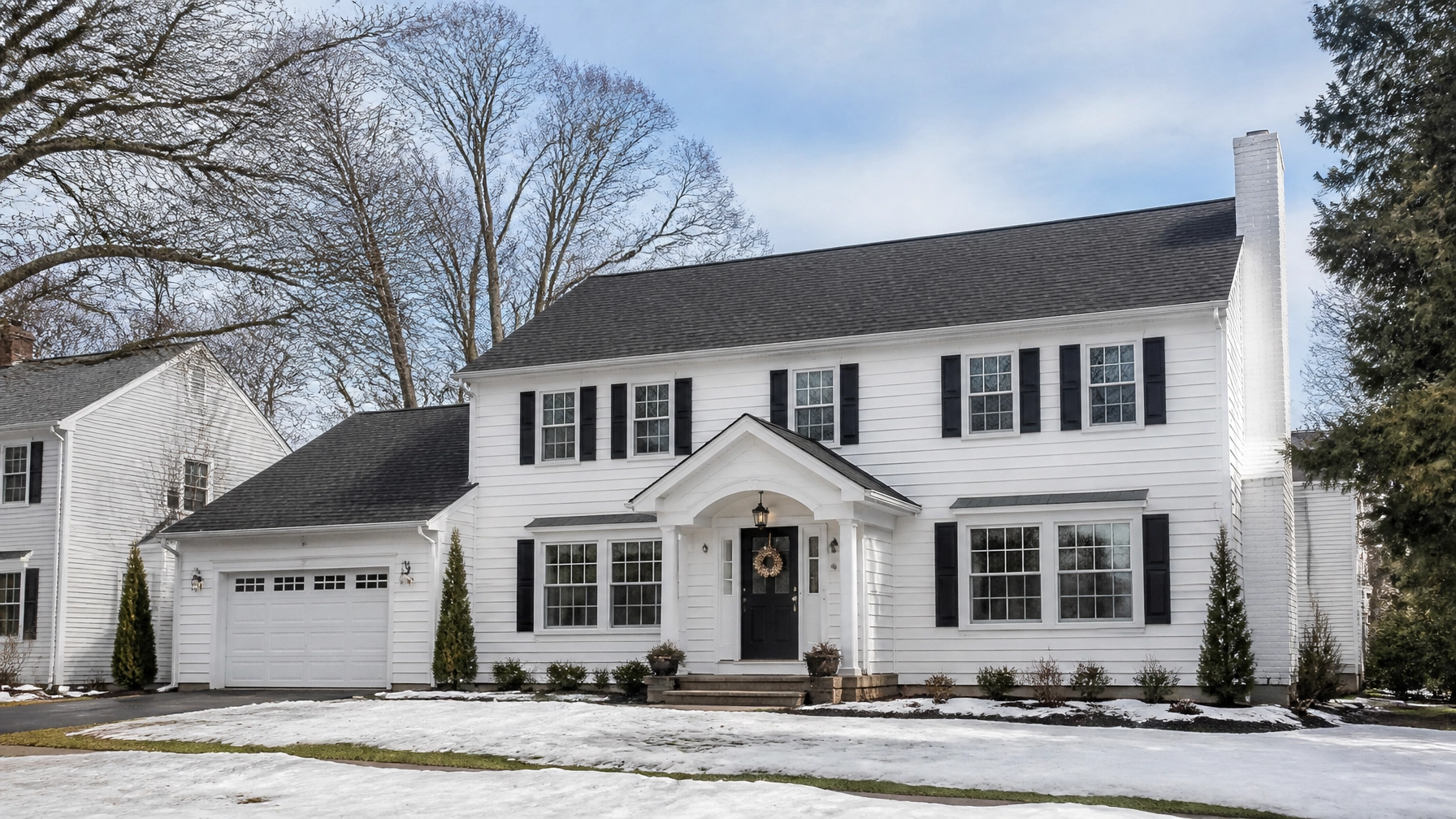
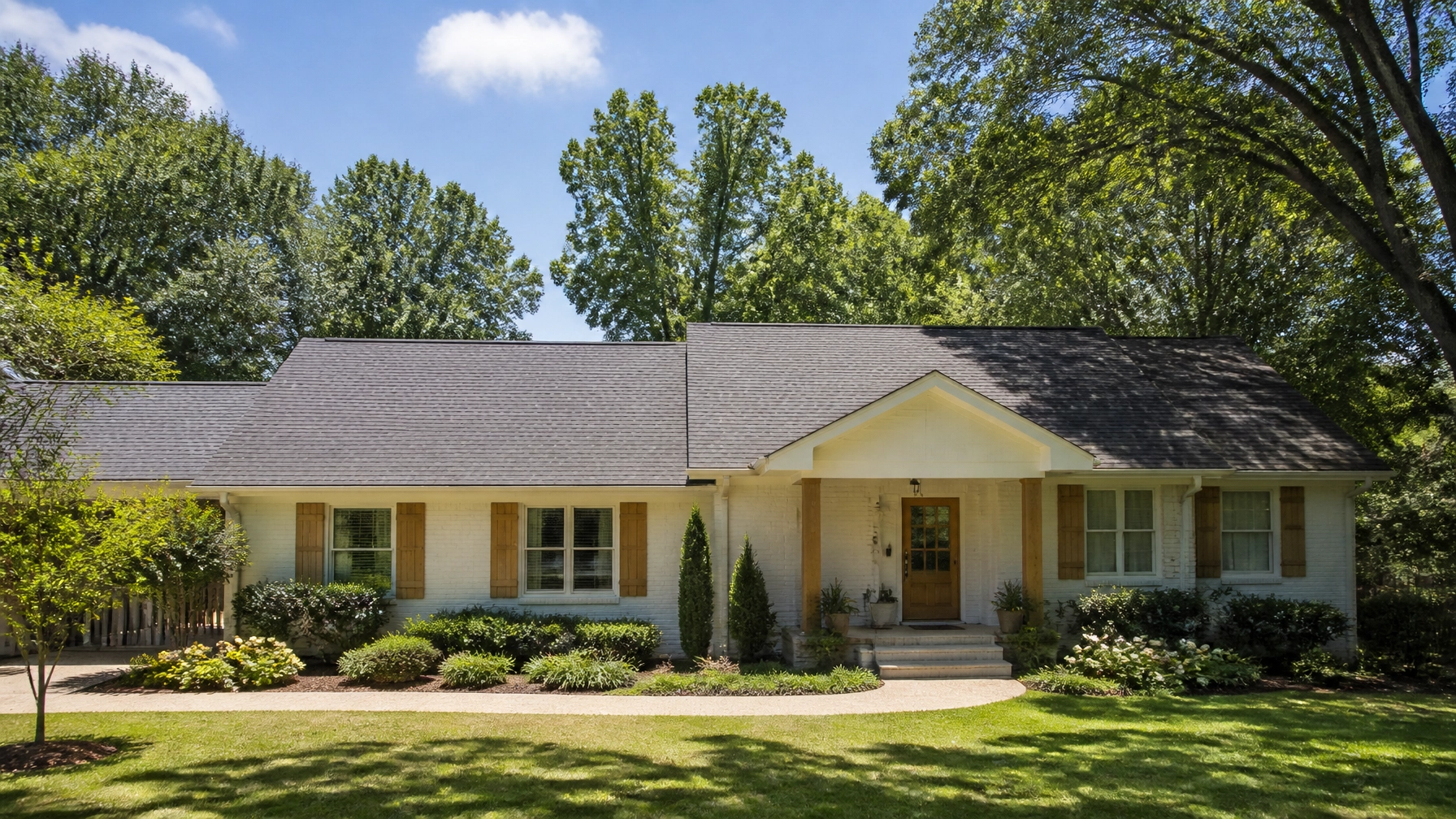
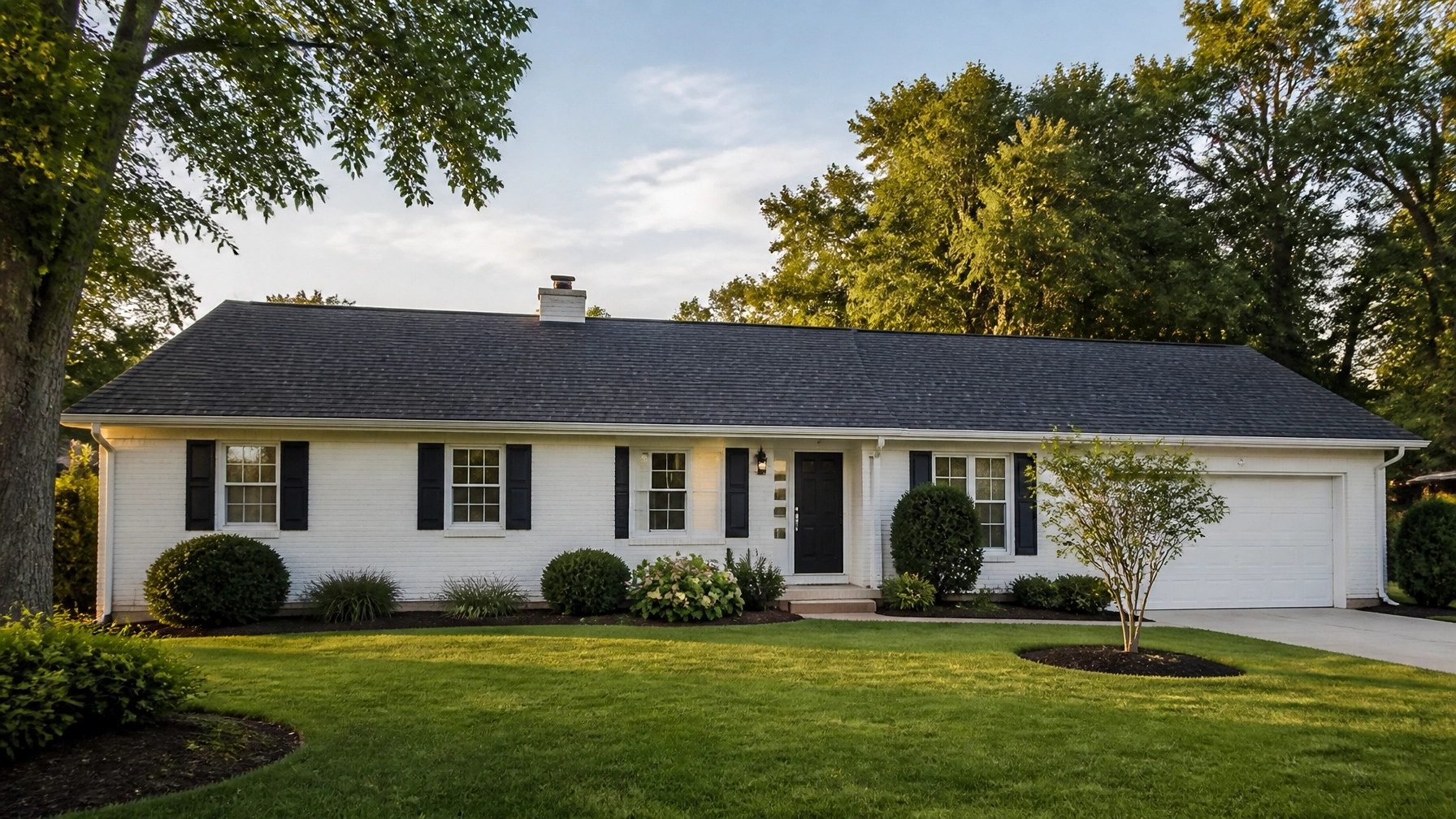
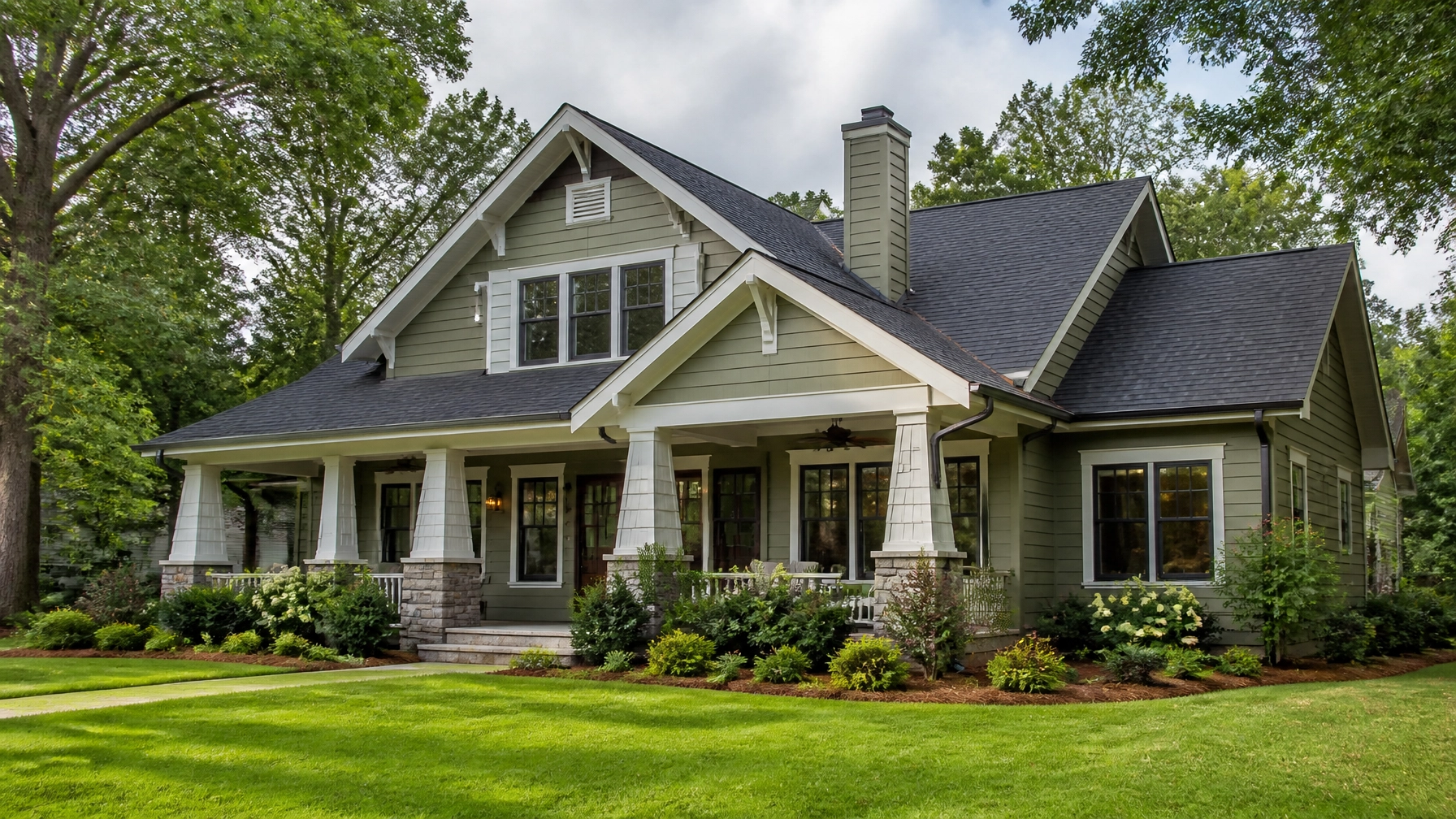
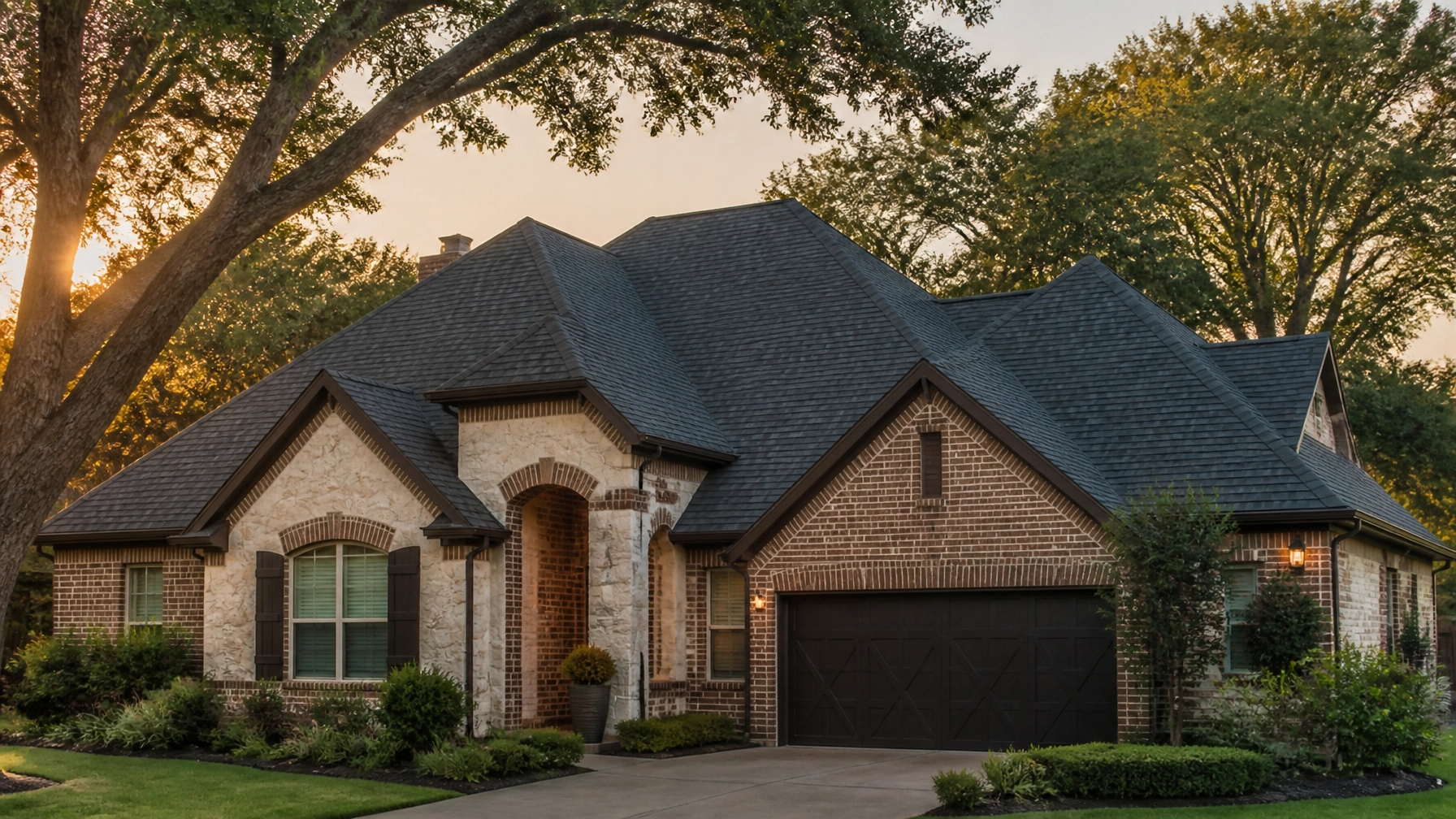
    Florida ranch home with a new architectural asphalt shingle roof and subtropical landscaping

    Cost by Roofing Material

    Architectural Asphalt Shingles (Popular)

    Architectural shingles are the most common replacement choice for Bay County homeowners because they balance cost, appearance, availability, and repairability.

    Typical 2026 pricing is:

    • $5.75–$9.75 per square foot installed
    • $575–$975 per square
    • $11,500–$19,500 for approximately 20 squares
    • Expected service life: roughly 25–30 years

    The higher local price range reflects Florida wind requirements, tear-off, disposal, deck fastening, secondary water protection, permits, and labor. Algae-resistant and high-wind-rated shingles may cost more than standard products.

    For more detail on shingle types and warranties, see the asphalt shingles guide.

    Standing-Seam Metal (Premium)

    Standing-seam metal roofing costs more initially but offers a longer service life and strong performance in hot, storm-prone coastal conditions.

    Typical pricing is:

    • $11–$19 per square foot installed
    • $1,100–$1,900 per square
    • $22,000–$38,000 for approximately 20 squares
    • Expected service life: roughly 40–70 years

    Aluminum can be worth considering near the Gulf because it resists corrosion better than unprotected steel. A quality underlayment, concealed fasteners, properly designed flashing, and approved attachment system are essential.

    Review the metal roofing guide or compare metal roofing versus asphalt shingles.

    Concrete Tile (Premium)

    Concrete tile remains popular in Florida because it suits Mediterranean, coastal, and upscale architectural styles. It can also provide a long service life when installed correctly.

    Typical pricing is:

    • $14.50–$20 per square foot installed
    • $1,450–$2,000 per square
    • $29,000–$40,000 for approximately 20 squares
    • Expected service life: often 40–60 years or more

    Tile is heavy. Before replacement, the contractor should verify the roof structure, inspect battens or decking, and identify cracked, slipped, or previously repaired tiles. Tile roofs also require specialized labor, which contributes to the higher cost.

    What Changes the Final Price?

    The material is only one part of a reroofing estimate. Your final Panama City price can change because of:

    Roof Size, Pitch, and Complexity

    Steeper roofs require additional safety equipment, slower installation, and more labor. Valleys, dormers, skylights, chimneys, multiple ridgelines, and difficult access also increase the number of cuts and flashing details.

    A simple one-story ranch home in Springfield may cost less than a two-story home with several roof sections in St. Andrews, even if the homes have similar living areas.

    Tear-Off and Deck Repairs

    Removing old roofing adds labor, disposal, and landfill costs. The contractor should inspect the roof deck after tear-off for:

    • Water-damaged plywood
    • Soft or rotten decking
    • Improper nail spacing
    • Storm damage
    • Deteriorated fascia or soffit
    • Damaged flashing around vents and chimneys

    Deck replacement is usually charged per sheet or as a separate allowance. Ask for a clear price before signing.

    Labor and Local Availability

    Panama City’s post-storm construction demand continues to affect labor pricing. Roofing companies must also account for safety compliance, workers’ compensation, supervision, and warranty support.

    Underlayment and Secondary Water Protection

    A basic underlayment system costs less than a fully sealed roof deck. In a coastal wind region, many homeowners choose upgraded self-adhered membranes at eaves, valleys, hips, and roof penetrations: or a more comprehensive sealed-deck system.

    Permits and Inspections

    Permit charges vary by jurisdiction and project valuation. For local requirements, start with Bay County Building Safety permits. If the property is inside Panama City city limits, confirm the correct process with Panama City Building Services. The permitting authority may require product approval documents and scheduled inspections.

    Panama City Roofing Code Requirements

    Panama City is in Florida’s Wind-Borne Debris Region and has site-specific ultimate design wind speeds commonly described in the 160–170 mph range. Confirm the exact wind speed for your parcel with the permitting authority or a qualified contractor.

    The applicable standard is the 8th Edition Florida Building Code, effective 2023. Important requirements may include:

    • Roofing systems and components with valid Florida Product Approval numbers
    • Approved high-wind installation methods and fastening patterns
    • Roof-deck re-nailing or fastening corrections
    • A secondary water barrier when an existing wood roof deck is exposed during replacement
    • Code-compliant flashing, drip edge, vents, and penetrations
    • Additional metal cap requirements where the mapped wind speed reaches certain thresholds

    Do not assume a product is approved because it is sold in Florida. Ask to see the Florida Product Approval listing and verify that it applies to your roof system and wind zone.

    Florida’s 25% Roof Rule

    Florida Statute §553.844 addresses roof replacement and the 25% threshold.

    The current rule includes an important distinction:

    • If an existing roof was built, repaired, or replaced in compliance with the 2007 Florida Building Code or a later edition, and 25% or more is repaired, replaced, or recovered, the work area must meet the current code.
    • If the roof cannot be shown to comply with the 2007 code or later, older full-roof compliance requirements may apply when the 25% threshold is exceeded.

    In practical terms, a full replacement already triggers current code requirements. For a partial repair, permit records and the roof’s construction date may affect whether the entire roof section must be upgraded.

    Insurance, Wind Mitigation, and Roof Age

    Bay County homeowners commonly see hurricane deductibles of approximately 2%–5% of the dwelling coverage limit. A home with a roof that is 15 years old or older may also receive additional underwriting scrutiny, inspection requests, restricted coverage, or higher premiums depending on the insurer.

    After the project, ask whether the new roof supports a wind mitigation inspection. Florida insurers use the OIR-B1-1802 Uniform Mitigation Verification Inspection Form to document qualifying features such as:

    • Current code-compliant roof covering
    • Roof-deck attachment
    • Secondary water resistance
    • Hip-roof geometry
    • Roof-to-wall connections
    • Opening protection

    The updated form is effective for inspections performed on or after April 1, 2026. Review the Florida Office of Insurance Regulation’s wind mitigation resources. Credits are not automatic, so confirm potential savings with your insurance agent.

    Modern Florida coastal home with a newly installed standing-seam metal roof

    Panama City Upgrades Worth Considering

    Local conditions make several upgrades especially practical:

    • Corrosion-resistant fasteners: Important in salt-air areas near the Gulf and St. Andrews Bay.
    • Algae-resistant shingles: Helpful in Florida’s humid, wet climate.
    • Class 4 impact-rated products: Consider them where available and appropriate for your insurance and storm exposure.
    • Sealed roof deck: Can reduce water intrusion after wind-driven rain.
    • Improved ventilation: Helps manage attic heat and moisture.
    • Tile inspection: Essential when replacing or repairing an older tile roof.
    • High-wind installation: Confirm the required nailing pattern, edge fastening, and approved system.

    Florida Mediterranean-style home with a new concrete tile roof

    Post-Hurricane Michael: Avoid Storm-Chaser Problems

    Hurricane Michael permanently changed the roofing market in Panama City and surrounding communities. The rebuilding experience also increased homeowner awareness of short-term storm chasers.

    Be cautious of contractors who:

    • Arrive uninvited after a storm
    • Demand a large cash deposit
    • Offer to “waive” your insurance deductible
    • Pressure you to sign immediately
    • Use a different company name on the contract
    • Cannot explain permits or Florida Product Approval
    • Provide only a verbal estimate

    Contractor Hiring Checklist

    Before selecting a roofer, verify:

    • A current CCC Certified Roofing Contractor or RRC/RC Registered Roofing Contractor license
    • License status through Florida DBPR MyFloridaLicense
    • General liability and workers’ compensation insurance
    • An itemized written bid
    • Tear-off and disposal details
    • Deck repair pricing or allowances
    • Underlayment and secondary water barrier specifications
    • Florida Product Approval numbers
    • Permit responsibility
    • Manufacturer and workmanship warranties
    • References from recent Panama City or Bay County projects

    Military homeowners near Tyndall Air Force Base should also confirm that the contractor understands base-area access, property management requirements, and insurance documentation.

    Get a Free Panama City Roof Estimate in 60 Seconds

    A contractor visit is not always necessary for a starting budget. Get My Roof Estimate Now uses satellite imagery to measure your roof’s size, pitch, and complexity, then provides a free estimate in about 60 seconds.

    There is:

    • No credit card required
    • No upfront cost
    • No hidden fees
    • No obligation to hire anyone

    You can compare architectural shingles, metal, and other roofing options before contacting local, licensed, and insured contractors.
    Get your free instant satellite roof estimate.

  • Daily ROI Blitz – Slot 4: Birmingham, AL New Roof ROI — What a Replacement Adds to Your Home Value in 2026

    Daily ROI Blitz – Slot 4: Birmingham, AL New Roof ROI — What a Replacement Adds to Your Home Value in 2026

    Replacing a roof in Birmingham typically costs $10,000–$16,000 for architectural shingles on a 2,000-square-foot roof. Most homeowners should budget approximately $11,000–$15,000 for a quality replacement.

    At resale, national Cost vs. Value data suggests homeowners recover roughly 60%–70% of the project cost, with favorable scenarios reaching approximately 73%. When an old roof is visibly worn, a new roof may also support an estimated $15,000–$25,000 or more in sale-price value by improving buyer confidence, reducing negotiation pressure, and preventing inspection-related concessions.

    For Birmingham homeowners, the return is not only about resale. A new roof can also provide storm protection, potential insurance savings, better curb appeal, and fewer surprise repair costs.

    Birmingham Housing Market Context for 2026

    Market values vary significantly between Birmingham’s city neighborhoods, suburbs, and the larger Birmingham-Hoover area. For planning purposes, current 2026 reports place a typical Birmingham-area home value near $264,000, although city-level sold prices and neighborhood medians can be substantially lower or higher depending on the source.

    Birmingham 2026 benchmark Working figure Why it matters
    Typical home-value planning anchor Approximately $264,000 Useful for estimating the roof’s share of total property value
    Other reported sold-price ranges Approximately $145,000–$210,000 City boundaries and data methods produce different results
    Quality architectural roof $11,000–$15,000 Common target budget for a typical 2,000-square-foot roof
    Potential sale-price support from replacing an aging roof $15,000–$25,000+ Depends on roof condition, neighborhood, and buyer expectations
    Typical resale cost recovery 60%–70%, up to approximately 73% Direct recovery varies by project and market conditions

    A $12,000 roof represents about 4.5% of a $264,000 home-value benchmark. That is a meaningful investment, but it is also a visible improvement to one of the home’s largest exterior systems.

    What New Roof ROI Really Means in Birmingham

    Roof ROI has two separate components: direct cost recovery and market benefits.

    1. Direct resale recovery (Core ROI)

    If your replacement costs $12,000 and the project recoups 60%–70% at resale, the direct recovered value would be approximately $7,200–$8,400. A favorable project may recover closer to 73%, or about $8,760.

    That does not mean the remaining cost is wasted. A roof replacement also provides use and protection while you own the home. It may prevent:

    • Interior water damage
    • Emergency repairs
    • Mold and moisture problems
    • Buyer-requested credits
    • Delays caused by roof inspections
    • Insurance complications related to roof age

    2. Additional market benefits (Indirect ROI)

    A visibly aging roof can make buyers assume the home needs immediate work. They may reduce an offer to account for the perceived replacement cost, even if the roof is still technically functional.

    A new roof can help by:

    • Improving first impressions
    • Making listing photos stronger
    • Supporting a cleaner inspection report
    • Reducing buyer uncertainty
    • Helping the home compete with nearby listings
    • Giving buyers more confidence in the asking price

    The estimated $15,000–$25,000+ increase in sale-price support applies most clearly when the existing roof is visibly deteriorated, near the end of its service life, or likely to become a negotiation issue.

    New storm-resistant architectural shingle roof on a Birmingham ranch home

    Birmingham Roof Replacement Costs by Material

    Your roof’s size, pitch, complexity, tear-off requirements, and decking condition will determine the final price. For a typical 2,000-square-foot Birmingham roof, these are practical 2026 planning ranges:

    • Budget: 3-tab shingles: $7,000–$11,000
    • Popular: architectural shingles: $10,000–$16,000
    • Storm-resistant: Class 4 shingles: $11,500–$18,000
    • Premium: standing-seam metal: $18,000–$32,000

    Architectural shingles are usually the strongest balance of cost, appearance, availability, and resale appeal. Standing-seam metal can deliver a longer service life, but the higher upfront cost may not produce the same percentage return at resale.

    Your estimate should account for:

    • Roof squares, with one square equal to 100 square feet
    • Roof pitch and worker access
    • Valleys, dormers, skylights, and penetrations
    • Old roof removal
    • Underlayment and ventilation
    • Flashing and pipe boots
    • Damaged decking
    • Local labor and disposal costs

    Why Birmingham’s Dixie Alley Climate Changes the ROI

    Birmingham sits in the broader Dixie Alley severe-weather corridor, where homeowners face hail, high winds, heavy rain, and tornado-producing storms. A roof that looks acceptable from the ground may still have lifted shingles, impact damage, or weakened flashing.

    Birmingham roofs also deal with:

    • Heat and UV exposure: Accelerates shingle aging during hot summers.
    • Humidity and rain: Increase the importance of ventilation, flashing, and moisture control.
    • Hail and wind: Can damage conventional shingles and create future leak points.
    • Temperature swings: Repeated heating and cooling can stress roofing materials.
    • Freeze-thaw cycles: Less severe than in northern states, but still relevant during winter cold snaps.

    For ROI, the best roof is not automatically the most expensive roof. It is the system that matches your home, neighborhood, storm exposure, budget, and expected ownership period.

    Birmingham Neighborhood Considerations

    Roof appearance can carry extra weight in neighborhoods where architectural character and curb appeal strongly influence buyer expectations.

    Mountain Brook and Vestavia Hills

    Higher-value homes and established landscaping make roof condition highly visible. Consider architectural shingles with a dimensional profile and a color that complements brick, stone, or painted siding. A poor-quality or visibly mismatched roof can undermine an otherwise well-maintained exterior.

    Homewood and Hoover

    Buyers often compare multiple homes within a similar price range. A newer roof can distinguish your property while reducing concerns about near-term maintenance. Neutral charcoal, weathered wood, and blended brown tones are common choices, but confirm HOA requirements where applicable.

    Highland Park, Forest Park, and Crestline

    Older homes may have more complex rooflines, original details, and historic-district considerations. Architectural shingles can provide updated protection without making the home look out of place. In some areas, exterior changes visible from the street may require additional design review.

    Historic-style Birmingham home with a new charcoal architectural shingle roof

    Class 4 Shingles, FORTIFIED Roofs, and Insurance Savings

    Class 4 impact-resistant shingles generally cost more than standard architectural shingles, but they may be worthwhile in a storm-prone market.

    Insurance savings are carrier-specific. A Class 4 roof may qualify for approximately 5%–28% savings on the wind/hail portion of a policy, not necessarily the entire homeowners insurance premium.

    A FORTIFIED Roof is a more comprehensive mitigation approach. Alabama homeowners may receive an estimated 25%–35% discount on the wind portion of eligible policies when the home meets program requirements and has the appropriate designation documentation.

    The Strengthen Alabama Homes program may provide grants of up to $10,000 for eligible owner-occupied single-family homes in participating counties. Funding, county participation, application windows, and construction requirements can change. Check current eligibility before selecting materials or signing a contract.

    A practical comparison:

    • Standard architectural shingles (Popular): Lower upfront cost and strong general resale appeal.
    • Class 4 shingles (Storm-resistant): Higher upfront cost with possible insurance benefits.
    • FORTIFIED Roof: More detailed installation and documentation, with potential insurance discounts and grant support.
    • Standing-seam metal (Premium): Long service life and strong weather performance, but higher initial investment.

    Replace Before Selling: or Wait?

    Replacing before listing usually makes more sense when:

    • The roof is more than 15–20 years old.
    • Shingles are curling, missing, cracked, or heavily discolored.
    • The roof is visible from the street.
    • You expect buyers to request a credit.
    • A pre-listing inspection identifies roof concerns.
    • Comparable homes nearby have newer roofs.

    If the roof is still performing well and buyers in your price range do not expect a new installation, a replacement may not be necessary. Ask a local real estate professional for neighborhood-specific guidance before committing to a premium material.

    Keep these records after installation:

    • Final paid invoice
    • Material brand, color, and product line
    • Warranty documents
    • Permit and inspection records, when applicable
    • Photos of underlayment, flashing, and decking before shingles are installed
    • FORTIFIED designation documents, if applicable
    • Insurance discount confirmation

    Inside Birmingham city limits, shingle replacement on a single-family home may be exempt from a building permit when no decking is repaired or replaced. Permits are generally needed for decking, rafters, structural repairs, or ridge and roofline changes. Confirm the exact scope with Birmingham Planning, Engineering and Permits. Properties in unincorporated Jefferson County may follow county requirements.

    Verify the contractor's license, insurance, references, written scope, and warranty before signing. Birmingham guidance identifies $10,000 or more as an important threshold for home-builder licensing on single-family work when the owner is not performing the work. Confirm which license or endorsement applies to your project.

    Get a Birmingham Roof ROI Estimate in 60 Seconds

    Before deciding whether a replacement fits your budget, get a property-specific number.

    Get a free instant Birmingham roof estimate using satellite imagery. The tool measures your roof based on its actual size, pitch, and complexity and provides low-middle-high pricing in under 60 seconds.

    There is:

    • No cost
    • No credit card requirement
    • No contractor visit needed upfront
    • No hidden fees
    • No pressure to proceed

    You can also compare general material scenarios with the roof cost calculator or start at Get My Roof Estimate Now.

    Final Birmingham Roof ROI Summary

    • Budget $10,000–$16,000 for a typical architectural shingle replacement.
    • Most quality Birmingham projects fall near $11,000–$15,000.
    • Expect approximately 60%–70% direct resale cost recovery, with some favorable scenarios near 73%.
    • A visibly aging roof may support $15,000–$25,000+ in sale-price value by improving buyer confidence and reducing concessions.
    • Birmingham’s hail, wind, tornado-producing storms, heat, humidity, and rain make roof condition a major ownership issue.
    • Class 4 shingles and FORTIFIED Roof upgrades may qualify for carrier-specific insurance savings.
    • Strengthen Alabama Homes may offer grants up to $10,000 for eligible properties and projects.
    • Confirm Birmingham permit requirements, county rules, and Alabama contractor licensing before work begins.
    • Get your address-specific low-middle-high estimate online in under 60 seconds.

    Sources

  • Daily ROI Blitz – Slot 5: Grand Rapids, MI New Roof ROI : What a Replacement Adds to Your Home Value in 2026

    Daily ROI Blitz – Slot 5: Grand Rapids, MI New Roof ROI : What a Replacement Adds to Your Home Value in 2026

    A new roof in Grand Rapids typically costs $9,000–$18,000 for architectural shingles on a 2,000-square-foot roof, with most projects landing around $12,000–$16,000. A standing-seam metal roof generally costs $20,000–$42,000 or more.

    For resale, the 2025 Zonda/JLC Cost vs. Value report shows approximately:

    • Asphalt shingle replacement: 68% of project cost recouped
    • Metal roof replacement: 50% of project cost recouped
    • Estimated home-value lift from a roof replacement: roughly 2.5%–2.8%, depending on condition, material, neighborhood, and buyer demand

    That means a new roof is rarely a dollar-for-dollar investment. Its ROI comes from a combination of added value, fewer inspection objections, reduced buyer credits, and stronger competition in a tight West Michigan housing market.

    Grand Rapids Housing Market Benchmarks for 2026

    Grand Rapids remains a competitive market, although conditions are more balanced than during the peak pandemic years.

    Current 2026 benchmarks include:

    • City median home price: approximately $300,000
    • Broader metro median: approximately $384,500
    • Annual appreciation: roughly 1.9%–4.8%, depending on the source and area measured
    • Inventory: approximately 1.1–1.6 months
    • Sale-to-list behavior: homes are commonly selling at or near asking price, with well-prepared properties sometimes receiving competing offers

    Sources such as Redfin’s Grand Rapids housing market data and Zillow’s Grand Rapids home values show why condition matters. Buyers have limited choices, but they are still paying close attention to deferred maintenance.

    That is especially true in neighborhoods and nearby communities such as:

    • East Grand Rapids
    • Heritage Hill
    • East Hills
    • Cherry Hill
    • Belknap Lookout
    • Creston
    • Alger Heights
    • Wyoming
    • Kentwood
    • Grandville

    A roof replacement can help a home stand out across ZIP codes including 49503, 49504, 49505, 49506, 49507, 49508, 49509, 49525, 49546, and 49548.

    Cold-climate Midwest ranch home with a new architectural shingle roof and melting snow

    2026 Grand Rapids Roof Replacement Costs

    The following estimates assume a typical 2,000-square-foot roof area, not necessarily a 2,000-square-foot house. Roofing contractors measure roofs in squares, with one square equal to 100 square feet.

    Roofing option 2026 installed range Buyer context
    3-tab asphalt shingles $9,000–$12,000 Budget : lower upfront cost, shorter service life
    Architectural asphalt shingles $12,000–$16,000 for most projects Popular : strong balance of appearance, cost, and durability
    Class 4 impact-resistant shingles $13,000–$18,000+ Durability : better hail resistance and possible insurance benefits
    Standing-seam metal $20,000–$42,000+ Premium : long service life, strong weather performance, higher investment

    Your actual cost depends on:

    • Roof size and number of squares
    • Pitch and accessibility
    • Valleys, dormers, skylights, and other complex sections
    • Tear-off requirements
    • Damaged or rotten decking
    • Ice-and-water shield coverage
    • Flashing and chimney work
    • Attic ventilation upgrades
    • Material availability and local labor demand

    For a broader local benchmark, Get My Roof Estimate Now’s Grand Rapids roofing page places typical local roof replacement costs around $7,500–$20,000, with many architectural shingle projects near $12,500.

    What ROI Can a New Roof Deliver?

    Asphalt Shingles: The Strongest Resale Payback

    Asphalt shingles generally produce the best immediate resale ROI because they are affordable, familiar, and expected by most buyers.

    The 2025 Zonda/JLC benchmark shows about 68% cost recouped for an asphalt shingle replacement. On a $14,000 project, that suggests approximately $9,520 in value recaptured through resale value.

    For a Grand Rapids home valued near $384,500, a rough 2.5%–2.8% value contribution equals approximately:

    • 2.5%: $9,613
    • 2.8%: $10,766

    This is a market planning range: not a guaranteed appraisal result. A roof that replaces visibly failing shingles may protect value more effectively than it increases value.

    Metal Roofing: Higher Investment, Longer Ownership Horizon

    Standing-seam metal can last 40–70 years with proper installation, but the initial cost is substantially higher. The 2025 Zonda/JLC data shows about 50% of project cost recouped at resale.

    Metal can still make financial sense when:

    • You plan to remain in the home for 10 or more years
    • The roof has a simple design
    • Snow, hail, and wind resistance are priorities
    • You want to reduce the chance of another roof replacement
    • The home’s architecture supports a premium metal roof

    Metal often performs better as a long-term ownership decision than as a short-term resale project.

    The Hidden ROI: Appraisal and Negotiation Protection

    A new roof can create value that does not appear as a simple line-item increase in the final sale price.

    Fewer inspection deductions

    An aging roof often triggers concerns about:

    • Remaining useful life
    • Active or potential leaks
    • Damaged flashing
    • Missing shingles
    • Ice-dam exposure
    • Poor attic ventilation
    • Decking deterioration

    Buyers may respond with repair requests, credits, or a lower offer. Replacing the roof before listing can eliminate several of these objections.

    Better negotiating position

    In a market with roughly 1.1–1.6 months of inventory, buyers want move-in-ready homes. A documented replacement with permits, warranties, and licensed installation can support a firm asking price.

    Better appraisal support

    Appraisers consider condition, comparable sales, and marketability. A new roof will not automatically add its full cost, but it can help prevent the property from being adjusted downward for deferred maintenance.

    Asphalt vs. Metal vs. Class 4 Shingles in West Michigan

    Grand Rapids roofs face more than ordinary rain. Local conditions include:

    • Heavy winter snow loads
    • Ice dams along eaves
    • Freeze-thaw expansion and contraction
    • Spring hail and high winds
    • Summer humidity and algae growth
    • Attic moisture caused by poor ventilation

    Modern Grand Rapids home with a dark standing-seam metal roof in a snowy Midwest setting

    Architectural shingles remain the most practical choice for many homeowners. They offer broad color selection, familiar installation methods, and the best balance of cost and resale acceptance.

    Class 4 impact-resistant shingles may be worth considering after repeated hail exposure. Ask your insurance carrier whether a qualifying product could affect premiums. Coverage varies by insurer and policy.

    Standing-seam metal provides excellent longevity and sheds snow effectively when properly designed. However, installation quality is critical. Fasteners, underlayment, flashing, snow management, and expansion details must be handled correctly.

    For a side-by-side comparison, see the metal roofing vs. asphalt shingles guide.

    Grand Rapids Permits, Ice Protection, and Licensing

    The City of Grand Rapids requires a residential building permit for full roof replacement. Applications are handled through the City of Grand Rapids residential re-roofing permit process.

    Your project should address:

    • Ice-and-water shield extending at least 24 inches inside the exterior wall line
    • Metal drip edge at eaves and rakes
    • Proper underlayment and flashing
    • Code-compliant attic ventilation
    • Required inspections

    If the property is in a historic district: particularly areas near Heritage Hill or other protected neighborhoods: verify whether a Certificate of Appropriateness is required before the building permit is issued. Review the city’s historic preservation application information.

    Contractors performing residential roofing work for compensation generally need a Michigan Residential Builder license or a Residential Maintenance & Alteration Contractor license with the roofing classification through Michigan LARA. They should also meet Grand Rapids’ local contractor registration and permitting requirements.

    Grand Rapids Roof Replacement Checklist

    Before signing a contract:

    • Get an address-specific cost estimate
    • Compare at least two or three written proposals
    • Confirm the contractor’s Michigan license
    • Request proof of liability and workers’ compensation insurance
    • Ask who will pull the permit
    • Confirm ice-and-water shield coverage
    • Verify drip-edge and ventilation details
    • Request a decking repair price per sheet
    • Check material and workmanship warranties
    • Ask how storm damage and insurance claims are documented
    • Confirm cleanup, magnetic nail sweeping, and final inspection

    Spring storm season is a practical deadline. Winter ice dams and snow can expose weak areas, while hail and wind frequently create new damage in spring and summer. Replacing a roof before an emergency gives you more control over material selection, scheduling, and price.

    Frequently Asked Questions

    Is a new roof worth it before selling in Grand Rapids?

    Usually, if the existing roof is visibly worn, near the end of its service life, or likely to be flagged during inspection. You may not recover every dollar, but you can reduce buyer credits and improve marketability.

    What is the best roof material for Grand Rapids?

    Architectural shingles are the most common value choice. Class 4 shingles add impact resistance, while standing-seam metal is better suited to long-term owners who prioritize lifespan and durability.

    How accurate is an instant roof estimate?

    Get My Roof Estimate Now uses satellite imagery to measure roof size, pitch, and complexity with approximately 90%–95% accuracy. You receive a low-middle-high price range in about 60 seconds, with no contractor visit and no credit card required.

    How can I get my Grand Rapids roof price?

    Use the instant Grand Rapids roof estimate tool. Enter your address to see material-based pricing for your property. You can also visit the Get My Roof Estimate Now homepage to compare options and connect with verified local contractors.

    Get Your Grand Rapids Roof ROI Estimate in 60 Seconds

    A new roof is both a protection project and a resale decision. Start with accurate measurements, realistic local pricing, and a clear comparison between asphalt, Class 4 shingles, and metal.

    Get a free, satellite-measured estimate for your Grand Rapids home in under a minute: no credit card, no appointment, and no pressure.

  • Daily Weather Blitz – Slot 5: Birmingham, AL : August 30, 2026: A Muggy 93°F Sunday With Light Winds, a Heat Build Into the Upper 90s by Midweek & What a Magic City Late-Summer Heat Dome Does to Your Roof

    Daily Weather Blitz – Slot 5: Birmingham, AL : August 30, 2026: A Muggy 93°F Sunday With Light Winds, a Heat Build Into the Upper 90s by Midweek & What a Magic City Late-Summer Heat Dome Does to Your Roof

    Birmingham is entering another hot, humid stretch. Sunday, August 30, should be mostly sunny to partly cloudy with a high near 93°F, a low around 74°F, and light east to southeast winds of 5–10 mph. A few isolated brief showers or afternoon storms are possible, mainly south of I-20.

    The bigger concern is the week ahead. High pressure is expected to strengthen across Central Alabama, pushing daytime temperatures into the upper 90s while limiting storm coverage. That combination: strong sun, high humidity, warm nights, and occasional severe weather: can accelerate roof aging.

    For homeowners with roofs approaching 15–30 years old, this is a useful time to check condition, improve attic airflow, and establish a replacement budget before fall storms become more frequent.

    Birmingham roof replacement benchmark: A typical local replacement costs approximately $7,000–$18,500, with many homeowners paying around $11,500 for architectural shingles on a 2,000-square-foot roof. Your actual price depends on roof size, pitch, complexity, materials, tear-off requirements, and hidden deck damage. See the Birmingham roof estimate guide for local pricing.

    Birmingham’s 7-day weather outlook

    Day Forecast High / Low
    Sunday, Aug. 30 Mostly sunny to partly cloudy, muggy; isolated brief showers or storms mainly south of I-20 93° / 74°F
    Monday Partly cloudy and humid 95° / 75°F
    Tuesday Hot, humid, partly cloudy 98° / 75°F
    Wednesday Very hot with continued heat buildup 98° / 78°F
    Thursday Overcast and warm 96° / 77°F
    Friday Hot and humid; thunderstorms possible 97° / 77°F
    Saturday Foggy with light precipitation possible 92° / 74°F

    The forecast follows a brutal late-August pattern. Central Alabama experienced an Extreme Heat Warning around August 17, along with multiple heat advisories when heat indices reached approximately 105–110°F. The region is now heading toward early September with a major-to-extreme heat risk.

    The National Weather Service Birmingham office and local reporting from WBRC provide the latest official updates. Always check current alerts before working outdoors or arranging a roof inspection.

    What a late-summer heat dome does to Birmingham roofs

    A roof does not experience the same temperature shown by your outdoor thermometer. Direct sunlight can make dark asphalt shingles substantially hotter than the surrounding air. During a 98°F afternoon, roof surfaces can become hot enough to soften asphalt compounds and stress adhesives.

    The problem is not one hot day. It is the repetition.

    1. Thermal expansion and contraction

    Roofing materials expand in intense afternoon heat and contract after sunset. Birmingham’s warm nights reduce the cooling period, but the roof still cycles through daily temperature changes.

    Over time, repeated movement can contribute to:

    • Cracks along shingle edges
    • Fatigue around fasteners
    • Loosened flashing
    • Gaps at roof-to-wall transitions
    • Shrinking or splitting sealants

    Older shingles become less flexible, so they tolerate these cycles less effectively.

    2. Blistering and granule loss

    Heat and trapped moisture can create small raised areas, commonly called blisters. When blisters rupture, the shingle surface loses part of its protective layer.

    Granules shield the asphalt mat from ultraviolet radiation. Look for warning signs such as:

    • Bare or uneven areas on sun-facing slopes
    • Excess granules collecting in gutters
    • Dark exposed patches
    • Faded, brittle, or rough-looking shingles

    Granule loss is especially concerning because it exposes the asphalt to even more heat and UV damage.

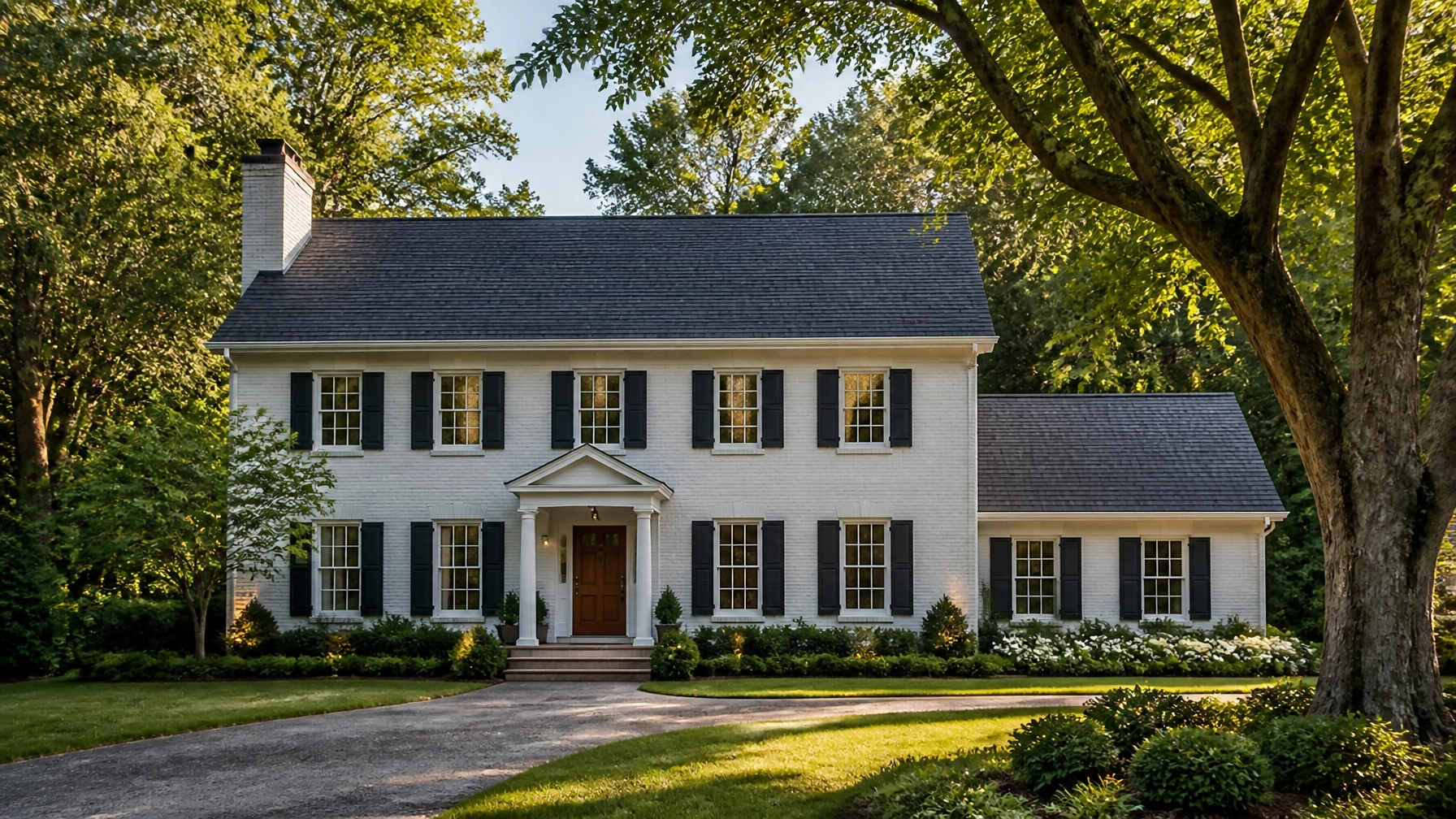
    Birmingham Colonial home with a new charcoal architectural shingle roof and detailed flashing

    3. Asphalt drying, cracking, and UV degradation

    Long periods of strong sun gradually remove volatile oils from asphalt-based shingles. The material can become drier, stiffer, and more brittle.

    The National Institute of Standards and Technology has documented how elevated temperatures and UV exposure affect asphalt shingle durability. Birmingham’s heat and sun exposure do not automatically mean a roof will fail early, but they can expose weak installation, poor ventilation, and age-related deterioration sooner.

    South- and west-facing roof slopes usually receive the most sustained solar exposure. Darker colors may also absorb more heat than lighter or reflective options.

    4. Sealant and flashing fatigue

    Flashing protects the areas where roofing meets chimneys, walls, skylights, vents, and valleys. These locations already experience movement and water flow. High heat can accelerate the drying and shrinking of older sealants.

    During a storm, a small flashing gap can become a leak path. The damage may not appear inside the home until after several inches of rain.

    5. Attic heat and humidity buildup

    Poor attic ventilation traps heat beneath the roof deck. It can also allow moisture to accumulate, increasing the risk of condensation, wood deterioration, and mold-related problems.

    A balanced system generally includes:

    • Intake ventilation through clear soffits
    • Exhaust ventilation near the ridge
    • Properly installed ridge vents or other approved exhaust vents
    • Air sealing around attic penetrations

    A ridge vent alone cannot correct blocked soffit intake or major air leaks. Ventilation should be evaluated as a complete system.

    Modern Birmingham home with a reflective metal roof, visible ridge ventilation, and distant summer storm clouds

    Heat is only half the roof stress

    Birmingham’s late-summer storms can bring sudden downpours, lightning, hail, and strong wind gusts. A roof weakened by heat and UV exposure may be more vulnerable when a fast-moving storm arrives.

    Alabama’s strongest tornado risk is typically concentrated in spring, with another active period possible in fall. However, severe thunderstorms and damaging wind can affect Central Alabama well beyond those peak windows. In practical terms, homeowners should treat every late-summer storm as a reason to check for:

    • Missing or lifted shingles
    • Damaged ridge caps
    • Bent or displaced flashing
    • Tree limbs touching the roof
    • Clogged gutters and downspouts
    • New ceiling or attic stains

    Do not climb onto the roof after a storm. Photograph visible damage from the ground and arrange a professional inspection.

    Birmingham roof durability checklist

    Use the next week to complete these low-risk maintenance steps:

    1. Check the attic on a cool morning. Look for damp insulation, musty odors, roof-deck discoloration, or daylight where it should not be visible.
    2. Inspect gutters. Granules, shingle fragments, and heavy sediment may indicate surface deterioration.
    3. Review flashing and sealant. Pay particular attention to chimneys, plumbing vents, wall intersections, and valleys.
    4. Trim nearby branches. Remove limbs that scrape shingles or could fall during a thunderstorm.
    5. Schedule an annual inspection before fall weather. A professional can identify damage that is difficult to see from the ground.
    6. Consider reflective materials. Radiant barriers, reflective shingles, and properly designed metal roofing may reduce heat absorption, depending on the roof system and attic configuration.
    7. Do not ignore roof age. A roof that is 20 years old and showing granule loss deserves a replacement comparison, even if it has not started leaking.

    Choosing the best roof for home value in Birmingham

    Architectural shingles are often the best roof for home value on a typical Birmingham property because they balance cost, appearance, availability, and expected service life. Metal roofing can make sense for homeowners planning to stay longer, prioritizing longevity, or seeking stronger solar reflectance.

    Material selection should match the home and neighborhood:

    • Architectural shingles (Popular): Strong mainstream resale appeal and broad color selection
    • Reflective or lighter shingles (Energy-focused): May reduce heat absorption
    • Metal roofing (Long-term): Higher upfront cost with extended service life
    • Designer shingles (Premium): Useful when the roof is a major architectural feature

    When evaluating new roof ROI and home value, avoid focusing only on the resale price added. A new roof can also improve buyer confidence, reduce inspection objections, and limit requests for repair credits.

    National remodeling data commonly places roof replacement ROI around 60%–70% of project cost, depending on material and market. The roof replacement resale value is strongest when the old roof is visibly worn or near the end of its useful life.

    Curb appeal matters, too. A clean, proportionate roof can improve listing photos and the first impression from the street. That connection between roof curb appeal and home value is difficult to measure precisely, but it is real: especially when a failing roof makes the property look neglected.

    Get a Birmingham roof estimate before the next storm cycle

    Planning does not require waiting for a contractor appointment. Get My Roof Estimate Now uses satellite-powered measurements to estimate roof size, pitch, and complexity.

    The service is:

    • Free
    • Available without a credit card
    • Delivered in about 60 seconds
    • Typically accurate within inches, or approximately 90%–95% for many properties
    • Transparent, with low-middle-high pricing ranges
    • Connected to vetted, licensed, and insured local contractors

    You can also compare options with the roof cost calculator. Use the result as a planning benchmark, then have a qualified roofer confirm the roof’s surface condition, ventilation, flashing, and decking in person.

    Birmingham’s heat dome will eventually weaken, but the roof stress it creates does not disappear immediately. A quick estimate and a pre-fall inspection can help you budget before a small maintenance issue becomes a storm-related replacement emergency.

  • 2026 Roof Replacement Cost in Winston-Salem, NC: Twin City Pricing, Permit Rules & Budget Tips

    2026 Roof Replacement Cost in Winston-Salem, NC: Twin City Pricing, Permit Rules & Budget Tips

    Planning a roof replacement in Winston-Salem, NC, in 2026? A standard residential project typically costs $8,300 to $18,000 or more. For a typical 2,200-square-foot home, architectural shingles usually run about $11,000–$15,500 installed.

    Larger roofs, steep slopes, multiple valleys, damaged decking, premium materials, and storm-season demand can push the total higher.

    This guide covers current 2026 roof replacement cost benchmarks, Winston-Salem permit rules, local weather concerns, material comparisons, and practical ways to control your budget.

    Quick Cost Summary for Roof Replacement in Winston-Salem

    Project type Typical 2026 Winston-Salem cost
    Small or simple asphalt replacement $8,300–$11,000
    Architectural shingles on a typical home $11,000–$15,500
    Larger or complex asphalt roof $15,500–$18,000+
    Metal roof replacement $17,000–$30,000+
    Premium standing-seam metal $25,000–$45,000+

    These are planning ranges, not contractor bids. Roofing is priced by the actual roof surface, measured in squares. One roofing square equals 100 square feet. A 2,200-square-foot home may have considerably more than 2,200 square feet of roof surface after pitch, overhangs, and waste are included.

    For a property-specific starting point, use the free roof cost calculator or request a free satellite-based estimate. The system measures your roof from satellite imagery and provides pricing in about 60 seconds.

    2026 Roof Material Cost Comparison

    Material choice is one of the largest pricing decisions. The following benchmarks include installation and are intended for early budgeting.

    Roofing option Cost label Installed price benchmark Best fit
    Basic asphalt or 3-tab shingles Budget About $4.50–$7.00 per sq. ft. Lowest upfront cost and simple roof designs
    Architectural shingles Popular About $6.05–$10.00 per sq. ft. Most Winston-Salem homeowners
    Corrugated or exposed-fastener metal Premium About $8.00–$14.00 per sq. ft. Durable upgrade with lower metal pricing
    Metal roofing systems Premium About $8.00–$24.00 per sq. ft. Long service life and low maintenance
    Standing-seam metal Premium About $13.00–$21.00 per sq. ft. Modern homes and high-end installations

    For additional material details, compare metal roofing and asphalt shingles, or review the guides to asphalt shingles and metal roofing.

    Architectural Shingles (Popular)

    Architectural shingles are the most common choice for homes in Ardmore, Buena Vista, West End, Reynolda Manor, and surrounding Winston-Salem neighborhoods.

    They offer:

    • Strong curb appeal
    • Many colors and dimensional styles
    • Easier repairs than metal
    • Typical service life of 25–30 years
    • Good value for homeowners planning to sell or refinance

    A typical 2,200-square-foot home with a moderately complex roof may fall near $11,000–$15,500 for architectural shingles. The final price depends on the actual roof area, number of layers, pitch, ventilation, flashing, and decking.

    Metal Roofing (Premium)

    Metal roofing usually costs more upfront but can last 40–70 years when properly installed. Standing seam is the premium version, using concealed fasteners and raised interlocking seams.

    Metal may make sense if you:

    • Plan to remain in your home for 10 years or longer
    • Want lower long-term maintenance
    • Prefer a modern or distinctive appearance
    • Want improved solar reflectivity
    • Are replacing a roof after repeated wind damage

    Metal roofing can also improve resale appeal. That does not guarantee a specific return, but durable materials can support stronger roof replacement ROI, especially when the roof is a major selling point.

    Colonial home in the Winston-Salem area with a new dimensional architectural shingle roof

    Main Pricing Factors in Winston-Salem

    1. Roof size and pitch

    Most Winston-Salem-area homes have roof surfaces associated with homes between 1,500 and 3,000 square feet. A larger roof requires more shingles, underlayment, flashing, labor, and disposal.

    Steep roofs also cost more because crews need additional fall protection, staging, and time. A simple ranch roof may cost substantially less than a Colonial roof with dormers, multiple ridges, and steep planes.

    2. Roof complexity

    Valleys, skylights, chimneys, dormers, plumbing vents, and multiple roof sections all add labor. Complex rooflines require more flashing and more detailed installation.

    A clean, rectangular roof is generally faster and less expensive than a roof with several intersections and penetrations.

    3. Tear-off and disposal

    Removing the old roof can add a meaningful line item. Costs increase when the roof has:

    • Two or more existing shingle layers
    • Heavy or brittle materials
    • Difficult driveway or dumpster access
    • Extensive nails and debris
    • Extra disposal requirements

    Ask every contractor whether the quote includes tear-off, labor, dumpster rental, hauling, magnetic nail cleanup, and final site cleanup.

    4. Decking and structural repairs

    Once shingles or metal are removed, the contractor may find damaged roof decking. Replacing plywood or OSB adds material and labor.

    Structural work: such as rafter sistering, framing repairs, or pitch changes: requires more planning and may trigger additional permit requirements.

    5. 2026 material and labor changes

    In 2026, asphalt roofing material pricing is generally expected to be 4%–8% higher than prior-year benchmarks. Metal pricing is more volatile because steel and aluminum costs are affected by tariffs, manufacturing expenses, and transportation.

    Local roofing labor is commonly budgeted around $55 per hour, although contractors usually present a project price rather than an hourly bill.

    Peak-season demand also matters. In busy spring and summer periods, Winston-Salem homeowners may face two- to four-week booking lead times.

    Winston-Salem Climate and Roof Wear

    Winston-Salem sits in the Piedmont Triad’s humid subtropical climate. Roofs here deal with heat, humidity, UV exposure, heavy rain, and frequent spring and summer thunderstorms.

    Planning data for 2021–2025 show more local wind events than hail events: approximately 102 wind events compared with 9 hail events. That does not mean hail can be ignored. Large hail has affected the region, including reports of hail up to approximately 1.75 inches during summer 2025 storms.

    The most common local roof concerns include:

    • Wind-lifted or missing shingles
    • Granule loss from aging asphalt
    • Heat and UV deterioration
    • Algae streaking on shaded slopes
    • Moss growth where moisture and shade remain
    • Damage around chimneys, valleys, and roof vents
    • Storm-related gutter and flashing damage

    After a major storm, photograph the roof and exterior from the ground. Do not climb onto the roof. Contact your insurance carrier to ask about coverage, deductibles, and claim deadlines before authorizing repairs.

    For official storm records, homeowners can review the NOAA Storm Events Database.

    Modern Winston-Salem home with a new standing-seam metal roof and clean geometric rooflines

    Winston-Salem Roof Replacement Permits

    Permit requirements depend on the property’s jurisdiction and the project scope.

    For budgeting purposes, homeowners in Winston-Salem and Forsyth County should expect a permit when:

    • The roof replacement is valued at $15,000 or more
    • Structural work is included
    • Roof decking is replaced as part of a larger repair
    • Rafters require sistering or reinforcement
    • The roof pitch or structure is changed

    A standard full tear-off and replacement should be confirmed with the local inspections office before work begins. City and county requirements can differ, especially for homes outside Winston-Salem city limits.

    Applications are generally submitted through the City of Winston-Salem Construction & Permits system, including the online GeoCivix portal.

    A commonly used planning formula is approximately:

    • $100 for the first $5,000 of project value
    • $4 for each additional $1,000, or fraction thereof

    That produces an estimated fee of about $140 for a $15,000 project. The city’s published fee schedules may also include dedicated reroof fees, inspection charges, zoning review, or other scope-specific costs. Verify the current amount before applying.

    For questions, contact the Winston-Salem/Forsyth County Inspections Division at (336) 727-2624.

    Traditional Southern home near Winston-Salem with a new roof, detailed chimney flashing, and clean architectural shingle installation

    How to Build a Reliable Roofing Budget

    Use these steps before signing a contract.

    1. Start with an instant roof measurement

    A satellite-based estimate gives you a fast baseline using your property’s roof size, pitch, and complexity. Get a free estimate in about 60 seconds with no credit card required.

    It is useful for budgeting before contractor appointments, especially if you live in Clemmons, Kernersville, Lewisville, Pfafftown, or another nearby community.

    2. Compare three licensed and insured contractors

    Get at least three written proposals. Compare the scope, not just the bottom-line price.

    Each proposal should identify:

    • Roofing material and manufacturer
    • Number of layers to remove
    • Underlayment and ice-and-water protection
    • Flashing replacement
    • Ventilation work
    • Decking allowance
    • Labor warranty
    • Manufacturer warranty
    • Permit responsibility
    • Cleanup and disposal

    3. Add a 5%–15% contingency

    Set aside 5%–15% beyond the quoted price for hidden decking damage, additional flashing, ventilation corrections, or permit-related changes.

    A roof replacement is a major investment. A contingency prevents a small discovery from disrupting the entire project.

    4. Time the project strategically

    Spring and fall shoulder seasons may offer better scheduling flexibility than the busiest summer months. Shingles also install best in moderate temperatures, although experienced contractors can work throughout much of the year.

    5. Separate storm damage from normal aging

    Insurance may cover sudden storm damage, but it generally does not cover ordinary wear, algae, or an end-of-life roof. Check your policy and deductible before filing a claim.

    Bottom Line: What Should Winston-Salem Homeowners Expect?

    For a standard 2026 roof replacement in Winston-Salem, NC, budget $8,300–$18,000 or more. A typical 2,200-square-foot home with architectural shingles will often land around $11,000–$15,500.

    The most accurate starting point is your actual roof: not the home’s floor area. Use satellite imagery to measure the roof, compare materials, add a contingency, and then verify the number with three licensed local contractors.

    Get your free, instant Winston-Salem roof estimate today. No contractor visit is required upfront, no credit card is needed, and results are available in about 60 seconds.

  • 2026 Roof Replacement Cost in Atlanta, GA: Metro Pricing, Permit Rules & Hail-Ready Tips

    2026 Roof Replacement Cost in Atlanta, GA: Metro Pricing, Permit Rules & Hail-Ready Tips

    For a typical 2,000-square-foot roof in Atlanta, plan on approximately $9,400–$18,000 for architectural shingles in 2026. A standing-seam metal roof generally costs $15,300–$37,000 or more, depending on the system, roof complexity, and material prices.

    These projections include an estimated 4%–8% 2026 cost increase from asphalt shingle price hikes and tariff-driven metal pricing. Actual bids depend on roof pitch, tear-off requirements, decking condition, ventilation, valleys, dormers, flashing, and local labor rates.

    This guide covers 2026 roof replacement cost, Atlanta permits, Georgia contractor requirements, hail insurance, and the potential roof replacement ROI for homeowners in Buckhead, Midtown, Decatur, Smyrna, Alpharetta, Marietta, and East Atlanta.

    Atlanta roof replacement cost in 2026

    Roofing contractors price projects by square foot or by “square.” One roofing square equals 100 square feet of roof area.

    Roof size Budget: 3-tab asphalt Popular: architectural shingles Premium: Class 4 shingles or standing-seam metal
    1,500 sq. ft. $6,000–$11,000 $7,500–$13,500 $11,500–$27,750+
    2,000 sq. ft. $8,000–$15,000 $9,400–$18,000 $15,300–$37,000+
    2,500 sq. ft. $10,000–$18,500 $11,750–$22,500 $19,000–$46,250+

    These are planning ranges, not contractor bids. The premium column combines Class 4 impact-resistant asphalt shingles, which usually fall toward the lower end, with standing-seam metal roofing, which generally falls toward the higher end.

    For a second planning benchmark, architectural shingles may run approximately $4.50–$11.00 per square foot installed in Atlanta. Standing-seam metal commonly runs about $9–$16 or more per square foot.

    Use the Atlanta roof cost calculator for a preliminary comparison, or get a property-specific satellite estimate based on your actual roof dimensions.

    What is driving Atlanta roofing prices?

    Atlanta’s 2026 pricing reflects several cost variables:

    • Asphalt shingle increases: Early-2026 manufacturer price adjustments affect standard and architectural shingles.
    • Metal tariffs: Tariff-driven increases may affect steel, aluminum, panels, trim, and fasteners.
    • Roof complexity: Multiple planes, steep slopes, dormers, skylights, and valleys increase labor.
    • Tear-off: Removing old roofing and disposing of debris adds to the project total.
    • Decking repairs: Rotten or storm-damaged sheathing is usually billed separately.
    • Ventilation and flashing: Ridge vents, pipe boots, wall flashing, and chimney flashing can change the estimate.
    • Permits and inspections: Full replacements inside Atlanta generally require permitting.

    A satellite measurement gives you a useful starting point before scheduling contractor visits. The Get My Roof Estimate Now satellite tool provides a free estimate in about 60 seconds with no credit card required.

    Atlanta climate: Why hail readiness matters

    Atlanta has a humid subtropical climate. Roofing systems must handle more than heat.

    Homeowners regularly contend with:

    • Heavy thunderstorms and strong wind
    • Hail events, including reported storms near Acworth on July 3, 2026, and Atlanta-area hail on August 17 and August 21, 2026
    • High summer UV exposure
    • Algae and moss growth on shaded slopes
    • Winter freeze-thaw cycles
    • Occasional ice and cold-weather expansion

    For many Atlanta homes, algae-resistant architectural shingles offer a practical upgrade. If hail is a concern, ask about Class 4 impact-resistant shingles and confirm whether your insurance company offers a discount for an approved product.

    Atlanta-area brick Colonial home with a new impact-resistant roof

    Local home values and roof replacement ROI

    The Atlanta metro median home price was approximately $405,000 in July 2026, according to Georgia MLS market reporting. Local values vary significantly:

    • Buckhead: Approximately $632,000 median
    • Midtown: Approximately $370,000 listing benchmark
    • Decatur: Approximately $696,000 median
    • Smyrna, Alpharetta, Marietta, and East Atlanta: Wide variation by neighborhood, property type, lot size, and school district

    A new roof can improve buyer confidence, reduce inspection objections, and strengthen curb appeal. However, it does not automatically return the full project cost.

    National remodeling benchmarks commonly place asphalt roof replacement ROI near 68% resale cost recovery. Metal roofing has shown lower average national resale recovery, near 50%, although Atlanta results can vary based on architectural style, installation quality, energy performance, and buyer preferences.

    New roof ROI and resale value

    Roof replacement resale value usually comes from several benefits:

    • Buyers see fewer immediate maintenance concerns.
    • A newer roof can make insurance and financing conversations easier.
    • The home photographs better for online listings.
    • A clean roofline improves first impressions.
    • Buyers may pay more for a home without an immediate $10,000–$20,000 project.

    The best roof for home value in most Atlanta neighborhoods is usually a quality architectural shingle roof. It balances cost, appearance, broad buyer acceptance, and reasonable lifespan.

    Metal can make sense for a modern home, a long-term owner, or a property where durability and energy performance are priorities. It is not automatically the best financial choice for every resale project.

    Modern Atlanta home with a matte-black standing-seam metal roof

    Atlanta roof permits and 2026 code requirements

    For a full tear-off and re-roof, contact the City of Atlanta Office of Buildings.

    A full residential roof replacement typically requires a building permit. Plan on approximately $175–$350 for the permit, although fees can change based on project valuation and current city schedules.

    A minor re-roof may be exempt in limited circumstances when:

    • No truss or structural repairs are required
    • The work is non-structural
    • The roof has no more than three existing shingle layers
    • The project falls within the city’s exemption rules

    Confirm the requirement before work begins. Permit rules can differ between the City of Atlanta, Fulton County, DeKalb County, Cobb County, and nearby municipalities.

    Georgia’s 2024 IRC with Georgia Amendments is in effect for applicable work beginning January 1, 2026. Roofing proposals should account for requirements such as:

    • Class A, B, or C fire-rated roofing materials
    • Drip edge installation
    • Approved underlayment
    • Proper flashing
    • Manufacturer-compliant fastening
    • Ventilation and applicable energy-code provisions

    A permit is separate from an insurance claim. If insurance pays for the replacement, the contractor still needs to follow local permitting rules.

    Contractor licensing and insurance

    For Georgia residential roofing work over $2,500, verify that the contractor holds the appropriate Residential-Basic contractor license or other applicable credential.

    Before signing, verify:

    • Active Georgia contractor licensing through the Secretary of State or State Licensing Board for Residential and General Contractors
    • General liability insurance
    • Workers’ compensation coverage
    • Local business licensing where required
    • Written warranty terms
    • References from recent Atlanta-area projects

    Avoid contractors who pressure you to sign immediately, offer to “cover” your deductible, or arrive without a clear company identity after a storm. Storm chasers often appear after major hail events and may not provide reliable long-term service.

    Hail insurance in Georgia

    Georgia homeowners policies commonly include wind and hail coverage, but policy language controls the claim.

    Important items to check:

    • A wind or hail deductible may equal 1%–5% of your dwelling coverage
    • Older roofs may be settled at actual cash value (ACV) rather than replacement cost value (RCV)
    • Normal wear, algae, and deferred maintenance are generally not covered as storm damage
    • Many policies require a claim within a 12-month window after the storm
    • Code upgrades may require ordinance-or-law coverage

    After a suspected hail event:

    1. Photograph the roof, gutters, siding, windows, and outdoor equipment.
    2. Document the storm date and visible damage.
    3. Contact your insurance company promptly.
    4. Ask about the claim deadline, deductible, and ACV or RCV settlement.
    5. Have a qualified roofing professional inspect the property.

    Do not authorize a full replacement based only on a door-to-door inspection. Obtain the scope in writing and compare it with the insurer’s estimate.

    Renovated Atlanta ranch home with an algae-resistant architectural roof

    Planning tips for Atlanta homeowners

    If your roof is 15–30 years old, planning ahead can prevent rushed decisions.

    • Set aside a 5%–15% contingency for decking, flashing, ventilation, and code-related work.
    • Schedule inspections before peak summer storm activity.
    • Choose algae-resistant shingles for shaded roof slopes.
    • Consider Class 4 shingles if hail exposure and insurance savings are priorities.
    • Compare architectural shingles and metal using the metal-versus-shingles guide.
    • Request at least two or three itemized contractor proposals.
    • Confirm who pulls the permit.
    • Verify license, insurance, warranty, and cleanup terms.
    • Get an instant satellite estimate before inviting contractors to bid.

    Frequently asked questions

    How much does a new roof cost in Atlanta in 2026?

    A typical 2,000-square-foot Atlanta roof costs approximately $9,400–$18,000 for architectural shingles. Standing-seam metal may cost $15,300–$37,000 or more.

    What is the best roof for home value in Atlanta?

    Architectural asphalt shingles are usually the best balance of purchase price, curb appeal, lifespan, and buyer acceptance. Class 4 shingles or metal may be better for specific homes and long-term ownership plans.

    Does a roof replacement increase resale value?

    It can. A new roof improves curb appeal, reduces inspection concerns, and gives buyers confidence. National asphalt replacement benchmarks suggest approximately 68% cost recovery, but actual Atlanta resale value depends on the neighborhood and project quality.

    Do I need a permit to replace my Atlanta roof?

    A full tear-off and replacement generally requires a permit through the City of Atlanta Office of Buildings. Limited minor re-roofing may be exempt if it is non-structural and meets local conditions. Confirm before starting.

    Does homeowners insurance cover hail damage?

    Often, sudden hail damage is covered after your policy’s deductible, but coverage depends on your policy, roof age, settlement method, exclusions, and claim documentation.

    How can I get an Atlanta roof estimate quickly?

    Enter your address at Get My Roof Estimate Now. Satellite imagery measures the roof and provides a free preliminary replacement estimate in approximately 60 seconds.

  • 2026 Roof Replacement Cost in Dallas, TX: Big D Pricing, Hail-Ready Options & Permit Rules

    2026 Roof Replacement Cost in Dallas, TX: Big D Pricing, Hail-Ready Options & Permit Rules

    A 2026 roof replacement in Dallas typically costs $9,500–$24,000 for asphalt shingles, with many 2,000–2,300-square-foot homes landing around $13,000–$19,500. Hail-resistant Class 4 shingles usually add $2,500–$6,000, while standing-seam metal often costs $20,000–$38,000 for a 2,000-square-foot home.

    Dallas pricing is shaped by more than roof size. Hail exposure, 100°F-plus summer heat, roof pitch, decking condition, material inflation, and permit requirements can all change the final number.

    This guide covers current roof replacement cost in Dallas, hail-ready materials, permit rules, insurance considerations, and the best roof for home value in the DFW market.

    2026 Dallas Roof Replacement Cost by Material

    Roofing option Price per sq. ft. installed Typical Dallas project Category
    3-tab asphalt shingles $3.50–$4.50 $7,000–$11,000 Budget
    Architectural asphalt shingles $4.50–$6.50 $13,000–$19,500 for a typical home Popular
    Class 4 impact-resistant shingles Architectural price plus $2,500–$6,000 Often $15,500–$25,500 Hail-ready
    Standing-seam metal $9.25–$16 $20,000–$38,000 for 2,000 sq. ft. Premium

    A broader architectural shingle range is approximately $9,500–$24,000, depending on the actual roof area, pitch, number of layers, access, and required repairs. Larger or complex Dallas homes may exceed these figures.

    For a more personalized starting point, use the Dallas roof estimate page or the roof cost calculator.

    Material Price Changes to Expect in 2026

    Roofing material prices are moving upward this year:

    • Asphalt prices increased approximately 4%–8% early in 2026.
    • Several manufacturers added another 6%–9% increase effective June 1, 2026.
    • Steel and aluminum tariffs and supply costs are pushing metal roofing prices up approximately 15%–30%, depending on the product and supplier.
    • Labor, disposal, fasteners, flashing, ventilation, and permit costs may also rise independently.

    A written estimate should clearly identify the material brand, product line, installation scope, tear-off costs, and how long the quoted price is valid.

    Which Roof Is Best for Dallas Hail?

    Dallas ranch-style home with dark Class 4 impact-resistant shingles after a roof replacement

    DFW is part of the nation’s Hail Alley. The region averages approximately two to four major hail events per year, and large hail can damage shingles, gutters, siding, vents, skylights, and west-facing roof slopes.

    The April 25–26, 2026 storm outbreak demonstrated the risk. The broader event generated 195 National Weather Service reports, including 3-inch hail in southwest Dallas near Cockrell Hill and hail up to 4.5 inches near Godley. The NWS Fort Worth/Dallas event summary documents the severe weather sequence.

    Class 4 impact-resistant shingles

    Class 4 shingles are tested under UL 2218, a standard for impact resistance. They are not hailproof, but they are designed to perform better against repeated impact than standard shingles.

    In Dallas, Class 4 shingles generally:

    • Add $2,500–$6,000 to the installation cost.
    • Cost more because of reinforced construction and upgraded materials.
    • May qualify for 12%–35% wind or hail insurance premium credits, depending on the insurer and policy.
    • Are commonly associated with hail-claim settlements in the $14,000–$32,000 range, depending on roof size, damage, code upgrades, and the claim scope.

    Ask your insurer for written confirmation before choosing the material. The discount may depend on the exact product, installation documentation, roof certification, and deductible structure.

    Standing-Seam Metal: Premium Protection and Long-Term Value

    Upscale Dallas colonial home with a new matte bronze standing-seam metal roof

    Standing-seam metal is one of the most durable roof options for Dallas homeowners. It typically costs $9.25–$16 per square foot installed.

    Typical project ranges include:

    • 2,000-square-foot home: $20,000–$38,000
    • Larger or more complex homes: $32,000–$42,000 or more
    • Expected lifespan: approximately 40–70 years with proper installation and maintenance

    Metal roofing can reflect solar heat, reduce cooling demand, and offer excellent wind performance. However, large hail can still dent some steel and aluminum systems. Ask about the panel gauge, coating, impact rating, underlayment, and warranty.

    For a detailed comparison, see Metal Roofing vs. Asphalt Shingles and the Metal Roofing Guide.

    What Moves the Dallas Roof Replacement Price?

    The roof’s measured area is only one part of the estimate. Key cost drivers include:

    Roof size

    Roofing contractors price by squares. One roofing square equals 100 square feet. A home with 2,000 square feet of living space may have significantly more than 2,000 square feet of roof surface because of overhangs, roof pitch, garages, and attached structures.

    Pitch and complexity

    Steep roofs require additional safety equipment, labor, and time. Valleys, dormers, skylights, multiple rooflines, chimneys, and difficult access also increase installation costs.

    Tear-off and disposal

    Removing one or more existing roof layers may add substantial labor and disposal charges. A complete tear-off also allows the contractor to inspect the deck.

    Decking repairs

    Water damage, rotten plywood, sagging areas, and damaged framing are usually discovered after the old roof is removed. Ask for a per-sheet or per-square-foot price for replacement decking before work begins.

    Ventilation and flashing

    Ridge vents, intake vents, pipe boots, valley metal, chimney flashing, drip edge, and wall flashing protect the roof system. A low quote that excludes these components may not represent a complete replacement.

    Dallas Heat and Wind Considerations

    Dallas roofs must handle both severe storms and intense summer heat.

    The region’s 115 mph wind design speed makes proper fastening and edge detailing important. Hail-driven wind can push water and debris into gutters, siding, vents, and west-facing slopes.

    Summer heat above 100°F can accelerate:

    • Granule loss
    • Shingle brittleness
    • Sealant failure
    • Thermal expansion and contraction
    • Underlayment and flashing deterioration

    Choose a contractor who follows the manufacturer’s installation requirements and local building codes. Proper attic ventilation, balanced intake and exhaust, and light or reflective roof colors may also help manage heat.

    Dallas Roof Permit Rules and Contractor Licensing

    A full roof replacement in the City of Dallas generally requires a permit. Minor residential roof repairs under $500 may not require one, although historic districts, conservation districts, and special development areas can have additional rules.

    Important points:

    • Dallas permit fees are valuation-based, with a typical minimum around $175–$195 for many residential roofing projects.
    • Applications are commonly handled through the DallasNow permitting portal.
    • A contractor pulling the permit must have an active City of Dallas Certificate of Registration.
    • Texas does not require a state roofing license. The Roofing Contractors Association of Texas (RCAT) offers voluntary certification.
    • Confirm that the contractor carries current general liability and workers’ compensation coverage.

    Before signing, ask:

    1. Who will pull the permit?
    2. What is the permit number?
    3. Is the contractor registered with the City of Dallas?
    4. What inspections are included?
    5. What happens if decking or flashing needs replacement?

    You can review City requirements through the City of Dallas Building Inspection department.

    Insurance Tips After a Dallas Hailstorm

    If you suspect storm damage, document it quickly. Take photographs from the ground, save storm alerts, and record the storm date. Contact your insurer within 24–48 hours when possible.

    Do not climb onto the roof yourself. Instead:

    • Photograph dents in gutters, downspouts, siding, and window screens.
    • Look for missing, lifted, or bruised shingles from ground level.
    • Request a written inspection report.
    • Compare the insurance scope with the contractor’s estimate.
    • Avoid signing an assignment of benefits or broad contract before reviewing it.

    A legitimate contractor should explain the work without promising that insurance will approve a claim.

    New Roof ROI and the Best Roof for Home Value

    A new roof is one of the strongest curb-appeal improvements before selling. It signals that the home has been maintained and reduces buyer concerns about immediate repairs.

    For resale-focused homeowners:

    • Architectural asphalt shingles typically offer the broadest buyer appeal and approximately 60%–70% cost recovery at resale.
    • Class 4 shingles may improve durability and insurance appeal, especially in hail-prone neighborhoods.
    • Metal roofing can create premium curb appeal and may recover more over a long ownership period, but its immediate resale ROI can vary because of the higher upfront cost and narrower buyer preferences.

    The best roof for home value usually matches the home’s architecture and surrounding neighborhood. Premium standing-seam metal may fit a modern home in Preston Hollow or a renovated property near Lakewood. Architectural shingles are often the practical choice for ranch homes, traditional homes, and resale-focused projects throughout Dallas County.

    Neighborhood conditions can also influence expectations:

    • Highland Park and Preston Hollow: Premium materials, designer shingles, and architectural consistency may matter more.
    • Lakewood and Oak Cliff: Hail resistance and compatibility with older home styles are important.
    • Plano, Frisco, Richardson, and Garland: Homeowners often compare Class 4 shingles with metal based on insurance savings and long-term ownership.
    • Older Dallas neighborhoods: Decking, ventilation, flashing, and historic-district rules may add cost.

    Frequently Asked Questions

    How much does a new roof cost in Dallas in 2026?

    Most Dallas homeowners should budget $13,000–$19,500 for architectural shingles on a typical 2,000–2,300-square-foot home. The full range is approximately $9,500–$24,000.

    Are Class 4 shingles worth the extra cost?

    They can be, particularly in DFW. The additional $2,500–$6,000 may provide better hail resistance and potential insurance credits. Confirm the product and discount with your insurer.

    Is metal roofing better than shingles in Dallas?

    Metal lasts longer and can improve energy performance, but it costs substantially more. Shingles are easier to repair and usually provide stronger short-term resale ROI. Your budget, ownership plans, and home style should guide the decision.

    Does Dallas require a permit for roof replacement?

    A full replacement generally requires a permit. Minor repairs under $500 may be exempt, but verify the current rule with Dallas Development Services before work begins.

    Can I get a Dallas roof estimate without a contractor visit?

    Yes. Get My Roof Estimate Now uses satellite imagery to measure roof size, pitch, and complexity. Enter your address and receive a free, transparent estimate in about 60 seconds, with no credit card required.

    Get Your Dallas Roof Estimate in 60 Seconds

    Before scheduling multiple contractor visits, get a data-based starting point for your property. Our satellite-powered estimate measures your roof within inches with approximately 90%–95% accuracy, then provides low, middle, and high pricing ranges for materials such as architectural shingles, Class 4 shingles, metal roofing, and more.

    Start with a free Dallas roof replacement estimate. It is instant, transparent, and includes no hidden fees or upfront contractor appointment.

  • Daily FAQ Blitz – Slot 6: AEO FAQ Quick Answers for Baton Rouge, LA Homeowners (2026)

    Daily FAQ Blitz – Slot 6: AEO FAQ Quick Answers for Baton Rouge, LA Homeowners (2026)

    Baton Rouge homeowners in ZIP codes 70801–70820 face a demanding roofing environment. Hot summers, high humidity, heavy rain, severe thunderstorms, hail, and hurricane-driven winds can shorten roof life. Homes near the Mississippi River and throughout Mid City, Southdowns, the Garden District, Shenandoah, and Old Goodwood need roofing systems that manage moisture while resisting wind and heat.

    Louisiana’s insurance market is also changing. Storm documentation, hurricane deductibles, contractor licensing, roof permits, and wind-mitigation upgrades all matter more in 2026. The answers below provide practical benchmarks for planning a roof replacement in East Baton Rouge Parish.

    How much does a roof replacement cost in Baton Rouge, LA in 2026?

    Quick answer: Architectural shingles typically cost about $5.50–$8.00 per square foot installed in Baton Rouge. Metal roofing commonly costs $5–$15 per square foot, depending on the system.

    For a roof with 2,000 square feet of actual roof area, typical planning ranges are:

    • Architectural shingles (Popular): $11,000–$16,000
    • Corrugated or ribbed metal (Budget/Value): $10,000–$18,000
    • Standing seam metal (Premium): $18,000–$30,000

    These ranges may include typical labor, tear-off, underlayment, flashing, and installation. Your final price can change based on:

    • Roof pitch and accessibility
    • Valleys, dormers, skylights, and other penetrations
    • Number of existing roof layers
    • Rotted decking or structural repairs
    • Material brand and warranty
    • Permit, inspection, and disposal costs

    One important detail: a 2,000-square-foot home does not always have a 2,000-square-foot roof. Roof pitch, overhangs, and attached areas can increase the measured roof surface. Roofing contractors measure in squares, with one square equal to 100 square feet.

    For a broader comparison, review the roof cost calculator and metal roofing versus asphalt shingles.

    What roofing materials hold up best in Louisiana heat and humidity?

    Quick answer: Algae-resistant architectural shingles and properly installed metal roofing are strong choices for Baton Rouge. The best material depends on your budget, roof design, ventilation, and expected length of ownership.

    Architectural shingles (Popular)

    • Lower upfront cost than most metal systems
    • Available in algae-resistant options
    • Easy to repair and widely available
    • Typical service life: 15–30 years
    • Good fit for ranch, colonial, and traditional Baton Rouge homes

    Choose lighter or reflective colors when possible to reduce heat absorption. Proper attic ventilation is also important because trapped heat and moisture accelerate shingle aging.

    Metal roofing (Premium/Long-Term)

    • Typical service life: 40–70 years
    • Resists rot, insects, and mildew
    • Reflects more solar heat than standard dark shingles
    • Available in standing seam, metal shingles, and stone-coated steel
    • Requires an experienced installer and careful flashing details

    Metal is not immune to hail dents or improper installation. Ask about wind ratings, impact ratings, corrosion protection, fasteners, and underlayment before selecting a system.

    Traditional Baton Rouge home with a new architectural shingle roof

    Does Louisiana require a roofing license?

    Quick answer: Yes, Louisiana roofing contractors must meet state licensing requirements, and residential roofing work valued at $7,500 or more generally requires a Residential Roofing or Residential Construction license beginning in 2026.

    Before signing, verify the contractor through the Louisiana State Licensing Board for Contractors. Look for:

    • Active license status
    • Correct legal business name
    • Residential Roofing or Residential Construction classification
    • Matching license number on the proposal
    • Appropriate qualifying party

    Only currently licensed or registered contractors appear in the LSLBC search results. Also request a current certificate of general liability insurance and workers’ compensation coverage where applicable.

    Do I need a permit for a roof replacement in East Baton Rouge Parish?

    Quick answer: Yes. East Baton Rouge requires permits and inspections for residential roof installations and reroofs that began after August 1, 2025.

    For properties handled by the City of Baton Rouge or unincorporated East Baton Rouge Parish, applications go through the City-Parish permits and inspections process, using the MyGovernmentOnline portal.

    Roofing contractors may need to submit:

    • A reroofing information form
    • Existing roof and material details
    • Decking and underlayment information
    • Roofing material and fastener details
    • Geotagged photographs
    • Final installation photographs

    Confirm which jurisdiction handles your address. Properties within the City of St. George may use a separate permitting system. Do not allow work to begin until the permit is issued, and keep the final inspection approval for your insurance and future resale records.

    How do Louisiana roof insurance rules affect storm-damage claims in 2026?

    Quick answer: Your policy, deductible, documentation, and proof of covered damage control the claim. A roof’s age or normal wear is not automatically covered.

    In 2026, homeowners should expect closer review of:

    • The date and cause of damage
    • Maintenance history
    • Pre-existing conditions
    • Photos and inspection reports
    • Contractor estimates
    • Hurricane or named-storm deductibles
    • Whether repairs are necessary or cosmetic

    After a storm, photograph the exterior from the ground, protect temporary openings from additional water, and report suspected damage promptly. Avoid signing over insurance benefits or accepting a contractor’s claim decision as final without reviewing your policy.

    If your policy includes a hurricane deductible, it may be a percentage of your dwelling coverage rather than a flat dollar amount. Ask your insurance agent:

    • What deductible applies to this storm?
    • Is wind or hail coverage subject to an exclusion?
    • Does the policy include code-upgrade or Fortified roof coverage?
    • What documentation is required before repairs begin?

    How can I tell if hail or wind damaged my roof after a storm?

    Quick answer: Look for missing, lifted, creased, cracked, or bruised shingles: but do not climb onto the roof yourself.

    Ground-level warning signs include:

    • Shingles or metal panels in the yard
    • Dark bruises or circular impact marks
    • Exposed underlayment or roof deck
    • Bent flashing around vents and chimneys
    • Damaged ridge caps
    • Granules collecting in gutters
    • New ceiling stains or attic moisture
    • Loose soffit, fascia, or gutter sections

    A professional inspection can identify damage that is not visible from the ground. Photograph conditions before cleanup, but do not deliberately damage materials or rely on a contractor who guarantees an insurance claim outcome.

    Baton Rouge residential roof inspection after a severe thunderstorm

    What is the Louisiana Fortify Homes Program, and can it lower my insurance?

    Quick answer: The Louisiana Fortify Homes Program can help eligible homeowners strengthen a roof to the IBHS FORTIFIED standard. A certified FORTIFIED roof may qualify for insurance discounts, but the amount depends on your carrier and policy.

    The program has offered grants of up to approximately $10,000 in some application rounds. Funding, eligibility, and application windows can change, so review current information through the Louisiana Department of Insurance Fortify Homes page.

    Important points:

    • A contractor’s “hurricane-resistant” label is not the same as official FORTIFIED certification.
    • You may need an evaluator and approved construction process.
    • Disclose open or previous roof claims during the grant process.
    • Do not assume an insurance settlement and grant can simply be added together.
    • Ask your insurer whether the discount applies to the hurricane portion, wind portion, or total premium.

    East Baton Rouge is generally considered part of central Louisiana for mitigation planning. Some mandatory minimum discount rules are scheduled for qualifying policies issued or renewed in 2027, so 2026 is a good time to ask your agent about certification and documentation.

    How accurate is a satellite roof estimate?

    Quick answer: A satellite-powered estimate can measure roof size, pitch, and complexity with approximately 90–95% accuracy and deliver pricing in about 60 seconds.

    With Get My Roof Estimate Now, Baton Rouge homeowners can receive:

    • A free estimate with no credit card required
    • Satellite-based roof measurements
    • Low, middle, and high price ranges
    • Material comparisons for shingles, metal, synthetic roofing, and coatings
    • Regional pricing adjustments
    • A useful budget before scheduling contractor visits

    A satellite estimate is a planning tool, not a replacement for a physical inspection. It cannot confirm hidden decking rot, attic ventilation problems, leaks, or storm damage.

    Modern Baton Rouge home with a new standing seam metal roof

    When should I replace my roof instead of repairing it?

    Quick answer: Replace the roof when damage is widespread, the system is near the end of its service life, or repeated repairs no longer provide reliable protection.

    Replacement is more likely when:

    • An asphalt roof is 15–30 years old
    • Leaks occur in multiple areas
    • Shingles are curling, brittle, or losing granules
    • Wind has affected several roof slopes
    • Decking is soft, sagging, or water-damaged
    • Previous repairs keep failing
    • You are preparing to sell the home
    • A storm caused damage across a large area

    A repair may make sense for one isolated flashing failure, a small puncture, or limited wind damage on a newer roof. Get an honest inspection before choosing.

    How do I choose a verified local contractor in Baton Rouge?

    Quick answer: Verify the license first, then compare detailed written proposals from at least two or three qualified contractors.
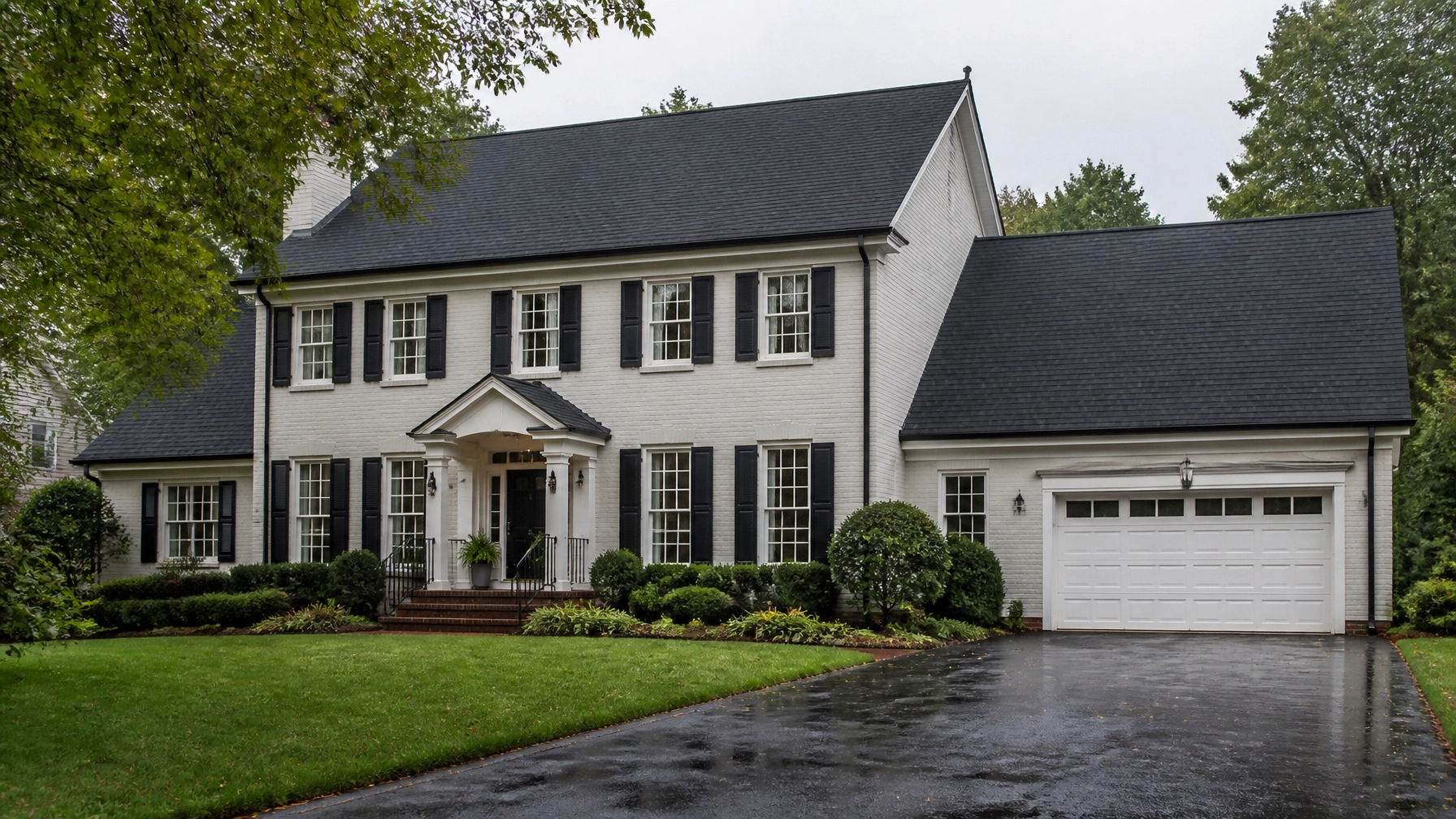
    Your proposal should clearly identify:

    • Company name and license number
    • Roofing material and manufacturer
    • Tear-off and disposal scope
    • Underlayment and flashing details
    • Decking repair pricing
    • Ventilation work
    • Permit responsibility
    • Warranty terms
    • Payment schedule
    • Start and completion expectations

    Use the LSLBC contractor search to confirm the license is active and properly classified. Check references in neighborhoods such as Southdowns, Shenandoah, or Old Goodwood, and be cautious of door-to-door contractors who appear immediately after a storm.

    Baton Rouge Roof Planning Checklist

    Before requesting bids:

    • Enter your address for an instant satellite estimate.
    • Confirm the actual roof area in squares.
    • Check your roof’s age and repair history.
    • Photograph visible storm damage from the ground.
    • Review your hurricane and wind deductibles.
    • Verify contractors through LSLBC.
    • Request certificates of insurance.
    • Confirm who pulls the East Baton Rouge permit.
    • Compare materials, warranties, and total project scope.
    • Ask whether FORTIFIED upgrades are available.

    Get a Free Baton Rouge Roof Estimate in 60 Seconds

    You do not need to schedule multiple contractor visits just to learn whether a roof replacement fits your budget. Get a free, satellite-powered estimate for your Baton Rouge property with no credit card and no upfront obligation.

    Start with your free roof replacement estimate and compare low, middle, and high pricing for the materials that fit your home.

  • Daily Weather Blitz – Slot 8: Richmond, VA : August 29, 2026: A Muggy Overcast 86°F Saturday, Then a Mid-90s Heat Wave With 100°F+ Indices & What a River City Heat Build Does to Your Roof

    Daily Weather Blitz – Slot 8: Richmond, VA : August 29, 2026: A Muggy Overcast 86°F Saturday, Then a Mid-90s Heat Wave With 100°F+ Indices & What a River City Heat Build Does to Your Roof

    Image credit: Get My Roof Estimate Now / AI-generated architectural photography.

    Richmond is starting Saturday, August 29, under classic late-summer conditions: overcast skies, muggy air, and temperatures near 87°F with humidity around 76%. The official forecast calls for a high near 86°F, a low around 70°F, and a mostly dry day. Some forecast sources show a 0% rain chance, while others leave room for isolated drizzle or a stray shower.

    The weekend stays relatively quiet, with highs in the mid-80s. Then the heat builds quickly. Richmond should reach the low 90s Sunday and the mid-90s Monday through Wednesday. Heat indices may approach or exceed 100°F during the afternoon. Storm chances return later in the week: roughly 30% Thursday and potentially 40% to 50% by Thursday and Friday.

    For Richmond homeowners, this pattern is more than a weather update. Repeated heat, humidity, downpours, tropical remnants, and severe thunderstorms create a demanding environment for roofing systems.

    Richmond’s Late-August Weather Pattern

    This is a familiar setup for the region. A strong Bermuda high can pump hot, humid air up the East Coast while keeping skies hazy and temperatures elevated. As the ridge weakens or shifts, storm chances return.

    The timing also matters. Early September brings Richmond closer to the climatological peak of Atlantic hurricane activity. A storm does not need to make a direct landfall to affect Central Virginia. Tropical remnants can produce:

    • Several inches of rain in a short period
    • Saturated soil and falling trees
    • Wind-driven rain
    • Gusts capable of lifting weak shingles
    • Flash flooding around low-lying areas
    • Extended humidity that slows roof and attic drying

    Richmond’s most frequent severe-weather concern is flash flooding. Tropical Storm Gaston in 2004 demonstrated how quickly rainfall can overwhelm the region. The storm produced rainfall totals reaching approximately 12.6 inches in parts of the Richmond area, caused about $130 million in damage, and contributed to nine deaths.

    A roof cannot stop water that enters through rising floodwater, basement walls, or overwhelmed drainage systems. It can, however, prevent roof runoff from becoming an additional problem.

    How Heat and Humidity Wear Down Richmond Roofs

    1. UV exposure causes granule loss

    Long periods of intense sun and heat gradually age asphalt shingles. The protective granules on the surface can loosen and wash into gutters. Once granule loss becomes widespread, the shingle’s asphalt mat is more exposed to ultraviolet radiation.

    Look for:

    • Bare or visibly thin patches
    • Excess granules in gutters and downspouts
    • Shingles that appear unusually smooth
    • Faded areas on south- and west-facing roof slopes
    • Cracked, curled, or brittle edges

    A few loose granules are normal on an aging roof. Widespread loss is a warning that the roof may be approaching the end of its service life.

    2. Hot attics increase thermal stress

    A poorly ventilated attic can become much hotter than the outdoor air. Heat trapped beneath the roof deck increases stress on shingles, underlayment, wood framing, and roof penetrations.

    Proper ventilation typically combines:

    • Soffit or eave intake vents
    • Ridge, gable, or other exhaust ventilation
    • Adequate insulation
    • Clear air channels from the soffits to the exhaust vents

    Ventilation does not make a roof immune to heat, but it helps remove trapped moisture and reduce extreme attic temperatures.

    3. Humidity encourages algae and moisture problems

    Richmond’s humid subtropical climate can support algae growth, especially on shaded roof slopes. Black streaks are often cosmetic algae stains, but persistent moisture can also contribute to moss, deteriorated flashing, and wood rot around roof penetrations.

    Do not pressure-wash asphalt shingles. High-pressure cleaning can remove granules and shorten roof life. A qualified roofing professional can recommend a safer cleaning method or algae-resistant replacement shingles.

    Richmond’s Storm History Makes Installation Quality Critical

    Heat is only one part of the durability equation. Severe thunderstorms and tropical remnants can expose weak installation details quickly.

    On June 22, 2022, a destructive wind event affected the Richmond region. The National Weather Service reported likely winds near 80 mph in some locations, widespread tree and power-line damage, and a roof ripped from an apartment complex near Arthur Ashe Boulevard and Broad Street. The storm showed that Richmond roofs can face major wind stress even without a hurricane landfall.

    Historical storms have also included powerful 80-mph wind events that tore roofs from homes and buildings in the area.

    For a replacement roof, ask about:

    • Wind-rated shingles or panels
    • Proper edge and ridge fastening
    • Six-nail installation patterns where specified by the manufacturer
    • Starter strips and ridge caps
    • High-quality synthetic underlayment
    • Ice-and-water protection in valleys and around vulnerable edges
    • Correct flashing at chimneys, walls, skylights, and pipe boots

    The product matters. The installation matters more.

    New architectural shingle roof on a Richmond-area ranch home with visible valleys, chimney flashing, and clean rooflines

    Image credit: Get My Roof Estimate Now / AI-generated architectural photography.

    Five Roof Checks to Complete Before the Next Heat and Storm Cycle

    1. Inspect for granule loss

    Check the shingles from the ground using binoculars if possible. Do not climb onto a hot or steep roof. Pay special attention to roof slopes that receive strong afternoon sun.

    2. Check the attic

    Look for:

    • Damp insulation
    • Water stains
    • Mold or musty odors
    • Daylight through the roof deck
    • Excessive heat
    • Blocked soffit vents

    A roof can look acceptable from the street while attic evidence reveals a slow leak.

    3. Clean gutters and downspouts

    Gutters should be clear before storm chances increase. Downspouts should discharge water several feet away from the foundation where practical.

    During a Gaston-style downpour, blocked gutters can spill water against fascia boards, siding, windows, and foundations. Make sure extensions are connected and that water does not pool beside the home.

    4. Inspect flashing and penetrations

    Valleys, chimneys, skylights, plumbing vents, and wall intersections are common leak points. Have these areas checked before the next round of heavy rain.

    Flashing repairs are usually far less expensive than replacing rotted decking, insulation, drywall, or framing.

    5. Document storm damage promptly

    After strong winds or hail, photograph:

    • Missing shingles
    • Lifted tabs
    • Dents in metal vents and gutters
    • Damaged siding
    • Fallen branches
    • Interior water stains

    Do not make major repairs before documenting the damage and reviewing your insurance requirements. Emergency tarp work may be necessary to prevent further water intrusion, but keep receipts and photographs.

    2026 Richmond Roof Replacement Costs

    For Richmond homeowners planning a replacement in 2026, asphalt roofing commonly runs approximately $400 to $700 per roofing square, or about $4 to $7 per square foot installed.

    One roofing square equals 100 square feet.

    A typical full replacement for a standard Richmond-area home may fall between $5,900 and $14,500, depending on:

    • Roof size
    • Roof pitch
    • Number of valleys and dormers
    • Tear-off requirements
    • Decking repairs
    • Flashing complexity
    • Material selection
    • Contractor availability
    • Permit and disposal costs

    Architectural shingles remain the most common choice because they balance appearance, cost, and durability. They generally provide better curb appeal and a longer service life than basic three-tab shingles.

    Metal roofing costs more upfront: often around $8 to $16 per square foot, depending on the system: but may last 40 to 70 years with proper installation. Compare metal roofing and asphalt shingles before deciding.

    New Roof ROI, Resale Value, and Curb Appeal

    Homeowners often ask whether roof replacement adds value. There is no universal resale-value percentage because the return depends on the home, neighborhood, roof condition, material, and local buyer demand.

    Still, a new roof can improve several important value factors:

    • Better first impression from the street
    • Stronger roof curb appeal and exterior appearance
    • Fewer concerns during a buyer’s inspection
    • Reduced likelihood of repair negotiations
    • Better confidence for buyers comparing similar homes
    • More consistent appearance with updated siding, windows, or landscaping

    The best roof for home value is usually the roof that fits the property, local market, and buyer expectations. Architectural shingles are often the practical choice for a traditional Richmond ranch, Colonial, or cape-style home. Metal can be attractive on modern homes or properties where long service life and energy performance are priorities.

    A roof replacement ROI is strongest when it solves a visible or functional problem rather than simply changing a roof that still has substantial useful life. Use a written inspection and realistic cost estimate before making the decision.

    For more planning benchmarks, review the roof cost calculator and the Virginia roof estimate guide.

    Richmond Virginia home attic showing clean roof ventilation and a properly maintained roof deck

    Image credit: Get My Roof Estimate Now / AI-generated home-maintenance photography.

    Get a Richmond Roof Estimate Before Storm Season Intensifies

    Today’s overcast, muggy 86°F pattern is not an emergency by itself. It is a useful reminder that Richmond roofs must handle more than one type of weather.

    A durable system needs to manage:

    • Summer UV exposure
    • 100°F-plus heat indices
    • Persistent humidity
    • Thunderstorm winds
    • Wind-driven rain
    • Tropical remnants
    • Flash-flood-producing downpours
    • Fall and winter freeze-thaw cycles
    • Occasional ice and snow

    Get My Roof Estimate Now provides a free, satellite-powered estimate using your home’s measured roof size, pitch, and complexity. Enter your address and receive pricing in about 60 seconds: without a contractor visit upfront, a credit card, or hidden fees.

    Get a free instant roof estimate.

    Have you seen shingle loss, attic heat, gutter overflow, or storm damage around Richmond this summer? Share your experience in the comments, and send this forecast to a homeowner who should inspect their roof before the next heat wave and storm cycle.

    Local Weather and Storm References

  • Daily Weather Blitz – Slot 4: Houston, TX : August 30, 2026: A 97°F Sunday With Heat Indices Near 107°F, a Gulf Disturbance Lifting Rain Chances Midweek & What Bayou City Heat and Humidity Do to Your Roof

    Daily Weather Blitz – Slot 4: Houston, TX : August 30, 2026: A 97°F Sunday With Heat Indices Near 107°F, a Gulf Disturbance Lifting Rain Chances Midweek & What Bayou City Heat and Humidity Do to Your Roof

    Houston starts Sunday, August 30, 2026, with classic Bayou City conditions: mostly sunny skies, oppressive humidity, and a high near 95–98°F. The heat index may reach 104–107°F, while the chance of an isolated afternoon shower or thunderstorm remains near 20%.

    The pattern becomes more unsettled by Tuesday and Wednesday. A weak Gulf disturbance is expected to push additional moisture into southeast Texas, lifting rain chances to roughly 30–40% in parts of the Houston area. There is no organized tropical system directly targeting Houston at this time, but hurricane season is entering its most active stretch from late August through October.

    That combination of extreme heat, Gulf humidity, heavy rain, and occasional wind is hard on roofing systems. Here is what Houston homeowners should know now.

    Houston Weather and Roof Risk: Sunday Through Wednesday

    The National Weather Service Houston/Galveston office is monitoring a weak low-pressure area and disorganized precipitation over the northern Gulf. Forecasters expect more moisture and increased shower and thunderstorm activity around Tuesday and Wednesday. Check the latest Houston/Galveston forecast and National Hurricane Center updates before scheduling roof work or inspections.

    Day Expected conditions Roofing concern
    Sunday, Aug. 30 Mostly sunny; high near 95–98°F; heat index 104–107°F; isolated afternoon storm possible Extreme surface heat, UV exposure, low but non-zero rain risk
    Monday Hot and humid; high in the mid-to-upper 90s Continued shingle softening and attic heat buildup
    Tuesday High near the low-to-mid 90s; rain chances rising toward 30–40% Downpours may test flashing, valleys, gutters, and drainage
    Wednesday Humid with scattered showers and storms; rain chances around 30–40% Gusty storms and saturated roofing components
    Late week Daily isolated-to-scattered shower chances continue Repeated wetting, algae growth, and wind exposure

    Roof work in a heat index near 107°F can be dangerous. Roofing materials and roof surfaces become significantly hotter than the outdoor air. Homeowners should leave inspections and repairs to qualified professionals, especially during the afternoon.

    1. Houston Heat Can Warp Asphalt Shingles

    Asphalt shingles are designed to withstand summer weather, but constant direct sun accelerates aging. Houston roofs along the I-45 corridor, in the Energy Corridor, and throughout the western suburbs can experience months of intense solar exposure.

    High heat may contribute to:

    • Shingle curling, buckling, or edge lifting
    • Softened asphalt and weakened seal strips
    • Premature granule loss
    • Cracked or brittle surfaces after repeated aging
    • Faster deterioration around roof vents, valleys, and ridges

    Granules protect the asphalt coating from ultraviolet radiation. When granules loosen and wash into gutters, the shingle becomes more exposed to the sun. Look for gritty sediment in downspouts or bare-looking patches on the roof.

    A few loose granules are not automatically a sign that replacement is required. However, widespread granule loss on a roof that is 15–30 years old deserves a professional evaluation.

    2. Thermal Expansion Stresses Roofing and Siding

    Houston roofs heat up rapidly during the day and cool after sunset. That repeated expansion and contraction affects more than shingles.

    Roofing materials, flashing, siding, trim, and sealants all move slightly as temperatures change. Over time, this can stress:

    • Pipe collars and vent flashing
    • Chimney and wall flashing
    • Metal edging
    • Siding joints
    • Caulked roof penetrations
    • Fascia and soffit connections

    Small openings can become major leak paths during a tropical downpour. This is why a roof inspection should include the entire roof system: not just the visible shingles.

    Houston colonial home with new architectural shingles, clean flashing, gutters, soffits, and humid summer landscaping

    3. UV Exposure Slowly Degrades Roof Performance

    Ultraviolet radiation breaks down roofing materials gradually. The damage may not be obvious from the ground, but it can reduce flexibility and shorten the useful life of shingles.

    UV degradation is more likely to show up as:

    • Faded or uneven shingle color
    • Exposed fiberglass mat
    • Cracks around tabs
    • Brittle flashing seals
    • Deteriorated pipe boots
    • Dry, splitting sealant

    Light-colored or reflective roofing materials can reduce solar heat absorption. Some homeowners also consider reflective coatings or metal roofing, depending on the roof design, local requirements, budget, and ventilation system.

    4. Gulf Humidity Fuels Algae and Mold Growth

    Those dark streaks on Houston roofs are often caused by algae, especially on shaded or north-facing slopes. Gulf Coast humidity keeps roof surfaces damp longer after overnight dew, morning fog, and thunderstorms.

    Algae and organic growth can:

    • Create dark streaks that reduce curb appeal
    • Hold moisture against the shingle surface
    • Spread across shaded roof sections
    • Make a roof appear older than it is
    • Contribute to mold concerns when moisture reaches attic components

    Do not pressure-wash asphalt shingles. High-pressure cleaning can remove protective granules and cause more damage. If cleaning is appropriate, use a roofing-safe method and follow the shingle manufacturer’s recommendations.

    5. Tropical Downpours Test Every Drainage Detail

    Houston’s Bayou City geography makes drainage especially important. A short, intense storm can send large volumes of water across a roof and into gutters within minutes. Areas near bayous, low-lying streets, and flood-prone parts of Harris, Fort Bend, and surrounding counties may see drainage systems challenged quickly.

    Inspect these areas before the next storm:

    • Gutters and downspouts
    • Roof valleys
    • Drip edges
    • Eaves and rake edges
    • Skylights and chimneys
    • Wall-to-roof transitions
    • Plumbing and HVAC penetrations
    • Attic areas below valleys and roof vents

    Clean gutters before hurricane season reaches its busiest period. Downspouts should discharge water away from the foundation and remain clear of leaves, pine needles, and roof granules.

    6. Gulf Storm Winds Stress Roof Edges and Shingle Tabs

    Even when a Gulf disturbance does not become a named tropical storm, thunderstorms can produce sudden wind gusts. Wind typically affects roof edges, corners, ridges, and older shingle tabs first.

    Watch for:

    • Missing shingles
    • Lifted corners
    • Exposed underlayment
    • Loose ridge caps
    • Damaged vents
    • Bent gutters
    • Torn soffit or fascia
    • Debris impact marks

    After a strong storm, avoid climbing onto the roof yourself. A ground-level inspection can identify obvious damage, but a licensed professional should check concealed areas and determine whether an insurance claim may be appropriate.

    Houston Roof Resilience Upgrades Worth Considering

    A durable roof is not only about the shingle. The surrounding system matters just as much.

    Improve attic ventilation

    Balanced intake and exhaust ventilation helps release trapped heat and moisture. Common components include soffit vents, ridge vents, and properly placed exhaust vents. Ventilation will not make an attic cool, but it can reduce heat and moisture buildup when correctly designed.

    Consider a radiant barrier

    A radiant barrier may help reduce radiant heat transfer into the attic. It works best as part of a broader approach that includes insulation, air sealing, and ventilation.

    Compare reflective or light-colored roofing

    Lighter shingles and reflective materials may absorb less solar heat. Compare appearance, algae resistance, warranty terms, and local availability: not just color.

    Evaluate metal roofing

    Standing seam metal roofing costs more upfront than asphalt shingles but can provide long service life, strong wind performance when properly installed, and useful solar reflectivity.

    Modern Houston home with a light-colored standing seam metal roof, clean gutters, and storm clouds in the distance

    Ask about impact-resistant shingles

    Hail is a recurring concern across Texas. Impact-resistant shingles may offer added protection and could affect insurance considerations, although savings and eligibility vary by carrier. Ask for the product’s tested impact classification and written warranty details.

    Seal roof penetrations correctly

    Every vent, pipe, electrical mast, and HVAC penetration should have compatible flashing and a durable seal. Improvised patches often fail under Houston’s heat and repeated storms.

    Check soffits and fascia

    Damaged soffit and fascia can allow wind-driven rain, insects, and moisture into roof edges. These components also support ventilation and gutter performance.

    Does a New Roof Add Home Value in Houston?

    A new roof can support home value in several ways:

    • Improves curb appeal
    • Reduces visible signs of deferred maintenance
    • Gives buyers confidence during inspections
    • May reduce concerns about near-term replacement costs
    • Helps protect siding, insulation, ceilings, and interior finishes
    • Can improve the presentation of a home listed for sale

    Roof replacement ROI is not a guaranteed dollar-for-dollar return. The outcome depends on the material, installation quality, neighborhood, buyer expectations, and condition of the rest of the property. Still, a sound, attractive roof is an important part of resale value and buyer confidence.

    For homeowners comparing options, our Houston roof estimate page provides a starting point. National 2026 planning ranges commonly fall between $8,000 and $25,000 for a full replacement, with the final price driven by roof size, pitch, complexity, material, tear-off requirements, and local labor.

    For a roughly 2,000-square-foot roof, current planning benchmarks include:

    • Architectural shingles (Popular): approximately $9,000–$13,000
    • Metal roofing (Long-lasting): approximately $20,000–$28,000
    • Roof coatings (Budget for eligible systems): approximately $6,000–$7,500

    These are planning figures, not a final contractor quote.

    Get a Free Houston Roof Estimate in 60 Seconds

    You do not need to wait days for several contractors to visit just to understand your likely price range. Get My Roof Estimate Now uses satellite imagery to measure roof size, pitch, and complexity.

    In about 60 seconds, homeowners can receive:

    • A free, no-credit-card estimate
    • Low, middle, and high replacement ranges
    • Pricing for multiple roofing materials
    • Location-sensitive cost information
    • A starting point for comparing licensed, insured local contractors

    Use the free satellite roof estimate tool before the next major storm exposes a problem. In Houston, early planning is especially valuable: the hottest weeks, Gulf humidity, and hurricane-season weather can turn a small roofing weakness into an expensive interior repair.

    Close exterior detail of a Houston home roof edge with clean gutter, soffit, fascia, flashing, and downspout

    Houston Roof Checklist for This Week

    • Check the attic for stains, damp insulation, or musty odors.
    • Look for curling, cracked, missing, or unusually bare shingles.
    • Clean gutters and confirm downspouts drain away from the foundation.
    • Inspect visible soffit, fascia, and roof-edge components.
    • Seal or professionally repair questionable roof penetrations.
    • Review your insurance policy before storm damage occurs.
    • Avoid roof work during peak afternoon heat.
    • Get an instant satellite estimate if your roof is aging or storm-damaged.

    In Bayou City weather, roof durability is a year-round concern. Heat, humidity, UV exposure, flash flooding, and wind all work together. A timely inspection and realistic replacement budget can help protect your home before the next Gulf system arrives.

    Sources