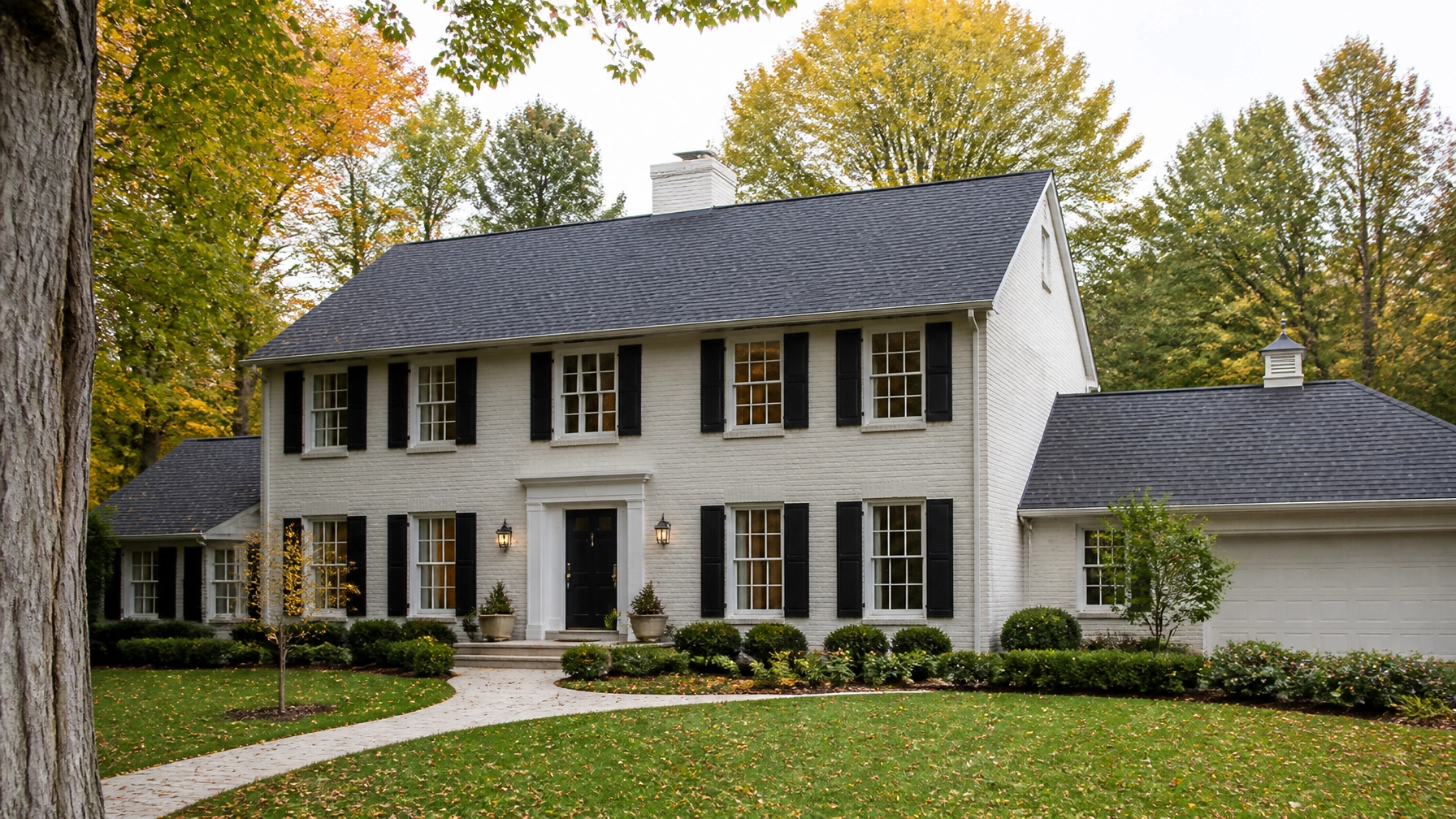
Blog

  • Daily ROI Blitz #33: How a New Roof Boosts Home Value in Miami, FL (2026 Data)

    Daily ROI Blitz #33: How a New Roof Boosts Home Value in Miami, FL (2026 Data)

    In the high-stakes Miami real estate market, your roof is more than just a structural necessity, it is a financial asset. As we navigate the 2026 housing landscape, where Miami home values average between $579,000 and $652,000, the condition of your roof can be the deciding factor in a successful sale or a massive insurance headache.

    For South Florida homeowners, "Return on Investment" (ROI) isn’t just a buzzword used by contractors; it’s a measurable metric that factors into property appraisals, insurance premiums, and long-term maintenance costs. While the national average for roof replacement ROI typically hovers between 60% and 75%, Miami’s unique climate and regulatory environment push those numbers significantly higher.

    This guide breaks down exactly how a new roof impacts your home value in Miami-Dade County, the specific costs you can expect in 2026, and how to maximize your ROI through insurance credits and energy efficiency.


    1. The Miami Market Context: Why Roofing is the #1 ROI Driver

    In most of the United States, a new roof is considered "maintenance." In Miami, it’s a "security feature." Due to the city's status as a High-Velocity Hurricane Zone (HVHZ), the standards for roofing are the most stringent in the country.

    When a potential buyer looks at a home in Coral Gables, Pinecrest, or Miami Beach, the first question they ask isn't about the kitchen, it's about the roof. A roof approaching the 20-year mark is often uninsurable in today's market, making it impossible for buyers to secure a mortgage. By replacing your roof before listing, you aren't just improving the home; you're making the property "financeable."

    Key 2026 Miami Data Points:

    • Average Home Value: $579K – $652K
    • Replacement Cost Range: $14,000 – $40,000 (Average project: ~$22,750)
    • National ROI: 60-75%
    • Miami Adjusted ROI: 85%+ (When factoring in insurance savings and resale velocity)

    2. Breaking Down Roof Replacement Costs in Miami-Dade

    Pricing in Miami is influenced by the High-Velocity Hurricane Zone (HVHZ) building codes. These codes require specific underlayment, nail patterns, and "Notice of Acceptance" (NOA) approved materials. This adds roughly 15-30% to the cost compared to other Florida cities like Orlando.

    Cost by Material Type (2,000 sq. ft. Home):

    • Architectural Asphalt Shingles (Budget): $10,000 – $26,000. These are the most common but have the shortest lifespan (12–15 years) in the Florida sun.
    • Concrete Tile (Popular): $24,000 – $50,000. The signature South Florida look. Concrete tiles offer excellent wind resistance and a 25–35 year lifespan.
    • Standing-Seam Metal (Premium): $20,000 – $40,000+. Often cited as the best long-term value due to extreme durability and insurance benefits.
    • Clay Tile (High-End): $32,000 – $70,000+. Maximum curb appeal for luxury properties.

    Close-up of a silver standing-seam metal roof in Miami


    3. The "Hidden" ROI: Insurance Savings

    In Miami, the real ROI of a new roof is found in your annual insurance premium. Most Florida insurers now provide significant "wind mitigation" credits for roofs that meet current 2026 building codes.

    Annual Insurance Premium Impact:

    • Typical Miami Home Premium: $4,500 – $8,500/year (Estimated)
    • Wind Mitigation Savings: $900 – $2,500/year
    • The Math: Over 10 years, a new roof can pay for $15,000 to $25,000 of its own cost through insurance savings alone.

    Pro Tip: Always request a Wind Mitigation Report from your contractor immediately after the final inspection. This document is the "golden ticket" that you submit to your insurance agent to trigger these discounts.


    4. Material Breakdown: Choosing for ROI

    Not all roofs are created equal when it comes to resale value. In Miami, your choice of material signals your home's quality to future buyers.

    Architectural Shingles (Budget)

    While shingles offer the lowest upfront cost, they are often viewed as a "temporary" solution by savvy Miami buyers.

    • Pros: Lowest initial investment, fast installation.
    • Cons: Higher heat absorption, shorter lifespan, lower insurance discounts.

    Concrete and Clay Tile (Popular / Aesthetic)

    This is the standard for Miami's Mediterranean and Spanish-style architecture.

    • Pros: High resale demand, excellent curb appeal, very durable against wind.
    • Cons: Heavy (requires reinforced roof decks), prone to cracking if walked on.

    Metal Roofing (Premium / Performance)

    In 2026, metal roofing is the fastest-growing segment in the South Florida market.

    • Pros: Highest insurance discounts (up to 35%), 40+ year lifespan, reflects UV rays to lower cooling bills by ~10%.
    • Cons: Higher upfront cost, can be noisy during tropical downpours if not properly insulated.

    Aerial view of a Miami home with a new architectural shingle roof


    5. Timing Your Replacement for Maximum Savings

    In Miami, the roofing season is dictated by the weather.

    • The "Off-Season" (November – March): This is the best time to replace your roof. Humidity is lower, the risk of daily afternoon thunderstorms is minimal, and many contractors offer competitive "winter" pricing to keep their crews busy.
    • Hurricane Season (June – October): Prices tend to spike, and lead times increase. If a major storm hits the region, labor and material costs can jump 20% overnight due to demand.

    If your roof is older than 15 years, don't wait for a leak. Proactive replacement allows you to shop around for the best bids rather than being forced into an emergency contract during a rainy July.


    6. Local Tips for Miami Homeowners

    1. Verify the Contractor: Ensure they are licensed and insured in the state of Florida and have specific experience with Miami-Dade HVHZ permits. Check our zip code directory to find verified local data for your specific neighborhood.
    2. Get Three Bids: Never accept the first quote. Use an instant roof cost calculator to establish a baseline before talking to sales reps.
    3. Ask for the NOA: Ensure the specific roofing system being installed has a "Notice of Acceptance" from Miami-Dade County. Without this, the permit won't close, and your insurance won't give you a discount.
    4. Secondary Water Resistance (SWR): Ensure your contractor includes SWR in the bid. This is a self-adhering layer that protects your home even if the shingles or tiles blow off, and it’s a major driver for insurance credits.

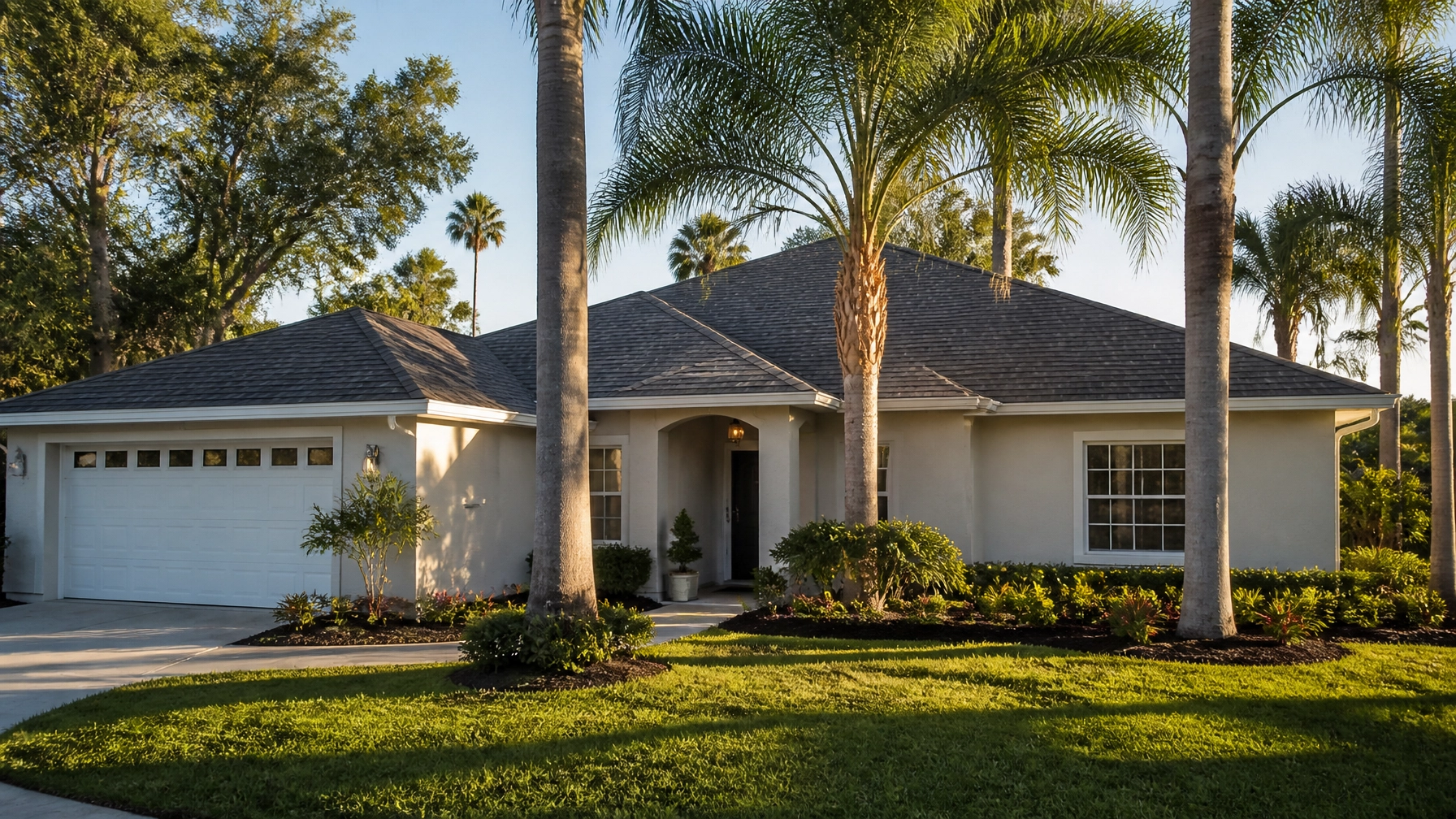
    Miami ranch-style home with a new light clay tile roof and tropical landscaping


    Summary: Is the Investment Worth It?

    If you own a home in Miami with a roof older than 15 years, the answer is a resounding yes. Between the boost in home value (estimated at 6-8% of the property value), the annual insurance savings of up to $2,500, and the elimination of "insurability risk" for future buyers, a new roof is the smartest capital improvement you can make in 2026.

    Ready to see exactly what a new roof will cost for your specific address? Don't wait for a contractor to show up in three days. Get your accurate, satellite-powered estimate right now.

    Get Your Instant Roof Estimate in 60 Seconds →


  • Louisville Contractor Vetting 2026: 5 Questions to Ask Before Replacing Your Roof in Kentucky

    Louisville Contractor Vetting 2026: 5 Questions to Ask Before Replacing Your Roof in Kentucky

    Replacing a roof in Louisville is a significant financial commitment, especially in 2026 as material costs and labor rates continue to shift. Whether you own a historic Victorian in the Highlands, a classic colonial in St. Matthews, or a modern ranch in Middletown, the process often feels like a gamble.

    Unlike electrical or plumbing work, Kentucky has no statewide roofing license. While legislation like HB 150 was introduced in early 2026 to change this, it has not yet become law. This means the burden of vetting falls entirely on the homeowner. In Louisville, regulation happens at the local level through the Louisville Metro Department of Codes & Regulations.

    To help you navigate this landscape, we’ve compiled the five essential questions you must ask every contractor before signing a contract.


    1. "What is your Louisville Metro License Type?" (License Status)

    Because there is no state-level oversight, you must verify local credentials. Louisville requires contractors to hold specific licenses. If a contractor says they are "licensed by the state," they are likely misrepresenting the truth or referring to their general business filing.

    Ask for their specific Louisville Metro classification:

    • Type A License (Professional): This is for contractors who pull multiple permits per year. It requires a $125 fee and 6 hours of Continuing Education Units (CEUs) annually.
    • Type B License (Limited): This allows for a single permit per year and costs $50. You generally want a Type A contractor for a full roof replacement.
    • Subtype A-R (Residential): Specifically for residential work, which covers most homes in Jeffersontown or the Shelbyville Road corridor.
    • Subtype A-RC (Residential and Commercial): Required if they are working on multi-family units or mixed-use buildings.

    Why it matters: Hiring an unlicensed "storm chaser" can leave you without legal recourse if the work is shoddy.

    2. "Can I see your Occupational License and Insurance Certificates?" (Liability)

    A contractor needs more than just a permit-pulling license. In 2026, every legitimate roofing company in Jefferson County must have:

    • Occupational License Number: Issued by the Jefferson County Revenue Commission. This ensures they are registered for local taxes.
    • General Liability Insurance: Louisville Metro requires a minimum of $250,000. However, high-quality local contractors typically carry $1,000,000 to protect you from catastrophic damage.
    • Workers' Compensation: They must provide proof of coverage for their crew. If they claim they are exempt, they must provide a notarized affidavit. Without this, you: the homeowner: could be liable for injuries that occur on your property.

    A professional roofing crew installing new shingles on a Louisville home, showing safety gear and precision work.

    3. "Are you KRCA Certified and Bonded?" (Professional Standards)

    Since the state doesn't regulate roofers, the Kentucky Roofing Contractors Association (KRCA) has stepped in with a voluntary certification program. A KRCA-certified contractor is held to a much higher standard than the local minimums.

    KRCA Requirements for 2026 include:

    • Maintaining $1,000,000 in liability insurance.
    • A $10,000 surety bond (Budget) to protect consumers against fraud or incomplete work.
    • 10 hours of annual continuing education.

    When vetting, ask if they carry a surety bond. This provides a financial "safety net" that a standard insurance policy doesn't always offer.

    4. "How will you address Louisville’s wind-resistance codes?" (Climate Safety)

    Louisville sits in a region often affected by severe storms and is considered part of "Tornado Alley's" expanded reach. In 2026, local building codes emphasize wind resistance.

    • Permit Requirements: For a standard reroof (shingle-over or tear-off), a building permit isn't usually required unless structural elements like rafters or decking are being replaced.
    • Wind Rating: Ensure your contractor is using shingles rated for at least 110-130 mph winds.
    • Nailing Pattern: Ask if they use a 4-nail or 6-nail pattern. In high-wind areas like Shelbyville Road, a 6-nail pattern is the professional standard for maximum security.

    5. "How did you calculate this estimate?" (Accuracy & Transparency)

    The days of a contractor "eyeballing" your roof from the driveway are over. If a contractor gives you a quote without measuring the pitch, ridges, and valleys accurately, you will likely see "change orders" and price hikes mid-project.

    At Get My Roof Estimate Now, we use advanced satellite imagery technology to provide an instant, free roof replacement estimate in under 60 seconds. Our measurements are accurate to within inches, allowing us to factor in your roof's exact size and complexity without the high-pressure sales visit.

    The digital interface of Get My Roof Estimate Now showing satellite measurement data for a Louisville residence.


    2026 Roof Replacement Cost Benchmarks: Louisville, KY

    Based on 2026 market data, here is what homeowners in neighborhoods like St. Matthews and the Highlands can expect to pay for a standard 2,000-square-foot roof.

    Material Type Cost Per Square (100 sq. ft.) Estimated Total (2,000 sq. ft. Home) Context
    Architectural Shingles $650 – $925 $8,500 – $16,500 (Popular) Most common in KY
    Standing Seam Metal $1,200 – $1,750 $24,000 – $35,000 (Premium) High wind resistance
    Luxury Synthetic/Slate $1,600 – $3,100 $32,000 – $62,000 (Luxury) Historic Highlands style

    Note: Prices include labor, disposal, and materials. Complexity (steep pitch) can increase costs by 15-20%.


    Why Technology is the Best Vetting Tool

    In the past, vetting meant calling five different companies and waiting weeks for someone to show up. In 2026, you can take control of the process. By using our satellite-powered estimation tool, you get a transparent baseline price before you even talk to a contractor.

    This empowers you to spot "lowball" offers that likely skip on insurance or "high-ball" offers that overcharge for basic materials. Whether you are in Jeffersontown or Middletown, getting an accurate number first is the smartest way to start your project.

    A modern ranch home in Middletown featuring a new matte black standing seam metal roof, illustrating high-end 2026 trends.

    Final Checklist for Louisville Homeowners

    1. Verify the Type A License via the Louisville Metro portal.
    2. Confirm KRCA Certification at krca.org.
    3. Compare Your Estimate: Use our Roof Cost Calculator to ensure local quotes are within the fair market range for 2026.

    Ready to see your Louisville roof's replacement cost? Get your instant estimate here in 60 seconds.

  • How Satellite Tech Is Transforming Charlotte, NC: From Roof Estimates to Storm Safety

    How Satellite Tech Is Transforming Charlotte, NC: From Roof Estimates to Storm Safety

    Charlotte, North Carolina, known affectionately as the Queen City, is more than just a banking powerhouse. As the fastest-growing metro area in the state, Charlotte is currently navigating a period of unprecedented infrastructure expansion, housing demand, and environmental challenges. From the bustling streets of Uptown to the tranquil suburbs of Ballantyne and Lake Norman, the city is undergoing a digital metamorphosis: and it’s happening from 300 miles above the Earth.

    In July 2026, satellite technology is no longer a tool for the distant future; it is the backbone of how Charlotte operates, stays safe, and maintains its homes. Whether it’s high-speed connectivity at Charlotte Douglas International Airport (CLT) or homeowners getting an instant North Carolina roof replacement cost 2026 update, the "Satellite Tech Edge" is reshaping the Carolinas.

    The Queen City’s Digital Skyline: Starlink and Beyond

    The most visible shift in satellite integration is happening at 35,000 feet. Charlotte Douglas International Airport, a primary hub for American Airlines, has become a testing ground for the latest in orbital connectivity. American Airlines has officially integrated SpaceX’s Starlink service across its narrow-body fleet, providing passengers departing from CLT with low-latency, high-speed Wi-Fi that rivals ground-based fiber.

    But the impact of Starlink isn't limited to the clouds. Across Mecklenburg County, satellite internet is bridging the digital divide for rural homeowners and construction sites in growing corridors where traditional cable hasn't yet reached. This ubiquitous connectivity ensures that even during rapid urban expansion, Charlotte remains a connected city.

    Eyes in the Sky: Monitoring Charlotte’s Growth and Hazards

    Managing a city that grows by dozens of residents every day requires advanced planning tools. Charlotte’s planning departments are increasingly relying on ArcGIS aerial and satellite imagery to track urban sprawl and environmental impact.

    Planning the Red Line

    One of the city's most anticipated projects, the Red Line commuter rail: connecting Uptown to the northern suburbs: is heavily dependent on satellite remote sensing. Planners use high-resolution imagery to identify land-use patterns, parcel-level constraints, and potential environmental hazards without the need for thousands of man-hours in manual surveying.

    NISAR and Flood Monitoring

    North Carolina is no stranger to sudden, severe weather. The integration of data from the NISAR (NASA-ISRO Synthetic Aperture Radar) satellite has become a game-changer for Charlotte’s storm readiness. Unlike traditional optical satellites, NISAR can see through clouds and darkness. For Charlotte’s emergency management, this means real-time monitoring of land subsidence and flood levels along the Catawba River and local creek beds, providing life-saving data during the heavy rains common to the Piedmont region.

    Satellite view of a Charlotte neighborhood with digital roof measurement overlays

    Navigating Charlotte’s Storm Season: Tech-Driven Recovery

    The Charlotte NC storm season roofing tips of the past focused on manual inspections and waiting days for a contractor. Following the severe weather events of March 2026 and the intense July 2026 thunderstorms, the approach has shifted toward "Rapid Remote Assessment."

    Satellite remote sensing now allows the National Weather Service (NWS) and local insurance adjusters to map damage swaths across neighborhoods like Myers Park or Dilworth within hours. By comparing "before and after" high-res orbital shots, recovery teams can prioritize the hardest-hit areas, ensuring Charlotte NC severe weather home protection resources are deployed where they are needed most.

    Getting a Roof Estimate in 60 Seconds: The "Get My Roof Estimate Now" Edge

    For the average Charlotte homeowner, the most practical application of this "Space Age" tech is in home maintenance. Traditionally, getting a roof estimate meant scheduling three different contractors to climb onto your home, wait for quotes, and deal with high-pressure sales tactics.

    At Get My Roof Estimate Now, we’ve eliminated that friction. Using the same high-resolution satellite imagery used by city planners and insurance giants, we provide an accurate roof replacement estimate in under a minute.

    How It Works for Charlotte Homeowners:

    1. Instant Address Lookup (60 Seconds): Enter your Charlotte-area address into our online tool.
    2. Satellite Analysis: Our system uses orbital imagery to measure your roof's size, pitch, and complexity (valleys, ridges, and dormers).
    3. Transparent Pricing (Budget, Popular, Premium): You receive a price range based on current North Carolina roof replacement cost 2026 data.
    4. Local Connection: We connect you with verified, licensed, and insured local contractors who are ready to honor the satellite-generated measurements.

    Our measurements are accurate within 90-95%, giving you the power to budget and plan without the hassle of an early morning contractor visit.

    Professional roofing crew installing shingles on a house in North Carolina

    Choosing the Right Materials for the Queen City

    Charlotte’s climate presents unique challenges. The "Urban Heat Island" effect in Uptown and the humidity of the Piedmont require specific materials. When considering Charlotte NC roofing materials heat resistance, homeowners should look at modern satellite-verified options:

    • Architectural Shingles (Popular): The most common choice in NC. They offer a great balance of cost ($9,000–$13,000 for a standard home) and a 25-30 year lifespan.
    • Metal Roofing (Premium/Longest Lasting): Increasingly popular in neighborhoods like Lake Norman. Metal reflects solar heat, significantly reducing cooling costs during sweltering Charlotte summers. Expect costs between $20,000 and $28,000.
    • Synthetic Slate (Premium Look): Provides the aesthetic of a historic Dilworth estate with the durability of modern polymers.

    Modern home near Lake Norman with a durable black metal roof

    Practical Implications: Faster, Smarter, Safer

    The transition to a satellite-first approach in Charlotte offers three major benefits:

    • Faster Insurance Claims: With satellite data, your insurer can verify storm damage without waiting for a physical adjuster.
    • Better Disaster Preparedness: Real-time flood monitoring allows for earlier evacuations and better infrastructure planning.
    • Affordable Planning: By using Get My Roof Estimate Now, you avoid the "contractor tax" of inflated initial quotes. You start the conversation with the data in your hand.

    Quick Stats for Charlotte Homeowners (2026):

    • Avg. Roof Replacement Cost: $12,500
    • Measurement Accuracy: 90-95% via satellite
    • Time to Estimate: < 60 Seconds
    • Key Concern: Charlotte NC roof durability against high-wind events and hail.

    Conclusion

    Charlotte is a city that looks forward. By embracing satellite technology: from the way we fly out of CLT to the way we measure a home in SouthPark: we are building a more resilient, efficient Queen City.

    Don't wait for the next storm to understand your home's needs. Use the tech at your fingertips to protect your investment today.

    Ready to see what your new roof will cost? Get your free, satellite-powered estimate in 60 seconds right here.

  • Daily Weather Blitz – Slot 7: Charlotte, NC Heat & Storm Alert

    Daily Weather Blitz – Slot 7: Charlotte, NC Heat & Storm Alert

    Date: July 19, 2026
    Location: Charlotte, North Carolina (Mecklenburg County)

    Charlotte homeowners are currently facing a "Double Threat" weather event. As of this morning, a dangerous heat advisory is in effect across the Queen City, with heat index values soaring between 100°F and 105°F. Simultaneously, the National Weather Service has issued a severe thunderstorm risk for this afternoon and evening, bringing the potential for 60 mph damaging winds, scattered hail, and an intense UV index of 8. To top it off, a Code Orange Air Quality Alert is active, signaling high levels of ground-level ozone.

    In this environment, your home’s first line of defense, the roof, is under extreme stress. The combination of intense thermal expansion from the afternoon sun and rapid cooling from sudden thunderstorm downpours creates a phenomenon known as thermal shock. If you own a home in neighborhoods like Myers Park, Ballantyne, or Dilworth, today’s conditions are a reminder that Charlotte NC roof durability is not just a luxury; it is a structural necessity.

    The Impact of 100°F+ Heat on Charlotte Roofs

    When the heat index hits 105°F, your roof surface temperature can easily exceed 150°F. This extreme heat accelerates the aging of standard roofing materials in several ways:

    1. Molecular Breakdown: High UV exposure (Index 8) breaks down the bitumen (asphalt) in shingles, causing them to become brittle. This is why Charlotte NC roofing materials heat resistance is a primary concern for local homeowners.
    2. Thermal Expansion: Your roof is a system of wood, metal, and asphalt. These materials expand at different rates. Rapid shifts from 105°F heat to a 75°F rain shower can cause shingles to buckle or pull away from fasteners.
    3. Attic Heat Traps: Without proper ventilation, attics become ovens. This "bakes" the shingles from the inside out, leading to premature granule loss and shingle curling.

    Actionable Tip: Check Your Attic Ventilation

    If your upstairs is significantly warmer than your downstairs today, your roof may be failing to "breathe." Proper ridge vents and soffit intake are critical for maintaining Charlotte NC roof durability during the peak of summer.

    Close-up of high-quality architectural shingles being installed on a Charlotte home

    Severe Weather: Protecting Against 60 MPH Winds

    The afternoon storm forecast for July 19, 2026, carries a "Slight" risk for severe weather, but for a roof, 60 mph winds are anything but slight. High winds create uplift, which can peel back shingles that have been weakened by the morning's intense heat.

    Charlotte NC Severe Weather Home Protection Strategies

    To ensure your home survives the "Storm Season," consider these three technical upgrades:

    • Class 4 Impact-Resistant Shingles (Premium): These are engineered to withstand hail and high-velocity debris. While the initial investment is higher, they are the gold standard for Charlotte NC storm season roofing tips.
    • Sealed Roof Deck (Technical): Utilizing a high-quality synthetic underlayment or taped seams on the plywood deck ensures that even if shingles blow off, water stays out of your home.
    • Starter Shingle Reinforcement: Many wind-related failures start at the eaves. Ensure your contractor uses a dedicated starter shingle strip with high-tack adhesive.

    Choosing the Right Materials: Heat vs. Storm Resilience

    When planning a North Carolina roof replacement cost 2026 project, you must balance materials that reflect heat and those that resist wind.

    Material Type Heat Performance (Cooling) Storm Resilience (Wind/Hail) Price Category
    Architectural Shingles Moderate Good (Up to 110-130 mph) Popular
    Class 4 Shingles Moderate Excellent (Impact Resistant) Recommended
    Standing Seam Metal Excellent (Reflective) Superior Premium
    Cool Roof Shingles High (Solar Reflective) Good Specialized

    Energy-efficient white metal roof on a modern Charlotte residence

    The Case for Metal Roofing in Charlotte

    Metal roofing is increasingly popular in North Carolina for its "Cool Roof" properties. By reflecting solar radiation rather than absorbing it, metal roofs can reduce cooling costs by up to 25% during these 100°F+ July days. Furthermore, their interlocking panels provide the highest level of wind resistance available.

    North Carolina Roof Replacement Cost 2026: The Data

    If today’s storm causes damage or you’ve realized your 20-year-old roof can't handle another Charlotte summer, here is the current market data for replacement in the Charlotte metro area.

    • Typical 2,000 sq. ft. Home (Architectural Shingles): $9,450 – $16,800
    • Typical 2,000 sq. ft. Home (Metal Roofing): $15,000 – $30,000
    • Per Square Foot Average: $4.75 – $9.50 (Installed)

    Note: Complexity factors such as roof pitch (steepness), number of valleys, and the presence of chimneys can influence these ranges by 15-20%.

    Insurance and the FORTIFIED Home Program

    In North Carolina, homeowners who upgrade to a FORTIFIED Roof™, a standard developed by the Insurance Institute for Business & Home Safety (IBHS), may be eligible for significant insurance discounts. This involves specific installation techniques like using ring-shank nails and a sealed roof deck. Check with your North Carolina insurance provider to see if a Class 4 shingle upgrade or FORTIFIED designation can lower your annual premiums.

    Attic ventilation system including ridge and soffit vents

    Checklist for Charlotte Homeowners (July 19, 2026)

    With the storm window approaching this evening, take these immediate steps:

    1. Visual Inspection: Look for "tabs" or shingles that appear lifted or curled. These are primary targets for 60 mph wind gusts.
    2. Gutter Check: Ensure gutters are clear. High-intensity storms can dump 1-2 inches of rain in under an hour; clogged gutters will cause water to back up under your shingles.
    3. Air Quality Precautions: With the Code Orange alert, keep windows closed and ensure your HVAC filters are clean, as your roof and attic ventilation system are working overtime to exchange air.
    4. Document Everything: If you suspect hail or wind damage after tonight’s storm, take photos of your property and any debris immediately.

    Why Wait for a Contractor? Get Your Estimate in 60 Seconds

    The traditional process of getting a roof estimate in Charlotte is frustrating, waiting days for a contractor to show up, only to receive a high-pressure sales pitch.

    At Get My Roof Estimate Now, we’ve eliminated the friction. Using high-resolution satellite imagery, we can measure your roof’s size, pitch, and complexity with 90-95% accuracy in under a minute.

    • Fast: Get your estimate in 60 seconds.
    • Accurate: Satellite-powered measurements accurate to within inches.
    • Transparent: See low-middle-high price ranges for different materials (Shingles vs. Metal).
    • Free: No credit card required, no obligation.

    Don't let the Charlotte summer heat and unpredictable storm season catch you off guard. Know your numbers before the next storm hits.

    Get Your Instant Charlotte Roof Estimate Here

    Satellite imagery interface showing 3D roof mapping technology


    Frequently Asked Questions

    How does the 105°F heat index affect my roof's lifespan?
    High heat accelerates "cooking" the oils out of asphalt shingles, leading to brittleness and cracking. Proper attic ventilation is the only way to mitigate this.

    Are there insurance discounts in North Carolina for impact-resistant roofs?
    Yes. Many NC insurers offer premium credits for Class 4 shingles or roofs built to FORTIFIED standards, as they significantly reduce the likelihood of a total loss during a storm.

    What is the most durable roofing material for Charlotte’s climate?
    Standing seam metal is generally considered the most durable due to its high wind resistance and superior heat reflection, though Class 4 architectural shingles offer an excellent middle-ground for budget-conscious homeowners.

    How accurate is a satellite roof estimate?
    Our technology is accurate within 90-95% of a physical measurement. It provides the perfect "ballpark" figure for budgeting and insurance discussions without the need for a site visit.

  • Daily Weather Blitz – Slot 4: Baton Rouge, LA : Beating the Heat & Protecting Your Home

    Daily Weather Blitz – Slot 4: Baton Rouge, LA : Beating the Heat & Protecting Your Home

    Baton Rouge homeowners are waking up to a punishing reality today, Sunday, July 19, 2026. A Heat Advisory is officially in effect from 10 AM to 6 PM across East Baton Rouge Parish, with temperatures climbing toward 98°F and the heat index projected to hit a staggering 109-112°F. While the sky remains mostly sunny with a 0% chance of rain today, the local atmosphere is far from calm.

    Just off the coast, the National Hurricane Center is monitoring Invest AL91, a tropical disturbance in the Gulf of Mexico that now has an 80% chance of development over the next few days. For Baton Rouge residents, this combination of extreme thermal stress and potential tropical impacts creates a "double threat" for residential roofing systems.

    In this edition of the Daily Weather Blitz, we’ll break down how these extreme conditions affect your home's durability, the specific 2026 ROI for Louisiana roof replacements, and how you can leverage technology to protect your property before the storm clouds gather.

    The Invisible Threat: How 112°F Heat Index Impacts Your Roof

    When the heat index hits 112°F, your roof isn't just "hot": it’s essentially an oven. Surface temperatures on dark asphalt shingles can soar to over 160°F. This isn't just about comfort; it's about structural integrity.

    1. Thermal Expansion and Contraction

    Roofing materials expand in the intense afternoon sun and contract rapidly as temperatures drop into the mid-70s at night. This "thermal shock" can lead to:

    • Granule Loss: The protective ceramic coating on shingles loosens and washes away.
    • Splitting and Cracking: The asphalt mat becomes brittle, losing its ability to shed water.
    • Fastener Back-out: Nails can literally work their way out of the decking as the wood expands and contracts.

    2. The Attic Ventilation Factor

    In Baton Rouge, an improperly ventilated attic can reach 150°F+. Without a functioning ridge vent or solar attic fan (Efficiency), that heat remains trapped, baking your shingles from the inside out. This effectively cuts the lifespan of a "30-year" roof in half. If you are noticing high cooling bills or uneven temperatures in your home today, your roof's ventilation is likely failing.


    Preparing for Invest AL91: The Calm Before the Storm

    While today is sunny, the 80% chance of tropical formation for Invest AL91 means heavy rain and high winds could reach the Baton Rouge area by late week. A roof that is currently stressed by the heat is more susceptible to wind uplift and water intrusion.

    If you’ve been putting off a Baton Rouge roofing contractor visit, you are running out of time. Tropical systems don't just bring rain; they bring sustained pressure that exploits every minor flaw in your flashing, sealant, and underlayment.

    Why Wait? The 60-Second Solution

    The traditional method of getting a roof estimate involves scheduling a contractor, waiting for them to climb your roof, and then waiting days for a quote. With Get My Roof Estimate Now, we use advanced satellite imagery to provide an accurate estimate in under 60 seconds. You can get the data you need to make a decision today, before the first tropical outer bands arrive.

    Close-up of high-quality architectural asphalt shingles


    2026 Baton Rouge Roof Cost & Financial Incentives

    Replacing a roof in Louisiana is a significant investment, but 2026 has brought unprecedented financial incentives that make this the most cost-effective time to upgrade.

    Average Costs in Baton Rouge (2026)

    Based on current material and labor data for East Baton Rouge Parish, here is what you can expect to pay for a standard 2,000–2,500 sq. ft. roof:

    • Architectural Asphalt Shingles (Popular): $8,000 – $15,000
    • Impact-Resistant Shingles (Class 4): $10,000 – $18,000
    • Standing Seam Metal (Premium): $15,000 – $30,000

    Louisiana Roof Replacement ROI: The "FORTIFIED" Advantage

    The state of Louisiana has taken aggressive steps to help homeowners combat rising insurance costs. The Louisiana Fortify Homes Program (LFHP) offers grants of up to $10,000 to help homeowners upgrade their roofs to "FORTIFIED" standards.

    The new roof ROI Louisiana homeowners are seeing is massive:

    1. Insurance Discounts: Regulation 136 mandates 29% to 49% discounts on the hurricane portion of your homeowner's insurance premium for certified FORTIFIED roofs.
    2. Tax Credits: Louisiana offers state tax deductions of up to $5,000 for storm-resistant retrofitting.
    3. Property Value: Homes with documented storm-resistant roofs sell faster and for higher prices in the Baton Rouge market. A new roof ROI Louisiana typically exceeds 60-70% of the cost in immediate equity, even before insurance savings are factored in.

    Choosing the Right Material for the Baton Rouge Climate

    When planning a Louisiana roof replacement, your choice of material should balance heat resistance and wind durability.

    Architectural Shingles (Mid-Range)

    These are the gold standard for most Baton Rouge homes. They offer superior wind resistance (up to 130 mph) compared to old-school 3-tab shingles and handle the thermal expansion of Louisiana summers much better.

    Metal Roofing (Premium / High Performance)

    If you are looking for the ultimate "heat-beating" material, metal is the answer.

    • Reflectivity: Metal roofs reflect solar radiant heat back into the atmosphere, often reducing cooling costs by 20-30%.
    • Durability: They are virtually immune to the cracking and "baking" that affects asphalt.
    • Wind Rating: Properly installed standing seam metal roofs are among the most storm-resistant systems available.

    Modern Baton Rouge home with a sleek, reflective metal roof


    5 Tips for Safeguarding Your Property This Week

    With 112°F heat today and Invest AL91 looming, here is your action plan:

    1. Inspect Your Gutters: Ensure they are clear of debris. If the tropical system hits, blocked gutters will back up water under your shingles, causing interior leaks.
    2. Check Your HVAC Filter: In this extreme heat, your HVAC is working overtime. A dirty filter will cause the system to freeze up, especially if your attic isn't properly ventilated.
    3. Visual Roof Scan: From the ground (don't climb in this heat!), look for lifted shingles or "buckling." If you see shadows where there shouldn't be any, your shingles are failing.
    4. Seal the Envelope: Check the caulking around windows and doors. Extreme heat can dry out old sealant, making your home vulnerable to wind-driven rain.
    5. Get an Instant Estimate: Use our satellite-powered tool to understand your replacement cost. Knowing your numbers now allows you to move faster if Invest AL91 turns into a named storm.

    The Tech-Forward Way to Manage Your Home

    Technology has changed the way we handle home maintenance. Gone are the days of "wait and see." By using satellite imagery, we can provide precision measurements accurate to within inches without ever stepping foot on your lawn. This allows you to plan your budget, consult with your insurance agent, and secure a Baton Rouge roofing contractor before the post-storm rush begins.

    Satellite imagery measurement technology interface for roof estimating

    Final Thoughts for Baton Rouge Homeowners

    The weather today is a reminder of the harsh environment our homes endure. The Baton Rouge roof cost 2026 is manageable when you factor in state grants and massive insurance discounts. Don't let the heat of July turn into the water damage of August.

    Stay cool, stay hydrated, and stay prepared.

    Ready to see what a new, storm-resistant roof would cost for your home?
    Get your free, instant roof estimate here.

  • Daily Weather Blitz – Slot 1: Knoxville Storm-Ready Roofing & Weather Trends

    Daily Weather Blitz – Slot 1: Knoxville Storm-Ready Roofing & Weather Trends

    As of Sunday, July 19, 2026, Knoxville homeowners are settling into the peak of the East Tennessee "Sizzle." With temperatures consistently hovering between 88°F and 92°F and humidity levels pushing 75%, your roof isn't just a cover: it’s a thermal shield and a primary defense against the inevitable afternoon "pop-up" storms characteristic of our region.

    At Get My Roof Estimate Now, we track these local patterns because your roof's lifespan is directly tied to the climate it endures. Today, we’re breaking down why the remainder of July 2026 requires a "Storm-Ready" mindset and how modern technology can help you stay ahead of the weather.

    The Knoxville July Forecast: What Your Roof is Facing

    The mid-to-late July weather pattern in Knoxville is defined by atmospheric instability. The combination of heat from the Tennessee Valley and moisture from the Gulf creates a daily cycle of intense UV exposure followed by rapid cooling during heavy downpours.

    • Heat Stress (Daily): Highs near 90°F cause asphalt shingles to expand. When a 2:00 PM thunderstorm drops the temperature by 20 degrees in minutes, the resulting "thermal shock" can lead to shingle curling and granule loss over time.
    • Thunderstorm Blitz (Frequent): Forecasts for the final week of July 2026 show a 40-50% daily chance of precipitation. These aren't just light rains; they are heavy, wind-driven events that test your roof's flashing and sealant integrity.
    • Hail Risk (Low but Real): While large-scale hail is less common here than in the Midwest, July's severe cells can produce pea-to-marble-sized hail that bruises aged shingles, shortening their effective life by years.

    Upgrading for Resilience: Storm-Ready Materials

    If you are planning a replacement this season, don't just replace like-for-like. Knoxville’s climate demands materials designed for high-impact and wind resistance.

    1. Architectural Shingles (Popular)

    Standard 3-tab shingles are increasingly rare for a reason. Modern Architectural (Dimensional) Shingles provide a thicker, multi-layered defense. In 2026, most Knoxville homeowners opt for these because they offer wind ratings up to 130 mph: essential for those gusty Ridge-and-Valley storms.

    • Estimated Cost: $8,000 – $18,000 for a standard 2,000 sq. ft. home.

    2. Class 4 Impact-Resistant Shingles (Premium Resilience)

    Specifically engineered to withstand hail and debris, Class 4 shingles are the "gold standard" for storm readiness. While the upfront cost is roughly 10-20% higher than standard architectural shingles, many Tennessee insurance providers offer premium discounts for this upgrade.

    3. Metal Roofing (Modern/Durable)

    Metal is no longer just for barns. Standing seam metal roofs are becoming a top choice in neighborhoods like Bearden and Farragut. They are virtually impervious to hail and offer superior heat reflection, which can lower your KUB cooling bills during these 90-degree July weeks.

    • Estimated Cost: $16,000 – $35,000+ depending on complexity.

    Satellite view of a Knoxville residential roof showing precise measurement annotations

    Precision Planning with Satellite Technology

    In the past, getting a "storm-ready" estimate meant waiting days for a contractor to climb a ladder and manually measure your roof. In 2026, that process is obsolete.

    Our instant roof estimate technology uses high-resolution satellite imagery to measure your home’s roof to within inches. By factoring in the pitch, complexity, and regional material costs specific to Knoxville and surrounding counties like Knox, Blount, and Anderson, we provide an accurate price range in under 60 seconds.

    Why this matters in storm season:

    • Speed: If a storm hits today, you need to know your replacement costs for insurance purposes today.
    • Zero Pressure: You get the data you need to budget without a salesperson sitting in your living room.
    • Accuracy: Our 90-95% accuracy rate ensures that the "Low-Middle-High" ranges we provide are grounded in real-world local data.

    The July Maintenance Checklist: 3 Steps for Knoxville Homeowners

    Before the next thunderstorm rolls off the Smokies, perform these three quick checks to ensure your home stays dry.

    1. Clear the "Gutter Dams"

    With Knoxville's lush tree canopy, gutters fill up fast. In a heavy July downpour, clogged gutters cause water to back up under your shingles (ice damming’s summer cousin). Ensure downspouts are clear and directing water at least 5 feet away from your foundation.

    2. The Post-Storm Visual Scan

    You don't need a ladder for this. After a major wind or rain event, walk your property with a pair of binoculars. Look for:

    • Missing Shingles: Often found in the yard after high winds.
    • Granule "Sand" in Gutters: Excessive shedding indicates the shingle's protective layer is failing.
    • Lifted Flashing: Check around chimneys and vents; if they look loose, water is getting in.

    3. Check the Attic for "Ghost Leaks"

    Sometimes a roof leak doesn't show up on your ceiling immediately. During a heavy rain, go into your attic with a flashlight. Look for damp rafters or dark spots on the plywood. Catching a leak in July prevents a mold crisis in August.

    Close-up of high-quality architectural shingles showing durable granule texture

    Understanding Knoxville Roofing Costs in 2026

    Transparency is one of our core values. We believe homeowners shouldn't be kept in the dark about pricing. For a typical single-family home in the Knoxville area (1,500–3,000 sq. ft.), here is what the current market looks like:

    Material Type Cost Category Estimated Range (Installed) Key Benefit
    Architectural Shingles Popular $8,500 – $17,500 130 MPH Wind Rating
    Impact-Resistant (Class 4) Budget-Smart $10,500 – $21,000 Insurance Discounts
    Standing Seam Metal Premium $18,000 – $38,000 50+ Year Lifespan

    Note: Prices vary based on roof pitch (steepness) and the number of stories. Use our Tennessee roof estimator for a localized quote based on your specific address.

    Roofing contractor performing a professional post-storm inspection on a ranch home

    Don't Wait for the Drip

    The "Weather Blitz" in Knoxville is relentless this time of year. Between the heat-induced expansion and the mechanical force of thunderstorms, your roof is working overtime.

    Whether you've noticed a few missing shingles after last night's storm or you're planning ahead for a full replacement, knowledge is your best tool. Avoid the hassle of scheduling multiple contractor visits just for a ballpark figure.

    Take 60 seconds right now to see where your budget stands. Enter your address at Get My Roof Estimate Now and get your free, satellite-powered estimate today. Stay storm-ready, Knoxville.

  • Daily Tech Blitz – Slot 3: Raleigh’s Satellite Tech Edge Is Powering the Research Triangle From Orbit

    Daily Tech Blitz – Slot 3: Raleigh’s Satellite Tech Edge Is Powering the Research Triangle From Orbit

    Raleigh, North Carolina, has long been the cornerstone of the Research Triangle Park (RTP), but in 2026, the city’s influence is officially extending into the atmosphere. While the "Silicon Valley of the South" label has stuck for decades, Raleigh is rapidly evolving into a premier space tech hub. From the labs at Duke University to the remote sensing corridors of NC State, the region is pioneering how we see, measure, and interact with the physical world from orbit.

    For local homeowners, this isn't just a win for the local economy; it’s a shift in how home maintenance is handled. At Get My Roof Estimate Now, we utilize this exact brand of high-precision Raleigh satellite technology to provide instant, accurate pricing for your home. By leveraging the same orbital intelligence used for national defense and environmental monitoring, we’ve eliminated the need for the traditional, time-consuming contractor visit.

    Extellis: The Duke Spinout Seeing Through the Clouds

    The biggest story in the RTP space ecosystem right now is Extellis, a high-growth startup born out of Duke University’s metamaterials lab. Led by research originally funded by DARPA (the Defense Advanced Research Projects Agency), Extellis recently secured over $7 million in funding, including a strategic boost from Shell Ventures.

    What makes Extellis a game-changer for the satellite industry? Their tech focuses on Synthetic Aperture Radar (SAR). Unlike traditional optical satellites that function like giant cameras in space (and are useless at night or when it's cloudy), Extellis's SAR technology uses microwave pulses to "see" through darkness, smoke, and thick North Carolina humidity.

    This level of Extellis satellite imaging allows for industrial-scale Earth observation. For the roofing industry, this signifies the next leap in measurement accuracy. While our current service provides 90-95% accuracy using high-resolution optical imagery, the integration of SAR-based data ensures that even during Raleigh’s stormier months, the data coming from orbit remains uninterrupted and hyper-precise.

    Satellite view of Raleigh neighborhood with measurement grid

    NC State’s Remote Sensing: From "Sea to Stars"

    Just down the road from Duke, North Carolina State University is cementing Raleigh’s status as a leader in remote sensing. The NC State Center for Geospatial Analytics is currently spearheading research that compares commercial PlanetBasemap imagery with public Landsat data. This research is vital for mapping surface water and flood risks, data that directly impacts North Carolina home value in 2026.

    The NC Space Grant’s Sea to Stars fellowship program is another bright spot, fostering the next generation of engineers who are finding new ways to apply orbital data to terrestrial problems. By studying how satellites can detect minute changes in terrain and structure, these researchers are providing the foundation for the tools we use to calculate your Raleigh NC roof cost.

    Raleigh's Position in the RTP Space Tech Ecosystem

    The Research Triangle Park space tech landscape is no longer a niche sector. It is a robust ecosystem that includes:

    • Academic Powerhouses: Duke, NC State, and UNC-Chapel Hill providing the intellectual capital.
    • Government Backing: Heavy investment from DARPA and NASA into local research.
    • Corporate Interest: Strategic investments from global players like Shell Ventures.
    • Practical Application: Startups like Get My Roof Estimate Now translating complex satellite data into 60-second tools for the everyday homeowner.

    This concentration of talent and tech ensures that Raleigh residents have access to the most sophisticated home service tools in the country.

    2026 Raleigh, NC Roof Replacement Costs

    Understanding the technology is only half the battle; the other half is the budget. Because Raleigh is a tech-forward hub, material costs and labor rates stay competitive, but they are subject to regional shifts. Below is the current pricing benchmark for Raleigh roof replacement as of July 2026.

    Raleigh Roof Estimate Pricing Table (2026)

    Material Category Typical Cost per Sq. Ft. (Installed) Total Estimate (2,000 Sq. Ft. Roof) Key Advantage
    Architectural Shingles (Popular) $5.00 – $7.00 $10,000 – $14,000 Durable, 30-year lifespan, great ROI.
    Metal – Standing Seam (Premium) $9.50 – $14.00 $19,000 – $28,000 Maximum longevity (50+ years), energy efficient.
    Metal – Corrugated (Budget Metal) $6.00 – $8.50 $12,000 – $17,000 Industrial aesthetic, lower cost than standing seam.
    Synthetic Slate/Tile (Designer) $8.50 – $12.50 $17,000 – $25,000 Luxury appearance without the weight of real stone.

    Note: These ranges include tear-off, disposal, and standard installation. Complex roof pitches or multiple stories may move your estimate toward the higher end of these brackets.

    Close-up of a new black metal roof in Raleigh

    Why a Satellite Roof Estimate in Raleigh is Your Best First Step

    In a city defined by its technological edge, calling a contractor to climb on your roof with a tape measure feels like using a rotary phone. Using a satellite roof estimate in Raleigh offers several distinct advantages:

    1. Speed (Instant): You receive your instant roof estimate in under 60 seconds.
    2. Safety (Zero Contact): No one needs to walk on your shingles or set up ladders until you are ready to start the project.
    3. Transparency (Budget First): You get a low-middle-high price range immediately, allowing you to plan your finances before talking to sales reps.
    4. Accuracy (Data-Driven): Our technology measures to within inches, factoring in your roof’s specific pitch and complexity from high-resolution orbital imagery.

    Enhancing North Carolina Home Value in 2026

    A roof is more than just a cover; it’s a primary factor in your home’s resale value. In the current Raleigh market, homes with "tech-certified" roofing, meaning roofs measured and documented with high-res imagery and backed by verified local contractors, are seeing higher appraisals.

    Whether you are looking at architectural shingles for a classic North Hills ranch or a premium standing seam metal roof for a modern build in Downtown Raleigh, the investment pays off.

    Classic Raleigh brick home with synthetic slate roof

    Frequently Asked Questions (FAQ)

    How accurate is a satellite-powered roof estimate?

    Our measurements are typically 90-95% accurate. We use high-resolution imagery to calculate the "squares" (100 sq. ft. sections) of your roof. This is more than sufficient for providing a reliable budget range. A final on-site verification is only needed for the final contract.

    Does the estimate include labor for Raleigh contractors?

    Yes. Our roof cost calculator factors in current local labor rates for the Raleigh-Durham area, as well as the cost of materials and disposal fees.

    Can your technology see through the heavy tree cover in Raleigh?

    Most of the time, yes. Because we utilize multiple orbital angles and high-res datasets (including the types of remote sensing studied at NC State), we can usually get a clear view of the roof perimeter and ridges, even in wooded neighborhoods like ITB (Inside the Beltline).

    Is there any cost for the estimate?

    No. The service is 100% free, requires no credit card, and provides an instant result.

    Conclusion: Lead With Tech

    Raleigh is no longer just a participant in the tech industry; it is a driver. By choosing to use satellite technology for your home maintenance needs, you are aligning with the innovative spirit of the Research Triangle Park.

    Don't wait weeks for a contractor to find time in their schedule. Get the data you need today. Get your instant Raleigh roof estimate now.


  • Class 4 Impact-Resistant Shingles vs. Stone-Coated Steel Roofing: The 2026 Atlanta GA Hail Season Material Showdown

    Class 4 Impact-Resistant Shingles vs. Stone-Coated Steel Roofing: The 2026 Atlanta GA Hail Season Material Showdown

    Atlanta’s 2026 storm season has already proven to be one for the record books. With significant hail events reported in March and July across Cobb, Gwinnett, and Fulton counties, homeowners are no longer asking if they should upgrade their roofing: they are asking which high-performance material will survive the next North Georgia "hail alley" outbreak.

    In this Material Showdown, we pit two heavyweight champions against each other: Class 4 Impact-Resistant (IR) Shingles and Stone-Coated Steel Roofing. Both offer the coveted UL 2218 Class 4 rating, but their performance in Atlanta's humid, subtropical climate varies significantly.

    The 2026 Atlanta Hail Reality: Why Standard Shingles are Failing

    Standard architectural shingles (Class 1 or 2) are designed for typical rain and wind. However, the 2026 season has seen frequent "ping-pong ball" to "golf ball" sized hail (1.5 to 2 inches) fueled by the collision of warm Gulf moisture and cooler air funneled through the Appalachian foothills.

    In high-risk corridors like Marietta, Alpharetta, and Lawrenceville, standard shingles are experiencing premature granule loss, "bruising," and structural fractures after a single severe thunderstorm. This has led to a surge in insurance claims and a desperate need for materials that do more than just shed water.

    Contender 1: Class 4 Impact-Resistant Shingles (The High-Value Shield)

    Category: [Popular] / [Budget-Friendly Protection]

    Class 4 shingles are engineered with a rubberized SBS (Styrene-Butadiene-Styrene) polymer-modified asphalt. This "rubberized" quality allows the shingle to act like a shock absorber when hit by hail, preventing the asphalt mat from cracking.

    Technical Performance in Atlanta

    • Impact Rating: UL 2218 Class 4 (Withstands 2-inch steel ball drops).
    • Wind Resistance: Typically rated up to 130 mph.
    • Atlanta Heat Factor: Modern IR shingles now include "cool roof" granules that reflect more UV rays than traditional asphalt, though they still absorb more heat than metal alternatives.
    • Aesthetics: Look identical to standard architectural shingles, making them a favorite for HOAs in Gwinnett and North Fulton that require a traditional look.

    Close-up of durable Class 4 impact-resistant architectural shingles

    Contender 2: Stone-Coated Steel Roofing (The Ultimate Perimeter)

    Category: [Premium] / [Lifetime Investment]

    Stone-coated steel combines the structural strength of 26-gauge or 24-gauge steel with the aesthetic appeal of traditional stone granules. Unlike standard "barn metal," these panels are stamped into profiles that mimic Mediterranean tile, wood shake, or high-end shingles.

    Technical Performance in Atlanta

    • Impact Rating: Often exceeds Class 4 requirements; some systems are tested for hail up to 2.5 inches.
    • Wind Resistance: Engineered for 140–160+ mph, making them virtually impervious to the "straight-line winds" common in Georgia's spring storms.
    • Humidity & Algae: In Atlanta's humid summers, asphalt shingles often develop black streaks (Gloeocapsa Magma algae). Stone-coated steel is naturally resistant to biological growth, maintaining its "new" look for decades.
    • Thermal Efficiency: Offers a significant "above-sheathing ventilation" (ASV) gap that can reduce attic temperatures by 15–25°F during a humid July afternoon in Atlanta.

    Stone-coated steel roofing on a ranch-style home in Gwinnett County

    The Financial Breakdown: Atlanta Market Pricing 2026

    Pricing for roof replacement in the Atlanta metro area has stabilized after the inflation of the early 2020s, but specialized labor for impact-resistant materials remains a factor. Below is a cost comparison for a standard 2,500 sq. ft. roof (approximately 25 "squares").

    Factor Class 4 IR Shingles Stone-Coated Steel
    Installed Cost (Per Sq. Ft.) $5.50 – $7.50 $12.00 – $18.50
    Total Project (25 Squares) $13,750 – $18,750 $30,000 – $46,250
    Expected Lifespan 25 – 30 Years 50+ Years
    Insurance Discount (GA) 10% – 18% 15% – 28%
    Maintenance Need Low Very Low
    Aesthetic Versatility High (Traditional) Extreme (Tile, Wood, Shingle)

    Note: These are estimates. For a precise calculation based on your home's unique satellite measurements, use our instant roof cost calculator.

    Local Spotlight: Cobb, Gwinnett, and Fulton Challenges

    Your specific location in the metro area may dictate which material is the "smarter" buy:

    1. Cobb County (Marietta/Kennesaw): This area sits in a frequent storm track. If you've replaced your roof twice in the last 15 years due to storm damage, the Stone-Coated Steel roof is the only way to break the cycle of insurance claims.
    2. Gwinnett County (Lawrenceville/Duluth): Rapid suburban density means that even "small" hail events can cause massive property damage totals. Class 4 Shingles are the most popular upgrade here, providing a significant boost in protection without the premium price tag.
    3. Fulton County (Atlanta/Buckhead/Alpharetta): For high-value homes in North Fulton, Stone-Coated Steel is often chosen for its curb appeal and "lifetime" status, while urban Atlanta residents often opt for Class 4 Shingles to satisfy historic or strict HOA requirements.

    The Insurance Advantage: Saving Money in Georgia

    Georgia insurance carriers (including major providers like State Farm, Allstate, and Liberty Mutual) are incentivizing homeowners to "hail-proof" their properties.

    • Class 4 Discount: Installing a UL 2218 Class 4 roof can trigger a premium discount of up to 28% in some Georgia zip codes.
    • The "One-and-Done" Factor: By installing stone-coated steel, you likely eliminate the need for a full roof replacement claim for the next 50 years, preventing your premiums from skyrocketing due to "claim frequency."

    Dramatic storm clouds approaching a suburban Atlanta neighborhood

    Final Verdict: Which One Should You Choose?

    Choose Class 4 Impact-Resistant Shingles If:

    • Budget is the priority: You want 2x the protection of a standard roof but aren't ready for a $30k+ investment.
    • Short-to-medium term residency: You plan to sell your home within the next 10–15 years.
    • HOA Restrictions: Your neighborhood requires a traditional asphalt look.

    Choose Stone-Coated Steel Roofing If:

    • Long-term residency: This is your "forever home" and you never want to buy another roof.
    • Energy Efficiency is key: You want to slash your Atlanta Gas & Light or Georgia Power bills by keeping your attic cooler.
    • Maximum Protection: You live in a high-risk hail zone (like Marietta or Loganville) and want the strongest shield available in 2026.

    Get Your Accurate Estimate in 60 Seconds

    Don't wait for a contractor to spend three hours in your driveway. Our satellite-powered technology measures your roof's pitch, size, and complexity instantly.

    Ready to see the price difference for your home?
    Click Here to Get My Roof Estimate Now


  • Insurance Masterclass: How Virginia Beach Homeowners Can Get Their Roof Replacement Covered in 2026

    Insurance Masterclass: How Virginia Beach Homeowners Can Get Their Roof Replacement Covered in 2026

    Navigating a roof insurance claim in Virginia Beach requires more than just calling your agent after a storm. In 2026, the landscape of residential roofing in Virginia has shifted, influenced by new legislation, evolving climate patterns, and advanced measurement technology. For homeowners in the 757, understanding the interplay between coastal weather risks and state-specific insurance laws is the difference between a fully funded replacement and a massive out-of-pocket expense.

    Whether you are dealing with the aftermath of a hurricane or preparing for the next severe thunderstorm season, this guide breaks down exactly how to secure coverage for your Virginia Beach roof replacement.

    The Virginia Beach Climate: A Constant Threat to Your Roof

    Virginia Beach is a "humid subtropical" environment, but for homeowners, that translates to a high-stress environment for roofing materials. The city experiences over 40 hail events annually, and the period from April through September is notorious for severe thunderstorms that bring both high winds and damaging hail.

    Furthermore, the official Atlantic hurricane season (June 1 through November 30) puts every coastal roof at risk. In 2026, insurers are increasingly looking for "Hurricane-Rated" shingles and wind-resistant materials that can withstand gusts up to 130 mph. If your roof is over 15 years old, these storms aren't just a threat: they are a catalyst for potential insurance non-renewal.

    Section 1: The 2026 Legal Landscape (HB 677 and Underwriting)

    One of the most significant changes for Virginia homeowners is the impact of Virginia House Bill 677. While many insurers previously used "roof age" as a blanket reason to cancel or non-renew policies, the law now provides specific protections for roofs under 15 years old.

    • Roofs Under 15 Years (Protected): Insurers generally cannot refuse coverage or cancel a policy solely because an asphalt shingle roof is less than 15 years old.
    • The "5-Year Rule" (Condition): If an authorized inspector determines your roof has at least five years of useful life remaining, the insurer cannot cancel your policy based solely on condition.
    • Roofs 15+ Years (Budget/Planning): If your roof has hit the 15-year mark, expect your insurer to require an inspection before renewal. This is the stage where many homeowners discover that their Virginia roof replacement 2026 needs are imminent.

    Close-up, high-detail photograph of hurricane-rated architectural shingles being installed on a roof.

    Section 2: Understanding Your Deductibles (Standard vs. Wind)

    In coastal Virginia, you don't just have one deductible: you likely have two. This distinction is critical when calculating your Richmond roof replacement cost and overall out-of-pocket responsibility.

    1. Standard Deductible (Flat Rate): This applies to "All Other Perils" (AOP), such as a fire or a fallen tree. It is typically a fixed amount like $1,000 or $2,500.
    2. Wind/Hurricane Deductible (Percentage-Based): Because of our proximity to the Atlantic, many policies include a wind-specific deductible that is 1% to 5% of your home’s total insured value. If your home is insured for $400,000, a 2% wind deductible means you pay the first $8,000.

    Pro-Tip: Virginia law makes it illegal for contractors to waive, pay, or rebate your deductible. Any contractor offering to "cover your deductible" is violating the Virginia Consumer Protection Act. If they are willing to break the law on your contract, they will likely cut corners on your roof.

    Section 3: The "Reasonable Appearance" Standard

    Virginia does not have a strict "matching law" like some other states. Instead, most claims are handled under the "Like Kind and Quality" clause. If a storm damages one side of your roof, the insurer may only offer to pay for that specific slope.

    However, if the shingles are discontinued or the color difference would be jarringly mismatched, you can argue for a full replacement based on "Reasonable Appearance." This is where high-quality documentation is vital. A Richmond roofing contractor with experience in insurance claims will use photo evidence to prove that a partial repair would devalue your home's curb appeal.

    Section 4: Data-Driven Costs for Virginia Beach (2026)

    Based on current data, here is what homeowners should expect for roof replacement cost Richmond VA 2026 and Virginia Beach markets:

    Material Type Estimated Cost (2,000 sq ft) Key Benefit
    Architectural Shingles $8,500 – $16,000 Popular: Balanced cost and 130mph wind rating.
    Hurricane-Rated Shingles $12,000 – $19,000 Premium: Enhanced bond strength for coastal winds.
    Metal Roofing $18,000 – $23,000 Durable: Maximum longevity and storm resistance.

    The average cost for a standard 2,000 sq ft home in Virginia Beach currently sits at $14,000 for architectural shingles.

    Section 5: The Satellite Advantage for Accurate Claims

    The days of a contractor climbing a ladder with a tape measure to guess your roof's size are over. To get a claim approved quickly, you need precision.

    Using a satellite roof estimate Richmond or Virginia Beach service provides a digital footprint of your roof that is accurate to within inches. Insurers respect these reports because they are objective, third-party data.
    A high-tech digital interface showing a 3D satellite model of a residential roof with precise measurements.

    Why accuracy matters in 2026:

    • Zero Disputes: Eliminates the "he-said, she-said" regarding roof square footage.
    • Instant Pricing: You can get a free instant roof estimate in under 60 seconds.
    • Material Calculation: Precisely calculates the number of "squares" (100 sq ft sections) needed, ensuring your insurance payout covers the actual material cost.

    Section 6: How to Vet a Virginia Beach Contractor

    In Virginia, contractors must be licensed through the Department of Professional Occupations and Regulation (DPOR). When hiring for your replacement, follow these non-negotiables:

    • License Level: Ensure they hold a Class A or Class B license. Class C licenses have strict monetary limits that may not cover a full roof replacement.
    • Local Presence: Avoid "storm chasers" who disappear after the job. Look for a physical office in the Hampton Roads area.
    • Certificate of Insurance (COI): Verify they have active General Liability and Workers' Comp insurance.
    • Timeframe: You generally have 1 to 2 years from the date of loss (the storm date) to file a claim. Don't wait until the roof starts leaking to act.

    A professional roofing contractor standing on a residential roof in Virginia Beach, using a tablet to review a report.

    Conclusion: DIY vs Pro Roof Replacement

    While some homeowners consider a DIY vs pro roof replacement Richmond VA approach to save money, it is highly discouraged for insurance-funded projects. Insurance companies require "proof of professional installation" to maintain your warranty and future insurability. A DIY roof in a coastal zone like Virginia Beach is a liability that could lead to a total loss of coverage during the next hurricane.

    Ready to start? Don't wait for a contractor to find time in their schedule. Get your instant, satellite-powered roof estimate right now and walk into your insurance claim with the data you need to win.

  • New Roof ROI in Baton Rouge: How Much Home Value Does a Roof Replacement Add in 2026?

    New Roof ROI in Baton Rouge: How Much Home Value Does a Roof Replacement Add in 2026?

    In the 2026 Baton Rouge real estate market, a home's roof is no longer just a structural necessity: it’s a major financial asset. With the median home price in East Baton Rouge Parish currently hovering around $279,000 and a tight inventory of just 4.3 months supply, buyers are more selective than ever. They aren't just looking for a "move-in ready" interior; they are looking for "disaster-ready" exteriors.

    If you are a homeowner planning to sell or simply looking to protect your investment, understanding the Return on Investment (ROI) of a new roof is critical. In Louisiana, where storm risk is a permanent factor, a roof replacement is one of the few home improvements that offers immediate dividends in both resale value and insurance savings.

    The ROI Numbers: What to Expect in 2026

    For a standard residential roof replacement in Baton Rouge, homeowners can expect to recoup 60% to 68% of the project cost instantly in home value. For an average architectural shingle installation costing between $10,000 and $16,000, this translates to an immediate equity bump of roughly $6,500 to $10,800.

    However, the "true" ROI often exceeds these baseline figures when you factor in the speed of sale. In a market where the average home sells in 40 days, homes with brand-new roofs often move 20-30% faster. In Baton Rouge, a new roof eliminates the #1 deal-breaker for buyers: the fear of immediate post-closing expenses and insurance hurdles.

    Breakdown of Cost vs. Value (Baton Rouge 2026 Estimates)

    • Architectural Shingles (Popular): $10,030 – $16,420 average cost. Recoups 60-68%.
    • Metal Roofing (Premium): $15,000 – $30,000+ average cost. Recoups 50-55% but lasts 50+ years.
    • Impact-Resistant Class 4 Shingles (Budget-Smart): $12,000 – $18,000 average cost. Higher insurance ROI.

    Modern metal roofing on a ranch-style house

    The Louisiana Advantage: Fortify Homes Grants & Insurance

    One factor unique to the 2026 Louisiana market is the Louisiana Fortify Homes Program (LFHP). This state initiative has changed the math on roof ROI by providing grants up to $10,000 for homeowners who upgrade to a "FORTIFIED" roof standard.

    A FORTIFIED roof uses specific materials and installation techniques (like ring-shank nails and sealed roof decks) to withstand hurricane-force winds. When you apply a $10,000 grant to a $15,000 roof project, your net out-of-pocket cost drops to $5,000, while your home value still increases by the full market rate.

    Mandatory Insurance Discounts

    Under current state regulations, Louisiana insurers must provide premium discounts of 29% to 49% on the hurricane portion of a homeowner's policy for qualifying FORTIFIED roofs. In a high-premium market like Baton Rouge, these savings can total $30,000 to $75,000 over the life of a 30-year mortgage. This makes the "long-term ROI" of a new roof significantly higher than the initial resale bump.

    Architectural Shingles vs. Metal: Which Wins in Baton Rouge?

    Choosing the right roofing material depends on your timeline.

    Architectural Shingles (The Seller’s Choice)
    If you plan to sell within the next 2-5 years, architectural shingles are the most cost-effective option. They provide the highest percentage of immediate cost recovery and satisfy the aesthetic demands of most Baton Rouge buyers. They offer excellent curb appeal and reliable protection for 25-30 years.

    Metal Roofing (The Forever Home Choice)
    For homeowners staying put for 10+ years, standing seam metal is the gold standard. While the upfront cost is higher, the ROI is found in the lack of future replacements and superior storm resilience. Metal roofs are increasingly popular in areas like Mid-City and the Garden District, where homeowners value both modern aesthetics and longevity.

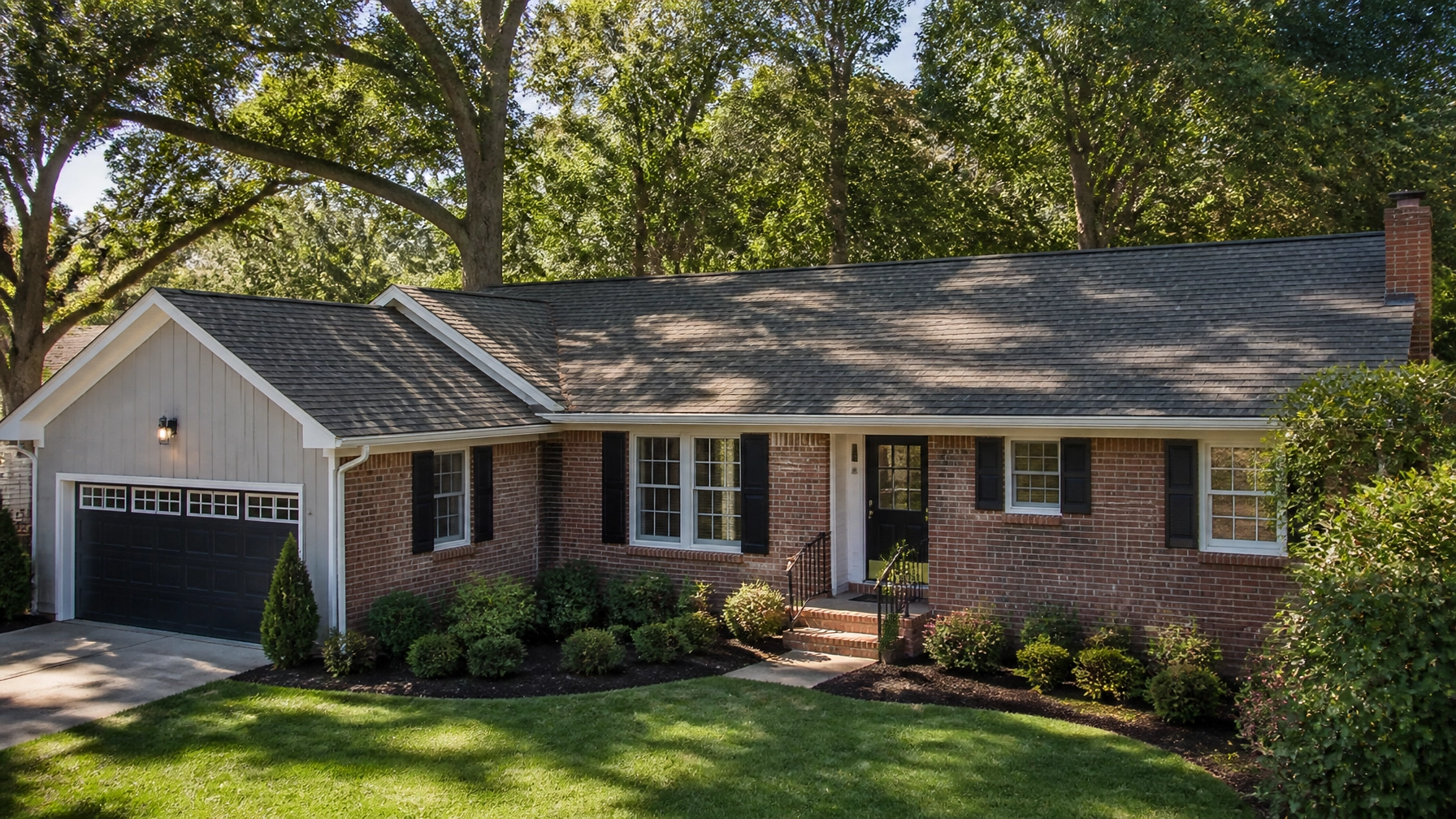
    Traditional brick home with high-definition shingles

    Curb Appeal and Buyer Confidence

    In a competitive market, first impressions are everything. A stained, aging, or curling roof can make a $300,000 home look neglected. Conversely, a new roof acts as a "seal of approval."

    1. Transparency: Providing a transferable warranty and a professional estimate to prospective buyers builds immediate trust.
    2. Appraisal Ease: Appraisers in 2026 are heavily scrutinizing roof age. A new roof ensures the home appraises at or above the asking price, preventing financing delays.
    3. Modern Aesthetics: New color options in architectural shingles (like deep charcoal or weathered wood) can completely transform a home’s exterior look, making it stand out in neighborhood listings.

    Coastal cottage style home with impact-resistant shingles

    Accurate Pricing in Under 60 Seconds

    The traditional way of getting a roof estimate: scheduling multiple contractors to walk your property: is outdated. In Baton Rouge’s fast-paced market, you need data-driven pricing immediately to make informed decisions.

    At Get My Roof Estimate Now, we use advanced satellite imagery to provide accurate roofing services and cost projections in under a minute. Our technology measures your roof's size, pitch, and complexity with 95% accuracy, giving you a transparent price range based on current 2026 local labor and material costs.

    Whether you are preparing to list your home or just want to see how much a "Fortified" upgrade would cost after state grants, you can get the answers you need without the wait.

    Ready to see what a new roof will cost for your Baton Rouge home?
    Get your instant, free estimate here in 60 seconds.