Blog

  • 2026 Roof Replacement Cost in Lexington, KY: Horse Capital Pricing, Hail Season & Money-Saving Tips

    2026 Roof Replacement Cost in Lexington, KY: Horse Capital Pricing, Hail Season & Money-Saving Tips

    For Lexington homeowners, a full roof replacement in 2026 typically costs $10,000–$18,000 for a 2,000-square-foot roof. Most architectural-shingle projects fall between $9,000 and $16,500, or approximately $4–$10 per square foot installed. Your final price depends on roof size, pitch, valleys, dormers, penetrations, decking repairs, tear-off, and material choice.

    That range applies across Fayette County, including Hamburg, Andover, Beaumont, Chevy Chase, Ashland Park, Kenwick, and Meadowthorpe.

    2026 Lexington Roofing Prices by Material

    • 3-tab asphalt shingles (Budget): Less expensive than architectural shingles, but with a shorter 15–20-year lifespan.
    • Architectural shingles (Popular): Approximately $4–$10 per square foot installed; the most common choice for Lexington homes.
    • Class 4 impact-resistant shingles (Premium): Higher upfront cost, but designed to better resist hail damage and may qualify for insurance discounts.
    • Standing-seam metal (Premium): Approximately $8–$21 per square foot, with typical projects costing $14,000–$32,000 or more.

    Metal roofing generally lasts 40–70 years, while architectural shingles typically last 25–30 years. Compare both options with this metal roofing versus asphalt shingles guide.

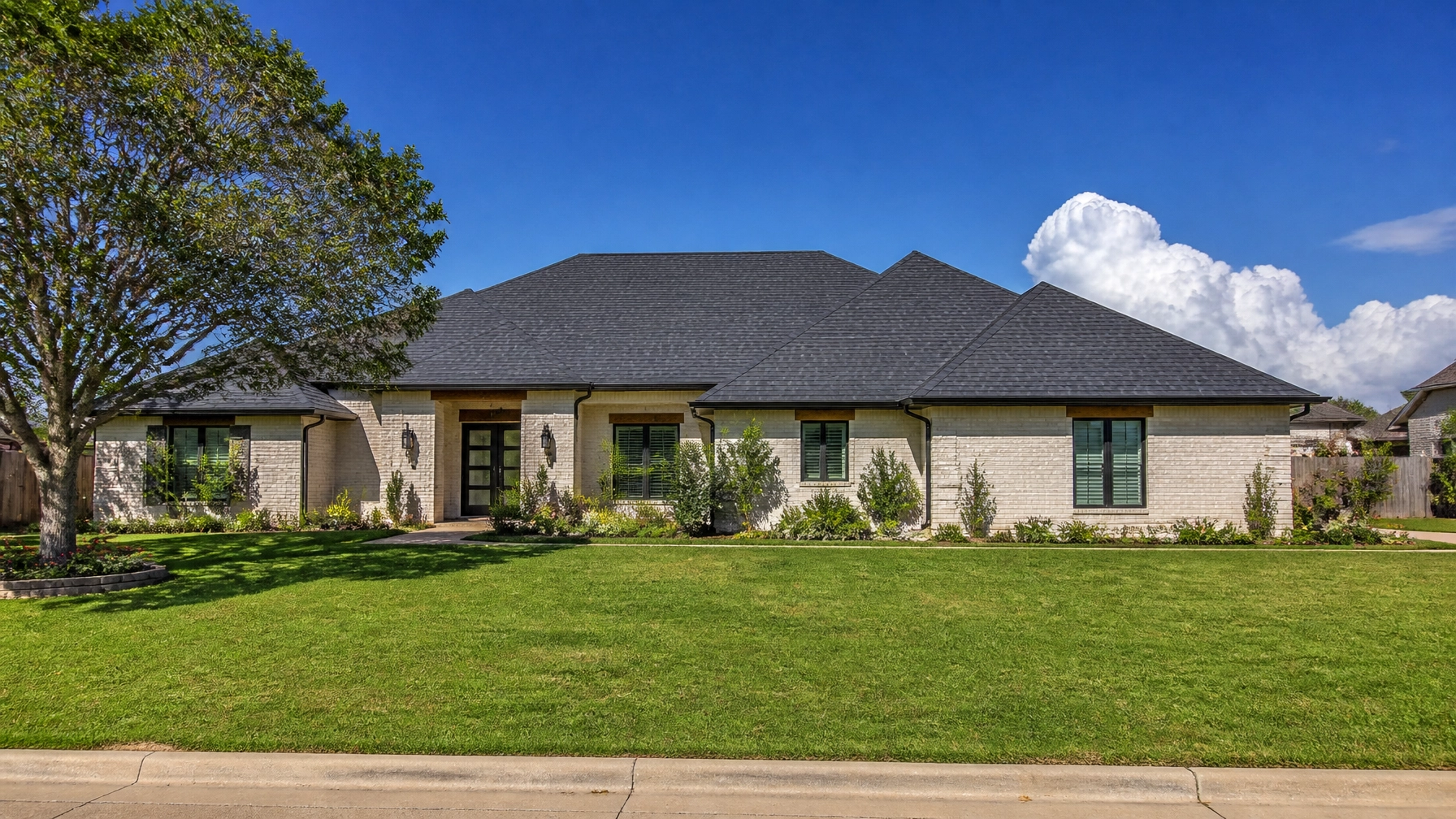
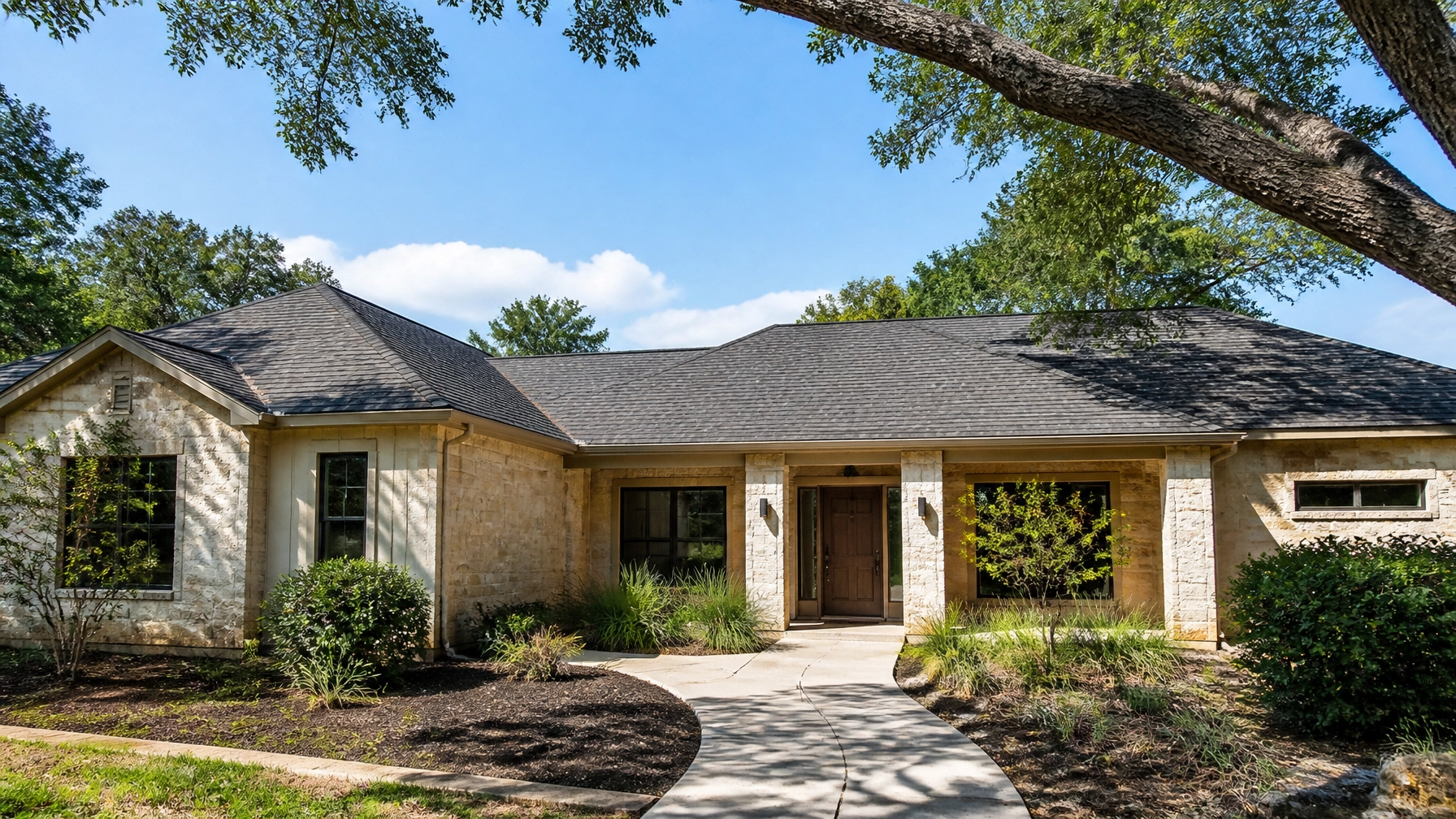
    Architectural shingle roof replacement on a Lexington ranch home

    Why Lexington Prices Increased

    Asphalt shingles are up approximately 8%–15% since 2025 because they are linked to petroleum costs. A second 2026 increase of 6%–9% took effect June 1.

    Metal has increased approximately 15%–25% since 2024, driven partly by 50% Section 232 tariffs affecting steel and aluminum panels, trim, and fasteners. If you choose metal, ask for documentation showing domestic melt-and-pour origin. Some components may qualify for a lower 10% derivative tariff.

    Hail, Freeze-Thaw Cycles, and Roof Damage

    Lexington’s Bluegrass climate exposes roofs to freeze-thaw movement, ice dams, high winds, and sudden hail. Reported 2026 events included:

    • February 19: Approximately 1-inch hail in the Lexington area.
    • April 16: Up to 1.5-inch hail reported around Hamburg and Andover.
    • June storms: Flooding and additional storm-related damage across the region.

    After a storm, check for missing shingles, granule loss, exposed fiberglass, dented vents, and damaged flashing. Photograph conditions before temporary repairs and contact your insurer promptly.

    Lexington Permits and Code Requirements

    LFUCG Division of Building Inspection requires a permit for a full roof replacement, whether you tear off the old roof or install an overlay. Minor patch repairs are generally exempt.

    Apply through the Lexington Citizen Access Portal or in person at 200 E Main St. Fees are commonly $140–$500, based on project valuation. Your contractor should be registered with LFUCG, pull the permit, and schedule the required final inspection.

    Kentucky Residential Code requirements include:

    • Self-adhering ice-and-water shield at eaves, extending 24 inches inside the interior wall line
    • Correct manufacturer-specified nailing patterns
    • UL Class A or B roof coverings, depending on the fire zone

    Historic properties may require Division of Planning or architectural approval before work begins.

    Roof Replacement ROI and Home Value

    Fayette County home values are roughly in the $275,000–$364,000 range, with a mid-2026 benchmark near $328,000. A roof replacement typically returns about 57%–70% of its cost at resale.

    A new roof can improve new roof ROI home value, reduce inspection objections, and prevent buyer concessions. In practical terms, roof replacement resale value comes from more than the sale price. Buyers are more confident when they do not face an immediate five-figure repair.

    New shingles also improve roof curb appeal home value. For many Lexington sellers, an attractive, recently installed roof helps a home show better and may help it sell faster.

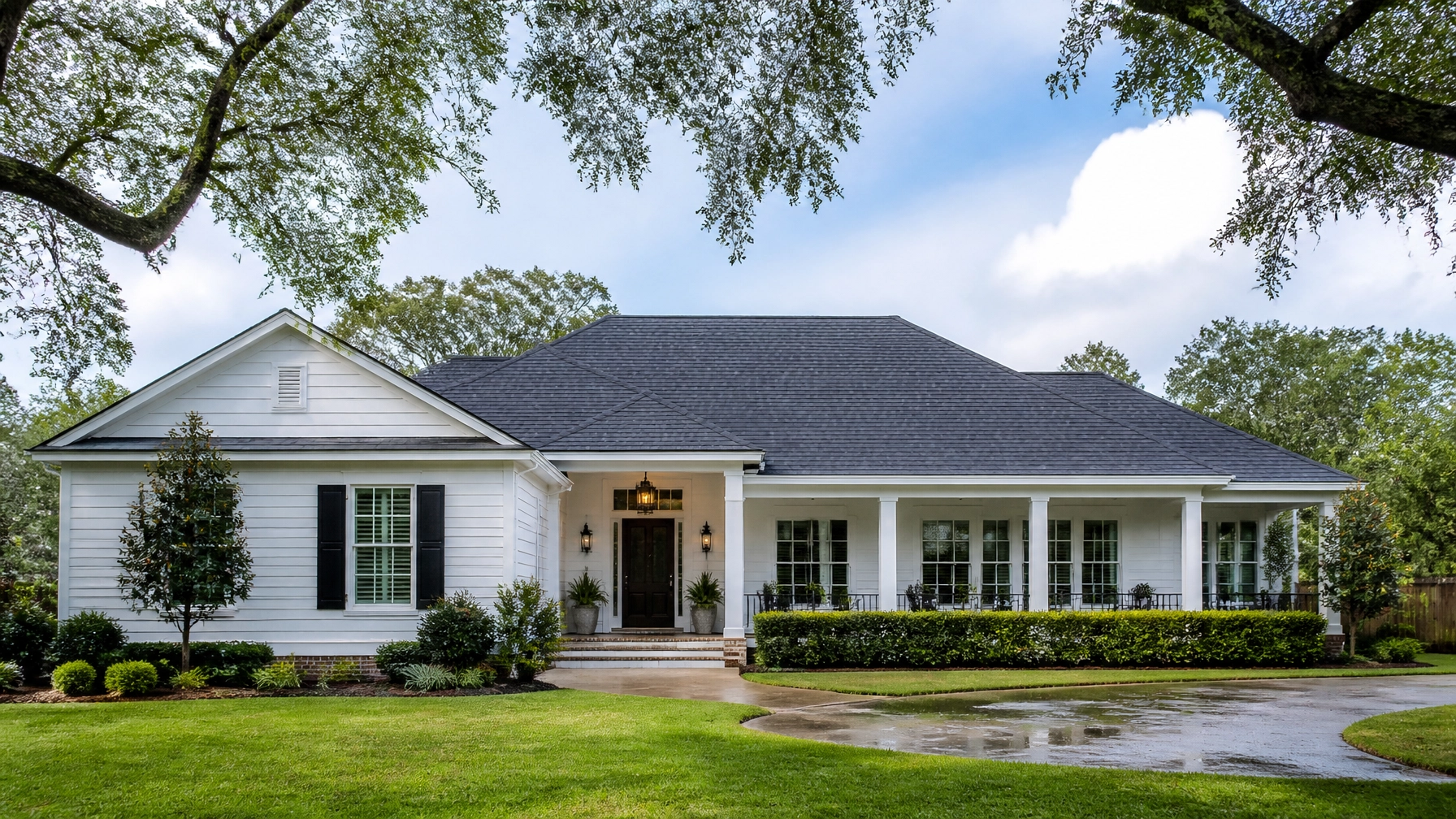
    Premium standing-seam metal roof on a modern Kentucky home

    Money-Saving Tips for 2026

    1. Ask about Class 4 shingles. Insurance discounts may range from 5%–35% in hail-prone areas.
    2. Get multiple written quotes with short validity windows because material pricing can change quickly.
    3. Ask whether the contractor has pre-purchased inventory at older prices.
    4. Schedule during shoulder seasons when crews may have more availability.
    5. Compare architectural shingles and metal using the same roof measurements and scope.
    6. Verify contractor insurance and LFUCG registration before signing.
    7. Ask for a complete quote covering tear-off, disposal, flashing, ventilation, permits, inspections, and decking repairs.

    Local companies homeowners may research include A Godsend Roofing, Apex Roofing of Greater Kentucky, AIC Roofing & Construction, All Around Roofing, CRC Roofing & Renovations, Craftsmen Roofing and Exteriors, and Barrier Roofs. Verify current registration, insurance, references, and written warranty terms independently.

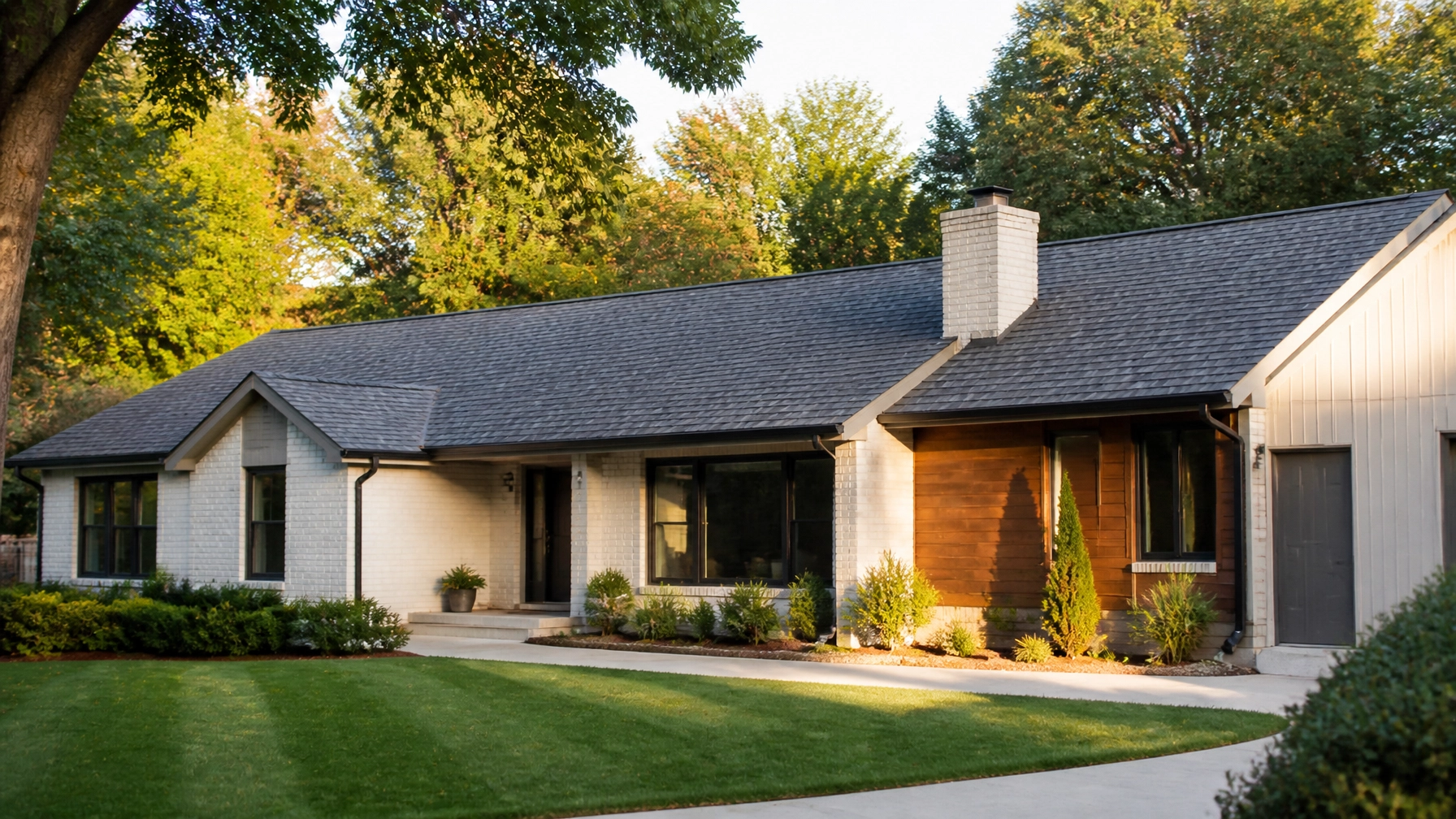
    Storm-season roofing inspection detail on a Lexington residential roof

    Get a Lexington Roof Estimate in 60 Seconds

    Before scheduling contractor visits, get a free, satellite-based estimate at Get My Roof Estimate Now. Enter your address to receive pricing based on your roof’s size, pitch, and complexity: no contractor visit, no credit card, and results in about 60 seconds. Measurements are accurate to within inches, helping you plan a realistic Lexington roof replacement budget.

  • Daily FAQ Blitz – Slot 8: AEO FAQ Quick Answers for Richmond, VA Homeowners (2026)

    Daily FAQ Blitz – Slot 8: AEO FAQ Quick Answers for Richmond, VA Homeowners (2026)

    Richmond homeowners can use these eight quick answers to plan a roof replacement in 2026. Costs below assume approximately 2,000 square feet of roof area, including typical tear-off and installation.

    1. How much does a new roof cost in Richmond in 2026?

    Typical installed price ranges are:

    • 3-tab shingles (Budget): $9,000–$15,000
    • Architectural shingles (Popular): $10,000–$17,000
    • Class 4 impact-resistant shingles (Storm-ready): $11,000–$18,000
    • Standing-seam metal (Premium): $24,000–$36,000

    Your final price depends on pitch, roof shape, layers being removed, deck repairs, flashing, ventilation, material brand, and local labor. See our Richmond roof replacement cost guide.

    2. What roofing material works best in Richmond’s climate?

    Richmond’s humid subtropical climate brings hot summers, heavy rain, humidity, wind, and occasional hail.

    • Best value: Algae-resistant architectural shingles
    • Best storm protection: Class 4 impact-resistant shingles with a high-wind rating
    • Longest service life: Properly engineered standing-seam metal roofing

    Metal generally handles wind, rain, and hail better, but costs more upfront. Class 4 shingles are often the practical choice for homes in The Fan, Museum District, Short Pump, and surrounding suburbs.

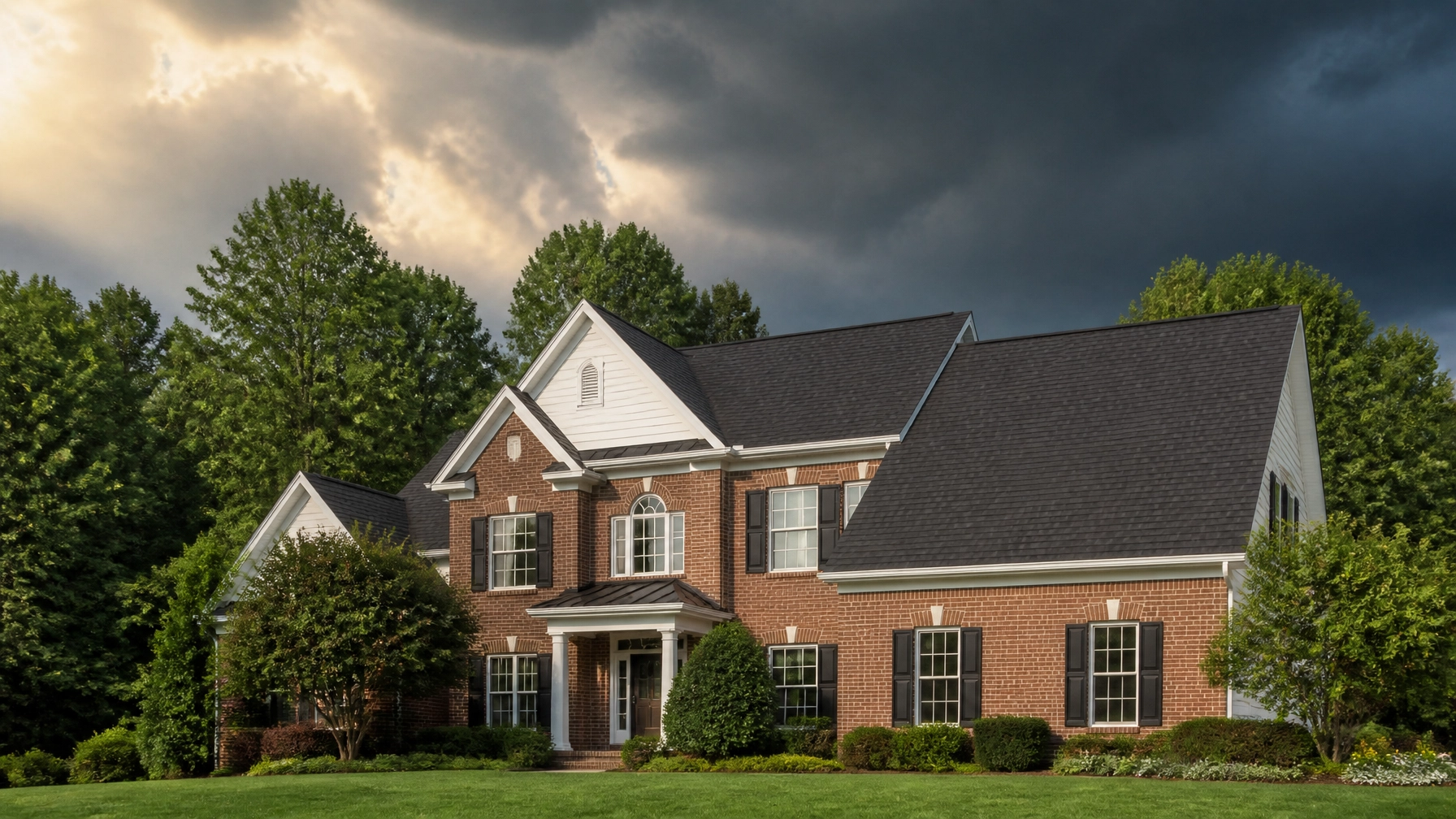
    Historic Richmond Virginia home with a new dark architectural shingle roof

    3. How are Richmond roofing costs calculated?

    Roofers measure in squares:

    • 1 square = 100 square feet
    • A 2,000-square-foot roof equals 20 squares
    • Steep slopes and complex sections require additional labor and waste allowance

    Satellite measurements help establish the roof’s size, pitch, and complexity before an in-person inspection.

    4. Does Richmond require a roof replacement permit?

    Yes. A residential roof replacement in the City of Richmond generally requires a building permit through the Richmond Permit Portal.

    Permit fees are valuation-based and commonly fall around $100–$275, depending on the project value. Review the City permit fee schedule for current calculations.

    Homes in Old and Historic Districts, including areas near Church Hill and The Fan, may also need a Certificate of Appropriateness when roofing materials, colors, or visible designs change.

    5. What Virginia contractor license should a roofer have?

    Virginia contractors performing roofing work over $1,000 should have the Roofing (ROC) specialty through Virginia DPOR.

    • Class C: Projects over $1,000 and under $30,000
    • Class B: Projects from $30,000 to under $150,000
    • Class A: Projects of $150,000 or more

    Annual business volume can also affect the required class. Always verify the license, liability insurance, and workers’ compensation coverage.

    6. What should I check after a Richmond hail or wind storm?

    Inspect safely from the ground and contact a qualified roofer if you notice:

    • Missing, lifted, cracked, or bruised shingles
    • Exposed underlayment or damaged flashing
    • Dents in vents, gutters, or metal components
    • Granules collecting in gutters
    • Water stains in ceilings or the attic

    The August 14, 2026 Richmond-area hail event was reported in storm coverage and mapping data with hail estimates reaching up to 3 inches in the broader area. The August 7, 2026 West End storm also makes inspections worthwhile for homeowners in Henrico County, Chesterfield County, and Midlothian. Photograph damage before making temporary repairs and notify your insurer promptly.

    Richmond Virginia home with Class 4 impact-resistant shingles after a summer thunderstorm

    7. How accurate is a satellite roof estimate?

    Get My Roof Estimate Now uses satellite imagery to measure roof size, pitch, and complexity with approximately 90%–95% accuracy. Results arrive in under 60 seconds.

    The estimate is free, requires no credit card, and provides low, middle, and high pricing for multiple materials. Start your free Richmond satellite roof estimate.

    8. Does a new roof increase Richmond home value?

    Roof replacement projects typically recoup about 60%–68% of their cost, although the result varies by material, workmanship, neighborhood, and market conditions.

    A newer roof can improve buyer confidence, reduce inspection objections, and strengthen curb appeal in areas such as the West End, Short Pump, Museum District, and Midlothian. Get pricing early so you can compare repair, replacement, and resale options objectively.

    Category: Virginia Roofing Costs

    Tags: Richmond roof replacement, Richmond VA roof estimate, Henrico County storm damage, Virginia roofing FAQ, roof replacement ROI Richmond, satellite roof estimate Richmond

  • Daily Tech Blitz – Slot 6: College Station’s Satellite Tech Edge Is Bringing Aggieland Precision to Central Texas Roofs

    Daily Tech Blitz – Slot 6: College Station’s Satellite Tech Edge Is Bringing Aggieland Precision to Central Texas Roofs

    College Station is becoming a practical testing ground for high-precision technology.

    Texas A&M’s AggieSat6 is now in orbit after launching April 7, 2026, aboard a Minotaur IV from Vandenberg Space Force Base. The student-built 6U CubeSat uses a radiofrequency array and the MUSIC algorithm to track Iridium satellites, while also collecting radiation data in low Earth orbit.

    On campus, the Climavision X-band weather radar adds low-level storm coverage across the Bryan-College Station area. And the TAMU-SPIRIT research platform is opening another round of space-based experimentation, with full TAMU-SPIRIT-2 proposals due September 21, 2026.

    That same technology-first mindset now helps homeowners plan roof replacement with less guesswork.

    College Station roof replacement costs at a glance

    For homeowners in ZIP codes 77840, 77845, 77802, 77803, and 77807, a typical replacement budget looks like this:

    • Broad replacement benchmark: $8,700–$17,200 for a 2,000-square-foot home (Budget to Popular)
    • Architectural asphalt shingles: $5.60–$6.60 per square foot installed (Popular)
    • Standing-seam metal: $10.00–$15.50 per square foot installed (Premium)
    • Typical single-family roof area: approximately 2,300–3,400 square feet
    • Common roof age for replacement planning: 15–30 years

    Your final price depends on roof size, pitch, valleys, dormers, penetrations, tear-off requirements, material choice, labor availability, and hidden deck damage.

    The first step is knowing the actual roof area: not simply the home’s interior square footage.

    Why roof size is different from home size

    A single-family home may have a footprint between 1,800 and 2,600 square feet, but the roof usually covers more area because of:

    • Roof pitch
    • Overhangs and eaves
    • Attached garages
    • Porches and additions
    • Multiple roof planes
    • Valleys, hips, and dormers

    A useful local planning estimate is roughly 1.3 times the home’s footprint. That places many College Station roofs between 2,300 and 3,400 square feet, or 23–34 roofing squares. One roofing square equals 100 square feet.

    A steep, complex roof can exceed that range even when the home appears modest from the street.

    Two-story College Station home with a new dimensional architectural shingle roof and clean rooflines

    The AggieSat6 connection: precision starts with measurement

    AggieSat6 listens for radio signals, processes phase differences between antennas, and calculates the direction of another satellite. It is a sophisticated example of turning remote data into useful position information.

    Roof estimating uses a similar principle on the ground.

    Get My Roof Estimate Now uses satellite imagery technology to measure your roof’s dimensions and identify key characteristics without requiring an upfront contractor visit. The system evaluates:

    • Roof size in squares
    • Roof pitch and steepness
    • Roof-plane layout
    • Valleys and roof complexity
    • Material options
    • Regional pricing factors

    In about 60 seconds, homeowners can receive a free estimate with low, middle, and high price ranges. No credit card is required.

    The measurements are designed to be accurate to within inches, with approximately 90–95% accuracy for estimating purposes. A final contractor inspection is still important before construction, especially if a storm may have damaged the deck, flashing, ventilation, or underlying structure.

    Get a free satellite-powered roof estimate.

    Choosing the right roofing material for Brazos County

    College Station has hot, humid summers, intense sun exposure, spring and fall thunderstorms, hail risk, occasional high winds, and periodic freeze events. No material eliminates maintenance, but each option has a different cost and performance profile.

    Architectural asphalt shingles (Popular)

    Installed cost: $5.60–$6.60 per square foot

    For a 2,000–2,600 square-foot roof, that produces an approximate range of $11,200–$17,200 installed, before unusual structural repairs or major complexity adjustments.

    Architectural shingles are popular because they offer:

    • Lower upfront cost than metal
    • Broad color and style selection
    • Easy repairability
    • Familiar installation methods
    • Typical service life of 25–30 years

    For hail-prone areas, ask about Class 4 impact-resistant shingles and whether they may affect insurance pricing. Also consider algae-resistant products, which can help with black streaking in humid conditions.

    See the asphalt shingles guide for a comparison of shingle types, warranties, and expected lifespans.

    Standing-seam metal (Premium)

    Installed cost: $10.00–$15.50 per square foot

    On a 2,600-square-foot roof, that is approximately $26,000–$40,300 installed.

    Standing-seam metal offers:

    • A 40–70-year expected service life
    • Concealed fasteners
    • Strong wind performance when properly installed
    • Class A fire resistance
    • Potential cooling-energy benefits
    • Low routine maintenance

    Large hail can still dent metal panels, particularly on exposed roof planes. Cosmetic denting and functional damage are not always the same, so document the roof condition after a storm and have the system evaluated.

    Review the metal roofing guide or compare both materials using the metal versus shingles comparison.

    What the local radar means for your roof

    The Climavision X-band radar installed atop Texas A&M’s Eller Oceanography and Meteorology Building became operational in 2024. It helps fill a low-level NEXRAD coverage gap between Houston and Austin for Bryan-College Station.

    That matters because radar coverage closer to the ground can improve awareness of:

    • Hail-producing thunderstorms
    • Severe wind
    • Flash flooding
    • Tornado conditions
    • Heavy precipitation
    • Rapidly changing storm cells

    Radar does not replace a roof inspection. It does give homeowners a better reason to act quickly after a severe-weather alert.

    The March 15, 2025 hailstorm that struck the Texas A&M campus also produced a valuable roofing benchmark. RICOWI’s field investigation documented different results across asphalt shingles, standing-seam metal, TPO, and SPF systems.

    Reported findings included:

    • Asphalt shingles with bruising, granule loss, and gouging
    • Dented metal components and cosmetic panel impacts
    • A 14-year-old TPO roof with spatter but no visible punctures
    • Better SPF performance where the complete protective coating system was intact

    Following the August 26, 2026 Texas hail and wind event, homeowners should photograph roof surfaces, gutters, siding, screens, and outdoor equipment from the ground. Do not climb onto the roof. Look for missing shingles, exposed underlayment, dented vents, loose flashing, and new interior stains.

    New standing-seam metal roof on a modern Central Texas home with clean geometric rooflines

    College Station permit and contractor requirements

    The City of College Station requires a building permit for residential re-roofing when replacing shingles or replacing decking and shingles.

    Important local requirements include:

    • Contact Planning and Development Services at 979-764-3570
    • Visit the department at 1101 Texas Avenue
    • Schedule the required inspection after completion
    • Use a contractor registered with the City of College Station
    • Ensure residential re-roofing materials have at least a Class C fire rating

    A homeowner working on their own homestead may obtain the permit without registering as a contractor. If you hire a contractor, the contractor must be registered with the city.

    Texas does not issue a statewide roofing-specific license. Before signing a contract, verify:

    • General liability insurance
    • Workers’ compensation coverage
    • City registration
    • Written scope of work
    • Material and workmanship warranties
    • References for similar College Station projects

    The city’s roofing and re-roofing page provides current requirements.

    A faster way to plan your next step

    You do not need to schedule three contractor visits just to learn whether your roof may cost $10,000 or $30,000.

    Use a satellite estimate to establish a planning range first:

    1. Enter your College Station address.
    2. Review the measured roof size and complexity.
    3. Compare asphalt and metal options.
    4. Check the low-middle-high pricing range.
    5. Use the estimate to prepare for contractor conversations.

    The result is not a construction contract or an insurance determination. It is a fast, transparent starting point based on your property rather than a national average.

    College Station ranch home with a replacement roof after a severe thunderstorm, damp pavement, and clearing storm clouds

    Frequently asked questions

    How much does a roof replacement cost in College Station in 2026?

    A typical broad benchmark is $8,700–$17,200 for a 2,000-square-foot home. Architectural shingles commonly cost $5.60–$6.60 per square foot installed, while standing-seam metal commonly costs $10.00–$15.50 per square foot. Your roof’s measured area, pitch, complexity, and repairs determine the final price.

    Does College Station require a permit to replace a roof?

    Yes. The city requires a building permit for residential re-roofing when replacing shingles or replacing decking and shingles. Contact Planning and Development Services at 979-764-3570 for current instructions.

    Can satellite imagery replace a roof inspection?

    No. Satellite imagery can provide a fast, accurate estimate of roof size, pitch, and complexity. A contractor or qualified inspector should still check for leaks, soft decking, flashing problems, ventilation issues, and storm damage before installation.

    Is metal roofing better than shingles for College Station hail?

    Metal roofing is durable but can dent from large hail. Impact-resistant asphalt shingles may also be appropriate. The best choice depends on your budget, expected ownership period, appearance preferences, insurance requirements, and the specific roof assembly.

    How quickly can I get a roof estimate?

    Get My Roof Estimate Now provides a free, satellite-powered estimate in approximately 60 seconds. No credit card is required, and the estimate includes low, middle, and high price ranges.

    What should I do after a hailstorm?

    Stay on the ground and photograph visible damage to gutters, siding, vents, windows, and roofing edges. Check for interior leaks and contact your insurer or a qualified roofing professional. Do not authorize repairs based only on a door-to-door inspection.

    Local and technical references

  • 2026 Roof Replacement Cost in Grand Rapids, MI: Complete Price Guide for Furniture City Homeowners

    2026 Roof Replacement Cost in Grand Rapids, MI: Complete Price Guide for Furniture City Homeowners

    Replacing a roof in Grand Rapids typically costs $13,000–$20,000 for a 2,000-square-foot architectural shingle roof in 2026. Class 4 impact-resistant shingles generally run $15,000–$25,000, while standing-seam metal roofing often costs $25,000–$45,000 or more.

    These are planning ranges for a standard roof replacement with normal access and no major structural repairs. Steep pitches, multiple dormers, historic details, ice-dam damage, and deteriorated decking can increase the final price.

    This guide covers current Grand Rapids roofing costs, local storm concerns, permits, Michigan contractor licensing, and how a new roof may affect resale value in the Furniture City.

    2026 Grand Rapids Roof Replacement Cost at a Glance

    Roofing contractors price by the roof area, not the home’s interior floor area. A 2,000-square-foot house may have a 2,200- to 2,600-square-foot roof after accounting for pitch and overhangs.

    For a typical 2,000-square-foot roof, use these 2026 benchmarks:

    Roofing material Installed cost per sq. ft. Estimated total
    Architectural asphalt shingles (Popular) $6.50–$10.00 $13,000–$20,000
    Class 4 impact-resistant shingles (Storm-ready) $7.50–$12.50 $15,000–$25,000
    Standing-seam metal roofing (Premium) $12.50–$22.50 $25,000–$45,000+

    One roofing square equals 100 square feet. A 2,000-square-foot roof contains approximately 20 squares before waste and layout adjustments.

    For a broader market comparison, see our roof cost calculator and asphalt shingle guide.

    Grand Rapids ranch home with a new Class 4 impact-resistant shingle roof

    Roof Replacement Cost by House Size

    The table below assumes a relatively straightforward roof, standard architectural shingles, one layer of tear-off, and no major decking replacement. Actual roof area can be larger than the home’s floor area.

    Approximate home size Estimated roof area Architectural shingles Class 4 shingles Standing-seam metal
    1,500 sq. ft. 1,650 sq. ft. $10,700–$16,500 $12,400–$20,600 $20,600–$37,100
    2,000 sq. ft. 2,200 sq. ft. $14,300–$22,000 $16,500–$27,500 $27,500–$49,500
    2,500 sq. ft. 2,750 sq. ft. $17,900–$27,500 $20,600–$34,400 $34,400–$61,900
    3,000 sq. ft. 3,300 sq. ft. $21,500–$33,000 $24,800–$41,300 $41,300–$74,300

    These estimates use roof size rather than living space. A complex 2,000-square-foot roof may cost more than a simple 2,500-square-foot gable roof.

    What Determines Roof Replacement Cost in Grand Rapids?

    1. Roofing material (Budget, Popular, or Premium)

    Architectural asphalt shingles remain the most common choice because they balance appearance, lifespan, and cost. Class 4 shingles cost more but are engineered for improved impact resistance and may be worth considering after repeated hail exposure.

    Standing-seam metal offers long service life, strong snow-shedding performance, and a distinct modern appearance. However, metal panels require specialized installation, and steel and aluminum costs have increased in 2026.

    2. Labor and local access

    Labor costs reflect crew availability, insurance, disposal, safety equipment, and the difficulty of working on the property. Tight lots in Eastown or Heritage Hill may require additional staging and protection for landscaping, porches, sidewalks, or neighboring structures.

    3. Roof pitch and complexity

    A steep roof takes longer to install and requires additional fall protection. Dormers, valleys, skylights, chimneys, multiple roof sections, and unusual angles also increase labor and waste.

    Historic homes in Heritage Hill can be especially expensive because the roof may include intricate details, older framing, slate remnants, or flashing that must be carefully removed.

    4. Tear-off and disposal

    Most replacement budgets include removal of existing shingles. Costs rise when the roof has:

    • Two or more existing shingle layers
    • Heavy or difficult-to-access materials
    • Hidden moisture damage
    • Limited driveway or street access
    • Large quantities of wood or construction debris

    5. Decking, flashing, and ventilation

    Damaged plywood or roof decking is usually replaced after the old shingles are removed. Homeowners should ask for the contractor’s per-sheet or per-square-foot price for decking repairs before work begins.

    Other possible additions include new chimney flashing, pipe boots, drip edge, ice-and-water protection, ridge vents, soffit ventilation, and upgraded underlayment.

    6. Permits and inspections

    Permit costs are usually a smaller part of the project, but they are still required and should be included in the written proposal.

    2026 Material and Labor Market Trends

    Roofing prices have moved higher during 2026. Major asphalt shingle manufacturers announced increases of approximately 4%–8% during the spring, followed by another increase of roughly 6%–9% effective June 1, 2026, depending on the manufacturer and product line. The combined effect varies by supplier, but many contractors are pricing projects approximately 10%–18% higher than earlier 2026 quotes.

    Metal roofing has faced additional pressure from steel and aluminum tariffs. Those costs affect standing-seam panels as well as flashing, drip edge, vents, fasteners, gutters, and trim. A shingle roof can also be affected because these metal components are part of the complete roofing system.

    For homeowners in ZIP codes 49503, 49504, 49506, 49507, 49525, and 49546, it is wise to compare quotes issued close together. A material allowance from several months earlier may no longer reflect current supplier pricing.

    Historic Grand Rapids home with a new architectural shingle roof

    Grand Rapids Storm and Winter Roofing Concerns

    Grand Rapids roofs face more than ordinary summer weather. The region experiences:

    • Hail and straight-line wind during summer thunderstorms
    • Heavy rain and wind-driven water
    • Lake-effect snow and wet snow loads
    • Ice dams along eaves and valleys
    • Repeated freeze-thaw cycling
    • Snow and ice accumulation around roof penetrations

    Storm activity on August 9 and 10, 2026 brought strong winds and hail threats across parts of western and southern Lower Michigan. Another regional hail event on August 22, 2026 included reports of approximately one-inch hail in portions of the broader Grand Rapids radar area, including communities near Byron Center. Not every report confirms damage inside Grand Rapids city limits, but these events illustrate the area’s exposure.

    After a storm, look for missing granules, bruised shingles, dented vents, damaged flashing, loose gutters, and ceiling stains. Do not assume a roof is undamaged simply because it is not leaking yet.

    In winter, proper attic insulation and ventilation can help reduce ice-dam formation. Ice-and-water protection at eaves, valleys, and penetrations is also important for a replacement roof in West Michigan.

    Grand Rapids Permits and Michigan Contractor Licensing

    The City of Grand Rapids requires a residential building permit for re-roofing an existing residential building. Applications go through the city’s Development Center, and the city states that required plans must be uploaded before plan review begins. Confirm current fees, inspection steps, and application procedures through the City of Grand Rapids re-roofing permit page.

    For residential roofing work valued at $600 or more, Michigan contractors generally need either:

    • A Residential Builder license, or
    • A Residential Maintenance & Alteration Contractor license with the Roofing classification

    These licenses are administered by the Michigan Department of Licensing and Regulatory Affairs, or LARA. Review the official LARA Residential Builders information and Maintenance & Alteration Contractor requirements.

    A state license is not the only check. Contractors pulling permits in Grand Rapids must also register their state license with the city. Before signing, verify:

    • Active LARA license status
    • Roofing classification, if applicable
    • General liability insurance
    • Workers’ compensation coverage when required
    • Written scope of work
    • Permit responsibility
    • Cleanup and warranty terms

    Modern West Michigan colonial home with a matte black standing-seam metal roof

    Does a New Roof Increase Grand Rapids Home Value?

    A new roof can support resale value in several ways. It removes a major inspection concern, improves curb appeal, reduces buyer repair negotiations, and gives buyers greater confidence in the home’s condition.

    National remodeling benchmarks commonly place asphalt roof replacement ROI around 60%–70%. Metal roofing can produce strong value in the right property, although results vary widely. Some estimates place premium metal roofing recovery near 65%–75%, with up to 80% possible in select markets and well-matched homes.

    The best roof for home value usually fits the neighborhood and the property’s architecture. A high-end metal roof may be appropriate for a modern home in Cascade or a premium property in East Grand Rapids, but standard architectural shingles may provide better financial efficiency for many homes.

    Grand Rapids’ 2026 housing market remains relatively competitive:

    • City median sale price: approximately $300,000
    • Kent County median: approximately $335,000–$360,000
    • Eastown: approximately $413,000
    • Heritage Hill: approximately $415,000
    • East Grand Rapids: approximately $677,000–$835,000
    • Ada: commonly in the $637,000–$730,000 range
    • Cascade: commonly in the mid-$400,000s and higher
    • Inventory: approximately 1.1–1.6 months
    • Typical homes pending: about 6 days

    These figures make roof condition especially important. In a fast market, buyers may still negotiate aggressively over an aging roof because replacement costs are substantial.

    Get a 60-Second Grand Rapids Roof Estimate

    A roof replacement is a major investment, but the first budgeting step does not need to involve multiple contractor appointments. With Get My Roof Estimate Now, homeowners can enter an address and receive a free estimate using satellite-powered roof measurements.

    The system evaluates roof size, pitch, and complexity, then provides low-to-middle-to-high pricing for materials such as architectural shingles, impact-resistant shingles, metal, synthetic roofing, and coatings. Results arrive in about 60 seconds, with no credit card required.

    Use the estimate as a planning benchmark, then confirm the final scope with a verified, licensed, and insured local roofing contractor.

    For additional comparison, review our guide to metal roofing versus shingles.

    Final Takeaway

    For 2026, Grand Rapids homeowners should plan on approximately $13,000–$20,000 for architectural shingles, $15,000–$25,000 for Class 4 impact-resistant shingles, or $25,000–$45,000-plus for standing-seam metal on a typical 2,000-square-foot roof.

    Your final price depends on roof complexity, tear-off, decking, ventilation, permits, material availability, and storm-related demand. Check the contractor’s LARA license, confirm City registration, and make sure the re-roofing permit and inspections are handled correctly.

    A fast satellite estimate gives you a practical starting point before requesting detailed bids: and helps you budget with clearer expectations for your Grand Rapids home.

  • 2026 Roof Replacement Cost in Tyler, TX: A Rose City Budget Guide for Homeowners

    2026 Roof Replacement Cost in Tyler, TX: A Rose City Budget Guide for Homeowners

    A roof replacement in Tyler, Texas, typically costs $7,000 to $32,000+ in 2026, depending on roof size, material, pitch, tear-off requirements, and storm damage.

    For a typical 2,000-square-foot roof, these are practical Tyler-area planning ranges:

    • 3-tab asphalt shingles (Budget): $3.50–$5.50 per square foot, or about $7,000–$11,000
    • Architectural shingles (Popular): $4.50–$6.50 per square foot, or roughly $7,000–$14,000+
    • Class 4 impact-resistant shingles (Storm-ready): usually 10%–20% more, or approximately $1,000–$2,500 extra
    • Standing-seam metal (Premium): $7–$16 per square foot, or about $14,000–$32,000

    These are installed-price estimates before unusual structural repairs. In some Tyler ZIP codes, August is a lower-demand roofing month, and homeowners may see seasonal adjustments of approximately 15% from certain contractors.

    For a property-specific starting point, use the roof cost calculator or request a free satellite estimate from Get My Roof Estimate Now.

    Tyler Roof Replacement Cost by Material

    Roofing material 2026 installed price Typical 2,000-square-foot roof Best fit
    3-tab asphalt shingles (Budget) $3.50–$5.50/sq. ft. $7,000–$11,000 Lowest upfront cost
    Architectural shingles (Popular) $4.50–$6.50/sq. ft. $7,000–$14,000+ Most Tyler homeowners
    Class 4 impact shingles (Storm-ready) Base shingle price plus 10%–20% Add $1,000–$2,500 Hail-prone properties
    Standing-seam metal (Premium) $7–$16/sq. ft. $14,000–$32,000 Long service life and energy efficiency

    Remember that roofers price by roofing squares, not simply the home’s interior square footage. One roofing square equals 100 square feet of roof surface. A 2,000-square-foot home may have more than 2,000 square feet of roofing after accounting for pitch, overhangs, garages, porches, and multiple roof sections.

    3-Tab Asphalt Shingles (Budget)

    Three-tab shingles are the basic asphalt option. They offer the lowest initial price and work well for straightforward ranch-style homes, rental properties, or homeowners preparing a home for sale.

    The trade-off is a shorter expected lifespan, often around 15 to 20 years, and a flatter appearance than architectural shingles. They may also provide less resistance to severe hail and wind.

    Architectural Shingles (Popular)

    Architectural or dimensional shingles are the most common replacement choice in Tyler. They have a layered profile, stronger visual depth, and generally better durability than three-tab shingles.

    Most architectural roofs cost $4.50–$6.50 per square foot before major repairs. Algae-resistant options are especially useful in East Texas, where humidity can cause dark streaking and organic growth.

    For most homeowners, architectural shingles offer the best balance of roof replacement ROI, appearance, warranty coverage, and initial cost. See the company’s asphalt shingles guide for a closer comparison.

    Class 4 Impact-Resistant Shingles (Storm-Ready)

    Class 4 shingles are tested for impact resistance under the UL 2218 standard. They are a practical upgrade for Tyler homes exposed to recurring East Texas hail.

    Expect to pay approximately 10%–20% more than standard architectural shingles. On a typical roof, that may add $1,000–$2,500.

    Some insurance carriers offer discounts on the wind-and-hail portion of the premium, often around 10%–30%, depending on the insurer, policy, roof system, and documentation. Ask your agent before installation. Request the product data sheet and keep the contractor’s installation certificate for your records.

    Two-story Tyler home with a new architectural asphalt shingle roof

    Standing-Seam Metal (Premium)

    Standing-seam metal roofing costs approximately $7–$16 per square foot installed. A 2,000-square-foot roof may cost $14,000–$32,000, with steel and aluminum pricing varying by gauge, coating, seams, trim, and roof complexity.

    Metal roofing can last 40 to 70 years and may reduce cooling costs by reflecting solar heat. It is often a strong fit for modern homes, lake properties, and homeowners planning to stay in the house for at least 10 years.

    Compare the long-term trade-offs in Metal Roofing vs. Asphalt Shingles.

    What Drives Roof Replacement Cost in Tyler?

    Material is only one part of the estimate. Ask for a written breakdown of these items.

    1. Roof Size, Pitch, and Complexity

    A large or steep roof requires more materials, safety equipment, and labor. Valleys, dormers, skylights, chimneys, multiple ridgelines, and attached garages also increase installation time.

    A simple single-story roof will generally cost less than a steep Colonial or multi-section home.

    2. Tear-Off and Disposal

    Removing old shingles, underlayment, flashing, and nails adds labor and disposal costs. Tear-off may add roughly $100 per roofing square, depending on the number of layers and local disposal rates.

    Avoid automatically choosing an overlay to save money. A full tear-off lets the contractor inspect the decking and install the new system correctly.

    3. Decking Repairs

    Rotten, cracked, or water-damaged decking must be replaced before new roofing is installed. Pine debris trapped in valleys and gutters can conceal moisture damage, especially on shaded homes.

    Ask the contractor to state:

    • The price per sheet of replacement decking
    • Whether damaged wood requires homeowner approval
    • How much unused material will be credited back

    4. 2026 Material and Labor Increases

    Roofing prices remain sensitive to national supply costs. Asphalt materials saw increases of approximately 4%–8% early in 2026, followed by additional supplier increases beginning June 1.

    Steel and aluminum tariffs are also pushing metal roofing prices upward. Local labor availability, insurance costs, fuel, and disposal fees can further affect Tyler estimates.

    5. Flashing, Gutters, and Ventilation

    A replacement estimate may include or exclude:

    • Step flashing around walls and chimneys
    • Pipe boot replacement
    • Valley metal or membrane
    • Ridge vents and intake ventilation
    • Gutters and downspouts
    • Fascia and soffit repairs

    Proper ventilation matters in Tyler’s hot climate. It helps reduce attic heat, moisture buildup, and thermal stress on the roof system.

    East Texas Weather and the Best Roof for Home Value

    Tyler roofs deal with more than ordinary aging. Local homeowners face:

    • Hail and high-wind events
    • Intense summer heat and UV exposure
    • Humidity and algae growth
    • Pine needles collecting in valleys and gutters
    • Thermal shock from rapid temperature changes
    • Heavy rainfall and storm-driven water

    The April 18, 2026 storm affected Smith County with hail and wind damage, including reports of more than 11,000 power outages. Hail was also reported during the April 27–28 weather period and again around early July, including July 5 storm activity.

    For homeowners staying in place, Class 4 shingles or a properly rated metal roof can be worth comparing. The right choice depends on budget, insurance savings, expected ownership period, and neighborhood expectations.

    Permits and Contractor Requirements in Tyler

    The City of Tyler requires a residential roof replacement permit. The listed residential roof replacement fee is $100, and a final inspection is required.

    Homeowners or contractors can begin through TylerInspections.com. The City of Tyler Schedule of Fees provides the city’s current fee information.

    Texas does not require a statewide roofing license. That makes contractor screening especially important. A roofing company should:

    • Register with the City of Tyler when required
    • Maintain valid Texas business registration
    • Carry general liability insurance
    • Carry workers’ compensation coverage or provide a clear exemption explanation
    • Provide references and a written contract
    • Identify the manufacturer, product line, and warranty terms

    Do not select a roofer based only on a door-to-door storm offer or the lowest bid.

    Insurance and Texas Wind-and-Hail Deductibles

    Review your declarations page before filing a claim. Texas policies often use percentage-based wind-and-hail deductibles. A 2% deductible on $350,000 of dwelling coverage would equal $7,000, regardless of whether the roof repair itself costs $7,000 or $20,000.

    Texas law prohibits contractors from waiving, absorbing, rebating, or hiding your deductible. A roofer who promises to “cover your deductible” is creating a serious legal and insurance risk.

    For questions or complaints, contact the Texas Department of Insurance. TDI’s consumer line is 800-252-3439.

    If you install Class 4 shingles, save:

    • Product data sheets
    • UL 2218 or impact-rating documentation
    • Installation invoices
    • Contractor certification forms
    • Photos of the completed roof

    Then ask your insurance agent whether a discount applies.

    Roof Replacement ROI and Tyler Home Value

    A new roof can improve more than weather protection. It also affects buyer confidence, inspection results, curb appeal, and resale negotiations.

    National remodeling data commonly places asphalt roof replacement ROI near 68%, although actual results vary by market, material, installation quality, and home condition. A new roof may also add approximately 2.6%–4.4% to a home’s value in some analyses.

    Tyler home values vary by source and neighborhood. Current estimates range from approximately $253,000 for a modeled citywide typical value to around $300,000–$310,000 for transaction-based citywide medians. Higher-priced areas, including parts of ZIP 75703, may show values near $370,000.

    A quality roof can support:

    • Better roof curb appeal and first impressions
    • Fewer buyer repair demands
    • Reduced inspection problems
    • Less negotiating over credits
    • Faster sale preparation
    • Better protection of the home’s underlying structure

    The best roof for home value is usually the one that fits the neighborhood, climate, and buyer expectations. In most Tyler neighborhoods, that often means quality architectural shingles. Premium homes or long-term owners may benefit from metal or impact-resistant upgrades.

    Local Tyler Areas to Consider

    Roofing conditions and budgets vary across the Rose City:

    • South Tyler, ZIP 75703: Larger and higher-value homes may support premium architectural shingles or metal.
    • Brick Streets and Azalea District, ZIP 75701: Historic character makes color, profile, and curb appeal especially important.
    • ZIP 75702: Older homes may require more decking, flashing, and ventilation work.
    • West Tyler, ZIP 75704: Storm exposure, mature trees, and roof accessibility can affect pricing.
    • Swan and North Tyler, ZIP 75707: Pine needles, algae, and gutter maintenance are common concerns.
    • Lake Tyler and Lake Palestine areas: Steeper or custom rooflines, metal upgrades, and difficult access may increase labor costs.

    Frequently Asked Questions

    How much does a new roof cost in Tyler, TX, in 2026?

    A typical 2,000-square-foot roof costs approximately $7,000–$11,000 for three-tab shingles, $7,000–$14,000+ for architectural shingles, and $14,000–$32,000 for standing-seam metal. Hail-resistant upgrades, tear-off, decking, and roof complexity can increase the total.

    Are Class 4 shingles worth the extra cost in Tyler?

    They can be. Tyler’s hail exposure makes impact-resistant shingles worth comparing, especially when your insurer offers a wind-and-hail discount. Confirm the discount and required documentation with your insurance agent before choosing the product.

    Does Tyler require a permit for roof replacement?

    Yes. The City of Tyler requires a residential roof replacement permit, listed at $100, along with a final inspection.

    What is the roof replacement resale value?

    A quality asphalt roof replacement commonly recoups about 60%–70% of its cost at resale, with approximately 68% often cited as a national benchmark. The roof can also improve curb appeal and reduce buyer repair negotiations.

    Should I choose metal or shingles?

    Choose shingles for lower upfront cost, easier repairs, and broad style options. Choose metal if you prioritize a 40-to-70-year service life, reduced maintenance, energy performance, and long-term ownership. Compare both systems using a free roof estimate.

    Get an Instant Tyler Roof Estimate

    Do not budget from your neighbor’s roof or a generic national average. Your roof’s actual size, pitch, valleys, materials, and ZIP code all matter.

    Get a free satellite-powered roof replacement estimate in about 60 seconds from Get My Roof Estimate Now. There is no contractor visit upfront, no credit card required, and no hidden fee. You can compare low-middle-high pricing for shingles, impact-resistant materials, and metal roofing before contacting verified local contractors.
  • Daily Weather Blitz – Slot 3: Dallas, TX ,  August 28, 2026: Extreme Heat Warning With a 109°F Heat Index, Isolated Late-Day Storms & What a Triple-Digit Texas Streak Does to Your Roof

    Daily Weather Blitz – Slot 3: Dallas, TX , August 28, 2026: Extreme Heat Warning With a 109°F Heat Index, Isolated Late-Day Storms & What a Triple-Digit Texas Streak Does to Your Roof

    Published August 28, 2026

    Dallas is under an Extreme Heat Warning until 8:00 PM today. Afternoon temperatures should reach approximately 102–105°F, with a heat index as high as 109°F. There is also a 10–20% chance of isolated thunderstorms late this afternoon and evening, mainly east of the Dallas-Fort Worth metroplex.

    Most of Dallas will remain dry. The larger roofing concern is the prolonged stretch of triple-digit heat.

    A roof absorbs intense sunlight throughout the day. Repeated heating and cooling, constant ultraviolet exposure, and occasional gusty storms can accelerate aging, especially on an older asphalt shingle roof.

    Dallas Weather Today: What Homeowners Should Know

    Today’s weather creates two different roofing situations:

    • Extreme heat: Prolonged temperatures above 100°F can accelerate shingle aging, sealant breakdown, and attic heat buildup.
    • Isolated storms: A storm that develops east of the metroplex may produce lightning, gusty winds, and brief heavy rain.
    • Dry conditions for most homes: Even without rain, UV exposure and thermal stress continue affecting roofing materials.
    • Worksite safety concerns: Roofing surfaces become much hotter than the air temperature, making midday inspections and installations dangerous.

    If you are planning roof work, schedule inspections and estimates during the cooler morning hours. Crews should stop work immediately when lightning is nearby.

    For current warnings and updates, homeowners can monitor the National Weather Service Fort Worth-Dallas office.

    How Prolonged Triple-Digit Heat Ages a Dallas Roof

    1. UV Exposure Causes Granule Loss

    The mineral granules on asphalt shingles are more than a cosmetic finish. They protect the asphalt layer from ultraviolet radiation.

    Over time, intense Texas sunlight can weaken the asphalt binder. As shingles become less flexible, granules may loosen and wash into gutters and downspouts. This can leave bald or thin areas where the underlying asphalt receives even more UV exposure.

    Watch for:

    • Coarse, sand-like granules collecting in gutters
    • Faded or uneven areas on the roof
    • Small bald spots on individual shingles
    • Shingles that look dry, rough, or brittle

    Some granule loss is normal on a new roof, especially after installation. Widespread loss on an older roof is more concerning and deserves a professional evaluation.

    2. Heat and Cooling Create Thermal Cycling

    A roof expands as it heats and contracts as it cools. This movement happens across the shingle field and at transitions where different materials meet.

    Daily thermal cycling can place stress on:

    • Shingle adhesive strips
    • Roofing nails and fasteners
    • Metal flashing
    • Pipe boots and vent seals
    • Valleys and wall intersections
    • Chimney and skylight flashing
    • Sealants around penetrations

    As these components move at different rates, small gaps can form. A roof may look acceptable from the ground but still have weakened seals or lifted edges that become vulnerable during the next wind event.

    3. Brittleness Makes Storm Damage More Likely

    Heat does not automatically destroy a roof in one day. The issue is cumulative exposure.

    An older shingle that has already lost flexibility may crack when exposed to:

    • Strong wind gusts
    • Hail impacts
    • Falling branches
    • Foot traffic
    • Repeated expansion and contraction

    This matters in Dallas-Fort Worth, where homeowners regularly deal with severe thunderstorms, high winds, and a long history of hail activity. If you are replacing an aging roof, Class 4 impact-resistant shingles may be worth considering. They usually cost more than standard architectural shingles but are designed to provide stronger resistance to impact damage.

    Close-up of architectural asphalt shingles showing realistic granule texture and early heat-related edge curling

    Attic Heat and Ventilation: The Roof’s Hidden Environment

    A hot roof is only part of the problem. Heat trapped beneath the roof deck can raise attic temperatures, increase cooling demand, and add stress to the entire roof assembly.

    A properly designed ventilation system typically uses:

    • Soffit vents for intake air
    • Ridge vents or high exhaust vents for outgoing hot air
    • Adequate insulation to slow heat transfer
    • Baffles that keep insulation from blocking soffit airflow
    • A radiant barrier where appropriate

    A powered attic fan can help in some homes, but it should not replace balanced intake and exhaust ventilation. Removing hot air without providing enough replacement air can limit performance and may pull conditioned air from the living space.

    What to Check in Your Attic

    From a safe location, look for:

    • Blocked or compressed insulation near soffit vents
    • Signs that air is moving toward ridge or high vents
    • Excessive heat or a strong musty odor
    • Water stains on the underside of the roof deck
    • Rusted nails or damp wood
    • Bathroom exhaust fans terminating in the attic
    • HVAC ducts with damaged or missing insulation

    A radiant barrier and adequate insulation can reduce heat transfer into the attic. They will not correct a roof leak, blocked ventilation path, or improperly vented bathroom fan, so the entire assembly should be evaluated together.

    AC Moisture Is Not Always a Roof Leak

    Dallas homes work hard during a heat wave. Air-conditioning equipment, ducts, and condensate lines can create moisture that homeowners sometimes mistake for roof leakage.

    For example:

    • A cold, poorly insulated duct can sweat in a hot attic.
    • A clogged condensate drain can overflow a pan.
    • An air handler may leak around a drain line or fitting.
    • Humid indoor air can move through gaps and condense on a cold surface.
    • Bathroom or kitchen exhaust can add moisture to the attic if it vents improperly.

    At the same time, moisture on the roof deck may indicate a roof leak, flashing failure, or inadequate attic ventilation.

    The location and pattern matter. A ceiling stain near an air-conditioning closet may have a different cause from staining below a roof valley or plumbing vent. Do not assume every water mark is caused by shingles, and do not assume every HVAC drip is harmless. Have the source identified before making repairs.

    Well-ventilated Dallas attic with soffit intake, ridge vent pathway, insulation, and radiant barrier beneath the roof deck

    Four Roof Areas to Inspect After the Heat Wave

    You do not need to climb onto the roof. Use binoculars from the ground or ask a qualified professional to inspect it.

    1. Shingle Edges

    Look for curling, buckling, cracking, or shingles that appear lifted. These symptoms may indicate age, poor ventilation, adhesive failure, or previous storm damage.

    2. Gutters and Downspouts

    Check for unusual amounts of granules after rain or gutter cleaning. Also remove leaves and debris so water can drain properly during the next storm.

    3. Flashing and Sealants

    Pay special attention to:

    • Plumbing vent boots
    • Chimneys
    • Valleys
    • Skylights
    • Wall transitions
    • Roof-to-wall intersections

    Cracked or shrinking sealant can allow wind-driven rain to reach vulnerable areas.

    4. Attic and Ceilings

    Look for new stains, damp insulation, daylight through the roof deck, sagging wood, or musty odors. If you find active water, contain it indoors and contact a roofing professional promptly.

    What to Do if a Storm Develops This Evening

    The storm chance is low, but isolated cells can still produce meaningful hazards.

    If thunder or lightning is present:

    1. Keep people off the roof and away from exposed areas.
    2. Secure patio furniture, ladders, tools, and loose materials.
    3. After the storm, inspect from the ground for missing shingles or debris.
    4. Photograph visible damage without climbing.
    5. Check ceilings and attic areas for new moisture.
    6. Contact your insurer if you suspect covered hail or wind damage.
    7. Arrange a professional inspection before authorizing major work.

    Dallas-area colonial home after a brief late-summer storm with a homeowner inspecting the roof safely from the ground

    Avoid signing immediately with a door-to-door contractor who appears after a storm. Ask for proof of licensing and insurance, a written scope of work, material specifications, warranty details, and a clear explanation of any insurance-related work.

    2026 Dallas Roof Replacement Cost Context

    For a typical Dallas home of approximately 1,800–2,500 square feet, a full replacement with asphalt architectural shingles commonly falls around:

    • Architectural shingles (Popular): $9,000–$18,000
    • Class 4 impact-resistant shingles (Storm-focused upgrade): Often toward the higher end of the range
    • Metal roofing (Premium): Higher than standard asphalt, with pricing depending on the system, profile, and roof complexity

    Your roof’s actual measured area may be larger than your home’s living area. Roofing is priced in squares, with one square equal to 100 square feet of roof coverage. Pitch, valleys, multiple roof sections, tear-off requirements, decking repairs, ventilation, and flashing all affect the final price.

    A new roof can also influence resale preparation. Buyers notice roof age, visible wear, and curb appeal. When the roof is near the end of its service life, replacement may support buyer confidence and reduce negotiation pressure.

    That does not mean every roof replacement produces the same financial return. The potential new roof ROI home value benefit depends on the neighborhood, material choice, roof condition, and local buyer expectations. A clean, proportionate roof can support roof curb appeal home value, while a premium material may not deliver its full cost in resale value.

    If selling is part of your plan, compare the likely roof replacement resale value against the cost of continued repairs. The best roof for home value is usually the one that fits the home, climate, neighborhood, and budget, not necessarily the most expensive option.

    Get a Dallas Roof Estimate Before the Next Storm

    Heat damage develops gradually, but a small flashing failure or wind-lifted shingle can turn into an urgent repair. Getting a realistic budget range now gives you time to compare materials, consider ventilation improvements, and decide whether repair or replacement makes sense.

    Get a Dallas roof replacement estimate from Get My Roof Estimate Now. Enter your address and receive a free satellite-powered estimate in about 60 seconds.

    The estimate includes:

    • Roof size and measurements
    • Pitch and complexity factors
    • Low, middle, and high price ranges
    • Material options, including architectural shingles and metal
    • Regional Dallas pricing
    • No credit card requirement
    • No contractor visit required upfront

    Our satellite measurements are typically 90–95% accurate, giving you a practical starting point before an in-person inspection. For a broader overview of materials and pricing, visit the free roof estimate homepage.

    Triple-digit heat is not just uncomfortable: it is a long-term durability test for your roof. Check the attic, inspect your gutters, watch for curling or cracking, and plan ahead before the next Dallas storm arrives.

    Categories: Weather, Roof Durability, Dallas, Texas
    Tags: Dallas weather, extreme heat, roof durability, Texas roofing, thermal cycling, UV roof damage, attic ventilation, granule loss, hail-resistant shingles, Class 4 shingles, roof replacement cost, roof replacement ROI, home value, roof curb appeal

  • Daily FAQ Blitz – Slot 1: AEO FAQ Quick Answers for Mobile, AL Homeowners (2026)

    Daily FAQ Blitz – Slot 1: AEO FAQ Quick Answers for Mobile, AL Homeowners (2026)

    Category: Alabama Roofing Costs
    Tags: Mobile roof replacement, Mobile AL roof estimate, Mobile County storm damage, Alabama roofing FAQ, Gulf Coast hurricane roof, satellite roof estimate Mobile

    A Mobile, Alabama roof replacement typically costs $8,000–$18,000 in 2026 for asphalt or architectural shingles, with most common projects falling between $9,000 and $16,000. Premium metal systems generally cost more: about $8–$16+ per square foot, while standing-seam metal can reach $13.50–$18+ per square foot. Your final price depends on roof size, pitch, complexity, tear-off needs, storm upgrades, materials, and local labor.

    1. How much does roof replacement cost in Mobile, AL in 2026?

    A typical Mobile roof replacement costs $8,000–$18,000 for asphalt or architectural shingles, based on a 1,600–2,600-square-foot roof.

    For a common 2,000-square-foot benchmark, expect:

    • 3-tab shingles (Budget): Approximately $8,000–$12,000
    • Architectural shingles (Popular): About $9,000–$16,000 most commonly
      • Broader installed range: $4.50–$8.50 per square foot
    • Metal roofing (Premium): Approximately $16,000–$32,000+
      • Typical range: $8–$16+ per square foot
    • Standing-seam metal (Premium): About $27,000–$36,000+
      • Typical range: $13.50–$18+ per square foot

    Your price may increase for:

    • Steep slopes or multiple roof sections
    • Dormers, valleys, skylights, and chimneys
    • Multiple layers requiring tear-off
    • Rotted decking or damaged flashing
    • Hurricane-focused installation details

    Get a property-specific Mobile, AL roof estimate before comparing contractor quotes.

    2. How large is a typical Mobile roof?

    Most Mobile homes have approximately 1,600–2,600 square feet of roof area, with 2,000 square feet serving as a useful planning benchmark.

    Roofers measure roofing materials in squares:

    • 1 roofing square = 100 square feet
    • A 2,000-square-foot home may have a roof measuring 20–25 squares
      • A low-slope, simple roof may be closer to 20 squares
      • A steep or complex roof may require 25 squares or more

    The home’s interior floor area is not always the same as its roof area. Pitch, overhangs, attached garages, porches, and roof sections all affect the measurement.

    Get My Roof Estimate Now uses satellite imagery to measure visible roof surfaces. Its estimates are approximately 90%–95% accurate and measured within inches for visible areas, providing a fast starting range before an in-person inspection.

    You can also compare scenarios with the roof cost calculator.

    3. Which roofing material is best for Mobile’s Gulf Coast climate?

    For most Mobile homeowners, architectural shingles are the Popular choice, while metal roofing is a Premium option for longevity and coastal durability.

    Mobile roofs face:

    • Approximately 65 inches of rain per year
    • High humidity and algae growth
    • Salt-air exposure near the Gulf Coast
    • Strong hurricane and thunderstorm winds
    • Hail risk
    • Intense ultraviolet exposure and heat
    • Thermal cycling from repeated temperature changes

    Architectural shingles offer a practical balance of cost, appearance, and wind performance. In Mobile’s coastal environment, they commonly last about 15–22 years, compared with roughly 20–25 years in less demanding inland conditions.

    Metal roofing can last 40–70 years with proper installation. It also resists rot, reflects solar heat, and can reduce cooling demand. However, coastal homeowners should ask about corrosion-resistant materials, compatible fasteners, protective coatings, and proper flashing.

    Review the metal roofing guide for costs, types, lifespan, and installation considerations.

    Roofing professional inspecting a Mobile, Alabama home after a coastal storm

    4. How do storms and hail affect Mobile roof replacement decisions?

    Storm history matters in Mobile because wind, hail, and wind-driven rain can damage a roof before its expected service life ends.

    In 2026, hail reports were recorded near Mobile on:

    • June 30
    • August 8
    • August 15
    • August 17

    A severe thunderstorm watch was also issued on August 21, 2026.

    After a storm, look for:

    • Missing, creased, or lifted shingles
    • Exposed underlayment or roof decking
    • Hail bruising or circular impact marks
    • Damaged vents, flashing, gutters, or screens
    • Granules collecting in gutters or downspouts
    • Ceiling stains or new attic moisture

    Do not climb onto the roof yourself. Instead:

    1. Photograph visible damage from the ground.
    2. Use temporary protection if water is entering.
    3. Request a professional inspection.
    4. Contact your insurer promptly.
    5. Compare written repair or replacement estimates.

    Storm-related repairs should be documented before permanent work begins. A roofing estimate can help establish a budget, but insurance coverage depends on your policy, deductible, damage date, and adjuster’s findings.

    5. What is a FORTIFIED Roof, and can it reduce insurance costs?

    A FORTIFIED Roof is a roof system upgraded to improve resistance to high winds, wind-driven rain, and severe weather. Common measures may include stronger roof-to-wall connections, sealed roof decking, improved edge details, and enhanced fastening.

    Mobile homeowners may also consider:

    • Six-nail shingle installation patterns in applicable wind zones
    • Sealed roof decking
    • Enhanced drip-edge and flashing installation
    • Impact-resistant Class 4 shingles
    • Wind mitigation inspections
    • Corrosion-resistant fasteners and accessories

    FORTIFIED or storm-focused upgrades generally place an asphalt project toward the higher end of the local range. A 2,000-square-foot roof may cost $12,000–$22,000+, depending on the selected materials and required structural work.

    Insurance benefits are not automatic. Alabama wind, hail, and named-storm deductibles vary by policy. Gulf Coast policies may include a separate percentage-based wind or hail deductible, often around 1%–5% of the dwelling coverage.

    Ask your insurance carrier about:

    • FORTIFIED Roof discounts
    • Class 4 impact-resistant shingle credits
    • Wind mitigation inspection requirements
    • Alabama Insurance Underwriting Association or wind-pool rules
    • Named-storm deductible provisions

    6. Do I need a permit for roof replacement in Mobile?

    Most full roof replacements in Mobile require a permit. A typical re-roofing permit costs approximately $50–$150, although fees can vary by project and jurisdiction.

    For City of Mobile projects, permitting information is handled through the Build Mobile CSS portal. Mobile-area work generally follows the 2021 International Residential Code with Alabama amendments, along with local requirements.

    Your contractor should confirm:

    • Whether the property is inside the City of Mobile or unincorporated Mobile County
    • Which permit category applies
    • Whether an inspection is required
    • Whether wind-zone fastening and sealed-deck requirements apply
    • Whether historic-district rules affect material selection

    Ask for the permit number and retain copies of final inspection records. Permit documentation can support future insurance, resale, and warranty needs.

    7. What license and insurance should a Mobile roofing contractor have?

    For residential roofing jobs over $10,000, Alabama roofing contractors generally need the appropriate license from the Alabama Home Builders Licensure Board (HBLB). The threshold was formerly $2,500.

    Before signing a contract, verify:

    • Current HBLB licensing
    • General liability insurance
    • Workers’ compensation coverage
    • Bond requirements
    • Written scope of work
    • Manufacturer and workmanship warranties
    • Permit responsibility
    • Change-order procedures

    A legitimate contractor should provide documentation without hesitation. Be cautious if a roofer:

    • Demands a large cash deposit
    • Offers an unusually low price without a detailed scope
    • Refuses to show proof of insurance
    • Pressures you to sign immediately
    • Promises that insurance will pay for all work
    • Suggests skipping permits

    Use an instant estimate to understand the likely project range, then have a licensed and insured contractor verify the roof in person.

    Standing-seam metal roof on a historic-style Mobile, Alabama home

    8. Is replacing a Mobile roof worth the investment?

    A roof replacement can protect the home, improve marketability, and reduce the risk of emergency damage. The return depends on material, installation quality, neighborhood demand, and the condition of the existing roof.

    Current benchmarks provide useful context:

    • Asphalt shingles: Approximately 68% recouped in the 2025 Cost vs. Value benchmark
    • Metal roofing: Approximately 55% recouped in the same benchmark
    • Mobile-area resale estimates: Roughly 65%–79%, depending on the project and local market

    A new roof does not always return its full cost immediately. However, a failing roof can reduce buyer interest, complicate financing, delay a sale, or force a price reduction.

    Replacement is usually worth considering when:

    • The roof is 15–22 years old in Mobile’s coastal conditions
    • Shingles are brittle, curling, missing, or losing granules
    • Leaks are recurring
    • Storm damage is widespread
    • Repairs are approaching a meaningful portion of replacement cost
    • You are preparing to sell the home

    For a quick, no-cost starting point, visit Get My Roof Estimate Now, enter your Mobile address, select a material, and receive a satellite-powered price range in about 60 seconds. There is no credit card requirement and no contractor visit upfront.

    You can also review the metal-versus-shingles comparison before choosing a roof system.

    New premium architectural shingle roof on a modern coastal Alabama home

    Quick takeaway for Mobile homeowners

    For 2026 planning, budget $9,000–$16,000 for a common architectural shingle replacement, with a broader local range of $8,000–$18,000. Metal and standing-seam systems cost more but can provide longer service life and stronger energy performance.

    Start with a satellite estimate, confirm the roof condition with an inspection, verify contractor licensing and insurance, and ask your insurer about wind, hail, FORTIFIED, and impact-resistant roof credits.

  • Daily Tech Blitz – Slot 7: Charlotte’s Satellite Tech Edge Is Bringing Queen City Precision to Carolina Roofs

    Daily Tech Blitz – Slot 7: Charlotte’s Satellite Tech Edge Is Bringing Queen City Precision to Carolina Roofs

    Charlotte is becoming a stronger technology city, and the change is visible beyond Uptown offices and data centers.

    North Carolina’s $1.53 billion Broadband Equity, Access, and Deployment (BEAD) program, approved in December 2025, is designed to connect more than 93,000 homes, businesses, and community locations by 2030. Roughly one-third of those locations are expected to receive service through satellite providers such as Starlink and Amazon in areas where traditional infrastructure is difficult to build.

    Charlotte’s Access Charlotte program is expanding digital access through public Wi-Fi and free Wi-Fi smart kiosks. Mecklenburg County is using machine learning, GIS, and remote-sensing data to improve flood forecasting. The City of Charlotte has also established a three-year AI roadmap for improving public services and internal operations.

    The same technology trend is now making roof planning faster for homeowners.

    In 2026, a standard Charlotte architectural shingle replacement typically costs $9,000–$20,000. For a 2,000-square-foot home, the roof may measure approximately 20–30 roofing squares, depending on pitch, roof shape, and complexity. That translates to roughly $450–$1,000 per square.

    Charlotte’s Satellite Tech Edge Is Already Local

    Satellite technology is no longer limited to weather forecasting or internet service. It now supports planning, mapping, emergency response, education, business connectivity, and home improvement decisions.

    Broadband expansion across North Carolina

    The state’s approved BEAD plan supports high-speed connectivity for more than 93,000 locations. Fiber and fixed wireless will serve many addresses, while low-Earth-orbit satellite technology will help reach harder-to-connect areas.

    For Charlotte-area homeowners, the larger lesson is simple: location-based technology is becoming more precise and more accessible.

    Satellite systems can identify where a property is located, how terrain changes around it, and how physical structures relate to one another. That same location intelligence can help estimate the size and layout of a residential roof without requiring an initial contractor visit.

    Access Charlotte and public connectivity

    The City of Charlotte’s Access Charlotte program is part of a broader digital equity effort. Free public Wi-Fi, digital navigation support, and smart kiosks help more residents access online services and information.

    This matters for homeowners researching major projects. Roof replacement research increasingly happens online, from comparing materials to checking contractor credentials and planning a budget. Fast access to reliable tools helps homeowners make decisions before inviting contractors to the property.

    Flood prediction and GIS in Mecklenburg County

    Mecklenburg County’s flood management work shows another practical use of advanced mapping.

    Woolpert’s FLOODTRACZ system uses machine learning trained on stream gauge, rainfall, and NOAA data to forecast potential flooding. The system works alongside Charlotte-Mecklenburg Storm Water Services, GIS mapping, and remote-sensing tools.

    Related mapping work helps officials understand flood zones, drainage patterns, and impervious surfaces, areas covered by pavement, buildings, and other materials that affect runoff.

    The broader principle applies to roofing as well: better spatial data produces better planning decisions.

    Charlotte’s three-year AI roadmap

    The City of Charlotte’s 2025–2028 AI Strategic Roadmap follows a measured “crawl, walk, run” approach.

    The plan focuses on:

    • AI governance and responsible use
    • Staff training and skill building
    • Data preparation and infrastructure
    • Pilot projects and service improvements
    • Public and private technology partnerships

    Roof measurement technology follows a similar progression. It combines established satellite imagery with automated calculations to create a fast, property-specific starting point for homeowners.

    How Satellite Roof Measurement Works

    A satellite-based roof estimate does not replace an in-person inspection. It provides a faster way to understand the likely project size and cost before scheduling a site visit.

    The process generally includes four steps:

    1. Address location: You enter your Charlotte property address.
    2. Satellite image analysis: The system identifies the home and roof footprint.
    3. Geometry calculation: The technology estimates roof planes, dimensions, pitch, and complexity.
    4. Regional pricing: Local labor and material costs are applied to produce low, middle, and high ranges.

    At Get My Roof Estimate Now, the tool uses satellite imagery to measure your roof with approximately 90–95% accuracy, with measurements designed to be accurate within inches. The result is a free estimate delivered in about 60 seconds.

    There is:

    • No credit card requirement
    • No upfront contractor appointment
    • No hidden fees
    • No obligation to hire
    • No need to guess your roof size

    The estimate is a planning benchmark. A verified contractor should still confirm decking, flashing, ventilation, structural conditions, and other details before installation.

    New architectural shingle roof on a two-story Colonial-style Charlotte home

    Roofing Squares: The Measurement That Drives the Price

    Roofers do not usually price a project by the home’s interior floor area. They use roofing squares.

    One roofing square equals 100 square feet of roof surface.

    A home with 2,000 square feet of living space may have a roof measuring 20–30 squares because the roof surface is affected by:

    • Roof pitch
    • Overhangs
    • Multiple roof levels
    • Dormers and gables
    • Valleys and hips
    • Attached garages
    • Porches and additions

    A simple 2,000-square-foot ranch may be close to the lower end of that range. A two-story home with several roof sections may measure considerably more.

    This distinction explains why two homes with the same interior square footage can receive very different replacement estimates.

    Charlotte Roof Replacement Pricing for 2026

    The following ranges are practical planning benchmarks for Charlotte homeowners. Final pricing depends on the measured roof area, material selection, labor, tear-off requirements, permits, access, and hidden damage.

    2026 Project Type Price Range Typical Use
    Budget $9,000–$12,000 Basic asphalt or entry-level architectural shingles on a simpler roof
    Popular $12,000–$20,000 Architectural shingles with tear-off, underlayment, ventilation, flashing, and standard upgrades
    Premium $20,000–$35,000+ Designer shingles, upgraded ventilation, complex roof geometry, or premium installation details
    Long-term $18,000–$40,000+ Metal roofing selected for durability, energy performance, and a 40–70 year service life
    Specialized $25,000–$60,000+ Synthetic slate, natural slate, specialty coatings, difficult access, or major structural repairs

    For architectural shingles, the Charlotte planning range is approximately $450–$1,000 per square. The lower end generally reflects simpler roofs and standard materials. The upper end can include complex geometry, premium products, extensive tear-off, or additional repairs.

    Roof Geometry Is a Major Cost Factor

    Satellite measurement is valuable because roof shape affects both material use and labor.

    Simple rooflines (Budget)

    A basic gable or ranch roof usually has fewer roof planes, fewer transitions, and easier access. These projects tend to require less cutting and installation time.

    Moderate complexity (Popular)

    Hips, valleys, dormers, skylights, and attached porches increase the number of measurements and flashing details. This is common on Charlotte colonials, craftsman homes, and larger suburban properties.

    High complexity (Premium)

    Multiple roof levels, steep slopes, limited access, towers, unusual angles, and extensive penetrations can increase labor and safety requirements. Complex roofs may also produce more material waste.

    Modern Charlotte home with a new standing-seam metal roof

    Charlotte Materials: What Homeowners Commonly Consider

    Architectural shingles (Popular)

    Architectural shingles remain the most common choice because they offer a balance of appearance, cost, and durability. They are available in many colors and profiles and typically last approximately 25–30 years when properly installed and maintained.

    Review architectural asphalt shingle options before comparing contractor proposals.

    Metal roofing (Long-term)

    Metal roofing costs more upfront but can last 40–70 years. It may also reflect more solar heat than dark asphalt products, which can be useful during Charlotte’s hot, humid summers.

    See the metal roofing comparison for common system types.

    Impact-resistant shingles (Storm-focused)

    Charlotte homeowners regularly deal with heavy thunderstorms, wind, and hail risk. Impact-resistant products may provide additional protection, although availability, cost, and potential insurance benefits depend on the policy and product certification.

    Homeowner Checklist Before Replacing a Roof

    Use this checklist before requesting final bids:

    • Check the roof’s approximate age.
    • Look for missing shingles, exposed underlayment, or sagging areas.
    • Inspect gutters for excessive granules.
    • Photograph visible storm damage from the ground.
    • Do not climb onto the roof yourself.
    • Ask whether the quote includes tear-off and disposal.
    • Confirm underlayment, flashing, ventilation, and cleanup are included.
    • Verify the contractor’s North Carolina license and insurance.
    • Request a written warranty for materials and workmanship.
    • Ask who will pull required permits.
    • Compare at least two or three written proposals.
    • Check HOA requirements before selecting color or material.
    • Treat any “today only” pricing pressure as a warning sign.

    For a broader local comparison, use the Charlotte roofing estimate page and review the Charlotte roofing company guide.

    Get a Charlotte Roof Estimate in 60 Seconds

    Charlotte’s technology infrastructure is moving toward faster, data-driven decisions, from broadband deployment and public Wi-Fi to flood forecasting and AI-supported city services.

    Your roofing decision can start the same way.

    Enter your address into Get My Roof Estimate Now. In approximately 60 seconds, you can receive a free satellite-measured estimate based on your roof’s size, pitch, and complexity.

    You will see:

    • Low, middle, and high pricing ranges
    • Material options
    • Estimated roofing squares
    • Charlotte-area pricing
    • No credit card requirement
    • No upfront contractor visit
    • A connection to verified, licensed, and insured local contractors

    Start with accurate information. Then use an in-person inspection to finalize the scope and installation plan.

    Aerial view of Charlotte residential roofs showing varied roof planes and materials

    Sources

  • Daily Weather Blitz – Slot 4: Raleigh, NC Roof Durability Under Late-Summer Heat and Storms

    Daily Weather Blitz – Slot 4: Raleigh, NC Roof Durability Under Late-Summer Heat and Storms

    Raleigh’s late-summer weather can change quickly. On Friday, August 28, 2026, the area is moving from morning fog and mist near 73°F to mostly cloudy conditions with a high near 87°F and a 40% chance of showers and thunderstorms after 2 p.m. Saturday brings more storms with a high near 84°F, followed by lingering rain chances Sunday near 88°F.

    Then the pattern shifts again. Early next week, Raleigh may face a building heat wave with highs from 98°F to 105°F.

    For homeowners across North Hills, Cary, Wake Forest, and the wider 40/440 Beltline, this rapid cycle of moisture, wind, heat, and intense sun is more than uncomfortable. It places repeated stress on roofs, attics, vehicles, landscaping, and daily routines.

    Raleigh’s Late-Summer Weather at a Glance

    Period Expected conditions Main property concern
    Friday morning Fog and mist near 73°F Moisture and reduced visibility
    Friday afternoon Mostly cloudy, near 87°F, storms possible after 2 p.m. Heavy rain, wind, lightning, localized flooding
    Saturday Storms, high near 84°F Hail, wind uplift, overflowing gutters
    Sunday Rain chances, high near 88°F Prolonged moisture and delayed drying
    Early next week Highs from 98°F to 105°F UV exposure, attic heat, cooling demand

    Forecasts can change. Check the National Weather Service Raleigh office for watches, warnings, and updated local guidance.

    How Afternoon Thunderstorms Wear Down Raleigh Roofs

    Central North Carolina’s spring and summer storm pattern is familiar: warm, humid air fuels afternoon pop-up thunderstorms. Some storms last only a short time, but they can deliver intense rainfall and sudden wind gusts.

    The most vulnerable roofing areas include:

    • Shingles along ridges, rakes, and roof edges
    • Valleys where runoff concentrates
    • Flashing around chimneys, skylights, and plumbing vents
    • Older sealants and exposed fasteners
    • Gutters and downspouts blocked by leaves or pine needles

    Heavy rain does not always create an immediate interior leak. Water can first enter beneath a lifted shingle or damaged flashing, saturate the roof deck, and appear inside days later.

    Hail Risk Is Occasional but Important

    Hail is less frequent than heavy rain or straight-line wind in Raleigh, but it remains a real risk during severe thunderstorms. Hail can:

    • Remove protective granules from asphalt shingles
    • Bruise the fiberglass mat beneath the surface
    • Dent metal flashing, vents, gutters, and downspouts
    • Damage skylights and exterior equipment
    • Create small defects that become leaks during later storms

    Do not assume a roof is undamaged because you cannot see missing shingles from the ground. Hail damage often requires a closer inspection.

    Raleigh-area ranch home with a clean dimensional asphalt shingle roof after a summer storm

    Extreme Heat and UV Damage to Shingles

    A forecast high of 98°F to 105°F creates a separate set of roofing concerns. Roof surfaces can become significantly hotter than the surrounding air, especially when they receive direct afternoon sun.

    Repeated heat exposure can accelerate:

    • Asphalt drying and brittleness
    • Granule loss
    • Surface cracking and blistering
    • Curling or lifted shingle edges
    • Fading and loss of protective oils
    • Deterioration of caulks and flashing compounds

    Dark shingles absorb more solar energy than lighter or reflective materials. That does not mean dark shingles are unsuitable for Raleigh, but it does make attic ventilation, insulation, and material selection more important.

    A typical asphalt shingle roof may last 15–30 years, depending on its quality, installation, ventilation, maintenance, and exposure. The 2026 asphalt shingle guide places installed costs around $3–$7 per square foot, with architectural shingles generally providing better durability than basic 3-tab products.

    Attic Heat Buildup Affects the Entire Home

    During a heat wave, a poorly ventilated attic can become one of the hottest spaces in the house. Trapped heat transfers into living areas and forces the air-conditioning system to work longer.

    Poor attic performance may contribute to:

    • Higher cooling bills
    • Uneven upstairs temperatures
    • Premature shingle aging
    • Moisture condensation during humid periods
    • Mold or wood rot around the roof deck
    • Reduced comfort during power outages

    A resilient Raleigh roof system should have balanced intake and exhaust ventilation. Common components include soffit intake vents and a continuous ridge vent, properly sized and installed for the roof design.

    Also check that bathroom and kitchen exhaust fans discharge outdoors: not into the attic. Interior humidity released into a hot attic can condense on cooler surfaces when temperatures change.

    How Rapid Temperature Swings Affect Roofing Materials

    Raleigh weather can move from a cool, damp morning to a hot afternoon and then to a fast-moving storm. Materials expand and contract as temperatures change.

    Over time, these cycles can stress:

    • Shingle seals
    • Metal flashing
    • Pipe boots
    • Roof-to-wall transitions
    • Ventilation components
    • Caulking and other exposed sealants

    The same pattern continues seasonally. Central North Carolina experiences spring and summer thunderstorms, occasional hurricanes or tropical remnants, and winter freeze-thaw events. Winter temperatures may be moderate overall, but water entering a small crack can freeze, expand, and enlarge the defect.

    Roof Materials for Raleigh’s Research Triangle Climate

    There is no single best material for every home. The right choice depends on budget, expected ownership period, appearance, energy goals, and storm exposure.

    Architectural Asphalt Shingles (Popular)

    • Installed guide range: $4–$7 per square foot
    • Typical service life: 25–30 years
    • Wide range of colors and styles
    • Easier to repair than many premium materials
    • Consider algae-resistant and impact-rated options

    Architectural shingles are a practical fit for many homes near North Hills, Cary, and Wake Forest. They offer a traditional appearance and a reasonable balance of cost and performance.

    Impact-Resistant Shingles (Storm-Focused)

    • Installed guide range: $5–$8 per square foot
    • Designed to better resist hail impacts
    • May support insurance discounts, depending on the policy
    • Still requires correct installation and maintenance

    Ask your insurer whether a qualifying impact-resistant product could affect your premium. Savings are not automatic and vary by carrier.

    Metal Roofing (Premium)

    • Installed guide range: $8–$16 per square foot
    • Typical service life: 40–70 years
    • Strong resistance to heat, wind, and moisture
    • Reflective finishes can reduce solar heat gain
    • Low routine maintenance when properly installed

    Use the metal roofing guide and metal-versus-shingles comparison to compare long-term value. Metal usually costs more initially, but its longer service life may make sense for homeowners planning to stay in the property for a decade or more.

    Modern Raleigh-area home with a reflective standing-seam metal roof

    Protect Your Roof and Property Before the Next Storm

    Use this checklist before Friday afternoon storms and the early-week heat wave:

    • Clean gutters and confirm downspouts discharge away from the foundation.
    • Trim branches that contact or overhang the roof.
    • Secure patio furniture, umbrellas, grills, and loose decorations.
    • Move vehicles under cover when hail is possible.
    • Check attic insulation and visible ventilation openings.
    • Inspect ceilings for new stains or bubbling paint.
    • Photograph your roof and exterior before severe weather.
    • Keep tarps, flashlights, batteries, and emergency supplies accessible.
    • Never climb onto a wet roof or inspect during lightning.
    • After a storm, look from the ground for missing shingles, dents, debris, or sagging.

    Vehicles also need protection. Hail can damage body panels and windshields, while fallen branches can block driveways and damage cars. During extreme heat, check tire pressure, battery condition, coolant levels, and the operation of your air-conditioning system before longer trips.

    When Should Raleigh Homeowners Get a Roof Inspection?

    Schedule a professional inspection:

    • After hail, strong wind, or a nearby severe thunderstorm
    • When shingles are missing, cracked, curled, or visibly loose
    • If granules collect in gutters or at downspout outlets
    • When you notice ceiling stains, musty odors, or attic moisture
    • If the roof is approaching 15–20 years old
    • Before listing a home for sale
    • Before storm season or an expected tropical system
    • When cooling costs rise without another obvious explanation

    A roof inspection is especially valuable after a storm because damage can be subtle. Ask for dated photos, a written assessment, and a clear distinction between repairable damage and replacement-level deterioration.

    Get a Raleigh Roof Estimate in 60 Seconds

    Before requesting contractor visits, establish a realistic budget using your home’s actual roof dimensions. Get My Roof Estimate Now uses satellite imagery to measure roof size, pitch, and complexity. The service provides a free, no-credit-card-required estimate in under 60 seconds, including low-to-high pricing for material options such as architectural shingles, metal, synthetic roofing, and coatings.

    Roof measurements are typically accurate within inches, or about 90–95% accuracy, but a contractor inspection remains necessary for hidden decking damage, ventilation problems, and final construction pricing.

    Get your free satellite-powered roof estimate.

    Raleigh’s weather will continue to shift between storms and heat. A fast estimate gives homeowners in the Research Triangle the information needed to plan repairs, compare materials, and improve roof resilience before a small problem becomes an expensive emergency.

    Sources and Further Reading

  • Daily Weather Blitz – Slot 8: Austin, TX : August 27, 2026: Heat Advisory With a 109°F Heat Index, 40% Afternoon Storm Chances & What Triple-Digit Streaks and Hill Country Hail Test on Your Roof

    Daily Weather Blitz – Slot 8: Austin, TX : August 27, 2026: Heat Advisory With a 109°F Heat Index, 40% Afternoon Storm Chances & What Triple-Digit Streaks and Hill Country Hail Test on Your Roof

    Image credit: Get My Roof Estimate Now : AI-generated editorial image.

    Austin is facing a two-part roof durability test: extreme heat today and a continuing risk of sudden thunderstorms. The National Weather Service Austin/San Antonio issued a Heat Advisory for Travis County through 7 PM CDT Thursday, August 27, with afternoon heat index readings reaching up to 109°F.

    That matters to homeowners because Central Texas roofs absorb far more heat than the air temperature suggests. After weeks of triple-digit conditions, roofing materials, flashing, sealants, and attic systems are all under pressure.

    Austin Weather Snapshot: August 27, 2026

    The latest verified forecast issued by the NWS Austin/San Antonio office shows dangerous heat with a limited but meaningful afternoon storm chance.

    Period Forecast Roofing relevance
    Thursday afternoon Mostly sunny, around 102°F; some reports cite 104°F Roof surfaces can become significantly hotter than the air
    Heat index Up to 109°F Unsafe conditions for outdoor roof inspections and repairs
    Rain chance today 40% chance of showers and thunderstorms Lightning, gusty outflow winds, and isolated hail remain concerns
    Tonight Partly cloudy, upper 70s, 20% rain chance Check for leaks after any storm activity
    Friday Sunny, around 101°F; heat index up to 110°F Continued thermal stress
    Saturday–Sunday Near 100°F; heat index up to 107°F Saturday and 105°F Sunday Little recovery for roof materials or attic temperatures
    Monday–Wednesday Mostly clear, upper 90s; heat index up to 105°F No meaningful seven-day rain relief

    Austin had already recorded 23 days at or above 100°F by August 20 and was in a five-day triple-digit streak. The current pattern could push toward 17 consecutive 100°F days by the end of August. For context, Austin’s all-time record is 45 consecutive 100°F days, set from July 8 through August 21, 2023.

    What Extreme Heat Does to an Austin Roof

    A roof does not simply get “hot.” It repeatedly expands during the day and contracts as temperatures fall overnight. That daily movement is called thermal cycling, and it becomes more intense during prolonged heat.

    Thermal cycling stresses shingles and flashing

    Asphalt shingles, underlayment, metal components, pipe boots, and flashing all respond differently to temperature changes. Over time, repeated expansion and contraction can:

    • Loosen or stress flashing joints
    • Dry out sealants around vents and penetrations
    • Reduce the flexibility of rubber pipe boots
    • Open small pathways around chimneys and skylights
    • Expose weak areas that may leak during the next storm

    Granule loss and brittle shingles

    Extreme ultraviolet exposure can accelerate aging in asphalt shingles. Look for:

    • Granules collecting in gutters or downspout outlets
    • Shiny or exposed patches on shingle surfaces
    • Cracked, brittle, or easily broken tabs
    • Curling corners or lifted edges
    • Dark streaks that may conceal broader wear

    Standard asphalt shingles in the Austin climate commonly last 15–25 years, depending on installation quality, ventilation, roof orientation, maintenance, and storm exposure. A roof near the end of that range may look acceptable from the street but have limited remaining flexibility.

    Why Afternoon Storms After a Dry Stretch Deserve Attention

    Thursday’s 40% afternoon shower and thunderstorm chance does not mean every Austin neighborhood will receive rain. It means conditions are favorable for hit-or-miss storms, especially near the Hill Country and along the I-35 corridor.

    A dry stretch can make small problems more visible. Baked-out sealants and weakened flashing may hold during dry weather but fail when a brief storm sends water across the roof.

    After a storm, inspect from the ground for:

    • New ceiling stains or damp attic insulation
    • Water around recessed lights or bathroom exhaust fans
    • Overflowing or displaced gutters
    • Missing ridge caps or lifted shingles
    • Debris lodged near valleys and roof penetrations
    • Shingle pieces in the yard

    Do not climb onto a hot or wet roof. If you hear thunder or see lightning, stay off the roof and wait for conditions to clear.

    Austin-area home with a fresh Class 4 impact-resistant shingle roof and storm clouds approaching

    Image credit: Get My Roof Estimate Now : AI-generated editorial image.

    Hail Risk and the Balcones Escarpment Angle

    Austin sits in a high-risk hail and severe-wind region. During the primary severe weather season: typically March through June: dry-line collisions and terrain lift near the Balcones Escarpment can help produce strong storms. April is often the most active month, but summer thunderstorms can still bring hail and damaging wind.

    Today’s forecast emphasizes heat, lightning, and gusty winds rather than a widespread severe hail event. However, isolated stronger cells can develop quickly. A 40% area-wide storm chance does not tell you whether your specific roof will receive heavy rain, strong wind, or small hail.

    Hail damage may be invisible

    Hail can bruise an asphalt shingle’s fiberglass mat without immediately stripping away large amounts of granules. From the ground, the roof may appear intact.

    A professional inspection should check:

    • Soft or bruised areas on shingles
    • Fractured fiberglass mats
    • Cracked ridge caps
    • Damaged vents, skylights, and metal flashing
    • Dented gutters and downspouts
    • Impact marks on siding, fences, and air-conditioning equipment

    For Austin homeowners replacing a roof, Class 4 impact-resistant shingles or standing-seam metal can be sensible options in hail country. They are not hail-proof, but they are designed to provide greater impact resistance than standard shingles.

    Attic Heat, Ventilation, and Energy Costs

    Roof performance is connected to what happens below the roof deck. During a triple-digit streak, a poorly ventilated attic can become substantially hotter than the outdoor air. That added heat can increase air-conditioning demand and place more stress on shingles and roof decking.

    A balanced ventilation system typically combines:

    • Intake ventilation through soffits or eaves
    • Exhaust ventilation through ridge, box, or appropriately designed vents
    • Adequate insulation at the attic floor
    • Proper air sealing around penetrations
    • A radiant barrier where appropriate for the home’s design

    Ventilation is not a substitute for insulation, and adding vents without adequate intake can produce limited results. A roofing professional should evaluate the complete attic system rather than recommending a single product.

    Residential Austin attic showing clean roof-deck ventilation and radiant-barrier details

    Image credit: Get My Roof Estimate Now : AI-generated editorial image.

    2026 Austin Roof Replacement Cost Benchmarks

    Roof replacement costs depend on roof size, pitch, complexity, tear-off requirements, decking repairs, material choice, labor, and local pricing. A typical Austin single-family project may fall between $9,000 and $25,000, but your roof’s measured area is the starting point.

    One roofing square equals 100 square feet.

    Architectural asphalt shingles (Popular)

    • $4.73–$9.50 per square foot
    • Approximately $473–$950 per square
    • A practical balance of appearance, availability, and cost
    • Class 4 options may cost more than standard shingles

    Standing-seam metal roofing (Premium)

    • $8.40–$18.00 per square foot
    • Approximately $840–$1,800 per square
    • Long service life and strong wind performance when properly installed
    • Higher initial investment and more specialized installation

    Basic or entry-level asphalt options (Budget)

    • Usually below premium architectural systems
    • Lower upfront material cost
    • May offer less impact resistance and shorter expected service life in severe conditions

    For a faster planning number, use the Texas roof estimate page, review the roof cost calculator, and compare metal roofing with shingles.

    Does a New Roof Add Value to an Austin Home?

    Roof value is not limited to the invoice. Buyers notice roof age, visible wear, material quality, and whether the home appears ready for the next storm season.

    A replacement can support:

    • New roof ROI home value: A newer roof may reduce buyer concerns and improve the overall condition profile of the home.
    • Roof replacement resale value: Buyers may be more comfortable making an offer when a major near-term expense has already been addressed.
    • Roof curb appeal home value: Clean rooflines and modern shingles can improve first impressions.
    • Best roof for home value: The best choice depends on neighborhood expectations, budget, climate exposure, and how long you plan to own the home.
    • Roof replacement ROI: The return is often strongest when the new roof solves visible deterioration, improves storm resistance, and complements the home’s architecture.

    No roofing material guarantees a specific return. The right decision is one that matches the property and avoids over-improving beyond the local market.

    Austin Heat and Storm Readiness Checklist

    Use this checklist before and after the next weather change:

    • Check the attic for damp insulation, musty odors, or daylight through the roof deck.
    • Look for curled, cracked, brittle, or missing shingles from ground level.
    • Clean leaves and debris from valleys and gutters.
    • Confirm that downspouts direct water away from the foundation.
    • Inspect visible flashing around vents, chimneys, and wall transitions.
    • Trim branches that could scrape the roof or fall during gusty winds.
    • Secure patio items and other loose objects before afternoon storms.
    • Do not schedule roof work during the heat advisory without strict heat-safety procedures.
    • Move roof inspections to early morning when possible.
    • Leave the roof immediately when thunder, lightning, strong gusts, or hail approaches.
    • Photograph possible storm damage from a safe location.
    • Arrange a professional inspection if you suspect hail damage: do not rely only on visible granule loss.

    Get an Instant Austin Roof Estimate

    Austin’s current weather pattern is a reminder that roofs face more than one seasonal threat. Extreme summer heat and UV exposure test materials now; spring hail and severe wind test them later.

    Before scheduling multiple contractor visits, get a free, satellite-powered roof estimate from Get My Roof Estimate Now. Enter your address and receive a transparent low-to-high replacement price range in about 60 seconds: with no credit card required and no upfront contractor visit.

    What is Austin’s most common roof problem during extreme heat: curling shingles, attic heat, flashing failures, or storm damage? Share this post with an Austin homeowner and leave your experience in the comments.