Blog

  • Daily FAQ Blitz – Slot 5: AEO FAQ Quick Answers for Brownsville, TX Homeowners (2026)

    Daily FAQ Blitz – Slot 5: AEO FAQ Quick Answers for Brownsville, TX Homeowners (2026)

    Brownsville homeowners may see AEO mentioned in discussions about border trade, customs, and supply chains. In this roofing FAQ, AEO means Authorized Economic Operator, an international customs and trade designation. It is not a roofing license, contractor credential, or building permit.

    The more practical roofing questions involve Brownsville permits, windstorm requirements, contractor registration, and 2026 replacement costs. Use the quick answers below to plan with fewer surprises.

    AEO and Roofing: The Quick Answers

    What does AEO mean?

    AEO means Authorized Economic Operator. It is an international customs designation for companies involved in the movement of goods that meet security and compliance standards.

    In the United States, the comparable program is administered by U.S. Customs and Border Protection through CTPAT, or the Customs Trade Partnership Against Terrorism program.

    Is AEO a roofing credential?

    No. AEO is not a roofing credential or license. It does not confirm that a roofer is qualified, insured, registered, or approved to work on your home.

    When evaluating a contractor in Brownsville, focus on:

    • City of Brownsville Building Division registration
    • Proof of general liability insurance
    • Experience with high-wind roofing
    • Proper permits and inspections
    • TDI windstorm documentation when applicable
    • Written estimates with clear material and labor details

    Do homeowners need AEO or CTPAT status to replace a roof?

    No. Homeowners do not need AEO or CTPAT status to replace a residential roof. These programs apply to businesses involved in international trade and supply-chain security.

    A homeowner typically needs a local roofing permit, a properly registered contractor, or owner-builder eligibility, and compliance with Brownsville and Texas windstorm rules.

    Why is AEO relevant to Brownsville roofing?

    AEO is relevant only indirectly through Brownsville’s role as a major trade hub. The Port of Brownsville, Veterans International Bridge, Gateway International Bridge, Los Indios Free Trade Bridge, and Foreign Trade Zone No. 62 support regional goods movement.

    More secure and predictable supply chains can help keep products such as these available:

    • Metal coils and panels
    • Asphalt shingles
    • Synthetic underlayment
    • Flashing and fasteners
    • Sealants and roofing accessories

    Availability still depends on storms, manufacturer production, transportation, and local demand. AEO status does not guarantee a lower roofing price or faster installation.

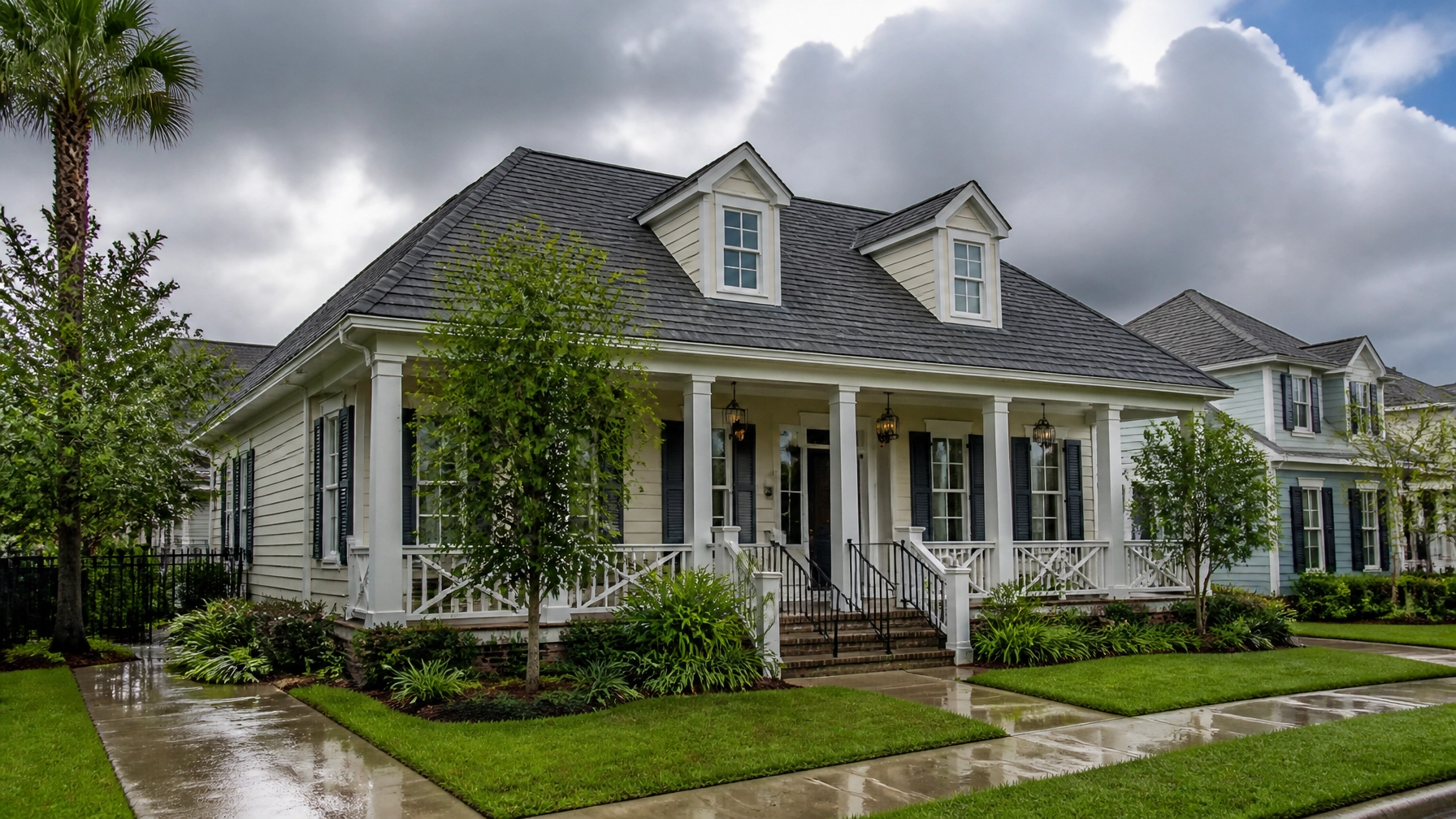
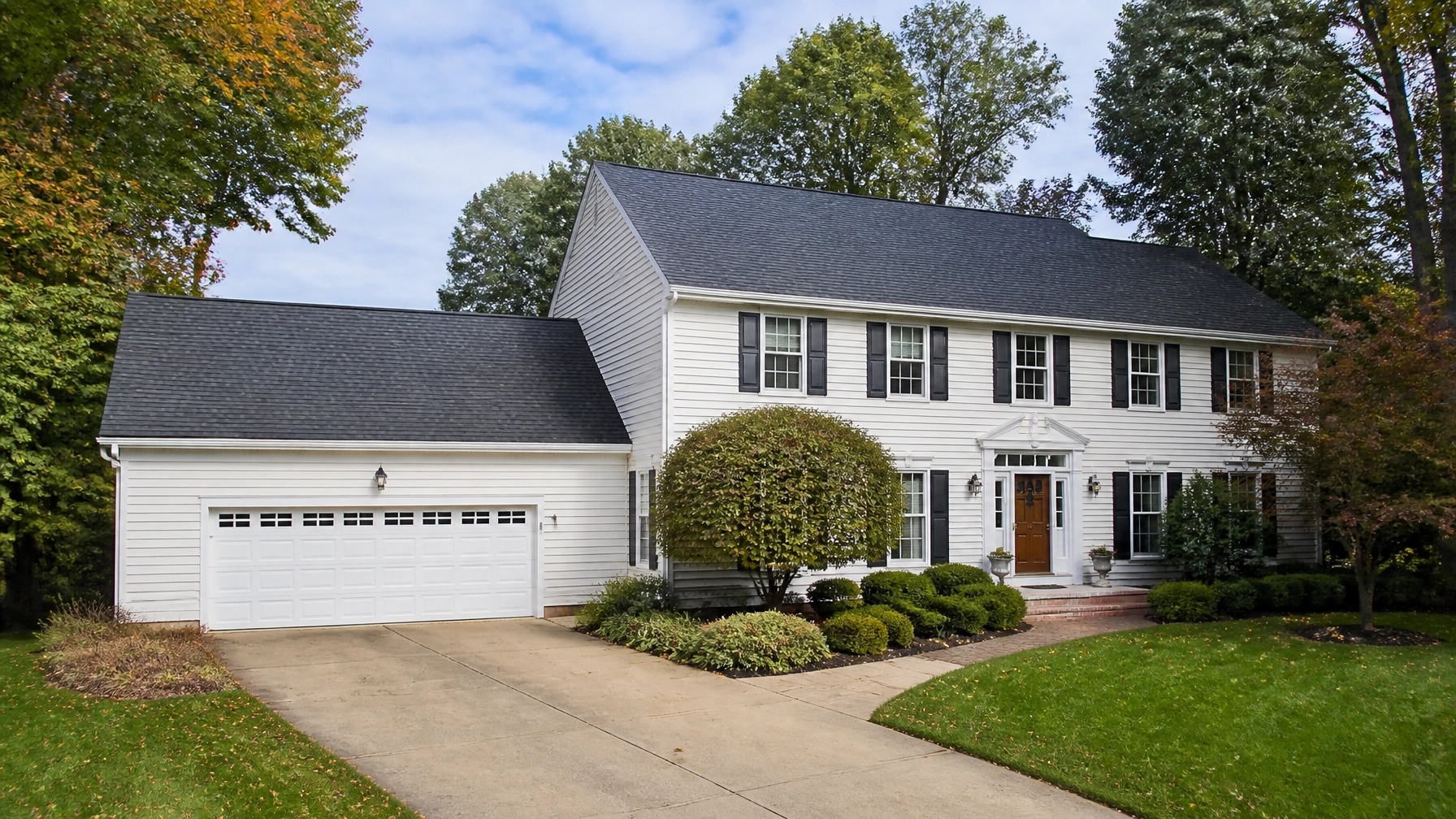
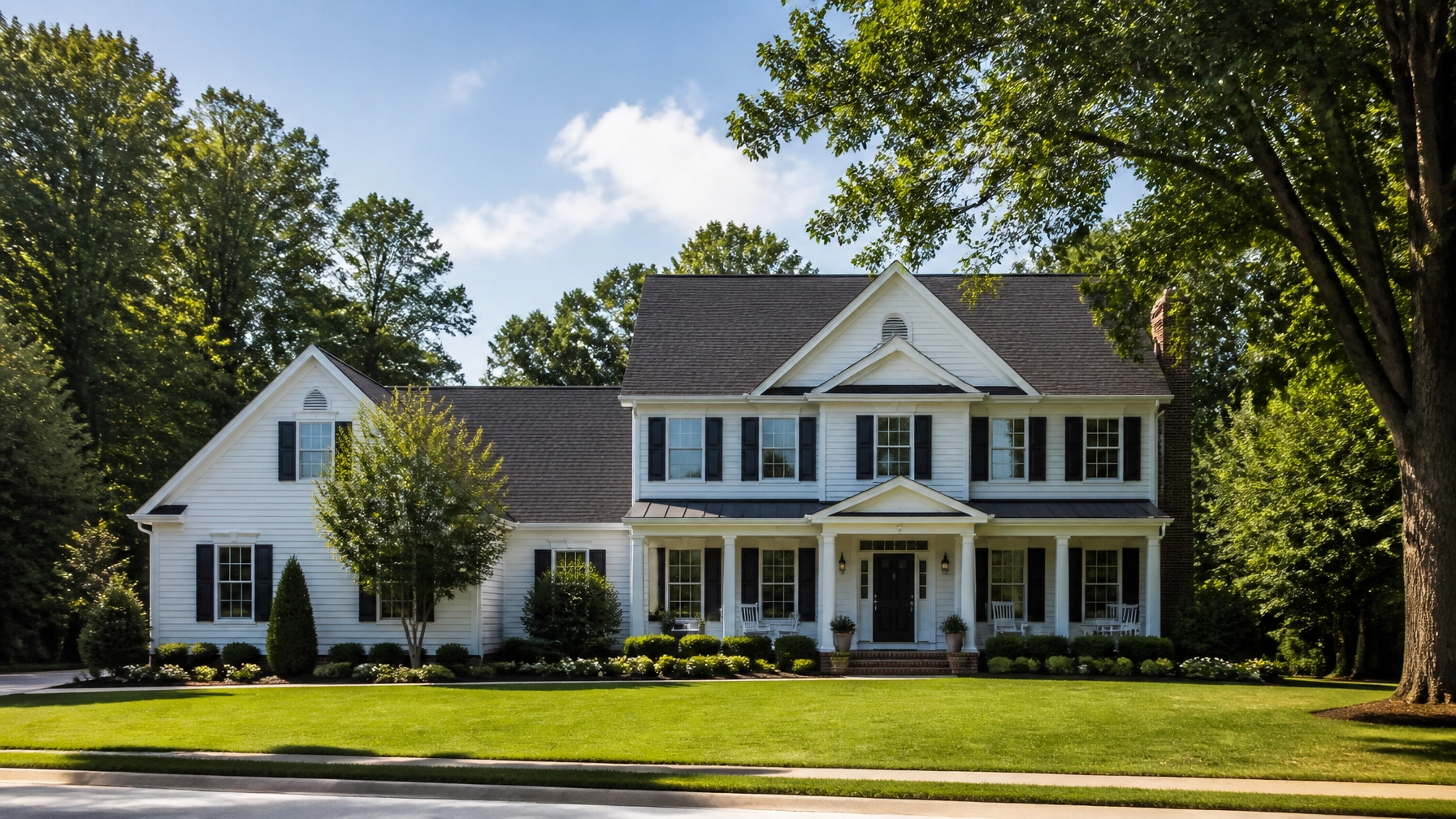
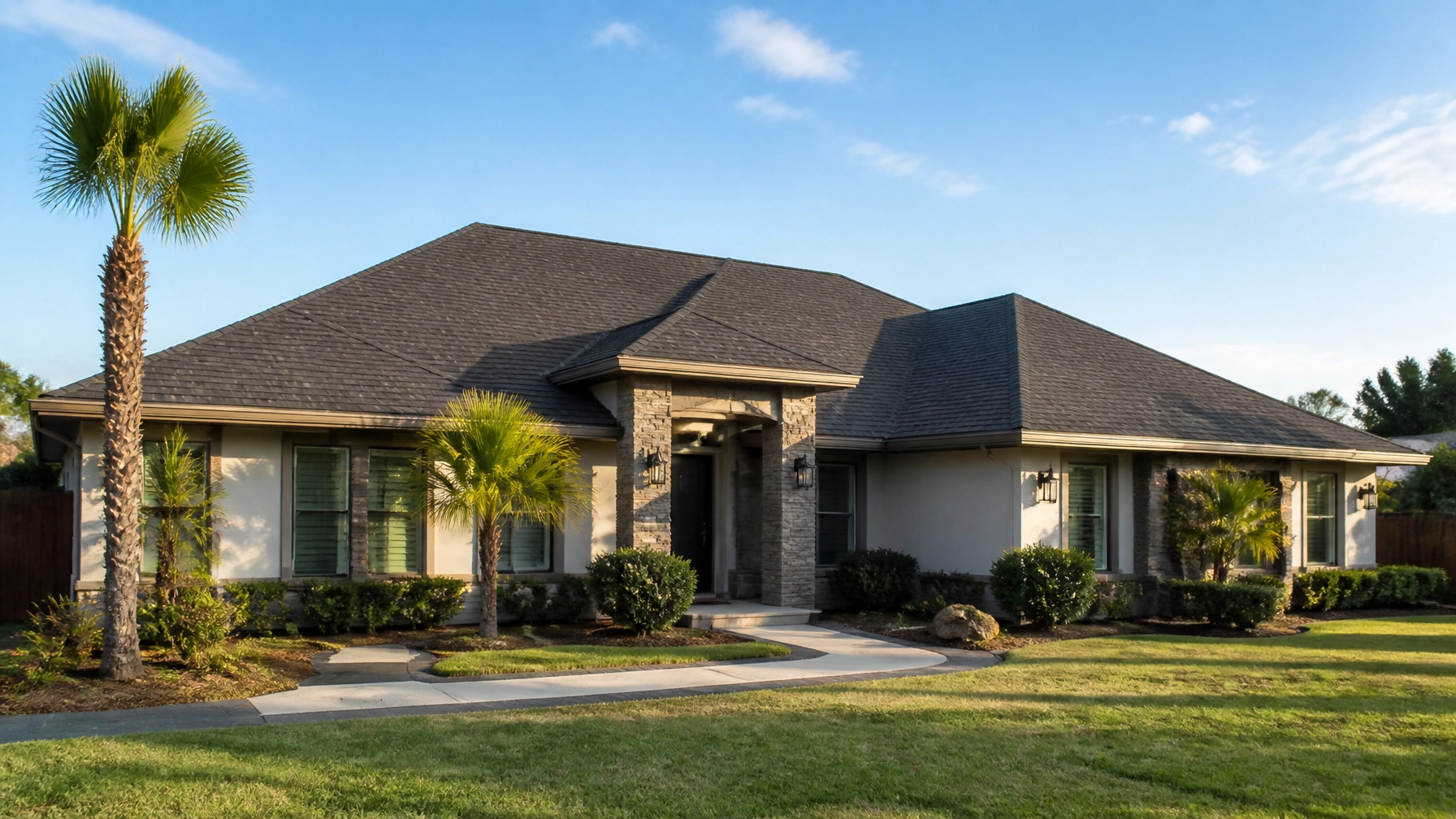
    Two-story Brownsville Texas home with a new high-wind architectural shingle roof

    Brownsville Roof Permits and Contractors

    Do I need a permit to replace a roof in Brownsville?

    Yes. A roof replacement generally requires a permit through the City of Brownsville. Apply through the Accela Citizen Access online portal and select the Building department and Roofing permit type.

    The permit process helps document that the work meets local construction and windstorm requirements.

    How much does a Brownsville roofing permit cost in 2026?

    Plan on approximately $165 for a standard remove-and-replace roof permit and about $70 for smaller repairs. Fees can change, so confirm the current amount in the online portal or with the Building Division before submitting.

    A typical plan-review timeline is approximately three to five business days for a straightforward roofing project. Storm activity, incomplete documents, structural changes, or inspection scheduling can extend the timeline.

    For questions, contact the City of Brownsville Building Division:

    Can I replace my roof without a licensed state roofing contractor?

    Texas does not require a state-level roofing contractor license. However, the contractor must follow local requirements, register with the City of Brownsville Building Division, and provide proof of general liability insurance.

    RCAT, the Roofing Contractors Association of Texas, offers voluntary certification, but certification is not the same as a state license. Verify a contractor’s city registration, insurance, references, and windstorm experience before signing a contract.

    An owner-builder may be allowed to perform work on a primary residence, subject to city rules and permit requirements.

    Which building code applies to Brownsville homes?

    Brownsville has adopted the 2021 International Residential Code for residential construction. Your contractor should understand the applicable roofing, structural, fastening, ventilation, and underlayment provisions.

    A basic shingle replacement and a project involving decking, framing, roof-pitch changes, or additions may have different documentation and inspection requirements.

    Brownsville Windstorm and WPI-8 FAQs

    What wind requirements apply to Brownsville roofs?

    Brownsville roofs must be designed for high-wind conditions. Cameron County is in a Texas Department of Insurance designated catastrophe area. Depending on the property’s exact location and wind zone, design wind speeds are approximately 130–140 mph.

    A compliant installation may require:

    • Approved wind-rated shingles or metal roofing
    • Enhanced roof-deck fastening
    • Ring-shank nails at required spacing where specified
    • Six-inch fastening patterns in applicable areas
    • Sealed roof-deck systems
    • High-wind underlayment methods
    • Manufacturer-approved installation details
    • Proper edge, flashing, and penetration protection

    The exact requirements depend on the address, structure, roof system, and applicable code details. Ask the contractor how the proposed roof will satisfy the local wind requirements, not just which material will be used.

    What is a WPI-8 certificate?

    A WPI-8 is a Texas Windstorm Certificate of Compliance. It documents that qualifying construction or roof work meets the applicable windstorm standards.

    A WPI-8 may be important for homeowners seeking or maintaining windstorm insurance through the Texas Windstorm Insurance Association, commonly called TWIA. Coordinate with a Texas-licensed inspector or other approved professional before work begins. Some inspections must occur before roofing components are covered.

    Review the current requirements through the Texas Department of Insurance windstorm program and its adopted codes and windstorm guidance.

    Does every roof need exactly the same nails and underlayment?

    No. The required fastening and underlayment details depend on the roof system and approved installation method. Brownsville’s high-wind environment means a standard inland installation may not be sufficient.

    For example, your project may require a specific roof-deck nailing schedule, high-wind-rated shingles, multiple underlayment layers, or sealed-deck details. Get the requirements in writing and confirm that the contractor will coordinate city inspections and windstorm documentation.

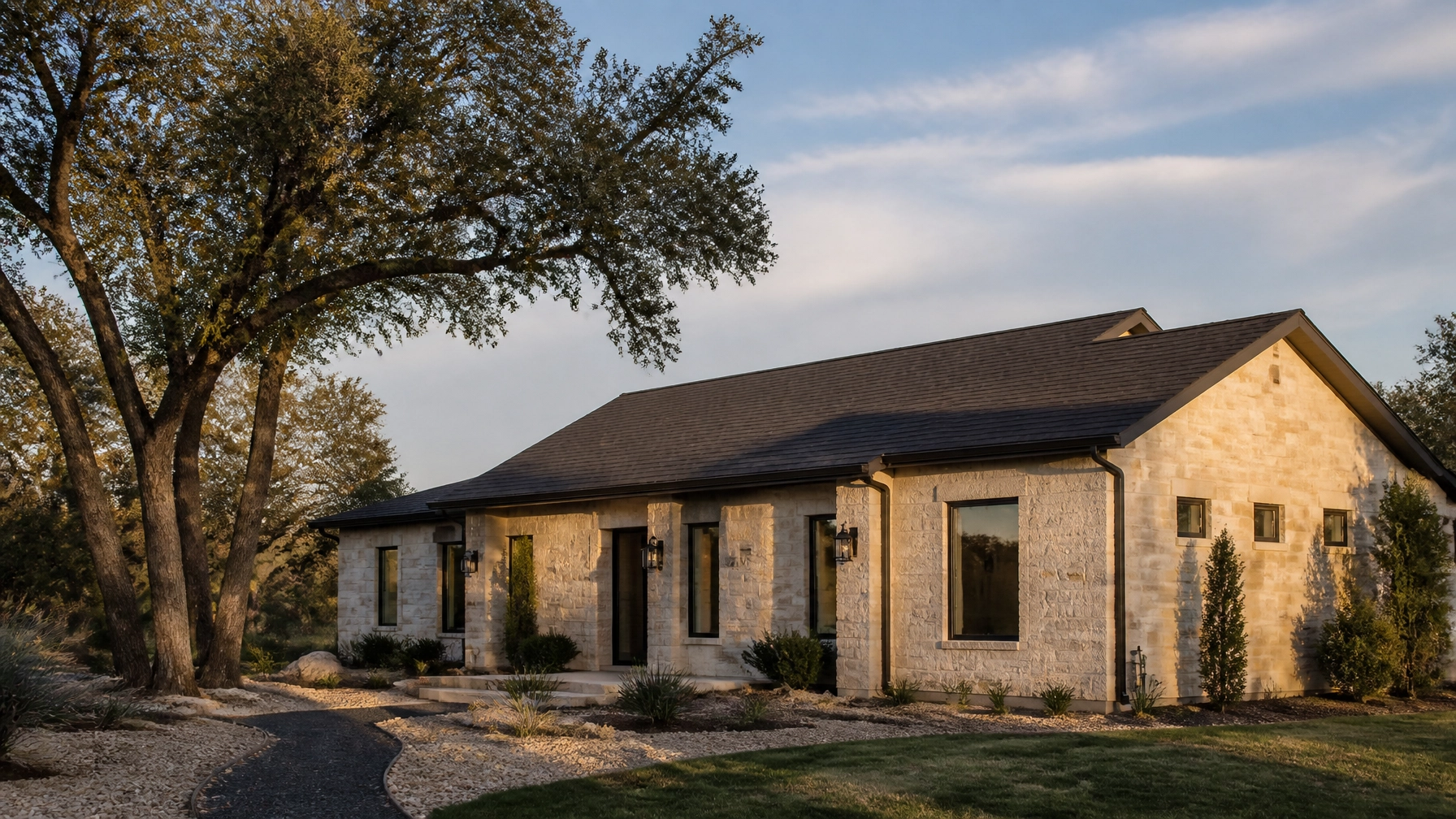
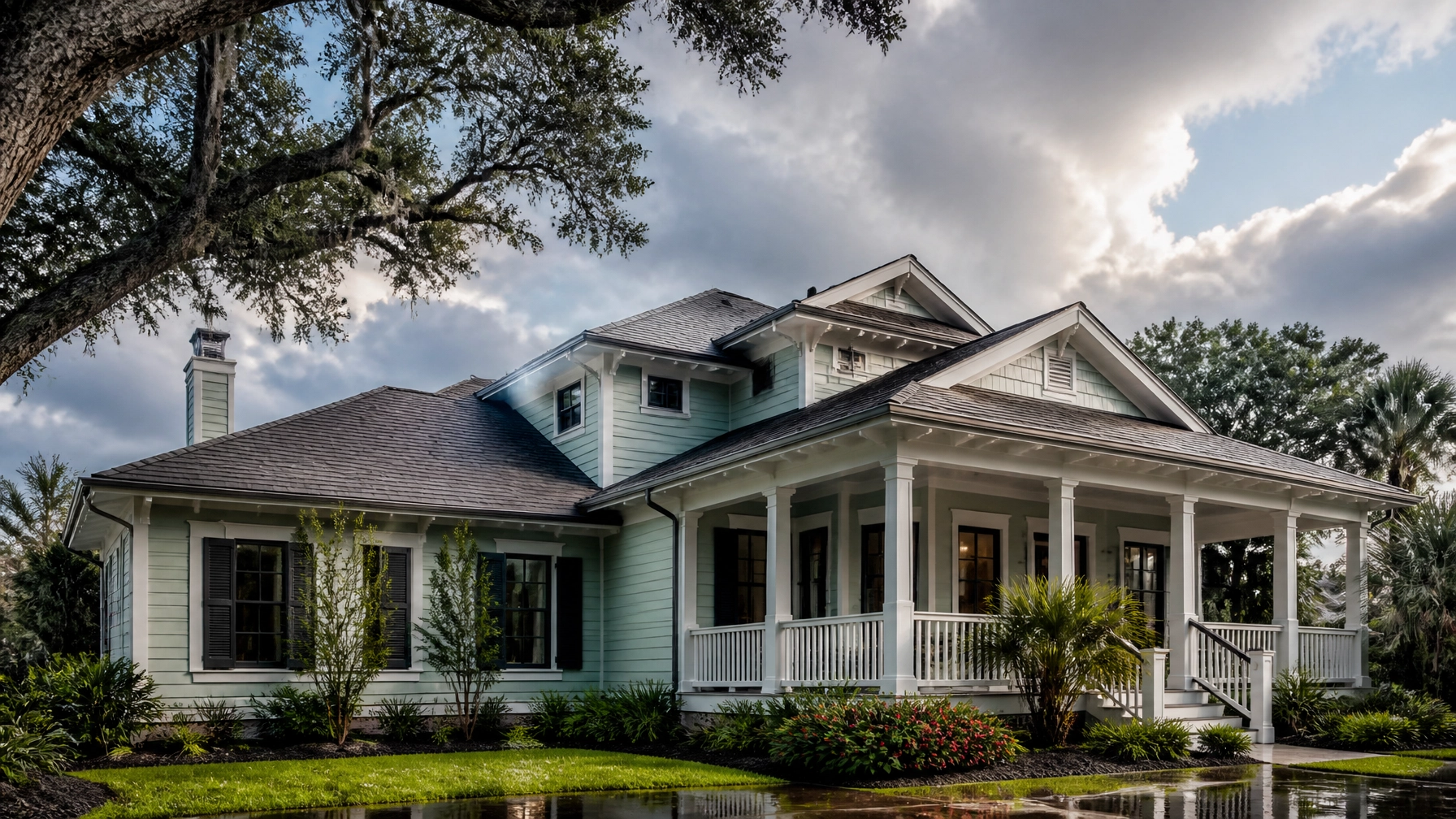
    Modern Rio Grande Valley home with a new standing-seam metal roof

    Brownsville Roof Replacement Cost Table for 2026

    How much does a new roof cost in Brownsville?

    A typical full asphalt shingle replacement costs approximately $10,000–$18,000 in Brownsville in 2026. A standing-seam metal roof commonly ranges from $18,000–$30,000.

    The table below shows practical 2026 planning ranges for the Rio Grande Valley:

    Roofing system Approximate installed cost per square Typical category
    Basic 3-tab asphalt shingles $325–$400 Budget
    Architectural shingles $425–$525 Popular
    Standing-seam metal $1,100–$1,400 Premium

    A roofing square equals 100 square feet of roof area. Roof area is not always the same as the home’s floor area because pitch, overhangs, garages, porches, and multiple roof sections add surface area.

    Coastal and hurricane-rated installations may add approximately 5%–10% compared with similar inland Texas work.

    What causes a Brownsville roof estimate to increase?

    Roof size is only one pricing factor. Your final price may increase because of:

    • Steep or complex roof pitch
    • Multiple roof planes and valleys
    • Two or more existing roof layers
    • Damaged decking
    • Chimneys, skylights, or solar equipment
    • Upgraded ventilation
    • High-wind fastening requirements
    • Premium metal coatings
    • Flashing replacement
    • Emergency scheduling after hail or hurricanes

    Brownsville’s heat, hurricane-force winds, hail, heavy rain, and algae or moss growth can also affect material selection and maintenance needs.

    Estimates and Roof Measurement FAQs

    How accurate are satellite roof measurements?

    Satellite measurements are typically 90%–95% accurate for planning. They estimate roof size, pitch, and complexity without requiring an initial contractor visit.

    They are useful for establishing a realistic budget range. Final measurements may still be needed before ordering materials or confirming a construction contract, especially on unusual roofs or properties with additions.

    Can I compare shingle, metal, synthetic, and coating options?

    Yes. A useful estimate should show more than one material choice. Compare the expected price, service life, wind rating, maintenance needs, appearance, and warranty for each system.

    You can also review the company’s metal-versus-shingles comparison before speaking with contractors.

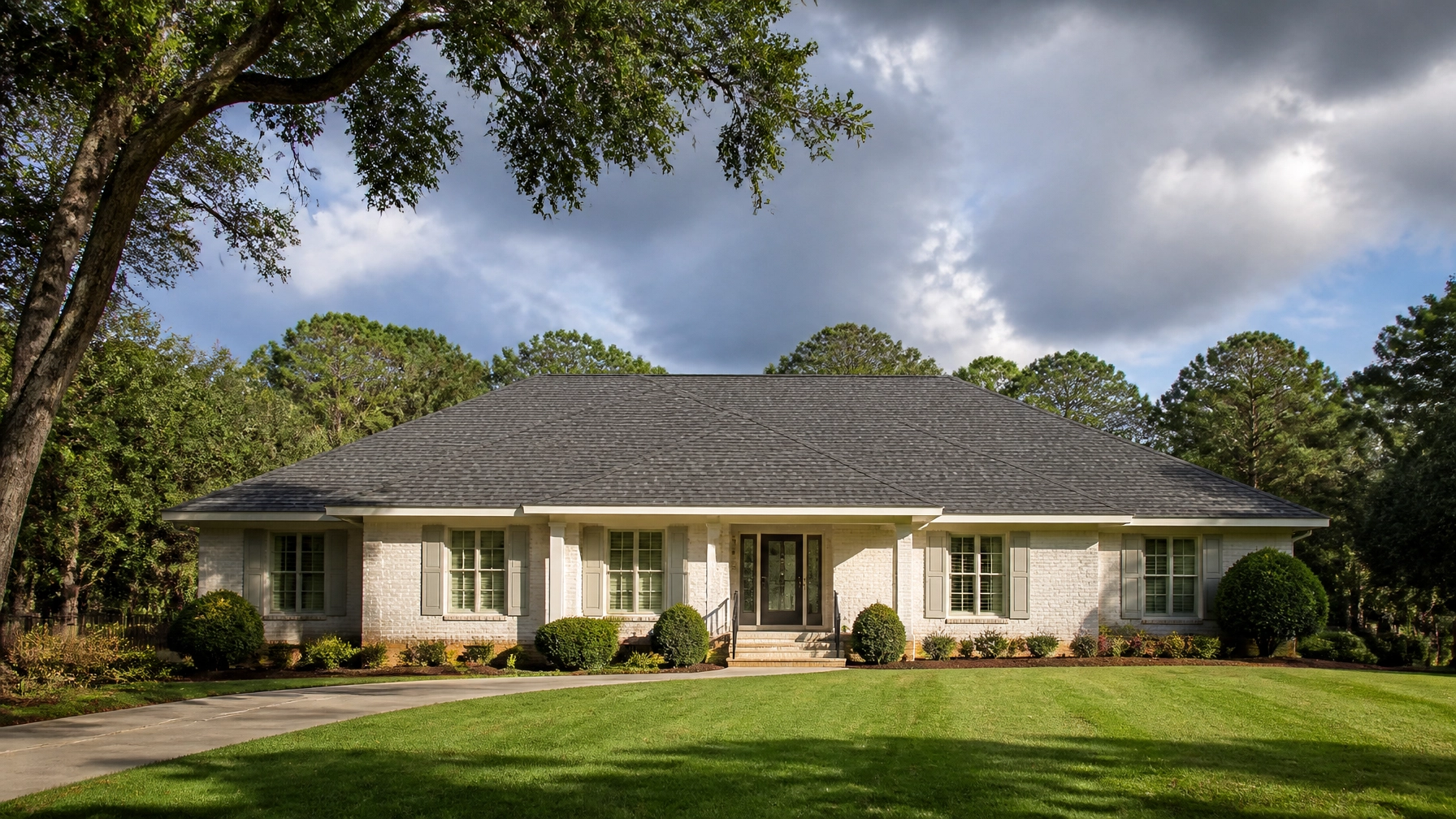
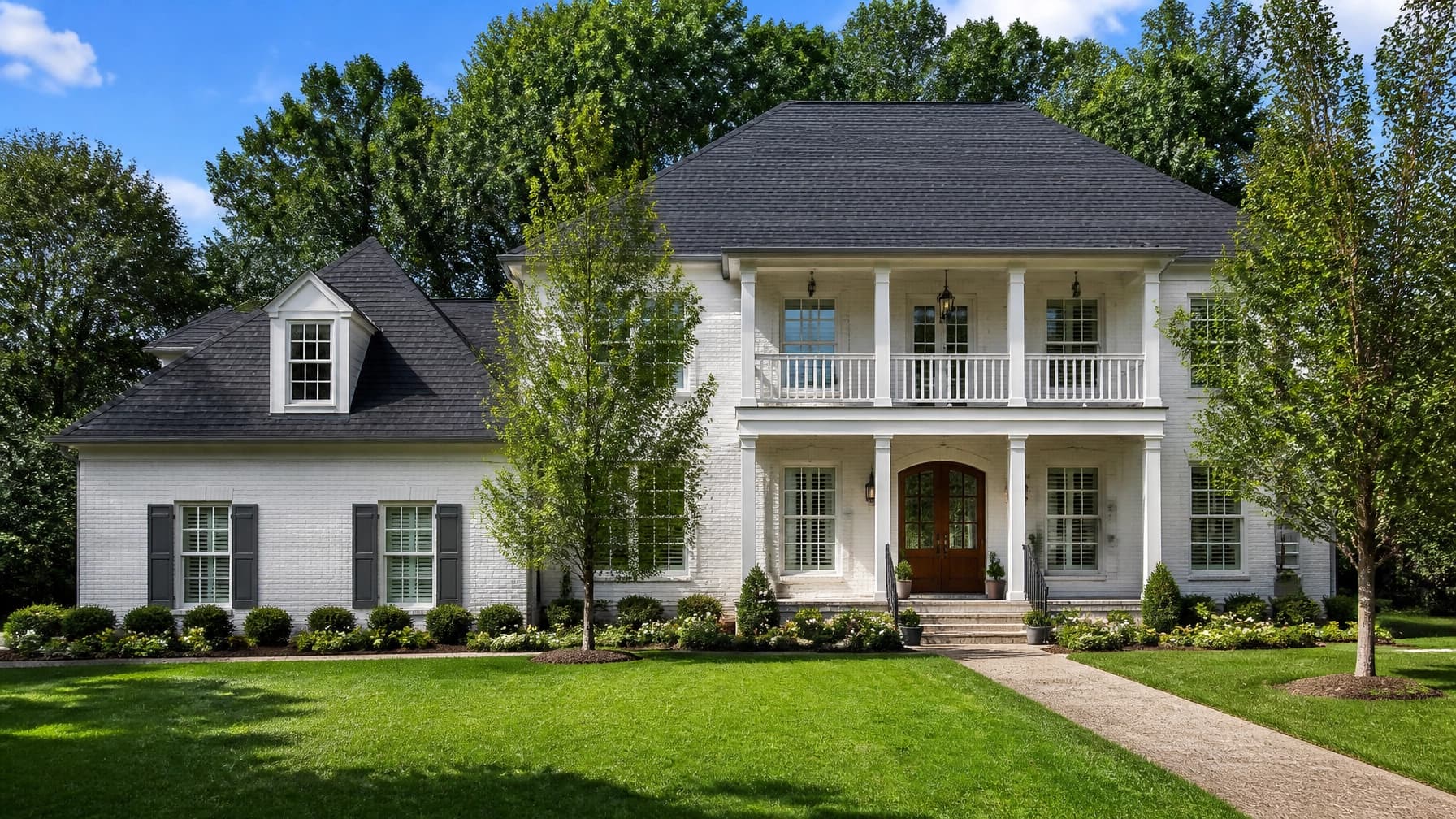
    Fresh asphalt shingle roof on a storm-resistant Brownsville Texas home

    Quick-Recap FAQ for Brownsville Homeowners

    Is AEO required for a roof replacement?

    No. AEO is a customs and trade designation, not a roofing requirement.

    What is the U.S. equivalent of AEO?

    CTPAT, administered by U.S. Customs and Border Protection, is the U.S. equivalent for authorized economic operator purposes.

    Is a Brownsville roof replacement permit required?

    Yes. Apply through the City’s Accela Citizen Access portal and select the appropriate Building and Roofing permit types.

    What should I budget for a Brownsville roof in 2026?

    Approximately $10,000–$18,000 for a typical asphalt shingle replacement and $18,000–$30,000 for standing-seam metal.

    Do Brownsville roofs need high-wind installation?

    Yes. Brownsville is in a designated catastrophe area, with approximate design wind speeds of 130–140 mph depending on the property.

    What certificate may be needed for windstorm insurance?

    A WPI-8 certificate may be needed to document windstorm compliance for TWIA coverage.

    Get a Free Brownsville Roof Estimate in 60 Seconds

    You do not need to schedule multiple contractor visits just to learn whether a roof replacement fits your budget.

    Get My Roof Estimate Now provides a free satellite-powered estimate in about 60 seconds: with no credit card required. See low, middle, and high price ranges for architectural shingles, metal, synthetic roofing, and coatings based on your roof’s size, pitch, complexity, and regional pricing.

    Use the estimate to budget confidently, compare options, and connect with verified, licensed, and insured local contractors when you are ready.
  • Daily ROI Blitz – Slot 3: Raleigh, NC New Roof ROI ,  What a Replacement Adds to Your Home Value in 2026

    Daily ROI Blitz – Slot 3: Raleigh, NC New Roof ROI , What a Replacement Adds to Your Home Value in 2026

    Raleigh homeowners should budget approximately $7,000–$28,000 for a full roof replacement in 2026, depending on material, roof size, pitch, and complexity.

    For a typical 2,000-square-foot Raleigh home:

    • Three-tab shingles (Budget): $7,000–$12,000
    • Architectural shingles (Popular): $9,000–$16,000
    • Standing seam metal (Premium): $14,000–$28,000
    • Wake County permits: commonly $75–$500, depending on jurisdiction and project scope

    The key question is not simply, “How much does a new roof cost?” It is, “How much value does a new roof protect or add when I sell?”

    In Raleigh’s cooling 2026 housing market, a replacement roof can improve curb appeal, reduce buyer objections, shorten time on market, and strengthen your negotiating position. It may not return every dollar as a direct increase in sale price, but it can prevent a major price reduction when buyers see an aging or damaged roof.

    Raleigh’s 2026 Housing Market Makes Roof Condition More Important

    Raleigh’s median home sale price is approximately $425,000 in mid-2026, with prices down roughly 3.5% year over year according to recent Redfin and Realtor.com market data.

    The market is moving toward balance:

    • Inventory is higher than in recent years.
    • Buyers have more negotiating power.
    • Homes are selling closer to asking price.
    • Sellers face more competition from updated properties.
    • North Raleigh family neighborhoods continue to show stronger long-term demand and modest appreciation.

    Raleigh remains one of the Southeast’s strongest long-term housing markets because of employment growth, universities, healthcare, and population expansion across the Triangle. But a strong market does not guarantee a quick sale for every home.

    In a more balanced market, buyers can compare several properties. A worn roof, visible algae, missing shingles, or an uncertain remaining lifespan can quickly become a reason to negotiate.

    How a New Roof Affects Home Value

    A new roof affects resale value in three main ways.

    1. It improves first impressions

    The roof can account for roughly 40% of a home’s visible exterior. That makes roofing one of the largest visual features a buyer sees from the street.

    A clean, modern roof can make the rest of the home appear newer. A stained or visibly worn roof can have the opposite effect, even if the siding, landscaping, and interior are in good condition.

    This is the core connection between roof curb appeal and home value.

    A replacement roof can improve:

    • Street-level appearance
    • Listing photography
    • Buyer confidence
    • Perceived maintenance quality
    • Overall exterior consistency

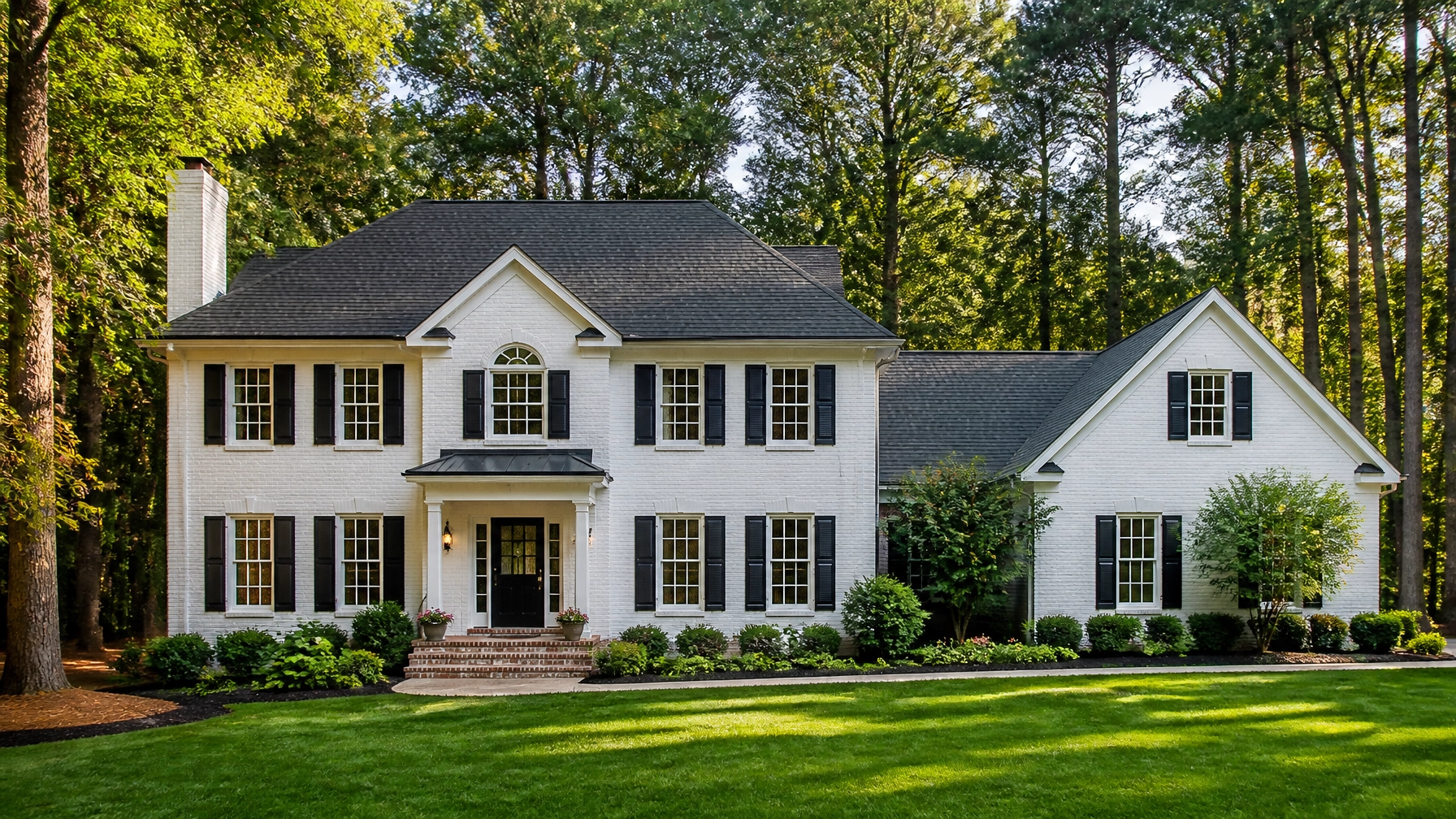
    Raleigh ranch home with a new dimensional architectural shingle roof

    2. It reduces buyer repair concerns

    Roof replacement is a major expense. Buyers who see a roof near the end of its service life may assume they will need to spend thousands of dollars soon after closing.

    That concern can lead to:

    • Lower offers
    • Requests for seller concessions
    • Longer inspection negotiations
    • Delayed closing
    • Fewer interested buyers

    A recent roof with transferable warranties, permit records, and documented installation gives buyers a clearer picture of what they are purchasing.

    3. It protects the sale from inspection problems

    A roof may look acceptable from the ground but still have storm damage, deteriorated flashing, poor ventilation, or decking problems.

    Raleigh homes face several local roofing pressures:

    • Hail and heavy summer thunderstorms
    • Strong wind gusts
    • Wind-driven rain
    • Pine needles and leaves in gutters
    • Tree branches rubbing against shingles
    • Humidity that encourages algae and moss
    • Moisture problems caused by inadequate attic ventilation

    If an inspection identifies active leaks or storm damage, the roof can become a condition of the sale. Replacing it before listing gives you more control over the process.

    National Roof Replacement ROI Benchmark

    The 2025 Zonda/JLC Cost vs. Value Report provides a useful national benchmark.

    For a midrange asphalt shingle roof replacement:

    • Average project cost: approximately $31,871
    • Resale value added: approximately $21,501
    • Cost recouped at resale: about 68%

    For a comparable metal roof replacement:

    • Cost recouped: approximately 50%

    These are national figures based on a standardized project scope and should not be treated as a Raleigh quote. The national project is also larger than many local residential roofs.

    Still, the benchmark shows an important principle: asphalt roofing generally delivers stronger short-term resale ROI because the upfront investment is lower. Metal can provide excellent durability and long-term ownership value, but its higher installation cost may not be recovered fully if you sell within only a few years.

    Raleigh Roof Replacement Costs by Material

    Your best roofing material for home value depends on the neighborhood, home style, budget, and how long you plan to stay.

    Roofing material Raleigh 2026 cost for approximately 2,000 sq. ft. Resale and ownership profile
    Three-tab shingles (Budget) $7,000–$12,000 Lowest upfront cost; shorter expected service life
    Architectural shingles (Popular) $9,000–$16,000 Strong balance of appearance, durability, and buyer appeal
    Standing seam metal (Premium) $14,000–$28,000 Long lifespan, energy benefits, and distinctive appearance
    Roof coatings Varies by roof type and condition May extend service life on compatible low-slope systems

    Actual pricing depends on roof squares, pitch, valleys, dormers, skylights, chimneys, tear-off requirements, ventilation, flashing, and deck repairs.

    Use the Raleigh roof estimate page to establish a property-specific starting range before requesting contractor bids.

    Which Roof Is Best for Raleigh Home Value?

    Architectural shingles (Popular)

    Architectural shingles are usually the safest resale choice for Raleigh homeowners.

    They offer:

    • Better visual depth than three-tab shingles
    • Many color options
    • Broad compatibility with Raleigh home styles
    • A typical service life of approximately 25–30 years
    • Strong buyer familiarity
    • More attractive curb appeal

    For most ranch, Colonial, and traditional suburban homes in Wake County, architectural shingles provide the most balanced roof replacement ROI.

    Three-tab shingles (Budget)

    Three-tab shingles can make sense when upfront cost is the priority or when you are preparing a lower-priced property for sale.

    Their advantages include:

    • Lower installation cost
    • Simple appearance
    • Easy availability
    • Straightforward repairs

    However, they generally have a shorter lifespan and less dimensional appeal. If nearby homes use upgraded architectural shingles, installing a basic three-tab roof may not maximize resale presentation.

    Standing seam metal (Premium)

    Standing seam metal can be a strong long-term investment for homeowners planning to stay for 10 years or more.

    Benefits include:

    • Expected lifespan of approximately 40–70 years
    • Excellent wind performance when correctly installed
    • Low routine maintenance
    • Potential energy savings
    • Modern curb appeal
    • High resistance to fire

    The drawback is the upfront cost. According to the national Cost vs. Value benchmark, metal roofing typically recoups a lower percentage at resale than asphalt because the original installation cost is higher.

    Modern Raleigh home with a matte black standing seam metal roof

    Reflective coatings and algae-resistant options

    Roof coatings are not appropriate for every sloped asphalt roof. They are more commonly considered for compatible low-slope systems or specific restoration projects.

    For Raleigh’s humid climate, algae-resistant shingles may be more practical for many homeowners. These shingles help reduce dark streaking and can preserve the roof’s appearance between cleanings.

    Raleigh Roof Features That Affect ROI

    A replacement roof adds more value when it solves visible or documented problems.

    Prioritize these details during a Raleigh roof replacement:

    • Proper ridge and soffit ventilation
    • New flashing around chimneys and wall intersections
    • Correct drip edge installation
    • Durable underlayment
    • Adequate valley protection
    • Wind-rated shingles and correct fastening
    • Clean, functioning gutters and downspouts
    • Replacement of damaged roof decking
    • Trimming of tree branches over the roof

    Pine needles and leaves are especially important in wooded Wake County neighborhoods. Debris can collect in valleys and gutters, hold moisture against roofing materials, and contribute to drainage problems.

    After hail or severe thunderstorms, schedule a professional storm-damage inspection. Look for:

    • Missing or lifted shingles
    • Fresh creases or tears
    • Granules accumulating in gutters
    • Dented vents, flashing, or gutters
    • New attic or ceiling stains
    • Damaged ridge caps

    If you plan to file an insurance claim, document the storm date and damage before making repairs. Insurance coverage depends on your policy, roof age, deductible, and the cause of loss.

    Permits and Documentation Matter at Resale

    Roofing requirements can vary between the City of Raleigh, surrounding municipalities, and unincorporated Wake County. Permit needs may also change when structural repairs or decking replacement are involved.

    Ask your contractor:

    • Is a permit required for this address?
    • Who will pull the permit?
    • Is an inspection included?
    • Will the contract identify the exact material and manufacturer?
    • Are warranties documented?
    • Will I receive final invoices and completion records?

    Keep your permit, inspection approval, warranty information, photos, and paid invoice. These records can help answer buyer questions and support your listing documentation.

    Is Replacing Your Raleigh Roof Worth It Before Selling?

    Usually, replacing the roof is most worthwhile when the current roof is:

    • Near the end of its expected life
    • Visibly stained, curled, or damaged
    • Showing signs of active leaks
    • Likely to fail a buyer inspection
    • Difficult to insure
    • A noticeable negative compared with nearby listings

    If the roof still has substantial service life and no significant defects, a professional inspection and targeted repairs may provide better ROI than a full replacement.

    The right decision depends on your timeline. If you are selling within 12 months, architectural shingles often offer the strongest balance of appearance and cost. If you are staying longer, standing seam metal may provide better lifetime value even if its immediate resale ROI is lower.

    Get a Raleigh Roof Estimate in 60 Seconds

    Before scheduling contractor visits, get a clear baseline for your home.

    Get My Roof Estimate Now provides a free instant satellite estimate using measurements of your roof’s size, pitch, and complexity.

    You can receive:

    • Pricing in approximately 60 seconds
    • Material comparisons
    • Low, middle, and high price ranges
    • Regional Raleigh pricing
    • Satellite-powered measurements designed for 90–95% accuracy
    • No credit card requirement
    • No upfront contractor visit

    Start with a property-specific estimate, then compare detailed proposals from verified, licensed, and insured local contractors.

    Sources

  • Daily Weather Blitz – Slot 8: New Orleans, LA : August 25, 2026: Low-90s Heat, 98°F Heat Index & Afternoon Storms Put Gulf Coast Roofs to the Test

    Daily Weather Blitz – Slot 8: New Orleans, LA : August 25, 2026: Low-90s Heat, 98°F Heat Index & Afternoon Storms Put Gulf Coast Roofs to the Test

    Image credit: Get My Roof Estimate Now, AI-generated editorial image.

    New Orleans is facing a classic late-August Gulf Coast weather pattern today: a high near 92°F, humidity around 72%, and an earlier heat index close to 98°F. Scattered thunderstorms are expected from the middle to late afternoon, with a weather-impact-day concern for isolated strong or severe storms.

    The National Weather Service (NWS) New Orleans/Baton Rouge office says the primary risks from any stronger storm are damaging wind gusts, frequent lightning, and brief periods of very heavy rain. The NWS also notes that gusty, generally sub-severe winds around 40–50 mph may occur in storms through the week.

    As of today, no heat advisory, tropical warning, or local watches, warnings, or advisories are active for the New Orleans/Baton Rouge forecast area. That does not mean homeowners should ignore the weather. Gulf Coast storms can damage roofing and drainage systems quickly, even when no broad warning is in effect.

    Today’s New Orleans Weather: What Homeowners Should Know

    Today’s conditions are hot and humid, but they are broadly consistent with the city’s seasonal climate.

    According to WeatherSpark’s August climate data for New Orleans:

    • Typical August highs are around 91°F.
    • Typical August lows are near 78°F.
    • Daily high temperatures commonly remain between the upper 80s and upper 90s.
    • August includes frequent wet days and recurring afternoon storm activity.

    Today’s approximately 92°F high is close to that seasonal average. The 98°F heat index, however, reflects the added effect of moisture in the air. The actual temperature and heat index can vary across the metro area depending on cloud cover, wind, rainfall, and location.

    The latest NWS Area Forecast Discussion calls for scattered to numerous showers and thunderstorms during the mid-to-late afternoon period. The discussion says severe weather is not expected at this time, but a few storms could become strong to severe.

    Why Afternoon Storms Matter for New Orleans Roofs

    A short storm can expose weaknesses that remain hidden during dry weather. The concern is not just wind speed. Roof performance depends on the combined effect of heat, moisture, rainfall intensity, drainage, and previous wear.

    1. Heat accelerates roof aging

    Repeated summer heat cycles cause roofing materials and sealants to expand during the day and contract as temperatures fall. Over time, this can contribute to:

    • Brittle or curling shingles
    • Cracked pipe boot materials
    • Deteriorated flashing sealants
    • Weakened ridge and valley details
    • Faster aging around roof penetrations

    A roof does not need to look severely damaged to have a developing leak. Small gaps around vents, chimneys, skylights, and wall intersections can admit water during a wind-driven storm.

    2. Humidity keeps materials damp longer

    New Orleans’ humid air slows drying after rainfall. Moisture that remains around roof edges, siding, soffits, and shaded exterior walls can encourage mildew and wood deterioration.

    Inside the attic, poor ventilation can trap heat and moisture. This may affect roof decking, insulation, fasteners, and framing. It can also increase cooling demand because the attic becomes hotter than necessary.

    3. Gusty winds test shingles and flashing

    Strong storm outflows can lift vulnerable shingles, loosen ridge caps, damage gutters, and move branches into the roof. The first areas to inspect after a storm include:

    • Roof edges and eaves
    • Ridge caps
    • Valleys
    • Flashing around chimneys and walls
    • Shingles near overhanging trees
    • Metal vents and turbine caps
    • Gutters and downspouts

    Do not climb onto the roof during or immediately after a storm. Wet surfaces, lightning, unstable ladders, and hidden structural damage create unnecessary risk.

    Brick New Orleans-style colonial home with a new charcoal architectural shingle roof and finished gutters

    Image credit: Get My Roof Estimate Now, AI-generated editorial image.

    Heavy Rain Can Overload Drainage Systems

    The NWS specifically identifies brief periods of very heavy rain as a possibility in stronger storms. Heavy rain can exceed the capacity of clogged or undersized gutters, especially when leaves and roof debris block the flow.

    When water cannot move away from the roof, it may:

    • Spill behind gutters
    • Stain fascia and soffits
    • Saturate exterior walls
    • Pool near the foundation
    • Erode soil around footings
    • Enter through low roof sections or wall joints

    New Orleans’ low-lying setting makes drainage especially important. A roof replacement should be evaluated as part of the home’s complete water-management system, not as an isolated surface project.

    Check that downspouts discharge several feet away from the foundation where site conditions allow. Make sure extensions are not crushed, disconnected, or directing water toward crawl spaces, slabs, basement areas, or neighboring structures.

    A Practical New Orleans Roof Resilience Checklist

    Use this checklist before the next storm cycle and again after severe weather passes.

    Inspect flashing and sealants

    From the ground or with binoculars, look for visibly separated flashing, cracked sealant, lifted metal, or gaps around:

    • Chimneys
    • Plumbing vents
    • Skylights
    • Dormers
    • Wall intersections
    • Roof-to-porch connections

    Flashing repairs should be completed by a qualified professional. Applying surface caulk over a failed flashing detail is rarely a complete repair.

    Clean gutters and downspouts

    Remove leaves, roof granules, and organic debris. Confirm that:

    • Gutters are securely attached
    • Water flows freely
    • Downspouts are connected
    • Elbows are not leaking
    • Extensions move water away from the foundation

    Schedule this work during dry weather. Never clean gutters during lightning or active rain.

    Check attic ventilation and insulation

    A balanced ventilation system helps release heat and moisture. Look for blocked soffit vents, damaged ridge vents, wet insulation, darkened roof decking, or musty odors.

    Insulation should be distributed evenly and should not block soffit airflow. If you find moisture or suspected mold, have the area evaluated before covering or disturbing it.

    Look for lifted or missing shingles

    After a storm, inspect the yard for roofing fragments and check visible roof slopes from the ground. Missing shingles, exposed underlayment, and displaced ridge caps should be addressed quickly because the next rainfall can turn a small opening into interior damage.

    Monitor ceiling stains

    A new brown mark, bubbling paint, damp drywall, or musty attic smell may indicate water entry. Stains can appear away from the actual leak because water travels along decking, rafters, and framing.

    Document the location and timing of the stain. Do not assume that an old stain is harmless if it expands after today’s storms.

    Close-up of residential roof flashing, sealed vent pipe, and clean gutter after a Gulf Coast rainstorm

    Image credit: Get My Roof Estimate Now, AI-generated editorial image.

    Storm Damage Documentation: Stay Safe First

    If you suspect damage:

    1. Wait until lightning, high winds, and heavy rain have passed.
    2. Photograph the roof from the ground, driveway, or adjacent property.
    3. Take pictures of fallen branches, damaged siding, gutters, windows, and interior stains.
    4. Record the date and approximate time of the storm.
    5. Keep damaged materials if they can be collected safely.
    6. Do not make permanent repairs before checking insurance requirements, unless temporary work is needed to prevent additional damage.
    7. Use a licensed professional for roof access and emergency covering.

    Avoid touching downed power lines or walking through standing water near electrical equipment. If the structure appears unstable, leave the area and contact the appropriate emergency or utility service.

    Planning a Roof Replacement Before the Next Major Storm

    If your roof is 15–30 years old, has repeated leaks, or has widespread granule loss, storm repairs may only delay a larger replacement decision.

    For broad 2026 budgeting context, the Get My Roof Estimate Now Roof Cost Calculator lists average replacement costs of approximately $9,000–$22,000 nationally. Its published material ranges include:

    • Asphalt shingles: approximately $3–$7 per square foot
    • Metal roofing: approximately $8–$16 per square foot

    Actual New Orleans pricing can differ because of roof size, pitch, complexity, tear-off requirements, labor availability, permits, structural repairs, and regional material costs.

    Material selection also involves trade-offs. Architectural shingles are a popular, cost-conscious option for many homes. Metal roofing carries a higher upfront cost but can provide a longer service life and strong durability when properly installed. Review the metal roofing versus asphalt shingles comparison before requesting bids.

    You can also use the free satellite-powered roof estimate tool to measure your roof and receive a property-specific price range in about 60 seconds. The estimate uses roof size, pitch, complexity, material choice, and regional pricing to provide low-to-high budgeting information without requiring an initial contractor visit.

    Modern Gulf Coast home with a standing-seam metal roof, clear downspouts, and damp landscaping after a thunderstorm

    Image credit: Get My Roof Estimate Now, AI-generated editorial image.

    The Bottom Line for August 25

    Today’s heat and humidity are typical for late August in New Orleans, but the combination of afternoon thunderstorms, gusty winds, lightning, and localized heavy rain can reveal weak points in a home’s exterior.

    There are no active heat advisories or tropical warnings today, but hurricane season continues, and seasonal tropical risk remains part of Gulf Coast planning. Monitor the NWS New Orleans/Baton Rouge office and the National Hurricane Center Tropical Weather Outlook for official updates.

    Inspect your roof, clear your drainage paths, and document any damage safely. If this weather has you questioning your roof’s remaining service life, get a free satellite-based estimate before the next major storm arrives.

    Have you seen lifted shingles, gutter overflow, ceiling stains, or storm-related siding damage in the New Orleans area? Share this post with a neighbor or leave a comment about what you found.

  • Daily ROI Blitz – Slot 2: Augusta, GA New Roof ROI : What a Replacement Adds to Your Home Value in 2026

    Daily ROI Blitz – Slot 2: Augusta, GA New Roof ROI : What a Replacement Adds to Your Home Value in 2026

    A new roof in Augusta can cost $7,000–$25,000 in 2026, with most homeowners paying about $9,000–$17,000 for a complete replacement. The investment can also recover approximately 69% of its cost at resale when you choose a well-installed asphalt shingle system.

    For a $12,500 architectural shingle replacement, that benchmark equals roughly $8,625 in recovered home value.

    That is not the only return. A new roof can improve curb appeal, reduce inspection objections, limit repair credits, and help your property compete in a buyer-friendly Augusta market.

    Augusta housing market context in 2026

    Roof replacement ROI depends partly on the local market. Augusta and the broader CSRA remain relatively affordable, but buyers have more choices than they did during the tightest parts of the market.

    Current 2026 market indicators include:

    • Zillow Home Value Index: Approximately $177,114 for Augusta in April 2026.
    • Augusta-Richmond County median sale price: Approximately $220,500 for the three months ending May 2026, according to Redfin.
    • Time to pending: Roughly 35 days in some market snapshots.
    • Typical market time: Approximately 50–67 days, depending on the neighborhood, property type, and reporting period.
    • Inventory: Up more than 20% year over year.
    • Market condition: Generally favorable to buyers, with more price reductions and homes often selling slightly below list price.

    In this environment, buyers can be selective. A home with a visibly aging roof may be compared against several similar properties with newer exteriors.

    That makes roof condition more important when you are competing for attention in areas such as Garden City, West Augusta, Martinez, Evans, North Augusta, and neighborhoods near Fort Eisenhower.

    Augusta’s employment base also supports ongoing housing demand. Fort Eisenhower, Augusta University Health and Wellstar, manufacturing, and related service industries bring buyers and relocating households into the CSRA. These buyers often want a home that is move-in ready: not a property requiring an immediate major expense.

    What does a new roof cost in Augusta?

    Local labor rates are approximately 12–13% below the national average, but your final price still depends on roof size, pitch, complexity, material, tear-off requirements, and underlying deck repairs.

    A typical Augusta replacement falls into these planning ranges:

    • Small or simple roof: $7,000–$9,000
    • Most common project range: $9,000–$17,000
    • Large, steep, complex, or premium-material roof: $17,000–$25,000 or more

    Roofing contractors measure roofs in squares. One square equals 100 square feet of roof surface. A 2,000-square-foot home may have more than 2,000 square feet of actual roofing because of pitch, overhangs, valleys, garages, and attached sections.

    Augusta roof replacement cost comparison

    Roofing system Planning price installed Category Best fit
    Architectural shingles About $6–$10 per sq. ft., average near $8 Popular Most Augusta homeowners, resale preparation, balanced budgets
    Class 4 impact-resistant shingles Usually above standard architectural shingles Storm-smart Homes exposed to hail and wind, owners seeking added durability
    Standing-seam metal About $10–$16 per sq. ft. Premium Long-term ownership, modern homes, durability and low maintenance

    Prices are planning ranges, not binding quotes. A satellite estimate gives you a better starting point by measuring your specific roof’s size, pitch, and complexity.

    Two-story Colonial home near Augusta with a new architectural shingle roof

    How a new roof affects resale value

    The 2025 Cost vs. Value benchmark for asphalt shingle roof replacement indicates that homeowners recover approximately 69% of the project cost at resale.

    This does not mean every homeowner receives the same dollar-for-dollar return. Actual results vary based on:

    • The home’s location and comparable properties
    • Roof age before replacement
    • Material quality and installation workmanship
    • Roof color and architectural fit
    • Whether the old roof had visible damage
    • Buyer expectations in the neighborhood
    • Documentation, permits, and transferable warranties

    Still, the benchmark provides a practical way to evaluate a replacement.

    A new roof usually performs best as a value-preservation improvement. It may not create a full profit, but it can prevent your home from being discounted because of deferred maintenance.

    In Augusta’s 2026 buyer’s market, that distinction matters. Buyers may negotiate more aggressively when they see curling shingles, missing tabs, visible staining, or signs of storm damage. A seller may then face a price reduction, repair request, or closing credit.

    Practical Augusta ROI example

    Consider a home priced near the Augusta-Richmond County median sale price of $220,500.

    The homeowner installs a new architectural shingle roof for $12,500.

    Using an approximate 69% cost recovery:

    • Replacement cost: $12,500
    • Estimated recovered value: $8,625
    • Unrecovered project cost: $3,875
    • Additional benefits: improved curb appeal, fewer inspection concerns, and less pressure to offer repair credits

    The recovered value is only one part of the calculation. If the old roof would have caused a buyer to request a $5,000–$10,000 credit: or avoid the property entirely: the financial benefit of replacing it before listing can be greater than the benchmark alone suggests.

    A new roof may also make the home easier to market. Buyers relocating for Fort Eisenhower, healthcare, or manufacturing jobs often have limited time to manage repairs after closing. A documented roof replacement can make the property feel more predictable.

    Which roof is best for home value?

    The best roof for home value is usually the option that matches the neighborhood, the home’s architecture, and the owner’s timeline.

    Architectural shingles (Popular)

    Architectural shingles are usually the strongest resale choice for a standard Augusta ranch, split-level, or traditional home.

    Advantages include:

    • Familiar appearance to local buyers
    • Broad selection of colors and profiles
    • Lower upfront cost than metal
    • Easier repair and replacement of individual sections
    • Strong balance between appearance and budget

    Choose a neutral charcoal, weathered wood, brown, or slate tone that complements the siding and brick. Avoid an unusual color that limits buyer appeal.

    Class 4 impact-resistant shingles (Storm-smart)

    Class 4 shingles can be a smart option for homeowners concerned about hail and wind. They generally cost more than standard architectural shingles, but may offer stronger impact resistance and possible insurance advantages.

    Ask your insurer whether Class 4 materials qualify for a discount. Requirements vary by carrier and policy.

    This option can be especially practical after recent CSRA weather activity. On August 14, 2026, quarter-sized hail was reported in Martinez, along with localized wind damage and downed trees. On August 21, thunderstorms brought wind gusts up to 50 mph and pea-sized hail across the Aiken–Augusta area. Hail maps also identified additional events on August 6 and August 11.

    Hail and wind damage is not always visible from the ground. Document the date of the storm, photograph accessible damage, and contact your insurance company if you suspect a covered loss. Do not climb onto the roof yourself.

    Standing-seam metal (Premium)

    Standing-seam metal can be attractive for modern homes, high-end properties, and homeowners planning to stay for many years.

    Benefits include:

    • 40–70 year potential service life with proper installation
    • Strong wind performance
    • Minimal routine maintenance
    • Distinctive modern appearance
    • Potential energy benefits from reflective finishes

    The tradeoff is cost. At approximately $10–$16 per square foot installed, standing-seam metal may not deliver the same short-term resale recovery as an appropriately priced architectural shingle roof. It can still be the better long-term investment for the right property.

    Modern Augusta-area home with a matte charcoal standing-seam metal roof

    How to maximize roof replacement resale value

    Use this checklist before replacing your roof or preparing to sell:

    • Match the material to the neighborhood. Standard shingles are often the safest choice for traditional Augusta homes.
    • Use a professional color selection. Coordinate the roof with brick, siding, trim, shutters, and landscaping.
    • Prioritize ventilation and flashing. Buyers and inspectors care about the entire roofing system: not shingles alone.
    • Replace damaged decking when necessary. Covering structural problems can create future inspection issues.
    • Keep the paperwork. Save contracts, permits, product information, warranties, and completion photos.
    • Verify contractor credentials. Use licensed, insured professionals and get an itemized quote.
    • Inspect after major storms. Ground-level damage can be easy to miss, especially after hail.
    • Avoid over-improving. A premium metal roof may not make financial sense on a modest home where comparable properties use architectural shingles.
    • Plan before listing. Replacing a roof weeks before closing creates unnecessary scheduling and documentation pressure.
    • Get a property-specific estimate. Roof size and complexity can vary significantly between nearby homes.

    Augusta-area home with impact-resistant shingles after a summer thunderstorm

    Get your Augusta roof ROI starting point in 60 seconds

    You do not need to wait days for a contractor visit to understand your replacement budget.

    With Get My Roof Estimate Now, you enter your address and receive a free satellite-powered estimate in about 60 seconds. The system evaluates roof size, pitch, and complexity, then provides pricing ranges for different materials.

    You can also compare your assumptions with the roof cost calculator or review the metal roofing versus asphalt shingles comparison.

    There is no credit card requirement and no obligation to hire a contractor. Use the estimate to plan a replacement, evaluate potential resale value, document a storm-related concern, or compare contractor proposals.

    Start your free Augusta roof estimate

    Sources and methodology

    Market figures and roofing prices change by date, property, material availability, and contractor. A satellite estimate is a planning tool and does not replace an on-site inspection, insurance adjustment, or final written proposal.

  • 2026 Roof Replacement Cost in Austin, TX: A Practical Budget Guide for Hill Country Homeowners

    2026 Roof Replacement Cost in Austin, TX: A Practical Budget Guide for Hill Country Homeowners

    In 2026, Austin homeowners should generally budget $7,500 to $28,500 for an architectural asphalt shingle roof replacement and $15,000 to $54,000 for standing-seam metal, depending on roof size, material grade, pitch, complexity, access, tear-off requirements, and site conditions.

    For a typical 2,000-square-foot roof, practical planning ranges are:

    • Architectural asphalt shingles: $10,000–$19,000
    • Standing-seam metal: $20,000–$36,000
    • Synthetic slate or shake: approximately $24,000–$40,000
    • Roof coating: approximately $4,000–$10,000, but only when the existing roof is a suitable candidate

    These are 2026 Austin planning ranges, not guaranteed quotes. Roofing companies price the actual roof surface: not the home’s interior floor area. A satellite measurement or contractor inspection is needed for a property-specific estimate.

    Quick Austin Roof Replacement Cost by Size

    In roofing, one square equals 100 square feet of roof surface. A home with 2,000 square feet of living space may have a larger roof because of overhangs, roof pitch, attached garages, porches, and multiple roof sections.

    The table below uses approximate installed benchmarks for Austin in 2026. Pricing assumes standard installation, typical tear-off, synthetic underlayment, basic flashing, disposal, and normal site access.

    Measured roof size Architectural shingles (Low / Middle / High) Standing-seam metal (Low / Middle / High)
    1,500 sq. ft. / 15 squares $7,500 / $10,500 / $14,250 $15,000 / $21,000 / $27,000
    2,000 sq. ft. / 20 squares $10,000 / $14,000 / $19,000 $20,000 / $28,000 / $36,000
    2,500 sq. ft. / 25 squares $12,500 / $17,500 / $23,750 $25,000 / $35,000 / $45,000
    3,000 sq. ft. / 30 squares $15,000 / $21,000 / $28,500 $30,000 / $42,000 / $54,000

    The middle figure is a useful budgeting point for a reasonably accessible roof with standard complexity. It is not an average guaranteed price.

    For a second reference point, the Get My Roof Estimate Now roof cost calculator explains how size, pitch, material, region, and tear-off affect a general estimate.

    2026 Austin Roofing Prices by Material

    Material selection is one of the largest cost decisions. In Austin, it is also a decision about heat, ultraviolet exposure, hail, wind, appearance, and expected service life.

    Roofing system Approx. installed cost per sq. ft. 2,000 sq. ft. planning range Best fit
    Architectural asphalt shingles (Popular) $5–$9.50 $10,000–$19,000 Most pitched residential roofs
    Class 3–4 impact-resistant shingles (Hail-focused) $6–$11 $12,000–$22,000 Homes in frequent hail areas
    Standing-seam metal (Premium) $10–$18 $20,000–$36,000 Long-term ownership and heat performance
    Synthetic slate or shake (Premium) $12–$20+ $24,000–$40,000+ High-end appearance with lower weight than natural slate
    Reflective roof coating (Maintenance option) $2–$5 $4,000–$10,000 Suitable low-slope, metal, or membrane roofs

    Architectural Asphalt Shingles (Popular)

    Architectural shingles remain the most common replacement choice for Austin homes because they balance price, appearance, availability, and repairability.

    They typically offer:

    • A 25–30-year rated service life, depending on product and conditions
    • More dimensional curb appeal than 3-tab shingles
    • Broad color and style selection
    • Easier spot repairs than many specialty systems
    • A lower upfront cost than metal or synthetic roofing

    Austin’s intense summer heat can accelerate aging, particularly when ventilation is poor or the roof receives full afternoon sun. A quality shingle product, proper installation, and balanced attic ventilation matter as much as the label on the package.

    New dimensional asphalt shingles on a two-story Austin suburban home

    Metal Roofing (Premium)

    Standing-seam metal generally costs about twice as much as architectural shingles at installation, but it can last 40–60 years when properly installed and maintained.

    Metal may be worth considering when you:

    • Plan to stay in the home for 10 years or longer
    • Want fewer replacement cycles
    • Prefer reflective finishes for summer heat
    • Want strong wind and fire performance
    • Are comparing long-term ownership costs rather than only the initial price

    Metal is not immune to hail. Large hail can dent some panels, especially softer metals or exposed-fastener systems. Ask about the specific gauge, finish, impact performance, fastener design, and repair process.

    Use the company’s metal roofing versus asphalt shingles comparison to review the main tradeoffs.

    Synthetic Roofing (Premium)

    Synthetic roofing commonly refers to manufactured slate, shake, or composite products. These systems can provide a premium appearance without the weight and maintenance concerns of natural slate or wood.

    Typical Austin pricing is approximately $12–$20 or more per square foot installed. The final price depends on:

    • Product type and manufacturer
    • Impact and fire ratings
    • Roof pitch and cut-up design
    • Specialized flashing requirements
    • Warranty level
    • Availability of trained installers

    Synthetic materials may make sense for a custom home, a high-visibility roofline, or a homeowner who wants a slate or shake appearance with more predictable maintenance.

    Roof Coatings (Maintenance Option)

    A coating is not the same as a roof replacement. Silicone, acrylic, and elastomeric coatings are usually applied over an existing low-slope, metal, or membrane roof that is structurally sound and properly prepared.

    A rough 2026 planning range is $2–$5 per square foot installed. Preparation, repairs, cleaning, primer, thickness, and product type can change the cost significantly.

    A coating may help:

    • Extend the service life of a suitable roof
    • Improve solar reflectivity
    • Seal minor surface vulnerabilities
    • Reduce heat absorption on some roof systems

    It is usually not appropriate for a severely deteriorated shingle roof, widespread leaks, rotten decking, or a roof with multiple failed layers. An inspection should determine whether coating or replacement is the responsible option.

    Reflective roof coating applied to a low-slope Austin residential roof

    Why Austin Roof Prices Vary

    Intense Sun and Heat

    Central Texas roofs face long periods of strong sunlight and high temperatures. UV exposure can dry and weaken asphalt materials over time. Dark roofing can also increase heat absorption, making attic ventilation and insulation important parts of the overall system.

    Reflective metal finishes, lighter shingle colors, proper intake vents, and a functioning ridge vent may improve heat performance. Ventilation should be designed as a balanced system: not simply by adding an exhaust fan without enough intake air.

    Hail and Severe Storms

    Austin and surrounding Central Texas communities experience hail, high winds, thunderstorms, and occasional fallen-tree damage. After a major storm, labor demand can rise quickly as contractors handle emergency repairs and insurance-related work.

    Impact-resistant Class 4 shingles may cost roughly $0.50–$2 more per square foot than standard architectural shingles. Ask your insurer whether a qualifying product could affect your premium. Discounts vary by carrier, policy, roof age, and documentation.

    Roof Complexity

    Two roofs with the same measured area can have very different installation costs. A simple ranch roof with broad, uninterrupted planes is generally more efficient to replace than a steep, multi-section roof.

    Cost increases may come from:

    • Multiple valleys and hips
    • Dormers and skylights
    • Chimneys and complicated flashing
    • Steep slopes requiring additional safety equipment
    • Three-story access
    • Limited driveway or material staging space
    • Attached porches and additions

    Tear-Off Layers and Decking

    A complete tear-off may add around $1–$3 per square foot, depending on the number of layers, material type, access, and disposal requirements. Additional layers, heavy underlayment, or difficult cleanup can push the number higher.

    The roof deck underneath may also require repair. Rotten or water-damaged sheathing is normally priced separately because it cannot be confirmed until the old roof is removed. Ask contractors to include a written per-sheet decking allowance rather than leaving the issue undefined.

    New standing-seam metal roof on a modern Austin home

    Permits and Local Requirements

    Austin’s permit rules depend on the project scope and property location. The city lists some like-for-like roof-covering replacements as exempt when the work does not adversely affect the roof structure. However, work in a Wildland-Urban Interface area, replacement of 50% or more of the roof in certain circumstances, structural changes, and major decking work may trigger permit or inspection requirements.

    Review the City of Austin work-exempt building permit guidance and confirm project-specific requirements with Development Services. Fees and procedures can change. If a permit is required, include the cost in your budget instead of assuming it is covered.

    Questions to Ask Austin Roofing Contractors

    Request at least three written estimates and compare scope: not just the bottom-line price. Ask:

    • Is the quote based on measured roof squares or the home’s floor area?
    • Does it include complete tear-off and disposal?
    • How many existing layers are included?
    • What happens if damaged decking is discovered?
    • Which manufacturer and product line will be installed?
    • Are starter strips, ridge caps, drip edge, and flashing included?
    • Will ventilation be repaired or upgraded?
    • Who pulls any required permits?
    • What are the material and workmanship warranties?
    • Are the company’s liability and workers’ compensation policies current?
    • How will hail or wind damage be documented?
    • What deposit and payment schedule apply?

    Be cautious of vague quotes, pressure to sign immediately, unusually large upfront deposits, or promises to waive an insurance deductible.

    Practical Ways to Control Your 2026 Budget

    • Measure before you schedule visits. A satellite-powered measurement gives you a useful starting point for roof size and material comparisons.
    • Keep a contingency reserve. Set aside roughly 10%–15% for decking repairs, flashing changes, access challenges, or code-related work.
    • Compare equivalent materials. A low architectural-shingle bid is not comparable to a premium impact-rated system.
    • Ask about seasonal scheduling. Demand often increases after spring and summer storm activity. Slower periods may offer more scheduling flexibility.
    • Review insurance before storm season. Confirm whether your policy uses replacement-cost or actual-cash-value coverage and check the wind and hail deductible.
    • Do not delay active leaks. Waiting can convert a manageable roofing project into a larger decking, insulation, drywall, or mold-remediation expense.

    Get a Free Austin Roof Estimate in 60 Seconds

    A general cost range helps you plan, but your roof’s measured size, pitch, complexity, material choice, access, and site conditions determine the real project budget.

    Get My Roof Estimate Now uses satellite imagery technology to measure your roof and provide an instant, free estimate in about 60 seconds. There is no credit card requirement and no contractor visit needed upfront. Review low-middle-high pricing for architectural shingles, metal, synthetic materials, and other options before you schedule contractors.

    Get your free satellite-powered roof estimate and start planning your 2026 Austin roof replacement with clearer numbers.

  • Daily FAQ Blitz – Slot 6: AEO FAQ Quick Answers for Grand Rapids, MI Homeowners (2026)

    Daily FAQ Blitz – Slot 6: AEO FAQ Quick Answers for Grand Rapids, MI Homeowners (2026)

    Grand Rapids homeowners typically have 15–25 roofing squares, or about 1,500–2,500 square feet of roof area. One roofing square equals 100 square feet.

    In 2026, replacing a typical approximately 2,000-square-foot roof with architectural asphalt shingles costs about $11,000–$18,000. Standing seam metal usually runs about $22,000–$42,000 for the same general roof size. Final pricing depends on pitch, roof complexity, tear-off requirements, decking, ventilation, material choice, and local labor.

    Grand Rapids also has a specific climate challenge: snow, freeze-thaw cycles, lake-effect weather, hail, and high winds. The answers below give you a fast, practical starting point before you schedule contractor visits.

    Category: Roof Replacement FAQs
    Tags: Grand Rapids roofing, Michigan roof replacement, roof replacement cost, roof estimate, satellite roof measurement, architectural shingles, metal roofing, ice dam prevention, roof permit

    1. How much does roof replacement cost in Grand Rapids in 2026?

    For a typical 2,000-square-foot roof, plan on:

    • Architectural shingles (Popular): $11,000–$18,000, or approximately $550–$900 per square
    • Standing seam metal (Premium): $22,000–$42,000
    • Larger or complex roofs: More than these ranges

    Steep pitches, multiple valleys, dormers, skylights, chimney flashing, damaged decking, and difficult access can increase the price. Use the roof cost calculator for a planning range based on roof size, material, pitch, and region.

    2. What is the fastest way to get a Grand Rapids roof estimate?

    The fastest option is an online, satellite-based estimate. Enter your property address into Get My Roof Estimate Now, confirm the property, and receive a local price range in about 60 seconds.

    The service is free, requires no credit card, and does not require an initial contractor visit. You can use the result to budget before requesting detailed in-person bids.

    3. How accurate is a satellite roof estimate?

    A satellite roof measurement is typically 90–95% accurate, often measuring roof dimensions within inches for ordinary residential properties.

    It can estimate:

    • Roof area and roofing squares
    • Roof sections and general complexity
    • Approximate pitch
    • Material quantities
    • Low, middle, and high replacement ranges

    A contractor should still inspect the roof in person before finalizing a contract. Satellite imagery cannot reliably identify hidden rot, soft decking, flashing failure, interior moisture, or ventilation problems.

    Recently reroofed Grand Rapids ranch home with architectural asphalt shingles

    4. Should I choose architectural shingles or standing seam metal in a cold climate?

    Both can work well in Grand Rapids.

    • Architectural shingles (Popular): Lower upfront cost, broad color selection, easier spot repairs, and a familiar appearance
    • Standing seam metal (Premium): Higher initial cost, 40–70-year potential lifespan, strong wind performance, and lower long-term replacement frequency

    Cold-weather installation matters for asphalt shingles. Ask whether the selected product is rated for Michigan conditions and how the contractor will handle installation during low temperatures.

    Class 4 impact-resistant shingles are also worth asking about if hail damage is a concern. Review the full metal roofing vs. asphalt shingles comparison before choosing.

    5. What is an ice dam, and how do I prevent one?

    An ice dam forms when heat escapes into the attic, melts snow on the warmer upper roof, and sends water toward the colder eaves. The water refreezes and can back up beneath shingles.

    Prevention typically includes:

    • Adequate attic insulation
    • Air sealing around attic penetrations
    • Balanced soffit and ridge ventilation
    • Clear airflow channels from eaves to ridge
    • Ice-and-water shield at eaves and valleys
    • Proper flashing and drip-edge installation
    • Professional snow removal when accumulation is severe

    During replacement, ask the contractor to explain how the roof system will address ice dams, not just which shingles will be installed.

    6. How do I know whether to repair or replace my roof?

    A repair may make sense when the roof is relatively young and the damage is limited to one small area.

    Replacement is more likely appropriate when:

    • The roof is 20 years old or older
    • Shingles are curling, cracking, brittle, or missing across multiple areas
    • Leaks keep returning after repairs
    • Granules are accumulating in gutters
    • Decking is soft or deteriorated
    • Storm damage is widespread
    • Repair costs approach half the price of replacement

    If you are unsure, start with a roof estimate and then request a professional inspection. The estimate gives you a budget benchmark; the inspection confirms the roof’s actual condition.

    7. What should I do after hail or wind damage in Grand Rapids?

    Start with safety. Do not climb onto the roof after a storm.

    Instead:

    1. Photograph visible damage from the ground.
    2. Check ceilings, attic areas, gutters, siding, and windows.
    3. Look for missing shingles, exposed underlayment, dents, or fallen branches.
    4. Get a written roof estimate from a qualified local contractor.
    5. Review your insurance declarations page before filing a claim.

    Many Michigan policies use a separate wind-and-hail deductible. It is often 1% of your dwelling coverage, but some policies use a different percentage or a flat amount. For example, a $300,000 dwelling limit with a 1% deductible would mean a $3,000 deductible. Confirm your policy with your insurance agent.

    8. What roof size is typical for a Grand Rapids home?

    A typical Grand Rapids residential roof is approximately 15–25 squares, equal to 1,500–2,500 square feet of roof area.

    Roof area is not always the same as the home’s interior floor area. Roof pitch, overhangs, attached garages, porches, and multiple roof sections can increase the actual roofing area.

    Roofers price materials and labor by the square, so an accurate measurement is important. A satellite roof measurement can provide a useful starting point without someone climbing onto the roof.

    New standing seam metal roof on a modern Midwest home in cold-weather conditions

    9. When is the best time to replace a roof in West Michigan?

    The best roofing season is generally late spring through early fall, before the next snow season.

    • Late spring: Good installation conditions, though rain can cause delays
    • Summer: Reliable weather but high contractor demand
    • Early fall: Comfortable temperatures and a practical deadline before winter
    • Winter: Possible for urgent work, but cold temperatures and snow can limit shingle sealing and scheduling

    Do not wait for a winter leak to begin planning. If your roof is approaching the end of its expected life, get an estimate during the warmer months.

    10. Do I need a permit for roof replacement in Grand Rapids?

    Yes. Grand Rapids requires a building permit for roof replacements.

    The permit is handled through the City of Grand Rapids Development Center at 1120 Monroe Ave. NW. Licensed contractors generally submit applications through the online Citizen Access (Accela) portal and coordinate required inspections.

    Inspections may verify compliance with the Michigan Residential Code, including:

    • Ice-barrier installation at vulnerable roof edges
    • Attic ventilation
    • Underlayment
    • Flashing
    • Fasteners and nailing
    • Drip edge
    • Decking, when replaced

    Ask your contractor to identify the permit type, confirm who is pulling it, and provide the permit number. You can review local requirements through the Grand Rapids Development Center.

    Residential roof eave showing ice-and-water protection, drip edge, and architectural shingles

    11. What should I ask a Grand Rapids roofing contractor?

    Ask for clear answers to these questions:

    • Are you licensed and insured?
    • Who will pull the roof permit?
    • Will you remove the existing roofing?
    • Is replacement decking included or billed separately?
    • What ice-and-water shield will you install at eaves and valleys?
    • How will you improve or protect attic ventilation?
    • What are the material and workmanship warranties?
    • Is the quote itemized?
    • How will weather delays affect the schedule?
    • Can you provide recent local references?

    A professional estimate should list materials, labor, tear-off, disposal, ventilation, flashing, permits, taxes, warranty terms, and potential additional charges.

    12. Can I compare roof prices before contacting contractors?

    Yes. Comparing prices before contractor appointments helps you recognize reasonable bids and identify major differences in scope.

    Start with:

    • Your roof’s measured square footage
    • The number of roofing squares
    • Shingle, metal, or other material options
    • Roof pitch and complexity
    • Tear-off requirements
    • Local labor and permit costs
    • Ice-dam protection and ventilation work

    Get a free, address-specific baseline from Get My Roof Estimate Now, then use it when comparing two or three written contractor proposals. The lowest bid is not always the best value if it excludes permits, ice barrier, flashing, ventilation, or decking repairs.

    Grand Rapids Roof Replacement Checklist

    Before signing a roofing contract:

    • Confirm your approximate roof size in squares.
    • Compare architectural shingles and standing seam metal.
    • Ask about Class 4 impact-resistant shingles.
    • Check your wind-and-hail deductible.
    • Request an itemized written estimate.
    • Confirm the contractor’s license and insurance.
    • Verify who will pull the Grand Rapids roof permit.
    • Ask for ice-and-water shield at eaves and valleys.
    • Review attic insulation and ventilation.
    • Schedule work before heavy snow season when possible.
    • Keep warranty, permit, inspection, and payment records.

    Get a Grand Rapids Roof Estimate in 60 Seconds

    Grand Rapids roof replacement pricing depends on measurable factors: roof size, pitch, complexity, materials, storm exposure, and local labor. Get the numbers before you start scheduling appointments.

    Enter your address at Get My Roof Estimate Now for a free satellite roof estimate in about 60 seconds: no credit card, no upfront contractor visit, and no obligation.

  • Daily Weather Blitz – Slot 7: Raleigh, NC : August 25, 2026: Sunny 88°F Today, Storms Return Thursday & How the Weather Tests Triangle Roofs

    Daily Weather Blitz – Slot 7: Raleigh, NC : August 25, 2026: Sunny 88°F Today, Storms Return Thursday & How the Weather Tests Triangle Roofs

    Raleigh gets a short weather break today. Tuesday, August 25, 2026, is clear and sunny with a high near 86–88°F, a low around 62°F, and no rain expected.

    That changes quickly later this week:

    • Wednesday: Mostly sunny, near 90°F, with roughly a 20% afternoon storm chance
    • Thursday: Rain and thunderstorms become more likely, around 60%
    • Friday: Showers and thunderstorms reach approximately 70%
    • Saturday: About a 50% chance of showers and thunderstorms

    The forecast context comes from the National Weather Service Raleigh office and its Raleigh forecast page. The office also provides current radar information for tracking storms as they develop.

    For Triangle homeowners, the important point is not just whether it rains today. It is how repeated heat, humidity, downpours, wind, and fast weather changes gradually test the entire roofing system.

    Why Raleigh’s Summer Weather Is Hard on Homes

    Raleigh’s hot, humid summer pattern creates several different types of building stress:

    1. High daytime heat expands roofing materials and siding.
    2. Cooler overnight temperatures cause contraction.
    3. High humidity keeps roof components, attic spaces, and landscaping damp.
    4. Thunderstorms deliver heavy rain in a short period.
    5. Straight-line winds can loosen shingles, flashing, and tree limbs.
    6. Occasional hail can bruise asphalt shingles and damage soft metals.

    A roof does not need to fail during one dramatic storm to become a problem. Small weaknesses can accumulate over months or years. A lifted shingle, clogged gutter, or poorly sealed pipe boot may remain unnoticed until a heavy Thursday downpour finds it.

    Raleigh-area ranch home with new asphalt shingles, clean gutters, and wet landscaping after a summer storm

    How Heat and Humidity Affect Asphalt Shingles

    Asphalt shingles are designed for outdoor temperature swings, but Raleigh’s summer conditions still accelerate aging: especially on older roofs.

    Common effects include:

    • Thermal movement: Repeated heating and cooling can stress shingle seals, flashing joints, and exposed fasteners.
    • Granule loss: Older shingles may shed protective granules, leaving darker or thinner-looking areas.
    • Curling or cracking: Heat, age, poor ventilation, and previous storm damage can contribute to curled edges or surface cracks.
    • Algae growth: Humidity and shaded roof sections can encourage dark streaks or organic growth.
    • Seal degradation: Wind can more easily lift shingles when adhesive strips have weakened.

    South- and west-facing roof slopes often receive the most direct afternoon sun. Roofs shaded by large trees may stay cooler, but they can remain damp longer after rainfall. Both conditions deserve attention during an inspection.

    Thunderstorms: Wind and Hail Are the Main Threats

    Raleigh-area summer storms are often brief but intense. The National Weather Service severe thunderstorm guidance identifies severe storms by hazards such as damaging wind, large hail, or tornadoes.

    For local roofs, the most common concerns are:

    Wind

    Strong gusts can:

    • Lift or remove loose shingles
    • Bend or detach flashing
    • Damage ridge caps and roof edges
    • Push rain beneath compromised shingle courses
    • Break tree limbs onto the roof
    • Expose underlayment or roof decking

    Wind damage is not always obvious from the ground. A roof may look intact while several shingles have lost their seal or fastener hold.

    Hail

    Hail can:

    • Bruise asphalt shingles
    • Remove granules
    • Dent gutters, downspouts, and flashing
    • Crack skylights or soft metal vents
    • Damage siding and window trim

    Hail is less consistently highlighted than wind and heavy rain in typical Raleigh summer outlooks, but it remains a possibility during stronger storms. If hail occurs, photograph visible damage from the ground and arrange a professional inspection before making repairs.

    Heavy Rain Exposes Drainage Problems

    A roof’s job is to move water away from the home: not simply resist it at the surface. During a heavy downpour, water must travel across shingles, into valleys, through gutters, down downspouts, and away from the foundation.

    Problems develop when:

    • Gutters are packed with leaves or pine needles
    • Downspouts discharge next to the foundation
    • Roof valleys contain debris
    • Flashing around chimneys or walls is deteriorated
    • The ground slopes toward the house
    • Water pools near the foundation
    • Tree branches block roof drainage areas

    Raleigh’s mature neighborhoods often include large trees, which add shade and curb appeal but also create more leaf debris and falling-limb risk. Keep branches trimmed away from the roof where practical, and inspect the drainage path after major storms.

    Flashing, Attic Ventilation, and Siding Need Attention Too

    A durable roof is more than shingles.

    Flashing

    Flashing protects transitions where water is most likely to enter, including:

    • Chimneys
    • Dormers
    • Wall intersections
    • Skylights
    • Roof-to-porch connections
    • Valleys
    • Plumbing penetrations

    Look for rust, separation, bent metal, exposed sealant, or staining around interior ceilings and upper walls.

    Attic ventilation

    Raleigh’s humid climate makes attic airflow especially important. Balanced soffit and ridge ventilation helps release heat and moisture. Poor ventilation can contribute to:

    • Excessive attic temperatures
    • Premature shingle aging
    • Damp insulation
    • Mold or mildew growth
    • Condensation on roof framing and fasteners
    • Higher summer cooling loads

    Ventilation should be evaluated as part of the complete roof system. Adding a vent without adequate intake airflow may not solve the underlying problem.

    Siding and trim

    Wind-driven rain can enter behind loose siding, damaged corner trim, or failed caulk joints. Check for:

    • Swollen or soft siding
    • Peeling paint
    • Open seams
    • Water stains beneath windows
    • Loose soffit or fascia
    • Rot near roofline transitions

    Modern Raleigh home with a standing-seam metal roof, clean rooflines, mature trees, and strong summer curb appeal

    Raleigh Roof Replacement Cost Planning Estimates for 2026

    The following are 2026 Raleigh planning estimates, not fixed quotes. Final pricing varies by roof size, material, pitch, accessibility, tear-off requirements, ventilation upgrades, decking condition, permits, and storm damage.

    Roof replacement level Typical Raleigh planning range Common scope
    Budget $8,000–$12,000 Smaller or straightforward roof using standard architectural shingles with limited repairs
    Popular $12,000–$18,000 Typical 1,800–2,500-square-foot home using quality architectural shingles, upgraded underlayment, flashing work, and standard ventilation
    Premium $18,000–$30,000+ Larger, steeper, or complex roofs; premium shingles, metal roofing, synthetic materials, coatings, extensive decking, or difficult access

    A simple ranch roof may cost less than a multi-level colonial with several valleys, dormers, and roof transitions. Metal roofing and premium synthetic products usually carry higher material and installation costs but may offer different durability, appearance, and maintenance characteristics.

    The best first step is to establish the roof’s actual size and complexity before comparing contractor proposals.

    Get a Free Raleigh Roof Estimate in Under 60 Seconds

    You do not need to schedule several contractor visits just to get a realistic starting range.

    With Get My Roof Estimate Now’s North Carolina estimate tool, homeowners enter their address and receive a satellite-powered estimate based on roof size, pitch, and complexity.

    The process provides:

    • 90–95% measurement accuracy, typically accurate to within inches
    • A free estimate in under 60 seconds
    • No credit card required
    • Low, middle, and high pricing ranges
    • Material comparisons, including shingles, metal, synthetic options, and coatings
    • Regional pricing adjustments
    • A connection to verified, licensed, and insured local contractors

    This is a planning tool, not a substitute for a final on-site inspection. It gives you a faster, clearer budget benchmark before discussing project details with a professional. You can also compare material categories through the company’s metal versus shingles guide.

    Raleigh suburban home roof inspection view showing clean gutters, soffit ventilation, flashing, and a clear drainage path

    Quick Raleigh Roof Inspection Checklist

    After today’s dry weather: and before Thursday’s rain arrives: walk the property from the ground and check:

    Roof surface

    • Missing, lifted, cracked, or curled shingles
    • Dark bruises or irregular spots after hail
    • Excessive granules in gutters or at downspout outlets
    • Sagging rooflines
    • Moss, algae, or heavy debris
    • Damaged ridge caps or exposed underlayment

    Roof edges and penetrations

    • Loose or rusty flashing
    • Cracked pipe boots
    • Gaps around chimneys, skylights, or vents
    • Damaged fascia or soffits
    • Stains beneath roof-to-wall transitions

    Gutters and drainage

    • Gutters overflowing during rain
    • Detached or sagging gutter sections
    • Downspouts blocked or disconnected
    • Water discharging beside the foundation
    • Soil erosion below roof edges
    • Standing water near the home

    Interior and attic

    • New ceiling or wall stains
    • Musty attic odors
    • Damp insulation
    • Daylight visible through the roof deck
    • Condensation or rust on fasteners
    • Inadequate or blocked soffit and ridge vents

    Do not climb onto a wet roof or inspect it during active storms. Use binoculars from the ground, then contact a qualified professional if you see a concern.

    Prepare Before the Storms Return

    Today’s sunny window is useful for simple maintenance:

    • Clear leaves and pine needles from gutters.
    • Confirm downspouts discharge several feet away from the foundation.
    • Trim dead or overhanging branches.
    • Secure outdoor items that could become windborne.
    • Photograph the roof, siding, gutters, and yard for baseline records.
    • Check attic access and look for prior water stains.
    • Save the NWS Raleigh forecast and hazards page for updates.

    Raleigh’s weather can shift from bright and dry to hot, humid, and stormy within hours. A quick inspection today can help identify the small problems that become expensive leaks later in the week.

    Plan before the next downpour: get your free Raleigh roof estimate in under 60 seconds, review low-middle-high pricing, and make an informed decision before urgent damage forces the timeline.

  • Daily Weather Blitz – Slot 6: Charleston, SC : August 25, 2026: Low-90s Heat, Afternoon Storms & How Coastal Humidity Tests Roof Durability

    Daily Weather Blitz – Slot 6: Charleston, SC : August 25, 2026: Low-90s Heat, Afternoon Storms & How Coastal Humidity Tests Roof Durability

    Charleston’s forecast for Tuesday, August 25, 2026, calls for a typical late-summer coastal pattern: lower 90s inland, upper 80s near the coast, partly sunny skies, elevated humidity, and a 40–50% chance of afternoon showers and thunderstorms.

    The National Weather Service Charleston office notes that showers and thunderstorms are possible this afternoon, with higher heat inland and cooler temperatures near the coast. Local reporting also highlights the risk of heavy rainfall, gusty winds, and frequent lightning from storms that develop along the sea breeze.

    The forecast can change, and no storm prediction is guaranteed. However, the weather pattern is a useful reminder: Charleston roofs face more than occasional rain. Coastal salt air, intense sun, humidity, wind-driven water, and hurricane-season exposure work together to test every part of a roofing system.

    Today’s Charleston Weather at a Glance

    • Inland high: Lower 90s
    • Coastal high: Upper 80s
    • Afternoon conditions: Partly sunny with showers and thunderstorms possible
    • Rain chance: Approximately 40–50% in and around Charleston, depending on location
    • Humidity: Persistently elevated
    • Storm concerns: Heavy downpours, gusty winds, lightning, and localized drainage issues
    • Seasonal context: August falls within Atlantic hurricane season

    Homes in Mount Pleasant, West Ashley, North Charleston, Daniel Island, and nearby coastal communities may experience different conditions during the same storm. Inland neighborhoods may heat up more quickly, while homes closer to the Cooper, Ashley, or Atlantic coastline receive greater exposure to salt-laden air.

    Why Charleston’s Climate Is Hard on Roofs

    Charleston’s roofing environment is a combination of heat, moisture, wind, and airborne salt. Each factor can accelerate wear. Together, they can expose weak points that remain hidden during dry weather.

    1. Intense sun and roof temperatures

    Air temperatures in the low 90s do not tell the whole story. Direct sunlight can make roof surfaces significantly hotter, especially when dark asphalt shingles absorb solar radiation.

    Repeated heat cycles may contribute to:

    • Faster aging of asphalt shingles
    • Curling, splitting, or brittleness
    • Loss of protective granules
    • Expansion and contraction of metal panels
    • Deterioration of exposed sealants
    • Fading of exterior paint and trim

    Granule loss is especially important. A small amount of loose material in gutters can be normal on an older roof, but increasing granule accumulation may indicate that shingles are losing their protective surface.

    2. Humidity and trapped attic moisture

    High humidity does not automatically mean a roof is failing. It does increase the importance of ventilation and moisture control.

    A poorly ventilated attic may trap heat and moisture beneath the roof deck. Over time, that can contribute to:

    • Damp or stained decking
    • Mold growth
    • Wood rot
    • Rust around fasteners
    • Insulation performance problems
    • Premature shingle aging
    • Musty indoor odors

    A balanced ventilation system typically uses intake ventilation near the soffits and exhaust ventilation at the ridge or another properly designed location. Adding vents without addressing airflow balance may not solve the problem.

    Coastal Salt Air Can Attack More Than Metal Roofing

    Salt air is one of Charleston’s most persistent building-material stressors. Tiny salt particles can settle on roof components, gutters, flashing, fasteners, exterior paint, and other exposed surfaces.

    Metal roofing, flashing, and fasteners

    Metal roofing can perform very well in coastal areas, but material and installation details matter.

    Salt exposure can accelerate corrosion on:

    • Unprotected or poorly coated metal panels
    • Galvanized fasteners
    • Roof-to-wall flashing
    • Chimney flashing
    • Valley metal
    • Gutter hangers
    • Pipe boots and exposed brackets
    • HVAC and solar mounting hardware

    For coastal homes, ask contractors about corrosion-resistant coatings and fasteners appropriate for the property’s exposure. Stainless steel or other high-quality corrosion-resistant hardware may be suitable in some applications, but the correct specification depends on the roofing system and local conditions.

    Charleston coastal roof detail showing shingles, flashing, gutter, and downspout

    Asphalt shingles and granule loss

    Salt air does not usually destroy asphalt shingles by itself. The larger concern is the way salt, moisture, heat, algae, and storm exposure combine.

    Watch for:

    • Bare patches
    • Excessive granules in gutters
    • Cracked or missing shingles
    • Lifted tabs or exposed underlayment
    • Dark streaks or algae growth
    • Deteriorated seal strips
    • Damaged ridge caps

    Architectural shingles with algae-resistant features and appropriate wind ratings are a common choice for Charleston homes. They are not maintenance-free, but they can provide a practical balance of cost, appearance, and performance.

    Afternoon Thunderstorms Test Roof Drainage

    A 40–50% storm chance does not mean every home will receive the same amount of rain. A brief storm can still produce intense rainfall over one neighborhood and miss another entirely.

    During heavy downpours, weak drainage systems may cause:

    • Overflowing gutters
    • Water backing up beneath shingles
    • Erosion around downspouts
    • Saturated fascia boards
    • Splashback onto siding and exterior paint
    • Standing water near the foundation
    • Leaks around roof penetrations

    Keep gutters, downspouts, valleys, and ground-level drainage paths clear. Confirm that downspouts discharge far enough away from the home and do not empty directly against the foundation.

    Wind-Driven Rain and Hurricane-Season Exposure

    Thunderstorm wind can push rain beneath loose shingles, around flashing, and through poorly sealed penetrations. Tropical systems can add much stronger and more sustained wind, even when they do not make a direct landfall near Charleston.

    Before hurricane season peaks, pay particular attention to:

    • Ridge and hip caps
    • Rake and eave edges
    • Drip edges
    • Pipe flashing
    • Chimneys and wall intersections
    • Skylights
    • Valleys
    • Loose gutters
    • Tree limbs near the roof

    A roof’s wind performance depends on more than the shingle label. Nail placement, fastening patterns, edge securement, underlayment, flashing, and workmanship all matter.

    Practical Charleston Roof Checklist

    Use this checklist when weather is calm and conditions are safe:

    • Inspect for corrosion: Look at flashing, fasteners, gutters, vents, and exposed metal.
    • Check for granule loss: Look in gutters and at the base of downspouts.
    • Clear roof drainage: Remove leaves and debris from gutters and downspouts.
    • Review attic conditions: Look for moisture stains, damp insulation, mold, or inadequate airflow.
    • Trim branches: Keep limbs from rubbing against shingles or falling onto the roof.
    • Check exterior paint: Peeling paint near roof edges may indicate repeated moisture exposure.
    • Document storm damage safely: Photograph visible damage from the ground after storms. Do not climb onto a wet or damaged roof.
    • Monitor interior signs: Watch for ceiling stains, bubbling paint, or musty odors after heavy rain.
    • Schedule professional help when needed: Seek an inspection after visible damage, a suspected leak, or a major wind event.

    Do not walk on shingles to inspect them. A professional can evaluate roof surfaces, flashing, decking, attic ventilation, and storm-related damage more safely and thoroughly.

    When Should Charleston Homeowners Plan for Replacement?

    Roof replacement is worth planning before a leak forces an emergency decision. If your roof is 15–30 years old, has repeated repairs, or shows widespread granule loss and cracking, begin gathering information now.

    For 2026 planning purposes, a Charleston-area homeowner with a common 1,500–3,000-square-foot roof may see broad project benchmarks such as:

    • Architectural shingles (Popular): Approximately $8,000–$16,000
    • Synthetic roofing (Premium): Approximately $12,000–$24,000
    • Metal roofing (Premium): Approximately $14,000–$30,000 or more
    • Roof coatings (Budget maintenance option): Approximately $4,000–$10,000 when the existing roof is suitable

    These are planning ranges, not bids. Actual pricing depends on roof squares, pitch, complexity, tear-off requirements, decking repairs, flashing, ventilation, material choice, local labor costs, and storm-related demand.

    A simple ranch roof may cost less than a steep, multi-level Charleston home with dormers, valleys, skylights, and multiple penetrations.

    Get a Charleston Roof Estimate in Under 60 Seconds

    You do not need to schedule several contractor visits just to get a starting price.

    With Get My Roof Estimate Now, homeowners can enter their address and receive a free, satellite-powered roof replacement estimate in under 60 seconds. The system evaluates roof size, pitch, and complexity, then factors in material choices and regional pricing.

    You can compare:

    • Architectural shingles (Popular)
    • Metal roofing (Premium)
    • Synthetic roofing (Premium)
    • Roof coatings (Budget, when appropriate)

    The estimate provides low, middle, and high pricing ranges with no credit card required and no obligation. Measurements are designed to be accurate within inches, generally supporting approximately 90–95% measurement accuracy. It is a practical way to budget before speaking with verified, licensed, and insured local contractors.

    For more planning information, review the Charleston roof replacement cost guide, use the roof cost calculator, or compare metal roofing and shingles.

    A free estimate does not replace a physical inspection, especially after storm damage. It gives you a fast, transparent starting point for deciding whether to repair, maintain, or replace your roof.

    Sources

  • Daily Weather Blitz – Slot 1: Birmingham, AL : August 25, 2026: Typical 93°F Summer Heat, Midweek Storm Surge & What the Magic City’s Gulf-Moisture Pattern Does to Your Roof

    Daily Weather Blitz – Slot 1: Birmingham, AL : August 25, 2026: Typical 93°F Summer Heat, Midweek Storm Surge & What the Magic City’s Gulf-Moisture Pattern Does to Your Roof

    Birmingham homeowners are heading into a typical late-August heat pattern: but the bigger roofing concern arrives midweek.

    Tuesday, August 25, brings temperatures near 93°F, high humidity, and a 20% chance of isolated storms. By Wednesday evening and overnight, storm coverage increases as Gulf moisture moves north and disturbances travel through a developing northwest-flow pattern.

    The most widespread heavy rain is expected Wednesday night into Thursday morning, with localized rainfall totals of 2–3 inches or more. Some storms may produce torrential rain, frequent lightning, and gusty winds.

    For homeowners in Jefferson County, this is a useful reminder: roof damage does not require a tornado. Hail, straight-line winds, heat, humidity, and repeated heavy downpours can gradually weaken a roof system: or expose an existing problem quickly.

    Birmingham weather outlook: August 25–30, 2026

    Here is the practical roof-focused forecast for the rest of the week:

    • Tuesday: High near 93°F; mostly typical August heat with spotty storms possible. Rain chance around 20%.
    • Wednesday: High near 90°F; scattered storms become more likely by evening and overnight. Gusty winds, lightning, and torrential rain are possible. Rain chance around 40%.
    • Thursday: Highs in the upper 80s; scattered showers and thunderstorms with heavy rain, gusty winds, and lightning. Rain chance around 50%.
    • Friday: Highs in the upper 80s to lower 90s; isolated to scattered storms. Rain chance around 40%.
    • Weekend: Partly cloudy with fewer storms and highs in the lower 90s. Rain chance around 20%, but the heat index may climb toward triple digits again.

    The setup matters. A retreating ridge, northwest flow aloft, a stalled boundary, and returning Gulf moisture can create repeated rounds of thunderstorms. Birmingham may not receive heavy rain everywhere, but individual neighborhoods can experience intense downpours within a short period.

    The National Weather Service Birmingham office and local forecasts from WBRC remain the best sources for changing storm timing and warnings.

    Why Birmingham roofs take repeated summer stress

    Birmingham’s humid subtropical climate creates several roofing challenges at once:

    1. Extreme surface heat

    An air temperature of 93°F does not mean the roof surface is 93°F. Dark shingles can become substantially hotter under direct sun.

    That repeated heat exposure can accelerate:

    • Shingle aging
    • Granule loss
    • Seal-strip deterioration
    • Expansion and contraction of flashing
    • Attic heat buildup
    • Premature deck and underlayment wear

    Proper attic ventilation, including balanced intake ventilation and ridge vents where appropriate, helps move trapped heat and moisture out of the roof system.

    2. Gulf moisture and heavy rain

    Moisture returning from the Gulf increases the chance of slow-moving or repeatedly developing storms. When 2–3 inches of rain falls in localized areas, clogged gutters, undersized downspouts, damaged flashing, and weak valleys can become immediate problems.

    Water usually finds the roof’s vulnerable details first:

    • Valleys
    • Chimneys
    • Skylights
    • Plumbing vents
    • Wall transitions
    • Dormers
    • Gutter edges
    • Areas with missing or lifted shingles

    3. Wind and hail

    Birmingham is part of Alabama’s broader severe-weather corridor, often called Dixie Alley. Although the most active severe-weather season is typically March through May, summer thunderstorms can still generate strong downbursts, hail, and damaging straight-line winds.

    A Jefferson County severe-weather summary lists 1,116 severe weather events since 1996, including approximately:

    • 510 thunderstorm-wind events
    • 333 hail reports

    The larger historical record shows that thunderstorm wind and hail are among the most frequent repeat hazards in the county. The Jefferson County severe-weather archive documents the broader history, including major flooding, tornadoes, hail, and wind events.

    Close-up view of dimensional architectural shingles on a residential roof

    Birmingham roof replacement costs in 2026

    For a typical Birmingham home with approximately 2,000–2,500 square feet of roof area, a practical 2026 planning range is:

    • Architectural shingles: approximately $4.50–$10 per square foot
    • Typical full architectural shingle replacement: approximately $10,300–$21,600
    • Metal roofing: approximately $6–$18 per square foot
    • Full metal replacement: approximately $13,800–$40,200

    Your final price depends on roof size, pitch, complexity, tear-off requirements, deck repairs, ventilation, flashing, material grade, and local labor.

    Budget: approximately $10,500

    This range may fit a simple roof using 3-tab or entry-level architectural shingles. It is most realistic for a smaller, uncomplicated roof with limited repairs and easy access.

    Most Popular: approximately $15,000

    For a roughly 2,200-square-foot roof, architectural shingles are the most common middle-market choice. Homeowners typically receive better appearance, stronger wind performance, and longer expected service life than basic 3-tab shingles.

    Premium: $25,000 and higher

    Premium projects may include standing seam metal, high-complexity rooflines, upgraded ventilation, impact-resistant materials, extensive flashing replacement, or structural deck work.

    Standing seam metal can cost significantly more upfront: often toward the upper end of the $13,800–$40,200 project range: but may provide a longer service life when properly installed.

    Use the Birmingham roof estimate page or the Roof Cost Calculator to establish a property-specific starting point.

    Storm-ready roofing specifications to ask about

    A roof’s material matters, but installation details matter just as much.

    Wind-rated shingles

    Ask the contractor for the shingle’s tested wind rating. ASTM D7158 Class D or higher is a useful baseline, but Birmingham homeowners may want to compare Class G or Class H products for additional wind resistance.

    Jefferson County design wind speeds can vary by jurisdiction and code application. A commonly referenced inland Alabama planning value is approximately 115 mph ultimate wind speed, but your contractor or local building department should confirm the requirements for your property.

    Six-nail installation

    In high-wind areas, ask whether the selected shingle requires a six-nail pattern and whether the crew will follow the manufacturer’s high-wind instructions.

    Also confirm:

    • Nails penetrate the roof deck correctly
    • Nails are not overdriven
    • Nails are not placed too high or low
    • Starter strips are properly sealed
    • Hip and ridge caps receive the required fastening

    Impact-resistant shingles

    For hail protection, consider shingles tested to UL 2218 Class 3 or Class 4. Class 4 is the highest standard in the UL 2218 classification system.

    Impact-resistant roofing may also qualify for insurance discounts, often reported in the 10%–35% range, although eligibility varies by insurer, product, roof assembly, and policy. Ask your insurance company before choosing a product based on a potential discount.

    Aerial view of a large residential roof with multiple slopes, valleys, and new light-gray shingles

    FORTIFIED Roof: a stronger system for Alabama storms

    The FORTIFIED Roof standard from the Insurance Institute for Business & Home Safety focuses on the roof system: not just the visible shingles.

    Important upgrades can include:

    • Stronger roof-deck attachment
    • Ring-shank nails
    • Sealed roof deck seams
    • Reinforced roof edges
    • Wider drip edge
    • Fully adhered starter strips
    • Wind- and rain-resistant attic vents
    • Tested roof coverings

    A FORTIFIED approach is especially relevant in Birmingham because the area’s most frequent severe-weather threats are wind, hail, heavy rain, and occasional tornadoes.

    It is not a guarantee against tornado damage. No standard can make a conventional home tornado-proof. However, stronger connections and a sealed roof deck can reduce the chance of catastrophic water intrusion after roofing materials are damaged or lost.

    What Birmingham homeowners should do before Wednesday night

    You do not need to climb onto the roof to prepare.

    From the ground

    Look for:

    • Missing or visibly lifted shingles
    • Sagging roof sections
    • Damaged gutters
    • Loose flashing
    • Tree limbs touching the roof
    • Excessive granules near downspouts
    • Water stains on soffits or exterior walls

    Do not walk on the roof yourself. Steep, wet, or heat-softened shingles can be dangerous.

    Around the home

    Before the heavier rain arrives:

    • Clean leaves and debris from gutters
    • Confirm downspouts discharge away from the foundation
    • Secure patio furniture and loose outdoor items
    • Trim or remove hazardous branches through a qualified professional
    • Check attic access areas for stains, damp insulation, or musty odors
    • Photograph existing roof conditions for your records

    If your roof is already 15–30 years old, this is a good time to get a replacement budget: even if no leak is visible yet.

    What to inspect after the storm

    Once conditions are safe, check for:

    • Missing or lifted shingles
    • Bruising or circular impact marks
    • Exposed underlayment
    • New granule piles in gutters
    • Nail pops
    • Bent flashing
    • Damaged vents
    • Ceiling or attic moisture

    Take clear photos from the ground and inside the attic. If you suspect storm damage, contact your insurer and arrange an inspection with a licensed, insured roofing professional.

    Get a Birmingham roof estimate before the next storm

    A contractor visit is still valuable for confirming hidden damage, deck condition, and installation requirements. But you do not need to wait several days just to understand the likely project cost.

    Get My Roof Estimate Now uses satellite imagery to measure your roof’s size, pitch, and complexity. You receive a free low-to-high replacement range in about 60 seconds.

    There is:

    • No credit card required
    • No upfront cost
    • No obligation
    • No need to schedule a contractor visit first
    • Satellite-powered measurement designed for accuracy to within inches

    Start with the numbers, compare architectural shingles and metal roofing, and then connect with verified local contractors when you are ready.

    Sources and local references

  • Daily Weather Blitz – Slot 2: Pensacola, FL : August 25, 2026: 105°F Heat Index, Daily Afternoon Storms & What the Gulf Coast Pattern Does to Your Roof

    Daily Weather Blitz – Slot 2: Pensacola, FL : August 25, 2026: 105°F Heat Index, Daily Afternoon Storms & What the Gulf Coast Pattern Does to Your Roof

    Pensacola homeowners: today’s weather is a roof-maintenance warning, not just a forecast. Tuesday brings mostly sunny skies early, a high near 91°F, and a heat index reaching 105°F. Showers and thunderstorms are expected mainly after 1 p.m., with gusty winds, heavy rain, and frequent lightning possible.

    The pattern continues through the week:

    Day Storm chance Expected heat index
    Tuesday, Aug. 25 50% after 1 p.m. Up to 105°F
    Wednesday 60% 102–107°F
    Thursday 80% 102–107°F
    Friday 70% 102–107°F
    Saturday 50% 102–107°F

    Check the National Weather Service Mobile/Pensacola forecast before doing any exterior work. A daily afternoon storm cycle can repeatedly test shingles, flashing, soffits, gutters, and roof-to-wall connections: even when no named tropical system is nearby.

    What This Gulf Coast Pattern Does to a Roof

    Pensacola’s summer storms produce several roofing threats at once:

    • Wind gusts: Can lift loose shingles, damage ridge caps, and stress flashing.
    • Heavy rain: Finds small openings around pipe boots, valleys, skylights, and chimneys.
    • Frequent lightning: Increases the risk of power interruptions and makes roof work unsafe.
    • Hail: Can bruise shingles and shorten their service life without creating obvious indoor leaks.
    • Heat and humidity: Accelerate granule loss, algae growth, sealant breakdown, and attic moisture problems.
    • Repeated wetting: Gives damaged underlayment and exposed decking more opportunities to absorb water.

    The key issue is repetition. One moderate storm may not remove a shingle. Several weeks of heat, expansion, wind, and rain can weaken the same roof component until the next storm exposes the failure.

    New high-wind architectural shingle roof on a Southern colonial home in the Florida Panhandle

    Escambia County Has a Long Severe-Weather Record

    Storm risk in Escambia County is measurable. NWS and NOAA storm-event records show 444 severe weather events since 1996, including:

    • 181 thunderstorm wind events
    • 75 flash floods
    • 58 hail events
    • 30 tornadoes

    The costliest recorded event was the April 2014 flash flood, which caused approximately $150 million in damage in Escambia County. NOAA’s event record documented nearly two feet of rain in portions of southern Escambia County, with major flooding affecting homes, businesses, roads, bridges, and drainage systems. Pensacola International Airport recorded an estimated 20.47 inches over two days.

    That history matters because Gulf Coast roofing is not designed around average weather alone. It must manage wind uplift, wind-driven rain, rapid rainfall accumulation, and debris impact.

    There is also recent evidence. On March 16, 2026, quarter-sized hail and 63 mph wind gusts were reported locally, with a large oak uprooted onto a home in Brent. After any event involving hail, strong wind, or fallen limbs, inspect the roof from the ground and arrange a professional evaluation if you see damage.

    Hurricane Season Is Quiet: but Not Finished

    The Atlantic is currently quiet, and the National Hurricane Center reports no tropical cyclones in the Atlantic as of August 25. NOAA’s 2026 outlook also points toward a below-normal season.

    That does not eliminate Gulf Coast risk. August through September is the climatological peak of Atlantic hurricane activity, and conditions can change quickly. A quiet basin can still produce one storm capable of causing major damage. Continue monitoring the NHC, local emergency alerts, and NWS Mobile updates.

    Do not wait for a storm track to appear before checking your roof. By then, contractors may be booked and materials may be harder to obtain.

    Florida Building Code: What a Pensacola Roof Must Handle

    Pensacola largely falls within a 140 mph ultimate design wind-speed zone, although the exact requirement depends on the property’s location, exposure, structure, and permitting details. Confirm the mapped wind speed with the local building department and your contractor.

    For a roof replacement, ask how the proposed system addresses these storm-resistance details:

    High-wind fastening (Popular protection)

    High-wind shingle installations commonly require a six-nail fastening pattern rather than a basic four-nail pattern. Ring-shank or other approved fasteners can improve holding power when installed according to the shingle manufacturer’s Florida product approval.

    The nails must be correctly placed and driven flush: not overdriven or exposed. A high-wind-rated shingle can still fail when installation is poor.

    Secondary water resistance (Critical backup)

    A roof should have more than one line of defense. Florida roofing requirements address secondary water resistance, often through:

    • Self-adhered membrane over the roof deck
    • Approved sealed-deck tape or flashing over sheathing joints
    • Compliant felt or synthetic underlayment
    • Correct laps, bonding, and fastening

    A sealed roof deck helps limit water intrusion if wind removes part of the primary roof covering. The Florida Building Commission roofing fact sheet explains the sealed-roof-deck approach and reroofing mitigation requirements.

    Roof-to-wall connections (Structural protection)

    Hurricane straps, clips, or engineered connectors help transfer wind uplift from the roof framing into the walls and foundation. The correct connector depends on the home’s design and calculated loads. Ask whether roof-to-wall connections will be inspected, documented, or upgraded during the project.

    Impact-resistant materials (Premium option)

    UL 2218 Class 4 shingles are an impact-resistance upgrade that may help with hail durability and could support insurance savings, depending on your carrier. Class 4 is not the same as a wind rating. The shingle must also have the appropriate wind classification and Florida product approval for the installation.

    Metal roofing can also be a strong coastal option when properly fastened and detailed.

    Modern coastal Pensacola-area home with a new standing-seam metal roof

    2026 Pensacola Roof Replacement Cost

    For a typical 2,000–2,500 square-foot roof area, architectural asphalt shingles in Pensacola generally cost about $11,000–$18,000 installed.

    That equals approximately $4.50–$8.00 per square foot. Roofing contractors price by roof area: not the home’s living area: and use one roofing square for every 100 square feet.

    Low: $11,000–$13,000 (Code-compliant)

    This range may cover a straightforward roof with:

    • Moderate pitch
    • Simple layout
    • Architectural shingles
    • Standard tear-off
    • Limited decking repair
    • Required underlayment and flashing

    Middle: $13,000–$16,000 (Storm-ready upgrade)

    This is a common planning range for:

    • Higher-wind-rated architectural shingles
    • Six-nail installation
    • Improved flashing and ventilation
    • Sealed roof deck or secondary water resistance
    • Moderate roof complexity
    • Some decking replacement

    High: $16,000–$18,000+ (Coastal premium)

    Costs move higher when you add:

    • Class 4 impact-resistant shingles
    • Premium metal roofing
    • Complex rooflines, valleys, or dormers
    • Extensive decking repairs
    • Enhanced corrosion-resistant flashing and fasteners
    • Difficult access or multiple tear-off layers

    Homes closer to the Gulf may carry a 10%–25% coastal premium, particularly when corrosion-resistant materials and enhanced wind details are specified.

    Use our roof cost calculator for a general budget, then compare it with a property-specific satellite measurement.

    Storm-Ready Roofing Checklist for This Week

    Complete these checks before the next afternoon storm:

    • Inspect shingles from the ground for missing, lifted, curled, or discolored areas.
    • Look for loose ridge caps and exposed fasteners.
    • Check gutters and downspouts for blockages or separation.
    • Confirm water drains away from the home’s foundation.
    • Examine soffits and fascia for loose panels or gaps.
    • Trim dead limbs and branches touching or overhanging the roof.
    • Check attic insulation and decking for damp spots, staining, or daylight.
    • Inspect pipe boots, vents, valleys, and flashing after heavy rain.
    • Photograph existing conditions before a storm for your records.
    • Never climb onto a wet roof or work during lightning, high winds, or active storms.
    • After hail or strong wind, document damage before making temporary repairs.
    • Use a licensed and insured contractor for repairs and replacement.

    Florida homeowners should also review the My Safe Florida Home program. The program offers free wind-mitigation inspections and may provide grant assistance for eligible improvements. A completed inspection can help document features such as roof-to-wall connections and secondary water resistance for potential insurance discounts. Confirm current eligibility and requirements before planning work.

    Get a Free Pensacola Roof Estimate in 60 Seconds

    You do not need to schedule multiple contractor visits just to understand your roof’s likely replacement cost.

    Use Get My Roof Estimate Now. Enter your Pensacola-area address, and satellite imagery measures your roof’s size, pitch, and complexity. You receive an instant, free estimate in under 60 seconds; with no credit card required and no upfront contractor visit.

    You can compare low, middle, and high pricing for roofing materials, including architectural shingles and metal. Start with accurate measurements, then use licensed local contractors for inspection, permitting, and final pricing.

    Official references