Blog

  • 2026 Roof Replacement Cost in Columbia, SC: Complete Price Guide for Soda City Homeowners

    2026 Roof Replacement Cost in Columbia, SC: Complete Price Guide for Soda City Homeowners

    For most Columbia homeowners, the Columbia SC roof replacement cost 2026 falls between $9,500 and $18,000 for a typical 2,000-square-foot home with architectural shingles. Most projects land closer to $10,500–$16,000.

    Your final price depends on the roof’s measured surface area, pitch, complexity, material, tear-off requirements, and hidden decking damage.

    2026 Columbia Roof Replacement Prices

    Roofers measure roofs in squares. One square equals 100 square feet of roof surface, which may be larger than your home’s living area.

    Roofing option Installed price Typical 2,000 sq. ft. project
    Architectural shingles (Popular) $4.30–$8.00/sq. ft. $9,500–$18,000
    Standing-seam metal (Premium) $12–$20/sq. ft. $22,000–$40,000
    Class 4 impact shingles (Storm-resistant) Add $2–$4/sq. ft. Varies by roof
    Roof coatings (Specialty) $2–$5/sq. ft. Varies by roof

    These are planning ranges, not contractor bids. A steep roof with dormers, valleys, skylights, chimneys, or difficult access will typically cost more.

    Choosing a New Roof in Columbia, SC

    Architectural shingles (Popular) remain the most common choice in Shandon, Rosewood, Forest Acres, Lexington, and throughout Richland and Lexington counties. They offer strong curb appeal, broad color selection, and a practical balance between price and service life.

    Standing-seam metal (Premium) costs more upfront but can last 40–70 years when properly installed. It is increasingly popular around the Lake Murray area and in Irmo and Lexington, especially for homeowners planning to remain in their homes long term.

    Class 4 shingles (Storm-resistant) may be worth considering after Columbia’s severe 2026 hail events. They cost approximately $2–$4 more per square foot than standard architectural shingles and may qualify for insurance savings. Ask your carrier about available discounts before choosing a product.

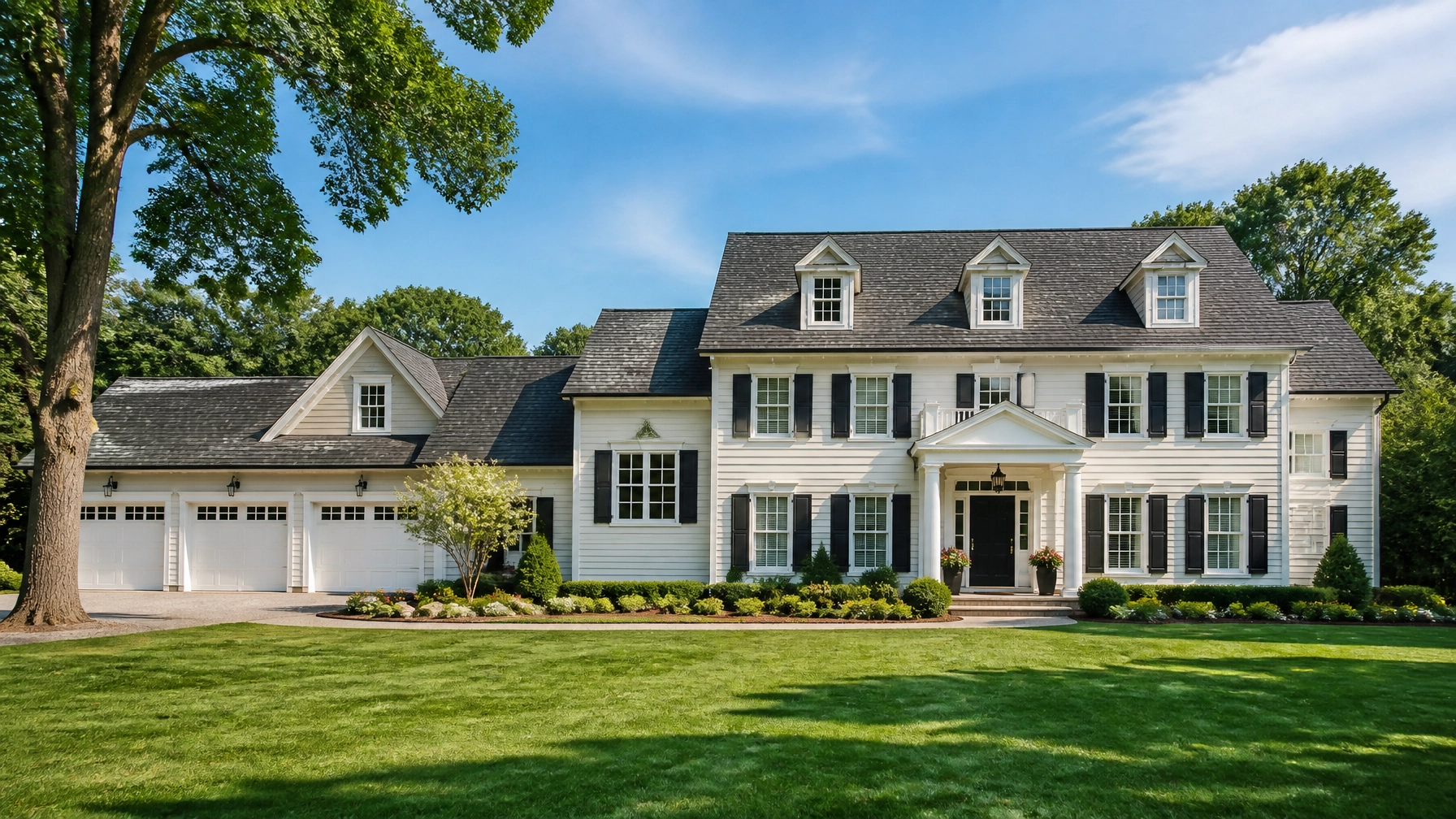
    Two-story Columbia home with a new architectural shingle roof

    Columbia Weather and Roof Costs

    The Midlands climate creates several roofing challenges:

    • High heat and strong UV exposure
    • Humidity that encourages algae and moss growth
    • Severe afternoon thunderstorms
    • Wind and hail damage
    • Rapid temperature changes that stress roofing materials

    After a hailstorm, schedule a free roof inspection promptly: even if your roof is not leaking. Take dated photos from the ground, avoid climbing onto the roof, and contact your insurer. Wind and hail deductibles are often 1%–5% of the home’s insured value.

    Do not waive or “absorb” your deductible. Instead, compare written estimates and have your contractor present when the adjuster inspects the damage.

    Columbia Roofing Codes and Permits

    Columbia enforces the 2021 International Residential Code. Roofing work must account for the local 115 mph design wind speed, approved Class H wind-rated shingles, and the required six-nail fastening pattern where applicable.

    A full re-roof requires a permit through the City of Columbia Development Center. The stated plan review fee is $25. Inspections can be scheduled through the city’s Access portal or by calling 803-545-3422.

    Your contractor should also hold an active South Carolina LLR license. Verify credentials through the South Carolina LLR website.

    Modern South Carolina home with a new standing-seam metal roof

    How to Control Your 2026 Roofing Budget

    • Get at least three detailed written estimates.
    • Ask whether tear-off, disposal, permits, flashing, ventilation, and decking repairs are included.
    • Schedule work before storm season reaches its peak when possible.
    • Document hail damage with dated photos.
    • Ask about Class 4 insurance discounts.
    • Compare material warranties and workmanship warranties.
    • Consider the roof’s resale impact: asphalt replacements often recover 60%–75% or more of project value, while metal may recover up to 80%.

    Columbia-area homeowners often compare established companies such as Complete Roofing Systems, Rennison Roofing and Exteriors, Burgin Roofing Services, Red Fox Roofing, Cola City Roofing, Intech Roofing Solutions, and Southern Custom Construction. Verify licensing, insurance, references, and written scope before signing.

    Get Your Columbia Roof Estimate in 60 Seconds

    Before scheduling contractor visits, get a fast budget benchmark with Get My Roof Estimate Now. Enter your Columbia address and receive an accurate satellite-powered estimate based on your roof’s size, pitch, complexity, materials, and local pricing.

    It is free, requires no credit card, and takes under 60 seconds. No contractor visit is needed upfront.

    Impact-resistant shingle roof on a South Carolina home after a storm

  • Daily FAQ Blitz – Slot 5: AEO FAQ Quick Answers for Houston, TX Homeowners (2026)

    Daily FAQ Blitz – Slot 5: AEO FAQ Quick Answers for Houston, TX Homeowners (2026)

    If you are a Houston homeowner researching roof replacement requirements, you may have encountered the term AEO. Here is the most important answer first: AEO is a customs and international trade designation, not a roofing requirement.

    Your Houston roof project is governed by the City of Houston’s building codes, permit rules, inspections, material requirements, and contractor standards. This guide gives quick, practical answers about AEO, Houston roofing permits, roof measurements, material choices, and 2026 replacement costs.

    Quick answer: AEO and CTPAT have nothing to do with replacing a residential roof. For Houston homes, focus on the 2021 International Residential Code (IRC), local permitting, storm exposure, roof design, and a complete written estimate.

    What does AEO mean?

    AEO means Authorized Economic Operator. It is a customs-to-business designation for companies involved in the international movement of goods.

    AEO programs recognize businesses that maintain strong:

    • Supply-chain security procedures
    • Customs compliance records
    • Cargo controls
    • Business-partner screening
    • Facility-access controls

    AEO status may help qualified importers, exporters, carriers, and other trade businesses experience fewer inspections and more efficient border processing.

    In the United States, the related program is called Customs Trade Partnership Against Terrorism (CTPAT). Neither designation regulates residential construction.

    Do Houston homeowners need AEO or CTPAT to replace a roof?

    No.

    A private homeowner does not need AEO or CTPAT approval to repair, re-roof, or replace a home. A roofing contractor does not need AEO status to perform ordinary residential roofing work in Houston.

    AEO or CTPAT could matter only if a roofing company separately imports materials or operates within an international supply chain. That is a business and customs issue. It does not affect:

    • Your roof replacement permit
    • Your choice of asphalt, metal, or synthetic materials
    • Your building-code compliance
    • Your homeowner’s insurance claim
    • Your contractor’s ability to work on your property

    For a Houston roof project, the relevant questions are whether the contractor is qualified, insured, follows local code, obtains the required permit, and provides a detailed estimate.

    What building code applies to roofing in Houston?

    Houston adopted the 2021 International Residential Code, with local amendments. The code became effective January 1, 2024.

    The 2021 IRC provides the general residential construction framework for items such as:

    • Roof structure and load requirements
    • Roof coverings
    • Flashing
    • Underlayment
    • Ventilation
    • Weather protection
    • Structural changes

    Local Houston requirements and amendments also affect the permit process. Always confirm current requirements with the Houston Permitting Center, especially after major storms or code updates.

    Does Houston require a permit for roof replacement?

    Yes, in most cases.

    Inside the City of Houston, a permit is required for residential re-roofing or roofing overlays involving more than 100 square feet of roof covering. A full roof replacement will normally exceed that threshold.

    The city’s residential roofing process uses:

    • CE-1109: Residential Re-Roof Only Worksheet
    • CE-1104: Roofing Overlay Only Form

    Applications are submitted through the city’s online permit process, including iPermits and the Houston permitting portal.

    A roof-covering repair of 100 square feet or less in aggregate may be exempt. However, the exemption is narrow. Do not assume a full replacement is exempt simply because the new material matches the old material.

    Are architectural plans required for a like-for-like roof replacement?

    Usually, no architectural plans are needed for a like-for-like residential re-roof or overlay when the supporting roof structure is not being changed.

    Additional plans may be required if the project includes structural work, such as:

    • Replacing rafters or joists
    • Modifying roof framing
    • Changing the roof structure
    • Altering load-bearing components
    • Adding a significant new roof feature

    The contractor should identify structural concerns before work begins. Ask exactly what the permit covers and whether the scope includes deck or framing repairs.

    What must stay on site during the project?

    For permitted roofing work, the permit and completed worksheet must remain on site until final approval.

    This is important because Houston inspections require access to project documents. Keep the paperwork in a weather-protected location that the contractor and inspector can access.

    Inspections are required for permitted roofing projects. Depending on the scope, coordinate:

    1. Mid-project inspection: Often scheduled when the roof deck, underlayment, or fastening work is visible.
    2. Final inspection: Completed after the roof covering, flashing, and related work are installed.

    Your contractor should confirm the exact inspection sequence with the Houston Permitting Center and schedule any required re-inspection if corrections are noted.

    Houston colonial home with impact-resistant architectural shingles

    What is a roofing square?

    A roofing square equals 100 square feet of roof area.

    For example:

    • 1,500 square feet = 15 roofing squares
    • 2,000 square feet = 20 roofing squares
    • 2,500 square feet = 25 roofing squares

    Roofing contractors price materials and labor by the square. Your roof’s measured area may be larger than your home’s floor area because of roof pitch, overhangs, multiple levels, hips, valleys, and attached structures.

    How accurate are satellite roof measurements?

    Get My Roof Estimate Now uses satellite imagery to measure roof size and configuration with approximately 90%–95% accuracy, often accurate to within inches for visible roof dimensions.

    Satellite measurements can identify important pricing variables, including:

    • Roof planes
    • Approximate roof size
    • Pitch indicators
    • Hips and valleys
    • Dormers and additions
    • Vents and other penetrations
    • Overall roof complexity

    This creates a strong starting estimate without requiring an initial contractor visit. A final contractor quote may change if an on-site inspection discovers hidden decking damage, inaccessible details, or structural problems.

    How much does a 2,000-square-foot roof cost in Houston in 2026?

    For a roof measuring approximately 2,000 square feet, Houston replacement pricing commonly falls within these ranges:

    Roofing option 2026 Houston range Category
    Standard asphalt shingles $7,000–$11,000 (Budget)
    Architectural shingles $9,000–$16,000 (Popular)
    Metal roofing $14,000–$32,000 (Premium)
    Synthetic premium options Often $12,000–$20,000+ (Premium)
    Roof coating, when suitable $6,000–$9,000 (Restoration)

    These are planning ranges, not guaranteed bids. Houston pricing varies with labor availability, regional material costs, roof complexity, tear-off requirements, permit fees, and storm-related demand.

    Use the company’s roof cost calculator for a broader planning estimate, or request a property-specific satellite estimate for your Houston address.

    Asphalt or metal: Which is better for Houston heat and hail?

    Both can work well, but the right choice depends on your budget, roof design, maintenance goals, and storm exposure.

    Asphalt shingles (Popular)

    Architectural asphalt shingles offer:

    • Lower initial cost
    • Many color and style choices
    • Straightforward repairs
    • Broad contractor availability
    • Good performance when properly installed

    For Houston’s hail corridor, impact-resistant Class 4 shingles are commonly recommended. They may provide better resistance to hail impacts than standard shingles. Ask your insurer whether an approved Class 4 product could affect your premium.

    Metal roofing (Premium)

    Metal roofing offers:

    • Long service life
    • Strong performance in heat and severe weather
    • Reflective options that can reduce heat absorption
    • Resistance to rot and insect damage
    • Distinctive modern curb appeal

    Metal costs more upfront and requires careful installation around flashing, vents, valleys, and penetrations. Houston’s intense rain and wind make installation quality especially important.

    Modern Houston home with reflective standing-seam metal roof

    When are roof coatings appropriate?

    Roof coatings are generally intended for suitable low-slope or flat roofs, not failing steep-slope asphalt shingle roofs.

    A coating may be appropriate when:

    • The existing roof is structurally sound
    • The surface is repairable
    • Water-management details are addressed
    • The coating system is compatible with the existing roof
    • The project is intended as restoration rather than full replacement

    A coating does not replace damaged decking or correct major structural problems. Have a qualified roofer confirm that restoration is appropriate before choosing this option.

    What should a complete Houston roofing estimate include?

    A useful estimate should clearly list:

    • Measured roof area in squares
    • Roofing material and product line
    • Tear-off and disposal costs
    • Underlayment and ice/water or weather protection
    • Flashing replacement or repair
    • Ventilation work
    • Decking allowance and unit pricing
    • Labor
    • Permit and inspection responsibilities
    • Cleanup and disposal
    • Material warranty
    • Workmanship warranty
    • Payment schedule
    • Low-middle-high price range or clearly explained contingencies

    Be cautious with a quote that provides only one total number. Houston’s hail, wind, heat, humidity, and heavy rain make installation details just as important as the visible shingles or panels.

    Aerial view of a measured Houston residential roof

    How can I get a free Houston roof estimate in 60 seconds?

    Use Get My Roof Estimate Now:

    1. Enter your Houston property address.
    2. Let the satellite-powered system measure the roof.
    3. Review an instant estimate based on roof size, pitch, complexity, material, and regional pricing.
    4. Compare low-middle-high budget ranges.
    5. Connect with verified, licensed, and insured local contractors when you are ready.

    The estimate is free, requires no credit card, and does not require an initial contractor visit.

    Quick-recap FAQ for Houston homeowners

    Is AEO a roofing permit?
    No. AEO is a customs and international trade designation.

    Do homeowners need AEO or CTPAT?
    No. These programs are unrelated to residential roofing.

    What code applies in Houston?
    Houston uses the 2021 International Residential Code with local amendments, effective January 1, 2024.

    Do I need a Houston roof replacement permit?
    Yes, for re-roof projects over 100 square feet and for typical full replacements.

    Which forms are used?
    Use CE-1109 for residential re-roofing or CE-1104 for a roofing overlay.

    Are inspections required?
    Yes. Plan for required mid-project and final inspections, depending on the project scope.

    What is one roofing square?
    One roofing square equals 100 square feet.

    How accurate is a satellite estimate?
    Approximately 90%–95%, providing a fast planning baseline.

    What does a 2,000-square-foot Houston roof cost in 2026?
    Roughly $7,000–$32,000, depending mainly on the material and project conditions.

    How fast can I get a free estimate?
    Enter your address at Get My Roof Estimate Now and receive a satellite-based estimate in about 60 seconds.

  • 2026 Roof Replacement Cost in Fort Myers, FL: Complete Price Guide for River District Homeowners

    2026 Roof Replacement Cost in Fort Myers, FL: Complete Price Guide for River District Homeowners

    A full roof replacement in Fort Myers typically costs $10,000–$18,000 for architectural shingles, $18,000–$30,000 or more for standing-seam metal, and $32,000–$42,000 for clay or concrete tile on a roof measuring about 2,000 square feet.

    Most homeowners with a typical 24–30-square roof should budget approximately:

    • Architectural shingles (Popular): $11,000–$16,500
    • Class 4 impact-resistant shingles (Premium): Usually more than standard architectural shingles
    • Metal shingles or panels (Premium): $9,000–$25,000
    • Standing-seam metal (Premium): $18,000–$30,000+
    • Clay or concrete tile (Premium): $16–$21 per square foot installed
    • TPO or EPDM membrane (Specialty): Used for flat or low-slope roof sections

    Fort Myers pricing remains elevated in 2026 because of post-Hurricane Ian recovery, limited roofing labor, insurance requirements, and material increases. Asphalt shingle prices rose approximately 4%–8% early in 2026, with additional increases of roughly 6%–9% beginning June 1. Steel and aluminum tariffs are also affecting metal roofing costs.

    For a fast, property-specific starting point, use the free roof cost calculator or get a satellite-measured Fort Myers roof estimate in under 60 seconds.

    2026 Fort Myers Roof Replacement Cost by Material

    Your roof’s measured surface area, not your home’s interior square footage, determines the material and labor quantity. Roofing contractors measure in squares, with one square equal to 100 square feet.

    Roofing material 2026 installed price Typical 2,000-square-foot roof
    Architectural asphalt shingles (Popular) $5.00–$8.50/sq. ft. $10,000–$18,000
    Class 4 impact-resistant shingles (Premium) Above standard shingle pricing Often $12,000–$20,000+
    Metal shingles or panels (Premium) Varies by system and finish $9,000–$25,000
    Standing-seam metal (Premium) $8.00–$14.00/sq. ft. $18,000–$30,000+
    Clay or concrete tile (Premium) $16.00–$21.00/sq. ft. $32,000–$42,000
    TPO or EPDM membrane (Specialty) Site-specific Used primarily on low-slope sections

    Architectural Shingles (Popular)

    Architectural shingles remain the most common choice in the River District, McGregor Boulevard, Cypress Lake, Gateway, and Iona areas. They offer:

    • Lower upfront cost than metal or tile
    • Many color and texture options
    • Straightforward repairs
    • Good curb appeal for resale
    • Typical service life of approximately 20–30 years, depending on exposure and installation quality

    For many Fort Myers homes, a standard architectural shingle replacement falls between $11,000 and $16,500 after accounting for hurricane-rated installation, tear-off, underlayment, flashing, and permitting.

    Class 4 Impact-Resistant Shingles (Premium)

    Class 4 shingles are designed to resist impact damage better than standard products. They may be worth considering if:

    • Your home has experienced repeated storm damage
    • Your insurance carrier offers a mitigation or impact-resistance credit
    • You plan to sell and want stronger roof documentation
    • You prefer improved durability without moving to metal or tile

    Insurance savings are not automatic. Ask your carrier whether the specific product and installation qualify for a discount.

    Fort Myers ranch home with a new architectural shingle roof

    Standing-Seam Metal (Premium)

    Standing-seam metal offers long service life, strong wind performance, and a modern appearance. It is often selected for newer homes in Gateway, upscale properties near McGregor Boulevard, and homeowners planning to stay for decades.

    The typical installed price is $8–$14 per square foot, but complex roof geometry, upgraded coatings, hurricane fastening, trim, and flashing can push the total above $30,000.

    Metal roofing can also improve long-term value. In Florida, a properly installed, high-wind-rated metal roof may recoup roughly 60%–75% of its cost at resale, with some premium markets reporting higher results. The best roof for home value depends on the neighborhood, buyer expectations, roof condition, and quality of installation, not material price alone.

    Tile Roofing (Premium)

    Clay and concrete tile are common on Mediterranean, Spanish, and coastal-style homes throughout Southwest Florida. Tile can last 50 years or longer, but it is heavier and requires careful evaluation of the roof structure.

    Expect approximately $16–$21 per square foot installed for many 2026 Fort Myers projects. Repairs to battens, underlayment, decking, or structural components can increase the final price.

    What Drives Your Fort Myers Roof Cost?

    Material is only one part of the estimate. The following factors usually create the largest price differences.

    Roof Size and Complexity

    A simple ranch roof is less expensive than a multi-section roof with:

    • Multiple ridges and hips
    • Valleys and dormers
    • Skylights or solar penetrations
    • Chimneys and wall intersections
    • Difficult access or multiple stories

    A roof with 24–30 squares may require more material than a basic 2,000-square-foot footprint because the roof surface includes pitch, overhangs, and complex sections.

    Roof Pitch

    Steeper roofs require additional safety equipment, slower installation, and more experienced labor. A steep or heavily segmented roof can add 20%–50% to labor compared with a simple low-slope design.

    Tear-Off and Existing Layers

    Removing the existing roof may add approximately $1–$3 per square foot. Fort Myers homes may have multiple layers from prior re-roofing projects, especially in neighborhoods with older housing stock.

    Florida code and local permitting rules determine whether a roof-over is acceptable. Do not assume installing new shingles over old roofing is the least expensive long-term option.

    Decking Rot and Water Damage

    Hurricane rain, humidity, and long-term leaks can damage plywood or roof decking. Rotten decking is commonly priced by the sheet or square foot after the existing roof is removed.

    A satellite estimate can measure roof size and identify geometry, but it cannot confirm concealed decking damage. A contractor must inspect exposed areas during tear-off.

    Flashing, Ventilation, and Secondary Water Protection

    A complete estimate should identify work involving:

    • Valleys and eaves
    • Wall and chimney flashing
    • Pipe boots and roof penetrations
    • Ridge vents and soffit ventilation
    • Synthetic underlayment
    • Self-adhering leak barriers
    • Secondary water barrier requirements
    • Hurricane-rated fasteners and installation patterns

    The lowest bid may exclude important components that appear later as change orders.

    Fort Myers Codes, Permits, and Inspections

    Fort Myers is exposed to hurricanes, wind-driven rain, intense UV radiation, salt air, and high humidity. Roofing work must meet Florida Building Code requirements, including wind-resistance provisions commonly involving 110–130 mph wind ratings, approved products, and secondary water protection.

    The 2026 Florida code update also addresses more detailed wind-uplift testing for hip and ridge components. Homeowners using metal hip and ridge covers should ask for documentation showing compliance with applicable ANSI/MCA FTS-1 requirements and the current accepted testing path, including any applicable UL 2375 documentation required by the permitting authority.

    City of Fort Myers Permit Costs

    For a typical City of Fort Myers single-family re-roof, roof-over, or repair permit, the listed flat fee is approximately $157 total. The City’s roofing trade checklist should be reviewed before work begins.

    You may also need:

    • A recorded, notarized Notice of Commencement for projects over $5,000
    • Prep or dry-in inspections
    • Ridge metal and flashing inspections
    • Final inspection
    • A Roof Inspection Affidavit before final approval

    If the property is outside city limits, use Lee County permitting requirements instead. Homes valued at $300,000 or more may also require a building permit and engineer involvement for roof-to-wall connection work, depending on the scope and existing construction.

    Contractor and Insurance Checklist

    Before signing a contract, verify the roofer through Florida’s official DBPR license portal. Look for a current, active Certified Roofing Contractor license, commonly identified by a CCC license number.

    Also request proof of:

    • General liability insurance
    • Workers’ compensation coverage
    • Local permitting experience
    • Written workmanship warranty
    • Manufacturer installation certification
    • Recent Fort Myers or Lee County references

    If your home is in unincorporated Lee County, use the county’s contractor search and confirm that the contractor is properly registered to pull permits locally.

    New standing-seam metal roof on a modern coastal Florida home

    Wind Mitigation, Citizens, and Hurricane Planning

    Florida homeowners often carry a 1%–2% hurricane deductible, and many properties are insured through Citizens Property Insurance or another state-licensed carrier.

    After a qualifying roof replacement or mitigation upgrade, ask your insurer about an updated wind mitigation inspection. The Florida Office of Insurance Regulation states that the revised OIR-B1-1802 (Rev. 04/26) form applies to inspections effective April 1, 2026. Review the official Florida wind mitigation resources and confirm requirements with your insurance agent.

    Potential benefits may include:

    • Wind mitigation premium discounts
    • Better documentation for future insurance renewals
    • Improved protection against hurricane losses
    • Eligibility considerations for FORTIFIED roof programs

    Do not assume a new roof automatically lowers your premium. Discounts depend on the roof system, inspection documentation, carrier rules, and the home’s other wind-resistance features.

    New Roof ROI and Fort Myers Home Value

    A new roof can support resale value in several ways:

    • Buyers are less likely to demand a repair credit
    • The home photographs better and has stronger curb appeal
    • Insurance concerns may be reduced
    • The property may attract buyers looking for storm-ready construction
    • Future maintenance becomes more predictable

    In Florida, a typical replacement may recoup approximately 60%–70% or more at resale. High-wind-rated metal roofing may recover up to 80% or more in the right market, although actual results vary.

    The strongest roof replacement ROI usually comes from matching the material to the home and neighborhood. A clean architectural shingle roof may deliver excellent value on a modest ranch home, while a standing-seam metal or tile roof may better fit a high-end coastal property.

    This is why new roof ROI home value, roof replacement resale value, and roof curb appeal home value should be evaluated together, not as separate calculations.

    Get Your Fort Myers Roof Estimate in 60 Seconds

    Roofing prices can change quickly during hurricane season, especially from June 1 through November 30. Post-Ian demand, labor availability, material increases, and insurance requirements can all affect contractor pricing.

    Start with an address-specific number before scheduling multiple appointments. Get a free satellite roof estimate from Get My Roof Estimate Now in under 60 seconds.

    You receive:

    • Roof size measured from satellite imagery
    • Low, middle, and high replacement ranges
    • Material pricing for shingles, metal, tile, and more
    • Regional Fort Myers pricing
    • No credit card required
    • No upfront cost or obligation

    Use the estimate to set a realistic budget, compare contractor proposals, and plan your next step with better information.

    New concrete tile roof on a Southwest Florida Mediterranean-style home

    Frequently Asked Questions

    How much does a new roof cost in Fort Myers in 2026?

    For a typical 2,000-square-foot roof, architectural shingles generally cost $10,000–$18,000, while standing-seam metal commonly costs $18,000–$30,000 or more. Roof complexity, decking, permits, and hurricane upgrades affect the final price.

    What is the best roof for home value in Fort Myers?

    Architectural shingles typically offer the best balance of upfront cost, appearance, and resale appeal. Metal and tile can add stronger long-term durability and curb appeal when they match the home and neighborhood.

    Does a new roof increase resale value?

    Usually, yes. A new roof can improve buyer confidence, reduce negotiation pressure, improve curb appeal, and support an estimated 60%–70% or more cost recovery in many Florida resale situations.

    Can I get an accurate roof price without a contractor visit?

    A satellite estimate can provide a fast planning range based on roof size, pitch, complexity, and local pricing. It is typically accurate within approximately 90%–95% for measurements. A contractor visit is still needed to verify concealed damage, decking, and final installation details.
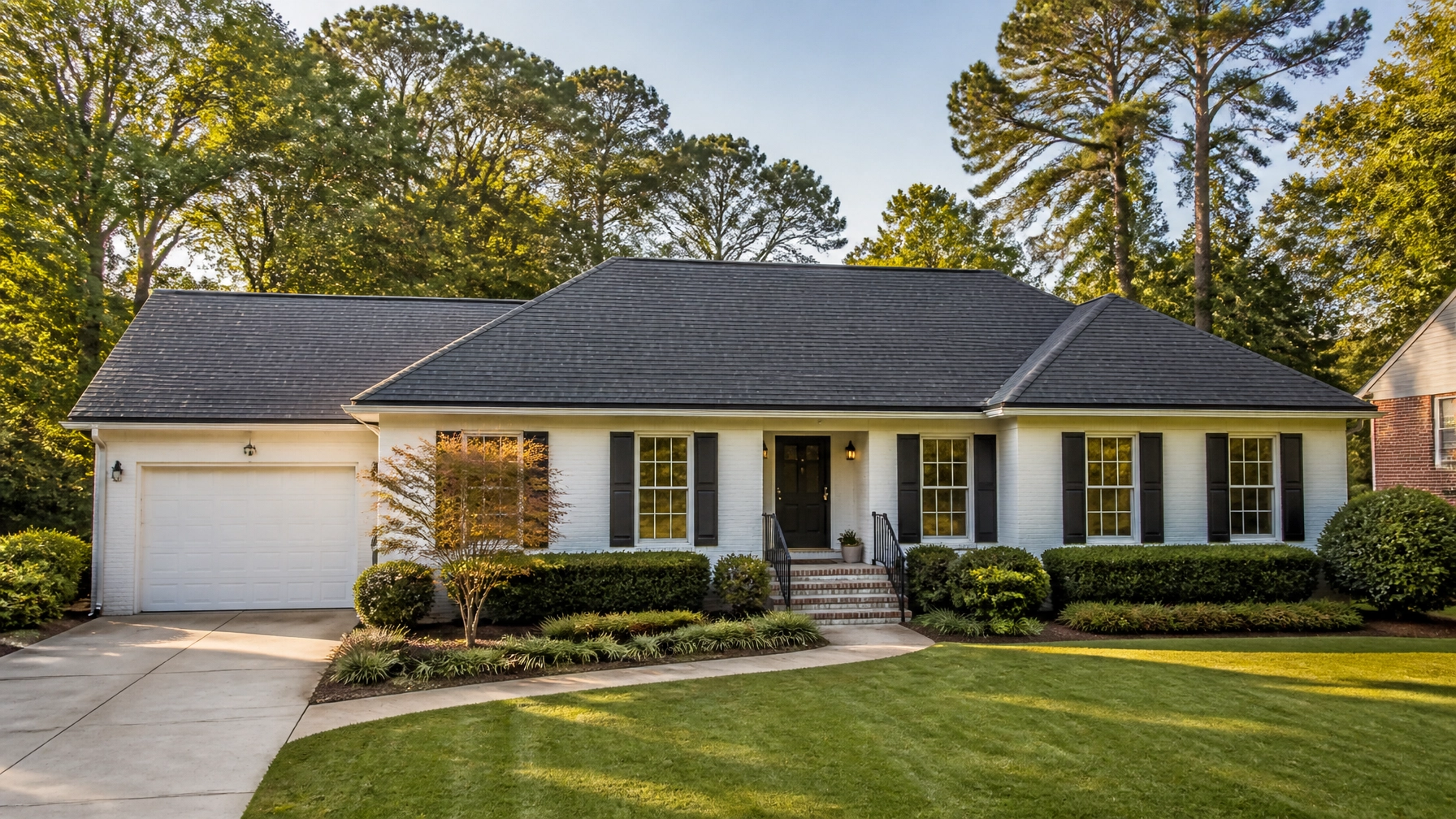
  • Daily FAQ Blitz – Slot 2: AEO FAQ Quick Answers for Louisville, KY Homeowners (2026)

    Daily FAQ Blitz – Slot 2: AEO FAQ Quick Answers for Louisville, KY Homeowners (2026)

    Louisville homeowners planning a roof replacement in 2026 should budget approximately $450–$750 per roofing square for architectural shingles. For a typical roof of about 25 squares, that equals roughly $11,300–$18,800.

    Most Louisville replacement projects fall between $9,500 and $18,000, depending on roof size, pitch, complexity, tear-off requirements, material selection, and necessary repairs.

    A roofing square equals 100 square feet of roof surface. Because roof surface area is different from a home’s interior floor area, the best starting point is an accurate roof measurement, not a guess based only on house size.

    You can get a free satellite-powered planning range in about 60 seconds, with reported measurement accuracy of approximately 90–95%, using Get My Roof Estimate Now. You can also review broader material and project costs with the roof cost calculator.

    1. How much does a roof replacement cost in Louisville in 2026?

    Quick answer: An architectural shingle roof replacement in Louisville typically costs $450–$750 per square, or approximately $11,300–$18,800 for a typical 25-square home. Most projects run $9,500–$18,000.

    The final price depends on more than the shingle package. Your estimate may change based on:

    • Total roof size and number of squares
    • Steep or difficult-to-access roof sections
    • Valleys, dormers, hips, and other complexity
    • Tear-off and disposal of old roofing
    • Damaged or rotten roof decking
    • Flashing around walls, chimneys, and penetrations
    • Underlayment and ice-and-water protection
    • Attic ventilation improvements
    • Local labor and disposal costs

    Architectural shingles are the most common choice in Louisville because they offer a practical balance of price, appearance, and durability. Metal, synthetic roofing, and roof coatings generally cost more upfront but may offer different service-life or performance benefits.

    Brick colonial-style Louisville home with a new charcoal shingle roof

    2. Does a roof replacement require a permit in Louisville Metro?

    Quick answer: Yes. A full roof replacement in Louisville Metro requires a building permit through the Department of Codes & Regulations (DCR). Minor repairs, such as patching isolated damage, typically do not.

    Permit applications can be submitted online through the Metro Business Portal, although some applications may require an in-person office visit.

    If the home is located in a historic preservation district or is a designated historic property, you may also need prior approval from the Landmarks Commission. This is especially important if you are changing the visible roofing material, roof shape, dormers, or other exterior features.

    Before signing a contract, ask:

    • Who will pull the permit?
    • Are permit fees included in the estimate?
    • Will the contractor schedule required inspections?
    • Who is responsible for obtaining final approval?
    • Is Landmarks Commission approval needed for this address?

    A professional contractor should explain the permit process clearly and provide permit documentation for your records.

    3. Does a Louisville roofing contractor need a Kentucky license?

    Quick answer: Kentucky does not require a statewide roofing contractor license as of 2026. Licensing and registration are handled at the local level.

    House Bill 150, which would create a statewide roofing contractor licensing system, was introduced during the 2026 legislative session. It remains in committee and is not law. You can review its current legislative status through the Kentucky General Assembly record.

    For a Louisville Metro roofing project, verify that the contractor:

    • Holds current Metro business registration
    • Carries general liability insurance
    • Provides workers’ compensation coverage when applicable
    • Supplies registration and insurance information in writing
    • Has a verifiable business address and references

    Do not rely on a truck sign, online advertisement, or verbal promise as proof of compliance. Ask for documentation before work begins, particularly after a storm when out-of-area contractors may enter the market quickly.

    4. Do Louisville roofs need special hail, wind, or weather considerations?

    Quick answer: Yes. Louisville roofs must handle hail, damaging winds, tornadoes, severe thunderstorms, summer heat, and Ohio Valley freeze-thaw cycles.

    Recent 2026 weather examples include:

    • Approximately 1.00-inch hail reported May 16, 2026
    • Damaging wind gusts of roughly 60–64 mph reported March 16, 2026
    • Tornado and severe thunderstorm activity during the June 17–18, 2026 system

    The National Weather Service Louisville severe-weather coverage provides additional regional context.

    When comparing roofing systems, ask whether the proposal includes:

    • Wind-rated architectural shingles
    • Impact-resistant shingles, if appropriate for your budget and insurance policy
    • Proper starter strips and ridge caps
    • Synthetic underlayment
    • Ice-and-water protection in vulnerable areas
    • Step flashing and chimney flashing replacement where needed
    • Balanced intake and exhaust attic ventilation

    Kentucky’s reasonable match law can require whole-roof replacement after hail or wind damage when replacement shingles cannot reasonably match the existing roof. The law does not guarantee full replacement in every claim. Your insurance policy, the extent of damage, and whether a reasonable visual match is possible all matter.

    Modern Louisville-area home with a new standing-seam metal roof

    5. Is a satellite roof estimate accurate enough for planning?

    Quick answer: Yes. Get My Roof Estimate Now reports approximately 90–95% measurement accuracy for most homes and provides low, middle, and high price ranges in about 60 seconds.

    Satellite imagery can measure or estimate:

    • Roof area
    • Number of roof sections
    • Approximate pitch
    • Roof complexity
    • Likely material quantities

    That makes a satellite estimate useful for budgeting, planning, comparing materials, and deciding whether it is time to schedule contractor inspections.

    It is not a substitute for a final inspection. Satellite imagery cannot reliably identify hidden conditions such as:

    • Rotten or weakened decking
    • Concealed flashing damage
    • Multiple existing roofing layers
    • Structural problems
    • Moisture damage beneath the shingles
    • Interior leakage or attic concerns

    Use the instant estimate as a fast planning benchmark. A qualified contractor should confirm the scope in person before giving the final contract price.

    6. How should Louisville homeowners compare roofing estimates?

    Quick answer: Compare the scope: not just the bottom-line price. Get at least three written estimates based on the same specifications.

    Each estimate should identify:

    • Shingle brand, product line, color, and warranty tier
    • Number of roofing squares
    • Tear-off layers and disposal
    • Underlayment
    • Ice-and-water protection
    • Drip edge
    • Wall, chimney, and plumbing flashing
    • Ridge caps and starter strips
    • Attic ventilation work
    • Decking replacement price per sheet or square foot
    • Permit responsibility and fees
    • Jobsite cleanup and magnetic nail sweep
    • Material warranty
    • Workmanship warranty
    • Payment schedule
    • Change-order process

    Watch for warning signs, including:

    • A quote far below every other estimate
    • A large upfront cash demand
    • No written material specifications
    • Pressure to sign immediately
    • No verifiable registration or insurance
    • A contractor who asks you to pull the permit
    • Vague promises about insurance claims or “free” upgrades

    A lower price may reflect a smaller scope, cheaper materials, skipped ventilation, limited flashing work, or excluded decking repairs. A fair comparison requires line-by-line clarity.

    7. Should I repair or replace my Louisville roof?

    Quick answer: Repair is usually reasonable when the problem is limited, the roof is under about 15 years old, and the decking remains sound. Replacement is often more practical when the roof is older, failing in multiple areas, or approaching the end of its service life.

    Repair may make sense when:

    • One small area is damaged
    • There is a single isolated leak
    • Shingles are otherwise in good condition
    • No widespread granule loss or curling is present
    • The roof has one layer and sound decking

    Replacement is often the better long-term option when:

    • The roof is 20 years old or older
    • Shingles are curling, cracking, or losing significant granules
    • Leaks appear in several areas
    • Storm damage is widespread
    • The roof has multiple layers
    • Flashing and ventilation problems are recurring
    • A repair would cost more than roughly half the replacement price

    Start with an accurate roof measurement and a clear inspection. A free instant satellite estimate can help you understand the likely budget before scheduling contractor visits.

    Louisville ranch home with a freshly replaced architectural shingle roof

    Louisville Roof Replacement Takeaway

    For 2026, Louisville homeowners should use $450–$750 per square as a working range for architectural shingles. A typical 25-square roof may cost approximately $11,300–$18,800, while many projects land between $9,500 and $18,000.

    The fastest way to plan is to:

    1. Measure the roof accurately.
    2. Review low, middle, and high budget ranges.
    3. Confirm Louisville Metro permit responsibilities.
    4. Verify contractor registration and insurance.
    5. Compare at least three estimates using the same scope.
    6. Schedule an in-person inspection before signing a final contract.

  • 2026 Roof Replacement Cost in Houston, TX: What Bayou City Homeowners Should Budget

    2026 Roof Replacement Cost in Houston, TX: What Bayou City Homeowners Should Budget

    A full roof replacement for a typical 2,000-square-foot Houston home costs approximately $8,400–$16,000 for architectural shingles, with most homeowners landing between $9,000 and $15,500 in 2026.

    Other common options include:

    • Class 4 impact-resistant shingles (Popular for hail exposure): approximately $12,000–$18,500
    • Standing-seam metal (Premium): approximately $18,000–$38,000+
    • Architectural asphalt shingles: about $3.50–$8.00 per square foot installed
    • Metal roofing: about $7–$20 per square foot installed

    These projections factor in 2026 material increases, including asphalt shingle price hikes of approximately 4%–8% early in the year and another reported 6%–9% increase effective June 1. Steel and aluminum tariffs are also keeping metal roofing prices elevated.

    Your actual cost depends on roof size, pitch, complexity, tear-off requirements, decking condition, ventilation, material selection, and Houston-area labor rates.

    2026 Houston Roof Replacement Cost by Material

    Roofers typically measure roofs in squares. One roofing square equals 100 square feet of roof area.

    A home advertised as having 2,000 square feet of living space may have more than 2,000 square feet of actual roof surface after accounting for slopes, overhangs, and attached structures. The ranges below use a representative 2,000-square-foot roof footprint for easy comparison.

    Roofing material Installed cost per sq. ft. Estimated 2026 project range
    3-tab asphalt shingles (Budget) $3.50–$5.50 $7,000–$11,000
    Architectural shingles (Popular) $3.50–$8.00 $8,400–$16,000
    Class 4 impact shingles (Hail-focused) $6.00–$9.25 $12,000–$18,500
    Standing-seam metal (Premium) $7.00–$20.00 $18,000–$38,000+

    Architectural Shingles (Popular)

    Architectural or dimensional shingles are the most common choice for Houston homeowners. They provide better appearance and durability than basic 3-tab shingles without the cost of metal.

    Typical 2026 budget:

    • Simple, accessible roof: $8,400–$11,000
    • Most common total: $9,000–$15,500
    • Steep or complex roof: $15,500–$16,000 or more

    Multiple valleys, dormers, skylights, pipe penetrations, and separate roof sections increase installation time and waste.

    Class 4 Impact-Resistant Shingles (Hail Protection)

    Class 4 shingles are reinforced to provide improved resistance to impact. They are worth considering in Houston because hail can damage shingles, flashing, vents, and gutters even when damage is not immediately visible.

    Expected 2026 cost for a 2,000-square-foot roof:

    • Approximately $12,000–$18,500
    • Potential insurance savings may apply, depending on your carrier and policy
    • They do not make a roof completely hailproof

    Ask your insurer whether a Class 4 roof qualifies for a wind or hail premium discount before choosing the material.

    Standing-Seam Metal (Premium)

    Standing-seam metal has a higher upfront cost but offers long service life, strong wind performance, and a modern appearance. The price varies widely based on steel or aluminum, panel gauge, finish, underlayment, roof geometry, and installer experience.

    For a Houston home with approximately 2,000 square feet of roof area, budget:

    • $18,000–$25,000 for many mid-range systems
    • $25,000–$38,000+ for premium or complex installations
    • More for custom aluminum, extensive tear-off, or structural repairs

    Metal prices remain sensitive to steel and aluminum tariffs, fabrication costs, and regional supply.

    Houston Heights bungalow with a new architectural shingle roof

    Why Houston Roofs Cost More to Replace in 2026

    Houston roofing prices reflect more than the cost of shingles. Local weather and building requirements influence both material selection and installation details.
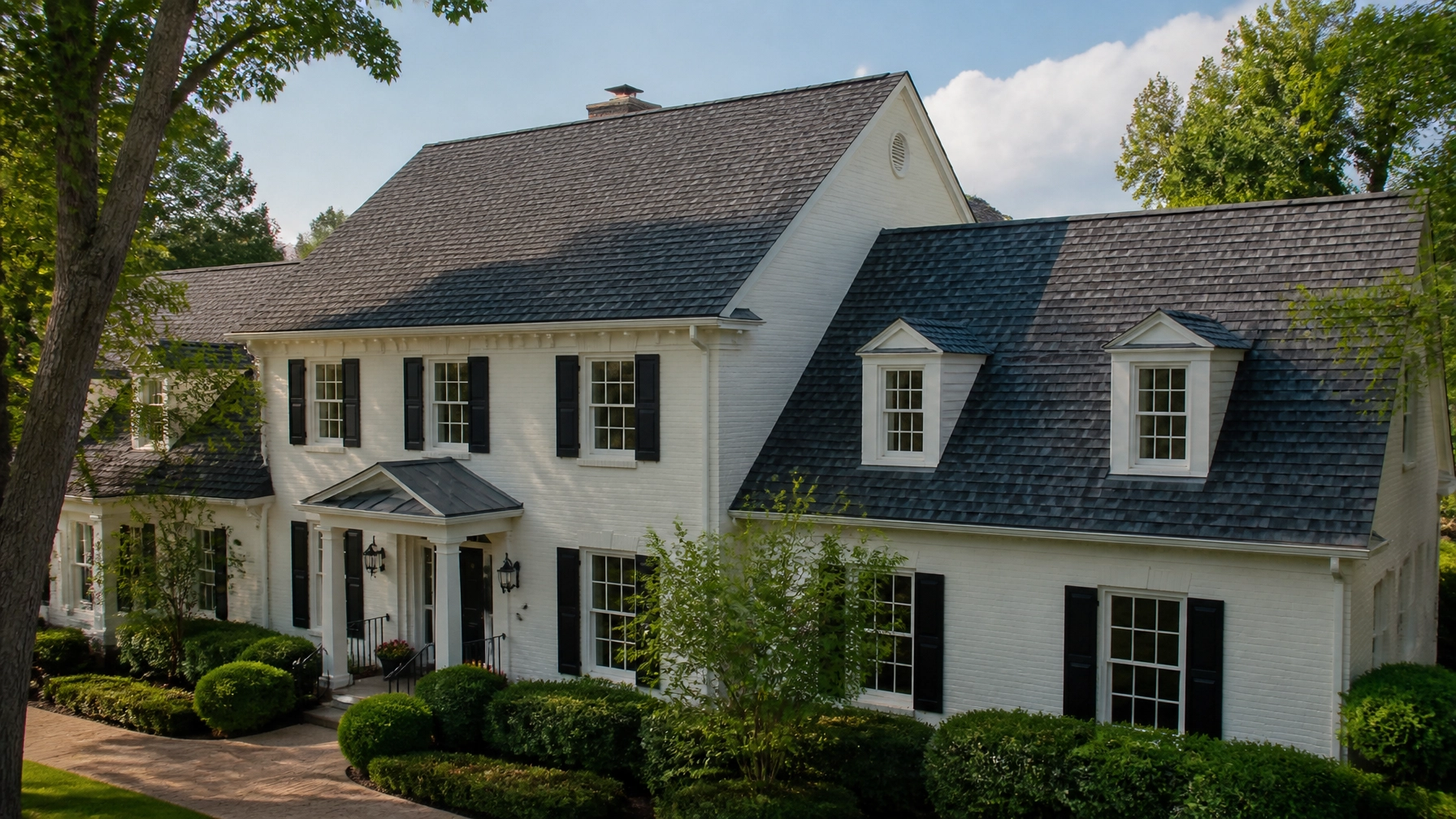
    Gulf Coast Weather Exposure

    Houston roofs must handle:

    • Tropical storms and hurricane-season wind
    • Gulf humidity and moisture
    • Intense ultraviolet exposure
    • Heavy rain and wind-driven water
    • Algae streaking on shaded roof sections
    • Periodic hail events

    Homeowners should also review their roof after major 2026 storm dates, including February 14, April 30, July 12–13, and August 7. Damage can include bruised shingles, exposed matting, cracked vents, loose flashing, and dented metal components.

    Hurricane season runs from June 1 through November 30. Scheduling replacement outside the peak storm period can make contractor availability and material delivery easier.

    Roof Complexity

    Two roofs with the same measured area can have very different prices. Expect higher labor costs for:

    • Steep pitches
    • Multiple roof planes
    • Valleys and hips
    • Dormers and skylights
    • Two-story sections
    • Difficult access
    • Attached garages or additions
    • Extensive flashing and ventilation work

    Tear-Off and Decking

    A full replacement usually includes removal and disposal of old roofing. Damaged decking must be replaced before new materials are installed. Ask for a written allowance for decking repairs rather than accepting an open-ended change order.

    A planning allowance of 5%–15% above the initial estimate is reasonable for unexpected decking, flashing, ventilation, or code-related work.

    Houston Permits and Roofing Requirements

    Houston residential reroofing projects generally require permitting and inspection. The Houston Permitting Center identifies Form CE-1109, the Residential Re-Roof “Only” Worksheet, for qualifying residential reroof or roof repair work that does not change rafters or joists.

    Useful official resources include:

    Your contractor should confirm whether the project requires:

    • A building permit application
    • Form CE-1109
    • Structural review
    • Flood review, where applicable
    • Required inspections
    • Additional forms if the roof replacement is combined with other repairs

    Houston uses the 2021 International Residential Code with Texas and local amendments. These requirements can affect underlayment, flashing, ventilation, fastening, roof layers, and decking repairs.

    Texas does not have a statewide roofing license administered by the Texas Department of Licensing and Regulation. Roofing contractor registration and permitting requirements may instead be handled locally. Before signing, verify the contractor’s Houston registration status where applicable, general liability insurance, workers’ compensation coverage, and references. You can also review the Texas Department of Licensing and Regulation for regulated credentials and agency information.

    Houston Roof Replacement and Home Value

    A new roof is both a maintenance project and a resale investment. Buyers notice roof age, visible wear, stains, missing shingles, and poor curb appeal during the first showing or inspection.

    Neighborhood Value Context

    A roof replacement can protect marketability across very different Houston-area price points:

    • The Heights: approximately $450,000–$775,000+
    • Memorial: approximately $723,000
    • Sugar Land: approximately $365,000–$522,000
    • Katy: approximately $385,000–$475,000
    • Pearland: approximately $280,000–$390,000
    • Houston metro median: approximately $349,000

    These figures are broad market benchmarks, not appraisals. Neighborhood, lot size, renovations, school zone, and market timing all influence resale value.

    New Roof ROI and Resale Value

    Roof replacement ROI varies by material, condition, and buyer expectations. A practical planning benchmark is:

    • Asphalt roof replacement: approximately 60%–75% resale cost recovery
    • High-quality metal roofing: potentially 80% or more, especially where buyers value longevity and energy performance

    The best roof for home value is not always the most expensive roof. In many Houston neighborhoods, a well-installed architectural shingle roof with strong warranties, algae resistance, proper ventilation, and attractive color selection offers the best balance of cost and resale value.

    A new roof can also improve:

    • Roof curb appeal and home value
    • Buyer confidence during inspection
    • Insurance eligibility
    • Perceived maintenance quality
    • Listing photography and first impressions

    Houston ranch home with a new standing-seam metal roof

    Insurance Considerations for Houston Homeowners

    Review your homeowners policy before filing a storm-damage claim. Wind and hail deductibles in Texas are often expressed as 1%–5% of the dwelling coverage limit, not as a flat dollar amount.

    For example, a 2% deductible on $400,000 of dwelling coverage equals $8,000.

    Before contacting your insurer:

    1. Photograph the roof, gutters, siding, attic, and interior stains.
    2. Record the date of the suspected storm.
    3. Save emergency repair receipts.
    4. Avoid permanent repairs before the adjuster documents damage, unless needed to prevent further loss.
    5. Do not sign an assignment of benefits or broad contract without understanding it.

    Texas claim timelines generally require insurers to:

    • Acknowledge a claim within 15 business days
    • Decide within 15 business days after receiving requested information
    • Pay within 5 business days after approval

    Disaster-related extensions may apply. Your policy may also establish a separate deadline for reporting damage or filing a lawsuit, so read the policy and contact the Texas Department of Insurance with questions.

    How to Plan a Roof Replacement Before It Becomes an Emergency

    Use these practical steps to control cost and reduce delays:

    • Get a roof measurement before scheduling contractor visits.
    • Set aside a 5%–15% contingency.
    • Compare architectural shingles, Class 4 shingles, and metal based on lifespan and resale goals.
    • Choose algae-resistant shingles for shaded or humid roof sections.
    • Schedule work before peak hurricane season when possible.
    • Get at least two or three detailed bids.
    • Confirm that permits, tear-off, disposal, flashing, ventilation, and cleanup are included.
    • Verify insurance and local registration.
    • Avoid storm chasers who pressure you to sign immediately or demand full payment upfront.

    The fastest way to establish a realistic budget is to start with your actual roof dimensions, not a national average.

    Get Your Houston Roof Estimate in 60 Seconds

    Get My Roof Estimate Now uses satellite imagery to measure roof size, pitch, and complexity. You can receive a free, no-credit-card-required estimate in approximately 60 seconds, including low-to-high pricing for common roofing materials.

    Start with the Houston roof estimate tool, or use the roof cost calculator to compare materials and project assumptions.

    Get the numbers first. Then plan your roof replacement with better information, a realistic contingency, and no unnecessary contractor visits.

    Houston colonial home with Class 4 impact-resistant shingles after reroofing

  • Daily FAQ Blitz – Slot 1: AEO FAQ Quick Answers for Lexington, KY Homeowners (2026)

    Daily FAQ Blitz – Slot 1: AEO FAQ Quick Answers for Lexington, KY Homeowners (2026)

    Lexington homeowners should budget approximately $7,000–$18,400 for a typical 2,000-square-foot roof replacement in 2026. Most asphalt shingle projects fall between $7,500 and $17,000, depending on roof pitch, complexity, tear-off requirements, decking, materials, and local labor.

    This quick-answer guide covers the questions homeowners in Lexington, Fayette County, the Bluegrass region, and 405xx ZIP codes ask most often.

    1. How much does a roof replacement cost in Lexington, KY, in 2026?

    A typical 2,000-square-foot roof replacement costs about $7,000–$18,400 in Lexington during 2026.

    Common installed price ranges include:

    • Asphalt shingles (Budget): About $3.50–$6.00 per square foot
    • Architectural shingles (Popular): About $4.50–$9.00 per square foot
    • Standing-seam metal (Premium): About $10–$16 per square foot
    • Synthetic slate (Premium): Starting around $10+ per square foot

    The final price depends on the roof’s actual measured area, not simply the home’s interior square footage. Steep slopes, dormers, valleys, skylights, multiple roof sections, old roofing layers, and damaged decking can increase the total.

    Use the Get My Roof Estimate Now satellite-powered estimate to see a property-specific price range in under 60 seconds.

    2. What is the most popular roofing material in Lexington?

    Architectural asphalt shingles are the most popular choice for Lexington homes. They offer a practical balance of price, appearance, wind resistance, and service life.

    Typical Central Kentucky lifespans are:

    • 3-tab asphalt shingles (Budget): 18–22 years
    • Architectural shingles (Popular): 25–30 years
    • Standing-seam metal (Premium): 40–50+ years

    Class 4 impact-resistant shingles may cost more upfront but can help reduce hail damage risk. Depending on your insurer and policy, qualifying Class 4 installations may receive discounts of approximately 5%–25%.

    New architectural shingle roof on a Lexington Kentucky ranch home

    3. Does Lexington require a permit for roof replacement?

    Yes. A full roof replacement in Lexington-Fayette County generally requires a building permit. Applications are handled through the Lexington-Fayette Division of Building Inspection and its online OneStop portal.

    Minor repairs may not require a permit. Confirm the requirements before work begins, especially if the project includes:

    • Full tear-off and replacement
    • Structural or decking repairs
    • Changes to roof framing
    • New skylights, vents, or other penetrations

    Local residential re-roof permit fees are approximately $140–$145, although the final amount can vary by project scope. Your written roofing proposal should state who will obtain the permit and schedule inspections.

    A permitted replacement may require:

    • Deck inspection
    • Roofing installation inspection
    • Final inspection

    4. What roofing code requirements matter in Fayette County?

    Lexington follows the 2021 International Residential Code with Kentucky amendments. Several requirements are especially relevant to roof replacements:

    • Ice-and-water shield at eaves, extending 24 inches inside the interior wall line
    • Proper underlayment and flashing
    • Manufacturer-approved nail placement
    • Adequate attic ventilation
    • Correct flashing around chimneys, walls, valleys, skylights, and vents
    • Compliance with approximately 115 mph design wind requirements
    • Approved shingle performance classifications, including Class D, G, or H, where applicable

    Lexington’s mixed-humid Climate Zone 4A creates several roof concerns:

    • Freeze-thaw movement
    • Occasional ice dams
    • Hail
    • High winds
    • Algae and moss growth
    • Wind-driven rain

    Ask your contractor to explain how the proposal addresses each condition rather than accepting a generic “standard installation” description.

    5. Will homeowners insurance pay for a Lexington roof replacement?

    Homeowners insurance may cover roof replacement when damage results from a covered event such as hail, wind, or a fallen tree. It generally does not cover normal aging, maintenance issues, or deterioration.

    Review these policy details before filing a claim:

    • RCV versus ACV: Actual cash value coverage may reduce payment based on roof age and depreciation.
    • Roof-age limitations: The coverage difference can become significant when a roof is approximately 15–20 years old.
    • Wind and hail deductibles: Deductibles of 1%–2% of the dwelling coverage limit are common.
    • Matching requirements: Kentucky’s matching regulation, 806 KAR 12:095, requires a reasonably uniform appearance when replacement materials cannot reasonably match in quality, color, and size.

    Take clear photos after a storm, but avoid climbing onto the roof. Request an inspection from a qualified roofing professional and contact your insurance carrier promptly.

    6. What 2026 storm risks should Lexington homeowners watch?

    Lexington roofs must handle more than routine rain. Homeowners are also planning around severe-weather events reported across the region in 2026, including:

    • Approximately 1.5-inch hail reported around Hamburg and Andover on April 16
    • Tornadoes and straight-line winds reported in Kentucky on April 27–28
    • July storms producing wind gusts near 63 mph

    After a severe storm, look for:

    • Missing or lifted shingles
    • Exposed underlayment
    • Cracked or bruised shingles
    • Excessive granules in gutters
    • Damaged flashing
    • Fallen branches
    • Ceiling stains or attic moisture

    Do not assume a roof is undamaged because there is no visible leak. Hail damage can be difficult to identify from the ground.

    Premium standing-seam metal roof on a modern Kentucky home

    7. What is the Strengthen Kentucky Homes program?

    The Strengthen Kentucky Homes program can provide grants of up to $10,000 toward qualifying FORTIFIED Roof upgrades.

    FORTIFIED improvements may include:

    • Sealed roof decking
    • Stronger roof-edge attachment
    • Enhanced fastening
    • Improved wind-driven rain protection
    • Impact-resistant roofing materials
    • Documentation and verification by approved professionals

    Kentucky law also requires qualifying wind and hail insurers to provide premium discounts for certified FORTIFIED Homes when applicable, effective for policies issued or renewed on or after March 1, 2026.

    Visit the official Strengthen Kentucky Homes website for current eligibility, application, contractor, and certification requirements. Ask your insurance agent how a FORTIFIED certification would affect your specific policy.

    8. How can Lexington homeowners avoid storm-repair scams?

    Kentucky’s 2026 SB 153 added consumer protections for post-disaster contracting. The law addresses fraudulent insurance practices, creates a post-disaster contractor registry in certain declared emergencies, and restricts some door-to-door solicitations for 90 days after a declared disaster.

    Homeowners should still perform their own checks:

    • Verify the contractor’s license and local registration.
    • Request current general liability and workers’ compensation certificates.
    • Confirm the company’s physical address and phone number.
    • Get a detailed written estimate.
    • Avoid contractors demanding full payment upfront.
    • Do not sign under pressure after a storm.
    • Be cautious of anyone offering to “create” damage for an insurance claim.
    • Compare at least two or three proposals.

    Get an independent price benchmark before meeting contractors. It makes unusually high or unusually low bids easier to identify.

    9. Is a new roof a good investment before selling a Lexington home?

    A new roof in Lexington may recover approximately 57%–70% of its cost at resale, depending on material, workmanship, market conditions, and buyer expectations.

    The return is not only financial. A newer roof can help:

    • Reduce inspection objections
    • Limit buyer requests for credits
    • Improve curb appeal
    • Support smoother negotiations
    • Provide transferable warranty value
    • Prevent the roof from becoming a reason for a buyer to withdraw

    If your roof is 20–30 years old, get a current estimate before listing. You may decide that replacement is worthwhile: or use the information to price the home realistically.

    10. How can I get an accurate roof estimate without a contractor visit?

    You can get a free, satellite-based roof estimate in under 60 seconds at getmyroofestimatenow.com.

    The process is simple:

    1. Enter your Lexington property address.
    2. Confirm the satellite view.
    3. Receive measurements and local pricing.

    The technology evaluates roof size, pitch, and complexity. Estimates are typically 90%–95% accurate, with low, middle, and high price ranges for materials such as architectural shingles, metal, synthetic roofing, and coatings.

    There is:

    • No cost
    • No credit card requirement
    • No contractor visit needed upfront
    • No obligation to hire anyone

    Use the roof cost calculator for a general planning range, or use the address-based tool for a more specific Lexington estimate. Once you understand your budget, you can connect with verified, licensed, and insured local contractors.

    Lexington roof replacement checklist

    Before approving a project, confirm that your estimate includes:

    • Roof area measured in squares
    • Material brand, type, and color
    • Tear-off and disposal
    • Decking replacement allowance
    • Ice-and-water shield
    • Underlayment
    • Flashing and ventilation
    • Permit and inspection responsibility
    • Labor warranty
    • Manufacturer warranty
    • Payment schedule
    • Cleanup and final walkthrough

    A clear estimate is the fastest way to compare roofing proposals without comparing incomplete numbers.

    WordPress categories

    • Lexington KY
    • Fayette County
    • Kentucky Roofing
    • Roof Replacement
    • AEO FAQ

    WordPress tags

    • Lexington KY roof replacement
    • Lexington roofing costs 2026
    • Fayette County roofing
    • Kentucky roofing permits
    • Kentucky roof insurance
    • Lexington hail damage
    • architectural shingles
    • standing seam metal roofing
    • FORTIFIED roof Kentucky
    • Strengthen Kentucky Homes
    • satellite roof estimate
    • AEO FAQ

    Sources and helpful resources

  • Daily FAQ Blitz – Slot 3: AEO FAQ Quick Answers for Mobile, AL Homeowners (2026)

    Daily FAQ Blitz – Slot 3: AEO FAQ Quick Answers for Mobile, AL Homeowners (2026)

    If you own a home in Mobile, you already know the roof works hard. The Azalea City faces a demanding Gulf Coast climate with intense heat, high humidity, salt air, heavy rain, and wind-driven storms.

    Hurricane season runs from June 1 through November 30, with the greatest activity typically occurring from late summer into fall. That makes roof age, material selection, storm preparation, and insurance coverage important parts of home maintenance in Mobile.

    Below are quick, practical answers to the most common roof replacement questions Mobile homeowners ask in 2026.

    Mobile Roof Replacement: Quick Cost Snapshot

    For a typical 1,500–2,500-square-foot roof in Mobile, a full replacement generally costs about $8,000–$20,000 or more.

    Your actual price depends on:

    • Roof size, measured in roofing squares
    • Pitch and accessibility
    • Number of valleys, dormers, and roof sections
    • Existing roof removal and disposal
    • Material selection
    • Decking or structural repairs
    • Local labor and permit requirements

    Typical material categories include:

    • Basic asphalt shingles (Budget): Approximately $8,000–$12,000
    • Architectural shingles (Popular): Approximately $10,000–$16,000
    • Synthetic or premium roofing (Premium): Approximately $16,000–$25,000+
    • Standing-seam metal (Long-Term): Approximately $18,000–$30,000+

    These are planning ranges, not contractor bids. Use the Get My Roof Estimate Now roof cost calculator for a starting point, then compare detailed quotes from local contractors.

    New architectural shingle roof on a coastal colonial home in Mobile, Alabama

    Frequently Asked Questions for Mobile Homeowners

    1. How much does a new roof cost in Mobile, AL, in 2026?

    Most Mobile homeowners should budget approximately $8,000–$20,000 or more for a full roof replacement.

    A simple roof with standard asphalt shingles may fall near the lower end. A steep, complex roof with premium architectural shingles, synthetic materials, or metal can cost considerably more.

    For a more useful estimate, identify these details:

    • Approximate roof area
    • Current roofing material
    • Roof age
    • Number of stories
    • Whether a full tear-off is needed
    • Any visible storm or water damage

    Roofing contractors measure in squares, with one roofing square equal to 100 square feet. A satellite-based estimate can help determine your roof size before you schedule an in-person inspection.

    2. How long does a roof last in Mobile’s Gulf Coast climate?

    A roof in Mobile may have a shorter practical lifespan than the manufacturer’s ideal rating because of heat, humidity, salt air, UV exposure, and tropical storms.

    Typical planning ranges are:

    • 3-tab asphalt shingles (Budget): 15–20 years
    • Architectural shingles (Popular): 20–25 years
    • Synthetic roofing (Premium): 30–40 years
    • Standing-seam metal (Long-Term): 40–50 years or more

    Storm damage can shorten any roof’s service life. Inspect your Mobile roof after major wind events, hail, hurricanes, or falling branches. Also check for curling shingles, missing tabs, exposed fasteners, damaged flashing, ceiling stains, and granules collecting in gutters.

    A roof that is 15–20 years old may still look acceptable from the ground while having reduced wind resistance or hidden moisture damage.

    3. How does a satellite roof estimate work without a contractor visit?

    You enter your Mobile address, and satellite imagery is used to measure the roof’s size, pitch, and layout.

    The process typically works in three steps:

    1. Enter your address. The system locates your Mobile property.
    2. Analyze the roof. Automated technology reviews satellite imagery and identifies roof sections, dimensions, pitch, and complexity.
    3. Receive pricing. You see low, middle, and high replacement ranges for different materials.

    The estimate is designed for planning and budgeting. Satellite measurements are generally 90%–95% accurate, with measurements accurate to within inches for many properties. However, satellite imagery cannot identify every condition, including rotten decking, hidden leaks, or damaged underlayment.

    That is why a contractor should complete an in-person inspection before finalizing a replacement contract.

    You can start with the free satellite roof estimate. No credit card is required.

    4. How quickly will my Mobile roof estimate arrive?

    Your initial estimate typically arrives in under 60 seconds after you enter and confirm your address.

    The estimate can show:

    • Roof size
    • Estimated roofing squares
    • Material-based pricing
    • Low, middle, and high ranges
    • Factors that may increase the project cost

    The result gives you a fast benchmark before you spend time scheduling multiple contractor visits. It does not obligate you to hire anyone.

    For the most accurate project budget, compare the instant estimate with at least two written local quotes.

    5. What should I do if wind, hail, or hurricane damage affects my Mobile roof?

    Document the damage, contact your insurance company promptly, and make only temporary repairs needed to prevent additional damage.

    After a storm:

    • Stay on the ground unless a qualified professional says the roof is safe.
    • Photograph or record visible roof, gutter, siding, window, and interior damage.
    • Save damaged materials when practical.
    • Use emergency tarping or other temporary measures to stop active leaks.
    • Keep receipts for temporary repairs.
    • Review your policy’s wind, hail, and hurricane deductibles.
    • Report the claim according to your policy’s deadline.
    • Avoid permanent repairs until your insurer has had an opportunity to inspect.

    The Alabama Department of Insurance homeowner guidance explains that coverage depends on the specific policy and covered cause of loss. An insurer may be responsible for repairing the portion of the roof damaged by a covered event, but it is not automatically required to replace an entire roof if only one section was damaged.

    Be cautious if a contractor pressures you to sign an assignment of benefits or demands a large upfront payment. Read every document and contact your insurer before transferring claim rights.

    New standing-seam metal roof on a modern Gulf Coast home in Mobile, Alabama

    6. Are architectural shingles, metal, or synthetic roofing best for Mobile weather?

    Architectural shingles are usually the practical value choice, metal offers long-term durability, and synthetic roofing provides a premium appearance with added material options.

    Architectural shingles (Popular)

    Architectural shingles are a common choice for Mobile homes because they offer:

    • Broad color and style selection
    • Lower upfront cost than metal
    • Better appearance than basic 3-tab shingles
    • Good performance when installed to high-wind specifications
    • Easier repairs and material availability

    Consider impact-resistant or high-wind-rated products where appropriate. Ratings and insurance benefits vary, so confirm details with your contractor and insurer.

    Metal roofing (Long-Term)

    Standing-seam metal may be a strong fit for homeowners planning to remain in their Mobile home for decades. Benefits include:

    • 40–50 years or more of potential service
    • Strong wind performance when properly engineered and installed
    • Resistance to rot and insect damage
    • Reflective finishes that may reduce heat gain

    In coastal Mobile, ask about corrosion-resistant panels, fasteners, flashing, and coatings. Salt air can accelerate corrosion in lower-quality metal components.

    Synthetic roofing (Premium)

    Synthetic shingles or composite roofing can mimic slate or shake while weighing less than natural materials. They may offer:

    • Long service life
    • Resistance to moisture and impact
    • Premium curb appeal
    • Lower structural load than some tile or slate products

    Synthetic products vary widely. Ask for the manufacturer’s wind rating, warranty terms, installation requirements, and coastal suitability.

    7. How do I choose a licensed and insured roofing contractor in Mobile?

    Verify the contractor’s Alabama license, insurance, local references, and written contract before work begins.

    For roof work over $2,500, Alabama homeowners should verify that the contractor is properly licensed through the Alabama Home Builders Licensure Board.

    Also ask for:

    • Current general liability insurance
    • Workers’ compensation coverage
    • A permanent local business address
    • Recent Mobile-area references
    • An itemized written estimate
    • Material brand, type, and installation details
    • Start and expected completion dates
    • Tear-off, disposal, flashing, ventilation, and decking terms
    • Workmanship and manufacturer warranty information

    Avoid contractors who:

    • Demand full payment upfront
    • Refuse to provide license or insurance information
    • Pressure you to sign immediately
    • Offer a price far below every other estimate
    • Have no verifiable local presence
    • Ask you to sign insurance documents without time to review them

    A low price is not automatically a good price. The estimate should clearly explain what is included and what could create additional charges.

    Roofing professional inspecting a new shingle roof on a Mobile, Alabama home

    Bottom Line for Mobile, AL Homeowners

    Mobile roofs face more than ordinary wear. Heat, humidity, salt air, heavy rain, and hurricane-season winds all affect roofing performance and replacement timing.

    Before contacting contractors, get a clear baseline for your roof’s size and likely cost. The free Get My Roof Estimate Now tool uses satellite imagery to provide an address-specific estimate in about 60 seconds.

    Have another Mobile roofing question? Ask it, or get your free instant estimate today: no credit card, no upfront contractor visit, and no obligation.

    Helpful Mobile and Alabama Roofing Resources

  • Daily Weather Blitz – Slot 8: Grand Rapids, MI : August 20, 2026: Sunny & 80°F Today, But Great Lakes Winters Are What Really Test Your Roof

    Daily Weather Blitz – Slot 8: Grand Rapids, MI : August 20, 2026: Sunny & 80°F Today, But Great Lakes Winters Are What Really Test Your Roof

    Image credit: AI-generated architectural image created for Get My Roof Estimate Now. The home shown is illustrative and not a specific property.

    Grand Rapids homeowners get a short break from weather extremes today.

    On Thursday, August 20, 2026, the 49503 area should see sunshine, low humidity, and a high near 80°F to 82°F. Current conditions near KGRR are around 69°F, with light north winds near 5 mph. It is a comfortable late-summer day: not another heat-index emergency like those affecting parts of the South earlier in this series.

    But a mild summer day does not tell the full roofing story in West Michigan.

    Grand Rapids roofs must withstand months of lake-effect snow, ice dams, freeze-thaw cycles, wind, summer ultraviolet exposure, and occasional severe thunderstorms. The best time to evaluate that durability is before the next winter arrives.

    Grand Rapids Weather Snapshot: August 20, 2026

    According to the National Weather Service Grand Rapids office:

    • Sky: Sunny to mostly sunny
    • Afternoon high: Near 80°F to 82°F
    • Heat index: Approximately 80°F to 82°F
    • Current observation at KGRR: Around 69°F
    • Wind: Light north winds near 5 mph
    • Humidity: Low and comfortable
    • Overnight outlook: Cooler, with the possibility of storms later in the forecast period

    Today’s temperature is close to the normal August 20 high for Grand Rapids. That makes it a useful inspection day: the roof surface is accessible, visibility is good, and mild conditions make it easier to examine shingles, flashing, gutters, and attic ventilation.

    This calm weather also provides a reminder that roof damage is not always caused by one dramatic storm. Repeated seasonal stress can shorten a roof’s service life just as effectively.

    Why Great Lakes Winters Are Hard on Grand Rapids Roofs

    Grand Rapids typically receives roughly 70 to 100 inches of snow in many seasons, with some winters exceeding 150 inches in parts of the broader lake-effect region. Long-term climate summaries commonly place the city’s average near the mid-70-inch range.

    That snow does not need to arrive in one event to create problems. Repeated snowfalls, partial melting, refreezing, and wind-driven drifting can affect nearly every part of a roof system.

    1. Ice dams at cold eaves

    Ice dams form when heat escapes into the attic and warms the upper roof surface. Snow melts, the water flows toward colder eaves, and then freezes along the roof edge or inside the gutter.

    The resulting ice can block drainage. Meltwater may then back up beneath shingles and enter the roof deck, insulation, walls, or ceilings.

    Ice-dam risk increases with:

    • Inadequate attic insulation
    • Blocked or poorly designed soffit ventilation
    • Warm air leaks around attic hatches, ducts, and light fixtures
    • Persistent snow cover
    • Repeated daytime thaws followed by freezing nights

    Proper insulation and balanced soffit-and-ridge ventilation are among the most important long-term defenses.

    2. Snow load and drifting

    Snow weight depends on more than depth. Fresh, dry snow is relatively light. Wet snow, compacted snow, and refrozen layers are much heavier.

    Roof areas near valleys, dormers, chimneys, and taller adjoining roof sections may collect deeper drifts than the main roof plane. These concentrated loads can stress framing, decking, flashing, and gutters.

    Warning signs include:

    • Sagging roof lines
    • Cracked or bowed ceiling areas
    • Doors that suddenly stick
    • Gutter separation
    • Water stains after heavy snow or thawing

    Homeowners should not climb onto a snow-covered roof. If excessive accumulation or structural movement is suspected, contact a qualified roofing or structural professional.

    Grand Rapids Michigan ranch home with a new dark architectural shingle roof

    Image credit: AI-generated for this article. The scene illustrates a typical West Michigan residential roofing project.

    3. Freeze-thaw damage

    Grand Rapids can move above freezing during the day and below freezing at night. Every cycle causes roofing materials to expand, contract, absorb moisture, and release it again.

    Over time, this may contribute to:

    • Cracked or lifted shingles
    • Split sealant around penetrations
    • Loose flashing
    • Deteriorated pipe boots
    • Damaged chimney mortar
    • Moisture intrusion at valleys and eaves

    A roof may appear acceptable from the ground while small flashing failures are already allowing water into the assembly.

    4. Summer heat, UV exposure, and severe storms

    Winter is not the only season that tests a Grand Rapids roof.

    July 2026 reportedly averaged 74.9°F, ranking as the eighth-warmest July on record for Grand Rapids. Extended summer heat and ultraviolet exposure can accelerate shingle aging, especially on south- and west-facing slopes.

    West Michigan also remains vulnerable to summer thunderstorms, damaging winds, hail, and tornadoes. These events can loosen shingles, puncture membranes, damage vents, or bend flashing: even when damage is not immediately visible.

    A durable roof must be prepared for both extremes: summer storms and winter snow.

    Michigan Ice-and-Water Shield Requirements

    For typical heated homes, Michigan residential roofing requirements call for an ice barrier at the eaves in areas where ice can form and cause water backup. The barrier is commonly installed as a self-adhering ice-and-water shield.

    The Michigan residential code guidance generally requires the barrier to:

    • Begin at the lowest roof edge
    • Extend at least 24 inches inside the exterior wall line
    • Provide additional coverage where roof slope or roof design requires it
    • Work alongside, rather than replace, standard roof underlayment

    Review the Michigan roof assembly code provisions with your contractor and local building department. Installation details can vary based on roof design, adopted code provisions, and inspection requirements.

    A replacement estimate should clearly state:

    • How much ice-and-water shield is included
    • Whether valleys and wall intersections receive additional protection
    • What underlayment will cover the rest of the deck
    • How drip edge will be installed at eaves and rakes
    • Whether damaged decking is included or billed separately

    Winter home in Grand Rapids with snow cover and protected roof eaves

    Image credit: AI-generated for this article. Snow coverage is illustrative and does not represent a measured roof-load condition.

    Practical Roof Resilience Tips for Grand Rapids Homeowners

    Use late summer to prepare for the next snow season.

    Improve attic performance (Preventive)

    • Check insulation depth and coverage.
    • Seal air leaks around attic access panels, plumbing penetrations, and light fixtures.
    • Keep soffit vents clear.
    • Confirm that ridge or exhaust vents are functioning properly.
    • Ask a professional to evaluate ventilation balance rather than simply adding more exhaust vents.

    Protect vulnerable roof edges (Code-conscious)

    • Confirm that ice-and-water shield is installed at eaves during replacement.
    • Consider enhanced protection in valleys, around chimneys, and near sidewalls.
    • Keep gutters and downspouts securely attached.
    • Replace damaged or undersized flashing.
    • Make sure water drains away from the foundation.

    Inspect after weather events (Practical)

    After a major windstorm, hailstorm, or freeze-thaw period, look for:

    • Missing or lifted shingles
    • Granules collecting in gutters
    • Exposed fasteners
    • Bent metal flashing
    • Torn pipe boots
    • Water stains in the attic
    • Daylight visible through the roof deck

    Use a licensed, insured local contractor for repairs and replacement work. Avoid walking on the roof, especially when shingles are wet, icy, or brittle.

    Roof Replacement Cost in Grand Rapids, MI

    For 2026 planning, homeowners in Grand Rapids and West Michigan can use these broad installed-cost benchmarks:

    Roofing material Approximate installed cost
    Architectural shingles (Popular) $3–$7 per sq. ft.
    Metal roofing (Premium range varies by system) $8–$16 per sq. ft.
    Typical total replacement range About $9,000–$22,000

    These are planning ranges, not a guaranteed bid. Your final price depends on roof size, pitch, complexity, access, tear-off requirements, material selection, labor availability, permits, and hidden decking damage.

    For example, a roof with several valleys, dormers, skylights, and steep sections will cost more than a simple ranch roof with one large roof plane. Metal pricing also changes significantly between exposed-fastener panels, metal shingles, and standing-seam systems.

    The Get My Roof Estimate Now roof cost calculator can help you compare materials and approximate costs. For a property-specific measurement, the company’s satellite-powered tool evaluates roof size, pitch, and complexity instead of relying only on the home’s interior square footage.

    Modern Grand Rapids Michigan home with a standing-seam metal roof after a summer storm

    Image credit: AI-generated architectural image created for Get My Roof Estimate Now.

    Grand Rapids Roof Inspection Checklist

    Before winter, review the following:

    • Check shingles for curling, cracking, bald spots, or missing sections.
    • Inspect valleys and eaves for wear or exposed underlayment.
    • Look for loose, rusted, or separated flashing.
    • Examine pipe boots, vents, skylights, and chimney transitions.
    • Clean leaves and debris from gutters.
    • Confirm downspouts discharge water away from the foundation.
    • Check attic insulation and ventilation.
    • Look for stains, damp insulation, mold, or daylight in the attic.
    • Ask whether your roof has adequate ice-and-water protection.
    • Photograph storm damage before making temporary repairs.
    • Get estimates from licensed and insured local contractors.
    • Compare the scope of work: not just the lowest price.

    Final Takeaway: A Mild Day Is a Useful Roofing Day

    Grand Rapids does not need extreme heat today to create a roofing lesson. At 80°F and low humidity, the immediate weather risk is limited. The larger concern is cumulative exposure.

    A West Michigan roof must handle:

    • Heavy lake-effect snow
    • Wet and refrozen snow loads
    • Ice dams at cold eaves
    • Repeated freeze-thaw cycles
    • Summer UV and heat
    • Wind, hail, severe thunderstorms, and occasional tornadoes

    If your roof is approaching 15 to 30 years old, or if you are planning ahead for a sale or major home project, today is a practical time to check its condition.

    You can get a free satellite-powered roof replacement estimate in under 60 seconds at Get My Roof Estimate Now. There is no contractor visit required upfront, no credit card, and no hidden fee. The estimate can help you understand your roof’s size, likely material costs, and a low-to-high replacement range before scheduling contractor appointments.

    How has West Michigan weather affected your roof: ice dams, snow load, wind, or summer storm damage? Share your experience in the comments, and pass this guide along to another Grand Rapids homeowner preparing for winter.

    Image Credits and Sources

  • Daily Weather Blitz – Slot 4: New Orleans, LA : August 20, 2026: Heat Advisory, 111°F Heat Index & How Big Easy Weather Tests Your Roof’s Durability

    Daily Weather Blitz – Slot 4: New Orleans, LA : August 20, 2026: Heat Advisory, 111°F Heat Index & How Big Easy Weather Tests Your Roof’s Durability

    New Orleans is under a Heat Advisory today, Thursday, August 20, 2026, from 11 AM to 8 PM CDT. Morning conditions are mostly clear near 81°F, but afternoon temperatures will reach approximately 93–99°F. With Gulf Coast humidity, the heat index may reach 108–112°F: around 111°F.

    Spotty afternoon storms are possible, with estimated coverage of only 6–10% today. Any storm that develops could produce:

    • Heavy downpours
    • Frequent lightning
    • Strong, gusty winds
    • Short-duration street and gutter flooding

    The overnight low will settle near 74–79°F. Better rain coverage is expected Friday afternoon and evening, while the hot pattern continues through the week with no meaningful relief.

    For homeowners, this combination matters. New Orleans roofs are not only exposed to occasional hurricanes. They also absorb intense ultraviolet radiation, extreme surface heat, moisture, wind-driven rain, and repeated hot-to-humid temperature changes every summer.

    Why New Orleans Heat Accelerates Roof Wear

    The reported air temperature is in the mid-90s. The roof surface itself can become significantly hotter under direct Gulf Coast sun.

    That heat speeds up aging in asphalt shingles and places additional stress on the full roofing system.

    1. UV exposure causes granule loss

    Asphalt shingles are covered with protective ceramic granules. These granules shield the asphalt from ultraviolet radiation.

    Over time, New Orleans sunlight can cause shingles to:

    • Lose surface granules
    • Become brittle
    • Fade unevenly
    • Develop exposed asphalt patches
    • Curl or crack at the edges

    Check your gutters for piles of dark or colored granules. A small amount can be normal after installation, but consistent accumulation: especially on an older roof: is a warning sign.

    2. Thermal cycling stresses shingles and flashing

    A roof can become extremely hot during the afternoon, then cool overnight as humidity rises and temperatures fall into the upper 70s.

    This repeated expansion and contraction affects:

    • Asphalt shingles
    • Metal flashing
    • Pipe boots
    • Sealants
    • Ridge vents
    • Roof-to-wall transitions

    Flashing may separate or develop small gaps before a leak becomes visible inside the home. In New Orleans, the roof should be inspected as one system: not just checked for missing shingles.

    3. Humidity encourages algae, mold, and moss

    Gulf Coast humidity keeps roofing materials damp for longer periods. Shaded roof sections are especially vulnerable to algae streaks, mold growth, and moss.

    Growth on the roof is more than a cosmetic issue. It can:

    • Hold moisture against shingles
    • Reduce drying after rain
    • Lift or displace shingle edges
    • Signal poor attic ventilation or drainage
    • Reduce curb appeal before a home sale

    A clean, well-maintained roof supports both protection and roof curb appeal home value, particularly in neighborhoods with older Creole cottages, shotgun homes, ranch houses, and renovated historic properties.

    New Orleans-area ranch home with a new architectural asphalt shingle roof and clean gutters

    The Biggest Catastrophic Risk: Wind Uplift

    The most serious roof threat in New Orleans is not today’s heat. It is hurricane-force wind.

    The 2026 Atlantic outlook is below average, with an expected 8–14 named storms, 3–6 hurricanes, and 1–3 major hurricanes, partly due to expected El Niño-related wind shear. That is encouraging, but it does not eliminate the risk.

    One storm can still create major damage.

    New Orleans has a design wind speed of approximately 130 mph, though exact requirements can vary by location, building characteristics, and current code provisions. A roof replacement should be designed for the local wind environment: not just the lowest available material price.

    High-wind installation details to discuss

    For a re-roof in the New Orleans area, ask the contractor whether the proposal includes:

    • Six nails per asphalt shingle, rather than the standard four-nail pattern
    • Wind-rated shingles matched to the manufacturer’s installation instructions
    • A self-adhering high-wind underlayment
    • Secure roof-deck attachment
    • Properly fastened drip edge
    • New or properly installed flashing
    • Reinforced roof edges and vulnerable transitions

    Six-nail fastening improves resistance to wind uplift when installed correctly. It is not a substitute for a complete high-wind roofing system, but it is an important part of one.

    The LSU AgCenter roofing guidance provides additional information on code-compliant roofing installation in Louisiana.

    FORTIFIED Roofing and Insurance Considerations

    Homeowners seeking stronger hurricane protection can also ask about FORTIFIED Roof certification.

    The FORTIFIED standard is designed to improve roof performance through enhanced:

    • Roof-deck attachment
    • Shingle fastening
    • Roof-edge protection
    • Sealed roof-deck construction
    • Secondary water resistance

    A properly documented FORTIFIED roof can provide wind resistance up to approximately 130 mph, depending on the roof system and applicable certification requirements.

    Louisiana Department of Insurance-approved wind-mitigation discounts may be available through some insurance carriers. The discount is not automatic, and eligibility depends on the insurer’s approved program and the documentation required.

    Before construction, ask your insurance agent:

    1. Does the company offer a discount for FORTIFIED Roof certification?
    2. Is a FORTIFIED evaluator required?
    3. What photos, certificates, or inspection reports are needed?
    4. Are additional features: such as a sealed roof deck or enhanced roof-to-wall connections: recognized?

    Get those answers before choosing materials. A high-wind upgrade may have financial value beyond the roof itself.

    New Orleans Roof Replacement Costs in 2026

    For asphalt shingles, a realistic installed planning range in New Orleans is approximately $3.50–$7.00 per square foot.

    Roofers price roofing in “squares.” One roofing square equals 100 square feet.

    For a typical New Orleans home with approximately 2,000 square feet of roof area:

    • $3.50 per sq. ft. equals about $7,000
    • $7.00 per sq. ft. equals about $14,000

    A typical full asphalt replacement may therefore fall around $6,000–$15,000, depending on tear-off, roof complexity, decking repairs, ventilation, permits, labor, and high-wind upgrades.

    Your actual roof area may be larger than the home’s interior floor area because of pitch, overhangs, garages, and attached structures.

    Material choices

    • Architectural shingles (Popular): Mid-range pricing, stronger appearance than basic three-tab shingles, and a common choice for New Orleans homes.
    • Three-tab asphalt shingles (Budget): Lower initial cost, but generally less visual depth and fewer premium performance features.
    • Class 4 impact-resistant shingles (Storm Upgrade): May add cost but can improve resistance to hail and impact damage. Ask your insurer whether they recognize the upgrade.
    • Standing-seam metal (Premium): Higher upfront cost, long service life, strong wind performance when properly installed, and good solar reflectivity.
    • Slate or specialty materials (Premium): Attractive and durable, but substantially more expensive and dependent on structural support and specialized installation.

    For broader local planning ranges across materials, review the New Orleans roof estimate page and the roof cost calculator.

    Modern New Orleans home with a new standing-seam metal roof after a Gulf Coast rain

    Does a New Roof Improve Home Value?

    A roof replacement can support new roof ROI home value in several ways. Buyers in storm-prone markets pay close attention to roof age, insurance concerns, visible maintenance, and the likelihood of near-term replacement.

    A new roof may improve:

    • Buyer confidence
    • Listing photos and first impressions
    • Negotiating power
    • Insurance conversations
    • Protection from inspection-related concessions
    • Overall roof replacement resale value

    There is no single guaranteed return percentage. The result depends on the material, installation quality, local buyer preferences, remaining roof life, and the condition of the rest of the home.

    For many New Orleans properties, a clean roofline and durable material can make a measurable difference in best roof for home value decisions. Architectural shingles are often the practical balance of appearance, cost, and performance. Standing-seam metal may be more appealing for homeowners prioritizing longevity, energy performance, and storm resistance.

    Practical Roof Protection Tips for New Orleans Residents

    Use today’s heat and storm activity as a reminder to prepare before the next severe weather event.

    Improve attic ventilation

    Adequate intake and exhaust ventilation helps release trapped heat and moisture. It can reduce stress on shingles, lower attic temperatures, and help prevent condensation.

    Have a professional check:

    • Soffit intake vents
    • Ridge or roof vents
    • Gable vents
    • Blocked insulation pathways
    • Signs of moisture or mold in the attic

    Inspect for early shingle damage

    From the ground, look for:

    • Curling or lifted shingle edges
    • Missing shingles
    • Dark exposed areas
    • Excessive granules in gutters
    • Sagging roof sections
    • Damaged flashing
    • Water stains on ceilings or walls

    Do not climb onto the roof during extreme heat or after storms. A professional inspection is safer and more complete.

    Prepare for downpours and wind

    Before Friday’s higher rain coverage: and before hurricane season peaks:

    • Clean gutters and downspouts
    • Confirm water drains away from the foundation
    • Trim branches over the roof
    • Secure loose outdoor items
    • Check attic access areas for leaks
    • Photograph the roof and exterior from the ground
    • Save receipts and prior inspection records

    Photos taken before a storm can help establish the roof’s condition for a future insurance claim.

    Specify corrosion-resistant materials

    Salt-laden Gulf air can corrode ordinary fasteners and metal flashing. Ask about corrosion-resistant fasteners, compatible flashing metals, and properly sealed penetrations.

    Schedule a pre-hurricane-season inspection

    If your roof is 15–30 years old, has visible wear, or has already experienced storm damage, inspect it before the next major weather threat. Small repairs are easier to address before contractors become overwhelmed after a storm.

    Close editorial view of a well-maintained New Orleans home roof with architectural shingles, flashing, and clean gutters

    Get a New Orleans Roof Estimate in 60 Seconds

    You do not need to wait for several contractor visits just to establish a budget.

    Visit Get My Roof Estimate Now and enter your New Orleans address. Our satellite-powered system measures your roof’s size, pitch, and complexity, then provides a free estimate in about 60 seconds.

    There is:

    • No cost
    • No credit card requirement
    • No contractor visit needed upfront
    • No hidden fees

    You receive transparent low-to-high pricing for your property and can explore options such as architectural shingles, metal roofing, impact-resistant shingles, and high-wind upgrades.

    Get the information first. Then compare licensed and insured local roofing professionals with a clearer understanding of your roof replacement budget.

  • Daily Tech Blitz – Slot 5: Huntsville’s Satellite Tech Edge Is Bringing Orbital Precision to Rocket City Roofs

    Daily Tech Blitz – Slot 5: Huntsville’s Satellite Tech Edge Is Bringing Orbital Precision to Rocket City Roofs

    Huntsville is known for rockets, satellites, advanced electronics, and mission control. Now, that same satellite-powered mindset is helping local homeowners make faster, better roofing decisions.

    A standard roof replacement in 2026 often costs $9,000–$22,000 nationally, according to current roofing cost benchmarks. Huntsville pricing can vary based on roof size, pitch, material, access, tear-off requirements, and contractor availability.

    The challenge is getting an accurate starting point without waiting days for multiple contractor visits.

    That is where satellite imagery technology changes the process. Get My Roof Estimate Now measures your roof remotely, calculates the size and complexity, and provides a free low-middle-high estimate in under 60 seconds.

    Huntsville’s space industry is accelerating

    Huntsville’s nickname, “Rocket City,” is more than a slogan. The region continues to expand its role in space, defense, satellite operations, and advanced manufacturing.

    Several recent developments show why Huntsville is becoming a national center for high-precision technology:

    • NASA expanded its Spacecraft Processing Operations Contract, adding All Points Logistics, Blue Origin, Firefly Aerospace, and L3Harris Technologies as eligible providers.
    • Frontgrade Technologies opened an Advanced Research & Development Center in Cummings Research Park to develop mission-processing and mission-critical electronics.
    • U.S. Space Command is integrating its headquarters at Redstone Arsenal. Roughly half of its headquarters staff is expected to be in Huntsville by 2028, with the full workforce eventually reaching approximately 1,700–1,800 personnel.
    • North Alabama is positioned to benefit from a significant share of the approximately $13.6 billion National Security Space Launch contracts. ULA’s Vulcan rocket, manufactured in Decatur, is assigned a major portion of the work, including high-priority military and intelligence missions.
    • NASA Marshall continues to explore dual-use technologies: technology useful for both civil space and defense applications: as part of the broader Golden Dome satellite-shield initiative.
    • The StarBurst gamma-ray instrument, tested within Huntsville’s space-science ecosystem and targeting a 2027 launch, reflects the region’s continued work in advanced orbital science.

    NASA’s Marshall Space Flight Center fact sheet highlights the center’s work in propulsion, Earth observation, mission operations, science instruments, and technology partnerships.

    The common thread is precision. Space missions cannot rely on rough guesses. Engineers need accurate measurements, detailed models, and dependable data.

    Homeowners deserve the same approach when planning a major roof replacement.

    Aerial view of a Huntsville colonial home with a newly installed dimensional shingle roof

    Why Huntsville homeowners need faster roof assessments

    North Alabama weather can create roof problems that are difficult to see from the ground.

    In March 2026, regional storms brought damaging wind and hail concerns, including reports of hail around 1.5 inches in parts of the area. In June, the National Weather Service documented two tornadoes in Madison County near New Market:

    • An EF1 tornado with a 5.51-mile path
    • An EF0 satellite tornado with a 2.75-mile path

    The June tornadoes primarily caused tree and power-line damage, but storms in this region can also loosen shingles, damage flashing, expose underlayment, and create small openings that allow water intrusion.

    Not every problem is immediately visible from the driveway. A roof can look acceptable while still having:

    • Bruised or fractured shingles
    • Lifted tabs
    • Damaged ridge caps
    • Compromised pipe boots
    • Bent gutters and drip edges
    • Exposed decking
    • Hidden moisture beneath roofing layers

    After severe weather, homeowners often face the same problem: everyone needs an inspection at once.

    A satellite-powered estimate gives you a fast way to understand your roof’s size, layout, and likely replacement cost before scheduling contractor appointments.

    For insurance documentation or a final repair decision, an on-site inspection may still be necessary. But remote data can give you a reliable planning baseline immediately.

    How satellite roof measurements work

    Get My Roof Estimate Now uses satellite imagery to evaluate the visible structure of your roof. The system analyzes roof planes, dimensions, pitch, and complexity to create a property-specific estimate.

    The measurements are designed to be accurate within inches, with approximately 90%–95% accuracy for estimating purposes.

    That is a major improvement over guessing based on the home’s interior square footage.

    Roofing professionals measure roofs in squares. One roofing square equals 100 square feet of roof area. A home with 2,000 square feet of living space may have more than 2,000 square feet of roofing once slopes, overhangs, garages, dormers, and attached sections are included.

    The estimate accounts for factors such as:

    • Total roof area
    • Number of roof sections
    • Roof pitch
    • Valleys and hips
    • Dormers and penetrations
    • Attached garages or additions
    • Local labor and material pricing
    • Potential tear-off costs

    You can begin with the free roof cost calculator, or use the satellite-based estimate tool for a property-specific result.

    What a new roof may cost in Huntsville

    The final price depends on the property, but 2026 planning benchmarks generally fall into these broad categories:

    • Architectural shingles (Popular): Often the most practical balance of price, appearance, and performance
    • Metal roofing (Premium): Higher upfront cost with long service life and strong weather resistance
    • Synthetic roofing (Premium): Designed to mimic slate or other high-end materials with lower weight
    • Roof coatings (Specialty): More common for suitable low-slope or specific roofing systems than standard pitched homes

    National estimates currently place many roof replacements between $9,000 and $22,000. Larger or more complex Huntsville-area roofs can exceed that range, particularly when they include steep sections, multiple valleys, difficult access, structural repairs, or premium materials.

    A transparent estimate should show a low, middle, and high range instead of presenting one false-precision number.

    That range helps you plan for:

    • Basic replacement conditions
    • Typical project conditions
    • More complex or premium scenarios

    It also makes it easier to compare contractor proposals later.

    Choosing the best roof for home value

    Homeowners often search for the best roof for home value, but there is no single answer for every property.

    The right choice depends on your home’s architecture, neighborhood, budget, and long-term plans.

    Architectural shingles (Popular)

    For many Huntsville ranch and colonial homes, architectural shingles offer the strongest balance of affordability and curb appeal. They provide more texture than basic three-tab shingles and are available in colors that complement brick, siding, and stone.

    This option is often a practical choice when the goal is improving appearance without dramatically increasing the project budget.

    Metal roofing (Premium)

    Standing-seam metal can create a clean, modern appearance and provide excellent durability. It may be a strong fit for contemporary homes, cabins, and homeowners planning to remain in the property for many years.

    The initial investment is higher, so the return depends on how long you own the home and how much you value service life and maintenance performance.

    Synthetic roofing (Premium)

    Synthetic slate and shake products can improve the appearance of a high-end home without the weight and installation requirements of natural materials.

    They may support roof curb appeal and help a property stand out, but product quality and installation expertise matter.

    Modern Huntsville home with a standing-seam metal roof and clean architectural lines

    New roof ROI and resale value

    A new roof can influence new roof ROI and home value in several ways:

    • It improves visible curb appeal.
    • It reduces buyer concerns about immediate repair costs.
    • It can support a smoother resale inspection.
    • It helps protect ceilings, walls, insulation, and structural components from water damage.
    • It gives buyers confidence that a major exterior system has been updated.

    However, roof replacement ROI is not guaranteed to equal the project price dollar for dollar. The value comes from a combination of appearance, protection, marketability, and reduced buyer risk.

    If you are preparing to sell, focus on a roof that looks appropriate for the home and neighborhood. A premium material may not produce a better return if it significantly exceeds local expectations.

    For many homeowners, the best roof replacement resale value comes from choosing a durable, attractive material with broad buyer appeal: not necessarily the most expensive product.

    A faster way to plan your Huntsville roof project

    Traditional roof planning can take weeks:

    1. Call several contractors.
    2. Coordinate appointments.
    3. Wait for measurements.
    4. Compare inconsistent estimates.
    5. Decide whether the project fits your budget.

    A satellite estimate compresses the first stage into about 60 seconds.

    You enter your property address, and the system provides:

    • Roof measurements
    • Estimated roof squares
    • Localized pricing
    • Low-middle-high cost ranges
    • Material comparisons
    • An initial view of roof complexity
    • Access to verified, licensed, and insured local contractors

    There is no credit card requirement and no upfront cost.

    That makes it useful for homeowners dealing with storm concerns, aging roofs, refinancing, estate planning, or a potential home sale.

    The bottom line

    Huntsville’s satellite and space technology industry is built around accurate data, fast decisions, and mission-critical results. Homeowners can now apply a similar approach to one of the largest investments they will make in their property.

    If your roof is 15–30 years old, recently experienced severe weather, or may affect your resale plans, do not rely on a guess.

    Get a free satellite-powered estimate, review your roof’s measured size and likely material costs, then use that information to make informed decisions with local roofing professionals.

    Start with Get My Roof Estimate Now and see your estimated roof replacement cost in under 60 seconds.

    Sources and further reading