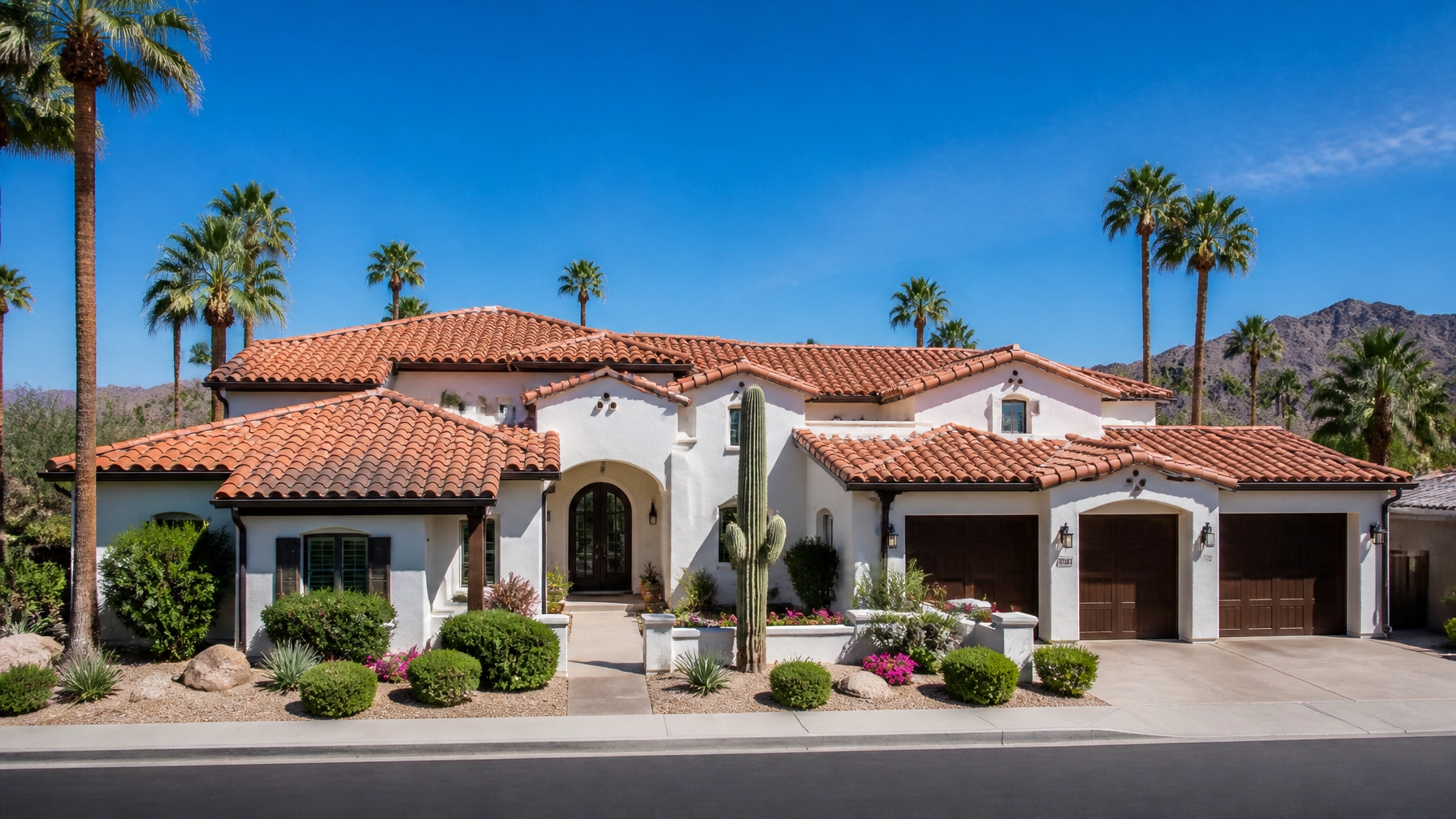
Replacing a roof in Phoenix isn't just about curb appeal; it’s a high-stakes investment in your home’s structural integrity and energy efficiency. With over 300 days of intense Arizona sun and summer temperatures regularly exceeding 110°F, your roof is the first line of defense against UV degradation and the violent "thermal shock" that occurs when a 160°F roof is suddenly hit by a 70°F monsoon downpour.
In 2026, the Phoenix roofing market is more complex than ever. Labor costs have stabilized, but material innovation for "cool roofs" has accelerated. Navigating the sea of contractors requires more than just getting three quotes: it requires asking the right technical and regulatory questions. At Get My Roof Estimate Now, we believe transparency starts with data. Before you commit to a $13,000 to $25,000 project, you need to vet your contractor using these five critical questions specifically tailored for the Valley of the Sun.
1. "Is your ROC license valid for residential work (R-42) and is your bond current?"
Arizona is one of the most strictly regulated states for contracting, and for good reason. The Arizona Registrar of Contractors (ROC) requires specific licenses for roofing. You must verify that your contractor holds an R-42 (Residential Roofing), C-42 (Commercial Roofing), or CR-42 (Dual) license.
Why does this matter? An unlicensed contractor: or one working outside their classification: leaves you with zero recourse through the ROC’s Residential Recovery Fund. In 2026, many "handymen" attempt to take on roofing projects, but Arizona law requires an ROC license for any project over $1,000.
Vetting Checklist:
- Verify the Classification: Ensure they aren't using a general remodeling license for a specialized roofing job.
- Check for Complaints: Use the ROC website to look for open complaints or a history of disciplinary actions.
- Bond Status: Confirm they have a current surety bond, which protects you if the contractor fails to complete the job or pay their suppliers.
2. "How will you mitigate 'Thermal Shock' and UV damage with the materials you recommend?"
Phoenix roofs experience some of the highest levels of UV radiation in the United States. This radiation breaks down the chemical bonds in asphalt shingles and causes underlayment to become brittle. Furthermore, "thermal shock": the rapid expansion and contraction of materials during the July–September monsoon season: can cause cracks in tile and shingles.

A qualified Phoenix contractor should be able to explain the specific "Cool Roof" benefits of the materials they offer.
- Concrete and Clay Tiles (Premium): Highly popular in Phoenix for their 50+ year longevity and natural air-gap insulation. A good contractor will recommend "Lift and Relay" services if your tiles are in good shape but your underlayment has failed.
- Metal Roofing (Efficiency): Standing-seam metal roofs are gaining massive traction in 2026 due to their ability to reflect up to 70% of solar radiation. Expect costs between $16,000 and $28,000 for a typical 2,200 sq. ft. home.
- Architectural Shingles (Popular): If you choose shingles, look for "Cool Roof" rated options from GAF or Owens Corning that utilize reflective granules to reduce attic temperatures by up to 20°F.
3. "Are you a manufacturer-certified installer for GAF, Owens Corning, or CertainTeed?"
In the roofing industry, the best warranties aren't provided by the contractor: they are provided by the manufacturer. However, companies like GAF or CertainTeed will only honor their "lifetime" or "system plus" warranties if the roof was installed by a certified contractor who follows their strict installation protocols.
Ask the contractor for their certification level (e.g., GAF Master Elite or Owens Corning Platinum Preferred). These certifications aren't handed out easily; they require the contractor to have a proven track record of quality, high credit ratings, and ongoing training.
The Warranty Gap:
If a non-certified contractor installs your roof and it leaks due to a material defect, the manufacturer may deny your claim. In the Phoenix heat, where shingles can "cook" if not ventilated correctly, having a manufacturer-backed warranty is essential.
4. "What is your monsoon season safety and protection protocol?"
If you are replacing your roof between July and September, you are in the middle of the Arizona monsoon season. Sudden, violent storms can appear with less than 30 minutes of warning, bringing 60+ mph winds and torrential rain.

Ask your contractor exactly how they protect your home's interior when the roof is "open."
- The Tarping Plan: Do they have enough heavy-duty, weighted tarps on-site for the entire exposed area?
- Sectional Replacement: Do they tear off only what they can dry-in (make waterproof) within a single day?
- On-Site Supervision: Will there be a project manager on-site to monitor weather radars?
A contractor who doesn't have a specific "monsoon plan" is a major liability for your home’s interior and ceilings.
5. "What are your payment terms and will you provide a lien waiver?"
Financial transparency is the hallmark of a reputable Phoenix roofing firm. In 2026, the standard for a reputable company is a 10% to 20% down payment.
Red Flags to Watch For:
- Large Upfront Requests: If a contractor asks for 50% or more before materials are delivered, walk away. This often indicates they are using your money to finish a previous job.
- Cash-Only Discounts: Avoid "under-the-table" deals. They offer no legal protection and often mean the contractor is skipping permits or insurance.
- Missing Lien Waivers: Once the job is done and you’ve paid, the contractor must provide a Lien Waiver. This document proves they have paid their material suppliers and subcontractors. Without it, a supplier could technically put a lien on your house if the contractor pockets your money without paying for the shingles.
Understanding Phoenix Roofing Costs in 2026
To help you budget, here are the current market ranges for a standard 2,000–2,200 sq. ft. single-family home in Phoenix:
| Material Type | Estimated Cost (Total Project) | Best For |
|---|---|---|
| Architectural Shingles | $8,000 – $15,000 | Budget-conscious homeowners |
| Metal (Standing Seam) | $16,000 – $28,000 | Energy efficiency & modern look |
| Concrete/Clay Tile | $18,000 – $30,000 | Longevity & Mediterranean style |
| Silicone Coating | $4,000 – $8,000 | Extending life of existing flat roofs |
Note: Prices vary based on roof pitch, complexity, and the number of existing layers that need to be removed.

Skip the Wait: Get Your Phoenix Estimate in 60 Seconds
The traditional way to vet contractors involves scheduling 3–4 separate appointments, waiting for people to show up at your house, and then waiting days for a written quote.
At Get My Roof Estimate Now, we’ve modernized the process. Using high-resolution satellite imagery, we can measure your roof’s size, pitch, and complexity with 95% accuracy without ever stepping foot on your property.
By entering your address into our online estimator, you get:
- Instant Pricing: Accurate ranges for shingles, tile, and metal.
- Zero Pressure: No high-pressure sales tactics in your living room.
- Vetted Connections: We connect you with local, licensed (ROC R-42), and insured Phoenix contractors who have already passed our rigorous vetting process.
Whether you're dealing with storm damage or planning for the future, start with the data. Get your free, 60-second roof estimate today and take the guesswork out of your Phoenix roof replacement.
Final Thoughts for Phoenix Homeowners
Don't let the desert sun dictate the terms of your roof replacement. By asking about ROC licensing, thermal shock mitigation, and manufacturer certifications, you position yourself as an informed homeowner. Remember, the cheapest quote is rarely the best value in Arizona; quality underlayment and expert installation are the only things standing between you and the 120°F summer heat.
Leave a Reply