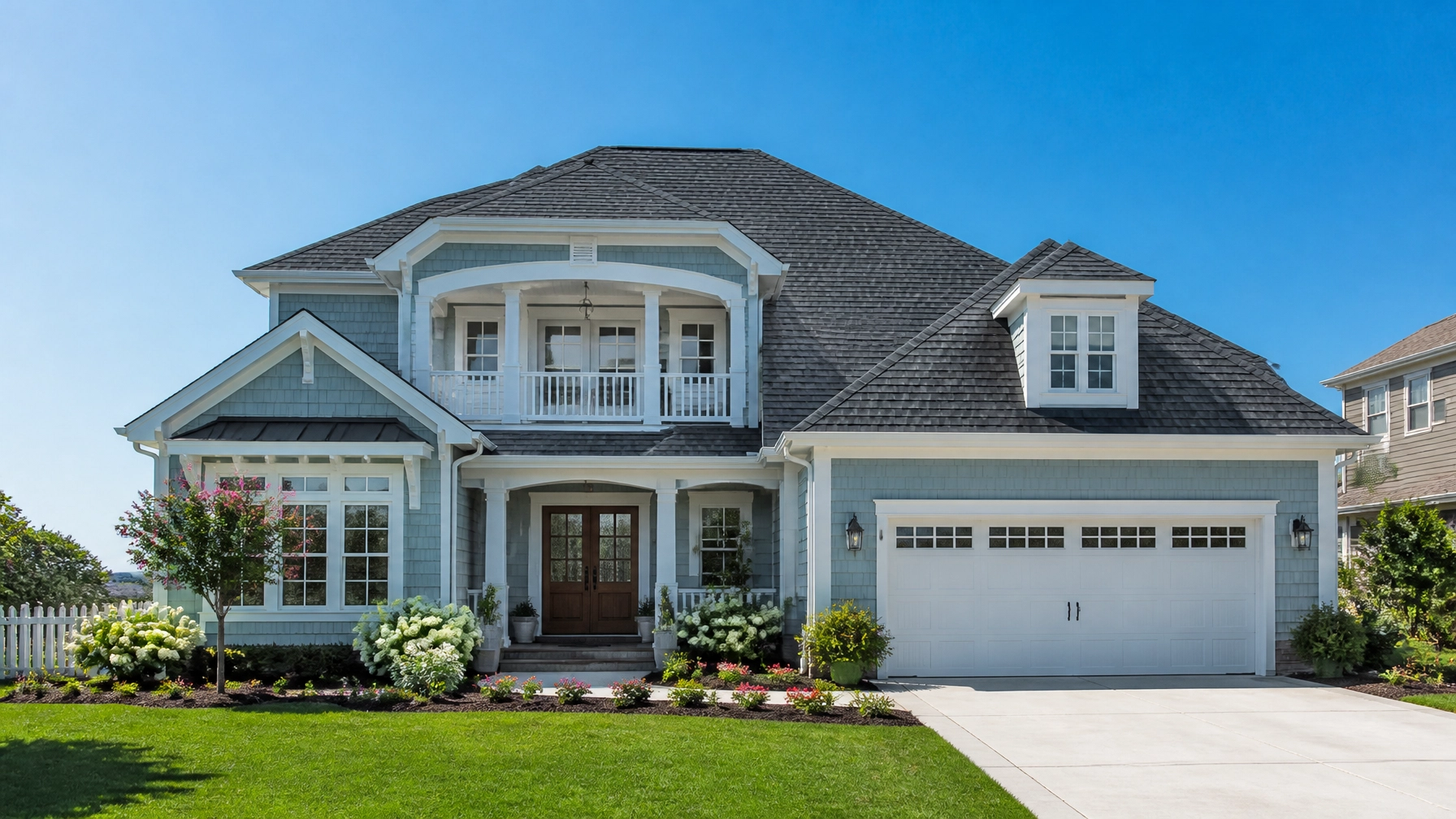
Navigating a roof insurance claim in Virginia Beach requires more than just calling your agent after a storm. In 2026, the landscape of residential roofing in Virginia has shifted, influenced by new legislation, evolving climate patterns, and advanced measurement technology. For homeowners in the 757, understanding the interplay between coastal weather risks and state-specific insurance laws is the difference between a fully funded replacement and a massive out-of-pocket expense.
Whether you are dealing with the aftermath of a hurricane or preparing for the next severe thunderstorm season, this guide breaks down exactly how to secure coverage for your Virginia Beach roof replacement.
The Virginia Beach Climate: A Constant Threat to Your Roof
Virginia Beach is a "humid subtropical" environment, but for homeowners, that translates to a high-stress environment for roofing materials. The city experiences over 40 hail events annually, and the period from April through September is notorious for severe thunderstorms that bring both high winds and damaging hail.
Furthermore, the official Atlantic hurricane season (June 1 through November 30) puts every coastal roof at risk. In 2026, insurers are increasingly looking for "Hurricane-Rated" shingles and wind-resistant materials that can withstand gusts up to 130 mph. If your roof is over 15 years old, these storms aren't just a threat: they are a catalyst for potential insurance non-renewal.
Section 1: The 2026 Legal Landscape (HB 677 and Underwriting)
One of the most significant changes for Virginia homeowners is the impact of Virginia House Bill 677. While many insurers previously used "roof age" as a blanket reason to cancel or non-renew policies, the law now provides specific protections for roofs under 15 years old.
- Roofs Under 15 Years (Protected): Insurers generally cannot refuse coverage or cancel a policy solely because an asphalt shingle roof is less than 15 years old.
- The "5-Year Rule" (Condition): If an authorized inspector determines your roof has at least five years of useful life remaining, the insurer cannot cancel your policy based solely on condition.
- Roofs 15+ Years (Budget/Planning): If your roof has hit the 15-year mark, expect your insurer to require an inspection before renewal. This is the stage where many homeowners discover that their Virginia roof replacement 2026 needs are imminent.

Section 2: Understanding Your Deductibles (Standard vs. Wind)
In coastal Virginia, you don't just have one deductible: you likely have two. This distinction is critical when calculating your Richmond roof replacement cost and overall out-of-pocket responsibility.
- Standard Deductible (Flat Rate): This applies to "All Other Perils" (AOP), such as a fire or a fallen tree. It is typically a fixed amount like $1,000 or $2,500.
- Wind/Hurricane Deductible (Percentage-Based): Because of our proximity to the Atlantic, many policies include a wind-specific deductible that is 1% to 5% of your home’s total insured value. If your home is insured for $400,000, a 2% wind deductible means you pay the first $8,000.
Pro-Tip: Virginia law makes it illegal for contractors to waive, pay, or rebate your deductible. Any contractor offering to "cover your deductible" is violating the Virginia Consumer Protection Act. If they are willing to break the law on your contract, they will likely cut corners on your roof.
Section 3: The "Reasonable Appearance" Standard
Virginia does not have a strict "matching law" like some other states. Instead, most claims are handled under the "Like Kind and Quality" clause. If a storm damages one side of your roof, the insurer may only offer to pay for that specific slope.
However, if the shingles are discontinued or the color difference would be jarringly mismatched, you can argue for a full replacement based on "Reasonable Appearance." This is where high-quality documentation is vital. A Richmond roofing contractor with experience in insurance claims will use photo evidence to prove that a partial repair would devalue your home's curb appeal.
Section 4: Data-Driven Costs for Virginia Beach (2026)
Based on current data, here is what homeowners should expect for roof replacement cost Richmond VA 2026 and Virginia Beach markets:
| Material Type | Estimated Cost (2,000 sq ft) | Key Benefit |
|---|---|---|
| Architectural Shingles | $8,500 – $16,000 | Popular: Balanced cost and 130mph wind rating. |
| Hurricane-Rated Shingles | $12,000 – $19,000 | Premium: Enhanced bond strength for coastal winds. |
| Metal Roofing | $18,000 – $23,000 | Durable: Maximum longevity and storm resistance. |
The average cost for a standard 2,000 sq ft home in Virginia Beach currently sits at $14,000 for architectural shingles.
Section 5: The Satellite Advantage for Accurate Claims
The days of a contractor climbing a ladder with a tape measure to guess your roof's size are over. To get a claim approved quickly, you need precision.
Using a satellite roof estimate Richmond or Virginia Beach service provides a digital footprint of your roof that is accurate to within inches. Insurers respect these reports because they are objective, third-party data.

Why accuracy matters in 2026:
- Zero Disputes: Eliminates the "he-said, she-said" regarding roof square footage.
- Instant Pricing: You can get a free instant roof estimate in under 60 seconds.
- Material Calculation: Precisely calculates the number of "squares" (100 sq ft sections) needed, ensuring your insurance payout covers the actual material cost.
Section 6: How to Vet a Virginia Beach Contractor
In Virginia, contractors must be licensed through the Department of Professional Occupations and Regulation (DPOR). When hiring for your replacement, follow these non-negotiables:
- License Level: Ensure they hold a Class A or Class B license. Class C licenses have strict monetary limits that may not cover a full roof replacement.
- Local Presence: Avoid "storm chasers" who disappear after the job. Look for a physical office in the Hampton Roads area.
- Certificate of Insurance (COI): Verify they have active General Liability and Workers' Comp insurance.
- Timeframe: You generally have 1 to 2 years from the date of loss (the storm date) to file a claim. Don't wait until the roof starts leaking to act.

Conclusion: DIY vs Pro Roof Replacement
While some homeowners consider a DIY vs pro roof replacement Richmond VA approach to save money, it is highly discouraged for insurance-funded projects. Insurance companies require "proof of professional installation" to maintain your warranty and future insurability. A DIY roof in a coastal zone like Virginia Beach is a liability that could lead to a total loss of coverage during the next hurricane.
Ready to start? Don't wait for a contractor to find time in their schedule. Get your instant, satellite-powered roof estimate right now and walk into your insurance claim with the data you need to win.
Leave a Reply