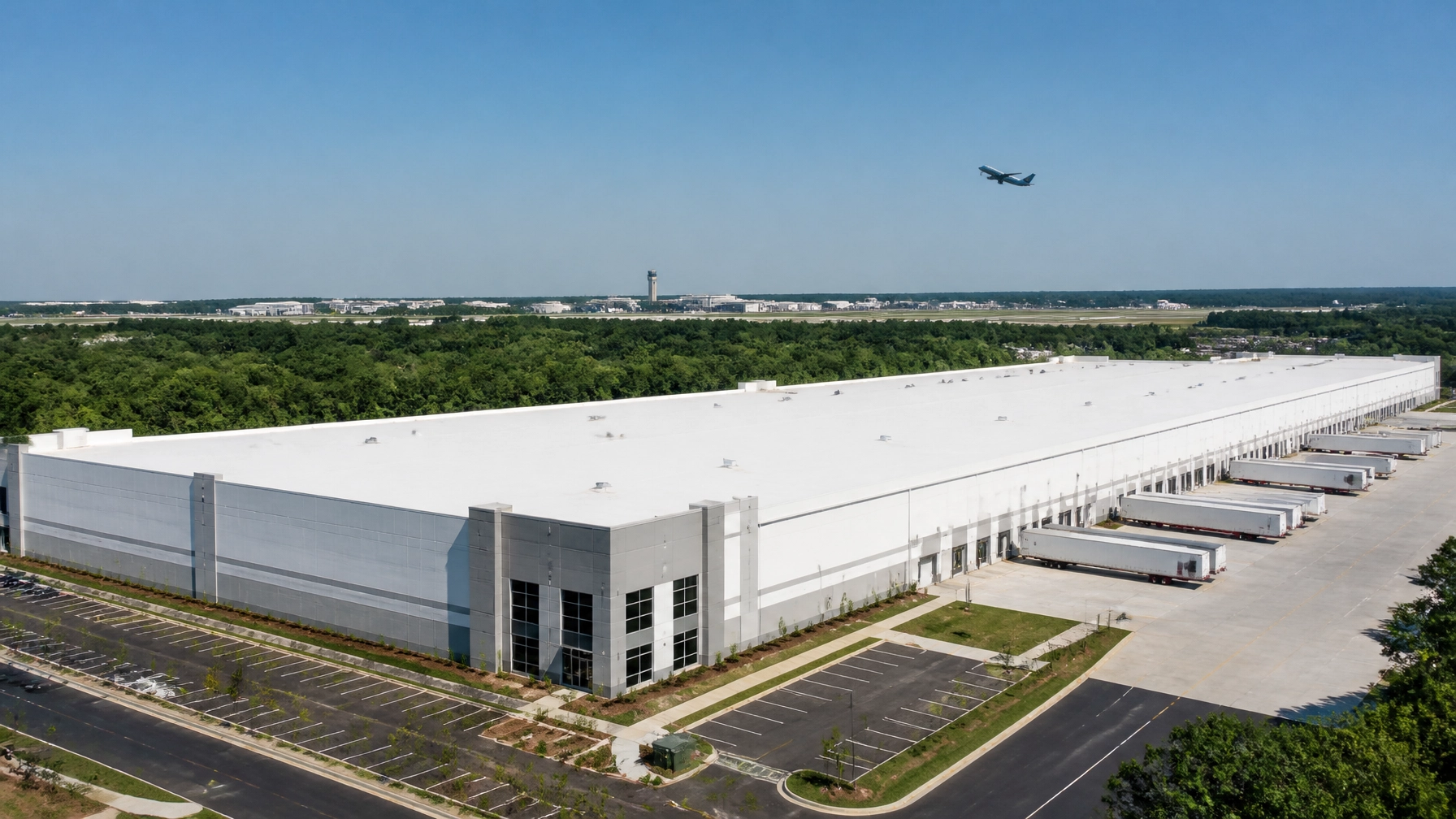
Charlotte, North Carolina, has solidified its position as the premier logistics powerhouse of the Southeast. With Charlotte Douglas International Airport (CLT) serving as a critical cargo hub and the strategic intersection of I-85 and I-77, businesses here are under constant pressure to optimize supply chain speed and security.
In 2026, staying competitive means mastering the complexities of the Authorized Economic Operator (AEO) and C-TPAT programs. For Charlotte-based manufacturers, 3PLs, and distributors, these certifications are no longer "nice-to-have": they are essential for survival. This FAQ blitz provides quick, data-driven answers to your most pressing logistics and infrastructure questions.
Logistics & Supply Chain Security FAQs
What is the difference between AEO and C-TPAT in 2026?
Authorized Economic Operator (AEO) is a global standard for supply chain security and compliance. C-TPAT (Customs-Trade Partnership Against Terrorism) is the specific U.S. version of this program. By 2026, Mutual Recognition Arrangements (MRAs) mean that having C-TPAT status in Charlotte effectively grants you AEO-level benefits when exporting to major partners like the EU, Canada, and Japan.
How does being a "Trusted Trader" help at CLT Cargo Hub?
Charlotte Douglas (CLT) handles millions of pounds of cargo annually. If your business is C-TPAT certified, your shipments are assigned a lower risk score by U.S. Customs and Border Protection (CBP). This results in:
- Fewer Inspections: Significant reduction in the frequency of cargo examinations.
- Front-of-the-Line Priority: If an inspection is required, your cargo is moved to the front of the queue.
- Green Lane Access: Faster processing through the CLT customs portal.
What are the benefits of Foreign-Trade Zone (FTZ) 57?
FTZ 57 is Charlotte’s designated zone that allows businesses to delay, reduce, or eliminate duties.
- Duty Deferral (Budget): Pay duties only when goods enter the U.S. market.
- Duty Elimination (Strategic): No duties on goods re-exported from Charlotte to international markets.
- Weekly Entry (Efficiency): Consolidate customs entries into one weekly filing to save on Merchandise Processing Fees (MPF).

Infrastructure Management: Protecting Your Assets
While optimizing your logistics flow is critical, maintaining the physical facility that houses your inventory is equally important. For warehouse managers in Charlotte, the roof is the first line of defense against the unpredictable North Carolina weather.
Why does warehouse roofing matter for AEO/C-TPAT?
Facility security is a pillar of C-TPAT. A compromised roof (leaks, structural weakness) not only threatens your inventory but can also be flagged as a security vulnerability during a CBP validation. High-performance roofing systems like TPO or EPDM are the standard for Charlotte's massive distribution centers.
What is the current roof replacement cost in Charlotte for 2026?
For commercial facilities (Flat/Low-Slope), businesses should plan for $5.00 to $12.00+ per square foot.
- Small Warehouse (5,000 sq. ft.): $25,000 – $60,000 (Standard TPO).
- Mid-Size Hub (10,000 sq. ft.): $50,000 – $120,000 (High-Performance).
- Large Distribution Center (20,000+ sq. ft.): $100,000+ (Complex Systems).
For residential properties or small office-converted-homes:
- Standard Ranch (2,000 sq. ft.): $10,000 – $16,000 (Architectural Shingles).
- Large Colonial (3,000+ sq. ft.): $18,000 – $25,000+ (Premium Materials).

Speed & Technology: The New Standard
In the same way that AEO status speeds up your customs clearance, technology is now speeding up how you manage your facility. You no longer need to wait days for a roofing contractor to visit your site just to get a ballpark figure for your budget.
Can I get an instant roof estimate without a site visit?
Yes. Using advanced satellite imagery technology, homeowners and facility managers in Charlotte can now receive a roof replacement cost estimate in under 60 seconds. Our tools measure your roof’s size, pitch, and complexity with 90-95% accuracy, providing a transparent price range based on current 2026 material costs in North Carolina.
How do I find a verified roofing contractor in Charlotte?
Once you have your instant roof estimate, it is vital to connect with a licensed, insured, and vetted professional. Look for contractors who specialize in "Charlotte-proof" materials: those designed to withstand the humidity and storm patterns of the Piedmont region.

Final Blitz Checklist for Charlotte Businesses
- Validate C-TPAT Status: Ensure your security profile is updated in the CBP portal.
- Audit FTZ 57 Usage: Check if your "inverted tariff" opportunities are being maximized.
- Assess Your Roof: Use satellite-powered tools to check your roof-cost-calculator and plan your 2026 capital expenditures before storm season hits.
Whether you are moving cargo through CLT or managing a 50,000-square-foot facility near the airport, speed and accuracy are your greatest assets. Don't let outdated logistics or aging infrastructure slow you down.
Leave a Reply