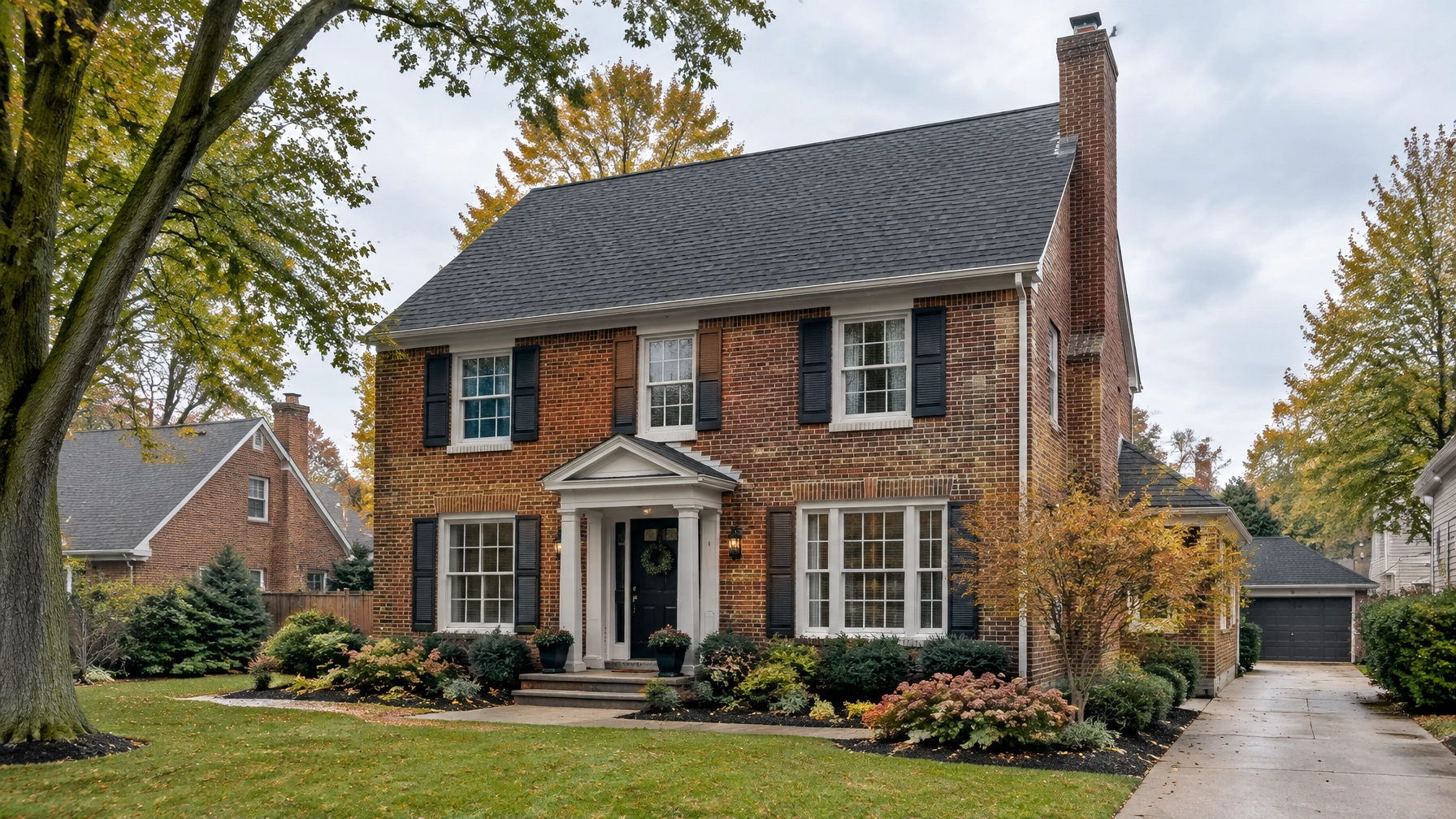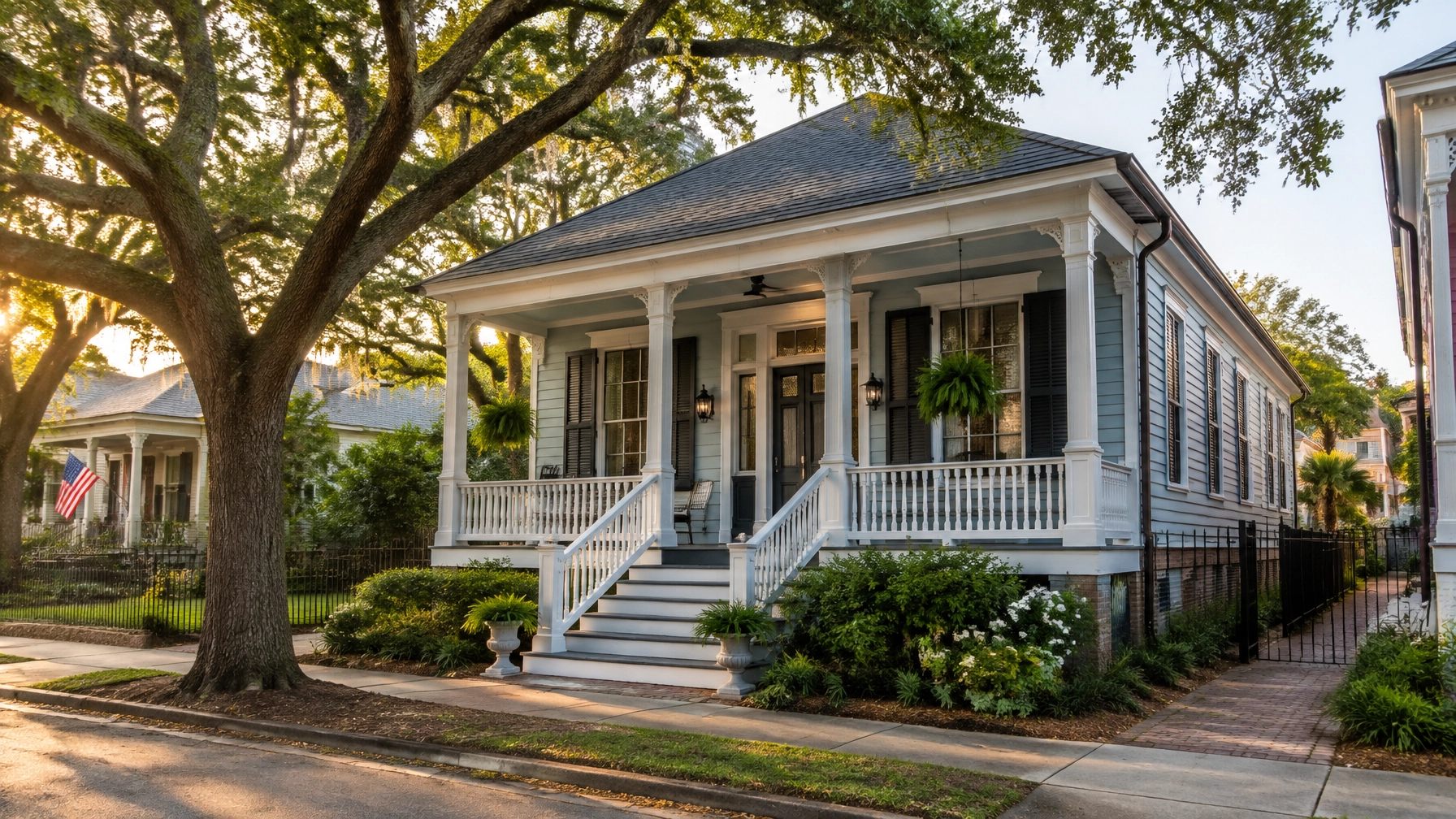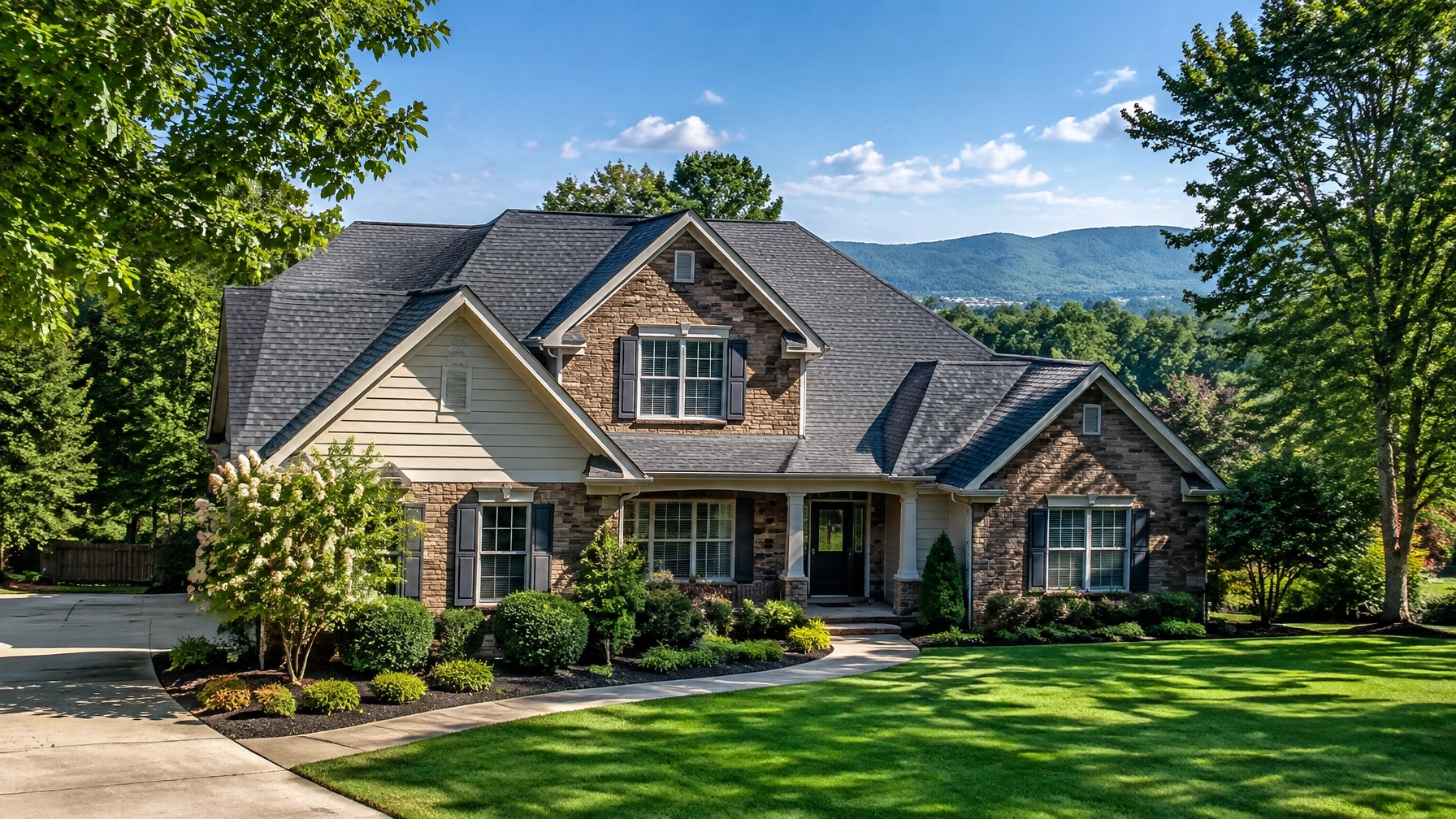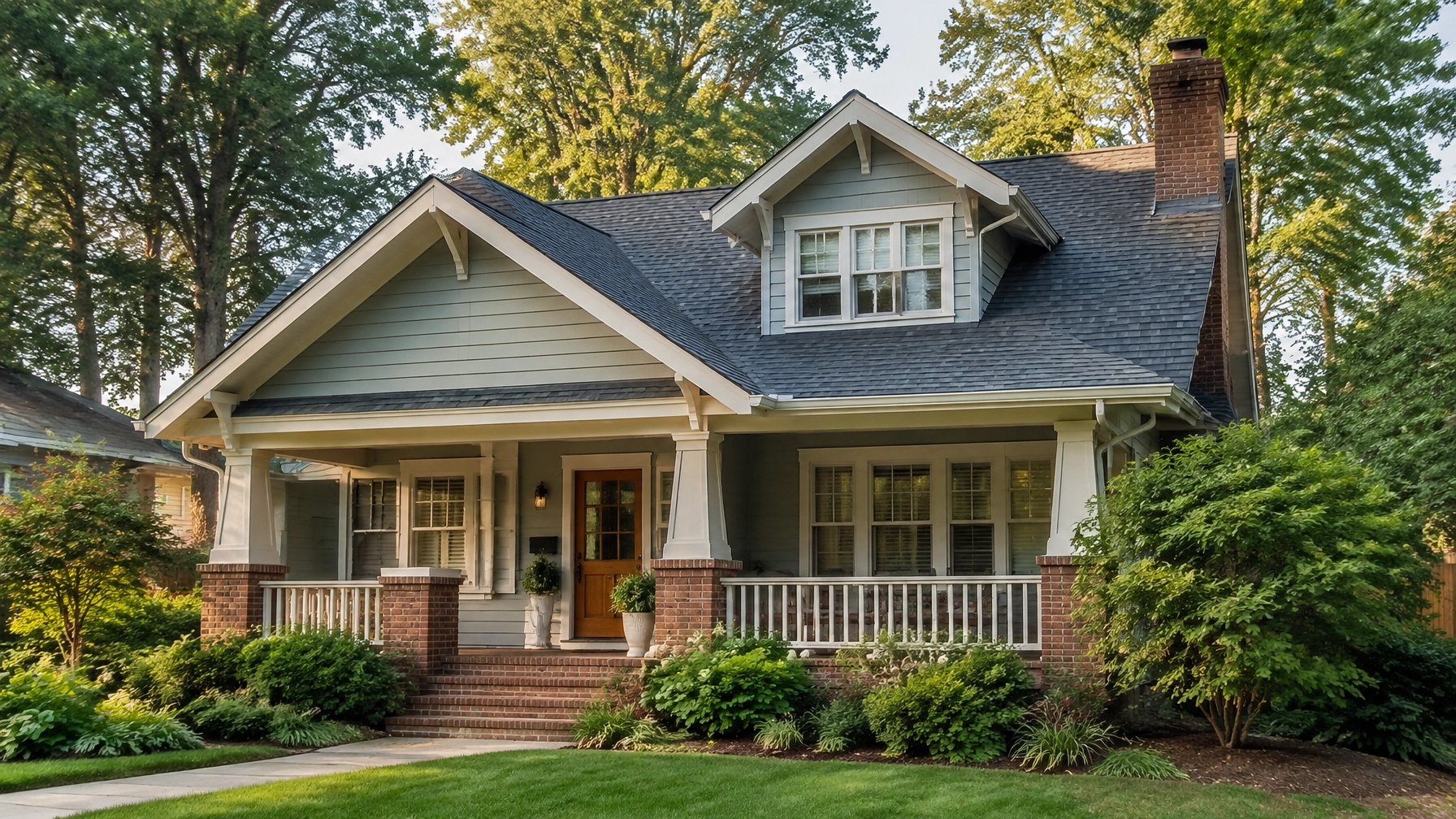
Dallas is heading into a dangerous combination of heat, drought, and long-term roof stress.
The National Weather Service Fort Worth/Dallas has issued a Heat Advisory for Monday, September 14, 2026, with forecast highs around 101–102°F and heat index values reaching 105–107°F. DFW Airport has also reached approximately 60 consecutive days without measurable rain, tying a significant drought streak reported by local media.
A strong high-pressure ridge remains locked over North Texas. No meaningful rain is expected in the next seven days. Some additional cloud cover and upper-90s temperatures may arrive later in the week, but forecasters are not calling it true relief.
For homeowners, this is more than a heat story. Sixty rainless days followed by North Texas’ inevitable return to severe thunderstorms can expose weak roofing systems quickly.
Dallas Weather Snapshot: September 14, 2026
- Location: Dallas–Fort Worth, Texas
- High temperature: Approximately 101–102°F
- Peak heat index: Approximately 105–107°F
- Weather alert: NWS Heat Advisory through Monday evening
- Rainfall pattern: About 60 consecutive days without measurable rain at DFW Airport
- Seven-day outlook: Persistent heat with no significant rainfall expected
- Primary concern: Prolonged UV and thermal stress before the next heavy storm cycle
The NWS Fort Worth office remains the best source for current watches, warnings, and forecast updates. Homeowners should also monitor local alerts from trusted Dallas–Fort Worth weather outlets.
What This Heat-and-Drought Pattern Means for Your Roof
A roof does not need a visible leak to be deteriorating. North Texas heat can weaken roofing materials gradually, then heavy rain reveals the damage all at once.
1. UV exposure accelerates shingle aging
Every day of intense sun exposes asphalt shingles to ultraviolet radiation. Over time, UV can:
- Dry and embrittle the asphalt mat
- Reduce flexibility around roof penetrations
- Accelerate granule loss
- Cause surface cracking and blistering
- Fade shingle color and reduce protective reflectivity
Granules protect the asphalt from sunlight. When they collect in gutters or wash into downspouts, that is a practical sign that the roof surface is wearing down.
2. Thermal expansion stresses the roof system
A roof can become dramatically hotter than the surrounding air. Shingles, flashing, pipe boots, underlayment, and decking expand during the day and contract after sunset.
That repeated movement can stress:
- Flashing around chimneys and walls
- Valley metal and sealant
- Ridge vents and roof penetrations
- Nail lines and shingle bonds
- Areas where different materials meet
This is especially important on older roofs already approaching the end of their expected service life.
3. Drought changes how rain reaches the home
After an extended dry spell, the first major storms can bring intense rainfall rather than gentle soaking rain. Hardened soil may shed water quickly, increasing runoff around the foundation and through roof drainage systems.
A roof with marginal flashing, clogged gutters, weak valleys, or brittle shingles may perform adequately during dry weather but fail when several inches of rain arrive in a short period.
That is the North Texas drought-to-downpour problem: long periods of heat and dryness can hide roof weakness until a sudden storm tests every seam.

North Texas Is Hail Alley for a Reason
Dallas sits in one of the most active hail regions in the country. The primary North Texas hail season typically runs from March through June, with April often representing the peak month. However, damaging hail and severe thunderstorms can occur outside that window.
The historic example is the May 5, 1995, Mayfest storm. According to the National Weather Service Fort Worth account, the storm produced:
- Softball-sized hail
- Hailstones up to approximately 4.5 inches in diameter
- Wind gusts reaching about 70 mph
- Extremely heavy rainfall and flash flooding
- More than 400 injuries
- Approximately $2 billion in damage across Tarrant and Dallas counties
The April 2011 severe weather outbreak is another reminder that North Texas roofs may face large hail, straight-line winds, and flooding in the same event.
Hail is now the leading cause of homeowners insurance losses in Texas. A Dallas Morning News analysis reported that average premiums in parts of North Texas have risen approximately 80% since 2020. In major Dallas–Fort Worth hail events, roofing damage has represented more than 90% of residential hail claim payouts.
That makes roof condition a financial issue as well as a structural one.
Hail Damage vs. Normal Heat Wear
These two types of damage can look similar from the ground, but they develop differently.
Hail damage (Storm-related)
Common signs include:
- Random circular bruises or impact marks
- Cracked or fractured shingles
- Exposed fiberglass mat
- Damaged ridge caps
- Dented soft metals, such as vents and gutters
- Fresh granules scattered below downspouts
- Damage concentrated on one or more roof slopes
Hail strikes may not create an immediate leak. A shingle can remain in place while its protective surface is fractured.
Heat and age-related wear (Gradual deterioration)
Typical signs include:
- Curling or cupping edges
- Uniform granule loss
- Brittle or cracked shingles
- Faded surface color
- Exposed nail heads
- Repeated sealant failure
- Widespread deterioration across multiple slopes
The distinction matters when documenting an insurance claim. Take photos from the ground after a storm, but do not climb onto the roof. The Texas Department of Insurance recommends documenting damage, preventing additional water intrusion, getting more than one estimate, and avoiding full upfront payment.
Dallas Roof Replacement Costs for 2026
The following ranges are useful for budgeting. Your final price depends on the measured roof area, pitch, complexity, tear-off requirements, decking condition, material choice, and local labor.
Architectural shingles (Popular)
- Installed price: Approximately $450–$695 per square
- Typical full replacement: Approximately $10,000–$16,000
- Larger or complex roofs: Approximately $16,000–$28,500
One roofing square equals 100 square feet of roof area. A roof with multiple valleys, dormers, steep sections, or difficult access will typically cost more than a simple ranch roof with the same footprint.
Class 4 impact-resistant shingles (Storm-focused)
- Typical upgrade: Approximately $1,500–$3,000 above a standard architectural shingle replacement
- Testing standard: UL 2218 impact resistance
- Potential insurance savings: Approximately 15%–35% on the wind-and-hail portion of a policy, depending on the carrier and policy terms
A Class 4 rating does not make a roof hailproof. It can, however, improve resistance to impact damage and may reduce long-term insurance costs. Confirm the discount with your insurer before choosing the upgrade.
Metal roofing (Premium)
Metal roofing generally costs more upfront but offers a longer potential service life and strong resistance to sun exposure. Company-wide roofing material benchmarks place installed metal roofing around $8–$16 per square foot, depending on the system, profile, insulation, underlayment, flashing, and labor.
Use the Dallas roof estimate page for a local starting point, or compare broader materials through the roofing materials guide.
Pre-Storm Roof Checklist for Dallas Homeowners
The current dry weather creates a useful inspection window. Before the next significant storm:
- Check gutters for excessive shingle granules.
- Look for cracked, curling, or missing shingles from ground level.
- Inspect visible flashing around chimneys, walls, skylights, and vents.
- Confirm that valleys are clear of leaves and debris.
- Check whether downspouts discharge water away from the foundation.
- Look for loose or damaged ridge caps.
- Inspect attic ventilation and confirm that intake and exhaust vents are not blocked.
- Review your homeowners insurance deductible and wind-and-hail coverage.
- Photograph current roof conditions for your records.
- Schedule a professional inspection if the roof is more than 15 years old or has experienced prior hail.
Do not wait for rain to reveal a problem. A pre-rain inspection can identify small repairs before they become interior water damage.

Roofing Details That Matter in North Texas
When replacing a roof, ask contractors about more than shingle color.
Important specifications include:
- Wind-rated nailing: Confirm the required nail pattern and installation method.
- High-quality underlayment: This provides a secondary water barrier.
- Ice-and-water or enhanced leak protection: Especially useful around valleys and vulnerable transitions.
- Proper attic ventilation: Balanced intake and exhaust ventilation can reduce heat buildup.
- Flashing replacement: Reusing damaged or corroded flashing can undermine a new roof.
- Impact rating: Compare standard architectural shingles with UL 2218 Class 4 products.
- Written scope of work: Require details for tear-off, decking repairs, disposal, permits, and warranties.
A new roof installed over weak flashing or poor ventilation can still develop problems prematurely.
Get a Dallas Roof Estimate Before the Next Storm
You do not need to schedule several contractor visits just to establish a planning budget.
Get My Roof Estimate Now uses satellite imagery to measure your roof’s size, pitch, and complexity. Enter your Dallas address and receive a free estimate in approximately 60 seconds: with no credit card and no obligation.
You can compare low, middle, and high price ranges for materials such as architectural shingles, impact-resistant shingles, metal, and other roofing systems. The estimate is a planning tool, not a substitute for a close visual inspection, but it gives you a property-specific starting point before severe weather returns.

This September, the message is straightforward: extreme heat can shorten the useful life of an aging roof, and the next major downpour may expose weaknesses that dry weather has concealed. Use the current dry window to inspect, document, price, and plan.