Author: James Turner

  • Daily Weather Blitz – Slot 8: Austin, TX : August 27, 2026: Heat Advisory With a 109°F Heat Index, 40% Afternoon Storm Chances & What Triple-Digit Streaks and Hill Country Hail Test on Your Roof

    Daily Weather Blitz – Slot 8: Austin, TX : August 27, 2026: Heat Advisory With a 109°F Heat Index, 40% Afternoon Storm Chances & What Triple-Digit Streaks and Hill Country Hail Test on Your Roof

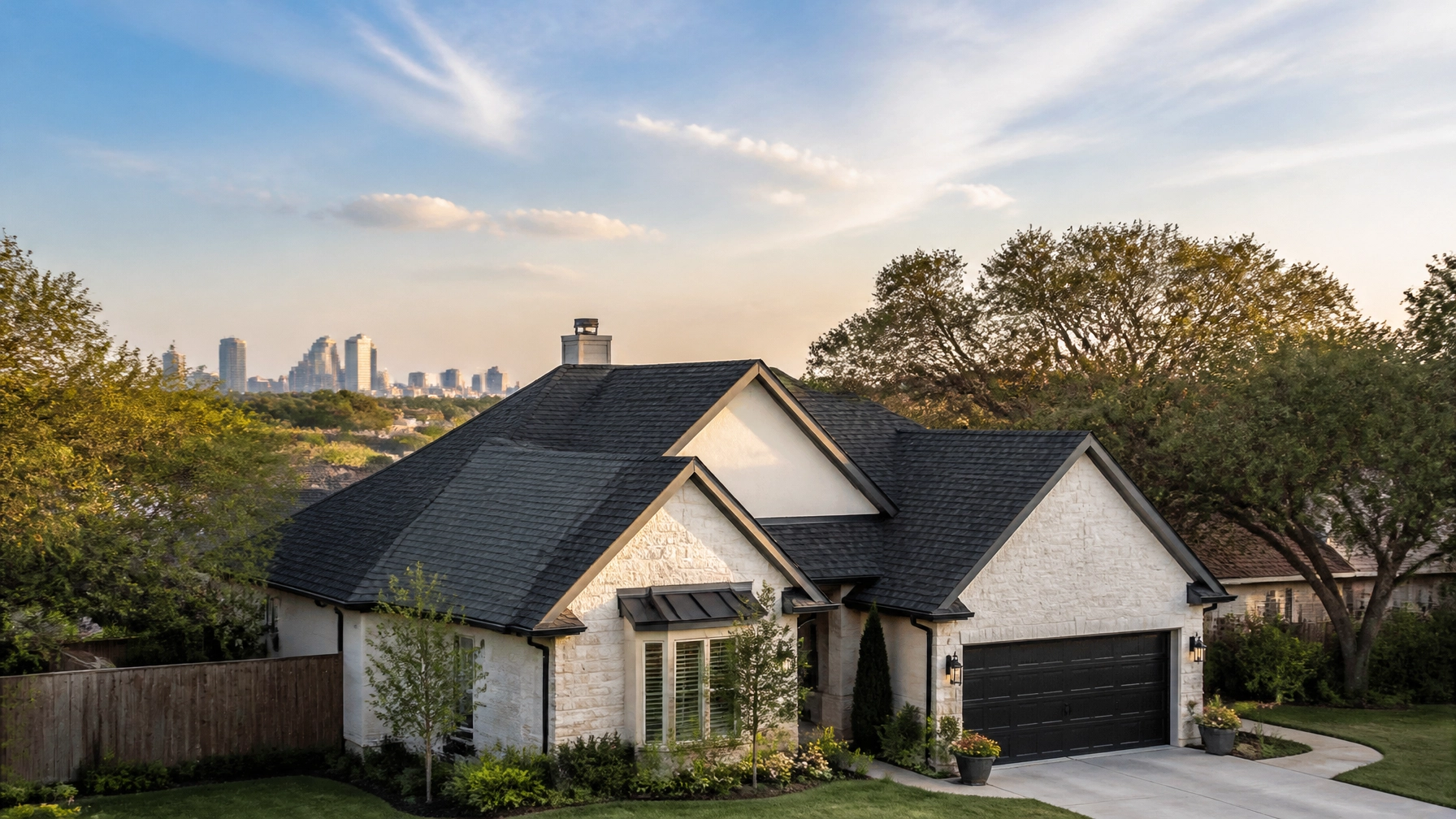
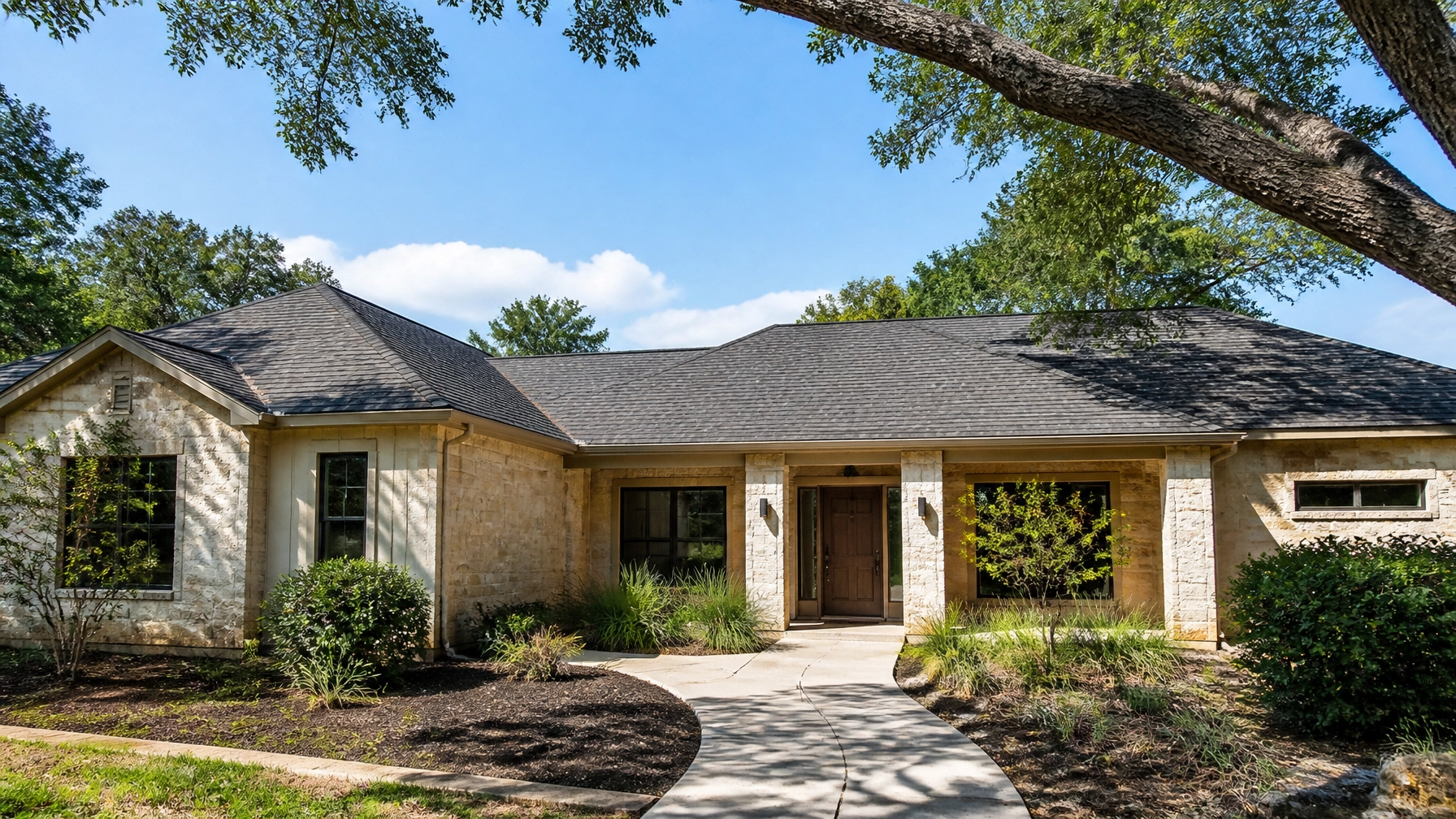
    Image credit: Get My Roof Estimate Now : AI-generated editorial image.

    Austin is facing a two-part roof durability test: extreme heat today and a continuing risk of sudden thunderstorms. The National Weather Service Austin/San Antonio issued a Heat Advisory for Travis County through 7 PM CDT Thursday, August 27, with afternoon heat index readings reaching up to 109°F.

    That matters to homeowners because Central Texas roofs absorb far more heat than the air temperature suggests. After weeks of triple-digit conditions, roofing materials, flashing, sealants, and attic systems are all under pressure.

    Austin Weather Snapshot: August 27, 2026

    The latest verified forecast issued by the NWS Austin/San Antonio office shows dangerous heat with a limited but meaningful afternoon storm chance.

    Period Forecast Roofing relevance
    Thursday afternoon Mostly sunny, around 102°F; some reports cite 104°F Roof surfaces can become significantly hotter than the air
    Heat index Up to 109°F Unsafe conditions for outdoor roof inspections and repairs
    Rain chance today 40% chance of showers and thunderstorms Lightning, gusty outflow winds, and isolated hail remain concerns
    Tonight Partly cloudy, upper 70s, 20% rain chance Check for leaks after any storm activity
    Friday Sunny, around 101°F; heat index up to 110°F Continued thermal stress
    Saturday–Sunday Near 100°F; heat index up to 107°F Saturday and 105°F Sunday Little recovery for roof materials or attic temperatures
    Monday–Wednesday Mostly clear, upper 90s; heat index up to 105°F No meaningful seven-day rain relief

    Austin had already recorded 23 days at or above 100°F by August 20 and was in a five-day triple-digit streak. The current pattern could push toward 17 consecutive 100°F days by the end of August. For context, Austin’s all-time record is 45 consecutive 100°F days, set from July 8 through August 21, 2023.

    What Extreme Heat Does to an Austin Roof

    A roof does not simply get “hot.” It repeatedly expands during the day and contracts as temperatures fall overnight. That daily movement is called thermal cycling, and it becomes more intense during prolonged heat.

    Thermal cycling stresses shingles and flashing

    Asphalt shingles, underlayment, metal components, pipe boots, and flashing all respond differently to temperature changes. Over time, repeated expansion and contraction can:

    • Loosen or stress flashing joints
    • Dry out sealants around vents and penetrations
    • Reduce the flexibility of rubber pipe boots
    • Open small pathways around chimneys and skylights
    • Expose weak areas that may leak during the next storm

    Granule loss and brittle shingles

    Extreme ultraviolet exposure can accelerate aging in asphalt shingles. Look for:

    • Granules collecting in gutters or downspout outlets
    • Shiny or exposed patches on shingle surfaces
    • Cracked, brittle, or easily broken tabs
    • Curling corners or lifted edges
    • Dark streaks that may conceal broader wear

    Standard asphalt shingles in the Austin climate commonly last 15–25 years, depending on installation quality, ventilation, roof orientation, maintenance, and storm exposure. A roof near the end of that range may look acceptable from the street but have limited remaining flexibility.

    Why Afternoon Storms After a Dry Stretch Deserve Attention

    Thursday’s 40% afternoon shower and thunderstorm chance does not mean every Austin neighborhood will receive rain. It means conditions are favorable for hit-or-miss storms, especially near the Hill Country and along the I-35 corridor.

    A dry stretch can make small problems more visible. Baked-out sealants and weakened flashing may hold during dry weather but fail when a brief storm sends water across the roof.

    After a storm, inspect from the ground for:

    • New ceiling stains or damp attic insulation
    • Water around recessed lights or bathroom exhaust fans
    • Overflowing or displaced gutters
    • Missing ridge caps or lifted shingles
    • Debris lodged near valleys and roof penetrations
    • Shingle pieces in the yard

    Do not climb onto a hot or wet roof. If you hear thunder or see lightning, stay off the roof and wait for conditions to clear.

    Austin-area home with a fresh Class 4 impact-resistant shingle roof and storm clouds approaching

    Image credit: Get My Roof Estimate Now : AI-generated editorial image.

    Hail Risk and the Balcones Escarpment Angle

    Austin sits in a high-risk hail and severe-wind region. During the primary severe weather season: typically March through June: dry-line collisions and terrain lift near the Balcones Escarpment can help produce strong storms. April is often the most active month, but summer thunderstorms can still bring hail and damaging wind.

    Today’s forecast emphasizes heat, lightning, and gusty winds rather than a widespread severe hail event. However, isolated stronger cells can develop quickly. A 40% area-wide storm chance does not tell you whether your specific roof will receive heavy rain, strong wind, or small hail.

    Hail damage may be invisible

    Hail can bruise an asphalt shingle’s fiberglass mat without immediately stripping away large amounts of granules. From the ground, the roof may appear intact.

    A professional inspection should check:

    • Soft or bruised areas on shingles
    • Fractured fiberglass mats
    • Cracked ridge caps
    • Damaged vents, skylights, and metal flashing
    • Dented gutters and downspouts
    • Impact marks on siding, fences, and air-conditioning equipment

    For Austin homeowners replacing a roof, Class 4 impact-resistant shingles or standing-seam metal can be sensible options in hail country. They are not hail-proof, but they are designed to provide greater impact resistance than standard shingles.

    Attic Heat, Ventilation, and Energy Costs

    Roof performance is connected to what happens below the roof deck. During a triple-digit streak, a poorly ventilated attic can become substantially hotter than the outdoor air. That added heat can increase air-conditioning demand and place more stress on shingles and roof decking.

    A balanced ventilation system typically combines:

    • Intake ventilation through soffits or eaves
    • Exhaust ventilation through ridge, box, or appropriately designed vents
    • Adequate insulation at the attic floor
    • Proper air sealing around penetrations
    • A radiant barrier where appropriate for the home’s design

    Ventilation is not a substitute for insulation, and adding vents without adequate intake can produce limited results. A roofing professional should evaluate the complete attic system rather than recommending a single product.

    Residential Austin attic showing clean roof-deck ventilation and radiant-barrier details

    Image credit: Get My Roof Estimate Now : AI-generated editorial image.

    2026 Austin Roof Replacement Cost Benchmarks

    Roof replacement costs depend on roof size, pitch, complexity, tear-off requirements, decking repairs, material choice, labor, and local pricing. A typical Austin single-family project may fall between $9,000 and $25,000, but your roof’s measured area is the starting point.

    One roofing square equals 100 square feet.

    Architectural asphalt shingles (Popular)

    • $4.73–$9.50 per square foot
    • Approximately $473–$950 per square
    • A practical balance of appearance, availability, and cost
    • Class 4 options may cost more than standard shingles

    Standing-seam metal roofing (Premium)

    • $8.40–$18.00 per square foot
    • Approximately $840–$1,800 per square
    • Long service life and strong wind performance when properly installed
    • Higher initial investment and more specialized installation

    Basic or entry-level asphalt options (Budget)

    • Usually below premium architectural systems
    • Lower upfront material cost
    • May offer less impact resistance and shorter expected service life in severe conditions

    For a faster planning number, use the Texas roof estimate page, review the roof cost calculator, and compare metal roofing with shingles.

    Does a New Roof Add Value to an Austin Home?

    Roof value is not limited to the invoice. Buyers notice roof age, visible wear, material quality, and whether the home appears ready for the next storm season.

    A replacement can support:

    • New roof ROI home value: A newer roof may reduce buyer concerns and improve the overall condition profile of the home.
    • Roof replacement resale value: Buyers may be more comfortable making an offer when a major near-term expense has already been addressed.
    • Roof curb appeal home value: Clean rooflines and modern shingles can improve first impressions.
    • Best roof for home value: The best choice depends on neighborhood expectations, budget, climate exposure, and how long you plan to own the home.
    • Roof replacement ROI: The return is often strongest when the new roof solves visible deterioration, improves storm resistance, and complements the home’s architecture.

    No roofing material guarantees a specific return. The right decision is one that matches the property and avoids over-improving beyond the local market.

    Austin Heat and Storm Readiness Checklist

    Use this checklist before and after the next weather change:

    • Check the attic for damp insulation, musty odors, or daylight through the roof deck.
    • Look for curled, cracked, brittle, or missing shingles from ground level.
    • Clean leaves and debris from valleys and gutters.
    • Confirm that downspouts direct water away from the foundation.
    • Inspect visible flashing around vents, chimneys, and wall transitions.
    • Trim branches that could scrape the roof or fall during gusty winds.
    • Secure patio items and other loose objects before afternoon storms.
    • Do not schedule roof work during the heat advisory without strict heat-safety procedures.
    • Move roof inspections to early morning when possible.
    • Leave the roof immediately when thunder, lightning, strong gusts, or hail approaches.
    • Photograph possible storm damage from a safe location.
    • Arrange a professional inspection if you suspect hail damage: do not rely only on visible granule loss.

    Get an Instant Austin Roof Estimate

    Austin’s current weather pattern is a reminder that roofs face more than one seasonal threat. Extreme summer heat and UV exposure test materials now; spring hail and severe wind test them later.

    Before scheduling multiple contractor visits, get a free, satellite-powered roof estimate from Get My Roof Estimate Now. Enter your address and receive a transparent low-to-high replacement price range in about 60 seconds: with no credit card required and no upfront contractor visit.

    What is Austin’s most common roof problem during extreme heat: curling shingles, attic heat, flashing failures, or storm damage? Share this post with an Austin homeowner and leave your experience in the comments.
  • Insurance Masterclass: How Columbus GA Homeowners Can Get Their Roof Replacement Covered in 2026

    Insurance Masterclass: How Columbus GA Homeowners Can Get Their Roof Replacement Covered in 2026

    A roof replacement in Columbus, GA can cost $8,700–$15,400 for architectural shingles on a typical 2,000-square-foot roof. A metal roof can range from $10,000–$32,000, depending on the system, roof complexity, tear-off work, and material grade.

    Insurance may cover some or all of the cost when wind, hail, or another covered event causes functional damage. It generally does not cover normal aging, poor maintenance, or a roof that simply reaches the end of its expected life.

    For Columbus homeowners, the key is proving what caused the damage, when it occurred, and what your policy actually covers.

    Important: Insurance policies and Georgia laws can change. This guide is educational, not legal or insurance advice. Read your policy and speak with your insurer or a Georgia-licensed professional about your claim.

    What Homeowners Insurance May Cover

    Columbus and Muscogee County experience severe thunderstorms, high winds, heavy rain, and periodic hail events: especially during the spring and summer storm season.

    A standard homeowners policy may cover roof damage caused by:

    • Hail impact
    • Wind uplift or missing shingles
    • Falling trees or limbs
    • Lightning or fire
    • Sudden water intrusion resulting from storm damage
    • Certain damage caused by debris

    Coverage depends on the policy, exclusions, and the adjuster’s findings. Hail damage must usually be significant enough to affect the roof’s performance: not merely cosmetic discoloration.

    Common exclusions

    Insurance usually excludes:

    • Normal wear and tear
    • Algae, moss, and gradual deterioration
    • Long-term leaks caused by neglect
    • Manufacturing defects
    • Poor installation
    • Damage that existed before the covered storm
    • Roof replacement solely because the roof is old

    If your 20-year-old roof has no storm-related damage, insurance normally will not pay to replace it. However, if a documented hailstorm damages an otherwise insurable roof, the claim may qualify.

    Completed architectural shingle roof replacement on a Columbus, Georgia ranch home

    ACV vs. RCV: The Coverage Detail That Changes Your Payout

    The most important line in your policy may be the roof settlement method.

    RCV (Replacement Cost Value) : Popular

    RCV coverage is designed to pay the cost to replace damaged property with like-kind materials, subject to your deductible and policy limits.

    A common process is:

    1. The insurer approves the covered damage.
    2. You receive an initial payment based on the claim estimate, often minus depreciation and your deductible.
    3. You replace the roof.
    4. You submit the final invoice and documentation.
    5. The insurer may release recoverable depreciation if the work qualifies.

    RCV does not automatically pay for an upgrade from architectural shingles to premium metal roofing. You may have to pay the difference.

    ACV (Actual Cash Value) : Limited

    ACV coverage subtracts depreciation based on the roof’s age and condition. A 20-year-old asphalt roof may have substantial depreciation, leaving a much smaller insurance payment.

    In Georgia’s current insurance market, older roofs are increasingly subject to:

    • ACV-only endorsements
    • Roof payment schedules
    • Higher wind or hail deductibles
    • Roof inspections at renewal
    • Conditional renewals
    • Nonrenewal requirements

    Georgia’s Act 277/SB 35 took effect in 2026 and requires at least 60 days’ written notice before a property policy is canceled or nonrenewed. It does not automatically require insurers to provide RCV coverage or prohibit roof-age underwriting.

    If an insurer is using roof age or condition against you, review the notice carefully. Ask whether the decision is a nonrenewal, a change in coverage, or an ACV endorsement added at renewal.

    Your Wind and Hail Deductible

    Your deductible may be a flat dollar amount or a percentage of Coverage A, the dwelling coverage limit.

    For example:

    • Coverage A: $300,000
    • Wind/hail deductible: 2%
    • Deductible: $6,000

    On a $12,000 architectural shingle replacement, the deductible can significantly affect your out-of-pocket cost. If you upgrade to a $22,000 metal roof, you may also pay the price difference between the approved like-kind roof and the upgrade.

    Never accept a contractor’s offer to “waive,” “cover,” or “refund” your deductible. Georgia prohibits deductible waivers under O.C.G.A. § 43-4-3.2. A contractor who promises a “free roof” or “no out-of-pocket deductible” arrangement may put your claim at risk.

    Georgia’s 2026–2027 Insurance Updates

    Two changes matter to Columbus homeowners.

    Act 277: More notice before nonrenewal

    Beginning in 2026, Georgia property insurers generally must provide at least 60 days’ notice before canceling or refusing to renew a policy. This gives homeowners more time to repair, replace, document, or shop for coverage.

    HB 1344: Imagery protections and storm mitigation

    Georgia’s HB 1344 was signed in 2026, with major provisions scheduled to operate beginning January 1, 2027. The law addresses insurer use of aerial, drone, and satellite imagery for adverse underwriting decisions involving owner-occupied homes.

    When imagery is used as the basis for cancellation or nonrenewal, the law provides for:

    • Date-stamped images or instructions for accessing them
    • An explanation of the conditions identified
    • Specific repair standards
    • An appeal process
    • At least 60 days to correct the conditions
    • A process to submit proof of completed work

    HB 1344 also creates the Georgia Storm Damage Mitigation Program, subject to funding and program rules. Eligible mitigation work may include roof coverings, roof-deck attachments, secondary water barriers, and roof-to-wall connections. Qualifying projects may follow standards such as Georgia Strong Home or an IBHS FORTIFIED Roof system.

    The program is not an automatic grant. Homeowners should wait for official eligibility rules before assuming funding is available.

    Claim Deadlines You Should Not Miss

    Your policy controls the exact deadlines, but Columbus homeowners should watch for these common time limits:

    • Notice of loss: Many Georgia policies require notice within 12 months, while some require earlier notice. Report storm damage promptly.
    • Proof of loss: Your insurer may require a signed proof-of-loss statement within a specific period.
    • “Suit Against Us” clause: Some policies contain a one-year deadline for filing a lawsuit related to a non-fire property claim. Read this section carefully.
    • Fire claims: Georgia fire-policy provisions commonly provide at least two years to bring suit for a fire loss.
    • HB 1344 future rule: For applicable property policies issued, delivered, or renewed on or after July 1, 2027, Georgia law generally bars a contractual first-party property suit deadline shorter than two years from the loss date.

    Do not rely on a general internet deadline. Pull out your policy and look under Duties After Loss, Conditions, and Suit Against Us.

    Columbus Reroofing Permits and Inspection Requirements

    Columbus–Muscogee County generally requires permits for residential reroofing. New permit submissions are handled through the CCG Inspections and Code portal.

    The commonly referenced general renovation minimum is approximately $100 for work under $25,000. However, Columbus’s roofing-specific fee schedule may apply a higher fixed fee: recent schedules list approximately $400 for shingle roofs and more for non-shingle systems.

    Before work begins, confirm:

    • Who is pulling the permit
    • Which roofing permit classification applies
    • Whether the contractor is properly licensed for work over $2,500
    • Whether a final inspection is included
    • Whether the project requires one or two inspections
    • How hidden wood damage will be handled

    A compliant installation should address items such as proper underlayment, flashing, drip edge, ventilation, and manufacturer-required fastening. In many installations, a six-nail fastening pattern may be required or specified for wind resistance. Confirm the current checklist with Columbus Inspections and Code rather than relying on a contractor’s verbal assurance.

    Modern Columbus, Georgia home with a newly installed standing-seam metal roof

    Columbus Roof Insurance Claim Checklist

    Use this process after a suspected storm loss:

    1. Stay off the roof. Look for damage from the ground.
    2. Document the date. Record when the storm occurred and when you discovered the damage.
    3. Take photos and video. Photograph missing shingles, dents, debris, ceiling stains, gutters, and siding.
    4. Prevent additional damage. Use emergency tarping when necessary, but keep receipts.
    5. Notify your insurer promptly. Request a claim number and written instructions.
    6. Ask about your deductible. Confirm whether wind and hail use a percentage of Coverage A.
    7. Request the policy settlement method. Ask whether the roof is ACV or RCV.
    8. Get an independent roof assessment. Avoid signing an assignment of benefits immediately.
    9. Keep every document. Save estimates, inspection reports, emails, invoices, and photographs.
    10. Do not exaggerate damage. False or inflated claims can create serious problems.

    Contractor Checklist: Avoid Storm Chasers

    After a Columbus hailstorm, out-of-town contractors may canvass neighborhoods quickly. Some are legitimate. Others disappear before warranty work is needed.

    Before signing, request:

    • Georgia license information
    • General liability insurance
    • Workers’ compensation proof
    • Local business address and references
    • A detailed written scope of work
    • Material brand, product line, and warranty terms
    • Permit responsibility
    • Start and completion expectations
    • Change-order procedures
    • Payment schedule

    Be cautious with contractors who:

    • Demand full payment upfront
    • Pressure you to sign immediately
    • Offer to waive your deductible
    • Ask you to sign over all insurance rights
    • Insist on an Assignment of Benefits without explanation
    • Promise that insurance will approve the claim
    • Provide only a verbal estimate

    FAQ for Columbus, GA Homeowners

    Will insurance pay for my 20-year-old roof?

    Possibly, if a covered storm caused functional damage and your policy allows coverage. Age alone does not prove a claim. ACV depreciation or an age-related endorsement may reduce the payment.

    Does hail automatically qualify me for a new roof?

    No. The insurer must determine that hail caused covered damage. Cosmetic damage, wear, and pre-existing deterioration may be excluded.

    Can I use insurance money for metal roofing?

    Usually, insurance pays for the covered like-kind replacement. If the approved roof is architectural shingles and you choose metal, you may pay the upgrade difference.

    Should I get an estimate before filing a claim?

    You can document the roof and obtain a professional assessment first. Avoid filing repeated speculative claims. If you have clear storm damage, contact your insurer promptly because policy deadlines apply.

    How can I estimate my Columbus roof cost quickly?

    Get an instant, no-cost starting point with Get My Roof Estimate Now’s Columbus, GA roof estimator. Satellite imagery measures roof size, pitch, and complexity and provides a pricing range in about 60 seconds: without a contractor visit or credit card.

    Roofing professional documenting a newly installed roof system on a Southeast home

    Start With the Numbers Before You File

    Insurance coverage depends on your policy and the cause of loss. A realistic Columbus budget gives you a benchmark:

    • Architectural shingles: approximately $8,700–$15,400 for 2,000 square feet
    • Metal roofing: approximately $10,000–$32,000
    • Typical local architectural shingle replacement: often near $11,000, depending on roof complexity

    Get your free Columbus estimate in 60 seconds, review your deductible and ACV/RCV language, then choose a licensed, insured contractor who will document the work properly.

    Get Your Free Columbus Roof Estimate

  • Daily Weather Blitz – Slot 7: Birmingham, AL : August 27, 2026: Scattered Afternoon Storms on a Marginal Severe Day, a Drier 90-Degree Weekend & How Alabama’s Heat and Storm Season Test Your Roof

    Daily Weather Blitz – Slot 7: Birmingham, AL : August 27, 2026: Scattered Afternoon Storms on a Marginal Severe Day, a Drier 90-Degree Weekend & How Alabama’s Heat and Storm Season Test Your Roof

    Birmingham forecast snapshot: Expect a humid mix of sun and clouds today, followed by scattered afternoon showers and thunderstorms. Highs should reach 87–93°F, with the strongest storm coverage generally favored over the southern half of Alabama.

    Birmingham is under a Level 1 of 5 marginal risk for severe thunderstorms. That is the lowest severe-weather category, but it does not mean storms are harmless. The primary threats are gusty winds, heavy rain, and frequent lightning. Strong storms and minor flooding concerns may continue across central Alabama through Friday.

    The pattern turns somewhat drier this weekend as an upper-level ridge builds westward. However, temperatures will climb into the low 90s, with heat-index readings around 100–104°F. By the latter half of next week, highs may reach the mid-90s as the ridge strengthens and storms become more widely scattered.

    For Birmingham homeowners in 35203, 35235, and surrounding Jefferson County communities, this is a useful roofing window: monitor today’s storms, then use the drier weekend to inspect your roof, attic, flashing, and gutters safely.

    Birmingham’s August 27 weather: What homeowners should know

    Today’s storms are expected to be scattered rather than continuous. That means one neighborhood may receive a brief downpour while another nearby stays dry.

    Still, localized storms can create short periods of damaging conditions:

    • Gusty winds can lift or loosen shingles.
    • Heavy rain can expose leaks around flashing, valleys, vents, and chimneys.
    • Frequent lightning increases risk around the home and makes outdoor inspections unsafe.
    • Downpours can overwhelm clogged gutters and create temporary flooding.
    • Hail remains possible in stronger storm cells, even when hail is not the primary forecast threat.

    Patchy dense fog is also possible in the Tennessee Valley this morning. If you are driving between Birmingham and northern Alabama, allow extra time and use low beams in reduced visibility.

    For current warnings and forecast updates, check the National Weather Service Birmingham office and the Birmingham forecast for ZIP 35203.

    Why a marginal severe day can still damage a roof

    A marginal risk means severe storms are expected to be isolated or limited: not that every storm will be weak.

    A single strong wind gust can cause roofing damage, especially when shingles are already weathered or have lost their factory seal. This is common on roofs approaching the 15- to 30-year range.

    Look for these potential signs after storms pass:

    • Missing shingles or bare patches
    • Shingles that appear lifted, shifted, curled, or creased
    • Granules collecting below downspouts
    • Dented metal flashing, vents, or gutters
    • Tree limbs or other debris on the roof
    • New ceiling stains or damp attic insulation
    • Water marks around chimneys, skylights, and plumbing vents

    Do not climb onto the roof to check for damage. Wet shingles are slippery, and extreme heat can make roofing materials soft and unstable. Inspect from the ground with binoculars, or have a licensed professional evaluate the roof.

    Birmingham Alabama ranch home with a clean architectural shingle roof after a summer thunderstorm

    Alabama’s summer pattern puts repeated stress on roofing materials

    Birmingham roofs do not have to experience a hurricane to develop problems. Repeated summer cycles can be damaging on their own.

    1. Daily heat expands and contracts roof materials

    Shingles, metal panels, flashing, sealants, and fasteners respond to temperature changes. A roof may heat significantly during the afternoon and cool again overnight. Repeated expansion and contraction can stress seams and attachment points.

    Dark asphalt shingles absorb more solar energy than lighter-colored roofing. Proper attic ventilation is important because excessive attic heat can accelerate shingle aging from below.

    2. Humidity weakens vulnerable areas

    High humidity can contribute to algae growth, deteriorating sealants, and moisture problems in poorly ventilated attics. It also keeps roof surfaces and surrounding materials damp longer after storms.

    Pay special attention to:

    • Valleys where two roof slopes meet
    • Flashing around chimneys and walls
    • Pipe boots and plumbing vents
    • Skylights and roof penetrations
    • Areas shaded by large trees

    3. Heavy rain exposes drainage problems

    A roof covering may remain intact while the drainage system fails. Leaves, pine needles, and shingle granules can block gutters and downspouts. When water backs up, it can reach fascia boards, soffits, roof decking, and interior walls.

    Before the next major storm cycle:

    • Clear gutters and downspouts.
    • Confirm that downspouts discharge several feet away from the foundation.
    • Check for gutters pulling away from the house.
    • Trim branches that touch or overhang the roof.
    • Look for excessive granules near downspout outlets.

    The drier weekend is a practical inspection window

    Friday may still bring storms, especially across the southern half of Alabama. Saturday and Sunday should trend drier overall, although isolated afternoon storms remain possible. Afternoon temperatures will be in the low 90s, and heat indices may reach 100–104°F.

    Use the weekend for a safe ground-level inspection, preferably in the morning before the hottest conditions.

    Exterior checklist (Ground-level)

    Walk around the home and photograph each roof slope from the yard. Compare the photos with older images if available.

    Check for:

    • Missing, cracked, curled, or lifted shingles
    • Debris or fallen branches
    • Sagging rooflines
    • Damaged gutters and downspouts
    • Loose flashing or exposed fasteners
    • Dark streaks, moss, or algae growth
    • Shingle granules around the foundation or in gutters

    Interior checklist (Attic and ceilings)

    If your attic is safely accessible, use a flashlight and look for:

    • Fresh water stains
    • Damp insulation
    • Dark streaks on rafters or roof decking
    • Musty odors
    • Daylight visible through the roof deck

    Inside the living area, check ceilings and upper walls for bubbling paint, brown stains, or new discoloration. A roof leak may not appear directly below the original entry point, so document every sign of moisture.

    Birmingham roof replacement costs in 2026

    For many Birmingham-area homes, a roof replacement costs approximately $9,000–$24,000, depending on roof size, pitch, complexity, tear-off requirements, material selection, and local labor.

    A typical roof area of 1,500–3,000 square feet equals approximately 15–30 roofing squares. One roofing square equals 100 square feet.

    Common material ranges

    • 3-tab asphalt shingles (Budget): Approximately $3–$5 per square foot installed
    • Architectural shingles (Popular): Approximately $4–$7 per square foot installed
    • Impact-resistant or designer shingles (Premium): Approximately $5–$10 per square foot installed
    • Corrugated metal (Budget metal): Approximately $5–$10 per square foot installed
    • Standing-seam metal (Premium): Approximately $10–$16 per square foot installed

    For Alabama heat, architectural shingles are often the practical middle-ground choice. They offer more dimensional construction and a longer expected life than basic 3-tab shingles, while maintaining a lower upfront cost than metal.

    Metal roofing costs more initially but can reflect more solar heat and may reduce cooling demand. Modern systems can last roughly 40–70 years when properly installed. Review the metal roofing guide and metal-versus-shingles comparison before choosing a material.

    These are planning ranges, not a contractor proposal. Roof pitch, valleys, dormers, ventilation, old-roof removal, decking repairs, permits, and access can materially change the final price. The roof cost calculator provides a general starting point.

    Modern Alabama home with a standing-seam metal roof reflecting late-summer sunlight

    What the satellite estimate measures

    Traditional roof pricing often starts with scheduling a contractor visit simply to get a ballpark number. A satellite-powered estimate can provide a faster planning point.

    Get My Roof Estimate Now uses satellite imagery to measure your roof’s:

    • Approximate size in roofing squares
    • Pitch or steepness
    • Roof sections and complexity
    • Valleys, hips, ridges, and penetrations
    • Regional pricing factors
    • Material-based replacement costs

    The system is designed for approximately 90–95% measurement accuracy, within inches, and returns a low-to-middle-to-high price range in under 60 seconds. There is no cost, no credit card requirement, and no obligation to hire a contractor.

    The estimate is not a substitute for an on-site inspection when storm damage or structural problems are suspected. It is a fast way to understand your likely budget before speaking with verified, licensed, and insured local contractors.

    Homeowner safely checking a Birmingham roof from the ground with binoculars after summer storms

    What about Invest 96L and Gulf hurricane risk?

    Invest 96L is near the Cabo Verde Islands and could briefly develop. However, conditions are expected to become hostile, limiting its potential. Based on the current outlook provided for this weather period, no tropical storms or hurricanes are expected over the Gulf for at least the next 10 days.

    That does not eliminate Alabama’s immediate roofing risk. Birmingham’s current concern is more routine but still significant: repeated thunderstorms, wind gusts, heavy rain, humidity, and extreme heat.

    Bottom line for Birmingham homeowners

    Today’s marginal severe-weather risk deserves attention, particularly if your roof is older or has previous storm damage. Wait until conditions are dry and safe, then check the roof perimeter, gutters, attic, and ceilings this weekend.

    If you see missing shingles, water stains, loose flashing, or recurring drainage problems, get a project estimate before the next round of storms. Enter your Birmingham address into the free satellite roof estimator and compare architectural shingle and metal roofing costs in about 60 seconds: then connect with verified local contractors when you are ready.

  • Daily Weather Blitz – Slot 4: Charlotte, NC : August 27, 2026: Thunderstorms End the Workweek, Triple-Digit Heat Arrives Monday & What the Queen City’s Swing Between Soakers and Sizzlers Does to Your Roof

    Daily Weather Blitz – Slot 4: Charlotte, NC : August 27, 2026: Thunderstorms End the Workweek, Triple-Digit Heat Arrives Monday & What the Queen City’s Swing Between Soakers and Sizzlers Does to Your Roof

    Charlotte’s weather is about to make a sharp turn.

    Thursday, August 27, is shaping up as a thunderstorm day, with a high near 88°F and a low around 72°F. Thursday and Friday are expected to be the wettest days, with widespread showers and thunderstorms, possible damaging wind gusts, and localized flooding.

    Storms should begin easing by Sunday. Then a ridge of high pressure is expected to build across the Southeast. Temperatures will climb through the 90s beginning Monday, August 31, with readings potentially reaching 100°F or higher by Wednesday, September 2. High humidity will push heat index values even higher.

    For Charlotte homeowners, this rapid swing between soaking storms and intense heat is more than a comfort issue. It is a serious test of roof materials, flashing, ventilation, drainage, and storm resilience.

    Check the latest updates through the National Weather Service Charlotte forecast.

    Charlotte’s late-August weather timeline

    Here is the practical roof-related outlook for the next several days:

    • Thursday, August 27: High near 88°F, low near 72°F, with thunderstorms and heavy downpours possible.
    • Friday, August 28: Another active storm day, with widespread showers and thunderstorms.
    • Saturday, August 29: Scattered storms may continue, but coverage should begin decreasing.
    • Sunday, August 30: Storm activity eases, with more sunshine returning.
    • Monday, August 31: High pressure brings stronger heat, with temperatures rising into the 90s.
    • Tuesday, September 1: Very hot and humid, with heat index values potentially near or above 100°F.
    • Wednesday, September 2: The hottest day of the stretch, with temperatures possibly reaching triple digits.

    The greatest short-term roof risks arrive Thursday and Friday. The greatest heat-related stress begins Monday.

    Why the Piedmont climate is hard on roofs

    Charlotte’s Piedmont climate combines hot, humid summers with frequent late-summer thunderstorms. That combination creates several recurring roofing challenges.

    1. Wind-driven rain

    Heavy storms can push water under loose shingles, around exposed flashing, and into gaps near:

    • Chimneys
    • Skylights
    • Plumbing vents
    • Roof-to-wall transitions
    • Dormers
    • Ridge vents
    • Valleys

    A roof does not need to be visibly missing shingles to leak. A lifted edge, failed seal, or small flashing gap can allow wind-driven rain into the underlayment or roof deck.

    2. Hail and impact damage

    Thunderstorms in and around Charlotte can produce hail, even when the primary forecast concern is heavy rain. Hail damage may appear as:

    • Circular bruises in shingles
    • Missing granules
    • Small cracks
    • Dented metal components
    • Damaged ridge caps
    • Exposed fiberglass mat

    Hail damage is not always easy to see from the ground. If a storm produces hail or strong wind, a professional inspection is safer than climbing onto the roof yourself.

    3. Thermal cycling

    Charlotte roofs absorb intense afternoon heat and then cool quickly when thunderstorms pass or nighttime temperatures fall. This repeated expansion and contraction can gradually stress:

    • Shingle seals
    • Fasteners
    • Flashing
    • Pipe boots
    • Vent penetrations
    • Older roof decking

    Dark asphalt shingles can become much hotter than the surrounding air. When the outdoor temperature approaches 95°F or 100°F, roof surface temperatures can rise significantly higher in direct sun.

    4. Humidity and moisture

    High humidity slows drying and increases the chance of algae, mildew, and moisture buildup in shaded areas. Poor attic ventilation can trap heat and moisture beneath the roof, accelerating shingle aging and contributing to wood rot.

    5. Tree debris

    Charlotte neighborhoods often have mature trees close to homes. Thunderstorm winds can drop branches, leaves, and pine debris onto the roof. Debris can clog valleys and gutters, scrape shingle surfaces, and hold moisture against roofing materials.

    What to inspect after Thursday and Friday’s storms

    Roof inspection at a Charlotte home after a thunderstorm with tree debris and clean gutters

    Once the storms pass and conditions are safe, complete a ground-level inspection. Look for:

    • Missing, cracked, curled, or lifted shingles
    • Shingle pieces or granules in gutters
    • Branches resting on the roof
    • Bent or detached gutters
    • Damaged fascia or soffits
    • Water stains on ceilings or walls
    • Damp insulation or staining inside the attic
    • Loose flashing around vents, chimneys, and skylights

    Do not walk on a wet roof. If you see an active leak, place a container under the drip, move valuables away from the area, and contact a licensed roofing professional.

    Five steps to prepare before the heat wave

    A roof that survives a storm still has to handle several days of extreme heat. Use the transition from stormy weather to high pressure as a maintenance window.

    Clean gutters and downspouts

    Remove leaves, pine needles, and sediment so intense rainfall can drain away from the home. Confirm that downspouts discharge several feet away from the foundation where possible.

    Trim overhanging branches

    Branches should not rub against shingles or hang directly over roof valleys. Trimming them now can reduce damage from both wind and falling debris.

    Check flashing

    Flashing is one of the most leak-prone parts of a roof. Have a professional check metal flashing around chimneys, walls, skylights, valleys, and roof penetrations.

    Inspect attic ventilation

    Residential attic with ridge vent, soffit ventilation, insulation, and hot summer light

    Before Monday’s heat arrives, confirm that soffit and ridge vents are not blocked. Proper airflow helps exhaust hot air from the attic and reduces moisture accumulation.

    Also check for:

    • Compressed or missing insulation
    • Bathroom fans venting into the attic
    • Mold or musty odors
    • Daylight entering around roof penetrations
    • Excessive heat buildup

    Do not cover or block ventilation openings to keep the attic cooler. The goal is balanced intake and exhaust airflow.

    Seal the attic floor

    Air leaks around light fixtures, plumbing penetrations, wiring, and attic access doors can push conditioned air into the attic. Sealing these gaps and improving insulation can make the home more comfortable during the heat wave and reduce cooling demand.

    Pre-cool the home before the hottest part of the day, keep attic access closed, and use weatherstripping around the access panel.

    Should you consider impact-resistant shingles?

    For Charlotte homeowners concerned about hail, Class 4 impact-resistant shingles are worth evaluating. These shingles are designed and tested to resist greater impact than standard asphalt products.

    They are not hailproof, but they can provide an additional layer of protection. Depending on the policy and insurer, impact-resistant roofing may also qualify for insurance savings. Always confirm eligibility directly with your insurance company.

    Our asphalt shingles guide explains the differences between 3-tab, architectural, and impact-resistant products.

    Metal roofing is another option for homeowners prioritizing long service life, energy performance, and storm durability. Review the metal roofing guide or compare metal roofing and asphalt shingles before choosing a material.

    Charlotte roof replacement cost benchmarks for 2026

    The following planning ranges apply to a typical 2,000-square-foot roof in the Charlotte area. Actual pricing depends on the measured roof area, pitch, complexity, tear-off requirements, decking repairs, ventilation, permits, labor, and material availability.

    Roofing option Category Typical 2026 Charlotte range Planning notes
    3-tab asphalt shingles Budget $10,000–$13,000 Lowest initial cost; typically a shorter 15–20-year service life
    Architectural shingles Popular $12,000–$18,000 Dimensional appearance, stronger warranties, and a common value choice
    Class 4 impact-resistant shingles Storm-ready $15,000–$22,000 Added hail resistance; insurance savings may be available
    Standing-seam metal Premium $24,000–$36,000 Long service life, strong curb appeal, and excellent heat performance

    For a more detailed starting point, use the roof cost calculator. It accounts for roof size, material, pitch, region, and tear-off.

    Roof replacement ROI and Charlotte home value

    A new roof is not simply a repair expense. It can influence buyer confidence, inspection results, insurance availability, and the overall presentation of a property.

    Homeowners often search for new roof ROI home value, roof replacement resale value, and the best roof for home value. The answer depends on the neighborhood, the age of the existing roof, the quality of installation, and the material selected.

    In practical terms:

    • A new roof removes a major concern from a buyer’s inspection report.
    • Architectural or impact-resistant shingles can improve roof curb appeal and home value.
    • A clean, professionally installed roof may help a home compete more effectively with similar listings.
    • Metal roofing can appeal to buyers who value longevity and lower maintenance.
    • Replacing a failing roof before listing may prevent price reductions or delayed negotiations.

    The strongest roof replacement ROI usually comes from matching the material and finish to the home and neighborhood: not automatically choosing the most expensive option. A well-installed architectural shingle roof is often the balanced choice for Charlotte homeowners who want durability, appearance, and controlled cost.

    Get a free Charlotte roof estimate in 60 seconds

    Storms followed by extreme heat can expose roof problems quickly. If your roof is approaching 15–30 years old, has visible granule loss, or has experienced repeated storm damage, now is a practical time to understand your options.

    Get My Roof Estimate Now uses satellite imagery to measure your roof’s size, pitch, and complexity. You can receive a free estimate in about 60 seconds, with no credit card and no contractor visit required upfront.

    See low, middle, and high replacement price ranges for your Charlotte home and compare materials before scheduling an inspection.

    Get your free instant satellite roof estimate.

    Always use a licensed and insured local contractor for repairs, inspections, and replacement work: especially after wind, hail, or suspected water damage.

  • 2026 Roof Replacement Cost in Memphis, TN: Bluff City Pricing, Storm Claims & Homeowner Tips

    2026 Roof Replacement Cost in Memphis, TN: Bluff City Pricing, Storm Claims & Homeowner Tips

    Replacing a roof in Memphis typically costs $8,000–$15,000 for architectural shingles or $16,000–$32,000 for standing seam metal on a 2,000-square-foot roof in 2026.

    Those are practical planning ranges for a straightforward residential replacement. Complex rooflines, decking damage, multiple layers, steep slopes, premium ventilation, and storm-related repairs can push the final quote higher.

    Memphis homeowners are also dealing with 2026 material increases, Mid-South weather exposure, and more detailed insurance requirements. This guide explains the numbers, local factors, permit considerations, and the steps to take before signing a contract.

    2026 Memphis Roof Replacement Costs at a Glance

    Roofing contractors usually price projects by the square, with one square equal to 100 square feet of roof area. Your roof area is not always the same as your home’s interior floor area because slopes, overhangs, garages, and attached structures change the measurement.

    For a typical 2,000-square-foot roof in Memphis and Shelby County:

    • Architectural shingles (Popular): Approximately $8,000–$15,000
    • Standing seam metal (Premium): Approximately $16,000–$32,000
    • Architectural shingles installed: Roughly $4.00–$9.00 per square foot
    • Standing seam metal installed: Roughly $8.00–$21.00 per square foot

    These totals generally assume tear-off, underlayment, flashing work, installation, and disposal. Confirm exactly what is included in every quote.

    Memphis Roofing Price Table by Roof Area

    The following low-middle-high benchmarks are designed for early budgeting. A contractor’s final price will depend on roof pitch, access, complexity, decking condition, material brand, and current labor availability.

    Roof area Architectural shingles (Low) Architectural shingles (Middle) Architectural shingles (High) Standing seam metal (Low) Standing seam metal (Middle) Standing seam metal (High)
    1,500 sq. ft. $6,000 $9,750 $13,500 $12,000 $21,000 $31,500
    2,000 sq. ft. $8,000 $12,000 $15,000 $16,000 $24,000 $32,000
    2,500 sq. ft. $10,000 $15,000 $20,000 $20,000 $30,000 $42,000

    The middle column is often the most useful planning figure for a standard Memphis home. The high range accounts for larger roofs, complicated designs, premium products, difficult access, extensive flashing, and replacement of damaged decking.

    For more precise planning, use the Memphis roof estimate tool or review the roof cost calculator.

    Why Memphis Roof Prices Increased in 2026

    Roofing material prices moved higher again in 2026. Manufacturer price hikes included increases of approximately:

    • 4%–8% in April 2026
    • Another 6%–9% effective June 1, 2026

    The increases were driven by higher costs for asphalt, petroleum-based products, steel, and aluminum. Tariffs affecting steel and aluminum also contributed to metal-roof pricing pressure.

    This matters when comparing an older estimate with a new one. A quote from late 2025 may no longer reflect current supplier pricing. Ask each contractor:

    • When was the estimate priced?
    • How long is the price locked?
    • Are material increases included in the contract?
    • Are decking, flashing, ventilation, and disposal listed separately?

    An itemized estimate makes price changes easier to understand.

    Local Memphis Factors That Affect Roof Replacement Cost

    Memphis colonial-style home with a new architectural shingle roof after a storm

    Mid-South heat and humidity (Climate)

    Memphis summers bring intense heat, high humidity, and prolonged sun exposure. These conditions can accelerate aging in asphalt shingles and increase attic temperatures.

    A complete roofing system should include more than the visible shingles. Ask about:

    • Synthetic or high-quality felt underlayment
    • Ice and water protection where appropriate
    • Ridge and soffit ventilation
    • Algae-resistant shingles
    • Proper flashing around chimneys, walls, and penetrations

    Good ventilation does not eliminate cooling costs, but it can help manage attic heat and moisture.

    Hail and severe thunderstorms (Storm Risk)

    The Mississippi River Valley regularly experiences severe thunderstorms, damaging wind, heavy rain, and hail. The National Weather Service Memphis office and NOAA’s Storm Prediction Center provide current warnings and severe-weather outlooks.

    After a storm, check for:

    • Missing or lifted shingles
    • Exposed underlayment
    • Hail bruising or circular impact marks
    • Granules collecting in gutters
    • Damaged vents, flashing, or gutters
    • Water stains in the attic or upper ceilings

    Damage is not always visible from the ground. Avoid climbing onto the roof after a storm. Take photos from the ground and arrange a professional inspection.

    Class 4 shingles (Impact Protection)

    Homeowners concerned about hail can ask about Class 4 impact-resistant shingles. These products are tested for improved resistance to impact compared with standard shingles.

    Class 4 shingles may cost more upfront, but they can be worth considering in a hail-prone area. Some insurance companies may offer discounts, although eligibility varies. Ask your insurer for written confirmation before assuming a premium reduction.

    Roof complexity (Design)

    A simple ranch roof usually costs less than a roof with:

    • Multiple hips and valleys
    • Dormers
    • Skylights
    • Several roof levels
    • Steep slopes
    • Attached garages
    • Difficult access
    • Existing decking damage

    The measured roof size is important, but the number of roof planes and details can be just as influential.

    Tennessee Hail and Wind Insurance Claim Guidance

    If a Memphis roof was damaged by hail or wind, contact your insurance company promptly. Do not wait for a leak to appear.

    RCV versus ACV

    A replacement-cost policy, or RCV, generally pays the cost to replace the roof with similar-quality materials at current prices, minus your deductible. Claims are often paid in two stages:

    1. An initial actual cash value (ACV) payment, which subtracts depreciation and your deductible.
    2. A later payment for recoverable depreciation after the roof is replaced and documented.

    An ACV-only policy may not reimburse withheld depreciation.

    The 180-day policy issue

    A 180-day deadline often appears in insurance policies for filing a storm claim, electing replacement-cost coverage, or requesting recoverable depreciation. However, Tennessee does not impose one universal 180-day rule for every roof claim.

    Read your policy and claim correspondence carefully. Ask your adjuster in writing:

    • What is the deadline to file the claim?
    • What is the deadline to elect RCV?
    • What is the deadline to complete repairs?
    • What documentation is needed to release depreciation?
    • Is your deductible flat or percentage-based?

    Some Tennessee policies also include roof depreciation caps or special roof schedules for roofs under 30 years old. Other policies still depreciate based on age and expected service life. Your policy language controls.

    If you upgrade from architectural shingles to standing seam metal, insurance will typically calculate payment based on like kind and quality. You may have to pay the difference for the upgrade unless your policy provides broader coverage.

    Memphis and Shelby County Permit Requirements

    Roofing permits depend on the project scope and property jurisdiction.

    According to the Shelby County building fee schedule and local roof-installation guidance, a covering-only reroof on a detached single-family home may not require a building permit when no decking or structural work is involved.

    A permit is generally required when the project includes:

    • Roof decking or sheathing replacement
    • Structural repairs
    • Changes to structural supports
    • Certain multifamily or commercial work
    • Work governed by a separate local jurisdiction

    When a residential permit is required, fees can range from roughly $75 to $650, depending on the application, project valuation, and whether plan review is necessary. Ask the contractor to identify:

    • Who will pull the permit
    • Whether permit fees are included
    • What inspections are required
    • Whether decking replacement changes the permit classification

    Requirements can differ between Memphis, unincorporated Shelby County, and surrounding municipalities. Confirm the scope with Memphis and Shelby County Construction Code Enforcement.

    How to Choose a Memphis Roofing Contractor

    Memphis-area home with a new standing seam metal roof

    Compare three itemized quotes

    Obtain at least three written estimates. Each should show:

    • Measured roof area or number of squares
    • Tear-off and disposal
    • Shingle or metal specifications
    • Underlayment
    • Flashing
    • Ventilation
    • Decking replacement pricing
    • Permit fees
    • Cleanup and warranty terms

    Do not compare only the bottom-line total. Compare the scope.

    Verify Tennessee licensing and insurance

    Use Tennessee’s Verify Public Search to check the contractor’s license status and business name. Then request a current certificate of insurance for general liability and workers’ compensation. Call the insurer to confirm the policy is active.

    Avoid storm chasers

    Be cautious with contractors who:

    • Arrive unsolicited immediately after a storm
    • Demand a large cash deposit
    • Pressure you to sign the same day
    • Ask you to sign over insurance benefits
    • Promise that insurance will “definitely” pay
    • Offer to waive or cover your deductible

    Deductible-waiver and deductible-rebate offers are illegal in Tennessee and can create insurance-fraud problems for both the contractor and homeowner. You remain responsible for your deductible.

    Get a Memphis Roof Estimate in 60 Seconds

    Aerial view of a Memphis suburban roof showing roof planes and surrounding homes

    Before scheduling multiple contractor visits, get a clear starting point.

    Get My Roof Estimate Now uses satellite imagery to estimate roof size, pitch, and complexity with approximately 90%–95% accuracy. Enter your address and receive an instant range for common materials in about 60 seconds.

    The estimate is:

    • Free
    • Instant
    • Transparent
    • Available with no credit card
    • Useful for budgeting before contacting contractors

    When you are ready to move forward, you can also connect with verified, licensed, and insured local roofing professionals.

    Start with a free Memphis roof replacement estimate today.

  • Daily Weather Blitz – Slot 5: Tampa, FL : August 27, 2026: Heat Advisory With 103°F Heat Index, Daily Pop-Up Storms & How Florida’s Sun, Salt, and Rain Test Your Roof

    Daily Weather Blitz – Slot 5: Tampa, FL : August 27, 2026: Heat Advisory With 103°F Heat Index, Daily Pop-Up Storms & How Florida’s Sun, Salt, and Rain Test Your Roof

    Tampa homeowners in the 33601–33699 ZIP area are dealing with a familiar late-August pattern today: a Heat Advisory until 7 p.m., a heat index reaching approximately 103°F, high temperatures near 90–93°F, humidity above 70%, and scattered afternoon thunderstorms.

    The National Weather Service Tampa Bay office is forecasting pop-up storms beginning in the early to mid-afternoon. Rain chances are approximately 40%–60% today, with lightning, gusty winds, and brief heavy downpours possible. Over the weekend, highs remain in the low 90s, heat indices may reach the upper 90s to low 100s, and afternoon storm chances rise to 60%–80% after 2 p.m.

    That combination is hard on roofing systems. Tampa roofs must handle intense UV exposure, daily heat expansion and contraction, high humidity, wind-driven rain, lightning, algae growth, and the approach of peak hurricane-season activity around September 10.

    Here is what Tampa homeowners should know.

    Tampa Weather Snapshot: August 27, 2026

    According to the National Weather Service Tampa Bay office:

    • Heat Advisory: In effect until 7 p.m.
    • Heat index: Up to approximately 103°F
    • High temperature: Near 90–93°F
    • Humidity: Frequently above 70%
    • Storm timing: Early to mid-afternoon through evening
    • Rain chance: Approximately 40%–60%
    • Main storm threats: Lightning, brief heavy rain, gusty winds, and localized drainage problems
    • Weekend pattern: Low 90s daily with 60%–80% afternoon storm chances

    Avoid roof inspections during lightning or active thunderstorms. If you see interior leaks, move valuables away from the affected area and schedule a professional inspection after conditions improve.

    How Tampa's Climate Tests a Roof

    1. UV exposure and extreme roof temperatures

    A Tampa roof can become significantly hotter than the outdoor air temperature. Repeated exposure to direct sun gradually dries asphalt shingles, weakens sealant strips, fades surface colors, and accelerates granule loss.

    Dark shingles absorb more heat. Lighter or reflective roofing products can reduce heat absorption, but ventilation and installation quality remain important.

    Over time, UV damage may appear as:

    • Curling or brittle shingle edges
    • Missing surface granules
    • Cracked sealant strips
    • Blistering or exposed fiberglass mat
    • Uneven fading across roof slopes

    2. Thermal cycling

    Even when a roof looks intact, it expands during the day and contracts after sunset or after a heavy storm. This daily movement places stress on:

    • Flashing
    • Pipe boots
    • Ridge caps
    • Sealant joints
    • Fasteners
    • Metal roof panels
    • Areas around skylights and vents

    This is known as thermal cycling. In Tampa, it occurs throughout much of the year and can expose weak details before the main roof covering fails.

    3. Afternoon thunderstorms

    Pop-up storms can deliver a large amount of rain in a short period. Lightning and wind add additional risk, especially to older roofs with loose shingles, poorly secured vents, or deteriorated flashing.

    Inspect your roof after severe weather for:

    • Missing or lifted shingles
    • Loose ridge caps
    • Bent metal flashing
    • Damaged vents
    • Fallen branches
    • New stains in ceilings or upper walls
    • Gutters pulling away from the fascia

    Do not climb onto the roof yourself after a storm. Damage is often easier to see from the ground or through a professional inspection.

    New Tampa Florida home with algae-resistant architectural shingles, clean flashing, gutters, and strong curb appeal

    Florida-Specific Roof Risks to Address Before Hurricane Season

    Florida’s Atlantic hurricane season runs through November 30. With peak activity typically centered around September 10, August is a practical time to review your roof’s weakest points.

    Wind-rated installation

    The shingle brand alone does not determine wind performance. The full assembly matters, including:

    • Roof-deck fastening
    • Underlayment
    • Starter strips
    • Nail placement
    • Ridge caps
    • Drip edge
    • Valleys
    • Flashing
    • Vent attachment

    Ask your roofer for a Florida Product Approval for the proposed roofing system. For asphalt shingles, a high-wind installation may include a six-nail pattern when required by the approved assembly. Nails should be corrosion-resistant, straight, properly placed, and driven flush: not overdriven into the shingle.

    “Sealed nail heads” generally means nails are correctly installed so the factory sealant strip can bond and water does not have an easy path around an exposed or improperly driven fastener.

    Miami-Dade HVHZ as a benchmark

    Tampa is not located in the Miami-Dade/Broward High Velocity Hurricane Zone. However, Miami-Dade HVHZ standards provide a useful durability benchmark for homeowners who want stronger-than-minimum storm protection.

    Discuss these upgrades with a licensed roofer:

    • A full self-adhered secondary water barrier
    • Enhanced roof-deck re-nailing
    • High-wind-rated vents and edge details
    • Florida-approved or Miami-Dade-tested products where practical
    • Documentation of underlayment and flashing installation
    • Properly sealed penetrations and perimeter fastening

    The goal is not to copy every HVHZ requirement. The goal is to strengthen the areas most likely to fail during wind and rain.

    Salt Air, Algae, Moss, and Drainage

    Homes closer to Tampa Bay, the Gulf, or coastal waterways may experience faster corrosion of exposed metal components. Salt air can affect:

    • Nails and screws
    • Pipe flashing
    • Gutters
    • Drip edge
    • Chimney flashing
    • Metal vents
    • HVAC-related roof penetrations

    For coastal or near-coastal homes, consider aluminum, stainless steel, or appropriately coated metal components. Do not assume the main roofing material is corrosion-resistant if the flashing and fasteners are not.

    Tampa’s humidity also encourages black algae streaks, mildew, and moss-like growth. Algae-resistant architectural shingles with copper-containing granules can slow staining. Trim overhanging branches, keep roof surfaces clear of leaves, and use low-pressure, roof-safe cleaning methods. Pressure washing can remove protective granules and shorten shingle life.

    Gutters are equally important. Heavy afternoon rain can overwhelm clogged or undersized drainage systems. Check that:

    • Gutters are firmly attached
    • Downspouts discharge away from the foundation
    • Roof valleys drain freely
    • Gutter guards are not blocked with debris
    • Water does not pool near the home
    • Fascia boards show no rot or staining

    Modern Tampa Bay home with a new standing-seam metal roof designed for coastal Florida conditions

    Choosing a Tampa Roofing Material

    Architectural shingles (Popular)

    2026 Tampa benchmark: Approximately $500–$900 per roofing square installed

    One roofing square equals 100 square feet of roof surface. Architectural shingles are the most common choice because they balance cost, appearance, repairability, and availability.

    For Tampa, look for:

    • Algae-resistant granules
    • High-wind ratings
    • Class 4 impact resistance when available
    • Reflective or lighter color options
    • Florida Product Approval
    • Corrosion-resistant fasteners and flashing

    Metal roofing (Premium)

    2026 Tampa benchmark: Approximately $1,000–$2,000 per square installed

    Standing-seam metal typically costs more upfront but can last 40–70 years when properly installed. It also sheds rain efficiently, resists algae better than porous materials, and can reflect more solar heat.

    For coastal areas, coated aluminum or a marine-grade coated system may be preferable to untreated steel. Confirm the product’s wind rating, corrosion protection, fastener specifications, and expansion details.

    Synthetic or composite roofing (Premium)

    2026 Tampa benchmark: Approximately $700–$1,400 per square installed

    Synthetic roofing can provide the appearance of slate, shake, or tile with less weight. Costs and impact ratings vary widely, so ask for documentation on:

    • UL 2218 Class 4 impact resistance
    • Wind uplift rating
    • UV warranty
    • Algae resistance
    • Florida Product Approval
    • Approved installation method

    Tampa Roof Replacement Cost in 2026

    Most Tampa homeowners should plan for approximately $8,000–$25,000 for a roof replacement, depending on roof size, pitch, complexity, material, tear-off requirements, permits, and structural repairs.

    Typical planning ranges include:

    Roof system Approximate installed cost per square Common project position
    Architectural shingles $500–$900 Popular and budget-conscious
    Synthetic/composite $700–$1,400 Premium appearance and durability
    Standing-seam metal $1,000–$2,000 Long-term premium investment

    An average 2,000-square-foot roof may contain more than 20 squares once pitch, overhangs, valleys, and waste are included. A simple architectural shingle roof may fall near the middle of the overall range. A complex roof, full tear-off, structural repairs, or premium metal system can exceed $25,000.

    Use the Get My Roof Estimate Now roof cost calculator for a general planning range, or get a property-specific measurement from the free satellite-powered estimate tool.

    Home Value and Return on Investment

    A new roof does more than stop leaks. It can improve buyer confidence, reduce visible inspection concerns, and strengthen curb appeal when you sell.

    Metal roofing may add more resale appeal for buyers who prioritize longevity and energy efficiency. Architectural shingles may offer a stronger short-term return when the goal is to prepare a home for sale without making a premium-material investment.

    The actual return depends on:

    • Neighborhood pricing
    • Roof age and condition
    • Material and color
    • Permit records
    • Installation quality
    • Insurance requirements
    • Local buyer expectations

    No roof guarantees a specific increase in home value. However, replacing a visibly aging roof can remove a major objection during a Tampa home sale.

    Close-up of professionally installed wind-rated shingles, corrosion-resistant flashing, aluminum gutter, and sealed roof penetration

    Tampa Roof Readiness Checklist

    Before the next major storm, confirm that:

    • Shingles are not missing, cracked, or lifting
    • Flashing is secure around vents and penetrations
    • Pipe boots are not split or brittle
    • Ridge caps are firmly sealed
    • Gutters and downspouts are clear
    • Trees are trimmed away from the roof
    • Attic ventilation is working
    • The roof deck shows no signs of sagging
    • The roof has a documented wind-rated assembly
    • You know the roof’s age and approximate remaining life

    Get a Tampa Roof Estimate in 60 Seconds

    Heat, salt, rain, and storms make roof planning especially important in Tampa. Get a fast starting point before scheduling contractor visits.

    Enter your Tampa address and receive a free, satellite-powered roof replacement estimate in about 60 seconds. The estimate uses roof size, pitch, complexity, material options, and regional pricing. There is no credit card requirement and no upfront contractor visit.

    Get your free Tampa roof estimate now.

    Tampa Roof Replacement FAQ

    How much does a new roof cost in Tampa in 2026?

    Most Tampa roof replacements fall between $8,000 and $25,000, although large, steep, complex, or premium metal roofs may cost more. Architectural shingles commonly run about $500–$900 per square installed.

    Are Class 4 shingles worth considering in Tampa?

    Yes. Class 4 shingles are designed for improved impact resistance and may be useful during hail or severe-storm events. They are not hurricane-proof, so wind-rated installation, flashing, underlayment, and roof-deck fastening still matter.

    Does Tampa need Miami-Dade HVHZ roofing?

    Tampa is outside the Miami-Dade/Broward HVHZ. Still, HVHZ-style practices: such as a sealed secondary water barrier, enhanced deck fastening, approved high-wind assemblies, and stronger perimeter details: can serve as a useful upgrade benchmark.

    How often should Tampa homeowners inspect a roof?

    Inspect the roof at least once a year and after major storms. Schedule inspections from the ground or with a professional when lightning, high winds, or heavy rain are present.

    Is metal roofing better than shingles near Tampa Bay?

    Metal can provide stronger long-term performance against UV exposure, algae, and coastal conditions, especially when using coated aluminum or corrosion-resistant components. It costs more upfront. Architectural shingles remain the more affordable and widely repairable option.

    Can satellite imagery provide an accurate roof estimate?

    Satellite imagery can measure roof size, pitch, and layout without an initial contractor visit. Get My Roof Estimate Now uses satellite-powered measurements designed to be accurate within inches in many cases, then provides low-to-high pricing ranges for planning.

    What is the fastest way to estimate my Tampa roof replacement cost?

    Use the 60-second roof estimate tool. Enter your address to receive a free estimate based on your property’s roof measurements and Tampa-area pricing factors.

    Helpful Resources

  • Daily Tech Blitz – Slot 5: Satellite Tech Edge in Houston, TX

    Daily Tech Blitz – Slot 5: Satellite Tech Edge in Houston, TX

    Houston is becoming a major center for satellite technology: and that technology is moving closer to everyday life.

    In August 2026, Houston-based Intuitive Machines announced a commercial contract worth more than $600 million to build three geostationary communications satellites. The company also reported a contracted backlog of approximately $1.8 billion, completed acquisitions of Goonhilly Earth Station and COMSAT, and is building 18 spacecraft for the Space Development Agency.

    Meanwhile, Texas-based AST SpaceMobile launched BlueBird satellites 11, 12, and 13 to expand space-based cellular broadband.

    These projects operate far above Houston. But satellite technology is also helping homeowners make faster, more informed decisions below: especially when a roof needs to be replaced.

    Houston’s Satellite Technology Momentum

    Intuitive Machines’ new GEO satellite contract covers the design, manufacturing, integration, and mission support of three commercial communications spacecraft. Geostationary satellites remain positioned over a similar point on Earth, making them useful for communications services.

    The company’s recent acquisitions add ground infrastructure to its capabilities. Goonhilly Earth Station provides satellite communications facilities in the United Kingdom, while COMSAT brings additional communications and satellite-network expertise in the United States.

    AST SpaceMobile is taking a different approach. Its BlueBird satellites are designed to connect directly with everyday smartphones through space-based cellular broadband.

    You can read more about the August 2026 satellite milestones through:

    The important point for homeowners is simple: satellite systems are no longer limited to government missions, space exploration, or telecommunications. They can also provide useful property information in seconds.

    How Satellite Imagery Measures a Houston Roof

    A roof replacement estimate starts with the roof itself: not just the home’s interior square footage.

    Satellite-powered measurement technology analyzes the visible roof structure to estimate:

    • Roof area
    • Roofing squares
    • Roof pitch and slope
    • Number of roof sections
    • Valleys, hips, ridges, and dormers
    • Chimneys, skylights, vents, and other penetrations
    • Overall roof complexity

    A roofing square equals 100 square feet of roof surface. Since labor and materials are often priced by the square, accurate measurements can make a significant difference in the estimate.

    At Get My Roof Estimate Now, satellite imagery is used to produce measurements that are typically accurate to within inches, with approximately 90%–95% measurement accuracy. Homeowners can enter an address and receive a free, property-specific estimate in approximately 60 seconds.

    That estimate can include pricing ranges for:

    • Architectural asphalt shingles (Popular)
    • Metal roofing (Premium)
    • Synthetic roofing materials
    • Roof coatings
    • Other available material options

    The result is a low-to-middle-to-high planning range based on roof size, pitch, complexity, regional costs, and material selection.

    Start with the Houston roof estimate tool, or use the broader roof cost calculator for a general comparison.

    Houston ranch-style home with a new architectural shingle roof

    Why Instant Roof Estimates Matter in Houston

    Houston homeowners deal with intense heat, heavy rain, high winds, and periodic hailstorms. After a major storm, contractors can become difficult to schedule.

    Waiting several weeks for multiple roof measurements creates several problems:

    • You may not know whether replacement fits your budget.
    • You may delay temporary repairs.
    • You may struggle to compare roofing materials.
    • You may make an insurance decision without a realistic project range.
    • You may lose valuable time documenting storm damage.

    An instant satellite estimate does not replace a professional inspection. It provides a fast starting point.

    That distinction matters. Satellite imagery can measure roof geometry and size, but it cannot confirm every hidden issue. A contractor still needs to inspect decking, flashing, underlayment, ventilation, moisture damage, and storm-related conditions before installation.

    The advantage is that you can understand the likely project cost before scheduling contractor visits.

    Houston Roof Replacement Cost in 2026

    A reasonable planning range for a Houston roof replacement in 2026 is approximately $9,000–$22,000, depending on the roof size, material, pitch, accessibility, tear-off requirements, and structural repairs.

    Typical material ranges include:

    Roofing option Approximate installed cost Typical category
    3-tab asphalt shingles $3–$5 per sq. ft. Budget
    Architectural shingles $4–$7 per sq. ft. Popular
    Impact-resistant shingles $5–$8 per sq. ft. Storm-focused
    Metal roofing $8–$16 per sq. ft. Premium
    Tile or specialty roofing $10–$20+ per sq. ft. Luxury

    These are planning figures, not guaranteed quotes. A 2,000-square-foot roof with a simple layout will not price the same as a steep, multi-section roof with several penetrations.

    Use the roofing materials guide for asphalt shingles and metal roofing guide to compare lifespan, appearance, and cost. You can also review the metal roofing versus asphalt shingles comparison.

    The Best Roof for Home Value in Houston

    Homeowners often ask which roof offers the best return on investment. The answer depends on the neighborhood, home style, budget, and expected ownership period.

    Architectural Shingles (Popular)

    For many Houston homes, architectural asphalt shingles offer the strongest balance of cost and resale appeal.

    They provide:

    • A dimensional appearance
    • Broad color and style selection
    • Easier repairs
    • Familiarity among buyers
    • A typical lifespan of approximately 25–30 years
    • Lower upfront cost than metal or tile

    For a standard suburban home, architectural shingles are often the best roof for home value because they improve appearance without over-improving the property for the neighborhood.

    Impact-Resistant Shingles (Storm-Focused)

    Impact-resistant shingles can be a practical choice in areas exposed to hail. They generally cost more than standard architectural shingles, but they may improve buyer confidence and potentially qualify for insurance savings depending on the policy and insurer.

    Always ask your insurance company whether a specific product or impact rating qualifies for a discount.

    Metal Roofing (Premium)

    Metal roofing can offer a longer service life: often 40–70 years: and may reduce cooling costs through solar reflectivity. It can also add distinctive curb appeal to modern, contemporary, or higher-end homes.

    However, the upfront cost is substantially higher. Metal roofing often makes more financial sense for homeowners planning to stay for 10 or more years than for someone seeking the fastest resale payoff.

    Modern Houston residence with a premium standing-seam metal roof

    New Roof ROI and Resale Value

    A new roof can support home value in several ways.

    Industry estimates commonly place roof replacement ROI around 60%–80% of the project cost, although actual results vary by market and project quality. A replacement may also help prevent buyers from requesting repair credits or reducing offers after an inspection.

    The financial benefit is not always a direct dollar-for-dollar increase. A new roof can also:

    • Improve listing photos
    • Increase buyer confidence
    • Reduce negotiation friction
    • Prevent visible signs of deferred maintenance
    • Strengthen first impressions
    • Support a faster sale

    This is where roof curb appeal and home value connect. The roof is one of the largest visible surfaces on a home. Curling shingles, mismatched repairs, dark stains, or a wavy roofline can make the entire property look older.

    A clean, uniform roof in a color that suits the home’s exterior can make the property appear better maintained before a buyer ever walks through the front door.

    Houston colonial home with a clean, storm-ready architectural shingle roof

    What to Do After a Houston Hail or Windstorm

    Texas homeowners should act promptly after a severe storm.

    Wind and hail deductibles are often calculated as a percentage of the home’s dwelling coverage. Common examples include 1%, 2%, and 5%.

    If the home has $400,000 in dwelling coverage:

    • 1% deductible = $4,000
    • 2% deductible = $8,000
    • 5% deductible = $20,000

    The Texas Department of Insurance explains how percentage deductibles work. Review your declarations page for the exact wind, hail, hurricane, or named-storm deductible.

    A practical post-storm checklist is:

    1. Photograph visible damage from the ground.
    2. Record the storm date and any weather alerts.
    3. Cover openings or leaks temporarily, if safe.
    4. Arrange a professional roof inspection within 7–10 days.
    5. Compare the estimated repair or replacement cost with your deductible.
    6. Report a covered loss promptly if you decide to file a claim.
    7. Keep copies of inspection reports, photographs, invoices, and conversations.

    Texas generally has a two-year statutory window for many property claims, but your insurance policy may impose a shorter reporting deadline. Do not treat two years as a reason to wait. Check your policy and contact your insurer quickly.

    The Texas Department of Insurance also recommends documenting damage, preventing additional damage, getting more than one estimate, and avoiding contractors who offer to waive your deductible. See its hail and windstorm claim guidance.

    The Satellite Tech Edge for Homeowners

    Houston’s satellite industry is building communications systems for commercial, government, and cellular applications. The same broader technology trend is giving homeowners a faster way to understand one of their largest property expenses.

    A satellite roof estimate can help you:

    • Get a starting price in 60 seconds
    • Compare shingles, metal, and other materials
    • Understand your roof’s measured size
    • Plan for low, middle, and high project costs
    • Prepare for contractor conversations
    • Make a more informed insurance or resale decision

    It is fast, free, and requires no credit card or upfront contractor visit.

    Conclusion: Better Roof Decisions Start with Better Information

    The satellite technology advancing in Houston is not only about spacecraft and communications networks. It is also about making information faster and more accessible on the ground.

    If your roof is 15–30 years old, showing storm damage, or affecting your plans to sell, start with accurate measurements and a realistic cost range. Then confirm the roof’s condition with a qualified professional.

    For a property-specific estimate, get your free satellite-powered roof estimate. In about 60 seconds, you can see what a new roof may cost: and begin planning with clearer information.

    Sources and Further Reading

  • Daily Weather Blitz – Slot 6: Knoxville, TN : August 27, 2026: Near 90°F With Afternoon Storms, a Sunny Hot Weekend & How the Tennessee Valley’s Heat, Microbursts, and Wind Test Your Roof

    Daily Weather Blitz – Slot 6: Knoxville, TN : August 27, 2026: Near 90°F With Afternoon Storms, a Sunny Hot Weekend & How the Tennessee Valley’s Heat, Microbursts, and Wind Test Your Roof

    Knoxville is heading into another hot, humid late-August stretch. On Thursday, August 27, temperatures should reach approximately 87–90°F, with heat index values in the mid-to-upper 90s. Morning conditions will be mostly cloudy to partly sunny, followed by a 40–50% chance of showers and thunderstorms after 2 p.m.

    Most storms will be scattered rather than part of a widespread outbreak. However, stronger cells could produce:

    • Gusty straight-line winds
    • Frequent lightning
    • Locally heavy rain
    • Brief downpours that overwhelm gutters
    • Isolated wind damage

    The weekend turns sunnier and hot, with temperatures near 90°F Saturday and sunny conditions Sunday. Forecast trends point toward even more heat next week, with highs reaching the mid-90s and feels-like temperatures approaching 100°F.

    For Knoxville homeowners, this pattern is more than a daily weather update. Repeated heat, humidity, sudden thunderstorms, and strong outflow winds can expose weaknesses in an aging roof.

    Why Knoxville’s Summer Weather Is Hard on Roofs

    The Great Tennessee Valley acts as a natural corridor for changing weather systems. Knoxville’s surrounding terrain can help initiate storms, while the Cumberland Plateau and Appalachian Mountains influence how air flows into and through the region.

    Mountains do not prevent severe weather. In some situations, they disrupt inflow, redirect outflow, or concentrate wind through valleys and gaps. During spring, cold-air damming can also affect the region’s storm setup. In summer, the dominant concern is often different: short-lived but intense storms that develop quickly in hot, unstable air.

    According to National Weather Service Morristown climatology:

    • Tornado activity generally peaks in April
    • Large hail reports typically peak in May
    • Damaging thunderstorm winds are most common in June and July
    • Summer severe weather often comes from pulse thunderstorms and microbursts

    A microburst is a concentrated downdraft that hits the ground and spreads outward. The resulting straight-line winds can push against roof edges, lift loose shingles, damage flashing, and send branches into roof surfaces.

    That makes wind resilience important even when the forecast does not call for a major severe-weather outbreak.

    Knoxville colonial home with a new charcoal architectural shingle roof and clean gutters

    The August 7, 2023 EF-2: A Local Roof-Damage Case Study

    Knoxville’s severe-weather history shows why rare summer events deserve respect.

    On August 7, 2023, the National Weather Service documented an unusually strong storm system that produced widespread straight-line wind damage across parts of East Tennessee. Estimated straight-line wind speeds ranged from approximately 60 to 90 mph in affected locations.

    The same event produced an extremely rare EF-2 tornado in western Knox County.

    The tornado:

    • Had estimated peak winds of 130 mph
    • Traveled approximately 3.8 miles
    • Reached a maximum width of 200 yards
    • Moved through the Hardin Valley and Karns area
    • Caused significant damage near Lovell Cove and Lovell Crossing
    • Lifted roof decking and damaged multiple homes and apartment buildings

    The National Weather Service described it as only the seventh recorded August tornado in its 40-county warning area since records began in the early 1900s. It was also the first EF-2-or-stronger tornado in Knox County since February 1993.

    Review the full NWS August 7, 2023 storm summary and the NWS Morristown event summary archive.

    The lesson is straightforward: August tornadoes are uncommon, but they are not impossible. More frequently, Knoxville homeowners deal with the less dramatic but still costly effects of straight-line wind, fallen limbs, wind-driven rain, and repeated moisture exposure.

    Four Ways Heat and Storms Stress a Knoxville Roof

    1. Thermal cycling (Daily expansion and contraction)

    A roof can become significantly hotter than the surrounding air in direct sun. The surface heats during the afternoon, then cools quickly after a storm or overnight.

    This repeated expansion and contraction can contribute to:

    • Aging shingle seal strips
    • Cracked or brittle flashing
    • Shrinking sealants
    • Loosened fasteners
    • Deteriorated pipe boots
    • Premature granule loss

    Older roofs are especially vulnerable when they are already near the end of their expected service life.

    2. Humidity and attic heat (Ventilation problems)

    High humidity does not usually destroy a roof by itself. The greater concern is trapped heat and moisture in the attic.

    Poor ventilation can lead to:

    • Excessive attic temperatures
    • Moisture accumulation
    • Mold or mildew growth
    • Wood deterioration
    • Higher cooling costs
    • Faster shingle aging

    Before next week’s mid-90s heat arrives, check that soffit vents are not blocked by insulation and that ridge, box, or gable vents are functioning properly.

    3. Microbursts and straight-line wind

    A roof does not need to experience tornado-force winds to sustain damage. A powerful thunderstorm downdraft can create sudden pressure changes around eaves, ridges, and roof corners.

    Look for better wind performance through:

    • Proper edge and perimeter fastening
    • Correctly installed starter strips
    • High-quality underlayment
    • Secure ridge caps
    • Adequate flashing
    • Six-nail fastening where required by the shingle manufacturer
    • Wind-rated shingles matched to local code and installation requirements

    Installation quality matters as much as the product label. A premium shingle will not perform as designed if it is improperly fastened or installed over a compromised deck.

    4. Heavy rainfall and drainage

    A short, intense downpour can move a large volume of water in a few minutes. Clogged gutters and undersized downspouts can force water behind fascia boards or against roof edges.

    This weekend, clear leaves, pine needles, and sediment from gutters before the next round of heat and storms.

    Knoxville Homeowner Checklist Before the Weekend

    Use this ground-level checklist. Do not climb onto a wet or steep roof.

    • Walk the property after storms and look for loose or missing shingles.
    • Check the driveway, yard, and gutters for shingle granules.
    • Look for bent, detached, or displaced metal flashing.
    • Inspect gutters and downspouts for sagging or separation.
    • Check for branches resting against the roof.
    • Look for water stains on ceilings and upper-level walls.
    • Confirm attic vents are open and unobstructed.
    • Photograph any suspected damage for your records.
    • If you see exposed decking, an active leak, or structural damage, contact a qualified roofing professional.
    • Never approach downed power lines or enter an unstable structure.

    For official updates, check the NWS Knoxville forecast before outdoor work.

    Knoxville Roof Replacement Cost in 2026

    For homeowners in Knoxville and nearby areas: including common ZIP codes such as 37917–37923, 37931, and 37934: a reasonable early planning range for a standard replacement is approximately $7,000–$18,000.

    The final number depends on the roof’s measured surface area, not only the home’s interior square footage.

    Typical 2026 planning ranges include:

    • Architectural shingles (Popular): approximately $4–$7 per square foot installed
    • 3-tab shingles (Budget): approximately $3–$5 per square foot
    • Impact-resistant shingles (Storm-focused): approximately $5–$8 per square foot
    • Metal roofing (Premium): approximately $8–$16 per square foot installed

    Roofers measure in squares, with one square equal to 100 square feet of roofing material. A 2,000-square-foot home may have more than 2,000 square feet of actual roof surface because of pitch, overhangs, dormers, valleys, and attached structures.

    For that reason, a satellite measurement is more useful than a guess based on living area. Use the roof cost calculator for a general comparison, then request a property-specific estimate.

    Modern Knoxville-area home with a new standing-seam metal roof on a sunny hot August day

    Should Knoxville Homeowners Consider Metal Roofing?

    Metal roofing can be a strong option for homeowners planning to stay in their property for 10 years or longer. Properly installed metal roofs can last approximately 40–70 years, compared with roughly 15–30 years for many asphalt shingle systems.

    Potential advantages include:

    • Strong wind performance
    • Low maintenance
    • Resistance to rot and mildew
    • Class A fire ratings for many systems
    • Reflective surfaces that can reduce cooling demand
    • Long service life

    Metal also costs more upfront and requires experienced installation. Some systems can dent from large hail, and expansion and contraction must be addressed with the correct fastening and detailing.

    Read the metal roofing guide and compare it with the metal vs. shingles guide.

    For asphalt shingles, architectural or Class 4 impact-resistant products may offer the best balance of cost, appearance, repairability, and storm performance. Review the asphalt shingles guide before choosing a product.

    Get a Knoxville Roof Estimate in 60 Seconds

    Thursday’s storms may be scattered, but Knoxville’s larger weather pattern remains demanding: hot afternoons, high humidity, sudden downbursts, heavy rain, and occasional high-end severe events.

    If your roof is 15–30 years old, shows visible wear, or has experienced storm damage, start with accurate information. Get My Roof Estimate Now uses satellite imagery to measure roof size, pitch, and complexity, then provides a free low-to-high replacement range based on your location and selected materials.

    Enter your address and receive a free satellite-powered estimate in about 60 seconds. No contractor visit is required upfront, no credit card is needed, and there are no hidden fees.

    Get your free Knoxville roof estimate now.

  • Daily FAQ Blitz – Slot 6: AEO FAQ Quick Answers for Bowling Green, KY Homeowners (2026)

    Daily FAQ Blitz – Slot 6: AEO FAQ Quick Answers for Bowling Green, KY Homeowners (2026)

    Bowling Green, Kentucky: Warren County’s “Corvette City”: is home to the National Corvette Museum and Western Kentucky University. Local homeowners in College Heights, Plano Road, Lovers Lane, and Campbell Lane often use ZIP codes 42101–42104.

    In 2026, a typical Bowling Green roof replacement costs approximately:

    • Architectural shingles (Popular): $8,000–$16,000
    • Common homeowner budget: About $11,200
    • Standing-seam metal (Premium): Approximately $900–$1,600 per roofing square
    • Typical 20-square metal roof: Roughly $18,000–$32,000 before unusual structural repairs

    Use these quick answers to plan your next step.

    Bowling Green Roof Replacement FAQ: Quick Answers

    1. How much does a new roof cost in Bowling Green, KY, in 2026?

    Quick answer: Most architectural shingle replacements cost $8,000–$16,000, with many homeowners budgeting around $11,200.

    Your final price depends on:

    • Roof size, measured in squares
    • Roof pitch and accessibility
    • Valleys, dormers, skylights, and penetrations
    • Tear-off and disposal
    • Decking or flashing repairs
    • Material selection
    • Local labor and permit requirements

    A 20-square roof with a simple layout may fall near the middle of the range. A steep, complex, or two-story roof can cost more.

    For a second benchmark, review the Get My Roof Estimate Now roof cost calculator.

    2. What does standing-seam metal roofing cost?

    Quick answer: Standing-seam metal roofing generally runs $900–$1,600 per square installed in the Bowling Green area.

    One roofing square equals 100 square feet. A 20-square roof could therefore cost approximately $18,000–$32,000.

    Standing seam is a premium choice because it offers:

    • Long service life
    • Strong resistance to wind and storm exposure
    • Low routine maintenance
    • Clean, modern rooflines

    Compare the advantages and tradeoffs in the metal roofing versus shingles guide.

    Traditional Bowling Green Kentucky home with a new architectural shingle roof

    3. Do I need a permit for a full roof replacement in Bowling Green?

    Quick answer: Plan on obtaining a permit for a full roof replacement inside Bowling Green city limits.

    Contact the City of Bowling Green Building Division before work begins:

    • Address: 707 E. Main Avenue, Bowling Green, KY 42101
    • Phone: (270) 393-3615
    • Hours: Monday–Friday, 8:00 a.m.–4:00 p.m.

    Ask whether your project qualifies as a full replacement, repair, or shingle-only work. Permit rules can depend on the scope of work, tear-off, structural changes, and local interpretation.

    For homes outside city limits, contact Warren County Building Services at (270) 843-5360. Warren County’s building department covers unincorporated areas and enforces the Kentucky Building and Residential Codes.

    Action step: Require the contractor to identify who will pull the permit and provide the permit number before installation starts.

    4. What roofing code applies in Bowling Green?

    Quick answer: Residential roof work generally follows the Kentucky Building Code and Kentucky Residential Code, based on the IRC with Kentucky amendments.

    Bowling Green is in Climate Zone 4A (mixed-humid). Roofing assemblies must account for:

    • Hot, humid summers
    • Freeze-thaw cycles
    • Ice storms
    • Hail
    • Heavy rain
    • Severe thunderstorms and tornado risk

    Typical climate benchmarks include July highs near 89°F and January lows in the low-to-mid 20s°F. These conditions make proper flashing, ventilation, underlayment, and drainage important.

    5. Is ice-and-water shield required at Bowling Green roof eaves?

    Quick answer: Plan for ice-and-water protection at the eaves, then confirm the exact local requirement with the permitting office.

    Under the applicable IRC/Kentucky code language, an ice barrier: when required by local design criteria: should extend from the lower roof edge to at least 24 inches past the interior face of the exterior wall.

    The measurement is generally horizontal, not simply 24 inches up the roof slope. The installed membrane may need to extend farther up the roof to account for:

    • The roof overhang
    • Wall thickness
    • Roof pitch
    • Manufacturer instructions

    Ask the contractor to document the eave protection in the written scope. This is especially useful in Bowling Green, where winter freeze-thaw conditions and occasional ice storms can expose weak eave detailing.

    6. How does Bowling Green weather affect roof life?

    Quick answer: Bowling Green roofs must handle heat, moisture, hail, wind, and occasional tornado conditions.

    The December 10–11, 2021 tornado outbreak demonstrated the region’s serious severe-weather risk. More recent storm activity reported near Bowling Green includes:

    • April 27, 2026: Severe storms and hail potential across Warren County
    • July 21, 2026: A hail event affecting portions of Bowling Green, including areas near the Plano Road corridor

    After a storm, inspect from the ground for:

    • Missing or lifted shingles
    • Exposed underlayment
    • Bruised or darkened shingle spots
    • Dented metal vents or gutters
    • Loose flashing
    • Granules collecting in downspouts

    Do not climb onto a wet roof. Use a qualified inspector if you suspect damage.

    7. Can a Bowling Green homeowner use the Strengthen Kentucky Homes grant?

    Quick answer: Eligible Kentucky homeowners may qualify for up to $10,000 toward a FORTIFIED Roof upgrade.

    The official Strengthen Kentucky Homes program is designed to improve resistance to high wind and hail. FORTIFIED requirements can include:

    • Stronger roof-edge materials
    • A sealed roof deck
    • Ring-shank nails
    • Improved attachment methods
    • Impact-resistant shingles for the High Wind and Hail designation

    Important rules apply:

    • Apply and receive approval before starting work.
    • Do not select a contractor outside the program before approval.
    • The home must be in good repair.
    • An open insurance claim involving the roof can affect eligibility.
    • Grant funds are paid directly to the contractor.
    • You remain responsible for costs beyond the grant amount.

    Kentucky’s KRS 304.13-342 also provides for an insurance discount or rate reduction for qualifying FORTIFIED properties on policies issued or renewed on or after March 1, 2026, when actuarially justified. Ask your insurer how to submit the completed FORTIFIED certificate.

    Modern Bowling Green Kentucky home with a new standing-seam metal roof

    8. Does Kentucky require a statewide roofing contractor license?

    Quick answer: Kentucky does not currently have a statewide roofing-specific contractor license.

    Roofers may still need to meet:

    • City or county contractor licensing rules
    • Occupational business licensing requirements
    • Home improvement registration requirements
    • Insurance and workers’ compensation obligations
    • Permit and inspection requirements

    For Warren County, the county states that contractors must obtain a contractor’s license and occupational business license. Inside Bowling Green, verify local requirements through the city’s Contractors Licensing Division.

    HB 150 has been proposed to create a statewide roofing contractor license, but proposed legislation should not be treated as current law unless enacted and effective.

    9. What Kentucky insurance rules should I know after hail damage?

    Quick answer: Never agree to a contractor offering to “pay your deductible.”

    Kentucky’s home solicitation and consumer-protection rules under KRS Chapter 367 can apply to residential roofing contracts. Kentucky law also prohibits deductible-waiver practices under KRS 367.628.

    Be cautious of claims such as:

    • “Free roof”
    • “We cover your deductible”
    • “Your insurance pays everything”
    • “Sign today before the price changes”

    Request a written scope, verify the deductible responsibility, and keep all insurer and contractor communications.

    Kentucky insurance rules associated with 806 KAR 12:095 may also raise roof-matching concerns when a partial repair would leave visibly different materials. Matching depends on the policy, damage determination, available materials, and claim facts. Ask the insurer to explain its decision in writing.

    Storm-ready Bowling Green Kentucky home with a new impact-resistant roof

    10. How can I get a roof estimate without scheduling contractor visits?

    Quick answer: Use a satellite-powered estimate to get a property-specific price range in about 60 seconds.

    With Get My Roof Estimate Now, you enter your Bowling Green address and receive an estimate based on satellite measurements of:

    • Roof size
    • Pitch
    • Roof complexity
    • Material options
    • Regional pricing

    The service is:

    • Free
    • No credit card required
    • Available in about 60 seconds
    • Approximately 90–95% accurate
    • Built with low-middle-high price ranges for planning

    The estimate is a budgeting tool, not a substitute for a final contractor proposal or permit review. Use it to compare options, prepare questions, and decide whether an inspection is worthwhile.

    Bowling Green Roof Planning Checklist

    Before signing a replacement contract:

    • Confirm whether the property is inside city limits or unincorporated Warren County.
    • Get a satellite-based roof measurement and price range.
    • Ask for the number of roofing squares.
    • Request separate pricing for shingles, metal, and upgrades.
    • Confirm tear-off, disposal, flashing, ventilation, and decking allowances.
    • Verify the permit plan with the Building Division.
    • Check contractor licensing, insurance, and references.
    • Avoid deductible-waiver offers.
    • Ask whether FORTIFIED construction or Strengthen Kentucky Homes eligibility applies.
    • Photograph existing conditions before work begins.

    Get a Free Bowling Green Roof Estimate in 60 Seconds

    Whether your home is near College Heights, Plano Road, Lovers Lane, Campbell Lane, or elsewhere in ZIP codes 42101–42104, start with clear numbers.

    Get My Roof Estimate Now uses satellite imagery to estimate your roof’s size, pitch, and complexity in approximately 60 seconds. There is no credit card, no upfront cost, and no contractor visit required to receive your initial range.

  • Daily FAQ Blitz – Slot 5: AEO FAQ Quick Answers for Ocala, FL Homeowners (2026)

    Daily FAQ Blitz – Slot 5: AEO FAQ Quick Answers for Ocala, FL Homeowners (2026)

    AEO can mean different things depending on the industry. In international trade, AEO means Authorized Economic Operator, a customs and supply-chain designation similar in purpose to the U.S. Customs-Trade Partnership Against Terrorism (CTPAT) program administered by U.S. Customs and Border Protection.

    It is not a roofing credential.

    For Ocala homeowners planning a 2026 roof replacement, the more important questions are about permits, Florida licensing, wind standards, insurance, materials, and actual project cost. Here are the quick answers.

    What does AEO mean in Ocala’s business community?

    AEO means Authorized Economic Operator, an international customs and trade designation. It applies to businesses that move goods through international supply chains, not to residential roofing contractors or homeowners.

    Ocala and Marion County support equine, agricultural, warehousing, and freight activity connected to broader Florida supply chains. Goods may eventually move through regional ports such as Jacksonville, Tampa, and PortMiami.

    A homeowner replacing a roof does not need an AEO designation. When selecting a roofer, verify a Florida contractor license instead.

    Do I need a roof replacement permit in Ocala in 2026?

    Yes, plan on getting a permit for a full residential roof replacement.

    In Marion County, a building permit is mandatory when the work:

    • Removes more than 25% of the existing roof covering; or
    • Covers more than 100 square feet.

    A full roof replacement normally exceeds both thresholds. Work affecting 25% or more of a roof section must also meet current Florida Building Code requirements.

    Homes inside Ocala city limits go through City of Ocala Building Services, part of the Growth Management Department. Properties outside the city limits use Marion County Building Safety.

    City of Ocala Building Services

    Unincorporated Marion County

    The permit jurisdiction depends on the property address. If you are unsure, contact the applicable building department before work begins.

    Professional roof installation on a Florida suburban home

    What inspections are required for a reroof?

    Expect inspections during the installation, not only after the roof is finished.

    Typical reroof inspections include:

    • Dry-in inspection: Verifies underlayment and water-shedding protection before the final roof covering is installed.
    • Nail-off or sheathing inspection: Checks roof deck fastening and related structural details.
    • Final inspection: Confirms that the completed roof matches the permit and code requirements.

    The contractor should schedule inspections through the appropriate city or county system. Keep the permit card visible at the property, and make sure every required inspection is approved before the permit is closed.

    Is a Notice of Commencement required?

    Yes, projects over $2,500 require a Notice of Commencement.

    The Notice of Commencement, or NOC, identifies the project and helps establish the legal framework for payments, liens, and inspections. It generally must be recorded and posted at the job site before the first inspection.

    Most full roof replacements in Ocala will exceed $2,500. Ask your contractor who will prepare and record the NOC, then confirm the process with the issuing building department.

    What license should an Ocala roofing contractor have?

    Florida roofers must hold an active license issued through the Department of Business and Professional Regulation (DBPR) and the Construction Industry Licensing Board (CILB).

    Look for one of these license types:

    • Certified Roofing Contractor: Usually identified by a license beginning with CCC. This license allows work statewide.
    • Registered Roofing Contractor: Usually identified by RCC. This license is limited to specific local jurisdictions.

    Before signing a contract:

    1. Ask for the contractor’s license number.
    2. Verify it through the official DBPR license search.
    3. Confirm the status is active and current.
    4. Confirm the license category is roofing.
    5. Request proof of general liability insurance and workers’ compensation coverage.

    A business name on an estimate is not enough. Match the legal business and qualifier information to the DBPR record.

    Which building code applies to Ocala roofs in 2026?

    The Florida Building Code, 8th Edition (2023), applies statewide. It became effective December 31, 2023.

    Ocala is not inside a High-Velocity Hurricane Zone (HVHZ). Florida’s HVHZ consists of Miami-Dade and Broward Counties.

    However, Ocala roofs still must follow Florida’s statewide wind standards. These standards affect:

    • Shingle and metal roof fastening
    • Underlayment
    • Roof deck attachment
    • Flashing and edge details
    • Product approvals
    • Wind-borne debris requirements where applicable

    Ocala is an inland, moderate-wind location, but the exact requirements depend on the property, roof design, materials, and code review. Your contractor and building department should confirm the approved installation method for your address.

    How much does a new roof cost in Ocala in 2026?

    For a typical 2,000- to 2,500-square-foot Ocala home, architectural shingle replacement is roughly $10,200 to $24,000.

    Roofing is priced in squares, with one square equal to 100 square feet of roof area. The roof’s actual measured area is larger than the home’s interior living area because it includes slopes, overhangs, and complex sections.

    Category Typical material 2026 Ocala planning range
    Budget Basic asphalt shingles Approximately $9,000–$15,000
    Popular Architectural shingles Approximately $10,200–$24,000
    Premium Standing seam metal Approximately $10,000–$42,000

    Additional planning benchmarks:

    • Asphalt shingles: Approximately $460–$950 per square
    • Standing seam metal: Approximately $10,000–$42,000 for a typical residential project
    • Decking repairs: Approximately $700–$2,900 extra if damaged wood is found after tear-off

    The final price depends on roof size, pitch, valleys, dormers, penetrations, accessibility, tear-off requirements, ventilation, permits, and local labor rates.

    Use the roof cost calculator for a quick material and size comparison.

    Modern Florida home with a premium standing seam metal roof

    Are metal roofs worth considering in Ocala?

    Metal can make sense if you plan to stay in the home for many years and want a longer service life.

    Standing seam metal generally costs more upfront than asphalt shingles, but it can last substantially longer with lower routine maintenance. Metal may also improve energy performance when the roof system uses reflective finishes and proper attic ventilation.

    Architectural shingles remain the popular choice because they offer:

    • Lower initial cost
    • Many colors and styles
    • Easier spot repairs
    • Familiar installation methods
    • Broad availability

    Compare both systems in our metal roofing versus asphalt shingles guide.

    Does a new roof automatically lower Florida homeowners insurance?

    No. A new roof does not automatically trigger an insurance discount.

    After the roof is installed, homeowners should order a wind mitigation inspection. The inspector documents qualifying features using Florida’s official OIR-B1-1802 Uniform Mitigation Verification Inspection Form.

    The completed form is then submitted to the insurance carrier. Potential credits are carrier-specific and generally apply to the windstorm portion of the premium. A new roof may help, but the discount is not automatic and is not guaranteed.

    Also review your policy for a separate roof deductible. Florida law allows a separate roof deductible capped at the lesser of:

    • 2% of Coverage A; or
    • 50% of the roof replacement cost.

    Homeowners may reject a separate roof deductible in writing. Read the policy language and ask your insurance agent for the exact effect on your coverage.

    Roof inspector reviewing fastening and underlayment on a Florida home

    How accurate is a satellite roof measurement?

    Satellite measurements are approximately 90%–95% accurate for planning.

    Satellite imagery can estimate roof size, slopes, roof sections, and complexity without requiring an initial contractor visit. It is useful for building a budget, comparing materials, and deciding when to request detailed bids.

    It is not a substitute for an on-site inspection after work begins. Hidden decking damage, ventilation problems, flashing conditions, and other concealed issues may change the final price.

    Get a free, satellite-powered roof replacement estimate from Get My Roof Estimate Now. Enter your address and receive a planning range in about 60 seconds, no credit card required.

    Quick-Recap FAQ for Ocala Homeowners

    Is AEO a Florida roofing license?
    No. AEO means Authorized Economic Operator, a customs and trade designation. Verify roofers through Florida DBPR and CILB instead.

    Does a full roof replacement need a permit in Ocala?
    Yes. Permit requirements apply when work removes more than 25% of existing roof covering or covers more than 100 square feet. Full replacements generally require permits and inspections.

    Where do Ocala city homeowners apply?
    Use City of Ocala Building Services, 201 SE 3rd St, 2nd floor, or the eTRAKiT portal.

    What does a 2026 Ocala roof cost?
    Architectural shingles typically range from $10,200 to $24,000 for a 2,000- to 2,500-square-foot home. Standing seam metal may range from $10,000 to $42,000.

    Is Ocala in a High-Velocity Hurricane Zone?
    No. Only Miami-Dade and Broward Counties are HVHZ. Ocala still follows Florida statewide wind and underlayment standards.

    Will a new roof automatically reduce insurance premiums?
    No. Order a wind mitigation inspection and submit the OIR-B1-1802 form to your insurer to request eligible credits.

    How fast can I get a roof estimate?
    Get a free satellite-based planning estimate from getmyroofestimatenow.com in approximately 60 seconds.