Author: James Turner

  • Daily FAQ Blitz – Slot 8: AEO FAQ Quick Answers for Lexington, KY Homeowners (2026)

    Daily FAQ Blitz – Slot 8: AEO FAQ Quick Answers for Lexington, KY Homeowners (2026)

    Lexington sits in Fayette County in Kentucky’s Bluegrass region, where hot, humid summers, severe thunderstorms, hail, and roughly 45–50 inches of annual rain can shorten roof life. These eight quick answers cover pricing, materials, permits, storm damage, and estimates for homeowners from Downtown Lexington to Hamburg, Andover, Chevy Chase, Southland, Beaumont, Kenwick, and Masterson Station.

    1. How much does a roof replacement cost in Lexington in 2026?

    For a typical 2,000-square-foot roof, plan for:

    • 3-tab shingles (Budget): Approximately $6,500–$11,000
    • Architectural shingles (Popular): Approximately $8,600–$14,800
    • Class 4 impact-resistant shingles (Storm-ready): Approximately $11,500–$19,500
    • Standing-seam metal (Premium): Approximately $20,000–$34,000+

    Your final price depends on pitch, roof complexity, tear-off, decking repairs, flashing, ventilation, and permits. Homes near UK, New Circle Road, or older neighborhoods may also have access and structural details that affect labor.

    2. What roofing material is best for Lexington weather?

    Architectural shingles (Popular) are the practical choice for many Fayette County homes, including properties near Nicholasville Road and the Bluegrass horse farms.

    • Choose Class 4 shingles (Storm-ready) for improved hail resistance, especially after the April 16, 2026 hail event near Hamburg and Andover.
    • Choose standing-seam metal (Premium) for maximum longevity and durability.
    • Consider algae- and moss-resistant products for Lexington’s humid climate.

    Compare options in our metal vs. shingles guide.

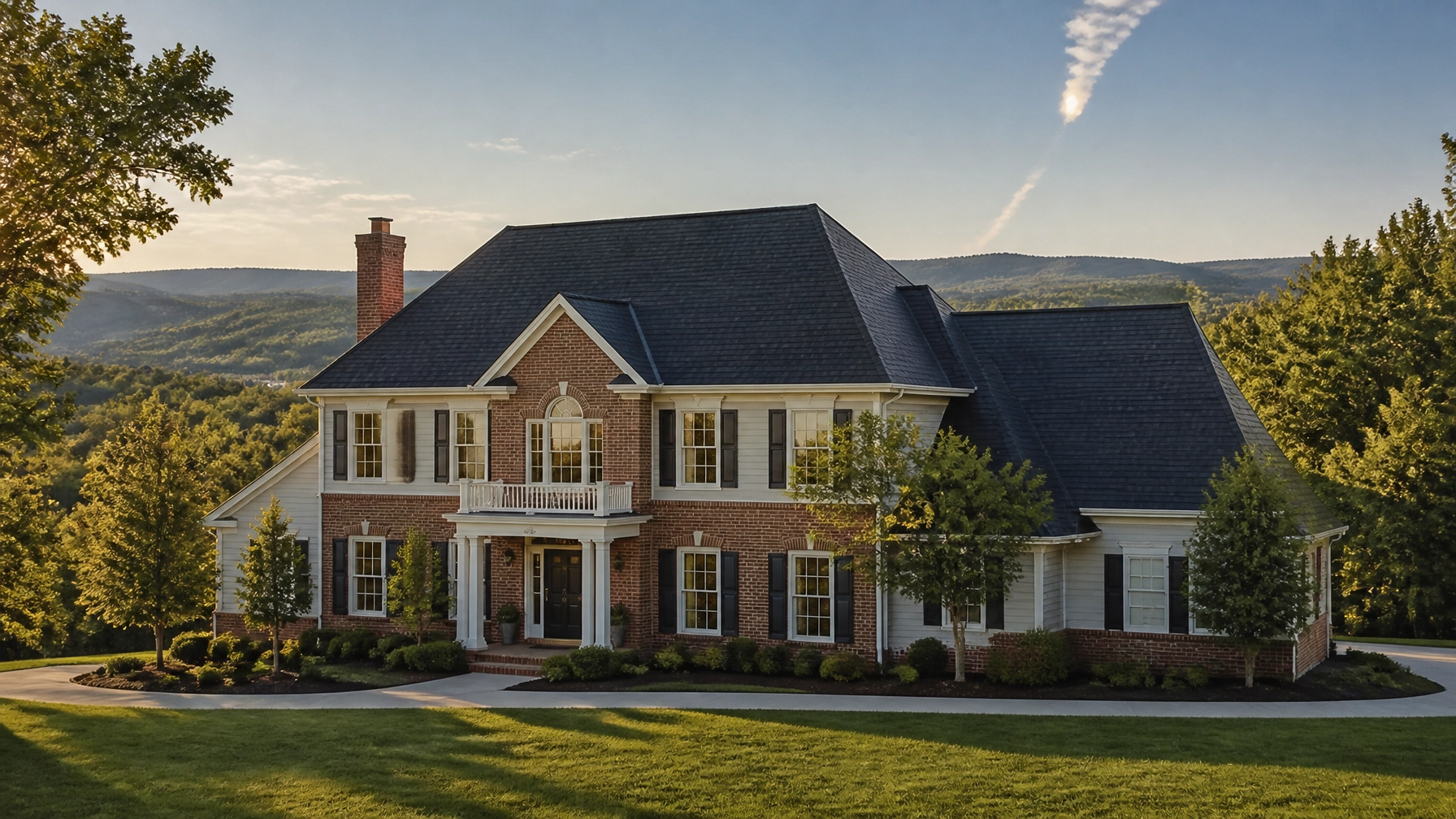
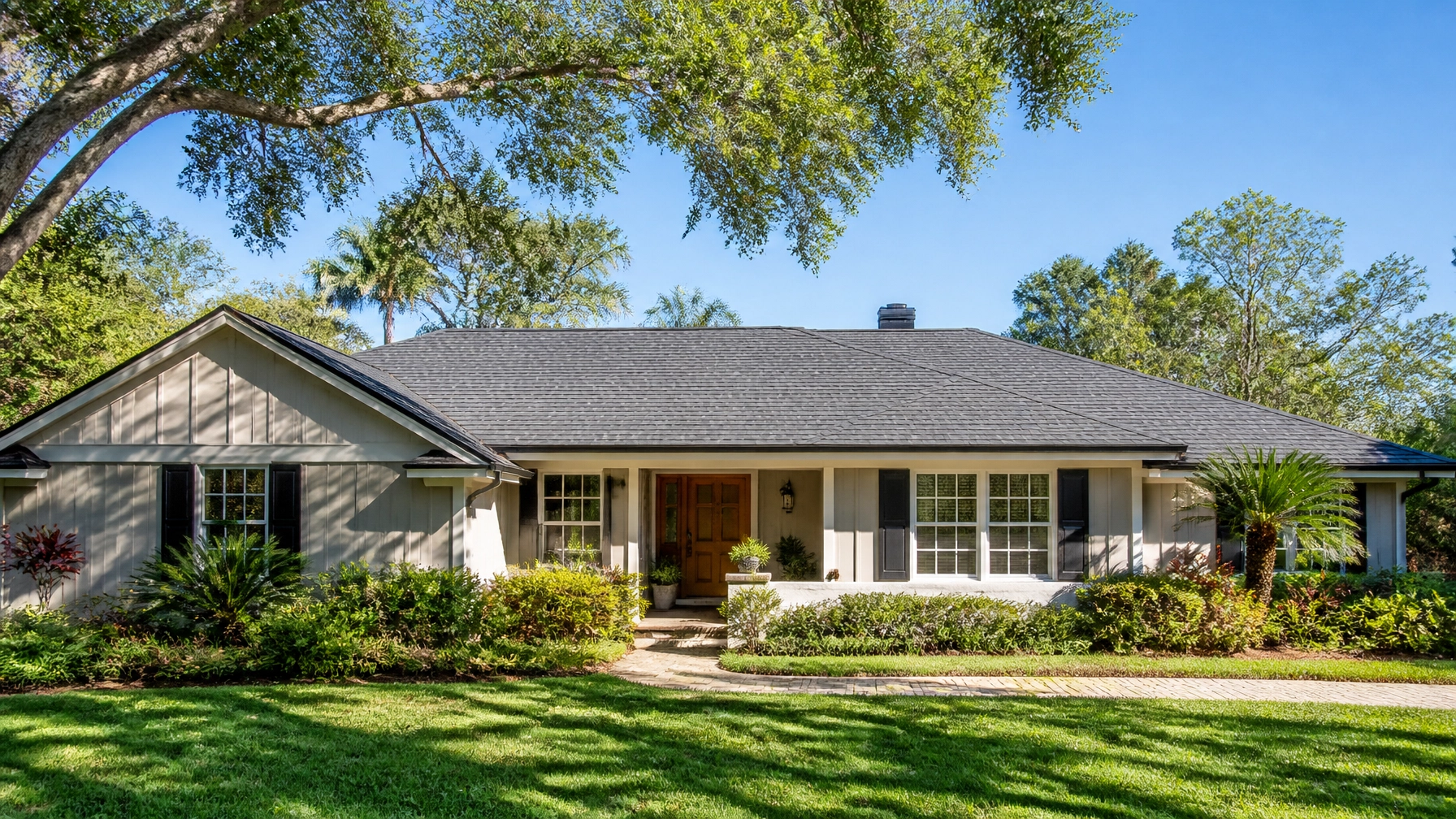
    Lexington-style ranch home with a new architectural shingle roof

    3. Do I need a permit in Lexington or Fayette County?

    Yes. Roof replacements require a permit through the Lexington-Fayette Urban County Government Division of Building Inspection, located at 101 E. Vine St.

    • Applications can be filed through the Lexington Citizen Access Portal.
    • Kentucky Building Code requires self-adhering ice-and-water shield at eaves.
    • Minor repairs may not require a permit, but verify before work begins.
    • Ask who pulls the permit, which inspections apply, and whether fees are included.

    4. What should I check after a hail or wind storm?

    Do not climb onto the roof. From the ground, look for:

    • Missing, lifted, or bruised shingles
    • Granule loss near downspouts
    • Dents in gutters, downspouts, or AC fins
    • Damaged flashing, vents, or chimney caps
    • Fallen branches, ceiling stains, or attic leaks

    Photograph visible damage and contact your insurer after a covered storm. Hail can bruise architectural shingles even when they appear normal from the ground.

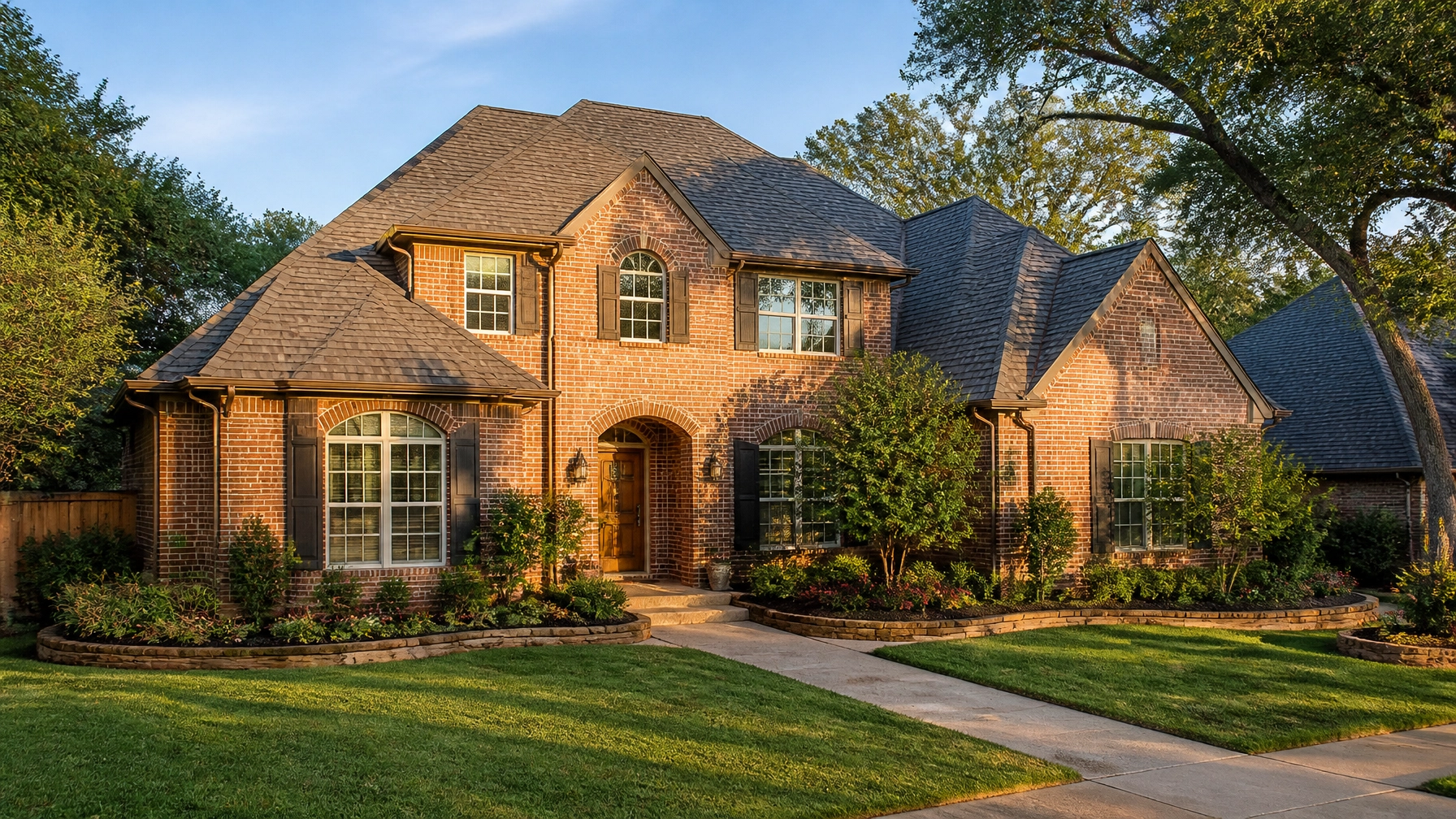
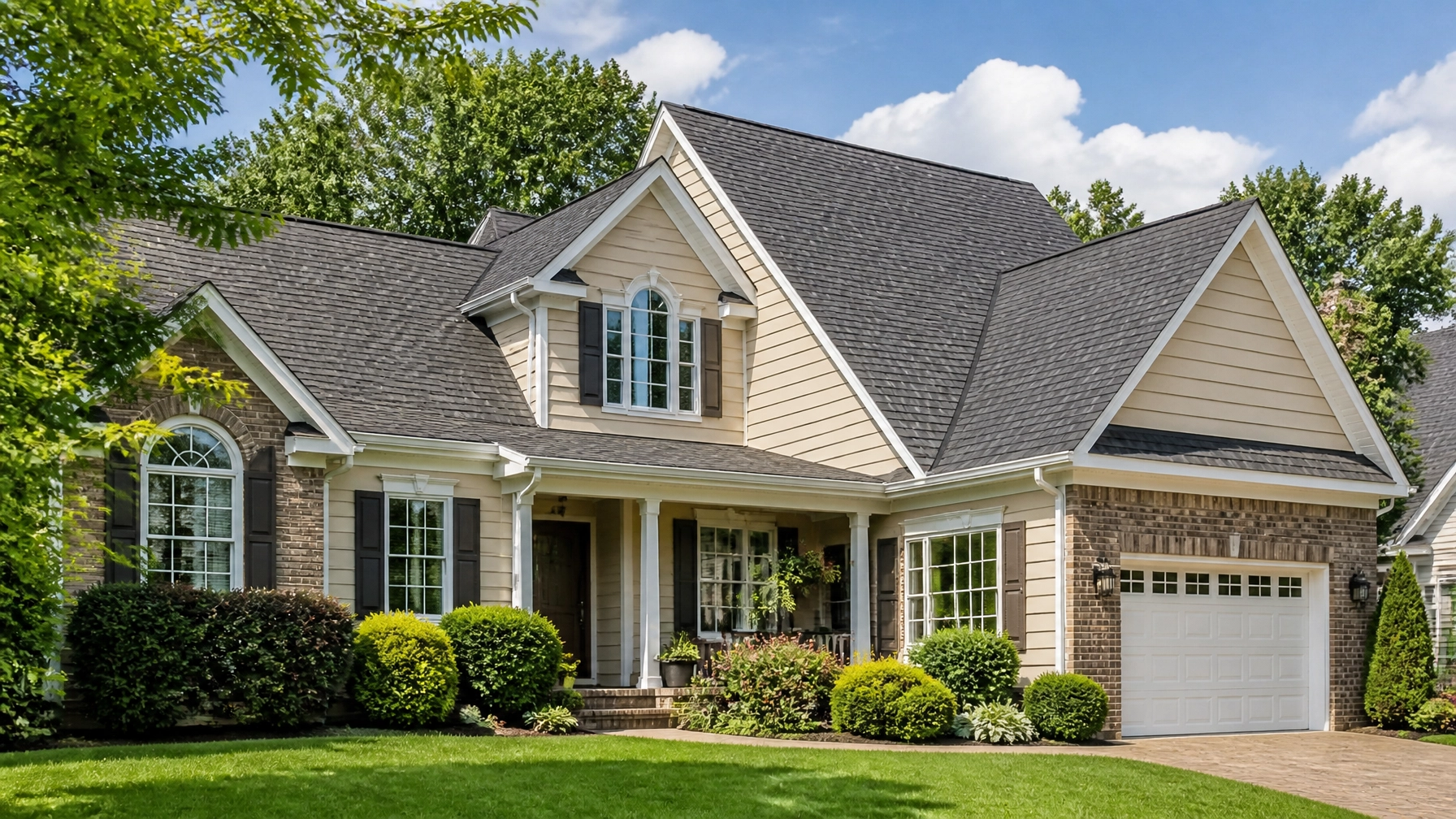
    Traditional Kentucky brick ranch with Class 4 impact-resistant shingles

    5. How accurate is a satellite roof estimate?

    Get My Roof Estimate Now measures roof size, pitch, and complexity with approximately 90–95% accuracy, often within inches. Results arrive in under 60 seconds.

    It is a fast budgeting tool, not a replacement for an in-person inspection before construction.

    6. Does a new roof increase home value?

    Usually, yes. Homeowners may recover roughly 60–68% of replacement cost on average, depending on material, installation quality, neighborhood, and market conditions.

    A new roof can improve:

    • Curb appeal
    • Buyer confidence
    • Insurability
    • Negotiating strength when selling near Beaumont, Kenwick, or I-75/I-64

    7. How are roofing costs calculated in squares?

    One roofing square equals 100 square feet of roof surface. A 2,000-square-foot roof equals approximately 20 squares before waste, pitch, valleys, and complexity are added.

    Use the roof cost calculator for a general range.

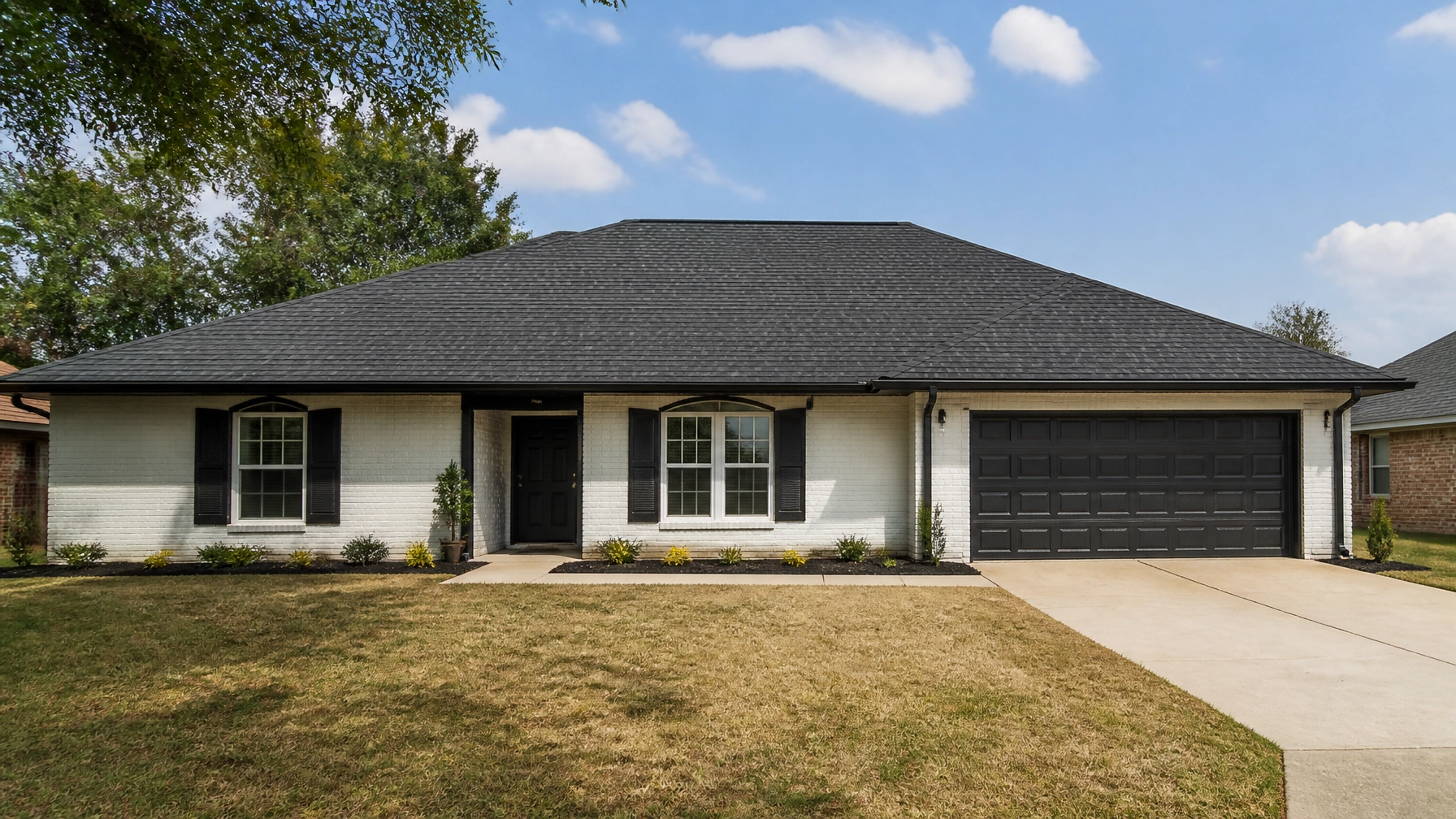
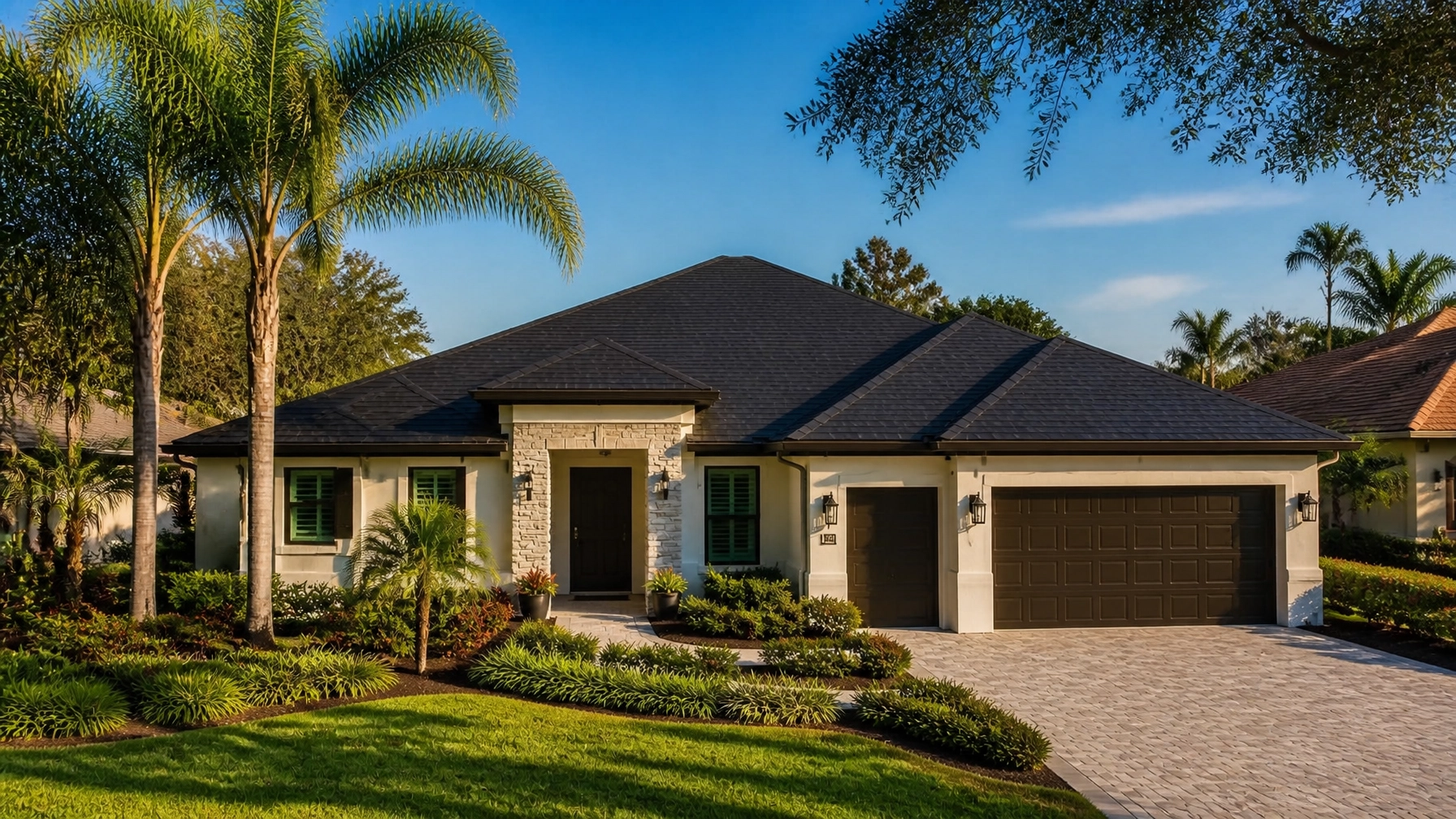
    Modern Lexington home with a new standing-seam metal roof

    8. How do I get a free Lexington roof estimate?

    Visit getmyroofestimatenow.com, enter your Lexington address, and receive a satellite-powered estimate in about 60 seconds.

    You get:

    • No-cost pricing with no credit card
    • Low, middle, and high price ranges
    • Material comparisons
    • No upfront contractor visit
    • Connections to verified, licensed, and insured local contractors

    Category: Kentucky Roofing Costs

    Tags: Lexington roof replacement, Lexington KY roof estimate, Fayette County storm damage, Kentucky roofing FAQ, roof replacement ROI Lexington, satellite roof estimate Lexington

  • Daily Tech Blitz – Slot 5: Huntsville’s Satellite Tech Edge Is Powering Rocket City Roof Decisions

    Daily Tech Blitz – Slot 5: Huntsville’s Satellite Tech Edge Is Powering Rocket City Roof Decisions

    In Huntsville, space technology is not just an economic story. It is changing how homeowners make everyday property decisions: including when to replace a roof, how much to budget, and which materials make sense for North Alabama weather.

    A traditional roofing estimate may require several calls, multiple contractor visits, and days of waiting. Satellite-powered measurement can provide a property-specific planning estimate in under 60 seconds.

    For Huntsville homeowners, that speed matters. Roofs face intense sun, humidity, severe thunderstorms, hail, straight-line winds, and tornado risk. When storm damage occurs, fast information helps you document the condition, understand potential costs, and choose the next step without guessing.

    Huntsville’s satellite technology ecosystem is accelerating

    Huntsville has long been known as the Rocket City. In 2026, that identity continues to expand through investments in mission processing, small satellites, unmanned systems, and advanced space infrastructure.

    Several major developments illustrate the depth of the local technology ecosystem:

    • Frontgrade Technologies opened an advanced research and development center in Cummings Research Park in August 2026. The company invested more than $30 million in mission-processing technology supporting defense and NASA missions.
    • Redwire announced a Huntsville expansion with an approximately 164,000-square-foot facility. The project is expected to create about 150 high-skilled jobs by late 2027 while supporting space infrastructure and unmanned systems.
    • Lockheed Martin and the University of Alabama in Huntsville launched a $2.3 million partnership focused on small-satellite development and workforce training.

    These developments do not mean any of these organizations endorses Get My Roof Estimate Now. They do show why Huntsville is a logical place to adopt sophisticated tools that use aerial and satellite data for practical planning.

    The same broader principles apply to roof estimating: capture property data, process complex measurements, and turn technical information into a useful decision.

    What satellite roof measurement can tell you

    A roof is more than the footprint of a house. Its size and cost depend on several geometric and construction details.

    Satellite-powered measurement can help estimate:

    • Total roof area
    • Roof sections and planes
    • Approximate roof pitch
    • Valleys, hips, and ridges
    • Dormers and other roofline complexity
    • Estimated roofing squares
    • Material quantities for different roofing systems

    One roofing square equals 100 square feet of roof area. A home with a 2,000-square-foot floor plan may have considerably more than 2,000 square feet of actual roofing because of pitch, overhangs, attached garages, and multiple roof sections.

    Get My Roof Estimate Now uses satellite imagery technology to provide measurements that are approximately 90%–95% accurate, often within inches for the measured roof dimensions. Enter your address, and the system can return a free, low-middle-high price range in under 60 seconds.

    There is:

    • No contractor visit required upfront
    • No credit card requirement
    • No cost to use the estimate
    • No hidden-fee pricing model
    • An option to connect with verified, licensed, and insured local contractors

    This is a planning estimate: not a replacement for a final contractor inspection. A roofing professional still needs to evaluate decking, flashing, ventilation, moisture, code requirements, and concealed storm damage before work begins.

    2026 Huntsville roof replacement costs

    For a typical Huntsville-area home with approximately 2,000 square feet of roof area, homeowners can use the following 2026 planning ranges:

    Roofing option Planning range Context
    Architectural asphalt shingles (Popular) $8,500–$13,000 The most common balance of cost, appearance, and service life
    Standing-seam or premium metal roofing (Premium) $16,000–$28,000 Higher upfront cost with strong durability and energy-efficiency potential
    Synthetic slate, tile, or specialty systems (Premium) $22,000–$35,000+ Higher-end appearance and performance for select homes

    These figures are practical budgeting ranges, not firm quotes. A smaller, simple ranch roof may fall below the ranges. A large colonial, steep roof, or complex custom home may exceed them.

    Final pricing depends on:

    • Roof size and number of squares
    • Pitch and accessibility
    • Valleys, dormers, skylights, chimneys, and penetrations
    • Selected materials and manufacturer specifications
    • Labor availability and local rates
    • Tear-off and disposal of existing roofing
    • Damaged or rotted roof decking
    • Underlayment and ice-and-water protection
    • Flashing replacement
    • Ridge vents, soffit vents, and other ventilation work
    • Permits and required inspections
    • Storm-related repairs or insurance documentation
    • Structural repairs discovered during tear-off

    For a broader starting point, review the 2026 Roof Cost Calculator. For a property-specific estimate, use the satellite-powered roof estimate tool.

    Why Huntsville weather affects roof selection

    Huntsville’s climate creates several recurring roofing concerns.

    Intense sun and heat

    Ultraviolet exposure gradually weakens asphalt surfaces and can accelerate granule loss. Dark roofing materials may also absorb more heat, although attic ventilation, insulation, roof color, and material design all affect indoor comfort.

    Thunderstorms, hail, and straight-line winds

    Severe storms can lift shingles, damage flashing, dent metal panels, and expose underlayment. Wind-rated shingles and properly installed metal systems may improve resilience, but installation quality remains critical.

    Tornado risk

    No conventional roof is tornado-proof. However, correct fastening, sound decking, properly installed flashing, and a complete roof assembly can help reduce vulnerability during high-wind events.

    Humidity and algae

    Moisture and shaded roof sections can encourage algae staining and biological growth. Algae-resistant shingles, adequate ventilation, clean gutters, and improved sunlight exposure may help manage the problem.

    Aging roofs

    Many Huntsville-area homes have roofs approaching the 15- to 30-year range. Curling shingles, exposed fiberglass mat, recurring leaks, dark streaks, and loose flashing are signs that a replacement assessment may be warranted.

    Huntsville-area ranch home with a new weathered-gray architectural shingle roof and strong curb appeal

    Choosing the right material for a Rocket City home

    The best roof for home value is not automatically the most expensive material. The right choice depends on the home’s architecture, neighborhood expectations, expected ownership period, storm exposure, and budget.

    Architectural asphalt shingles (Popular)

    Architectural shingles are the standard choice for many Huntsville homes.

    Advantages:

    • Lower initial cost
    • Wide range of colors and profiles
    • Straightforward installation and repair
    • Good curb appeal for ranch, colonial, and traditional homes
    • Available in higher wind-rated and algae-resistant options

    They are often the most practical choice when the homeowner wants a dependable replacement without dramatically increasing project cost.

    Metal roofing (Premium)

    Standing-seam metal roofing offers long service life and a clean, modern appearance.

    Advantages:

    • Strong durability
    • Low maintenance
    • Good fit for modern and farmhouse-style homes
    • Potential energy benefits from reflective finishes
    • Resistance to some forms of wind and impact damage

    Metal costs more upfront. It also requires experienced installation, especially around penetrations, valleys, fasteners, and transitions between roof sections.

    For a detailed comparison, review metal roofing versus shingles.

    Synthetic and specialty options (Premium)

    Synthetic slate, synthetic shake, tile-look, and specialty coatings can provide a distinctive appearance or solve a specific roof-design problem.

    These options may make sense for:

    • Custom or high-end homes
    • Homeowners prioritizing appearance
    • Properties with specialty architectural requirements
    • Certain low-slope or commercial-style roof sections

    They typically require careful evaluation of structural support, installation methods, repair availability, and long-term maintenance.

    Use satellite estimates before calling contractors

    A fast estimate does not eliminate the contractor-selection process. It improves it.

    Before requesting bids, homeowners can use a satellite estimate to:

    1. Establish an expected price range.
    2. Compare architectural shingles, metal, and specialty materials.
    3. Identify whether the project is likely to be a simple or complex installation.
    4. Set a realistic budget before scheduling appointments.
    5. Compare contractor proposals against the same general scope.

    Ask every contractor to explain:

    • Whether the quote includes tear-off and disposal
    • How decking repairs will be priced
    • Which underlayment and flashing products are included
    • How ventilation will be handled
    • Whether permits and inspections are included
    • Manufacturer and workmanship warranties
    • Proof of current licensing and insurance
    • References for similar Huntsville-area projects

    Always verify current City of Huntsville and Madison County permit, inspection, and building-code requirements with the relevant authority. Requirements can vary by project location and may change over time.

    After a storm: document first, then schedule inspections

    If you suspect hail, wind, or tornado damage:

    • Take exterior photos from the ground before making repairs.
    • Photograph damaged siding, gutters, screens, vents, and detached materials.
    • Record the storm date and any visible leaks.
    • Place buckets under interior leaks and protect belongings.
    • Avoid climbing onto the roof.
    • Arrange a professional inspection.
    • Contact your insurer according to your policy’s requirements.
    • Be cautious of unsolicited door-to-door contractors.
    • Verify licensing, insurance, references, and written scope of work.

    Do not make permanent repairs before documenting damage unless emergency work is needed to prevent additional loss. Keep receipts for temporary repairs.

    Modern Huntsville-area home with a new matte dark bronze standing-seam metal roof

    Does a new roof increase resale value?

    A new roof can improve buyer confidence, reduce inspection concerns, and strengthen the visual presentation of a property. A clean roof may also support the broader relationship between roof curb appeal home value and first impressions.

    However, homeowners should not assume a guaranteed dollar-for-dollar return. Roof replacement ROI varies based on:

    • Local housing demand
    • Roof material and workmanship
    • Home age and condition
    • Neighborhood standards
    • Remaining useful life of the existing roof
    • Buyer preferences
    • Whether the project addresses documented storm or structural problems

    A roof replacement is often most valuable when it prevents a major selling obstacle, supports a smoother inspection, or improves the home’s overall condition. Obtain estimates early so you can compare the cost of replacement with the likely benefits of selling now versus holding the property longer.

    Make the next roof decision with better data

    Huntsville’s satellite and space industry is built around turning complex information into mission-ready decisions. Homeowners can apply a similar mindset to roof planning.

    Start with a fast, free satellite estimate. Review low-middle-high pricing, compare materials, and use the result to prepare better questions for licensed contractors. Then schedule an in-person inspection before signing a replacement contract.

    The process takes less than a minute to begin, costs nothing, and gives you a clearer view of one of the largest investments you will make in your home.

    Sources

  • Daily ROI Blitz – Slot 3: Dallas, TX New Roof ROI ,  What a Replacement Adds to Your Home Value in 2026

    Daily ROI Blitz – Slot 3: Dallas, TX New Roof ROI , What a Replacement Adds to Your Home Value in 2026

    For Dallas homeowners, a new roof in 2026 typically costs $7,733–$24,744, with many homeowners paying around $10,826 for replacement, according to Angi’s Dallas roofing data.

    The resale math is also meaningful:

    • National roof replacement recovery: approximately 60%–70% of project cost
    • Potential home-value lift in an active market: roughly 2%–4%
    • Dallas median sale price: approximately $490,000, up about 4.6% year over year through the three months ending June 2026
    • Estimated value range associated with a 2%–4% improvement on a $490,000 home: $9,800–$19,600

    That does not mean every Dallas roof replacement adds the full project price to your sale value. It means the right replacement can recover a substantial portion of its cost while improving inspection results, insurance positioning, buyer confidence, and curb appeal.

    Dallas housing market conditions favor move-in-ready homes

    Mid-2026 Dallas housing data points to a market that is active but more selective than the peak seller-market years.

    Current benchmarks include:

    • Median Dallas sale price: approximately $490,000
    • Median listing price: roughly $439,000–$459,000, depending on source and measurement
    • Median days on market: approximately 51 days
    • DFW active inventory: down roughly 4%–6% year over year
    • Price reductions: approximately 26%–28% of listings

    The practical takeaway is simple: buyers have choices, but well-prepared homes still stand out.

    A roof near the end of its useful life can create immediate concerns during showings, inspections, financing, and insurance underwriting. A recently replaced roof removes one of the largest deferred-maintenance questions from the transaction.

    In neighborhoods such as Lakewood, Lake Highlands, Preston Hollow, Oak Cliff, and the White Rock Lake area, buyers often compare homes with similar layouts and locations. A clean, modern roof can help your home compete more effectively against nearby listings.

    What is the roof replacement ROI in Dallas?

    Roof replacement ROI is best viewed in two ways:

    1. Direct resale recovery
    2. Marketability and avoided costs

    National remodeling data generally places asphalt roof replacement recovery around 60%–70% at resale. Metal roofing can reach the higher end of the range, with some analyses estimating recovery of up to approximately 85% in the right property and market.

    For a $10,826 Dallas roof replacement:

    • At 60% recovery: approximately $6,496
    • At 70% recovery: approximately $7,578
    • At 85% recovery: approximately $9,202

    These are planning benchmarks, not guaranteed appraisal adjustments. The actual result depends on roof quality, material, installation documentation, neighborhood comparables, remaining roof life, and the condition of the rest of the home.

    A new roof may also help you avoid:

    • Buyer-requested repair credits
    • Price reductions after inspection
    • Delayed closing caused by insurance concerns
    • A smaller buyer pool for homes with older roofs
    • Emergency repairs before listing

    That is why roof replacement ROI is not limited to the final sale-price increase.

    Dallas roof replacement cost by material

    Roof size, pitch, accessibility, ventilation, tear-off requirements, decking condition, and material selection all affect the final Dallas roof replacement cost.

    Architectural asphalt shingles (Popular)

    Architectural shingles are the most common choice for Dallas homeowners because they offer a practical balance of price, appearance, and resale appeal.

    Typical installed pricing is approximately $2–$7 per square foot, with many standard projects falling in the middle of that range.

    Advantages include:

    • Broad color and style selection
    • Familiar appearance to Dallas buyers
    • Lower upfront cost than metal
    • Straightforward repairs and replacement
    • Strong compatibility with ranch, brick, colonial, and two-story homes

    For many 1990s and 2000s Dallas homes, a high-quality architectural shingle roof is the best roof for home value when the goal is broad buyer appeal without overspending.

    Class 4 impact-resistant shingles (Premium protection)

    Class 4 shingles usually cost approximately 10%–20% more than standard architectural products. They are tested under UL 2218, the recognized impact-resistance standard.

    They are especially relevant in North Texas because hail and wind exposure can affect both roof life and insurance costs.

    When comparing products, ask for:

    • UL 2218 Class 4 impact rating
    • ASTM D7158 Class H wind rating
    • Manufacturer documentation
    • Written installation and workmanship warranties
    • Proof of the exact product installed

    Class 4 shingles may not receive a separate dollar-for-dollar appraisal adjustment. However, they can offer stronger total value through improved storm resistance, potential insurance credits, and better buyer confidence.

    Metal roofing (Premium)

    Metal roofing generally costs approximately $10–$18 per square foot installed in Dallas, with higher pricing possible for complex rooflines or premium systems.

    Metal can be attractive for:

    • Modern Dallas homes
    • High-end renovations
    • Homes with strong architectural design
    • Homeowners planning to stay for many years
    • Buyers who value long service life and storm resilience

    A metal roof may produce higher resale recovery than standard asphalt, but it is not automatically the best financial choice for every property. The material should fit the home’s style and the neighborhood’s expectations.

    Completed Dallas-area home with a standing-seam metal roof

    Do not overlook tear-off and decking costs

    Material prices are only part of the project budget. Plan for approximately $1,000–$5,000 for tear-off, disposal, and possible decking repairs.

    Additional costs may include:

    • Rotten or moisture-damaged decking
    • Steep-slope labor
    • Multiple roof planes
    • Skylights and chimneys
    • Ridge ventilation improvements
    • Flashing replacement
    • Code-related upgrades
    • Fascia or gutter repairs

    A satellite-powered estimate can provide an early project benchmark by measuring roof size, pitch, and complexity before you schedule contractor visits. It does not replace a final inspection, but it helps you understand the likely budget first.

    Why hail protection matters to Dallas home value

    Dallas-Fort Worth is one of the country’s most important hail and severe-weather markets. The Insurance Institute for Business & Home Safety has analyzed the May 24, 2011 Dallas-Fort Worth hailstorms, which produced approximately $876.8 million in insured damages.

    That history matters when evaluating roof replacement resale value.

    A Class 4 roof may help by:

    • Reducing the likelihood of functional hail damage
    • Limiting granule loss and premature wear
    • Supporting potential insurance credits
    • Giving buyers clearer documentation about storm resistance
    • Reducing concern about an immediate replacement after closing

    Close-up of Class 4 impact-resistant architectural roofing shingles

    The Texas Department of Insurance explains that insurers determine their own impact-resistant roofing discounts. A Class 4 product generally receives the highest available credit category, but the amount and eligibility requirements vary by carrier.

    Ask your insurance agent:

    • Does my carrier offer a credit for UL 2218 Class 4 roofing?
    • Is the product on the carrier’s approved list?
    • What documentation is required?
    • Could the roof affect my wind and hail deductible?
    • Is my roof covered at replacement cost or actual cash value?

    Texas insurance details can change the ROI calculation

    Texas policies commonly separate wind and hail deductibles from standard all-peril deductibles. In many cases, the wind and hail deductible is a percentage of your dwelling coverage, often 1% or 2%, although availability varies by carrier and location.

    For example, a home insured for $400,000 could have:

    • 1% wind and hail deductible: $4,000
    • 2% wind and hail deductible: $8,000

    Roof coverage also matters. Replacement cost value (RCV) coverage may pay the cost to replace the roof, subject to the deductible and policy terms. Actual cash value (ACV) coverage subtracts depreciation, which can create a larger out-of-pocket gap on an older roof.

    The Texas Department of Insurance recommends reviewing your policy because some insurers change older roofs to ACV coverage or limit coverage based on age and condition. A new, documented roof may improve your insurance position, but it does not guarantee a particular deductible or premium.

    Roof curb appeal and home value

    Roof curb appeal has a larger effect than many homeowners expect because the roof can represent a significant portion of the visible exterior.

    A replacement can improve:

    • Color consistency
    • Roofline definition
    • Exterior freshness
    • Perceived maintenance quality
    • Listing-photo appearance
    • Buyer confidence at the first showing

    This is especially useful for older brick ranches in East Dallas and established homes near White Rock Lake. It also applies to renovated properties in Lakewood, Lake Highlands, and Oak Cliff where buyers pay close attention to exterior character.

    Choose a color that complements the brick, siding, trim, and neighborhood: not simply the darkest or most expensive option.

    Dallas East Dallas ranch-style home with a new charcoal architectural shingle roof

    How to maximize your new roof Dallas home value

    Use this practical checklist before approving the project:

    • Measure the roof accurately before collecting bids.
    • Compare at least three written scopes of work.
    • Confirm whether tear-off and disposal are included.
    • Ask how decking repairs will be priced.
    • Select a material appropriate for nearby homes.
    • Consider Class 4 shingles for hail exposure.
    • Request UL 2218 and ASTM documentation.
    • Confirm ventilation, flashing, and underlayment details.
    • Keep permits, invoices, warranties, and installation photos.
    • Ask your insurer about impact-resistant roofing credits.
    • Avoid overbuilding beyond the neighborhood’s price range.

    For a quick comparison, review our metal roofing information, asphalt shingle guide, and metal versus shingles comparison.

    Bottom line: Is a Dallas roof replacement worth it in 2026?

    For most Dallas homeowners, a roof replacement is a solid value-protection project: not a guaranteed dollar-for-dollar investment.

    Expect approximately 60%–70% national resale recovery for a typical replacement, with the possibility of a 2%–4% home-value lift when the roof improves the property’s condition and buyer appeal. Metal may recover more in the right market, while Class 4 shingles can produce stronger total ownership value through hail resistance and potential insurance savings.

    The best decision depends on your roof’s age, condition, home value, neighborhood, insurance policy, and expected time before selling.

    Start with accurate numbers before scheduling contractor appointments. Get a free instant satellite-powered roof estimate in about 60 seconds at Get My Roof Estimate Now. There is no contractor visit required upfront, no credit card, and no hidden fee.

    Sources

  • Daily Weather Blitz – Slot 8: Houston, TX : August 26, 2026: 100°F Heat, 112°F Heat Index & the Rain Return Thursday : What a Triple-Digit Streak Does to Your Roof

    Daily Weather Blitz – Slot 8: Houston, TX : August 26, 2026: 100°F Heat, 112°F Heat Index & the Rain Return Thursday : What a Triple-Digit Streak Does to Your Roof

    Image credit: Get My Roof Estimate Now : AI-generated editorial image.

    Houston is under a Heat Advisory through 7:00 PM CDT today, with heat index values between 107°F and 112°F. Actual highs are expected in the upper 90s to near 100°F, marking Houston’s seventh straight day of triple-digit heat.

    The weather pattern may shift Thursday and Friday as a weak, dying front increases rain chances to about 40%. Some neighborhoods could receive isolated rainfall totals of 0.5 to 1 inch, while others remain mostly dry.

    That uneven transition matters for your roof. Long periods of intense heat can accelerate roof aging, and the first heavy downpour after more than two weeks without measurable rain can expose small failures in shingles, sealants, flashing, and gutters.

    Houston Weather Snapshot: August 26, 2026

    Here is the immediate outlook for the Houston area:

    • Today: Heat Advisory through 7:00 PM CDT
    • Heat index: Approximately 107°F–112°F
    • High temperature: Upper 90s to near 100°F
    • Rain history: Most of Houston has gone more than two weeks without measurable rain
    • Rainfall this month: Only about 0.21 inches officially
    • Thursday: Approximately 40% chance of scattered showers and thunderstorms
    • Friday: Approximately 40% chance of showers and storms, with highs in the low-to-mid 90s
    • Weekend: Mostly sunny, mid-90s, with rain chances falling near 10%
    • Next week: Daytime highs return to the low 90s, with roughly 30% daily rain chances

    Check the latest advisories, radar, and forecast details from the National Weather Service Houston/Galveston office.

    What Seven Days of Triple-Digit Heat Does to a Roof

    Roofing materials are designed to handle heat, but repeated extreme exposure speeds up normal aging. The problem is not one hot afternoon. It is the continuous cycle of heating, cooling, drying, and reheating.

    1. Expansion and contraction (Structural stress)

    Roofing materials expand during the hottest part of the day and contract after sunset. This movement is normal, but repeated thermal cycling gradually stresses:

    • Asphalt shingles
    • Underlayment
    • Metal flashing
    • Pipe boots
    • Roof cement
    • Sealants around vents and chimneys
    • Fasteners and exposed edges

    Houston’s humidity adds another variable. A roof may experience intense solar heating during the day, followed by humid nighttime conditions. Over time, that repeated movement can open small gaps that are difficult to see from the ground.

    2. Shingle curling and surface brittleness (Early warning)

    Aging asphalt shingles can curl at the corners, lift along the edges, or become brittle. Extreme heat can make existing weaknesses more noticeable, especially on roofs that are already 15 to 30 years old.

    Look for:

    • Curled or buckled shingle edges
    • Raised tabs
    • Missing granules
    • Exposed dark areas
    • Cracked surfaces
    • Shingles that appear uneven or wavy

    Do not climb onto a hot roof to inspect it. Use binoculars from the ground or arrange a professional inspection.

    3. Faster granule loss (Reduced protection)

    The small ceramic granules on asphalt shingles protect the underlying material from ultraviolet exposure. Heat, age, foot traffic, and weather gradually loosen them.

    As granules disappear, shingles lose some of their resistance to sunlight and water. You may notice excessive granules in gutters or downspout splash areas. That does not automatically mean replacement is required, but it is a reason to document the condition and investigate further.

    Two-story Houston-area brick home with a new charcoal architectural shingle roof

    Image credit: Get My Roof Estimate Now : AI-generated editorial image.

    Why the First Heavy Rain After a Dry Spell Deserves Attention

    Thursday and Friday’s scattered storms may provide welcome relief, but the first strong downpour after a prolonged dry period can reveal problems that went unnoticed during the heat.

    Dried and cracked sealants

    Roof sealants around vents, flashing, skylights, and penetrations can dry out and crack. A brief shower may not create an obvious leak. A wind-driven thunderstorm can push water into those small openings.

    Baked-out flashing and pipe boots

    Metal flashing and rubber pipe boots endure some of the roof’s harshest conditions. Heat can harden or shrink older materials. When rain returns, water may enter around these areas before it appears on a ceiling.

    Dust and debris in gutters

    Dry conditions allow leaves, pollen, and roof debris to accumulate. A heavy shower can move that material into gutters and downspouts, creating blockages.

    After storms, check for:

    • Overflowing gutters
    • Water stains on fascia boards
    • Sagging gutter sections
    • Erosion beneath downspouts
    • Piles of granules in gutters
    • Water pooling near the foundation

    Localized downpours

    A 40% rain chance does not mean every Houston neighborhood receives the same rainfall. One part of the metro area may receive an inch while another gets only a brief shower. Do not assume a roof is fully tested simply because it rained at your address.

    Heat Strain in the Attic Can Raise Cooling Costs

    The roof is also part of your home’s heat-control system. During a prolonged hot stretch, a poorly ventilated attic can trap excessive heat.

    That may lead to:

    • Higher air-conditioning demand
    • Longer HVAC run times
    • Hotter upstairs rooms
    • Premature aging of roof decking
    • Moisture problems when hot attic air meets cooler surfaces
    • More stress on insulation and ductwork

    A resilient Houston roof should be paired with properly balanced intake and exhaust ventilation. Ridge vents, soffit vents, gable vents, and powered systems are not interchangeable in every home. A roofing professional should evaluate the complete ventilation layout rather than simply adding a vent.

    Modern Houston suburban home with a new standing-seam metal roof

    Image credit: Get My Roof Estimate Now : AI-generated image.

    Dry Vegetation and Increasing Wildfire Background Conditions

    With only 0.21 inches of official rainfall this month and much of Houston dry for more than two weeks, vegetation is beginning to lose moisture. That increases background wildfire potential, particularly in drier areas outside the urban core and where grasses or brush have not received the expected scattered rainfall.

    This does not mean a wildfire warning is automatically in effect. It does mean homeowners should take basic precautions:

    • Keep dry leaves away from roof valleys and gutters.
    • Trim branches that overhang the roof.
    • Clear combustible debris from around the home.
    • Keep outdoor grills and fire pits away from structures.
    • Secure loose materials before thunderstorms arrive.
    • Monitor local fire-weather information from NWS Houston/Galveston.

    Houston Storm-Readiness Checklist

    Before Thursday’s rain returns, complete these low-risk checks:

    1. Inspect from the ground. Look for missing, curled, lifted, or visibly damaged shingles.
    2. Check gutters and downspouts. Remove reachable debris only from a stable ladder position or hire help.
    3. Review roof penetrations. Pay attention to vents, pipes, skylights, and areas where additions meet the main roof.
    4. Check the attic after rain. Look for damp insulation, water stains, musty odors, or daylight through the roof deck.
    5. Trim nearby branches. Branches can scrape shingles and fall during thunderstorms.
    6. Secure outdoor items. Patio furniture and loose materials can become windborne.
    7. Avoid roof work during extreme heat. Roofing surfaces can become dangerously hot, and storms can develop quickly.

    Houston-area home with a fresh light-gray shingle roof and storm clouds approaching

    Image credit: Get My Roof Estimate Now : AI-generated editorial image.

    If You Find Damage, Document It Safely

    If Thursday or Friday storms reveal a leak, document the condition before making permanent repairs:

    • Photograph interior stains, wet insulation, and damaged ceilings.
    • Take ground-level photos of missing or displaced shingles.
    • Record the date and approximate time of the storm.
    • Save receipts for emergency tarping or water mitigation.
    • Do not walk on the roof after rain.
    • Use temporary protection only if it can be installed safely from the ground.
    • Contact your insurance company if you believe the damage may be storm-related.

    A professional roofer can distinguish between wind damage, hail damage, age-related deterioration, and maintenance issues.

    Planning a Roof Replacement in Houston

    If your roof is approaching 20 years old, has widespread granule loss, or shows repeated leaks, planning ahead is usually easier than waiting for a major storm failure.

    The national roof replacement range is approximately $9,000–$22,000 in 2026. Typical material benchmarks include:

    • Asphalt shingles (Budget to Popular): Approximately $3–$7 per square foot
    • Metal roofing (Premium): Approximately $8–$16 per square foot
    • Houston roof replacement range: Approximately $8,500–$22,000, depending on size, pitch, material, complexity, and local labor

    Use the Get My Roof Estimate Now roof cost calculator for a general planning range. For a property-specific estimate, enter your address into the free satellite-powered estimate tool. It measures roof size, pitch, and complexity and returns pricing in about 60 seconds, with no credit card required.

    You can also review the company’s Houston roof estimate page and broader Texas roofing information.

    Tropical Outlook: No Houston Impact Expected Right Now

    The National Hurricane Center is monitoring a tropical wave in the eastern Atlantic with at least a 70% chance of development over the coming days. The system remains far from Texas, and no local Houston impacts are expected at this time.

    Conditions can change, so homeowners should rely on official updates from the National Hurricane Center Tropical Weather Outlook, not social media speculation.

    For now, Houston’s immediate roof concern is simpler: extreme heat, a long dry stretch, and the return of scattered thunderstorms.

    Has your roof made it through Houston’s seven-day heat streak without problems? Share this post with a Houston homeowner, and leave a comment describing what you are seeing around your roof, attic, or gutters.

  • Daily FAQ Blitz – Slot 1: AEO FAQ Quick Answers for Savannah, GA Homeowners (2026)

    Daily FAQ Blitz – Slot 1: AEO FAQ Quick Answers for Savannah, GA Homeowners (2026)

    Savannah homeowners planning a roof replacement in 2026 should budget approximately $12,400–$19,200 for architectural shingles or $24,400–$41,100 for metal roofing on a typical 2,000-square-foot roof. Your final cost depends on roof size, pitch, valleys, dormers, tear-off work, material selection, permits, and storm-related repairs.

    Coastal conditions also matter. Salt air, humidity, intense sun, tropical systems, and hurricane remnants can shorten roof life or increase installation requirements. These eight quick answers cover the most common Savannah roofing questions.

    1. How much does a roof replacement cost in Savannah, GA, in 2026?

    For a typical 2,000-square-foot roof, current Savannah market ranges are:

    • Architectural asphalt shingles (Popular): $12,400–$19,200
    • Standing-seam or comparable metal roofing (Premium): $24,400–$41,100
    • The higher end may include premium panels, complex rooflines, extensive flashing, decking repairs, upgraded underlayment, or difficult access.
    • A simple roof with limited tear-off may cost less than a complex roof of the same approximate size.

    Roofing cost is based on the actual roof surface, not simply your home’s interior floor area. Local labor availability, Chatham County requirements, disposal, ventilation, and material prices can move the final number.

    See our Savannah roof replacement cost guide and roof cost calculator for additional benchmarks.

    New standing-seam metal roof on a coastal Georgia colonial home

    2. Is asphalt or standing-seam metal better for coastal Georgia?

    Both can work well, but the right choice depends on your budget, maintenance expectations, and exposure to salt air.

    • Architectural shingles (Budget-to-Popular):
      • Lower upfront cost.
      • Easy to repair and widely available.
      • Choose algae-resistant, high-wind-rated shingles.
      • Proper attic ventilation and installation are especially important in Savannah’s humid climate.
    • Standing-seam metal (Premium):
      • Typically lasts 40–70 years when properly installed.
      • Provides strong wind resistance and low maintenance.
      • Costs more upfront but may reduce replacement frequency and cooling demand.
      • Requires an experienced installer familiar with coastal details.

    For homes near Tybee Island, barrier islands, or areas with heavy salt exposure, ask about aluminum panels or properly specified Galvalume. Use corrosion-resistant fasteners, compatible flashing, protective coatings, and installation details designed for marine conditions. Do not select a metal system based on panel appearance alone.

    Review our metal roofing guide and metal versus shingles comparison.

    3. Do I need a permit for roof replacement in Savannah or Chatham County?

    Generally, yes. A complete re-roof or permanent roof replacement usually requires a building permit.

    Additional review may apply if your home is:

    • In a Savannah historic district.
    • Within a floodplain.
    • Subject to local architectural or exterior-change requirements.
    • Receiving structural repairs to decking, trusses, framing, or roof-to-wall connections.

    Emergency tarping may be allowed before permitting, but permanent repairs should follow the applicable city or county process. Verify requirements for your exact address before work begins.

    4. What should I check after hurricane remnants or severe storms?

    Inspect your roof from the ground after strong wind, heavy rain, or hurricane remnants. Do not climb onto a wet or damaged roof.

    Look for:

    • Missing, lifted, curled, or creased shingles.
    • Exposed underlayment or roof decking.
    • Bent metal flashing around chimneys, walls, skylights, and vents.
    • Loose gutters, downspouts, soffits, or fascia.
    • New ceiling stains, attic moisture, or musty odors.
    • Tree limbs, debris, or visible punctures.
    • Metal panels that appear displaced or have damaged seams.

    Take dated photos and videos before making permanent repairs. Use a qualified roofer for a closer inspection, and place temporary protection over active leaks to limit further damage. If you plan to file an insurance claim, document the condition before cleanup whenever it is safe to do so.

    Roof inspection after a coastal Georgia tropical storm

    5. How do named-storm deductibles affect a Savannah roof claim?

    Many coastal Georgia policies use a separate hurricane, named-storm, or wind deductible. It may be a percentage of your dwelling coverage rather than a flat dollar amount.

    For example:

    • Dwelling coverage: $400,000.
    • Named-storm deductible: 2%.
    • Potential deductible: $8,000.

    If a covered storm causes $20,000 in roof damage, the insurer may subtract the applicable deductible before paying the covered balance. The exact result depends on your policy, exclusions, depreciation rules, and the cause of damage.

    Before filing:

    • Review your declarations page and deductible language.
    • Confirm what event triggers the named-storm deductible.
    • Photograph damage, interior leaks, and temporary repairs.
    • Save receipts for emergency tarping and water mitigation.
    • Report the loss promptly to your insurer.
    • Ask for a detailed scope of covered work.
    • Avoid signing documents you do not understand, including assignment-of-benefits agreements.

    A worn-out roof or deferred maintenance is generally treated differently from sudden storm damage. Your insurance company: not a roofer: determines coverage. The Georgia Office of Commissioner of Insurance and National Association of Insurance Commissioners hurricane deductible guide provide general information.

    6. Can a new roof qualify for wind mitigation credits?

    Possibly. Wind mitigation credits vary by insurer and are not automatic, but qualifying construction details may reduce the wind portion of your homeowners insurance premium.

    Ask your insurer about documenting:

    • High-wind-rated shingles or metal panels.
    • Enhanced roof-deck attachment.
    • Ring-shank nails or required fastening patterns.
    • A secondary water barrier.
    • Hurricane clips, straps, or improved roof-to-wall connections.
    • Braced gable ends.
    • Impact-resistant roofing materials.
    • A FORTIFIED Roof designation, where available.

    You may need a wind mitigation inspection or signed documentation after installation. Ask your insurance agent which features count before choosing materials, because a new roof does not necessarily change your deductible and does not guarantee a premium discount.

    7. What are roofing squares, and how accurate is a satellite estimate?

    Roofers measure roofing in squares:

    • 1 roofing square = 100 square feet of roof surface.
    • A 2,000-square-foot home may have roughly 20–25 squares, but the actual number depends on pitch, overhangs, porches, garages, and roof complexity.
    • Roof area is different from interior living area.

    Get My Roof Estimate Now uses satellite imagery to measure roof size, pitch, and complexity. Our estimates are designed to be approximately 90–95% accurate, often measuring the roof within inches for visible, straightforward roof surfaces.

    Satellite estimates are useful for:

    • Establishing a fast budget range.
    • Comparing shingles and metal.
    • Planning before contractor appointments.
    • Identifying whether a project fits your expected budget.

    Accuracy may be affected by heavy tree cover, attached structures, unusual rooflines, dormers, steep slopes, or hidden decking damage. A contractor should still confirm flashing, ventilation, deck condition, and storm damage before finalizing a construction proposal.

    8. Does a new roof provide a good return on investment, and how can I get a free estimate?

    A new roof can improve resale appeal, reduce buyer objections, limit near-term maintenance concerns, and help document that a major home component has been updated.

    As a broad benchmark, the 2025 Cost vs. Value data commonly cited for roof replacement showed approximately:

    • About 68% cost recouped for asphalt shingle replacement.
    • About 55% cost recouped for metal roof replacement.

    These are national benchmarks, not a guaranteed Savannah resale return. Local buyer demand, installation quality, roof age, neighborhood standards, insurance considerations, and material choice all affect value. A new roof can also make a home easier to market when buyers are concerned about storm exposure or immediate repair costs.

    To get a free Savannah estimate:

    1. Visit Get My Roof Estimate Now.
    2. Enter your Savannah property address.
    3. Select the roofing material you want to compare.
    4. Receive a satellite-powered price range in about 60 seconds.
    5. Review low, middle, and high pricing with no credit card required.

    The estimate is free, fast, and based on your property: not a generic square-foot average. When you are ready, you can use the information to compare verified, licensed, and insured local roofing contractors.

    Category: Georgia Roofing Costs

    Tags: Savannah roof replacement, Savannah GA roof estimate, Chatham County storm damage, Georgia roofing FAQ, coastal Georgia hurricane roof, satellite roof estimate Savannah

  • 2026 Roof Replacement Cost in Jacksonville, FL: What First Coast Homeowners Should Budget

    2026 Roof Replacement Cost in Jacksonville, FL: What First Coast Homeowners Should Budget

    For most Jacksonville and Duval County homeowners, a full roof replacement in 2026 costs $8,500–$21,000, with many standard projects landing between $13,500 and $15,000.

    Your final price depends on more than the square footage of your house. Roof pitch, valleys, dormers, decking condition, wind-mitigation upgrades, material selection, and proximity to the Atlantic can all affect the estimate.

    For a typical 2,000-square-foot home, these are the most useful 2026 planning ranges:

    • Architectural shingles (Popular): $9,000–$16,000
    • Metal roofing (Premium): $17,000–$36,000
    • Tile roofing (Premium): $24,000–$60,000
    • Architectural shingle benchmark: approximately $375–$450 per roofing square installed

    A roofing square equals 100 square feet of roof surface. Your home’s living area is not always the same as its roof area, which is why a satellite measurement is more useful than a basic square-footage guess.

    Jacksonville Roof Replacement Costs by Material

    Architectural shingles (Popular): $9,000–$16,000

    Architectural shingles remain the most common choice for Jacksonville homeowners because they balance cost, appearance, repairability, and wind resistance.

    For a 2,000-square-foot home, expect to budget approximately $9,000–$16,000 for a complete replacement. The lower end may apply to a simple roof with good decking and easy access. The higher end is more likely when the roof has multiple slopes, steep sections, extra layers, damaged wood, or required code upgrades.

    The approximate installed benchmark is $375–$450 per roofing square. However, the final project total can exceed a simple square calculation because contractors must also account for:

    • Tear-off and disposal
    • Flashing and pipe boot replacement
    • Starter strips and ridge caps
    • Underlayment and secondary water barriers
    • Permit and inspection costs
    • Roof deck repairs or re-nailing
    • Labor minimums and site access

    Many homeowners choose high-wind architectural shingles rated for Florida conditions. Ask for the product’s Florida approval documentation and wind rating before signing a contract.

    Metal roofing (Premium): $17,000–$36,000

    Metal roofing costs more upfront but can provide a long service life and strong performance when properly designed and installed.

    In Jacksonville, a complete metal roof generally costs $17,000–$36,000 for many single-family homes. Standing-seam metal typically costs more than exposed-fastener panels. Color, gauge, profile, trim details, roof complexity, and corrosion-resistant components also affect the price.

    Metal can be a practical choice for homes near Jacksonville Beach, Atlantic Beach, Neptune Beach, or other areas exposed to salt air. A contractor should specify fasteners, flashings, and coatings suitable for the coastal environment.

    Standing-seam metal roof on a modern coastal Jacksonville home

    Tile roofing (Premium): $24,000–$60,000

    Concrete and clay tile roofs are among the most expensive options, with typical 2026 Jacksonville project costs ranging from $24,000 to $60,000.

    Tile can deliver distinctive curb appeal, strong weather performance, and a long service life. It is also significantly heavier than shingles or many metal systems. Before choosing tile, confirm that the roof structure can support the added load. Structural reinforcement, specialized flashing, and more time-consuming installation can increase the project cost.

    Tile is often selected for Mediterranean, coastal, and higher-end homes throughout Duval County and nearby First Coast communities.

    Why Coastal Jacksonville Roofs Cost More

    Homes within approximately three miles of the Atlantic may carry an 8%–20% coastal premium compared with similar inland projects.

    The Jacksonville Beach area and other near-coastal locations face additional exposure from:

    • Salt air and accelerated corrosion
    • Higher wind exposure
    • Driving rain
    • More demanding fastening and flashing details
    • Increased logistical and insurance requirements

    A coastal premium does not automatically mean a contractor is overcharging. It should be explained in the quote with specific materials and installation requirements. Look for corrosion-resistant fasteners, approved underlayment, properly sealed penetrations, and roof coverings designed for the site’s wind conditions.

    Florida Building Code 8th Edition Requirements

    Florida’s Building Code 8th Edition places significant emphasis on wind resistance and water intrusion protection. A roof replacement is not simply a matter of installing new shingles over an old surface.

    Ask your contractor how the proposal addresses:

    8d ring-shank nails

    Roof deck attachment may require 8d ring-shank nails and specific spacing based on the structure and applicable code requirements. Ring-shank nails grip the wood more firmly than smooth nails, improving resistance to wind uplift.

    If the existing deck is not attached to current standards, re-nailing may be required during the replacement. This work should appear as a clear line item in your estimate.

    Secondary water barriers

    A self-adhered, peel-and-stick underlayment can provide a secondary water barrier beneath the roof covering. If wind damages the shingles or panels, this additional layer helps reduce the risk of water entering the home.

    Secondary water resistance may also support wind-mitigation documentation. Ask which product will be used, whether it will cover the full deck, and how installation will be documented.

    Roof-to-wall connections and opening protection

    Wind mitigation can also involve:

    • Hurricane clips or straps
    • Roof geometry
    • Roof deck attachment
    • Approved roof coverings
    • Impact-rated windows and doors
    • Storm shutters

    A complete quote should separate required work from optional improvements so you can compare contractors accurately.

    Professional installation of high-wind architectural shingles

    OIR-B1-1802 Wind Mitigation Discounts

    After your new roof is installed, consider scheduling a qualified wind-mitigation inspection and requesting the OIR-B1-1802 Wind Mitigation Form.

    Depending on your home’s features and insurance policy, documented improvements may help qualify you for approximately 15%–30% insurance discounts. Savings are not automatic, and each insurance carrier determines eligibility and credit amounts.

    To make the inspection easier, keep:

    • The roofing contract
    • Product approval information
    • Permit records
    • Photos of the deck attachment
    • Documentation for the secondary water barrier
    • Manufacturer specifications
    • Final inspection approval

    Ask your contractor to photograph concealed work before the roof covering is installed. Once the work is hidden, documentation may be more difficult to obtain.

    Duval County Permit Fees

    Roof replacement generally requires a permit in Jacksonville and Duval County. For many residential reroofing projects, homeowners should budget approximately $125–$350 for permit fees through the JaxReady portal.

    Confirm the current fee for your address and project scope before work begins. Permit costs may vary based on valuation, project type, and jurisdiction.

    Your contractor will often apply for the permit, schedule inspections, and close the permit after the final inspection. Still, your contract should clearly state:

    • Who pulls the permit
    • The exact permit fee
    • Which inspections are included
    • Who is responsible for correcting failed inspections
    • Whether permit closure will be provided at project completion

    The City of Jacksonville’s JaxReady preparedness site also provides local emergency planning resources, evacuation-zone information, and hurricane guidance.

    2026 Storm Outlook and Timing Your Project

    The 2026 Atlantic hurricane outlook is below normal overall, with NOAA-cited forecasts calling for approximately 8–14 named storms, 3–6 hurricanes, and 1–3 major hurricanes. News4JAX reports a 55% chance of below-normal activity and a 10% chance of an above-normal season.

    That outlook does not eliminate Jacksonville’s risk. The probability of a tropical storm affecting the Jacksonville area remains high enough to take seriously. A single close pass can bring damaging wind, heavy rain, storm surge, river flooding, and wind-blown debris.

    The market is also showing a cooling trend in the second half of 2026, which may mean better contractor availability and less scheduling pressure than during recent storm-driven surges.

    For potentially better scheduling and off-peak pricing, consider planning your project between October and March. Do not wait until a named storm is approaching. Contractors become harder to book, material availability can tighten, and rushed decisions create more opportunities for poor workmanship.

    New tile roof on an upscale Florida Mediterranean-style home

    How to Avoid Costly Roofing Mistakes

    Whether your roof is 15–30 years old, recently damaged, or being replaced before selling your home, use these steps:

    1. Get two or three written estimates. Compare scope, materials, warranties, permits, and code upgrades: not just the bottom-line price.
    2. Request itemized quotes. Look for separate costs for tear-off, decking, underlayment, flashing, ventilation, labor, disposal, and permits.
    3. Verify licensing and insurance. Confirm the contractor’s Florida license and request proof of general liability and workers’ compensation coverage.
    4. Avoid out-of-state storm chasers. Be cautious of companies that arrive after a storm, demand large deposits, or pressure you to sign immediately.
    5. Ask about wind mitigation. Confirm whether the installation includes 8d ring-shank nails, a secondary water barrier, and documentation for the OIR-B1-1802 form.
    6. Check the roof before listing your home. A replacement estimate can help you decide whether to repair, replace, or adjust your sale timeline.

    Get Your Jacksonville Roof Estimate in 60 Seconds

    You do not need to schedule multiple contractor visits just to understand your likely budget.

    Get My Roof Estimate Now uses satellite imagery to measure your roof’s size, pitch, and complexity. In about 60 seconds, you can receive a free, no-credit-card-required estimate with low, middle, and high price ranges.

    Start with an instant Jacksonville roof estimate, then use the information to compare materials, plan for code requirements, and speak with verified local contractors from a stronger position.

    For additional planning, explore the roof cost calculator, review architectural shingle options, or compare metal roofing and shingles.

  • Daily FAQ Blitz – Slot 2: AEO FAQ Quick Answers for Jacksonville, FL Homeowners (2026)

    Daily FAQ Blitz – Slot 2: AEO FAQ Quick Answers for Jacksonville, FL Homeowners (2026)

    Jacksonville homeowners face a specific roofing problem: intense sun, heavy rain, high humidity, and hurricane-season wind from June 1 through November 30. In 2026, a typical 2,000-square-foot roof replacement costs approximately $9,000–$15,000 for architectural shingles and $16,000–$38,000 for metal roofing. Before comparing bids, understand Jacksonville’s 25% rule, permit requirements, insurance deductibles, and the difference between repair and full replacement.

    1. Does a full roof replacement require a permit in Jacksonville?

    Quick answer: Yes. A full re-roof in Jacksonville generally requires a permit through the City of Jacksonville Building Inspection Division, along with required inspections and product documentation.

    For a typical residential project, plan for an estimated permit cost of about $150–$350, although the final fee depends on project valuation and local requirements.

    Important requirements include:

    • A building permit before work begins.
    • Florida Product Approval numbers for the proposed roofing system and components.
    • A mid-roof or in-progress inspection, depending on the permitted scope.
    • A final inspection after the roof is complete.
    • Posted permit documentation visible from the street.

    Jacksonville’s residential permits guidance also warns homeowners about the risks of unlicensed work and unpermitted construction.

    How does Florida’s 25% rule affect repairs?

    If more than 25% of a roof area or roof section is repaired, replaced, or recovered within a 12-month period, older or noncompliant roofs may need to be brought up to current Florida Building Code standards.

    The rule is more nuanced for roofs built or permitted under the 2007 Florida Building Code or later. In some cases, only the portion being repaired must meet the current code if the remaining roof system complies with the required baseline.

    For a full replacement, the practical result is simple: the new roof must comply with current code requirements, including wind uplift, fastening, underlayment, and approved materials.

    What about Jacksonville’s beach communities?

    Atlantic Beach, Neptune Beach, and Jacksonville Beach each have their own building departments. Do not assume a City of Jacksonville permit process applies automatically within those municipal limits.

    2. How much does a new roof cost in Jacksonville in 2026?

    Quick answer: Architectural shingles typically cost $4.50–$9.00 per square foot installed. Metal roofing generally costs $9–$16 per square foot, with premium systems sometimes exceeding that range.

    For a 2,000-square-foot roof, reasonable planning ranges are:

    • Architectural shingles (Popular): $9,000–$15,000
    • Premium architectural shingles: $13,000–$18,000
    • Exposed-fastener metal (Budget metal): $16,000–$25,000
    • Standing-seam metal (Premium): $22,000–$38,000

    These are planning ranges, not fixed bids. The roof’s actual measured area may be larger than the home’s floor area.

    Costs increase with:

    • Steep pitch or difficult access.
    • Multiple valleys, dormers, hips, and roof sections.
    • Rotten decking or structural repairs.
    • Additional ventilation or flashing work.
    • Hurricane-rated installation requirements.
    • Coastal corrosion-resistant fasteners and accessories.
    • Tear-off and disposal of multiple existing roof layers.

    New standing seam metal roof on a coastal Jacksonville, Florida home

    3. Which roofing material lasts longest in Jacksonville’s climate?

    Quick answer: Standard asphalt shingles often last 15–20 years, architectural shingles approximately 20–28 years, and properly installed metal roofing approximately 35–70 years.

    Architectural shingles (Popular)

    Architectural shingles are the most common choice for Jacksonville homes because they offer a practical balance of cost, appearance, and wind performance. They are available in many colors and can suit ranch, colonial, and newer coastal-style homes.

    Choose products with:

    • A Florida Product Approval number.
    • A wind rating appropriate for your location.
    • A manufacturer warranty that matches the installation method.
    • Proper underlayment and flashing specifications.

    Metal roofing (Premium)

    Metal can provide a longer service life and strong performance during severe weather. Standing-seam systems also have fewer exposed fasteners than some panel types.

    Near Atlantic Beach, Neptune Beach, and Jacksonville Beach, pay close attention to salt-air corrosion. Ask about:

    • Corrosion-resistant fasteners.
    • Protective coatings.
    • Compatible metals at roof penetrations and flashings.
    • Manufacturer maintenance requirements.

    A coastal metal roof is not automatically maintenance-free. Material selection and installation details matter.

    4. How do I verify a Florida roofing contractor?

    Quick answer: Check the contractor through the Florida Department of Business and Professional Regulation (DBPR) and confirm an active roofing license, matching business name, and current insurance.

    Florida licensing commonly distinguishes between:

    • CCC Certified Roofing Contractor (Statewide): Authorized to work throughout Florida, subject to local permitting.
    • RRC Registered Roofing Contractor (Local-only): Registration is limited to the jurisdictions covered by the registration. Confirm that it applies to your Jacksonville-area property.

    Before signing, ask for:

    • License number and legal business name.
    • General liability insurance certificate.
    • Workers’ compensation coverage or valid exemption documentation.
    • Written scope of work and payment schedule.
    • Permit responsibility in writing.
    • Warranty terms for both labor and materials.

    Use the official DBPR license verification portal to check the contractor’s status. The DBPR customer contact center is also available at (850) 487-1395.

    Avoid contractors who tell you that a full replacement does not need a permit, ask you to pull a permit for them, or refuse to provide a written contract.

    5. Can a new roof lower my Florida insurance costs?

    Quick answer: Possibly. A wind mitigation inspection can document hurricane-resistant features and may qualify your home for insurance discounts or lower deductible options.

    The inspection uses the Uniform Mitigation Verification Inspection Form OIR-B1-1802. Florida’s updated form became effective April 1, 2026. It evaluates features such as:

    • Roof shape.
    • Roof-deck attachment.
    • Roof-to-wall connections.
    • Secondary water resistance.
    • Roof covering compliance.
    • Opening protection for windows and doors.

    The form is generally valid for up to five years, provided there are no material changes or inaccuracies. Review the latest requirements through the Florida Office of Insurance Regulation wind mitigation resources.

    Your policy may include a separate hurricane or wind deductible. Depending on the policy, that deductible may be as high as 2% of Coverage A or, in some cases, 50% of the replacement cost for the covered roof or structure. Check your declarations page rather than relying on a contractor’s estimate.

    For non-hurricane property damage, Florida generally requires initial claim notice within one year of the date of loss. Report suspected storm damage promptly and confirm the current deadline with your insurer or a qualified insurance professional.

    Fresh architectural shingles on a Jacksonville, Florida colonial-style residence

    6. Should I repair my roof or replace it?

    Quick answer: Repair may make sense for isolated, recent damage on a relatively young roof. Replacement is usually more practical when the roof is old, leaking in multiple areas, or showing widespread deterioration.

    Repair may be appropriate when:

    • The roof is less than 15 years old.
    • Damage is limited to a small area.
    • Shingles are not brittle or losing large amounts of granules.
    • The roof deck is dry and structurally sound.
    • There are no recurring leaks or widespread flashing failures.

    Replacement deserves serious consideration when:

    • The roof is approaching or exceeding its expected service life.
    • Multiple rooms have water stains.
    • Shingles are curling, cracking, or missing across several sections.
    • The roof has storm damage in multiple locations.
    • The decking is soft, sagging, or visibly deteriorated.
    • Repairs are approaching the cost of a new roof.
    • A partial repair may trigger current-code requirements under the 25% rule.

    A satellite estimate cannot replace a physical inspection for hidden moisture, decking damage, or structural concerns. It can, however, give you a fast budget baseline before scheduling contractor visits.

    7. Can I get an accurate Jacksonville roof estimate without a contractor visit?

    Quick answer: Yes. Get My Roof Estimate Now uses satellite imagery to estimate roof size, pitch, orientation, and complexity in approximately 60 seconds, with typical measurement accuracy of 90–95%.

    The estimate provides:

    • A low, middle, and high price range.
    • Material comparisons for architectural shingles, metal, synthetic roofing, and coatings.
    • Regional Jacksonville pricing factors.
    • Measurements based on roof squares rather than floor-plan guesses.
    • No cost and no credit card requirement.

    Use the Jacksonville roof estimate tool to establish a realistic budget before speaking with verified local contractors. Your estimate is informational, not a final construction proposal, but it gives you a transparent starting point without waiting days for multiple appointments.

    Get Your Free Jacksonville Roof Estimate

    Planning before hurricane season is easier when you know the numbers. Enter your address and receive a free satellite-powered roof replacement estimate in about 60 seconds: with no credit card and no obligation.

    Get your free Jacksonville roof estimate now.

  • Daily FAQ Blitz – Slot 6: AEO FAQ Quick Answers for Nashville, TN Homeowners (2026)

    Daily FAQ Blitz – Slot 6: AEO FAQ Quick Answers for Nashville, TN Homeowners (2026)

    Nashville is Tennessee’s capital and the center of Davidson County, with more than 690,000 residents. Music City’s neighborhoods: from East Nashville and Germantown to The Gulch, 12 South, and Belle Meade: include everything from older cottages to large, complex suburban roofs.

    Nashville’s humid subtropical climate creates specific roofing challenges: summer highs near 90°F, winter lows around 29°F, approximately 47 inches of annual rain, about 4 inches of snow, and frequent severe thunderstorms. Storm season typically runs from March through June, with more than 40 hail events reported in the region each year.

    Rapid growth also means high contractor demand. If your roof is 15–30 years old, has storm damage, or needs replacement before selling your home, start planning early.

    Nashville Roof Replacement FAQs for 2026

    1. How much does a roof replacement cost in Nashville in 2026?

    A typical architectural shingle replacement costs $7,500–$20,000, with many Nashville homeowners paying around $12,500.

    Planning prices are approximately $450–$885 per roofing square. One roofing square equals 100 square feet of roof area.

    Your actual price depends on:

    • Roof size and number of squares
    • Pitch and accessibility
    • Valleys, dormers, and roof sections
    • Tear-off and disposal
    • Decking repairs
    • Ventilation upgrades
    • Flashing and chimney work

    Use the Nashville roof estimate tool to get a free starting range based on your property’s satellite-measured roof.

    2. What does a standing seam metal roof cost in Nashville?

    A standing seam metal roof typically costs $22,600–$69,600 for a standard home. Common installed pricing is approximately $1,100–$1,900 per square.

    Standing seam metal generally lasts 40–70 years. It also offers strong wind and hail performance, low maintenance, and potential cooling-energy savings. The upfront cost is higher than shingles, but the longer service life can improve long-term value.

    Compare the major differences in metal roofing versus asphalt shingles.

    Modern Nashville home with a sleek standing seam metal roof and clean contemporary rooflines

    3. What roofing material is best for Nashville’s weather?

    The leading choices are Class 4 impact-resistant architectural shingles and standing seam metal roofing. Cedar shakes are also popular for certain architectural styles, but they require more maintenance in Nashville’s damp climate.

    Class 4 shingles are designed to resist impact from larger hail, including hail near 2 inches in diameter, with less granule loss. Depending on the policy and carrier, they may qualify for 5%–25% insurance premium discounts.

    Material selection should also account for roof pitch, attic ventilation, neighborhood appearance, and your expected time in the home.

    4. Do I need a permit to replace my roof in Nashville?

    Yes. Metro Nashville/Davidson County requires a building permit for most roof replacements. Full tear-offs require a permit, as do projects involving a new roofing layer or replacement of more than one-third of the roof area.

    Nashville follows the 2024 International Residential Code as adopted by Metro. The Metro Nashville residential permit guidance is the best place to confirm current requirements.

    The licensed contractor normally pulls the permit. Permits help document code compliance, protect insurance claims, and prevent complications when you sell the home.

    5. How does hail damage insurance work in Nashville?

    After hail damage, photograph the roof and property from the ground. Do not climb onto the roof yourself. If water is entering the home, arrange emergency tarping and contact your insurer.

    A practical claim process is:

    1. Document visible damage.
    2. File within your policy’s reporting window, often within one year.
    3. Request an adjuster inspection.
    4. Have a qualified roofer inspect the roof and attend the adjuster visit.
    5. Compare the insurance scope with a detailed roofing estimate.

    Tennessee’s matching rule requires a reasonably uniform appearance when replacement materials cannot match in quality, color, or size under applicable replacement-cost coverage. That can support replacing additional slopes or the full roof, but it is not an automatic full-replacement guarantee. Policy language and material availability matter.

    Review Tennessee’s contractor licensing information before hiring anyone for claim-related work.

    Close-up of a clean Class 4 architectural shingle roof with water droplets after a storm

    6. How do I verify a Nashville roofing contractor?

    For projects totaling $25,000 or more, Tennessee generally requires the contractor to hold an appropriate license from the Board for Licensing Contractors. Roofing classifications may include BC-21 Roofing or another classification covering the work.

    Verify the contractor through the Tennessee license lookup and contractor resources. Also request:

    • Metro Nashville home improvement licensing, when applicable
    • Current general liability insurance
    • Workers’ compensation insurance or a valid exemption
    • A written scope of work
    • Local Nashville-area references
    • Permit responsibility in writing

    Be cautious with storm chasers who pressure you to sign immediately, request unusual deposits, or cannot provide a verifiable local business address.

    7. What wind and hail ratings should Nashville shingles have?

    Look for Class 4 impact resistance under UL 2218 and a high-wind rating from the manufacturer. Ask the contractor to identify the specific product, rating, and warranty in the quote.

    Installation is just as important as the product rating. The roofer must follow the manufacturer’s nailing schedule, underlayment requirements, flashing details, and ventilation specifications. A high-rated shingle can still fail when installed incorrectly.

    8. When should I replace my roof before storm season?

    Spring and fall are usually the best planning and installation seasons. Ideally, schedule replacement before Nashville’s March–June storm season reaches its peak.

    Start now if your roof is 15–30 years old or shows:

    • Missing, cracked, or lifted shingles
    • Excessive granule loss
    • Leaks or ceiling stains
    • Sagging roof sections
    • Damaged flashing
    • Moss or algae growth

    After a storm, photograph the property from the ground, arrange a tarp if necessary, contact your insurer, and request a professional inspection.

    9. How does Nashville’s humidity affect roof life?

    Nashville’s heat, humidity, heavy rainfall, and temperature changes accelerate roof wear. Poor attic ventilation allows heat and moisture to build up, which can shorten shingle life, increase energy use, and contribute to winter condensation or ice dams.

    Good ventilation uses balanced intake and exhaust airflow. Ask whether your estimate includes an inspection of soffit vents, ridge vents, gable vents, and bathroom exhaust termination.

    Moss and algae can also grow on shaded, damp roof sections. They should be addressed without damaging the shingle surface.

    10. Can satellite imagery provide an accurate roof estimate?

    Yes. Satellite imagery can measure roof size, identify roof sections, estimate pitch indicators, and account for overall complexity without an initial contractor visit.

    Get My Roof Estimate Now provides a free pricing range in about 60 seconds, with measurements accurate to within inches and approximately 90%–95% accuracy.

    It is a planning tool: not a substitute for an in-person inspection. Hidden decking rot, structural damage, attic issues, and flashing failures still require physical evaluation.

    11. How long does a roof replacement take in Nashville?

    Most Nashville roof replacements take 1–3 days. Larger, steep, multi-section, or difficult-to-access roofs may take 4–5 days.

    Weather, material availability, permit timing, and high local contractor demand can affect the schedule. Confirm the expected start date, weather delays, cleanup process, and inspection timing in writing before work begins.

    12. What should a Nashville roofing quote include?

    A complete quote should include:

    • Measured roof area and total squares
    • Material brand, product line, color, and rating
    • Labor and tear-off
    • Disposal and site protection
    • Permit fees and inspections
    • Ventilation work
    • Flashing replacement
    • Decking repair allowances
    • Cleanup and magnetic nail sweep
    • Payment schedule
    • Manufacturer warranty
    • Workmanship warranty
    • Written exclusions and change-order terms

    Do not compare quotes by price alone. Compare what each contractor includes.

    Nashville Roof Replacement Checklist

    Before approving a project, confirm that you have:

    • An instant satellite roof estimate
    • Verified roof area and total squares
    • Compared architectural shingles with standing seam metal
    • Considered Class 4 impact resistance
    • Verified the contractor’s Tennessee license
    • Confirmed liability and workers’ compensation insurance
    • Confirmed who pulls the Metro permit
    • Reviewed attic ventilation
    • Received all exclusions in writing
    • Reviewed manufacturer and workmanship warranties
    • Checked local references in Nashville or Davidson County

    Craftsman-style Nashville home with a new architectural shingle roof, front porch, mature trees, and strong curb appeal

    Get a Free Nashville Roof Estimate in 60 Seconds

    Enter a Nashville-area address to receive a free, satellite-measured roof replacement estimate. The service covers homes in Davidson, Williamson, Rutherford, Sumner, and Wilson counties, including Nashville, Brentwood, Franklin, Hendersonville, Murfreesboro, and Nolensville.

    You get a transparent low-to-middle-to-high price range based on your roof’s size, pitch, complexity, material choice, and regional pricing.

    Enter your address and get your free roof estimate: with no credit card and no contractor visit required upfront.

  • 2026 Roof Replacement Cost in Knoxville, TN: What Marble City Homeowners Should Budget

    2026 Roof Replacement Cost in Knoxville, TN: What Marble City Homeowners Should Budget

    For Knoxville homeowners, a full roof replacement in 2026 commonly costs $8,000–$22,000 for architectural shingles. A metal roof typically runs $18,000–$40,000 or more, depending on the system, roof design, and installation requirements.

    Most Knoxville homes need approximately 20–35 roofing squares. One roofing square equals 100 square feet of roof surface: not living space. For a typical 1,500–2,000-square-foot home, a realistic replacement budget is about $9,000–$26,400.

    These are planning ranges, not contractor bids. Your actual price depends on the roof’s measured size, pitch, complexity, decking condition, material selection, labor, and storm-related demand in the Tennessee Valley.

    Knoxville Roof Replacement Cost Per Square in 2026

    Here are the current Tennessee installed-cost benchmarks:

    Roofing material 2026 installed cost per square Cost category
    Architectural asphalt shingles $450–$900 Popular
    Standing seam metal $850–$1,800 Premium
    Synthetic slate $1,000–$1,600 Premium

    A roof with 25 squares might therefore cost approximately:

    • Architectural shingles: $11,250–$22,500
    • Standing seam metal: $21,250–$45,000
    • Synthetic slate: $25,000–$40,000

    The lower end is more likely on a simple, accessible roof with sound decking. The upper end is more common for steep slopes, multiple roof sections, difficult access, extensive tear-off, or structural repairs.

    Use our roof cost calculator for a general material and size comparison, or get a property-specific estimate using satellite-powered roof measurements.

    Typical Knoxville Price Ranges by Material

    Architectural Shingles (Popular)

    Architectural asphalt shingles remain the most common choice in Knoxville because they offer a practical balance of price, appearance, and weather resistance.

    A typical project costs $8,000–$22,000. This range usually includes removal of the existing roof, underlayment, shingles, flashing work, ventilation upgrades, and installation.

    Architectural shingles are a strong option for:

    • Ranch homes and traditional one-story houses
    • Colonial-style homes
    • Homeowners replacing a 15- to 30-year-old roof
    • Sellers who want improved curb appeal without overbuilding for the neighborhood
    • Buyers who need a dependable roof at a manageable upfront cost

    Most quality architectural shingles carry warranties of 25–30 years, although actual service life depends on ventilation, installation quality, weather exposure, and maintenance.

    New architectural asphalt shingle roof on a Knoxville ranch-style home

    Standing Seam Metal (Premium)

    Standing seam metal roofing generally costs $18,000–$40,000 or more in Knoxville. Complex roofs, premium coatings, copper details, and extensive flashing can push the price higher.

    Metal roofing may be worth considering if you:

    • Plan to stay in the home for at least 10 years
    • Want a service life of 40–70 years
    • Prefer minimal maintenance
    • Are concerned about wind, hail, or falling branches
    • Want a modern roof profile
    • Value potential energy savings and long-term durability

    Metal costs more initially than shingles, but it can reduce the likelihood of another full replacement during your ownership period. Compare the long-term differences in our metal roofing versus asphalt shingles guide.

    Synthetic Slate (Premium)

    Synthetic slate typically costs $1,000–$1,600 per square installed. It provides the appearance of natural slate while weighing less and generally requiring less structural reinforcement.

    It can be a good fit for:

    • Higher-value homes
    • Historic-inspired architecture
    • Homeowners prioritizing appearance and longevity
    • Properties where premium curb appeal is important

    Synthetic slate usually requires more specialized installation than standard shingles. Confirm that the contractor has experience with the specific product before signing a contract.

    What Drives Roof Replacement Pricing in Knoxville?

    1. Roof Size

    Size is the largest cost factor. A home with 2,000 square feet of living space may have more than 2,000 square feet of roof surface because of roof pitch, overhangs, porches, and attached garages.

    Most Knoxville homes fall within the 20–35-square range, but satellite measurement is more reliable than estimating from the home’s floor area.

    2. Pitch and Accessibility

    A steep roof requires additional safety equipment, slower installation, and more labor. Two homes with identical roof areas can have very different prices if one has a low-slope gable roof and the other has steep sections with limited access.

    Difficult access, landscaping, retaining walls, and multiple stories can also increase setup and labor costs.

    3. Roof Complexity

    A simple gable roof is generally less expensive than a roof with:

    • Multiple valleys
    • Dormers
    • Skylights
    • Chimneys
    • Several penetrations
    • Attached additions
    • Complicated transitions between roof sections

    Every valley and penetration requires additional flashing and installation detail. These areas are also common sources of leaks when they are not properly installed.

    4. Decking Condition

    Once the old roof is removed, the contractor can inspect the roof deck. Water intrusion, rot, or long-term moisture exposure may require plywood or OSB replacement.

    Decking repairs are not always visible during an initial estimate. Ask whether the proposal includes a stated allowance for damaged decking and how additional work will be priced.

    5. Tear-Off

    Removing the old roof adds labor, disposal, and hauling costs. A full tear-off is often preferred because it allows the contractor to inspect the deck, replace damaged materials, and install the new system correctly.

    Our calculator lists tear-off as a separate cost factor because it can materially change the final total.

    6. Labor

    In Tennessee, labor commonly represents approximately 40%–60% of the total project cost. Knoxville labor pricing is influenced by:

    • Crew availability
    • Seasonal storm demand
    • Roof height and pitch
    • Installation difficulty
    • Contractor licensing and insurance
    • Warranty requirements
    • Disposal and cleanup

    The lowest bid is not necessarily the lowest total cost. Inadequate flashing, poor ventilation, or rushed installation can shorten the roof’s service life.

    Knoxville Weather and Roof Replacement Planning

    Knoxville’s position in the Tennessee Valley exposes homes to heavy rain, humid summers, strong thunderstorms, hail, and high winds. Storm activity is particularly important in spring through early fall.

    The Smoky Mountain foothills and surrounding terrain also contribute to varied wind exposure from one neighborhood to another. Falling limbs, wind-lifted shingles, hail impacts, and damaged flashing can all create problems that are not immediately visible from the ground.

    Before approving a replacement, look for:

    • Missing or lifted shingles
    • Exposed underlayment
    • Granule buildup in gutters
    • Dented metal components
    • Cracked pipe boots
    • Damaged chimney flashing
    • Water stains in the attic or upper ceilings
    • Sagging decking
    • Poor attic ventilation

    If you suspect storm damage, document the roof and contact your insurance company before making permanent repairs. Tennessee’s matching requirements can also affect the scope of an insurance-funded project. In certain situations, replacing only one damaged section may not create a reasonably uniform appearance if matching materials are unavailable or discontinued. However, a full replacement is not automatic; policy language and documented matching issues matter.

    Review the Tennessee matching discussion from Tennessee insurance litigation professionals and consult your insurer or a qualified professional about your specific policy.

    Code and Installation Items to Include

    A complete Knoxville roof estimate should address more than shingles or panels. Ask whether the proposal includes:

    • Synthetic underlayment
    • Ice and water shield in vulnerable areas
    • Proper valley protection
    • New pipe boots and roof flashing
    • Ridge and soffit ventilation
    • Drip edge
    • Starter shingles
    • Ridge caps
    • Fasteners approved for the selected material
    • Permit and inspection requirements
    • Tear-off and disposal
    • Final magnetic cleanup

    Ice and water shield is useful around valleys, eaves, wall intersections, and other areas vulnerable to wind-driven rain. Although Knoxville does not experience the same winter conditions as northern states, occasional ice and freezing temperatures still make moisture protection and proper installation important.

    Ventilation is equally important. Tennessee’s humid summers can trap heat and moisture in the attic. A balanced intake-and-exhaust ventilation system helps protect the roof deck, reduce condensation, and support shingle performance.

    New Roof ROI and Knoxville Home Value

    Homeowners often search for new roof ROI home value, roof replacement resale value, and roof curb appeal home value because a roof is both a functional system and one of the largest visible elements of a house.

    A replacement roof can support home value in several ways:

    • Improves first impressions from the street
    • Removes visible signs of age and damage
    • Reduces buyer concerns about immediate repairs
    • Helps protect the home from water intrusion
    • Makes listing photos more attractive
    • Supports a smoother inspection process
    • May improve insurance eligibility or available discounts

    There is no guaranteed dollar-for-dollar return on every roof replacement. The result depends on neighborhood pricing, material choice, roof condition, buyer expectations, and how long you own the home.

    For many Knoxville sellers, architectural shingles offer the best balance between cost and marketability. They provide a clean, familiar appearance and are usually appropriate for the area’s ranch, split-level, and traditional homes.

    Metal may provide stronger long-term value for the right property, especially when durability, energy efficiency, and reduced maintenance are major priorities. However, a premium metal roof may not deliver the same resale return if it is substantially above the standard used in nearby homes.

    The best roof for home value is usually a durable, professionally installed roof that suits the architecture and price range of the property. A new roof with poor ventilation or questionable workmanship will not provide the same value as a properly documented installation.

    Get a Knoxville Roof Estimate in 60 Seconds

    The fastest way to establish a realistic budget is to start with accurate measurements. Get My Roof Estimate Now uses satellite imagery to measure your roof’s size, pitch, and complexity with approximately 90%–95% accuracy, often within inches.

    Enter your Knoxville address and receive:

    • A free estimate with no credit card required
    • Pricing in under 60 seconds
    • Low, middle, and high price ranges
    • Material comparisons for shingles, metal, and synthetic roofing
    • Regional pricing considerations
    • A clear starting point before scheduling contractor visits

    The estimate is not a substitute for a final onsite inspection, especially when decking damage or storm damage is involved. It gives you the information needed to budget, compare options, and speak with contractors confidently.

    Get your free instant satellite-powered roof estimate and start planning your Knoxville replacement without the traditional wait.

    Knoxville Roof Replacement Cost: Quick Summary

    • Architectural shingles: $8,000–$22,000 (Popular)
    • Metal roofing: $18,000–$40,000+ (Premium)
    • Typical roof size: 20–35 squares
    • Typical 1,500–2,000-square-foot home: $9,000–$26,400
    • Architectural shingles: $450–$900 per square
    • Standing seam metal: $850–$1,800 per square
    • Synthetic slate: $1,000–$1,600 per square
    • Labor: Approximately 40%–60% of the total
    • Fastest starting point: Free satellite estimate in 60 seconds

    For Marble City and Scruffy City homeowners, accurate measurements and a clear scope of work make a major investment easier to manage. Start with the numbers, understand the installation details, and select a roof that fits both your home and your long-term plans.
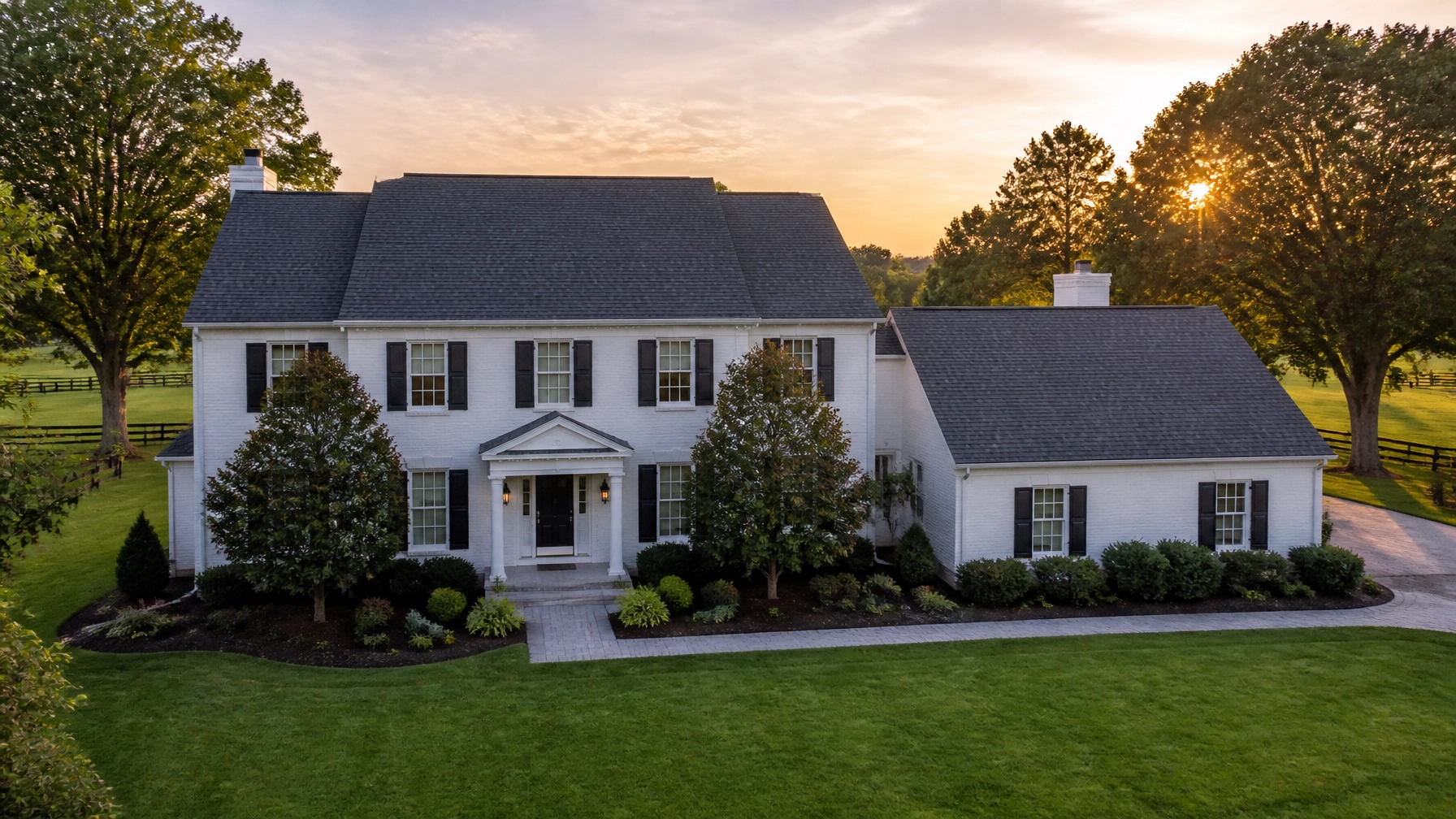
  • Daily Weather Blitz – Slot 2: Grand Rapids, MI : August 26, 2026: 80°F With Afternoon Storms, Hail & Wind Threats & What a Cold-Front Pattern Does to Your Roof

    Daily Weather Blitz – Slot 2: Grand Rapids, MI : August 26, 2026: 80°F With Afternoon Storms, Hail & Wind Threats & What a Cold-Front Pattern Does to Your Roof

    Grand Rapids is heading into a potentially active weather window this afternoon and evening, Wednesday, August 26, 2026.

    A cold front moving east from the west will trigger scattered showers and thunderstorms across West Michigan. Most storms will remain manageable, but a few could become strong to briefly severe.

    The main roof threats are:

    • Damaging wind gusts
    • Hail
    • Wind-driven rain
    • Fallen branches
    • Isolated tornado activity, especially farther south toward and beyond I-94

    Today’s high should reach approximately 80°F, with southwest winds of 10–15 mph and gusts near 20 mph before storms develop. The Storm Prediction Center places the Grand Rapids area in a Marginal Risk: Level 1 of 5 for isolated severe storms. Areas around and south of I-94 have a Slight Risk: Level 2 of 5.

    Check the latest updates from the National Weather Service in Grand Rapids and FOX 17 West Michigan weather before making outdoor plans.

    What the Cold Front Means for Grand Rapids Roofs

    A cold front is a boundary where cooler, denser air pushes underneath warmer air. That rapid change can produce a line or cluster of thunderstorms with shifting winds, heavy rain, hail, and short bursts of intense weather.

    The National Weather Service’s Grand Rapids forecast discussion identifies several ingredients that can support organized storms today, including:

    • Convective Available Potential Energy, or CAPE, above 1,000 J/kg
    • Strong wind shear through the atmosphere
    • Potential for early discrete storms with hail
    • A later clustering or line segment where damaging wind becomes the primary concern

    Storms are expected to weaken overnight and clear the area around 1–2 a.m. Thursday. A Small Craft Advisory is also posted for Lake Michigan tonight.

    For a roof, this pattern matters because wind and hail can damage different components at the same time.

    Wind can attack the roof edge

    Strong gusts create uplift beneath shingle edges, ridge caps, and poorly secured flashing. If the adhesive seal has weakened because of age, heat, or repeated freeze-thaw cycles, shingles may lift or blow off.

    The risk is higher on:

    • Older roofs
    • Roofs with missing or curled shingles
    • Gable ends
    • Roof edges and corners
    • Homes with loose fascia, soffits, or flashing

    Hail can cause hidden damage

    Hail does not need to create a dramatic hole to reduce a roof’s service life. Repeated impacts can fracture the shingle mat, loosen protective granules, and create soft bruised areas.

    Damage may not be visible from the ground. It can show up later as:

    • Granules collecting in gutters
    • Dark dents or circular impact marks
    • Soft spots in the shingle surface
    • Cracked or split shingles
    • Leaks around valleys, skylights, chimneys, or vents

    Wind-driven rain finds weak points

    Rain pushed sideways by strong wind can enter through damaged flashing, open seams, exposed underlayment, and roof-to-wall transitions. Even if shingles remain in place, a compromised detail can allow water into the attic or wall system.

    West Michigan ranch home with a newly installed architectural shingle roof after stormy weather

    Why a “Marginal” Risk Still Deserves Attention

    A Marginal Risk does not mean every home will experience severe weather. It means isolated storms may reach severe limits while most locations do not.

    That distinction matters for homeowners. A storm does not need to be widespread to damage one neighborhood or one roof.

    Kent County experienced a notable severe-weather year in 2025, including:

    • Four tornadoes during the March 30 outbreak, rated EF0 or EF1
    • Thunderstorm wind reports reaching approximately 70 knots
    • An EF1 tornado and damaging winds during the May 15–16 outbreak
    • Hail up to approximately 1.75 inches in the region
    • Widespread roof, siding, and home damage

    That recent history is a practical reason to take today’s alerts seriously, even with a low-end risk category.

    During the storm, stay indoors and avoid climbing onto the roof. Wait until lightning and high winds have ended before checking for damage.

    Grand Rapids Roof Replacement Cost in 2026

    For a typical Grand Rapids home with approximately 2,000 square feet of roof area, asphalt shingle replacement generally costs:

    • $9,000–$18,000 for a standard replacement
    • $12,000–$16,000 for a mid-range architectural shingle roof
    • Approximately $3.75–$6.75 per square foot installed
    • $22,000–$28,000 for larger, steeper, or highly complex roofs

    Roofing contractors measure in squares. One roofing square equals 100 square feet, so a 2,000-square-foot roof contains approximately 20 squares before waste and installation adjustments.

    Your final price depends on:

    • Roof size and pitch
    • Number of valleys, dormers, and penetrations
    • Existing roof tear-off requirements
    • Decking repairs
    • Flashing replacement
    • Material selection
    • Local labor and permit costs
    • Accessibility and disposal requirements

    Material choices for storm-conscious homeowners

    Architectural shingles (Popular):
    Usually the best balance of cost, appearance, warranty, and performance. Standard architectural shingles typically cost less than metal and are widely available for repairs.

    Impact-resistant shingles (Premium protection):
    Class 3 and Class 4 products, tested under UL 2218, are designed to perform better against hail impacts than standard shingles. Ask whether the product’s impact rating may qualify for an insurance credit in your policy.

    Metal roofing (Long-term investment):
    Metal roofing generally costs approximately $8–$16 per square foot installed and can last 40–70 years. Standing-seam metal is a premium option, while stone-coated steel and metal shingles can provide a more traditional appearance.

    Compare metal roofing and asphalt shingles before choosing a material.

    Storm-Ready Roof Checklist

    The Insurance Institute for Business & Home Safety and FEMA emphasize preparation, secure roof attachment, and water-management details.

    Before the storm

    Complete these tasks when conditions are safe:

    • Clear gutters and downspouts
    • Trim overhanging or dead tree limbs
    • Look for loose, missing, curled, or cracked shingles from the ground
    • Check visible flashing around chimneys, skylights, valleys, and vents
    • Secure patio furniture, grills, decorations, and other loose outdoor items
    • Confirm that sump pumps and drainage paths are working
    • Review your insurance policy and know your deductible

    Do not perform a roof inspection during active lightning, hail, or high wind.

    Check the shingle wind rating

    Ask your contractor which wind standard applies to the shingle being installed. Asphalt shingles are commonly tested under ASTM D7158 and related standards.

    The classification should be appropriate for local design wind speeds. The strength of the shingle’s sealant bond is also a major predictor of wind performance, according to IBHS guidance.

    Installation matters just as much as the label. Incorrect nail placement, insufficient fasteners, poor starter-strip installation, or improper exposure can reduce the roof’s real-world performance.

    Consider a sealed roof deck

    A sealed roof deck creates a secondary water barrier beneath the roof covering. IBHS testing indicates that properly sealing the roof deck can reduce water intrusion by up to 95% when roof coverings are damaged.

    A stronger roof assembly may include:

    • Ring-shank nails securing roof sheathing
    • Taped sheathing seams or a self-adhered membrane
    • Synthetic underlayment installed with enhanced fastening
    • Adhered starter strips
    • Secure drip edge at eaves and rakes
    • Properly integrated chimney, valley, skylight, and wall flashing

    These measures are part of the broader FORTIFIED Roof approach, which is designed to help keep the roof attached and water outside the home.

    Modern Grand Rapids-area home with a new standing-seam metal roof and clean, storm-ready roofline

    What to Do After Hail or High Wind

    Once the weather has cleared:

    1. Walk the property from the ground and look for missing shingles, exposed underlayment, siding damage, and fallen branches.
    2. Check gutters and downspouts for unusual granule buildup.
    3. Photograph damage from multiple angles.
    4. Look in the attic for wet insulation, daylight, staining, or active leaks.
    5. Place temporary protection over an opening only if it can be done safely.
    6. Contact your insurance carrier promptly if you believe the damage is storm-related.
    7. Hire a licensed and insured local roofing contractor.
    8. Avoid signing contracts with door-to-door storm chasers before checking credentials.

    Hail damage is easy to miss. A professional inspection can identify bruising, fractured mats, damaged flashing, and water-entry points that are not obvious from the driveway.

    Close view of a residential roof valley, flashing, and gutter area after a hail and wind inspection

    Michigan’s Proposed FORTIFIED Roof Endorsement

    Michigan Senate Bill 1130, introduced in July 2026, would require insurers to offer a FORTIFIED roof upgrade endorsement for policies issued or renewed after December 31, 2027, if the related legislation is enacted.

    The proposed endorsement would apply when a covered tornado, hail, or catastrophic windstorm loss requires roof replacement. It would cover reasonable added costs to rebuild the roof to a FORTIFIED standard.

    The proposal is not the same as automatic coverage. Homeowners would need to purchase the endorsement, and the loss would still need to meet the policy’s coverage requirements. Monitor updates from the Michigan Department of Insurance and Financial Services, and ask your agent how future policy changes may affect your home.

    Get a Grand Rapids Roof Estimate in 60 Seconds

    You do not need to wait for multiple contractor appointments to understand your likely replacement budget.

    With Get My Roof Estimate Now, Grand Rapids homeowners enter their address and receive an instant, free estimate using satellite-powered roof measurements. The system evaluates roof size, pitch, and complexity, then provides low-to-high pricing ranges for common materials.

    There is:

    • No cost
    • No credit card requirement
    • No contractor visit needed upfront
    • No hidden fees
    • Results in under 60 seconds

    Use the free roof cost calculator for a general range, or get a property-specific satellite estimate before the next storm arrives.

    Bottom line

    Today’s cold-front storms may be isolated, but damaging wind and hail are possible across West Michigan. Check your roof now from a safe location, clear drainage paths, secure outdoor items, and know what your insurance policy covers.

    If your roof is already 15–30 years old or shows storm damage, getting an accurate price range early gives you more control. A satellite-powered estimate can provide that starting point in about 60 seconds: before a small problem becomes an interior water loss.

    Sources and Further Reading