Author: James Turner

  • 7 Mistakes You’re Making with Charlotte Roof Replacement Vetting (and How to Avoid Scams)

    7 Mistakes You’re Making with Charlotte Roof Replacement Vetting (and How to Avoid Scams)

    Charlotte is a "storm magnet." Whether it’s a random spring hailstorm in Myers Park or the residual winds of a hurricane moving up from the coast, your roof takes a beating. In 2026, the average cost for a roof replacement in Charlotte, NC, sits at approximately $8,954, with most homeowners spending between $5,949 and $12,204 (Standard).

    When that kind of money is on the line, the "storm chasers" come out in droves. These are out-of-state contractors who flood neighborhoods like Dilworth and Ballantyne after a storm, looking for quick insurance payouts before vanishing.

    If you're currently vetting contractors, you're likely making at least one of these seven mistakes. Here is how to spot the red flags and ensure your home stays protected.

    1. Falling for the "Door-to-Door" Damage Claim

    In North Carolina, the Department of Insurance has recently conducted stings on roofing "project managers" who intentionally damage shingles to manufacture insurance claims. If a contractor knocks on your door claiming they "saw damage from the street," be extremely skeptical.

    The Reality: High-quality Charlotte roofers stay busy through referrals and professional marketing. They rarely need to go door-to-door. If someone pushes a "free inspection" immediately after a storm, they are often looking to create damage or exaggerate minor wear.

    How to avoid it: Use a third-party tool like our instant roof estimate to get a baseline for your roof's condition and size using satellite imagery before letting anyone on your shingles.

    2. Neglecting to Verify the NC General Contractor License

    Many homeowners assume "licensed and insured" is a single checkbox. In North Carolina, any roofing project that exceeds $40,000 (Premium/Large Scale) legally requires the contractor to hold a North Carolina General Contractor license.

    Even for smaller jobs, the state has strict standards for who can pull permits.

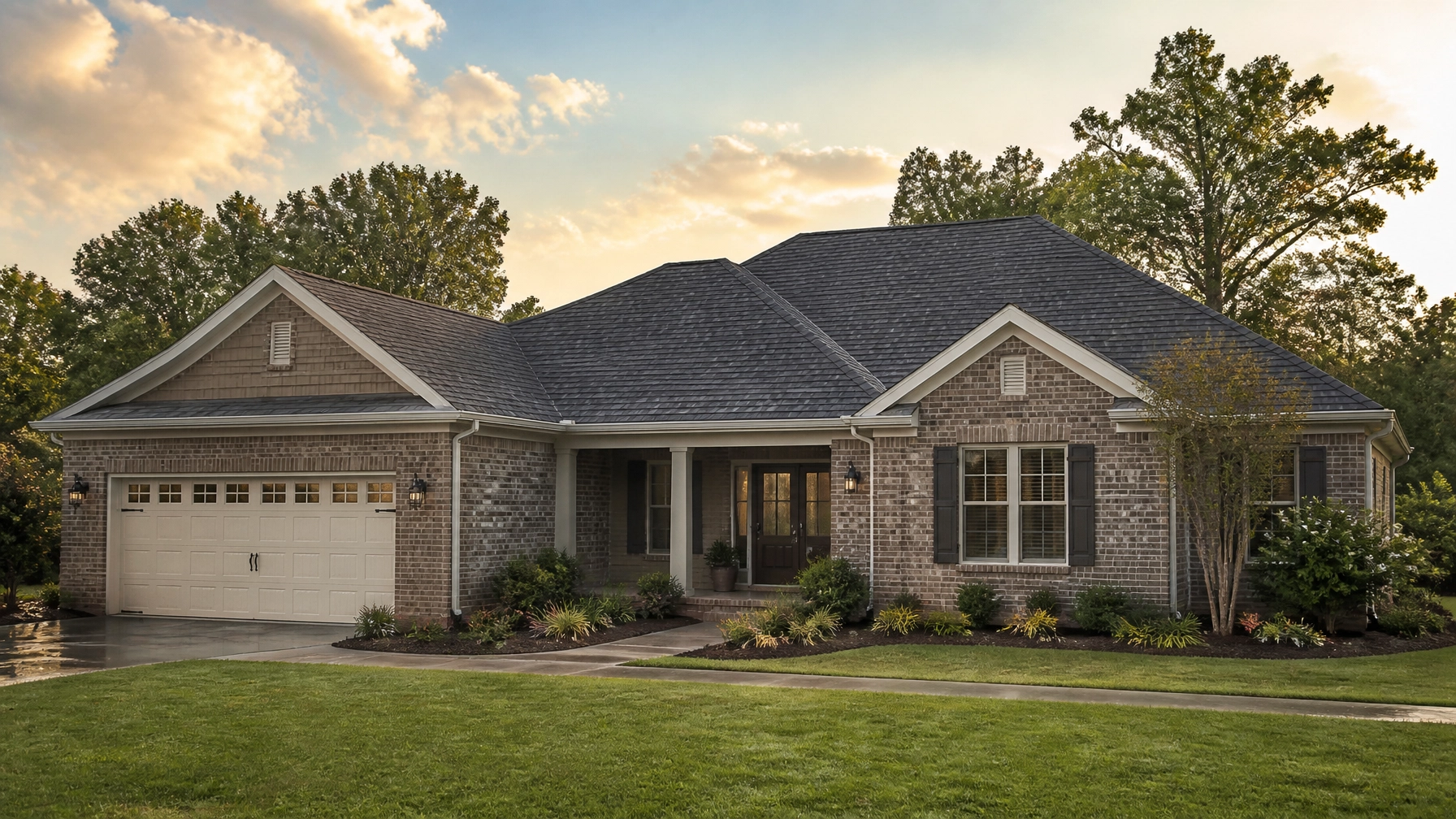
    Detailed close-up of professional architectural shingle installation in Charlotte

    3. Choosing the Lowest Bid Without Context

    We see it every week: a Charlotte homeowner gets three quotes. Two are around $11,000 (Market Average), and one is suspiciously low at $6,500 (Budget).

    Why the low bid is a trap:

    • Material cutting: They may use low-grade 3-tab shingles instead of 30-year architectural shingles.
    • No insurance: They might not carry Workers' Comp, leaving you liable if a worker falls.
    • Hidden fees: They may exclude the cost of replacing rotted decking (plywood), which can add thousands to the final bill.

    At Get My Roof Estimate Now, we provide low-middle-high price ranges based on real-time material costs in the Queen City, so you know exactly where a "fair" bid should land.

    4. Signing an "Assignment of Benefits" (AOB) Too Early

    Storm chasers often push homeowners to sign a document that gives the contractor the right to deal directly with your insurance company. This is called an Assignment of Benefits.

    The Risk: Once you sign an AOB, you lose control over the claim. The contractor can settle with the insurance company for a lower amount, use cheaper materials, and pocket the difference. In some cases, they may even disappear with the initial check.

    The Fix: Never sign anything before your insurance adjuster has personally inspected the roof and provided an official summary of loss.

    5. Overlooking Local "Brick and Mortar" Presence

    A "storm chaser" usually operates out of a truck with out-of-state plates. If your roof starts leaking eighteen months from now, that "5-year workmanship warranty" is worthless if the company is back in Florida or Texas.

    Verify Local Roots:

    • Physical Address: Ensure they have a real office in the Charlotte metro area (not just a PO Box).
    • Local References: Ask for addresses of homes they roofed in your specific neighborhood (e.g., Steele Creek or Huntersville) at least two years ago.
    • Permit History: A reputable roofer will handle all Mecklenburg County permits. If they ask you to pull the permit, run.

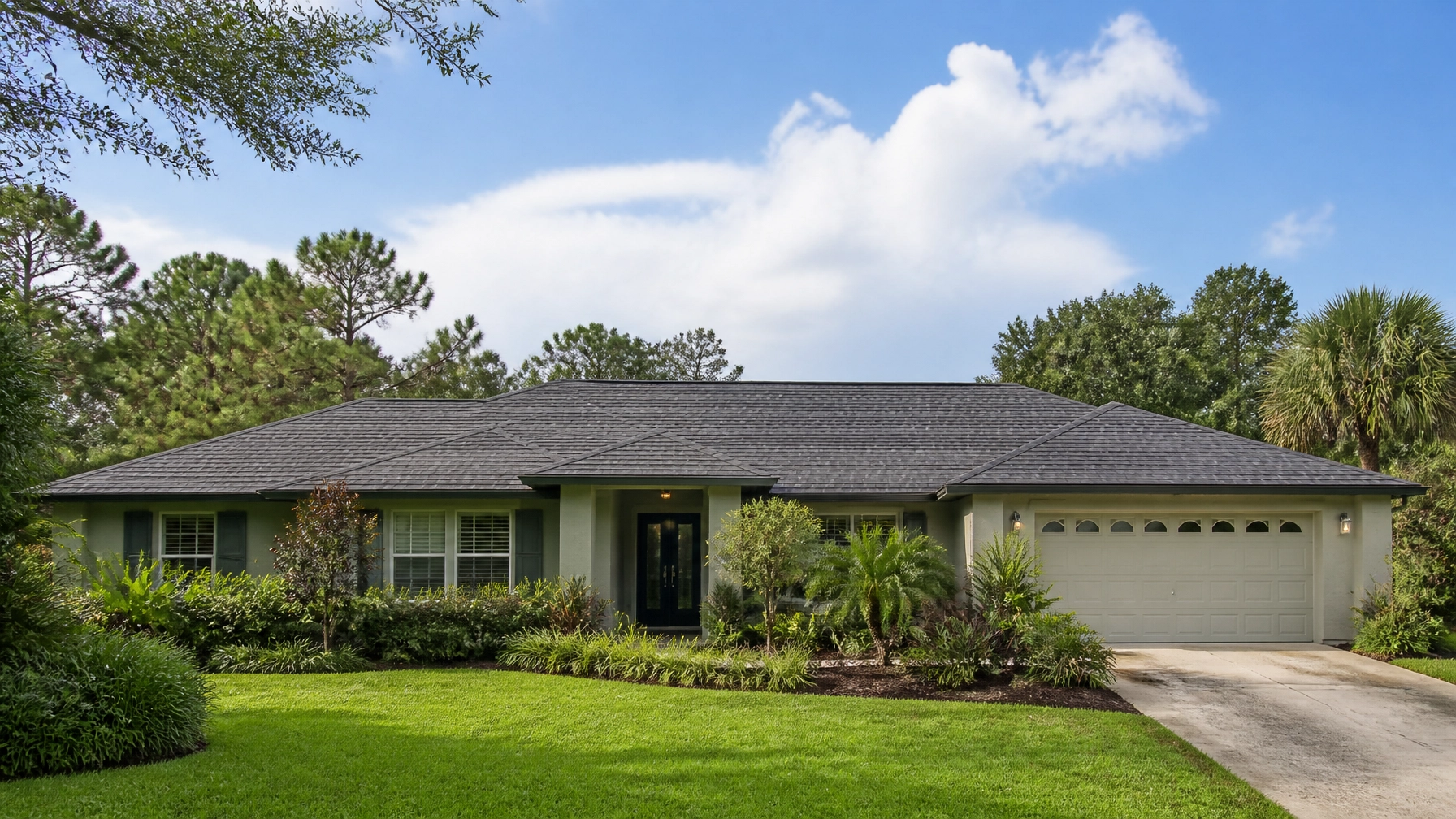
    Premium bronze metal roof on a modern Charlotte farmhouse

    6. Ignoring Manufacturer Certifications

    In the roofing world, certifications like "GAF Master Elite" or "Owens Corning Platinum Preferred" aren't just fancy stickers. They mean the manufacturer has vetted the contractor’s financial stability and installation quality.

    Why it matters: Manufacturers will often only provide extended "leak-proof" warranties if the roof is installed by a certified contractor. If you hire an uncertified "chuck-in-a-truck," you might only get the basic material warranty, which doesn't cover labor if the shingles fail.

    7. Paying the Full Amount Upfront

    This is the oldest trick in the book. A contractor asks for 50% or even 100% of the money upfront to "order materials."

    The Red Flag: In Charlotte, reputable roofing companies have credit lines with local suppliers like ABC Supply Co. or Beacon Building Products. They shouldn't need your cash to get the shingles to your driveway.

    The Standard:

    • Deposit: 10–25% (Standard).
    • Final Payment: 75–90% (Due only after the job passes final inspection and you have a lien waiver in hand).

    Roofing crew performing a professional installation on a Charlotte ranch home

    Summary of Charlotte Roofing Benchmarks (2026)

    Material Type Est. Cost (1,500 sq ft) Est. Cost (3,000 sq ft) Longevity
    Architectural Shingles $7,500 – $9,500 $14,000 – $18,000 25-30 Years
    Standing Seam Metal $15,000 – $22,000 $28,000 – $45,000 50+ Years
    Synthetic/Slate $25,000+ $50,000+ 75+ Years

    How to Get an Accurate Estimate in 60 Seconds

    Vetting doesn't have to take weeks. Before you start calling contractors and inviting strangers to your home, get the data you need to negotiate effectively.

    Our satellite-powered technology measures your roof's square footage, pitch, and complexity with 95% accuracy. Within 60 seconds, you'll receive a transparent price range based on current Charlotte labor rates.

    Get your free, instant estimate now.


  • Miami Roof Replacement Cost in 2026: Why Waiting Could Cost You an Extra 5%

    Miami Roof Replacement Cost in 2026: Why Waiting Could Cost You an Extra 5%

    If you are a homeowner in Miami-Dade County, the math on roof replacement has changed. In 2026, the intersection of stricter High Velocity Hurricane Zone (HVHZ) building codes, rising insurance requirements, and a steady 5% annual increase in material and labor costs has pushed the "average" roof project into a new price bracket.

    For a typical 1,700–2,000 square foot home in Miami, you should expect to invest between $20,000 and $40,000 for a full replacement. While those figures may seem high, homeowners who delay until 2027 are projected to pay an additional $1,500 to $2,500 for the exact same roof.

    At Get My Roof Estimate Now, we provide instant, satellite-powered pricing so you can lock in your budget before the next market shift. Here is exactly what you need to know about the Miami roofing market in 2026.

    2026 Miami Roofing Price Breakdown by Material

    Miami is unique because every roof must meet the most stringent wind-resistance standards in the United States. This adds a "Miami Premium" of roughly 10–20% compared to other Florida cities like Orlando or Tampa.

    Asphalt Shingles (Budget-Friendly / Standard)

    • Average Cost (2,000 sq ft): $13,000 – $26,000
    • Pros: Lowest upfront cost, fastest installation.
    • Considerations: Must be HVHZ-rated architectural shingles. Standard 3-tab shingles are effectively obsolete in South Florida due to wind-speed requirements.

    Concrete or Clay Tile (Popular / Traditional)

    • Average Cost (2,000 sq ft): $26,000 – $45,000
    • Pros: Superior curb appeal, high wind resistance, long lifespan.
    • Considerations: Extremely heavy. If you are switching from shingles to tile, your home may require structural reinforcement to the trusses, which can add $5,000+ to the total.

    Metal Roofing (Premium / High-Performance)

    • Average Cost (2,000 sq ft): $28,000 – $50,000+
    • Pros: Maximum hurricane protection, energy efficiency, 50-year lifespan.
    • Considerations: Standing-seam metal is the gold standard for Miami. It offers the best insurance discounts but requires specialized labor.

    New architectural shingle roof on a Florida ranch-style house in Miami

    The "Miami Premium": Why Costs are Higher in 305/786

    In Miami-Dade, you aren't just paying for the material you see. You are paying for the engineering beneath it. The Florida Department of Business and Professional Regulation mandates specific "Product Approvals" for everything used on a Miami roof.

    1. Enhanced Fastening Patterns: Contractors must use more nails or screws per square than in other states to prevent uplift during a Category 5 storm.
    2. Sealed Roof Decks: A secondary water barrier is now a standard requirement. This ensures that even if your shingles or tiles blow off, your home remains dry.
    3. Permit Fees: Miami-Dade and municipal permits (like Coral Gables or Miami Beach) are notoriously rigorous and more expensive, often ranging from $500 to $1,500.

    Why Waiting Until 2027 Could Cost You 5% More

    Roofing costs rarely go down. In 2026, we are seeing a "compounding effect" of three factors:

    • Labor Scarcity: Skilled trades in South Florida are in high demand, leading to a projected 4–6% increase in labor rates annually.
    • Petroleum Costs: Asphalt shingles are oil-based products. As global oil prices fluctuate, shingle manufacturers typically pass 3–5% increases to the consumer twice a year.
    • Insurance Pressure: Florida insurance carriers are increasingly non-renewing policies for roofs older than 15 years. Waiting until your roof hits that 15-year mark gives the insurance company leverage to force a replacement on their timeline, not yours.

    By using our roof cost calculator, you can get a data-backed estimate in 60 seconds and begin the planning process before these price hikes take effect.

    Premium terracotta barrel tile roof on a Mediterranean-style Miami villa

    Factors That Scale Your Estimate Up or Down

    When you receive your Florida roof estimate, several variables will dictate whether you fall on the low or high end of the spectrum:

    • Roof Pitch (Steepness): A flat or low-slope roof is standard. A steep roof (anything over a 6:12 pitch) requires extra safety equipment and more labor hours, typically adding 15–25% to the labor cost.
    • Complexity (Valleys and Hips): A simple ranch-style roof is cheaper than a complex colonial with multiple dormers and valleys. Every "cut" in the roof adds waste and labor.
    • Decking Condition: Our satellite measurements are 90-95% accurate for size, but we cannot see through your shingles. If your plywood deck is rotted from a slow leak, expect to pay $100–$150 per sheet of replaced plywood.

    The 60-Second Solution for Miami Homeowners

    The traditional way to get a roof estimate in Miami is a headache. You call three contractors, wait a week for them to show up, and then endure high-pressure sales pitches in your living room.

    Get My Roof Estimate Now eliminates the friction.

    1. Enter Your Address: We use high-resolution satellite imagery to measure your roof's squares, pitch, and complexity.
    2. Get Your Price: In under a minute, we provide a transparent price range based on current 2026 Miami market data.
    3. Connect with Pros: If the numbers work for you, we connect you with verified, licensed, and insured local contractors who can execute the job.

    No credit card, no waiting, and no hidden fees. Just the data you need to protect your biggest investment.

    Professional roofing crew installing a high-quality roof in Miami

    Conclusion: Take Action Before the Next Storm Season

    In Miami, your roof isn't just a part of your house: it's your primary defense against the elements. With costs projected to rise by at least 5% by next year, the most financially responsible move is to gather your data now.

    Whether you are looking for a budget-friendly asphalt shingle replacement or a premium, hurricane-proof metal system, knowing your "number" is the first step.

    Don't wait for the next price hike. Get your instant Miami roof estimate now.

  • How to Choose the Best Detroit Roofing Contractor (and Avoid Storm Chasing Scams)

    How to Choose the Best Detroit Roofing Contractor (and Avoid Storm Chasing Scams)

    Detroit homeowners face some of the toughest weather conditions in the country. Between the heavy lake-effect snow of January and the sudden, violent hail storms of mid-summer, your roof is constantly under siege. When damage happens: or when your 20-year-old shingles finally give up: the pressure to find a contractor is intense.

    Unfortunately, this urgency is exactly what "storm chasers" prey on. These are out-of-state contractors who follow weather patterns, descending on Metro Detroit neighborhoods after a storm to sign quick contracts, perform subpar work, and vanish before the first leak appears.

    Choosing the right Detroit roofing contractor isn't just about finding the lowest price; it’s about verifying local credentials, understanding 2026 market rates, and using technology to ensure you aren't being overcharged.

    The Detroit Roofing Market: 2026 Price Benchmarks

    Before you sign any contract, you need to know what a roof actually costs in the current Detroit market. Prices have stabilized in 2026, but labor remains a significant factor, often accounting for 40–60% of your total bill.

    Here is what you should expect for a typical 1,500–2,000 square foot home in the Detroit area:

    • Asphalt Shingles (Budget/Popular): $8,000 – $15,000. This is the standard for most Detroit residential neighborhoods.
    • Architectural Shingles (Mid-Range/Durable): $12,000 – $18,000. These offer better wind resistance (essential for Michigan storms) and a longer lifespan.
    • Metal Roofing (Premium/Lifetime): $20,000 – $30,000+. Metal is becoming increasingly popular in Michigan due to its ability to shed snow and resist high winds.

    If a contractor gives you a quote significantly below these ranges, be wary. They are likely cutting corners on materials, skipping necessary permits, or lacking proper insurance. You can get an instant, accurate roof estimate here using our satellite imagery tool to see exactly where your home fits in these ranges.

    Professional roofing installation showing precision shingle layering and safety harnesses

    5 Red Flags: How to Spot a Storm Chaser

    Storm chasers are professional salespeople, not professional roofers. In Detroit, they often target areas like Royal Oak, Grosse Pointe, and West Bloomfield immediately after a hail event. Look out for these warning signs:

    1. The "Free Deductible" Offer: In Michigan, it is often considered insurance fraud for a contractor to "cover" your deductible. If they offer to pay it for you, they are likely inflating the claim or using inferior materials to make up the difference.
    2. Out-of-State Plates: Check the trucks. If you see license plates from Ohio, Indiana, or further afield, ask where their permanent local office is located. A "temporary" office in a Detroit hotel is a major red flag.
    3. High-Pressure "Today Only" Pricing: Legitimate contractors provide an estimate and give you time to think. Scammers will tell you the price is only valid if you sign the "Authorization Form" right now.
    4. Unsolicited Door Knocking: While some local companies still door-knock, most reputable Detroit roofers stay busy through referrals and established reputations. Be skeptical of anyone who "just happened to be in the neighborhood."
    5. Lack of a Michigan License: This is the ultimate dealbreaker.

    The Michigan Vetting Checklist

    Every legitimate roofing contractor in Detroit must meet specific state and local requirements. Do not take their word for it: verify these three items yourself.

    1. Michigan LARA License

    In Michigan, roofing is a regulated trade. A contractor must hold either a Residential Builder License or a Maintenance & Alteration (M&A) License with a roofing classification.

    2. City of Detroit Permits

    For a full roof replacement, a permit is required by the City of Detroit Building Department. Permits usually cost between $100 and $300 for a standard residential project.

    • Warning: If a contractor asks you to pull the permit as the homeowner, they are likely unlicensed or have a poor track record with the city. A professional contractor handles all permitting and inspections.

    3. Comprehensive Insurance

    General Liability insurance protects your property, and Workers' Compensation protects you from being sued if a worker is injured on your roof.

    • Action: Ask for a Certificate of Insurance (COI) sent directly from their insurance agent to you.

    Satellite imagery interface showing digital roof measurements and cost breakdown

    Use Technology to Level the Playing Field

    The traditional way of getting a roof estimate is slow. You call three contractors, wait a week for them to show up, and then receive three wildly different quotes.

    At Get My Roof Estimate Now, we use advanced satellite imagery technology to eliminate the guesswork. Our tool measures your roof’s size, pitch, and complexity to within inches. Within 60 seconds, you receive a transparent, data-driven price range based on actual Detroit material and labor costs.

    This "instant benchmark" is your most powerful tool. When a contractor gives you a quote, you can immediately tell if it’s fair or if they’re trying to take advantage of a post-storm situation. You can start your 60-second estimate here.

    Final Steps: Comparing Quotes

    Once you have your benchmark estimate and have narrowed down your list to 2–3 licensed, local Detroit contractors, look for these details in their written proposals:

    • Tear-off and Disposal: Does the price include removing the old layers and hauling away the debris? (Expect $1,000–$3,000 for this).
    • Ventilation: Does the quote include new ridge vents or attic fans? Proper ventilation is critical for Michigan winters to prevent ice dams.
    • Material Specifics: Does it name the brand (e.g., GAF, Owens Corning, CertainTeed) and the specific line of shingle?
    • Workmanship Warranty: How long does the contractor stand behind their labor (separate from the material manufacturer's warranty)?

    Professional Detroit roofing contractor discussing a digital estimate with a homeowner

    Conclusion

    Choosing a roofing contractor in Detroit doesn't have to be a gamble. By staying informed on current 2026 pricing, verifying Michigan state licenses, and using satellite technology to set a price benchmark, you can protect your home and your wallet.

    Don't wait for a leak or a storm chaser to knock on your door. Get the information you need today so you're prepared for whatever Michigan weather throws at you next.

    Ready for a transparent, no-hassle roof estimate? Get yours in 60 seconds at Get My Roof Estimate Now.

  • 2026 Orlando Roof Replacement Cost: How to Choose the Best Materials (Compared)

    Replacing a roof in Orlando is no longer just a "weekend project" or a quick negotiation with a local contractor. In 2026, the landscape has shifted. Between evolving Florida building codes, rising material costs, and the increasing intensity of storm seasons, Orlando homeowners need to be more strategic than ever.

    If you’re looking at a roof that’s 15 to 20 years old, you’re likely facing a replacement. The good news? Technology has made it easier to budget. At Get My Roof Estimate Now, we provide instant, satellite-powered estimates in under 60 seconds. But before you click, you need to understand what you're paying for.

    This guide breaks down the real-world costs for Orlando roofing in 2026 and compares the best materials for our unique Central Florida climate.


    2026 Orlando Roof Cost Snapshot

    For a typical 1,700 to 2,000-square-foot single-family home in Orlando, the total project cost in 2026 generally falls between $12,000 and $35,000+.

    The variance depends almost entirely on your material choice and the complexity of your roofline (valleys, dormers, and pitch). Here is the current market breakdown for Orlando:

    Material Type Estimated Cost (2,000 sq. ft.) Category
    Architectural Shingles $12,000 – $18,500 (Popular)
    Impact-Resistant Shingles $15,000 – $22,000 (Value)
    Corrugated Metal $14,000 – $20,000 (Durable)
    Standing Seam Metal $22,000 – $38,000 (Premium)
    Concrete Tile $18,000 – $28,000 (Traditional)
    Clay Tile $25,000 – $45,000+ (Luxury)

    Note: These figures include labor, materials, and disposal of your old roof.


    Choosing Your Material: The 2026 Comparison

    Orlando’s weather is brutal on roofs. We deal with extreme UV exposure, high humidity, and the constant threat of hurricane-force winds. Your material choice determines how often you’ll be repeating this process.

    1. Architectural Asphalt Shingles (The Standard)

    Architectural shingles (also called dimensional shingles) remain the #1 choice in Orlando. They offer a balance of aesthetic appeal and affordability. In 2026, standard architectural shingles are rated for winds up to 130 mph, which covers most tropical storm events.

    • Pros: Most affordable upfront cost; wide variety of colors; easy to repair.
    • Cons: Shorter lifespan (15–20 years in FL); prone to algae streaks (Gloeocapsa magma) if not treated.

    2. Metal Roofing (The Performance Choice)

    Metal has seen a massive surge in Orlando over the last two years. While the "Standing Seam" (Premium) option is the gold standard for hurricane resistance because there are no exposed fasteners, even "Corrugated Metal" (Durable) offers superior longevity over shingles.

    • Pros: 40–70 year lifespan; reflects solar heat (lowering AC bills); excellent wind resistance.
    • Cons: Higher upfront investment; can be noisy during Florida's heavy afternoon downpours if not properly insulated.

    A close-up view of a professional standing seam metal roof installation on a modern house, showing the clean lines and hidden fasteners that provide superior hurricane protection.

    3. Concrete and Clay Tile (The Florida Classic)

    Common in neighborhoods like Dr. Phillips or Winter Park, tile roofs offer a "forever roof" aesthetic. Concrete tiles are more budget-friendly than clay but are incredibly heavy.

    • Pros: Distinctive Mediterranean look; fireproof; extremely durable.
    • Cons: Very expensive; heavy (may require structural reinforcement); tiles can crack if walked on improperly.

    The "Hidden" 2026 Florida Building Code Costs

    When you get an estimate in Orlando today, you might notice it's higher than what your neighbor paid five years ago. This isn't just inflation: it's safety. The 2026 Florida Building Code mandates several upgrades that are now non-negotiable:

    1. Sealed Roof Decks: All new roofs must have a "secondary water barrier." This is usually a "peel-and-stick" underlayment that covers the entire wood deck. If your shingles blow off, this barrier keeps the water out. (Cost: +$800 – $2,000).
    2. Enhanced Hurricane Straps: If your home was built before modern codes, you may be required to upgrade the connections between your roof trusses and walls. (Cost: +$500 – $1,200).
    3. Drip Edge and Flashing: 2026 standards require heavier gauge metals for edges and valleys to prevent water backup during slow-moving storms.

    At Get My Roof Estimate Now, our algorithm factors in these regional code requirements automatically, so your "instant estimate" isn't just a guess: it's a data-backed projection.


    Why Speed and Accuracy Matter in Orlando

    Waiting weeks for three different contractors to visit your home is the old way. In the current market, roofing material prices can fluctuate monthly. You need to know your numbers now so you can secure financing or insurance approvals.

    A homeowner using a tablet to view an instant satellite-generated roof estimate, with a clear overhead view of their home displayed on the screen.

    The Get My Roof Estimate Now Advantage:

    • Satellite Precision: We measure your roof’s square footage, pitch, and complexity using high-res imagery accurate to within inches.
    • 60-Second Results: No more "we'll call you back with the quote next Tuesday." You get it immediately.
    • Verified Contractors: Once you have your estimate, we connect you with licensed, insured Orlando pros who have already been vetted for quality and reliability.
    • Zero Pressure: This is about information. You get the data you need to make an informed decision without a salesperson sitting on your couch for two hours.

    How to Get Started

    If you’re in Orange, Osceola, or Seminole County and your roof is showing signs of age: curling shingles, grit in the gutters, or those tell-tale ceiling spots: it’s time to act.

    1. Enter Your Address: Head to our home page and type in your Orlando address.
    2. Review Materials: Compare the low-middle-high price ranges for shingles vs. metal.
    3. Connect: If the numbers look good, we’ll put you in touch with the best local crews to finalize the details and get the job done.

    Don't wait for the next hurricane season to find out your roof is failing. Get the transparency you deserve today.

    Get Your Instant Orlando Roof Estimate Now


    A wide-angle shot of a suburban Orlando neighborhood with various homes featuring clean, new roofs, highlighting the improvement in curb appeal and property value.

  • How to Get Your Insurance to Pay for a New Roof in Charlotte (Full 2026 Guide)

    How to Get Your Insurance to Pay for a New Roof in Charlotte (Full 2026 Guide)

    If you live in Charlotte, you know that our 2026 storm season hasn’t been kind to residential roofing. Between the heavy spring hail and the gusty winds that rip through Mecklenburg County, local homeowners are seeing more shingle damage than ever. Replacing a roof out of pocket can cost between $9,000 and $25,000 for a typical home, a massive hit to any budget.

    But here is the reality: if your roof was damaged by a storm, you shouldn’t be the one footing the entire bill. Your homeowners insurance is designed to cover these exact scenarios.

    Getting a carrier to write a check for a full replacement isn’t always easy, though. It requires a precise strategy, technical evidence, and speed. This guide breaks down exactly how to navigate the insurance claim process in Charlotte this year to ensure you get the coverage you've been paying for.

    Does Your Insurance Cover Roof Replacement?

    Before you pick up the phone, you need to understand what you’re working with. Not all policies are created equal. In North Carolina, insurers typically categorize roof coverage in two ways:

    • Replacement Cost Value (RCV): This is the gold standard (Premium). If your roof is damaged, the insurance company pays to replace it with a brand-new version of similar quality, minus your deductible.
    • Actual Cash Value (ACV): This is common on older policies (Budget). The insurer pays the "depreciated" value of your roof. If your 20-year-old roof is damaged, they only pay what a 20-year-old roof is worth, which might only be 25% of the replacement cost.

    Pro Tip: Check your "Declarations Page." If you have an ACV policy, you will likely have a significant "out-of-pocket" gap. If you have RCV, you are in a great position to get a full replacement.


    Step 1: Professional Damage Assessment

    Do not call your insurance company first. The moment you file a claim, a clock starts, and a "claim" appears on your history, even if they pay out zero dollars.

    Instead, start with a professional inspection. A licensed Charlotte roofer will look for:

    • Hail Bruising: Soft spots on the shingles where the fiberglass mat has fractured.
    • Wind Uplift: Shingles that have had their seal broken, allowing water to seep underneath.
    • Granule Loss: Areas where protective minerals have been scrubbed off, exposing the asphalt to UV rays.

    A professional roofing inspector in a safety vest standing on a ladder next to a ranch-style home in Charlotte, NC, pointing at hail damage.

    If you want an objective starting point before an inspector even climbs your ladder, use our instant roof estimate tool. We use satellite imagery to measure your roof's exact dimensions and give you a price range in under 60 seconds. This gives you a "baseline" number to compare against whatever the insurance company eventually offers.

    Step 2: Document Everything Immediately

    Insurance companies thrive on "gray areas." To get a "Yes," you need to provide black-and-white evidence.

    1. Date of Loss: Identify the specific storm date. In Charlotte, major hail events in March and April 2026 are currently the primary drivers for claims.
    2. Photos: Take photos of the ground. Are there shingles in the yard? Are there dents in your gutters or downspouts? These are "collateral damage" signs that adjusters use to verify a storm's intensity.
    3. Interior Damage: Check your attic and ceilings. If you have water stains (even small ones), document them immediately.

    Step 3: Filing the Claim

    When you call your insurance agent, be direct.

    • Wrong way: "I think my roof is getting old and might have some leaks." (This sounds like maintenance, which they won't pay for).
    • Right way: "I am calling to report sudden storm damage from the hail event on [Date]. I have had a professional inspection that confirmed functional damage to the shingles."

    Once the claim is filed, the insurer will assign an Adjuster. This is the person who decides the fate of your roof.


    Step 4: The Adjuster Meeting

    This is the most critical 30 minutes of the entire process. Do not let the adjuster walk your roof alone.

    Ideally, your roofing contractor should be on the roof at the same time as the insurance adjuster. Your contractor speaks the same "technical language" and can point out damage the adjuster might "overlook." If the adjuster sees 10 hits per square (a 10'x10' area), they are far more likely to approve a full replacement rather than a small patch repair.

    A close-up, hyper-realistic photo of high-quality architectural shingles in a weathered wood color on a residential roof in Charlotte.

    Step 5: Reviewing the "Scope of Work"

    After the inspection, you’ll receive a document called the "Scope of Work" or "Xactimate Estimate." This lists every item the insurance company is willing to pay for.

    Common "Missed" Items in Charlotte Claims:

    • Code Upgrades: NC building codes may require specific drip edges or ice/water shields that your old roof didn't have. If you have "Law and Ordinance" coverage, the insurer must pay for these.
    • Waste Factor: Insurers often underestimate how much extra material is needed for valleys and hips.
    • Market Pricing: Insurance software often lags behind real-world labor costs in Charlotte.

    If the insurance estimate is lower than your contractor’s quote, your contractor will file a Supplement. This is a request for additional funds based on the actual costs of the project.


    Charlotte Roof Replacement Costs (2026 Data)

    Understanding the local market is key to knowing if your insurance payout is fair. Here is what we are seeing in Charlotte for a standard 2,000 sq. ft. roof:

    Material Type Estimated Cost (Charlotte 2026) Insurance Likelihood
    Architectural Shingles (Popular) $8,500 – $15,000 Very High (Standard Coverage)
    Standing Seam Metal (Premium) $16,000 – $32,000 Moderate (Requires special rider)
    Luxury Slate/Tile (High-End) $30,000 – $60,000+ Low (Unless previously insured as such)

    If your insurance company offers you $7,000 for a full replacement on a 2,500 sq. ft. home in Ballantyne or Myers Park, they are likely underpaying you. You can get an instant, accurate estimate here to verify their numbers.

    A modern ranch-style home in a Charlotte suburb featuring a sleek, dark bronze standing seam metal roof.

    Why Speed Matters in 2026

    In North Carolina, most policies have a "statute of limitations" for filing a storm claim, usually 12 to 24 months from the date of the event. However, the longer you wait, the harder it is to prove the damage was caused by a specific storm and not just general "wear and tear."

    Furthermore, Charlotte's roofing labor market is tight. The longer you wait after a storm, the higher the prices climb as contractors get booked up.

    Get Your Estimate in 60 Seconds

    The traditional way to get a roof estimate involves calling three contractors, waiting for them to show up, and sitting through three 90-minute sales pitches.

    At Get My Roof Estimate Now, we’ve eliminated the hassle.

    1. Enter your address.
    2. Our satellite tech measures your roof.
    3. Receive an accurate estimate in under a minute.

    No credit card, no waiting, and no pressure. It’s the fastest way to get the data you need to talk to your insurance company with confidence.

    Click here to get your instant Charlotte roof estimate now.


    FAQ: Charlotte Insurance Claims

    Q: Will my insurance rates go up if I file a roof claim?
    A: In North Carolina, insurers generally cannot raise your individual rates for an "Act of God" claim (like hail or wind). However, they can raise rates for an entire zip code if a major storm hits. You might as well get your roof fixed since you’ll likely be paying the higher premium anyway.

    Q: Can I pocket the insurance money and not fix the roof?
    A: Technically, yes, if you own the home outright. But if you have a mortgage, the check will be made out to both you and the bank. They will require proof of repair. Additionally, if you don't fix it, you won't be able to insure the roof in the future.

    Q: What if the insurance company only offers a "patch" repair?
    A: If your shingles are older, they may be "unrepairable" because the surrounding shingles will break when a repair is attempted (the "brittle test"). If a roof cannot be repaired to its original state, NC law often leans toward a full replacement.

  • 7 Mistakes You’re Making with Your Charleston Roof Estimate (and How to Fix Them)

    7 Mistakes You’re Making with Your Charleston Roof Estimate (and How to Fix Them)

    Getting a roof estimate in Charleston isn’t like getting one in the Midwest. Between the salt air of the Battery, the crushing humidity of a July afternoon, and the looming threat of hurricane season, your roof works harder than almost any other part of your home.

    If you’re looking at a quote and thinking it’s just about shingles and labor, you’re already making a mistake. In the "Holy City," a bad estimate doesn't just cost you money today: it costs you a decade of roof life tomorrow.

    At Get My Roof Estimate Now, we use satellite-powered technology to give homeowners instant, accurate pricing. But whether you use our 60-second tool or wait three days for a contractor to show up with a ladder, you need to avoid these seven common pitfalls.


    1. Trusting the "Visual Guess" Measurement

    Most homeowners think a contractor walking their roof with a tape measure is the "gold standard." It’s not. In fact, it's often where the biggest errors start. Humans make mistakes, especially on the complex pitches and multi-level rooflines common in Charleston’s historic and coastal neighborhoods.

    The Fix:
    Demand accuracy. An estimate based on a "rough guess" usually leads to one of two things: a quote that’s too high because the contractor is padding for error, or a quote that’s too low, followed by a "surprise" $2,000 price hike once the materials are ordered.

    We provide instant roof estimates using satellite imagery accurate to within inches. This technology measures every facet, valley, and ridge of your roof from space, ensuring your material list is exact before the first shingle is pulled.

    2. Ignoring the "Lowcountry Tax" (Salt & Humidity)

    Charleston’s environment is brutal. If your estimate specifies standard galvanized nails or basic 3-tab shingles, you’re setting yourself up for failure. Salt air accelerates corrosion, and high humidity fosters algae growth (those ugly black streaks).

    The Fix:
    Ensure your estimate includes high-performance materials. For coastal SC, we recommend:

    • Algae-Resistant Shingles (Popular): Look for shingles with copper granules.
    • Stainless Steel Fasteners (Premium): Essential if you’re within a few miles of the coast to prevent nail-head rust.
    • Metal Roofing (Premium): While more expensive, a standing-seam metal roof is the "gold standard" for resisting both salt air and high winds.

    Sleek standing-seam silver metal roof on a modern coastal Charleston home

    3. The Missing "Rot" Contingency

    A common mistake is assuming your roof deck (the plywood under the shingles) is in perfect condition. In Charleston, where small leaks can go unnoticed for years behind heavy humidity, rotted decking is almost a guarantee on older roofs.

    The Fix:
    Check your estimate for a "per sheet" plywood replacement cost. If the estimate says $12,000 but doesn't mention what happens if they find rot, that price is a fantasy. A professional estimate should clearly state: "Plywood replacement: $85–$110 per 4×8 sheet (installed)." This transparency prevents "sticker shock" mid-project.

    Rotted plywood decking revealed during a roof replacement in Charleston

    4. Vague Details on Ventilation

    Charleston attics can reach 150°F in the summer. If your estimate doesn't specifically detail the type of ventilation (Ridge vents, solar fans, or soffit vents), your new roof will bake from the inside out. This voids many manufacturer warranties and sends your SCE&G or Dominion Energy bill through the roof.

    The Fix:
    Ask for a ventilation plan. Don't accept "replace existing vents." Ensure the contractor calculates the "Net Free Venting Area" to meet 2026 building codes. Proper airflow can extend your roof's life by 5–10 years.

    5. Not Verifying Wind Code Compliance

    We live in a high-wind zone. South Carolina building codes are strict about how many nails go into each shingle and the type of underlayment used. Some "budget" contractors might quote for a 4-nail pattern when Charleston codes often require a 6-nail "high wind" pattern.

    The Fix:
    Ensure your estimate explicitly mentions compliance with the South Carolina Residential Code (Section R905). This isn't just about safety; if your roof isn't up to code, your homeowner's insurance may refuse to pay out after a storm.

    Clean rooflines of a sprawling Charleston ranch-style home

    6. Comparing "Apples to Oranges" (Tear-off vs. Overlay)

    If one estimate is $10,000 and another is $14,000, check the scope. The cheaper bid might be for an "overlay" (nailing new shingles over the old ones). This is a massive mistake in Charleston. It traps heat, adds weight, and prevents the contractor from seeing rotted wood.

    The Fix:
    Only accept estimates that include a "full tear-off to the deck." In 2026, the cost of a full replacement is an investment in your home's structural integrity. Don't cut corners with an overlay that will likely fail within 10 years.

    7. Forgetting Permit and Disposal Fees

    Roofing generates a massive amount of heavy waste. Some contractors leave out the cost of the dumpster, the hauling fees, or the City of Charleston permit fees to make their "bottom line" look more attractive.

    The Fix:
    Look for a line item that covers "Debris Removal and Disposal." Also, verify that the contractor is responsible for pulling the permit. If you pull the permit as the "owner-builder," you become liable for the workers' safety and the quality of the work.

    Professional roofing job site with a clean dumpster and nail cleanup


    2026 Charleston Roofing Cost Benchmarks

    To help you spot a "bad" estimate, here are the current market rates for the Charleston, SC area (Berkeley, Charleston, and Dorchester counties).

    Material Type Est. Cost per Square (100 sq ft) Average Total (2,000 sq ft Home)
    3-Tab Shingles (Budget) $350 – $450 $9,000 – $12,000
    Architectural Shingles (Popular) $450 – $600 $11,000 – $17,000
    Standing Seam Metal (Premium) $900 – $1,300 $22,000 – $35,000
    Synthetic/Slate (Luxury) $1,500+ $40,000+

    Note: Prices include labor, materials, tear-off, and disposal for a standard roof pitch. Steep pitches or complex designs will increase these figures.


    Charleston Roofing FAQ (AEO Quick Answers)

    How much does a roof cost in Charleston, SC in 2026?

    For a typical 2,000-square-foot home, expect to pay between $10,000 and $16,000 for architectural shingles. Metal roofs typically range from $20,000 to $35,000.

    Do I need a permit to replace my roof in Charleston?

    Yes. Most municipalities in the Lowcountry, including the City of Charleston, Mount Pleasant, and North Charleston, require a building permit for roof replacements to ensure wind code compliance.

    How long does a roof replacement take?

    A standard residential roof in Charleston can usually be replaced in 1 to 2 days, assuming no major structural repairs are needed.

    What is the best roofing material for coastal South Carolina?

    Standing-seam metal is the most durable against salt and wind. However, high-quality architectural shingles with a 130-mph wind rating are the most popular and cost-effective choice for most Charleston homeowners.

    Can I get a roof estimate without a contractor coming to my house?

    Yes. Using satellite technology, platforms like Get My Roof Estimate Now can provide an accurate price in under 60 seconds based on your specific address.


    The Verdict: Don't Guess, Measure.

    A roof estimate shouldn't be a negotiation or a mystery. It should be a data-driven document that protects your home and your wallet. By avoiding these seven mistakes, you ensure that your new roof will stand up to the next hurricane season and the relentless Charleston sun.

    Ready to see what your roof should actually cost? Skip the wait and the sales pitches. Use our 60-second satellite estimator to get a transparent, local price for your Charleston home today.

  • How to Choose the Best Charlotte Roofing Contractor (Storm Chasers vs. Local Pros Compared)

    When a severe thunderstorm or hailstorm rolls through the Queen City, the aftermath isn't just about downed branches and power outages. For homeowners in neighborhoods like Myers Park, Ballantyne, or Dilworth, it usually marks the arrival of the "storm chasers."

    Choosing a Charlotte roofing contractor shouldn't be a snap decision made on your front porch under pressure. In 2026, the roofing industry is more transparent than ever thanks to satellite technology, yet many homeowners still fall victim to predatory practices. This guide breaks down the critical differences between transient storm chasers and established local pros, ensuring you protect both your home and your bank account.

    The Reality of Charlotte Roofing Costs in 2026

    Before vetting contractors, you need a baseline for what a roof replacement actually costs in Mecklenburg County. Prices have shifted significantly over the last few years due to material inflation and labor demand.

    • Asphalt Shingles (Popular): For a standard 2,000-square-foot home, expect to pay between $8,500 and $15,000.
    • Architectural Shingles (Premium): These typically range from $12,000 to $18,000+ for the same size.
    • Metal Roofing (Modern/Durable): Standing seam systems can range from $15,000 to $30,000 or more depending on complexity.

    If a contractor gives you a quote that is thousands below these averages, it is a red flag. They are likely cutting corners on labor, insurance, or material quality. You can get a free, instant roof estimate using our satellite technology to see exactly where your budget should sit before you even pick up the phone.

    Spotting the "Storm Chaser": 5 Warning Signs

    Storm chasers are companies that follow weather patterns across the country. They descend on cities like Charlotte after a major event, sign as many contracts as possible, and disappear once the work is done.

    1. The Knock on the Door

    Local, reputable Charlotte contractors rarely rely on door-to-door solicitation. If someone knocks on your door claiming they "just finished a neighbor’s house" and noticed damage on your roof, proceed with extreme caution.

    2. High-Pressure "Today Only" Tactics

    Professional contractors provide detailed written estimates and give you time to review them. Storm chasers use urgency to bypass your critical thinking. If they insist you sign a "contingency agreement" or a contract before they leave your driveway, they are likely a storm chaser.

    3. Out-of-State Plates and Paperwork

    Check the trucks and the business cards. If the area code isn't 704 or 980, or the license plates are from Florida, Ohio, or Texas, you aren't dealing with a local business. While some national companies are legitimate, transient crews lack the long-term accountability you need for a 25-year warranty.

    4. Offering to "Cover Your Deductible"

    This is a major red flag. In many jurisdictions, and according to most insurance policies, a contractor "waiving" or "covering" your deductible is considered insurance fraud. A reputable Charlotte roofer will never suggest a scheme to bypass your legal financial responsibility to your insurer.

    5. No Local Physical Address

    Ask for the address of their office. A P.O. Box or a temporary "shared office" space doesn't count. You want a contractor with a permanent brick-and-mortar presence in the Charlotte metro area so you know where to find them if a leak occurs three years from now.

    Professional roofing crew installing high-quality asphalt shingles on a Charlotte residential property, showing safety gear and local company branding.

    The Local Pro Advantage: Why it Matters

    Hiring a local Charlotte roofing contractor isn't just about supporting the local economy; it’s about legal protection and quality control.

    Understanding North Carolina Licensing

    In North Carolina, the rules for roofing are specific:

    • The $30,000 Threshold: If your roofing project (labor plus materials) exceeds $30,000, the contractor must hold a North Carolina General Contractor (GC) license.
    • Small Jobs: For jobs under $30,000, a state GC license isn't technically required by law, but hiring a licensed professional is always safer. Licensed GCs have passed background checks, financial audits, and competency exams through the North Carolina Licensing Board for General Contractors (NCLBGC).

    Knowledge of Local Building Codes

    Mecklenburg County has specific requirements for ice and water shields, ventilation, and flashing. A local pro who pulls permits weekly in Charlotte knows exactly what the local inspectors are looking for. Storm chasers often skip the permit process entirely to save time and money, leaving you with a roof that may not be up to code when you try to sell your home.

    The Vetting Checklist: 6 Questions to Ask

    Before you sign any agreement, put your potential contractor through this 6-point vetting process.

    1. "Will you provide a certificate of insurance (COI) emailed directly from your agent?" Do not accept a photocopied piece of paper. You need to see current General Liability (minimum $1M) and Workers’ Compensation coverage.
    2. "Who is pulling the permit?" If they ask you to pull a homeowner permit, they are likely unlicensed or trying to avoid liability. The contractor should always pull the permit.
    3. "Can I see three references from jobs completed in Charlotte within the last 6 months?" Call these people. Ask if the crew was on time and if the yard was cleaned of nails.
    4. "What is your physical office address?" Verify it on Google Maps.
    5. "What is the specific brand and line of shingle you are installing?" Don't settle for "30-year shingle." You want names like GAF Timberline HDZ, Owens Corning Duration, or CertainTeed Landmark.
    6. "Do you provide a workmanship warranty in writing?" The manufacturer covers the materials, but the contractor must cover the labor. A 5-year to 10-year workmanship warranty is standard for local pros.

    A detailed satellite imagery view of a residential roof in Charlotte, NC, demonstrating how modern technology accurately measures roof size, pitch, and complexity.

    Using Technology to Level the Playing Field

    The traditional way of getting a roof estimate is outdated. It involves waiting days for a contractor to show up, climb a ladder, and give you a hand-written "ballpark" figure that usually changes later.

    At Get My Roof Estimate Now, we use high-resolution satellite imagery to measure your roof's square footage, pitch, and complexity to within inches.

    • Fast: Get your estimate in under 60 seconds.
    • Accurate: Our data factors in current Charlotte material and labor costs for 2026.
    • No Pressure: You get the numbers you need to budget without a salesman sitting at your kitchen table.

    By knowing your roof's "true cost" upfront, you can immediately spot if a contractor is overcharging you or: more dangerously: undercharging you to win the bid before cutting corners.

    Comparison: Local Pro vs. Storm Chaser

    Feature Established Local Pro Typical Storm Chaser
    Address Permanent Charlotte office Temporary or out-of-state
    NC License Verifiable GC license (for $30k+ jobs) Often unlicensed or "borrowing" a license
    Insurance Full GL and Workers' Comp Often minimal or expired
    Permits Handled by contractor Often bypassed or homeowner-led
    Warranty Backed by local reputation Valid only as long as they are in town
    Pricing Market-based and transparent Often "too good to be true"

    Modern Charlotte home featuring a premium standing seam metal roof, illustrating high-end material options and professional installation.

    Final Advice for Charlotte Homeowners

    If a storm hits Charlotte, take a breath. Your roof might be leaking, but making a rushed hiring decision can lead to a decade of headaches. Document the damage, call your insurance company, and then use technology to get an independent estimate.

    Verify every claim a contractor makes. In North Carolina, the law is on the side of the informed homeowner. By choosing a local professional with a verifiable track record, you ensure that your new roof will protect your home for decades: long after the storm chasers have moved on to the next state.

    Ready to see what your new roof should actually cost? Get your instant Charlotte roof estimate here in less than a minute.

  • How to Calculate Your 2026 Charleston Roof Replacement Cost in 5 Minutes

    How to Calculate Your 2026 Charleston Roof Replacement Cost in 5 Minutes

    If you live in the Lowcountry, you know that your roof is the only thing standing between your family and the unpredictable coastal weather. Whether it’s the relentless humidity of a Charleston summer, the salt-heavy air in Mount Pleasant, or the looming threat of hurricane season, a roof in South Carolina works harder than almost anywhere else in the country.

    By 2026, the landscape of roofing has changed. Material prices have stabilized but remain higher than pre-pandemic levels, and labor in the Charleston-North Charleston-Summerville metro area remains competitive. If your roof is approaching the 20-year mark, or if a recent storm left its mark, you don't have to wait for three different contractors to show up for a "free estimate" that takes two weeks to arrive.

    You can calculate your 2026 Charleston roof replacement cost in under five minutes. Here is the direct, data-driven breakdown of what you can expect to pay this year.

    The Charleston Price Reality: 2026 Benchmarks

    In 2026, the average roof replacement in Charleston, SC, typically ranges between $8,000 and $25,000. While that is a wide window, most standard single-family homes (roughly 2,000 to 2,500 square feet of roof area) land in the $12,000 to $18,000 range for high-quality architectural shingles.

    Instant Context: Cost by Category

    • Budget ($8,000 – $11,000): Small ranch-style homes or townhomes using basic 3-tab shingles (though these are becoming rare in coastal zones due to wind ratings).
    • Popular ($12,000 – $19,000): Standard 2,000 sq. ft. homes using high-wind-rated architectural shingles with full tear-off and minor decking repair.
    • Premium ($22,000 – $45,000+): Large or complex roofs using standing seam metal, synthetic slate, or clay tile.

    Step 1: Determine Your "Squares"

    In the roofing industry, we don't just talk about square feet; we talk about "squares." One square equals a 10' x 10' area, or 100 square feet.

    Most Charleston homes fall between 18 and 30 squares. To get a ballpark figure, you can take your home's heated square footage and multiply it by 1.5 to account for overhangs, garages, and pitch. Or, for a 95% accurate measurement, you can use our instant roof cost calculator which uses satellite imagery to measure your roof's exact footprint in seconds.

    Close-up of premium architectural shingles highlighting texture and depth

    Step 2: Choose Your Material (2026 Pricing)

    The material you choose is the biggest variable in your total investment. In Charleston, your choice isn't just about looks: it's about wind resistance and salt-air durability.

    Architectural Shingles (Popular)

    • Price: $5.50 – $7.50 per square foot (installed)
    • Lifespan: 18–25 years in coastal climates
    • Wind Rating: Typically up to 130 mph
    • The 2026 Verdict: This remains the "standard" for Charleston. These shingles are multi-dimensional, providing a thicker barrier than old-school flat shingles. In 2026, almost all local building codes in hurricane zones require these over 3-tab shingles.

    Standing Seam Metal (Premium)

    • Price: $10.50 – $14.50 per square foot (installed)
    • Lifespan: 40–60+ years
    • Wind Rating: Up to 150–180 mph
    • The 2026 Verdict: Metal roofing has seen a massive surge in Charleston (now making up nearly 28% of residential projects). It’s the ultimate defense against hurricane-force winds and offers significant energy savings by reflecting the intense SC sun.

    Coastal Charleston home with a silver standing seam metal roof

    Step 3: Factor in the "Charleston Variables"

    Pricing in Charleston isn't just about shingles and labor; it's about the specific requirements of the Lowcountry.

    1. Hurricane Zone Requirements

    Charleston is a high-wind zone. This means your 2026 estimate includes:

    • Enhanced Fastening Patterns: More nails per shingle or specific screw spacing for metal.
    • Wind-Uplift Ratings: Materials must be certified to withstand the pressure changes common in tropical storms.
    • Permitting: Local permits in Charleston County typically run between $200 and $600 depending on the project scope.

    2. Decking and Rot

    Because of the 70%+ average humidity in South Carolina, roof leaks often lead to rapid wood rot. If your contractor finds "soft spots" during the tear-off, you can expect to pay $85 to $120 per sheet of OSB or plywood replaced. A standard calculation assumes 2-4 sheets, but older homes in West Ashley or Downtown may require more.

    3. Coastal Corrosion

    If you live within 3 miles of the Atlantic or the harbor, standard galvanized nails and flashings won't cut it. In 2026, professional Charleston roofers use stainless steel or specialized corrosion-resistant fasteners to prevent "bleeding" and premature failure caused by salt air.

    The 60-Second Calculation: How It Works

    The traditional way to get a roof estimate involved calling a contractor, waiting three days for them to show up with a ladder, and another two days for a typed quote.

    In 2026, we’ve eliminated that friction. By using satellite-powered technology, Get My Roof Estimate Now allows you to:

    1. Enter your address: We pull high-resolution satellite data of your specific roofline.
    2. Verify the measurements: Our AI calculates the square footage, pitch, and complexity (valleys, ridges, chimneys) accurate to within inches.
    3. Choose your material: Instantly toggle between architectural shingles and metal to see the price difference.
    4. Receive a transparent range: You get a low-middle-high estimate based on current 2026 Charleston labor and material rates.

    Satellite measurement technology interface for roof estimation

    2026 Estimated Cost Breakdown Table (Charleston, SC)

    Roof Size (Squares) Est. Total (Asphalt Shingles) Est. Total (Metal – Standing Seam)
    15 Squares (Small) $8,250 – $11,250 $15,750 – $21,000
    20 Squares (Average) $11,000 – $15,000 $21,000 – $28,000
    25 Squares (Large) $13,750 – $18,750 $26,250 – $35,000
    30 Squares (Complex) $16,500 – $22,500 $31,500 – $42,000

    Note: Prices include tear-off, disposal, standard materials, and labor. Historic district (BAR) requirements may increase these costs by 20-30% due to specific material mandates.

    Why Transparency Matters

    Roofing has historically been an industry of "hidden fees." At Get My Roof Estimate Now, we believe that a homeowner with data is a homeowner who makes better decisions. Knowing that the average cost per square in Charleston for 2026 is roughly $550-$750 for shingles gives you the power to vet contractor quotes effectively.

    If a quote comes in at $400 per square, they might be cutting corners on hurricane-rated underlayment. If it's $1,200 per square for standard shingles, you're likely paying a massive "convenience" markup.

    Conclusion: Take Action Today

    Don't wait for a leak during a September hurricane to find out your roof is failing. Preparing for a replacement is a significant financial move, and it starts with accurate information.

    Whether you're in Summerville, Mount Pleasant, or James Island, you can get the clarity you need right now. Visit our homepage and get your instant, satellite-verified estimate in under 60 seconds. No credit card, no pressure, just the data you need to protect your home.


  • The Ultimate Guide to Getting Your Houston Roof Replacement Fully Covered by Insurance

    The Ultimate Guide to Getting Your Houston Roof Replacement Fully Covered by Insurance

    Houston homeowners are no strangers to the "Triple Threat": hurricane-force winds, blistering humidity, and those sudden, golf-ball-sized hail storms that seem to come out of nowhere. If you’ve lived in Harris County for more than a single season, you know it’s not a matter of if your roof will take a hit, but when.

    When the damage finally happens, the financial weight of a $10,000 to $25,000 roof replacement can be staggering. But here is the good news: if your damage is storm-related, your insurance policy is designed to cover it. The bad news? Navigating the Texas insurance landscape is trickier than ever thanks to new state laws and aggressive adjuster tactics.

    In this masterclass, we’re breaking down exactly how to navigate the Houston roof insurance claim process, how to leverage modern technology like satellite-powered estimates, and how to ensure you aren't leaving thousands of dollars on the table.


    1. The Texas "Deductible Law" (HB 2102)

    Before you call a single contractor, you need to understand the legal landscape in Houston. In 2019, Texas passed HB 2102, making it a criminal offense for a roofing contractor to pay, waive, or "absorb" a homeowner's insurance deductible.

    The Reality Check:
    If a contractor tells you they can give you a "free roof" or find a way to cover your $2,000 deductible, they are asking you to participate in insurance fraud. More importantly, insurance companies now frequently require proof of payment: such as a cleared check or credit card receipt: before they release the final "depreciation" check.

    At Get My Roof Estimate Now, we believe in 100% transparency. You should budget for your deductible as your only out-of-pocket expense, and our technology helps you verify that the remaining bill is fair, accurate, and fully justified to your insurer.


    2. Identifying "Claim-Worthy" Damage in Houston

    Not every leak is an insurance claim. Conversely, many roofs have devastating damage that isn't visible from the driveway.

    Hail Damage (Functional vs. Cosmetic)

    In Houston, hail often bruises the shingle, knocking off the protective granules. This exposes the underlying asphalt to the Texas sun, which quickly turns the shingle brittle and causes a leak.

    • What to look for: Small, dark circular divots in the shingles, or a massive amount of "sand" (granules) at the bottom of your downspouts.

    Macro view of hail damage on asphalt shingles

    Wind Damage

    With humidity and heat, shingle sealant can weaken over time. High winds from tropical storms can lift these shingles, breaking the seal. Even if the shingle doesn't blow off, once that seal is broken, it will never re-adhere, leaving you vulnerable to the next rainstorm.

    • What to look for: "Creased" shingles where the shingle has flipped up and back, or obvious missing sections.

    3. The 60-Second Baseline: Why You Need an Independent Estimate First

    One of the biggest mistakes Houston homeowners make is calling their insurance company before they have a solid understanding of what their roof should cost. When the insurance adjuster arrives, they use a software called Xactimate to "price" your roof. If their measurements are off by even a few squares, you could be shorted thousands of dollars.

    The Solution: Use our Texas roof cost calculator.

    By using high-resolution satellite imagery, we provide an estimate accurate to within inches.

    1. Instant Data: You get a price range (Budget, Popular, Premium) in under 60 seconds.
    2. Negotiation Power: If the insurance adjuster says your roof is 25 squares but our satellite data proves it's 30, you have the objective evidence needed to demand a "supplement" to the claim.
    3. No Pressure: You get the numbers you need without a salesman sitting on your couch for two hours.

    Satellite imagery providing an accurate roof estimate


    4. The Houston Insurance Claim Playbook (Step-by-Step)

    Step 1: The Ground Inspection

    Walk around your house. Look at your AC unit fins: are they dented? Look at your window screens: are there holes? If your metal mailbox is dented, your roof almost certainly is too. Document everything with time-stamped photos.

    Step 2: Get Your Instant Estimate

    Go to Get My Roof Estimate Now and enter your Houston address. This gives you the "fair market value" for a replacement in 2026. This is your "North Star" during the claim process.

    Step 3: File the Claim

    Call your insurance provider. You will need the Date of Loss (the specific day the storm hit). Most policies in Texas give you up to 12 months to file, but waiting too long can lead to "denial for negligence" if the roof starts leaking and causes interior damage.

    Step 4: The Adjuster Meeting

    The insurance company will send an adjuster to your home.

    • Pro Tip: Have a reputable, licensed Houston roofing contractor present during this meeting. They speak the same technical language and can point out damage the adjuster might "overlook."

    Step 5: Review the Scope of Work

    The adjuster will send you a "Scope of Loss" document. Compare this line-by-line with your instant estimate report. If the adjuster missed the drip edge, the ridge vents, or the correct number of pipe jacks, your contractor can submit a "supplement" request to get those items covered.


    5. RCV vs. ACV: The Policy Trap

    In Houston, as roofs age, many insurance companies quietly switch your policy from Replacement Cost Value (RCV) to Actual Cash Value (ACV).

    • RCV (The Gold Standard): The insurance company pays for the current cost to replace the roof. They hold back "depreciation" and pay it to you once the work is finished.
    • ACV (The Budget Trap): The insurance company only pays what your roof is worth today. If you have a 20-year-old roof, they might only pay 20% of the replacement cost, leaving you to foot the rest of the bill.

    Before you file a claim, check your policy's "Declarations Page." If you are on an ACV policy, your out-of-pocket costs will be significantly higher than just your deductible.

    A contractor using a tablet to verify satellite data on-site


    6. Houston 2026 Roof Replacement Cost Benchmarks

    While every roof is different, here is what we are seeing in the Houston market for 2026 for a standard 2,500 sq. ft. roof:

    Material Type Estimated Price Range Best For
    Architectural Shingles $9,500 – $14,000 Most Houston Suburbs (The "Popular" Choice)
    Class 4 (Impact Resistant) $12,000 – $17,000 Homeowners seeking insurance discounts
    Standing Seam Metal $22,000 – $35,000 Lifetime durability & high wind resistance

    Note: These prices include tear-off, disposal, and installation. Use our online tool for a site-specific calculation based on your roof's unique pitch and complexity.


    Summary: Don't Go It Alone

    Insurance companies are businesses, and their goal is to minimize payouts. Your goal is to restore your home to its pre-storm condition. By starting with a satellite-powered estimate, you arm yourself with the data required to ensure a fair settlement.

    Ready to see what your Houston roof is worth?
    Don't wait for a contractor to show up next Tuesday. Get your 100% free, 90-95% accurate estimate in 60 seconds right now.

    Get My Instant Houston Roof Estimate →


  • Charlotte Roof Replacement Cost Explained in Under 3 Minutes

    Charlotte Roof Replacement Cost Explained in Under 3 Minutes

    If you are a homeowner in the Queen City, you already know that the Charlotte weather, ranging from humid summer afternoons to sudden spring hailstorms, takes a heavy toll on your roof. When it’s time for a replacement, you don't want to wait weeks for a contractor to show up just to get a "ballpark" figure.

    In 2026, the average cost for a roof replacement in Charlotte, NC, typically ranges from $8,500 to $20,000 for a standard single-family home. However, your specific price depends on variables like material choice, roof complexity, and total square footage. This guide breaks down those costs in under three minutes, giving you the transparency you need to plan your budget.

    The Charlotte Benchmark: Cost Per Square Foot

    Roofing professionals measure projects in "squares." One square equals 100 square feet of roof surface. For a typical 2,000-square-foot roof in Charlotte (roughly 20 squares), here is how the installed costs (labor + materials) break down for the most common materials:

    • 3-Tab Asphalt Shingles (Budget): $3.50 – $5.50 per sq. ft.
    • Architectural Asphalt Shingles (Popular): $4.50 – $7.00 per sq. ft.
    • Metal Roofing (Premium): $8.00 – $18.00+ per sq. ft.
    • Synthetic/Slate (Luxury): $15.00 – $30.00+ per sq. ft.

    If you want an instant roof estimate tailored specifically to your home’s footprint, our satellite technology can provide a quote in under 60 seconds without a single site visit.

    Material Breakdown: Choosing Your Protection

    Your choice of material is the single largest factor in your total investment. In Charlotte’s climate, homeowners generally choose between three tiers of performance and price.

    Close-up of high-quality architectural shingles, the most popular roofing choice for Charlotte homeowners due to its balance of cost and durability.

    1. The Popular Choice: Architectural Shingles

    Architectural (or dimensional) shingles are the standard for Charlotte neighborhoods like Myers Park or Ballantyne. They offer superior wind resistance compared to basic shingles and a multi-dimensional look that boosts curb appeal.

    • Average Cost: $9,000 – $15,000
    • Lifespan: 25–30 years
    • Best For: Most single-family homes looking for a balance of aesthetics and value.

    2. The Budget Choice: 3-Tab Asphalt Shingles

    While less common on high-end new builds, 3-tab shingles remain a viable option for budget-conscious homeowners or rental properties.

    • Average Cost: $7,000 – $11,000
    • Lifespan: 15–20 years
    • Best For: Short-term solutions or strict budget constraints.

    3. The Premium Choice: Metal Roofing

    Increasingly popular in the Piedmont region for its longevity and energy efficiency, metal roofs reflect solar heat, which can significantly lower cooling bills during North Carolina's humid summers.

    • Average Cost: $16,000 – $36,000
    • Lifespan: 50+ years
    • Best For: Homeowners planning to stay in their house for decades or those wanting a modern, sleek aesthetic.

    A sleek matte black standing seam metal roof on a modern Charlotte residence, offering 50+ years of durability and energy efficiency.

    The Three Variables That Change Your Quote

    Beyond material, three primary factors will move your quote from the "average" into a higher or lower bracket.

    1. Roof Pitch and Complexity

    A flat or low-slope roof is easier to walk on and quicker to install. However, if your home has a steep pitch, multiple dormers, or complex valleys, labor costs will increase. These features require more safety equipment and specialized flashing, adding to the total man-hours required for the job.

    2. Tear-Off and Disposal

    In North Carolina, building codes usually limit the number of shingle layers you can have on a roof. If your current roof has two layers, the contractor must strip both, increasing the labor and the weight of the debris. Disposal fees in the Charlotte-Mecklenburg area are also a factor in your final line item.

    3. Decking Repairs

    You won’t know the true state of your roof’s wooden "deck" until the old shingles are removed. If the satellite imagery or a manual inspection reveals sagging, it likely means the plywood underneath has rotted due to moisture. Replacing decking typically costs between $75 and $125 per sheet.

    AEO FAQ Quick Answers: Charlotte Roofing 2026

    What is the average cost of a new roof in Charlotte, NC?
    For most 2,000 sq. ft. homes, the cost ranges between $8,500 and $17,500 for asphalt shingles. Metal roofs typically start at $16,000.

    How long does a roof replacement take in Charlotte?
    Most standard residential roof replacements are completed in 1 to 2 days, assuming clear weather.

    Do I need a permit for a roof replacement in Charlotte?
    Yes. Within the City of Charlotte and Mecklenburg County, a building permit is generally required for structural repairs or full replacements to ensure the work meets NC Residential Building Code.

    What is the best time of year to replace a roof in North Carolina?
    Fall and spring are the most popular times due to mild temperatures. However, roofing can be done year-round in Charlotte as long as there is no rain or extreme freezing.

    Will my homeowners' insurance cover a roof replacement?
    If your roof was damaged by a specific "peril," such as a hail storm or a fallen tree during a hurricane, insurance often covers the replacement minus your deductible. Normal wear and tear or aging is typically not covered.

    Why Satellite Estimates are Changing the Game

    Traditional roofing estimates are a hassle. You have to call three contractors, wait for them to show up (if they show up), and sit through a 90-minute sales pitch.

    At Get My Roof Estimate Now, we use advanced satellite imagery to measure your roof's size, pitch, and complexity to within inches of accuracy. We factor in local Charlotte labor rates and current 2026 material costs to provide you with a transparent, honest price range in under a minute.

    A homeowner using the Get My Roof Estimate Now mobile tool to receive a 60-second satellite-powered price quote on their Charlotte home.

    By removing the salesperson from the equation, we provide a neutral, data-driven starting point for your project. Whether you are in Concord, Gastonia, or downtown Charlotte, you can get the information you need to budget today.

    Ready to see your number?
    Get your free, instant roof estimate here. No credit card required. No high-pressure sales calls. Just the data you need in 60 seconds.