Author: James Turner

  • 7 Mistakes You’re Making When Vetting Charlotte Roofers (and How to Fix Them)

    7 Mistakes You’re Making When Vetting Charlotte Roofers (and How to Fix Them)

    Charlotte is no stranger to aggressive weather. From summer hail storms that batter the Queen City to the high humidity that fuels moss and algae growth, your roof takes a beating year-round. When the inevitable leak happens or a storm leaves your shingles in the yard, the pressure to find a roofer is intense.

    But here’s the reality: the 48 hours following a major North Carolina storm are when "storm chasers" descend on neighborhoods from Ballantyne to Huntersville. These out-of-state operators specialize in high-pressure sales and low-quality installs. If you aren't careful, you could end up with a lien on your house, a voided warranty, or a roof that leaks by next spring.

    At Get My Roof Estimate Now, we believe transparency is the best defense. We provide instant, satellite-powered roof estimates in under 60 seconds so you have the data before you even talk to a contractor.

    To help you navigate the hiring process, we’ve identified the seven most common mistakes Charlotte homeowners make when vetting roofers: and exactly how to fix them.


    1. Hiring the First "Door-Knocker" After a Storm

    The Mistake: A contractor knocks on your door 24 hours after a hail event, claiming they’re "already doing work in the neighborhood" and offering a "free inspection."
    The Fix: Never sign a contract or a "contingency agreement" on your doorstep.

    Storm chasers rely on speed and emotion. They want you to sign away your insurance rights before you’ve had time to research them. A reputable Charlotte roofer doesn't need to chase trucks; they have a local reputation and a permanent office address. If they don't have a local 704 or 980 area code and a physical North Carolina office, walk away.

    2. Not Verifying the North Carolina License Threshold

    The Mistake: Assuming every roofer is legally "licensed" to do your job.
    The Fix: Verify the contractor's status with the North Carolina Licensing Board for General Contractors (NCLBGC).

    In North Carolina, any construction project: including roofing: valued at $30,000 or more requires a state General Contractor (GC) license. For projects under that amount, they may still need a "Specialty – Roofing" classification.

    Don't take their word for it. Ask for their NC GC license number and check it on the NCLBGC website. If your project is a premium metal roof or a large architectural shingle replacement that exceeds $30k, hiring an unlicensed contractor is not just risky: it’s a violation of state regulations that can leave you with no legal recourse if the job goes south.

    A professional roofing technician carefully installing premium shingles, emphasizing the importance of hiring skilled and licensed labor.

    3. Accepting a Vague, One-Page Estimate

    The Mistake: Agreeing to a quote that simply says "Replace roof – $12,000."
    The Fix: Demand a line-itemed proposal that details materials, ventilation, and labor.

    A professional estimate should be a roadmap of the project. It should specify:

    • Material Brand: (e.g., GAF, Owens Corning, CertainTeed)
    • Shingle Type: (Architectural, 3-Tab, or Metal)
    • Underlayment: (Is it cheap felt or high-performance synthetic?)
    • Flashing: (Are they replacing valley flashing or just shingling over it?)
    • Ventilation: (Are they installing new ridge vents to prevent attic heat buildup?)

    If you want to know what your roof should cost before the contractors start guessing, use our 60-second estimate tool. We use satellite imagery to measure your roof's pitch and square footage within 95% accuracy, giving you a transparent price range based on current Charlotte market rates.

    4. Falling for the "We'll Cover Your Deductible" Scam

    The Mistake: Choosing a roofer because they promise to "waive" or "absorb" your insurance deductible.
    The Fix: Understand that this practice is often considered insurance fraud in many jurisdictions and is a massive red flag.

    If a roofer is willing to cheat an insurance company, they are willing to cheat you. To "save" that $1,000 or $2,000 deductible, they have to cut costs somewhere else: usually by using inferior materials, skipping the required permits, or hiring uninsured "tailgate" crews. A legitimate business has overhead and profit margins; they cannot simply eat a multi-thousand-dollar cost without compromising the quality of your home's primary defense system.

    5. Skipping the Insurance Verification (The Right Way)

    The Mistake: Looking at a photocopy of an insurance certificate and calling it "verified."
    The Fix: Have the contractor’s insurance agent email a COI (Certificate of Insurance) directly to you.

    Photoshop is a powerful tool for scammers. A "storm chaser" might have had insurance three years ago, kept the PDF, and changed the expiration date. You need to verify two things:

    1. General Liability: Protects your property if they drop a bundle of shingles through your skylight.
    2. Workers’ Compensation: Protects you from being sued if a worker falls off your roof.

    In North Carolina, if a contractor doesn't have Workers' Comp and someone gets hurt on your property, you could be held liable for their medical bills.

    A modern North Carolina home with a sleek matte silver metal roof, illustrating high-end material options and architectural variety.

    6. Ignoring Manufacturer Certifications

    The Mistake: Thinking all shingles come with the same "lifetime" warranty regardless of who installs them.
    The Fix: Hire a contractor with specific manufacturer designations (e.g., GAF Master Elite or Owens Corning Platinum Preferred).

    Most "lifetime" warranties are only valid if the roof is installed according to the manufacturer’s strict specifications. If a non-certified roofer installs the shingles improperly: using too few nails or the wrong type of starter strip: the manufacturer will deny your claim when the shingles blow off in a windstorm. Certified contractors can offer extended "system" warranties that cover both materials and labor for up to 50 years.

    7. Paying Too Much Upfront

    The Mistake: Handing over a 50% deposit before a single shingle arrives in your driveway.
    The Fix: Use a milestone-based payment schedule.

    A reputable Charlotte roofing company has the credit lines necessary to order materials. A standard deposit is typically 10-25% or the cost of materials once they are delivered to your site. You should never pay the final balance until the job is complete, the site is cleaned of nails, and you have received a lien waiver. If a roofer asks for the full amount upfront to "buy materials," they are likely using your money to finish their last customer's job.


    The Smart Way to Start Your Roofing Project

    Vetting contractors is exhausting, but it’s the only way to protect your investment. The best way to enter these conversations is with data.

    At Get My Roof Estimate Now, we eliminate the guesswork. We don't send a salesman to sit on your couch for two hours. Instead, we use advanced satellite technology to provide a comprehensive estimate that factors in your roof's size, complexity, and regional material costs.

    Why Charlotte homeowners choose us:

    • Speed: Get your estimate in under 60 seconds.
    • Accuracy: Satellite measurements accurate to within inches.
    • No Pressure: No credit card required and no upfront contractor visit.
    • Verified Network: We connect you with local, licensed, and insured contractors who have already been vetted.

    Don't let a storm chaser dictate the price of your new roof. Get the facts first.

    Get Your Free Satellite Roof Estimate Now →

    A homeowner viewing a satellite-powered digital roof estimate on a laptop, representing the ease and transparency of modern roofing technology.


    Summary Checklist for Vetting Charlotte Roofers

    Step Action Item Why It Matters
    1 Check NC GC License Required for projects $30,000+
    2 Verify Insurance Protects you from liability/damage
    3 Get a Satellite Estimate Sets a "Fair Price" benchmark
    4 Check Local Address Ensures they won't vanish after the storm
    5 Review Warranty Distinguishes between material and labor coverage
    6 Avoid AOBs Keeps you in control of your insurance money

    For more tips on maintaining your home’s exterior and navigating the insurance process, visit our blog.

  • How to Get a Houston Roof Estimate in 60 Seconds (2026 Pricing Guide)

    How to Get a Houston Roof Estimate in 60 Seconds (2026 Pricing Guide)

    If you are a homeowner in Houston, you know that the local climate is a relentless test for any roof. Between the blistering Texas heat, 90% humidity, and the perennial threat of Gulf coast hurricanes, your roof isn't just an aesthetic choice: it’s a critical structural shield.

    As we move through 2026, the cost of residential roofing has seen a steady climb. Labor shortages and a 6% average annual increase in material costs have pushed the typical Houston roof replacement into a new price bracket. Waiting weeks for a contractor to "swing by" just to get a ballpark figure is no longer efficient.

    At Get My Roof Estimate Now, we’ve eliminated the wait. Using advanced satellite imagery, we provide accurate, instant roof estimates in Texas in under 60 seconds. This guide breaks down exactly what you should expect to pay for a Houston roof in 2026 and how our technology ensures you don't overpay.


    2026 Houston Roof Replacement Cost Overview

    Prices in the Houston metro area: spanning from The Heights to Sugar Land and Katy: are influenced by regional supply chains and strict windstorm insurance requirements. For 2026, we are seeing a 4-8% hike in total project costs compared to last year.

    Quick Cost Reference (Standard 2,000 Sq. Ft. Home)

    Material Type Cost Per Square (100 Sq. Ft.) Total Estimated Range Category
    3-Tab Asphalt $375 – $480 $8,500 – $11,500 (Budget)
    Architectural Shingles $490 – $650 $12,000 – $18,500 (Popular)
    Standing Seam Metal $1,100 – $1,550 $28,000 – $42,000 (Premium)
    Synthetic Slate/Tile $1,400 – $1,900 $35,000 – $55,000 (Luxury)

    Note: These estimates include professional installation, tear-off of one layer of old shingles, and disposal fees.


    Breaking Down Houston Roofing Materials

    Choosing the right material is a balance of upfront cost and long-term durability against Houston’s severe thunderstorms.

    1. Architectural Shingles (Popular)

    High-detail photograph of premium architectural asphalt shingles in bronze and black

    Architectural shingles (also known as dimensional shingles) are the standard for 2026 Houston homes. They offer a layered, textured look that mimics wood shakes and provides superior wind resistance.

    • Best for: General residential durability and curb appeal.
    • 2026 Advantage: Most brands now offer 110-130 mph wind ratings as standard, which is vital for Houston's hurricane season.

    2. Standing Seam Metal (Premium)

    Drone view of a Houston ranch-style home with a matte silver metal roof

    Metal roofing has surged in popularity across Harris County. While the initial investment is significantly higher, a metal roof can last 50+ years and significantly reduce cooling costs during Houston’s 100-degree summers by reflecting solar heat.

    • Best for: Long-term homeowners and energy efficiency.
    • 2026 Advantage: Many Texas insurers offer substantial premium discounts for metal roofs that meet UL 2218 Class 4 impact resistance.

    3. 3-Tab Asphalt Shingles (Budget)

    These are the most affordable option, consisting of a single layer of asphalt. While they are cost-effective, they are becoming less common in Houston due to lower wind resistance ratings compared to architectural shingles.

    • Best for: Rental properties or tight budgets.

    4 Factors That Dictate Your Houston Estimate

    When you use our roof cost calculator, our satellite technology analyzes several specific variables that traditional manual estimates often miss.

    1. Roof Pitch (The "Steepness" Factor)

    A flat or low-slope roof is easier to walk on and requires less safety equipment. However, many Houston homes (especially in older neighborhoods like River Oaks) feature steep gables. A steep roof requires more labor hours and specialized harness equipment, typically adding 15-25% to the labor cost.

    2. WPI-8 Windstorm Certification

    Houston is located in a designated catastrophe area. To maintain windstorm insurance through the Texas Windstorm Insurance Association (TWIA) or many private carriers, your roof must be inspected and certified. This requires specific fastening patterns (6-nail vs. 4-nail) and high-rated underlayment.

    • Cost Impact: Expect to pay an additional $300–$800 for the required inspections and upgraded materials to meet "Windstorm Code."

    3. Complexity and Waste Factor

    If your roof has multiple dormers, valleys, chimneys, and skylights, it’s considered a "complex" roof. Complex roofs require more flashing and result in more material waste during installation. Our satellite imagery measures these facets to within inches, ensuring your estimate accounts for the exact amount of material needed.

    4. Permitting and Disposal

    The City of Houston Permitting Center and Harris County require building permits for full roof replacements.

    • Permit Fees: $250 – $500 on average.
    • Disposal: With landfill fees rising in 2026, the cost to haul away your old shingles now averages $500–$900 per project.

    The Technology: How We Deliver Estimates in 60 Seconds

    Digital interface overlay on a satellite view of a Houston neighborhood measuring roof planes

    Traditional estimates require you to call 3-4 contractors, wait for them to show up (if they show up at all), and then wait another 48 hours for a quote. In 2026, that process is obsolete.

    Our platform uses High-Resolution Satellite Imagery and AI-Driven Geospatial Data to analyze your roof remotely. Here is how it works:

    1. Address Entry: You provide your Houston property address.
    2. Satellite Measurement: Our system pulls the most recent high-res images of your home, calculating the square footage, pitch, and complexity.
    3. Local Pricing Integration: We overlay current 2026 labor rates and material costs specific to your zip code.
    4. Instant Delivery: Within 60 seconds, you receive a transparent price range for different material options.

    This "no-visit" approach allows you to budget immediately. If the price fits your needs, we then connect you with verified, licensed, and insured Houston contractors who are ready to honor the estimate.


    Houston Neighborhood Spotlight: Why Location Matters

    Where you live in the Houston area can impact the logistics of your roofing project.

    • The Heights / Montrose: Older homes often have multiple layers of shingles or old cedar shakes underneath. Tearing these off is more labor-intensive and expensive.
    • Katy / Cypress: Newer developments often have more uniform rooflines, but larger total square footage, which can drive up the material cost even if the "per square" price remains stable.
    • Coastal Areas (Clear Lake / Friendswood): Stricter adherence to TDI (Texas Department of Insurance) windstorm requirements is non-negotiable here.

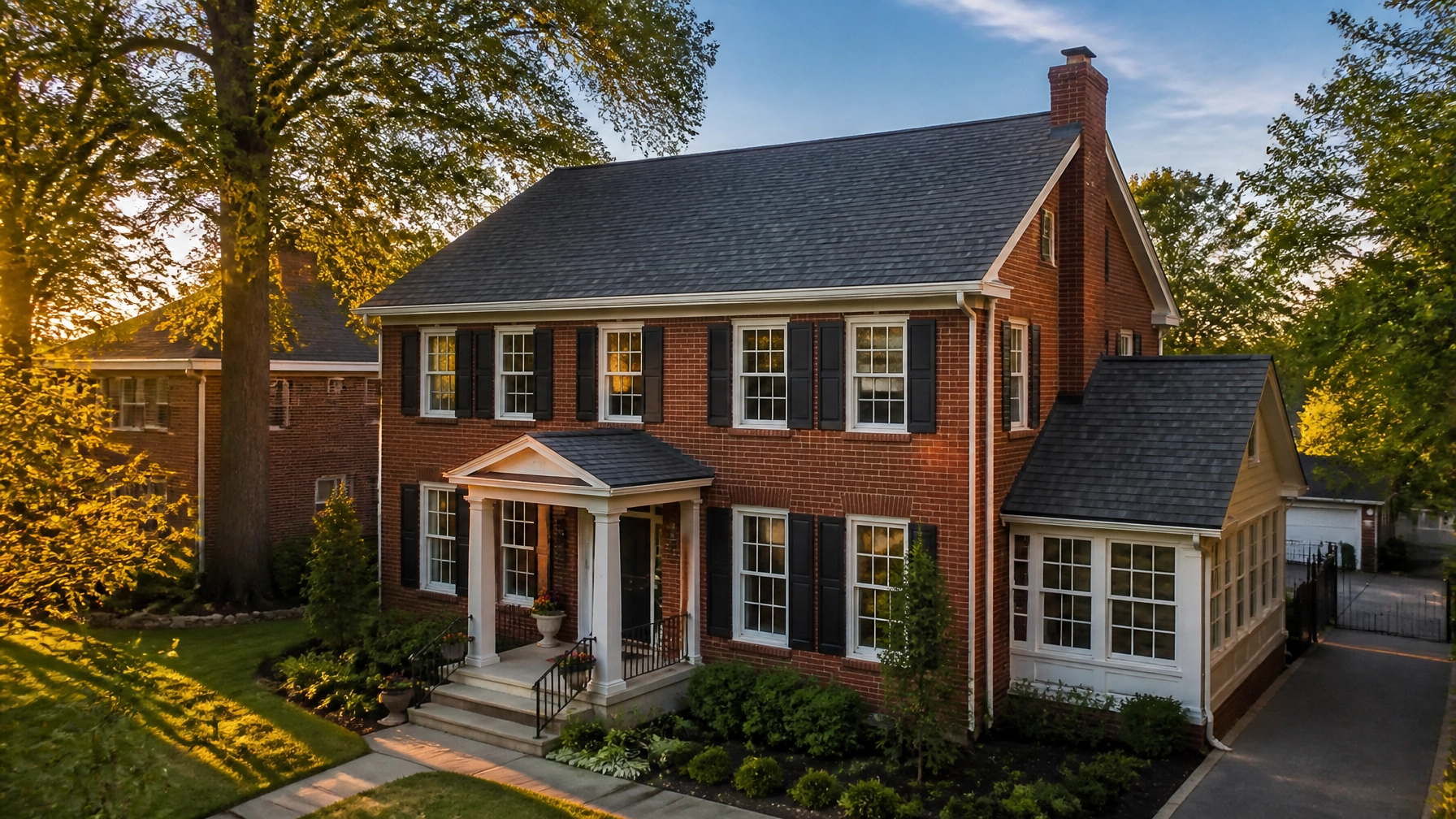
    Classic brick colonial Houston home with a freshly replaced roof and uniform shingles


    Ready to Get Your Houston Roof Estimate?

    Don't let a leaking roof or an aging system become a financial surprise. Whether you are preparing for hurricane season or looking to increase your home's value before selling, getting a baseline cost is the first step.

    Why Houston homeowners trust us:

    • Accuracy: 90-95% accurate compared to on-site measurements.
    • Speed: Results in under a minute.
    • Transparency: No hidden fees and no credit card required.
    • Local Expertise: All estimates are tailored to Texas building codes.

    Visit our blog for more roofing tips, or get started right now.

    Get Your Free Houston Roof Estimate in 60 Seconds →


  • Is Your Dallas Roofer a Storm Chaser? 10 Things You Should Know Before You Sign

    Dallas is no stranger to "Hail Alley." When a spring supercell rolls through North Texas, it doesn’t just leave behind dented cars and broken skylights: it brings a swarm of "storm chasers." These are out-of-state contractors who follow weather maps to hit neighborhoods where insurance claims are likely.

    While some are legitimate businesses expanding their reach, many are "tailgate contractors" who provide subpar work and vanish before the first warranty claim is ever filed. In 2026, Dallas homeowners are facing roof replacement costs ranging from $8,500 to $19,000 for standard architectural shingles. With that kind of investment on the line, you can’t afford to hire a ghost.

    Before you sign a contingency agreement or hand over an insurance check, here are the 10 critical signs that your Dallas roofer might be a storm chaser.

    1. The Unsolicited Door Knock (Sales Tactic)

    The most common sign of a storm chaser is the "free inspection" offered at your front door within 48 hours of a hail event. While local companies do canvas neighborhoods, storm chasers rely entirely on door-to-door high-pressure sales. They often use high-resolution weather apps to target specific streets before you’ve even had time to call your insurance agent.

    2. Out-of-State License Plates (Red Flag)

    Take a look at the trucks parked on your street. If the roofer claiming to be "just around the corner" is driving a truck with plates from Oklahoma, Florida, or Ohio, proceed with extreme caution. Storm chasers travel in "swarms," renting local hotel rooms and temporary storage units for a few months before moving to the next disaster zone. If they aren't registered to do business in Texas, getting them back to fix a leak in six months will be impossible.

    3. The "Contingency Agreement" Trap (Legal)

    Many storm chasers will ask you to sign a document so they can "inspect the roof for free" or "talk to your insurance adjuster." In the fine print, this is often a binding contract that legally commits you to using them for the replacement if the claim is approved. Never sign anything before you have a detailed roof estimate and have vetted the company’s history.

    Close-up of a damaged roof with hail impact marks on asphalt shingles, illustrating why Dallas homeowners need a professional inspection.

    4. Promises to "Cover Your Deductible" (Insurance Fraud)

    This is a massive red flag and, in the state of Texas, it is illegal. Under Texas House Bill 2102, contractors are prohibited from waiving, rebating, or "absorbing" a homeowner’s insurance deductible. Any roofer who suggests they can "work the numbers" to cover your $2,000 or $3,000 deductible is asking you to participate in insurance fraud. If they are willing to cheat the insurance company, they are certainly willing to cut corners on your roof.

    5. No Permanent Local Address (Physical)

    Ask for the address of their local office. A P.O. Box or a "virtual office" suite in a Downtown Dallas high-rise doesn't count. A legitimate Dallas roofing contractor will have a physical warehouse or office where they store materials and equipment. If they can’t prove they’ve been in the DFW metroplex for more than a single storm season, they are likely a "pop-up" shop.

    6. Lack of Verifiable Texas Insurance (Liability)

    Texas does not have a state-level licensing requirement for roofing contractors, which makes the DFW area a magnet for unlicensed workers. However, a reputable pro will carry:

    • General Liability Insurance: Protects your property if they cause damage.
    • Workers’ Compensation: Protects you if a worker is injured on your roof.

    Don't just take their word for it. Ask for a certificate of insurance and call the agent listed to ensure the policy is active and covers "roofing" specifically.

    7. High-Pressure "Today Only" Discounts (Sales Tactic)

    Storm chasers operate on volume. They want to sign as many houses on your block as possible and move on. If a roofer tells you the price will go up by $2,000 if you don’t sign by sunset, they are trying to prevent you from doing your due diligence. A professional estimate based on satellite imagery technology doesn't change overnight.

    A professional roofing crew installing new gray architectural shingles on a residential home, showing the correct safety gear and equipment.

    8. Demanding the Full Insurance Check Upfront (Financial)

    Never pay the full amount before the materials arrive at your house. A common storm chaser scam involves collecting the "first check" (the ACV payment) from the homeowner and then disappearing.

    Standard Payment Schedule (Professional):

    • Deposit: 10-33% (usually once materials are delivered to your driveway).
    • Final Payment: Paid only after the roof is installed and passed final inspection.

    9. Generic Branding and Magnetic Signs (Visual)

    Legitimate local companies invest in their brand. If the contractor’s truck has a temporary magnetic sign or no branding at all, it’s a sign they are using a personal vehicle for a temporary "gig." Similarly, if their business cards look like they were printed at a home office yesterday and lack a professional website or local area code, keep looking.

    10. The "By Eye" Measurement (Technical)

    In 2026, there is no reason for a roofer to guess the size of your roof. Storm chasers often "eyeball" the measurements or use old tax records, leading to "supplemental" charges mid-project when they "realize" the roof is larger than they thought. At Get My Roof Estimate Now, we provide instant Texas roof estimates using satellite data accurate to within inches. This transparency prevents the "hidden fee" games storm chasers love to play.


    2026 Dallas Roofing Cost Benchmarks

    Understanding the market rate in Dallas/Fort Worth is your best defense against low-balling scammers or price-gouging chasers. Here is what you should expect to pay for a typical 2,500 sq. ft. roof in Dallas this year:

    Material Type Price Range (Installed) Performance Rating
    Architectural Shingles (Popular) $10,500 – $15,500 High wind resistance (up to 130 mph)
    Metal Roofing (Premium) $22,000 – $38,000 Lifetime durability, hail-proof
    Synthetic Slate (Luxury) $35,000 – $55,000 Maximum curb appeal and longevity
    Standard 3-Tab (Budget) $8,500 – $10,000 Lower wind rating (not recommended for TX)

    Note: Prices vary based on roof pitch (steepness), number of stories, and the number of valleys/dormers.

    A visual representation of satellite-powered roof measurement technology, showing precise lines and dimensions over a Dallas home's roofline.

    Why Dallas Homeowners are Switching to Tech-First Estimating

    The traditional way of getting a roof estimate is broken. You call three contractors, wait a week for them to show up, and then deal with three different high-pressure sales pitches in your living room.

    Get My Roof Estimate Now changes the power dynamic. By using advanced satellite imagery, we can calculate the exact square footage, pitch, and complexity of your Dallas roof in under 60 seconds.

    • Zero Pressure: You get the data you need to budget before you ever talk to a contractor.
    • Verified Network: We connect you with local, licensed, and insured Dallas pros: not storm chasers.
    • Total Transparency: See exactly how the costs are broken down between materials and labor.

    Don't Let a Storm Chaser Leave You Exposed

    A new roof is the most important protection your home has against the next North Texas "Big One." If a deal feels too good to be true, or if the contractor is pushing for a signature before the clouds have even cleared, walk away.

    Get your power back by starting with an accurate, data-driven number. Use our free roof cost calculator today and see what your Dallas roof should cost. In less than a minute, you'll have the benchmark you need to spot a storm chaser from a mile away.

    A completed roofing project on a Dallas ranch-style home featuring premium architectural shingles and perfectly finished ridge vents.

  • The Ultimate Guide to 2026 Roof Replacement Cost in Richmond, VA

    The Ultimate Guide to 2026 Roof Replacement Cost in Richmond, VA

    Replacing a roof in Richmond, Virginia, is a significant investment that requires precise data to avoid overpaying. As we move into 2026, the local market is experiencing unique shifts driven by material inflation, labor shortages, and evolving building codes.

    For the average Richmond homeowner, a standard 2,000-square-foot roof replacement in 2026 typically ranges between $12,000 and $22,000 for architectural shingles. However, this figure can fluctuate wildly based on material choice, roof complexity, and current market volatility.

    At Get My Roof Estimate Now, we utilize advanced satellite imagery to provide instant roof estimates in Virginia that are 90-95% accurate. This guide breaks down exactly what you should expect to pay for a new roof in the River City this year.

    Richmond Roof Cost Breakdown by Material

    Material choice is the single largest variable in your total project cost. In 2026, Richmond homeowners are seeing a narrowing gap between high-end shingles and entry-level metal systems, though premium options remain a significant step up.

    1. Architectural Asphalt Shingles (Popular)

    • Cost Range: $6.00 – $11.00 per square foot (installed)
    • Average Project Total (2,000 sq ft): $12,000 – $22,000
    • Lifespan: 25–30 years
      Architectural shingles remain the most popular choice in Richmond neighborhoods like Fan District, West End, and Midlothian. They offer excellent wind resistance and a classic look that fits Virginia's traditional architecture.

    Close-up of new grey architectural shingles being installed on a Richmond home

    2. Standing Seam Metal Roofing (Premium)

    • Cost Range: $10.00 – $22.00 per square foot (installed)
    • Average Project Total (2,000 sq ft): $20,000 – $44,000
    • Lifespan: 50+ years
      Metal roofing has seen a surge in Richmond due to its longevity and energy efficiency. While the initial investment is higher, the 2026 market shows that metal roofs are increasingly seen as a "lifetime" solution, adding substantial resale value to homes in high-end areas like Glen Allen.

    3. TPO and Flat Roofing (Specialty)

    • Cost Range: $12.00 – $16.00 per square foot (installed)
    • Average Project Total (2,000 sq ft): $24,000 – $32,000
    • Lifespan: 20–25 years
      Common in Richmond’s historic row houses and modern urban designs, TPO (Thermoplastic Polyolefin) is the go-to for low-slope or flat roof sections.

    4. 3-Tab Asphalt Shingles (Budget)

    • Cost Range: $4.50 – $7.00 per square foot (installed)
    • Average Project Total (2,000 sq ft): $9,000 – $14,000
    • Lifespan: 15–20 years
      While still available, 3-tab shingles are increasingly being phased out in favor of architectural options due to their lower wind ratings and shorter aesthetic appeal.

    Local Factors Driving 2026 Prices in Virginia

    Why are prices different in Richmond compared to Virginia Beach or Northern Virginia? Several local factors dictate your final quote.

    • Virginia Building Codes: Recent updates to the Virginia Uniform Statewide Building Code require specific underlayment and ventilation standards that can add 5-10% to basic labor and material costs.
    • Labor Availability: The skilled labor shortage in the Mid-Atlantic continues to push labor rates upward. In 2026, labor accounts for approximately 40-50% of the total project cost.
    • Disposal Fees: Richmond-area landfill fees for construction debris (old shingles) have risen steadily, directly impacting the "tear-off" portion of your estimate.
    • Roof Pitch & Complexity: A standard "ranch-style" home in Henrico is significantly cheaper to roof than a steep, multi-gabled Victorian in Churchill. High-pitch roofs require specialized safety equipment and more man-hours.

    Sleek black standing seam metal roof on a modern residential home

    Understanding the "Square"

    In the roofing industry, we measure roofs in "squares." One square equals 100 square feet.

    • A 2,000-square-foot roof = 20 squares.
    • Average Richmond cost per square (Architectural Shingles): $600 – $1,100.
    • Average Richmond cost per square (Metal): $1,000 – $2,200.

    Using our roof cost calculator, you can bypass the manual math and see your specific home's measurements instantly.

    The Cost of Waiting: 2026 Market Projections

    If you are debating whether to replace your roof now or wait until 2027, consider these 2026 trends:

    1. Tariff Impacts: Ongoing tariffs on imported steel and aluminum have made metal roofing prices more volatile than in previous years.
    2. Petroleum Prices: Asphalt shingles are petroleum-based. As oil prices fluctuate, shingle manufacturers often issue "price holds" or immediate 5-8% hikes.
    3. Inflationary Buffer: Industry data indicates that 2026 roofing costs are roughly 4-6% higher than 2025 averages.

    How to Get an Accurate Richmond Roof Estimate in 60 Seconds

    Traditionally, getting a roof estimate involved calling 3-4 contractors, waiting days for them to arrive, and dealing with high-pressure sales pitches in your living room.

    We’ve eliminated that friction. Using high-resolution satellite imagery, we measure your roof's exact dimensions, pitch, and complexity from above.

    1. Enter Your Address: We locate your home in Richmond via satellite.
    2. Instant Measurement: Our AI calculates the total squares and perimeter.
    3. Compare Materials: Toggle between shingles, metal, and premium options.
    4. Get Your Quote: Receive a transparent price range based on current Richmond market rates.

    Digital satellite overlay showing accurate technical roof measurements

    FAQ: Richmond Roofing in 2026

    Q: Is a permit required for roof replacement in Richmond, VA?
    A: Yes. Most jurisdictions in the Greater Richmond area (City of Richmond, Henrico, Chesterfield) require a building permit for a full roof replacement. Your contractor should handle this, and the fee is usually based on the project value.

    Q: Does homeowners insurance cover 2026 replacement costs?
    A: If your roof was damaged by a specific event (like a Richmond hailstorm or high winds), insurance may cover the "replacement cost value." However, if the roof is simply old and leaking due to age, it is considered maintenance and is typically not covered.

    Q: How long does a typical Richmond roof replacement take?
    A: For a standard 2,000-square-foot home, a professional crew can usually complete the tear-off and installation in 1 to 2 days, weather permitting.

    Q: What is the best time of year to replace a roof in Virginia?
    A: Spring and Fall are the peak seasons. While roofing can be done in winter, shingles require a certain temperature to "seal" properly. Summer heat can also be brutal for crews, potentially slowing down the process.

    Final Thoughts for Richmond Homeowners

    Don't rely on "ballpark" figures from years ago. The 2026 market is faster and more expensive than ever. Whether you're in a historic home in the Fan or a new build in Short Pump, knowing your numbers upfront is the best way to protect your investment.

    Ready to see your actual cost? Get your instant, free roof estimate here.

  • The Ultimate Guide to Getting Insurance to Pay for Your Raleigh Roof: Everything You Need to Succeed

    The Ultimate Guide to Getting Insurance to Pay for Your Raleigh Roof: Everything You Need to Succeed

    Raleigh homeowners face a unique set of meteorological challenges. Between the volatile spring hail storms and the remnants of coastal hurricanes that push inland, your roof takes a beating. By 2026, the average cost of a full roof replacement in Raleigh has climbed to approximately $26,000, with high-end designer shingles often exceeding $35,000.

    When a storm hits, your first instinct is to panic about the cost. But if your roof has sustained legitimate wind or hail damage, you shouldn't be paying that $26,000 out of pocket. You pay your insurance premiums for a reason. This guide is your masterclass in navigating the North Carolina insurance claim process to ensure you get the coverage you deserve.

    The Raleigh Reality: Why Your Roof is At Risk

    In the Research Triangle, we see everything from nickel-sized hail to 70mph wind gusts. Whether you live in a classic ranch in North Hills or a sprawling colonial in Brier Creek, your roof is your home’s first line of defense.

    Insurance companies are businesses. Their goal is to minimize payouts. Your goal is to restore your home to its pre-storm condition. To succeed, you need to be faster, more documented, and more informed than the adjuster sent to your door.

    Step 1: Immediate Damage Documentation

    Success in an insurance claim starts within 48 hours of the storm. Waiting months to file: even if you aren't seeing leaks yet: is a recipe for a denial. North Carolina insurance standards typically suggest filing within 30 to 60 days of the "Date of Loss."

    What to Look For

    • Granule Loss: Check your gutters and downspouts. If they are filled with black "sand," your shingles have lost their protective layer.
    • Bruising: Hail doesn't always break a shingle; sometimes it "bruises" it, weakening the fiberglass mat underneath.
    • Missing Shingles: Wind uplift can tear shingles away or break the thermal seal, leading to invisible leaks.

    Close-up of architectural roof shingles showing significant hail impact damage and granule loss

    Step 2: The Professional Inspection (Tech vs. Tradition)

    Do not call your insurance company first. Why? Because if a contractor tells you there is no damage, you haven't filed a "zero-pay" claim on your record. If you call the insurance company and they find no damage, that claim still counts against your history in many cases.

    At Get My Roof Estimate Now, we’ve revolutionized this step. Instead of waiting days for a contractor to find a ladder, you can get a satellite-powered roof estimate in under 60 seconds. Our technology is accurate to within inches, providing you with a baseline measurement of your roof’s size (in "squares") and complexity before you ever speak to an adjuster.

    Why 2026 Technology Matters

    Using satellite imagery allows you to present data-driven facts to your insurer. When you can say, "My roof is 32 squares with a 8/12 pitch," you immediately signal that you are an informed homeowner who cannot be low-balled.

    Tablet showing a 3D satellite imagery model of a residential roof with precise measurements

    Step 3: Understanding Your Policy (RCV vs. ACV)

    Before the adjuster arrives, you must know what you are entitled to. Look at your "Declarations Page."

    • Replacement Cost Value (RCV) (Premium): The gold standard. If your 20-year-old roof is destroyed, the insurance pays for a brand-new roof at today’s 2026 prices, minus your deductible.
    • Actual Cash Value (ACV) (Budget): The insurer pays the depreciated value. If your roof is at the end of its life, you might only get 20% of the cost of a new one.

    In Raleigh, many older policies have been quietly switched to ACV or have "Roof Surface Endorsements" that limit payouts. Check this now: before the next storm hits.

    Step 4: Meeting the Adjuster

    When the insurance company sends an adjuster, you should have your chosen contractor present. A professional roofer knows how to spot "collateral damage": dents in soft metals like box vents, gutters, and siding: that prove the intensity of a storm.

    Professional roofing contractor in North Carolina documenting storm damage with a camera

    According to the North Carolina Department of Insurance, you have the right to choose your own contractor. Do not feel pressured to use the "preferred vendors" suggested by the insurance company. These vendors often have pre-negotiated rates that may prioritize the insurer's bottom line over your roof's quality.

    Raleigh Roofing Cost Benchmarks (2026 Data)

    Transparency is key to budgeting. If your claim is approved, you will receive a "Scope of Loss" document. Compare it against these current Raleigh market averages:

    Material Type Estimated Cost (per Square) Total Project Range (2,500 sq ft home) Category
    Architectural Shingles $550 – $750 $13,750 – $18,750 Popular
    Metal (Standing Seam) $1,100 – $1,600 $27,500 – $40,000 Premium
    Synthetic Slate/Shake $1,400 – $2,000 $35,000 – $50,000 Luxury
    Standard 3-Tab $400 – $550 $10,000 – $13,750 Budget

    Note: A "square" is a 10×10 foot area (100 sq ft). Most Raleigh suburban homes range from 22 to 35 squares.

    Step 5: The Supplement Process

    It is very common for the initial insurance check to be too low. Why? Because adjusters often miss "line items" like:

    • Drip Edge: Now required by NC building code in most jurisdictions.
    • Ice and Water Shield: Critical for valleys and eaves.
    • Ridge Venting: Upgrading from old box vents to improve energy efficiency.

    Your contractor will file a "supplement" to the insurance company. This is a request for additional funds based on these omitted items. An experienced Raleigh roofer will handle this paperwork for you, ensuring the job is done to code without you paying more than your deductible.

    Avoiding the "Storm Chaser" Trap

    After a major hail event in areas like Cary, Wake Forest, or Garner, you will see trucks with out-of-state plates knocking on doors. These are "storm chasers."

    The Risk: They take your insurance check, perform a subpar installation with the cheapest possible materials, and vanish. When your roof leaks two years later, your "lifetime warranty" is worthless because the company no longer exists.

    The Solution: Always work with verified, licensed, and insured local contractors. Check our blog for more tips on vetting contractors in the Southeast.

    Conclusion: Take Control of Your Coverage

    Getting insurance to pay for your Raleigh roof isn't about luck; it's about leverage and logic. By using satellite technology to get an instant, accurate estimate, you start the process from a position of strength.

    Don't wait for a ceiling stain to tell you that your roof is compromised. Raleigh’s weather is relentless, but with the right data and a professional approach, you can secure a new, high-quality roof that protects your family for the next 30 years.

    Ready to see what your Raleigh roof replacement should actually cost?
    Get your free, 60-second satellite estimate here. No credit card, no salesman, just data.


  • 7 Mistakes You’re Making with Your Nashville Roof Estimate (and How to Fix Them)

    7 Mistakes You’re Making with Your Nashville Roof Estimate (and How to Fix Them)

    Getting a roof estimate in Nashville shouldn't feel like a high-stakes guessing game. Yet, for many homeowners in Middle Tennessee, the process is riddled with outdated methods and hidden costs that can derail a home improvement budget. Whether you're in a historic bungalow in East Nashville or a sprawling estate in Brentwood, the "old way" of getting a roofing quote is often the most expensive way.

    In 2025, Nashville roofing costs for a standard 2,000–2,200 square foot home typically range from $8,000 to $18,000 for high-quality asphalt shingles, while premium metal systems can easily exceed $30,000. With investments of this size, you cannot afford to base your decision on a flawed estimate.

    Here are the seven most common mistakes Nashville homeowners make when gathering roofing quotes, and how our modern technology fixes them in 60 seconds.

    1. Relying on "Eyeball" Measurements

    Many traditional contractors still walk around your yard, look up at the eaves, and give you a "ballpark" number. This is the fastest way to get a change order later. If a contractor "eyeballs" the size and misses the true square footage by even 10%, you could be looking at a surprise $1,500 bill once the materials arrive.

    The Fix: Demand data-driven precision. At Get My Roof Estimate Now, we use satellite-powered measurements accurate to within inches. Our technology calculates every ridge, valley, and hip of your Nashville roof from above, ensuring the estimate you see is based on the actual geometry of your home, not a guess.

    Digital satellite interface showing precise roof measurements and data overlays

    2. Ignoring "The Nashville Factor" (Local Weather & Codes)

    Nashville’s climate is unique. We deal with high humidity, rapid temperature swings, and the occasional severe wind or hail storm. A generic estimate often ignores the specific components required by Davidson County building codes or the structural needs of Tennessee homes.

    The Fix: Ensure your estimate includes specific line items for:

    • Drip Edge (Essential): Prevents water from curling back under the shingles and rotting your fascia.
    • Ice and Water Shield: While more common in the north, Nashville’s "freeze-thaw" cycles make this critical for valleys and eaves.
    • Proper Ventilation: High humidity in the South means your attic needs to breathe. If your estimate doesn't mention ridge vents or solar fans, your new roof could fail prematurely.

    3. Waiting Days for a "Free" On-Site Inspection

    The most common mistake is thinking you need a contractor to climb your roof just to get a price. This traditional model costs you time and subjects you to high-pressure sales tactics in your own living room. Most homeowners wait 3–5 days just for a roofer to show up, then another 48 hours for a written quote.

    The Fix: Use an instant roof cost calculator. By using satellite imagery, we provide a transparent, accurate price range in under 60 seconds. You get the information you need to budget immediately, without the hassle of scheduling multiple appointments.

    4. Misunderstanding "Roofing Squares"

    Contractors talk in "squares" (a 10×10 area, or 100 square feet). Homeowners think in total home square footage. If you have a 2,000 sq. ft. ranch, your roof is likely closer to 24–28 squares once you factor in the pitch (steepness) and overhangs.

    The Fix: Always ask for the "Total Square Count" and the "Waste Factor" (typically 10-15%). If a Nashville contractor quotes you for 20 squares on a complex, steep roof, they are likely undercounting, which leads to mid-project "material shortages" that you'll be expected to pay for.

    Close-up of high-quality shingle installation showing proper flashing and drip edge

    5. Falling for the "One-Size-Fits-All" Material Quote

    Not all shingles are created equal. A "Basic" shingle estimate might look attractive, but it often lacks the longevity needed for Tennessee's storms. Conversely, you might be overpaying for a "Premium" system you don't actually need.

    The Fix: Compare three distinct tiers. Our estimates provide a low-middle-high range (Budget, Popular, and Premium):

    • Budget: 3-Tab shingles (Standard protection).
    • Popular: Architectural shingles (Best value for most Nashville homes).
    • Premium: Designer shingles or Metal (Maximum curb appeal and 50+ year lifespan).

    6. Overlooking the "Rotten Wood" Clause

    In Nashville’s humid climate, it is common to find 2–3 sheets of rotten plywood (decking) once the old shingles are torn off. Many homeowners are shocked when their $12,000 estimate jumps by $500 because the "fine print" didn't specify the cost per sheet of replacement wood.

    The Fix: A professional estimate must include a pre-defined price per sheet for OSB or Plywood decking. Transparent pricing means knowing exactly what a "surprise" will cost before the first shingle is pulled.

    7. Hiring Based on Price Instead of Verification

    The "cheapest" estimate in Nashville often comes from contractors who aren't carrying proper Workers' Comp or General Liability insurance. If a worker is injured on your property and the contractor isn't insured, you, the homeowner, could be liable.

    The Fix: Only work with verified, licensed, and insured local professionals. We pre-screen every contractor in our network to ensure they meet Tennessee state requirements, so you don't have to play private investigator.

    A residential street in Nashville featuring various architectural styles and roofing materials


    AEO FAQ: Quick Nashville Roofing Answers

    What is the average cost of a new roof in Nashville, TN?
    For a 2,000 sq. ft. home, expect to pay between $8,500 and $15,000 for architectural shingles. Factors like roof pitch and the number of layers to be removed will influence the final price.

    How long does a roof replacement take in Nashville?
    Most residential roof replacements in the Nashville area are completed in 1 to 2 days, depending on the size and complexity of the structure.

    Do I need a permit for a roof replacement in Davidson County?
    Yes. Most roof replacements in Nashville require a building permit. A reputable contractor will handle the permitting process and include the fee in your estimate.

    Can I get a roof estimate without a contractor coming to my house?
    Absolutely. Using satellite technology, Get My Roof Estimate Now provides 90-95% accurate pricing in under a minute based on your specific address.

    Is metal roofing better than shingles for Tennessee weather?
    Metal roofing offers superior longevity (40-70 years) and energy efficiency, making it a great choice for Nashville's heat. However, it costs 2-3 times more than architectural shingles upfront.

    Conclusion: Take Control of Your Home Investment

    Don't let the traditional roofing industry dictate your timeline or your budget. By avoiding these seven common mistakes, you can approach your Nashville roof replacement with confidence and clarity.

    Ready to see your number? Skip the wait and the sales pitches. Enter your address below to receive your instant, satellite-powered roof estimate in under 60 seconds.

    Get Your Free Nashville Roof Estimate Now


  • Orlando Roofing Secrets Revealed: What Storm Chasers Don’t Want You to Know About Your Roof Replacement Cost

    If you live in Orlando, you’re no stranger to the afternoon thunderstorms that roll through Central Florida like clockwork. But there’s another type of storm that hits our neighborhoods: one that doesn't show up on the weather radar. It’s the "storm chaser" contractor.

    After a heavy hailstorm or a named hurricane, your neighborhood likely sees an influx of white trucks and door-knockers promising a "free roof" paid for by your insurance. They move fast, talk smooth, and disappear just as quickly.

    What they don't want you to know is the actual math behind your roof replacement. They rely on your confusion about pricing to pad their margins or, worse, stick you with a subpar installation that won't pass a 2026 wind-mitigation inspection. At Get My Roof Estimate Now, we believe transparency is the best defense. Here is the data-driven reality of roofing in Orlando and how to spot a scam before you sign away your insurance benefits.

    The 2026 Orlando Reality Check: What a Roof Actually Costs

    Before you talk to any contractor, you need a benchmark. In 2026, roofing material and labor costs in Florida remain higher than the national average due to strict building codes and high demand for skilled labor.

    For a typical single-family home in the Orlando metro area (approximately 1,800 to 2,500 square feet), a full roof replacement generally falls between $12,000 and $21,500. The median price for a professional, permitted installation is currently sitting at $15,600.

    Cost Breakdown by Material (Per "Square")

    In the roofing world, we measure in "squares." One square equals 100 square feet of roof surface.

    • Architectural Shingles (Popular): $550 – $750 per square. This is the standard for most Orlando homes, offering a balance of durability and cost-effectiveness.
    • Metal Roofing (Premium): $950 – $1,400 per square. Highly resistant to high winds and heat, though more expensive upfront.
    • Concrete Tile (Traditional): $1,200 – $1,800 per square. Common in Mediterranean-style developments like those in Dr. Phillips or Lake Nona.

    If a contractor gives you a quote that is significantly lower than these ranges, ask yourself: Where are they cutting corners? Usually, it’s in the underlayment, the flashing, or the crew's insurance.

    A detailed close-up shot of a professional roofing crew installing high-quality architectural shingles on a residential home. The image shows the multi-layered installation process, including a high-wind rated synthetic underlayment and precise nail placement, reflecting expert workmanship.

    The Storm Chaser Playbook: Red Flags to Watch For

    Storm chasers are high-volume sales machines. They aren't looking to build a long-term reputation in Orlando; they’re looking for a quick insurance payout. Here are the "secrets" they use to get homeowners to sign predatory contracts.

    1. The "Free Roof" Hook

    If a contractor tells you they can "waive your deductible" or give you a "free roof," walk away. In Florida, it is technically illegal for a contractor to pay, waive, or rebate a homeowner’s insurance deductible. If they are willing to commit insurance fraud on the paperwork, they are certainly willing to lie to you about the quality of your roof.

    2. High-Pressure Inspection Reports

    A classic tactic involves a contractor climbing onto your roof and coming down with photos of "catastrophic damage." While hail can be destructive, these photos are often zoomed-in shots of normal wear or, in extreme cases, damage the contractor created themselves.

    3. The Assignment of Benefits (AOB) Trap

    This is the big one. An AOB is a legal document that signs over your insurance claim rights to the contractor. Once you sign it, the contractor deals directly with the insurance company, and you lose control over the claim. They can sue the insurer in your name, delay the project for months, and leave you with a legal mess. Always keep control of your claim.

    4. No Local Physical Address

    Check the truck’s license plate and the business card address. Many storm chasers use P.O. boxes or "virtual offices" in Orlando while their actual operations are three states away. If your roof leaks two years from now, a contractor with a P.O. box is impossible to track down for warranty work.

    Why Satellite Data is Your Best Defense

    The traditional way to get a roof estimate is broken. You call three contractors, wait a week for them to show up, sit through three hours of sales pitches, and end up with three wildly different prices.

    At Get My Roof Estimate Now, we use advanced satellite imagery to flip the script. By measuring your roof from space, we can provide an estimate that is 90-95% accurate within 60 seconds.

    • No Salesmen: You get the data without the "limited time offer" pressure.
    • True Transparency: We calculate costs based on your roof's actual size, pitch, and complexity.
    • Speed: You get a Florida-specific estimate faster than a storm chaser can knock on your neighbor's door.

    An abstract but realistic visual representation of satellite-powered roof measurement technology. A high-resolution aerial view of a suburban neighborhood with a digital overlay showing 3D geometry, precise measurements of roof facets, and pitch calculations.

    How to Properly Vet an Orlando Contractor

    If you’ve used our online calculator and decided it’s time to move forward with a local pro, use this checklist to ensure they are the real deal:

    1. DBPR License Check: Every legitimate roofer in Florida must be licensed by the Department of Business and Professional Regulation (DBPR). Ask for their license number and verify it online.
    2. Workers' Comp & Liability: Verify they have active workers' compensation insurance. If a worker falls off your roof and the contractor isn't insured, you: the homeowner: could be held liable.
    3. Local References: Ask for the addresses of three homes they re-roofed in Orlando within the last six months. A real local contractor will have no problem providing this.
    4. Written Warranty: Ensure the contract specifies both the material warranty (from the manufacturer) and the labor warranty (from the contractor).

    Technical Factors That Affect Your Orlando Quote

    Not all roofs are created equal. When you see a price range, several variables determine where your home lands:

    • Roof Pitch (Complexity): A "walkable" roof is cheaper to install. If your roof is steep enough to require safety harnesses and specialized equipment, labor costs will increase.
    • Layers of Shingles: Florida code generally requires a full tear-off down to the wood deck. If you have multiple layers of old shingles, the labor and disposal fees go up.
    • Decking Condition: Orlando's humidity can lead to wood rot. If the plywood underneath your shingles is soft or rotted, it must be replaced to meet code.
    • Accessibility: If your home is in a tight downtown Orlando lot where a dumpster or material lift can't get close to the house, expect a "difficult access" surcharge.

    A beautiful, finished residential roofing project in an Orlando neighborhood. The home features a complex roofline with high-end grey architectural shingles, copper flashing details, and perfectly integrated gutters, showcasing a high-value investment.

    Conclusion: Knowledge is Power

    The "secret" to a successful roof replacement in Orlando isn't finding a "loophole" in your insurance policy; it’s having accurate data before you start. Storm chasers thrive on the gap between what you know and what the project actually costs.

    By using technology to get an instant, transparent estimate, you take the power back. You’ll know exactly what a fair price looks like, making it impossible for a scammer to pull the wool over your eyes.

    Ready to find out what your roof should actually cost? Don't wait for a knock on the door. Get your accurate, satellite-powered estimate in under 60 seconds.

    Get My Instant Estimate Now →

  • Charleston Roof Replacement Cost: 2026 Secrets Revealed: What Lowcountry Contractors Don’t Want You to Know

    Charleston Roof Replacement Cost: 2026 Secrets Revealed: What Lowcountry Contractors Don’t Want You to Know

    If you are a homeowner in the Lowcountry, you know that the Charleston sun and the humid Atlantic air aren't just tough on your HVAC, they are brutal on your roof. As we move through 2026, the cost of labor and materials has shifted significantly, leaving many Charleston residents wondering if the quotes they are receiving are fair or just "coastal markups."

    The truth is, the traditional roofing industry relies on a lack of transparency. Most contractors want to get a salesman in your living room before they ever give you a number. Why? Because it’s easier to sell a $20,000 project when they’ve already invested two hours of your time.

    At Get My Roof Estimate Now, we believe in data over drama. Using advanced satellite imagery, we can calculate your roof's size, pitch, and complexity within inches, delivering an instant roof estimate in 60 seconds without the high-pressure sales pitch.

    In this guide, we’re pulling back the curtain on Charleston roof replacement costs for 2026, covering everything from Mount Pleasant suburbs to historic downtown shingles.

    The 2026 Charleston Reality Check: What It Costs Now

    In 2026, a standard roof replacement for a typical 2,000-square-foot home in Charleston generally ranges from $10,000 to $18,000 for architectural shingles and $16,000 to $30,000 for metal roofing.

    Why the wide range? Charleston is a unique market. Between the strict building codes in the Historic District and the high-wind requirements for coastal homes in areas like West Ashley and James Island, "standard" pricing rarely applies.

    Breakdown by Material (Per "Square")

    In the roofing world, we measure by a "square," which is a 100-square-foot area.

    • Architectural Shingles (Popular): $350 – $550 per square.
    • Standing Seam Metal (Premium/Coastal): $700 – $1,200 per square.
    • Designer/Luxury Shingles (Style): $425 – $600 per square.

    High-quality architectural shingles being installed on a Charleston home

    Secret #1: The "Free Estimate" Isn't Free

    When a contractor drives out to your home in a wrapped truck, spends an hour measuring, and another hour "building value" in your kitchen, that time isn't free. It’s built into your final quote as overhead.

    In 2026, Charleston contractors are spending upwards of $300 to $500 just to acquire a single lead and get a salesperson to your door. If you sign with them, you are paying for that marketing cost. By using satellite-powered measurements, you bypass the middleman’s gas and commission, which is how we provide transparency that local contractors often hide.

    Material Secrets: Shingles vs. Metal in the Lowcountry

    Choosing the right material in Charleston isn't just about curb appeal; it’s about survival.

    1. Architectural Shingles (The Budget-Friendly Standard)

    Architectural shingles are the go-to for most homes in Summerville and Hanahan. Unlike the old-school 3-tab shingles (which are practically obsolete in 2026 due to poor wind resistance), architectural shingles are laminated and provide a dimensional look.

    • 2026 Cost for 2,000 sq. ft.: $10,000 – $15,000
    • Lifespan: 20–25 years (in Charleston's humidity).
    • Pro Tip: Look for shingles with an algae-resistance rating. The Lowcountry's humidity causes those black streaks (Gloeocapsa magma) faster than almost anywhere else in the country.

    2. Standing Seam Metal (The Premium Coastal Choice)

    If you are near the water in Daniel Island or Isle of Palms, metal is the gold standard.

    • 2026 Cost for 2,000 sq. ft.: $16,000 – $28,000
    • Lifespan: 50+ years.
    • The Secret: Many contractors will try to sell you "screw-down" metal panels (exposed fasteners) because they are cheaper. Don’t do it. In Charleston’s salt air, those fasteners will corrode and leak long before the metal fails. Always insist on standing seam metal for a permanent solution.

    Modern coastal home with a silver standing seam metal roof in Charleston

    The "Charleston Tax": Why Local Factors Drive Prices Up

    You might see national ads claiming a new roof for $7,000. In Charleston, that’s almost never the reality. Here is why:

    1. High Wind & Hurricane Codes

    Charleston falls under the International Building Code (IBC) with specific "High Wind Region" requirements. This means more nails per shingle, specific underlayment (synthetic is now the 2026 standard over felt paper), and specialized flashing. These upgrades add 10-15% to the labor and material cost compared to inland cities like Greenville or Columbia.

    2. The Historic District (BAR)

    If you live in a home overseen by the Board of Architectural Review (BAR), your costs could double. You may be required to use authentic slate, specific copper flashing, or high-end wood shakes. These materials require specialized artisans, not just standard roofing crews.

    3. Steep Pitch and Complexity

    Charleston architecture, especially the iconic Single House, often features steep pitches and multiple dormers. A "steep charge" is standard in 2026 because it requires more safety equipment and slower labor.

    Cost Estimates by Home Size (Charleston 2026 Projections)

    Home Size (Approx. Roof Sq) Material Price Range (Low-Middle-High)
    1,500 Sq. Ft. (Small Ranch) Architectural Shingle $7,500 – $9,500 – $12,000
    1,500 Sq. Ft. (Small Ranch) Metal (Standing Seam) $12,000 – $15,500 – $19,000
    2,200 Sq. Ft. (Average Home) Architectural Shingle $11,000 – $14,000 – $17,500
    2,200 Sq. Ft. (Average Home) Metal (Standing Seam) $18,000 – $23,000 – $29,000
    3,000 Sq. Ft. (Large Family Home) Architectural Shingle $15,000 – $19,000 – $24,500
    3,000 Sq. Ft. (Large Family Home) Metal (Standing Seam) $25,000 – $32,000 – $40,000

    Note: Estimates include tear-off of one layer, standard underlayment, and debris disposal.

    Large suburban Mount Pleasant home with complex rooflines

    How to Avoid the "Storm Chaser" Trap

    Charleston is a magnet for "storm chasers" after a hurricane or major thunderstorm. These are out-of-state contractors who descend on the Lowcountry, sign up dozens of homeowners, and then disappear when the warranty work starts.

    The Secret: Always ask for a contractor’s South Carolina Residential Specialty Contractor license. If they can’t produce one with a local address, walk away. We only connect homeowners with verified, licensed, and insured local professionals who know the Charleston codes inside and out.

    Get Your Charleston Estimate in 60 Seconds

    The days of waiting a week for a contractor to return your call are over. Technology has caught up to the roofing industry.

    By using our online roof cost calculator, you get:

    1. 90-95% Accuracy: Our satellite measurements are precise to within inches.
    2. Zero Pressure: No sales calls until you are ready to move forward.
    3. Local Context: Our algorithms factor in Charleston labor rates and South Carolina material costs for 2026.

    Whether you are in North Charleston, Moncks Corner, or downtown, you deserve to know what you should be paying before you ever pick up the phone.

    Frequently Asked Questions (Charleston Roofing 2026)

    Q: Can I install a new roof over my old one to save money?
    A: In Charleston, it is highly discouraged and often against local code if there are already two layers. Given our wind speeds, a "nail-over" rarely holds up during a hurricane. A full tear-off is the only way to inspect the decking for rot, a common issue in our humid climate.

    Q: How long does a roof replacement take in Charleston?
    A: Most residential roofs in the Lowcountry can be replaced in 1–2 days. However, summer afternoon thunderstorms can cause delays. A professional crew will only tear off what they can dry-in before the daily 4:00 PM rain hits.

    Q: Does homeowner's insurance cover roof replacement?
    A: If your roof was damaged by a named storm or hail, yes. However, insurance will not pay for a roof that has simply reached the end of its life (wear and tear). If your roof is 20+ years old, it’s likely time for a proactive replacement.

    Ready to see your number? Click here to get your instant Charleston roof estimate now.


  • The Ultimate Guide to Getting Insurance to Pay for Your Roof in Miami: Everything You Need to Succeed

    The Ultimate Guide to Getting Insurance to Pay for Your Roof in Miami: Everything You Need to Succeed

    Navigating the insurance claim process in Miami can feel like a full-time job. With the constant threat of tropical storms, high humidity, and some of the strictest building codes in the United States, homeowners in South Florida face a unique set of challenges. If your roof is aging or has recently weathered a storm, you aren’t just looking for a patch: you’re looking for a permanent solution that protects your family and your investment.

    At Get My Roof Estimate Now, we specialize in providing instant, satellite-powered roof estimates that give you the data you need to negotiate with your insurance company from a position of strength. This guide breaks down exactly how to navigate the 2026 Florida insurance landscape to ensure you get the coverage you deserve.

    The 2026 Florida Insurance Landscape: What You Need to Know

    Florida’s insurance market has undergone significant changes over the last few years. To succeed in a claim today, you must understand the specific statutes that govern Miami-Dade county.

    The "25% Rule" (Code Upgrade)

    The most powerful tool in a Miami homeowner’s arsenal is the Florida Building Code's "25% Rule." In simple terms: if more than 25% of a roof section is damaged within a 12-month period, that entire section must be brought up to the current building code. Because Miami-Dade codes are incredibly stringent (requiring specific secondary water barriers and high-velocity nail patterns), a 30% damage report often triggers a requirement for a full roof replacement rather than a simple repair.

    The 15-Year Rule for Non-Renewal

    As of 2026, Florida Statute 627.7011 provides critical protections. Insurers cannot refuse to renew your policy solely because your roof is under 15 years old. If your roof is older than 15 years, they still cannot drop you if a professional inspection proves the roof has at least five years of "useful life" remaining. Knowing these boundaries prevents insurers from pressuring you into a replacement you might not be ready for: or denying a claim based on age alone.

    Step 1: Identifying "Covered" vs. "Wear and Tear"

    Insurance companies are in the business of identifying "wear and tear" to deny claims. In Miami, the distinction is often found in the "peril."

    • Covered Perils (Sudden/Accidental): Hurricane-force winds, hail (rare but happens), fallen palm fronds causing structural damage, and rain intrusion directly caused by a wind event.
    • Non-Covered Perils (Maintenance): Granule loss over 20 years, algae growth (black streaks), and general rot due to lack of maintenance.

    Before filing, you need to be certain your damage is storm-related. If you aren't sure where your roof stands, you can start by getting a baseline estimate to see what a full replacement would cost in the current Miami market.

    Storm damage on a Miami roof showing broken tiles and missing shingles

    Step 2: The Documentation Phase (Evidence is Everything)

    In Miami, "I think my roof is leaking" isn't a claim; it's a conversation starter. To win, you need a technical dossier.

    1. Date of Loss: Identify the specific storm or wind event. Use weather apps or NOAA records to confirm wind speeds in your Miami zip code on that date.
    2. Photo Evidence: Capture photos of missing shingles, cracked tiles, and lifted flashing.
    3. Interior Damage: Document water stains on ceilings or damp insulation in the attic. This proves "breach of the envelope," which is critical for South Florida claims.
    4. Professional Inspection: Don't rely on the insurance adjuster alone. Hire a licensed Miami contractor to provide a detailed "Squares" count and a damage percentage report.

    Step 3: Understanding Your Policy Limits (ACV vs. RCV)

    Before you file, check your declarations page for these two acronyms:

    • RCV (Replacement Cost Value): [Premium] This is the gold standard. The insurer pays for the cost to replace the roof at today’s prices, minus your deductible.
    • ACV (Actual Cash Value): [Budget] The insurer pays the "depreciated" value. If your 20-year-old roof is destroyed, they may only pay 20% of the replacement cost, leaving you to foot the rest of the bill.

    In Miami, many policies also include a Hurricane Deductible, which is often 2%, 5%, or even 10% of your home's total insured value. If your home is insured for $500,000, a 5% deductible means you pay the first $25,000. Ensure the damage exceeds this amount before filing.

    Step 4: The Adjuster Meeting

    The insurance company will send an adjuster to your home. Never let them go on the roof alone.

    Have your roofing contractor present during the inspection. A pro-level contractor will point out "collateral damage": things like damaged drip edges, soft decking, or code violations that an adjuster might "overlook." When your contractor and the adjuster agree on the "scope of work" (the list of things that need fixing) while standing on the roof, your claim moves much faster.

    A roofing contractor and homeowner reviewing a satellite estimate on a tablet

    Step 5: Leveraging Technology for Accuracy

    One of the biggest friction points in a claim is the "measurement gap." The adjuster says your roof is 28 squares; your roofer says it's 32. This discrepancy can cost you thousands.

    At Get My Roof Estimate Now, we solve this using satellite imagery. Our technology is accurate to within inches, providing a neutral, third-party measurement of:

    • Total Squares: (1 square = 100 sq. ft.)
    • Pitch/Slope: Essential for labor cost calculations.
    • Complexity: Factoring in hips, valleys, and ridges common in Miami architecture.

    Providing this accurate satellite estimate to your adjuster early in the process removes the guesswork and forces the insurance company to work with real numbers.

    Summary Checklist for Miami Homeowners

    Step Action Why It Matters
    Verify Check your Wind/Hurricane Deductible Avoid filing a claim for less than your deductible.
    Document Photos of roof and interior damage Evidence prevents denials based on "wear and tear."
    Calculate Get a Satellite Roof Estimate Know your "Squares" before the adjuster arrives.
    Inspect Hire a local Miami licensed roofer They understand the Miami-Dade 25% Rule.
    File Contact your insurer with a specific storm date Speed is essential in high-volume storm seasons.

    Why Miami Homeowners Choose Us

    The traditional way of getting a roof estimate is broken. You wait days for a contractor to show up, wait another three days for a quote, and then realize the quote is just a "guesstimate."

    In Miami’s fast-paced environment, you don't have time for that. We provide:

    • Lightning-Fast Results: Get your estimate in under 60 seconds.
    • Zero Pressure: No credit card, no salesman in your living room.
    • Local Expertise: Our pricing factors in the specific costs of Miami-Dade labor and materials, from architectural shingles to premium metal and tile.

    A modern charcoal gray metal roof on a Miami ranch-style home

    Final Thoughts: Don't Settle for Less

    Your roof is your home's first line of defense against the Florida elements. If a storm has compromised your safety, the insurance company has a contractual obligation to restore your property. By understanding the 25% rule, documenting your damage thoroughly, and using Get My Roof Estimate Now to verify your costs, you can ensure your claim is paid fairly and quickly.

    Ready to see what your new roof should actually cost? Get your instant, 60-second estimate here.

  • Looking For a New Roof in Charlotte? Here Are 10 Things You Should Know

    Looking For a New Roof in Charlotte? Here Are 10 Things You Should Know

    Replacing a roof in Charlotte, North Carolina, isn't just a home maintenance task: it’s a major financial investment in one of the fastest-growing housing markets in the country. Whether you're in Myers Park, Ballantyne, or the surrounding Mecklenburg County area, the local climate and market conditions create a unique set of challenges for homeowners.

    With costs fluctuating and technology changing how we buy home services, you need more than just a "ballpark" figure. At Get My Roof Estimate Now, we use satellite imagery to provide instant roof estimates accurate to within inches, but even with the best data, you need to understand the local landscape.

    Here are the 10 essential things you must know before signing a roofing contract in Charlotte this year.


    1. Current Cost Benchmarks (2026 Update)

    Pricing for a new roof in Charlotte has stabilized in 2026, but it remains higher than pre-pandemic levels due to labor demand. For a standard 2,000 to 2,500-square-foot home, expect the following price ranges:

    • Budget (3-Tab Shingles): $7,000 – $9,500. Note: These are becoming less common in NC due to lower wind resistance.
    • Popular (Architectural Shingles): $9,700 – $15,000. This is the "gold standard" for Charlotte homes, offering a blend of durability and curb appeal.
    • Premium (Standing Seam Metal): $18,000 – $35,000+. Metal roofs are gaining traction in areas like Dilworth and NoDa for their modern aesthetic and 50-year lifespan.

    Factors like roof pitch (steepness), the number of layers being torn off, and the complexity of your roofline will push you toward the higher end of these brackets.

    2. Permitting in Mecklenburg County

    A common question we hear is: "Do I need a permit to replace my roof in Charlotte?"
    According to Mecklenburg County Code Enforcement, if you are performing a "like-kind" replacement (replacing old asphalt shingles with new ones), a formal building permit is often not required. However, if you are changing the structural integrity, switching from shingles to a much heavier material (like slate or clay tile), or repairing the decking underneath, a permit is mandatory.

    A reputable contractor will handle this, but as a homeowner, you should always verify if a permit was pulled if structural work was involved. Failure to do so can create major headaches when you try to sell your home later.

    Professional roofing crew installing gray architectural shingles on a residential home

    3. The "Storm Chaser" Alert

    Charlotte’s location makes it a prime target for summer thunderstorms and the occasional remnants of Atlantic hurricanes. This weather pattern attracts "storm chasers": out-of-state contractors who descend on neighborhoods after a hail event.

    • The Red Flag: If someone knocks on your door offering a "free roof paid for by insurance" without you calling them first, proceed with extreme caution.
    • The Charlotte Reality: Local authorities have recently cracked down on "bait and switch" tactics where contractors intentionally damage shingles to mimic hail damage. Always use a tool like our roof cost calculator to get an objective baseline before letting anyone on your roof.

    4. Material Selection: What Works in NC?

    North Carolina’s humidity and heat index mean your roof needs to breathe.

    • Architectural Shingles: These are the most common choice in Charlotte. They are thicker than standard shingles and rated for higher wind speeds.
    • Metal Roofing: Excellent for shedding heat. While the upfront cost is higher, the cooling savings in July and August can be significant.
    • Synthetic/Composite: For homes in upscale neighborhoods like Lake Norman, synthetic slate offers the look of high-end stone without the weight or the $50k+ price tag.

    5. Understanding the "Square"

    Roofers don't talk in square feet; they talk in "Squares."

    • 1 Square = 100 Square Feet.
      If your home is 2,000 square feet, your roof is likely 25 to 30 squares because of the pitch and overhangs. When you receive an estimate, look for the "price per square." In the Charlotte market, architectural shingles typically range from $450 to $650 per square, including labor and materials.

    Aerial drone shot of a complex residential roof showing hips and valleys

    6. HOA Restrictions are Real

    If you live in a planned community in Charlotte: such as Highland Creek or Berewick: your Homeowners Association (HOA) likely has strict rules about shingle color and material.

    • Pro Tip: Do not order materials until you have written approval from your HOA board. Most Charlotte HOAs prefer "Weathered Wood" or "Charcoal" tones. Deviating from the approved color palette can result in a legal requirement to tear down a brand-new roof at your expense.

    7. Timing: The "Spring and Fall" Peak

    Roofing is a temperature-sensitive job.

    • Best Time: Spring (April–May) and Fall (September–October) are the busiest months in Charlotte. The weather is stable, and the shingles' adhesive strips seal properly without the "cooking" effect of a 100-degree July day.
    • Off-Peak Savings: You may find better pricing in January or February, but be aware that shingles require a certain temperature to "seal" correctly. A professional crew will know how to manage a winter install, but it’s something to monitor.

    8. Warranty Logic: Manufacturing vs. Workmanship

    Don't be fooled by the "Lifetime Warranty" sticker.

    • Manufacturer Warranty: This covers defects in the shingles themselves (e.g., they start crumbling after 5 years). Most major brands like GAF or Owens Corning offer this.
    • Workmanship Warranty: This is the one that matters. It covers leaks caused by poor installation. In Charlotte, a standard workmanship warranty is 2–10 years. If a contractor won't stand behind their work for at least 5 years, keep looking.

    9. Ventilation is the "Silent Killer"

    In the Charlotte heat, an unventilated attic can reach 150 degrees. This heat bakes your shingles from the inside out, cutting their lifespan in half. When getting a roof estimate, ensure it includes a "Ridge Vent" or "Solar Attic Fans." Proper airflow is the difference between a roof that lasts 25 years and one that fails in 12.

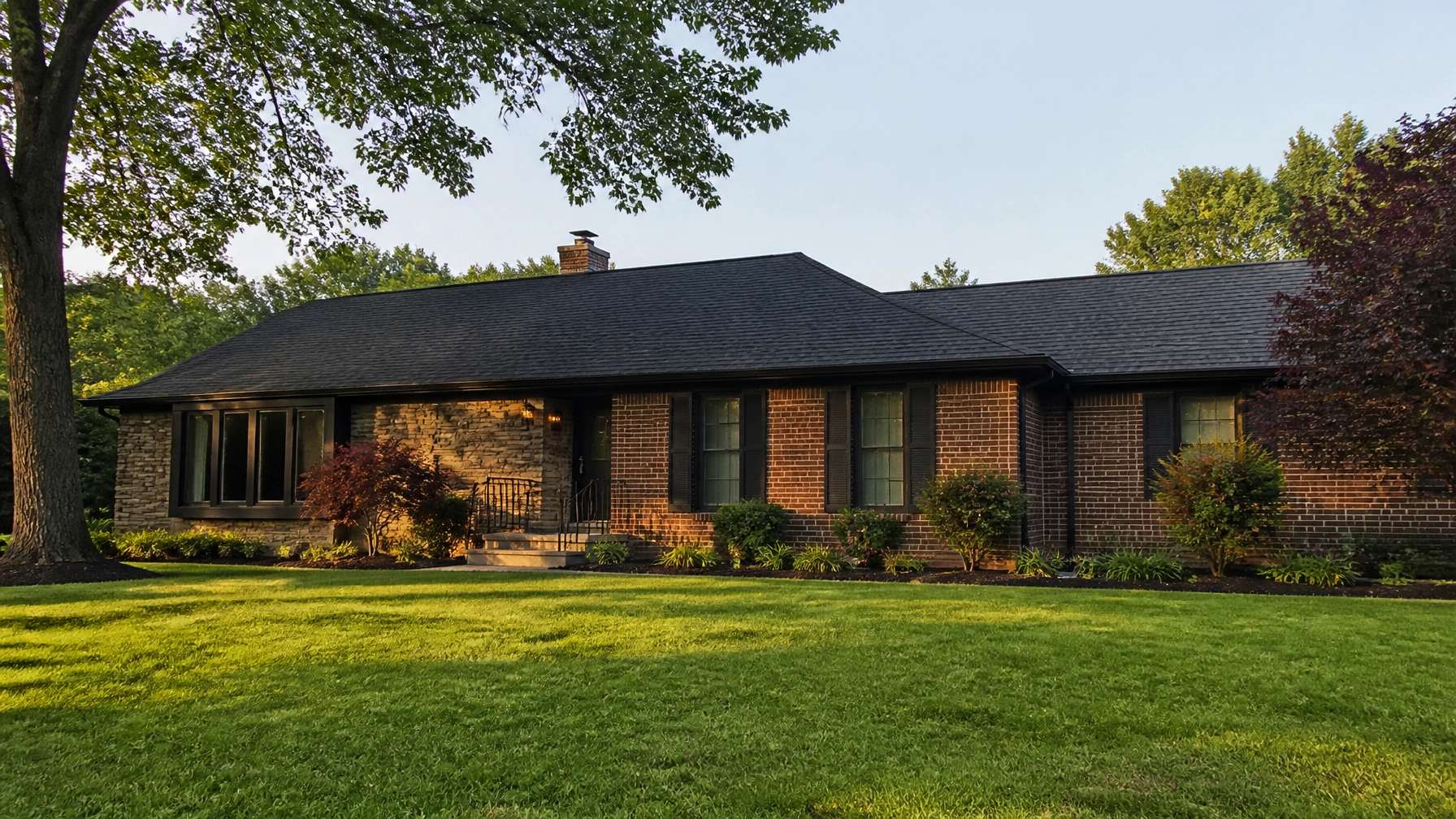
    Modern ranch-style home in North Carolina with a sleek matte black metal roof

    10. The Instant Estimate Revolution

    The traditional way of getting a roof estimate is broken. You call three contractors, wait a week for them to show up, spend an hour listening to a sales pitch, and wait another three days for a quote.

    At Get My Roof Estimate Now, we’ve eliminated that friction. By using satellite-powered measurements accurate to within inches, we provide Charlotte homeowners with a transparent, no-obligation price range in under 60 seconds.

    • Accuracy: 90-95% accurate to the final bill.
    • Speed: Under 1 minute.
    • Transparency: No hidden fees, no credit card required.

    Conclusion

    A new roof is a protective shield for your home and a major boost to its resale value. By understanding the local costs, permitting rules, and material options in Charlotte, you can navigate the process with confidence. Don't let the process overwhelm you: start with the data.

    Ready to see what a new roof will cost for your home? Get your instant Charlotte roof estimate here.