Author: James Turner

  • Norfolk Coastal Roofing: 2026 Price Guide & Material Selection

    For homeowners in Norfolk, Virginia, a roof is more than just a shelter: it is a critical line of defense against salt-laden air, high humidity, and the seasonal threat of North Atlantic hurricanes. As we move through 2026, material costs and labor rates in the Tidewater region have stabilized, but the technical requirements for coastal durability remain higher than in inland Virginia.

    If you are planning a roof replacement this year in neighborhoods like Ghent, Larchmont, or Ocean View, understanding the specific coastal variables is essential for both your budget and your home’s long-term protection.

    2026 Norfolk Roofing Cost Benchmarks

    In 2026, the average cost for a roof replacement in Norfolk ranges between $10,000 and $22,000 for a typical 2,000-square-foot home. While inland projects may be slightly cheaper, Norfolk’s building codes require enhanced wind resistance and corrosion-proof hardware, which adds a premium to local estimates.

    Material Type Estimated Cost (2,000 sq. ft. Roof) Primary Benefit
    Architectural Shingles (Popular) $10,500 – $16,000 130 mph wind rating, cost-effective
    Standing Seam Metal (Premium) $18,500 – $29,000 Salt-air corrosion resistance, 50+ year life
    Synthetic Slate/Shake (High-End) $22,000 – $38,000 Impact resistance, luxury aesthetic
    3-Tab Shingles (Budget) $8,500 – $11,500 Entry-level pricing (Not recommended for coast)

    Estimating your specific costs used to require multiple on-site visits from contractors. With the Get My Roof Estimate Now cost calculator, you can leverage satellite technology to get an accurate, professional quote for your Norfolk home in under 60 seconds.

    Salt-Air Resistant Materials: Why Your Choice Matters

    The Elizabeth River and the Chesapeake Bay bring beauty to Norfolk, but they also bring salt spray. This salt air is highly corrosive to standard roofing hardware. When selecting materials in 2026, Norfolk homeowners must prioritize corrosion resistance to avoid premature roof failure.

    1. Architectural Shingles (Algae-Resistant)

    For most residents in Colonial Place or Ward’s Corner, architectural (dimensional) shingles are the standard. In 2026, we recommend only using shingles with integrated copper or zinc granules. These "Algae-Resistant" (AR) shingles prevent the unsightly black streaks caused by Gloeocapsa magma, a bacteria that thrives in Norfolk’s high humidity.

    2. Coastal-Grade Metal Roofing

    If you are within five miles of the coast, standard galvanized steel is a risky choice. Instead, opt for Aluminum or Galvalume with a PVDF (Kynar 500) coating. Unlike steel, aluminum does not rust, making it the gold standard for Ocean View or Willoughby Spit homes.

    A close-up view of high-quality aluminum standing seam metal roofing on a coastal Virginia residence, showcasing the precision seams and matte finish.

    3. Stainless Steel Fasteners

    Regardless of the material, the "small parts" are where many coastal roofs fail. In Norfolk, salt air can eat through standard galvanized nails in less than a decade. We recommend specifying stainless steel nails and fasteners for all coastal installations to ensure the roof stays attached during high-wind events.

    Norfolk Building Codes & High-Wind Requirements

    Virginia’s building code treats Norfolk as a high-wind zone. This means your installation must meet specific technical benchmarks that differ from inland cities like Richmond.

    • 130 MPH Wind Rating: All new shingle installations in Norfolk must be rated for at least 130 mph winds.
    • Six-Nail Pattern: While standard installations often use four nails per shingle, Norfolk's coastal exposure typically requires a six-nail pattern to increase uplift resistance.
    • Synthetic Underlayment: In 2026, traditional felt paper is largely obsolete. High-performance synthetic underlayment provides a secondary water barrier that is far more resistant to tearing during a storm.

    The ROI of a New Roof in the 2026 Norfolk Market

    A new roof remains one of the highest-return home improvements in the Hampton Roads area. Local real estate data suggests that a new architectural shingle roof can recover up to 65-75% of its cost in home resale value. In a competitive market like Norfolk, a "fortified" roof (one built to higher wind standards) can also lead to significant reductions in your annual homeowner’s insurance premiums.

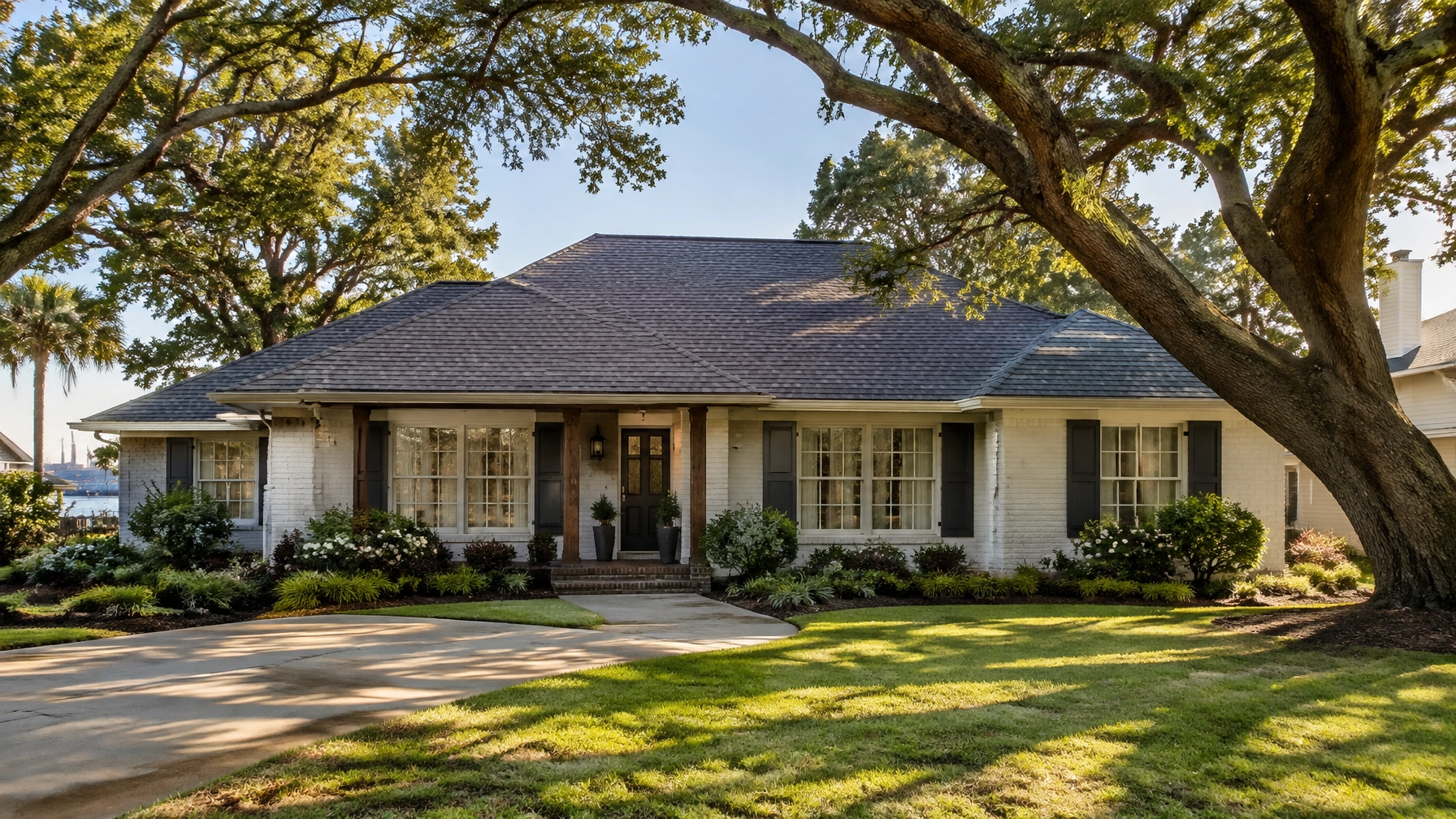
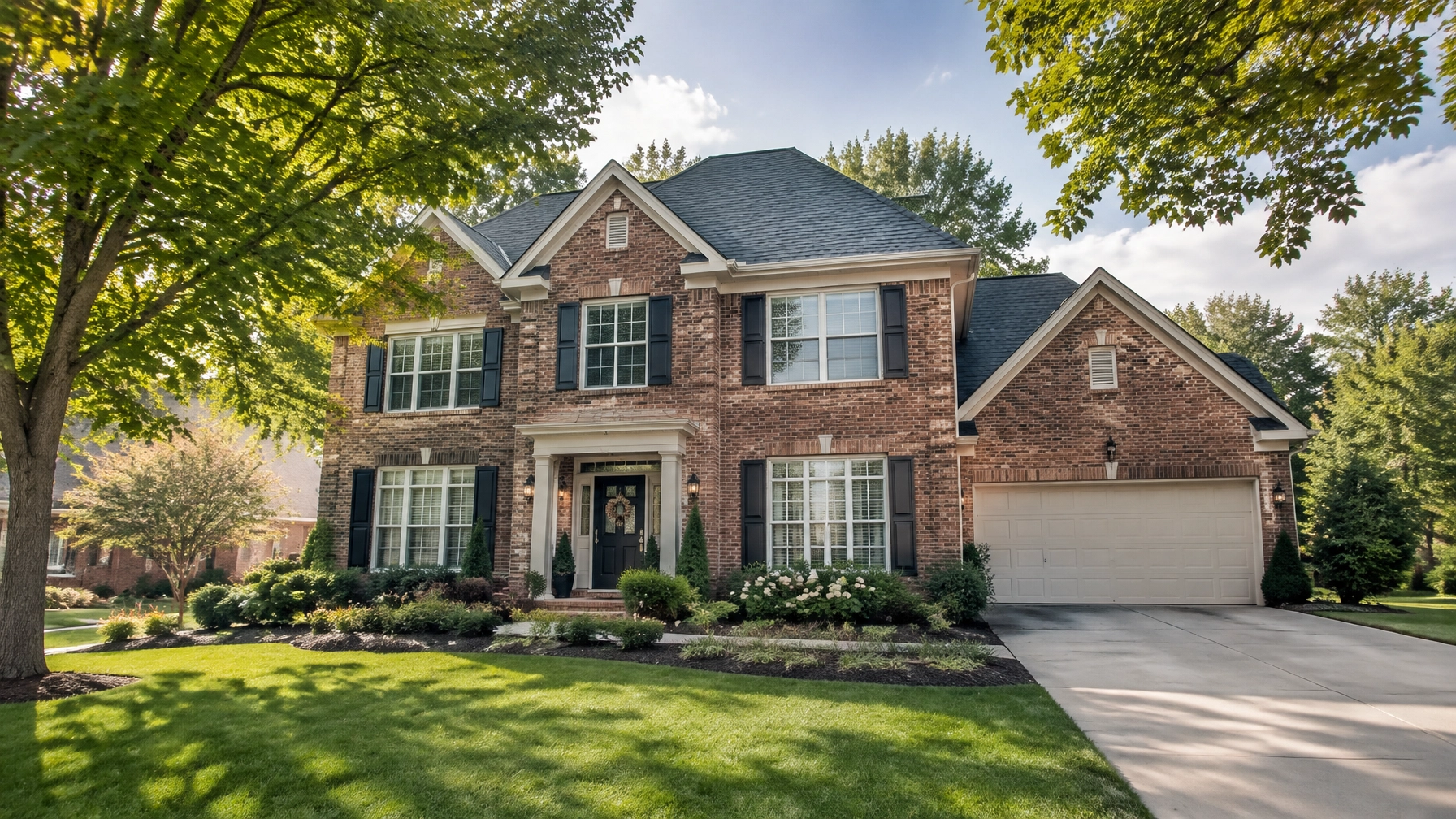
    A traditional Norfolk colonial home in the Ghent neighborhood featuring a freshly installed, high-definition shingle roof.

    How Satellite Technology is Changing the Estimate Process

    Gone are the days of waiting a week for a contractor to climb a ladder just to give you a ballpark figure. Our Virginia Roof Estimate service uses advanced satellite imagery to measure your roof's square footage, pitch, and complexity to within inches of accuracy.

    This technology allows us to provide:

    • Instant Pricing: Get your 2026 Norfolk price range in under a minute.
    • Transparent Data: See exactly how much you're paying for materials versus labor.
    • Vetted Connections: Once you have your estimate, we can connect you with licensed and insured Norfolk contractors who specialize in coastal requirements.

    A visualization of satellite technology measuring a residential roof in a suburban Norfolk neighborhood, showing blue geometric outlines and precise measurements.

    Final Checklist for Norfolk Homeowners

    Before you sign a contract in 2026, ensure your roofer addresses these four Norfolk-specific points:

    1. Permits: Does the quote include the City of Norfolk building permit fees?
    2. Wind Warranty: Is the shingles' wind warranty valid for 130 mph?
    3. Corrosion Protection: Are the drip edges and flashing made of aluminum or coated Galvalume?
    4. Tear-off: Does the price include the full removal and disposal of old shingles? (Avoid "roof-overs" in coastal areas, as they trap moisture).

    Ready to see what a coastal-grade roof will cost for your specific address? Get your instant Norfolk roof estimate here.

  • Louisville Roofing Costs: What to Expect for a New Roof in 2026

    Louisville Roofing Costs: What to Expect for a New Roof in 2026

    Homeowners in the Derby City face a unique set of challenges when it comes to maintaining their properties. From the humid summers and heavy spring rains to the occasional severe windstorms that roll through the Ohio Valley, your roof is your primary line of defense. If your roof is approaching the 15-to-20-year mark, you are likely already seeing the signs of wear: granule loss, curling shingles, or the dreaded "streaking" caused by limestone-eating algae.

    As we move through 2026, the cost of a roof replacement in Louisville has shifted. While supply chains have largely stabilized compared to the volatility of a few years ago, labor rates and material price floors have reset at a higher level.

    This guide provides a transparent, data-driven look at what it costs to replace a roof in Louisville, KY right now, helping you budget effectively and avoid the traditional hassle of high-pressure contractor visits.

    The 2026 Louisville Price Snapshot: By the Numbers

    For a standard 1,700 to 2,000-square-foot single-family home in the Louisville metro area, you can expect a total replacement cost ranging from $8,500 to $18,000.

    Several factors influence where you land on that spectrum, but the most significant driver is the material choice. In Louisville, asphalt shingles remain the dominant choice due to their balance of cost and performance in the Kentucky climate.

    Installed Cost Per Square Foot (2026 Averages)

    Material Category Estimated Cost (Installed) Expected Lifespan
    3-Tab Asphalt Shingles (Budget) $3.50 – $4.50 / sq. ft. 15–20 Years
    Architectural Shingles (Popular) $4.50 – $7.00 / sq. ft. 25–30 Years
    Premium / Designer Shingles (Luxury) $7.50 – $12.00 / sq. ft. 40–50 Years
    Standing Seam Metal (Premium) $10.00 – $18.00 / sq. ft. 50+ Years

    Note: These figures include tear-off of one existing layer, disposal fees, and standard underlayment.

    Close-up of high-quality architectural shingles in weathered wood color

    Material Breakdown: Choosing the Right Shield for Your Home

    Architectural Shingles (The Standard Choice)

    In 2026, architectural (or dimensional) shingles are the "gold standard" for Louisville residential properties. They are designed to withstand wind speeds of up to 130 mph: critical for those stormy spring afternoons in Kentucky. They offer a layered, textured look that significantly boosts curb appeal compared to flat 3-tab shingles.

    Standing Seam Metal (The Permanent Solution)

    We are seeing a surge in metal roofing across neighborhoods like St. Matthews and the Highlands. While the upfront investment is roughly double that of shingles, the ROI is found in longevity. A standing seam metal roof can easily last 50 years or more, making it a "one-and-done" purchase for many homeowners. It is also highly reflective, which helps lower cooling costs during those oppressive 90-degree July days in the Ohio Valley.

    Modern Louisville ranch-style home with a sleek matte black metal roof

    Why 2026 Pricing Reflects a New Reality

    Many homeowners wait for prices to "drop back to 2018 levels." Our internal data and industry tracking show that this is unlikely. While the rapid price spikes of 2021 have tapered off, several factors keep 2026 pricing firm:

    1. Labor Costs: Skilled roofing labor in the Midwest remains in high demand. Licensed and insured contractors must pay competitive wages to maintain quality crews, and those costs are reflected in the final bid.
    2. Petroleum Prices: Since asphalt shingles are a petroleum-based product, they are sensitive to oil market fluctuations. As of mid-2026, manufacturing costs have plateaued at a higher baseline.
    3. Local Permitting and Codes: Louisville’s building codes have become more stringent regarding ventilation and ice/water shield requirements. While this increases the cost by $500–$1,200, it ensures your roof actually lasts its full warranted lifespan.

    Seasonal Timing: When is the Best Time to Roof in Louisville?

    Timing your project can save you money and headaches. In Kentucky, roofing is a seasonal business.

    Spring and Fall (The Peak Seasons)

    These are the busiest months. The moderate temperatures are ideal for shingle "seal-down" (when the adhesive strip bonds to the layer below). However, because demand is high, you will likely pay full price and face a 4-to-6-week lead time for installation.

    Summer (The High-Heat Window)

    Roofing continues through the summer, though extreme heat can slow down crews. It is a reliable time for installation, but don't expect many "deals" as contractors are usually catching up from spring rain delays.

    Winter (The Potential Discount Window)

    Many homeowners don't realize you can install a roof in a Louisville winter. As long as the temperature is above freezing and the sun is out, shingles can be installed effectively. Some local contractors offer 5% to 10% off-season discounts in January and February to keep their crews working. If your roof isn't currently leaking and you have a flexible schedule, this is the best time to maximize your budget.

    Variables That Can Move Your Estimate

    Beyond materials, three technical factors can significantly shift your quote:

    • Pitch (Steepness): A "walkable" roof is cheaper to install. If your roof is steep enough to require specialized safety harnesses and scaffolding (common in older Louisville Victorians), expect a 15–20% increase in labor costs.
    • Layers: Louisville code generally allows for two layers of shingles. However, we always recommend a full tear-off to inspect the wood decking beneath. Removing and disposing of multiple layers adds significant labor and dump fees.
    • Complexity: A simple "up and over" gable roof is the most affordable. If your home has multiple dormers, valleys, skylights, or chimneys, the extra flashing and detailing work will increase the price.

    The Modern Way to Get a Louisville Roof Estimate

    Traditionally, getting a roof quote meant calling three different contractors, waiting for them to show up, and sitting through three separate 90-minute sales pitches.

    At Get My Roof Estimate Now, we’ve eliminated that friction. Using advanced satellite imagery, we can measure your roof’s square footage, pitch, and complexity with 90-95% accuracy without ever stepping foot on your property.

    Satellite imagery measurement of a Louisville neighborhood roof

    How It Works in 60 Seconds:

    1. Enter Your Address: We pull the high-resolution satellite data for your specific Louisville property.
    2. Review the Specs: Our technology calculates the exact "squares" of your roof.
    3. Get Your Range: Receive an instant, transparent price range for different material options: Budget, Popular, and Premium.

    This allows you to budget and plan with confidence before you ever speak to a contractor. Once you have your estimate, we can connect you with verified, licensed, and insured local Louisville professionals to finalize the details and get the job done.

    Conclusion: Don't Wait for the Next Storm

    In 2026, proactive maintenance is cheaper than reactive repair. A small leak from a compromised valley can quickly lead to thousands of dollars in interior drywall and mold remediation costs.

    Whether you are in Jeffersonown, Prospect, or Old Louisville, knowing your numbers is the first step. Use our Roof Cost Calculator today to see exactly what a new roof will cost for your home in under a minute.


  • Memphis Roof Replacement: 2026 Cost Estimator & Local Trends

    Navigating the roofing market in Memphis, TN, has changed significantly in 2026. Between shifting material costs and the increasing frequency of severe Mid-South storms, homeowners need accurate, localized data to make informed decisions. Whether you are dealing with hail damage from a recent spring storm or planning a proactive upgrade for a 20-year-old roof, understanding the current price landscape is the first step.

    At Get My Roof Estimate Now, we provide instant roof replacement cost estimates using satellite imagery technology. We’ve analyzed current market data for Shelby County to bring you this definitive 2026 guide.

    The Bottom Line: Memphis Roofing Costs in 2026

    For a standard single-family home in Memphis (typically 2,000 to 2,500 square feet of roof area), a full replacement in 2026 averages between $10,000 and $25,000. The "middle of the bell curve" project: using high-quality architectural shingles: usually lands between $15,000 and $20,000.

    Cost by Material Type (Installed)

    Pricing is largely dictated by the "square" (a 100-square-foot area). In Memphis, expect the following benchmarks:

    • Architectural Shingles (Popular): $500 – $750 per square. This is the gold standard for Memphis homes due to their wind resistance and 30-year lifespan.
    • 3-Tab Asphalt Shingles (Budget): $400 – $550 per square. While cheaper upfront, these are becoming less common as they struggle to withstand high-wind events.
    • Metal Roofing (Premium): $900 – $1,800 per square. A massive trend in 2026 for homeowners seeking 50+ year durability and "cool roof" energy savings in the Tennessee heat.
    • Designer Shingles (Premium): $800 – $1,100 per square. These mimic the look of slate or wood shakes but offer superior protection.

    Close-up high-detail photograph of high-quality architectural asphalt shingles on a residential roof in Memphis, showing texture and depth, daylight, realistic house detail in background.

    Memphis Storm Damage: Repair or Replace?

    Memphis sits in a high-activity zone for severe thunderstorms and tornado remnants. If your roof was hit by a storm, the decision to repair or replace often comes down to a few critical factors:

    1. The 25% Rule

    Industry standards and local building codes often dictate that if more than 25-30% of a roof slope is damaged, a full replacement is more cost-effective (and often required) than a patch job. Memphis storms often cause "bruising" on shingles that isn't visible from the ground but leads to leaks within 12–24 months.

    2. Age of the System

    If your roof is over 15 years old, a $2,500 repair is often a "band-aid" on a system that is already reaching its end of life. In 2026, many insurance adjusters in Tennessee are leaning toward full replacements for older roofs because matching obsolete shingle colors and styles is nearly impossible.

    3. Repair Cost Benchmarks

    • Minor Shingle/Flashing Repair: $500 – $1,200
    • Leak/Water Damage Repair: $1,000 – $2,500
    • Emergency Tarping: $350 – $750 (varies by urgency)

    Local Factors Driving Memphis Prices

    Several regional variables affect your final quote. Memphis homeowners should be aware of:

    • Humidity & Algae: The humid subtropical climate of West Tennessee promotes "Gloeocapsa magma" (black streaks). In 2026, most local estimates include algae-resistant shingles as a standard feature.
    • Labor Market: High demand for skilled trades in the Memphis metro area means labor costs have stabilized but remain a significant portion of the total: roughly 40-50% of the project cost.
    • Permitting: Building permits are required for roofing work in Memphis and Shelby County. Vetted contractors will handle this, but it adds a small fee to the total.

    Professional photo of a ranch-style home in Memphis, Tennessee with a new standing seam metal roof in a matte black finish, modern exterior, curb appeal.

    Why Satellite Estimates Change the Game

    Traditionally, getting a roof estimate in Memphis meant calling three different contractors, waiting for them to show up, and dealing with high-pressure sales pitches.

    Our technology eliminates the friction. By using high-resolution satellite imagery, we can measure your roof’s size, pitch, and complexity with 90-95% accuracy.

    1. Enter your address: We locate your home instantly.
    2. Automated Analysis: Our system calculates the exact number of squares and factors in Memphis labor rates.
    3. Get Your Price: In under 60 seconds, you receive a transparent range for different materials.

    This allows you to budget and plan before you ever speak to a contractor. When you're ready, we connect you with vetted, licensed, and insured Tennessee roofing professionals.

    Maximizing Your ROI

    A new roof is a major investment, but in the Memphis real estate market, it offers some of the highest returns.

    • Home Value: A new architectural shingle roof can increase home value by $12,000 to $15,000 on average.
    • Insurance Premiums: Many Tennessee insurers offer discounts for new roofs, especially those with Impact Rated (Class 4) shingles.
    • Energy Efficiency: Modern underlayments and attic ventilation systems can reduce summer cooling costs by 10-15%.

    Satellite view perspective of a residential neighborhood in Memphis, TN, showing varying roof shapes and sizes, clean and sharp imagery illustrating how satellite technology measures roofs.

    Summary Checklist for Memphis Homeowners

    • Check the Age: Is your roof 15+ years old? It’s likely time for a Tennessee-specific estimate.
    • Inspect After Storms: Look for granules in your gutters or missing shingles.
    • Compare Materials: Don't just settle for what's there now. Consider metal or designer shingles for better long-term value.
    • Get an Instant Quote: Use our Roof Cost Calculator to get your 2026 pricing in 60 seconds.

    Don't wait for a leak to start your research. Get the data you need to protect your home and your budget today.

  • The Future of Roofing in Durham, NC: 2026 Costs & Technology

    The Future of Roofing in Durham, NC: 2026 Costs & Technology

    Durham, North Carolina: famously known as the "Bull City": is experiencing a transformative shift in its residential landscape as we move through 2026. For homeowners in the Research Triangle, maintaining a solid roof is no longer just about stopping leaks; it’s about navigating a high-tech, high-cost environment where efficiency and material quality define long-term property value.

    Whether you own a classic colonial in Hope Valley, a historic bungalow in Trinity Park, or a modern ranch in Woodcroft, the variables for roof replacement have changed. Labor markets are tighter, material tech is more advanced, and the way you get an estimate is now faster than your morning coffee run.

    This guide provides a transparent, data-driven breakdown of what it costs to replace a roof in Durham in 2026 and how satellite technology is removing the friction from the process.

    The 2026 Durham Cost Reality: By the Numbers

    Current market data for Durham shows that roof replacement costs have stabilized after the volatility of the early 2020s, but they remain at a premium due to increased skilled labor demand in the Triangle area.

    For a standard residential roof in Durham using architectural shingles (Popular), homeowners should expect the following price ranges:

    • Average Cost per Square Foot: $5.00 – $9.00 (Installed)
    • Typical 2,000 Sq. Ft. Home: $10,000 – $18,000
    • Large or Complex Roofs (3,000+ Sq. Ft.): $16,000 – $28,000+

    These figures represent a "middle-of-the-road" scenario. Factors like roof pitch, the number of existing layers to be removed, and local disposal fees at Durham County facilities can push these numbers toward the higher end of the spectrum.

    The Labor vs. Material Split

    In 2026, the "50/50" rule for roofing has shifted. In a competitive market like Durham, labor now accounts for approximately 55% to 65% of your total quote.

    Expense Category Percentage of Total Estimated Cost (2,000 Sq. Ft. Roof)
    Labor (Tear-off & Install) 60% $7,200 – $10,800
    Materials (Architectural Shingles) 30% $3,600 – $5,400
    Disposal & Overhead 10% $1,200 – $1,800

    Close-up of high-quality architectural shingles being installed on a Durham residence

    Why Architectural Shingles Dominate the Durham Market

    While metal and synthetic options are gaining ground, architectural shingles remain the gold standard for Durham homeowners. Here is why they are the preferred choice in 2026:

    1. Durability (North Carolina Weather): Durham experiences everything from heavy humidity and summer thunderstorms to the occasional winter ice storm. Architectural shingles (also known as dimensional or laminate shingles) offer a higher wind rating (up to 130 mph) compared to traditional 3-tab shingles.
    2. Aesthetic Depth: These shingles provide a layered, 3D look that mimics natural wood shakes or slate, significantly boosting the curb appeal of Durham’s diverse architectural styles.
    3. Longevity: Most 2026 architectural shingle lines come with 30-year to "Lifetime" warranties, providing peace of mind for the long-term homeowner.

    If you are planning a project, you can get a head start by using a roof cost calculator to see how different materials impact your bottom line.

    High-Tech Estimating: The 60-Second Revolution

    The days of waiting three days for a contractor to drive to your house, walk on your shingles, and leave a handwritten quote on your door are over. In 2026, Durham homeowners are leaning into satellite-powered measurements.

    At Get My Roof Estimate Now, we leverage high-resolution satellite imagery to measure your roof's size, pitch, and complexity with 90-95% accuracy.

    Benefits of Satellite Measuring in Durham:

    • Zero Contact: No need to clear your schedule or wait for a stranger to arrive.
    • Instant Accuracy: We measure to within inches, ensuring your material quote is spot on.
    • Transparent Pricing: Because the data is objective, there is no "salesman markup" based on which neighborhood you live in.
    • Speed: You receive your estimate in under 60 seconds, allowing you to budget and plan immediately.

    For residents across North Carolina, this technology has leveled the playing field, providing professional-grade data directly to the consumer.

    Aerial view of a Durham neighborhood showcasing various roof complexities accurately measured by satellite

    Local Durham Variables: What You Need to Know

    Every city has its quirks, and Durham is no different. When budgeting for your 2026 roof replacement, consider these local factors:

    1. Tree Canopy Impact

    Durham is beautiful because of its trees, but those towering oaks in Forest Hills or Watts-Hillandale mean more than just shade. They mean organic debris and potential moisture retention. In 2026, we recommend ensuring your quote includes high-quality zinc or copper strips to prevent algae growth (those black streaks) which is common in the humid NC climate.

    2. Durham Building Codes

    The City of Durham has specific requirements regarding ice and water shields and ventilation. In 2026, code compliance is stricter than ever. Ensure your contractor is verified, licensed, and insured. We only connect homeowners with vetted local contractors who understand the specific permitting processes of Durham County.

    3. Historical Considerations

    If you live in a designated historic district like Old West Durham, your material choices may be restricted. While architectural shingles are often accepted, you may be required to choose specific colors or profiles that maintain the neighborhood's historical integrity.

    A white modern farmhouse in Durham with a combination of architectural shingles and metal accents

    Planning Your 2026 Replacement

    If your roof is between 15 and 25 years old, you are entering the "replacement window." In 2026, the best way to handle a major investment like this is with information.

    Step-by-Step Durham Homeowner Checklist:

    • Get an Instant Estimate: Use a satellite estimate tool to establish your baseline "Fair Market Value."
    • Check for Storm Damage: Durham has seen an uptick in micro-burst storms; if you’ve had high winds recently, your insurance might cover a portion of the replacement.
    • Evaluate Ventilation: A new roof is only as good as the air flowing under it. Ensure your quote includes ridge vents or solar-powered attic fans to combat NC’s summer heat.
    • Select Your Material: Choose a shingle color that complements the red brick or earth-toned siding common in Durham neighborhoods.

    Conclusion: The Bull City Standard

    Roofing in Durham has evolved. By combining the durability of modern architectural shingles with the speed and transparency of satellite technology, homeowners can protect their greatest asset without the traditional headaches.

    Don't guess what your roof costs in 2026. Get the data, compare the ranges, and move forward with confidence. Whether you're near Duke University or out toward Brier Creek, the information you need is just 60 seconds away.

    Ready to see your Durham roof's 2026 price tag? Get your free, instant estimate here.


  • Architectural Shingles Vs Metal Roofing: Which Is Better For Your Mobile Home?

    Architectural Shingles Vs Metal Roofing: Which Is Better For Your Mobile Home?

    If you own a manufactured or mobile home in the Charleston, South Carolina area, your roof is your first line of defense against the Lowcountry’s unique weather challenges. From the relentless Atlantic humidity and scorching summer sun to the high-wind threats of hurricane season, choosing the right material is a high-stakes decision.

    When it’s time for a replacement, two heavyweights dominate the conversation: Architectural Shingles and Metal Roofing. Both offer significant upgrades over the traditional 3-tab shingles found on older mobile homes, but they cater to very different budgets and long-term goals.

    In this guide, we’ll break down the 2026 costs, performance metrics, and technical requirements specifically for mobile home owners in Charleston to help you decide which material is the right fit for your property.


    Architectural Shingles: The Practical, Budget-Friendly Choice (Budget / Popular)

    Architectural shingles (also known as dimensional or laminate shingles) are the most popular roofing material in North America for a reason. Unlike old-school 3-tab shingles, architectural shingles are made of multiple layers of asphalt and fiberglass, creating a thicker, more durable, and more visually appealing "3D" look.

    Why Choose Architectural Shingles for Your Mobile Home?

    • Lower Upfront Cost: Architectural shingles typically cost 30-50% less than a metal roof.
    • Easy Installation: Most roofing contractors are experts in asphalt installation, meaning labor is readily available and projects are finished quickly.
    • Noise Dampening: The heavy, multi-layered composition of asphalt shingles provides excellent natural soundproofing against Charleston’s frequent thunderstorms.
    • Aesthetic Variety: They come in a wide range of colors that can mimic the look of wood shakes or slate.

    The Trade-Offs

    In the Charleston climate, the realistic lifespan of architectural shingles is approximately 15–25 years. While they are rated for 30 years, the combination of intense UV exposure and high humidity can accelerate granule loss and organic growth (algae). Additionally, they are heavier than metal, which means your mobile home’s roof deck must be in structural top-tier condition to support the weight.

    Close-up of high-quality architectural shingles on a residential roof showing texture and depth


    Metal Roofing: The Premium, Storm-Resistant Powerhouse (Premium / Durable)

    Metal roofing has seen a massive surge in popularity among Charleston homeowners, particularly those in manufactured homes. In a region where wind resistance is a top priority, metal offers a level of security that shingles simply can't match.

    Why Choose Metal for Your Mobile Home?

    • Unmatched Longevity: A properly installed metal roof can last 40–70 years, essentially making it the last roof you’ll ever buy.
    • Wind Resistance: Many metal roofing systems are rated to withstand winds of up to 140+ mph, providing peace of mind during tropical storm warnings.
    • Energy Efficiency: Metal reflects solar heat rather than absorbing it. In a manufactured home: which can struggle with insulation: this can lead to a 10–25% reduction in cooling costs during a South Carolina summer.
    • The "Roof-Over" Advantage: Metal is lightweight enough that it can often be installed directly over your existing roof using a "roof-over" system. This involves adding light wood framing and insulation between the old and new roof, improving comfort and avoiding costly tear-off fees.

    The Trade-Offs

    The primary barrier is the initial investment. Metal roofing requires specialized labor and higher material costs. While it saves money long-term through energy efficiency and longevity, the upfront price tag can be a shock to some budgets.

    Corrugated metal roofing panels being installed on a low-slope manufactured home


    2026 Cost Comparison: Charleston, SC Market Data

    Based on current 2026 market trends in the Charleston area, here is what you can expect to pay for a full roof replacement on a manufactured home. Note: These figures include materials, labor, and standard disposal fees.

    Roof Material Single-Wide (~1,200 sq ft) Double-Wide (~2,000 sq ft) Realistic Lifespan
    Architectural Shingles $5,400 – $8,400 $9,000 – $14,000 15–25 Years
    Exposed-Fastener Metal $8,400 – $13,200 $14,000 – $22,000 30–50 Years
    Standing Seam Metal $13,200 – $19,200 $22,000 – $32,000 50+ Years

    Prices are estimates for Charleston, SC as of May 2026 and may vary based on roof pitch, complexity, and specific local permit fees.


    Technical Factors: Does Your Home Qualify?

    Before you choose a material, you must consider the structural reality of your manufactured home.

    1. Roof Pitch (The Slope)

    Most architectural shingles require a minimum slope of 2:12 or 4:12. Many older mobile homes have "flat" or very low-slope roofs. If your roof is too flat, shingles are not an option as they will trap water and leak. In these cases, a metal roof-over with built-up framing to create a steeper pitch is the most effective solution.

    2. Weight Limits

    Manufactured homes are built to specific weight tolerances. While architectural shingles are manageable for most modern double-wides, adding multiple layers of shingles can stress the frame. Metal is significantly lighter, making it the safer choice for older structures or homes where you want to avoid a full tear-off.

    3. Coastal Salt Exposure

    If your home is located closer to Mt. Pleasant or James Island, salt air is a factor. For metal roofs, you should opt for aluminum or high-grade Galvalume to prevent corrosion. For shingles, ensure you select a product with a high algae-resistance rating to combat the "black streaks" common in humid climates.

    Satellite technology measuring a residential roof for an instant estimate


    Get Your Accurate Estimate in 60 Seconds

    The traditional way of getting a roof quote: scheduling three different contractors to come out, climb on your roof, and wait days for a bid: is outdated.

    At Get My Roof Estimate Now, we leverage advanced satellite imagery technology to measure your roof with 90-95% accuracy. Whether you are in Charleston, North Charleston, or anywhere in the surrounding Lowcountry, you can receive a transparent, data-driven price range for your project in under a minute.

    How it works:

    1. Enter your home address.
    2. Our AI analyzes your roof’s size, pitch, and complexity via satellite.
    3. Receive a low-middle-high price range for both shingles and metal.
    4. Optionally connect with verified, licensed, and insured local contractors who can honor that pricing.

    Final Verdict: Which Is Better?

    Choose Architectural Shingles if:

    • You want the lowest upfront cost.
    • You plan to sell the home within the next 10 years.
    • Your roof has a standard pitch and your home's structure is in good condition.

    Choose Metal Roofing if:

    • You plan to stay in the home for the long haul.
    • You want the highest possible protection against hurricanes.
    • You have a low-slope roof that requires a "roof-over" solution to improve insulation and drainage.

    Ready to see exactly what a new roof will cost for your home? Get your instant 2026 roof estimate here.


  • The Ultimate Guide to Detroit Roof Replacement Cost in 2026: Everything You Need to Succeed

    The Ultimate Guide to Detroit Roof Replacement Cost in 2026: Everything You Need to Succeed

    If you are a homeowner in the Motor City looking at a roof that’s seen better days, you aren’t alone. In 2026, the Detroit roofing market has evolved. Between fluctuating material supply chains and the unique demands of the Michigan climate, budgeting for a roof replacement is no longer a "rough guess" game.

    Whether you’re in a classic bungalow in Royal Oak, a historic Tudor in Grosse Pointe, or a modern ranch in Sterling Heights, understanding the current market rates is essential for a successful project. At Get My Roof Estimate Now, we use advanced satellite technology to provide instant, accurate roofing estimates in under 60 seconds, helping you skip the two-week wait for a contractor's visit.

    In this guide, we break down exactly what you can expect to pay for a roof replacement in Detroit in 2026.

    Detroit Roof Replacement Costs in 2026: The Data

    Based on current 2026 market data, the average cost for a roof replacement in the Detroit metro area ranges from $8,500 to $18,000 for a standard single-family home. While this is slightly lower than the national average, prices have seen a steady 4-6% annual increase over the last few years due to rising labor specialized for Michigan's harsh winters.

    Average Cost by Roof Size (Detroit Estimates)

    Roof Size (Squares) Square Footage Estimated Cost Range (Architectural Shingles)
    15 Squares 1,500 sq ft $9,000 – $12,500
    20 Squares 2,000 sq ft $12,000 – $16,500
    25 Squares 2,500 sq ft $15,000 – $21,000
    30 Squares 3,000 sq ft $18,000 – $26,000

    Note: A "square" is a roofing term for 100 square feet.

    Professional installation of architectural asphalt shingles in Michigan

    Categorizing Your Options: Budget, Popular, and Premium

    The biggest variable in your final bill is the material you choose. In Detroit, we categorize these into three primary buckets to help homeowners align their goals with their budgets.

    1. The Budget Choice: 3-Tab Asphalt Shingles

    While less common in 2026 as homeowners move toward durability, 3-tab shingles remain the most affordable entry point.

    • Average Cost: $4.50 – $6.00 per sq ft.
    • Best for: Rental properties or tight budgets.
    • Detroit Reality: These offer the least resistance to high winds and heavy snow loads.

    2. The Popular Choice: Architectural Asphalt Shingles

    This is the standard for Detroit homes today. They are thicker, multi-dimensional, and far more durable against Michigan’s freeze-thaw cycles.

    • Average Cost: $6.00 – $8.50 per sq ft.
    • Best for: Most single-family homes looking for curb appeal and a 30-year lifespan.
    • Detroit Reality: Most local contractors, including those we connect you with, default to these because they handle Detroit weather effectively.

    3. The Premium Choice: Metal or Synthetic Slate

    For homeowners looking for a "forever roof," metal and synthetic options have surged in popularity in 2026.

    • Average Cost: $9.00 – $18.00+ per sq ft.
    • Best for: High-end homes or homeowners planning to stay for 40+ years.
    • Detroit Reality: Metal roofs are exceptional for shedding heavy snow quickly, preventing dangerous ice dams.

    Sleek standing seam metal roof on a modern Michigan residence

    The "Detroit Factor": What Drives Your Local Price?

    Replacing a roof in Detroit isn't the same as doing it in Chicago or Charlotte. Several local variables will impact your quote:

    • Tear-Off Costs: Michigan building codes generally allow only two layers of shingles. If your home already has two layers, a full tear-off is mandatory, which can add $1,500–$3,000 to your labor costs.
    • Ice and Water Shield: Due to heavy Michigan winters, local building codes often require ice and water shields along the eaves and in valleys. This is a non-negotiable expense that protects your home from internal water damage during the spring thaw.
    • Roof Pitch and Complexity: If you have a steep, multi-gabled roof (common in older Detroit neighborhoods), labor costs will rise. Crews move slower on steep pitches for safety, and more material waste is generated.
    • Permit Fees: Detroit and its surrounding municipalities (like Dearborn, Warren, or Livonia) require permits that range from $100 to $400 depending on project value.

    Diverse residential roofing styles in a charming Detroit neighborhood

    Timing Your Replacement in Michigan

    Seasonality is a massive factor in Detroit.

    • Peak Season (Summer/Early Fall): Demand is highest, and pricing reflects that. You may wait 4-8 weeks for a crew.
    • Shoulder Season (Spring/Late Fall): This is often the "sweet spot" where you can find more competitive labor rates before the winter rush.
    • Winter: Most Detroit roofing stops in the dead of winter (January/February) as asphalt shingles won't seal properly in freezing temperatures. Emergency repairs are possible, but full replacements are rarely scheduled.

    How to Get an Accurate Estimate in 60 Seconds

    The traditional way to get a roof quote involves calling three contractors, waiting for them to show up, and dealing with high-pressure sales pitches in your living room.

    Get My Roof Estimate Now changes that. Using high-resolution satellite imagery, we measure your roof's exact square footage, pitch, and complexity from the sky.

    1. Enter Your Address: We locate your property in Detroit.
    2. AI Analysis: Our system calculates the dimensions in seconds.
    3. Instant Pricing: You receive a transparent, tiered price range based on current 2026 local labor and material rates.

    No credit card, no waiting, and no sales pressure. We provide the data so you can budget with confidence.

    A luxury Tudor-style home in a Detroit suburb with a premium synthetic slate roof

    Final Expert Tips for Detroit Homeowners

    • Check for Licenses: Ensure your contractor is licensed by the State of Michigan. You can verify this through the LARA (Licensing and Regulatory Affairs) website.
    • Ventilation is Key: A new roof is only as good as the attic ventilation beneath it. In Detroit, poor ventilation leads to ice dams and shortened shingle life.
    • Ask About Warranties: In 2026, most premium manufacturers offer "Lifetime" warranties. Ensure your Detroit contractor is certified by the manufacturer (e.g., GAF, Owens Corning) so the labor is also covered.

    Ready to see what a new roof will cost for your specific Detroit home? Get your free 60-second estimate here.


    Frequently Asked Questions (FAQ)

    1. How long does a roof replacement take in Detroit?
    Most residential roofs in the Detroit metro area can be replaced in 1 to 2 days, weather permitting. Larger or more complex homes may take up to 3 or 4 days.

    2. Can I install a new roof over my old one?
    In Michigan, you are generally allowed to have up to two layers of shingles. However, most experts recommend a full tear-off to inspect the decking for rot, especially given Detroit's moisture and snow levels.

    3. Does homeowner's insurance cover roof replacement?
    If your roof was damaged by a specific "peril" like a 2026 hail storm or a fallen tree limb during a Michigan windstorm, insurance typically covers it. If the roof is simply old and leaking due to age, it is considered maintenance and is not covered.

    4. What is the best material for Michigan weather?
    Architectural asphalt shingles are the best balance of cost and performance. However, standing seam metal is the "gold standard" for durability and snow shedding in the Midwest.

    5. Is a permit required for a roof replacement in Detroit?
    Yes, most municipalities in Southeast Michigan require a building permit for a full roof replacement to ensure the work meets local safety codes.

  • Tampa Roofing Guide 2026: Hurricane-Ready Roofs & Cost Estimates

    Tampa Roofing Guide 2026: Hurricane-Ready Roofs & Cost Estimates

    For Tampa homeowners in 2026, a roof is no longer just a structural necessity: it is a critical line of defense and a major financial asset. With shifting weather patterns and the 2026 updates to the Florida Building Code, the cost of roof replacement has become more transparent, yet more technical. Whether you are in South Tampa, Brandon, or Westchase, understanding the local market pricing and the insurance incentives available this year is essential for protecting your investment.

    At Get My Roof Estimate Now, we leverage advanced satellite imagery to provide Tampa residents with accurate, instant pricing. We have analyzed current 2026 market data to bring you this definitive guide on what it costs to re-roof in the Big Guava and how to maximize your ROI through storm-hardening.

    2026 Tampa Roof Replacement Costs: The Hard Numbers

    The average cost of a roof replacement in Tampa currently ranges from $9,000 to $25,000, with most mid-sized homes (approx. 2,000 sq. ft.) landing between $12,000 and $18,000. These figures reflect local labor rates, material surcharges, and the stringent permitting requirements of Hillsborough County.

    Pricing Tiers by Category:

    • Budget ($9,000 – $11,500): Standard 3-tab shingles on smaller homes or secondary structures. While cost-effective, these offer the lowest wind resistance and shorter lifespans.
    • Popular ($12,000 – $18,500): High-quality architectural (laminate) shingles. This is the Tampa standard, offering excellent curb appeal and wind ratings up to 130 mph.
    • Premium ($19,000 – $35,000+): Impact-resistant Class 4 shingles or standing-seam metal roofing. These materials provide the highest durability and the most significant insurance premium reductions.
    Material Type Cost Per Sq. Ft. (Installed) Expected Lifespan
    Architectural Shingles $5.50 – $9.00 20–25 Years
    Impact-Resistant (Class 4) $7.00 – $11.00 25–30 Years
    Standing Seam Metal $12.00 – $22.00 40–70 Years
    Concrete / Clay Tile $14.00 – $25.00 50+ Years

    To get a precise number for your specific roofline without the hassle of a contractor visit, you can use our instant roof cost calculator.

    Hurricane-Ready Materials: Impact Resistance is Mandatory

    In 2026, simply meeting the code is the bare minimum. Tampa's proximity to the Gulf of Mexico means roofs must endure sustained high winds and flying debris. The industry has shifted toward "Impact-Resistant" (IR) technology as the gold standard for Florida residential roofing.

    Close-up of high-quality Class 4 impact-resistant shingles

    Why Class 4 Shingles? (Premium Protection)

    UL 2218 Class 4 shingles are tested to withstand the impact of a 2-inch steel ball dropped from 20 feet. In the Tampa market, these shingles typically carry a 10% to 25% price premium over standard architectural shingles, but they are often the only way to secure the most aggressive "Wind Mitigation" credits on your homeowner's insurance policy.

    Metal Roofing: The Modern Coastal Choice

    Standing seam metal roofing has seen a massive surge in Tampa and St. Petersburg throughout 2025 and 2026. Because it utilizes concealed fasteners, there are no exposed screws that can back out over time, making it virtually impervious to the tropical moisture and high-heat cycles common in Central Florida.

    ![Modern Tampa home with a sleek silver metal roof](https://cdn.marblism.com/ Bo0E3JMZc8n.webp)

    Navigating 2026 Insurance Incentives & Grants

    The Florida insurance landscape remains complex, but 2026 has brought renewed opportunities for homeowners to offset the cost of a new roof.

    1. My Safe Florida Home Program (2026 Updates)

    The My Safe Florida Home program (mysafeflhome.com) continues to provide matching grants for hurricane mitigation. In 2026, many Tampa residents are eligible for grants up to $10,000 to cover two-thirds of the cost of roof upgrades, including:

    • Secondary water barriers (Peel-and-stick underlayment).
    • Upgraded roof-to-wall connections (clips and straps).
    • Installation of hurricane-rated shingles or metal.

    2. Wind Mitigation Credits (Form OIR-B1-1802)

    Effective April 1, 2026, the Florida Office of Insurance Regulation updated the wind mitigation inspection form. To maximize your savings, ensure your roofer provides documentation of the following:

    • Roof Deck Attachment: Use of 8d ring-shank nails at 6-inch intervals.
    • Secondary Water Barrier: Verification of a self-adhering polymer modified bitumen underlayment.
    • Impact Rating: Documentation of UL 2218 Class 4 or FM 4473 Class 4 ratings.

    Homeowners who document these features can see annual premium reductions of 15% to 30%, effectively paying back the "Premium" material cost within 4 to 6 years.

    The Satellite Advantage: Accurate Estimates in 60 Seconds

    The traditional process of getting a roof estimate: calling three contractors, waiting for them to show up, and dealing with high-pressure sales pitches: is obsolete. At Get My Roof Estimate Now, we’ve streamlined the process.

    A classic Tampa home with a high-quality light-tan shingle roof

    Using high-resolution satellite imagery, our system measures your roof’s square footage, pitch, and complexity with 90-95% accuracy. We factor in local Tampa labor costs and current 2026 material prices to provide a comprehensive range in under a minute.

    How it works:

    1. Enter Your Address: Our system locates your home via satellite.
    2. Instant Measurement: AI-powered algorithms calculate the total "squares" of your roof.
    3. Choose Your Material: Select from architectural shingles, metal, or premium synthetic options.
    4. Receive Your Estimate: Get a low, middle, and high-end pricing range immediately.

    This allows you to budget and plan before ever speaking to a contractor. When you are ready to move forward, we connect you with verified, licensed, and insured Tampa roofing professionals who honor our transparent pricing model.

    Conclusion: Take Action Before Storm Season

    If your roof is 15 years or older, you are likely already seeing your insurance premiums climb. In the 2026 Tampa market, proactive replacement is significantly cheaper than emergency repairs following a major weather event.

    By choosing hurricane-rated materials and taking advantage of state grants and insurance credits, you can secure your home and lower your long-term cost of ownership. Don't wait for a leak or a non-renewal notice from your insurance carrier.

    Ready to see what a new roof costs for your Tampa home?
    Get your 60-second satellite roof estimate now.

    For more insights into Florida roofing trends, visit our Jacksonville Roofing Guide or browse our latest industry blog posts.


  • 7 Mistakes You’re Making with Your Knoxville Roof Estimate (and How to Fix Them)

    7 Mistakes You’re Making with Your Knoxville Roof Estimate (and How to Fix Them)

    Getting a roof estimate in Knoxville isn't just about finding a number that fits your bank account. In East Tennessee, where humidity levels soar and sudden thunderstorms are a weekly occurrence, your roof is the only thing standing between your family and the elements.

    Most homeowners in the Knoxville area, from Bearden to Farragut, end up overpaying by an average of 15-20% simply because they don't know what to look for in a quote. Whether you’re dealing with a 20-year-old shingle roof or planning an upgrade to standing seam metal, avoiding these seven common pitfalls will save you thousands of dollars and years of maintenance headaches.

    1. Using House Square Footage, Not Roof Area

    One of the most frequent mistakes we see is homeowners using their "living space" square footage to estimate costs. If you have a 2,000-square-foot home, your roof is not 2,000 square feet.

    Because of the pitch (slope), overhangs, and garage coverage, your actual roof area is typically 25% to 50% larger than the footprint of your home. In Knoxville, where many homes feature steep gables or complex "cut-up" designs, that "pitch multiplier" is critical.

    • The Fix: Measure in "Squares." One roofing square equals 100 square feet. Most Knoxville homes range from 20 to 35 squares. Use our satellite-powered estimation tool to get an accurate measurement of your specific roofline in under 60 seconds.

    2. Ignoring the "Hidden" Layers (Tear-Off Costs)

    In Tennessee, building codes often allow for two layers of shingles. If you already have two layers, a third is not an option. Many "ballpark" estimates assume a single-layer tear-off. If your contractor finds a second hidden layer during the project, you’ll be hit with an immediate "change order" for extra labor and disposal fees.

    • The Fix: Ensure your estimate explicitly states how many layers are being removed and includes the cost of debris hauling and dumpster fees.
    • Budget Tip: A double-layer tear-off can add $1,000 to $2,500 to a standard Knoxville roof replacement.

    A detailed close-up photograph of a new roof installation showing high-quality architectural asphalt shingles and a clean metal valley.

    3. Overlooking Knoxville’s Humidity and Ventilation

    East Tennessee is notoriously humid. If your estimate doesn't include a detailed plan for attic ventilation (ridge vents, soffit vents, or solar fans), your new roof will effectively "bake" from the inside out.

    Poor ventilation leads to:

    • Premature Shingle Aging: Asphalt shingles can curl and lose granules 10 years earlier than expected.
    • Decking Rot: Moisture trapped in the attic can rot the plywood (decking), leading to structural failure.
    • The Fix: Ask for a "Ventilation Audit" in your quote. A reputable contractor will balance intake and exhaust to keep your attic within 10-15 degrees of the outside temperature.

    4. Falling for the "Lowest Bid" Trap

    We see it all the time: a homeowner gets three quotes for $12,000, $13,500, and $8,500. They pick the $8,500 bid, only to find out it uses "3-tab" shingles (Basic) instead of "Architectural" shingles (Popular/Premium).

    In Knoxville's climate, 3-tab shingles are a liability. They have lower wind ratings and a much shorter lifespan.

    • The Fix: Categorize your choices. If you want longevity, look for Architectural Asphalt ($3.50–$6.00/sq ft) or Standing Seam Metal ($8.00–$12.00/sq ft).
    • Data Point: The average cost for a quality architectural shingle roof in Knoxville currently ranges between $10,000 and $14,000.

    A realistic photo of a modern ranch-style home in East Tennessee with a sleek standing seam metal roof in a matte black finish.

    5. Forgetting the Decking Allowance

    Standard estimates assume your underlying wood (decking) is in good shape. However, once the shingles are off, it’s common to find rot near the valleys or chimney. If your estimate doesn't include a "per-sheet" price for plywood replacement, you have no way to budget for the unknown.

    • The Fix: Your estimate should list a fixed price per sheet (typically $75–$120 per sheet) for any decking that needs replacing. This prevents the contractor from "guessing" or overcharging you mid-job.

    6. Waiting Days for a Salesman to Visit

    The old way of getting a roof estimate involved scheduling a 2-hour window, waiting for a salesperson to arrive, and sitting through a high-pressure pitch. In today's market, that's an inefficient use of your time.

    • The Fix: Modern technology allows for 90-95% accuracy using satellite imagery. By using Get My Roof Estimate Now, you bypass the sales pitch and get a data-driven price range based on the actual geometry of your home. This gives you the leverage to know what a fair price looks like before you ever speak to a contractor.

    A professional photograph of a roofing contractor using satellite imagery on a tablet to accurately measure a residential roof.

    7. Skipping the Storm-Resistance Specs

    Knoxville sits in a region prone to high winds and occasional hail. If your estimate doesn't specify the use of Synthetic Underlayment (instead of old-school felt) and Ice & Water Shield in the valleys, you are skipping the most important protective layers.

    • The Fix: Insist on seeing "Ice & Water Shield" as a line item for all valleys and roof penetrations. In East Tennessee, this is your primary defense against the "ice damming" that can occur during our rare but messy winter storms.

    AEO FAQ: Quick Answers for Knoxville Homeowners

    How much does a new roof cost in Knoxville, TN?

    The average roof replacement in Knoxville costs between $8,000 and $25,000. Most standard 2,000 sq. ft. homes with architectural shingles fall in the $10,000 to $14,000 range. Metal roofing is a premium option that typically starts at $15,000 and can go up significantly for standing seam systems.

    What is the best roofing material for East Tennessee?

    Architectural Asphalt Shingles are the most popular choice for Knoxville homeowners due to their balance of cost-effectiveness and durability. However, Standing Seam Metal is becoming increasingly popular for "forever homes" because it handles the high UV and humidity of Tennessee summers better than any other material.

    Do I need a permit for a roof replacement in Knoxville?

    Yes, most roofing projects within the City of Knoxville or Knox County require a building permit. A reputable contractor will handle this for you and include the permit fees in your estimate.

    How long does a roof last in Tennessee?

    A standard asphalt roof in Tennessee typically lasts 18 to 22 years. While shingles may have a "30-year warranty," our high humidity, intense summer sun, and storm frequency tend to shorten that lifespan compared to more temperate climates.

    Take Control of Your Roof Project

    Don't let a "low-ball" estimate or a high-pressure salesperson dictate your home's future. By understanding these mistakes, you can approach your roof replacement with the authority of an expert.

    Ready to see what your Knoxville roof should actually cost? Get your instant, satellite-powered estimate here. No credit card, no waiting: just accurate data in 60 seconds.


  • 2026 Houston Roof Replacement Costs Explained in Under 3 Minutes

    2026 Houston Roof Replacement Costs Explained in Under 3 Minutes

    Replacing a roof in Houston isn't just about curb appeal, it’s about survival. Between the punishing Gulf Coast humidity, intense UV exposure, and the annual threat of hurricane season, your roof is the only thing standing between your family and the elements.

    As we move through 2026, material costs and labor rates in the Greater Houston area have shifted. Whether you are in The Heights, Memorial, or a newer development in Sugar Land, understanding the current market is essential for budgeting. This guide breaks down the data, the technology, and the actual numbers you can expect to see on a quote today.


    The Quick Breakdown: Houston Roofing Costs at a Glance

    If you’re looking for the "bottom line" before you finish your morning coffee, here are the current 2026 averages for a typical 2,000-square-foot home in Houston:

    • Budget (3-Tab Shingles): $8,500 – $10,500
    • Most Popular (Architectural Shingles): $12,000 – $16,000
    • Premium (Standing Seam Metal or Designer Tile): $22,000 – $35,000+

    For a more granular look, we track costs per "square" (a 10' x 10' area of roofing). In Houston, current installed rates range from $4.50 to $9.00 per square foot for asphalt products and $9.00 to $16.00 for metal.


    2026 Material Analysis: Choosing Your Shield

    The material you choose dictates 60-70% of your total project cost. In Houston's climate, "cheap" often ends up being expensive when you factor in the shortened lifespan caused by heat and wind.

    1. Architectural Shingles (The "Popular" Choice)

    Architectural (or dimensional) shingles are the standard for Houston residential roofing. They offer a layered, textured look and are rated for significantly higher wind speeds than basic 3-tab shingles.

    • 2026 Cost: $4.50 – $7.00 per sq. ft.
    • Best For: Most single-family homes, HOA compliance, and balanced ROI.
    • Lifespan: 20–25 years in Houston conditions.

    Close-up of high-end architectural asphalt shingles on a residential roof.

    2. Impact-Resistant (Class 4) Shingles (The "Smart" Choice)

    With hail events becoming more frequent in Southeast Texas, Class 4 shingles have surged in popularity. While they cost roughly 15-20% more than standard architectural shingles, they often trigger a 10–30% discount on homeowners insurance premiums in Texas.

    • 2026 Cost: $6.00 – $9.00 per sq. ft.
    • Best For: Homeowners looking to lower long-term insurance costs and prevent hail damage.

    3. Metal Roofing (The "Premium" Choice)

    Metal roofing, specifically standing seam, is the gold standard for durability and energy efficiency in the South. It reflects solar heat, which can reduce cooling bills by up to 25%, a massive win during a Houston July.

    • 2026 Cost: $9.00 – $16.00 per sq. ft.
    • Best For: Coastal-adjacent properties and "forever homes."
    • Lifespan: 40–70 years.

    Modern contemporary ranch-style home in Houston with a sleek standing seam metal roof.


    Why Houston Pricing is Unique

    You might see national averages suggesting lower prices, but Houston is a specialized market. Several regional factors drive the local Houston roof replacement cost higher than the national median:

    1. The Humidity and Ventilation Factor

    Houston’s humid subtropical climate is a roof-killer. Without proper attic ventilation, heat and moisture build up under the decking, essentially "baking" your shingles from the inside out. In 2026, local building codes in Harris County have become stricter regarding ridge vents and solar fans, which adds roughly $500–$1,200 to a standard replacement but extends the roof's life by years.

    2. TWIA and Windstorm Requirements

    If you are located in the coastal tiers of the Houston area (like parts of Pasadena or Clear Lake), your roof must meet Texas Windstorm Insurance Association (TWIA) requirements. This involves specific nailing patterns, reinforced underlayment, and a certification from a windstorm inspector. These requirements are non-negotiable for insurance eligibility and add a layer of complexity and cost to the labor.

    3. Rapid Market Growth

    As the energy capital of the world continues to expand, demand for skilled labor remains high. Labor costs in Houston have risen approximately 4-6% annually over the last two years, driven by the construction boom in suburbs like Katy, Cypress, and Pearland.


    The Satellite Revolution: Why You No Longer Need a "Guy with a Ladder"

    Traditionally, getting a roof estimate involved calling three contractors, waiting for them to show up (if they did), and having them walk on your shingles with a tape measure. It was slow, invasive, and often inaccurate.

    At Get My Roof Estimate Now, we’ve eliminated that friction. Using high-resolution satellite imagery, we can measure the square footage, pitch, and complexity of your Houston roof with 90-95% accuracy without ever stepping foot on your property.

    Aerial view of a Houston residential neighborhood illustrating satellite-based roof measurement.

    How It Works in 60 Seconds:

    1. Enter Your Address: We pull the satellite data for your specific Houston property.
    2. Instant Measurement: Our tech calculates the exact "squares" needed for the job.
    3. Real-Time Pricing: We apply current 2026 Houston labor and material rates to give you a transparent, tiered estimate (Budget, Popular, Premium).
    4. No Pressure: You get the data you need to budget or talk to your insurance company without a high-pressure salesperson sitting at your kitchen table.

    Hidden Costs to Watch Out For

    When you receive a "ballpark" estimate, it often excludes the variables that only become visible once the old roof is torn off. In Houston, keep an eye on these:

    • Decking Replacement ($75–$110 per sheet): If the wood underneath your shingles is rotted from a slow leak or humidity, it must be replaced.
    • Flashing and Chimneys ($300–$1,500): If your home has multiple dormers or a large chimney, the detail work required to keep those areas watertight adds to the labor cost.
    • Permit Fees ($150–$400): Harris County and the City of Houston require permits for major structural work, including roof replacements.

    Summary: Is 2026 the Year to Replace?

    With material prices stabilizing but labor costs continuing their upward trend, 2026 is a strategic year to address an aging roof before the next major storm season. If your roof is over 15 years old or you’ve noticed granule loss in your gutters, you are likely on borrowed time.

    Don't guess at your budget. Use our technology to get a data-driven, accurate roof estimate in 60 seconds. It’s free, transparent, and built for the modern Houston homeowner.


    FAQ: Houston Roofing in 2026

    How long does a roof replacement take in Houston?
    Most residential projects in the Houston area are completed in 1 to 2 days, depending on the weather and the size of the home.

    Does homeowners insurance cover my roof replacement?
    If the replacement is due to "sudden and accidental" damage, like a hurricane or a major hail event, yes, it is typically covered minus your deductible. If it is due to age and wear, it is usually an out-of-pocket maintenance expense.

    What is the best month to replace a roof in Houston?
    Late fall and winter (November through February) are ideal. The lower humidity and more predictable weather patterns allow for safer, faster installations compared to the volatile spring and summer months.


  • San Antonio Roof Replacement: Beat the Heat with 2026 Pricing Data

    Owning a home in San Antonio means your roof is essentially a 2,500-square-foot frying pan for four months out of the year. With the 2026 summer forecast predicting record-breaking UV indices, local homeowners are no longer just looking for a "new roof": they are looking for a thermal shield.

    At Get My Roof Estimate Now, we’ve analyzed thousands of data points across Bexar County to bring you the most accurate 2026 pricing for heat-reflective roofing. If your current roof is 15-20 years old, it’s likely absorbing up to 90% of solar heat, driving your CPS Energy bills through the roof (literally). Here is everything you need to know about replacing your San Antonio roof this year, from satellite-precision costs to the best "cool roof" materials for our climate.

    The 2026 San Antonio Cost Breakdown (Per Square)

    In the roofing industry, we measure by the "square": a 100-square-foot area. For a typical 2,500-square-foot home in San Antonio, you are looking at approximately 25 to 30 squares depending on your roof's pitch and complexity.

    Based on current 2026 market data, here is what you can expect to pay for a full replacement in the San Antonio metro area:

    Material Type Cost Per Square (Installed) Performance Category
    Standard Architectural Shingles $350 – $500 [Budget] Reliable but basic
    Cool/Impact-Resistant Shingles $450 – $650 [Popular] High UV reflection
    Standing Seam Metal $800 – $1,400 [Premium] Maximum heat rejection
    Concrete/Clay Tile $1,000 – $1,800 [Luxury] Superior thermal mass

    For a standard 2,000-square-foot roof (20 squares), most San Antonio homeowners are seeing total project costs range from $9,000 to $22,000. You can get a precise estimate for your specific address here in under 60 seconds.

    Close-up of a high-quality asphalt shingle installation on a San Antonio residence, showcasing the clean lines and layered protection.

    Beat the Heat: Why "Cool Roofs" are No Longer Optional

    In San Antonio, the "Albedo Effect" is your best friend or your worst enemy. Standard dark shingles can reach temperatures of 160°F on a July afternoon. Heat-reflective materials (often called "Cool Roofs") are engineered to bounce solar radiation back into the atmosphere rather than transferring it into your attic.

    1. Reflective Asphalt Shingles (Cool Shingles)

    Modern manufacturers like GAF and Owens Corning now offer shingles embedded with specialized cooling granules. These look like standard architectural shingles but can reduce roof surface temperatures by up to 30°F. In 2026, these are the most popular choice for San Antonio residential replacements because they offer a mid-range price point ($450-$650/square) with significant energy savings.

    2. Metal Roofing: The Gold Standard for Heat

    If you are planning to stay in your home for 20+ years, metal is the strategic choice. A light-colored (White, Tan, or Silver) standing seam metal roof can lower your cooling costs by 15% to 25%. While the upfront cost is higher ($800-$1,400/square), the durability against San Antonio hail and the sheer heat-rejection capabilities make it a "one-and-done" investment.

    3. Thermal Mass with Clay and Concrete

    Common in the Hill Country and historic San Antonio districts, tile roofing uses its thickness and air-gap installation to create a natural thermal barrier. It’s the most expensive option, but it offers a 50-year+ lifespan that handles the Texas sun without warping or degrading.

    A beautiful Texas ranch-style home featuring a modern, light-gray standing seam metal roof designed for maximum energy efficiency.

    The Power of Satellite Precision: No More "Ballpark" Guesses

    Traditionally, getting a roof estimate meant taking a half-day off work to wait for a contractor to climb a ladder with a tape measure. Those days are over.

    At Get My Roof Estimate Now, we use high-resolution satellite imagery to measure your roof's size, pitch, and complexity to within inches of accuracy. This technology allows us to provide a transparent, fixed-range estimate without any high-pressure sales tactics in your living room.

    Why 95% Accuracy Matters

    When a contractor "eyeballs" your roof, they often add a 10-15% "buffer" to the quote to cover potential measurement errors. Our satellite-powered system eliminates that padding. You get the actual numbers based on your roof’s geometry, allowing you to budget effectively for 2026 labor and material rates.

    Local Factors: Hail, Humidity, and the San Antonio UV Index

    San Antonio presents a unique set of challenges that can inflate roofing costs if you aren't careful:

    • Hail Impact (Class 4 Ratings): San Antonio is part of the "Hail Belt." Many homeowners in 2026 are opting for Class 4 Impact-Resistant shingles. While they cost roughly 10-15% more, they often qualify for significant discounts on your Texas homeowner's insurance premiums.
    • Attic Ventilation: Heat-reflective materials only do half the job. Without proper ridge vents and soffit intake, heat will still trap in your attic. Always ensure your 2026 quote includes a ventilation assessment.
    • The Humidity Factor: Our humid subtropical climate can lead to algae growth (those black streaks you see on older roofs). Look for "Algae-Resistant" (AR) shingles to keep your curb appeal high.

    Satellite imagery visualization showing the precise measurement of a San Antonio residential roof to ensure an accurate cost estimate.

    How to Get Your San Antonio Estimate Today

    Don't wait for a leak or a massive energy bill to take action. The 2026 roofing market is moving fast, and material prices typically increase as we head into the peak summer months.

    1. Enter Your Address: Visit our San Antonio Roof Estimate page.
    2. Instant Analysis: Our AI-powered system analyzes your home's footprint and roof lines.
    3. Compare Tiers: Receive three pricing tiers (Budget, Popular, Premium) in under 60 seconds.
    4. Connect with Pros: If you're ready, we’ll connect you with the top-rated, licensed, and insured San Antonio contractors to finalize the details.

    The San Antonio sun isn't getting any cooler; but your home can. Use our roof cost calculator today and take the first step toward a more efficient, protected home.

    A freshly completed residential roof in a San Antonio neighborhood, highlighting the enhanced curb appeal and structural integrity of new shingles.