Author: James Turner

  • Daily FAQ Blitz – Slot 1: AEO FAQ Quick Answers for Grand Rapids, MI Homeowners (2026)

    Daily FAQ Blitz – Slot 1: AEO FAQ Quick Answers for Grand Rapids, MI Homeowners (2026)

    If you own a home in Grand Rapids or a Kent County 495xx ZIP code, budget approximately $9,000–$18,000 total for a standard roof replacement in 2026. A typical 1,500–2,500 square foot home often falls between $12,000 and $16,000 for a mid-range architectural asphalt shingle roof.

    Your actual price depends on roof size, pitch, complexity, tear-off requirements, decking damage, material selection, labor, and local permit costs.

    Grand Rapids Roof Replacement Costs at a Glance

    • Architectural asphalt shingles (Popular): $375–$675 per roofing square installed
    • Architectural asphalt shingles per square foot: Approximately $3.75–$6.75 installed
    • Standing-seam metal (Premium): Approximately $10–$16 per square foot installed
    • Typical total replacement range: $9,000–$18,000
    • Typical mid-range project: $12,000–$16,000
    • Roofing square: 100 square feet of actual roof area

    A home’s living area is not the same as its roof area. Roof pitch, overhangs, garages, dormers, valleys, and multiple roof sections can increase the measured roofing area.

    Get a free Grand Rapids roof estimate in under 60 seconds

    1. How Much Does a Roof Replacement Cost in Grand Rapids?

    A roof replacement in Grand Rapids costs about $9,000–$18,000 in 2026, with many mid-range homes costing $12,000–$16,000.

    For a typical 1,500–2,500 square foot home:

    • Architectural asphalt shingles are usually the most practical value.
    • Standing-seam metal costs more upfront but can last 40–50 years or longer.
    • Steep or complicated roofs usually cost more than simple ranch-style roofs.
    • Rotted decking, chimney flashing, skylights, and multiple tear-offs can increase the final invoice.
    • Permit and inspection charges should be listed separately or clearly included in the written estimate.

    Get at least two or three detailed quotes before signing a contract. Use an instant satellite-based estimate as a budget benchmark before scheduling contractor visits.

    2. Do I Need a Permit to Replace My Roof in Grand Rapids?

    Yes. The City of Grand Rapids requires a Residential Building Permit for re-roofing an existing residential building. A final inspection is required.

    Homeowners or licensed contractors can apply through the City Development Center. The city’s process includes:

    1. Submit the re-roofing application through Grand Rapids Citizen Access.
    2. Provide the property address, project scope, materials, and construction value.
    3. Upload any required plans or supporting information.
    4. Pay the permit fee.
    5. Schedule the required inspection.
    6. Complete the final inspection so the permit can be closed.

    Ask your roofer who will obtain the permit and schedule the final inspection. You can also review the city’s official re-roofing and re-siding permit instructions.

    For planning purposes, use the City of Grand Rapids building permit fee calculator. The final amount depends on the declared construction value and the city’s current fee schedule.

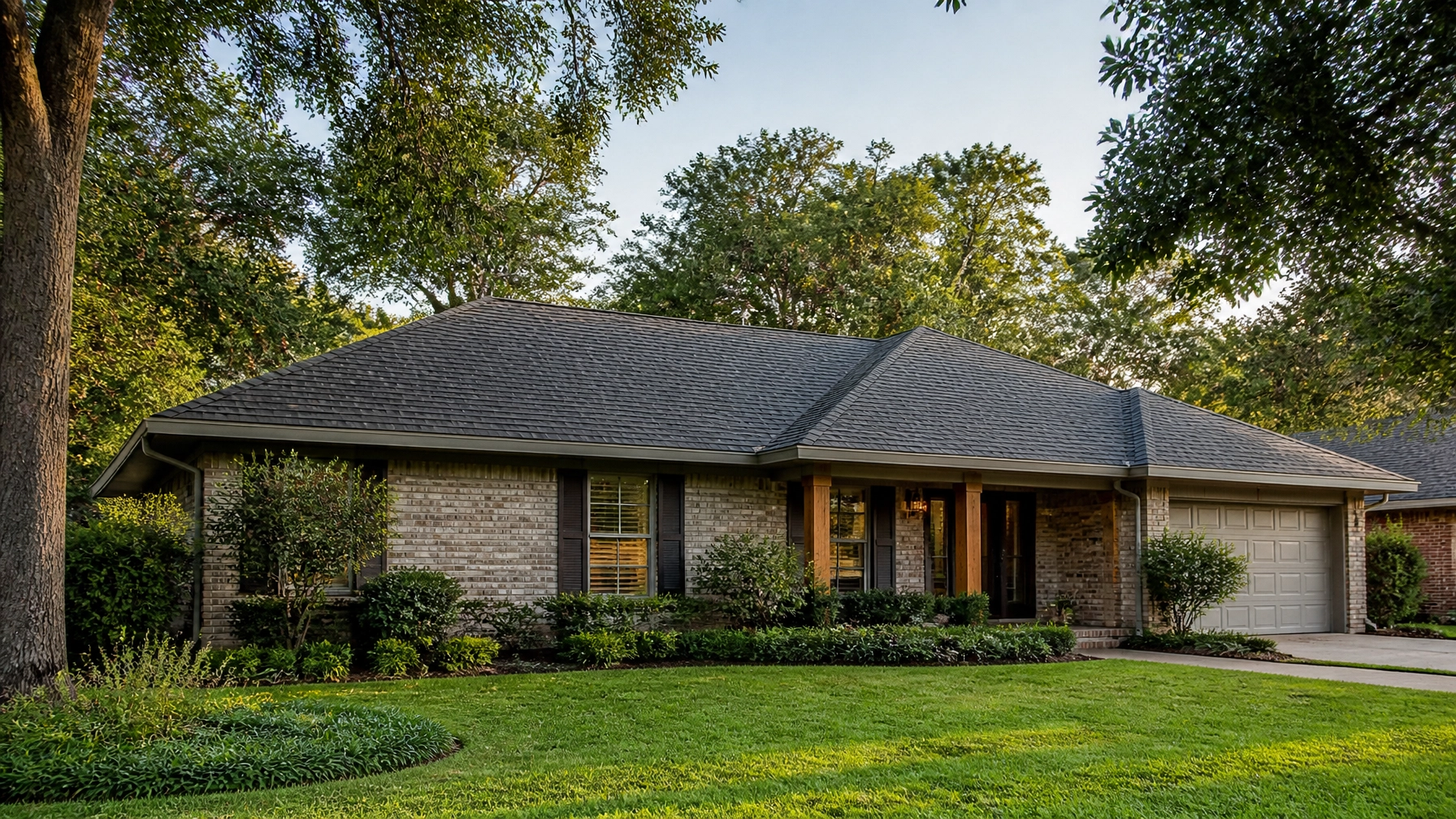
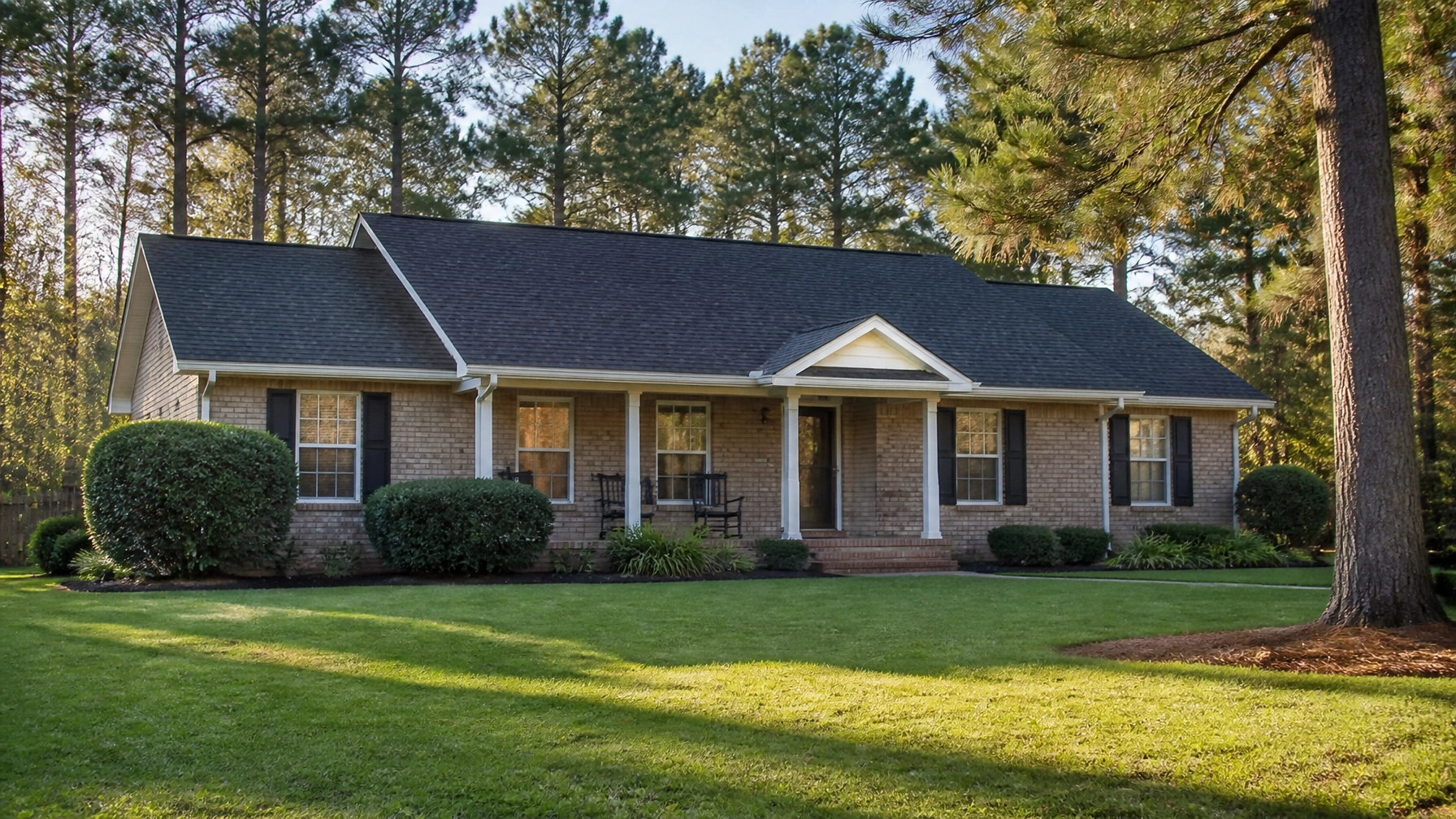
    New dimensional asphalt shingle roof on a Michigan ranch home with clean eaves and valleys

    3. What Is the Best Roofing Material for Michigan Winters?

    Class 4 impact-resistant architectural shingles and standing-seam metal are strong choices for Grand Rapids winters.

    Grand Rapids roofs must handle cold temperatures, lake-effect snow, freeze-thaw cycles, wind, and ice dams.

    Architectural Asphalt Shingles (Popular)

    Class 4 architectural shingles offer:

    • A durable, layered design
    • Better resistance to hail and impact
    • Broad color and style options
    • Lower upfront cost than metal
    • Easier repairs and replacement of individual sections

    Standing-Seam Metal (Premium)

    Standing-seam metal is a premium choice for homeowners who plan to stay in the home long term. It can:

    • Shed snow efficiently
    • Reduce ice accumulation when properly designed
    • Resist cracking and granule loss
    • Last 40–50 years or longer
    • Cost approximately $10–$16 per square foot installed

    Material alone does not prevent ice dams. A properly built roof should also include:

    • Ice-and-water shield at eaves and valleys
    • Balanced soffit and ridge ventilation
    • Adequate attic insulation
    • Proper air sealing
    • Correct flashing around chimneys, walls, and penetrations

    4. Does Homeowners Insurance Cover Roof Replacement in Michigan?

    Michigan homeowners insurance usually covers sudden wind, hail, or falling-tree damage, minus your deductible. It generally does not cover normal aging or poor maintenance.

    Ice dam claims require special attention. Policies may cover resulting interior water damage, such as stained ceilings or wet drywall, but the underlying ventilation or insulation problems are typically excluded.

    If you suspect storm damage:

    • Take date-stamped photos from the ground and inside the attic.
    • Photograph missing, lifted, cracked, or bruised shingles.
    • Document damaged gutters, vents, siding, and downspouts.
    • Record the storm date and check local weather reports.
    • Keep receipts for emergency tarping or temporary repairs.
    • Notify your insurer promptly.

    Claims commonly take 30–60 days to resolve, but timelines vary by carrier, damage severity, documentation, and policy terms. Review the Michigan Department of Insurance and Financial Services homeowners insurance guide and confirm coverage directly with your insurer.

    5. How Long Does a Roof Last in West Michigan?

    Architectural asphalt roofs typically last about 20–25 years in West Michigan. Standing-seam metal roofs commonly last 40–50 years or longer.

    Snow, ice, wind, moisture, and freeze-thaw movement can shorten a roof’s service life. Inspect your roof after winter and watch for:

    • Missing or lifted shingles
    • Curling or cracked shingle edges
    • Excessive granules in gutters
    • Dark or damaged areas
    • Water stains on ceilings or walls
    • Sagging roof sections
    • Daylight visible in the attic
    • Repeated leaks or ice dam damage

    A roof that is 15–20 years old and showing multiple warning signs deserves a professional evaluation and replacement budget.

    New standing-seam metal roof on a modern Midwest home with snow shedding from clean roof planes

    6. How Do I Know If My Roof Has Hail Damage?

    Hail damage may appear as bruised or exposed shingle areas, damaged metal components, dented gutters, and loose granules.

    Hail damage is not always visible from the ground. Look for:

    • Circular dark spots on shingles
    • Cracked or missing granules
    • Dents in metal vents, flashing, or gutters
    • Damaged siding, window screens, or outdoor equipment
    • Interior leaks that began after a storm

    Do not climb onto the roof yourself. Photograph what you can safely see and arrange an inspection with a licensed, insured roofing professional.

    7. Should I Repair or Replace My Roof?

    Repair the roof when damage is localized and the roof is relatively young. Replace it when damage is widespread, leaks recur, or the roof is near the end of its expected life.

    A repair may make sense when:

    • Only a small area is damaged
    • The roof is less than 15 years old
    • The decking is sound
    • There are no recurring leaks
    • The repair cost is well below replacement cost

    Replacement is usually more practical when:

    • The roof is 20 years old or older
    • Shingles are deteriorating across multiple sections
    • Leaks keep returning
    • Decking or structural components are compromised
    • Repair costs approach half the price of a new roof
    • You are preparing to sell the property

    Use a written inspection report and compare the short-term repair cost with the remaining useful life of the roof.

    8. Will a New Roof Increase My Home’s Value?

    Yes. A new roof in Michigan typically recovers approximately 60–70% or more of its cost at resale.

    A replacement roof can also provide benefits that are not fully captured in an ROI calculation:

    • Better curb appeal
    • Fewer inspection objections
    • Less buyer concern about winter leaks and ice dams
    • Improved energy efficiency when ventilation and insulation are corrected
    • Greater negotiating strength when selling

    A new roof does not always return 100% of its cost. However, an aging roof can reduce offers, delay a sale, or lead buyers to request a credit.

    9. How Fast Can I Get a Roof Estimate in Grand Rapids?

    Get My Roof Estimate Now provides a free, satellite-powered roof replacement estimate in under 60 seconds.

    You only need your property address. The system estimates:

    • Roof size and roofing squares
    • Roof pitch
    • Roof complexity
    • Regional pricing
    • Material-specific replacement costs
    • Low, middle, and high price ranges

    There is no contractor visit required upfront, no credit card, and no cost to use the estimate. Measurements are satellite-powered and generally accurate within approximately 90–95% for planning purposes.

    Start with the free instant roof estimate, then use the result to compare contractor proposals.

    Ground-level view of winter roof damage with missing shingles and granules in a gutter

    10. How Do I Choose a Roofer in Grand Rapids?

    Choose a roofer who is licensed, insured, established locally, and willing to provide a detailed written proposal.

    Before hiring, verify:

    • Michigan licensing and registration
    • General liability insurance
    • Workers’ compensation coverage
    • Recent local references
    • Written scope of work
    • Shingle or metal manufacturer and product details
    • Tear-off and disposal costs
    • Decking replacement pricing
    • Ventilation and ice-and-water shield specifications
    • Permit responsibility
    • Workmanship warranty
    • Payment schedule

    Avoid contractors who demand full payment upfront, pressure you to sign immediately, cannot provide insurance documents, or offer a price far below every other quote.

    Get My Roof Estimate Now can help you begin with transparent pricing and connect with verified, licensed, and insured local contractors.

    Quick Takeaway for Grand Rapids Homeowners

    For 2026 planning, expect approximately $9,000–$18,000 for a typical Grand Rapids roof replacement. Architectural shingles are usually the best-value option at $375–$675 per square installed. Standing-seam metal is a premium choice at roughly $10–$16 per square foot.

    Because of West Michigan’s snow, ice dams, and freeze-thaw cycles, prioritize:

    • Class 4 architectural shingles or standing-seam metal
    • Ice-and-water shield at eaves and valleys
    • Proper attic insulation and air sealing
    • Balanced ventilation
    • A city permit and final inspection
    • A written, itemized contractor proposal

    Get your free, transparent Grand Rapids roof estimate in 60 seconds

    Categories: Grand Rapids Roofing, Michigan Home Improvement, Roof Replacement, AEO FAQ
    Tags: Grand Rapids MI, Kent County, 495xx ZIP codes, Michigan roof replacement, roof replacement cost, architectural shingles, standing-seam metal, ice dams, hail damage, roofing permits, AEO FAQ
  • 2026 Roof Replacement Cost in Mobile, AL: A Gulf Coast Homeowner’s Pricing Guide

    2026 Roof Replacement Cost in Mobile, AL: A Gulf Coast Homeowner’s Pricing Guide

    For a typical Mobile, Alabama home with approximately 2,000 square feet of roof surface, a full roof replacement in 2026 generally falls within these planning ranges:

    Roofing system Installed 2026 planning range Approximate surface cost Category
    Architectural asphalt shingles $9,000–$22,000 $4.50–$11 per sq. ft. Popular
    Standing-seam metal $22,000–$38,000 $12–$16 per sq. ft. Premium
    FORTIFIED roof or wind-resistance upgrade Add $1,000–$5,000 Varies by scope Storm-conscious

    Many standard architectural shingle projects cluster around $10,300–$21,600. Complex rooflines, extensive decking damage, premium coastal materials, or a high-end metal system can push the project above these ranges. Standing-seam metal roofs may exceed $40,000 on large or complicated homes.

    These are planning figures: not guaranteed bids. Your final 2026 roof replacement cost in Mobile AL depends on the roof itself, the material selected, current labor and disposal costs, and the exact ZIP code.

    Roof Area Matters More Than Living-Space Size

    Roofers do not price a roof based only on the home’s interior square footage. They measure the actual roof surface and bill materials in roofing squares.

    • 1 roofing square = 100 square feet of roof surface
    • A 2,000-square-foot roof equals approximately 20 roofing squares
    • A 2,000-square-foot home may have more than 2,000 square feet of roof because of pitch, overhangs, porches, and multiple sections

    A steep or complex roof can require significantly more material and labor than a simple ranch roof with the same living area.

    What Drives Roof Replacement Cost in Mobile?

    The biggest price variables include:

    • Roof pitch: Steeper roofs require additional safety equipment, labor, and time.
    • Hips and valleys: More intersections create additional cutting, flashing, and waste.
    • Penetrations: Chimneys, skylights, plumbing vents, HVAC equipment, and solar mounts require careful detailing.
    • Tear-off layers: Removing two or more existing roof layers costs more than removing one.
    • Decking repairs: Rotten or water-damaged plywood is usually priced separately.
    • Flashing: Wall, chimney, valley, and edge flashing can be replaced or upgraded.
    • Ventilation: Ridge vents, soffit vents, intake vents, and powered ventilation affect both cost and performance.
    • Access and disposal: Limited driveway access, landscaping, multiple stories, and dumpster placement can increase labor.
    • Local market conditions: Labor availability, material delivery, storm demand, and ZIP code all matter.

    A satellite estimate can establish a useful budget range, but an on-site inspection is still needed to identify hidden deck, flashing, and structural conditions.

    Why Gulf Coast Conditions Matter

    Mobile roofs face a demanding combination of weather conditions:

    • Hurricane and tropical-storm wind uplift
    • Wind-driven heavy rain
    • Intense sun and ultraviolet exposure
    • High humidity and slow drying
    • Algae and mildew growth
    • Salt-air corrosion near coastal areas
    • Occasional hail and falling debris

    These conditions can shorten the effective life of asphalt shingles and accelerate corrosion on exposed metal components. A lower-cost roof is not always the lower-cost decision if it requires early repairs or replacement.

    Pay close attention to:

    • Wind-rated shingles or panels
    • Corrosion-resistant fasteners and flashing
    • Proper drip edge installation
    • Sealed valleys and penetrations
    • Reliable attic ventilation
    • High-quality underlayment in vulnerable areas
    • Strong edge and corner fastening

    For local weather context, review the National Weather Service Mobile/Pensacola office.

    Comparing Roofing Materials

    3-Tab Shingles (Budget)

    Three-tab shingles are generally the lowest-cost asphalt option. They have a flat, uniform appearance and typically offer less dimensional depth and wind performance than many architectural products.

    They may make sense for a basic, lower-cost replacement, but compare:

    • Wind ratings
    • Algae resistance
    • Manufacturer warranty
    • Required installation method
    • Whether the product is suitable for your local conditions

    Architectural Shingles (Popular)

    Architectural, or dimensional, shingles are the most common choice for Mobile homeowners. They provide better curb appeal than 3-tab shingles and are available in algae-resistant and higher-wind-rated versions.

    Typical advantages include:

    • Strong value for the upfront cost
    • Broad range of colors and profiles
    • Good compatibility with common residential roof designs
    • Easier repairs and material availability
    • Attractive appearance for homeowners preparing to sell

    For most 2,000-square-foot roof surfaces, plan on approximately $9,000–$22,000 installed in Mobile, depending on complexity and scope.

    New architectural asphalt shingle roof on a Mobile, Alabama residential home

    Impact-Rated or Class 4 Shingles (Storm-Conscious)

    Class 4 impact-rated shingles may provide better resistance to some hail impacts than standard products. They are not hurricane-proof, and availability, testing, and insurance treatment vary by product and carrier.

    Ask the contractor for:

    • The exact product name
    • The impact-resistance classification
    • Wind rating
    • Manufacturer documentation
    • Whether your insurer recognizes the product for any policy benefit

    Standing-Seam Metal (Premium)

    Standing-seam metal roofing is a premium, long-life option. Panels use concealed fasteners, which can reduce exposed screw-related maintenance compared with some exposed-fastener systems.

    In Mobile, a standing-seam system on a 2,000-square-foot roof surface may cost approximately $22,000–$38,000, or about $12–$16 per square foot. Complex roof geometry, premium finishes, aluminum panels, upgraded underlayments, and coastal corrosion requirements can push the price above $40,000.

    Metal is worth considering when you:

    • Plan to remain in the home for many years
    • Want a long service life
    • Prefer a contemporary or distinctive appearance
    • Are willing to pay more upfront for a premium system

    Premium standing-seam metal roof on a modern Gulf Coast home

    Roof Coatings (Only for Suitable Roofs)

    Roof coatings can extend the service life of some low-slope or commercial-style roof assemblies. They are not a substitute for replacing a failed roof.

    A coating may be inappropriate when the existing roof has:

    • Active widespread leaks
    • Soft or rotten decking
    • Severe blistering or splitting
    • Significant movement
    • Extensive moisture damage
    • An incompatible roofing surface

    Have a qualified contractor evaluate the existing assembly before treating a coating as a replacement alternative.

    What Is a FORTIFIED Roof?

    A FORTIFIED roof is installed and documented to meet enhanced wind-resistance standards. Upgrades may include:

    • Enhanced roof-deck attachment
    • A sealed roof deck or secondary water barrier
    • Improved edge protection
    • Stronger fastening details
    • Better roof-to-wall continuity
    • Documentation by qualified professionals

    For Mobile homeowners, a FORTIFIED-style upgrade may add roughly $1,000–$5,000 to a standard replacement, depending on the roof and required documentation.

    A designation may have insurance implications, but do not assume it will automatically reduce your total premium. Insurance discounts generally depend on the certified designation, the wind portion of your policy, your carrier, and current Alabama requirements. Ask your insurer before construction:

    1. Which FORTIFIED designation is recognized?
    2. Is a specific evaluator or contractor required?
    3. What documentation must be submitted?
    4. Does the discount apply to the whole premium or only wind coverage?
    5. Are grants or program funds currently available?

    Review current information from IBHS FORTIFIED Home and Strengthen Alabama Homes.

    Wind-resistant FORTIFIED-style roof on a Gulf Coast home in Mobile, Alabama

    Mobile Permits and Contractor Verification

    Before signing a contract, confirm which jurisdiction governs the property.

    Alabama residential roofing work may require the contractor to hold either an Unlimited Home Builders License or the appropriate Roofers License, depending on the contractor’s license classification and project scope. Verify the company directly through the Alabama Home Builders Licensure Board, rather than relying only on a license number printed on an estimate.

    Also confirm:

    • General liability insurance
    • Workers’ compensation coverage
    • Local references
    • Manufacturer certifications, if relevant
    • Written workmanship warranty

    Roof Quote Comparison Checklist

    Compare estimates line by line. Each quote should identify:

    • Exact roof area or number of squares
    • Material brand, product line, color, and rating
    • Tear-off and disposal
    • Number of existing roof layers
    • Underlayment and leak-barrier details
    • Drip edge and flashing scope
    • Ventilation improvements
    • Decking replacement price per sheet or square foot
    • Permit responsibility
    • Cleanup and magnetic nail sweep
    • Start and completion expectations
    • Payment schedule
    • Material and workmanship warranties

    Red Flags to Avoid

    Be cautious when a contractor:

    • Arrives immediately after a storm and pressures you to sign
    • Offers a vague one-page price with no scope
    • Requests full payment before materials arrive
    • Says they can “waive” your insurance deductible
    • Refuses to show licensing or insurance
    • Uses high-pressure tactics or demands a same-day decision
    • Cannot provide a local business address or recent references

    Maintenance Tips for Mobile Roofs

    Regular maintenance helps protect your investment in Mobile’s wet, sunny climate.

    • Inspect the roof after major storms.
    • Keep gutters and valleys clear of leaves and debris.
    • Trim branches away from the roof.
    • Check attic ventilation and signs of condensation.
    • Look for missing, lifted, or cracked shingles.
    • Watch exposed flashing and fasteners for corrosion.
    • Treat algae or mildew according to the roofing manufacturer’s instructions.
    • Do not pressure-wash asphalt shingles.
    • Photograph damage before making temporary repairs or filing an insurance claim.

    Get a Fast Planning Range Before Calling Contractors

    The easiest first step is to establish a realistic local budget. Get My Roof Estimate Now uses satellite-powered measurements to evaluate roof size, pitch, and complexity. You receive a low-to-high replacement range in under 60 seconds, at no cost and with no credit card required.

    The estimate is a budgeting tool: not a substitute for an on-site inspection. Use it to compare contractor proposals, identify unreasonable pricing, and decide whether shingles, metal, or a wind-resistance upgrade fits your plans.

    Roof Replacement ROI and Curb Appeal

    A new roof can improve appearance, buyer confidence, weather protection, and the overall condition of the home. However, roof replacement ROI is not guaranteed or identical in every Mobile neighborhood.

    For the best return, focus on:

    • A clean, attractive color and profile
    • Proper installation and ventilation
    • Durable materials suited to Gulf Coast weather
    • Complete documentation and transferable warranties
    • Repairs to visible flashing, fascia, and decking
    • A scope that matches the home rather than unnecessary upgrades

    A well-installed roof can strengthen roof curb appeal home value, especially when the existing roof is visibly aged, storm-damaged, or a concern during a sale.

    FAQ

    How much does a new roof cost in Mobile, AL, in 2026?

    For approximately 2,000 square feet of roof surface, architectural shingles commonly range from $9,000–$22,000 installed. Standing-seam metal commonly ranges from $22,000–$38,000, with premium projects exceeding $40,000.

    Is the estimate based on my home’s living area?

    No. Roofing is priced using the actual roof surface area, measured in roofing squares. Pitch, overhangs, hips, valleys, and roof sections can make the roof larger than the home’s interior footprint.

    Will a FORTIFIED roof lower my insurance cost?

    It may qualify for an insurance consideration or discount, but savings are not guaranteed. Confirm current requirements and benefits with your insurer and the applicable Alabama program before authorizing the work.

    Does Mobile require a roof replacement permit?

    The process depends on whether the property is inside Mobile city limits or in unincorporated Mobile County. Confirm the current requirements with Build Mobile or Mobile County Inspection Services.

    Can satellite imagery detect every roofing problem?

    No. Satellite imagery can measure size, pitch, and complexity accurately for budgeting, but it cannot reliably identify hidden rot, soft decking, concealed leaks, or every flashing defect. An on-site inspection is required for a final proposal.

    How soon can I get a roof replacement budget?

    With Get My Roof Estimate Now, enter your address to receive a free, satellite-powered low-to-high range in under 60 seconds. No credit card is required.

    Methodology and Disclaimer

    The prices in this guide are 2026 planning ranges for Mobile, Alabama, based on regional market benchmarks, common residential roof sizes, material pricing, labor, tear-off, disposal, and Gulf Coast installation considerations. They are not guaranteed bids. Actual costs vary by roof-surface measurements, pitch, complexity, storm damage, decking, ventilation, flashing, access, contractor qualifications, permits, material availability, and project scope. Obtain a detailed written estimate and on-site inspection before signing a contract.

  • Daily FAQ Blitz – Slot 2: AEO FAQ Quick Answers for Shreveport, LA Homeowners (2026)

    Daily FAQ Blitz – Slot 2: AEO FAQ Quick Answers for Shreveport, LA Homeowners (2026)

    Shreveport homeowners planning a roof replacement in 2026 should budget approximately $460–$960 per roofing square for architectural shingles. For a typical home, that equals roughly $11,600–$24,300, depending on roof size, pitch, access, tear-off requirements, and decking condition.

    Most Shreveport replacement projects fall between $9,000 and $18,000. A fast satellite estimate can provide a useful local planning range in about 60 seconds, before you schedule contractor visits.

    Quick note: One roofing square equals 100 square feet of roof surface. A satellite estimate is a planning tool, not a final contract price or substitute for an in-person inspection.

    Cost Snapshot: Shreveport Roof Replacement in 2026

    Roof replacement factor Typical Shreveport planning range
    Architectural shingles $460–$960 per square
    Typical project range $9,000–$18,000
    Broader typical-home range $11,600–$24,300
    Instant satellite estimate About 60 seconds
    Satellite measurement accuracy Approximately 90–95%

    1. How much does a roof replacement cost in Shreveport in 2026?

    Quick answer: An architectural shingle roof replacement in Shreveport typically costs $460–$960 per square, or about $11,600–$24,300 for a typical home. Most projects are closer to $9,000–$18,000.

    Your actual price depends on:

    • Roof size and number of squares
    • Roof pitch and walkability
    • Number of valleys, dormers, and roof sections
    • Tear-off and disposal of existing roofing
    • Replacement of damaged decking
    • Flashing, ventilation, underlayment, and drip edge
    • Local labor and material availability

    Architectural shingles remain the most common choice because they balance cost, appearance, and durability. Metal roofing, synthetic roofing, and specialty systems usually cost more upfront.

    For an address-specific starting point, use the free satellite roof estimate tool. You can also review broader material pricing with the Get My Roof Estimate Now roof cost calculator.

    New charcoal architectural shingle roof on a Southern colonial home

    2. Does a roof replacement require a permit in Shreveport or Caddo Parish?

    Quick answer: Yes. Roof replacement in the City of Shreveport requires a permit, typically submitted through the MyGovernmentOnline portal before work begins.

    The City of Shreveport Division of Permits & Inspections handles permitting and inspections. Homeowners and contractors should confirm the requirements for the property’s exact jurisdiction, especially if the home is outside city limits or located in a historic district.

    For assistance, contact Shreveport Permits & Inspections at:

    Before signing a contract, ask the roofer:

    • Who will pull the permit?
    • Are permit fees included in the estimate?
    • Which inspections are required?
    • Will the permit be posted before work starts?
    • Who schedules the final inspection?

    Do not assume that a contractor’s statement about permits is correct. Confirm the process with the local permitting office.

    3. Does a Shreveport roofing contractor need a Louisiana license?

    Quick answer: For residential roofing work valued at $7,500 or more, Louisiana contractors generally need the appropriate classification from the Louisiana State Licensing Board for Contractors (LSLBC).

    As of 2026, the contractor should hold either:

    • A Residential Roofing classification, or
    • A Residential Construction classification that covers the work

    The rule applies not only to performing the work, but also to contractors who advertise, bid, quote, or submit an estimate for qualifying residential roofing projects.

    Before hiring anyone, verify:

    • Current LSLBC license status
    • Correct residential roofing classification
    • General liability insurance
    • Workers’ compensation coverage when applicable
    • Business name and license information on the written estimate

    You can start with the official Louisiana State Licensing Board for Contractors website and its contractor search resource.

    A license does not guarantee perfect workmanship, but it is an important minimum qualification. Avoid contractors who will not provide license and insurance information in writing.

    4. Do Shreveport roofs need special wind, hail, or weather considerations?

    Quick answer: Yes. Shreveport roofs should be selected and installed with spring hail, extreme summer heat, tornado-force winds, and hurricane remnants in mind.

    Local weather can affect both roof material selection and installation quality.

    Shreveport weather factors

    • Spring hail: Can bruise shingles, damage flashing, and weaken roof surfaces.
    • Summer heat: Prolonged heat and ultraviolet exposure can accelerate shingle aging.
    • Tornadoes and severe thunderstorms: Strong winds can lift shingles, damage vents, and expose underlayment.
    • Hurricane remnants: Heavy rain and gusty winds can test flashing, valleys, and drainage systems.

    Ask contractors about:

    • The shingle’s wind rating
    • Impact-resistance options
    • Proper starter strips and ridge caps
    • High-quality synthetic underlayment
    • Ice-and-water protection in vulnerable areas
    • Balanced attic ventilation
    • Manufacturer installation requirements

    Impact-resistant shingles may cost more but could be worth considering if your neighborhood experiences frequent hail. Ask your insurance carrier whether a qualifying roof system could affect premiums.

    New standing-seam metal roof on a modern Louisiana home

    5. Is a satellite roof estimate accurate enough for planning?

    Quick answer: Yes. A satellite estimate is generally accurate enough for budgeting, comparing quotes, and deciding whether to move forward. Get My Roof Estimate Now reports measurements that are approximately 90–95% accurate for most homes.

    Satellite technology can measure:

    • Roof area
    • Roof sections and layout
    • Approximate pitch
    • Roof complexity
    • Estimated roofing squares

    The result is delivered in about 60 seconds, with low, middle, and high price ranges for the local market.

    However, satellite imagery cannot reliably identify every condition beneath the roof surface. A contractor may adjust the final quote after checking:

    • Soft or rotten decking
    • Hidden flashing damage
    • Multiple existing roof layers
    • Chimney and skylight conditions
    • Structural movement
    • Ventilation problems
    • Hard-to-see storm damage

    Use the instant estimate as a data-driven benchmark. Then compare it with detailed contractor proposals.

    6. How should Shreveport homeowners compare roofing estimates?

    Quick answer: Compare the scope of work: not just the final price. A low bid may exclude tear-off, permit fees, flashing, ventilation, disposal, or decking repairs.

    Every estimate should clearly identify:

    • Shingle brand, type, and color
    • Number of roofing squares
    • Tear-off and disposal costs
    • Underlayment and water-protection materials
    • Drip edge and flashing work
    • Ridge vents and other ventilation
    • Decking replacement price per sheet or square foot
    • Permit responsibility and fees
    • Cleanup and magnetic nail sweep
    • Material warranty
    • Workmanship warranty
    • Payment schedule and completion timeline

    Aim to collect at least three estimates. Before comparing them, make sure each contractor is pricing the same basic scope.

    Watch for warning signs

    • A quote far below the others
    • Large cash payment requested upfront
    • No written material specifications
    • Pressure to sign immediately
    • No verifiable license or insurance
    • “Free” upgrades that are not explained
    • A contract with no change-order process

    Your satellite estimate can serve as a neutral starting benchmark. If a contractor’s price is significantly higher or lower, ask for a line-by-line explanation.

    Clean architectural shingle roof on a Louisiana home after storm season

    7. Should I repair or replace my Shreveport roof?

    Quick answer: Repair is usually reasonable for a limited problem on a relatively young roof. Replacement is often more practical when the roof is old, damage is widespread, or repairs keep recurring.

    Repair may make sense when:

    • The roof is under approximately 15 years old
    • Damage is limited to one small area
    • Only a few shingles are missing or damaged
    • The decking is sound
    • There are no repeated leaks
    • The repair costs substantially less than replacement

    Replacement may make sense when:

    • The roof is 20 years old or older
    • Shingles are curling, cracking, or losing granules across the roof
    • Leaks appear in several areas
    • Storm damage is widespread
    • The roof has multiple layers
    • Decking or structural components are deteriorated
    • Repairs would cost more than about half the replacement price

    For example, spending $4,000 to repair an aging roof that needs replacement within a few years may be less cost-effective than budgeting for a $12,000–$16,000 replacement now. The right decision depends on the roof’s age, condition, remaining service life, and your plans for the home.

    Start with an instant Shreveport roof replacement estimate, then use contractor inspections to confirm whether repair or replacement is the better long-term option.

  • 2026 Roof Replacement Cost in New Orleans, LA: Crescent City Pricing, Permits, and Storm-Ready Options

    2026 Roof Replacement Cost in New Orleans, LA: Crescent City Pricing, Permits, and Storm-Ready Options

    Replacing a roof on a typical 2,000-square-foot New Orleans home in 2026 generally costs $9,000–$25,000, depending on the roofing material, roof complexity, storm-resistance upgrades, and hidden repairs.

    For planning purposes, many homeowners should expect:

    • Architectural asphalt shingles (Popular): $9,000–$15,000
    • Impact-resistant shingles (Storm-ready): $11,000–$18,000
    • Synthetic or composite roofing (Premium): $20,000–$32,000
    • Standing-seam metal (Premium): $18,000–$30,000
    • Roof coatings (Maintenance option): $4,000–$10,000 when suitable

    These are planning estimates, not guaranteed quotes. Your actual project price depends on the roof’s measured area, pitch, accessibility, existing damage, selected materials, contractor pricing, insurance requirements, and permitting.

    For a property-specific starting point, use the New Orleans roof estimate tool. It uses satellite imagery to measure your roof and generate a free estimate in about 60 seconds.

    New Orleans roof replacement cost by material

    Roofing contractors commonly price roofs by the square. One roofing square equals 100 square feet. A 2,000-square-foot roof contains approximately 20 squares, before accounting for waste and cutting.

    The following 2026 ranges include typical installation labor and standard replacement materials. They should be used to compare options before requesting itemized contractor quotes.

    Roofing system Planning price per square foot Approx. price per square 2,000-square-foot planning range
    Architectural asphalt shingles (Popular) $4.50–$7.50 $450–$750 $9,000–$15,000
    Impact-resistant shingles (Storm-ready) $5.50–$9.00 $550–$900 $11,000–$18,000
    Synthetic/composite roofing (Premium) $10.00–$16.00 $1,000–$1,600 $20,000–$32,000
    Roof coating (Maintenance option) $2.00–$5.00 $200–$500 $4,000–$10,000
    Standing-seam metal (Premium) $9.00–$15.00 $900–$1,500 $18,000–$30,000

    The national Roofing Calculator material guide also confirms that material choice, roof size, pitch, labor, and tear-off are major cost variables. Local New Orleans pricing can be higher for hurricane-rated assemblies, historic properties, difficult access, and moisture-related repairs.

    Architectural asphalt shingles (Popular)

    Architectural shingles are the most common replacement choice for New Orleans homeowners because they balance cost, appearance, and performance.

    A standard installation typically falls between $9,000 and $15,000 for a 2,000-square-foot roof. Upgraded shingles with enhanced wind ratings, better warranties, or cool-roof characteristics may reach the top of that range.

    Ask contractors to specify:

    • Shingle wind rating and fastening pattern
    • Underlayment type
    • Drip-edge installation
    • Ridge and soffit ventilation
    • Manufacturer and workmanship warranties
    • Whether the price includes a complete tear-off

    In New Orleans, a basic shingle replacement may not be the best value if the roof must be rebuilt after a storm. A stronger assembly can cost more initially but may better satisfy insurance or wind-mitigation requirements.

    Impact-resistant shingles (Storm-ready)

    Impact-resistant shingles are designed to better withstand hail and airborne debris than standard products. They are a practical upgrade for homeowners concerned about Gulf Coast thunderstorms and hurricane-related damage.

    Plan on approximately $11,000–$18,000 for a 2,000-square-foot roof. The final price depends on the shingle class, roof shape, required fastening, and whether the installation is designed to meet a formal FORTIFIED standard.

    New Orleans’ Building Hardening Guide recommends considering durable roofing materials and moisture-resistant underlayment for wind and hail protection. A roofing material alone does not create a storm-ready system. Deck attachment, flashing, edges, penetrations, and ventilation all matter.

    New Orleans-area ranch home with new impact-resistant architectural shingles

    Synthetic or composite roofing (Premium)

    Synthetic roofing can include composite shingles designed to resemble slate, cedar, or other premium materials. These products may offer longer service life, improved impact resistance, and distinctive curb appeal without the weight of natural slate.

    For a 2,000-square-foot roof, a reasonable 2026 planning range is $20,000–$32,000. Complex rooflines, specialty colors, additional structural work, and historic-district requirements can push the cost higher.

    Synthetic roofing may make sense when you want:

    • A premium appearance
    • More impact resistance than standard shingles
    • Lower weight than natural slate or tile
    • Extended manufacturer warranties
    • A long-term replacement strategy

    Verify that the specific product is approved for your roof slope and local wind conditions. Also confirm whether the manufacturer requires a certified installer for warranty coverage.

    Roof coatings (Maintenance option)

    A synthetic coating is not normally a full replacement material. Coatings are more common on low-slope roofs, certain metal roofs, and roof systems that remain structurally sound.

    Professional coating work may cost approximately $2–$5 per square foot, or $4,000–$10,000 for 2,000 square feet. The price depends on cleaning, repairs, primer, product type, and the number of coats.

    A coating is generally inappropriate when the roof has:

    • Structural sagging
    • Widespread rot
    • Failed decking
    • Repeated active leaks
    • Extensive storm damage
    • Multiple failing layers

    Ask whether the proposed coating is compatible with your existing roof and whether it has a documented wind, weathering, and warranty system. A low-cost coating can become expensive if it only delays an unavoidable replacement.

    Standing-seam metal (Premium)

    Standing-seam metal roofing typically costs $18,000–$30,000 for a 2,000-square-foot New Orleans roof. Highly complex roofs, premium metals, difficult access, and hurricane-specific details can move the project into the low-to-mid $30,000s.

    Metal roofing offers:

    • Long service life
    • Strong resistance to heavy rain and wind when properly installed
    • Reflective options that can reduce solar heat gain
    • Fewer exposed fasteners than exposed-fastener panels
    • A clean appearance for modern, raised-cottage, and colonial homes

    New Orleans’ humidity and nearby coastal salt air make metal selection especially important. Ask about aluminum or properly protected steel, corrosion-resistant fasteners, compatible flashing, and dissimilar-metal protection. Do not assume every “metal roof” has the same wind rating or installation quality.

    New Orleans colonial home with a new standing-seam metal roof

    What drives the final roof price?

    Material is only one part of the estimate. Request an itemized scope that addresses each of these potential costs:

    Roof size, pitch, and complexity

    A roof with multiple planes, valleys, dormers, hips, or steep sections requires more labor and safety equipment. The roof’s surface area is also larger than the home’s interior floor area.

    Tear-off and disposal

    Removing old shingles, metal, or multiple roofing layers can add approximately $0.40–$2.00 per square foot, depending on the material and site conditions. Disposal fees and dumpster access also vary.

    Decking and structural repairs

    Water intrusion can damage plywood, OSB, rafters, fascia, or soffits. Decking repairs are often discovered after tear-off. Ask for the contractor’s unit price for replacement decking so change orders are easier to evaluate.

    Ventilation and moisture control

    New Orleans heat and humidity make attic ventilation important. A complete system may include intake vents, ridge vents, soffit vents, and properly sealed penetrations. Moisture-resistant synthetic underlayment, secure drip edge, and carefully installed flashing are also critical.

    Flashing, skylights, and penetrations

    Chimneys, skylights, plumbing vents, walls, and roof-to-porch connections create leak-prone areas. Replacing damaged flashing or pipe boots may cost extra, but reusing failed components can undermine a new roof.

    Labor, access, and disposal

    Two-story homes, narrow lots, limited staging areas, and difficult driveway access can increase labor and cleanup costs. Labor commonly represents a large share of total replacement pricing.

    Insurance and storm requirements

    Your insurance policy may require specific wind ratings, documentation, or mitigation features. Photograph storm damage from the ground before repairs, notify your insurer promptly, and ask the contractor what documentation will be provided.

    New Orleans roofing permits and fees

    New Orleans generally requires a residential re-roofing permit for replacement work affecting 50% or more of a one- or two-family dwelling. Replacement of less than 50% of the roofing or gutter work may be exempt, but other code, zoning, or historic-district requirements can still apply.

    The City’s Re-Roofing Permit page directs homeowners to apply through the One Stop App. The process may require:

    • A signed estimate or contract
    • A geotagged exterior photo
    • Geotagged, staged inspection photos during installation
    • Photos showing tear-off, underlayment, flashing, and final roofing
    • Additional review for HDLC or VCC properties

    The City’s permit fee framework is a useful planning note:

    • $60 base fee plus $5 per $1,000 of work value
    • Possible plan review fees
    • A 50% preservation-district surcharge where applicable

    The City’s building permit fee estimator notes that actual fees are determined after staff review. Historic properties may also require HDLC review, a Certificate of Appropriateness, or other approval before work begins. Confirm current fees and review requirements with the City.

    Do not begin work before the required permit is issued. Ask in writing whether the contractor or homeowner is responsible for the application, fee, inspection photos, and final completion documentation.

    Could the Fortified Roof Program help?

    The City of New Orleans Fortified Roof Program may provide eligible owner-occupied Orleans Parish households with up to $35,000 toward a new fortified roof while funding remains available.

    The official program page lists requirements including primary-residence status, Orleans Parish location, and household income at or below 80% of Area Median Income. Priority may be given to older adults, veterans, and homeowners with special needs.

    Eligibility, funding, and application procedures can change. Check the current City information and contact Rebuilding Together New Orleans before relying on grant funds in your project budget.

    Modern New Orleans-area home with a new synthetic and metal roofing system

    How to compare New Orleans roofing quotes

    Before selecting a contractor:

    • Compare at least two or three itemized proposals.
    • Verify Louisiana licensing and current liability and workers’ compensation insurance.
    • Ask for the exact shingle, metal, synthetic, or coating product.
    • Confirm wind ratings, fastening patterns, and underlayment.
    • Ask how decking, flashing, ventilation, and disposal are priced.
    • Confirm who obtains the New Orleans permit.
    • Review both manufacturer and workmanship warranties.
    • Document storm damage before temporary or permanent repairs.
    • Check insurance requirements before choosing materials.

    Start with a baseline before scheduling contractor visits. Get My Roof Estimate Now uses satellite-powered measurements to estimate roof size, pitch, and complexity in about 60 seconds. The estimate is free, requires no credit card, and helps you compare the low, middle, and high planning ranges for your address.

    Get your free instant New Orleans roof estimate now.

  • 2026 Roof Replacement Cost in Raleigh, NC: What Triangle Homeowners Should Budget

    2026 Roof Replacement Cost in Raleigh, NC: What Triangle Homeowners Should Budget

    For a typical 2,000-square-foot roof surface in Raleigh, NC, homeowners should plan for approximately $9,500 to $15,000 for architectural shingles in 2026. Premium options cost more:

    • Architectural shingles: $9,500–$15,000
    • Impact-resistant/Class 4 synthetic shingles: $16,000–$30,000+
    • Standing-seam metal: $18,000–$35,000+

    A practical middle-budget target for a straightforward Raleigh roof replacement is $10,000–$14,000 with one tear-off, standard underlayment, basic flashing, disposal, and limited decking repairs.

    These are planning ranges: not guaranteed quotes. Your actual Raleigh roof replacement cost depends on the roof’s measured size, pitch, number of slopes, material selection, access, condition, and current local labor availability.

    Raleigh Roof Replacement Cost at a Glance

    The figures below assume approximately 2,000 square feet of actual roof area, not the home’s interior floor area. Roofing contractors measure in squares, with one roofing square equal to 100 square feet. A 2,000-square-foot roof equals approximately 20 squares.

    Roof system Per square foot Per roofing square 2026 planning range
    Architectural shingles (Popular) $4.50–$7 $450–$700 $9,500–$15,000
    Class 4 synthetic shingles (Premium) $8–$15 $800–$1,500 $16,000–$30,000+
    Standing-seam metal (Premium) $9–$18+ $900–$1,800+ $18,000–$35,000+

    The per-square figures generally reflect installed roofing costs. Confirm whether each estimate includes tear-off, disposal, underlayment, flashing, ventilation, permits, and tax.

    Architectural Shingles: The Most Common Raleigh Choice

    Architectural asphalt shingles remain the most practical choice for many Triangle homeowners. They provide good curb appeal, broad color selection, and a typical service life of approximately 25–30 years when properly installed and maintained.

    For a 2,000-square-foot roof, budget as follows:

    • Low range: $9,500–$11,000 for standard products and a simple roof
    • Middle range: $11,000–$14,000 for quality dimensional shingles
    • High range: $14,000–$15,000+ for upgraded warranties, complex rooflines, or additional repairs

    In Raleigh’s humid climate, consider algae-resistant shingles and a wind rating appropriate for local conditions. Architectural shingles with improved impact resistance may also be worth comparing if your property has experienced repeated hail damage.

    New algae-resistant architectural shingle roof on a Triangle ranch home

    Class 4 Synthetic Shingles: More Impact Protection

    Class 4 shingles are tested for improved impact resistance. They are not completely damage-proof, but they can provide additional protection against hail and flying debris compared with standard shingles.

    Synthetic roofing products may imitate slate, shake, or premium dimensional shingles. Their cost varies widely by brand and profile, but a reasonable 2026 Raleigh planning range is $16,000–$30,000 or more for 20 squares.

    Choose this category when you want:

    • Better resistance to hail impacts
    • A premium appearance without natural slate weight
    • Longer product warranties
    • Potential insurance savings, if your carrier offers a qualifying discount

    Ask your insurer whether the specific product qualifies for a discount. Do not assume every “impact-resistant” product receives the same treatment.

    Standing-Seam Metal: Higher Upfront Cost, Longer Service Life

    Standing-seam metal is one of the highest-cost mainstream roof systems for Raleigh homes. Typical pricing is approximately $9–$18 or more per square foot, putting a 2,000-square-foot roof around $18,000–$35,000+.

    Metal may make sense if you plan to remain in the home for decades. It can offer:

    • A service life of 40–70 years with proper maintenance
    • Strong wind and weather performance
    • Reflective finishes that may reduce summer heat gain
    • A clean appearance for modern, contemporary, and farmhouse-style homes

    The final price depends on panel gauge, finish, seam design, trim, valleys, penetrations, and installation details. A complex roof with dormers, skylights, and multiple intersections can push a metal project above the standard range.

    Modern Raleigh home with a newly installed standing-seam metal roof

    Costs That Can Change the Final Estimate

    Tear-Off and Disposal

    Removing the existing roof typically costs about $2,300–$4,500 for a 2,000-square-foot roof, depending on the number of layers, material weight, roof access, and disposal fees.

    Verify whether this work is already included. Some estimates show tear-off as a separate line item, while others bundle it into the installed price.

    Decking and Sheathing

    Once old shingles are removed, the contractor can inspect the roof deck. Localized decking replacement may add approximately $150–$700. Widespread rot, damaged rafters, or structural repairs can cost substantially more.

    Ask for:

    • The price per replacement sheet of plywood or OSB
    • A written allowance for hidden damage
    • Photographs of damaged decking before replacement
    • Confirmation of whether structural work changes the permit requirements

    Roof Pitch and Complexity

    A simple ranch roof is usually less expensive than a steep, multi-level roof. A steep pitch increases labor and safety requirements. Valleys, dormers, skylights, chimneys, multiple roof planes, and difficult access also add time.

    As a planning benchmark, a steep or highly complex roof can add 20%–50% to labor-related costs compared with a simple roof of the same measured area.

    Ventilation and Flashing

    Proper ventilation helps control attic heat and moisture during Raleigh’s hot, humid summers. A replacement project may include ridge vents, intake vents, soffit vents, or baffles.

    Flashing is installed around chimneys, walls, skylights, valleys, and plumbing penetrations. Reusing deteriorated flashing may reduce the initial quote but increase leak risk later. A complete estimate should state whether flashing is being replaced, repaired, or reused.

    Budget several hundred to a few thousand dollars for ventilation and flashing upgrades, depending on the number of roof penetrations and the existing system.

    Raleigh Permits and North Carolina Contractor Requirements

    Permit rules depend on whether the property is inside Raleigh city limits, in unincorporated Wake County, or in another Triangle municipality such as Cary, Apex, or Garner.

    For a full roof replacement inside Raleigh, the safest assumption is that a permit may be required: especially when the project includes decking, structural repairs, or significant alterations. Local requirements can be stricter or more specific than the statewide baseline.

    Review the City of Raleigh permits page and the residential permit process before work begins. You can also review the relevant North Carolina statute.

    North Carolina does not use a separate statewide “roofing-only” license in the same way some states do. For qualifying projects at or above the current general contractor threshold, verify the contractor’s active North Carolina general contractor license. Regardless of project size, ask for:

    • General liability insurance
    • Workers’ compensation coverage when employees are involved
    • Written scope of work
    • Permit responsibility in writing
    • Manufacturer and workmanship warranty details

    How Raleigh’s Climate Affects Roofing Decisions

    Raleigh sits in North Carolina’s humid Piedmont. Roofs must handle:

    • Hot, humid summers
    • Heavy rain
    • Spring and summer thunderstorms
    • Occasional hail
    • Straight-line winds
    • Tropical storm remnants
    • Algae and moisture exposure

    For many homes, an algae-resistant architectural shingle with a suitable wind rating is a balanced choice. Impact-resistant shingles or standing-seam metal may be more appropriate for homeowners prioritizing storm durability.

    Ventilation is equally important. A roof can be installed with premium materials and still underperform if attic heat and moisture are not properly managed.

    New Class 4 synthetic shingle roof with finished flashing and ridge ventilation in the Raleigh Triangle

    Seasonal Pricing and Labor Trends in 2026

    Raleigh roofing demand is commonly strongest from spring through early fall. After major hail or wind events, local crews may become booked quickly and material availability may tighten.

    For better scheduling:

    • Late winter to early spring: Often shorter wait times before storm season
    • Spring: Good installation weather, but demand rises
    • Summer: Hot, humid, and vulnerable to afternoon storm delays
    • September–October: Mild conditions and a strong replacement window
    • Late fall: Potentially better contractor availability
    • Winter: Lower demand, but cold-weather sealing and delays can be concerns

    If your roof is aging but not leaking, request estimates before storm season. If you have active storm damage, document it from the ground, contact your insurer, and prevent additional water intrusion.

    Money-Saving Tips for Triangle Homeowners

    1. Measure before contacting contractors. A satellite estimate gives you a realistic starting point.
    2. Compare the same scope. Make sure every quote includes tear-off, disposal, underlayment, flashing, ventilation, and cleanup.
    3. Schedule ahead. Avoid the immediate post-storm rush when possible.
    4. Do not choose solely by the lowest price. Extremely low bids may omit decking, ventilation, or proper disposal.
    5. Ask about material upgrades strategically. Class 4 shingles may offer value if hail is a recurring concern.
    6. Get at least two or three written estimates.
    7. Keep a repair reserve. Set aside 10%–15% for hidden decking or flashing issues.
    8. Check insurance requirements before replacing. Some carriers impose roof-age or material conditions.

    Get a Satellite Roof Estimate in Raleigh

    You do not need to wait days for a contractor visit just to establish a budget. Get My Roof Estimate Now uses satellite imagery to measure roof size, pitch, and complexity, then provides low-middle-high pricing for multiple materials.

    The estimate is free, requires no credit card, and takes less than 60 seconds. Measurements are typically accurate within approximately 90%–95%, while a contractor’s in-person inspection confirms visible conditions and repair needs.

    Get a free Raleigh satellite roof estimate and connect with verified, licensed, and insured local contractors when you are ready.

    Frequently Asked Questions

    What is the average 2026 roof replacement cost in Raleigh, NC?

    For a typical 2,000-square-foot roof, architectural shingles generally cost about $9,500–$15,000 installed. Premium synthetic and metal systems can range from $16,000 to $35,000 or more.

    How much does a roof cost per square in Raleigh?

    Architectural shingles commonly run about $450–$700 per roofing square. Class 4 synthetic products may cost approximately $800–$1,500 per square, while standing-seam metal may reach $900–$1,800 or more per square.

    Does homeowners insurance cover roof replacement?

    Insurance may cover sudden damage from hail, wind, falling trees, or other covered events. It generally does not cover normal wear, aging, algae, or deferred maintenance. Check your policy before filing a claim or authorizing work.

    Is a satellite roof estimate a final quote?

    No. A satellite roof estimate is a fast, accurate planning range. A contractor must confirm decking, flashing, ventilation, access, and storm damage in person before providing a final contract price.

    When should I replace my Raleigh roof?

    If the roof is 15–30 years old, losing granules, curling, leaking, or showing storm damage, start planning now. Early estimates give you more time to compare materials, contractors, and financing options before an emergency develops.

  • Daily FAQ Blitz – Slot 6: AEO FAQ Quick Answers for Charleston, SC Homeowners (2026)

    Daily FAQ Blitz – Slot 6: AEO FAQ Quick Answers for Charleston, SC Homeowners (2026)

    Charleston homeowners face a roofing environment unlike many inland markets. Coastal humidity, heavy rain, wind-driven rain, tropical storms, salt air, algae growth, and intense summer heat all affect roof life and replacement planning.

    Historic homes add another consideration. If your property is within a City of Charleston historic district, visible exterior work may require review by the Board of Architectural Review (BAR).

    First, one clarification: AEO does not mean a roofing certification.

    What Does AEO Mean?

    AEO means Authorized Economic Operator. It is an international-trade designation used for businesses involved in importing and exporting goods. The program relates to supply-chain security and customs compliance.

    AEO is not:

    • A South Carolina roofing license
    • A contractor certification
    • A building permit
    • A storm-damage credential
    • Proof that a roofing company is qualified to work on your home

    For roofing, focus instead on the contractor’s South Carolina registration or license, insurance, local authorization, written estimate, and experience with Charleston-area homes.

    Charleston Roof Replacement Cost: Quick 2026 Answer

    For a typical 2,000-square-foot roof in Charleston, plan on approximately $8,500–$23,000 for a complete replacement.

    A practical planning breakdown looks like this:

    Project level Typical 2026 range What it may include
    Low (Budget) $8,500–$12,000 Simple roof, basic shingles, limited repairs
    Middle (Popular) $13,000–$16,000 Architectural shingles, full tear-off, upgraded underlayment
    High (Premium) $18,000–$23,000+ Complex roof, high-wind details, premium materials or repairs

    Standing-seam metal, synthetic slate, extensive decking repairs, or historic-district coordination can push the project to $19,000–$30,000 or more.

    Your actual price depends on roof size, pitch, complexity, material, tear-off requirements, decking condition, access, permits, and current Charleston labor rates.

    See the Charleston roof estimate page for local planning information.

    How Many Roofing Squares Are in a 2,000-Square-Foot Roof?

    One roofing square equals 100 square feet.

    A 2,000-square-foot roof contains approximately:

    • 20 roofing squares
    • Potentially 21–22 squares ordered after accounting for cuts and waste
    • More if the roof has multiple valleys, dormers, hips, or unusual sections

    Roofers price materials and labor by squares, not simply by the home’s interior living area. A 2,000-square-foot house may have a roof larger or smaller than 2,000 square feet depending on roof pitch, overhangs, porches, and attached structures.

    How Accurate Is Satellite Roof Measurement?

    Satellite-based roof measurement is generally about 90%–95% accurate, with measurements often accurate to within inches for visible roof dimensions.

    The technology can estimate:

    • Roof area
    • Roof sections and facets
    • Pitch or slope indicators
    • Roof complexity
    • Approximate material quantities
    • Regional replacement pricing

    It is an excellent starting point for budgeting. However, satellite imagery cannot fully identify hidden deck rot, concealed flashing problems, ventilation defects, or interior moisture. A contractor should verify those conditions before finalizing a construction contract.

    Close view of a textured residential roof with detailed flashing and chimney work

    Can I Get a Free Roof Estimate Without a Contractor Visit?

    Yes. Enter your Charleston address into Get My Roof Estimate Now, and the system uses satellite imagery to produce a property-specific estimate in approximately 60 seconds.

    The estimate is:

    • Free
    • Available without a credit card
    • Based on your roof’s measured size and characteristics
    • Presented as a low-middle-high price range
    • Useful before scheduling contractor appointments

    It is designed to help you budget first, then connect with verified local contractors when you are ready.

    Do I Need a City of Charleston Permit for a Full Roof Replacement?

    Generally, yes. A full roof replacement in the City of Charleston typically requires a building permit, including work involving tear-off, re-roofing, or significant roof repair.

    The City’s residential roofing requirements may ask for:

    • A residential alterations or additions application
    • Project valuation
    • Roofing material information
    • Manufacturer specifications for certain metal or elastomeric systems
    • Contractor licensing or registration details
    • Required inspections

    The contractor commonly pulls the permit, but the homeowner should confirm that this responsibility is clearly stated in the contract.

    Permit rules can vary by jurisdiction. Confirm current permit requirements with the City of Charleston or Charleston County for the specific address.

    Start with the City’s Permit Center and its residential roofing permit guideline.

    Does a Charleston Historic-District Roof Need BAR Review?

    It may. If the property is in a City-designated historic district and the roof work is visible from a public right-of-way, expect possible Board of Architectural Review review and a Certificate of Appropriateness before the building permit is issued.

    Review is especially important when you are:

    • Changing roofing material
    • Changing the visible roof color
    • Altering the roofline, pitch, or dormers
    • Replacing historic slate, metal, or other specialty materials
    • Working on a contributing historic structure

    An in-kind replacement may have a simpler review path, but do not assume it is automatically exempt.

    Confirm the requirement with the City of Charleston BAR and historic-property resources for your specific parcel. BAR review and building-code approval are separate matters.

    What South Carolina Roofing Registration Should a Contractor Have?

    For residential roofing work over $500, a contractor generally needs the appropriate South Carolina Residential Builders Commission authorization.

    The relevant credential may be a:

    • Residential Specialty Contractor registration with the Roofing classification
    • Residential Builder license that covers the work

    South Carolina uses the term registration for the residential specialty roofing classification. It is not the same as the international-trade term AEO.

    Ask the roofer for:

    • Current South Carolina registration or license number
    • Proof of general liability insurance
    • Proof of workers’ compensation coverage when applicable
    • City of Charleston business license, if required
    • Authorization to pull the project permit

    Verify current requirements through the South Carolina Residential Builders Commission. Local requirements should also be confirmed with the City of Charleston.

    New standing-seam metal roof on a coastal Charleston-style home near the water

    Which Roofing Material Works Best in Charleston?

    There is no single best material for every home. Match the system to your budget, roof design, exposure, historic requirements, and maintenance expectations.

    • Architectural shingles (Popular): The most common value choice. Select algae-resistant, high-wind-rated products with proper fastening.
    • Metal roofing (Premium): Long service life, strong wind performance, and good heat reflectivity. Coastal flashing and fastener choices matter.
    • Synthetic roofing (Premium): Can replicate slate or shake appearances while weighing less. It may be useful where appearance matters.
    • Roof coatings (Maintenance/flat-roof option): Appropriate for certain low-slope systems, not a universal substitute for replacement. The roof substrate must be evaluated first.

    Charleston’s salt air can accelerate corrosion. Ask how the estimate addresses flashing, fasteners, ventilation, underlayment, and algae resistance.

    What Should I Do After Storm Damage?

    Do not climb onto the roof after a tropical storm or severe weather event. Instead:

    1. Photograph visible damage from the ground.
    2. Check ceilings and attic areas for active leaks.
    3. Use emergency tarping only through a qualified professional.
    4. Contact your insurance carrier promptly.
    5. Request a written inspection and scope of work.
    6. Compare the contractor’s findings with the insurance adjuster’s report.

    Look for missing shingles, lifted metal panels, damaged flashing, clogged or displaced gutters, exposed underlayment, and water stains. Wind-driven rain can enter through small failures that are not obvious from the ground.

    Avoid signing immediately with an out-of-state storm chaser. Verify licensing, insurance, local presence, and warranty terms first.

    What Should a Charleston Roofing Estimate Include?

    A useful written estimate should identify:

    • Measured roof area and estimated squares
    • Roofing material, brand, profile, and color
    • Tear-off and disposal costs
    • Underlayment and water-barrier specifications
    • Drip edge, flashing, vents, and pipe boots
    • Decking repair price or unit cost
    • Labor and cleanup
    • Permit responsibility and fees
    • Expected start and completion dates
    • Workmanship and manufacturer warranties
    • Payment schedule
    • Change-order process

    A vague total price makes it difficult to compare bids. Ask each contractor to quote the same scope.

    What Are the Next Steps?

    Use this simple sequence:

    1. Get a baseline: Enter your address for a free estimate in about 60 seconds.
    2. Check your roof size: Confirm the number of squares and major roof sections.
    3. Identify local rules: Determine whether the property is inside the City of Charleston, Charleston County jurisdiction, or a historic district.
    4. Choose a material tier: Compare architectural shingles, metal, synthetic products, and coatings where appropriate.
    5. Request written bids: Confirm licensing, insurance, permits, inspections, and warranties.
    6. Schedule an in-person verification: Let the contractor inspect decking, flashing, ventilation, and storm damage.

    You can also compare assumptions with the Roof Cost Calculator.

    Charleston roofing prices vary, but the process does not have to be slow or unclear. Start with accurate roof measurements, understand the local approval process, and use a written scope to make a confident decision.

    Categories: Roofing Costs, Charleston SC Roofing, Roof Replacement, Homeowner FAQs

    Tags: Charleston roof replacement, Charleston roofing costs 2026, City of Charleston permit, BAR review, historic district roofing, South Carolina roofing registration, satellite roof measurement, storm damage roofing, architectural shingles, metal roofing

  • 2026 Roof Replacement Cost in Fayetteville, NC: Fort Bragg Area Homeowner’s Budget Guide

    2026 Roof Replacement Cost in Fayetteville, NC: Fort Bragg Area Homeowner’s Budget Guide

    For most Fayetteville, NC homeowners, a 2026 roof replacement will cost approximately $8,000–$20,000 for architectural shingles, $16,000–$36,000 for metal roofing, and $10,000–$24,000 for synthetic roofing on a roof measuring about 2,000 square feet.

    Those are planning ranges: not guaranteed quotes. Your actual price depends on the roof’s satellite-measured size, pitch, complexity, material, tear-off requirements, repairs, labor, and local conditions in Fayetteville and Cumberland County.

    2026 Fayetteville Roof Replacement Costs at a Glance

    Roofing system Planning cost per sq. ft. Cost per roofing square* Typical 2,000 sq. ft. roof
    3-tab asphalt (Budget) $3–$5 $300–$500 $6,000–$10,000
    Architectural shingles (Popular) $4–$8 $400–$800 $8,000–$16,000
    Synthetic shingles (Premium) $5–$12 $500–$1,200 $10,000–$24,000
    Metal roofing (Premium) $8–$18 $800–$1,800 $16,000–$36,000
    Roof coating** $3–$7 $300–$700 $6,000–$14,000

    *One roofing square equals 100 square feet.
    **Coatings are generally for sound, existing low-slope or flat roofing systems. They are not a direct substitute for a full pitched-roof replacement.

    For another general benchmark, the Get My Roof Estimate Now roof cost calculator uses 2026 national and regional inputs, including roof size, material, pitch, location, and tear-off.

    Fayetteville Roof Cost by Common Roof Size

    Roof size is not the same as your home’s indoor square footage. A 2,000-square-foot house may have a 2,200-square-foot roof after accounting for pitch, overhangs, garages, porches, and attached structures.

    The following table uses roof surface area and assumes a typical replacement scope in Fayetteville:

    Roof surface area Architectural shingles (Popular) Metal roofing (Premium) Synthetic roofing (Premium)
    1,500 sq. ft. $6,000–$9,000–$12,000 $12,000–$18,000–$27,000 $7,500–$12,000–$18,000
    2,000 sq. ft. $8,000–$12,000–$16,000 $16,000–$24,000–$36,000 $10,000–$16,000–$24,000
    2,500 sq. ft. $10,000–$15,000–$20,000 $20,000–$30,000–$45,000 $12,500–$20,000–$30,000
    3,000 sq. ft. $12,000–$18,000–$24,000 $24,000–$36,000–$54,000 $15,000–$24,000–$36,000

    The three figures in each cell represent low–typical–high planning points. A simple, accessible ranch home may fall near the low or middle figure. A steep, multilevel, or highly detailed roof may approach the high figure.

    What Fayetteville Homeowners Pay for Each Material

    Architectural Shingles (Popular)

    Architectural shingles are the most common choice for Fayetteville and Fort Bragg area homes because they balance price, appearance, and service life.

    • Planning range: Approximately $4–$8 per square foot installed
    • Typical lifespan: About 25–30 years, depending on product and maintenance
    • Best for: Ranch homes, colonials, split-level homes, and resale-focused replacements
    • Advantages: Broad color selection, strong curb appeal, straightforward repairs, and wide contractor availability

    Higher-quality architectural shingles may offer enhanced wind ratings or impact resistance. In Fayetteville’s storm-prone climate, ask whether the selected product is rated for the expected wind conditions and installed according to the manufacturer’s fastening requirements.

    Fayetteville colonial home with a new architectural shingle roof

    Metal Roofing (Premium)

    Metal roofing usually costs more upfront but can provide a long service life and a clean, modern appearance.

    • Planning range: Approximately $8–$18 per square foot installed
    • Typical lifespan: 40–60 years or longer, depending on the system
    • Best for: Long-term homeowners, modern homes, and properties where durability is a priority
    • Advantages: Low maintenance, reflective finishes, strong wind performance when properly fastened, and long replacement intervals

    Exposed-fastener systems generally cost less than standing-seam metal. Panel gauge, coatings, roof geometry, underlayment, flashing, and attachment details all affect the final price.

    Metal is not automatically the best roof for home value. It can improve curb appeal and long-term durability, but the resale benefit depends on neighborhood expectations and whether local buyers value the upgrade enough to offset its higher cost.

    Synthetic Roofing (Premium)

    Synthetic shingles and composite roofing can replicate the look of slate, shake, or tile without the weight and maintenance requirements of some natural materials.

    • Planning range: Approximately $5–$12 per square foot installed
    • Typical lifespan: Often 25–50 years, depending on the product
    • Best for: Homeowners seeking a distinctive appearance or premium durability
    • Advantages: Design flexibility, lighter weight than many natural materials, and resistance to rot and insects

    Synthetic roofing can be a strong curb-appeal choice for a custom or higher-end home. Request product documentation, warranty terms, fire ratings, and wind or impact ratings before comparing it with asphalt or metal.

    Roof Coatings (Specialized Option)

    A silicone, acrylic, or elastomeric coating may extend the service life of an existing low-slope or flat roof when the underlying deck and membrane remain sound.

    • Planning range: Approximately $3–$7 per square foot
    • Best for: Repairable low-slope or flat roofing systems
    • Not appropriate for: Severely deteriorated roofs, widespread leaks, soft decking, or major structural damage

    A coating quote should clearly state preparation, repairs, primer, number of coats, warranty, and expected service life. Coating a damaged roof without correcting the underlying problem can lead to additional costs.

    Why Fayetteville Roof Prices Vary

    1. Roof Size and Pitch

    Roofers price the actual roof surface, not the home’s floor plan. A steep roof requires additional safety equipment, slower installation, and more labor. Pitch also increases the amount of material needed.

    2. Roof Complexity

    Valleys, dormers, skylights, chimneys, multiple ridgelines, attached garages, and complicated flashing details increase labor time. A simple ranch roof near Fort Bragg may cost less than a similarly sized colonial with several roof sections.

    3. Tear-Off and Disposal

    Removing one or more existing roofing layers adds labor, disposal, and sometimes deck exposure. As a general planning benchmark, the company’s calculator includes a tear-off allowance of approximately $100 per roofing square, although local contractor pricing varies.

    Ask whether the estimate includes:

    • Existing shingle removal
    • Disposal and cleanup
    • Underlayment
    • Drip edge and ventilation
    • Flashing replacement
    • Permit or inspection costs
    • Decking repairs

    4. Deck and Structural Repairs

    Water damage may weaken roof decking, rafters, or trusses. Replacing a few damaged sheets of decking is different from repairing a load-bearing roof system. Structural work can materially change the project scope and may require permits and engineering documentation.

    5. Fayetteville Labor and Material Conditions

    Fayetteville and Cumberland County pricing reflects Southeast labor rates, contractor availability, material distribution costs, storm-related demand, and seasonal scheduling. After a major wind or hail event, demand can rise quickly and qualified crews may have longer lead times.

    A local quote should also account for access, landscaping protection, driveway conditions, number of stories, and whether the home is near a busy or restricted-access area.

    Fayetteville Weather Considerations

    Fayetteville roofs must handle hot, humid summers, heavy thunderstorms, wind-driven rain, hail, and occasional tropical-storm effects. These conditions make installation quality especially important.

    When comparing roofing systems, ask about:

    • Manufacturer-rated wind resistance
    • High-quality synthetic or self-adhering underlayment
    • Proper valley and wall flashing
    • Sealed pipe penetrations
    • Adequate attic ventilation
    • Gutter and downspout capacity
    • Optional impact-resistant shingles

    No roofing material makes a home tornado-proof. However, correct fastening, sound decking, good edge details, and properly installed flashing can reduce the likelihood of storm-related roof failure.

    Fayetteville-area ranch home with a new standing-seam metal roof

    Fayetteville and Cumberland County Permit Basics

    Permit requirements depend on the property’s jurisdiction and the work being performed.

    For homes inside the City of Fayetteville, the city’s residential permit guidance states that:

    • Roof covering replacement costing $40,000 or less is generally not required to have a building permit when it is not new construction or an addition.
    • Structural or load-bearing roof repairs do require a permit.
    • New roof areas, additions, and other structural changes may require permits and inspections.
    • Work must still follow applicable North Carolina code and manufacturer requirements even when a building permit is not required.

    Properties outside the city may fall under Cumberland County Planning and Inspections. Review the Cumberland County permit resources and confirm requirements for your address before work begins. Rules and local procedures can change.

    Does a New Roof Improve Home Value?

    A roof replacement can support resale value in several ways:

    • It improves first impressions and roof curb appeal.
    • It reduces the chance of inspection objections.
    • It gives buyers more confidence in the home’s remaining service life.
    • It may reduce the need for seller concessions.
    • It protects interior finishes from leaks and moisture damage.

    The best roof replacement ROI is not always the most expensive option. For many Fayetteville homes, quality architectural shingles offer the strongest balance of cost, appearance, availability, and buyer familiarity.

    Metal or synthetic roofing may be a better fit when the home’s architecture supports the upgrade or the homeowner plans to stay for decades. Resale value depends on neighborhood standards, installation quality, product warranty, and the condition of the rest of the property. A new roof does not guarantee a specific increase in sale price.

    Fayetteville residential home with premium synthetic composite roofing

    Practical Budgeting Tips for Fayetteville Homeowners

    1. Start with the measured roof size. Living-area square footage is only a rough starting point.
    2. Set aside 10%–15% for unknowns. Decking, flashing, ventilation, and hidden moisture damage may not be visible from the ground.
    3. Compare complete scopes, not only totals. Two quotes may use different underlayments, ventilation, warranties, or cleanup standards.
    4. Avoid storm-pressure decisions. Verify contractor licensing, insurance, references, and written scope before signing.
    5. Ask about payment timing. A reasonable contract should identify deposits, progress payments, change orders, and final payment terms.
    6. Check insurance separately. Storm damage coverage depends on your policy, deductible, cause of loss, and claim documentation.
    7. Plan around weather. A dry installation window is important in Fayetteville, particularly during peak thunderstorm and tropical-weather periods.

    Get a Fayetteville Roof Estimate in Under 60 Seconds

    A contractor visit is not always necessary for an initial planning number. Get My Roof Estimate Now uses satellite imagery to measure your roof’s size, pitch, and complexity.

    Enter your address to receive a free estimate in under 60 seconds. The service is designed to provide approximately 90%–95% measurement accuracy, with measurements accurate to within inches, and no credit card is required. You can review low–middle–high pricing ranges for different materials before deciding whether to request contractor proposals.

    Start with the free satellite-powered roof estimate or review the broader North Carolina roof estimate options.

    Planning disclaimer: All prices in this guide are 2026 planning estimates for Fayetteville, NC, and Cumberland County. They are not guaranteed quotes, bids, appraisals, insurance determinations, or engineering opinions. Final pricing depends on the satellite-measured roof area, pitch, complexity, materials, tear-off, repairs, labor, permits, access, contractor availability, and site conditions. Confirm the scope and requirements with a licensed, insured local roofing contractor and the applicable permitting office.

  • Daily FAQ Blitz – Slot 5: AEO FAQ Quick Answers for Detroit, MI Homeowners (2026)

    Daily FAQ Blitz – Slot 5: AEO FAQ Quick Answers for Detroit, MI Homeowners (2026)

    For Detroit homeowners, AEO means Authorized Economic Operator. It is a customs and international-trade designation connected to supply-chain security programs such as the U.S. Customs and Border Protection CTPAT program.

    AEO is not a roofing certification, contractor license, building permit, or homeowner requirement. It has nothing to do with replacing a roof on a Detroit home.

    This quick-answer guide covers Detroit roof permits, Michigan codes, 2026 planning costs, roofing materials, satellite measurements, and what to look for in a contractor estimate.

    What does AEO mean?

    AEO stands for Authorized Economic Operator.

    It generally applies to businesses involved in international trade, including importers, exporters, manufacturers, logistics companies, and customs brokers. AEO programs are designed to identify companies with strong customs compliance and supply-chain security practices.

    In the United States, the closest related program is CBP’s Customs Trade Partnership Against Terrorism (CTPAT).

    For a homeowner, the key point is simple:

    • AEO relates to international commerce.
    • It does not certify roofing companies.
    • It does not approve roofing materials.
    • It is not required to repair or replace a roof.

    Do Detroit homeowners need AEO or CTPAT to replace a roof?

    No.

    A Detroit homeowner does not need AEO status, CTPAT enrollment, or any international-trade designation to hire a roofer or replace a residential roof.

    Instead, focus on the requirements that actually apply:

    • A Detroit building permit for full roof replacement or recovery work.
    • Compliance with the applicable Michigan code.
    • Required inspections.
    • A properly licensed and insured contractor.
    • Roofing materials installed according to code and manufacturer instructions.

    Detroit’s Buildings, Safety Engineering & Environmental Department (BSEED) oversees local construction permits and inspections. Review the City of Detroit BSEED building permit requirements before work begins.

    Detroit ranch home with a new architectural shingle roof in a cold-weather setting

    Which building code applies to Detroit roof work?

    For a typical one- or two-family home, Detroit roof work generally follows the Michigan Residential Code.

    The Michigan Building Code applies to commercial buildings and certain larger or more complex residential structures.

    Your project may involve:

    • Michigan Residential Code: Commonly used for one- and two-family dwellings.
    • Michigan Building Code: Commonly used for commercial and larger multifamily buildings.
    • Detroit BSEED requirements: Local permit, inspection, and roof-replacement procedures.

    The applicable code can depend on the building’s use, size, construction type, and scope of work. For official state code information, visit the Michigan Bureau of Construction Codes.

    Does Detroit require a permit for roof replacement?

    Yes. A permit is generally required before a full roof replacement or substantial roof recovery begins.

    Detroit’s roof replacement guidance indicates that homeowners and contractors should obtain a permit before recovering or replacing a roof.

    A minor repair may be exempt. For example:

    • Replacing a few damaged or missing shingles may not require a full roofing permit.
    • A repair involving substantial shingle removal, a tear-off, or a complete replacement generally requires one.
    • When in doubt, confirm the requirement with BSEED before work starts.

    What inspections are required?

    A typical Detroit roof replacement includes two inspections:

    1. Tear-off inspection: After the old roofing is removed and before the new roof covering is installed.
    2. Final inspection: After the roof replacement is complete.

    The tear-off inspection gives the inspector an opportunity to review the roof deck and identify rotted or damaged wood. The final inspection reviews the completed roof system, including underlayment, flashing, ice protection, and ventilation.

    Detroit’s published Roof Replacement Requirements also identifies several important installation details:

    • Ice-and-water shield at the eaves, extending at least 24 inches inside the exterior wall line.
    • 15-pound felt paper across the entire roof, or an approved equivalent where applicable.
    • Attic ventilation at a ratio of 1/150 of the space ventilated.
    • Replacement of rotted or damaged wood.
    • Compliance with the current applicable Michigan code.

    Because local procedures can change, confirm current permit and inspection instructions with BSEED or Detroit’s construction permitting portal.

    What is a roofing square?

    A roofing square equals 100 square feet of roof area.

    A roof with approximately 2,000 square feet of measured surface area contains about:

    • 20 roofing squares.
    • Additional material for waste, cuts, valleys, hips, and roof complexity.

    Roofers price materials and labor by the square, not only by the home’s interior floor area. A 2,000-square-foot house may have a roof larger than 2,000 square feet if it has multiple levels, dormers, steep slopes, or complex rooflines.

    How accurate are satellite roof measurements?

    Satellite-powered roof measurements are typically 90%–95% accurate for most homes.

    The technology analyzes satellite imagery to estimate:

    • Roof size.
    • Roof planes.
    • Pitch.
    • Roof complexity.
    • Material quantities.
    • Regional pricing factors.

    This makes a satellite estimate useful for initial budgeting without waiting for a contractor visit. However, it may not identify every condition visible from the roof surface, such as:

    • Hidden deck rot.
    • Loose flashing.
    • Small punctures.
    • Interior moisture damage.
    • Unusual construction details.

    Use the instant estimate as a strong planning benchmark. A contractor should confirm the roof’s condition before finalizing a construction contract.

    Detroit-area home with a new charcoal standing-seam metal roof

    How much does a new roof cost in Detroit in 2026?

    For a roof measuring approximately 2,000 square feet, or about 20 squares, these are realistic Detroit planning ranges:

    Roofing option 2026 Detroit planning range Context
    Standard asphalt shingles $7,000–$11,000 Budget option; simpler roofs may be near the lower end
    Architectural asphalt shingles $9,000–$14,000 Popular upgrade with better appearance and durability
    Metal roofing $16,000–$28,000 Premium longevity and snow-shedding performance
    Synthetic or composite roofing $16,000–$30,000 Premium impact and dimensional-stability options
    Roof coatings $6,000–$9,000 Restoration option for suitable low-slope or metal roofs

    These are planning ranges, not fixed quotes. Detroit pricing can change based on:

    • Harsh winter conditions and seasonal labor demand.
    • Freeze-thaw exposure.
    • Hail or wind damage.
    • Roof pitch and accessibility.
    • Dormers, valleys, chimneys, and skylights.
    • Tear-off and disposal.
    • Damaged decking.
    • Ventilation upgrades.
    • Ice-and-water shield coverage.
    • Permit and inspection requirements.
    • Material availability and local labor rates.

    Roof coatings are generally not a replacement for a failing asphalt shingle roof. They are more commonly considered for compatible low-slope, commercial-style, or metal roofing systems.

    Is asphalt or metal better for Detroit winters and hail?

    Both can work well when correctly designed and installed.

    Architectural asphalt shingles (Popular)

    Architectural shingles are often the practical choice for Detroit homeowners because they offer:

    • Lower initial cost.
    • Wide color and style selection.
    • Good performance in snow and cold.
    • Easier repair and replacement.
    • Compatibility with many older Detroit homes.

    For added hail protection, ask about impact-resistant products, including Class 4 options where available. Proper eave protection, flashing, ventilation, and installation are just as important as the shingle label.

    Metal roofing (Premium)

    Metal can be a strong long-term choice for Detroit’s freeze-thaw cycles because it:

    • Sheds snow efficiently.
    • Can last 40–60 years or longer, depending on the system.
    • Handles temperature changes well.
    • Resists many common moisture-related problems.
    • Works well on modern, ranch, and traditional homes.

    Metal can dent during severe hail, especially with thinner panels. Ask about panel thickness, impact performance, underlayment, snow retention, and the contractor’s installation experience.

    For many homeowners, the decision comes down to budget, expected ownership period, appearance, and whether long-term durability justifies the higher upfront price.

    What should a Detroit roofing estimate include?

    A complete written estimate should identify the entire roof system, not just the shingle price.

    Look for:

    • Measured roof area in square feet and roofing squares.
    • Roof pitch and complexity.
    • Material brand, product line, color, and warranty.
    • Tear-off scope and number of existing layers.
    • Disposal and cleanup.
    • Ice-and-water shield locations and amount.
    • Underlayment, including Detroit’s 15-pound felt requirement where applicable.
    • Ridge, soffit, box, or other ventilation work.
    • Drip edge and flashing.
    • Chimney, wall, valley, and plumbing-penetration flashing.
    • Decking replacement price per sheet or square foot.
    • Permit responsibility.
    • Tear-off and final inspection responsibility.
    • Labor warranty.
    • Manufacturer warranty.
    • Start date and expected duration.
    • Payment schedule.
    • Low, middle, and high potential pricing if hidden damage is discovered.

    Avoid estimates that are vague, pressure you to sign immediately, or leave decking, flashing, permits, and disposal undefined.

    How can I get a free Detroit roof estimate in 60 seconds?

    You can start with Get My Roof Estimate Now.

    The process is simple:

    1. Enter your Detroit property address.
    2. Confirm the correct home and satellite view.
    3. Let the system measure the roof’s size, pitch, and complexity.
    4. Review low-middle-high replacement ranges for multiple materials.

    The estimate is:

    • Free for homeowners.
    • Available in about 60 seconds.
    • Satellite-measured.
    • Typically 90%–95% accurate.
    • Provided with no credit card required.
    • Useful before scheduling contractor visits.

    A satellite estimate will not replace a final roof inspection, but it gives you a fast, transparent starting point for budgeting, especially if you own an older Detroit home and want to plan before winter damage becomes an emergency.

    Detroit roof replacement FAQ: quick recap

    • What is AEO? An Authorized Economic Operator designation for international trade.
    • Is AEO a roofing certification? No.
    • Do homeowners need CTPAT? No.
    • What code applies? The Michigan Residential Code for most one- and two-family homes; the Michigan Building Code for applicable larger or commercial buildings.
    • Is a full roof replacement permit required in Detroit? Generally, yes.
    • How many inspections are typical? Two: tear-off and final.
    • What is a roofing square? 100 square feet.
    • How accurate are satellite measurements? Approximately 90%–95%.
    • What does a 2,000-square-foot Detroit roof cost in 2026? Roughly $7,000–$30,000, depending on material and project conditions.
    • How fast is the free estimate? About 60 seconds, with no credit card required.

  • 2026 Roof Replacement Cost in Charleston, SC: Complete Price Guide for Holy City Homeowners

    2026 Roof Replacement Cost in Charleston, SC: Complete Price Guide for Holy City Homeowners

    For most Charleston homeowners, the 2026 roof replacement cost in Charleston, SC falls between $7,000 and $15,000 for a typical 1,800- to 2,200-square-foot home with architectural shingles. A coastal-compliant project may cost more when the roof has multiple valleys, steep slopes, deteriorated decking, or upgraded hurricane-resistant components.

    Standing-seam metal roofing typically costs $16,000 to $34,000 in the Charleston area. Your final price depends on the roof’s measured size, pitch, complexity, material, labor, tear-off requirements, permits, and coastal installation standards.

    Important: Roofing contractors price roofs in “squares.” One square equals 100 square feet of roof surface. The home’s living area is not always the same as its actual roof area.

    2026 Charleston Roof Replacement Cost by Material

    Architectural roofing material on a coastal residential home

    • Architectural shingles (Popular): Approximately $350-$600 per square, or about $7,000-$15,000 for a typical Charleston home. These provide strong curb appeal, broad color selection, and an expected service life of roughly 25-30 years.
    • Impact-resistant Class 4 shingles (Protection): Usually cost more than standard architectural shingles. They may help reduce storm-related damage and could qualify for an insurance discount, depending on your carrier. Class 4 shingles alone do not guarantee eligibility for grants or discounts.
    • Standing-seam metal (Premium): Approximately $16,000-$34,000. Metal can last 40-70 years, reflects solar heat, and offers excellent wind performance. Aluminum may be preferable near saltwater because it resists corrosion.
    • Synthetic roofing (Premium alternative): Synthetic slate and composite products can deliver a high-end appearance with less weight than natural slate. Pricing varies significantly by product and installation requirements.

    For a broader local benchmark, the Charleston roof estimate page currently places typical replacement projects around $8,500-$23,000, depending on roof size, condition, and material.

    Why Coastal Charleston Roofs Cost More

    Charleston roofs face hurricane winds, humidity, intense sun, heavy rain, and salt-air exposure. These conditions affect both material selection and installation.

    Local projects may need to account for:

    • 2021 IRC requirements and local wind-zone rules
    • Design wind speeds of approximately 130-150 mph, depending on location
    • Wind-rated shingles and manufacturer-approved installation
    • Six-nail fastening patterns instead of standard lower-nail layouts
    • Ring-shank nails, enhanced underlayment, and sealed roof-deck details
    • Corrosion-resistant flashing and fasteners near the coast
    • Additional labor for dormers, hips, valleys, chimneys, and complex Lowcountry rooflines

    Salt air can accelerate corrosion around exposed metal components. Ask whether your proposal includes compatible flashing, drip edges, fasteners, and ventilation components: not just the visible roofing material.

    Charleston Contractors to Compare

    Homeowners researching local roofers may come across New Beginnings Construction, Restoration Roofing, Zeigler Metal Roofing, 843 Roof, Wando Roofing, and Robust Roofing.

    Before signing, verify each contractor’s active South Carolina license, liability insurance, workers’ compensation coverage, written warranty, permit process, and experience with high-wind coastal installations. New Beginnings Construction’s Charleston roofing page provides a useful example of the information a professional company should clearly explain, including roofing services, storm restoration, and local service areas.

    Ways to Reduce Your 2026 Roofing Cost

    • Check the South Carolina Safe Home Mitigation Grant Program. Qualified homeowners may receive grants of up to $7,500 for eligible fortified mitigation work.
    • Ask your insurer about discounts for an IBHS FORTIFIED Roof and Class 4 impact-resistant shingles. Discounts vary by carrier.
    • Schedule work outside the busiest hurricane-season rush when possible.
    • Compare at least three detailed, written proposals.
    • Ask about contractor financing, home-equity loans, or promotional payment plans.
    • Use a satellite estimate first to understand your roof size and realistic budget before scheduling sales appointments.

    Get Your Charleston Roof Estimate in 60 Seconds

    You do not need to wait for multiple contractor visits to get a reliable starting point. At Get My Roof Estimate Now, satellite imagery measures your roof’s size, pitch, and complexity; often within inches and typically with 90-95% accuracy.

    Enter your Charleston address and receive a free estimate in under 60 seconds. There is no credit card requirement, no upfront cost, and no pressure to proceed.

    Get your instant Charleston roof replacement estimate now.

  • Daily Weather Blitz – Slot 5: Atlanta, GA : August 19, 2026: 95°F Heat, Code Orange Ozone Alert & What Metro Atlanta Weather Means for Your Roof’s Durability

    Daily Weather Blitz – Slot 5: Atlanta, GA : August 19, 2026: 95°F Heat, Code Orange Ozone Alert & What Metro Atlanta Weather Means for Your Roof’s Durability

    Atlanta’s late-summer weather is testing roofing systems with intense sun, high surface temperatures, sudden storms, and repeated moisture changes.

    For homeowners in the Atlanta 30303 area, Wednesday, August 19, 2026, brings a high near 95°F, mostly sunny skies, and a near-zero chance of rain. A Code Orange Air Quality Alert remains in effect through the evening because of elevated ozone.

    The heat advisory that covered earlier conditions expired Tuesday evening after heat indices reached as high as 109°F earlier in the week. Today feels somewhat less oppressive because dew points have fallen into the upper 60s. However, the roof itself is still absorbing strong solar energy for hours.

    That matters. Atlanta roofs must handle repeated cycles of heat, cooling, humidity, heavy rain, and pop-up thunderstorms. Over time, those cycles can shorten the useful life of aging shingles and stress the details that keep water out.

    Atlanta’s Weather Timeline: August 19–22

    Here is the current pattern for the 30303 area and surrounding Metro Atlanta:

    • Wednesday, August 19: High near 95°F, mostly sunny, near-zero rain chance, upper-60s dew points, and a Code Orange ozone alert through the evening.
    • Thursday, August 20: High near 97°F with a slight chance of afternoon showers or thunderstorms.
    • Friday, August 21: High around 92–94°F with a 40–50% chance of scattered thunderstorms.
    • Saturday, August 22: High around 91–93°F with about a 30% chance of afternoon thunderstorms.

    The main roofing concern is not one hot afternoon. It is the combination of intense UV exposure, high roof temperatures, fast weather changes, and storm-driven moisture.

    How 95°F Heat Affects Your Roof

    1. Thermal expansion creates daily fatigue

    Roofing materials expand when heated and contract as temperatures fall. Asphalt shingles, the roof deck, fasteners, flashing, and sealants all move at slightly different rates.

    Atlanta’s sunny summer days can make dark roof surfaces dramatically hotter than the outdoor air. The roof may be exposed to intense heat all afternoon, then cool quickly after sunset or during a storm.

    That repeated movement can contribute to:

    • Shingle edge lifting and curling
    • Cracked sealant joints
    • Nail pops
    • Flashing separation
    • Stress around vents, chimneys, and skylights
    • Expansion and contraction of the roof deck

    A newer roof with proper installation can handle normal movement. An older roof with brittle shingles or failing sealants has less flexibility.

    2. UV exposure dries and weakens asphalt shingles

    Ultraviolet radiation gradually oxidizes asphalt and reduces its flexibility. Protective granules help shield the shingle surface, but years of sun exposure can weaken the bond between the asphalt and granules.

    Look for:

    • Excessive granules in gutters
    • Faded or uneven shingle color
    • Bald patches
    • Fine surface cracking
    • Curling corners
    • Brittle shingle edges

    Once granules are missing, the exposed asphalt absorbs more solar energy and becomes more vulnerable to further UV degradation.

    3. Heat can contribute to curling and blistering

    Curling and blistering have multiple possible causes, including age, poor ventilation, installation problems, trapped moisture, and prolonged heat exposure.

    Poor attic ventilation can make the problem worse. When hot air and moisture remain trapped below the roof deck, the roofing system is heated from both sides. That additional stress can accelerate shingle aging and increase the likelihood of blistering or premature seal failure.

    A roof inspection should determine whether blisters are manufacturing-related, caused by moisture, or part of broader shingle deterioration.

    Newly reroofed Atlanta ranch home with light gray architectural shingles and clean, durable rooflines

    Why Pop-Up Thunderstorms Are a Bigger Roofing Test

    Atlanta’s summer storms can develop quickly, especially during the afternoon and evening. Even when the morning forecast looks manageable, a storm can bring:

    • Short-duration, heavy rainfall
    • Strong wind gusts
    • Hail
    • Lightning
    • Falling branches and tree debris
    • Water backing up around clogged gutters

    Storm-driven rain can exploit small weaknesses that are easy to overlook from the ground. Missing shingles, lifted flashing, cracked pipe boots, and open seams around roof penetrations can allow water into the roof deck or attic.

    The forecast’s increasing storm chances from Thursday through Saturday make this a good time for a ground-level roof check. Do not climb onto the roof during hot, wet, or stormy conditions.

    Ozone Alerts and Roofing Components

    A Code Orange ozone alert primarily concerns human health. It means air quality is unhealthy for sensitive groups, especially children, older adults, and people with asthma or other heart and lung conditions. Follow guidance from AirGeorgia and AirNow.

    For the roof, the alert is also a reminder of the chemistry involved in outdoor aging. Ozone can attack certain rubber-based materials when they are exposed to air and held under stress. Over time, this may contribute to cracking in vulnerable:

    • Pipe boots
    • Rubber gaskets
    • Sealants
    • Flashing accessories
    • Membrane edges
    • Joint materials

    EPDM and other properly formulated roofing materials are designed for outdoor weather resistance, but no accessory lasts forever. The main roof covering may look acceptable while a rubber pipe boot or sealant joint has already begun to fail.

    Practical Durability Tips for Atlanta Homeowners

    Inspect twice a year

    Schedule a professional roof inspection at least annually. For roofs over 15 years old, consider checking in spring and fall: especially after severe storms.

    Ask the inspector to review:

    • Shingle condition and granule loss
    • Flashing around walls and chimneys
    • Pipe boots and roof vents
    • Valleys and drainage paths
    • Gutters and downspouts
    • Attic ventilation
    • Roof-deck moisture or sagging

    Keep gutters and downspouts clear

    Heavy summer rain can overwhelm clogged drainage systems. Leaves, pine needles, and storm debris can hold moisture against the roof edge and siding.

    Clean gutters regularly and confirm that downspouts move water away from the foundation.

    Trim branches near the roof

    Atlanta’s mature trees add shade and curb appeal, but overhanging limbs can scrape shingles, drop debris, and break during thunderstorms. Maintain clearance where possible and remove dead branches before storm season.

    Improve attic airflow

    Balanced intake and exhaust ventilation helps control attic heat and moisture. Ask a roofing professional to evaluate soffit vents, ridge vents, gable vents, and insulation together. Adding one vent type without addressing the overall airflow pattern may not solve the problem.

    Choose materials for Atlanta’s conditions

    For many Atlanta homes:

    • Architectural shingles (Popular): A practical balance of cost, appearance, and durability.
    • Reflective or lighter-colored shingles (Energy-conscious): Can reduce solar heat absorption.
    • Metal roofing (Long-life): Reflects heat and can provide decades of service when properly installed.
    • Impact-resistant shingles (Storm-focused): Worth considering in areas with recurring hail risk.
    • Slate (Premium): Long-lasting and attractive, but heavier and more expensive.

    The best roof for home value depends on the house style, neighborhood, buyer expectations, installation quality, and local market. A material is not automatically a good investment simply because it costs more.

    Atlanta Roof Replacement Cost and Home Value

    A roof replacement in Atlanta typically costs about $8,000–$21,000, with many homeowners paying around $13,500 for architectural shingles on a typical 2,000-square-foot roof. Your actual cost depends on roof size, pitch, complexity, material, tear-off requirements, permits, and hidden deck repairs.

    A well-planned replacement may also support:

    • New roof ROI home value: Improved condition and buyer confidence.
    • Roof replacement resale value: Fewer immediate repair concerns for prospective buyers.
    • Roof curb appeal home value: Cleaner rooflines and coordinated colors can improve first impressions.
    • Roof replacement ROI: Better protection, fewer emergency repairs, and stronger marketability.

    These benefits are not guaranteed dollar-for-dollar returns. A roof should be evaluated as both a protective system and a visible part of the home’s exterior.

    To see Atlanta-specific ranges, use the Atlanta roof estimate page or compare scenarios with the roof cost calculator.

    Modern Atlanta-area home with a new standing-seam metal roof built for heat reflection and long-term curb appeal

    Get a Roof Baseline Before the Next Storm

    Knowing your roof’s approximate size and replacement range makes weather-related decisions easier. Get My Roof Estimate Now uses satellite imagery to measure roof areas, pitch, and complexity. Homeowners can receive a free, no-credit-card estimate in about 60 seconds: without scheduling a contractor visit upfront.

    The estimate provides low-to-high pricing ranges based on the property and material choice. If you decide to move forward, you can connect with verified, licensed, and insured local contractors.

    Start with a free satellite-based roof estimate.

    Final Takeaway for August 19

    Today’s 95°F sunshine and Code Orange ozone alert are not an emergency for every Atlanta roof. They are part of the broader environment your roof must withstand.

    The real durability challenge is cumulative:

    1. Strong UV exposure ages asphalt.
    2. Daily heating and cooling fatigue shingles and flashing.
    3. Sudden thunderstorms drive water into weak points.
    4. Humidity slows drying and supports moisture problems.
    5. Ozone and sunlight gradually stress vulnerable rubber components.

    If your roof is 15–30 years old, showing granule loss, or has already experienced storm damage, use this weather pattern as a reason to establish a clear replacement plan: not a reason to panic.

    Sources and further reading

    Atlanta-area two-story home with a new dimensional shingle roof after a summer storm, showing intact flashing and strong curb appeal