Author: James Turner

  • Daily FAQ Blitz – Slot 5: AEO FAQ Quick Answers for Knoxville, TN Homeowners (2026)

    Daily FAQ Blitz – Slot 5: AEO FAQ Quick Answers for Knoxville, TN Homeowners (2026)

    Knoxville, TN homeowners researching roof replacement may encounter the term AEO and wonder whether it affects roofing permits, contractors, or building codes. It does not.

    AEO means Authorized Economic Operator, a customs and international-trade designation for businesses involved in moving goods across borders. It is not a roofing certification, homeowner permit, or requirement for replacing a residential roof.

    This FAQ explains what AEO means, then focuses on the factors that actually matter in Knoxville: roof measurements, roof squares, material choices, 2026 costs, permits, and the City of Knoxville’s 2024 residential building code.

    What does AEO mean?

    AEO stands for Authorized Economic Operator.

    An AEO is a business approved by a national customs administration because it meets supply-chain security or trade-compliance standards. In the United States, the AEO framework is connected to U.S. Customs and Border Protection’s CTPAT programs.

    AEO status may apply to:

    • Importers and exporters
    • Manufacturers
    • Carriers and logistics companies
    • Customs brokers
    • Other businesses involved in international trade

    It has nothing to do with residential roofing.

    Do Knoxville homeowners need AEO or CTPAT status to replace a roof?

    No.

    A homeowner does not need AEO, CTPAT, or any similar customs designation to:

    • Replace asphalt shingles
    • Install a metal roof
    • Repair roof decking
    • Hire a roofing contractor
    • Apply an appropriate roof coating
    • Request a building permit

    AEO and CTPAT apply to commercial supply-chain security and customs compliance. They are not part of the residential permitting process in Tennessee.

    What you actually need depends on the scope of the roofing work, the property, and local requirements.

    What building code applies to Knoxville roof replacements in 2026?

    The City of Knoxville lists the 2024 International Residential Code (IRC) among its adopted construction codes. For residential roofing, the key section is Chapter 9: Roof Assemblies.

    You can review the City’s Current Codes information and the 2024 IRC Chapter 9 reference.

    Chapter 9 addresses requirements for:

    • Roof coverings
    • Asphalt shingles
    • Metal roof panels and shingles
    • Underlayment
    • Flashing
    • Roof deck conditions
    • Roof drainage
    • Ventilation
    • Re-roofing and roof recovery
    • Certain low-slope roofing systems
    • Roof penetrations, such as vents and chimneys

    Your roofing contractor should follow both the adopted code and the manufacturer’s installation instructions.

    New metal standing-seam roof on a Knoxville, Tennessee Colonial home

    Does a full roof replacement require a permit in Knoxville?

    Generally, yes. A full roof replacement in Knoxville typically requires a building permit.

    That commonly includes a complete tear-off and installation of a new roof covering. Permit and inspection requirements can also apply when the project involves:

    • Roof deck replacement
    • Structural repairs
    • Changing the roofing material
    • Replacing or modifying roof assemblies
    • Work on townhomes, duplexes, or other attached housing
    • Significant alterations to roof drainage or ventilation

    Small, like-for-like maintenance repairs may be exempt in some situations. However, homeowners should confirm before work begins. Ask the City of Knoxville Plans Review and Inspections office or your contractor whether your specific project requires a permit.

    Do not assume that a permit exemption in another Tennessee county applies inside Knoxville city limits.

    What is a roof square?

    A roofing square equals 100 square feet of roof area.

    Roofers use squares instead of only square feet because materials, labor, underlayment, and disposal are commonly priced by the square.

    For example:

    • 1,500 square feet = 15 squares
    • 2,000 square feet = 20 squares
    • 2,500 square feet = 25 squares
    • 3,000 square feet = 30 squares

    The roof area is not always the same as your home’s living area. Roof pitch, overhangs, attached garages, porches, valleys, and multiple roof sections all affect the final measurement.

    How accurate is a satellite roof measurement?

    A satellite-based estimate can measure roof size, roof planes, pitch indicators, and overall complexity without an initial contractor visit.

    At Get My Roof Estimate Now, satellite-powered measurements are typically 90%–95% accurate, with measurements designed to estimate roof dimensions within inches for many properties. The result is a practical planning range: not a substitute for an in-person inspection when the project moves forward.

    Satellite imagery may not identify every issue, including:

    • Hidden deck rot
    • Soft spots
    • Interior leaks
    • Small flashing failures
    • Storm damage beneath the roof covering
    • Ventilation problems inside the attic

    Use the instant estimate to establish a realistic budget. A contractor should verify site conditions before signing a final contract.

    How much does a Knoxville roof replacement cost in 2026?

    The following are realistic planning ranges for Knoxville in 2026. They assume approximately 2,000 square feet of roof area, standard installation, and typical tear-off conditions.

    Roofing option Approx. installed cost Best fit
    Standard asphalt shingles $7,000–$11,000 Budget replacement
    Architectural shingles $9,000–$14,000 Popular balance of cost and appearance
    Metal roofing $16,000–$28,000 Long service life and premium durability
    Synthetic roofing $16,000–$30,000 Premium appearance or specialty performance
    Roof coatings $6,000–$9,000 Suitable low-slope roof restoration

    These are not guaranteed bids. Knoxville pricing changes with roof size, pitch, access, labor demand, material availability, disposal costs, permits, and decking repairs.

    Standard asphalt shingles (Budget)

    Standard three-tab or entry-level asphalt shingles generally cost about $3.50–$5.50 per square foot installed.

    They are the lower-cost option and may work well for homeowners focused on upfront affordability. However, they typically offer less visual depth and fewer performance features than architectural shingles.

    Architectural shingles (Popular)

    Architectural shingles usually run about $4.50–$7.00 per square foot installed.

    They are Knoxville’s practical middle-ground choice for many homeowners because they offer:

    • Better curb appeal than basic three-tab shingles
    • More dimensional design
    • Multiple color options
    • Broad contractor availability
    • A typical service life of roughly 25–30 years, depending on product and installation

    New asphalt shingle roof with clean flashing and roof valleys

    Metal roofing (Premium)

    Residential metal roofing commonly costs $8–$14 per square foot installed, with premium systems potentially exceeding that range.

    Metal can last substantially longer than asphalt, but the higher initial cost matters. Compare the full system, including:

    • Panels or metal shingles
    • Underlayment
    • Fasteners
    • Flashing
    • Edge metal
    • Ventilation
    • Tear-off and disposal

    Synthetic roofing (Premium)

    Synthetic roofing products may cost approximately $8–$16 per square foot installed.

    Synthetic materials can imitate slate, shake, or other premium styles while reducing some of the weight and maintenance associated with natural materials. Product specifications vary widely, so verify the manufacturer’s ratings, warranty, fastening requirements, and local code compliance.

    Roof coatings (Specialty)

    Roof coatings may cost roughly $3–$4.50 per square foot, or around $6,000–$9,000 for 2,000 square feet.

    Coatings are generally more appropriate for a sound, low-slope roof system than for a typical steep-slope asphalt roof. They are not a universal substitute for full replacement. The existing substrate must be suitable, dry, and structurally sound.

    Asphalt or metal: which is better for a Knoxville home?

    Asphalt is usually the lower-cost, simpler choice. Metal is the longer-life, higher-investment choice.

    Choose architectural asphalt shingles when you want:

    • A familiar residential appearance
    • Lower initial cost
    • Easy material availability
    • Straightforward repairs
    • A broad selection of colors and styles

    Consider metal when you prioritize:

    • Longer expected service life
    • Reduced replacement frequency
    • Distinctive appearance
    • Strong performance when properly installed
    • Long-term ownership

    Your roof’s pitch and structure matter. A contractor should confirm that the roof deck, underlayment, flashing, and ventilation support the selected material.

    What should be included in a Knoxville roof estimate?

    A useful estimate should show more than one total price. Check for:

    • Roof size in square feet and squares
    • Material type and manufacturer
    • Tear-off and disposal
    • Underlayment
    • Ice and water protection where required
    • Flashing replacement
    • Ridge vents and other ventilation
    • Decking allowance
    • Labor
    • Permit handling
    • Cleanup
    • Material warranty
    • Workmanship warranty
    • Low, middle, and high price scenarios

    A satellite estimate helps you compare contractor proposals against a property-specific starting point.

    Can I get a Knoxville roof estimate without a contractor visit?

    Yes.

    With Get My Roof Estimate Now, enter your address to receive a free satellite-based roof replacement estimate in about 60 seconds.

    The estimate includes pricing based on:

    • Roof size
    • Pitch
    • Complexity
    • Roofing material
    • Regional labor and material costs

    There is no credit card requirement and no upfront cost. If you want to continue, the service can connect you with verified, licensed, and insured local contractors for an in-person review and final proposal.

    Modern Knoxville home with a newly installed synthetic roof

    Quick takeaway for Knoxville homeowners

    • AEO means Authorized Economic Operator, a customs designation for international-trade businesses.
    • Homeowners do not need AEO or CTPAT status to replace a roof.
    • Knoxville uses the 2024 IRC, including Chapter 9 for roof assemblies.
    • A full roof replacement generally requires a building permit.
    • Small like-for-like repairs may be exempt, but confirm with the City.
    • Roofers measure in squares, with one square equal to 100 square feet.
    • A 2,000-square-foot Knoxville roof may cost approximately $7,000–$30,000, depending on material and complexity.
    • A free satellite estimate can provide a useful Knoxville-specific price range in about 60 seconds.
  • 2026 Roof Replacement Cost in Savannah, GA: Complete Price Guide for Coastal Homeowners

    2026 Roof Replacement Cost in Savannah, GA: Complete Price Guide for Coastal Homeowners

    Replacing a roof in Savannah typically costs $9,400–$16,500 for a 2,000-square-foot architectural shingle roof in 2026. A quality standing seam metal roof usually costs $16,500–$28,000 for the same roof area.

    Local conditions can push your project toward the higher end. Savannah roofs must handle coastal humidity, salt air, intense sun, heavy summer downpours, and periodic high winds. Homes in the Landmark Historic District, Victorian District, and other preservation areas may also require additional approvals and historically compatible materials.

    This guide explains current Savannah roof replacement prices, material choices, local cost factors, and the fastest way to get a property-specific estimate.

    2026 Savannah Roof Replacement Cost at a Glance

    Roofing contractors price projects by the square. One roofing square equals 100 square feet of roof surface.

    Roofing material Installed cost per square Approximate cost for 2,000 sq. ft. Category
    3-tab asphalt shingles $400–$600 $8,000–$12,000 Budget
    Architectural asphalt shingles $525–$825 $9,400–$16,500 Popular
    Standing seam metal $825–$1,400 $16,500–$28,000 Premium
    Screw-down metal panels $825–$1,585 $16,500–$31,700 Budget Metal
    Synthetic slate or tile $925–$1,840 $18,500–$36,800 Premium/Historic
    TPO or other low-slope roofing $425–$700 $8,500–$14,000 Functional

    These are planning ranges for materials, installation, and typical tear-off. Your final cost can change based on roof pitch, access, decking damage, permits, ventilation, flashing, and material availability.

    For a property-specific starting point, use the Savannah roof estimate page.

    What Does a Savannah Roof Cost Per Square?

    A typical Savannah roof may range from 15 to 30 squares, depending on the home’s footprint, pitch, overhangs, and roof design.

    Architectural Shingles (Popular)

    Architectural shingles are the standard choice for many Savannah homes, including properties in neighborhoods such as Ardsley Park, Georgetown, and surrounding suburban areas.

    • Typical installed price: $525–$825 per square
    • Approximate price per square foot: $5.25–$8.25
    • Typical lifespan: 18–25 years in coastal Georgia
    • Best for: Homeowners seeking a practical balance of cost, appearance, and performance

    For a 25-square roof, architectural shingles may cost approximately $13,125–$20,625, before unusual structural repairs or specialty historic requirements.

    Choose shingles with strong wind ratings and algae-resistant protection. The latter helps reduce dark streaking that can develop in Savannah’s warm, humid environment.

    Architectural asphalt shingles on a Savannah residential roof

    Standing Seam Metal (Premium)

    Standing seam metal roofing uses concealed fasteners and long vertical panels. It is a strong option for homeowners planning to stay in the property for decades.

    • Typical installed price: $825–$1,400 per square
    • Approximate price per square foot: $8.25–$14
    • Typical lifespan: 40–60 years or longer with proper maintenance
    • Best for: Coastal exposure, long-term ownership, and high durability

    Aluminum is often worth considering for homes close to saltwater or marsh areas because it does not rust like unprotected steel. High-quality coated steel can also perform well when the coating, fasteners, and installation are appropriate for the environment.

    Review additional options on our metal roofing information page.

    Synthetic Slate or Tile (Premium/Historic)

    Synthetic slate and tile can replicate the appearance of traditional materials while weighing less and often costing less than natural slate or clay tile.

    • Typical installed price: $925–$1,840 per square
    • Typical lifespan: 40–50 years, depending on the product
    • Best for: Historic homes, luxury properties, and distinctive architectural designs

    Synthetic materials are not automatically approved in a historic district. The material, color, profile, and visibility from the street can all affect approval.

    How Savannah’s Climate Affects Roof Replacement Cost

    Savannah’s coastal climate creates several roofing challenges that are less significant in inland markets.

    Humidity and Heavy Rain

    High humidity encourages algae growth and places greater demands on attic ventilation. Heavy summer downpours also expose weak flashing, valleys, pipe penetrations, and deteriorated drip edges.

    A proper replacement should address:

    • New drip edge along roof edges
    • Water-resistant underlayment
    • Carefully sealed valleys and penetrations
    • Step flashing around chimneys and walls
    • Adequate intake and exhaust ventilation
    • Replacement of deteriorated pipe boots

    High Winds and Tropical Storms

    Wind resistance depends on more than the shingle label. Installation details matter, including nail placement, fastening patterns, perimeter reinforcement, and the condition of the roof deck.

    Ask your contractor to specify:

    • The product’s tested wind rating
    • The required fastening pattern
    • Whether enhanced perimeter installation is recommended
    • The type and corrosion resistance of the fasteners
    • How vulnerable areas will be reinforced

    Salt Air and Corrosion

    Salt air is especially important for homes near Tybee Island, Wilmington Island, the Savannah River, and marsh-front areas. Metal components can corrode faster when exposed to salt spray.

    Consider upgrading:

    • Fasteners
    • Valley metal
    • Flashing
    • Gutters and downspouts
    • Roof vents
    • Metal edging and trim

    Stainless steel or appropriately coated components may cost more initially but can reduce premature corrosion and maintenance problems.

    Standing seam metal roof on a coastal Georgia home

    Historic District Roofing Rules in Savannah

    Roof replacement in a Savannah historic district requires more planning than a typical suburban project.

    If your roof is visible from a public street or lane, you may need a Certificate of Appropriateness (COA) through the city’s historic preservation review process before obtaining a building permit. The city may also expect the original roof material to be repaired rather than replaced when repair is practical.

    Commonly considered materials can include:

    • Standing seam metal
    • V-crimp metal
    • Slate or equivalent synthetic slate
    • Architectural asphalt shingles
    • Other materials compatible with the building and district

    Approval depends on the property’s contributing status, original roof material, roof visibility, color, profile, and proposed installation. Start with the City of Savannah’s Programmatic Agreement information and confirm the requirements with local preservation staff.

    Budgeting for a historic-district project should account for:

    • COA application and documentation
    • Additional project lead time
    • Material samples or manufacturer specifications
    • Scaffolding and limited access
    • Detailed work around chimneys, dormers, and parapets
    • Possible in-kind material requirements

    A historic or highly complex roof may cost 10%–25% more than a comparable roof with a simple design. That is a planning allowance, not a fixed city fee or guaranteed surcharge.

    Historic Savannah townhouse with a replacement roof suited to its architectural character

    What Is Included in a Roof Replacement Estimate?

    A complete estimate should clearly separate standard work from possible allowances.

    Usually included

    • Removal of the existing roofing
    • Disposal of roofing debris
    • New roofing material
    • Underlayment
    • Drip edge
    • Standard flashing
    • Installation labor
    • Basic cleanup
    • Manufacturer and workmanship warranty details

    May cost extra

    • Roof-deck replacement
    • Structural framing repairs
    • Chimney or parapet repairs
    • Extensive flashing replacement
    • Skylights or solar equipment removal
    • Complex ventilation upgrades
    • Steep-pitch safety equipment
    • Historic review and specialty materials
    • Additional layers of old roofing

    The roof deck is one of the most important unknowns. Once shingles are removed, contractors may find soft or damaged plywood caused by long-term moisture exposure. Ask whether the estimate includes a per-sheet price for replacement decking.

    How to Compare Savannah Roofing Quotes

    Do not compare bids by total price alone. Compare the scope.

    Check whether each estimate identifies:

    • Roof size in squares
    • Exact material and manufacturer
    • Tear-off and disposal costs
    • Number of roofing layers
    • Underlayment type
    • Flashing replacement
    • Ventilation work
    • Decking repair pricing
    • Permit responsibilities
    • Warranty terms
    • Payment schedule

    A suspiciously low quote may exclude tear-off, use lower-grade accessories, or leave out likely repairs. A high quote may be justified by a steep pitch, difficult access, historic requirements, or coastal-grade components. The written scope should explain the difference.

    Get a Savannah Roof Estimate in 60 Seconds

    You do not need to schedule multiple contractor visits just to learn the likely size and cost of your roof.

    Get My Roof Estimate Now uses satellite imagery to measure your roof’s size, pitch, and complexity. Enter your address and receive a free estimate in about 60 seconds: with no credit card required.

    Your estimate provides:

    • Satellite-powered roof measurements
    • Low, middle, and high price ranges
    • Material options such as shingles and metal
    • Regional pricing adjustments
    • A clearer starting point for contractor discussions
    • Connections to verified, licensed, and insured local contractors

    Use the roof cost calculator for general planning, or start with a property-specific Savannah roof estimate.

    A roof replacement is a major investment. Start with accurate measurements, understand Savannah’s coastal requirements, and compare complete written scopes before choosing a contractor.

  • Daily Weather Blitz – Slot 1: Tampa Storm-Ready Roofing & Weather Trends

    Daily Weather Blitz – Slot 1: Tampa Storm-Ready Roofing & Weather Trends

    Updated August 18, 2026

    A typical roof replacement in Tampa costs approximately $9,000–$25,000, with many homeowners paying around $15,000 for architectural shingles on a 2,000-square-foot roof. Metal and tile systems can cost more, but they may provide longer service life and stronger storm performance when correctly selected and installed.

    Tampa homeowners should also pay close attention to the weather pattern. The 2026 Atlantic hurricane season is currently tracking below average in several major outlooks, but the most active part of the season is still ahead. A quieter forecast does not eliminate the risk of one high-impact storm.

    The practical takeaway is simple: use the current calm period to inspect, repair, and plan before tropical weather becomes an immediate threat.

    Tampa’s Current Weather Pattern: Quiet, but Not Risk-Free

    Mid-August through October is the peak portion of the Atlantic hurricane season. Historically, a large share of major hurricane activity occurs during this period.

    Current 2026 outlooks point toward a relatively subdued season:

    • NOAA’s updated range includes approximately 7–13 named storms
    • Colorado State University’s August outlook projects about 9 named storms, 4 hurricanes, and 1 major hurricane
    • Several forecasters expect strong El NiĂąo conditions to create wind shear that limits tropical development
    • Model guidance has suggested a generally quiet Atlantic pattern in the near term

    However, seasonal averages do not predict the exact path of an individual storm. Tampa Bay remains exposed to:

    • Hurricane-force winds
    • Wind-driven rain
    • Storm surge
    • Tornadoes within tropical systems
    • Falling trees and airborne debris
    • Prolonged humidity after roof damage

    Monitor the National Hurricane Center and the National Weather Service Tampa Bay tropical weather page for changing conditions. For local evacuation information and preparedness guidance, use the City of Tampa hurricane information page.

    Why Tampa’s Climate Is Hard on Roofing

    Tampa has a humid subtropical climate with long, hot summers, frequent thunderstorms, strong ultraviolet exposure, and roughly 44 inches of annual rainfall. The roof must handle repeated cycles of heat, moisture, wind, and rapid weather changes.

    Common Tampa roofing stressors include:

    • Shingle aging from intense sun exposure
    • Moisture intrusion around flashing and roof penetrations
    • Algae and organic growth in shaded areas
    • Wind uplift at roof edges and corners
    • Gutter overflow during heavy rainfall
    • Corrosion of exposed metal components
    • Damage from falling branches
    • Attic heat and moisture buildup

    Good attic ventilation is important, but it must be balanced with proper moisture control. A roofing contractor should confirm that intake and exhaust ventilation work together and that vents are correctly flashed and secured.

    Tampa modern home with a storm-ready standing-seam metal roof

    What Makes a Tampa Roof More Storm-Resilient?

    A storm-ready roof is not defined by the covering alone. Performance depends on the entire assembly, including the deck, fasteners, underlayment, flashing, roof-to-wall connections, and installation quality.

    1. Confirm the Local Wind Requirements

    Tampa-area properties are subject to Florida Building Code requirements that vary by exact location and project conditions. Wind design requirements can fall within the 130–150 mph range, particularly as properties approach more exposed coastal areas.

    Tampa is generally associated with a wind-borne debris region, although it is not the same as South Florida’s High-Velocity Hurricane Zone. Your contractor and permitting office should verify the requirements for your property.

    Ask for documentation showing that the proposed roofing system is approved for:

    • Your local wind speed
    • Wind-borne debris conditions
    • The selected roof covering
    • The required fastening pattern
    • Applicable Florida Building Code provisions

    2. Prioritize Roof-to-Wall Connections

    Wind can create powerful uplift pressure beneath roof edges and overhangs. Hurricane clips or straps help connect roof trusses and rafters to the wall structure, creating a more continuous load path.

    Older Tampa homes may have connection details that deserve closer review. During an inspection, ask whether the contractor can assess accessible roof-to-wall connections from the attic.

    Strengthening these connections may involve more than replacing shingles. It can require structural work, so use a properly licensed professional and obtain required permits.

    3. Install a Secondary Water Barrier

    A secondary water barrier provides additional protection if wind damages or removes part of the primary roof covering.

    Florida roofing projects commonly use self-adhering or peel-and-stick membranes over vulnerable deck areas. This layer can help reduce water intrusion while permanent repairs are arranged.

    Ask your roofer:

    • Where will the secondary water barrier be installed?
    • Is it fully adhered or mechanically fastened?
    • How will it be sealed around penetrations?
    • Does the proposed assembly meet local code?
    • What happens at valleys, eaves, ridges, and roof-to-wall transitions?

    A secondary barrier does not make a roof indestructible, but it can limit interior damage after covering failure.

    4. Secure Edges, Corners, and Penetrations

    Roof edges and corners typically experience higher wind pressure than central roof areas. Installation details matter most in these zones.

    Important components include:

    • Corrosion-resistant fasteners
    • Proper starter strips
    • Secure drip edges
    • Correct shingle nailing patterns
    • High-quality flashing
    • Sealed valleys
    • Properly anchored vents and rooftop equipment

    For high-wind asphalt shingles, ask whether the product has an appropriate wind rating and whether installation follows the manufacturer’s requirements. Some systems use six nails per shingle in high-wind applications, but the correct pattern depends on the specific product and code requirements.

    Close-up of storm-ready Tampa roofing details, flashing, drip edge, and clean gutters

    Choosing Roofing Materials for Tampa

    There is no single best material for every Tampa home. The right choice depends on roof design, budget, insurance considerations, maintenance expectations, and installation quality.

    Architectural Shingles (Popular)

    Architectural shingles are the most common choice for many Tampa homeowners. They offer a wide range of colors and styles and typically cost less than metal or tile.

    Look for:

    • High-wind ratings
    • Impact-resistant options
    • Algae-resistant features
    • Manufacturer-approved Florida installation
    • A complete roofing assembly, not just a shingle rating

    Metal Roofing (Premium)

    Standing-seam and other high-quality metal systems can provide a long service life and strong wind performance when properly engineered. Reflective finishes may also reduce heat absorption.

    Metal roofing usually costs more upfront and requires careful detailing around fasteners, seams, valleys, vents, and wall intersections.

    Tile Roofing (Premium)

    Concrete and clay tile can perform well in Florida’s climate, but the system must be correctly attached for local wind conditions. Individual tiles can still break or dislodge during severe weather.

    Tile is heavier than asphalt or metal, so the roof structure must be suitable. Repairs may also require matching discontinued tile profiles and colors.

    Tampa Roof Maintenance Checklist

    Complete these tasks before a tropical system threatens the area:

    • Inspect for missing, cracked, curled, or loose shingles
    • Check visible flashing for rust, gaps, or movement
    • Clear gutters and downspouts
    • Look for sagging soffits or fascia
    • Trim dead branches and limbs near the roof
    • Secure or inspect solar panels, satellite dishes, and antennas
    • Check the attic for stains, damp insulation, or daylight
    • Photograph the roof and exterior with dated images
    • Review your insurance policy and wind-mitigation documentation
    • Identify a licensed, insured local roofing contractor

    Do not climb onto the roof during or immediately after a storm. From the ground, photograph visible damage and contact a professional for a safe inspection.

    Storm-ready Colonial home near Tampa with clear drainage and a strong new roof

    What to Do After a Tampa Storm

    If a storm damages your roof, act quickly but carefully.

    1. Check for immediate hazards. Avoid downed power lines, unstable trees, and sagging roof sections.
    2. Inspect from the ground. Look for missing shingles, exposed decking, damaged flashing, or roof debris.
    3. Check inside the home. Look for ceiling stains, active leaks, and damp attic insulation.
    4. Document everything. Take photos and videos before temporary repairs when it is safe.
    5. Prevent additional damage. A qualified contractor may recommend emergency tarping.
    6. Contact your insurer. Follow the policy’s reporting and documentation requirements.
    7. Get written estimates. Compare the scope of work, materials, warranties, permits, and exclusions.

    Be cautious with unsolicited storm chasers who demand immediate signatures or large deposits. Confirm licensing, insurance, physical business information, and references before hiring.

    Get a Tampa Roof Estimate Before the Next Storm

    Planning ahead gives you more choices. You can compare materials, review likely costs, and schedule qualified contractors before demand spikes.

    Get My Roof Estimate Now uses satellite imagery to measure your roof and provide a free estimate in about 60 seconds. The estimate considers roof size, pitch, complexity, material options, and regional pricing. It requires no credit card and no contractor visit upfront.

    Start with the Tampa, FL roofing estimate page, or use the roof cost calculator to compare broad material and pitch assumptions.

    The estimate is a planning tool, not a substitute for an in-person inspection. Hidden decking damage, structural concerns, permitting requirements, and storm damage still need to be verified by a qualified local professional.

    For Tampa homeowners, the best storm strategy is straightforward: know your roof’s condition, understand your replacement budget, and complete critical improvements before the forecast becomes urgent.

  • Insurance Masterclass: How Birmingham AL Homeowners Can Get Their Roof Replacement Covered in 2026

    Insurance Masterclass: How Birmingham AL Homeowners Can Get Their Roof Replacement Covered in 2026

    A covered roof replacement in Birmingham typically costs $8,500–$17,000 for architectural shingles and $14,000–$26,000 or more for metal roofing on a roof around 2,000 square feet. Your insurance payout may be much lower — or may cover most of the replacement, depending on four policy details:

    • Whether your roof is insured at actual cash value (ACV) or replacement cost value (RCV)
    • Your separate wind or hail deductible
    • The roof’s age and condition
    • Whether the damage came from a covered storm event rather than normal wear

    Birmingham homeowners in Jefferson and Shelby Counties should understand these details before filing a claim or signing a contractor agreement. The fastest first step is to establish a realistic local replacement range using Get My Roof Estimate Now’s satellite-powered estimating tool. It measures your roof and produces pricing in under 60 seconds — without a contractor visit, credit card, or obligation.

    Birmingham’s 2026 Insurance Landscape

    Alabama homeowners insurance remains shaped by severe-weather losses, rebuilding costs, labor availability, and roof age. Premiums and deductibles are carrier-specific, so there is no single “Alabama rate increase” that applies to every homeowner. Insurers must file policy forms and rates with the Alabama Department of Insurance (ALDOI), but individual companies may adjust premiums, underwriting rules, roof endorsements, and deductibles differently.

    In 2026, many Alabama homeowners are seeing:

    • Higher premiums as insurers reprice wind, hail, and storm exposure
    • More restrictive roof-age underwriting
    • ACV-only roof settlements for older shingles
    • Separate wind/hail deductibles of 1% to 5% of the dwelling limit
    • Inspections, exclusions, or non-renewal concerns for roofs approaching 20 years or older

    These age limits are generally insurer underwriting decisions: not a roof-age limit imposed by ALDOI.

    ACV vs. RCV: The Difference Can Be Thousands

    ACV Roof Coverage (Limited)

    Actual cash value pays the cost to repair or replace the damaged roof after subtracting depreciation.

    For example, if a 15-year-old roof would cost $14,000 to replace and the insurer applies significant depreciation, the initial ACV payment could be only a portion of that amount. Your deductible is then subtracted from the covered payment.

    ACV is especially important for Birmingham roofs that are:

    • More than 10 years old
    • More than 15 years old
    • Near the end of their expected service life
    • Made from standard asphalt shingles rather than a longer-life material

    RCV Roof Coverage (More Complete)

    Replacement cost value pays the cost to replace the damaged property with materials of similar kind and quality, without deducting depreciation. You still pay your policy deductible, and the insurer may issue part of the payment initially and release recoverable depreciation after completed repairs and documentation.

    Do not assume your dwelling is insured at RCV simply because your entire home has replacement-cost coverage. Some policies apply a separate roof schedule or endorsement that changes coverage after the roof reaches a stated age.

    Check These Policy Documents First

    Before reporting a claim, review your declarations page and endorsements. Look for:

    • “Roof surfacing” or “roof payment schedule”
    • ACV or RCV language
    • Roof age limitations
    • Cosmetic-damage exclusions
    • Wind, hail, or named-storm deductibles
    • Claim reporting deadlines
    • Proof-of-loss requirements

    The ALDOI consumer coverage guidance explains that replacement cost does not deduct depreciation, while ACV accounts for age and wear. Your actual policy controls.

    How Percentage Wind and Hail Deductibles Work

    A percentage deductible is based on your Coverage A dwelling limit, not necessarily the cost of the roof.

    Dwelling limit 1% deductible 2% deductible 5% deductible
    $250,000 $2,500 $5,000 $12,500
    $300,000 $3,000 $6,000 $15,000
    $400,000 $4,000 $8,000 $20,000

    A $15,000 roof replacement with a $6,000 wind/hail deductible does not produce a $15,000 insurance payment. Coverage, depreciation, deductible, and any non-covered repairs all affect the final result.

    Ask your insurance agent:

    1. Is my roof ACV or RCV?
    2. At what age does the coverage change?
    3. What is my wind/hail deductible in dollars?
    4. Does my policy exclude cosmetic hail damage?
    5. What documentation is required to recover depreciation?

    Birmingham Roof Replacement Pricing in 2026

    For a typical 2,000-square-foot roof in Birmingham, Jefferson County, or Shelby County, use these planning ranges:

    • Architectural shingles [Popular]: $8,500–$17,000
    • Impact-resistant or upgraded shingles [Storm-Ready]: $11,000–$20,000
    • Exposed-fastener metal [Durable]: $14,000–$22,000
    • Standing-seam metal [Premium]: $20,000–$26,000+

    Your actual roof surface may be larger than your home’s interior square footage. Roofers measure in squares, with one square equal to 100 square feet of roofing material.

    Costs increase with:

    • Steep pitch
    • Multiple roof planes
    • Valleys, dormers, and skylights
    • Two or more layers of existing roofing
    • Rotted or damaged decking
    • Chimneys and difficult flashing
    • Limited access for material delivery
    • Permit, code, and inspection requirements

    Birmingham Alabama ranch home with a new architectural shingle roof and mature Southern landscaping

    Why Birmingham Storm Damage Is a Serious Claim Issue

    Birmingham’s primary roof risks are not limited to hurricanes. Homeowners in Jefferson and Shelby Counties regularly face:

    • Spring severe thunderstorms
    • Straight-line winds and powerful gust fronts
    • Hail from storm cells moving through the Birmingham metro
    • Falling limbs and debris
    • Wind-driven rain entering damaged flashing or vents

    Storm damage can be difficult to identify from the ground. Hail bruises may be scattered across a roof, while wind can lift shingle edges without creating an obvious hole.

    After a severe storm:

    • Photograph fallen limbs, damaged siding, gutters, and visible shingles
    • Photograph interior stains or attic moisture
    • Note the storm date and approximate time
    • Prevent further interior damage with temporary, reasonable measures
    • Do not make permanent repairs before the insurer documents the loss unless needed to prevent immediate damage
    • Report the claim promptly according to your policy

    An estimate is not proof of a covered loss. The insurer and its adjuster determine coverage under the policy. However, a property-specific estimate gives you a useful benchmark before contractor bids and helps you identify whether a proposed scope appears reasonable.

    Start With a Satellite Roof Estimate

    Before filing or accepting a roof replacement proposal, enter your Birmingham address into Get My Roof Estimate Now.

    The tool uses satellite imagery to estimate:

    • Roof size and squares
    • Pitch and slope complexity
    • Roof sections and layout
    • Local material and labor pricing
    • Low, middle, and high replacement ranges

    Measurements are typically 90–95% accurate and calculated within inches. Results arrive in about 60 seconds, with no credit card and no upfront contractor visit.

    Use the result as a planning benchmark: not as a substitute for an adjuster’s inspection or a contractor’s close-range assessment. Hidden decking damage, flashing failure, and ventilation problems require on-site confirmation.

    Birmingham Permits and Historic District Reviews

    The authority depends on your property’s location.

    Inside Birmingham City Limits

    The City of Birmingham Department of Planning, Engineering & Permits (PEP) handles permits and related reviews inside the city.

    The city’s guidance generally distinguishes between:

    • Simple shingle replacement with no decking repair or replacement, which may be exempt from a building permit
    • Work involving decking, framing, structural changes, skylights, dormers, or roof-pitch changes, which may require a permit and inspection

    Confirm the requirement with PEP before work begins. Ask specifically about your address, decking replacement, structural changes, and contractor documentation.

    Jefferson County Properties Outside Birmingham

    For unincorporated areas, contact Jefferson County Inspection Services. A Birmingham mailing address does not always mean the City of Birmingham is the permitting authority.

    Highland Park and Red Mountain

    Historic or design-sensitive properties may require additional review even when a basic re-roof does not require a full building permit. Roof color, material, profile, and visibility from the street may matter.

    The City of Birmingham advises homeowners to contact Urban Design staff at 205-254-2479 to determine whether a property is located in a historic or commercial revitalization district. Ask whether a design review or Certificate of Appropriateness applies before changing from shingles to metal or altering the roof’s visible appearance.

    Birmingham Shelby County suburban home with a new standing-seam metal roof and clean modern roofline

    Contractor Licensing: Verify the Correct Alabama Board

    For a one- or two-family residential roof, verify the contractor through Alabama’s Home Builders Licensure Board. Alabama residential roofing work above the applicable threshold generally requires residential roofer licensing.

    The Alabama Licensing Board for General Contractors is primarily relevant to commercial, public, and other non-residential work at or above the state threshold commonly cited as $50,000. Do not assume that threshold exempts a residential roofer from residential licensing.

    Also verify:

    • General liability insurance
    • Workers’ compensation coverage
    • Birmingham business or municipal licensing
    • Written scope of work
    • Permit responsibility
    • Manufacturer warranty status
    • Payment schedule and cancellation terms

    Claim Pitfalls to Avoid

    Storm Chasers

    Be cautious with door-to-door contractors who arrive immediately after a storm, demand a same-day signature, or claim they can guarantee insurance approval. A local address, verifiable references, licensing, and insurance matter more than a fast sales pitch.

    Improper Claim Filing

    Do not exaggerate damage, claim unrelated deterioration as storm damage, or authorize repairs before understanding your policy. Provide factual dates, photographs, maintenance records, and receipts.

    Assignment-of-Benefits Traps

    An assignment-of-benefits agreement may transfer rights to communicate with your insurer or receive claim payments. Read it carefully. Avoid signing broad language that gives away control of the claim, authorizes unrelated work, or makes you responsible for disputed charges.

    Have an insurance professional or attorney review any document you do not understand.

    Unlicensed Contractor Scams

    Never rely on a contractor’s logo, truck, or online advertisement as proof of licensing. Verify the license independently, call the insurance carrier listed on the certificate, and avoid paying the entire project amount upfront.

    Your 2026 Birmingham Claim Checklist

    1. Get a free satellite-based roof estimate in under 60 seconds — without a contractor visit.
    2. Review ACV/RCV language and your wind/hail deductible.
    3. Photograph storm damage and interior evidence.
    4. Report a potential claim according to your policy.
    5. Confirm the correct Birmingham or Jefferson County permit authority.
    6. Check historic-district requirements in Highland Park or Red Mountain.
    7. Verify HBLB licensing for residential roofers.
    8. Compare at least two or three detailed contractor scopes.
    9. Keep all invoices, photos, permits, inspection records, and insurer correspondence.
    10. Do not sign an assignment or financing agreement under pressure.

    A disciplined process gives you better information before you commit to a major expense. Start with your property-specific estimate, then use your policy and qualified local professionals to determine what is actually covered.

    Newly replaced Birmingham Alabama roof with premium architectural shingles, clean flashing, and ridge ventilation after a storm

    Frequently Asked Questions

    Will Alabama homeowners insurance pay for an old roof?

    It may pay for covered storm damage, but an older roof may be settled at ACV rather than RCV. Normal aging, deterioration, and maintenance issues are generally not covered.

    What is a typical Birmingham wind/hail deductible?

    Many policies use a percentage deductible between 1% and 5% of the dwelling limit. Check your declarations page for the exact amount.

    Do I need a permit to replace my Birmingham roof?

    A simple shingle replacement may be exempt when no decking or structural work is involved. Decking replacement, framing changes, skylights, dormers, and pitch changes may require permits. Confirm with Birmingham PEP or Jefferson County Inspection Services.

    How accurate is the Get My Roof Estimate Now tool?

    The satellite-powered tool is typically 90–95% accurate, measures roof dimensions within inches, and provides a local price range in approximately 60 seconds. An in-person inspection is still needed to confirm hidden conditions and storm damage.

  • Insurance Masterclass: How Winston-Salem NC Homeowners Can Get Their Roof Replacement Covered in 2026

    Insurance Masterclass: How Winston-Salem NC Homeowners Can Get Their Roof Replacement Covered in 2026

    A covered roof replacement in Winston-Salem typically costs $8,000–$18,000 for a 2,000-square-foot home with architectural shingles. Standing seam metal commonly runs $18,000–$30,000 or more.

    Whether insurance pays that bill depends on five factors:

    • The cause of damage
    • Your policy’s roof settlement terms
    • The roof’s age
    • Your wind or hail deductible
    • The quality of your documentation

    North Carolina’s 2026 insurance market adds another layer of complexity. A 7.5% homeowners insurance rate increase took effect June 1, 2026, while many policies now use stricter roof payment schedules. Here is how Winston-Salem and Forsyth County homeowners can approach a claim without relying on guesswork or storm-chaser promises.

    1. Start With the Cause of Damage

    Homeowners insurance is generally designed to cover sudden, accidental damage from a covered peril. Wind, hail, falling trees, and certain storm-related events may qualify.

    Insurance typically does not cover:

    • Normal aging
    • Granule loss from long-term wear
    • Poor maintenance
    • Algae or moss growth
    • Installation defects
    • Gradual leaks
    • A roof that simply reached the end of its useful life

    After a severe thunderstorm, do not assume every roof problem is automatically covered. Document the condition first, then notify your insurance carrier promptly.

    Take photographs of:

    • Missing or lifted shingles
    • Hail impacts on shingles, vents, gutters, and soft metals
    • Fallen branches
    • Interior water stains
    • Damaged flashing
    • Debris and temporary repairs

    Do not walk on a steep or visibly damaged roof. Ground-level photos, attic documentation, and a professional inspection are safer.

    2. Read Your 2026 Policy for the Roof Payment Schedule

    The declarations page may say that your dwelling has replacement-cost coverage. That does not always mean your roof receives full replacement-cost payment.

    Look for an endorsement identified as HO 32 31 06 27, often described as a roof payment schedule or roof surface payment limitation. The exact wording varies by carrier, so read the endorsement attached to your policy rather than relying on the form number alone.

    Key questions include:

    • Does the endorsement apply to wind and hail claims?
    • Is the roof paid at actual cash value or replacement cost?
    • What age brackets apply?
    • Does the schedule change after 15 years?
    • Are specific materials treated differently?
    • Is there a maximum percentage of replacement cost the insurer will pay?

    The 15-year shift

    Many roof schedules become less favorable when a roof reaches approximately 15 years old. Depending on the policy, the insurer may:

    • Pay actual cash value only
    • Apply substantial depreciation
    • Pay a reduced percentage based on roof age
    • Exclude certain roof-surface losses altogether

    This can create a significant gap between your contractor’s replacement estimate and the insurer’s initial payment.

    3. Understand ACV Versus RCV

    RCV (Popular coverage)

    Replacement Cost Value is the current cost to replace damaged property with materials of like kind and quality, without deducting depreciation. Your deductible still applies, and you may need to complete the work before recovering withheld depreciation.

    ACV (Limited payment)

    Actual Cash Value is replacement cost minus depreciation for age and condition.

    For example:

    • Roof replacement estimate: $14,000
    • Depreciation applied to an older roof: $5,000
    • ACV before deductible: $9,000
    • Wind/hail deductible: $3,000
    • Initial payment: potentially $6,000

    The actual numbers depend on your policy and adjuster’s scope. The example shows why a homeowner with an older roof can face a large out-of-pocket balance even after a covered loss.

    Ask your agent this direct question:

    “If my roof is 15, 20, or 25 years old, exactly how would a covered wind or hail claim be paid under my policy?”

    4. Check the Wind and Hail Deductible

    Many North Carolina policies use a separate wind or hail deductible instead of one flat deductible for every loss.

    Percentage deductibles commonly range from 1% to 5% of the dwelling coverage limit.

    For a home insured for $300,000:

    • 1% deductible = $3,000
    • 2% deductible = $6,000
    • 5% deductible = $15,000

    That deductible may be applied before the roof payment schedule. If your roof is also subject to ACV treatment, the combined effect can be substantial.

    Review:

    • The all-other-perils deductible
    • The wind/hail deductible
    • Whether the deductible is a percentage
    • Whether a named-storm or hurricane deductible also applies
    • Whether the deductible is listed on the declarations page or an endorsement

    The North Carolina Department of Insurance provides general insurance information, but your policy controls the claim.

    New architectural shingle roof on a single-story Winston-Salem ranch home

    5. Do Not Assume North Carolina Requires Perfect Shingle Matching

    North Carolina does not have a broad statewide matching law that automatically requires an insurer to replace every undamaged roof slope simply because new shingles may look different.

    Matching disputes usually depend on:

    • The policy’s like-kind-and-quality language
    • Whether the existing product is still available
    • The visibility and extent of the mismatch
    • Manufacturer specifications
    • Local repair feasibility
    • The insurer’s written interpretation

    If your carrier approves only a partial replacement, request the decision in writing. Ask the adjuster to identify the specific policy language supporting the scope.

    If the replacement product is unavailable or a partial repair would create a clear functional problem, provide documentation from the contractor or manufacturer. If the dispute continues, consider contacting the North Carolina Department of Insurance or a North Carolina property-insurance attorney.

    6. Report the Claim Before the Deadline

    North Carolina’s general contract statute of limitations is commonly described as three years. However, insurance policies may contain shorter contractual deadlines for filing suit or taking legal action.

    Do not wait three years to report roof damage.

    A strong timeline is:

    1. Photograph the damage immediately.
    2. Prevent further damage with reasonable emergency measures.
    3. Notify the insurer promptly.
    4. Obtain the claim number and adjuster contact information.
    5. Save all estimates, receipts, emails, and inspection reports.
    6. Review any denial or partial-payment letter carefully.
    7. Check the policy’s “Suit Against Us” provision.

    A tarp or emergency repair may be appropriate to prevent interior damage. Full replacement should generally wait until the claim has been inspected and approved or denied, unless your insurer gives different written instructions.

    7. Winston-Salem and Forsyth County Permit Requirements

    A roof replacement is not only an insurance matter. It is also a building-code project.

    For most Winston-Salem addresses, start with the City of Winston-Salem Inspections Division. A reroof permit may be required when replacing the roof covering, and inspections may be needed for sheathing, dry-in installation, and final work.

    The applicable code framework is North Carolina’s state building code as administered locally. A Mecklenburg County permit process does not replace the requirements of Winston-Salem or Forsyth County.

    Before signing a contract, ask:

    • Who is pulling the reroof permit?
    • Is decking replacement included if damaged sheathing is discovered?
    • Who schedules inspections?
    • Will the final permit be closed after completion?

    Historic districts: West End and Old Salem

    Homes in or near designated historic districts may need an additional approval before work begins. In areas such as West End or Old Salem, roof materials, colors, rooflines, dormers, chimneys, and visible exterior changes may be reviewed through the city’s historic-preservation process.

    Ask whether a Certificate of Appropriateness is required. A building permit and historic approval are separate matters. Installing an unapproved material, color, or roof profile can lead to delays, stop-work action, or required corrections.

    Modern Winston-Salem residence with a new standing seam metal roof

    8. Use Local Cost Data Before Reviewing a Settlement

    For a typical 2,000-square-foot Winston-Salem project in 2026, reasonable planning benchmarks are:

    Material Planning range Context
    Architectural shingles $8,000–$18,000 Popular option; includes normal labor and standard installation
    Standing seam metal $18,000–$30,000+ Premium option; higher material and installation cost
    Decking repairs Additional Depends on concealed rot or storm damage
    Multiple tear-offs Additional More labor, disposal, and disposal fees

    Roof size is not the same as the home’s floor area. Pitch, valleys, dormers, ridge length, penetrations, and waste affect the number of roofing squares and the final scope.

    Use the Get My Roof Estimate Now roof cost calculator for a general benchmark, then compare it with your insurer’s scope and contractor proposals.

    9. Avoid Storm Chasers and Unlicensed Contractors

    Storm chasers often arrive within days of a major hail or wind event. Warning signs include:

    • Door-to-door pressure
    • Out-of-state plates
    • Claims that your roof is “definitely covered”
    • Promises of a “free roof”
    • Requests to sign immediately
    • Offers to waive or pay your deductible
    • Vague workmanship warranties
    • No verifiable local address

    North Carolina roofing-protection rules prohibit contractors from using deductible payments as a sales inducement. Certain violations can qualify as an unfair or deceptive trade practice, and specified violations under the state’s storm-chaser provisions can carry Class 1 misdemeanor penalties. Review the North Carolina storm-chaser legislation and verify current requirements before signing.

    For larger projects, confirm whether the contractor must hold an appropriate North Carolina general-contractor license. Check the contractor through the North Carolina Licensing Board for General Contractors.

    Also verify:

    • General liability insurance
    • Workers’ compensation coverage
    • Written scope of work
    • Material manufacturer and product
    • Payment schedule
    • Permit responsibility
    • Change-order procedures

    Historic Winston-Salem home with a preservation-minded roof replacement near Old Salem

    10. Build a Precise Claim File in Under 60 Seconds

    A reliable roof measurement gives you a stronger starting point before an adjuster or contractor prepares a scope.

    Get My Roof Estimate Now uses satellite imagery technology to measure roof size, pitch, and complexity. Homeowners enter an address and receive an instant estimate in under 60 seconds, with measurements designed for approximately 90–95% accuracy: accurate to within inches under suitable imagery conditions.

    The estimate can help you:

    • Verify roof dimensions and roofing squares
    • Compare architectural shingles with metal options
    • Prepare a more precise insurance documentation package
    • Identify whether a contractor’s quantities appear reasonable
    • Establish Budget, Popular, and Premium price ranges
    • Plan for your deductible and possible ACV shortfall

    Satellite measurement does not determine whether hail or wind damage is covered. It also does not replace an adjuster’s inspection or a contractor’s evaluation of concealed decking damage. It gives you a fast, neutral measurement baseline: at no upfront cost and with no credit card required.

    Final Winston-Salem Claim Checklist

    Before moving forward, confirm that you have:

    • Photos and videos of the storm damage
    • Your complete policy and all endorsements
    • The HO 32 31 06 27 roof-payment language, if included
    • Wind/hail deductible information
    • A satellite-based roof measurement
    • A written contractor estimate
    • A claim number and inspection date
    • Permit and historic-district requirements
    • Verified contractor licensing and insurance
    • A written explanation for any partial payment or denial

    The strongest roof claims are organized, documented, and based on the policy: not on pressure from a door-knocker. Start with an instant, accurate roof measurement, understand your 2026 coverage, and let the insurer and licensed professionals evaluate the covered loss on the facts.

  • 2026 Roof Replacement Cost in Savannah, Georgia: Complete Price Guide for Hostess City Homeowners

    2026 Roof Replacement Cost in Savannah, Georgia: Complete Price Guide for Hostess City Homeowners

    A full Savannah roof replacement typically costs $11,000–$19,000 for architectural shingles, $18,000–$32,000 for standing-seam metal, and $16,000–$40,000 or more for tile in 2026.

    Those are practical planning ranges for a typical 2,000–2,500-square-foot Savannah home. Your actual price depends on the roof’s measured surface area, pitch, shape, material, tear-off requirements, code upgrades, and the condition of the decking.

    Savannah’s coastal climate also matters. High humidity, heavy subtropical rainfall, salt air, tropical-storm winds, and intense summer heat can increase installation requirements and shorten the life of lower-grade roofing systems.

    2026 Savannah Roof Replacement Cost at a Glance

    Roofing prices are usually calculated by roof surface area, not living-space square footage. One roofing “square” equals 100 square feet of roof area.

    Roofing material Approximate installed cost per sq. ft. Typical 2,000 sq. ft. home Typical 2,500 sq. ft. home
    Architectural shingles (Popular) $5.50–$8.50 $11,000–$17,000 $14,000–$22,000
    Standing-seam metal (Long-lasting) $9–$14 $18,000–$28,000 $22,000–$36,000
    Concrete tile (Durable) $7–$13 $14,000–$26,000 $18,000–$32,000
    Clay tile (Premium) $10–$18.50 $21,000–$37,000 $25,000–$45,000+
    Natural slate (Luxury) $15–$30+ $30,000–$60,000+ $38,000–$75,000+

    These estimates assume a standard roof configuration. A 2,500-square-foot home may have 2,800–3,400 square feet of actual roofing once roof overhangs, slopes, garages, porches, valleys, and other sections are included.

    For a broader national benchmark, the Get My Roof Estimate Now roof cost calculator lists 2026 material ranges and explains how roof size, pitch, tear-off, complexity, and regional labor affect the final cost.

    Savannah home with a new standing-seam metal roof, coastal landscaping, and low-country architectural details

    Why Coastal Georgia Roofing Costs More

    Savannah roofing is not priced exactly like roofing in inland Georgia. Contractors must account for conditions that place extra stress on the roof system.

    Humidity and heavy rainfall

    Savannah’s humid climate can contribute to algae growth, moisture retention, wood deterioration, and attic ventilation problems. Heavy rain also tests flashing around chimneys, skylights, walls, plumbing vents, and roof valleys.

    A quality installation should include:

    • Synthetic or code-approved underlayment
    • Proper valley protection
    • New flashing where needed
    • High-quality pipe boots
    • Correct drip-edge installation
    • Adequate intake and exhaust ventilation

    Coastal wind exposure

    Roofing materials and fastening methods must meet Georgia’s adopted building codes and the wind criteria applicable to the property. The exact requirements vary by address, exposure, building type, and proximity to open water.

    Ask the contractor to identify:

    • The applicable design wind speed
    • The required shingle wind classification
    • Nail quantity and placement
    • Edge and perimeter fastening
    • Underlayment requirements
    • Whether the roof deck needs additional fastening

    For many Savannah properties, high-wind-rated architectural shingles are a sensible minimum. Coastal or barrier-island homes may justify a higher-rated shingle, mechanically seamed metal, or another system designed for greater wind resistance.

    Salt air exposure

    Salt air can accelerate corrosion on exposed metal components, especially low-quality fasteners, flashing, vents, gutters, and roof accessories. If you choose metal roofing, ask about:

    • Galvanized or aluminum-coated steel
    • Corrosion-resistant fasteners
    • Factory-applied protective finishes
    • Proper separation between dissimilar metals
    • Warranty coverage for coastal exposure

    Comparing Roof Materials for Savannah Homes

    Architectural shingles (Popular)

    Architectural shingles are the most common choice for Savannah homeowners because they balance appearance, cost, availability, and repairability.

    Typical cost: $11,000–$19,000 for many 2,000-square-foot homes

    Advantages include:

    • Broad range of colors and profiles
    • Lower upfront price than metal or tile
    • Straightforward repairs
    • Good curb appeal
    • Wide contractor availability

    Choose a product with a strong wind rating and algae resistance. Basic three-tab shingles may have a lower initial price, but architectural shingles generally provide a better fit for a coastal home.

    Standing-seam metal (Long-lasting)

    Standing-seam metal roofing typically costs more upfront but can last 40–70 years when properly installed. It sheds rain effectively and offers strong resistance to wind, fire, insects, and rot.

    Typical cost: $18,000–$32,000 for many 2,000-square-foot homes

    Metal can be a strong choice for homeowners planning to stay in the property long term. However, installation quality is critical. Poorly designed fasteners, exposed screws, inadequate flashing, or incompatible metals can lead to premature corrosion or leaks.

    Concrete and clay tile (Premium)

    Tile suits some Savannah architectural styles and can provide decades of service. Concrete tile is generally less expensive than clay. Clay tile offers a distinctive appearance and long service life but costs more to purchase and install.

    Typical cost:

    • Concrete tile: $14,000–$32,000 for many homes
    • Clay tile: $21,000–$45,000 or more

    Tile is heavy. Before installation, confirm that the roof structure can support the system or determine whether structural reinforcement is needed.

    Slate (Luxury)

    Natural slate can last for a century or more, but it is expensive, heavy, and highly specialized. Historic homes may already have slate or another material subject to preservation review. Synthetic slate can provide a similar appearance at a lower weight and cost.

    Historic-style Savannah residence with a new high-wind architectural shingle roof, brick exterior, and oak canopy

    Savannah Permits, Codes, and Historic District Rules

    Permit requirements depend on whether the property is inside the City of Savannah or in unincorporated Chatham County.

    City of Savannah properties

    For a full roof replacement, confirm requirements with City of Savannah Development Services. A project in a designated historic district may also require a Certificate of Appropriateness (COA) through the Metropolitan Planning Commission’s historic preservation process.

    A COA may apply when exterior work is visible from a street, lane, square, or other public right-of-way. This can include changes to:

    • Roofing material
    • Roof color
    • Roof profile or pitch
    • Dormers and skylights
    • Solar panels
    • Visible flashing or rooftop equipment

    Review the Savannah Historic Design Guidelines and contact the MPC Historic Preservation Department before scheduling work. In many cases, the COA must be approved and stamped before the building permit can be issued.

    If scaffolding, dumpsters, chutes, or cranes occupy a public sidewalk or street, an additional encroachment permit may be necessary.

    Unincorporated Chatham County properties

    Chatham County lists re-roofing among the projects requiring a building permit. Start with the county’s When Permits Are Required page and verify the application process with Building Safety.

    Your contractor should explain who will:

    • Apply for the permit
    • Provide license documentation
    • Schedule inspections
    • Post the permit on site
    • Address any required deck or structural upgrades

    Do not assume that a contractor’s estimate includes every permit, inspection, or preservation fee. Request those items in writing.

    What Can Increase Your Final Price?

    The largest cost changes usually come from the following factors:

    • Roof size: More squares require more material and labor.
    • Pitch: Steep roofs require additional safety equipment and labor.
    • Complexity: Valleys, dormers, hips, skylights, and multiple roof sections increase installation time.
    • Tear-off: Removing old roofing, underlayment, and disposal can add roughly $1–$3 per square foot.
    • Decking repairs: Rotten or poorly fastened plywood must be replaced or corrected.
    • Flashing: Chimneys, walls, skylights, and roof-to-wall transitions may need new metal.
    • Ventilation: Improper attic ventilation can contribute to moisture and warranty problems.
    • Material availability: Specialty tile, metal colors, and historic materials may require custom ordering.
    • Insurance or code upgrades: High-wind fastening, impact-resistant materials, or structural work can raise the estimate.

    A low bid is not necessarily a good value if it excludes tear-off, permits, flashing, ventilation, or deck repairs.

    Roof Insurance Claims in Savannah

    Wind and hail damage may be covered by a homeowners policy, but coverage depends on your policy language, roof age, exclusions, and the cause of damage. Coastal homeowners should pay particular attention to the windstorm or hurricane deductible.

    A percentage deductible is based on your dwelling coverage limit, not the roof replacement price. For example:

    • $300,000 Coverage A with a 2% deductible = $6,000 out of pocket
    • $400,000 Coverage A with a 5% deductible = $20,000 out of pocket

    Before filing a roof insurance claim in Savannah:

    1. Photograph visible damage from the ground.
    2. Record the storm date and any interior leaks.
    3. Review your declarations page.
    4. Confirm whether wind, hail, or named-storm coverage applies.
    5. Avoid signing an assignment of benefits or storm contract without understanding it.
    6. Ask your insurer whether temporary emergency repairs are authorized.

    Homeowners insurance generally does not cover flood or storm-surge damage. Those risks usually require separate flood insurance.

    How to Hire a Savannah Roofing Contractor

    Get at least two or three written proposals. Each should identify:

    • Contractor license and business information
    • General liability and workers’ compensation coverage
    • Exact roofing product and wind rating
    • Underlayment, flashing, ventilation, and drip edge
    • Tear-off and disposal
    • Decking repair pricing
    • Permit responsibility
    • Workmanship warranty
    • Payment schedule and completion terms

    Avoid contractors who pressure you to sign immediately, request full payment upfront, cannot provide insurance documentation, or appear in town only after a major storm.

    An instant estimate is a useful first step, but a contractor should still complete an in-person inspection before finalizing the scope of work.

    New clay tile roof on an elegant coastal Georgia home with lush subtropical landscaping

    Get an Instant Savannah Roof Estimate

    Planning a replacement does not have to begin with weeks of contractor appointments. With Get My Roof Estimate Now, enter your Savannah address and receive a free, satellite-powered estimate in under 60 seconds.

    The system measures your roof’s size, pitch, and complexity, then provides low-to-high pricing for multiple materials. There is no contractor visit required upfront, no credit card, and no obligation.

    Use your estimate to budget for a new roof, compare contractor proposals, or prepare for a potential storm damage roof claim in Savannah.

    Sources and Local Resources

  • Daily Weather Blitz: Tampa’s Heat Wave, Rising Storm Risks, and 2026 Roof Durability

    Daily Weather Blitz: Tampa’s Heat Wave, Rising Storm Risks, and 2026 Roof Durability

    Updated August 17, 2026

    Tampa homeowners are dealing with a difficult roofing combination this week: dangerous heat now, scattered thunderstorms next, and the constant background risk of heavy rain and high winds.

    The National Weather Service Tampa Bay office has issued a Heat Advisory with heat index values near 108–110°F, while some local forecasts are showing “feels-like” temperatures approaching 110–112°F. Midweek storm chances are expected to increase into the 40%–60% range, mainly during the afternoon.

    That pattern matters for your roof. Repeated cycles of intense sun, high humidity, sudden cooling, wind, and heavy rain can accelerate wear on asphalt shingles: especially when a roof is already 15–30 years old.

    Tampa’s Daily Weather Blitz

    Here is the practical outlook for Tampa and nearby communities:

    • Today: Mostly sunny, hot, and humid, with heat indices near 110°F.
    • Tuesday: Continued heat with isolated to scattered afternoon showers and thunderstorms.
    • Midweek: Storm chances rising to roughly 40%–60% on some forecasts.
    • Storm timing: Generally afternoon and early evening, rather than continuous all-day rain.
    • Main risks: Lightning, wind gusts, intense rainfall, brief flooding, and falling branches.

    The National Weather Service Tampa Bay forecast office recommends treating heat indices between 108°F and 112°F as Heat Advisory conditions. An Excessive Heat Warning begins at approximately 113°F under local NWS criteria.

    Forecasts can change quickly. Check the official Tampa Bay daily heat index page and local radar before scheduling exterior work or inspecting your property.

    Why Extreme Heat Stresses Asphalt Shingles

    The heat index measures how hot the air feels to people. Your roof surface can become significantly hotter because dark shingles absorb direct sunlight.

    On a clear Tampa afternoon, the roof surface may reach temperatures far above the mid-90s air temperature. After sunset, the materials cool rapidly. This repeated expansion and contraction is called thermal cycling.

    Over time, thermal cycling can contribute to:

    • Curling or lifting shingle edges
    • Cracked or brittle asphalt surfaces
    • Loss of protective granules
    • Weakened factory seal strips
    • Dried or damaged flashing sealants
    • Stress around vents, chimneys, and roof penetrations
    • Increased attic temperatures and cooling demand

    Heat alone may not cause a roof failure. The problem is cumulative. A roof that has already experienced years of ultraviolet exposure, humidity, wind, and thermal movement has less remaining margin when the next storm arrives.

    Thermal Cycling Is Harder on Older Roofs

    Architectural shingles are popular in Tampa because they provide good curb appeal and a reasonable balance of cost and durability. However, even quality shingles have a service life.

    Warning signs that heat may be accelerating roof aging include:

    • Granules collecting in gutters
    • Dark or bare patches on shingle surfaces
    • Shingles that look wavy, curled, or cracked
    • Missing tabs or lifted corners
    • Brittle sealant around vents and pipes
    • Increasing attic or cooling-system temperatures
    • Ceiling stains after heavy rain

    Do not walk on the roof to check these conditions. Use binoculars from the ground or arrange a professional inspection.

    Tampa two-story home with architectural shingles after a summer storm

    How Midweek Storms Can Expose Roof Weaknesses

    Afternoon thunderstorms can produce intense rainfall in a short period. That tests more than the shingle surface.

    A storm can reveal problems in:

    • Valleys where roof sections meet
    • Flashing around chimneys, walls, and skylights
    • Pipe boots and ventilation penetrations
    • Gutters and downspouts
    • Eave and rake edges
    • Previously repaired areas
    • Shingles loosened by earlier wind

    Wind does not need to remove an entire roof to create water damage. One lifted shingle or damaged flashing joint can allow water beneath the roof covering. Once moisture reaches the underlayment, decking, insulation, or framing, the repair becomes more expensive.

    Before the storm pattern increases, homeowners should check whether water drains away from the home, whether tree limbs touch the roof, and whether any visible shingles are missing or displaced.

    Florida Roofing Code: Secondary Water Barriers and Enhanced Nailing

    Tampa is outside Florida’s High-Velocity Hurricane Zone, but the area is still subject to significant wind and wind-borne debris requirements.

    For many site-built single-family homes, Florida roofing rules require a secondary water barrier when the roof covering is removed and replaced. The secondary barrier is a backup waterproofing layer beneath the shingles. It helps protect the roof deck if wind damages or removes part of the primary roof covering.

    Common compliant approaches may include:

    • A sealed roof deck with self-adhering tape over sheathing joints
    • A full-deck self-adhering polymer-modified bitumen membrane
    • Other approved underlayment systems accepted by the building official

    The exact method depends on the roof assembly, materials, permit requirements, and applicable code section. Review the current requirements through the Florida Building Commission and confirm details with the contractor and local permitting office.

    Enhanced fastening is also important. A qualified roofer should document:

    • Nail type and corrosion resistance
    • Nail placement within the manufacturer’s fastening line
    • Required nail count for the selected shingle
    • Deck penetration depth
    • Underlayment fastening pattern
    • Edge, ridge, and perimeter treatment

    In Tampa’s high-wind environment, contractors may use six nails per shingle instead of a basic four-nail pattern when required by the shingle manufacturer, wind rating, or approved installation method. Do not accept a vague statement such as “we use hurricane nails.” Ask for the actual fastening schedule in writing.

    Florida Statute 553.844 addresses hurricane mitigation requirements, including roof-related measures designed to reduce property losses.

    Modern Tampa home with a clean roofline, architectural shingles, and visible ventilation details

    2026 Tampa Asphalt Shingle Replacement Costs

    For Tampa homeowners planning a replacement in 2026, a practical planning range is:

    • Installed cost: Approximately $4.00–$9.00 per square foot
    • Typical project range: Approximately $9,500–$19,500
    • Most common choice: Architectural shingles (Popular)

    These figures are planning ranges, not guaranteed bids. The roof’s measured area: not the home’s interior floor area: determines the material quantity.

    Roofers commonly measure in squares:

    • 1 roofing square = 100 square feet
    • A 2,000-square-foot roof = approximately 20 squares
    • A roof with steep slopes or complex sections requires more labor and material

    Your final cost may move toward the low end with:

    • A simple, one-story roof
    • Low or moderate pitch
    • Basic asphalt shingles (Budget)
    • One layer of existing roofing
    • Minimal decking repair
    • Easy access for workers and equipment

    Costs can move toward the high end with:

    • Premium architectural or designer shingles (Premium)
    • Multiple valleys, dormers, or roof penetrations
    • Steep slopes or two-story access
    • Damaged decking or fascia
    • Full-deck secondary water barrier
    • Enhanced wind-mitigation details
    • Permit, disposal, and post-storm demand

    Use the Get My Roof Estimate Now roof cost calculator for an initial material and size comparison. For a Tampa-specific starting point, visit the Tampa roof estimate page.

    Practical Ways to Reduce Heat and Storm Stress

    1. Maintain balanced attic ventilation

    A properly designed system usually combines intake ventilation at the soffits with exhaust ventilation at the ridge or approved roof vents.

    Balanced ventilation can help:

    • Reduce trapped attic heat
    • Control moisture buildup
    • Protect roof decking
    • Reduce stress on insulation and HVAC equipment

    Do not simply add an exhaust fan without confirming that adequate intake ventilation exists. An improperly balanced system can pull conditioned air from the home or create moisture problems.

    2. Keep gutters and downspouts clear

    Heavy Tampa rain can overwhelm blocked gutters. Clean gutters before the stormier period and confirm that downspouts discharge water away from the foundation.

    3. Trim roof-threatening branches

    Remove dead or overhanging branches before wind and lightning arrive. Do not attempt difficult tree work near power lines or steep roof areas.

    4. Schedule a pre-storm inspection

    A pre-storm inspection is especially valuable when your roof is older or has visible wear. Ask the inspector to review:

    • Shingle adhesion and missing areas
    • Flashing and pipe boots
    • Valleys and roof edges
    • Attic ventilation
    • Roof decking condition
    • Previous repair work
    • Signs of moisture inside the attic

    Complete inspections during safe weather: not during an active heat advisory or thunderstorm.

    Florida ranch home with a storm-ready architectural shingle roof and strong curb appeal

    Get a Tampa Roof Estimate Before the Next Storm

    Extreme heat is not just a comfort issue. It is a reminder that your roof is working under demanding conditions before the next round of storms arrives.

    If your Tampa roof is approaching 20 years old, has visible granule loss, or has experienced repeated repairs, start with accurate measurements and a realistic budget. Get My Roof Estimate Now uses satellite imagery to measure roof size, pitch, and complexity, then provides a low-to-high replacement range in about 60 seconds.
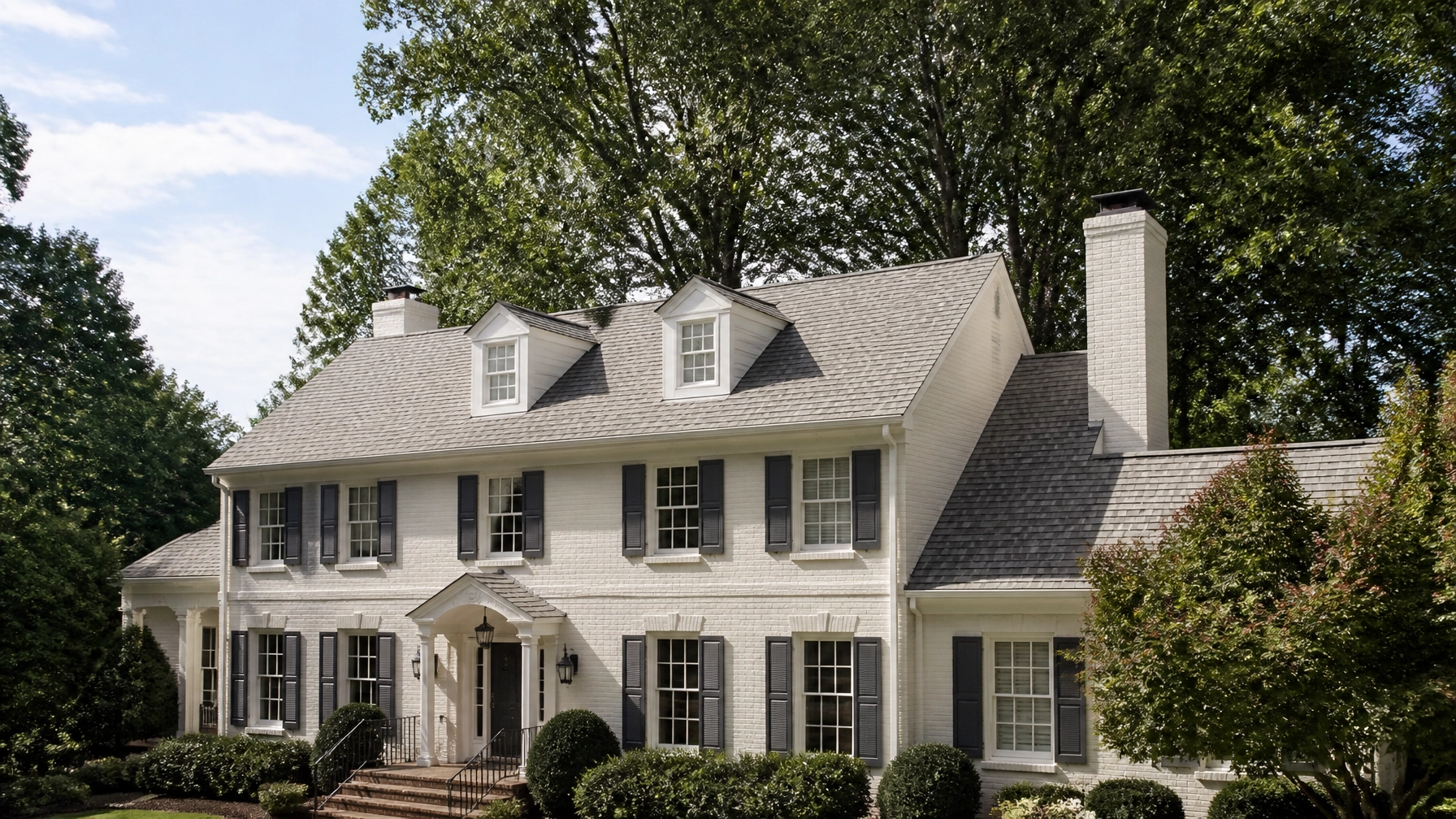
    The estimate is free, requires no credit card, and does not require an upfront contractor visit. You can compare asphalt shingles, metal, synthetic roofing, and other options before connecting with verified local contractors.

    Start your free satellite roof estimate before the heat wave gives way to the next Tampa storm cycle.

    Sources and Forecast References

  • Daily Weather Blitz – Slot 1: Jacksonville, FL : August 17, 2026: Heat Advisory, 115°F Heat Index & How First Coast Weather Tests Your Roof’s Durability

    Daily Weather Blitz – Slot 1: Jacksonville, FL : August 17, 2026: Heat Advisory, 115°F Heat Index & How First Coast Weather Tests Your Roof’s Durability

    Jacksonville homeowners are facing a demanding roofing combination today: a Heat Advisory from 11 a.m. to 8 p.m., a high near 96°F, and peak heat index values between 108°F and 115°F. After approximately 2 p.m., scattered thunderstorms may bring frequent lightning, heavy downpours, and gusty winds.

    That pattern is typical of the First Coast in summer. Roofs absorb intense ultraviolet radiation for hours, heat up during the afternoon, and then must shed heavy rain and resist sudden wind loads when storms develop.

    For Jacksonville homeowners planning a replacement in 2026, a realistic budget is approximately $8,500 to $23,000, depending on roof size, pitch, complexity, tear-off requirements, and material. Before scheduling contractor visits, you can use Get My Roof Estimate Now to receive a free, satellite-powered estimate in under 60 seconds.

    Jacksonville’s August 17 weather: what your roof is handling

    Today’s weather creates several short-term and long-term stresses:

    • Extreme heat: A 96°F air temperature can translate into much higher roof-surface temperatures.
    • High humidity: Moisture slows nighttime cooling and keeps roofing components under thermal stress.
    • Intense UV exposure: Ultraviolet radiation gradually breaks down asphalt binders, sealants, coatings, and exposed underlayment.
    • Heavy rain: Sudden downpours test flashing, valleys, pipe boots, gutters, and drainage.
    • Lightning and gusty storms: Wind can exploit loose shingles, weak edge metal, damaged vents, or poorly secured roofing materials.

    The National Weather Service Jacksonville office provides current alerts and forecast updates. Homeowners should avoid roof inspections during lightning or high winds. Look from the ground, document visible concerns, and wait for safe conditions before contacting a professional.

    Jacksonville Florida colonial home with a reflective architectural shingle roof, mature landscaping, and humid summer sunlight

    Photography direction: Use a street-level, hyper-realistic editorial photograph of a real Jacksonville home. Show the full roofline, clean flashing, mature live-oak landscaping, and bright humid summer conditions. Avoid staged storm damage, illustrations, text overlays, and exaggerated weather effects.

    How Florida heat causes roof damage

    1. Thermal expansion and contraction

    Roofing materials expand during the hottest part of the day and contract as temperatures fall overnight. Repeated movement can stress:

    • Fasteners and metal flashing
    • Shingle seals and adhesives
    • Ridge vents and pipe boots
    • Roof-to-wall transitions
    • Underlayment and deck joints

    This does not mean a roof fails after one hot day. The concern is cumulative fatigue over years. A roof that already has brittle shingles, exposed fasteners, or deteriorated sealant has less capacity to handle the next storm.

    2. UV degradation

    Florida’s strong sunlight can accelerate granule loss, color fading, surface cracking, and loss of flexibility in asphalt shingles. Once granules begin washing into gutters, the underlying material is more exposed to heat and sunlight.

    Architectural shingles generally provide better performance than basic three-tab shingles, but their actual service life depends on ventilation, installation quality, roof orientation, color, and storm exposure.

    3. Attic heat and ventilation

    A poorly ventilated attic can trap heat and moisture beneath the roof deck. That environment may contribute to:

    • Premature shingle aging
    • Warped or weakened decking
    • Higher cooling demand
    • Condensation concerns
    • Faster deterioration around penetrations

    During a replacement, ask the roofer to evaluate intake and exhaust ventilation rather than treating the roof covering as the entire system.

    Florida wind standards: why Jacksonville roofs need stronger details

    Jacksonville is not governed by one identical wind requirement across every address. Under the 2023 Florida Building Code framework and Jacksonville’s local ordinance, typical residential Risk Category II structures may fall around:

    • 125 mph ultimate wind speed in western or inland portions
    • 130 mph ultimate wind speed in eastern or coastal portions

    Lower-risk structures may use different values, including 115 mph in certain classifications. Your exact requirement depends on location, risk category, exposure, roof geometry, and whether the property is within a wind-borne debris region.

    Review the Jacksonville wind-speed ordinance and confirm project-specific requirements with the permitting authority or qualified roofing professional.

    Wind-resistant features to discuss

    Ring-shank nails (Enhanced)

    Ring-shank nails have ridges along the shank that increase withdrawal resistance. In high-wind applications, they may be specified for roof-deck attachment, particularly where tighter fastening schedules or wind-borne debris provisions apply.

    They are not automatically required for every shingle nail on every Jacksonville home. The correct nail type, size, spacing, and placement must follow the approved assembly, Florida code, and manufacturer instructions.

    Secondary water resistance (Enhanced)

    Secondary water resistance helps limit water intrusion if wind removes part of the outer roof covering. Options may include:

    • Self-adhered membrane over the roof deck
    • Sealed roof-deck seams
    • Enhanced underlayment systems
    • Carefully detailed valleys and penetrations

    Secondary water resistance can be especially important for re-roofing work in applicable wind-borne debris regions. It may also be a valuable upgrade for homeowners who want additional protection, even when a specific property is not required to use it.

    Strong edges and penetrations (Required attention)

    Hurricane-related roof failures often begin at vulnerable details rather than in the center of an intact roof plane. Ask about:

    • Drip-edge and rake-edge securement
    • Starter-strip installation
    • Ridge-cap fastening
    • Flashing at walls and chimneys
    • Pipe boots and vents
    • Skylights and rooftop equipment
    • Valleys and low-slope transitions

    A product’s wind rating is only meaningful when the complete roof assembly is installed according to its tested specifications.

    Roofing materials for Jacksonville’s heat and storm cycle

    Modern Jacksonville Florida home with a light-colored standing-seam metal roof, storm clouds, and realistic coastal landscaping

    Photography direction: Feature a real modern or coastal-style Jacksonville residence with a light-colored standing-seam metal roof. Show accurate panel seams, ridge and eave detailing, storm clouds in the distance, and natural landscaping. Keep the image documentary and realistic: no product labels, logos, or artificial hurricane damage.

    Architectural shingles (Popular)

    Architectural shingles are the common value-and-performance choice for Jacksonville homeowners. They offer broad color selection and a lower upfront cost than metal or tile.

    For better storm performance, ask about:

    • Florida-approved products and assemblies
    • Appropriate wind classification
    • Six-nail or enhanced fastening where specified
    • High-quality starter and ridge products
    • Impact-resistant options

    Class 4 impact-resistant shingles (Enhanced)

    Class 4 shingles are designed to provide greater resistance to impact than standard products. They may be worth considering for homeowners concerned about storm debris, although impact resistance does not make a roof hurricane-proof.

    Ask whether the specific product is approved for your roof design and whether your insurer offers any applicable mitigation benefit. Requirements and discounts vary by policy and property.

    Standing-seam metal roofing (Premium)

    Standing-seam metal can provide strong wind performance, long service life, and good solar reflectivity. Light-colored finishes may reduce heat absorption compared with dark roofing surfaces.

    In coastal or salt-air environments, coating quality, fastener selection, flashing, and corrosion resistance matter. A metal roof is not automatically durable if the installation details are poor.

    Tile roofing (Premium)

    Concrete and clay tile can perform well in Florida’s sun and humidity. However, tile systems are heavy, and the underlayment beneath the tile may require attention before the tile itself reaches the end of its service life.

    A structural review and complete assembly evaluation are important when replacing an existing roof with tile.

    Jacksonville roof replacement cost ranges for 2026

    For planning purposes, Jacksonville homeowners should expect approximately $8,500 to $23,000 for a full roof replacement.

    Project position Typical planning range Common scenario
    Budget $8,500–$11,500 Smaller, simpler roof with basic or standard asphalt shingles
    Popular $11,500–$17,000 Approximately 1,800–2,500 square feet with architectural shingles
    Premium $17,000–$23,000+ Larger or complex roof with metal, tile, impact upgrades, or extensive preparation

    The Get My Roof Estimate Now cost calculator explains the main pricing variables: roof squares, pitch, material, complexity, location, tear-off, and possible deck repairs.

    These are planning ranges: not final bids. The price can increase when a contractor finds:

    • Rotted decking
    • Multiple existing roof layers
    • Difficult access
    • Steep slopes
    • Extensive flashing replacement
    • Structural damage
    • Permit or code-related upgrades

    A storm-ready roof checklist for today

    After conditions improve and lightning has moved away, inspect the property from the ground:

    • Look for missing, lifted, curled, or cracked shingles.
    • Check gutters for unusual amounts of granules.
    • Look for loose metal, damaged vents, or fallen branches.
    • Check ceilings and attic areas for new water stains.
    • Confirm that downspouts discharge away from the foundation.
    • Photograph visible damage without climbing onto the roof.
    • Contact your insurer and a licensed roofing professional if damage is suspected.

    Jacksonville Florida home after a summer thunderstorm with a secure architectural roof, wet driveway, and clearing storm clouds

    Photography direction: Show a realistic post-storm residential inspection scene from ground level. The roof should appear intact, with secure edges, gutters, flashing, and downspouts visible. Use wet pavement and clearing clouds to communicate recent rain without inventing damage.

    Get a Jacksonville roof estimate before the next storm

    A contractor visit is still important for confirming deck condition, flashing, ventilation, and code details. But you do not need to wait for multiple appointments just to understand the likely budget.

    With Get My Roof Estimate Now, Jacksonville homeowners can enter an address and receive a free satellite-powered estimate in under 60 seconds. The tool measures the roof’s size, pitch, and complexity, then provides a low-to-middle-to-high range for materials such as architectural shingles, metal, synthetic roofing, and coatings.
    There is no credit card requirement and no upfront sales visit. Once you understand the likely project range, you can compare written proposals from verified, licensed, and insured local contractors with better questions and fewer surprises.

    The First Coast weather cycle is not getting easier on roofs. A clear estimate, a code-compliant assembly, and storm-focused installation details give your home a stronger starting point before Jacksonville’s next afternoon thunderstorm or hurricane threat.

  • How a New Roof Boosts Home Value in Greenville, SC (2026 Data)

    How a New Roof Boosts Home Value in Greenville, SC (2026 Data)

    A new roof can add meaningful value to a Greenville, SC home: but the return depends on your roof’s condition, material, neighborhood, and timing.

    For 2026, Greenville homeowners should generally budget $8,500 to $18,000 for a complete roof replacement. Architectural shingles typically fall toward the lower and middle end of that range, while metal roofing costs more upfront.

    Local resale estimates suggest a quality replacement can recover approximately 65% to 80% of its cost, with a potential 3% to 5% immediate equity boost when the existing roof is visibly worn, storm-damaged, or near the end of its service life.

    That does not mean every new roof adds its full price to the appraisal. The financial benefit also comes from avoiding buyer discounts, inspection problems, insurance concerns, and delayed sales.

    Greenville’s 2026 housing market puts the roof investment in perspective

    Greenville remains one of the Upstate’s strongest housing markets. Depending on the source, boundary, and measurement used, 2026 market snapshots place:

    • Greenville city median home prices: approximately $475,000
    • Greenville County median home prices: approximately $368,000
    • Zillow average Greenville home value: $331,868, updated July 31, 2026
    • Recent Zillow median sale price: $357,550

    You can review the latest figures through Zillow’s Greenville housing market data.

    The exact number matters less than the broader point: In a market where homes commonly sell for several hundred thousand dollars, the roof is a major part of the property’s condition and perceived value.

    A buyer looking at a $368,000 county home does not view a leaking or visibly aged roof as a minor cosmetic issue. They may see:

    • An immediate five-figure expense
    • A potential insurance obstacle
    • Unknown damage beneath the shingles
    • A reason to negotiate for a credit
    • A risk that makes another home more attractive

    A new roof removes much of that uncertainty.

    2026 Greenville roof replacement costs

    The cost of a new roof depends on roof size, pitch, complexity, material, tear-off requirements, and local labor rates.

    For many Greenville-area homes, a practical planning range is:

    Roofing option Typical Greenville budget Best fit
    Architectural shingles (Popular) $8,500–$14,000 Most single-family homes
    Class 4 architectural shingles (Storm-resistant) $10,000–$16,000 Homes exposed to frequent hail
    Metal roofing (Long-life) $14,000–$18,000+ Long-term ownership and modern designs

    These are planning ranges, not guaranteed bids. A steep Overbrook craftsman with dormers, valleys, and multiple roof sections may cost more than a simple Eastside ranch home with a straightforward roofline.

    A roof is measured in squares, with one square equal to 100 square feet of roofing. Size is only one part of the calculation. Other cost drivers include:

    • Roof pitch and accessibility
    • Number of chimneys, skylights, and vents
    • Valleys and complex intersections
    • Removal and disposal of old materials
    • Damaged decking or framing
    • Permit and inspection requirements
    • Material availability and local contractor demand

    For a broader starting point, use the 2026 Roof Cost Calculator, or get a property-specific estimate using satellite imagery.

    How much value can a new roof add?

    For a typical Greenville replacement, local estimates place resale cost recovery around 65% to 80%.

    Consider a homeowner who spends $12,000 on a new architectural shingle roof:

    • 65% recovery: approximately $7,800 in added resale value
    • 80% recovery: approximately $9,600 in added resale value
    • Remaining investment: potentially offset by insurance savings, reduced maintenance, better curb appeal, and fewer buyer concessions

    A homeowner spending $16,000 on a higher-quality or impact-resistant roof could see an estimated resale contribution of approximately $10,400 to $12,800, depending on the property and market conditions.

    The strongest return usually occurs when the old roof is already a problem. If the existing roof is only five years old and performing well, replacing it solely to increase value may not make financial sense. But if it is 18 to 25 years old, stained, curled, leaking, or damaged by hail, replacement can protect the home’s marketability.

    A 2026 roofing ROI analysis from IKO also emphasizes an important principle: a roof should match the neighborhood. A premium material may not produce a premium return if surrounding homes use standard roofing systems.

    Fresh architectural shingle roof on an Overbrook craftsman home in Greenville

    Neighborhood strategy: match the roof to the home

    Greenville buyers respond to different architectural styles and price points. A roof replacement should protect the home while preserving its character.

    North Main (Historic bungalows)

    North Main’s older bungalows often feature compact footprints, front porches, and distinctive rooflines. Architectural shingles in charcoal, weathered wood, or other traditional colors can improve curb appeal without making the home look over-renovated.

    Before replacing a roof in a historic area, check local requirements and confirm that the selected material and color fit the property’s guidelines.

    Overbrook (Craftsman homes)

    Overbrook craftsman homes frequently have multiple roof planes, dormers, low-slope porch sections, and decorative details. A new roof can make these homes look substantially better from the street, but complexity can increase installation costs.

    Choose a roofing system that complements the home’s wood, stone, and brick features. Premium architectural shingles are often a practical middle ground between budget materials and high-end specialty roofing.

    Eastside (Suburban homes)

    Eastside neighborhoods include many traditional suburban homes with simpler roof designs. Architectural shingles are typically the most practical resale choice because they offer a familiar appearance, broad color selection, and manageable installation cost.

    For homeowners planning to sell, a clean, neutral roof color is usually easier to market than an unusual or highly customized option.

    West End (Modern and renovated properties)

    West End homes may include modern renovations, townhome-style properties, and contemporary designs. Standing-seam metal roofing can create a strong architectural statement, particularly when paired with modern siding, wood, or masonry.

    Metal roofing costs more upfront, so evaluate the decision based on ownership length, neighborhood expectations, and whether the roof’s appearance supports the property’s overall design.

    New gray architectural shingle roof on an Eastside Greenville suburban home

    Why Greenville weather makes roof condition more important

    Greenville’s roof systems face a combination of summer heat, high humidity, wind, heavy rain, and severe thunderstorms.

    During major summer storms, homeowners may see:

    • High winds that lift or remove shingles
    • Quarter-sized to golf-ball-sized hail
    • Impact damage that is difficult to see from the ground
    • Heavy rain around flashing, valleys, and roof penetrations
    • Algae streaking caused by warm, humid conditions

    Algae staining does not always mean a roof is failing, but dark streaks and patchy discoloration can make a home look older. Buyers often interpret visible roof wear as evidence of deferred maintenance.

    A newer roof with algae-resistant granules, properly installed flashing, and improved ventilation can create a cleaner appearance and reduce concerns during inspection.

    After a major storm, do not assume the roof is fine because there is no ceiling leak. Hail damage can weaken shingles before water reaches the attic or interior. Have the roof evaluated, particularly if you notice missing granules, bruised shingles, or exposed underlayment.

    Class 4 shingles may improve long-term ROI

    Class 4 impact-resistant shingles are designed to perform better during hail events than standard shingles. They generally cost more: often about 20% to 30% above standard architectural shingles: but may provide additional financial benefits.

    Depending on your insurance carrier and documentation, Greenville homeowners may qualify for approximately 10% to 30% savings on the wind and hail portion of the policy.

    The exact discount is not guaranteed and usually does not apply to the entire insurance premium. Ask your carrier about its requirements before choosing the product.

    To document eligibility, keep:

    • The manufacturer’s product information
    • Proof of the UL 2218 Class 4 rating
    • The contractor’s installation certificate
    • The final invoice
    • Permit and inspection records, if applicable

    The South Carolina Department of Insurance mitigation bulletin explains the state’s broader requirements for qualifying wind-loss mitigation discounts and credits.

    When replacing the roof before selling makes sense

    A replacement is more likely to pay off before listing when:

    • The roof is more than 18 to 20 years old
    • Shingles are curling, cracked, missing, or heavily stained
    • There are recurring leaks
    • A prior storm caused widespread damage
    • Your real estate agent expects buyers to negotiate aggressively
    • Insurance concerns could reduce the buyer pool
    • Comparable homes are selling with newer roofs

    A roof replacement may not be the right move when the roof is relatively young and only needs a minor repair. Ask for both repair and replacement pricing, then compare the cost against the roof’s expected remaining life.

    Get a Greenville roof estimate before scheduling contractors

    You do not need to schedule multiple contractor visits just to learn whether your project is likely to cost $9,000 or $18,000.

    With Get My Roof Estimate Now, you enter your address and receive a free, satellite-powered estimate in under 60 seconds. The system evaluates roof size, pitch, and complexity, then provides low, middle, and high price ranges for different materials.

    There is:

    • No upfront contractor visit
    • No credit card required
    • No hidden fee
    • No obligation to hire anyone

    The estimate is designed for planning. Before construction, a licensed contractor should confirm conditions that satellite imagery cannot show, including decking, flashing, ventilation, and storm damage.

    Modern Greenville West End home with a new standing-seam metal roof

    The bottom line for Greenville homeowners

    In Greenville’s 2026 market, a new roof can be a strong value-protection investment.

    Plan on approximately $8,500 to $18,000 for many residential replacements. A realistic local resale recovery range is 65% to 80%, with a possible 3% to 5% immediate equity boost when replacing a visibly aging or damaged roof.

    The best financial decision is usually not the most expensive roof. It is the system that matches your home, neighborhood, storm exposure, insurance requirements, and ownership timeline.

    Start with an accurate number for your property. Get your free satellite roof estimate in 60 seconds.

  • Daily Weather Blitz – Slot 3: Austin, TX : August 17, 2026: 103°F Heat, No Overnight Relief & How Triple-Digit Texas Weather Tests Your Roof’s Durability

    Daily Weather Blitz – Slot 3: Austin, TX : August 17, 2026: 103°F Heat, No Overnight Relief & How Triple-Digit Texas Weather Tests Your Roof’s Durability

    Austin is facing another serious roof stress test today.

    The forecast for August 17, 2026, calls for a high near 102–103°F, an overnight low around 75–76°F, and peak heat index readings between approximately 100°F and 111°F across the region. The air is comparatively dry this afternoon, and there is currently no heat advisory in effect. However, triple-digit or near-triple-digit heat is expected to continue through much of the week.

    For Austin homeowners, the concern is not only comfort. Prolonged heat, intense ultraviolet exposure, and repeated expansion and contraction can shorten the useful life of roofing materials: especially asphalt shingles.

    Austin’s August Weather Is Hard on Roofs

    A roof can become dramatically hotter than the surrounding air.

    Under direct summer sun, dark asphalt shingles may reach surface temperatures well above 150°F, even when the official air temperature is near 100°F. The roof then cools overnight, but an overnight low in the mid-70s provides limited relief after a full day of solar heating.

    This cycle repeats:

    • Cool morning conditions
    • Rapid heating after sunrise
    • Peak roof temperatures during the afternoon
    • Partial cooling overnight
    • Another high-temperature cycle the next day

    Low afternoon humidity may make the air feel slightly less oppressive than during a humid Gulf Coast pattern. It does not eliminate the solar load on your roof. The shingles are still absorbing sunlight, and the attic may still accumulate significant heat.

    The National Weather Service Austin/San Antonio office describes the current pattern as hot and dry, with heat indices commonly reaching 100–110°F across South-Central Texas.

    Three Ways Triple-Digit Heat Damages Roofing

    1. UV Exposure Dries and Weakens Shingles

    Ultraviolet radiation gradually breaks down the asphalt binder that holds a shingle together.

    As shingles age under strong sun, they may:

    • Lose protective granules
    • Become brittle
    • Crack or split
    • Curl at the edges
    • Develop exposed fiberglass
    • Lose flexibility around seams and fasteners

    Granules are important because they protect the asphalt surface from sunlight and weather. Once significant granule loss begins, the exposed asphalt absorbs even more heat and UV radiation. That accelerates the aging process.

    Dark shingles generally absorb more solar energy than light-colored or reflective products. Color is not the only factor, but it matters in a climate where roofs receive months of intense summer sun.

    2. Thermal Cycling Fatigues the Roof System

    Thermal cycling is the repeated expansion and contraction caused by temperature changes.

    Shingles, flashing, sealants, fasteners, and the roof deck all respond differently to heat. During the day, roofing materials expand. At night, they contract. Over many years, that movement can weaken adhesive strips, stress overlaps, and contribute to cracking.

    A roof that experiences large daily temperature swings may go through thousands of these cycles during its service life. The damage is gradual, which means homeowners may not notice a problem until shingles begin lifting or water reaches the roof deck.

    3. Attic Heat Builds Stress From Below

    Solar heat enters through the roof surface, while trapped attic air heats the underside of the roof deck.

    Poor ventilation can leave the attic extremely hot for hours. That creates a “two-sided” heat problem: the shingles are being heated from above, and the roof deck is radiating heat from below.

    A properly designed ventilation system helps move hot air out of the attic and brings in replacement air through intake vents. Ventilation does not make the attic cold, but it can reduce heat buildup and help the roof system operate closer to its intended conditions.

    Austin home roof with realistic architectural shingles exposed to intense Texas sunlight

    A 30-Year Shingle May Have an 18–22-Year Planning Horizon in Austin

    Manufacturer ratings describe expected performance under defined testing conditions. They are not a guarantee that every roof will deliver the full number of years in every climate.

    For Austin homeowners, a conventional asphalt shingle advertised as a 30-year product may have a more realistic planning horizon of approximately 18–22 years, particularly when the roof has:

    • Dark shingles with high solar absorption
    • Limited soffit or ridge ventilation
    • Inadequate attic insulation or air sealing
    • Poor installation
    • Repeated storm damage
    • Neglected flashing, gutters, or repairs

    This does not mean every 30-year roof will fail at year 18. A well-installed architectural shingle roof with balanced ventilation and regular inspections may perform longer. The point is practical budgeting: Texas heat can reduce the gap between a product’s advertised rating and its real-world service life.

    If your roof is already 15–20 years old, today’s heat wave is a good reason to evaluate its condition rather than waiting for an interior leak.

    Roofing Materials for Austin Heat

    Material selection affects both upfront cost and long-term durability.

    Roofing option Context 2026 planning benchmark
    3-tab asphalt shingles Budget Lower initial cost, shorter expected life
    Architectural shingles Popular Approximately $9,000–$13,000 for a 2,000-square-foot roof nationally
    Reflective or “cool” shingles Heat-management option Pricing varies by product and installation
    Standing-seam metal Premium durability Approximately $20,000–$28,000 for a 2,000-square-foot roof nationally
    Tile or synthetic roofing Premium Higher cost; structural and installation requirements vary

    These are broad planning ranges, not an Austin-specific proposal. The Get My Roof Estimate Now roof cost calculator explains how size, pitch, complexity, tear-off, material, and location affect the final price.

    Architectural Shingles (Popular)

    Architectural shingles are thicker and more dimensional than basic 3-tab shingles. They are widely used because they balance appearance, cost, and performance.

    For Austin, consider:

    • Light or medium colors instead of the darkest available option
    • Products designed with reflective granules
    • Higher wind and impact ratings where appropriate
    • A complete roof system rather than shingles alone

    Metal Roofing (Premium)

    Light-colored standing-seam metal roofing can reflect more solar energy and may provide a long service life when correctly installed.

    Metal roofing costs more upfront and requires careful attention to:

    • Expansion and contraction details
    • Fasteners and seams
    • Underlayment
    • Flashing
    • Compatibility with the home’s structure and appearance

    Modern Austin Texas home with a light standing-seam metal roof and native landscaping

    The U.S. Department of Energy’s cool-roof guidance recommends comparing solar reflectance and thermal emittance. In simple terms, a cooler roof reflects more sunlight and releases absorbed heat more effectively.

    Four Actions Austin Homeowners Can Take Now

    1. Check Attic Ventilation

    Ask a qualified roofing professional to verify that your attic has:

    • Clear soffit intake vents
    • Adequate ridge, gable, or roof exhaust vents
    • Unblocked airflow channels
    • Properly installed insulation
    • No obvious air leaks from the living space

    Do not assume that adding a powered attic fan will solve every ventilation problem. A balanced intake-and-exhaust design is more important than simply adding another fan.

    Clean Austin attic showing soffit intake, insulation baffles, and ridge ventilation pathway

    2. Schedule an Annual Roof Inspection

    An annual inspection can identify heat-related wear before it becomes water damage.

    Ask the inspector to check for:

    • Curling or cracked shingles
    • Excessive granule loss
    • Blistering or exposed mat
    • Lifted or missing shingles
    • Damaged pipe boots and flashing
    • Rusted metal components
    • Sagging roof areas
    • Blocked attic vents

    A spring inspection is useful because it identifies winter and storm damage before Austin’s most intense heat arrives.

    3. Consider Reflective Roofing at Replacement Time

    When replacing your roof, ask contractors about:

    • Light-colored shingles
    • Reflective granule technology
    • Solar reflectance ratings
    • Thermal emittance
    • Cool-roof options
    • Light-finish metal roofing

    The Environmental Protection Agency’s cool-roof overview explains how reflective surfaces reduce heat absorption. A reflective roof is not a substitute for insulation or ventilation, but the components work together.

    4. Maintain Gutters, Trees, and Flashing

    Heat is only one part of Austin’s roofing environment. Wind, hail, falling branches, and debris can create openings that become more serious during the next storm.

    Keep gutters clear, trim branches away from the roof, and repair damaged flashing promptly. After a severe storm, inspect the roof from the ground. Avoid climbing onto hot shingles, which may be brittle or slippery.

    Get an Austin Roof Price Before You Need One

    A roof replacement is easier to manage when you know the likely cost before an emergency begins.

    Get My Roof Estimate Now uses satellite imagery to measure your roof’s size, pitch, and complexity. Enter your Austin address and receive a free low-middle-high replacement price range in approximately 60 seconds: with no credit card and no contractor visit required upfront.

    The estimate can help you:

    • Budget for a future replacement
    • Compare asphalt, metal, synthetic, and coating options
    • Understand how roof size and pitch affect cost
    • Decide whether repairs or replacement deserve further review
    • Prepare for a conversation with a licensed, insured local contractor

    Start with the free satellite roof estimate. It is a fast planning tool, not a substitute for an in-person inspection of hidden deck damage or flashing conditions.

    Bottom Line

    Austin’s August 17 heat: near 103°F with limited overnight cooling: is tough on roofing materials. UV exposure, thermal cycling, and attic heat can make a roof age faster than its headline warranty suggests.

    The most practical defenses are straightforward:

    • Keep attic ventilation balanced and unobstructed
    • Choose lighter or more reflective roofing when appropriate
    • Schedule annual inspections
    • Repair small problems before they spread
    • Plan replacement costs before the roof reaches the end of its service life

    In Austin, understanding your roof’s condition today can help you avoid a much more expensive surprise later.

    Categories: Weather, Durability, Austin
    Tags: weather, durability, Austin, Texas heat, roof lifespan, attic ventilation, cool roof, roof replacement cost, asphalt shingles, metal roofing