Author: James Turner

  • Daily Tech Blitz – Slot 4: Jacksonville’s Satellite Tech Edge Is Bringing Orbital Precision to Bold City Roofs

    Daily Tech Blitz – Slot 4: Jacksonville’s Satellite Tech Edge Is Bringing Orbital Precision to Bold City Roofs

    Jacksonville is becoming a serious center for satellite, mapping, and geospatial intelligence. That matters beyond space launches and emergency response. The same location-based technology is changing how homeowners can plan major projects: including roof replacement.

    In 2026, Jacksonville homeowners are balancing hurricane season, heavy thunderstorms, salt air, intense UV exposure, and flooding concerns along the St. Johns River. The impacts associated with Hurricanes Helene and Milton also reinforced a practical lesson: knowing your property’s condition and replacement cost before the next storm is valuable.

    NOAA’s August 2026 Atlantic outlook calls for a below-normal season, with 7–13 named storms, 2–6 hurricanes, and 0–2 major hurricanes. The outlook lowers the overall probability of an active season, but it does not eliminate local risk. One storm can still produce wind damage, prolonged rain, storm surge, and St. Johns River flooding.

    That is why satellite-powered roof estimating is becoming more useful in Jacksonville. Homeowners can get an accurate planning range before scheduling multiple contractor visits.

    Jacksonville’s satellite and geospatial advantage

    Jacksonville’s technology ecosystem now includes several developments that show how quickly geospatial data is moving into everyday decision-making.

    1. Star Catcher is building orbital power infrastructure

    Jacksonville-based Star Catcher Industries is developing an orbital power grid that beams solar energy to satellites. In May 2026, the company announced a $65 million Series A investment, bringing total funding to approximately $88 million.

    The company is also expanding its Jacksonville headquarters. A July 2026 project valued at approximately $2 million is expected to triple its office and development space in South Jacksonville.

    Star Catcher’s work is focused on delivering power in orbit. Roof estimating operates much closer to home, but the principle is similar: use advanced remote data to solve a physical infrastructure problem faster and more efficiently.

    2. Duval County upgraded 911 routing with GIS

    In January 2026, Duval County became the first Florida county to activate true GIS-based 911 geo-routing across its beach-area emergency centers.

    Instead of routing a wireless call based primarily on cell tower proximity, the system uses the caller’s real-time geographic location. The call is directed to the public safety answering point responsible for that exact location.

    For homeowners, this is a clear example of geospatial technology producing a practical result: better information about where something is, followed by a faster and more precise decision.

    3. ICEYE brings SAR flood monitoring to Florida

    In June 2026, ICEYE partnered with the Florida Flood Hub to expand statewide flood monitoring and disaster response using synthetic aperture radar, or SAR, satellite data.

    SAR can collect information during cloudy conditions and at night: important capabilities during hurricanes and major rain events. The resulting flood products can help agencies understand water depth, flood extent, and impacts on individual structures.

    For Jacksonville, this is directly relevant to neighborhoods near waterways, low-lying areas, and locations affected by heavy rainfall or rising St. Johns River levels.

    4. Digital twins and flood modeling improve resilience planning

    The University of Florida’s Center for Coastal Solutions is developing JaxTwin, an AI-driven digital twin of Jacksonville. It combines GIS, building information, environmental data, and modeling to help planners test flooding, storm surge, infrastructure, and resilience scenarios.

    Related flood modeling work, including projects associated with Halff, shows how Jacksonville can evaluate complex water and infrastructure risks before making costly decisions.

    These systems do not replace a roof inspection. They do demonstrate the direction of modern property planning: combine accurate location data, modeling, and professional verification.

    5. NOAA released new Jacksonville coastal imagery

    NOAA’s National Geodetic Survey released a 2026 ortho-rectified four-band imagery mosaic for the Jacksonville coastal area. The imagery includes red, green, blue, and near-infrared bands and supports shoreline mapping, land-cover analysis, and coastal change detection.

    For geospatial professionals, this data helps create more detailed maps. For roofing technology, high-quality aerial and satellite imagery helps identify roof boundaries, roof planes, measurements, and property context.

    6. GDF Ventures advances geospatial AI locally

    Jacksonville-based GDF Ventures focuses on geospatial AI and satellite imagery processing. Its work applies machine learning to environmental monitoring, urban planning, infrastructure, and other location-based challenges across Northeast Florida.

    This growing local ecosystem helps make remote estimating more understandable. Jacksonville is not simply consuming satellite data. Local companies and institutions are developing ways to process it into useful information.

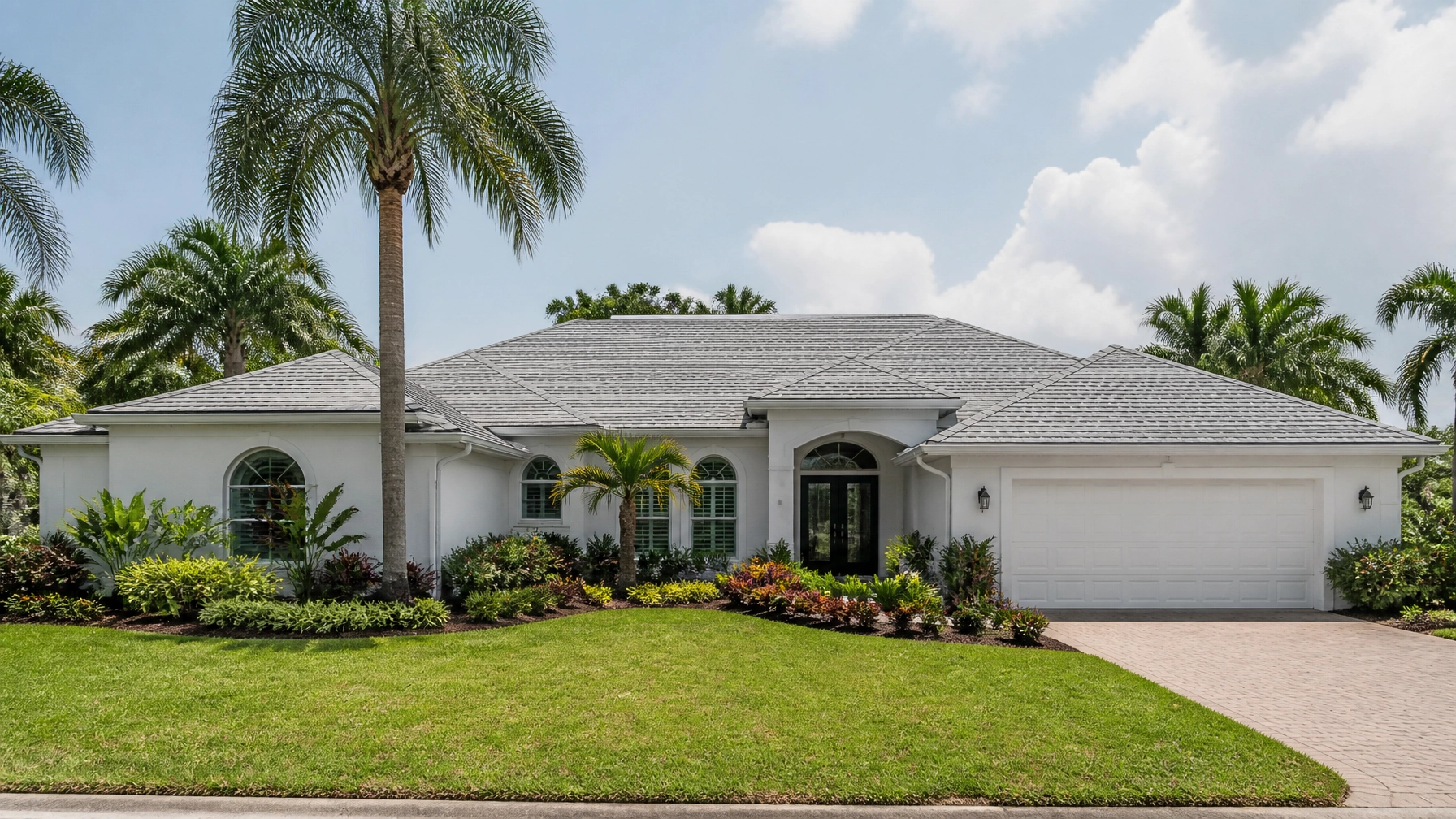
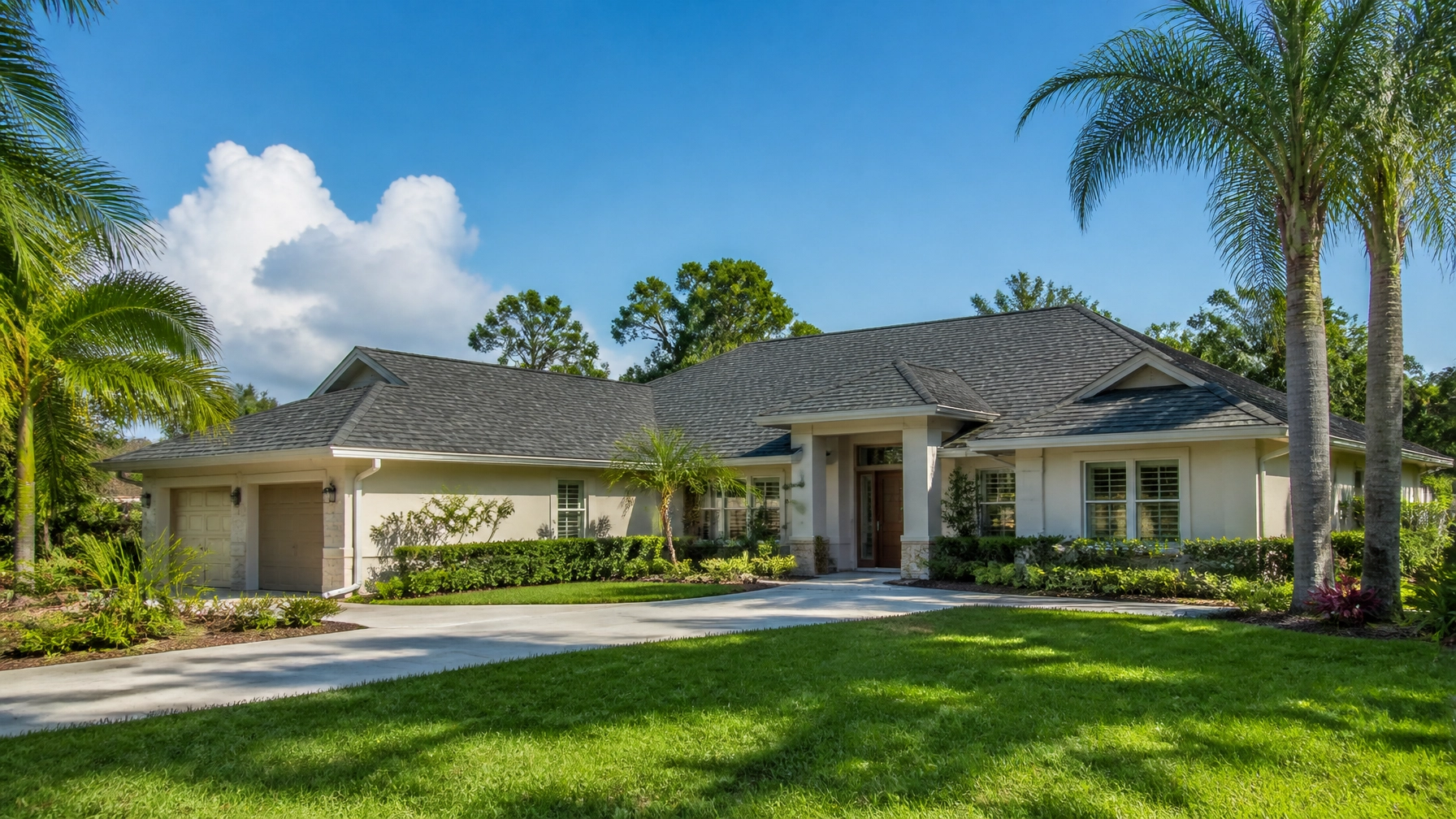
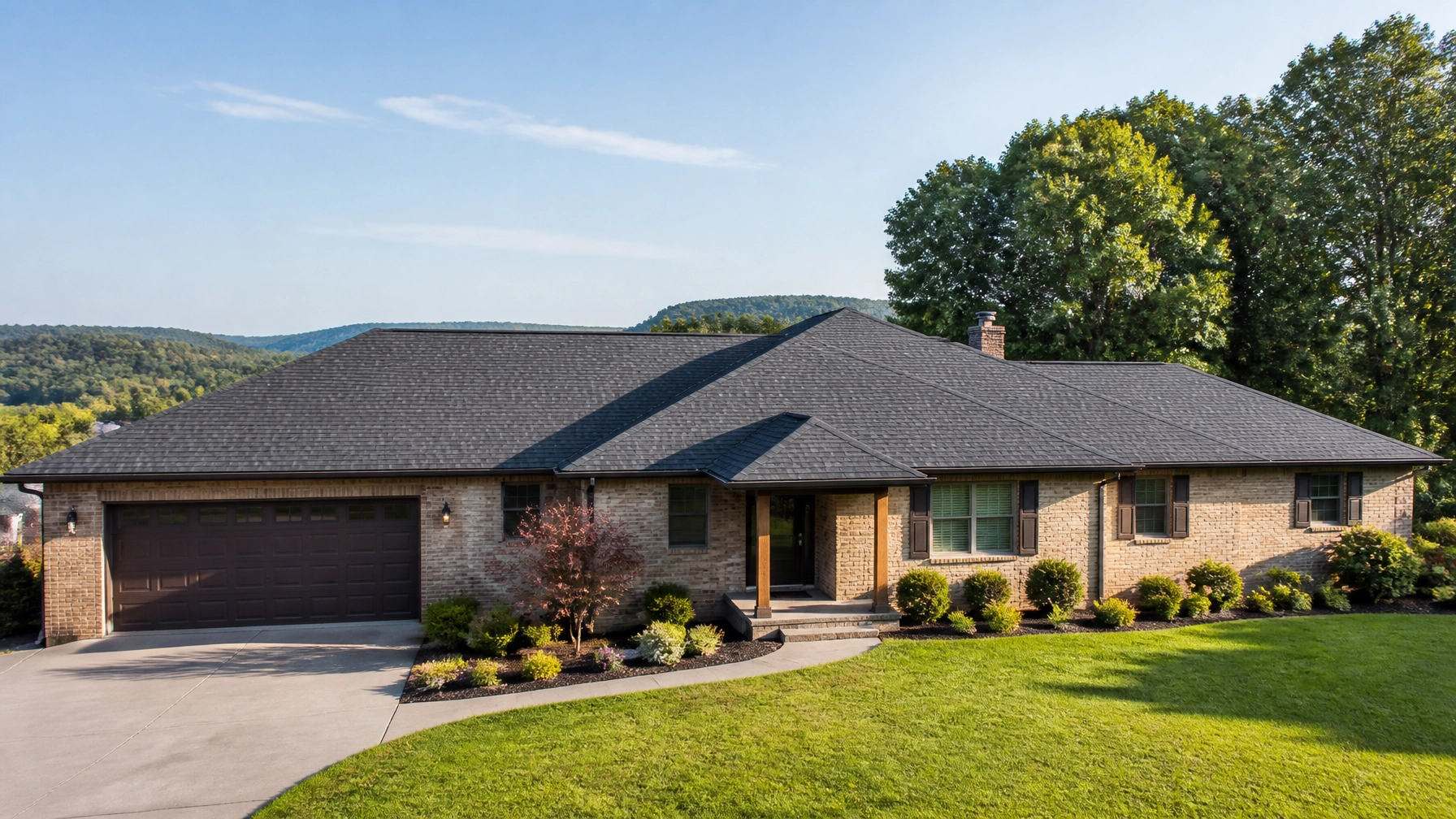
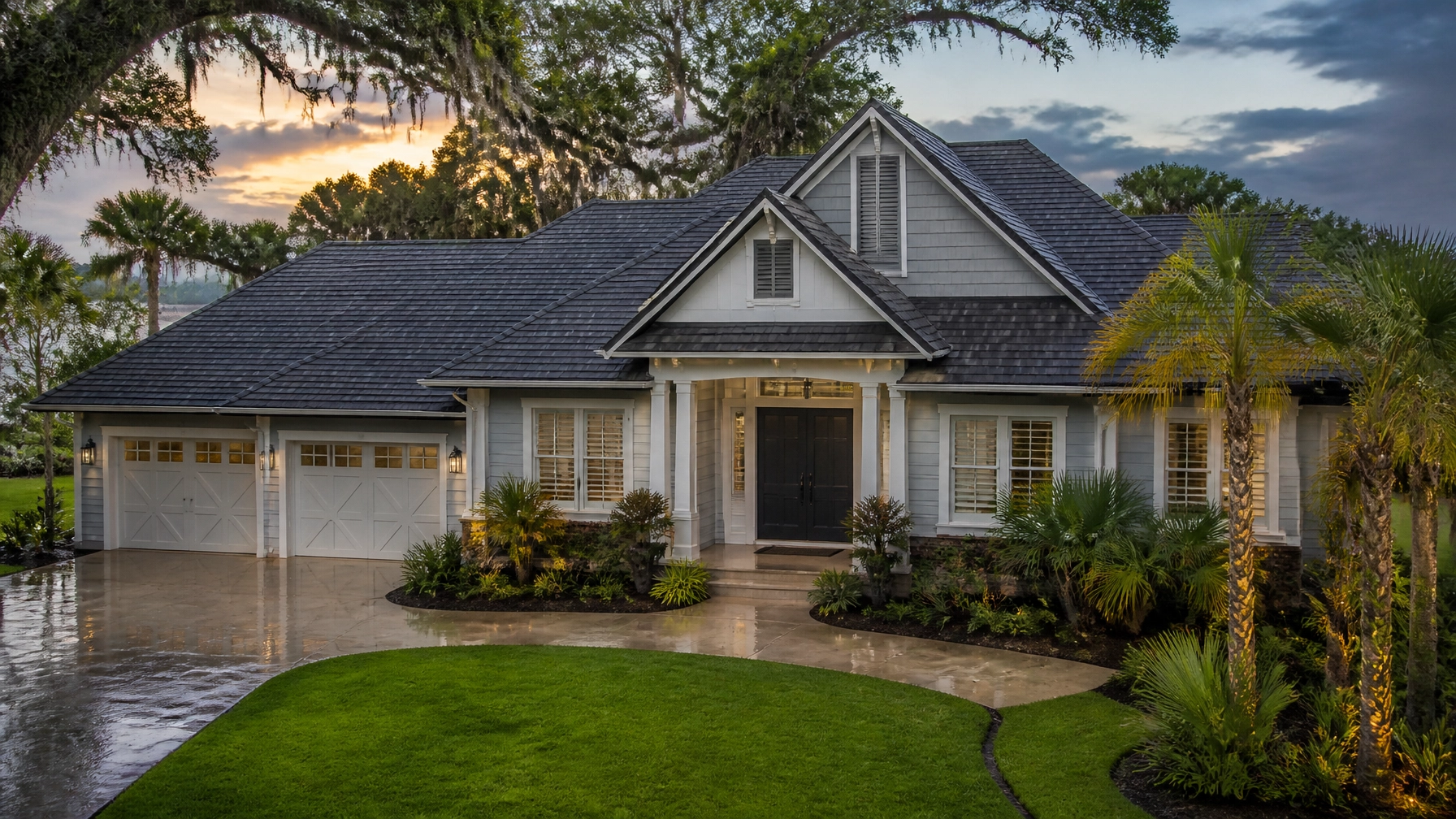
    Jacksonville ranch home with a new architectural shingle roof

    What satellite roof measurement calculates

    A satellite-powered roof estimate begins with the property address. The technology analyzes aerial imagery and geospatial data to estimate:

    • Roof footprint and total roof area
    • Roof planes and overall layout
    • Approximate pitch and slope
    • Roof complexity, including valleys, hips, and intersecting sections
    • Material quantities
    • Roofing squares, with one square equal to 100 square feet
    • Regional labor and material pricing
    • Low-middle-high replacement ranges

    Jacksonville homes commonly have roof areas of approximately 1,800–2,600 square feet, although the roof area is not always the same as the home’s interior living area.

    The estimate can then model common options such as architectural shingles, metal roofing, synthetic materials, and coatings.

    Jacksonville roof replacement costs in 2026

    For a typical single-family home in Jacksonville, a realistic 2026 planning range is approximately $9,000–$28,000. Your final price depends on roof size, pitch, complexity, removal requirements, decking condition, labor, material choice, and permit-related costs.

    Asphalt shingles: $3.50–$9.00 per square foot

    Architectural shingles are the most common choice in Jacksonville.

    • Budget: Basic three-tab or entry-level systems
    • Popular: Architectural shingles with improved appearance and durability
    • Premium: Designer or impact-resistant shingle systems

    A typical architectural shingle replacement often falls in the lower-to-middle portion of the local range. Asphalt is popular because it balances upfront cost, appearance, availability, and replacement practicality.

    Metal roofing: $6.00–$16.00 per square foot

    Metal roofing is a premium option with a higher initial cost.

    • Premium: Standing-seam or high-quality exposed-fastener metal systems
    • Strong service-life potential
    • Good performance against heat and wind when properly installed
    • Reflective options may help reduce solar heat gain
    • Can create distinctive coastal or modern curb appeal

    Coastal homeowners should ask about corrosion-resistant finishes and compatible fasteners. Metal roofing may also be a strong long-term option for homeowners who plan to remain in the property for decades.

    Permits are required in Duval County

    Most Jacksonville roof replacements require a permit. Confirm that your contractor includes permitting, inspections, and any required documentation in the written proposal.

    A remote estimate is a planning tool: not a substitute for the permit process or a contractor’s final site review.

    New roof ROI and Jacksonville home value

    Roofing is both a protection project and a resale decision. Homeowners often search for new roof ROI home value because replacement can represent a major investment.

    National remodeling data commonly shows that roof replacement recovers a substantial portion, but not all, of its cost at resale. The exact roof replacement resale value depends on the home’s location, condition, buyer demand, roof material, workmanship, and documentation.

    In Jacksonville, a new, code-compliant roof can improve:

    • Buyer confidence during inspections
    • Insurance conversations
    • Listing appeal
    • Marketability after storm seasons
    • Negotiating strength when selling

    A worn roof can lead to repair credits, price reductions, inspection delays, or buyers walking away. That makes the practical roof replacement ROI greater than the resale-price calculation alone.

    Roof curb appeal and material choice

    A roof is one of the largest visible surfaces on a home. That makes roof curb appeal home value an important consideration.

    Architectural shingles are usually the safest resale choice because they are common across Jacksonville neighborhoods and offer a clean, familiar appearance. Neutral colors: such as weathered gray, charcoal, or brown: typically coordinate well with brick, siding, and stucco.

    Metal roofing may be the best roof for home value in some coastal, contemporary, or higher-end settings, especially when the style complements the property. It can provide a premium appearance and long-term durability, but the added cost may not be fully recovered if the neighborhood primarily uses asphalt shingles.

    The best roof replacement ROI usually comes from choosing a material that fits the home, neighborhood, climate, and expected ownership period: not simply selecting the most expensive product.

    Keep your permit records, paid invoices, warranty documents, product information, and installation photos. These records can help support resale and insurance discussions.

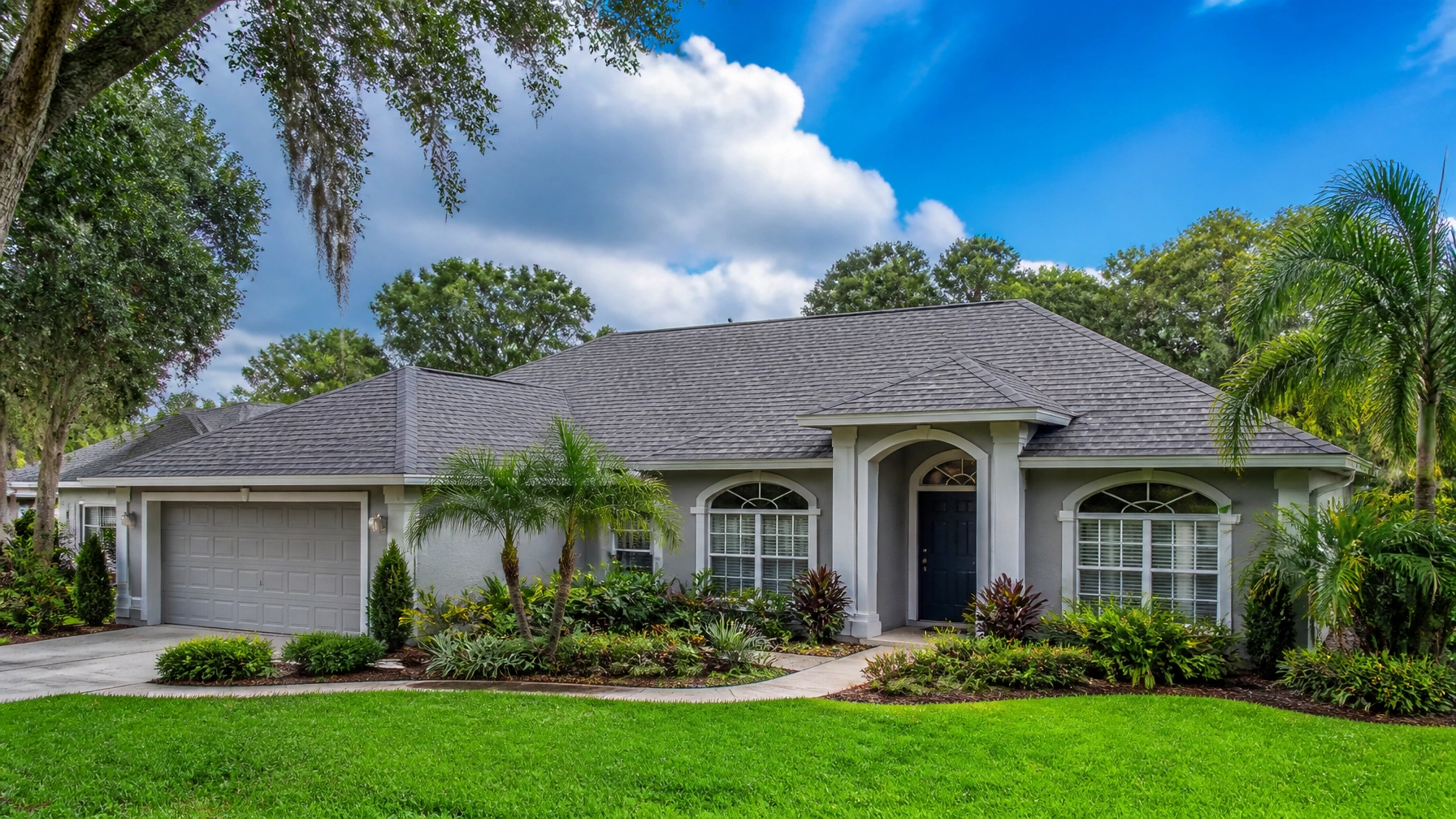
    Jacksonville coastal-style home with a premium standing-seam metal roof

    What satellite technology can: and cannot: tell you

    Satellite imagery can help estimate:

    • Roof dimensions
    • Roof shape and complexity
    • Material quantities
    • Approximate pitch
    • Regional replacement costs
    • Budget, popular, and premium scenarios

    It cannot confirm:

    • Hidden wood rot
    • Leaks below the roofing surface
    • Attic ventilation quality
    • Fastener problems
    • Flashing condition
    • Exact storm damage
    • Building-code compliance
    • Whether a roof can be repaired instead of replaced

    Use the estimate to set a budget and compare options. Then have a licensed, insured roofing professional verify the roof in person before signing a contract.

    Get a Jacksonville roof estimate in 60 seconds

    Get My Roof Estimate Now uses satellite-powered measurements to provide a free roof replacement estimate without an upfront contractor visit.

    The process is simple:

    1. Enter your Jacksonville property address.
    2. Let the system measure your roof using satellite imagery.
    3. Review your estimated roof size, material options, and price range.
    4. Compare Budget, Popular, and Premium scenarios.
    5. Connect with verified, licensed, and insured local contractors if you want a professional inspection and proposal.

    Estimates are typically delivered in under 60 seconds, are 90–95% accurate for planning, and require no credit card.

    Start with the Jacksonville roof estimate tool. You can also compare the Tampa, Florida roofing estimate tool or explore the company’s roofing estimate services.

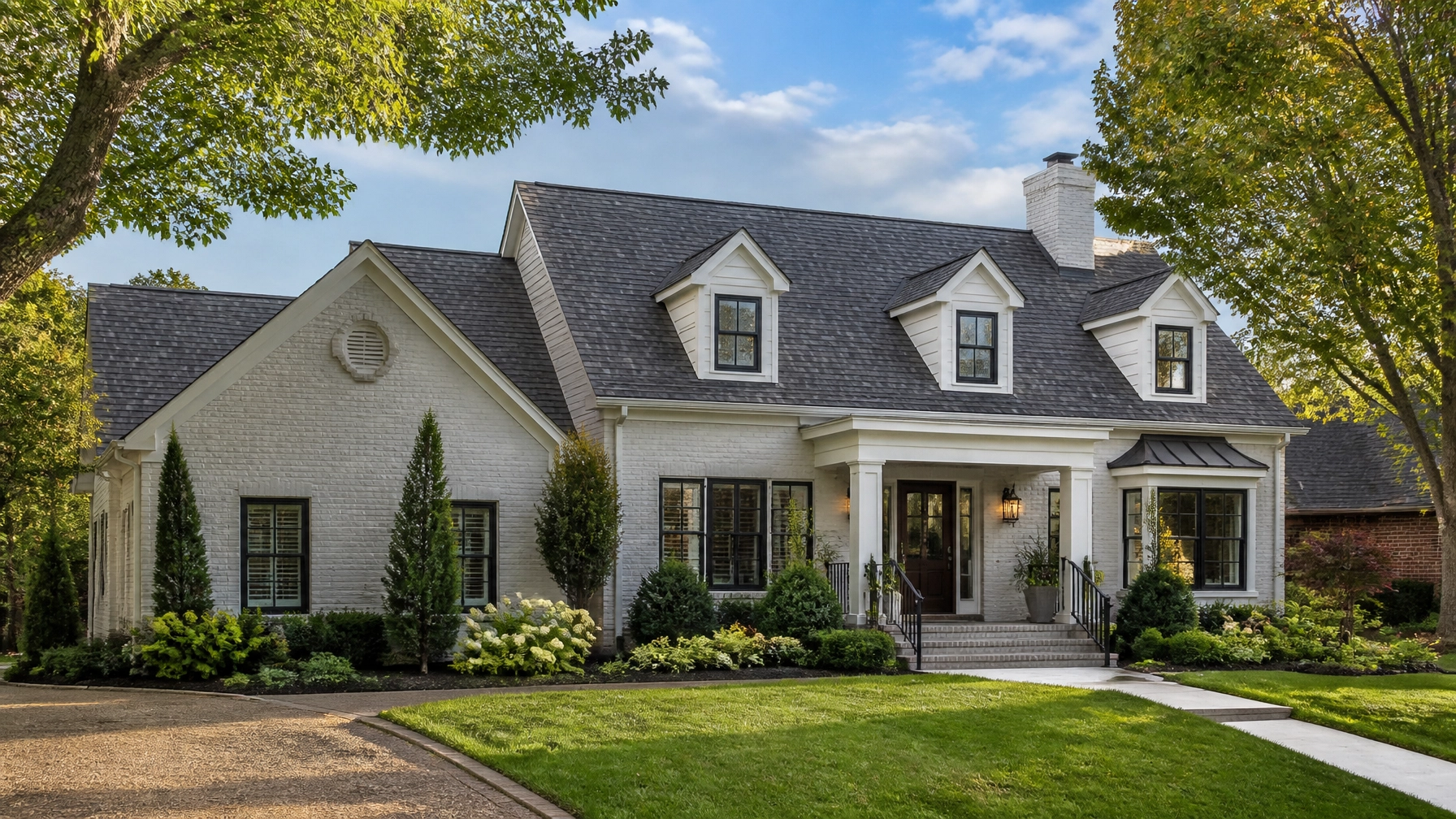
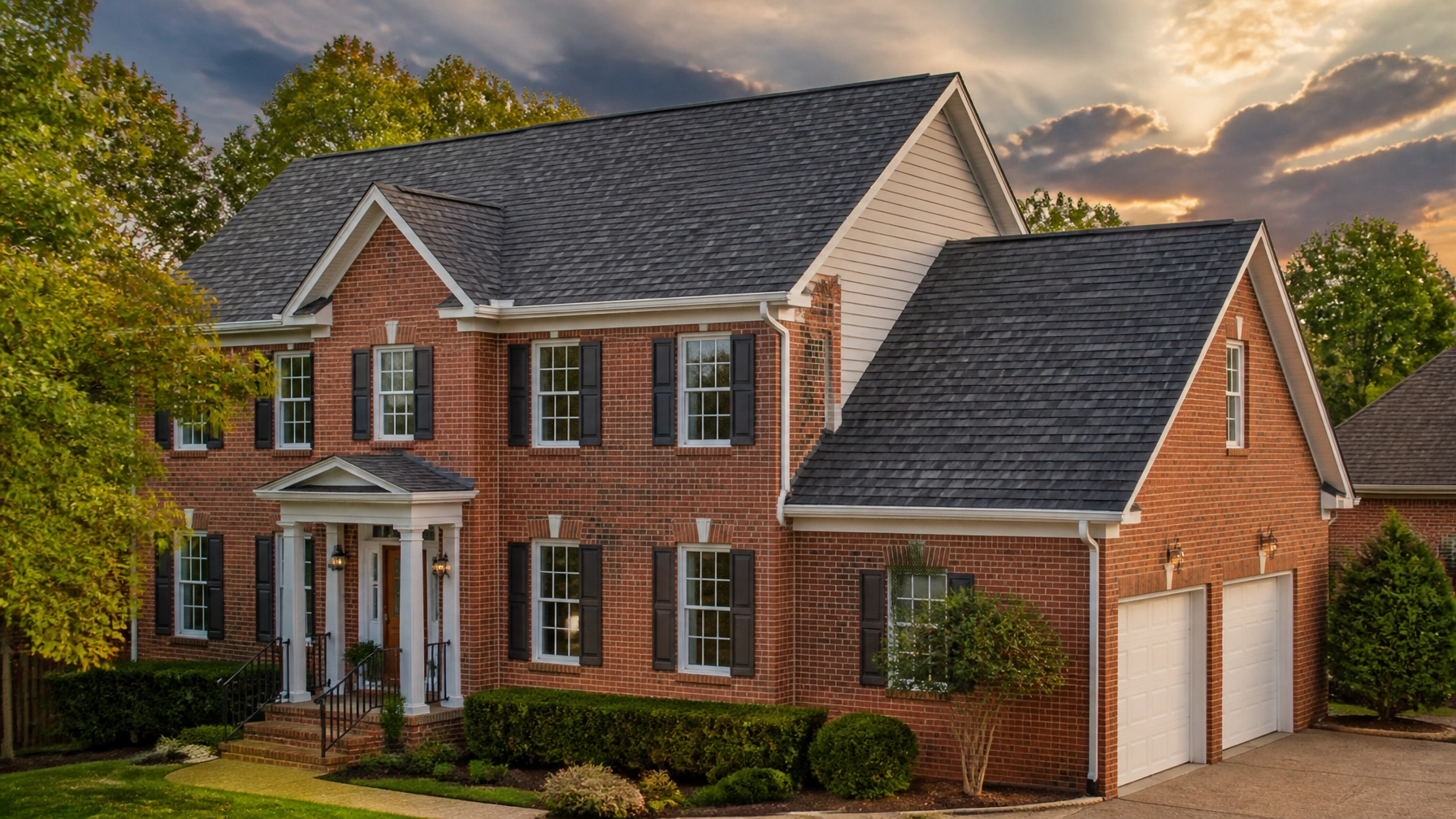
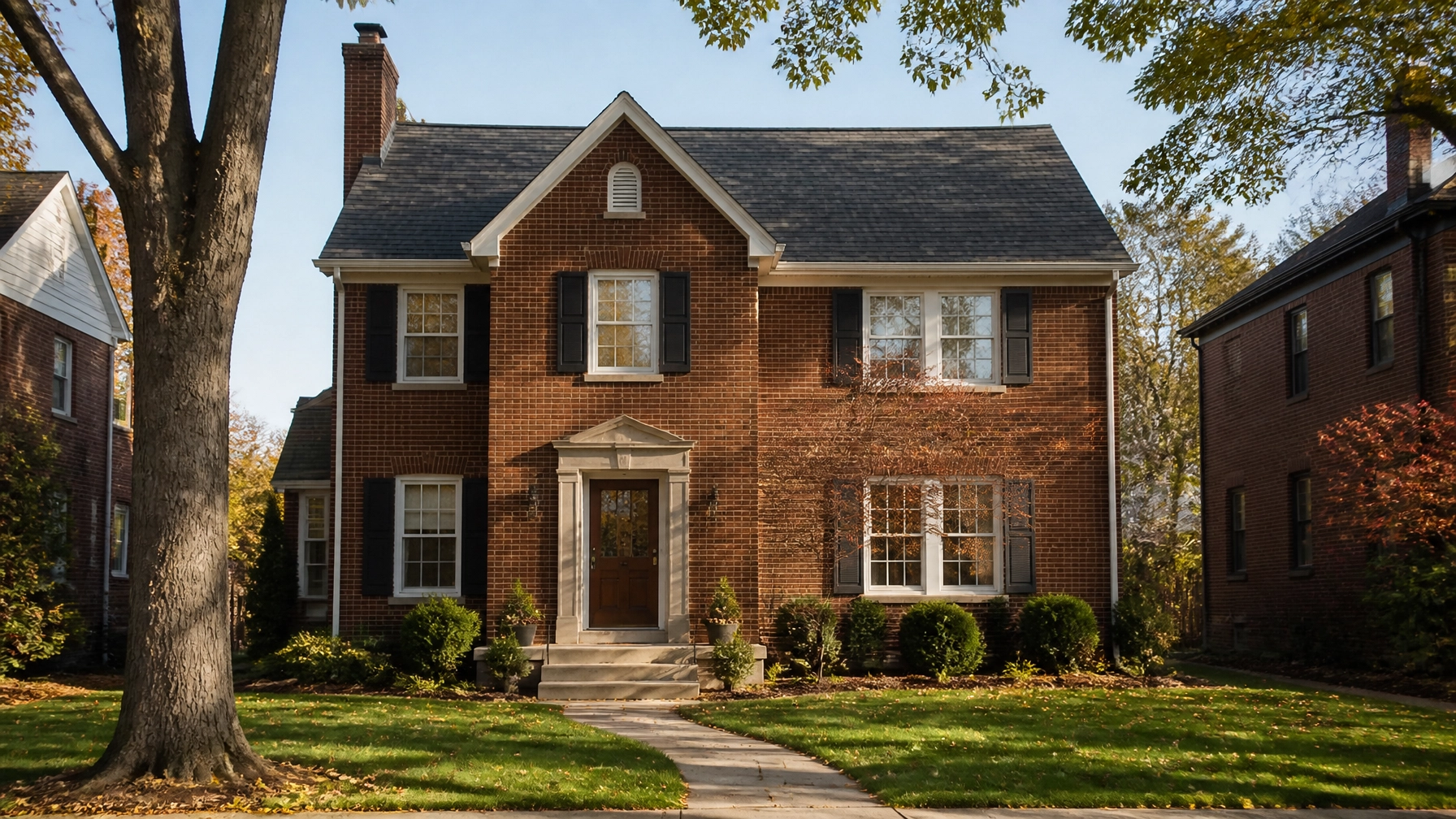
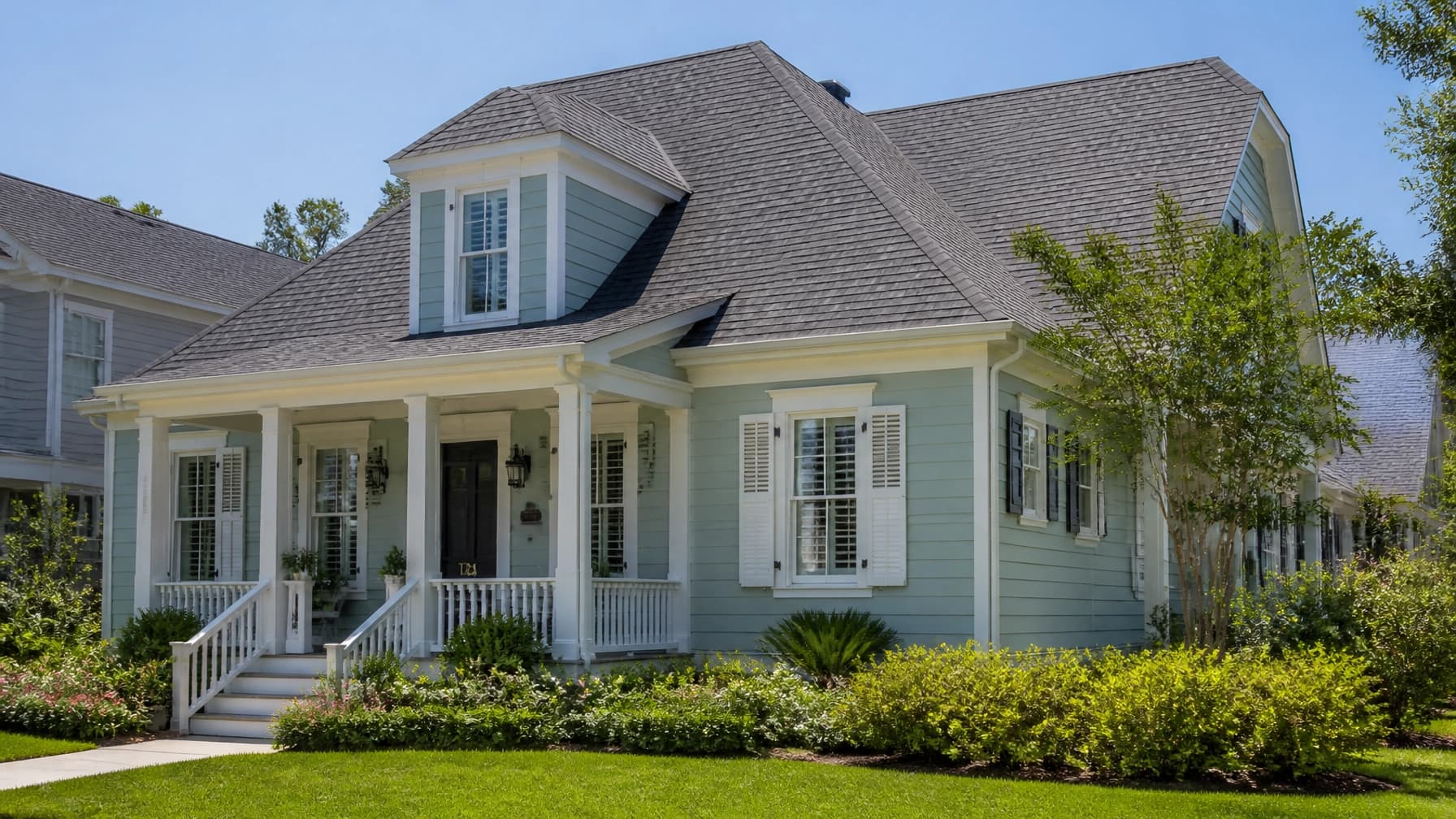
    Jacksonville colonial-style home with a newly installed architectural shingle roof

    Jacksonville roofing FAQ

    How much does a new roof cost in Jacksonville in 2026?

    Most Jacksonville homeowners should plan for approximately $9,000–$28,000, depending on roof size, pitch, complexity, material, labor, and hidden damage. Architectural shingles commonly cost less than metal roofing.

    What is the best roof for home value in Jacksonville?

    Architectural shingles are usually the most broadly appealing choice. Metal roofing may be the best option for a coastal or modern home when long service life, wind performance, and distinctive curb appeal justify the higher upfront cost.

    Does a new roof increase home value?

    A new roof can improve marketability, buyer confidence, inspection results, and resale value. It may not return every dollar spent, but it can reduce negotiation problems and make the property easier to sell.

    Do I need a permit for roof replacement in Duval County?

    Yes. Jacksonville and Duval County generally require permits for residential roof replacement. Ask your contractor to identify permit and inspection costs in writing.

    Can satellite imagery identify roof damage?

    Satellite imagery can help identify roof size, shape, and some visible changes. It cannot reliably confirm leaks, hidden rot, flashing failures, or all wind and hail damage. A professional inspection is still required.

    How fast can I get a Jacksonville roof estimate?

    Get My Roof Estimate Now provides a free estimate in approximately 60 seconds. No contractor visit or credit card is required to receive the initial planning range.
  • Daily Weather Blitz – Slot 3: Charleston, SC : August 19, 2026: Heat Advisory, 112°F Heat Index & How Lowcountry Weather Tests Your Roof’s Durability

    Daily Weather Blitz – Slot 3: Charleston, SC : August 19, 2026: Heat Advisory, 112°F Heat Index & How Lowcountry Weather Tests Your Roof’s Durability

    Published: August 19, 2026
    Categories: Weather, Durability
    Tags: Charleston, Lowcountry roofing, heat advisory, hurricane preparation, roof replacement

    Charleston is under a Heat Advisory today from 11 AM to 8 PM. Afternoon highs are expected to reach the mid-to-upper 90s, near 98°F, while humidity pushes heat index values between 102°F and 112°F.

    Isolated thunderstorms may develop during the day. After approximately 2 PM, a few storms could become strong, bringing damaging wind gusts, lightning, and brief heavy downpours.

    That combination: extreme heat, high humidity, salt-laden air, and sudden summer storms: is a serious annual test for Lowcountry roofs. If your roof is approaching 15 to 30 years old, today’s weather is a useful reminder to check its condition before the Atlantic hurricane season reaches its climatological peak around September 10.

    For official updates, monitor the National Weather Service Charleston forecast office and current local alerts.

    Why Charleston’s Heat and Humidity Wear Down Roofs

    A roof in Charleston does more than block rain. It must manage intense solar exposure, moisture, wind-driven rain, salt air, algae, and rapid temperature changes.

    1. Thermal cycling stresses shingles

    Roof surfaces can become significantly hotter than the outdoor air. During a day near 98°F, asphalt shingles absorb heat for hours. After a thunderstorm or evening cool-down, the roof surface contracts quickly.

    This repeated expansion and contraction: known as thermal cycling: can contribute to:

    • Cracked or brittle shingles
    • Loss of protective granules
    • Curling or lifted edges
    • Deterioration around roof penetrations
    • Premature failure of sealant and flashing

    Good attic ventilation helps reduce extreme temperature swings beneath the roof covering. A balanced system typically includes clear soffit intake paths and a properly installed ridge vent or other exhaust ventilation.

    Ventilation does not make an aging roof new again, but it can help manage heat and moisture. Ask a roofer to check whether insulation, blocked soffits, or improperly placed exhaust vents are restricting airflow.

    2. Humidity encourages algae and mold growth

    Charleston’s humid subtropical climate creates favorable conditions for algae, mildew, and mold. Dark streaks on shingles are often algae growth rather than ordinary dirt.

    Over time, persistent moisture can affect:

    • Shingle appearance and surface granules
    • Roof decking
    • Fascia and soffits
    • Attic insulation
    • Areas around flashing and penetrations

    For asphalt roofing, consider algae-resistant architectural shingles. These use protective granules designed to slow discoloration and biological growth. They still require reasonable maintenance, including keeping gutters clear and trimming branches that shade the roof and trap moisture.

    Do not pressure-wash asphalt shingles. High-pressure cleaning can remove granules and shorten the roof’s service life. Use manufacturer-approved cleaning methods or ask a qualified roofer for advice.

    3. Salt-laden sea breeze accelerates corrosion

    Charleston’s coastal air carries salt particles that can settle on roofing components. The roofing material itself may not be the first part to fail. Flashing, exposed fasteners, vents, drip edges, and metal connections can corrode first.

    For homes near the ocean, marshes, or tidal waterways, ask about:

    • Stainless steel, aluminum, or properly coated fasteners
    • Corrosion-resistant flashing
    • Coastal-grade metal coatings
    • Compatible trim and sealants
    • Standing seam systems without exposed fasteners

    Material compatibility matters. Mixing incompatible metals can create galvanic corrosion, especially in a damp, salty environment.

    Roofing Materials That Fit Charleston’s Climate

    The right roof depends on your location, budget, roof design, and exposure. A home near Sullivan’s Island or the open coast may need different specifications than a property farther inland in West Ashley or North Charleston.

    Close-up of high-quality weathered wood architectural shingles

    Architectural shingles (Popular)

    Architectural shingles are Charleston’s most common balance of cost, curb appeal, and performance.

    For better coastal protection, look for:

    • Algae-resistant granules
    • A documented high-wind rating
    • Manufacturer-approved starter strips and ridge caps
    • Enhanced fastening patterns where required
    • Underlayment suitable for wind-driven rain

    Many homeowners choose Class 4 impact-resistant architectural shingles as an upgrade. Class 4 is an impact-resistance classification, not a guarantee against hurricane damage. These shingles may provide better resistance to hail and certain airborne debris, but installation quality remains critical.

    Standing seam metal (Premium)

    Standing seam metal is a strong long-term option for exposed coastal properties. Aluminum or appropriately coated Galvalume systems can provide better corrosion resistance than basic steel products when specified and installed correctly.

    Benefits include:

    • Long service life
    • Strong wind-uplift performance when engineered properly
    • Reflective surfaces that can reduce heat absorption
    • Concealed fasteners
    • Low routine maintenance

    Standing seam metal costs more upfront and requires careful detailing around valleys, walls, vents, skylights, and chimneys. Proper attic ventilation and condensation control also matter.

    Charcoal gray standing seam metal roof on a coastal residential home

    3-tab shingles (Budget)

    3-tab shingles are the lower-cost choice for a basic replacement. They may make sense for certain budget-sensitive projects, but they generally offer less dimensional durability and fewer high-wind features than modern architectural products.

    In a coastal market, compare the complete roofing system: not just the shingle price. A cheaper product can become less economical if salt exposure, heat, or storm damage causes early repairs.

    Charleston Roof Replacement Cost Benchmarks for 2026

    For a typical 2,000-square-foot roof, or approximately 20 roofing squares, Charleston homeowners can use these planning ranges:

    Roofing option Planning range Context
    3-tab asphalt shingles $7,000–$11,000 Budget: Basic, lower-cost replacement
    Architectural shingles $10,000–$15,000 Popular: Better curb appeal and durability
    Coastal-rated metal roofing $18,000–$30,000 Premium: Standing seam systems may exceed $30,000

    These are budgeting benchmarks, not firm quotes. The Get My Roof Estimate Now Charleston roofing page places typical local replacement costs around $8,500–$23,000, with many architectural shingle projects near $14,000.

    Your actual price can change based on:

    • Roof pitch and accessibility
    • Hips, valleys, dormers, and penetrations
    • Tear-off and disposal requirements
    • Damaged decking or framing
    • Coastal fasteners and upgraded flashing
    • High-wind installation requirements
    • Historic district or HOA restrictions
    • Permit and inspection requirements

    Use the roof cost calculator for a broad material comparison, then obtain a property-specific estimate before making a decision.

    Wind Ratings, Permits, and Coastal Code Considerations

    Charleston-area roofing work must account for high winds and wind-driven rain. Do not rely on a shingle’s advertised lifespan alone. Ask for documentation showing:

    • Product wind rating
    • Required nail count and fastening pattern
    • Approved underlayment
    • Starter and ridge-cap specifications
    • Flashing requirements
    • Roof-deck attachment requirements

    The exact requirements vary by jurisdiction and property location. The City of Charleston identifies residential roofing replacement as a permitted activity. Review the city’s residential roof repair and replacement permit guidelines, and confirm requirements with the applicable local building department.

    Homes in historic districts may also need architectural review for visible materials, colors, or design changes. A licensed local contractor should help verify permits, inspections, and code-compliant installation.

    Charleston Hurricane Season: Pre-Storm Checklist

    The Atlantic hurricane season runs from June 1 through November 30, with peak activity typically centered around September 10. Before the next storm threat, complete this checklist:

    • Inspect from the ground for missing, cracked, curling, or lifted shingles.
    • Check for rusted flashing, exposed fasteners, or failed sealant.
    • Clear leaves and debris from gutters and downspouts.
    • Trim dead branches that overhang the roof.
    • Secure or store patio furniture, grills, umbrellas, and planters.
    • Photograph the roof and exterior for insurance documentation.
    • Review wind, named-storm, flood, and roof-age provisions in your policy.
    • Ask a professional about hurricane straps, clips, and roof-to-wall connections.
    • Confirm that soffit intake and ridge ventilation are not blocked.
    • Address small leaks before a storm turns them into major water damage.

    Do not climb onto the roof once winds or lightning begin. Roof work should be completed by trained professionals under safe conditions.

    Post-Storm Roof Checklist

    After a thunderstorm or tropical system passes:

    1. Stay on the ground. Look for visible damage without climbing.
    2. Check the attic and ceilings. Look for active drips, damp insulation, stains, or daylight.
    3. Photograph damage safely. Capture missing shingles, fallen branches, damaged flashing, and debris.
    4. Use emergency protection if needed. A professional roofer can install a temporary tarp.
    5. Do not make permanent repairs before documenting the condition if you may file an insurance claim.
    6. Contact your insurer and a licensed roofer.
    7. Get a written scope of work that separates storm damage, pre-existing wear, and code upgrades.

    If your roof shows repeated leaks, widespread granule loss, sagging, or extensive storm damage, compare repair costs with replacement costs. A satellite estimate can provide a fast starting point before scheduling contractor visits.

    Get a Charleston Roof Estimate Before the Next Storm

    Charleston weather is hard on roofing systems, but homeowners can plan intelligently by understanding their roof’s size, pitch, complexity, material options, and local exposure.

    Get a free, instant satellite-powered estimate at getmyroofestimatenow.com. Enter your address and receive a transparent roof replacement price range in under 60 seconds: with no credit card and no contractor visit required upfront.

  • Daily Weather Blitz – Slot 4: Tampa’s Heat Advisory & What It Means for Your Roof

    Daily Weather Blitz – Slot 4: Tampa’s Heat Advisory & What It Means for Your Roof

    Tampa is under a Heat Advisory today from 11 a.m. to 7 p.m. Highs are expected in the mid-90s, while humidity pushes the heat index as high as 112°F. Rain coverage should remain limited, but spotty downpours and scattered afternoon thunderstorms are still possible.

    For homeowners, this is more than a reason to turn up the air conditioning. Extreme heat, intense UV radiation, humidity, and storm exposure work together to age your roof faster. The good news is that a few practical steps can protect your home now: and help you plan a replacement before a small issue becomes an insurance or storm-season problem.

    Tampa Heat Puts Asphalt Shingles Under Stress

    A roof can be exposed to much higher temperatures than the outdoor air. Under direct Florida sun, dark asphalt shingles may become significantly hotter than the mid-90s air temperature.

    That heat affects shingles in several ways:

    • UV radiation breaks down asphalt binders. Over time, shingles become dry and brittle.
    • Thermal cycling causes expansion and contraction. Repeated heating during the day and cooling at night can contribute to cracking, curling, and granule loss.
    • Humidity slows nighttime cooling. Warm, damp attic conditions can accelerate deterioration of the roof deck, fasteners, and underlayment.
    • Moisture encourages algae and mildew growth. Staining is often cosmetic, but persistent moisture can signal poor drainage or ventilation.
    • Storms exploit existing weakness. Lifted, cracked, or brittle shingles are more vulnerable to wind-driven rain and tropical weather.

    Tampa’s humid subtropical climate means a standard asphalt shingle roof often has a realistic service life of roughly 15–20 years, even when the product’s marketing warranty is longer. Installation quality, ventilation, roof color, maintenance, and storm exposure all matter.

    For current local heat guidance, homeowners can monitor the National Weather Service Tampa Bay heat resources and the City of Tampa Heat Playbook.

    What to Check During a Heat Advisory

    Do not climb onto your roof during today’s dangerous heat. Roofing surfaces can be extremely hot, and afternoon thunderstorms can develop quickly.

    Instead, complete a safe ground-level check:

    • Look for missing, lifted, or visibly curled shingles.
    • Check gutters and downspouts for excessive granules.
    • Look for water stains on ceilings or around exterior walls.
    • Inspect pipe boots and flashing from the ground if visible.
    • Check whether gutters are overflowing or pulling away from the fascia.
    • Look for branches rubbing against the roof.
    • Confirm that attic vents are not blocked by debris, nests, or insulation.

    If you see active leaking, place a container under the drip and contact a licensed roofing professional. Do not make temporary roof repairs during lightning, high heat, or wet conditions.

    Ventilation Is Critical in Tampa

    Balanced attic ventilation helps remove heat and moisture from the roof system. The basic design includes:

    • Intake ventilation: Usually located in soffits.
    • Exhaust ventilation: Usually provided by a ridge vent or another high roof vent.

    A balanced system allows cooler outside air to enter low while hot, humid air exits near the ridge. Blocking soffit vents with insulation or relying only on powered exhaust fans can create an unbalanced system.

    The Florida Residential Code uses ventilation ratios based on attic area. Depending on the design, the required net free ventilation area may be calculated at 1 square foot per 150 square feet of attic floor area or, under qualifying conditions, 1 per 300. Intake and exhaust should generally be split close to 50/50.

    When replacing a roof, ask the contractor to document:

    • Existing intake and exhaust capacity.
    • Whether soffit vents are unobstructed.
    • Ridge vent length and net free area.
    • Any moisture or mold concerns in the attic.
    • Whether the proposed system meets current code and manufacturer requirements.

    Better ventilation will not stop a roof from aging, but it can reduce heat buildup and moisture stress.

    Tampa home with balanced soffit and ridge roof ventilation

    Choose a Roof Built for Heat and Storms

    For many Tampa homeowners, light-colored architectural shingles offer the best balance of cost, appearance, and performance.

    Look for a system with:

    • A light or reflective color to reduce solar heat gain.
    • A high-wind rating appropriate for Tampa.
    • Proper six-nail installation where required by local code and manufacturer instructions.
    • High-quality underlayment and flashing.
    • Manufacturer-approved ridge and soffit ventilation.
    • A contractor who handles permits and inspections.

    A shingle system rated for 130 mph winds is a practical benchmark to discuss with your contractor. The exact required rating depends on the property’s location, roof design, exposure, and current Florida Building Code requirements.

    Metal roofing is another strong option. It offers long service life, excellent solar performance, and strong storm resistance. However, it usually costs more than architectural shingles and may exceed a $25,000 budget on a typical Tampa home.

    Modern Tampa home with a new light-reflective standing-seam metal roof

    Tampa Roof Replacement Costs: Low, Middle, and High

    A full Tampa roof replacement commonly falls between $8,000 and $25,000, depending on the roof’s measured size, pitch, complexity, material, tear-off requirements, permits, and hidden decking damage.

    Low Range: $8,000–$12,000 (Budget)

    This range may fit:

    • A smaller home.
    • A simple roofline.
    • Basic asphalt shingles.
    • Limited decking repairs.
    • Straightforward access and tear-off.

    Middle Range: $12,000–$20,000 (Popular)

    This is the most common planning range for many Tampa homeowners choosing architectural shingles on an average-sized roof. It can include:

    • Dimensional architectural shingles.
    • Improved wind resistance.
    • New underlayment and flashing.
    • Ridge and soffit ventilation.
    • Standard permit and installation costs.

    High Range: $20,000–$25,000+ (Premium)

    This range may apply to:

    • Larger or steep roofs.
    • Roofs with multiple valleys, dormers, and penetrations.
    • Extensive decking or structural repairs.
    • Premium architectural shingles.
    • Smaller or simpler metal roofs.

    A quality standing-seam metal system often costs more than $25,000, especially on a complex roof. Before scheduling contractor visits, use the Tampa roof estimate tool for a free satellite-measured starting range. You can also compare inputs with the roof cost calculator.

    Maintenance Steps That Protect Your Investment

    Tampa roofs need consistent maintenance before and during hurricane season, which runs from June through November.

    Use this schedule:

    Inspect Every Spring

    Schedule an inspection before the busiest part of storm season. Ask the roofer to check:

    • Shingles and ridge caps.
    • Flashing around chimneys, walls, and skylights.
    • Pipe boots.
    • Gutters and downspouts.
    • Attic ventilation.
    • Signs of wood rot or moisture intrusion.

    Repair Small Problems Within 30 Days

    Fix lifted shingles, cracked flashing, deteriorated sealant, and damaged pipe boots promptly. A minor opening can become a wind-driven rain entry point during the next thunderstorm.

    A practical target is to address visible roof defects within 30 days, or sooner if water is entering the home.

    Soft-Wash Stains

    Never pressure wash asphalt shingles. High-pressure water can strip granules, damage the mat, and force water beneath the roofing system.

    Use a qualified professional for a low-pressure soft-wash treatment designed for roofing materials. Trim branches away from the roof, but avoid cutting or walking on shingles yourself.

    Prepare the Property Before Storms

    • Clear gutters and downspouts.
    • Secure patio furniture and loose outdoor items.
    • Trim dead or overhanging branches.
    • Check that attic access is dry and free of visible leaks.
    • Photograph the roof and exterior for your records.
    • Keep insurance and contractor documents together.

    Roof Replacement and Home Value

    A new roof can improve more than weather protection. It can also influence buyer confidence, insurance eligibility, and curb appeal.

    The strongest roof replacement resale value usually comes from installing a roof that fits the neighborhood and local climate. In Tampa, that often means a clean, modern architectural shingle system with documented wind performance and permits.

    Here is how the value equation works:

    • New roof ROI: A current roof removes a major inspection concern for buyers.
    • Roof curb appeal home value: Light-colored, well-installed shingles can make the home look newer and better maintained.
    • Best roof for home value: In a typical Tampa neighborhood, quality architectural shingles often offer the best balance of upfront cost and resale appeal.
    • Metal roof value: Metal can provide excellent long-term value, especially for homeowners staying 20 years or more, but buyers may not repay the entire price premium at resale.

    The 2025 Remodeling Magazine Cost vs. Value report placed national asphalt roof replacement cost recovery near 68%. Local results vary based on installation quality, market conditions, home condition, and whether the old roof was damaging the sale.

    When Should You Plan Replacement?

    If your Tampa shingle roof is 13 years old, start planning: even if it looks acceptable from the ground. This does not mean every roof must be replaced at 13 years. It means you should begin budgeting, checking insurance requirements, and arranging inspections.

    Many Florida insurance carriers use 15–20-year underwriting guidelines for asphalt shingle roofs. Some request inspections, limit coverage, or decline older roofs depending on condition and company policy. Florida law does not create a blanket requirement that every roof be replaced at 15 or 20 years, so ask your insurer for its specific requirements.

    Planning by year 13 gives you time to:

    • Compare materials.
    • Review wind-mitigation options.
    • Get a realistic low-middle-high estimate.
    • Schedule work before contractor demand spikes.
    • Avoid replacing the roof during an active storm emergency.

    Completed architectural shingle roof on a Florida suburban home

    Tampa Homeowner Takeaway

    Today’s heat advisory is a useful reminder: Tampa roofs face intense conditions long before a hurricane arrives. Extreme UV, heat, humidity, and sudden thunderstorms gradually weaken roofing materials.

    Stay off the roof during the afternoon heat. Check the attic and gutters safely. Arrange a spring inspection every year, repair pipe boots and lifted shingles quickly, and begin replacement planning around year 13.

    For a fast starting point, enter your Tampa address into Get My Roof Estimate Now. The satellite-powered tool measures your roof and provides a free replacement estimate in about 60 seconds, with no credit card and no contractor visit required upfront.

    Sources and Further Reading

  • Daily Tech Blitz – Slot 3: Orlando’s Satellite Tech Edge Is Bringing Orbital Precision to Theme Park Roofs

    Daily Tech Blitz – Slot 3: Orlando’s Satellite Tech Edge Is Bringing Orbital Precision to Theme Park Roofs

    Orlando is known for attractions built around imagination. Its technology sector is focused on something more precise: measuring the world from above.

    In 2026, Central Florida’s geospatial ecosystem includes space-based LiDAR, drone surveying, remote sensing research, aerospace testing, and post-storm aerial imagery. That same technology mindset is changing how homeowners approach roof replacement.

    For an Orlando home in or near the Orange County 32801 area, a typical architectural shingle replacement on an approximately 2,000-square-foot roof generally falls between $9,000 and $18,000 in 2026. Exposed-fastener metal often runs about $8–$12 per square foot, while standing-seam metal can range from $9–$23 per square foot.

    You can get a personalized starting range in about 60 seconds with Get My Roof Estimate Now. No contractor visit or credit card is required upfront.

    Orlando’s Satellite and Geospatial Technology Ecosystem

    Orlando’s connection to satellite technology is not theoretical. Local companies, universities, and aerospace organizations are building the tools used to understand terrain, structures, weather events, and infrastructure.

    NUVIEW: Bringing LiDAR Into Orbit

    Orlando-based NUVIEW is developing commercial space-based LiDAR technology designed to create detailed three-dimensional maps of Earth’s land surface.

    In June 2026, NUVIEW announced that its Moonraker lunar LiDAR mission had been selected by the European Space Agency for a Phase A study. The mission focuses on mapping the lunar South Pole, including areas where lighting and terrain make conventional imaging difficult.

    Moonraker involves an international team that includes NUVIEW, SFL Missions, DLR, and other partners. Early planning references discussed a potential NET 2028 launch, but more recent partner communications point toward a 2030 launch target. The project remains in the study and development phase.

    The important takeaway for homeowners is the method: LiDAR and advanced imaging are designed to turn visual information into measurable three-dimensional data. Roof estimating applies the same basic principle at a practical property level.

    ZenaTech Opens an Orlando Drone Hub

    In February 2026, ZenaTech announced its 23rd global Drone-as-a-Service location in the Orlando area.

    The hub is focused on:

    • Surveying and mapping
    • Defense and government contracts
    • Transportation and energy infrastructure
    • Land surveys and inspections
    • Drone operations supported by pilots and survey technicians

    ZenaTech planned to staff the location with a 10-person team and begin full operations in early April 2026. Its work reflects Orlando’s growing demand for fast, accurate property and infrastructure data without relying entirely on traditional field visits.

    UCF Research Connects Imagery, AI, and Mapping

    The University of Central Florida has extensive capabilities in remote sensing, computer vision, GIS, and machine learning.

    UCF research and academic programs touch on:

    • Machine learning applied to satellite imagery
    • Geohazard and flood-impact prediction
    • Wetland vegetation monitoring
    • Cloud removal in multi-temporal satellite data
    • Urban digital twin development
    • Multimodal geospatial knowledge graphs such as GeoOutageKG
    • Sub-meter tree-canopy mapping and environmental monitoring around Orlando

    A UCF navigation research project combines computer vision, UAV imagery, and geospatial databases. As researcher Mubarak Shah explained, “with availability of large amount of data and great computing power, we can make a big difference.”

    That principle applies to roof planning. Better imagery and processing give homeowners useful information before they schedule multiple sales appointments.

    Aerospace Testing Supports the Same Precision Culture

    Lockheed Martin’s Orlando-based Enterprise Logistics and Test Solutions team develops specialized testing and logistics systems for aerospace and defense programs, including equipment supporting the Orion spacecraft and other space systems.

    According to Lockheed Martin, the organization supports test equipment for complex platforms across multiple domains. The work is different from roof estimating, but the underlying standard is similar: collect reliable data, test the result, and make decisions based on measurable conditions.

    Modern Orlando-area home with a premium standing-seam metal roof

    What Satellite-Powered Roof Estimating Measures

    A satellite-powered estimate is more than a measurement of the home’s footprint. The system evaluates the roof’s geometry and converts it into roofing quantities and cost variables.

    The process generally measures:

    • Roof area: Total surface area, not just the home’s interior square footage
    • Roofing squares: One roofing square equals 100 square feet
    • Pitch: The steepness of each roof section
    • Roof planes: Individual sections that may have different angles or materials
    • Ridges and hips: Elevated roof lines that require additional materials
    • Valleys: Drainage channels that need specialized flashing and installation
    • Penetrations: Vents, skylights, chimneys, and other roof openings
    • Complexity: The number of intersecting planes, transitions, and difficult access points
    • Regional pricing: Orlando labor, permits, disposal, material, and code-related costs

    Get My Roof Estimate Now uses satellite imagery technology to produce measurements designed to be accurate within inches, with estimated accuracy commonly reaching 90–95%. The result is a low-middle-high price range that helps you budget before requesting formal contractor proposals.

    It is a planning estimate, not a binding construction quote. A licensed roofing contractor still needs to confirm decking, flashing, ventilation, structural conditions, and hidden damage.

    Orlando Roof Replacement Cost Benchmarks for 2026

    The following benchmarks are practical planning ranges for the Orlando market. Actual pricing depends on roof size, pitch, tear-off requirements, material quality, hurricane upgrades, and decking condition.

    Roofing system 2026 Orlando planning benchmark Best fit
    Architectural shingles $9,000–$18,000 for an approximately 2,000-square-foot roof Most single-family homes
    Exposed-fastener metal $8–$12 per sq. ft. Budget-conscious metal upgrade
    Standing-seam metal $9–$23 per sq. ft. Long-term, premium performance
    Tile roofing Variable; often above standard shingles Specialty architectural styles

    Remember that a 2,000-square-foot roof does not necessarily mean a 2,000-square-foot home. Roof pitch, overhangs, garages, porches, valleys, and multiple levels can increase the actual measured surface area.

    For a broader planning tool, use the roof cost calculator before comparing contractor proposals.

    Orlando’s Climate Creates Specific Roofing Challenges

    Central Florida roofs face year-round stress, not just occasional storms.

    Hurricane Season and High Winds

    From June through November, hurricane-season preparation matters. Wind uplift, fastening schedules, underlayment, edge detailing, and secondary water barriers can affect both performance and cost.

    A roof that meets Florida code is not automatically identical to a premium storm-resistant system. Ask contractors to identify the specific wind-rated materials and installation methods included in the proposal.

    High UV Exposure and Heat

    Orlando’s intense sun accelerates aging in asphalt shingles. A product with a 25- or 30-year rating may experience a shorter practical service life under Florida heat and ultraviolet exposure.

    Proper attic ventilation, reflective options, and high-quality underlayment can help manage heat cycling.

    Algae, Mold, and Humidity

    Warm, humid conditions can create black streaks and organic growth on asphalt roofs. Algae-resistant architectural shingles are a strong default for many Orlando homes. Regular gutter maintenance and prompt removal of debris also help keep moisture from remaining on the roof.

    Afternoon Thunderstorms and Hail

    Frequent summer storms can bring heavy rain, lightning, wind, and occasional hail. Impact-resistant shingles may cost more but offer a useful middle ground between standard asphalt and premium metal.

    After a major storm, do not rely on a ground-level visual check alone. Look for missing shingles, lifted edges, damaged vents, exposed underlayment, and water stains in the attic.

    Orlando colonial home with a new algae-resistant architectural shingle roof

    Which Roofing Material Fits an Orlando Home?

    Architectural Shingles (Popular)

    Architectural shingles are the most practical choice for many Orlando homeowners.

    Advantages:

    • Lower upfront cost
    • Wide range of colors and profiles
    • Easier repair and replacement
    • Strong curb appeal
    • Availability from most local contractors
    • Algae-resistant options

    For a typical home, upgraded architectural shingles can provide an appropriate balance of hurricane performance, appearance, and budget.

    Metal Roofing (Premium)

    Metal is a premium option for homeowners prioritizing longevity and storm performance.

    Advantages:

    • Long service life
    • Strong resistance to heat and UV exposure
    • Hidden fasteners available with standing-seam systems
    • Lower algae and mildew adhesion
    • Distinctive modern appearance

    Standing seam costs more because of the material, specialized labor, detailing, and concealed fastening system. It may make the most sense for homeowners planning to stay in the property for many years.

    Tile Roofing (Specialty)

    Tile complements Mediterranean, Spanish, and upscale Florida architecture. It can offer a distinctive appearance and long service life, but it is heavier and may require additional structural review.

    Tile replacement should be evaluated as a complete system, including underlayment, flashing, roof loading, and broken-tile risk.

    Florida ranch home with a new terracotta tile roof and tropical landscaping

    New Roof ROI and Orlando Home Value

    Homeowners often search for “new roof ROI home value” or “roof replacement resale value” when deciding whether to replace before selling.

    A new asphalt roof typically recovers approximately 60–70% of its cost in direct resale value, depending on the market, roof quality, and condition of the rest of the home. A $14,000 replacement could represent roughly $8,400–$9,800 in direct value recovery.

    The financial benefit can be larger when you include:

    • Fewer inspection objections
    • Reduced buyer repair credits
    • Easier insurance discussions
    • Better listing photos and curb appeal
    • Lower risk of a delayed closing
    • Greater buyer confidence during Florida’s storm season

    Metal roofing can have a lower direct percentage return, but its long lifespan and storm-resistant reputation may appeal to buyers seeking lower future maintenance.

    Replacing a roof solely for resale is not always the best move. If the existing roof is relatively new and insurable, repairs or other improvements may provide a better return. If the roof is old, visibly damaged, or creating insurance problems, replacement is more likely to protect the sale.

    Get an Orlando Roof Estimate in 60 Seconds

    Satellite-powered estimating gives Orlando homeowners a faster first step. Enter your address, review the roof measurement, and receive a free low-middle-high replacement range based on size, pitch, complexity, materials, and regional pricing.

    Start with a free Orlando-area roof estimate. There is no credit card requirement, no contractor visit upfront, and no hidden fee.

    Frequently Asked Questions

    How accurate is a satellite roof estimate in Orlando?

    Satellite-powered measurements are designed to be accurate within inches, with typical measurement accuracy around 90–95%. A contractor should still verify hidden conditions such as decking, flashing, ventilation, and structural damage.

    How much does a new roof cost in Orlando in 2026?

    For an approximately 2,000-square-foot roof, architectural shingles commonly fall between $9,000 and $18,000. Exposed-fastener metal is often $8–$12 per square foot, while standing-seam metal can range from $9–$23 per square foot.

    Is metal roofing better than shingles for Florida hurricanes?

    Metal roofing can provide strong wind and heat performance, especially when properly engineered and installed. However, a high-quality architectural shingle system installed to Florida code may be the better value for many homeowners.

    Does a new roof increase Orlando home value?

    Usually, yes. A new roof can improve curb appeal, reduce inspection concerns, and support insurance eligibility. Architectural shingle replacements often recover approximately 60–70% of their cost in direct resale value, although results vary.

    Can I get a roof estimate without a contractor visit?

    Yes. Get My Roof Estimate Now uses satellite imagery to provide an instant planning estimate without requiring an upfront contractor visit. A licensed contractor should confirm the estimate before construction begins.

    Categories: Orlando Roofing, Roof Replacement Costs, Florida Home Improvement, Roofing Technology

    Tags: Orlando roof replacement cost 2026, Orange County FL roofing, 32801 roof estimate, satellite roof estimate, new roof ROI home value, roof replacement resale value, Florida hurricane roofing, architectural shingles Orlando, standing seam metal roof Florida

  • Daily FAQ Blitz – Slot 3: AEO FAQ Quick Answers for Nashville, TN Homeowners (2026)

    Daily FAQ Blitz – Slot 3: AEO FAQ Quick Answers for Nashville, TN Homeowners (2026)

    Replacing a roof in Nashville, TN, typically costs $10,000–$25,000 in 2026 for many single-family homes. A standard architectural shingle roof often falls near $5–$7 per square foot installed, while metal roofing can range from approximately $8–$16 or more per square foot, depending on the system.

    Your actual price depends on the roof’s measured size, pitch, shape, material, tear-off requirements, local labor, and storm-related upgrades.

    This Nashville roofing FAQ gives direct answers to the questions homeowners ask most often: before scheduling contractor visits or comparing written bids.

    Quick answer: Get a free, satellite-measured Nashville roof estimate in about 60 seconds using Get My Roof Estimate Now.

    1. How much does roof replacement cost in Nashville, TN, in 2026?

    Most Nashville homeowners should budget approximately $10,000–$25,000 for a complete roof replacement in 2026.

    Typical planning ranges include:

    • 3-tab asphalt shingles (Budget): Approximately $3.68–$5.50 per square foot installed
    • Architectural shingles (Popular): Approximately $5–$7 per square foot installed
    • Exposed-fastener metal (Value metal): Approximately $4.50–$6.50 per square foot installed
    • Standing-seam metal (Premium): Approximately $12–$16 or more per square foot installed

    For a roof with about 2,000 square feet of surface area, an architectural shingle replacement may fall near $10,000–$14,000 before unusual structural repairs or added complexity. Larger, steeper, or heavily segmented roofs can cost significantly more.

    These are planning benchmarks, not final contractor bids. The roof surface is usually larger than the home’s interior floor area because of slope, overhangs, and multiple roof sections.

    2. What is the cheapest roofing material for a Nashville home?

    Basic asphalt shingles are usually the lowest-cost roof replacement option for Nashville homeowners.

    Three-tab shingles generally cost less upfront than architectural shingles, metal, synthetic roofing, or tile. However, architectural shingles are often the better value for homeowners who want:

    • Improved curb appeal
    • Better dimensional appearance
    • Longer expected service life
    • More resistance to Middle Tennessee weather
    • Wider color and style choices

    Nashville roofs face heavy rain, strong winds, hail, humidity, and occasional severe storms. Choosing the lowest initial price may not produce the lowest long-term cost. Ask each roofer about the shingle’s wind rating, warranty terms, installation requirements, and expected lifespan.

    New architectural shingle roof on a Nashville ranch-style home

    3. Is a metal roof worth the cost in Nashville?

    A metal roof can be worthwhile in Nashville if you plan to stay in the home for many years and value durability, storm resistance, and lower maintenance.

    Metal roofing costs more than standard asphalt in many Nashville installations. Standing-seam systems commonly reach $12–$16 or more per square foot, while exposed-fastener systems may cost less.

    Potential advantages include:

    • Expected service life of roughly 40–70 years, depending on the system
    • Strong performance against rain and wind when properly installed
    • Low routine maintenance
    • Reflective finishes that may reduce heat absorption
    • Compatibility with many modern, farmhouse, and contemporary home styles

    The right choice depends on your budget, home design, roof structure, and how long you expect to own the property. Compare the total installed cost: not just the panel price. Trim, underlayment, flashing, ventilation, tear-off, and labor all affect the final number.

    For a broader first comparison, use the Get My Roof Estimate Now roof cost calculator.

    4. Do I need a permit to replace my roof in Nashville?

    A typical full roof replacement in Nashville usually requires a building permit.

    Metro Nashville’s guidance identifies roofing work involving a new roof layer or replacement of more than one-third of the roof area as permit-triggering work. Smaller repairs that affect no more than approximately one-third of the roof may qualify as normal maintenance, provided there are no structural changes.

    A permit may also be important when the project includes:

    • Replacement of significant roof decking
    • Structural repairs to rafters or framing
    • Work in a historic or conservation overlay
    • Roof additions or major alterations
    • Related solar, electrical, or structural work

    Permit requirements can vary by project and property location. Confirm the current rules with Metro Nashville Codes Administration. Your contractor should clearly state who will obtain the permit and whether permit fees are included in the written estimate.

    5. What roofing problems are common in Nashville?

    The most common Nashville roofing concerns are wind damage, hail damage, moisture intrusion, algae growth, and aging asphalt shingles.

    Middle Tennessee weather can create problems that are not always visible from the ground. Look for:

    • Missing, cracked, or lifted shingles
    • Granules collecting in gutters
    • Dark streaks or algae staining
    • Exposed nail heads or flashing
    • Damaged ridge caps
    • Sagging areas
    • Water stains on ceilings or attic framing
    • Daylight visible through roof boards

    After a major storm, inspect the roof from the ground and photograph visible damage. Avoid climbing onto the roof yourself. A professional inspection may be needed to determine whether damage is cosmetic, repairable, or widespread enough to justify replacement.

    If the roof is more than 15–20 years old, getting a replacement estimate can help you plan before a leak becomes an emergency.

    Modern Nashville home with a new standing-seam metal roof

    6. How accurate is an instant roof estimate for a Nashville property?

    A satellite-powered estimate can measure roof size, pitch, and complexity with approximately 90–95% accuracy for many homes.

    Get My Roof Estimate Now uses satellite imagery to estimate:

    • Roof surface area
    • Roof squares: one square equals 100 square feet
    • Roof pitch or steepness
    • Roof sections and complexity
    • Local pricing factors
    • Material-specific replacement ranges

    You receive low, middle, and high price ranges rather than one unexplained number. This gives you a practical starting point for budgeting and contractor comparison.

    A satellite estimate does not replace an in-person inspection. It may not identify hidden decking rot, concealed flashing problems, ventilation defects, or interior water damage. Use the instant estimate to understand likely costs first, then have a licensed contractor verify the scope before work begins.

    7. How long does it take to get a Nashville roof estimate?

    You can receive a free Nashville roof replacement estimate in about 60 seconds.

    The process is simple:

    1. Enter your Nashville property address.
    2. Confirm the correct home and satellite view.
    3. Let the system calculate roof size, pitch, and complexity.
    4. Review estimated pricing for different materials.

    No contractor visit is required upfront. There is no credit card requirement, and the estimate has no obligation attached.

    This is useful when you are:

    • Planning for an aging roof
    • Comparing repair versus replacement
    • Reviewing storm damage
    • Preparing to sell your home
    • Building a home improvement budget
    • Comparing asphalt and metal roofing

    Start with the free Nashville roof estimate, then use the results when speaking with local roofing contractors.

    8. Should I repair or replace my Nashville roof?

    Repair may make sense for isolated damage on a relatively young roof; replacement is usually more practical when the roof is old, repeatedly leaking, or damaged across multiple areas.

    Repair is more likely to be appropriate when:

    • Damage is limited to a small section
    • The roof is less than approximately 15 years old
    • The decking is dry and structurally sound
    • There are no recurring leaks
    • Matching replacement shingles are available

    Replacement may be the better option when:

    • The roof is approaching 20–30 years old
    • Shingles are curling, brittle, or losing granules
    • Leaks appear in several locations
    • Multiple roof planes have storm damage
    • Previous repairs have not solved the problem
    • Structural deterioration is present
    • Repair costs approach a substantial portion of replacement cost

    A roofing contractor should explain both options in writing. Ask what happens if the crew finds damaged decking after tear-off and whether that work is included or billed separately.

    9. What should a Nashville roofing estimate include?

    A complete roofing estimate should itemize materials, labor, tear-off, disposal, permits, flashing, ventilation, warranties, and possible decking repairs.

    Before comparing bids, check that each estimate specifies:

    • Measured roof size in square feet or squares
    • Roofing material, brand, product line, and color
    • Underlayment and ice-and-water protection
    • Drip edge, flashing, vents, and ridge caps
    • Tear-off and disposal charges
    • Decking replacement pricing
    • Permit responsibility
    • Project timeline
    • Manufacturer warranty
    • Contractor workmanship warranty
    • Payment schedule

    Be cautious with estimates that are dramatically lower than the others or that leave major scope items vague. A low price may exclude tear-off, ventilation improvements, flashing replacement, or disposal.

    Nashville home roof viewed safely from the ground after a storm

    Get Your Nashville Roof Questions Answered

    A Nashville roof replacement is a major investment, but the planning process does not need to be complicated. Start with accurate roof measurements, realistic 2026 price ranges, and a clear understanding of the work included.

    Use Get My Roof Estimate Now to see your property-specific roof size and replacement cost in about 60 seconds: free, with no credit card required. You can also ask questions, compare roofing materials, or connect with verified, licensed, and insured local contractors.


  • Daily Weather Blitz – Slot 2: Charlotte, NC Storm-Ready Roofing & Weather Trends

    Daily Weather Blitz – Slot 2: Charlotte, NC Storm-Ready Roofing & Weather Trends

    Charlotte homeowners are heading into a classic late-summer weather pattern: intense heat, high humidity, and a growing risk of thunderstorms as a front moves through later this week.

    The National Weather Service forecast for Charlotte calls for highs near 96°F Tuesday, 95°F Wednesday, and 98°F Thursday. Storm coverage increases Thursday night, followed by a wetter Friday and Saturday with highs retreating into the upper 80s and low 90s. The current forecast includes a 40% chance of overnight storms Thursday, a 70% chance of showers and thunderstorms Friday night, and a 50% chance Saturday afternoon. Check the National Weather Service Charlotte forecast for updates.

    WBTV is also tracking the same trend: continued dangerous heat early in the week, followed by greater storm chances late in the week. Some storms could produce damaging wind gusts, heavy rainfall, and localized flooding, especially where drainage is poor.

    For Charlotte roofs, this is more than a forecast. It is a reminder to inspect weak points before the next storm arrives.

    Charlotte’s Weather Creates Year-Round Roof Stress

    Charlotte has a humid subtropical climate. Roof systems here must handle:

    • High summer heat and ultraviolet exposure
    • Persistent humidity and moisture
    • Heavy rain from thunderstorms
    • Strong straight-line wind gusts
    • Hail during the April–September severe-weather season
    • Occasional tropical-storm remnants and wind-driven rain

    Local roofing guidance commonly cites 40 or more hail events annually across the Charlotte area, although the exact number varies by reporting method and geographic area. Official storm reports may count fewer events because they track verified reports within specific locations.

    The practical point is simple: hail and severe thunderstorms are recurring roofing concerns in Charlotte. Even when shingles remain in place, hail can bruise the mat beneath the surface, remove protective granules, dent flashing, and damage vents.

    A roof that looks acceptable from the driveway may still have storm damage.

    This Week’s Charlotte Storm Timeline

    Tuesday and Wednesday: Heat Before the Storms

    Tuesday and Wednesday bring mostly sunny conditions with temperatures in the mid-90s and heat index values near or above 100°F. Isolated showers or storms are possible, but widespread rain is not expected.

    Use these quieter days to complete basic roof preparation:

    • Clear leaves and debris from gutters.
    • Check that downspouts discharge away from the foundation.
    • Trim branches that contact or overhang the roof.
    • Look for loose flashing around chimneys, skylights, and vents.
    • Check attic ceilings for existing stains or dampness.
    • Secure patio furniture and other loose outdoor items.

    Thursday: Storm Coverage Increases

    Thursday remains very hot, with a high near 98°F. The National Weather Service expects storm chances to increase Thursday night, particularly between the evening and early overnight hours.

    The combination of heat, humidity, and approaching weather boundaries can produce fast-developing thunderstorms. Homeowners should be prepared for sudden wind and heavy rain, even if the day begins clear.

    Friday and Saturday: Higher Rain and Thunderstorm Risk

    Friday brings a better chance of showers and thunderstorms, with temperatures falling into the upper 80s or low 90s. Saturday remains unsettled, with scattered afternoon storms and a high near 90°F.

    The Storm Prediction Center has not issued a specific organized severe-weather risk area for Charlotte in the current longer-range outlook. That does not eliminate risk. Forecast confidence improves as the event gets closer, and individual storms can still produce:

    • Damaging wind gusts
    • Hail
    • Lightning
    • Torrential rainfall
    • Localized street and yard flooding
    • Wind-driven rain entering through weak roof areas

    Monitor the WBTV First Alert Weather forecast and official NWS alerts throughout the week.

    What Makes a Roof Storm-Ready in Charlotte?

    Storm resistance depends on the complete roofing system: not just the shingle brand.

    1. Choose Wind-Rated Shingles (Popular)

    Charlotte homeowners should select asphalt shingles with a published wind rating appropriate for the home and installation conditions.

    North Carolina residential code requirements reference ultimate design wind speeds in the approximate 100–115 mph range for Charlotte-area conditions, depending on the applicable code map and project location. Always confirm the permit-specific requirement with the local building department.

    Look for shingles tested under ASTM D7158, which classifies asphalt shingle wind performance. Class D, G, and H ratings may apply depending on the design wind speed and product specifications. Review the ASTM D7158 roofing guidance and the current code requirements before selecting a product.

    2. Use a Proper Nailing Pattern

    Fastening is one of the most important parts of wind performance.

    Many standard asphalt shingle installations use four nails per shingle when permitted by the product instructions. However, a six-nail pattern can provide additional wind resistance when required by:

    • The shingle manufacturer
    • The selected wind warranty
    • A steep or complex roof design
    • A site-specific engineering requirement
    • A contractor’s storm-resistance specification

    The nail placement matters as much as the nail count. Nails should be driven flush: not overdriven: and installed in the manufacturer’s approved nailing zone. Ask for the installation instructions and confirm the crew will follow them.

    3. Consider Class 4 Impact-Resistant Shingles (Premium)

    Class 4 shingles are tested for improved resistance to simulated hail impact. They are not hail-proof, but they can reduce the likelihood of functional damage compared with standard products.

    Potential advantages include:

    • Better resistance to hail impact
    • Longer performance in storm-prone conditions
    • Additional protection for older or exposed homes
    • Possible homeowners insurance savings

    Insurance discounts vary widely by carrier and policy. In North Carolina, homeowners may see discounts in the 10%–35% range, usually applying to the wind-and-hail or dwelling portion of the policy: not the entire premium. Some carriers offer less, while others may not offer a discount at all.

    Contact your insurance agent before installation. Ask what documentation is required, including the product rating, contractor certification, and installation records.

    Close-up of impact-resistant architectural shingles installed on a Charlotte-area ranch home

    4. Install Balanced Attic Ventilation

    Heat and moisture trapped in the attic can shorten shingle life and contribute to mold, wood deterioration, and higher cooling costs.

    A storm-ready ventilation system typically combines:

    • Adequate soffit intake vents
    • Continuous ridge or properly sized exhaust ventilation
    • Clear airflow paths through the attic
    • Correct insulation placement
    • Sealed air leaks between the living area and attic

    Ventilation does not make a roof waterproof. It helps manage heat and moisture so the roof assembly performs more consistently through Charlotte’s hot summers and humid conditions.

    Proper soffit intake and ridge ventilation inside a clean residential attic

    Inspect Before the Storm, Not During It

    A pre-storm inspection is especially useful when your roof is more than 15 years old or has already experienced wind, hail, or repeated repairs.

    Ask a qualified roofing professional to check:

    • Missing, cracked, curled, or loose shingles
    • Granule loss and exposed matting
    • Ridge caps and hip shingles
    • Flashing around penetrations
    • Pipe boots and roof vents
    • Gutters, drip edges, and fascia
    • Signs of water entry in the attic
    • Soft decking or structural sagging

    Satellite imagery can also help establish the roof’s size, layout, pitch, and complexity before an in-person inspection. It provides a fast planning benchmark and helps homeowners understand the likely project scale.

    What to Do After a Charlotte Storm

    Do not climb onto the roof after high winds or lightning. Inspect from the ground with binoculars and contact a professional if you see damage.

    Post-storm checklist

    1. Photograph visible damage from a safe location.
    2. Check ceilings, attic areas, and upper walls for water stains.
    3. Look for shingles, metal fragments, or granules around the property.
    4. Inspect gutters, downspouts, siding, windows, and outdoor equipment.
    5. Arrange an inspection if hail or strong winds passed through.
    6. Contact your insurance company according to your policy requirements.
    7. Use emergency tarping if the roof is open or actively leaking.

    Emergency tarping helps limit additional water damage while you arrange permanent repairs. A qualified local roofer can also document damage, provide written estimates, and help organize information for an insurance claim. Avoid signing paperwork from an unfamiliar storm chaser before verifying licensing, insurance, business location, and contract terms.

    Charlotte-area roofing professional documenting storm damage and a secured emergency tarp

    Charlotte Roof Replacement Costs in 2026

    For a typical Charlotte home, roof replacement pricing commonly falls between $6,000 and $22,000. Your actual price depends on roof size, pitch, complexity, accessibility, tear-off requirements, decking repairs, and material selection.

    Roof option Typical cost What it includes
    Budget $6,000 3-tab shingles and basic materials
    Most Popular $9,000 Architectural shingles on an approximately 2,000-square-foot roof
    Premium $22,000 Designer shingles or premium roofing materials

    Impact-resistant shingles, metal roofing, upgraded ventilation, additional flashing, and structural repairs can increase the project total. A satellite-based estimate gives you a useful starting range before scheduling contractor visits.

    See the Charlotte roofing estimate page or review the roof cost calculator for more planning information.

    Get a Storm-Ready Roof Estimate in 60 Seconds

    Charlotte weather can change quickly. Knowing your roof’s approximate replacement cost before storm damage occurs gives you more control over budgeting, insurance conversations, and contractor selection.

    Get a free instant satellite roof estimate from Get My Roof Estimate Now. Enter your address and receive pricing based on your roof’s measured size, pitch, and complexity.

    No contractor visit is required upfront. No credit card is needed. Results are available in under 60 seconds.

    Get your free Charlotte roof estimate now.

  • Nashville Weather Shift: Relief, a Storm Window, and Roof Prep Tips for August 2026

    Nashville Weather Shift: Relief, a Storm Window, and Roof Prep Tips for August 2026

    Updated August 18, 2026

    Nashville is getting a short break from the heat: but it will not last long.

    A cold front delivered relief Tuesday, with temperatures near 90°F, lower humidity, and overnight lows in the 60s. By Wednesday, heat returns with mid-90s temperatures and heat indexes reaching the upper 90s to low 100s.

    The next roof-relevant weather window arrives Wednesday night into Thursday morning. Scattered showers and thunderstorms are expected, with some stronger storms possible west of I-65. Damaging wind gusts and heavy rain are the primary concerns. Rain should taper Thursday as sunshine returns, followed by isolated Friday afternoon storms and a cooler, drier weekend.

    For Nashville homeowners, this is a useful reminder: roof performance depends on more than shingles. Repeated heat cycling, attic temperatures, wind uplift, heavy rainfall, gutters, flashing, and ventilation all affect how long a roof lasts.

    Nashville’s August 18–23 Weather Outlook

    The latest National Weather Service Nashville forecast discussion describes a brief heat break followed by a midweek rebound and a storm chance.

    Day Expected conditions Roofing concern
    Tuesday, August 18 High near 90°F; lower humidity; lows in the 60s Good evening for ground-level roof checks
    Wednesday Mid-90s; heat index upper 90s to low 100s Extreme heat stresses aging shingles and attic systems
    Wednesday night–Thursday morning Showers and thunderstorms; some stronger storms west of I-65 Wind uplift, heavy rain, and debris impact
    Thursday afternoon Rain tapers; sunshine returns; low to mid-90s Inspect only when surfaces are dry and conditions are safe
    Friday Low 90s with isolated afternoon storms Continue watching for leaks or displaced shingles
    Weekend Highs in the 80s; lows in the 60s; generally drier Better window for professional inspections

    Forecasts can change quickly. If severe weather alerts are issued, stay off the roof and follow local emergency guidance.

    How Heat Cycling Affects Nashville Roofs

    Nashville roofs absorb significant heat during summer afternoons. Shingle surfaces can become much hotter than the outdoor temperature. At night, those materials cool rapidly.

    That repeated expansion and contraction can gradually weaken roofing components, especially when a roof is already 15–30 years old.

    Heat cycling may contribute to:

    • Curling or brittle shingle edges
    • Cracked seal strips
    • Loss of protective granules
    • Deteriorating pipe boot seals
    • Shrinking or splitting flashing sealants
    • Higher attic temperatures
    • Moisture buildup when ventilation is inadequate

    A roof does not usually fail because of one hot afternoon. Problems develop when heat, humidity, age, and storm exposure compound over time.

    Attic ventilation is part of roof durability

    A properly balanced attic ventilation system helps release trapped heat and moisture. Typical systems use intake ventilation near the eaves and exhaust ventilation near the ridge or upper roof.

    Ask a roofing contractor to check:

    • Ridge vents
    • Soffit intake vents
    • Gable vents
    • Bathroom and kitchen exhaust termination
    • Signs of mold, damp insulation, or condensation
    • Blocked insulation around soffit openings

    Do not assume adding a single roof vent solves the problem. Intake and exhaust need to work together.

    Nashville ranch home with a new roof, clean gutters, and finished chimney flashing after summer rain

    What Wednesday Night’s Storms Can Do to a Roof

    The strongest risk from this week’s weather is not simply rainfall. Thunderstorms combine wind, fast-moving water, lightning, and debris.

    Wind can expose small installation weaknesses

    Gusts can lift loose shingles, damage ridge caps, and pull at flashing around chimneys, skylights, and roof-to-wall transitions. Older shingles may remain in place during normal weather but fail when wind gets underneath a weakened edge.

    Look for these warning signs from the ground after the storm:

    • Missing or visibly displaced shingles
    • Exposed underlayment
    • Dark or lifted sections along roof edges
    • Shingle pieces in the yard or gutters
    • Bent metal flashing
    • Broken branches resting on the roof
    • New ceiling stains or damp attic insulation

    Never climb onto a wet or storm-damaged roof. Use binoculars for a preliminary check and call a licensed, insured professional for a closer inspection.

    Heavy rain tests drainage and flashing

    A roof can shed ordinary rain but still leak during a high-volume storm. Water may back up at valleys, clogged gutters, low-slope sections, or damaged flashing.

    Pay special attention to:

    • Roof valleys
    • Chimney sides and top flashing
    • Skylights
    • Plumbing vents
    • Sidewalls and dormers
    • Gutters beneath roof valleys
    • Downspout discharge areas

    If water is entering your home, place containers under active drips, move valuables, and contact a roofing professional. Emergency tarping may be appropriate, but it should be performed safely by trained personnel.

    Roof Prep Checklist Before Wednesday Evening

    Use Tuesday’s cooler conditions or Wednesday morning to complete simple, ground-level preparation.

    1. Clean and check gutters

    Remove leaves, shingle granules, and sediment. Confirm that downspouts direct water away from the foundation. A clogged gutter can force stormwater behind fascia boards or into soffits.

    2. Inspect roof edges from the ground

    Check for missing shingles, lifted corners, sagging areas, and loose trim. Do not walk on the roof to investigate.

    3. Check visible flashing

    Look for gaps or loose sections around chimneys, vents, dormers, and roof-to-wall intersections. These areas often become leak points before the main roof field fails.

    4. Secure nearby objects

    Bring in patio furniture, umbrellas, decorations, and lightweight containers. Trim or secure loose branches near the roof where practical. Do not attempt tree work near power lines.

    5. Photograph existing conditions

    Take clear, date-stamped photos of your roof, gutters, exterior walls, and attic access areas before the storms. This creates a useful record if you later need a professional inspection or insurance documentation.

    6. Check the attic after the storm

    When conditions are safe, look for wet insulation, water stains, daylight through roof decking, or a musty odor. A small attic leak can spread before it becomes visible inside the living area.

    Nashville Roof Replacement Costs in 2026

    For Nashville homeowners, a typical roof replacement in 2026 commonly falls between $7,500 and $18,000. The exact price depends on roof size, pitch, complexity, material, tear-off requirements, accessibility, permits, and hidden decking damage.

    Typical asphalt pricing is approximately:

    • Basic asphalt shingles (Budget): $3.75–$5.00 per square foot installed
    • Architectural shingles (Popular): $4.75–$6.75 per square foot installed
    • Class 4 impact-resistant shingles (Premium): often $7.50–$9.50 per square foot installed
    • Metal roofing (Long-term): commonly higher than asphalt, depending on panel type and details

    For a 2,000-square-foot roof, architectural shingles often land around $9,500–$16,500 in Nashville. A simple roof with easy access may cost less. A steep, multi-section roof with valleys, dormers, multiple layers, or structural repairs may cost more.

    Use the company’s Nashville roof estimate page for a local starting range, or review the 2026 roof cost calculator to compare materials and pitch assumptions.

    Choosing a Storm-Ready Roofing System

    Wind-rated shingles

    Nashville residential roofing work follows the locally adopted residential code framework based on the 2018 International Residential Code, with local amendments. Nashville’s design wind speed is commonly listed at approximately 115 mph.

    That means your contractor should select asphalt shingles tested under ASTM D7158 and rated appropriately for the local wind requirements. In practice, Class G or Class H wind classifications are commonly considered for this wind range.

    Ask for the exact product data sheet: not just a sales description.

    High-wind installation details matter as much as the label. The contractor should follow the manufacturer’s fastening pattern and local requirements, which may include six nails per shingle in high-wind applications.

    Class 4 impact resistance

    Class 4 shingles are an optional upgrade, not a universal Nashville code requirement. They are designed to provide greater resistance to impact from hail and debris than standard asphalt shingles.

    They may be worth considering if:

    • Your home has experienced hail or repeated storm damage
    • You plan to stay in the property for many years
    • Your insurer offers a premium discount
    • The added cost fits your budget
    • You want a more durable asphalt option without moving to metal

    Confirm insurance requirements and potential discounts directly with your carrier.

    Modern Nashville-area home with a standing-seam metal roof after a summer storm

    Plan Your Inspection for the Cooler Weekend

    Thursday and Friday may still bring wet surfaces and isolated storms. The weekend forecast is more favorable, with highs in the 80s, lows in the 60s, and generally drier conditions.

    That makes the weekend a better time to:

    • Arrange a professional roof inspection
    • Check attic ventilation
    • Compare replacement materials
    • Review gutter and flashing repairs
    • Request written contractor estimates
    • Build a replacement budget before the next storm

    Roof inspections should be performed by licensed and insured professionals who can document damage without creating additional risk.

    Nashville home roof with ridge ventilation, maintained gutters, and visible flashing prepared for storm season

    Get a Free Nashville Roof Estimate in 60 Seconds

    You do not need to wait for multiple contractor appointments to understand your likely replacement budget.

    With Get My Roof Estimate Now, enter your Nashville address and receive a free, satellite-powered estimate in about 60 seconds. The system measures roof size, pitch, and complexity, then provides low, middle, and high price ranges for available materials.

    There is no credit card requirement and no upfront contractor visit. If you decide to continue, you can connect with verified, licensed, and insured local contractors for an in-person inspection and final quote.

    Use this week’s brief weather shift to prepare: not panic. A quick roof check, clean drainage system, and accurate replacement budget can help you respond confidently when Nashville’s next storm arrives.

  • Daily FAQ Blitz – Slot 1: AEO FAQ Quick Answers for Tampa, FL Homeowners (2026)

    Daily FAQ Blitz – Slot 1: AEO FAQ Quick Answers for Tampa, FL Homeowners (2026)

    Tampa homeowners planning a roof replacement in 2026 should budget approximately $9,000–$20,000 for architectural shingles, $20,000–$40,000 for standing-seam metal, and $25,000–$45,000 or more for concrete or clay tile on a typical 2,000-square-foot home.

    Low-slope and flat roof sections commonly cost about $4,000–$10,000 per 1,000 square feet, depending on the membrane, insulation, drainage, tear-off, and flashing details.

    These are planning ranges: not final contractor bids. Roof size, pitch, complexity, storm upgrades, material selection, and the condition of the decking can change the final price.

    How much does a new roof cost in Tampa in 2026?

    For a typical Tampa-area home with approximately 2,000 square feet of roof area, the common 2026 replacement ranges are:

    Roofing material Tampa 2026 planning range
    Architectural asphalt shingles (Budget/Popular) $9,000–$20,000
    Standing-seam metal (Premium) $20,000–$40,000
    Concrete or clay tile (Premium) $25,000–$45,000+
    TPO or modified bitumen flat roofing $4,000–$10,000 per 1,000 sq. ft.

    A roof replacement estimate should include materials, labor, removal of the old roof, underlayment, flashing, ventilation, disposal, permits, and applicable code upgrades.

    For a faster starting point, use the Get My Roof Estimate Now roof cost calculator. Enter your address to receive a free satellite-powered estimate in under 60 seconds.

    What is the average cost per square foot for a Tampa roof?

    Typical installed price ranges in Tampa are:

    • Architectural shingles: About $4.50–$8.75 per square foot
    • Standing-seam metal: About $11–$18 per square foot
    • Concrete or clay tile: About $13.50–$22 per square foot
    • Flat roofing systems: About $5–$15 per square foot

    Roofers usually measure roofing in squares. One roofing square equals 100 square feet of roof surface. A 2,000-square-foot roof therefore contains approximately 20 roofing squares before waste and complexity adjustments.

    How accurate is a satellite roof estimate?

    A satellite estimate uses aerial imagery to measure roof size, roof planes, pitch indicators, edges, and structural complexity. Get My Roof Estimate Now provides measurements designed to be accurate within inches, typically achieving approximately 90%–95% accuracy.

    The estimate is useful for:

    • Building a replacement budget
    • Comparing shingle, metal, tile, and coating options
    • Understanding low-to-high regional pricing
    • Deciding whether to schedule an in-person inspection
    • Preparing questions for local roofing contractors

    It is not a substitute for a final inspection. Hidden decking damage, ventilation problems, or structural issues can only be confirmed during a professional evaluation.

    What roofing material is best for Tampa’s climate?

    There is no single best material for every Tampa home. The right choice depends on your budget, roof design, coastal exposure, storm goals, and how long you plan to own the property.

    Architectural shingles (Popular)

    Architectural shingles are usually the most affordable full-roof option. They offer a wide range of colors and styles and work well on many ranch, bungalow, and colonial homes.

    Expect:

    • Approximately 15–25 years of service in Florida conditions
    • Lower upfront cost
    • Moderate wind resistance, depending on the product and installation
    • More frequent replacement than metal or tile

    Choose a Florida-rated, high-wind shingle system and confirm that the installation meets current code requirements.

    Standing-seam metal (Premium)

    Standing-seam metal costs more initially but can provide a longer service life and strong wind performance when properly designed and installed.

    Expect:

    • Approximately 40–70 years of potential service
    • Strong hurricane and wind resistance
    • Good solar reflectivity
    • Higher material and labor costs

    Near Tampa Bay or the Gulf, ask about corrosion-resistant coatings, stainless-steel fasteners, and aluminum or appropriately coated steel components. Salt air can accelerate corrosion on exposed hardware and flashing.

    Concrete or clay tile (Premium)

    Tile is common on Tampa-area Mediterranean, Spanish, and coastal-style homes. It can last 40–100 years, but the underlayment beneath the tile may require replacement sooner.

    Tile roofs are:

    • Durable and attractive
    • Resistant to heat and sun exposure
    • Heavy and dependent on proper structural support
    • More expensive to replace
    • Vulnerable to cracked or displaced tiles after severe wind

    Do not assume that intact-looking tile means the roof system is fully sound. The underlayment, fasteners, valleys, and flashing also require inspection.

    New concrete tile roof on a Tampa Florida Mediterranean home

    Are flat and low-slope roofs common in Tampa?

    Yes. Tampa homes may have flat or low-slope sections over additions, porches, garages, carports, and modern architectural areas.

    These sections commonly use:

    • TPO membrane
    • Modified bitumen
    • PVC membrane
    • Coating systems
    • Built-up roofing assemblies

    Flat roofs require careful attention to drainage. Tampa’s intense summer rainfall can expose clogged drains, weak seams, poor slope, and ponding water.

    Ask a contractor to inspect:

    • Drains, scuppers, and gutters
    • Membrane seams and penetrations
    • Parapet and wall flashing
    • HVAC curbs and roof-mounted equipment
    • Ponding water after heavy rain
    • Insulation and moisture below the membrane

    A low-slope roof should not be priced like a standard pitched shingle roof. Its drainage, insulation, edge details, and membrane system can materially affect the estimate.

    Clean TPO membrane on a Tampa Florida low-slope residential roof

    When is Tampa’s hurricane season?

    The Atlantic hurricane season officially runs from June 1 through November 30. Tampa homeowners should inspect their roofs before the season and again after any tropical storm or major thunderstorm.

    Before storm season:

    • Clear gutters and downspouts
    • Check visible flashing and roof edges
    • Trim branches near the roof
    • Photograph the roof’s current condition
    • Review your insurance declarations page
    • Confirm your contractor’s license and insurance

    After a storm, look for missing shingles, cracked or shifted tiles, lifted metal panels, damaged flashing, fallen branches, interior stains, and debris. Avoid climbing onto the roof yourself.

    Will homeowners insurance cover a Tampa roof replacement?

    Insurance may cover sudden storm damage, but coverage depends on your policy, the cause of loss, the roof’s age, exclusions, and your hurricane or named-storm deductible.

    Insurance generally does not pay for ordinary deterioration, algae, deferred maintenance, or an aging roof that has reached the end of its service life.

    After storm damage:

    1. Photograph the property from the ground before making non-emergency repairs.
    2. Record the storm name or date of loss.
    3. Photograph interior leaks, ceiling stains, gutters, soffits, and debris.
    4. Prevent additional damage with reasonable temporary measures.
    5. Keep receipts for tarping or emergency mitigation.
    6. Notify your insurer promptly.
    7. Request a written, itemized inspection report.

    You can also provide your insurer with a licensed roofer’s findings. Do not sign an assignment of benefits or storm-repair agreement without reading it carefully.

    Do I need a permit to replace my roof in Tampa?

    A full roof replacement typically requires a permit. The City of Tampa roofing permit guidance states that permits are generally required for a new roof and for re-roofing or roof repairs exceeding 500 square feet.

    Older homes may also require hurricane mitigation work. In particular, qualifying single-family homes built before March 1, 2002 may need to meet Florida hurricane retrofit provisions during re-roofing.

    Permit and inspection requirements can differ between:

    • The City of Tampa
    • Unincorporated Hillsborough County
    • Nearby municipalities
    • Historic districts and overlay areas

    Confirm the requirements for your property before work begins. A licensed contractor should explain who will pull the permit and which inspections are required.

    How long does a Tampa roof replacement take?

    Many standard shingle replacements can be completed in one to three days, depending on crew size, roof complexity, weather, tear-off requirements, and permit scheduling.

    Metal and tile projects often take longer because they require more specialized installation. Delays may result from:

    • Tropical weather
    • Material backorders
    • Multiple roof layers
    • Rotten decking
    • Structural repairs
    • Historic-district review
    • Complex low-slope details

    An instant estimate helps with early planning, but your contractor should provide the expected project schedule after inspecting the property.

    How often should Tampa homeowners inspect a roof?

    A practical Tampa maintenance schedule is:

    • Before hurricane season: Professional inspection
    • After severe storms: Visual ground inspection and professional review if damage is suspected
    • Every one to two years: Inspection for most pitched roofs
    • Twice yearly: Tile or low-slope roofs near the Bay or Gulf
    • Monthly: Drain, scupper, and ponding checks for accessible low-slope systems

    Salt air, humidity, ultraviolet exposure, algae, heavy rain, and wind can accelerate roof-system wear. Coastal homes may need more frequent inspections than inland properties.

    New standing-seam metal roof on a modern Tampa Florida home

    What should I do first if I am planning a roof replacement?

    Start with a reliable budget range before scheduling multiple contractor visits.

    Use Get My Roof Estimate Now to receive an instant, free estimate based on your Tampa property’s satellite-measured roof size, pitch, and complexity. No credit card is required, and results are available in under 60 seconds.

    Then compare:

    • Your roof’s estimated square footage
    • Low, middle, and high replacement ranges
    • Shingle, metal, tile, and flat-roof options
    • Potential storm or code upgrades
    • Contractor inspection findings
    • Warranty and maintenance requirements

    The goal is not to choose a roofing system based only on the lowest price. It is to understand the project clearly before committing to a large home improvement expense.

    Quick Tampa roof replacement checklist

    • Budget $9,000–$20,000 for many 2,000-square-foot shingle roofs.
    • Expect metal and tile to cost substantially more.
    • Account for Tampa’s hurricane, humidity, UV, and salt-air exposure.
    • Treat flat and low-slope sections as separate roofing systems.
    • Document storm damage before making repairs.
    • Verify permits with the appropriate local authority.
    • Get an instant satellite-powered estimate before scheduling contractor visits.
    • Use the estimate as a planning benchmark, then obtain a licensed professional inspection.

  • Daily ROI Blitz #230: How a New Roof Boosts Home Value in Detroit, MI (2026 Data)

    Daily ROI Blitz #230: How a New Roof Boosts Home Value in Detroit, MI (2026 Data)

    A new roof is not just a repair expense in Detroit. It can protect resale value, shorten listing time, improve buyer confidence, and prevent costly concessions.

    In 2026, Detroit’s housing market is giving buyers more leverage. Inventory has surged, homes are sitting longer, and asking prices in Detroit city are softening in some reports. The typical Detroit listing remains near $100,000, creating steep competition among sellers.

    That makes condition a major differentiator. A home with a dated or visibly worn roof can be passed over: even when the rest of the property is attractive.

    For homeowners evaluating new roof ROI and home value, the numbers are straightforward:

    • Detroit roof replacement cost: Approximately $11,000–$35,000+
    • Typical architectural asphalt roof: About $13,000–$15,000 installed
    • Metal roofing: Commonly $18,000–$30,000+
    • National asphalt roof replacement ROI: Approximately 63%–68%
    • National metal roof ROI: Approximately 50%
    • Potential buyer concessions for a worn roof: $10,000–$20,000

    Why Detroit’s 2026 Market Makes Roof Condition More Important

    Detroit’s market is not moving in one uniform direction. The wider metro area remains relatively competitive, but inventory is higher and price growth has slowed. Detroit city proper is showing more buyer-friendly conditions, with more listings, longer selling times, and greater negotiation.

    Recent 2026 market snapshots show:

    • Detroit listing prices near $100,000
    • Inventory increases ranging from approximately 16% to more than 70%, depending on the dataset and period
    • Homes taking roughly 38–57 days to sell in some local market reports
    • More frequent price reductions and below-list offers

    You can review current local trends through Realtor.com’s Detroit market data and broader metro reporting from Realcomp market updates.

    In this environment, sellers cannot rely on scarcity alone. Buyers have more options. They can compare roof age, insurance requirements, energy performance, and expected maintenance before making an offer.

    A new roof signals:

    • Lower immediate maintenance risk
    • Better protection through Michigan winters
    • Fewer inspection surprises
    • Stronger curb appeal
    • More predictable ownership costs

    That is why roof replacement resale value often comes from both added appeal and avoided negotiation.

    Detroit brick bungalow with a new impact-resistant architectural shingle roof

    Detroit’s Older Homes Face a Tough Roof Environment

    More than 30% of Detroit’s housing stock is pre-World War II, and research from Data Driven Detroit indicates that more than 60% of the city’s current housing stock had been built by 1941.

    Older Detroit homes often have:

    • Aging roof decking
    • Original or outdated attic ventilation
    • Older flashing around chimneys and dormers
    • Complex rooflines
    • Low-slope additions
    • Previous roof overlays instead of full tear-offs
    • Insulation and air-sealing problems that contribute to ice dams

    Michigan’s freeze-thaw conditions are particularly hard on these systems. Snow melts, refreezes at roof edges, and creates ice dams. Water can then move beneath shingles and damage underlayment, decking, insulation, ceilings, and masonry.

    For many Detroit homes, the relevant roof-stress cycle is approximately four to six years. That does not mean every roof needs replacement on that schedule. It means homeowners should inspect and budget proactively instead of waiting for a major leak.

    What a New Roof Costs in Detroit in 2026

    A Detroit roof replacement generally costs $11,000–$35,000 or more, depending on roof size, material, pitch, complexity, tear-off requirements, and structural repairs.

    For a typical home:

    Roofing option Detroit planning range Context
    Basic asphalt shingles (Budget) $11,000–$13,000 Best for simple roofs and tight budgets
    Architectural shingles (Popular) $13,000–$15,000 Strong balance of appearance, durability, and price
    Impact-resistant shingles (Upgrade) $14,000–$20,000+ Better suited to hail and severe-weather exposure
    Metal roofing (Premium) $18,000–$30,000+ Long service life, higher upfront cost
    Complex or structurally damaged roof $25,000–$35,000+ May include low-slope sections, deck work, and extensive tear-off

    These ranges align with current Detroit cost benchmarks from Angi’s Detroit roof replacement guide and regional Michigan pricing reports.

    The roof is measured in squares, with one square equal to 100 square feet of roofing. A 2,000-square-foot roof contains approximately 20 squares, although the home’s interior square footage is not always the same as its actual roof area.

    Detroit-Specific Cost Factors

    Detroit homes often require more than a simple shingle swap. Budget for:

    • Full tear-off of old roofing
    • Ice-and-water protection at eaves and valleys
    • Chimney and dormer flashing
    • Low-slope or flat roof transitions
    • Deck replacement
    • Ventilation upgrades
    • Permit and disposal costs
    • Additional labor for steep or difficult roof access

    For older homes with scrapes, tears, soft decking, or ice-dam damage, use a 100% replacement-scope factor in your planning. In other words, do not build your budget around a partial patch if inspection evidence suggests the roof system has widespread age or moisture damage.

    A low quote may exclude the exact work that an inspection later identifies.

    For a quick planning benchmark, use the company’s 2026 roof cost calculator. It estimates pricing using roof size, material, pitch, region, and tear-off requirements.

    How Much Resale Value Does a New Roof Add?

    National Cost vs. Value benchmarks generally place asphalt roof replacement ROI between 63% and 68%. Metal roofing typically returns approximately 50% of its cost at resale.

    These figures are not guarantees. Detroit resale value depends on neighborhood, property condition, buyer demand, installation quality, and the roof material selected.

    The most important distinction is between value added and value protected.

    A new roof may not return every dollar spent. However, an old roof can cost you far more than its repair bill:

    • Buyers may request $10,000–$20,000 in concessions
    • Lenders or insurers may require roof repairs before closing
    • A roof inspection can delay or cancel the transaction
    • Buyers may discount their offer to cover unknown decking or leak damage
    • A worn roof can make an otherwise updated home look neglected

    In a Detroit home priced near $100,000, a $15,000 roof represents a significant percentage of the property’s value. That makes transparency especially important. Sellers should compare the cost of replacement against the likely discount, delay, and negotiation pressure created by an aging roof.

    Best Roof for Home Value in Detroit

    For most Detroit homeowners, architectural asphalt shingles offer the strongest balance of investment, appearance, and resale value.

    Architectural Shingles (Popular)

    Architectural shingles are usually the best roof for home value when:

    • You plan to sell within the next several years
    • You want improved curb appeal without a premium material budget
    • The home has a traditional bungalow, ranch, colonial, or Tudor design
    • You want a 25- to 30-year roofing system
    • You need broad buyer appeal

    Choose a color that complements brick, siding, and trim. Charcoal, weathered wood, and dark brown are common choices for Detroit’s older architectural styles.

    Impact-Resistant Shingles (Durability Upgrade)

    Impact-resistant shingles may be worth the additional cost for Detroit homeowners concerned about hail, wind, and severe storms. Ask your insurer whether Class 3 or Class 4 roofing qualifies for a premium credit or other underwriting benefit.

    Do not assume a rebate applies. Requirements vary by insurance carrier, product certification, installation method, and documentation.

    Metal Roofing (Premium)

    Metal can make sense when:

    • You plan to remain in the home long term
    • The roof has a simple design
    • You value a 40- to 70-year service life
    • You prefer a modern appearance
    • You are prepared for a higher upfront investment

    Metal’s direct resale ROI is usually lower than asphalt because the initial cost is higher. Its value may come through longevity, durability, and reduced replacement frequency rather than immediate resale recovery.

    Detroit ranch home with a new matte charcoal standing-seam metal roof

    Why Satellite-Powered Estimates Help Detroit Homeowners

    Traditional roof pricing often starts with scheduling several contractor visits. That process can take days or weeks, especially during Michigan’s busy spring and fall roofing seasons.

    Get My Roof Estimate Now uses satellite imagery to analyze your actual property. The system estimates:

    • Roof size
    • Roof pitch
    • Roof sections and complexity
    • Material quantities
    • Local labor and regional pricing
    • Low, middle, and high replacement ranges

    Homeowners receive an estimate in approximately 60 seconds. The service is:

    • Free
    • No credit card required
    • 90%–95% accurate for typical roof measurements
    • Transparent, with no hidden fees
    • Available with pricing for asphalt, metal, synthetic roofing, and coatings
    • Connected to vetted, licensed, and insured local contractors

    The instant estimate is not a substitute for an in-person inspection. A contractor still needs to verify decking, flashing, ventilation, and hidden moisture damage. But it gives you an informed starting point before you schedule appointments or discuss listing strategy.

    A Practical Detroit Roof ROI Checklist

    Before replacing your roof, complete these steps:

    • Confirm the roof’s age and previous repair history
    • Look for curling, missing, cracked, or granular-loss shingles
    • Check attic insulation and ventilation
    • Inspect for ceiling stains or signs of ice-dam leakage
    • Ask whether the roof requires a full tear-off
    • Compare architectural asphalt and impact-resistant options
    • Request written pricing for decking and flashing repairs
    • Check with your insurer for impact-resistant roof credits
    • Get at least two or three contractor quotes
    • Compare warranties, materials, scope, and cleanup: not just price
    • Plan replacement before winter, not after a major leak

    Completed Detroit roof replacement with upgraded flashing and winter-ready roof details

    Get Your Detroit Roof Estimate in 60 Seconds

    A new roof can improve roof curb appeal and home value, reduce buyer objections, and help protect your sale from expensive last-minute concessions.

    Start with accurate local numbers before choosing materials or setting a listing price. Enter your Detroit address at Get My Roof Estimate Now, review your roof’s measured size and replacement ranges, and connect with vetted local roofing professionals if you want an in-person quote.

    Get your free, satellite-powered Detroit roof estimate now: no credit card, no contractor visit upfront, and results in under 60 seconds.

  • Daily FAQ Blitz – Slot 5: AEO FAQ Quick Answers for Knoxville, TN Homeowners (2026)

    Daily FAQ Blitz – Slot 5: AEO FAQ Quick Answers for Knoxville, TN Homeowners (2026)

    Knoxville, TN homeowners researching roof replacement may encounter the term AEO and wonder whether it affects roofing permits, contractors, or building codes. It does not.

    AEO means Authorized Economic Operator, a customs and international-trade designation for businesses involved in moving goods across borders. It is not a roofing certification, homeowner permit, or requirement for replacing a residential roof.

    This FAQ explains what AEO means, then focuses on the factors that actually matter in Knoxville: roof measurements, roof squares, material choices, 2026 costs, permits, and the City of Knoxville’s 2024 residential building code.

    What does AEO mean?

    AEO stands for Authorized Economic Operator.

    An AEO is a business approved by a national customs administration because it meets supply-chain security or trade-compliance standards. In the United States, the AEO framework is connected to U.S. Customs and Border Protection’s CTPAT programs.

    AEO status may apply to:

    • Importers and exporters
    • Manufacturers
    • Carriers and logistics companies
    • Customs brokers
    • Other businesses involved in international trade

    It has nothing to do with residential roofing.

    Do Knoxville homeowners need AEO or CTPAT status to replace a roof?

    No.

    A homeowner does not need AEO, CTPAT, or any similar customs designation to:

    • Replace asphalt shingles
    • Install a metal roof
    • Repair roof decking
    • Hire a roofing contractor
    • Apply an appropriate roof coating
    • Request a building permit

    AEO and CTPAT apply to commercial supply-chain security and customs compliance. They are not part of the residential permitting process in Tennessee.

    What you actually need depends on the scope of the roofing work, the property, and local requirements.

    What building code applies to Knoxville roof replacements in 2026?

    The City of Knoxville lists the 2024 International Residential Code (IRC) among its adopted construction codes. For residential roofing, the key section is Chapter 9: Roof Assemblies.

    You can review the City’s Current Codes information and the 2024 IRC Chapter 9 reference.

    Chapter 9 addresses requirements for:

    • Roof coverings
    • Asphalt shingles
    • Metal roof panels and shingles
    • Underlayment
    • Flashing
    • Roof deck conditions
    • Roof drainage
    • Ventilation
    • Re-roofing and roof recovery
    • Certain low-slope roofing systems
    • Roof penetrations, such as vents and chimneys

    Your roofing contractor should follow both the adopted code and the manufacturer’s installation instructions.

    New metal standing-seam roof on a Knoxville, Tennessee Colonial home

    Does a full roof replacement require a permit in Knoxville?

    Generally, yes. A full roof replacement in Knoxville typically requires a building permit.

    That commonly includes a complete tear-off and installation of a new roof covering. Permit and inspection requirements can also apply when the project involves:

    • Roof deck replacement
    • Structural repairs
    • Changing the roofing material
    • Replacing or modifying roof assemblies
    • Work on townhomes, duplexes, or other attached housing
    • Significant alterations to roof drainage or ventilation

    Small, like-for-like maintenance repairs may be exempt in some situations. However, homeowners should confirm before work begins. Ask the City of Knoxville Plans Review and Inspections office or your contractor whether your specific project requires a permit.

    Do not assume that a permit exemption in another Tennessee county applies inside Knoxville city limits.

    What is a roof square?

    A roofing square equals 100 square feet of roof area.

    Roofers use squares instead of only square feet because materials, labor, underlayment, and disposal are commonly priced by the square.

    For example:

    • 1,500 square feet = 15 squares
    • 2,000 square feet = 20 squares
    • 2,500 square feet = 25 squares
    • 3,000 square feet = 30 squares

    The roof area is not always the same as your home’s living area. Roof pitch, overhangs, attached garages, porches, valleys, and multiple roof sections all affect the final measurement.

    How accurate is a satellite roof measurement?

    A satellite-based estimate can measure roof size, roof planes, pitch indicators, and overall complexity without an initial contractor visit.

    At Get My Roof Estimate Now, satellite-powered measurements are typically 90%–95% accurate, with measurements designed to estimate roof dimensions within inches for many properties. The result is a practical planning range: not a substitute for an in-person inspection when the project moves forward.

    Satellite imagery may not identify every issue, including:

    • Hidden deck rot
    • Soft spots
    • Interior leaks
    • Small flashing failures
    • Storm damage beneath the roof covering
    • Ventilation problems inside the attic

    Use the instant estimate to establish a realistic budget. A contractor should verify site conditions before signing a final contract.

    How much does a Knoxville roof replacement cost in 2026?

    The following are realistic planning ranges for Knoxville in 2026. They assume approximately 2,000 square feet of roof area, standard installation, and typical tear-off conditions.

    Roofing option Approx. installed cost Best fit
    Standard asphalt shingles $7,000–$11,000 Budget replacement
    Architectural shingles $9,000–$14,000 Popular balance of cost and appearance
    Metal roofing $16,000–$28,000 Long service life and premium durability
    Synthetic roofing $16,000–$30,000 Premium appearance or specialty performance
    Roof coatings $6,000–$9,000 Suitable low-slope roof restoration

    These are not guaranteed bids. Knoxville pricing changes with roof size, pitch, access, labor demand, material availability, disposal costs, permits, and decking repairs.

    Standard asphalt shingles (Budget)

    Standard three-tab or entry-level asphalt shingles generally cost about $3.50–$5.50 per square foot installed.

    They are the lower-cost option and may work well for homeowners focused on upfront affordability. However, they typically offer less visual depth and fewer performance features than architectural shingles.

    Architectural shingles (Popular)

    Architectural shingles usually run about $4.50–$7.00 per square foot installed.

    They are Knoxville’s practical middle-ground choice for many homeowners because they offer:

    • Better curb appeal than basic three-tab shingles
    • More dimensional design
    • Multiple color options
    • Broad contractor availability
    • A typical service life of roughly 25–30 years, depending on product and installation

    New asphalt shingle roof with clean flashing and roof valleys

    Metal roofing (Premium)

    Residential metal roofing commonly costs $8–$14 per square foot installed, with premium systems potentially exceeding that range.

    Metal can last substantially longer than asphalt, but the higher initial cost matters. Compare the full system, including:

    • Panels or metal shingles
    • Underlayment
    • Fasteners
    • Flashing
    • Edge metal
    • Ventilation
    • Tear-off and disposal

    Synthetic roofing (Premium)

    Synthetic roofing products may cost approximately $8–$16 per square foot installed.

    Synthetic materials can imitate slate, shake, or other premium styles while reducing some of the weight and maintenance associated with natural materials. Product specifications vary widely, so verify the manufacturer’s ratings, warranty, fastening requirements, and local code compliance.

    Roof coatings (Specialty)

    Roof coatings may cost roughly $3–$4.50 per square foot, or around $6,000–$9,000 for 2,000 square feet.

    Coatings are generally more appropriate for a sound, low-slope roof system than for a typical steep-slope asphalt roof. They are not a universal substitute for full replacement. The existing substrate must be suitable, dry, and structurally sound.

    Asphalt or metal: which is better for a Knoxville home?

    Asphalt is usually the lower-cost, simpler choice. Metal is the longer-life, higher-investment choice.

    Choose architectural asphalt shingles when you want:

    • A familiar residential appearance
    • Lower initial cost
    • Easy material availability
    • Straightforward repairs
    • A broad selection of colors and styles

    Consider metal when you prioritize:

    • Longer expected service life
    • Reduced replacement frequency
    • Distinctive appearance
    • Strong performance when properly installed
    • Long-term ownership

    Your roof’s pitch and structure matter. A contractor should confirm that the roof deck, underlayment, flashing, and ventilation support the selected material.

    What should be included in a Knoxville roof estimate?

    A useful estimate should show more than one total price. Check for:

    • Roof size in square feet and squares
    • Material type and manufacturer
    • Tear-off and disposal
    • Underlayment
    • Ice and water protection where required
    • Flashing replacement
    • Ridge vents and other ventilation
    • Decking allowance
    • Labor
    • Permit handling
    • Cleanup
    • Material warranty
    • Workmanship warranty
    • Low, middle, and high price scenarios

    A satellite estimate helps you compare contractor proposals against a property-specific starting point.

    Can I get a Knoxville roof estimate without a contractor visit?

    Yes.

    With Get My Roof Estimate Now, enter your address to receive a free satellite-based roof replacement estimate in about 60 seconds.

    The estimate includes pricing based on:

    • Roof size
    • Pitch
    • Complexity
    • Roofing material
    • Regional labor and material costs

    There is no credit card requirement and no upfront cost. If you want to continue, the service can connect you with verified, licensed, and insured local contractors for an in-person review and final proposal.

    Modern Knoxville home with a newly installed synthetic roof

    Quick takeaway for Knoxville homeowners

    • AEO means Authorized Economic Operator, a customs designation for international-trade businesses.
    • Homeowners do not need AEO or CTPAT status to replace a roof.
    • Knoxville uses the 2024 IRC, including Chapter 9 for roof assemblies.
    • A full roof replacement generally requires a building permit.
    • Small like-for-like repairs may be exempt, but confirm with the City.
    • Roofers measure in squares, with one square equal to 100 square feet.
    • A 2,000-square-foot Knoxville roof may cost approximately $7,000–$30,000, depending on material and complexity.
    • A free satellite estimate can provide a useful Knoxville-specific price range in about 60 seconds.