Category: Uncategorized

  • Phoenix Contractor Vetting 2026: 5 Questions to Ask Before Replacing Your Roof in the Desert

    Phoenix Contractor Vetting 2026: 5 Questions to Ask Before Replacing Your Roof in the Desert

    Replacing a roof in Phoenix isn't just about curb appeal; it’s a high-stakes investment in your home’s structural integrity and energy efficiency. With over 300 days of intense Arizona sun and summer temperatures regularly exceeding 110°F, your roof is the first line of defense against UV degradation and the violent "thermal shock" that occurs when a 160°F roof is suddenly hit by a 70°F monsoon downpour.

    In 2026, the Phoenix roofing market is more complex than ever. Labor costs have stabilized, but material innovation for "cool roofs" has accelerated. Navigating the sea of contractors requires more than just getting three quotes: it requires asking the right technical and regulatory questions. At Get My Roof Estimate Now, we believe transparency starts with data. Before you commit to a $13,000 to $25,000 project, you need to vet your contractor using these five critical questions specifically tailored for the Valley of the Sun.

    1. "Is your ROC license valid for residential work (R-42) and is your bond current?"

    Arizona is one of the most strictly regulated states for contracting, and for good reason. The Arizona Registrar of Contractors (ROC) requires specific licenses for roofing. You must verify that your contractor holds an R-42 (Residential Roofing), C-42 (Commercial Roofing), or CR-42 (Dual) license.

    Why does this matter? An unlicensed contractor: or one working outside their classification: leaves you with zero recourse through the ROC’s Residential Recovery Fund. In 2026, many "handymen" attempt to take on roofing projects, but Arizona law requires an ROC license for any project over $1,000.

    Vetting Checklist:

    • Verify the Classification: Ensure they aren't using a general remodeling license for a specialized roofing job.
    • Check for Complaints: Use the ROC website to look for open complaints or a history of disciplinary actions.
    • Bond Status: Confirm they have a current surety bond, which protects you if the contractor fails to complete the job or pay their suppliers.

    2. "How will you mitigate 'Thermal Shock' and UV damage with the materials you recommend?"

    Phoenix roofs experience some of the highest levels of UV radiation in the United States. This radiation breaks down the chemical bonds in asphalt shingles and causes underlayment to become brittle. Furthermore, "thermal shock": the rapid expansion and contraction of materials during the July–September monsoon season: can cause cracks in tile and shingles.

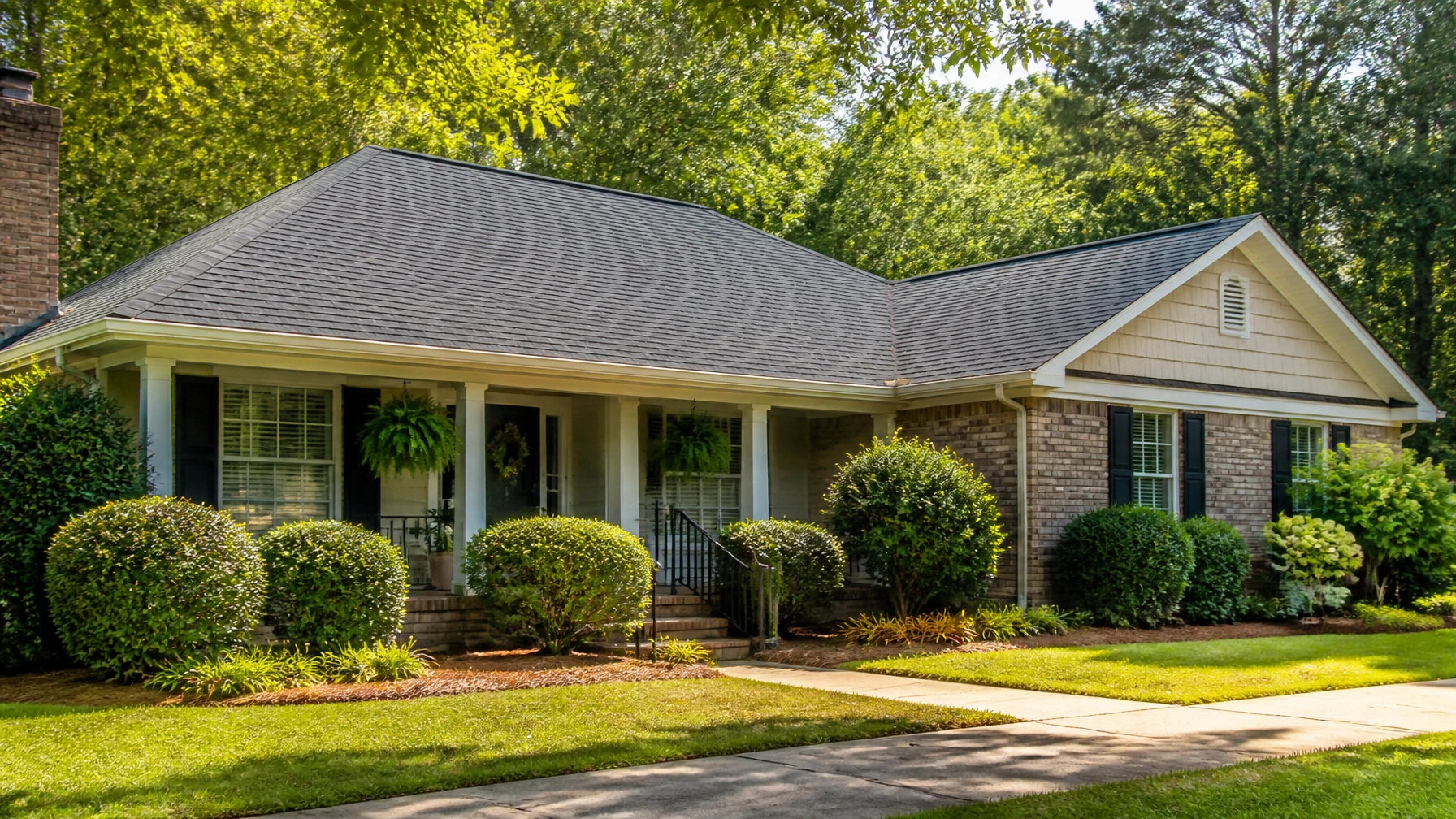
    Modern residential home in Phoenix with heat-reflective architectural shingles

    A qualified Phoenix contractor should be able to explain the specific "Cool Roof" benefits of the materials they offer.

    • Concrete and Clay Tiles (Premium): Highly popular in Phoenix for their 50+ year longevity and natural air-gap insulation. A good contractor will recommend "Lift and Relay" services if your tiles are in good shape but your underlayment has failed.
    • Metal Roofing (Efficiency): Standing-seam metal roofs are gaining massive traction in 2026 due to their ability to reflect up to 70% of solar radiation. Expect costs between $16,000 and $28,000 for a typical 2,200 sq. ft. home.
    • Architectural Shingles (Popular): If you choose shingles, look for "Cool Roof" rated options from GAF or Owens Corning that utilize reflective granules to reduce attic temperatures by up to 20°F.

    3. "Are you a manufacturer-certified installer for GAF, Owens Corning, or CertainTeed?"

    In the roofing industry, the best warranties aren't provided by the contractor: they are provided by the manufacturer. However, companies like GAF or CertainTeed will only honor their "lifetime" or "system plus" warranties if the roof was installed by a certified contractor who follows their strict installation protocols.

    Ask the contractor for their certification level (e.g., GAF Master Elite or Owens Corning Platinum Preferred). These certifications aren't handed out easily; they require the contractor to have a proven track record of quality, high credit ratings, and ongoing training.

    The Warranty Gap:
    If a non-certified contractor installs your roof and it leaks due to a material defect, the manufacturer may deny your claim. In the Phoenix heat, where shingles can "cook" if not ventilated correctly, having a manufacturer-backed warranty is essential.

    4. "What is your monsoon season safety and protection protocol?"

    If you are replacing your roof between July and September, you are in the middle of the Arizona monsoon season. Sudden, violent storms can appear with less than 30 minutes of warning, bringing 60+ mph winds and torrential rain.

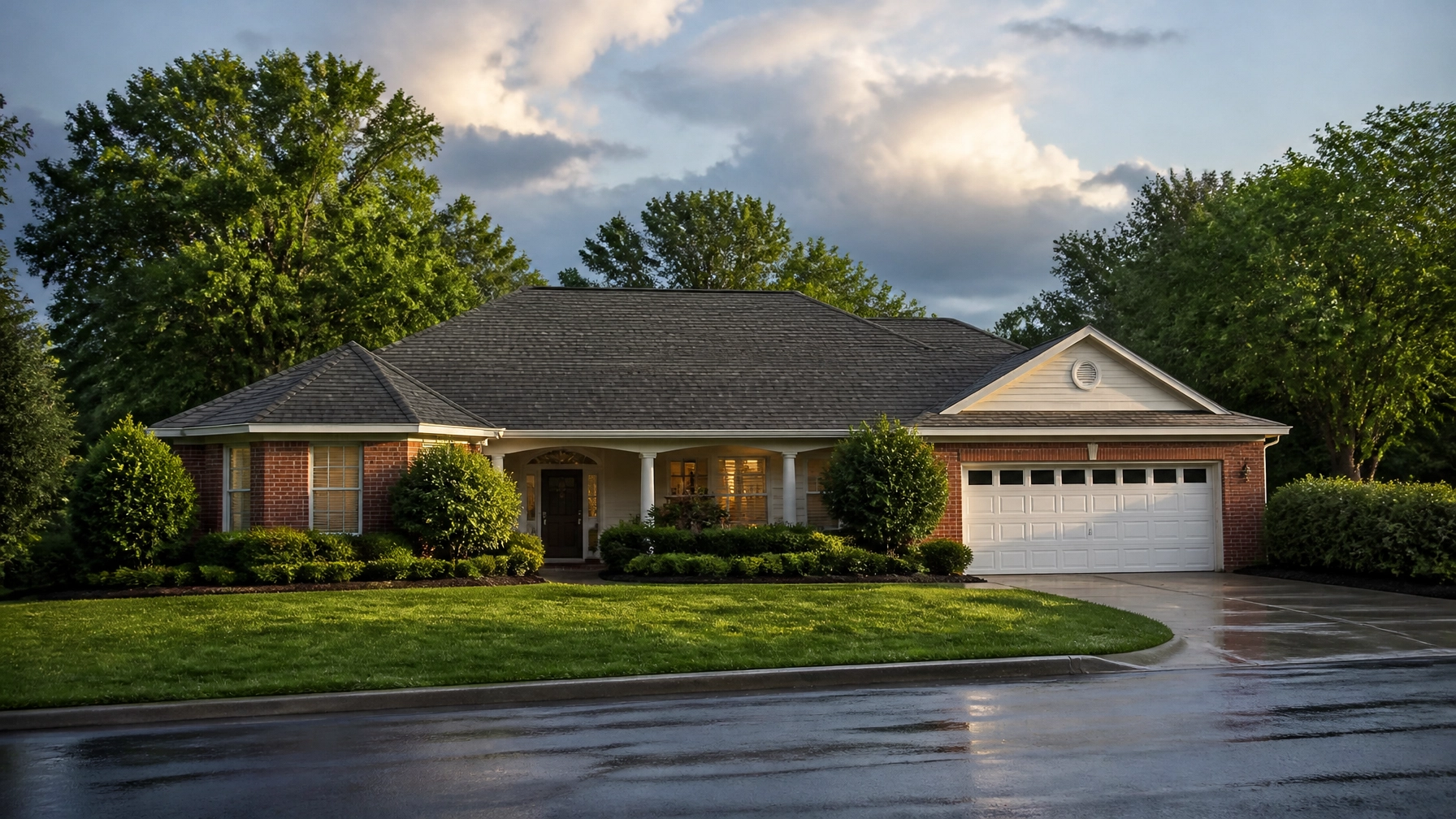
    Sleek standing-seam metal roof in Phoenix suburb

    Ask your contractor exactly how they protect your home's interior when the roof is "open."

    • The Tarping Plan: Do they have enough heavy-duty, weighted tarps on-site for the entire exposed area?
    • Sectional Replacement: Do they tear off only what they can dry-in (make waterproof) within a single day?
    • On-Site Supervision: Will there be a project manager on-site to monitor weather radars?

    A contractor who doesn't have a specific "monsoon plan" is a major liability for your home’s interior and ceilings.

    5. "What are your payment terms and will you provide a lien waiver?"

    Financial transparency is the hallmark of a reputable Phoenix roofing firm. In 2026, the standard for a reputable company is a 10% to 20% down payment.

    Red Flags to Watch For:

    • Large Upfront Requests: If a contractor asks for 50% or more before materials are delivered, walk away. This often indicates they are using your money to finish a previous job.
    • Cash-Only Discounts: Avoid "under-the-table" deals. They offer no legal protection and often mean the contractor is skipping permits or insurance.
    • Missing Lien Waivers: Once the job is done and you’ve paid, the contractor must provide a Lien Waiver. This document proves they have paid their material suppliers and subcontractors. Without it, a supplier could technically put a lien on your house if the contractor pockets your money without paying for the shingles.

    Understanding Phoenix Roofing Costs in 2026

    To help you budget, here are the current market ranges for a standard 2,000–2,200 sq. ft. single-family home in Phoenix:

    Material Type Estimated Cost (Total Project) Best For
    Architectural Shingles $8,000 – $15,000 Budget-conscious homeowners
    Metal (Standing Seam) $16,000 – $28,000 Energy efficiency & modern look
    Concrete/Clay Tile $18,000 – $30,000 Longevity & Mediterranean style
    Silicone Coating $4,000 – $8,000 Extending life of existing flat roofs

    Note: Prices vary based on roof pitch, complexity, and the number of existing layers that need to be removed.

    Newly completed concrete tile roof in a Phoenix residential area

    Skip the Wait: Get Your Phoenix Estimate in 60 Seconds

    The traditional way to vet contractors involves scheduling 3–4 separate appointments, waiting for people to show up at your house, and then waiting days for a written quote.

    At Get My Roof Estimate Now, we’ve modernized the process. Using high-resolution satellite imagery, we can measure your roof’s size, pitch, and complexity with 95% accuracy without ever stepping foot on your property.

    By entering your address into our online estimator, you get:

    • Instant Pricing: Accurate ranges for shingles, tile, and metal.
    • Zero Pressure: No high-pressure sales tactics in your living room.
    • Vetted Connections: We connect you with local, licensed (ROC R-42), and insured Phoenix contractors who have already passed our rigorous vetting process.

    Whether you're dealing with storm damage or planning for the future, start with the data. Get your free, 60-second roof estimate today and take the guesswork out of your Phoenix roof replacement.

    Final Thoughts for Phoenix Homeowners

    Don't let the desert sun dictate the terms of your roof replacement. By asking about ROC licensing, thermal shock mitigation, and manufacturer certifications, you position yourself as an informed homeowner. Remember, the cheapest quote is rarely the best value in Arizona; quality underlayment and expert installation are the only things standing between you and the 120°F summer heat.


  • Insurance Masterclass: How Columbia SC Homeowners Can Get Their Roof Replacement Covered in 2026

    Insurance Masterclass: How Columbia SC Homeowners Can Get Their Roof Replacement Covered in 2026

    Owning a home in Columbia, South Carolina, comes with a unique set of meteorological challenges. From the sweltering humidity of the Midlands to the volatile thunderstorm cells that roll through during the spring and summer months, your roof is under constant assault. In 2026, the landscape of insurance claims has shifted, and for homeowners in the Palmetto State, navigating a roof replacement claim requires more than just a "wait and see" approach.

    Whether you are dealing with a direct hit from a hailstorm or wear-and-tear accelerated by high-velocity winds, getting your roof replacement covered by insurance is a process governed by specific state laws and technical precision. This masterclass breaks down the 2026 requirements, local regulations, and how modern technology can streamline your path to a new roof.

    Understanding the Columbia SC Weather Threat

    Columbia’s weather patterns are notorious for producing intense, localized storm activity. While coastal residents worry about hurricanes, inland homeowners frequently deal with Greenville SC storm damage roofing issues: such as microbursts and large-diameter hail: that travel down through the Upstate.

    In 2026, we have seen an uptick in "supercell" thunderstorms that drop hail ranging from pea-sized to golf-ball-sized across Richland and Lexington counties. Even if you don’t see a hole in your ceiling, these impacts knock the protective granules off your shingles, exposing the underlying asphalt to the sun’s UV rays and causing premature failure. Wind speeds in these storms often exceed 60 mph, which is enough to lift shingle tabs and break the sealant bond, leading to invisible leaks that compromise your home’s structural integrity over time.

    Step 1: The Preliminary Assessment (Before the Adjuster Arrives)

    The biggest mistake a homeowner can make is filing a claim without data. In 2026, insurance carriers are more data-driven than ever. Before you call your agent, you need an objective measurement of your roof’s size, complexity, and potential replacement cost.

    Leveraging Satellite Technology

    Gone are the days of waiting two weeks for a contractor to bring a ladder to your house just for a ballpark figure. Today, homeowners are using Get My Roof Estimate Now to pull instant, satellite-powered measurements. By entering your address, you receive a report accurate to within inches (90-95% accuracy) in under 60 seconds.

    A digital interface overlaying a satellite view of a residential neighborhood showing a precise outline of a house roof with measurements.

    Having a satellite roof estimate Greenville SC or Columbia report in hand gives you immediate leverage. It provides:

    • Total Squares (Budget): Accurate measurement of the roof area.
    • Material Breakdown (Popular): Costing for architectural shingles vs. metal.
    • Regional Price Factor (Technical): Current 2026 labor rates for the Columbia-Greenville corridor.

    Step 2: Documenting Storm Damage Like a Pro

    Documentation is the currency of insurance claims. If you can’t prove the damage happened during a specific storm event, the insurer may classify it as "general wear and tear," which is an excluded peril.

    What to Look For

    1. Granule Loss: Check your gutters and downspouts. If they are filled with "sand" from your shingles, you have significant damage.
    2. Bruising: Hail leaves dark spots or "bruises" on shingles where the granules have been compressed into the matting.
    3. Missing Shingles: High wind will often tear away entire tabs or leave them "creased" at the top.
    4. Collateral Damage: Look at your soft metals. If your mailbox, window screens, or AC unit fins have dents, your roof almost certainly does too.

    A close-up, high-detail macro photograph of hail damage on a roof shingle showing a clear impact mark.

    Step 3: Navigating South Carolina Insurance Laws (Title 38 & 40)

    South Carolina has enacted several consumer protection laws that specifically target the roofing industry. As of 2026, it is vital to understand these legal boundaries to ensure your claim isn't disqualified.

    The "90-Day Rule"

    Under SC Code Title 38, insurers are required to follow fair claims practices. If an insurer refuses to pay a covered claim within 90 days of a written demand without a reasonable cause, and the homeowner eventually wins in court, the insurer may be liable for the homeowner’s attorney’s fees. This encourages carriers to settle legitimate claims promptly.

    The Anti-Negotiation Statute

    A major change in recent years involves what a Greenville SC roofer or Columbia contractor can and cannot do. Under SC Code § 40-59-25, a roofing contractor is legally prohibited from representing, negotiating, or offering to negotiate an insurance claim on behalf of the homeowner. They can provide an estimate and document damage, but they cannot act as your "adjuster."

    The 5-Day Cancellation Right

    If you sign a contract with a Greenville SC roofing contractor based on an insurance claim, and that claim is later denied in whole or in part, you have the right to cancel that contract until midnight on the fifth business day after receiving the denial notice from your insurer. This protects you from being locked into a high-cost contract you can no longer afford.

    Step 4: Filing the Claim and Meeting the Adjuster

    Once you have your satellite estimate and photos, call your insurance carrier’s claims department.

    What to Expect from the Adjuster

    The adjuster's job is to minimize the insurance company's liability. They will look for reasons to "repair" rather than "replace." In 2026, many policies have moved toward Actual Cash Value (ACV) for roofs older than 15 years, meaning they only pay the depreciated value. If you have Replacement Cost Value (RCV), you will receive the full amount minus your deductible, though the depreciation is often withheld until the work is completed.
    Pro Tip: Request that your chosen contractor be present during the adjuster's inspection. While they cannot negotiate the "money," they can point out specific damage areas (like flashed valleys or chimney counter-flashing) that an adjuster might overlook.

    Step 5: Choosing a Licensed Local Expert

    In South Carolina, a Greenville South Carolina roofing license or a Columbia-specific residential specialty license is required for any project exceeding $200. Never hire a "storm chaser" who knocks on your door after a thunderstorm without a local address and a verified license from the SC Labor, Licensing and Regulation (LLR) department.

    A professional roofing contractor wearing a safety vest and carrying a clipboard, standing next to a truck in a suburban South Carolina neighborhood.

    2026 Cost Benchmarks

    For a standard 2,500 sq. ft. home, the Greenville SC roof replacement cost 2026 typically ranges as follows:

    • Budget (3-Tab Shingles): $8,500 – $11,000
    • Standard (Architectural Shingles): $12,000 – $16,500
    • Premium (Metal or Synthetic): $18,000 – $28,000

    These prices factor in current South Carolina labor rates and disposal fees. Having your instant estimate beforehand ensures that your contractor’s quote aligns with the local market average.

    Finalizing Your Claim: Peace of Mind in the Midlands

    The final step in the insurance masterclass is the "Certificate of Completion." Once your roof replacement Greenville SC or Columbia project is finished, your contractor will submit a final invoice to the insurance company. This triggers the release of the "recoverable depreciation": the final check that covers the remainder of the project cost.

    A lifestyle photograph of a middle-aged couple in their kitchen, looking at a laptop and a folder of insurance documents, looking satisfied.

    By staying organized, leveraging satellite measurements, and understanding your rights under South Carolina law, you can transform a stressful storm event into a seamless home upgrade. Don't wait for the next thunderstorm to guess the health of your roof.

    Ready to start? Get your accurate, free satellite roof estimate in under 60 seconds at GetMyRoofEstimateNow.com and take the first step toward a secure, insurance-covered home protection.


  • Daily Tech Blitz – Slot 5: Houston’s Satellite Tech Edge Is Taking Space City to the Next Level

    Daily Tech Blitz – Slot 5: Houston’s Satellite Tech Edge Is Taking Space City to the Next Level

    Houston has long been known as the "Space City," but as of July 2026, the city is experiencing a technological renaissance that reaches far beyond the gates of NASA’s Johnson Space Center (JSC). From the moon’s orbit to the suburban streets of Katy, Sugar Land, and The Woodlands, satellite technology in Houston is rewriting the rules of what’s possible.

    At Get My Roof Estimate Now, we are tracking how these high-altitude breakthroughs are trickling down to the palm of your hand. Whether it’s NASA streaming 4K video from the lunar surface or a homeowner getting a pinpoint-accurate satellite roof measurement in Texas, the "Satellite Tech Edge" is officially here.

    The 4K Moon Feed: NASA and SpaceX’s Latest Houston Milestone

    The headlines this month are dominated by a massive leap in deep-space communication. In a July 2026 announcement, NASA confirmed that the Artemis III mission will utilize SpaceX Starlink laser terminals to provide the first-ever 4K live stream from the Moon.

    This isn't just about pretty pictures; it’s a fundamental shift in data handling. By mounting Starlink mini laser terminals to the exterior of the Orion spacecraft, NASA can bypass traditional radio-frequency limitations. This allows for a continuous, high-bandwidth downlink directly to Mission Control in Houston. While NASA engineers use this tech to monitor critical docking maneuvers, the underlying infrastructure: laser-linked satellite constellations: is the same technology that is now revolutionizing Earth-bound industries like logistics, telecommunications, and high-precision home services.

    Houston’s Private Space Sector is Booming

    Beyond the federal updates, Houston’s private ecosystem is solidifying the city's status as a global hub for the satellite tech edge.

    • Axiom Space: Currently building orbital data centers right here in Houston, Axiom is preparing to host commercial payloads that require massive on-orbit processing power.
    • Intuitive Machines: This Houston-based leader is deploying lunar relay satellites, ensuring that the cislunar economy has the "cellular bars" it needs to function.
    • Rice University’s iMETRO: In partnership with NASA, Rice has launched the world’s first open-source space robotics simulator, fostering a new generation of AI-driven satellite tracking (aided by local firms like TesArc Space).
    • Modernizing JSC: A recent $300M NASA contract is currently being deployed to modernize the infrastructure at Johnson Space Center, ensuring Houston remains the primary ground endpoint for the world’s most sophisticated satellite data.

    New architectural shingle roof on a beautiful Houston colonial home

    From Deep Space to Your Shingles: The Satellite Roof Measurement Advantage

    You might wonder how 4K lunar streaming relates to your home in Harris County. The answer lies in the accuracy of the imagery.

    The same advancements in high-resolution satellite optics and rapid data transmission used by NASA are what power our satellite roof measurement technology in 2026. Traditionally, getting a roof estimate meant waiting days for a contractor to show up with a ladder and a tape measure. In a city as busy as Houston, that's time you don't have.

    Using advanced satellite imagery, we can now measure your roof to within inches of accuracy (90-95% precision) without a single person stepping foot on your property. We look at:

    • Total Square Footage: Measured in "squares" (100 sq. ft. areas).
    • Pitch and Complexity: Identifying steep gables or complex valley transitions that affect labor costs.
    • Obstructions: Factoring in chimneys, skylights, and vents automatically.

    Houston Roof Replacement Cost: 2026 Market Data

    Transparency is the core of the tech edge. If you are planning a project, you need to know the numbers. In the Houston market, costs are influenced by the local climate: extreme heat, high humidity, and the occasional hailstorm.

    Here is the current breakdown for a typical 2,000 to 2,500 sq. ft. roof in the Houston area:

    Material Type Price Range (Installed) Context
    Architectural Shingles $8,500 – $14,000 (Popular) The standard for Houston suburbs. Excellent wind resistance.
    Standing Seam Metal $18,000 – $32,000 (Premium) Highly durable, reflects heat, and often lowers insurance premiums.
    Synthetic/Composite $22,000 – $40,000 (Luxury) Mimics slate or wood shake but with superior longevity.
    Roof Coatings $4,000 – $9,000 (Maintenance) Best for extending the life of flat or low-slope roofs.

    Note: These ranges factor in regional labor rates and current material costs as of Q3 2026.

    Satellite imagery visualization of a residential roof with digital measurement overlays

    Why Houston Homeowners are Switching to Instant Estimates

    The traditional roofing model is broken. It’s slow, often opaque, and involves high-pressure sales tactics. The satellite tech edge fixes this by putting the data back in the homeowner's hands.

    1. Speed: You get your estimate in under 60 seconds. While NASA is docking a spacecraft in 4K, you’re budgeting for your home improvement project.
    2. Zero Pressure: There’s no credit card required and no "salesman in the living room" for two hours.
    3. Verified Contractors: Once you have your baseline price, we connect you with licensed, insured, and vetted local Houston contractors who can honor those data-driven ranges.

    The Impact of Local Climate on Your Estimate

    In Texas, your roof is your first line of defense. Houston’s unique environmental factors mean that "ballpark" pricing from a national website often misses the mark. Our satellite measurements factor in:

    • High-Wind Requirements: Coastal areas near Houston require specific nailing patterns and high-wind-rated shingles (up to 130 mph).
    • UV Degradation: We provide options for "cool roofs" that reflect the intense Texas sun, potentially saving you 10-15% on summer cooling bills.
    • Hail Resistance: Many Houstonians are opting for Class 4 impact-resistant shingles to qualify for significant homeowner insurance discounts.

    Modern Texas ranch home with a sleek matte charcoal metal roof

    Conclusion: Claim Your Edge

    The technology that allows SpaceX to beam 4K video from the moon is the same technology that makes home ownership easier and more transparent. You don’t need to be a NASA engineer to benefit from the satellite technology in Houston.

    If your roof is 15-20 years old, or if you’ve recently weathered a Gulf storm, don't wait for a contractor's schedule to open up. Use the Texas roofing technology of 2026 to get the information you need today.

    Ready to see what the satellites see?
    Get your instant, free roof replacement estimate now and join the thousands of Houston homeowners who are taking their home maintenance to the next level.

  • Atlanta GA Heat Wave: How Extreme Temperatures Are Testing Your Roof (July 20, 2026)

    Atlanta GA Heat Wave: How Extreme Temperatures Are Testing Your Roof (July 20, 2026)

    As of today, July 20, 2026, Atlanta is locked in a punishing "heat dome." Local temperatures have hit a blistering 94°F, with the humidity pushing the heat index well over 100°F. While you are likely staying indoors with the air conditioning on full blast, your roof is bearing the brunt of an extreme environmental test.

    In the roofing industry, we know that ambient air temperature is only half the story. While the weather app says 94°F, the actual surface of your roof is likely reaching 150°F to 170°F. Combined with an "Extreme" UV Index of 8.3, the materials protecting your home are undergoing significant chemical and physical stress.

    At Get My Roof Estimate Now, we utilize advanced satellite technology to help homeowners assess their property’s needs instantly. During extreme weather events like this Atlanta GA weather heat wave, understanding the state of your roof isn't just about maintenance: it's about preventing a catastrophic failure during the next afternoon thunderstorm.

    The Physics of a 170-Degree Roof

    Why does a roof get so much hotter than the air? It comes down to thermal absorption. Standard asphalt shingles: especially popular darker colors like charcoal or slate: act as solar sponges. They absorb radiation all day, trapping heat within the layers of bitumen and fiberglass.

    UV Degradation (The Silent Killer)

    With a UV Index of 8.3, the sun's rays are currently powerful enough to break down the molecular bonds in your shingles. Over time, this results in:

    • Granule Loss: The protective "sand" on your shingles begins to shed, leaving the underlying asphalt exposed.
    • Embrittlement: The oils that keep shingles flexible evaporate, leaving them prone to cracking like a dry biscuit.

    Thermal Shock: The Afternoon Storm Factor

    Atlanta is famous for its isolated afternoon thunderstorms. When a sudden downpour hits a 170°F roof, the surface temperature can drop 80 degrees in a matter of minutes. This rapid cooling causes materials to contract violently. If your roof is already aged or brittle, this "thermal shock" is often when cracks and leaks finally manifest.

    Close-up photograph of high-quality architectural asphalt shingles showing mineral granules and texture.

    Identifying Heat-Related Roof Damage

    As an Atlanta homeowner, you should perform a visual inspection from the ground (never walk on a hot roof, as the shingles are soft and easily damaged). Look for these three primary indicators that the heat is winning:

    1. Curling and Cupping (Advanced Aging): Look at the edges of the shingles. If they are turning upward or look like they are "shrinking" away from the roof deck, the internal structural integrity is compromised.
    2. Bald Spots (High UV Exposure): If you see patches that look darker or smoother than the rest of the roof, it usually means the granules have washed away into your gutters.
    3. Cracked Shingles (Thermal Expansion): Look for vertical or horizontal lines through the shingle body. These are direct results of the roof expanding and contracting beyond its elastic limit.

    Atlanta GA Roof Replacement Cost 2026

    If your roof is between 15 and 30 years old, this heat wave might be the final push it needs toward replacement. To help you budget, we have compiled the current 2026 pricing for the Atlanta metro area.

    For a standard 2,000 square foot home, here is what you can expect to pay for a full replacement:

    Material Category Price Range (2,000 sq ft) Key Benefit
    Architectural Shingles (Popular) $8,500 – $15,500 Durable, multi-dimensional look, excellent value.
    Metal Roofing (Premium) $18,000 – $32,000 Reflects heat, lasts 50+ years, highly durable.
    Cool Roof Coatings (Budget) $3,500 – $7,000 Extends life of existing flat/metal roofs by reflecting UV.

    Note: Pricing factors include roof pitch, complexity, and the current cost of disposal in Georgia.

    To get a specific price for your exact address, you no longer need to wait for a contractor to drive out. Our instant estimate tool uses satellite imagery to measure your roof's size and pitch within inches, providing you a 60-second quote from the comfort of your home.

    Satellite-style aerial view of an Atlanta residential neighborhood showing roof geometry for measurement.

    Why Attic Ventilation is Your Best Defense

    While the sun attacks from above, heat can also destroy your roof from below. If your attic is not properly ventilated, it becomes a literal oven. In a 94°F Atlanta heat wave, a poorly ventilated attic can reach 160°F.

    This "trapped" heat cooks the shingles from the underside, accelerating the degradation of the wood decking (the plywood beneath the shingles).

    • Actionable Tip: Check your soffit vents. Ensure they aren't blocked by insulation. A professional Atlanta GA roofing contractor can install a ridge vent or attic fans to help pull that hot air out, potentially extending your roof's life by 5 to 10 years.

    5 Tips to Protect Your Roof from Heat in Atlanta

    1. Professional Inspection: Even if you don't see leaks, have a pro check for heat-induced cracking and granule loss.
    2. Clean Your Gutters: Afternoon storms in July dump inches of rain in minutes. Clogged gutters cause water to back up under hot, soft shingles.
    3. Trim Overhanging Branches: Shade is good, but heavy branches are a liability during Georgia’s summer storm season.
    4. Consider Cool Roof Materials: If you are replacing your roof, ask about shingles with high "Solar Reflectance."
    5. Monitor Your Energy Bills: A sudden spike in cooling costs often points to a ventilation issue that is also damaging your roof.

    Modern Atlanta ranch home with a light gray shingle roof and high curb appeal.

    The 60-Second Solution for Atlanta Homeowners

    The traditional process of getting a roof estimate is a headache: phone tag with contractors, taking time off work for site visits, and high-pressure sales pitches.

    At Get My Roof Estimate Now, we’ve simplified the process. By entering your address, our satellite-powered system analyzes your home's unique dimensions. We provide a transparent price range based on current Atlanta labor and material costs.

    • Fast: Results in under 60 seconds.
    • Accurate: Measurements within 90-95% of manual inspections.
    • No Pressure: Zero cost and no credit card required.

    Whether you are in Midtown, Buckhead, or the suburbs of Gwinnett and Cobb, we provide the data you need to make an informed decision about your home's most important asset.

    Protect your home from the Georgia heat. Get your free instant roof estimate today.

  • Satellite Tech Edge: How Atlanta Homeowners Are Getting Roof Estimates Without a Ladder

    Satellite Tech Edge: How Atlanta Homeowners Are Getting Roof Estimates Without a Ladder

    Atlanta is quickly shedding its reputation as just a railroad and logistics hub, transforming instead into the "Space Coast of the South." With institutions like Georgia Tech’s Space Research Institute leading the charge and cutting-edge startups like Reditus Space and Atomic-6 calling the metro area home, orbital technology is woven into the city's DNA. But while Reditus is busy launching reusable satellites and Atomic-6 is building "space armor" to protect orbital data centers, this same high-altitude innovation is solving a much more grounded problem for local homeowners: the dreaded roof estimate.

    For decades, getting a price for a roof replacement meant waiting days for a contractor to show up, watching them climb a rickety ladder, and then sitting through a two-hour sales pitch. In 2026, Atlanta homeowners are bypassing the hassle. By leveraging the same satellite technology that tracks global weather patterns, you can now get a professional-grade roof estimate in under 60 seconds: no ladder required.

    The Satellite Tech Edge: From Orbit to Your Attic

    The shift from manual measurements to satellite-powered data isn't just about convenience; it’s about surgical precision. Using high-resolution multispectral imagery, advanced algorithms can now calculate a roof’s square footage, pitch, and complexity with 90-95% accuracy.

    In a city like Atlanta, where architectural styles vary from mid-century modern in Buckhead to sprawling 1990s colonials in Marietta, these details matter. A "simple" roof and a "complex" roof with multiple gables and steep valleys can have a price difference of thousands of dollars. Satellite measurement tools analyze these variables instantly, providing a level of transparency that was previously impossible.

    Satellite view of an Atlanta neighborhood with digital measurement overlays

    Why Atlanta Needs Instant Estimates Now

    Atlanta’s housing market presents a unique set of challenges that make instant satellite estimates particularly valuable right now:

    1. Aging Housing Stock: A massive portion of Atlanta’s suburban sprawl: from Alpharetta to Peachtree City: was built during the 1980s and 1990s. Many of these original roofs are hitting the 25-30 year mark, the critical failure point for traditional asphalt shingles.
    2. The Georgia Storm Factor: Recent storm seasons in the Southeast have brought increased wind and hail activity. When a major storm hits the Metro area, contractor schedules fill up instantly. Satellite tech allows you to get your budget numbers immediately, giving you a head start on insurance claims and planning before the "storm chasers" arrive.
    3. The "New Space" Influence: With local firms like Reditus Space (reusable satellite logistics) and Atomic-6 (composite manufacturing for spacecraft) operating in our backyard, Atlanta residents are naturally more tech-savvy. They expect the same efficiency from their home services that they see in the city's burgeoning aerospace sector.

    Breaking Down the Costs: Atlanta Roof Replacement in 2026

    Transparency is the core of the satellite tech edge. Based on current 2026 data for the Atlanta market, here is what homeowners can expect for a standard 2,000 to 2,500 square foot home:

    • Architectural Shingles (Popular): $8,000 – $17,000. These are the "standard" for Atlanta suburbs, offering excellent durability against Georgia’s humidity and heat.
    • Metal Roofing (Premium): $18,000 – $35,000+. Increasingly popular in areas like Decatur and Virginia-Highland for their longevity and energy-efficient cooling properties.
    • Cost Per Square Foot: Most Atlanta projects currently range between $4 and $11 per square foot, depending on the material choice and the complexity (pitch) of the roof.

    Using an instant tool like Get My Roof Estimate Now allows you to see these ranges for your specific address without having to invite three different salesmen into your kitchen.

    A beautiful brick colonial home in an Atlanta suburb featuring a new architectural shingle roof

    How It Works: The 60-Second Process

    The practical application of this satellite tech is remarkably simple for the homeowner. Here is the step-by-step breakdown of how the "Satellite Tech Edge" works for you:

    • Step 1: Enter Your Address. Our system pulls the high-resolution satellite data for your specific property.
    • Step 2: Instant Analysis. The AI calculates the "squares" (100 sq. ft. units), the slope of your roof, and any potential obstacles.
    • Step 3: Receive Your Estimate. Within 60 seconds, you get a low-middle-high price range based on current Atlanta labor rates and material costs.
    • Step 4: Connect with Pros. If the numbers look good, you can be connected with verified, licensed, and insured local contractors who have already seen your roof data.

    The Verdict: Efficiency Wins

    The era of the "guesstimate" is over. As Atlanta continues to grow as a global leader in satellite and space technology, it only makes sense that the way we maintain our homes evolves too. Whether you are dealing with a leak after a spring thunderstorm or just planning for the inevitable replacement of your 1990s-era roof, the satellite tech edge gives you the power of data before you ever pick up the phone.

    Ready to see what your new roof will cost? Don't wait for a ladder. Get your instant estimate here and join the thousands of Atlanta homeowners using the "Space Coast" advantage to protect their most valuable investment.

    Satisfied Atlanta homeowner viewing an instant roof estimate on their smartphone


  • Savannah Weather Blitz: July Heat, Humidity & What It Means for Your Roof

    Savannah Weather Blitz: July Heat, Humidity & What It Means for Your Roof

    It’s July 20th in Savannah, and the "Hostess City of the South" is living up to its reputation for legendary heat. As of this afternoon, the mercury is pushing into the mid-90s, but with the humidity surging past 70%, the heat index is hovering near a stifling 100°F. While the skies are overcast, the heavy air carries the familiar scent of a brewing evening downpour, driven by south winds at 12-20 mph.

    For Savannah homeowners, this isn't just "beach weather" at Tybee; it is a high-stress environment for your home's most critical defense: the roof. In the Coastal Empire, the combination of intense UV radiation, relentless humidity, and sudden thermal shifts creates a "perfect storm" that can degrade standard roofing materials 20-30% faster than in more temperate climates.

    At Get My Roof Estimate Now, we use satellite technology to help Georgia homeowners understand the health and cost of their roofing systems in under 60 seconds. Today, we’re breaking down exactly what this July weather blitz is doing to your shingles and how you can protect your investment.

    The Science of the "Bake": UV Damage and Thermal Shock

    Savannah’s summer sun doesn't just illuminate; it radiates. Asphalt shingles are essentially a sandwich of fiberglass mat, oil-rich asphalt, and protective stone granules. When temperatures hit 95°F, your roof surface can easily reach 150°F or higher.

    1. Asphalt Volatilization

    The intense UV rays break down the essential oils in the asphalt. As these oils evaporate: a process called volatilization: the shingles become brittle. In a humid subtropical climate like ours, this process is accelerated. Once the shingle loses its flexibility, it can no longer expand and contract with the temperature swings of a Savannah summer.

    2. Granule Loss (Popular/Budget Symptom)

    Have you noticed "sand" in your gutters after one of our evening downpours? Those are protective granules. Their job is to shield the asphalt from UV light. When the asphalt dries out, it loses its grip on these granules. Once they wash away, the underlying asphalt is exposed to direct sunlight, leading to rapid "sunburn" and cracking.

    3. Thermal Shock

    Think about a typical Savannah afternoon: it’s 98°F at 4:00 PM, and by 5:30 PM, an isolated thunderstorm drops the temperature by 20 degrees in minutes. This rapid cooling causes shingles to contract violently. If they are already brittle from UV exposure, this "thermal shock" leads to split shingles and loosened fasteners.

    Close-up of asphalt shingles showing heat stress, curling, and granule loss.

    The "Silent Killer": Humidity and Algae Growth

    Savannah's average annual humidity exceeds 74%. In July, it often feels like you’re walking through a warm soup. While you can retreat into the A/C, your roof is constantly damp.

    The Gloeocapsa Magma Factor

    Those black streaks you see on roofs around Ardsley Park or The Landings aren't dirt or soot. It is a hardy type of blue-green algae called Gloeocapsa Magma. It thrives in the humid, shaded environments provided by Savannah’s lush oak canopy.

    • The Damage: This algae feeds on the limestone filler used in many budget-grade shingles. As it eats the filler, it weakens the shingle structure.
    • Heat Absorption: The dark streaks act like a heat magnet, absorbing even more solar radiation and further increasing your attic temperature and cooling costs.

    Moisture and Wood Rot

    High humidity prevents your roof from ever truly drying out. If there is even a minor compromise in your underlayment, moisture-laden air will find its way to the wooden roof deck. In Georgia, this often leads to localized wood rot or mold colonies long before a "leak" is ever visible on your ceiling.

    The 150-Degree Attic: Why Ventilation is Non-Negotiable

    If your roof is the shield, your attic ventilation is the cooling system. In Savannah, a poorly ventilated attic is essentially a convection oven.

    When hot air is trapped in your attic, it "bakes" the shingles from the underside. Research shows that inadequate ventilation can cut the life of a 25-year architectural shingle down to just 15 or 18 years. To combat this, Savannah homes require a Balanced Ventilation System:

    • Intake (Soffit Vents): Located under the eaves, these pull cool air into the attic.
    • Exhaust (Ridge Vents): Installed at the very peak of the roof, these allow hot air to escape naturally. (Premium/Recommended)

    Interior view of a modern attic showing proper ridge and soffit ventilation.

    Strategic Upgrades for the Coastal Georgia Climate

    If you are planning a roof replacement or want to extend the life of your current one, consider these climate-specific upgrades:

    Feature Category Benefit in Savannah
    Algae-Resistant Shingles Popular Copper-lined granules prevent black streaks and structural degradation.
    Cool-Color Shingles Technical Reflects more UV rays, keeping attic temperatures up to 20% lower.
    Synthetic Underlayment Premium Unlike felt paper, synthetic materials don't rot or absorb moisture.
    Stainless Steel Fasteners Coastal Essential for homes near the salt air of the Wilmington River or Tybee.

    3 Tips for Savannah Homeowners This July

    1. Check Your Gutters: After an evening "blitz" storm, check for excessive granules. If your gutters look like a beach, your shingles are nearing the end of their life.
    2. Inspect the "North Side": Algae growth usually starts on the northern, shadiest side of your roof. Catching it early can save your shingles.
    3. Monitor Your Energy Bill: If your A/C is running 24/7 but the house feels warm, your attic might be over-pressurized with heat due to poor roof ventilation.

    Ready for a Professional Perspective?

    Savannah’s weather is beautiful, but it is brutal on your home. Don't wait for a major leak during hurricane season to find out your roof is failing.

    At Get My Roof Estimate Now, we provide the transparency you deserve. Using advanced satellite imagery, we can measure your roof’s pitch, square footage, and complexity to give you an accurate price range: all without a contractor ever stepping foot on your lawn.

    Get your free, 60-second roof estimate here.

    Whether you are in Historic Downtown, Pooler, or Richmond Hill, knowing your numbers is the first step to a cooler, safer home.

    A scenic view of a Savannah neighborhood showing various roofing styles and materials.

    Have you noticed black streaks on your roof this summer? Or is your A/C struggling to keep up with the July heat? Share your experiences in the comments below or share this post with a neighbor who might be planning a renovation!

  • Daily ROI Blitz #47: How a New Roof Boosts Home Value in Birmingham, AL (2026 Data)

    Daily ROI Blitz #47: How a New Roof Boosts Home Value in Birmingham, AL (2026 Data)

    In 2026, the Birmingham, Alabama real estate market has shifted into a balanced state that favors the selective, well-informed buyer. Whether you own a classic ranch in Hoover or a stately colonial in Mountain Brook, the condition of your roof is no longer just a "maintenance item", it is a critical financial lever. With median home prices in the Birmingham metro area hovering around $350,000, homeowners are finding that a strategic roof replacement is one of the most reliable ways to protect equity and accelerate a sale.

    Data from the first half of 2026 shows that homes in Jefferson County are taking an average of 55 to 61 days to go pending. In a market where buyers are increasingly cautious about high-interest rates and insurance premiums, a 20-year-old roof can be a deal-killer. This guide breaks down the exact ROI, costs, and local market dynamics you need to know before you list or renovate.

    The Hard Numbers: Birmingham Roof ROI in 2026

    The primary question for any Birmingham homeowner is: Will I get my money back? In 2026, the answer is a resounding yes, provided you choose the right materials for your neighborhood.

    Current ROI Benchmarks:

    • Average ROI: 60% to 95% (depending on material).
    • Perceived Value Increase: $12,000 – $22,000.
    • Appraisal Protection: Avoids $4,000 – $12,000 in negative appraiser adjustments.

    When a buyer walks through a home in Vestavia Hills or Homewood, they aren't just looking at the kitchen; they are calculating future liabilities. A new roof removes the $15,000 "looming expense" from their mental math, often leading to higher opening offers that exceed the actual cost of the roof installation.

    Detailed close-up of high-quality weathered wood architectural shingles

    Cost Breakdown: What Birmingham Homeowners are Paying

    Roofing costs have stabilized in 2026 following the volatility of the early 2020s. In the Birmingham metro area, the total range for a full replacement typically spans from $7,000 to $25,000+, with the majority of single-family homeowners landing between $10,500 and $12,250.

    1. Architectural Shingles (Popular)

    • Cost Range: $8,000 – $13,000
    • Context: This is the standard for most suburban Birmingham neighborhoods. They offer a "dimensional" look that mimics wood shakes and provides excellent wind resistance: a must-have given Alabama’s history with severe storms.

    2. Standing Seam Metal (Premium)

    • Cost Range: $16,000 – $25,000
    • Context: Growing in popularity in higher-end markets like Mountain Brook. Metal roofs in the South are prized for their longevity and energy efficiency, reflecting Birmingham's intense summer heat to lower cooling costs.

    3. Basic Asphalt or Coatings (Budget)

    • Cost Range: $5,600 – $7,500
    • Context: Often used for smaller starter homes or rental properties in the city center where the median price is closer to $210,000.

    4. Permitting Fees

    Don't forget the red tape. In Jefferson County, permit fees for a standard residential roof replacement typically range from $145 to $600, depending on the total valuation of the work. Ensuring your Birmingham AL roofing contractor handles these permits is vital for a clean title transfer later.

    Speed to Sale: The "Pending" Factor

    In a market where homes sit for nearly two months (55-61 days), speed is a competitive advantage. Our 2026 data indicates that Birmingham homes with a documented new roof (installed within the last 12-24 months) sell 2 to 4 weeks faster than homes with "mid-life" roofs.

    Buyers in 2026 are wary of the "Alabama Storm Factor." With frequent hail and tornado threats in the region, a new roof signifies that the home's primary defense system is at peak performance. This peace of mind often results in a "clean" inspection report, preventing the dreaded 11th-hour renegotiations that plague many Jefferson County real estate transactions.

    Modern ranch-style home in a Birmingham suburb featuring a premium black metal roof

    Local Context: Why Birmingham is Unique

    Roofing in Birmingham isn't just about aesthetics; it's about survival. The climate in North-Central Alabama presents two major challenges:

    1. Thermal Shock: Birmingham summers are brutal. The constant expansion and contraction of shingles during 95°F days followed by rapid cooling during evening thunderstorms can cause cheap materials to crack prematurely.
    2. Severe Weather: Being in the heart of "Dixie Alley," Birmingham homes face significant hail and wind risks. In 2026, insurance companies have become stricter; many now require a roof to be less than 15 years old to maintain full replacement cost coverage (RCV). A new roof doesn't just add value; it keeps your home insurable.

    Precision Estimates in 60 Seconds

    The traditional way of getting a roof estimate: calling three contractors, waiting for them to show up with a ladder, and receiving three wildly different handwritten quotes: is obsolete.

    At Get My Roof Estimate Now, we use advanced satellite imagery technology to measure your roof's square footage, pitch, and complexity with 90-95% accuracy. Whether you are in a 1,500-square-foot cottage or a 4,000-square-foot estate, our system factors in local Birmingham material costs and labor rates to give you a transparent price range in under a minute.

    Conceptual 3D satellite visualization of a residential roof with digital measurement overlays

    Why transparency matters in 2026:

    • Zero Pressure: You get the data you need to budget without a salesman sitting in your living room.
    • Accurate Planning: Know if you should go for the Premium Metal or stay with Popular Architectural Shingles based on your neighborhood's ceiling price.
    • Verified Network: Once you have your estimate, we can connect you with licensed, insured local pros who are vetted for the Birmingham market.

    Frequently Asked Questions (FAQ)

    1. Does a new roof increase home value in Birmingham AL?

    Yes. On average, a new roof adds between $12,000 and $22,000 in perceived value to Birmingham homes. It also prevents appraisal deductions that can occur if a roof is nearing the end of its functional life.

    2. How much does a roof replacement cost in Birmingham, AL in 2026?

    Most homeowners pay between $10,500 and $12,250. However, prices range from $5,600 for basic repairs/small roofs to over $25,000 for premium standing seam metal on larger homes.

    3. What is the best roofing material for Alabama weather?

    Architectural shingles are the most popular choice due to their balance of cost and wind resistance. However, metal roofing is the "gold standard" for long-term durability against hail and heat.

    4. How long does a roof replacement take?

    Most residential roofs in Birmingham can be replaced in 1 to 2 days, depending on the size and weather conditions.

    5. Will insurance pay for my roof replacement after a storm?

    If there is documented hail or wind damage, many Birmingham homeowners can get their roof replaced for the cost of their deductible. It is essential to have a professional inspection following any major Jefferson County storm event.

    Take the First Step Toward a Higher Home Value

    Don't guess at your home's most important investment. Whether you are preparing to sell a property in Hoover or just want to ensure your family is protected in Mountain Brook, get the data first.

    Get your free, instant satellite roof estimate in 60 seconds. No credit card required.


  • Daily ROI Blitz #45: How a New Roof Boosts Home Value in Norfolk, VA (2026 Data)

    Daily ROI Blitz #45: How a New Roof Boosts Home Value in Norfolk, VA (2026 Data)

    For homeowners in Norfolk, Virginia, the roof is more than just a shelter, it is the first line of defense against the coastal elements of Hampton Roads and a primary driver of property valuation. As we move through July 2026, the local real estate market remains competitive, with median home prices hovering between $265,000 and $320,000.

    In this environment, a deteriorating roof isn't just a maintenance headache; it’s a financial liability that can stall a sale or lead to massive price concessions. Conversely, a strategic roof replacement offers one of the highest returns on investment (ROI) of any home improvement project in the Tidewater region.

    Here is the 2026 data-driven breakdown of costs, value increases, and coastal requirements for Norfolk VA roof replacement.

    The Hard Numbers: 2026 Norfolk Roofing Costs

    In 2026, the cost of a roof replacement in Norfolk varies based on material quality and roof complexity. Because of our proximity to the Atlantic, materials must meet higher standards than those in inland Virginia, which is reflected in the local pricing.

    Tier Material Type Average Cost (Norfolk 2026)
    Budget Three-Tab Asphalt Shingles $8,000 – $12,500
    Popular Architectural Shingles $10,000 – $16,500
    Premium Standing Seam Metal / Synthetic Slate $25,000 – $35,000

    Most single-family homes in neighborhoods like Larchmont, Ghent, or Ocean View fall into the Popular category, with a standard architectural shingle installation averaging around $12,400.

    Permit and Administrative Costs

    Don't overlook the "hidden" costs of compliance. A standard Norfolk building permit for a residential roof replacement currently averages $152. While your contractor typically handles the filing, ensuring this is included in your Virginia roof estimate is essential for a transparent budget.

    ROI Breakdown: Will You Get Your Money Back?

    The short answer is yes, but the return comes in two forms: immediate resale value and long-term risk mitigation.

    1. Resale Value Bump (55-70%): On average, Norfolk sellers recover roughly 60% of their roofing costs at the closing table. If you spend $15,000 on a new roof, your home's appraisal could see an immediate uplift of $9,000.
    2. Curb Appeal Premium (up to 7%): Real estate experts in Hampton Roads report that "Maximum Curb Appeal", of which the roof is 40% of the visual profile, can increase the final sale price by up to 7%. On a $300,000 Norfolk home, that’s a $21,000 bonus just for looking the part.
    3. The "Inspection Save": In 2026, buyers are more savvy than ever. An aging roof (15+ years) is the #1 reason Norfolk home inspections fail. By replacing it beforehand, you avoid the "inspection shark" who might demand a $20,000 credit for a $12,000 job.

    Professional roofer installing shingles with a 6-nail pattern for high-wind resistance

    Coastal Considerations: The Norfolk Standard

    In Norfolk, a "standard" roof installation isn't enough. Our location makes us vulnerable to Nor'easters and hurricane-force winds. To protect your new roof home value in Norfolk VA, you must adhere to coastal-specific installation standards:

    130 MPH Wind Ratings

    Building codes in the coastal plain often require materials rated for high-wind speeds. We recommend shingles tested for 130 mph sustained winds. This isn't just about safety; it’s about insurance.

    The 6-Nail Pattern

    While standard installations use 4 nails per shingle, Norfolk's high-wind zone status necessitates a 6-nail pattern. This significantly increases the uplift resistance, ensuring your shingles stay attached when the wind whips off the Elizabeth River.

    FORTIFIED Roof™ and Insurance Discounts

    Many Norfolk homeowners are now opting for the "FORTIFIED" standard. This involves a sealed roof deck (using waterproof tape or specialized underlayment) that prevents water from entering the home even if the shingles are blown off.

    • The Benefit: Many Virginia insurers offer wind mitigation discounts of 5% to 20% for homes with these certified features.

    Algae Resistance for High Humidity

    Our coastal humidity leads to unsightly black streaks (Gloeocapsa magma algae). Ensure your estimate includes algae-resistant shingles to maintain that 7% curb appeal boost for years to come.

    Timing the Market: When to Buy in Norfolk

    Roofing prices aren't static throughout the year. If you aren't dealing with an emergency leak, timing your replacement can save you thousands.

    • Peak Season (May – October): Prices are highest, and lead times can be 4-6 weeks.
    • The Savings Window (December): Late-year installations often see 8-10% discounts as contractors look to fill their winter schedules.
    • The "Sweet Spot" (February – April): Just before the spring rush, you can often secure 12% savings on material/labor bundles.

    A ranch-style home in Norfolk featuring a premium standing seam metal roof

    How to Get an Accurate Norfolk VA Roofing Contractor Bid

    The traditional way to get a roof estimate involves calling three different contractors, waiting for them to show up (often late), and sitting through three separate 60-minute sales pitches.

    There is a faster way.

    At Get My Roof Estimate Now, we use advanced satellite imagery to analyze your roof's exact dimensions, pitch, and complexity from space.

    • Accuracy: Within inches (90-95% accuracy).
    • Speed: Under 60 seconds.
    • Transparency: You get a low-middle-high price range based on current 2026 Norfolk labor and material rates.

    Whether you are looking for a Norfolk VA roofing contractor for a quick repair or a full coastal-grade replacement, starting with an objective, data-backed estimate puts you in the driver’s seat.

    Satellite technology providing an instant roof estimate for a Norfolk property

    Final Verdict: Is a New Roof Worth It in 2026?

    If your roof is over 18 years old or showing signs of "coastal fatigue" (brittle shingles, granule loss, or wind damage), the answer is a resounding yes.

    A roof replacement ROI in Norfolk Virginia remains one of the safest bets for homeowners. You protect your structural integrity, slash your insurance premiums, and significantly increase your home’s marketability in a high-demand coastal market.

    Ready to see what your Norfolk roof replacement should cost?

    Don't guess at the price or wait days for a callback. Get your instant, satellite-powered estimate right now.

    Get My Free 60-Second Roof Estimate →


  • 2026 Roof Replacement Cost in Charleston, SC: Complete Price Guide for Coastal South Carolina Homeowners

    2026 Roof Replacement Cost in Charleston, SC: Complete Price Guide for Coastal South Carolina Homeowners

    For homeowners in the Lowcountry, a roof isn’t just about curb appeal: it’s the first line of defense against Atlantic hurricanes and intense humidity. As we move through 2026, the roof replacement cost in Charleston 2026 has stabilized after years of supply chain volatility, but local building codes and labor demand keep prices higher than the national average.

    If you are planning a coastal roof replacement Charleston project this year, you need to account for more than just squares of shingles. From high-wind fastening patterns to the lucrative SC Safe Home Mitigation Grant, this guide breaks down exactly what you can expect to pay for a new roof in the Holy City.

    The Bottom Line: 2026 Pricing Benchmarks

    In 2026, the average Charleston SC roofer quotes between $9,500 and $30,000 for a full replacement on a standard 1,500–2,500 sq. ft. home. Your final invoice depends heavily on material choice and the complexity of your roofline.

    Average Cost by Material (Installed)

    • Architectural Shingles (Popular): $10,000 – $16,000
    • Standing Seam Metal (Premium): $22,000 – $38,000
    • 3-Tab Asphalt Shingles (Budget): $8,000 – $11,000
    • Synthetic Slate/Tile (Luxury): $35,000 – $60,000+

    On a square-footage basis, Charleston homeowners are looking at $4 to $16 per square foot. For the most common choice: architectural shingles: expect an average of $6 to $9 per square foot fully installed.

    Why Charleston Roofs Cost More: The "Coastal Factor"

    If you’ve compared prices with friends in the Upstate or the Midwest, you’ll notice Charleston prices run approximately 10–20% higher. This isn't just "coastal inflation"; it's a reflection of the rigorous South Carolina building codes designed to protect homes from hurricane-force winds.

    High-Wind Fastening Patterns

    Coastal zones require "enhanced fastening." While an inland roof might use four nails per shingle, a Charleston SC roofing contractor must use six nails and specific high-wind patterns. This adds to both material costs and labor time.

    Secondary Water Barriers

    Modern coastal codes often require a sealed roof deck. This involves applying a specific underlayment (peel-and-stick) that prevents water from entering your home even if the shingles are blown off during a storm. This upgrade typically adds $1,000 to $2,500 to the total project cost but is essential for storm resilience.

    Close-up of a high-end standing seam metal roof installation on a coastal Charleston home

    Key Pricing Factors for 2026

    Beyond the choice of roofing materials, several variables will shift your estimate:

    1. Roof Complexity: A simple "up-and-over" ranch home is significantly cheaper than a classic Charleston Single House with multiple stories, steep pitches, and narrow access.
    2. Decking Repair: You won't know the state of your plywood until the old roof is torn off. In 2026, expect to pay $2–$4 per square foot for any rotted wood that needs replacement.
    3. Storm Damage History: If you are dealing with Charleston storm damage roofing claims, the cost may be partially covered by insurance, but your contractor must still meet current 2026 codes, which may require upgrades your original roof didn't have.
    4. Height and Access: Homes in the downtown historic district or elevated homes on Folly Beach often require specialized equipment or debris removal strategies, increasing labor costs.

    Financial Relief: The SC Safe Home Grant Program

    One of the biggest advantages for South Carolina homeowners is the SC Safe Home Mitigation Grant Program. In 2026, qualifying homeowners can receive up to $7,500 to help pay for roof upgrades that make their homes more resistant to wind and water damage.

    How it Works:

    • Eligibility: Must be an owner-occupied, primary residence in a coastal county (like Charleston, Berkeley, or Dorchester).
    • Upgrades: The grant covers specific "mitigation" features like sealed roof decks and high-wind shingles.
    • The Benefit: Not only does the grant reduce your out-of-pocket cost, but these upgrades can also lower your annual homeowners insurance premiums by up to 25-35%.

    Before signing a contract, ensure your Charleston SC roofer is familiar with the SC Safe Home requirements and the FORTIFIED Roof™ standards, as specific documentation is required to collect the grant.

    A professional roofing crew installing high-wind resistant shingles on a Charleston home

    Professional Requirements: Licensing in SC

    In South Carolina, roofing is a regulated trade. You should never hire a contractor who cannot provide proof of a current South Carolina roofing license and general liability insurance.

    • Residential Specialty Contractor License: Required for most shingle replacements.
    • General Contractor (Roofing) License: Required for larger-scale projects and commercial-grade work.

    Hiring an unlicensed contractor might save you 15% upfront, but it voids your material warranties and leaves you liable if a worker is injured on your property. Always verify a license through the SC Labor Licensing Regulation (LLR) portal.

    Budgeting Tips for Your 2026 Replacement

    To ensure you get the best value without sacrificing coastal durability, follow these three steps:

    1. Get a Satellite Estimate First: Avoid the pressure of a high-stakes sales pitch in your living room. Use a satellite roof estimate Charleston SC tool to get a baseline price in 60 seconds. This gives you a "fair price" benchmark before you even talk to a contractor.
    2. The Three-Quote Rule: Always solicit quotes from three different local contractors. Compare the specific materials listed (underlayment, shingle brand, and ventilation) rather than just the final number.
    3. Plan for the "Off-Season": While there isn't a true "cold" season in Charleston, roofing demand often peaks immediately after hurricane season (November/December) and during early spring. Scheduling during the mid-summer heat can sometimes lead to more competitive labor pricing, though projects may take longer due to weather delays.

    Get an Accurate Estimate in 60 Seconds

    The traditional way of getting a roof estimate: waiting days for a contractor to show up and climb a ladder: is a thing of the past. At Get My Roof Estimate Now, we use advanced satellite imagery to measure your Charleston home with 95% accuracy.

    By analyzing the pitch, square footage, and complexity of your roof from space, we provide an instant, transparent price range. Whether you’re planning for a future upgrade or reacting to storm damage, you can get the data you need to budget effectively without the hassle.

    Ready to see your numbers? Get your instant Charleston roof estimate here.

    Aerial view of a Charleston neighborhood showing diverse residential roofs

  • 2026 Roof Replacement Cost in Corpus Christi, TX: Complete Price Guide for Coastal Texas Homeowners

    2026 Roof Replacement Cost in Corpus Christi, TX: Complete Price Guide for Coastal Texas Homeowners

    Replacing a roof in Corpus Christi, Texas, is more than just a home improvement project: it is a critical investment in your property's survival. Between the relentless salt air and the threat of hurricane-force winds, a roof here must meet standards that far exceed inland requirements.

    In 2026, homeowners are facing new building codes, updated contractor licensing laws (HB 3344), and a market where coastal-grade materials are the baseline. If you are planning a roof replacement this year, understanding the specific costs and regulatory hurdles in Nueces County is essential.

    2026 Corpus Christi Roofing Cost Overview

    For a standard 2,000-square-foot home in the Corpus Christi area, most homeowners can expect to pay between $8,500 and $22,000 for a full replacement. While prices fluctuate based on material choice, the average cost per square foot typically ranges from $4.50 to $10.50 for standard residential materials.

    If you are looking at specialized metal or premium tile systems, costs can climb as high as $18.00 per square foot or more.

    Estimated Cost by Material (Per Square Foot)

    • 3-Tab Asphalt Shingles (Budget): $3.50 – $5.50
    • Architectural Shingles (Popular): $4.50 – $8.00
    • Metal Roofing (Durable/Coastal): $5.75 – $16.00
    • Premium Tile or Slate (Luxury): $10.00 – $22.00+

    To get a precise measurement of your specific roof without a contractor visit, you can use our instant satellite-powered estimate tool to receive an accurate price range in under 60 seconds.

    The Coastal Premium: Why Corpus Christi Costs More

    Living on the coast adds a 10% to 20% premium to roofing projects compared to inland Texas cities like San Antonio or Austin. This isn't just "coastal pricing"; it is the result of mandatory engineering requirements.

    1. Windstorm-Rated Components

    Because Corpus Christi is within the Texas Department of Insurance (TDI) windstorm territory, every component: from the shingles to the nails: must be wind-rated. You cannot use standard roofing staples; you must use specific corrosion-resistant fasteners and high-performance underlayment.

    2. Salt Air Corrosion Resistance

    Standard metal flashing and vents that work in North Texas will corrode within years in the salt-heavy air of the Gulf. Contractors must use stainless steel or specialized coastal-coated alloys for all metal components, increasing the material overhead.

    3. Professional Engineering & Inspections

    To maintain eligibility for the Texas Windstorm Insurance Association (TWIA), your roof must receive a WPI-1 (Windstorm Certification). This requires an inspection by a TDI-approved professional during the installation process, adding to the total project cost.

    Architectural shingles and metal roofing materials for coastal climates

    Understanding Material Choices for 2026

    Choosing a material in Corpus Christi is a balance between your budget and the expected lifespan under the Texas sun.

    Architectural Shingles (Popular)

    These are the standard for most Corpus Christi homes. They offer a layered look and are rated for higher wind speeds (up to 130 mph) than basic 3-tab shingles.

    • Pros: Cost-effective, wide variety of colors, easily repaired.
    • Cons: Granule loss is common due to salt and UV exposure.

    Metal Roofing (Durable)

    Metal is becoming increasingly popular in the Coastal Bend due to its longevity and high wind resistance.

    • Pros: Can last 50+ years, highly resistant to wind uplift, energy-efficient.
    • Cons: Significant upfront cost, "oil canning" (visible waves) can occur if not installed perfectly.

    Impact-Resistant (Class 4) Shingles

    If you are worried about the occasional Texas hail storm, Class 4 shingles are a smart investment. Many insurance providers offer premium discounts for homes with these roofs.

    2026 Building Code Updates: The April 1 Deadline

    A major shift occurred on April 1, 2026. The City of Corpus Christi and the Texas Department of Insurance transitioned to updated wind design criteria based on the 2024 International Residential Code (IRC) and 2024 International Building Code (IBC).

    If your roofing permit was submitted after April 1, 2026, your roof must be designed to withstand:

    • 150 mph basic wind speeds for typical residential homes (Risk Category II).
    • Increased fastening requirements for roof decking and edge metal.
    • Strict drip-edge nail spacing (no greater than 10 inches on center).

    Failing to meet these 2026 codes doesn't just put your home at risk: it makes your home uninsurable through TWIA.

    Roofing technology showing satellite estimation on a smartphone

    New Contractor Licensing Laws (HB 3344)

    For years, Texas was one of the few states without a mandatory statewide roofing license. As of 2026, HB 3344 has changed that. Roofing contractors operating in Texas must now be licensed through the Texas Department of Licensing and Regulation (TDLR).

    When hiring a contractor in Corpus Christi:

    1. Verify the State License: Check the TDLR database for a current reroofing contractor license.
    2. Check TDI/TWIA Familiarity: Ensure they understand how to pull a WPI-1 certification.
    3. Local Expertise: Ask for references within Nueces County to ensure they are familiar with the specific "Dynamic Portal" permitting used by the city.

    Common Roof Issues in the Coastal Bend

    If you aren't sure if you need a full replacement, look for these local pain points:

    • Granule Loss: Salt air accelerates the "drying out" of shingles, causing them to shed their protective granules.
    • Thermal Cycling: The intense heat during the day and cooling at night causes shingles to expand and contract, leading to curling and cracking.
    • Algae Growth: The high humidity in Corpus Christi often leads to dark streaks (Gloeocapsa magma). While often cosmetic, it can hold moisture against the shingle.
    • Flashing Failures: Check around chimneys and dormers; salt-corroded flashing is the #1 cause of leaks in coastal homes.

    Roofing crew installing a wind-rated roof in Texas

    Maximizing Your Investment: Pro Tips for Homeowners

    To ensure your new roof lasts its full lifespan in the Corpus Christi climate, follow these professional benchmarks:

    • Go Coastal-Grade: Always insist on corrosion-resistant fasteners (stainless steel or hot-dipped galvanized).
    • Schedule Annual Inspections: Coastal winds can loosen seals long before a leak appears. A quick annual check can save thousands.
    • Verify Insurance Coverage: Most Texas policies cover sudden storm damage, but they will not cover a 20-year-old roof that has simply reached its end of life.
    • Start with a Satellite Estimate: Before you spend hours meeting with various contractors, get a baseline price. Our technology uses high-resolution satellite imagery to measure your roof's pitch and square footage with 90-95% accuracy.

    Get Your Instant Corpus Christi Roof Estimate

    The era of waiting days for a contractor to show up with a ladder is over. At Get My Roof Estimate Now, we provide homeowners with the data they need to budget and plan with confidence.

    Enter your address today to see your 2026 roof replacement cost based on current local labor rates and material prices in Corpus Christi.

    Get My Free 60-Second Estimate Now