Category: Uncategorized

  • Daily Tech Blitz – Slot 3: How Jacksonville’s Satellite Tech Edge Is Changing the First Coast

    Daily Tech Blitz – Slot 3: How Jacksonville’s Satellite Tech Edge Is Changing the First Coast

    Jacksonville is no longer just a logistics hub or a gateway to Florida’s beaches. In 2026, the "First Coast" has solidified its reputation as a premier satellite tech corridor. As the city’s population officially crosses the 1,032,061 mark: growing at a relentless 1.41% annually: the integration of space-based technology into everyday infrastructure is moving at light speed.

    For homeowners, this isn't just about high-speed internet or GPS; it's about how satellite intelligence is revolutionizing property maintenance, insurance accuracy, and the Jacksonville FL roof replacement cost 2026 landscape.

    The New "Silicon South": Space Energy and Geospatial AI

    The most visible sign of Jacksonville’s tech shift is the massive expansion of Star Catcher Industries. The company recently tripled its headquarters space in South Jacksonville, moving into a 50,000-square-foot facility at Gate Parkway. Star Catcher is pioneering space-based energy infrastructure, using optical beaming to power satellites in Low Earth Orbit (LEO). This technology ensures that the very satellites we rely on for property data never run out of juice.

    Meanwhile, local firms like GDF Ventures are leveraging geospatial AI to transform urban planning. By utilizing high-resolution satellite imagery for predictive modeling, they help the city manage the rapid growth of our 1.03 million residents. Complementing this is SSL Noc Management, which provides defense-grade geospatial intelligence. This high-precision data is now being filtered down to the residential sector, providing homeowners with unprecedented accuracy in property assessments.

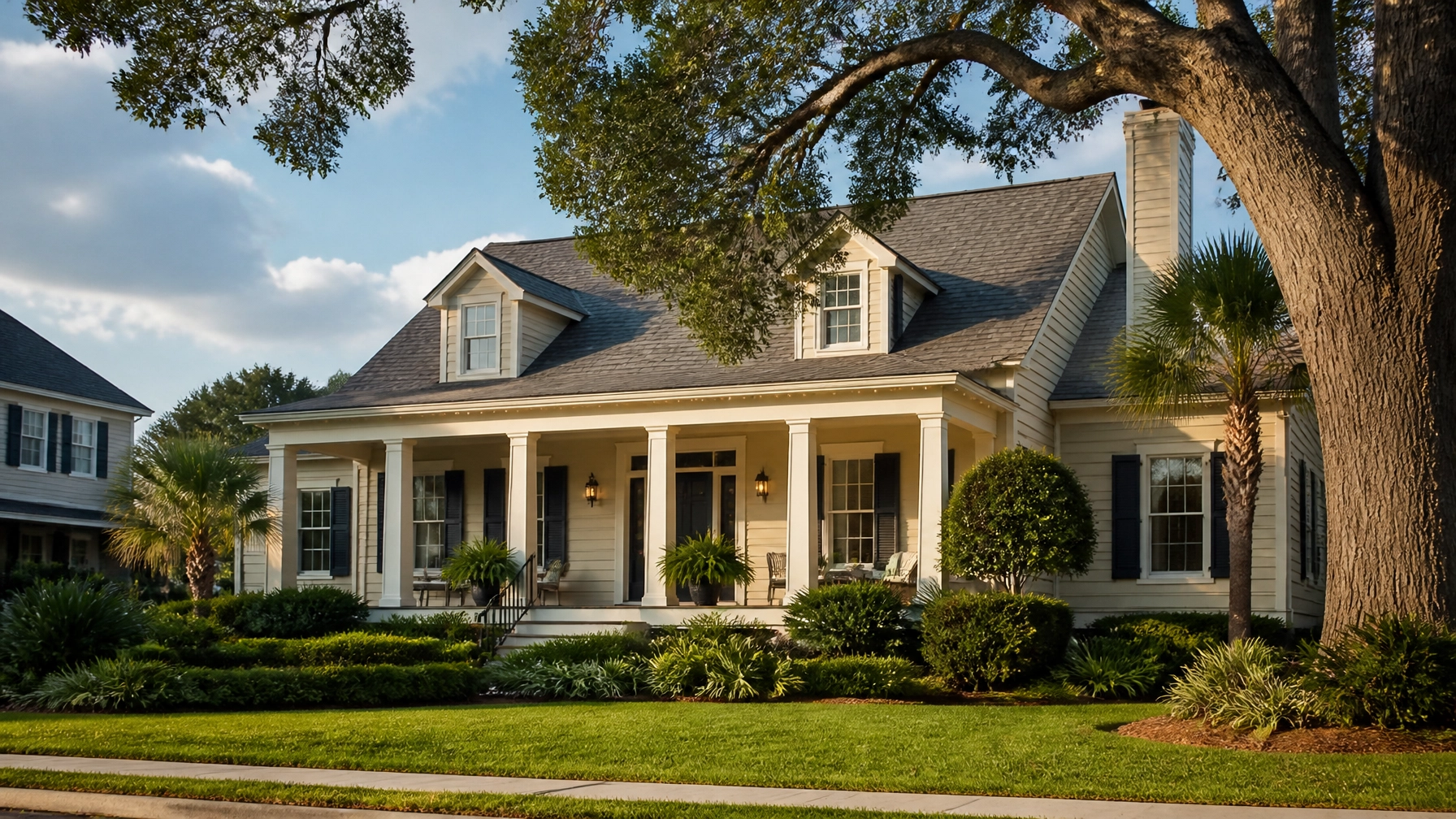
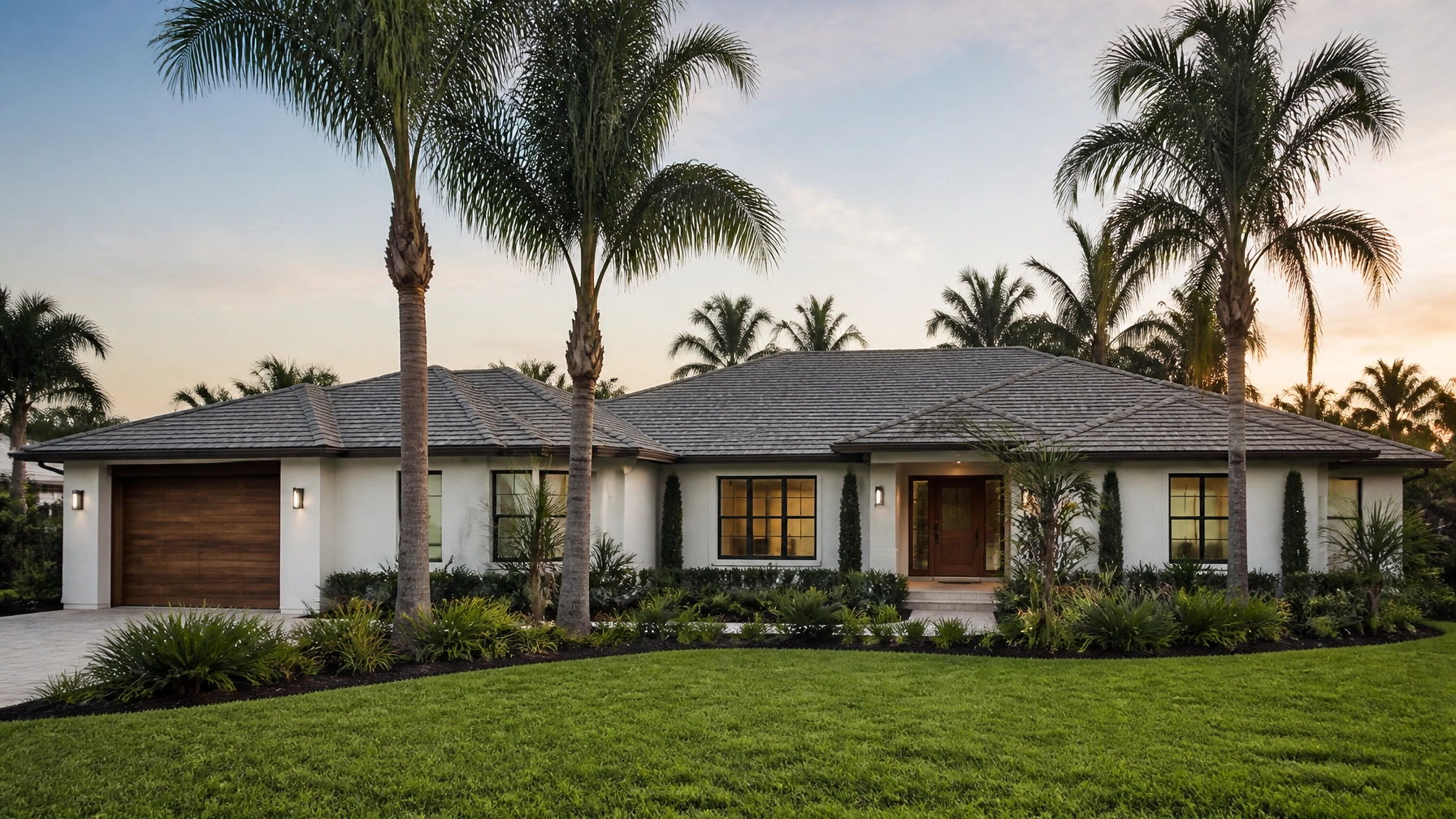
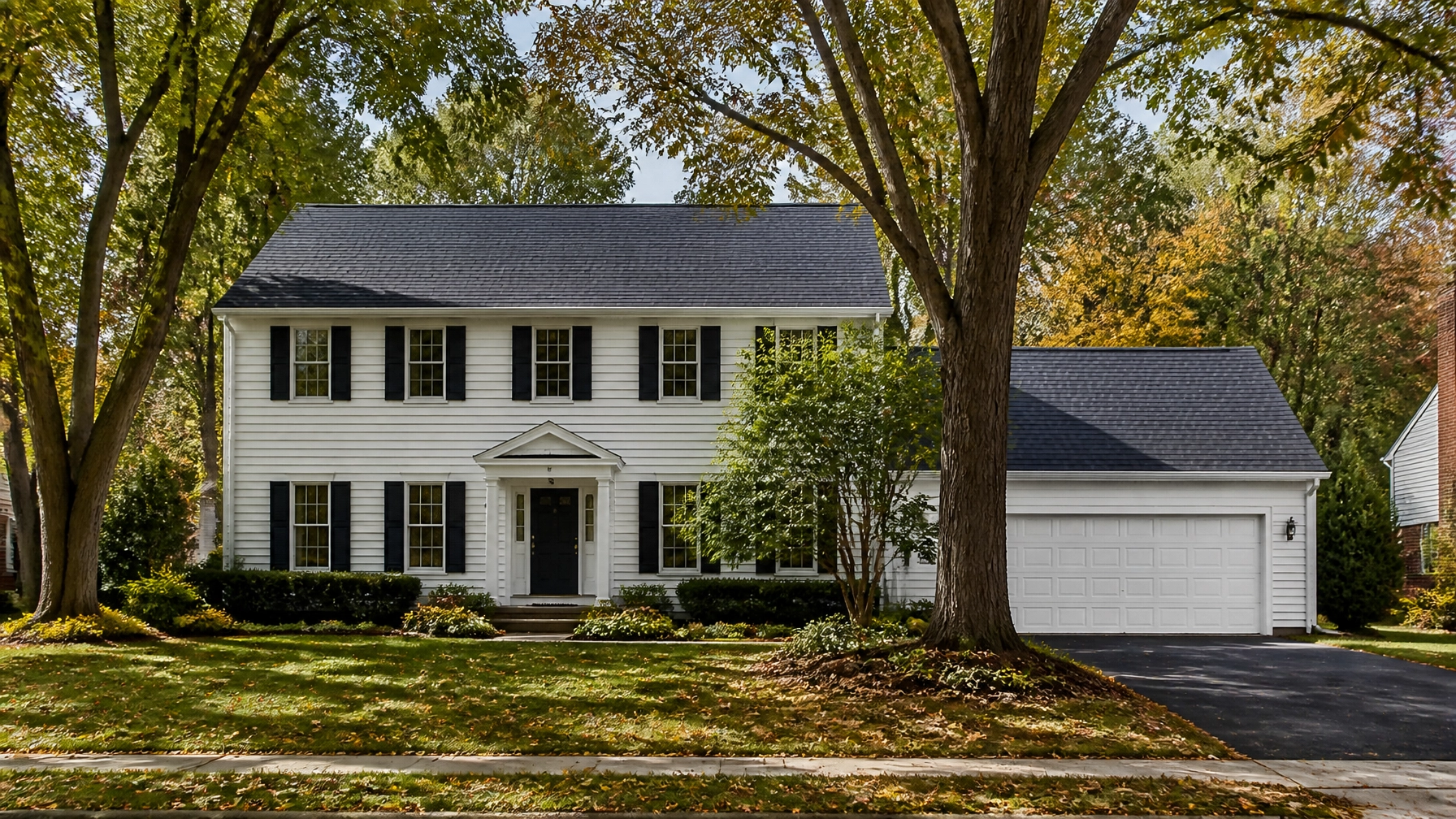
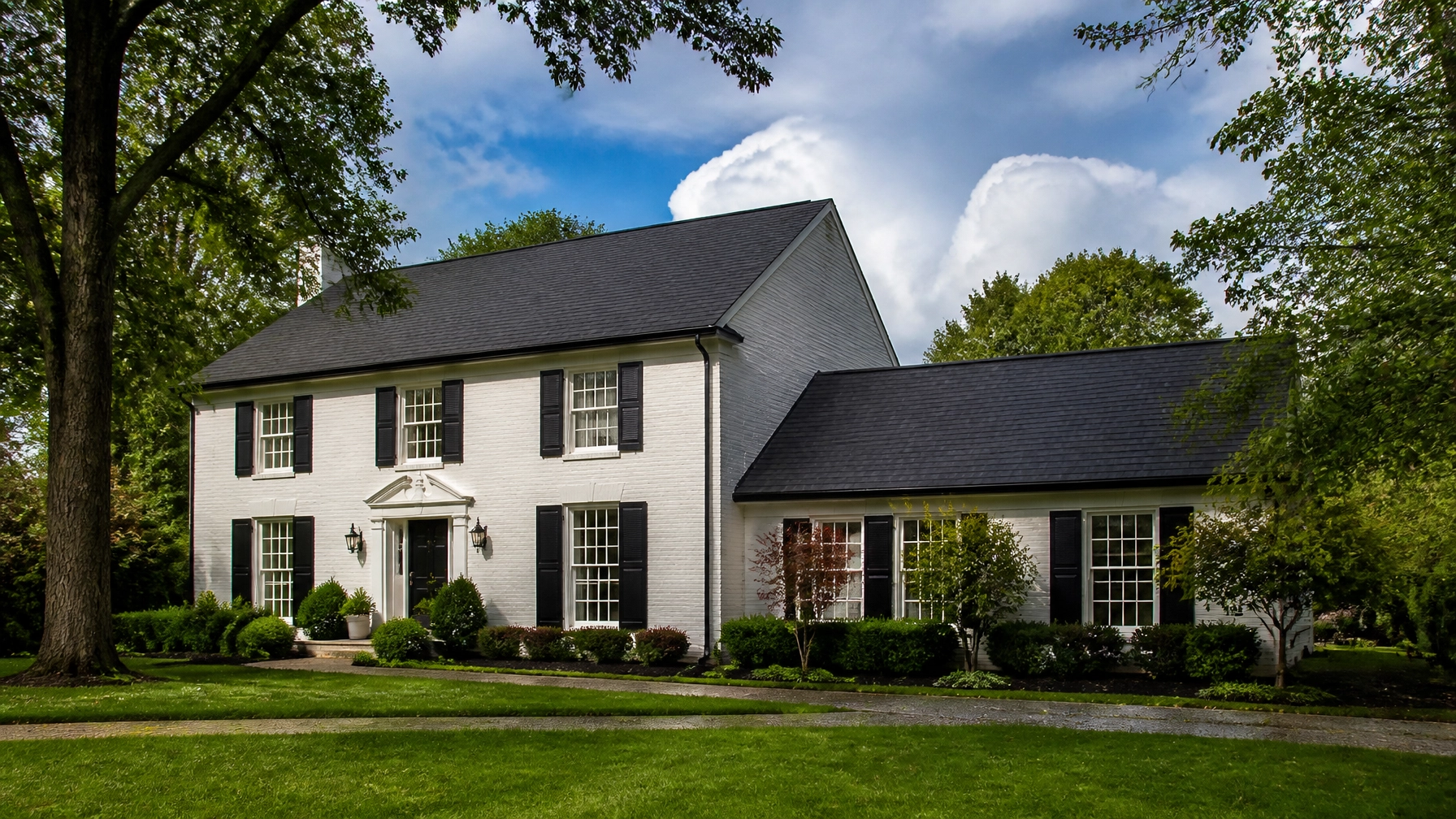
    Modern white coastal home in Jacksonville with a durable silver metal roof

    The Brutal Reality of the First Coast Climate

    Jacksonville’s weather is the ultimate stress test for residential infrastructure. In July 2026, we are seeing average daily highs of 95°F with a UV index of 8.7. When you factor in the humidity, the heat index frequently surges past 100°F.

    This constant thermal expansion and contraction, combined with high UV degradation, makes Florida roof durability summer performance a critical metric for any homeowner. A roof that isn't built to the latest standards won't just fail; it will cost you thousands in lost energy efficiency.

    2026 Florida Building Code Updates

    The 2026 Florida Building Code has introduced even stricter requirements for wind uplift resistance and secondary water barriers. In Jacksonville, compliance is non-negotiable. Modern systems must now include:

    • Enhanced Underlayment (Mandatory): Self-adhered membranes are now the standard for secondary water barriers.
    • Solar Readiness (Incentivized): Roof structures must be verified for load-bearing capacity to support solar arrays.
    • Wind Loading (Zone Specific): Jacksonville’s coastal proximity requires roofing systems rated for 130mph+ wind zones.

    The Satellite Tech Edge: Accurate Estimates in 60 Seconds

    At Get My Roof Estimate Now, we’ve harnessed the same geospatial technology used by SSL Noc Management to eliminate the "contractor wait-and-see" game. By utilizing 2026-grade satellite imagery, we provide measurements with 95-98% accuracy.

    We calculate the exact pitch, square footage, and complexity of your roof from orbit. This allows us to deliver a transparent, tiered pricing report in under a minute: no home visit required.

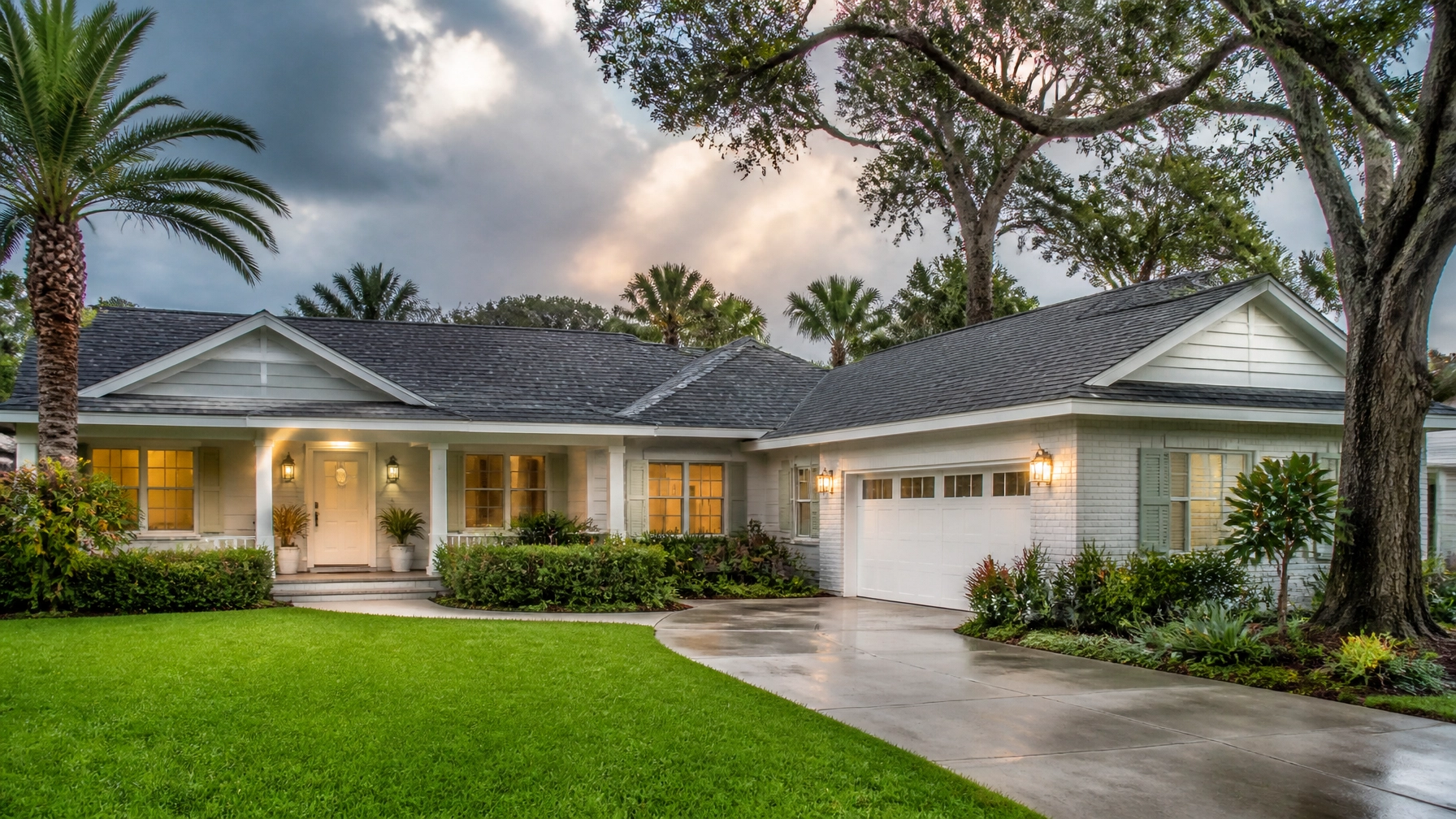
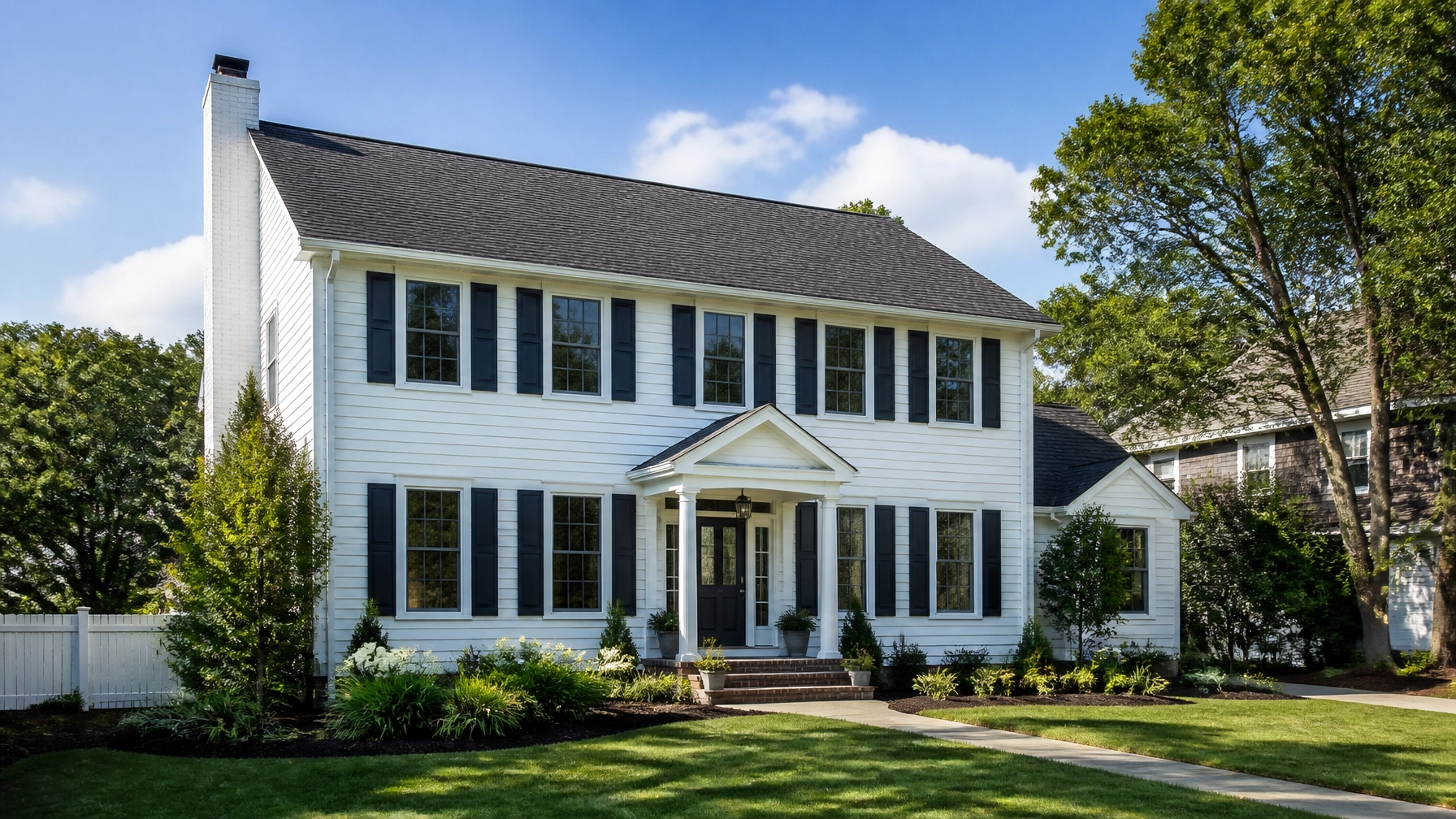
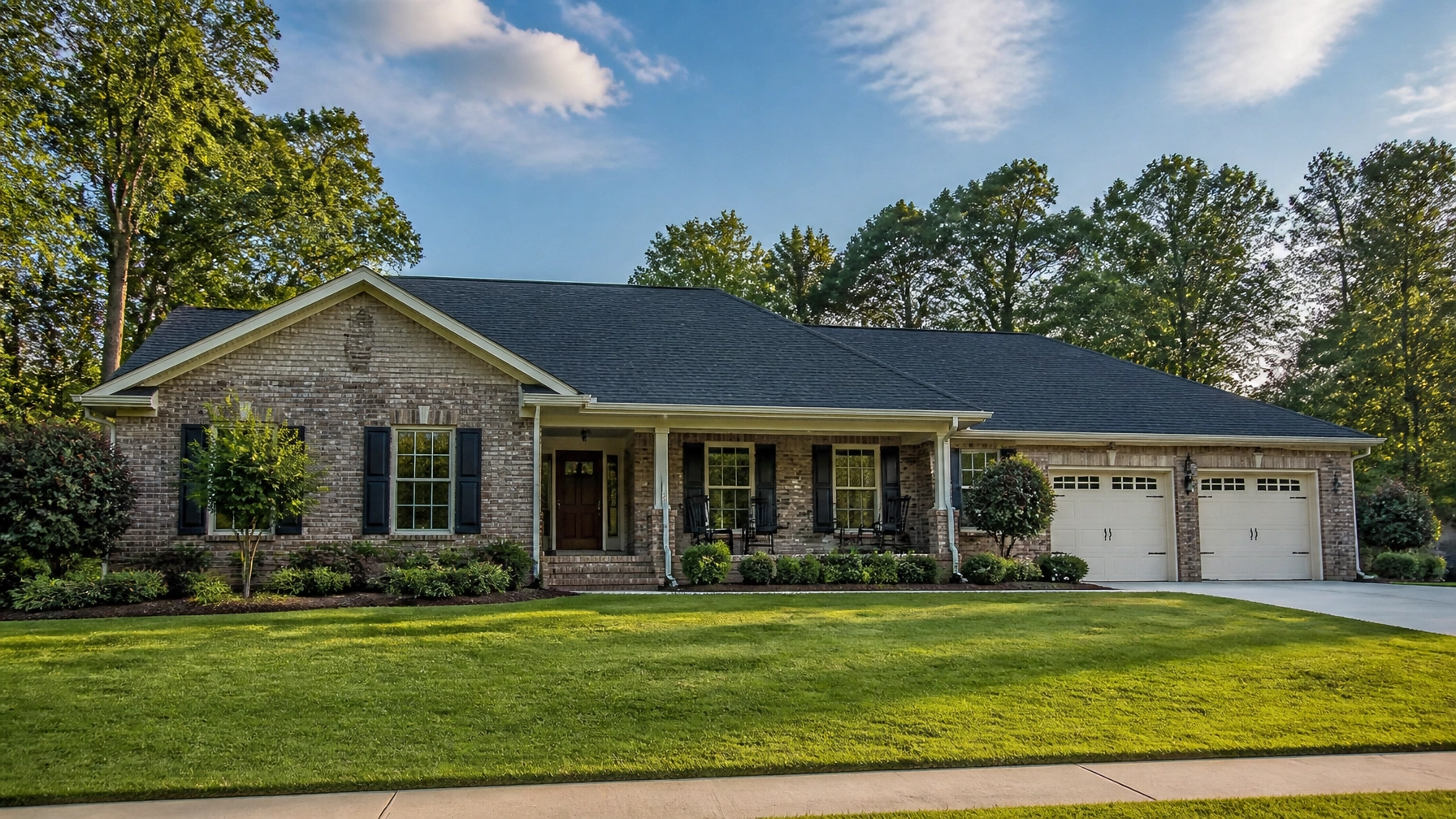
    Traditional Florida ranch-style home with a new light brown architectural shingle roof

    Jacksonville Roofing Market Data (2026)

    Metric Detail Range / Value
    Avg. Replacement Cost Standard 2,000 sq. ft. home $8,000 – $21,000
    Material Popularity Architectural Shingles 65% (Budget/Popular)
    Material Popularity Standing Seam Metal 25% (Premium/Durable)
    New Roof ROI Jacksonville Average home value increase 6% – 8%
    Satellite Accuracy Measurement precision 95% – 98%
    Climate Factor Summer Heat Index 100°F+

    Connectivity and Insurance Verification

    The tech blitz extends to how you stay connected and protected. The Starlink V5 residential dish is now widely available across Duval County, providing LEO-based internet that is largely immune to the ground-based infrastructure failures common during storm season.

    Furthermore, satellite imagery is now the gold standard for insurance claims verification. After a major storm event, insurance adjusters are increasingly using time-stamped satellite records to verify "before and after" conditions. This speeds up the payout process and ensures that homeowners receive a fair settlement based on objective data rather than subjective manual inspections.

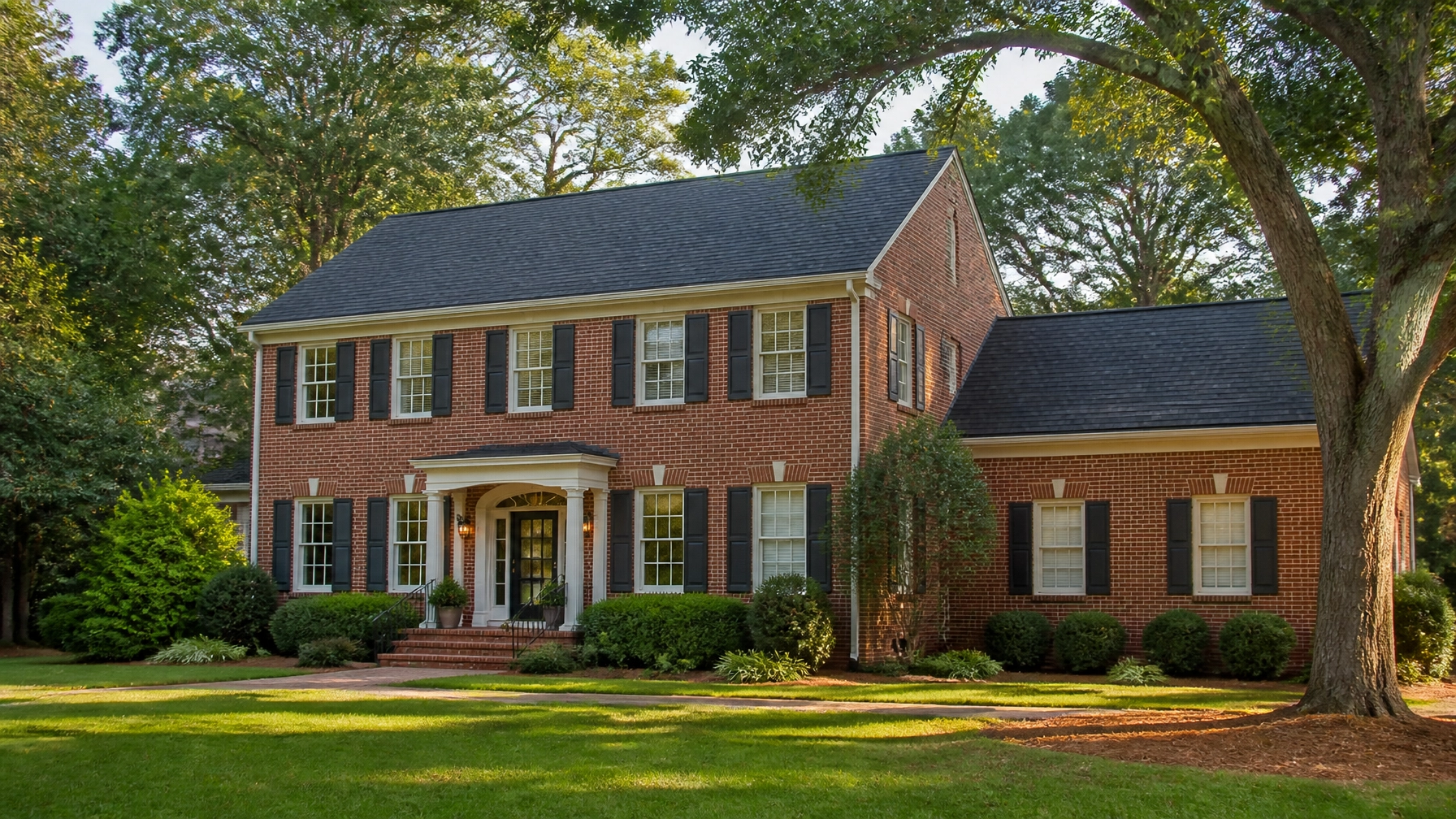
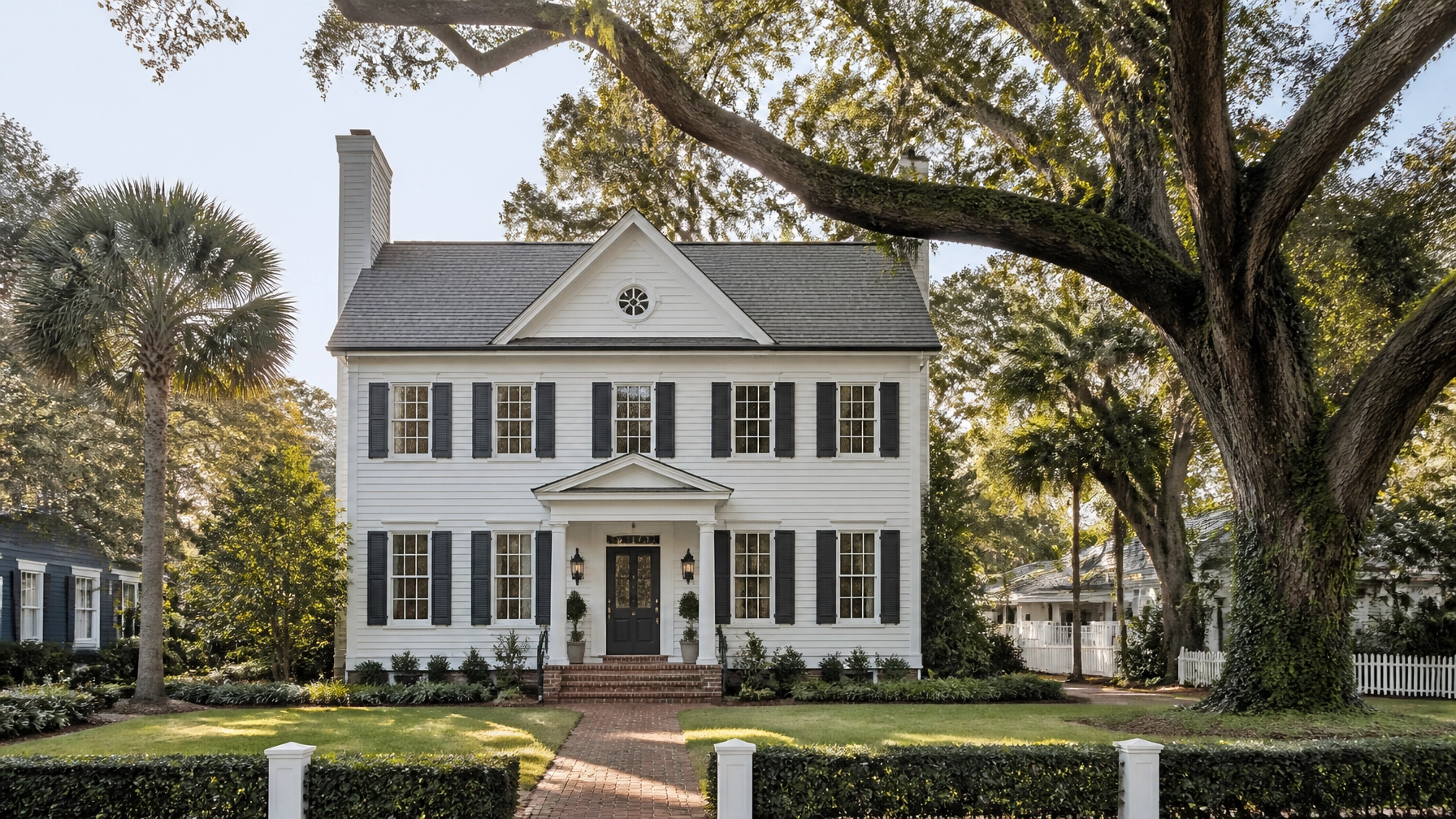
    Colonial-style home in Jacksonville with a high-quality dark slate shingle roof

    Maximizing Your Investment

    When considering a roof replacement home value Jacksonville upgrade, homeowners should look beyond just the shingles. A new roof is a tech-integrated asset. Between the energy savings of modern "cool roof" materials and the decreased insurance premiums associated with 2026 code compliance, the long-term ROI has never been higher.

    If you are one of the thousands of Jacksonville residents planning a project this year, don't start with a ladder: start with a satellite. Get your instant, accurate estimate and connect with a verified Jacksonville FL roofing contractor who understands the technical demands of the First Coast.

    Ready to see your roof from a new perspective?
    Get your instant satellite roof estimate here.

    Keywords: Jacksonville FL roof replacement cost 2026, new roof ROI Jacksonville, roof replacement home value Jacksonville, Jacksonville FL roofing contractor, Florida roof durability summer, satellite roof measurement, 2026 Florida Building Code.

  • Daily Tech Blitz – Slot 2: How Satellite Tech Is Reshaping Jacksonville, FL

    Daily Tech Blitz – Slot 2: How Satellite Tech Is Reshaping Jacksonville, FL

    Jacksonville, Florida, is no longer just a logistics powerhouse and a coastal retreat. In 2026, the "River City" has solidified its reputation as a burgeoning "Silicon Coast." While much of the tech world looks toward traditional software hubs, Jacksonville is looking up, literally.

    From orbital power grids developed in South Jacksonville to the precision satellite imagery we use at Get My Roof Estimate Now to provide instant roof estimates, space-based technology is fundamentally changing how local businesses operate and how homeowners maintain their properties.

    Star Catcher Industries: Building the Orbital Power Grid

    At the heart of Jacksonville’s tech surge is Star Catcher Industries. Recently relocating to a massive new headquarters in South Jacksonville (near Gate Parkway), this innovative firm is tackling one of the greatest hurdles in space exploration: energy.

    Star Catcher is building what they call the "Star Catcher Network": the world’s first space-based power grid. Using a process called optical power beaming, their "power node" satellites in low Earth orbit (LEO) capture solar energy and beam it directly to other satellites.

    Why This Matters for the Tech Ecosystem:

    • Energy Efficiency (Space): Satellites can receive 5–10x more power than their own panels can generate alone.
    • Economic Impact (Local): With a recent $65 million Series A funding round and over $60 million in signed power purchase agreements, Star Catcher is injecting high-wage jobs and venture capital directly into the Jacksonville economy.
    • Infrastructure (Global): Just as a terrestrial power grid allows cities to grow, an orbital grid allows for more complex satellite operations, which directly improves the GPS, weather, and imaging data we rely on every day.

    Satellite power node beaming energy over the Florida peninsula

    Cecil Spaceport: The Launchpad for Innovation

    Complementing Jacksonville's private tech sector is Cecil Spaceport. As one of the few FAA-licensed horizontal launch spaceports in the United States, Cecil is uniquely positioned to support the next generation of aerospace companies. While Star Catcher focuses on the "energy layer" of orbit, Cecil provides the physical gateway.

    The development at Cecil Airport isn't just for rocket scientists; it’s a catalyst for the entire Jacksonville FL tech corridor. The infrastructure required to support space operations: advanced manufacturing, precision engineering, and high-bandwidth data processing: trickles down into local industries like construction and home services.

    Satellite Technology in Your Neighborhood: Modern Roof Replacement

    You don't have to be an aerospace engineer to benefit from satellite technology. In fact, if you’re a homeowner in Jacksonville planning a home improvement project, you’re likely already using it.

    At Get My Roof Estimate Now, we’ve integrated high-resolution satellite imagery into our core platform to eliminate the traditional "contractor wait time." Traditionally, getting a roof replacement estimate required scheduling a visit, waiting for a salesperson, and sitting through a high-pressure pitch.

    The Satellite Advantage (60-Second Estimates):

    • High-Resolution Precision: Our technology uses satellite data accurate to within inches to measure your roof's square footage, pitch, and complexity.
    • Zero-Friction Pricing: By bypassing the manual measurement process, we provide a transparent price range in under a minute.
    • Lower Overhead: Removing the need for a physical "scouting" visit allows us to connect homeowners with local contractors who can offer more competitive pricing.

    Satellite view of a Jacksonville neighborhood with digital roof measurement overlays

    Real Numbers: Jacksonville Roof Replacement Costs in 2026

    Transparency is the foundation of our mission. Based on current market data for the Jacksonville area, here is what homeowners should expect for a standard roof replacement in 2026.

    Material Type Estimated Cost (2,000 sq. ft. home) Key Factor
    Asphalt Shingles (Budget/Popular) $8,500 – $18,000 Most common; balances cost and 130mph wind resistance.
    Architectural Shingles (Popular/Premium) $11,200 – $22,000 Enhanced depth and durability; great for Florida weather.
    Metal Roofing (Premium/Long-term) $18,000 – $35,000 High wind resistance; can last 50+ years.
    Tile/Concrete (Luxury) $35,000 – $75,000+ High-end aesthetic; requires structural reinforcement.

    Note: Coastal areas like Jacksonville Beach or Atlantic Beach typically see a 10–15% increase in costs due to stricter wind-load requirements and salt-corrosion-resistant materials.

    How Satellite Tech Saves You Money

    The logic is simple: Accuracy leads to efficiency. When a contractor uses satellite-derived measurements, they can order materials with pinpoint precision. This reduces waste and eliminates the "buffer" often added to quotes to cover measurement errors.

    Furthermore, by using our instant estimator, you can bypass the sales commission typically baked into a contractor's quote. In Jacksonville, this can save a homeowner anywhere from $1,000 to $3,000 on a standard project.

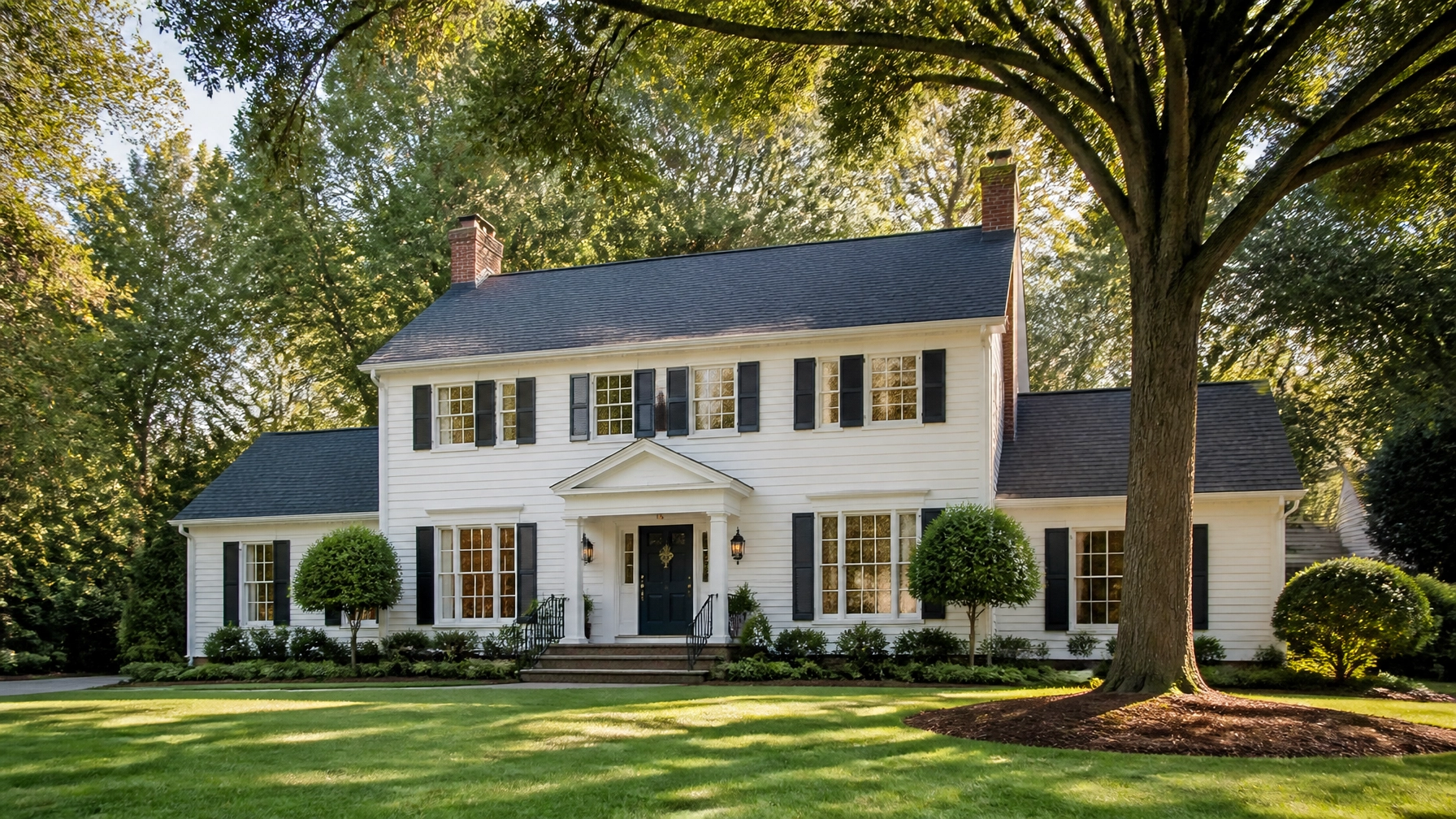
    A beautiful home in Jacksonville with a newly installed architectural shingle roof

    The Future of Jacksonville Home Improvement

    As satellite technology continues to evolve, the gap between "high tech" and "home services" will vanish. We are already seeing the integration of AI with satellite imagery to detect early signs of roof wear or storm damage before they become leaks.

    For the Jacksonville homeowner, this means:

    1. Speed: No more waiting days for a quote.
    2. Transparency: Knowing exactly what a fair price looks like before talking to a contractor.
    3. Confidence: Using the same technology that powers orbital grids to ensure your home is protected.

    Whether it’s Star Catcher Industries powering the next generation of spacecraft or Get My Roof Estimate Now simplifying your next home project, Jacksonville is firmly seated at the intersection of the Earth and the stars.

    Ready to see the tech in action?

    Don't wait for a contractor to find a ladder. Enter your address on our home page and get your satellite-powered roof estimate in under 60 seconds.


  • Is a New Roof Worth It in Atlanta? 2026 ROI & Home Value Guide

    Is a New Roof Worth It in Atlanta? 2026 ROI & Home Value Guide

    If you are a homeowner in the Metro Atlanta area, you’ve likely noticed the shift. The local housing market in 2026 has cooled from the frantic bidding wars of years past. Buyers are more cautious, inventory is rising, and property condition has become the ultimate deal-breaker.

    Whether you own a ranch in Marietta or a colonial in Buckhead, your roof is your home's first line of defense against Georgia's increasingly intense summer heat waves. But is the investment worth it? This guide breaks down the 2026 costs, the return on investment (ROI), and why a new roof is no longer just a "maintenance item": it is a strategic financial asset.

    The Cost of Roof Replacement in Atlanta (2026 Data)

    Pricing for roofing materials and labor has stabilized but remains higher than pre-2024 levels. In Atlanta, the specific cost of your project depends on your roof’s square footage, pitch, and chosen material.

    For a typical 2,000–2,500 square foot home, here is what you can expect to pay in 2026:

    • Average Cost (Architectural Shingles): ~$13,500
    • Price Range: $9,500 – $18,500 (Standard to Premium)
    • Cost per Square Foot: $4.50 – $8.00 (Installed)

    Material Breakdown:

    • Architectural Shingles (Popular): The gold standard for Atlanta homes. These offer a multi-dimensional look and superior wind resistance.
    • Metal Roofing (Premium): Expect to pay $18,000 to $32,000. While the upfront cost is higher, the durability in Georgia's climate is unmatched.
    • Cool Roof Coatings (Efficiency): An increasingly popular add-on in 2026 to reflect UV rays and lower cooling costs during 90°F+ summer days.

    You can get an instant roof estimate in under 60 seconds using our satellite-powered measurement tool: no contractor visit required for the initial quote.

    High-detail architectural asphalt shingles showing deep texture and durability

    Does a New Roof Add Value to an Atlanta Home?

    In 2026, the answer is a resounding yes. Data from recent Atlanta home sales shows that a new roof provides one of the highest returns of any exterior renovation.

    • Average ROI: 60% – 80% of the cost is recovered at the time of sale.
    • Home Value Increase: A new roof can add $15,000 or more to your home's asking price.
    • Appraisal Impact: Appraisers are giving higher weight to roofs with a documented lifespan of 20+ years remaining, especially given the rising frequency of severe weather in the Southeast.

    Beyond the raw numbers, a new roof eliminates a major hurdle: the inspection report. In a market where buyers have more negotiating power, an old roof is often used as a lever to demand $20,000+ price reductions or repair credits at the closing table.

    The Atlanta Housing Market Context: Why Condition Matters Now

    The 2026 Atlanta market is currently a "Balanced Market" leaning toward buyers. With active listings up nearly 20% year-over-year in many North Atlanta suburbs, buyers are being picky.

    • Days on Market: The average time to sell has increased to 45–80 days.
    • Seller Concessions: Approximately 70% of sellers are now offering concessions, such as closing cost assistance.
    • Negotiation Power: Homes with aging roofs (15+ years) are sitting on the market significantly longer.

    If your roof looks worn or has visible granule loss, it signals to a 2026 buyer that the home has been "deferred," which can lead to lower offers across the board. Replacing the roof 2-3 years before you intend to sell allows you to enjoy the aesthetic benefits while ensuring a smooth, top-dollar exit from the property.

    Modern craftsman-style home in Atlanta with high curb appeal and a new roof

    Georgia Roof Durability: Protecting Against the Summer Heat Wave

    Atlanta’s weather in 2026 has been characterized by prolonged heat waves. Roof surface temperatures in Georgia can soar to 160°F, causing standard asphalt to become brittle and prone to cracking.

    How to protect your roof from Atlanta heat:

    1. Upgrade to Architectural Shingles: Their thicker profile resists thermal expansion better than old-fashioned 3-tab shingles.
    2. Improve Attic Ventilation: Proper ridge vents and soffit intake are critical. A "hot" attic cooks your shingles from the inside out, cutting their lifespan by 30%.
    3. Reflective Materials: Look for shingles with "Cool" technology ratings to reduce heat transfer into your living space.

    High humidity (often exceeding 70% in July and August) also encourages mold and algae growth. Modern shingles often include copper-infused granules to prevent those unsightly black streaks that diminish curb appeal.

    Strategic Tips for Atlanta Homeowners

    If you are planning a replacement this year, keep these factors in mind to maximize your investment:

    • The 2-Year Rule: If your roof is over 17 years old, replace it now. Waiting until you list the home often results in a rushed job or expensive "emergency" repairs.
    • Choose Neutral Colors: Weathered wood, charcoal, and slate grey remain the most popular choices in Atlanta. They offer a timeless look that appeals to the widest range of buyers.
    • Verify Your Contractor: Always use a licensed and insured Atlanta GA roofing contractor. 2026 has seen an influx of unverified labor; ensure your warranty is backed by the manufacturer.
    • Check the Siding/Gutter Alignment: A new roof is the best time to upgrade gutters to a 6-inch seamless system, which handles Georgia's heavy downpours more effectively.

    Professional roofing contractor inspecting a residential roof installation in Atlanta

    Conclusion: Take Control of Your Home Value

    In the 2026 Atlanta real estate landscape, a new roof is a move-in-ready signal that buyers crave. It protects your structural integrity against extreme weather and provides a measurable boost to your equity.

    Don't wait for a leak or a failed inspection to find out what your roof will cost. Get the data you need to budget accurately.

    Ready to see your numbers?
    Get your instant, free roof estimate here in 60 seconds. Our satellite technology provides 95% accurate pricing for your specific Atlanta address: no credit card or home visit required.

  • Architectural Shingles vs. Standing Seam Metal Roofing: The 2026 New Orleans Hurricane Season Material Showdown

    Architectural Shingles vs. Standing Seam Metal Roofing: The 2026 New Orleans Hurricane Season Material Showdown

    As of July 20, 2026, New Orleans homeowners are facing one of the most complex hurricane seasons in recent history. With the Atlantic heating up and a new set of state mandates looming, the choice between architectural shingles and standing seam metal roofing is no longer just about aesthetics: it is a critical financial and safety decision.

    Starting August 1, 2026, the Louisiana FORTIFIED Roof standards become the mandatory benchmark for all grant-funded replacements and new construction in coastal zones. If you are a homeowner in the 70112 to 70131 zip codes, or even slightly upriver in the Baton Rouge metro area, understanding how these materials perform under these new regulations is essential to protecting your equity.

    The $7,500 Rule: Why Your Choice of Contractor is Non-Negotiable

    In Louisiana, the Louisiana State Licensing Board for Contractors (LSLBC) enforces strict regulations on who can touch your roof. By law, any residential roofing project exceeding $7,500 (Labor and Materials) must be performed by a contractor holding a valid Louisiana roofing license.

    Given that the average 2026 roof replacement cost Baton Rouge and New Orleans ranges from $10,000 to $35,000, virtually every professional reroofing project falls under this mandate. Hiring an unlicensed "storm chaser" after a wind event doesn't just void your warranty: it can lead to massive fines and disqualified insurance claims. Always verify that your Baton Rouge LA roofing contractor or New Orleans roofer carries the proper credentials before signing a contract.

    Material 1: Architectural Shingles (The Popular Choice)

    Architectural shingles (Budget to Mid-Range) remain the most installed roofing material in the New Orleans metro. Unlike the flat 3-tab shingles of the past, these multi-layered, laminated shingles provide a dimensional look that mimics wood shake or slate.

    2026 Pricing for New Orleans & Baton Rouge

    • Cost: $4.50 – $8.00 per square foot (Installed)
    • Life Expectancy: 18 – 25 years in high-humidity climates.

    Detail of high-quality architectural shingles showing deep texture and layering

    The Pros:

    • Cost-Effective: This is the most affordable way to meet the new August 1st FORTIFIED standards.
    • Easy Repairs: If a few shingles are lost during a Category 1 or 2 hurricane, localized repairs are fast and inexpensive.
    • Aesthetic Variety: Works perfectly with New Orleans' diverse architecture, from French Quarter townhomes to Metairie cottages.

    The Cons:

    • Wind Resistance: While rated for high winds, individual shingles can still lift or tear during extreme gusts (110+ mph).
    • The Algae Issue: New Orleans’ 90% humidity is a breeding ground for Gloeocapsa Magma (black streaks). To fight this, you must choose shingles with built-in copper granules.

    Material 2: Standing Seam Metal (The Premium Defense)

    For those looking for a "forever roof," standing seam metal (Premium) is the industry standard for hurricane resilience. Unlike "screw-down" metal panels which have thousands of exposed fasteners, standing seam systems use a concealed clip system that allows the metal to expand and contract without breaking the seal.

    2026 Pricing for New Orleans & Baton Rouge

    • Cost: $8.00 – $16.00 per square foot (Installed)
    • Life Expectancy: 50+ years.

    A sleek, charcoal grey standing seam metal roof on a modern Louisiana home

    The Pros:

    • Maximum Wind Rating: Standing seam systems are often rated for winds exceeding 140 mph, making them the superior choice for Baton Rouge storm damage roofing prevention.
    • Energy Efficiency: Metal reflects solar heat, which can reduce cooling costs in the brutal Louisiana summer by up to 25%.
    • Insurance Discounts: Under the new Louisiana Regulation 136, a metal roof that achieves a FORTIFIED Gold designation can trigger insurance premium discounts of up to 42% in certain parishes.

    The Cons:

    • Higher Upfront Investment: The initial Baton Rouge roof replacement cost 2026 for metal is roughly double that of shingles.
    • Installation Expertise: This requires a highly specialized Baton Rouge roofer; improper installation can lead to "oil canning" or noise issues.

    The August 1, 2026 FORTIFIED Mandate: What Changes?

    Regardless of whether you choose shingles or metal, the new standards focus on how the roof is attached to your home. Key requirements include:

    1. Ring-Shank Nails: Smooth nails are out. Tighter-spaced ring-shank nails are required for maximum uplift resistance.
    2. Sealed Roof Deck: All seams must be taped or covered with a synthetic membrane to prevent wind-driven rain from entering your attic if the primary material is lost.
    3. Enhanced Drip Edges: A minimum 26-gauge metal drip edge must be overlapping at least 3 inches and fastened every 4 inches.

    For homeowners pursuing the Louisiana Fortify Homes Program (LFHP) grant, these standards are non-negotiable to receive the $10,000 reimbursement.

    The Baton Rouge Connection

    While this guide focuses on New Orleans, we see a massive trend in homeowners searching for a satellite roof estimate Baton Rouge LA. The proximity of the two cities means that weather patterns and labor costs often mirror each other. If you live in New Orleans but work in Baton Rouge, or own rental properties in both, the same logic applies: secure your roof now before the peak of the 2026 hurricane season in September.

    A ranch-style home in a Baton Rouge suburb showcasing a recently replaced roof

    The 60-Second Solution: Get Your Estimate Instantly

    The traditional way of getting a roof estimate in New Orleans involves waiting 3 to 5 days for a contractor to show up with a ladder. In 2026, that's simply too slow.

    At GetMyRoofEstimateNow.com, we utilize high-resolution satellite imagery to measure your roof's size, pitch, and complexity to within 95% accuracy.

    The Get My Roof Estimate Now interface showing a satellite view and price quote

    How it works:

    1. Enter Your Address: We pull the latest 2026 aerial data for your property.
    2. Select Your Material: Compare the cost of Architectural Shingles vs. Standing Seam Metal instantly.
    3. Get Your Range: Receive a transparent low-middle-high price range based on current Louisiana material and labor rates.
    4. Connect with Pros: If you're ready, we connect you with pre-vetted, licensed, and insured contractors who specialize in FORTIFIED installations.

    Whether you are looking for a roof replacement Baton Rouge LA or a storm-ready upgrade in the New Orleans CBD, you can get the data you need to budget in under 60 seconds.

    Conclusion: Which Material Wins?

    If your goal is immediate compliance and a lower upfront cost, Architectural Shingles are the winner. They meet the new August 2026 standards and provide excellent curb appeal for a fraction of the cost.

    However, if you plan on staying in your home for 10+ years and want the ultimate protection against the increasing frequency of Gulf storms, Standing Seam Metal is the undisputed champion. The long-term ROI through insurance savings and durability far outweighs the initial price tag.

    Don't wait for the next "Named Storm" to find out your roof isn't up to code. Get your instant satellite estimate today and take control of your home's most important defense.

  • Architectural Shingles vs. Standing Seam Metal Roofing: The 2026 Savannah GA Hurricane Season Material Showdown

    Architectural Shingles vs. Standing Seam Metal Roofing: The 2026 Savannah GA Hurricane Season Material Showdown

    As we enter the peak of the 2026 hurricane season (mid-July to early October), homeowners in Savannah, Georgia, are facing a critical decision. With the Atlantic producing increasingly volatile storm patterns, the "standard" roof of ten years ago is no longer the benchmark for coastal safety. Savannah’s unique environment: characterized by 75%+ humidity, salt-laden coastal air, and intense UV exposure: demands a roofing system that does more than just look good in the Historic District.

    Whether your roof is approaching the 20-year mark, you’ve recently spotted storm damage, or you’re preparing your property for a high-value sale, choosing between Architectural Shingles (Popular) and Standing Seam Metal (Premium) is the most significant financial decision you will make for your home this year.

    In this 2026 Material Showdown, we break down the data-driven facts, current Savannah building codes, and real-world costs to help you choose the right shield for your home.


    The Savannah Environment: Why Your Material Choice Matters

    Savannah isn't just "hot." It's a high-corrosion, high-wind zone. For a Savannah GA roofing contractor to provide a code-compliant installation in 2026, they must adhere to the Georgia State Minimum Standard Codes, which require residential roofs to withstand ultimate wind speeds of 130–150 mph.

    The Coastal Threat Factors:

    • Salt Air Corrosion: Constant salt spray from the Atlantic can eat through standard steel in years.
    • Hurricane-Force Winds: June 1st through November 30th presents a constant threat of uplift.
    • Humidity & Algae: The "black streaks" common on Georgia roofs are Gloeocapsa magma, a hardy algae that thrives in Savannah's 75% average humidity.

    Architectural Shingles: The Modern Standard (Budget to Mid-Range)

    Premium Architectural Shingles Close-up

    Architectural shingles (also known as dimensional or laminate shingles) remain the most popular choice for roof replacement Savannah GA. Unlike the flat 3-tab shingles of the past, modern architectural shingles are composed of multiple layers of asphalt and fiberglass, creating a thick, textured appearance that mimics wood shake or slate.

    2026 Cost & Performance Data

    • 2026 Roof Replacement Cost Savannah: $9,000 – $16,500 (based on a standard 2,000 sq ft home).
    • Cost per Square Foot: $4.50 – $8.00.
    • Lifespan: 25 – 30 years (with proper maintenance).
    • Wind Resistance: Typically rated for 110–130 mph.

    Local Requirements for Shingles

    In Chatham County, a standard installation isn't enough. Per the 2026 code amendments, all shingle installations must use a mandatory 6-nail pattern and ring-shank nails to prevent blow-offs during tropical storms. To combat the Georgia heat, look for shingles with algae-resistant granules: a standard feature for most high-quality brands in 2026.


    Standing Seam Metal: The Coastal Fortress (Premium)

    Standing Seam Metal Roofing Installation

    If you are looking for the "forever roof," standing seam metal is the undisputed champion. Unlike "screw-down" metal roofs where fasteners are exposed to the elements, standing seam systems feature concealed fasteners and interlocking panels that float as the metal expands and contracts in the Savannah sun.

    2026 Cost & Performance Data

    • Savannah Roof Replacement Cost 2026: $16,000 – $28,000 (standard 2,000 sq ft home).
    • Cost per Square Foot: $8.00 – $21.00.
    • Lifespan: 40 – 70 years.
    • Wind Resistance: 140 – 180 mph (with proper clips and spacing).

    The "Coastal Grade" Specification

    In Savannah, the material of the metal matters more than the color. For homes near the coast, we recommend Aluminum or Galvalume with a Kynar 500 coating. These materials are specifically designed to resist salt-air corrosion. Furthermore, using stainless steel or aluminum fasteners is non-negotiable to prevent galvanic corrosion that can lead to structural failure.


    The Insurance Advantage: FORTIFIED Gold Certification

    One of the biggest trends in Savannah storm damage roofing for 2026 is the FORTIFIED Gold certification. This is a voluntary construction standard that goes above and beyond the local building code to ensure your home remains intact during a major hurricane.

    • Insurance Discounts: Savannah homeowners can see 10–35% reductions in wind insurance premiums for metal roofs and 5–28% for FORTIFIED-certified shingle roofs.
    • Resale Value: A certified roof provides documented proof to future buyers that the home is a low-risk investment.

    Curb Appeal and the Savannah Historic District

    Savannah Historic District Home with New Roof

    If your home is located within the Savannah Historic District, your material choice is often dictated by the Historic District Board of Review. Standard 3-tab shingles are generally prohibited. Standing seam metal is frequently approved, especially in historic colors like forest green, copper, or slate grey. If you prefer shingles, you must select high-profile architectural options that replicate the look of natural slate or wood to maintain the neighborhood's aesthetic integrity.


    Head-to-Head Comparison: At a Glance

    Feature Architectural Shingles Standing Seam Metal
    Initial Investment Lower ($9k – $16.5k) Higher ($16k – $28k)
    Wind Resistance Good (Up to 130 mph) Exceptional (Up to 180 mph)
    Maintenance Moderate (Algae cleaning) Very Low
    Average Lifespan 25 Years 50+ Years
    Insurance Benefit Standard High (Up to 35% discount)
    Best For Budget-conscious, short-term owners Coastal estates, long-term legacy homes

    Don't Wait for the Next Storm: Get Your Estimate in 60 Seconds

    The traditional way of getting a roof estimate is broken. You shouldn't have to wait three days for a Savannah roofer to show up at your house just to give you a "ballpark" price.

    At Get My Roof Estimate Now, we use advanced satellite imagery technology to measure your roof with 90-95% accuracy without ever stepping foot on your property. Our system analyzes your roof's size, pitch, and complexity to provide a transparent, multi-tier price range in under a minute.

    Satellite Roof Measurement Technology

    Why Use Our Satellite Roof Estimate Savannah GA?

    1. Instant Results: Get your pricing in under 60 seconds.
    2. No Pressure: No salesman in your living room.
    3. Accurate Data: We factor in current 2026 material costs and labor rates specific to the Georgia coast.
    4. Verified Pros: If you like the price, we connect you with licensed and insured Savannah contractors (holding the required Savannah Georgia roofing license) to finalize the details.

    Click Here to Get Your Free Savannah Roof Estimate Now


    Conclusion: Which Material Wins?

    There is no "wrong" choice, only the choice that fits your goals.

    • Choose Architectural Shingles if you are looking for the best value-to-performance ratio and plan to stay in your home for 10-15 years. It meets all local codes and provides a beautiful, classic look for a manageable investment.
    • Choose Standing Seam Metal if you want the ultimate peace of mind. If you live on the islands (Tybee, Wilmington) or have a high-value historic property, the long-term savings on insurance and replacement costs make metal the superior financial asset.

    Regardless of your choice, remember that any project over $2,500 in Georgia requires a licensed contractor, and a City of Savannah building permit is mandatory for all full replacements. Secure your home before the peak of the season: start with an accurate, satellite-powered estimate today.


  • Greenville Contractor Vetting 2026: 5 Questions Upstate Homeowners Must Ask Before Replacing Their Roof

    Greenville Contractor Vetting 2026: 5 Questions Upstate Homeowners Must Ask Before Replacing Their Roof

    July 2026 has been a punishing month for homeowners in the Upstate. Between the severe thunderstorms on July 2nd, the heavy hail on the 9th, and the high-wind event on July 19th, Greenville County has seen a surge in roofing emergencies. With wind gusts topping 60mph and hail measured up to 1.75 inches, many homes from Travelers Rest down to Simpsonville are now sporting compromised roof systems.

    If you are one of the thousands of Greenville residents currently looking for a Greenville SC roofing contractor, the pressure to act quickly is high. However, the surge in demand has also brought a surge in "storm chasers": out-of-state contractors who follow the weather patterns to profit from local emergencies.

    To ensure your roof replacement Greenville SC is handled correctly, professionally, and legally, you must look beyond the lowest bid. Here are the five critical questions you must ask every roofer before signing a contract in 2026.

    1. "Can You Provide Your SC LLR Residential Specialty License Number?"

    In South Carolina, roofing is highly regulated. To legally perform a residential roof replacement, a contractor must hold a Greenville South Carolina roofing license through the South Carolina Labor, Licensing and Regulation (LLR) board.

    Specifically, for residential projects, they should hold a Residential Specialty Contractor license. While this specific designation doesn't require a technical exam for roofing, it does require:

    • At least one year of verifiable experience.
    • A $5,000 surety bond filed with the state.
    • Official registration with the LLR.

    The Pro Tip: Do not take their word for it. Visit verify.llr.sc.gov and enter their credentials. If they are operating as a General Contractor (often for larger commercial or multi-family projects), their requirements are even more stringent. If they cannot produce a license number that matches their business name, end the conversation immediately.

    2. "Are You Compliant with Greenville County's 2026 Permit Requirements?"

    Greenville County has some of the most specific permitting requirements in the Upstate. For a roof replacement Greenville SC, the contractor must manage two distinct levels of permitting:

    1. The Annual Roofing Permit: Professional contractors must pay an annual $50 fee to the county just to operate.
    2. Individual Project Permits: Every roof replacement requires a specific permit. In 2026, these costs range from $128 to over $1,000 depending on the total valuation of the project.

    Furthermore, all work must comply with the 2021 International Residential Code (IRC). This code dictates specific fastening patterns for shingles in high-wind zones and requires specific underlayment standards that are crucial for our humid, storm-prone climate. If a contractor suggests "skipping the permit" to save you money, they are asking you to violate local law and potentially void your homeowner's insurance.

    Close-up of hail damage on roof shingles and flashing from July 2026 storms
    (Context: Identifying granule loss and dented flashing early is key to preventing interior water damage.)

    3. "How Will You Specifically Address the July 2026 Storm Damage?"

    The storms on July 2, 9, and 19 were not standard rain events. The 1.75-inch hail (Golf ball sized) and 60mph winds caused specific types of Greenville SC storm damage roofing issues that require expert attention. Ask your Greenville SC roofer to point out:

    • Granule Loss (Immediate): Heavy hail knocks the protective granules off shingles, exposing the asphalt mat to UV rays.
    • Lifted Shingles (Structural): High winds can break the sealant strip (thermal seal) on shingles. Even if the shingle didn't fly off, if it "lifted," it may never reseal, leaving your home vulnerable to the next storm.
    • Dented Flashing (Critical): If your valley flashing or chimney flashing is dented, it creates "pockets" where water can pool and eventually seep into the roof deck.

    A reputable contractor will provide a photographic report of these specific issues to help you with your insurance claim process.

    4. "What is the Breakdown for My Roof Replacement Cost in 2026?"

    Transparency in pricing is a hallmark of a professional. In the current 2026 market, Greenville SC roof replacement cost 2026 benchmarks for a standard 2,000 square foot home are as follows:

    Material Type Price Range (Installed) Context
    Architectural Shingles $9,000 – $15,000 (Popular) Most common, 30-50 year life.
    Luxury Shingles $16,000 – $22,000 (Premium) Thicker, heavy-duty aesthetic.
    Standing Seam Metal $25,000+ (Lifetime) Highest durability, ideal for wind.
    Synthetic/Slate $30,000+ (Ultra-Premium) Best-in-class curb appeal.

    Before you even call a contractor, you should get a satellite roof estimate Greenville SC. Services like Get My Roof Estimate Now use advanced imagery to provide an accurate baseline price in under 60 seconds. This prevents "sticker shock" and gives you a data-driven benchmark to compare against contractor quotes.

    Professional roofing contractor inspecting a roof in Greenville SC

    5. "Which Manufacturer Certifications Do You Hold?"

    A license tells you they are legal; a certification tells you they are skilled. The best roofing manufacturers: like GAF and CertainTeed: offer elite certifications to contractors who meet their high standards for installation quality and financial stability.

    • GAF Master Elite: Only the top 2% of roofers nationwide hold this.
    • CertainTeed Select ShingleMaster: Requires rigorous testing and proof of insurance/workers' comp.

    Why does this matter to you? These certifications allow the contractor to offer extended "Labor and Material" warranties that standard roofers cannot. In the Upstate's volatile weather, a warranty that covers the contractor’s workmanship for 25 years is a massive asset.

    Red Flags: Spotting the "Storm Chaser"

    With the recent July damage, "door knockers" are everywhere. Be wary of these warning signs:

    • Out-of-State Plates: If their truck has plates from Florida, Ohio, or Texas, they likely won't be here in six months if your roof starts leaking.
    • Demanding High Upfront Payments: Standard deposits are 10-20%. Never pay more than 33% upfront. Never pay the full amount before the job is completed and inspected.
    • "Waiving Your Deductible": This is a common tactic, and it is illegal in South Carolina. Any contractor offering to "cover your deductible" is asking you to participate in insurance fraud.
    • High-Pressure Tactics: If they claim their "special July pricing" expires in 24 hours, they are trying to prevent you from doing your due diligence.

    Modern Greenville home with a matte black metal roof
    (Budgeting for a metal roof often exceeds $25,000 but offers superior wind resistance for Upstate storms.)

    The Action Plan for Greenville Homeowners

    1. Get Your Baseline: Use a satellite roof estimate to understand your roof's size and expected cost range.
    2. Gather 3 Quotes: Reach out to verified, local Greenville SC roofing contractors.
    3. Verify Licensing: Check the LLR status and ensure they have a valid $5,000 bond.
    4. Confirm the Permit: Ask for a copy of the individual project permit before work begins.
    5. Review the IRC Compliance: Ensure they are installing to the 2021 International Residential Code standards.

    Replacing a roof is one of the most significant investments you will make in your home. By asking these five questions, you move from a position of urgency to a position of authority, ensuring your home is protected against the next round of Upstate storms.

    Ready to see what your new roof should cost? Get your instant, satellite-powered estimate here in 60 seconds.

  • Insurance Masterclass: How Seattle Homeowners Can Get Their Roof Replacement Covered in 2026

    Insurance Masterclass: How Seattle Homeowners Can Get Their Roof Replacement Covered in 2026

    Navigating the intersection of Pacific Northwest weather and insurance bureaucracy is a specialized skill. For Seattle homeowners in 2026, the stakes are higher than ever. With the average Seattle roof replacement cost 2026 hovering between $12,000 and $30,000, understanding how to leverage your homeowners' insurance policy isn't just helpful: it’s a financial necessity.

    This masterclass breaks down the technical, legal, and practical steps required to secure a full roof replacement through insurance in the Puget Sound region. From identifying "hidden" wind damage to navigating Washington’s strict contractor regulations, here is the definitive guide to getting your roof covered this year.

    The 2026 Seattle Roofing Landscape: Costs and Realities

    The roofing market in Seattle has evolved. Labor shortages and material logistics have pushed the roof replacement cost Washington state homeowners face to new heights. Currently, you can expect to pay anywhere from $6 to $17 per square foot, with an industry average of approximately $10 per square foot for a standard architectural shingle installation.

    Typical Price Tiers for Seattle Residential Roofs:

    • Budget (Basic 3-Tab Shingles): $10,000 – $15,000
    • Popular (Architectural/Composition Shingles): $14,000 – $25,000
    • Premium (Standing-Seam Metal or Cedar Shake): $28,000 – $45,000+

    While these numbers may seem daunting, many Seattle homeowners are sitting on valid insurance claims without even knowing it. The key lies in identifying "sudden and accidental" damage caused by the region's unique weather patterns.

    Identifying Seattle-Specific Storm Damage

    In Seattle, damage rarely looks like a giant hole in your ceiling. Instead, it’s a slow degradation caused by high-velocity wind events and the occasional (but devastating) hailstorm.

    1. Wind Damage (The "Silent" Killer)

    Seattle’s frequent windstorms often cause shingles to lift. Even if the shingle doesn't fly off the roof, the "seal" is broken. Once the adhesive strip is compromised, the shingle is no longer watertight.

    • What to look for: Lifted, creased, or missing shingles.
    • The Insurance Standard: Most insurers recognize a creased shingle as a total functional failure, necessitating replacement.

    2. Hail Damage (The "Bruise")

    While less common than in the Midwest, Seattle hailstorms in 2025 and early 2026 have left many roofs with "circular bruises." These are impact points where the granules have been knocked off, exposing the underlying fiberglass mat to UV rays.

    • What to look for: Small, dark, circular indentations or "bruises" on shingles, or dents in metal flashing and gutters.

    3. Moss and Algae (Maintenance vs. Damage)

    Seattle is famous for moss. It is important to note that insurance does not cover moss removal or damage caused by neglect. However, if a storm damages a roof that happens to have moss, the insurance must still cover the storm-related portion.

    Close-up of wind-damaged shingles showing creases

    Step-by-Step: Filing a Seattle Roof Insurance Claim

    If you suspect damage, you must act decisively. Most policies in Washington require you to file a claim within 60 to 180 days of the "date of loss" (the specific storm event).

    Step 1: Initial Documentation

    Do not get on your roof. In the rain-slicked PNW, this is a major safety hazard. Instead:

    • Take photos of the roof from the ground.
    • Document any interior leaks or water stains on ceilings.
    • Save news reports or weather app screenshots of high-wind events in your zip code.

    Step 2: Get a Professional Inspection

    Before calling your insurance agent, call a Seattle roofing contractor. You want a professional who can provide a detailed damage report to back up your claim. A qualified contractor will provide a line-item estimate, often using Xactimate: the same software used by insurance adjusters.

    Step 3: Open the Claim

    Contact your insurer and provide the date of the storm. Avoid using vague language like "I think it’s just old." Use specific, factual terms: "I have observed wind-lifted shingles and interior leaking following the windstorm on [Date]."

    Step 4: The Adjuster Meeting

    The insurance company will send an adjuster to verify the damage. Crucial Tip: Always have your contractor present during this visit. Your contractor acts as your advocate, pointing out damage the adjuster might overlook, such as compromised flashing or specific code-required upgrades.

    Understanding Your Policy: RCV vs. ACV

    The amount of money you receive depends entirely on your policy type. This is where many homeowners get a "sticker shock" surprise.

    Replacement Cost Value (RCV) – The Preferred Option

    With an RCV policy, the insurer pays for the full cost of replacing your roof at today’s prices (minus your deductible). They usually pay in two installments:

    1. The ACV Payment: The depreciated value of the roof.
    2. The Recoverable Depreciation: The remaining balance paid once the work is completed and invoiced.

    Actual Cash Value (ACV) – The Budget Option

    If you have an ACV policy, the insurer only pays what your roof is worth now. If your 20-year-old roof is at the end of its life, they will subtract 20 years of "usage" from the payout. You will be responsible for the significant gap between the payout and the actual Seattle roof replacement cost 2026.

    A professional Seattle roofing contractor inspecting a roof with a digital tablet

    The "Supplement" Game: What to Do If the Offer Is Too Low

    It is common for an initial insurance estimate to be lower than the real-world cost of labor in Seattle. This is where "supplementing" comes in. Your contractor can submit a supplemental claim for items the adjuster missed or for necessary roofing materials that are required by local building codes.

    Common Seattle Supplements:

    • Ice and Water Shield: Often required by code in valleys and eaves.
    • Drip Edge: Prevents water from wicking back into the fascia.
    • Venting Upgrades: Many older Seattle homes have insufficient attic ventilation, which must be corrected during a replacement to meet modern codes.

    Vetting Your Seattle Roofing Contractor

    In Washington, the "Wild West" of roofing is curtailed by strict Department of Labor & Industries (L&I) rules. Never hire a contractor who cannot provide the following:

    1. L&I Registration: They must be a registered contractor in the state of Washington.
    2. Bonding: A minimum $15,000 bond.
    3. Insurance: At least $200,000 in public liability and $50,000 in property damage insurance.

    Verify their status on the WA L&I website before signing anything. Hiring an unlicensed contractor can lead to your insurance claim being denied or leaving you liable for any on-site injuries.

    Premium Materials: Is Metal the Right Choice for Seattle?

    While most claims are for asphalt shingles, many homeowners choose to "upgrade" during a replacement. A Seattle roof insurance claim will typically pay for "like-kind and quality." If you want to move from shingles to a standing-seam metal roof, you will simply pay the difference in material and labor costs.

    A modern Seattle home featuring a sleek black standing-seam metal roof

    Why Metal is Trending in Seattle 2026:

    • Longevity: 50+ year lifespan vs. 20-25 for shingles.
    • Moss Resistance: Metal doesn't provide the organic surface moss needs to thrive.
    • Shedding: Effectively sheds Seattle's heavy rainfall and occasional snow.

    Legal Protections and Disputes

    If you feel your insurance company is acting in bad faith or lowballing your claim unfairly, you have recourse. The Washington State Office of the Insurance Commissioner is an aggressive advocate for homeowners. You can file a formal complaint if the insurer is:

    • Delaying payment without cause.
    • Refusing to acknowledge clear storm damage.
    • Failing to follow Washington’s "matching" laws (which sometimes require a full replacement if a matching shingle for a repair cannot be found).

    Summary: Your 60-Second Action Plan

    If you think your roof has reached the end of its life or has been hit by a storm, don't wait for a leak to appear.

    1. Get an Instant Estimate: Use our satellite-powered calculator to see your projected Seattle roof replacement cost 2026 in under 60 seconds.
    2. Document the Storm: Find the date of the last major wind or hail event in your area.
    3. Consult a Pro: Get a verified local contractor to perform a "no-contact" damage assessment.
    4. File the Claim: Armed with data, contact your insurer to start the process.

    Replacing a roof is one of the largest investments you'll make in your home. By mastering the insurance process, you can protect your asset and your bank account simultaneously.

  • Daily FAQ Blitz – Slot 2: AEO FAQ Quick Answers for Nashville, TN Homeowners (2026)

    Daily FAQ Blitz – Slot 2: AEO FAQ Quick Answers for Nashville, TN Homeowners (2026)

    Nashville is moving fast. In 2026, the "Music City" continues its record-breaking growth, and with that growth comes a surge in residential construction and renovation. For homeowners in Davidson County and the surrounding metro area, maintaining a secure roof is a top priority, especially given Tennessee's history of unpredictable spring storms and high-wind events.

    If you are researching a Nashville roof replacement cost in 2026, you likely want answers that are direct, data-backed, and free from the traditional "contractor runaround." This Daily FAQ Blitz provides the essential numbers and technical insights you need to budget for your project with confidence.

    Quick Answers for Nashville Homeowners

    1. What is the average 2026 roof replacement cost in Nashville?

    In 2026, a total roof replacement in Nashville typically ranges from $6,500 to $32,000. For a standard 2,000 sq. ft. single-family home (Budget), most homeowners are paying between $10,000 and $16,000 for a full installation using high-quality architectural shingles. If your home has a complex roofline or steep pitch, expect to land on the higher end of that range.

    2. How much does a standing seam metal roof cost in Music City?

    Metal roofing has seen a 15% increase in local popularity due to its 50-year lifespan. For a typical Nashville residence, a standing seam metal roof (Premium) currently costs between $18,000 and $32,000. While the upfront investment is higher, the long-term ROI is significant, especially considering Nashville's heat and humidity.

    3. What are the current permit fees in Davidson County?

    Don't let "soft costs" surprise you. For 2026, permit fees in Davidson County range from $75 to $900 depending on the total valuation of the project. Most standard residential reroofs fall into the $150–$300 bracket. A reputable Nashville roofing contractor should handle the permit application process for you as part of their service package.

    Satellite measurement overlay of a Nashville neighborhood showing precise roof dimensions

    4. What should I budget for roof decking repairs?

    When the old shingles come off, it's common to find rotted plywood or OSB. In Nashville, the current market rate for decking repairs is $2 to $5 per sq. ft. (or roughly $75–$120 per sheet of plywood). If your roof is over 20 years old or has had active leaks, we recommend setting aside a 10% contingency fund for these hidden structural repairs.

    5. Can I get a satellite roof estimate in Nashville without a site visit?

    Yes. Using advanced satellite roof estimate Nashville technology, you can receive an accurate price quote in under 60 seconds. Our system uses high-resolution imagery to measure your roof's square footage, pitch, and complexity within 95% accuracy. This eliminates the need for multiple 4-hour windows waiting for sales reps to arrive at your home.

    6. Are Nashville roofing prices in 2026 higher than last year?

    Yes, Nashville roofing prices 2026 reflect a 4-8% increase over 2025 data. This is driven by high labor demand in the Tennessee market and localized logistics costs. However, material prices for standard asphalt have begun to stabilize, making now an opportune time to lock in a quote before the peak storm season.

    7. How long does a roof replacement take in the Nashville metro area?

    The average Nashville TN roof replacement for a standard home takes 1 to 2 days of active labor. Larger homes or those opting for metal systems may require 3-5 days. The most time-consuming part of the modern process isn't the installation: it's the weeks spent waiting for traditional manual estimates. Digital estimates cut that lead time down instantly.

    2026 Nashville Material Breakdown (Installed Prices)

    To help you categorize your options, we have broken down the current Nashville market rates by material tier:

    • Architectural Shingles (Popular): $10,000 – $16,000. These are the Nashville standard. They offer excellent wind resistance (up to 130 mph) and come in various colors to match local HOA requirements.
    • Standing Seam Metal (Premium): $18,000 – $32,000. Maximum durability and energy efficiency. Ideal for modern farmhouses and contemporary builds in areas like East Nashville or Green Hills.
    • Synthetic/Designer (Luxury): $25,000 – $45,000+. Mimics the look of slate or cedar shake without the weight or maintenance.

    Modern contemporary home in Nashville with a matte black standing seam metal roof

    The Advantage of Satellite Technology

    The traditional roofing industry is notoriously slow. Homeowners often wait days for a contractor to call back, only to spend another hour on a sales presentation.

    At Get My Roof Estimate Now, we’ve modernized the roof replacement cost Tennessee experience. By leveraging satellite-powered measurements, we provide:

    1. Instant Transparency: No hidden fees or "let me talk to my manager" moments.
    2. Accuracy: Measurements are accurate to within inches, ensuring your quote reflects the true size of your home.
    3. Zero Pressure: You get the data you need to budget without a salesperson sitting at your kitchen table.

    Why Nashville Homeowners Trust Local Pros

    While the data provides a baseline, every home in the 615 and 629 area codes is unique. Whether you are in Franklin, Brentwood, or Murfreesboro, your Nashville roof replacement cost will be influenced by your specific zip code’s labor rates and local building codes.

    For example, certain zones near the Cumberland River may have specific drainage or impact-resistance requirements that impact your material choice.

    Roofing crew installing architectural shingles on a residential roof in Nashville

    Final Thoughts for 2026

    If your roof is between 15 and 30 years old, or if you’ve noticed granules in your gutters after a Tennessee thunderstorm, it is time to get a baseline price. Don't wait for a leak to dictate your timeline.

    Ready to see your number? Get your instant, free roof estimate in 60 seconds. No credit card, no hassle, just accurate Nashville pricing.

    Get My Instant Nashville Roof Estimate →

  • 2026 Roof Replacement Cost in Nashville, TN: Complete Price Guide for Music City Homeowners

    2026 Roof Replacement Cost in Nashville, TN: Complete Price Guide for Music City Homeowners

    Replacing a roof in Nashville has become a more complex financial decision in 2026. Between Middle Tennessee’s explosive population growth and a series of severe weather events over the last 18 months, homeowners in Davidson County are facing a unique set of pricing variables. Whether you are in East Nashville, Green Hills, or a growing suburb like Antioch, understanding the current market rates is essential for budgeting.

    In 2026, the average cost for a roof replacement in Nashville, TN ranges from $10,600 to $35,000 for a typical home with a roof size between 1,500 and 2,500 square feet.

    At Get My Roof Estimate Now, we eliminate the traditional two-week wait for contractor quotes. Using advanced satellite imagery, we provide an instant roof estimate for Tennessee homeowners in under 60 seconds, accurate to within inches of your roof’s actual dimensions.

    Nashville Roofing Price Breakdown by Material

    Material choice is the primary driver of your total project cost. In the Nashville market, labor rates have seen a steady 4-6% increase year-over-year due to the high demand for skilled trades in the local construction boom.

    1. Budget Option: 3-Tab Shingles

    • Cost per Square Foot: $3.25 – $4.50
    • Total Estimate (2,000 sq ft): $6,500 – $9,000
    • Best For: Rental properties or homeowners looking for the lowest immediate out-of-pocket cost.
    • Note: In Nashville's increasingly volatile climate, 3-tab shingles offer lower wind resistance (60 mph) compared to other options.

    2. Popular Option: Architectural Shingles

    • Cost per Square Foot: $3.75 – $7.00
    • Total Estimate (2,000 sq ft): $7,500 – $14,000
    • Best For: Most single-family homes.
    • Context: These are the gold standard for Music City curb appeal. They provide superior wind resistance (up to 130 mph) and a 3D textured look that mimics wood shakes.

    Detailed view of architectural asphalt shingles

    3. Premium Option: Metal Roofing (Standing Seam)

    • Cost per Square Foot: $9.00 – $16.00
    • Total Estimate (2,000 sq ft): $18,000 – $32,000+
    • Best For: Long-term homeowners and energy efficiency.
    • Context: While the upfront cost is higher, metal roofs can last 50+ years and are highly effective at shedding the heavy rainfall common in Middle Tennessee.

    Local Factors Driving Nashville Roofing Prices in 2026

    Davidson County Permit Requirements

    If you are replacing more than 33% of your roof, Metro Nashville (Davidson County) requires a building permit.

    • Permit Fees: $75 – $650 (scaled based on total project value).
    • Requirement: Your roofing contractor must be licensed with the State of Tennessee and bonded in Davidson County to pull these permits. Do not bypass this step; an unpermitted roof can complicate home sales or insurance claims later.

    The "Music City" Construction Boom

    Nashville’s population growth isn't just about new residents; it's about the strain on local labor. With massive commercial and residential developments across the city, roofing crews are in high demand. This has led to higher regional labor rates compared to more rural parts of Tennessee.

    Roof Pitch and Complexity

    The iconic historical homes in neighborhoods like 12 South or Sylvan Park often feature steep pitches and complex dormers.

    • Simple Roofs: 4:12 to 6:12 pitch (Standard pricing).
    • Complex Roofs: 8:12 pitch or higher (Expect a 15-25% labor surcharge due to increased safety requirements and slower installation speeds).

    Modern residential home with a matte black metal roof

    Weather Impact: Hail and Storm Damage in 2025-2026

    Nashville has faced significant weather challenges recently. Frequent hailstorms in May 2025 and a persistent storm front from February through June 2026 have left many roofs with hidden structural damage.

    If your roof was hit during these windows, your replacement cost might be partially or fully covered by homeowners insurance.

    • Tip: When getting a satellite roof estimate, choose the "Popular" architectural shingle category, as most insurance carriers cover "like-kind and quality" replacements which usually align with these durable materials.

    Why Use a Satellite Roof Estimate in Nashville?

    Traditionally, getting a roof replacement cost in Tennessee meant taking time off work to meet three different contractors, enduring high-pressure sales pitches, and waiting days for a written quote.

    In 2026, technology has changed the game. Get My Roof Estimate Now uses high-resolution satellite imagery to:

    1. Measure your roof remotely: We calculate the exact square footage, pitch, and number of "squares" (100 sq ft sections) needed.
    2. Provide instant transparency: You see a low-to-high price range for different materials in 60 seconds.
    3. Ensure accuracy: Our measurements are 90-95% accurate, giving you a firm baseline for budgeting before you ever speak to a contractor.

    High-tech satellite roof measurement visualization

    Final Checklist for Nashville Homeowners

    Before signing a contract for your 2026 roof replacement, ensure you have addressed the following:

    • Verify Licensing: Check the Tennessee Board for Licensing Contractors to ensure your roofer is active and insured.
    • Ask About Ventilation: Nashville's humid summers require proper attic ventilation to prevent shingle blistering and premature failure.
    • Get the Permit: Confirm your contractor is handling the Davidson County permit process.
    • Compare Estimates: Use our online calculator to verify that the quotes you receive locally are within the fair market range.

    Roofing crew installing a new roof on a house

    Get Your Nashville Roof Estimate in 60 Seconds

    Don't let the uncertainty of roofing costs stall your home maintenance. Whether you've been hit by the recent 2026 hailstorms or your 20-year-old shingles are finally showing their age, you deserve transparent pricing.

    Ready to see your price?
    Get your free, instant roof estimate here.


  • Insurance Masterclass: How Los Angeles Homeowners Can Get Their Roof Replacement Covered in 2026

    Insurance Masterclass: How Los Angeles Homeowners Can Get Their Roof Replacement Covered in 2026

    For Los Angeles homeowners, the landscape of roof replacement changed forever in 2025. Following a record-breaking wildfire season and the subsequent tightening of the California insurance market, getting a new roof covered is no longer just about calling an adjuster. In 2026, it is a high-stakes chess match involving the California FAIR Plan, new legislative deadlines, and strict material requirements.

    If your roof is over 15 years old, or if you’ve recently experienced wind, hail, or smoke damage in the San Fernando Valley, Santa Clarita, or the Westside, this masterclass is your roadmap to a successful claim.

    The 2026 California Insurance Reality Check

    The era of "easy" claims in California is over. Major carriers like State Farm and Allstate have drastically altered their underwriting for the Los Angeles Basin. If you are one of the thousands of homeowners transitioned to the California FAIR Plan, the rules have shifted.

    The "25-Year Rule" and ACV

    Under current 2026 guidelines, if your roof is over 25 years old and you are on a FAIR Plan policy, you are likely restricted to Actual Cash Value (ACV). This means the insurer will subtract years of "wear and tear" from your payout. However, if you can prove the damage was a direct result of a covered peril (like a 2025 wildfire or a 2026 winter storm), you may still qualify for a full replacement.

    Wildfire Zones and Deductibles

    In high-risk areas like Topanga, Chatsworth, and Santa Clarita, many policies now feature percentage-based deductibles.

    • Wildfire Peril: 10% to 15% of your home's total insured value.
    • Other Perils (Wind/Hail): 1% to 2% of insured value.

    This means on a $1,000,000 home, a wildfire-related roof claim might require you to cover the first $100,000: essentially making it a self-funded project unless the damage is catastrophic.

    Close-up of Class A fire-rated architectural shingles used in Los Angeles roof replacements

    Understanding the "California Deadlines" (15/40/365)

    California law is strict regarding how insurance companies must handle your claim. Missing a single window can result in a permanent denial.

    1. 15 Days to Acknowledge: Once you file a claim, your insurer has exactly 15 calendar days to acknowledge receipt and provide you with all necessary forms and instructions.
    2. 40 Days to Decide: After you submit your "Proof of Loss" documentation, the carrier has 40 days to accept or deny the claim. If they need more time, they must provide a written update every 30 days explaining the delay.
    3. 1-Year Statute of Limitations: In California, you generally have one year from the date of the "loss" to file a lawsuit if your claim is denied. Note: This clock is "tolled" (paused) while the insurance company is actively investigating your claim.
    4. 100-Day Proof of Loss (State of Emergency): If your neighborhood is under a declared State of Emergency (common in recent LA wildfires), SB 495 now grants you 100 days to submit your proof of loss, up from the standard 60.

    Los Angeles Roof Replacement Costs in 2026

    Pricing in Los Angeles remains among the highest in the nation due to labor costs and strict Title 24 energy requirements. Below is the current market breakdown for 2026 for a standard 2,000 sq. ft. home.

    2026 LA Roofing Price Benchmark Table

    Material Type Cost Per Sq. Ft. Avg. Total (2,000 sq. ft. home) Category
    Architectural Shingles $8.50 – $13.00 $17,000 – $26,000 Popular
    Class A Fire-Rated Metal $18.00 – $25.00 $36,000 – $50,000 Premium
    Synthetic Slate/Tile $20.00 – $28.00 $40,000 – $56,000 Luxury
    Cool Roof Coatings $5.00 – $9.00 $10,000 – $18,000 Budget

    Note: Total costs include tear-off, disposal, and the required CSLB-licensed labor. To get a precise measurement of your specific roof dimensions without a contractor visit, use our 60-second satellite estimate tool.

    Roofing professional using satellite technology to measure a Los Angeles home

    The "Class A" Discount: Saving on Premiums

    In 2026, the California Department of Insurance has pushed for "Safer from Wildfires" credits. Homeowners who install Class A Fire-Rated materials (such as specific asphalt shingles or metal roofing) can see premium discounts ranging from 4% to over 40% depending on their ZIP code.

    If you live in the South Bay or the Westside, these upgrades are not just about safety: they are a financial necessity to keep your home insurable in the private market.

    Neighborhood Spotlight: Specific Pain Points

    • San Fernando Valley (Northridge, Burbank): Extreme heat degradation is the primary "silent killer" of roofs here. Insurers often try to label heat-related shingle curling as "wear and tear." You need a professional report to prove "thermal shock" if a sudden temperature swing caused the damage.
    • Santa Clarita & Topanga: Wildfire ember protection is mandatory. If your roof doesn't meet the latest Chapter 7A building codes, your insurance company may refuse to renew your policy until a full replacement is completed.
    • South Bay (Manhattan Beach, Torrance): Salt-air corrosion on metal flashings can lead to leaks that insurers claim are "maintenance issues."

    Case Study: The 2025 "Hidden Smoke" Claim

    A homeowner in Encino noticed a faint smoky smell in their attic months after the 2025 brush fires. While there was no direct flame damage, the acidic nature of the soot had begun eating away at the roof's underlayment and structural components.

    The insurer initially denied the claim, citing "lack of physical damage." However, by using a licensed CSLB contractor and high-resolution satellite imagery from Get My Roof Estimate Now to prove the roof's pristine condition prior to the fire, the homeowner successfully argued for a full replacement. They recovered $24,500 for a new architectural shingle system.

    A typical residential street in a Los Angeles neighborhood with well-maintained roofs

    Step-by-Step: How to Get Your Claim Approved

    1. Instant Measurement: Before calling your agent, get an objective satellite roof estimate. Knowing your exact "squares" (100 sq. ft. sections) prevents the adjuster from lowballing the scope of work.
    2. The 14-Day Rule: Even if you aren't sure of the extent of the damage, notify your insurer in writing within 14 days of any major storm or fire event.
    3. Document the "Peril": Take photos of ash on the roof, wind-blown shingles in the yard, or water stains on the ceiling.
    4. Verify the License: Ensure any contractor providing a quote has an active CSLB (Contractors State License Board) license. In California, it is illegal for a contractor to "cover" your deductible. If they offer to do so, they are committing insurance fraud, and your claim could be voided.
    5. Collect Your RCV: Most LA policies are Replacement Cost Value. You will receive an initial check (ACV), but you have 12 months (up to 36 months in state-declared emergencies) to finish the work and collect the remaining "depreciation" check from the insurer.

    The Bottom Line

    Replacing a roof in Los Angeles in 2026 is an expensive undertaking, but with the right data and a clear understanding of California's consumer protection laws, you don't have to pay for it out of pocket.

    Stop waiting for a contractor to show up for a "free estimate" that takes two weeks to arrive. Use our satellite-powered technology to get an accurate, transparent pricing report for your Los Angeles home in under 60 seconds.

    Get Your Free Los Angeles Roof Estimate Now →