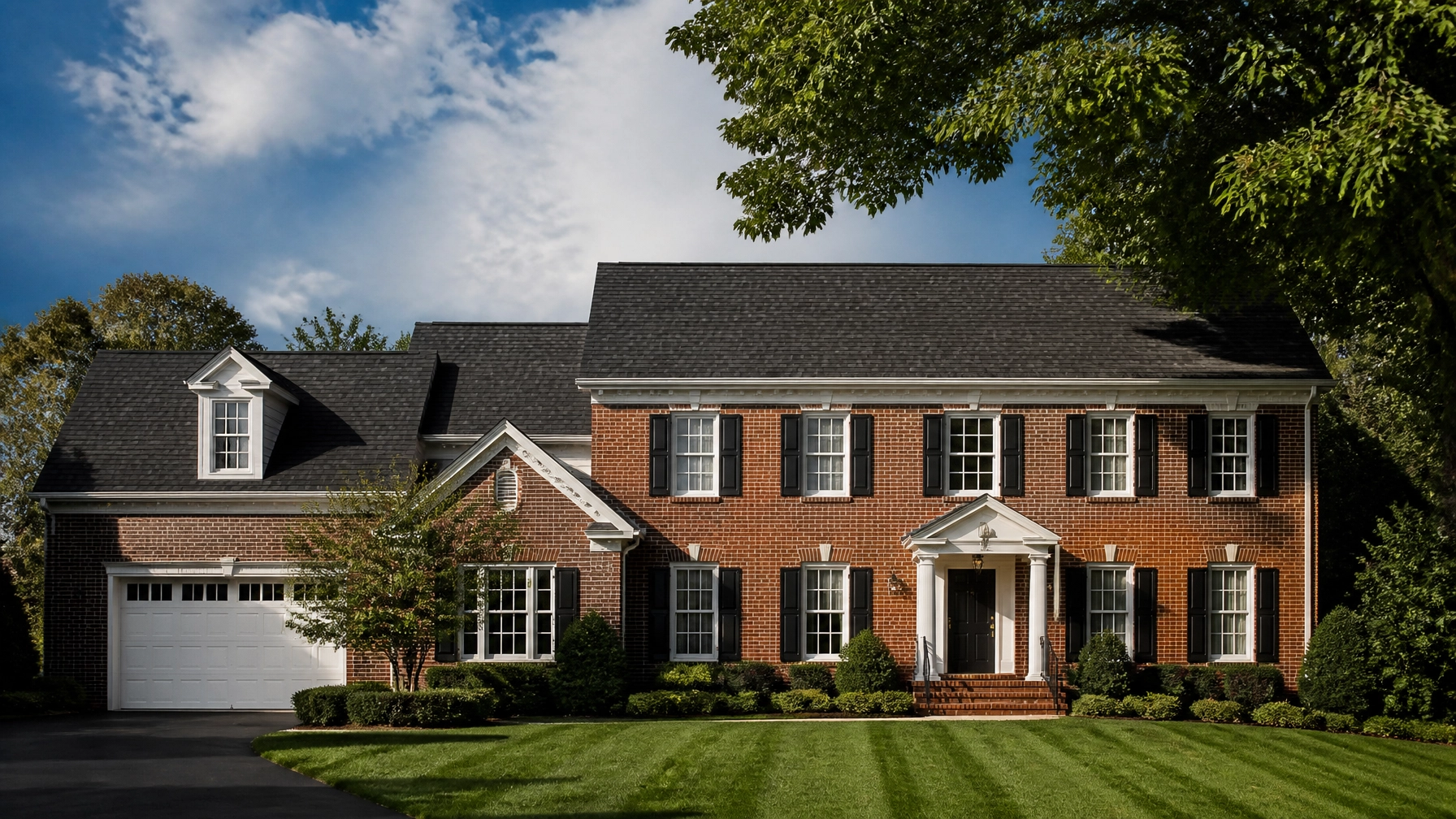
Richmond is facing a dangerous late-summer weather combination on Wednesday, September 2, 2026: upper-90s heat, oppressive humidity, and heat-index readings around 105°F to 108°F.
A Heat Advisory is in effect during the afternoon. Local forecasts from NWS Wakefield, 12 On Your Side, and WRIC StormTracker8 point to mostly sunny, hot, humid conditions, with isolated to scattered afternoon and evening storms possible.
Most of Richmond may stay dry. But any storm cell that develops could produce strong wind gusts, very heavy rain, and localized hail.
For homeowners, this is more than a weather update. Extreme heat stresses aging roofing materials, while sudden Central Virginia storm cells can expose weak shingles, flashing, valleys, and gutters.
Richmond’s Wednesday Forecast at a Glance
- High temperature: Upper 90s, with some forecasts near 98°F to 99°F
- Heat index: Approximately 105°F to 108°F
- Sky: Mostly sunny and hot
- Humidity: Very high
- Storm risk: Isolated to scattered afternoon and evening showers or thunderstorms
- Primary storm threats: Strong wind gusts, heavy rain, and possible hail
- Heat Advisory: Afternoon and evening hours
The NWS Wakefield point forecast for Richmond places Wednesday’s high near 99°F and the heat index as high as 106°F. 12 On Your Side describes the setup as mostly sunny, hot, and humid, with isolated downpours and storms possible later in the day.
That means outdoor roof work should be scheduled carefully. Roof surfaces can become significantly hotter than the air temperature, especially on dark asphalt shingles. Crews should work during safer morning hours, take frequent cooling breaks, and leave the roof well before lightning or storm cells approach.
How a September Heat Dome Stresses Asphalt Shingles
Asphalt shingles are designed to handle summer conditions. However, repeated cycles of intense heat followed by cooler nights can accelerate wear: especially on roofs that are already 15 to 30 years old.
1. Thermal expansion and contraction
Roofing materials expand during the day and contract as temperatures fall overnight. Over many cycles, this movement can stress shingle tabs, seal strips, flashing, and fastener points.
The impact is gradual. One hot day will not destroy a sound roof, but an extended heat event can worsen existing weaknesses.
2. Granule loss
The small ceramic granules on asphalt shingles protect the underlying material from ultraviolet light and weather exposure. When shingles age, granules may loosen and collect in gutters or appear near downspouts.
Granule loss can leave sections of the shingle more vulnerable to sunlight, rain, and hail impact.
3. Ridge and edge curling
Heat and ultraviolet exposure can contribute to curling at shingle edges, particularly when attic ventilation is poor. Curled shingles are easier for gusty winds to lift.
Pay close attention to:
- Curling or raised shingle edges
- Cracked or brittle surfaces
- Missing shingle tabs
- Exposed underlayment
- Dark streaks or irregular patches
- Granules accumulating in gutters

Why Richmond Storm Cells Still Matter
A low storm probability does not mean zero risk. Summer thunderstorms can be highly localized. One neighborhood may receive only sun while another sees a short burst of intense rain and wind.
Central Virginia has a history of weather-related roof damage involving:
- Thunderstorm wind
- Hail
- Fallen limbs and trees
- Occasional tornadoes
- Larger derecho-type wind events
Strong wind can lift loose shingles, damage ridge caps, loosen flashing, and push water beneath compromised areas. Hail can bruise asphalt shingles even when damage is difficult to see from the ground.
Heavy rainfall also tests roof valleys, chimney flashing, pipe penetrations, gutters, and downspouts. If these drainage areas are blocked or deteriorated, water can back up beneath the roofing system.
2026 Richmond Roof Replacement Costs
Planning a replacement before an emergency gives you more control over material selection, contractor comparisons, and financing.
For Richmond homeowners in 2026, reasonable planning ranges include:
| Roofing system | Approximate Richmond planning range | Typical use |
|---|---|---|
| Architectural shingles (Popular) | About $425–$625 per square; roughly $5–$8 per sq. ft. for many installed scopes | Most single-family homes |
| Standing seam metal (Premium) | About $875–$1,400 per square; roughly $8–$16 per sq. ft. | Long-term durability and modern appearance |
| Typical full replacement | Approximately $7,500–$20,000 | Common residential projects |
One roofing square equals 100 square feet of roof area. A 2,000-square-foot roof contains approximately 20 squares before waste, starter materials, ridge caps, and other components are added.
Your final price depends on:
- Roof size and number of squares
- Pitch and accessibility
- Valleys, dormers, and roof penetrations
- Tear-off and disposal requirements
- Decking repairs
- Ventilation improvements
- Flashing replacement
- Material availability and local labor rates
Use the Get My Roof Estimate Now roof cost calculator for a starting budget. It helps compare materials and pitch assumptions, while a property-specific satellite estimate provides a more useful first benchmark.
Stormproof Roofing Steps for Richmond Homeowners
You do not need to wait for visible leaks to evaluate your roof. A short pre-storm inspection can identify weaknesses before weather exposes them.
Before the storm
Ask a qualified roofing professional to check:
- Shingles, ridge caps, and starter courses
- Flashing around chimneys, skylights, and walls
- Valleys and roof-to-wall transitions
- Pipe boots and vent penetrations
- Gutters, downspouts, and drainage paths
- Attic ventilation and signs of moisture
- Tree limbs overhanging the roof
Trim hazardous branches, secure outdoor furniture, and clear gutters if it is safe to do so. Never climb onto a roof during high heat, rain, or wind.
When replacing the roof
Discuss these specifications with your contractor:
- Class 3 or Class 4 impact-rated shingles (Premium protection): These may improve resistance to hail impact, although no shingle is completely hailproof.
- Wind-rated fastening: Confirm the required nail count and nailing pattern.
- Sealed deck underlayment: This provides additional water protection beneath the shingles.
- Ice and water protection: Particularly important in valleys, eaves, and vulnerable transitions.
- Proper attic ventilation: Balanced intake and exhaust ventilation helps manage heat and moisture.
- Updated flashing: Reusing old, deteriorated flashing can undermine a new roof.

What to Do After Wind or Hail Damage
If a storm passes through your Richmond neighborhood, inspect from the ground first. Look for missing shingles, exposed underlayment, damaged gutters, fallen branches, and new ceiling stains.
Within the first 48 hours:
- Take photos and video. Document the roof, siding, gutters, windows, interior stains, and fallen trees.
- Prevent additional damage. Use temporary protection or emergency tarping when necessary, but avoid unsafe roof access. Keep receipts.
- Notify your insurance company promptly. Ask about claim deadlines, inspection procedures, and temporary repair requirements.
- Check your policy deductible. Virginia policies may include separate wind or hail percentage deductibles. Confirm the amount before approving work.
- Do not accept deductible waivers. A contractor promising to “cover” or “eliminate” your deductible may create insurance and contract problems.
- Verify the contractor. Use the official Virginia DPOR License Lookup and confirm the roofer’s license status, roofing classification, and insurance coverage.
A reputable contractor should provide a written scope of work, proof of general liability insurance, workers’ compensation coverage where applicable, permit information, warranty details, and a clear price.

Get a Richmond Roof Estimate Before the Next Storm
Wednesday’s heat may not create immediate damage by itself. But extreme heat can accelerate deterioration on an aging roof, and isolated storms can quickly reveal problems that were already present.
Knowing your roof’s size, pitch, complexity, and replacement range helps you make decisions without waiting for a contractor visit just to get a ballpark figure.
With Get My Roof Estimate Now, you can enter your Richmond address and receive a free satellite-powered roof estimate in about 60 seconds. The service requires no credit card and provides low, middle, and high pricing ranges for different roofing materials.
Use the estimate to plan ahead, compare written contractor proposals, and respond more confidently if a summer storm damages your home.
Frequently Asked Questions
Is it safe to replace a roof during a Heat Advisory?
Roof work during peak afternoon heat creates additional risks for workers and homeowners. Schedule work during cooler morning hours when possible, and pause work for lightning, high winds, heavy rain, or unsafe roof conditions.
Can heat alone damage asphalt shingles?
Heat alone usually does not destroy a properly installed roof. However, prolonged ultraviolet exposure and repeated expansion and contraction can accelerate curling, brittleness, and granule loss on older shingles.
Do Class 4 shingles prevent hail damage?
No. Class 4 shingles are tested for improved impact resistance, but severe hail can still damage them. Ask your insurer whether impact-rated materials affect available discounts or coverage.
How accurate is an instant satellite roof estimate?
Get My Roof Estimate Now uses satellite imagery to measure roof size, pitch, and complexity. Its estimates are typically 90% to 95% accurate for initial planning. An in-person inspection may still identify decking, flashing, ventilation, or storm damage that imagery cannot confirm.
How much does a Richmond roof replacement cost in 2026?
Many Richmond homeowners should plan for approximately $7,500 to $20,000 for a full replacement. Architectural shingles commonly fall near the lower and middle portions of that range, while standing seam metal generally costs more.
Leave a Reply