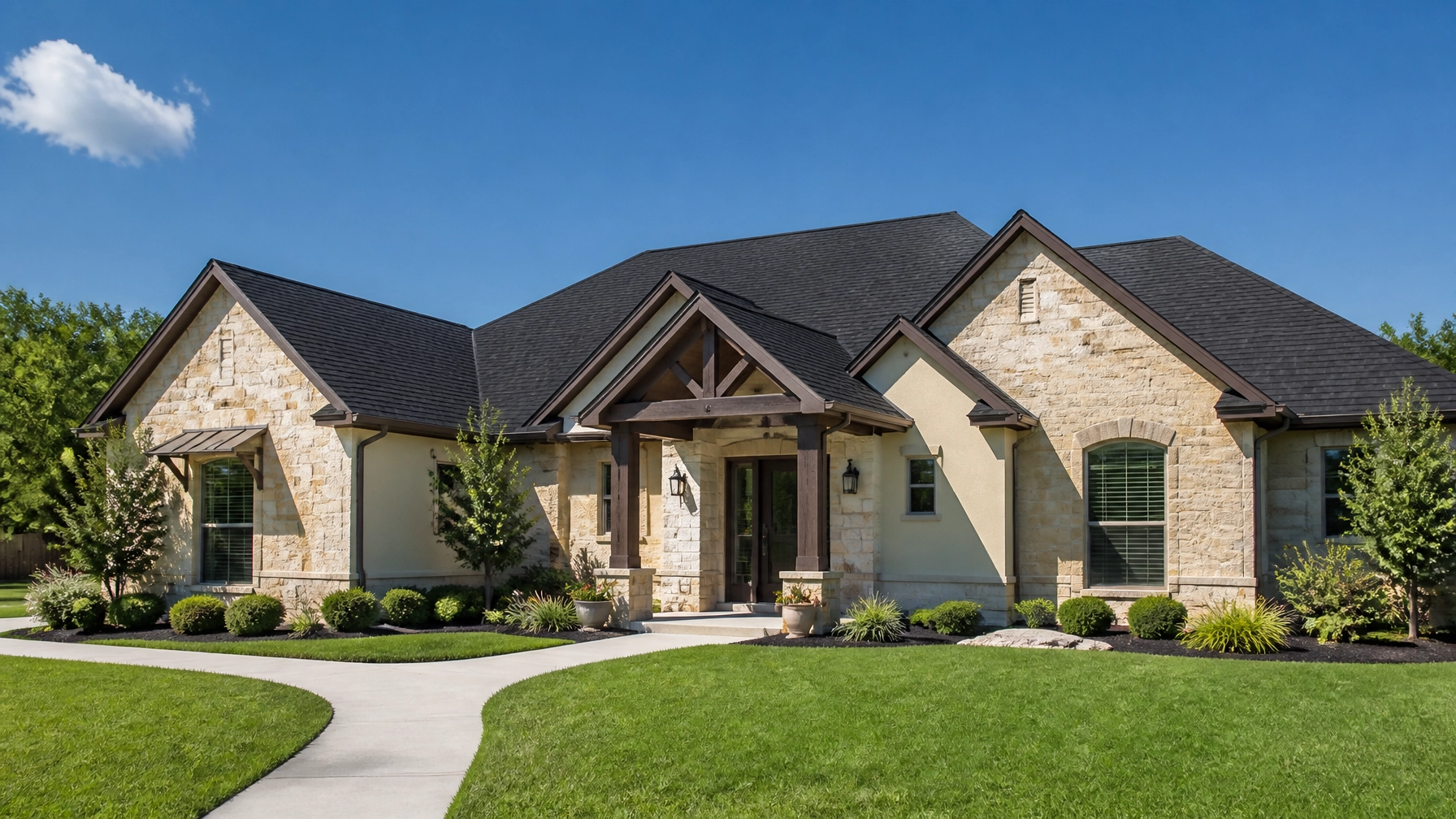
For San Antonio homeowners, the question isn’t if you’ll need a new roof, but when. Between the relentless South Texas sun and the increasingly volatile spring hailstorms, your roof is the most vulnerable asset of your home. By 2026, navigating the insurance landscape in the Alamo City has become more complex due to rising premiums and stricter regulatory oversight.
If you are dealing with a 20-year-old roof or recent storm damage, understanding Texas-specific insurance laws is the difference between a fully funded replacement and a massive out-of-pocket bill. This masterclass breaks down exactly how to navigate the claims process, local building codes, and the current 2026 market costs in San Antonio.
The San Antonio Weather Challenge: Why 2026 is Different
The "San Antonio Shuffle": the rapid transition from 100-degree heat to sudden, intense hailstorms: takes a heavy toll on traditional roofing materials. In 2026, we are seeing a higher frequency of "micro-burst" storms that cause localized but severe damage. Heat-related expansion and contraction (thermal shock) often weaken shingles, making them even more susceptible to the inevitable hail impact.

Navigating Texas Insurance Laws (2026 Update)
Texas has some of the most robust consumer protection laws in the country, but they also place significant responsibility on the homeowner. Here are the three pillars of Texas insurance law you must know before filing a claim:
1. The Texas Prompt Pay Law (Chapter 542)
Under the Texas Insurance Code, carriers are held to strict timelines. Once you file your claim, the insurer has:
- 15 Business Days to acknowledge your claim and start their investigation.
- 15 Business Days to accept or deny the claim after receiving all requested information.
- 5 Business Days to issue payment once the claim is approved.
If they fail to meet these deadlines, they may be liable for interest and attorney fees, giving you significant leverage if the process stalls.
2. HB 2102: The Deductible Rule
Since 2019, it has been a Class B misdemeanor in Texas for a contractor to "waive," "absorb," or "pay" a homeowner's insurance deductible. In 2026, the Texas Department of Insurance (TDI) has ramped up enforcement. You must pay your deductible, and your insurer is legally authorized to request proof of payment (like a canceled check or receipt) before releasing the final "recoverable depreciation" payment.
3. The 25% Rule (Building Code)
While many homeowners hear rumors of a "10% rule," the actual regulation governing San Antonio is often the 25% Rule found in the International Residential Code (IRC). This code states that if more than 25% of a roof slope is damaged or removed within a 12-month period, the entire slope must be replaced and brought up to current 2026 code standards. This is a critical factor that often turns a "repair" claim into a "full replacement" claim.
2026 San Antonio Roof Replacement Cost Data
Transparency is key to budgeting. In 2026, roofing costs in San Antonio are driven by labor availability and petroleum-based material pricing. Based on our satellite measurement data for the Bexar County area, here is the current pricing landscape:
| Material Category | Cost Per Square Foot (Installed) | Typical 2,000 Sq. Ft. Project |
|---|---|---|
| 3-Tab Shingles (Budget) | $3.50 – $6.00 | $9,000 – $12,000 |
| Architectural Shingles (Popular) | $4.25 – $6.50 | $10,000 – $15,000 |
| Impact-Resistant (Class 4) | $5.50 – $8.50 | $12,000 – $18,000 |
| Standing Seam Metal (Premium) | $7.00 – $14.00 | $18,000 – $30,000+ |
Note: These ranges include standard tear-off, local San Antonio permits (typically $50–$200), and disposal fees. Complexity, roof pitch, and the number of stories can influence these figures.
The Step-by-Step Claims Process for SA Homeowners
If you suspect damage after a storm, follow this professional sequence to maximize your coverage:
- Get a Measurement-First Estimate: Before calling your insurance company, use a satellite-powered estimate tool to get an accurate square footage report. This ensures you know the "real" size of your roof before an adjuster arrives.
- Professional Inspection: Have a licensed local roofer document the damage with photos. Look for "functional damage" (loss of granules, punctured matting) rather than just "cosmetic damage," which some 2026 policies now exclude.
- File the Claim: Contact your carrier and provide the date of the storm.
- The Adjuster Meeting: Provide your roofer’s photo report and your Get My Roof Estimate Now report to the adjuster. This technical data makes it much harder for the insurer to "lowball" the measurements.
- Review the Scope of Work: Ensure they have included San Antonio-specific requirements, such as drip edge, ice and water shield (if applicable for your specific code), and adequate ventilation.

Vetting San Antonio Contractors: Red Flags to Avoid
San Antonio is a "hot" market for storm chasers. To protect your investment and your insurance claim, ensure your contractor meets these criteria:
- Local Office: Verify they have a physical address in San Antonio or the surrounding suburbs (New Braunfels, Boerne, etc.), not just a P.O. Box.
- No "Dual Agency": In Texas, a contractor cannot legally act as your public insurance adjuster on the same claim. They can provide an estimate and explain the scope, but they cannot negotiate the claim on your behalf.
- Permit History: Ask them to show proof of a pulled permit from the City of San Antonio Development Services Department for their last three projects.

Why Technology is Your Best Asset in 2026
The days of waiting a week for a contractor to "climb the ladder" just to give you a ballpark price are over. We leverage high-resolution satellite imagery to provide you with a comprehensive roof estimate in under 60 seconds. Our measurements are accurate to within inches, covering size, pitch, and complexity.
This level of detail is exactly what insurance adjusters use. By having this data upfront, you are speaking their language from day one. Whether you are looking for a Budget shingle replacement or a Premium metal roof, our tool provides the transparency you need to make an informed decision.

Conclusion
Getting your roof replaced in San Antonio in 2026 requires a blend of local knowledge and modern technology. By understanding the 25% rule, sticking to the Prompt Pay timelines, and using accurate satellite measurements, you can ensure your home is protected without the traditional stress of contractor negotiations.
Ready to see what your San Antonio roof replacement should actually cost?
Get your instant, free satellite roof estimate here in 60 seconds.
Leave a Reply