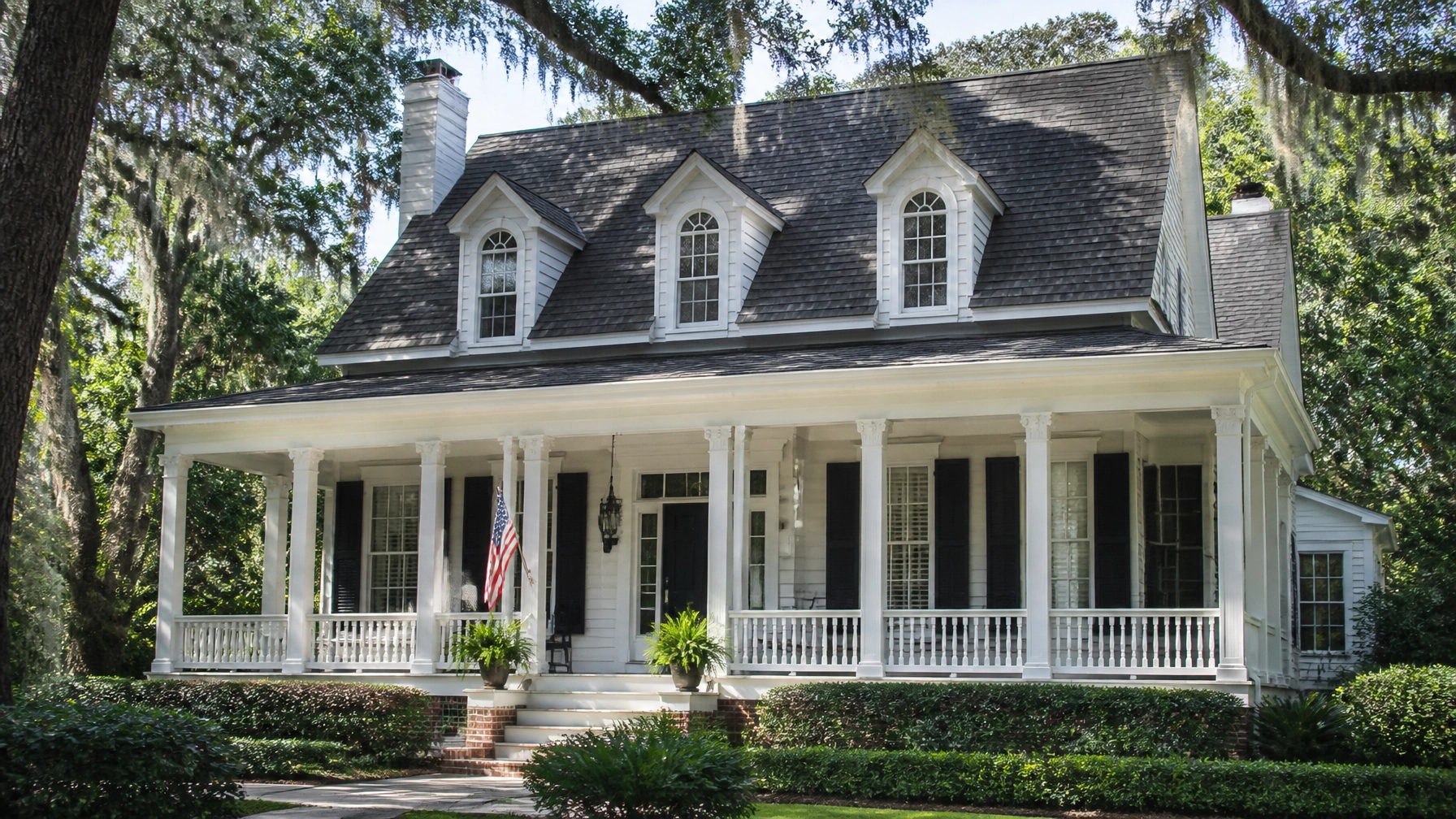
Savannah homeowners know that living on the Georgia coast comes with a specific set of challenges. Between the historic charm of Chatham County and the towering oaks draped in Spanish moss lies a seasonal reality: hurricane season. From June 1st through November 30th, the threat of high-velocity winds and tropical depressions is a constant factor in home maintenance.
In 2026, the landscape of roofing and insurance has shifted. With rising material costs and stricter coastal building codes, a standard roof replacement in Savannah, GA is no longer a simple transaction: it’s a strategic financial move. Whether you are dealing with recent storm damage or planning ahead, understanding how to leverage your insurance policy is the difference between an out-of-pocket expense of $15,000 and a professional installation covered by your carrier.
This masterclass breaks down the specific costs, regulations, and insurance tactics required for Savannah residents to successfully navigate a roof replacement claim this year.
The Financial Reality: Savannah Roof Replacement Cost 2026
Before filing a claim, you must understand the current market value of your roof. In 2026, Savannah has seen a moderate increase in labor and material costs due to localized demand and global supply chain adjustments.
For a typical 2,000-square-foot home in Savannah, here are the current price benchmarks:
- Architectural Shingles (Popular): $11,000 – $16,500
- Standing Seam Metal (Premium): $18,000 – $28,000
- Designer/Synthetic Slate (Luxury): $22,000 – $35,000
- Flat/TPO Roofing (Low-Slope): $8,500 – $14,000
These estimates include removal of the old roof, disposal fees, and the installation of code-compliant underlayment. If your home is located in the Historic District or Midtown, expect costs to trend toward the higher end of these ranges due to site access complexities and historic preservation requirements.
To get an instant baseline for your specific property, use a satellite roof estimate Savannah GA tool. It provides a measurement accurate to within inches, allowing you to compare your insurance adjuster's estimate against real-world 2026 data.

Decoding Your Georgia Insurance Policy: RCV vs. ACV
Not all insurance policies are created equal. In Georgia, the type of coverage you have determines your out-of-pocket exposure.
1. Replacement Cost Value (RCV)
This is the gold standard for homeowners. If your roof is damaged by a covered event (like a windstorm or hurricane), the insurer pays the full cost to replace the roof at today's 2026 prices, minus your deductible. They typically pay in two installments: the actual cash value (ACV) upfront and the "recoverable depreciation" once the work is completed.
2. Actual Cash Value (ACV)
Budget-tier policies often utilize ACV. This pays out based on the depreciated value of your roof. If your 20-year-old roof is damaged, the insurer might only pay 40–50% of the replacement cost, leaving you to cover the balance.
The "Coastal Catch": Wind and Hurricane Deductibles
In Savannah and throughout Chatham County, many policies include a separate Wind/Hurricane Deductible. Unlike your standard $1,000 flat deductible, these are often percentage-based (1%, 2%, or even 5% of your home's total insured value).
- Example: If your home is insured for $400,000 with a 2% hurricane deductible, you are responsible for the first $8,000 of the claim.
The Savannah Factor: Local Building Codes and Regulations
Working with a licensed Savannah GA roofing contractor is non-negotiable because of the specific wind-load requirements in our region.
Chatham County High-Wind Requirements
Georgia's coastal codes are among the strictest in the Southeast. For a roof replacement to pass inspection in 2026:
- Wind Rating: Shingles must be rated for at least 130 mph winds.
- Fastening: A standard 4-nail pattern is insufficient. Savannah code requires a 6-nail pattern per shingle to ensure stability during tropical-force winds.
- Drip Edge: Proper metal drip edge installation is required on all eaves and rakes to prevent water intrusion during wind-driven rain.
Ensuring your contractor holds a valid Savannah Georgia roofing license and is familiar with these codes is critical. If your insurance adjuster omits these code-required items from their initial estimate, your contractor will need to file a "supplement" to ensure the claim covers a code-compliant roof.

Wind Mitigation: The "Fortified" Advantage
One of the most effective ways for Savannah homeowners to lower their long-term costs is through a Wind Mitigation Inspection. In Georgia, installing a roof that meets "Fortified" standards can lead to a 20% reduction or more in your annual insurance premiums.
A Fortified roof includes:
- Enhanced Roof Deck Attachment: Using larger nails and closer spacing.
- Sealed Roof Deck: Specialized tape or underlayment that prevents water from entering the home even if the shingles are blown off.
- High-Wind Shingles: Premium materials designed for coastal resilience.
Most homeowners find that the upgrade cost for a Fortified system pays for itself in roughly three years through insurance savings alone. When discussing your replacement with a Savannah roofer, always ask for a quote that includes Fortified-compliant materials.
5 Steps to a Successful 2026 Insurance Claim
If you suspect Savannah storm damage roofing issues: such as missing shingles, creased tabs, or leaks following a storm: follow this protocol:
- Document the Damage: Take photos from the ground and record the date of the storm.
- Get a Professional Inspection: Do not file a claim blindly. Have a trusted Savannah roofing contractor perform a thorough inspection to confirm the damage warrants a claim.
- Use Satellite Data: Verify your roof's square footage using a satellite roof estimate to ensure the insurance adjuster’s measurements are accurate. Discrepancies of even 1-2 "squares" (100 sq ft units) can cost you thousands.
- File the Claim: Contact your insurance agent with your contractor's report in hand.
- Review the Adjuster's Summary: Compare the insurance estimate with your contractor's quote. Ensure it accounts for 2026 Savannah labor rates and Chatham County building codes.

Conclusion: Take Control of Your Roof Replacement
Replacing a roof in Savannah is a significant investment, but it doesn't have to be a financial burden. By understanding your policy's nuances: specifically the RCV vs. ACV distinction and your wind deductible: you can maximize your coverage.
In 2026, technology has eliminated the need for the "guessing game." You no longer have to wait days for a contractor to show up just to get a ballpark figure. You can get an instant, transparent roof replacement estimate in under 60 seconds using our satellite-powered platform.
Whether you're preparing for the next hurricane season or reacting to the last one, start with accurate data. Empower yourself with the numbers before you ever pick up the phone to call your insurance company.
Leave a Reply