Blog

  • Daily Weather Blitz – Slot 4: Richmond, VA : September 8, 2026: Pleasant 87°F Sunshine Gives Way to Near-100°F Heat Indexes and Friday Storms & What Central Virginia’s Heat, Humidity, and Freeze-Thaw Cycles Do to Your Roof’s Durability

    Daily Weather Blitz – Slot 4: Richmond, VA : September 8, 2026: Pleasant 87°F Sunshine Gives Way to Near-100°F Heat Indexes and Friday Storms & What Central Virginia’s Heat, Humidity, and Freeze-Thaw Cycles Do to Your Roof’s Durability

    Richmond starts Tuesday, September 8, 2026, with favorable outdoor conditions: mostly sunny to partly cloudy skies, a high near 87°F, overnight lows in the 60s, comfortable humidity, and no rain or thunderstorms expected today.

    That calm weather will not last all week. Temperatures and humidity are expected to climb through Thursday, with highs reaching the low 90s and the heat index approaching 100°F. A Friday cold front should bring scattered showers and thunderstorms, with temperatures dropping back into the mid-80s.

    For Central Virginia homeowners, this pattern is a useful reminder: roof damage is rarely caused by one weather event alone. Repeated heat, humidity, wind, heavy rain, hail, leaf debris, and winter freeze-thaw cycles gradually test every part of a roofing system.

    Forecast source: Check the National Weather Service Richmond/Wakefield forecast office for updated local conditions, alerts, and timing. Forecasts can change.

    Richmond weather outlook: comfortable today, hotter by Thursday

    Here is the practical week-ahead picture for the Richmond area:

    • Tuesday, September 8: Mostly sunny to partly cloudy; high around 87°F; lows in the 60s; comfortable humidity; no rain expected.
    • Wednesday: Warmer with increasing humidity and temperatures approaching the low 90s.
    • Thursday: Very warm to hot, with highs in the low 90s and a heat index near 100°F. Storm chances may begin increasing late.
    • Friday: A cold front brings scattered showers and thunderstorms, followed by highs in the mid-80s.
    • Weekend trend: Cooler and more comfortable conditions are possible, but exact rain and temperature timing may shift.

    For residents, Tuesday is a good day for outdoor work, errands, yard maintenance, and roof observations from ground level. Thursday is a day to limit strenuous outdoor tasks during the hottest afternoon hours. Friday’s storms may affect driving, outdoor events, school activities, and commutes across Richmond, Henrico, Chesterfield, Hanover, and surrounding communities.

    How this weather affects everyday life and vehicles

    A hot, humid day can affect more than your roof.

    Vehicles

    When temperatures rise toward the 90s and the heat index approaches 100°F:

    • Tire pressure can increase with heat.
    • Batteries and cooling systems face additional stress.
    • Hot pavement can worsen tire wear.
    • Vehicles parked beneath trees may collect leaves, sap, and small branches.
    • Heavy rain after a hot stretch can reduce visibility and create standing water on roads.

    Before Friday’s storms, move vehicles away from weak or dead branches where possible. Check tire condition, windshield wipers, lights, and fluid levels. Never drive through flooded roadways, even if the water appears shallow.

    Home comfort and energy use

    A hot roof surface transfers heat into the attic and upper floors. If attic insulation or ventilation is inadequate, your air conditioner may run longer. High humidity also makes indoor spaces feel warmer and can contribute to condensation in poorly ventilated attics.

    The roof itself may look fine from the ground while heat and moisture are affecting:

    • Shingle seal strips
    • Underlayment
    • Roof decking
    • Flashing sealants
    • Attic insulation
    • Ridge and soffit ventilation

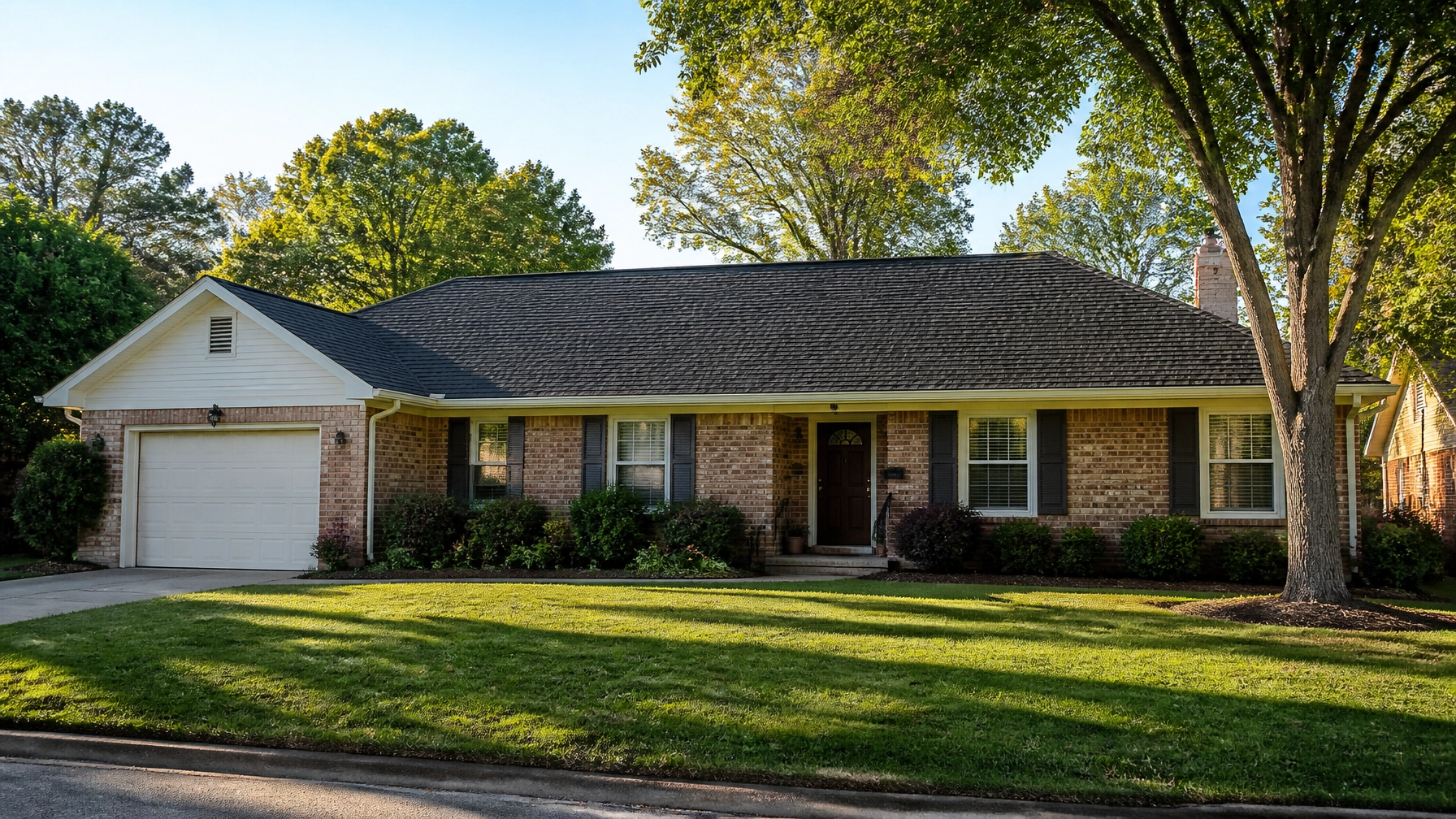
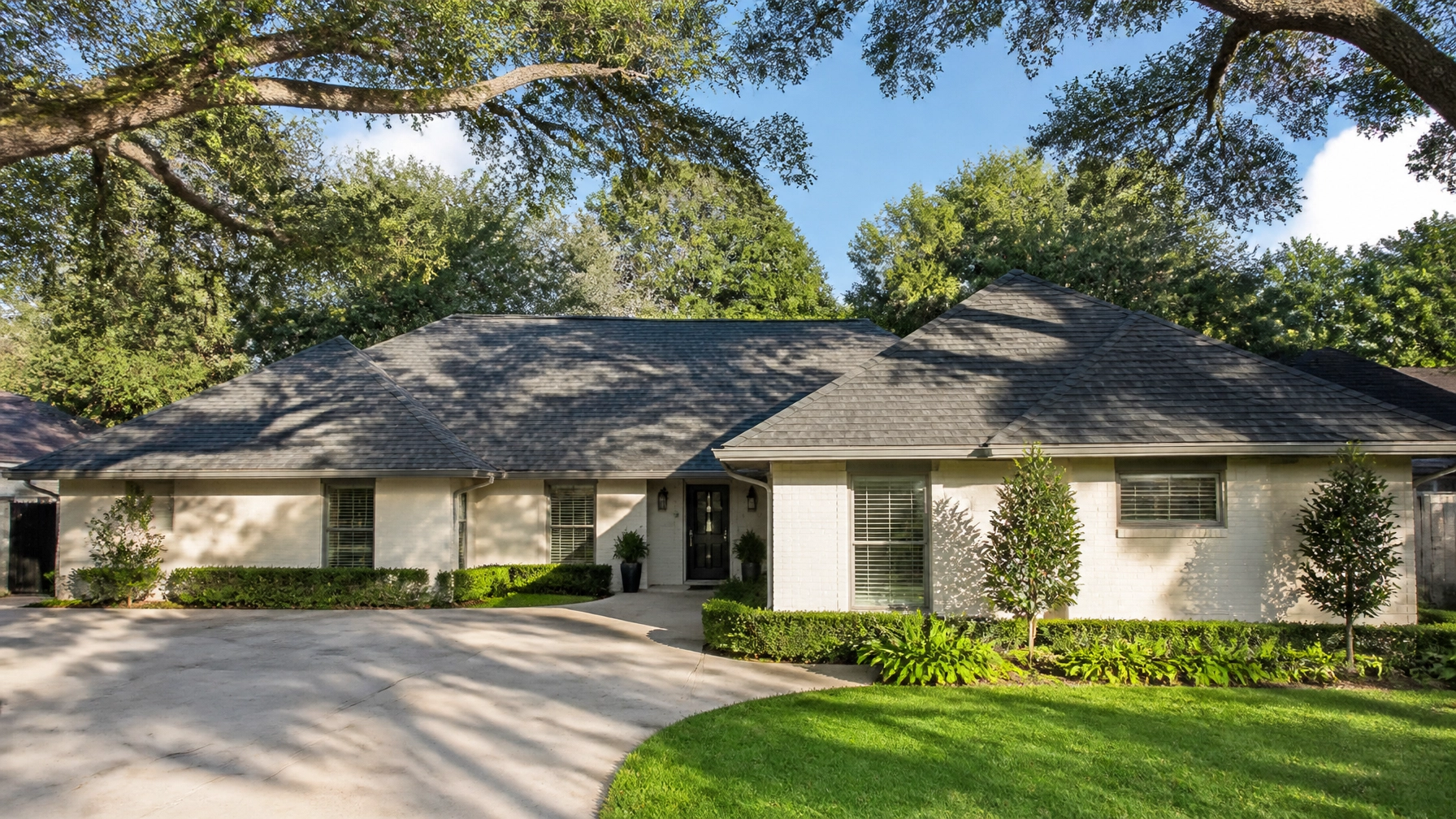
    Richmond area ranch home with a new gray architectural shingle roof and clean gutters

    What Richmond’s summer heat does to roofing materials

    Richmond’s summer weather combines strong sunlight, high temperatures, moisture, and sudden thunderstorms. That combination accelerates normal aging.

    Asphalt shingles

    Architectural shingles remain the most common roofing choice in Central Virginia because they offer a practical balance of cost, appearance, and performance.

    Extended heat and ultraviolet exposure can gradually cause:

    • Granule loss
    • Fading
    • Dry or brittle shingle surfaces
    • Cracked sealant
    • Curling or lifting edges
    • Reduced flexibility during later cold weather

    A roof that is already 15 to 25 years old may show these symptoms sooner, especially if it has poor attic ventilation or repeated storm exposure.

    Class 4 impact-resistant shingles

    Class 4 shingles are a premium asphalt option designed to provide improved resistance to impact from hail and airborne debris. They are not damage-proof, but they can be a sensible upgrade for homeowners who want stronger storm protection without moving to metal.

    They may be worth considering when:

    • Your neighborhood has experienced hail damage.
    • Your roof is exposed to large trees.
    • You plan to remain in the home for many years.
    • You want a more durable asphalt system.
    • Your insurance carrier offers an approved discount.

    Ask for the specific impact rating, warranty terms, and installation requirements. Not every “impact-resistant” product provides the same coverage.

    Metal roofing

    Standing-seam and other properly installed metal systems can provide strong resistance to wind, heavy rain, humidity, and repeated temperature changes. Many residential metal roofs last 40 to 70 years when correctly designed and maintained.

    Metal roofing still requires attention to:

    • Expansion and contraction
    • Fasteners and clips
    • Flashing transitions
    • Sealants
    • Corrosion protection
    • Debris accumulation in valleys and gutters

    Metal can dent during severe hail, but a properly rated system is less likely to crack or lose surface granules than asphalt shingles.

    Contemporary Richmond area home with a dark standing-seam metal roof and clean flashing details

    Why Friday’s storms deserve a roof check

    Thunderstorms can create several types of roof stress at the same time:

    • Wind-driven rain can enter around loose flashing or failed pipe boots.
    • Strong gusts can lift shingles or damage ridge caps.
    • Hail can bruise shingles, dent metal, and damage gutters.
    • Heavy rain can expose clogged valleys and undersized drainage.
    • Fallen branches can puncture roof coverings.
    • Lightning and nearby power issues can disrupt home systems.

    After a storm, do not climb onto the roof unless you are trained and equipped. From the ground, look for missing shingles, loose metal, fallen branches, damaged gutters, or visible debris. Inside the home, check ceilings, attic areas, and upper walls for new stains or damp odors.

    If you see storm damage, document it with photos and contact your insurer and a qualified roofing professional. Get details in writing before approving permanent work. More guidance is available through storm and hail damage services.

    Central Virginia’s freeze-thaw cycle can expose weak points

    Richmond winters are not consistently severe, but Central Virginia does experience temperature swings around freezing. Water enters small gaps, freezes, expands, and then melts. Repeated cycles can enlarge weaknesses in:

    • Chimney and wall flashing
    • Pipe penetrations
    • Valley details
    • Cracked sealants
    • Exposed fasteners
    • Damaged shingles
    • Gutters and downspouts

    Freeze-thaw damage often becomes noticeable in late winter or early spring, but preparation should begin in fall. A small flashing gap before winter can become an interior leak after several freeze-and-melt cycles.

    Ventilation and flashing: the durability details homeowners often miss

    Material selection matters, but installation details often determine how long a roof performs.

    Check attic ventilation

    A balanced ventilation system should allow air to enter through unobstructed soffit vents and exit through ridge or other approved exhaust vents. Proper airflow helps reduce heat buildup and attic moisture.

    Watch for:

    • Blocked soffit vents
    • Insulation covering intake openings
    • Missing or damaged ridge vents
    • Condensation on roof decking
    • Mold-like odors
    • Excessively hot attic spaces

    A roofing professional should evaluate the entire ventilation balance rather than simply adding a vent.

    Inspect flashing and penetrations

    Flashing is used around chimneys, skylights, walls, valleys, vents, and roof edges. These transitions experience concentrated water flow and movement.

    Before the storm season and after major weather, look for ground-level signs of:

    • Rust or corrosion
    • Lifted metal
    • Cracked sealant
    • Missing counterflashing
    • Water stains near chimneys or walls
    • Loose gutters and downspouts

    Also keep leaves, pine needles, and branches from collecting in valleys and gutters. Organic debris holds moisture against the roof and can speed up deterioration.

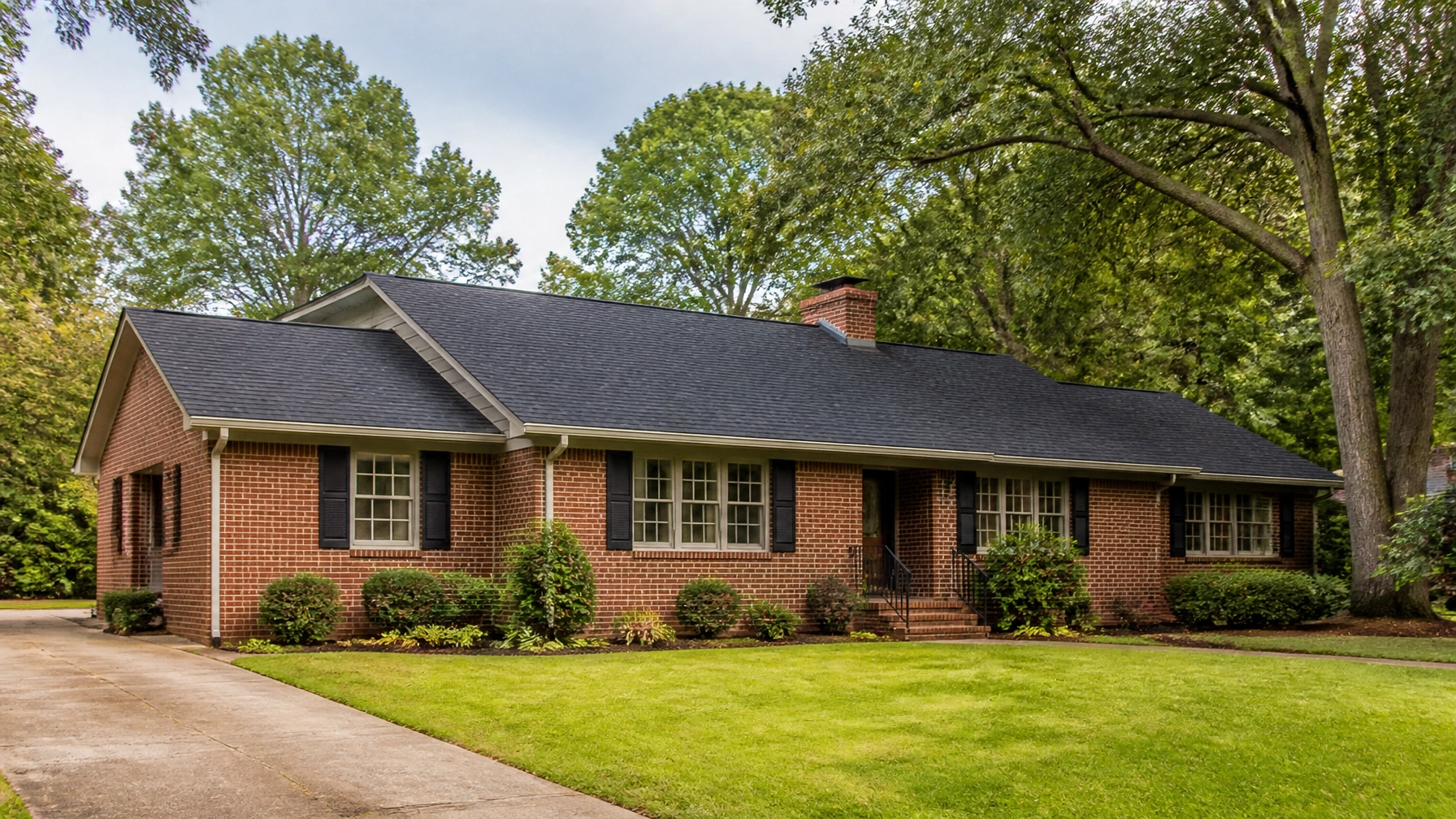
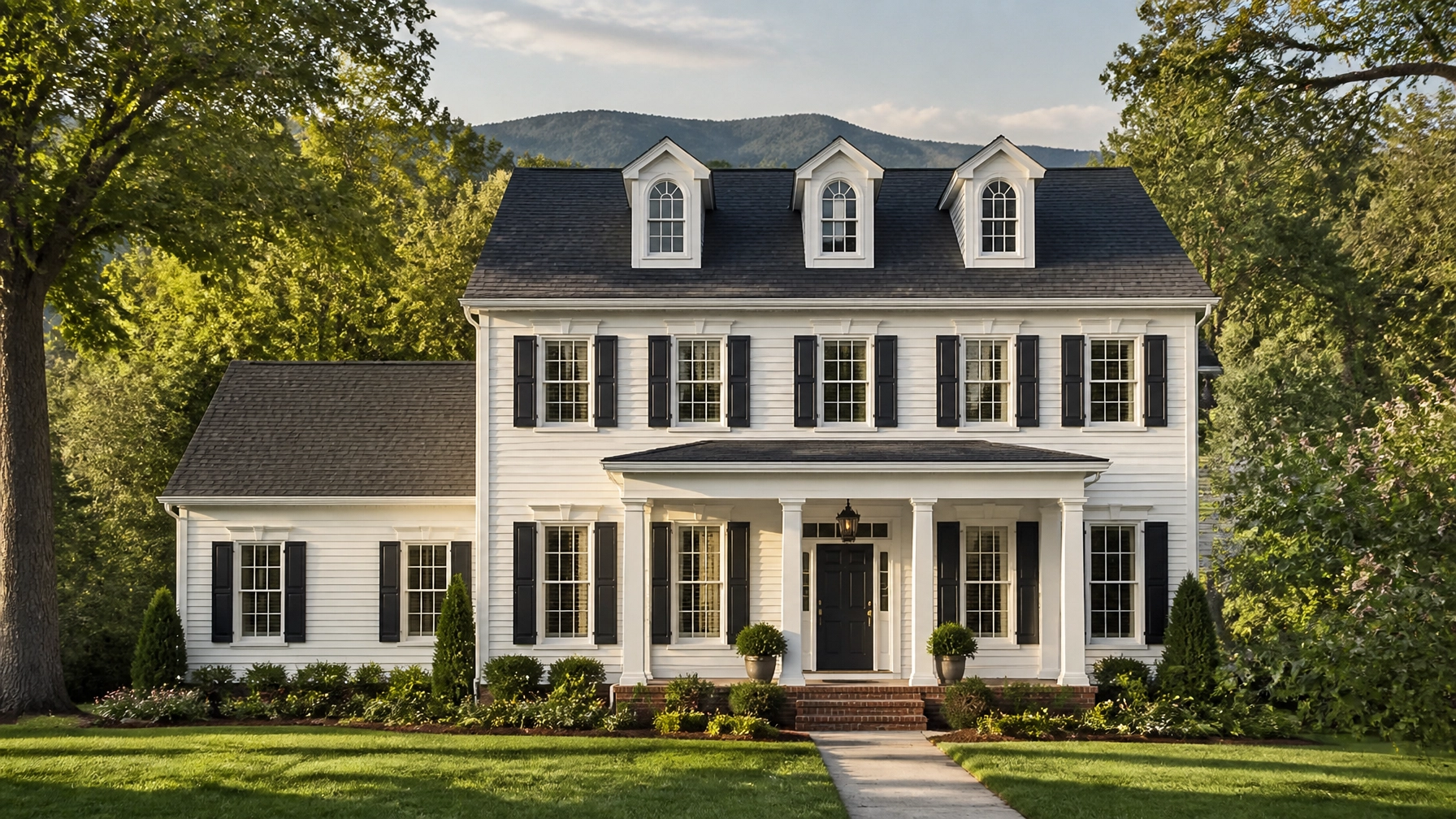
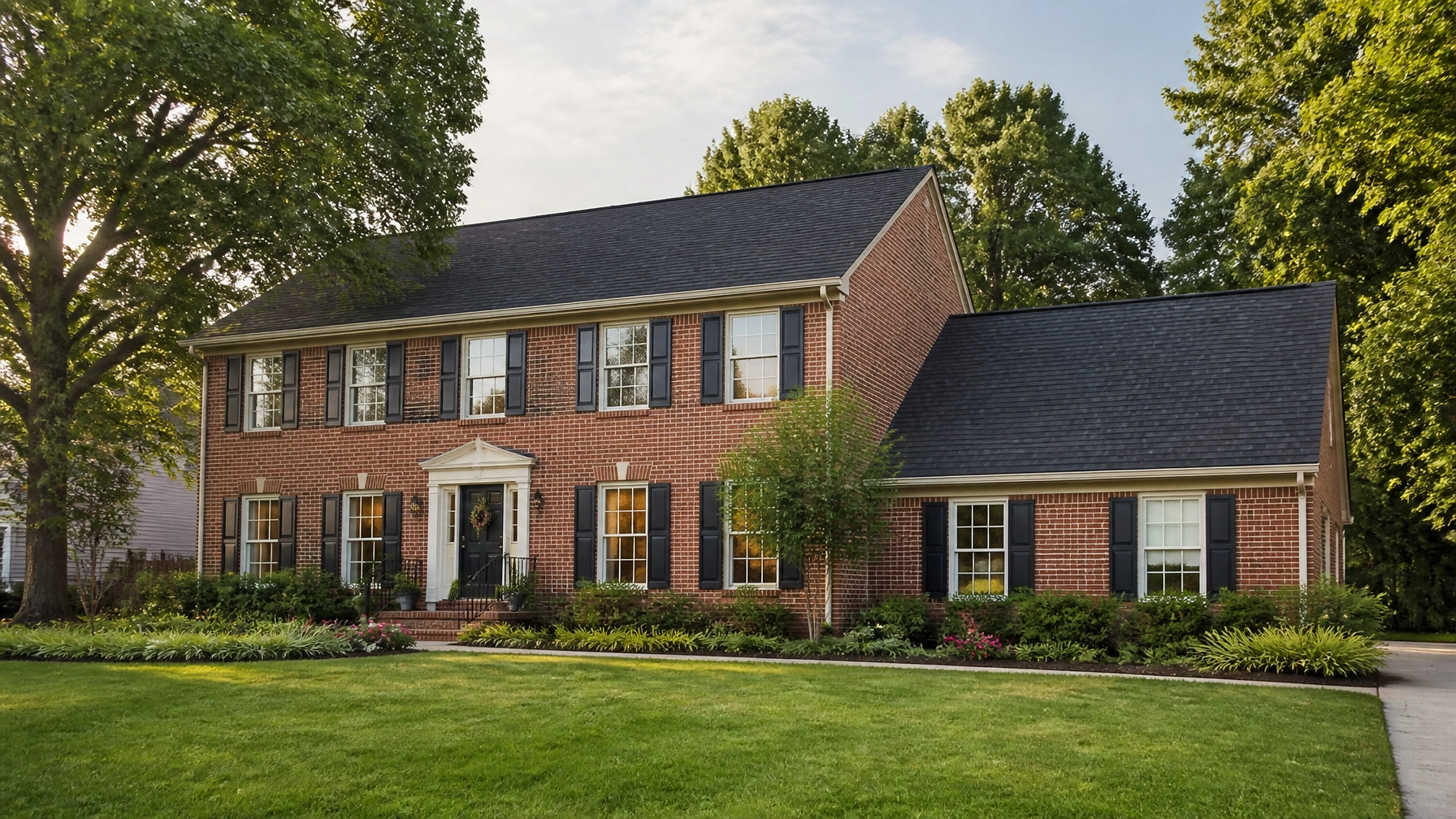
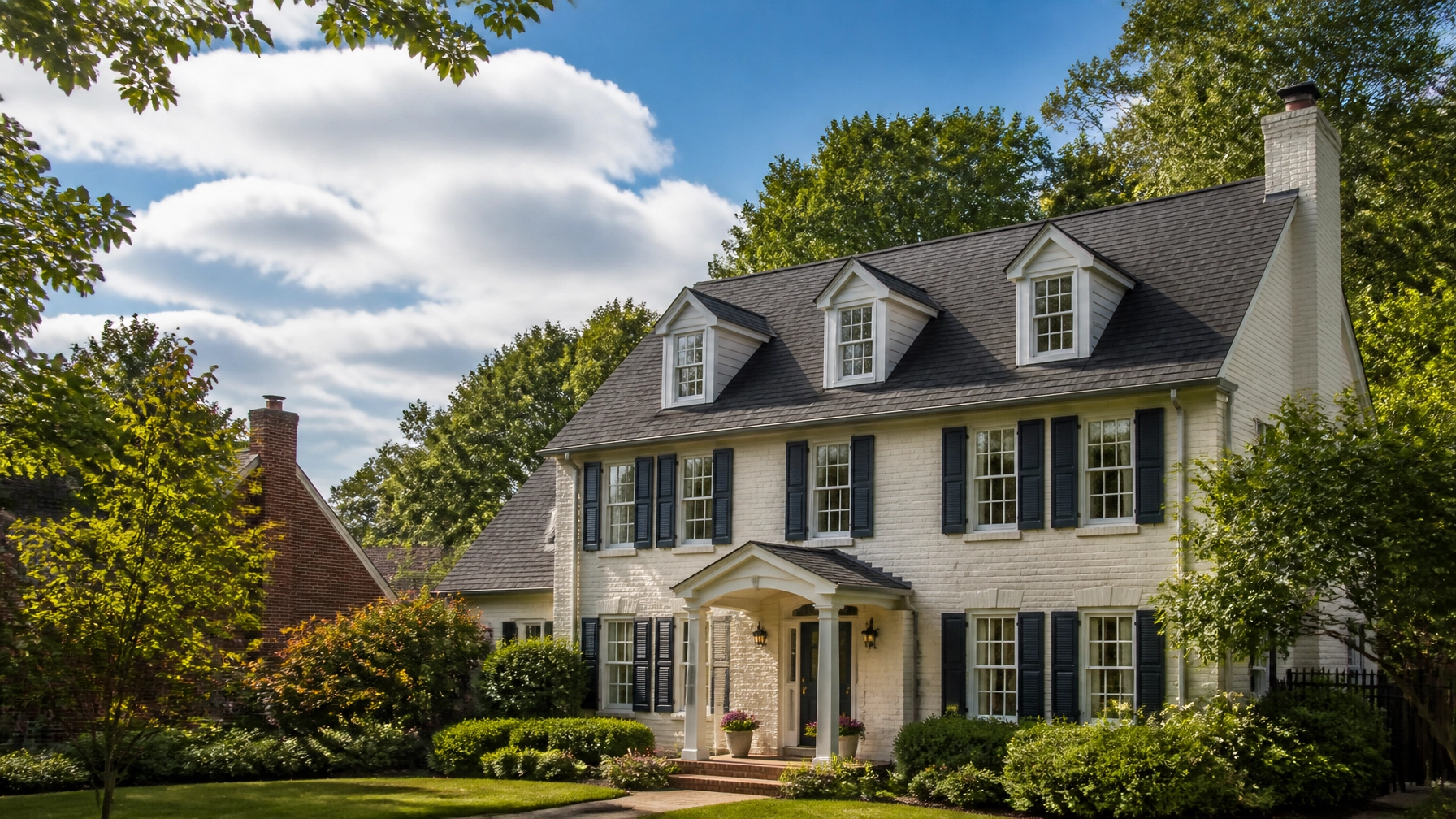
    Richmond Virginia brick Cape Cod home with a new impact-resistant shingle roof and mature hardwood trees

    2026 Richmond roof replacement planning range

    For a typical Richmond-area home, a full roof replacement may fall within these broad 2026 planning ranges:

    Planning level Typical project range What it may include
    Low $8,000–$12,000 Smaller or simpler roof with standard architectural shingles and limited repairs
    Middle $12,000–$18,000 Average-sized roof, architectural or upgraded shingles, tear-off, standard flashing, and moderate complexity
    High $18,000–$30,000+ Large, steep, or complex roof; Class 4 shingles, premium systems, metal roofing, decking repairs, or extensive flashing

    For a roughly 2,000-square-foot roof, a practical material comparison is:

    • Architectural shingles (Popular): approximately $10,000–$16,000
    • Class 4 impact-resistant shingles (Enhanced protection): approximately $14,000–$20,000
    • Metal roofing (Long-term durability): approximately $18,000–$32,000 or more

    These are planning ranges, not bids. Your actual price depends on roof size measured in squares, pitch, valleys, dormers, tear-off requirements, decking condition, accessibility, material selection, permits, regional labor, and contractor scope.

    For a broader starting point, use the roof cost calculator or review Virginia roof estimate information.

    A practical Richmond roof resilience checklist

    Before the next storm cycle:

    1. Clear gutters and confirm downspouts discharge away from the foundation.
    2. Trim branches that overhang the roof or parking areas.
    3. Check the attic for moisture, staining, and blocked ventilation.
    4. Photograph your roof, gutters, skylights, and exterior before severe weather.
    5. Review your insurance deductible and roof-age requirements.
    6. Schedule an inspection if your roof is more than 15 years old.
    7. Do not pressure-wash, nail, or seal roof damage without professional guidance.

    Important disclaimer

    Weather conditions, storm timing, material availability, contractor pricing, and roof replacement estimates can change. Forecast information should be verified through the National Weather Service Richmond/Wakefield office. Cost figures in this article are general 2026 Richmond planning ranges and are not guaranteed quotes or insurance determinations.

    Get a free Richmond roof estimate in about 60 seconds

    If you are planning ahead, comparing materials, or checking whether your roof may need replacement, Get My Roof Estimate Now can provide a free satellite-powered estimate in about 60 seconds.

    There is no credit card required. The system measures your roof using satellite imagery with approximately 90–95% accuracy and provides low, middle, and high pricing ranges based on roof size, pitch, complexity, material options, and regional costs.

    It is a simple first step before scheduling contractor visits or making a major home improvement decision.
  • Daily Tech Blitz – Slot 7: Knoxville’s Satellite Tech Edge Is Bringing Marble City Precision to East Tennessee Roofs

    Daily Tech Blitz – Slot 7: Knoxville’s Satellite Tech Edge Is Bringing Marble City Precision to East Tennessee Roofs

    Knoxville has long been connected to advanced science through Oak Ridge. Now, that regional technology advantage is helping explain why satellite imagery and artificial intelligence are becoming practical tools for homeowners.

    The connection is straightforward: modern geospatial systems can analyze buildings, landscapes, infrastructure, and population movement with remarkable detail. The same broad technology is now helping homeowners get faster, more useful information about one of their largest investments: their roof.

    For a typical Knoxville home in 2026, an architectural shingle replacement commonly runs $8,000 to $14,000. Across all project types and property conditions, local roofing costs can range from roughly $4,600 to $25,000. A 2,000-square-foot home with architectural shingles often lands between $12,000 and $22,000, depending on roof size, pitch, materials, access, and repairs.

    The first step is knowing the roof’s actual dimensions and complexity. That is where satellite-powered estimating can save time.

    Knoxville’s Local Satellite Technology Connection

    Oak Ridge National Laboratory sits approximately 25 miles from Knoxville and is developing increasingly detailed ways to understand the built environment.

    One example is LandScan Mosaic, a high-resolution population modeling framework that uses machine learning, spatial data, and satellite imagery. Rather than treating a city as a collection of broad census zones, the framework models population distributions at the building level. It can help estimate where people are located during the day and at night.

    That level of detail matters during emergency planning, disaster response, and urban development.

    Daniel S. Adams of ORNL’s Geospatial Science and Engineering Division is scheduled to discuss the subject on September 8, 2026, at the UT Resource Center in Oak Ridge. His presentation is titled “Modeling Population Distributions One Building at a Time.”

    Adams summarized the purpose of this work in a quote reported by The Oak Ridger on September 2, 2026, in an article by Carolyn Krause:

    “Understanding where people are located, and how those locations change between day and night, is essential for effective planning and decision-making.”

    The roofing connection is not that LandScan Mosaic produces a roof estimate. It does not. The important connection is methodological: complex real-world decisions improve when accurate physical data is combined with intelligent analysis.

    Roofing estimates follow the same principle.

    What Hurricane Helene Taught East Tennessee

    East Tennessee homeowners do not need a technology demonstration to understand the value of rapid geographic information. Hurricane Helene exposed how quickly a regional event can affect homes, roads, utilities, forests, and communications.

    ORNL used its ForWarn vegetation tracking tool to analyze satellite imagery after Helene. The tool identified severe forest canopy disturbance across parts of eastern Tennessee, western North Carolina, and southern Virginia.

    ORNL teams also collected high-resolution drone imagery of energy infrastructure and shared the data through Mapster. The platform helped move processed geospatial information to response partners quickly. Meanwhile, EAGLE-I provided real-time visibility into utility outages.

    A joint ORNL and Pacific Northwest National Laboratory report, Hurricane Helene: Energy Systems Impact and Situational Insights in East Tennessee, documented how flooding created cascading problems across energy, transportation, water, and communications systems.

    For homeowners, the lesson is practical:

    • Storm damage can be difficult to see from the ground.
    • Trees, debris, and poor access can delay inspections.
    • Roofing problems may affect only part of a roof plane.
    • Water intrusion can continue after the visible storm damage is gone.
    • A fast baseline estimate helps homeowners decide what to inspect next.

    Knoxville-area residents should pay attention to roofs after severe thunderstorm events involving hail or high winds. Lingering Helene-related damage also makes post-storm roof checks important, especially for homes near trees, steep slopes, or areas that experienced flooding and access problems.

    Satellite Imagery Is Becoming More Intelligent

    The national satellite technology trend is moving in the same direction.

    In 2026, the NASA and IBM Prithvi Geospatial AI foundation model became the first geospatial AI foundation model deployed in orbit. A compressed version was run on the Kanyini satellite and the IMAGIN-e payload on the International Space Station.

    Prithvi was trained on 13 years of Landsat and Sentinel-2 imagery. In orbit, it was demonstrated for tasks including flood and cloud detection. The broader value is speed: instead of sending every image back to Earth for processing, a satellite can analyze data in space and transmit the most important findings first.

    That technology is designed for disaster monitoring, but it represents a larger shift. Satellite imagery is no longer just a picture. With AI analysis, it can become a source of measurements, classifications, comparisons, and alerts.

    How This Helps With Knoxville Roof Decisions

    A satellite-powered roof estimate is not a replacement for a licensed contractor’s final inspection. It is an efficient first step that gives homeowners useful cost information before scheduling visits.

    The process can identify and analyze factors such as:

    • Approximate roof area, measured in roofing squares
    • Roof pitch and major roof planes
    • Valleys, hips, ridges, and other complexity
    • Estimated material quantities
    • Regional labor and material pricing
    • Low, middle, and high replacement ranges

    One roofing square equals 100 square feet of roof area. That is important because contractors typically price roofing projects by the square, not simply by the home’s interior square footage.

    A 2,000-square-foot house does not necessarily have a 2,000-square-foot roof. Roof pitch, overhangs, dormers, attached garages, and multiple roof sections can significantly increase the total area.

    For Knoxville homeowners, a satellite-powered estimate can provide:

    1. A starting budget before contractor appointments
    2. A clearer comparison between architectural shingles, metal, synthetic materials, and coatings
    3. A faster response after hail, wind, or storm damage
    4. A more informed conversation with a licensed roofing professional

    The estimate is typically accurate to approximately 90% to 95% using satellite imagery, with measurements designed to be accurate within inches. It is intended to create a reliable planning range: not to replace a final on-site assessment when repairs begin.

    New roof on a Knoxville-area ranch home after a summer storm

    Budget for Knoxville’s Older Housing Stock

    Knoxville has many established neighborhoods with homes that may have multiple roof layers, older decking, additions, or outdated flashing. These conditions can affect the final project cost.

    A prudent homeowner should consider setting aside an additional 10% to 15% for hidden decking repairs. Roof decking may be damaged by long-term leaks, moisture, poor ventilation, or years of repeated weather exposure.

    Other cost variables include:

    • Tear-off and disposal of existing roofing
    • Chimney, skylight, or vent flashing
    • Steep or difficult-to-access roof sections
    • Premium underlayment and ventilation
    • Ice and water protection in vulnerable areas
    • Upgraded gutters or drainage components
    • Material selection and warranty level

    Satellite measurements can help estimate roof size and complexity, but they cannot see every concealed defect beneath the existing shingles. That is why the best process combines fast digital estimating with a qualified final inspection.

    Roof Replacement and Home Value

    A new roof can influence more than immediate weather protection. It can also affect how buyers evaluate a home.

    Homeowners researching new roof ROI and home value should focus on three practical benefits:

    • Reduced buyer concern: A newer roof can remove one of the largest perceived maintenance risks.
    • Improved curb appeal: Clean rooflines and consistent materials can improve overall appearance.
    • Better resale preparation: A documented replacement may support buyer confidence during negotiations.

    The relationship between roof replacement resale value and the final return depends on the roof type, neighborhood, market conditions, and quality of installation. There is no universal dollar-for-dollar guarantee.

    Still, the right roof can strengthen roof curb appeal and home value, particularly when the material complements the home’s architecture. For many Knoxville properties, architectural shingles remain the popular middle-ground choice. Metal roofing may offer a premium appearance and long service life. Synthetic products can provide a distinctive look with lower weight than some traditional materials.

    The best roof for home value is usually the one that fits the property, the local climate, and the buyer expectations for the neighborhood: not necessarily the most expensive option.

    Modern Knoxville-area home with a standing-seam metal roof

    Get a Knoxville Roof Replacement Range in 60 Seconds

    You do not need to wait for multiple contractor visits to get a starting point.

    At Get My Roof Estimate Now, enter your property address and receive a free, satellite-powered roof replacement estimate in under 60 seconds. The estimate provides a low-middle-high range based on roof size, pitch, complexity, material options, and regional pricing.

    There is:

    • No cost
    • No credit card requirement
    • No upfront contractor visit
    • No hidden fee for the estimate

    You can also review the company’s roof cost calculator before comparing replacement options.

    A digital estimate will not replace a professional inspection. It will give you something equally important at the beginning: a credible budget range, faster decisions, and a clearer plan for protecting your Knoxville home.

    Two-story Knoxville home with a newly installed synthetic slate-style roof

    Sources and Further Reading

  • Daily Tech Blitz – Slot 4: Houston’s Satellite Tech Edge Is Bringing Space City Precision to Gulf Coast Roofs

    Daily Tech Blitz – Slot 4: Houston’s Satellite Tech Edge Is Bringing Space City Precision to Gulf Coast Roofs

    If you own a home in Houston or Harris County, your next roof decision is not only about stopping leaks. It can affect new roof ROI home value, insurance conversations, buyer confidence, and your home’s first impression from the street.

    A 2026 Houston roof replacement commonly falls between $9,000 and $22,000, although larger, steeper, or more complex roofs can cost more. A quality architectural shingle roof often delivers approximately 55% to 70% direct resale ROI, while an aging roof can lead to inspection objections, repair credits, or a lower offer.

    The first step is knowing what your roof actually measures.

    That is where Houston’s growing satellite and geospatial technology ecosystem matters. From NASA’s Johnson Space Center to Houston-based intelligence companies, the region is becoming a center for turning overhead imagery into practical decisions on the ground: including faster, more accurate roof estimates.

    Houston’s satellite technology advantage is becoming real

    Houston has always been known as Space City. In 2026, that reputation is expanding beyond rockets and astronaut training.

    At NASA’s Johnson Space Center, Building 9 is being adapted for the next phase of commercial spaceflight. A full-scale, multi-level Starlab mockup is being used for layout reviews, crew training, procedure development, and hardware-fit checks. It sits alongside commercial vehicle training hardware associated with companies such as SpaceX and Blue Origin.

    This work supports NASA’s transition from the International Space Station, which is planned to operate toward the end of the decade, to privately operated commercial space stations.

    The connection to residential roofing is straightforward: high-stakes industries depend on accurate measurements, location data, and repeatable analysis. Those same principles are now being used in property and construction technology.

    The NASA Space Vehicle Mockup Facility explains how Johnson Space Center uses large-scale mockups and trainers to validate designs before crews rely on them. For homeowners, satellite roof measurement applies a similar idea: gather reliable information before committing to an expensive project.

    More aerospace infrastructure is arriving in Texas

    The Texas Space Commission has also become part of NASA’s workforce strategy.

    NASA selected the Texas Space Commission as one of seven state hubs in its Aerospace Skilled Technical Workforce Hubs initiative. The overall program represents $10.5 million across all seven hubs, while Texas received a separate $1 million cooperative agreement over three years.

    The goal is to connect technical schools, colleges, workforce organizations, and aerospace employers. The initiative is designed to support skills such as welding, electrical work, machining, and other technical specialties needed for future missions.

    The Texas Space Commission is also involved in commercial space station development. Its Starlab grant announcement describes support for systems and payload integration laboratories.

    NASA’s Commercial LEO Destinations planning is expected to continue moving forward, with a destination-related request for proposals anticipated around September 30, 2026, based on the current program schedule. These developments show Houston’s broader direction: use advanced measurement and technical systems to reduce uncertainty.

    That is exactly what a homeowner needs before replacing a roof.

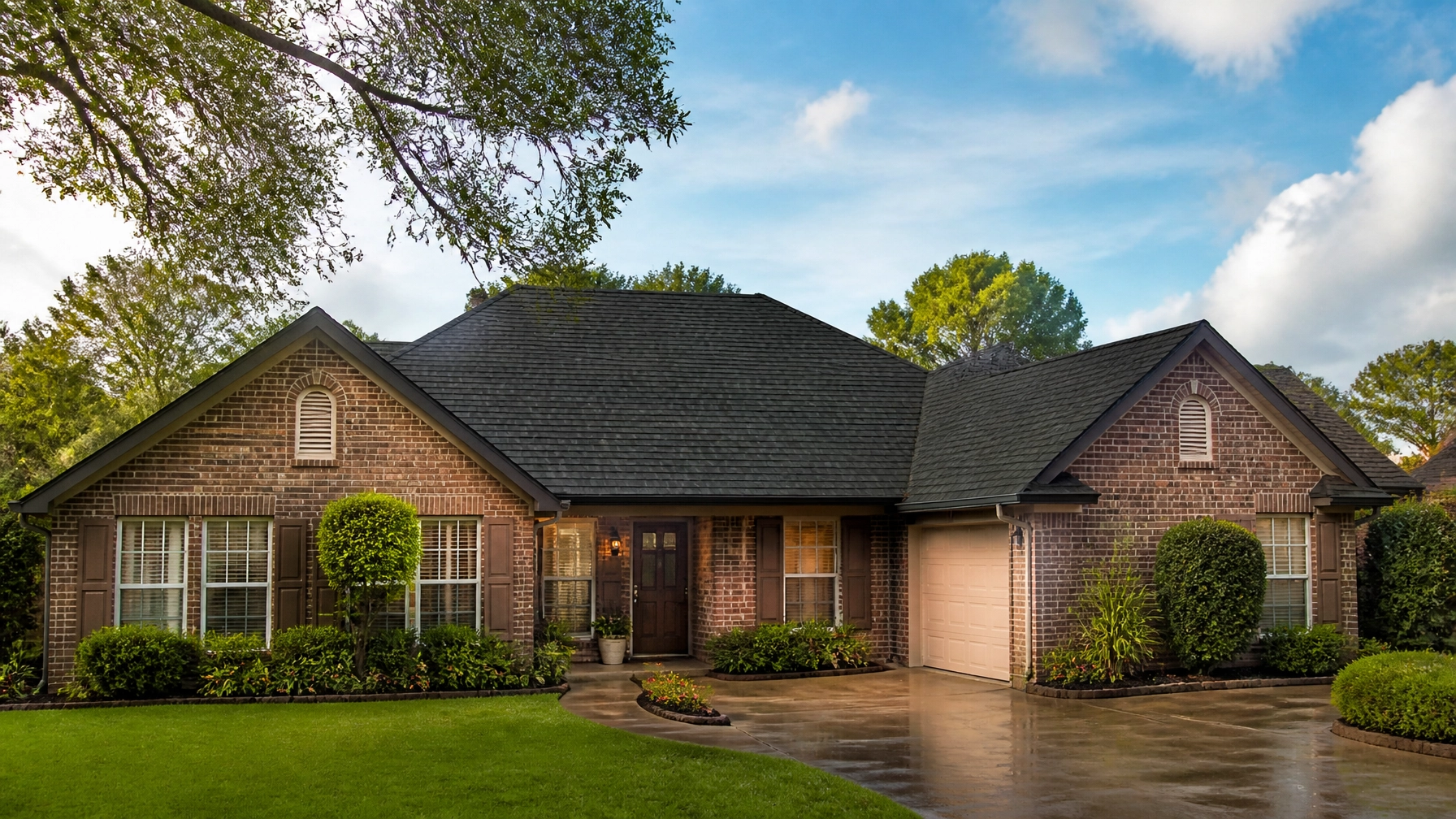
    Houston ranch home with new impact-resistant architectural shingles and clean roof details

    From satellite intelligence to a better roof estimate

    Houston-based SynMax provides another example of the city’s growing geospatial capability.

    In May 2026, SynMax joined the Esri Partner Network. The company combines satellite imagery, artificial intelligence, and geospatial analysis for maritime, energy, and infrastructure intelligence.

    SynMax is not a roofing company. Its work focuses on large-scale intelligence applications. But the underlying concept is relevant: imagery becomes more valuable when software can interpret it and turn it into a decision-ready result.

    Other Earth-observation companies, including EO-SAT Inc., are part of the wider conversation around multispectral satellite data and infrastructure monitoring. However, homeowners should distinguish between:

    • Raw satellite imagery
    • AI-assisted property measurement
    • A pricing model that accounts for local labor and material costs
    • A final contractor inspection

    These are not the same thing.

    Satellite imagery can help measure roof planes, estimate pitch, identify complexity, and calculate roofing squares. It cannot reliably confirm every hidden condition beneath shingles. Damaged decking, concealed flashing problems, attic moisture, and ventilation issues still require an in-person evaluation.

    Houston’s 2026 hail activity makes early measurement useful

    Hail is one reason Harris County homeowners should not wait for a visible leak.

    On June 2, 2026, storms affected parts of northwest Harris County, including Cypress and Jersey Village. Reports described nickel-to-quarter-sized hail, along with strong winds capable of damaging roofs, siding, trees, and vehicles.

    Commercial hail analytics models cited an estimated 38,554 properties impacted in the local Houston-area footprint. That figure should be treated as a modeled estimate, not an official government property count. The HailTrace event page reported 76,445 Texas properties impacted by one-inch-or-larger modeled hail statewide for the event and clearly notes that its property estimates are generated from mapping data.

    The National Weather Service Houston/Galveston severe weather resources remain the better source for official weather warnings and storm documentation.

    After a hail event, homeowners should:

    • Photograph visible damage from the ground.
    • Check gutters for excessive granules.
    • Look for cracked, bruised, or missing shingles.
    • Inspect ceilings and attic areas for water stains.
    • Save storm dates and weather reports.
    • Avoid climbing onto the roof.
    • Get a baseline estimate before speaking with contractors.

    Satellite and aerial measurement tools are now widely used in post-storm workflows. Some providers claim 92% to 99% accuracy, but those figures can vary by roof type, imagery quality, and measurement method. Accuracy should always be understood as an estimate: not a guarantee that every hidden defect has been found.

    What does a roof replacement do for home value?

    A new roof improves value in three different ways.

    1. Direct resale value (Financial)

    A roof replacement does not always return every dollar spent. In Houston, a reasonable planning range for direct resale recovery is approximately 55% to 70% for a standard asphalt shingle replacement.

    For example:

    • Replacement cost: $14,000
    • Possible direct value recovery: $7,700 to $9,800
    • Additional benefit: fewer buyer objections and less negotiation pressure

    Actual results depend on neighborhood conditions, roof material, installation quality, home price, and whether comparable homes have newer roofs.

    2. Roof replacement resale value (Risk reduction)

    A worn roof may reduce value more than homeowners expect. Buyers often worry about:

    • Immediate leaks
    • Insurance difficulty
    • Expensive repairs after closing
    • Structural damage beneath the roof
    • A replacement project they will need to manage themselves

    A documented new roof removes much of that uncertainty. Keep the contract, permit information, material details, photographs, and warranty paperwork. Those records can become valuable during a future sale.

    3. Roof curb appeal home value (Visual appeal)

    The roof is one of the largest visible surfaces on a Houston home. A clean, dimensional roof can improve listing photographs and make the home appear better maintained.

    Curb appeal improvements usually include:

    • Architectural shingles instead of basic three-tab shingles
    • A color that complements brick, stucco, or siding
    • Clean flashing and vents
    • Properly aligned gutters
    • Consistent trim and roof-edge details

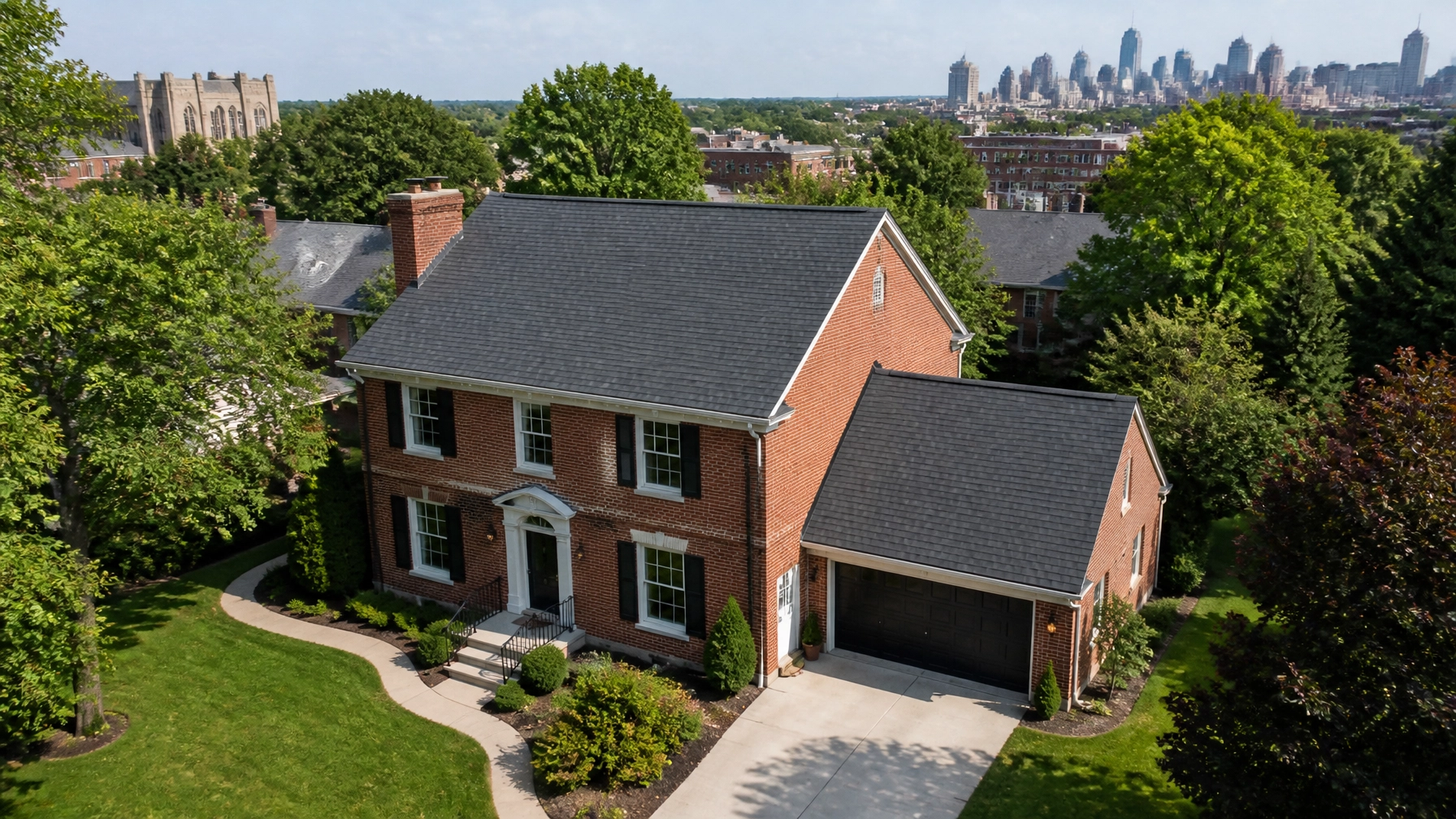
    Houston colonial home with a new standing-seam metal roof and mature landscaping

    Best roof for home value in Houston

    For most Houston homeowners focused on resale, the best balance is a quality architectural asphalt shingle roof (Popular).

    Architectural asphalt shingles (Popular)

    • Typical cost: about $9,000 to $15,000 for many standard homes
    • Strong curb appeal
    • Broad buyer acceptance
    • Good direct ROI
    • Easy to match with neighborhood styles

    Impact-resistant shingles (Storm-smart)

    Impact-resistant shingles may cost more than standard architectural shingles, but they can make sense in a hail-prone market. Ask your insurance company whether a qualifying product could affect your premium.

    Standing-seam metal (Premium)

    Metal roofing can last substantially longer and may improve heat performance. It is often a better long-term ownership choice than a short-term resale investment.

    A Houston metal roof can cost approximately $20,000 to $30,000 or more, depending on the roof area, design, metal type, and installation details. It delivers the strongest value when:

    • You plan to stay for 10 years or longer.
    • The home’s design supports a premium roof.
    • Nearby properties use higher-end materials.
    • You value durability and long-term maintenance savings.

    Installing a premium roof in a neighborhood dominated by standard shingles may not return the entire extra cost at resale.

    Get a Houston roof estimate before calling contractors

    The traditional process can involve scheduling several contractor visits just to obtain a starting price. Satellite-powered estimating gives homeowners a faster first step.

    Get My Roof Estimate Now uses satellite imagery to estimate roof size, pitch, and complexity. The system is designed to provide measurements within inches and approximately 90% to 95% accuracy for typical properties.

    In about 60 seconds, homeowners can review:

    • Estimated roof size in squares
    • Low, middle, and high replacement ranges
    • Architectural shingle, metal, synthetic, and coating options
    • Regional pricing factors
    • Material and labor assumptions
    • Connections to licensed and insured local contractors

    The Houston roof estimate page provides a property-specific starting point. You can also compare general material assumptions with the roof cost calculator.

    Use the estimate for planning: not as a substitute for a final inspection. Once you select a contractor, confirm the roof condition, decking, flashing, ventilation, permits, disposal, warranty, and insurance requirements in person.

    The Houston takeaway

    Houston’s satellite technology story is no longer limited to spacecraft. The same city developing commercial space station systems, AI-powered geospatial intelligence, and Earth-observation capabilities is also helping homeowners make faster property decisions.

    For a roof replacement, the practical formula is simple:

    1. Measure the roof before requesting quotes.
    2. Check for storm-related damage.
    3. Compare material options against your resale timeline.
    4. Focus on total value: not just the lowest bid.
    5. Document the completed roof for future resale.

    A new roof can protect your home, improve curb appeal, reduce buyer concerns, and recover a meaningful portion of its cost. Start with accurate information. In Houston, that information may now come from above.

  • Daily FAQ Blitz – Slot 3: Columbia, SC Roof Replacement Questions Homeowners Ask in 2026

    Daily FAQ Blitz – Slot 3: Columbia, SC Roof Replacement Questions Homeowners Ask in 2026

    Columbia homeowners planning a roof replacement in 2026 should budget approximately $9,000–$26,000 for architectural shingles, $12,500–$34,000 for impact-resistant shingles, or $17,000–$55,000 for standing-seam metal on a typical 1,500–3,000-square-foot home.

    Your actual price depends on roof surface area, pitch, valleys, dormers, tear-off requirements, decking condition, material selection, labor, permits, and local availability. A 2,000-square-foot home does not always have a 2,000-square-foot roof. Roofers measure the actual surface in squares, with one square equal to 100 square feet.

    For a faster starting point, Get My Roof Estimate Now uses satellite imagery to measure your Columbia roof and provide a free price range in about 60 seconds.

    New architectural shingle roof on a Columbia, South Carolina colonial home

    Columbia roof replacement costs at a glance

    Roofing material 2026 Columbia planning range Best fit
    Architectural shingles (Popular) $9,000–$26,000 Most homeowners seeking value and curb appeal
    Impact-resistant shingles (Premium) $12,500–$34,000 Homes exposed to hail and severe thunderstorms
    Standing-seam metal (Long-term) $17,000–$55,000 Long service life, energy performance, modern design

    These are planning ranges, not firm quotes. Complex rooflines, steep pitches, multiple layers, structural repairs, premium warranties, and limited access can move a project toward the high end. Compare your assumptions with the roof cost calculator before contacting contractors.

    Frequently asked questions about Columbia, SC roof replacement

    1. How much does it cost to replace a roof in Columbia, SC, in 2026?

    A full roof replacement in Columbia typically costs $9,000–$26,000 for architectural shingles on a 1,500–3,000-square-foot home.

    Approximate material ranges include:

    • Architectural shingles (Popular): $9,000–$26,000
    • Impact-resistant or designer shingles (Premium): $12,500–$34,000
    • Standing-seam metal (Long-term): $17,000–$55,000

    The range generally assumes a standard residential installation with tear-off, underlayment, flashing, labor, disposal, and ordinary permit costs. Extensive decking replacement or structural work may cost extra.

    Use an instant estimate to identify your roof size, pitch, and likely low-middle-high price range before scheduling an in-person inspection.

    2. Do Columbia and Richland County require a permit for roof replacement?

    Full roof replacement and reroofing generally require a permit, but the responsible office depends on your property’s jurisdiction.

    • Homes inside the City of Columbia typically go through the City’s Planning and Development or Development Center process.
    • Homes in unincorporated Richland County generally go through Richland County Building Permitting and Inspections.
    • Minor repairs may have different requirements.

    The City’s residential permit applications and project checklists identify the current application process and contact information. For county properties, confirm requirements with Richland County’s building permit office.

    Permit rules, fees, inspections, and forms can change. Confirm current requirements before work begins. If the property is in a historic, design, flood, or other special district, additional approvals may apply.

    3. How can I verify a roofing contractor’s South Carolina license?

    Verify the contractor through South Carolina’s official Department of Labor, Licensing and Regulation, or LLR, lookup system.

    Ask the contractor for:

    • Legal business name
    • License or registration number
    • Residential roofing classification
    • Proof of general liability insurance
    • Proof of workers’ compensation coverage, when applicable

    Then check the information through the South Carolina Residential Builders Commission and the state’s contractor license verification portal.

    The correct license category can depend on the project type, scope, and contract value. A license record alone does not guarantee workmanship or insurance coverage, so verify both independently and request a written contract.

    4. How does Columbia weather affect a roof?

    Columbia roofs must handle heat, humidity, intense sun, heavy rain, hail, thunderstorms, and occasional tropical-storm wind.

    The Midlands experiences frequent summer thunderstorms. Hail is not present in every storm, but damaging hail has occurred in Richland County. Wind can lift shingles, loosen flashing, and worsen small defects. Heat and humidity also accelerate aging and increase the risk of moisture-related problems when ventilation or flashing is inadequate.

    Monitor the National Weather Service Columbia office for severe-weather information. After a major storm, inspect visible roof areas from the ground and check your attic and ceilings for leaks. Avoid walking on the roof yourself.

    Modern Columbia, South Carolina home with a standing-seam metal roof

    5. Should I repair or replace my Columbia roof?

    Repair is usually appropriate for isolated damage on a relatively young roof; replacement is more practical when damage is widespread or the roof is near the end of its service life.

    A repair may make sense when:

    • The roof is less than about 15 years old
    • Damage is limited to one area
    • The deck is dry and structurally sound
    • Leaks stop after the repair

    Replacement deserves serious consideration when:

    • The roof is approximately 20 years old or older
    • Shingles are curling, cracking, brittle, or missing across multiple areas
    • Leaks keep returning
    • Granules are collecting in gutters
    • The roof deck is soft, sagging, or deteriorated
    • Repair costs approach a substantial portion of replacement cost

    There is no universal repair-versus-replace rule. Have a qualified roofer inspect the roof and compare the immediate repair cost with the remaining service life.

    6. How long does a roof last in Columbia?

    A Columbia roof commonly lasts about 15–30 years for asphalt shingles and 40–70 years for properly installed metal roofing.

    Typical planning ranges are:

    • 3-tab asphalt shingles (Budget): approximately 15–20 years
    • Architectural shingles (Popular): approximately 20–30 years
    • Impact-resistant shingles (Premium): approximately 25–35 years, depending on product and installation
    • Standing-seam metal (Long-term): approximately 40–70 years

    Heat, ventilation, installation quality, storm exposure, roof pitch, maintenance, and product specifications all affect lifespan. A manufacturer’s warranty is not the same as a guaranteed service life.

    7. Are impact-resistant shingles worth considering in Columbia?

    Impact-resistant shingles can be worthwhile for homeowners who want stronger hail protection, but they cost more than standard architectural shingles.

    Impact-resistant products may reduce damage from some hail events and can improve durability. However, they are not hail-proof. Coverage, discounts, and eligibility vary by insurer and policy. Confirm whether your insurance company recognizes a specific impact rating before paying for an upgrade.

    For a Columbia home exposed to frequent thunderstorms, compare:

    • Added material cost
    • Product impact rating
    • Manufacturer warranty
    • Installation requirements
    • Potential insurance treatment
    • Expected time you will remain in the home

    8. Is metal roofing a good choice for a Columbia home?

    Metal roofing offers long service life and strong weather performance, but its higher upfront cost requires careful comparison.

    Standing-seam metal typically costs more than architectural shingles but may last two or more times as long. It can also reflect solar heat and reduce cooling demand, although actual savings depend on insulation, ventilation, color, roof design, and energy use.

    Consider metal when you:

    • Plan to stay in the home for many years
    • Want a 40–70-year roofing system
    • Prefer modern or low-maintenance materials
    • Are replacing a complex roof and want a long-term solution

    Metal can still dent from large hail, and installation quality is critical. Use an experienced installer familiar with local code and metal-roof details.

    Columbia, South Carolina ranch home with impact-resistant shingles and storm-ready roof details

    9. What should I document after storm damage?

    Photograph the damage, record the storm date, protect the interior from further water intrusion, and contact your insurer promptly.

    Create a documentation file containing:

    • Dated photos and videos of visible damage
    • Photos of gutters, siding, windows, attic areas, and ceilings
    • The approximate date and time of the storm
    • Copies of repair invoices and temporary mitigation receipts
    • A written inspection report from a qualified roofer
    • Relevant weather warnings or storm reports

    Do not make permanent repairs before your insurer has had a reasonable opportunity to inspect, unless immediate action is necessary to prevent additional damage. Policies and claim deadlines vary. Contact your insurer directly and follow its instructions. Neither a roofer nor a weather report determines coverage; the insurer evaluates the claim under your specific policy.

    10. How accurate is a free satellite roof estimate?

    A satellite-based estimate can measure roof dimensions, pitch, and complexity with approximately 90–95% accuracy for many homes and return a planning range in about 60 seconds.

    The estimate is useful for budgeting and comparing materials. It may not identify hidden issues such as:

    • Rotten decking
    • Damaged flashing beneath materials
    • Attic ventilation defects
    • Active leaks
    • Structural movement
    • Installation problems that are not visible from above

    Start with the free satellite estimate. Then use a licensed contractor’s in-person inspection for a final project scope and contract price.

    Plan your Columbia roof replacement with better information

    A Columbia roof replacement is a major investment, but the planning process does not need to be slow or unclear. Start with your actual roof measurements, compare architectural shingles, impact-resistant shingles, and metal, and verify the contractor’s license, insurance, permit responsibilities, warranty terms, and itemized scope.

    For a free, no-credit-card estimate based on your Columbia address, get your roof replacement price in about 60 seconds.

  • Daily ROI Blitz – Slot 8: Montgomery, AL New Roof ROI : How a Storm-Ready Replacement Adds Home Value in the Capital City in 2026

    Daily ROI Blitz – Slot 8: Montgomery, AL New Roof ROI : How a Storm-Ready Replacement Adds Home Value in the Capital City in 2026

    SEO meta description: See how much a new roof can add to Montgomery, AL home value in 2026, including local roof costs, storm protection, insurance factors, and resale ROI.

    Montgomery homeowners are looking at a roof replacement through two lenses: protection and return on investment.

    That makes sense in Alabama’s capital city. Montgomery sits in the Southeast’s tornado and severe-weather corridor, where straight-line winds, hail, humid summers, and afternoon thunderstorms can shorten roof life. At the same time, buyers are cautious about inspection problems and future insurance costs.

    In 2026, a new roof can typically add about 2% to 4% to a Montgomery home’s resale value. On a home priced near the city median, that represents approximately $4,000 to $8,000 or more in potential value.

    The strongest new roof ROI home value opportunity usually occurs when the existing roof is visibly aged, stained, storm-damaged, or near the end of its expected life.

    Montgomery Housing Market Snapshot: June 2026

    Montgomery remains a relatively affordable market, but buyers have more choices than they did in tighter inventory conditions.

    According to Redfin’s three-month period ending June 2026:

    • Median sale price: approximately $205,000
    • Year-over-year price change: approximately 2.4% higher
    • Median sale price per square foot: approximately $106
    • Typical time to sell: about 60 days
    • Average sale price: approximately 4% below list price
    • Homes sold in May 2026: approximately 634
    • Median price: roughly 51% below the national average

    Realtor.com’s June 2026 city snapshot reports:

    • Median list price: approximately $210,000
    • Median sold price: approximately $211,000
    • Sale-to-list ratio: approximately 98%
    • Median days on market: approximately 61
    • Active listings: approximately 1,467, up about 7% year over year

    Sources: Redfin Montgomery housing market data and Realtor.com Montgomery market data.

    This is a balanced market with rising inventory. An old or stained roof appears immediately in listing photos, then becomes a major inspection concern. A new roof can help a home stand out, reduce buyer hesitation, and become the tiebreaker between otherwise similar properties.

    Montgomery Roof Replacement Cost by Material

    Your final price depends on roof size, pitch, complexity, tear-off requirements, ventilation, flashing, and material selection. The following ranges are practical planning numbers for a typical 1,500- to 3,000-square-foot single-family home, generally around 20 to 30 roofing squares.

    Architectural Shingles (Budget/Popular)

    • Installed cost: approximately $4-$6 per square foot
    • Typical Montgomery replacement: about $8,000-$15,000 for a 2,000-square-foot roof
    • Typical lifespan: approximately 25-30 years, depending on product and maintenance

    Architectural shingles are usually the best roof for home value when the goal is broad buyer appeal and a controlled project budget. They are familiar, widely available, and appropriate for most Montgomery ranch, colonial, and suburban homes.

    Dark gray, weathered wood, and blended brown tones are common choices because they complement brick, siding, and Southern exterior styles.

    Standing-Seam Metal (Premium)

    Standing-seam metal roof installation on a Southern colonial-style home in Montgomery

    • Installed cost: approximately $9-$15 per square foot
    • Typical Montgomery project: about $18,000-$32,000 or more for a 2,000-square-foot roof
    • Typical lifespan: approximately 40-70 years

    Metal roofing can make sense for homeowners prioritizing longevity, energy performance, and storm resistance. It may also appeal to buyers seeking a low-maintenance roof.

    However, metal is not automatically the highest-ROI choice for resale. Its upfront cost is substantially higher, and Montgomery buyers may not pay back the full premium at closing unless the home, neighborhood, and design support that upgrade.

    Class 4 Impact-Resistant Shingles (Storm-Ready Upgrade)

    Class 4 shingles tested under UL 2218 typically cost about 10% to 20% more than standard architectural shingles.

    Depending on the insurance company and policy, impact-resistant materials may qualify for wind or hail mitigation discounts. Confirm eligibility with your insurer before choosing the material. A discount is not automatic, and installation requirements can apply.

    Roof Replacement Resale Value: The Montgomery Math

    Using Montgomery’s approximate median sale price of $205,000:

    • 2% value lift: about $4,100
    • 3% value lift: about $6,150
    • 4% value lift: about $8,200

    Using the Realtor.com median sold price of approximately $211,000:

    • 2% value lift: about $4,220
    • 3% value lift: about $6,330
    • 4% value lift: about $8,440

    These are planning benchmarks, not guaranteed appraisals. A roof’s actual resale effect depends on its condition before replacement, the neighborhood, the quality of installation, and how long you plan to own the property.

    The value equation improves when the alternative is a buyer credit or price reduction. For example:

    • Architectural roof replacement: $11,000
    • Expected direct value lift: $6,000-$8,000
    • Avoided buyer credit or repair concession: potentially several thousand dollars more
    • Added benefit: fewer inspection objections and stronger listing photos

    A roof replacement may not return every dollar as a higher sale price. But it can protect the sale price, reduce negotiation, and help prevent a deal from falling apart late in escrow.

    For comparison, PR Newswire's release on Zonda's 38th annual Cost vs. Value report places the national asphalt shingle roof replacement at approximately $31,871, with about 68% recouped at resale. Its national metal-roof benchmark is approximately $51,865, with about 50% recouped.

    Montgomery projects often cost less than those national benchmarks. Do not apply the national dollar figures directly to a local project, but the comparison reinforces an important point: asphalt usually delivers the stronger percentage return, while metal delivers longer service life.

    Why Storm Readiness Matters in Montgomery

    Montgomery experiences hot, humid summers and frequent afternoon thunderstorms. Spring and fall can bring severe weather, including damaging winds, hail, and tornadoes. North-facing roof slopes may also develop algae or moss because of humidity and shade.

    The risk is not theoretical. In January 2026, al.com reported estimated 60-70 mph straight-line winds near I-65, Fairview Avenue, and Taylor Road, along with an EF-1 tornado along the Lowndes-Montgomery County line near Hope Hull. WSFA also reported significant straight-line wind damage in Cloverdale.

    A February 2025 squall line brought approximately 70 mph gusts near Montgomery Regional Airport, according to the Montgomery Advertiser, along with widespread roof and tree damage and roughly 200,000 power outages statewide.

    When evaluating a replacement, ask contractors about:

    • Wind-rated architectural shingles
    • Class 4 impact-resistant options
    • Proper starter strips and ridge caps
    • High-wind nailing patterns
    • Decking and flashing condition
    • Attic ventilation
    • Algae-resistant shingles for shaded slopes

    Close-up of Class 4 impact-resistant shingles installed along a clean residential roofline

    Insurance and the ACV Problem for Older Roofs

    Many Alabama homeowners policies treat older roofs differently from newer roofs. Once a roof reaches roughly 10 to 15 years, some policies may settle wind or hail claims using Actual Cash Value (ACV) instead of full replacement cost.

    ACV subtracts depreciation from the replacement price.

    For example:

    • Replacement cost: $12,000
    • Depreciation based on age: $7,000
    • Approximate ACV payment before deductible: $5,000

    Your policy may use different rules. Review the loss settlement and roof-surfacing sections, then ask your insurance agent:

    1. Is the roof covered at ACV or replacement cost?
    2. Does the policy change based on roof age?
    3. Are wind and hail deductibles separate?
    4. Are impact-resistant materials eligible for a discount?
    5. Is documentation of installation or certification required?

    A new roof can remove the depreciation issue going forward and help maintain insurability, but coverage terms vary by carrier. Do not assume a storm claim will pay for the full project.

    Neighborhood Factors That Affect Roof ROI

    A roof upgrade should fit the architecture and buyer expectations of the neighborhood.

    • Cloverdale and Old Cloverdale: Historic character, walkability, and mature canopy trees make clean rooflines and algae-resistant materials especially important.
    • Capitol Heights: Buyers often respond to visible maintenance and strong curb appeal.
    • Cottage Hill: A fresh roof can improve first impressions on established homes.
    • East Montgomery: Newer subdivisions may favor consistent architectural shingles and modern color blends.
    • Wynlakes: Premium materials may make more sense when they complement the home’s scale and finish level.
    • Pike Road area: This adjacent, higher-price market has a reported median list price near $447,000, so material quality and architectural fit may carry more weight.

    Montgomery also benefits from stable employment anchors, including Maxwell Air Force Base, Gunter Annex, and Hyundai’s auto-manufacturing corridor. Those buyer groups may value a roof that is move-in ready, documented, and unlikely to create an immediate maintenance expense.

    Montgomery Homeowner Roof Replacement Checklist

    Before signing a contract:

    • Get three written local bids with the same scope of work.
    • Confirm the contractor’s Alabama residential roofing license through the Alabama Home Builders Licensure Board. Residential roofing work over $2,500 requires HBLB licensing unless the contractor already holds an Unlimited Home Builders License, which covers residential roofing.
    • Verify general liability and workers’ compensation insurance.
    • Ask whether the price includes tear-off, disposal, decking, flashing, ventilation, permits, and cleanup.
    • Check Better Business Bureau records and recent local reviews.
    • Request product specifications and workmanship warranty details.
    • Ask about wind ratings, impact ratings, and algae resistance.
    • Schedule replacement before listing the home or before the busiest part of hurricane season, generally June through November.
    • Keep invoices, photographs, product labels, permits, and warranty documents for the buyer.

    Montgomery ranch home showing the curb-appeal difference between an aged roof and a new architectural shingle roof

    Get Your Montgomery Roof Estimate in Under 60 Seconds

    Roof ROI starts with an accurate project cost. Get My Roof Estimate Now uses satellite-powered measurements to estimate roof size, pitch, and complexity: often accurate within inches and typically in the 90%-95% range.

    Enter your Montgomery address to receive a free instant roof replacement estimate in under 60 seconds. There is:

    • No credit card requirement
    • No upfront contractor visit
    • No hidden fees
    • Local pricing ranges for common materials
    • A connection to vetted, licensed, and insured local contractors

    Start with the Alabama roof estimate and see what your storm-ready replacement could cost before requesting bids.

    Sources

  • Daily Tech Blitz – Slot 5: Detroit’s Satellite Tech Edge Is Bringing Motor City Precision to Michigan Roofs

    Daily Tech Blitz – Slot 5: Detroit’s Satellite Tech Edge Is Bringing Motor City Precision to Michigan Roofs

    Detroit is becoming a data-first roofing market: and the timing matters.

    After the severe weather that hit Metro Detroit on September 2–3, 2026, many homeowners are trying to determine whether their roofs need repairs or full replacement. The outbreak included an EF2 tornado on Detroit’s east side, hail up to 2 inches near Birch Run and Capac, damaging straight-line winds, and more than 250,000 regional power outages.

    For Detroit homeowners planning a replacement, a typical 2026 project costs approximately $9,000–$18,000. Across different roof types and project conditions, pricing can range from about $3.75–$14.00 per square foot, with many projects near the $8.00 midpoint.

    The fastest way to establish a planning number is a satellite-powered estimate. Enter your address into Get My Roof Estimate Now, and receive a free, no-credit-card-required estimate in about 60 seconds.

    Why Detroit Is Becoming a Data-First Roofing Market

    Detroit’s roofing technology story is connected to a much larger Michigan technology story.

    Observable Space is scaling manufacturing in Detroit after raising a $90 million Series A. The company also received a U.S. Space Force contract worth up to $94 million to build an optical-telescope network that tracks objects in orbit. The system relies on precise imaging, distributed observation, and advanced data processing.

    That does not mean a roof estimate uses military space hardware. The connection is simpler: both applications depend on using imagery from above to understand precise geometry.

    Michigan’s space ecosystem is also expanding through companies such as General Orbit, a University of Michigan spinout with operations connected to Detroit and Grand Rapids. The company develops satellite navigation and sensing technology and won $375,000 through PitchMI.

    In April 2026, the Associated Press reported that Michigan was pursuing its first statewide Space Innovation Hub. The state budgeted up to $1.2 million for the hub’s first year, with a goal of connecting research, manufacturing, data, and space-focused companies across Michigan.

    The roofing takeaway is practical: Detroit homeowners are increasingly able to use the same broad technology trend: remote imaging and data analysis: to make faster, more informed home improvement decisions.

    What Happened During the September Storms?

    The National Weather Service documented multiple rounds of severe weather across Southeast Michigan on September 2 and 3.

    The event included:

    • Hail measuring up to 2 inches near Birch Run and Capac
    • An EF0 tornado in Marysville
    • An EF0 tornado in Lincoln Park
    • An EF2 tornado on Detroit’s east side
    • Straight-line winds estimated around 60–70 mph in parts of the metro area
    • Nearly 300,000 reported power outages between the two days
    • Roof, siding, window, tree, and utility damage across multiple communities

    The Detroit EF2 tornado had estimated peak winds of 115 mph and followed a path approximately 3.5 miles long. It was the city’s first confirmed tornado since 1997.

    Homeowners should not assume that a roof is undamaged simply because shingles are still in place. Wind can loosen fasteners, lift flashing, damage vents, and create openings that only become visible after the next heavy rain.

    A satellite-powered estimate does not replace a storm inspection. It gives you a fast starting point for understanding your roof’s size, complexity, and possible replacement budget.

    Detroit-area ranch home with a new architectural shingle roof after a storm

    How Satellite-Powered Roof Measurements Work

    A satellite estimate begins with the property address.

    The system uses overhead imagery and roof-measurement technology to identify the roof’s footprint and major characteristics, including:

    • Total roof area
    • Individual roof planes
    • Roof pitch
    • Valleys and hips
    • Dormers and other roof penetrations
    • Approximate material requirements
    • Regional labor and material pricing

    Roofing is commonly measured in squares. One roofing square equals 100 square feet of roof surface.

    For example, a roof measured at 24 squares represents approximately 2,400 square feet of roofing area before additional calculations for waste, cuts, valleys, and installation details.

    Satellite-powered measurements are generally designed to reach approximately 90–95% accuracy, often within inches for observable roof geometry. That level of accuracy is enough to produce a useful planning estimate without requiring an initial contractor visit.

    The result typically includes a low-to-high price range. The final project price can change after an in-person inspection identifies hidden decking damage, structural concerns, code requirements, or storm-related repairs.

    2026 Detroit Roof Replacement Cost Table

    Roof replacement tier Typical material Approximate price per square foot Planning range for many Detroit homes
    Budget Standard asphalt shingles $3.75–$5.50 $9,000–$12,000
    Most Popular Architectural asphalt shingles $4.50–$9.00 $11,000–$18,000
    Premium Metal roofing $12.00–$18.00 $18,000–$30,000+

    These figures are planning benchmarks, not fixed bids. Home size, roof pitch, access, tear-off requirements, material choice, and storm damage can move the final number significantly.

    Detroit homeowners should also account for the local permit. A Wayne County roofing permit is approximately $146, although fees can vary by municipality, project scope, and current local requirements.

    What Makes Detroit Roofing More Expensive?

    Detroit’s roofing costs reflect both the roof itself and the regional climate.

    Great Lakes freeze-thaw cycles

    Michigan roofs repeatedly move through freezing and thawing conditions. Water can enter small cracks, freeze, expand, and gradually worsen the damage.

    Snow load

    Heavy snow adds weight to the roof structure. Low-slope sections, older decking, and roofs with previous moisture damage may require additional evaluation.

    Ice dams

    Poor attic insulation or ventilation can allow snow to melt and refreeze along the eaves. Ice dams may push water beneath shingles and into the roof deck or attic.

    Hail and wind exposure

    Michigan is not immune to major hail and wind events. The September 2026 storms showed how quickly roof damage can spread across Metro Detroit and nearby counties.

    Tear-off and disposal

    Replacing an older roof often requires removing one or more existing layers. Tear-off labor, disposal, and additional cleanup can add materially to the project total.

    Hidden decking damage

    Once shingles are removed, contractors may find soft or rotted decking. Replacing damaged plywood or OSB is necessary for a secure new roof but is rarely visible in an initial exterior estimate.

    Premium standing-seam metal roof on a modern Michigan home

    A Smart 2026 Detroit Roof Planning Process

    Use a simple sequence to avoid unnecessary delays.

    1. Document the condition safely

    Take ground-level photos of missing shingles, fallen branches, damaged flashing, dents, stains, and visible roof openings. Do not climb onto a storm-damaged roof.

    2. Get an instant satellite estimate

    Enter your address into the Detroit roof estimate tool. In roughly 60 seconds, you can see a roof-size calculation and a low-middle-high replacement range.

    3. Check your insurance policy

    If the damage followed the September storms, review your deductible and claim requirements. Keep weather dates, photos, contractor reports, and receipts organized.

    4. Compare materials by lifecycle and budget

    • Architectural shingles (Popular): Balanced cost, appearance, and availability
    • Metal roofing (Premium): Higher initial cost with long service potential
    • Synthetic materials: Design flexibility and durability for selected properties
    • Roof coatings: May be appropriate for some low-slope systems, but not every roof

    5. Schedule a physical inspection

    Satellite measurements describe roof geometry. A qualified contractor must evaluate flashing, decking, ventilation, structural conditions, and storm damage in person.

    6. Confirm credentials and scope

    Before signing, verify that the contractor is licensed and insured where required. Ask for written details covering materials, tear-off, disposal, ventilation, permits, workmanship, and change-order procedures.

    Roofing professional reviewing an overhead roof measurement on a tablet beside a Detroit-area home

    The Detroit Satellite Tech Edge

    Detroit has always been associated with precision manufacturing. In 2026, that reputation is extending into space technology, remote sensing, and data-driven home services.

    For homeowners, the benefit is not complicated. You can begin with accurate roof geometry, a transparent cost range, and a clear next step: without waiting days for multiple contractors to visit just to provide a ballpark number.

    If your roof was affected by the September storms, or if it is approaching the 15-to-30-year replacement window, start with the data. Get your free Detroit roof estimate in under a minute, then use the result to plan a professional inspection and make a confident replacement decision.

    Sources

  • Daily FAQ Blitz – Slot 2: AEO FAQ Quick Answers for Chattanooga, TN Homeowners (2026)

    Daily FAQ Blitz – Slot 2: AEO FAQ Quick Answers for Chattanooga, TN Homeowners (2026)

    Chattanooga homeowners face a practical roofing mix: humid summers, heavy rain, algae growth, hail, straight-line winds, and occasional tornadoes across the Tennessee Valley. Whether you live in the Scenic City, Hamilton County, or nearby communities, a realistic 2026 roof budget starts with the roof itself: not the square footage of the house.

    Use the seven quick answers below to plan a replacement, evaluate storm damage, or compare contractor proposals.

    Key Chattanooga Roof Numbers (2026)

    • Typical full replacement: $6,800–$19,800
    • Mid-range architectural asphalt: about $12,500–$16,000
    • Architectural shingles installed: $4.25–$8.50 per sq. ft.
    • Standing-seam metal installed: $8.80–$16.00 per sq. ft.
    • One roofing square: 100 sq. ft. of roof area
    • Architectural shingle lifespan: roughly 18–30 years
    • Standing-seam metal lifespan: roughly 40–70+ years
    • Instant satellite estimate: approximately 60 seconds

    1. How much does a new roof cost in Chattanooga in 2026?

    A typical full roof replacement in Chattanooga costs approximately $6,800–$19,800 in 2026. A common mid-range architectural asphalt project falls near $12,500–$16,000, depending on the roof’s measured size, pitch, complexity, and local labor.

    The house’s living area is not the same as its roof area. Roofers measure in squares, with one square equal to 100 square feet of actual roof surface.

    Typical installed material ranges include:

    • Architectural shingles (Popular): $4.25–$8.50 per sq. ft.
    • Standing-seam metal (Premium): $8.80–$16.00 per sq. ft.

    Your final proposal may also include tear-off and disposal, replacement decking, flashing, ventilation improvements, ice-and-water shield, permits, and cleanup.

    For a broader planning range, use the roof cost calculator.

    2. What factors change the price of a Chattanooga roof replacement?

    The largest cost driver is the measured roof size, not the home’s finished square footage. A 2,000-square-foot house can have substantially more roof area if it has multiple levels, steep slopes, dormers, or attached additions.

    Other major factors include:

    • Pitch: Steeper roofs require additional safety equipment and labor.
    • Complexity: Valleys, hips, dormers, skylights, chimneys, and multiple roof sections add detail work.
    • Tear-off: Removing existing shingles increases labor and disposal costs.
    • Decking: Rotten or damaged roof sheathing must be replaced before new materials are installed.
    • Flashing: Chimneys, walls, valleys, pipe penetrations, and skylights need properly installed flashing.
    • Ventilation: Ridge vents, soffit vents, and other improvements can help manage Tennessee heat and humidity.
    • Weather protection: Ice-and-water shield and upgraded underlayment can add protection in vulnerable areas.
    • Material selection: Architectural shingles cost less upfront than standing-seam metal but have a shorter expected service life.
    • Local labor: Chattanooga-area availability, season, access, and project scheduling affect the quote.

    Modern Chattanooga ranch home with a new standing-seam metal roof

    3. Do I need a roof permit in Chattanooga?

    Yes. A re-roof permit is generally required inside Chattanooga city limits. Applications are handled through the City of Chattanooga’s Land Development Office using the OpenGov permitting portal.

    For a standard like-for-like re-roof, you typically do not need a full structural plan review. However, plans or additional review may be required if the work involves:

    • Structural changes
    • Major decking or framing repairs
    • Altering the roof design
    • Changes beyond a standard replacement

    A final inspection is required after the work is complete. Confirm the exact permit path and current fees before work begins.

    City contact: Land Development Office, 1250 Market Street, Suite 1000, Chattanooga, TN 37402, (423) 643-5900.

    Properties outside Chattanooga city limits may fall under Hamilton County or another municipality’s building department. In historic districts such as Fort Wood, St. Elmo, and North Shore, visible material or color changes may also require approval from the Chattanooga-Hamilton County Regional Planning Agency before installation.

    4. How do I verify a Chattanooga roofing contractor?

    Start by asking for the contractor’s license number, insurance certificates, and a detailed written scope. Then verify the information independently.

    For projects of $25,000 or more, Tennessee generally requires an appropriate contractor license through the Tennessee Board for Licensing Contractors. You can also use verify.tn.gov to check license status.

    For residential improvement work below $25,000, confirm whether a Home Improvement license applies in Hamilton County.

    Your written proposal should clearly identify:

    • Roofing material, brand, profile, and color
    • Number of layers to be removed
    • Tear-off and disposal responsibilities
    • Decking repair pricing or unit costs
    • Flashing and ventilation work
    • Ice-and-water shield and underlayment
    • Permit responsibility
    • Start and completion expectations
    • Workmanship and manufacturer warranties
    • Cleanup and magnetic nail sweep

    Also request proof of general liability insurance and workers’ compensation, along with recent local references. A low bid that excludes flashing, decking, or disposal is not a true comparison.

    5. What should I do after hail, wind, or tornado damage?

    Tennessee Valley storms can produce hail, straight-line winds, falling trees, and tornado damage. After a storm:

    1. Photograph damaged shingles, gutters, siding, flashing, windows, and fallen branches from the ground.
    2. Use temporary protection, such as a tarp, if water is entering the home.
    3. Contact your insurance company promptly.
    4. Request a written claim scope and keep all receipts.
    5. Get independent estimates before authorizing major work.
    6. Avoid contractors who pressure you to sign immediately or offer to “handle everything” without explaining the scope.

    Insurance usually covers sudden damage from a covered event: not normal aging, algae, poor maintenance, or gradual deterioration.

    Check your declarations page for the difference between:

    • Actual Cash Value (ACV): The insurer subtracts depreciation from the covered roof value.
    • Replacement Cost Value (RCV): The insurer may pay the current replacement cost after your deductible and completion requirements are met.

    Older roofs are more likely to receive ACV treatment. Wind and hail deductibles are often 1%–2% of dwelling coverage, but your policy controls.

    If a roofer solicits work at your home, Tennessee’s Home Solicitation Sales Act may provide a three-business-day cancellation right. Review the contract carefully and do not sign under pressure.

    Brick ranch home in Chattanooga with a new architectural asphalt shingle roof

    6. How long does a roof last in Tennessee?

    Expected service life varies by material and maintenance:

    • 3-tab asphalt shingles (Budget): 14–20 years
    • Architectural asphalt shingles (Popular): 18–30 years
    • Standing-seam metal (Premium): 40–70+ years

    Chattanooga’s heat, humidity, algae, storm exposure, and poor attic ventilation can shorten those ranges. Warning signs include:

    • Curling, cracked, blistered, or missing shingles
    • Granules collecting in gutters
    • Repeated leaks or ceiling stains
    • Daylight visible in the attic
    • Sagging roof sections
    • Moss or algae that holds moisture
    • Rusted or separated flashing
    • A roof approaching or exceeding its expected life

    A new roof can also improve roof curb appeal and home value, especially when the existing roof is visibly worn. For resale, the best roof for home value is usually one that matches the home’s architecture, neighborhood, and buyer expectations. Architectural shingles offer broad appeal; metal may provide stronger long-term durability but requires a larger upfront investment.

    Roof replacement ROI is not guaranteed, but a clean, properly documented roof can reduce buyer objections and support a stronger resale presentation.

    7. Can I get a free roof estimate without a contractor visit?

    Yes. Get My Roof Estimate Now uses satellite imagery to estimate your roof’s size, pitch, and complexity in approximately 60 seconds.

    The free estimate provides:

    • Roof measurements based on satellite imagery
    • Low, middle, and high price ranges
    • Comparisons for different roofing materials
    • Regional pricing considerations
    • No credit card requirement
    • No obligation to hire anyone
    • Connection to verified, licensed, and insured local contractors

    The technology is typically 90%–95% accurate, but an in-person inspection is still important before signing a final contract. Satellite measurements cannot confirm hidden decking damage, attic moisture, concealed flashing problems, or storm damage that is not visible from above.

    Use the instant estimate as a fast budgeting benchmark, then compare it with itemized contractor proposals.

    Chattanooga residential roofing project after a Tennessee Valley storm

    Helpful Chattanooga Roofing Resources

  • Daily FAQ Blitz – Slot 8: AEO FAQ Quick Answers for Birmingham, AL Homeowners (2026)

    Daily FAQ Blitz – Slot 8: AEO FAQ Quick Answers for Birmingham, AL Homeowners (2026)

    How much does a roof replacement cost in Birmingham in 2026?

    For a typical 2,000-square-foot roof, expect these installed ranges:

    • Architectural shingles (Popular): about $400–$850 per square, or approximately $8,000–$17,000
    • Standing-seam metal (Premium): about $600–$1,300 per square, or approximately $12,000–$26,000

    Your final price depends on roof pitch, valleys, dormers, tear-off, decking repairs, material choice, and local labor. Use the Birmingham roof estimate tool for property-specific pricing.

    Do I need a Birmingham roofing permit?

    A simple re-roof that does not involve decking replacement may not require a building permit. However, a permit is generally required when the project includes decking, structural repairs, framing, or other building changes.

    Birmingham permit fees are calculated at $9.50 per $1,000 of project valuation, with a stated minimum of approximately $120. Apply through the city’s Online Permit Center. Confirm the current minimum and project classification before work begins.

    Renovated Birmingham ranch home with a new architectural shingle roof

    What Alabama license should my roofer have?

    For residential roofing performed directly for a homeowner when the project exceeds $2,500, the contractor generally needs an Alabama Residential Roofer License through the Home Builders Licensure Board.

    An Unlimited Home Builders License also covers residential roofing. Commercial or public projects valued at $100,000 or more may require licensing through Alabama’s General Contractors Board.

    Did Birmingham’s 2026 hail storms damage roofs?

    Yes. The February 26, 2026 storm produced confirmed hail up to approximately 2 inches, with reports across Jefferson, Blount, St. Clair, Walker, and Fayette counties. Some radar-based sources modeled larger hail, including around 3 inches. Summer hail events were also reported on August 6, 7, and 17.

    Check the National Weather Service Birmingham storm information, photograph damage from the ground, and avoid climbing onto the roof.

    Does Alabama insurance have a roof-age law?

    No. Alabama does not impose a statutory 15- or 20-year roof cutoff. However, insurers often flag roofs around 15–20 years old, change coverage to actual cash value, or require an inspection.

    A FORTIFIED Roof designation can improve storm resilience and may help with eligibility or wind-premium discounts. For coverage disputes or FORTIFIED complaints, contact the Alabama Department of Insurance.

    How long do Birmingham roofs last?

    • Basic asphalt shingles: 15–25 years
    • Architectural shingles: 25–30 years
    • Standing-seam metal: 40–70 years

    Birmingham’s humidity, heavy rain, heat, wind, and hail can shorten roof life. Annual inspections help identify missing shingles, granule loss, flashing problems, and ventilation issues early.

    Modern Birmingham home with a new standing-seam metal roof

    Are historic-district roof replacements different?

    Yes. In Birmingham local historic districts: including areas near Forest Park and Highland Park: exterior roof changes may require a Certificate of Appropriateness from the Design Review Committee. Like-for-like replacement using matching materials, colors, and profiles is often the simplest path. Review the city’s historic-district guidelines before ordering materials.

    Which Birmingham neighborhoods and suburbs do you serve?

    Roofing needs vary from older homes in Crestline, Mountain Brook, and Homewood to newer properties in Vestavia Hills, Hoover, and Trussville. Roof shape, storm exposure, historic requirements, and neighborhood design standards can all affect cost and home value.

    Can I get an instant roof estimate without a contractor visit?

    Yes. Get My Roof Estimate Now uses satellite imagery to measure your roof and estimate replacement pricing in about 60 seconds. It is free, requires no credit card, and helps you compare budget, popular, and premium options before scheduling contractor visits.

    Finished residential roofing project with clean rooflines in Birmingham, Alabama

    Category: Roofing Costs & Estimates

    SEO Tags: Birmingham AL roof replacement cost 2026, Birmingham roofing estimate, Alabama roof permit, Alabama roofer license, hail damage Birmingham, FORTIFIED roof Alabama, architectural shingles Birmingham, standing seam metal roof Birmingham, roof ROI, home value, Birmingham historic district roofing

  • Daily Weather Blitz – Slot 6: Houston, TX : September 7, 2026: A Hot, Muggy Labor Day With a 103°F Heat Index, a Wetter Midweek Surge & What Bayou City Heat, Humidity, and Hurricane-Season Wind Do to Your Roof’s Durability

    Daily Weather Blitz – Slot 6: Houston, TX : September 7, 2026: A Hot, Muggy Labor Day With a 103°F Heat Index, a Wetter Midweek Surge & What Bayou City Heat, Humidity, and Hurricane-Season Wind Do to Your Roof’s Durability

    Houston’s Labor Day weather is hot, humid, and mostly quiet: but the roof outlook deserves attention.

    Monday, September 7, starts near 79°F with clear skies and light winds. Afternoon temperatures should reach about 92°F, while humidity pushes the heat index near 103°F. A few isolated showers or thunderstorms may develop between roughly 1 p.m. and 5 p.m., with coverage around 20% to 30%. Most locations will receive less than one-tenth of an inch of rain.

    Tuesday turns slightly hotter. Wednesday brings a wetter pattern, with returning tropical moisture and a roughly 40% chance of showers and thunderstorms. Locally heavy downpours are possible from Wednesday through the weekend.

    There are currently no watches or warnings listed by the National Weather Service Houston/Galveston office.

    Today at a Glance: Houston, September 7, 2026

    • Morning: Clear and calm, around 79°F
    • Afternoon high: Near 92°F
    • Heat index: Up to approximately 103°F
    • Rain chance: 20%–30%, mainly during the afternoon
    • Storm timing: Roughly 1 p.m.–5 p.m., with the best chance near the coast and possibly inland toward I-10
    • Rainfall: Generally under 0.10 inch
    • Wind: Calm to approximately 5 mph outside thunderstorms
    • Tuesday: Mostly sunny, near 93°F, with a heat index around 103°F
    • Wednesday: More Gulf moisture, showers and thunderstorms, locally heavy downpours possible
    • Rest of week: Additional storm chances Thursday through Sunday, with highs mostly in the low 90s
    • Cold front: None expected this week

    Tropical Storm Edouard largely missed the Houston metro area, but its unsettled pattern helped deliver approximately 1–3 inches of rain over the holiday weekend. The tropical Atlantic is expected to remain relatively quiet over the next week. That does not eliminate local roof risk. In Houston, the primary threat is usually wind: not hail.

    Why Houston Weather Attacks Roofs

    1. Wind works on shingles for hours

    Hurricanes, tropical systems, and straight-line wind events can push against a roof from changing directions. The damage is not always dramatic.

    Wind can:

    • Break the seal strip beneath a shingle
    • Lift shingle edges without removing the shingle
    • Pull fasteners loose
    • Create small openings for wind-driven rain
    • Remove granules from exposed areas
    • Damage flashing around vents, chimneys, and wall intersections

    A roof can look acceptable from the street while its seal strips have already failed. Once the adhesive bond is broken, the next strong wind event may lift or remove the shingle completely.

    That is why Houston homeowners should inspect for lifted or loose shingles after meaningful wind events: even when there are no obvious missing sections.

    2. Gulf humidity keeps the roof assembly wet

    Houston’s humidity slows drying. Repeated rain, high dew points, and poor attic ventilation can keep roof decking damp for extended periods.

    Over time, moisture can contribute to:

    • Soft or deteriorated roof decking
    • Mold growth in poorly ventilated areas
    • Rot around roof penetrations
    • Staining on attic insulation or rafters
    • Higher replacement costs when decking must be removed and rebuilt

    Decking replacement is a common line item in Houston roofing projects. A roof that is replaced before water intrusion becomes extensive is usually easier to budget than an emergency replacement after a storm.

    3. Heat and UV accelerate aging

    Houston roofs receive intense sun exposure for much of the year. Heat causes repeated expansion and contraction, known as thermal cycling. Ultraviolet radiation gradually weakens the asphalt surface and contributes to granule loss.

    Architectural asphalt shingles in the Houston climate often provide roughly 20–25 years of service, depending on installation quality, ventilation, roof orientation, material grade, and storm exposure.

    Signs of heat and UV aging include:

    • Granules collecting in gutters or downspouts
    • Bare or discolored shingle areas
    • Curling or cracking
    • Brittle shingle edges
    • Uneven color across roof slopes

    4. Humidity encourages algae streaking

    Dark algae streaks are common on Houston roofs. They are usually more of an appearance issue than an immediate structural failure, but persistent moisture can keep roofing materials damp and make the roof look older.

    Avoid pressure-washing asphalt shingles. High-pressure cleaning can remove protective granules and shorten the roof’s remaining life. A qualified professional can recommend a safer cleaning or replacement approach.

    Houston home with a replacement roof, clean gutters, and storm-ready roof edges

    Practical Houston Roof Checklist Before Wednesday’s Wetter Pattern

    Use today’s calmer weather to complete a quick exterior check:

    • Clear gutters and downspouts before Wednesday’s higher storm chances.
    • Look for granule buildup near gutter outlets and in downspout splash areas.
    • Trim branches so they do not scrape shingles or fall onto the roof during wind.
    • Check for lifted shingles from ground level, especially along eaves, ridges, and wind-facing slopes.
    • Look for broken seal strips during a professional inspection. These are often invisible from the street.
    • Take dated photos from all four sides of the home before the next storm.
    • Photograph roof penetrations, gutters, fascia, skylights, and visible flashing.
    • After a named storm, request a dated professional inspection photo report.
    • Do not climb onto a wet roof. Use binoculars or hire a qualified inspector.

    If you are considering a roof replacement, winter and early spring are often calmer buying windows than the period immediately after a major storm. Waiting for an emergency can add decking repairs, interior water damage, mold remediation, temporary tarping, and contractor scheduling delays.

    Insurance and Windstorm Details Houston Homeowners Should Know

    Review your declarations page before hurricane season: not after a claim.

    Look for:

    • A separate named-storm or hurricane deductible
    • Whether your policy pays replacement cost value (RCV) or actual cash value (ACV)
    • Roof-specific exclusions or cosmetic damage limitations
    • Wind and hail coverage limits
    • Requirements for documentation and inspection

    Parts of Harris County east of SH 146 may fall within the Texas Windstorm Insurance Association coverage area. Eligibility is limited and can depend on location, including specific city limits such as La Porte, Morgan’s Point, Pasadena, Seabrook, and Shoreacres. Confirm your status directly with TWIA or your insurance professional.

    Texas law also makes it illegal for contractors to waive, absorb, rebate, or “eat” your insurance deductible. A contractor promising a “free roof” by hiding the deductible in credits or invoice changes is creating a serious compliance risk for the homeowner.

    For wind resilience, ask your insurer about:

    • IBHS FORTIFIED construction or roof designation
    • Enhanced roof-deck attachment
    • Sealed roof-deck systems
    • Stronger roof edges and flashing
    • Class 4 impact-resistant shingles

    Depending on the insurer, location, and certification, FORTIFIED or qualifying impact-resistant improvements may produce approximately 10%–30% discounts on the wind or hail portion of a policy. Verify the discount before selecting materials.

    Modern Houston home with a premium standing seam metal roof built for wind and heat performance

    Houston Roof Replacement Cost in 2026

    Houston-area homeowners typically spend approximately $7,500–$16,500 to reroof with architectural asphalt shingles. A roof with 2,000–2,500 square feet of actual roof area often falls near $10,500–$14,000 installed.

    A 2,000-square-foot home may carry approximately 2,200–2,800 square feet of roof area after accounting for pitch, overhangs, valleys, and complexity. That commonly places the project around $11,000–$15,000.

    Roofing option Typical 2026 Houston range Best fit
    3-tab asphalt (Budget) Approximately $3.50–$5.50 per sq. ft. Lowest initial cost when permitted and appropriate
    Architectural asphalt (Most Popular) Approximately $4.50–$8.50 per sq. ft. Balanced durability, appearance, and resale appeal
    Standing seam metal (Premium) Approximately $9–$17 per sq. ft. Strong wind performance, heat reflectivity, and 40–60-year life
    Tile (Premium) Approximately $8.50–$19 per sq. ft. Long service life and distinctive architectural appearance

    Final pricing depends on roof size, pitch, valleys, dormers, ventilation, tear-off requirements, decking condition, flashing, access, permits, material selection, and local labor rates.

    A new roof can also influence roof replacement ROI, roof replacement resale value, and roof curb appeal home value. The best roof for home value is not always the most expensive material. It is usually the option that fits the home’s architecture, neighborhood expectations, climate exposure, maintenance needs, and buyer preferences.

    For many Houston homes, a properly installed architectural shingle roof offers the strongest balance of cost, appearance, and marketability. Metal may provide a higher new roof ROI over a longer ownership period, especially when wind performance and energy performance are priorities.

    Houston colonial-style home with architectural shingles, clean gutters, and trimmed storm-ready landscaping

    Get a Houston Roof Estimate in 60 Seconds

    You do not need to wait for several contractors to visit just to establish a starting budget.

    Get My Roof Estimate Now uses satellite imagery to measure your roof’s size, pitch, and complexity. You receive a free estimate in about 60 seconds, with accuracy to within inches in many cases: approximately 90%–95% accuracy: and no credit card required.

    The estimate provides transparent low-middle-high pricing for your property and can connect you with verified, licensed, and insured local contractors.

    Start your free Houston roof estimate before the next storm turns a planning decision into an emergency repair.

    Weather and source references

  • 2026 Roof Replacement Cost in Greensboro, NC: Gate City Pricing, Permit Rules & Storm-Ready Budgeting

    2026 Roof Replacement Cost in Greensboro, NC: Gate City Pricing, Permit Rules & Storm-Ready Budgeting

    Planning a roof replacement in Greensboro means budgeting for more than shingles. In 2026, a typical 2,000-square-foot roof may cost approximately $9,000–$18,000 for architectural asphalt shingles or $18,000–$32,000 for standing-seam metal, depending on pitch, complexity, tear-off requirements, and repairs.

    This guide explains the current roof replacement cost in Greensboro NC, local permit considerations, storm-related upgrades, and the questions to ask before signing a contract.

    Important: Roofing prices are planning ranges, not guaranteed bids. Your actual roof size, material selection, home location, labor availability, and hidden damage will determine the final price.

    Greensboro Roof Replacement Cost at a Glance

    Roofers measure roofs in squares. One roofing square equals 100 square feet of actual roof surface. A home with 2,000 square feet of living space may have 20–28 roofing squares after accounting for pitch, overhangs, garages, porches, and waste.

    The table below assumes approximately 20 roofing squares and includes typical installation labor. It does not assume major structural framing repairs.

    Roofing system Approx. installed price per square Typical 2,000-square-foot roof
    3-tab shingles (Budget) $350–$550 $7,000–$11,000
    Architectural shingles (Popular) $450–$850 $9,000–$17,000
    Class 4 impact-resistant shingles (Storm-ready) $600–$950 $12,000–$19,000
    Synthetic/composite roofing (Premium) $900–$1,600 $18,000–$32,000
    Roof coating, where appropriate $150–$400 per square $3,000–$8,000
    Standing-seam metal (Premium) $900–$1,600+ $18,000–$32,000+

    A more complicated roof with 25–28 squares can exceed these totals. For a general comparison, the Get My Roof Estimate Now roof cost calculator uses roof size, material, pitch, region, and tear-off requirements to produce a planning range.

    Greensboro NC ranch home with a new gray asphalt shingle roof

    What Does a New Roof Cost in Greensboro?

    For many Greensboro homeowners, these are practical 2026 budget bands:

    Low range: $9,000–$12,000

    This usually describes a simple, low- to medium-pitch roof with:

    • One layer of asphalt shingles
    • Easy access for the crew
    • Limited valleys and roof penetrations
    • Minimal decking replacement
    • Standard 3-tab or entry-level architectural shingles

    Mid-range: $12,000–$18,000

    This is a common planning range for a 2,000-square-foot Greensboro home with:

    • Architectural shingles
    • Full tear-off and disposal
    • Moderate roof pitch
    • New underlayment, flashing, and ventilation improvements
    • Some decking or trim repairs

    High range: $18,000–$30,000+

    Higher costs may apply when the project includes:

    • Class 4 impact-resistant shingles
    • A steep or multi-plane roof
    • Multiple existing roofing layers
    • Extensive rotten decking
    • Dormers, skylights, chimneys, or complex valleys
    • Premium synthetic materials or standing-seam metal

    Greensboro Climate Factors That Affect Roof Pricing

    Greensboro sits in North Carolina’s Piedmont region. The roof must handle warm, humid summers, regular rainfall, strong thunderstorms, and occasional hail. The National Weather Service’s Greensboro climate data shows summer normal high temperatures near the upper 80s and winter lows that commonly approach freezing.

    That creates several practical roofing concerns:

    • Summer thunderstorms: Wind-driven rain makes properly installed flashing and underlayment important.
    • Hail: Hail is not constant, but severe storms can damage standard shingles. Class 4 products may be worth comparing.
    • Humidity and algae: Shaded, north-facing roof slopes can develop algae staining or moss. Algae-resistant shingles may cost more but improve appearance.
    • Freeze-thaw cycles: Repeated winter freezing and thawing can stress sealants, flashing, and damaged decking.
    • Heavy tree cover: Older neighborhoods may require additional cleanup, branch trimming, or protection for landscaping.

    In Irving Park, Fisher Park, and Lindley Park, older homes often have more chimneys, additions, steep sections, and detailed rooflines. Those features can increase labor time. In suburban Guilford County, larger roofs, attached garages, and broad ranch layouts may increase the number of squares even when the roof appears simple.

    Older Greensboro neighborhood home with a new dimensional shingle roof

    Cost Factors Beyond the Shingles

    A professional estimate should separate the major components instead of presenting one unexplained total.

    Roof size and pitch

    A steep roof requires additional fall protection, staging, and labor. A 2,000-square-foot house may have substantially more than 2,000 square feet of roof surface.

    Roof complexity

    Dormers, valleys, skylights, chimneys, multiple ridgelines, and attached additions require additional cutting and flashing. Complex roofs also produce more material waste.

    Tear-off and disposal

    Removing old shingles commonly adds about $100 per square or more, depending on the number of layers and disposal fees. Two or more existing layers can increase labor and debris volume.

    Decking repairs

    Roof decking may be hidden until the old shingles are removed. Budget roughly $75–$150 or more per damaged sheet as a planning allowance, although pricing varies by material and access.

    Underlayment and flashing

    A complete replacement should address synthetic underlayment, ice and water protection where appropriate, drip edge, valley flashing, chimney flashing, pipe boots, and wall transitions.

    Ventilation

    Ridge vents, soffit vents, gable vents, and intake corrections can improve attic moisture control. Poor ventilation can contribute to premature shingle aging and humidity problems.

    Gutters and drainage

    Roof replacement is a logical time to inspect gutters, downspouts, fascia, and drip edges. New gutters may add several thousand dollars depending on home size and material.

    Permits and inspections

    Permit and inspection costs vary by project scope and jurisdiction. They should appear clearly in the written estimate rather than being described as an unspecified administrative charge.

    Greensboro Permit Rules: What Homeowners Should Confirm

    The City of Greensboro states that a building permit is required for construction that is structural in nature and for construction, installation, repair, replacement, or alteration costing more than $40,000. Roof work involving decking, framing, structural changes, or substantial alterations should be treated as permit-sensitive.

    For a straightforward shingle replacement under the threshold, North Carolina’s rules can be nuanced. Do not assume that a permit is unnecessary simply because the project is a reroof. Confirm the exact scope with the City of Greensboro residential construction department or review its building permit FAQs.

    For properties outside city limits, contact Guilford County Inspections. Ask:

    • Is a residential building permit required for this exact roof scope?
    • Will replacing decking trigger an inspection?
    • Who will apply for the permit?
    • What inspections must occur before the roof is closed?
    • Are there neighborhood, historic-district, or HOA requirements?

    Verify the Roofing Contractor

    North Carolina does not issue a separate statewide roofing license. Roofing contractors may operate under the North Carolina Licensing Board for General Contractors when licensing requirements apply.

    Before hiring, use the official NCLBGC license search portal. Verify:

    • Active license status
    • Roofing classification, when applicable
    • License limitation or project tier
    • Legal business name
    • Qualifier information
    • Current insurance documentation

    Also request a certificate of general liability and workers’ compensation insurance. The business name on the insurance certificate should match the name on your contract.

    2026 Roofing Market Trends in the Triad

    Several cost pressures are affecting Greensboro roofing bids in 2026:

    • Asphalt shingle pricing is generally stable to moderately higher than prior years.
    • Metal remains more expensive because of steel, aluminum, fabrication, and specialized installation costs.
    • Skilled roofing labor remains competitive across the Triad.
    • Storm activity can create short-term demand spikes and longer scheduling windows.
    • Material availability may affect color and product selection.

    For that reason, compare bids based on the complete scope: not just the lowest price per square. A quote that excludes flashing, disposal, permits, ventilation, or decking allowances may not be the least expensive project overall.

    Modern Greensboro-area home with a new standing-seam metal roof

    Questions to Ask Before Signing

    Ask each contractor:

    1. How many roofing squares did you measure?
    2. How many layers will you remove?
    3. Is the price based on a full tear-off?
    4. What is the decking repair price per sheet?
    5. Which underlayment, flashing, and ventilation products are included?
    6. Who pulls the permit and schedules inspections?
    7. What happens if weather delays the project?
    8. Is disposal included?
    9. What workmanship warranty is provided?
    10. Are you licensed and insured for this project?
    11. Will the estimate show low-middle-high options?
    12. Are gutters, chimney flashing, and pipe boots included or excluded?

    Get a Greensboro Roof Estimate in About 60 Seconds

    You do not need to schedule several contractor visits just to establish a starting budget. Get My Roof Estimate Now uses satellite-powered measurements to estimate roof size, pitch, and complexity, then provides a free pricing range based on local conditions and material choices.

    Get a free instant roof estimate with no credit card required. Results are typically available in about 60 seconds, giving you a clearer budget before contacting verified local contractors.

    Conclusion

    The 2026 roof replacement cost in Greensboro NC will often fall between $9,000 and $18,000 for architectural shingles on a typical roof, while premium synthetic systems and standing-seam metal can reach $18,000–$32,000 or more. Pitch, roof complexity, tear-off layers, decking, ventilation, flashing, gutters, permits, and storm-ready material choices all influence the final number.

    Start with an accurate roof measurement, confirm permit requirements with the proper jurisdiction, verify contractor credentials, and compare complete written scopes — not headline prices alone.