Blog

  • 2026 Roof Replacement Cost in Hickory, NC: Unifour Pricing, Permit Rules & Storm-Ready Budgeting

    2026 Roof Replacement Cost in Hickory, NC: Unifour Pricing, Permit Rules & Storm-Ready Budgeting

    Planning a roof replacement in Hickory, NC, Catawba County, or the wider Unifour area? In 2026, most standard single-family roof replacements fall between $8,000 and $25,000. For a roof measuring approximately 2,000 square feet, architectural asphalt shingles commonly land between $10,000 and $18,000 installed.

    Your actual price depends on roof size, pitch, complexity, tear-off requirements, material selection, hidden deck damage, and local labor availability. The fastest way to establish a property-specific budget is to use a satellite measurement. Get My Roof Estimate Now measures your roof remotely with approximately 90–95% accuracy, often within inches, and delivers a free estimate in about 60 seconds. No credit card is required.

    Hickory roof replacement cost at a glance

    A 2,000-square-foot roof equals approximately 20 roofing squares, with one square representing 100 square feet of roof area.

    Roofing material Typical 2026 cost per square Estimated total for 20 squares
    Architectural asphalt shingles $400–$650 $8,000–$13,000
    Class 4 impact-resistant shingles $500–$750 $10,000–$15,000
    Standing-seam metal $900–$1,350 $18,000–$27,000

    These figures are planning ranges, not binding bids. A steep or highly complicated roof can exceed them. Standing-seam metal may also push a project beyond the general $25,000 range, particularly when a home has multiple roof sections, dormers, skylights, or extensive deck repairs.

    For another starting point, use the company’s 2026 roof cost calculator, then compare it with a satellite-based estimate for your Hickory address.

    What Hickory homeowners should budget for

    Architectural shingles (Budget/Popular)

    Architectural asphalt shingles remain the most practical choice for many Hickory homes. They offer:

    • Broad color and style selection
    • Straightforward installation
    • Good performance in normal Piedmont weather
    • Lower upfront cost than metal
    • Strong compatibility with traditional ranch, split-level, and colonial homes

    A simple 20-square roof may begin near $8,000, while a larger or more complex roof with tear-off, upgraded underlayment, ventilation work, and wood replacement may reach $18,000 or more.

    Class 4 impact-resistant shingles (Storm-Ready Upgrade)

    Class 4 shingles are designed to provide enhanced resistance to hail and impact damage. They are worth considering in the Unifour because spring and summer thunderstorms can bring hail, heavy rain, and brief high-wind events.

    Budget approximately $10,000–$15,000 for 20 squares, before major structural repairs. Ask your insurer whether a Class 4 roof qualifies for a premium discount. Discounts are carrier-specific, and your insurer may require product documentation, installation records, or an impact-rating certificate.

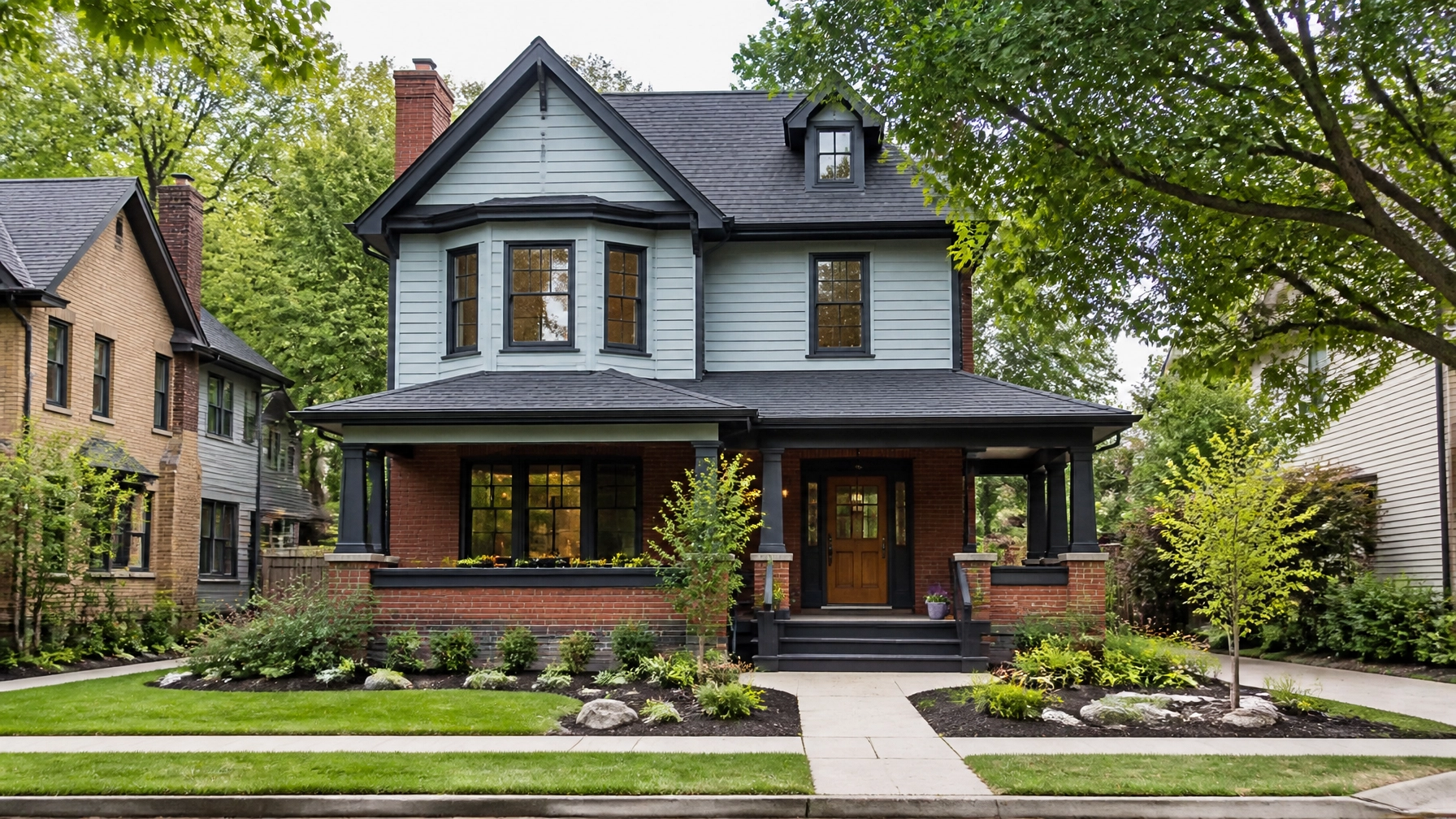
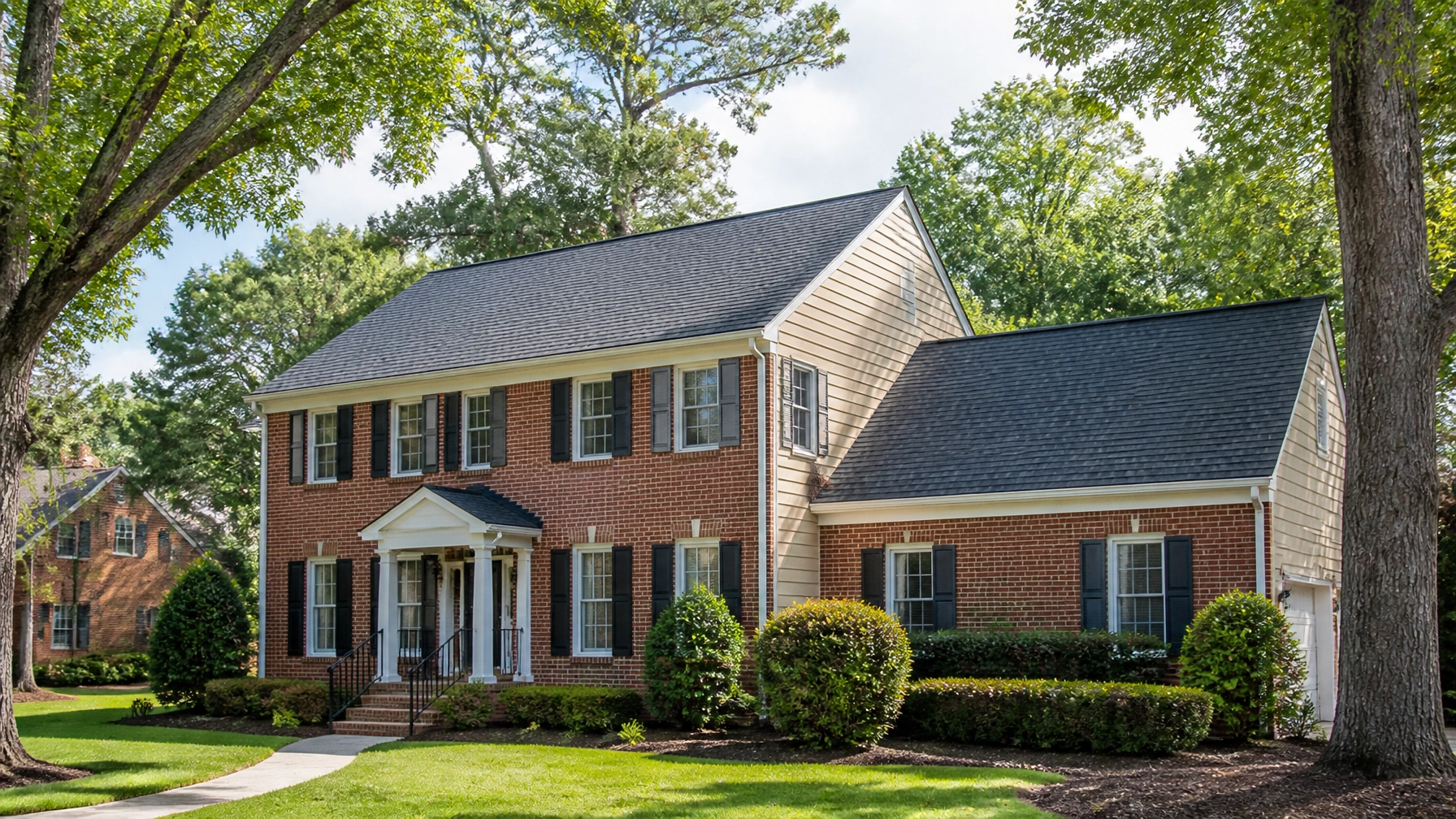
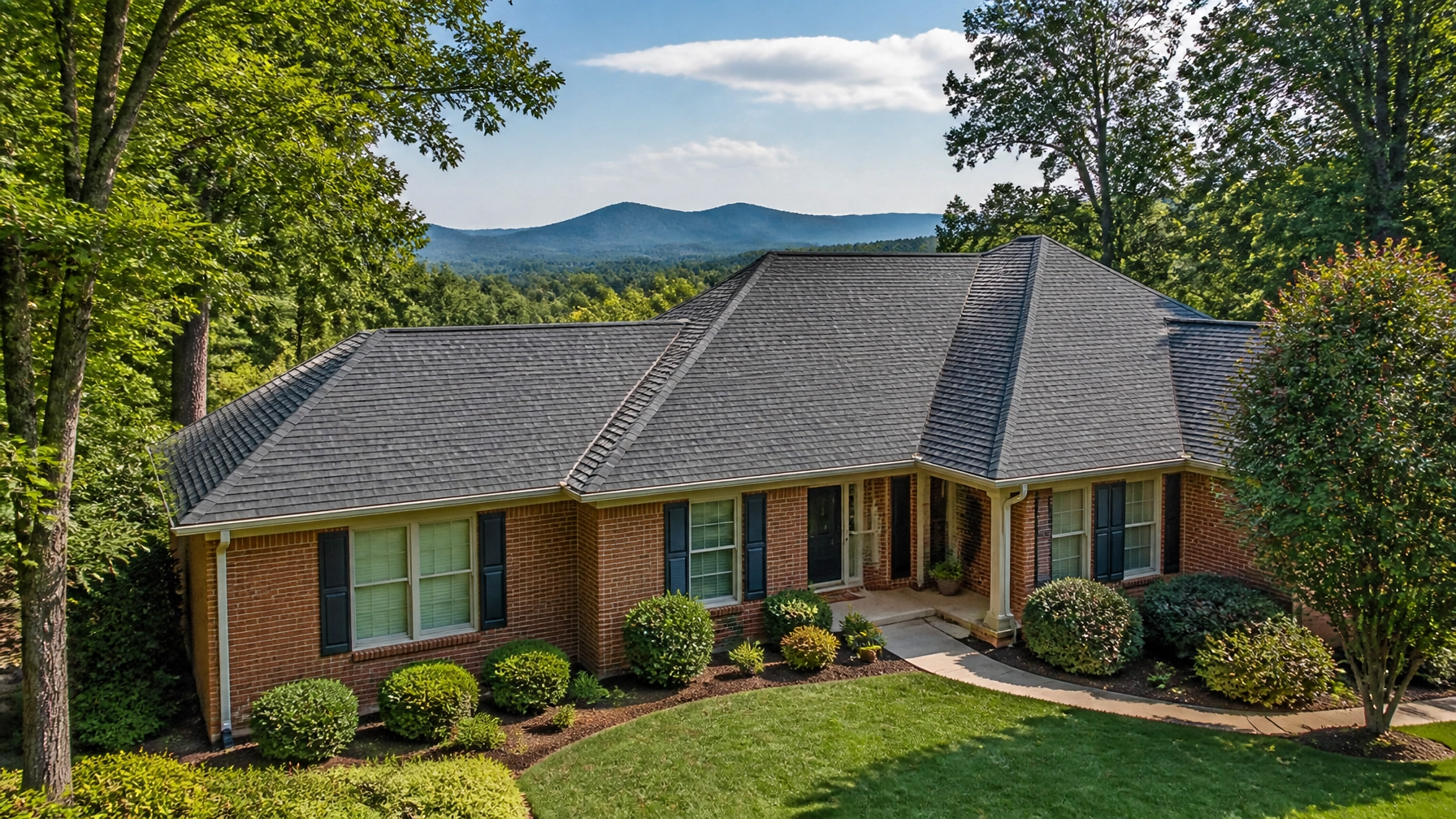
    Colonial home with new impact-resistant shingles in the Unifour

    Standing-seam metal (Premium)

    Standing-seam metal is the premium option, commonly priced at $18,000–$27,000 for 20 squares and potentially higher on a complex home.

    It offers:

    • A service life that can reach 40–70 years with proper installation
    • Strong resistance to rot, insects, and mildew
    • Excellent performance when properly fastened
    • A clean appearance for modern, craftsman, and mountain-style homes
    • Potential energy benefits from reflective finishes

    The tradeoff is a higher initial investment and the need for an experienced installer. See the metal roofing guide for a comparison of standing seam, corrugated, and other metal systems.

    The factors that change a Hickory roof estimate

    Roof pitch and complexity

    A low-slope gable roof is faster and safer to install than a steep roof with valleys, dormers, hips, intersecting sections, and multiple penetrations. Complex rooflines are common in older Hickory-area housing and can increase labor, flashing, waste, and cleanup costs.

    Tear-off and hidden damage

    Removing one or more layers of old shingles adds labor and disposal costs. Once the roof is opened, contractors may find:

    • Rotten or delaminated decking
    • Damaged fascia or rake boards
    • Improper flashing
    • Wet insulation
    • Inadequate ventilation
    • Old chimney or skylight leaks

    Ask whether the estimate includes a per-sheet price for replacement decking. This makes the final invoice easier to understand.

    2026 material and labor conditions

    Roofing prices remain sensitive to fuel, transportation, manufacturing, and labor costs. For 2026 planning, allow for approximately 4%–8% inflationary movement in material and labor pricing. Tariffs or supply disruptions can affect metal panels, fasteners, coatings, and imported components.

    A written estimate should identify the material brand, product line, warranty, tear-off scope, ventilation work, permit responsibility, and allowances for hidden damage.

    Why Unifour conditions matter

    Hickory has a humid subtropical climate with hot summers, substantial annual rainfall, occasional hail and wind events, and light winter snow or ice. That combination creates several roofing priorities:

    • Reliable underlayment in valleys and around penetrations
    • Proper flashing at walls, chimneys, and skylights
    • Adequate attic ventilation
    • Secure fastening for thunderstorm wind
    • Durable gutters and drainage
    • Careful inspection for moisture damage

    The Piedmont foothill location also creates changing weather patterns between Hickory, Lenoir, Morganton, Newton, and Conover. During active 2026 hail season, contractor schedules may tighten quickly after a major storm. Avoid signing an agreement under pressure before confirming the contractor’s insurance, scope of work, and permit plan.

    Furniture-industry housing stock is another local factor. Many homes were built decades ago and may have older roofs, additions, enclosed porches, or complicated rooflines. Mountain and lake-area homes can also include steeper pitches and difficult access.

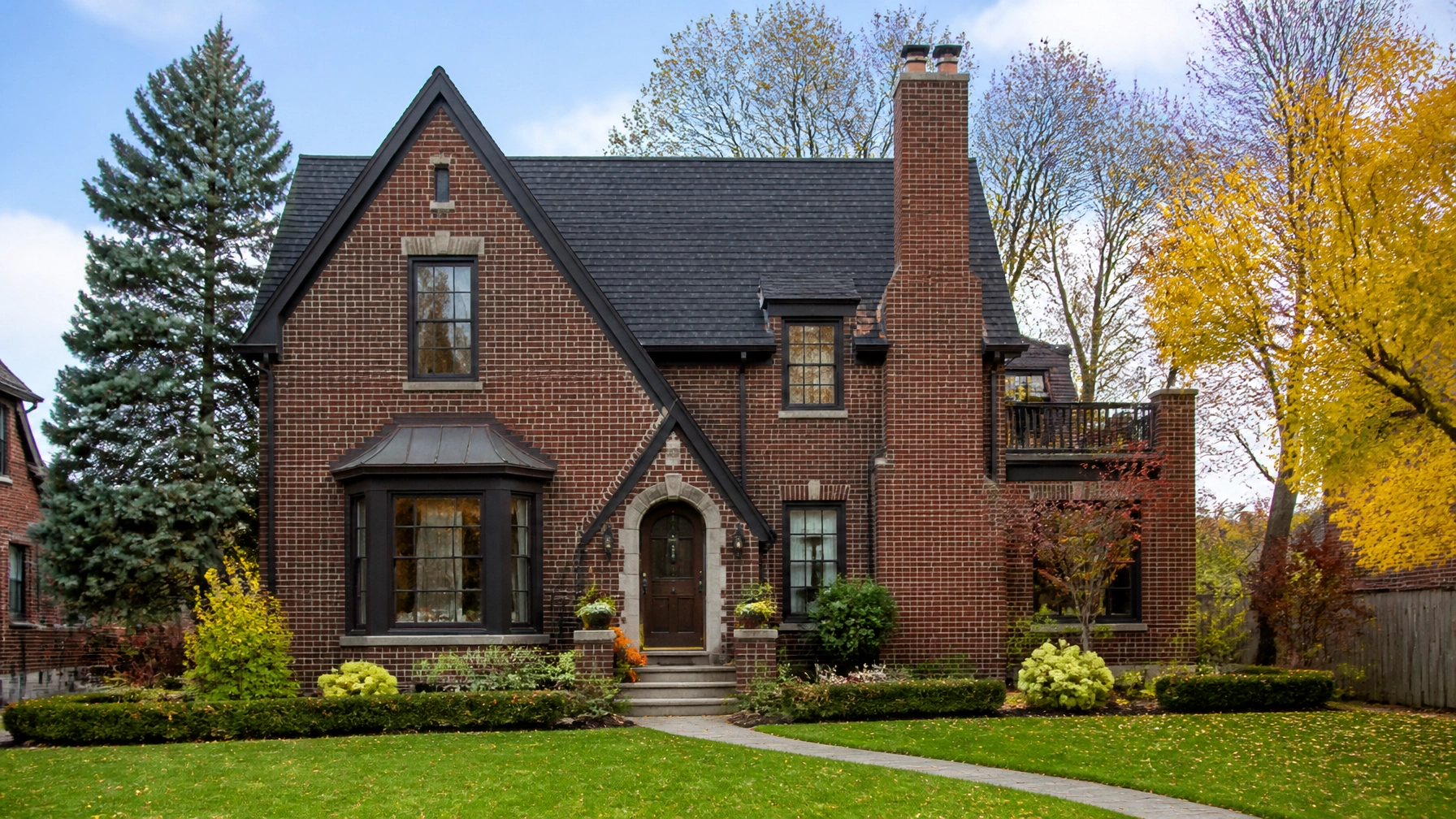
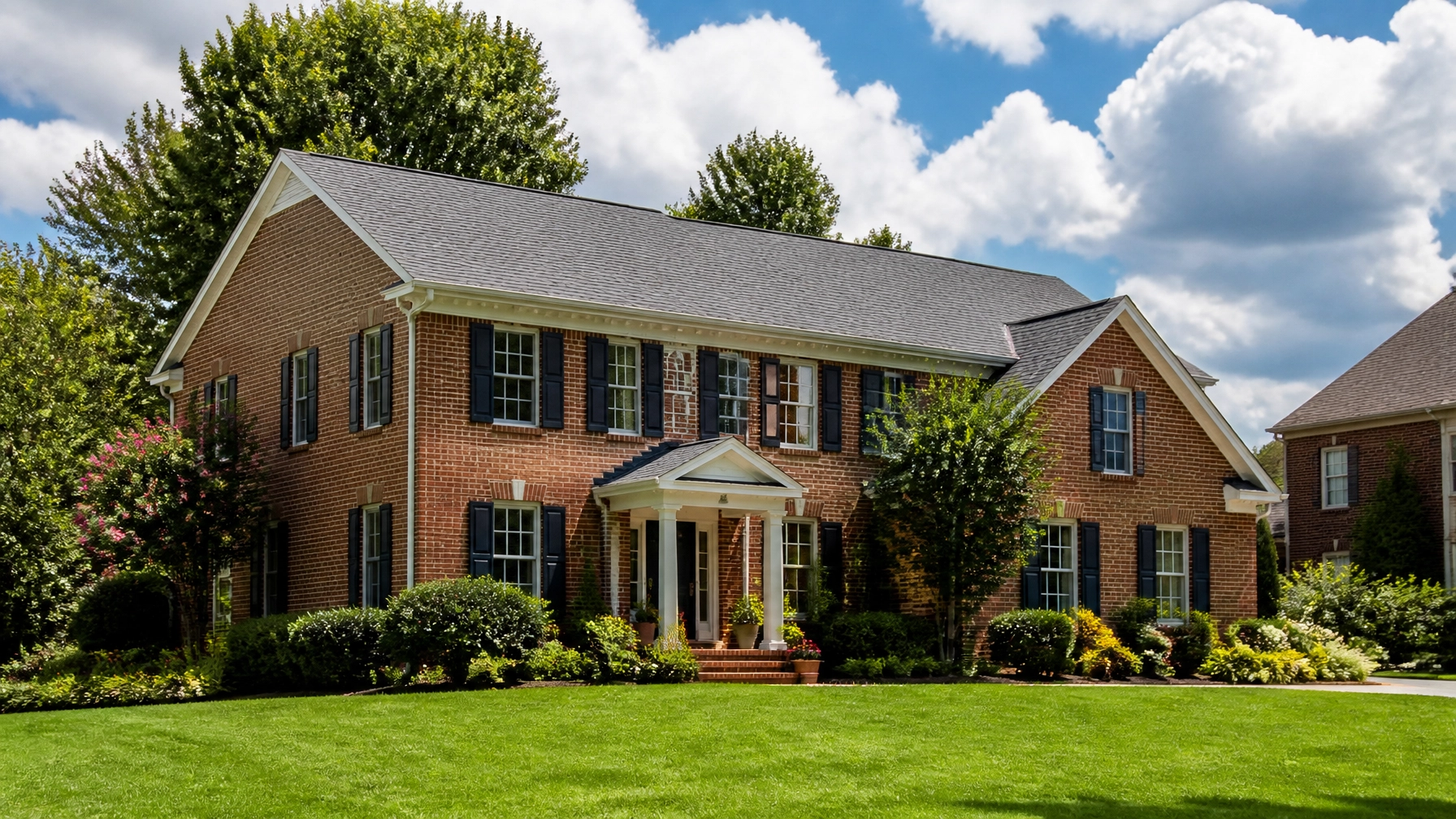
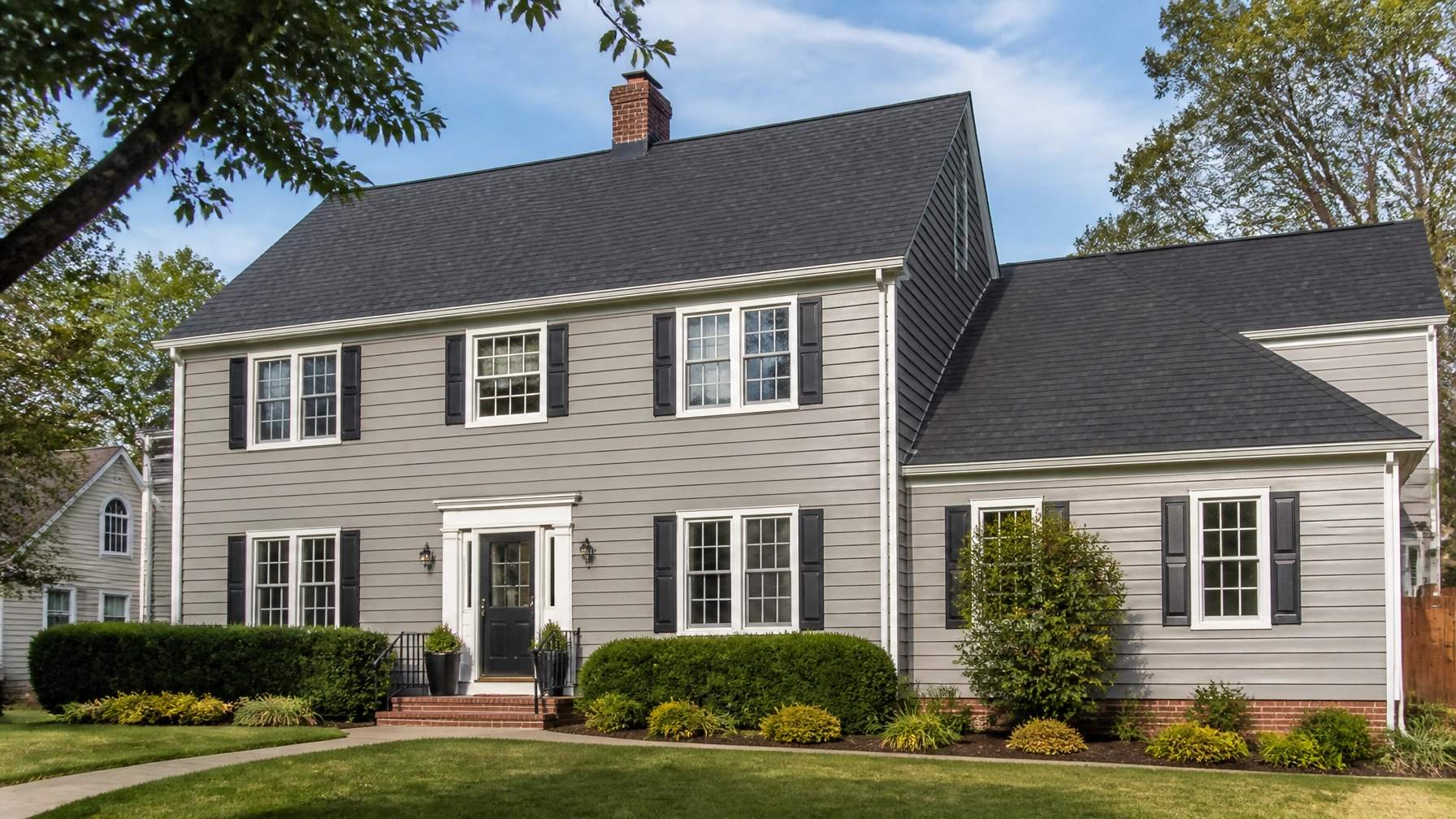
    New architectural shingle roof on a two-story Hickory-area home

    Hickory and Catawba County permit rules

    A full roof replacement generally requires a local building permit in Hickory and Catawba County. Applications are handled through the Catawba County ePermits portal, which allows homeowners and contractors to:

    • Submit permit applications
    • Pay fees online
    • Request inspections
    • View inspection appointments and results

    The county’s FY 2026–2027 fee schedule lists a $60 base re-roof fee. With administrative charges, applicable city or zoning items, and project-specific requirements, homeowners should generally plan for roughly $75–$650 in permit and inspection-related costs.

    Inspections are scheduled through ePermits or by contacting the Catawba County Permit Center at 828-465-8399. Do not allow work to begin without confirming that the required permit has been issued. Work started without a permit can result in additional fees and complications when you sell or refinance.

    North Carolina contractor and insurance checks

    For a Hickory roof replacement, verify the contractor before signing:

    • Active North Carolina General Contractor license when the project exceeds the applicable state threshold
    • General liability insurance
    • Workers’ compensation coverage
    • Written contract with payment schedule
    • Permit responsibility
    • Manufacturer warranty requirements
    • References for similar Unifour projects

    North Carolina requires a roofing contractor to hold an NC General Contractor license for projects over $30,000. Verify the business and license through the North Carolina Licensing Board for General Contractors. The licensed entity’s legal name should match the name on your contract.

    Ask your insurance agent about roof age requirements, wind and hail deductibles, replacement-cost coverage, and any Class 4 discount. North Carolina does not have a statewide shingle-matching law, so partial storm repairs may depend on your policy language and the availability of matching materials.

    Timing your project in Hickory

    Roofing demand can increase around:

    • Lenoir-Rhyne University move-in, typically in August
    • Furniture market events and related travel
    • Spring and summer storm activity
    • Fall tourism and mountain-home demand
    • Home sales and pre-listing improvements

    Late winter and early spring can be useful planning windows, while fall may offer comfortable installation weather. Do not wait for an active leak to begin comparing contractors. Scheduling ahead gives you more time to review estimates and avoid storm-season shortages.

    A new roof can also support roof replacement resale value, improved curb appeal, and buyer confidence. The best roof for home value is usually the material that fits the home’s architecture, neighborhood, climate exposure, and expected ownership period: not necessarily the most expensive option. Evaluate new roof ROI, roof curb appeal home value, and long-term maintenance together rather than focusing only on initial price.

    How to get an accurate Hickory roof estimate

    Use this process:

    1. Measure the actual roof, not just the home’s interior square footage.
    2. Confirm the number of roofing squares and major roof sections.
    3. Choose a material category: architectural, Class 4, or metal.
    4. Identify tear-off and disposal requirements.
    5. Request a written allowance for deck repairs.
    6. Confirm permits, inspections, ventilation, and flashing.
    7. Compare at least two or three detailed proposals.
    8. Check licensing and insurance before signing.

    Start with a free satellite estimate at getmyroofestimatenow.com. You can receive a property-specific price range in about 60 seconds, then use that information to plan contractor conversations without scheduling multiple visits just to obtain a ballpark number.

    Hickory roof replacement FAQ

    How much does a new roof cost in Hickory, NC, in 2026?

    Most single-family replacements fall between $8,000 and $25,000. A 2,000-square-foot roof with architectural shingles commonly costs $10,000–$18,000, depending on pitch, complexity, tear-off, and repairs.

    Is a permit required for a roof replacement in Hickory?

    A full replacement generally requires a building permit through Catawba County’s ePermits system. The county’s current schedule lists a $60 re-roof fee, but total permit-related costs can vary.

    Are Class 4 shingles worth the extra cost?

    They may be worthwhile if your home is exposed to hail or if your insurer offers a qualifying discount. Confirm the discount and documentation requirements before selecting the product.

    Is metal roofing better than asphalt shingles?

    Metal offers longer potential service life and strong weather performance, but costs considerably more upfront. Architectural shingles are often the better short- or mid-term value for budget-conscious homeowners.

    How long does a Hickory roof replacement take?

    Many straightforward roofs can be completed in one to three days. Larger, steeper, or weather-delayed projects take longer, especially during peak storm season.

    Does a new roof increase home value?

    A new roof can improve buyer confidence, curb appeal, and resale positioning. Your roof replacement ROI depends on material, workmanship, neighborhood expectations, remaining roof life, and how well the project resolves existing moisture or appearance issues.

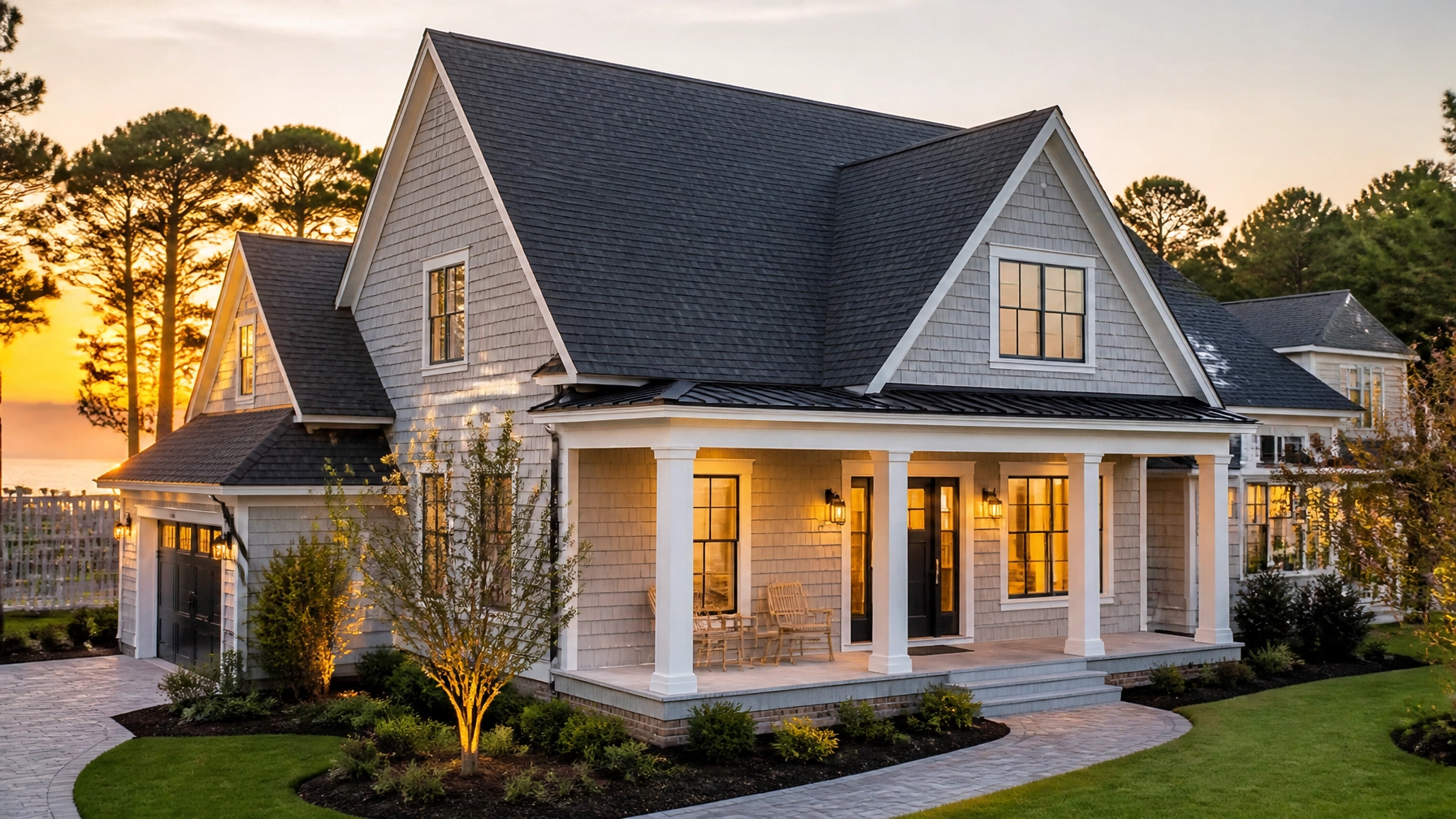
    Premium standing-seam metal roof on a modern Unifour home

    Get your free Hickory roof estimate

    Before scheduling contractor visits, find out what your roof may cost based on its actual size and design. Get a free, no-credit-card satellite estimate in about 60 seconds at Get My Roof Estimate Now. Use the result to budget confidently for your 2026 roof replacement in Hickory, Catawba County, and the Unifour area.
  • Daily FAQ Blitz – Slot 1: AEO FAQ Quick Answers for Norfolk, VA Homeowners (2026)

    Daily FAQ Blitz – Slot 1: AEO FAQ Quick Answers for Norfolk, VA Homeowners (2026)

    If you own a home in Norfolk, Virginia, a 2,000-square-foot roof typically costs about $9,000–$18,000 to replace with architectural shingles in 2026. Most standard projects fall near $13,500–$15,000. Standing-seam metal commonly costs $18,000–$40,000 or more.

    Your final price depends on roof size, pitch, complexity, material, tear-off, decking, ventilation, flashing, access, and local labor.

    Use our free Norfolk roof estimate to measure your property with satellite imagery and receive pricing in about 60 seconds.

    What does a new roof cost in Norfolk, VA, in 2026?

    For a typical 2,000-square-foot roof area:

    • Architectural shingles (Popular): $9,000–$18,000
    • Typical architectural project: approximately $13,500–$15,000
    • Installed architectural shingles: about $6.50–$9.00 per square foot
    • Standing-seam metal (Premium): $18,000–$40,000+
    • Roofing square: 100 square feet

    A roof’s measured area is not always the same as the home’s floor area. A steep or complex roof can have significantly more surface area than a simple ranch-style home.

    Norfolk home values are roughly $320,000–$345,000 in 2026, making a new roof a major but important investment for homeowners in Ghent, West Ghent, Larchmont-Edgewater, Riverview, Colonial Place, Ocean View, Lafayette Shores, Norview, and Ballentine Place.

    What is the fastest way to get a Norfolk roof estimate?

    A satellite-powered estimate is the fastest starting point. Enter your address into Get My Roof Estimate Now, and the system analyzes your roof’s size, pitch, and complexity.

    You receive:

    • A free estimate with no credit card required
    • Results in approximately 60 seconds
    • Satellite measurements generally accurate within 90%–95%
    • Low, middle, and high price ranges
    • Material comparisons for shingles, metal, synthetic roofing, and coatings
    • Regional labor and material pricing
    • Optional connection to verified, licensed, and insured contractors

    The estimate is a planning tool, not a substitute for a final contractor proposal. Hidden decking damage, framing issues, or ventilation problems may change the final price.

    How much is architectural shingle roofing per square foot?

    In Norfolk, installed architectural shingles generally cost $6.50–$9.00 per square foot in 2026.

    That price usually reflects some combination of:

    • Shingles and underlayment
    • Installation labor
    • Tear-off and disposal
    • Flashing and drip edge
    • Ventilation work
    • Basic cleanup

    Roofing contractors usually price by the square. A 2,000-square-foot roof contains approximately 20 roofing squares. The actual measurement may be higher because of roof pitch, overhangs, valleys, dormers, and other roof sections.

    Use the roof cost calculator for a general range, or request a property-specific estimate for more accurate planning.

    Is metal roofing worth it in Norfolk?

    Standing-seam metal roofing is a Premium option that typically costs $18,000–$40,000 or more for a roof around 2,000 square feet.

    Metal can make sense for homeowners who want:

    • A service life of 40–70 years or longer
    • Strong wind performance when properly installed
    • Low maintenance
    • A modern appearance
    • Long-term resale appeal

    Metal costs more upfront than architectural shingles. It also requires careful installation around fasteners, valleys, penetrations, flashing, and coastal exposure. Compare the full system: not just the panel price.

    Learn more about metal roofing options.

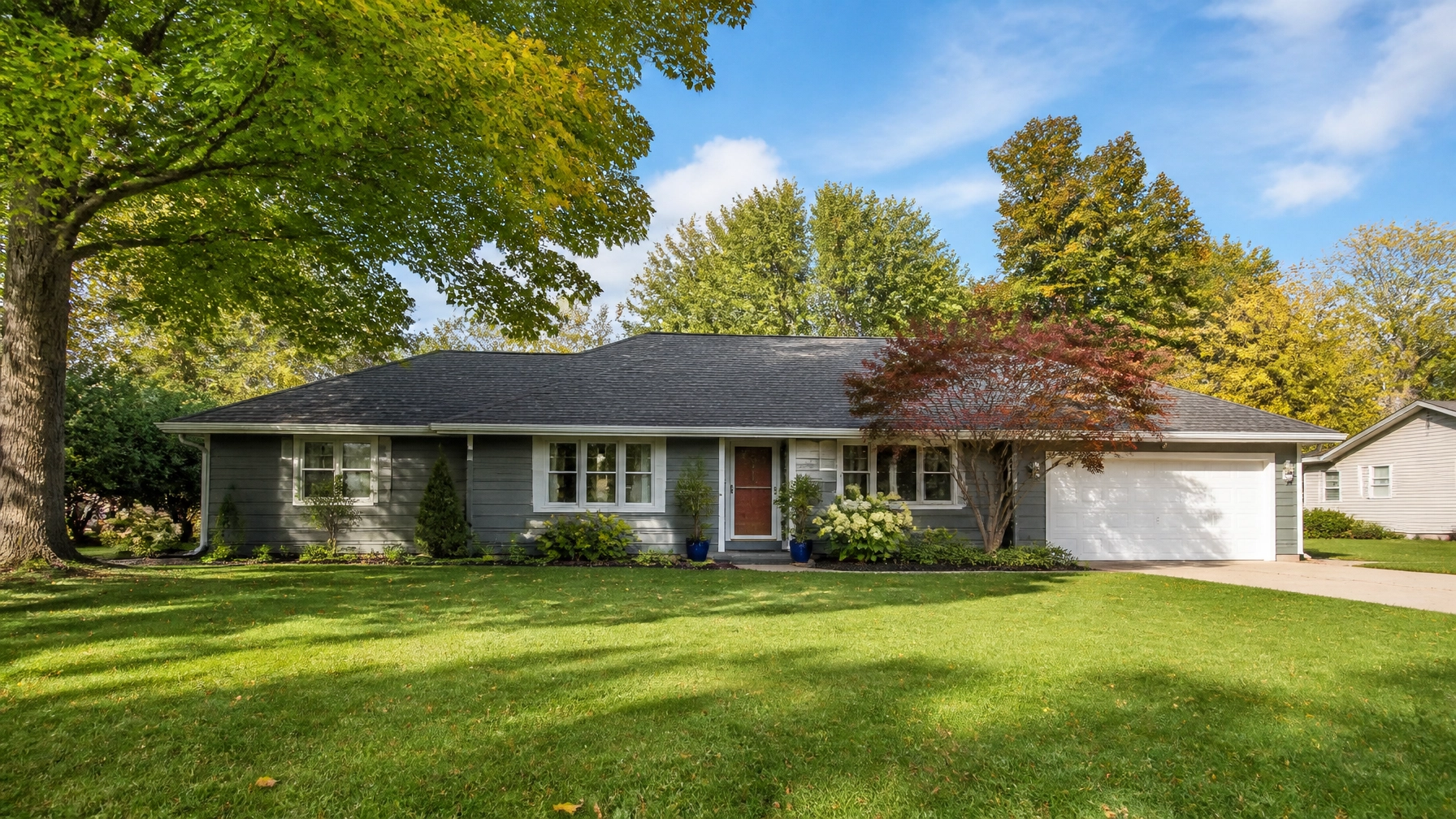
    Norfolk ranch-style home with a new high-wind architectural shingle roof

    Does Norfolk require a roof replacement permit?

    A straightforward re-roof on a one- or two-family home is often exempt from a building permit when the work only replaces the existing roof covering. You should still confirm the exact scope with the City of Norfolk before tear-off.

    A permit is generally more likely when the project includes:

    • Structural roof repairs
    • Rafter or truss changes
    • Roof pitch changes
    • Extensive decking replacement
    • Changes to the roof system
    • Framing for new skylights or dormers
    • More than minor sheathing repairs

    Norfolk and Virginia code guidance commonly identifies replacement of more than 256 square feet of roof decking as work that can require a permit on a one- or two-family residence.

    Check the City of Norfolk Permits & Inspections page and the Norfolk E-Permit portal before work begins.

    Do historic Norfolk homes need special approval?

    Possibly. Homes in or near historic districts: including parts of Ghent and West Ghent: may need a Certificate of Appropriateness before exterior roofing work.

    The Norfolk Architectural Review Board reviews exterior changes in local historic districts. Approval can affect:

    • Roofing material
    • Shingle profile and color
    • Visible roof details
    • Chimneys and flashing
    • Changes to the roofline
    • Replacement of historically significant materials

    Review the Norfolk Architectural Review Board information before signing a contract. If a building permit is also required, the Certificate of Appropriateness may need to be completed first.

    What Virginia roofing license should a Norfolk contractor have?

    Virginia requires contractors performing work valued at $1,000 or more to hold the appropriate license through the Virginia DPOR Board for Contractors.

    Roofing work may fall under specialties such as:

    • Roofing (ROC)
    • Home Improvement Contracting (HIC)

    License classes are based on project value:

    • Class C: $1,000–$29,999 for a single project
    • Class B: $30,000–$149,999
    • Class A: $150,000 and above

    A roofing company also needs the appropriate Norfolk business license. Before hiring, verify the contractor’s DPOR status, request proof of liability insurance and workers’ compensation, and ask who will pull any required permit.

    What wind requirements apply to Norfolk roofs?

    Norfolk is exposed to coastal wind, hurricanes, salt air, humidity, and storm-driven rain. Design wind speeds in the area are roughly 115–130 mph, depending on the property location and applicable code requirements.

    A coastal roof replacement may require:

    • Ring-shank nails
    • Tighter fastening patterns
    • Six nails per shingle in higher-wind conditions
    • High-wind-rated asphalt shingles
    • Improved underlayment and flashing
    • Sealed roof-deck membrane near the coastal mean high-water line
    • Class F or Class H shingle ratings, such as UL 2390 or ASTM D3161 compliance

    If more than 25% of the roof is replaced within a 12-month period, current-code compliance may apply. Ask the contractor to explain the fastening schedule and underlayment system in writing.

    Should I inspect my roof after a 2026 Norfolk storm?

    Yes. A post-storm inspection is sensible after strong wind, hail, falling branches, or extended power outages.

    Norfolk and Hampton Roads homeowners should pay attention to reported 2026 events, including:

    • April 5 wind gusts reaching approximately 61 mph
    • July 28 severe storms and tree damage in Ocean View
    • Late-July tornado warnings across Hampton Roads
    • August 17 and August 20 severe storms involving hail threats, localized tree damage, and outages

    Look for missing shingles, lifted edges, exposed underlayment, damaged flashing, dented vents, granule loss, and interior leaks. Take photos from the ground and contact your insurer before authorizing major work.

    Will insurance pay for a Norfolk roof replacement?

    Insurance generally covers sudden damage from covered events such as wind, hail, fire, or falling objects: not normal aging or deferred maintenance.

    Check whether your policy uses:

    • RCV (Replacement Cost Value): May pay current replacement cost after the deductible and claim requirements are satisfied
    • ACV (Actual Cash Value): Deducts depreciation based on roof age and condition

    Wind and hail deductibles may be 1%–5% of the dwelling coverage limit, not a flat roofing deductible. Class 4 impact-resistant shingles may qualify for insurance discounts, but credits vary by carrier.

    Beginning January 1, 2027, Virginia insurance law is scheduled to restrict cancellation or non-renewal based solely on roof age for certain owner-occupied homes with asphalt shingle roofs under 15 years old. A roof certified to have at least five years of useful life remaining may also receive additional protection. Confirm eligibility and documentation requirements with your insurer.

    Historic-style Ghent home in Norfolk with a new charcoal architectural roof

    How long do roofs last in coastal Hampton Roads?

    Typical service lives in Norfolk include:

    • 3-tab shingles (Budget): 15–20 years
    • Architectural shingles (Popular): 20–30 years, often closer to 15–22 years in harsh coastal exposure
    • Impact-resistant shingles: Approximately 25–35 years
    • Standing-seam metal (Premium): 40–70+ years with maintenance

    Salt air, ultraviolet exposure, humidity, algae, wind, and storm debris can shorten these ranges. Schedule an inspection each year before hurricane season, especially if your roof is 15 years old or older.

    Does a new roof add resale value in Norfolk?

    A roof replacement can improve marketability, buyer confidence, and appraisal readiness. Asphalt roof replacement ROI is commonly estimated around 60%–68%, with some Virginia projects approaching 70%–80%, depending on material, workmanship, timing, and market conditions.

    A documented new roof may also help you avoid:

    • Buyer repair requests
    • Appraisal deductions
    • Delayed closings
    • Concessions that can reach approximately $8,000–$20,000 on major roof concerns

    A new roof does not guarantee a specific return. Focus on correct installation, code compliance, ventilation, documentation, and a material appropriate for Norfolk’s coastal conditions.

    Norfolk roof replacement checklist

    Before requesting proposals:

    • Measure your roof or get a satellite estimate
    • Compare architectural shingles with metal and impact-resistant options
    • Ask whether tear-off and disposal are included
    • Request a decking-repair allowance or unit price
    • Confirm ventilation, flashing, and underlayment details
    • Verify DPOR licensing and insurance
    • Ask whether the project needs a Norfolk permit
    • Check historic-district requirements
    • Review your ACV or RCV insurance coverage
    • Get the scope, warranty, materials, and payment schedule in writing

    Start with a free, no-credit-card Norfolk roof estimate. You can receive a preliminary price range in about 60 seconds and use it to plan your next conversation with a local contractor.

    Categories: Norfolk VA, Virginia Roofing, Hampton Roads, Home Improvement, AEO FAQ

    Tags: Norfolk roof replacement cost, Norfolk VA roofing, Hampton Roads roofing, Virginia roof estimate, architectural shingles, metal roofing, roof permits Norfolk, coastal roof requirements, AEO FAQ

  • Daily ROI Blitz – Slot 3: Grand Rapids, MI New Roof ROI ,  How a Furniture City Replacement Adds Home Value in 2026

    Daily ROI Blitz – Slot 3: Grand Rapids, MI New Roof ROI , How a Furniture City Replacement Adds Home Value in 2026

    A new roof can protect more than your home from West Michigan weather. In 2026, it can help protect your resale price, shorten time on market, and prevent buyers from demanding credits after an inspection.

    Grand Rapids remains competitive, even as appreciation cools. The city and Kent County are seeing roughly 0.75–1.2 months of housing supply, with well-priced homes often going pending in six to seven days. Median days on market vary by neighborhood and source, generally ranging from 13 to 32 days.

    That means buyers have more choices than they did during the peak market, but condition and curb appeal now carry more weight.

    For homeowners in East Grand Rapids, Heritage Hill, Eastown, Alger Heights, Ottawa Hills, Creston, Belknap, Fulton Heights, Ada, Cascade, Forest Hills, Grandville, Kentwood, and Wyoming, the timing is especially relevant. Much of the area’s older housing stock has roofs that are now 20 to 30 years old.

    Grand Rapids housing market benchmarks for 2026

    Market figures vary by source, reporting month, and geographic definition. The following ranges provide a practical planning baseline.

    2026 benchmark Grand Rapids/Kent County figure Why it matters to roof replacement ROI
    Grand Rapids city median sale price About $300,000–$330,000 A deteriorated roof is more noticeable, and more financially significant, against a six-figure home value.
    Kent County median sale price About $335,000–$360,000 Buyers purchasing at this level often expect major systems to be serviceable.
    Housing supply Roughly 0.75–1.2 months Limited inventory helps sellers, but buyers can still reject homes with obvious deferred maintenance.
    Fast-moving homes Often pending in 6–7 days A clean, replacement-ready roof can improve first-week performance.
    Broader median days on market About 13–32 days A roof problem can increase negotiation time and reduce offer strength.
    Year-over-year appreciation Roughly 3–5% With price growth moderating, condition and presentation matter more than automatic appreciation.

    See current market reporting from Redfin’s Grand Rapids housing market page, Realtor.com’s Kent County market data, and local broker reports. Zillow, Realtor.com, and local brokerage figures will not always match exactly.

    Classic Grand Rapids Craftsman bungalow with new dimensional architectural shingles

    Three financial effects of a new roof

    1. It protects the resale price (Defensive ROI)

    A new roof does not automatically add its full cost to a home’s value. Its strongest financial role is often defensive.

    A roof replacement can help you avoid:

    • Buyer requests for a large roof credit
    • Price reductions after inspection
    • Failed appraisal concerns related to roof age or condition
    • Delayed closings while repairs are negotiated
    • Interior damage from leaks, ice dams, and freeze-thaw cycles
    • Insurance complications when a roof is beyond its expected service life

    Local Michigan roofing sources commonly estimate that a standard asphalt roof may recover approximately 60–70% of its cost, with potentially better results when the old roof is visibly failing or the replacement improves insurance eligibility and buyer confidence.

    2. It improves curb appeal and buyer confidence (Popular)

    Roofing covers a large portion of a home’s visible exterior. In neighborhoods with mature trees and older homes, such as Eastown, Alger Heights, and Heritage Hill, a stained, curling, or mismatched roof can dominate the first impression.

    A new roof can improve:

    • Color consistency across the exterior
    • Perceived maintenance quality
    • Listing photography
    • Buyer confidence during the first showing
    • Compatibility with updated siding, gutters, windows, or trim

    This is the practical connection between roof curb appeal and home value. Buyers may not describe the roof as an “ROI feature,” but they notice whether the home looks maintained.

    3. It reduces inspection, appraisal, and insurance friction (Risk reduction)

    A roof near the end of its service life can create questions even when it is not actively leaking. Buyers, inspectors, lenders, and insurers may request documentation or repairs.

    If you replace before listing, keep:

    • The contractor’s license information
    • Permit documentation
    • Manufacturer warranty
    • Workmanship warranty
    • Before-and-after photographs
    • Final invoice and proof of payment

    Grand Rapids requires a residential building permit for a residential re-roof. The City of Grand Rapids FY2026 fee schedule lists a flat $66 residential re-roof permit fee. The permit should be pulled before tear-off, and a contractor generally needs the appropriate Michigan residential builder or maintenance and alteration license. Review the City of Grand Rapids re-roof permit requirements.

    Grand Rapids roof replacement cost by material in 2026

    Your actual Grand Rapids roof replacement cost depends on roof size, pitch, layers, valleys, flashing, ventilation, decking, access, and disposal.

    Material Typical 2026 installed range Approximate per-square range Best fit
    Architectural asphalt shingles (Popular) $9,000–$18,000 for a 2,000-sq.-ft. home $450–$900 Most resale-focused replacements
    Metal roofing (Premium) $18,000–$42,000 $700–$1,500 Longevity, durability, and distinctive design
    Full project planning range $9,000–$25,000 for many homes Varies Typical tear-off and replacement budgeting

    A roofing square equals 100 square feet of roof surface. The roof area, not the home’s interior floor area, determines the number of squares.

    Worked roof replacement ROI examples

    Example 1: Architectural asphalt (Popular)

    Assume:

    • Project cost: $14,000
    • Local recoupment range: 60–70%
    • Estimated resale value supported: $8,400–$9,800

    This does not mean the home’s listing price should automatically increase by $9,800. It means the replacement may preserve that level of value compared with selling with an aging or questionable roof.

    If the old roof would have triggered a $10,000 buyer credit, the financial result can be stronger because the replacement also avoids that negotiation.

    Example 2: National Cost vs. Value benchmark

    The 2025/2026 national Cost vs. Value baseline reports:

    • Asphalt roof replacement: $31,871 average cost × 68% = approximately $21,672 recouped
    • Metal roof replacement: $51,865 average cost × 50% = approximately $25,933 recouped

    These are national averages, not guarantees for a Grand Rapids property. A high-cost metal roof may produce a larger dollar contribution but a lower percentage return. For a mid-priced Grand Rapids home, quality architectural asphalt is often the stronger choice for short-term roof replacement ROI.

    Example 3: Metal roofing (Premium)

    Assume:

    • Project cost: $28,000
    • Local recoupment range: 50–60%
    • Estimated resale value supported: $14,000–$16,800

    Metal may still be the right decision if you expect to remain in the home for decades. Its value includes service life, reduced replacement frequency, and durability, not only immediate resale value.

    Grand Rapids-area Colonial home with a new standing-seam metal roof in a snowy Michigan setting

    Ice dams and winter-storm preparation in West Michigan

    Grand Rapids roof ROI is different from a Southern hail-only calculation. Winter performance matters.

    Ice dams form when heat escapes from the living space, warms the roof deck, melts snow, and allows water to refreeze at colder eaves. The resulting water can move beneath shingles and into ceilings or walls.

    Before freezing weather, prioritize:

    • Air sealing attic bypasses around lights, wiring, fans, chimneys, and hatches
    • Attic insulation near R-49 to R-60
    • Balanced soffit-to-ridge ventilation
    • Ventilation baffles that keep soffit intake paths open
    • Clean gutters and downspouts
    • Fall roof and attic inspections
    • Proper flashing around chimneys, dormers, and roof-to-wall intersections

    ENERGY STAR’s insulation guidance supports R-49 to R-60 targets for relevant northern climate zones. The National Weather Service Grand Rapids ice-dam guidance also emphasizes insulation, ventilation, gutter maintenance, and reducing snow loads.

    Weather damage remains part of the calculation. Kent County experienced notable 2026 hail and wind events, including:

    • March 10 hail reports reaching approximately 2.5 inches in the broader Grand Rapids area
    • September 2 hail averaging about 1.5 inches, with reports up to approximately 2.5 inches
    • A June 11 EF0 tornado near Caledonia with winds reported near 85 mph
    • Additional wind and hail events on May 18, June 10, and July 3

    Snow load, repeated freeze-thaw cycles, and corrosive ice-melt products can also shorten the useful life of roofing components.

    Grand Rapids resale checklist before listing

    Complete these steps before putting your home on the market:

    1. Confirm roof age. Check closing documents, permits, warranties, and contractor invoices.
    2. Inspect from the ground and attic. Look for curling shingles, stains, daylight, sagging, and wet insulation.
    3. Check flashing and ventilation. These are common inspection concerns.
    4. Review insurance requirements. Some policies may restrict coverage for older roofs.
    5. Pull the required permit. Document the permit number and final inspection.
    6. Choose a neighborhood-appropriate material. Architectural shingles are usually the practical resale choice.
    7. Coordinate colors. Match the roof with brick, siding, trim, gutters, and shutters.
    8. Keep a project file. Include warranties, receipts, licenses, permits, and photographs.
    9. Get pricing before listing. A fast estimate helps you compare replacement now versus a buyer credit later.

    Well-maintained Kent County ranch home with a newly replaced architectural shingle roof

    Frequently asked questions

    What is the best roof for home value in Grand Rapids?

    For most homes, a quality architectural asphalt shingle roof is the best roof for home value because it balances cost, appearance, availability, and buyer expectations. Metal can be a strong premium choice when it suits the home and neighborhood, but it usually requires a longer ownership horizon.

    Does a new roof increase home value dollar-for-dollar?

    Usually, no. National benchmarks suggest partial cost recovery rather than a dollar-for-dollar return. The main benefit is defensive: avoiding credits, inspection deductions, water damage, insurance friction, and weaker offers.

    Should I replace my roof before selling?

    Replace before selling when the roof is visibly failing, near the end of its service life, difficult to insure, or likely to become a major inspection issue. If the roof is still performing and has substantial life remaining, a professional inspection and documented maintenance may be more cost-effective.

    How long does a roof last in Michigan?

    Architectural asphalt shingles often last approximately 20–30 years, depending on installation quality, ventilation, snow, ice dams, wind, hail, and maintenance. Metal roofing can last considerably longer, but its higher upfront cost changes the short-term ROI calculation.

    Summary: calculate your Grand Rapids roof ROI in 60 seconds

    A new roof can support new roof Grand Rapids home value by protecting resale price, improving curb appeal, and reducing transaction risk. In a competitive but more measured 2026 market, those benefits matter.

    Start with an instant, no-cost estimate from Get My Roof Estimate Now for Grand Rapids, Michigan. Satellite-powered measurements estimate roof size, pitch, and complexity in under 60 seconds: without a contractor visit upfront.

    You can also compare materials and project assumptions with the roof cost calculator. No credit card is required, and the estimate provides low, middle, and high planning ranges so you can budget before listing or scheduling a replacement.

    Sources

  • Daily ROI Blitz – Slot 4: Detroit, MI New Roof ROI : How a Motor City Replacement Adds Home Value in 2026

    Daily ROI Blitz – Slot 4: Detroit, MI New Roof ROI : How a Motor City Replacement Adds Home Value in 2026

    Detroit homeowners are competing in a market with more inventory, more buyer scrutiny, and a clear preference for move-in-ready homes. In that environment, a new roof is more than maintenance. It is one of the most visible investments you can make before listing.

    For 2026, a typical Detroit roof replacement costs approximately $12,400–$16,800 for a 2,000–2,327-square-foot home. A properly installed asphalt shingle roof can recover roughly 67%–68% of its cost at resale, based on national Cost vs. Value benchmarks. More importantly, replacing a failing roof can help prevent $15,000–$30,000 in buyer concessions, repair credits, or price reductions.

    That makes a Detroit roof replacement a practical part of the Motor City comeback: not just a cosmetic upgrade.

    Detroit Housing Market Snapshot: Why Roof Condition Matters

    Detroit’s city and metro housing numbers tell different stories.

    Recent market data shows:

    • Redfin Detroit median sale price: approximately $100,000 for the three months ending June 2026
    • Year-over-year change: about -1.0%
    • Typical time on market: approximately 48 days
    • Realtor.com median list price: approximately $275,000 in August 2026
    • Realtor.com year-over-year change: about -1.4%
    • Typical listing time: approximately 40 days

    These figures vary because each platform measures a different set of properties and uses different methods. The broad takeaway is consistent: Detroit buyers have more choices, and homes still need to make a strong first impression.

    Detroit also has a wide city-versus-metro price spread. A home in a high-demand historic neighborhood may compete with properties priced well above the citywide median. At the metro level, the June 2026 median sale price was approximately $310,000, according to regional MLS reporting summarized by Top Agent Realty.

    When buyers compare several homes, a visibly aging roof can quickly become a negotiating point. A new roof removes one of the most expensive unknowns from the inspection report.

    Detroit brick colonial with a newly installed architectural shingle roof

    Detroit Roof Replacement Cost in 2026

    The final price depends on roof size, pitch, complexity, material, tear-off requirements, and local labor. Detroit homeowners should generally budget within these ranges:

    Roofing option Typical Detroit cost Context
    Asphalt shingles $9,000–$14,000 Budget/value option for straightforward roofs
    Architectural shingles $11,000–$17,000 Popular upgrade with better appearance and longevity
    Metal roofing $18,000–$32,000 Premium option with a longer service life
    Typical 2,000–2,327 sq. ft. home $12,400–$16,800 average Common full replacement range

    For comparison, our 2026 roof cost calculator estimates materials, pitch, tear-off, and regional factors. You can also compare metal systems through our metal roofing guide.

    What Can Push the Price Higher?

    Detroit roof estimates often increase when the home has:

    • Multiple roof sections, dormers, or valleys
    • Steep slopes or difficult access
    • Two existing shingle layers requiring tear-off
    • Chimneys, skylights, or complex flashing
    • Damaged decking beneath the shingles
    • Historic materials that require specialized handling
    • Ice-and-water shield upgrades along vulnerable edges
    • Class 4 impact-resistant shingles for hail protection

    Permit fees also vary by jurisdiction. Regional Wayne County roofing permit benchmarks are often quoted around $146–$234, but Detroit proper may use a valuation-based fee schedule. Ask your contractor to confirm the exact requirement with the local building department and include it in the written estimate.

    Detroit Roof Replacement ROI: The Basic Math

    Suppose your Detroit roof replacement costs $15,000.

    Using a 67%–68% resale recovery benchmark:

    • Estimated value recovered: $10,050–$10,200
    • Unrecovered cost on resale: approximately $4,800–$4,950
    • Potential avoided concessions or repairs: $15,000–$30,000

    This is why Detroit roof replacement ROI should not be measured only by the resale value added. A new roof can also:

    1. Reduce inspection objections.
    2. Improve buyer confidence.
    3. Help the property qualify for financing and insurance.
    4. Limit requests for closing credits.
    5. Reduce the risk of interior water damage before closing.
    6. Make listing photos and curb appeal stronger.

    A roof replacement does not guarantee a dollar-for-dollar increase in sale price. The best return usually occurs when the existing roof is visibly worn, near the end of its service life, or already causing leaks.

    New Roof Home Value in Detroit

    A new roof is especially valuable when it changes the buyer’s perception from “future project” to “ready to own.”

    For a $100,000 Detroit property, a $15,000 roof is a significant investment. But a failing roof can make the home difficult to finance, insure, or sell without a steep discount. For a $275,000–$310,000 Metro Detroit property, the same roof represents a smaller percentage of total value and may be easier to justify as a move-in-ready improvement.

    The strongest ROI typically comes from matching the roof to the neighborhood and the home’s architecture. Overbuilding with an expensive material may not produce the same return as a well-installed architectural shingle system that fits nearby homes.

    Detroit Weather: Ice Dams, Hail, and Wind

    Detroit’s freeze-thaw cycles create a specific roofing risk: ice dams.

    During the February 2026 winter pattern, heavy snow, freezing temperatures, rain, and rapid warmups created conditions favorable to ice formation along eaves and gutters. Ice dams can force meltwater beneath shingles and into attics, ceilings, insulation, and wall cavities.

    The National Weather Service Detroit climate review documents the sharp temperature swings that contributed to the risk.

    For an existing ice dam:

    • Do not chop at it with an axe or shovel.
    • Avoid pouring hot water onto the roof.
    • Use a roof rake from the ground for limited snow removal.
    • Call a professional for active leaks or large dams.
    • Use low-pressure steam removal on sensitive historic materials.

    When replacing a roof, ask for:

    • Ice-and-water shield along eaves and valleys
    • Proper flashing around chimneys and wall intersections
    • Adequate soffit and ridge ventilation
    • Attic insulation and air-sealing recommendations
    • Correct shingle fastening for Michigan wind conditions

    Detroit also saw spring and summer 2026 hail activity, along with a confirmed EF2 tornado on September 3 that damaged roofs and walls at more than 20 properties on the lower east side. Review the National Weather Service Detroit storm survey if your property was near the affected area.

    For hail-prone homes, consider Class 4 impact-resistant shingles. They cost more upfront but can reduce bruising, granule loss, and premature replacement risk. Ask your insurance carrier whether a Class 4 roof qualifies for a premium adjustment. Michigan policies may also include separate wind or hail deductibles, so review your coverage before filing a claim.

    Historic West Village-style Detroit home with a durable impact-resistant roof

    Neighborhood-Specific Roofing Considerations

    Detroit roof replacement ROI depends partly on the neighborhood.

    • Indian Village: With average home values around $498,000, buyers expect craftsmanship and historically appropriate materials. Confirm historic-district requirements before changing roof color, profile, or material.
    • East English Village: With a median sale price near $184,500, a durable architectural shingle roof can improve marketability without over-improving the property.
    • West Village: Historic details, older gutters, and complicated rooflines require careful ice-dam removal and flashing work.
    • Boston Edison: Large historic homes may have steeper, more complex roofs. Budget for additional valleys, dormers, and ventilation work.
    • Palmer Woods: Premium properties benefit from materials and workmanship that match the home’s scale and architectural character.
    • Rosedale Park and Sherwood Forest: A clean, durable roof can make a major curb-appeal difference, especially when competing listings have visibly older shingles.

    In every neighborhood, keep invoices, permit records, warranty documents, and before-and-after photographs. These records help support the roof’s value during a future sale.

    Five Practical Steps Before Replacing Your Detroit Roof

    1. Get an address-specific measurement. Roof size is measured in squares, with one square equal to 100 square feet. Satellite measurements provide a fast planning baseline without an initial contractor visit.

    2. Compare at least three written scopes. Make sure each quote includes tear-off, disposal, flashing, ventilation, underlayment, permits, warranties, and decking allowances.

    3. Choose the material for the neighborhood. Architectural shingles are usually the value choice. Metal can make sense for long-term ownership, but the higher cost may not be fully recovered at resale.

    4. Ask about weather protection. Include ice-and-water shield, proper ventilation, wind-rated installation, and Class 4 shingles where appropriate.

    5. Confirm licensing and insurance. Use a verified, licensed, and insured local contractor. Avoid pressure to sign immediately after a storm.

    Get Your Detroit Roof Replacement Estimate in 60 Seconds

    Before scheduling several contractor visits, get a clear starting point for your Detroit roof replacement cost.

    Get My Roof Estimate Now uses satellite imagery to measure your roof’s size, pitch, and complexity. You receive low, middle, and high price ranges for different materials in under 60 seconds.

    It is free, requires no credit card, and carries no obligation. Start planning your Detroit roofing 2026 project today: with accurate information before you make a major home investment.

  • Daily ROI Blitz – Slot 7: Virginia Beach, VA New Roof ROI ,  How an Oceanfront-Ready Replacement Adds Home Value in 2026

    Daily ROI Blitz – Slot 7: Virginia Beach, VA New Roof ROI , How an Oceanfront-Ready Replacement Adds Home Value in 2026

    A new roof in Virginia Beach can cost approximately $6,850–$22,000 for architectural shingles or $16,900–$45,000+ for metal roofing, depending on roof size, pitch, complexity, wind specifications, and material quality.

    For resale planning, national asphalt shingle replacements typically recoup about 65%–68% of their cost. The broader South Atlantic resale benchmark is closer to 72%–73%. On a $15,000 replacement, that represents approximately $9,750–$10,950 in recovered value, before considering faster sale timing, fewer inspection objections, and reduced buyer uncertainty.

    Virginia Beach homes sold for approximately $423,000 during the three months ending July 2026, with typical marketing times of roughly 25–40 days, depending on the data source and property segment. In a market moving at that pace, a visibly aging roof can become a pricing and negotiation problem.

    Virginia Beach housing market benchmark for 2026

    The local market remains competitive, but buyers are carefully evaluating maintenance costs, especially in coastal neighborhoods where roofs face wind, salt air, humidity, and storm exposure.

    Benchmark 2026 Virginia Beach context
    Median sale price Approximately $423,000
    Typical days on market Approximately 25–40 days
    South Atlantic roof resale benchmark Approximately 72%–73%
    National asphalt shingle recoupment Approximately 65%–68%
    Common roof replacement budget Approximately $8,000–$25,000
    Local design wind speeds Approximately 120–130 mph

    Market figures vary by neighborhood, home type, and reporting method. Redfin’s Virginia Beach housing data and Zillow’s Virginia Beach market page provide useful updates, but a property-specific appraisal is still required for an exact value conclusion.

    Virginia Beach roof replacement costs by material

    The roof’s measured area, not the home’s interior square footage, is the starting point. Roofers measure in squares, with one square equal to 100 square feet of roofing.

    Roofing system Typical Virginia Beach 2026 range Resale and performance context
    Architectural shingles (Popular) $6,850–$22,000 Strong value, broad buyer appeal, approximately 65%–68% national recoupment
    Impact-rated architectural shingles (Storm-ready) Often $12,000–$22,000 Better fit for wind and hail exposure; may support insurance discussions
    Metal roofing (Premium) $16,900–$45,000+ Long service life, high upfront cost, attractive for long-term owners
    Roof permit and related fees Approximately $185–$1,000 Simple replacements may fall near the low end; complex work can cost more

    For a typical 2,000–2,500-square-foot roof, current Virginia roofing cost benchmarks place many architectural shingle projects in the low-to-high teens. Metal roofing moves higher when the project includes standing-seam panels, complex roof geometry, premium fasteners, or enhanced coastal detailing.

    Final pricing also depends on:

    • Roof pitch and number of roof planes
    • Valleys, dormers, skylights, and chimneys
    • Tear-off and disposal requirements
    • Damaged or rotted roof decking
    • High-wind fastening schedules
    • Flashing, ventilation, and underlayment
    • Local labor availability

    New architectural shingle roof on a Virginia Beach ranch home

    Worked ROI example: a $15,000 replacement

    Assume a Virginia Beach homeowner installs a high-quality architectural shingle roof for $15,000.

    Conservative national scenario

    At a 65%–68% recoupment rate:

    • Estimated added resale value: $9,750–$10,200
    • Unrecovered project cost: $4,800–$5,250

    South Atlantic benchmark scenario

    At a 72%–73% regional recoupment rate:

    • Estimated added resale value: $10,800–$10,950
    • Unrecovered project cost: $4,050–$4,200

    This is not a guaranteed dollar-for-dollar return. Roof ROI is measured through several benefits:

    • Higher buyer confidence
    • Fewer inspection negotiations
    • Reduced risk of a delayed closing
    • Better listing photography and curb appeal
    • Fewer repair credits or price reductions
    • Improved insurability compared with an obsolete roof

    A new roof usually performs best as a value-protection project, not just a cosmetic upgrade. If the existing roof is leaking, visibly failing, or near the end of its service life, replacement can protect the home from a much larger resale discount.

    Neighborhood-specific value considerations

    Oceanfront and Sandbridge

    Homes near the Oceanfront and Sandbridge face the strongest salt-air, wind, and moisture exposure. Buyers in these areas often look closely at:

    • Corrosion-resistant flashing and fasteners
    • Proper roof-edge detailing
    • Wind-rated shingles or metal panels
    • Evidence of storm maintenance
    • Attic ventilation and moisture control

    Impact-rated architectural shingles are a practical resale choice for many homes. Premium metal roofing can also work well, but aluminum or appropriately coated metal is generally more suitable than unprotected steel in a salt-air environment.

    Great Neck and established mid-city neighborhoods

    Great Neck and similar established areas often include larger homes, mature landscaping, and more complex rooflines. A replacement here may cost more because of:

    • Multiple roof sections
    • Steeper pitches
    • Dormers and architectural details
    • Difficult access around trees
    • Larger roof areas

    A coordinated architectural shingle system can preserve neighborhood character while improving wind performance. For higher-value homes, a corrosion-resistant metal roof may appeal to buyers planning long-term ownership.

    Kempsville and newer western areas

    Kempsville and newer western neighborhoods often have simpler roof designs and more standardized materials. This can make architectural shingles a cost-effective resale option, particularly when the color and profile match nearby homes.

    Newer western properties may also be more competitive on price, so a documented, permitted roof replacement can help a listing stand out without over-improving it relative to surrounding homes.

    Virginia Beach permits and high-wind requirements

    Virginia Beach requires permits for full roof replacements, including many like-for-like replacements. Planning ranges commonly fall between $185 and $1,000, although straightforward residential permits may be closer to the lower end.

    Before signing a contract, confirm that the roofer will:

    1. Pull the required permit.
    2. Provide the permit number.
    3. Schedule required inspections.
    4. Document any decking replacement.
    5. Supply product specifications and warranty information.

    Virginia Beach sits in a high-wind coastal zone with design wind speeds of approximately 120–130 mph. A storm-ready roofing specification should address:

    • Class H or applicable NOA-rated shingles
    • Six-nail fastening schedules, where required by the product and project
    • Proper starter strips and sealed shingle tabs
    • Corrosion-resistant fasteners
    • Correct edge-metal and flashing attachment
    • A sealed roof deck membrane or comparable secondary water barrier where specified

    Exact requirements depend on the adopted code, roof design, product approvals, and permit review. Ask the contractor to show the written installation specification, not just a general statement that the roof is “wind rated.”

    New corrosion-resistant metal roof on a Virginia Beach colonial home

    Storm damage, salt air, and insurance

    Salt air causes gradual corrosion and is generally treated as environmental wear, not a sudden covered loss. Likewise, most homeowners policies do not cover replacement solely because a roof is old or worn out.

    Insurance may cover sudden damage from:

    • Hurricane-force wind
    • Straight-line wind
    • Hail
    • Falling trees or branches
    • Other covered storm events

    Before filing a claim:

    • Photograph the roof and interior water damage.
    • Record the storm date and visible damage.
    • Review wind and hurricane deductibles.
    • Ask whether roof age affects settlement.
    • Confirm whether ordinance-or-law coverage applies to code upgrades.
    • Avoid permanent repairs before the insurer documents the loss, except for emergency mitigation.

    A permit, inspection record, and detailed roofing invoice can make future insurance and resale documentation easier.

    Best installation season in Virginia Beach

    Spring and fall are usually the preferred installation seasons. Temperatures are more manageable, shingles seal reliably, and crews face less heat stress than during peak summer.

    Summer work is possible, but scheduling can be affected by:

    • High temperatures
    • Afternoon thunderstorms
    • Hurricane preparation
    • Higher contractor demand

    If your roof is already leaking or storm-damaged, do not wait for the ideal season. A temporary repair followed by a properly planned replacement is safer than allowing water intrusion to continue.

    Virginia Beach resale checklist

    Before listing your home, collect:

    • Final permit and inspection records
    • Contractor license and insurance information
    • Itemized final invoice
    • Shingle or metal product name
    • Wind and impact ratings
    • Underlayment and sealed-deck details
    • Flashing and ventilation details
    • Transferable manufacturer warranty
    • Workmanship warranty
    • Before-and-after photographs

    Also ask your real estate agent whether the selected material is appropriate for your immediate neighborhood. A premium roof can add durability, but over-improving far beyond nearby homes may not produce a matching resale return.

    Frequently asked questions

    Does a new roof increase Virginia Beach home value?

    Usually, yes: but the return varies. A roof replacement can recoup approximately 65%–68% nationally for asphalt shingles, with South Atlantic benchmarks around 72%–73%. The roof may also reduce inspection problems and buyer requests for credits.

    Is metal roofing worth the higher cost?

    Metal can make sense for long-term ownership, storm exposure, and buyers who value durability. However, its resale return may not equal its full installation cost. Compare the premium against your expected holding period and neighborhood standards.

    Do all Virginia Beach roof replacements need permits?

    Full roof replacements generally require permits in Virginia Beach, even when replacing materials like for like. Confirm the current requirements with the City of Virginia Beach Permits and Inspections department.

    Will insurance pay for an old roof?

    Usually not if the issue is ordinary aging, salt-air corrosion, or wear and tear. Insurance may cover sudden, documented storm damage, subject to policy terms and deductibles.

    How accurate is an instant roof estimate?

    A satellite-powered estimate can provide a strong planning baseline by measuring roof size, pitch, and complexity. Get My Roof Estimate Now reports typical measurement accuracy of approximately 90%–95%. A contractor should still confirm visible decking, flashing, ventilation, and storm damage in person.

    Get your Virginia Beach roof ROI estimate

    The fastest way to understand your project budget is to start with the actual roof: not a generic home-size average.

    Enter your address at getmyroofestimatenow.com and receive a free satellite-powered roof replacement estimate in about 60 seconds. See low, middle, and high pricing for different materials, with no credit card and no obligation.

    Sources

  • Daily Weather Blitz – Slot 2: Lansing, MI : September 7, 2026: A Picture-Perfect 78°F Labor Day, Showers and Storms Return by Wednesday & What Mid-Michigan’s Post-Storm, Freeze-Thaw, and Hail-Belt Weather Does to Your Roof

    Daily Weather Blitz – Slot 2: Lansing, MI : September 7, 2026: A Picture-Perfect 78°F Labor Day, Showers and Storms Return by Wednesday & What Mid-Michigan’s Post-Storm, Freeze-Thaw, and Hail-Belt Weather Does to Your Roof

    Lansing gets a welcome break today. Labor Day, Monday, September 7, should be mostly sunny and comfortable, with a high near 78°F, low humidity, light winds, and overnight temperatures in the mid-50s. There is no organized severe-weather threat for the Capital City, although isolated showers or storms cannot be completely ruled out.

    That calm weather creates a useful roofing window. After an active summer storm pattern: and with showers and thunderstorms expected to return by Wednesday: today is a good time to inspect your roof, document existing conditions, clear drainage paths, and prepare for Michigan’s freeze-thaw season.

    Quick Lansing Forecast: September 7–10, 2026

    Forecast guidance from the National Weather Service Lansing point forecast, WILX First Alert Weather, and weather.com’s Lansing forecast points to this pattern:

    • Monday, September 7 : Labor Day: Mostly sunny and pleasant, with a high around 78°F. Humidity should remain comfortable, with light winds and an overnight low in the mid-50s. No organized severe-weather threat is expected.
    • Tuesday, September 8: More overcast and warmer, with a high near 82°F. Humidity increases, and showers may arrive after midnight.
    • Wednesday, September 9: The unsettled day of the period. Expect showers and a chance of thunderstorms, with muggy conditions and temperatures in the lower 80s.
    • Thursday, September 10: Improving conditions, with clearing skies and a high near 74°F.

    Weather can change quickly in Mid-Michigan. Check updated warnings before inspecting your property or starting outdoor work.

    Why a Calm Day Is the Best Time for a Roof Inspection

    Southeast Michigan was hit by two rounds of severe weather on September 2–3, including hail up to 2 inches, damaging winds, widespread outages, and confirmed tornadoes in Marysville, Lincoln Park, and Detroit. The National Weather Service documented an EF-2 tornado in Detroit, the city’s first confirmed tornado since 1997, along with EF-0 tornadoes in Marysville and Lincoln Park. Review the NWS Detroit storm survey for the official details.

    Those storms were centered in southeast Michigan, not Lansing. However, they demonstrate how quickly September storm systems can intensify when warm, moist air interacts with an approaching fall front. Hurricane-season moisture can also contribute to heavier rain across the Great Lakes region.

    A sunny day after storms is valuable because damage is easier to spot before additional rain obscures the evidence. Look for:

    • Missing, lifted, creased, or crooked shingles
    • Fresh piles of granules in gutters or at downspouts
    • Cracked or displaced ridge-cap shingles
    • Dents in metal vents, flashing, gutters, or downspouts
    • Damaged skylights, chimney caps, or roof accessories
    • New ceiling stains, peeling paint, or musty attic odors

    Do not climb onto a wet or steep roof. Use binoculars from the ground, inspect the attic from a safe location, and call a qualified professional when damage is suspected.

    Well-maintained Lansing-area colonial home with a new dimensional shingle roof, clean gutters, and finished chimney flashing

    Michigan Roof Stress Factor No. 1: Hail and Wind

    Michigan sits on the northeastern edge of the broader U.S. hail belt. Hail is most common from spring through summer, but September storms can still produce damaging stones and strong straight-line winds.

    Hail damage is not always obvious from the yard. Small impact marks can bruise the shingle mat beneath the surface, weakening the roof without creating an immediate leak. Have the roof checked after a significant storm if you notice:

    • Circular dark spots or exposed fiberglass
    • Random areas of missing granules
    • Soft or bruised shingle surfaces
    • Cracks around vents and ridge caps
    • Dents in aluminum flashing or gutters

    Impact-rated shingles, commonly identified by a Class 4 rating, may offer improved resistance to hail. They are not hail-proof, and proper installation still matters. Correct nail placement, adequate fasteners, sealed flashing, and a sound roof deck are essential.

    Michigan Roof Stress Factor No. 2: Freeze-Thaw Cycles and Ice Dams

    Lansing roofs face repeated temperature swings from late fall through early spring. Water enters small gaps, freezes, expands, and then contracts during thawing. Over time, this movement can loosen shingles, open flashing joints, and accelerate roof aging.

    Ice dams form when heat escapes into the attic and warms the upper roof. Snow melts, flows toward the colder eaves, and refreezes. Water can then back up beneath shingles and into the roof deck or exterior walls.

    Before winter, confirm that your roofing system includes:

    • Ice-and-water protection at the eaves
    • Additional membrane protection in valleys and around penetrations
    • Adequate attic insulation
    • Air sealing around attic hatches, wiring, and recessed lights
    • Balanced soffit and ridge ventilation
    • Clean gutters and downspouts

    Michigan guidance commonly emphasizes keeping the roof deck cold and reducing heat loss from the living space. If your attic is warm, damp, or poorly ventilated, replacing shingles alone may not solve the problem.

    Michigan Roof Stress Factor No. 3: Wind-Driven Rain and Flashing

    Strong winds do more than remove shingles. They can push rain beneath laps, around chimneys, behind siding transitions, and through poorly sealed pipe collars.

    Flashing is especially important at:

    • Chimneys
    • Sidewalls and headwalls
    • Valleys
    • Skylights
    • Plumbing vents
    • Dormers
    • Roof-to-porch connections

    A roof may appear intact from the street while water is entering at a flashing transition. If you find an interior stain, do not assume the source is directly above it. Water can travel along roof decking, rafters, and insulation before appearing indoors.

    Fall Attic Ventilation Check

    Early September is a practical time to inspect attic conditions before winter. Look for:

    • Damp insulation or dark roof decking
    • Frost or condensation from previous cold weather
    • Blocked soffit vents
    • Bathroom fans exhausting into the attic
    • Gaps around the attic hatch
    • Mold-like staining or musty odors
    • Uneven insulation depth

    Ventilation works best as a balanced system: intake air at the soffits and exhaust near the ridge or upper roof. Air sealing and insulation are equally important. A ridge vent cannot compensate for blocked soffit intake or major heat leakage from the living area.

    Storm-Ready Roofing Choices for Mid-Michigan

    When replacement becomes necessary, consider the complete roofing assembly: not only the surface material.

    Architectural shingles (Popular)

    High-quality architectural shingles are a practical choice for many Lansing homes. Choose products with strong wind warranties, appropriate cold-weather installation requirements, and optional impact ratings.

    Metal roofing (Premium)

    Metal roofing sheds snow efficiently and can last 40–70 years when properly installed. It costs more upfront, and large hail can still dent some panels. Standing-seam metal is a premium option; stone-coated steel and metal shingles provide a more traditional appearance.

    Learn more in the metal roofing guide.

    Ice-and-water protection (Critical)

    Specify ice-and-water membrane at the eaves, valleys, and vulnerable penetrations. Confirm the installation meets local code and manufacturer requirements.

    Maintenance checks (Essential)

    Even durable materials need maintenance. Keep gutters clear, trim branches away from the roof, inspect flashing, and address small defects before freeze-thaw cycles enlarge them.

    Lansing-area craftsman home with a new standing-seam metal roof and clean, well-defined roof valleys

    Lansing Homeowner Checklists

    Do now, after recent storms

    • Inspect from the ground with binoculars.
    • Photograph suspicious areas without climbing onto the roof.
    • Check gutters for excessive granules or shingle pieces.
    • Inspect the attic for stains, damp insulation, or daylight.
    • Contact your insurer promptly if storm damage is suspected.
    • Avoid signing repair contracts before understanding the damage and scope.

    Do after Wednesday’s rain

    • Check ceilings, upper walls, and attic spaces for new moisture.
    • Look around chimneys, valleys, skylights, and plumbing vents.
    • Confirm downspouts discharge water away from the foundation.
    • Note whether a previously stained area has expanded.
    • Schedule a professional inspection for any active leak.

    Do before winter

    • Clean gutters and downspouts.
    • Check soffit and ridge ventilation.
    • Review insulation and attic air sealing.
    • Inspect flashing and pipe collars.
    • Remove dead branches near the roof.
    • Estimate replacement costs if your roof is 15–30 years old or has repeated repairs.

    Roof Replacement, Resale Value, and Curb Appeal

    A well-maintained roof supports more than weather protection. It also affects buyer confidence, inspection results, and visible curb appeal.

    The practical new roof ROI home value calculation is not simply the installation cost minus resale value. A new roof can help prevent inspection objections, reduce buyer credits, and make the home easier to market. For homeowners preparing to sell, roof replacement resale value often comes from avoiding a price reduction rather than receiving a dollar-for-dollar return.

    The best roof for home value is usually one that fits the home, neighborhood, climate, and buyer expectations. A clean architectural shingle roof may be the most balanced choice for a typical Lansing ranch or colonial. Metal may make more sense for a long-term owner who values longevity and snow shedding.

    National estimates commonly place roof replacement ROI in the approximate 55%–70% range, depending on material, market, installation quality, and project scope. The strongest value comes from a properly installed roof with documented materials, ventilation, flashing, and maintenance.

    Safe ground-level view of a Michigan residential roof with clean valleys, soffits, vents, and gutters ready for a seasonal inspection

    Get a Free Lansing Roof Estimate in 60 Seconds

    Roof replacement pricing depends on roof size, pitch, complexity, material, tear-off requirements, and local labor rates. In Lansing and the broader Mid-Michigan market, a typical full replacement may fall in the $8,000–$25,000 range, although the actual number can be higher or lower for unusual roof designs or structural repairs.

    Get My Roof Estimate Now uses satellite imagery to measure your roof and provide a free, property-specific estimate in about 60 seconds. There is no credit card requirement and no contractor visit needed upfront. You can also review the broader roof cost calculator to compare shingles, metal, pitch, size, and regional pricing.

    The result is a low-to-high planning range: not a final contractor proposal: but it gives you a practical budget before scheduling inspections or collecting bids.

    Bottom Line for Lansing Homeowners

    Labor Day’s 78°F sunshine is more than a comfortable break. It is a useful maintenance window.

    Inspect your roof before Wednesday’s showers, document any hail or wind damage, clear gutters, and prepare attic ventilation and ice-dam defenses before temperatures begin their freeze-thaw cycle. If your roof is aging or storm damage is suspected, start with accurate measurements and a realistic local price range.

    In Mid-Michigan, preparation is usually less expensive than waiting for a small roof defect to become a winter leak.

  • Daily Weather Blitz – Slot 1: Columbia, SC : September 7, 2026: A Refreshing 84°F Labor Day After Sunday’s Quarter-Size Hail & 70 mph Gusts & What the Midlands’ Severe-Storm Climate Does to Your Roof

    Daily Weather Blitz – Slot 1: Columbia, SC : September 7, 2026: A Refreshing 84°F Labor Day After Sunday’s Quarter-Size Hail & 70 mph Gusts & What the Midlands’ Severe-Storm Climate Does to Your Roof

    Columbia gets a break from the weekend heat today.

    After Saturday’s record-hot USC home opener and Sunday’s strong-to-severe thunderstorms, Labor Day brings partly sunny skies, lower humidity, and a high near 84°F. But homeowners across Richland County and the Midlands should not overlook what Sunday’s storm left behind.

    The September 6 storms produced reports of quarter-size hail and estimated 60–70 mph wind gusts in the Columbia area. Power outages affected thousands of customers across Lexington, Aiken, Saluda, Orangeburg, Newberry, Richland, Clarendon, and surrounding counties.

    That combination is enough to damage older shingles, flashing, vents, gutters, and roof edges: even when the roof still looks acceptable from the ground.

    Columbia’s Labor Day forecast: cooler today, hotter again later

    The National Weather Service Columbia point forecast calls for the following conditions:

    Day Forecast High / Low Storm Risk
    Monday, Sept. 7 Partly sunny after a cloudy morning 84°F / 70°F Stray shower or storm possible
    Tuesday, Sept. 8 Sunny and dry 88°F / 69°F Minimal
    Wednesday, Sept. 9 Mostly sunny 90°F / 71°F 30% afternoon storm chance
    Thursday, Sept. 10 Mostly sunny 91°F / 72°F 40% afternoon storm chance
    Friday, Sept. 11 Mostly sunny, warmer 92°F / 71°F 50% afternoon/evening storms

    Today’s east wind will run 6–10 mph, with gusts up to around 20 mph. Most of the Midlands should stay dry, but isolated showers or a thunderstorm remain possible.

    The WIS-TV First Alert forecast also describes a cooler, less humid start to the week, followed by returning heat and increasing rain chances by Friday and the upcoming weekend.

    Sunday’s storm matters even after the sky clears

    Sunday was a First Alert Weather Day for the Midlands. The Storm Prediction Center placed the area under a Level 2/5 Slight Risk for severe thunderstorms.

    The primary concern was damaging wind, with large hail and flash flooding also possible. WACH SkyWACH coverage warned that the strongest storms could produce destructive wind gusts and large hail.

    Storm reports from the Columbia area included:

    • Quarter-size hail, approximately 1 inch
    • Estimated wind gusts in the 65–70 mph range
    • Downed limbs and power interruptions
    • Heavy rainfall and localized flooding concerns

    The broader storm pattern fits Richland County’s recent history. From January 2021 through April 2026, the county recorded approximately:

    • 210 total storm events
    • 20 hail events
    • 185 wind-related events
    • Maximum recorded wind gusts near 70 mph

    For a roof that is already 15–20 years old, Sunday’s storm may have accelerated damage that was already developing.

    Colonial home in the Columbia Midlands with a new high-wind architectural shingle roof

    What 60–70 mph wind can do to a Columbia roof

    Wind does not need to remove an entire roof to create a future leak. Damage often starts at vulnerable areas:

    • Shingles lifted at the edges
    • Torn or creased shingles
    • Missing hip and ridge caps
    • Loose drip edge or flashing
    • Damaged pipe boots and roof vents
    • Exposed underlayment
    • Gutter sections pulled away from the fascia
    • Tree limbs scraping or puncturing shingles

    Hail creates a different type of problem. Quarter-size hail can bruise the asphalt mat beneath a shingle’s surface. The mark may not leak immediately, but the impact can weaken the shingle and reduce its remaining service life.

    Look for:

    • Circular dark spots or soft bruises
    • Random granule loss
    • Granules collecting in gutters or downspouts
    • Cracked or fractured shingle surfaces
    • Damaged metal flashing, vents, or skylight components

    Do not climb onto the roof yourself. A ground-level inspection, attic check, and professional evaluation are safer.

    Cosmetic hail damage versus functional damage

    Not every mark requires a full roof replacement. Some damage is primarily cosmetic. Other damage affects the roof’s ability to shed water and resist wind.

    Cosmetic damage

    • Minor discoloration
    • Light surface scuffing
    • Small marks that do not break the shingle mat

    Functional damage

    • Exposed fiberglass mat
    • Deep bruising
    • Cracks or tears
    • Lifted or missing shingles
    • Damaged flashing or ventilation components
    • Water stains in the attic or ceiling

    An insurance adjuster or qualified roofing professional can help distinguish between the two. Document the condition before repairs begin.

    Columbia storm-ready roofing tips

    1. Photograph the roof and property

    Take wide photos from the ground and close photos of visible damage. Also photograph:

    • Gutters and downspouts
    • Broken limbs
    • Siding and window screens
    • Outdoor equipment
    • Attic or ceiling water stains
    • Debris around the home

    Add the date and keep copies in cloud storage.

    2. Check gutters and downspouts

    Hail granules, shingle fragments, and leaves can block drainage. Confirm that downspouts discharge water away from the foundation.

    3. Trim overhanging limbs

    Trees are a major roof risk during Midlands thunderstorms. Remove dead or weak branches near the roof before the next storm. Hire a qualified tree professional for large limbs or branches near power lines.

    4. Contact your insurer promptly

    If you suspect storm damage, notify your insurance company and ask about the claims process. Avoid permanent repairs before the damage is documented, except for emergency measures needed to prevent additional interior damage.

    5. Verify every contractor

    Before signing a contract, ask for:

    • Current licensing information
    • General liability insurance
    • Workers’ compensation coverage
    • A written scope of work
    • Permit responsibility
    • Warranty details
    • Recent local references

    Be cautious with door-to-door contractors who demand immediate payment after a storm.

    Columbia roofing code and wind-resistance basics

    Columbia sits in South Carolina’s 115 mph ultimate design wind speed zone. That does not mean every storm produces 115 mph winds. It means roofing systems are designed and installed to meet a specific structural standard.

    For asphalt shingles, South Carolina’s 2021 IRC requirements call for a minimum ASTM D7158 Class H wind-resistance rating. Manufacturers also commonly require a six-nail fastening pattern in the designated nail zone for high-wind compliance.

    For a full tear-off replacement in the City of Columbia, plan on obtaining a building permit. Your contractor should confirm the current permit and inspection requirements before work begins.

    Installation quality matters as much as the product. Incorrect nail placement, weak roof edges, poor flashing, or inadequate underlayment can lead to wind damage even when the shingles themselves carry a strong rating.

    Should Midlands homeowners consider Class 4 shingles?

    Class 4 impact-resistant shingles are tested to provide better resistance against hail impact than standard products. They are not damage-proof, but they can be a practical upgrade for homes in hail-prone parts of the Midlands.

    Potential advantages include:

    • Improved hail resistance
    • A longer-lasting roof surface
    • Better protection for older or vulnerable homes
    • Possible insurance discounts, depending on your carrier and policy

    Ask your insurer whether a Class 4 discount is available before selecting materials. Also compare the added installation cost with the expected service life of your current roof.

    Roofing professional inspecting shingles and flashing after a severe South Carolina thunderstorm

    Columbia roof replacement costs in 2026

    For a typical 2,000-square-foot single-family home, Columbia roof replacement pricing commonly falls within the broader $8,000–$25,000 range.

    Budget: approximately $8,500–$11,000

    Typically includes:

    • Architectural asphalt shingles
    • Basic tear-off
    • Standard underlayment
    • Straightforward roof design
    • Standard flashing and ventilation work

    Most Popular: approximately $12,000–$16,000

    Typically includes:

    • Higher-grade architectural shingles
    • High-wind installation
    • Six-nail fastening pattern
    • Synthetic underlayment
    • More complete flashing and ventilation upgrades

    Premium: approximately $18,000–$25,000+

    Typically includes:

    • Class 4 impact-resistant shingles
    • Standing-seam metal roofing
    • More complex roof designs
    • Extended material and workmanship warranties

    Typical roofing materials run approximately $350–$475 per square, with one square equal to 100 square feet of roofing. Final pricing depends on roof size, pitch, complexity, tear-off requirements, decking repairs, labor, material selection, and local permit costs.

    Columbia South Carolina home with premium standing-seam metal roofing and clean storm-ready landscaping

    Get a Columbia roof estimate before the next storm

    You do not need to wait for a contractor visit to understand your likely replacement budget.

    Use Get My Roof Estimate Now to enter a Columbia address, such as ZIP code 29201. Our satellite-powered system measures roof size, pitch, and complexity, then provides low, middle, and high replacement price ranges for different materials.

    You receive:

    • Satellite-based roof measurements
    • Pricing adjusted for your location
    • Material comparisons
    • Results in under 60 seconds
    • No credit card required
    • No contractor visit needed upfront
    • No obligation to move forward

    You can also review general assumptions with our roof cost calculator before requesting a property-specific estimate.

    Sunday’s storm has passed, but Columbia’s severe-weather season is not over. Use today’s cooler weather to inspect, document, and plan: before the next round of heat, hail, and high wind returns.

    Sources

    Categories: Weather, Roof Durability, Columbia, South Carolina

    Tags: Columbia SC weather, Richland County hail, Midlands storm damage, roof inspection, wind-resistant shingles, Class 4 shingles, roof replacement cost, South Carolina roofing

  • 2026 Roof Replacement Cost in Lakeland, FL: Swan City Pricing, Permit Rules & Storm-Ready Tips

    2026 Roof Replacement Cost in Lakeland, FL: Swan City Pricing, Permit Rules & Storm-Ready Tips

    For a typical 2,000-square-foot roof in Lakeland, plan on approximately $8,500–$14,000 for architectural shingles and $16,000–$30,000 for standing-seam metal roofing in 2026. Most standard architectural shingle projects fall near $11,000–$13,000.

    These planning ranges include tear-off, disposal, underlayment, permits, labor, and standard installation. Your final quote will depend on roof pitch, complexity, decking condition, material selection, contractor availability, and Polk County demand.

    Lakeland prices remain close to national averages, but central Florida’s storm exposure, seasonal scheduling, and material increases can affect the final number.

    2026 Lakeland roof replacement cost table

    Roofing material Installed planning range Approximate cost for a 2,000 sq. ft. roof Best fit
    3-tab asphalt shingles (Budget) $3.00–$4.50/sq. ft. $6,500–$9,500 Lowest upfront cost
    Architectural shingles (Popular) $3.50–$8.00/sq. ft. $8,500–$14,000 typical Most Lakeland homes
    Class 4 impact-resistant shingles Architectural price plus 10%–20% Approximately $1,500–$3,000 extra Hail and wind protection
    Exposed-fastener metal (Value metal) $6.00–$11.00/sq. ft. Varies by roof design Lower-cost metal option
    Standing-seam metal (Premium) $7.00–$15.20/sq. ft. $16,000–$30,000 typical Long service life and modern appearance
    Synthetic roofing (Premium) Varies by product Obtain a property-specific quote Slate, shake, or tile appearance
    Concrete or clay tile (Premium) Varies by product and structure Often above standard shingle pricing Florida and Mediterranean styles

    A roofing contractor usually prices by squares, with one square equal to 100 square feet. A roof with a 2,000-square-foot surface contains approximately 20 squares before waste, cutoffs, and complexity adjustments.

    For a faster starting point, use the Get My Roof Estimate Now cost calculator, or request a property-specific free satellite roof estimate.

    Why Lakeland roofing prices changed in 2026

    Material costs moved higher during the year:

    • Asphalt shingles increased approximately 4%–8% early in 2026.
    • Additional supplier increases of approximately 6%–9% took effect June 1.
    • Steel and aluminum pricing increased approximately 10%–22% following April 2026 Section 232 tariff changes.
    • Polk County contractor demand and hurricane-season scheduling can raise labor and availability costs.

    When comparing estimates, check the quote expiration date. A contractor may only be able to hold material pricing for 15 to 30 days.

    Standing-seam metal roof on a modern Florida home

    What makes one Lakeland roof cost more than another?

    The roof’s measured area is only the starting point. Ask each contractor how these items are handled:

    • Pitch: Steep roofs require additional safety equipment and labor.
    • Shape: Valleys, dormers, skylights, chimneys, and multiple roof sections increase installation time.
    • Tear-off layers: Removing multiple layers adds labor and disposal costs.
    • Decking: Rotten or damaged wood must be replaced before the new roof is installed.
    • Flashing: Wall, chimney, valley, and pipe flashing may need replacement.
    • Ventilation: Ridge vents, soffit vents, and intake ventilation affect long-term performance.
    • Storm upgrades: Secondary water barriers, enhanced fastening, and impact-rated materials may increase the initial cost.
    • Timing: Booking before peak hurricane-season demand may provide more contractor options.

    A low estimate is not automatically a good estimate. Compare the scope, material approvals, fastening method, warranty, permit responsibility, and cleanup: not just the bottom-line price.

    Lakeland roof replacement permits and inspections

    The City of Lakeland Building Inspection Division requires a permit for roof replacement and for roof repairs exceeding 25 square feet. A minor shingle repair under 25 square feet may qualify for an exemption, but a full re-roof should be treated as permit-required work.

    Applications are submitted through the City of Lakeland’s official permit requirements page and its permit applications information. The Building Inspection Division can be reached at 863-834-6012.

    Typical requirements include:

    • Florida state roofing license, such as a CCC or CBC license
    • Proof of general liability and workers’ compensation insurance
    • Roof layout or sketch
    • Manufacturer installation instructions
    • Florida Product Approval numbers or applicable Miami-Dade approvals
    • Project valuation and property information

    Permit fees commonly fall near $150–$400, depending on project valuation and the applicable fee schedule.

    Expect inspections for:

    1. Open roof or dry-in: Decking, underlayment, flashing, and secondary water protection.
    2. Deck fastening or nail-off: Required fastening patterns and roof-deck attachment.
    3. Final inspection: Shingles or panels, flashing, penetrations, ridge caps, and completed installation.

    Confirm whether your property is inside Lakeland city limits. Some parcels with a Lakeland mailing address are in unincorporated Polk County and follow county permitting procedures instead.

    Owner-builders may be able to pull a permit for their primary residence by completing an in-person Owner/Builder Declaration. This option carries legal and practical responsibilities, so verify the requirements with the building department before proceeding.

    Florida Building Code requirements to discuss with your roofer

    The 2023 Florida Building Code affects how Lakeland re-roofing projects are installed. Depending on your home and roof assembly, the project may involve:

    • A secondary water barrier on re-roofs over wood decks
    • Evaluation and correction of roof-deck attachment
    • RSRS-01 ring-shank nails or an approved equivalent where required
    • Six-nail shingle fastening patterns in applicable high-wind conditions
    • High-wind-rated shingles or panels
    • Dry-in and final inspections
    • Product approvals matched to the installation system

    Ask your contractor to identify the exact product approval and fastening pattern in the written proposal. “Hurricane-ready” is a useful description, but the contract should specify the actual system being installed.

    New impact-resistant architectural shingle roof on a Lakeland colonial home

    Storm-ready roofing for Swan City homes

    Lakeland’s humid subtropical climate creates several recurring roofing concerns:

    • Intense afternoon thunderstorms
    • Hurricane season from June 1 through November 30
    • UV exposure and high attic temperatures
    • Algae streaking on shaded slopes
    • Moss in heavily shaded neighborhoods
    • Wind and hail risk during tropical moisture events
    • Lightning activity across central Florida

    HailTrace tracked reported hail and wind events in Lakeland on June 25, June 29, and July 17, 2026. Those reports had zero official property damage estimates, but they still reinforce the value of inspecting your roof after severe weather.

    Practical steps for Lakeland homeowners:

    • Photograph the roof and exterior after major storms.
    • Check gutters for excessive granules.
    • Look for lifted, cracked, or missing shingles from the ground.
    • Keep tree limbs trimmed away from roof surfaces.
    • Clean algae and debris without pressure-washing shingles.
    • Ask your insurer whether Class 4 shingles or a secondary water barrier qualify for wind-mitigation discounts.
    • Keep permits, final inspection records, warranties, and material approvals after installation.

    Insurance discounts vary by carrier and property. Confirm eligibility with your insurance agent before paying extra for an upgrade solely for premium savings.

    Neighborhood and resale context

    Lakeland’s housing market varies significantly by neighborhood. Approximate 2026 median home values include:

    • Cleveland Heights: About $362,000
    • Huntington Hills: About $365,000
    • South Lakeland: About $345,000
    • Dixieland: About $285,000
    • North Lakeland: About $245,000

    ZIP-code medians range from approximately $182,000 in 33815 to $376,000 in 33812. Citywide estimates are roughly $290,000–$315,000 as of August 2026, stable to slightly down year over year.

    That local range matters when selecting materials. A premium metal or tile roof may make sense for a higher-value home, long-term ownership, or a neighborhood where upgraded materials are common. Architectural shingles are usually the more balanced choice for cost-conscious homeowners.

    National benchmarks commonly place asphalt roof replacement ROI near 60%–70%, with approximately 68% frequently cited. A new roof may also add roughly 2.6%–4.4% to home value in some analyses.

    The financial benefit is not limited to the appraisal. A new roof can improve:

    • New roof ROI home value: Buyers see less immediate maintenance risk.
    • Roof replacement resale value: A documented roof may reduce inspection negotiations.
    • Roof curb appeal home value: Clean rooflines improve listing photos and first impressions.
    • Best roof for home value: The best choice usually matches neighborhood expectations, climate, and the home’s expected ownership period.
    • Roof replacement ROI: Wind-mitigation improvements may support insurance savings and easier insurability.

    Storm-ready Florida home with a clean new shingle roof

    Get a Lakeland roof estimate in 60 seconds

    Before scheduling contractor visits, get a baseline for your property. Get My Roof Estimate Now uses satellite imagery to measure roof size, pitch, and complexity, typically with 90%–95% accuracy and measurements accurate to within inches for many homes.

    You receive:

    • Free low, middle, and high price ranges
    • Material comparisons for shingles, metal, synthetic roofing, and more
    • Central Florida regional pricing
    • No credit card requirement
    • No obligation to hire a contractor
    • Connection to verified, licensed, and insured local contractors

    Start your free Lakeland roof estimate before storm-season demand makes scheduling more difficult.

    Frequently asked questions

    How much does a new roof cost in Lakeland in 2026?

    A typical 2,000-square-foot Lakeland roof costs approximately $8,500–$14,000 with architectural shingles. Standing-seam metal commonly costs approximately $16,000–$30,000. Complex roofs, structural repairs, premium materials, and storm upgrades can increase the total.

    Do I need a permit to replace my roof in Lakeland?

    Yes. The City of Lakeland requires a permit for roof replacement and for repairs exceeding 25 square feet. Minor shingle repairs under 25 square feet may be exempt, but confirm the scope with the Building Inspection Division.

    What is the best roof for home value in Lakeland?

    Architectural shingles are usually the best balance of cost, appearance, wind performance, and resale appeal. Class 4 shingles or metal roofing may be worthwhile for homeowners prioritizing durability, long-term ownership, or storm resistance.

    Does a new roof increase resale value?

    It can. Asphalt roof replacement commonly recovers approximately 60%–70% of its cost nationally. In Florida, a permitted, storm-ready roof may also improve insurability, reduce buyer concerns, and limit inspection-related concessions.

    How accurate is a satellite roof estimate?

    A satellite estimate is a fast planning tool and is typically 90%–95% accurate for measurements. A contractor should still verify decking, flashing, ventilation, and hidden damage during an in-person inspection before construction.

  • Daily Weather Blitz – Slot 8: Raleigh, NC : September 7, 2026: A Picture-Perfect 86°F Labor Day, Heat Builds to 93°F by Thursday & What the City of Oaks’ Hail, Heat, and Thunderstorm Cycles Do to Your Roof’s Durability

    Daily Weather Blitz – Slot 8: Raleigh, NC : September 7, 2026: A Picture-Perfect 86°F Labor Day, Heat Builds to 93°F by Thursday & What the City of Oaks’ Hail, Heat, and Thunderstorm Cycles Do to Your Roof’s Durability

    Image credit: Get My Roof Estimate Now : AI-generated image.

    Raleigh is getting a picture-perfect Labor Day.

    As of 2:51 p.m. EDT at Raleigh-Durham International Airport (KRDU), conditions were partly cloudy and 86°F, with 36% humidity, an east wind at 9 mph gusting to 17 mph, a 56°F dew point, and an 85°F heat index. The barometer was 30.12 inches. Sunrise was approximately 6:51 a.m., with sunset near 7:33 p.m.

    The forecast fits the holiday: mostly sunny, dry, and comfortable for outdoor plans, with northeast winds around 6–10 mph. Tonight should be mostly clear, with a low near 62°F.

    That calm weather is useful for more than cookouts and yard work. Raleigh homeowners have a short dry window to inspect their roofs before heat returns and afternoon thunderstorms arrive later this week.

    The Week Ahead in Raleigh

    The pattern changes quickly after Labor Day.

    • Monday, September 7: Mostly sunny, high near 86°F. Dry with northeast winds. Low near 62°F tonight.
    • Tuesday: Sunny, high near 86°F.
    • Wednesday: Sunny and warmer, near 89°F.
    • Thursday: Sunny and hot, near 93°F, with a low around 72°F.
    • Friday: Approximately 50% chance of afternoon showers and thunderstorms, near 92°F.
    • Saturday: Approximately 60% chance of showers, high near 89°F.
    • Sunday: Approximately 40% chance of showers, near 90°F.

    Sunday, September 6, was the opposite of today’s crisp holiday weather. Patchy fog developed early, with RDU reporting humid conditions around 74°F. Afternoon showers and thunderstorms affected parts of the region, mainly from 1–5 p.m. Rain cooled temperatures into the upper 70s. An isolated strong to severe storm was possible across the far western and southern Piedmont.

    The dry Monday-through-Thursday period is the best time this week for a ground-level roof check, contractor scheduling, or replacement work that does not require waiting for a storm to pass.

    What This Pattern Means for Raleigh Roofs

    Raleigh’s humid subtropical climate puts several types of stress on roofing systems:

    • Approximately 46 inches of rain each year
    • Roughly 4 inches of annual snow
    • Severe thunderstorm activity from approximately April through September
    • Hail, downburst winds, heavy rain, and falling tree limbs
    • High summer temperatures and strong ultraviolet exposure
    • Humidity that encourages algae and lichen growth

    The current sequence — several dry, sunny days followed by a stormier Friday and Saturday — creates a practical maintenance deadline.

    Use the dry window to look for:

    • Missing, lifted, or cracked shingles
    • Shingle granules collecting in gutters or downspouts
    • Damaged pipe boots, flashing, or chimney areas
    • Sagging roof sections
    • Stains or damp insulation in the attic
    • Algae streaks, moss, or lichen on shaded slopes
    • Leaves and branches resting against roof surfaces

    A roof that appears acceptable from the driveway may still have vulnerable flashing or wind-lifted edges. Avoid climbing onto the roof. Use binoculars, take photos from the ground, or schedule a professional inspection.

    Fran’s 30th Anniversary: Why Wind Ratings Matter Here

    This week also marks the 30th anniversary of Hurricane Fran, which struck North Carolina on September 5–6, 1996.

    According to NWS Raleigh’s Hurricane Fran summary, Fran made landfall with estimated sustained winds near 115 mph and gusts up to 125 mph. Wake County alone reported more than $900 million in residential and commercial property damage. Widespread roof, tree, utility, and power-line damage affected the Triangle.

    Fran is a useful reminder that Raleigh is inland, but it is not isolated from damaging wind.

    Raleigh roof wind performance

    The Piedmont’s inland design wind speeds are roughly 100–110 mph ultimate, depending on the exact location, exposure, roof geometry, and applicable code requirements.

    For asphalt shingles, the North Carolina Residential Code references wind-resistance testing such as ASTM D7158. Many products used in Raleigh are classified as:

    • Class G: Tested for wind speeds up to approximately 120 mph
    • Class H: Tested for wind speeds up to approximately 150 mph

    The correct product is only part of the equation. Installation is equally important. Shingles must be fastened according to the manufacturer’s high-wind instructions, often requiring four to six fasteners per shingle. Poor nailing, exposed fasteners, weak decking, and improperly installed ridge caps can reduce real-world performance.

    A written roofing estimate should identify the shingle wind classification, fastening pattern, underlayment, flashing work, ventilation, and warranty terms.

    Ranch-style Raleigh home with a new charcoal architectural shingle roof and mature oak landscaping

    Image credit: Get My Roof Estimate Now : AI-generated image.

    Hail and Heat: Raleigh’s One-Two Punch

    Raleigh sees more than 40 hail events per year, although the severity varies by location and storm. Even small hail can accelerate granule loss. Larger hail can bruise the asphalt mat beneath the surface without leaving an obvious hole.

    Consider Class 4 impact-resistant shingles

    Class 4 shingles are tested under UL 2218 using steel balls dropped from specified heights. The commonly cited test uses a 2-inch steel ball dropped from 20 feet.

    A Class 4 rating does not make a roof hailproof. It does indicate a higher level of tested impact resistance and may reduce the risk of damage. Some insurance carriers offer premium discounts — commonly around 5% to 15% — but eligibility varies by policy and carrier. Confirm the discount before choosing the upgrade.

    Heat and attic ventilation matter

    Dark shingles on south- and west-facing slopes can become extremely hot. If attic ventilation is poor, heat and moisture remain trapped beneath the roof deck. Over time, this can accelerate:

    • Granule loss
    • Shingle brittleness
    • Asphalt aging
    • Deck deterioration
    • Higher attic temperatures

    Humidity adds another problem. North-facing and shaded roof slopes commonly develop algae or lichen in North Carolina. Algae staining is often cosmetic, but heavy growth can retain moisture and make inspection more difficult.

    Raleigh Roof Replacement Costs for 2026

    For a typical 2,000-square-foot Raleigh roof, the primary local benchmark is approximately $7,500–$20,000, with many homeowners paying around $12,500 for architectural shingles.

    Roofing option Planning benchmark Typical positioning
    3-tab asphalt shingles $7,500 Budget
    Architectural shingles $12,500 Most Popular
    Designer or premium shingles $20,000 Premium
    Architectural asphalt, broader market context $9,000–$16,000 Varies by roof
    Standing-seam metal $14,000–$28,000 Long-life upgrade

    Market pricing can also be expressed by roof surface area. Asphalt replacement commonly falls around $400–$1,200 per square, while standing-seam metal may run approximately $1,000–$1,800 per square. One roofing square equals 100 square feet of roof surface.

    Your actual price depends on:

    • Roof size and pitch
    • Roof complexity and number of valleys
    • Existing layers and tear-off requirements
    • Decking or framing repairs
    • Flashing, skylights, and chimneys
    • Material selection
    • Ventilation upgrades
    • Access and labor conditions

    Architectural shingles typically last 25–30 years. Standing-seam metal can last approximately 40–70 years when properly designed and installed.

    New Roof ROI and Resale Value in the Triangle

    A new roof does not always return every dollar spent at resale. However, a well-installed roof can support the broader new roof ROI home value equation.

    Triangle buyers generally respond to three visible benefits:

    1. Remaining service life
      A newer roof reduces the buyer’s immediate repair risk and may make insurance conversations easier.

    2. Roof curb appeal and home value
      Clean architectural shingles, consistent color, straight rooflines, and new flashing improve first impressions — especially on Raleigh brick Colonials, ranch homes, and Craftsman properties.

    3. Storm resistance
      Buyers may value impact-resistant shingles, documented installation, proper ventilation, and a stronger wind rating.

    A visibly worn roof often invites inspection concerns, repair requests, or price concessions. That is why roof replacement resale value is best viewed as a combination of avoided negotiation problems, improved appearance, and useful service life — not as a guaranteed dollar-for-dollar return.

    For many Triangle homeowners, the best roof for home value is the material that fits the neighborhood, performs well in Raleigh’s weather, and can be documented with permits, warranties, and professional installation. That is the practical foundation of a sensible roof replacement ROI.

    Raleigh Craftsman home with a new impact-resistant roof, clean flashing, and mature trees

    Image credit: Get My Roof Estimate Now : AI-generated image.

    A Pre-Fall Roof Check for Raleigh Homeowners

    Before Friday’s storm chances increase:

    • Inspect the roof from the ground with binoculars.
    • Photograph questionable areas before a storm.
    • Clean leaves from gutters and confirm downspouts drain away from the foundation.
    • Check attic ceilings, insulation, and roof decking for moisture.
    • Look for daylight around penetrations and vents.
    • Trim branches that touch or overhang the roof.
    • Review your insurance policy for wind and hail coverage.
    • Confirm your roof’s age and material warranty.
    • Get written estimates from licensed, insured North Carolina contractors. Verify licensing through the North Carolina Licensing Board for General Contractors.

    After a storm, do not climb onto the roof. Document visible damage from the ground, call for emergency tarping if water is entering, contact your insurer within 24–48 hours, and obtain written estimates.

    Get a Free Raleigh Roof Estimate in 60 Seconds

    Want a starting number before scheduling contractor visits?

    Use the free Raleigh roof estimate tool from Get My Roof Estimate Now. Enter your address and receive a satellite-measured estimate in about 60 seconds.

    There is:

    • No cost
    • No credit card requirement
    • No contractor visit needed upfront
    • Low, middle, and high price ranges
    • Roof measurements based on satellite imagery
    • Pricing informed by roof size, pitch, and complexity
    • Connection to verified, licensed, and insured local contractors

    The estimate is a planning tool, not a substitute for an on-site inspection when damage, decking problems, or complex roof details are involved. It gives you a faster, more transparent starting point.

    Raleigh’s dry Labor Day window will not last all week. Use it to understand your roof’s condition before Thursday’s heat and the Friday-to-Saturday storm cycle put it to the test.

    Have you noticed hail marks, algae, missing shingles, or storm damage on your Raleigh roof? Share this guide with a Wake County homeowner and leave a comment with your experience.

    Sources

  • Daily Weather Blitz – Slot 4: Huntsville, AL : September 7, 2026: A Hot 92°F Labor Day With 100°F Heat Indices, a Drier Midweek Window & What the Rocket City’s Hail, Heat, and Humidity Cycle Does to Your Roof’s Durability

    Daily Weather Blitz – Slot 4: Huntsville, AL : September 7, 2026: A Hot 92°F Labor Day With 100°F Heat Indices, a Drier Midweek Window & What the Rocket City’s Hail, Heat, and Humidity Cycle Does to Your Roof’s Durability

    Huntsville’s Labor Day forecast is hot, humid, and mostly quiet: but it still highlights the conditions that gradually reduce roof durability across the Tennessee Valley.

    On Monday, September 7, 2026, Huntsville should reach approximately 92°F, with a heat index in the upper 90s to near 100°F. Skies will be partly cloudy, winds will stay light from the northeast, and isolated afternoon showers or thunderstorms may develop.

    The National Weather Service Huntsville office describes Tuesday and Wednesday as a briefly drier window, with highs in the low-to-mid 90s. Humidity and scattered storm chances are expected to return Thursday and Friday as a weak front approaches. The weekend should remain hot, with temperatures near the 90s.

    For homeowners, the larger issue is not one hot afternoon. It is the repeated cycle of heat, humidity, hail, wind, heavy rain, and occasional winter freezes acting on the same roof year after year.

    Huntsville weather snapshot: September 7, 2026

    Labor Day conditions

    • High temperature: Near 92°F
    • Heat index: Upper 90s to approximately 100°F
    • Sky: Partly cloudy
    • Rain: Isolated afternoon showers or thunderstorms possible
    • Wind: Light, generally from the northeast
    • Hail risk today: Low because storms are expected to be isolated and limited

    Check the National Weather Service Huntsville forecast for updated watches, warnings, radar, and local storm reports.

    Week-ahead outlook

    • Tuesday and Wednesday: Hot, mostly drier, with highs in the low-to-mid 90s
    • Thursday and Friday: Higher humidity and returning scattered storm chances
    • Weekend: Continued heat, with temperatures near the 90s

    A dry two-day stretch can be useful for roof inspections and minor maintenance. However, it does not remove the accumulated effects of Huntsville’s broader climate.

    Modern Huntsville Alabama home with a standing seam metal roof built for heat and storm resilience

    How Huntsville’s climate affects roof durability

    Huntsville has a humid subtropical climate. That means a roof must handle long, hot summers while also managing severe thunderstorms, high moisture, and occasional freeze-thaw conditions.

    1. Summer heat dries and ages asphalt shingles

    Roof surfaces can become much hotter than the outdoor air temperature. On a sunny 92°F day, dark roofing materials may reach or exceed 150°F.

    Repeated heating and cooling can:

    • Dry out protective oils in asphalt shingles
    • Make shingles brittle and more likely to crack
    • Accelerate granule loss
    • Cause curling, blistering, or premature surface wear
    • Increase attic temperatures and cooling demand

    Roof color, ventilation, roof pitch, shade, and material type all influence the actual surface temperature. Still, the pattern is consistent: a roof exposed to Huntsville summers experiences significant thermal stress.

    2. Humidity encourages moisture-related damage

    Humidity does not usually destroy a roof by itself. The problem is persistent moisture combined with poor airflow, debris, or small installation defects.

    Watch for:

    • Algae streaks and organic growth
    • Damp or compressed attic insulation
    • Soft roof decking near valleys and penetrations
    • Rusted flashing or exposed fasteners
    • Mold or mildew caused by inadequate ventilation
    • Moisture entering through damaged pipe boots and seals

    A properly balanced attic ventilation system should include intake ventilation at the soffits and exhaust ventilation near the ridge or upper roof. Ventilation cannot fix a leaking roof, but it can help reduce trapped heat and moisture.

    3. Hail can damage shingles without causing an immediate leak

    Huntsville and North Alabama experience recurring spring and summer thunderstorms, with approximately four to seven hail days in a typical year. The number varies by year and storm track.

    Hail can:

    • Bruise the fiberglass mat beneath the shingle surface
    • Knock off protective granules
    • Damage ridge caps and vents
    • Crack skylights or plastic roof accessories
    • Weaken flashing and soft metals
    • Create damage that becomes more serious after later rain and wind

    A roof can look acceptable from the ground while still having functional damage. After a significant storm, look for granules in gutters, irregular dark spots, broken ridge caps, or exposed fiberglass. Do not climb onto the roof yourself if the surface is steep or damaged.

    4. Wind and tornado risk make edge details important

    Huntsville sits near the northern edge of the Southeast’s severe-weather corridor, sometimes associated with the broader Dixie Alley region. Tornadoes are not an everyday risk, but severe wind events are a real consideration for homes near Huntsville, Madison, Redstone Arsenal, Meridianville, and surrounding communities.

    Wind damage often begins at vulnerable roof edges, rakes, eaves, valleys, and poorly secured flashing. A high-quality roof is more than the visible shingle or panel. It also depends on:

    • Correct fastener placement
    • Strong starter strips
    • Proper drip edge installation
    • Secure ridge caps
    • Sealed penetrations
    • Adequate deck attachment
    • Properly installed underlayment

    Best roofing materials for Alabama heat and humidity

    There is no single best roof for every Huntsville home. The right choice depends on budget, roof geometry, expected ownership period, storm exposure, and maintenance preferences.

    Class 4 impact-resistant shingles (Popular)

    Class 4 shingles are tested for improved impact resistance under standards such as UL 2218. They are not hail-proof, but they generally provide a stronger option than standard shingles.

    Benefits include:

    • Better resistance to many moderate hail impacts
    • Familiar appearance for traditional and colonial homes
    • Lower upfront cost than most metal systems
    • Broad availability among local roofing contractors
    • Potential insurance savings, depending on your carrier and policy

    Ask your insurer whether it offers a Class 4 roof credit. Discounts are not automatic, and they may apply only to a wind or hail portion of the policy.

    For Huntsville, impact-resistant architectural shingles are often the most practical balance of roof durability, appearance, and price.

    Metal roofing (Premium)

    Metal roofing handles heat, humidity, and many storm conditions well when correctly specified and installed. Standing seam metal can last approximately 40 to 70 years, depending on the material, coating, installation, and maintenance.

    Advantages include:

    • Long service life
    • Strong resistance to rot, mildew, and insects
    • Reflective finishes that can reduce heat gain
    • Excellent wind performance when properly attached
    • Class 4 options available for certain systems
    • Lower replacement frequency over a long ownership period

    Large hail can still dent metal, especially softer metals or exposed areas. Cosmetic denting does not always affect performance, but homeowners should compare the product warranty and impact rating before choosing a system.

    Basic 3-tab shingles (Budget: but generally not recommended)

    Basic 3-tab shingles may reduce the initial cost, but they typically provide less durability and fewer performance features than modern architectural products.

    For Huntsville’s heat, storms, and humidity cycle, homeowners should generally prioritize:

    • Architectural or laminate shingles
    • Class 4 impact resistance where practical
    • Algae-resistant granules
    • Strong wind ratings
    • Proper attic ventilation
    • Quality underlayment and flashing

    Close architectural view of Class 4 impact-resistant shingles, ridge cap, flashing, and drip edge on an Alabama home

    Consider FORTIFIED Roof construction

    FORTIFIED is a construction standard developed by the Insurance Institute for Business & Home Safety. It focuses on keeping the roof attached and limiting water intrusion during severe weather.

    Relevant roof improvements can include:

    • A sealed roof deck
    • Enhanced deck attachment using ring-shank nails
    • Reinforced roof edges and drip edge
    • Stronger starter strips and ridge details
    • Documented installation by qualified professionals

    Learn more through the IBHS FORTIFIED program. Alabama homeowners should also ask their insurance carrier whether a certified FORTIFIED Roof could affect premiums or eligibility.

    FORTIFIED construction does not replace the need for good materials. It improves the complete roof assembly: the deck, fasteners, edges, underlayment, and covering.

    Roof replacement cost in Huntsville, AL, 2026

    For a typical Huntsville single-family home with approximately 18 to 22 squares of roof area, a reasonable 2026 planning range is:

    • Low: $9,000–$13,000
      A simple roof with architectural shingles, limited tear-off, moderate pitch, and little decking repair.

    • Middle: $13,000–$19,000
      A typical full replacement using upgraded architectural or Class 4 impact-resistant shingles, new underlayment, flashing, ventilation work, and disposal.

    • High: $18,000–$28,000 or more
      Standing seam or other premium metal roofing, a complex roof design, extensive decking replacement, steep slopes, multiple penetrations, or enhanced storm-resistance details.

    These figures are planning ranges, not quotes. Your actual roof replacement cost in Huntsville, AL, in 2026 depends on:

    • Roof size measured in squares
    • Pitch and accessibility
    • Number of valleys, dormers, and penetrations
    • Existing roof layers and tear-off requirements
    • Decking condition
    • Material and warranty level
    • Ventilation and flashing upgrades
    • Local labor and permit requirements

    Use the Get My Roof Estimate Now roof cost calculator for general planning. For a property-specific result, our satellite-powered system measures your roof based on its size, pitch, and complexity.

    Get an instant Huntsville roof estimate

    You do not need to schedule several contractor visits just to understand your likely budget.

    With Get My Roof Estimate Now, you can:

    • Enter your Huntsville-area address
    • Receive a free satellite-based estimate in about 60 seconds
    • Get measurements accurate to within inches, typically 90–95% accuracy
    • Compare low, middle, and high pricing ranges
    • Review material options, including shingles and metal
    • Pay nothing and enter no credit card information
    • Connect with verified, licensed, and insured local contractors

    A roof inspection is still necessary before construction begins, particularly after hail, wind, or suspected decking damage. But an instant estimate gives you a useful starting point before you begin comparing bids.

    Well-ventilated Alabama residential roof system with ridge and soffit ventilation details

    Huntsville homeowner checklist after a hot, stormy season

    Before the next round of humidity and thunderstorms:

    • Inspect gutters for excessive granules.
    • Check ceilings and attic areas for water stains.
    • Look for lifted, cracked, or missing shingles from the ground.
    • Confirm that attic intake and exhaust vents are not blocked.
    • Trim branches that overhang the roof.
    • Photograph the roof and exterior before severe weather arrives.
    • Keep installation records and material documentation.
    • Ask your insurer about Class 4 and FORTIFIED requirements.
    • Get a current estimate if your roof is more than 15 years old.

    Huntsville’s roof durability challenge is cumulative. The roof that performs well through repeated heat, hail, humidity, wind, and winter temperature swings is usually the one built with the right materials, ventilation, attachment methods, and maintenance plan: not simply the lowest initial price.