Blog

  • 2026 Roof Replacement Cost in Greenville, SC: Complete Price Guide for Upstate Homeowners

    2026 Roof Replacement Cost in Greenville, SC: Complete Price Guide for Upstate Homeowners

    A full roof replacement in Greenville County typically costs $9,000–$16,000 for architectural shingles and approximately $20,000–$30,000 for a typical standing seam metal roof in 2026. Larger, steeper, or more complex roofs can exceed these ranges.

    For accurate budgeting, roofers measure in squares:

    • 1 roofing square = 100 square feet
    • A 2,000-square-foot roof equals 20 squares
    • Roof area is not always the same as your home’s heated living area

    Greenville’s strong housing market, humid Upstate climate, storm exposure, and contractor demand all influence the final price. This guide explains the numbers, local permit requirements, material options, and the fastest way to get a property-specific estimate.

    2026 Greenville Roof Replacement Cost at a Glance

    Roofing material Typical installed cost per sq. ft. Approximate cost per square 2,000 sq. ft. roof
    Architectural shingles (Popular) $4.50–$8.00 $450–$800 $9,000–$16,000
    Standing seam metal (Premium) $7.00–$20.00 $700–$2,000 $14,000–$40,000
    Typical local standing seam range $10.00–$16.00 $1,000–$1,600 $20,000–$32,000

    The broad standing seam range reflects major differences in panel gauge, seams, flashing, coatings, roof complexity, and installation specifications. For most Greenville County homeowners, $20,000–$30,000 is a practical planning range for a standard standing seam project.

    These figures generally assume a full replacement with tear-off, underlayment, flashing, ventilation components, standard cleanup, and normal site access. Hidden decking damage or multiple existing roof layers can increase the final price.

    Roof Replacement Cost by Roof Size

    The table below uses roof area: not house size: to show realistic 2026 planning ranges.

    Roof area Roofing squares Architectural shingles (Popular) Standing seam metal (Premium)
    1,500 sq. ft. 15 squares $6,750–$12,000 $15,000–$24,000 typical
    2,000 sq. ft. 20 squares $9,000–$16,000 $20,000–$32,000 typical
    2,500 sq. ft. 25 squares $11,250–$20,000 $25,000–$40,000 typical
    3,000 sq. ft. 30 squares $13,500–$24,000 $30,000–$48,000 typical

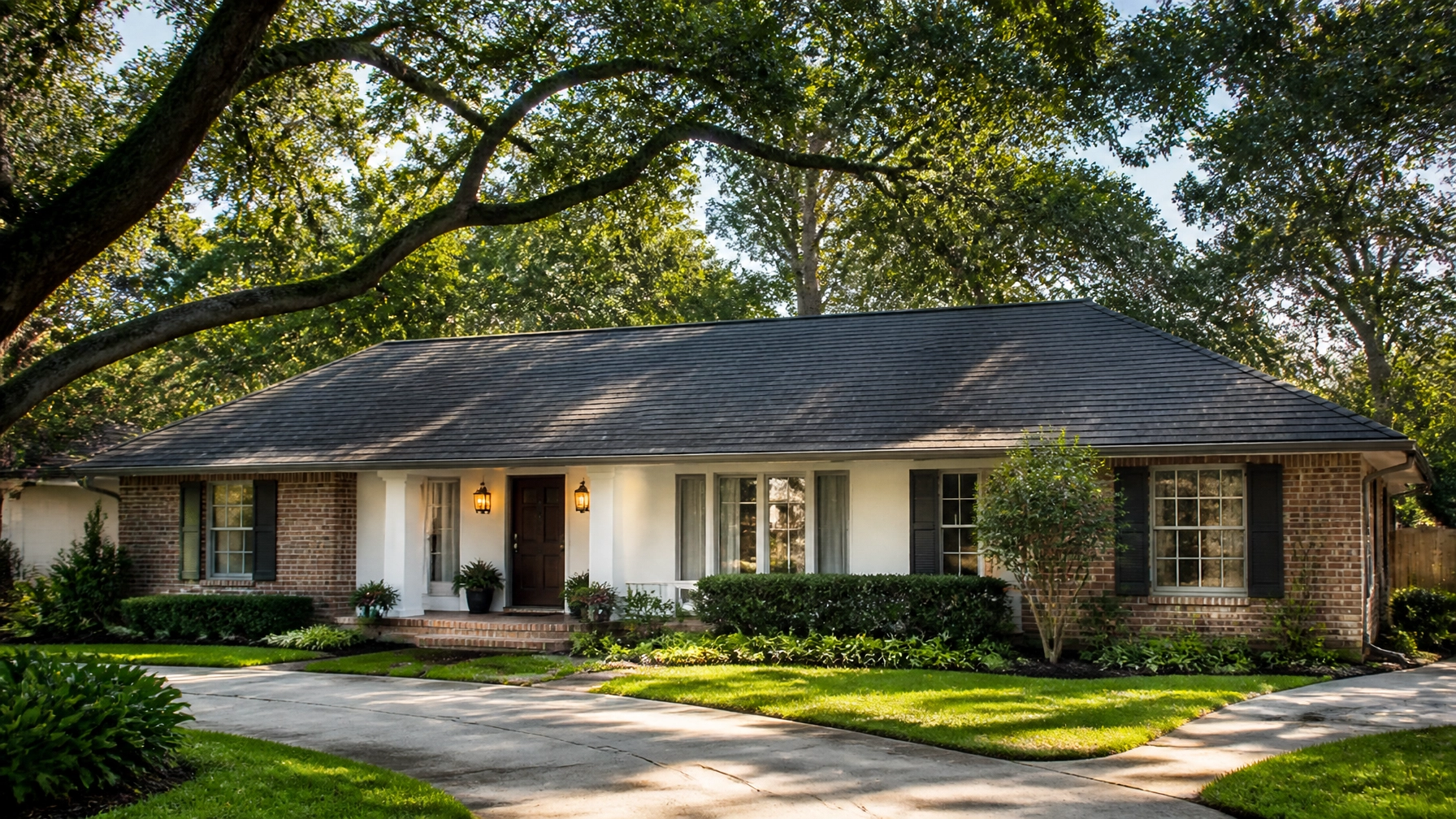
    A simple ranch house in Simpsonville may have a lower roof-area-to-living-area ratio than an older Downtown Greenville home with additions, dormers, and multiple roof sections. That is why two homes with the same interior square footage can have very different replacement costs.

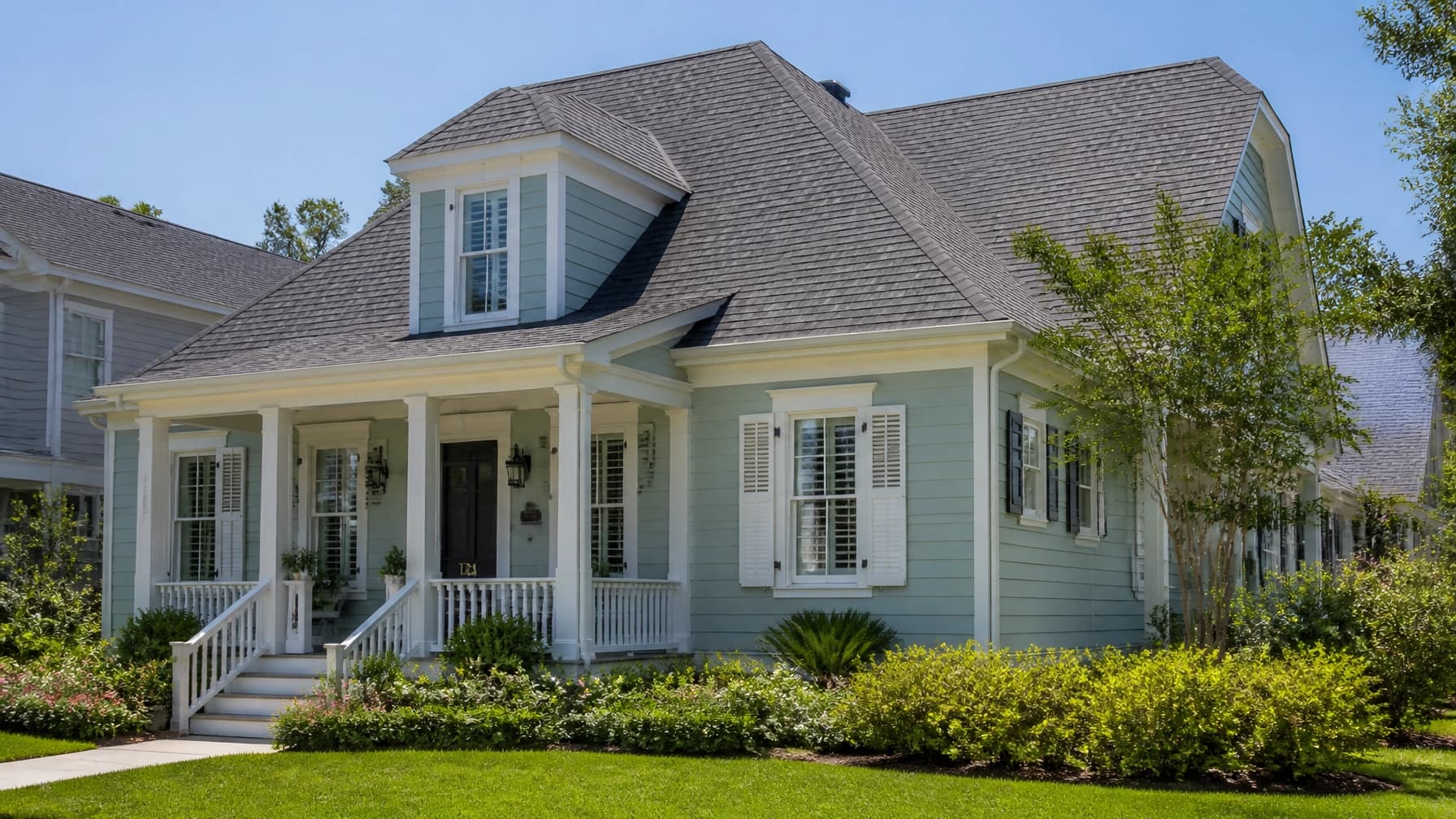
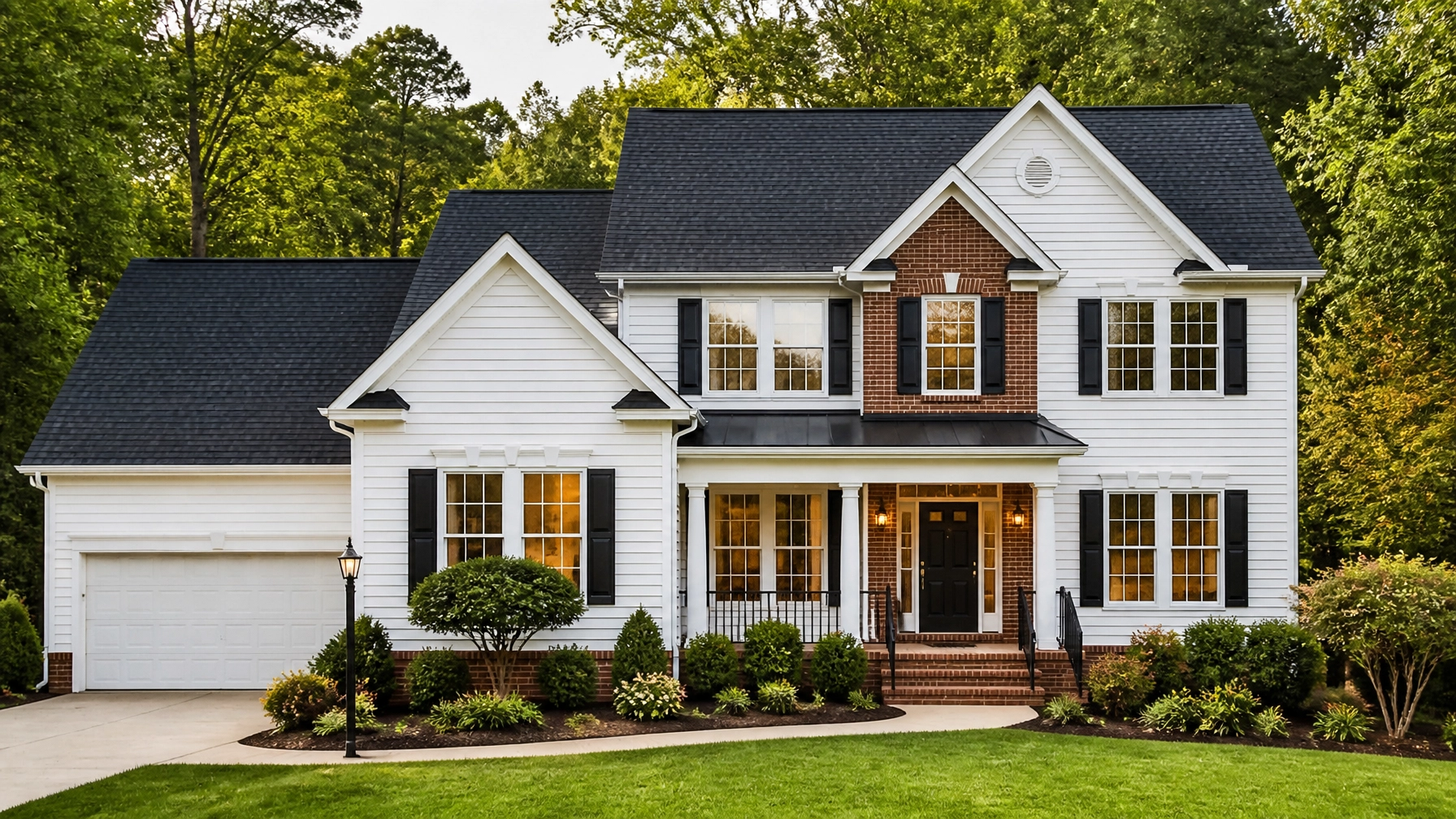
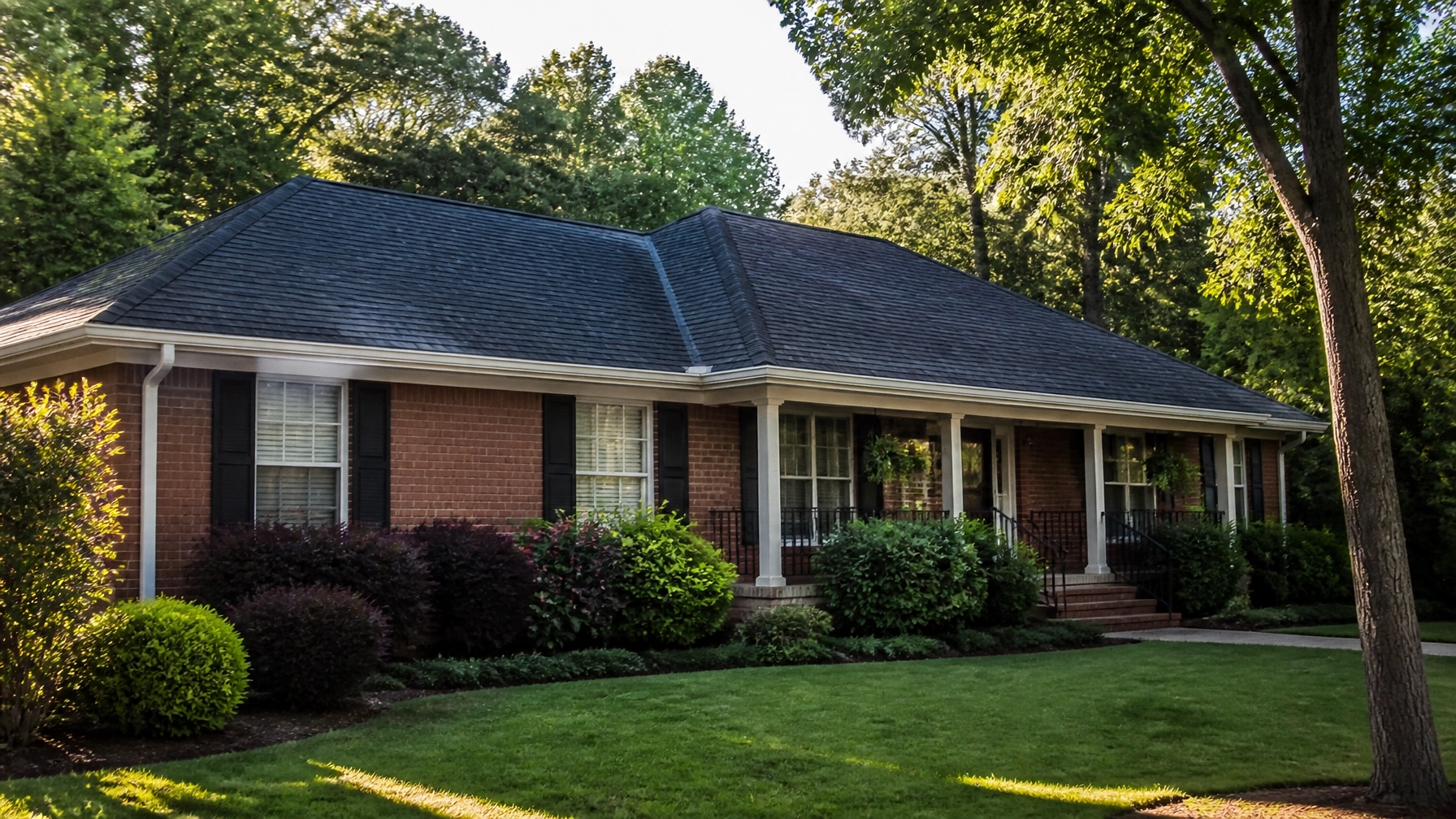
    Classic Greenville Colonial home with a new architectural shingle roof

    Architectural Shingles: The Most Popular Greenville Choice

    Architectural shingles are the standard choice for many Greenville, Augusta Road, North Main, and Simpsonville homes.

    What you can expect

    • Installed range: $4.50–$8.00 per square foot
    • Typical lifespan: Approximately 25–30 years, depending on ventilation, installation quality, and weather exposure
    • Best fit: Homeowners seeking reliable curb appeal and controlled upfront cost
    • Common upgrades: Class 3 or Class 4 impact resistance, upgraded underlayment, ridge ventilation, and designer color blends

    A basic 2,000-square-foot roof may fall near the lower end of the range. Premium shingle brands, steep slopes, complex valleys, chimney flashing, or extensive tear-off work can push the project toward $16,000 or more.

    Architectural shingles are also easier to match with Greenville’s varied housing styles, from West Greenville renovations to traditional homes along Augusta Road.

    Standing Seam Metal: Higher Upfront Cost, Longer Service Life

    Standing seam metal roofing is increasingly visible on modern homes and premium renovations across the Upstate. It uses concealed fasteners and vertical panels, creating a clean appearance with fewer exposed fastening points.

    What affects the price

    • Panel material and gauge
    • Custom fabrication and color
    • Number of valleys, hips, dormers, and roof transitions
    • Chimney and skylight flashing
    • Removal of the existing roof
    • Underlayment and ventilation requirements
    • Access for deliveries and installation

    A straightforward standing seam roof can cost approximately $10–$16 per square foot in the Greenville market. Highly customized installations can reach $20 per square foot.

    Metal may offer a longer service life: often 40–70 years depending on the system: but it requires a larger initial investment. It can make sense for homeowners planning to remain in the property, replacing a roof on a high-value home, or prioritizing long-term durability over the lowest project price.

    What Drives Roof Replacement Cost in Greenville, SC?

    1. Materials and accessories

    The roof covering is only one part of the system. Your estimate may also include:

    • Synthetic or felt underlayment
    • Ice and water protection in vulnerable areas
    • Drip edge
    • Valley metal or specialized valley protection
    • Pipe boots and roof vents
    • Ridge caps
    • Flashing around chimneys and walls
    • Starter strips
    • Disposal and cleanup

    Ask for an itemized proposal so you can compare contractors on the same scope of work.

    2. Roof size and waste

    Roofers purchase materials by square and add waste for cuts, overlaps, starter courses, and ridge caps. A roof with many angles requires more waste than a basic two-plane gable roof.

    3. Pitch and safety requirements

    A medium-pitch roof is usually less expensive to install than an 8/12 or steeper roof. Steep roofs require additional fall protection, staging, labor time, and safety equipment.

    4. Complexity and accessibility

    Dormers, skylights, chimneys, multiple ridgelines, valleys, and additions increase labor and flashing requirements. Limited driveway access or mature trees can also affect staging and material delivery.

    This is particularly relevant in older Downtown, North Main, and Augusta Road properties, where additions and unusual rooflines are common.

    5. Tear-off and deck repairs

    Removing one existing layer is different from removing multiple layers. Once the roof is opened, contractors may find:

    • Rotted or delaminated decking
    • Damaged fascia
    • Failed flashing
    • Inadequate ventilation
    • Structural movement
    • Previous storm repairs

    Deck replacement is usually priced separately, often by sheet or square foot. A written estimate should explain how these potential repairs will be handled.

    Modern Greenville home with a standing seam metal roof

    Greenville County Permits and Contractor Licensing

    Homeowners in Greenville County should confirm permit requirements before work begins.

    Greenville County’s Building Safety division states that alterations, repairs, structural changes, and related regulated work require permits. A full roof replacement should be treated as permit-triggering until the contractor or county confirms the exact requirement for the property.

    The county’s current residential fee schedule lists a Residential Roofing Permit at $108, although fees and application procedures can change. Applications are processed through the county’s online permitting system, and the county notes that incorporated cities may have separate requirements.

    There is also a separate contractor business requirement:

    • Greenville County Ordinance 2547 requires an annual roofing permit
    • The annual fee is $50
    • It applies to roofing businesses operating in the county
    • The contractor must provide licensing and insurance documentation

    Your roofer should also hold the appropriate South Carolina LLR Residential Specialty Contractor registration with the roofing classification, or another state credential that legally covers the work. Verify the contractor through the South Carolina LLR Residential Builders Commission and ask for current general liability and workers’ compensation insurance certificates.

    For official information, review the Greenville County Building Safety permitting page and the Greenville County Sheriff’s Office roofing permit requirements.

    Greenville Housing Trends and Roof Budgeting

    Greenville County’s median home price is approximately $368,000–$370,000 in current 2026 planning data, and county home values are roughly 25% higher than five years ago. Price appreciation has moderated, but demand remains steady across Downtown, North Main, West Greenville, Augusta Road, and the suburban growth areas around Simpsonville.

    That matters when planning a roof replacement:

    • A sound roof protects resale value and buyer confidence.
    • Roof condition can affect appraisal and inspection results.
    • Buyers may negotiate aggressively when a roof is near the end of its service life.
    • A new roof can improve curb appeal in competitive neighborhoods.
    • A documented replacement may help resolve insurance or financing concerns.

    A roof is a major investment, but it is also a core protective system. The least expensive bid is not necessarily the lowest-cost option if it excludes ventilation, flashing, permits, cleanup, or deck repairs.

    Storm Damage, Insurance, and Older Roofs

    Greenville and the Upstate experience severe thunderstorms, high winds, and occasional hail. After a storm, look for damage to shingles, gutters, vents, flashing, and siding. Photograph what you can safely see from the ground, then contact your insurer and a qualified roofing professional.

    Home insurance generally covers sudden damage from covered wind or hail events: not normal aging or deferred maintenance. Your deductible applies, and policy terms vary.

    Insurance conditions are also changing. Some homeowners with roofs over 15 years old may face:

    • Higher wind or hail deductibles
    • Actual-cash-value roof coverage instead of full replacement coverage
    • Required inspections
    • Non-renewal or restricted renewal risk
    • More documentation before a claim is approved

    Do not authorize unnecessary work based only on a sales pitch. Get an objective inspection, compare written scopes, and never misrepresent storm damage.

    Greenville home after storm recovery with a new impact-resistant roof

    Get a Greenville Roof Estimate in 60 Seconds

    Before scheduling multiple contractor visits, use the Get My Roof Estimate Now roof cost calculator for a fast planning range.

    Our satellite-powered platform measures your actual roof and estimates cost based on:

    • Roof size in squares
    • Pitch and roof geometry
    • Roof complexity
    • Material selection
    • Regional pricing
    • Low, middle, and high project scenarios

    You receive results in approximately 60 seconds. The estimate is free, requires no credit card, and uses satellite imagery designed to measure roof dimensions accurately to within inches: typically about 90–95% accuracy for planning purposes.

    The result is not a substitute for an in-person inspection when decking, flashing, or storm damage must be confirmed. It is a faster way to understand your likely budget before speaking with verified local contractors.

    Final Takeaway

    For 2026, Greenville County homeowners should plan on approximately $9,000–$16,000 for architectural shingles on a typical 2,000-square-foot roof. A comparable standing seam metal roof commonly falls near $20,000–$30,000, with premium or complex projects reaching higher.

    Start with the roof’s actual square count, then account for material, pitch, complexity, tear-off, repairs, permits, and local labor. Confirm Greenville County and city requirements, verify the contractor’s SC LLR roofing credentials, and compare itemized proposals.

    For a fast, transparent starting point, get your free satellite-powered roof estimate and see your Greenville-area replacement range in 60 seconds.
    Sources and Local References

  • 2026 Roof Replacement Cost in Charleston, SC: Complete Price Guide for Lowcountry Homeowners

    2026 Roof Replacement Cost in Charleston, SC: Complete Price Guide for Lowcountry Homeowners

    A roof replacement in Charleston, SC, typically costs $9,700–$20,000 for architectural asphalt shingles and $15,100–$45,000 or more for standing seam metal roofing in 2026.

    Charleston prices often run above national averages. Coastal wind requirements, hurricane-rated materials, salt-air exposure, storm-season demand, and local labor costs all influence the final number.

    This guide explains what Lowcountry homeowners should budget, how roofers calculate pricing, and how to get a fast starting estimate before scheduling contractor visits.

    Quick answer: Architectural shingles generally cost $450–$865 per roofing square, while standing seam metal costs approximately $700–$1,800 per square installed. One roofing square equals 100 square feet of roof area.

    2026 Charleston Roof Replacement Cost at a Glance

    Roofing material Typical installed price per square Typical total project range
    Architectural asphalt shingles (Popular) $450–$865 $9,700–$20,000
    Standing seam metal (Premium) $700–$1,800 $15,100–$45,000+

    These are planning ranges for typical single-family homes. Your actual project may fall outside them if the roof is unusually large, steep, complex, damaged, or difficult to access.

    The total cost normally includes tear-off, disposal, underlayment, roof covering, flashing, installation labor, and standard cleanup. Some estimates also include permits and basic ventilation work. Always review the scope carefully before comparing prices.

    Why Charleston Roofs Cost More Than the National Average

    Charleston’s roofing market has several cost pressures that inland homeowners may not face to the same degree.

    Hurricane-rated building requirements

    Charleston is in a coastal, high-wind environment. Roofing assemblies must be selected and installed to resist wind uplift and wind-driven rain. Depending on the property’s exact location, local requirements may affect:

    • Shingle wind ratings
    • Nail quantity and fastening patterns
    • Roof-deck attachment
    • Underlayment and secondary water barriers
    • Metal panel clip spacing and fastening
    • Flashing and edge-metal installation

    The City of Charleston and Charleston County enforce South Carolina building codes and applicable local requirements. Design wind speeds can vary by parcel and exposure, so confirm the requirements for your address with the City of Charleston Building Inspections Division or the South Carolina wind and seismic maps.

    A roof that costs less because it uses the wrong materials or installation method may create inspection, insurance, and storm-performance problems later.

    Coastal exposure and salt air

    Homes closer to the coast, tidal waterways, and barrier islands face more moisture, salt air, and wind exposure. These conditions can accelerate corrosion on exposed metal components and wear down low-quality materials.

    A Charleston roofing estimate may account for:

    • Corrosion-resistant metal flashing
    • High-quality pipe boots and vents
    • Algae-resistant shingles
    • Enhanced underlayment
    • Better protection around eaves, valleys, and roof penetrations

    The right material depends on the home’s location, roof design, budget, and expected service life.

    Local labor demand

    Roofing labor costs reflect Charleston’s strong construction market, population growth, and seasonal storm demand. Labor availability can become tighter after hurricanes, tropical storms, hail events, and periods of heavy wind damage.

    Complex roofs also require more labor. A simple ranch roof may be installed more efficiently than a multi-level home with dormers, hips, valleys, skylights, and multiple roof sections.

    Materials and delivery costs

    Roofing materials must be delivered, staged, and installed safely. Material prices can change based on manufacturer availability, fuel costs, regional distribution, and demand after severe weather.

    Standing seam metal is especially sensitive to material selection. Steel, aluminum, gauge, paint system, panel profile, clips, trim, and custom fabrication can all affect the final price.

    Charleston-area ranch home with a new architectural asphalt shingle roof

    Architectural Shingle Roof Cost in Charleston

    Architectural asphalt shingles remain the most common choice for Charleston homeowners because they offer a practical balance of cost, appearance, and performance.

    Typical price: $450–$865 per square

    For a typical single-family home, the total architectural shingle replacement cost is approximately $9,700–$20,000.

    Architectural shingles are often categorized this way:

    • Budget: Basic dimensional shingles with standard installation and limited repairs
    • Popular: Higher-quality architectural shingles with improved wind and algae resistance
    • Premium: Designer or impact-resistant shingles, upgraded ventilation, and more detailed installation

    A 2,000-square-foot roof does not necessarily equal 20 roofing squares. Roof pitch, overhangs, ridges, valleys, and waste must be included. A roof with a steep pitch may have substantially more surface area than the home’s floor plan suggests.

    Standing Seam Metal Roof Cost in Charleston

    Standing seam metal roofing is a premium option with long service potential and a clean appearance that works well on many Lowcountry homes.

    Typical price: $700–$1,800 per square

    A Charleston standing seam metal roof generally costs $15,100–$45,000 or more for a typical single-family project.

    The wide range reflects major differences in:

    • Steel versus aluminum panels
    • Panel gauge and finish
    • Coastal corrosion requirements
    • Custom trim and flashing
    • Roof pitch and geometry
    • Existing roof removal
    • Underlayment and ventilation
    • Hurricane-rated assembly requirements

    Metal roofing may cost more upfront than shingles, but some homeowners choose it for its durability, appearance, fire resistance, and reduced frequency of replacement. The installation must still be matched to the property’s wind requirements and completed according to the manufacturer’s tested assembly.

    Charleston Lowcountry home with a new standing seam metal roof

    The Main Factors That Change Your Roof Price

    A contractor’s final proposal usually depends on more than the selected material.

    1. Roof size

    Roofers price by the number of squares. A larger roof requires more shingles or panels, underlayment, fasteners, flashing, labor, and disposal.

    2. Roof pitch

    Steep roofs require additional safety equipment, staging, and labor. Crews also work more slowly on steep surfaces.

    3. Roof complexity

    Dormers, valleys, hips, skylights, chimneys, and multiple roof sections increase cutting, flashing, and installation time.

    4. Existing roof layers

    Removing one layer of shingles is different from removing multiple layers or an old metal system. Tear-off, hauling, and disposal should be listed separately in your estimate.

    5. Decking and structural repairs

    Water damage may be hidden beneath the existing roof. Rotted plywood, damaged fascia, sagging areas, and compromised framing can add to the cost.

    Ask how the contractor handles concealed damage. A clear estimate should explain the unit price for replacement decking rather than leave the charge open-ended.

    6. Ventilation and moisture control

    Charleston’s heat and humidity make attic ventilation important. Ridge vents, soffit vents, intake improvements, and bathroom exhaust corrections may be recommended during replacement.

    Poor ventilation can contribute to premature shingle aging, condensation, and higher attic temperatures.

    7. Accessibility and site conditions

    Limited driveway access, tight lots, historic districts, landscaping, nearby power lines, and difficult material staging can increase labor and delivery costs.

    How Satellite Measurements Help You Budget Faster

    Get My Roof Estimate Now uses satellite imagery to measure the roof’s approximate size, pitch, and complexity. The system can provide a free starting price in about 60 seconds, without an initial contractor visit or credit card.

    The estimate is designed to help you:

    • Understand the likely project range
    • Compare architectural shingles and metal roofing
    • Plan for a future replacement
    • Decide whether to request in-person inspections
    • Compare contractor proposals against a realistic benchmark

    Satellite measurements are typically accurate within inches and approximately 90–95% accurate for estimating purposes. They are not a substitute for a contractor’s final inspection. An on-site roofer still needs to verify decking, flashing, ventilation, code details, and storm damage.

    Start with a free Charleston roof estimate before arranging multiple appointments.

    Roof replacement project showing clean shingle installation and detailed flashing

    Practical Budgeting Tips for Charleston Homeowners

    Build in a repair allowance

    Set aside approximately 10%–20% above the initial planning range for possible decking, flashing, ventilation, or structural repairs. Older homes and roofs with past leaks may require more.

    Compare the complete scope, not just the total

    When reviewing estimates, check whether each quote includes:

    • Tear-off and disposal
    • Underlayment
    • Drip edge and flashing
    • Ridge caps
    • Ventilation
    • Decking replacement pricing
    • Permits
    • Cleanup and magnet sweep
    • Manufacturer and workmanship warranties

    The lowest total is not always the lowest project cost if important work has been excluded.

    Schedule before storm-season demand rises

    Spring and early summer can bring increased demand as homeowners prepare for hurricane season. After a major storm, crews may prioritize emergency repairs and insurance work.

    Planning early may give you more contractor availability and more time to compare material options.

    Check insurance and warranty terms

    Homeowners insurance may cover sudden storm damage, but it generally does not cover normal aging or deferred maintenance. Document damage from the ground, contact your insurer, and avoid signing an assignment of benefits or emergency contract without understanding the terms.

    For a planned replacement, review both:

    • The manufacturer’s material warranty
    • The contractor’s workmanship warranty

    Get at least two or three detailed proposals

    Use your instant estimate as a baseline, then request written proposals from verified, licensed, and insured local contractors. Make sure each contractor is pricing the same roof area and material category.

    When Should You Replace a Charleston Roof?

    Replacement may be worth planning when you notice:

    • Missing, cracked, or curling shingles
    • Granules collecting in gutters
    • Repeated leaks or ceiling stains
    • Sagging roof sections
    • Rusted or damaged flashing
    • Visible daylight in the attic
    • A roof that is approximately 15–30 years old
    • Storm damage across multiple roof areas

    A professional inspection can determine whether repair is reasonable or whether replacement offers better long-term value.

    Final Takeaway

    For 2026, Charleston homeowners should budget approximately $9,700–$20,000 for architectural asphalt shingles and $15,100–$45,000+ for standing seam metal roofing. Per-square pricing generally falls between $450–$865 for architectural shingles and $700–$1,800 for standing seam metal.

    Charleston’s hurricane-rated requirements, coastal exposure, labor demand, and material conditions make local pricing different from national averages. Start with a fast satellite-based estimate, then confirm the roof’s condition, code requirements, and final scope with a qualified local contractor.

    Get your free roof replacement estimate in about 60 seconds.

    Helpful Charleston Roofing Resources

  • Daily ROI Blitz #182: How a New Roof Boosts Home Value in Charleston, SC (2026 Data)

    Daily ROI Blitz #182: How a New Roof Boosts Home Value in Charleston, SC (2026 Data)

    A new roof in Charleston can cost approximately $8,500–$19,500 in 2026, depending on roof size, pitch, complexity, tear-off requirements, and material selection.

    For many homeowners, the expected resale recovery is approximately 68%–79% of the project cost. A new roof can also improve appraisal value, buyer confidence, insurance discussions, and the overall marketability of the property.

    Charleston’s housing market makes roof condition especially important. Zillow reported an average Charleston home value of $598,419 as of June 30, 2026, with a median sale price of $585,000. Depending on neighborhood, property type, and location, many local homes still fall within the broader $520,000–$580,000 market range.

    The key point: in a market where buyers are carefully comparing condition and future maintenance costs, a new roof is more than a repair. It is a measurable investment in the home’s protection and resale position.

    Charleston Roof Replacement ROI at a Glance

    Here is the 2026 planning benchmark for a typical Charleston single-family home:

    • Typical roof replacement cost: $8,500–$19,500
    • Estimated resale cost recovery: 68%–79%
    • Common roof size: Approximately 1,500–3,000 square feet
    • Most popular material: Algae-resistant architectural shingles
    • Premium coastal option: Standing seam metal
    • Historic-compatible options: Metal, slate, tile, or approved wood roofing, depending on the property
    • Typical project timeline: About 1–3 days for many standard homes, excluding permitting or approval delays

    For example, if your roof replacement costs $14,000, recovering 68%–79% at resale would represent approximately $9,520–$11,060 in retained project value.

    That is not a guaranteed dollar-for-dollar increase. Appraisers and buyers consider the entire property, including location, condition, comparable sales, roof age, workmanship, and documentation. However, a newer roof can prevent a major negative adjustment when the home goes on the market.

    2026 Charleston Roof Replacement Costs by Material

    Roofing material Typical 2026 planning range ROI position Best fit
    Architectural shingles (Popular) $8,500–$14,500 Strong value for the upfront cost Suburban homes, ranches, traditional properties
    Standing seam metal (Premium) $14,000–$19,500+ Higher durability and coastal appeal Waterfront, marshfront, and storm-exposed homes
    Synthetic slate (Premium) $16,000–$19,500+ for simpler roofs; larger systems may exceed this High curb appeal and low maintenance Upscale homes and historic-style properties

    These ranges are budgeting figures, not final quotes. A complex Charleston roof with dormers, valleys, multiple elevations, steep slopes, or extensive flashing can exceed the standard range.

    Historic homes may also require specialized labor and materials. In those cases, preservation requirements can increase both project cost and lead time.

    Close-up view of a textured slate-style roof on a Charleston home

    Why Roof Condition Matters in Charleston’s Housing Market

    Charleston buyers are not only evaluating square footage and finishes. They are also looking closely at future ownership costs.

    A roof replacement can support value in four practical ways:

    1. It reduces buyer uncertainty

    A roof with several years of useful life remaining is easier to market than one approaching the end of its expected lifespan. Buyers are less likely to request a credit, renegotiate the price, or delay closing over roof concerns.

    2. It improves first impressions

    The roof is one of the largest visible surfaces on a home. Clean, consistent roofing improves curb appeal across Charleston’s historic homes, Lowcountry cottages, colonials, and newer coastal properties.

    3. It supports a stronger appraisal profile

    An appraiser may recognize a new roof as part of the home’s overall condition and remaining useful life. The roof may not add its full installation cost to the appraisal, but it can help the property compare favorably against homes with older or visibly worn roofing.

    4. It protects against deferred damage

    Leaks, damaged flashing, wet decking, and poor ventilation can create problems beyond the roof itself. Replacing the roof before those issues spread can reduce the risk of interior damage and emergency repair costs.

    Charleston’s Coastal Climate Changes the Roofing Decision

    Charleston roofs face more than ordinary rain and sun exposure. Local conditions include:

    • High humidity and persistent moisture
    • Algae and dark streak growth
    • Salt air exposure near the coast and marshes
    • Wind-driven rain
    • Tropical storms and hurricanes
    • Strong summer heat and ultraviolet exposure
    • Rapid weather changes during storm season

    A lower-cost roof may not deliver the same long-term performance as a coastal-rated system. That is why homeowners should compare the complete roofing system: not only the visible shingles or panels.

    Materials and features worth considering

    Architectural shingles (Value):

    • Choose algae-resistant products with copper or zinc granules.
    • Verify the product’s wind rating and coastal warranty.
    • Ask about enhanced installation requirements for high-wind areas.
    • Confirm that ridge ventilation and underlayment are included.

    Standing seam metal (Premium):

    • Consider aluminum or appropriately coated Galvalume near saltwater.
    • Specify corrosion-resistant fasteners, flashing, and trim.
    • Review the manufacturer’s coastal exposure requirements.
    • Choose a tested wind-rated system installed by an experienced contractor.

    Synthetic slate (Premium):

    • Look for impact, fire, wind, and algae-resistance ratings.
    • Confirm that the product is approved for the property’s location.
    • Compare its appearance with the surrounding architecture.
    • Ask whether the system requires structural review or specialized installation.

    New standing seam metal roof on a coastal Charleston-area home

    Historic District Rules: Check with Charleston BAR Before Replacing the Roof

    If your home is in Charleston’s Old and Historic District: or another area under Board of Architectural Review oversight: check approval requirements before ordering materials or starting work.

    The City of Charleston’s BAR Guidelines for Historic Properties explain that exterior changes visible from a public way may require review. Roof material changes, visible roofline alterations, skylights, vents, and related exterior details can all affect the approval process.

    In general, historic preservation review emphasizes:

    • Repairing historic roofing where practical
    • Replacing damaged materials in kind
    • Matching the original material, profile, pattern, and color
    • Preserving street-facing architectural character
    • Using compatible flashing and fasteners

    Standing seam metal, copper, slate, clay tile, and wood shingles may be more appropriate for some historic properties. Asphalt shingles and synthetic look-alike products may have limited approval on prominent historic roofs, especially when they change the building’s traditional appearance.

    Do not assume that a material approved for a newer home will be approved for a historic property. Confirm the requirements with Charleston’s permitting or preservation staff and your contractor before work begins.

    How to Improve Your Roof’s Resale ROI

    A replacement roof delivers the strongest value when the project is properly documented and professionally installed.

    Use this checklist:

    • Measure the actual roof area in squares. One roofing square equals 100 square feet.
    • Get a written scope of work with materials, labor, tear-off, disposal, permits, and decking allowances.
    • Select algae-resistant and wind-resistant products appropriate for coastal South Carolina.
    • Confirm ventilation, flashing, drip edge, underlayment, and ice-and-water protection where applicable.
    • Keep invoices, product specifications, warranties, permits, and completion photographs.
    • Verify that the contractor is licensed and insured.
    • Avoid choosing the lowest quote without comparing the scope.
    • If selling soon, complete the replacement early enough to document the work for buyers and appraisers.

    A new roof does not eliminate the need for an in-person inspection. It does give you a stronger starting point for budgeting and contractor discussions.

    Get a Charleston Roof Estimate in 60 Seconds

    Before scheduling contractor visits, use Get My Roof Estimate Now’s Charleston roof estimate tool.

    The service uses satellite imagery technology to measure your roof’s size, pitch, and complexity. Homeowners can receive an instant replacement estimate in under 60 seconds, with pricing ranges based on local conditions and material options.

    There is:

    • No cost
    • No credit card required
    • No upfront contractor visit
    • No obligation
    • No hidden fees

    Estimates are designed to be accurate to within inches in many cases, with approximately 90%–95% measurement accuracy. You can compare architectural shingles, metal, synthetic options, and other systems before connecting with verified, licensed, and insured local Charleston contractors.

    Start with the free roof estimate to see your likely project range before making a major home improvement decision.

    Final Charleston ROI Takeaway

    For a Charleston homeowner, a new roof can protect the property, improve buyer confidence, support appraisal condition, and recover approximately 68%–79% of its cost at resale, depending on the material, installation quality, market conditions, and timing.

    The strongest investment is not always the most expensive roof. It is the system that matches your home’s architecture, coastal exposure, historic requirements, budget, and expected ownership timeline.

    Get your number first. A satellite-powered estimate takes less than a minute and gives you a clearer basis for planning, comparing contractors, and protecting your Charleston home’s value.

    Sources

  • Daily ROI Blitz #181: How a New Roof Boosts Home Value in Austin, TX (2026 Data)

    Daily ROI Blitz #181: How a New Roof Boosts Home Value in Austin, TX (2026 Data)

    For Austin homeowners, a new roof is both a protective upgrade and a resale strategy.

    In 2026, Austin home values generally sit in the $520,000–$580,000 range, depending on the data source, property type, and geography. Current market references include Zillow’s Austin home value data, Redfin’s Austin housing market report, and Texas housing reports from the Texas Real Estate Research Center.

    A professionally installed roof can help homeowners:

    • Recover approximately 65%–80% of replacement cost at resale
    • Support an immediate 3%–5% improvement in overall appraisal positioning
    • Improve curb appeal and buyer confidence
    • Reduce inspection objections and seller concessions
    • Protect the home from Austin’s heat, hail, wind, and severe thunderstorms

    These figures are planning benchmarks, not guarantees. The actual return depends on the roof’s condition, neighborhood, material, installation quality, and the timing of the sale.

    Austin’s 2026 Housing Market Makes Roof Condition More Important

    Austin remains one of the nation’s most closely watched technology and residential markets. Employment growth, expanding infrastructure, and continued demand for well-located homes support a competitive market across many price segments.

    The city’s housing profile varies sharply by neighborhood:

    • Travis Heights: Historic character homes and central-location appeal
    • Circle C Ranch: Family-focused suburban properties with larger roof areas
    • Mueller: Modern, energy-conscious homes in a master-planned community
    • Tarrytown: Premium properties where architectural details and finish quality matter

    In a market with more informed buyers, roof condition can influence whether a property feels move-in ready or becomes a negotiation project.

    A roof near the end of its service life may lead buyers to request:

    • A price reduction
    • A repair allowance
    • A closing credit
    • A professional roof certification
    • Additional inspections
    • Proof of insurance eligibility

    A new roof does not automatically raise a home’s value dollar for dollar. However, it removes one of the largest visible risks buyers associate with an older home.

    2026 Austin Roof Replacement Costs

    For a typical Austin single-family home, roof replacement pricing depends on roof size, pitch, shape, accessibility, tear-off requirements, decking condition, and material selection.

    The company’s Austin roof estimate page places local replacement costs within a broad range of approximately $8,500–$23,000. For the specific materials covered in this ROI analysis, homeowners can use these working budgets:

    Roofing system Austin installed cost Positioning
    Architectural shingles $9,500–$21,000 Popular and cost-efficient
    Class 4 impact-resistant shingles $11,000–$23,000 Storm-focused upgrade
    Standing seam metal $18,000–$38,000 Premium durability
    Concrete or clay tile $18,000–$38,000 Premium architectural option

    These ranges assume a standard residential replacement. Costs can increase when a roof has multiple levels, steep slopes, complex valleys, skylights, chimneys, damaged decking, or difficult site access.

    A roof is measured in squares, with one square equal to 100 square feet of roof surface. A 2,000-square-foot house may have more than 2,000 square feet of actual roof area because of pitch, overhangs, and roof complexity.

    Austin home with a new Class 4 impact-resistant shingle roof

    What Is the Resale ROI of a New Roof?

    A new roof creates value in two ways: direct recovery of project cost and improved marketability.

    Direct cost recovery: 65%–80%

    For a well-matched, professionally installed roof, Austin homeowners may recover approximately 65%–80% of the project cost when selling.

    Examples:

    • A $12,000 architectural shingle roof may support approximately $7,800–$9,600 in direct resale recovery.
    • A $18,000 Class 4 shingle roof may support approximately $11,700–$14,400 in direct recovery.
    • A $28,000 standing seam metal roof may support approximately $18,200–$22,400 in direct recovery.

    The strongest returns usually occur when replacing a roof that is visibly worn, storm-damaged, leaking, or close to the end of its expected life.

    Appraisal and buyer positioning: 3%–5%

    A new roof may also support a 3%–5% improvement in overall appraisal positioning and buyer perception, particularly when the rest of the property is well maintained.

    This does not mean an appraiser will automatically add 3%–5% to the value. Instead, the roof can contribute by:

    • Improving the home’s overall condition rating
    • Supporting a higher-quality comparison with nearby listings
    • Reducing deductions for deferred maintenance
    • Helping the property compete against newer homes
    • Preventing buyers from discounting their offers for future work

    On a $550,000 Austin home, a 3%–5% positioning improvement represents $16,500–$27,500 in potential market impact. The roof alone will not create all of that value, but it can be an important part of the property’s condition profile.

    Austin Climate Factors That Affect Roof ROI

    Austin roofs face a demanding combination of heat, sunlight, storms, and rapid temperature changes.

    Intense summer heat

    Texas summer temperatures place sustained stress on roofing materials and attic systems. Dark, aging shingles can absorb significant heat, increasing thermal expansion and contraction throughout the roof assembly.

    Proper ventilation, reflective materials, and a well-installed roof system can help reduce heat buildup.

    UV degradation

    Austin receives intense solar exposure. Over time, ultraviolet radiation can dry out asphalt binders, fade surfaces, and accelerate granule loss.

    Premium shingles, reflective coatings, and durable metal finishes can perform better under extended UV exposure than entry-level materials.

    Thermal shock

    Roof materials expand during hot afternoons and contract as temperatures fall at night. Repeated movement can stress flashing, sealants, fasteners, and shingle bonds.

    Installation quality matters. A new roof with poor flashing or inadequate ventilation may not deliver the expected service life.

    Hail and high winds

    Severe spring thunderstorms can produce hail and damaging wind gusts across Central Texas. Storm damage may be obvious, such as missing shingles, or subtle, such as bruised shingle surfaces and compromised flashing.

    Homeowners should consider Class 4 impact-resistant shingles, which are designed to provide enhanced resistance to hail impact. Availability of insurance discounts depends on the carrier, policy, product certification, and installation documentation.

    Modern Austin residence with reflective standing seam metal roofing

    Which Roofing Material Delivers the Best ROI?

    Architectural shingles (Popular)

    Architectural shingles usually provide the best short-term cost-to-value balance for Austin homeowners.

    They are a strong choice when:

    • The home is in the $520,000–$580,000 value range
    • The homeowner plans to sell within several years
    • The neighborhood primarily uses asphalt shingles
    • The roof needs replacement before listing
    • The goal is broad buyer appeal without overbuilding

    Class 4 versions add storm resistance and may improve long-term ownership economics.

    Standing seam metal (Premium)

    Standing seam metal roofing costs more upfront but offers a longer service life, strong wind performance, and excellent resistance to UV exposure.

    Metal can be especially appropriate for:

    • Modern homes in Mueller
    • Higher-end properties in Travis Heights
    • Homes with simple, clean rooflines
    • Homeowners planning to stay for 15 years or longer
    • Properties where energy performance is a priority

    On a mid-market home, metal may not recover its entire cost at resale. Its additional value comes from durability, lower maintenance, heat reflection, and reduced replacement frequency.

    Tile roofing (Premium)

    Concrete and clay tile can support strong resale appeal when the material matches the home’s architecture and neighborhood expectations.

    Tile may make sense for:

    • Custom homes
    • Tarrytown properties
    • Spanish, Mediterranean, or Southwestern designs
    • High-value homes where premium materials are standard

    Tile is heavy, so the structure may require review before installation. It also costs more to repair when individual tiles break.

    Upscale Austin home with a new light-colored cool tile roof

    Cool Roof Technology Can Add Long-Term Value

    A cool roof uses reflective materials or coatings to reduce solar heat absorption.

    Austin homeowners can consider:

    • Light-colored metal roofing
    • High-reflectance shingle colors
    • Reflective roof coatings where appropriate
    • Proper attic insulation
    • Balanced intake and exhaust ventilation

    Cool roof technology may reduce attic temperatures and help limit peak cooling demand. Energy savings vary by roof color, insulation, HVAC efficiency, home orientation, and occupant behavior. Treat this as a long-term operating benefit rather than a guaranteed appraisal adjustment.

    Use Satellite Technology Before Calling Contractors

    The first step in an ROI decision is knowing the project’s likely cost.

    Get My Roof Estimate Now uses satellite imagery technology to estimate:

    • Roof size
    • Roof pitch
    • Roof sections and complexity
    • Material requirements
    • Local price differences
    • Low, middle, and high replacement ranges

    Homeowners can receive an estimate in under 60 seconds. The service is free, requires no credit card, and does not require an upfront contractor visit.

    The estimate is typically 90%–95% accurate for planning purposes. A licensed contractor should still complete an in-person inspection before finalizing a contract, especially when checking decking, flashing, ventilation, or storm damage.

    The Austin ROI Verdict

    For most Austin homeowners targeting a $520,000–$580,000 property, a high-quality Class 4 architectural shingle roof is the most balanced resale investment.

    Choose shingles when you want:

    • The strongest cost-to-value ratio
    • Broad buyer acceptance
    • Lower upfront cost
    • Improved storm resistance
    • A faster path to listing readiness

    Choose metal or tile when the home’s architecture, neighborhood, and ownership timeline support the added investment.

    Before scheduling inspections or contractor visits, get your address-specific baseline. Use the Austin roof replacement estimate tool, compare material ranges, and then request detailed quotes from verified, licensed, and insured local contractors.

    A new roof will not guarantee a higher sale price. But in Austin’s 2026 market, it can make the difference between a buyer seeing future risk and seeing a well-protected, move-in-ready home.

    Frequently Asked Questions

    How much does a new roof cost in Austin in 2026?

    Most Austin roof replacements cost approximately $9,500–$21,000 for architectural shingles and $18,000–$38,000 for standing seam metal or tile. Roof size, pitch, complexity, tear-off work, and decking repairs affect the final price.

    How much value does a new roof add?

    A new roof may recover approximately 65%–80% of its replacement cost at resale. It may also support a 3%–5% improvement in overall appraisal positioning, although the exact result depends on comparable sales and property condition.

    Are Class 4 shingles worth it in Austin?

    They can be. Class 4 impact-resistant shingles offer enhanced hail resistance and may qualify for insurance discounts with some carriers. Confirm eligibility and documentation requirements with your insurer.

    How accurate is an instant satellite roof estimate?

    Satellite-based estimates are generally 90%–95% accurate for planning. An in-person contractor inspection is still needed to identify hidden damage and produce a final proposal.

  • Daily Weather Blitz – Slot 5: Houston, TX : August 10, 2026: Tropical Storms, 100°F Humidity & How Gulf Coast Weather Tests Your Roof’s Durability

    Daily Weather Blitz – Slot 5: Houston, TX : August 10, 2026: Tropical Storms, 100°F Humidity & How Gulf Coast Weather Tests Your Roof’s Durability

    Houston’s weather is putting roofs through a demanding cycle today: tropical moisture, scattered afternoon thunderstorms, gusty winds, intense humidity, and a heat index near 100°F.

    For August 10, 2026, Houston homeowners should expect a 40–60% chance of afternoon storms, with rain coverage highest closer to the coast. Storms may bring brief heavy downpours, lightning, and gusty winds during the afternoon commute. Temperatures are expected to peak in the low-to-mid 90s, while the humidity makes it feel closer to 100°F.

    The pattern may shift later this week. Rain chances are expected to decrease as hotter, drier weather returns, with forecast highs near 100–102°F.

    That repeated combination: wet, windy storms followed by extreme heat: is one of the main reasons Houston roofs require climate-specific materials, installation, and maintenance.

    For current local forecast information, check the National Weather Service Houston-Galveston office.

    Why Houston weather is hard on roofs

    A roof in Houston does more than keep rain out. It must handle rapid changes in moisture, heat, wind, and surface temperature throughout the year.

    1. Tropical moisture increases moisture exposure

    Gulf moisture keeps Houston’s air humid for much of the year. During stormy periods, that moisture arrives with heavy rainfall and fast-moving downpours.

    This can create several problems:

    • Water entering around flashing, vents, skylights, and chimneys
    • Moisture buildup in poorly ventilated attics
    • Algae and mildew growth on shaded roof slopes
    • Rot in roof decking or fascia
    • Gutter overflow and water backup along roof edges

    A roof may appear intact from the ground while hidden moisture is already affecting the decking or attic insulation.

    2. Heat and UV radiation accelerate aging

    After today’s storms move through, Houston roofs will begin drying under intense summer heat. That repeated wet-to-hot cycle can accelerate the aging of asphalt shingles, sealants, underlayment, and exposed flashing.

    Extreme heat can contribute to:

    • Shingle brittleness and cracking
    • Curling or loss of adhesion
    • Faster fading and granule loss
    • Dried or deteriorated sealants
    • Higher attic temperatures
    • Greater cooling demand inside the home

    The roof surface can become significantly hotter than the outdoor air temperature. Proper attic ventilation and reflective roofing materials can help reduce the stress.

    3. Gusty thunderstorms test wind resistance

    Afternoon thunderstorms do not need to become hurricanes to damage a roof. Short bursts of strong wind can lift loose shingles, damage ridge caps, or expose weak areas around roof edges.

    The most vulnerable locations often include:

    • Rakes and eaves
    • Ridge caps
    • Valleys
    • Flashing around penetrations
    • Areas where shingles have lost their seal
    • Older roofs with brittle or missing shingles

    A roof’s wind performance depends on more than the shingle label. Correct nail placement, starter strips, edge metal, flashing, and ridge-cap installation all matter.

    4. Coastal salt air speeds up corrosion

    Homes closer to Galveston Bay, the coast, or heavily exposed Gulf air face an additional threat: airborne salt.

    Salt deposits can contribute to corrosion on:

    • Metal flashing
    • Fasteners
    • Gutters and downspouts
    • Roof vents
    • HVAC components
    • Metal roof coatings

    Salt exposure does not affect every Houston home equally. However, coastal and near-coastal properties should use corrosion-resistant components rather than standard hardware wherever possible.

    Houston home roof with clean architectural shingles, rain droplets, gutters, and humid Gulf Coast landscaping

    Which roofing materials perform best in Houston?

    The right choice depends on your budget, roof design, neighborhood, and distance from the coast.

    Architectural shingles (Popular)

    High-quality architectural shingles remain the most common choice for Houston homes because they offer a practical balance of cost, appearance, and performance.

    Look for:

    • High-wind ratings
    • Algae-resistant protection
    • Impact-resistant options where available
    • Light or energy-conscious colors
    • Manufacturer-approved installation systems

    In Houston’s climate, architectural shingles commonly last around 22–30 years when properly installed and maintained. Severe storms, poor attic ventilation, and coastal exposure can shorten that timeline.

    Metal roofing (Premium durability)

    Standing-seam metal roofing can provide a longer service life and strong resistance to heat, rain, and wind.

    For Gulf Coast homes, consider:

    • Aluminum panels in highly corrosive environments
    • Galvalume steel with a suitable protective coating
    • Stainless steel or corrosion-resistant fasteners
    • Properly sealed panel seams and penetrations
    • Wind-rated edge and fastening systems

    Metal roofing often lasts 40–70 years or more, depending on the material, coating, installation quality, and maintenance.

    Synthetic or composite roofing (Premium alternative)

    Synthetic roofing products can provide the appearance of slate, tile, or wood with less weight and strong moisture resistance. Performance varies by product, so verify the manufacturer’s wind, impact, UV, and corrosion specifications before choosing one.

    Tile roofing (Specialized premium option)

    Clay and concrete tile can handle heat and moisture well, but these systems are heavy. Your home’s structure must be able to support the additional weight. The underlayment, flashing, and fasteners also need to be suited to Houston’s wet and storm-prone conditions.

    Houston roof inspection: use more than one angle

    A roof inspection should combine visible evidence, interior clues, and accurate roof measurements.

    Ground-level inspection

    From the ground, look for:

    • Missing, cracked, or curled shingles
    • Dark streaks or algae growth
    • Sagging roof sections
    • Damaged gutters
    • Loose flashing
    • Granules collecting near downspouts
    • Tree branches touching the roof

    Do not climb onto the roof during or after a storm. Wet shingles are slippery, and lightning creates an immediate safety hazard.

    Attic and interior inspection

    Inside the home, check for:

    • Brown ceiling stains
    • Musty smells
    • Damp insulation
    • Visible daylight through roof decking
    • Mold or moisture near vents
    • Peeling paint near upper walls or ceilings

    These signs may indicate problems that cannot be confirmed from a street-level view.

    Satellite and aerial roof inspection

    Satellite-powered measurement adds an important third angle. Overhead imagery can help identify:

    • Roof size and approximate material quantities
    • Roof planes and pitch changes
    • Valleys, ridges, hips, and extensions
    • Complex roof geometry
    • Visible discoloration or missing shingles
    • Roof sections with different orientations
    • Areas that may receive more sun or storm exposure

    The roof’s orientation matters in Houston. South- and west-facing slopes typically receive more intense afternoon sun, while north-facing or tree-shaded slopes may retain moisture longer. Low-slope sections, valleys, and roof-to-wall transitions deserve special attention because they manage more water during heavy rain.

    Oblique aerial view of a Houston home showing roof planes, valleys, ridges, vents, and gutters for satellite-based measurement

    Remote measurements are useful for fast budgeting, but they cannot reliably reveal hidden decking rot, attic moisture, flashing defects, or active leaks. A contractor should verify the roof in person before finalizing a replacement scope.

    Five practical durability tips for Houston homeowners

    1. Inspect annually and after major storms

    Plan at least one roof inspection each year. After strong thunderstorms, tropical systems, or extended heavy rain, check the roof and attic again.

    Coastal homeowners may benefit from more frequent inspections because salt air and wind exposure increase wear.

    2. Keep gutters and drainage paths clear

    Houston downpours can overwhelm clogged gutters quickly. Clean gutters regularly and confirm that downspouts direct water away from the foundation.

    Pay special attention to:

    • Valleys
    • Scuppers on low-slope roofs
    • Downspout connections
    • Areas where water ponds
    • Fascia behind overflowing gutters

    3. Improve attic ventilation

    A balanced system typically uses soffit intake and ridge or roof exhaust ventilation. The goal is to reduce trapped heat and moisture without allowing wind-driven rain to enter.

    Ask a roofing professional to evaluate ventilation during a replacement project.

    4. Trim nearby trees

    Tree branches can scrape shingles, drop debris into valleys, and create shaded areas where algae and moisture persist. Trim branches back from the roof while avoiding damage to the tree or roofing system.

    5. Choose climate-appropriate components

    Do not evaluate shingles alone. A durable Houston roof also requires:

    • Wind-rated installation
    • High-quality underlayment
    • Proper flashing
    • Corrosion-resistant hardware near coastal areas
    • Strong ridge caps
    • Correct drip-edge installation
    • Adequate ventilation
    • Properly sized gutters

    Close detail of corrosion-resistant metal roofing, flashing, vent, and gutter components on a Houston Gulf Coast home

    What does a Houston roof replacement cost in 2026?

    Current local pricing for a Houston roof replacement is commonly estimated at approximately $8,500–$22,000, depending on roof size, pitch, complexity, material, removal requirements, and local labor conditions.

    Typical categories include:

    • Budget: Basic roofing materials and a simpler roof design
    • Popular: Architectural shingles with standard replacement work
    • Premium: Metal, synthetic, tile, or designer roofing systems

    These are planning ranges, not final bids. Hidden decking damage, multiple roof layers, steep slopes, and upgraded storm or coastal components can change the final price.

    You can get a property-specific starting point through the Houston roof estimate page.

    Get a free roof estimate in 60 seconds

    Get My Roof Estimate Now uses satellite imagery to measure your roof’s size, pitch, and complexity. Enter your Houston address and receive a free estimate in under 60 seconds: without scheduling a contractor visit first and without providing a credit card.

    Your estimate can help you:

    • Set a realistic replacement budget
    • Compare architectural shingles, metal, synthetic, and other options
    • Understand low, middle, and high price ranges
    • Plan before the next storm season
    • Decide whether to schedule an in-person inspection
    • Connect with verified, licensed, and insured local contractors

    Start with the free roof estimate tool. Fast information does not replace a professional inspection, but it gives you a clearer starting point before Houston’s next round of heat and thunderstorms.

    Houston roof durability FAQ

    Are today’s thunderstorms enough to damage a roof?

    Yes. Gusty winds, lightning, and heavy rain can expose existing weaknesses even without hurricane-force conditions. After the storm, look for missing shingles, damaged flashing, gutter overflow, and interior water stains.

    Is metal roofing better than shingles in Houston?

    Metal roofing generally offers a longer service life and strong heat and wind performance. Architectural shingles are usually less expensive and remain a popular choice. The best option depends on your budget, roof design, coastal exposure, and installation quality.

    Can satellite imagery detect a roof leak?

    Not reliably. Satellite imagery can measure roof geometry and identify some visible wear, but it cannot confirm hidden leaks, wet insulation, damaged decking, or failing flashing. Those issues require an in-person inspection.

    How often should a Houston roof be inspected?

    Inspect it at least once a year and after significant storms. Homes closer to the coast or surrounded by trees may need more frequent maintenance.

    How accurate is an instant roof estimate?

    Get My Roof Estimate Now uses satellite-powered measurements designed to be accurate within inches, generally reaching approximately 90–95% accuracy for pricing and measurement purposes. A local contractor should still verify conditions and measurements before the final contract.

  • Daily Tech Blitz – Slot 6: Louisville’s Satellite Tech Edge Is Mapping the Derby City From Space

    Daily Tech Blitz – Slot 6: Louisville’s Satellite Tech Edge Is Mapping the Derby City From Space

    Louisville is becoming a stronger center for geospatial technology, weather intelligence, logistics data, and remote sensing. That matters beyond universities, airports, and technology companies. It also creates a practical advantage for homeowners who need to understand one of their largest maintenance expenses: roof replacement.

    For a typical Louisville single-family home with 1,600 to 2,400 square feet of living space, a new roof commonly falls into these 2026 planning ranges:

    • Architectural shingles (Popular): approximately $8,000–$18,000
    • Metal roofing (Premium): approximately $16,000–$30,000+
    • Complex, steep, or storm-damaged roofs: potentially $22,000 or more

    The final price depends on actual roof area, pitch, valleys, dormers, material selection, tear-off requirements, decking condition, labor, and local permit costs. In Louisville, homeowners can now get a property-specific starting point in about 60 seconds using satellite-powered roof measurement technology.

    Louisville’s geospatial advantage starts at the University of Louisville

    The University of Louisville has built a meaningful local foundation for geospatial research and education.

    The University of Louisville Center for GIS supports teaching, research, and community applications involving geographic information systems. Its work helps people combine different types of location data: such as buildings, streets, vegetation, and environmental conditions: to identify patterns and make better decisions.

    The university’s Helton Geographic Information Sciences Laboratory also gives students and researchers access to modern mapping, positioning, and remote-sensing tools. Related coursework covers:

    • Geographic information systems
    • Remote sensing
    • Satellite and radar meteorology
    • Water-resource mapping
    • Advanced image analysis
    • Unoccupied aerial systems
    • Spatial data programming

    This is not simply classroom theory. Louisville’s geospatial ecosystem connects mapping technology to real-world questions involving transportation, environmental conditions, water resources, public health, urban development, and infrastructure.

    For homeowners, the important takeaway is simple: the same category of technology used to understand a region can also measure a residential roof from above.

    Satellite and environmental data over the Ohio River Valley

    Louisville sits along the Ohio River, where rainfall, water movement, urban development, and seasonal weather all influence the built environment.

    Satellite and remote-sensing data can help researchers monitor land cover, vegetation, drainage patterns, flood exposure, and changes across the river valley. Local data partners such as the Louisville/Jefferson County Information Consortium (LOJIC) provide mapping and geographic data that support planning and analysis throughout the region.

    Weather intelligence is another important part of Louisville’s technology profile. Louisville-based Climavision combines weather observations, radar, satellite data, and forecasting models to help organizations prepare for weather-related risks.

    That type of technology is especially relevant to roofing. Louisville homes regularly face:

    • Severe spring thunderstorms
    • Heavy seasonal rainfall
    • High humidity
    • Wind-driven rain
    • Occasional hail and storm debris
    • Freeze-and-thaw cycles during colder months

    These conditions can expose weak flashing, deteriorated shingles, clogged drainage paths, and inadequate attic ventilation. They can also make it difficult for homeowners to schedule an in-person inspection quickly after a major storm.

    Louisville ranch home with a new weathered-gray architectural shingle roof

    From UPS Worldport to residential roof mapping

    Louisville’s technology story also includes one of the world’s best-known air-cargo hubs: UPS Worldport.

    Worldport operates at a scale where routing, timing, aircraft movement, warehouse coordination, and geographic positioning must work together. Although package logistics and roof measurement are different industries, they share a core principle: accurate location data improves decision-making.

    A roofing estimate needs to answer several location-specific questions:

    1. How large is the roof?
    2. How many roof planes are present?
    3. What is the pitch of each section?
    4. Where are the valleys, ridges, dormers, and penetrations?
    5. How complex will installation access be?
    6. What materials and labor rates apply in this market?

    Traditional estimates often begin with a contractor visit. Satellite-powered estimating starts with a digital view of the property. The system analyzes the home’s roof geometry, calculates roof area in squares, and applies material and regional pricing assumptions.

    That approach does not replace a final contractor inspection. It gives the homeowner a faster and more useful budget range before scheduling multiple appointments.

    How satellite-powered roof estimating works

    Get My Roof Estimate Now uses satellite imagery to create a property-specific estimate based on the address entered by the homeowner.

    The process is straightforward:

    • Enter the Louisville property address.
    • Allow the system to measure the roof remotely.
    • Review the estimated roof size, pitch, and complexity.
    • Compare pricing for different roofing materials.
    • Receive low, middle, and high estimate ranges.
    • Decide whether to connect with a verified local contractor.

    The company’s measurement process is designed for approximately 90%–95% accuracy, with roof dimensions measured to within inches in many cases. The result is more useful than a national average because it is tied to the specific home.

    Homeowners can also compare material categories, including:

    • Architectural shingles (Popular): cost-effective and widely used
    • Metal roofing (Premium): higher upfront cost with long service life
    • Synthetic materials: alternative appearance and performance characteristics
    • Roof coatings: applicable to certain roof types and conditions

    For a broader starting point, the Roof Cost Calculator lets homeowners enter roof size, material, pitch, region, and tear-off requirements. The satellite-based estimate goes one step further by measuring the property itself.

    Louisville roof costs: what changes the number?

    A 1,600-square-foot home does not necessarily have a 1,600-square-foot roof. Roof area increases with pitch, overhangs, attached garages, porches, dormers, and complex geometry.

    A Louisville roof estimate should account for the following:

    Architectural shingles (Popular)

    Architectural shingles are the most common choice for many Louisville homes. A typical planning range is approximately $8,000–$18,000, depending on roof size and complexity.

    The higher end may apply when the project includes:

    • A 2,200- to 2,400-square-foot home
    • Multiple roof sections
    • Steeper pitches
    • Two-story access
    • Premium shingle lines
    • Extensive tear-off or decking repair

    Metal roofing (Premium)

    Metal roofing generally costs more upfront. A practical Louisville planning range is approximately $16,000–$30,000+ for homes in the target size range.

    Standing-seam metal, premium finishes, complex roof geometry, and additional flashing work can push the project above $22,000. Metal may be attractive for homeowners prioritizing longevity and storm performance, but the material and installation system should be evaluated by a qualified roofing professional.

    Permit and inspection costs

    A full roof replacement in Louisville Metro and Jefferson County typically requires a building permit. The permit path may differ if the property is inside an independent municipality such as St. Matthews or Jeffersontown.

    Before work begins, confirm:

    • Who is responsible for pulling the permit
    • Whether permit and inspection fees are included
    • What material and ventilation requirements apply
    • Whether storm-related repairs require additional documentation
    • How final inspection and sign-off will be handled

    Homeowners can review the Louisville Metro Accela permit portal or contact the local Department of Codes & Regulations for current requirements.

    What Louisville homeowners should check after a storm

    Satellite measurement can establish roof dimensions, but it does not identify every hidden defect. After a severe storm, homeowners should look for:

    • Missing, lifted, or bruised shingles
    • Exposed underlayment
    • Damaged flashing around chimneys and vents
    • Granules collecting in gutters
    • Water stains in attic spaces
    • Sagging roof decking
    • Blocked or overflowing gutters
    • Damp insulation or visible mold

    Do not climb onto the roof after a storm. A licensed, insured contractor should perform the physical inspection.

    Technology can make the first step faster. It can show the roof’s approximate size and structure, help establish a budget, and make contractor conversations more productive.

    Louisville modern home with a new dark bronze standing-seam metal roof

    Why local homeowners should start with a digital estimate

    Replacing a roof is a major financial decision. Waiting days for several contractors to provide basic pricing makes planning harder, especially during storm season when roofing companies are busy.

    A satellite-powered estimate gives Louisville homeowners:

    • A free starting point
    • No credit card requirement
    • Results in under one minute
    • Property-specific measurements
    • Low-middle-high pricing ranges
    • Material comparisons
    • A clearer basis for contractor bids

    The estimate is not a final contract price, and hidden conditions such as rotten decking or structural damage can change the final scope. It is a faster way to move from uncertainty to an informed next step.

    Get a Louisville roof estimate in 60 seconds

    Louisville’s satellite and geospatial technology ecosystem is helping organizations understand weather, logistics, land, and infrastructure from above. Homeowners can use the same broader technology trend for a practical purpose: estimating the cost of a new roof before scheduling a contractor visit.

    If your roof is 15 to 30 years old, recently experienced storm exposure, or needs to be replaced before selling your home, start with a property-specific estimate through Get My Roof Estimate Now.

    Enter your Louisville address and receive a free roof replacement estimate in approximately 60 seconds.
  • 2026 Roof Replacement Cost in Baton Rouge, LA: Complete Price Guide for Red Stick Homeowners

    2026 Roof Replacement Cost in Baton Rouge, LA: Complete Price Guide for Red Stick Homeowners

    A full roof replacement in Baton Rouge typically costs $8,000–$21,000 in 2026, with many homeowners paying approximately $13,000 for architectural shingles on a typical 2,000-square-foot roof.

    Premium materials, complex rooflines, decking repairs, storm-resistant upgrades, and new 2026 roofing requirements can push the total higher. The most accurate way to plan your budget is to measure the actual roof—not just the home’s living area—and compare pricing by material, roof pitch, and complexity.

    This guide explains the current Baton Rouge roof replacement cost, local weather factors, material options, and practical steps for planning your project.

    Baton Rouge Roof Replacement Cost at a Glance

    Roofing option Typical 2026 installed cost Best fit
    3-tab asphalt shingles (Budget) $8,000–$12,000 Lowest upfront cost
    Architectural shingles (Popular) $10,000–$18,000 Most Baton Rouge homes
    Impact-resistant shingles (Premium) $12,000–$22,000 Hail and storm protection
    Corrugated metal (Durable) $12,000–$22,000 Long service life at a moderate premium
    Standing-seam metal (Premium) $18,000–$32,000+ Longevity, heat reflection, and wind performance

    These ranges are based on typical single-family homes. Your roof’s measured surface area, pitch, number of valleys, existing damage, and material selection will determine the actual price.

    For a second budgeting method, use the Get My Roof Estimate Now roof cost calculator.

    What Baton Rouge Homeowners Pay Per Square Foot

    Roofers often price work by the square. One roofing square equals 100 square feet of roof surface.

    Typical 2026 installed ranges in Baton Rouge include:

    • 3-tab asphalt shingles (Budget): approximately $4–$6 per square foot
    • Architectural shingles (Popular): approximately $5.50–$8 per square foot
    • Impact-resistant shingles (Premium): approximately $8–$11 per square foot
    • Corrugated metal: approximately $5–$10 per square foot
    • Standing-seam metal: approximately $10–$17 per square foot

    A 2,000-square-foot roof priced at $6 per square foot would cost approximately $12,000 before unusual structural repairs or major upgrades.

    Remember that the roof surface is usually larger than the home’s footprint. Roof pitch, overhangs, garages, porches, and multiple roof sections can increase the measured area by 15% to 25% or more.

    Cost by Roofing Material

    Architectural Asphalt Shingles (Popular)

    Architectural shingles remain the most common choice for Baton Rouge homeowners because they balance price, appearance, and performance.

    Typical installed cost: $10,000–$18,000

    They usually last about 25–30 years, depending on ventilation, installation quality, maintenance, heat exposure, and storm activity. Dimensional shingles also generally provide stronger wind performance than basic 3-tab products.

    For many Red Stick homeowners, architectural shingles are the practical starting point. They are available in algae-resistant options, which can help address dark streaking and discoloration caused by Louisiana’s moisture and humidity.

    Impact-Resistant Shingles (Premium)

    Class 4 impact-resistant shingles typically cost more than standard architectural shingles but are designed to better withstand hail and wind-borne debris.

    Typical installed cost: $12,000–$22,000

    The upgrade may add roughly $500–$1,500 or more to a typical project, depending on the product and roof size. Ask your insurance carrier whether impact-resistant shingles qualify for a discount or different wind and hail deductible.

    Impact resistance is not the same as wind resistance. When comparing products, confirm both:

    • UL 2218 or FM 4473 impact rating
    • Appropriate ASTM D7158 or ASTM D3161 wind rating

    Metal Roofing (Durable)

    Colonial-style Baton Rouge home with a newly installed charcoal architectural shingle roof

    Metal roofing is increasingly popular in Louisiana because it can provide a long service life and reflect more solar heat than many dark asphalt roofs.

    Typical installed cost:

    • Corrugated metal: $12,000–$22,000
    • Standing-seam metal: $18,000–$32,000 or more

    A properly installed metal roof can last 40–70 years, depending on the system, coating, maintenance, and exposure. Standing-seam systems cost more because they use concealed fasteners and more precise panel fabrication.

    Metal roofing is not automatically hurricane-proof. Performance depends on the panel profile, fastener pattern, substrate, edge details, and installation quality. Always request the product’s wind rating and warranty documentation.

    Why Baton Rouge Roofing Costs Differ From Other Cities

    Heat and Humidity

    Baton Rouge’s hot, humid summers place continuous stress on roofing materials. Excess attic heat can accelerate shingle aging, while moisture can contribute to algae growth, mold, wood deterioration, and poor indoor comfort.

    During a replacement, ask whether the quote includes:

    • Ridge and soffit ventilation
    • Algae-resistant shingles
    • Proper flashing around roof penetrations
    • Moisture-resistant underlayment
    • Inspection for soft or deteriorated decking

    Ventilation is not simply a cosmetic upgrade. A properly balanced attic system can help reduce trapped heat and moisture that shorten roof life.

    Thunderstorms, Hail, and Tropical Weather

    Baton Rouge is inland, but Gulf weather systems still bring heavy rain, high winds, hail, and occasional hurricane impacts. Your roof must be designed for water shedding and wind uplift: not just ordinary sunshine and rainfall.

    Ask for shingles that meet the local wind requirements and confirm that the installation includes:

    • Correct nail quantity and placement
    • High-wind starter strips
    • Secure drip-edge installation
    • Reinforced valleys and eaves
    • Properly sealed roof penetrations
    • Approved underlayment and flashing

    2026 FORTIFIED Roof Requirements

    Louisiana’s 2026 construction changes are especially important for homeowners planning work now. Senate Bill 402 establishes a requirement for new and replacement residential roofs to meet or exceed IBHS FORTIFIED Roof standards, effective August 1, 2026.

    As of August 2026, confirm the exact permitting and documentation process with your contractor and the East Baton Rouge Parish permitting office. FORTIFIED-style construction commonly includes:

    • Stronger roof-edge details
    • A sealed roof deck or secondary water barrier
    • Ring-shank nails
    • Enhanced fastening patterns
    • Wind- and water-resistant installation methods

    These requirements can influence both material and labor costs. They may also affect eligibility for insurance mitigation credits. The Louisiana Fortify Homes Program provides current information about available mitigation assistance and program requirements.

    Additional Costs to Include in Your Budget

    The roof covering is only one part of a complete roofing system. A detailed Baton Rouge roofing estimate should address the following items.

    Roof Tear-Off and Disposal

    Removing old shingles, hauling debris, and disposing of multiple layers can add approximately $1–$2.50 per square foot, depending on the number of layers and site access.

    Decking Repairs

    Water intrusion can damage plywood or OSB decking beneath the shingles. Replacement commonly costs approximately $75–$100 per sheet, including labor and materials, although difficult access or extensive damage may increase the total.

    Roof Pitch and Complexity

    Steep roofs require additional safety equipment and slower installation. Multiple valleys, dormers, skylights, chimneys, and roof-to-wall intersections also increase labor and flashing requirements.

    Ventilation and Flashing

    Replacing old pipe boots, step flashing, chimney flashing, or attic ventilation can add to the project cost. These details are critical in Louisiana’s heavy-rain environment and should not be omitted from a written quote.

    Modern Baton Rouge residence with a new standing-seam metal roof and clean, storm-ready roofline

    How to Compare Baton Rouge Roofing Estimates

    A low quote is not always the lowest-cost roof over its full service life. Compare estimates using the same specifications.

    Your written proposal should identify:

    • Exact roof area in squares
    • Material brand, product line, and color
    • Wind and impact ratings
    • Underlayment type
    • Drip edge and flashing scope
    • Ventilation improvements
    • Tear-off and disposal
    • Decking repair price
    • Permit responsibility
    • Workmanship and manufacturer warranties
    • Cleanup and final inspection

    For a full replacement, verify that the contractor has the appropriate Louisiana residential roofing classification, proof of liability insurance, and workers’ compensation coverage. Confirm that the required permit will be obtained.

    Best Time to Replace a Roof in Baton Rouge

    Spring and fall often offer more comfortable working conditions, but qualified roofing contractors can replace roofs throughout the year. The more important issue is planning ahead of storm season.

    Replacing an aging roof before severe weather arrives can help you avoid:

    • Emergency tarping
    • Post-storm contractor shortages
    • Water damage inside the home
    • Delayed insurance inspections
    • Rushed material decisions

    If you suspect storm damage, photograph the exterior from the ground and contact your insurer. Do not climb onto the roof yourself.

    Get a Free Baton Rouge Roof Estimate in 60 Seconds

    You do not need to schedule several contractor visits just to learn whether a roof replacement fits your budget.

    With Get My Roof Estimate Now’s Baton Rouge roofing estimate tool, enter your address and receive a free, satellite-powered estimate in about 60 seconds. The system measures your roof’s size, pitch, and complexity, then provides transparent low-to-high pricing for material options.

    There is no credit card and no upfront contractor visit required. When you are ready to move forward, you can also connect with verified, licensed, and insured local roofing contractors.

    Get your free instant Baton Rouge roof estimate

    Frequently Asked Questions

    How much does a new roof cost in Baton Rouge in 2026?

    Most full roof replacements cost approximately $8,000–$21,000. Architectural shingle projects commonly fall near $10,000–$18,000, while premium metal or impact-resistant systems can cost more.

    What is the best roofing material for Baton Rouge weather?

    Architectural shingles, impact-resistant shingles, and properly installed metal roofing are common choices. The best option depends on your budget, roof design, desired service life, insurance requirements, and wind-rating needs.

    Do impact-resistant shingles make sense in Louisiana?

    They may be worthwhile if your home is exposed to hail or wind-borne debris. Ask your insurer about discounts before purchasing, and confirm that the product also meets the required wind-performance specifications.

    Can I get a roof estimate without an inspection?

    Yes. A satellite roof estimate can provide fast, property-specific pricing before an in-person visit. A contractor should still complete a physical inspection before finalizing the construction contract.

    How long does a Baton Rouge roof replacement take?

    Many standard projects take one to three days. Larger, steeper, or more complex roofs—and jobs requiring decking repairs—may take longer, especially when rain interrupts the schedule.

  • Daily FAQ Blitz – Slot 5: AEO FAQ Quick Answers for Houston, TX Homeowners (2026)

    Daily FAQ Blitz – Slot 5: AEO FAQ Quick Answers for Houston, TX Homeowners (2026)

    Houston homeowners may encounter the term AEO when reading about international shipping, imports, customs, or supply-chain security. In this context, AEO means Authorized Economic Operator.

    The important point is simple: AEO is not a homeowner license, roofing credential, or Houston residential permit. It applies mainly to businesses involved in the international movement of goods. In the United States, the closest equivalent is the federal Customs Trade Partnership Against Terrorism (CTPAT) program operated by U.S. Customs and Border Protection (CBP).

    These quick answers explain what AEO means, how licensing works, what renewal involves, expected costs, and why the subject matters in Houston and Texas in 2026.

    What does AEO mean?

    AEO means Authorized Economic Operator.

    It is an international customs concept for businesses that demonstrate strong:

    • Customs compliance
    • Recordkeeping and internal controls
    • Financial responsibility
    • Cargo and facility security
    • Personnel and business-partner screening
    • Supply-chain risk management

    In exchange, approved businesses may receive trade-facilitation benefits, such as fewer inspections, faster processing, and priority treatment when a shipment is selected for review.

    The concept is supported by the World Customs Organization’s SAFE Framework.

    Does the United States have an AEO program?

    The United States generally uses the name CTPAT, not AEO.

    CBP identifies the U.S. program as Customs Trade Partnership Against Terrorism. It is the U.S. version of a trusted-trader or AEO-style program.

    CBP explains that AEO programs create customs-to-business partnerships designed to secure the supply chain and facilitate legitimate, lower-risk trade. In the United States, the relevant program is CTPAT.

    For importers seeking deeper customs-compliance benefits, CBP also offers the CTPAT Trade Compliance Program. CBP describes Trade Compliance as a voluntary program for importers that accept responsibility for monitoring their own compliance in exchange for program benefits. Its official page was updated on May 13, 2026.

    Is AEO or CTPAT a license?

    No.

    AEO and CTPAT status are not the same as:

    • A Texas business license
    • A City of Houston permit
    • A professional license
    • A customs broker license
    • A permit to operate a warehouse
    • A general authorization to import any product

    CTPAT is a voluntary federal partnership and security-status program. It does not replace other legal requirements, such as customs filings, importer registration, product permits, transportation rules, tax obligations, or local business requirements.

    A company may need several separate licenses and registrations while also participating in CTPAT.

    Who can apply?

    Eligibility depends on the business type and the specific CTPAT sector. Potential participants may include:

    • U.S. importers
    • Exporters
    • Air, sea, highway, and rail carriers
    • Customs brokers
    • Freight forwarders
    • Third-party logistics providers
    • Consolidators
    • Warehouses
    • Marine port authorities and terminal operators
    • Certain foreign manufacturers in Canada and Mexico

    A typical applicant must show that it operates legitimately within the international supply chain and can maintain documented security and compliance controls.

    For CTPAT Trade Compliance, requirements can be more specific. An importer may need an active Importer of Record number, a continuous import bond, a U.S. or Canadian business office, a qualifying import history, and a record of compliance with CBP obligations.

    Secure Houston-area warehouse and loading dock representing supply-chain security controls

    How do you apply for CTPAT in Houston?

    A Houston company does not apply for a separate “Houston AEO license.” The application is handled through CBP’s national CTPAT program.

    The usual process includes:

    1. Confirm eligibility.
    2. Create or access the CTPAT account and portal.
    3. Complete the company security profile.
    4. Document policies, procedures, and internal controls.
    5. Identify supply-chain risks and corrective actions.
    6. Submit information for CBP review.
    7. Prepare for validation or follow-up review.
    8. Maintain the program requirements after approval.

    CBP may evaluate physical security, access controls, cargo handling, seal procedures, information security, employee screening, business-partner controls, training, and incident-response procedures.

    For a Houston operator, those controls may cover locations near Port Houston, George Bush Intercontinental Airport, Houston-area warehouses, trucking routes, rail connections, and related distribution sites.

    Does Houston have its own AEO program?

    No.

    AEO-style status is determined at the national customs-administration level. In the United States, CTPAT is a federal program administered by CBP.

    Houston and Texas do not issue a separate AEO or CTPAT license. However, local operations still matter because CBP may review facilities and supply-chain activities located in the Houston area.

    Port Houston is especially relevant to companies importing or exporting through the Gulf Coast. Membership may help a qualifying business receive risk-based facilitation at U.S. ports, although CTPAT status does not guarantee that every shipment will avoid inspection.

    What benefits can an approved company receive?

    Benefits depend on the company’s CTPAT sector and program status. Possible benefits may include:

    • Reduced examination rates
    • Front-of-the-line processing when an examination occurs
    • Faster or more predictable cargo movement
    • Priority consideration during business resumption after a disruption
    • Access to CBP supply-chain security specialists
    • Recognition as a lower-risk trading partner
    • Certain Trade Compliance benefits for eligible importers
    • Benefits under applicable mutual-recognition arrangements

    These benefits are not absolute guarantees. CBP can still inspect shipments, request documents, assess duties, issue holds, or take enforcement action.

    AEO or CTPAT membership also does not eliminate the need for accurate entry summaries, product classifications, valuation records, Importer Security Filings, duty payments, or other required customs information.

    How often must AEO or CTPAT status be renewed?

    There is no single global renewal schedule because each country operates its own AEO program.

    For U.S. CTPAT, companies must maintain continuous compliance rather than simply obtain a certificate and stop monitoring their controls. Common obligations include:

    • Keeping the security profile current
    • Updating CBP when significant business changes occur
    • Performing risk assessments
    • Conducting internal reviews or self-assessments
    • Responding to CBP requests
    • Correcting security weaknesses
    • Completing validation or revalidation activities when required

    For CTPAT Trade Compliance, CBP materials describe annual maintenance obligations, including an Annual Notification Letter and officer confirmation. The exact requirements can depend on the participant’s program status and current CBP guidance.

    Always check the current CBP CTPAT requirements before relying on an older renewal calendar.

    What does AEO renewal cost?

    CBP does not charge an application, certification, annual membership, or renewal fee for CTPAT participation.

    That does not mean participation costs nothing. A business may need to budget for:

    • Employee and contractor training
    • Security cameras, alarms, fencing, and access controls
    • Cybersecurity improvements
    • Cargo-seal and inventory controls
    • Background screening
    • Written policies and procedures
    • Internal audits and self-assessments
    • Compliance personnel
    • Legal or customs consulting
    • Travel and preparation for facility validation

    The total cost varies widely. A company with mature security systems may need only documentation and process improvements. A smaller operator with limited controls may face more significant upfront investment.

    Texas and Houston business, vehicle, occupational, and permit fees are separate from CTPAT and are not AEO renewal charges.

    Houston trade compliance professional reviewing customs documentation and security procedures

    Does AEO matter to an ordinary Houston homeowner?

    Usually, no.

    If you are a homeowner purchasing goods for personal use, you generally do not need AEO or CTPAT status. The programs are designed for businesses involved in commercial international trade.

    A homeowner may encounter AEO terminology if they:

    • Own an import or export business
    • Operate a logistics company
    • Run a warehouse or distribution business
    • Manufacture products for international shipment
    • Work with a customs broker or freight forwarder
    • Import commercial quantities of goods

    For regular residential concerns, AEO has no connection to roof replacement, home-improvement permits, insurance claims, or contractor licensing.

    If you were actually looking for a fast roof-replacement budget for a Houston home, you can use the Texas roof estimate page from Get My Roof Estimate Now. The service uses satellite-powered measurements to provide a free estimate in about 60 seconds.

    Quick AEO takeaway for Houston in 2026

    • AEO: Authorized Economic Operator.
    • U.S. equivalent: CTPAT, administered by CBP.
    • License? No. It is a voluntary federal partnership program.
    • Houston-specific version? No.
    • Government renewal fee? CTPAT participation has no CBP application or renewal fee.
    • Business cost? Internal spending for security, documentation, training, and compliance.
    • Renewal: Ongoing maintenance, updates, self-assessments, annual requirements for applicable programs, and possible CBP revalidation.
    • Homeowner relevance: Limited unless the homeowner operates a commercial international-trade business.

    For current eligibility and maintenance requirements, consult CBP’s official CTPAT Trade Compliance page and the CBP AEO and mutual-recognition information.

    Secure intermodal logistics yard near Houston representing trusted low-risk international trade

  • Daily ROI Blitz #178: How a New Roof Boosts Home Value in Raleigh, NC (2026 Data)

    Daily ROI Blitz #178: How a New Roof Boosts Home Value in Raleigh, NC (2026 Data)

    Meta description: Learn how much a new roof can add to Raleigh home value in 2026, including replacement costs, resale ROI, storm-resistant materials, and instant satellite estimates.

    Featured image suggestion: Use a wide, hyper-realistic image of a Raleigh-area home with a new architectural shingle roof, mature landscaping, and strong curb appeal.

    A new roof is one of the clearest ways to protect, and potentially increase, the value of a Raleigh home.

    In 2026, Raleigh’s median home price is approximately $424,000–$425,000, and homes are selling in roughly 32–34 days in a more balanced Triangle market. Buyers have options. That makes visible condition, inspection readiness, and major systems more important than they were during the peak seller’s-market years.

    For Raleigh homeowners, a new roof typically delivers an estimated 60%–70% resale ROI. Premium metal roofing may reach up to 85% ROI in the right property and buyer segment. Just as important, replacing a failing roof can prevent a $10,000–$20,000 value reduction, protect your negotiating position, and keep a sale from being delayed or blocked.

    Raleigh Roof Replacement Costs in 2026

    Roof replacement pricing depends on roof size, pitch, complexity, material, tear-off requirements, and local labor rates. Raleigh homeowners should budget using the roof’s actual area, measured in squares.

    One roofing square equals 100 square feet of roof surface.

    For a typical 1,700-square-foot Raleigh home, current planning ranges are:

    Roofing option Typical Raleigh cost Category
    Architectural shingles $9,000–$10,500 typical Popular
    Architectural shingles broader range $5,900–$15,000 Budget to Popular
    Total 1,700-square-foot project $8,700–$13,200 Typical
    Premium shingles or specialty materials $12,000–$20,000+ Premium
    Metal roofing $16,000–$35,000 Premium

    Your final price may be higher if the roof has steep slopes, multiple valleys, dormers, skylights, difficult access, multiple shingle layers, damaged decking, or code-related upgrades.

    The Get My Roof Estimate Now North Carolina pricing page lists Raleigh-area planning ranges of approximately $7,500–$20,000, depending on project specifications.

    How Much Value Does a New Roof Add?

    A roof replacement does not always add its full cost to a home’s sale price. That is normal for most remodeling projects.

    The return usually comes from three sources:

    1. Direct resale value
    2. Avoided buyer concessions
    3. Improved marketability and sale readiness

    For example, suppose you replace a Raleigh roof for $10,000 and receive a 65% direct resale return. That represents approximately $6,500 in recovered value.

    But the financial benefit may be greater if the old roof would have caused a buyer to request:

    • A $10,000–$20,000 price reduction
    • A repair credit at closing
    • A roof replacement before financing approval
    • A delayed closing
    • A reinspection or insurance review

    In a balanced market, buyers are less likely to overlook an aging or visibly damaged roof. A new roof helps position the home as move-in ready instead of requiring immediate capital investment.

    Why a Failing Roof Can Reduce Raleigh Home Value

    Raleigh and the broader Triangle experience frequent severe thunderstorms, high winds, heavy rain, and occasional hail. Humidity also contributes to algae growth and premature wear on some roofing materials.

    A failing roof creates uncertainty. Buyers may worry about:

    • Active or hidden leaks
    • Damaged roof decking
    • Mold or moisture intrusion
    • Insurance availability
    • Higher maintenance costs
    • The timing and expense of a near-term replacement

    Even if the roof is not actively leaking, visible curling shingles, missing granules, dark algae streaks, exposed flashing, and sagging areas can weaken buyer confidence.

    In practical terms, an aging roof may cut $10,000–$20,000 from a Raleigh home’s perceived value, or prevent a buyer from making an offer at all.

    Raleigh ranch home with a new impact-resistant architectural shingle roof

    Architectural Shingles vs. Metal Roofing in Raleigh

    Architectural Shingles (Popular)

    Architectural shingles remain the most practical choice for many Raleigh homeowners because they offer:

    • Broad buyer appeal
    • Lower upfront cost
    • Good curb appeal
    • Straightforward installation
    • Multiple color and profile options
    • Typical service life of approximately 20–30 years

    For Raleigh’s weather, consider algae-resistant architectural shingles. These products help reduce dark staining caused by humid conditions and can preserve the roof’s appearance longer.

    Homeowners in hail-prone parts of Wake County should also ask contractors about Class 4 impact-resistant shingles. Depending on the insurer and policy, qualifying materials may help reduce insurance premiums. Always confirm discounts directly with your insurance provider.

    Metal Roofing (Premium)

    Metal roofing generally costs more upfront, often $16,000–$35,000 for a residential project, but it can provide:

    • A 40–70-year service life
    • Strong wind performance
    • High fire resistance
    • Low routine maintenance
    • Modern curb appeal
    • Potentially stronger long-term resale appeal

    Metal roofing can produce up to 85% ROI in some Raleigh projects, especially when the home’s architecture, neighborhood, and buyer profile support a premium upgrade.

    However, metal is not automatically the best resale investment for every property. If you plan to sell within five years, standard or impact-resistant architectural shingles may provide a better balance between upfront cost and marketability.

    Modern Raleigh home with a premium standing seam metal roof

    Best Roofing Upgrades for Raleigh’s Weather

    The Triangle’s storm exposure should influence material selection. Ask your contractor about:

    Class 4 Impact-Resistant Shingles

    These shingles are designed to better withstand hail impacts than standard products. They may reduce damage risk and could qualify for insurance savings, depending on your carrier.

    Algae-Resistant Shingles

    Raleigh’s humidity can create dark streaks and discoloration. Algae-resistant products help maintain a cleaner appearance and support curb appeal when you eventually sell.

    Improved Attic Ventilation

    A new roof is an opportunity to review intake and exhaust ventilation. Proper airflow can help manage heat and moisture, extending roof life and reducing the risk of premature deterioration.

    Updated Flashing and Underlayment

    Flashing around chimneys, walls, skylights, and roof penetrations is a common leak point. Ask whether the estimate includes replacement or correction of vulnerable flashing and underlayment.

    How Satellite Roofing Technology Helps You Plan

    Traditional roof planning often begins with multiple contractor visits. Homeowners may wait days or weeks simply to receive ballpark pricing.

    Modern satellite roof inspection tools reduce that initial friction.

    Get My Roof Estimate Now uses satellite imagery and property data to estimate:

    • Roof dimensions
    • Roof squares
    • Roof pitch
    • Roof facets and complexity
    • Material quantities
    • Regional labor and material pricing

    The company’s satellite measurements are designed to be accurate to within inches, with reported accuracy of approximately 90%–95%. Results are delivered in about 60 seconds, without requiring a contractor visit upfront.

    This is part of the broader shift toward satellite technology roofing, satellite imagery roof analysis, and smart roofing technology. In 2026, homeowners can use digital tools to understand roof size and replacement costs before inviting contractors to inspect the property.

    Some roofing platforms also use AI roof damage detection to flag visible concerns in aerial imagery. These tools can support early research, but they do not replace an onsite inspection after severe storm damage. A licensed contractor should confirm structural conditions, leaks, flashing issues, and decking problems before work begins.

    The future of roof inspection will likely combine satellite imagery, machine learning, contractor verification, and onsite confirmation.

    Two-story Raleigh home with a fresh algae-resistant architectural shingle roof

    What Your Instant Raleigh Estimate Includes

    A free estimate should give you a useful planning range, not pressure to sign a contract.

    With Get My Roof Estimate Now, Raleigh homeowners can receive:

    • A satellite-based roof measurement
    • Roof size in squares
    • Low, middle, and high price ranges
    • Material pricing for options such as architectural shingles and metal
    • Regional Raleigh cost adjustments
    • No credit card requirement
    • No upfront contractor visit
    • Connections to verified, licensed, and insured local contractors

    You can also compare your result with the general assumptions in the roof cost calculator, then move to a property-specific estimate.

    Is a New Roof Worth It Before Selling?

    Usually, yes: especially when the current roof is near the end of its useful life.

    A new roof may be worth completing before listing if:

    • The roof is 15–20 years old
    • You see missing, cracked, or curling shingles
    • There are interior water stains
    • Your insurer is concerned about roof age
    • A pre-listing inspection identifies roof problems
    • Comparable homes have newer roofs
    • You want to avoid negotiating under time pressure

    A replacement will not guarantee a dollar-for-dollar return. But it can improve buyer confidence, reduce inspection objections, and protect your final sale proceeds.

    In Raleigh’s balanced 2026 market, that protection matters.

    Bottom Line: Raleigh Roof ROI in 2026

    For a Raleigh home near the city’s $424,000–$425,000 median price, a new roof is both a value-enhancing upgrade and a defensive investment.

    • Architectural shingles: Approximately $9,000–$10,500 typical; estimated 60%–70% ROI
    • 1,700-square-foot total project: Approximately $8,700–$13,200
    • Premium or metal roofing: Approximately $16,000–$35,000; up to 85% ROI in favorable situations
    • Failing roof impact: Potential $10,000–$20,000 value reduction or a blocked sale
    • Best Raleigh upgrades: Class 4 impact resistance, algae resistance, proper ventilation, and quality flashing

    Numbers are estimates based on current data and vary by home. Final pricing must be confirmed by local contractors after reviewing the roof’s condition, access, materials, and code requirements.

    Ready to see what your Raleigh roof may cost? Enter your address at Get My Roof Estimate Now and receive a free, satellite-powered estimate in about 60 seconds: with low, middle, and high price ranges and no credit card required.

  • Daily FAQ Blitz – Slot 6: AEO FAQ Quick Answers for Columbia, SC Homeowners (2026)

    Daily FAQ Blitz – Slot 6: AEO FAQ Quick Answers for Columbia, SC Homeowners (2026)

    Columbia homeowners face a practical roofing mix: hot summers, high humidity, heavy rain, and severe spring and summer storms. Hail can also affect homes across the Midlands storm corridor.

    If your roof is 15–30 years old, has storm damage, or is affecting your home’s resale plans, the first question is usually cost. In 2026, a typical architectural shingle roof replacement in Columbia costs approximately $9,000–$18,000. For a home with about 2,000 square feet of roof area, many projects fall near $11,800–$15,200, depending on pitch, complexity, tear-off requirements, and decking condition.

    The answers below provide fast, localized guidance for Columbia, SC homeowners.

    Columbia, SC Roofing FAQ: Quick Answers

    How much does a new roof cost in Columbia, SC, in 2026?

    A full architectural shingle replacement typically costs $9,000–$18,000 in Columbia.

    A 2,000-square-foot roof commonly averages $11,800–$15,200. Larger, steeper, or more complex roofs may exceed $18,000.

    Your final price depends on:

    • Roof size, measured in roofing squares
    • Roof pitch and accessibility
    • Number of roof planes, valleys, and dormers
    • Existing shingle layers
    • Wood decking repairs
    • Material selection
    • Local labor and disposal costs

    One roofing square equals 100 square feet of roof surface. A satellite-based estimate can identify the roof’s approximate size and geometry before you schedule contractor visits.

    Do I need a permit to replace my roof in Columbia?

    Yes. A full tear-off or roof replacement generally requires a permit within the City of Columbia.

    Permit requirements can vary depending on whether the property is inside Columbia city limits, Richland County, or another nearby jurisdiction. Confirm the requirements with the City of Columbia Development & Inspections department or review its permit applications and checklists.

    For 2026 planning purposes, Columbia-area homeowners should expect permit and inspection costs of approximately $150–$400, although the exact amount may be calculated from the project’s valuation. The contractor should identify:

    • Who applies for the permit
    • Whether permit fees are included in the proposal
    • Which inspections are required
    • Whether additional fees could apply

    Do not assume a permit is unnecessary simply because the work is “just roofing.”

    What weather damages roofs in Columbia?

    Heat, humidity, heavy rain, wind, and hail are the main local roofing concerns.

    Columbia’s humid subtropical climate creates several sources of roof wear:

    • UV exposure can dry and weaken shingle surfaces.
    • High humidity can contribute to algae growth and moisture problems.
    • Heavy rain tests flashing, valleys, gutters, and penetrations.
    • Spring storm systems can bring damaging wind and hail.
    • Summer thunderstorms can produce sudden wind gusts and intense rainfall.

    The National Weather Service Columbia office provides local severe-weather information and storm warnings. After a major storm, inspect your attic and ceilings for stains, damp insulation, or daylight through the roof deck.

    Can satellite imagery inspect my roof accurately?

    Satellite imagery can provide a fast, useful roof measurement for upfront budgeting, typically with about 90–95% accuracy.

    Get My Roof Estimate Now uses satellite imagery to evaluate roof size, pitch, and complexity. Homeowners enter their address and receive a free estimate in approximately 60 seconds.

    The estimate can help you understand:

    • Approximate roof area
    • Number of roofing squares
    • Low, middle, and high replacement ranges
    • Material options, including shingles and metal
    • Regional pricing differences

    This is an excellent first step for budgeting. It does not replace an in-person inspection when a contractor needs to evaluate hidden decking damage, ventilation, flashing, or structural concerns.

    Get a free satellite roof estimate with no credit card and no upfront contractor visit.

    Will homeowners insurance pay for a roof replacement after hail or wind damage?

    Insurance may cover sudden storm or hail damage, but coverage depends on your policy, deductible, exclusions, and the cause of loss.

    Most homeowners policies do not cover normal aging, poor maintenance, or gradual deterioration. They may cover damage from a covered event such as:

    • Hail impact
    • Wind
    • Falling trees or branches
    • Tornadoes
    • Severe thunderstorms

    After a storm:

    1. Stay on the ground and avoid climbing onto the roof.
    2. Photograph visible damage from a safe location.
    3. Check ceilings and attic areas for leaks.
    4. Use temporary protection if needed and keep receipts.
    5. Notify your insurance company promptly.
    6. Ask for a written scope of covered repairs.

    Review the South Carolina Department of Insurance Post-Disaster Claims Guide for consumer guidance. Your insurer may send an adjuster, and you may also want an independent roofing professional to document damage.

    What are the best roofing materials for Columbia’s climate?

    Architectural shingles are the most practical “Popular” choice for many Columbia homes. Metal roofing is a strong “Premium” option for long-term durability.

    Architectural asphalt shingles (Popular)

    Architectural shingles offer a balance of price, appearance, and performance. They are widely available in colors that suit ranch, colonial, and modern homes. Many quality products are designed to last approximately 25–30 years under favorable maintenance conditions.

    Consider impact-resistant versions if hail is a concern.

    Standing-seam metal roofing (Premium)

    Metal roofing generally costs more upfront but can provide a longer service life and strong resistance to wind, rain, and sunlight. It can also reflect more solar heat than dark asphalt materials.

    Typical installed costs may reach $15,000–$30,000 or more, depending on roof size and system specification.

    Basic asphalt shingles (Budget)

    Three-tab shingles can reduce initial cost, but they generally offer a shorter service life and fewer style options than architectural shingles. They may make sense for a tight budget or a property with a short ownership horizon.

    Ask contractors about ventilation, underlayment, flashing, ridge caps, and warranty terms: not just the visible shingle price.

    New architectural shingle roof on a Columbia, South Carolina colonial home

    How many roofing quotes should I compare?

    Compare at least three written proposals with the same scope of work.

    The lowest number is not always the lowest total cost. Ask each contractor to state whether the proposal includes:

    • Complete tear-off and disposal
    • One or two existing shingle layers
    • Synthetic underlayment
    • Ice and water protection where required
    • Drip edge and flashing
    • Ridge vents and ventilation work
    • Standard decking repairs or an allowance
    • Permit and inspection fees
    • Cleanup and magnetic nail sweep
    • Manufacturer and workmanship warranties

    Also verify that the contractor is properly licensed and insured. Do not compare a replacement quote against a repair quote or compare basic shingles against premium impact-resistant materials without adjusting the scope.

    How long does a Columbia roof replacement take?

    Many standard replacements take one to three working days.

    Weather, roof size, steepness, material availability, and decking repairs can extend the timeline. Columbia’s frequent summer storms may require scheduling flexibility.

    A reputable contractor should explain:

    • Planned start date
    • Expected working days
    • Weather delays
    • Delivery and dumpster placement
    • Daily cleanup procedures
    • Final inspection timing

    Never allow roofing materials to be installed over visibly wet or unsafe surfaces.

    Should I repair my roof or replace it?

    Repair may make sense for isolated damage on a newer roof. Replacement is often more practical when damage is widespread or the roof is near the end of its service life.

    Replacement becomes more likely when you see:

    • Repeated leaks
    • Missing, cracked, or curling shingles
    • Granules accumulating in gutters
    • Sagging roof sections
    • Exposed underlayment or decking
    • Extensive hail impacts
    • A roof age approaching 20–30 years

    A satellite estimate can provide an initial replacement budget. A qualified roofer should then confirm whether repair or replacement is appropriate after inspecting the roof’s condition.

    New standing-seam metal roof on a modern Columbia, South Carolina home

    What should I do before requesting a roof estimate?

    Start with your address, roof age, storm history, and preferred material.

    Gather:

    • Approximate roof installation date
    • Recent storm dates
    • Insurance policy and deductible information
    • Photos of leaks or visible damage
    • Any prior repair invoices
    • HOA material or color restrictions

    Then request a satellite-powered estimate to establish a realistic price range before meeting contractors. Get My Roof Estimate Now provides this estimate free, without a credit card, in about 60 seconds.

    Use the number as a planning benchmark: not a substitute for a final written proposal.

    Final Answer for Columbia Homeowners

    For a typical 2026 Columbia, SC home, plan on $9,000–$18,000 for architectural shingle replacement, with many 2,000-square-foot roofs averaging $11,800–$15,200. Budget roughly $150–$400 for permit and inspection costs, then verify the exact amount with the applicable jurisdiction.

    Because Columbia roofs face heat, humidity, heavy rain, and severe storms, prioritize accurate measurements, proper ventilation, documented storm damage, and comparable contractor proposals.

    Get your free, satellite-powered roof estimate from Get My Roof Estimate Now and see a realistic price range in 60 seconds.