Blog

  • 2026 Roof Replacement Cost in Jacksonville, FL: Complete Price Guide for First Coast Homeowners

    2026 Roof Replacement Cost in Jacksonville, FL: Complete Price Guide for First Coast Homeowners

    For most Jacksonville homeowners, the 2026 roof replacement cost falls between $9,300 and $38,000, depending on the material, roof size, wind requirements, and installation complexity.

    As a practical benchmark for a 2,000-square-foot home:

    • Architectural shingles (Popular): $4.50–$7.00 per square foot installed, or approximately $9,300–$16,000
    • Metal roofing (Premium): $9.00–$16.00 per square foot installed, or approximately $22,000–$38,000

    These figures include typical tear-off, installation, underlayment, flashing, and disposal. Your final price may change after an in-person inspection identifies decking damage or other concealed conditions.

    Jacksonville Roof Replacement Prices by Material

    Architectural Shingles (Popular)

    Architectural shingles remain the most common choice for Jacksonville FL roofing because they offer a balance of cost, appearance, and durability.

    The 2026 installed price is typically $4.50–$7.00 per square foot. Premium systems may include algae resistance, stronger wind ratings, upgraded underlayment, and enhanced manufacturer warranties.

    They are a practical fit for homeowners in areas such as Mandarin, Arlington, Southside, and the Westside who want dependable protection without the higher upfront cost of metal.

    Metal Roofing (Premium)

    Metal roofing generally costs $9.00–$16.00 per square foot installed. A 2,000-square-foot home may cost approximately $22,000–$38,000, depending on the panel type and roof design.

    Exposed-fastener panels usually cost less. Standing-seam metal roofing costs more but provides a cleaner appearance, longer service life, and strong resistance to wind and weather.

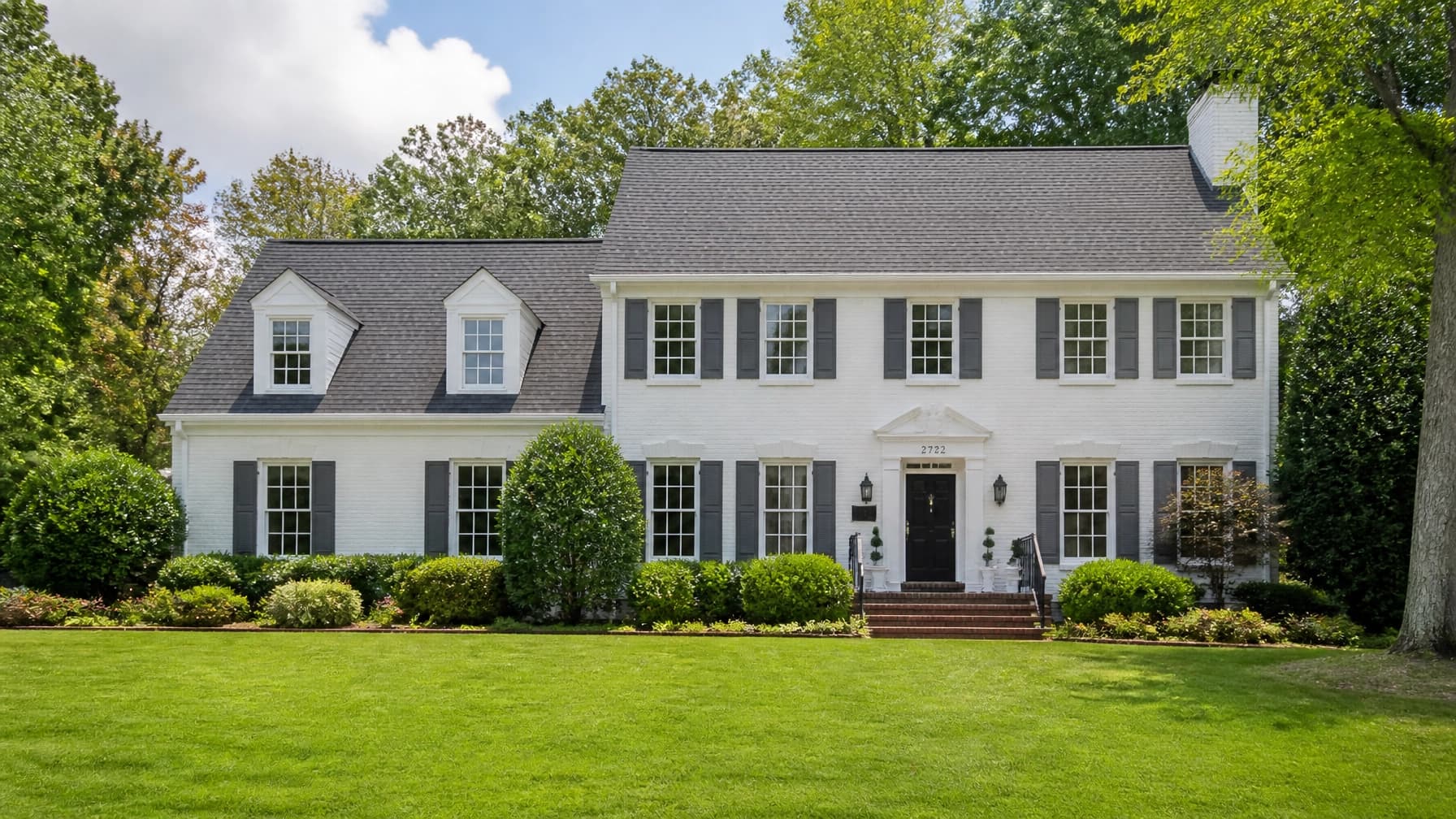
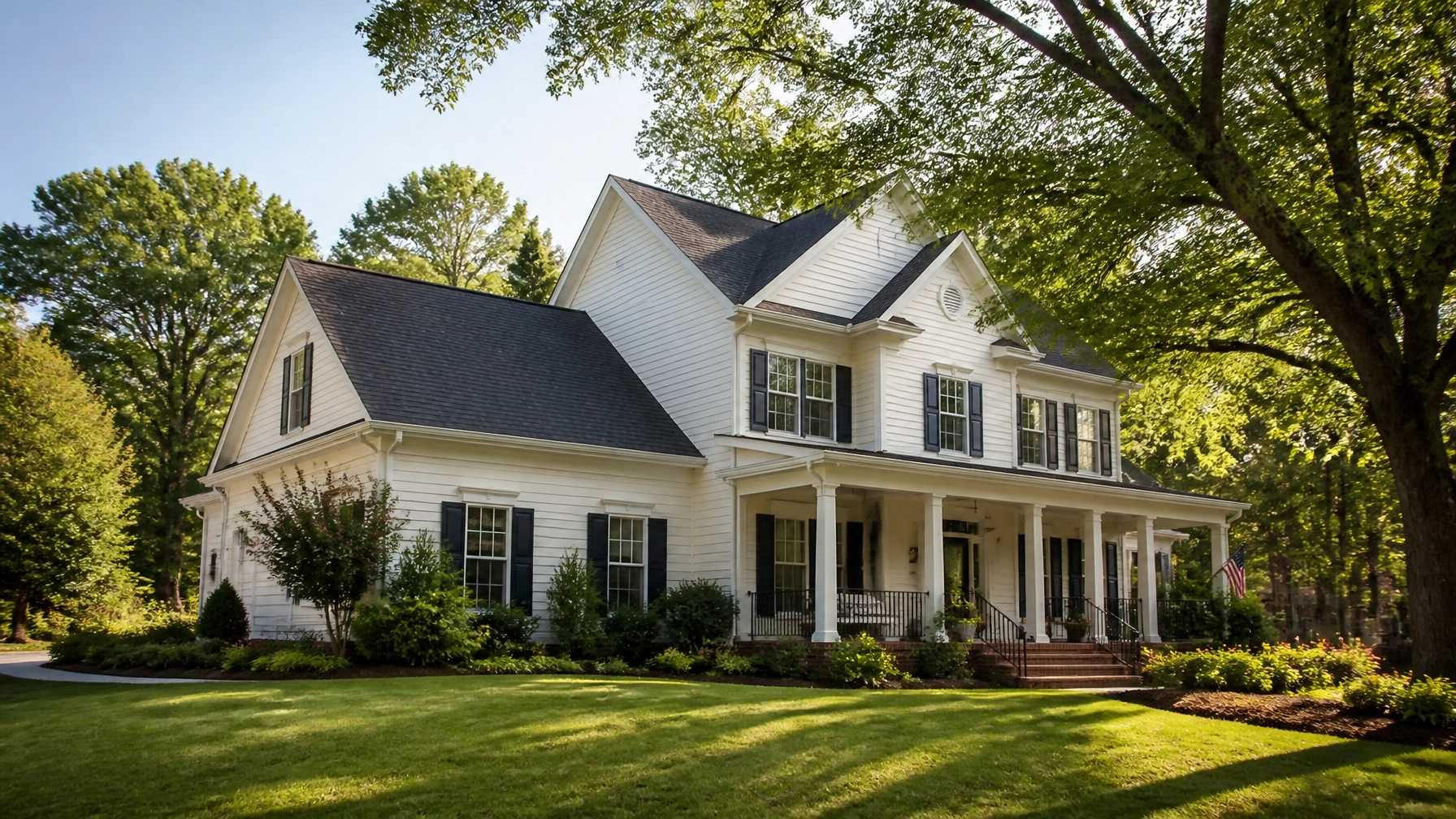
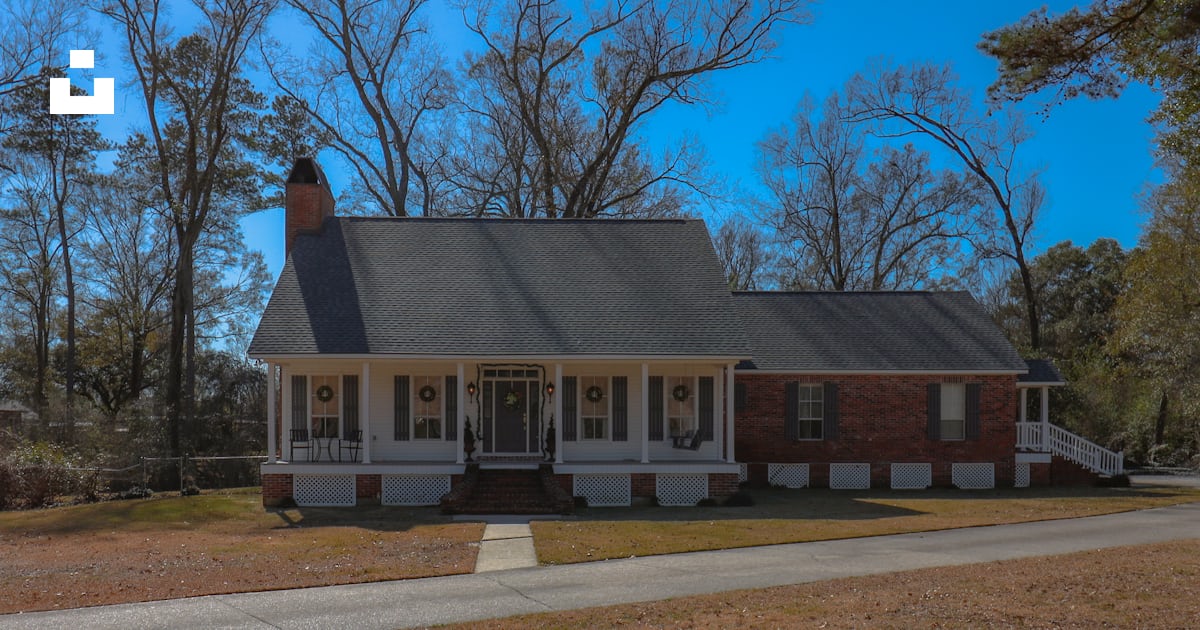
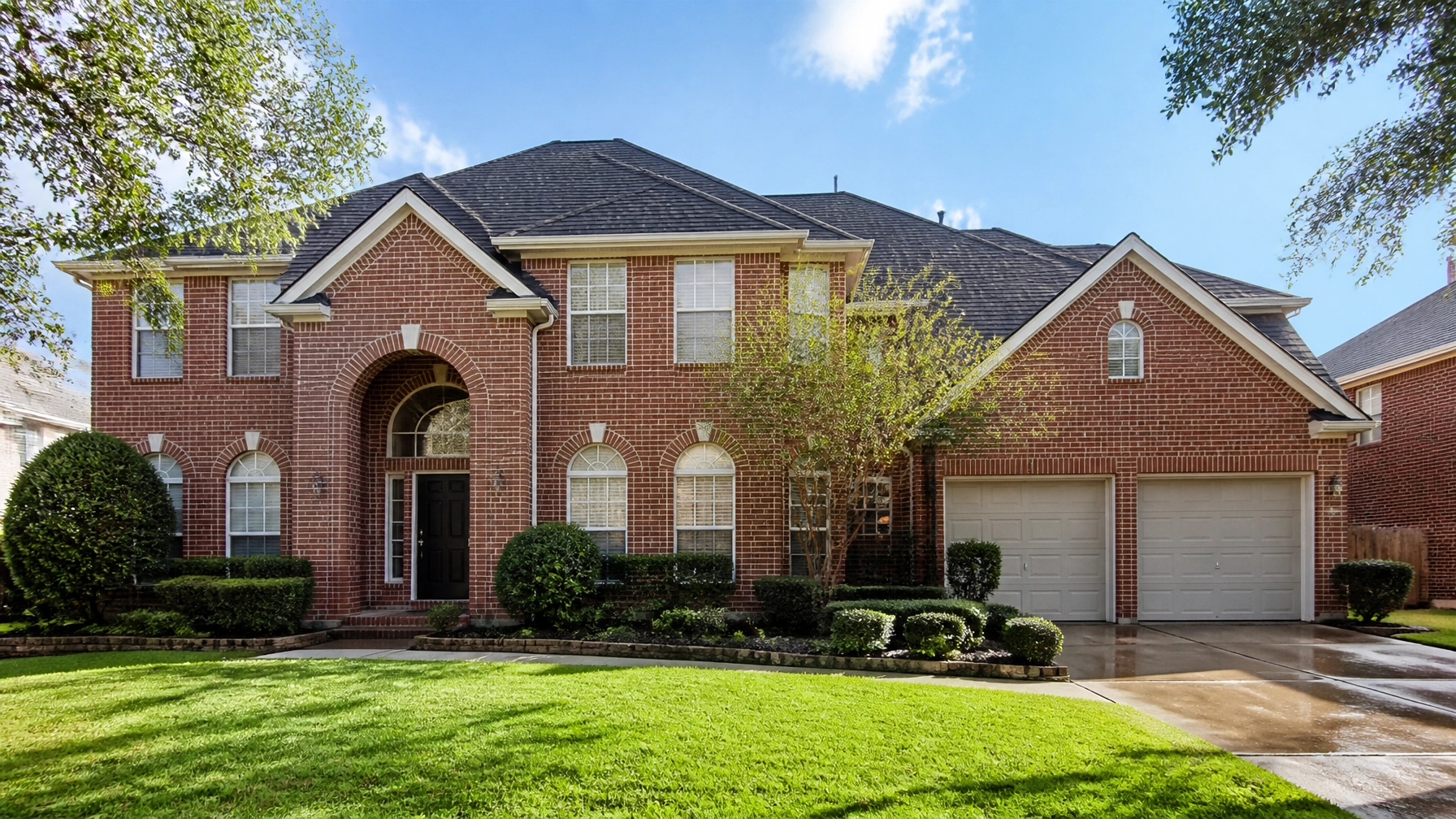
    New architectural shingle roof on a Florida colonial home

    Florida Wind Requirements and Insurance

    Jacksonville roofs must comply with Florida’s applicable high-wind building requirements. Homeowners should confirm that the selected roof system meets the required 130 mph wind rating for the property and installation conditions.

    A compliant roof may also support future insurance savings through documented wind-resistant features. Ask your contractor about:

    • Roof-covering product approvals
    • Correct fastening patterns
    • Roof-to-wall connections
    • Roof deck attachment
    • Secondary water resistance
    • Permit documentation

    For insurance purposes, a qualified inspector may complete Florida’s OIR-B1-1802 Uniform Mitigation Verification Inspection Form. As of April 1, 2026, inspections should use the current revised form. You can review the official requirements through the Florida Office of Insurance Regulation.

    Wind mitigation Florida discounts vary by carrier, roof age, construction details, and ZIP code. Ask your insurance agent to estimate potential savings before paying extra for upgrades.

    What Raises the Cost in Jacksonville?

    Several factors can move your estimate from the low end to the high end:

    • Roof pitch: Steep roofs require additional labor, safety equipment, and installation time.
    • Roof complexity: Valleys, dormers, skylights, chimneys, and multiple roof sections increase labor and flashing requirements.
    • Decking repairs: Rotten or water-damaged plywood must be replaced before the new roof is installed.
    • Coastal location: Homes within approximately three miles of the Atlantic may pay a 10%–15% coastal premium for additional wind, corrosion, material, and inspection requirements.
    • Tear-off conditions: Multiple old roofing layers can increase disposal and labor costs.

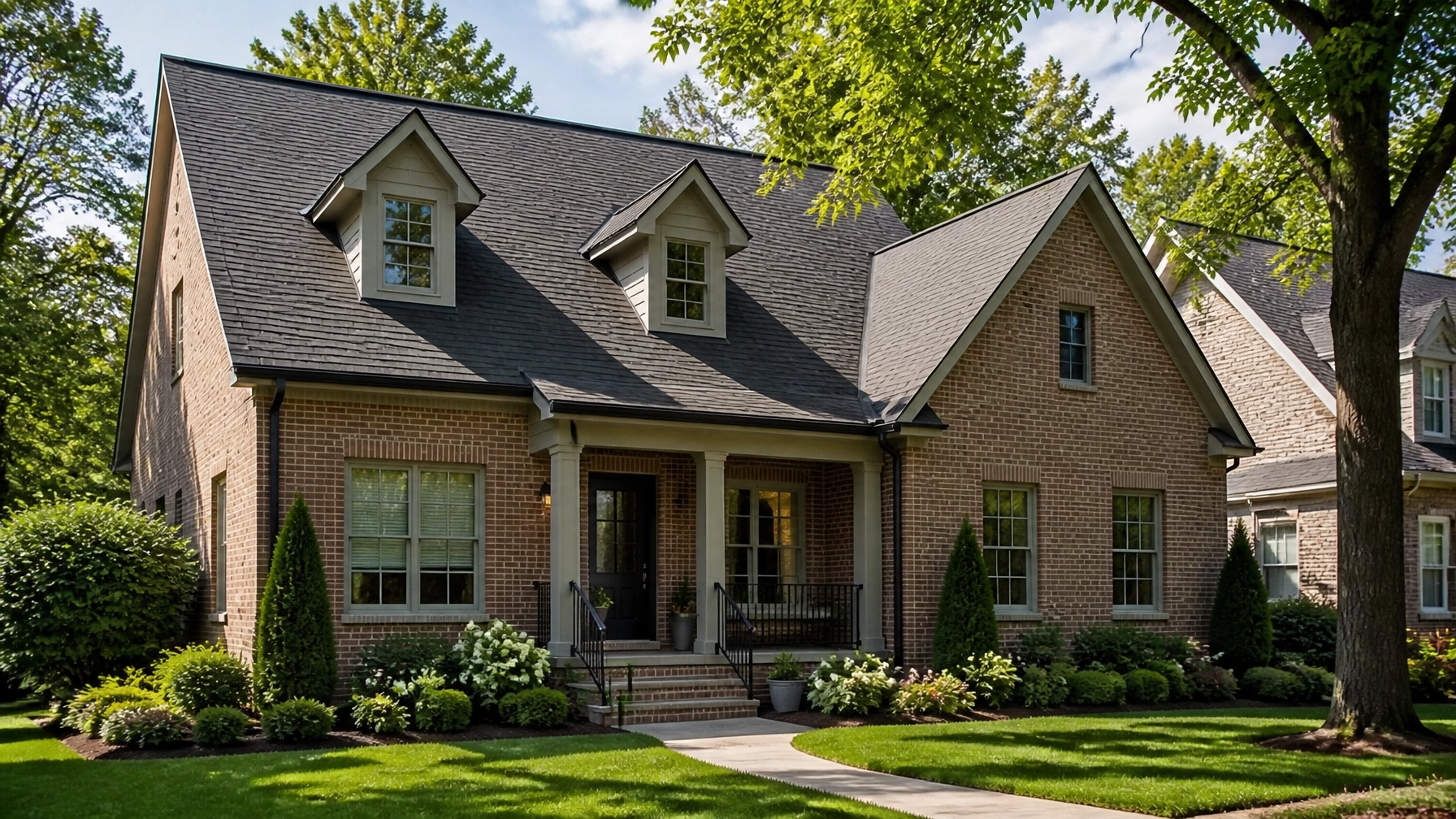
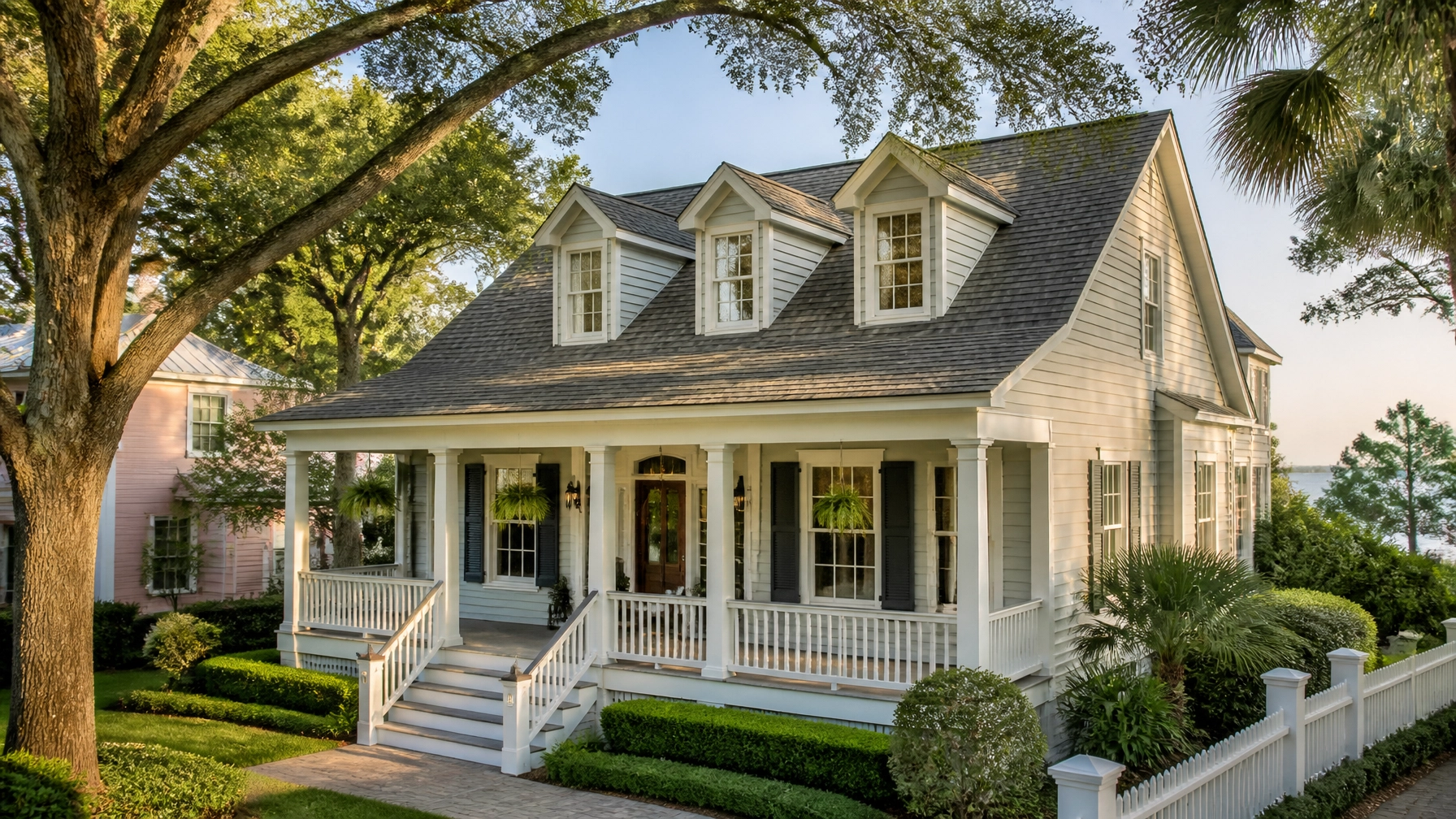
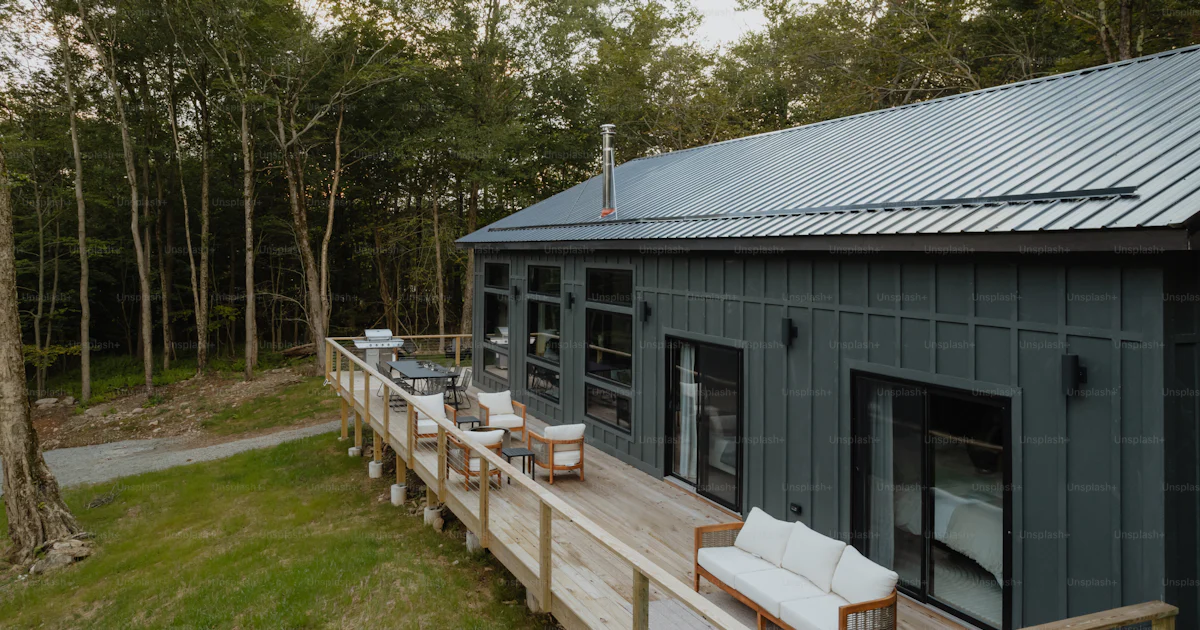
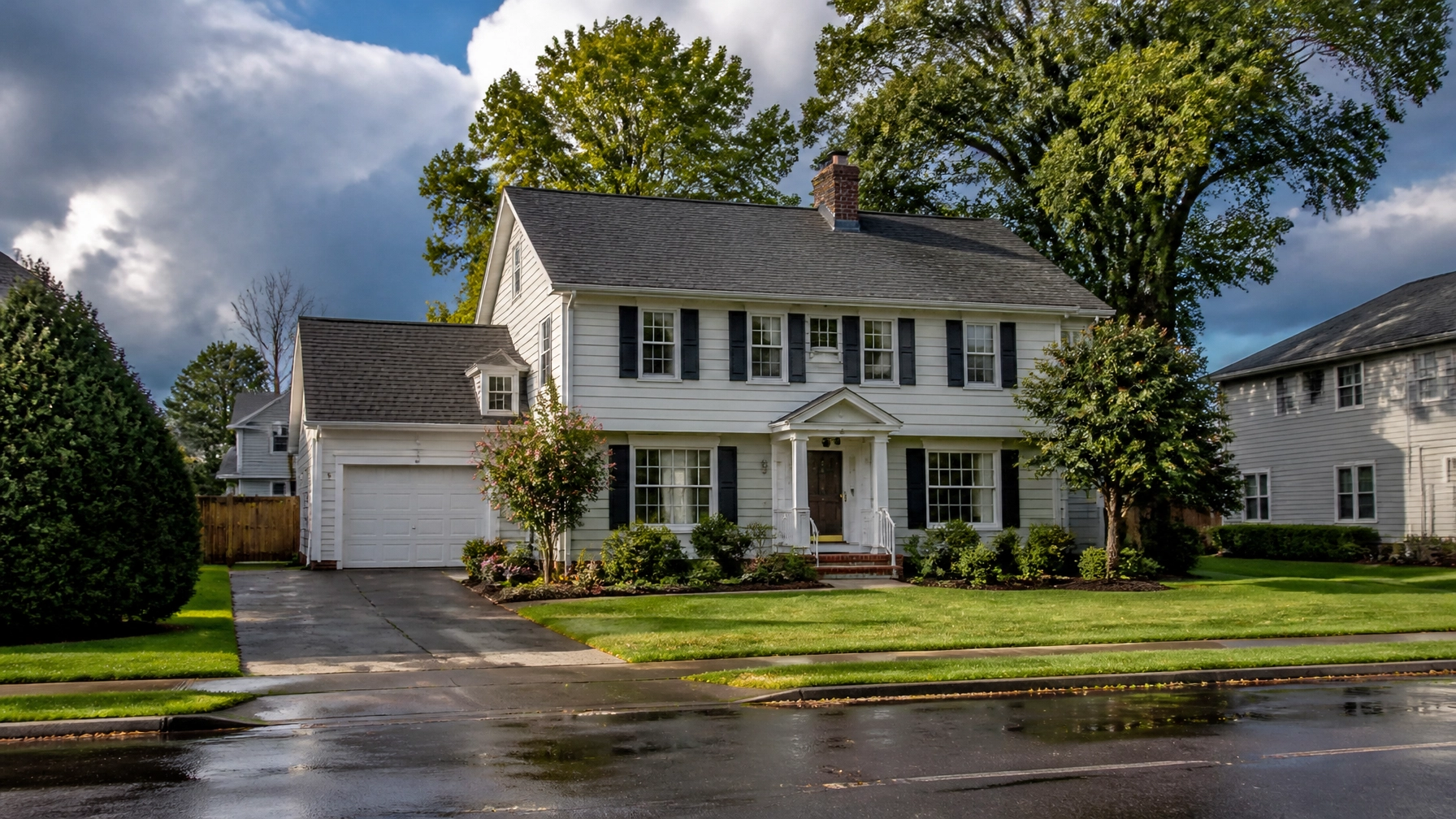
    New standing-seam metal roof on a modern Jacksonville-area home

    Ways to Control Your 2026 Roofing Budget

    Start with a satellite roof inspection before scheduling contractor visits. Get My Roof Estimate Now uses satellite imagery to measure roof size, pitch, and complexity, then provides low, middle, and high pricing ranges in about 60 seconds.

    Other practical cost-saving steps include:

    1. Schedule during Fall or Winter. Jacksonville roofing demand may be lower outside the busiest storm and summer periods.
    2. Compare materials by lifetime value. Metal costs more initially but may last 40–70 years.
    3. Ask about wind mitigation upgrades. Improved roof components may help reduce insurance costs.
    4. Compare written estimates. Ask each contractor to separate materials, labor, decking, permits, and disposal.

    Local companies homeowners may research include NEXGEN Roofing, K&D Roofing & Construction, White's Roofing Company, Red Fox Roofers, and Ron Russell Roofing. Verify current licenses, insurance, warranties, reviews, and permit responsibilities before signing.

    Get a Jacksonville Roof Estimate in 60 Seconds

    Avoid guessing about your roof replacement cost. Enter your address into the free roof cost calculator or get an instant estimate.

    There is no credit card requirement, no upfront contractor visit, and no obligation. Get a transparent First Coast roofing price range based on your actual property( not a generic national average.)

  • Daily ROI Blitz #173: How a New Roof Boosts Home Value in Columbia, SC (2026 Data)

    Daily ROI Blitz #173: How a New Roof Boosts Home Value in Columbia, SC (2026 Data)

    A new roof is one of the most practical ways to protect, and potentially increase, your Columbia, South Carolina home’s value.

    In 2026, a typical Columbia roof replacement costs approximately $8,500–$28,000, with many architectural shingle projects falling between $12,000 and $16,000. The expected resale ROI is usually around 60%–70% of the project cost. Premium materials and high-end homes can produce estimated returns of 75%–95%, especially when the replacement improves insurance eligibility, curb appeal, and buyer confidence.

    For homeowners in Richland County, Lexington County, Forest Acres, Irmo, and surrounding Midlands communities, the decision is not simply whether a roof looks newer. It is whether the roof helps the home compete in a balanced 2026 housing market.

    Columbia, SC Housing Market: The 2026 Numbers

    Columbia’s housing data varies by platform and methodology, but the overall price picture is consistent: the market sits in the low-to-upper $200,000s.

    Current 2026 benchmarks include:

    • Median home value: Approximately $230,000
    • Median sale price: Approximately $254,000–$287,000
    • Median listing price: Approximately $308,375
    • Typical time on market: About 40–50 days
    • Market condition: Balanced to somewhat competitive

    Zillow, Redfin, and Realtor.com use different data windows and definitions. Some measure days to pending, while others measure the full time a property remains listed. That explains why estimates can vary.

    The practical takeaway is clear: Columbia is not a market where sellers can rely on automatic bidding wars. Buyers have choices. They are paying closer attention to inspection reports, insurance costs, maintenance records, and major systems, including the roof.

    A roof that is visibly worn, near the end of its service life, or difficult to insure can reduce negotiating power even when the rest of the home is attractive.

    What Does a Columbia SC Roof Replacement Cost in 2026?

    The broad 2026 cost range for Columbia SC roof replacement is:

    Project level Typical cost Best fit
    Budget $8,500–$12,000 Smaller, simple roofs with standard asphalt shingles
    Popular $12,000–$16,000 Typical single-family homes with architectural shingles
    Premium $18,000–$28,000+ Complex roofs, premium materials, structural repairs, or larger homes

    These figures can change based on:

    • Roof size, measured in squares
    • Roof pitch and accessibility
    • Valleys, dormers, skylights, and chimneys
    • Tear-off and disposal requirements
    • Damaged decking or framing
    • Flashing, ventilation, and underlayment
    • Local labor and permit costs
    • Material availability and current pricing

    A 2,000-square-foot home does not necessarily have a 2,000-square-foot roof. Pitch, overhangs, and roof complexity can increase the actual roofing area significantly.

    Why Architectural Shingles Are Usually the Best Value Option

    Architectural asphalt shingles remain the most common recommendation for Columbia homeowners who want a balance of cost, appearance, and resale appeal.

    Architectural shingles (Popular)

    Architectural shingles typically offer:

    • Better visual depth than basic three-tab shingles
    • A broad range of colors and profiles
    • Strong buyer familiarity
    • Lower installation costs than metal or tile
    • A practical service life when properly installed and ventilated
    • Good compatibility with common Columbia home styles

    They work well on ranch homes, traditional colonials, split-level homes, and many newer suburban properties across the Midlands.

    Metal roofing (Premium)

    Metal roofing can provide longer service life and strong resistance to heat, rain, and wind. However, its higher upfront cost may not produce the same resale return on every Columbia property.

    Metal can make more financial sense when:

    • You plan to remain in the home for many years
    • The home is higher-end
    • The roof has a steep or visually prominent design
    • You prioritize longevity over short-term resale ROI

    Synthetic and specialty systems (Premium)

    Synthetic slate, designer shingles, and specialized coatings can improve durability and appearance. These systems may make sense for luxury homes, but the added cost should be compared against nearby property values and buyer expectations.

    A premium roof on a modest home may not return as much value as a well-installed architectural shingle system.

    How Much Value Does a New Roof Add?

    A typical Columbia roof replacement may recover 60%–70% of its cost at resale.

    For example:

    • A $12,000 roof may contribute approximately $7,200–$8,400 in recovered value.
    • A $16,000 roof may contribute approximately $9,600–$11,200 in recovered value.
    • A $25,000 premium roof may recover substantially more when installed on a high-value property with matching upgrades.

    ROI is not limited to the final sale price. A new roof can also improve your financial outcome by:

    • Reducing buyer repair requests
    • Preventing inspection-related concessions
    • Improving listing photos and curb appeal
    • Helping the home compete against updated properties
    • Reducing the risk of a delayed closing
    • Giving buyers confidence in a major structural system

    In a balanced market, avoiding a large price reduction can be just as valuable as adding a premium to the asking price.

    Columbia’s Climate Makes Roof Condition More Important

    Columbia is known for hot summers, high humidity, heavy rain, and periodic severe storms. Homes near Lake Murray, Fort Jackson, the University of South Carolina, and the Congaree National Park area all experience the same basic regional stressors, even though exposure varies by neighborhood and tree cover.

    South Carolina’s climate can shorten roof life through:

    • Heat and UV exposure: Repeated high temperatures accelerate shingle aging.
    • Humidity: Moisture can contribute to algae growth, mold, and ventilation problems.
    • Heavy rainfall: Weak flashing and damaged underlayment can allow water intrusion.
    • Severe thunderstorms: Wind, hail, and falling branches can damage shingles.
    • Hurricane season remnants: Columbia is inland, but tropical systems can still bring strong wind, flooding rain, and tornadoes.

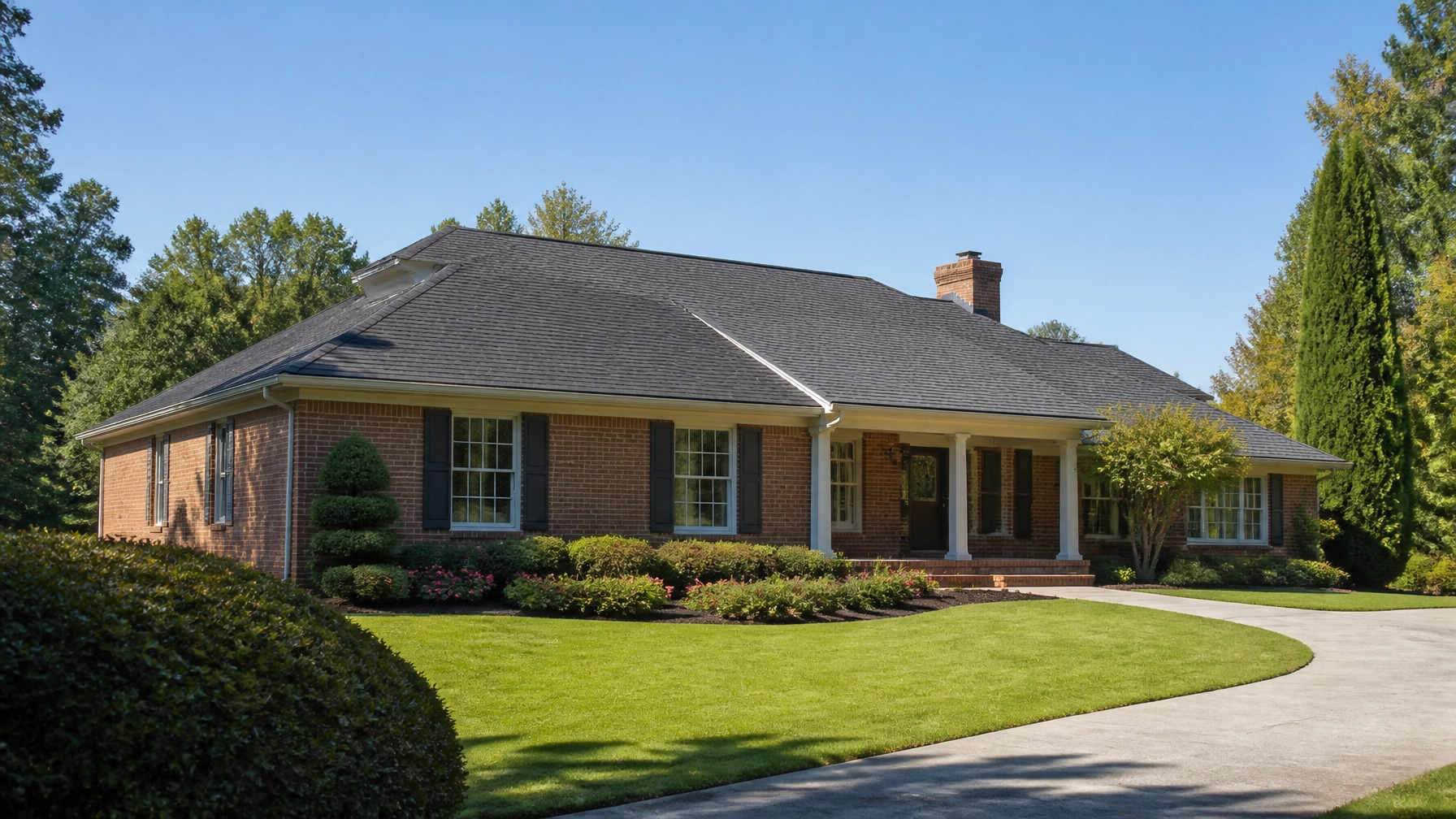
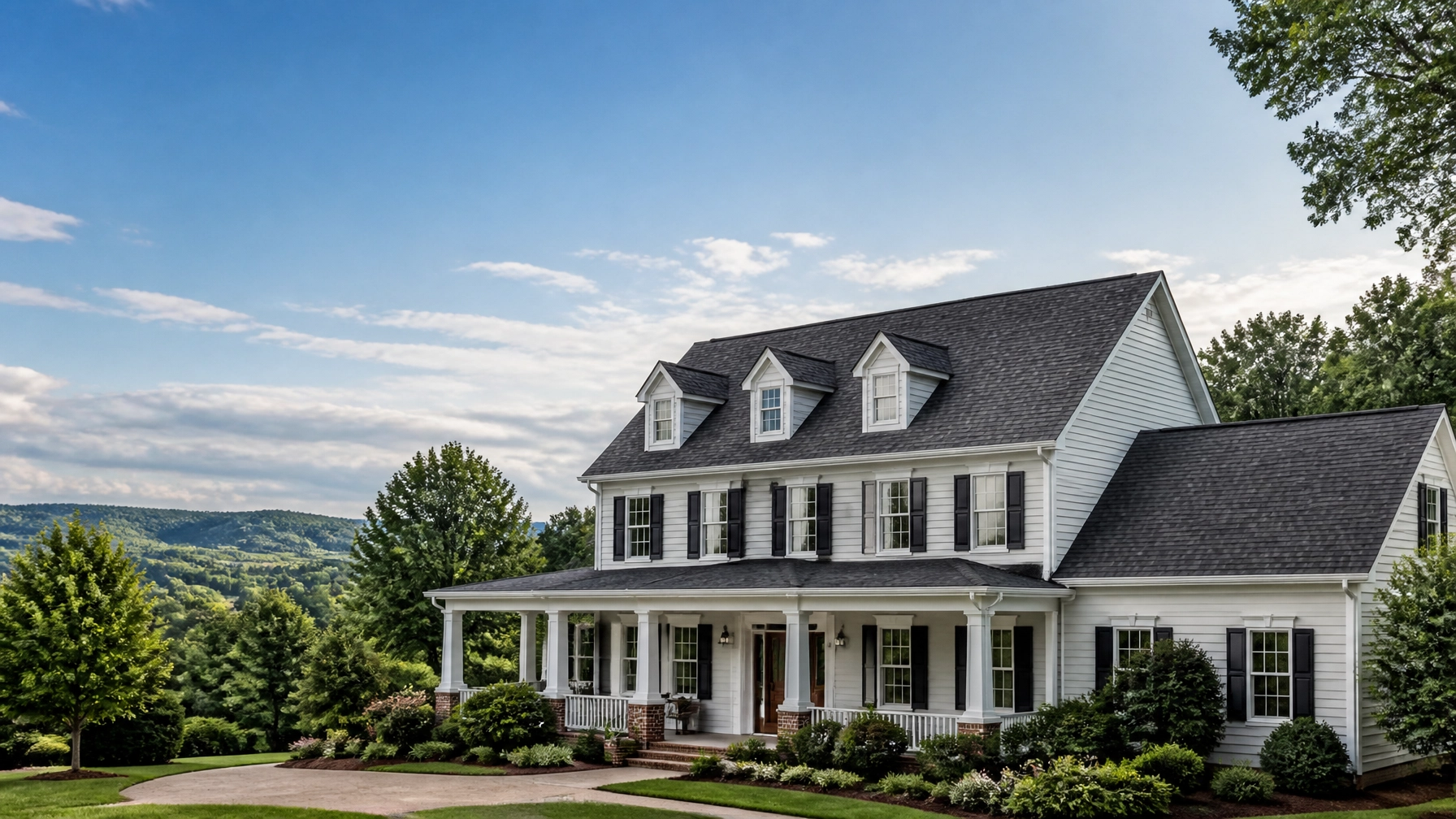
    Columbia, South Carolina home exposed to summer heat and severe-storm weather conditions

    A roof rated for 25 or 30 years may not deliver that full lifespan if it has poor attic ventilation, repeated storm exposure, or installation problems. Homeowners should pay close attention once a roof reaches the 15-to-20-year range, particularly if shingles are curling, losing granules, or showing dark streaks.

    Should Columbia Homeowners Consider a FORTIFIED Roof?

    A FORTIFIED Roof designation is designed to improve resistance to severe wind and storm damage. Typical measures may include enhanced fastening, improved edge protection, sealed roof decking, and stronger connections between the roof and structure.

    Potential benefits include:

    • Improved storm resilience
    • Better documentation for insurance purposes
    • Possible insurance discounts through participating carriers
    • Potential South Carolina tax incentives for qualifying fortification work
    • Stronger buyer appeal for homeowners concerned about severe weather

    Columbia and most of the Midlands are inland, so coastal grant programs may not apply. Eligibility depends on location, program availability, the insurance carrier, and the exact work performed. Verify current requirements through the South Carolina Department of Insurance, South Carolina fortification tax credit information, and the IBHS FORTIFIED program.

    Actionable Tips for Columbia Sellers

    If you plan to sell in 2026, use the roof strategically.

    1. Replace before listing if the roof is a clear liability

    If the roof is leaking, visibly failing, or near the end of its expected service life, buyers may discount their offers heavily. Replacing it before listing can make the property easier to finance and inspect.

    2. Choose materials that fit the neighborhood

    Architectural shingles are usually the safest value choice for a typical Columbia home. Avoid overspending on a premium system that nearby comparable properties do not support.

    3. Document everything

    Keep records of:

    • Installation date
    • Product and warranty information
    • Permit documentation
    • Contractor license and insurance information
    • FORTIFIED documentation, if applicable
    • Photos of the completed work

    4. Repair related exterior issues

    A new roof looks better when paired with clean gutters, repaired fascia, fresh trim, and maintained landscaping. These smaller improvements help buyers see the roof as part of a complete, cared-for exterior.

    5. Get accurate pricing before contacting contractors

    A rough national average is not enough for a property in Richland or Lexington County. You need the actual roof size, pitch, complexity, and material requirements.

    Use Roofing Technology 2026 to Plan With Better Data

    Modern satellite roof inspection and remote measurement tools can provide a faster starting point than waiting for multiple contractor visits.

    Get My Roof Estimate Now uses satellite imagery and roof measurement technology to estimate:

    • Roof dimensions
    • Roofing squares
    • Pitch and complexity
    • Material quantities
    • Regional pricing
    • Low, middle, and high replacement ranges

    The process takes about 60 seconds, costs nothing, and does not require a credit card. The result is not a substitute for a contractor’s physical inspection of hidden damage, but it gives you a property-specific budget before you schedule appointments.

    That is the value of satellite imagery roof analysis in 2026: better information, faster decisions, and fewer surprises.

    Get a free satellite-based roof estimate for your Columbia home.

    Bottom Line: Is a New Roof Worth It in Columbia in 2026?

    Usually, yes: especially when the existing roof is aging, damaged, or likely to become a negotiation problem.

    For most Columbia homeowners, a properly installed architectural shingle roof costing $12,000–$16,000 can deliver a typical 60%–70% resale ROI, while also improving marketability, inspection results, insurance confidence, and curb appeal.

    In a balanced 2026 market where homes may spend 40–50 days on the market, a new roof can help your property stand out from competing listings around USC, Fort Jackson, Lake Murray, and throughout Richland and Lexington counties.

    Start with accurate numbers. Get your free estimate in under 60 seconds.

    Sources and Further Reading
  • Daily ROI Blitz #172: How a New Roof Boosts Home Value in Birmingham, AL (2026 Data)

    Daily ROI Blitz #172: How a New Roof Boosts Home Value in Birmingham, AL (2026 Data)

    For Birmingham homeowners, a roof replacement is more than a maintenance project. In 2026, it can protect your negotiating position, improve buyer confidence, and help your home compete in a market where roof condition is closely tied to perceived value.

    A typical Birmingham roof replacement costs $7,651 to $18,363, with many homeowners spending approximately $11,200 to $12,250. The expected resale ROI is generally 60% to 81%, with returns potentially reaching 100% in especially strong markets or when a damaged roof is preventing a sale.

    That makes a new roof one of the more practical improvements for Birmingham homes priced between $250,000 and $400,000: especially before listing.

    Birmingham’s 2026 Real Estate Snapshot

    Birmingham’s market looks different depending on how the area is measured.

    For this ROI analysis, the working benchmarks are:

    • Greater Birmingham metro median: Approximately $300,000
    • Birmingham city-limits benchmark: Approximately $280,000
    • Highest roof ROI segment: Homes priced between $250,000 and $400,000
    • Typical roof replacement range: $7,651–$18,363
    • Common project average: Approximately $11,200–$12,250

    Metro-level pricing includes a much broader mix of neighborhoods and suburbs, including Hoover, Vestavia Hills, Mountain Brook, Homewood, and other Jefferson and Shelby County communities. Current market reporting, including Redfin’s Birmingham housing data, can vary by property type, geography, and whether it tracks list prices or closed sales.

    The practical takeaway is simple: a roof replacement is most likely to pay off when the improvement matches the home’s price range and neighborhood expectations.

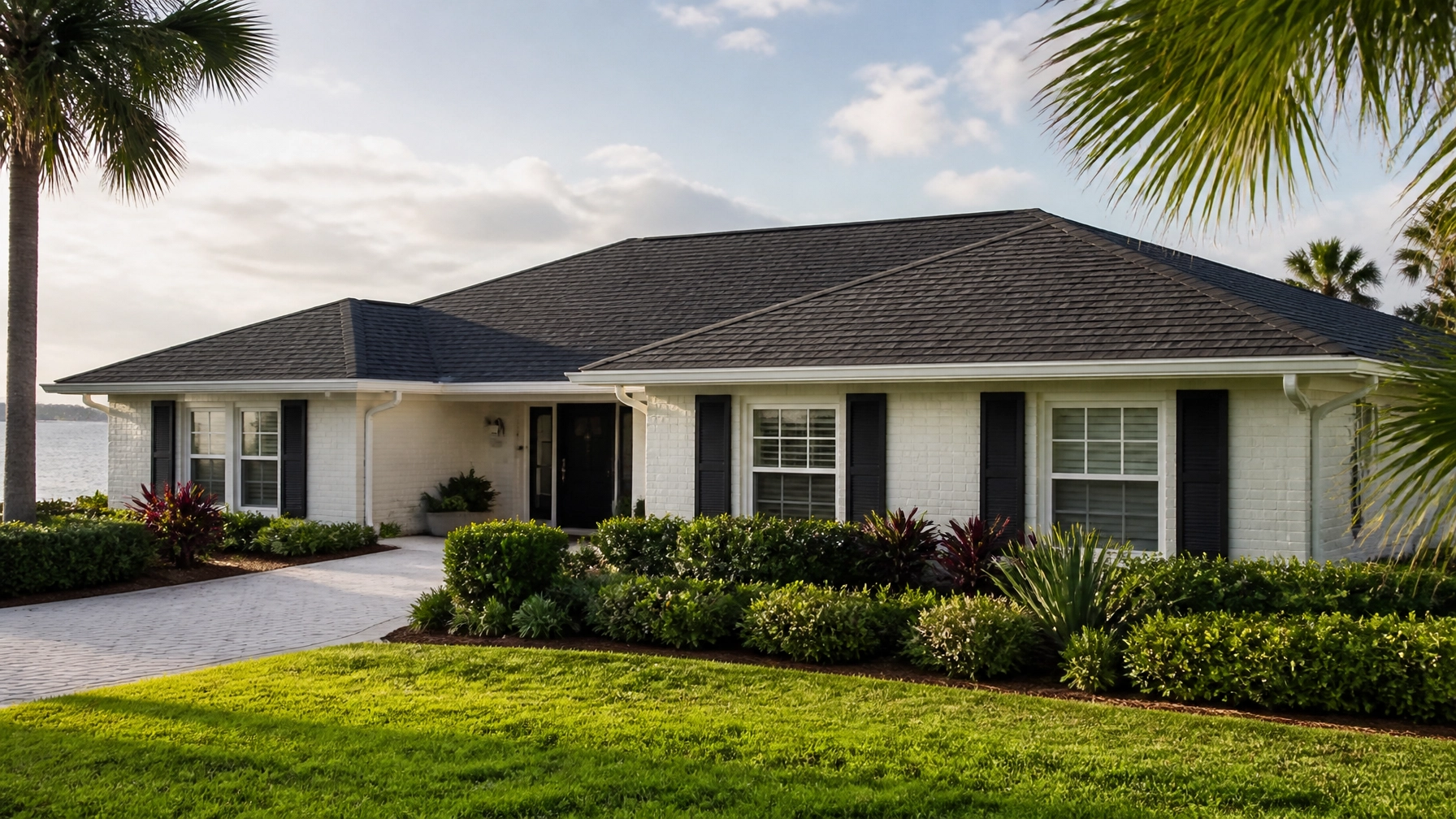
    New architectural shingle roof on a renovated Birmingham ranch home

    By the Numbers: Birmingham Roof Value in 2026

    Local benchmark 2026 figure
    Birmingham metro home price benchmark ~$300,000
    Birmingham city-limits benchmark ~$280,000
    Typical roof replacement cost $7,651–$18,363
    Common average project cost ~$11,200–$12,250
    Architectural shingles $4–$8 per sq. ft.
    Metal roofing $7–$18 per sq. ft.
    Estimated resale ROI 60%–81%
    Potential ROI in a strong market Up to 100%
    Typical Alabama roof replacement cycle 20–25 years
    Negotiation exposure from an old roof $5,000–$15,000
    Potential sale acceleration 2–4 weeks

    Alabama’s humid climate, heat, heavy rain, wind, and spring storms all affect roof life. Many homes need replacement around the 20- to 25-year mark, although material quality, ventilation, installation, and storm exposure can shorten or extend that timeline.

    New Roof ROI: The Birmingham Breakdown

    ROI does not mean you automatically receive every dollar back at closing. It refers to the portion of the project cost reflected in resale value.

    Here are practical examples using the local 60%–81% range:

    A $10,000 roof replacement

    • Estimated resale value recovered: $6,000–$8,100
    • Potential additional benefit: fewer repair credits and less buyer resistance

    A $12,250 roof replacement

    • Estimated resale value recovered: $7,350–$9,923
    • This is close to the common Birmingham project average

    An $18,000 roof replacement

    • Estimated resale value recovered: $10,800–$14,580
    • A premium result is more likely when the existing roof is visibly failing or storm-damaged

    The resale calculation does not include every benefit. A new roof can also:

    • Reduce inspection objections
    • Help buyers avoid an immediate capital expense
    • Prevent price reductions during negotiations
    • Improve listing photos and first impressions
    • Support a cleaner appraisal and underwriting process
    • Reduce the risk of a delayed closing

    If an old roof causes a buyer to request a $10,000 credit, replacing it before listing may preserve more value than the direct ROI calculation suggests.

    Cost vs. Resale Value by Roofing Material

    The table below uses illustrative installed costs for a typical approximately 2,000-square-foot roof. Actual Birmingham roof replacement cost depends on roof pitch, tear-off requirements, flashing, valleys, ventilation, access, and structural repairs. Premium materials can exceed the standard local replacement range.

    Roofing material Typical installed cost Estimated resale value added at 60%–81% ROI Best fit
    Architectural shingles (Popular) ~$8,000–$16,000 ~$4,800–$12,960 Most Birmingham homes and the strongest cost-to-value balance
    Metal roofing (Premium) ~$14,000–$30,000+ ~$8,400–$24,300+ Long-term ownership, storm exposure, and higher-end homes
    Synthetic slate or shake (Premium) ~$14,000–$26,000+ ~$8,400–$21,060+ Historic character, distinctive architecture, and upscale neighborhoods

    These figures are planning benchmarks, not contractor bids. Use the Get My Roof Estimate Now roof cost calculator to compare material, roof size, pitch, region, and tear-off costs.

    How Material Choice Affects Birmingham Home Value

    Architectural shingles (Popular)

    Architectural shingles are usually the best choice for homeowners focused on resale ROI. They offer a modern dimensional appearance without pushing the project far beyond neighborhood norms.

    At approximately $4–$8 per square foot, they fit the budget of many Birmingham homes in the $250,000-$400,000 range. They also provide broad color and texture options for brick ranches, traditional colonials, and suburban two-story homes.

    For most sellers, the goal is not to install the most expensive roof available. It is to install a durable, attractive roof that looks appropriate for the property.

    Metal roofing (Premium)

    Metal roofing typically costs $7–$18 per square foot. It can provide a long service life and strong resistance to wind and severe weather, but its resale ROI depends heavily on the neighborhood.

    Metal can make sense when:

    • The home has a modern, farmhouse, or craftsman design
    • Nearby homes use premium roofing materials
    • The owner plans to stay for many years
    • Storm resilience is a major priority

    A metal roof may add more absolute value in dollars, but the percentage ROI can be lower because the initial investment is higher.

    Synthetic roofing (Premium)

    Synthetic slate and shake products can deliver a high-end appearance with less weight and maintenance than some natural materials. They are most suitable when the roof is a major visual feature of the home.

    In Birmingham’s historic areas: including Forest Park, Highland Park, and Crestwood: curb appeal matters. A synthetic material may complement a bungalow or older character home better than a basic roof profile.

    Before changing the visible roof style or color in a historic district, confirm whether local design guidelines or neighborhood requirements apply.

    Birmingham historic-district style bungalow with a premium synthetic roof

    The Storm Factor: February 2026 Hail Damage

    The February 2026 hailstorm that affected the Hoover and Vestavia Hills area changed the roof conversation for many Birmingham homeowners.

    Large hail and severe winds can damage:

    • Shingle surfaces and protective granules
    • Ridge caps and flashing
    • Gutters and downspouts
    • Roof vents
    • Skylights
    • Siding and exterior trim

    Some hail damage is difficult to see from the ground. Shingles may look intact while having bruised or fractured areas that develop leaks months later.

    The National Weather Service Birmingham event summary documents the February storm activity, including large hail and severe weather across central Alabama.

    If your home was in the affected area:

    1. Photograph visible damage from the ground.
    2. Check ceilings and attic areas for signs of moisture.
    3. Request a documented roof inspection.
    4. Contact your insurance company about coverage and deductibles.
    5. Avoid signing high-pressure contracts before reviewing the scope of work.

    A roof installed after a storm can also be a meaningful selling point. Buyers are more likely to ask about roof age, insurance claims, inspection reports, and remaining warranty coverage after a major hail event.

    Birmingham home with a clean impact-resistant roof after severe weather

    Local Tip for Birmingham Sellers

    Do not wait until the inspection report reveals your roof’s problems.

    Selling a Birmingham home with an old or visibly worn roof can reduce offers by approximately $5,000 to $15,000 through price reductions, repair credits, or buyer negotiations. It can also extend the listing timeline by forcing buyers to arrange additional inspections and insurance reviews.

    By contrast, a new roof can potentially accelerate the sale by two to four weeks because it removes one of the largest unknown expenses from the buyer’s decision.

    For the strongest result:

    • Choose a material appropriate for your neighborhood
    • Keep paid invoices and warranty documents
    • Save before-and-after photos
    • Request a written description of the roof system
    • Disclose known storm damage and completed repairs
    • Avoid over-improving beyond nearby homes

    In most Birmingham neighborhoods, a well-installed architectural shingle roof is the resale sweet spot. Premium metal or synthetic options make more sense when they match the home’s architecture and surrounding property values.

    Get Your Free Birmingham Roof Estimate

    Before you budget for a Birmingham roof replacement, get a property-specific number: not a national average.

    Get My Roof Estimate Now uses satellite imagery to measure your roof’s size, pitch, and complexity. Enter your address and receive a free estimate in about 60 seconds, with:

    • No credit card required
    • No contractor visit needed upfront
    • Pricing based on your actual roof measurements
    • Low, middle, and high price ranges
    • Material comparisons for shingles, metal, synthetic roofing, and coatings
    • Connections to verified, licensed, and insured local contractors

    Whether you are responding to roof storm damage in Birmingham, preparing to sell, or planning ahead for an aging Alabama roof, an instant estimate gives you a clearer starting point.

    See Birmingham roof replacement pricing before the next inspection, storm, or buyer negotiation.

  • Daily ROI Blitz #175: How a New Roof Boosts Home Value in Nashville, TN (2026 Data)

    Daily ROI Blitz #175: How a New Roof Boosts Home Value in Nashville, TN (2026 Data)

    A new roof in Nashville can cost approximately $8,500 to $19,500 in 2026, depending on roof size, pitch, complexity, tear-off requirements, and material selection.

    For a Davidson County home valued around $420,000 to $460,000, a professionally installed roof may:

    • Recover approximately 65% to 78% of project cost at resale
    • Support an estimated 3% to 5% increase in perceived property value in the right condition and market
    • Reduce buyer repair concerns and inspection negotiations
    • Help a listing sell faster in high-demand neighborhoods such as East Nashville, 12 South, Green Hills, and Sylvan Park

    These are planning benchmarks: not guaranteed returns. The actual ROI depends on the roof’s condition, the quality of the installation, neighborhood competition, and the buyer’s expectations.

    Nashville Roof Replacement Costs in 2026

    The most practical way to evaluate roof ROI is to compare the replacement cost with the value it protects or adds.

    Roof option Typical Nashville cost ROI profile
    Architectural shingles (Popular) $8,500–$14,500 Strong resale value and broad buyer appeal
    Class 4 architectural shingles (Storm-resistant) $10,000–$16,500 Higher upfront cost with possible insurance benefits
    Standing-seam metal (Premium) $14,500–$19,500+ Long lifespan and distinctive appearance
    Complex or steep rooflines Add 10%–25%+ More labor, safety equipment, and material waste

    A roof with multiple valleys, dormers, skylights, or steep slopes will generally cost more than a simple ranch-style roof. Roofers also price by squares, with one square equal to 100 square feet of roof area.

    For a typical Nashville home, the roof surface is usually larger than the home’s interior square footage because of pitch, overhangs, and architectural features.

    You can review current local benchmarks on the Nashville roof estimate page.

    How Much Value Can a New Roof Add?

    A roof does not usually add dollar-for-dollar value to a home. However, it can improve the home’s financial position in three separate ways:

    1. Direct resale value
    2. Reduced buyer objections
    3. Faster marketability

    For a Nashville home valued at $420,000 to $460,000, a 3% to 5% value effect represents approximately:

    • 3%: $12,600 to $13,800
    • 4%: $16,800 to $18,400
    • 5%: $21,000 to $23,000

    The higher end is more likely when the existing roof is visibly worn, near the end of its service life, or likely to trigger inspection credits. A new roof can make the home feel more move-in ready, particularly when competing listings have older roofing, deferred maintenance, or unclear replacement history.

    The latest national remodeling benchmarks commonly show asphalt roof replacements recovering roughly two-thirds of their cost at resale. For Nashville planning, a 65% to 78% cost recovery range is reasonable for a well-installed roof with attractive, durable materials.

    Example: Architectural Shingle ROI

    Suppose your Nashville roof replacement costs $13,000.

    • At 65% cost recovery: approximately $8,450 reflected at resale
    • At 78% cost recovery: approximately $10,140 reflected at resale
    • Potential remaining benefit: fewer concessions, stronger buyer confidence, and reduced time on market

    The roof may not return the full $13,000 as a separate line item. Its value often appears through a stronger offer, fewer inspection demands, and less pressure to reduce the asking price.

    For comparison, the JLC Cost vs. Value report is a useful national reference, although local Nashville pricing and buyer behavior can differ.

    East Nashville bungalow with a new algae-resistant architectural shingle roof

    Why a New Roof Can Help Nashville Homes Sell Faster

    Nashville’s 2026 housing market is more selective than the rapid-growth years when buyers often accepted major deferred maintenance. Today, buyers are paying closer attention to expensive systems, including:

    • Roofing
    • Heating and cooling
    • Plumbing
    • Electrical systems
    • Windows and exterior drainage

    A roof replacement can help a property compete because buyers understand the financial risk of an aging roof. If the roof is 15 to 30 years old, buyers may request a credit, delay closing, or submit a lower offer after inspection.

    This matters in neighborhoods where updated homes attract strong attention:

    East Nashville

    Older homes and renovated properties often compete side by side. A new roof can reinforce a turnkey presentation and reduce concerns about hidden water damage.

    12 South

    Buyers commonly expect carefully maintained, visually cohesive homes. Roof color, material, and workmanship can affect curb appeal, especially on bungalow-style properties.

    Green Hills

    Higher-value homes often receive more detailed inspections. A documented, permitted roof replacement can make a property easier to evaluate and finance.

    Sylvan Park

    A clean roofline and updated exterior can help a home stand out among established neighborhood properties with mature landscaping and older construction.

    A new roof will not guarantee a specific number of days saved. Price, photography, interior condition, location, and inventory still matter. But a roof that removes a major objection can help keep a listing closer to the faster end of its neighborhood’s selling range.

    Spring 2026 Storms Increase Roof Replacement Considerations

    Davidson County experienced repeated severe-weather threats during the 2026 spring storm season, including warnings for damaging winds and hail. The National Weather Service Nashville office and Tennessee emergency officials continue to emphasize preparation for Middle Tennessee’s severe thunderstorm season.

    Wind and hail damage can shorten the life of an otherwise serviceable roof. Common signs include:

    • Missing or lifted shingles
    • Exposed underlayment
    • Circular bruising or fractures
    • Excessive granules in gutters
    • Damaged flashing
    • Leaks around vents, chimneys, and skylights

    Do not climb onto the roof after a storm. Photograph visible damage from the ground and arrange a professional inspection.

    If the damage is covered by your policy, insurance may pay for covered wind or hail damage minus your deductible. Coverage depends on the policy, roof age, exclusions, and the cause of loss.

    Should Nashville Homeowners Choose Class 4 Shingles?

    Class 4 impact-resistant shingles are tested under UL 2218 standards and are designed to better resist hail impact than standard products.

    They may be worth considering in Davidson County because they can provide:

    • Better resistance to hail-related cracking
    • Improved durability during repeated thunderstorms
    • A more marketable specification for some buyers
    • Potential insurance discounts with eligible carriers

    Insurance discounts are not automatic. Before purchasing Class 4 shingles, ask your insurance provider:

    • Does the carrier offer a discount for UL 2218 Class 4 roofing?
    • What documentation is required?
    • Will the policy include a cosmetic damage exclusion?
    • Is the roof covered at replacement cost or actual cash value?

    A Class 4 upgrade may cost more than standard architectural shingles, but it can make sense for homeowners planning to stay in the property for many years.

    Algae-Resistant Shingles for Humid Tennessee Summers

    Nashville’s humid summers and frequent rainfall create favorable conditions for dark algae streaks on asphalt shingles. Algae-resistant shingles use specially treated granules to help limit visible growth.

    They are especially useful for:

    • Homes under mature trees
    • North-facing or shaded roof slopes
    • Properties where curb appeal is important
    • Homeowners planning to sell within several years

    Algae-resistant shingles are primarily an appearance and maintenance upgrade. They do not replace proper attic ventilation, drainage, flashing, or installation quality.

    Nashville Permit Requirements Matter for ROI

    A permitted roof replacement creates a stronger paper trail for future buyers. Metro Nashville Codes generally treats a full roof replacement as work requiring a residential building permit, particularly when more than one-third of the roof is replaced.

    Review the official Metro Nashville residential building permit information and the single-family renovation permit matrix.

    Before work begins, confirm:

    • Who will pull the permit
    • Whether inspections are included
    • How decking repairs will be handled
    • Whether the property is in a historic or special overlay
    • Which building-code requirements apply to ventilation, flashing, and underlayment

    A contractor who skips required permitting can create problems during resale, insurance claims, or future renovations.

    Green Hills Nashville home with a premium standing-seam metal roof

    Get an Instant Nashville Roof ROI Starting Point

    Before scheduling contractor visits, get a realistic cost range for your specific roof.

    Get My Roof Estimate Now uses satellite imagery to estimate roof size, pitch, and complexity. Homeowners can receive a free roof replacement estimate in under 60 seconds.

    The estimate includes:

    • Satellite-powered measurements accurate to within inches
    • Approximately 90%–95% measurement accuracy
    • Low, middle, and high price ranges
    • Comparisons for architectural shingles, metal, and other materials
    • No credit card required
    • No contractor visit needed upfront
    • No hidden fees

    When you are ready for an in-person inspection, the service can also connect you with verified, licensed, and insured local contractors.

    Nashville Roof ROI Checklist

    Before replacing your roof, review these numbers and documents:

    • Current home value and neighborhood comparables
    • Roof age and remaining service life
    • Architectural shingle versus metal pricing
    • Class 4 insurance eligibility
    • Algae-resistant material options
    • Metro Nashville permit requirements
    • Expected resale timeline
    • Written warranty details
    • Roof measurement and estimated squares
    • Low-middle-high replacement budget

    For a Nashville home in the $420,000 to $460,000 range, a new roof is usually best viewed as a value-protection investment. It may recover 65% to 78% of its cost at resale, support a 3% to 5% marketability or value improvement in favorable situations, and help eliminate one of the largest concerns buyers have during inspection.

    Sylvan Park Nashville home with a new slate-gray impact-resistant roof

  • Charleston Contractor Vetting 2026: 5 Questions Holy City Homeowners Must Ask Before Replacing Their Roof

    Charleston Contractor Vetting 2026: 5 Questions Holy City Homeowners Must Ask Before Replacing Their Roof

    Replacing a roof in Charleston is a major investment. In 2026, a typical architectural shingle roof replacement in the Charleston area often falls between $9,000 and $20,000. Coastal-rated metal roofing commonly ranges from $15,000 to $30,000 or more, while premium tile systems can exceed $20,000–$40,000.

    Those are planning ranges: not quotes. Your actual roof replacement cost depends on:

    • Roof size, measured in squares
    • Pitch and accessibility
    • Dormers, valleys, chimneys, and other complexity
    • Existing roof layers and tear-off requirements
    • Decking damage or wood rot
    • Material selection
    • Charleston-area labor and permitting requirements
    • Exposure to hurricanes, salt air, and high humidity

    Before you choose a Charleston roofing contractor, ask these five questions. Also, get an independent starting price with Get My Roof Estimate Now before scheduling contractor appointments. The satellite-powered tool measures your roof and provides a free estimate in about 60 seconds: without requiring a contractor visit or credit card.

    1. Are you properly licensed and insured for roofing work in South Carolina?

    A professional appearance and a good website are not proof of licensing. Ask for the contractor’s exact legal business name, South Carolina license or registration number, and current insurance documentation.

    South Carolina requires a current license or registration for residential building and specialty contracting activities. Depending on the project and contractor classification, a roofer may operate under a residential specialty contractor registration or a general contractor license with the appropriate roofing classification.

    Verify the information through:

    Also request a current Certificate of Insurance showing:

    • General liability coverage
    • Workers’ compensation coverage
    • Effective and expiration dates
    • The contractor’s legal business name
    • Coverage for roofing operations

    Do not rely on a certificate handed over without verification. Ask the insurance agent or carrier to confirm the policy is active and applies to the company performing the work.

    Charleston-specific check

    Make sure the business name on the license, insurance certificate, contract, and payment instructions all match. A mismatch can make warranty and liability disputes more difficult later.

    Charleston colonial-style home with a new wind-rated architectural shingle roof

    2. What roofing system do you recommend for my Charleston property: and why?

    Charleston roofs face conditions that inland roofing systems may not handle as well. Hurricanes, tropical storms, intense sun, heavy rain, high humidity, algae growth, and salt air all affect material performance.

    A contractor should explain the recommendation: not simply push the most expensive product.

    Common Charleston options

    • Architectural shingles (Popular): A practical choice for many inland and urban Charleston homes. Look for algae-resistant products and wind ratings suitable for the property.
    • Standing-seam metal (Premium): A longer-lasting option for homeowners who want enhanced durability and are prepared for a higher upfront cost. Coastal-rated alloys and compatible fasteners matter near salt air.
    • Designer shingles (Premium): Provide a higher-end appearance and may complement historic-inspired architecture.
    • Tile (Specialty): Appropriate for certain architectural styles, but heavy, expensive, and dependent on adequate structural support.
    • Roof coatings (Limited application): More common on compatible low-slope or flat roof systems than on standard pitched shingle roofs.

    Ask the contractor:

    • What wind rating does the proposed product carry?
    • Is the material appropriate for coastal exposure?
    • Will you use algae-resistant shingles?
    • What underlayment and flashing system are included?
    • What fastening method will be used?
    • How will ventilation be handled?
    • Are the roof deck and roof-to-wall connections being evaluated?

    Avoid contractors who describe a roof as “hurricane-proof.” No roofing system eliminates storm risk. The goal is a properly designed and installed assembly that follows current code, manufacturer instructions, and the conditions at your specific address.

    3. Will you handle Charleston permits and historic-district approvals?

    For residential properties within the City of Charleston, roof replacement is generally submitted as a “Roofing – Single Family/Duplex Dwelling” alteration or repair permit. The City’s residential roofing permit guideline identifies the required application, roof-covering information, and building-inspection review.

    Ask your contractor, in writing:

    • Who will apply for the roofing permit?
    • Is the permit included in the contract price?
    • Who schedules required inspections?
    • Will you provide the permit number before work begins?
    • What happens if the City requests additional documentation?

    Historic Charleston considerations

    If your home is located in the Old and Historic District, Old City District, or another area under architectural review, additional approval may be required. The work may need review by the City’s Board of Architectural Review, particularly when the roof is visible from the public right-of-way or the project changes the existing material, profile, color, or details.

    Review the City’s BAR Guidelines for Historic Properties and confirm requirements for your exact address before signing a contract.

    Historic-district roofing can take longer because the approval sequence may occur before the building permit. A contractor experienced with Charleston’s historic homes should be able to explain the process clearly. “We will figure it out later” is not an adequate permitting plan.

    Modern Lowcountry home with a coastal-rated standing-seam metal roof

    4. Can you provide a detailed, comparable written estimate?

    A one-page total with no specifications is not enough for a Charleston roof replacement. Get at least two or three written proposals and compare the scope: not just the final number.

    Each estimate should identify:

    • Total roof area and number of roofing squares
    • Material manufacturer, product line, and color
    • Tear-off requirements and disposal
    • Number of existing roof layers
    • Underlayment type
    • Ice-and-water or self-adhered membrane locations, where applicable
    • Drip edge, flashing, vents, and pipe boots
    • Ridge and hip cap materials
    • Decking replacement price per sheet
    • Labor and cleanup
    • Permit and inspection responsibilities
    • Start date and estimated project duration
    • Material warranty
    • Workmanship warranty
    • Payment schedule

    Charleston’s humidity makes concealed decking damage a realistic concern, especially on older homes. Your contract should state how damaged plywood or sheathing will be priced if it is discovered after tear-off.

    Use an independent roof measurement as a comparison point. The Get My Roof Estimate Now roof cost calculator uses roof size, pitch, material, tear-off, and regional pricing to create a planning range. Its satellite estimate is not a substitute for a contractor’s hands-on inspection, but it helps you identify unusually high or unusually low proposals before you commit.

    Roofing professional reviewing satellite roof measurements beside a Charleston home

    5. What references, warranties, and payment protections do you provide?

    A roofing contractor should be comfortable giving you recent local references. Ask for projects similar to yours, such as:

    • Historic or older Charleston homes
    • Steep or complex roofs
    • Coastal properties
    • Metal roofing installations
    • Homes with prior storm damage
    • Projects requiring historic-district coordination

    When speaking with references, ask:

    • Did the contractor begin and finish on schedule?
    • Was the final price close to the original estimate?
    • Were cleanup and debris removal handled properly?
    • Did the contractor respond after payment?
    • Were warranty questions resolved promptly?

    Understand both warranties

    A material warranty comes from the manufacturer and covers certain product defects. A workmanship warranty comes from the contractor and covers installation errors. These are separate protections.

    Ask:

    • How long does the workmanship warranty last?
    • Is the warranty transferable if you sell the home?
    • What exclusions apply?
    • Who performs warranty repairs?
    • Does the contractor need to remain in business for the warranty to be useful?
    • Is enhanced manufacturer coverage available through certified installation?

    Watch the payment schedule

    Be cautious if a contractor:

    • Demands the full balance before work begins
    • Pressures you to sign immediately
    • Requires cash-only payment
    • Refuses to provide license or insurance records
    • Uses a vague contract
    • Has no verifiable local address
    • Appeared immediately after a storm and cannot show Charleston references

    A reasonable payment schedule should connect payments to documented project progress. The final payment should not be due until the work is complete, cleanup is finished, and required inspections have been addressed.

    Use technology before you start calling contractors

    The traditional process can require several appointments just to learn whether your roof might cost $10,000 or $25,000. Satellite roof measurement gives you a faster starting point.

    With Get My Roof Estimate Now, homeowners can:

    • Enter an address
    • Confirm the property
    • Receive roof measurements in about 60 seconds
    • Review low, middle, and high price ranges
    • Compare architectural shingles, metal, synthetic materials, and coatings
    • See how roof size, pitch, and complexity affect the estimate
    • Connect with verified local contractors if desired

    Satellite measurements are typically about 90%–95% accurate for planning. A contractor still needs to inspect conditions satellites cannot see, including soft decking, flashing failures, attic ventilation, and hidden storm damage.

    The best approach is simple: use technology for a fast, transparent baseline, then use a licensed Charleston roofing contractor for the final scope and installation.

    Final checklist for Charleston homeowners

    Before signing a roof replacement contract, confirm that you have:

    • A verified South Carolina license or registration
    • Current general liability and workers’ compensation insurance
    • At least two comparable written estimates
    • A clear material and installation specification
    • Permit responsibilities in writing
    • Historic-district requirements confirmed, if applicable
    • A documented workmanship warranty
    • Recent local references
    • A payment schedule tied to project progress
    • An independent estimate for comparison

    Charleston’s architecture and coastal weather make contractor selection especially important. Ask direct questions, compare complete scopes, and avoid choosing solely on the lowest price. A properly vetted contractor should make the process clearer: not more confusing.


    Frequently Asked Questions

    Do I need a permit to replace a roof in Charleston, SC?

    The City of Charleston generally requires a residential roofing permit for roof replacement. Confirm the requirements for your property with the City of Charleston Permit Center, especially if the home is in a historic district.

    How much does roof replacement cost in Charleston in 2026?

    Most standard architectural shingle replacements are commonly planned at approximately $9,000–$20,000. Metal roofing often costs $15,000–$30,000 or more, depending on roof size, complexity, coastal exposure, and material selection.

    What is the best roof material for Charleston weather?

    Algae-resistant, wind-rated architectural shingles are a popular value choice. Coastal-rated standing-seam metal is a premium option for homeowners prioritizing longevity and storm performance. The correct choice depends on the property, budget, architecture, and code requirements.

    Can satellite imagery replace a contractor inspection?

    No. Satellite imagery can provide a fast and useful planning estimate for roof size, pitch, and complexity. A contractor must still inspect the roof deck, flashing, ventilation, and other conditions that are not visible from above.

    How can I verify a South Carolina roofing contractor?

    Use the South Carolina LLR license resources and request insurance documentation directly from the contractor’s insurance agent or carrier. Confirm that the legal business name matches across the license, insurance certificate, and contract.

  • Daily FAQ Blitz – Slot 2: Roof Replacement FAQs for Baton Rouge, LA Homeowners (2026)

    Daily FAQ Blitz – Slot 2: Roof Replacement FAQs for Baton Rouge, LA Homeowners (2026)

    Baton Rouge homeowners face a demanding roofing environment. Hurricanes and tropical storms bring high winds and heavy rain, while intense summer heat and humidity accelerate shingle aging and moisture problems.

    In 2026, a typical Baton Rouge roof replacement costs approximately $8,000–$18,000 for common architectural shingles. Larger, steeper, storm-resistant, or premium-material roofs can cost $20,000 or more. The seven FAQs below explain what local homeowners should know about pricing, insurance, permits, materials, and modern roofing technology.

    1. How much does roof replacement cost in Baton Rouge in 2026?

    Most Baton Rouge homeowners should budget $8,000–$18,000 for a standard architectural asphalt shingle replacement.

    For a roof with approximately 2,000 square feet of surface area, a common planning range is $12,000–$17,500. Your final price depends on:

    • Roof size, measured in roofing squares
    • Roof pitch and accessibility
    • Number of valleys, dormers, and penetrations
    • Tear-off and disposal costs
    • Damaged decking or structural repairs
    • Material selection
    • Local permit and inspection requirements

    Typical material ranges include:

    • Architectural shingles (Popular): $8,000–$16,000
    • Impact-resistant shingles (Storm-ready): $10,000–$18,000
    • Corrugated metal (Durable): $10,000–$20,000
    • Standing-seam metal (Premium): $16,000–$32,000 or more

    For a property-specific number, use the Baton Rouge roof estimate page or the roof cost calculator.

    Close-up real photography of asphalt shingle installation on a residential roof

    2. Which roofing material is best for Baton Rouge’s heat, humidity, and storms?

    Architectural shingles are the most common choice because they balance cost, appearance, and wind resistance. Impact-resistant shingles and metal roofing offer additional storm durability.

    Baton Rouge’s climate creates several roofing challenges:

    • Heat: Prolonged sun exposure can dry out and age lower-quality shingles.
    • Humidity: Moisture can contribute to algae, mold, wood rot, and poor attic conditions.
    • Heavy rain: Weak flashing and exposed penetrations can cause leaks.
    • Hurricanes and tropical storms: Wind uplift can damage improperly fastened roofing systems.

    When comparing materials, ask about:

    • Wind rating
    • Manufacturer installation requirements
    • Underlayment and secondary water barriers
    • Flashing around chimneys, vents, and walls
    • Attic ventilation
    • Warranty terms
    • Whether the product qualifies for insurance credits

    Standing-seam metal roofing costs more upfront but can provide a long service life and strong performance in high winds. Architectural and impact-resistant shingles are often the practical middle ground for Baton Rouge homes.

    3. Will Louisiana homeowners insurance pay for a roof replacement?

    Insurance may cover roof replacement when the damage results from a covered event such as wind, hail, or a hurricane. It typically does not cover normal aging, deferred maintenance, or wear and tear.

    Your payment depends on your specific policy, including:

    • Standard deductible
    • Wind or hail deductible
    • Named-storm or hurricane deductible
    • Replacement cost coverage
    • Actual cash value coverage
    • Roof-age limitations
    • Policy exclusions and endorsements

    A named-storm deductible may be calculated as a percentage of your home’s insured value. Replacement cost coverage generally pays for comparable new materials after the deductible, while actual cash value coverage subtracts depreciation based on the roof’s age and condition.

    Before filing a claim:

    1. Photograph visible damage from the ground.
    2. Avoid making permanent repairs before documenting the condition.
    3. Contact your insurer promptly.
    4. Ask whether an adjuster must inspect the roof.
    5. Request a written explanation of coverage and depreciation.

    The Louisiana Department of Insurance homeowners resources provide additional guidance. Never assume that an old roof is automatically covered or excluded; read the policy language or ask your insurance agent.

    4. Does Baton Rouge require a permit for roof replacement?

    Yes. Residential roof replacement in Baton Rouge and East Baton Rouge Parish requires a permit and final inspection.

    Louisiana’s updated requirements apply to residential reroofing projects, and Baton Rouge permits are handled through the City-Parish Department of Development and Permits & Inspections Division.

    Your roofing contractor should confirm:

    • The correct permit has been submitted
    • The contractor’s Louisiana license is current
    • Required roofing specifications are included
    • Inspections are scheduled at the proper stages
    • The final inspection is completed
    • Permit documentation is available for your records

    Roof replacement work must follow the Louisiana Uniform Construction Code and applicable residential reroofing requirements. These rules can address fastening patterns, wind resistance, underlayment, flashing, ventilation, and roof-deck condition.

    Review the City-Parish roof permits and installations information before work begins. Permit fees and application procedures can change, so verify the current requirements with the local building department.

    5. Can satellite roof inspection technology estimate my replacement cost?

    Yes. Satellite imagery can measure your roof remotely and produce a preliminary replacement estimate in about 60 seconds.

    A satellite roof inspection tool can evaluate roof dimensions, roof sections, pitch indicators, and overall complexity without requiring an initial contractor visit. The information can then be used to estimate material quantities and labor ranges.

    At Get My Roof Estimate Now, our satellite technology roofing platform helps homeowners:

    • Measure roof areas remotely
    • Calculate roofing squares
    • Compare material options
    • Account for regional pricing
    • Review low, middle, and high price ranges
    • Avoid scheduling multiple upfront appointments

    Modern roofing technology in 2026 may also include AI roof damage detection, which can help identify visual signs of missing shingles, surface wear, or storm-related issues in available imagery.

    Remote tools are designed for budgeting and planning. They do not replace an in-person inspection for hidden leaks, structural damage, attic conditions, or insurance claim documentation. A licensed contractor or insurance adjuster may still need to inspect the roof before work begins.

    Real residential home with a metal roof installation

    6. Should I repair my Baton Rouge roof or replace it?

    Repair is usually appropriate for isolated damage on a roof that is otherwise in good condition. Replacement is often more practical when the roof is old, leaking in multiple areas, or repeatedly damaged by storms.

    Consider replacement if you notice:

    • A roof that is approximately 15–30 years old
    • Several active leaks
    • Widespread shingle loss
    • Curling, cracking, or brittle shingles
    • Sagging roof sections
    • Damaged or rotted decking
    • Repeated repairs in the same areas
    • Water stains in multiple rooms
    • Extensive algae or moisture-related deterioration

    Minor repairs can cost substantially less than replacement, but repeated patching may not make financial sense when the roof is near the end of its service life.

    A roof inspection satellite report can help establish roof size and visible complexity before you schedule a contractor visit. However, hidden damage still requires a physical evaluation. Use the remote estimate as a planning benchmark, not as a final diagnosis.

    7. What should Baton Rouge homeowners ask a roofing contractor?

    Ask for an itemized, written proposal that explains materials, code compliance, insurance responsibilities, warranties, and every potential added cost.

    Your proposal should identify:

    • Total roof area and number of squares
    • Material brand and product line
    • Wind rating and impact rating
    • Tear-off and disposal charges
    • Underlayment and flashing
    • Ventilation improvements
    • Decking replacement costs
    • Permit and inspection responsibilities
    • Workmanship warranty
    • Manufacturer warranty
    • Cleanup and debris removal
    • Payment schedule

    Also verify that the contractor is licensed, insured, and experienced with Baton Rouge storm conditions.

    Ask whether the roof can be built to FORTIFIED standards. Louisiana’s Fortify Homes Program may provide assistance or guidance for eligible homeowners seeking stronger hurricane-resistant construction. Insurance discounts and eligibility requirements vary, so confirm details with your insurer and the Louisiana Department of Insurance before selecting upgraded materials.

    Get a Baton Rouge roof estimate without the wait

    You can begin planning with a free, satellite-powered roof estimate based on your home’s actual roof: not a generic square-foot average. Enter your address to review estimated pricing in about 60 seconds, with no credit card required.

    Start with the free satellite roof estimate or compare assumptions using the 2026 roof cost calculator.

  • Daily Weather Blitz – Slot 3: Greenville, SC : August 9, 2026: Cool Break, Clear Skies & What It Means for Your Roof’s Inspection Window

    Daily Weather Blitz – Slot 3: Greenville, SC : August 9, 2026: Cool Break, Clear Skies & What It Means for Your Roof’s Inspection Window

    Published: August 9, 2026
    Category: Weather
    Tags: weather, durability, Greenville, South Carolina, roof inspection, roof maintenance

    Greenville homeowners have a valuable roofing window today.

    On August 9, 2026, Greenville, South Carolina, is seeing a rare break from the typical Upstate August pattern:

    Weather factor Today’s conditions
    Current temperature 71°F
    Forecast high 76°F
    Forecast low 69°F
    Rain chance 0%
    Sky conditions Clear

    After a stretch of 90°F-plus days and recurring afternoon storms, this cool, dry day is an excellent opportunity to inspect your roof, clean up maintenance items, and plan ahead before the next heat wave or storm cycle returns.

    A visual inspection does not automatically mean climbing onto the roof. In fact, most homeowners should begin from the ground, attic, and roof edges. If you see warning signs: or if your roof is 15 to 30 years old: a professional assessment can provide a more complete picture.

    Why Today’s Weather Is an Ideal Inspection Window

    August in Greenville typically brings heat, humidity, intense sun, and pop-up afternoon thunderstorms. The National Weather Service Greenville-Spartanburg climate records show how extreme August conditions can become, including historical daily highs above 100°F and wide variation in rainfall.

    That pattern puts repeated stress on roofing systems.

    Today’s 76°F high and clear skies offer several practical advantages:

    • Roof surfaces are less likely to be dangerously hot.
    • Dry shingles and flashing are easier to evaluate.
    • Gutters and downspouts can be cleaned without working around active rain.
    • There is no immediate storm risk interrupting a visual inspection.
    • Homeowners can photograph conditions clearly for their records.
    • Roofing professionals can often assess exterior details more efficiently.

    The goal is not to diagnose every issue yourself. The goal is to identify visible concerns early, document them, and decide whether repair, monitoring, or replacement planning makes sense.

    Residential asphalt shingle roof showing vents, flashing, and areas for a safe visual inspection

    How Upstate South Carolina Weather Affects Roof Durability

    Greenville’s humid subtropical climate creates a demanding environment for residential roofing. Roofing materials must handle high summer heat, moisture, strong sun, heavy rain, wind, and occasional hail.

    One important factor is thermal cycling.

    What is thermal cycling?

    Thermal cycling is the repeated expansion and contraction of roofing materials as temperatures change. A roof may experience:

    1. Cooler overnight temperatures.
    2. Rapid warming after sunrise.
    3. High afternoon surface temperatures in direct sun.
    4. Cooling after sunset.
    5. Repeated wetting and drying during storm cycles.

    The air temperature may only move from the upper 60s to the upper 80s or low 90s. However, roof surfaces exposed to direct sunlight can become significantly hotter than the surrounding air.

    Over time, repeated movement can contribute to:

    • Cracked or brittle asphalt shingles.
    • Cupping, curling, or lifted shingle edges.
    • Small separations around flashing.
    • Deteriorating sealant near vents and chimneys.
    • Loosened or exposed fasteners.
    • Increased risk of moisture entering vulnerable areas.

    Thermal cycling does not mean a roof will automatically fail. Roof age, installation quality, ventilation, material type, roof pitch, and storm exposure all matter. But the combination of hot, humid periods and cooler clear days makes regular inspection especially important in the Upstate.

    Four Areas to Check During a Greenville Roof Inspection

    1. Look for cracked, cupped, or displaced shingles

    From the ground, use binoculars or a phone camera with zoom to scan each roof plane. Look for:

    • Shingles that appear cracked or split.
    • Edges curling upward.
    • Shingles that look wavy or cupped.
    • Missing or visibly displaced shingles.
    • Dark patches that may indicate exposed underlayment or repairs.
    • Excessive granules collecting near downspouts.

    A few isolated damaged shingles may be repairable. Widespread curling, cracking, or granule loss may indicate that the roof is approaching the end of its useful service life.

    Do not walk on steep, wet, or unfamiliar roofing. A roof that looks dry from the ground may still have slick algae, loose granules, or weak areas.

    2. Check flashing and seals around roof penetrations

    Flashing directs water away from vulnerable transitions. Pay close attention to areas around:

    • Plumbing vents.
    • Bathroom and kitchen exhaust vents.
    • Chimneys.
    • Skylights.
    • Dormers.
    • Valleys.
    • Wall-to-roof intersections.

    Look for lifted metal, separated sealant, rust, gaps, or staining beneath these areas. Flashing problems can cause leaks even when the surrounding shingles appear to be in good condition.

    Inside the attic, inspect the underside of the roof deck for:

    • Water stains.
    • Damp insulation.
    • Darkened wood.
    • Mold-like growth.
    • Daylight visible through roof boards.
    • Musty odors after storms.

    An attic inspection should be performed from a stable surface. Avoid stepping between ceiling joists or disturbing insulation unnecessarily.

    3. Clean gutters while conditions are dry

    Today’s 0% rain chance is also a practical gutter-maintenance opportunity.

    Remove leaves, pine needles, shingle granules, and other debris from gutters. Then check whether:

    • Water can flow freely toward the downspouts.
    • Gutters are pulling away from the fascia.
    • Seams are separating.
    • Downspouts discharge several feet away from the foundation.
    • Splashing or overflow has stained exterior walls.
    • Gutter guards are clogged.

    Blocked gutters can push water back beneath roof edges and damage fascia, soffits, and siding. In Greenville’s storm-prone summer pattern, proper drainage matters just as much as shingle condition.

    Greenville South Carolina colonial-style home with clean gutters and a well-maintained architectural shingle roof

    4. Inspect roof-adjacent trees and exterior areas

    Storm damage does not always begin with a missing shingle. Overhanging branches can scrape roofing, drop debris, and clog drainage systems.

    Check for:

    • Limbs touching or hanging over the roof.
    • Fallen branches after recent storms.
    • Moss or algae growth in shaded areas.
    • Debris collecting in valleys.
    • Loose exterior vents or soffit panels.
    • Damaged siding beneath roof edges.

    If trees are close to power lines or require climbing, use a qualified tree professional instead of handling the work yourself.

    When a Professional Inspection Makes Sense

    A professional assessment is worthwhile if you notice any of the following:

    • Active leaks or recurring ceiling stains.
    • Multiple damaged roof areas.
    • Visible sagging.
    • Missing shingles after a storm.
    • Exposed underlayment or decking.
    • Damaged chimney or vent flashing.
    • A roof that is more than 15 years old.
    • Granule loss across multiple roof planes.
    • Plans to sell the home soon.
    • Uncertainty about whether repair or replacement is the better option.

    A professional can evaluate roof condition, ventilation, flashing, drainage, and storm-related damage together. That broader assessment is more useful than focusing on one visible defect.

    Use Today’s Clear Weather to Plan Your Roof Budget

    A roof inspection tells you about condition. A roof estimate helps you understand the financial side.

    In 2026, the average U.S. roof replacement commonly falls between $9,000 and $22,000, depending on size, pitch, material, labor, and complexity. Typical material benchmarks include:

    • Asphalt shingles (Budget to Popular): approximately $3–$7 per square foot
    • Metal roofing (Premium): approximately $8–$16 per square foot
    • Additional costs may apply for tear-off, permits, ventilation upgrades, structural repairs, valleys, dormers, and difficult access.

    Greenville pricing can vary based on local contractor availability, roof design, material selection, and regional labor rates. The most useful starting point is a property-specific estimate rather than a national average.

    Satellite-inspired aerial view of a Greenville South Carolina home showing clear roof geometry for measurement and planning

    You can use Get My Roof Estimate Now to receive a free, satellite-based roof replacement estimate in about 60 seconds. The tool measures your roof’s size and layout, considers pitch and complexity, and provides transparent low-to-high pricing ranges. No credit card is required.

    You can also review broader material and regional cost factors with the 2026 Roof Cost Calculator.

    This does not replace an on-site inspection. It gives you a practical budget benchmark before contacting verified local contractors or deciding how quickly to move forward.

    Bottom Line for Greenville Homeowners

    August 9, 2026, is a rare inspection-friendly day in Greenville: cool, clear, and completely dry. Use the window to:

    1. Inspect shingles from the ground.
    2. Check attic areas for evidence of moisture.
    3. Review flashing around vents and chimneys.
    4. Clean gutters and downspouts.
    5. Trim or schedule removal of hazardous branches.
    6. Photograph visible damage.
    7. Get a satellite-based estimate if replacement may be needed.

    The next cycle of high heat, humidity, and afternoon storms may arrive quickly. A short inspection today can help you catch small problems before they become interior water damage, emergency repairs, or an unplanned replacement.

    Planning ahead gives you more control over the decision, the timing, and the budget.

    Sources and Helpful Tools

  • Daily FAQ Blitz – Slot 6: AEO FAQ Quick Answers for Dallas, TX Homeowners (2026)

    Daily FAQ Blitz – Slot 6: AEO FAQ Quick Answers for Dallas, TX Homeowners (2026)

    Dallas homeowners face a demanding roofing environment. Spring hail, severe thunderstorms, high winds, intense summer heat, and rapid temperature changes can shorten roof life and create damage that is difficult to see from the ground.

    That makes a satellite roof inspection a practical first step. Instead of waiting days for a contractor appointment, you can use satellite imagery roof analysis to measure your roof and receive a replacement price range in about 60 seconds.

    For 2026, Dallas architectural-shingle replacement pricing commonly falls between $9,500 and $22,400, depending on roof size, pitch, complexity, material grade, tear-off requirements, and hidden damage. A standard roof may cost less, while a large or steep roof with premium, impact-resistant shingles can cost more.

    Here are direct answers to the most common questions Dallas homeowners ask.

    Dallas Roof Estimate Quick Facts

    • Typical architectural-shingle range: $9,500–$22,400
    • Estimate delivery: About 60 seconds
    • Measurement method: Satellite imagery and automated roof analysis
    • Typical measurement accuracy: Approximately 90–95% for many properties
    • Peak hail season: Generally March through June, with major spring activity
    • Popular Dallas materials: Architectural shingles, impact-resistant shingles, and metal roofing
    • Local connection: Compare your estimate with verified, licensed, and insured Dallas-area contractors

    1. How can I get a free roof estimate in Dallas without a contractor visit?

    Enter your Dallas property address into the free satellite roof estimate tool. The system analyzes your home’s roof from satellite imagery and estimates:

    • Roof size in square feet and roofing squares
    • Roof pitch and slope
    • Roof shape and complexity
    • Material quantities
    • Local labor and material pricing
    • Low, mid-range, and high replacement costs

    You do not need to schedule an appointment, provide a credit card, or invite a contractor into your home to receive the initial estimate.

    The estimate is designed for budgeting and comparison. A contractor should still verify the roof in person before finalizing a contract, particularly if the roof has storm damage or possible decking problems.

    Get a Dallas roof estimate in 60 seconds.

    2. How accurate are satellite roof measurements for Dallas homes?

    Satellite measurements are typically 90–95% accurate for many residential roofs, with the system measuring roof dimensions within inches in favorable conditions.

    Satellite imagery roof analysis is especially useful for:

    • Standard ranch and colonial homes
    • Clear rooflines
    • Typical gable and hip roofs
    • Early-stage replacement planning
    • Comparing contractor pricing by roof size

    Accuracy may be reduced by heavy tree cover, recent additions, unusual roof structures, dormers, or outdated imagery. Satellite measurements also cannot see soft decking, trapped moisture, attic conditions, or every small surface defect.

    Think of the result as a highly useful starting benchmark, not a substitute for a final field inspection.

    Dallas ranch home with a new impact-resistant architectural shingle roof

    3. What is the average cost to replace a roof in Dallas in 2026?

    For architectural shingles, Dallas homeowners should generally plan for $9,500–$22,400 in 2026.

    The lower end may apply to a smaller, simple roof with standard materials and limited preparation. The upper end is more likely when the project involves:

    • A larger roof area
    • Steep slopes
    • Multiple valleys, hips, or roof sections
    • Premium or Class 4 impact-resistant shingles
    • Full tear-off and disposal
    • Replacement of damaged decking
    • Extensive flashing or ventilation work
    • Higher labor demand after a major hail event

    For context, the Dallas roofing estimate page lists typical local replacement pricing around $8,000–$21,000, with many homeowners near $13,500 for a typical architectural-shingle roof.

    The best way to narrow the range is to start with your actual roof size rather than relying on the home’s interior square footage. Use the roof cost calculator for a general comparison, or use the address-based tool for property-specific pricing.

    4. Does satellite technology detect hail damage on Dallas roofs?

    It can help screen for visible signs of damage, but satellite imagery alone cannot confirm every hail-related problem.

    Modern AI roof damage detection may flag:

    • Missing or displaced shingles
    • Large visible impact marks
    • Exposed underlayment
    • Damaged vents or flashing
    • Significant roof-surface irregularities
    • Obvious storm-related changes

    However, small bruises, subtle granule loss, and damage beneath the shingles may not be visible from satellite imagery. AI can also produce false positives or miss damage because of shadows, roof color, image age, or tree cover.

    After a Dallas hailstorm, use satellite analysis as an initial screening and documentation tool. If you see granules in gutters, dents in metal components, broken shingles, or interior leaks, arrange an in-person inspection. For insurance claims, your carrier may require an adjuster or qualified inspector to verify the damage.

    Dallas hail risk is highest during the spring severe-weather season, generally from March through June. The National Weather Service Fort Worth severe-storm summary documents the large hail, damaging winds, and tornado activity North Texas can experience.

    5. How long does a satellite roof inspection take?

    The digital estimate usually takes about 60 seconds after you enter and confirm your Dallas address.

    The process is straightforward:

    1. Enter your property address.
    2. Confirm that the satellite view matches your home.
    3. Let the system calculate roof size, pitch, and complexity.
    4. Review estimated costs for different roofing materials.

    No ladder, roof access, or contractor visit is needed for the initial estimate. This speed is valuable after hail season, when local roofers may be handling a high volume of inspection requests.

    Modern Dallas home with a new standing-seam metal roof

    6. Can I use a satellite estimate to compare contractor quotes in Dallas?

    Yes. A satellite estimate gives you an independent pricing benchmark before you speak with contractors.

    When comparing quotes, check whether each contractor includes the same scope of work:

    • Roof area and number of squares
    • Shingle brand and product line
    • Underlayment and ice-and-water protection
    • Flashing replacement
    • Ventilation improvements
    • Tear-off and disposal
    • Decking allowance
    • Permit fees
    • Labor warranty
    • Material warranty

    A quote that is significantly higher than your estimate may include legitimate upgrades or repairs. A quote that is dramatically lower may omit tear-off, ventilation, disposal, permits, or replacement of damaged wood.

    You can use your estimate to ask better questions and compare pricing more consistently. You can also connect with verified local contractors through the Dallas estimate service.

    7. What roof materials work best for Dallas weather?

    Dallas roofs need to handle heat, hail, wind, heavy rain, and rapid weather changes. The most practical options include:

    Architectural Shingles (Popular)

    Architectural shingles offer a strong balance of price, appearance, availability, and performance. They are the most common choice for Dallas single-family homes and typically fall in the middle of the local replacement range.

    Class 4 Impact-Resistant Shingles (Storm-Focused)

    These shingles are designed to resist hail impact better than standard products. They generally cost more upfront, but some insurance companies may offer discounts for qualifying impact-resistant systems. Confirm eligibility with your insurer before selecting them.

    Metal Roofing (Premium)

    Metal roofing provides long service life, strong wind performance, and good heat reflectivity. It costs more than asphalt shingles and may require specialized installation, but it can be a sensible long-term choice for homeowners planning to stay in the property.

    The right material depends on your budget, roof structure, neighborhood requirements, insurance policy, and expected length of ownership. A local contractor should confirm that the proposed system meets Dallas building requirements.

    Dallas-area brick ranch home with a newly installed roof after hail season

    8. Do I need a permit for roof replacement in Dallas?

    In most cases, yes: a full residential roof replacement in Dallas requires a permit. This generally includes a complete reroof or replacement of a large portion of the roof, particularly after hail or wind damage.

    Minor repairs may qualify for an exemption, but the specific threshold can depend on the project value, location, historic-district rules, and whether structural work is involved. Replacing rafters, trusses, or other structural components may require a broader building permit.

    Ask your contractor:

    • Who will apply for the permit?
    • Is the permit included in the written price?
    • Which inspections are required?
    • Will the contractor provide proof that the permit is closed?

    Review the City of Dallas residential building inspection information before work begins. Do not assume that a storm-damage project is exempt simply because an insurer is involved.

    Start With a Dallas-Specific Price Benchmark

    Roofing technology in 2026 makes it easier to understand your project before a sales visit. A satellite roof inspection can quickly estimate your roof’s size, pitch, complexity, and likely replacement cost.

    For Dallas homeowners, the process is especially useful before hail season, after a severe storm, or when comparing multiple contractor proposals. Start with a free estimate, review the assumptions, and then have a qualified local roofer verify the roof in person.

    Get your free Dallas roof estimate now.

  • Daily Weather Blitz – Norfolk, VA : August 9, 2026: After the 100-Year Flood, Storm-Ready Roofing Lessons for Coastal Virginia

    Daily Weather Blitz – Norfolk, VA : August 9, 2026: After the 100-Year Flood, Storm-Ready Roofing Lessons for Coastal Virginia

    Norfolk’s August 4 rainfall event exposed a serious coastal-weather reality: a roof can remain intact and still fail if its drainage system cannot move water fast enough.

    More than 4 inches of rain reportedly fell across parts of Norfolk in under two hours. The result was extreme flash flooding, submerged vehicles, closed underpasses, and overwhelmed stormwater infrastructure across Hampton Roads. National Weather Service meteorologists described the rainfall intensity as roughly a “1-in-100-year” event in some locations. That means approximately a 1% chance of occurring in any given year: not that Norfolk can safely ignore the risk for the next 99 years.

    Today, August 9, Norfolk is back in a familiar summer pattern: low-to-mid 90s, oppressive humidity, a heat index above 100°F, and scattered thunderstorms possible. That combination creates repeated stress on roofing materials, flashing, gutters, and flat-roof drainage systems.

    For homeowners in Norfolk, Ghent, Larchmont, Ocean View, East Beach, Chesapeake, Portsmouth, and Virginia Beach, the message is direct: inspect your roof drainage before the next downpour exposes a weakness.

    What the August 4 Flood Revealed About Norfolk Roofs

    The August 4 event was not simply a high-rainfall day. It was a short-duration, high-intensity storm. That distinction matters.

    A roof may handle several inches of rain spread across an entire day. It may struggle, however, when the same volume arrives in less than two hours. During intense rainfall:

    • Gutters can fill faster than downspouts can drain.
    • Roof drains can clog with leaves, sediment, or windblown debris.
    • Flat roofs can develop dangerous ponding.
    • Scuppers may overflow against parapet walls.
    • Backed-up storm systems can slow the discharge of roof water.
    • Wind-driven rain can enter through compromised flashing and penetrations.

    Norfolk’s low elevation and coastal setting add another complication. Heavy rainfall may occur at the same time as high tide, storm surge conditions, or already-saturated drainage infrastructure. Your roof system must move water away from the home even when the surrounding stormwater network is under pressure.

    The Hampton Roads Summer Storm Pattern Is Not Finished

    August in Hampton Roads commonly brings hot, humid afternoons followed by scattered or locally intense thunderstorms. These storms may be isolated, but their impacts are highly concentrated. One neighborhood can receive a brief cloudburst while another nearby area sees only light rain.

    The main roofing hazards are:

    1. Torrential rainfall that overwhelms undersized or blocked drainage.
    2. Strong wind gusts that loosen edge metal, shingles, ridge caps, and gutter fasteners.
    3. Wind-driven rain that tests flashing around chimneys, skylights, vents, and wall intersections.
    4. Heat and humidity that accelerate sealant aging, membrane deterioration, and material expansion.
    5. Repeated wetting and drying that can expose small defects before they become interior leaks.

    Use the National Weather Service Norfolk forecast and local alerts before working outside. Do not climb onto a roof during active thunderstorms, extreme heat, or wet conditions.

    Flat-Roof Drainage: The First Priority

    Flat and low-slope roofs require more attention than conventional pitched roofs because they depend on designed drainage pathways. “Flat” should never mean perfectly level. A properly designed roof typically has positive slope toward drains, scuppers, or other outlets.

    Check for persistent ponding

    Small puddles immediately after a storm are not automatically a failure. Water that remains for more than 24 to 48 hours, repeatedly appears in the same location, or covers a large area deserves professional evaluation.

    Persistent ponding can contribute to:

    • Membrane deterioration
    • Leaks at seams and penetrations
    • Mold and moisture damage
    • Excess structural loading
    • Sagging decking
    • Premature roof replacement

    Never assume adding more sealant will solve a drainage problem. The underlying issue may be inadequate slope, a blocked drain, damaged insulation, or a sagging roof deck.

    Inspect primary and overflow drainage

    A storm-ready flat roof should have both primary drainage and a secondary overflow path. Ask a qualified roofing professional to verify:

    • Roof drains are clear and securely connected.
    • Drain strainers are intact.
    • Scuppers are free of debris.
    • Overflow scuppers or secondary drains are installed where appropriate.
    • Water discharges away from siding, windows, doors, and foundations.
    • Rooftop HVAC equipment and other penetrations do not obstruct flow.

    Low-slope residential roof with a clear drain, overflow scupper, and properly installed flashing

    Flashing Inspections Prevent Many Storm Leaks

    Roofing materials often receive the most attention, but flashing is where many storm-related leaks begin. Flashing protects transitions and penetrations where water changes direction or enters around a roof component.

    A Norfolk-area flashing inspection should include:

    • Chimney and wall intersections
    • Step flashing along sidewalls
    • Counterflashing embedded in masonry
    • Valley metal or valley lining
    • Plumbing vent boots
    • Skylight curbs and seals
    • Roof-to-wall transitions
    • Parapet caps and inside corners
    • Drip edges and metal edge systems
    • Fasteners and sealant joints

    Look for cracked sealant, lifted metal, rust, open laps, missing sections, and staining on the underside of the roof deck. A ceiling stain may appear far from the actual entry point, so interior symptoms alone do not identify the source.

    Do not cover damaged flashing with roofing cement as a permanent repair. Temporary patching may stop water briefly, but the failed detail must be correctly repaired.

    Gutter Maintenance Before the Next Downpour

    Gutters are a basic part of storm readiness, but they are often overlooked until water pours over the edge.

    Before the next round of thunderstorms:

    • Remove leaves, pine needles, roof granules, and sediment.
    • Flush downspouts with a hose.
    • Confirm water exits at the bottom of each downspout.
    • Tighten loose hangers and replace damaged sections.
    • Check seams and end caps for leaks.
    • Make sure gutters maintain a slight pitch toward outlets.
    • Extend downspouts away from the foundation.
    • Clear underground drain connections where accessible.
    • Trim branches that repeatedly deposit debris on the roof.

    Gutter guards can reduce maintenance, but they are not maintenance-free. Fine debris can still accumulate on top of screens or enter through openings. Inspect the entire system at least twice a year and after major storms.

    When to Use a Satellite Roof Inspection

    A satellite roof inspection is useful when you need fast property-specific information without immediately scheduling a contractor visit.

    For Norfolk homeowners, satellite-based measurements are especially helpful when:

    • You want to estimate replacement costs after a major storm.
    • Your roof is too steep, high, or unsafe for a homeowner inspection.
    • You are comparing repair versus replacement.
    • You need roof size and complexity data before requesting bids.
    • You are preparing to sell the property.
    • You want a baseline record before hurricane season.
    • You suspect storm damage but cannot safely access the roof.

    Satellite imagery can measure roof planes, estimate squares, identify pitch and complexity, and provide a transparent replacement price range. Get My Roof Estimate Now provides a free estimate with no credit card required and delivers results in under 60 seconds.

    New roofing technology in 2026 also includes AI-assisted image analysis. AI roof damage detection can help flag visible anomalies such as missing roof sections, apparent surface changes, or damaged roof geometry in suitable imagery. However, it does not replace a licensed professional’s hands-on assessment. Satellite imagery generally cannot confirm hidden deck damage, moisture beneath a membrane, interior leakage, or the condition of every flashing connection.

    Use smart roofing technology as a fast first step: not as the only step.

    Norfolk-area colonial home showing clean step flashing around a chimney and roof-to-wall transition

    A Practical Post-Storm Roof Assessment

    After the weather clears and conditions are safe, complete a ground-level inspection:

    • Look for missing, lifted, or displaced shingles.
    • Check the yard for roofing granules or metal fragments.
    • Look for water stains on ceilings and upper walls.
    • Inspect attic areas for damp insulation, daylight, or musty odors.
    • Check gutters for excessive granules.
    • Look for new sagging around roof edges or flat-roof sections.
    • Photograph visible damage from the ground.
    • Record the storm date and approximate time.
    • Contact your insurer if damage appears significant.
    • Avoid signing emergency contracts before reviewing the scope and contractor credentials.

    If there is active leaking, place containers beneath the leak and move valuables away from the area. Do not make major permanent repairs before documenting the damage unless temporary action is necessary to prevent additional interior loss.

    Budgeting for Roof Work in Norfolk in 2026

    The national average roof replacement cost in 2026 is approximately $9,000 to $22,000, according to the Get My Roof Estimate Now roof cost calculator. Your Norfolk-area project may vary based on:

    • Roof size, measured in squares
    • Pitch and accessibility
    • Number of valleys, dormers, and penetrations
    • Existing roof tear-off
    • Structural or decking repairs
    • Material selection
    • Local labor availability
    • Permit and inspection requirements

    Architectural shingles are generally the popular mid-range choice. Metal roofing typically carries a higher upfront cost but may offer long service life and strong performance when correctly installed. A property-specific estimate is more useful than a national average because it accounts for your actual roof geometry.

    Bottom Line for Norfolk Homeowners

    The August 4 flood was a warning about rainfall intensity, not just rainfall totals. Hampton Roads roofs must be prepared for rapid runoff, clogged drainage, wind-driven rain, and repeated summer storms.

    Start with the basics:

    1. Clear gutters and downspouts.
    2. Inspect flat-roof drains and overflow paths.
    3. Check flashing around every penetration and transition.
    4. Document visible storm damage safely.
    5. Use satellite measurements for fast replacement budgeting.
    6. Bring in a licensed roofing professional when hidden damage or repairs are possible.

    Storm-ready roofing is not about reacting after every storm. It is about having accurate information before the next one arrives.

    Modern coastal Virginia home with a standing-seam metal roof, clean gutters, and storm-ready roof edges

    This article is for general educational purposes. Follow official weather alerts and consult a qualified roofing professional for site-specific inspection, repair, drainage, and code guidance.

  • Daily ROI Blitz #177: How a New Roof Boosts Home Value in Huntsville, AL (2026 Data)

    Daily ROI Blitz #177: How a New Roof Boosts Home Value in Huntsville, AL (2026 Data)

    Updated August 2026

    A new roof can add meaningful value to a Huntsville home, especially when the existing roof is 15–25 years old, shows storm damage, or is likely to raise inspection concerns.

    For 2026 planning purposes:

    • Typical Huntsville home value: Approximately $310,000–$350,000
    • Typical roof replacement cost: Approximately $7,500–$17,500
    • Estimated direct resale ROI: Approximately 65%–78%
    • Most popular upgrade: Algae-resistant architectural shingles
    • Best storm-focused upgrade: Class 4 impact-resistant shingles
    • Fastest way to establish a budget: A free, satellite-powered estimate in about 60 seconds

    A roof is not usually a dollar-for-dollar investment. However, it can protect saleability, reduce inspection objections, improve curb appeal, and help buyers feel confident about purchasing the property.

    Huntsville’s 2026 Housing Market Supports Roof Investment

    Huntsville continues to benefit from a strong aerospace, defense, engineering, and technology economy. Growth connected to Redstone Arsenal, Cummings Research Park, defense contractors, and technology employers continues to support housing demand across North Alabama.

    Market reports vary based on the property types and time periods measured, but 2026 estimates generally place Huntsville-area median home prices in the $310,000–$350,000 range.

    For additional market context, homeowners can review:

    This matters because a new roof is more likely to produce a strong return in a market where buyers are actively comparing well-maintained homes.

    A roof replacement may be especially valuable for homes near:

    • Redstone Arsenal
    • Research Park
    • Downtown Huntsville
    • Madison
    • Hampton Cove
    • Meridianville
    • South Huntsville

    In these areas, buyers often compare roof age, maintenance history, energy efficiency, and storm resistance before making an offer.

    2026 Huntsville Roof Replacement Costs

    A typical Huntsville roof replacement falls between $7,500 and $17,500. The final cost depends on roof size, pitch, material, complexity, tear-off requirements, and hidden decking damage.

    Budget: $7,500–$10,000

    This range may apply to:

    • Smaller or simpler roofs
    • Basic asphalt shingles
    • Minimal tear-off work
    • Easy roof access
    • Limited flashing or decking repairs

    Popular: $10,000–$14,000

    This is the common planning range for a typical Huntsville home using quality architectural shingles.

    It may include:

    • Algae-resistant architectural shingles
    • Standard underlayment
    • New flashing in problem areas
    • Ridge vents and ventilation improvements
    • Removal of one existing roof layer

    Premium: $14,000–$17,500+

    This range may apply to:

    • Larger homes
    • Steep or complex rooflines
    • Class 4 impact-resistant shingles
    • Extensive valleys, dormers, and penetrations
    • Multiple layers of old roofing
    • Decking or structural repairs

    The Get My Roof Estimate Now Huntsville roofing page provides a local planning range of approximately $7,000–$19,000, depending on the property and selected materials.

    New algae-resistant architectural shingle roof on a Huntsville ranch home

    How a New Roof Produces 65%–78% Direct ROI

    The estimated 65%–78% direct ROI represents the portion of the roof investment that may be reflected in resale value. It is not a guarantee, and the result depends on the home’s condition, neighborhood, roof material, buyer demand, and the quality of installation.

    Here is a simple example:

    • Roof replacement cost: $12,000
    • Estimated direct ROI: 65%–78%
    • Potential value recovered at resale: $7,800–$9,360

    For a premium $17,500 roof:

    • Estimated value recovered at 65%: $11,375
    • Estimated value recovered at 78%: $13,650

    The remaining value often appears indirectly through:

    • Fewer buyer repair requests
    • Lower inspection-related concessions
    • Faster listing preparation
    • Better buyer confidence
    • Reduced risk of a delayed closing
    • Stronger curb appeal

    A home with a visibly worn roof may sell for less than expected even when the rest of the property is in good condition. Buyers may also price in the cost and inconvenience of replacing the roof soon after closing.

    Why Roof Condition Matters During Appraisal and Inspection

    A new roof can help at two important stages: the appraisal and the home inspection.

    Appraisal advantages (Value support)

    An appraiser considers the overall condition and marketability of the property. A recently replaced roof may support the home’s condition rating and make comparisons with other well-maintained homes more favorable.

    A new roof does not automatically increase appraised value by its full cost. However, it can help demonstrate that the home has received a major capital improvement.

    Inspection advantages (Fewer objections)

    Home inspectors commonly review:

    • Shingle condition
    • Missing or damaged shingles
    • Flashing
    • Roof penetrations
    • Gutters and drainage
    • Attic ventilation
    • Signs of leaks or moisture
    • Visible sagging or structural concerns

    A new roof with clear documentation can reduce uncertainty. Keep copies of:

    • The contractor’s written estimate
    • The final invoice
    • Material details
    • Warranty information
    • Permit records
    • Before-and-after photos
    • Proof of licensed and insured installation

    These records can make the roof easier to explain to future buyers.

    North Alabama Storms Make Material Selection Important

    Huntsville has a humid subtropical climate with hot summers, heavy rainfall, high humidity, hail, and severe thunderstorms. North Alabama can also experience high winds and tornado-related weather.

    That makes material selection more than a cosmetic decision.

    Class 4 impact-resistant shingles (Storm protection)

    Class 4 shingles are designed to provide stronger resistance to impact than standard shingles. They can be a practical option for homeowners concerned about hail and severe weather.

    Potential benefits include:

    • Improved resistance to hail impacts
    • Lower risk of premature shingle damage
    • Better long-term roof durability
    • Possible insurance credits, depending on the carrier and policy
    • Stronger marketing appeal when selling the home

    Insurance discounts are not automatic. Ask your carrier whether Class 4 materials qualify for a wind or hail premium reduction, and confirm what documentation is required.

    Algae-resistant architectural shingles (Popular)

    Algae-resistant shingles are a strong fit for Huntsville’s humidity and rainfall. They help reduce the dark streaking that can appear on roof surfaces over time.

    Benefits include:

    • Cleaner long-term appearance
    • Better curb appeal
    • Broad color and style selection
    • Good balance of price and durability
    • Compatibility with many ranch, colonial, and modern home designs

    Storm-ready new roof on a Huntsville modern home

    Is a Class 4 Roof Worth the Extra Cost?

    Class 4 shingles may cost more than standard architectural shingles. The upgrade is most compelling when you plan to remain in the home for several years or want additional protection during North Alabama storm season.

    Evaluate the upgrade using three categories:

    1. Resale value: Buyers may respond positively to documented impact resistance, although the added cost may not be recovered dollar for dollar.
    2. Insurance savings: Some carriers offer discounts, but terms vary by policy.
    3. Avoided damage: Preventing one major hail-related repair, deductible, or interior leak can improve the long-term financial result.

    For a homeowner selling within two years, a standard high-quality architectural roof may provide the strongest resale value relative to cost. For a long-term owner, Class 4 shingles can offer greater durability and risk protection.

    How to Estimate Your Huntsville Roof ROI Before Calling Contractors

    Start with the actual roof size rather than the home’s floor area. Roofing contractors measure in squares, with one roofing square equal to 100 square feet of roof surface.

    Your estimate should account for:

    • Roof size
    • Pitch or steepness
    • Roof shape and complexity
    • Material selection
    • Tear-off requirements
    • Ventilation
    • Flashing
    • Local labor
    • Decking repairs
    • Permits and disposal

    The roof cost calculator can provide a general planning range. For a more property-specific result, use the satellite-based estimate tool.

    Get a Free Huntsville Roof Estimate in 60 Seconds

    You do not need to wait days for a contractor visit just to get a preliminary budget.

    With Get My Roof Estimate Now, enter your Huntsville address and receive a free estimate based on satellite imagery. The system measures your roof and considers size, pitch, complexity, material options, and regional pricing.

    You receive:

    • Instant results in approximately 60 seconds
    • No cost
    • No credit card requirement
    • Low, middle, and high price ranges
    • Material options for architectural shingles, metal, synthetic products, and coatings
    • A starting point for comparing verified local contractors

    Satellite measurements are typically designed to be approximately 90%–95% accurate, but a final contractor inspection may identify decking damage, ventilation issues, or other conditions that cannot be confirmed from above.

    Bottom Line: A New Roof Is a Practical Huntsville Investment

    For a Huntsville home valued around $310,000–$350,000, a $7,500–$17,500 roof replacement can provide an estimated 65%–78% direct resale ROI when the roof is near the end of its service life.

    The strongest value usually comes from combining:

    • Quality architectural shingles
    • Algae resistance
    • Proper ventilation
    • Professional flashing
    • Storm-conscious installation
    • Clear warranty and permit documentation

    Start with an instant satellite-powered estimate, understand your likely range, and then compare written proposals from licensed and insured local contractors.

    Get your free Huntsville roof estimate now, and see your roof replacement budget in about 60 seconds.

    Frequently Asked Questions

    Does a new roof increase home value in Huntsville?

    Yes. A new roof can improve resale appeal, reduce inspection concerns, and support a portion of the investment through higher value or fewer buyer concessions. A planning range of 65%–78% direct ROI is reasonable, but actual results vary.

    How much does a roof replacement cost in Huntsville in 2026?

    Most homeowners should plan for approximately $7,500–$17,500. Simple roofs with basic materials may cost less, while large, steep, complex, or Class 4 roofs may cost more.

    Are Class 4 shingles worth considering in North Alabama?

    Yes, especially for homeowners concerned about hail and high-wind storms or those planning to stay in the home long term. Check with your insurance carrier about available discounts.

    Can I get a Huntsville roof estimate without a contractor visit?

    Yes. The satellite-powered tool from Get My Roof Estimate Now provides a free preliminary estimate in about 60 seconds. A contractor visit may still be needed for a final quote.