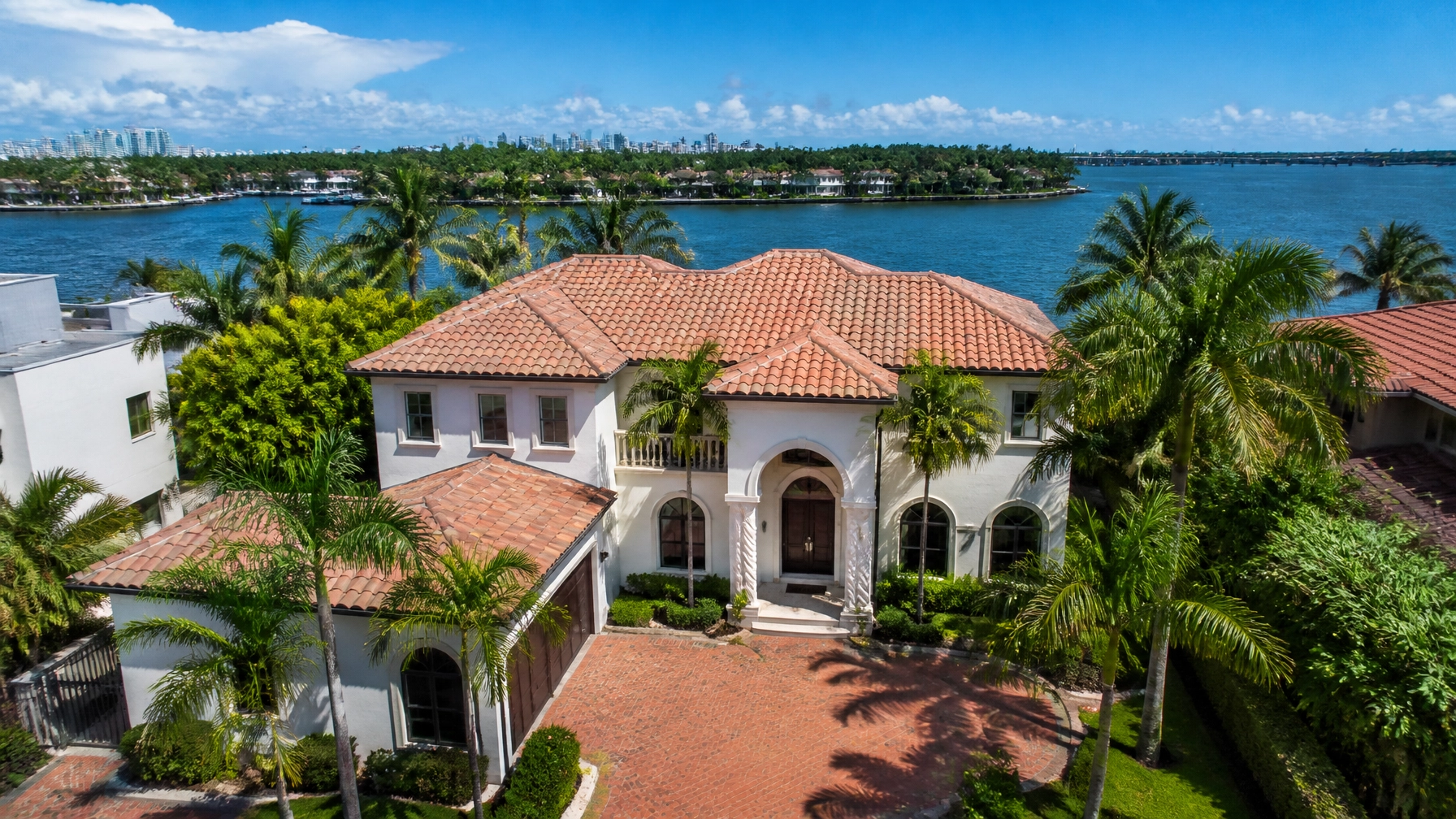
Living in Miami means you don’t just "own" a roof; you manage a critical defense system against the Atlantic. Between the sudden intensity of tropical depressions and the high-stakes threat of a Category 4 hurricane, your roof is under constant assault. When the storm passes and you’re left with missing shingles or cracked tiles, the immediate question is: How do I get my insurance to pay for a full replacement?
The landscape for insurance claims in Florida changed drastically between 2022 and 2024. If you’re relying on old advice about "the 25% rule," you’re walking into a claim blind. This guide breaks down the current Miami-specific regulations, the real costs you should expect, and the exact steps to ensure your claim is approved for a full replacement, not just a patch job.
The New Reality: Florida’s Shifting Insurance Laws
In years past, if 25% of your roof was damaged, Florida building code mandated a full replacement. However, under Senate Bill 2-D (2022) and the 2023 Florida Building Code, that automatic threshold has vanished for many newer homes.
The Death of the "25% Rule"
For homes built or reroofed after March 2009 that already comply with the 2007 (or later) Florida Building Code, insurers are now permitted to repair only the damaged sections. This is a major hurdle for homeowners seeking a full replacement. To overcome this, you must prove that a partial repair is either technically impossible or would violate Miami-Dade’s strict High-Velocity Hurricane Zone (HVHZ) requirements.
The 15-Year Rule and Renewal
One piece of good news for Miami homeowners: Insurers can no longer refuse to renew your policy solely because your roof is under 15 years old. If your roof is older than 15 years but an inspection shows at least five years of remaining life, the insurer generally cannot force a replacement as a condition of renewal. This is vital leverage during the claims process.
Filing Deadlines
You have exactly one year from the date of the storm's landfall to file a claim. However, "fast is better" is the mantra here. Waiting six months to file makes it significantly easier for adjusters to argue that your damage is due to "wear and tear" rather than a specific storm event.

Miami Roof Replacement Costs: 2024-2025 Benchmarks
Before you file, you need to know what you’re asking for. In Miami, labor and material costs are consistently higher than the national average due to the specialized nature of HVHZ-compliant installations. For a typical 2,000–2,300 sq. ft. home, here are the current price ranges:
| Material Type | Estimated Cost (Miami) | Category | Expected Lifespan |
|---|---|---|---|
| Architectural Shingles | $8,500 – $15,500 | (Budget) | 12–18 Years |
| Concrete/Clay Tile | $16,000 – $32,000 | (Popular) | 25–40 Years |
| Standing Seam Metal | $19,500 – $38,000 | (Premium) | 30–50 Years |
| Flat Roof (TPO/Mod-Bit) | $9,000 – $21,000 | (Specialized) | 10–20 Years |
These figures factor in the mandatory high-wind underlayment and specific fastening patterns required by Miami-Dade County. If you want an instant, address-specific calculation based on your home's actual footprint, use our Instant Roof Cost Calculator. It provides an accurate estimate in under 60 seconds using satellite imagery.
The Insurance Masterclass: 5 Steps to Full Replacement
To get a full replacement in today’s Florida market, you need a data-backed strategy. Follow this protocol:
1. Immediate Mitigation (The "Tarp" Requirement)
Under most Florida policies, you have a duty to "mitigate further damage." If you have a leak, you must tarp it. Save the receipts. If you don't mitigate, the insurer can deny coverage for interior water damage that occurs after the storm.
2. Independent Inspection vs. Adjuster Inspection
Do not wait for the insurance adjuster to tell you how much damage you have. Hire a licensed Florida roofing contractor or a public adjuster to document the damage first. You want a report that includes:
- High-resolution photos of "bruised" shingles or "chattered" tiles.
- Evidence of "seal failure" (where wind has lifted the shingle and broken the adhesive bond).
- A "repairability test" result: often, attempting to repair one tile or shingle on an old roof causes damage to the surrounding ones, proving a full replacement is the only viable option.
3. Identify the "Hurricane Deductible"
In Miami, most policies have a separate Hurricane Deductible, usually 2%, 5%, or 10% of your home’s insured value. If your home is insured for $500,000 and you have a 2% deductible, you are responsible for the first $10,000. Ensure your claim amount significantly exceeds this number before filing, or you risk having a "claim on record" with $0 payout.
4. Leverage the Miami-Dade HVHZ Code
Miami-Dade has the strictest roofing codes in the world. Often, a partial repair is legally impossible because the existing roof doesn't meet current HVHZ standards (like the 2023 underlayment updates). If a contractor cannot legally perform a partial repair that meets code, the insurance company is typically obligated to pay for a full, code-compliant replacement.
5. Review the "Actual Cash Value" (ACV) vs. "Replacement Cost Value" (RCV)
Check your policy. If you have an ACV policy, the insurer will deduct for the age of your roof. If your 20-year-old shingle roof is destroyed, you might only receive a fraction of the cost. An RCV policy pays the full cost to replace the roof at today’s prices (minus your deductible).

Common Miami "Red Flags" to Avoid
While you want a full replacement, the Florida government has cracked down on aggressive solicitation. Avoid any contractor who:
- Offers to "pay your deductible." This is insurance fraud in Florida (SB 76) and can get your claim denied and your policy canceled.
- Knocks on your door immediately after a storm. Legitimate Miami roofers are usually busy with existing clients and don't need to chase ambulances (or storms).
- Asks you to sign an "Assignment of Benefits" (AOB) upfront. Recent laws have severely limited AOBs to protect homeowners from losing control of their claims.
Why Satellite Data is Your Best Friend in a Claim
Insurance adjusters are trained to minimize payouts. They use their own software to "guestimate" your roof's size. By using Get My Roof Estimate Now, you arm yourself with precise, satellite-powered measurements accurate to within inches.
When an adjuster says, "Your roof is 20 squares," and your satellite report says "It's 24.5 squares," that 20% difference in material cost can be the difference between a successful claim and an out-of-pocket disaster. Transparency is your greatest weapon. You can see more about how this technology works on our roofing blog.

Conclusion: Take Control of Your Miami Roof Claim
Getting a full roof replacement in Miami in 2024 requires more than just a leak; it requires a deep understanding of current Florida statutes and the Miami-Dade building code. Don't let an insurer dictate the value of your home’s primary defense.
Ready to see what your replacement should actually cost?
Don't wait for a contractor to show up three days late. Get an accurate, professional estimate based on real-time material costs in Miami-Dade County right now.
Get Your Free Satellite Roof Estimate in 60 Seconds →
Leave a Reply