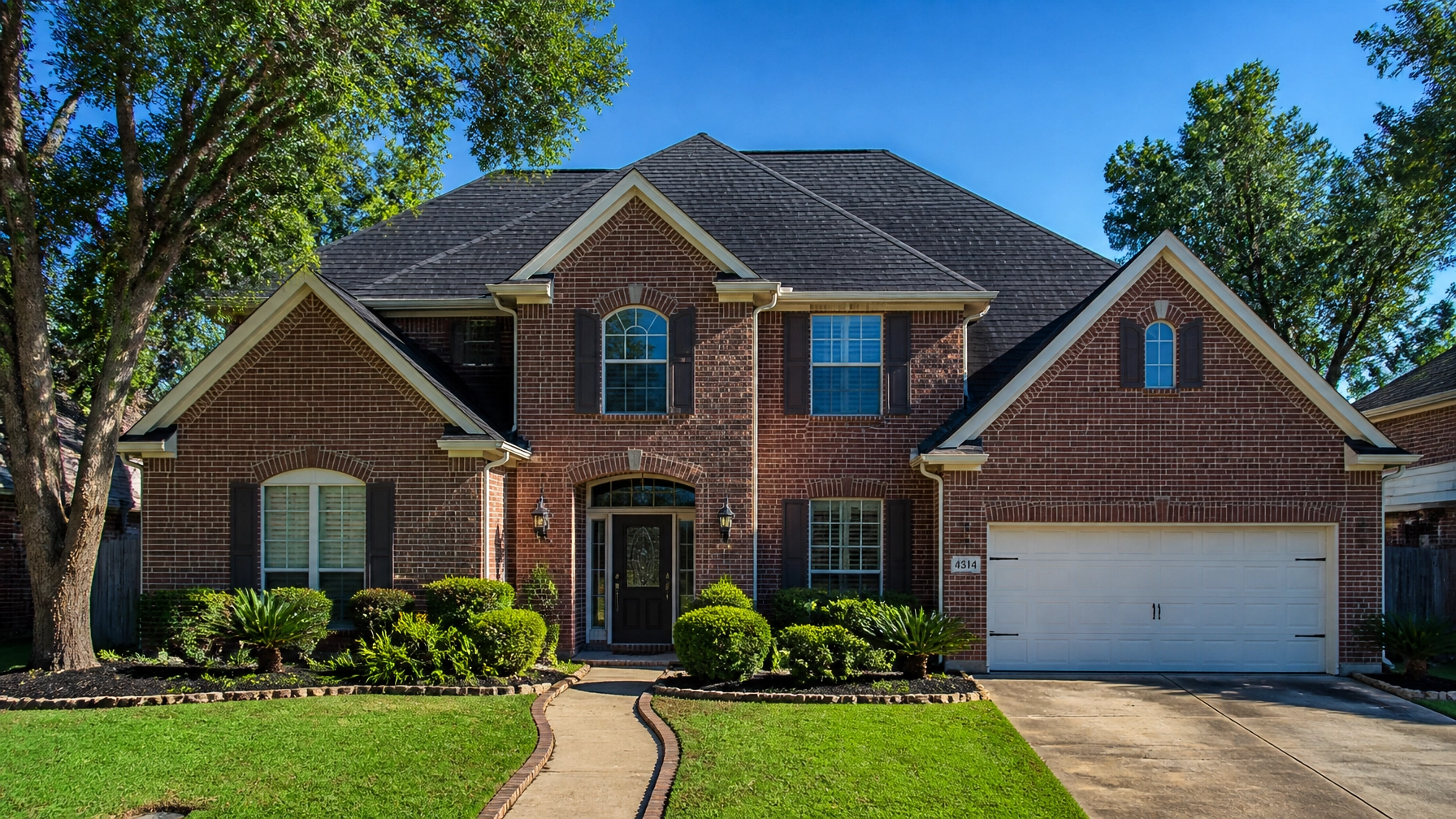
Houston weather is many things, but "predictable" isn't one of them. From hurricane-force winds to the sudden, golf-ball-sized hail that pummels neighborhoods from The Woodlands down to Sugar Land, your roof takes a beating.
When a major storm hits, the sound of falling hail is often followed by a different kind of noise: the sound of doorbells ringing. These are the "storm chasers": out-of-state contractors who descend on Houston after a disaster, looking for quick insurance payouts and leaving behind shoddy work.
In a state like Texas, where contractor licensing is not required by the state, the burden of vetting falls entirely on you. If you pick the wrong person, you aren't just out of a few thousand dollars; you’re looking at a roof that might leak in six months with a "contractor" whose phone number has already been disconnected.
This guide will show you exactly how to spot a storm chaser, how to navigate the wild west of Texas roofing laws, and how to get an accurate price before you ever talk to a salesman.
1. The "Storm Chaser" Red Flags (The Big 5)
A "storm chaser" is a roofing company that doesn't actually live or work in Houston year-round. They follow weather patterns, set up a temporary office (or just work out of a truck), and maximize profits by using the cheapest materials and labor possible.
Here are the five immediate warning signs that the person at your door isn't a local professional:
Red Flag #1: The "Free Roof" or "We'll Pay Your Deductible"
This is the most common: and most dangerous: tactic. In Texas, it is illegal for a contractor to waive, rebate, or pay your insurance deductible. This law was designed to prevent insurance fraud. If a roofer tells you they can "take care of the deductible," they are asking you to participate in a crime. If they're willing to break state law on day one, imagine what they’ll do to your roof.
Red Flag #2: High-Pressure "Sign Now" Tactics
"This price is only good for today," or "I have a crew around the corner and can start tomorrow if you sign this contingency agreement."
Legitimate local roofers are usually busy. They don't need to bully you into a contract. If they are pushing you to sign a "Notice of Intent" or a "Contingency Agreement" just to look at your roof, walk away.
Red Flag #3: Out-of-State Plates or P.O. Boxes
Check their truck. Check their business card. If they have a temporary magnetic sign on the door or plates from Oklahoma, Florida, or Louisiana, they are likely following the storm. While some out-of-state companies are large and reputable, many are "tailgaters" who won't be here when you have a warranty claim next year.
Red Flag #4: Demand for Full Payment Upfront
Never, ever pay 100% of the cost before the materials are on your driveway and work has begun. A standard practice is a small deposit (to cover material delivery) followed by a final payment once the job is inspected and complete. Storm chasers often take the full check and vanish.
Red Flag #5: "I Was Just in the Neighborhood"
Professional roofers in Houston generally work on referrals and digital leads. They rarely have the time to go door-to-door in neighborhoods unless they are actively working on a neighbor's house. Even then, they should be respectful and provide local references immediately.

2. The Texas Reality: No State License Required
Most homeowners are shocked to learn that the State of Texas does not require roofing contractors to be licensed. Unlike plumbers or electricians, anyone with a hammer and a ladder can legally call themselves a roofer in Houston.
Because there is no state-level oversight, you have to look for voluntary certifications. The gold standard in our state is the Roofing Contractors Association of Texas (RCAT).
To earn an RCAT Licensed Contractor designation, a company must:
- Have a permanent place of business in Texas for at least three continuous years.
- Provide proof of financial responsibility and insurance (General Liability and Workers' Comp).
- Pass a rigorous exam on business and safety law, as well as technical roofing knowledge.
- Maintain continuing education every year.
If a roofer isn't RCAT licensed, you are essentially taking their word for it that they know what they’re doing.
3. Average Roof Replacement Costs in Houston (2026 Update)
To avoid being overcharged by a storm chaser (or under-quoted by someone who will cut corners), you need to know the current market rates. In 2026, Houston pricing is influenced by material availability and local labor demand.
Based on our Texas roof estimate data, here are the typical price ranges for a standard 2,000–2,500 sq. ft. home:
| Material Type | Category | Estimated Range (Houston) |
|---|---|---|
| Architectural Shingles | Popular | $8,500 – $16,500 |
| Impact-Resistant Shingles | Premium | $11,000 – $19,000 |
| Standing Seam Metal | High-End | $22,000 – $45,000 |
| Stone-Coated Steel | Luxury | $25,000 – $50,000 |
Note: These ranges factor in a full tear-off of one layer, standard underlayment, and local disposal fees. Steep pitches or multiple stories will increase these totals.

4. How to Vet Like a Pro: The 60-Second "Tech" Advantage
The old way of getting a roof estimate involved calling three different contractors, waiting for them to show up (if they did), and sitting through three 90-minute sales pitches in your living room.
In 2026, you can bypass the "Sales Guy" entirely during the research phase. Using satellite technology, you can get an accurate measurement of your roof without anyone stepping foot on your property.
At Get My Roof Estimate Now, we use high-resolution aerial imagery to calculate your roof's square footage, pitch, and complexity. Within 60 seconds, you get a transparent price range based on real local labor rates.
Why this helps with vetting:
When a contractor eventually does come out, you already have a "ballpark" number in your pocket. If a door-knocker quotes you $25,000 for a roof that our satellite data says should cost $12,000, you know immediately that you’re being targeted by a storm chaser.

5. The Houston Homeowner’s Vetting Checklist
Before you sign anything, run through this checklist with every contractor:
- Local Address: Do they have a physical office in the Houston area (not a P.O. Box or a residential home)?
- General Liability Insurance: Ask for the certificate and call the agent to verify it is active.
- Workers' Compensation: In Texas, this isn't mandatory for employers, but reputable roofers carry it to protect you from being sued if a worker falls on your property.
- RCAT Membership: Are they a member of the Roofing Contractors Association of Texas?
- Manufacturer Certifications: Are they "Master Elite" (GAF) or "Platinum Preferred" (Owens Corning)? These certifications allow them to offer better warranties.
- The "Three-Day" Rule: Under Texas law, you generally have three business days to cancel a contract signed at your home. A legitimate roofer will mention this; a storm chaser will hide it.

Final Thoughts: Knowledge is Your Best Shingle
The best way to protect your home and your wallet is to be the most informed person in the room. Storm chasers rely on your confusion and your desire to "just get it fixed" after a stressful weather event.
By starting with a free, instant satellite estimate, you establish a baseline of truth. You’ll know exactly how many "squares" of roofing you need and exactly what a fair price looks like in the Houston market.
Don't let a storm chaser turn a weather disaster into a financial one. Vet local, verify insurance, and use technology to keep the "pros" honest.
Leave a Reply