Category: Uncategorized

  • Daily Tech Blitz – Slot 5: How Charlotte, NC Is Becoming a Satellite Tech Powerhouse

    Daily Tech Blitz – Slot 5: How Charlotte, NC Is Becoming a Satellite Tech Powerhouse

    For decades, Charlotte, North Carolina, has been synonymous with global banking and NASCAR. However, as we move into 2026, a new industry is claiming the Queen City’s skyline: Satellite Technology. From monitoring the environment to measuring the very roof over your head, space-based data is now a local powerhouse.

    At Get My Roof Estimate Now, we’ve always known the power of the "eye in the sky." Our business is built on the same satellite precision that Charlotte’s tech giants are now using to transform the energy, safety, and infrastructure sectors.

    In today’s Daily Tech Blitz, we’re breaking down why Charlotte is the new epicenter of the "Satellite Tech Edge" and what it means for your home and community.


    The Industrial Eye: Duke Energy’s Methane Watch

    Charlotte-based Duke Energy isn’t just providing power; they are pioneering how utilities use space to protect the planet. Recently, Duke Energy received nearly $1 million in federal funding from the U.S. Department of Energy (DOE) to expand its satellite-based methane monitoring.

    How it Works [Environmental]:

    • Satellite Detection: Using short-wave infrared (SWIR) sensors, satellites orbit Charlotte and identify methane leaks in near real-time.
    • AI Integration: Data is fed into a Microsoft Azure cloud platform where AI algorithms (90-95% accuracy) isolate methane spectral signatures.
    • Operationalized Results: This tech has already reduced recordable leaks by more than 85% since early 2022.

    By monitoring natural gas assets from space, Duke Energy is proving that Charlotte is a leader in using "big data" from orbit to solve ground-level problems.


    Protecting the Homefront: NISAR and Landslide Monitoring

    For North Carolina homeowners, particularly those near the Piedmont or the Appalachians, the upcoming NISAR (NASA-ISRO Synthetic Aperture Radar) mission is a game-changer.

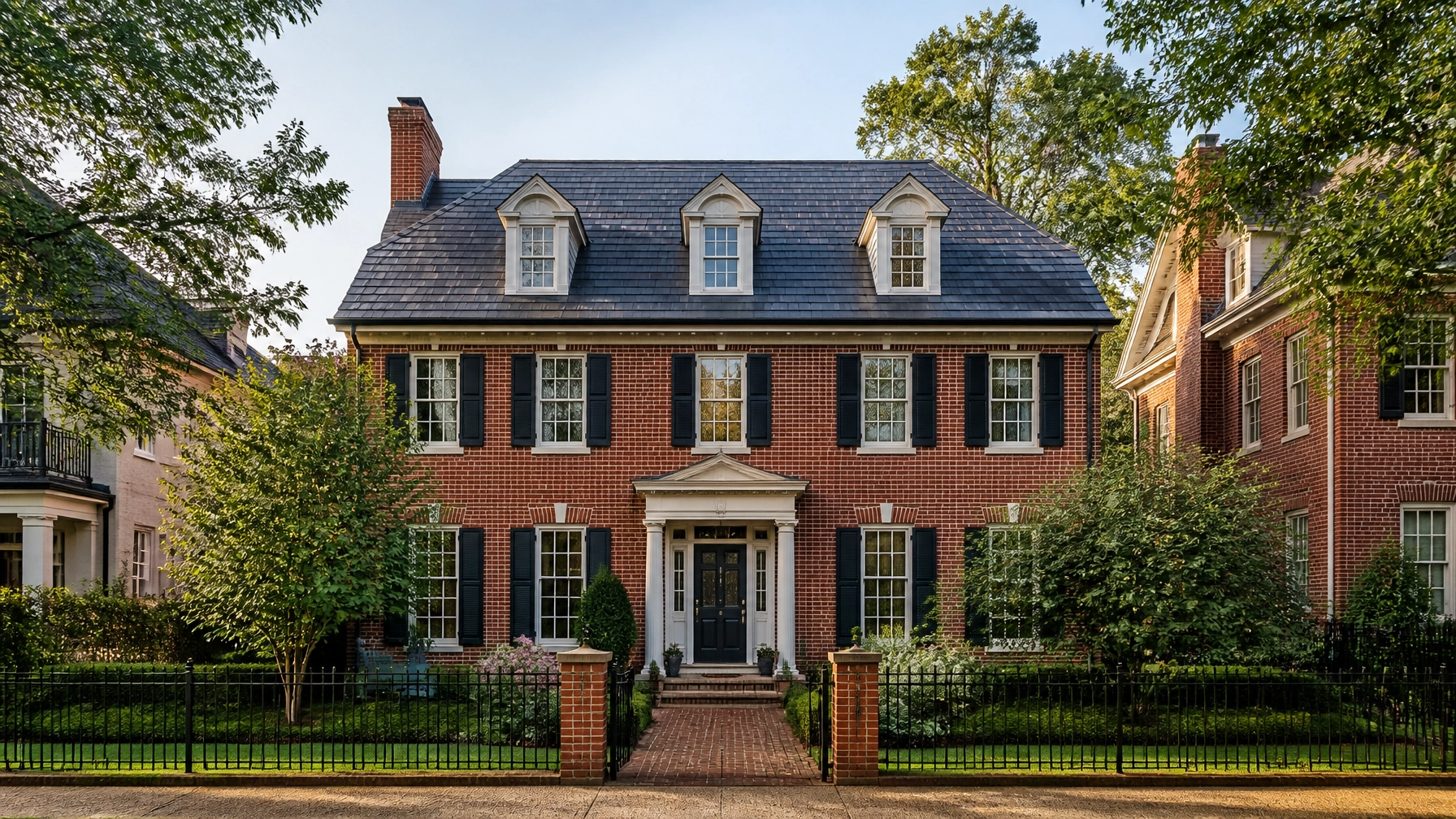
    A beautiful Charlotte colonial home with a new architectural shingle roof

    Local Risk Mitigation [Safety]:

    1. Flood Mapping: NISAR can "see" through clouds and at night to map surface-water extent, which is vital for Charlotte’s flood-prone areas.
    2. Landslide Detection: In Western NC, the satellite measures ground deformation to predict slope instability before it affects homes.
    3. Infrastructure Health: Tracking ground movement helps utilities and local government ensure that pipelines and roads stay safe.

    When you use our roof cost calculator, you are using a simplified version of this very same technology: leveraging high-resolution imagery to assess property health and project needs.


    The Academic Engine: UNC Charlotte’s AI Breakthroughs

    Innovation starts in the classroom. At UNC Charlotte, researchers are pushing the boundaries of what satellites can do for local safety and environmental health.

    Autonomous Satellite Safety [Innovation]

    A UNC Charlotte student researcher recently secured an NC Space Grant for developing AI-driven deorbiting tools. As space becomes more crowded, these tools ensure that satellites can autonomously avoid collisions and safely exit orbit when their mission is over.

    Guarding Our Water [Public Health]

    UNC Charlotte is also utilizing satellite data and AI to predict Harmful Algal Blooms (HABs) in local water sources. By analyzing surface reflectance and chlorophyll levels from space, the university can flag risks to Charlotte’s drinking water reservoirs weeks before they become a public health hazard.


    The Corporate Powerhouses: Satellogic and Extellis

    You don’t have to look as far as Silicon Valley to find the leaders of the new space race. They are right here in the Charlotte metro area.

    Modern SAR satellite with metasurface antenna in orbit

    Satellogic [Global HQ]

    Satellogic, a global leader in Earth-observation satellites, maintains a significant presence in Davidson and Uptown Charlotte. They operate a constellation of 19 satellites that provide high-resolution imagery for everything from defense to agriculture. Their decision to anchor their U.S. finance and legal headquarters in Charlotte speaks volumes about the city's growing tech reputation.

    Extellis [Advanced Tech]

    Keep an eye on Extellis, a Duke University spinout that recently secured over $7 million in funding (including backing from Shell Ventures). They are developing metasurface Synthetic Aperture Radar (SAR) technology. Unlike traditional cameras, SAR can see through smoke, clouds, and darkness, providing a 24/7 view of critical infrastructure.


    2026 Tech Trends: What’s Next for Space-Based Services?

    The satellite industry is moving faster than ever. As we look ahead through 2026, several key trends are emerging that will directly impact how Charlotte residents manage their properties:

    • Onboard Edge Processing [Speed]: Satellites are now processing data in space rather than sending raw files to Earth. This means information that used to take days to analyze now takes seconds.
    • Sovereign Turnkey Solutions [Security]: More localized, "private" satellite networks are being built to protect regional infrastructure.
    • Hyper-Precision Measurements [Accuracy]: At Get My Roof Estimate Now, we leverage these advancements to provide roof measurements accurate to within inches.

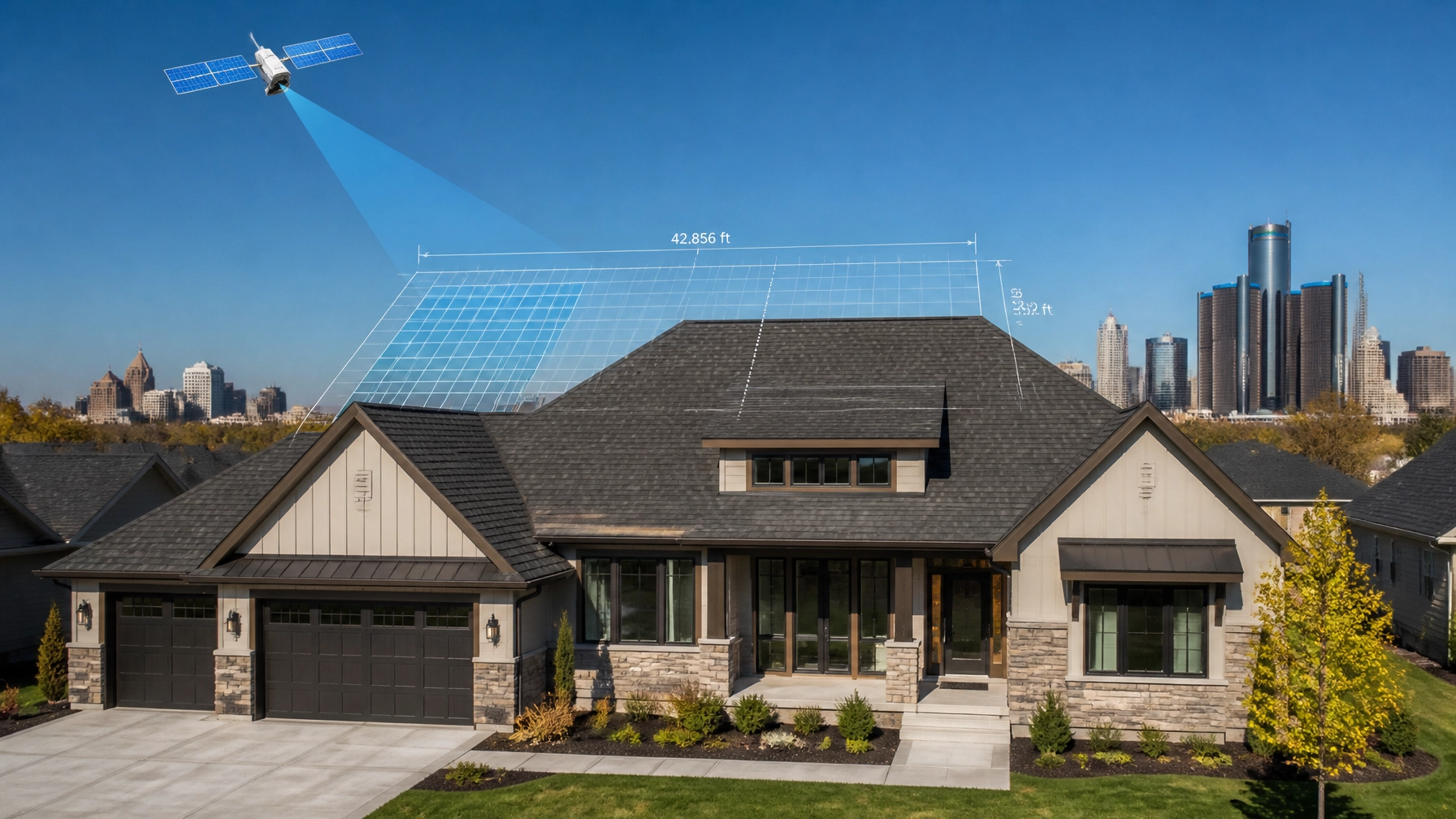
    Satellite-powered roof measurement interface showing AI pitch and area calculations


    Why Satellite Tech Matters to Charlotte Homeowners

    You might wonder, "Why should I care about methane sensors or SAR satellites?"

    The answer is simple: Accuracy and Speed.

    Traditional home services used to require a contractor to drive to your house, climb a ladder, and spend an hour with a tape measure just to give you a ballpark figure. In Charlotte’s fast-paced tech economy, that’s an outdated model.

    By utilizing the same satellite imagery technology used by Duke Energy and Satellogic, we provide:

    • Instant Estimates: Receive a full roof replacement quote in under 60 seconds.
    • Zero-Contact Precision: No need for a contractor visit until you’re ready to start.
    • Data-Driven Budgeting: Get low, middle, and high price ranges based on current material costs (Architectural Shingles, Metal, etc.).

    How to Get Started:

    1. Enter Your Address: Visit our Roof Estimate Page.
    2. Confirm Your Roof: We use satellite imagery to identify your home instantly.
    3. Get Your Price: Receive an accurate estimate based on your roof's actual size and complexity.

    Conclusion: A Sky-High Future for the Queen City

    Charlotte is no longer just a "bank town." It is a hub for the technology that monitors our climate, protects our water, and modernizes our home maintenance. As companies like Duke Energy and startups like Extellis continue to innovate, the "Satellite Tech Edge" will only become more vital to our daily lives.

    Ready to see this technology in action? Use our Roof Cost Calculator today and see how 60 seconds and a satellite can change the way you think about home improvement.

  • Satellite Tech Edge: How Raleigh, NC Is Becoming a Powerhouse in Space Innovation

    Satellite Tech Edge: How Raleigh, NC Is Becoming a Powerhouse in Space Innovation

    Raleigh, North Carolina, is no longer just the "City of Oaks." While our region is famous for its lush canopy and historic charm, a new kind of canopy is forming over the Research Triangle: one made of satellites, high-frequency antennas, and next-generation space technology.

    For decades, the Triangle has been a leader in biotech and software. But in 2026, the focus has shifted toward the stars. From Duke University spinouts in Durham to groundbreaking 6G research at NC State, Raleigh is positioning itself as a critical node in the global space economy. For local homeowners, this isn’t just abstract science; it’s the same technology that allows companies like Get My Roof Estimate Now to provide instant, hyper-accurate roof measurements from orbit.

    In this edition of the Daily Tech Blitz, we’re diving into the innovations putting Raleigh on the space map and how this "Satellite Tech Edge" is changing life on the ground.

    The Extellis Breakthrough: Seeing Through the Clouds

    Just down the road in Durham, a Duke University spinout called Extellis is rewriting the rules of satellite imaging. Traditional cameras on satellites often struggle with North Carolina’s humidity and heavy cloud cover. If it’s cloudy, they can’t see your roof. Extellis has solved this by developing metamaterial antenna technology for Synthetic Aperture Radar (SAR).

    Unlike standard optical cameras, SAR uses radio waves to "see" through clouds, smoke, and even total darkness. The Extellis team, led by metamaterials pioneer Prof. David R. Smith and Michael Boyarsky, has created a planar, lightweight antenna that can steer its beam electronically. This eliminates the need for heavy, power-hungry mechanical parts.

    The industry has taken notice. In early 2026, Extellis successfully extended its funding round with a strategic investment from Shell Ventures, bringing their total backing to well over $7 million. This capital is fueling their "pathfinder" satellite mission, which aims to provide high-resolution images of anywhere on Earth every 15 minutes. For industries like energy, logistics, and even residential infrastructure, this level of persistent monitoring is a game-changer.

    NC State and the 6G Satellite Frontier

    While Extellis focuses on the "eyes" in the sky, North Carolina State University (NC State) is perfecting the "ears." The university’s Integrated Communication and Sensing Lab (ICaSL), led by Suresh Venkatesh, is at the forefront of phased-array platform research.

    Why does this matter for Raleigh? As we move toward 6G technology, the line between cellular networks and satellite networks is blurring. NC State is developing hardware for FR2 and FR3 bands (millimeter-wave) that will allow satellites to connect directly to ground-based devices with zero lag.

    Their work with Axiro Semiconductor on "digital twins" of communication systems ensures that these satellite links are resilient and secure. This research isn't just about faster cell service; it’s about creating a "non-terrestrial network" where satellites, drones, and high-altitude platforms work together to provide 100% connectivity coverage, even in the most remote parts of the Appalachian trail or the rural outskirts of Wake County.

    High-quality metal roof installation in North Carolina

    FireSat: A Google-Backed Shield for NC Forests

    Wildfires may not be the first thing Raleigh residents think of, but for those living in the wildland-urban interface (WUI) or near the coastal plain, the risk is real. That’s where the FireSat constellation comes in.

    Backed by Google Research and the Earth Fire Alliance, FireSat is a network of over 50 small satellites designed to detect wildfires as small as 5×5 meters: about the size of a classroom: within 20 minutes of ignition. Current satellite systems often miss these small, early-stage fires until they have already grown out of control.

    For North Carolina, this means the NC Forest Service and local fire departments will have access to near real-time thermal data. This allows for faster deployment of resources, potentially saving thousands of homes and millions of dollars in property damage annually. In a state where timber and residential development often sit side-by-side, FireSat represents a massive leap in public safety.

    The Homeowner Connection: Satellite Precision for Your Roof

    It’s easy to look at multi-million dollar satellite constellations and think they don’t affect your daily life. But if you’re a homeowner in Raleigh, Cary, or Durham, you’re likely already using this technology without realizing it.

    At Get My Roof Estimate Now, we leverage advanced satellite imagery: similar to the tech being pioneered by Extellis: to transform how you maintain your home. The traditional way of getting a roof estimate is slow and invasive: you call three contractors, wait for them to show up with ladders, and spend hours listening to sales pitches.

    We’ve flipped the script. By using high-resolution satellite data, we can measure your roof’s size, pitch, and complexity to within inches (90-95% accuracy) in under 60 seconds.

    How it Works for Raleigh Homeowners:

    1. Enter Your Address: Whether you’re in a 2,200 sq. ft. colonial in North Hills or a 1,800 sq. ft. ranch in Garner, our system pulls the latest satellite imagery.
    2. Instant Measurement: Our AI calculates your roof "squares" (a 10×10 area used in roofing) automatically.
    3. Transparent Pricing: We provide a low-middle-high price range based on current Raleigh material and labor costs.
      • Budget (Standard Shingles): Typically $8,000 – $12,000 for an average home.
      • Popular (Architectural Shingles): Typically $12,000 – $18,000.
      • Premium (Metal or Synthetic): Typically $18,000 – $25,000+.
    4. Connect with Pros: Once you have your instant roof estimate, we can connect you with verified, licensed, and insured local contractors who are ready to honor the ballpark pricing.

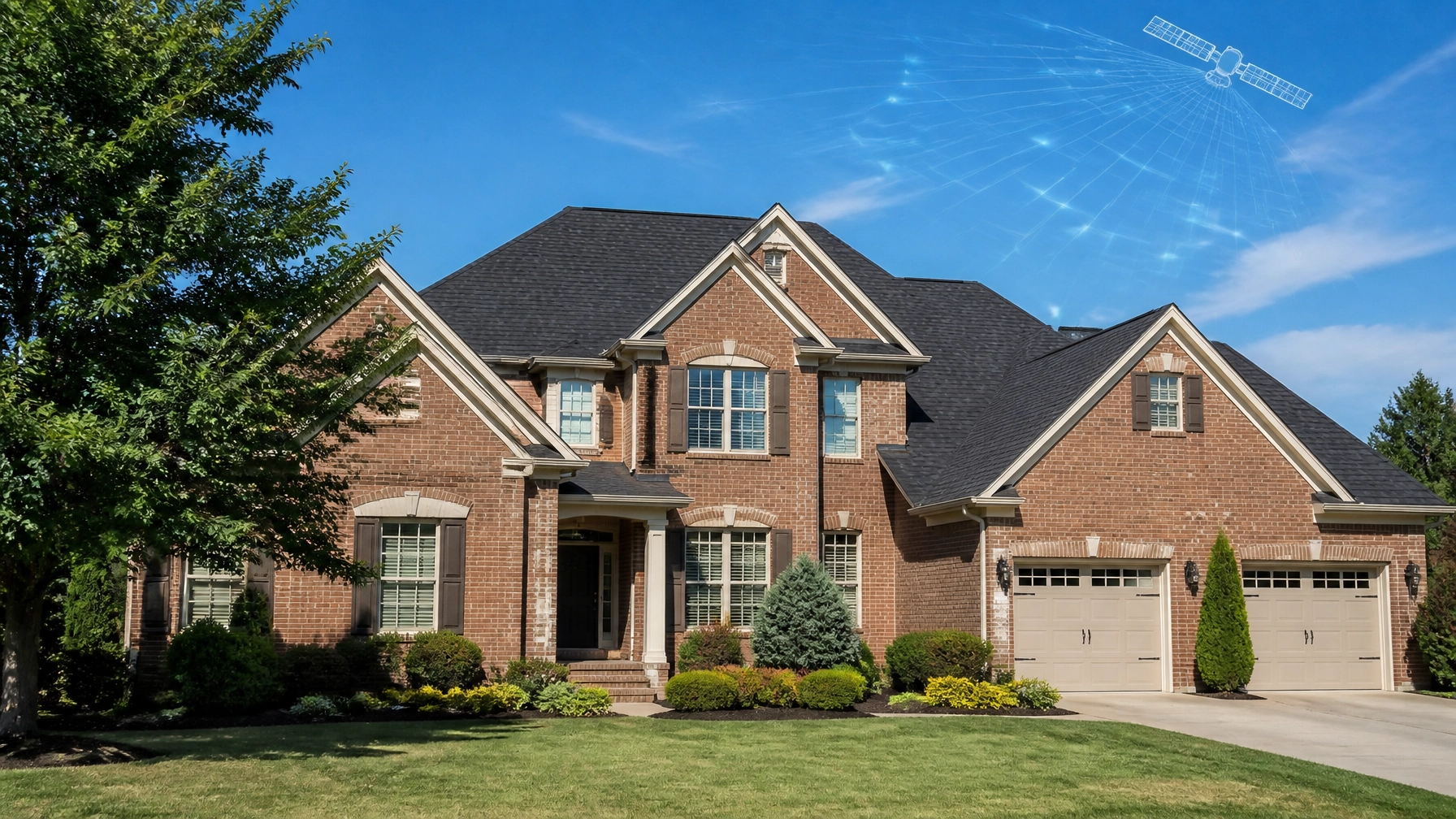
    Aerial view of Raleigh neighborhood rooflines

    Why Satellite Accuracy Matters in NC

    Raleigh's climate is tough on roofs. Between the high humidity that fuels algae growth (those black streaks you see) and the occasional hurricane-force winds, a roof here typically lasts 15 to 25 years. Because the technology we use is so precise, we can factor in regional price differences and specific local pain points: like the need for high-wind-rated shingles or specific flashing for Raleigh’s popular complex rooflines.

    A Growing Ecosystem in the North Hills

    Raleigh’s tech surge isn't just happening in labs. Ralliant Corporation recently chose Raleigh’s North Hills area for its global headquarters, bringing 180 high-tech jobs focused on aerospace and defense subsystems. Additionally, the Wireless Research Center (WRC) in the Triangle continues to serve as a critical testbed for satellite antennas.

    The Federal Communications Commission (FCC) has even designated an "Innovation Zone" near NC State for testing advanced wireless and drone technologies. This cluster of talent and infrastructure ensures that Raleigh remains at the cutting edge of the "New Space" economy.

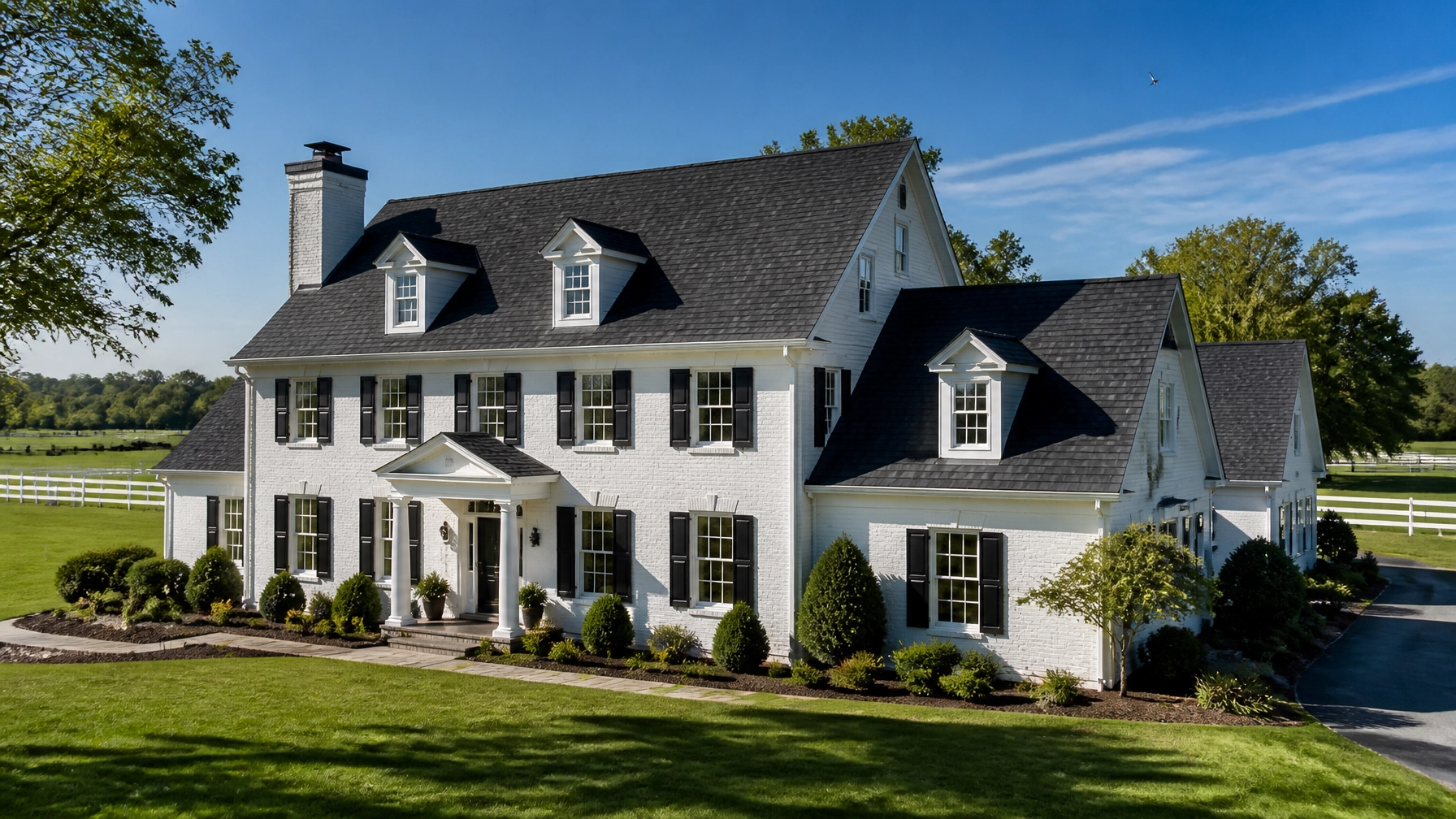
    Colonial-style home in Raleigh with fresh architectural shingles

    Conclusion: The Future is Overhead

    The "Satellite Tech Edge" is more than just a buzzword; it’s a fundamental shift in how Raleigh functions as a city. From Extellis’s all-weather SAR imaging to FireSat’s protective watch and NC State’s 6G connectivity, the innovations coming out of our backyard are reaching the stars.

    For the modern Raleigh homeowner, this means more than just a faster internet connection. It means transparency and speed when you need it most. Whether you’re planning for a roof replacement or just curious about your home’s value, satellite technology is here to save you time and money.

    Ready to see what the satellites say about your home? Get your instant, free roof estimate in 60 seconds here.

  • DIY vs Pro Roofer: Which Is Better for Your Home in 2026?

    DIY vs Pro Roofer: Which Is Better for Your Home in 2026?

    As we move into the second half of 2026, homeowners in San Antonio and across Texas are facing a unique set of challenges. Inflation has leveled off, but the cost of skilled labor remains at a premium. When your roof hits that 20-year mark or a spring hailstorm leaves your shingles bruised, the first question is always: Can I do this myself to save money, or should I hire a pro?

    The allure of DIY is strong. In theory, you can save 40% to 60% on labor costs. However, a roof isn't just a layer of shingles; it’s a complex weatherproofing system designed to withstand 100-degree Texas heat and 60-mph wind gusts.

    This guide breaks down the cold, hard data of DIY versus professional roof replacement in 2026 to help you decide which path protects your biggest investment: your home.

    The Cost Breakdown: DIY vs. Professional

    In 2026, the price of roofing is measured in "squares" (a 10' x 10' area, or 100 square feet). For a typical 2,000-square-foot home in a city like San Antonio, you are looking at a 20-to-22-square project once you account for waste and pitch.

    Professional Replacement (Full Service)

    • Average Cost: $7,000 – $15,000 (Budget to Popular)
    • Cost Per Square: $350 – $800 (Texas Market Rate)
    • What’s Included: Teardown, disposal, high-grade materials (Architectural shingles), specialized underlayment, flashing, labor, permits, and a workmanship warranty.

    DIY Replacement (Self-Performed)

    • Material Cost: $2,000 – $6,000 (Standard Grade)
    • Tool & Gear Investment: $500 – $2,000 (One-time purchase)
    • Permits & Disposal: $400 – $1,000 (Varies by Texas municipality)
    • Total Initial Outlay: $2,900 – $9,000

    While the DIY route appears significantly cheaper on paper, the "tool tax" and the risk of material waste can quickly close the gap.

    Essential roofing tools and materials organized on a driveway

    The Hidden Costs of DIY

    Most homeowners underestimate the sheer volume of equipment required to do the job correctly. To achieve a result that won't leak the first time a Texas thunderstorm rolls through, you’ll need:

    • Professional Nailers: $250 – $400
    • Air Compressor & Hoses: $200 – $500
    • Safety Harness & Anchors: $150 – $300 (Non-negotiable for safety)
    • Dumpster Rental: $400 – $700 (For old shingle disposal)

    Beyond the physical tools, there is the Time Cost. A professional crew of five can strip and reroof a 2,000-square-foot home in 1 to 2 days. A single DIYer, even with a helpful neighbor, often takes 3 to 4 weekends. In the unpredictable Texas climate, leaving your roof "open" for weeks is a high-stakes gamble.

    Safety and Technical Risks

    Roofing is consistently ranked among the most dangerous jobs in the United States. In 2026, safety standards are stricter than ever, yet fall-related injuries remain a primary concern.

    1. Structural Integrity and Leaks

    A roof is only as good as its weakest valley or flashing. DIYers frequently make mistakes with:

    • Starter Strips: Improper placement leads to shingles blowing off in high winds.
    • Drip Edges: Incorrect installation causes water to rot the fascia and soffit.
    • Flashing: Poorly sealed chimneys and vents are the #1 cause of interior water damage.

    2. Warranty Implications

    This is the most critical "hidden" cost. Most major shingle manufacturers (like GAF or Owens Corning) require installation by a certified professional to honor their 25-to-50-year warranties. If you install the roof yourself, you may void the material warranty immediately. If a defect appears five years from now, you’ll be paying for the replacement out of pocket.

    3. Resale Value and Insurance

    Texas insurance adjusters and home inspectors are highly trained to spot DIY work. If you plan to sell your home, a non-permitted or non-professional roof can be a dealbreaker. Buyers will often demand a full credit for a professional replacement, effectively forcing you to pay for the roof twice.

    Professional roofing crew installing shingles with safety harnesses

    The Texas Advantage: Why Local Context Matters

    In Texas, your roof isn't just a cover; it’s a heat shield. Professional roofers in 2026 are increasingly moving toward Cool Roof technology and high-impact shingles (Class 4) that can lower your home insurance premiums.

    Local contractors are also well-versed in the specific building codes of cities like Dallas, Houston, and San Antonio. They handle the permitting process and the required mid-project inspections that many DIYers overlook, leading to heavy fines or forced tear-downs.

    Instant Pricing: The Modern Way to Plan

    The biggest reason homeowners consider DIY is the fear of being overcharged by contractors. Historically, getting a quote meant scheduling three different "consultants" to sit in your living room for two hours each.

    At Get My Roof Estimate Now, we’ve eliminated that friction. Using advanced satellite imagery and 2026 pricing data, we provide an accurate, transparent estimate in under 60 seconds. No credit card, no high-pressure sales, just the data you need to budget.

    User getting an instant roof estimate on a smartphone

    Whether you choose to DIY or hire a pro, having a baseline price: accurate to within inches of your actual roof size: is your most powerful tool. You can start your 60-second estimate here.

    The Verdict: Which Is Better?

    Choose DIY If:

    • You have significant construction experience and own most of the tools.
    • The structure is a detached garage, shed, or non-primary residence.
    • You are not concerned about long-term warranties or resale value.
    • You have a 14-day window of guaranteed clear weather.

    Choose a Pro Roofer If:

    • The house is your primary residence and you want to protect your equity.
    • The roof has a steep pitch (over 6:12) or complex gables.
    • You want a transferable warranty that adds value when you sell.
    • You want to maximize your insurance claim or minimize your liability.

    In 2026, the risk-to-reward ratio for DIY roofing on a primary home simply doesn't add up for most people. The $5,000 saved today often results in a $10,000 repair or a $15,000 resale deduction tomorrow.

    Ready to see what a professional, warrantied roof replacement will actually cost for your home? Explore our services or visit our blog for more local Texas roofing guides.


  • How Satellite Technology Is Putting Nashville on the Space Economy Map

    How Satellite Technology Is Putting Nashville on the Space Economy Map

    Nashville is rapidly shedding its singular reputation as "Music City" to become a cornerstone of the emerging Southern Space Corridor. While the skyline is still defined by its iconic architecture and vibrant entertainment districts, a quieter revolution is happening in the atmosphere above Tennessee. From nanosatellite manufacturing in Franklin to high-speed orbital broadband in rural counties, satellite technology is no longer just a government project: it is a localized economic powerhouse.

    For homeowners, this technology isn't just about rockets; it is the same high-precision satellite imagery we use at Get My Roof Estimate Now to provide instant roof replacement costs in under 60 seconds.

    Manufacturing the Next Generation: Blackwing Space

    At the heart of Middle Tennessee’s space surge is Blackwing Space, located in Franklin. Unlike traditional aerospace firms that rely on custom, multi-million dollar components, Blackwing is disrupting the industry by utilizing automotive-grade components to build modular nanosatellites.

    Their primary satellite buses: Sparrow, Kestrel, and Osprey: are designed for rapid deployment and high reliability. By leveraging the region’s existing automotive manufacturing expertise, Blackwing has created a platform that makes space research and IoT (Internet of Things) connectivity more affordable for commercial enterprises. This "Space 3.0" approach emphasizes speed and cost-efficiency, much like how modern homeowners now expect instant data instead of waiting weeks for a contractor visit.

    New roof on a classic Nashville colonial home

    Launching Success: SEOPS and TN Space

    The state’s academic and operational infrastructure provides the backbone for this growth. TN Space acts as the vital connective tissue, linking research powerhouses like Vanderbilt University and the University of Tennessee Space Institute directly to commercial manufacturing. This ensures a steady pipeline of STEM talent and intellectual property into the local economy.

    On the operational side, Nashville-based SEOPS provides critical launch and payload integration services. Having handled more than 400 satellite deployments for heavyweights like NASA and the U.S. Space Force, SEOPS ensures that Tennessee-made technology actually reaches its destination in Low Earth Orbit (LEO). This local expertise simplifies the complex logistics of space flight, positioning Nashville as a primary mission-management hub.

    Bridging the Rural Digital Divide

    Satellite technology is solving one of Tennessee's most persistent challenges: rural connectivity. Amazon’s Project Kuiper is currently entering the LEO broadband market to compete with Starlink. Both are bidding for roles in Tennessee’s BEAD (Broadband Equity, Access, and Deployment) program, a federal initiative aimed at providing high-speed internet to underserved rural pockets.

    The impact is already visible on the ground:

    • Emergency Management: Anderson County's emergency management team now utilizes Starlink to ensure first responders have reliable communication during disasters when traditional cell towers fail.
    • Ag-Tech and Youth: A unique partnership between Tractor Supply, Starlink, and 4-H is bringing satellite internet to rural Tennessee youth, fostering STEM education and modernizing agricultural practices through real-time data.

    Luxury Nashville home with fresh architectural shingle roof

    From Orbit to Your Rooftop: Data-Driven Estimates

    The same satellite constellations orbiting Tennessee are the ones powering our proprietary measurement technology. We use these high-resolution images to map your roof's size, pitch, and complexity with 95% accuracy. In Nashville, where roof replacement costs are currently influenced by rising material prices and regional labor rates, having this data upfront is essential for budgeting.

    Nashville Roof Replacement Cost Benchmarks (2026)

    Material Type Price Range (Budget) Price Range (Premium)
    Architectural Shingles $7,500 – $12,500 $13,000 – $21,000
    Metal Roofing $14,000 – $22,000 $23,000 – $45,000
    Synthetic/Slate $25,000 – $35,000 $40,000+

    For a standard 2,000 sq. ft. home in Nashville, most homeowners should budget approximately $12,500 for a high-quality architectural shingle installation.

    Suburban Nashville farmhouse with modern roof

    The Economic Launchpad

    The expansion of the space economy in Nashville delivers tangible community benefits. It’s not just about high-tech jobs in Franklin; it’s about bridging the digital divide for rural students, enhancing emergency response times in Anderson County, and providing homeowners with the transparency they need to manage their biggest investment: their home.

    As satellite technology becomes more integrated into our daily lives, Nashville is uniquely positioned to lead the way, proving that the sky is no longer the limit for Tennessee’s economic growth.

  • New Orleans Roof Replacement Costs 2026: Per-Square-Foot Pricing & Smart Timing Strategies

    New Orleans Roof Replacement Costs 2026: Per-Square-Foot Pricing & Smart Timing Strategies

    The biggest shift in 2026 roof replacement cost New Orleans homeowners need to understand is simple: if your permit is pulled after November 2025, your new roof must meet the FORTIFIED Home Standard. That means stronger attachment methods, better water protection, and roof systems designed for 130+ mph winds. It also means your budget needs to be tighter and more informed from day one.

    For most homes in New Orleans, Louisiana, the real-world numbers are still manageable if you plan well. Typical single-family homes in the city run between 1,500 and 3,000 square feet, and standard roofing projects usually land between $9,000 and $18,000 total, with most materials falling in the $7 to $15 per square foot range. The main cost drivers are material choice, labor demand, roof complexity, and whether the tear-off reveals damaged decking.

    At Get My Roof Estimate Now, we help homeowners skip the guesswork. Our satellite technology measures roof size, pitch, and layout in seconds, then delivers an instant free estimate with no contractor visit required upfront. If you are researching New Orleans roofing costs 2026, this is the dollars-and-cents breakdown that matters.

    Quick Cost Snapshot

    If you want the short version first, here is the working range for roof replacement New Orleans Louisiana projects in 2026:

    • Typical home size: 1,500 to 3,000 square feet
    • Standard total project range: $9,000 to $18,000
    • General installed cost range: $7 to $15 per square foot for standard materials
    • Asphalt shingles (most common): $5 to $8 per square foot
    • Metal standing seam: $7 to $14 per square foot
    • FORTIFIED upgrade impact: adds about 10% to 15%
    • Labor share of total cost: about 40% to 60%
    • Possible decking repairs: add $1,000 to $3,500

    Those numbers make one thing clear: the smartest way to manage Louisiana roof replacement pricing is to control timing, compare material types carefully, and hire the right contractor the first time.

    What New Orleans Homeowners Are Actually Paying Per Square Foot

    The phrase roof cost per square foot New Orleans matters because total project pricing can be misleading. Two houses can both be 2,000 square feet on paper, but the one with more valleys, steeper slopes, multiple penetrations, or harder access will usually cost more.

    Asphalt Shingles (Most Common)

    Asphalt shingles remain the most common option for roof replacement New Orleans Louisiana because they offer the lowest entry price and wide contractor availability.

    • Typical installed price: $5 to $8 per square foot
    • Best fit: homeowners focused on practical upfront cost
    • Why people choose it: lower initial spend, faster install, familiar appearance
    • Watch-out: lower-end systems may feel cheaper upfront, but code-compliant upgrades and labor still move the final price higher

    For a typical New Orleans home, architectural shingles often keep the total project inside that $9,000 to $18,000 range, assuming limited wood replacement and average roof complexity.

    A classic New Orleans shotgun house featuring a modern charcoal standing seam metal roof

    Metal Standing Seam (Higher Upfront, Stronger Long-Term)

    For homeowners prioritizing lifespan and hurricane resistant roofing New Orleans, standing seam metal is the premium option that gets the most attention.

    • Typical installed price: $7 to $14 per square foot
    • Best fit: homeowners planning to stay long-term or prioritize storm durability
    • Why people choose it: high wind performance, long service life, cleaner water shedding
    • Watch-out: trim details, flashing, and skilled labor matter more, so contractor quality is critical

    Metal can still make financial sense in New Orleans, but the upfront total will usually rise faster once FORTIFIED details and custom trim work are added.

    The New FORTIFIED Rule Changes the Budget Immediately

    This is the urgency point for 2026: New Orleans homeowners are no longer pricing the same roof system they priced a few years ago. For permits issued after November 2025, the FORTIFIED Home Standard is now part of the conversation.

    In plain English, that means your roof system is expected to perform better in major wind events. The standard centers on stronger roof deck attachment, sealed edges and seams, and upgraded installation methods designed to reduce water intrusion if outer materials are damaged.

    What it does to pricing

    FORTIFIED requirements typically add 10% to 15% to the final project cost.

    On a standard project, that increase may show up through:

    • upgraded fastening patterns
    • added roof deck sealing
    • stronger edge details
    • more labor time for code-compliant installation
    • stricter inspection and documentation requirements

    If a homeowner was expecting an older-style “basic replacement” number, this is where the sticker shock usually happens. The mandate is good for resilience, but it absolutely affects the final 2026 roof replacement cost New Orleans households should plan for.

    Why Labor Is Such a Big Piece of the Bill

    One of the easiest ways to misunderstand New Orleans roofing costs 2026 is to focus only on materials. In reality, labor accounts for roughly 40% to 60% of the total project cost.

    That percentage is high for good reasons:

    • tear-off and disposal are physically demanding
    • FORTIFIED installation standards require more precision
    • older New Orleans homes can have access and decking issues
    • complex rooflines increase time on the roof
    • licensed, insured crews cost more than low-bid operators

    Louisiana also requires a contractor license for projects over $7,500. That matters because most full roof replacements will exceed that threshold. If a bid comes in far below the market, homeowners should ask whether the contractor is properly licensed, insured, and pricing the actual scope.

    Roofers installing a hurricane-resistant roof with high-quality underlayment in Louisiana

    The Extra Cost Many Homeowners Miss: Decking Repairs

    Even a well-planned budget can shift once the old roof comes off. In New Orleans, hidden moisture damage is common, especially on older homes and roofs that have been patched repeatedly after storms.

    A realistic allowance for decking replacement is:

    • $1,000 to $3,500 additional

    This is one of the most common change-order items in Louisiana roof replacement pricing. If plywood or decking boards are soft, rotted, or no longer holding fasteners properly, they have to be replaced before the new roof goes on. That is not an upsell. It is structural prep.

    Seasonal Timing: Why November Through April Usually Saves Money

    If you want a fresh angle on costs, this is it: in New Orleans, timing can change your price almost as much as material choice.

    June through November: peak pressure season

    Hurricane season runs from June through November, and that usually drives up labor demand across the market. After major storms, roofing crews fill up fast, supplier inventory tightens, and homeowners compete for scheduling.

    What that can mean for your quote:

    • less contractor availability
    • longer lead times
    • less room to negotiate
    • higher labor pressure
    • more rushed decisions after storm damage

    November through April: the smart-buy window

    For many homeowners, the better strategy is to schedule between November and April.

    Why this window often saves money:

    • labor demand is usually lower
    • crews have more scheduling flexibility
    • contractors are more likely to sharpen pricing
    • weather is often more workable than peak summer heat and storm stretches
    • homeowners have time to compare bids instead of panic-buying

    This does not guarantee a discount on every job, but it often gives you a better shot at controlling total cost. If your roof is aging but not yet failing, planning before the next storm cycle is one of the smartest cost moves you can make.

    Satellite imagery mockup showing how 3D tech measures a New Orleans roof for an instant estimate

    Red Flags When Hiring a Contractor

    Choosing the right New Orleans roofing contractor matters as much as choosing the material. A bad hire can turn a $12,000 roof into a much more expensive problem.

    Watch for these red flags:

    • No Louisiana license on a project over $7,500
    • No proof of insurance
    • No mention of FORTIFIED compliance for a permitted 2026 job
    • One-page quote with no material details
    • No line item for tear-off, flashing, or decking replacement terms
    • Pressure to sign immediately after a storm
    • Large cash-only deposit requests
    • No local references or recent completed jobs
    • Refusal to explain wind rating, underlayment, or installation method

    A solid contractor should be able to explain the scope clearly, show licensing, document insurance, and outline how the roof will meet code and wind requirements.

    A Smarter Way to Price Your Roof Before You Call Anyone

    Generic national averages are not enough for New Orleans. Local wind requirements, FORTIFIED upgrades, labor pressure, and home-to-home roof complexity all change the math.

    That is why Get My Roof Estimate Now focuses on property-specific pricing. Our satellite-powered system measures your roof remotely and delivers an instant free estimate based on real size, pitch, and complexity data. It is a faster way to build a realistic budget before you start collecting contractor bids.

    If you are comparing New Orleans roofing costs 2026, trying to understand roof cost per square foot New Orleans, or planning for hurricane resistant roofing New Orleans, starting with an accurate measurement gives you a major advantage.

    Bottom Line

    The 2026 market in New Orleans is more straightforward than it looks if you focus on the right numbers. Most homeowners in Louisiana should expect:

    • $7 to $15 per square foot for standard installed roofing costs
    • $9,000 to $18,000 for a typical full replacement
    • $5 to $8 per square foot for asphalt shingles
    • $7 to $14 per square foot for standing seam metal
    • 10% to 15% more for FORTIFIED compliance
    • $1,000 to $3,500 extra if decking repairs are needed

    The fastest way to avoid overpaying is to price early, schedule in the November to April window when possible, and screen every contractor carefully.

    Ready to get a real number for your home? Get your instant, satellite-powered roof estimate in 60 seconds.

  • Richmond, VA Daily Weather Blitz: Storms, Heat, and What They Mean for Your Home

    Richmond, VA Daily Weather Blitz: Storms, Heat, and What They Mean for Your Home

    Today is Tuesday, July 21, 2026, and if you live in the Richmond area, you’ve likely already felt the heavy, humid air that precedes a classic Virginia "weather blitz." With a forecast high of 91°F and a 70% chance of severe thunderstorms rolling through the James River valley this afternoon, your home: and specifically your roof: is about to face a dual-threat of extreme heat and high-velocity water.

    In Richmond, the summer of 2026 has been defined by these rapid-fire transitions. We’ve seen heat waves pushing thermometers past the 100°F mark followed by sudden, violent downpours that drop inches of rain in under an hour. For homeowners from Midlothian to Ginter Park, this cycle of intense UV exposure and rapid cooling isn't just a weather pattern; it's a structural stress test for your property.

    The July 21st "Blitz": High Heat and Heavy Storms

    Today's forecast is a microcosm of the 2026 summer season. The 91°F peak temperature creates significant thermal expansion (Technical Factor). During the day, your asphalt shingles expand as they absorb solar radiation. When those heavy thunderstorms hit this afternoon, the surface temperature of your roof can drop by 30 or 40 degrees in minutes.

    This rapid cooling causes thermal shock (Structural Risk), leading to the contraction of materials. Over time, this cycle creates micro-cracks in the shingle’s asphalt layer, eventually leading to granule loss and leaks. If your roof is already over 15 years old, today’s storm could be the one that finally finds a way through your home's first line of defense.

    Summer 2026: A Season of Extremes in Central Virginia

    We aren't just dealing with a single day of storms. The broader trends for Richmond in 2026 have shifted toward more volatile extremes.

    • Extreme Heat Waves: We’ve already recorded multiple days exceeding 100°F this month. This sustained heat "cooks" older shingles, causing them to become brittle and lose their flexibility.
    • Drought and Flash Floods: Periods of extreme dry weather make the ground around your foundation hard and non-absorbent. When sudden downpours occur, the sheer volume of water often exceeds the capacity of standard gutter systems, leading to water backing up under the roofline.
    • High Humidity: Richmond’s notorious humidity isn't just uncomfortable; it encourages the growth of blue-green algae (Gloeocapsa magma), which appears as black streaks and can damage the protective granules on your roof.

    High-quality architectural asphalt shingles on a residential roof in the bright Virginia summer sun.

    Understanding 2026 Roof Replacement Costs in Richmond

    If the 2026 weather has you worried about the state of your home, it’s important to understand the local market. Roof replacement Richmond costs have stabilized somewhat after the volatility of the early 2020s, but material and labor prices in Central Virginia remain a significant investment.

    Based on our current data for the Richmond metro area (including Henrico and Chesterfield counties), here are the typical price ranges for a standard 2,000–2,500 square foot home:

    • Budget Option (3-Tab Shingles): $8,000 – $11,000
    • Popular Choice (Architectural Shingles): $11,000 – $16,000
    • Premium Upgrade (Metal or Luxury Shingles): $18,000 – $35,000+

    Your specific Richmond roofing costs 2026 will depend on several variables, including the "pitch" (steepness) of your roof, the number of "squares" (100 sq. ft. areas), and the complexity of your roofline (valleys, dormers, and chimneys). While a new roof home value Richmond increase is significant: often providing a roof replacement ROI Richmond of 60-70%: the primary goal during storm season is protecting your interior from water damage.

    6 Essential Tips for Richmond Homeowners After a Blitz

    Don’t wait for a drip in your living room to take action. Follow this checklist to ensure your roof is ready for the next round of storms.

    1. Post-Storm Visual Inspection: After today's storms pass, walk your property. Look for shingles on the lawn, which indicates high wind damage, or "granule piles" at the base of your downspouts.
    2. Check for Cracked or Curled Shingles: (Maintenance Task) Use binoculars to look for shingles that are curling at the edges or show vertical cracks. These are signs of age and heat stress.
    3. Clean Your Gutters: (Preventative) Ensure your gutters and downspouts are clear of debris. Richmond’s heavy summer rains require maximum drainage to prevent water from backing up into your soffits.
    4. Trim Tree Branches: Ensure no branches are within 6-10 feet of your roof. In a thunderstorm, high winds can whip branches against your shingles, scraping off the protective layer.
    5. Audit Your Attic Ventilation: If your attic is significantly hotter than the outside air, your roof is "baking" from both sides. Proper ventilation is the key to longevity in Virginia's climate.
    6. Consider Impact-Resistant Materials: If you are planning a replacement, ask about Class 4 impact-resistant shingles (Premium Protection). They are designed to withstand the hail and debris often seen in Richmond’s summer storms.

    Overhead satellite imagery view of a residential neighborhood in Richmond, VA, with digital measurement overlays.

    The Modern Solution: Instant Satellite-Powered Estimates

    Gone are the days of waiting 3-5 days for a contractor to drive to your house just to get a ballpark figure. At Get My Roof Estimate Now, we leverage advanced satellite imagery to provide you with a free roof estimate Richmond in under 60 seconds.

    Our technology measures your roof's size, pitch, and complexity with 90-95% accuracy from space. You receive a transparent, multi-tier pricing report that allows you to budget effectively without the high-pressure sales pitch.

    • Instant Results: Get your price in 60 seconds.
    • No Risk: Zero cost and no credit card required.
    • Local Precision: Our data factors in current labor and material costs specifically for the Richmond market.

    Conclusion: Don't Let the Weather Blitz Your Budget

    Richmond’s July 21st forecast is a reminder that our homes are constantly under siege from the elements. Whether it's the 91°F heat or the impending thunderstorms, your roof is working overtime today. By staying proactive with inspections and using modern tools to understand your replacement costs, you can ensure your home remains a safe, dry haven regardless of what the Virginia sky throws your way.

    Ready to see where you stand? Get your Richmond roof replacement cost 2026 quote now.

    A clean, well-maintained residential gutter system on a brick house in Richmond, VA.

  • Architectural Shingles vs. Standing Seam Metal Roofing: The 2026 Charlotte NC Home Value & ROI Material Showdown

    Architectural Shingles vs. Standing Seam Metal Roofing: The 2026 Charlotte NC Home Value & ROI Material Showdown

    For homeowners in the Queen City, the "roof talk" has shifted. In 2026, a roof replacement isn't just a maintenance chore: it’s a strategic financial decision. With Charlotte’s real estate market remaining one of the most competitive in the Piedmont region, the choice between Architectural Shingles (Budget/Popular) and Standing Seam Metal (Premium/Lifetime) can represent a swing of $15,000 or more in home value.

    Whether you are looking to sell a home in Dilworth or planning for the next 40 years in Myers Park, understanding the 2026 roof replacement cost in Charlotte is the first step toward a smart investment. At Get My Roof Estimate Now, we use precision satellite imagery to give you an instant, free roof estimate in 60 seconds.

    Here is how the two top-performing materials stack up in the 28202 zip code and surrounding areas.

    Architectural Shingles: The "Popular & Budget" Powerhouse

    Architectural shingles, also known as dimensional or laminate shingles, remain the standard for the majority of residential roofing projects in Charlotte. Unlike the flat "3-tab" shingles of the past, these offer a textured, multi-dimensional look that mimics the appearance of natural slate or cedar shakes.

    2026 Charlotte Costs (Architectural)

    For a standard 2,000-square-foot home in Charlotte, expect a total replacement cost ranging from $9,000 to $16,000. On a per-square basis (the industry standard of 100 square feet), this averages between $450 and $800 per square fully installed.

    Resale ROI and Market Appeal

    In the Charlotte market, architectural shingles offer the highest short-term ROI. Because they are the neighborhood standard, a new shingle roof provides "peace of mind" value to buyers.

    • ROI Percentage: Typically recoups 60–70% of the cost in immediate resale value.
    • Best For: Homeowners planning to sell within the next 5–10 years.

    Piedmont Climate Performance

    Charlotte’s humid subtropical climate and occasional severe thunderstorms are the primary stressors for shingles.

    • Heat Resistance: Modern architectural shingles are engineered with better granules to resist UV degradation.
    • Wind Rating: Most are rated for 110–130 mph winds: crucial when tropical storm remnants blow through the Carolinas.

    Architectural shingles on a ranch-style Charlotte home

    Standing Seam Metal: The "Premium & Lifetime" Choice

    If you are looking for the "forever roof," standing seam metal is the undisputed champion. Unlike exposed-fastener metal roofs, standing seam systems feature concealed fasteners, eliminating the risk of leaks at the screw points and allowing the metal to expand and contract with Charlotte’s wide temperature swings.

    2026 Charlotte Costs (Metal)

    High-quality metal roofing comes at a premium. For a 2,000-square-foot home, the investment typically falls between $19,000 and $30,000, with complex rooflines (multiple gables and dormers) pushing toward $36,000.

    • Cost per Square: Expect $950 to $1,500 per square.

    Resale ROI and Value Addition

    The new roof home value in Charlotte increases significantly with metal, though the upfront cost is higher.

    • Energy Efficiency: Standing seam metal reflects solar heat, potentially lowering summer cooling costs in NC by up to 25%.
    • Differentiator: In a street full of shingle roofs, a metal roof is a high-end differentiator that appeals to sustainability-minded buyers.
    • ROI Percentage: Recoups 45–60% in resale value, but offers 100%+ value over time by avoiding two future shingle replacements.

    Piedmont Climate Performance

    • Hail & Storms: Metal is exceptionally resilient against the hail that frequently hits the Piedmont region.
    • Humidity: Metal is naturally resistant to the algae and moss growth common in humid NC climates.

    Standing seam metal roof in charcoal gray on a colonial home in Charlotte

    Head-to-Head: 2026 Charlotte Comparison Table

    Feature Architectural Shingles (Popular) Standing Seam Metal (Premium)
    Typical 2026 Cost $9,000 – $16,000 $19,000 – $30,000+
    Average Lifespan 22 – 28 Years 50 – 70 Years
    Resale ROI High (Short-Term) High (Long-Term/Energy)
    Maintenance Low (Occasional repairs) Very Low (Near zero)
    Energy Efficiency Standard High (Reflective)
    Storm Resistance 130 MPH Wind Rating High Wind & Hail Impact

    The "Piedmont Factor": Why Material Choice Matters Here

    In the Charlotte area, your roof faces a unique set of challenges. We experience "The Big Three":

    1. Humidity-Induced Streaking: That black streaking on many older Charlotte roofs is Gloeocapsa magma (cyanobacteria). Shingles need algae-resistant granules to stay looking new. Metal is naturally immune.
    2. Flash Freezes: Winter storms in the 28202 area often involve ice. Standing seam metal sheds ice and snow quickly, preventing the "ice damming" that can occur on asphalt.
    3. The Summer Bake: Charlotte summers are brutal. While architectural shingles absorb heat, metal reflects it, easing the load on your A/C system and extending the life of your HVAC unit.

    The 60-Second Solution for Charlotte Homeowners

    Choosing between these materials is easier when you have the data for your specific home. Traditional contractor visits can take weeks of scheduling and hours of sales pitches.

    Get My Roof Estimate Now eliminates the friction. Our technology uses high-resolution satellite imagery to measure your roof's squares, pitch, and complexity to within inches.

    How it works:

    1. Enter your address: We locate your home in the 28202 area or anywhere in NC.
    2. Instant Measurement: Our AI calculates the exact size of your roof in seconds.
    3. Compare Costs: Receive a transparent breakdown for Architectural Shingles and Standing Seam Metal instantly.
    4. No Credit Card Required: It's a truly free roof estimate Charlotte homeowners can rely on without the pressure.

    Overhead satellite view of a Charlotte neighborhood with digital roof measurement overlay

    Final Verdict: Which is Right for Your Charlotte Home?

    • Choose Architectural Shingles if: You are budget-conscious, planning to move within the next decade, or live in a neighborhood where asphalt is the strict architectural standard.
    • Choose Standing Seam Metal if: You plan to stay in your home for 20+ years, want to maximize your energy efficiency, and want a "one-and-done" solution that provides superior storm protection.

    Ready to see the numbers for your own roof? Don't wait for a contractor to find a ladder. Get your 2026 roof replacement cost in Charlotte today in under a minute.

  • Architectural Shingles vs. Synthetic Slate Roofing: The 2026 Richmond VA Material Showdown

    Architectural Shingles vs. Synthetic Slate Roofing: The 2026 Richmond VA Material Showdown

    For Richmond homeowners in 2026, the roof replacement landscape is more diverse than ever. Whether you are maintaining a classic row house in The Fan (23220), a sprawling estate in Short Pump (23060), or a modern family home in Midlothian (23112), choosing the right material is a high-stakes decision.

    In the current market, two materials dominate the conversation: Architectural Shingles (Budget/Popular) and Synthetic Slate (Premium/Lightweight). While architectural shingles remain the go-to for 80% of Virginia residential projects, synthetic slate has surged in popularity as a durable, lightweight alternative to the heavy stone roofs traditionally found in Richmond’s historic corridors.

    This showdown breaks down the 2026 costs, performance metrics, and local Richmond factors to help you decide which material belongs on your home.

    The 2026 Richmond VA Price Snapshot

    Pricing for a roof replacement in Richmond, VA has seen a steady 4-6% increase year-over-year due to labor demand and material logistics. Below is a comparison of what you can expect to pay for a standard 2,000-square-foot roof (approximately 20 roofing squares).

    Feature Architectural Shingles (Popular) Synthetic Slate (Premium)
    Installed Cost (Per Sq. Ft.) $4.25 – $6.25 $8.00 – $12.00
    Total Project Cost (2,000 sq. ft.) $8,500 – $12,500 $20,000 – $35,000+
    Lifespan Expectancy 25 – 30 Years 50 – 75 Years
    Curb Appeal Rank High (Multi-dimensional) Elite (Historic Aesthetic)
    Wind Resistance Up to 110-130 MPH Up to 110-130 MPH
    Local Popularity Extreme (Suburban Standard) Growing (Historic/Luxury)

    Architectural Shingles: The Reliable Budget Choice

    Close-up of high-quality architectural asphalt shingles in charcoal grey

    Architectural shingles (also known as dimensional or laminate shingles) are the standard for modern Richmond roofing. Unlike the flat "3-tab" shingles of the past, these are built with multiple layers of asphalt and fiberglass to create a thicker, more textured appearance.

    The Pros

    • Cost-Efficiency: They offer the lowest barrier to entry for a full roof replacement. In neighborhoods like Chesterfield and Henrico, this material allows homeowners to protect their investment without a massive capital outlay.
    • Rapid Installation: A professional Richmond roofing crew can typically strip and replace an architectural shingle roof in 1–2 days.
    • Availability: Because this is the most common material, finding a licensed Virginia contractor who specializes in asphalt is effortless.

    The Cons

    • Lifespan: While durable, they won't last forever. In Richmond's humid climate, you can expect 25 good years before the granules begin to shed significantly.
    • Heat Absorption: In the 95-degree Richmond summers, asphalt can trap heat, potentially increasing cooling costs if your attic is not properly ventilated.

    Synthetic Slate: The Premium "Forever" Alternative

    Detail shot of synthetic slate roofing tiles showing realistic stone texture

    Synthetic slate is engineered from recycled rubber and plastics (polymers) to mimic the exact look of natural stone. For homeowners who love the look of the historic homes in Westover Hills but don't want the $60,000 price tag or the massive weight of real stone, this is the solution.

    The Pros

    • Historic Approval: Many Richmond historic review boards now approve high-quality synthetic slate as a substitute for natural slate, maintaining the neighborhood's aesthetic at a fraction of the cost.
    • Lightweight: Natural slate weighs 800-1,500 lbs per square, often requiring structural reinforcement. Synthetic slate is light enough to be installed on any standard Richmond home.
    • Extreme Longevity: Most synthetic products come with 50-year or "Lifetime" warranties. If you plan on staying in your home for the next three decades, the "cost-per-year" is often lower than asphalt.

    The Cons

    • High Upfront Cost: You will pay 2–3x more than you would for shingles.
    • Specialized Labor: Not every roofer is trained in the specific staggering and nailing patterns required for synthetic tiles.

    The Richmond Factor: Climate and Regulations

    Weathering the "RVA" Elements

    Richmond's climate presents specific challenges for any roofing material:

    1. Humidity & Algae: Our humid summers lead to "Gloeocapsa Magma" (those black streaks). Ensure your shingles have copper or zinc granules, or choose synthetic slate, which is naturally resistant to algae.
    2. Ice Dams: During January and February, ice dams can form in the gutters of older homes in The Fan. Regardless of material, ensure your contractor installs a high-quality ice and water shield.
    3. Occasional Hail: Synthetic slate often carries a Class 4 Impact Rating, making it much more resilient against the sporadic hail storms that roll through Central Virginia.

    Virginia Licensing Requirements

    When receiving your free roof estimate, always verify the contractor’s DPOR (Department of Professional and Occupational Regulation) status.

    • Class A: No restrictions on project size (Recommended for large synthetic slate jobs).
    • Class B: Projects up to $120,000.
    • Class C: Projects up to $10,000.

    For a standard Richmond roof replacement, you should generally look for a Class A or B contractor with a "ROC" (Roofing) specialty.


    The 60-Second Solution: Get Your Richmond Estimate Now

    A suburban Richmond neighborhood in Short Pump with diverse roof styles

    Calculating the difference between architectural shingles and synthetic slate used to take weeks of contractor visits and high-pressure sales pitches.

    At Get My Roof Estimate Now, we’ve removed the friction. Using high-resolution satellite imagery, we can measure your roof’s pitch, waste factor, and square footage with 95% accuracy in under a minute.

    1. Enter your Richmond address.
    2. Our AI analyzes the satellite data.
    3. Receive a detailed price range for both Architectural Shingles (Budget) and Synthetic Slate (Premium) instantly.

    No credit card, no home visit, and no hassle. Whether you're in Henrico, Chesterfield, or Downtown RVA, you deserve transparent pricing before you ever pick up the phone.


    Final Verdict: Which One Should You Choose?

    • Choose Architectural Shingles if: You are looking for the best value, you plan on selling the home within 10–15 years, or you have a standard suburban home where asphalt is the neighborhood norm. It is the most practical choice for the majority of Richmond residents.
    • Choose Synthetic Slate if: You live in a historic district, you own a luxury property, or you want the last roof you’ll ever have to buy. If your budget allows for the higher upfront investment, the curb appeal and durability are unmatched.

    Ready to see the numbers for your specific home?
    Get your instant satellite roof estimate here →

  • 2026 Roof Replacement Cost in Lexington, KY: Complete Price Guide for Bluegrass State Homeowners

    2026 Roof Replacement Cost in Lexington, KY: Complete Price Guide for Bluegrass State Homeowners

    For homeowners in the "Horse Capital of the World," maintaining a property’s curb appeal is as much a tradition as a day at Keeneland or a Saturday at Kroger Field. However, beyond the aesthetic of the Bluegrass region, your roof serves a critical functional purpose: protecting your investment from Kentucky's unpredictable weather patterns.

    In 2026, roof replacement costs in Lexington have stabilized after years of supply chain volatility, but rising labor rates and advanced material technologies have shifted the "standard" budget. Whether you own a classic ranch in Zandale or a sprawling estate near Chevy Chase, understanding the current market rates is essential for accurate budgeting.

    2026 Price Estimates for Lexington Roofing Projects

    The average cost for a full roof replacement on a standard 2,000-square-foot home in Lexington currently ranges between $7,000 and $18,000. While this range covers the majority of residential projects, your specific investment will depend heavily on material choice, roof complexity, and local permitting fees.

    Cost Breakdown by Material (Per Square Foot)

    In the roofing industry, we measure by the "square" (a 10×10 area or 100 square feet). For transparency, we have broken down the 2026 installed costs per square foot below:

    • Architectural Shingles (Popular): $4.60 – $8.00 per sq. ft.
    • Metal Roofing (Premium/Durable): $9.00 – $16.00 per sq. ft.
    • Synthetic Slate/Composite (Luxury): $12.00 – $22.00 per sq. ft.
    • Natural Slate (Heritage): $25.00 – $45.00+ per sq. ft.

    Detailed look at high-quality architectural shingles used in Lexington roofing projects

    Factors Influencing Your Lexington Estimate

    No two roofs in Fayette County are identical. When you request your instant estimate, our satellite technology factors in these specific variables:

    1. Total Square Footage

    Size is the primary driver of cost. A 1,500 sq. ft. cottage will naturally cost less than a 3,500 sq. ft. multi-story home. Our technology measures your roof's surface area to within inches, ensuring you don't overpay for "estimated" waste.

    2. Roof Pitch and Complexity

    "Pitch" refers to the steepness of your roof. Standard ranch-style homes often have a "walkable" pitch, which keeps labor costs lower. Conversely, the steep gables found on Tudor-style or Victorian homes in Lexington’s historic districts require specialized safety equipment and more man-hours, increasing the total price.

    3. Number of Layers (Tear-Off)

    Kentucky building codes generally allow for a maximum of two layers of shingles. If your home already has two layers, a full "tear-off" to the wood decking is required. Labor rates for disposal and removal in Lexington are currently averaging $1.50 – $2.50 per square foot in 2026.

    Material Spotlight: What Works Best in Central Kentucky?

    Lexington homeowners prioritize materials that can withstand the "four seasons in one day" reality of the Bluegrass State.

    Architectural Shingles (The Budget-Friendly Standard)

    Most homeowners choose architectural (laminated) shingles because they provide a 30-to-50-year manufacturer warranty at an accessible price point. They are particularly effective at mimicking the look of wood shakes, which complements Lexington's traditional architecture.

    Metal Roofing (The Lifetime Investment)

    With the rise of modern farmhouse designs across Kentucky, standing-seam metal roofs have surged in popularity. While the initial investment is higher ($9–$16/sq. ft.), the lifespan often exceeds 50 years, and they offer superior protection against the high winds and hail common during Kentucky's spring thunderstorms.

    Modern farmhouse in Kentucky featuring a sleek black standing-seam metal roof

    The "Lexington Factor": Climate Challenges

    Lexington is situated in a humid subtropical climate zone, which presents unique challenges for roofing systems:

    • Hail and Thunderstorms: Central Kentucky sits in a frequent hail belt. We recommend Class 4 Impact Resistant shingles for Lexington residents. Many insurance providers in Kentucky offer premium discounts for homes equipped with these high-durability materials.
    • Humidity and Algae: High humidity levels can lead to "Gloeocapsa Magma," the black streaks often seen on older roofs. Modern shingles installed in 2026 come standard with copper or zinc granules to prevent this growth.
    • Ice Storms: While less frequent than rain, occasional ice storms can cause "ice damming" if your roof isn't properly ventilated. Our Kentucky roof estimates include assessments for proper ridge venting to mitigate this risk.

    Licensing, Permits, and Insurance in Fayette County

    Navigating the legalities of a roof replacement is critical to ensuring your warranty remains valid and your home stays insured.

    • State Licensing: Currently, the State of Kentucky does not require a specific statewide roofing license. However, the Lexington-Fayette Urban County Government (LFUCG) requires contractors to maintain a valid local business license and carry active Workers’ Compensation and General Liability insurance.
    • Permitting: A building permit is required for any roof replacement in Lexington that involves structural work or complete shingle replacement. Permit fees typically range from $150 to $400, depending on the total value of the project.
    • Insurance Claims: If you are replacing your roof due to storm damage, ensure your contractor is experienced in working with adjusters. In 2026, most Lexington policies are "Replacement Cost Value" (RCV), though some older policies may have switched to "Actual Cash Value" (ACV), which factors in depreciation.

    Get an Accurate Estimate in 60 Seconds: No House Call Needed

    The traditional way of getting a roof estimate is broken. It usually involves waiting days for a contractor to show up, climb a ladder, and provide a handwritten quote that may or may not be accurate.

    At Get My Roof Estimate Now, we leverage advanced satellite imagery to provide you with a transparent, data-driven price range in under a minute.

    How it Works:

    1. Enter Your Address: We use high-resolution aerial data to find your property in Lexington.
    2. Instant Measurement: Our AI calculates the exact square footage, pitch, and complexity of your roof.
    3. Receive Your Range: We provide a Low-Middle-High price range based on current 2026 material costs in the 40502, 40509, 40515, and other Lexington zip codes.
    4. Connect with Pros: If the numbers look good, we can connect you with pre-vetted, licensed, and insured Lexington roofing contractors to finalize the details.

    Satellite imagery technology used to provide instant and accurate roof replacement estimates

    Conclusion

    Replacing your roof in Lexington is a significant investment, typically ranging from $7,000 to $18,000 for standard materials. By understanding the local climate risks and utilizing modern technology, you can ensure you get a fair price without the hassle of multiple contractor visits.

    Ready to see what a new roof will cost for your Bluegrass home?

    Click here to get your free instant satellite roof estimate now.

  • Daily Tech Blitz – Slot 4: Detroit’s Satellite Tech Edge Is Taking the Motor City Into Orbit

    Daily Tech Blitz – Slot 4: Detroit’s Satellite Tech Edge Is Taking the Motor City Into Orbit

    Detroit has long been the city that put the world on wheels. But as of July 2026, the "Motor City" is rapidly rebranding itself as the "Satellite City." The precision manufacturing expertise that once defined the automotive assembly line is now being repurposed to build the eyes and ears of the orbital economy. For homeowners in Southeast Michigan and across the U.S., this isn't just a win for the local economy: it’s a technological shift that is fundamentally changing how you maintain, protect, and value your home.

    From instant roof assessments to hyper-local weather tracking, the satellite tech edge in Detroit is moving from the stratosphere directly to your doorstep.

    The Manufacturing Pivot: From Chassis to Constellations

    The transition is no longer theoretical. Detroit’s advanced manufacturing workforce is the engine behind a new era of space commercialization. Leveraging decades of experience in high-tolerance engineering, local firms are securing massive federal contracts and venture capital to build the next generation of space infrastructure.

    Observable Space: The $184 Million Anchor

    Leading the charge is Observable Space, which has significantly expanded its manufacturing footprint in Detroit. After landing a massive $94 million U.S. Space Force contract and closing a $90 million Series A funding round earlier this year, the company is scaling the production of laser communications ground stations and optical sensing systems.

    These aren't just gadgets for astronauts; they are the backbone of high-speed, space-based data transfer. By manufacturing these systems in Detroit, Observable Space is proving that the city's blue-collar roots are perfectly suited for white-room satellite technology.

    Michigan’s Space Innovation Hub

    The state is doubling down on this momentum. The Michigan Economic Development Corporation (MEDC) is officially establishing a statewide Space Innovation Hub. Scheduled to begin full-scale activities in September 2026, this hub will serve as the central nervous system for space commercialization in the region. Its goal is simple: ensure Michigan remains the premier destination for space-related R&D and workforce development, bridging the gap between university research and commercial application.

    Inside a high-tech satellite manufacturing facility in Detroit

    Strategic Consolidation: York Space Systems and Beyond

    The Michigan space ecosystem is also seeing a wave of strategic acquisitions that consolidate power within the state. York Space Systems recently completed two major moves that put Michigan on the map for satellite ground networks and propulsion:

    • ATLAS Space Operations (Traverse City): Acquired to integrate its world-class satellite ground communication networks into York’s broader infrastructure.
    • Orbion Space Technology (Houghton): Acquired for its cutting-edge electric propulsion systems, which allow satellites to stay in orbit longer and maneuver more efficiently.

    These acquisitions mean that the hardware keeping satellites in the sky and the software communicating with them are increasingly "Made in Michigan."

    Local Innovation: Camden Space and U of M

    While the big players handle the infrastructure, Detroit-based startups and academic powerhouses are solving the "hard problems" of space.

    Camden Space, a Detroit-based research firm, is currently at the forefront of spacecraft health monitoring. Their work on tracking orbital debris and monitoring the "health" of satellites ensures that the tech we rely on: like GPS and weather monitoring: stays operational in an increasingly crowded orbit.

    Meanwhile, the University of Michigan continues to influence the field through its GNSS-R technology (Global Navigation Satellite System Reflectometry). Technologies like the CYGNSS constellation are instrumental in monitoring natural disasters with unprecedented accuracy. By analyzing how signals bounce off the Earth's surface, these satellites can track hurricane intensity and soil moisture, giving homeowners more time to prepare for severe weather.

    Why Satellite Tech Matters to the Modern Homeowner

    It’s easy to view space technology as something that happens "out there," but the Detroit tech blitz has immediate, practical applications for your home. Here is how the satellite edge impacts your daily life:

    1. Precision Weather & Disaster Response: Thanks to U of M’s research and improved sensing systems, weather forecasts are no longer just "general." We can now predict storm intensity at a neighborhood level, allowing you to secure your property before the first drop of rain falls.
    2. Global Connectivity: The laser communications tech built by companies like Observable Space is the key to faster, more reliable satellite internet (like Starlink), ensuring that even rural Michigan homeowners have the same digital access as those in downtown Detroit.
    3. Property Health Monitoring: Just as Camden Space monitors satellite health, satellite imagery is now used to monitor your home's exterior, detecting potential damage or wear before it becomes a structural emergency.

    Classic Michigan suburban home with a newly installed architectural shingle roof

    The Tech Edge in Your Backyard: Instant Roof Estimates

    Perhaps the most direct benefit of this satellite revolution is the death of the traditional "contractor visit" just for a quote. In the past, getting a roof estimate meant scheduling a time, waiting for a contractor to arrive with a ladder, and dealing with a high-pressure sales pitch.

    Today, we leverage the same high-resolution satellite imagery and precision data sets being developed in hubs like Detroit to give you an estimate in under a minute.

    How it Works:

    • Satellite-Powered Accuracy: We use advanced imagery to measure your roof's size, pitch, and complexity within inches.
    • 60-Second Results: No waiting. No phone tag. Just enter your address.
    • Transparent Pricing: Get a breakdown of costs for different materials, from standard Architectural Shingles (Popular) to Metal Roofing (Premium).

    Detroit's move into orbit isn't just about satellites: it's about efficiency, accuracy, and bringing the latest technology down to earth to solve real problems for homeowners.

    Detail of a modern matte black standing-seam metal roof

    Ready to see what satellite tech can do for your home?

    If you live in Detroit, Grand Rapids, or anywhere across the country, you don't need to wait for a contractor to climb your roof. Use our Instant Roof Cost Calculator to get a professional, satellite-backed estimate in 60 seconds. Whether you’re planning for a replacement or just curious about your home’s value, the data is just a click away.

    Get your free estimate today at GetMyRoofEstimateNow.com.