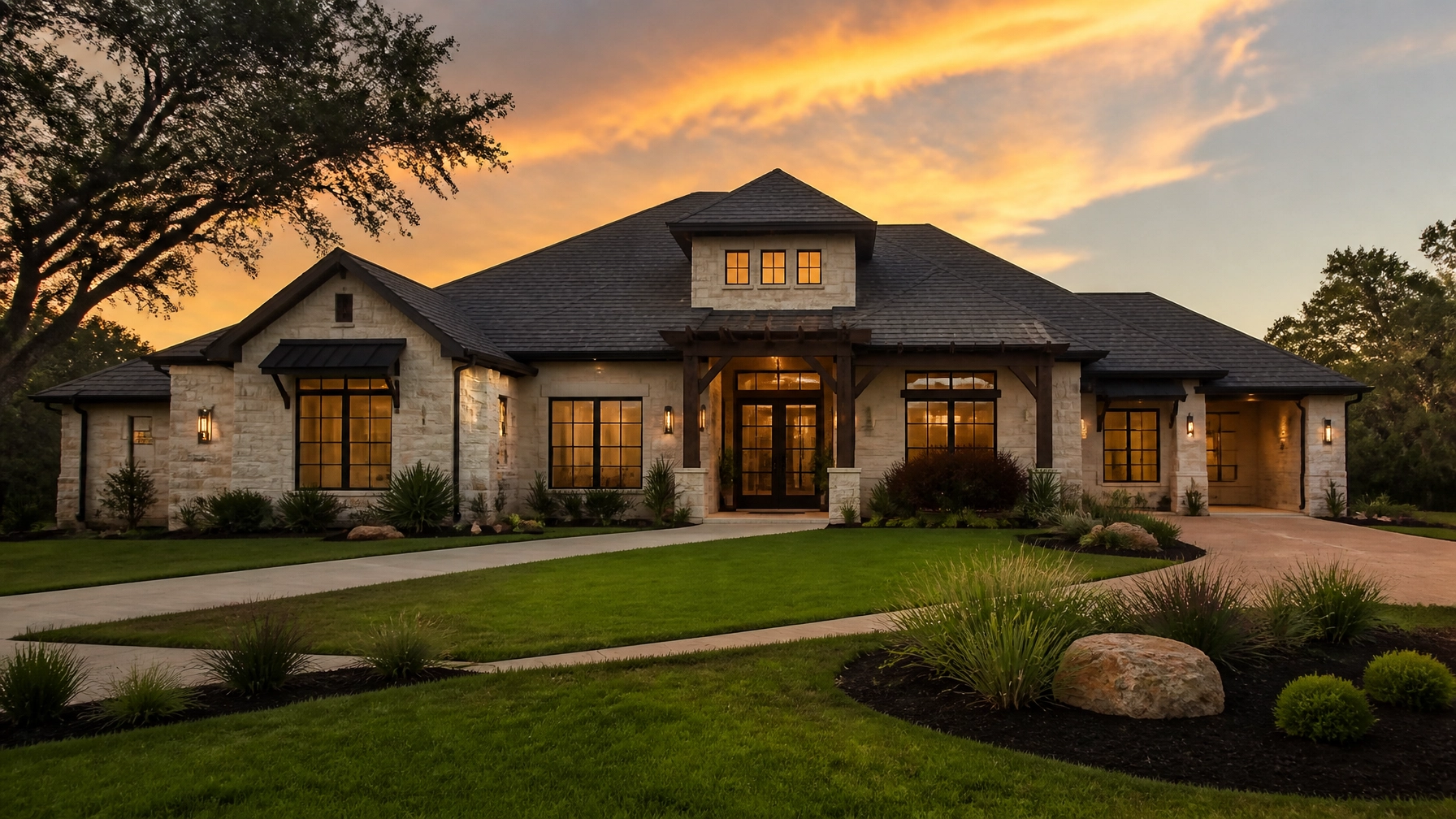
As we move into the second half of 2026, homeowners in San Antonio and across Texas are facing a unique set of challenges. Inflation has leveled off, but the cost of skilled labor remains at a premium. When your roof hits that 20-year mark or a spring hailstorm leaves your shingles bruised, the first question is always: Can I do this myself to save money, or should I hire a pro?
The allure of DIY is strong. In theory, you can save 40% to 60% on labor costs. However, a roof isn't just a layer of shingles; it’s a complex weatherproofing system designed to withstand 100-degree Texas heat and 60-mph wind gusts.
This guide breaks down the cold, hard data of DIY versus professional roof replacement in 2026 to help you decide which path protects your biggest investment: your home.
The Cost Breakdown: DIY vs. Professional
In 2026, the price of roofing is measured in "squares" (a 10' x 10' area, or 100 square feet). For a typical 2,000-square-foot home in a city like San Antonio, you are looking at a 20-to-22-square project once you account for waste and pitch.
Professional Replacement (Full Service)
- Average Cost: $7,000 – $15,000 (Budget to Popular)
- Cost Per Square: $350 – $800 (Texas Market Rate)
- What’s Included: Teardown, disposal, high-grade materials (Architectural shingles), specialized underlayment, flashing, labor, permits, and a workmanship warranty.
DIY Replacement (Self-Performed)
- Material Cost: $2,000 – $6,000 (Standard Grade)
- Tool & Gear Investment: $500 – $2,000 (One-time purchase)
- Permits & Disposal: $400 – $1,000 (Varies by Texas municipality)
- Total Initial Outlay: $2,900 – $9,000
While the DIY route appears significantly cheaper on paper, the "tool tax" and the risk of material waste can quickly close the gap.

The Hidden Costs of DIY
Most homeowners underestimate the sheer volume of equipment required to do the job correctly. To achieve a result that won't leak the first time a Texas thunderstorm rolls through, you’ll need:
- Professional Nailers: $250 – $400
- Air Compressor & Hoses: $200 – $500
- Safety Harness & Anchors: $150 – $300 (Non-negotiable for safety)
- Dumpster Rental: $400 – $700 (For old shingle disposal)
Beyond the physical tools, there is the Time Cost. A professional crew of five can strip and reroof a 2,000-square-foot home in 1 to 2 days. A single DIYer, even with a helpful neighbor, often takes 3 to 4 weekends. In the unpredictable Texas climate, leaving your roof "open" for weeks is a high-stakes gamble.
Safety and Technical Risks
Roofing is consistently ranked among the most dangerous jobs in the United States. In 2026, safety standards are stricter than ever, yet fall-related injuries remain a primary concern.
1. Structural Integrity and Leaks
A roof is only as good as its weakest valley or flashing. DIYers frequently make mistakes with:
- Starter Strips: Improper placement leads to shingles blowing off in high winds.
- Drip Edges: Incorrect installation causes water to rot the fascia and soffit.
- Flashing: Poorly sealed chimneys and vents are the #1 cause of interior water damage.
2. Warranty Implications
This is the most critical "hidden" cost. Most major shingle manufacturers (like GAF or Owens Corning) require installation by a certified professional to honor their 25-to-50-year warranties. If you install the roof yourself, you may void the material warranty immediately. If a defect appears five years from now, you’ll be paying for the replacement out of pocket.
3. Resale Value and Insurance
Texas insurance adjusters and home inspectors are highly trained to spot DIY work. If you plan to sell your home, a non-permitted or non-professional roof can be a dealbreaker. Buyers will often demand a full credit for a professional replacement, effectively forcing you to pay for the roof twice.

The Texas Advantage: Why Local Context Matters
In Texas, your roof isn't just a cover; it’s a heat shield. Professional roofers in 2026 are increasingly moving toward Cool Roof technology and high-impact shingles (Class 4) that can lower your home insurance premiums.
Local contractors are also well-versed in the specific building codes of cities like Dallas, Houston, and San Antonio. They handle the permitting process and the required mid-project inspections that many DIYers overlook, leading to heavy fines or forced tear-downs.
Instant Pricing: The Modern Way to Plan
The biggest reason homeowners consider DIY is the fear of being overcharged by contractors. Historically, getting a quote meant scheduling three different "consultants" to sit in your living room for two hours each.
At Get My Roof Estimate Now, we’ve eliminated that friction. Using advanced satellite imagery and 2026 pricing data, we provide an accurate, transparent estimate in under 60 seconds. No credit card, no high-pressure sales, just the data you need to budget.

Whether you choose to DIY or hire a pro, having a baseline price: accurate to within inches of your actual roof size: is your most powerful tool. You can start your 60-second estimate here.
The Verdict: Which Is Better?
Choose DIY If:
- You have significant construction experience and own most of the tools.
- The structure is a detached garage, shed, or non-primary residence.
- You are not concerned about long-term warranties or resale value.
- You have a 14-day window of guaranteed clear weather.
Choose a Pro Roofer If:
- The house is your primary residence and you want to protect your equity.
- The roof has a steep pitch (over 6:12) or complex gables.
- You want a transferable warranty that adds value when you sell.
- You want to maximize your insurance claim or minimize your liability.
In 2026, the risk-to-reward ratio for DIY roofing on a primary home simply doesn't add up for most people. The $5,000 saved today often results in a $10,000 repair or a $15,000 resale deduction tomorrow.
Ready to see what a professional, warrantied roof replacement will actually cost for your home? Explore our services or visit our blog for more local Texas roofing guides.
Leave a Reply